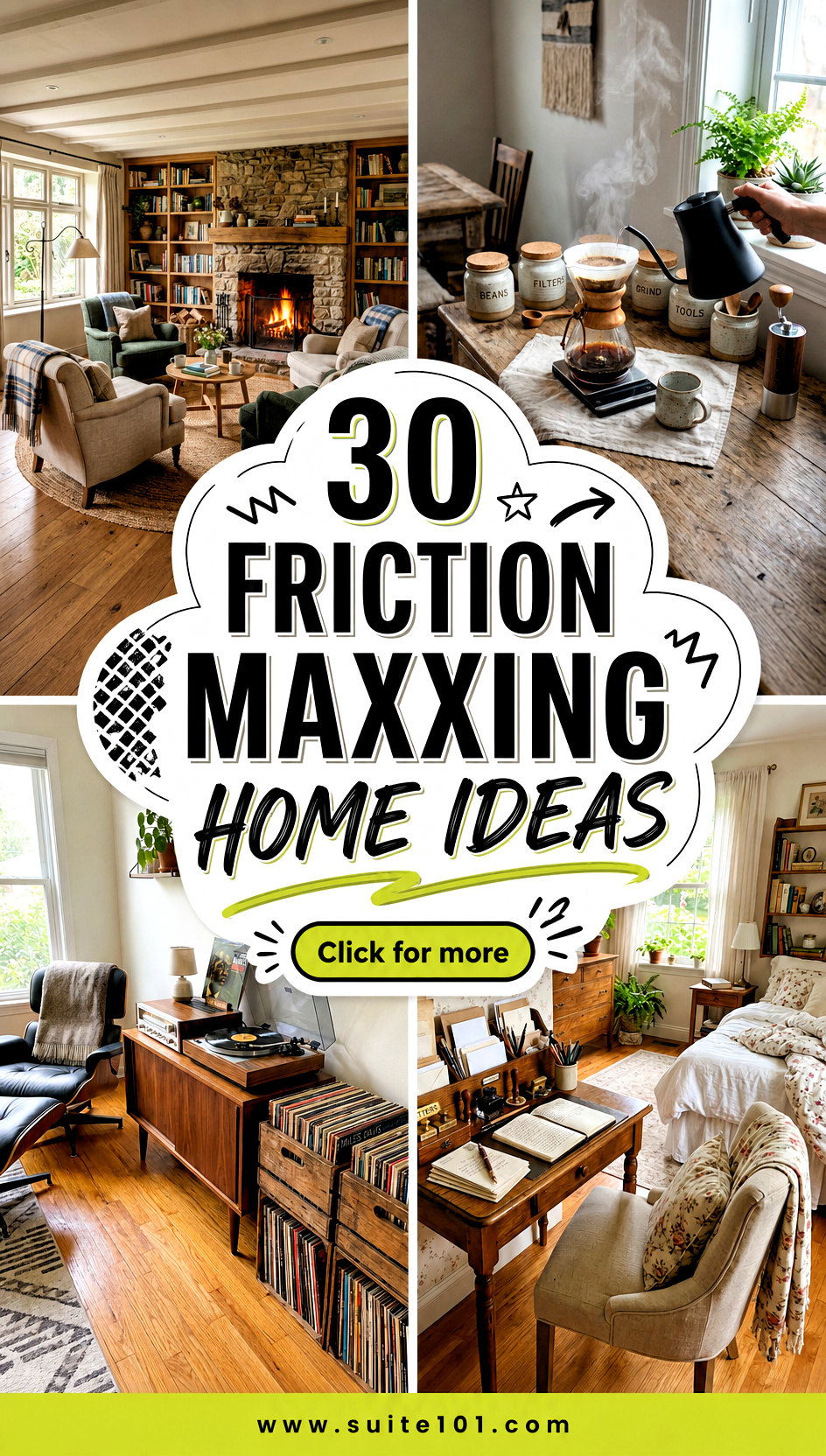
In an age where everything is available at the touch of a button, modern living has become so convenient that our brains often operate on a mindless autopilot. Friction maxxing is the intentional design choice to reintroduce small obstacles into your home environment to break these automatic patterns and reclaim your focus. By making impulsive habits slightly more difficult and healthy choices more accessible, you can transform your living space into a sanctuary of intention rather than a house of convenience. This movement isn't about creating hardship; it is about creating enough of a pause to help you choose your actions more wisely.
1. Hidden kitchen snack storage
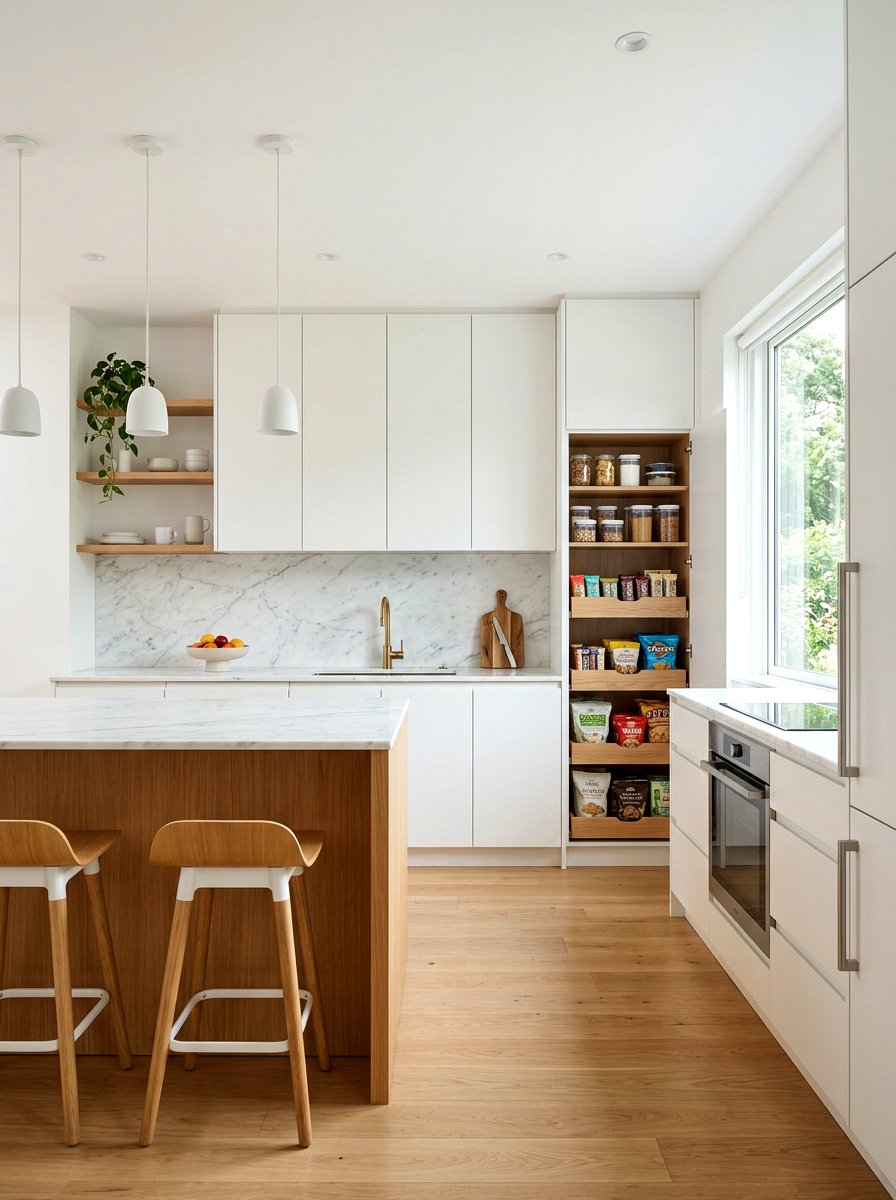
Imagine walking into your kitchen and not seeing a single bag of chips or box of cookies on the counter. By using hidden kitchen snack storage, you create a physical barrier between your cravings and your immediate actions. This concept is a core part of friction maxxing because it forces you to think before you eat. Instead of reaching for junk food mindlessly, you have to open a specific, perhaps high-up or tucked-away cabinet to find what you want. This small delay gives your brain enough time to decide if you are actually hungry or just bored. It transforms your kitchen into a space of intentional nourishment and health.
2. Entryway phone charging station
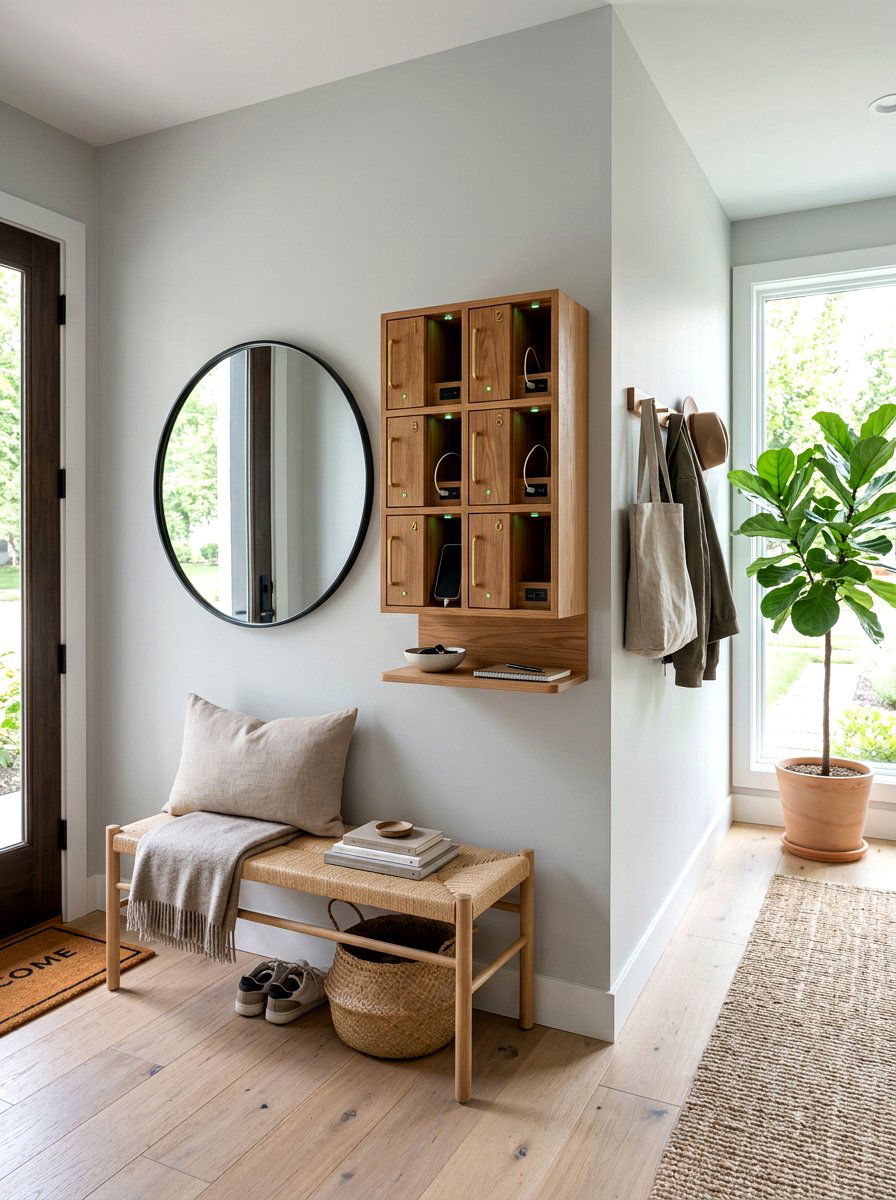
Establishing an entryway phone charging station is one of the most effective ways to reclaim your evening from the endless scroll. When you place your device in a dedicated dock or locker the moment you walk through the door, you create a physical distance between yourself and digital distractions. This simple architectural boundary signals to your brain that your home is a place for relaxation and connection, not work or social media comparison. By adding this layer of friction, you ensure that checking your phone requires a conscious walk across the room. This small effort is often enough to keep you present with your family and your hobbies.
3. Analog bedroom setup
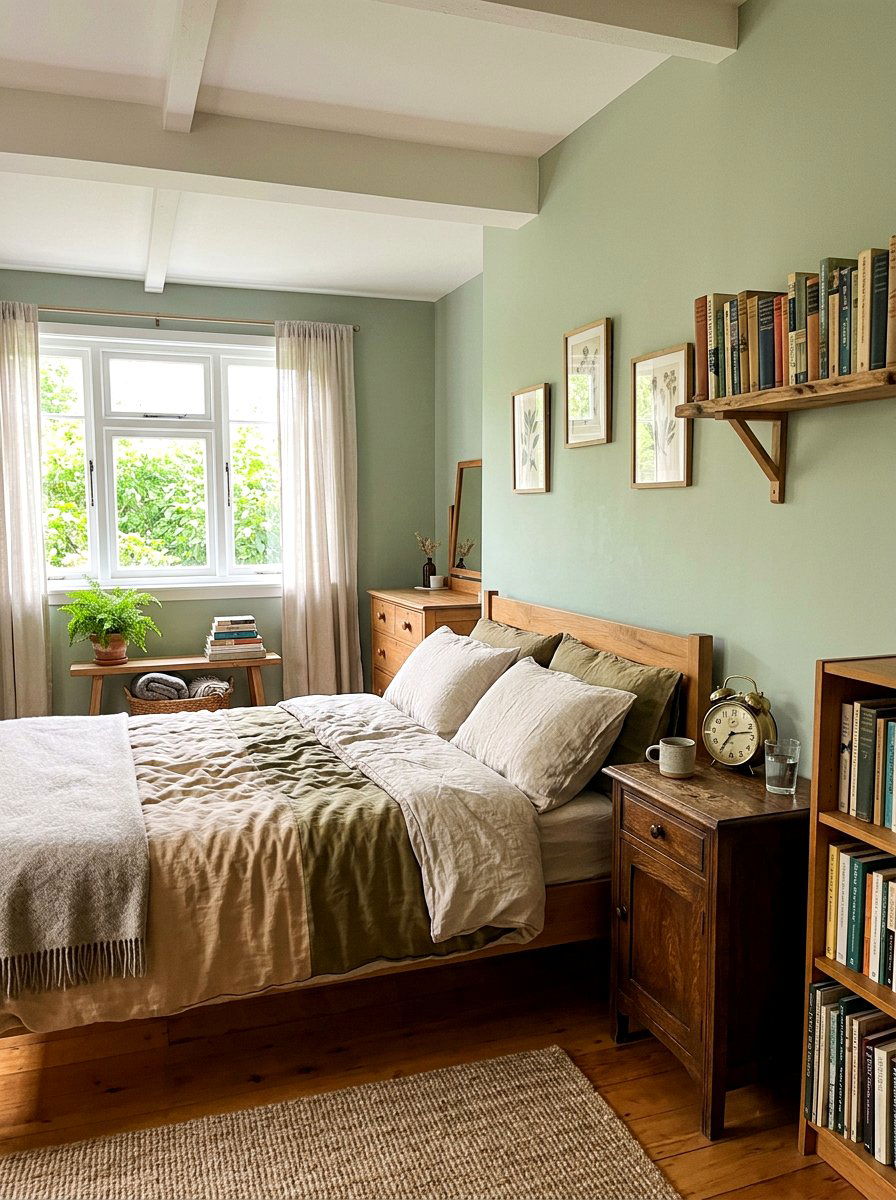
Creating an analog bedroom setup involves removing all digital devices, including smartphones and tablets, from your sleeping quarters. Instead of relying on a phone that doubles as a portal to the world, you use a dedicated analog alarm clock to wake up. This design choice eliminates the temptation to check notifications the moment your eyes open or right before you sleep. By stripping away the convenience of the digital world, you protect your sleep hygiene and mental peace. The friction here is the lack of immediate connectivity, which encourages you to read a physical book or practice mindfulness before drifting off into a deep rest.
4. Manual coffee bar
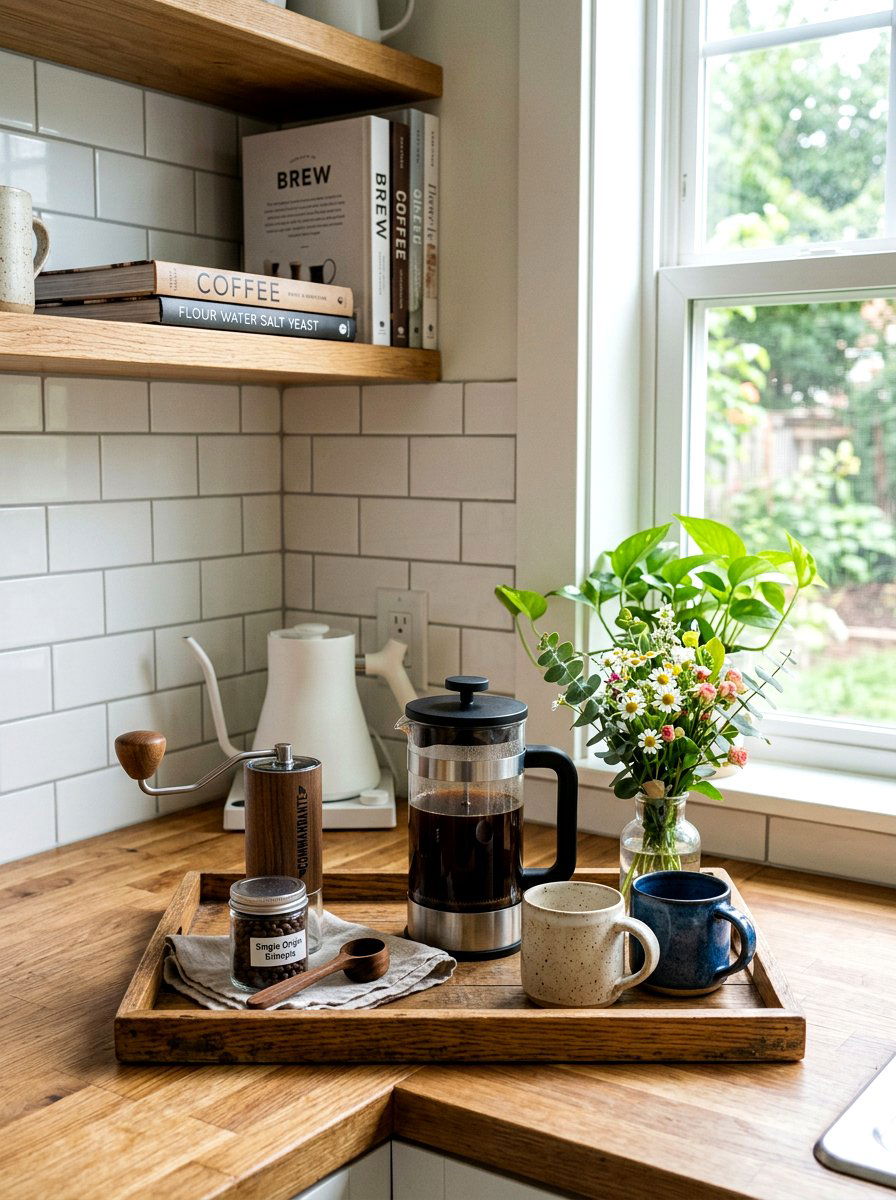
A manual coffee bar is a perfect example of adding productive friction to a daily morning routine. Rather than pressing a single button on a high-tech pod machine, you engage in the tactile process of grinding beans and brewing with a French press or pour-over. This intentional delay allows you to fully wake up and enjoy the sensory experience of the aroma and heat. It turns a rushed morning habit into a slow, meditative ritual that sets a calm tone for the rest of your day. The extra minutes spent preparing your drink provide a valuable window for reflection and presence before the work day begins.
5. Television cabinet doors
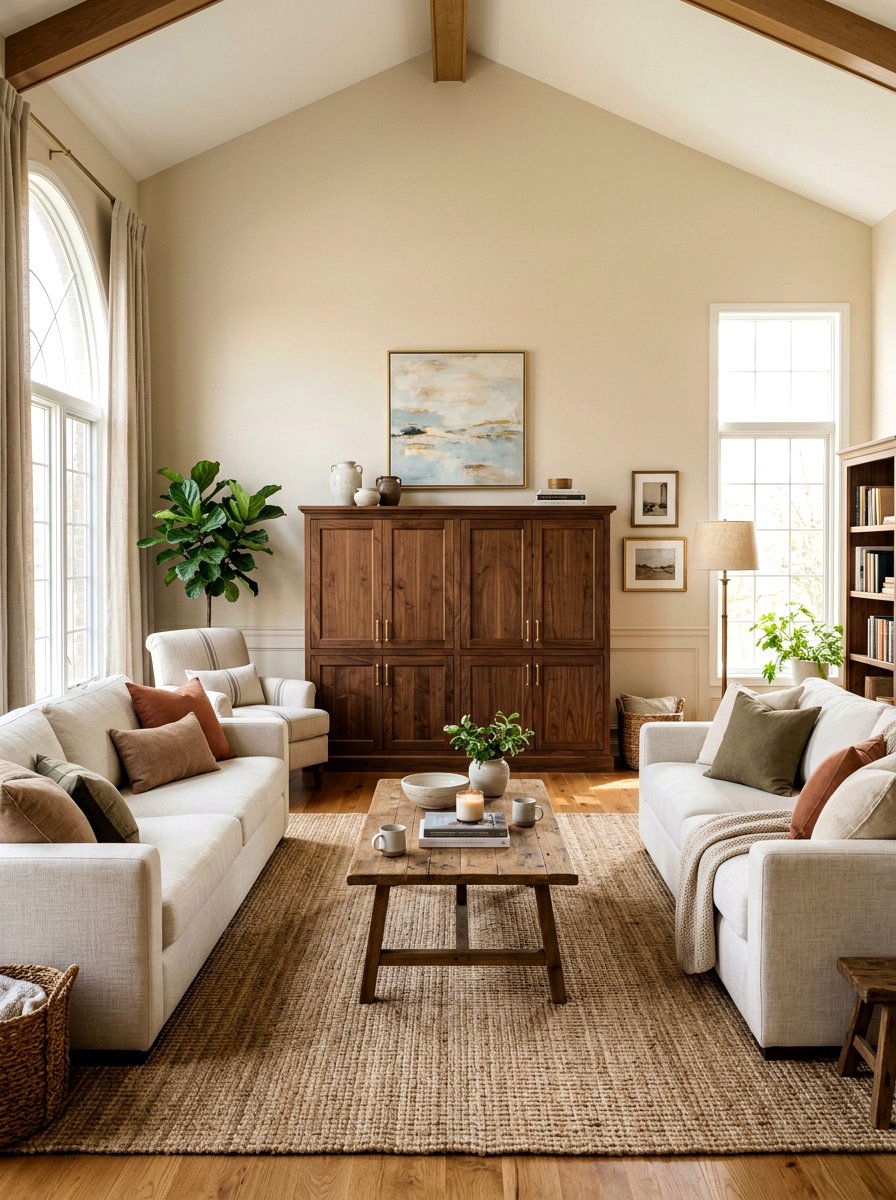
Installing television cabinet doors is a brilliant design tactic to reduce mindless screen time in your living room. When the TV is hidden behind beautiful wood panels or sleek cabinetry, it is no longer the default focal point of the space. This creates a psychological "out of sight, out of mind" effect that encourages you to seek other forms of entertainment first. To watch a show, you must physically get up and open the doors, which adds just enough friction to make you question if you truly want to watch something. This simple barrier helps you prioritize conversation, reading, or other creative activities over passive consumption.
6. Living room library wall
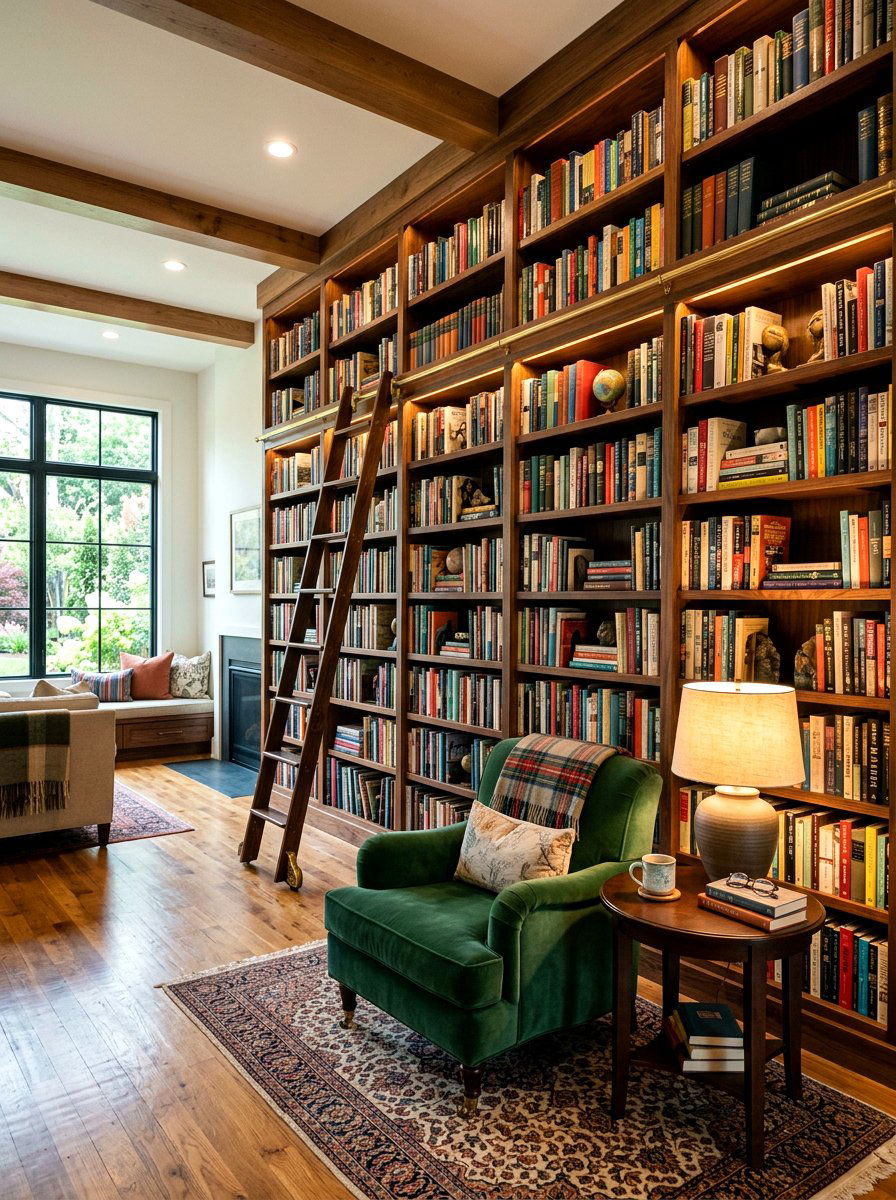
A living room library wall places knowledge and inspiration at the center of your home, making physical books the most accessible option for relaxation. When you fill a large shelving unit with a curated collection of literature, you reduce the friction of finding something meaningful to do. Instead of searching for a remote, your hands naturally reach for a spine that catches your eye. This design choice fosters a culture of learning and curiosity within the household. The presence of books as a primary decor element also provides a textural warmth and sophisticated aesthetic that screens simply cannot match, grounding the entire room in a timeless style.
7. Crank height standing desk
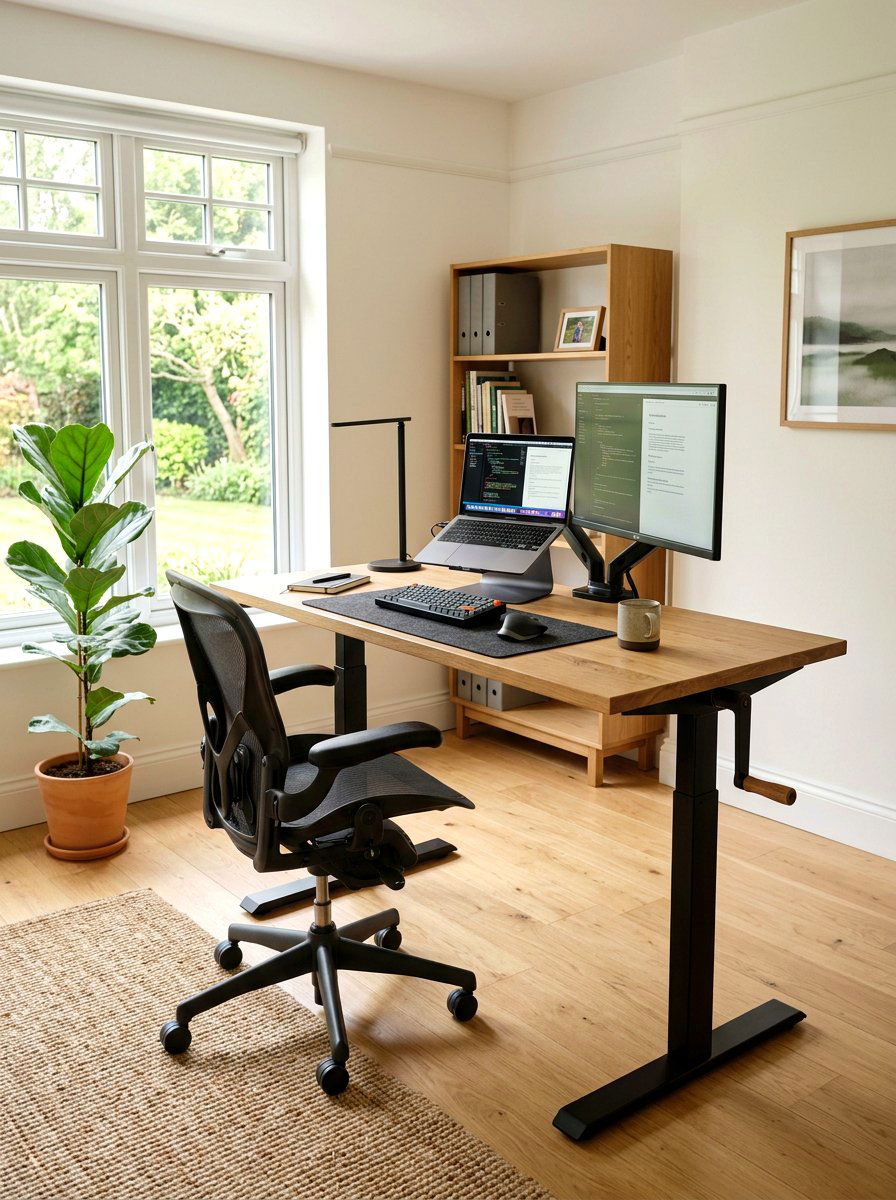
Using a crank height standing desk in your home office introduces a healthy level of physical effort into your work day. Unlike electric desks that move at the touch of a button, a manual crank requires you to actively participate in changing your posture. This small amount of work makes the transition from sitting to standing more intentional and memorable. It encourages you to stay in one position for a productive block of time rather than constantly fidgeting with height settings. This mechanical interaction also serves as a subtle reminder to move your body, blending productivity with a slow, deliberate approach to modern ergonomic office design.
8. High shelf pantry organization
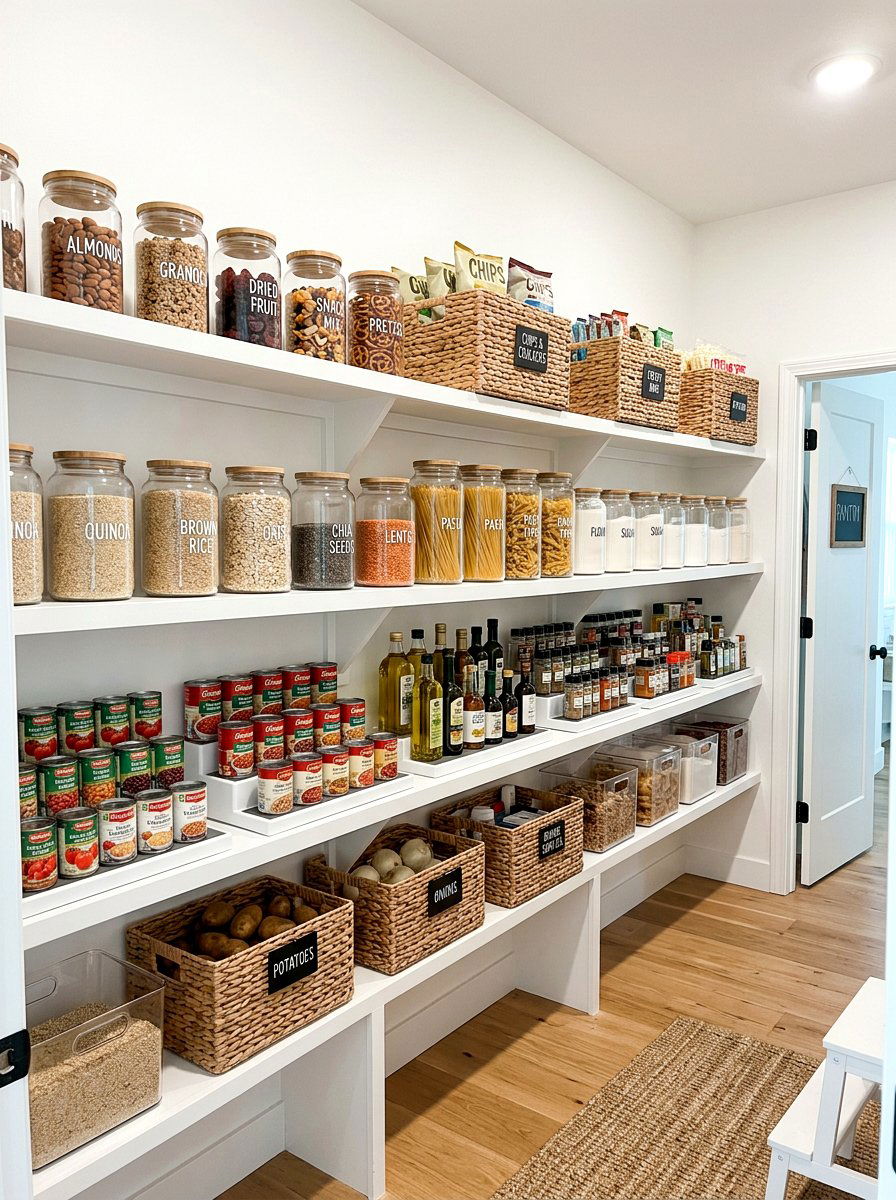
High shelf pantry organization is a strategic way to manage treats and processed foods by placing them in the least accessible areas. By moving high-calorie snacks to the top shelf or behind heavy bins, you ensure that reaching for them requires a step stool or a significant stretch. This physical barrier acts as a "speed bump" for mindless munching. Meanwhile, you can keep healthy staples like grains, nuts, and produce at eye level. This simple rearrangement of your pantry layout uses the principles of choice architecture to guide you toward better eating habits without feeling like you are strictly dieting or restricting your favorite foods.
9. Unplugged appliance station
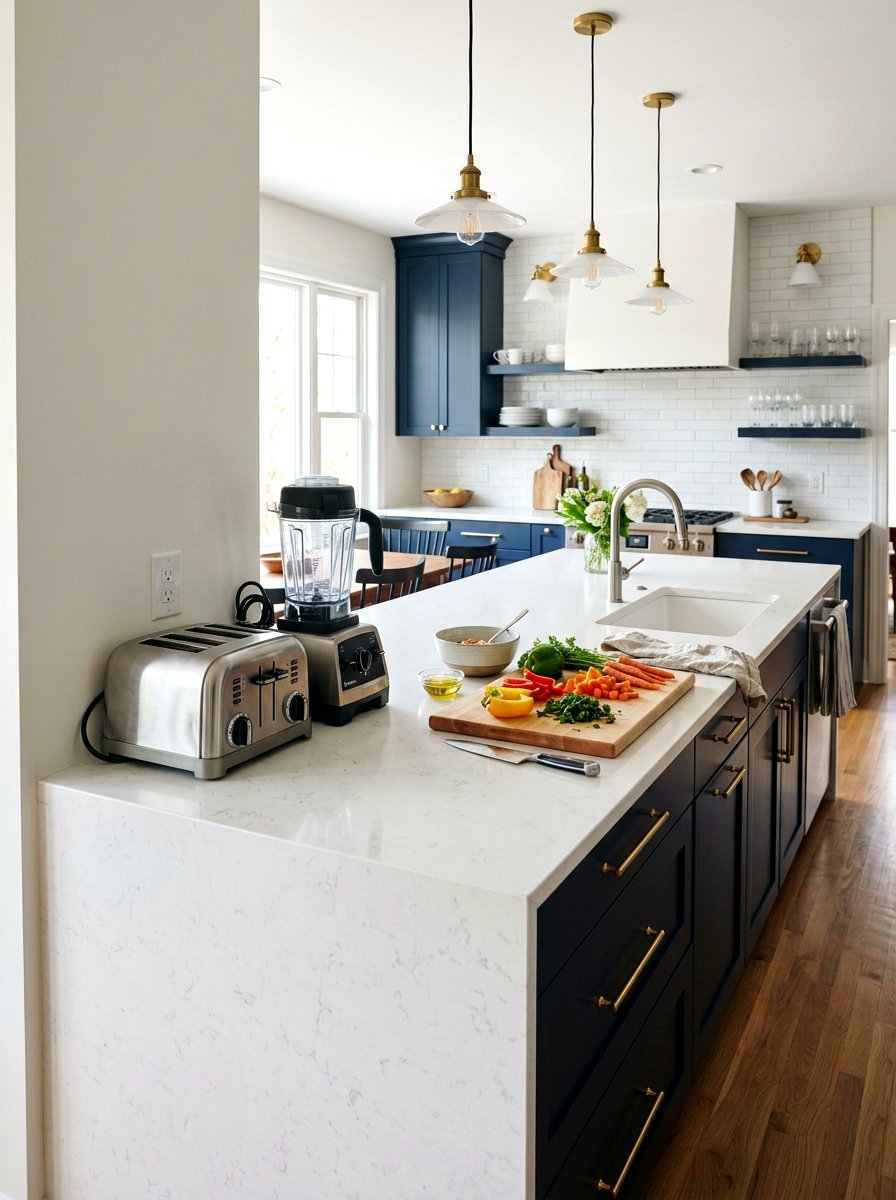
An unplugged appliance station is a kitchen setup where small electronics like toasters, blenders, and air fryers are kept unplugged when not in use. While it may seem like a minor inconvenience to plug them in each time, this extra step prevents you from using them out of pure convenience. It forces you to consider if you actually need the appliance for your meal or if a simpler, more manual method might suffice. This practice also helps reduce "vampire" energy draw and creates a cleaner, more organized aesthetic on your countertops. It is a subtle way to practice mindfulness and energy conservation every single day.
10. Lockable snack cabinet
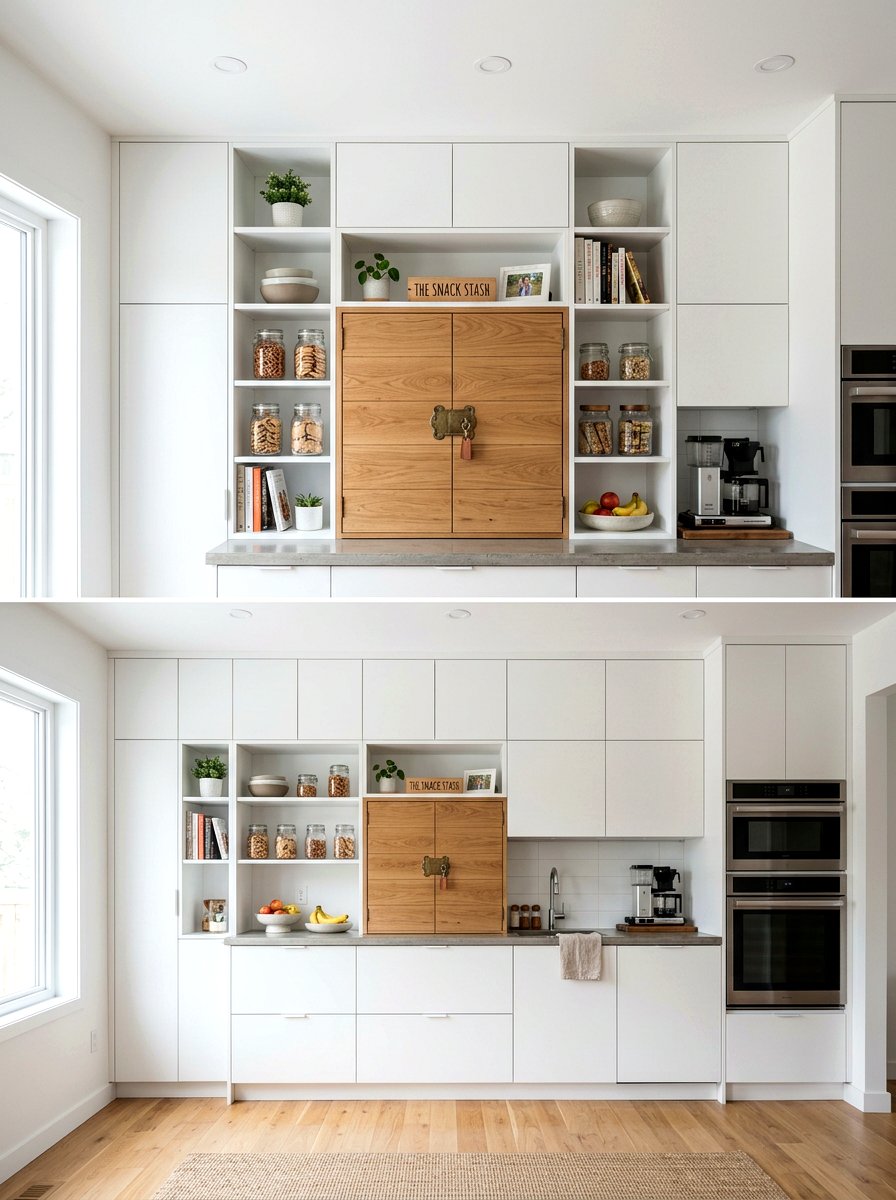
A lockable snack cabinet takes friction maxxing to a more literal level by adding a physical lock to your treat drawer. This isn't about punishment; it is about creating a hard stop for late-night cravings or impulsive snacking. Whether you use a traditional key or a timed lock, the act of unlocking the cabinet provides a crucial moment of pause. It gives your prefrontal cortex time to override the primitive urge for sugar or salt. By making the "bad" choice much harder to access, you empower yourself to make better decisions. This setup is particularly helpful for families looking to establish healthier boundaries with sweets and snacks.
11. Screen free sitting area
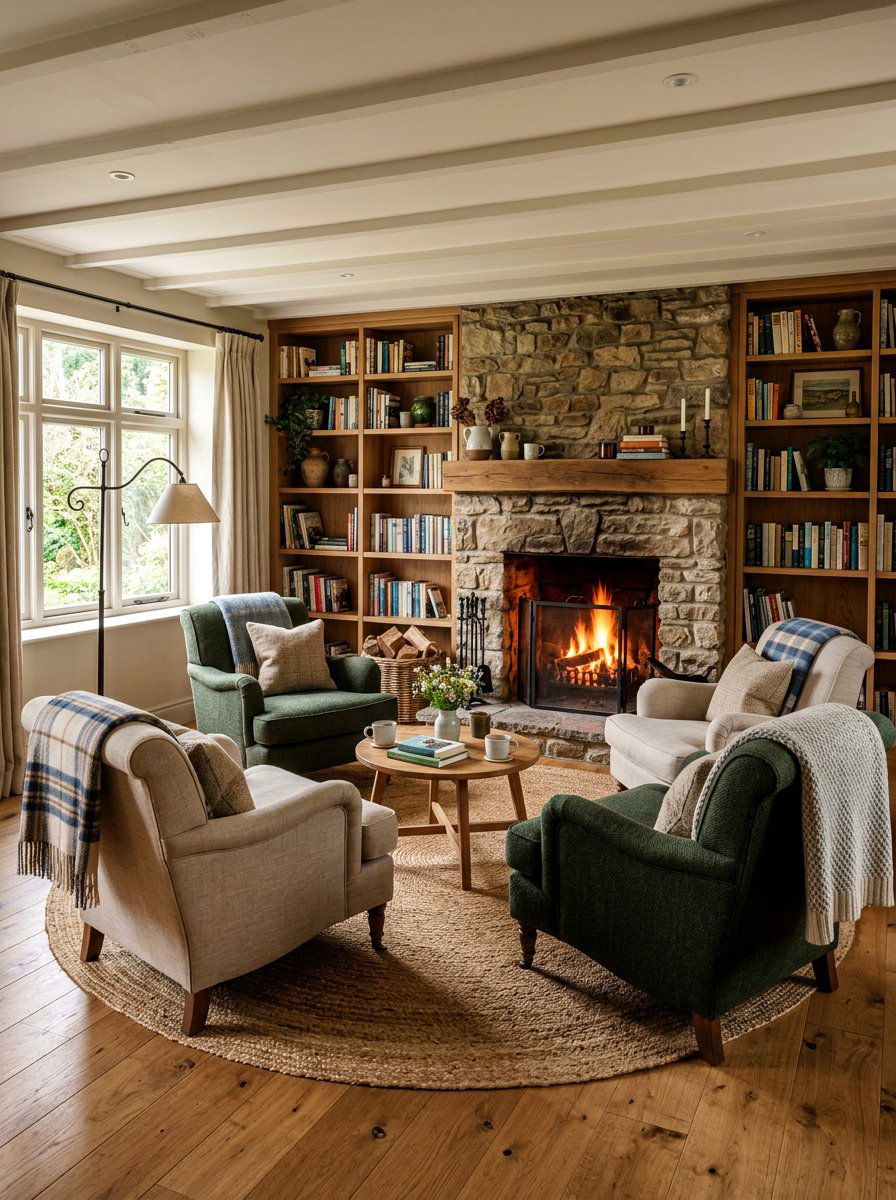
A screen free sitting area is a dedicated zone in the home where technology is strictly prohibited, focusing instead on human connection. By arranging comfortable armchairs and sofas in a circle or facing a fireplace, you prioritize conversation over digital entertainment. This layout creates a natural friction against the urge to check devices, as there are no chargers or screens within sight to trigger the habit. It becomes a sanctuary for deep talks, quiet reflection, or simply enjoying a cup of tea. This design choice reinforces the idea that some parts of your life should remain private, slow, and completely disconnected from the digital world.
12. Traditional writing desk

A traditional writing desk equipped with high-quality stationery and fountain pens invites you to slow down your communication. In a world of instant messaging and rapid emails, writing a physical letter requires patience and careful thought. The friction of the manual writing process helps you process your emotions more deeply and connect with the recipient on a more personal level. This dedicated space also serves as a beautiful aesthetic feature, anchoring a room with a sense of history and intellectualism. By choosing paper over a screen, you engage in a tactile experience that rewards your focus and creativity in a way that typing never can.
13. Pour over coffee station
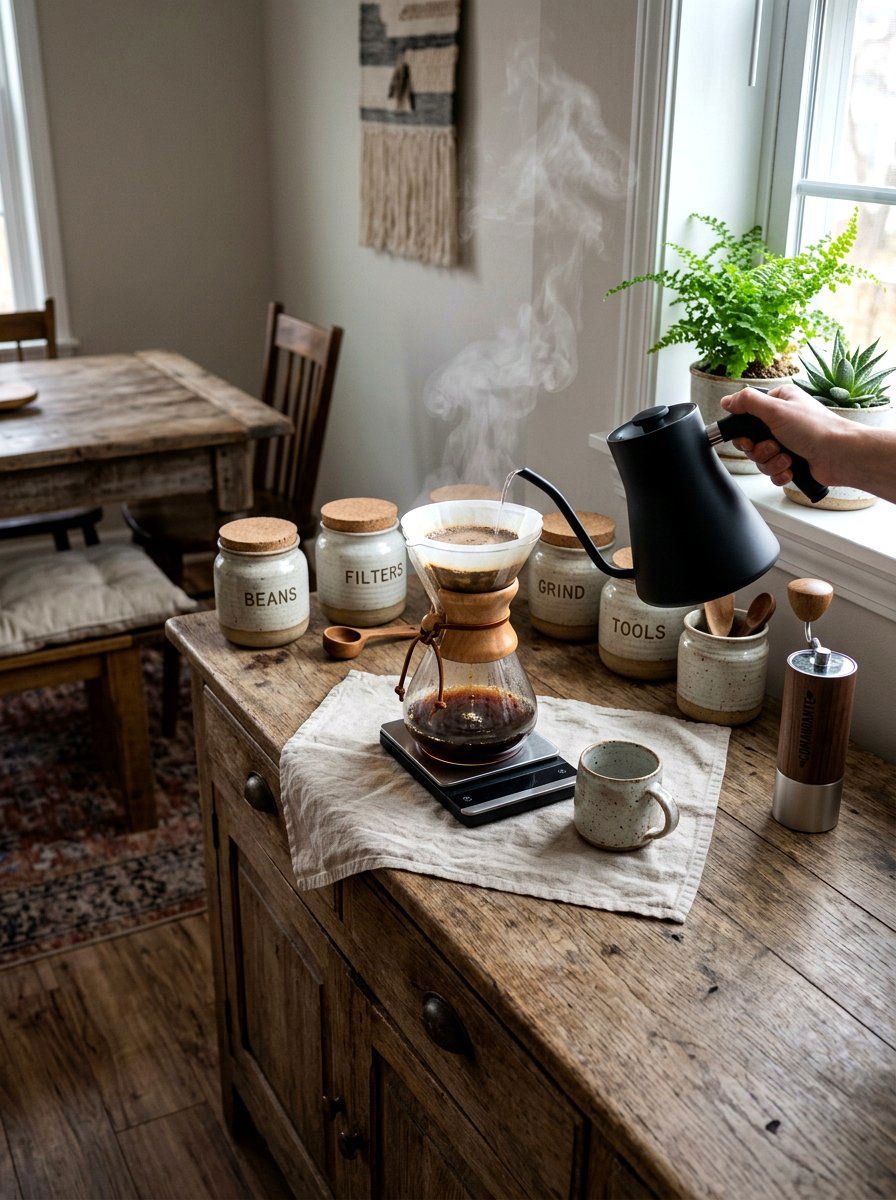
Setting up a dedicated pour over coffee station encourages a slow and precise start to your morning. Unlike automatic drip machines, the pour-over method requires you to carefully control the water temperature and flow rate over the grounds. This ritualistic approach demands your full attention for several minutes, providing a natural break from the morning rush. The friction involved in weighing beans and timing the brew results in a superior cup of coffee that you are more likely to savor. It turns a mundane task into a craft, helping you develop patience and a deeper appreciation for the small, high-quality details in your daily life.
14. Reading nook without outlets
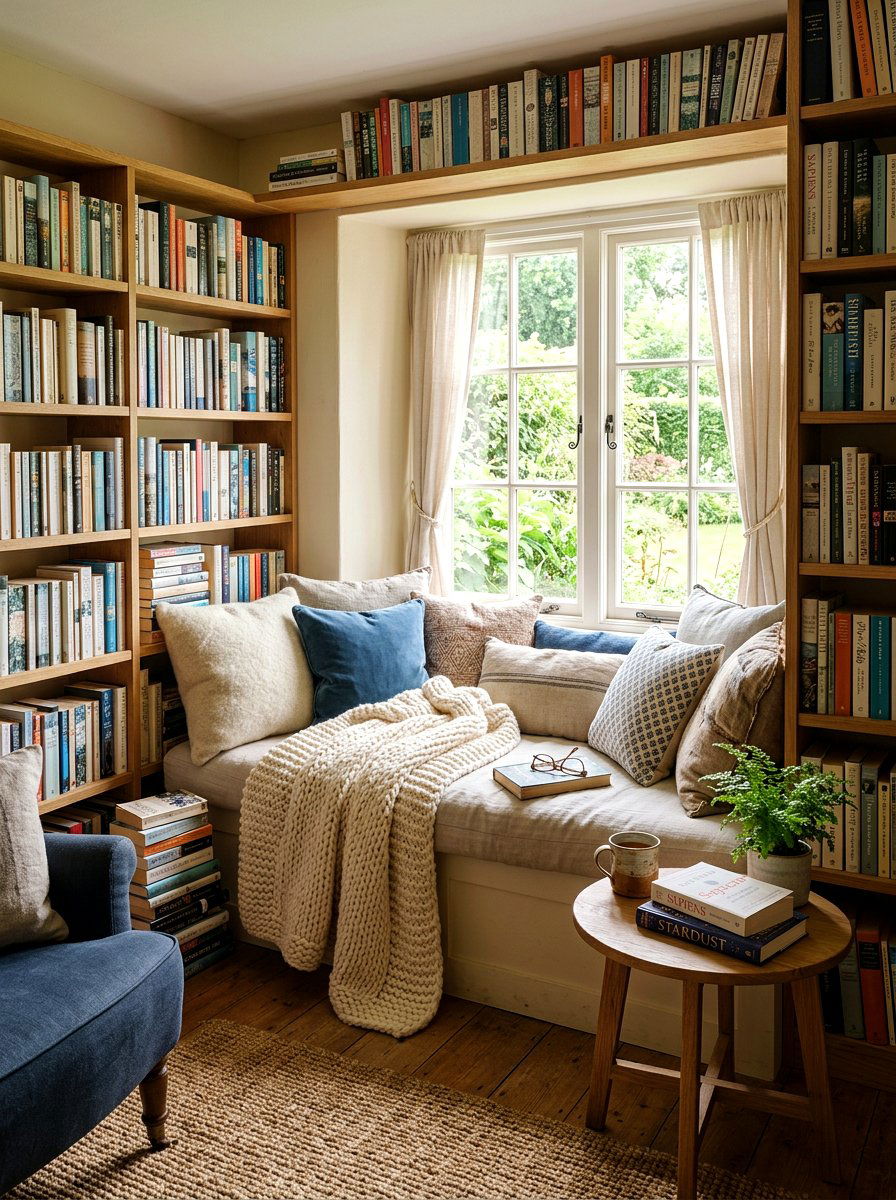
A reading nook without outlets is a cozy corner designed for total immersion in literature without the distraction of charging cables. By intentionally choosing a spot far from power sources, you ensure that your digital devices will eventually run out of battery, forcing you to put them away. This environmental constraint makes it much easier to commit to a physical book for several hours. The lack of technology in this space allows for a more peaceful atmosphere, perfect for decompressing after a long day. Styling this area with plush textiles and soft, battery-operated lighting can enhance the sense of seclusion and deep, uninterrupted relaxation.


15. Hallway workout equipment
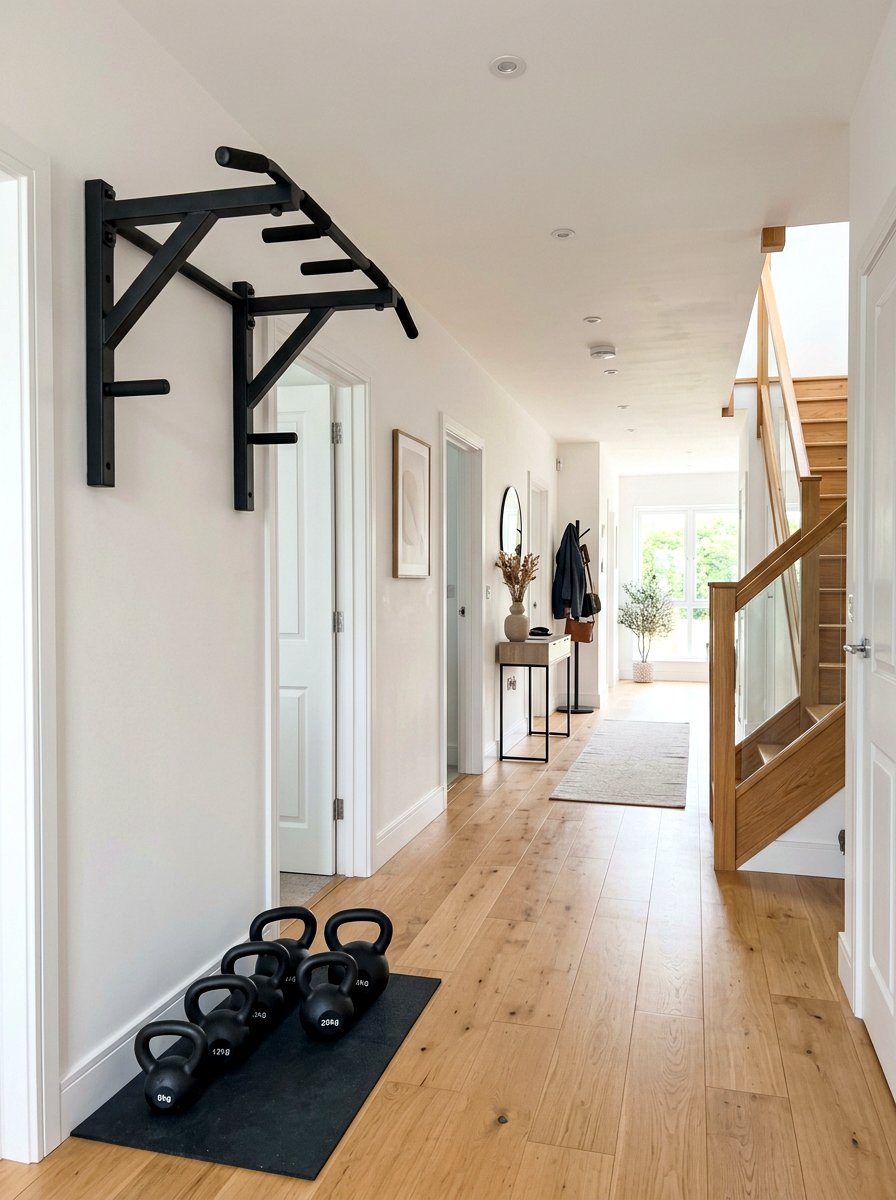
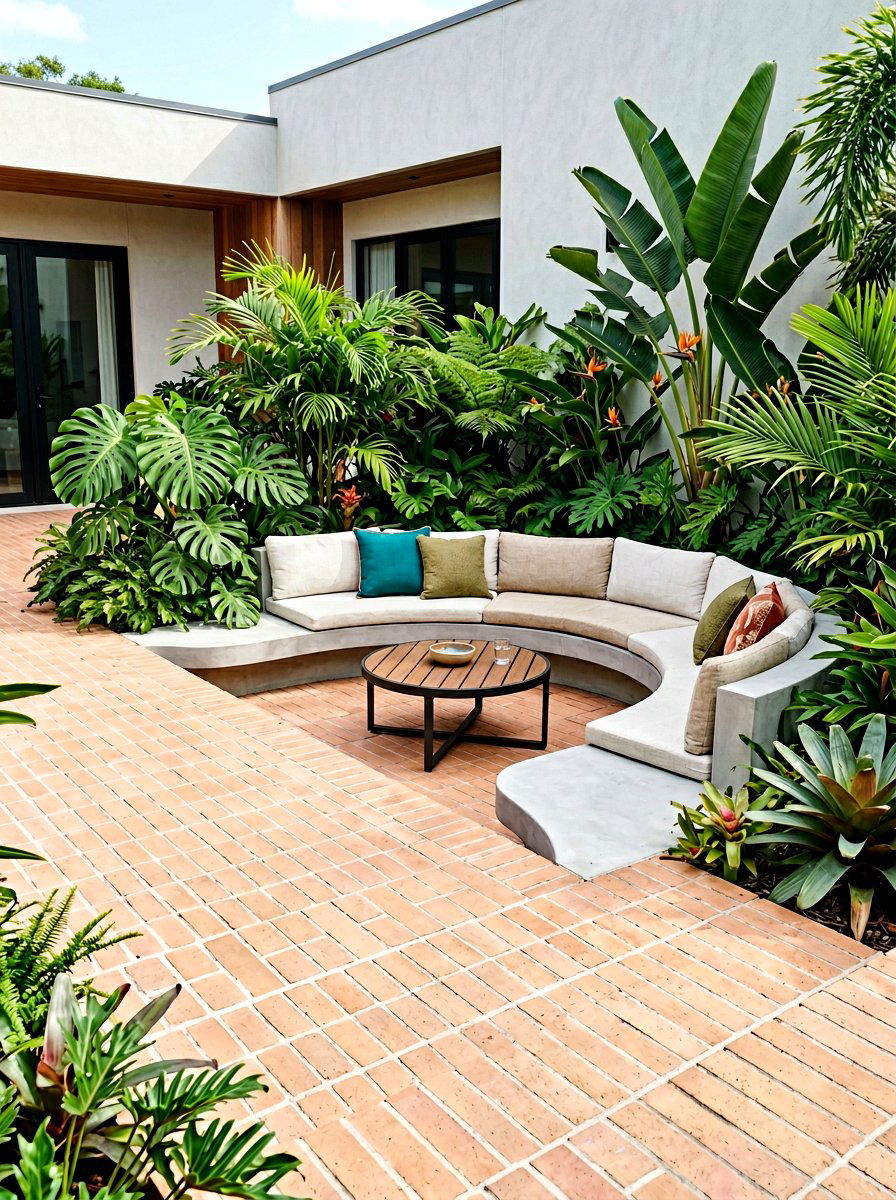
Placing hallway workout equipment like a pull-up bar or a set of kettlebells in a high-traffic area adds "good" friction to your sedentary lifestyle. Instead of hiding your fitness gear in a basement or closet, putting it in your direct path makes it impossible to ignore. You can challenge yourself to do five repetitions every time you walk through the hallway. This strategy lowers the barrier to entry for exercise because you don 't have to "go" to the gym; the gym is already part of your home' s architecture. It turns your daily movements into opportunities for physical improvement, making a healthy lifestyle the path of least resistance.
16. Vinyl record listening station
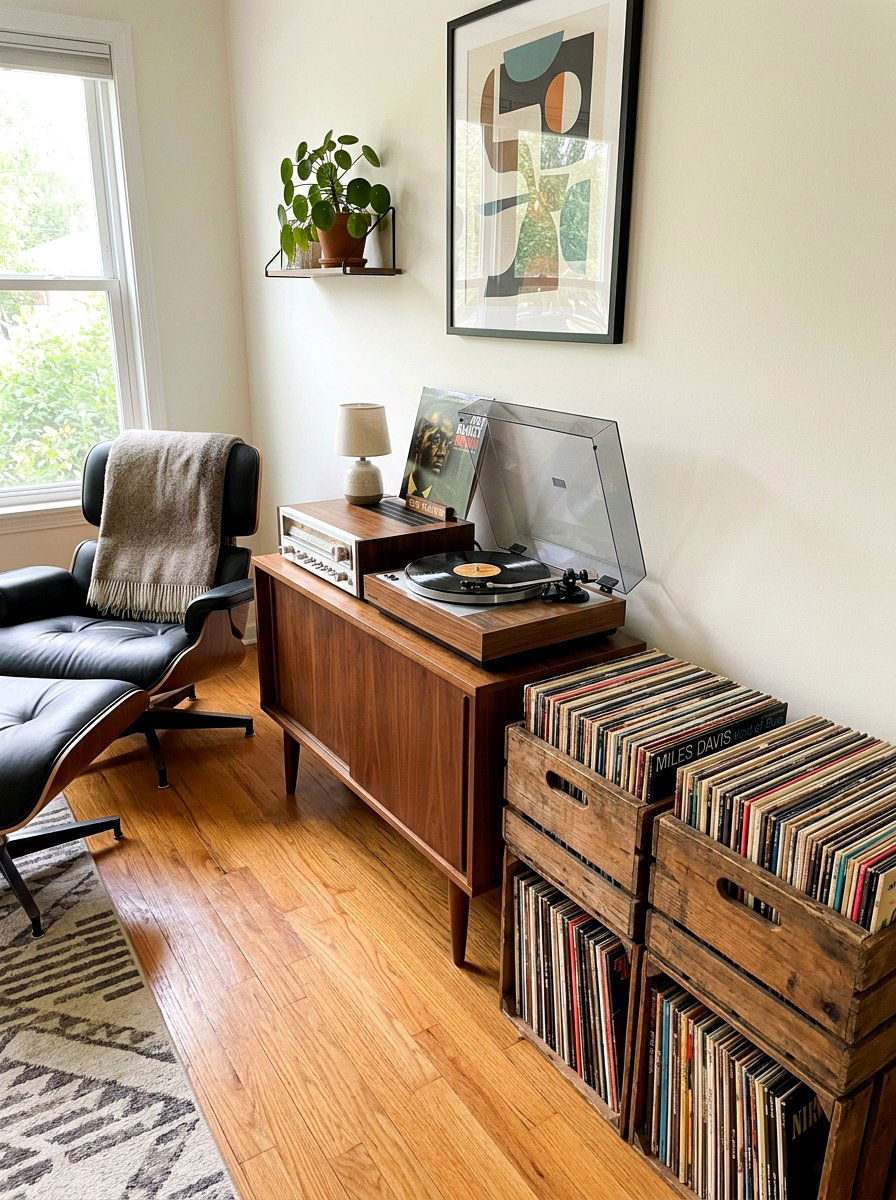
A vinyl record listening station reintroduces the physical experience of music into your living room, contrasting the frictionless nature of streaming. To hear a song, you must select an album, carefully place the needle, and flip the disc halfway through. This mechanical process prevents you from skipping tracks mindlessly and encourages you to listen to an entire body of work as the artist intended. The high-quality sound and the tactile nature of the covers provide a rich, multi-sensory experience. By adding these extra steps, you transform music from background noise into a dedicated activity that requires your full presence and intentional focus.
17. Coffee table board games
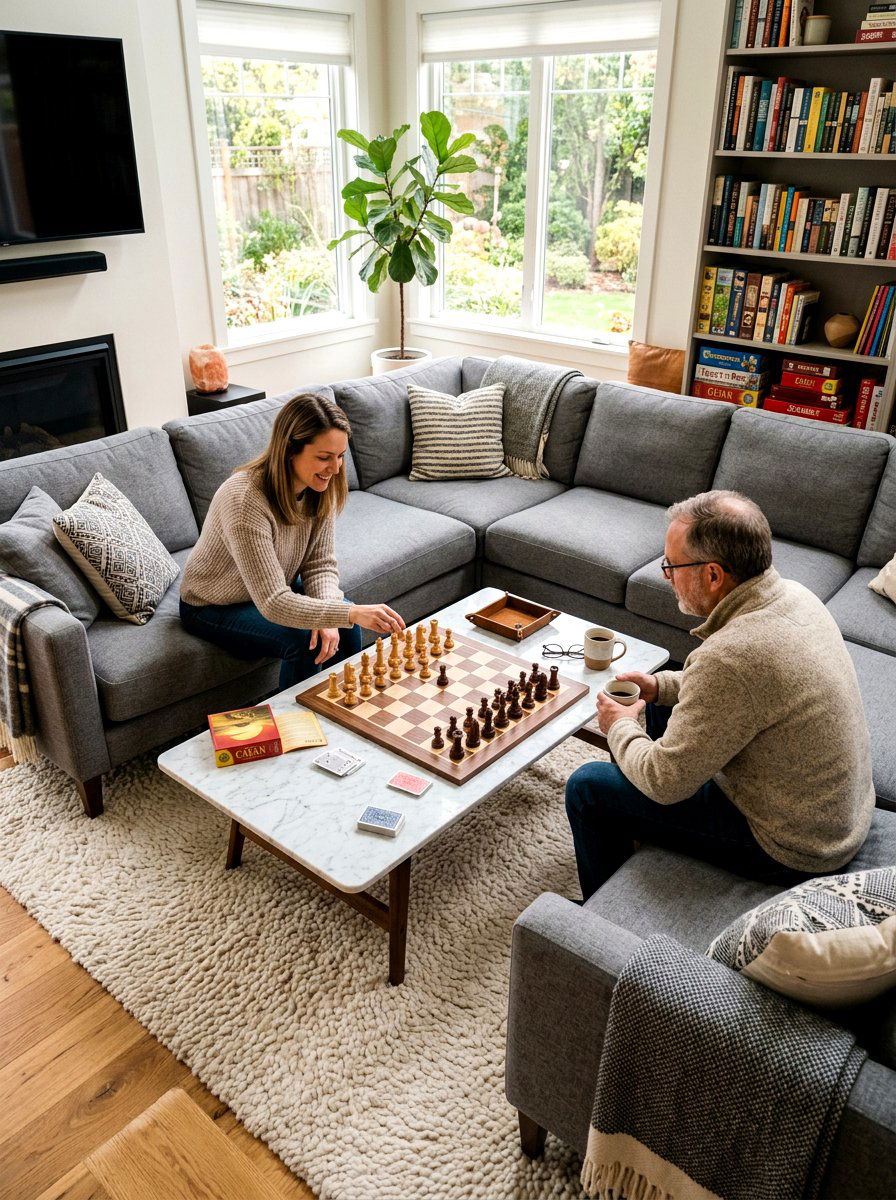
Keeping coffee table board games in plain sight is a simple design trick to encourage spontaneous social interaction over phone scrolling. When a beautiful wooden chess set or a stack of classic cards is the focal point of the table, guests and family members are more likely to engage with them. This creates a healthy friction against digital isolation by offering a fun, tactile alternative for entertainment. Playing games together builds cognitive skills and strengthens emotional bonds through shared challenges and laughter. It shifts the energy of the living room from passive consumption to active participation, making your home a more vibrant and connected space.
18. Hand tool garden shed
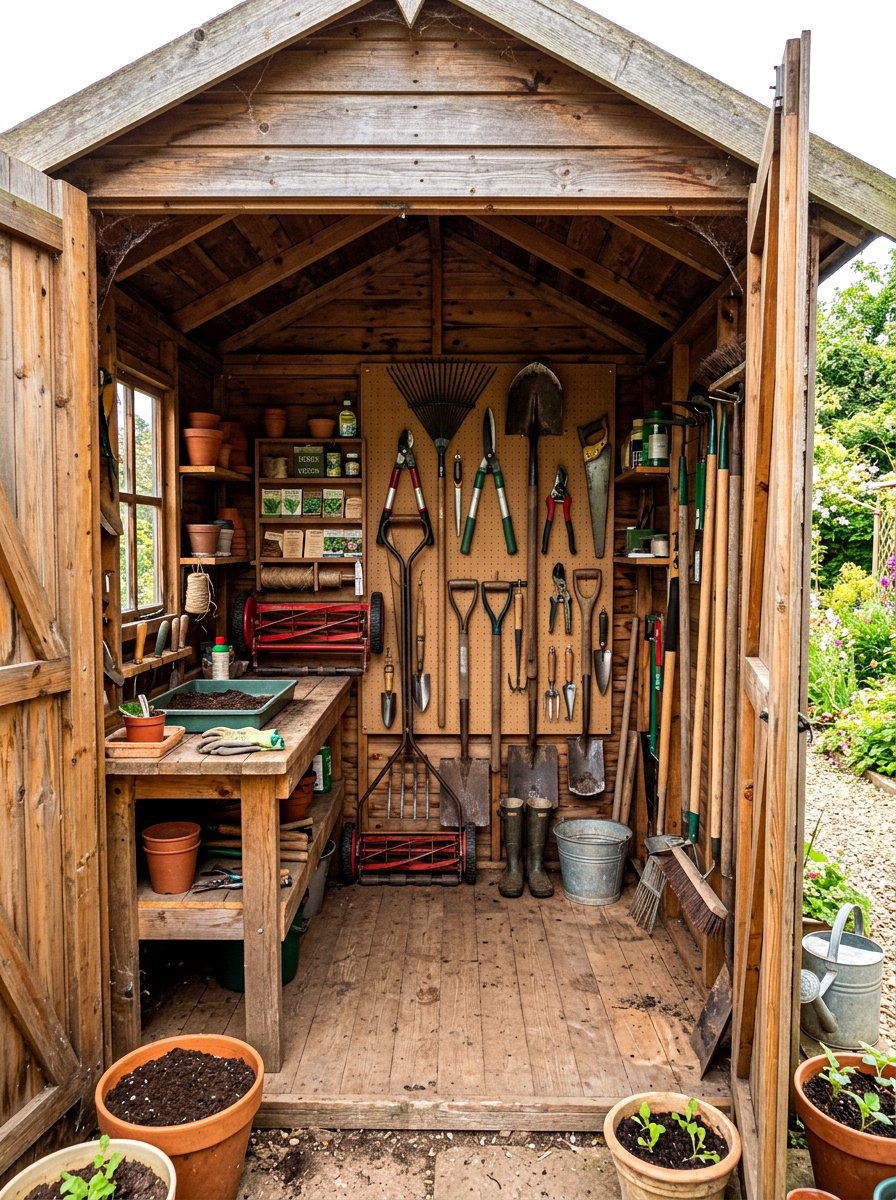
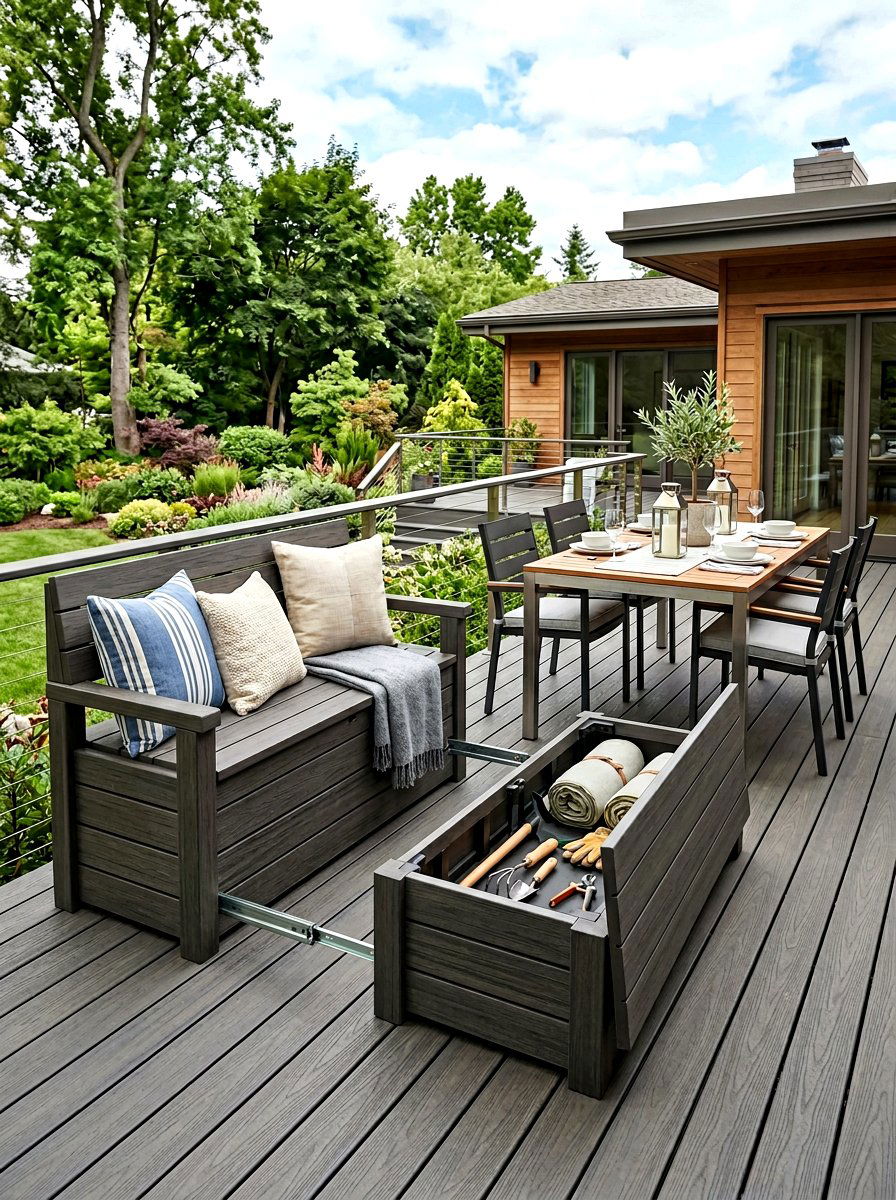
A hand tool garden shed promotes a slower, more deliberate approach to outdoor maintenance by eschewing loud, gas-powered machinery. Using a manual push mower or traditional hand shears requires more physical effort and time, but it also allows for a more intimate connection with your landscape. This friction helps you appreciate the rhythm of the seasons and the subtle changes in your plants. The quiet nature of hand tools also preserves the peace of your neighborhood and reduces your environmental footprint. It turns gardening from a chore to be rushed through into a therapeutic, strength-building exercise that rewards patience and careful attention to detail.
19. Kitchen scrap compost bin
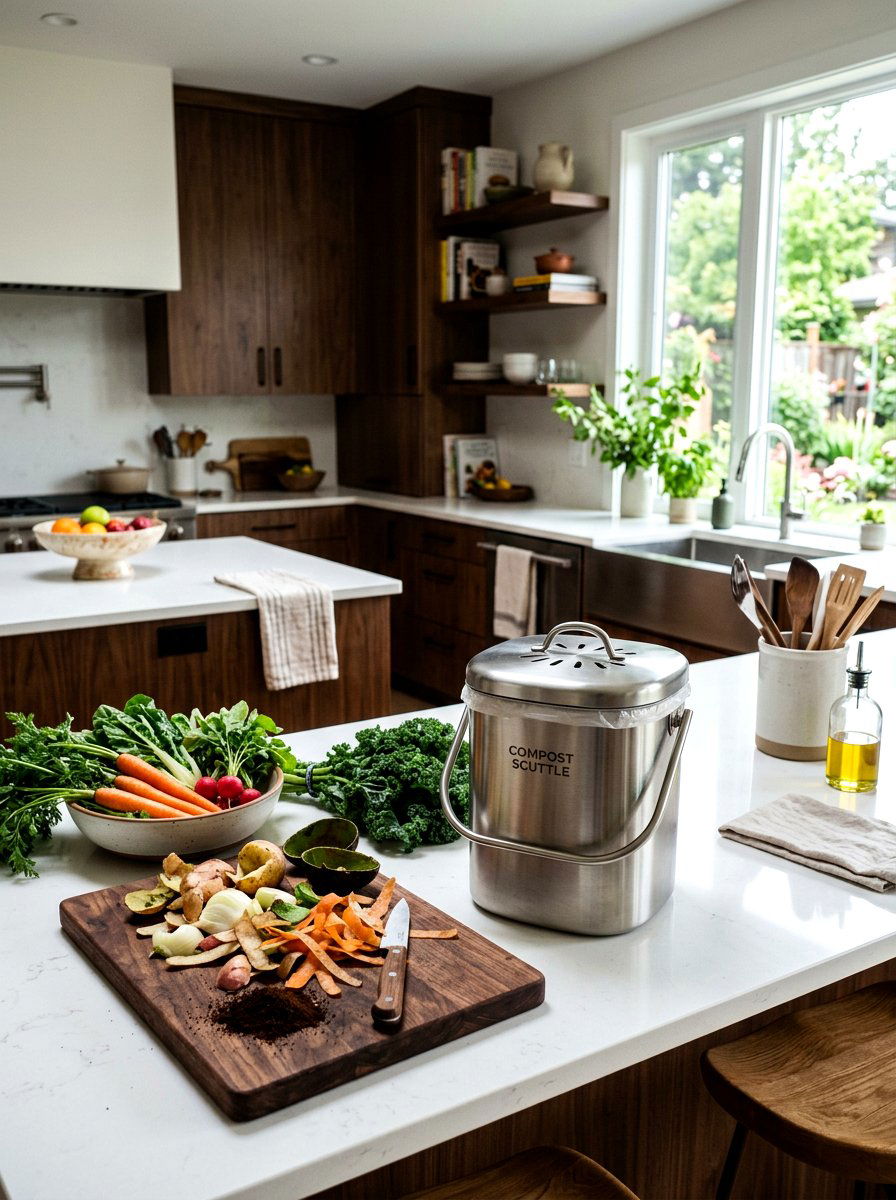
A kitchen scrap compost bin adds a small but meaningful step to your waste management routine, forcing you to be more aware of your consumption. Instead of tossing everything into a single trash can, you must separate organic matter and move it to a dedicated outdoor pile. This friction creates a conscious connection between your food choices and the health of the earth. Over time, this process rewards you with nutrient-rich soil for your garden, completing a natural cycle of growth and decay. It is a powerful way to ground your household in sustainable practices and teach your family about the importance of environmental responsibility.
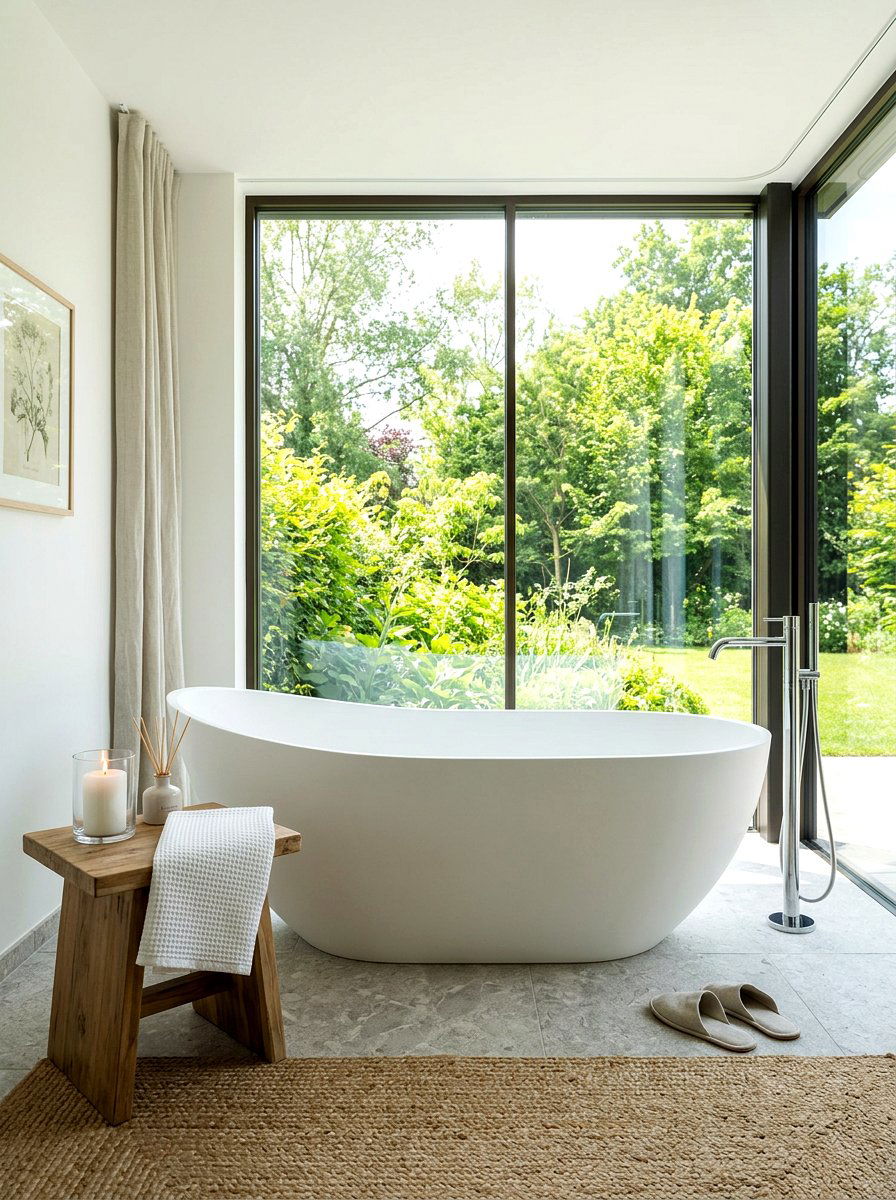
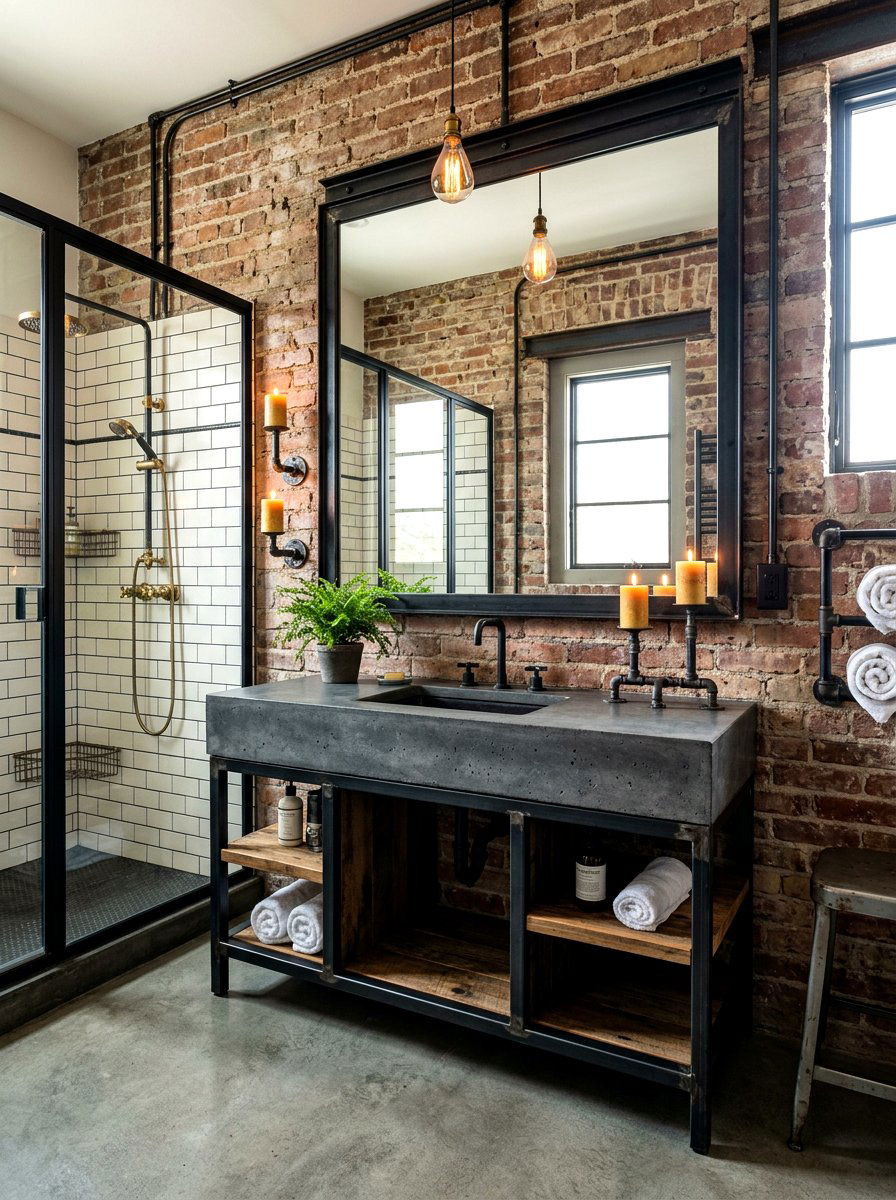
20. Laundry room soaking sink
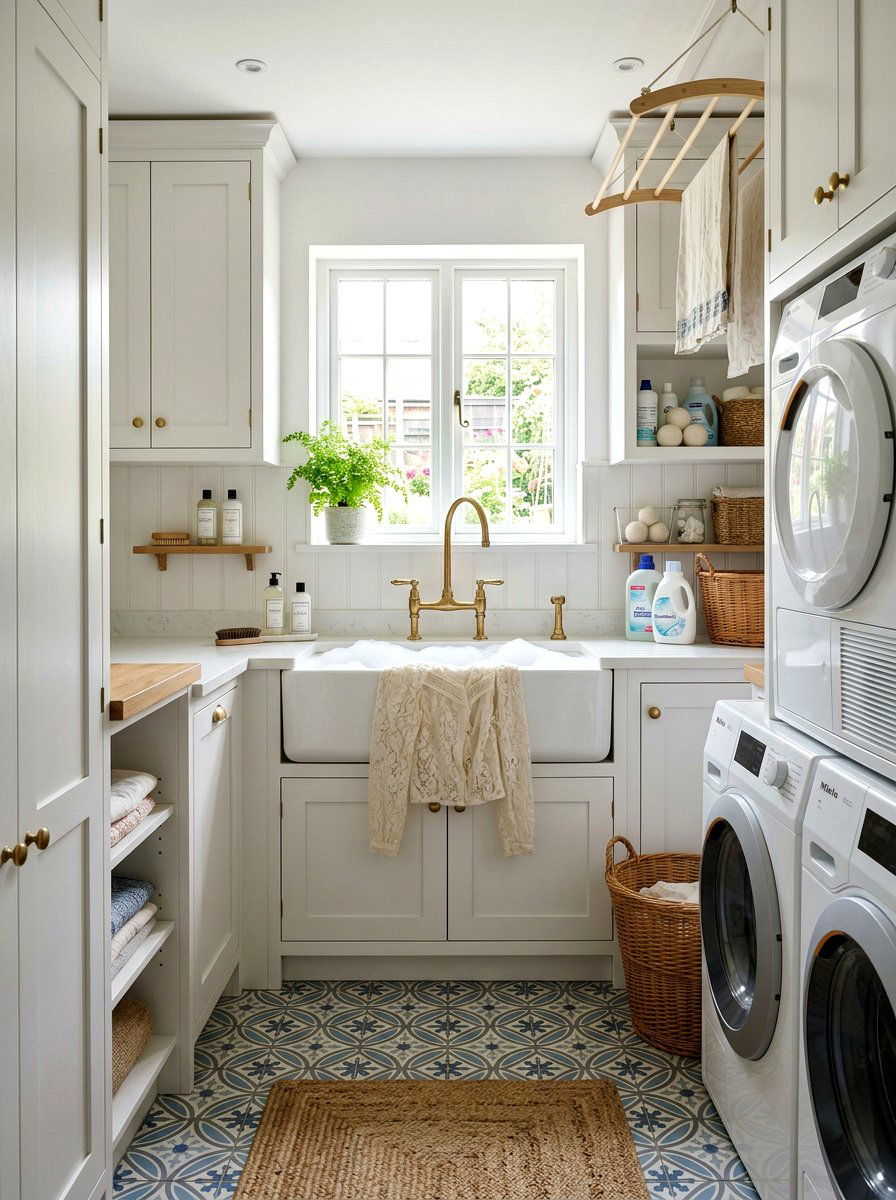
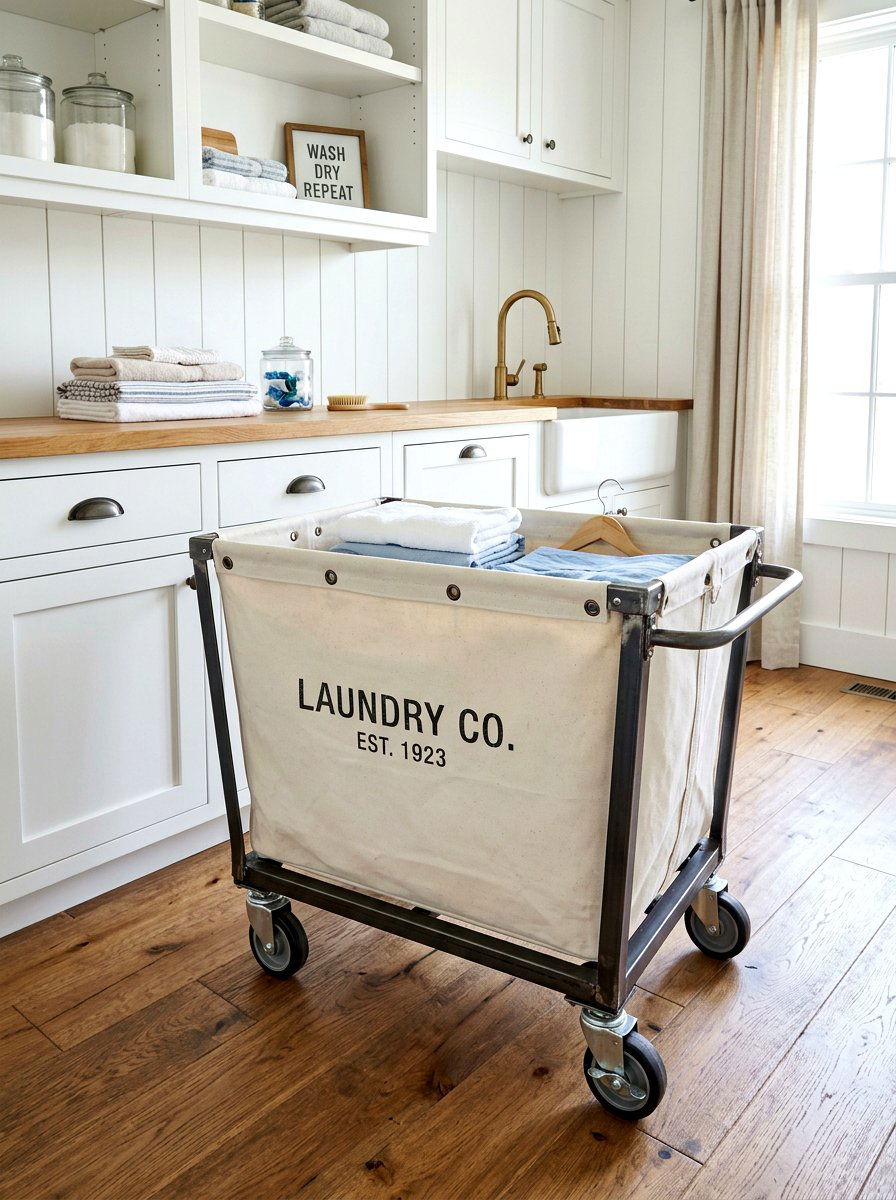
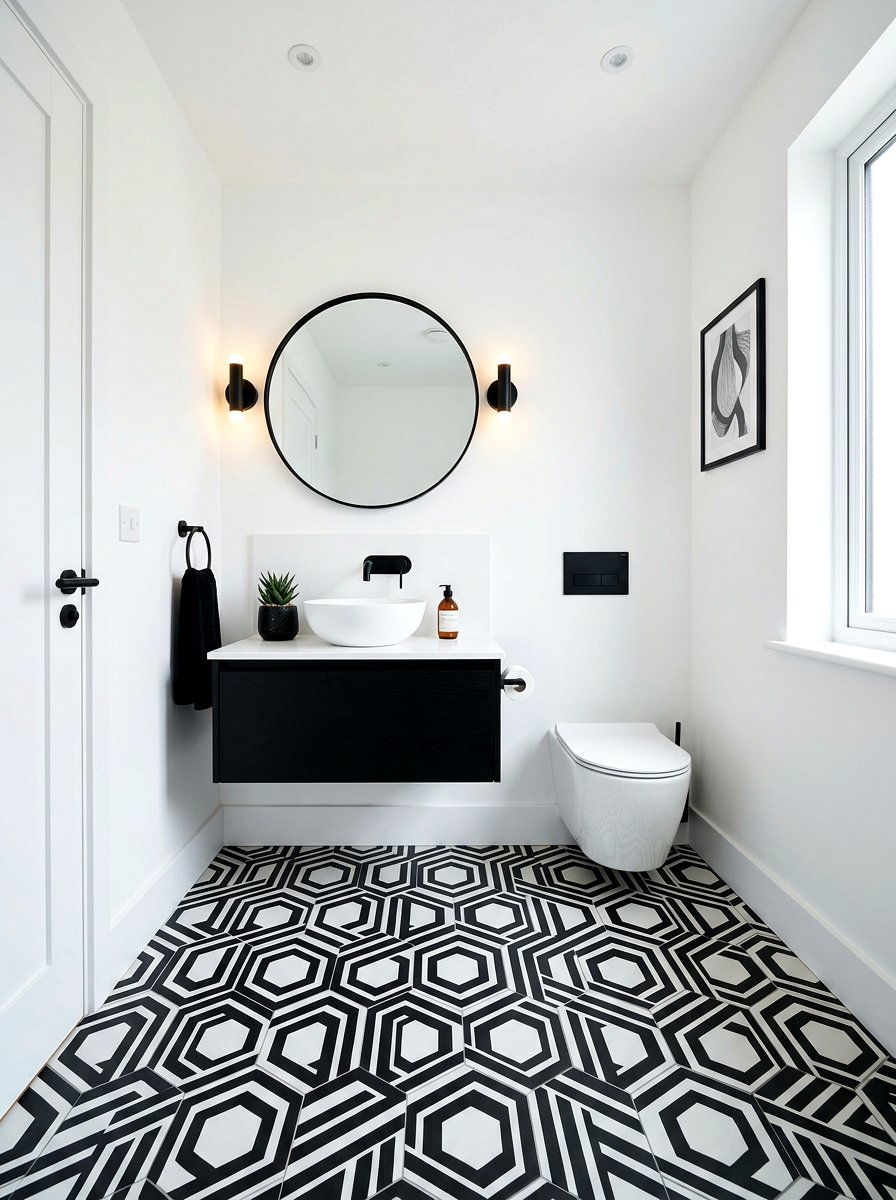
A laundry room soaking sink encourages a more careful and sustainable approach to garment care by allowing for hand-washing and stain treatment. In a world of fast fashion and quick machine cycles, taking the time to soak a delicate item adds friction to the chore but extends the life of your wardrobe. This manual process forces you to slow down and value the quality of your clothing. It also serves as a versatile utility area for various household tasks, from cleaning muddy shoes to watering indoor plants. Adding this feature to your home emphasizes the beauty of maintenance and the satisfaction of doing things by hand.
21. Outdoor clothes drying line

Installing an outdoor clothes drying line is a perfect example of choosing a "harder" but more rewarding path for household chores. While a dryer is faster, hanging clothes on a line uses the natural power of the sun and wind to freshen your fabrics. This task requires you to step outside, breathe fresh air, and engage in a rhythmic, physical activity. The friction of the extra time spent pinning laundry is rewarded with the incomparable scent of sun-dried linens and lower energy bills. It is a nostalgic and practical way to slow down your routine and embrace a more traditional, eco-friendly lifestyle.
22. Entryway shoe bench
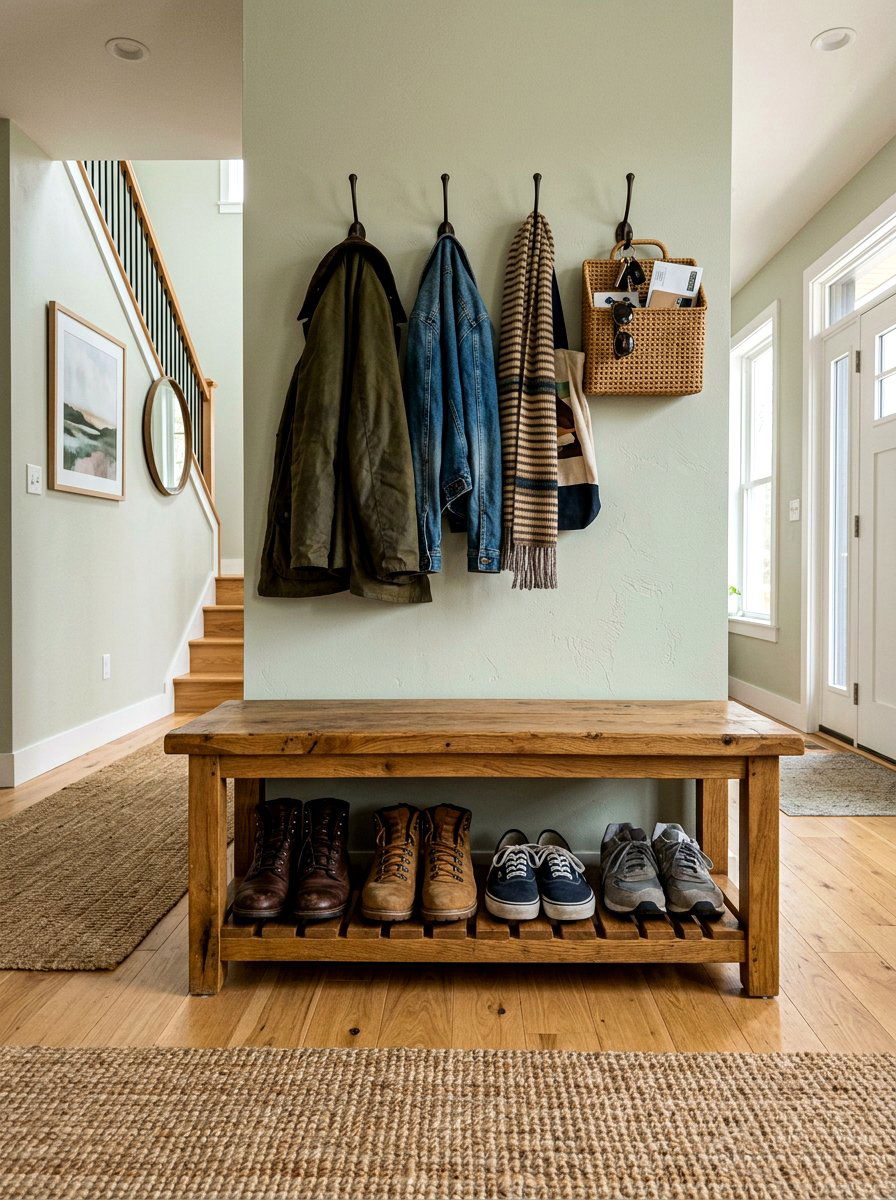
An entryway shoe bench with a focus on lace-up footwear adds a small moment of transition when you enter or leave your home. Instead of slipping shoes on and off in a rush, sitting down to tie laces requires a few extra seconds of focus. This brief pause can act as a mental "reset, " helping you leave the stresses of the outside world at the door. The bench itself provides a organized focal point for the entryway, keeping the space clutter-free and inviting. By adding this layer of friction, you make the act of entering your sanctuary a more deliberate and grounded experience for everyone.
23. Stationery and letter desk
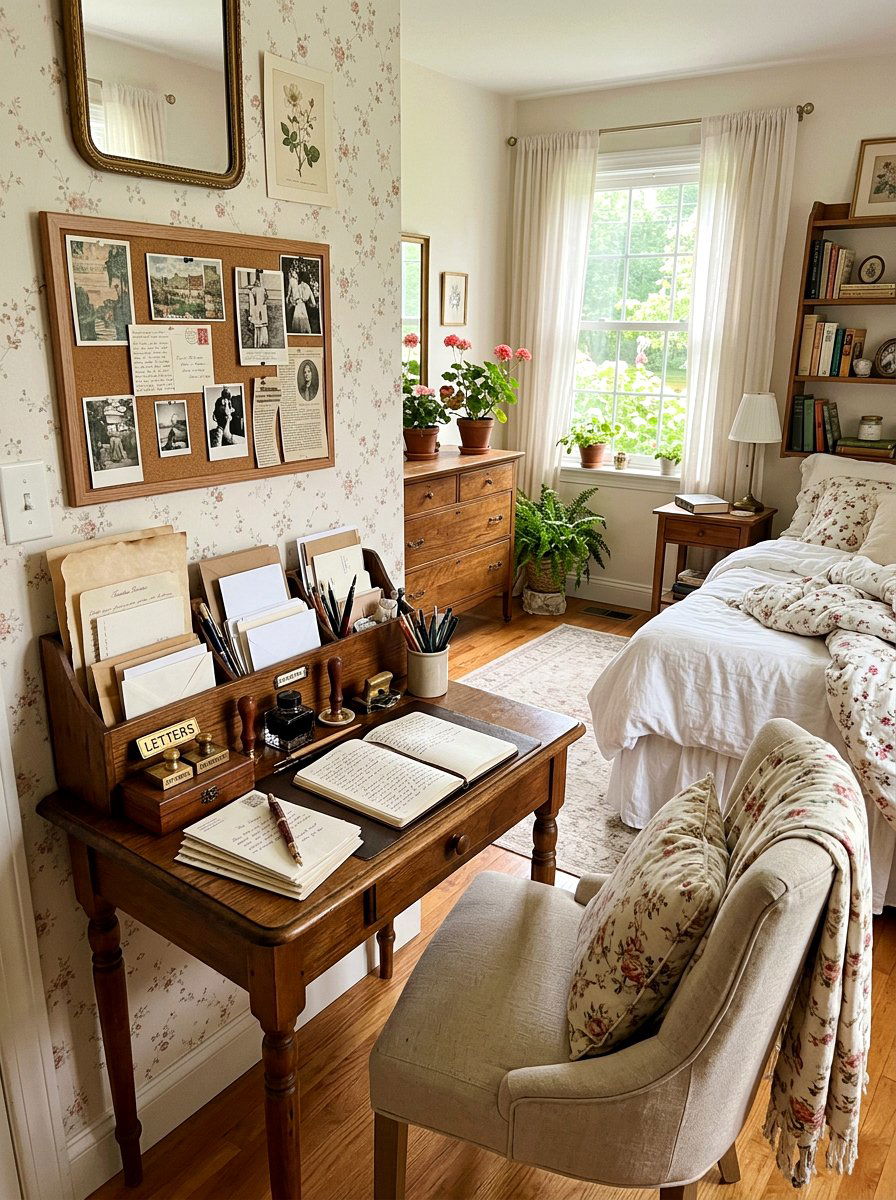
A stationery and letter desk is a dedicated furniture piece that prioritizes handwritten correspondence over digital pings. By keeping high-quality paper, envelopes, and stamps in a beautiful organized desk, you make the act of writing letters feel special and significant. This setup creates a natural friction against the ease of a quick text message, encouraging you to reach out to loved ones with more depth and intention. The physical beauty of the desk adds a touch of classic elegance to any room. It serves as a permanent reminder to cultivate your relationships through the timeless and thoughtful art of the handwritten note.
24. Dedicated puzzle table
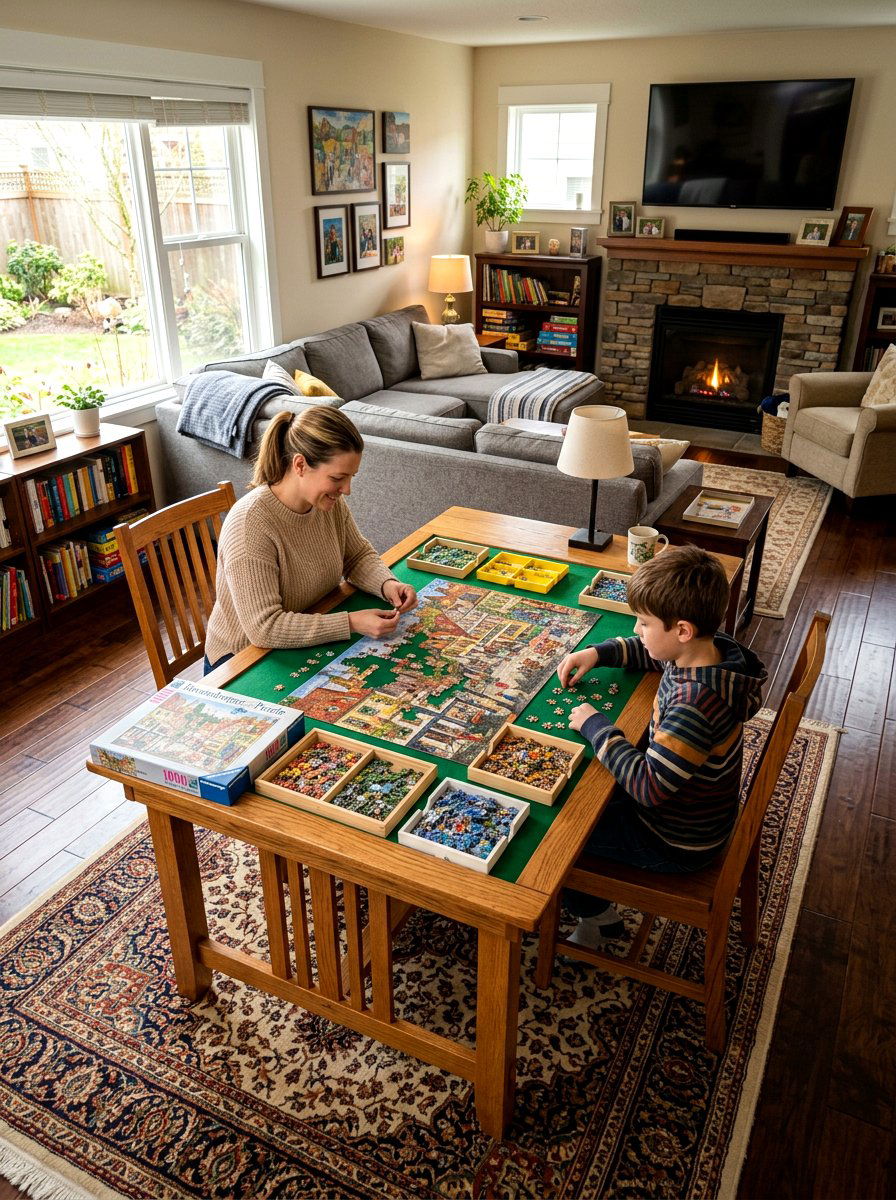
A dedicated puzzle table provides a long-term project that slowly draws family members away from their screens and toward a shared goal. Because a complex puzzle can take days or weeks to finish, having a permanent spot for it allows people to drop in and contribute whenever they have a few spare minutes. This adds a productive friction to your leisure time, as finding the right piece requires patience and visual focus. It is a quiet, meditative activity that encourages collaboration and conversation without the need for digital stimulation. The table becomes a hub of calm energy and collective achievement within the home.
25. Kitchen windowsill herb garden
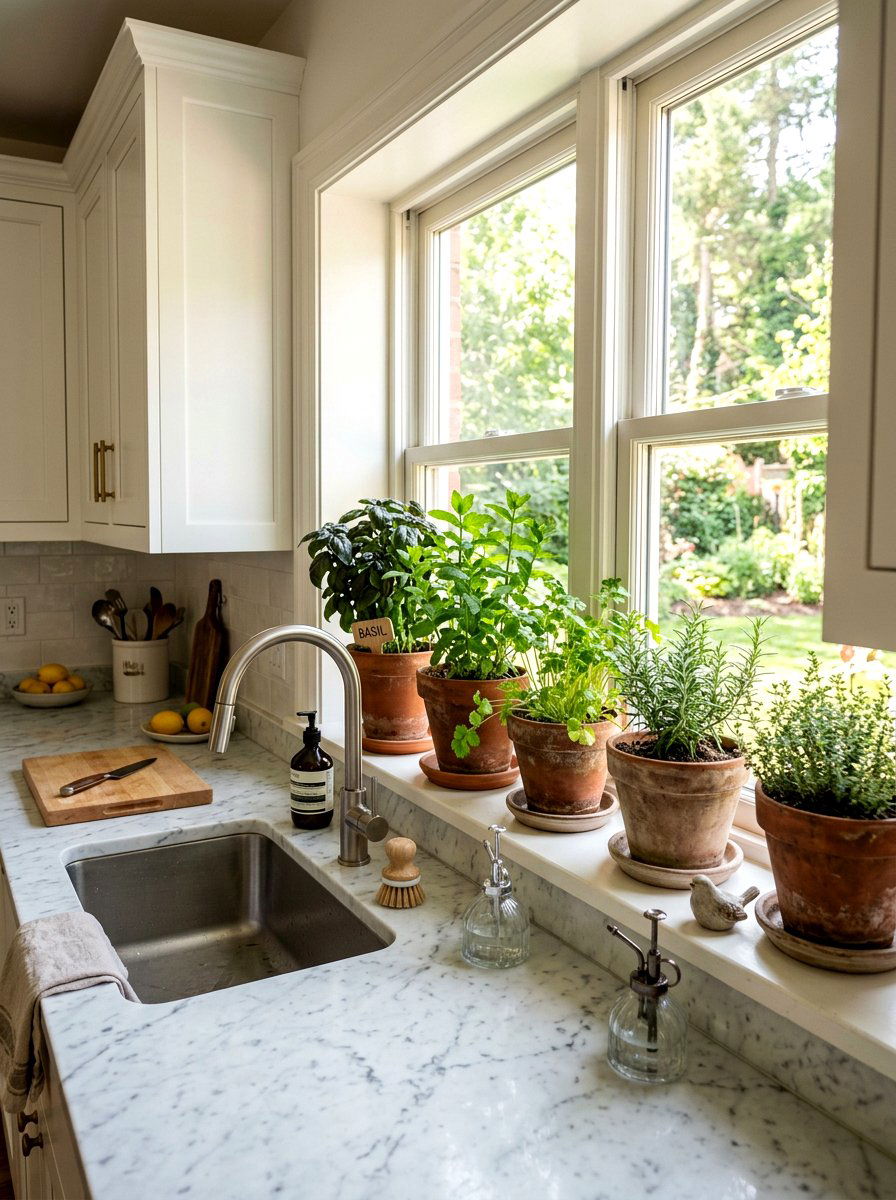
Growing a kitchen windowsill herb garden introduces a delightful layer of friction to your cooking process by requiring you to harvest fresh ingredients. Instead of opening a plastic container from the store, you must trim a few leaves of basil or rosemary directly from the living plant. This extra step connects you to the source of your food and adds an incredible freshness to your meals. Caring for the plants also provides a daily moment of nurturing and observation. The presence of greenery and the scent of fresh herbs transform your kitchen into a more vibrant, sensory-rich environment that celebrates natural beauty.
26. Dimmer switch bedroom lighting
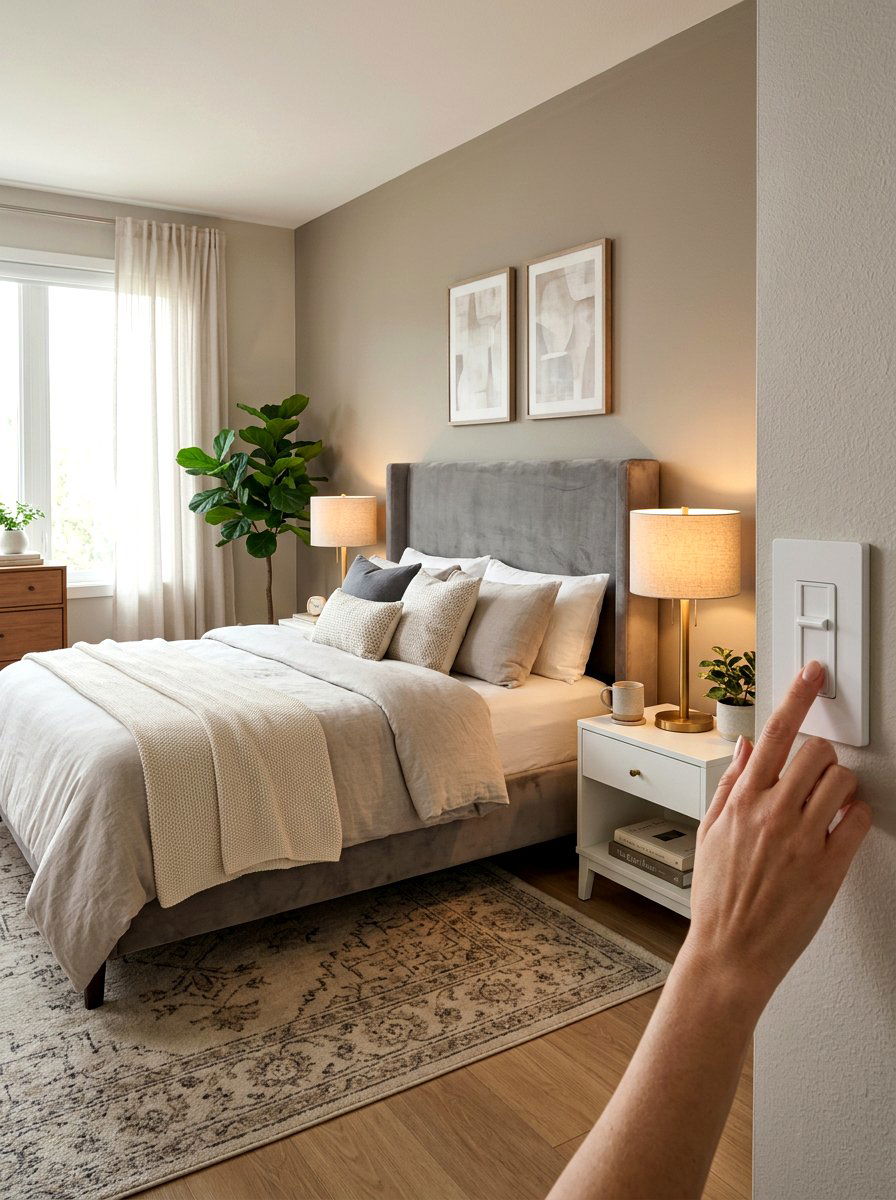
Using dimmer switch bedroom lighting allows you to manually control the ambiance and signal to your body that it is time to sleep. Unlike harsh overhead lights that are either on or off, a dimmer requires you to intentionally adjust the brightness as the evening progresses. This friction helps you gradually wind down, mimicking the natural setting of the sun and supporting your circadian rhythm. Soft, low lighting makes it much harder to engage in high-energy activities or late-night work, nudging you toward rest and relaxation. It is a simple but powerful tool for creating a more restorative and peaceful sleeping environment.
27. Traditional hobby craft room
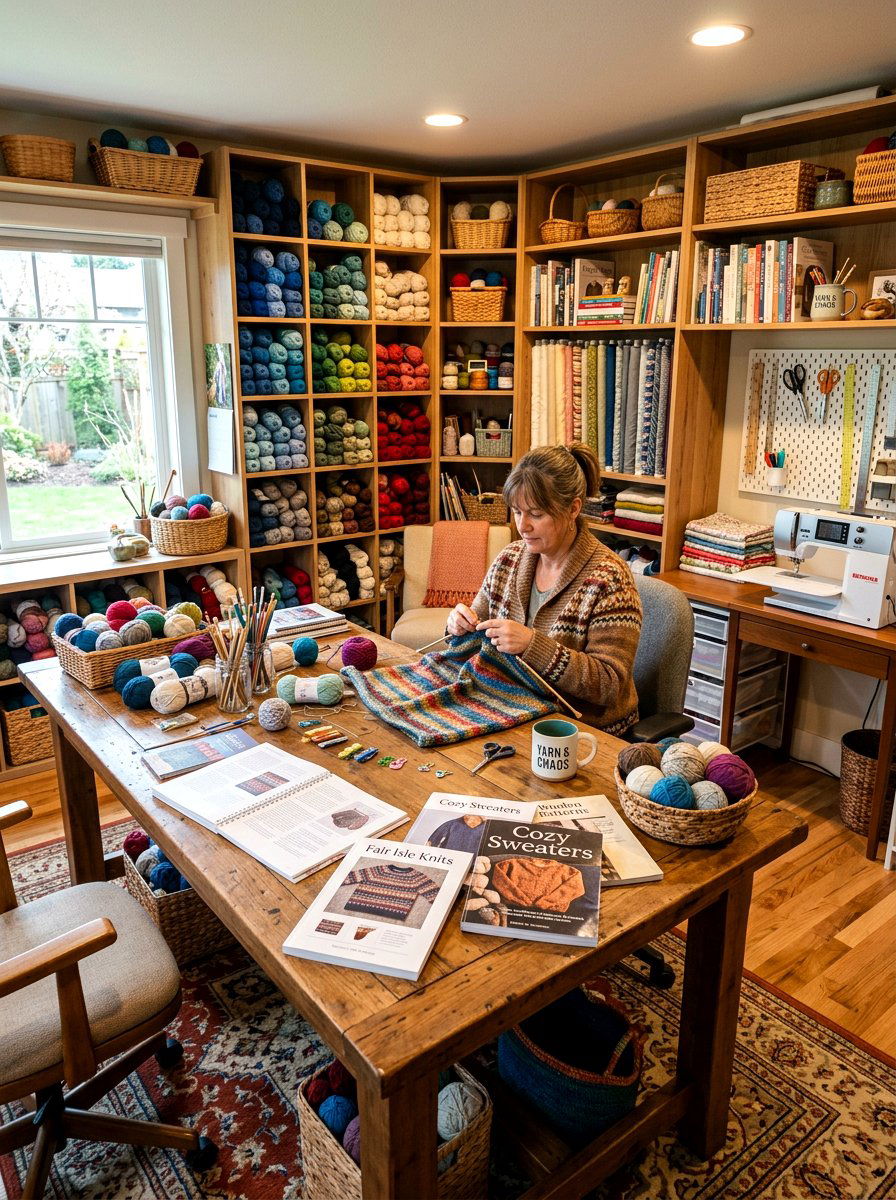
A traditional hobby craft room is a space filled with physical materials like yarn, clay, or wood, designed for tactile creation. By having a dedicated room for manual crafts, you create a destination for "deep play" that doesn't involve screens or digital tools. The friction of learning a new physical skill builds resilience and hand-eye coordination. This space allows for messy, unhurried exploration where the process is more important than the final result. It serves as a vital outlet for stress and a source of immense personal satisfaction. Turning off the world and picking up a tool is the ultimate act of friction maxxing.
28. Glass jar pantry storage
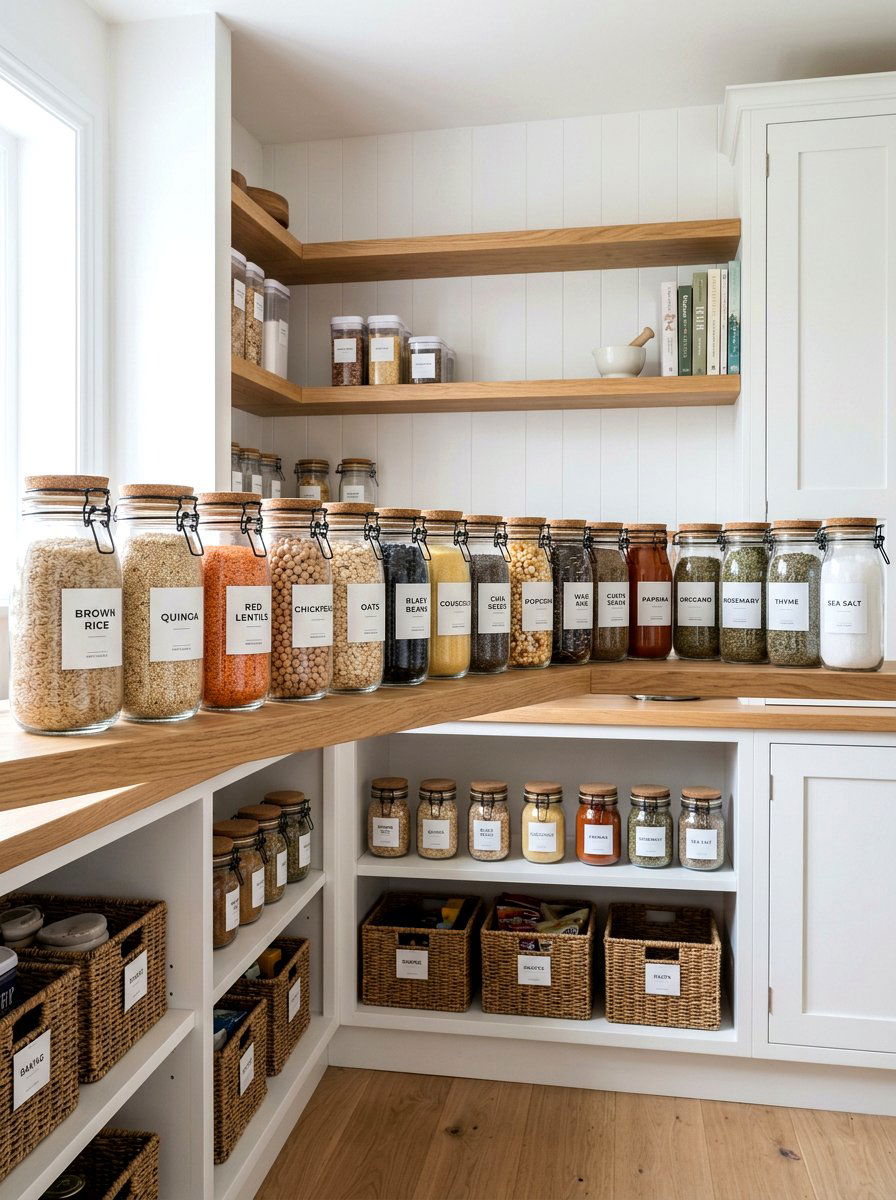
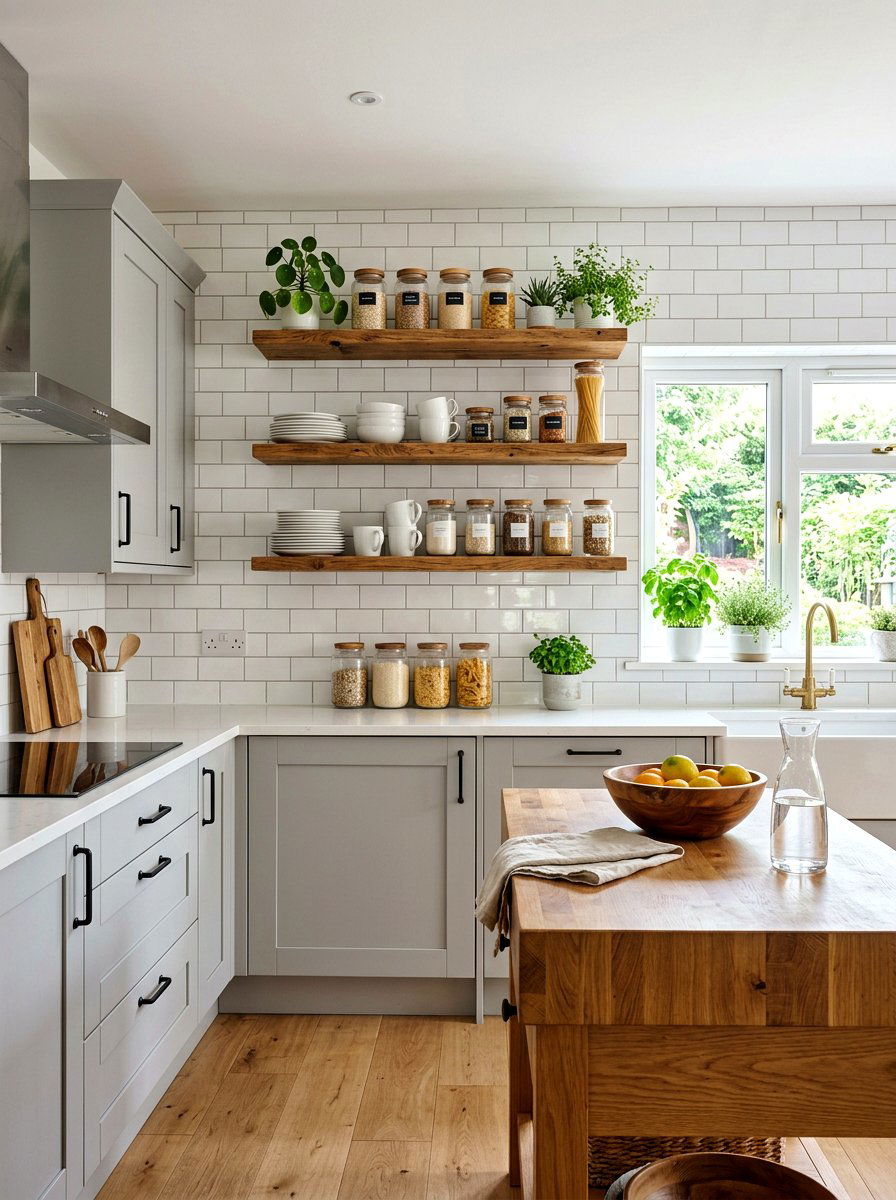
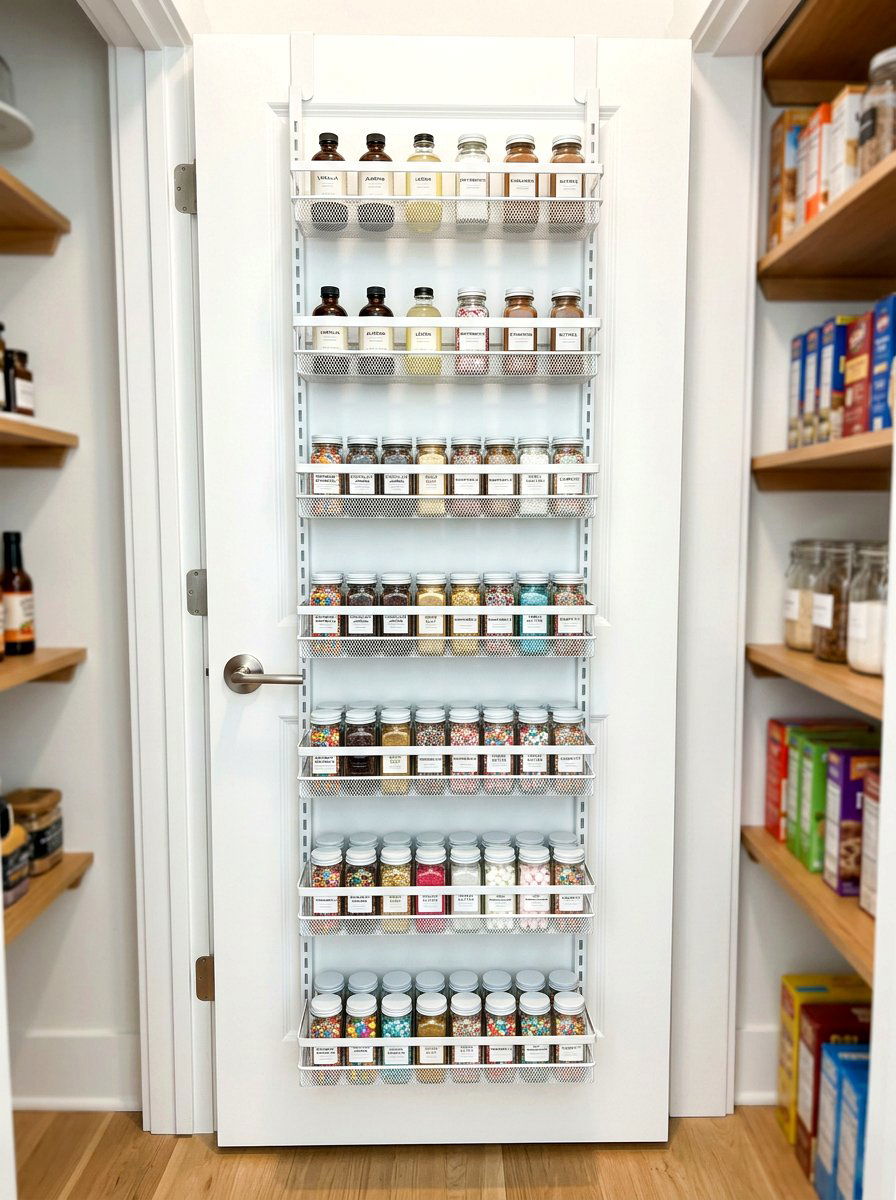
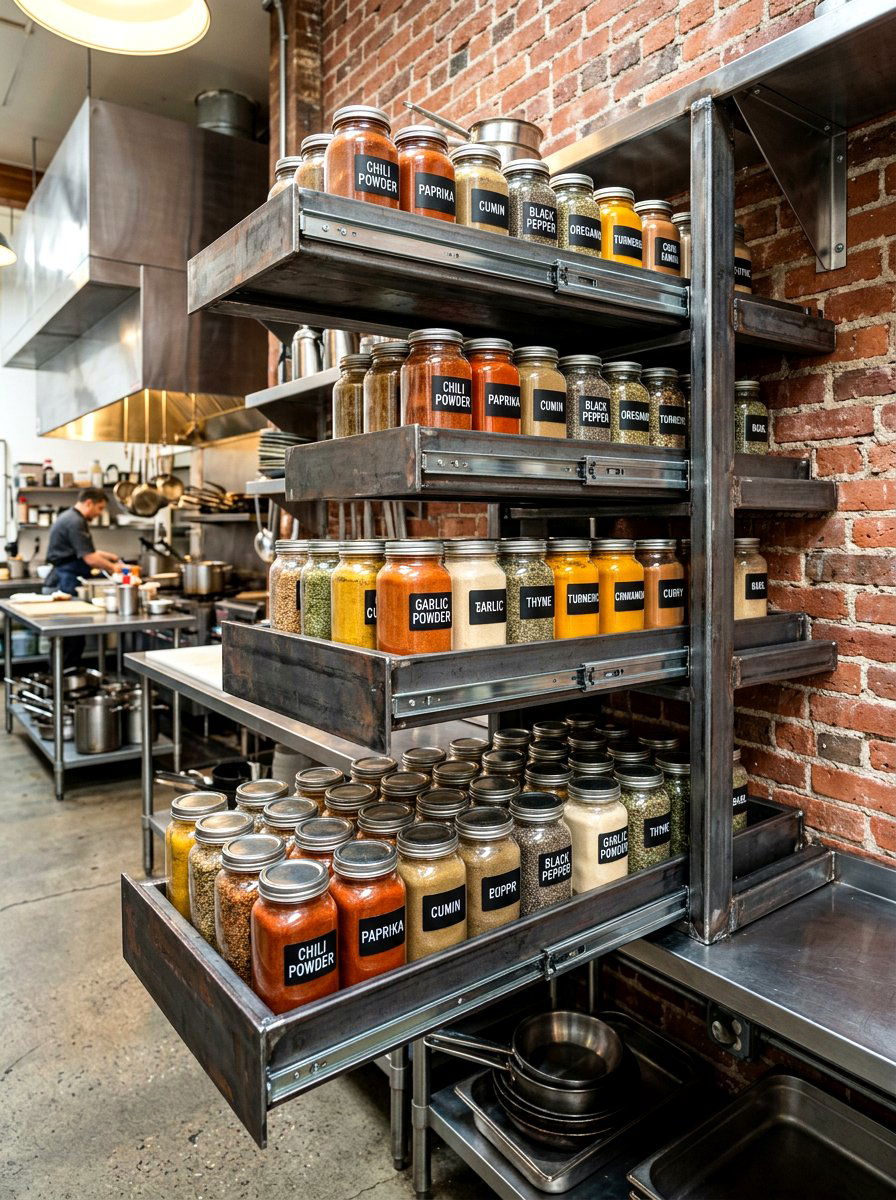
Glass jar pantry storage adds a level of friction to your grocery shopping and organization that promotes sustainability and visual clarity. Instead of keeping food in its original, often distracting plastic packaging, you must transfer items like flour, pasta, and beans into clear jars. This process requires an extra step after every shopping trip, but it allows you to see exactly what you have at a glance. It reduces food waste and encourages buying in bulk, which is better for the environment. The uniform, clean look of the glass jars also creates a serene and high-end aesthetic that makes your kitchen feel more intentional.
29. Sunroom window bench
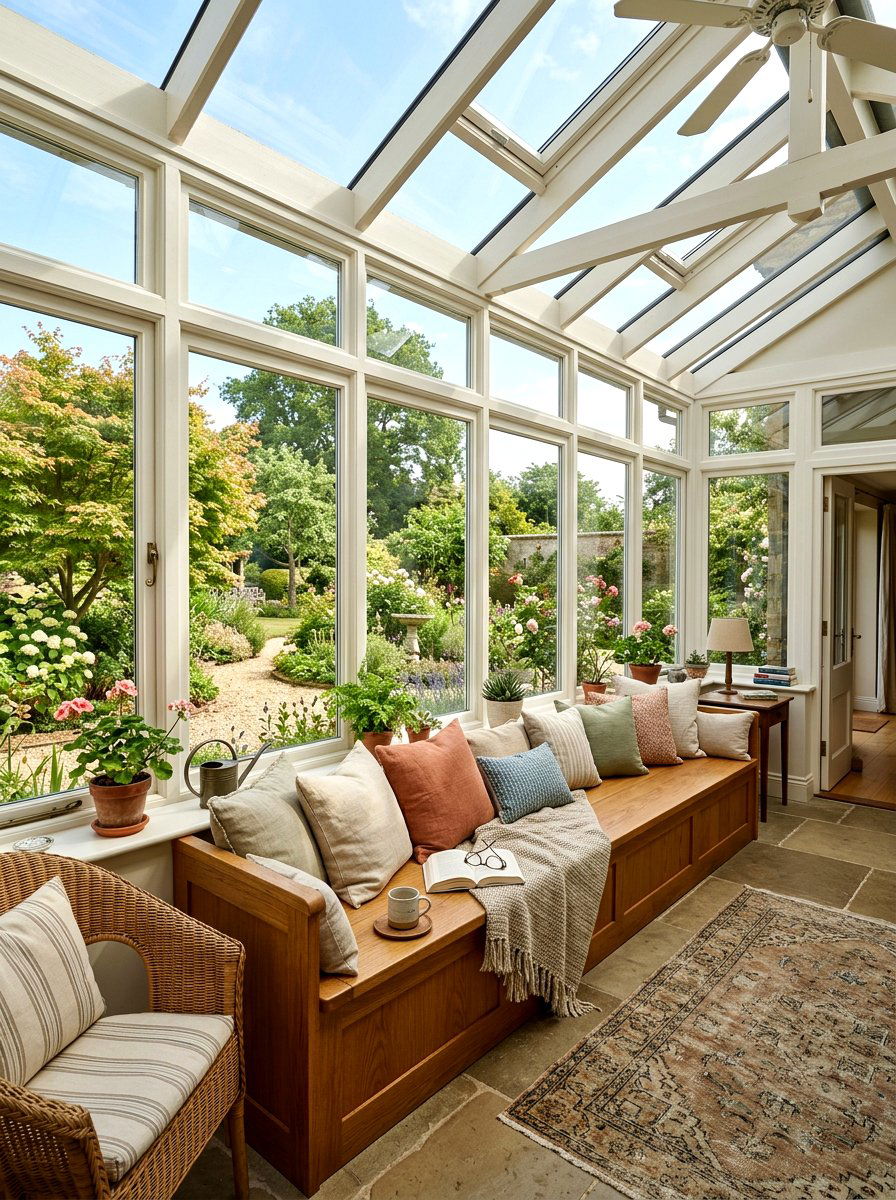
A sunroom window bench is a perfect spot for "doing nothing, " providing a comfortable place to sit and observe the world without digital distraction. By designing a seat that faces a beautiful view, you invite yourself to engage in contemplation or daydreaming. The friction here is the lack of entertainment; you are forced to be alone with your thoughts or the changing weather outside. This type of "productive boredom" is essential for creativity and mental clarity. It turns a quiet corner of your home into a sanctuary where you can recharge your mind and spirit away from the constant noise of modern life.
30. Floor cushion meditation space
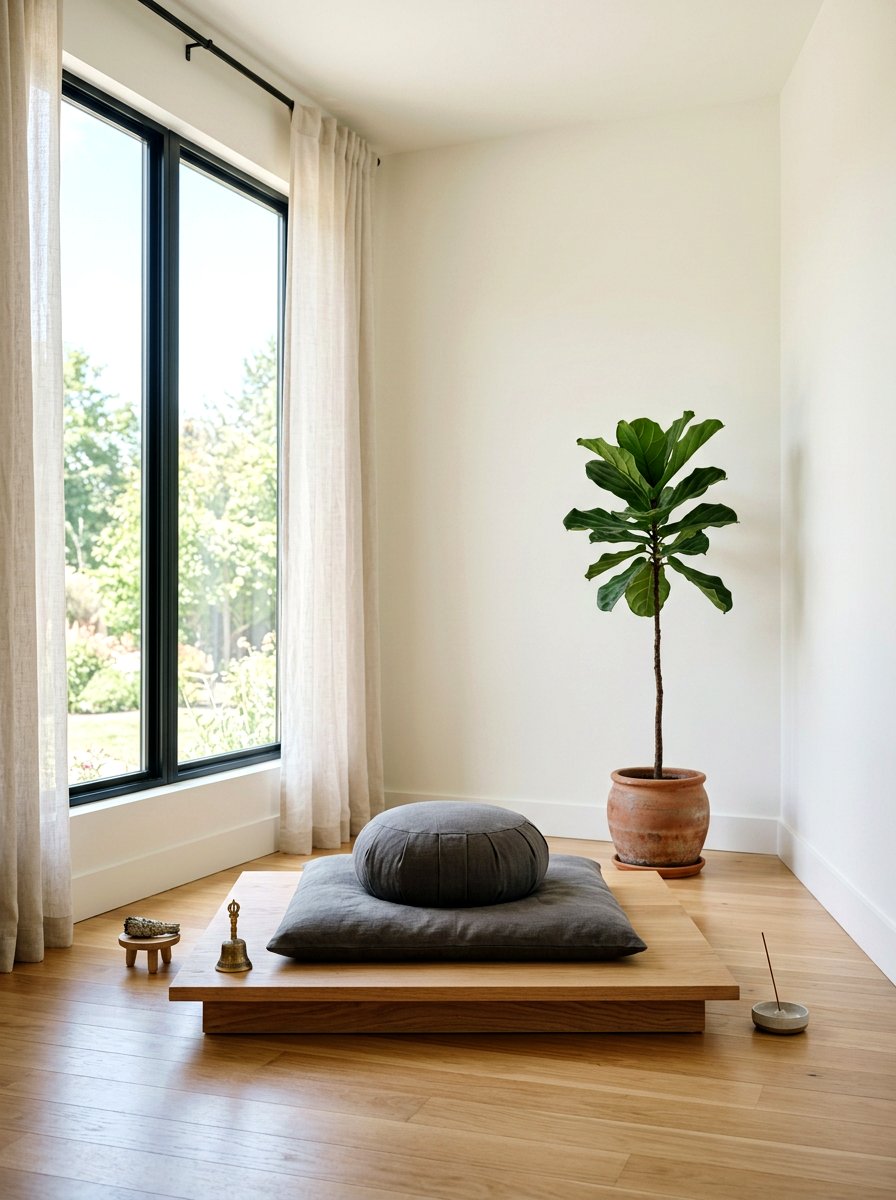
A floor cushion meditation space is a minimalist zone that encourages you to sit in a posture of presence and stillness. By removing traditional furniture and using only soft cushions, you create an environment that is physically different from the rest of your home. This change in elevation acts as a psychological cue to slow down and breathe. The friction of getting down to the floor and holding a seated position helps ground you in your body and the current moment. It is a dedicated area for inner work, reminding you that true peace is found in the absence of external distractions and constant movement.
Conclusion:
Embracing the concept of friction maxxing is a transformative way to redesign your relationship with your home and your daily habits. By intentionally adding small obstacles to the things that typically drain your energy — like social media and mindless snacking — you create space for the activities that actually bring you joy and fulfillment. Whether it is through a manual coffee station, a hidden TV, or an analog bedroom, these changes empower you to live more deliberately. Your home should be a place that supports your best self, and sometimes, the best way to move forward is to make things just a little bit slower.

Related posts: