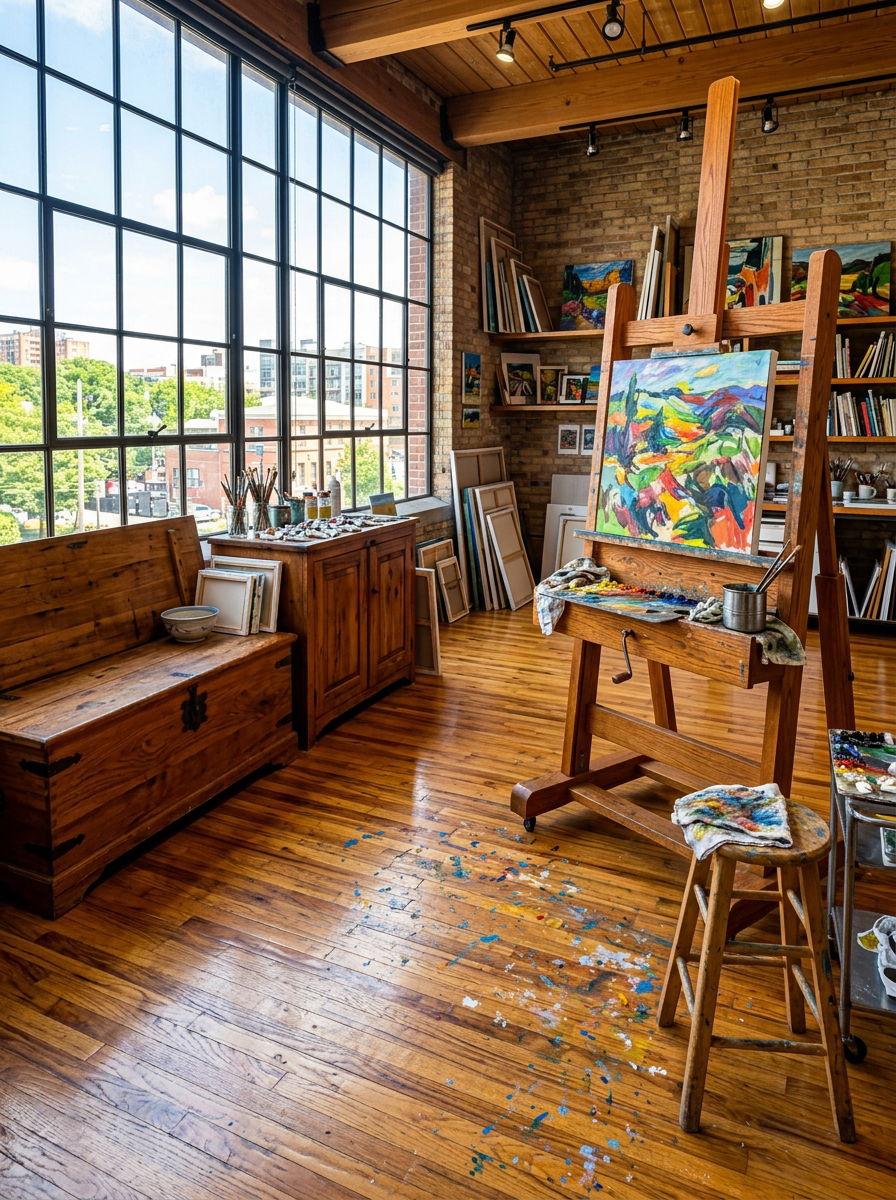
Creating a dedicated creative space doesn't require a spare room; often, the most inspiring work happens in a thoughtfully designed nook. Whether you are an avid quilter, a scrapbooker, or a digital creator using a cutting machine, having a designated area helps keep your supplies organized and your mind focused. A well-placed craft station can transform an unused corner or a small closet into a high-functioning studio that reflects your unique personality. By focusing on smart storage solutions and ergonomic layouts, you can maximize even the smallest square footage. These ideas will help you build a sanctuary where your artistic projects can truly flourish and grow every day.
1. Small Closet Craft Room
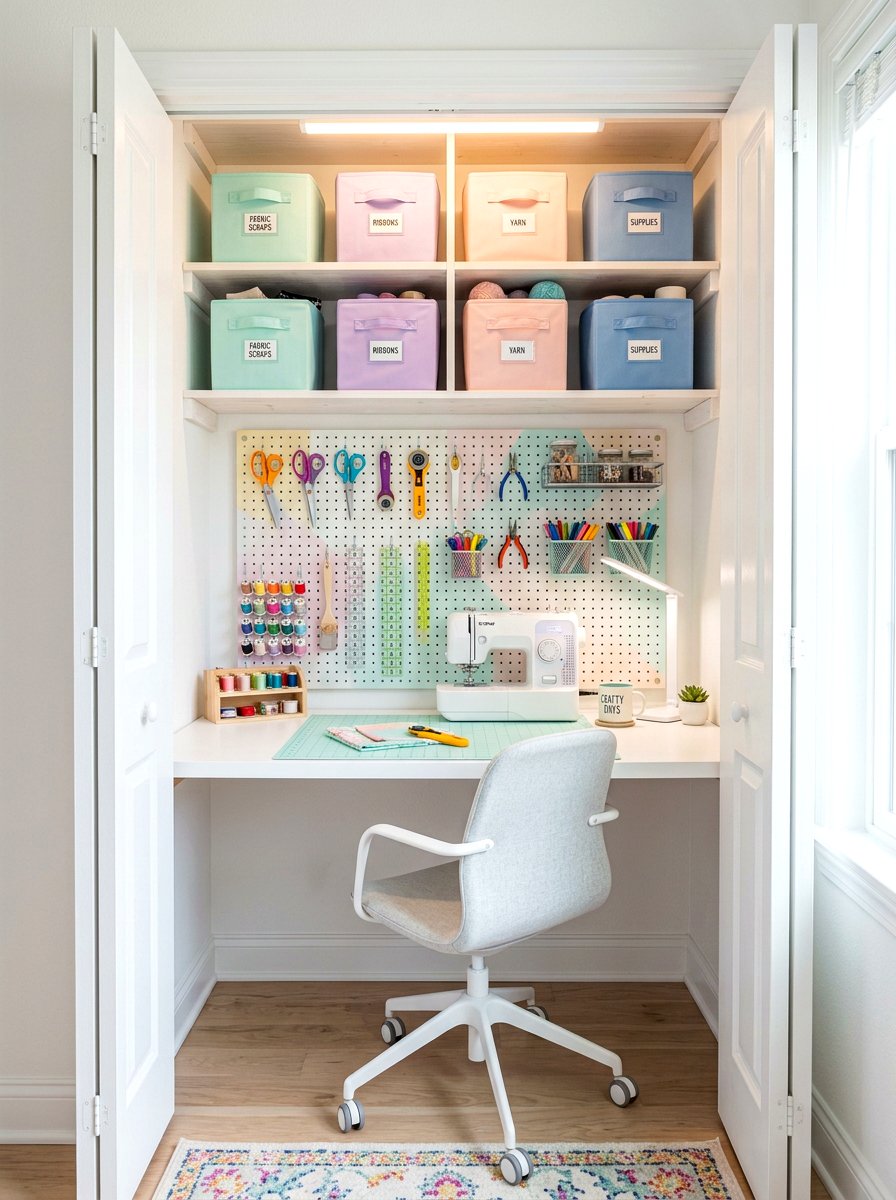
Turning a spare closet into a functional craft room is a brilliant way to maximize unused space while keeping clutter out of sight. You can remove the closet doors to create an open alcove or keep them to hide your workspace when guests arrive. Install a custom-fit desktop at a comfortable height and add several deep shelves above for bin storage. Utilizing the vertical space allows you to store fabric bolts, paper stacks, and jars of beads without crowding the surface. A bright LED strip mounted under the first shelf provides perfect task lighting for detailed projects. This compact setup feels like a secret creative retreat within any room.
2. Corner Crafting Station
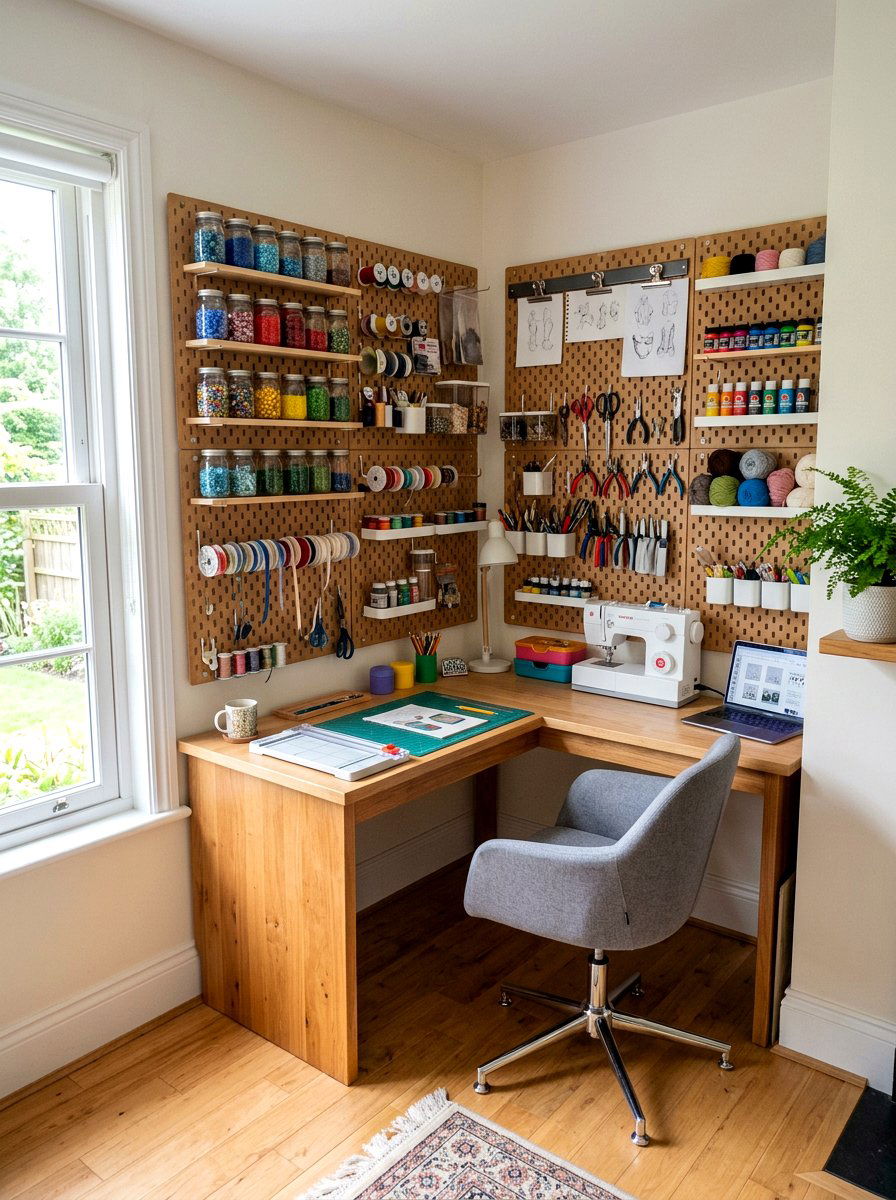
Maximizing an empty corner with an L-shaped desk creates a surprisingly spacious area for multiple creative tasks. This layout allows you to separate your workspace into zones, such as one side for a sewing machine and the other for sketching or assembly. By placing the desk in a corner, you gain wall space on two sides for hanging pegboards or floating shelves. These vertical additions are perfect for keeping frequently used tools like scissors and rulers within arm's reach. Adding a comfortable swivel chair ensures you can easily transition between different project stages. The natural enclosure of the corner provides a cozy, focused atmosphere for long crafting sessions.
3. Under Stairs Craft Space
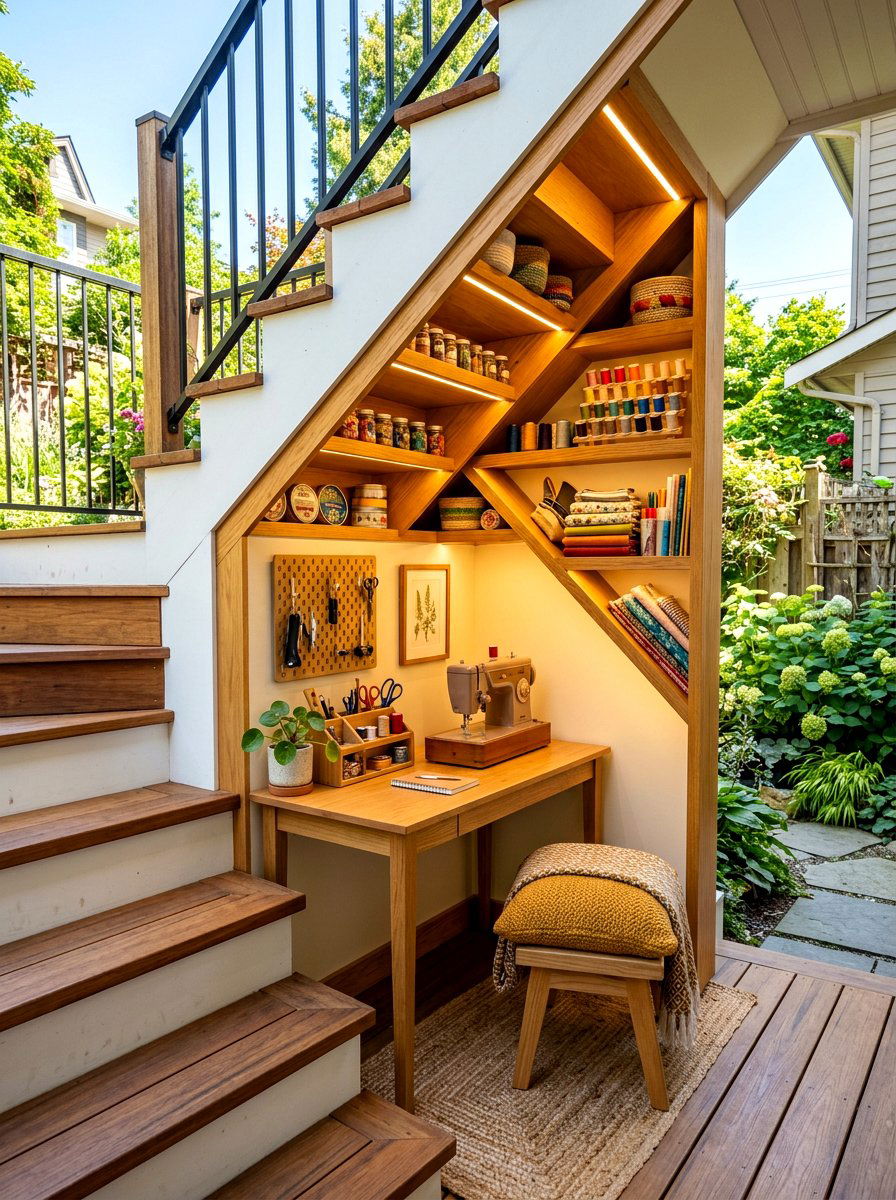
The often-neglected area beneath a staircase can be transformed into a charming and highly efficient crafting hub with the right design. Because of the angled ceiling, custom built-in shelving is the most effective way to utilize every inch of the triangular space. A slim desk tucked into the deepest part of the nook provides a sturdy surface for light projects like jewelry making or card creation. You can use the taller part of the alcove for vertical storage racks or a rolling cart for larger supplies. Soft, warm lighting can make this small architectural feature feel like a deliberate and inviting studio space for your hobbies.
4. Wall Mounted Folding Desk
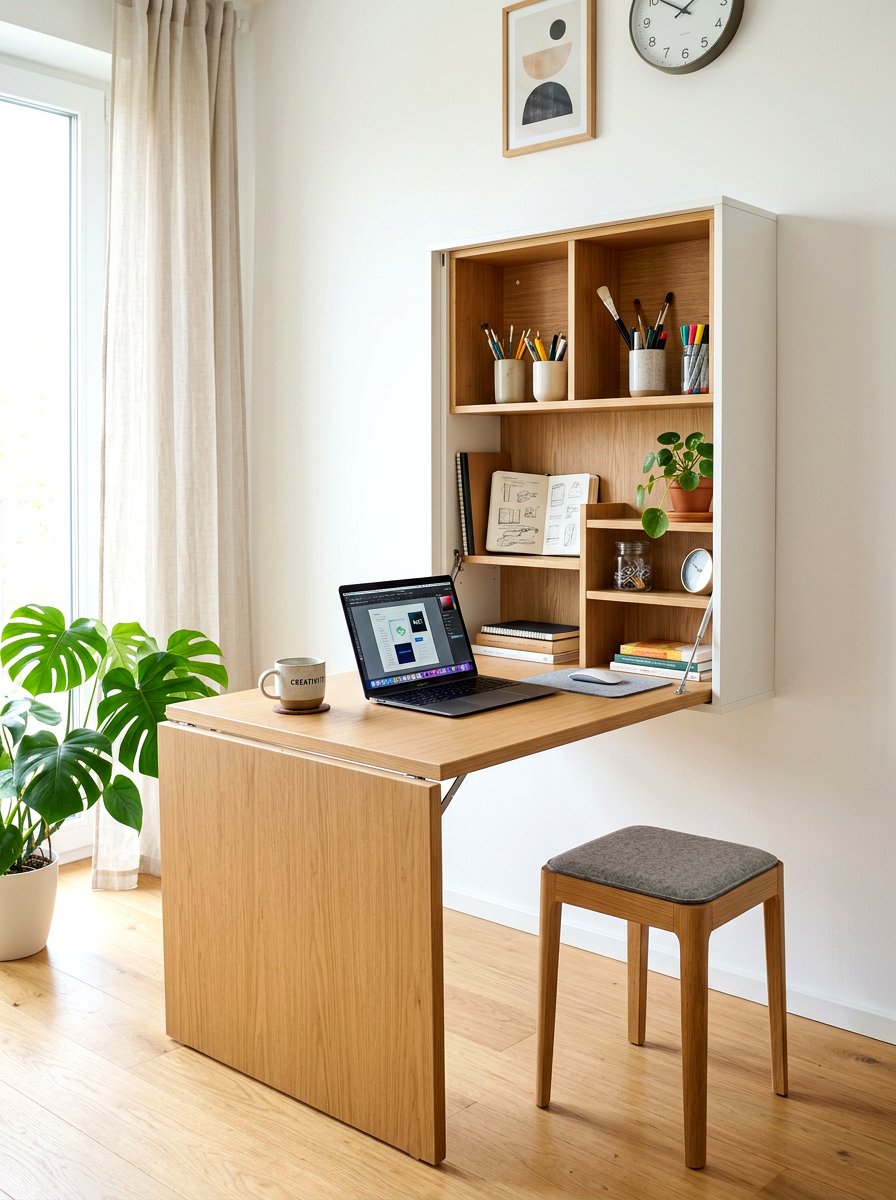
A wall-mounted folding desk is the ultimate solution for crafters living in small apartments or multi-purpose homes. This design features a sturdy wooden cabinet that looks like a sleek wall shelf when closed but unfolds into a complete workstation. Inside the cabinet, small cubbies and magnetic strips hold your essential tools securely in place. When you are finished with your project, you simply fold the desk back up to reclaim your floor space instantly. This setup works beautifully in a hallway, bedroom, or living area where a permanent desk might be too bulky. It encourages a tidy workflow since everything must be stowed away to close.
5. Mobile Rolling Craft Cart
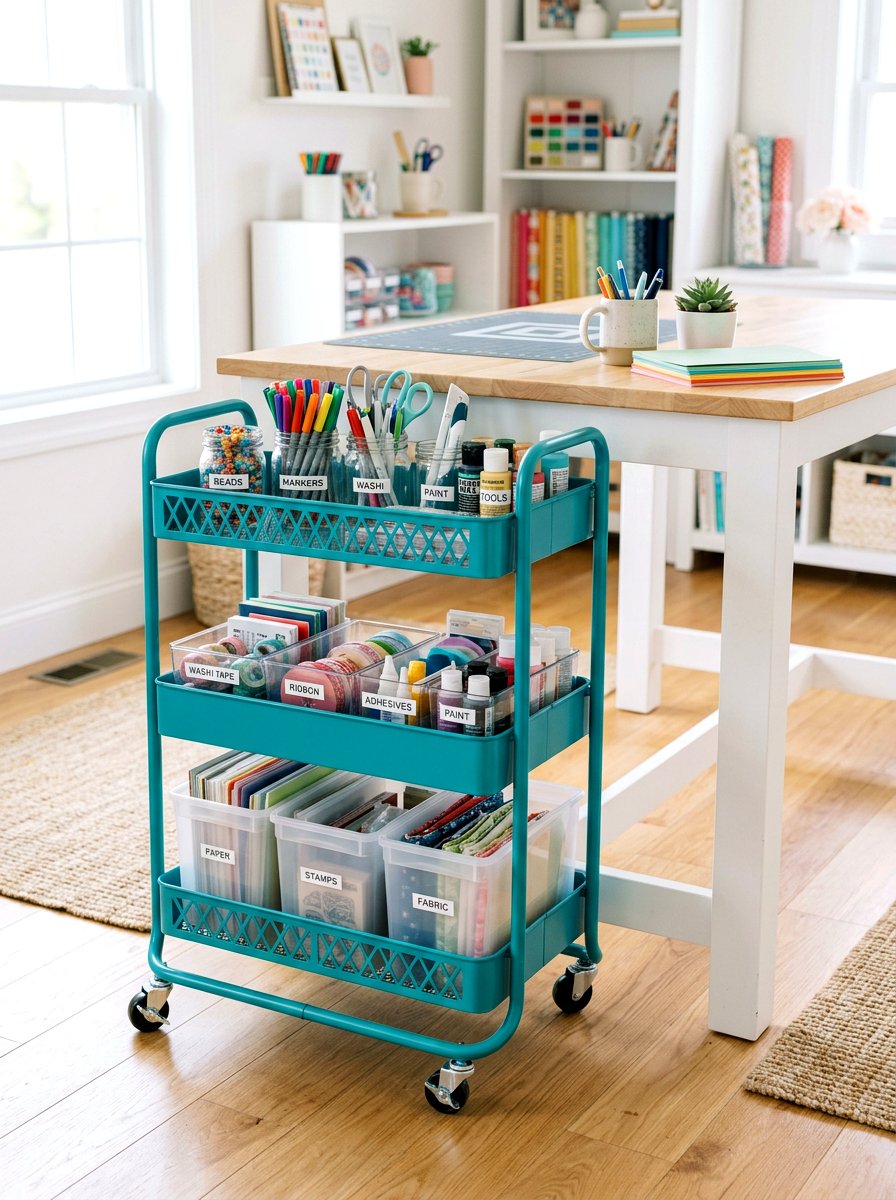
For those who prefer to craft in different parts of the house, a mobile rolling cart serves as a complete portable studio. These multi-tiered metal carts can be organized with plastic bins and hanging cups to hold everything from paintbrushes to rolls of vinyl. You can pair the cart with a simple folding table or even use it alongside your kitchen island for extra workspace. The beauty of this setup is that it allows you to bring your projects to wherever the best light or most company is. When you are done, the entire cart rolls away easily into a pantry or closet, keeping your home clutter-free.
6. Minimalist White Craft Nook
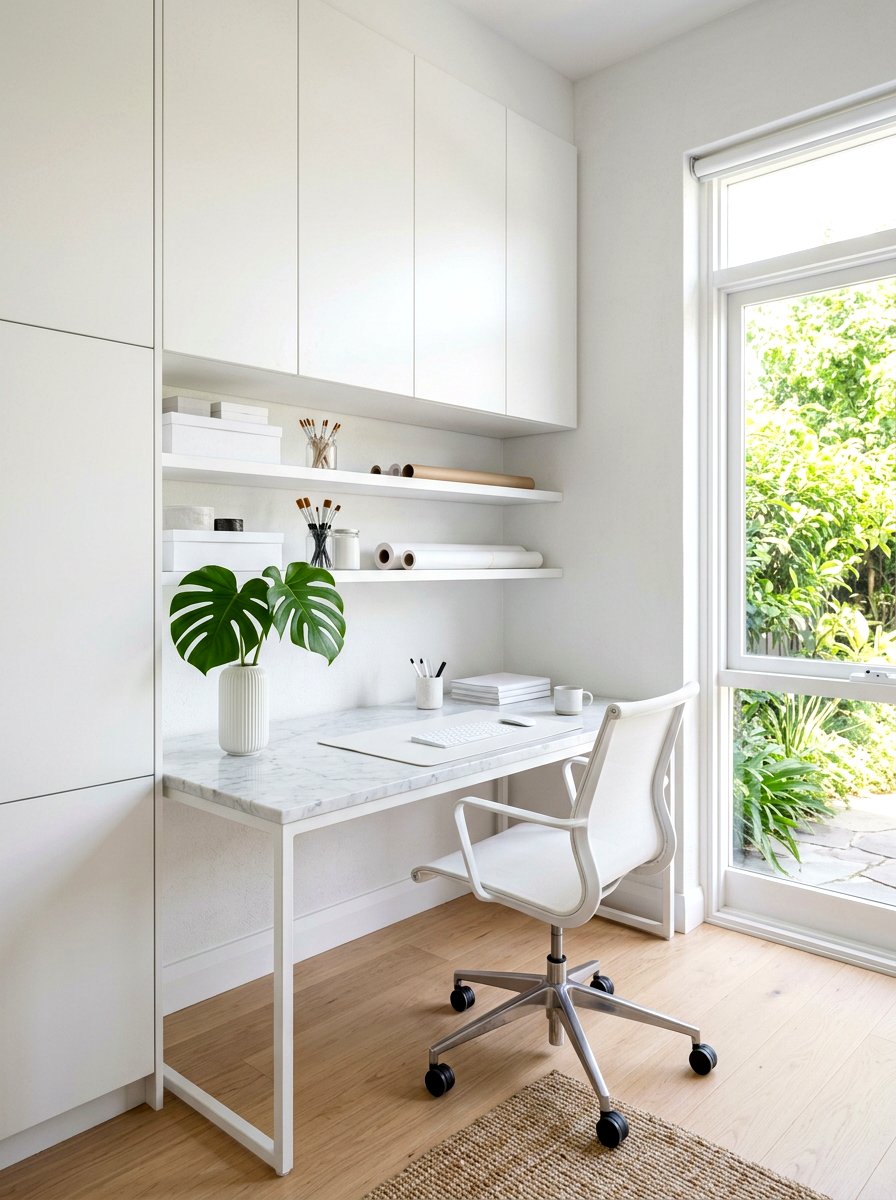
A minimalist white craft nook focuses on a clean aesthetic and hidden storage to create a peaceful environment for creativity. By using all-white furniture and matching storage boxes, you reduce visual noise, which can help you focus on your colorful art projects. Sleek cabinets with handleless doors keep bulky supplies out of sight, while a simple white desk provides a blank canvas for your work. You can add a single pop of color through a piece of wall art or a vibrant desk chair to keep the space from feeling sterile. This design style is perfect for modern homes where a streamlined look is highly valued.
7. Vintage Furniture Craft Corner
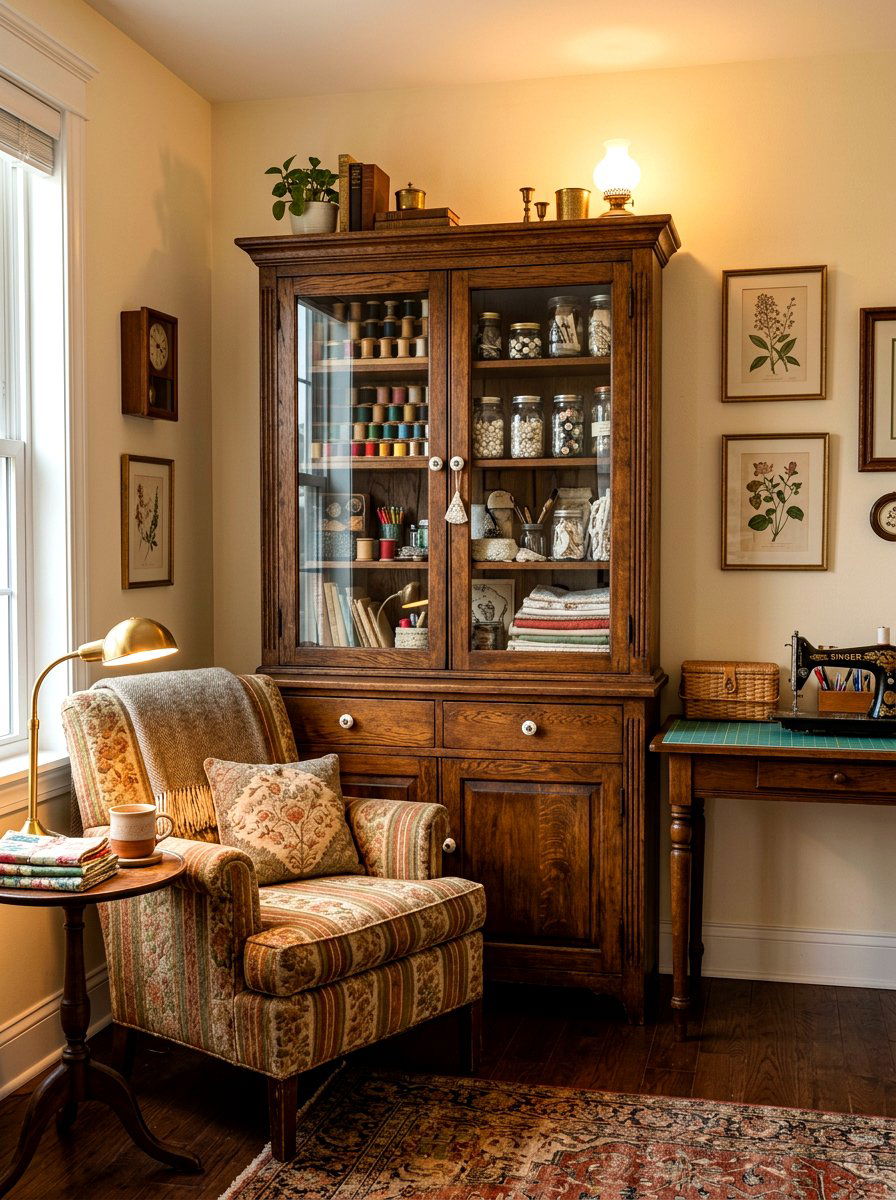
Repurposing an antique hutch or a vintage vanity into a crafting station adds character and history to your creative process. These older pieces of furniture often feature unique drawers and compartments that are perfect for sorting small items like buttons and thread. You can paint a vintage desk in a bold color to make it a focal point or leave the natural wood for a rustic feel. Adding a vintage-style lamp and a plush, upholstered chair completes the look, making the nook feel like a curated part of your home decor. This approach is both eco-friendly and stylish, blending your hobby with classic interior design.
8. Pegboard Wall Craft Space
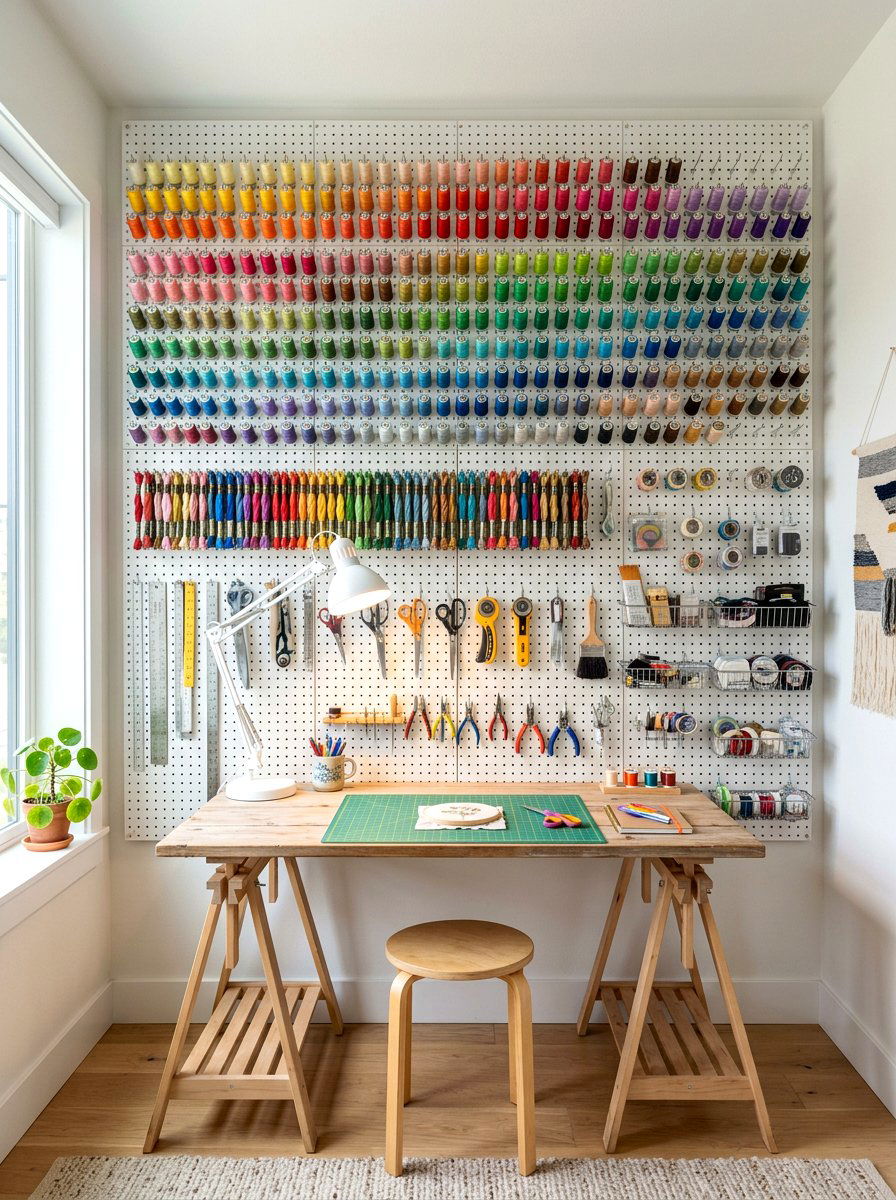
Focusing your design on a floor-to-ceiling pegboard wall provides endless flexibility for organizing a vast collection of tools and materials. You can arrange hooks, baskets, and small shelves in any configuration to accommodate everything from heavy hammers to delicate spools of ribbon. This visual storage method makes it easy to find what you need at a glance and acts as a colorful, textured backdrop for your room. By keeping the floor clear of bulky cabinets, the nook feels more open and airy. A simple trestle desk placed in front of the board completes the workstation, allowing the wall to do all the heavy lifting for organization.
9. Double Person Craft Desk
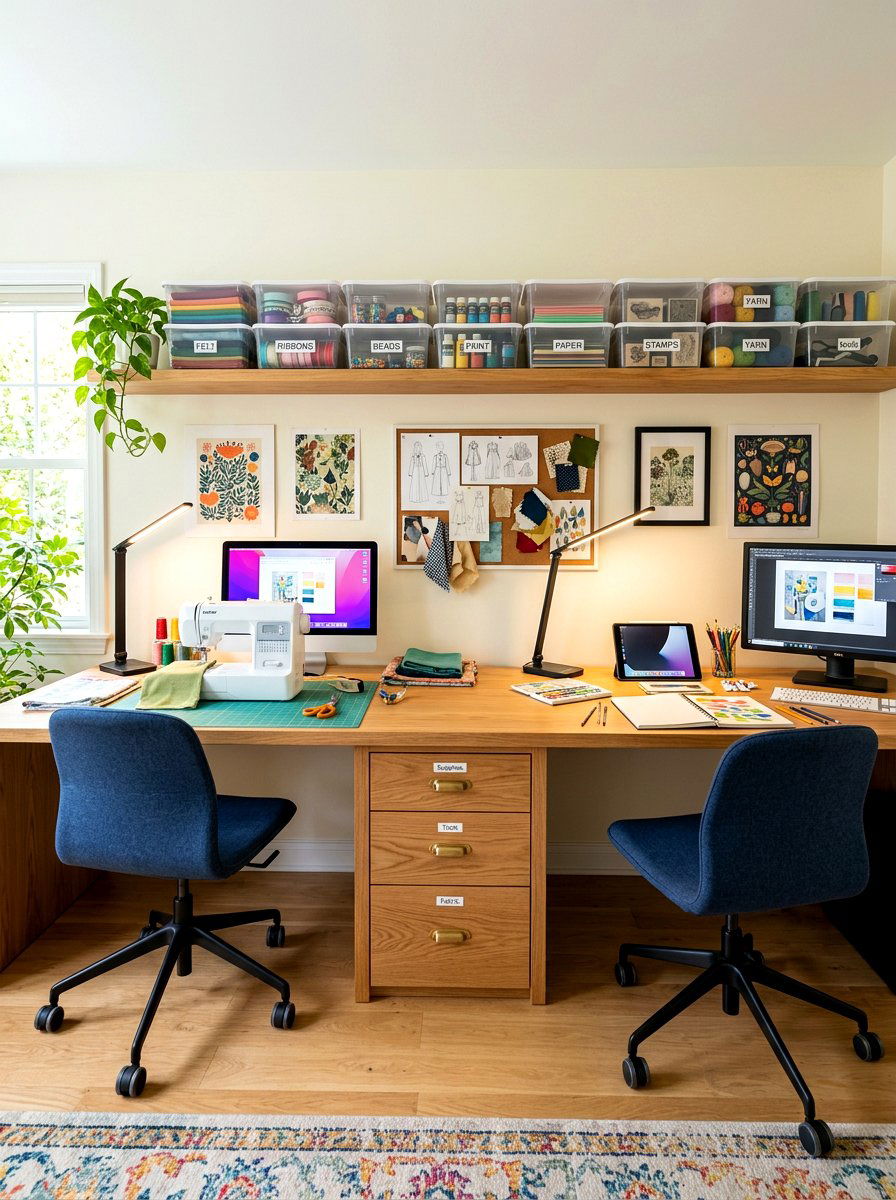
If you enjoy crafting with a partner or child, a double person craft desk offers a shared space for collaborative creativity. This setup typically features an extra-long desktop supported by a central set of drawers to provide individual storage for both users. You can place the desk against a long wall or use it as a room divider in a larger basement or playroom. Having two distinct workstations prevents projects from getting mixed up while allowing for conversation and shared inspiration. Adding identical task lamps and ergonomic chairs creates a balanced look that makes the nook feel professional and well-organized for two people.
10. Bedroom Nook Craft Station
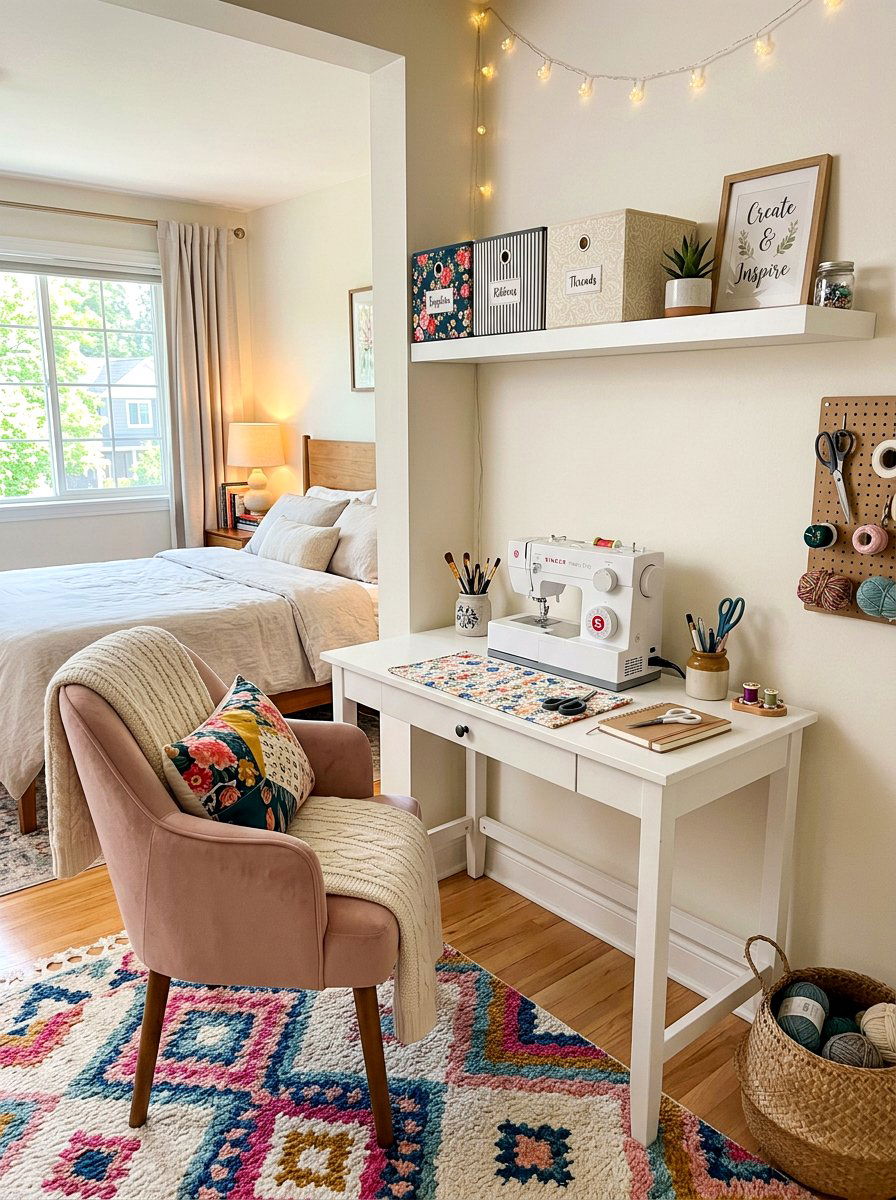
Integrating a small craft station into a bedroom requires a design that is both functional and visually soothing for sleep. Choosing a desk that matches your bedroom furniture helps the nook blend in rather than stand out as a separate office. You can use decorative storage boxes or baskets on open shelves to keep colorful supplies looking neat and intentional. A slim, stylish lamp can double as a reading light when you aren't working on a project. Using a plush rug under the desk helps define the area as a separate zone without the need for physical walls. This setup is perfect for late-night sketching or light embroidery.
11. Living Room Craft Area
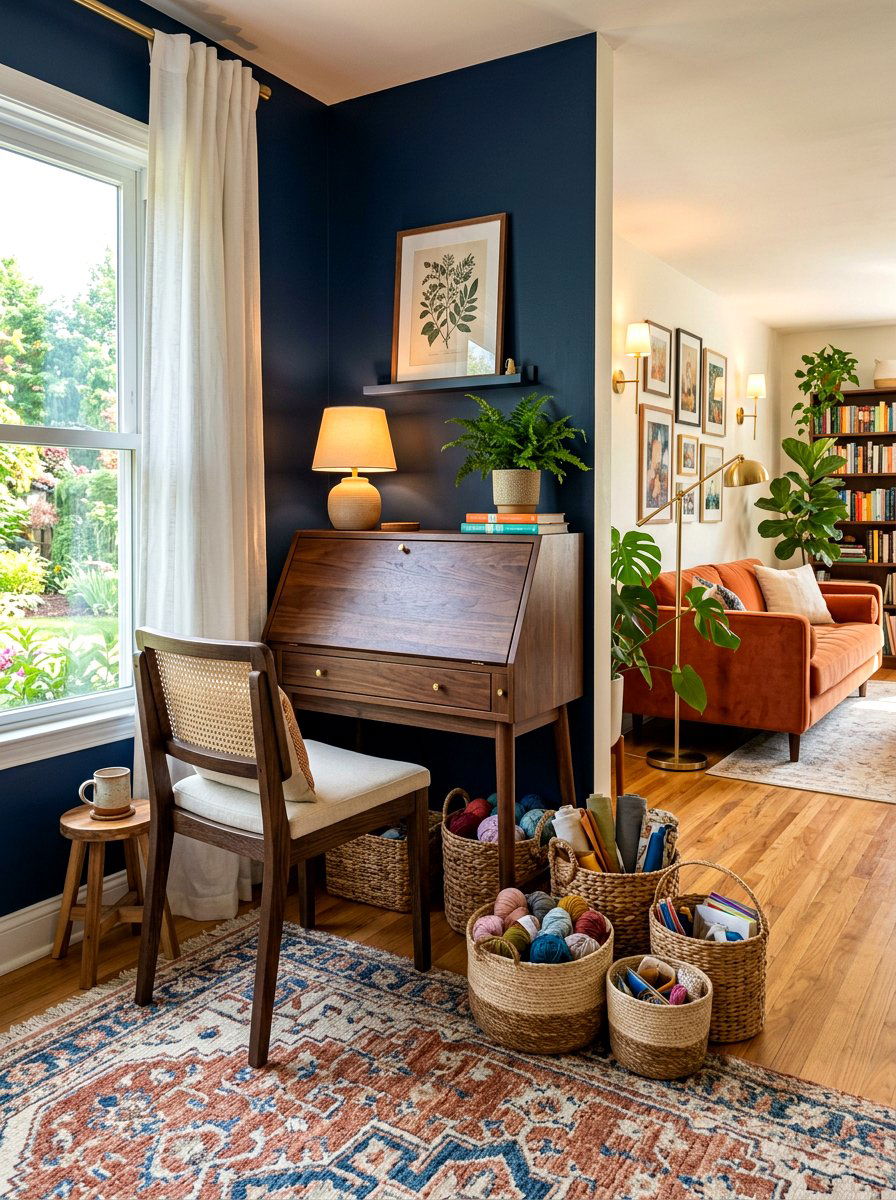
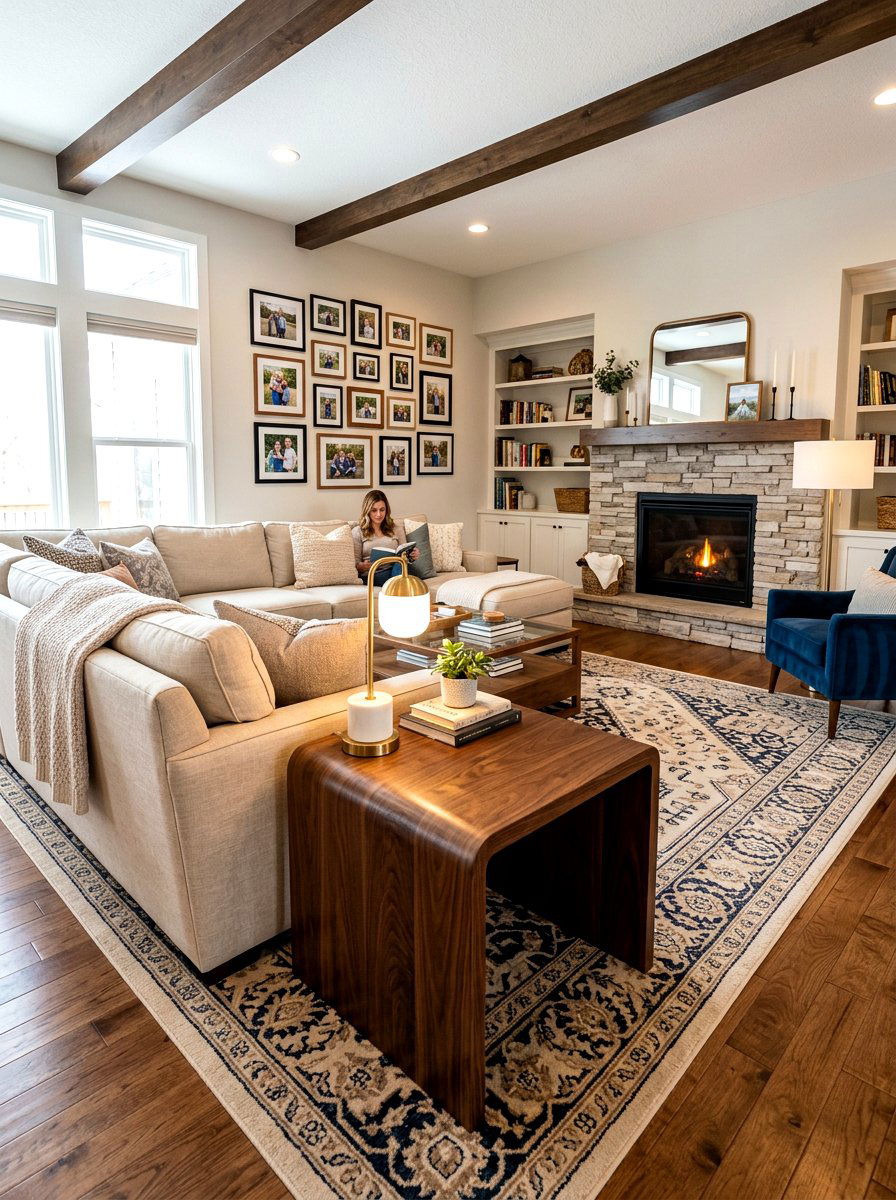
Creating a craft area in the living room requires a balance between accessibility and maintaining a cohesive social space for the family. Using a stylish secretary desk or a cabinet with retractable doors allows you to hide your project away when you are entertaining. You can choose furniture that complements your sofa and coffee table to ensure the nook feels like a natural extension of the room. Using high-quality storage containers in materials like seagrass or wood helps the supplies look like decorative accents. This placement is ideal for crafters who want to stay connected with family while working on their latest creative endeavors.
12. Attic Crafting Room
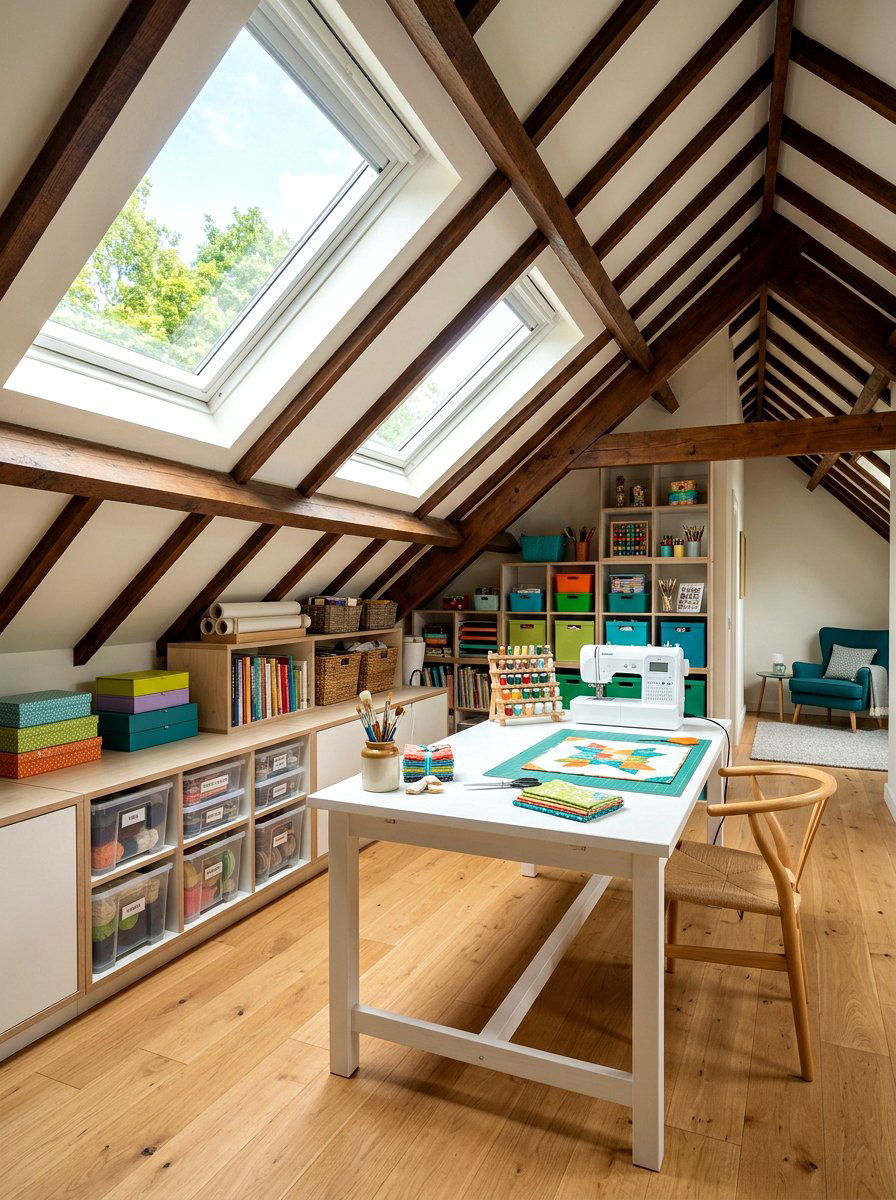
Converting an attic into a crafting sanctuary allows you to take advantage of a secluded space with unique architectural charm. The sloped walls provide a perfect opportunity for low-profile storage bins and cozy, built-in desk surfaces under the eaves. If your attic has skylights, you will benefit from an abundance of natural light, which is essential for accurate color matching in sewing or painting. You can leave the wooden beams exposed for a rustic look or paint everything white to make the space feel larger and brighter. Because it is separate from the main living areas, you can leave projects out without worrying about daily cleanup.
13. Modern Built In Craft Desk
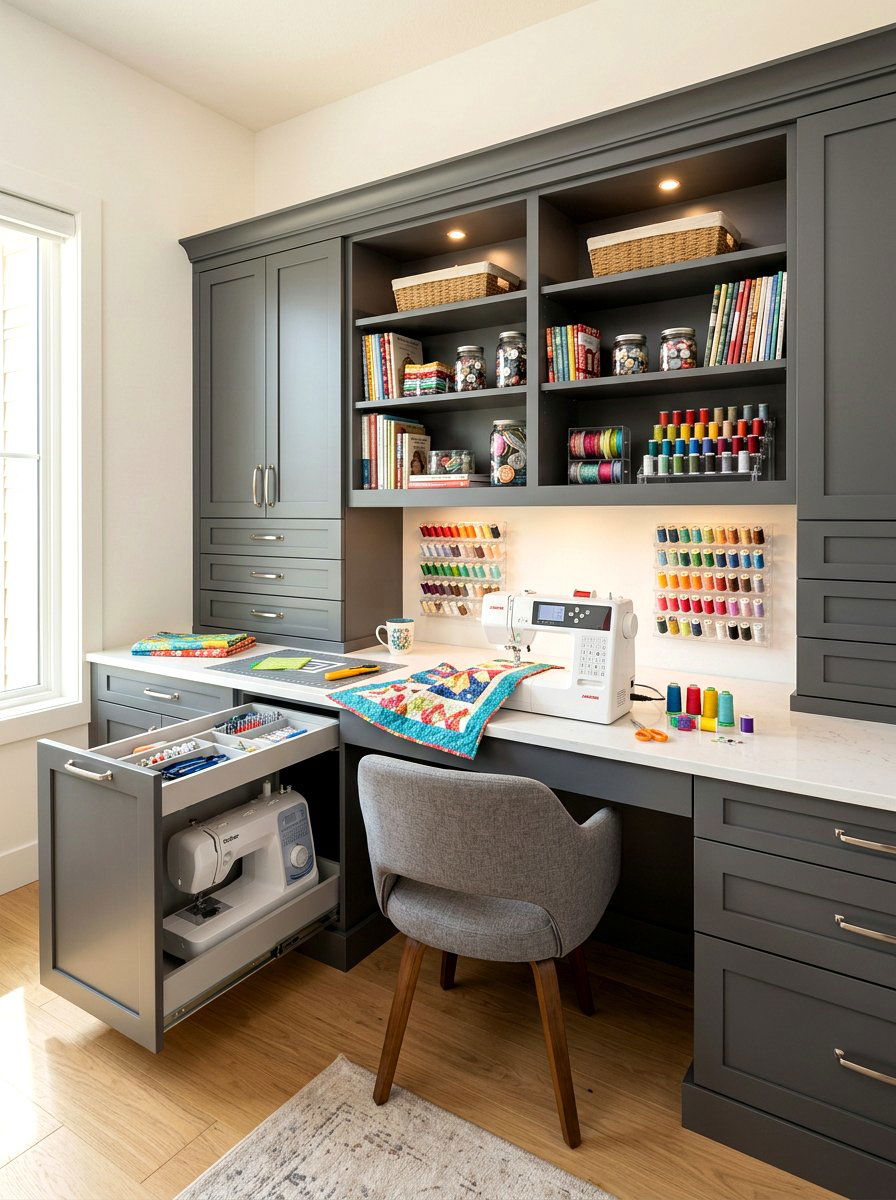
A modern built-in craft desk offers a seamless and high-end look by integrating the workspace directly into your home 's architecture. Custom cabinetry can be designed to include specific features like pull-out surfaces for cutting fabric or deep drawers for heavy equipment. By using the same materials and finishes as your existing kitchen or office cabinets, the craft nook feels like an intentional part of the home' s floor plan. Adding integrated puck lighting inside the shelves ensures every supply is well-lit and easy to find. This permanent solution is ideal for serious crafters who want a durable and professional-looking station that adds value to their property.
14. Colorful Kids Craft Nook
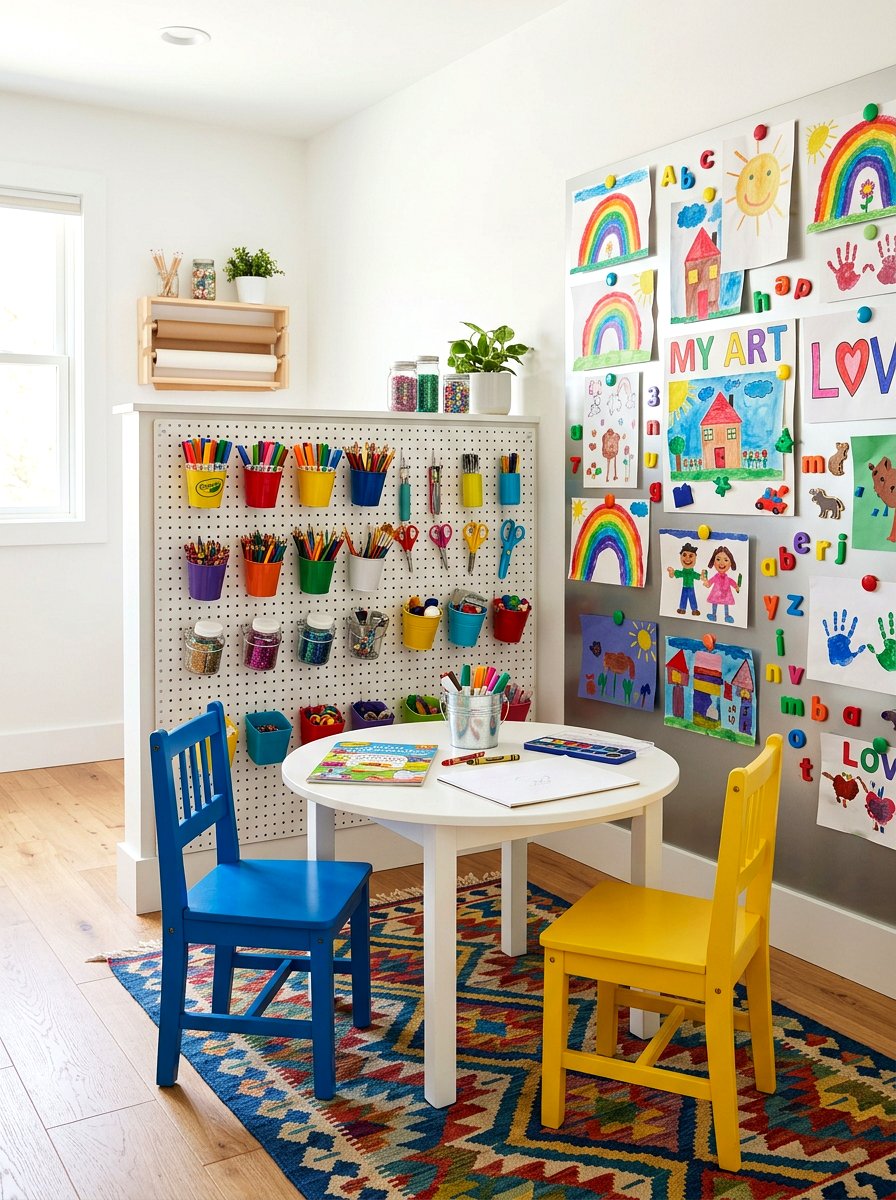
Designing a craft nook specifically for children encourages creativity and keeps art supplies contained in one manageable area of the home. Use low-height tables and sturdy chairs that are easy for small hands to navigate and comfortable for long drawing sessions. Brightly colored bins and easy-to-reach pegboards make it fun for kids to participate in the cleanup process after they finish their masterpieces. Adding a chalkboard or magnetic wall nearby provides a place for them to display their latest work or brainstorm new ideas. Choosing durable, wipeable surfaces ensures that paint spills and marker marks can be cleaned up quickly and without any stress.
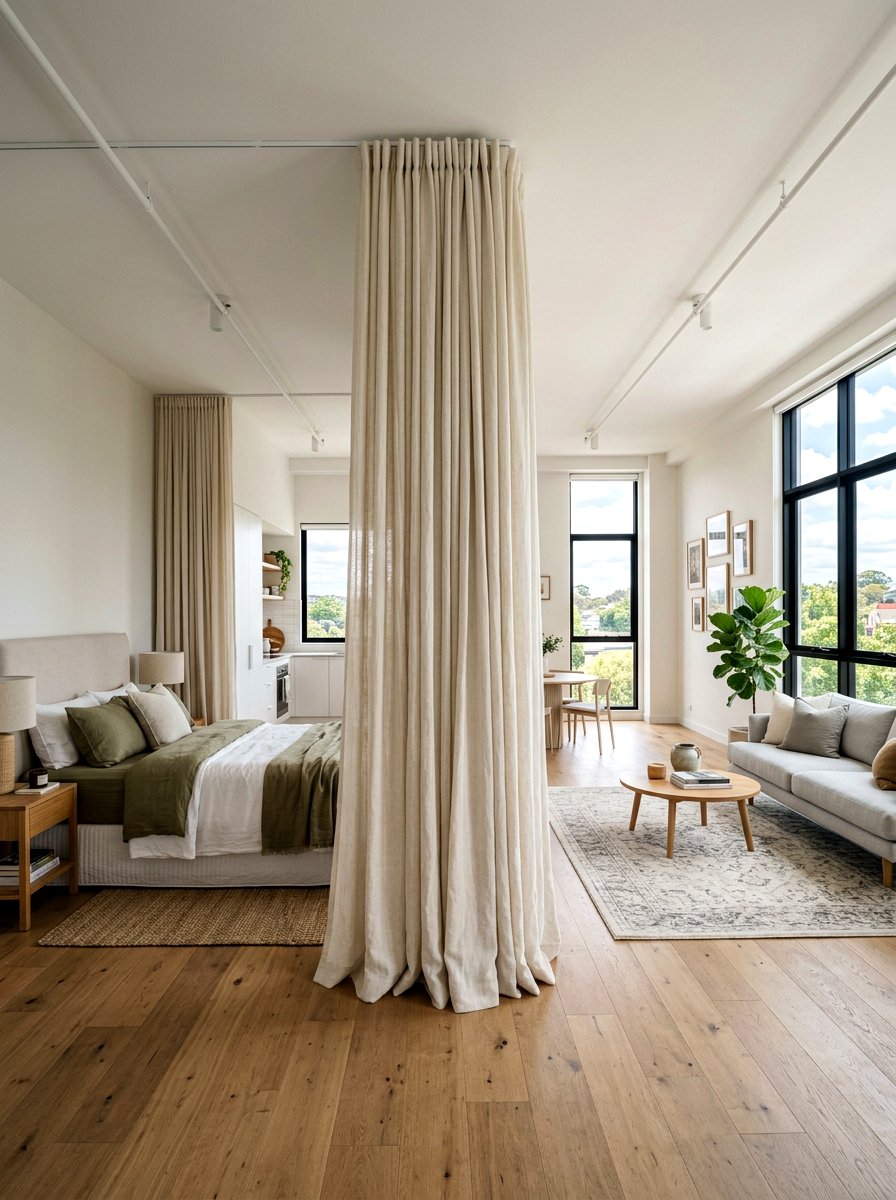
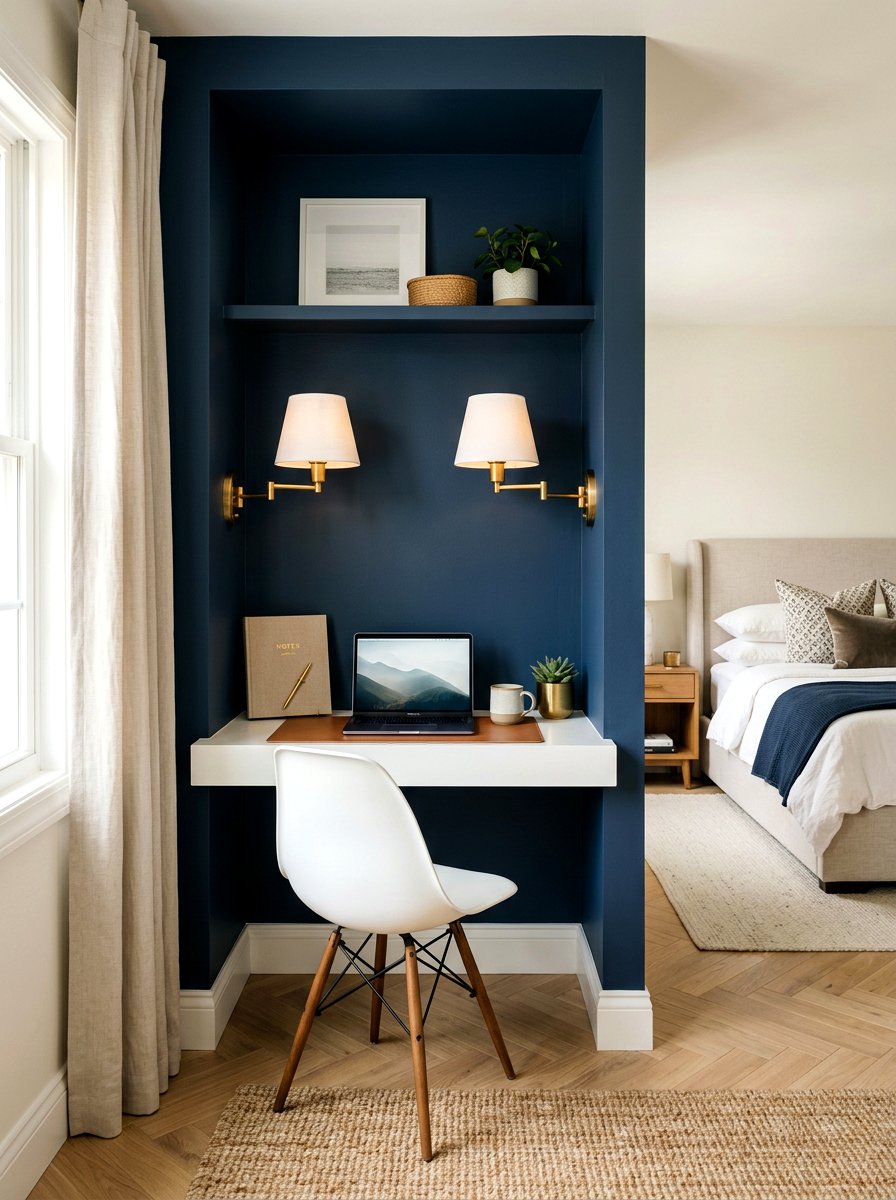
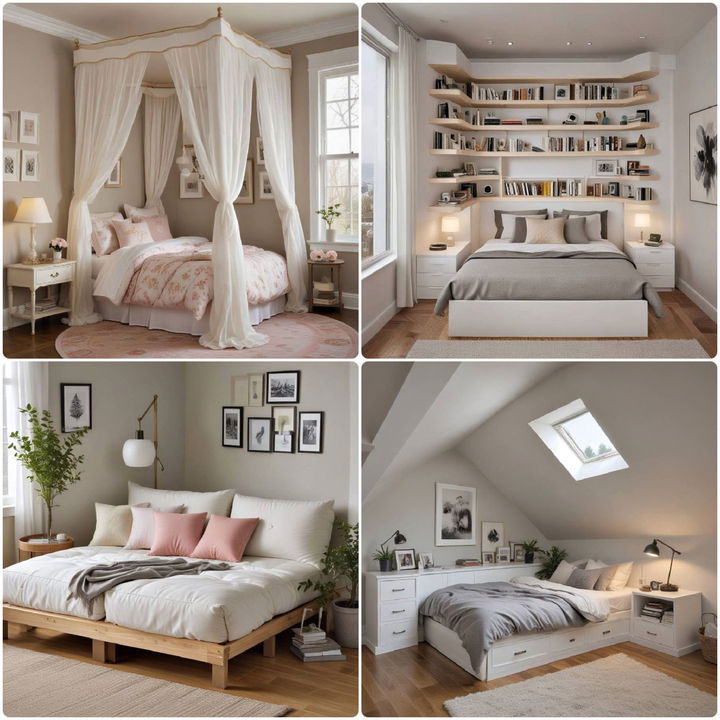
15. Hidden Cabinet Craft Station
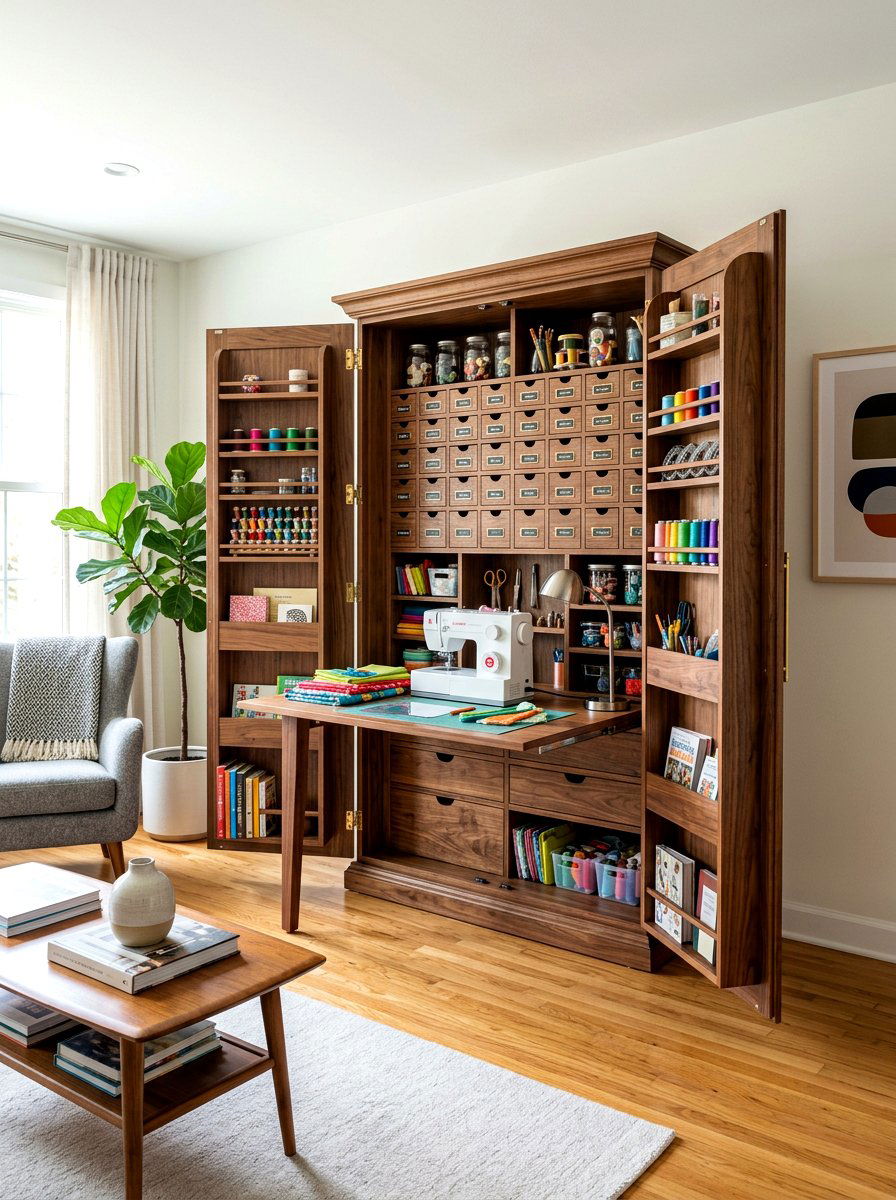
A hidden cabinet craft station is the perfect choice for those who want a full-featured workspace that can disappear in seconds. These specialized pieces of furniture, often called craft armoires, feature fold-out tables, numerous drawers, and specialized racks for thread or paper. When the cabinet doors are closed, it looks like a standard piece of living room or bedroom furniture, hiding any creative mess inside. This is an excellent solution for crafters who live in small homes or prefer a tidy, minimalist aesthetic. It allows you to have a massive amount of storage and workspace without taking up an entire permanent room in your house.
16. Industrial Style Craft Space
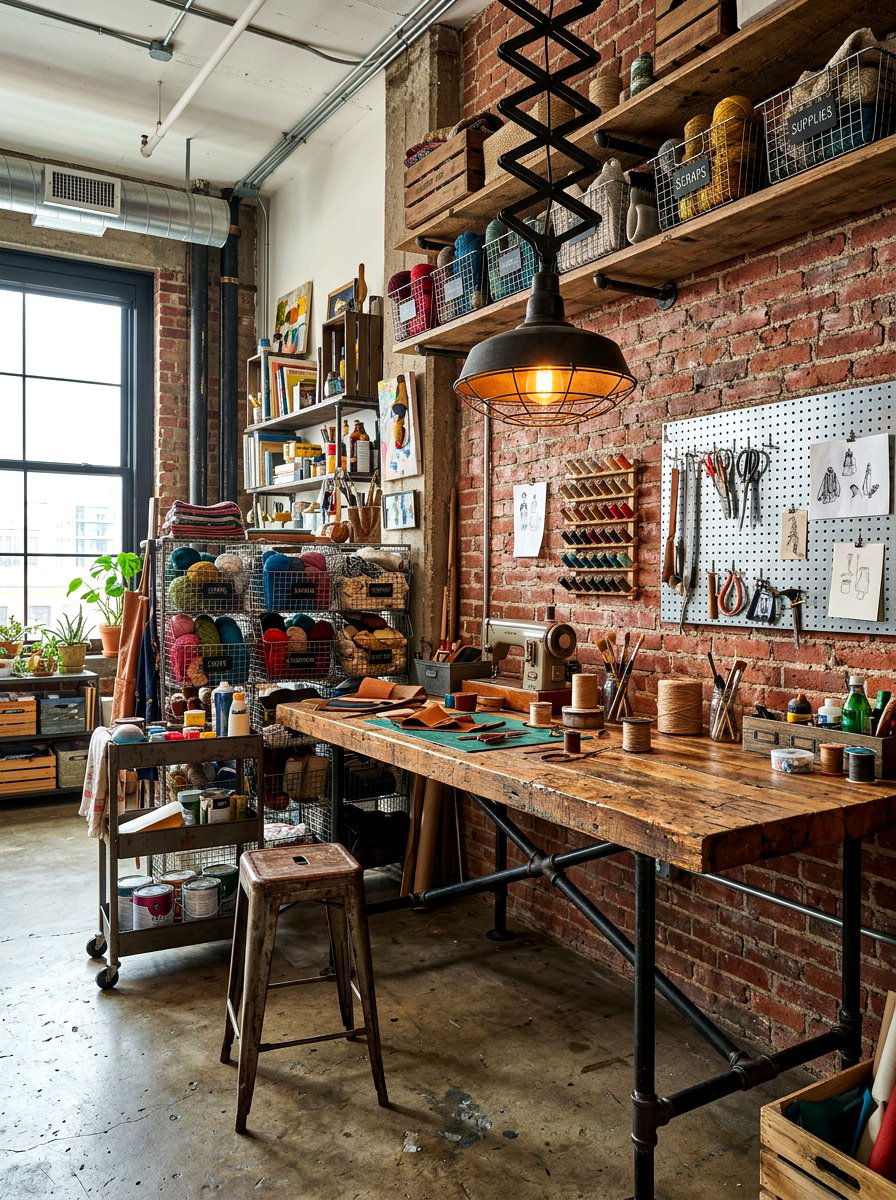
An industrial style craft space uses raw materials like reclaimed wood and metal piping to create a rugged and inspiring environment. This design often features a heavy-duty workbench made from a solid wood slab supported by black iron pipes for a sturdy feel. Open metal shelving units provide plenty of room for oversized tools, while wire baskets keep smaller supplies organized and visible. The neutral palette of gray, black, and brown allows your colorful materials to stand out as the main focus. This style is perfect for makers who work with heavy-duty crafts like leatherworking, woodworking, or metal jewelry where a delicate desk simply won't suffice.
17. Natural Light Craft Nook
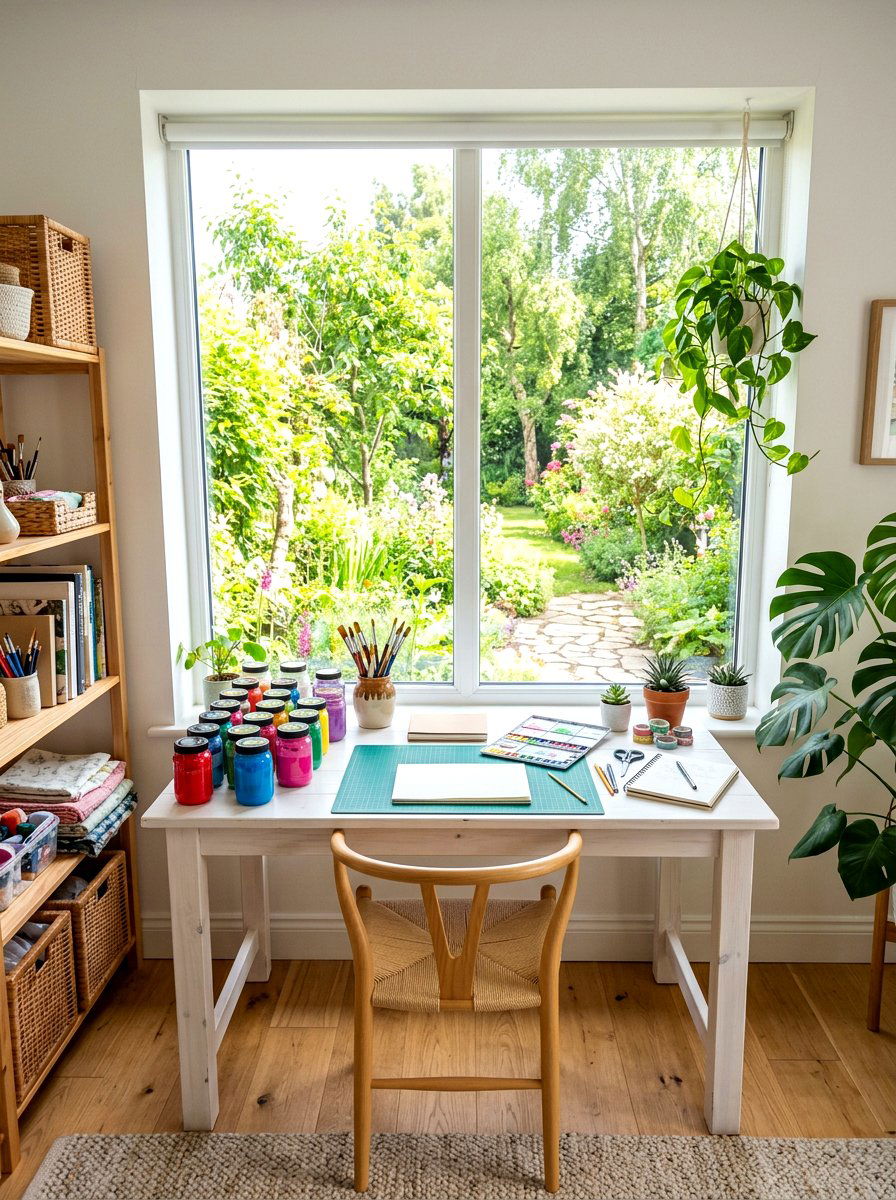
Positioning your craft nook directly in front of a large window is the best way to ensure you have optimal lighting for detailed work. Natural light is far superior for tasks like painting, sewing, or jewelry making where color accuracy and fine detail are critical. You can use a simple trestle desk to keep the view unobstructed while enjoying the outdoors during your creative breaks. Adding sheer curtains allows you to diffuse harsh afternoon sun while still keeping the space bright and inviting. This setup not only improves the quality of your work but also boosts your mood and energy levels throughout the day.
18. Farmhouse Craft Room Decor
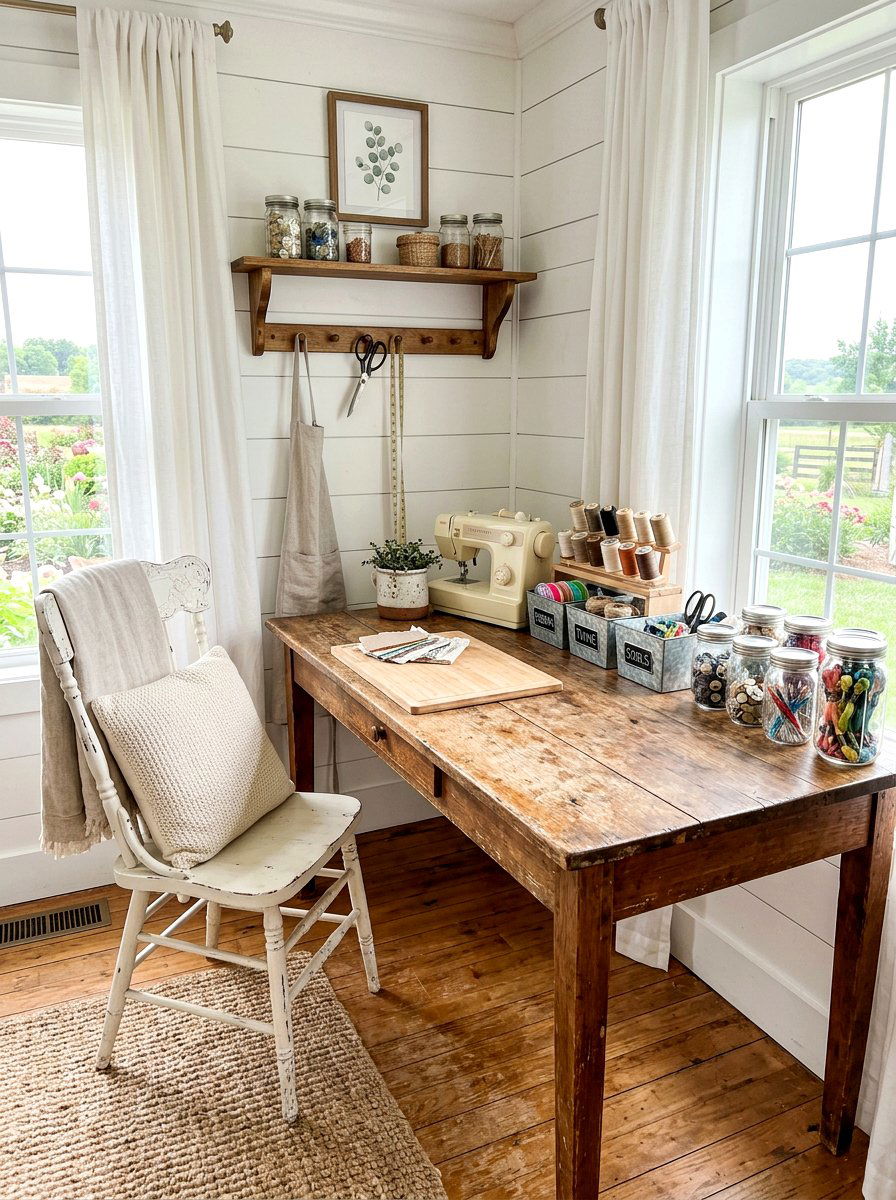
Farmhouse style brings a sense of warmth and coziness to your crafting area through the use of natural textures and vintage-inspired accents. You can use a large wooden table with a distressed finish as your primary workspace, paired with a classic spindle chair. For storage, consider using galvanized metal buckets, woven baskets, and mason jars to organize your supplies in a way that feels intentional and charming. Soft neutral colors like cream, sage green, or light blue on the walls create a soothing backdrop for your creative projects. This design style makes your craft nook feel like a relaxing retreat rather than a cluttered workspace.
19. Floating Shelf Craft Area
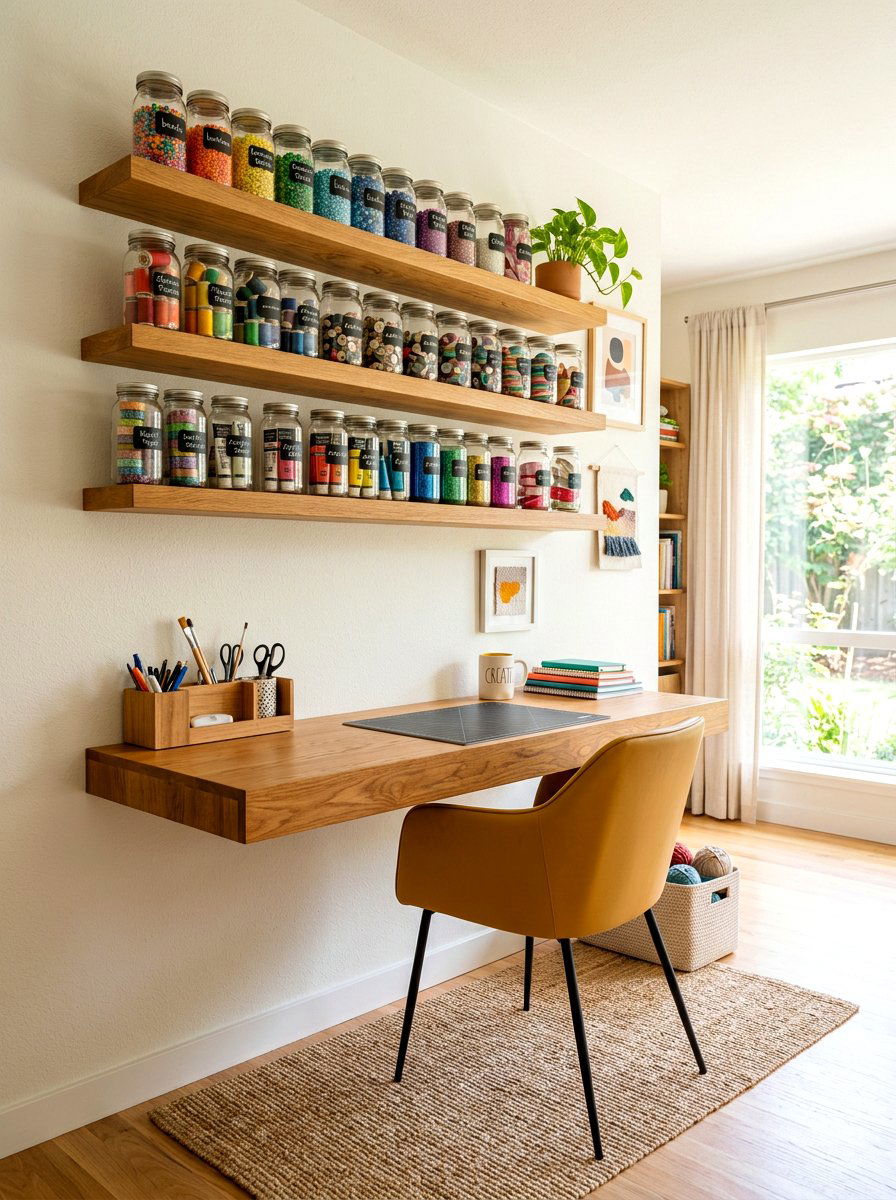
A floating shelf craft area utilizes wall space effectively to create a lightweight and airy workspace that doesn't feel cramped. By mounting a thick floating desk and several matching shelves above it, you create a sleek look that keeps the floor completely clear. This is an excellent choice for narrow hallways or small bedrooms where a traditional desk might block traffic. You can use the shelves to display your most beautiful supplies in glass jars, turning your materials into part of the decor. Adding a stylish, armless chair that can tuck completely under the desk further saves space when the nook is not in use.
20. Kitchen Pantry Craft Conversion
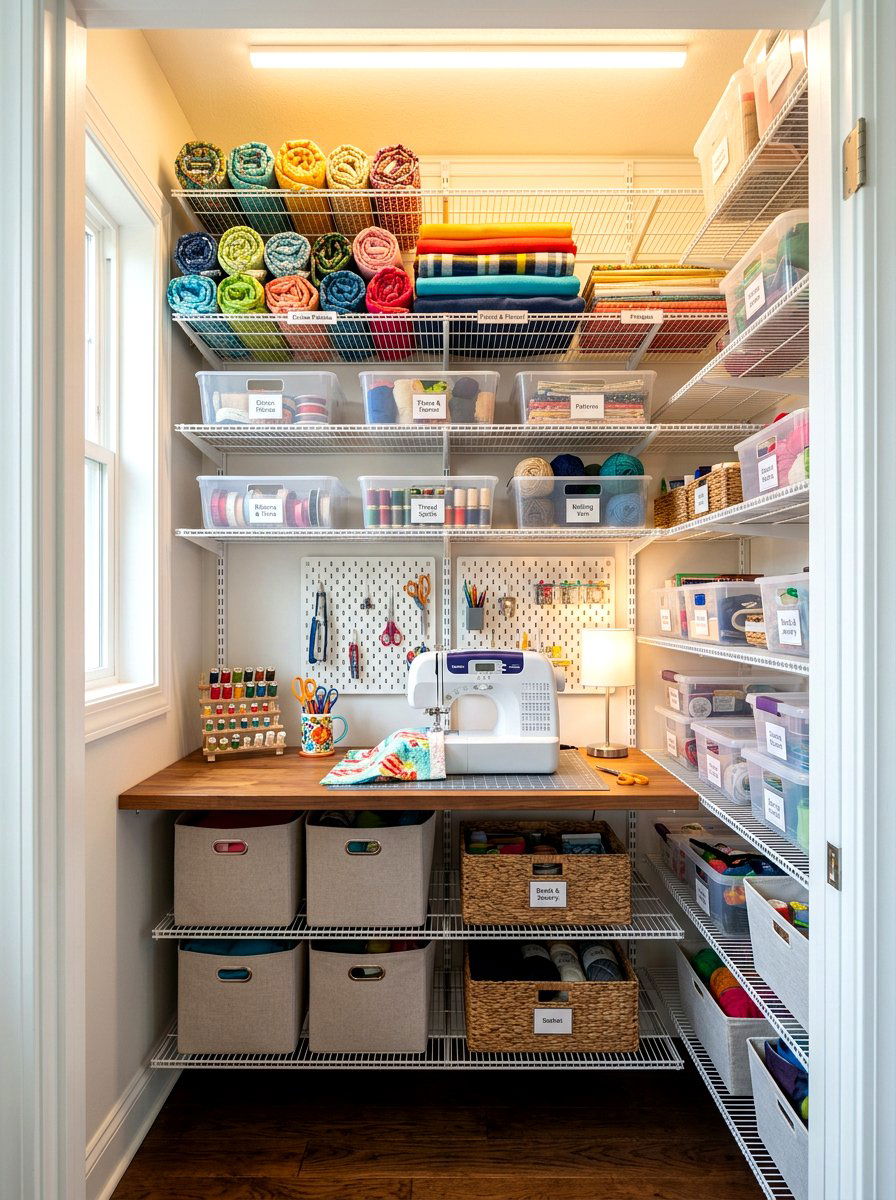
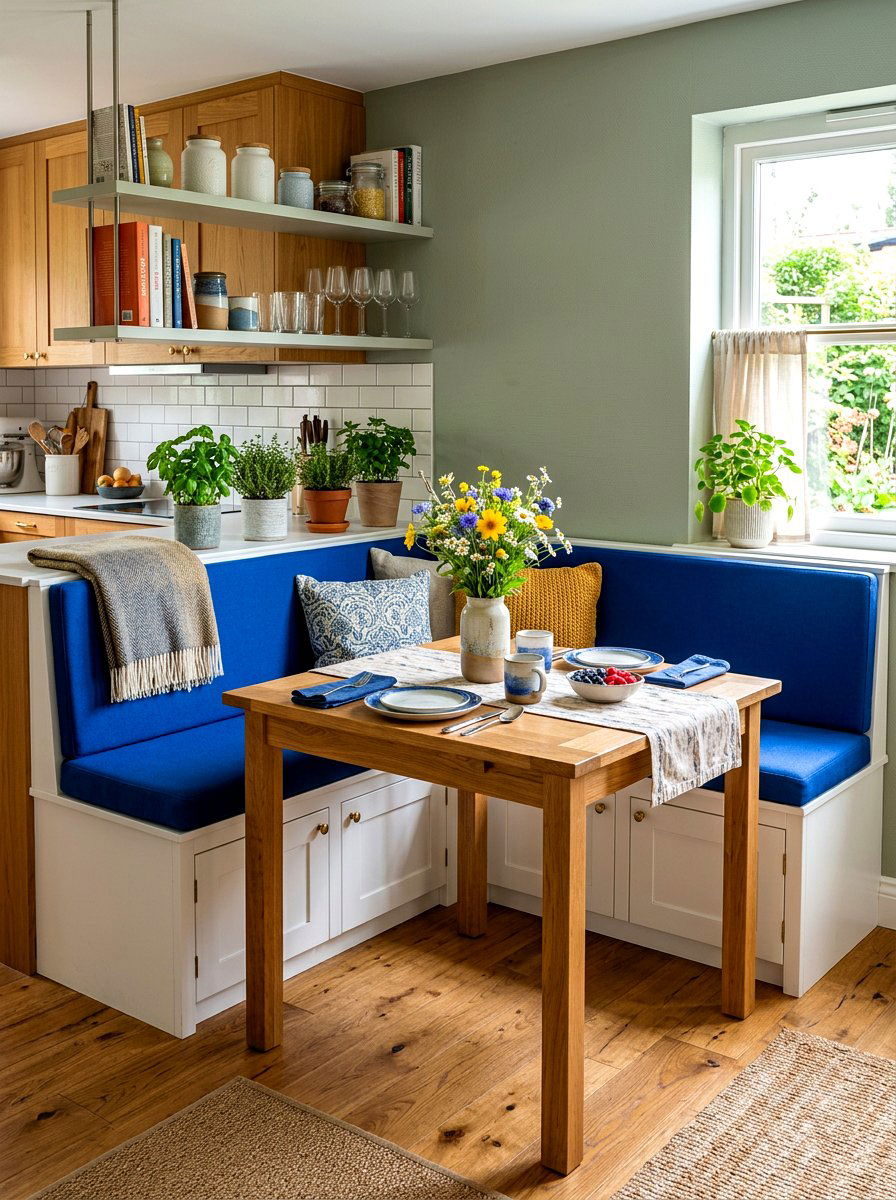
If you have a walk-in pantry with extra room, converting a section of it into a craft station is a clever way to keep supplies near the heart of the home. This setup allows you to supervise children or keep an eye on dinner while working on a quick DIY project. Use sturdy wire shelving for bulky items like sewing machines or Cricut mats, and add a small countertop for your workspace. Since pantries are usually tucked away, this is a great place for "messy" crafts that you might not want on display in your main living areas. It's a highly practical and unexpected use of secondary storage space.
21. Basement Crafting Studio
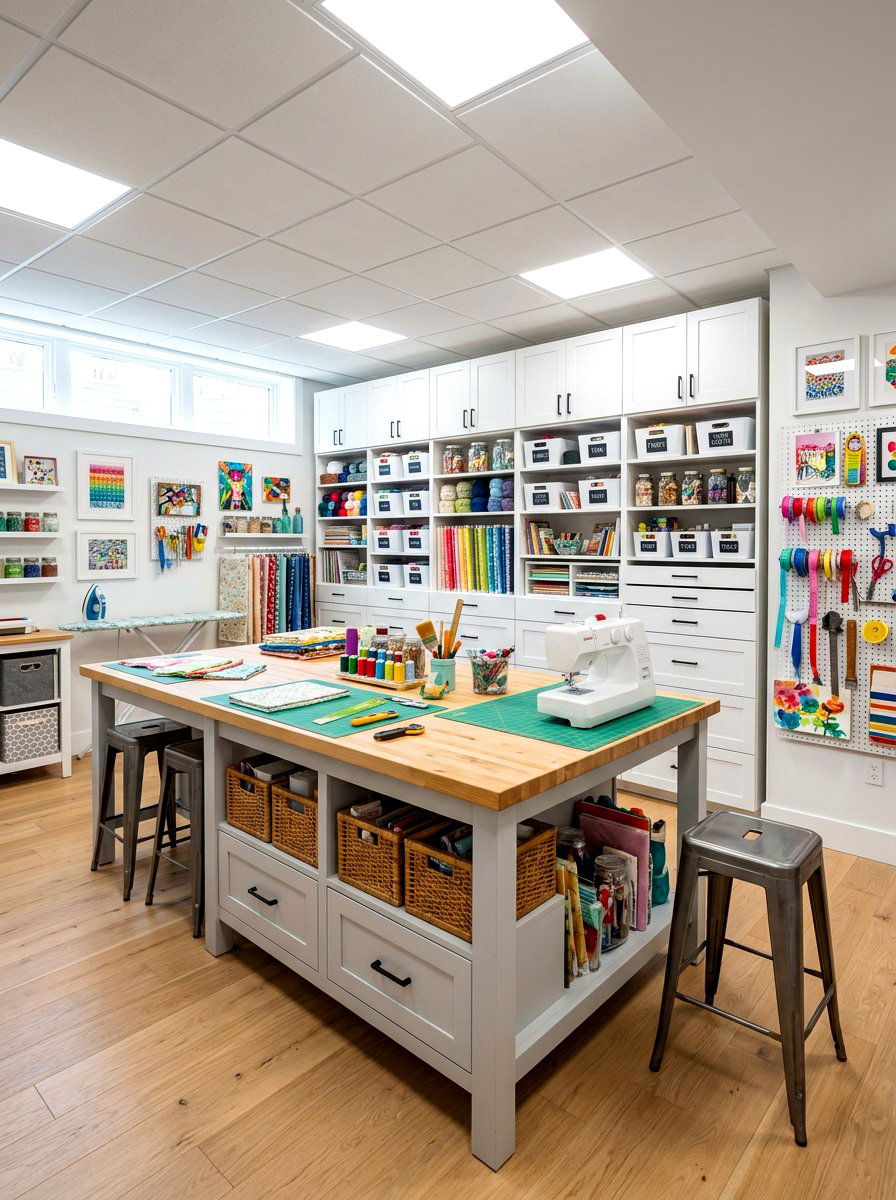
The basement offers a unique opportunity to create a large, spread-out crafting studio that is completely separate from the rest of the house. You can use long rows of modular cabinets and large work islands to handle massive projects like quilting or large-scale painting. Because basements often lack natural light, it is important to invest in high-quality overhead lighting and adjustable task lamps for every station. Painting the walls a bright white and using light-colored flooring can help the space feel more like a professional studio rather than a dark cellar. This isolation is perfect for creators who need deep focus and a lot of physical room.
22. Bohemian Style Craft Corner
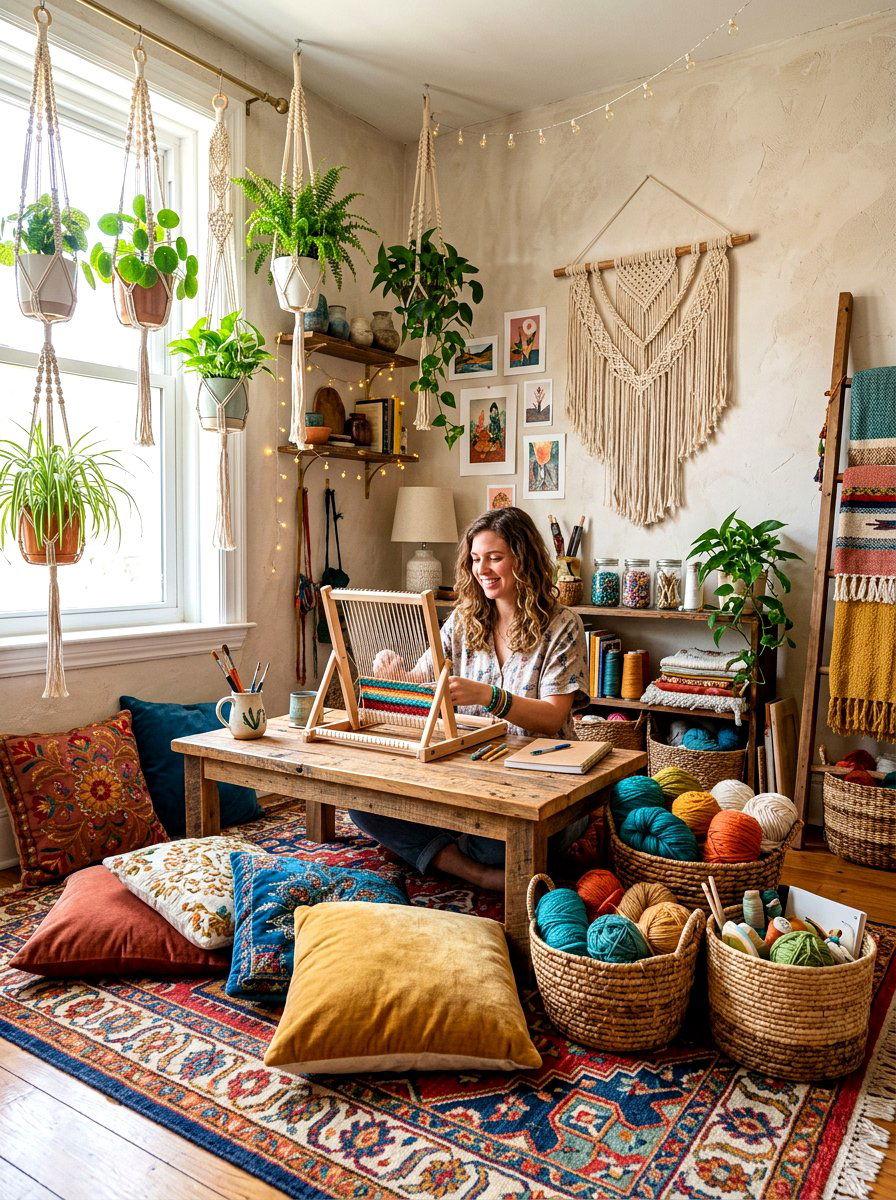
A bohemian style craft corner embraces color, texture, and a relaxed atmosphere to spark creative inspiration in every project you start. You can use a low-profile desk and surround it with colorful floor cushions or a patterned rug to create a comfortable and tactile environment. Hanging macramé plant holders and using woven baskets for yarn storage adds to the eclectic and handmade feel of the space. Instead of traditional office organizers, use vintage trays and ceramic bowls to hold your beads, ribbons, and small tools. This free-spirited approach to design encourages playfulness and experimentation, making the crafting process feel more like a joyful and relaxing escape.
23. Scandinavian Craft Nook
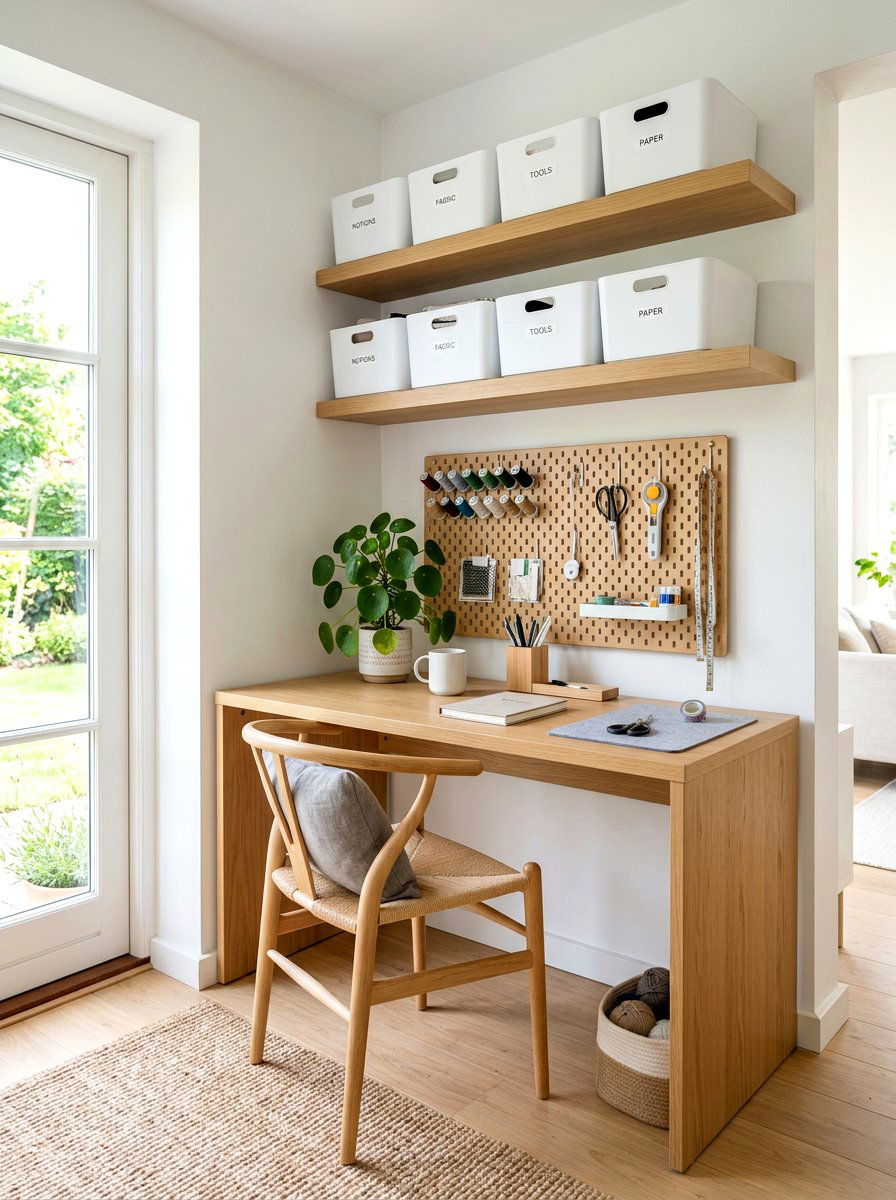
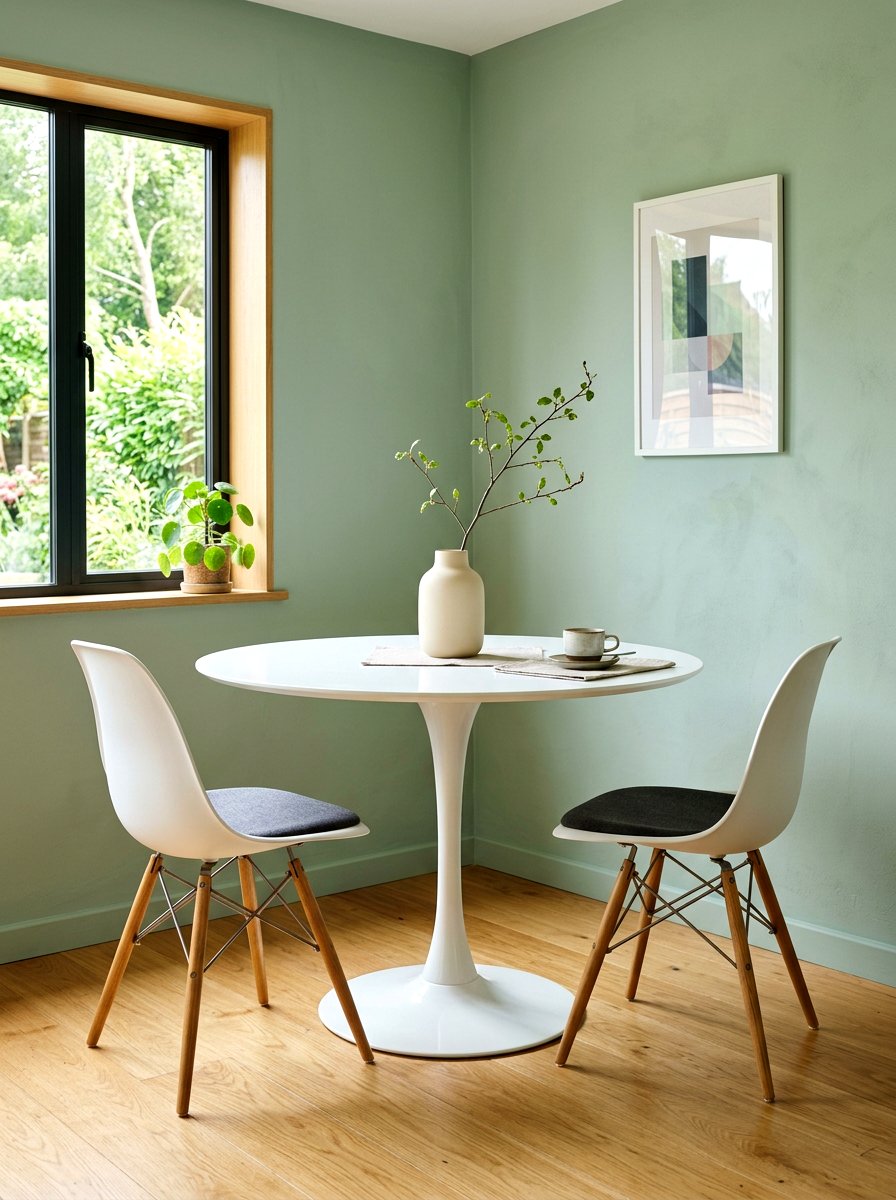
The Scandinavian design philosophy focuses on functionality, light wood tones, and a clutter-free environment, which is perfect for an organized craft nook. Use a simple desk made of light oak or pine and pair it with a classic plastic or wooden chair with clean lines. Storage should be smart and hidden, such as using white drawer units or uniform cardboard boxes on open shelves to maintain a tidy look. A single sprig of greenery in a glass vase and a cozy wool throw on your chair can add warmth without cluttering the space. This peaceful aesthetic helps clear the mind, allowing your creative ideas to take center stage.
24. Narrow Hallway Craft Space
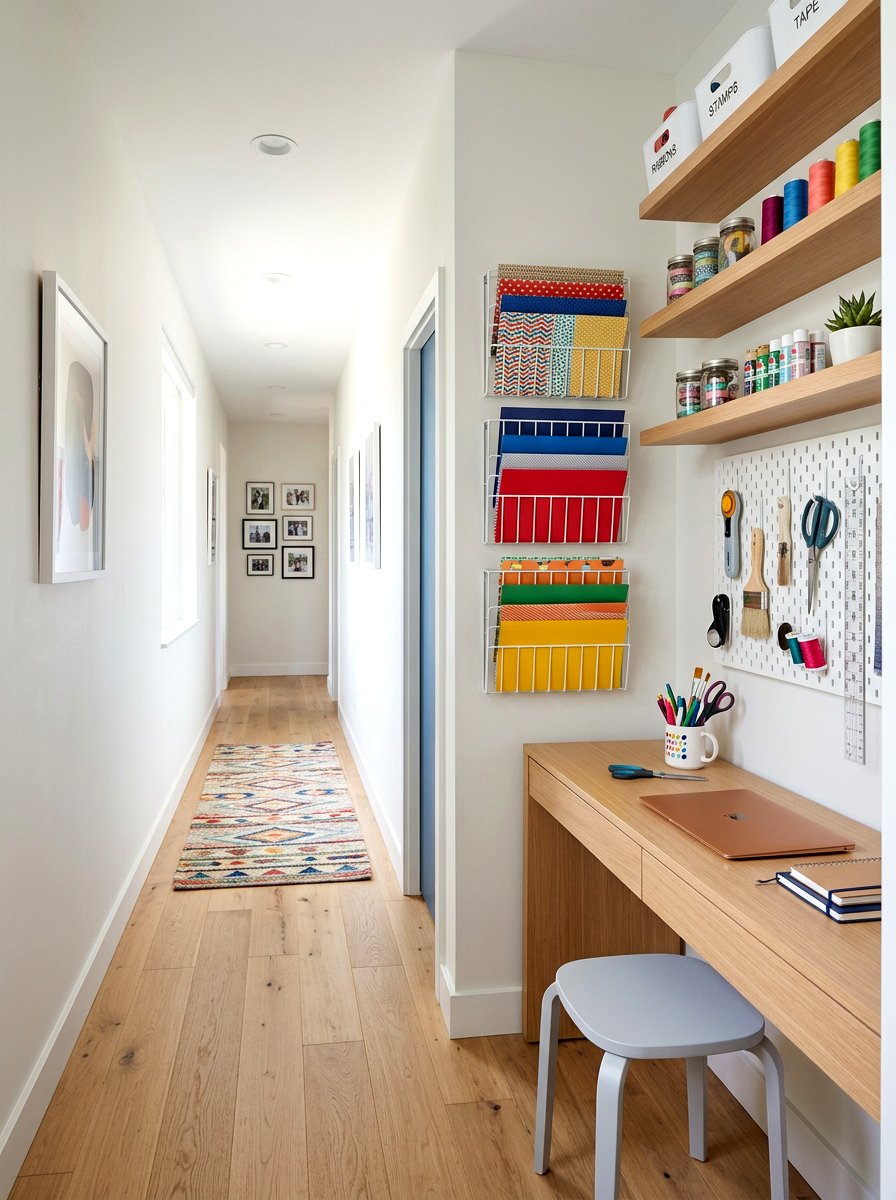
A wide hallway can often be repurposed into a long, narrow craft space by installing a slim console-style desk against the wall. This design utilizes a transition area that would otherwise be empty, turning it into a productive zone for light tasks like scrapbooking or sketching. You can use vertical wall racks to store paper or fabric flat against the wall, ensuring they don't block the walking path. Adding a few high-quality floating shelves above the desk provides space for smaller bins and jars. This is an excellent way to add a dedicated workspace to a home that lacks extra rooms or large open corners.
25. Upcycled Desk Craft Station
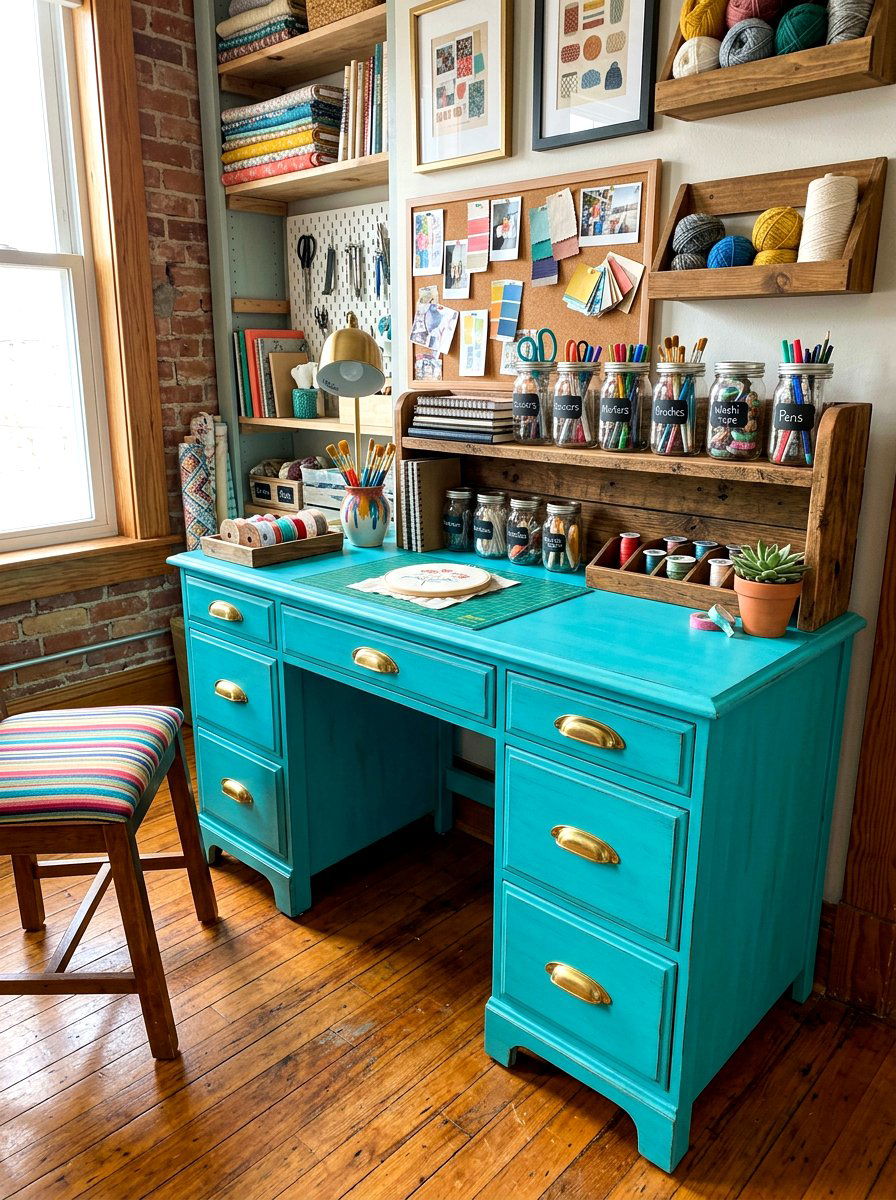
An upcycled desk craft station allows you to create a personalized workspace by giving an old piece of furniture a new life. You can take a discarded dining table or an old office desk and refresh it with a fresh coat of chalk paint or new hardware. This approach is not only budget-friendly but also gives you a one-of-a-kind piece that matches your style perfectly. You can even add custom features like a built-in paper roll holder or a magnetic strip for scissors. This project is a craft in itself, setting the tone for the many creative projects you will soon complete at your new station.
26. Large Window Craft Area
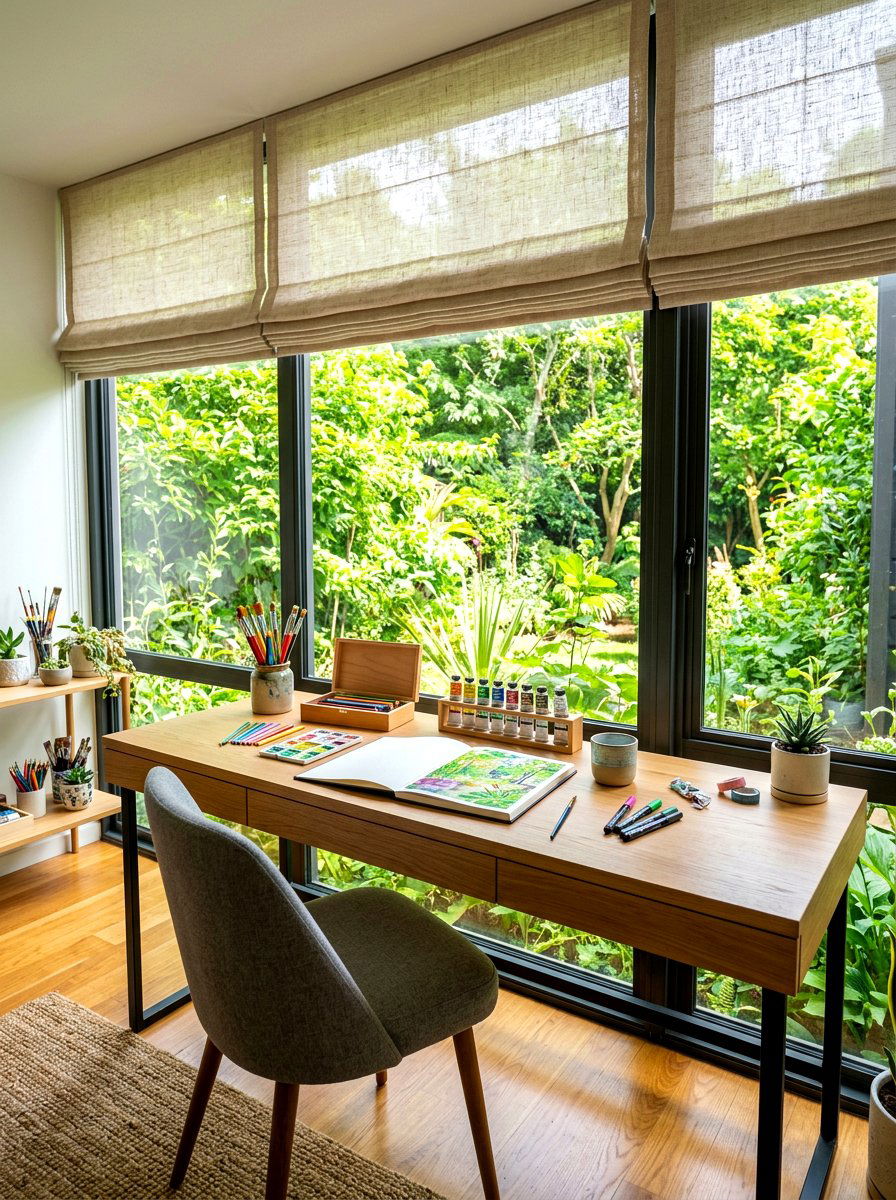
Situating your workspace directly in front of a large, floor-to-ceiling window provides a stunning view and an abundance of essential natural light. The connection to the outdoors can provide constant inspiration, whether you are watching the changing seasons or the local wildlife while you work. To prevent glare on your materials, consider installing light-filtering shades that can be adjusted throughout the day as the sun moves. Using a simple, minimalist desk ensures that the view remains the focal point of the room. This setup is particularly effective for artists who work with watercolors or textiles, where natural lighting is vital for seeing subtle color variations.
27. Multi Level Crafting Table
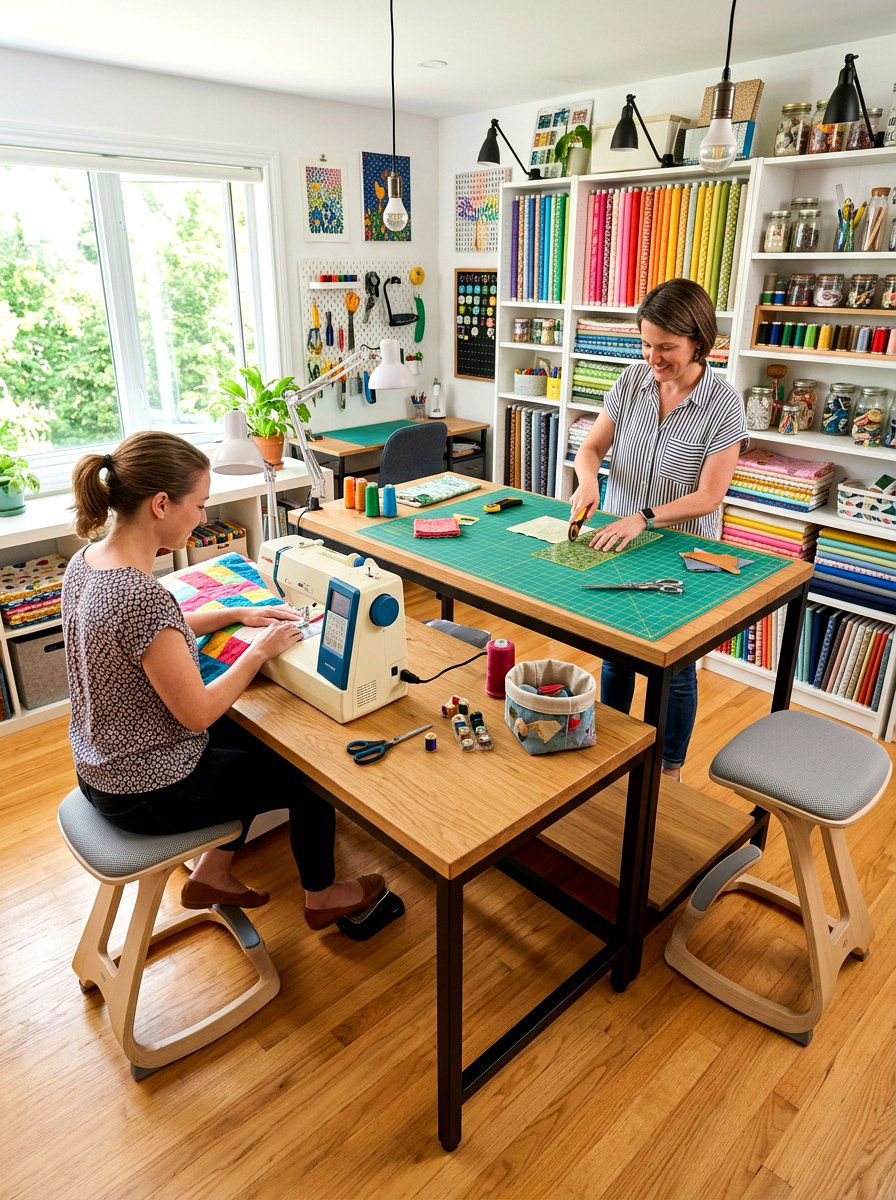
A multi-level crafting table is a specialized design that features different heights for various stages of the creative process. For example, you might have a standard desk-height surface for seated work like sewing, and a higher, counter-height surface for standing tasks like cutting fabric. This ergonomic approach helps reduce strain on your back and neck by allowing you to change positions throughout your crafting session. You can find modular desk systems that allow you to combine different units, or build a custom solution using different cabinet heights. This setup is perfect for serious makers who spend several hours a day on diverse physical tasks.
28. Vertical Storage Craft Nook
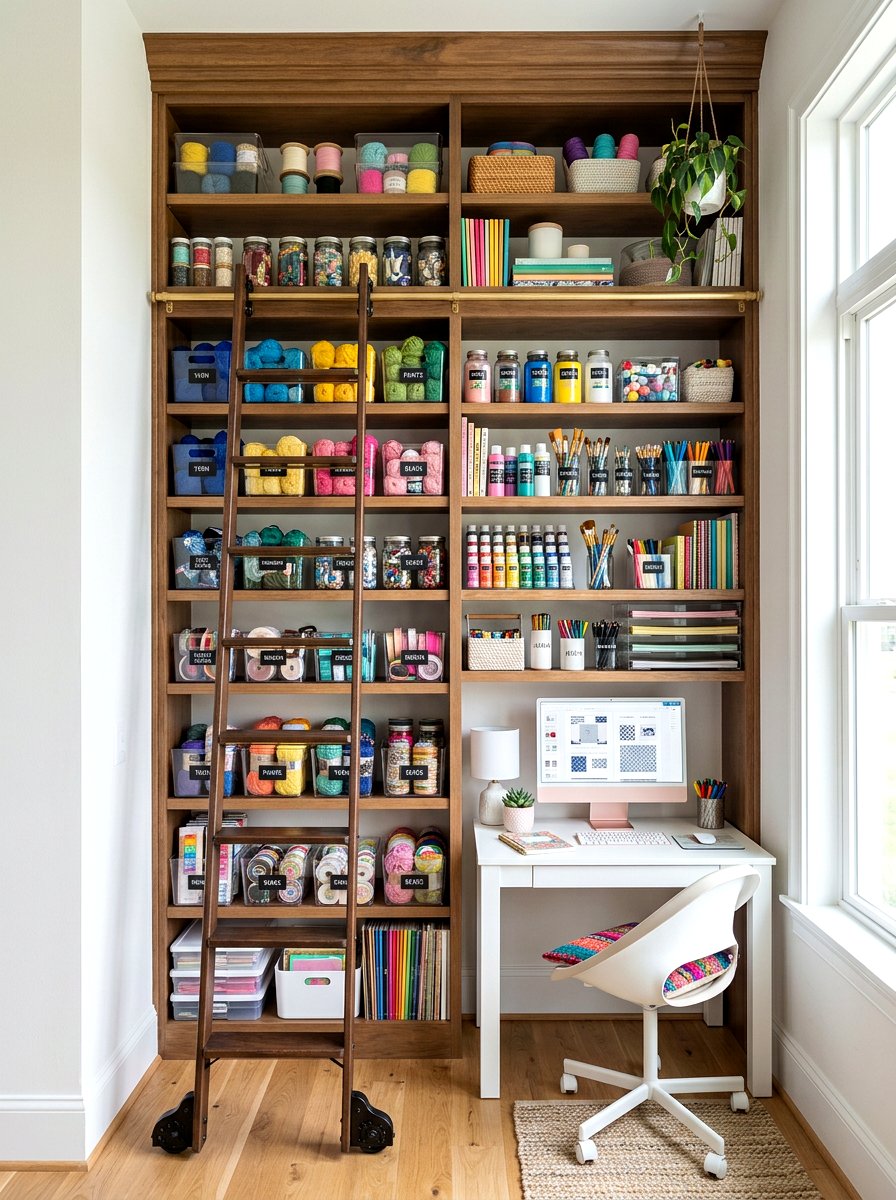
When floor space is at a premium, a vertical storage craft nook focuses on using the height of your walls to keep everything organized. You can install tall, narrow bookshelves or a series of stacked cubbies that reach all the way to the ceiling to hold your supplies. Using a rolling ladder adds a professional and library-like feel to the space while making high-up items easily accessible. By keeping the footprint of your desk small, you leave more room for moving around. This design is highly effective for crafters with large collections of yarn, fabric, or paper that would otherwise overwhelm a smaller horizontal setup.
29. Glam Style Craft Space
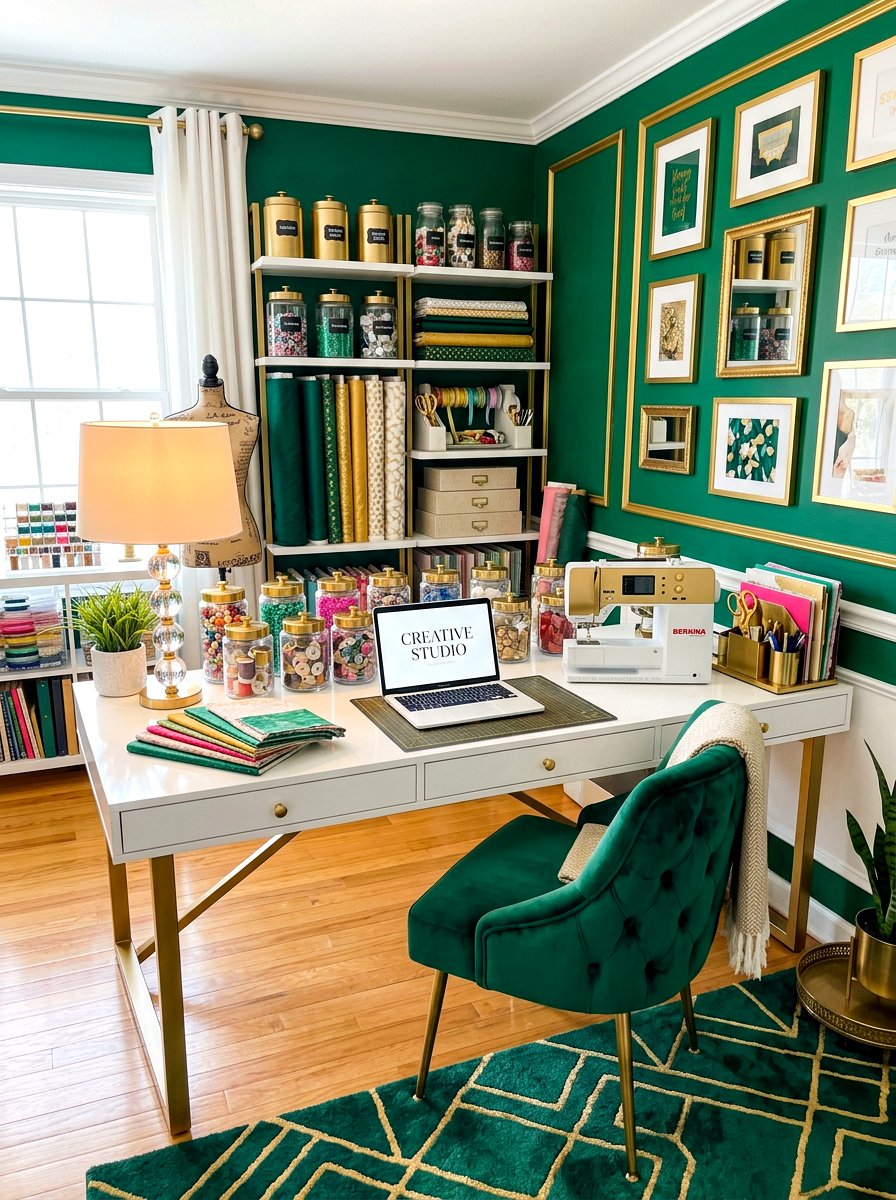
A glam style craft space uses luxurious materials like gold accents, marble surfaces, and velvet fabrics to create a sophisticated and high-end atmosphere. You can choose a white desk with gold metal legs and pair it with a plush, tufted chair in a jewel tone like emerald or navy. Use glass jars with gold lids to store your beads and sequins, and add a crystal desk lamp for a touch of sparkle. This design style makes the act of crafting feel like a special and elegant occasion. It is perfect for jewelry makers or fashion designers who want their workspace to reflect the beauty of their creations.
30. Rustic Wood Craft Corner
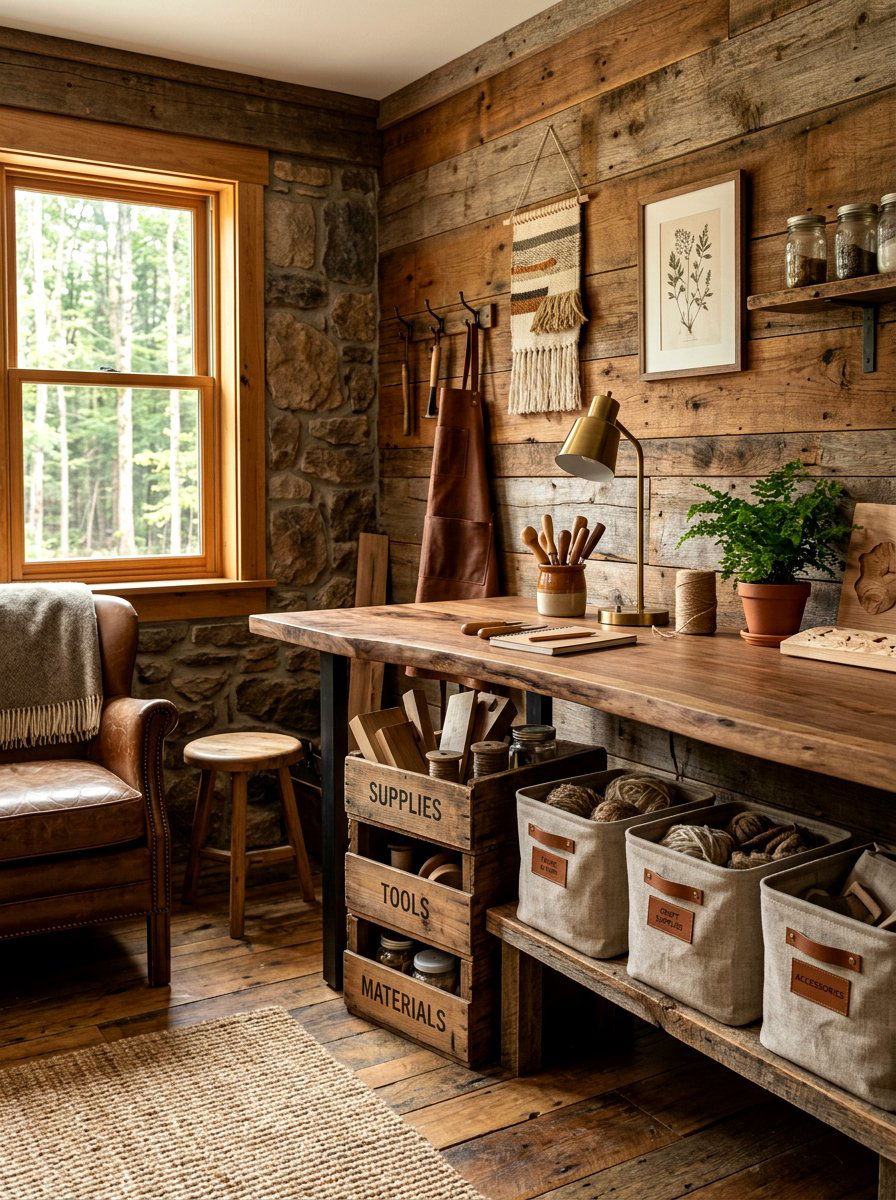
A rustic wood craft corner uses natural elements like reclaimed timber and stone to create a grounded and earthy environment for your projects. You can use a thick, live-edge wood slab as your primary work surface, which adds a unique and organic feel to the room. For storage, consider using wooden crates, antique jars, and linen bins to keep the look consistent and warm. The neutral, warm tones of the wood provide a beautiful contrast to colorful threads, yarns, or paints. This design is ideal for crafters who enjoy traditional techniques like weaving, knitting, or pottery, where a connection to nature feels most appropriate.
Conclusion:
Setting up the perfect crafting nook is an investment in your creativity and well-being, providing a space where your imagination can run wild. No matter the size of your home, there is always an opportunity to carve out a small corner for your favorite hobbies and artistic pursuits. By focusing on smart organization, ergonomic furniture, and inspiring decor, you can create a station that is both functional and beautiful to look at. A dedicated workspace not only keeps your home more organized but also makes it much easier to start and finish your creative projects. We hope these ideas inspire you to build the dream craft nook you have always wanted.

Related posts: