Creating a boutique restaurant experience starts with the perfect atmosphere that captures the imagination of every guest who walks through the door. These intimate dining spaces rely heavily on unique design choices that differentiate them from large, corporate chains. By focusing on specific aesthetic themes, owners can curate a memorable journey that combines comfort with high-end style. Whether you are aiming for a moody, industrial vibe or a bright, botanical sanctuary, the right combination of textures and lighting makes all the difference. Designing a small-scale eatery requires careful attention to detail, ensuring that every corner serves as a visual highlight for social media sharing and long-lasting impressions. Every element should tell a story.
1. Velvet booth seating
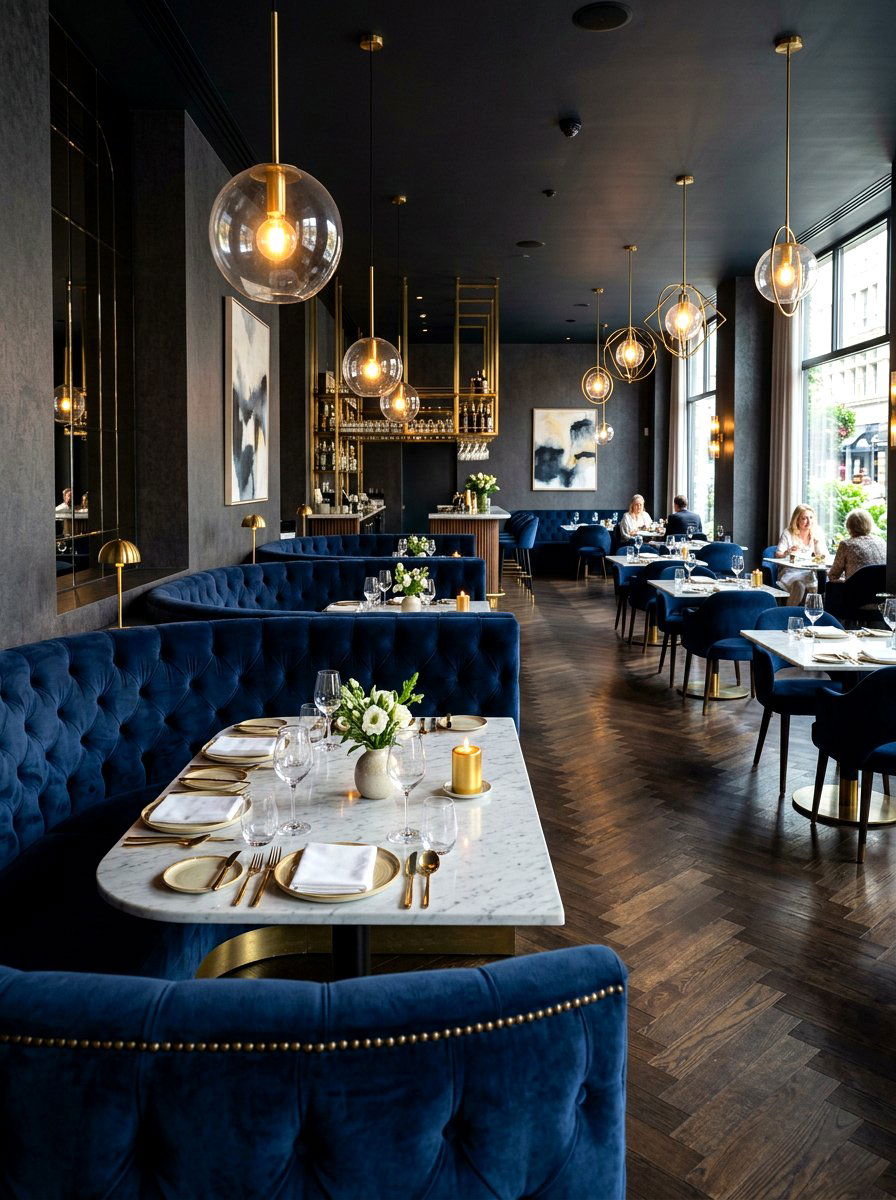
Plush velvet booth seating instantly elevates the sophistication of any boutique dining room by offering both comfort and a touch of luxury. Imagine walking into a space where deep emerald or sapphire blue fabric catches the soft glow of overhead lights, creating an inviting corner for long conversations. These booths provide a sense of privacy and enclosure that many diners crave in smaller venues. You can pair these soft textures with sleek marble tables to create a beautiful contrast between the hard stone and the soft upholstery. High-back designs help define the perimeter of the room while also functioning as acoustic buffers to keep the noise level intimate and manageable.
2. Exposed brick walls
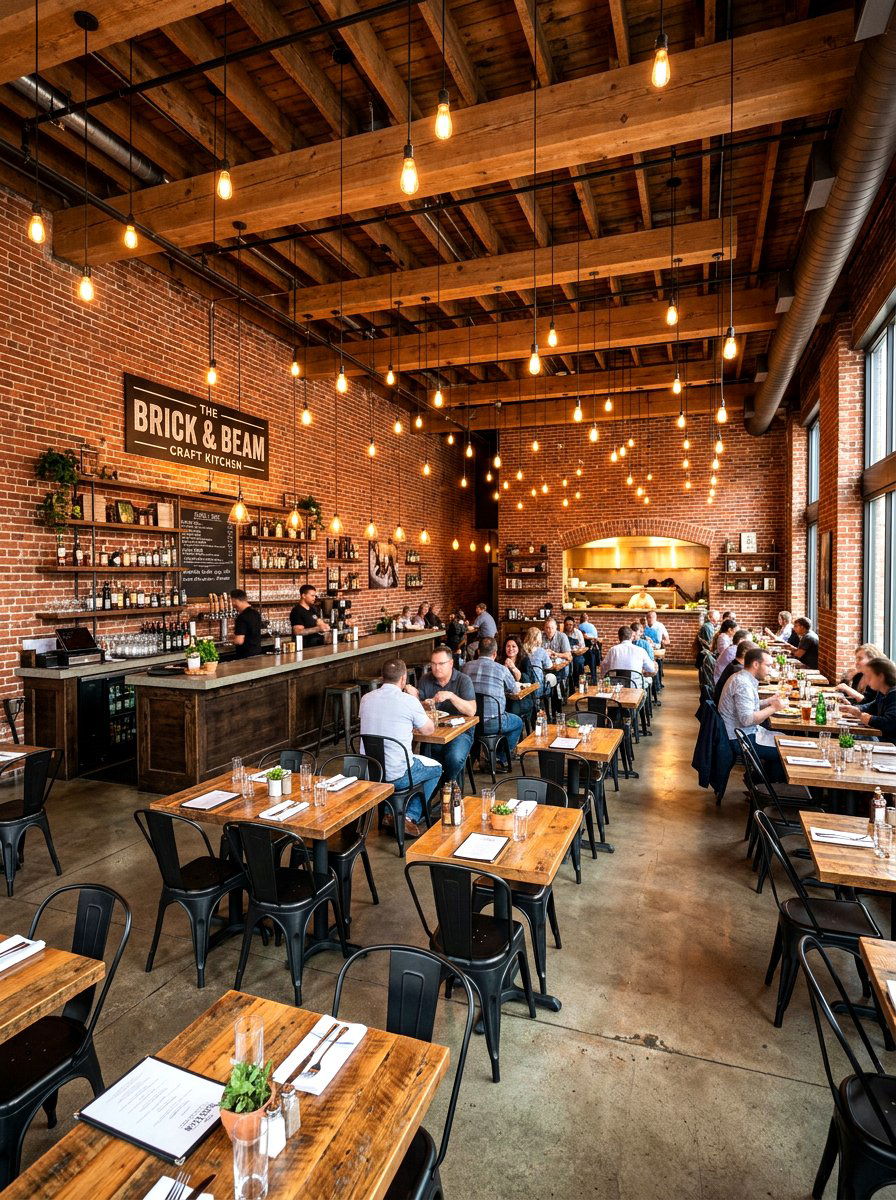
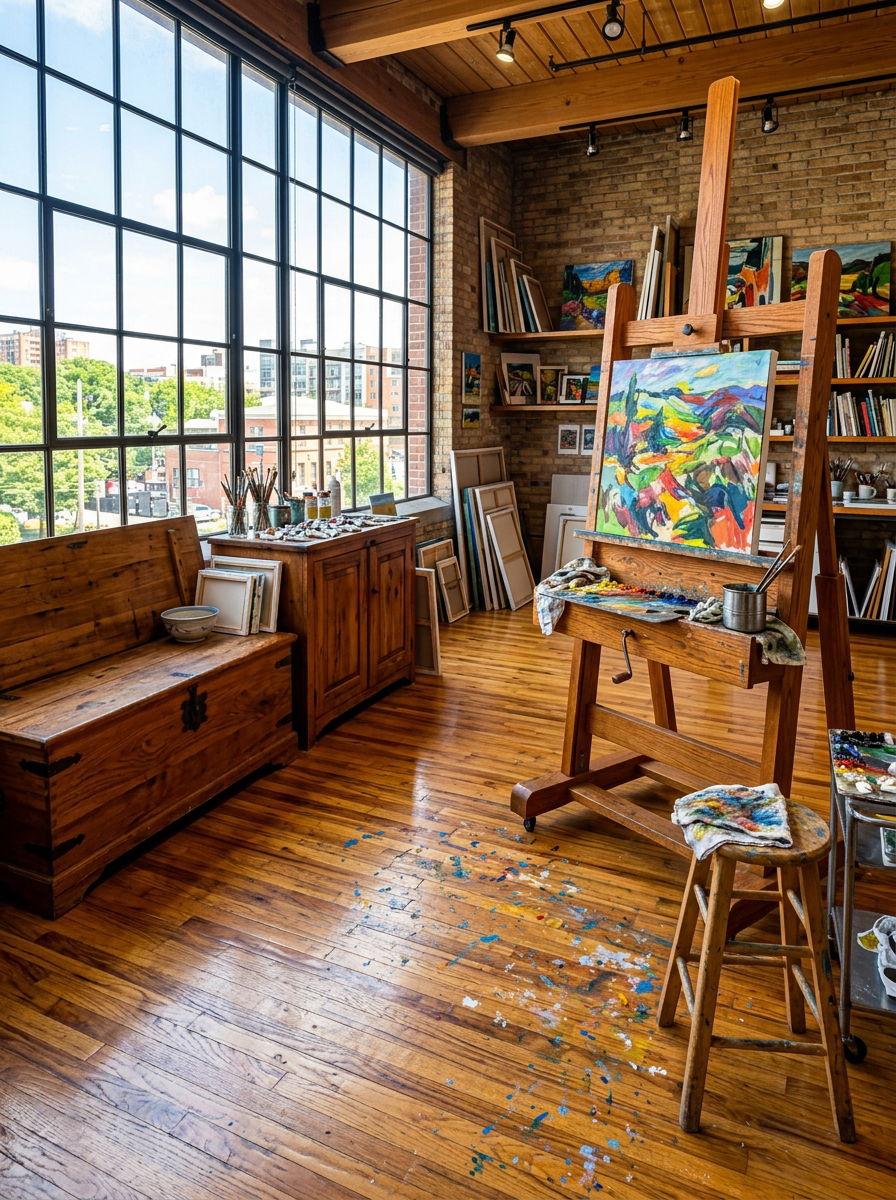
Exposed brick walls bring a timeless, urban character to a boutique restaurant that feels both historic and trendy at the same time. The natural texture of the clay adds a warm, earthy element that softens the look of more modern furniture or cold metal accents. You can leave the brick in its original red tone for a rustic vibe or paint it white for a clean, Scandinavian aesthetic. This design choice works exceptionally well in renovated older buildings where the original architecture can be celebrated. Lighting plays a huge role here, as wall-grazing fixtures can highlight the irregular surfaces and create beautiful shadows that add depth to the entire room.
3. Biophilic restaurant interior
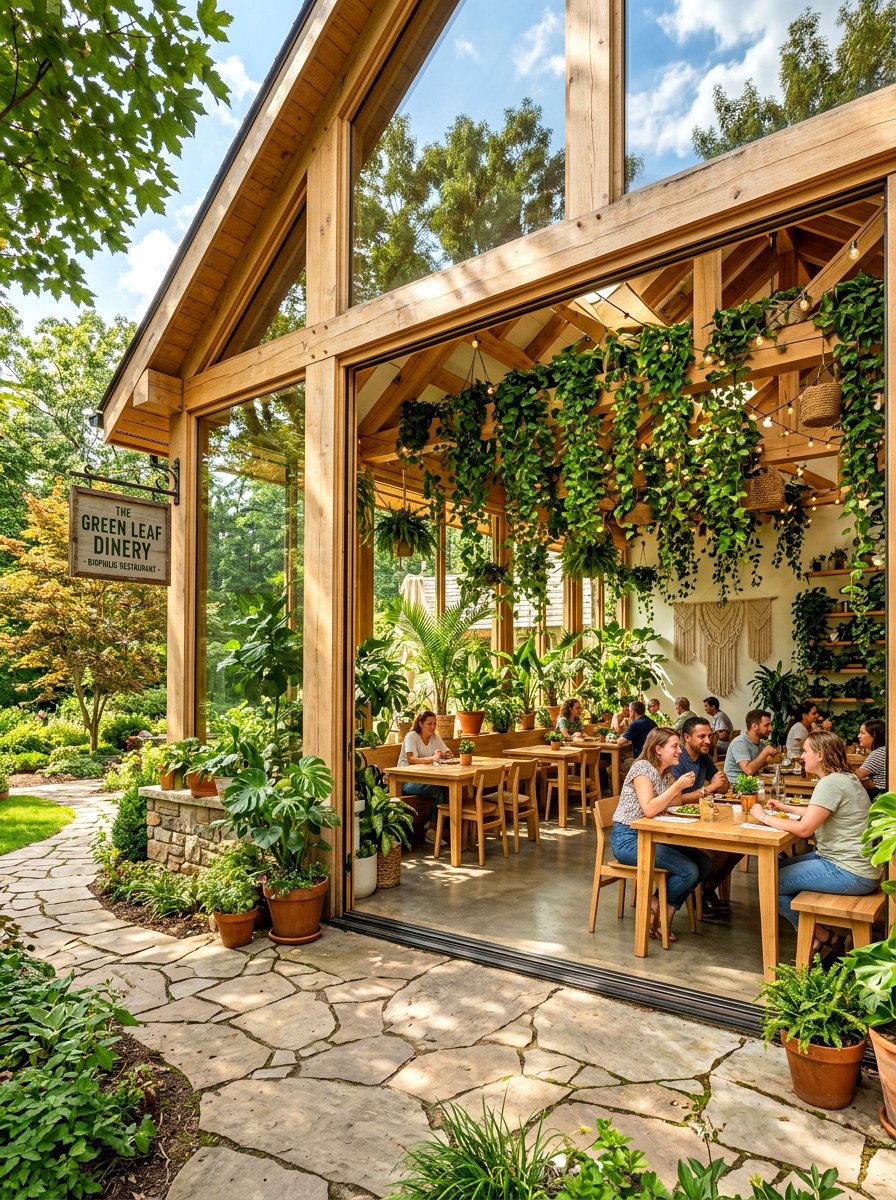
Integrating nature through a biophilic interior creates a refreshing and calm environment that guests will naturally find relaxing. By filling the space with various potted plants, hanging vines, and natural textures, you bring the soothing qualities of the outdoors into your dining room. This approach often uses light wood finishes and large windows to maximize natural sunlight, which helps the greenery thrive while brightening the mood of the patrons. Biophilic elements are known to reduce stress and improve air quality, making the dining experience feel more like a rejuvenating escape. It is a perfect choice for healthy cafes or sustainable eateries that want to emphasize freshness.
4. Industrial ceiling style
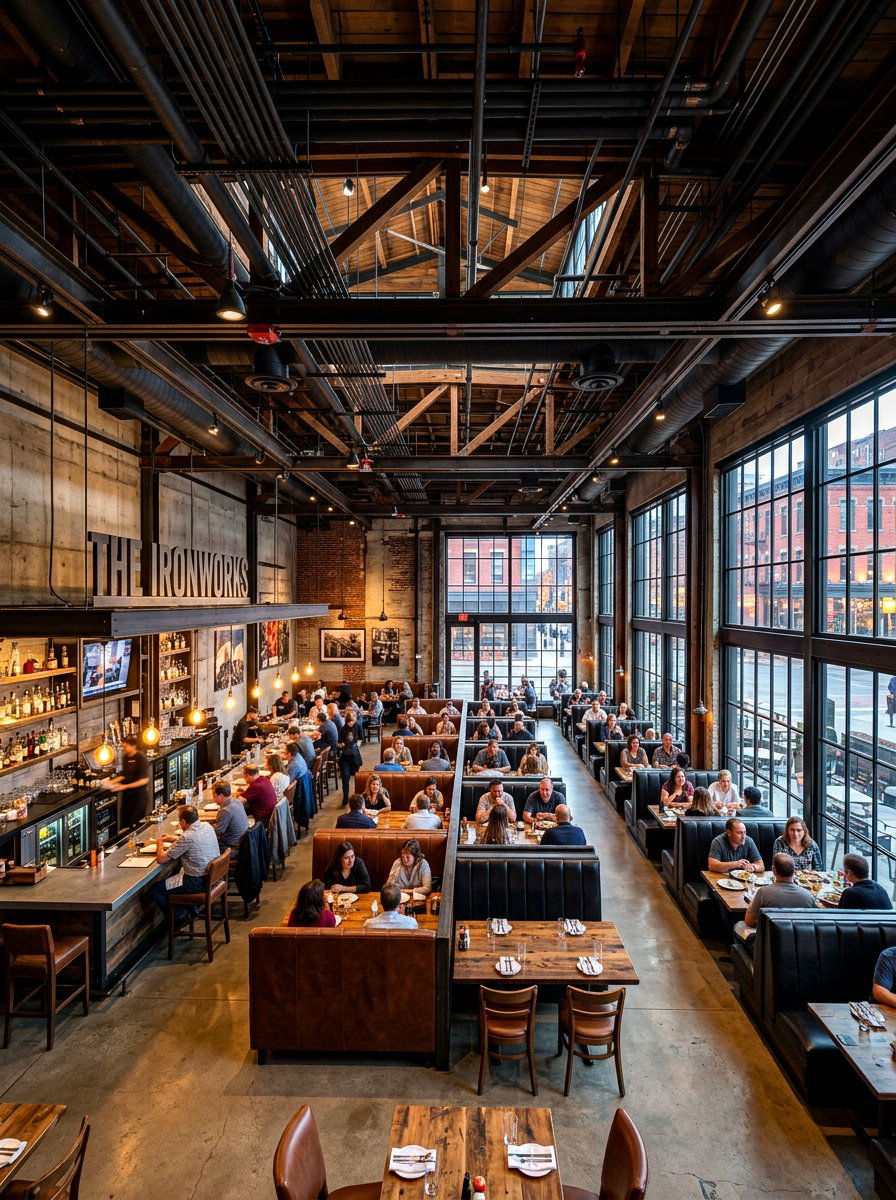
An industrial ceiling style often features exposed pipes, ductwork, and steel beams to create a raw and modern look. This aesthetic is particularly popular in urban areas where converted lofts or warehouses serve as unique dining locations. Instead of hiding the building's infrastructure, you celebrate it by painting everything in a matte black or dark charcoal finish. This creates a high-contrast backdrop for warm lighting and wooden furniture, preventing the space from feeling too cold or sterile. It adds a sense of vertical height to the room, making even small boutique spaces feel more expansive and airy while maintaining an edgy, contemporary personality.
5. Open kitchen layout
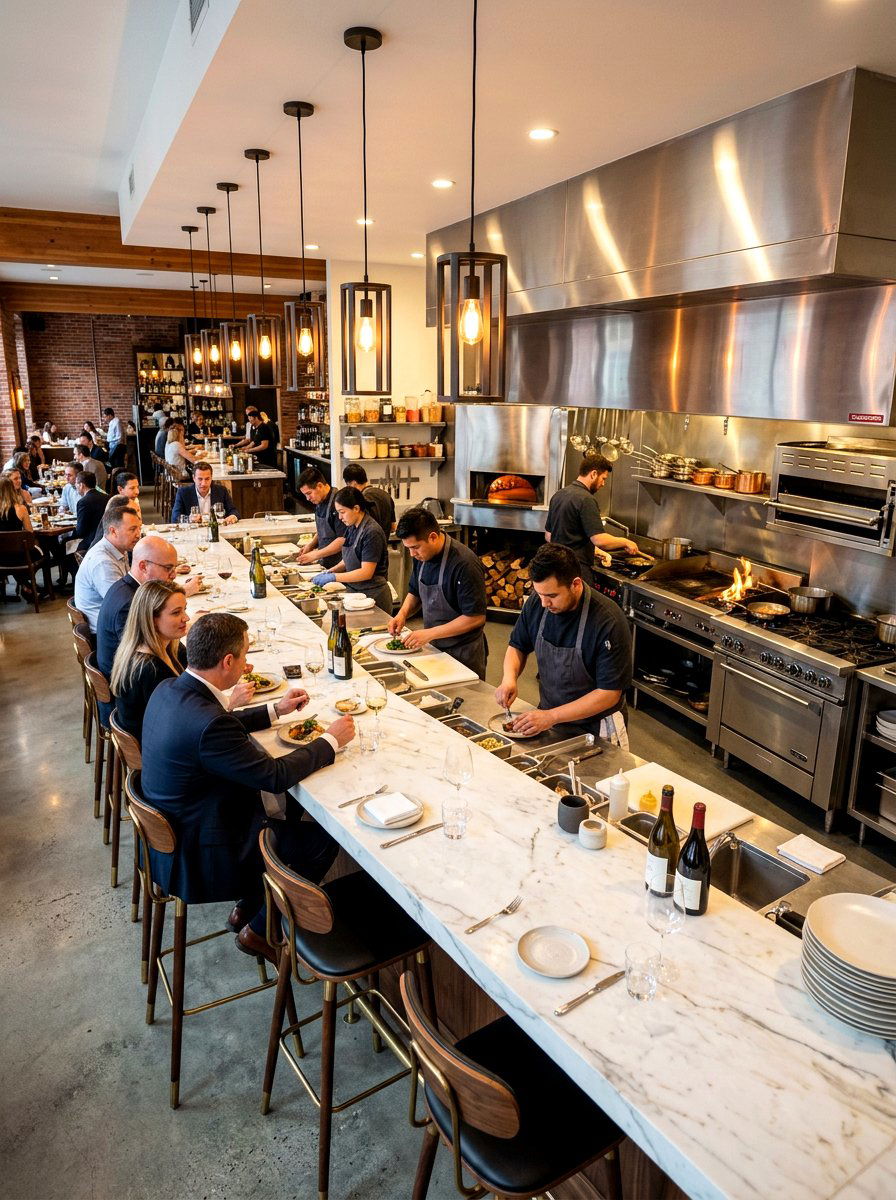
An open kitchen layout turns the cooking process into a form of entertainment and transparency for the diners. Guests love being able to see the chefs at work, which builds trust and adds a dynamic energy to the dining room. You can define this area with a long marble or stainless steel counter where solo diners can sit and watch the action up close. This configuration breaks down the barrier between the front and back of the house, creating a more communal and interactive atmosphere. Using high-quality finishes in the kitchen ensures it looks as beautiful as the rest of the restaurant’s decorated interior.
6. Art deco room
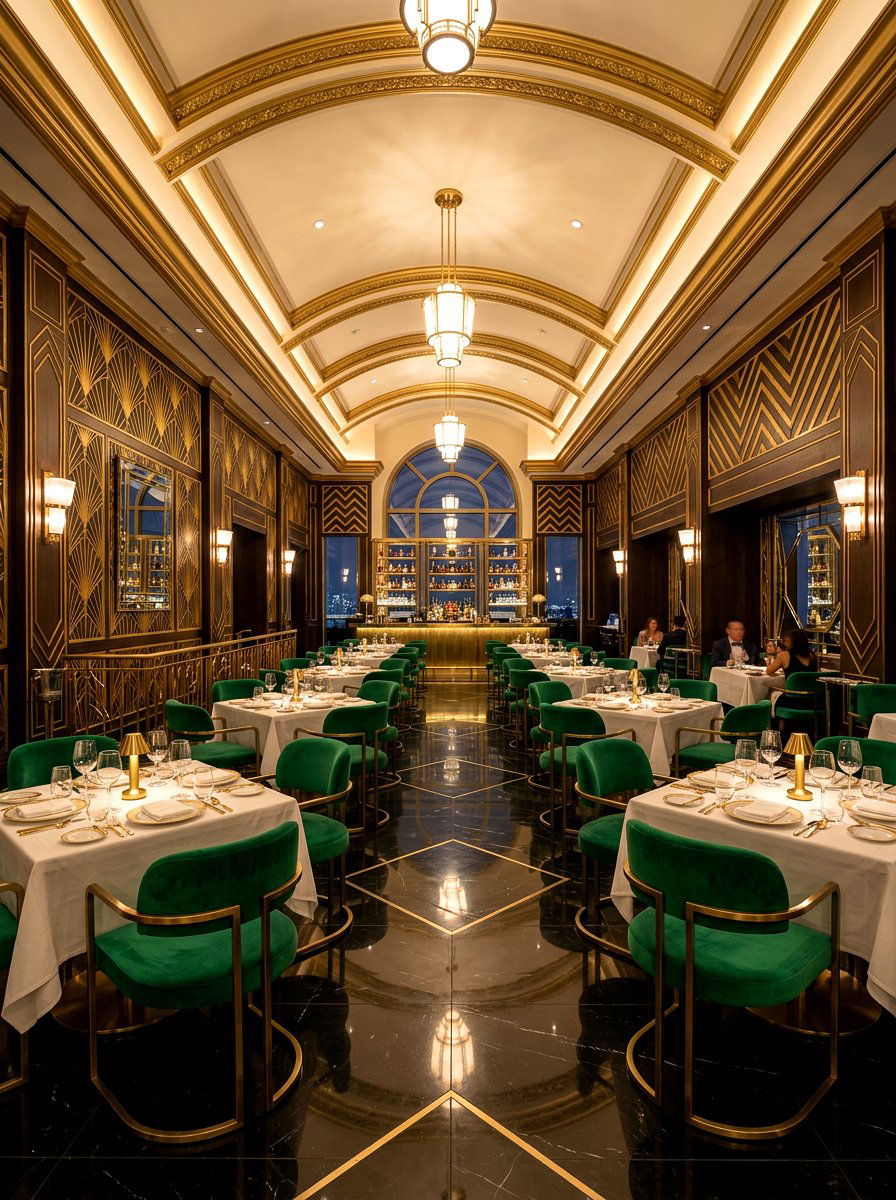
Choosing an art deco room theme brings a sense of 1920s glamour and luxury to a modern boutique restaurant. This style is characterized by bold geometric patterns, gold or brass metal accents, and rich jewel tones like ruby or emerald. You might see sunburst mirrors on the walls, velvet-covered chairs with curved backs, and high-gloss surfaces that reflect light beautifully. It creates a high-end feel that is perfect for cocktail bars or upscale evening dining spots. The symmetry and opulence of art deco design make every guest feel like they are part of a special, exclusive celebration, making it highly popular for boutique concepts.
7. Mid century furniture
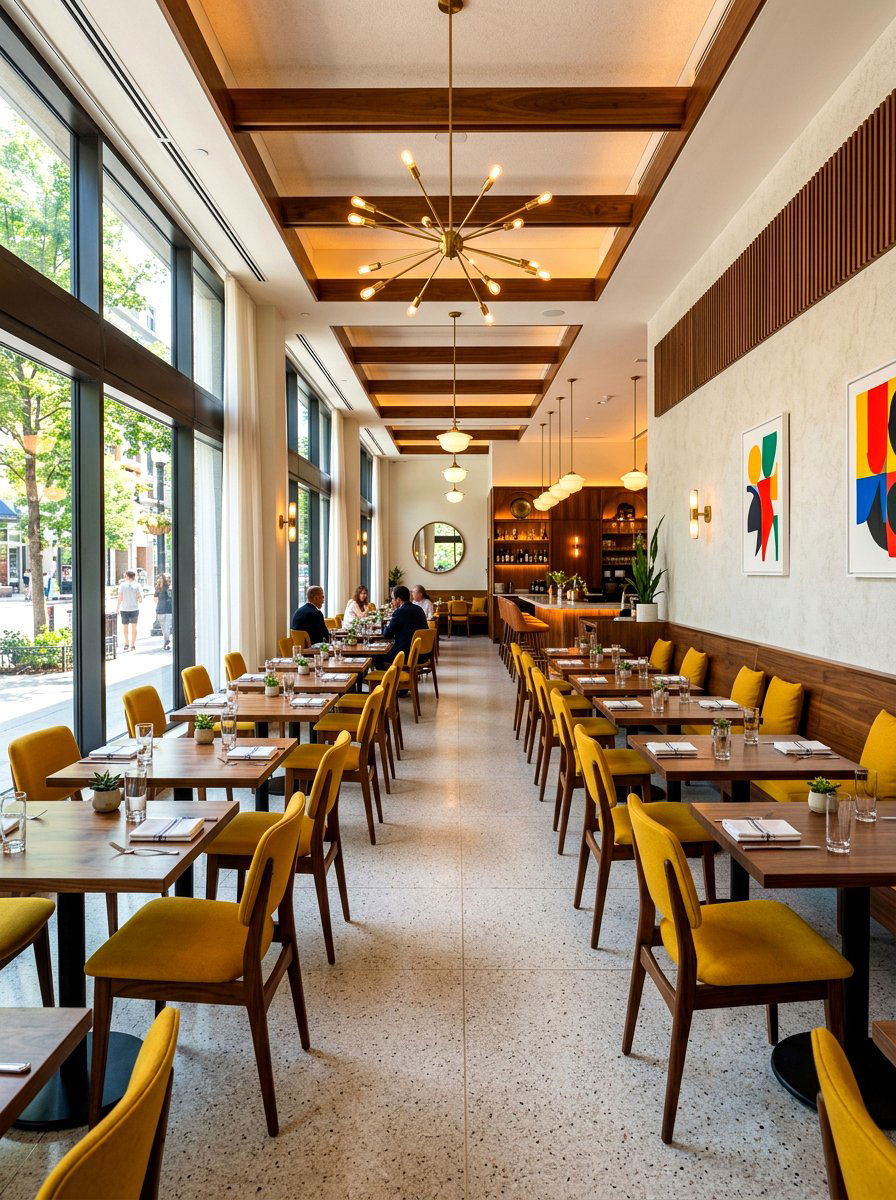
Mid century furniture remains a staple for boutique restaurants because of its clean lines, organic shapes, and functional elegance. Featuring tapered wooden legs and low-profile silhouettes, these pieces help maintain an open and uncluttered feel in smaller dining areas. You can mix iconic chair designs with walnut tables to create a look that feels both nostalgic and incredibly current. The use of warm wood tones and pops of mustard yellow or teal orange provides a cheerful yet sophisticated vibe. This furniture style is versatile enough to work in a casual brunch spot or a more refined dinner setting, providing comfort without taking up much visual space.
8. Minimalist white walls
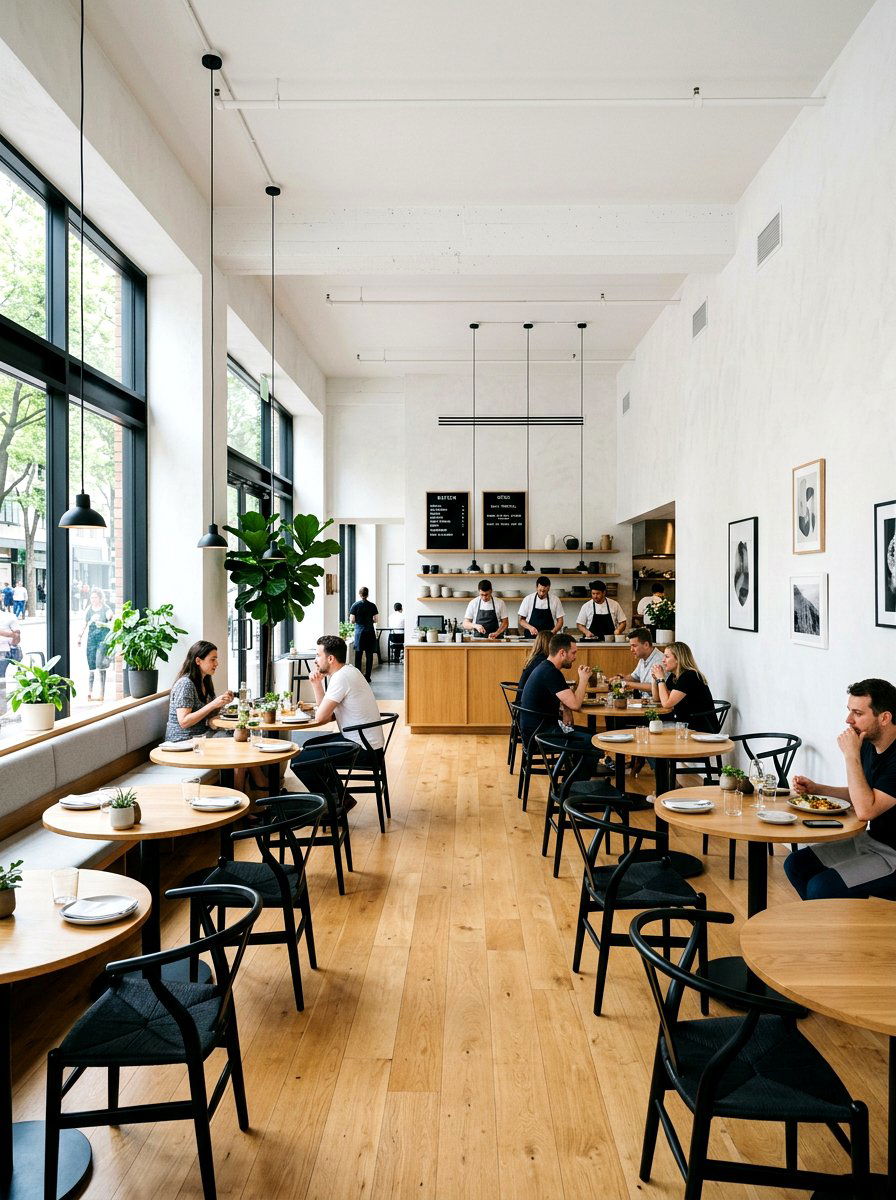
Minimalist white walls serve as a blank canvas that allows the food and the patrons to be the stars of the show. This design philosophy focuses on simplicity and high-quality materials rather than excessive decoration. By keeping the walls bright and clean, the room feels much larger and more filled with light than it actually is. You can add interest through subtle architectural details like crown molding or simple wooden shelving. This look is often paired with light-colored flooring and black metal accents to create a sharp, modern contrast. It is an ideal choice for owners who want to project a sense of cleanliness and modernism.
9. Scandinavian dining room
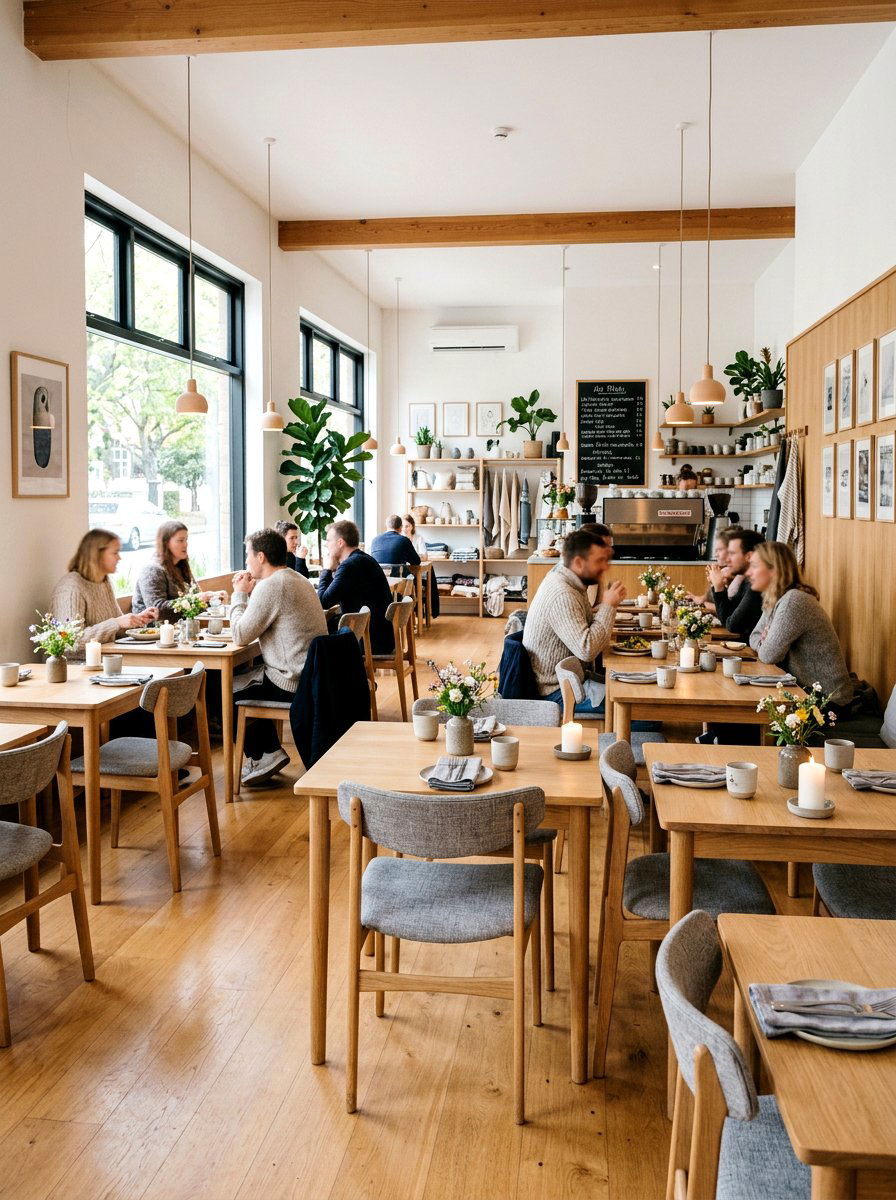
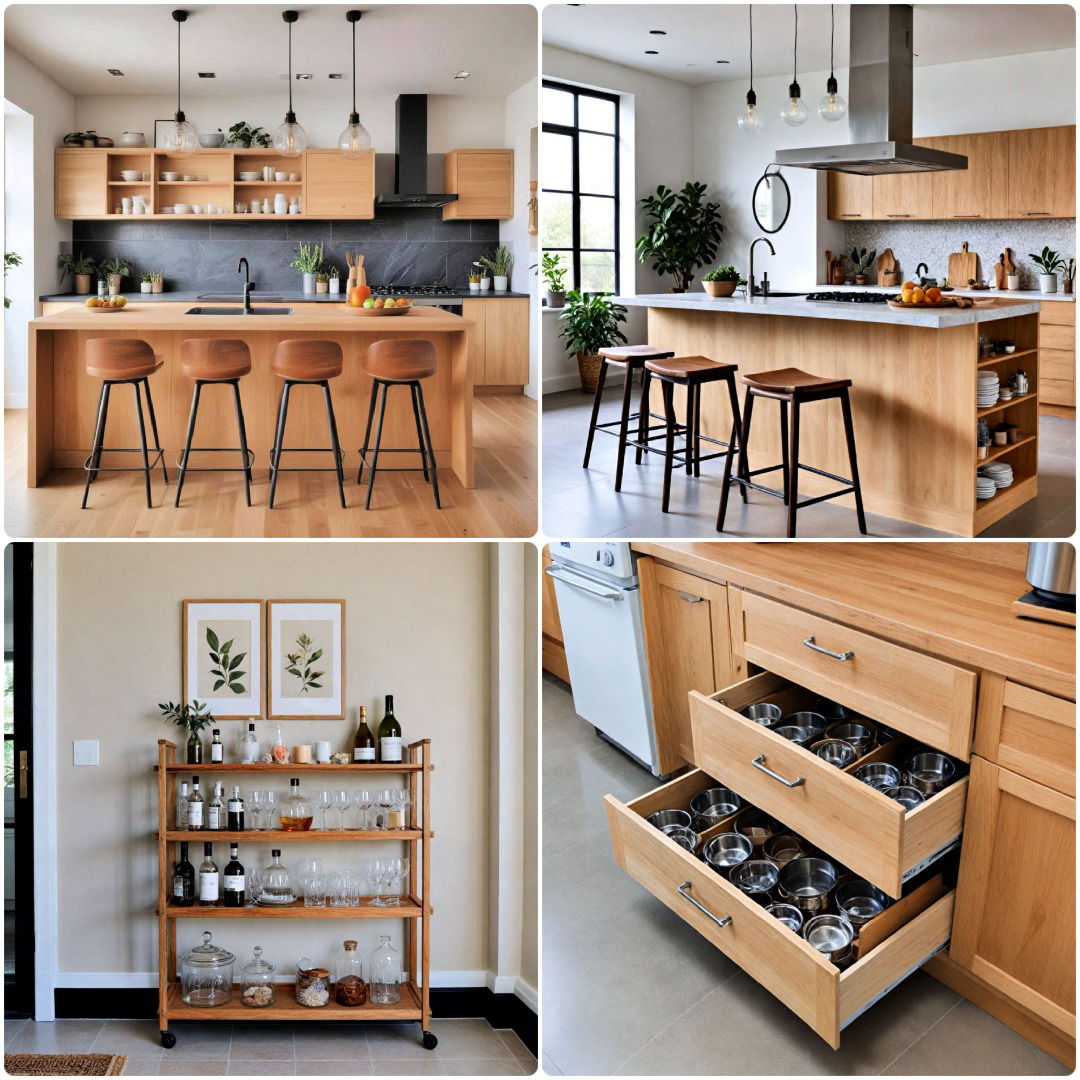
A Scandinavian dining room focuses on the concept of hygge, which translates to a sense of coziness and well-being. This style uses a light color palette of whites, grays, and pale woods to create a serene environment. You will often find light oak furniture, woven textiles, and plenty of candles or soft pendant lights to add warmth. The focus is on functionality and natural beauty, making it a very approachable and comfortable choice for a boutique eatery. This design theme encourages guests to slow down and enjoy their meal in a peaceful setting that feels like a home away from home.
10. Neon wall signage
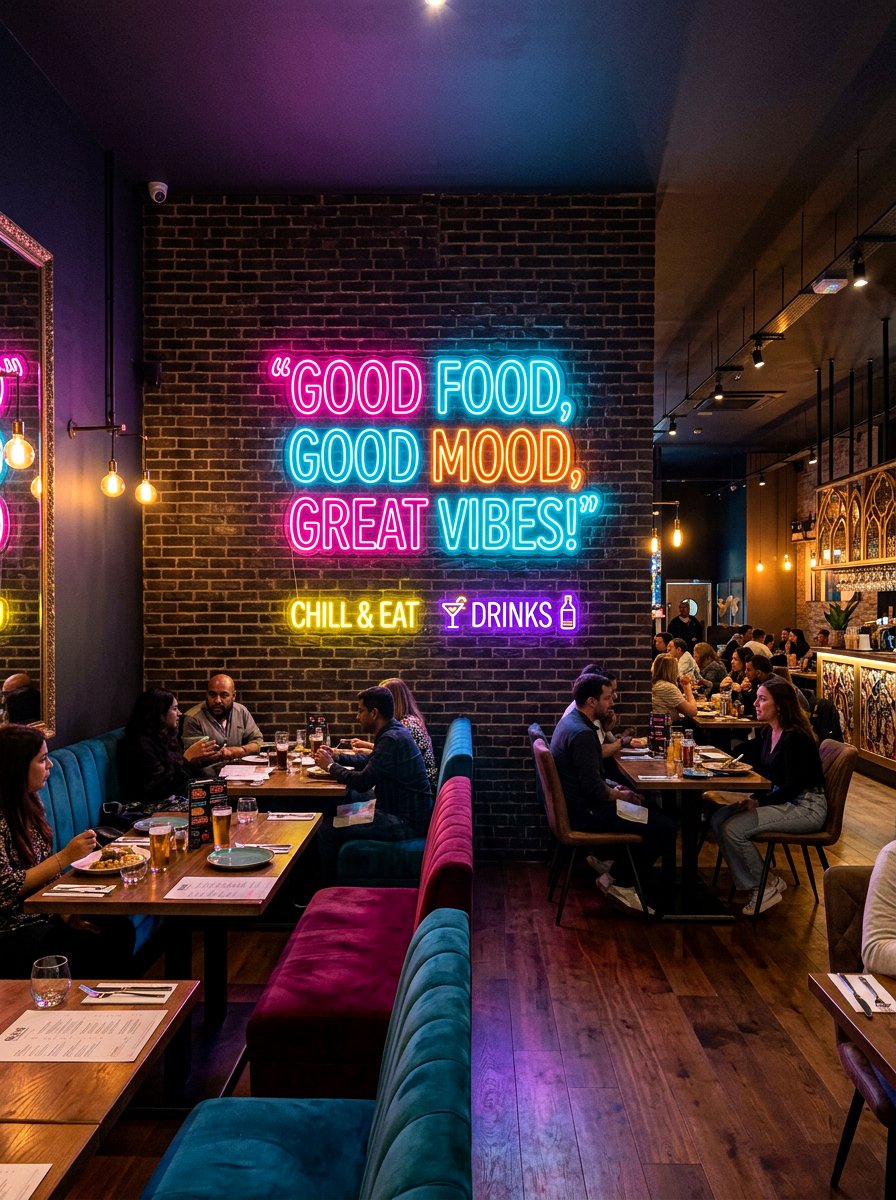
Neon wall signage adds a playful and modern focal point that serves as the perfect background for social media photography. A custom-made neon sign with a catchy phrase or the restaurant's logo can define the entire personality of the space. Whether it is a bright pink glow in a trendy burger joint or a soft white script in a chic cafe, neon brings a vibrant energy that changes the mood of the room. It works best when placed on a dark or textured wall where the colors can really pop. This lighting choice is an easy way to inject character and a youthful vibe.
11. Large window views
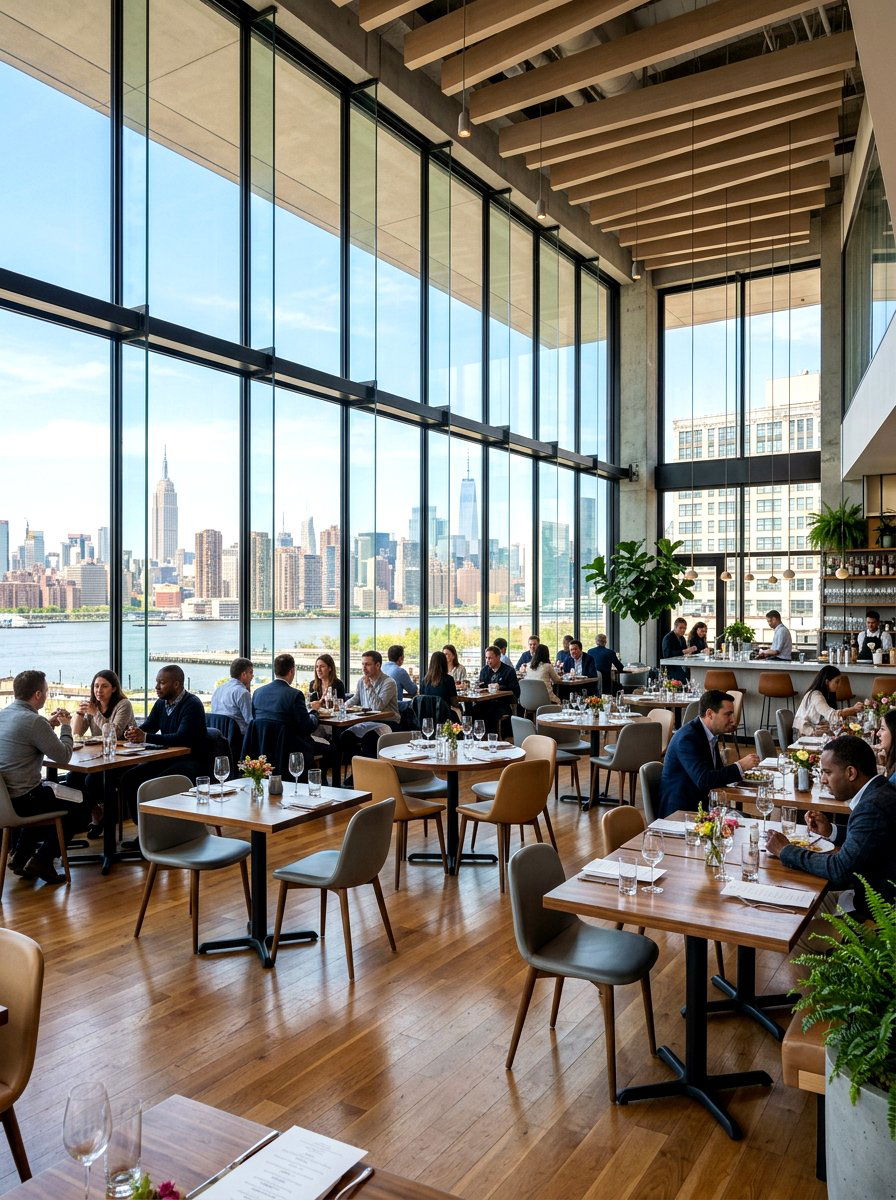
Large window views are a massive asset for any boutique restaurant, as they connect the interior with the surrounding streetscape or nature. Flooding the dining room with natural light during the day makes the space feel vibrant and energetic, while the city lights provide a romantic backdrop in the evening. You can arrange seating along the perimeter to take full advantage of the vista, using window bars for solo diners. This transparency also acts as a natural advertisement, allowing people passing by to see the inviting atmosphere inside. Keeping the window treatments minimal ensures that the view remains the primary focus of the entire room.
12. Moroccan tile pattern
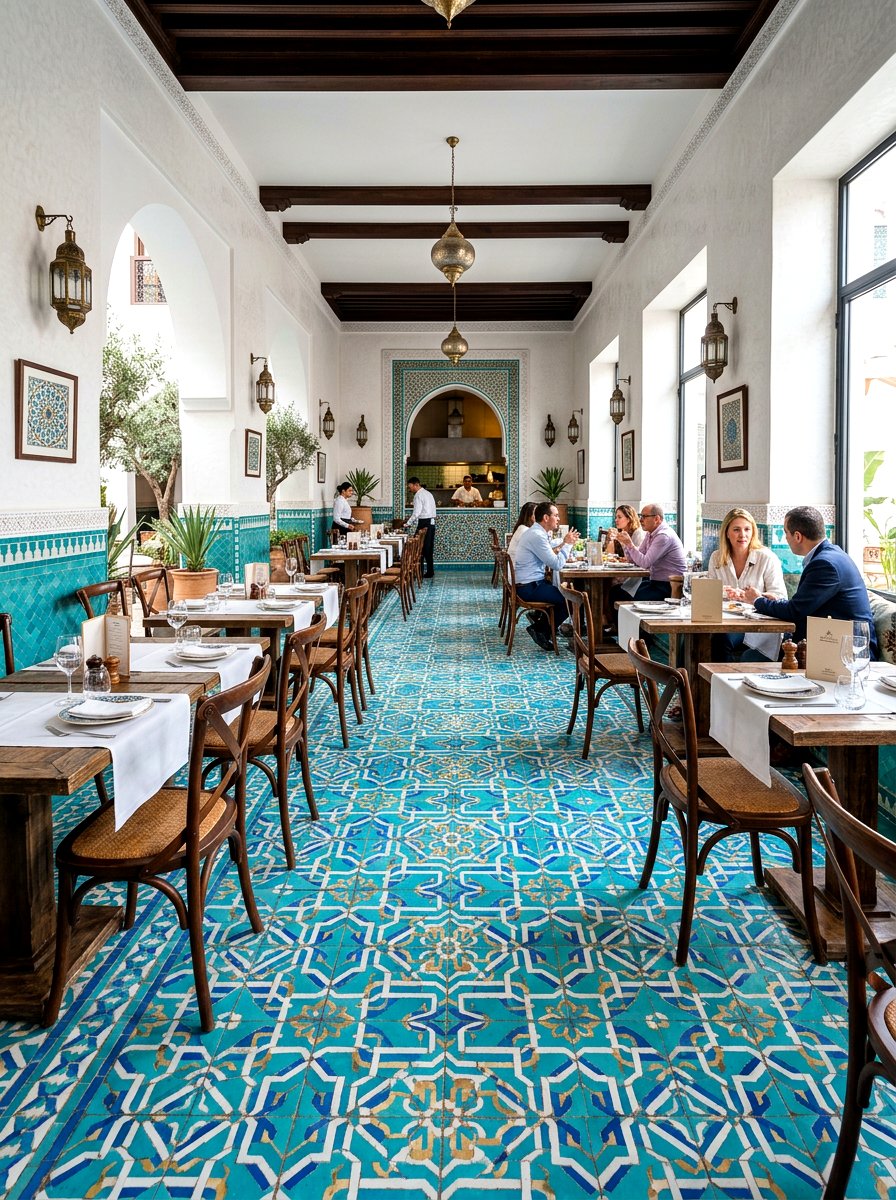
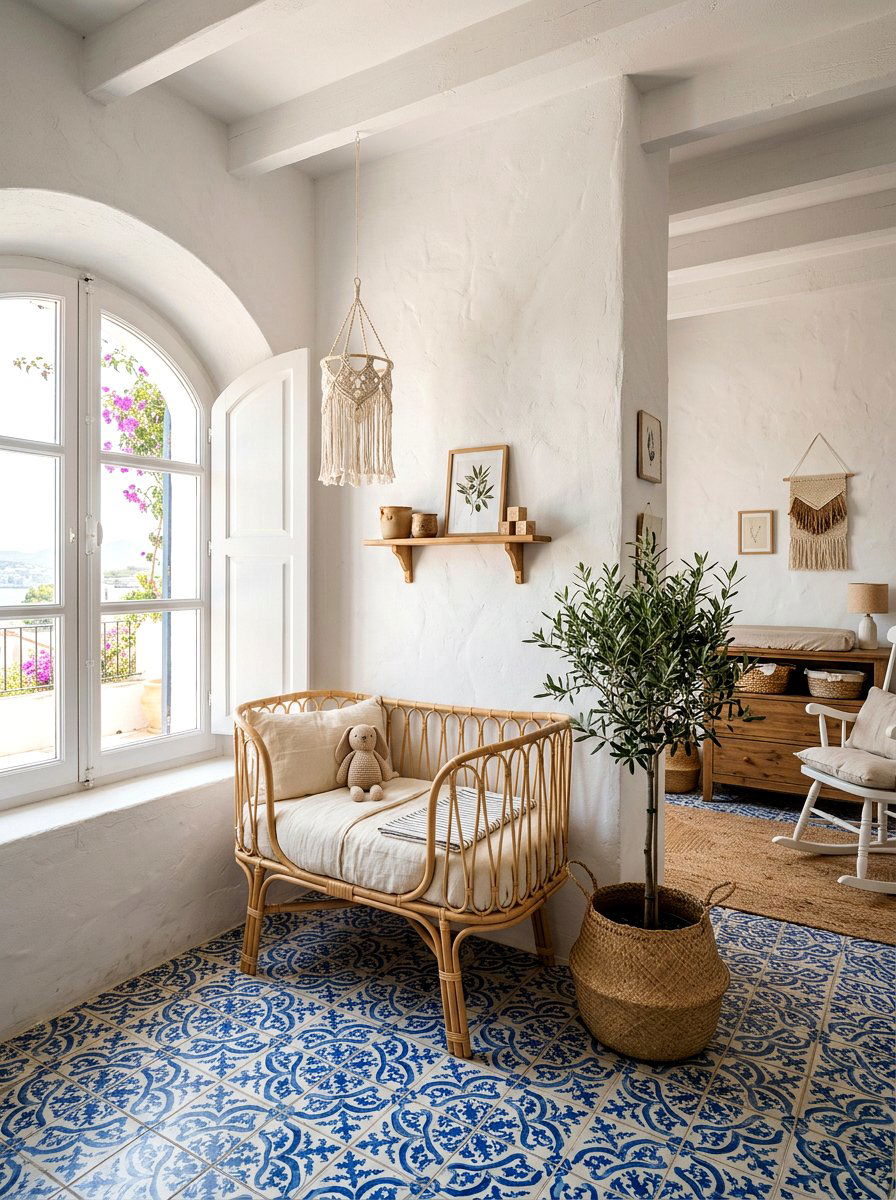
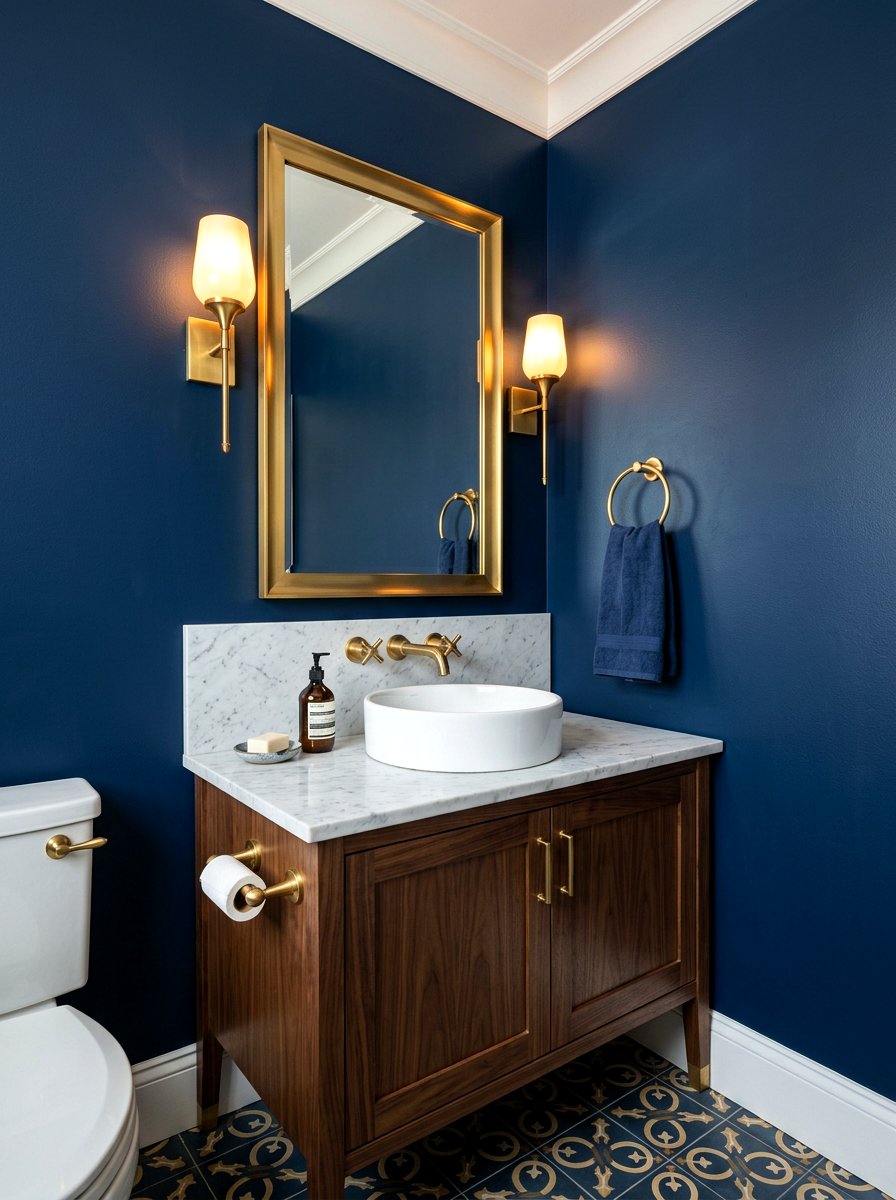
Incorporating a Moroccan tile pattern on the floors or as a feature wall adds a stunning Mediterranean flair to your restaurant. These intricate, hand-painted designs often feature geometric shapes and vibrant colors that draw the eye downward and ground the entire space. You can use these tiles in an entryway or around a bar area to create a distinct zone within a smaller room. Pairing the busy patterns with simpler furniture prevents the design from becoming overwhelming. This choice brings a sense of craftsmanship and global travel to the dining experience, making it feel exotic and well-curated for adventurous diners seeking something unique.
13. Rustic ceiling beams
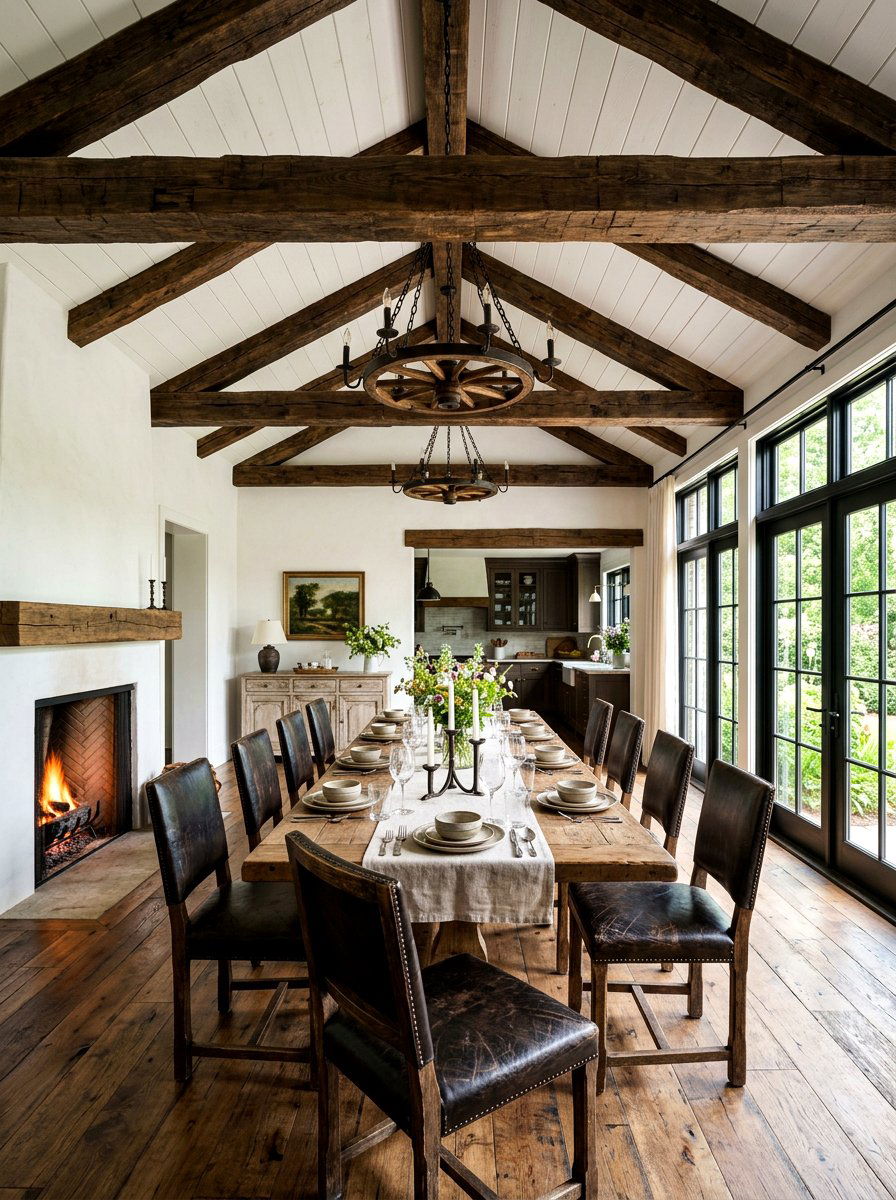
Rustic ceiling beams provide an architectural sense of history and strength, making a boutique restaurant feel established and cozy. Thick, reclaimed wood beams running across the ceiling add a heavy texture that contrasts beautifully with smooth walls or modern glass light fixtures. This look is perfect for farmhouse-style eateries or wine bars that want to emphasize a connection to the earth and traditional building techniques. The dark wood tones draw the eye upward, highlighting the height of the room and creating a warm, protective feeling for the guests below. It is a simple way to add massive visual impact without cluttering the floor space.
14. Pastel color scheme
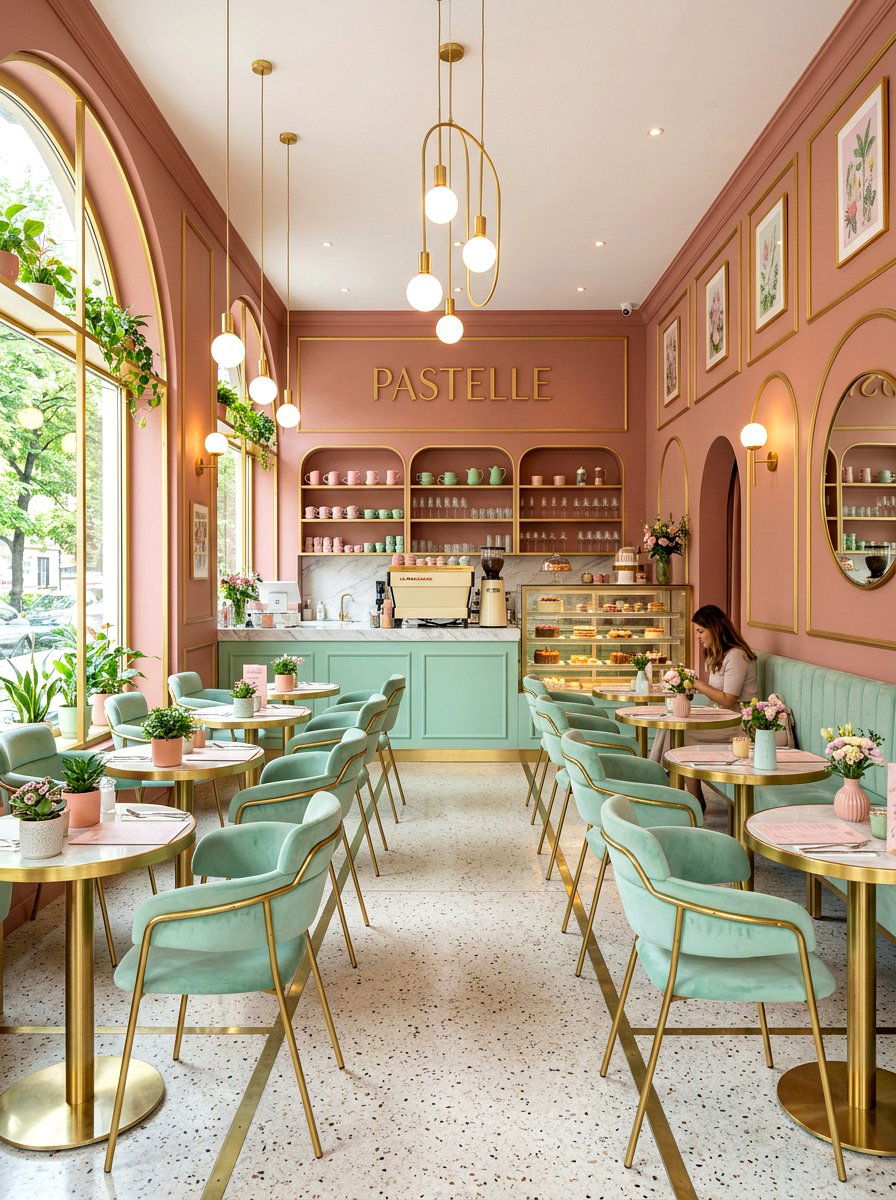
A pastel color scheme creates a soft, whimsical, and highly photogenic environment that feels light and airy. Using shades like dusty rose, mint green, or lavender on the walls and furniture can make a boutique restaurant feel very welcoming and modern. This palette is particularly popular in bakeries, brunch spots, and dessert bars because it evokes a sense of sweetness and calm. You can balance the soft colors with light wood or gold metal hardware to keep the look sophisticated rather than childish. It is a great way to create a unique brand identity that stands out in a crowded market of darker interiors.
15. Tropical theme wallpaper
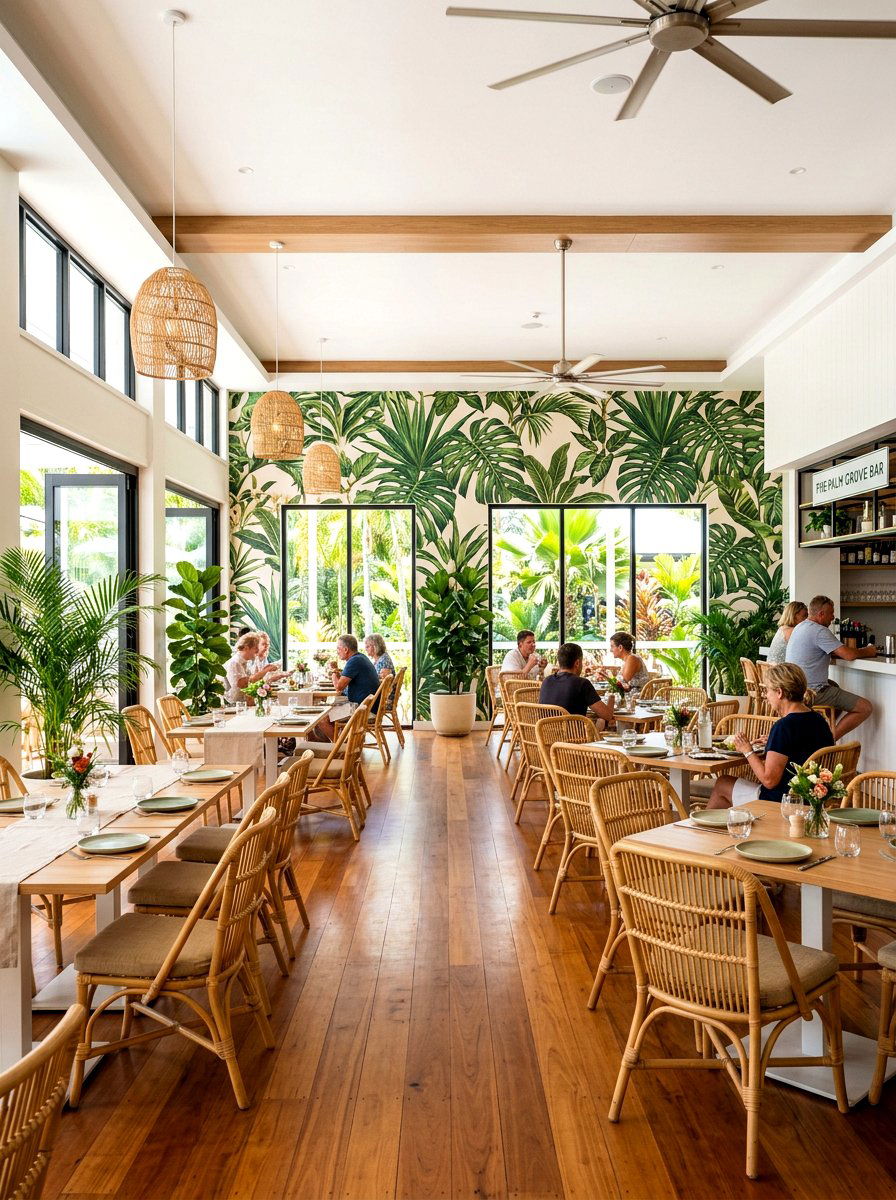
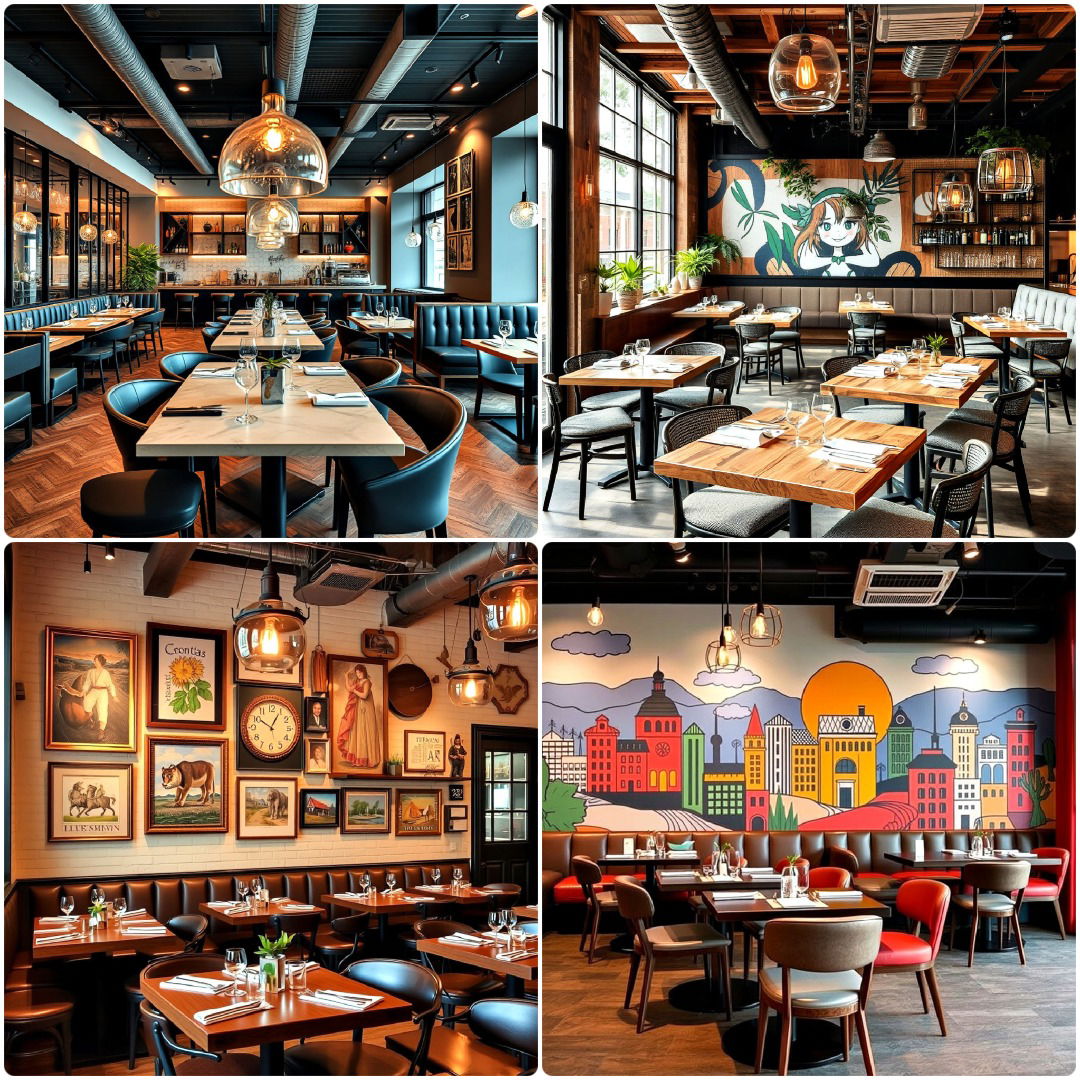
Tropical theme wallpaper is a bold way to transport your guests to a lush paradise the moment they sit down. Large palm leaf prints, exotic floral patterns, and vibrant green tones can turn a plain dining room into an immersive jungle-like experience. This design choice is incredibly popular for boutique spots that want to offer a "vacation vibe" to their patrons. To keep it from feeling too busy, you can use the wallpaper on a single accent wall and keep the rest of the decor more neutral. Pairing this look with rattan furniture and real indoor plants completes the cohesive, tropical island aesthetic perfectly.
16. Leather banquette seating
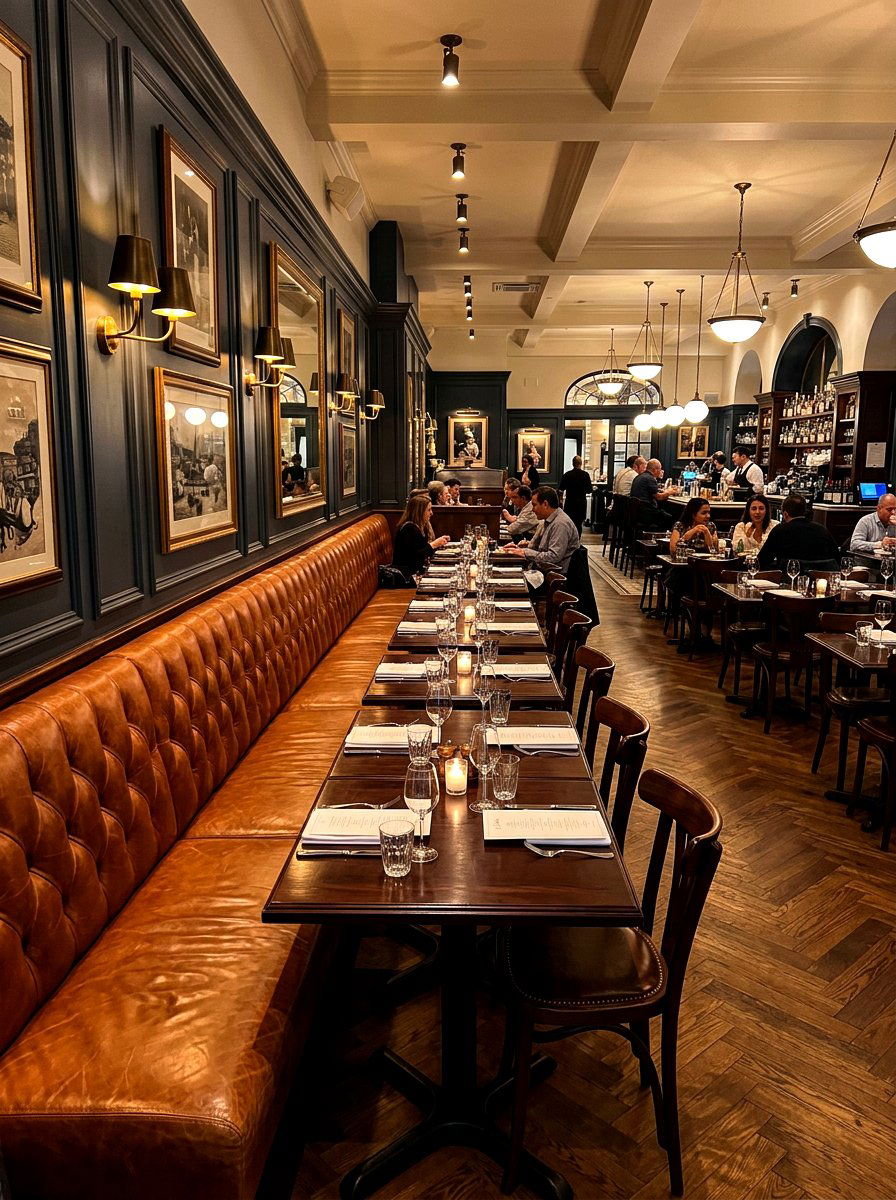
Leather banquette seating offers a classic, masculine, and high-end feel that only improves with age. Whether you choose a cognac-colored distressed leather or a sleek black finish, these long benches provide durable and comfortable seating for large groups. Leather adds a rich texture to the room that feels much more substantial than standard fabric upholstery. It is easy to clean and maintains a polished look even in high-traffic boutique environments. When paired with dark wood tables and soft ambient lighting, leather banquettes create an atmosphere of a traditional bistro or a sophisticated gentlemen’s club, providing a sense of timelessness and quality.
17. Copper hanging lights
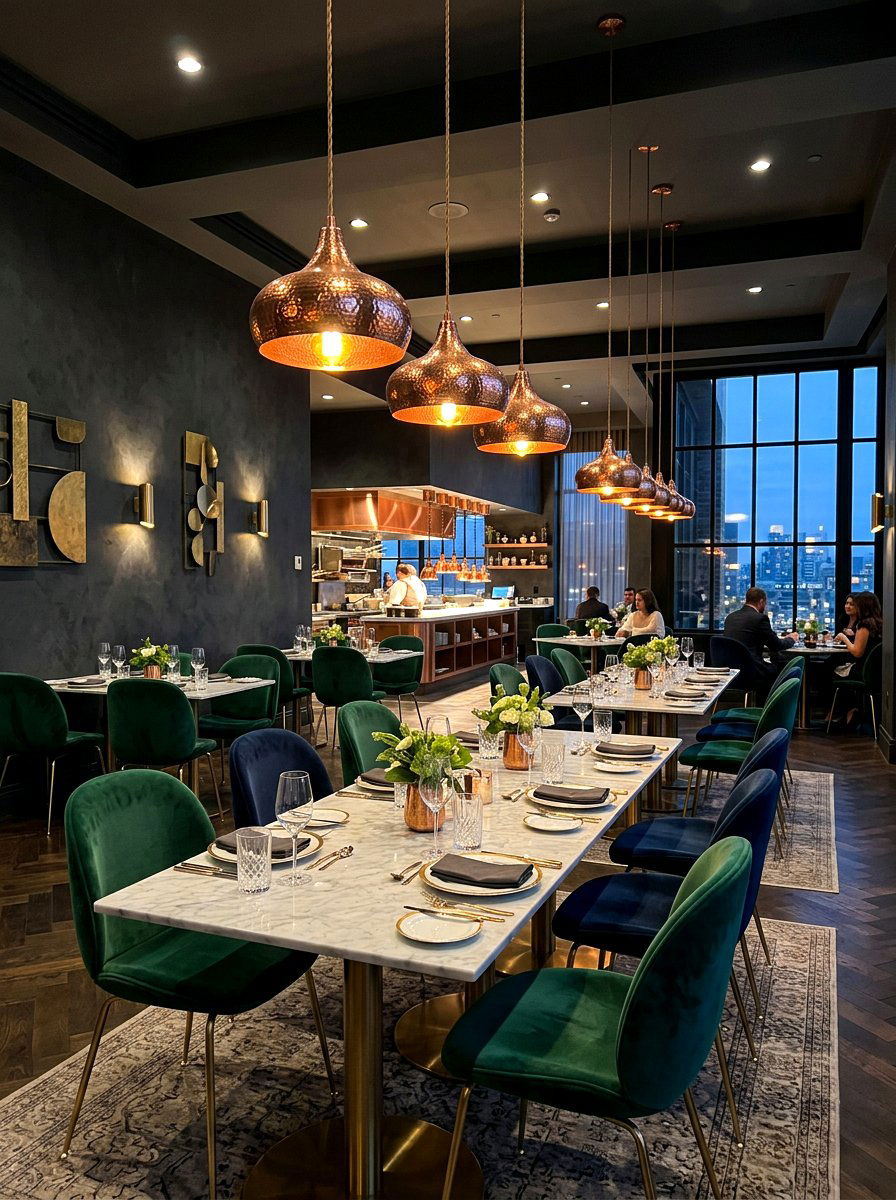
Copper hanging lights serve as functional art pieces that bring a warm, metallic glow to the dining area. The reflective surface of the copper catches the light even when the bulbs are turned off, adding a touch of industrial elegance to the space. Hanging these fixtures at varying heights over tables or the bar creates a sense of movement and visual interest. Copper pairs beautifully with both dark, moody colors and light, natural woods, making it a versatile choice for many boutique styles. The warm reddish-gold hue of the metal makes the food look more appetizing and the guests look more radiant under the soft illumination.
18. Vintage art gallery
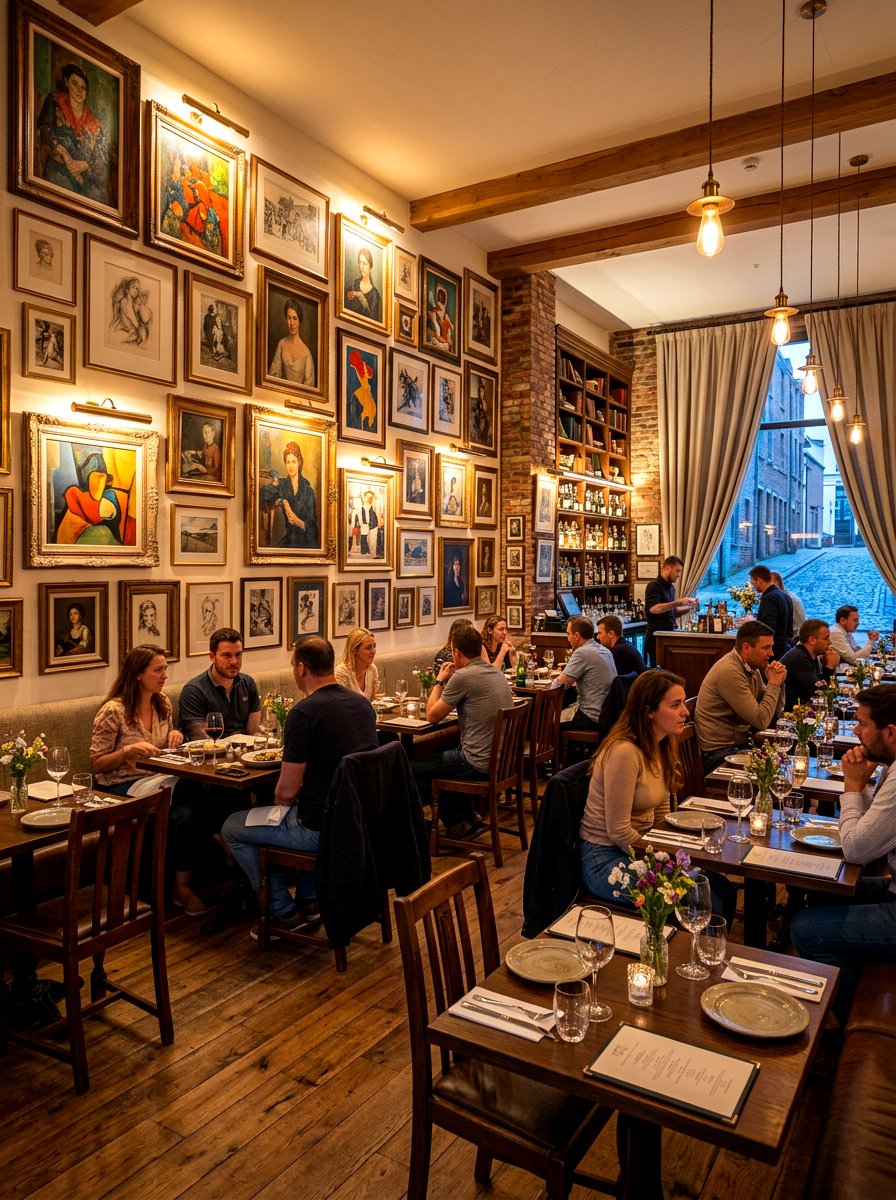
Creating a vintage art gallery wall is a wonderful way to give a boutique restaurant a soulful and lived-in personality. By mixing different frame styles, sizes, and types of art — from old sketches to abstract paintings — you create a focal point that tells a story. This approach allows you to showcase local artists or personal collections, making the space feel more like a private home than a commercial business. A gallery wall also acts as a great conversation starter for guests waiting for their meals. It adds layers of visual texture and color that can be easily updated to keep the restaurant’s interior feeling fresh and interesting.
19. Rattan bistro seating
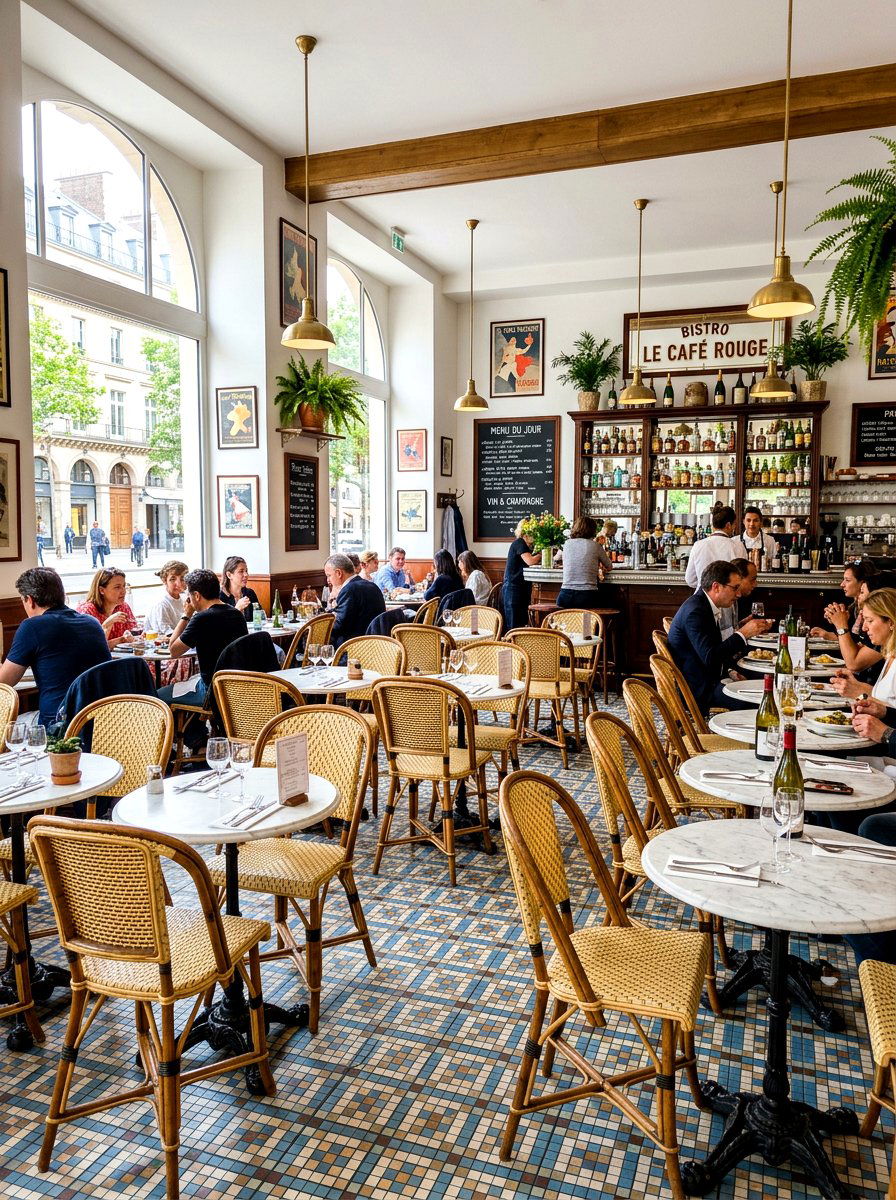
Rattan bistro seating brings a light, casual, and slightly European feel to a boutique dining space. These woven chairs are incredibly lightweight and add a beautiful organic texture that feels both rustic and chic. They are a popular choice for coastal-themed restaurants or sunny brunch cafes where a relaxed atmosphere is the priority. Rattan is surprisingly durable and comfortable, providing a flexible seating option that works well both indoors and on outdoor patios. When paired with light linen tablecloths and simple wooden surfaces, rattan furniture helps create a breezy, effortless look that encourages diners to linger over their coffee and snacks.
20. Dark moody walls
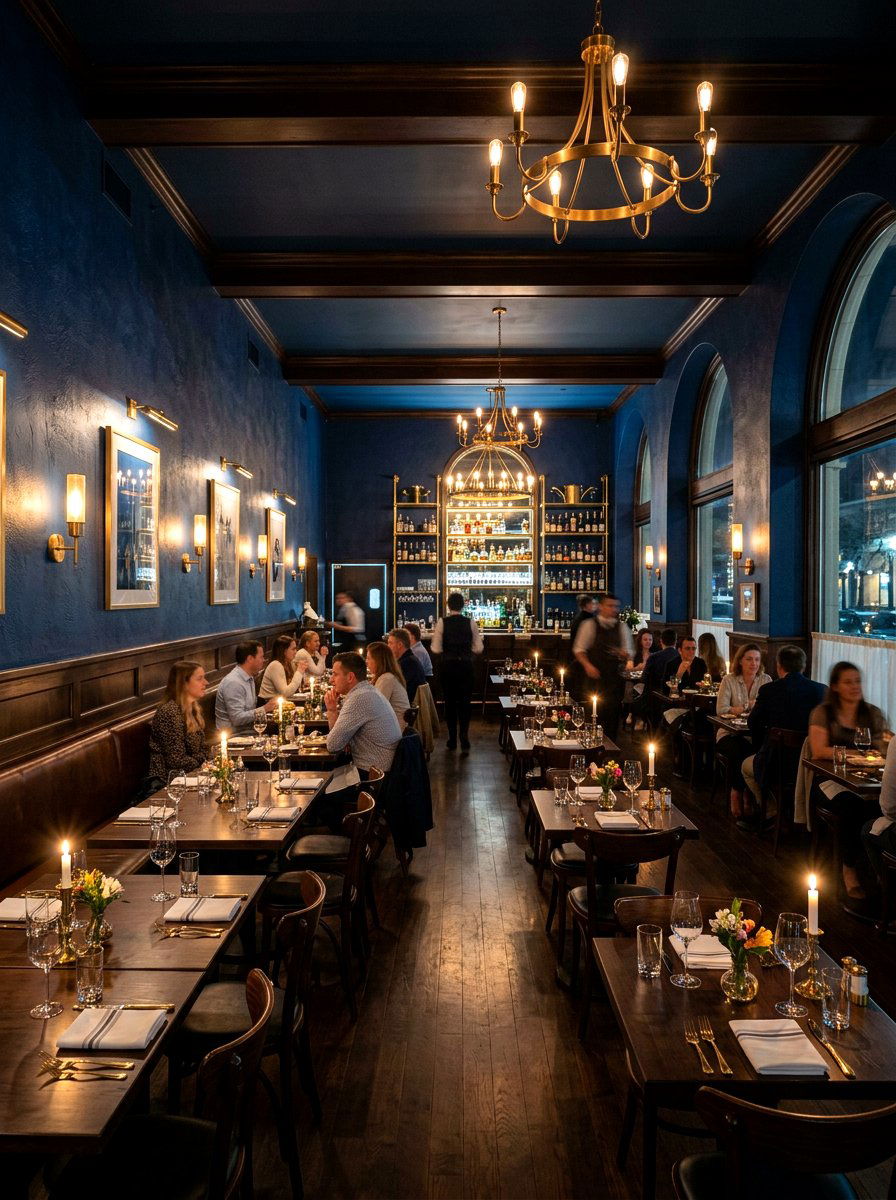
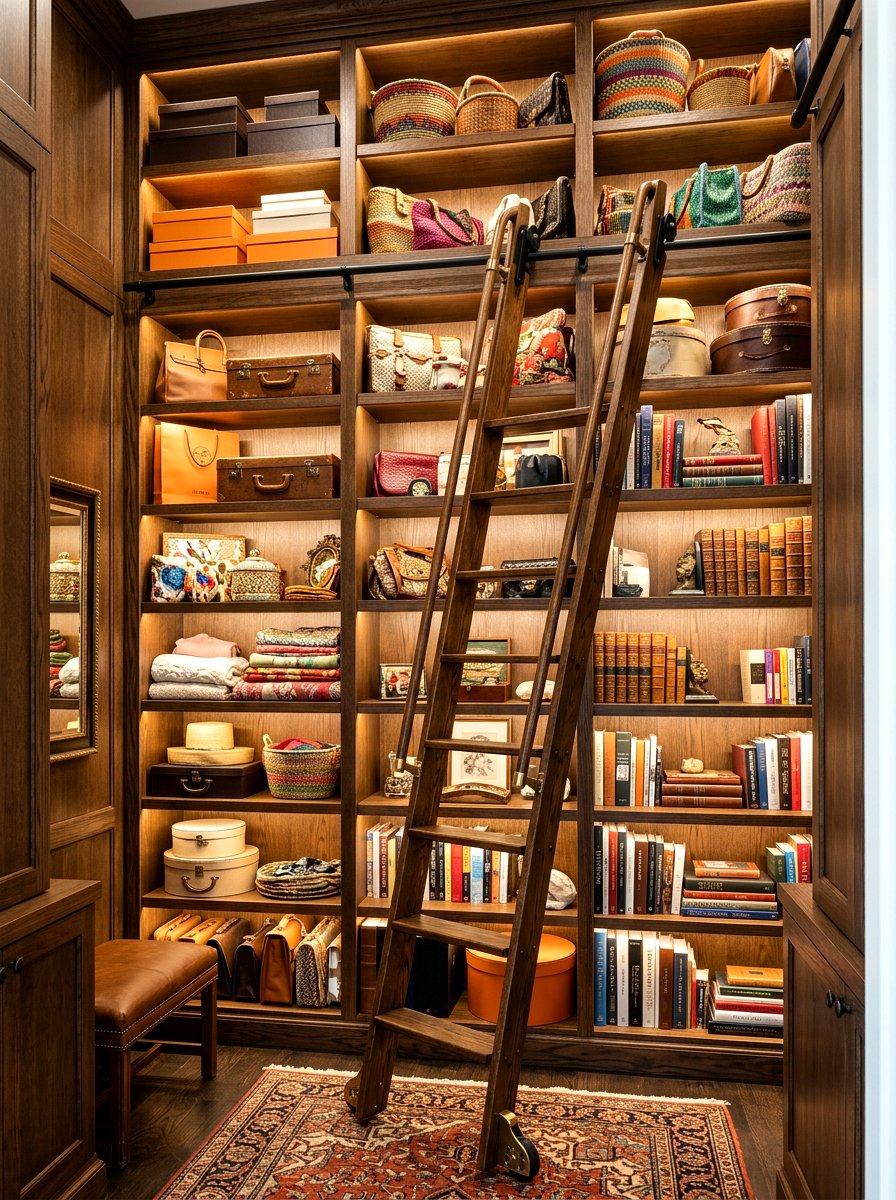
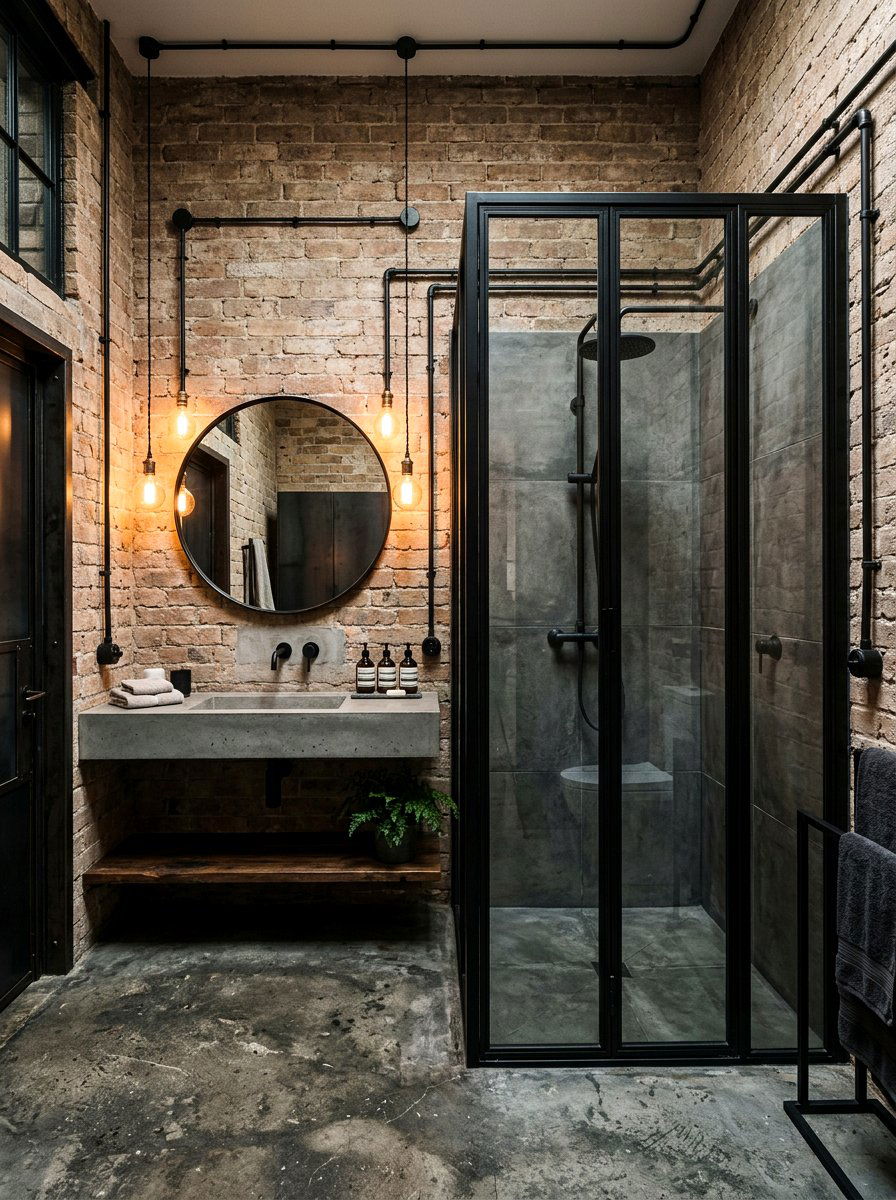
Dark moody walls, painted in deep charcoal, forest green, or navy blue, create an intimate and dramatic dining environment. This design choice is perfect for evening-focused boutique restaurants where the goal is to create a cozy, candlelit atmosphere. The dark backdrop makes the furniture and the plated food stand out vividly, focusing the guest's attention on the sensory details of the meal. Using a matte finish on the walls prevents glare and adds a velvety texture to the room. When balanced with warm wood accents and metallic fixtures, dark walls feel incredibly luxurious and private, providing a perfect setting for romantic dates or quiet meetings.
21. Arched wall niches
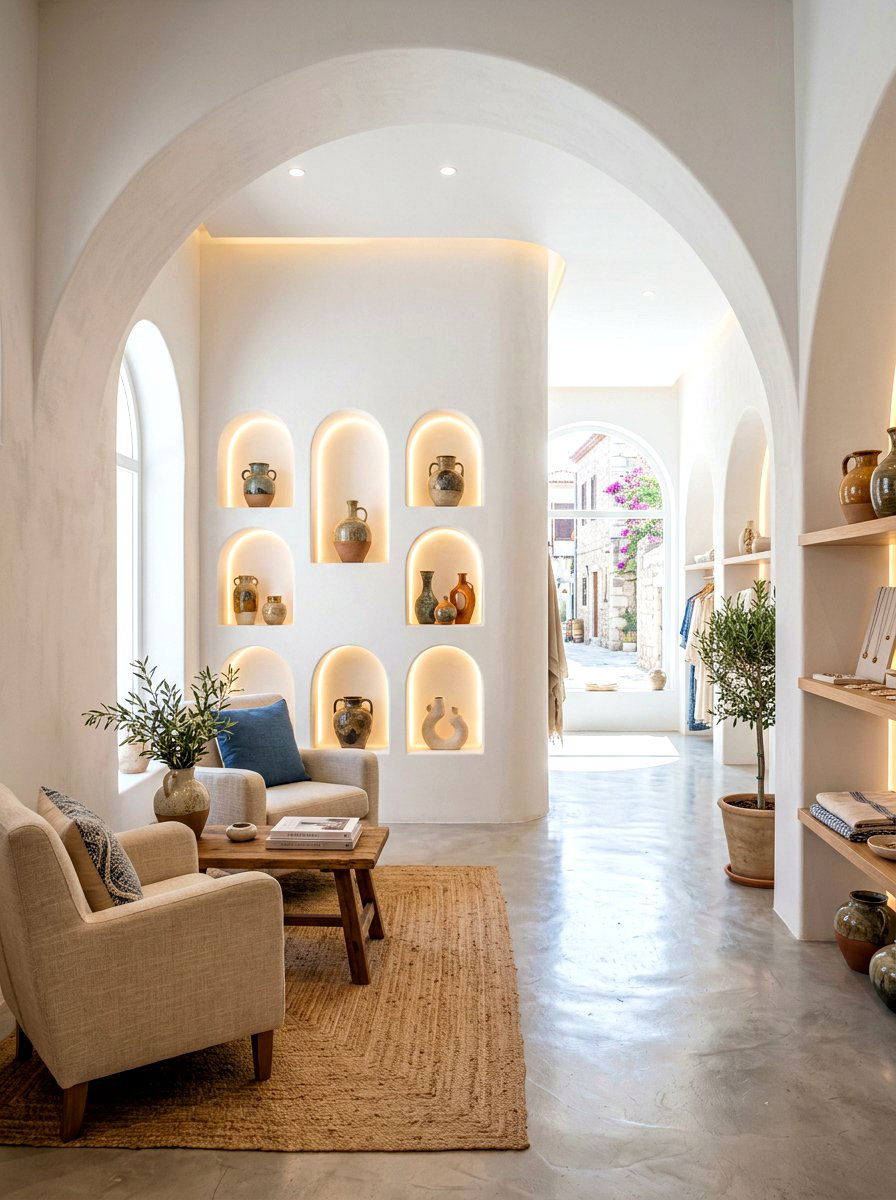
Arched wall niches add a sense of Mediterranean architecture and soft elegance to the interior of a boutique restaurant. These curved cutouts in the walls can be used to display curated pottery, wine bottles, or small plants, adding depth and interest to the room. The arch is a classic shape that breaks up the harsh straight lines of a typical building, making the space feel more organic and custom-designed. You can paint the inside of the niches a contrasting color or add integrated LED lighting to highlight the items on display. This architectural feature brings a touch of old-world charm to a modern dining setting.
22. Terrazzo floor style
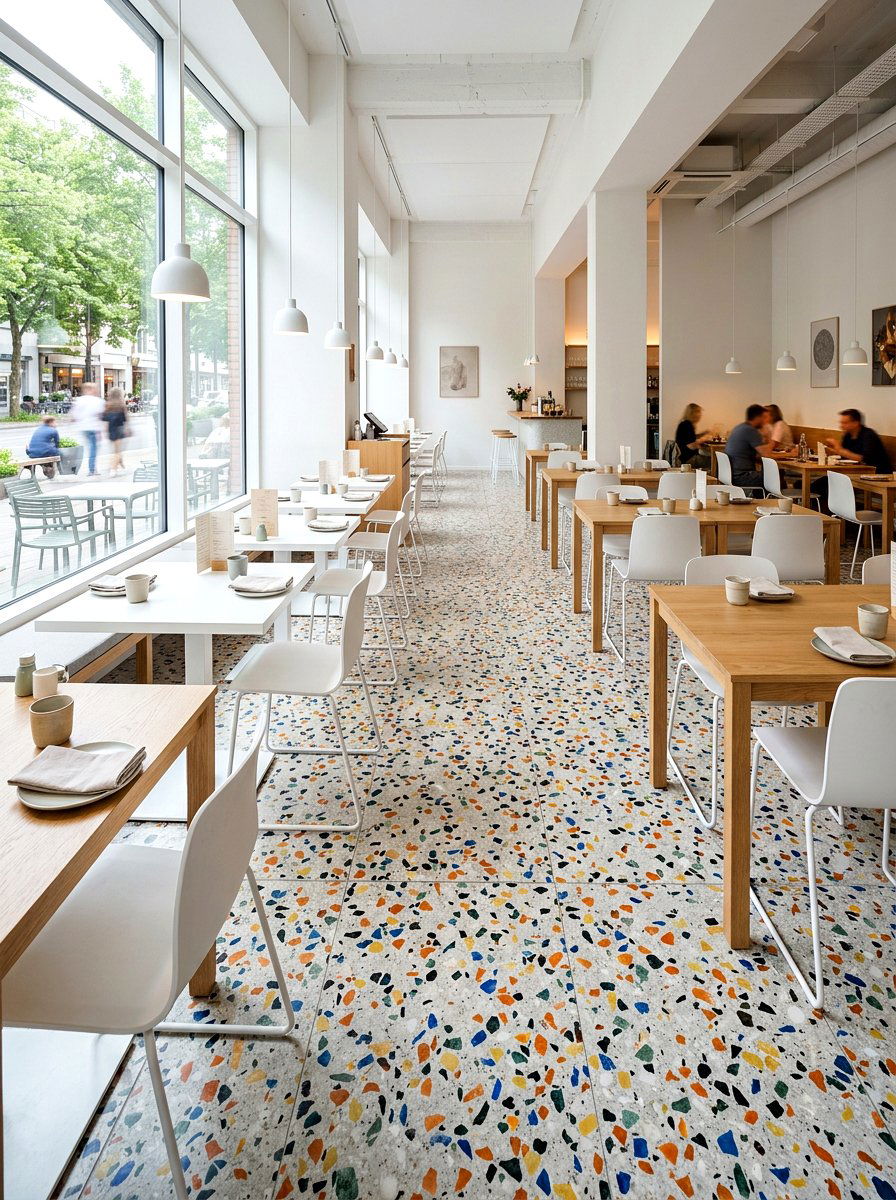
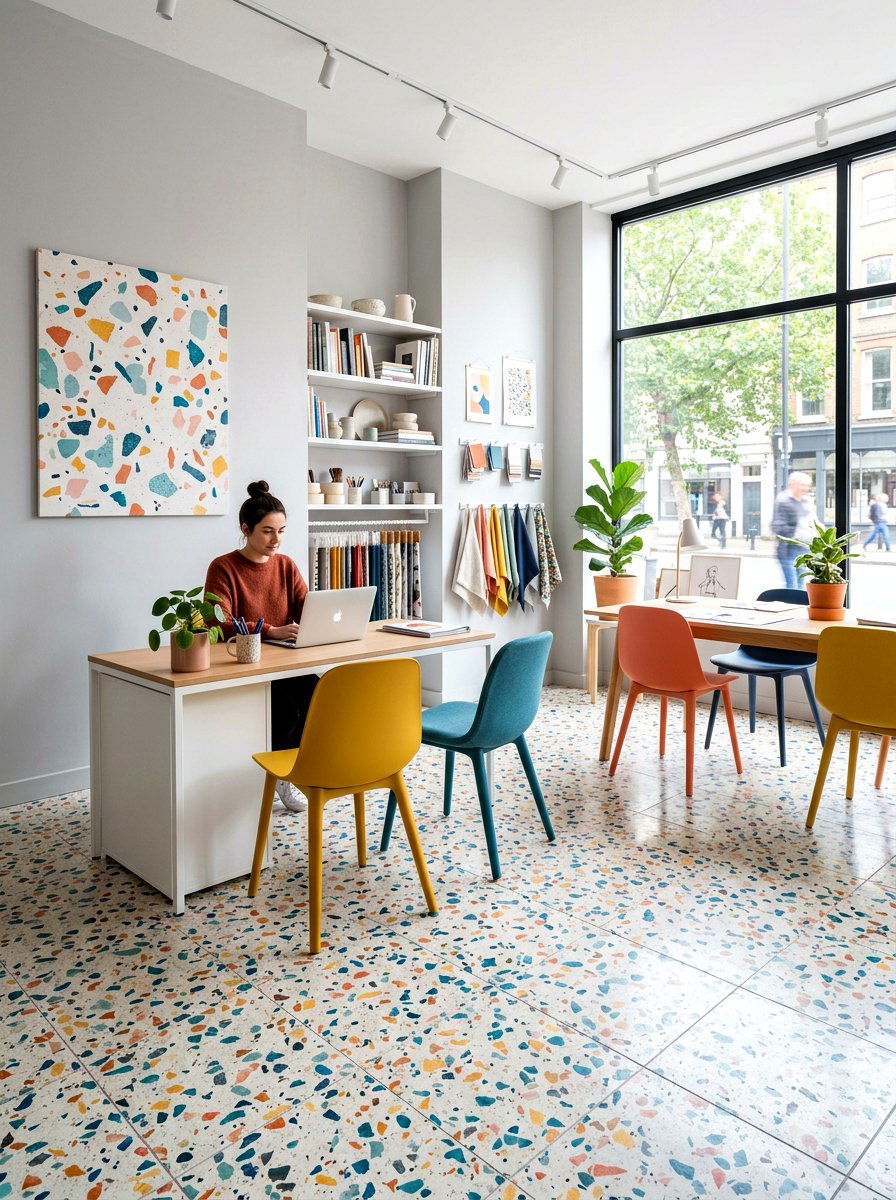
Terrazzo floor style is a trendy and durable choice that adds a playful, multicolored texture to a boutique restaurant. Made from chips of marble, quartz, and glass set in concrete, terrazzo offers a unique pattern that is different in every installation. It is incredibly easy to maintain and can handle heavy foot traffic without showing wear and tear. You can choose a neutral base with subtle flecks for a sophisticated look or a bright base with bold colored chips for a more energetic vibe. This flooring style works well in mid-century or modern minimalist designs, providing a seamless and high-quality finish for the entire space.
23. Vertical plant wall
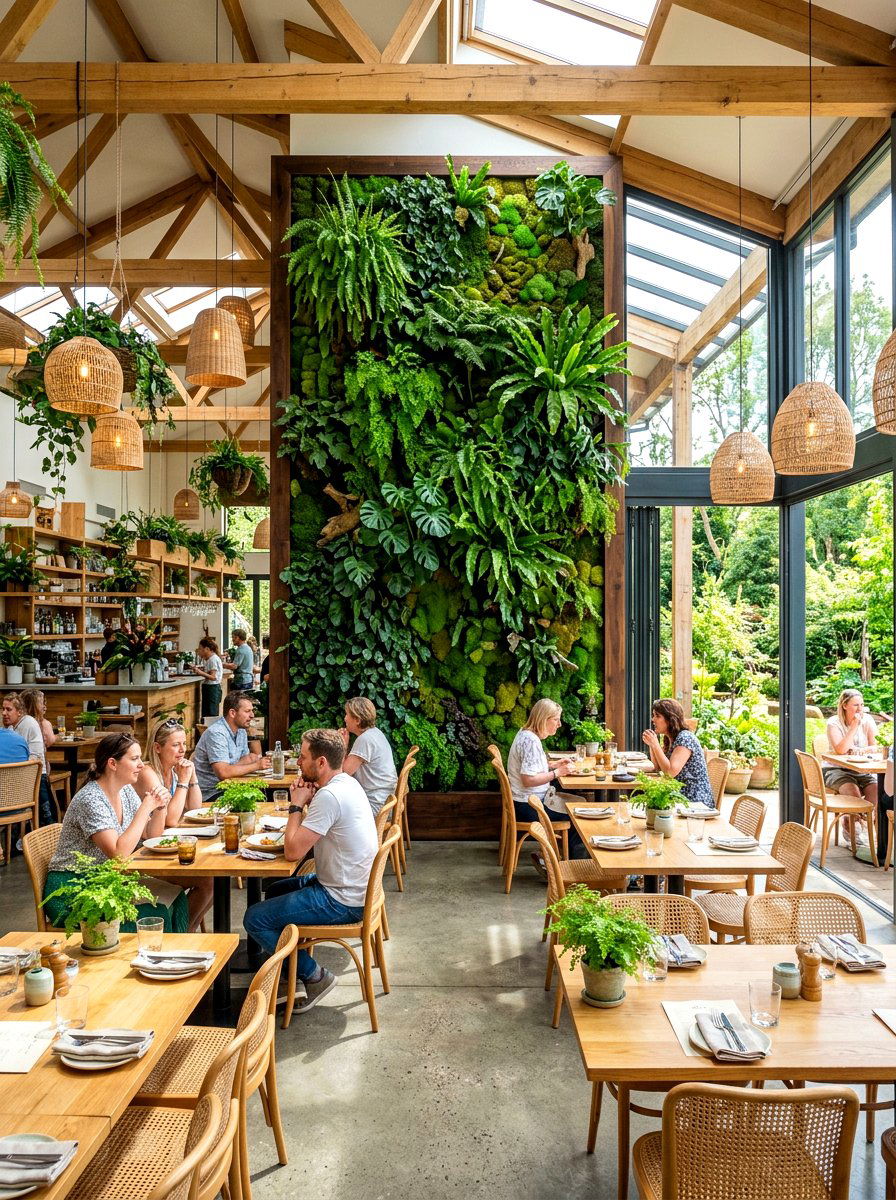
A vertical plant wall serves as a stunning living masterpiece that brings a massive amount of greenery into a boutique restaurant without taking up valuable floor space. These "living walls" use a variety of ferns, mosses, and tropical plants to create a lush, textured backdrop that improves the air quality and acoustics of the room. It creates an instant "wow" factor that guests will want to photograph and share online. Maintenance systems are often built-in to keep the plants healthy and vibrant. This feature is perfect for urban restaurants that want to provide a natural escape for their patrons in a dense city environment.
24. Checkerboard floor design
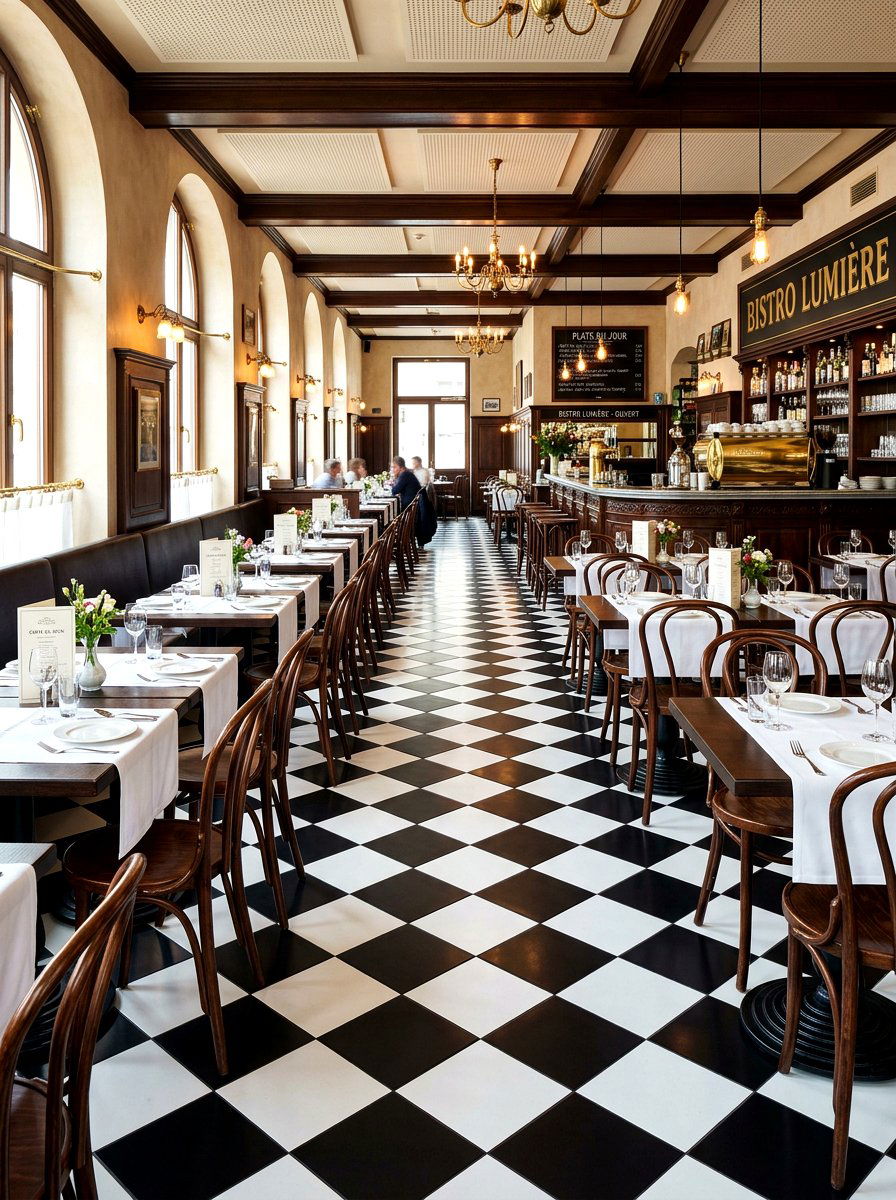
The checkerboard floor design is a classic choice that brings a sense of traditional bistro charm or retro diner energy to a boutique space. Whether you use black and white marble or more subtle tones like terracotta and cream, this pattern creates a strong visual foundation. It helps to define the layout of the room and adds a graphic element that feels both organized and stylish. This flooring choice pairs exceptionally well with simple wooden furniture and bentwood chairs. It is a timeless look that never goes out of style, providing a clean and recognizable aesthetic that appeals to a wide range of restaurant guests.

25. Velvet window drapes
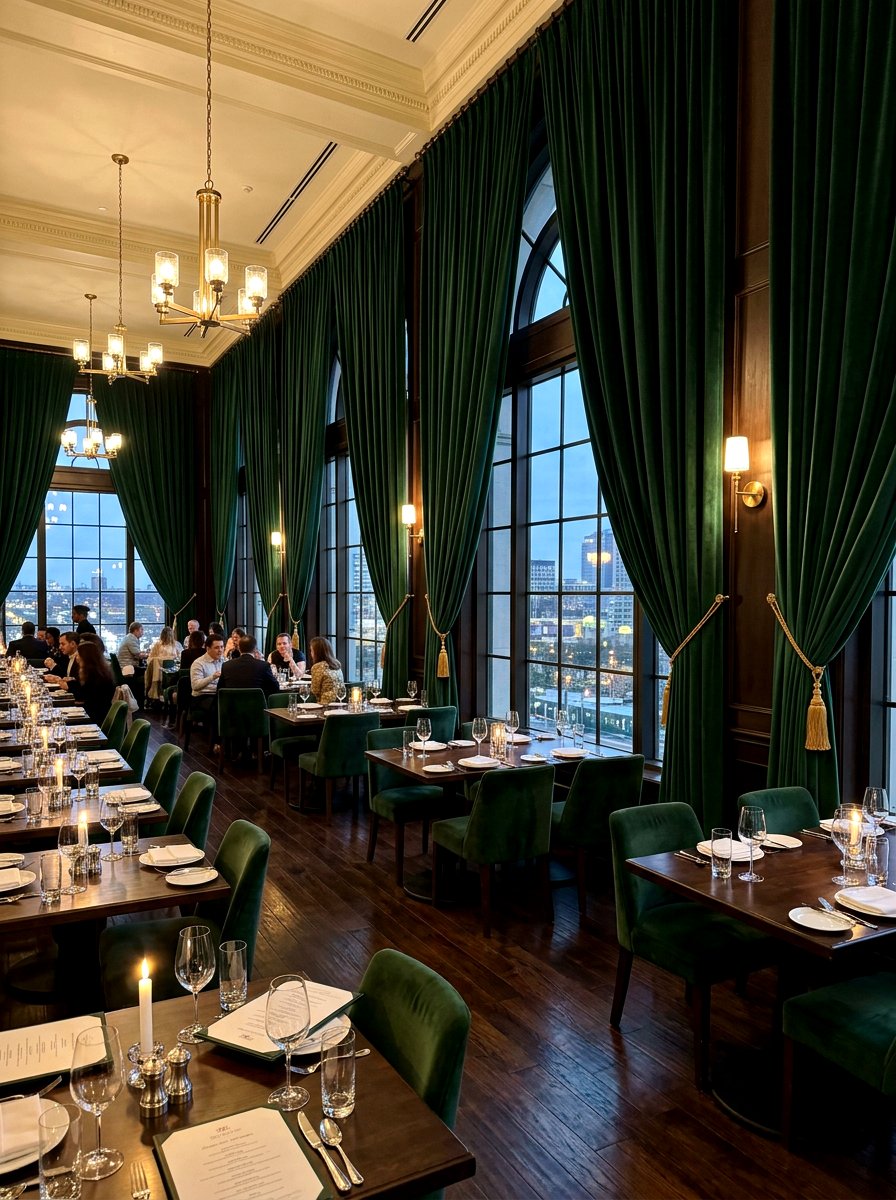
Adding floor-to-ceiling velvet window drapes brings a sense of theatrical drama and acoustic comfort to a boutique dining room. These heavy fabrics help block out harsh external light and noise, creating a more controlled and intimate environment inside. The rich texture of the velvet adds a layer of luxury to the walls, especially when chosen in deep tones that complement the overall color palette. During the evening, the drapes add a sense of warmth and enclosure that makes the restaurant feel like a private sanctuary. It is a simple but effective way to soften a room that has a lot of hard surfaces like stone or metal.
26. Brass bar stools
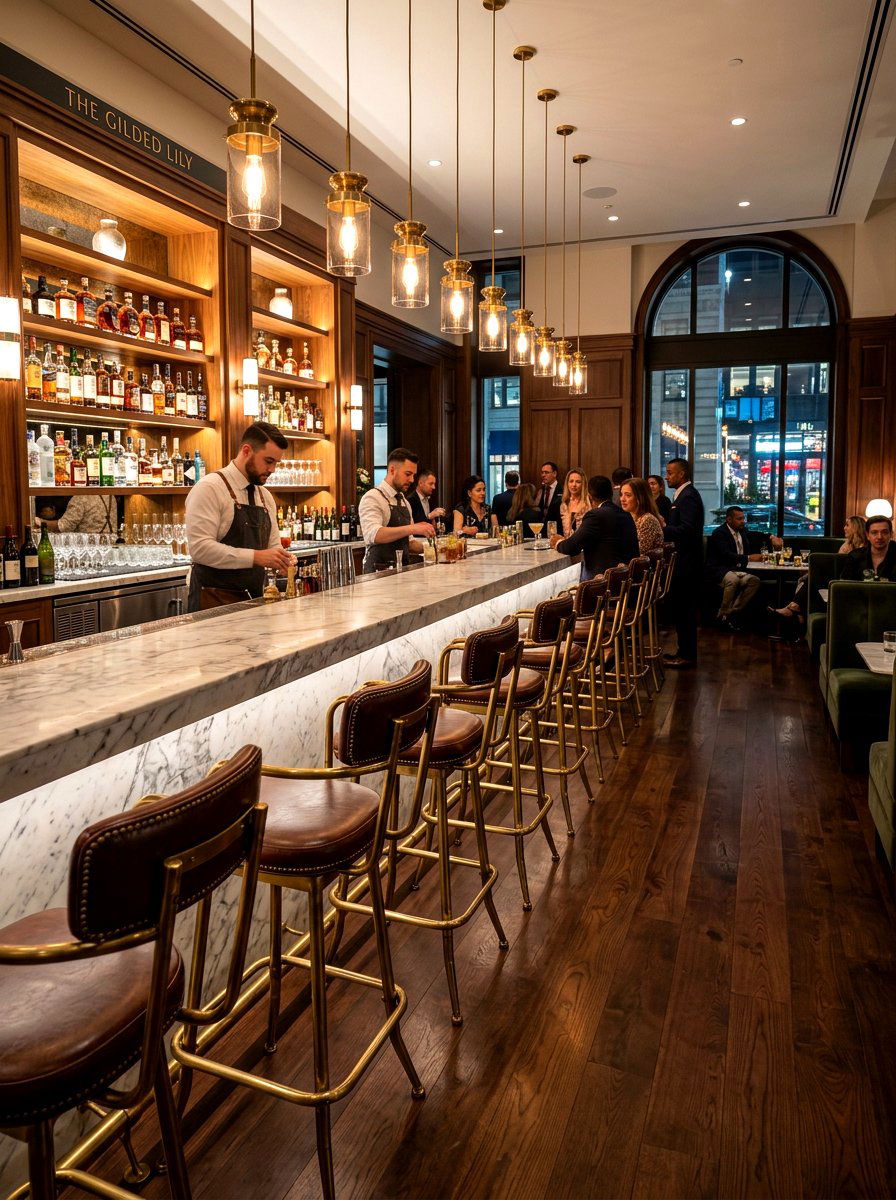
Brass bar stools are a fantastic way to introduce a touch of metallic shine and vintage elegance to a boutique restaurant’s bar area. The warm gold tones of the brass reflect the ambient light, creating a high-end focal point that draws people toward the counter. These stools often feature sleek, minimalist frames that don't crowd the visual space, making them ideal for narrow bars. You can pair the brass legs with leather or velvet seats to add more comfort and texture. This choice of hardware feels incredibly polished and works well in art deco, industrial, or modern settings where quality materials are a key part of the brand.
27. Edison bulb lighting
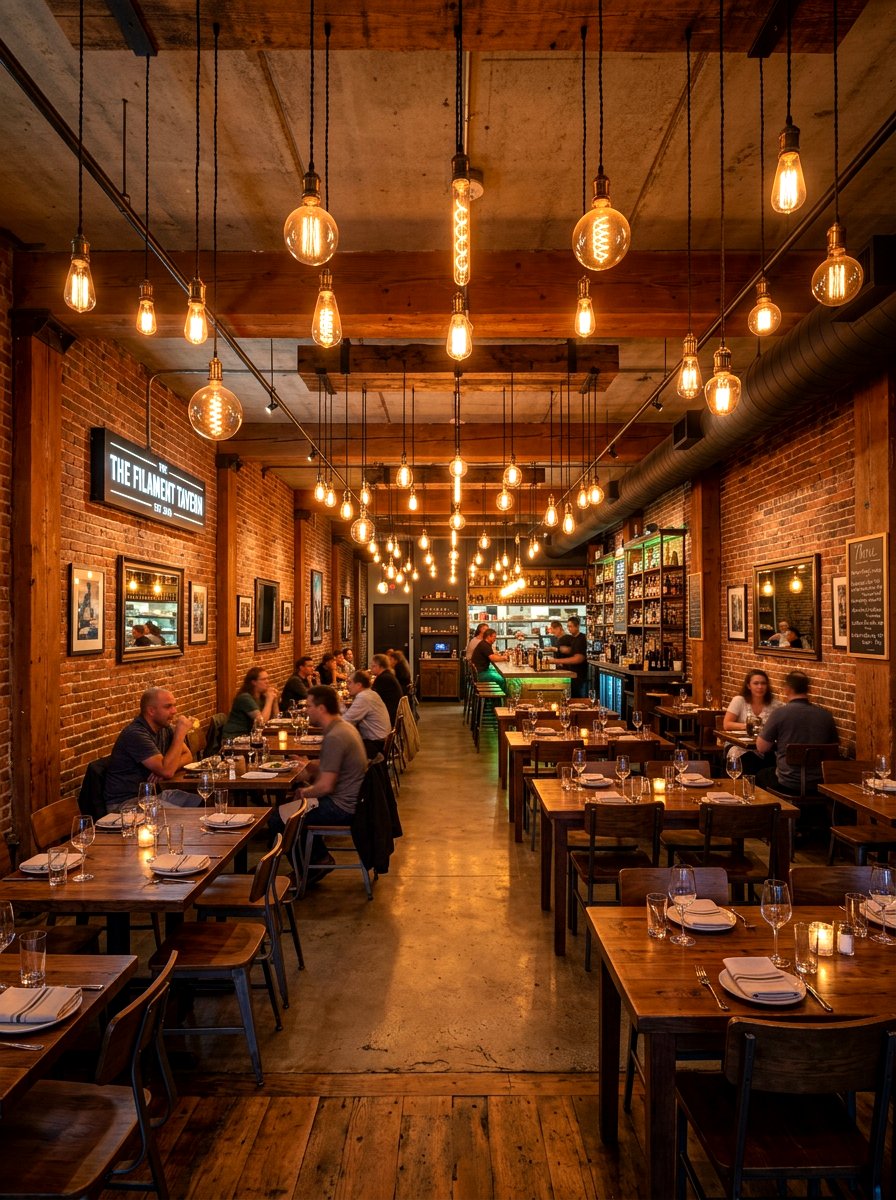
Edison bulb lighting uses exposed filaments to create a warm, amber glow that feels nostalgic and incredibly cozy. These bulbs are often hung in clusters from the ceiling or used in minimalist wall sconces to highlight specific areas of the restaurant. The soft, low-intensity light is very flattering and helps create a relaxed mood that is perfect for late-night dining. Because the bulbs themselves are decorative, they don't require elaborate shades, allowing the raw beauty of the glass and wire to be the main focus. This lighting style is a hallmark of industrial and rustic boutique designs, offering a simple yet effective atmosphere.
28. Round dining tables
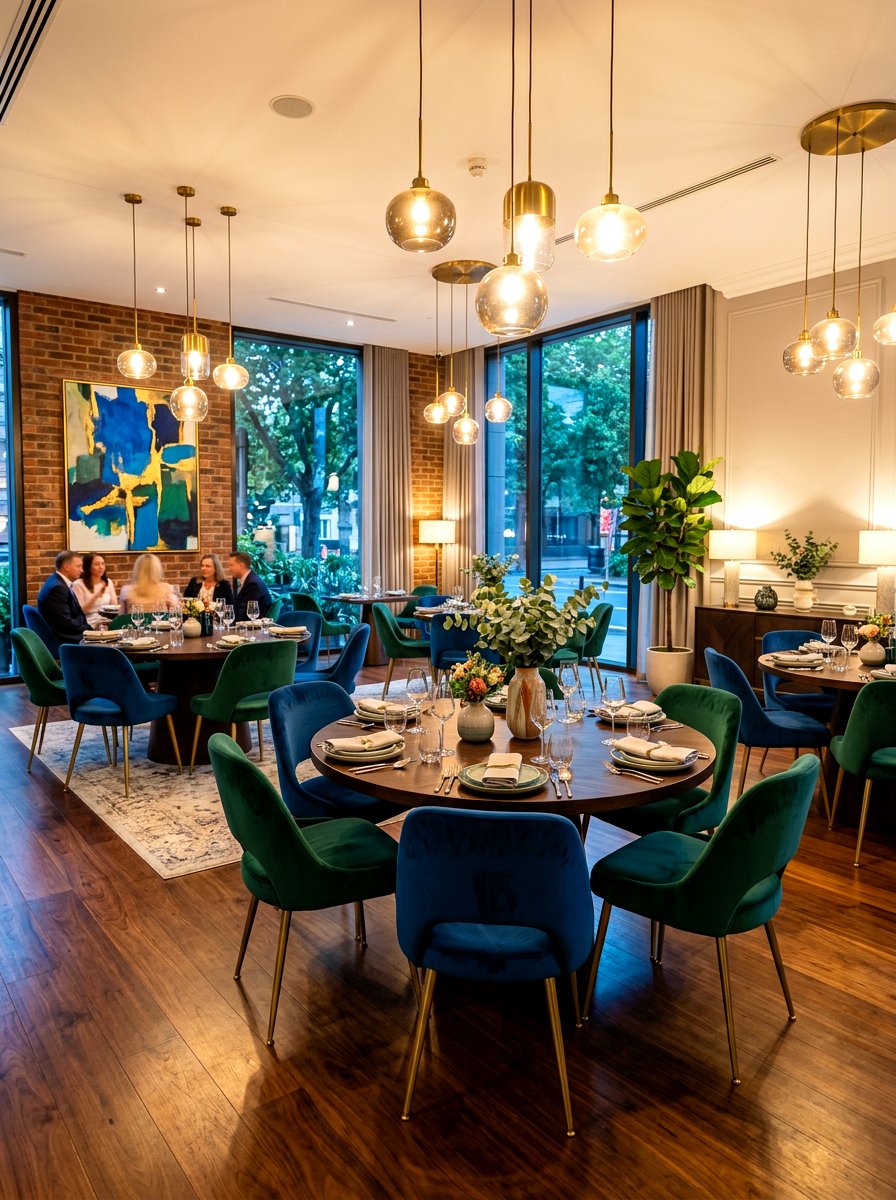
Round dining tables encourage a more social and egalitarian dining experience by allowing everyone at the table to see and talk to each other easily. In a boutique restaurant, these tables break up the rigid grid of square seating and create a more fluid flow for traffic. They are particularly effective in corners or small alcoves where a traditional table might feel cramped. You can choose heavy stone tops for a luxurious feel or light wood for a more casual look. Round tables take up less visual space and eliminate sharp corners, making the room feel more approachable and comfortable for groups of friends or families.
29. Concrete wall finish
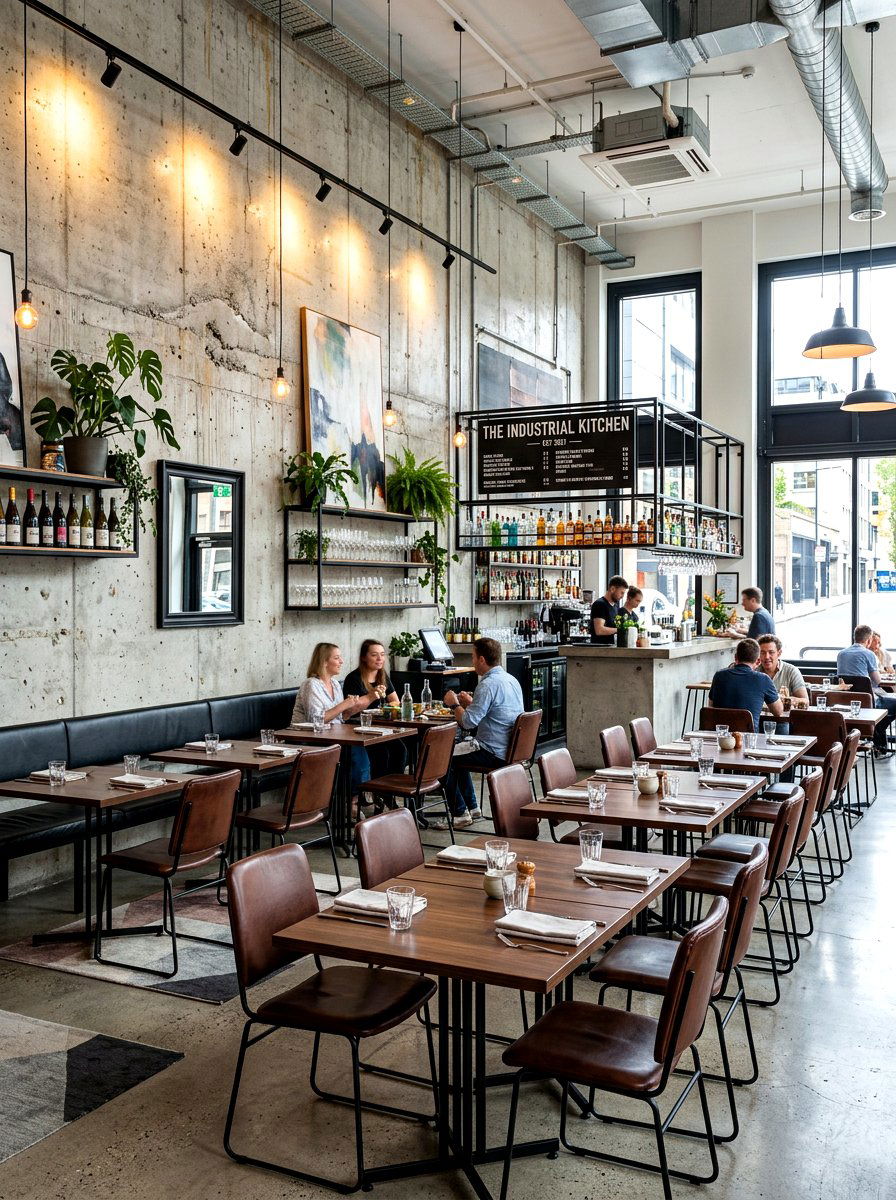
A concrete wall finish provides a sleek, modern, and slightly industrial backdrop that feels very high-end and intentional. The subtle variations in the gray tones and the smooth, cool texture of the concrete add a sophisticated edge to a boutique restaurant. This look works best when paired with warm elements like cognac leather, rich wood furniture, and soft textiles to prevent the space from feeling too cold. Concrete is incredibly durable and easy to clean, making it a practical choice for a busy environment. It projects a sense of permanence and architectural honesty that many modern diners find very appealing and stylish.
30. Rooftop garden dining
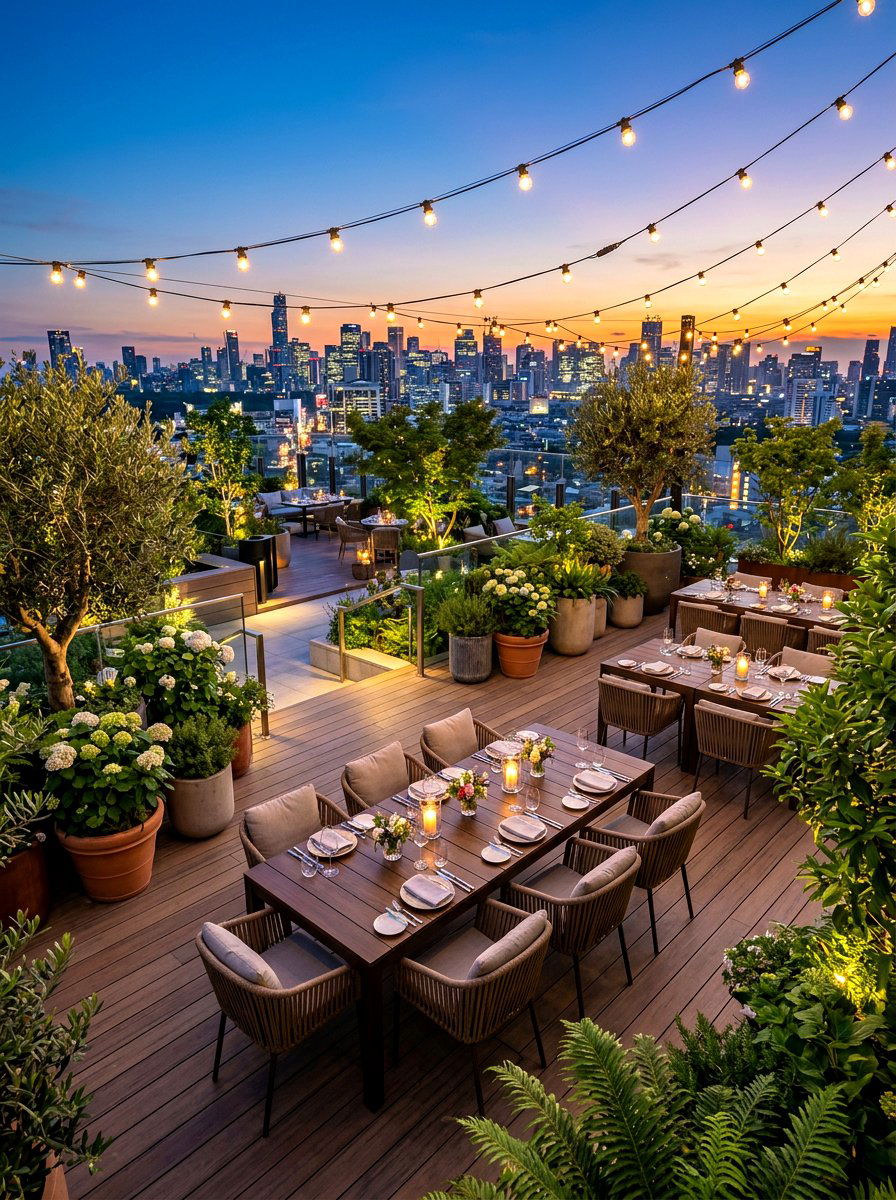
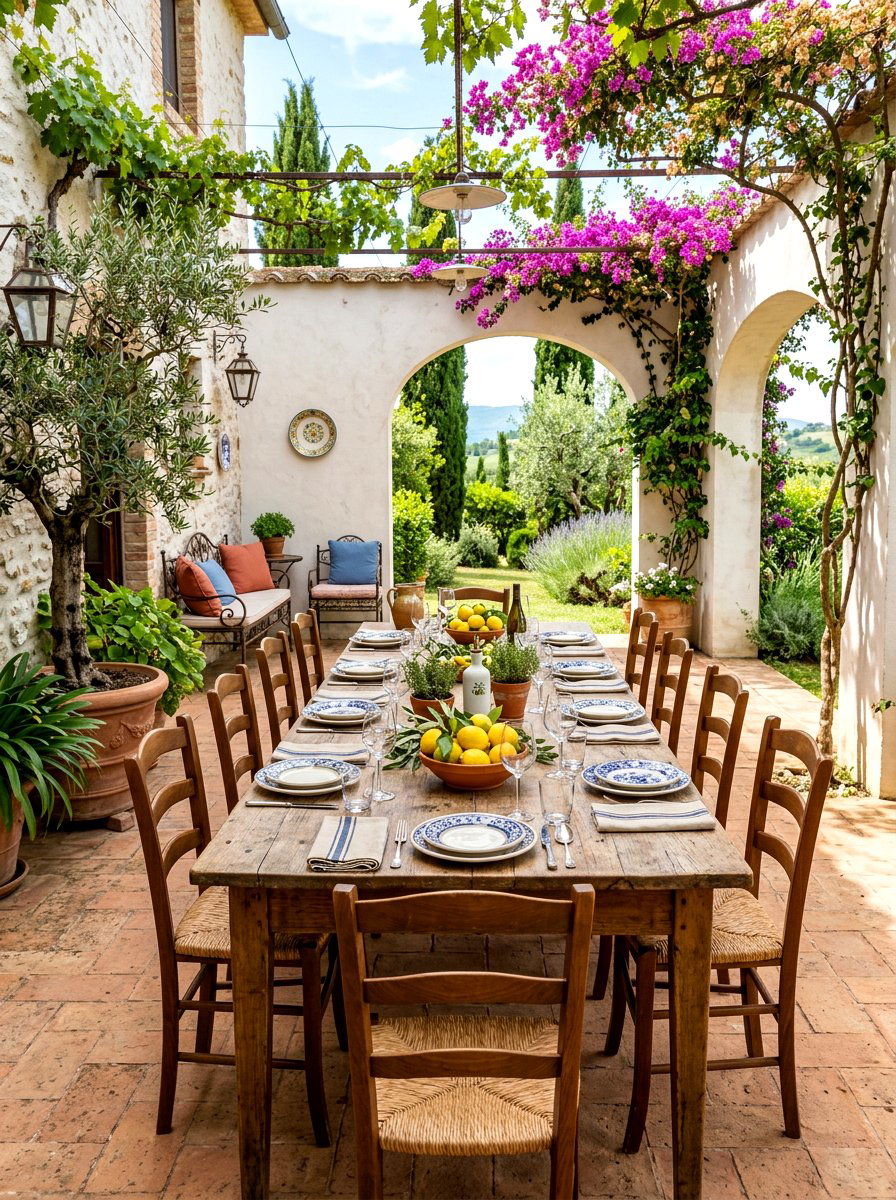
Rooftop garden dining offers one of the most sought-after experiences for boutique restaurant guests by combining fresh air with beautiful views. By surrounding the dining area with planters, climbing vines, and comfortable outdoor furniture, you create a secluded oasis high above the city streets. This design relies on weather-resistant materials and strategic lighting to ensure the space is functional day and night. Providing shade through pergolas or umbrellas adds to the comfort, while the presence of greenery makes the urban setting feel more peaceful. It is the ultimate way to maximize space and offer a unique, memorable destination for your patrons to enjoy.
Conclusion:
Designing a boutique restaurant is a journey of creativity where every detail contributes to a larger narrative of hospitality and style. By carefully selecting unique elements — from the plush textures of velvet seating to the raw honesty of exposed brick — you can create a space that resonates emotionally with your guests. The goal is always to balance aesthetic beauty with functional comfort, ensuring that the dining room feels like an extension of the culinary experience. As trends evolve toward more personalized and immersive environments, focusing on authentic materials and thoughtful lighting will keep your restaurant relevant and beloved. Ultimately, a well-designed space is what turns a simple meal into an unforgettable memory.

Related posts: