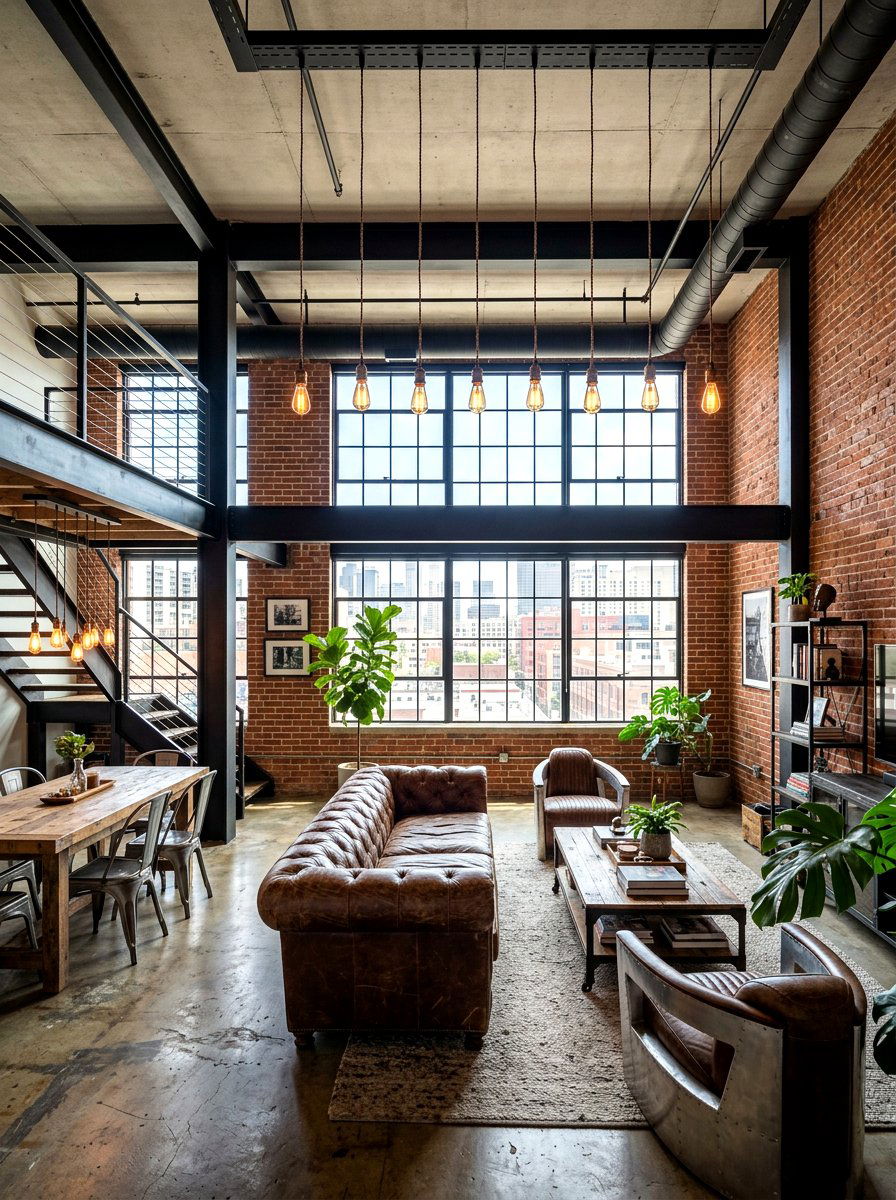
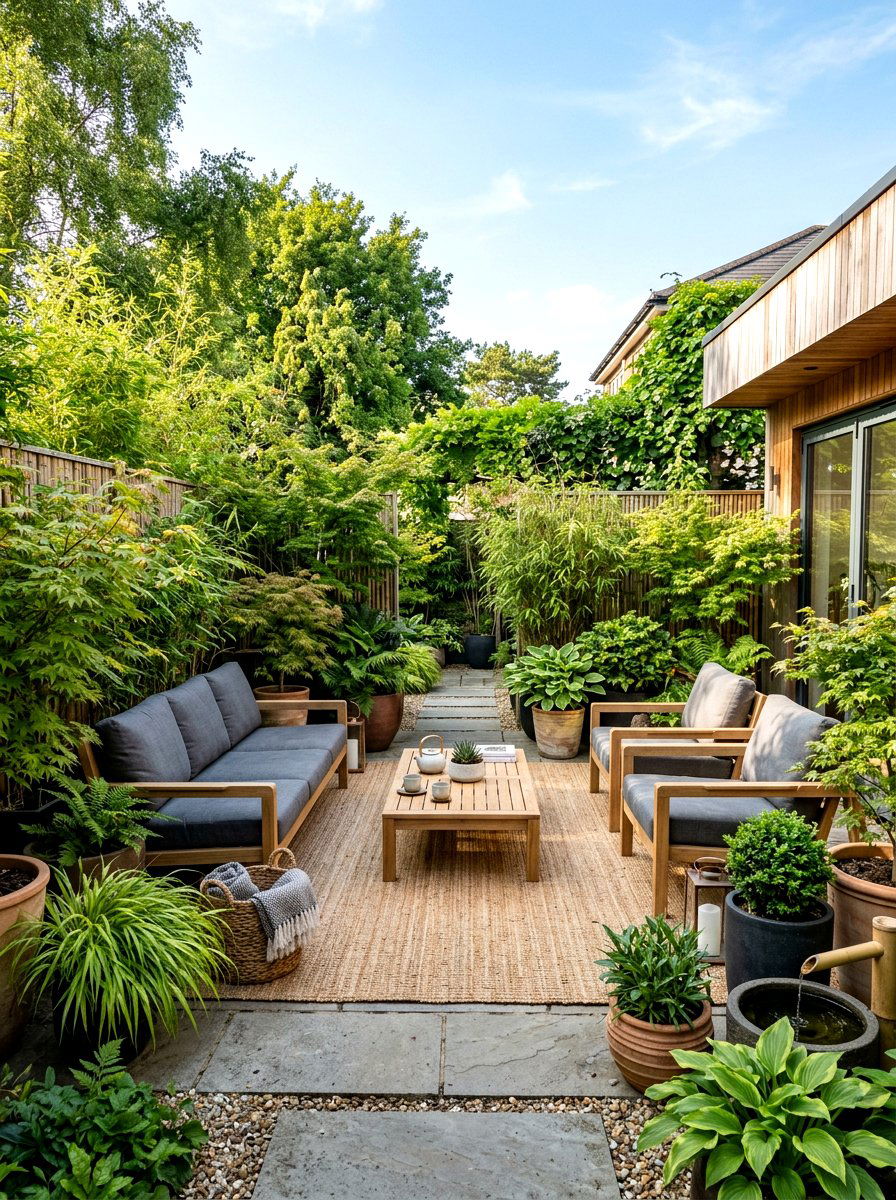
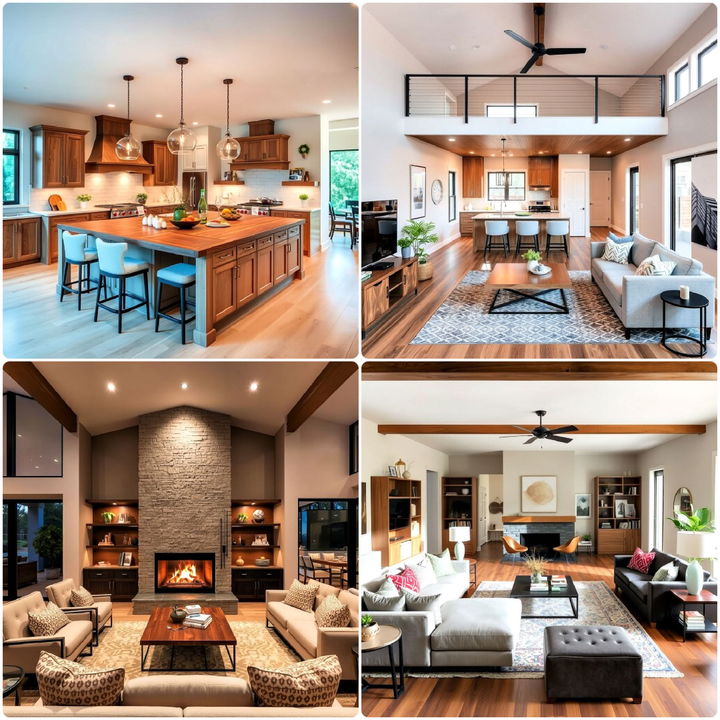
Open floor plans are widely popular in modern architecture because they create a sense of flow and spaciousness that smaller, boxed-in rooms simply cannot match. However, the biggest challenge many homeowners face is preventing these expansive areas from feeling cold, cavernous, or impersonal. Creating cozy zones within a large, open-concept layout is the secret to making a house feel like a home. By strategically placing furniture, using varied textures, and incorporating smart architectural features, you can design intimate areas for lounging, dining, and working. This guide explores creative ways to maintain an airy feel while ensuring every corner feels intentional, warm, and inviting for your entire family to enjoy together.
1. Rugs For Zoning
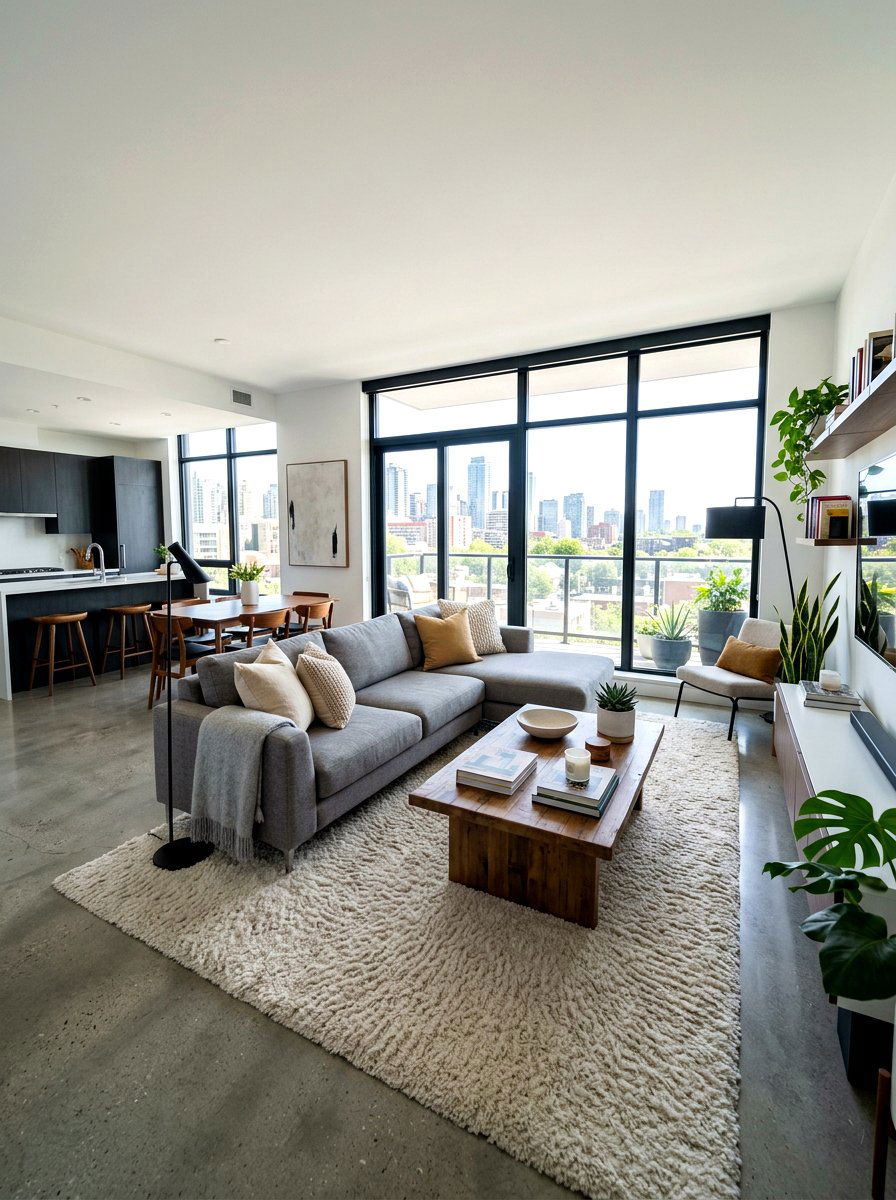
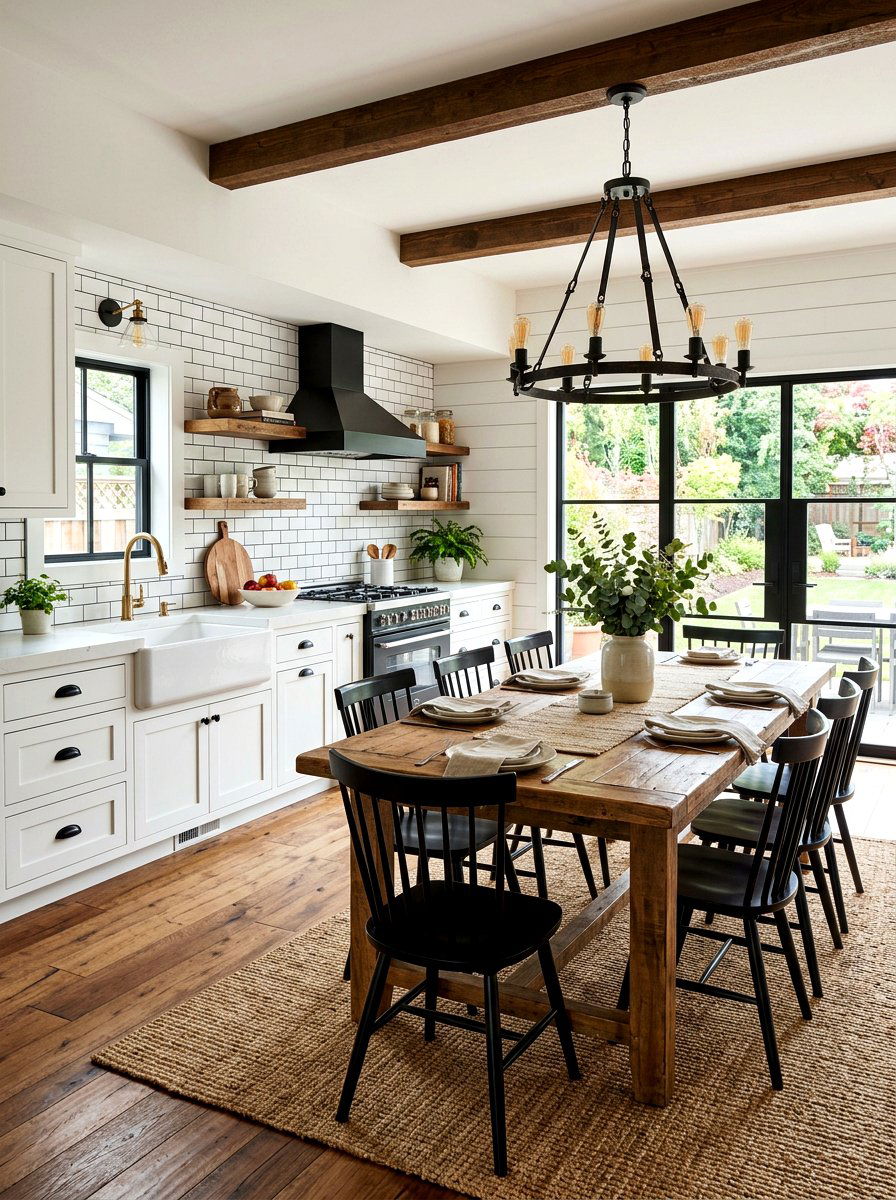
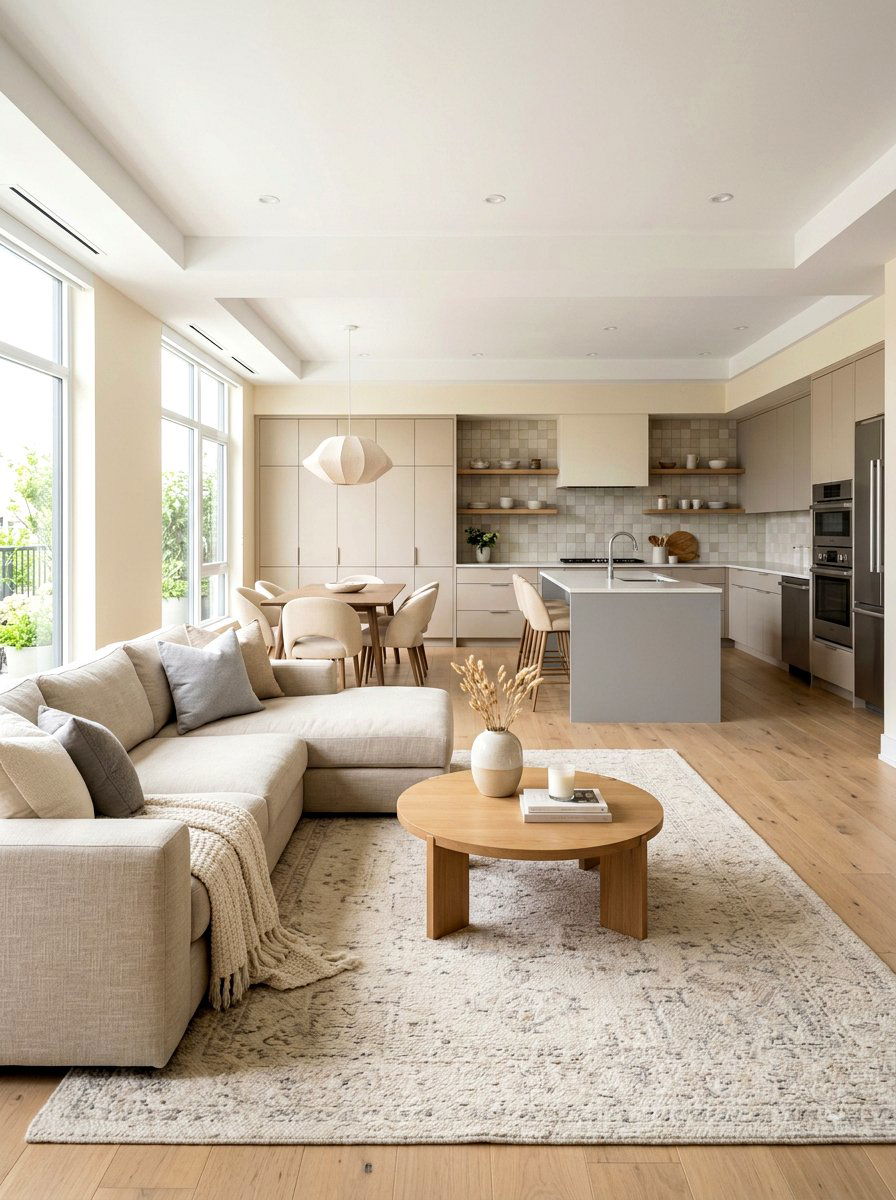
Using large area rugs is one of the most effective ways to ground furniture in a sprawling open layout. When you place a plush rug under a seating arrangement, it creates a visual boundary that tells the eye where the living area begins and ends. This technique prevents furniture from looking like it is floating aimlessly in a large room. You should choose a rug size that allows all furniture legs to rest comfortably on the surface for a cohesive look. Mixing different textures, such as a jute rug for the dining space and a soft wool rug for the lounge, adds extra layers of physical comfort and warmth.
2. Double Sided Fireplace
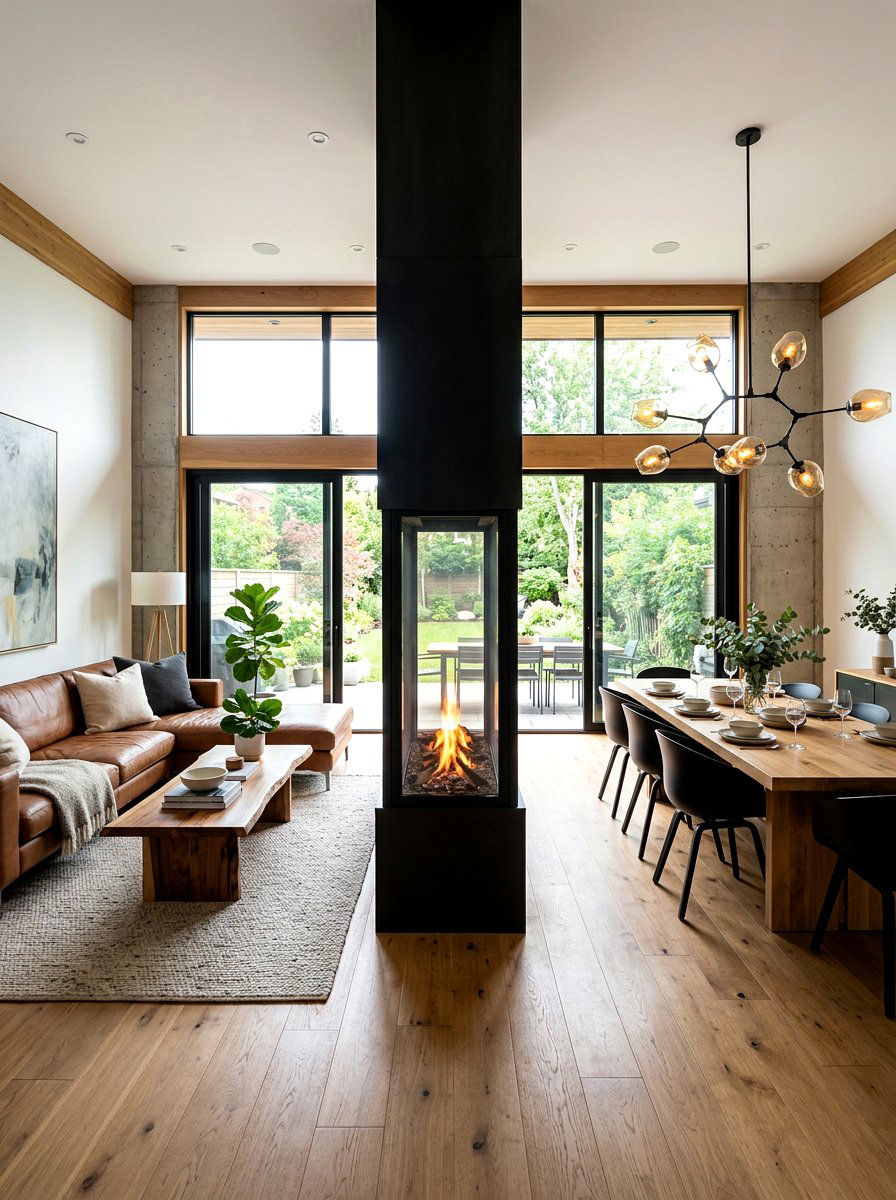
A double-sided fireplace serves as a stunning architectural focal point that physically divides a room without blocking the view or light. This feature allows you to enjoy the warmth and ambiance of a fire from two different areas, such as the living room and the dining space. It acts as a transparent wall that anchors both zones while maintaining a sense of connection between them. To maximize the cozy effect, surround the fireplace with comfortable seating on both sides. This setup creates a natural gathering spot that feels intimate, even within a vast floor plan, making the entire home feel much more inviting.
3. Open Shelving Divider
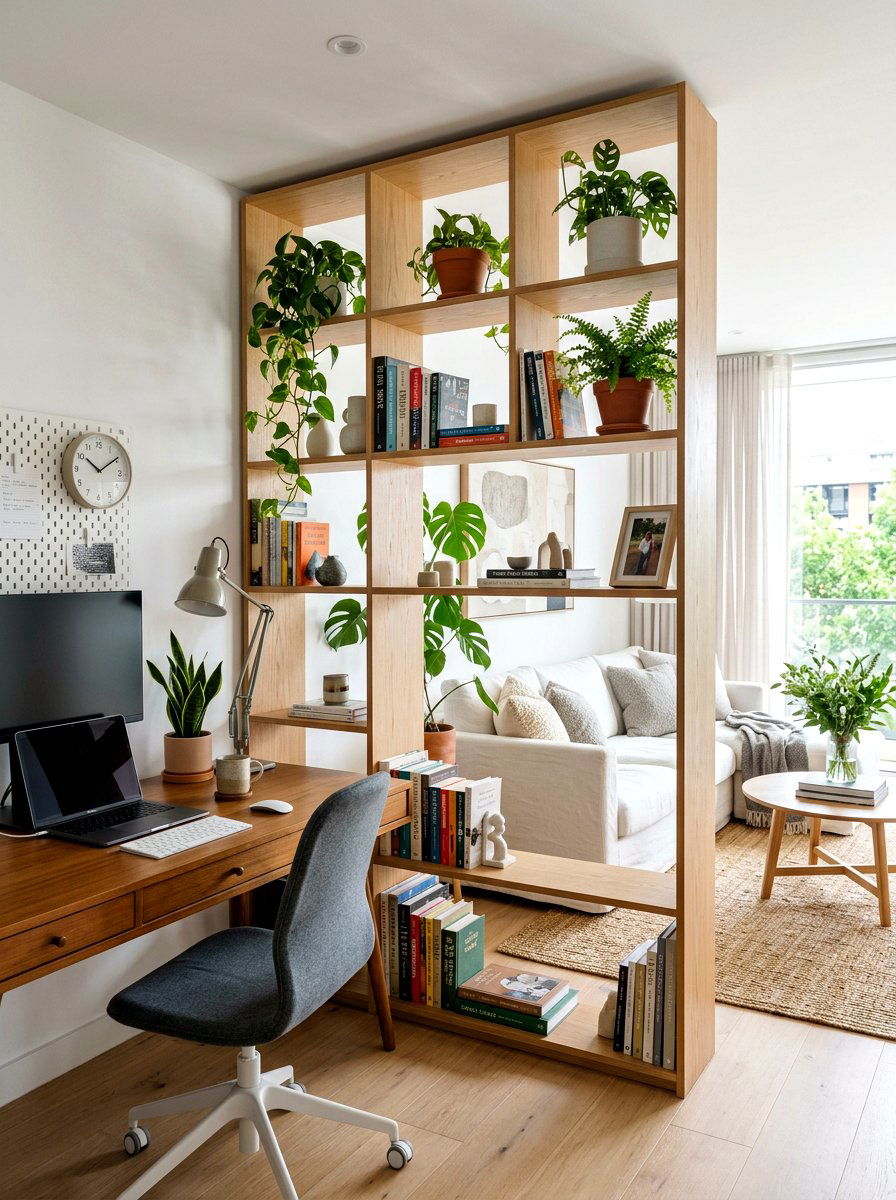
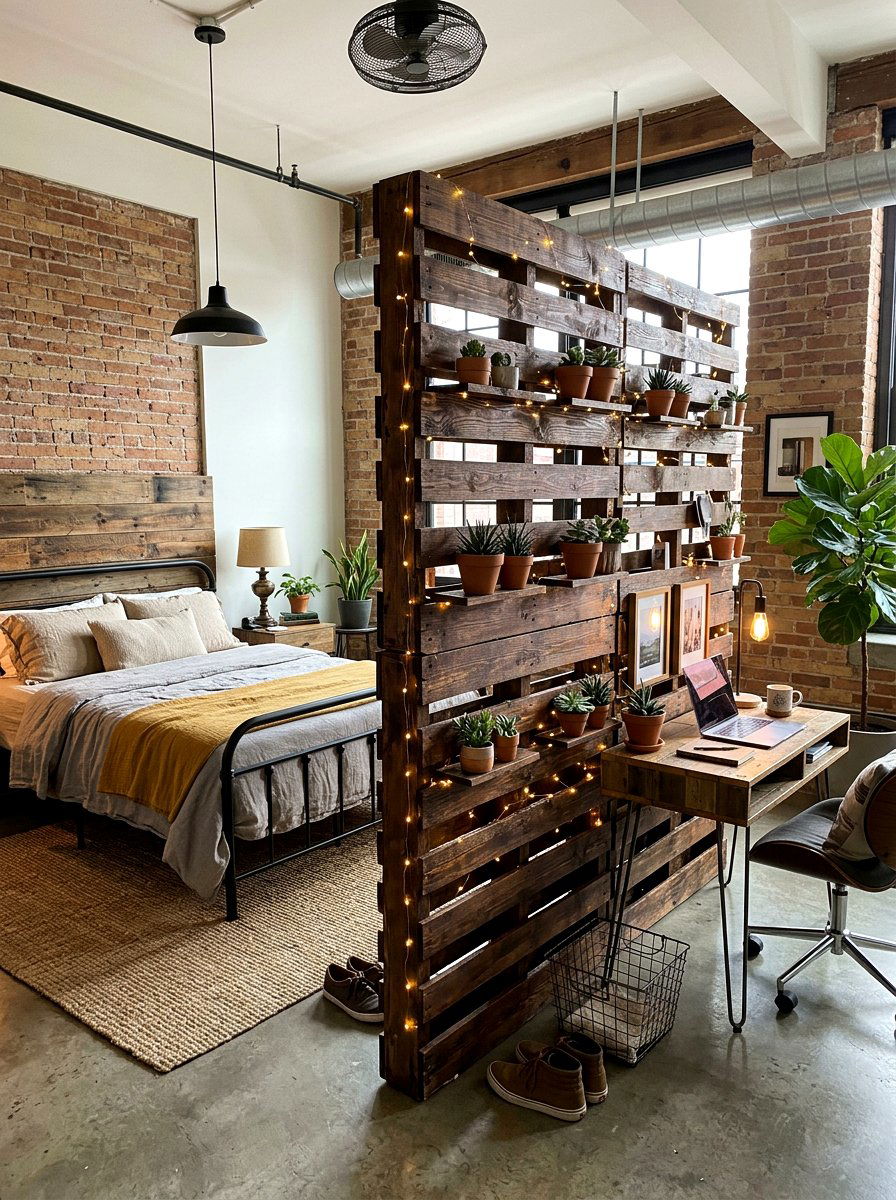
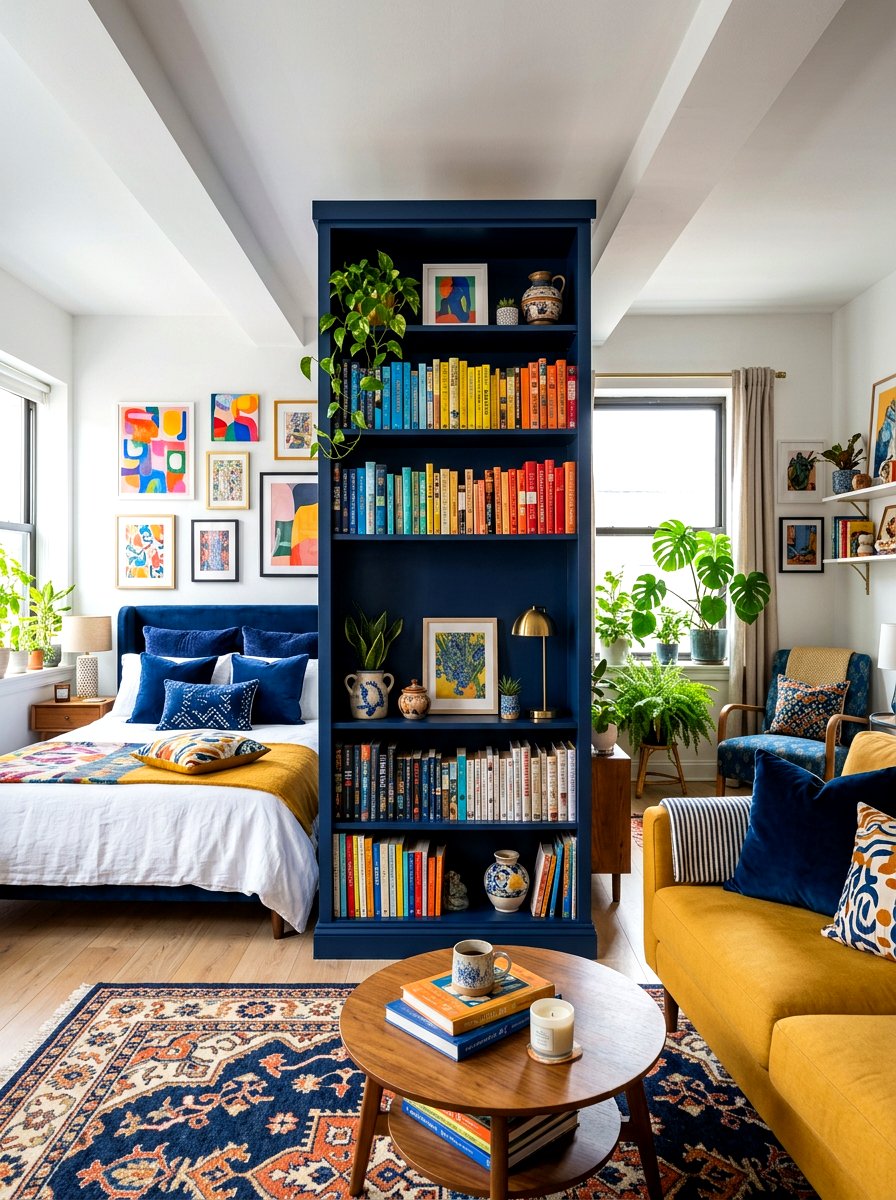
Installing open-backed shelving units is a brilliant way to separate different areas without making the space feel cramped or dark. These functional pieces allow light to pass through while providing a clear physical barrier between, for example, a home office and a living room. You can style the shelves with books, trailing plants, and decorative objects to add personality to both sides of the room. Because there is no solid back, the shelving unit maintains the airy feel of the open concept while offering much-needed organization. It is a flexible solution that can be moved or rearranged as your needs change over time.
4. Glass Wall Partition
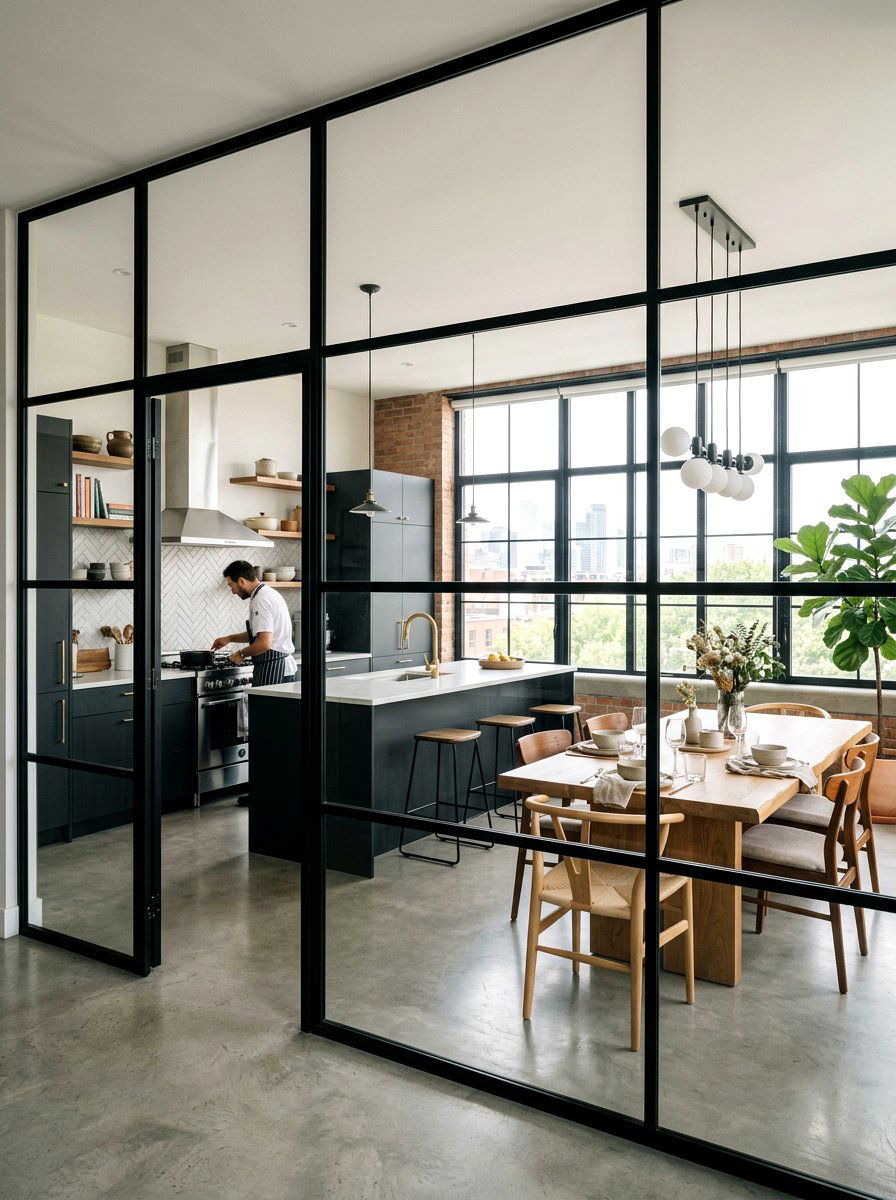
If you want to reduce noise or cooking smells without sacrificing the visual benefits of an open plan, a glass wall partition is the perfect choice. These steel-framed glass panels create a "broken-plan" layout that looks incredibly modern and sophisticated. They provide a clear acoustic barrier for a home office or a kitchen while allowing natural light to flood the entire space. You can choose clear glass for maximum visibility or frosted glass if you prefer a bit more privacy for a specific zone. This design element adds a sleek, industrial touch while keeping the home feeling bright, connected, and very spacious.
5. Sunken Living Room
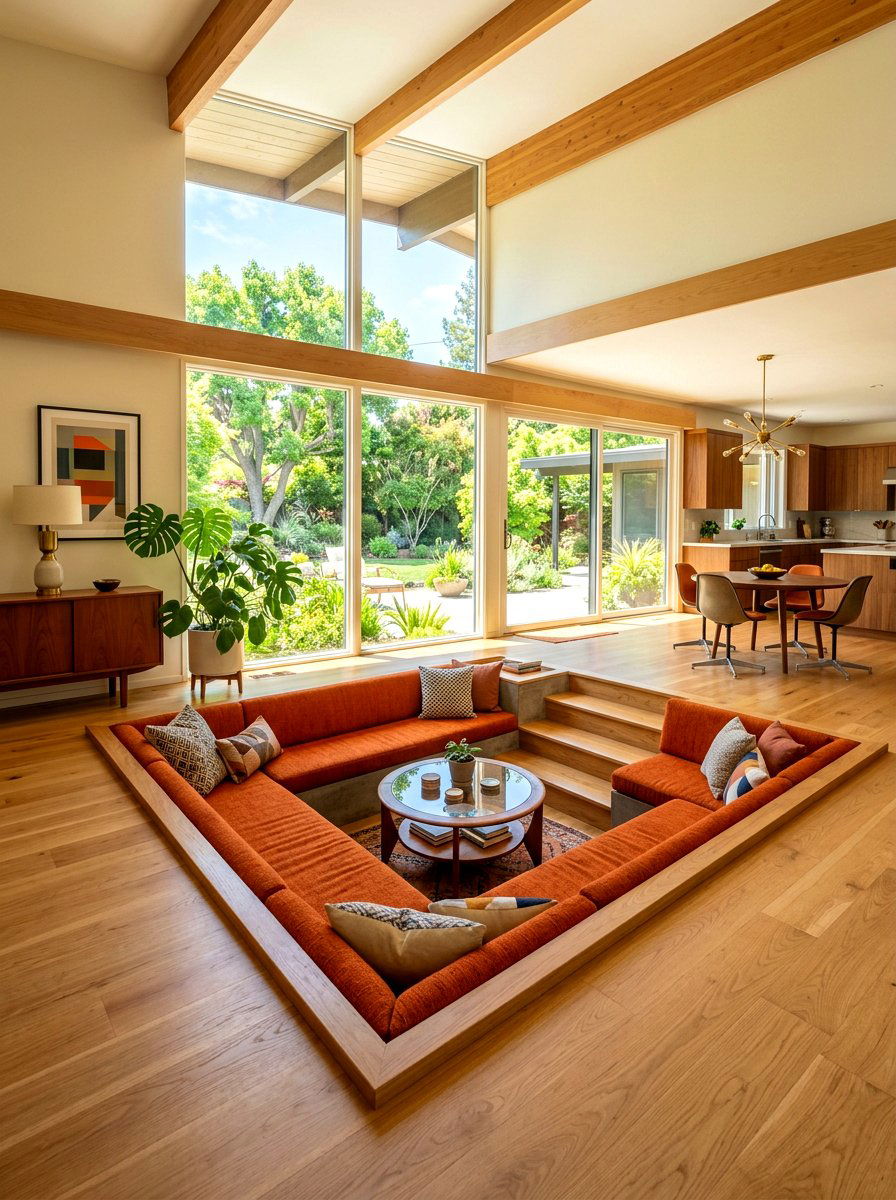
A sunken living room, also known as a conversation pit, is a classic architectural feature that uses floor levels to define a lounge area. By lowering the floor in one specific section, you create a natural "nest" that feels incredibly cozy and protected compared to the rest of the open space. This physical drop in height clearly delineates the relaxation zone without the need for walls or bulky furniture. It encourages people to gather and linger in a comfortable, intimate setting. To enhance the warmth, you can line the sunken area with custom built-in seating, soft carpeting, and plenty of oversized plush throw pillows.
6. Kitchen Island Seating
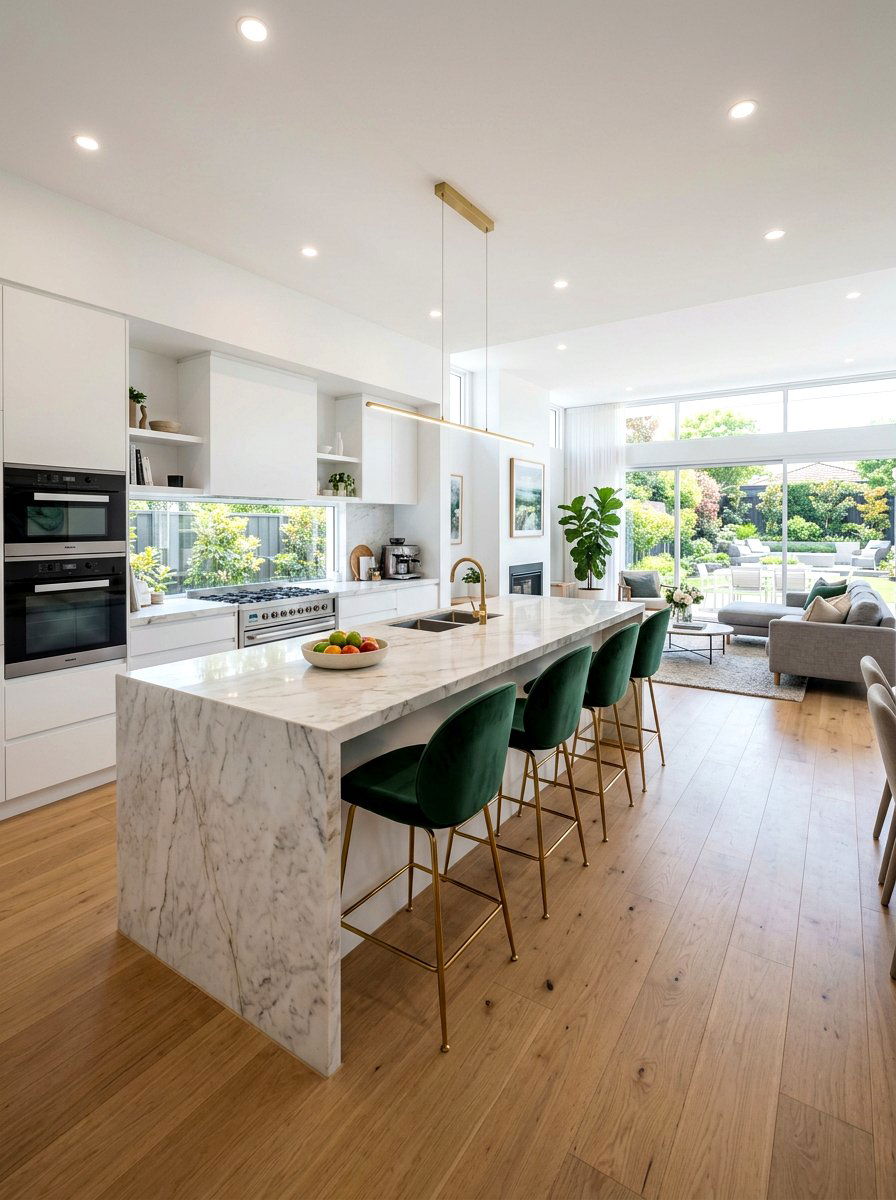
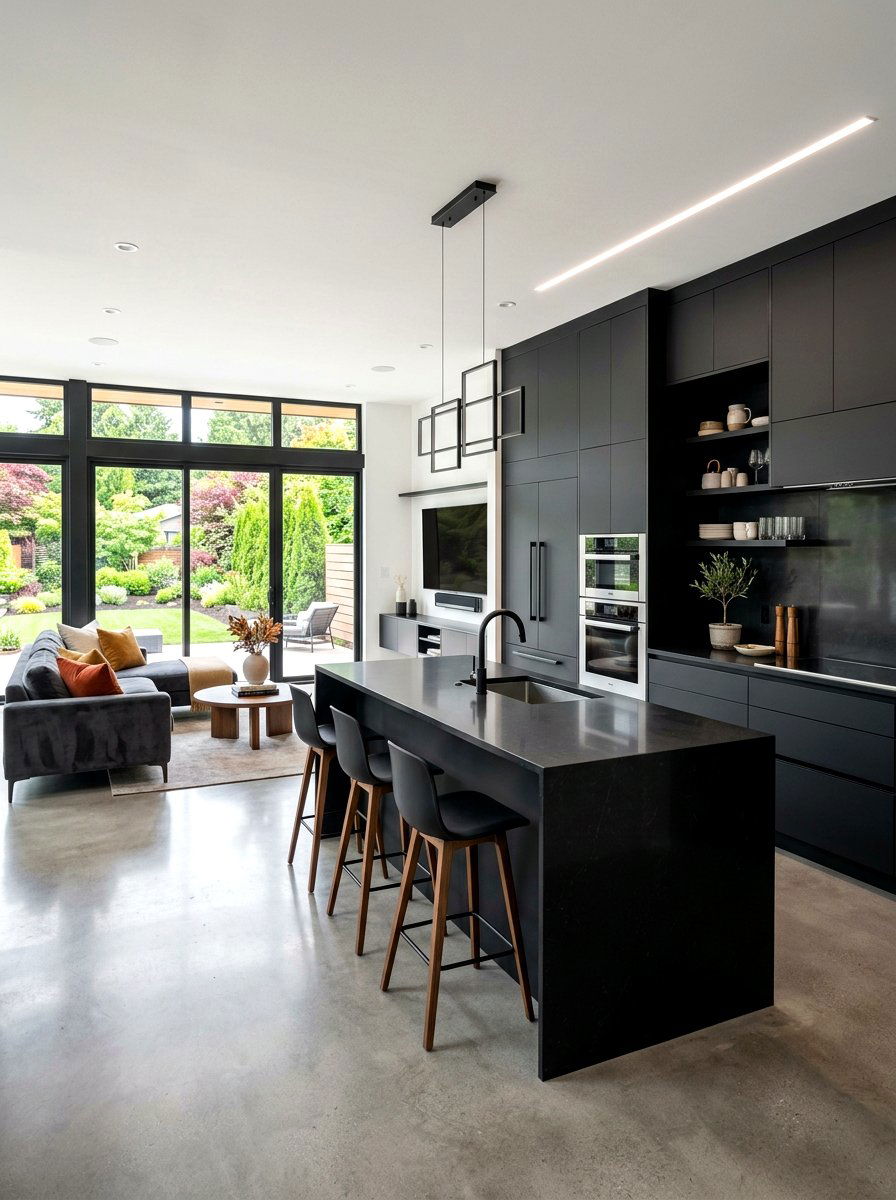
The kitchen island is often the heart of an open-concept home, and adding seating turns it into a multi-functional cozy zone. By extending the countertop or adding a lower table section, you create a dedicated spot for casual meals, morning coffee, or homework. This seating area acts as a soft transition between the high-energy cooking zone and the more relaxed dining or living spaces. Using comfortable stools with backs and footrests encourages people to stay longer and interact with the cook. It effectively anchors the kitchen area, making it feel like a purposeful destination rather than just a workspace for food preparation.
7. Breakfast Nook Bench
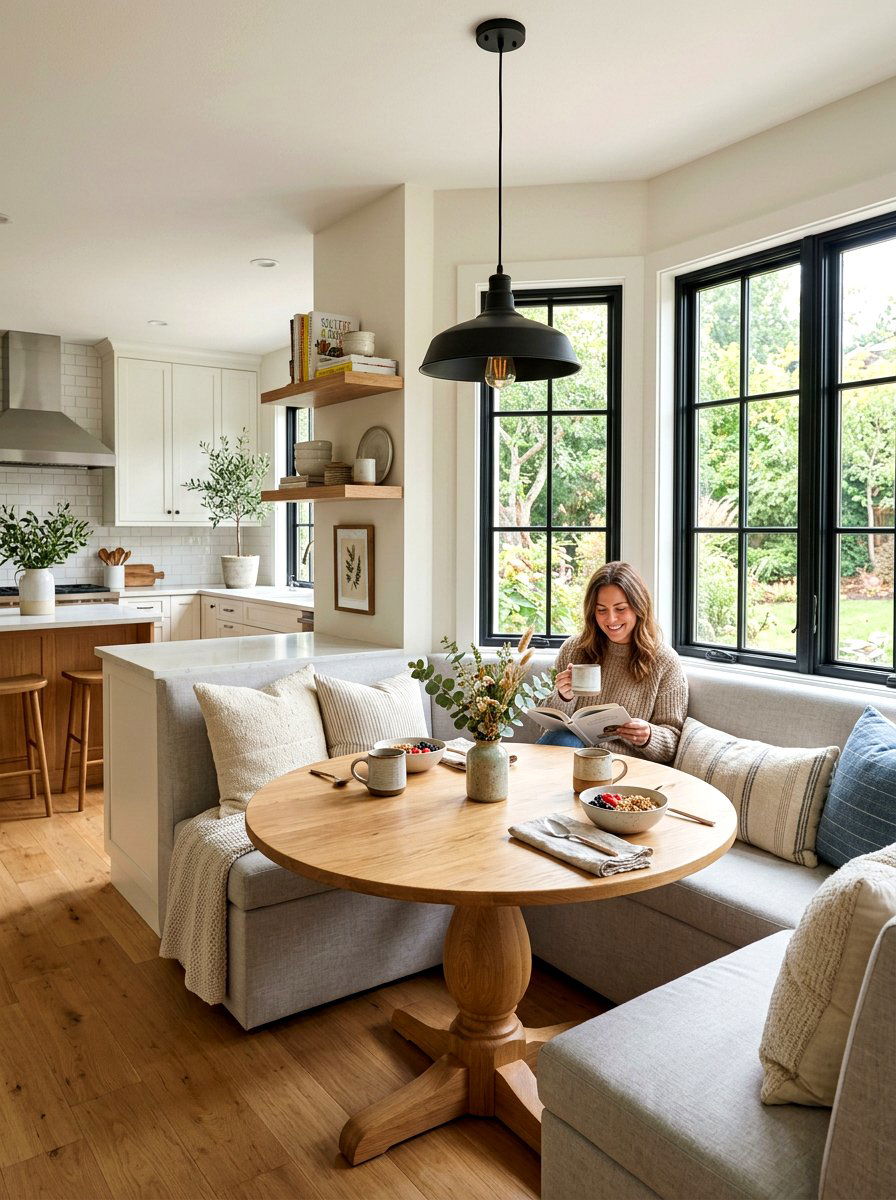
Creating a built-in breakfast nook with a cozy bench or banquette is a smart way to utilize a corner in an open layout. This tucked-away dining area feels much more intimate than a traditional freestanding table in the middle of a room. Benches take up less floor space and can accommodate more people, making them perfect for family gatherings. You can add soft upholstered cushions and a dedicated pendant light to make the nook feel like its own separate room. This setup provides a charming, café-like atmosphere that is perfect for slow mornings and provides a comfortable spot for reading or casual conversation.
8. Corner Reading Nook
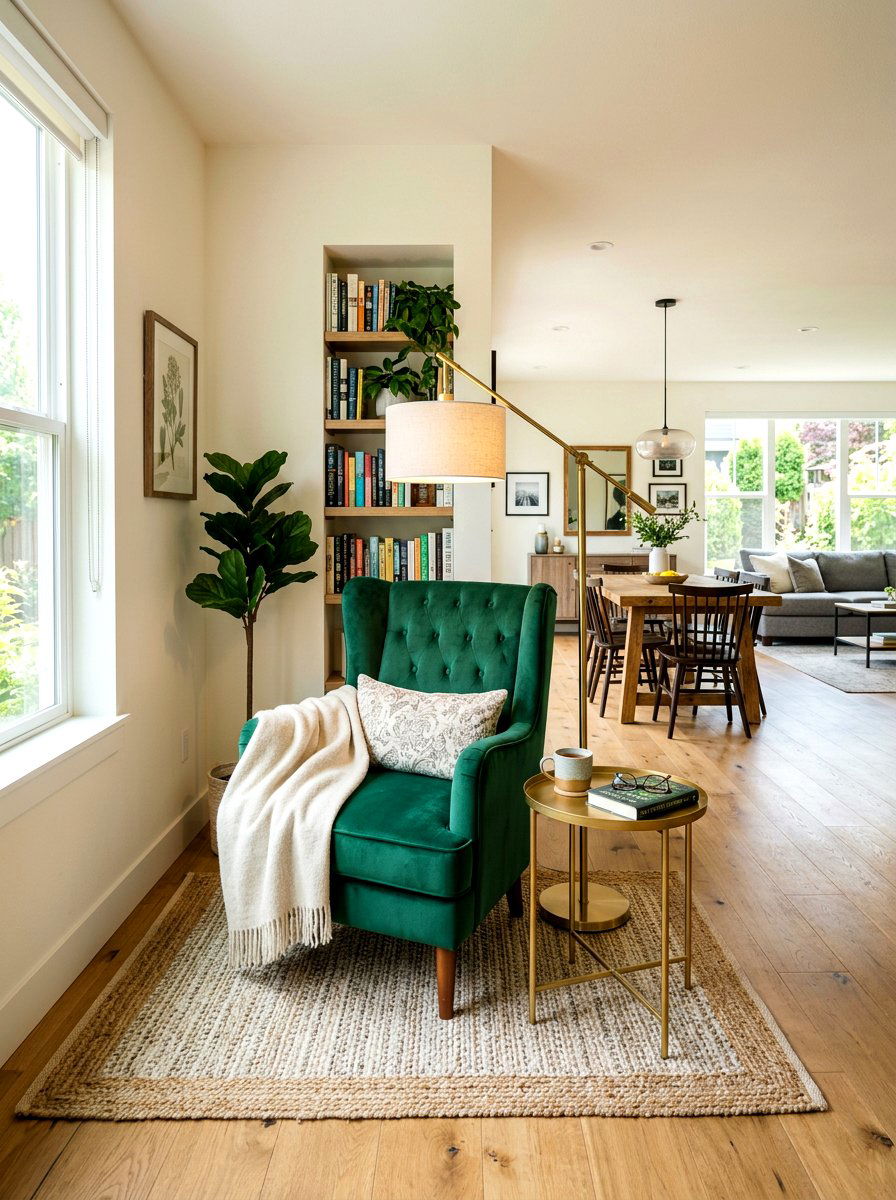
Transforming an unused corner into a dedicated reading nook is an easy way to add a layer of comfort to an open plan. All you need is a comfortable armchair, a small side table, and a floor lamp to create a personal retreat. This zone provides a quiet escape from the busier areas of the house while still keeping you connected to the overall flow. Placing the nook near a window allows you to enjoy natural light and outdoor views, enhancing the sense of relaxation. Adding a soft throw blanket and a small bookshelf nearby makes the space feel complete and incredibly inviting for anyone.
9. Slat Wood Divider
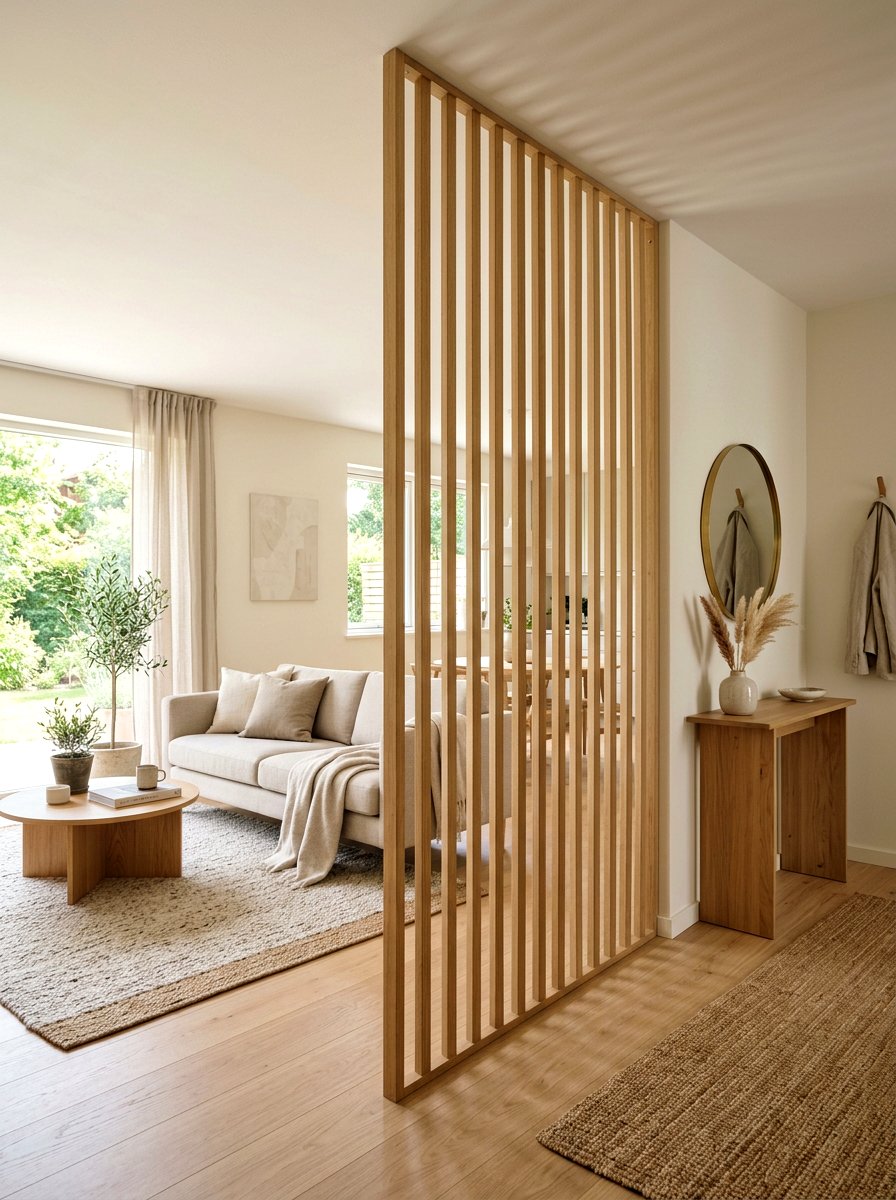
A slat wood room divider is a stylish and contemporary way to add texture and definition to a large room. These vertical wooden beams create a rhythmic visual screen that separates zones like the entryway from the living room without blocking light. The gaps between the slats maintain the open feel while providing a sense of enclosure and privacy. This architectural element adds natural warmth and organic beauty to the interior design. You can customize the wood finish to match your furniture, creating a cohesive and polished look. It is a permanent yet light-weight solution for adding structure to an open floor plan.
10. Statement Pendant Lighting
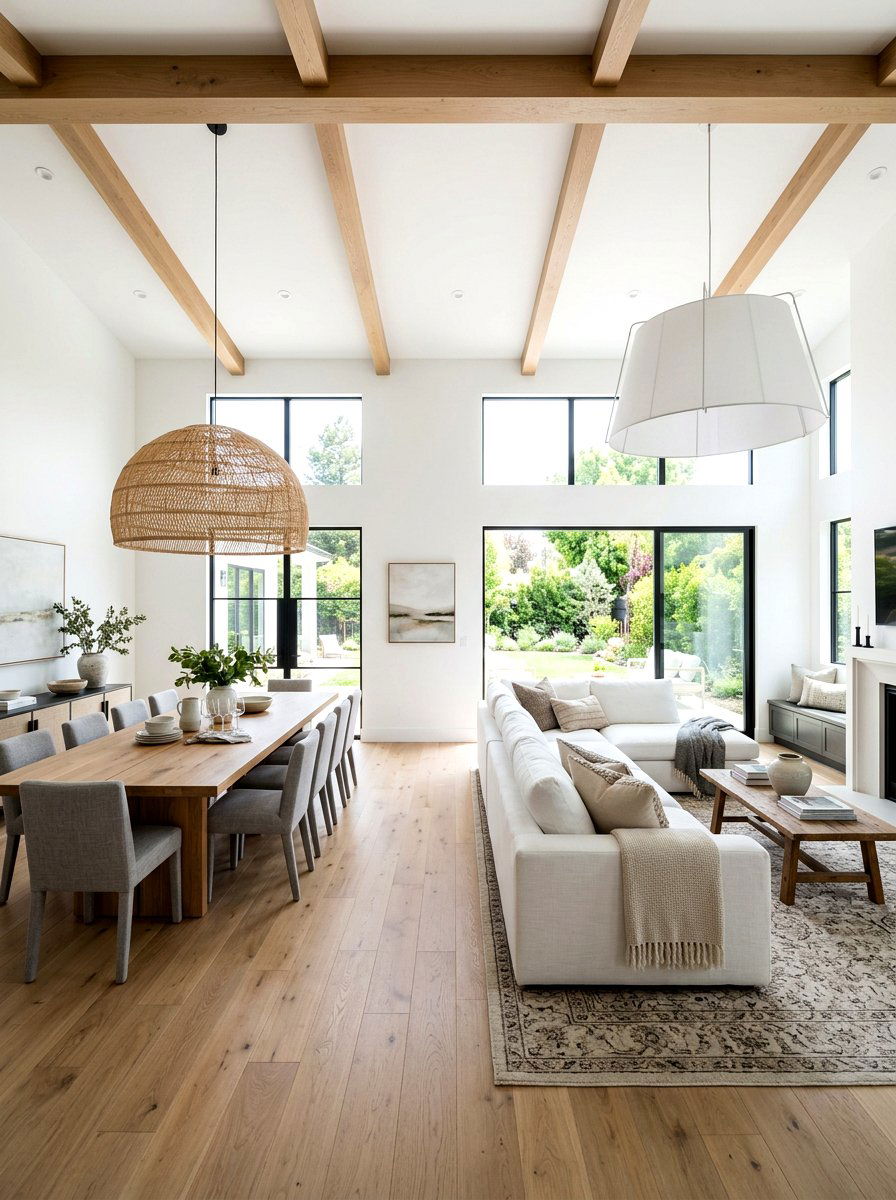
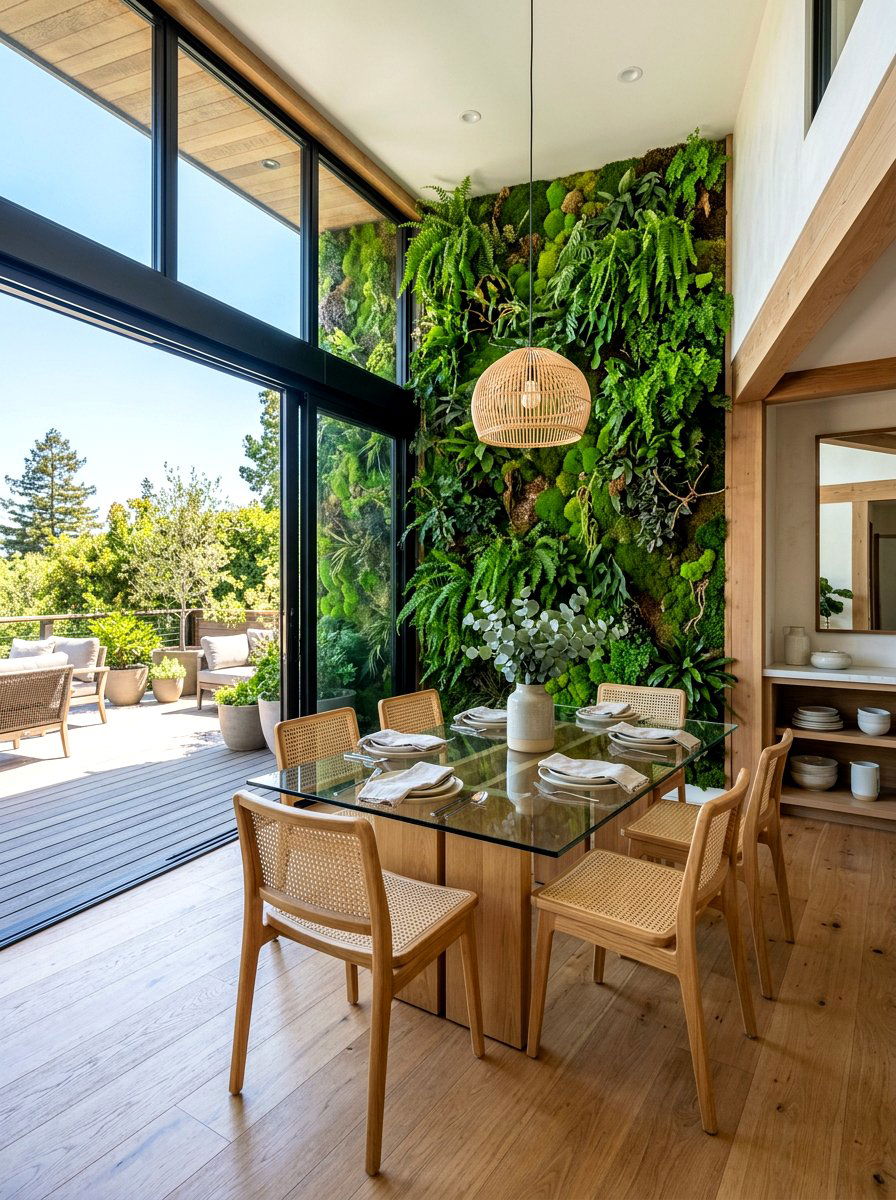
Lighting plays a crucial role in defining different zones within a large, open-concept space. By hanging a large, eye-catching pendant light or a chandelier over a specific area, you create a visual anchor that draws the eye downward. For example, a statement light over the dining table clearly identifies it as the eating zone, while a different style of lighting in the living area sets a separate mood. Using dimmable fixtures allows you to adjust the ambiance for each zone independently. This layering of light adds depth and interest to the room, making each functional area feel more intentional, distinct, and cozy.
11. Modular Sectional Sofa
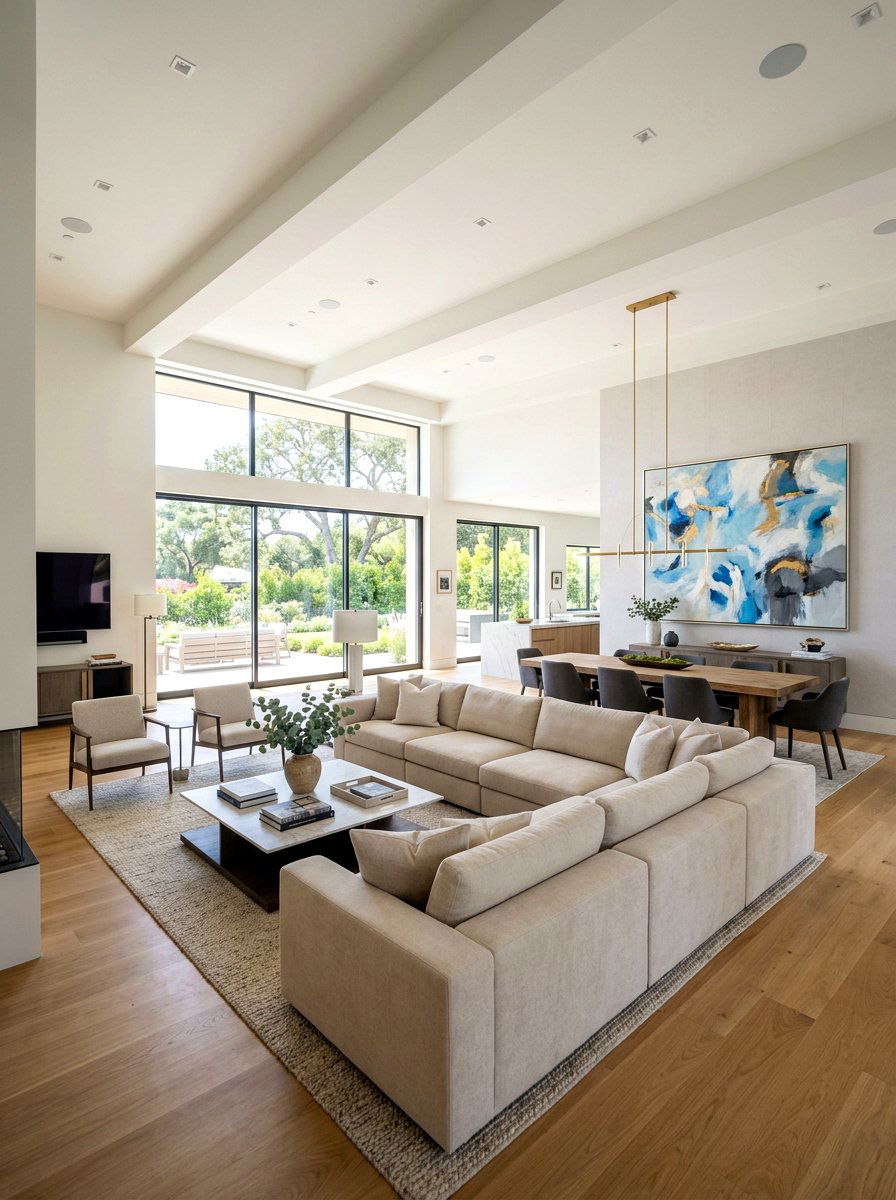
A large modular sectional sofa is one of the best tools for shaping a cozy living zone in an open house. You can arrange the pieces to form an "L" or "U" shape that physically blocks off the seating area from high-traffic zones. The back of the sofa acts as a low-profile wall, creating a clear boundary between the lounge and the dining or kitchen areas. This layout provides plenty of room for the whole family to pile on and relax together. Choosing a soft, textured fabric like velvet or linen adds to the physical comfort, making the living zone feel like a warm and protected island.
12. Multi Level Flooring
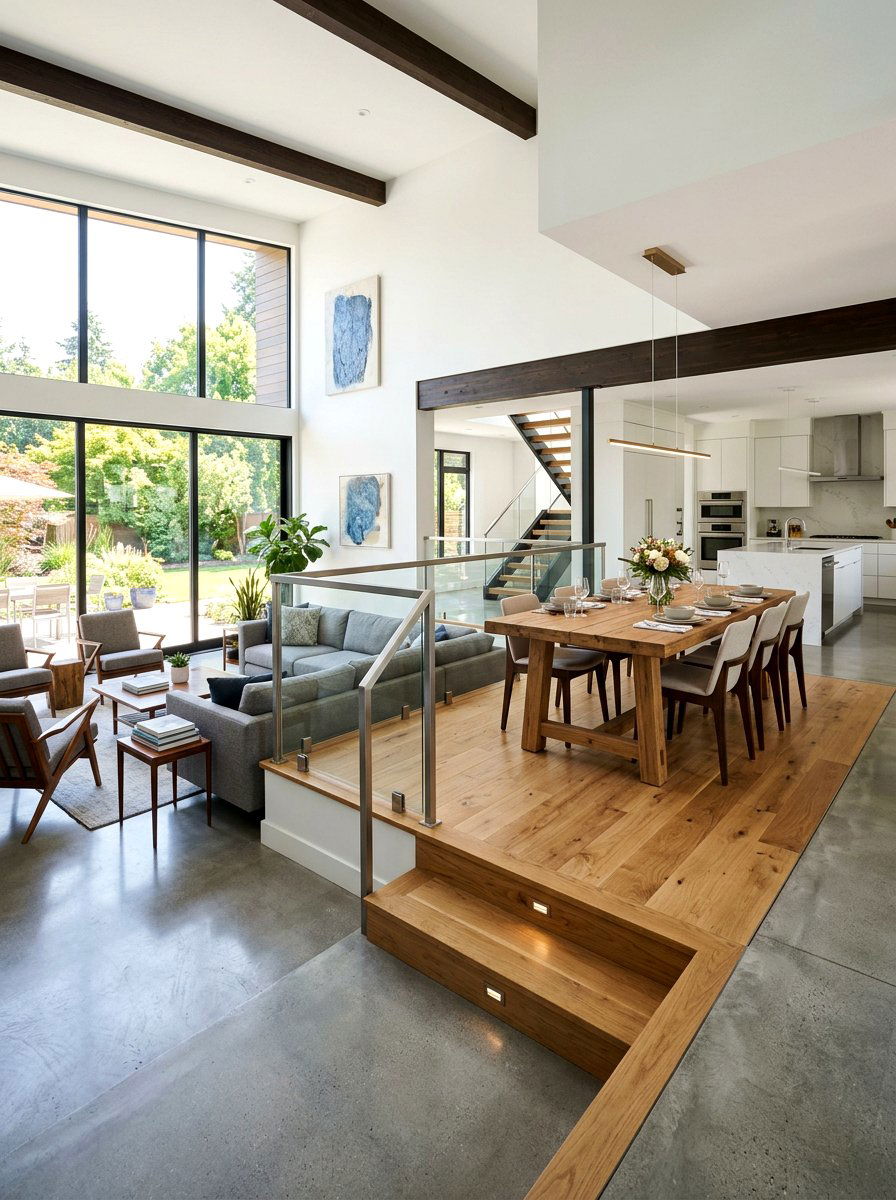
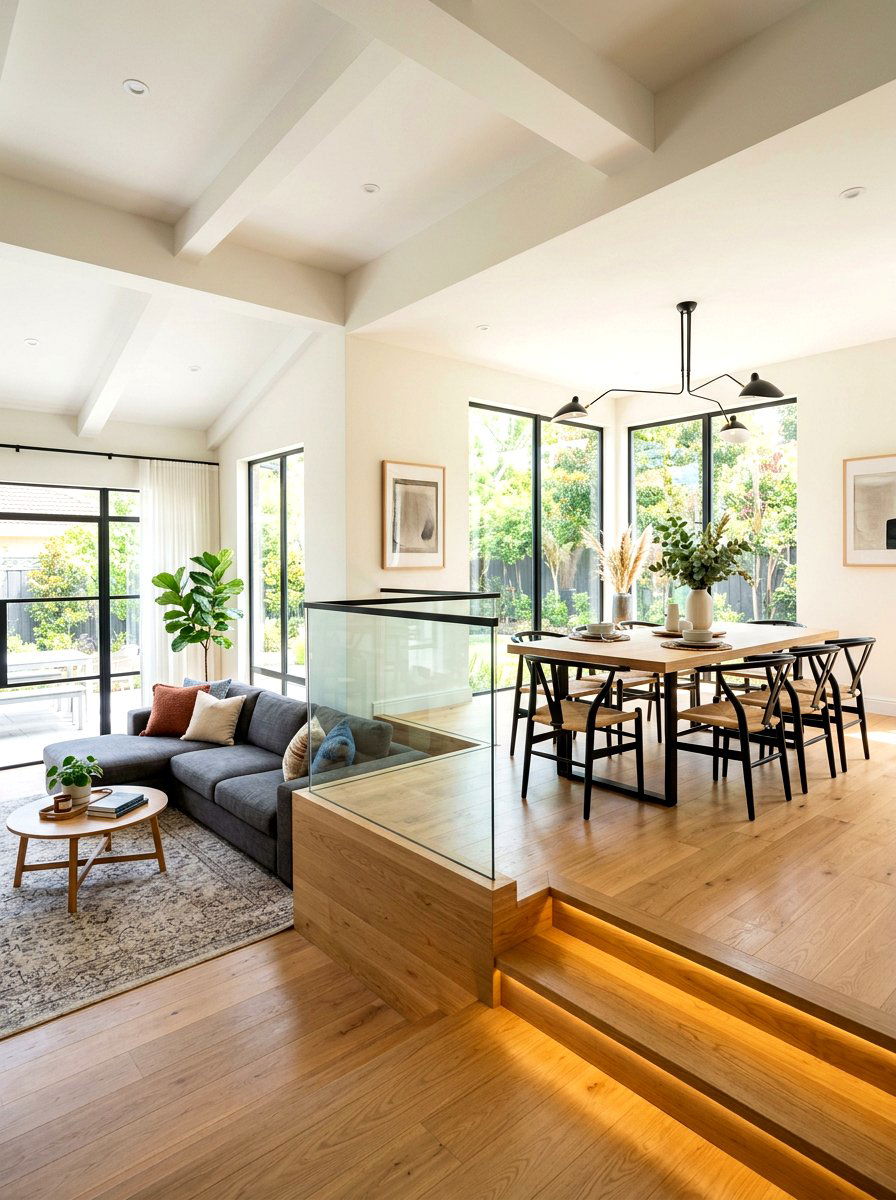
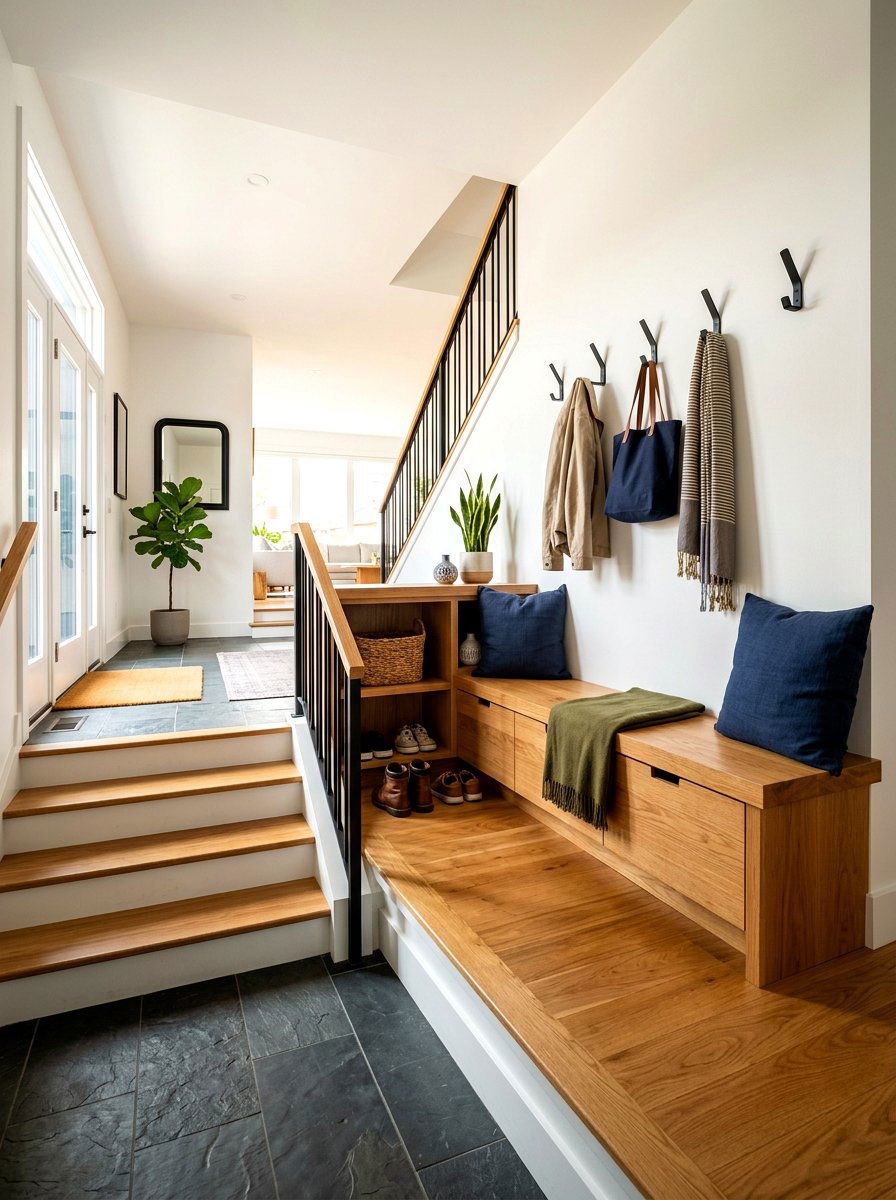
Varying the floor height is a sophisticated architectural method for zoning an open-plan home without using any vertical barriers. Raising the dining area by just one or two steps creates a distinct platform that feels separate from the living room below. This change in elevation provides a clear visual cue about the different functions of each space. It also offers unique perspectives and views throughout the home, making the layout feel more dynamic and custom-designed. To emphasize the transition, you can use different flooring materials, such as warm wood planks for the raised area and cool large-format tiles for the main floor.
13. Accent Wallpaper Wall
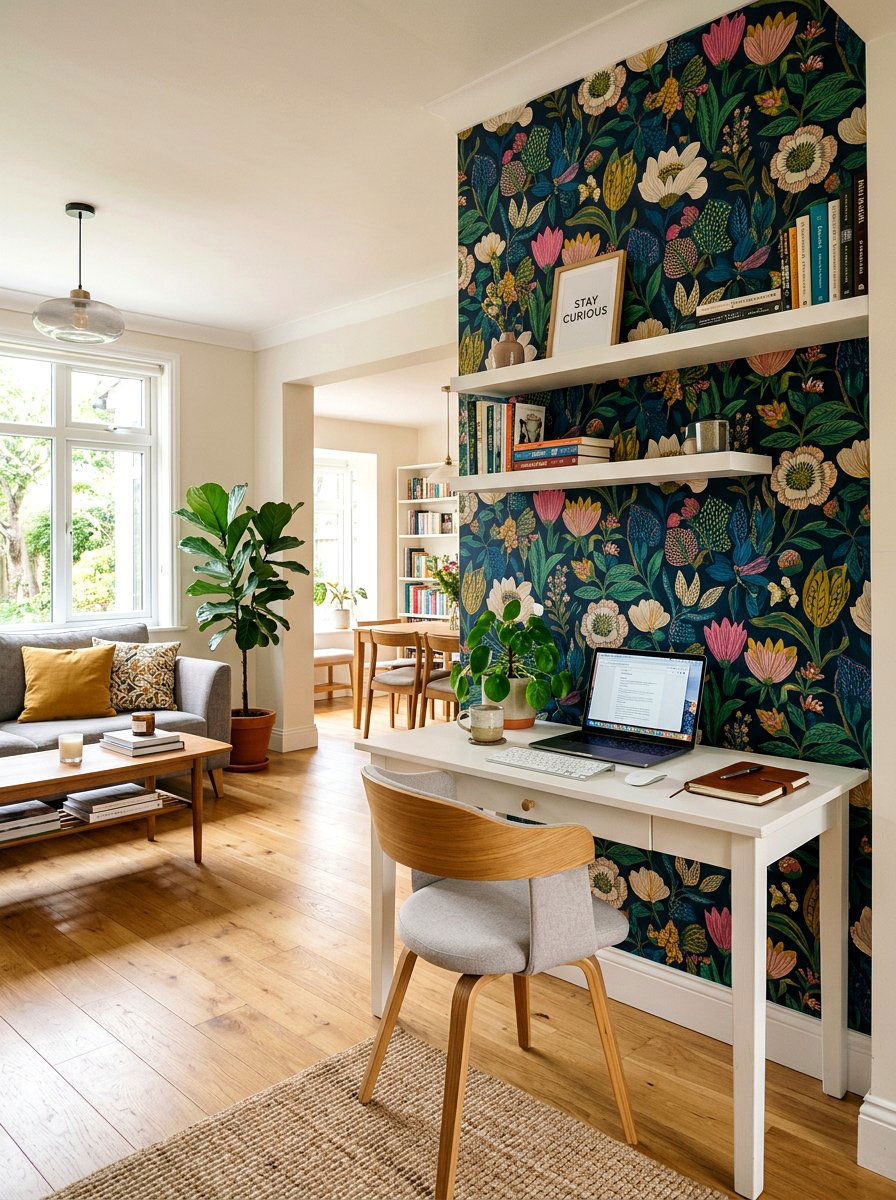
Using a bold accent wallpaper in a specific area is a clever way to create a visual "room" within an open plan. By applying a textured or patterned wallpaper to just one wall, you define that space as a unique zone with its own personality. This works exceptionally well for a home office nook or a dining area that needs a little extra character. The wallpaper acts as a backdrop that anchors the furniture in that section. It allows you to experiment with color and pattern without overwhelming the entire large space. This decorative touch adds warmth and a sense of "finish" to a specific corner.
14. Indoor Plant Border
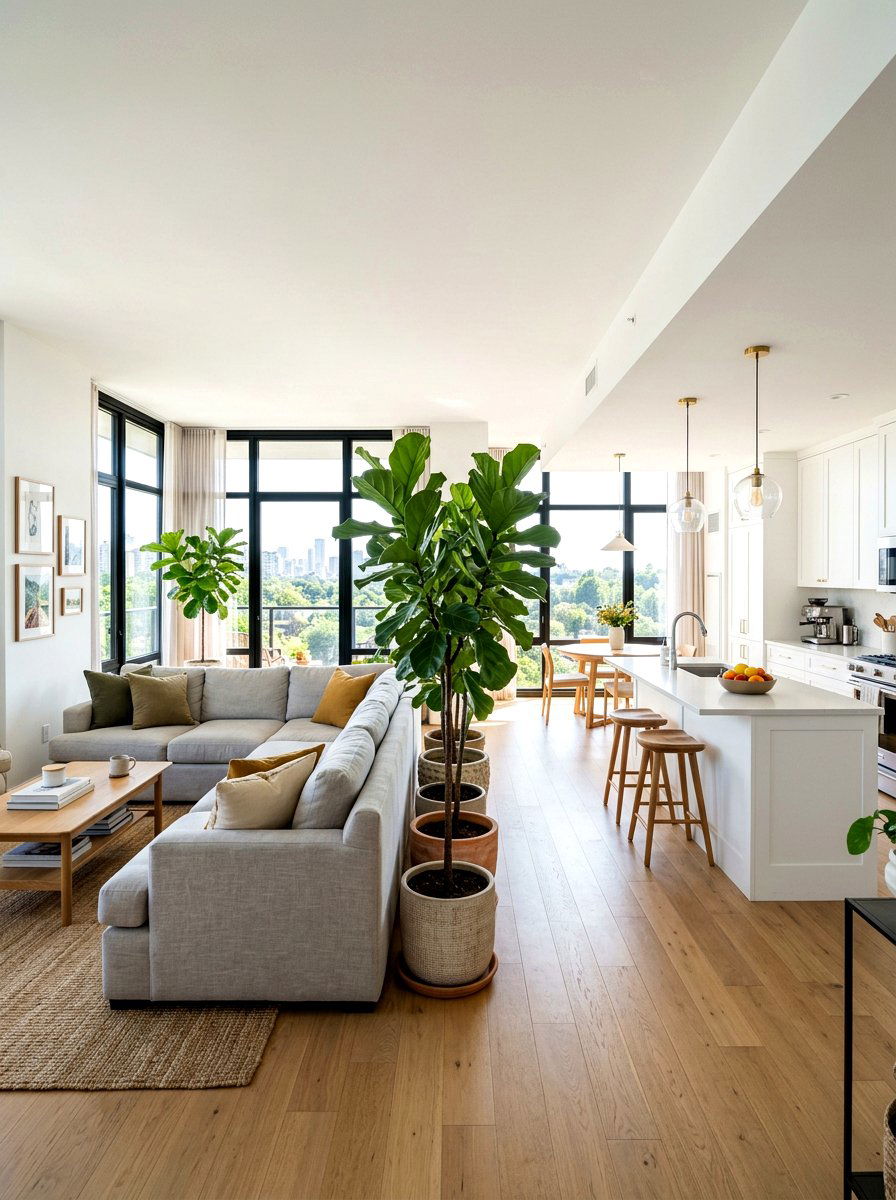
Large indoor plants and trees are a beautiful and organic way to create soft boundaries in an open-concept home. Placing a row of tall potted plants, such as fiddle leaf figs or olive trees, between the living and dining areas creates a living screen. This greenery adds life, color, and texture to the room while subtly blocking the view between different zones. Unlike solid walls, a plant border feels light and airy, allowing light to filter through the leaves. It also helps to improve air quality and brings a calming, natural element indoors. This approach is perfect for those who love a bohemian or modern-natural aesthetic.
15. Low Console Table
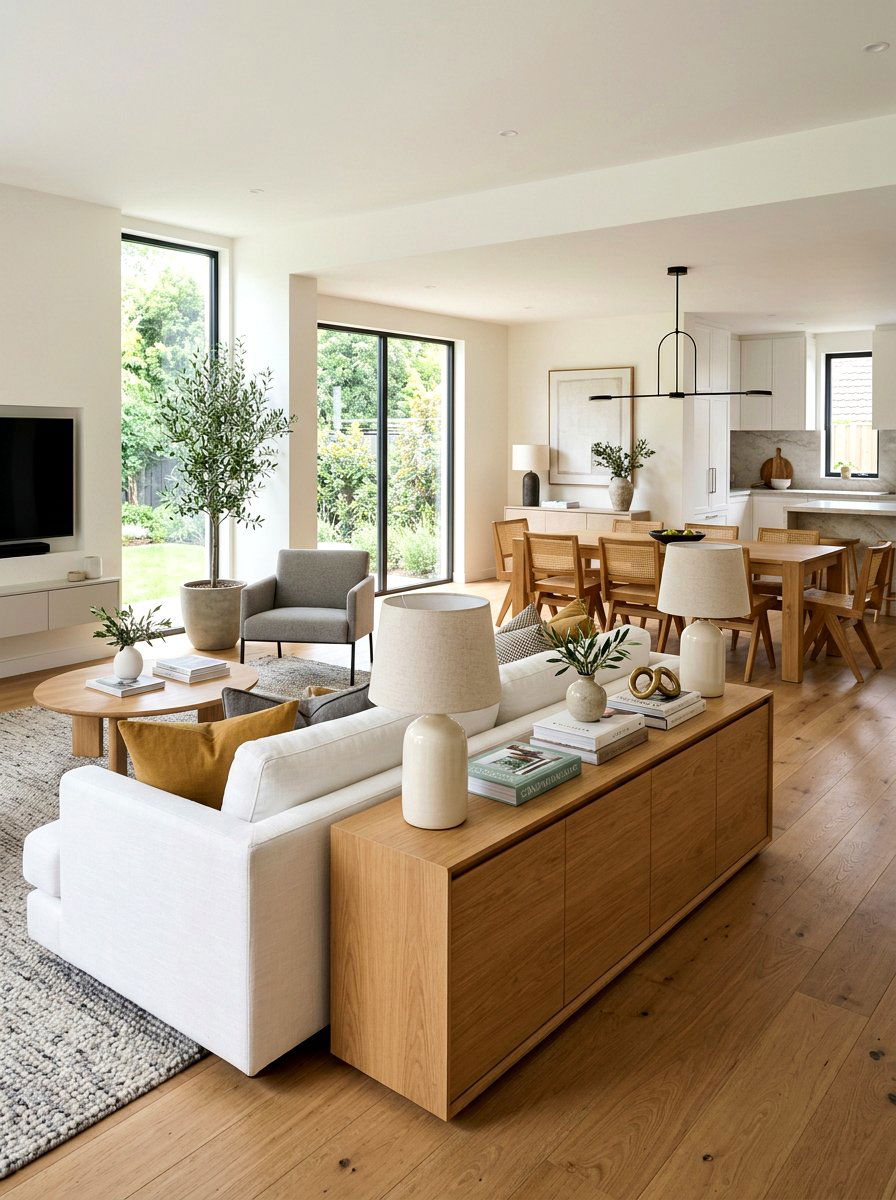
A low console table placed behind a sofa is a classic design trick for separating a living zone from a dining area. This piece of furniture provides a subtle visual break that doesn't block the line of sight across the room. It offers a convenient surface for decorative lamps, books, and vases, which helps to further define the transition between spaces. You can also use the console table to hide the back of a sofa, making the furniture arrangement look more polished from all angles. It is a practical and stylish way to add a layer of organization and decor to a large, open floor plan.
16. Ceiling Beam Definition
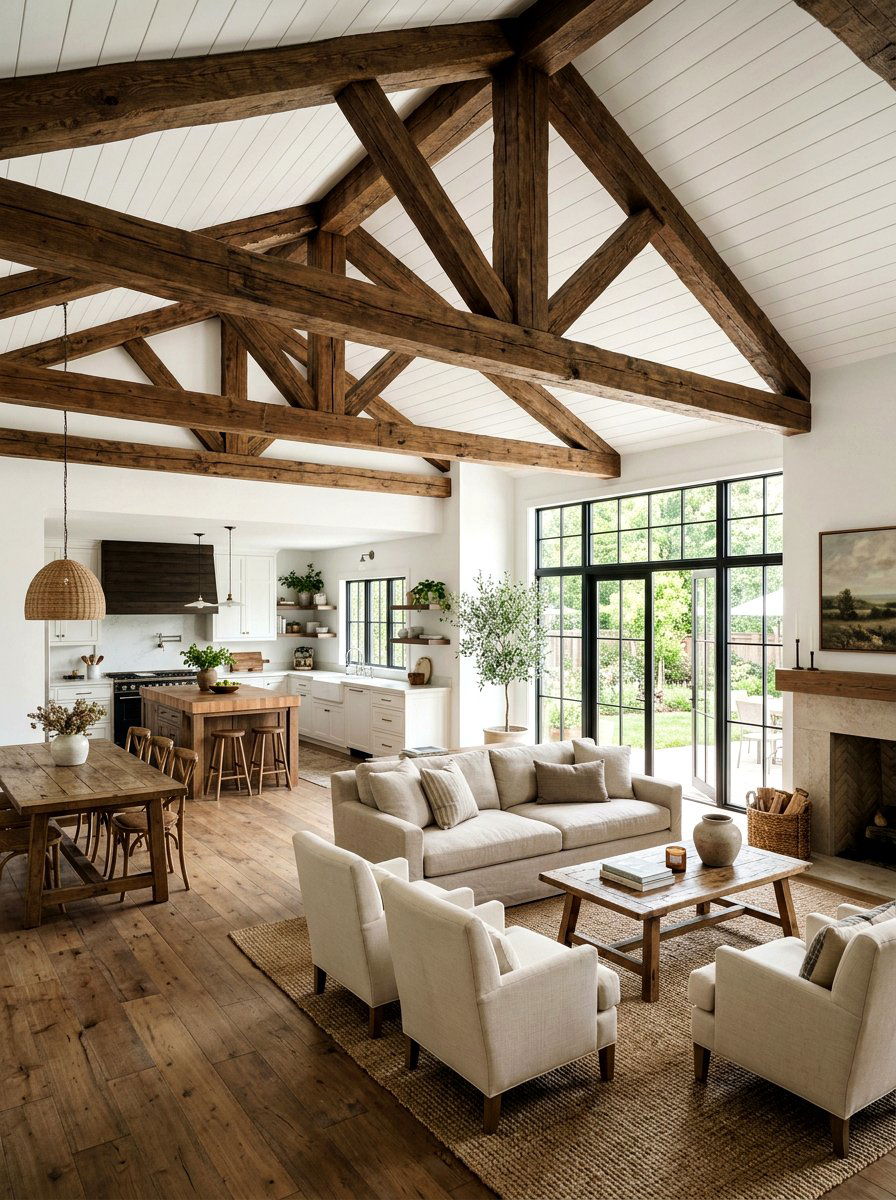
Exposed ceiling beams are an excellent architectural detail for highlighting specific zones from above. By running beams over the living area or the kitchen, you create a visual "frame" that separates that space from the rest of the open plan. This overhead detail adds immense character, warmth, and a sense of history to a modern home. You can choose rustic reclaimed wood for a farmhouse look or sleek painted beams for a more contemporary feel. The change in ceiling texture draws the eye upward and defines the proportions of the area below, making even a very large room feel more grounded and much more intimate.
17. Built In Bookshelves
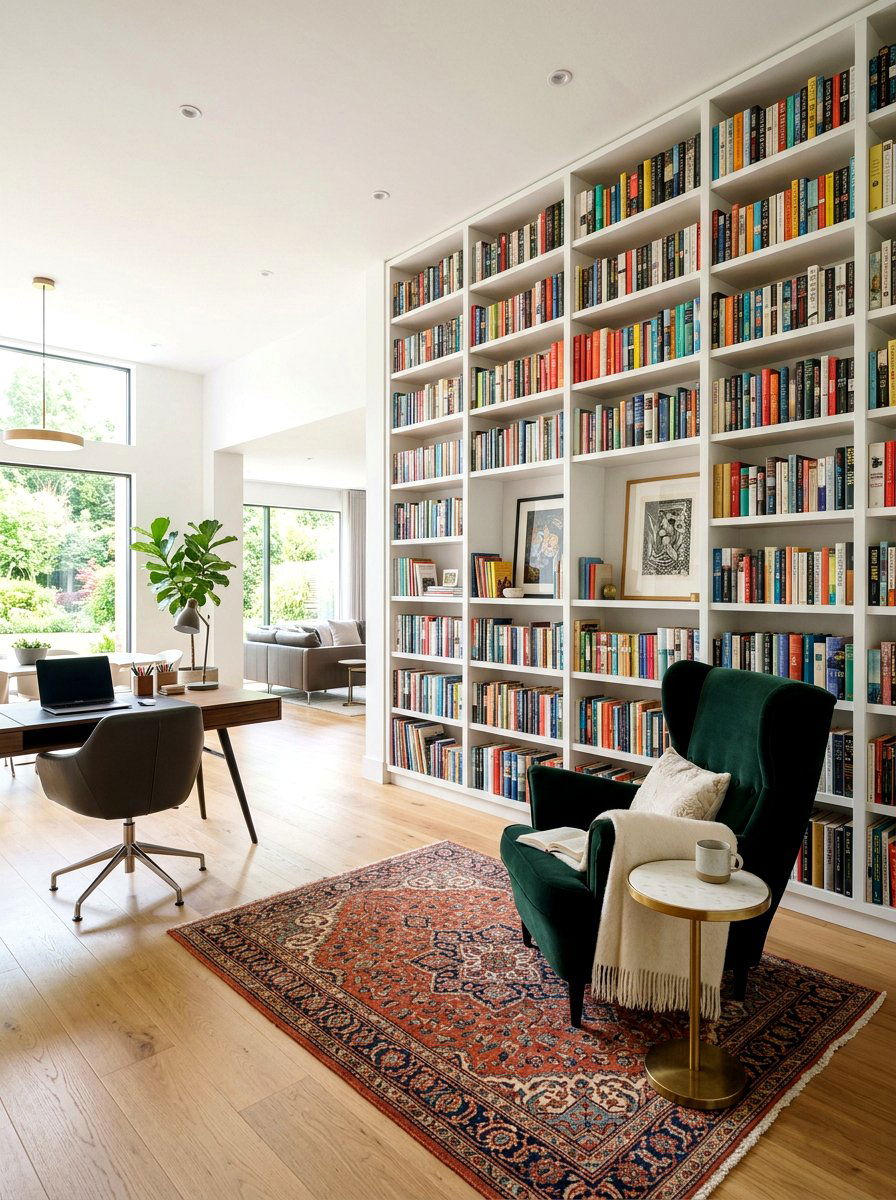
Wrapping a wall or a corner with built-in bookshelves creates a cozy, library-like atmosphere that naturally defines a quiet zone. These floor-to-ceiling units provide massive amounts of storage and display space while acting as a heavy visual anchor for the room. Placing a comfortable chair or a small desk in front of the shelves turns that section of the open plan into a dedicated study or relaxation area. The presence of books adds texture and sound-dampening qualities, which helps to make the large space feel quieter and more private. Built-ins also add significant value and a custom, high-end feel to your home's interior.
18. Color Blocked Paint
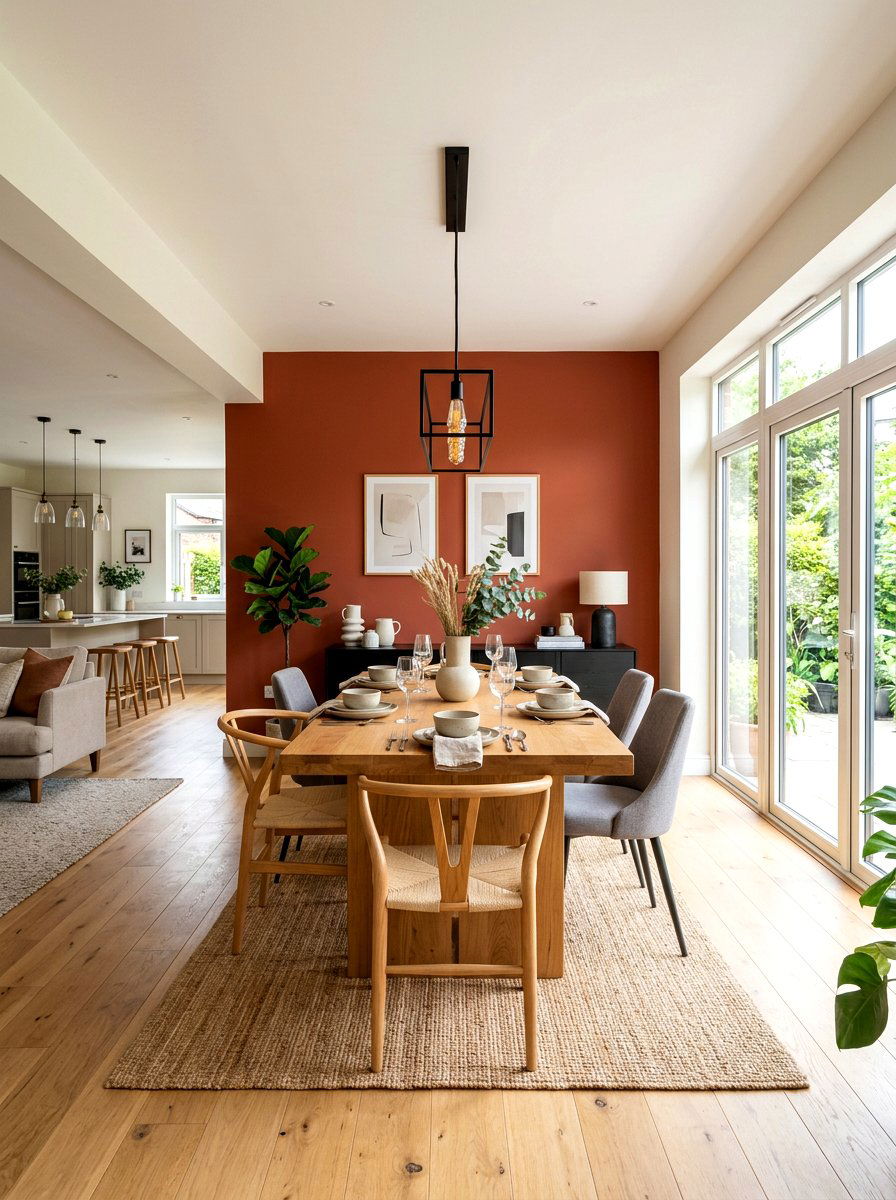
Color blocking is a simple yet high-impact way to define different areas in an open-concept layout using only paint. By painting a specific wall or even a corner in a contrasting color, you create a clear visual boundary for that zone. For example, a deep navy wall behind the dining table instantly separates it from a light grey living room. This technique allows you to give each "room" its own mood and identity without the need for physical dividers. It is an affordable and easily reversible way to add structure and artistic flair to a large, empty space, making it feel more curated and cozy.
19. Floating Media Console
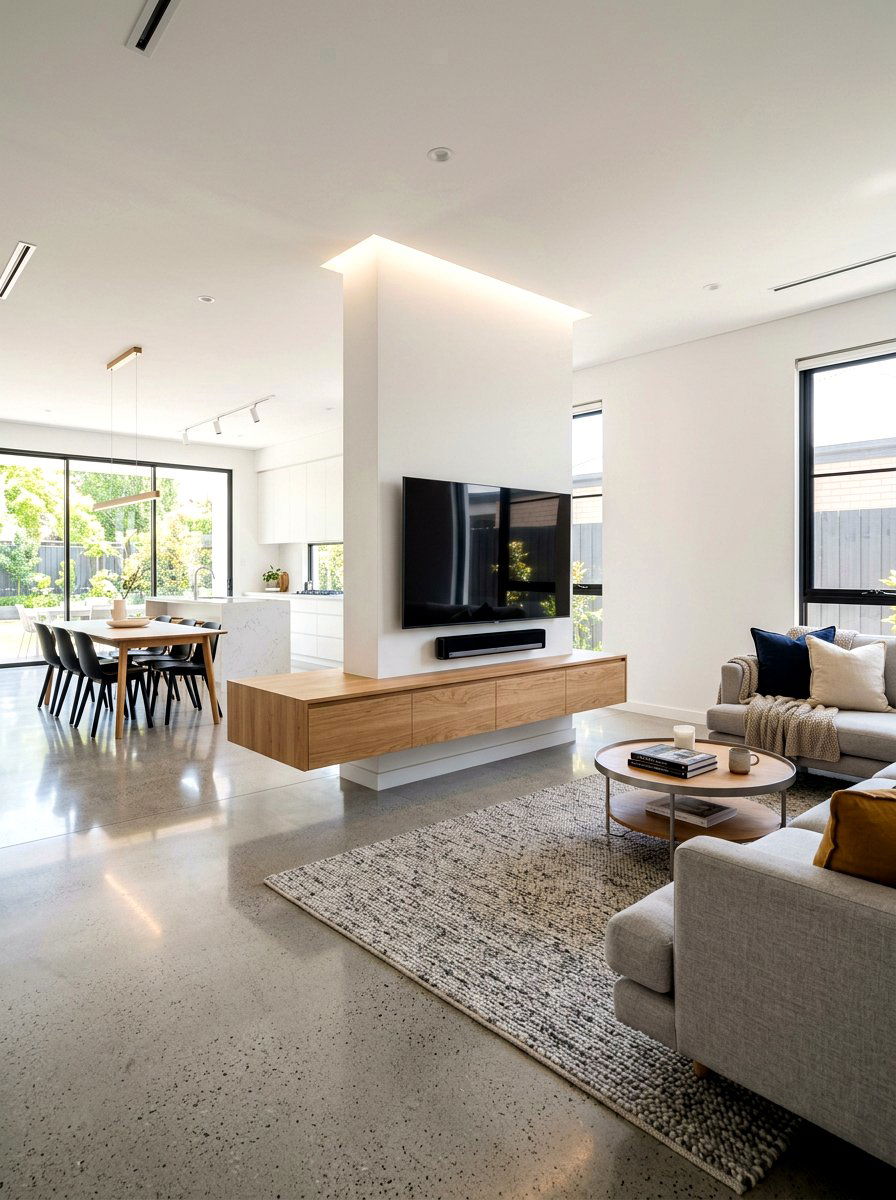
A long, floating media console can act as a modern anchor for a living room zone within a larger floor plan. By mounting the console on a partial wall or even a central column, you create a clear focal point for the seating area. This setup organizes electronic components and provides a clean, clutter-free look that suits modern aesthetics. The floating design keeps the floor visible, which helps to maintain the sense of openness and flow. To enhance the cozy factor, you can add integrated LED lighting underneath the console to create a soft, warm glow in the evening, making the lounge area feel incredibly inviting.
20. Drapery Room Separator
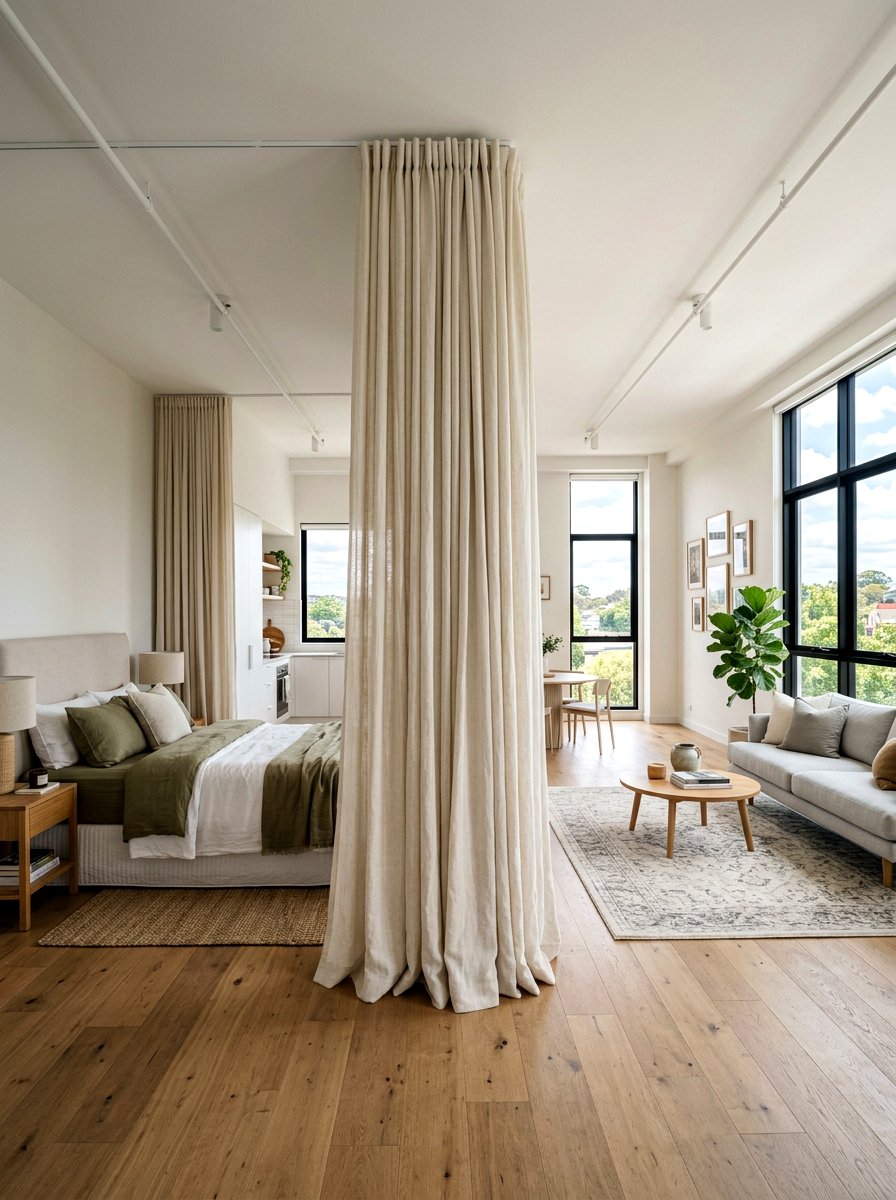
Hanging floor-to-ceiling curtains is a soft and flexible way to create temporary zones in an open-plan home. You can pull the drapes closed to hide a messy kitchen or to create a private guest sleeping area when needed. When they are open, the fabric adds a beautiful vertical element that brings softness and texture to the room. Curtains are also excellent for improving the acoustics of a large space by absorbing sound and reducing echoes. Choosing a heavy velvet or a light, airy linen allows you to control the level of privacy and light, providing a versatile solution that feels both romantic and very practical.
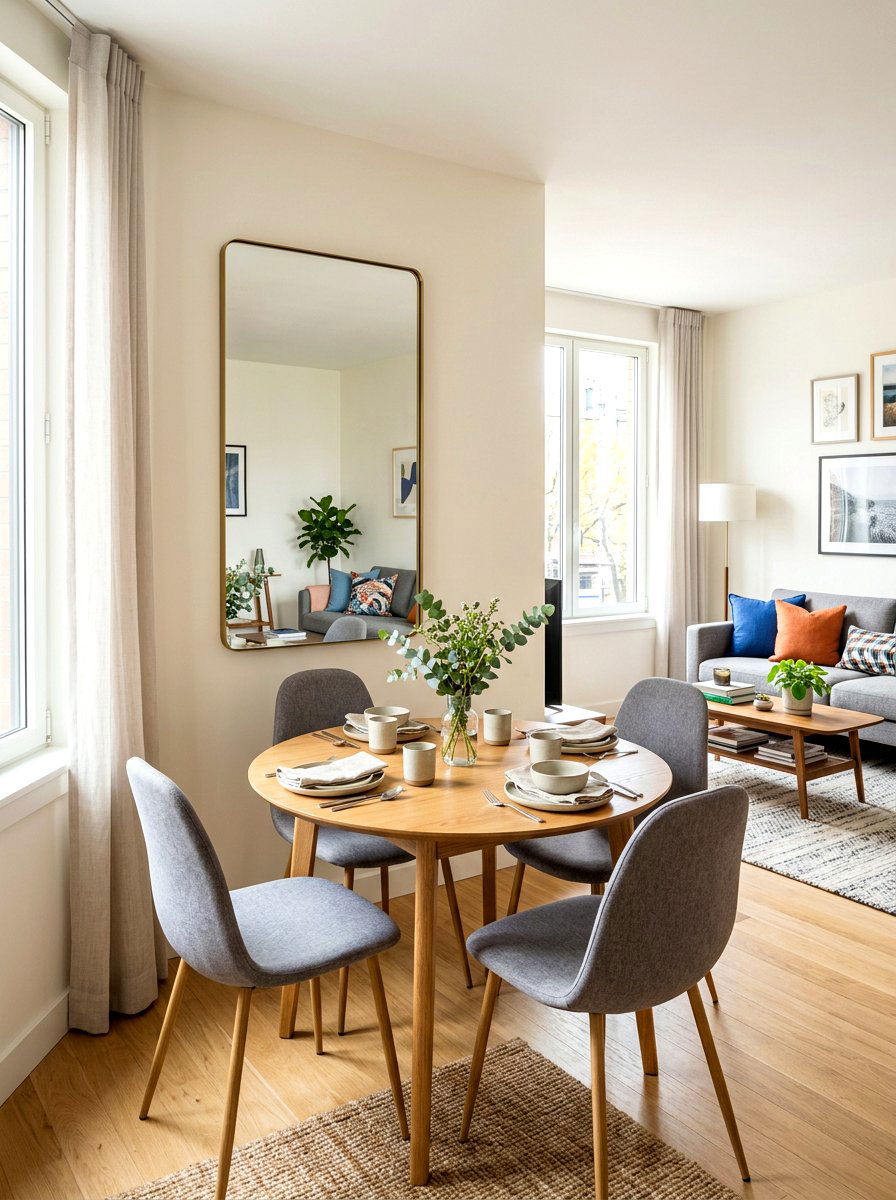
21. Circular Dining Rug
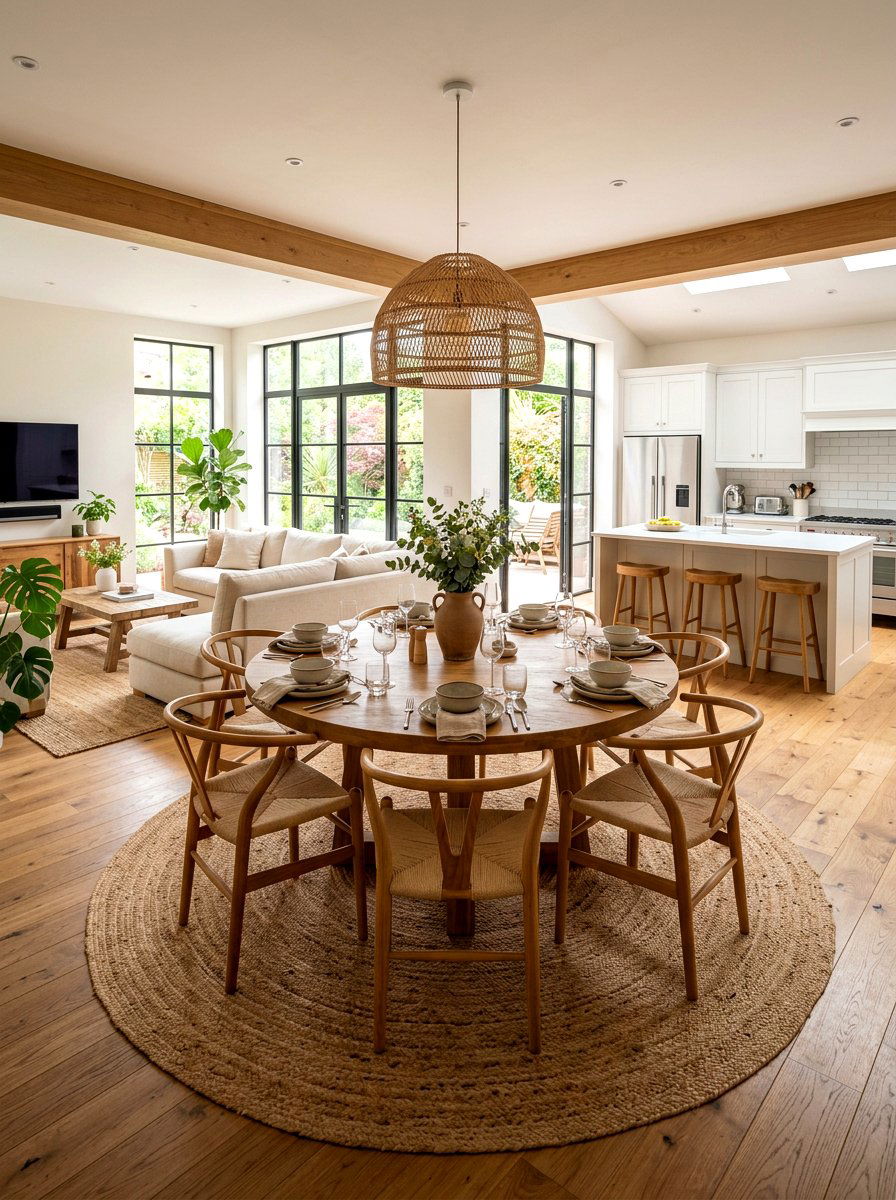
While rectangular rugs are common, using a large circular rug under a round dining table is a fantastic way to create a distinct island in an open plan. The curved lines of the rug provide a soft contrast to the straight lines of the walls and kitchen cabinetry. This visual shift helps to break up the "boxy" feel of a large room and makes the dining area feel more intimate and centered. A round rug encourages a more social, inclusive dining experience where everyone can see each other. It effectively defines the eating zone while adding a unique design element that feels balanced, sophisticated, and very welcoming.
22. Window Seat Bench
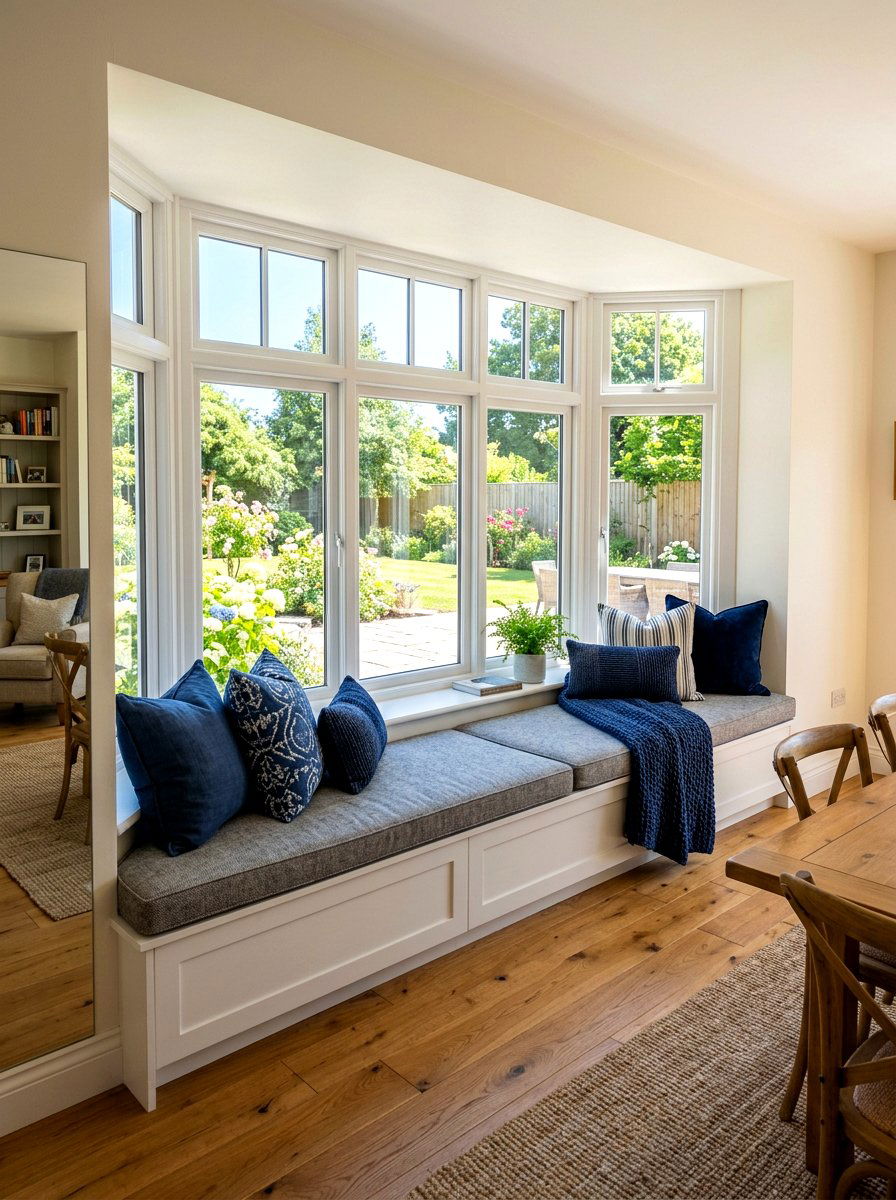
Incorporating a built-in bench under a large window is a wonderful way to create a cozy "micro-zone" in an open layout. This tucked-away spot provides a perfect place to sit and enjoy the view, read a book, or have a quiet conversation. By adding thick cushions and plenty of soft throw pillows, you turn a simple architectural feature into a comfortable destination. A window seat makes use of often-wasted space and adds a charming, cottage-like feel to a modern home. It provides extra seating for guests without taking up much floor space, making the entire open plan feel more functional and lived-in.
23. Half Wall Partition
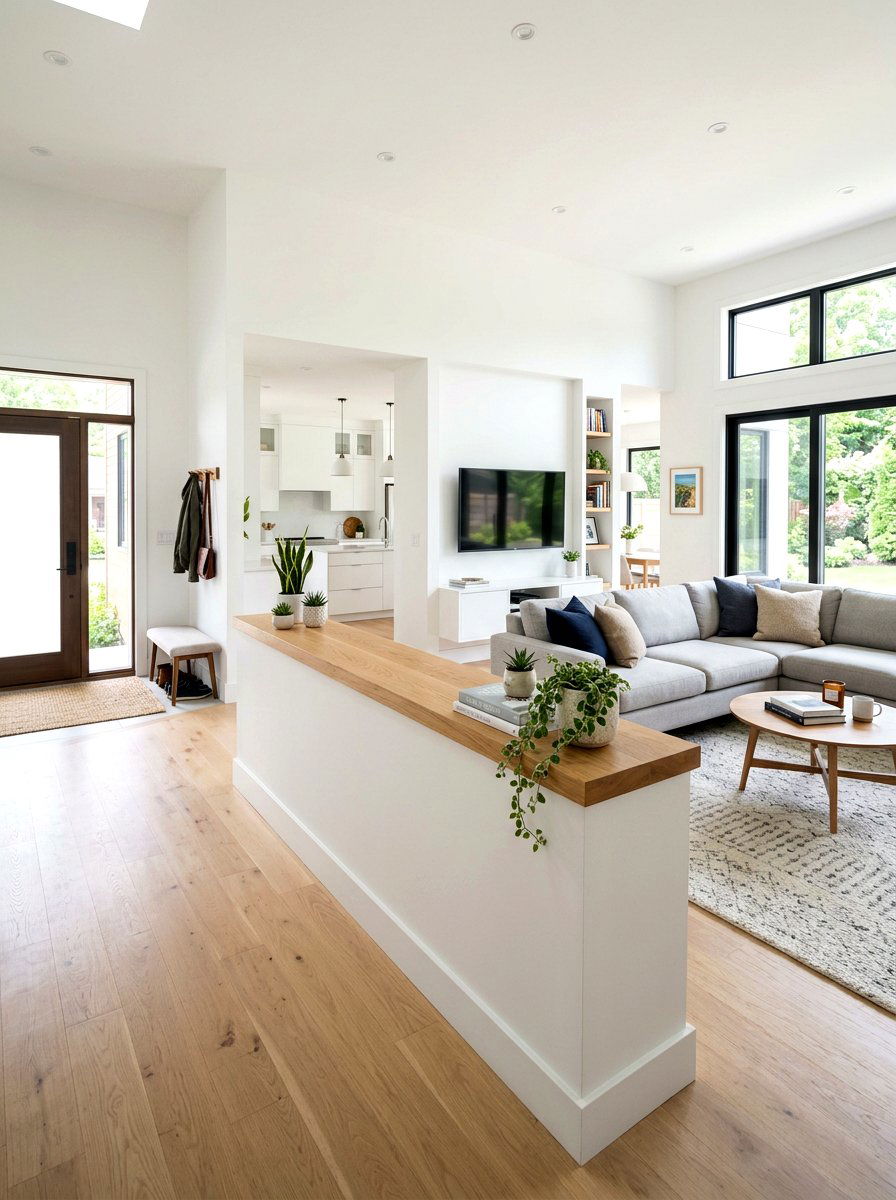
A half-wall, or pony wall, is a classic way to provide a physical division between rooms without completely closing them off. This low-profile barrier allows you to hide the "messy" parts of a kitchen or a desk area while keeping the sightlines open throughout the house. You can top the half-wall with a wooden ledge or a stone counter to create a useful surface for decor or casual dining. This architectural feature provides a sense of enclosure and structure that many people find comforting in a large open space. It is a permanent solution that adds a traditional, well-defined feel to a modern floor plan.
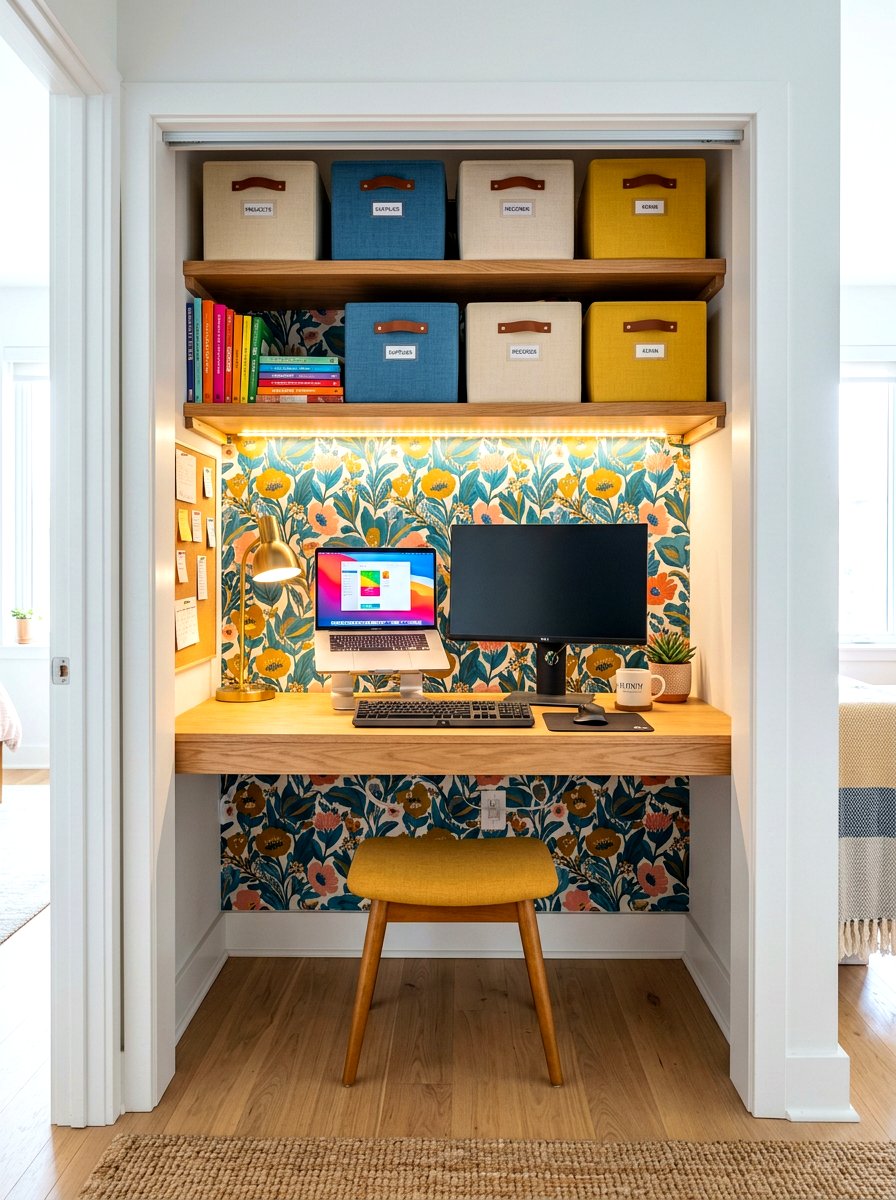
24. Home Office Alcove
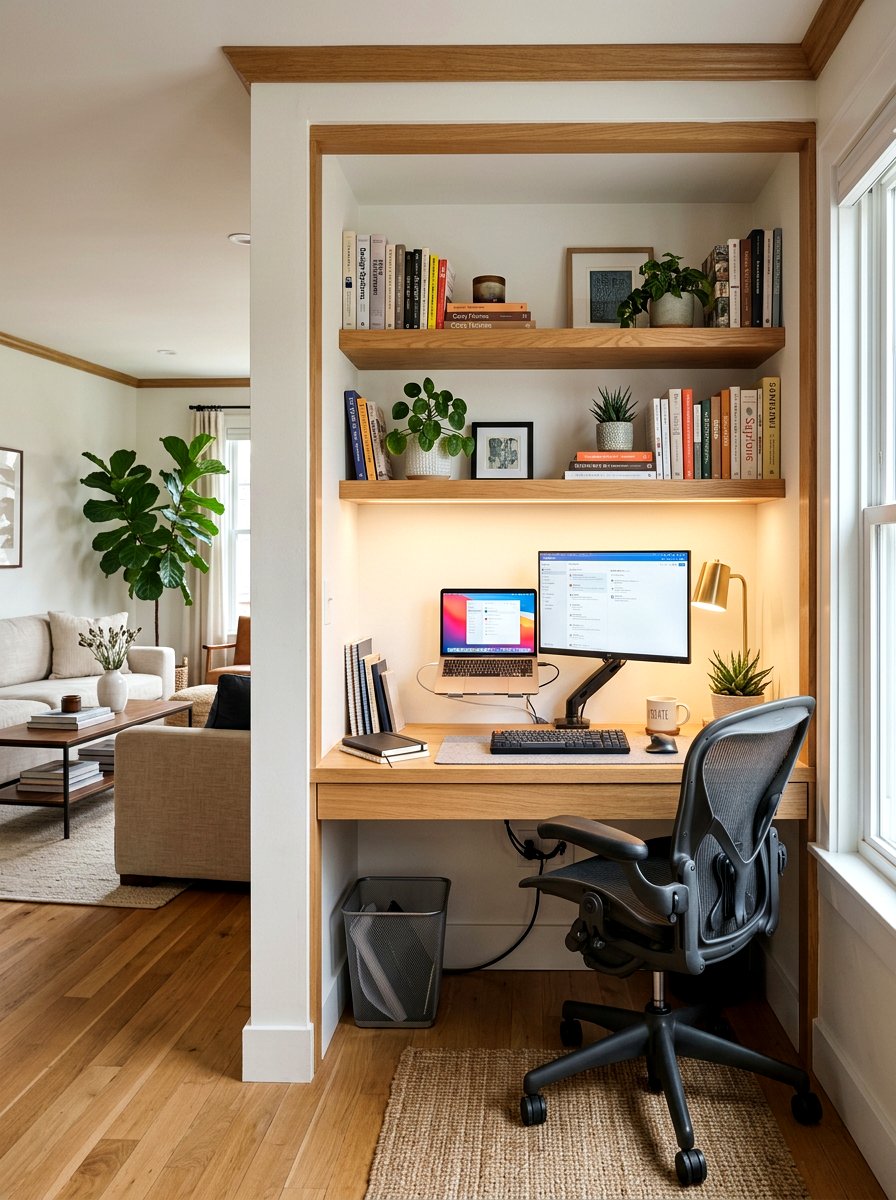
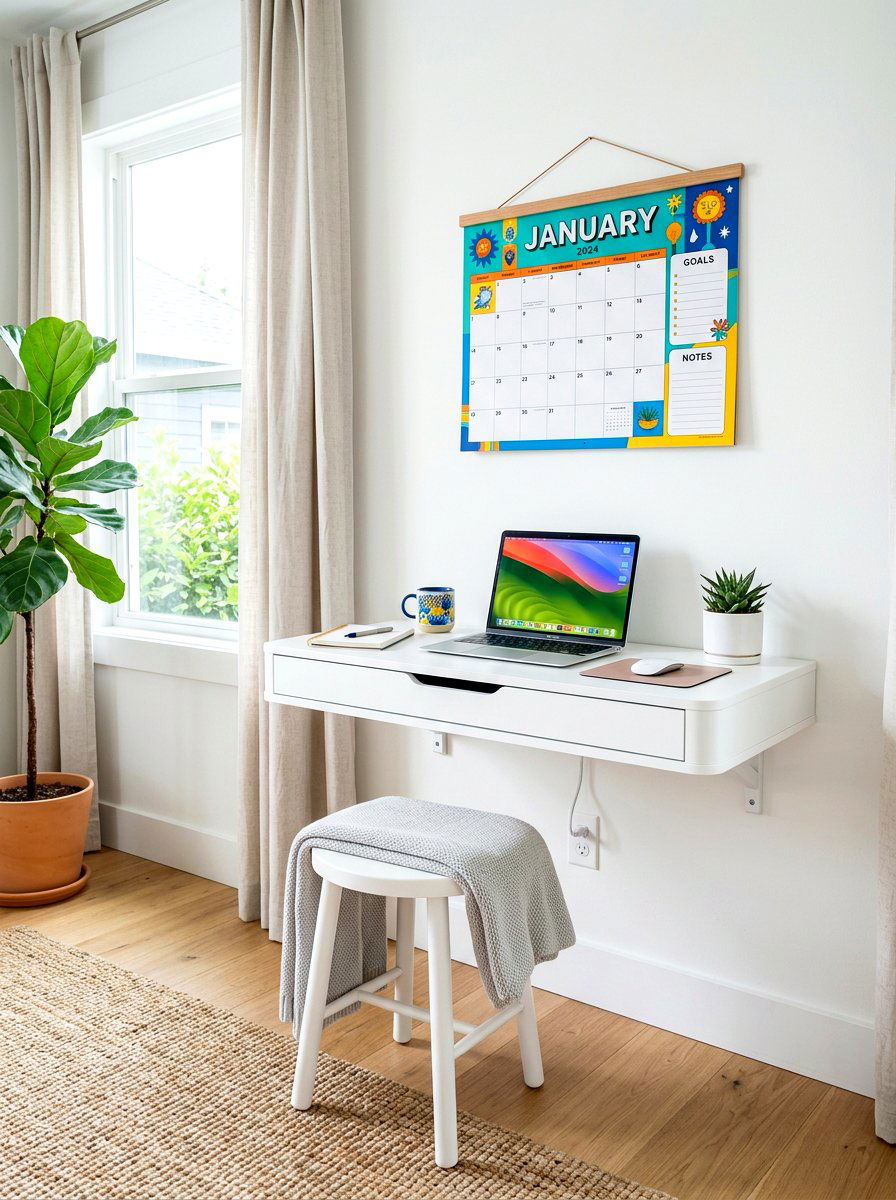
With more people working from home, creating a dedicated office alcove within an open plan is a practical necessity. By using a small recessed area or a corner, you can set up a desk and shelving that feels separate from the main living zones. You can further define this space with a different wall color, a dedicated task light, or a small area rug. This allows you to stay connected to the family while having a clear "work" boundary that helps you focus. When the workday is over, having a defined office zone makes it easier to mentally switch off and enjoy the rest of your home.
25. Timber Slat Ceiling
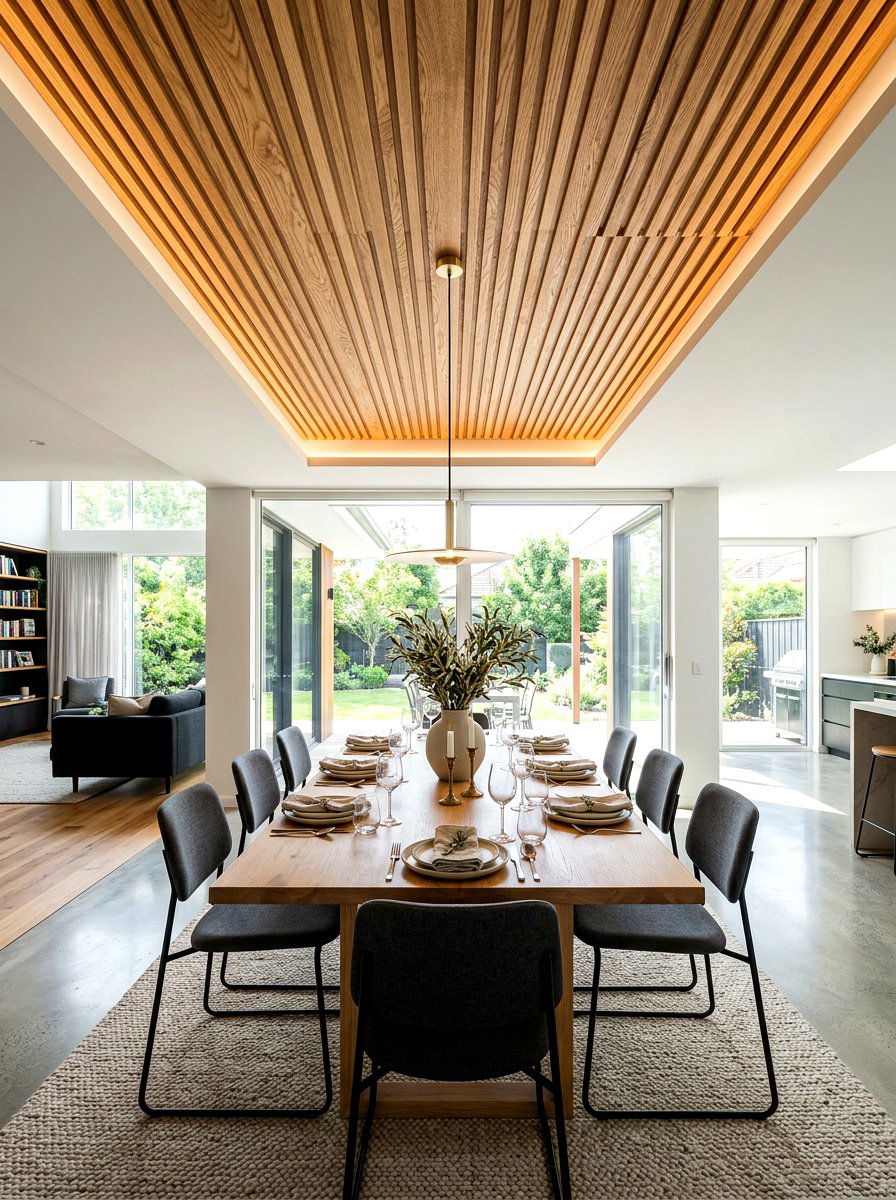
A timber slat ceiling is a stunning design feature that can be used to visually lower the height of a specific area, making it feel much more intimate. By installing wooden slats over just the lounge or the dining zone, you create a "ceiling within a ceiling. " This change in material and height provides a warm, cozy feeling that contrasts with the higher, white ceilings of the surrounding areas. The wood adds natural texture and helps to dampen sound, which is particularly beneficial in large open spaces. It is a high-end architectural detail that brings a sense of luxury and focus to your favorite zones.
26. Decorative Screen Divider
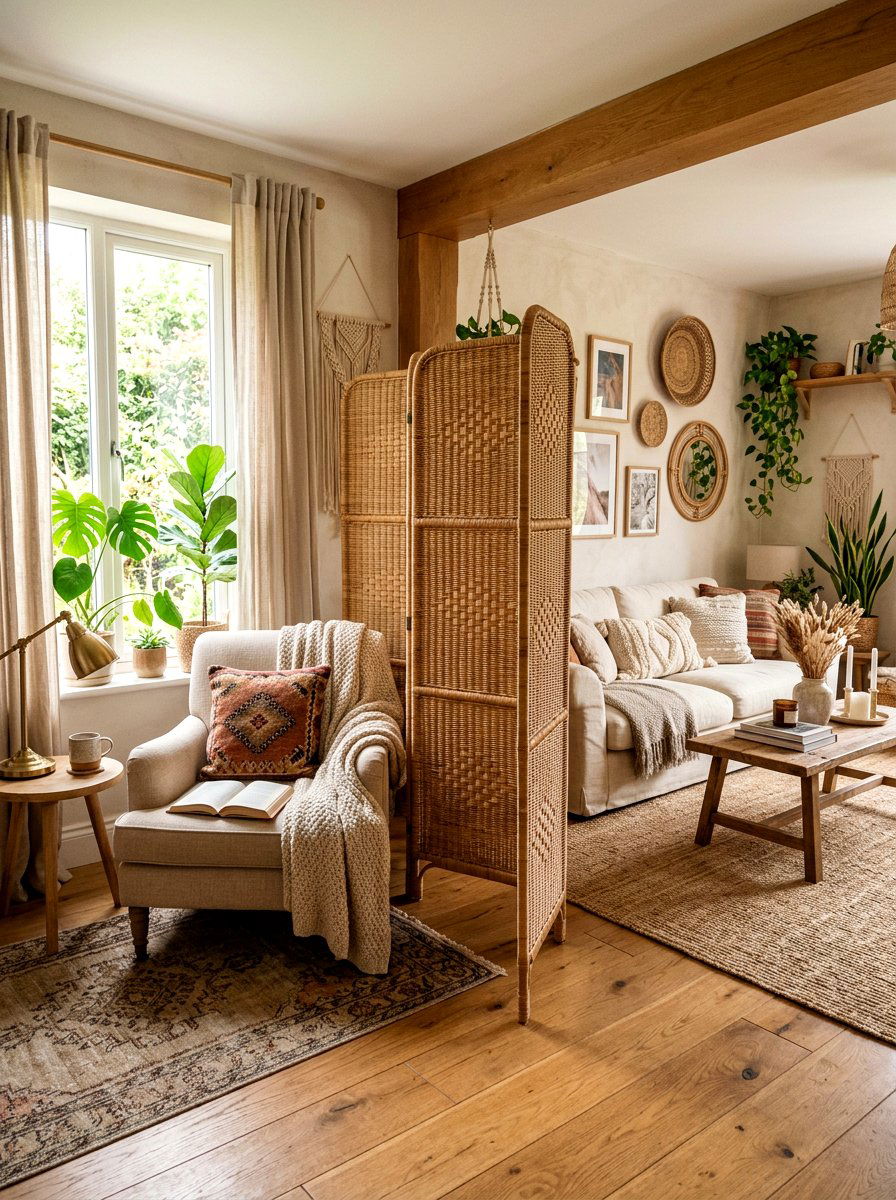
Using a freestanding decorative screen or room divider is an easy, non-permanent way to add a layer of privacy to an open layout. These screens come in various styles, from intricate laser-cut metal to traditional Japanese shoji panels or bohemian rattan. You can place them behind a sofa to create a more enclosed feeling or use them to hide a storage area. Because they are portable, you can move them around whenever you want to change the flow of the room. A screen adds a beautiful artistic element to the space while providing a flexible way to manage sightlines and create smaller, more private cozy zones.
27. Bar Cart Corner
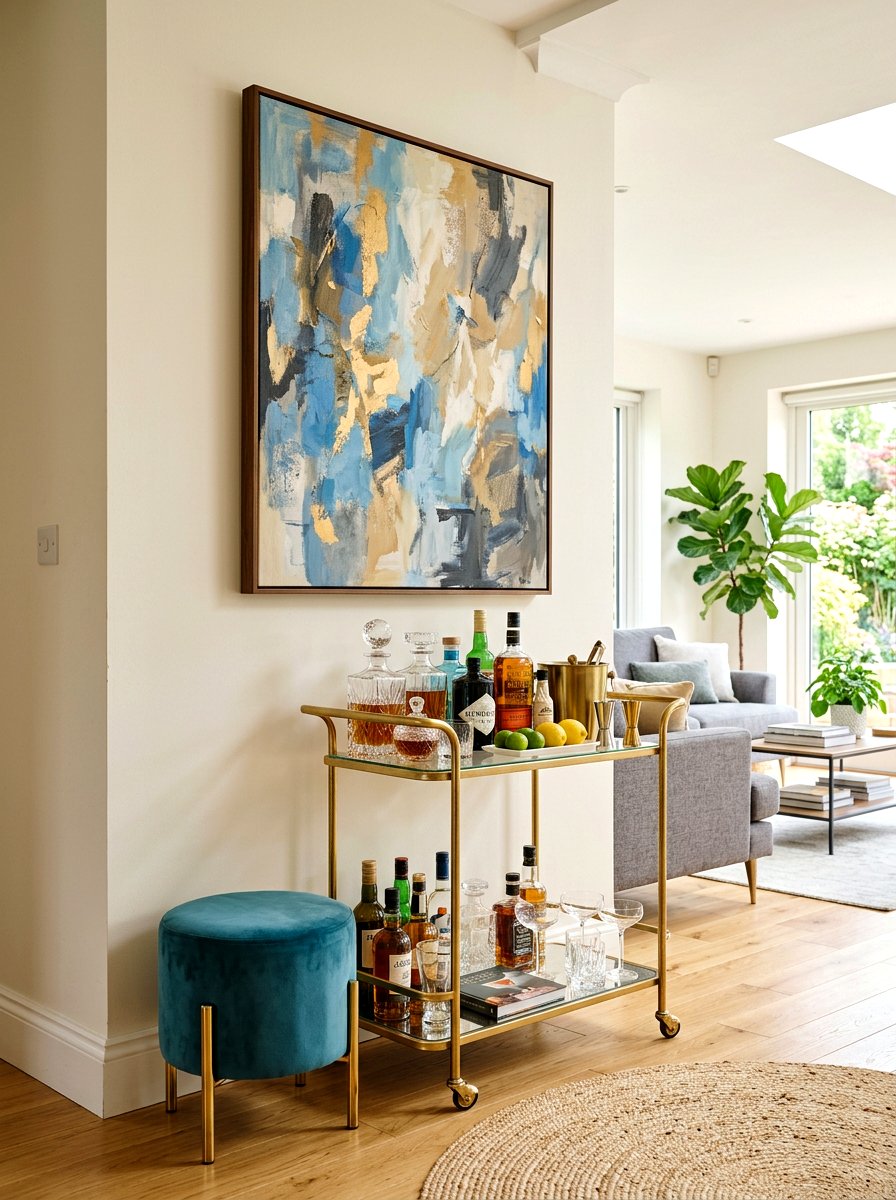
Setting up a stylish bar cart in a specific corner is a great way to create a small entertainment zone within an open plan. This dedicated spot for drinks and glassware acts as a mini-destination for guests when you are hosting. You can anchor the zone with a piece of art on the wall above the cart and perhaps a small accent rug underneath. This tiny but purposeful area adds a touch of glamour and personality to the room. It prevents people from crowding the kitchen while you are preparing food, making the overall flow of the home feel much more organized, social, and intentionally designed.
28. Gallery Wall Focus
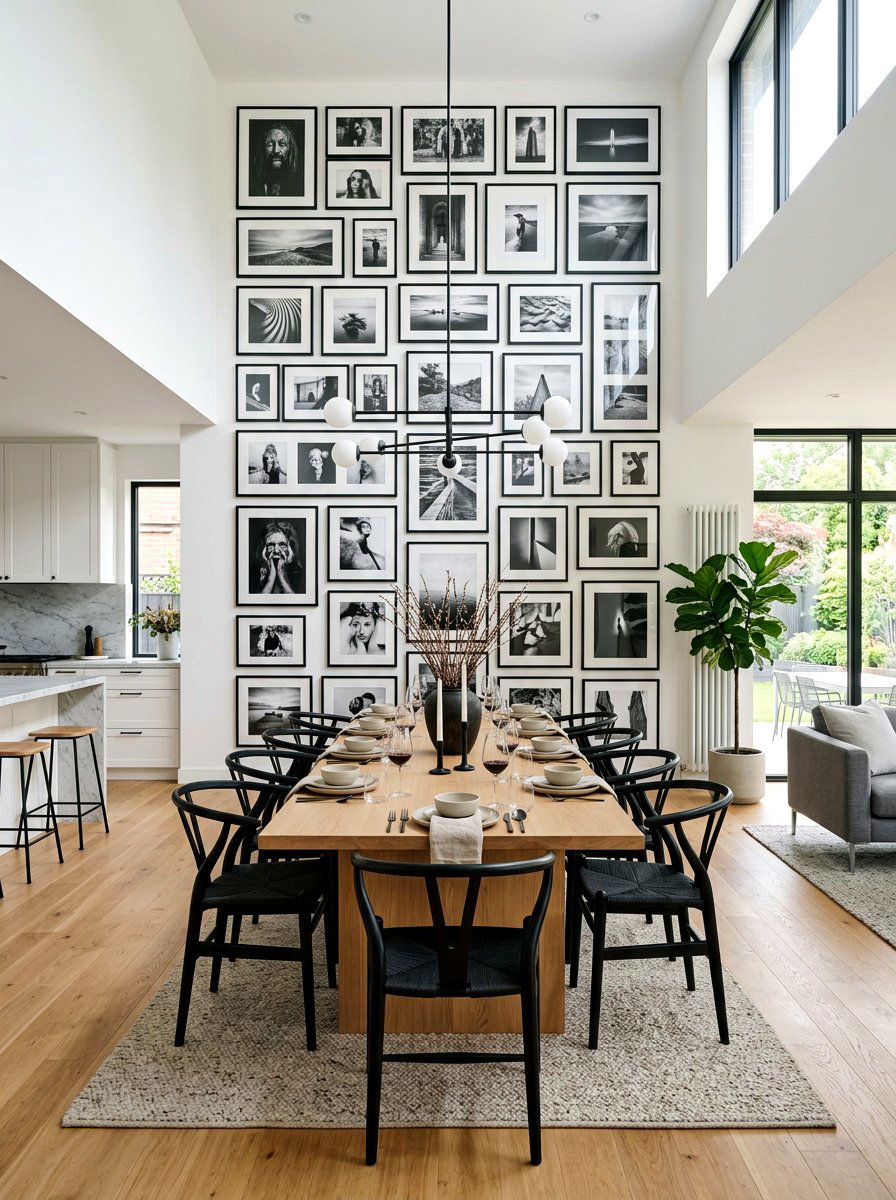
Creating a large gallery wall is a powerful way to define a seating or dining area within a vast open space. By grouping several pieces of art, photographs, and mirrors together, you create a massive visual anchor that gives the zone a clear identity. This collection of items draws the eye and makes that section of the room feel more finished and lived-in. A gallery wall allows you to showcase your personality and can be easily updated over time. It provides a sense of "wall" without the need for a physical barrier, helping to ground the furniture and make the entire area feel much more intimate.
29. Custom Carpentry Zones
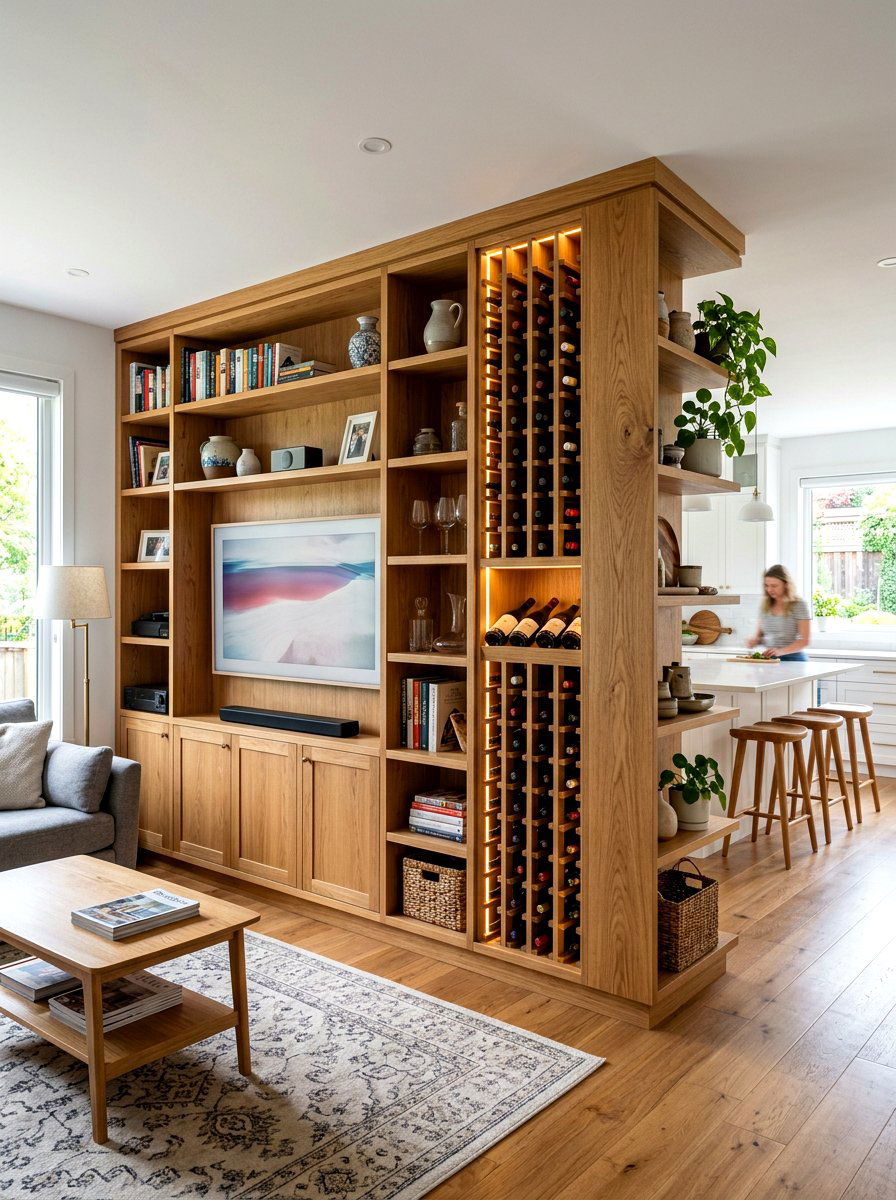
Custom carpentry, such as built-in media centers or wine storage walls, is a premium way to create zones in an open-concept home. These bespoke pieces are designed to fit your specific space perfectly, providing both beauty and function. A large custom unit can act as a bridge between two different areas, offering storage on one side and a decorative display on the other. This high-end approach ensures that every inch of your floor plan is utilized effectively. Custom woodwork adds a level of craftsmanship and permanence that makes a modern open plan feel solid, well-planned, and exceptionally cozy for the long term.
30. Textured Wall Panels
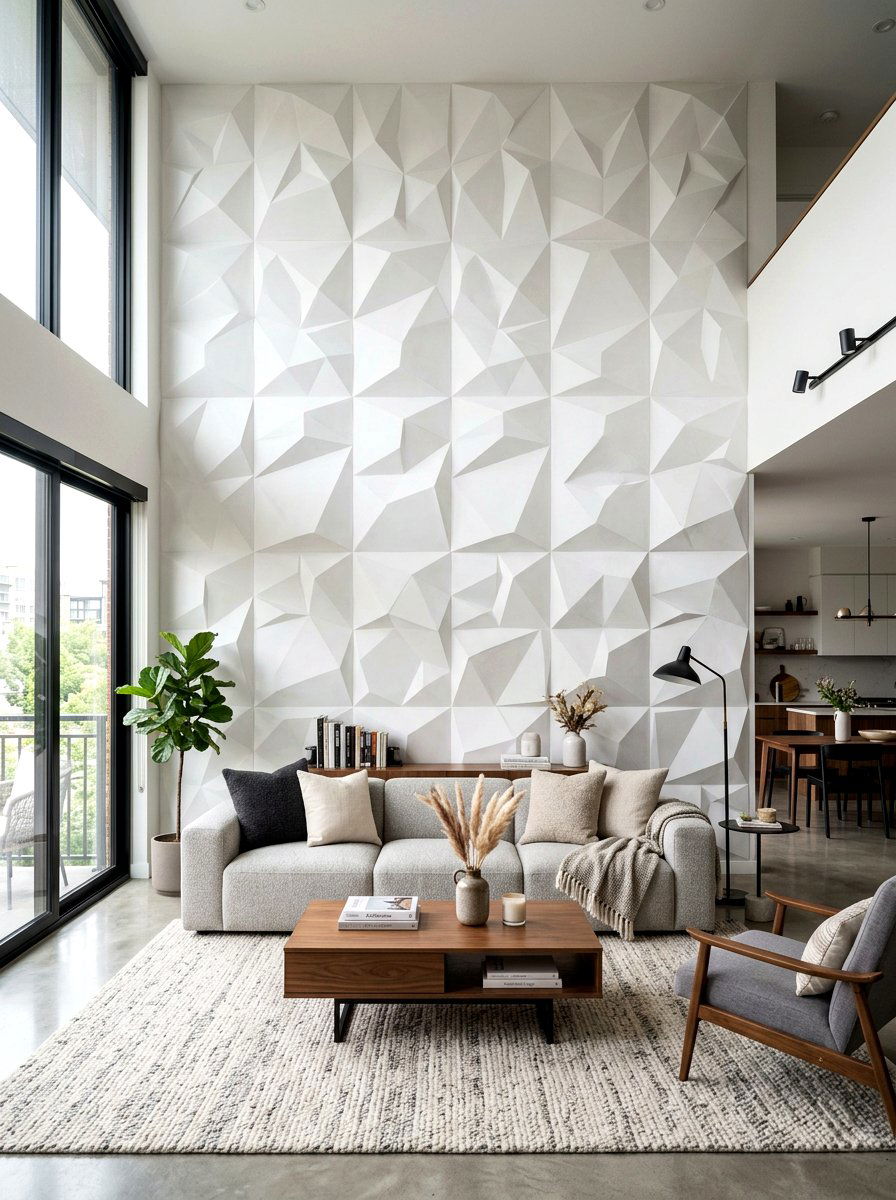
Adding textured wall panels, such as 3D plaster tiles or reclaimed wood planks, to a specific section of a large room is a modern way to create a cozy zone. This tactile element adds depth and visual interest that standard paint simply cannot achieve. By applying panels to the wall behind a bed in a studio or a sofa in a large living room, you create a clear focal point. The texture helps to absorb sound and adds a layer of physical warmth to the space. This design choice makes the zone feel like a separate, special enclave, providing a sense of luxury and comfort.
Conclusion:
Designing an open-plan home that feels both spacious and cozy requires a thoughtful balance of architectural features and interior styling. By implementing these thirty ideas, you can transform a large, undefined area into a series of functional, intimate zones that cater to your daily needs. Whether you choose to use rugs, lighting, furniture placement, or more permanent structural changes like sunken floors or ceiling treatments, the goal is to create a sense of purpose for every corner. A well-zoned open layout offers the best of both worlds: the freedom of a connected home and the comfort of private, warm retreats for relaxation and family time.

Related posts: