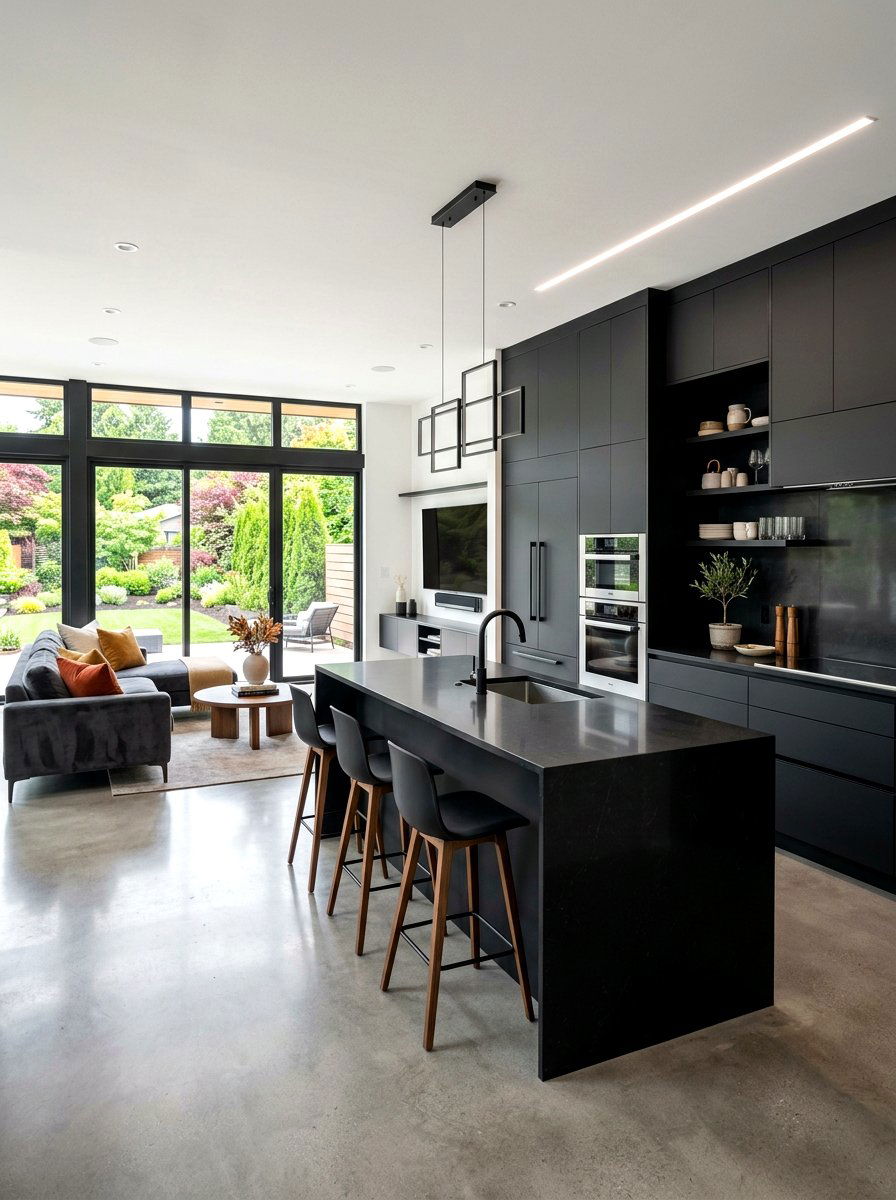
Creating a cohesive home in an open concept floor plan requires a delicate balance between visual unity and functional separation. While the absence of walls makes a space feel much larger and brighter, it can also lead to a lack of intimacy or a feeling of clutter. Successful decorating hinges on treating the entire great room as a single canvas while using subtle architectural cues to define where the kitchen ends and the living room begins. By focusing on consistent color palettes, strategic furniture placement, and layered lighting, you can transform a sprawling area into a series of warm, inviting zones that cater to your daily lifestyle and social needs seamlessly.
1. Neutral Living Dining Room
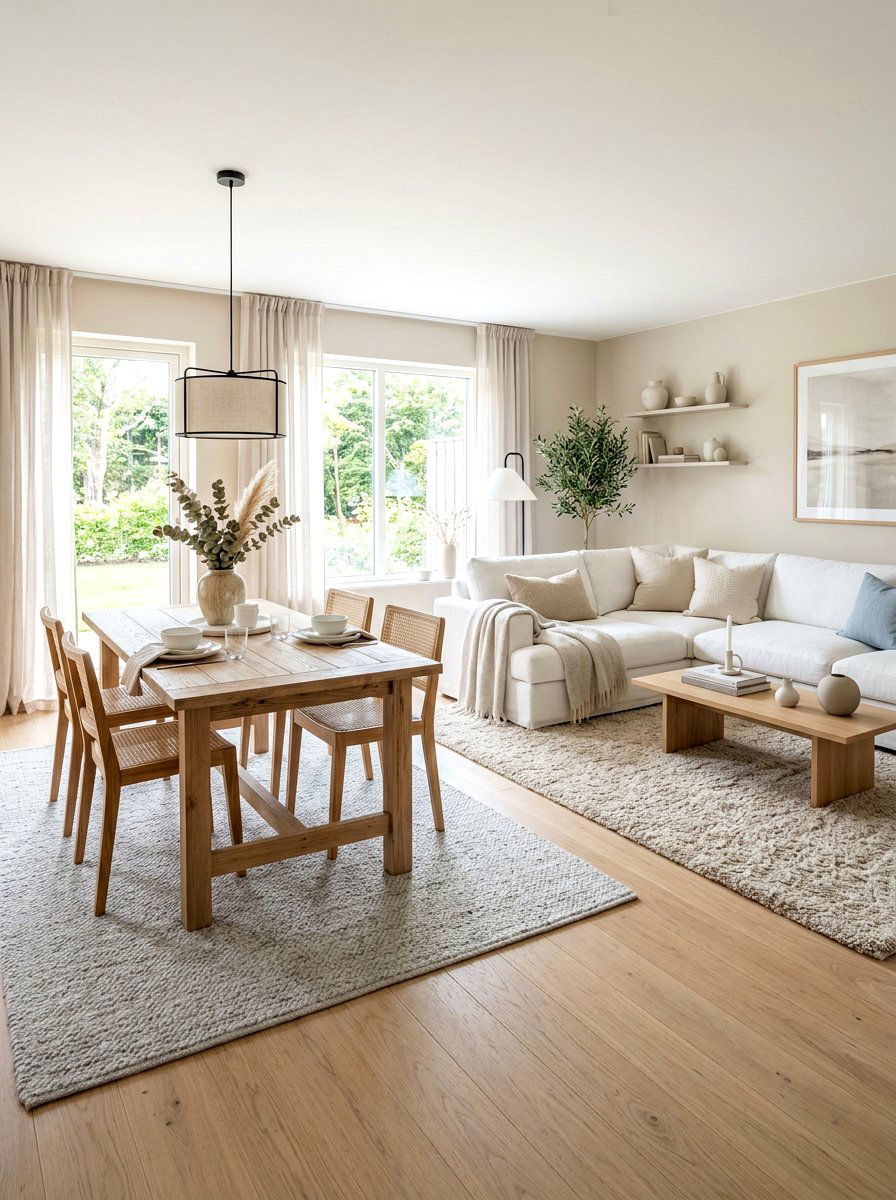
A neutral living dining room relies on a monochromatic or tonal color palette to bridge two distinct functional areas without visual jarring. When you choose soft whites, warm beiges, or gentle greys for both the upholstery in the lounge and the chairs at the table, the eye moves smoothly across the entire length of the house. This approach maximizes the sense of airiness while allowing natural light to bounce effortlessly from one corner to the other. To keep the space from feeling flat, decorators often introduce varied textures like linen sofas, wool rugs, and matte ceramics. This creates a sophisticated, timeless environment where the transition between relaxing and eating feels completely natural and elegant.
2. Kitchen Island With Seating
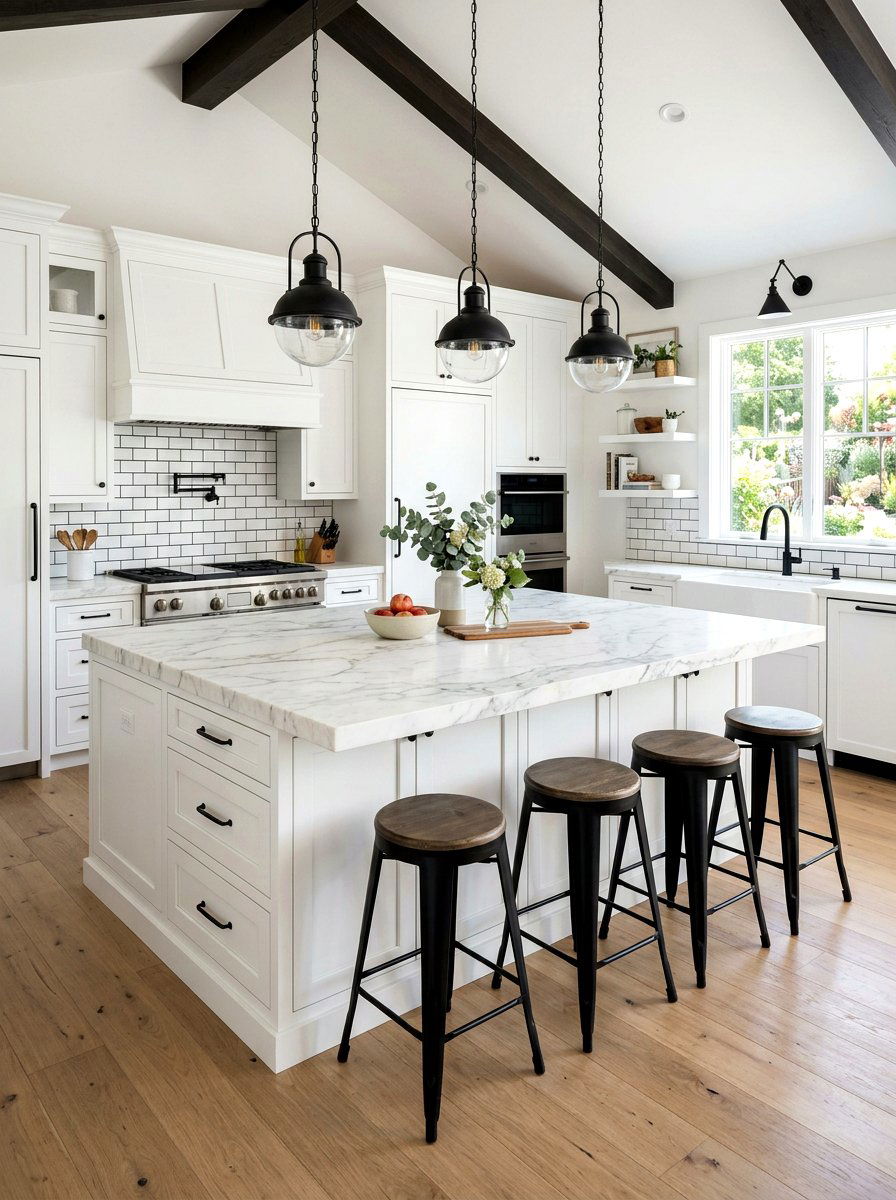
Integrating a kitchen island with seating serves as a functional anchor that naturally bridges the culinary zone with the social area. By choosing stools that complement the living room’s decor, you create a visual thread that pulls the two spaces together. This arrangement encourages interaction, allowing the cook to engage with guests or family members who are lounging nearby. A large island also provides a clear physical boundary without the need for a wall, maintaining the bright and open atmosphere. High-quality materials like quartz or marble on the countertop can reflect light, making the entire great room feel more luxurious and intentional while providing a central hub for daily activities.
3. Large Sectional Sofa Layout
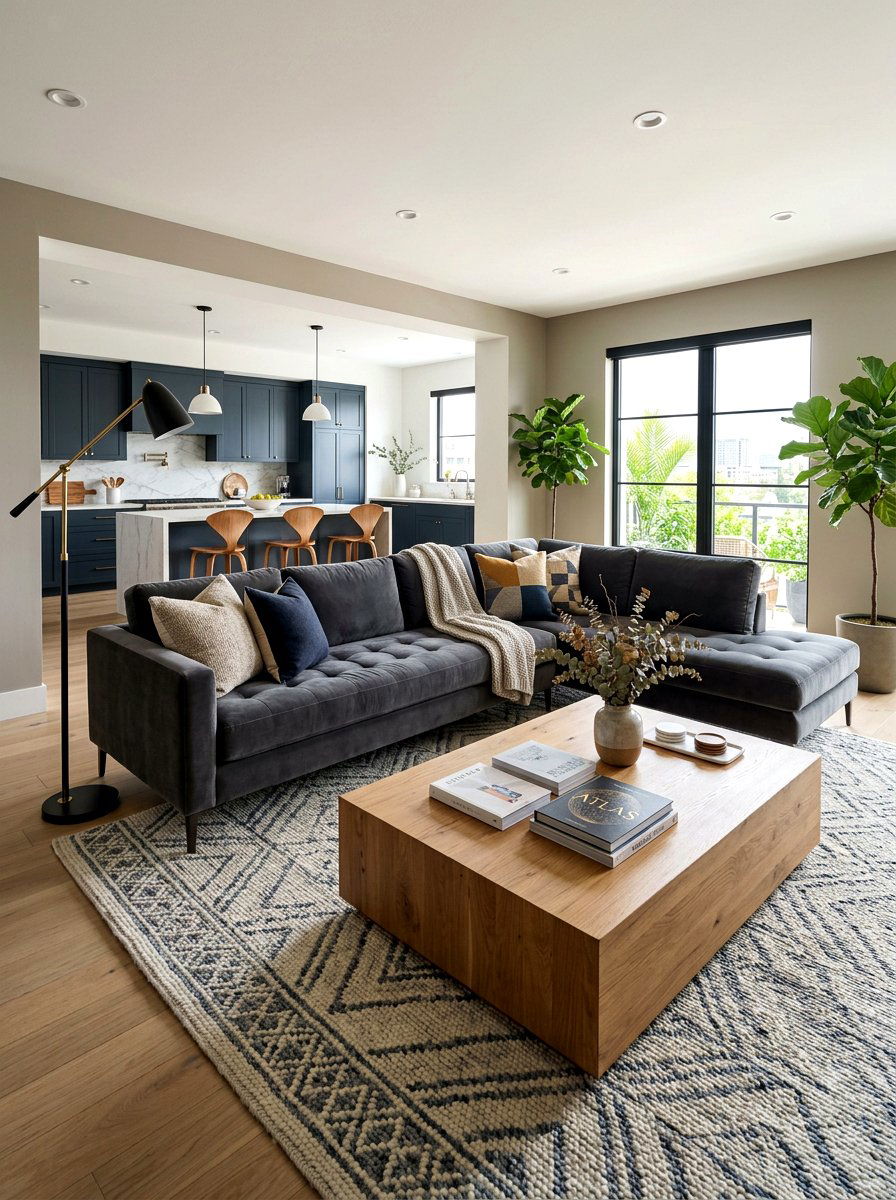
A large sectional sofa layout is one of the most effective ways to carve out a dedicated relaxation zone within a wide-open floor plan. By positioning the back of the sofa toward the kitchen or dining area, you create a metaphorical wall that signals a change in purpose for that specific part of the room. This low-profile boundary maintains sightlines while establishing a sense of enclosure and coziness for movie nights or conversation. Pairing the sectional with a large coffee table and matching side chairs helps ground the living area further. This structural approach ensures the furniture feels like it belongs to a specific room rather than floating aimlessly in space.
4. Area Rug For Zoning
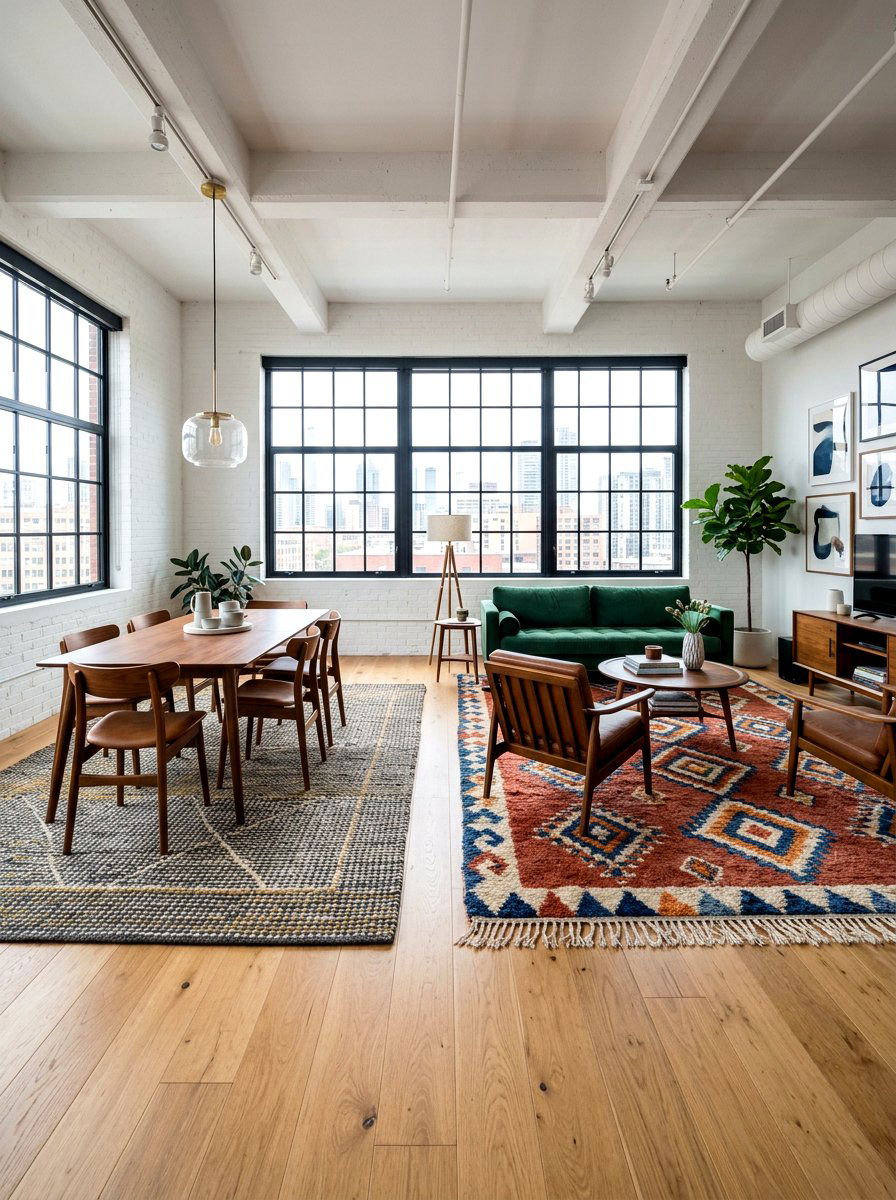
Using an area rug for zoning provides an immediate visual signal that a specific area has a unique function. In a large open layout, placing a plush, oversized rug under the living room seating and a flat-weave rug under the dining set defines each space clearly. The key is ensuring that all furniture legs rest on the rug, which anchors the pieces and prevents them from looking disconnected. These textiles also help with acoustic management, absorbing the echoes that often plague homes with high ceilings and hard flooring. By selecting colors that speak to each other, you maintain harmony while enjoying the benefits of clearly defined, organized living zones.
5. Built In Wall Shelving
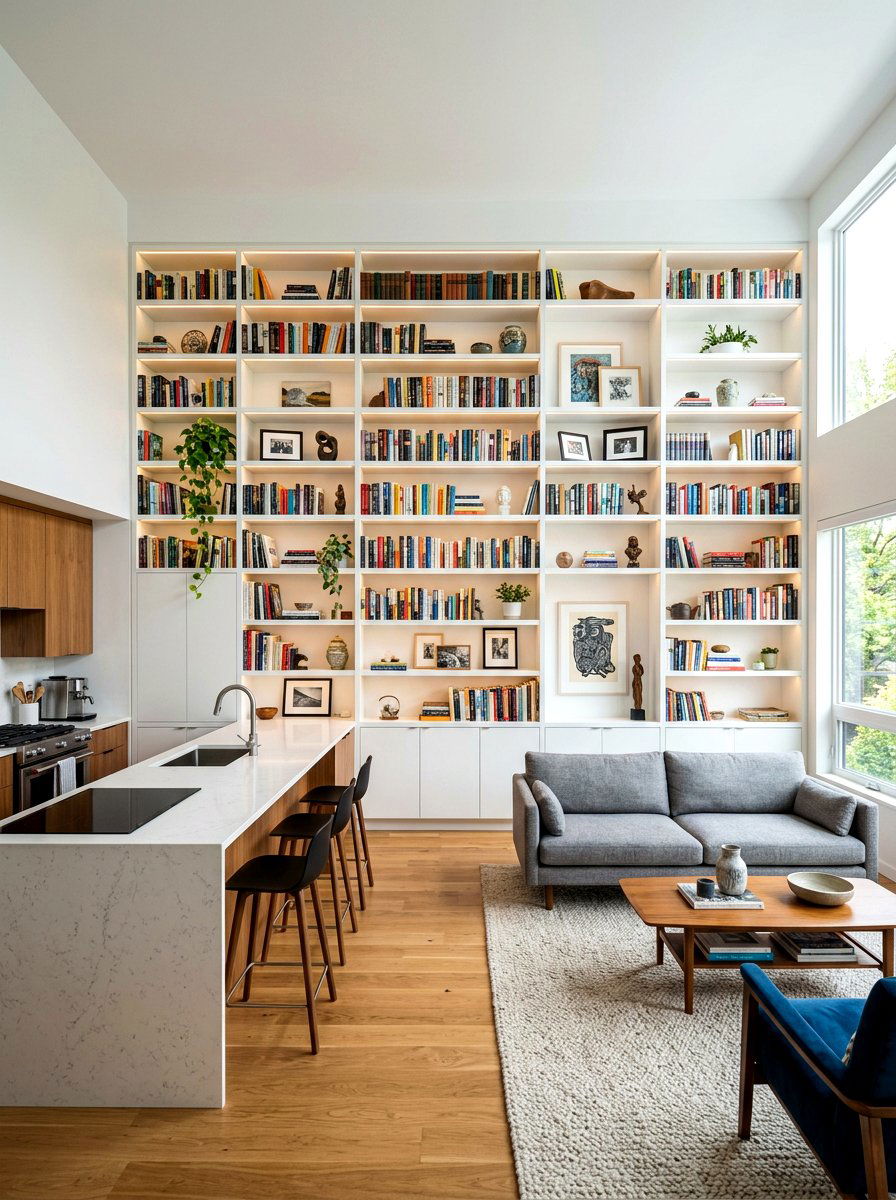
Integrated built in wall shelving offers a seamless storage solution that can span across multiple zones to create a unified look. When these units are designed to run from the kitchen into the living area, they provide a consistent architectural element that ties the different functions together. You can use the shelves to display a mix of cookbooks near the stove and decorative art pieces near the television. This approach eliminates the need for bulky, mismatched cabinets and helps maintain a clean, clutter-free environment. By choosing a finish that matches the kitchen cabinetry, you reinforce the sense of a cohesive, well-planned space that prioritizes both beauty and efficiency.
6. Double Sided Central Fireplace
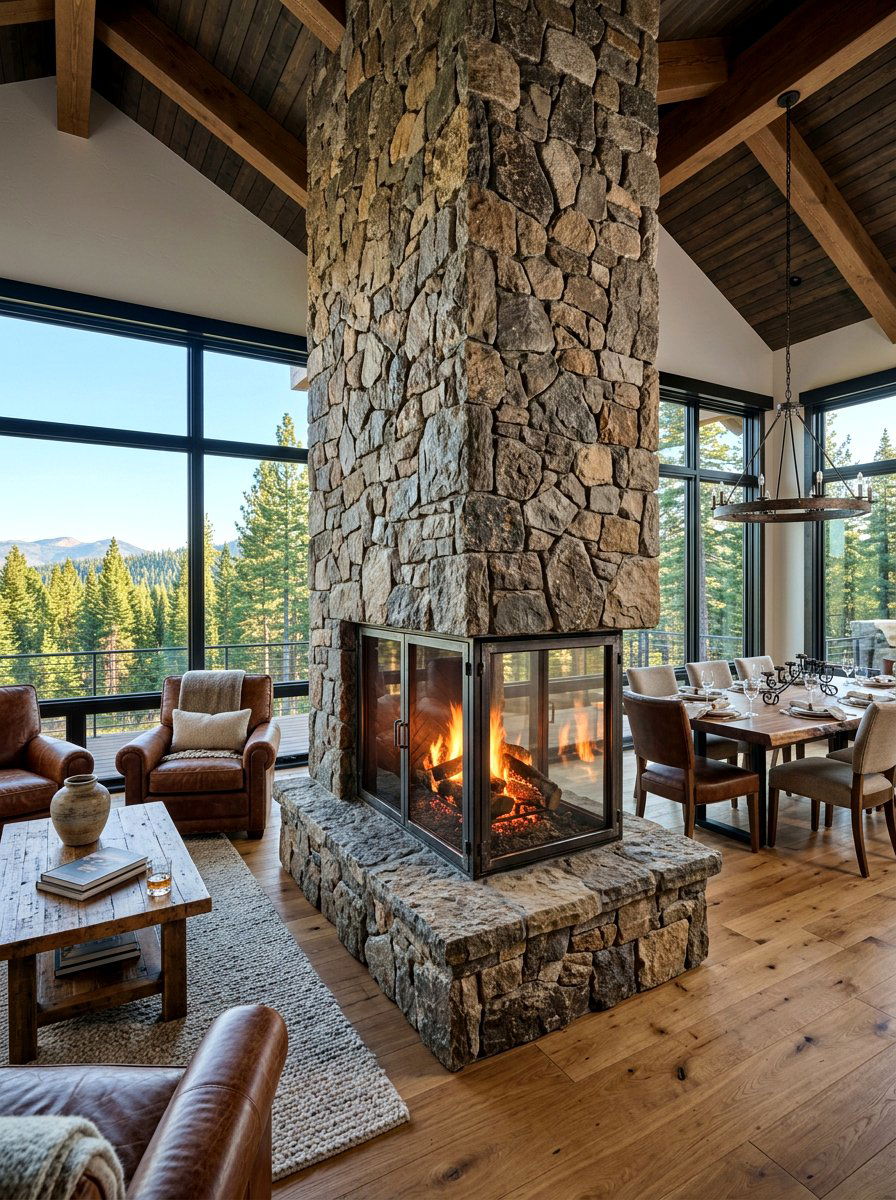
A double sided central fireplace acts as a stunning focal point that bridges two rooms while providing warmth and ambiance to both. Positioned between the living and dining areas, this architectural feature creates a sophisticated partition that does not block light or conversation. It allows you to enjoy the flickering flames whether you are hosting a formal dinner or curling up on the sofa. This design element adds a sense of luxury and structural permanence to an open floor plan, making the wide space feel more anchored. Using a consistent stone or brick finish ensures the fireplace looks integrated and intentional, serving as the literal heart of the entire modern home.
7. Continuous Hardwood Flooring Flow
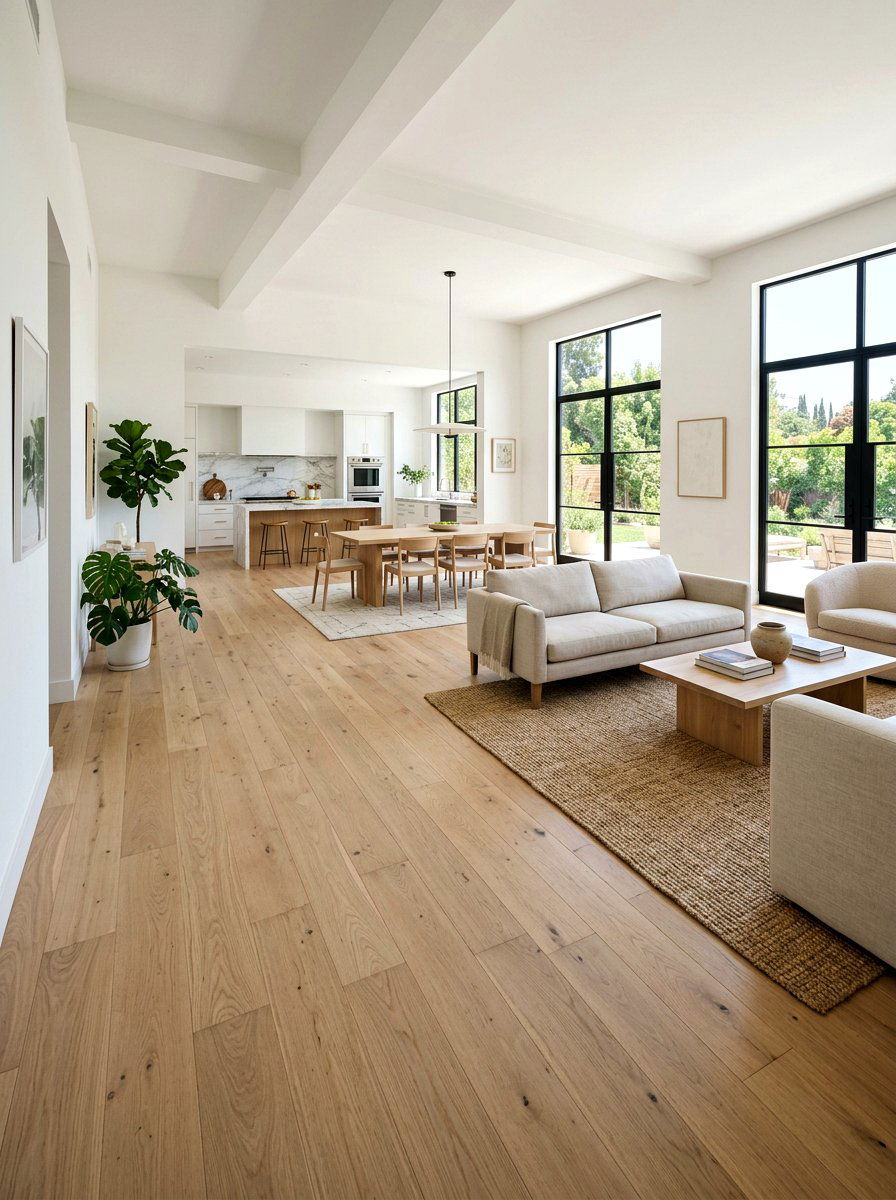
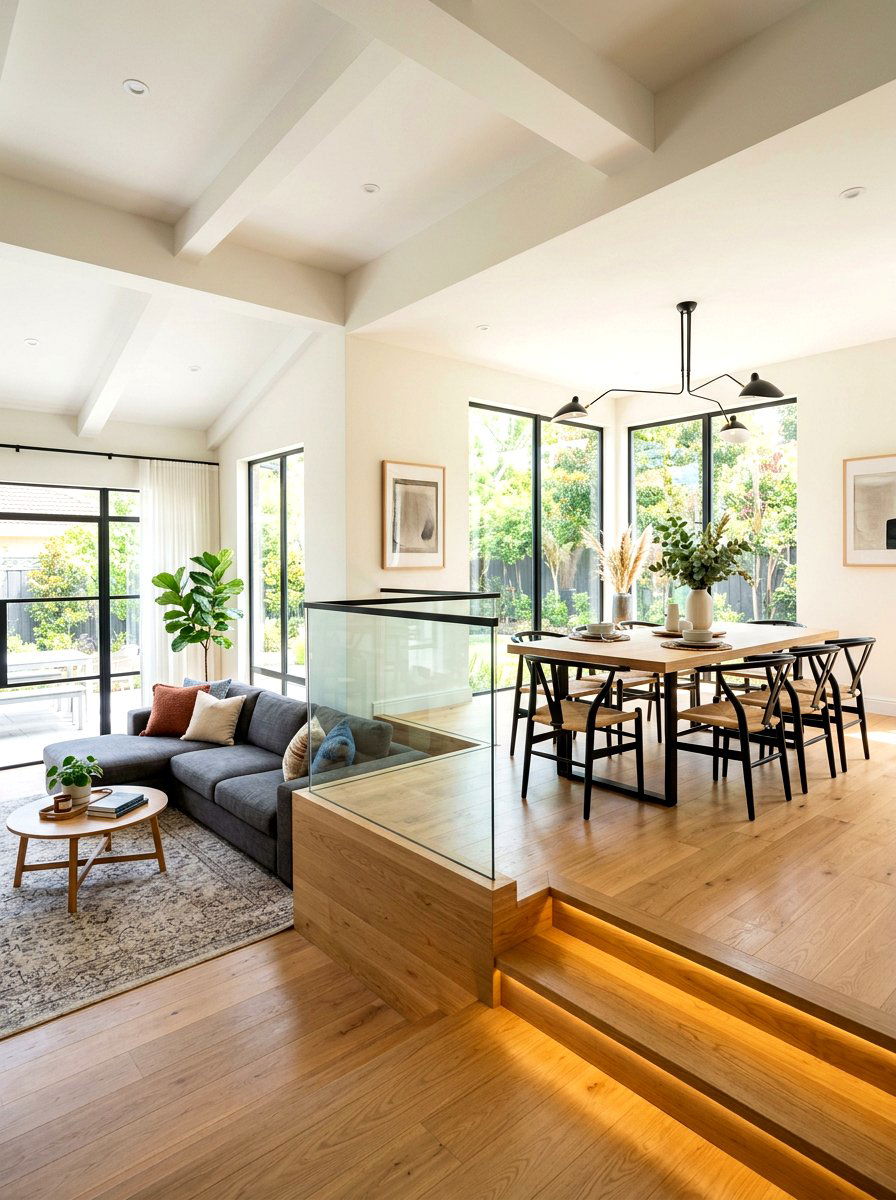
Choosing continuous hardwood flooring flow throughout the entire main level is essential for creating a sense of expansiveness and unity. When the same material runs from the front entryway through the kitchen and into the living area, it eliminates the visual breaks that can make a home feel chopped up. This seamless transition makes the floor plan appear much larger and more fluid, allowing the eye to travel without interruption. To maintain this look, many designers opt for durable engineered wood or luxury vinyl planks that can handle the moisture of a kitchen. This foundational choice sets a calm, cohesive tone for every other decorating decision in the open space.
8. Modern Industrial Loft Living
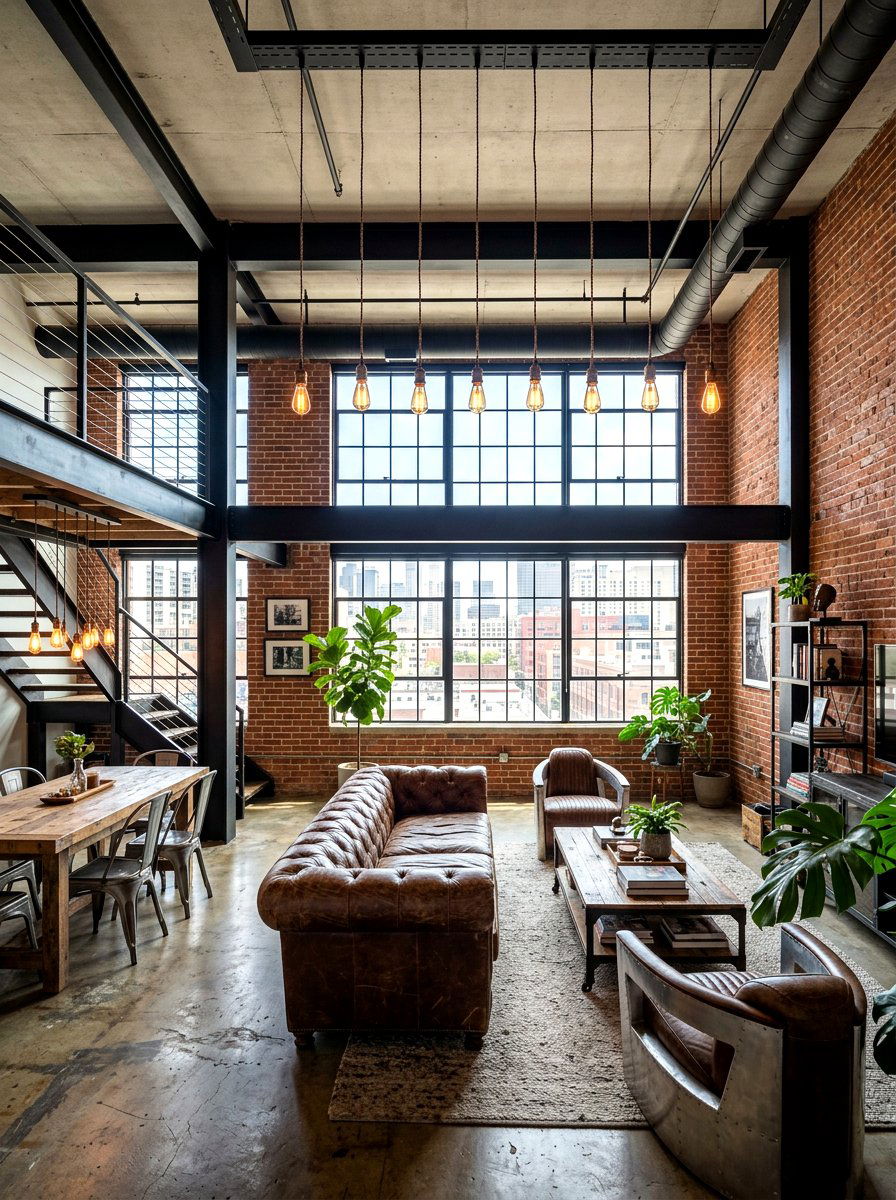
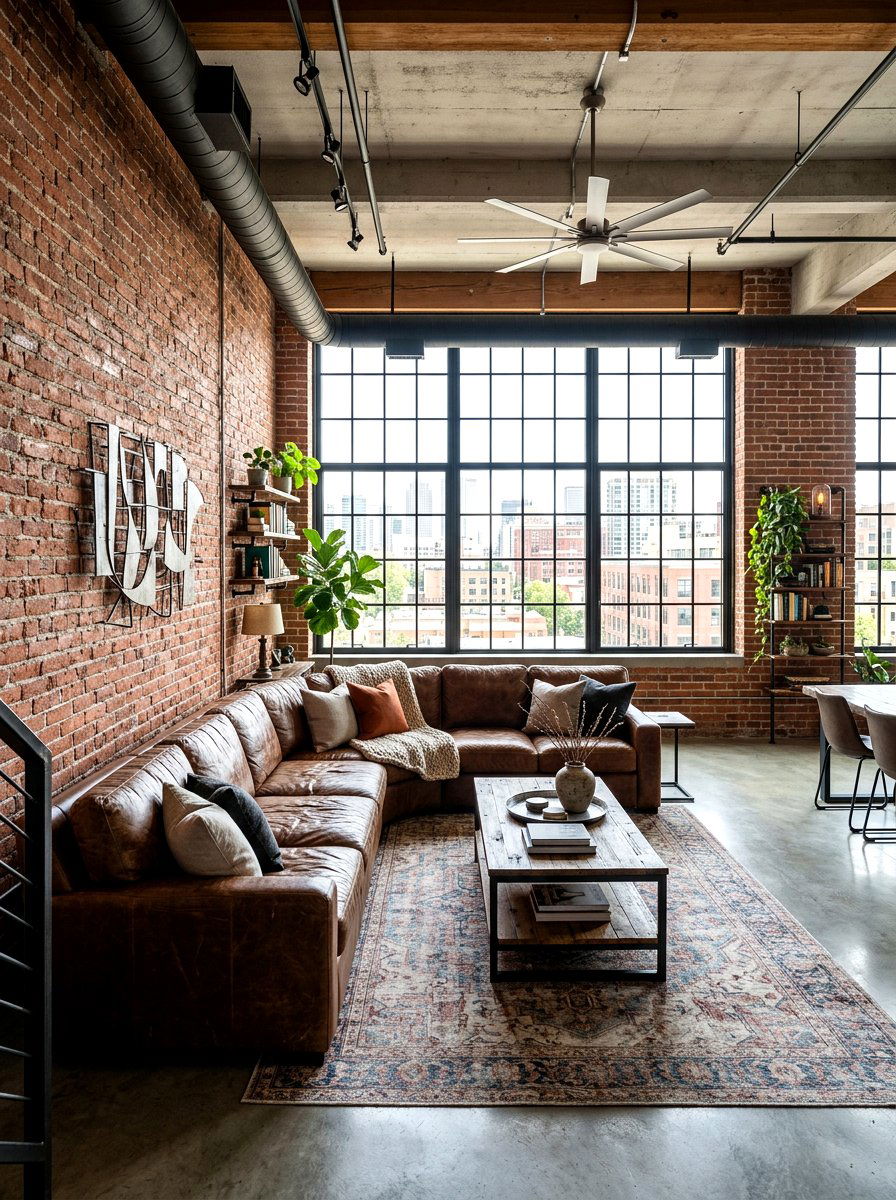
The modern industrial loft living style is perfectly suited for open concepts because it celebrates raw materials and high, unobstructed ceilings. By leaving brick walls exposed and incorporating matte black metal accents, you create an edgy yet inviting atmosphere that feels authentic and spacious. Large windows often flood these layouts with light, highlighting the mix of vintage leather furniture and reclaimed wood surfaces. To keep the vast space from feeling cold, it is important to layer in soft textiles and warm ambient lighting. This design direction turns structural elements like pipes or beams into decorative assets, resulting in a home that feels both historically rich and completely contemporary in its function.
9. Rustic Farmhouse Open Plan
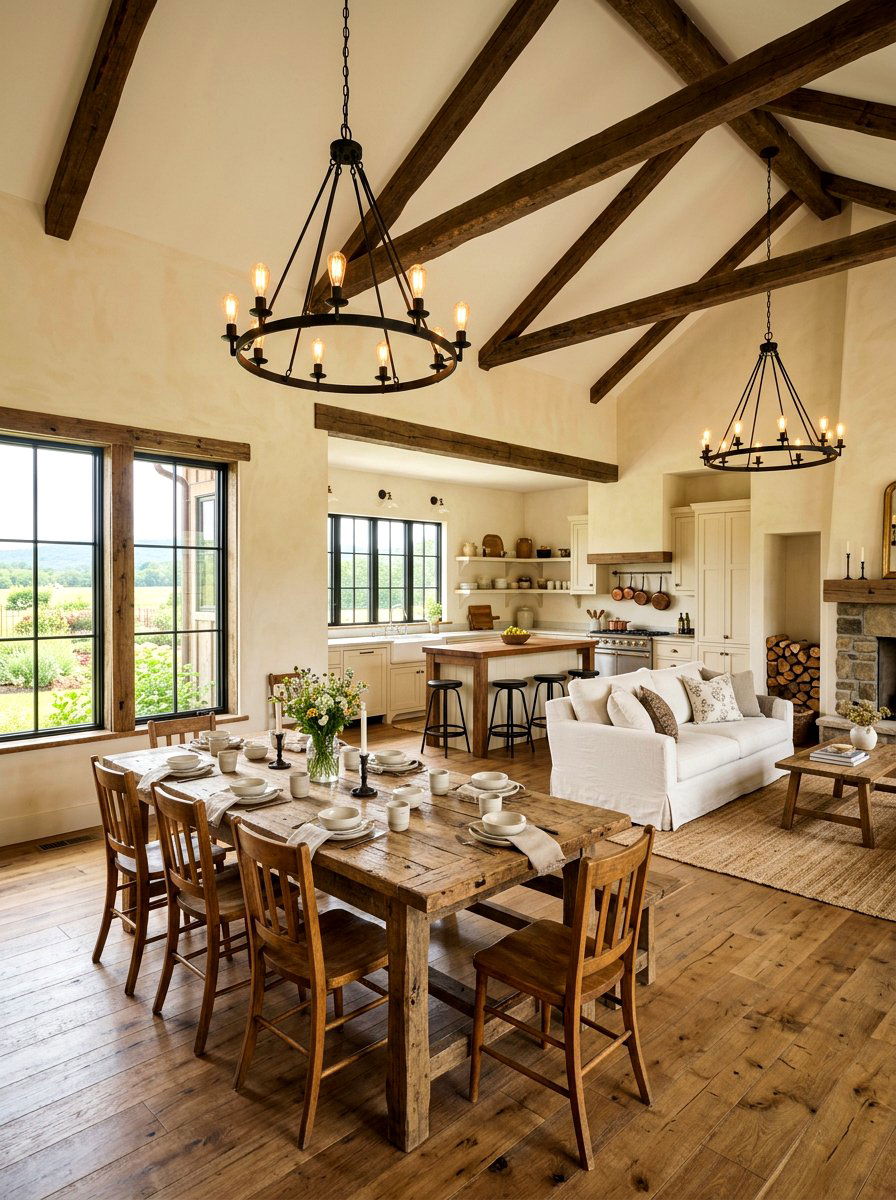
A rustic farmhouse open plan brings warmth and charm to large, airy spaces through the use of natural wood and soft, organic textures. By incorporating a large harvest table in the dining zone and comfortable slipcovered furniture in the lounge, you create a homey environment that encourages gathering. Reclaimed timber accents on the walls or island help ground the space and add a touch of history. This style relies on a palette of warm whites and earthy tones to keep the open layout feeling bright yet grounded. It is a perfect choice for those who want the freedom of an open floor plan without losing the cozy, lived-in feel.
10. Minimalist Open Floor Plan
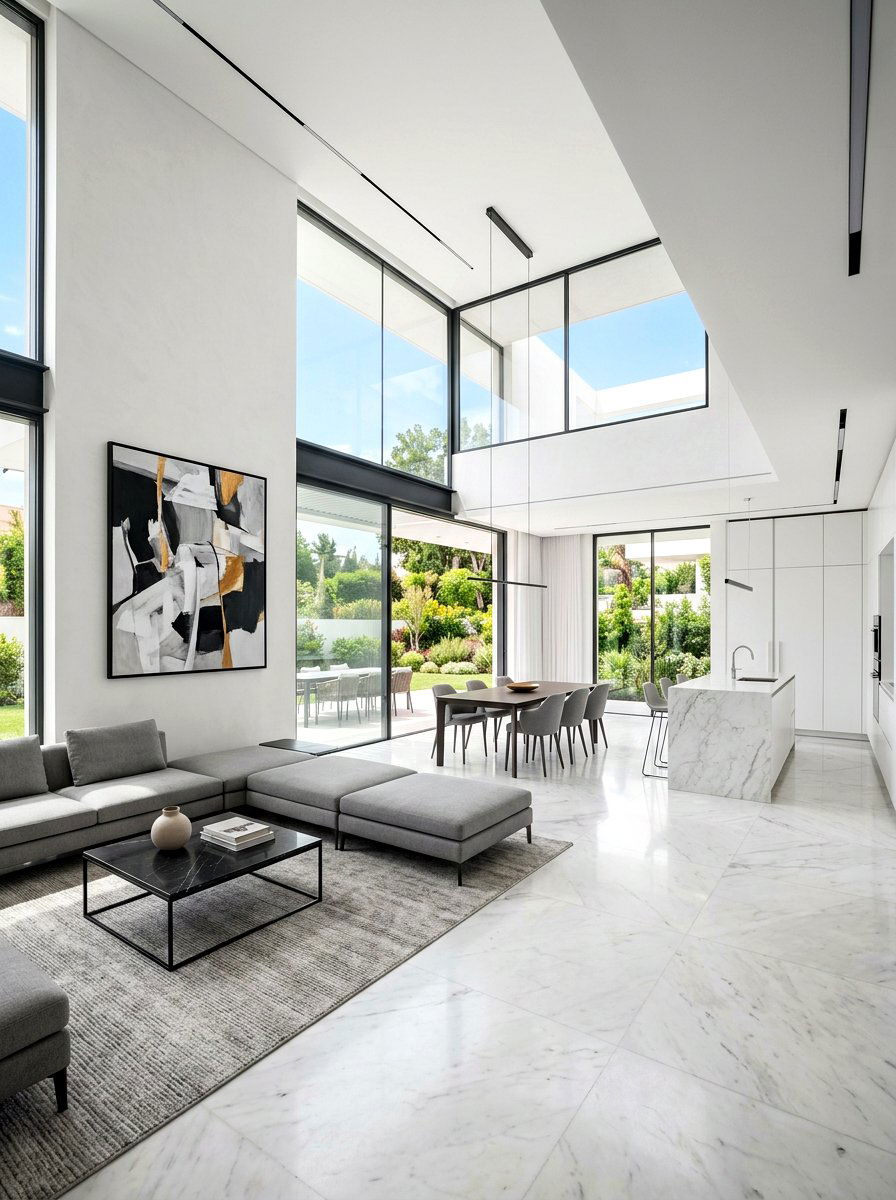
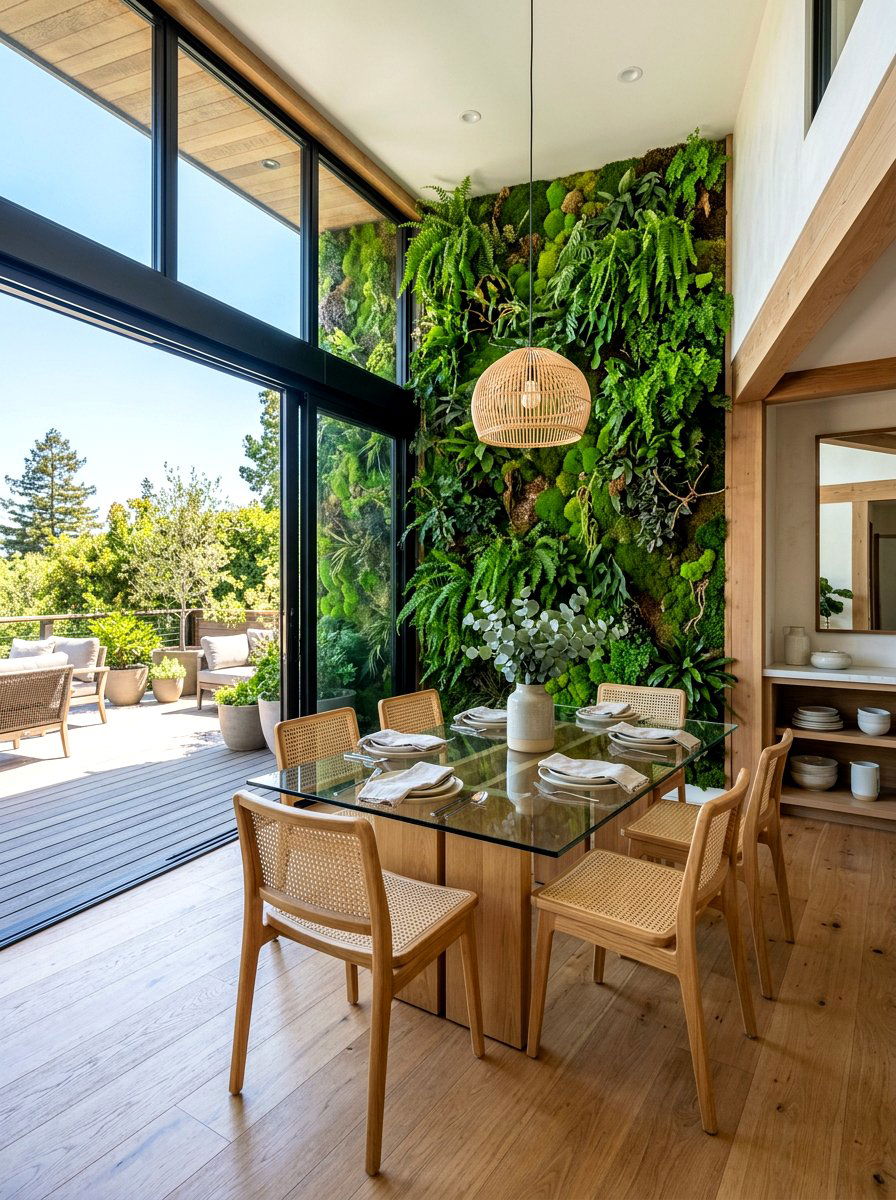
A minimalist open floor plan focuses on the beauty of simplicity and the intentional use of negative space. By selecting furniture with clean lines and avoiding unnecessary clutter, you allow the architecture of the home to take center stage. Each piece should be chosen for its functionality and aesthetic value, ensuring that the room remains calm and uncluttered. This approach is particularly effective for maximizing natural light and making smaller footprints feel much grander. Using a limited color palette of whites, grays, and blacks creates a sophisticated backdrop that feels cohesive across the kitchen and living areas. It promotes a sense of peace and order in a busy, modern world.
11. Large Pendant Light Fixture
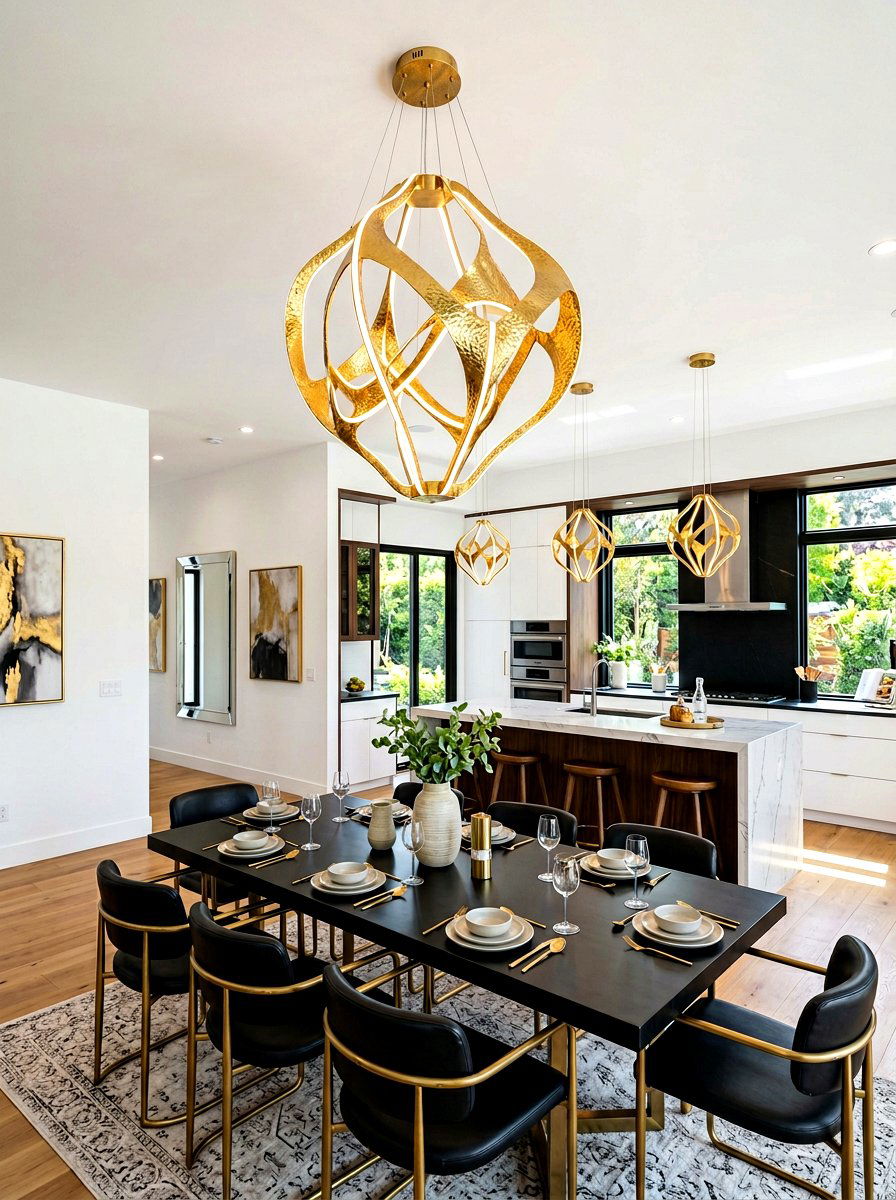
Hanging a large pendant light fixture is a powerful way to define a specific zone from the ceiling down. When you place a dramatic, sculptural light over the dining table, it creates an invisible "room" that anchors the eating area within the larger floor plan. This architectural trick draws the eye upward and adds a layer of sophistication to the entire space. In the kitchen, matching or complementary pendants over the island provide a visual connection while offering essential task lighting. By varying the height and style of lights across different zones, you can create distinct moods and boundaries without ever having to build a single physical wall in the room.
12. Indoor Outdoor Living Area
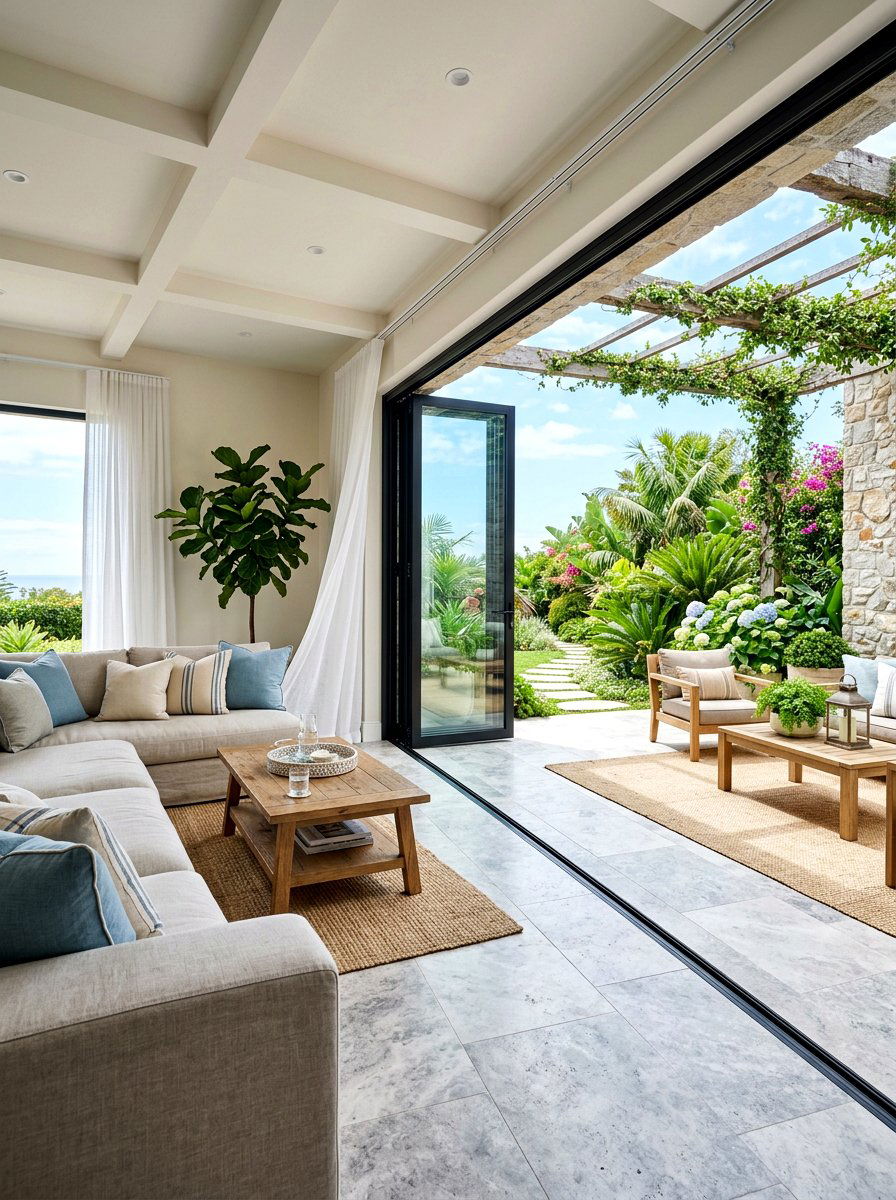
Creating an indoor outdoor living area expands the footprint of an open concept home by seamlessly connecting the interior with a patio or deck. By using large sliding glass doors or bifold walls, you can blur the boundaries between the great room and the natural world outside. This design strategy floods the home with sunlight and provides a refreshing sense of space and ventilation. To make the transition feel intentional, use similar flooring materials and color palettes both inside and out. This creates a unified entertaining zone where guests can move freely, making the home feel like a private sanctuary that embraces the surrounding environment and the beauty of nature.
13. Exposed Wood Ceiling Beams
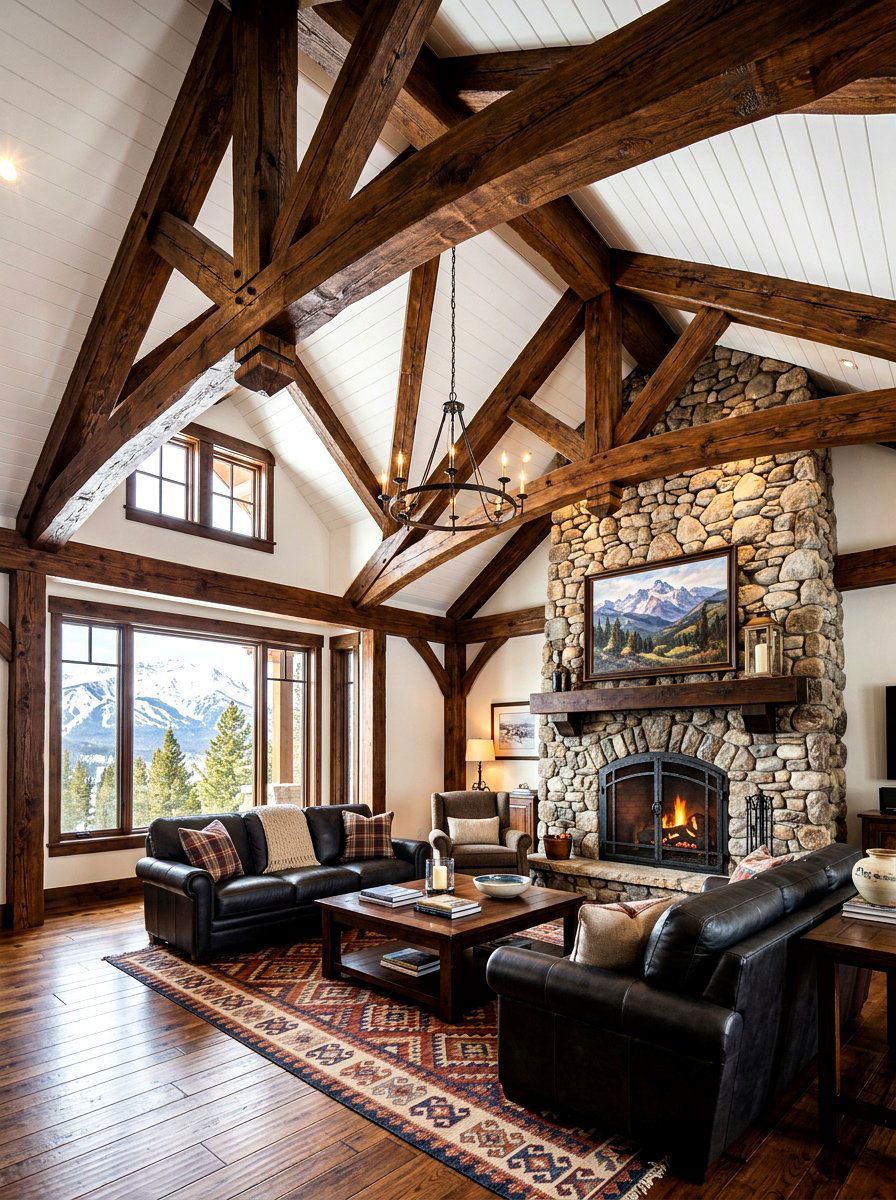
Incorporating exposed wood ceiling beams adds architectural character and a sense of rhythm to a wide-open floor plan. These structural elements help to visually break up a large expanse of ceiling, making the room feel more intimate and grounded. By running the beams across both the kitchen and the living area, you create a sense of continuity that ties the different zones together beautifully. The natural warmth of the wood provides a beautiful contrast to modern finishes like quartz countertops or polished concrete floors. This design feature draws the eye upward, highlighting the height of the space while adding a touch of rustic elegance that makes the home feel more substantial.
14. Glass Wall Room Divider
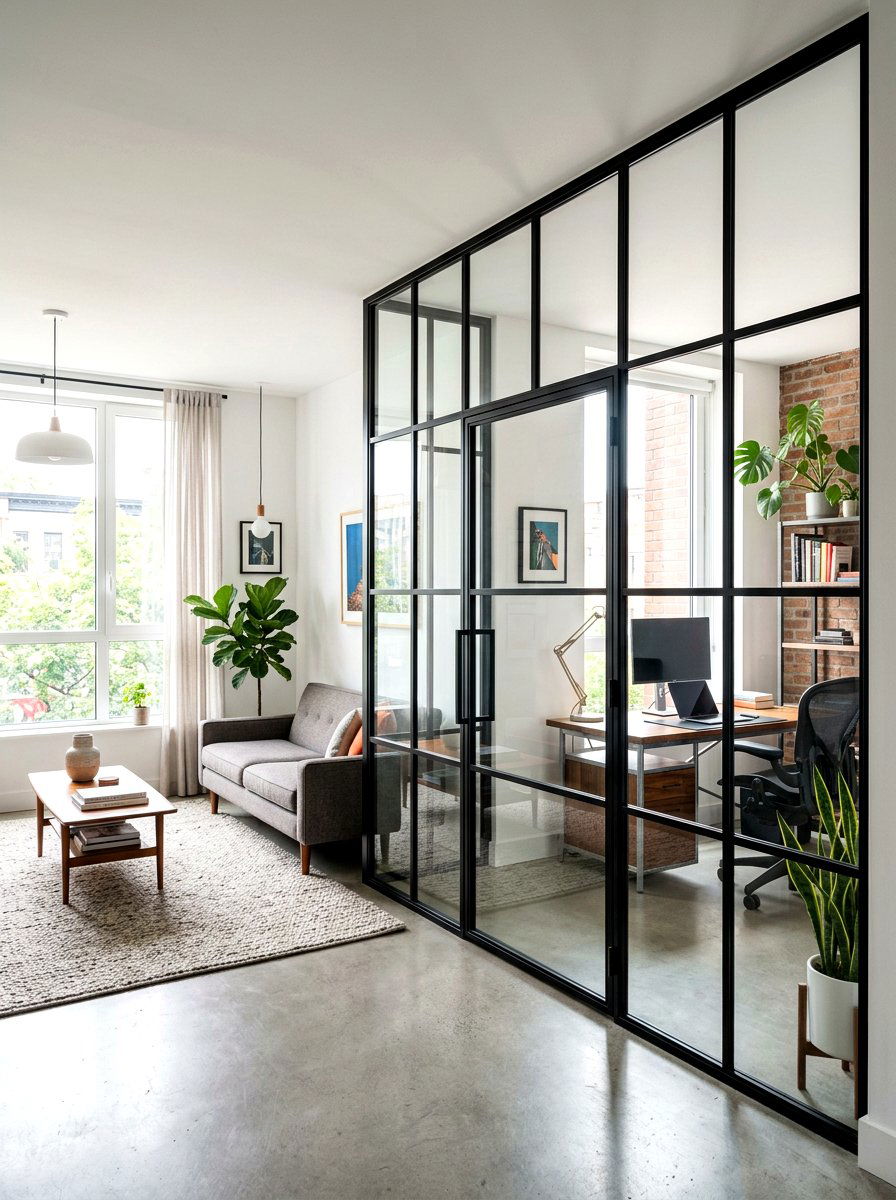
A glass wall room divider is a brilliant solution for those who want to define spaces while maintaining maximum light and visibility. Often referred to as a "broken plan" layout, this approach uses steel-framed glass partitions to separate a home office or dining area from the main living zone. It provides a necessary acoustic barrier without making the home feel small or closed off. This modern architectural element adds a sleek, industrial touch that works well with a variety of interior styles. By keeping the sightlines clear, you can still feel connected to the rest of the house while enjoying the privacy and focus required for work or formal entertaining.
15. Scandinavian Open Concept Home
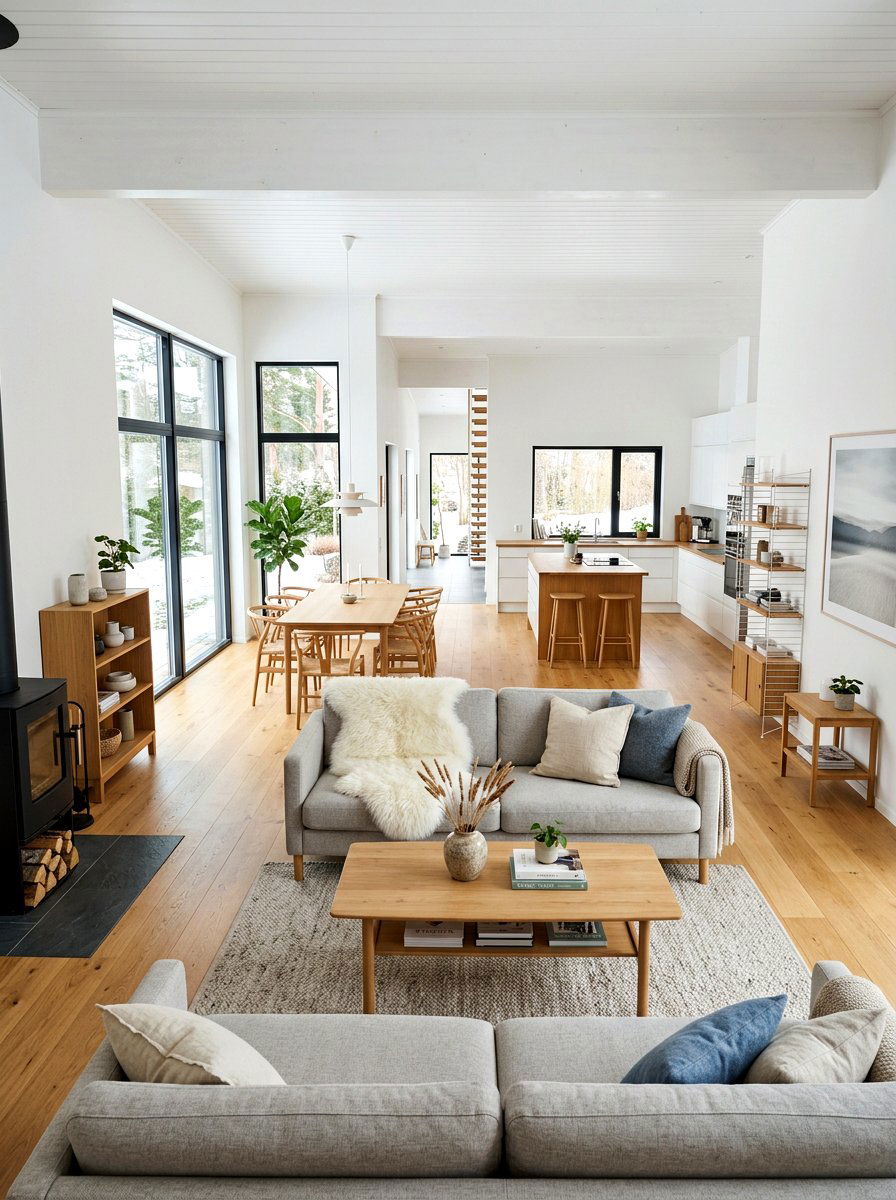
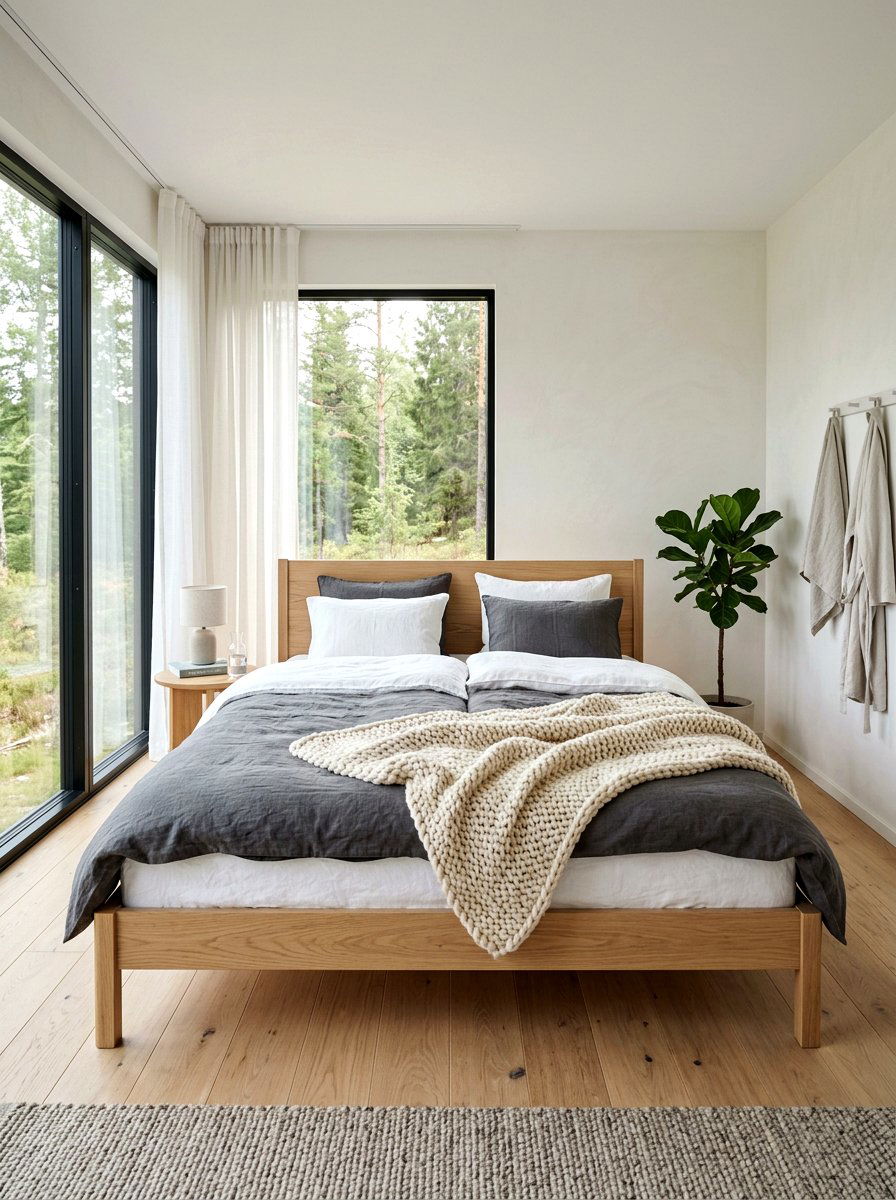
The Scandinavian open concept home is defined by its focus on light, functionality, and a deep connection to nature. By using light-toned woods, white walls, and a variety of soft textures, you create a space that feels incredibly bright and serene even on cloudy days. Furniture is typically low-profile and multi-functional, ensuring that the room remains airy and easy to navigate. This design style prioritizes "hygge, " or coziness, by incorporating warm rugs, knitted throws, and plenty of candles or soft ambient lighting. It is a perfect choice for open layouts because it promotes a clutter-free environment that feels both high-end and approachable for daily family life and relaxation.
16. Modern Kitchen Living Combo
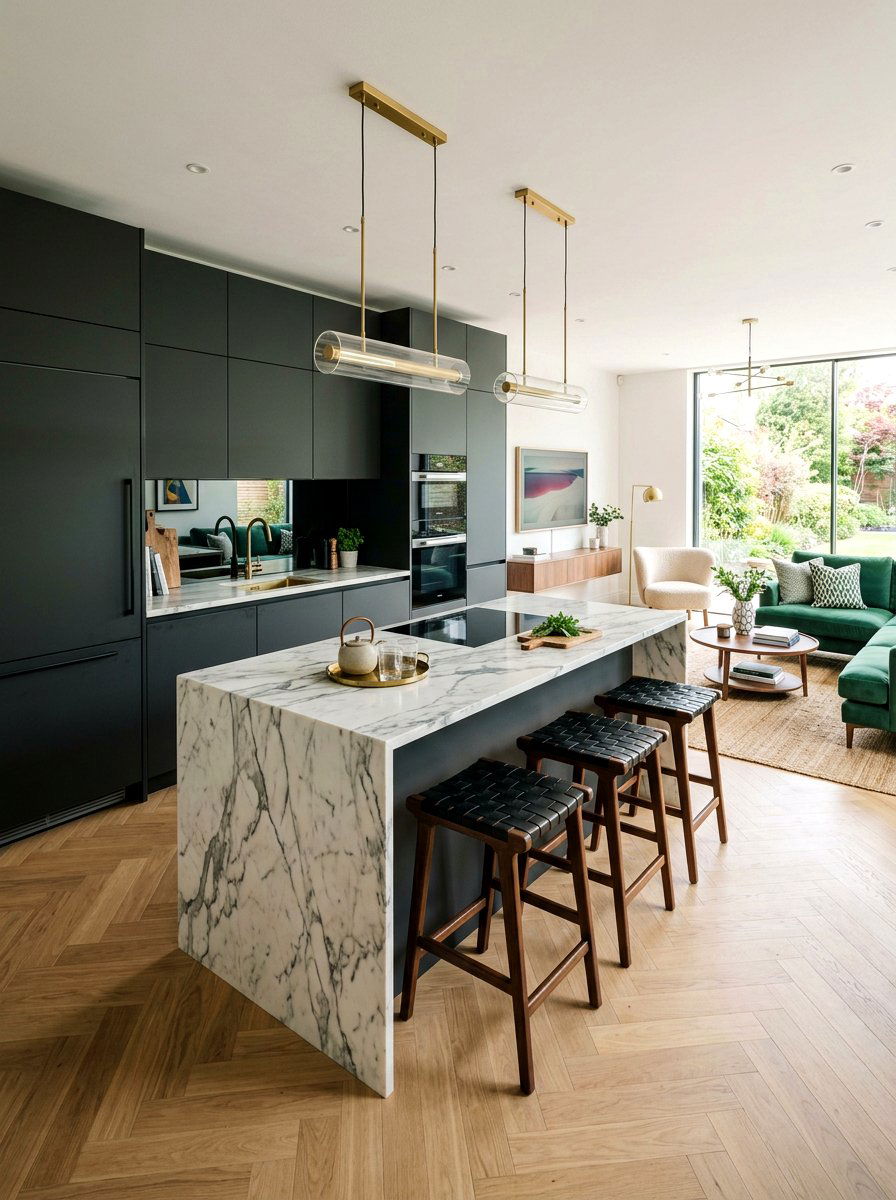
A modern kitchen living combo focuses on making the culinary space look as polished and decorative as the lounge area. This is achieved by using integrated appliances that are hidden behind cabinetry panels and selecting high-end materials like marble for backsplashes and islands. When the kitchen looks less like a utilitarian workspace and more like a refined part of the home, the entire open floor plan feels more sophisticated. Coordinating the hardware and lighting fixtures across both zones ensures a seamless visual transition. This approach allows the kitchen to blend into the background during social gatherings, keeping the focus on conversation and relaxation while providing a beautiful, functional backdrop for the host.
17. Mid Century Modern Great Room
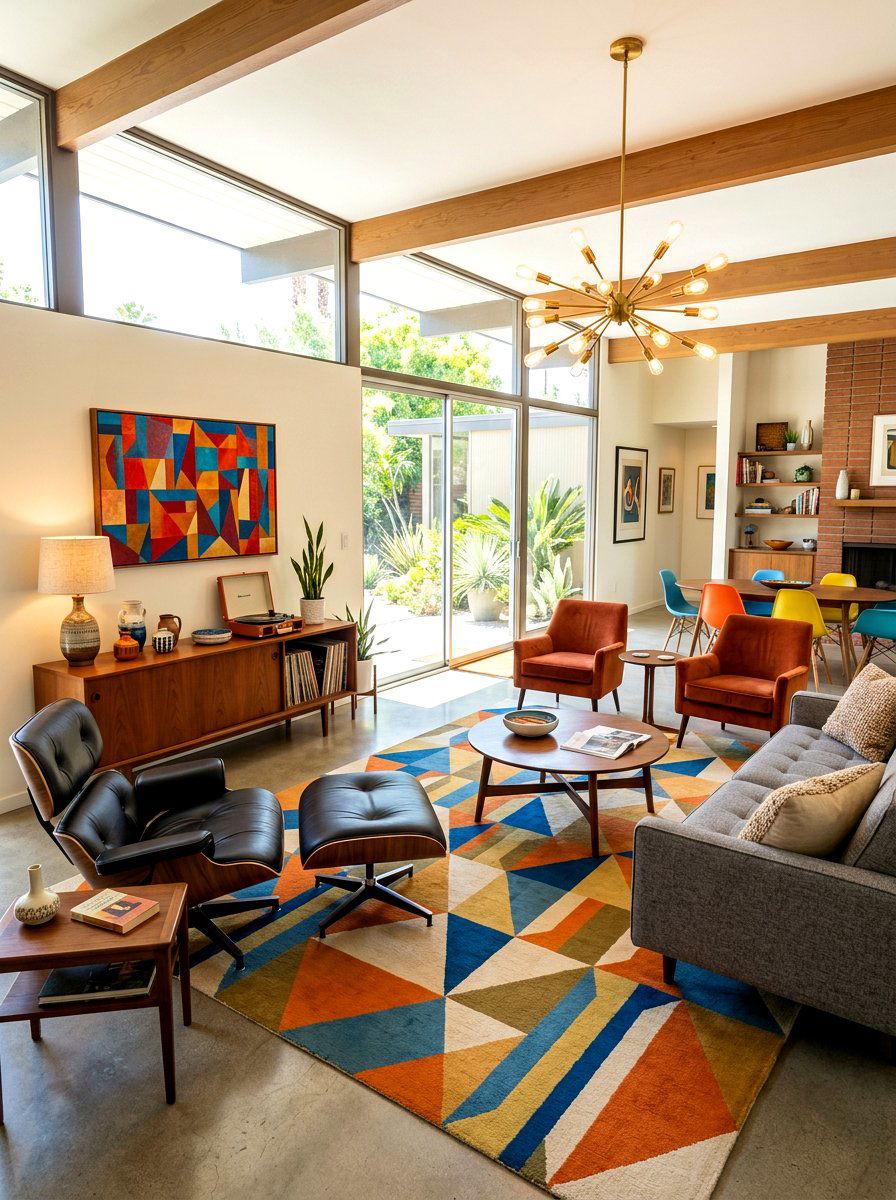
A mid century modern great room celebrates iconic furniture designs and a bold, optimistic aesthetic within an open layout. Characterized by tapered legs, organic shapes, and a mix of natural wood and vibrant colors, this style adds personality to a large space. Positioning a classic sideboard as a divider between the dining and living zones provides storage while maintaining low sightlines. The use of large-scale geometric rugs and statement lighting helps define each area without sacrificing the airy feel of the room. This design direction is perfect for those who appreciate architectural history and want a home that feels curated, stylish, and full of character while remaining highly functional for modern living.
18. Breakfast Nook In Kitchen
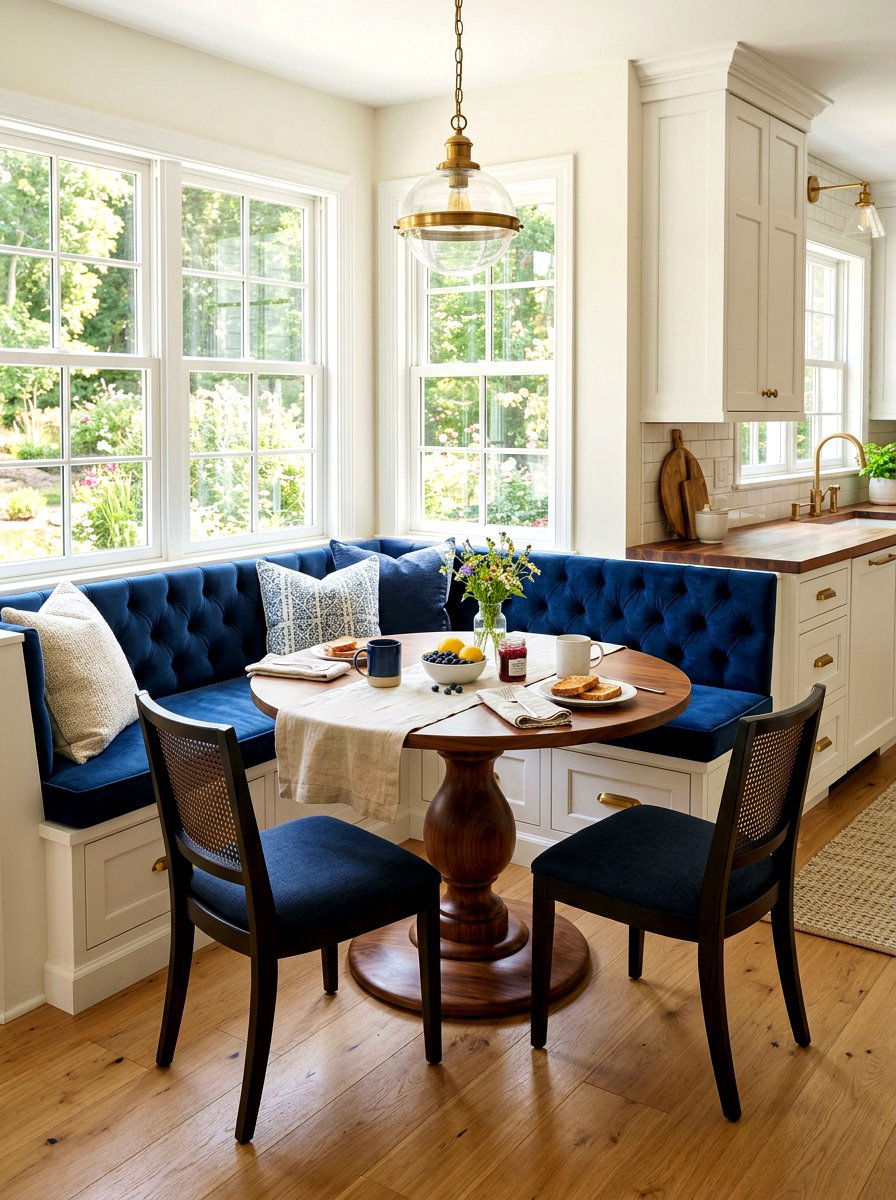
Adding a breakfast nook in kitchen zones creates a cozy, informal dining spot that doesn't overwhelm the larger floor plan. Often tucked into a corner or set against a window, a built-in banquette or a small round table provides a sense of intimacy within the vastness of an open layout. This area serves as the perfect place for morning coffee or casual family meals, freeing up the main dining table for more formal occasions. By using upholstery that matches the living room sofa, you can subtly link these two zones together. This functional addition makes the kitchen feel more like a living space and less like a separate, isolated room for cooking.
19. Sunken Living Room Layout
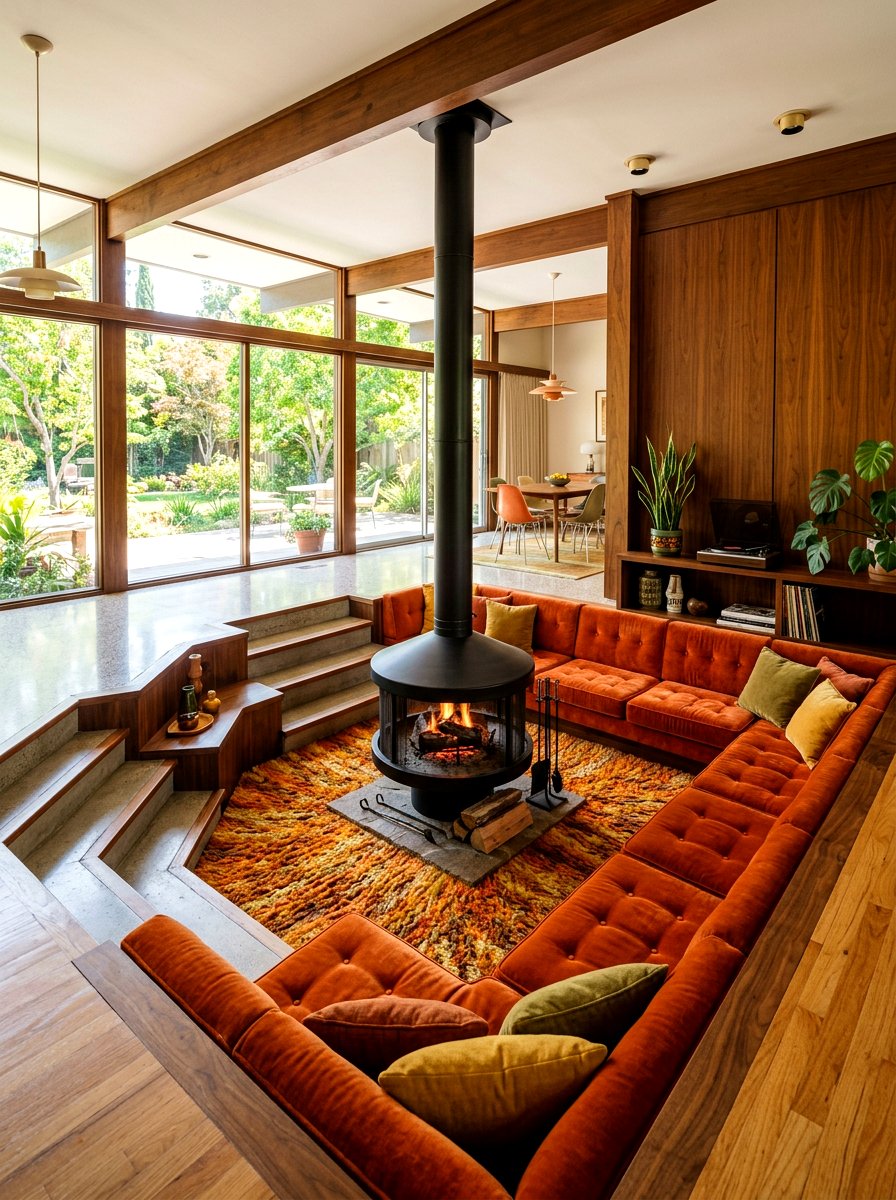
A sunken living room layout is a dramatic architectural choice that uses a change in floor height to define the lounge area. Often called a conversation pit, this design lowers the seating zone by a few steps, creating a clear physical and visual boundary without the need for walls. It makes the living area feel incredibly cozy and protected while maintaining an open view of the rest of the house. This retro-inspired feature adds a unique structural interest that acts as a natural focal point. By lining the perimeter with built-in seating or plush carpeting, you enhance the feeling of warmth and intimacy, making it the ultimate spot for social gatherings or relaxation.
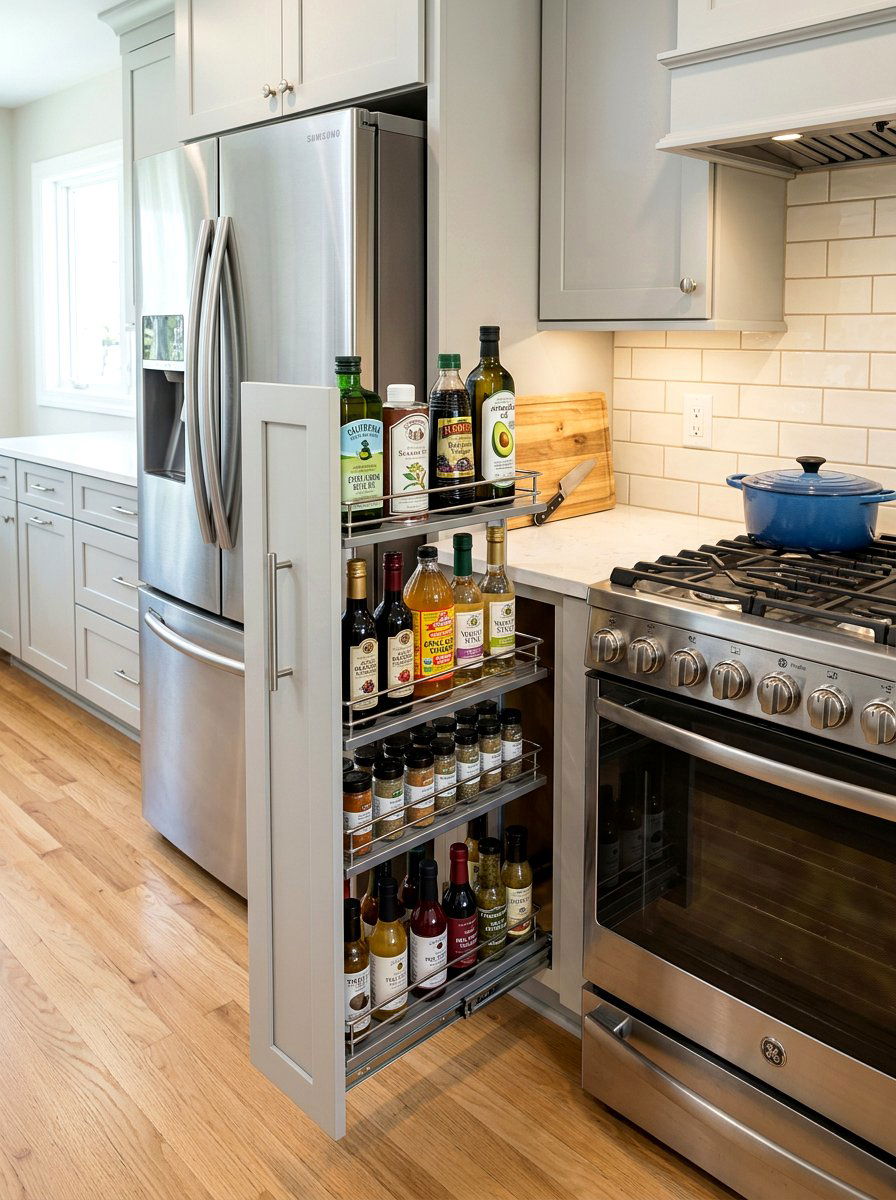
20. Kitchen Peninsula With Stools
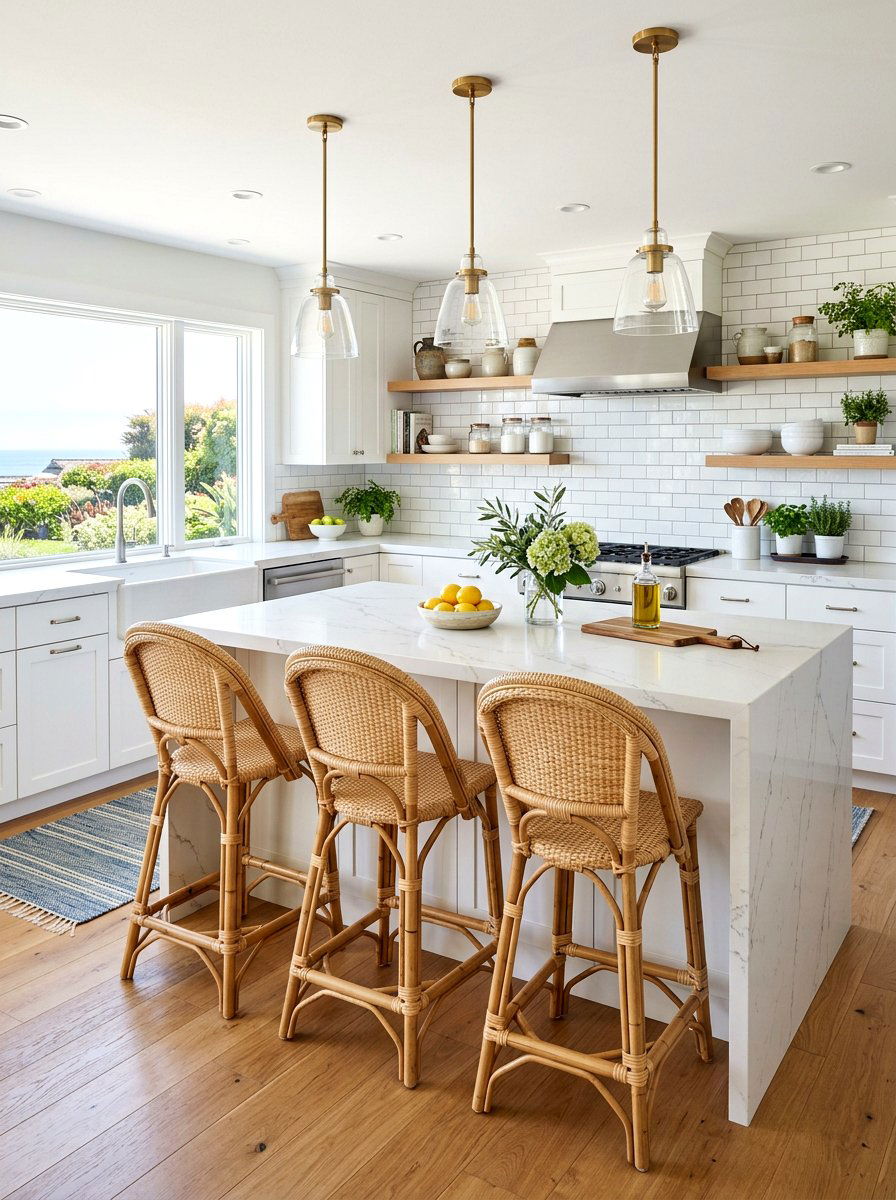
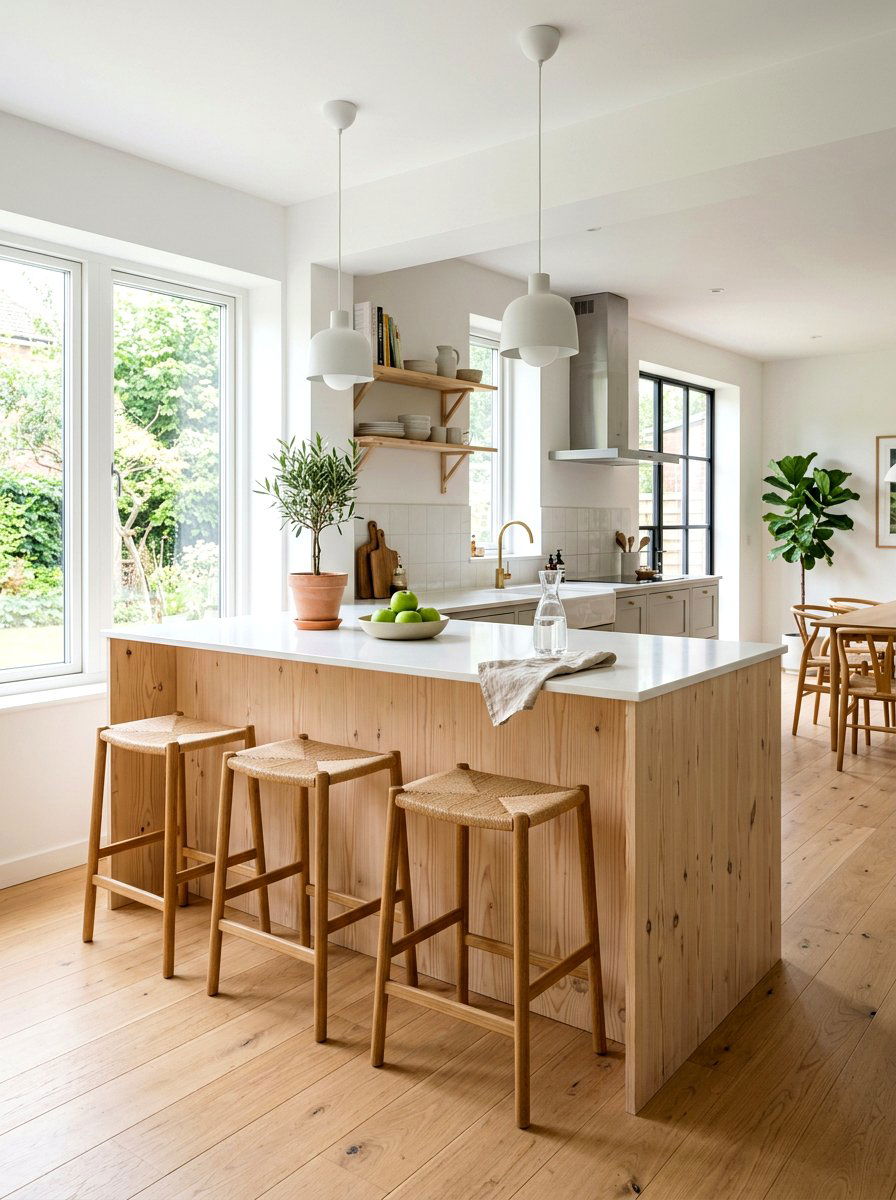
A kitchen peninsula with stools offers a space-saving alternative to a traditional island while still providing a clear divider for an open floor plan. By extending the countertop from a wall, you create a natural barrier that separates the cooking zone from the living or dining area. This setup is ideal for smaller homes where every square foot counts, as it provides extra workspace and a casual spot for dining or working. Choosing stools with a low profile ensures that sightlines remain clear across the room. This practical design choice keeps the layout feeling open and sociable, allowing for an easy flow of conversation between the chef and guests nearby.
21. Large Scale Gallery Wall
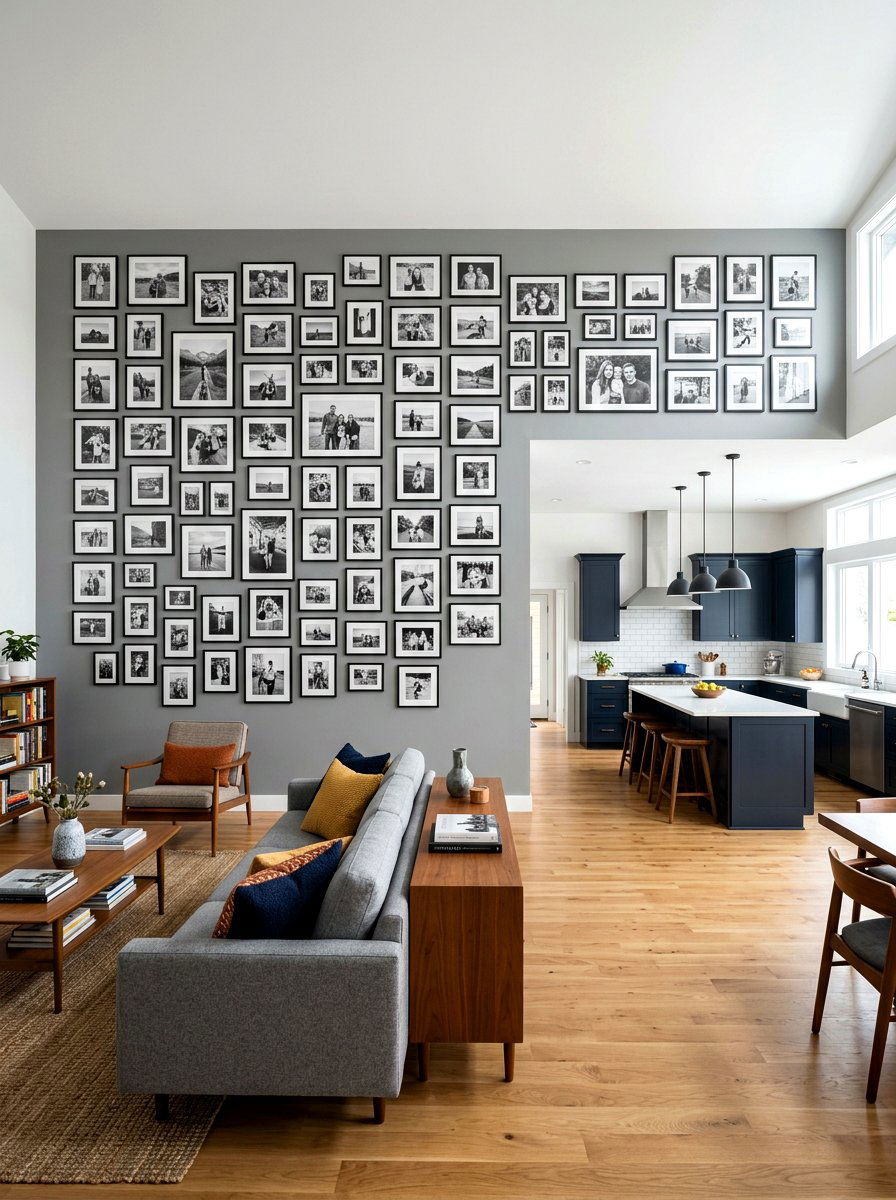
Creating a large scale gallery wall is an effective way to unify a long, shared wall that spans across multiple zones in an open concept home. By curating a collection of art, photographs, and mirrors, you can draw the eye along the entire length of the space, making it feel more cohesive and intentional. Using consistent frames or a specific color palette in the artwork helps to tie the kitchen, dining, and living areas together visually. This decorative feature adds immense personality and character, turning a plain wall into a dynamic focal point. It also helps to ground the furniture pieces placed against it, providing a rich, layered backdrop for everyday life.
22. Coastal Style Open Interior
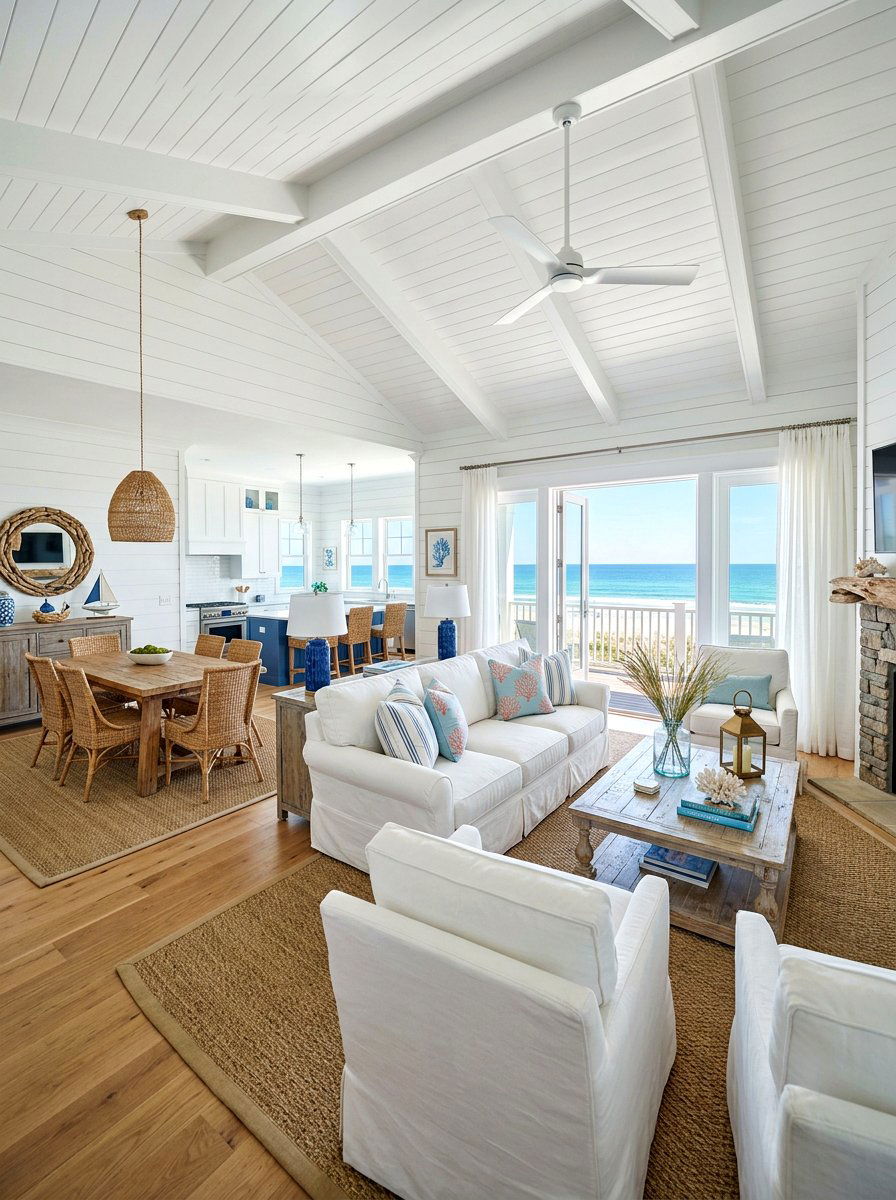
A coastal style open interior captures the breezy, relaxed essence of a beach house through light colors and natural materials. By using a palette of soft blues, sandy beiges, and crisp whites, you create a space that feels incredibly airy and full of light. Incorporating textures like jute rugs, rattan furniture, and linen slipcovers adds a tactile warmth that complements the open layout. Large windows are essential to this look, allowing natural light to flood the room and enhance the feeling of connection to the outdoors. This design direction is perfect for creating a serene, inviting home where the flow between rooms feels as natural as the ocean tide and summer breeze.
23. Modern Hidden Storage Cabinets
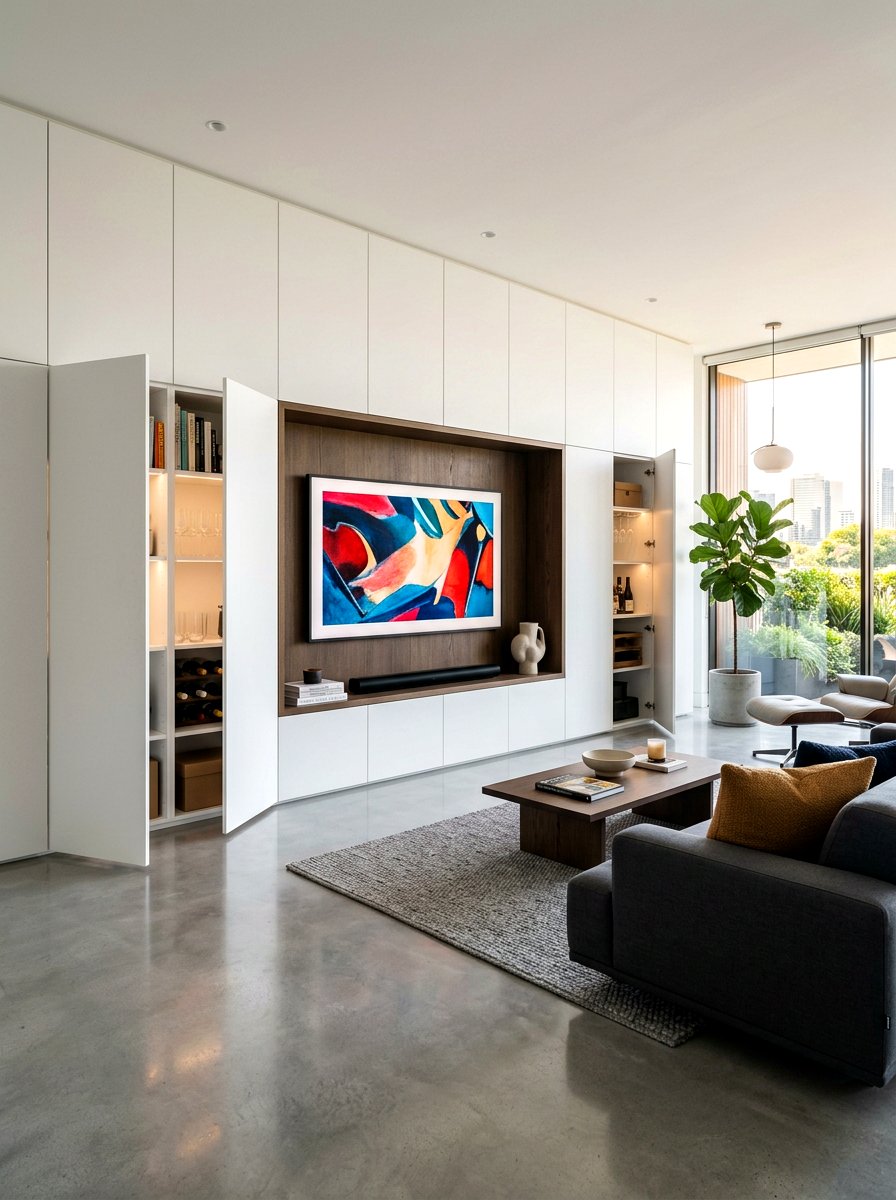
Modern hidden storage cabinets are a vital component of a successful open concept home because they help maintain a clean, organized aesthetic. In a space where every corner is visible, clutter can quickly become overwhelming. By using handle-less, floor-to-ceiling cabinetry that matches the wall color, you can hide everything from kitchen appliances to children's toys and media equipment. This streamlined look allows the architecture and the main furniture pieces to shine without the distraction of messy surfaces. These integrated units can span across different zones, providing a consistent visual element that ties the room together while offering the deep, functional storage required for a busy, modern family lifestyle.
24. Bold Color Accent Wall
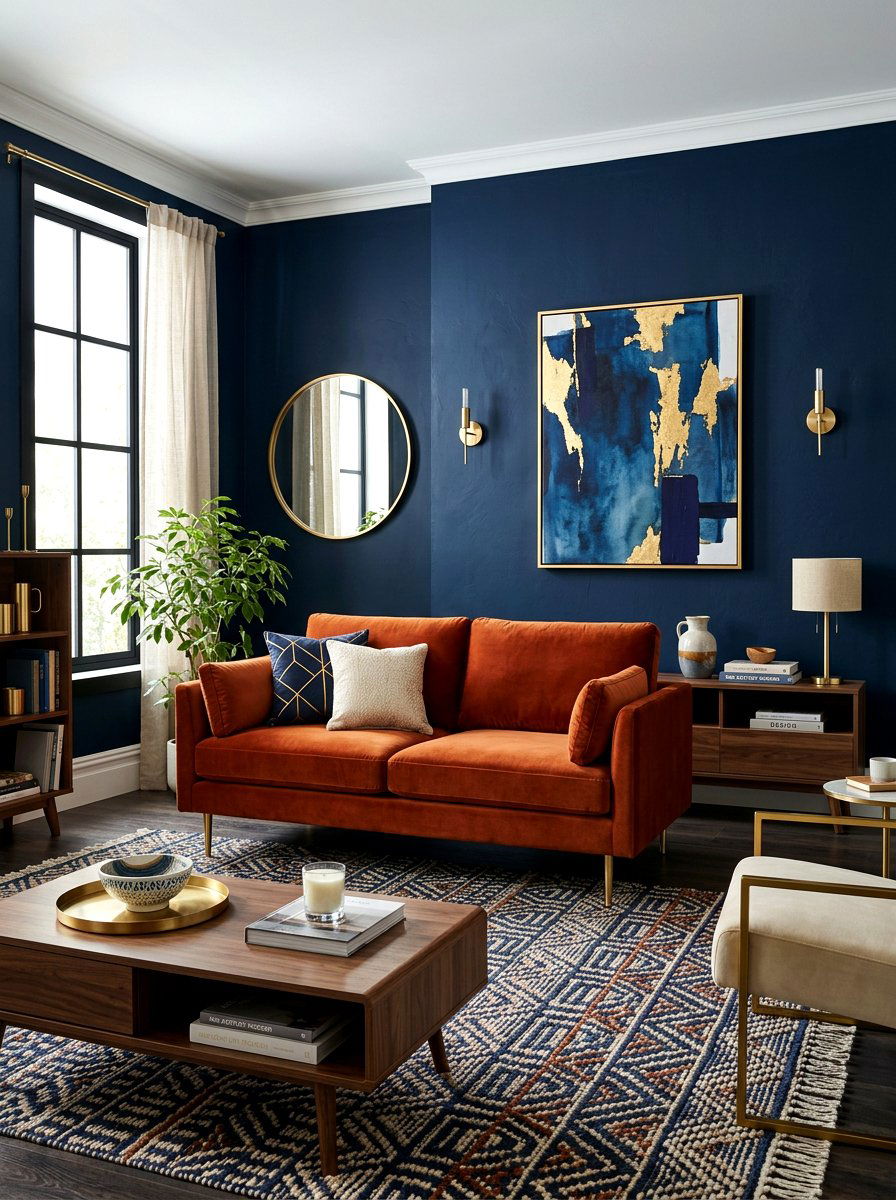
Applying a bold color accent wall is a strategic way to anchor a specific zone within a neutral open floor plan. By painting the wall behind the television or the dining table in a deep, saturated hue like navy or forest green, you create a clear visual destination for that part of the room. This technique adds depth and drama, preventing the large space from feeling washed out or monotone. To maintain harmony, repeat the accent color in small doses throughout the rest of the great room, such as in throw pillows or decorative vases. This creates a sophisticated, well-balanced environment where each area has its own unique personality and focal point.
25. Home Office In Living Room
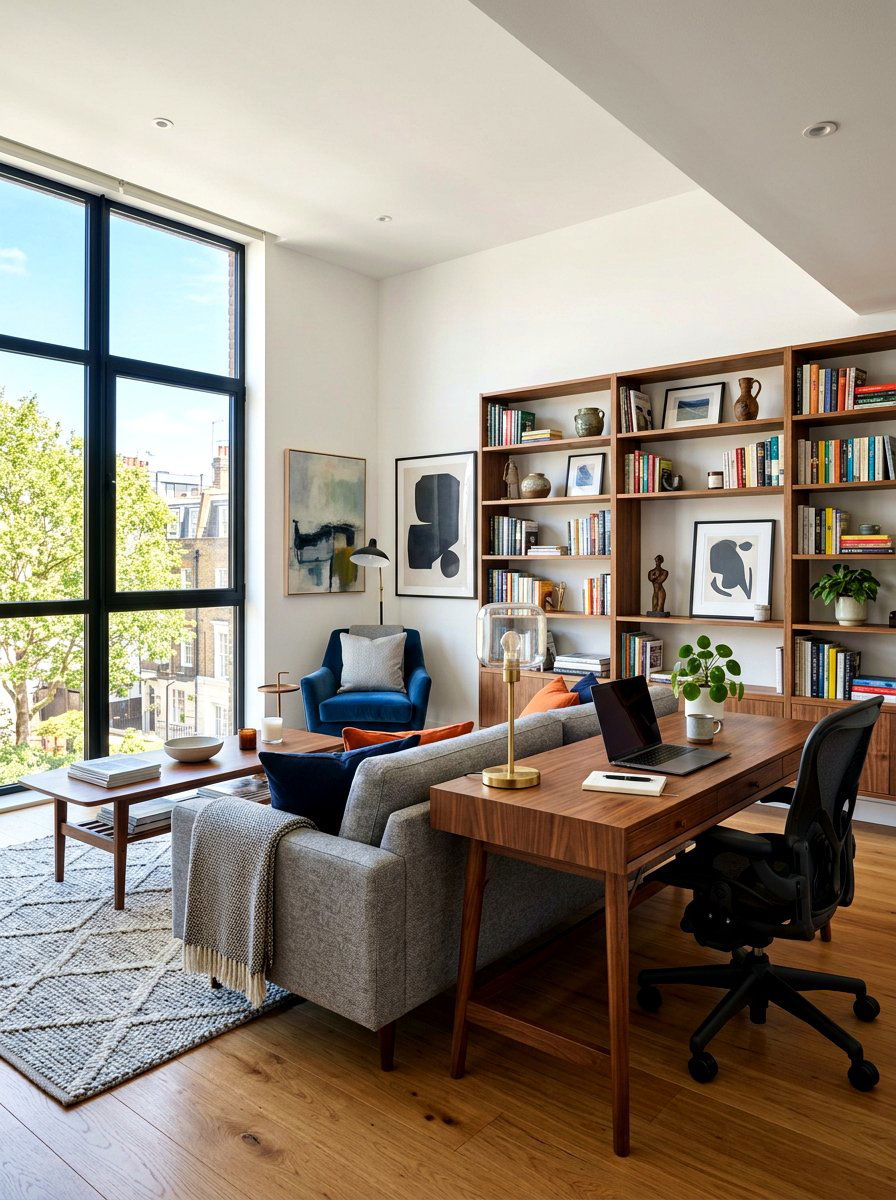
Integrating a home office in living room areas is a common necessity in modern open floor plans that requires careful planning to remain stylish. By choosing a desk that matches the wood tone of the dining table or the finish of the kitchen cabinets, you can make the workspace feel like a deliberate part of the design. Using an attractive, comfortable chair instead of a standard plastic office seat helps the area blend into the lounge setting. Positioning the desk behind a sofa or tucked into a quiet corner ensures that the office does not dominate the social vibe of the great room. This approach provides a functional, professional spot without sacrificing the home's beauty.
26. Open Concept Entryway Foyer
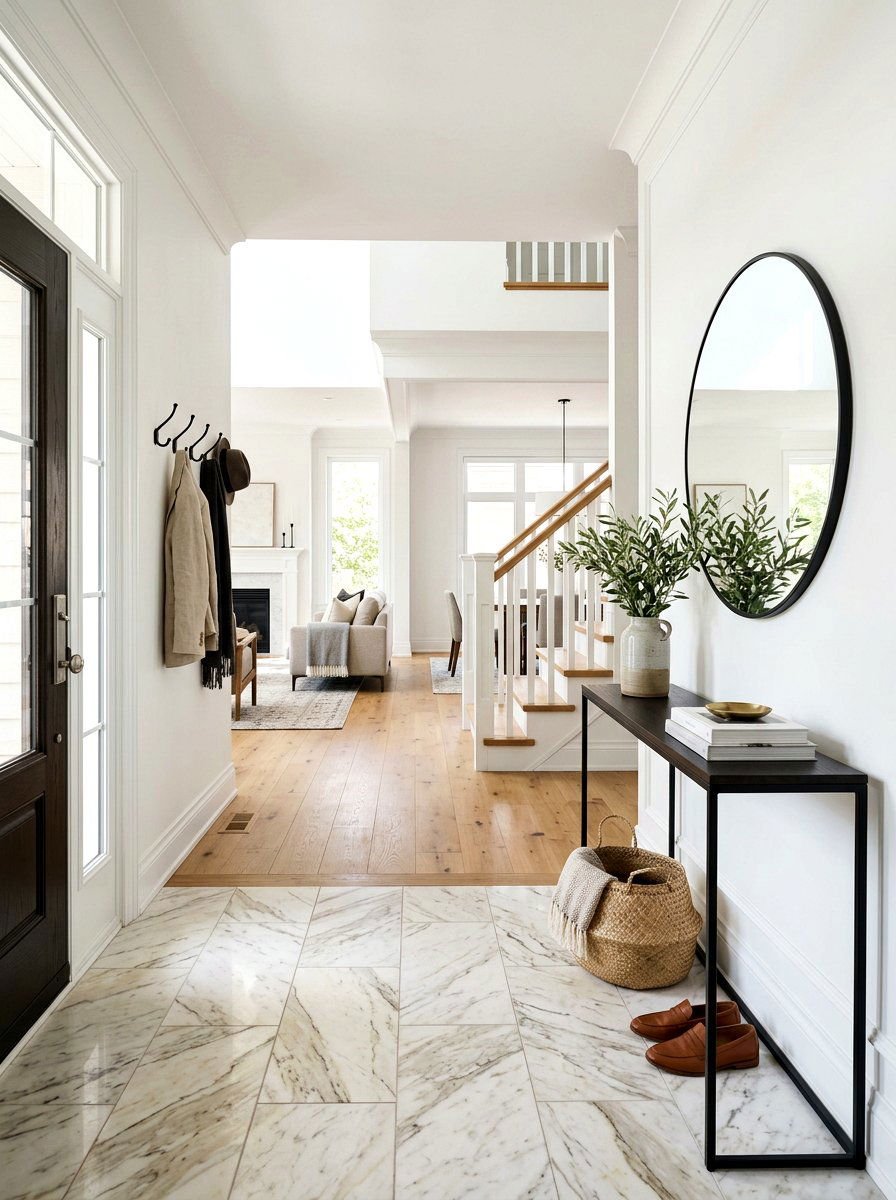
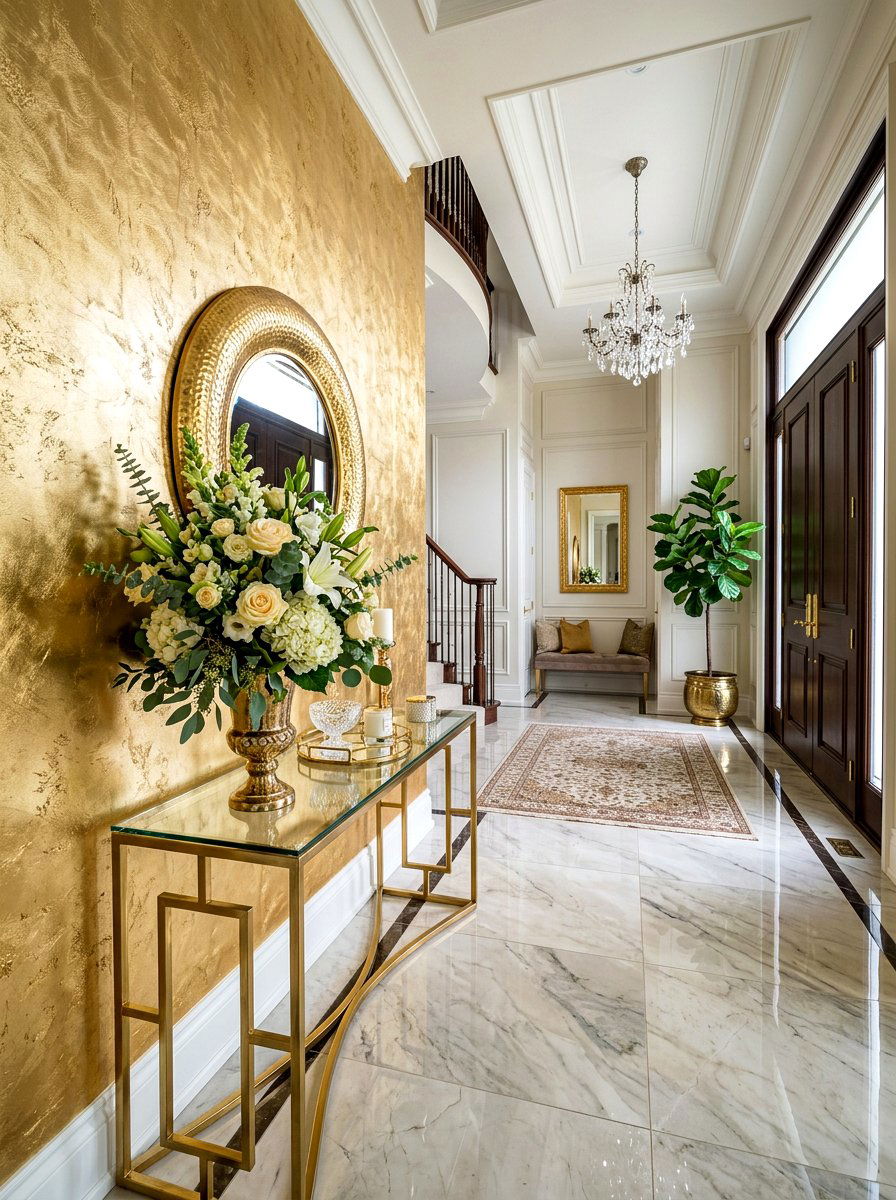
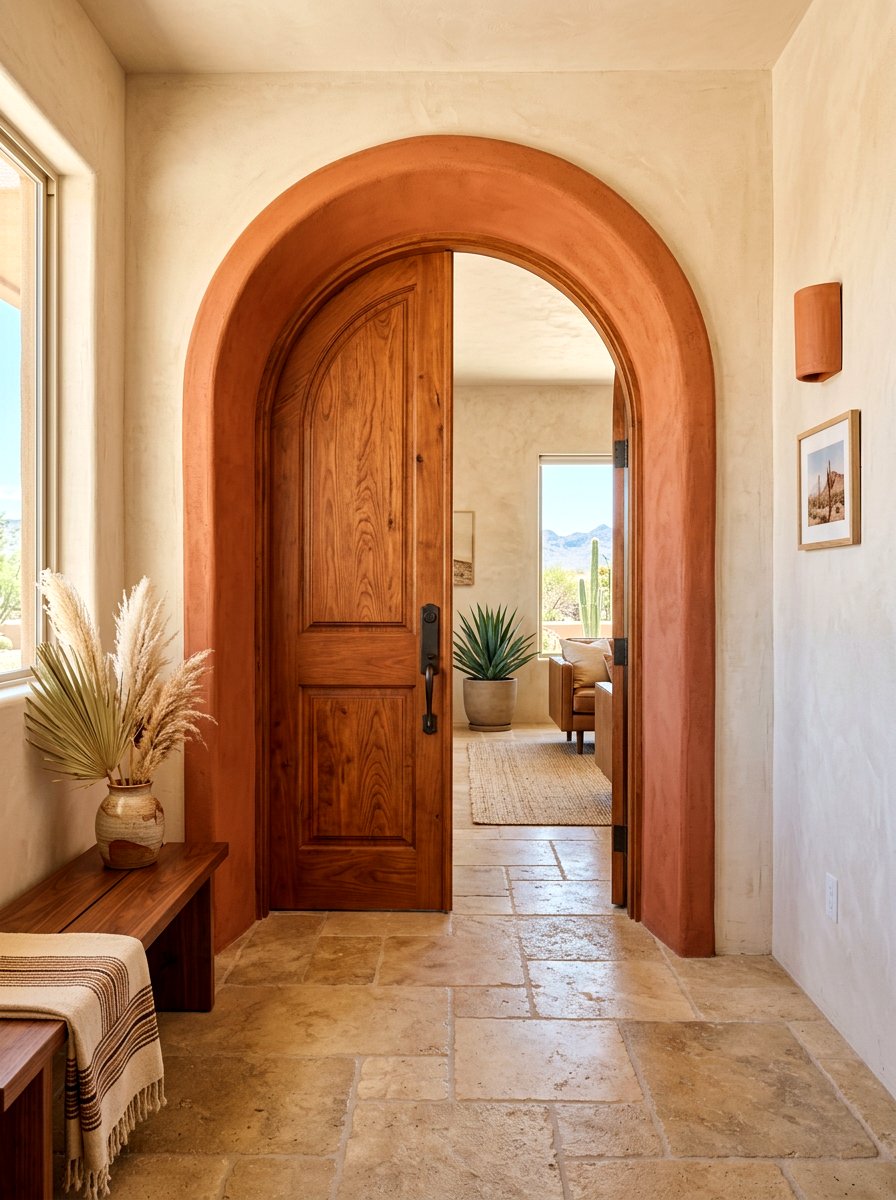
An open concept entryway foyer needs a clear sense of definition to prevent it from feeling like it is spilling directly into the living room. By using a different flooring material, such as a stylish tile transition, or placing a narrow console table, you can create a dedicated drop zone for keys and mail. Adding a large mirror or a piece of statement art helps anchor this area and provides a warm welcome for guests. This subtle zoning ensures that the first impression of the home is organized and intentional. By keeping the decor consistent with the rest of the open space, you maintain a beautiful, professional flow from the front door inward.
27. Indoor Tree For Decor
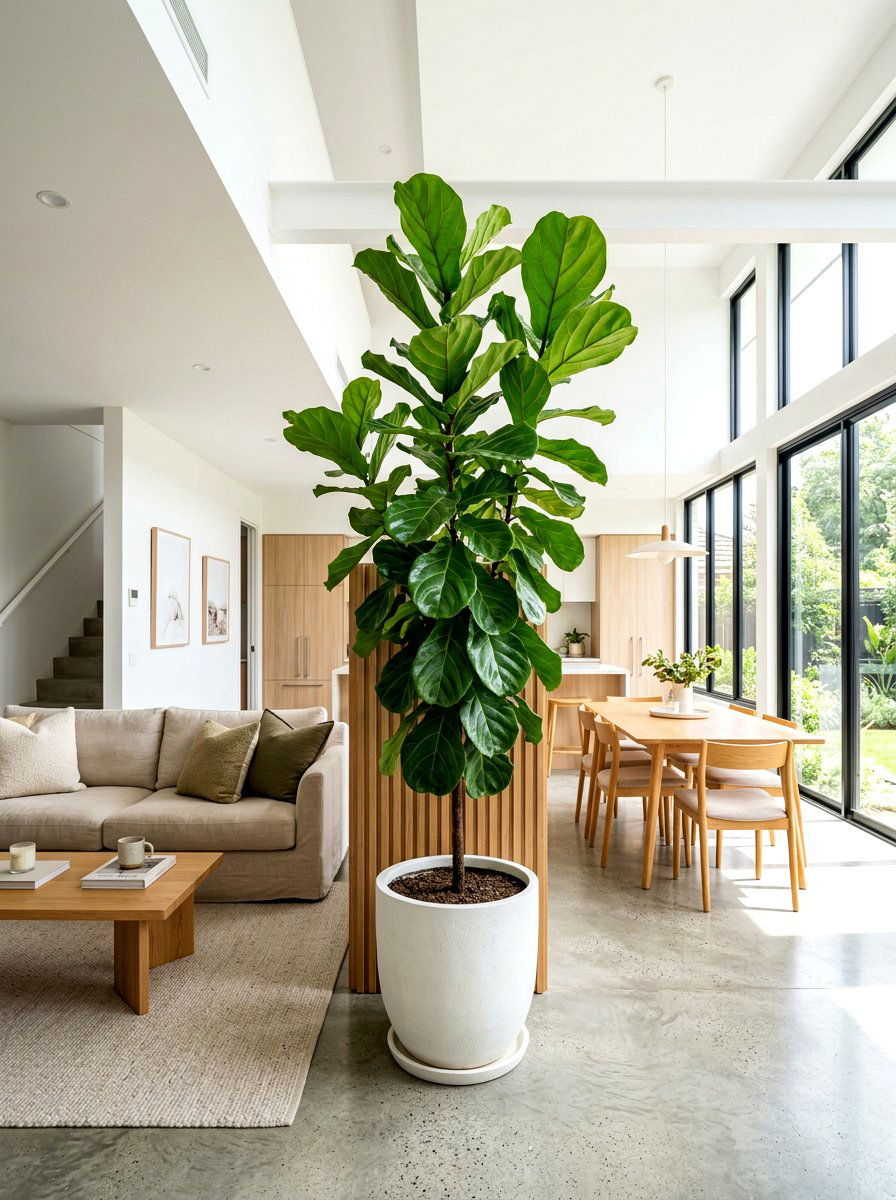
Placing an indoor tree for decor is a brilliant biophilic strategy to soften the sharp lines and open expanses of a modern floor plan. A tall, structural plant like a fiddle leaf fig or an olive tree can be used to mark the corner of a zone or act as a soft, natural room divider. The lush greenery adds life, color, and texture to the room, making the large space feel more vibrant and grounded. Plants also help to improve air quality and can significantly dampen noise in rooms with high ceilings. By choosing a stylish planter that complements your furniture, you turn nature into a functional, beautiful piece of living architecture.
28. Texture Layering In Living Room
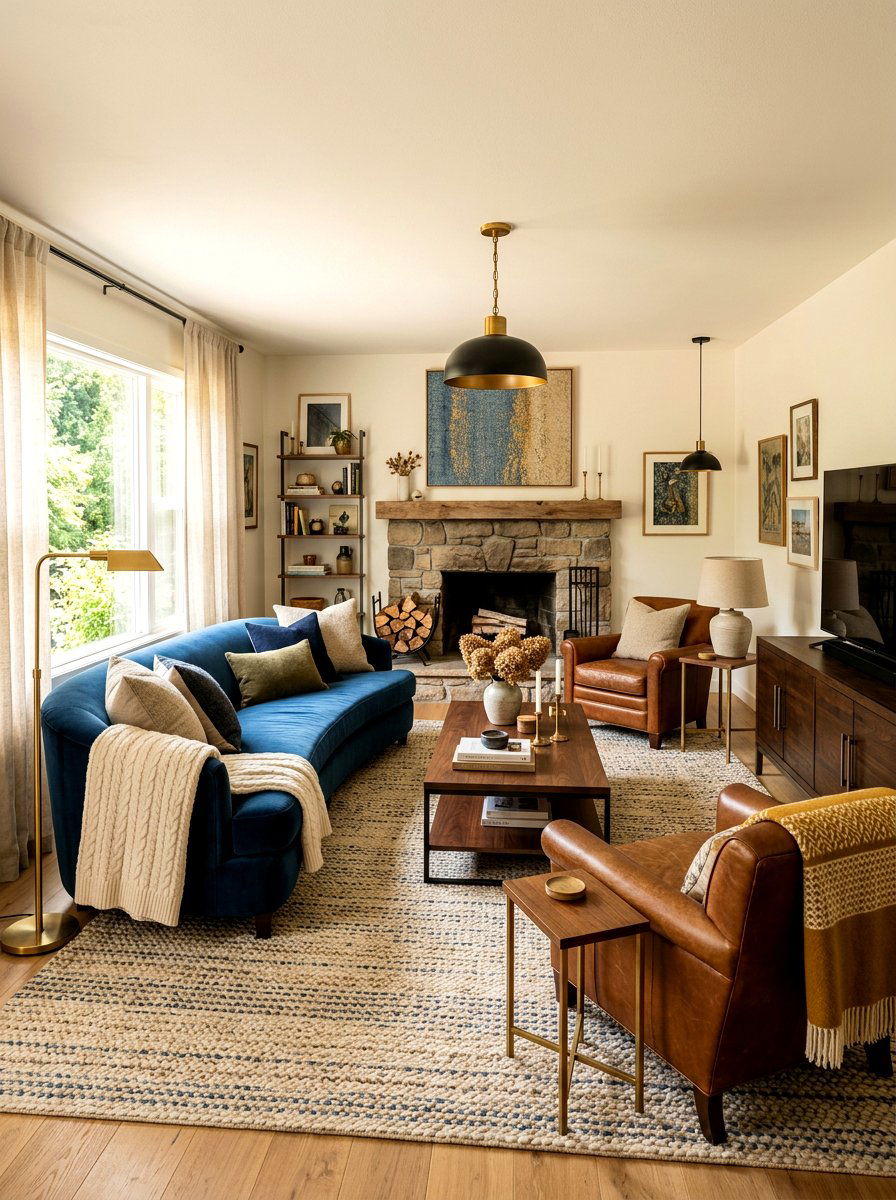
Successful texture layering in living room zones is the secret to making a large open concept home feel warm and inviting. Instead of relying on color alone, designers use a mix of materials like smooth leather, chunky wool knits, velvet pillows, and natural wood accents to create visual depth. This approach is particularly important in neutral spaces where varied surfaces prevent the room from feeling flat or sterile. By carrying these different textures through to the dining area and kitchen — perhaps with upholstered chairs or a textured backsplash — you create a cohesive, high-end look. This sensory richness makes the home feel more lived-in, cozy, and luxurious, encouraging family and guests to linger and relax.
29. Small Apartment Open Layout
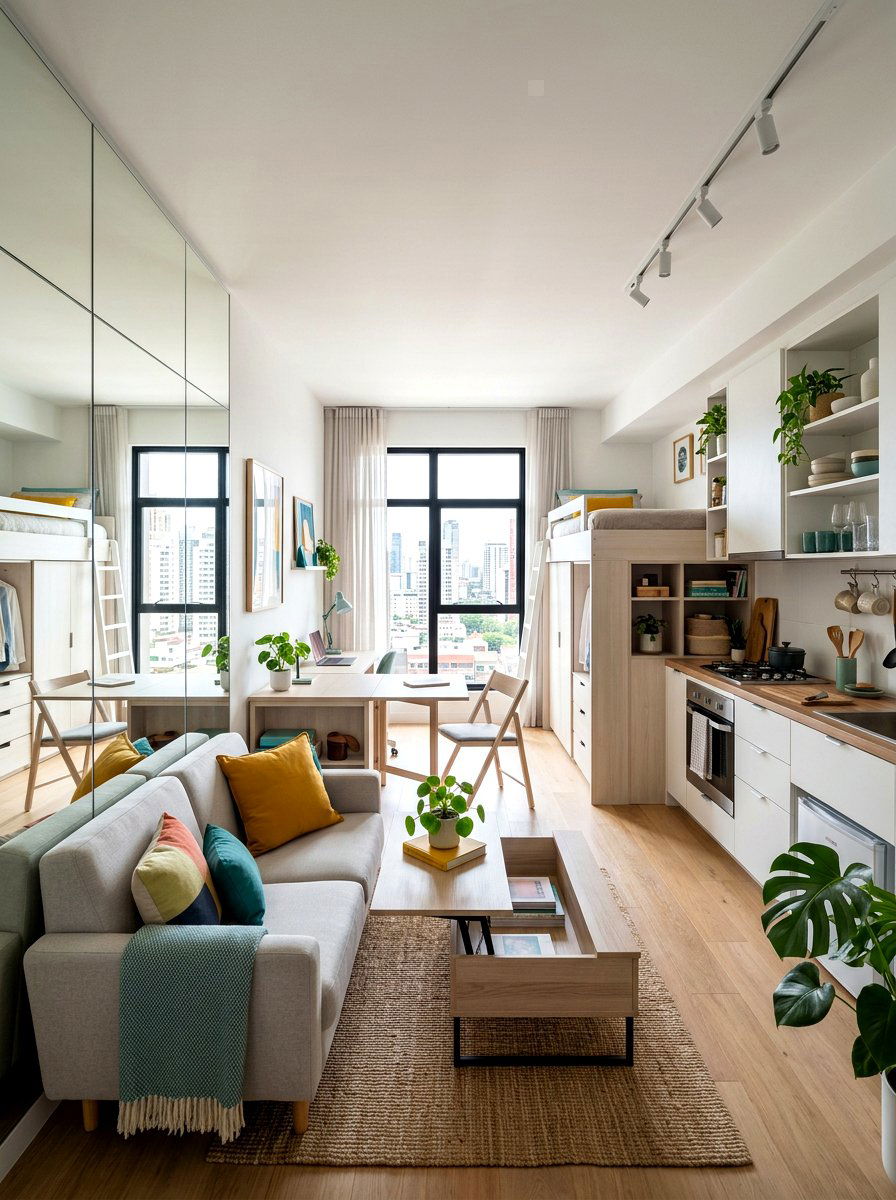
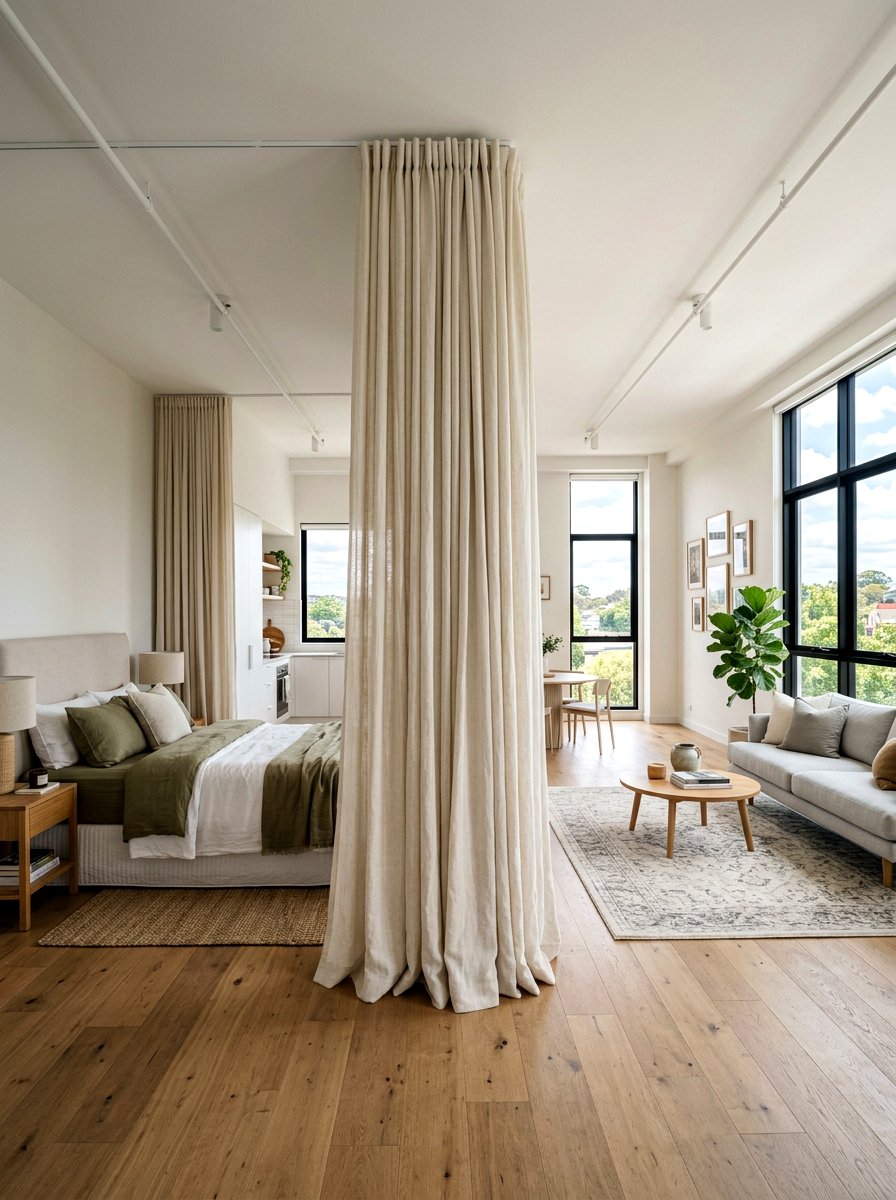
Managing a small apartment open layout requires a focus on clever furniture choices and maintaining clear pathways for movement. In a compact space, it is best to use low-profile furniture that allows light to travel across the entire room, making it feel larger than it actually is. Utilizing multi-functional pieces, such as a coffee table with storage or a dining table that can double as a desk, ensures that every inch of square footage is maximized. Keeping the color palette light and consistent across all areas helps to blur the boundaries between the kitchen and living zones. This approach creates a bright, airy, and efficient home that feels surprisingly spacious despite its smaller footprint.
30. Open Concept Traffic Flow
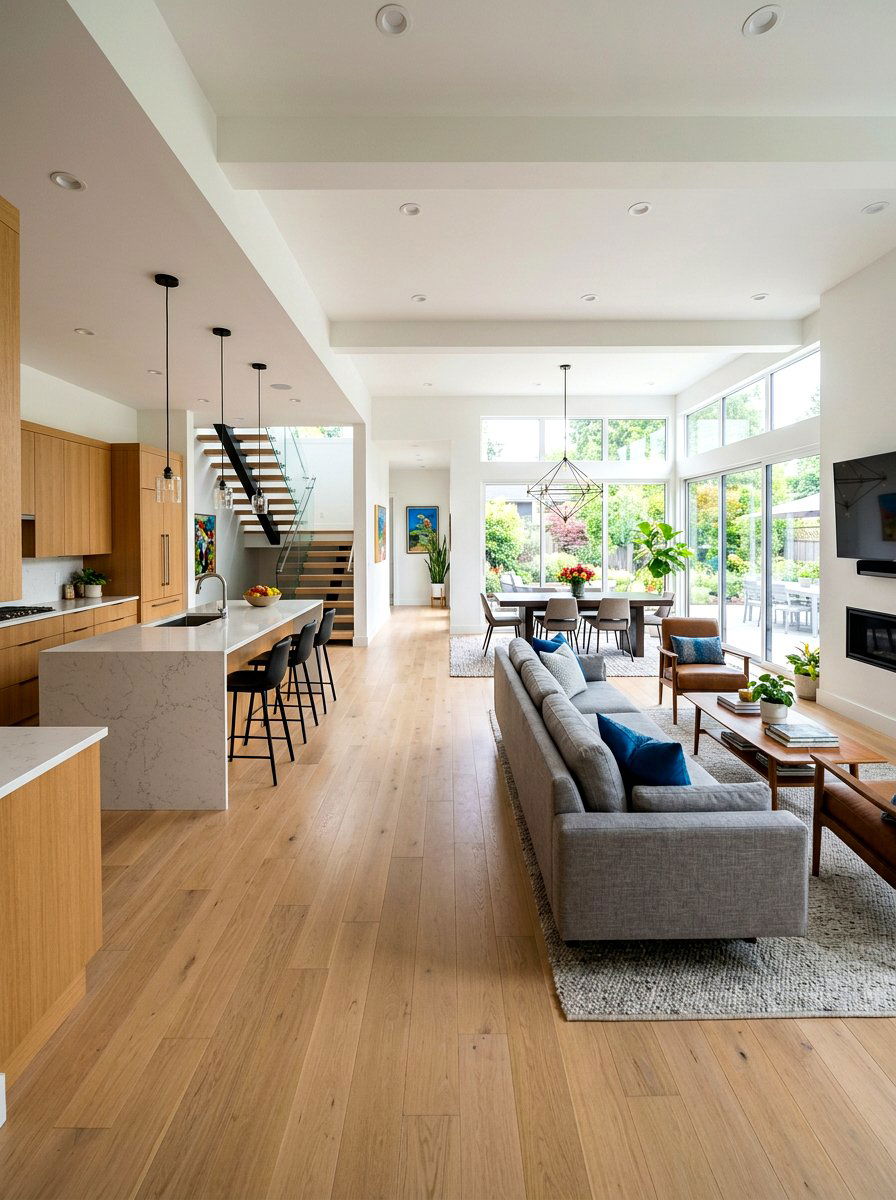
Planning for open concept traffic flow is the final, essential step in decorating a successful and functional great room. It is vital to leave clear, unobstructed pathways between the different zones so that family members and guests can move easily without bumping into furniture. A general rule is to maintain at least thirty-six inches of space for major walkways. By grouping furniture tightly within its specific zone, you naturally create these invisible hallways that guide people through the home. This thoughtful layout ensures that the open floor plan remains practical for daily living while feeling spacious and organized. A home that flows well feels much more comfortable, professional, and luxurious to live in every day.
Conclusion:
Decorating an open concept home is an art form that balances the freedom of a wide floor plan with the necessity of organized, functional zones. By thoughtfully selecting consistent materials, layering textures, and using architectural cues like lighting and rugs, you can create a space that feels both grand and intimate. The key is to view the entire area as a single, harmonious environment where every piece of furniture and decor serves a specific purpose in the larger design. Whether you prefer a minimalist look or a cozy rustic aesthetic, prioritizing flow and visual unity will ensure your home is a beautiful, livable sanctuary for years to come.

Related posts: