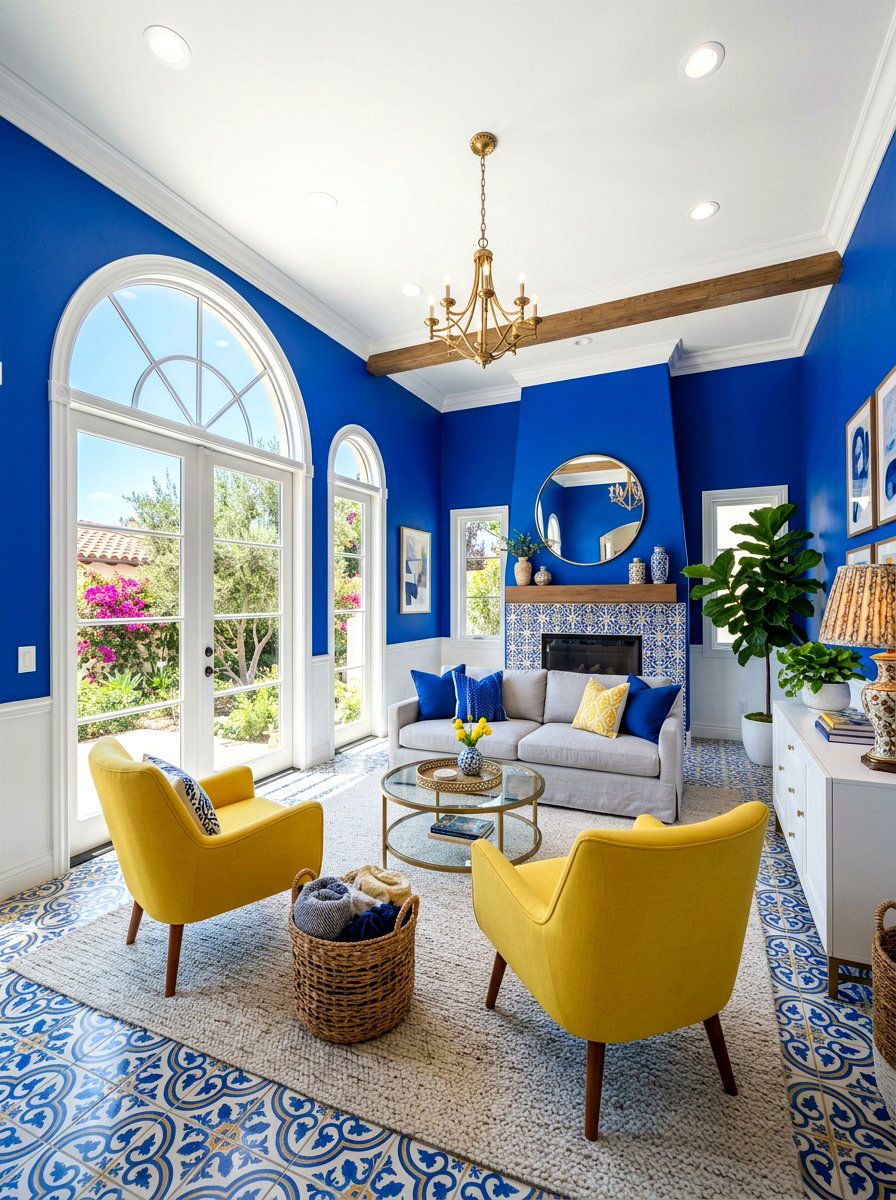
Open concept living rooms have completely transformed how we experience our homes by removing restrictive walls and allowing natural light to flow through every corner. This design approach creates a social heart where cooking, dining, and relaxing happen simultaneously without any physical barriers. Modern homeowners love how these layouts make even smaller footprints feel grand and airy while fostering deeper family connections during busy daily routines. By integrating various functional zones into one cohesive space, you gain the freedom to customize your environment to fit your unique lifestyle. Whether you are hosting a large dinner party or enjoying a quiet evening, the seamless transition between areas offers unparalleled flexibility and a truly contemporary aesthetic.
1. Modern Farmhouse Open Concept Living Room
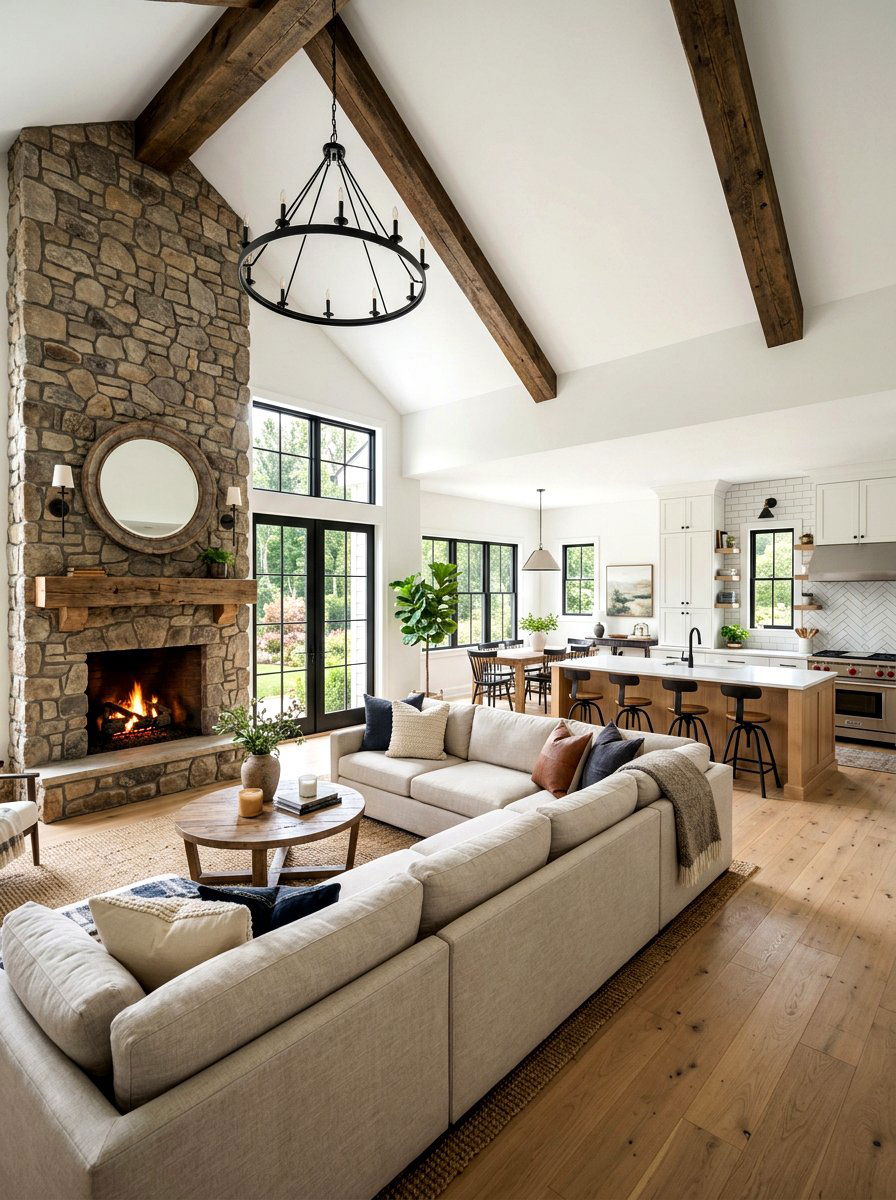
A modern farmhouse open concept living room perfectly blends rustic charm with clean contemporary lines to create a warm and inviting atmosphere. This design typically features high vaulted ceilings with exposed reclaimed wood beams that draw the eye upward and add architectural interest. To define the space without walls, designers often use large woven area rugs and strategically placed neutral sofas that face a central stone fireplace. The transition into the kitchen is usually anchored by a large white oak island with matte black hardware. Light shiplap walls and natural oak flooring provide a bright backdrop that allows the various textures and organic materials to shine throughout the entire shared area.
2. Small Apartment Open Floor Plan
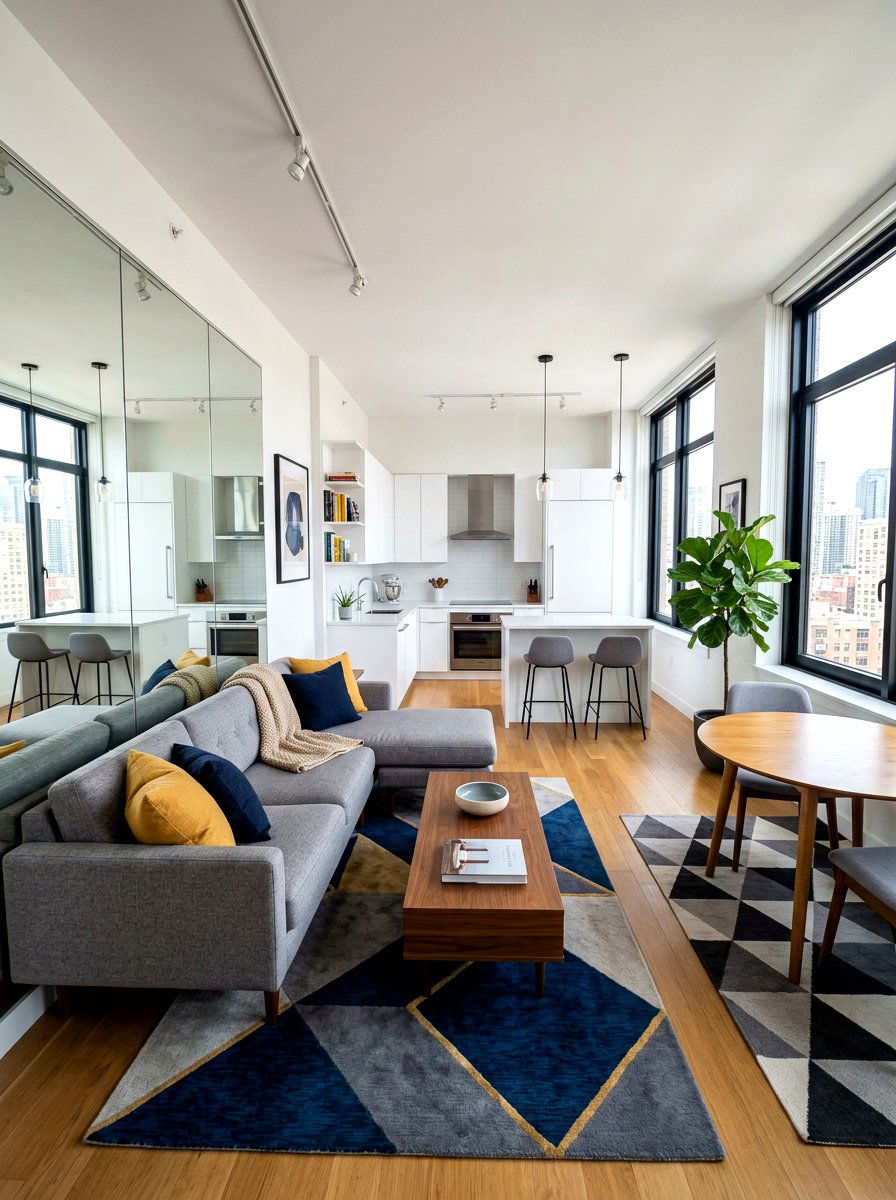
Designing a small apartment open floor plan requires clever furniture choices and strategic zoning to maximize every single square inch of available space. Utilizing low-profile furniture helps maintain clear sightlines across the room, which prevents the layout from feeling cramped or cluttered. You can define the living and dining areas by using distinct rugs that act as visual boundaries on the floor. Mirrored accents and light-colored walls work together to bounce natural light deep into the unit, making the whole area feel significantly larger. Choosing multi-functional pieces, like a storage ottoman or a sleek nesting coffee table, ensures that the space remains highly organized and functional for daily living.
3. Industrial Loft Open Living Area
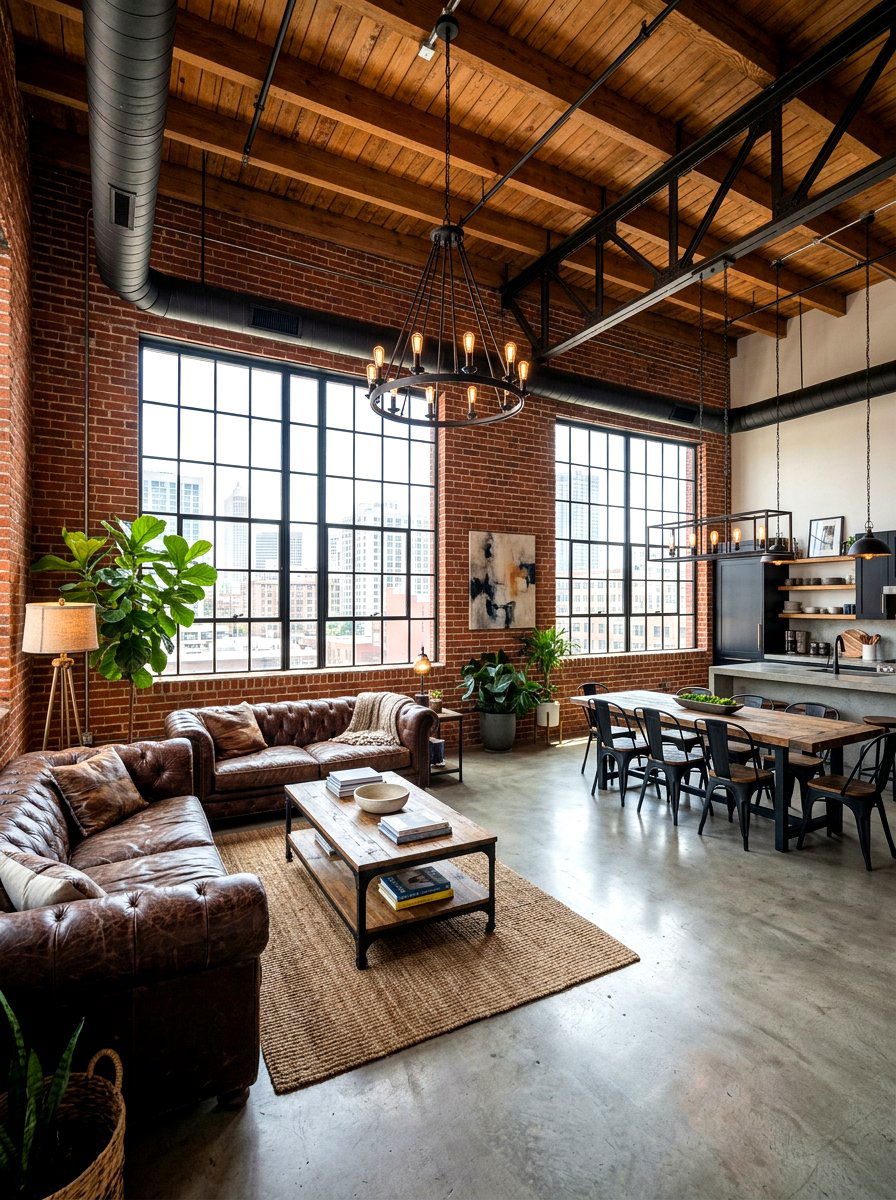
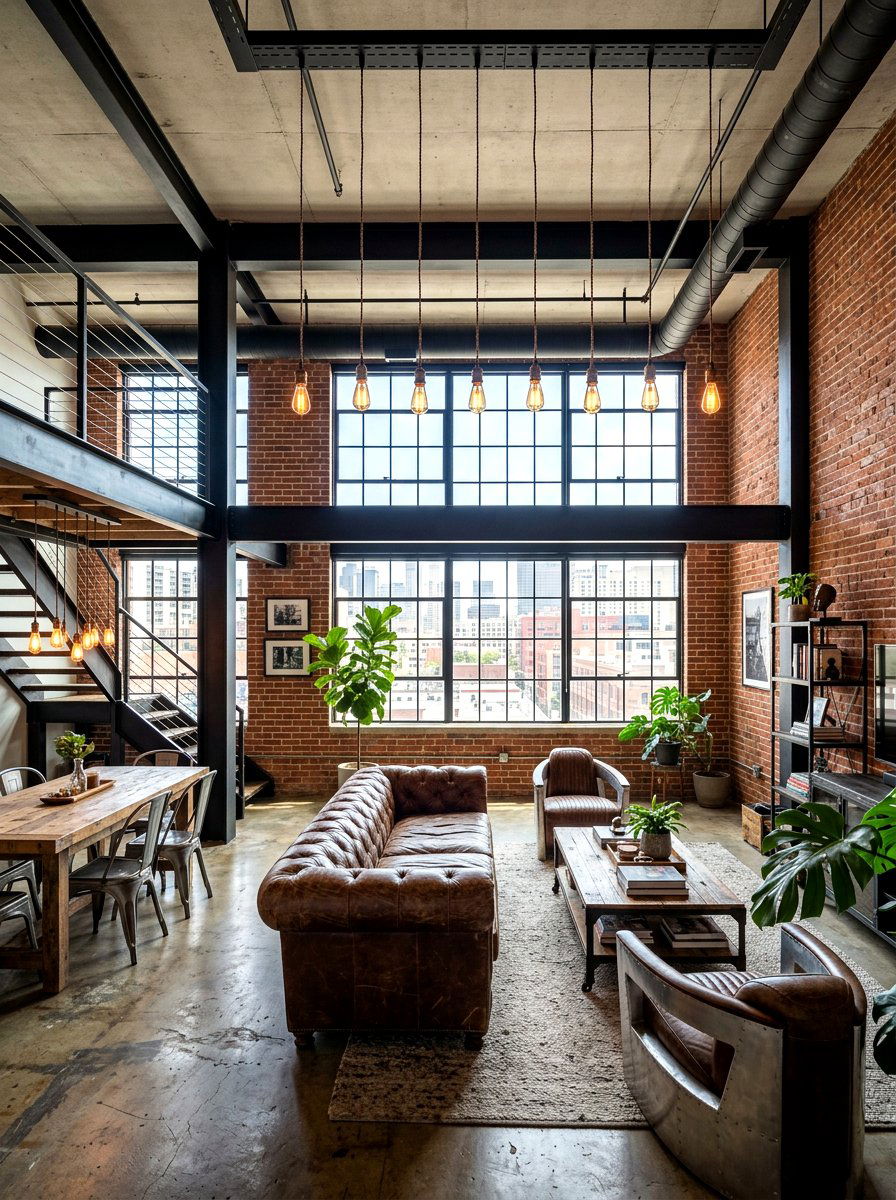
The industrial loft open living area embraces raw architectural elements like exposed red brick walls, concrete floors, and visible ductwork for a bold look. Large factory-style windows are essential for flooding the expansive space with natural light, highlighting the unique textures of the structural materials. To make such a large area feel comfortable, homeowners often incorporate oversized leather sectionals and heavy wooden coffee tables that ground the room. Metal accents in the form of black iron light fixtures or steel-framed shelving help maintain the edgy urban vibe. Softening the hard surfaces with plush textiles and large indoor plants creates a balanced environment that feels both cool and incredibly cozy.
4. Minimalist Open Concept Space
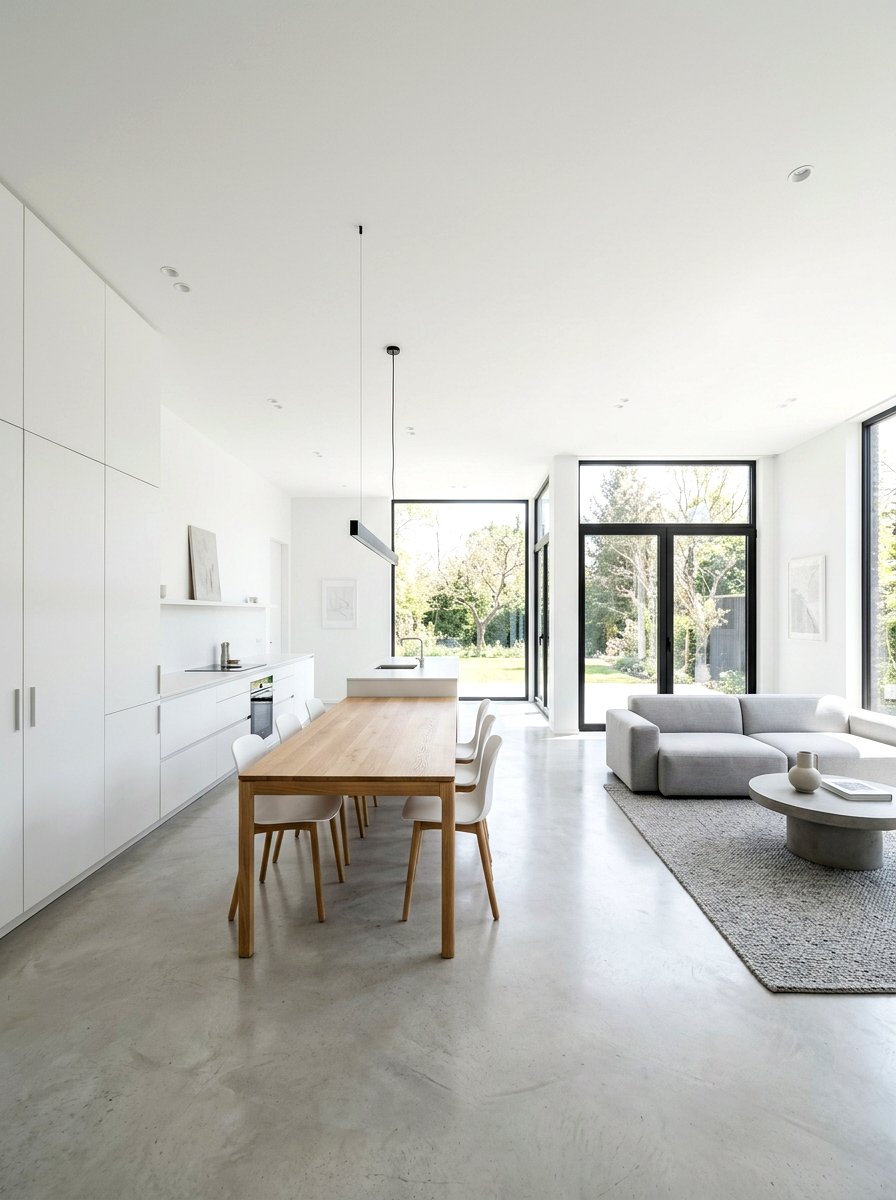
A minimalist open concept space focuses on the beauty of simplicity and the intentional use of negative space to create a peaceful home. This style relies on a very restricted color palette, usually consisting of crisp whites, soft grays, and warm wood tones to ensure visual harmony. Furniture pieces are chosen for their clean silhouettes and functional value, often featuring hidden storage to keep surfaces completely free of clutter. Built-in cabinetry that blends into the walls helps the kitchen disappear when not in use, maintaining the focus on the architecture. Large-scale windows without heavy drapery allow the outdoor landscape to become a living part of the interior design scheme.
5. Mid Century Modern Open Living Room
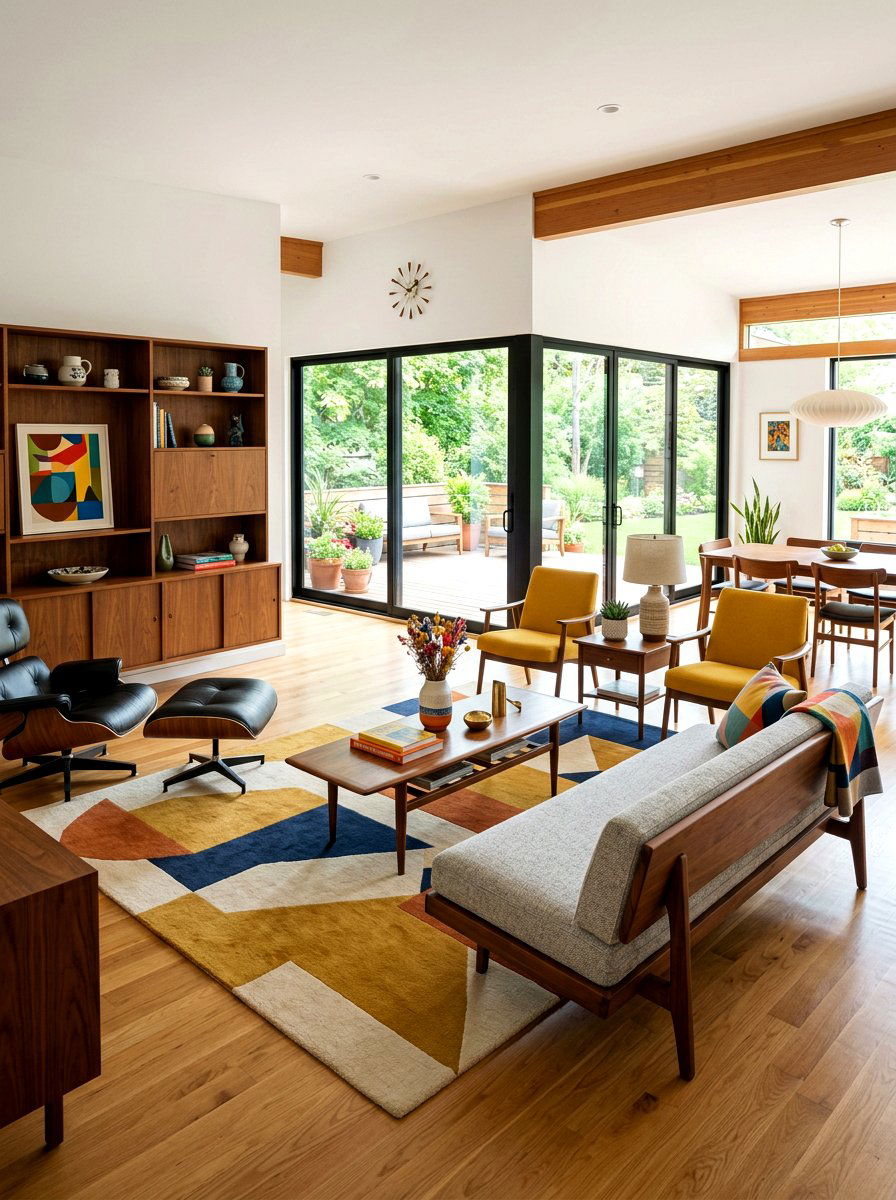
The mid century modern open living room celebrates the iconic design movements of the fifties and sixties with a focus on flow. Iconic tapered legs on furniture pieces like sofas and sideboards create a sense of lightness, allowing you to see more floor space. Large glass sliding doors often connect the interior directly to a backyard or patio, emphasizing a strong link between indoor and outdoor living. Using a mix of warm walnut wood and pops of mustard yellow or olive green adds personality to the layout. Defining the lounge area with a geometric patterned rug helps anchor the vintage-inspired furniture while keeping the surrounding pathways open and easy to navigate.
6. Coastal Open Concept Living Room
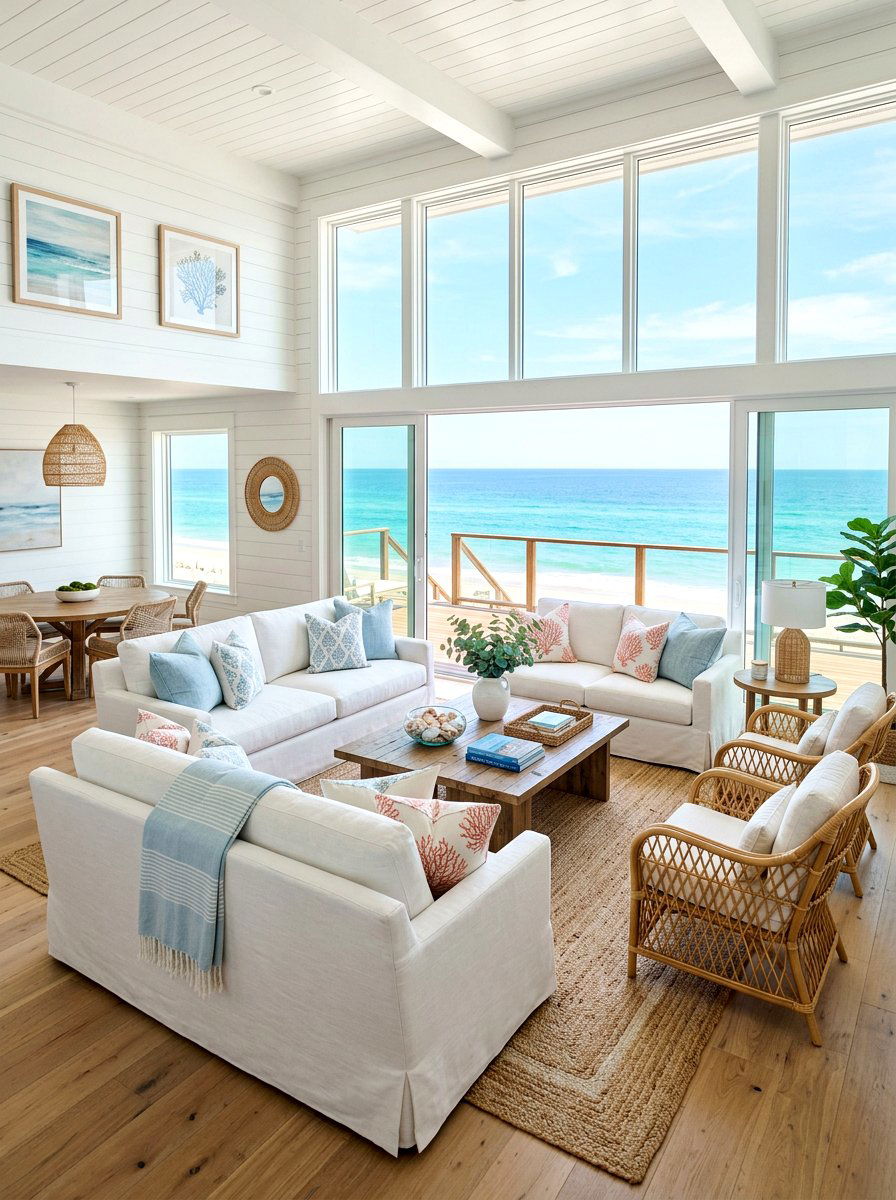
A coastal open concept living room brings the breezy and relaxed feeling of the seaside directly into your main gathering and living areas. This aesthetic relies heavily on a light and airy palette of sandy beiges, crisp whites, and various shades of soft ocean blue. Natural materials such as rattan, jute, and weathered light wood are used for furniture and decor to enhance the organic shore feel. Large windows are left largely unobstructed to invite in maximum sunlight and provide clear views of the surroundings. Using slipcovered sofas and light linen curtains adds a layer of comfort and casual elegance that makes the whole open space feel like a vacation retreat.
7. Scandi Style Open Floor Plan
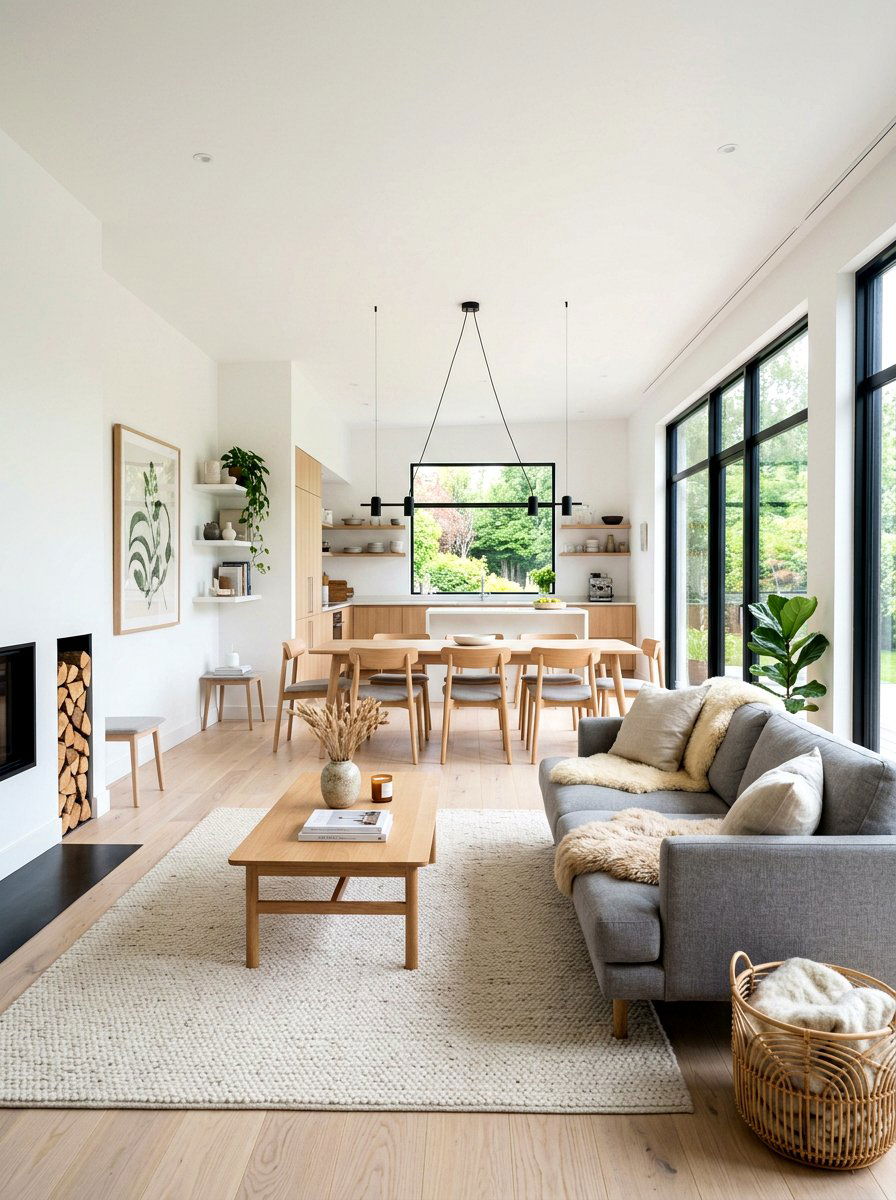
The Scandi style open floor plan is rooted in the philosophy of hygge, prioritizing light, functionality, and a sense of cozy well-being. Light-toned wood floors, such as ash or pine, run throughout the entire space to create a seamless visual flow between different zones. Furniture is typically minimalist but high-quality, featuring soft curves and tactile fabrics like wool or sheepskin to provide much-needed warmth. To keep the space feeling bright during darker months, a combination of floor lamps and pendant lights are layered strategically. Minimalist decor and plenty of natural greenery help to create a serene environment that feels connected to nature while remaining highly organized for a modern family.
8. Contemporary Open Concept Living Room
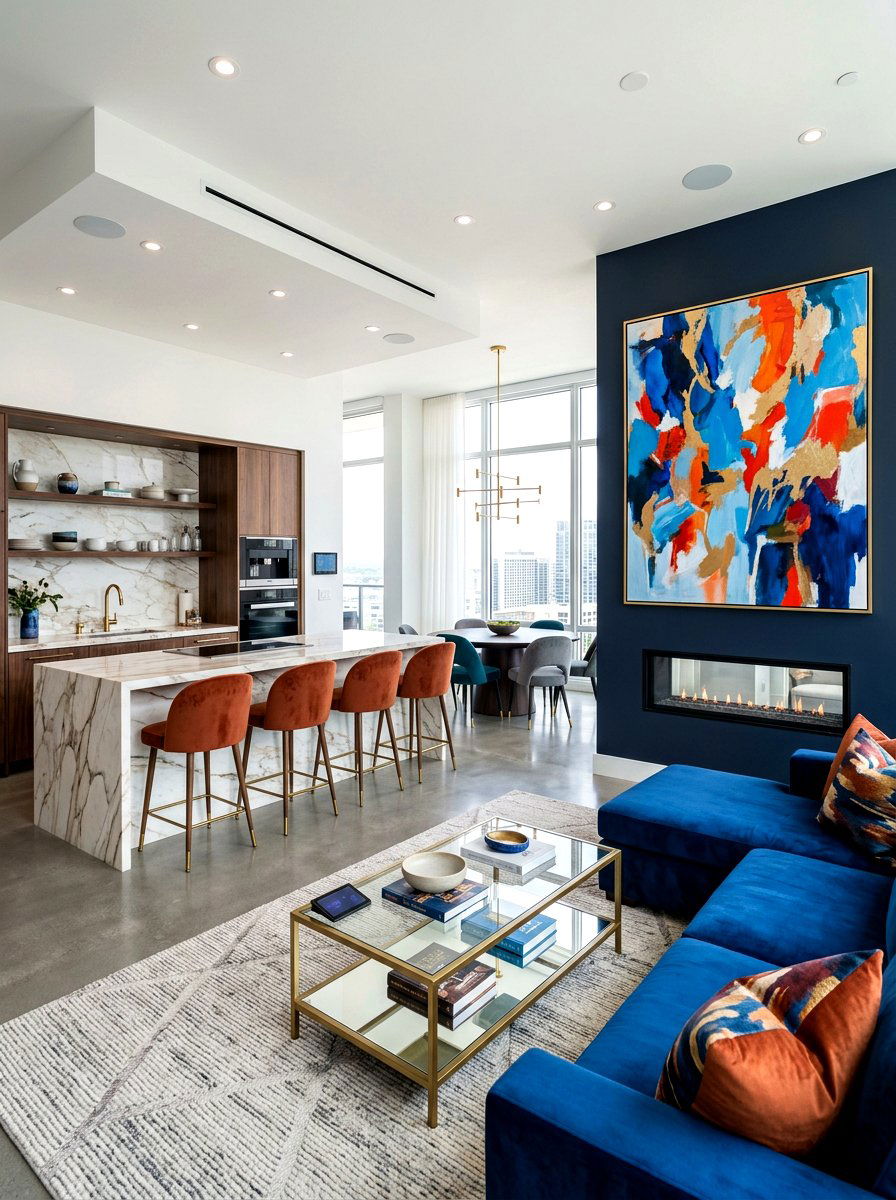
A contemporary open concept living room showcases current design trends with a focus on sophisticated lines, bold art, and innovative lighting solutions. This layout often features high-end materials like marble waterfall islands in the kitchen that transition smoothly into a plush velvet seating area. State-of-the-art integrated technology allows for a clean look, with hidden speakers and sleek wall-mounted televisions that do not distract from the decor. Neutral base tones are often energized with a single bold accent color used in pillows, artwork, or a statement chair. The use of glass partitions or thin metal frames can provide a sense of structure without blocking the light or the feeling of total openness.
9. Rustic Open Living Room With Beams
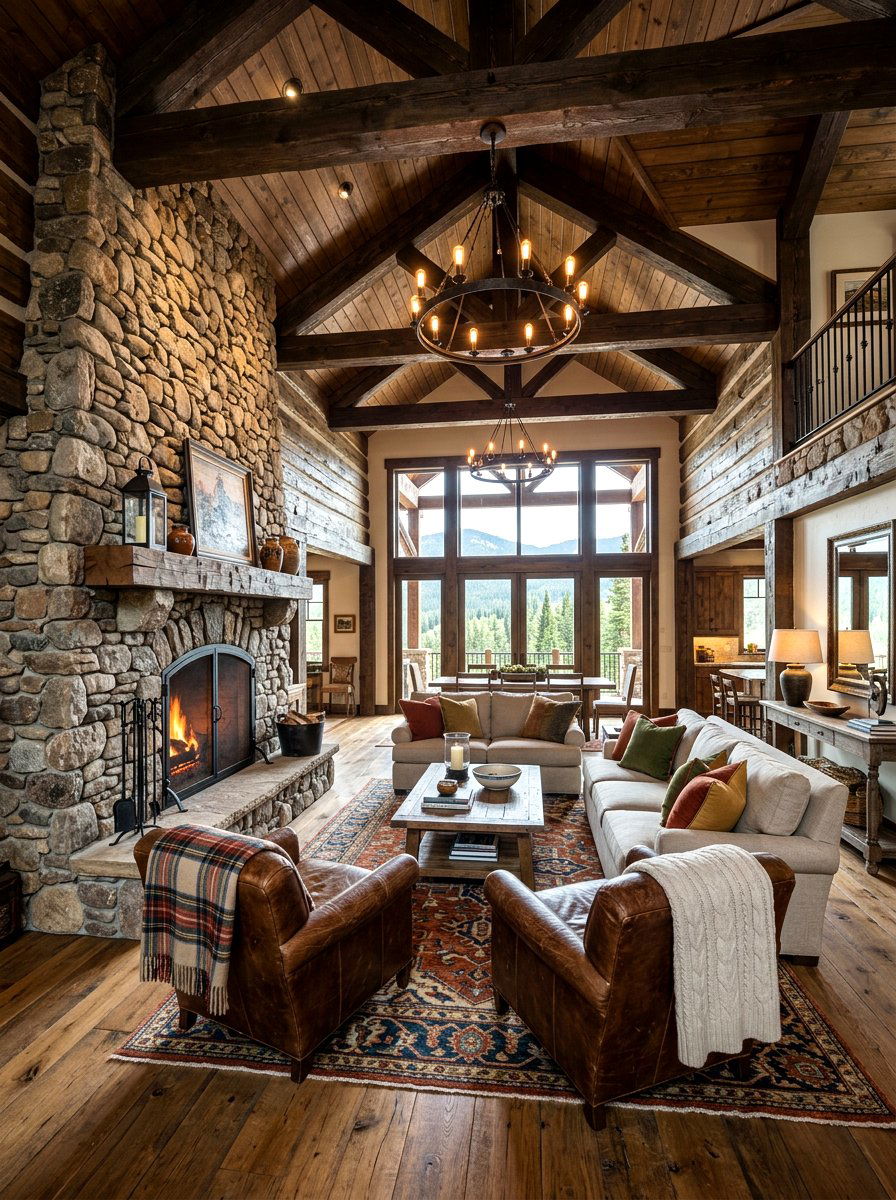
Incorporating a rustic open living room with beams adds a powerful sense of history and structural character to a wide open floor plan. Large, dark timber beams across the ceiling act as a visual anchor, defining the height of the room while adding warmth. This style often uses heavy stone fireplaces as a central focal point that brings the living and dining areas together. Comfortable, oversized furniture in earth tones like chocolate brown or forest green complements the natural wood elements perfectly. Utilizing wrought iron fixtures and antique-inspired decor pieces helps to reinforce the farmhouse-meets-mountain-lodge aesthetic. The result is a grand yet intimate space that feels sturdy, timeless, and exceptionally welcoming for guests.
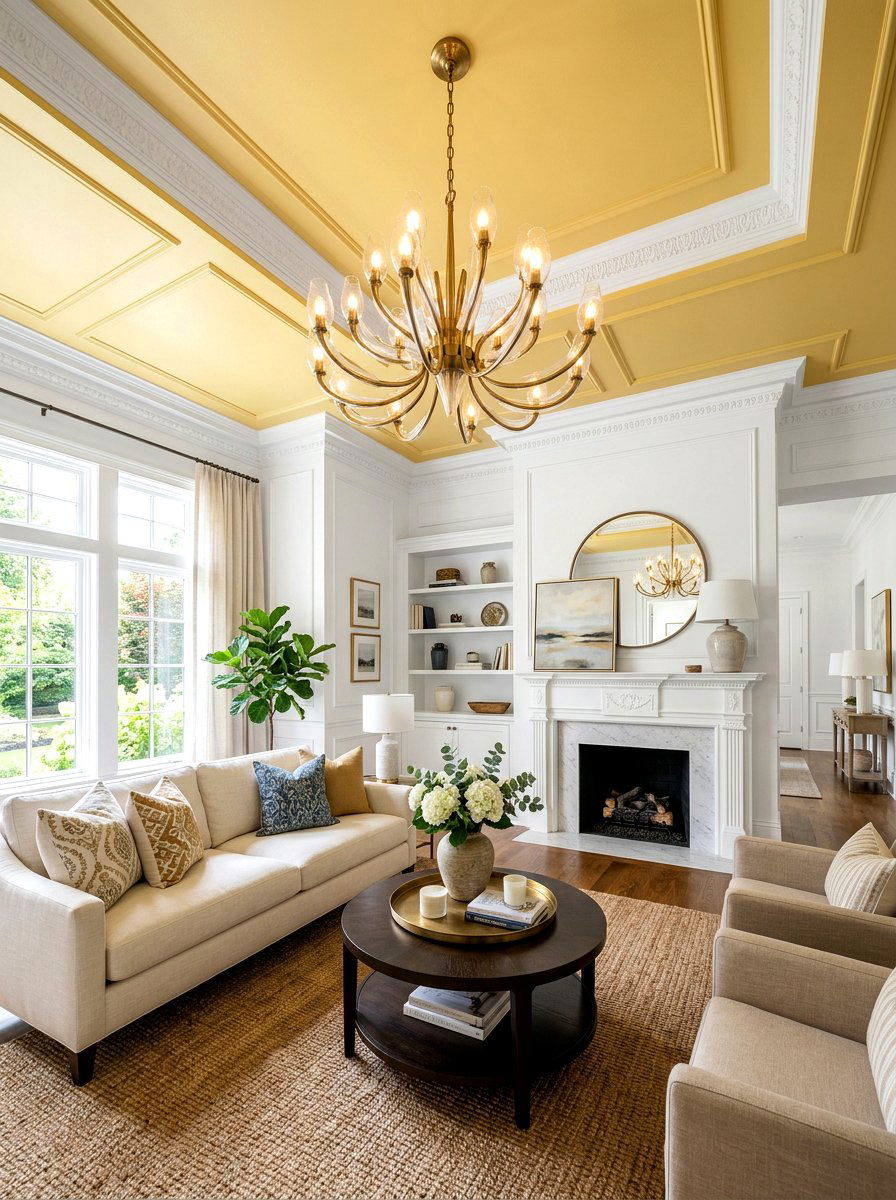
10. Luxury Open Concept Living Space
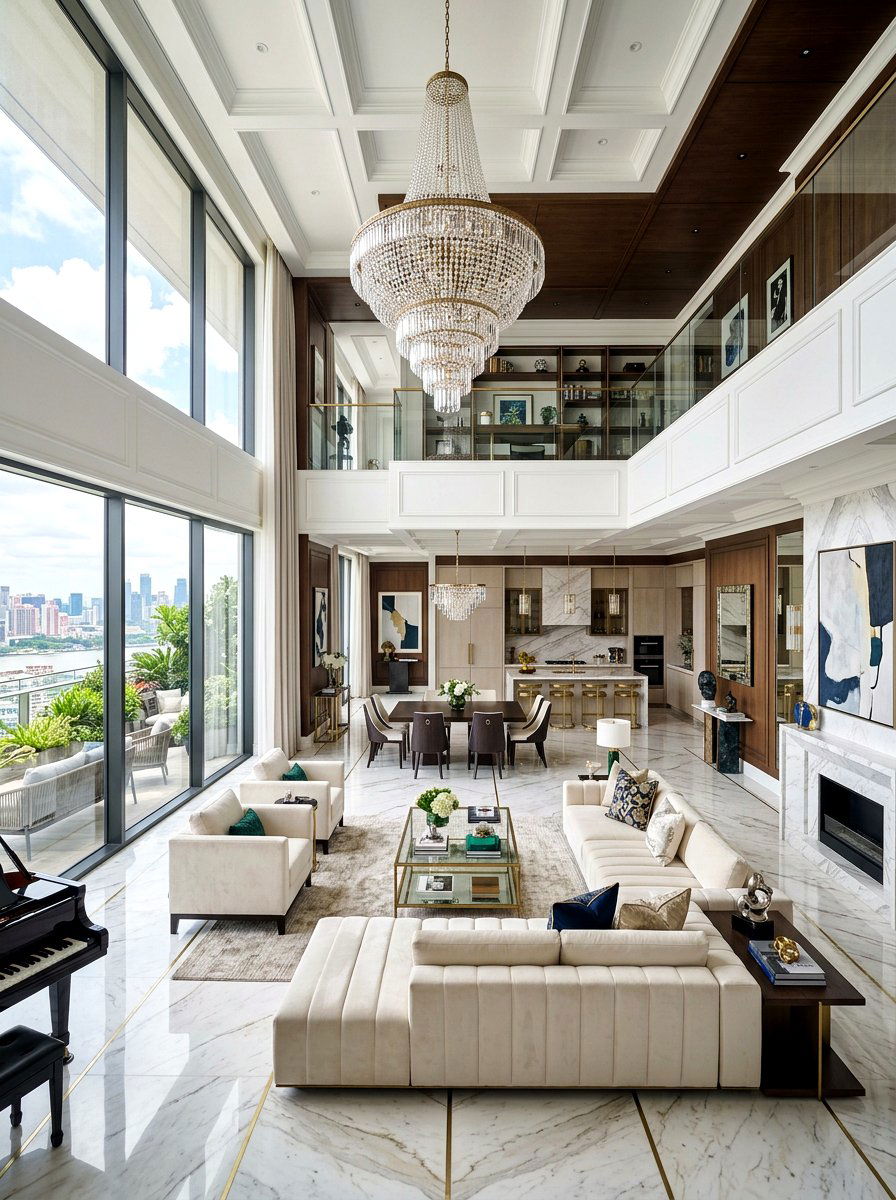
A luxury open concept living space is defined by its grand scale, premium materials, and a meticulously curated sense of high-end style. Features like double-height ceilings and massive floor-to-ceiling windows create a dramatic architectural backdrop that emphasizes the sheer volume of the room. High-gloss floors, custom millwork, and designer chandeliers serve as the jewelry of the space, reflecting light and adding a layer of glamour. Each zone is carefully defined by bespoke furniture and large-scale art pieces that act as sophisticated focal points. Integrating a professional-grade kitchen with high-end appliances ensures that the space is as functional for entertaining as it is beautiful to look at for everyday enjoyment.
11. Boho Open Concept Living Room
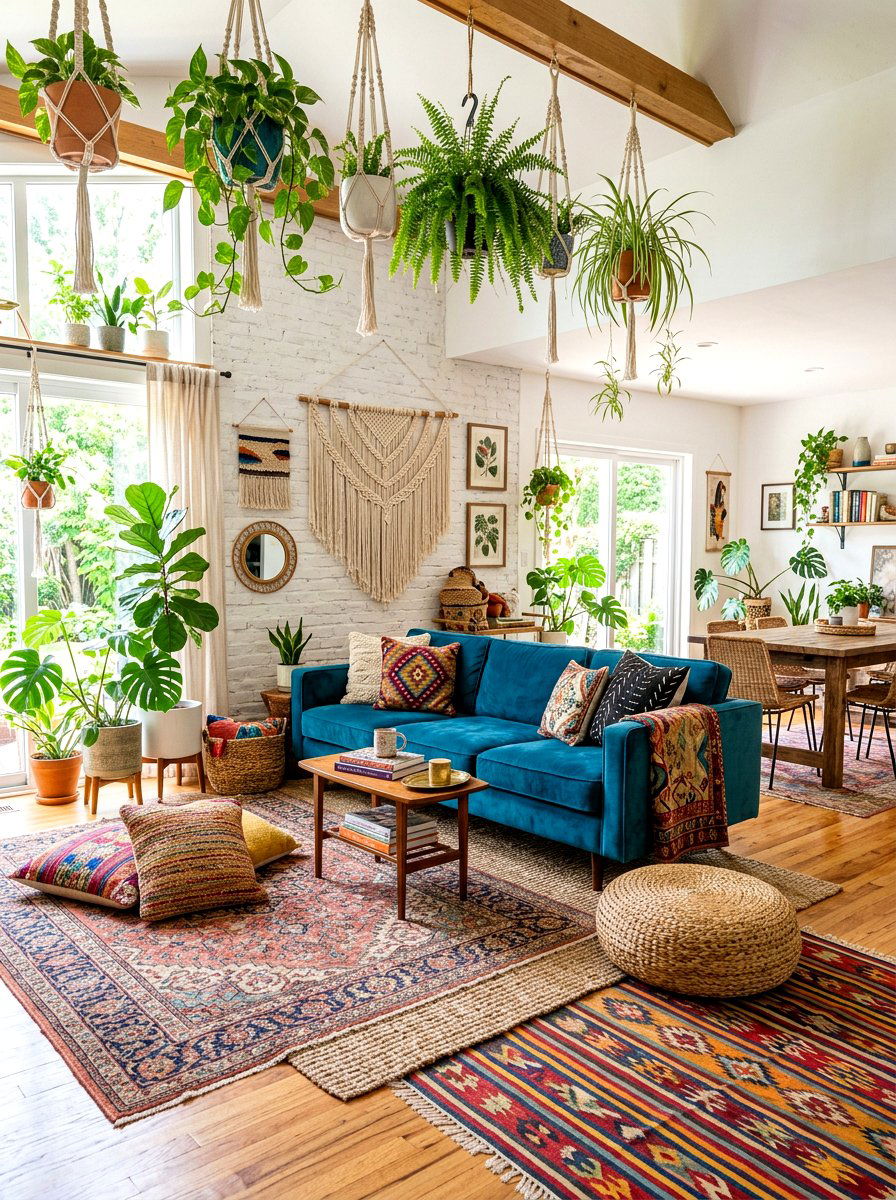
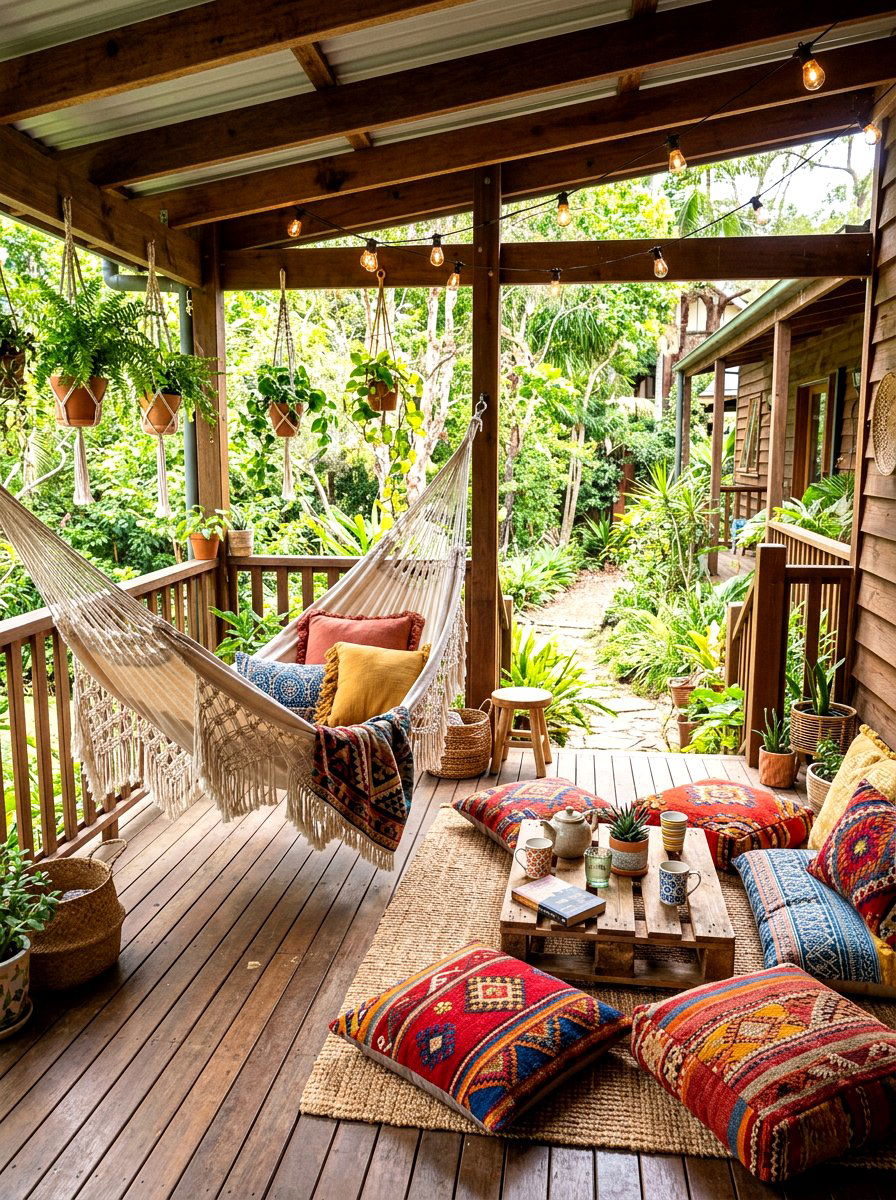
The boho open concept living room is a vibrant and eclectic space that celebrates global patterns, rich textures, and a relaxed lifestyle. This design style encourages mixing and matching different furniture eras, such as a vintage velvet sofa paired with a modern rattan chair. Layered rugs, including colorful kilims and plush shag options, help to delineate different areas while adding a cozy feel underfoot. Hanging plants, macramé wall art, and piles of floor cushions create a laid-back atmosphere that is perfect for informal gatherings. The open layout allows these varied elements to breathe, ensuring the space feels curated and intentional rather than cluttered or overwhelming to the senses.
12. Traditional Open Floor Plan
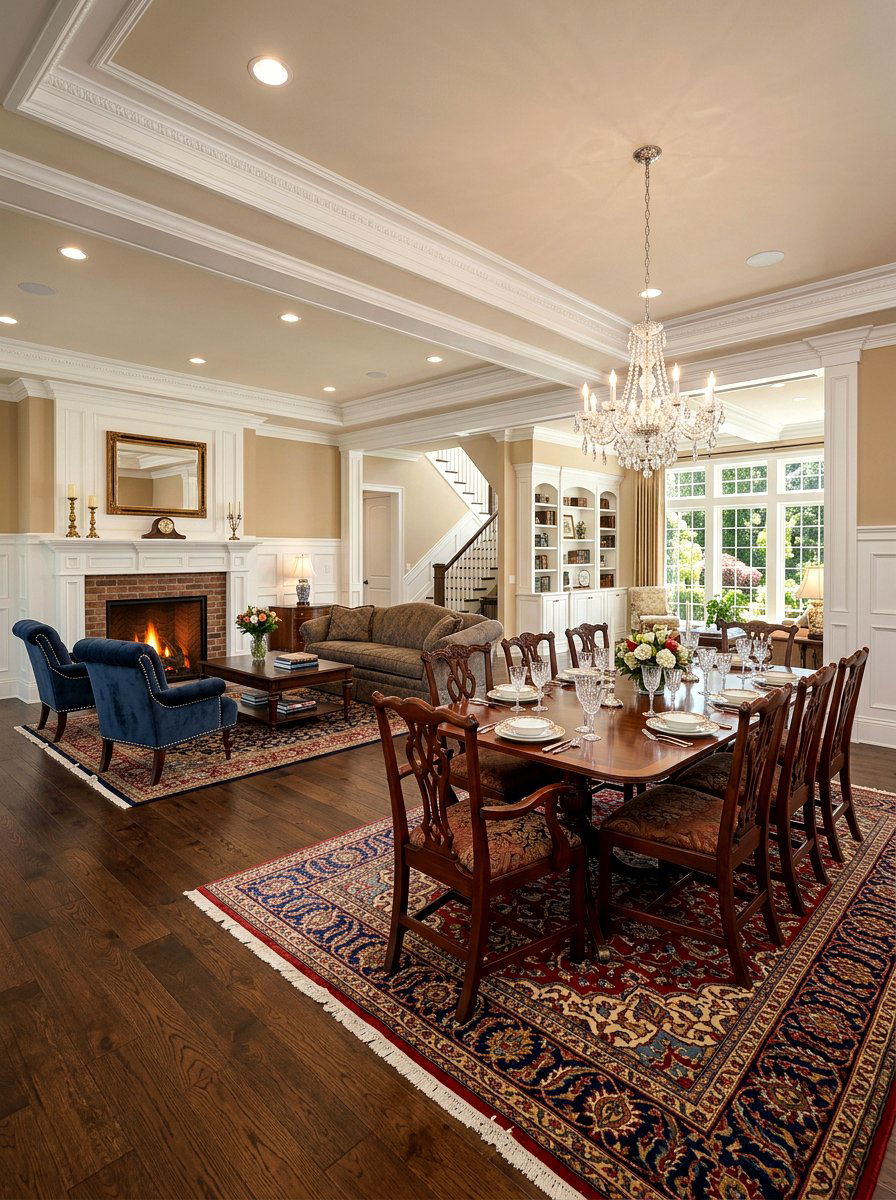
A traditional open floor plan brings classic elegance and timeless architectural details into a modern, wall-free environment for a sophisticated family home. This style often utilizes crown molding, wainscoting, and symmetrical furniture arrangements to create a sense of order and balance within the space. Rich wood tones, such as mahogany or cherry, are used for dining tables and cabinetry to provide a formal feel. Plush oriental rugs and upholstered armchairs with rolled arms define the seating area, while a central fireplace offers a traditional heart. This approach allows for the benefits of modern flow while maintaining the grace and comfort of more conventional, high-end interior design styles for homeowners.
13. Transitional Open Concept Living Room
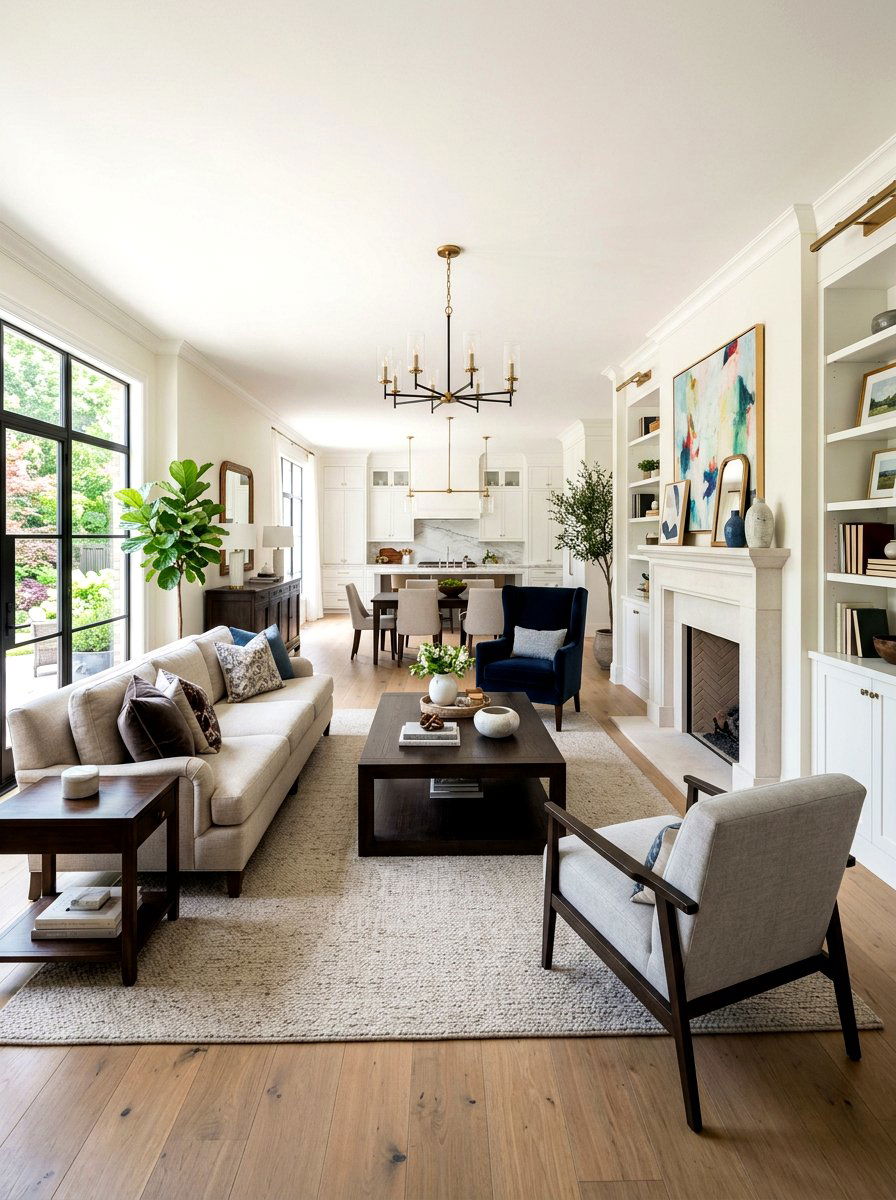
The transitional open concept living room strikes a perfect balance between traditional comfort and modern simplicity, making it a very popular choice. It combines the best of both worlds by using classic furniture silhouettes with updated, cleaner fabrics and a more neutral color palette. This style relies on subtle textures, such as linen and leather, to create interest without relying on heavy patterns or bold colors. The layout is usually organized around a central focal point, like a large coffee table or a media wall, with clear pathways. By mixing old and new elements, transitional spaces feel timeless and adaptable, easily evolving with your changing tastes over many years of home ownership.
14. Vaulted Ceiling Open Living Area
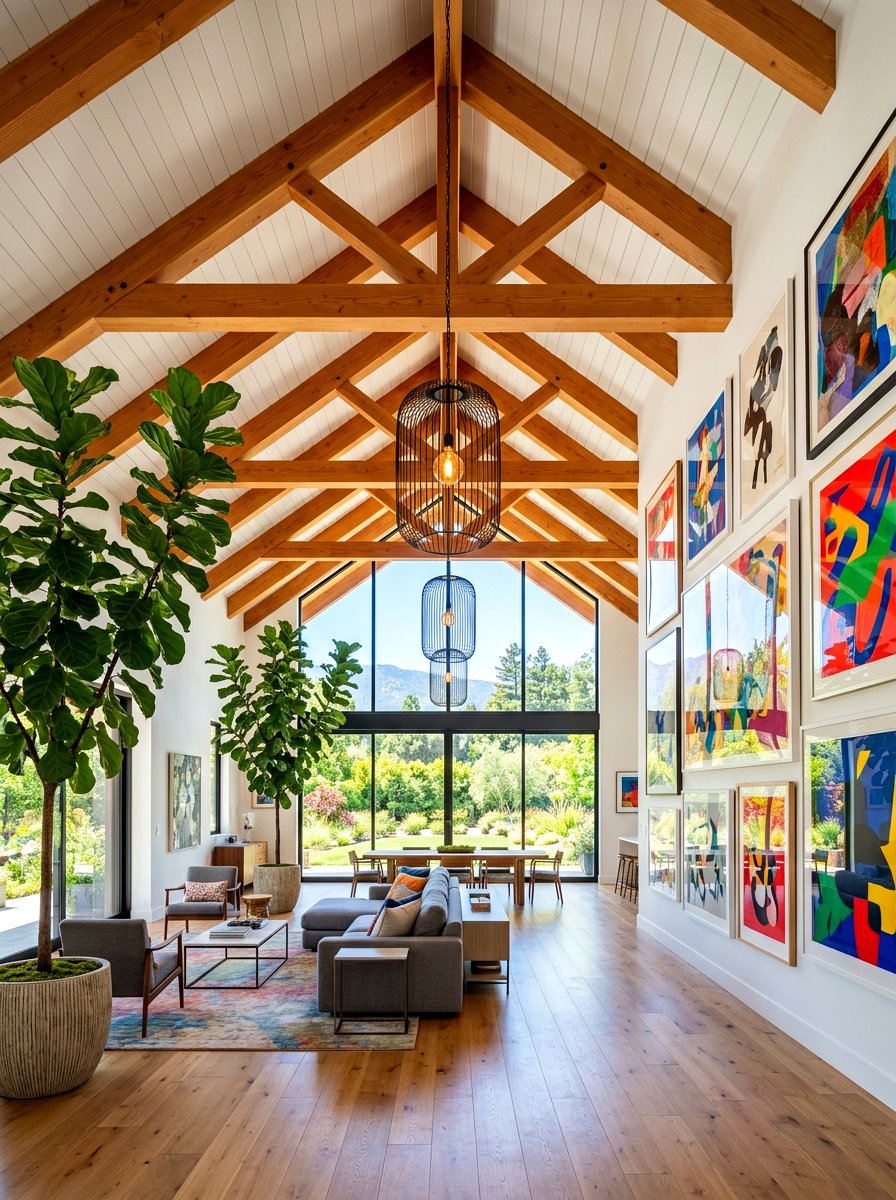
A vaulted ceiling open living area utilizes height to create an incredible sense of drama and spaciousness within a single room. The soaring rooflines allow for larger windows and transoms, which flood the entire open plan with an abundance of natural light. To keep the space feeling grounded, designers often use tall indoor trees or oversized pendant lights that hang lower into the room. This vertical space provides the perfect opportunity for a statement chimney breast or a high gallery wall that showcases large artwork. The open floor plan below remains breezy and light, while the architecture above adds a layer of grandeur that makes the home feel truly unique and special.
15. Open Concept Living Room With Fireplace
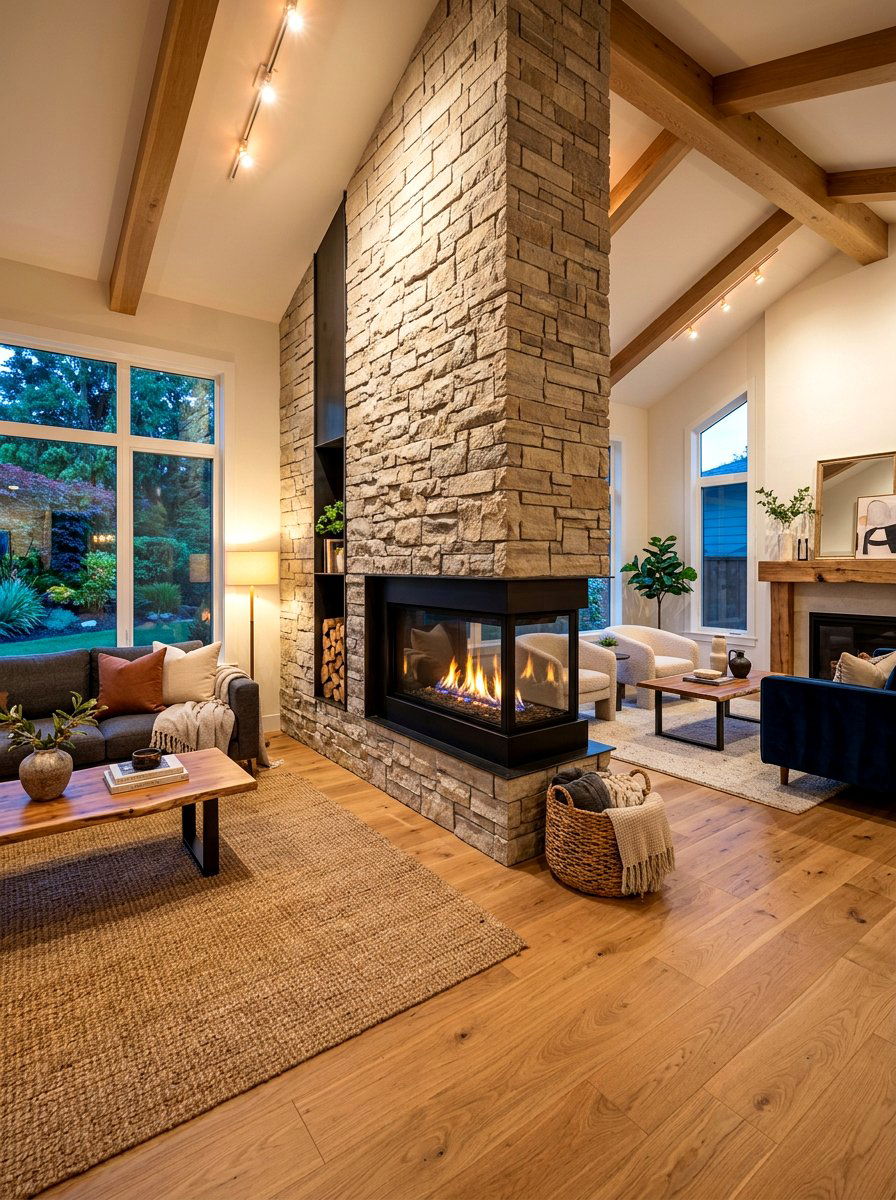
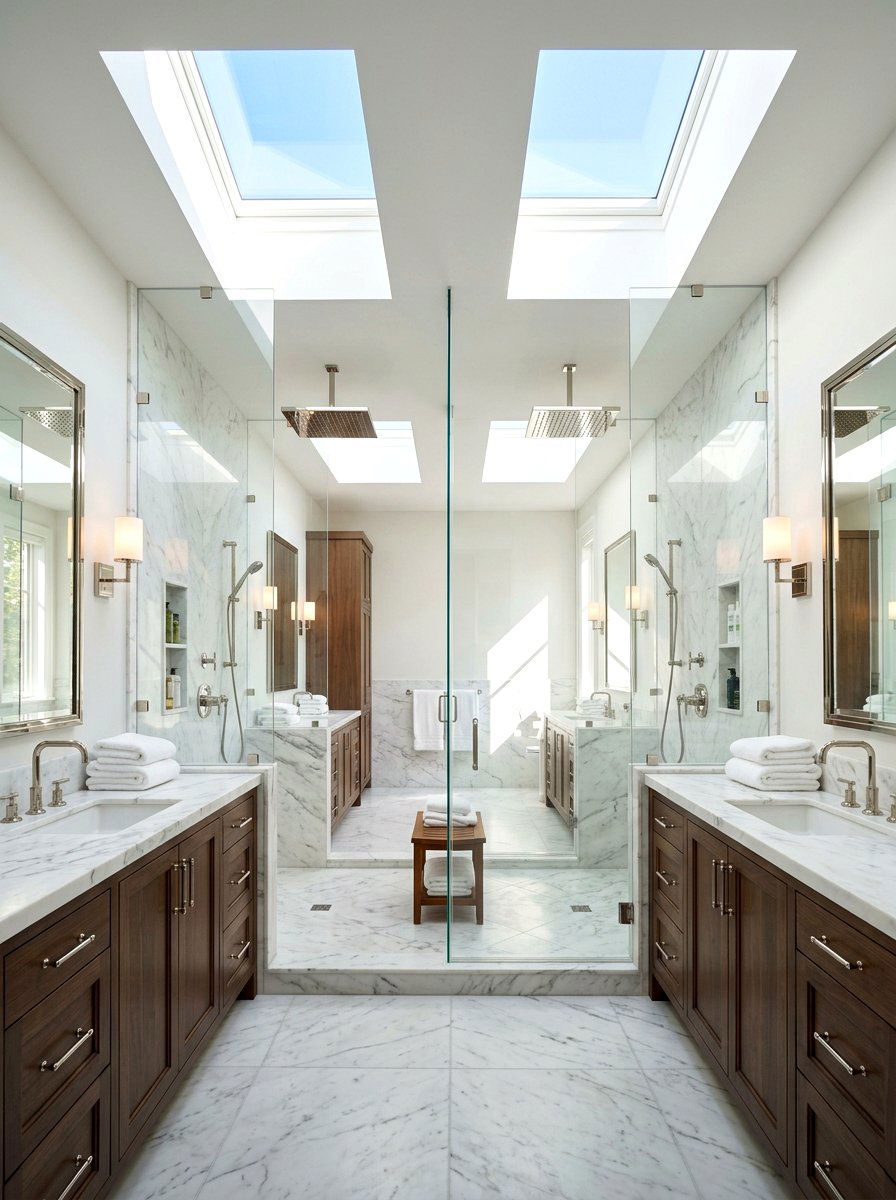
An open concept living room with fireplace uses the hearth as a powerful central anchor that naturally draws people into the space. Whether it is a traditional wood-burning stove or a sleek modern gas insert, the fireplace serves as a cozy focal point. A double-sided fireplace is a clever way to divide the living and dining areas while allowing the warmth and light to be enjoyed from both sides. Surround the fireplace with comfortable seating to create an intimate conversation nook that remains part of the larger, connected floor plan. Using consistent materials for the mantel and kitchen counters helps to tie the different functional zones together into one cohesive design theme.
16. Two Story Open Concept Living Room
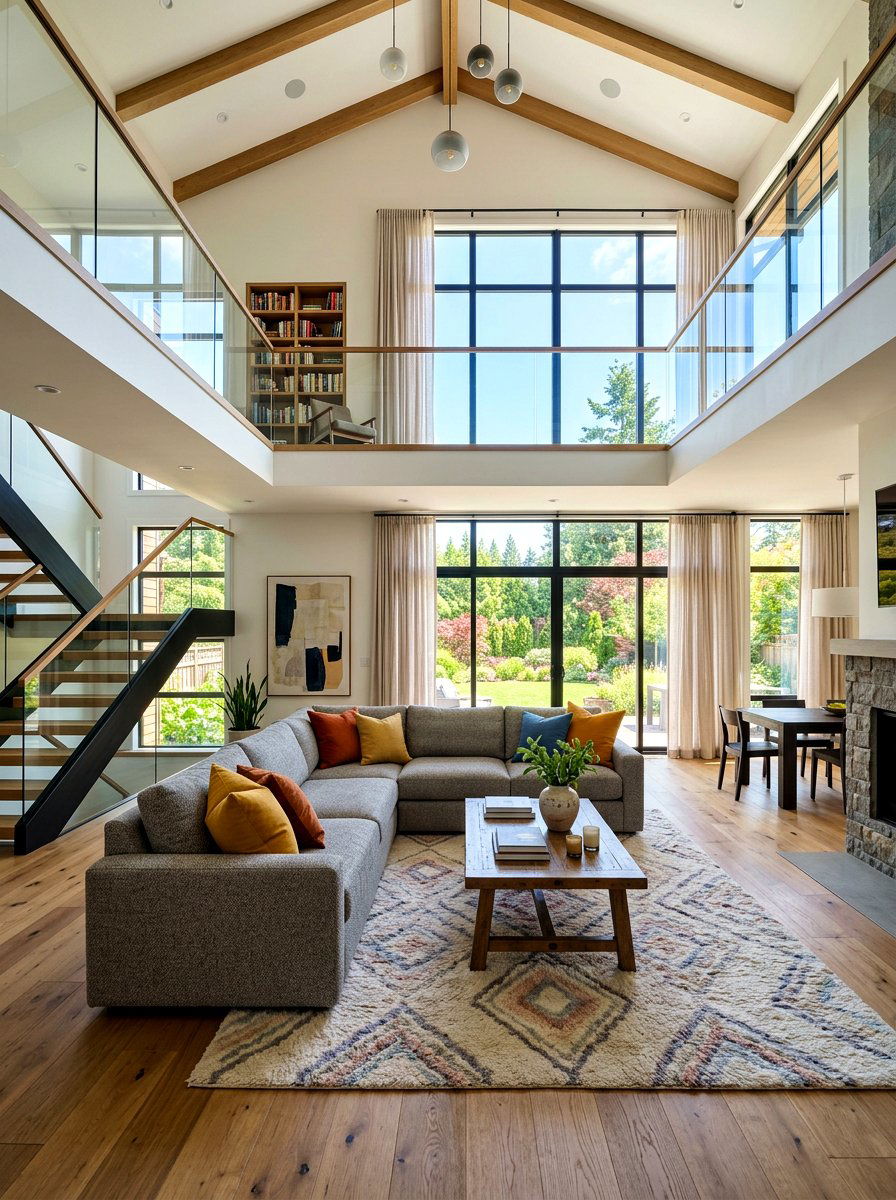
The two story open concept living room is the ultimate expression of vertical space, offering a breathtaking view from the upper level. This layout features a mezzanine or balcony that overlooks the main living area, creating a dynamic connection between different floors of the home. Large-scale windows typically span both levels, providing panoramic views and a massive amount of daylight throughout the entire day. To manage the acoustics in such a large space, designers use plenty of soft surfaces like rugs, curtains, and upholstered furniture. This grand design is perfect for those who love an airy, palatial feel that emphasizes the architectural volume and social connectivity of the modern home.
17. L Shaped Open Floor Plan
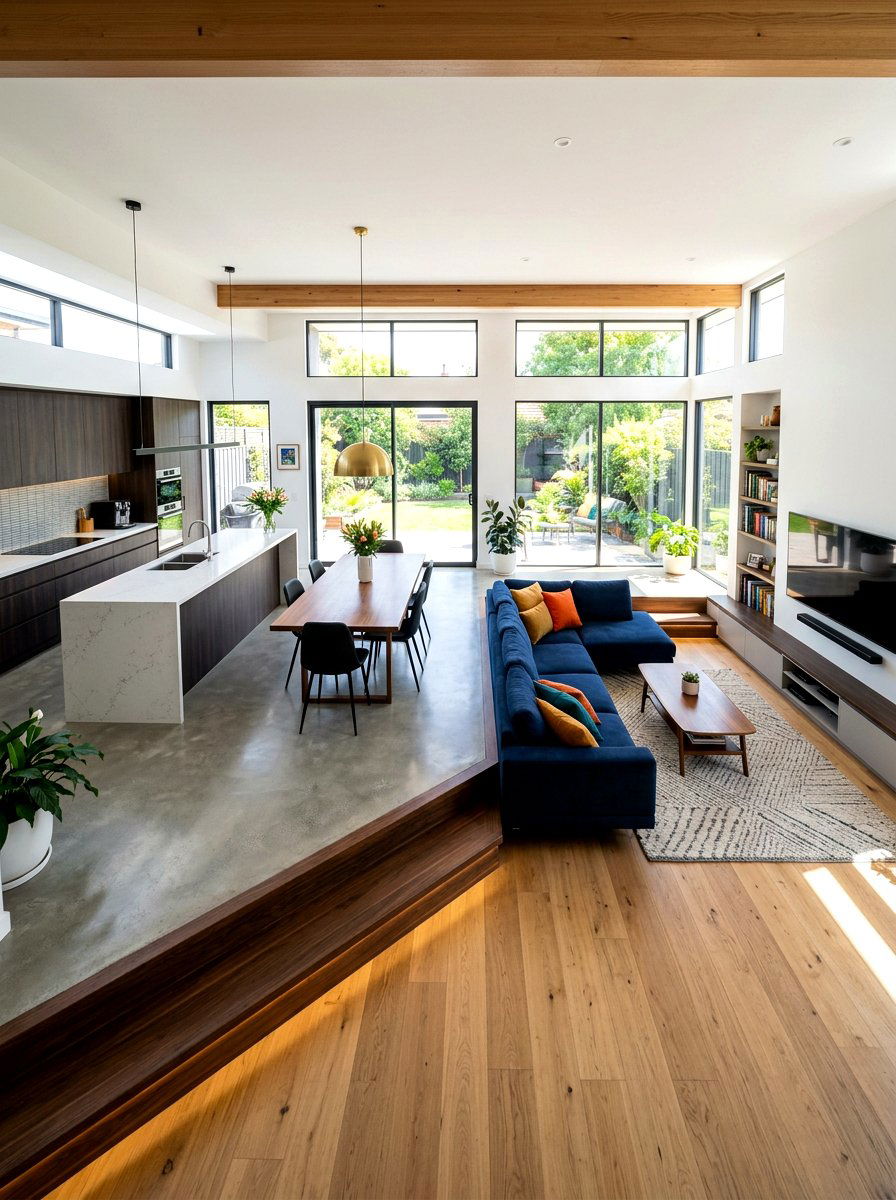
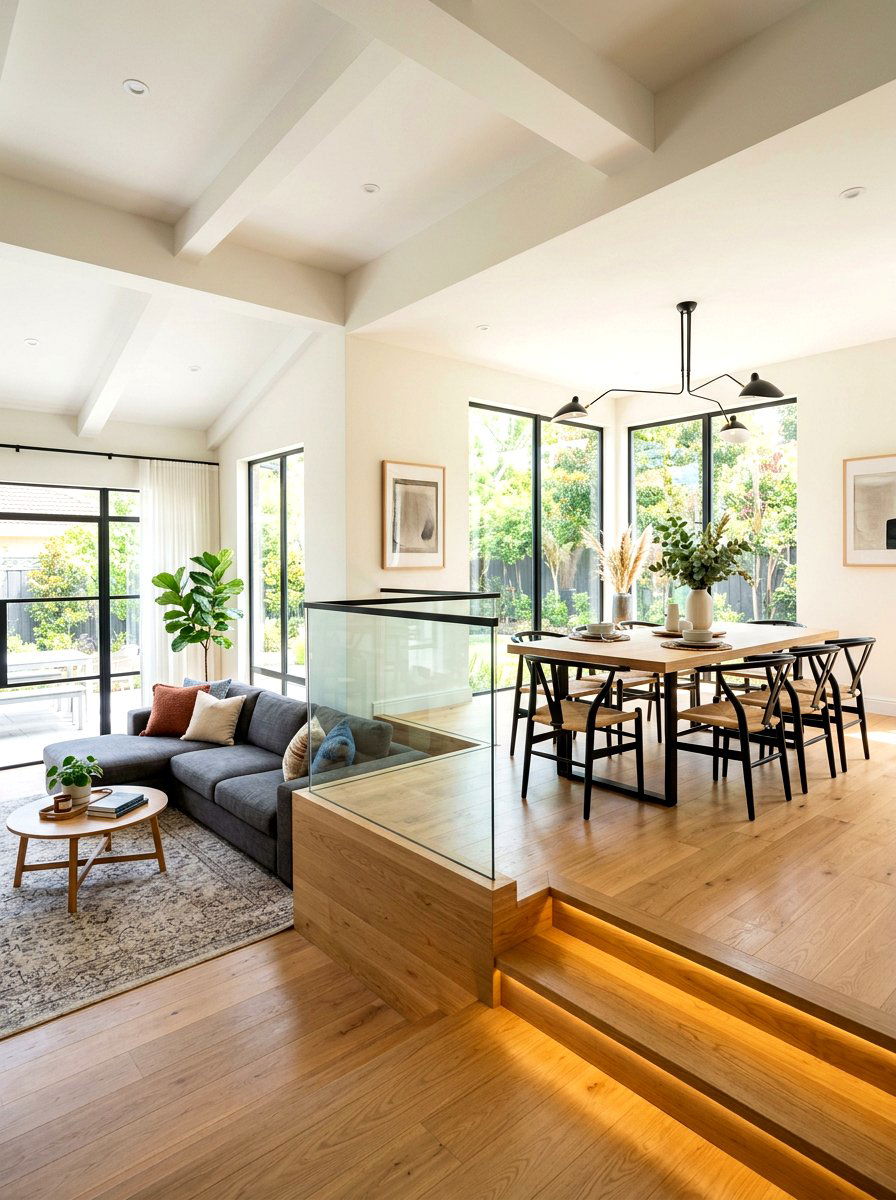
An L shaped open floor plan is an excellent layout for naturally separating the kitchen from the living area without using walls. The "bend" in the room creates a built-in sense of zoning, allowing the kitchen to feel tucked away while still being connected. This configuration often places the dining area in the corner of the "L" to serve as a bridge between the two main spaces. It is a highly functional setup that provides a sense of privacy for those cooking while keeping sightlines open to the television or fireplace. Using different floor heights or varied lighting can further enhance the distinct character of each section within this versatile and popular floor plan.
18. Narrow Open Concept Living Room
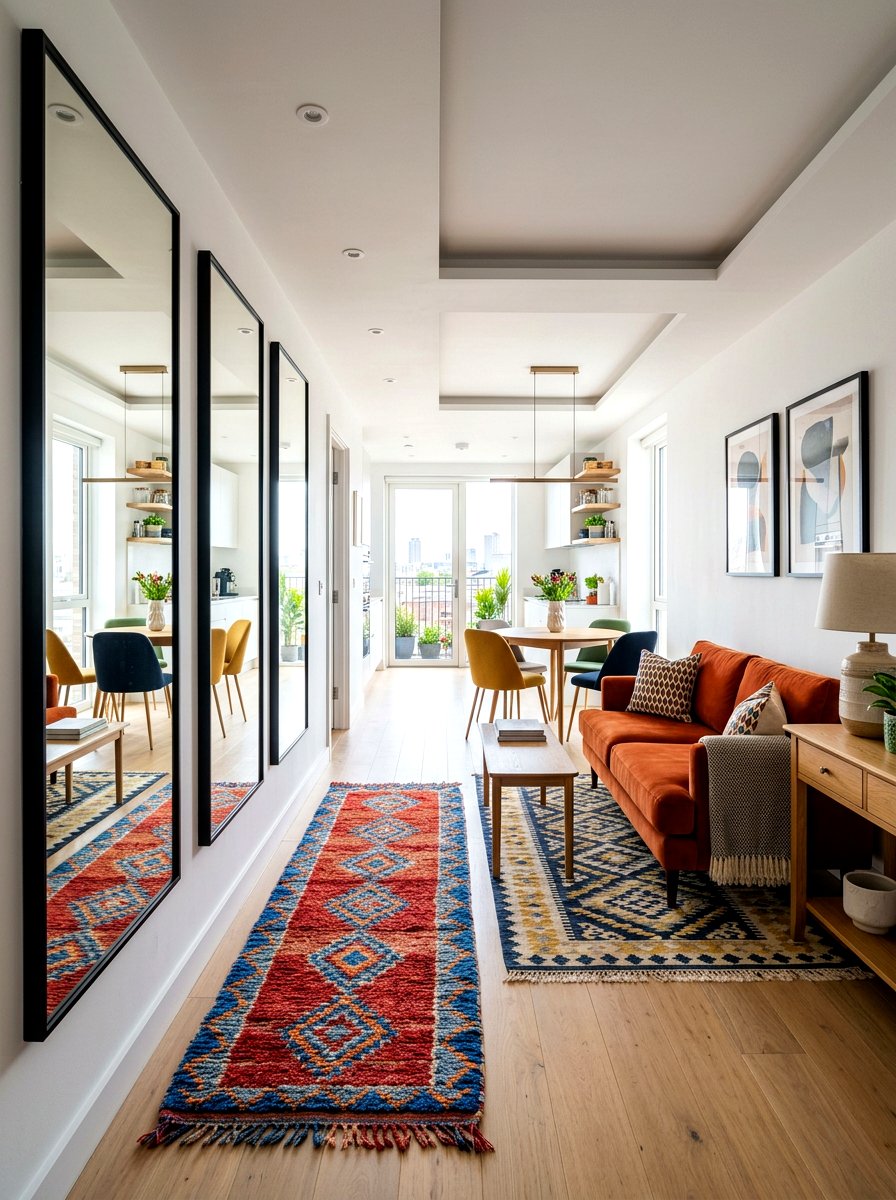
Managing a narrow open concept living room requires a thoughtful approach to furniture placement to ensure the space does not feel like a hallway. Placing the largest furniture pieces against one long wall helps to keep a clear walking path on the opposite side of the room. Using a series of rugs can help break up the long expanse of flooring and define separate areas for lounging and dining. Choosing furniture with slender frames and light colors prevents the room from feeling visually heavy or closed in. Strategically placed mirrors on the long walls can also create the illusion of extra width, making the entire narrow space feel much more open.
19. Kitchen Dining Living Room Combo
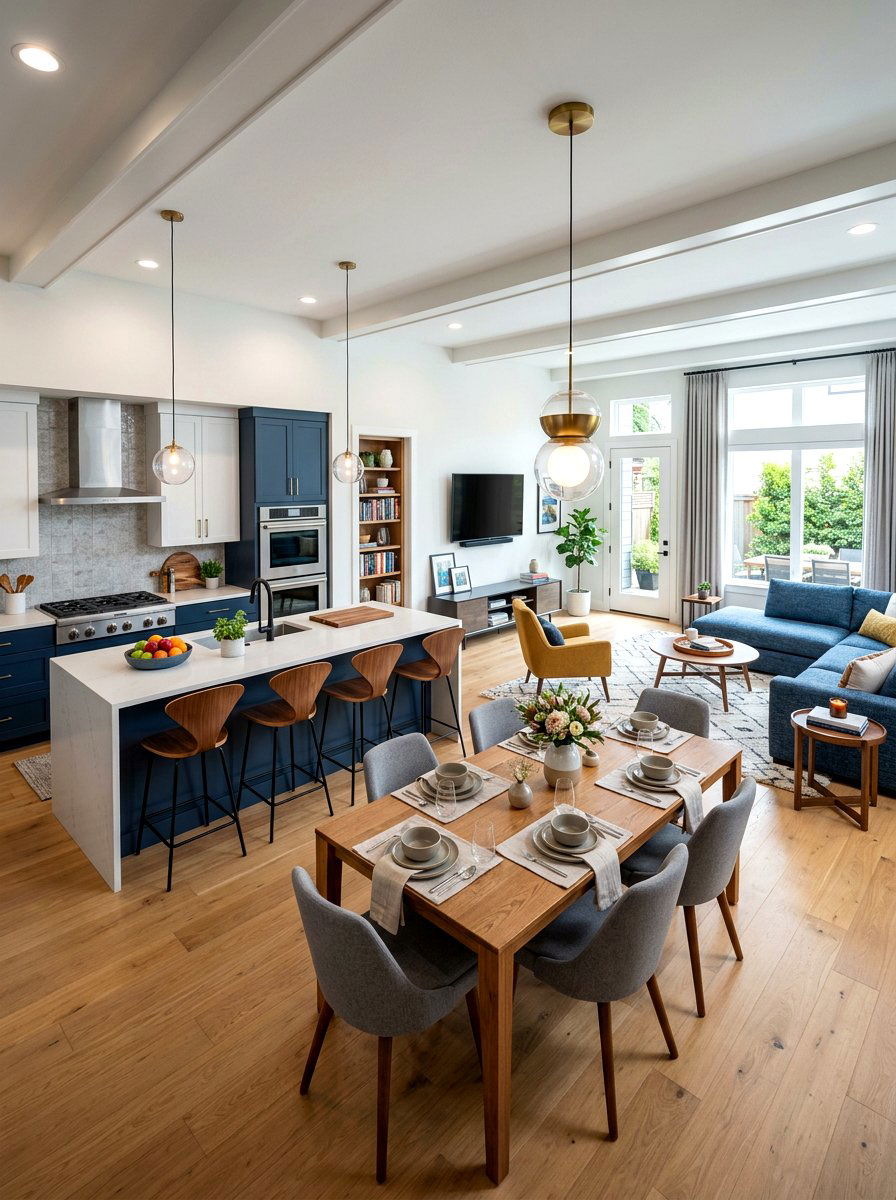
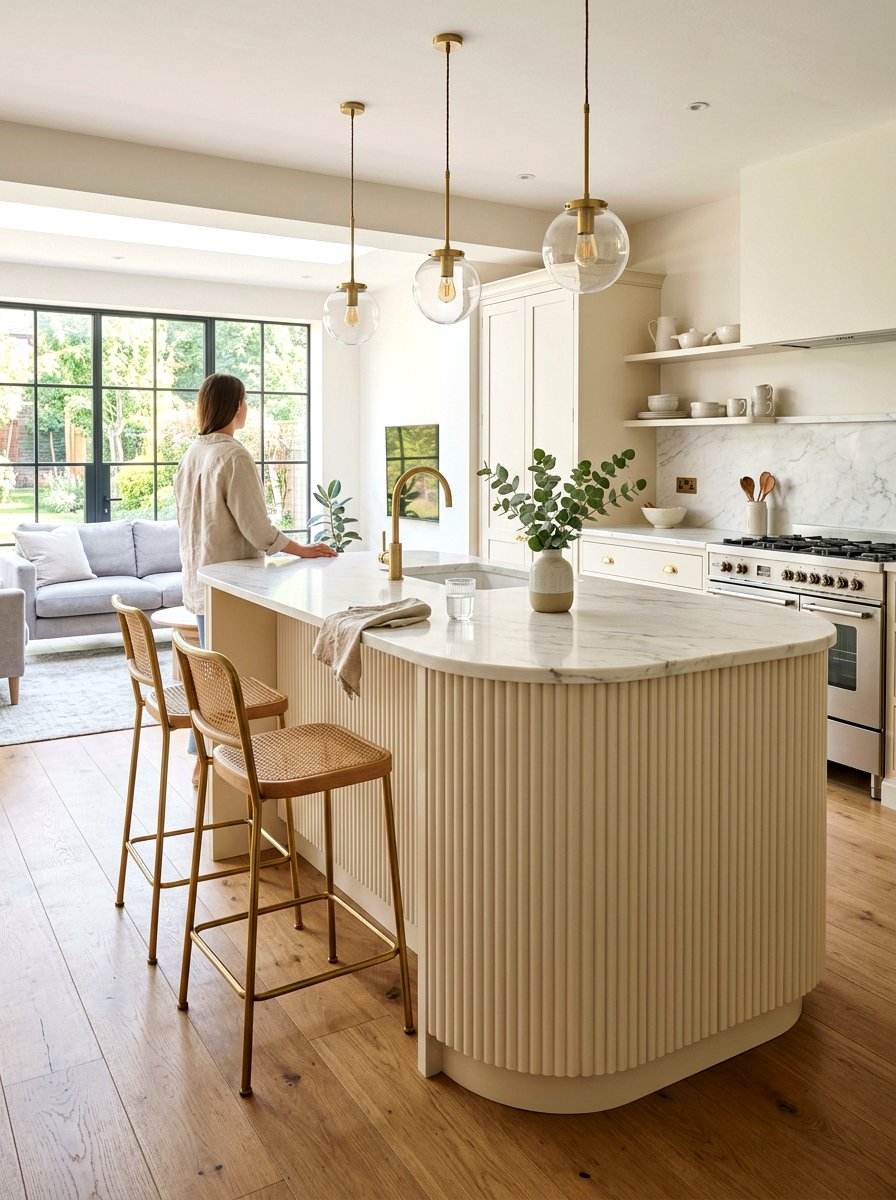
The kitchen dining living room combo is the quintessential open plan layout that places the dining table at the heart of the home. This arrangement encourages a seamless flow between meal preparation, eating, and after-dinner relaxation, making it perfect for families who love to host. A large dining table often acts as the primary transition piece, sitting between the kitchen island and the sofa. Using a consistent color palette across all three areas ensures that the space feels like one giant, harmonious room rather than a collection of different sections. Layered lighting, including pendants over the table and lamps in the lounge, helps to set the right mood for each activity.

20. Neutral Open Concept Living Room
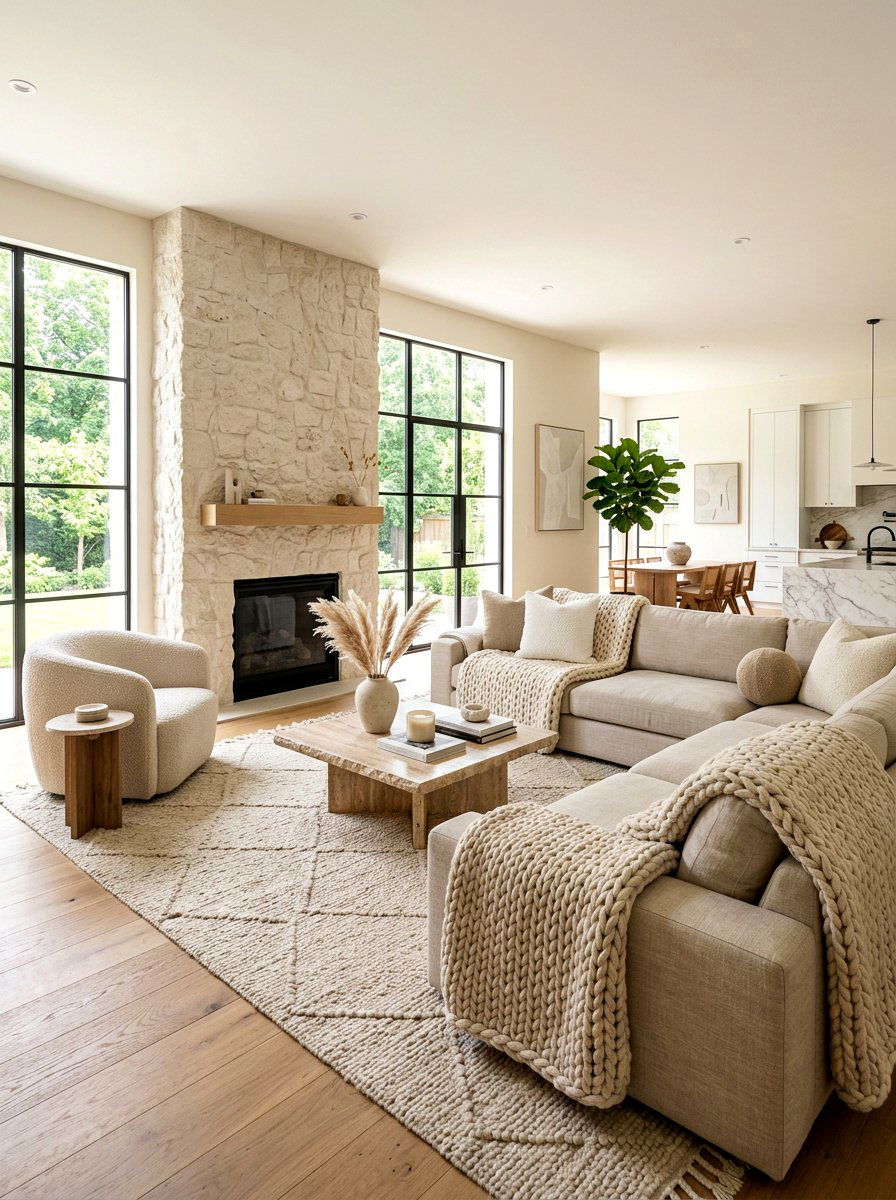
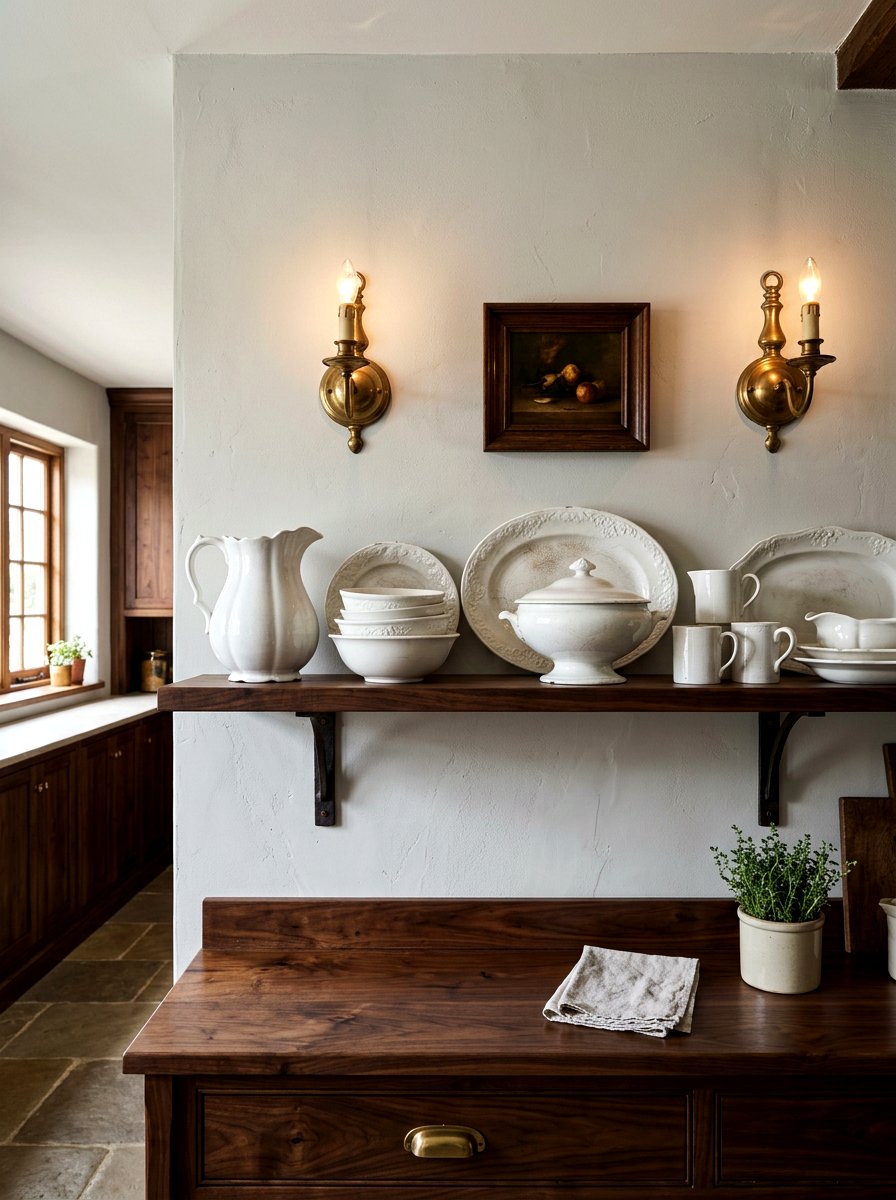
A neutral open concept living room uses a sophisticated palette of white, beige, tan, and gray to create a serene and timeless environment. This monochromatic approach allows the architecture of the open space to take center stage, emphasizing the flow of light and air. To prevent the room from looking flat, designers layer various textures like chunky knit throws, linen pillows, and smooth stone surfaces. This style is incredibly versatile, providing a calm backdrop that can be easily updated with seasonal accents or colorful artwork. The absence of bold colors makes the entire floor plan feel more expansive, cohesive, and incredibly restful for everyone who spends time in the space.
21. Colorful Open Floor Plan
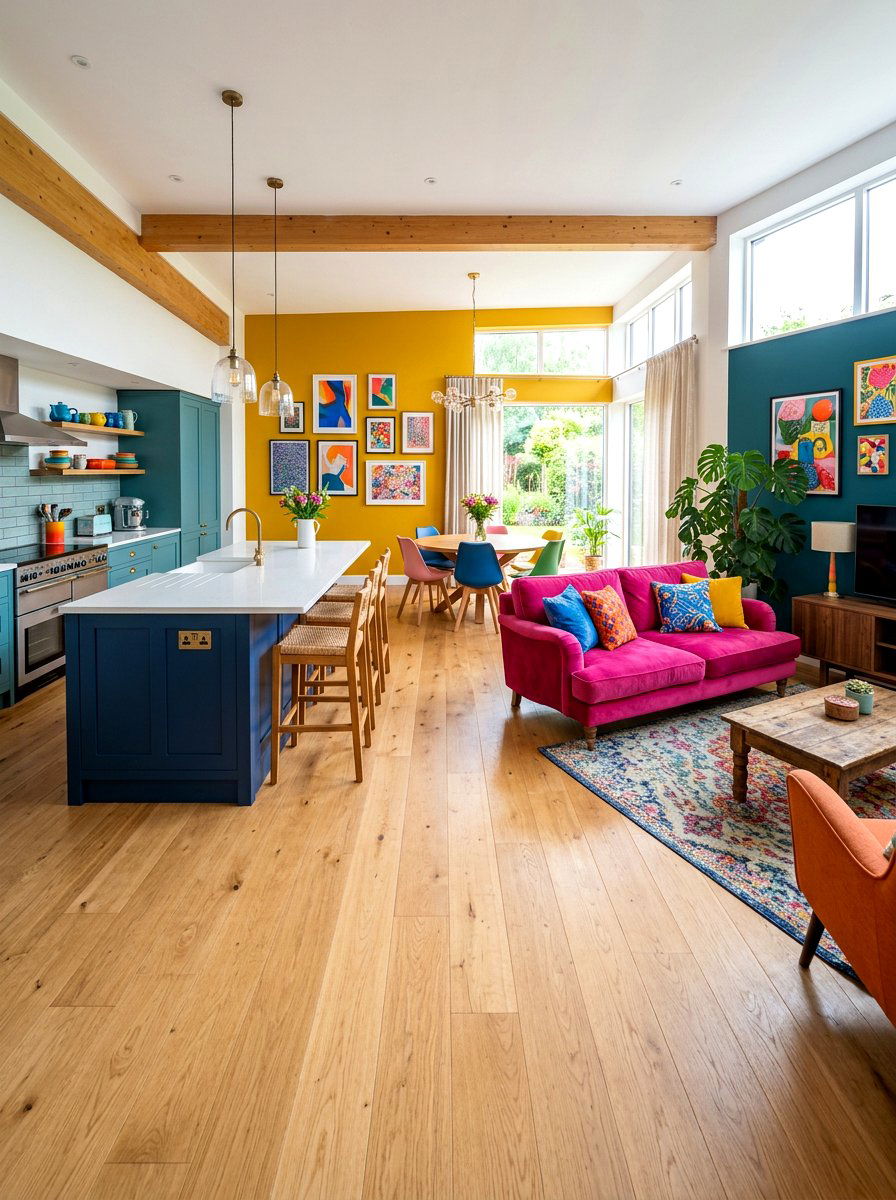
Embracing a colorful open floor plan is a bold way to inject personality and energy into a large, connected living area. Instead of sticking to neutrals, this approach uses vibrant hues to define different zones, such as a navy blue kitchen island paired with a blush pink sofa. The key to success is maintaining a common thread, like a repeating accent color or similar wood tones, to tie everything together. Using colorful wallpaper on a single accent wall can create a focal point that draws the eye across the entire open space. This playful design style makes the home feel unique, cheerful, and full of life, reflecting the vibrant personality of the people living there.
22. Modern Open Living Room With Glass Walls
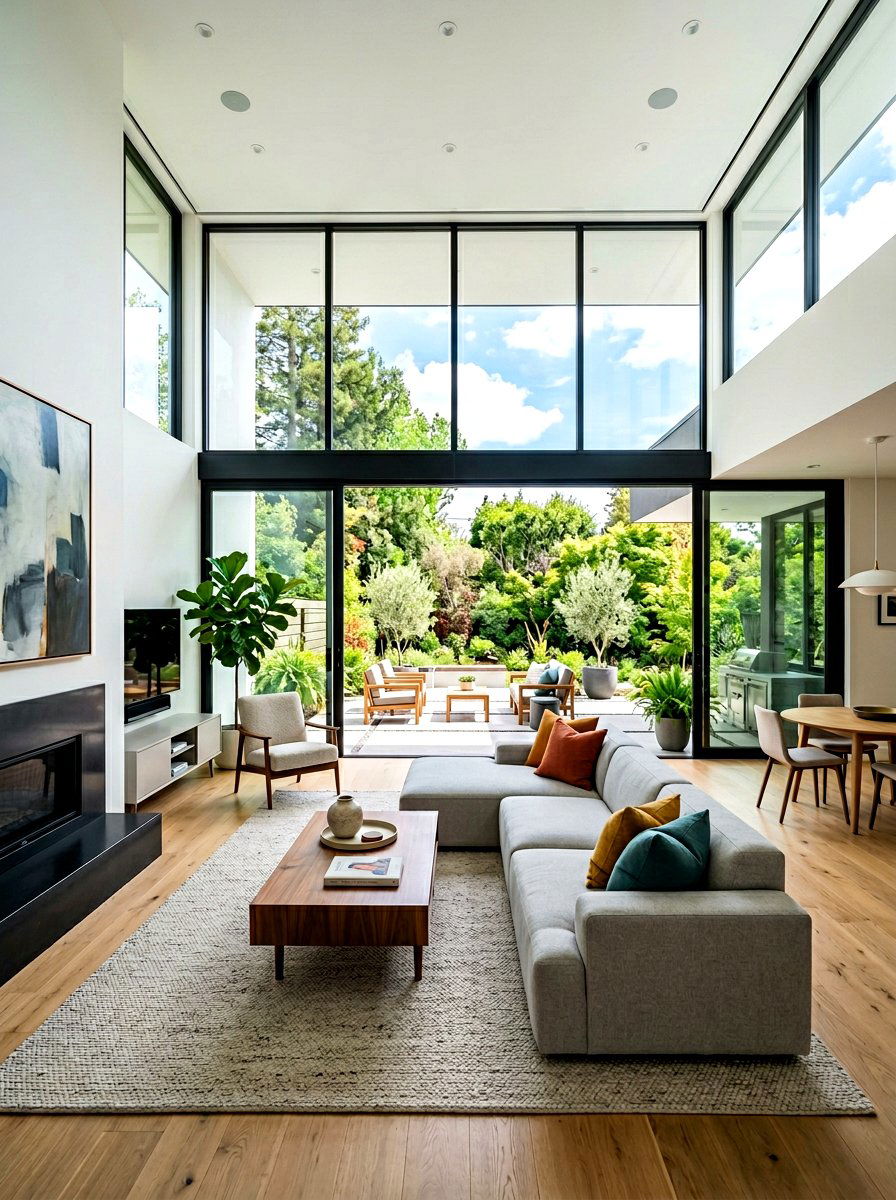
A modern open living room with glass walls takes the concept of transparency to the next level by blurring the lines between indoors and out. Large sliding or folding glass doors can be opened completely, extending the living space onto a deck, patio, or garden area. This design floods the interior with natural light and provides stunning views that change with the seasons, acting as a living mural. To maintain privacy, many homeowners use automated sheer curtains or strategically placed landscaping outside. The result is a home that feels incredibly connected to its environment, offering a sense of freedom and openness that is impossible to achieve with traditional solid walls.
23. Open Concept Living Room With Island
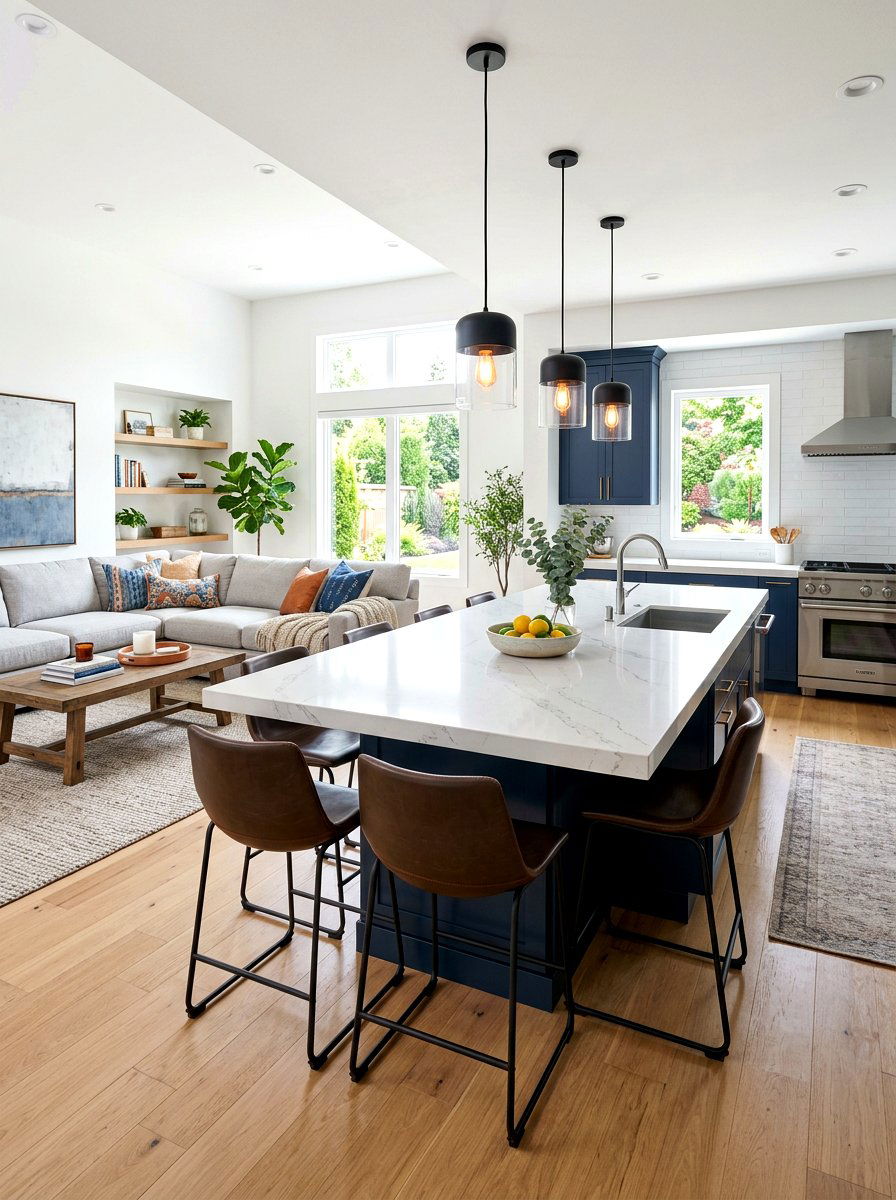
The open concept living room with island focuses on the kitchen island as the multi-functional hub for cooking, dining, and social interaction. A large, beautiful island serves as a natural barrier between the kitchen and the living area without blocking any views or light. Bar stools tucked under the counter provide a casual spot for breakfast or for guests to chat with the cook during a party. To make the island a true focal point, designers often use contrasting colors or high-end stone slabs like quartz or marble. This layout ensures that the kitchen remains the center of activity, while the living area provides a comfortable place to relax just a few steps away.
24. Sunken Living Room Open Concept
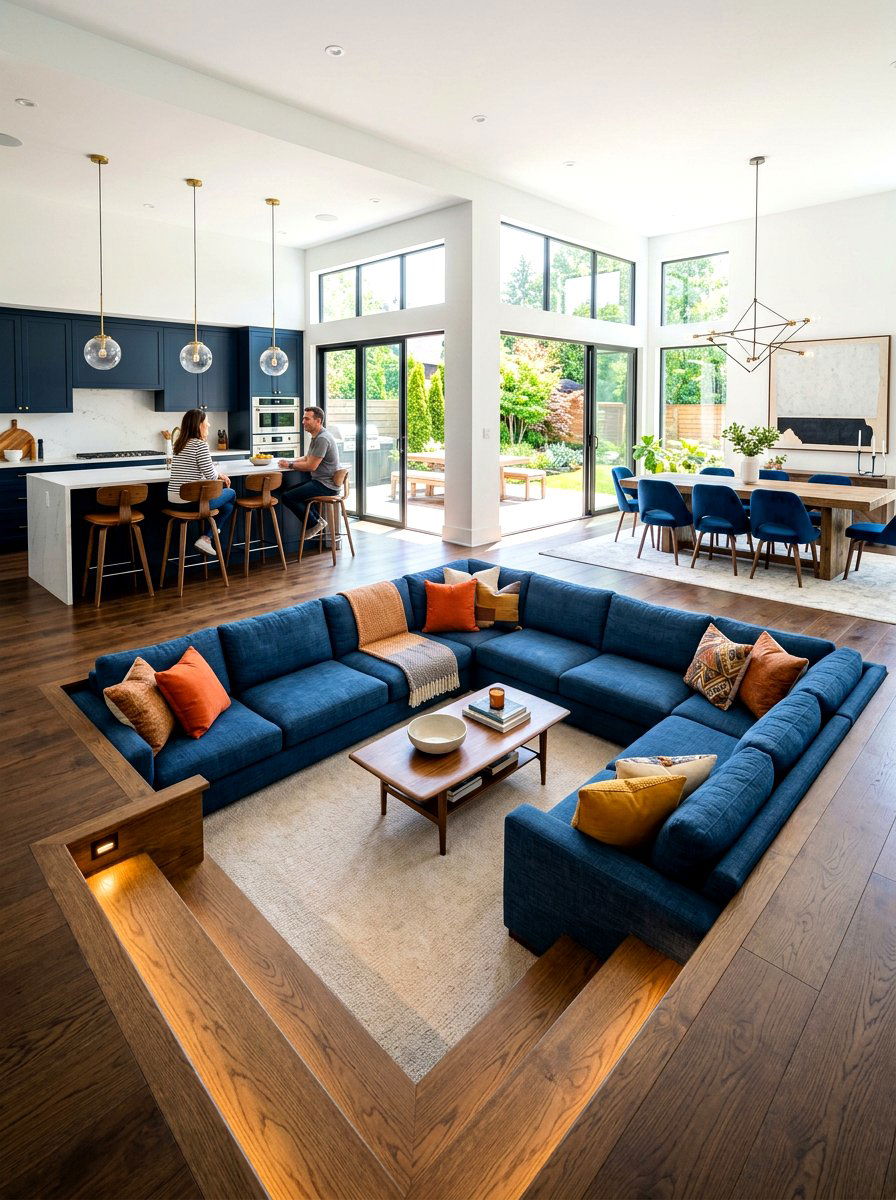
A sunken living room open concept, also known as a conversation pit, adds a unique architectural layer and a sense of coziness to a large area. By lowering the floor of the seating area, you create a clear physical boundary without needing any walls to divide the room. This design feature provides a retro yet modern feel that encourages people to gather and linger in the plush, intimate space. Steps leading down into the pit can also serve as extra seating during large gatherings. Surrounding the sunken area with the kitchen and dining zones at a higher level creates a dynamic and interesting floor plan that prioritizes comfort and social connection.
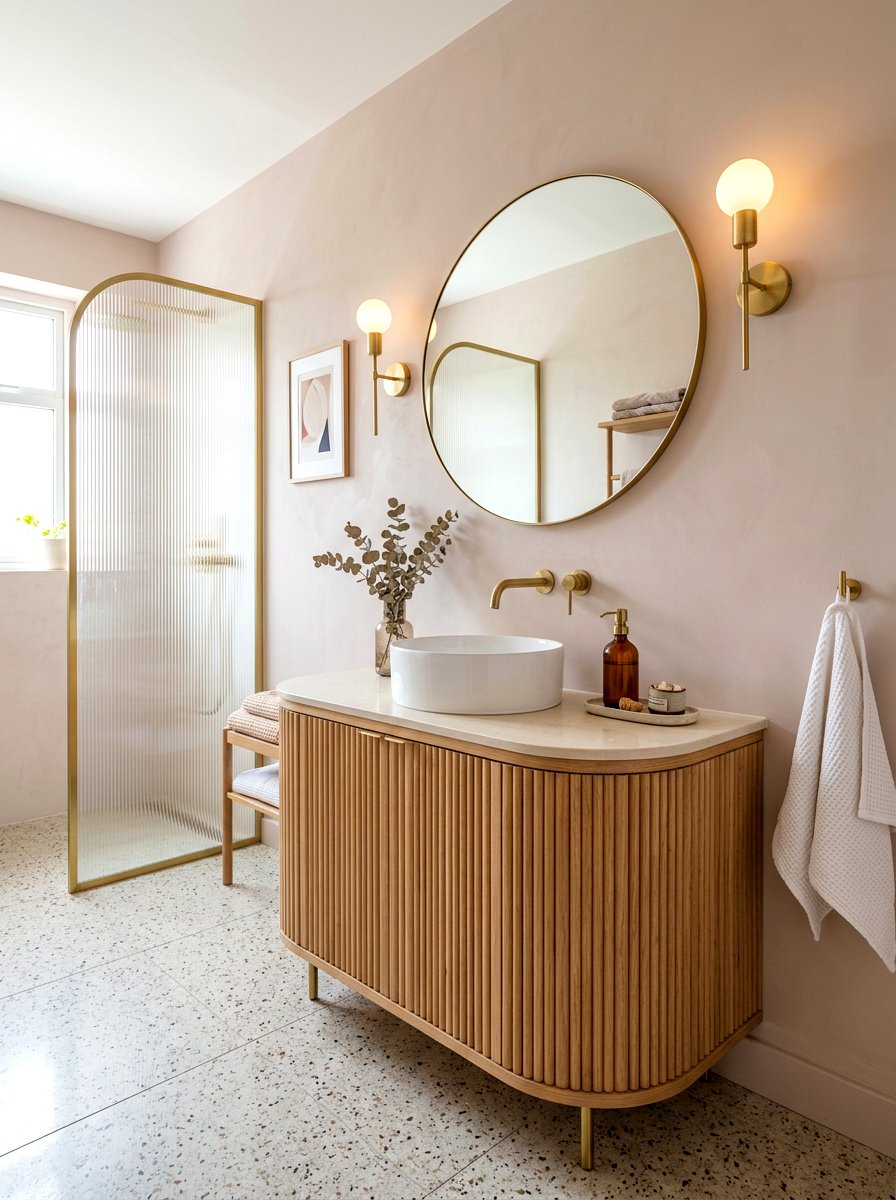
25. Urban Modern Open Living Area
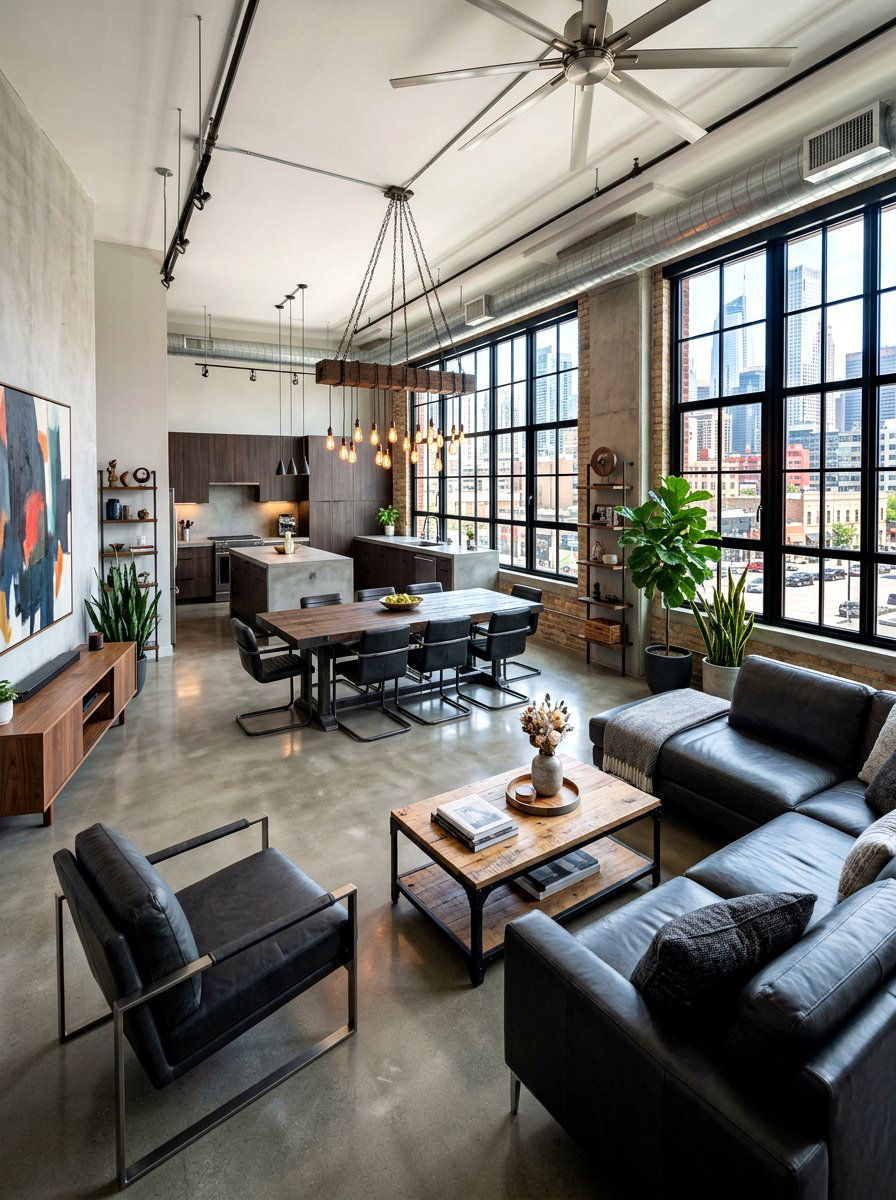
The urban modern open living area blends sleek contemporary design with industrial touches to create a sophisticated city-inspired home environment. This style often features dark accents, such as black window frames and metal furniture legs, contrasted against light walls and warm wood floors. To maximize the urban vibe, designers incorporate statement lighting and large-scale abstract art that adds a gallery-like feel to the space. The layout is typically very organized, with clear zones for working from home and relaxing after a long day in the city. Using high-quality materials like leather and polished concrete adds a layer of luxury that makes the open plan feel both edgy and incredibly refined.
26. Japanese Inspired Open Floor Plan
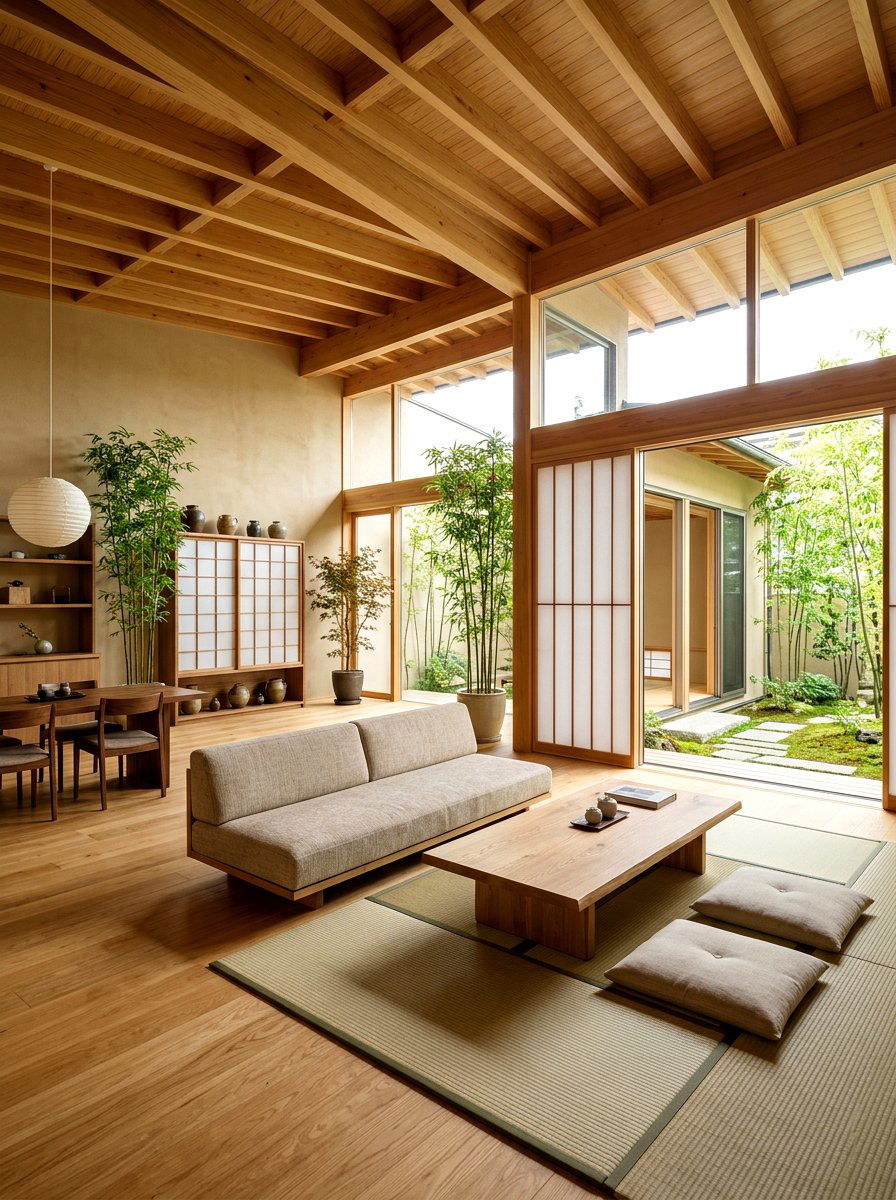
A Japanese inspired open floor plan, often referred to as Japandi, focuses on the principles of minimalism, natural materials, and quiet functionality. This style uses low-to-the-ground furniture and a palette of warm woods and soft earth tones to create a grounding atmosphere. Sliding shoji-style screens can be used to provide temporary privacy without sacrificing the light or the overall feeling of openness. Every object in the room is chosen for its purpose and beauty, ensuring the space remains uncluttered and peaceful. Incorporating indoor bamboo plants and stone elements further strengthens the connection to nature, making the entire open living area feel like a serene sanctuary for the mind and body.
27. French Country Open Living Room
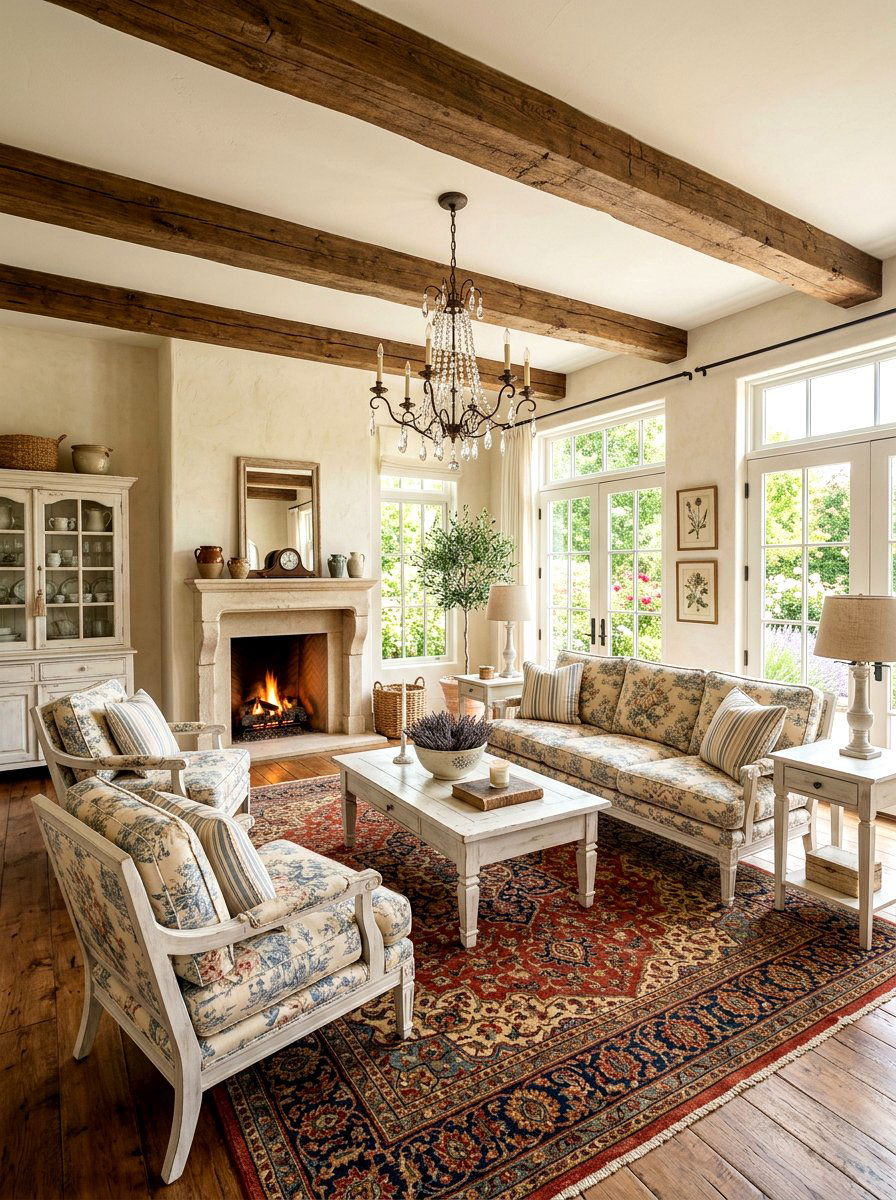
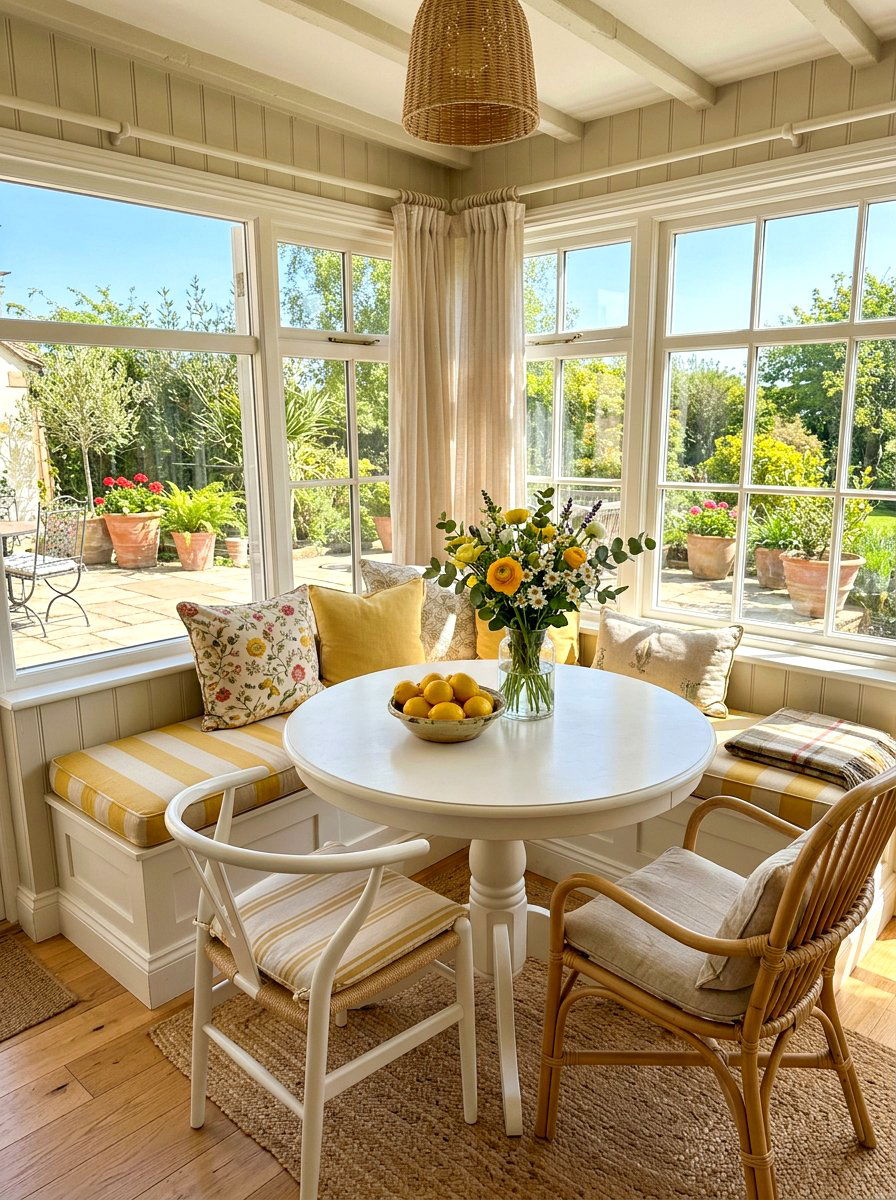
A French country open living room combines rustic farmhouse elements with refined European elegance to create a space that is both cozy and chic. This style features soft, curved furniture, often with whitewashed wood finishes and delicate floral or toile fabrics. To define the open space, designers use large area rugs with traditional patterns and elegant chandeliers that hang above the dining and living zones. Soft pastel colors like lavender, sage green, and butter yellow add a touch of romance to the layout. The use of natural stone floors and exposed ceiling beams provides a sturdy, timeless backdrop that balances the more delicate and feminine decorative touches throughout the room.
28. Dark Academia Open Concept Living
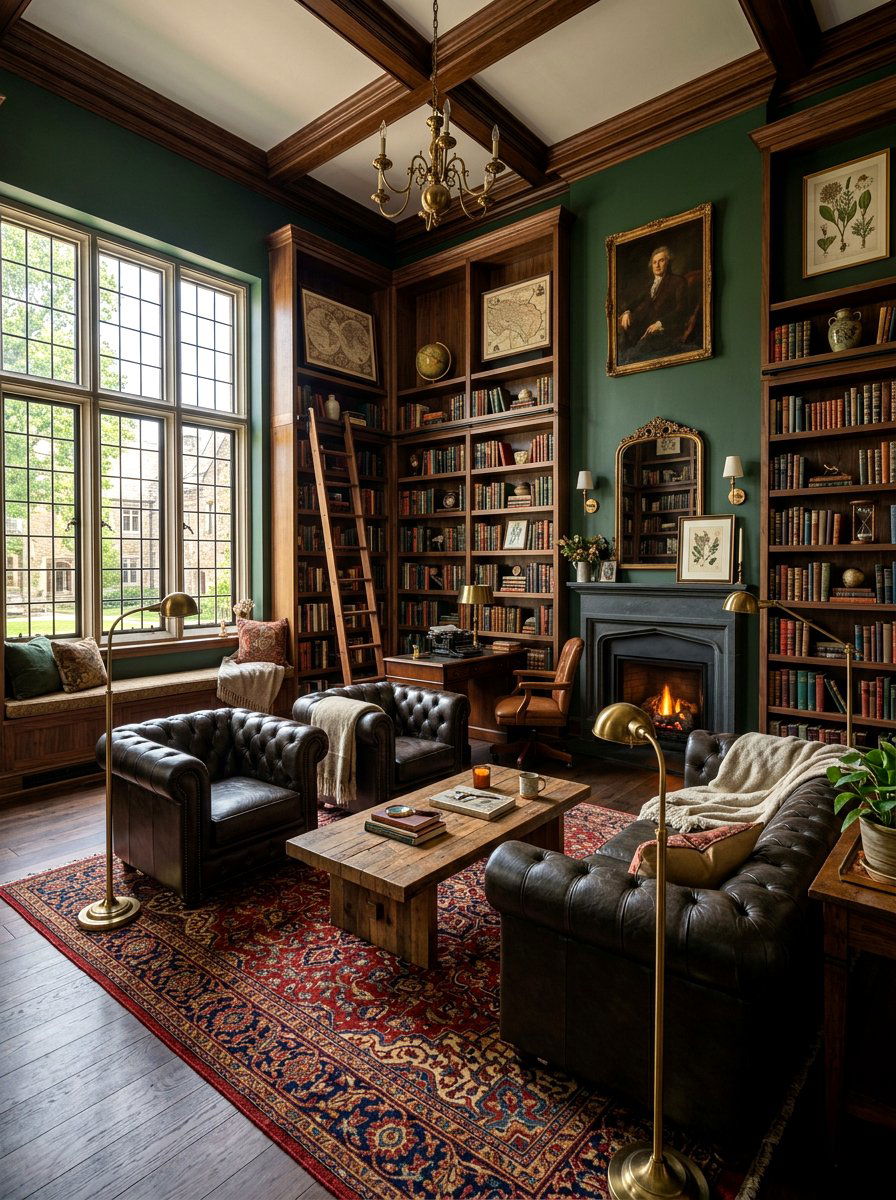
Dark academia open concept living brings a moody, intellectual, and historic vibe to a modern, wall-free floor plan through rich colors and textures. This aesthetic uses deep tones like forest green, navy blue, and burgundy, often paired with dark wood bookshelves that span entire walls. To prevent the space from feeling too heavy, large windows and layered lighting are essential for highlighting the beautiful details. Leather armchairs, velvet sofas, and antique globes or brass accents create a cozy, library-like atmosphere within the larger open space. This unique design approach turns the traditional open plan into a sophisticated retreat that feels storied, comfortable, and perfect for long evenings spent reading or writing.
29. Mediterranean Open Floor Plan
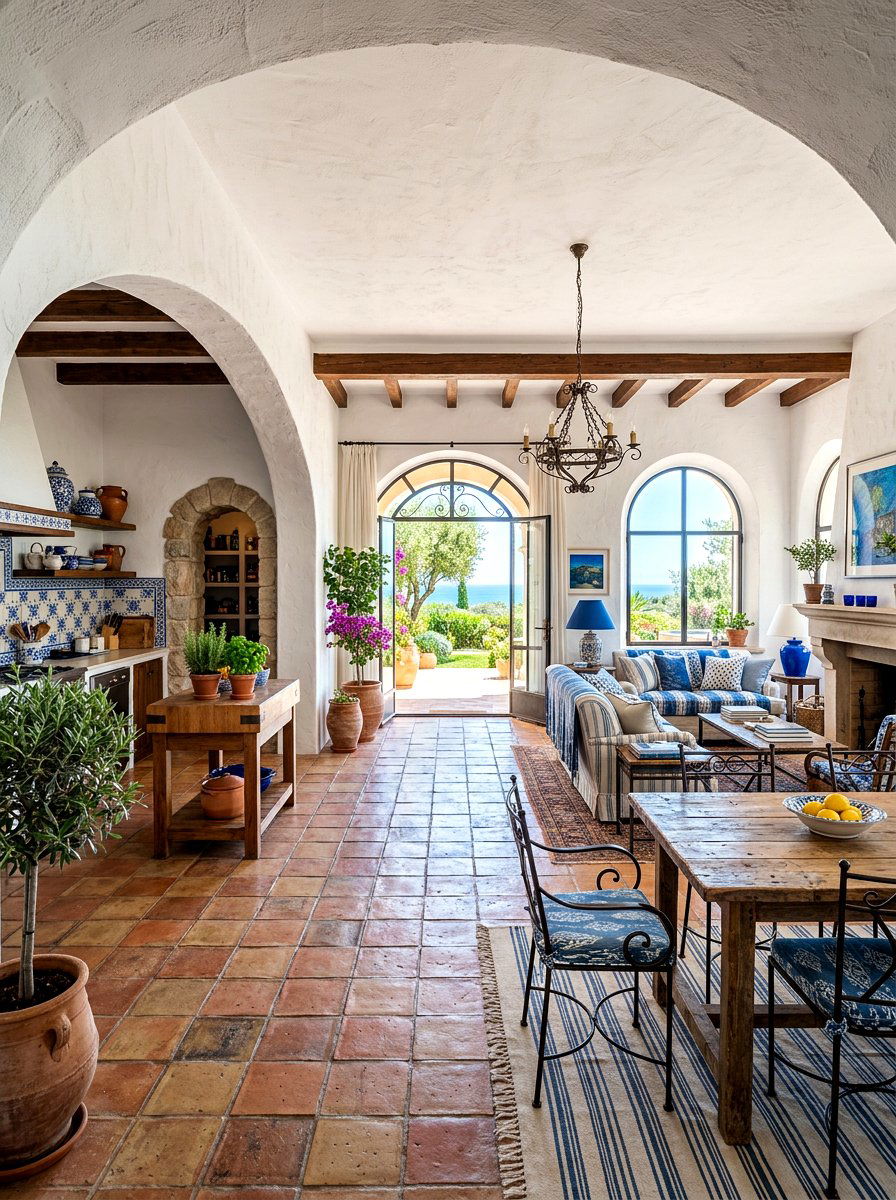
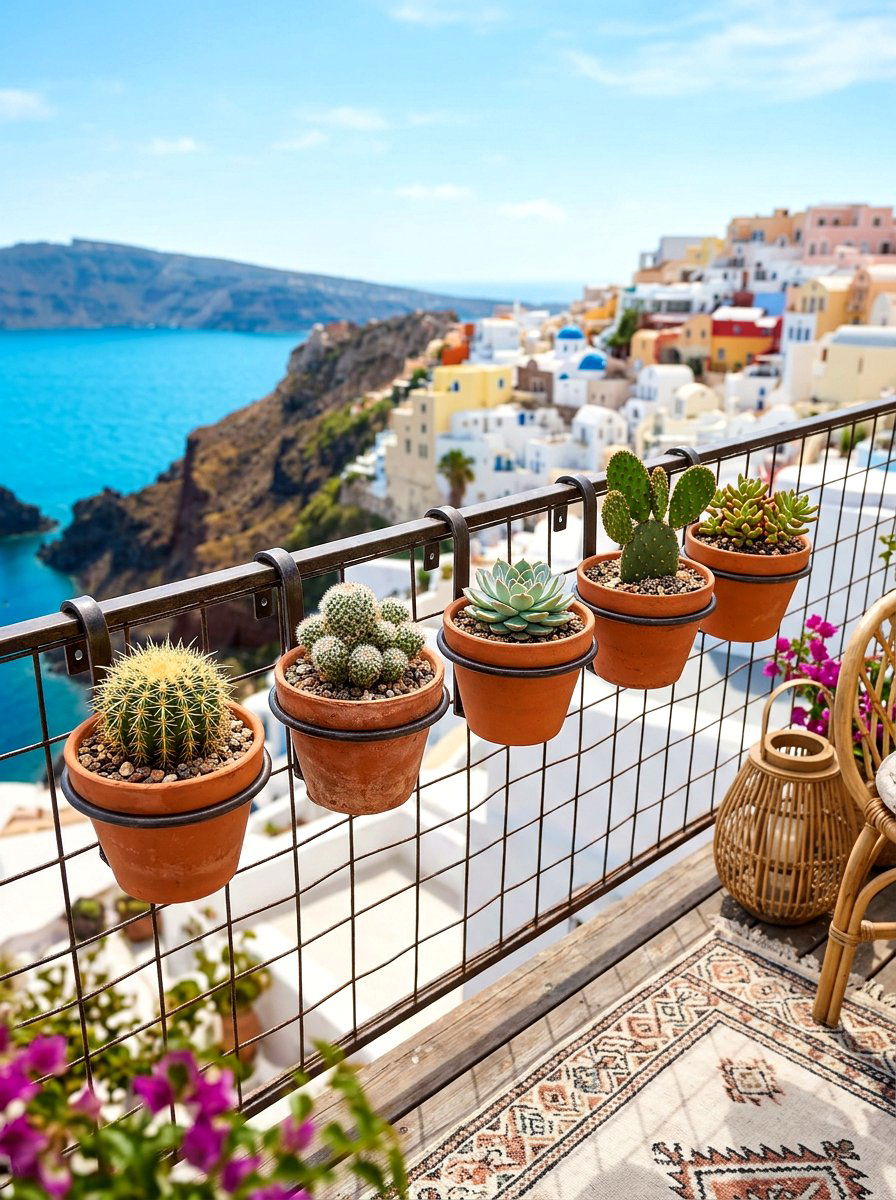
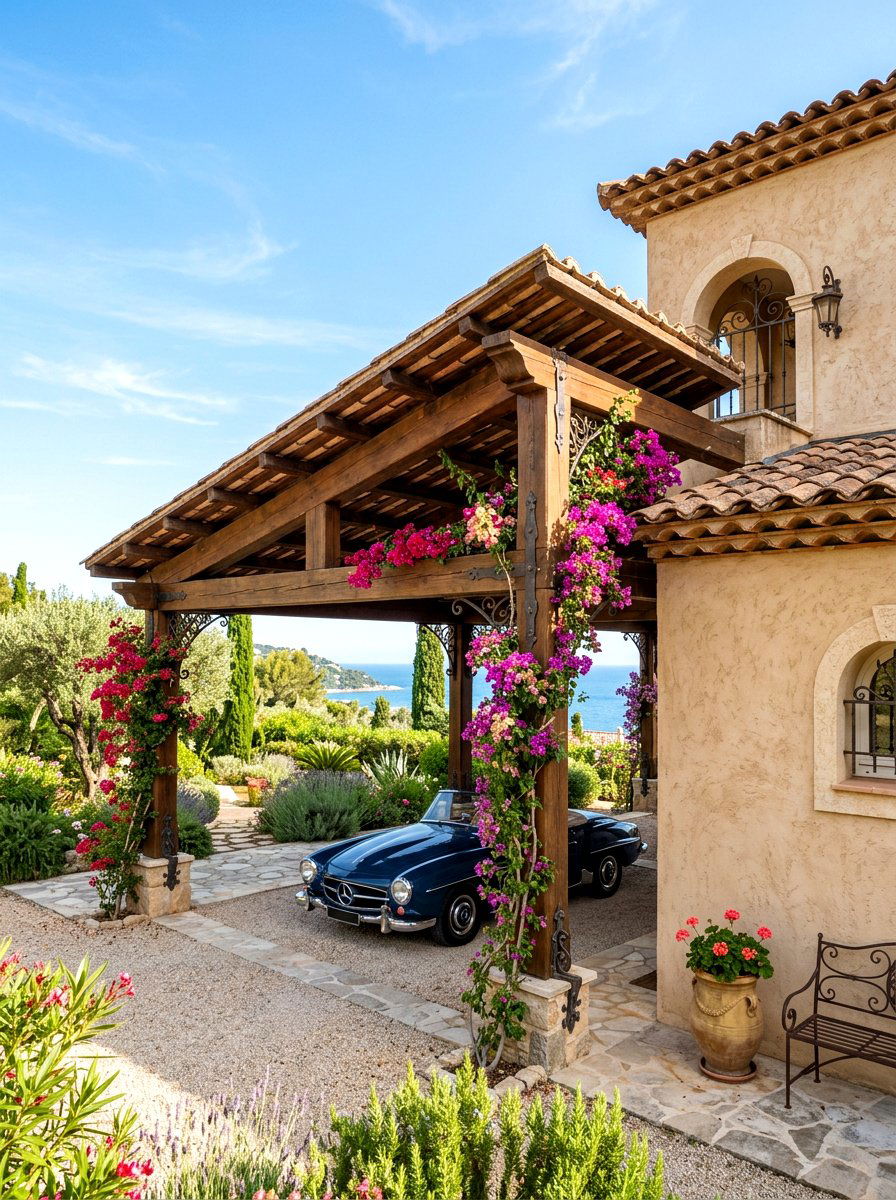
The Mediterranean open floor plan is inspired by the sunny coastal homes of Southern Europe, emphasizing warmth, light, and natural textures. This style often features arched doorways, terracotta tile floors, and textured plaster walls that add a sense of history and depth. Large glass doors open onto courtyards or balconies, allowing the sea breeze to circulate throughout the entire open living and dining area. Furniture is typically made of dark wood or wrought iron, providing a beautiful contrast against the light-colored walls. Using vibrant blue accents and plenty of terracotta pots with greenery helps to create a cheerful and inviting atmosphere that celebrates the relaxed, outdoor-focused Mediterranean lifestyle.
30. Sustainable Open Concept Living Room
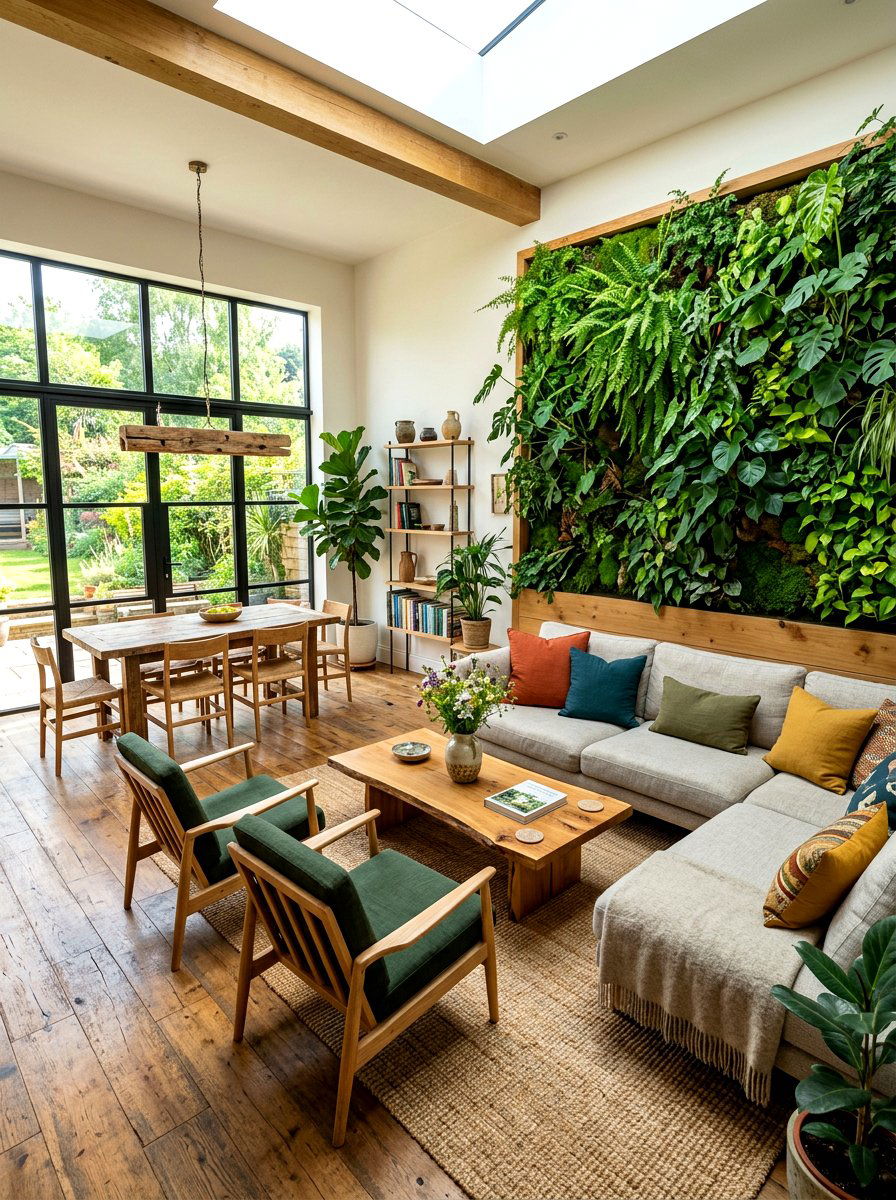
A sustainable open concept living room prioritizes eco-friendly materials and energy-efficient design without sacrificing any style or modern comfort. This approach often utilizes reclaimed wood for floors and furniture, along with non-toxic paints and natural fiber textiles like organic cotton or hemp. Large windows are strategically placed for passive solar heating and maximum natural ventilation, reducing the need for artificial climate control. Incorporating a "living wall" of indoor plants not only adds a beautiful focal point but also improves the air quality throughout the entire open space. This thoughtful design ensures that your beautiful home is as kind to the planet as it is comfortable and inviting for your family.
Conclusion:
Creating a stunning open concept living room is all about finding the perfect balance between grand architectural freedom and the intimate comfort of defined zones. By thoughtfully selecting consistent materials, layered lighting, and strategic furniture layouts, you can transform a single large space into a multi-functional heart of the home. The beauty of the open plan lies in its ability to adapt to your specific needs, whether you crave a minimalist sanctuary or a vibrant social hub. Embracing these design ideas allows you to maximize natural light, improve movement flow, and foster a more connected lifestyle for everyone who enters your beautiful, modern dwelling.

Related posts: