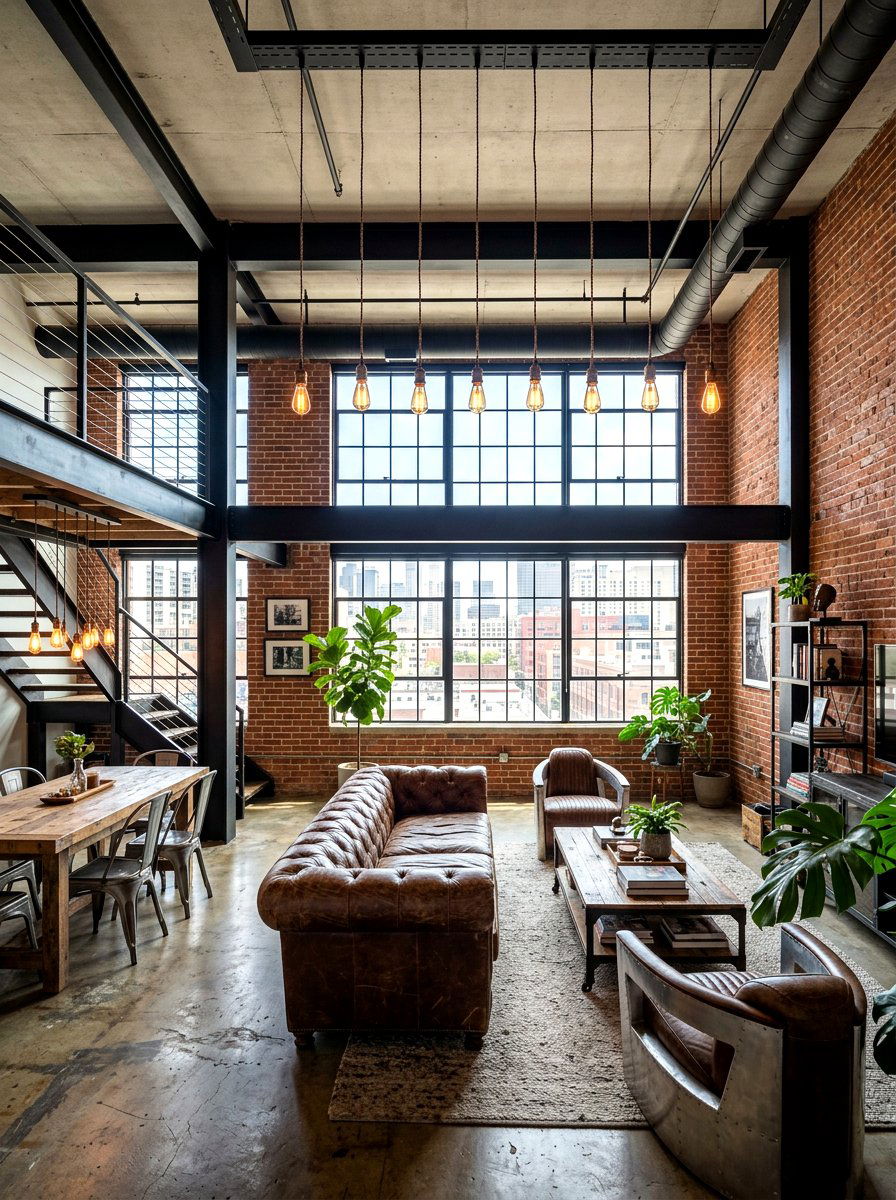
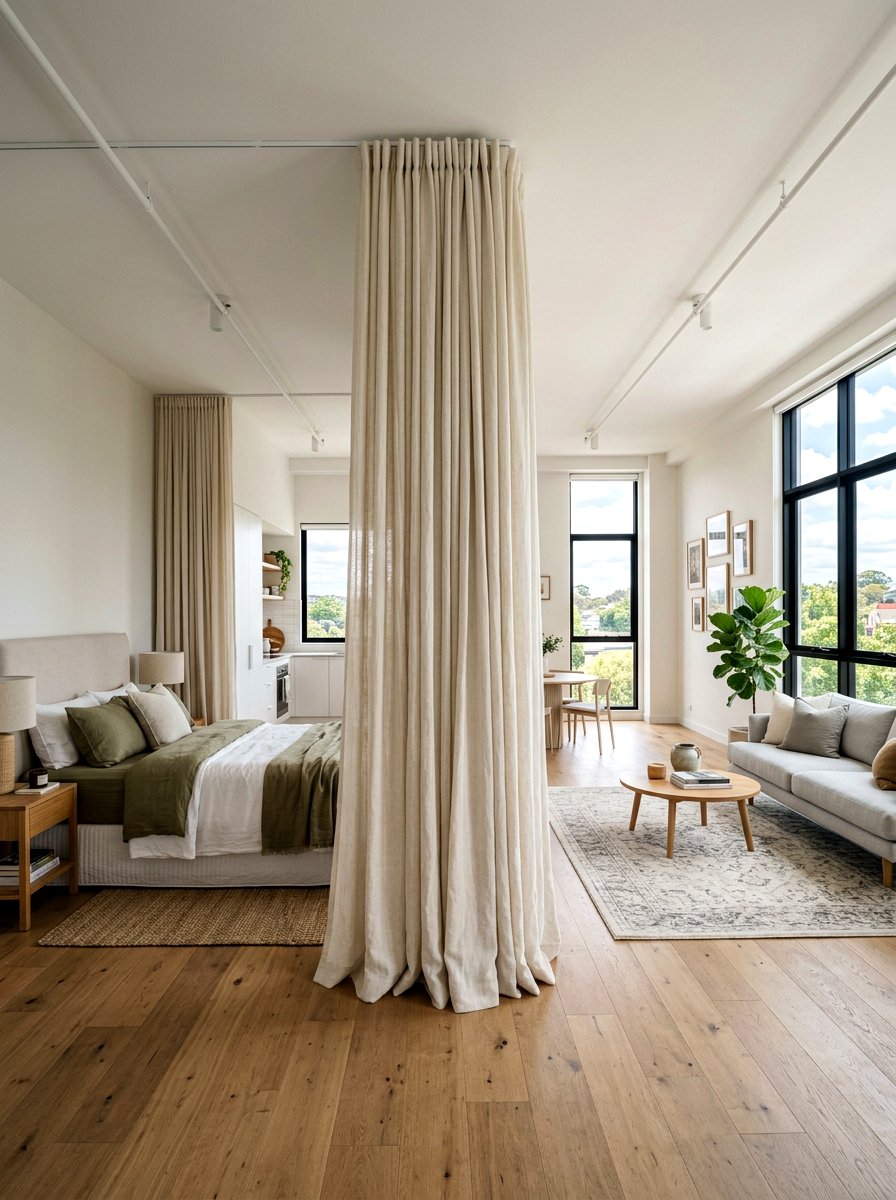
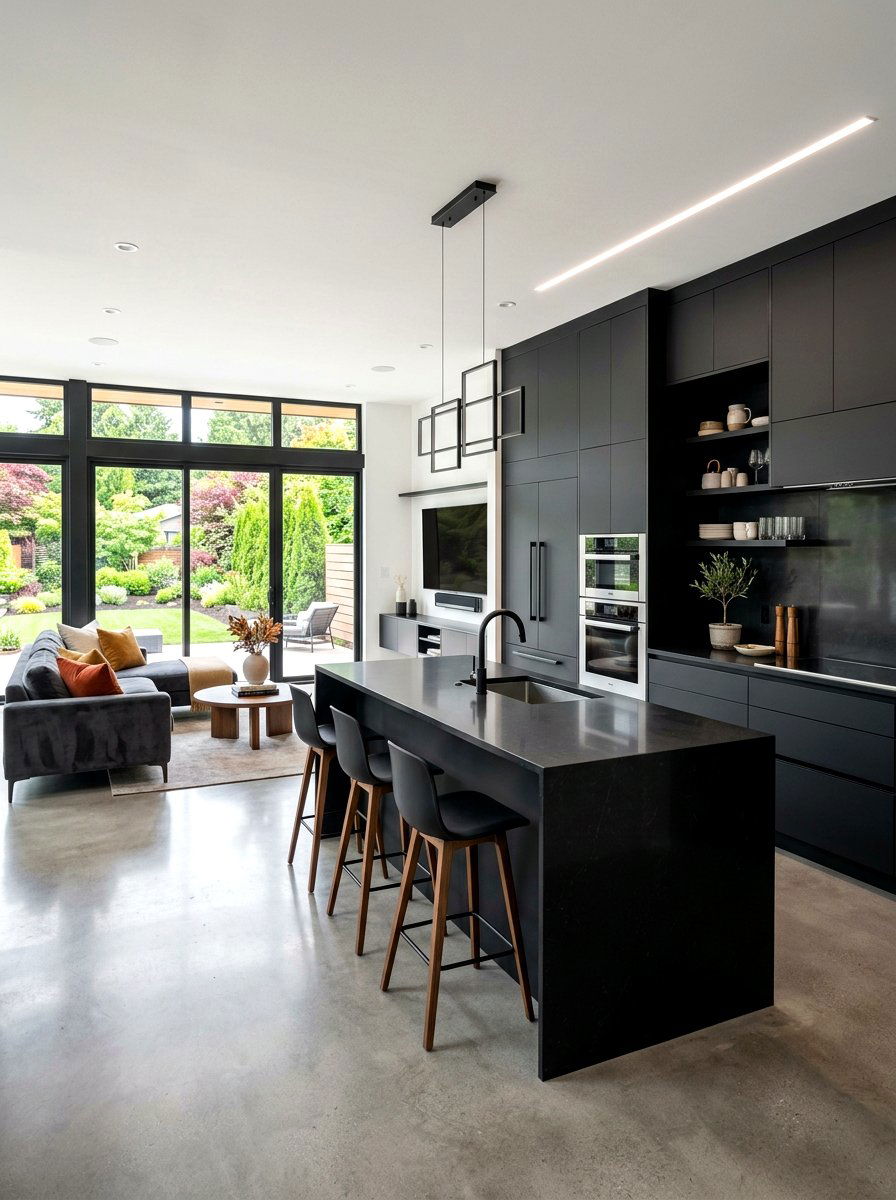
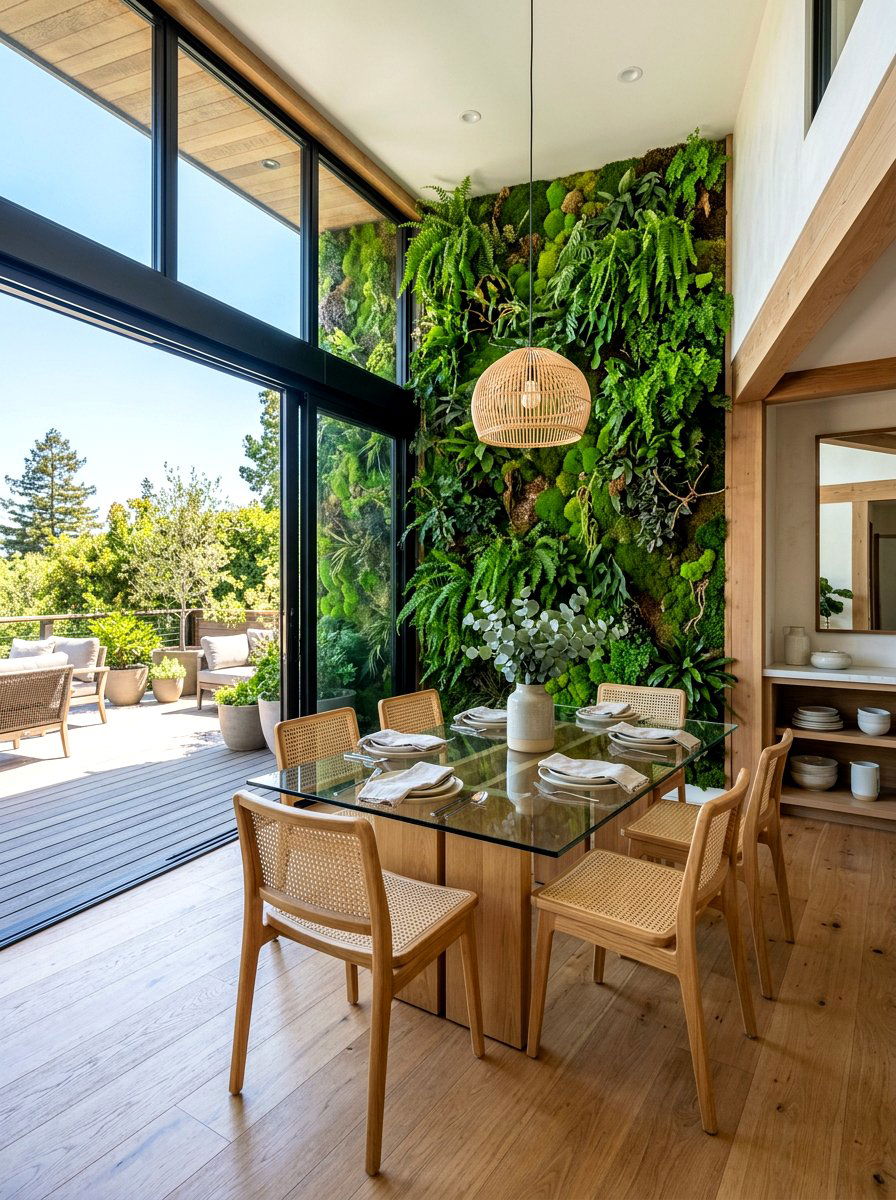
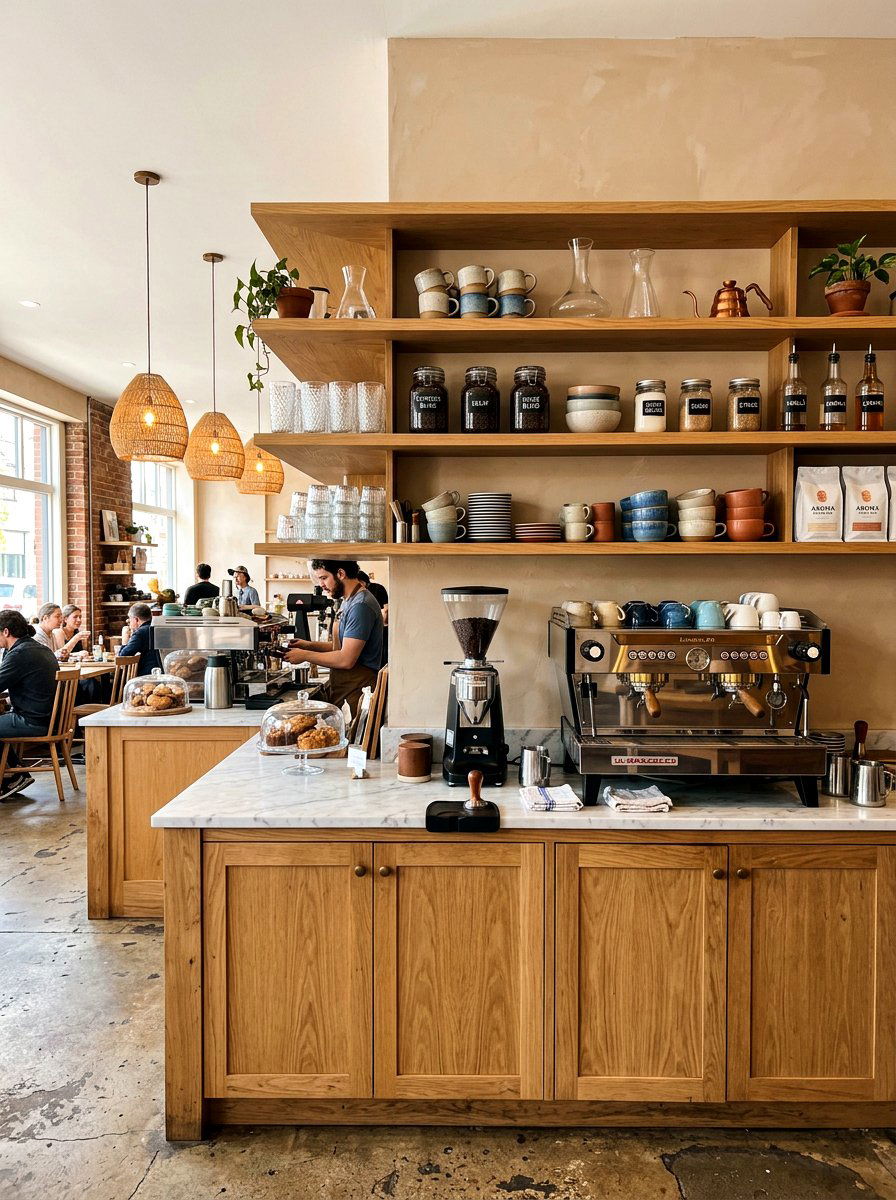
Creating a functional and beautiful home often starts with an open floor plan, but without proper structure, these large spaces can feel cold and uninviting. The key to mastering this layout is through zoning, a clever technique that uses furniture, lighting, and architectural details to define specific areas. By organizing your space into distinct zones, you can maintain the airy feel of an open concept while ensuring every square foot has a dedicated purpose. This approach improves flow, enhances acoustics, and makes your home feel much more organized. Whether you are working with a small apartment or a sprawling estate, these strategies will help you create a harmonious environment that balances social interaction with much-needed privacy for everyday activities.
1. Kitchen island breakfast bar
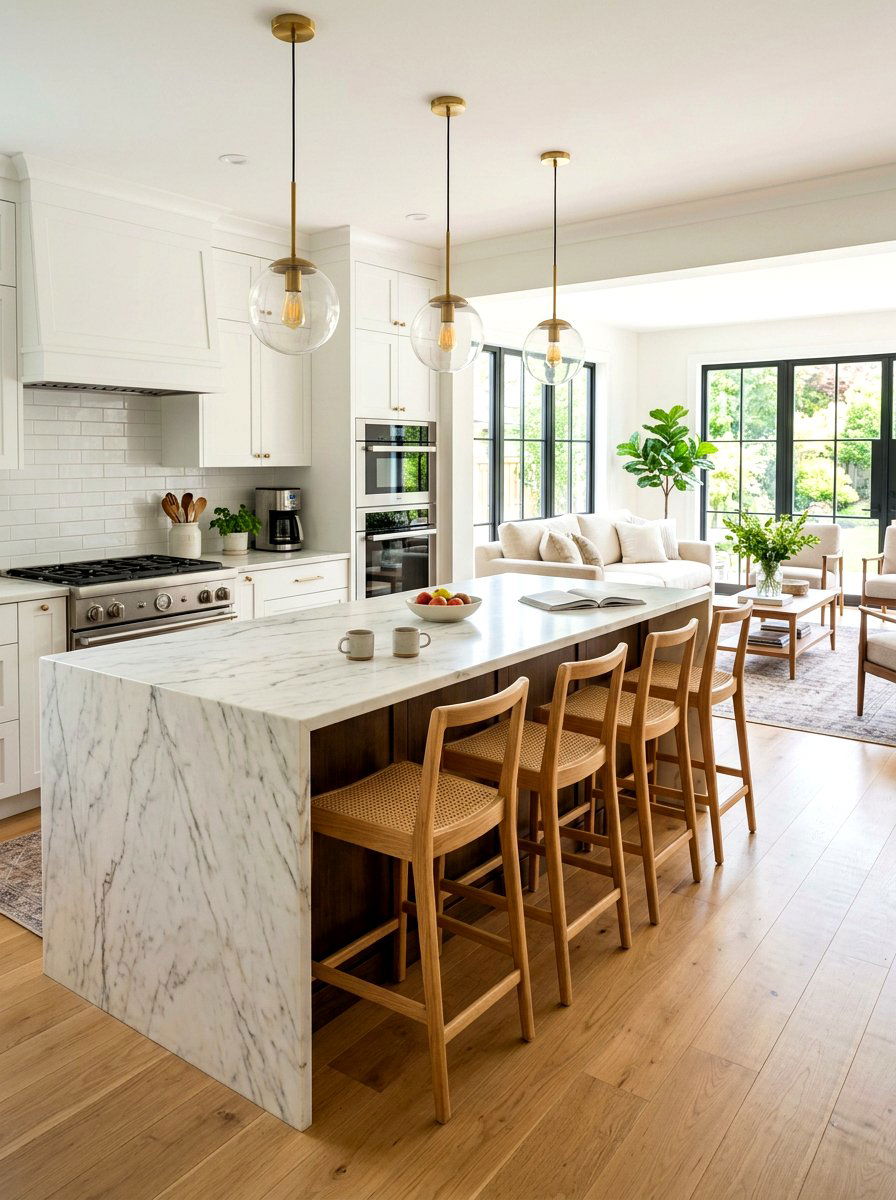
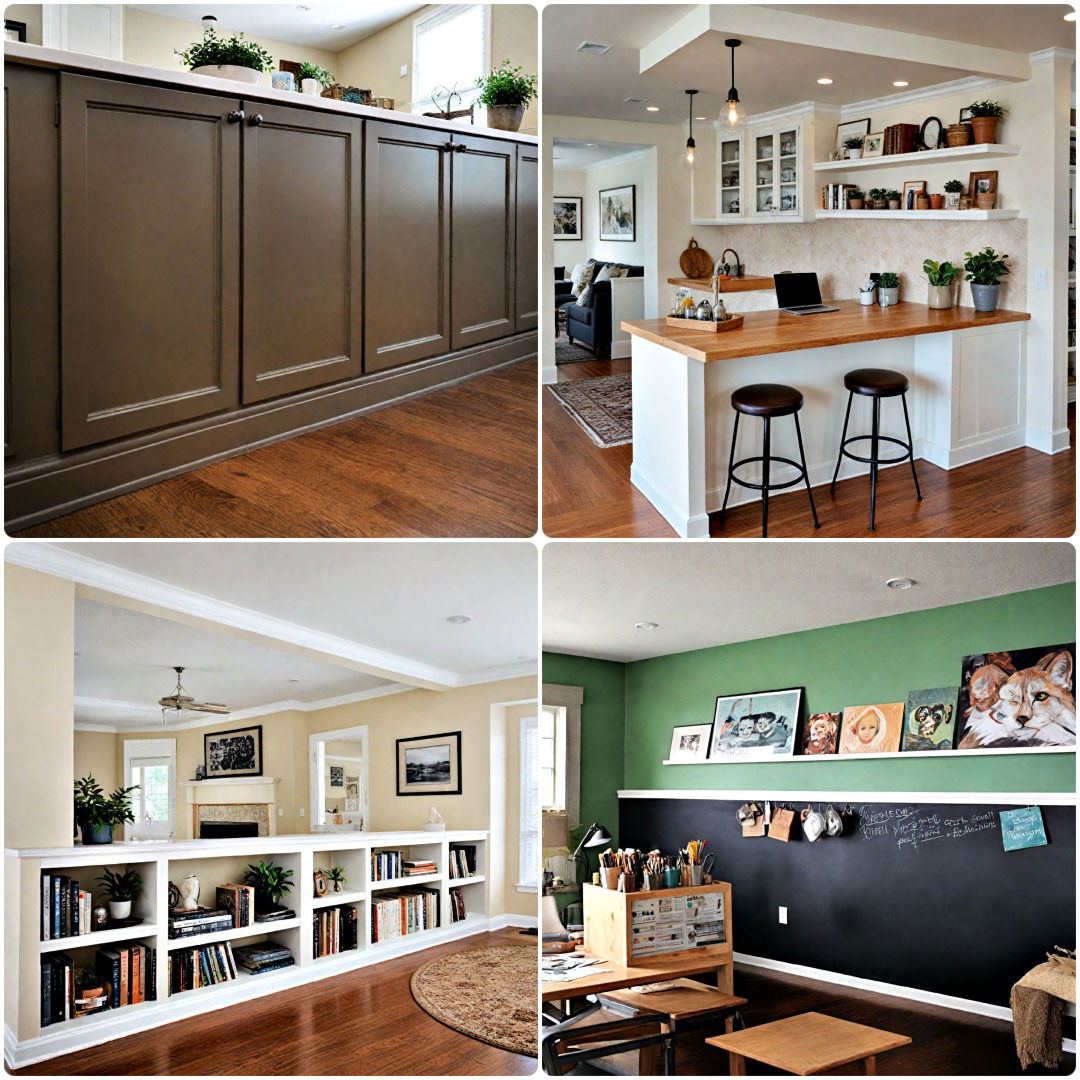
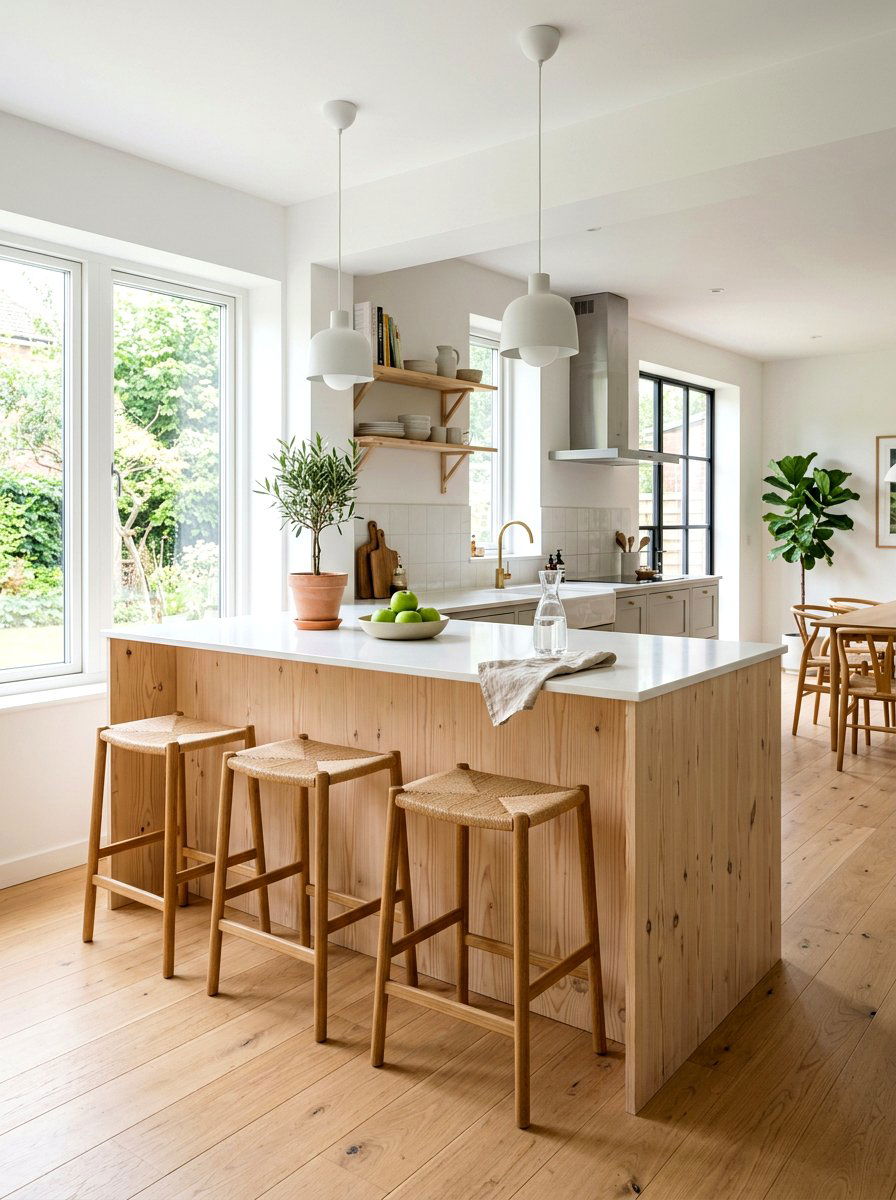
A large kitchen island serves as a natural boundary between the cooking area and the rest of the great room. This central piece of furniture acts as a functional anchor that separates the messy prep zone from the living and dining spaces. When you add bar stools, it creates a casual transition spot where family members can sit and chat without entering the cook's workspace. This layout keeps the chef connected to the conversation while maintaining a clear physical barrier. Using a different countertop material or height for the breakfast bar can further define the two areas, making the entire open plan feel more structured and intentional for daily use.
2. Sunken living room
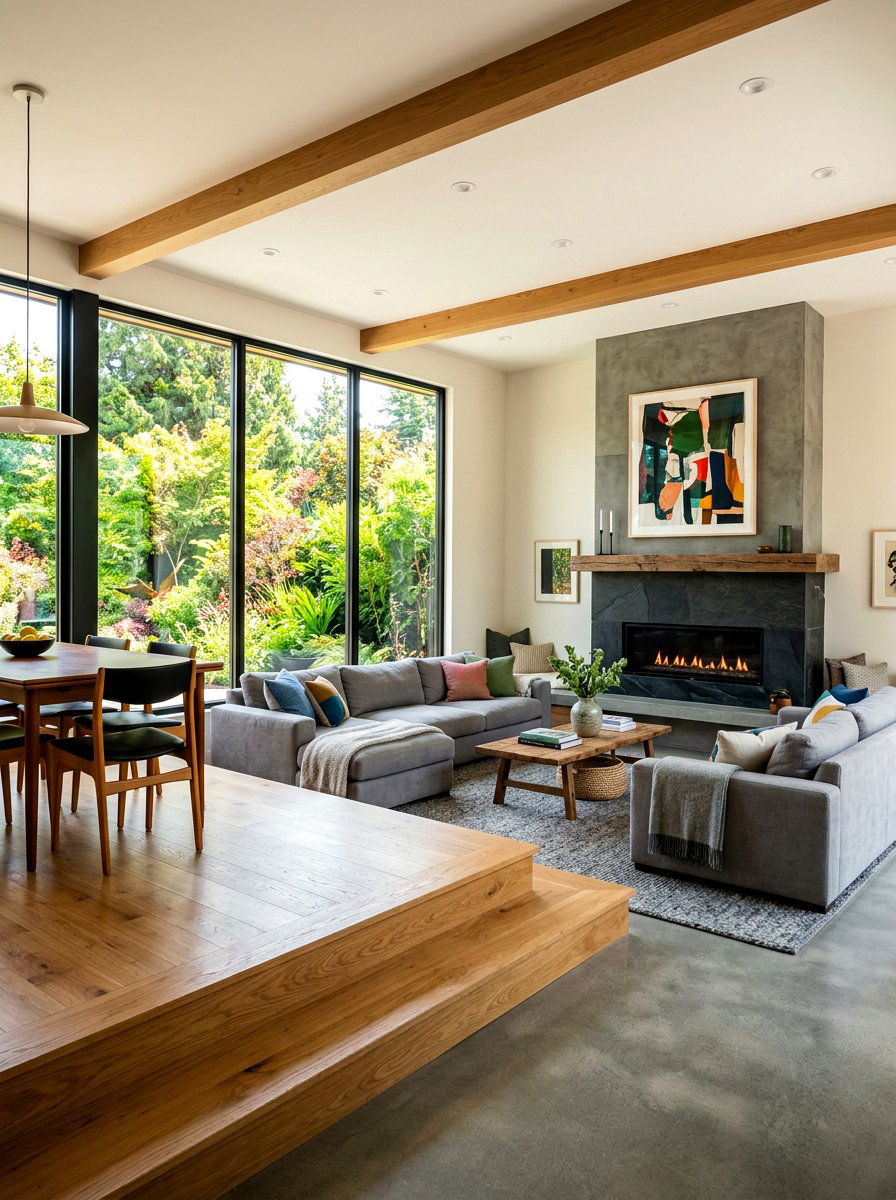
Changing the floor level is a bold way to separate a living area from the kitchen or dining zone. A sunken living room, often called a conversation pit, creates an immediate visual distinction without needing any walls or tall furniture. This architectural feature makes the seating area feel cozy and intimate, even within a massive open layout. It draws the eye downward and signals a change in the room's function, moving from high-traffic walkways to a relaxed, stationary environment. By using stairs to transition between levels, you add a sense of luxury and drama to your home while keeping the sightlines completely open and unobstructed for a spacious feel.
3. Glass partition wall
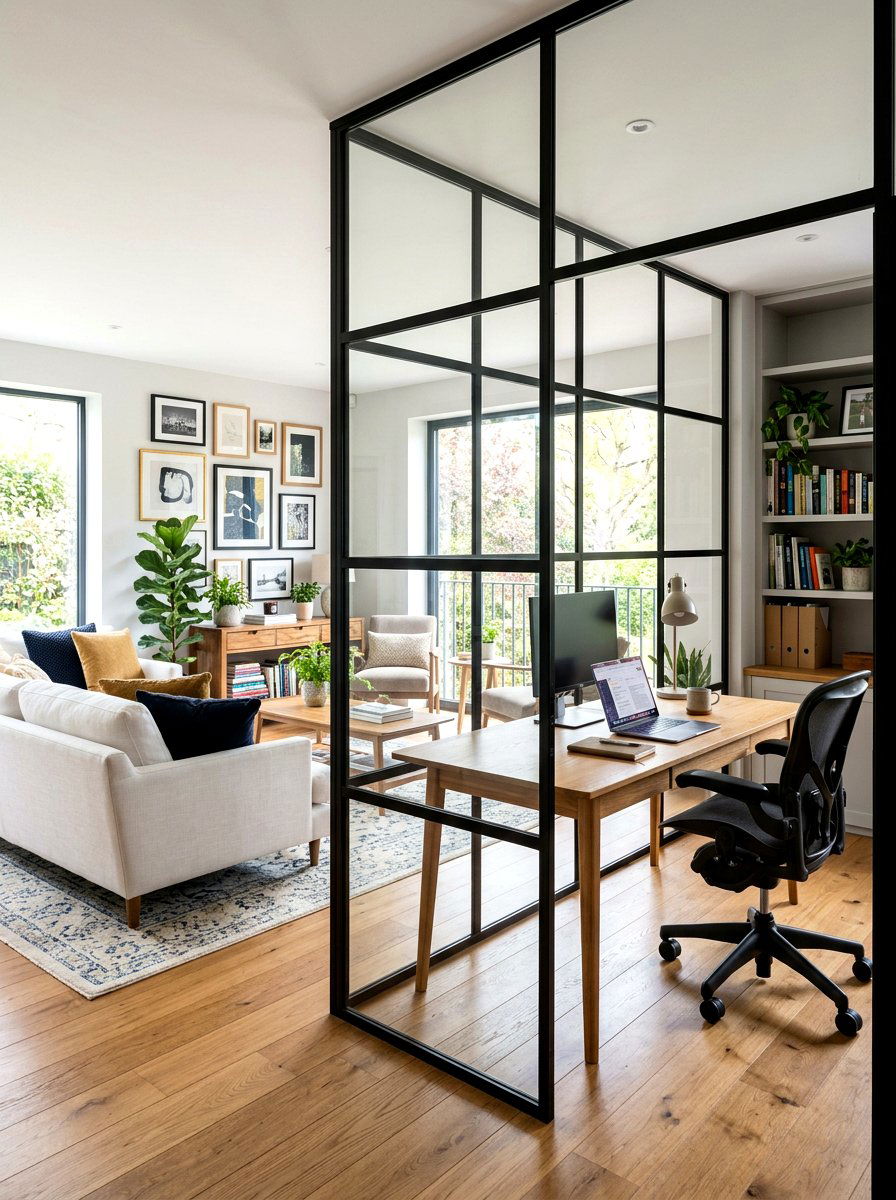
Installing a glass partition wall is a brilliant way to create a quiet zone without losing any natural light. These transparent dividers, often featuring black steel frames, allow you to see through to other parts of the house while providing a physical barrier for noise. This is particularly useful for separating a home office or a playroom from the main living space. It maintains the visual flow of the open concept but offers the benefits of a private room. The sleek, modern look of glass partitions adds an industrial or contemporary touch to the interior design, making the entire home feel much more sophisticated and high-end.
4. L shaped sectional sofa
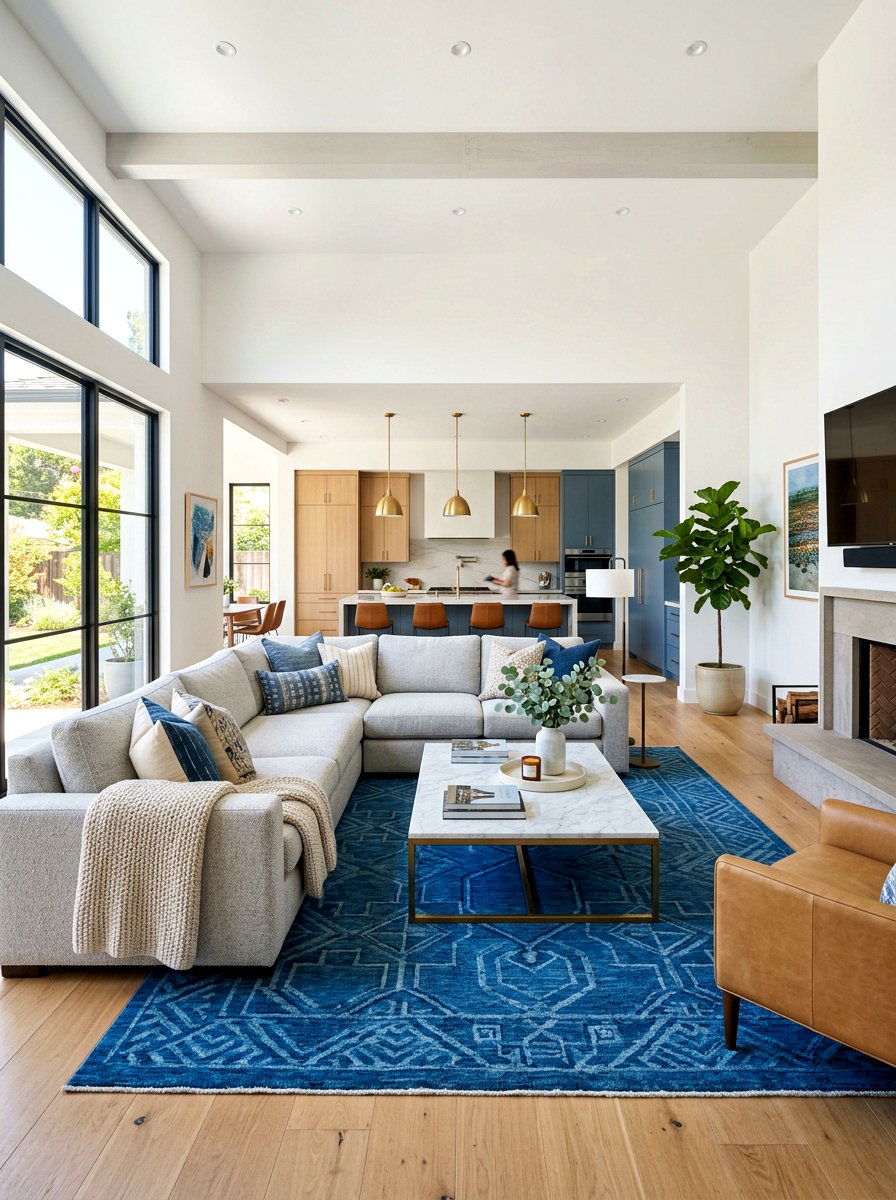
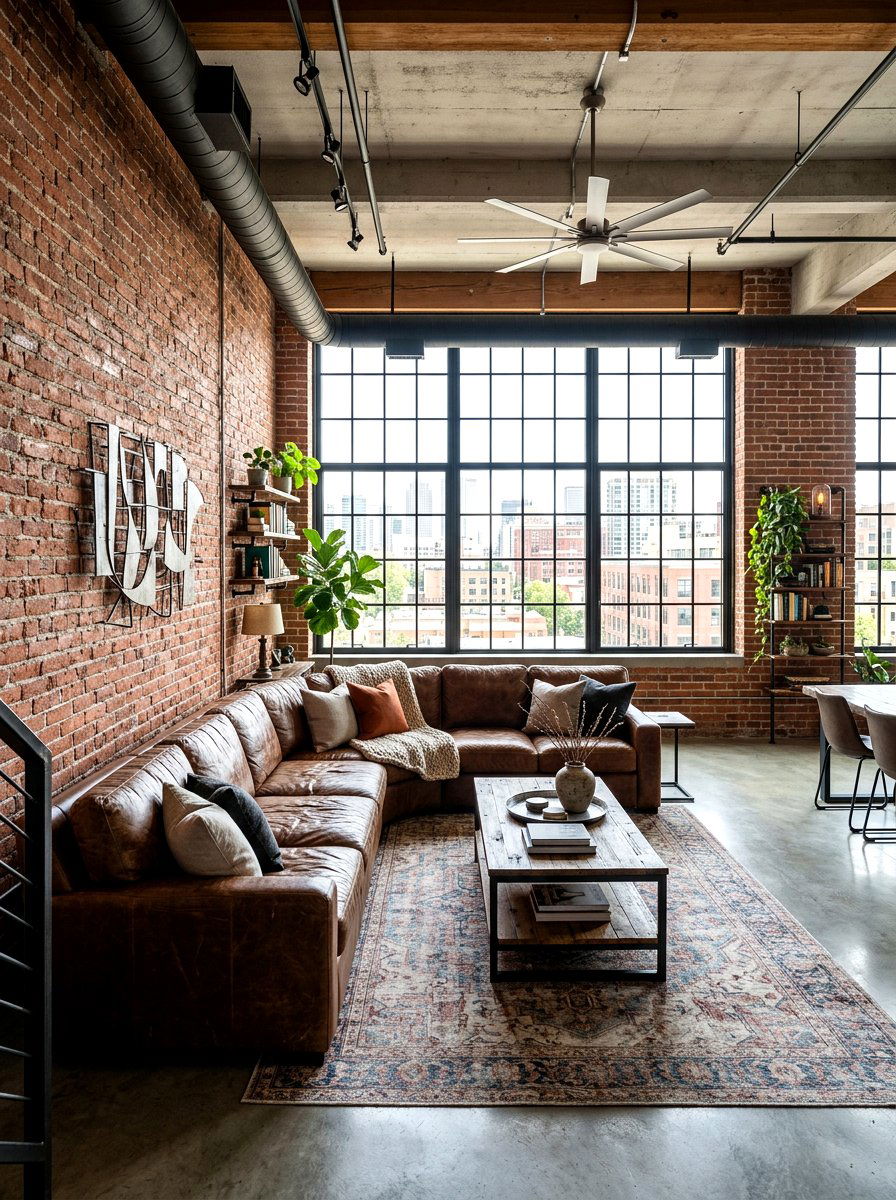
An L-shaped sectional sofa is one of the most effective tools for defining a living room zone in an open plan. By positioning the back of the sofa toward the kitchen or dining area, you create a soft wall that clearly marks the lounging territory. This arrangement helps to contain the seating area and makes it feel like a private sanctuary within the larger room. The footprint of the sectional naturally carves out a rectangular or square zone, which can then be anchored with a rug and a coffee table. It is a simple and flexible way to organize your furniture without making permanent architectural changes.
5. Area rug placement
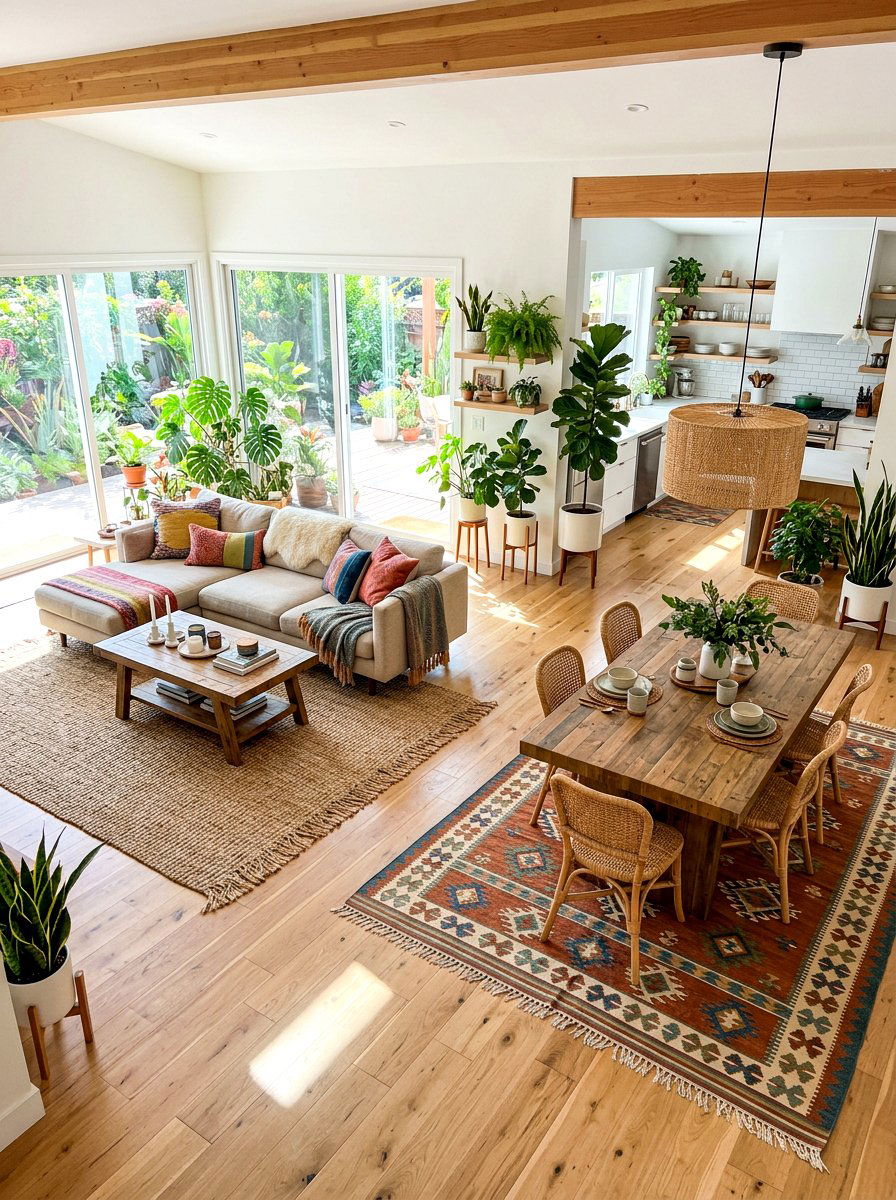
Using area rugs is the easiest way to visually separate different functional zones in a large, open space. A rug acts like a boundary on the floor, grouping furniture together and signaling that a specific area is meant for a single purpose. For instance, a plush rug under the sofa defines the living room, while a low-pile rug under the dining table defines the eating area. To keep the look cohesive, you should choose rugs that complement each other in terms of color or texture. This layering adds warmth and comfort to the room while making the layout feel much more organized and grounded.
6. Double height ceiling
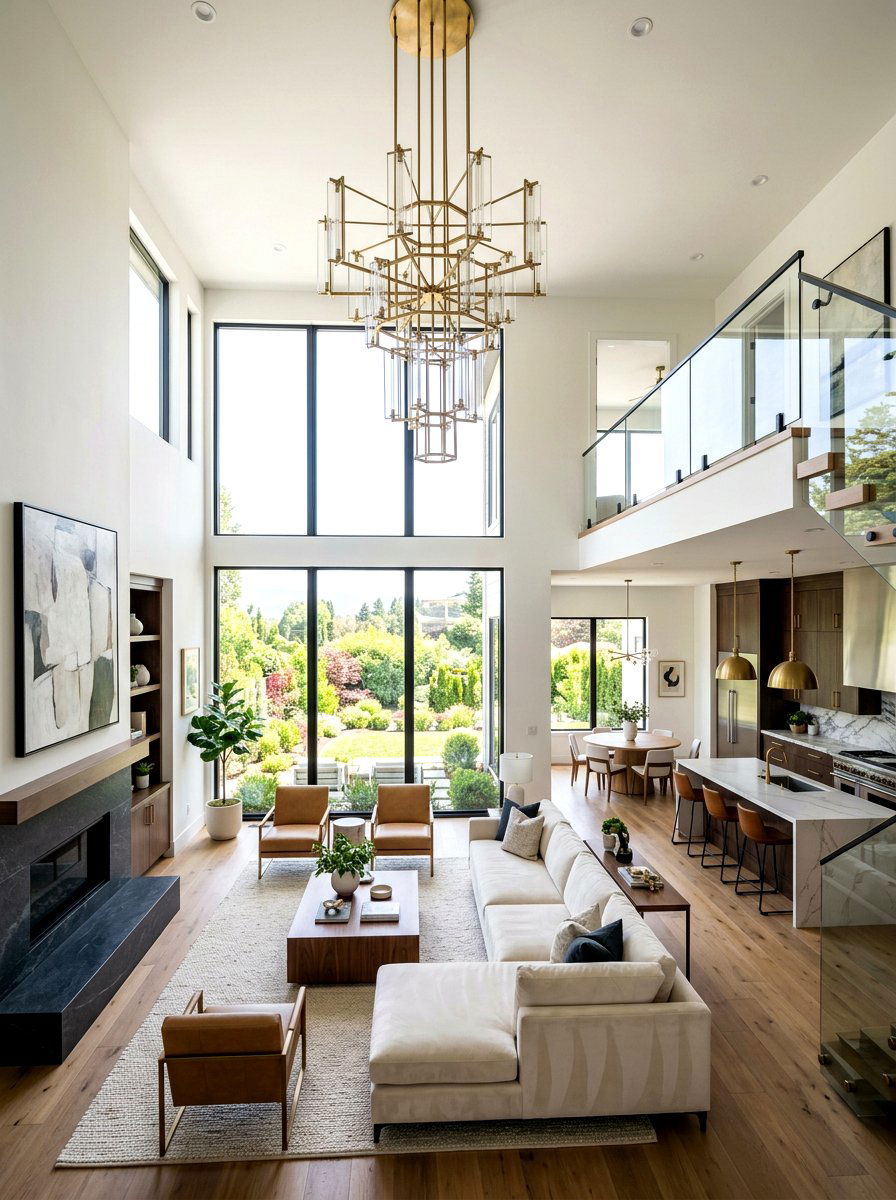
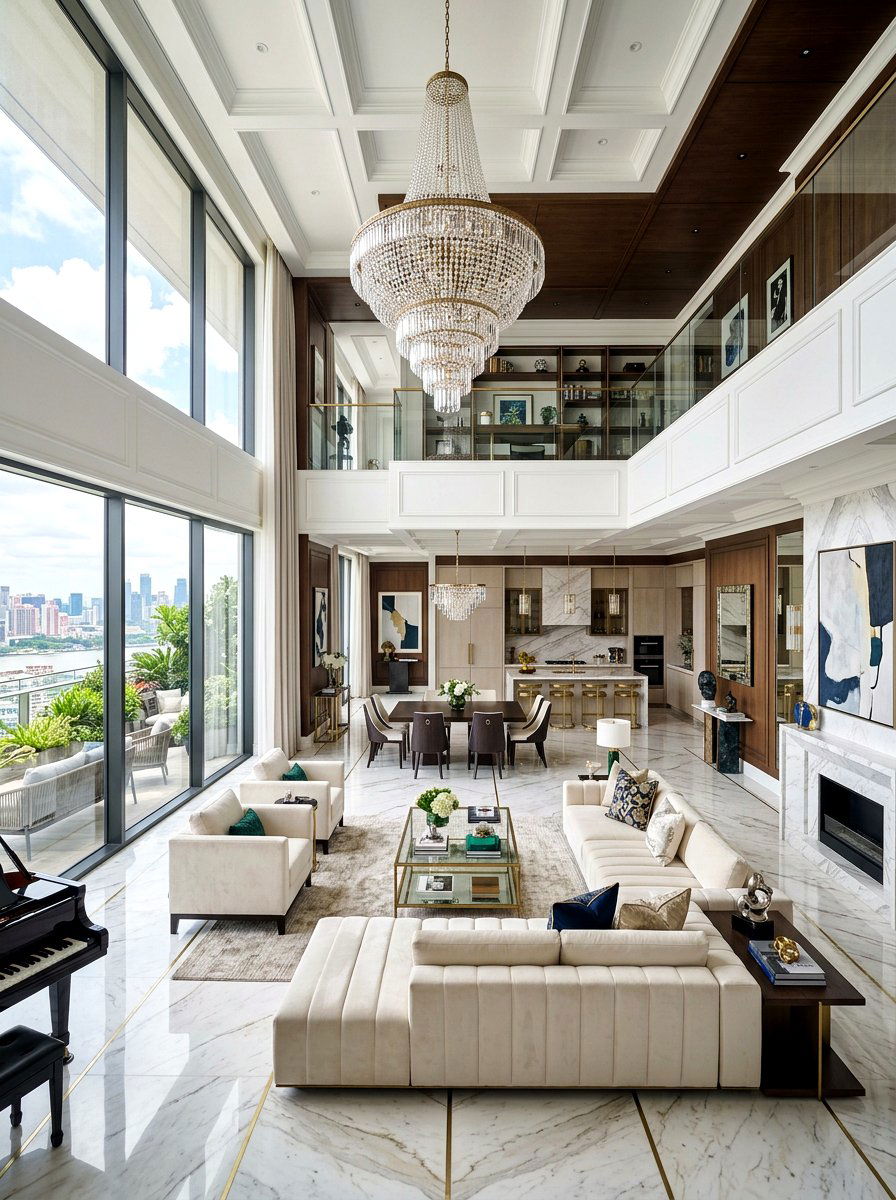
Architectural features like a double-height ceiling can naturally zone an open space by creating vertical drama. When one part of the room has a much higher ceiling than the rest, it automatically feels more grand and important. This technique is often used to highlight the main living area, while the kitchen or dining space sits under a standard ceiling height for a cozier feel. The change in scale helps the brain distinguish between different areas without the need for any floor-level barriers. It also allows for large windows that flood the entire open plan with light, enhancing the overall sense of airiness and luxury.
7. Floating bookshelves divider
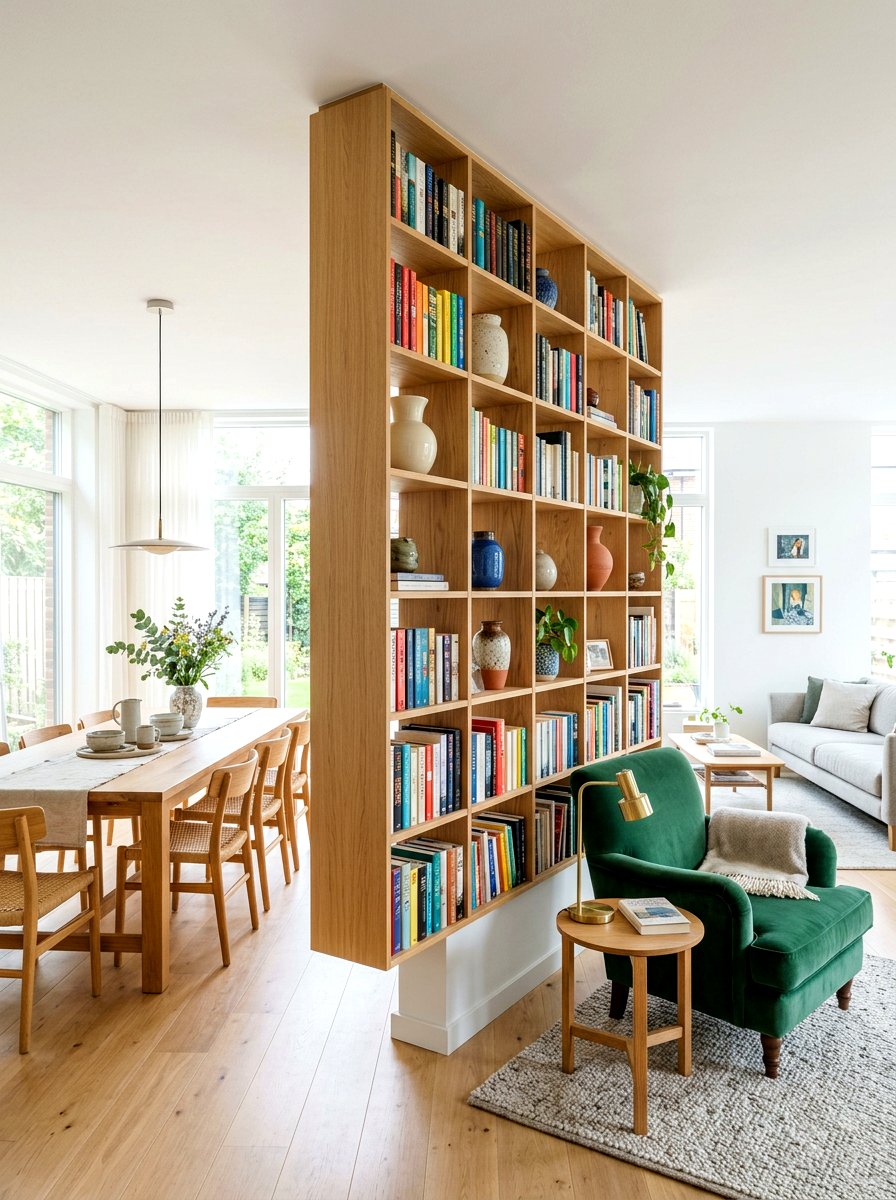
A floating bookshelf acts as a functional and stylish room divider that maintains the open feel of your home. By choosing a unit with open shelves, you allow light to pass through while creating a physical separation between two zones. This is a perfect solution for dividing a dining area from a living room or creating a small reading nook. You can style the shelves with books, plants, and decorative objects to add personality and warmth to the space. Because these units are not attached to the walls, they feel light and airy, preventing the open concept from becoming too cluttered or feeling closed off.
8. Mixed flooring transition
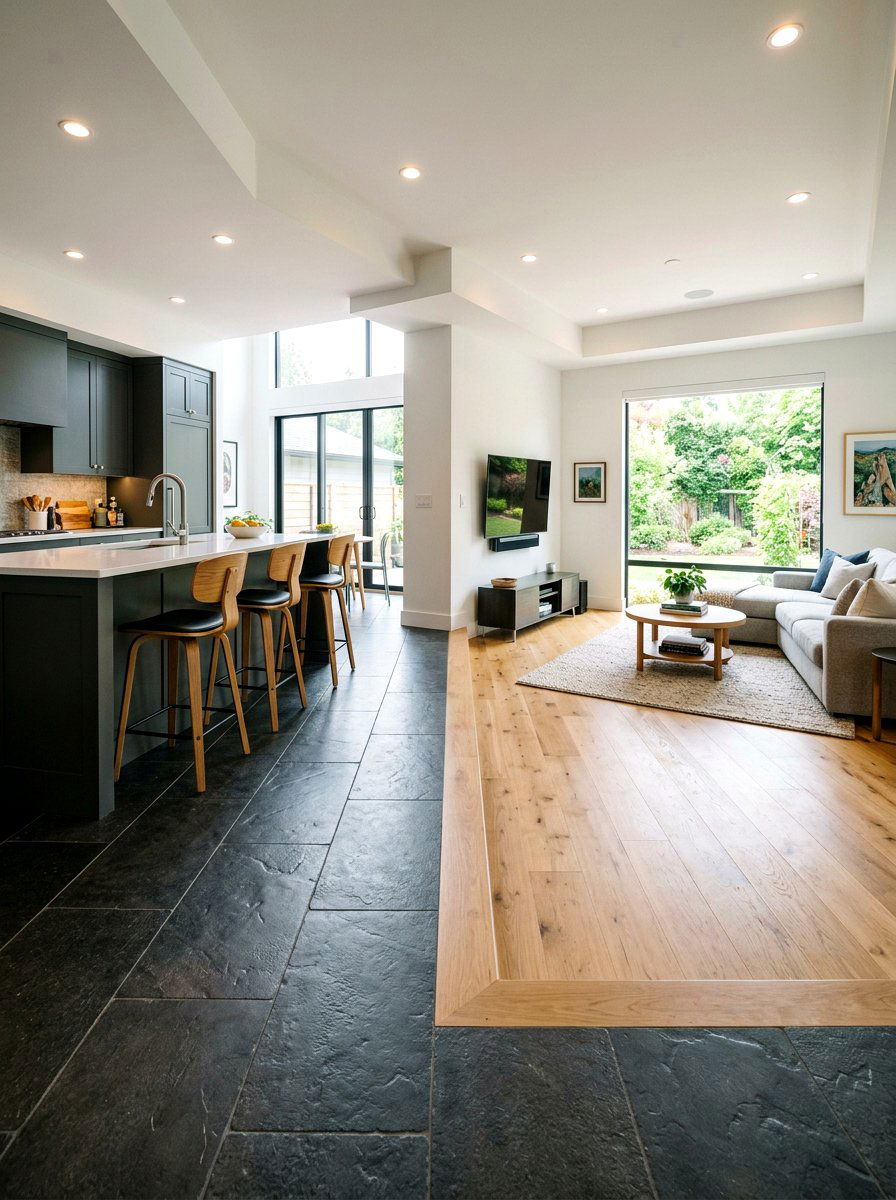
Switching flooring materials is a permanent and highly effective way to define zones in an open concept house. You might use durable tiles in the kitchen area and transition to warm hardwood in the living and dining sections. This physical change underfoot provides a clear signal that you are moving from a high-utility zone to a relaxation space. To make the transition look professional, you can use a decorative threshold or a seamless butt-joint. This technique is particularly popular in modern homes because it adds visual interest to the floor and eliminates the need for any bulky furniture or wall partitions to mark the boundaries.
9. Breakfast nook corner
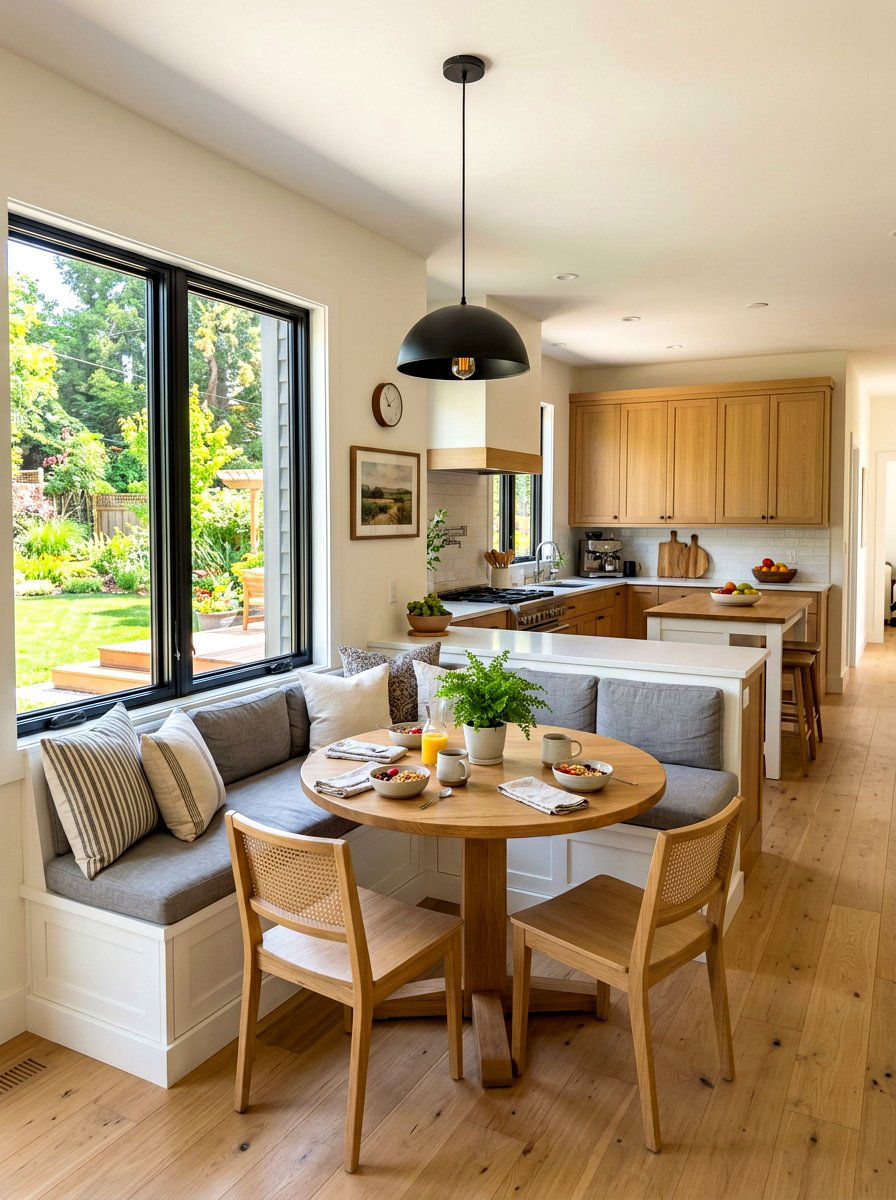
Creating a built-in breakfast nook in a corner is a wonderful way to zone a small eating area within a kitchen. By using a corner bench or banquet seating, you maximize the use of space and create a cozy, intimate environment. This setup feels separate from the main cooking zone, providing a dedicated spot for casual meals or morning coffee. You can further define this zone by hanging a small pendant light directly over the table and adding colorful cushions to the seating. It is a practical and charming design choice that adds a lot of character and functionality to a large open-plan kitchen area.
10. Two sided fireplace
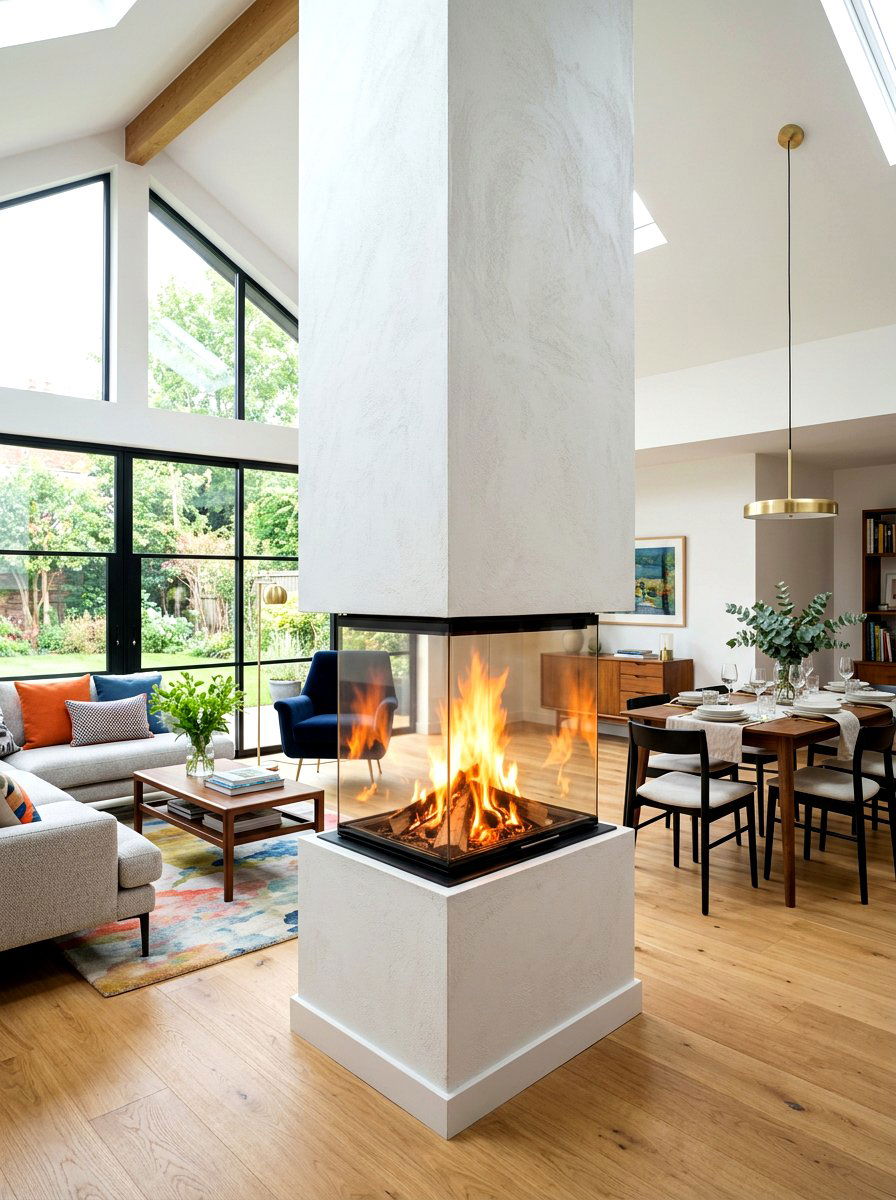
A two-sided fireplace is a stunning focal point that serves as a central anchor for two different zones. By placing the fireplace in the middle of a large room, you create a natural division between the living area and the dining room. The flickering flames can be enjoyed from both sides, adding warmth and ambiance to the entire open plan. This architectural element provides the benefits of a wall without completely blocking the view or the flow of the space. It creates a sense of luxury and coziness, making each zone feel like it has its own private hearth while remaining connected to the rest.
11. Wood slat partition
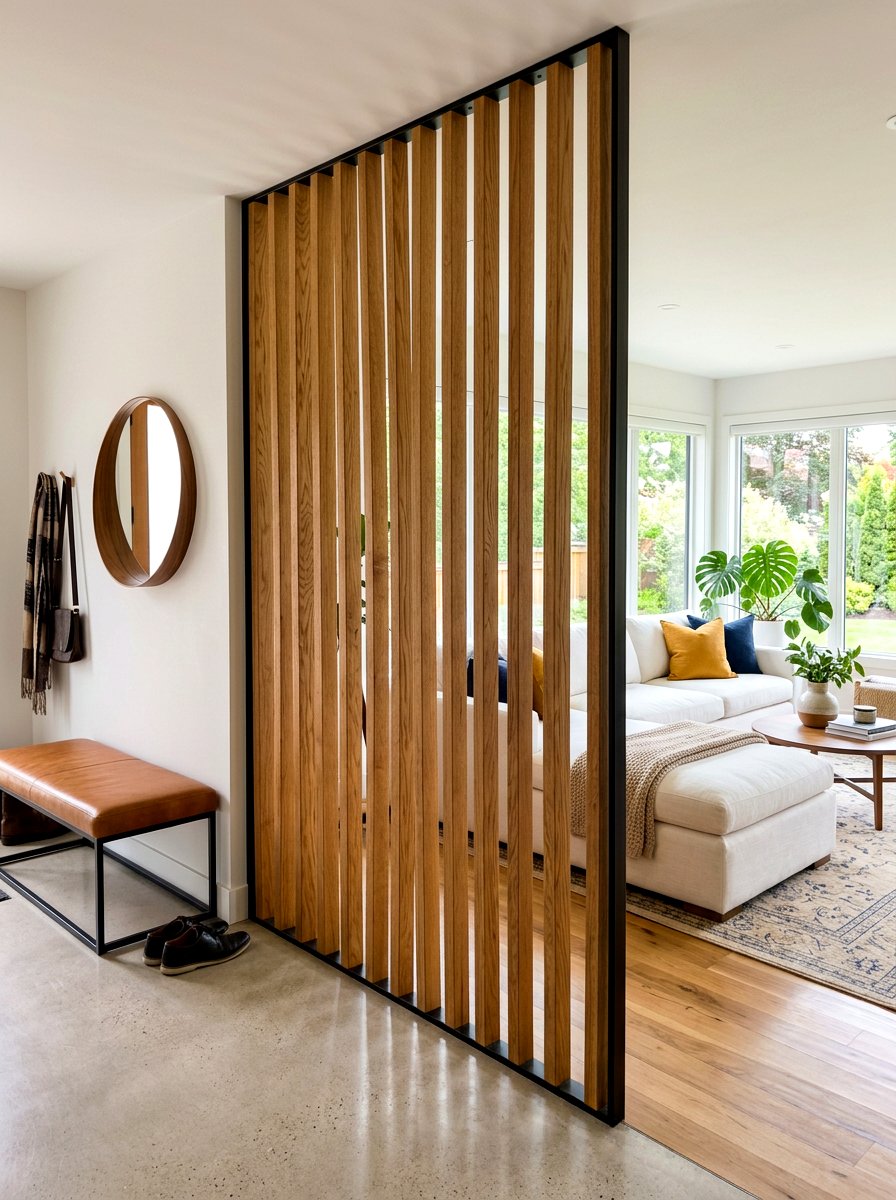
Wood slat partitions are a trending design element that offers a modern and organic way to divide an open space. These vertical timber screens provide a sense of privacy and separation without blocking the light or the view. They add beautiful texture and warmth to a room, making it feel more architectural and well-designed. You can use them to screen off an entryway, a home office, or a staircase from the main living area. The gaps between the slats ensure that the space remains airy and connected, while the wood adds a natural element that balances out sleek surfaces like metal or stone found elsewhere.
12. Home office alcove
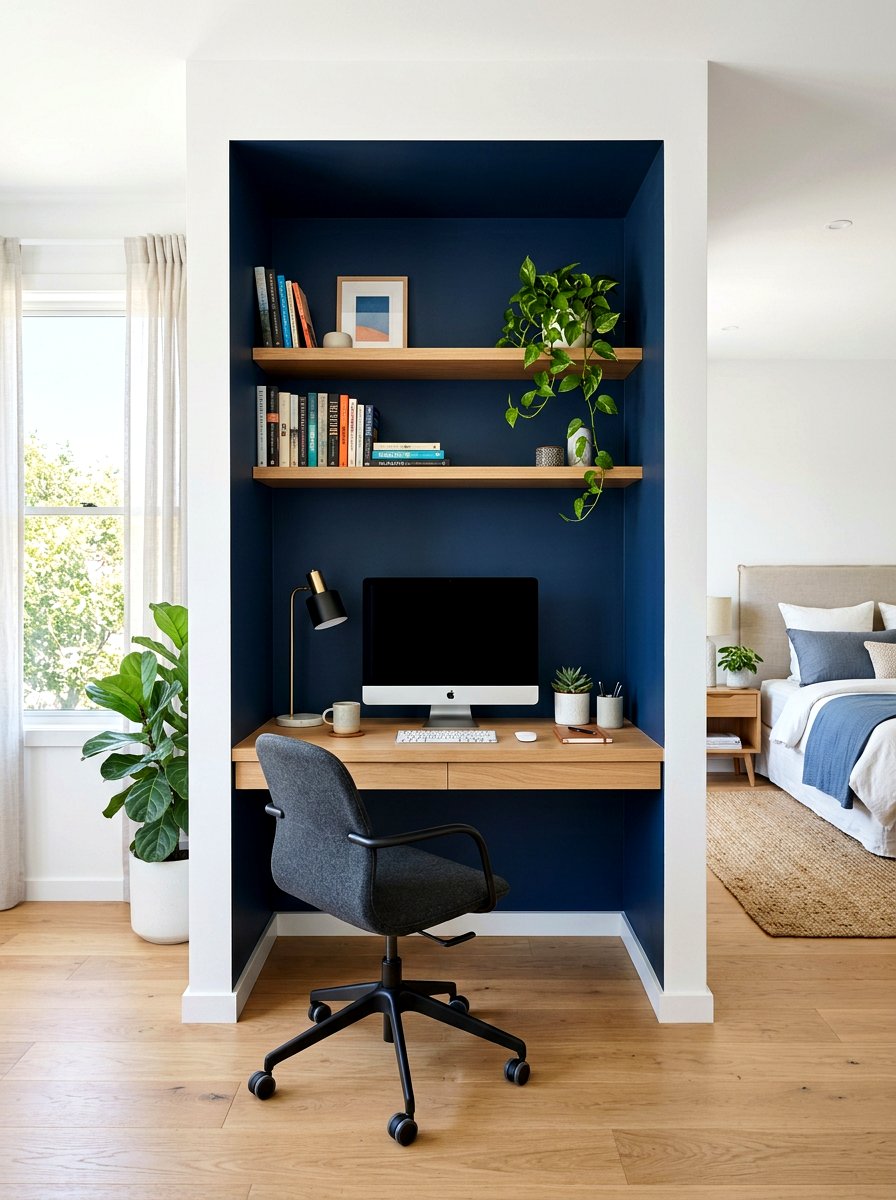
Carving out a dedicated home office alcove is essential for anyone working in an open-plan environment. You can achieve this by placing a desk in a quiet corner or a recessed wall area that is slightly removed from the main traffic flow. Using a different wall color or a stylish wallpaper in this specific zone helps to visually separate it from the rest of the room. Adding a tall plant or a small shelving unit can also help to create a sense of enclosure. This allows you to stay focused on your work while still feeling part of the larger home environment throughout the busy day.
13. Entryway console table
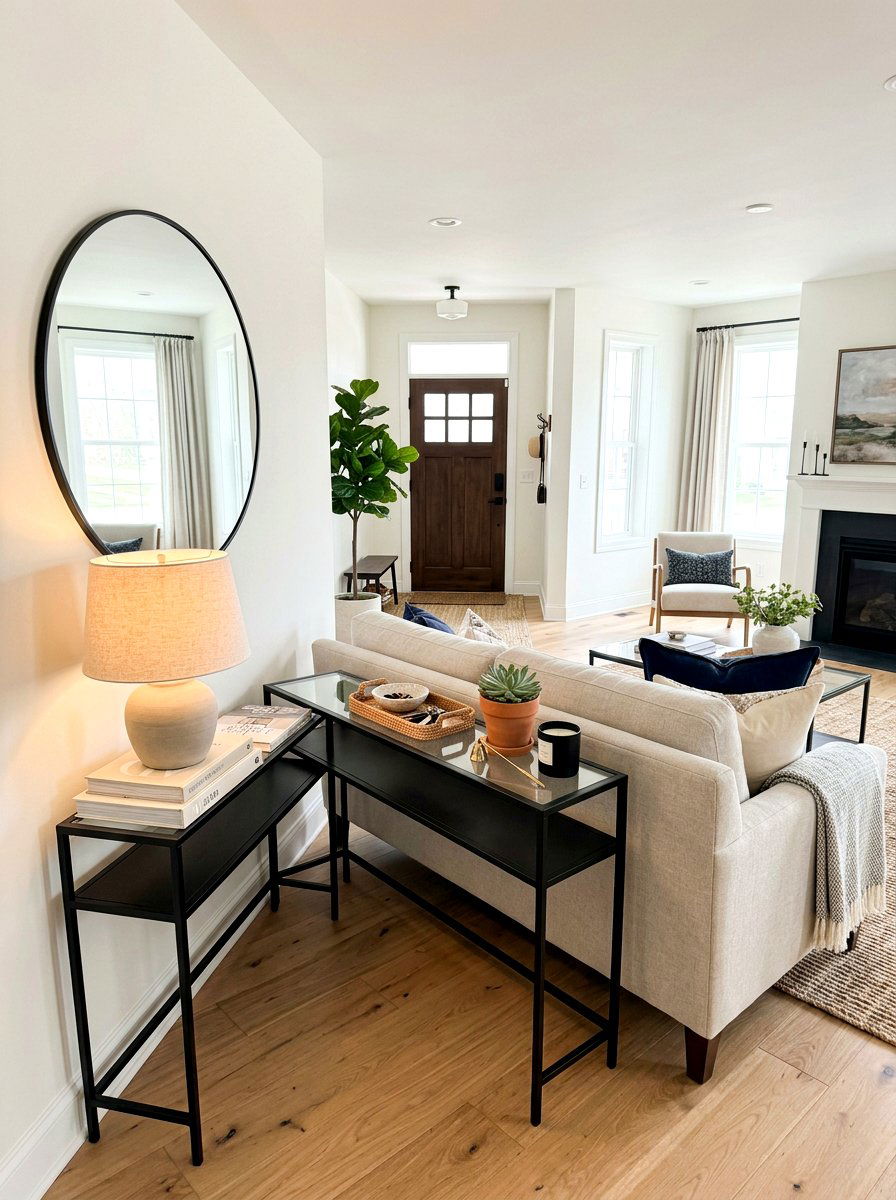
An entryway console table is a simple but effective tool for zoning the transition from the front door to the living space. By placing a long, narrow table behind a sofa or against a wall near the entrance, you create a landing strip for keys and mail. This defines the entryway as its own functional zone, separate from the relaxation areas of the home. You can style the table with a large mirror, a lamp, and decorative trays to make the entrance feel welcoming and intentional. It helps to direct traffic flow and keeps the living room from feeling like a hallway.
14. Ceiling beam separation
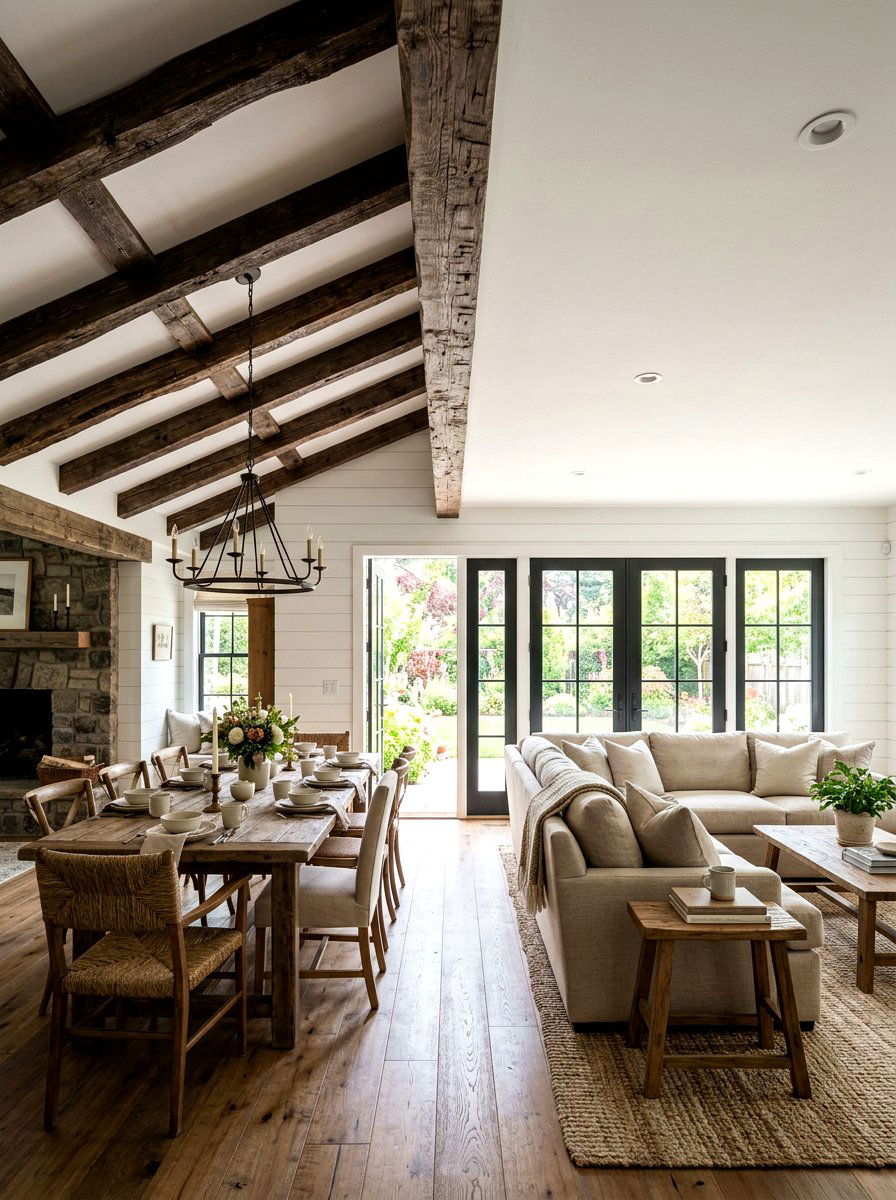
Using exposed ceiling beams is a clever way to mark the boundaries of different zones from above. By running beams across the ceiling of a dining area or a kitchen, you create a visual frame that defines that specific space. This architectural detail adds character and a sense of history to a modern open-plan home. The beams can be made of natural wood for a rustic look or painted for a more contemporary feel. They help to lower the visual height of the room in specific areas, making them feel cozier and more intimate than the surrounding high-ceiling spaces in the larger room.
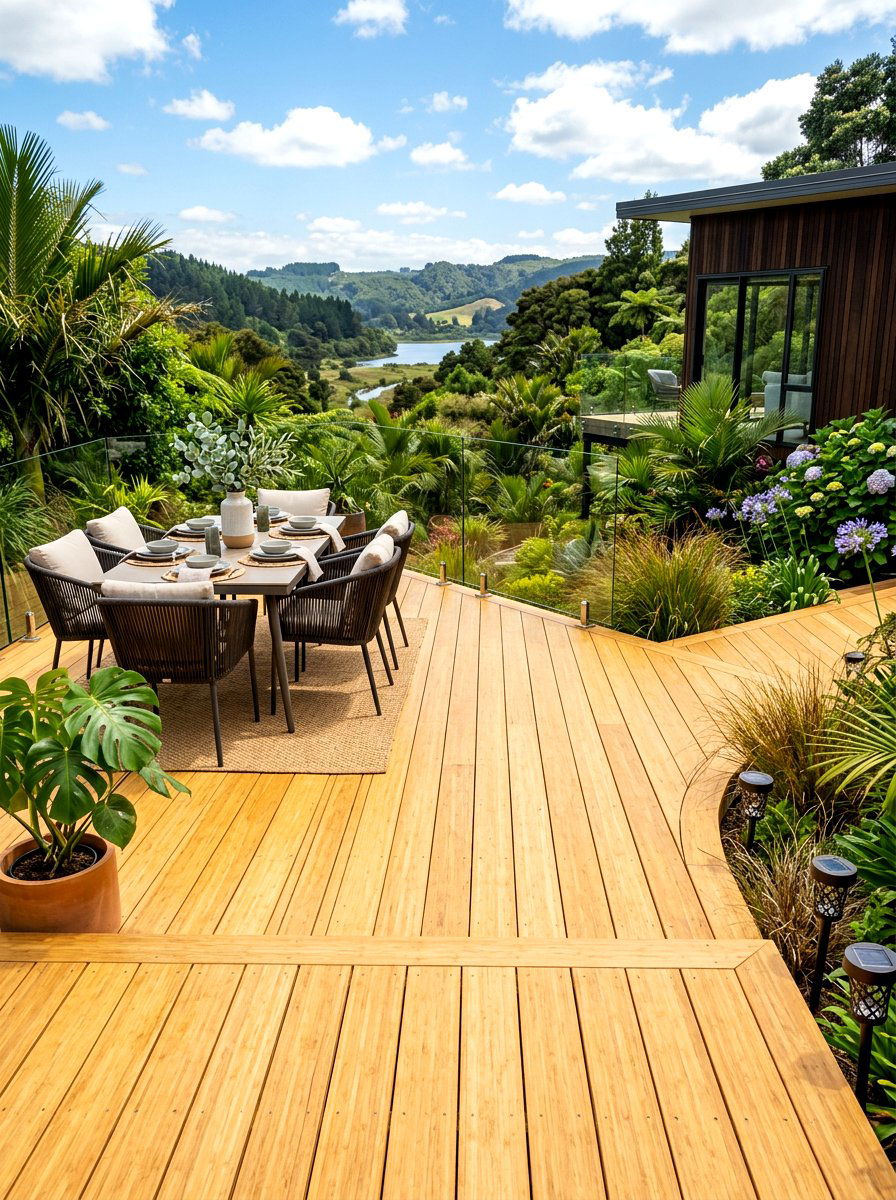
15. Statement pendant lighting
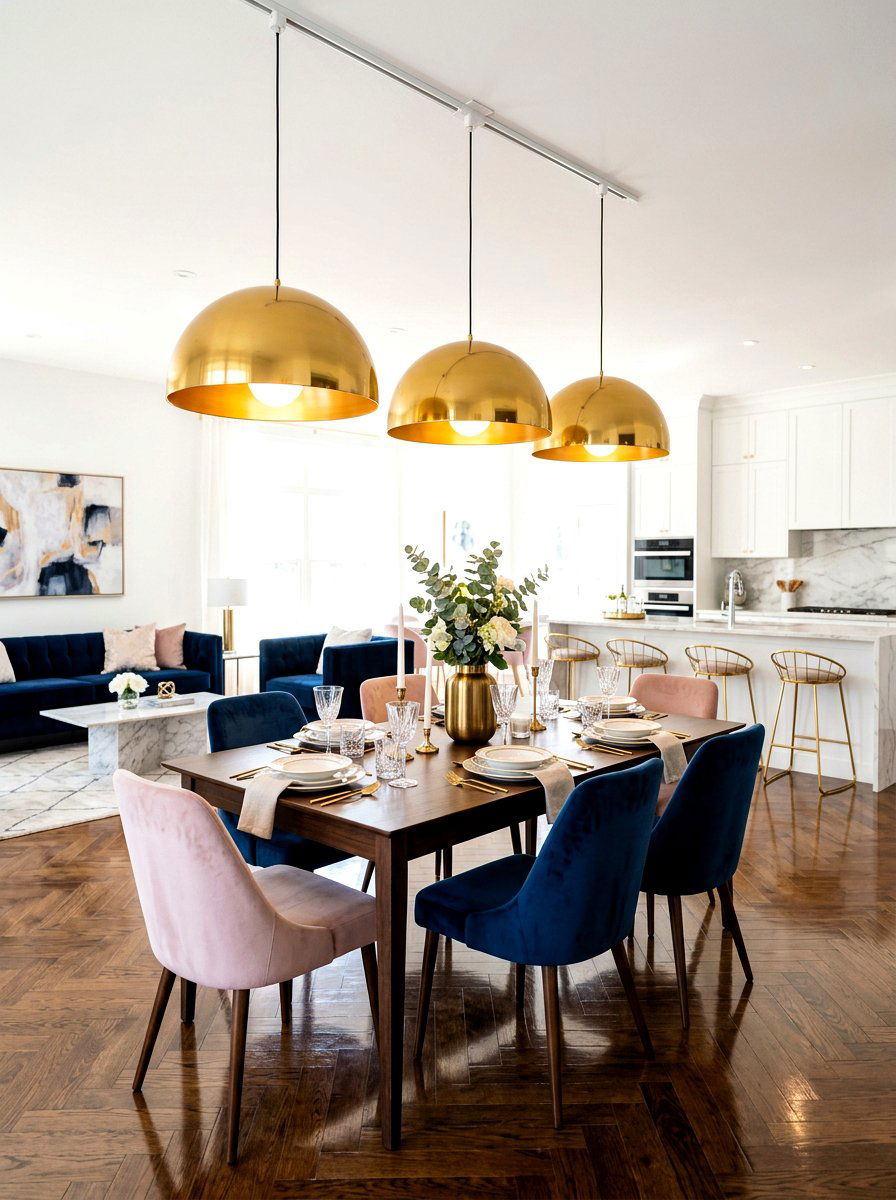
Hanging a large statement pendant light is an excellent way to anchor a specific zone, such as a dining table or a kitchen island. The light fixture acts as a visual focal point that draws the eye and defines the center of that area. By using different styles of lighting for different zones, you can create a unique atmosphere in each part of the open plan. For example, you might use a grand chandelier in the dining room and sleek, modern pendants in the kitchen. This layering of light adds depth to the space and helps to reinforce the functional boundaries between various sections.
16. Indoor garden zone
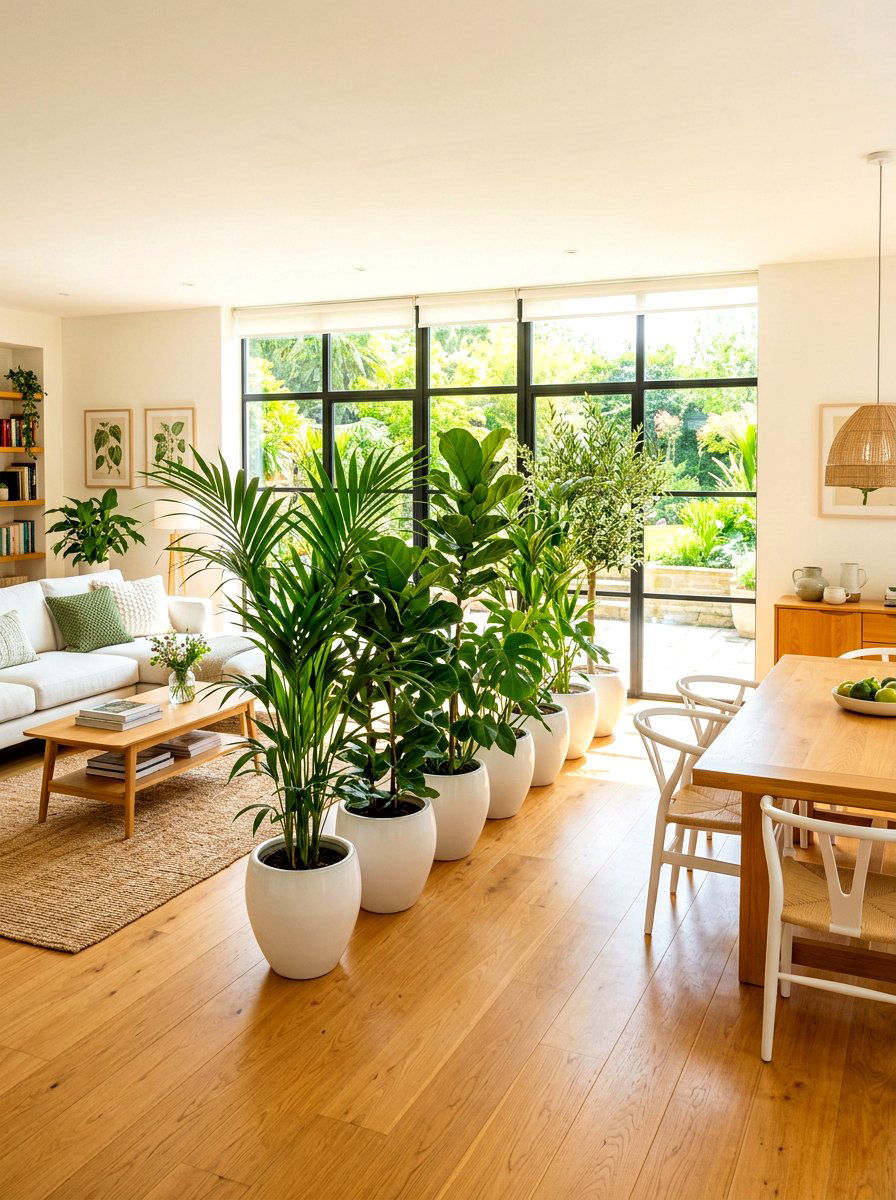
Creating an indoor garden zone is a refreshing way to separate two areas in an open-concept home. By grouping large potted plants or installing a vertical green wall, you create a living divider that brings nature inside. This green zone adds a sense of calm and helps to purify the air while providing a soft visual barrier between spaces. You can place a row of tall plants between the living room and the kitchen to define the transition. The organic shapes and vibrant colors of the plants contrast beautifully with the straight lines of modern furniture, making the entire open plan feel more vibrant.
17. Back to back furniture
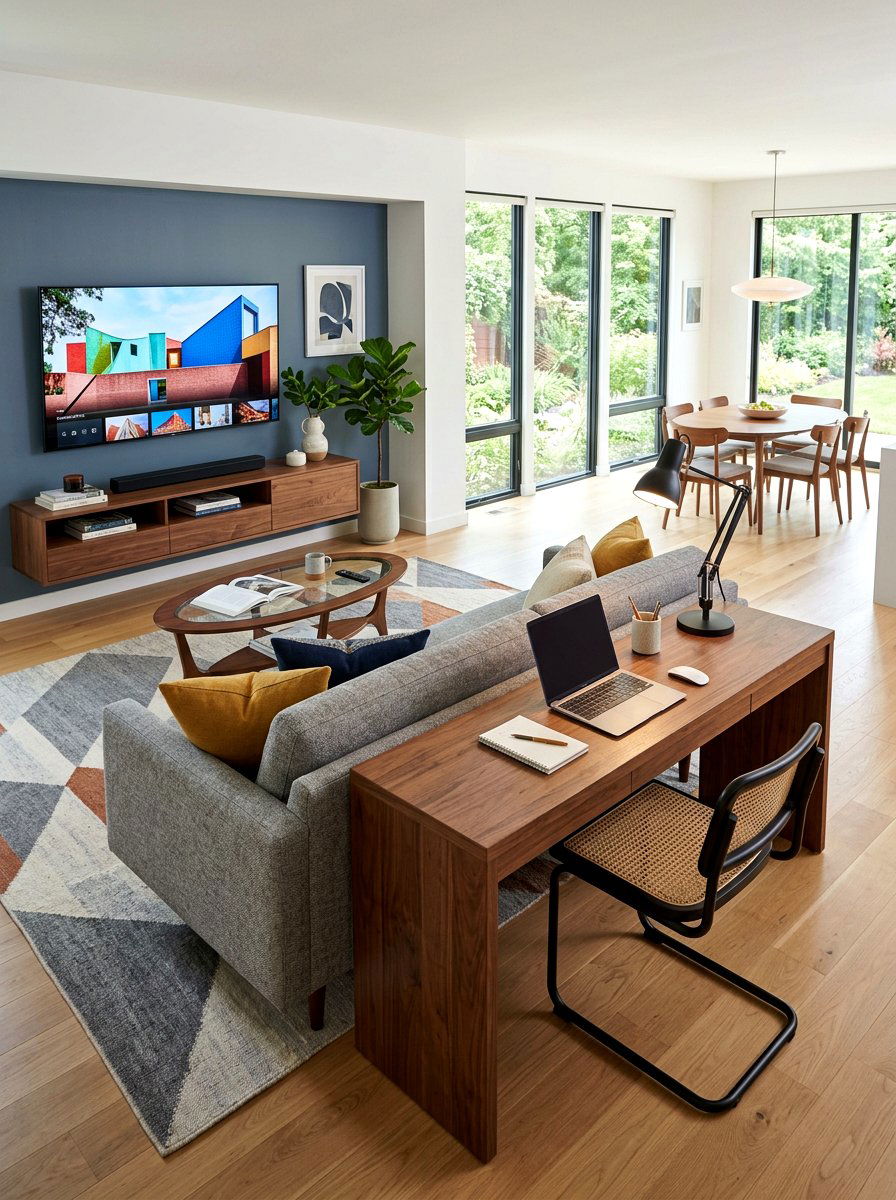
Arranging furniture in a back-to-back layout is a professional design trick for zoning large, multifunctional rooms. For instance, you can place a sofa with its back against a long console table or a low bookshelf. This creates two distinct zones within a single footprint, such as a living area and a small library or workspace. This configuration is incredibly space-efficient and helps to keep the center of the room open and clear for traffic. It allows you to fit multiple functions into one room without it feeling cluttered or disorganized, as each piece of furniture clearly belongs to its own dedicated functional zone.
18. Raised platform floor
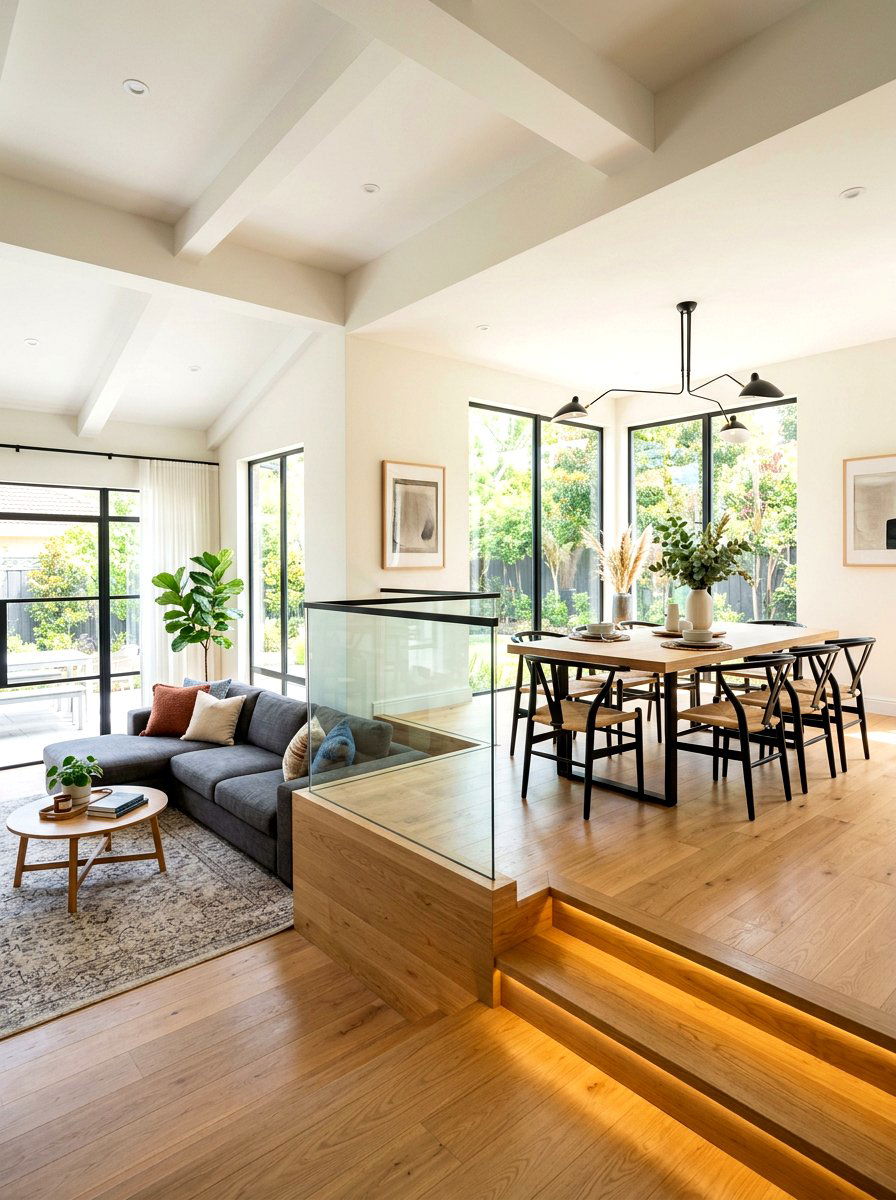
Elevating a section of the room on a raised platform is a dramatic way to create a distinct zone. This technique is often used for a dining area or a sunroom, making it feel like a separate stage within the open plan. The change in floor height provides a clear physical boundary that doesn't require any walls or tall furniture. You can use the same flooring material for a seamless look or switch to a different texture to emphasize the change. A raised platform adds architectural interest and can also provide extra storage space with built-in drawers underneath the floor level for maximum efficiency.
19. Built in cabinetry
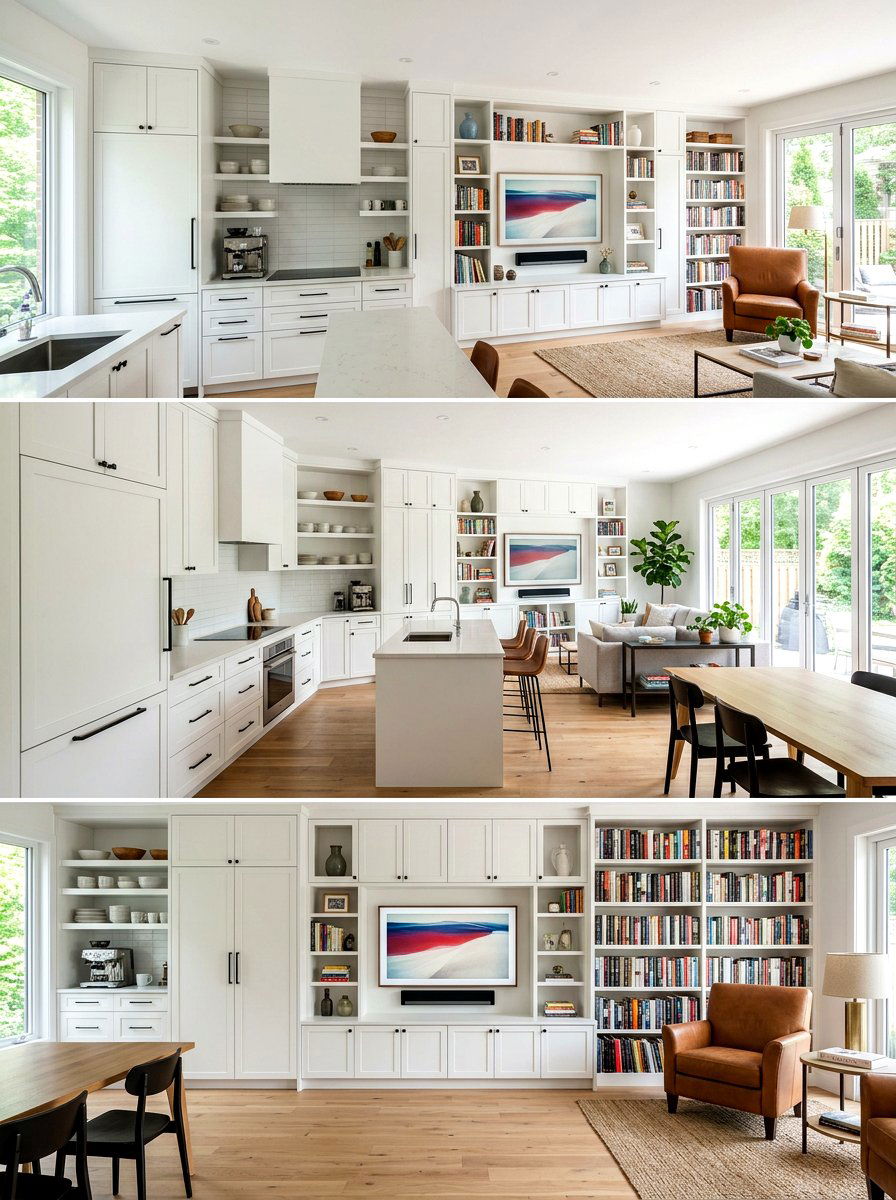
Custom built-in cabinetry is a powerful tool for defining zones and adding storage to an open-plan home. By installing floor-to-ceiling cabinets along one wall, you can create a seamless transition between different areas. For example, the cabinets might start as a kitchen pantry and then transition into a media center for the living room. This creates a cohesive look that ties the entire space together while still providing functional storage for each zone. The clean lines of the cabinetry help to minimize visual clutter, making the large room feel more organized and balanced, as every item has a dedicated place to stay.
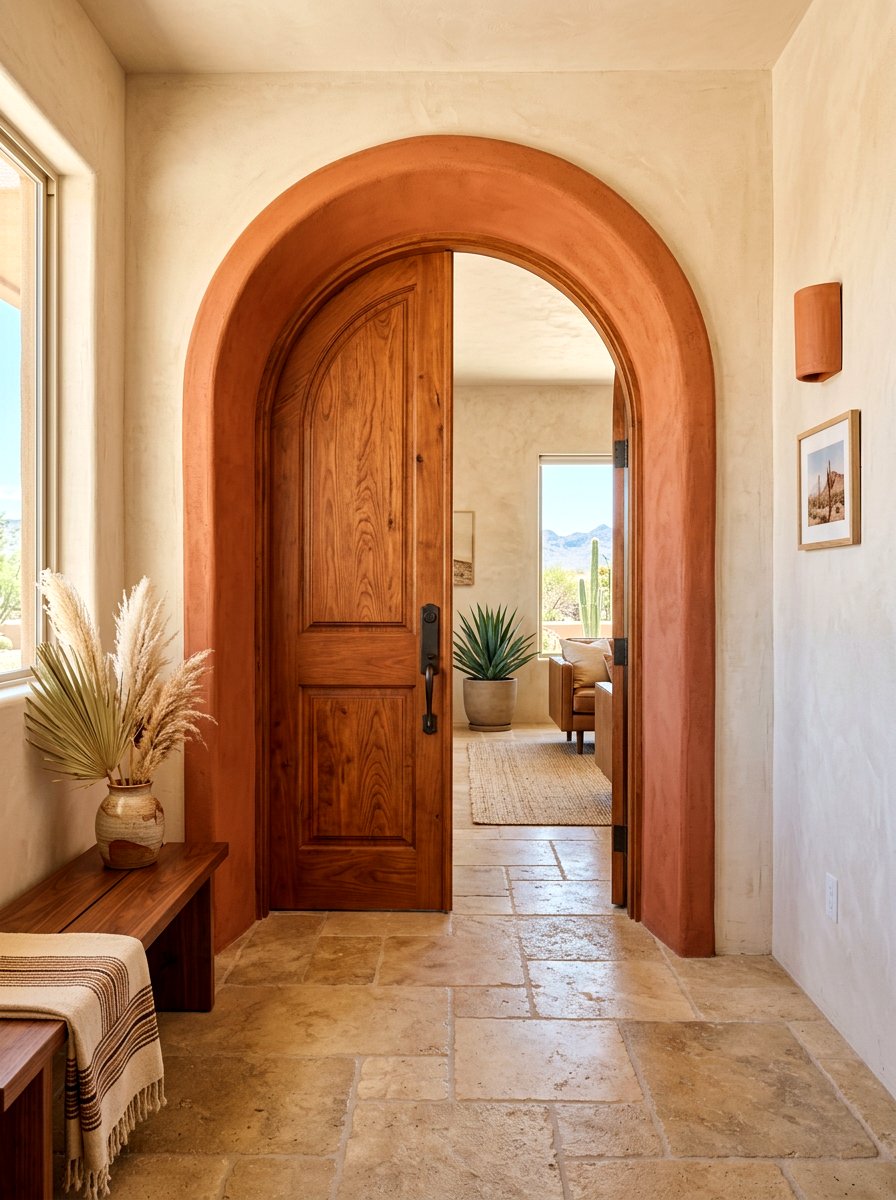
20. Sliding barn door
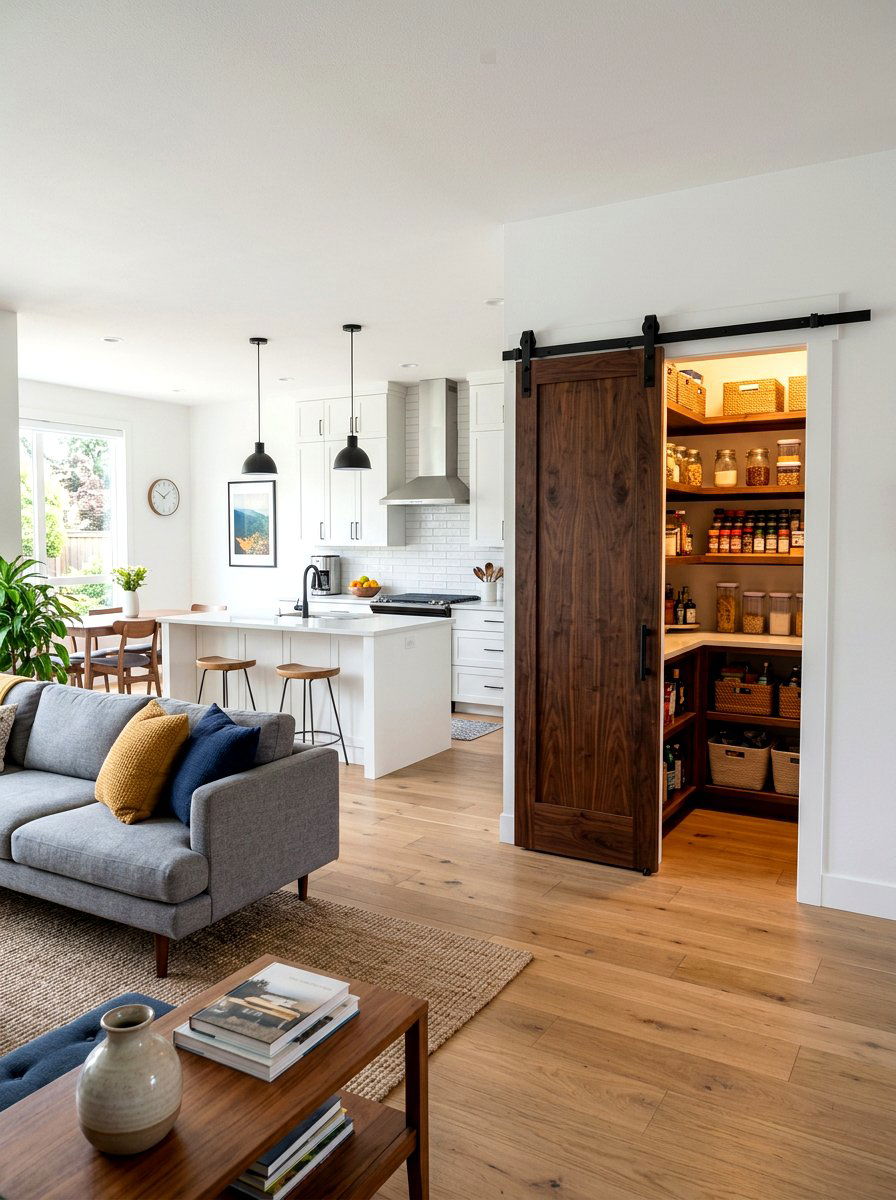
A sliding barn door offers a flexible way to zone off a specific area, such as a pantry, a laundry room, or a home office. When the door is open, it sits flat against the wall and maintains the open-concept feel. When you need privacy or want to hide a messy area, you can simply slide the door shut. This architectural feature adds a touch of rustic or industrial charm to the home and serves as a large-scale piece of functional art. It is a great solution for maintaining the flow of an open plan while having the option to create a closed room.
21. Gallery wall focal
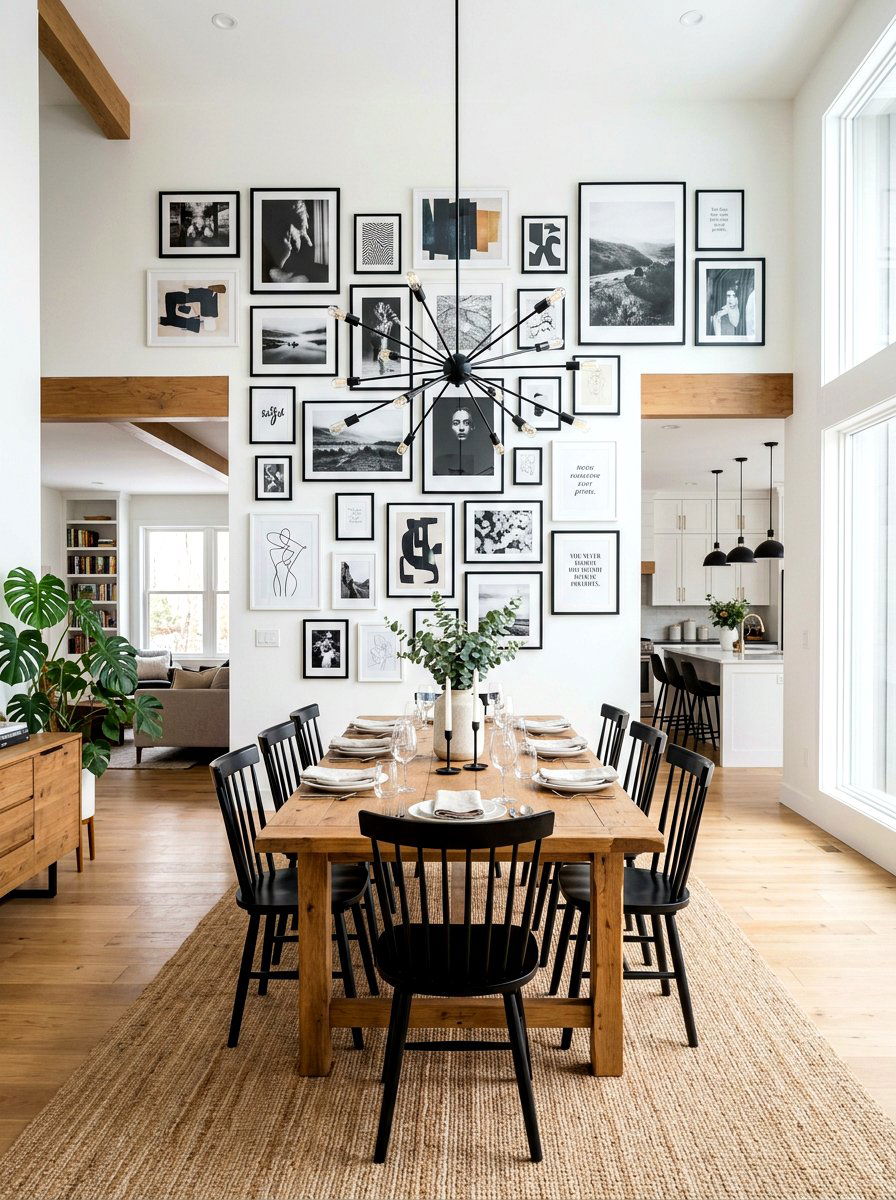
Creating a large gallery wall is a wonderful way to define a specific zone, such as a dining area or a staircase landing. By grouping a collection of artwork or photographs together on one wall, you create a strong visual anchor that draws people into that space. This focal point helps to distinguish the area from the rest of the open plan and adds a lot of personal character to the home. You can use a mix of frames and sizes to create an eclectic look or stick to a uniform layout for a more formal and modern feel in your interior.
22. Window seat reading
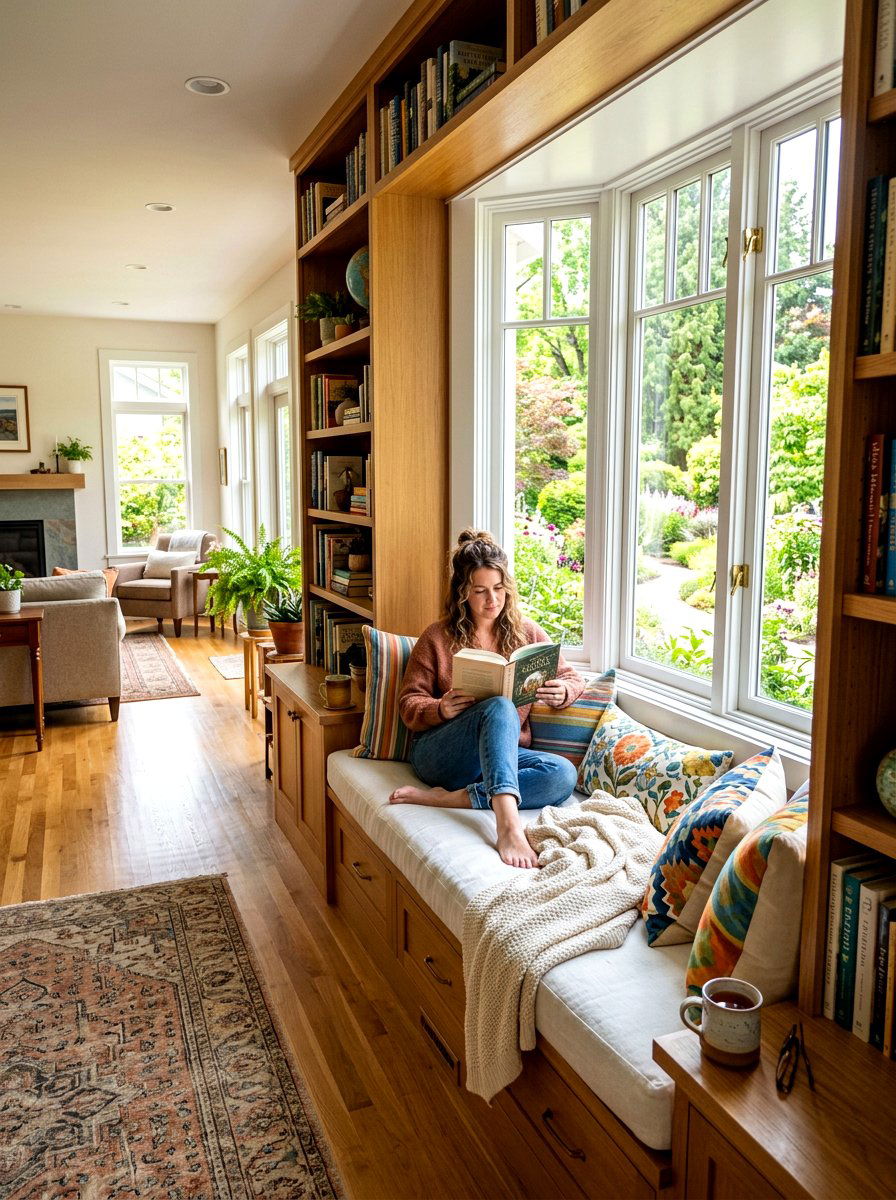
Installing a built-in window seat is a charming way to create a dedicated reading zone in an open-plan living room. By utilizing the space under a large window, you create a cozy nook that feels separate from the main seating area. This zone provides a quiet spot to relax and enjoy the view without needing much extra floor space. You can add soft cushions, throw pillows, and built-in bookshelves below the seat to make it even more functional. This design element adds a sense of comfort and character to the home, making every corner of the open plan feel purposeful and inviting.
23. Bar cart station
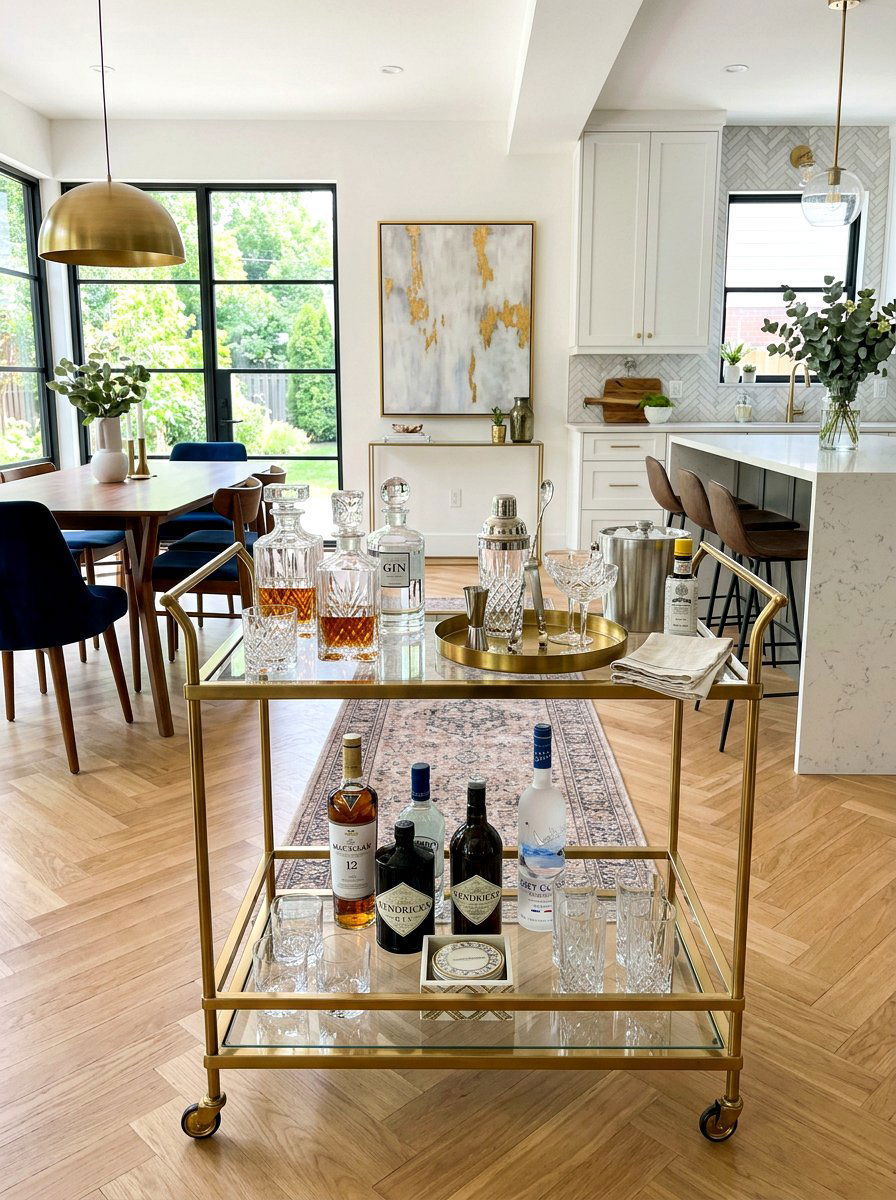
A bar cart or a small built-in beverage station is a trendy way to zone a specific area for entertaining. By placing a stylish cart in a corner or between the kitchen and dining area, you create a dedicated spot for mixing drinks and serving guests. This helps to keep the main kitchen counters clear and encourages people to gather in a specific spot during social events. You can style the cart with beautiful glassware, bottles, and a small lamp to make it a decorative focal point. This zone adds a touch of sophistication and fun to the overall open-plan layout.
24. Accent wall color
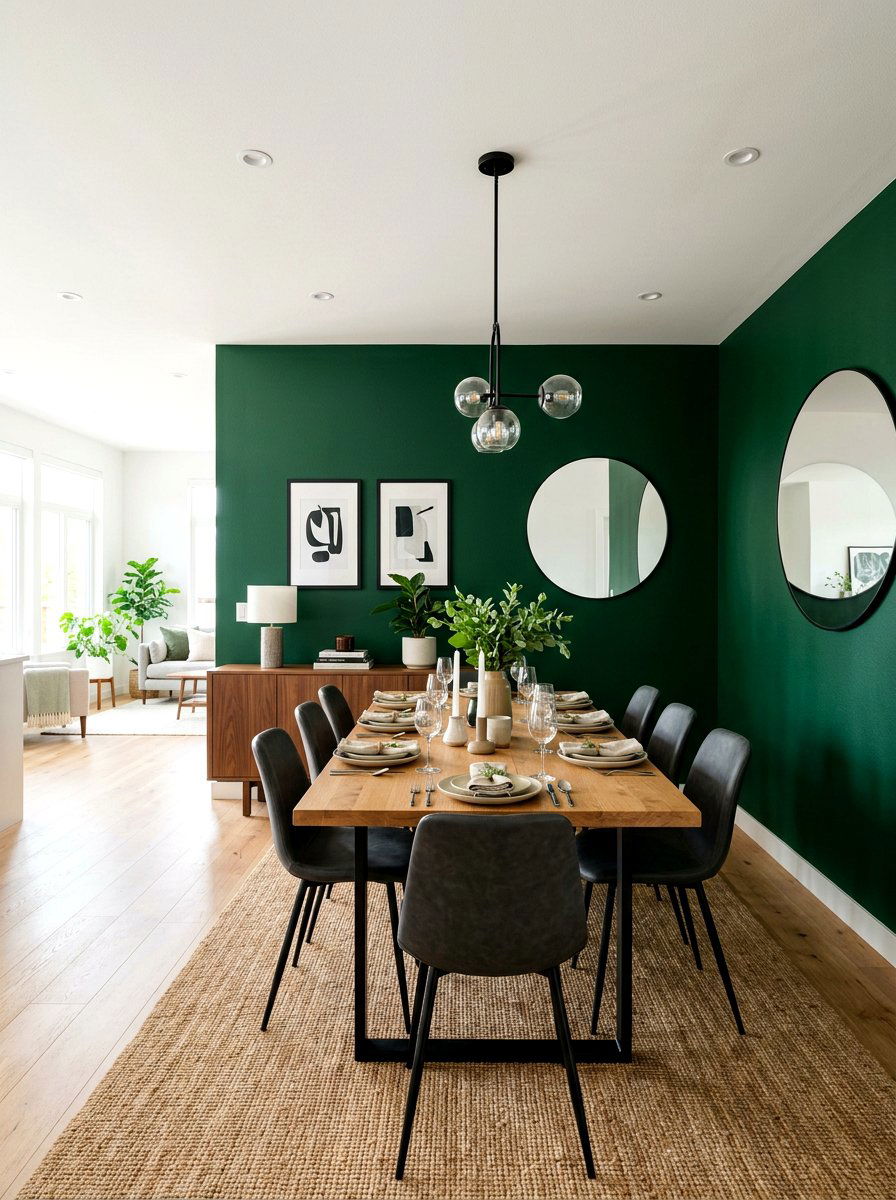
Using a bold accent wall color is a simple and effective way to define a zone without any physical changes. By painting the wall behind the dining table or the sofa in a contrasting shade, you create a visual boundary that marks that specific area. This technique helps to ground the furniture and gives the zone a unique personality. You can choose a deep, moody color for a cozy living area or a bright, energetic shade for a creative workspace. It is a cost-effective way to add depth and interest to a large open plan while keeping the space feeling connected.
25. Open shelving unit
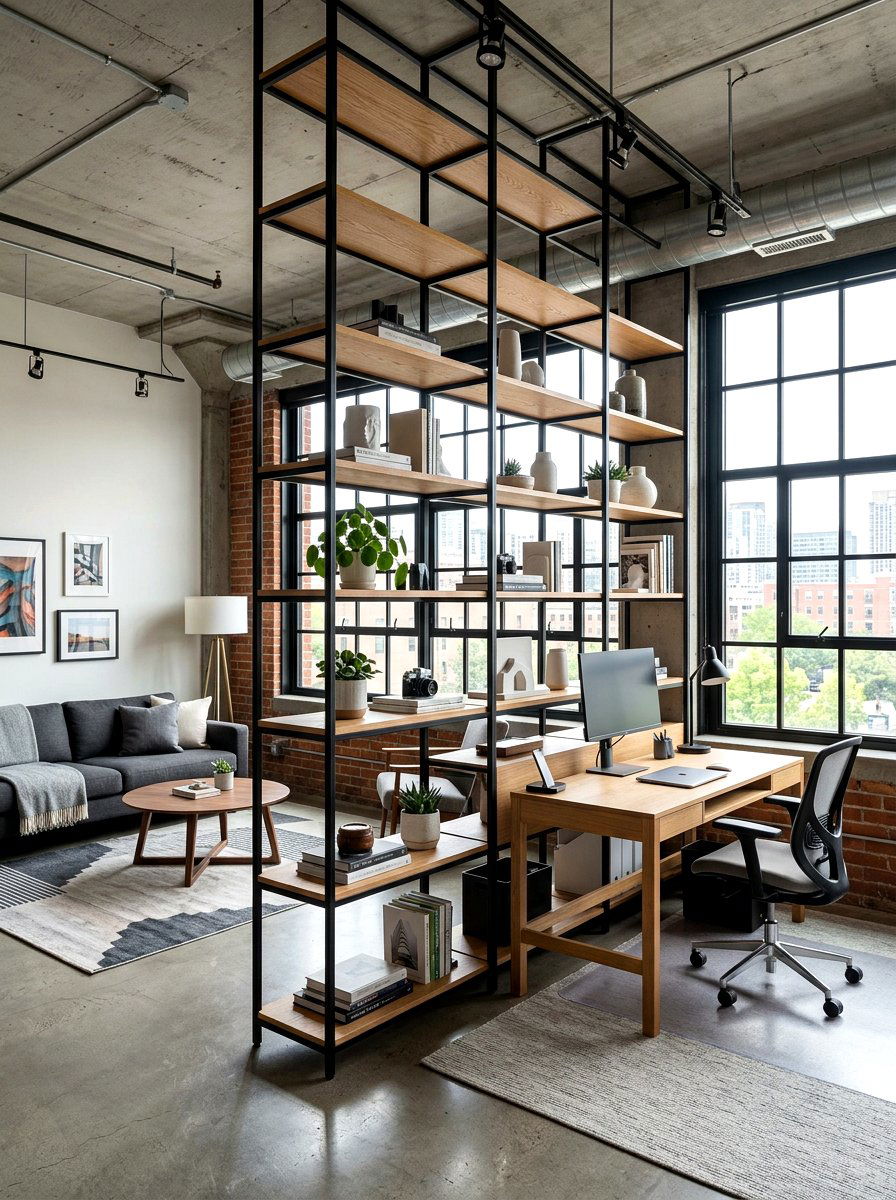
An open shelving unit is a versatile room divider that works perfectly in modern open-concept homes. By placing a tall, freestanding shelf between two areas, you create a physical barrier that still feels light and airy. The open design allows natural light to flow through the entire room, preventing any dark corners. You can use the shelves to display decor, store books, or even keep kitchen essentials handy. This functional piece of furniture adds a lot of storage and style, making it a popular choice for zoning a living area from a dining room or a home office in the house.
26. Circular dining area
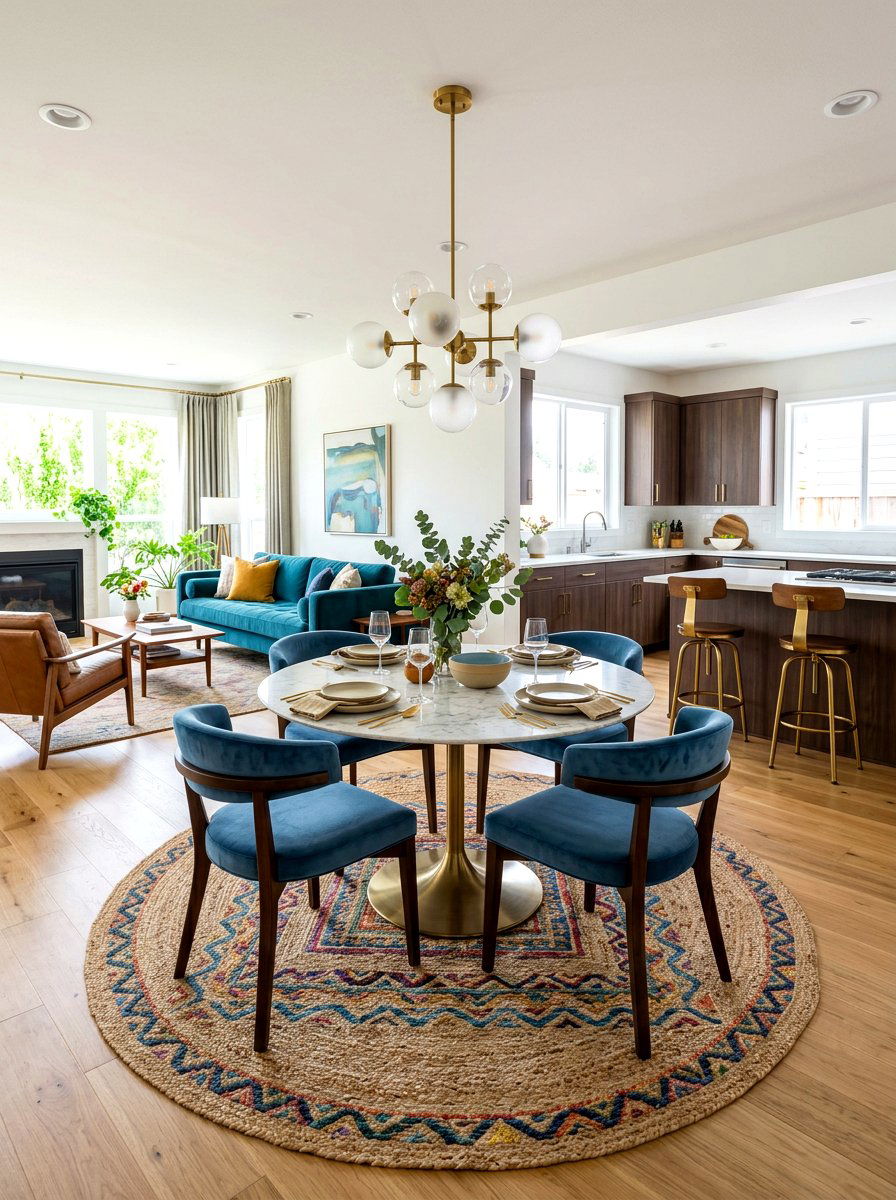
Using a circular dining table and a round rug is a clever way to zone an eating area within a square or rectangular room. The soft, curved shapes break up the straight lines of the open plan and create a natural focal point. This arrangement feels more intimate and social, encouraging conversation during meals. A circular zone also helps to improve the flow of movement around the table, as there are no sharp corners to bump into. By hanging a round pendant light directly above the center of the table, you reinforce the zone's shape and make it feel like a complete, separate room.
27. Playroom corner layout
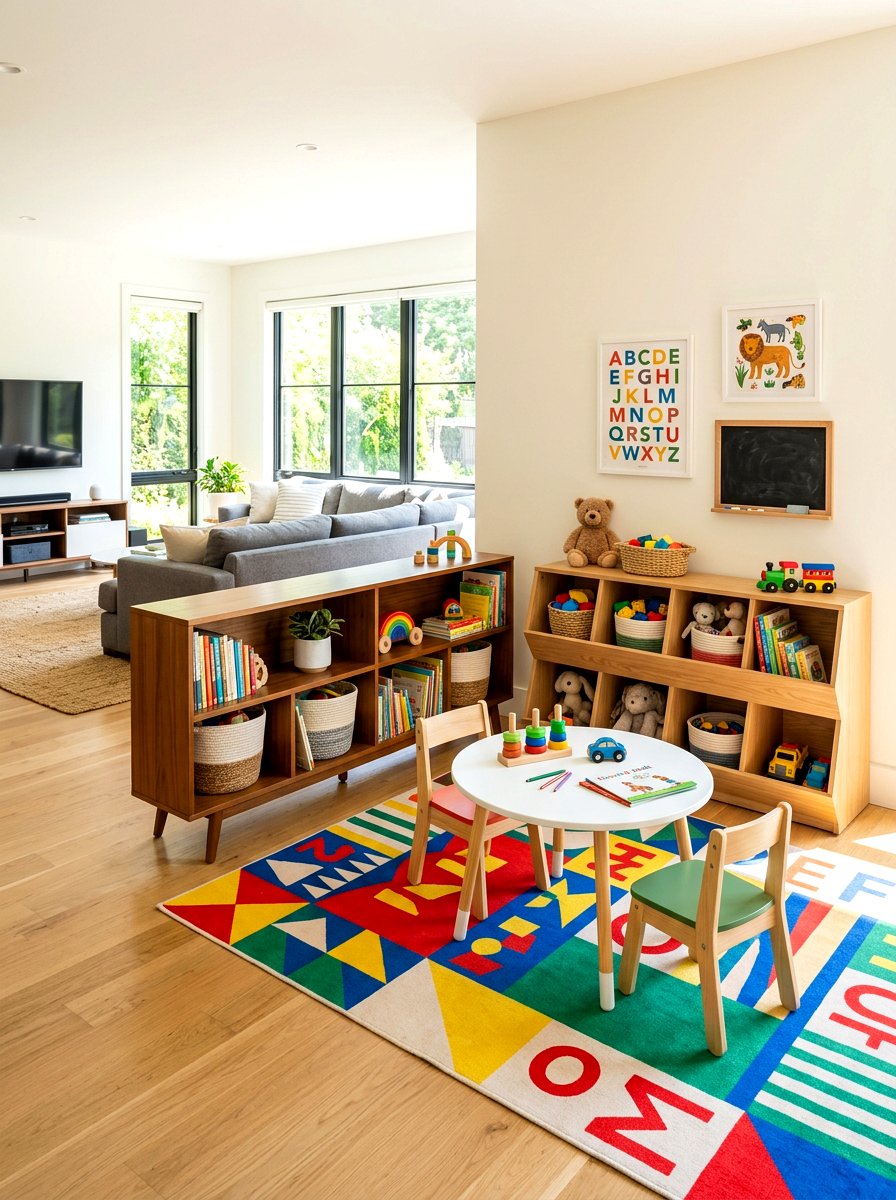
Creating a dedicated playroom corner is a must for families living in an open-concept home. You can zone this area using colorful floor mats, low storage bins, and a small table for activities. Placing the playroom in a corner that is visible from the kitchen or living area allows parents to keep an eye on the children while they are busy with other tasks. Using a decorative screen or a row of low bookshelves can help to contain the toys and keep the rest of the house looking tidy. This ensures that the children have their own space to play freely without overwhelming the home.
28. Mudroom transition space
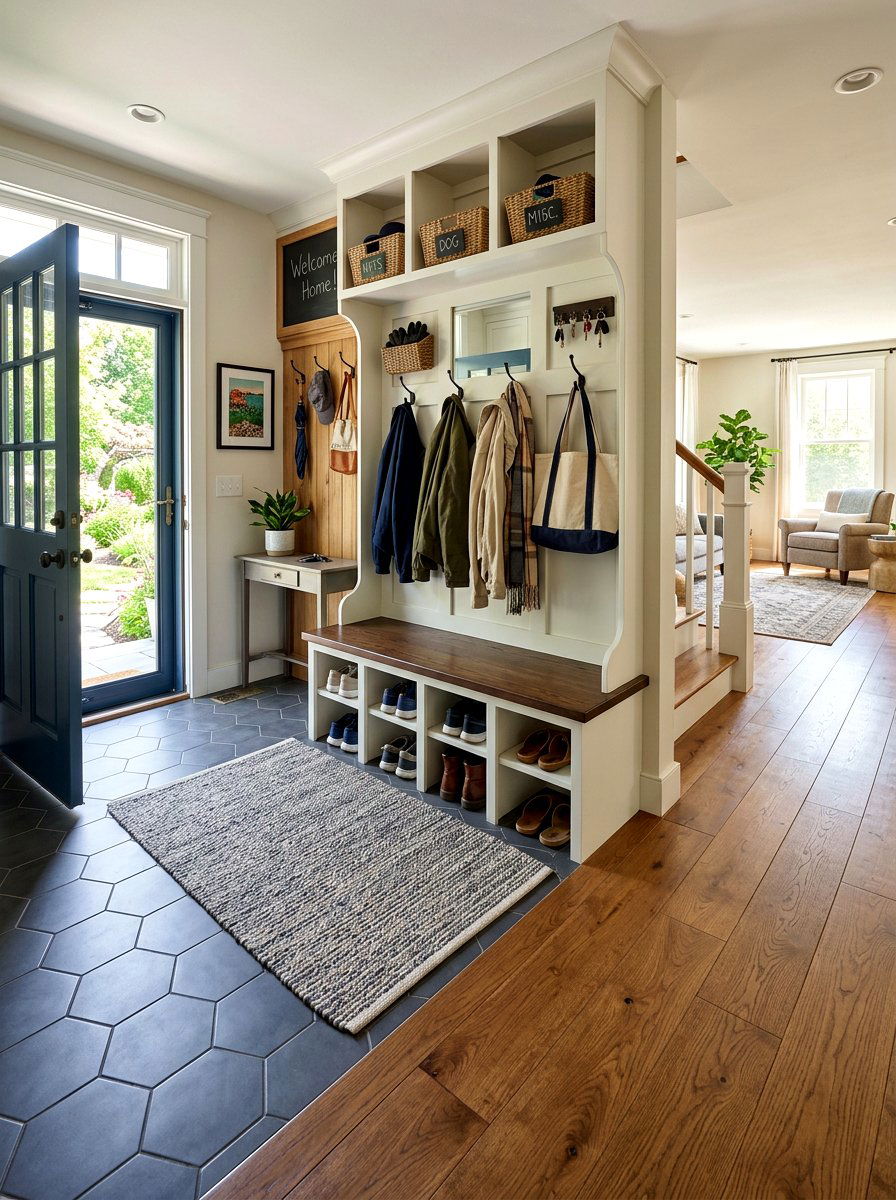
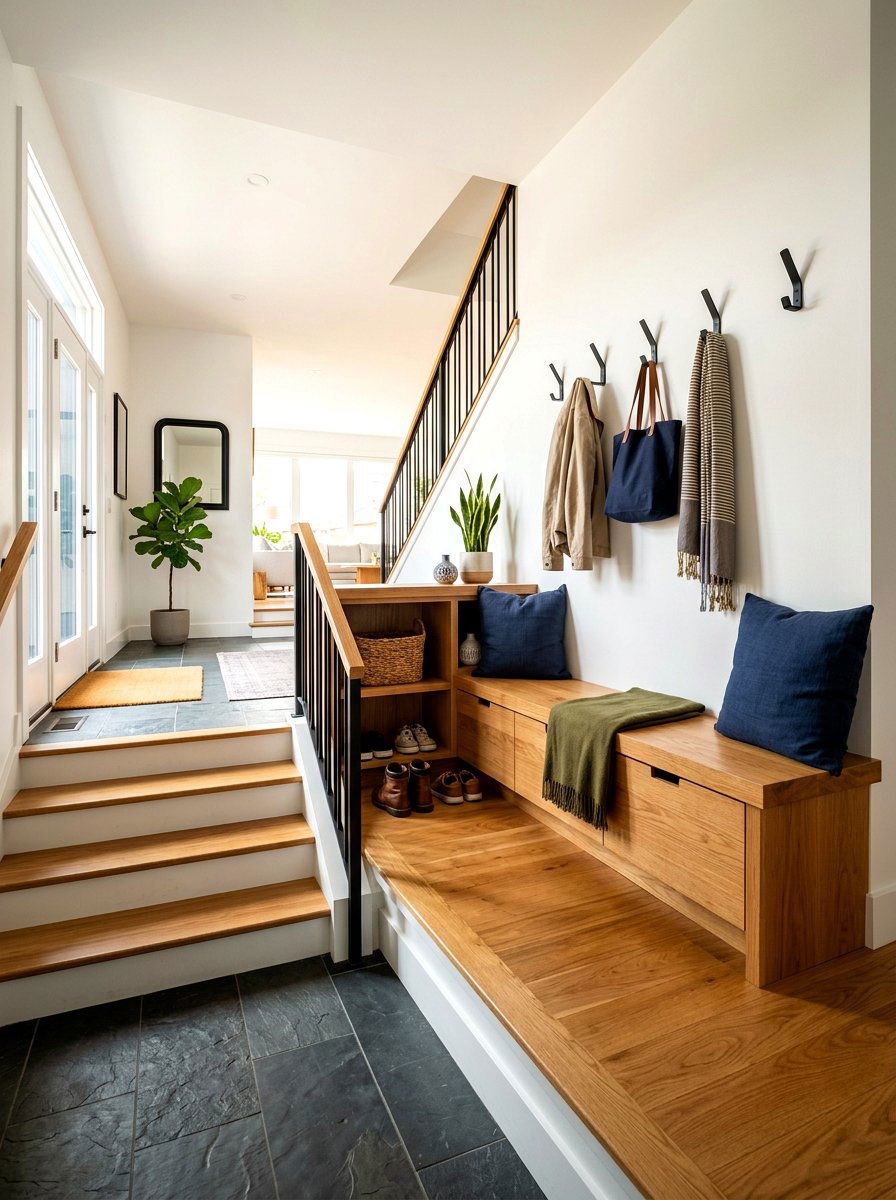
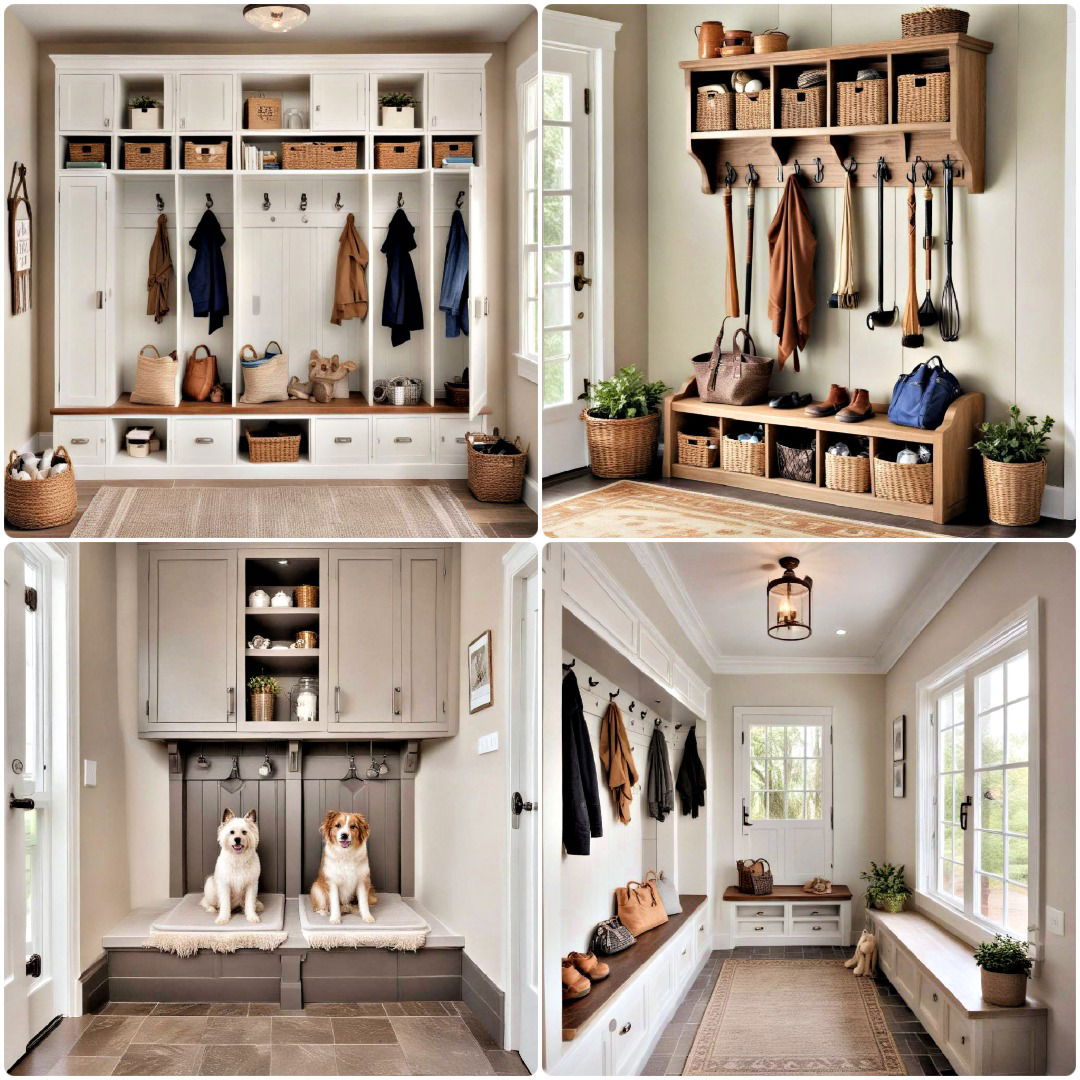
A mudroom zone is essential for organizing the transition between the outdoors and the main living area in an open-plan house. You can create this zone by adding a built-in bench, wall hooks for coats, and a durable rug near the back or side entrance. This functional area keeps dirt and clutter away from the rest of the home and provides a dedicated spot for everyone to get ready. Using a different flooring material, like stone or tile, helps to define the mudroom and makes it easy to clean. It is a practical addition that improves the overall organization and flow of the house.
29. Mirror wall reflection
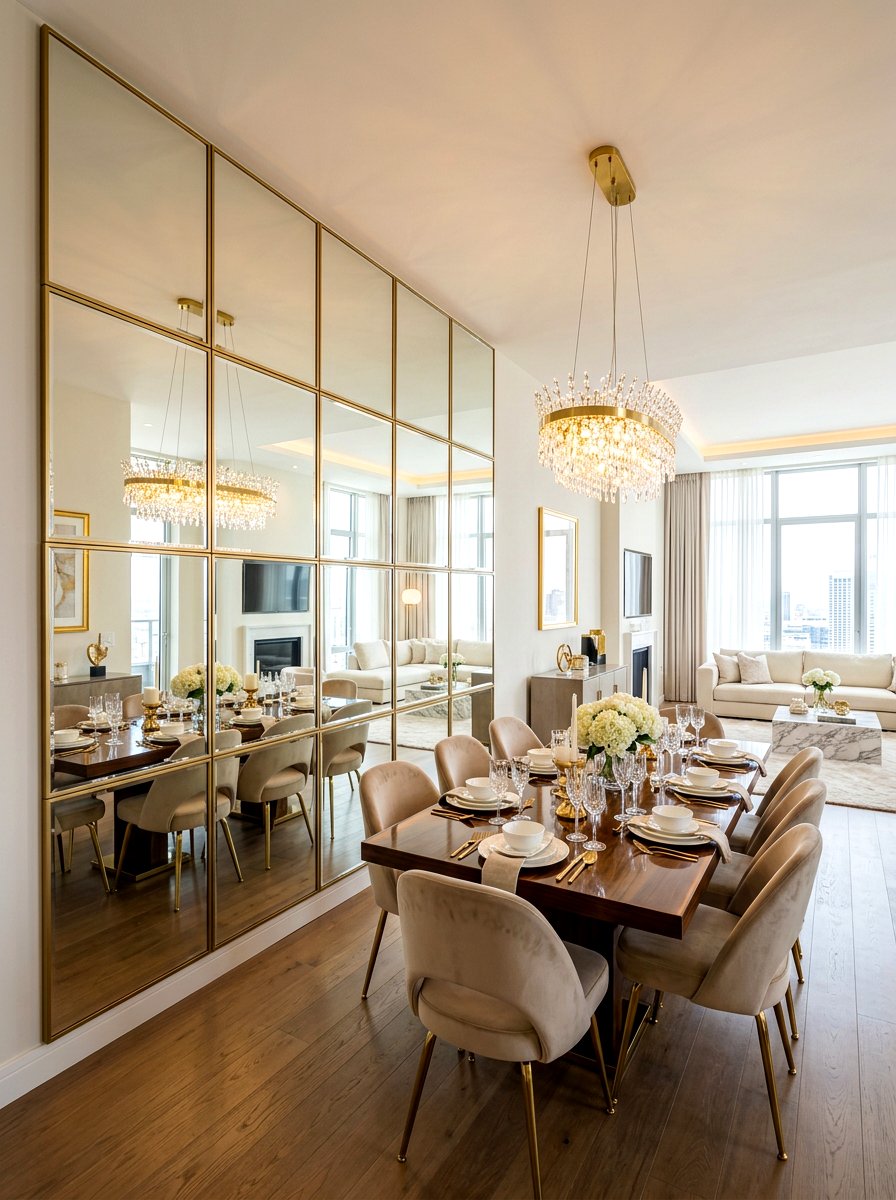
Installing a large mirror or a wall of mirrored panels is a brilliant way to define a zone while making the space feel twice as large. A mirror wall can anchor a dining area or an entryway, reflecting the light and the rest of the room. This adds a sense of depth and luxury to the open plan, making it feel more bright and airy. The reflection also helps to create a visual boundary, as the eye is drawn to the change in perspective. It is a sophisticated design choice that works particularly well in smaller open-concept spaces where you want to maximize every inch of light.
30. Recessed ceiling light
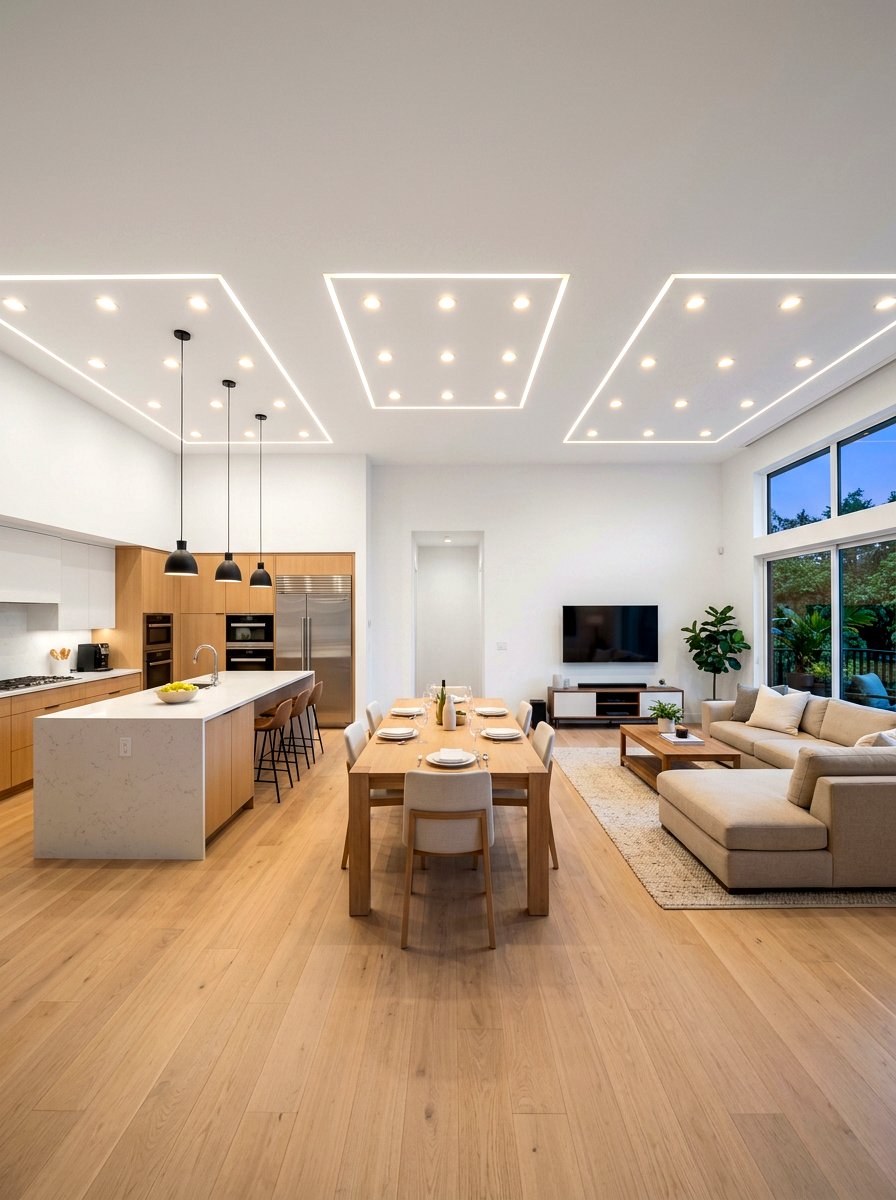
Using recessed ceiling lights, also known as pot lights, is a subtle way to define different zones from above. By arranging the lights in specific groupings, you can highlight the boundaries of each functional area. For example, you might have a tight grid of lights over the kitchen island and a softer, more spread-out arrangement in the living room. This lighting strategy allows you to control the mood and brightness of each zone independently. It provides a clean and modern look that doesn't clutter the ceiling, making it a perfect choice for minimalist open-plan homes that prioritize a sense of space.
Conclusion:
Mastering the art of zoning is the secret to creating a successful open-concept home that feels both spacious and intimate. By thoughtfully implementing these thirty ideas, you can transform a large, empty room into a series of functional and beautiful living areas. Whether you choose to use architectural features like sunken floors or simple decor items like area rugs, the key is to be intentional with every design choice. These strategies not only improve the organization and flow of your home but also enhance its overall aesthetic appeal. Start experimenting with different zoning techniques today to create a home that perfectly suits your lifestyle and brings your family together.

Related posts: