Creating a functional home often depends on how well you can define specific areas within a single room. Zoning is the art of using furniture, rugs, and decor to create "rooms within rooms" without building permanent walls. This approach is especially helpful in open-concept homes or small studio apartments where one space must serve multiple purposes. By strategically placing your sofa, bookshelf, or dining table, you can establish clear boundaries that make your daily life more organized. A well-zoned room feels more intentional and less cluttered. It allows your family to engage in different activities simultaneously without feeling like they are on top of each other. Let's explore these practical layouts.

1. Open plan living dining room
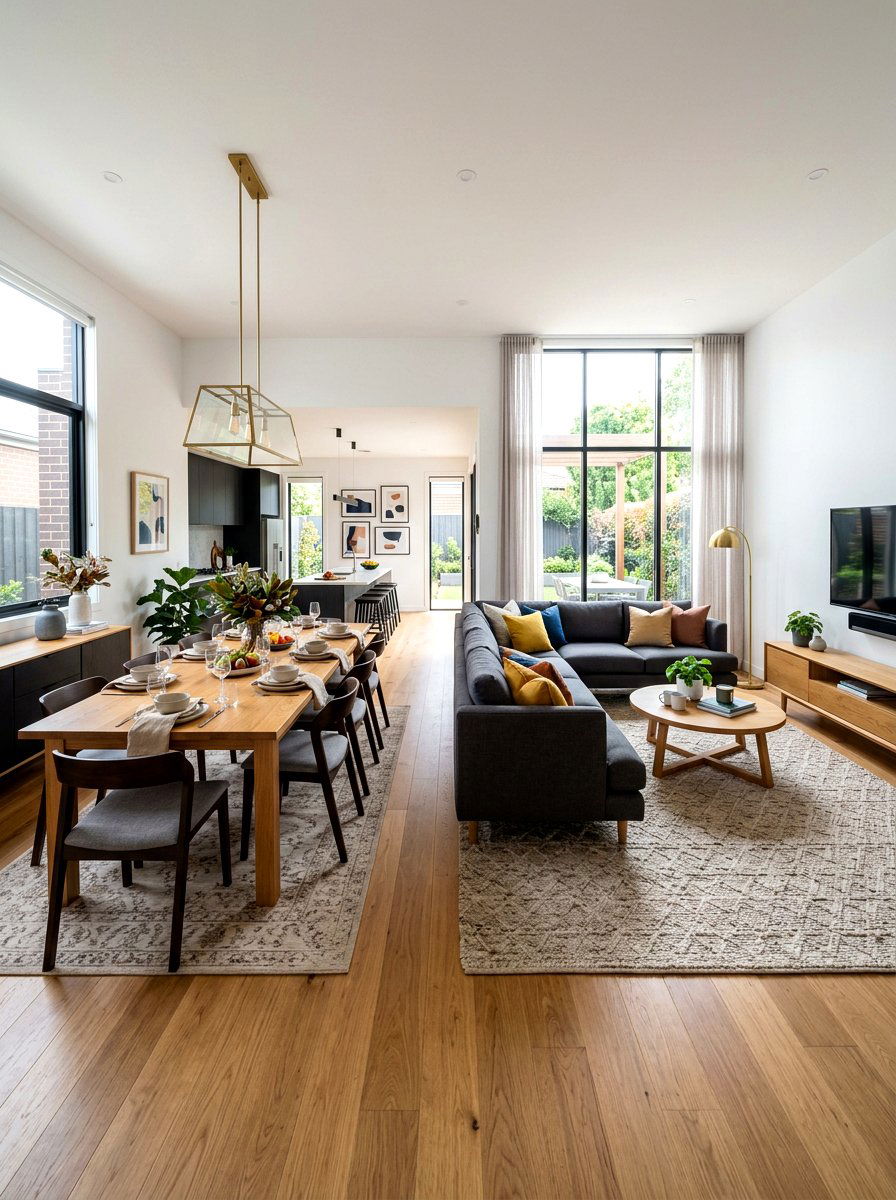
Have you ever felt like your large open living area looks more like a messy furniture warehouse? An open plan living dining room works best when you use a large area rug to anchor the seating space. You should place the sofa with its back toward the dining table to create a physical barrier between the two zones. This simple shift tells the eye that one area is for relaxation and the other is for eating. Adding a console table behind the sofa further reinforces this boundary. It provides a surface for lamps or decor, adding height and visual interest to the middle of the large room. This creates a cozy and functional flow.
2. Studio apartment layout
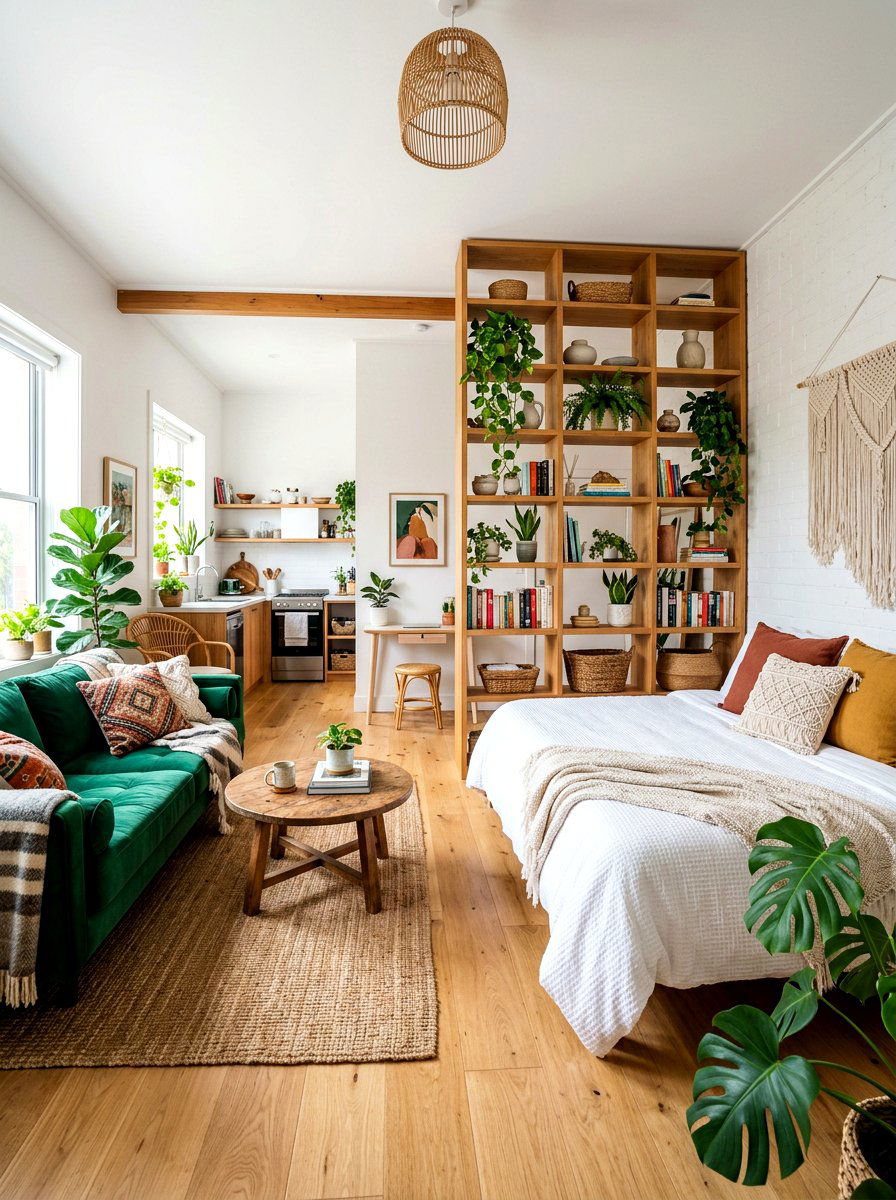
Living in a single room requires clever furniture placement to distinguish where you sleep from where you entertain guests. A studio apartment layout benefits greatly from using a tall bookshelf as a partial wall to hide the bed. By placing the sofa against the back of the shelving unit, you create a dedicated lounge area that feels separate from the sleeping zone. Use a small rug in the living portion and a different texture or color for the floor near the bed. This visual contrast helps the brain recognize different "rooms" even though no real walls exist. It makes the small space feel much larger and organized.
3. Living room office
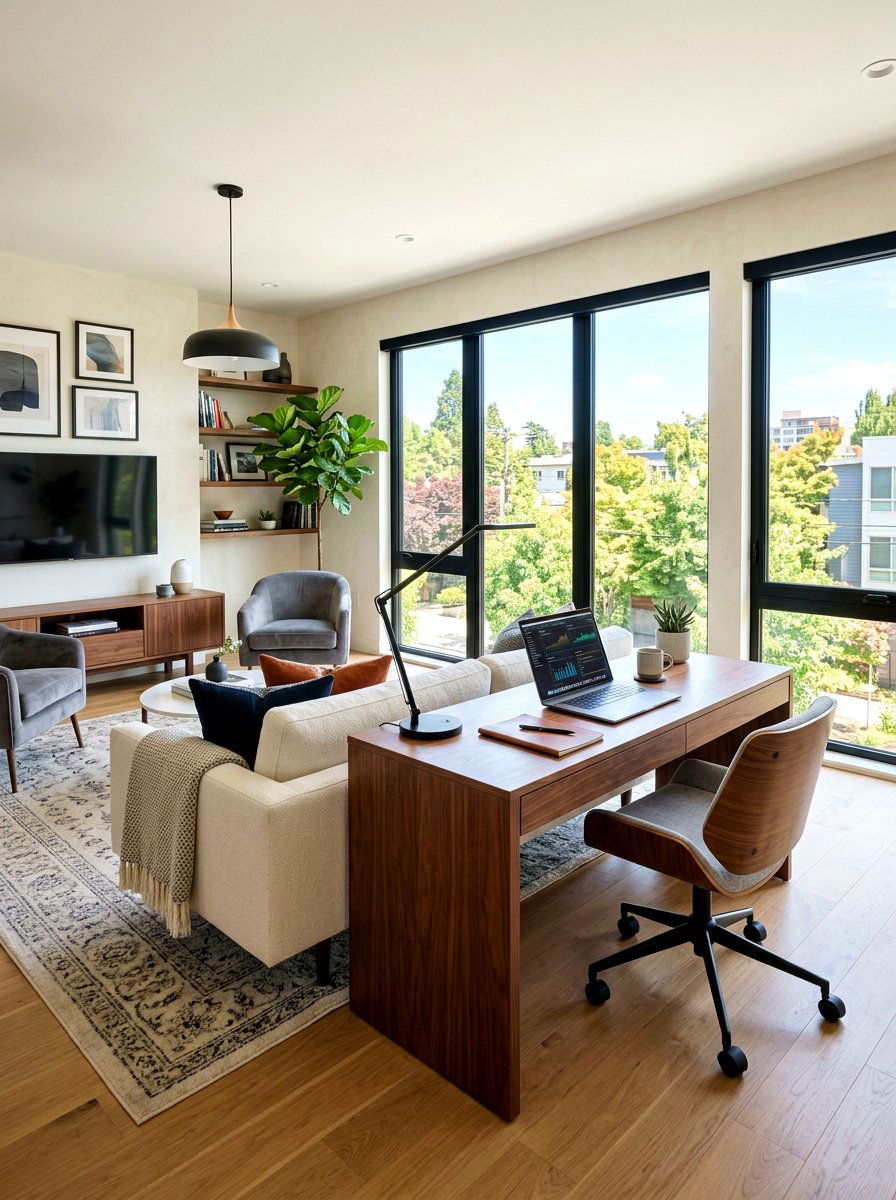
Do you need a workspace but lack a spare bedroom for a private office? Creating a living room office is all about finding an underutilized corner or the space behind a floating sofa. Position a slim desk against the back of your couch to create a built-in look that does not eat up much floor space. Use a stylish chair that matches your living room decor so the workspace blends in seamlessly when not in use. A small rug under the desk and chair can further define this zone. Task lighting, like a sleek desk lamp, also helps separate the work area from the main lounge.
4. Kitchen island seating
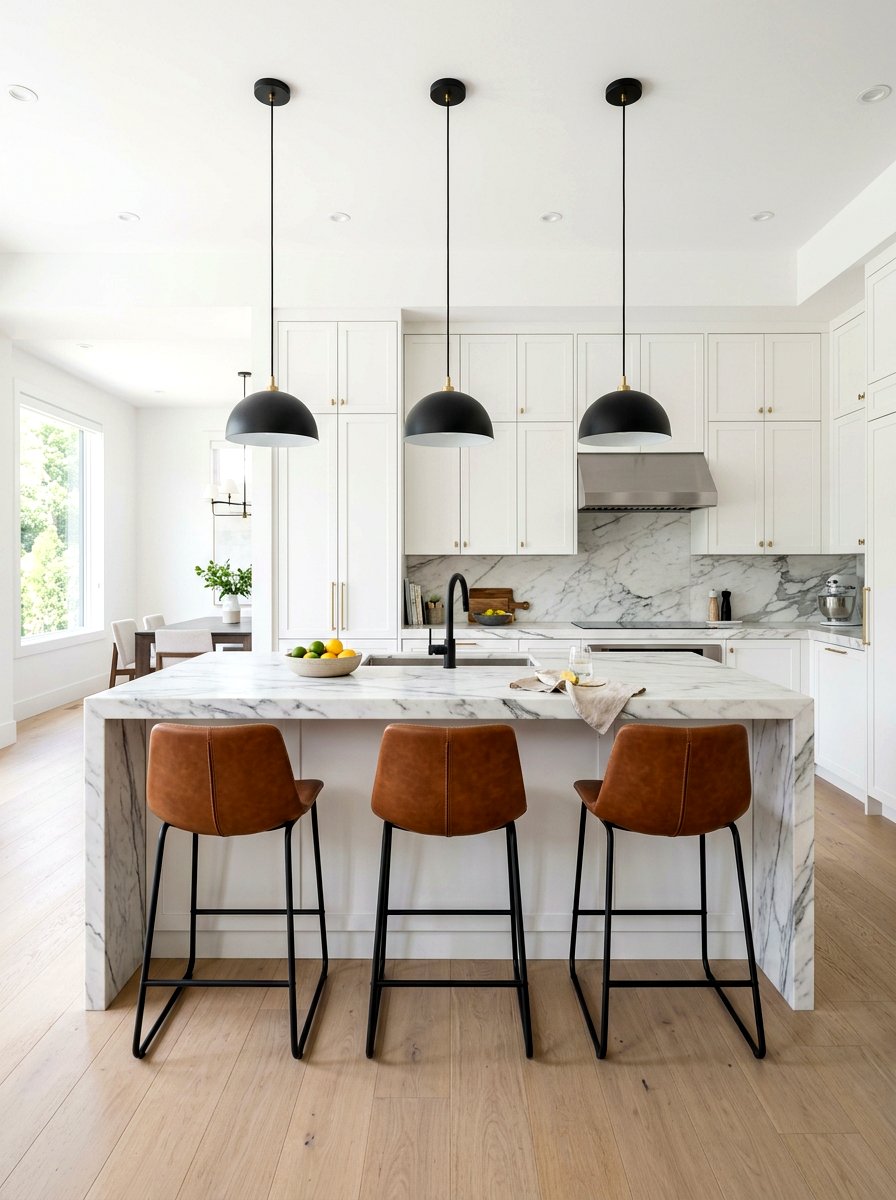
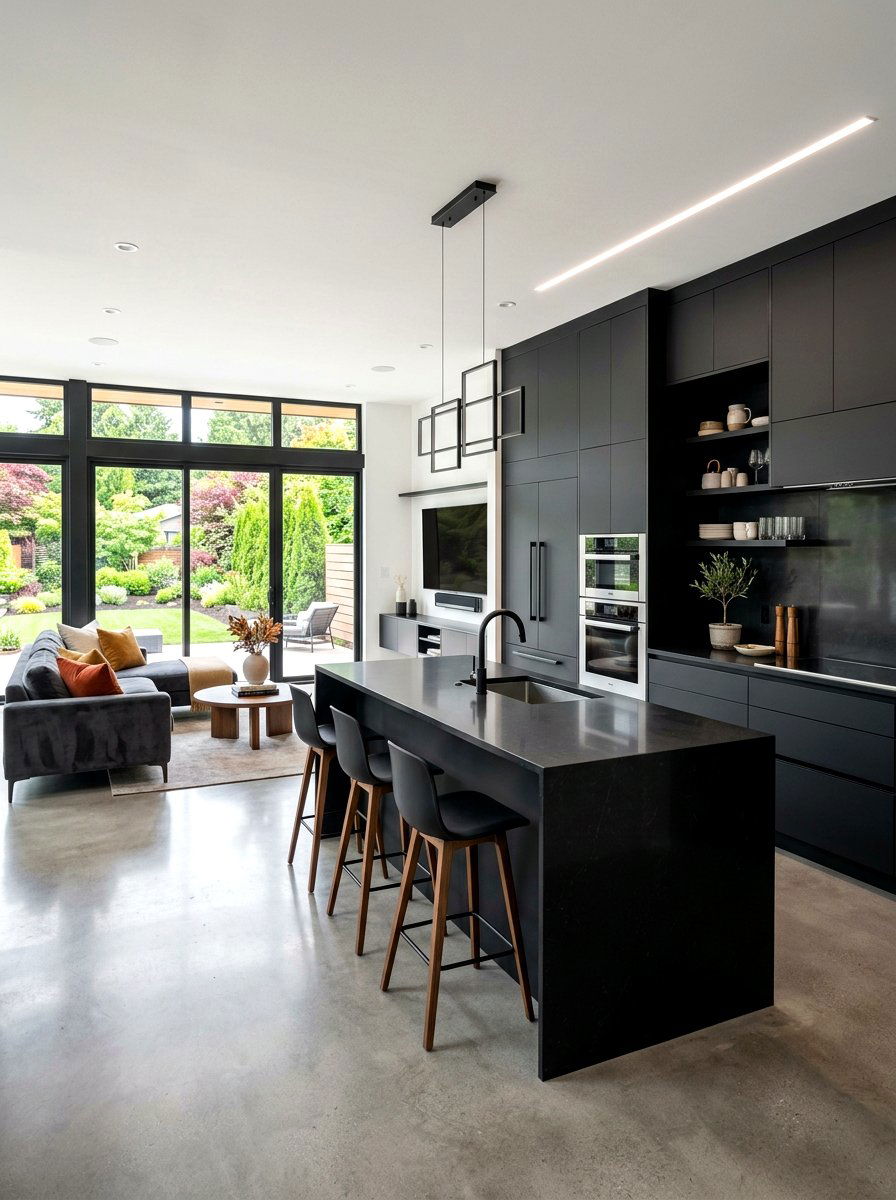
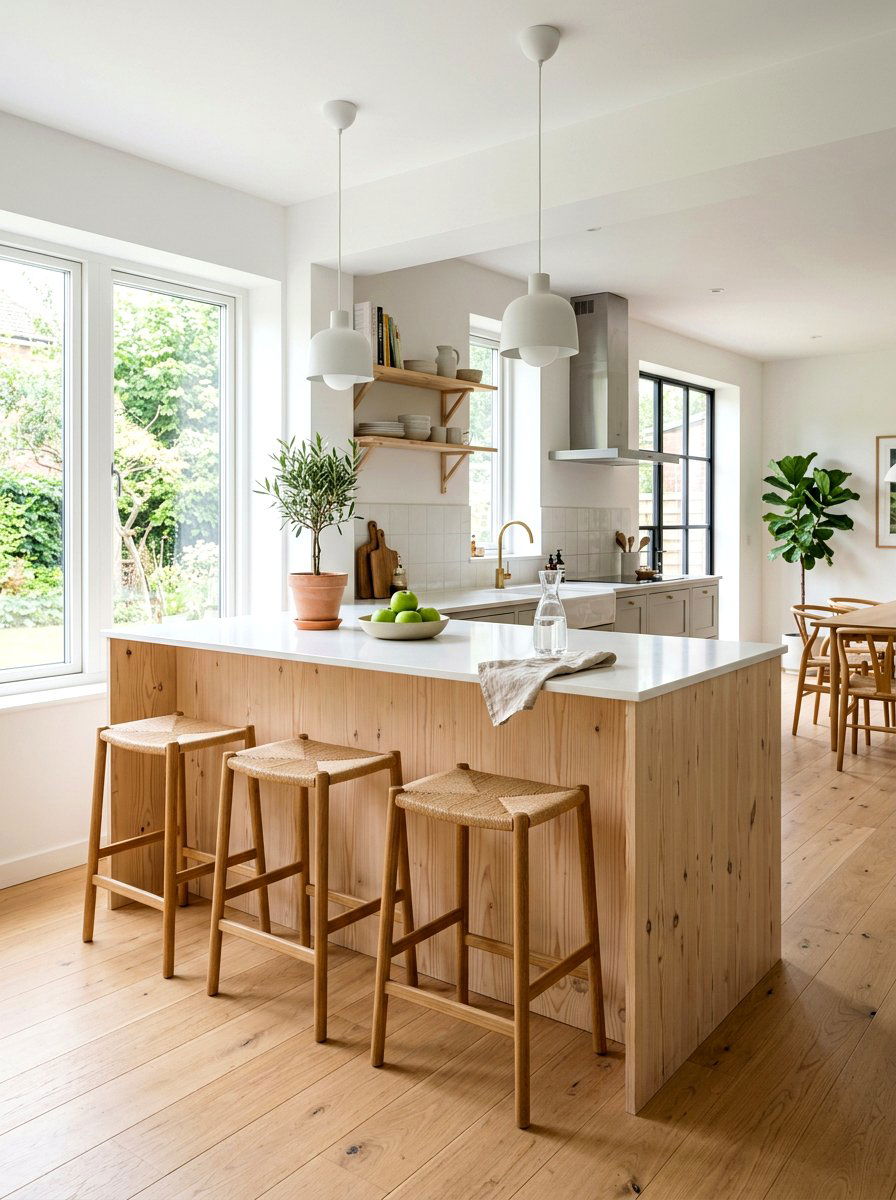
The kitchen is the heart of the home, but it can often feel disconnected from the rest of the living space. Kitchen island seating provides a perfect transition zone for casual dining and social interaction. By choosing high-quality bar stools that tuck neatly under the counter, you keep the walkway clear while creating a dedicated spot for breakfast or homework. Use pendant lights hanging directly over the island to anchor this specific zone visually. This setup allows the person cooking to stay engaged with guests or family members. It creates a natural boundary between the heavy-duty cooking area and the relaxed social zones nearby.
5. Entryway furniture zone
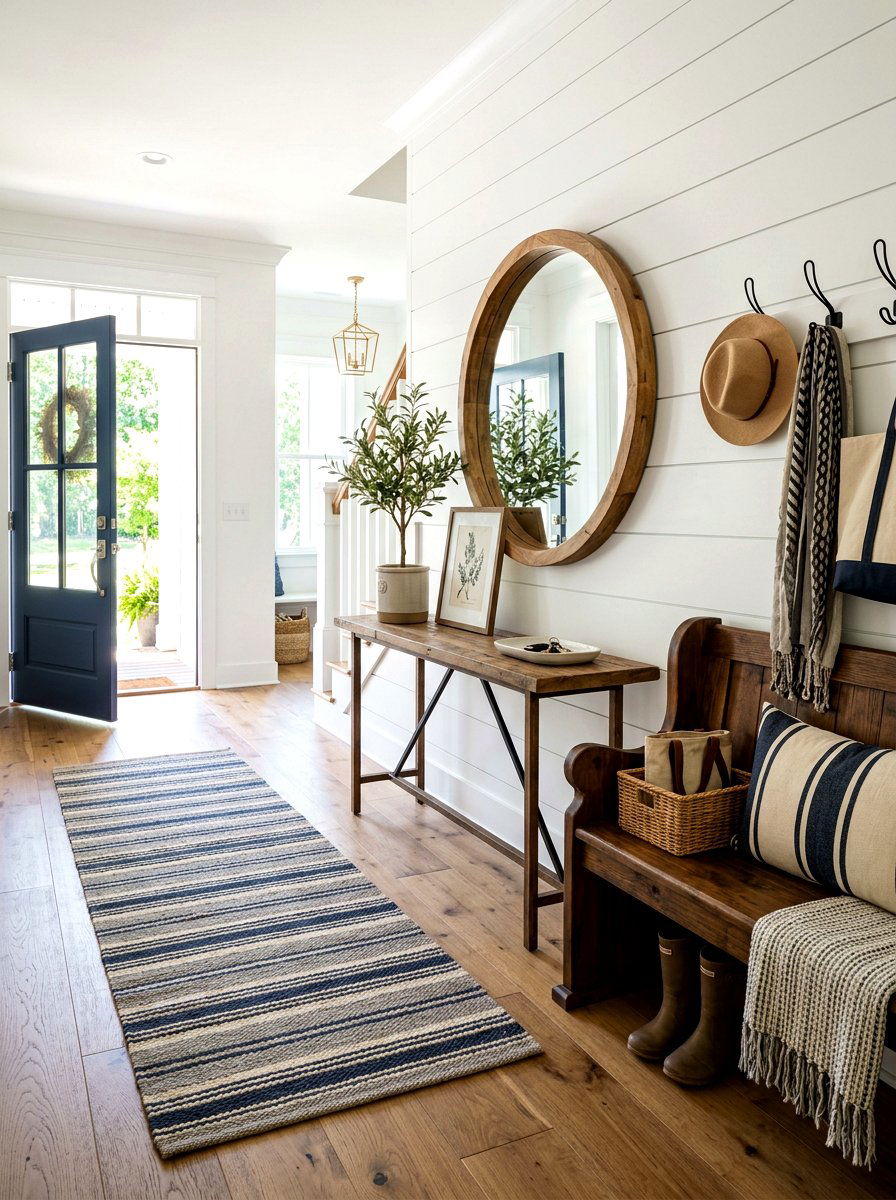
Does your front door open directly into your living room without a proper foyer? An entryway furniture zone can be created by placing a slim console table and a bench perpendicular to the door. This layout forms a narrow hallway that guides traffic and provides a place to drop keys or take off shoes. A large mirror above the table helps define the area and reflects light to make the entrance feel wider. Using a durable runner rug specifically for this spot further distinguishes the "mudroom" area from the carpeted or hardwood lounge. It keeps the rest of your home feeling private and clean.
6. Living room play area
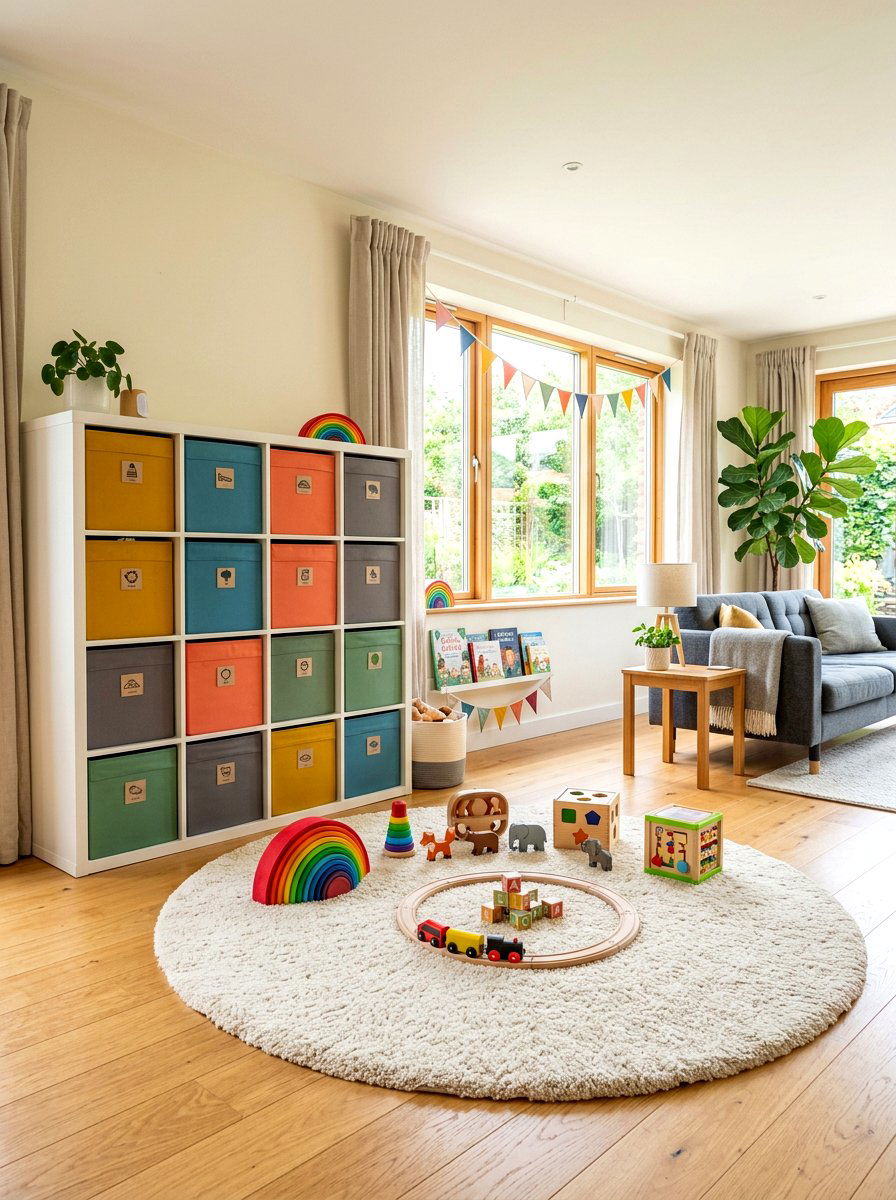
Many parents struggle with toys taking over every inch of the family space. A living room play area can be cleverly zoned by using low, open-top storage bins to create a low wall. Place these bins at the edge of the seating area to keep toys contained while still allowing you to keep an eye on the children. Using a colorful, easy-to-clean rug in this corner provides a soft surface for floor play and clearly marks the kids' territory. This layout ensures that the adults have a clutter-free zone for relaxing while the children have a designated spot for their daily activities.
7. Bedroom reading nook
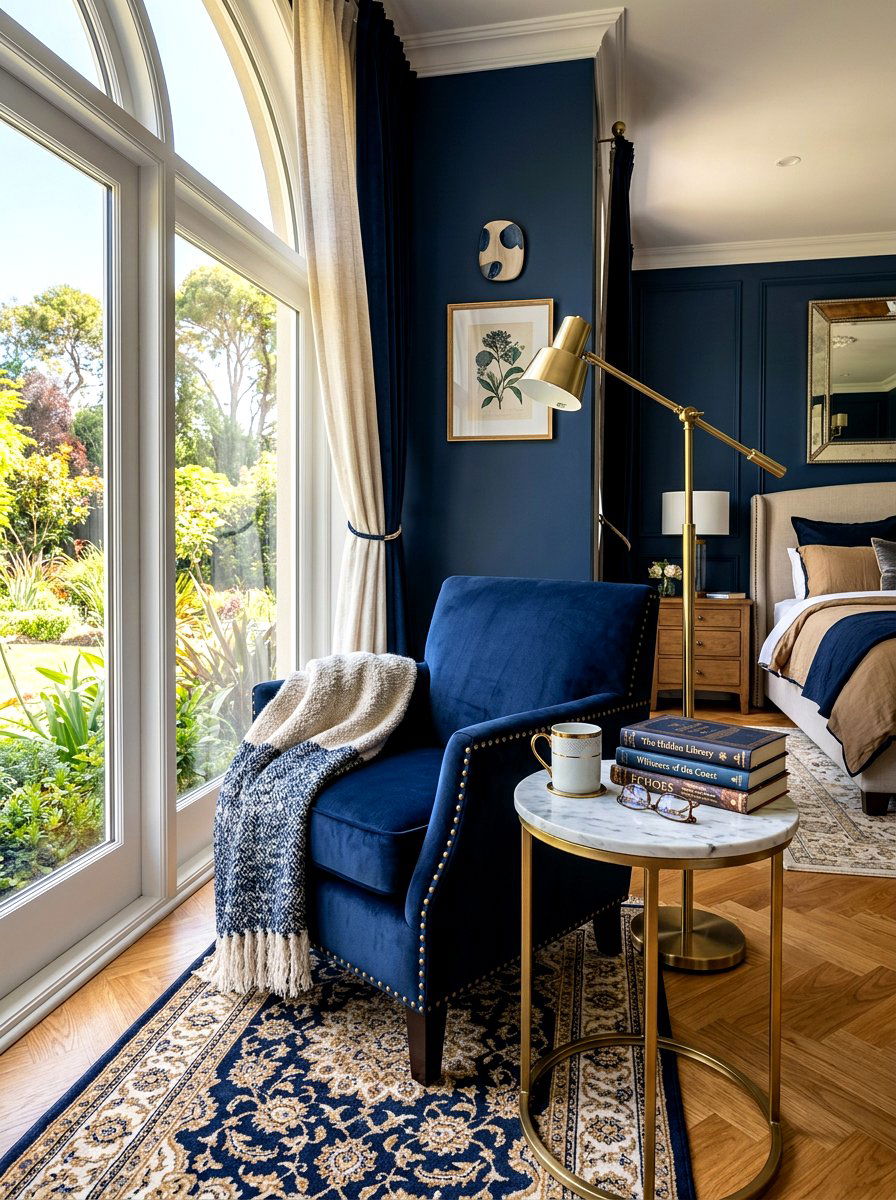
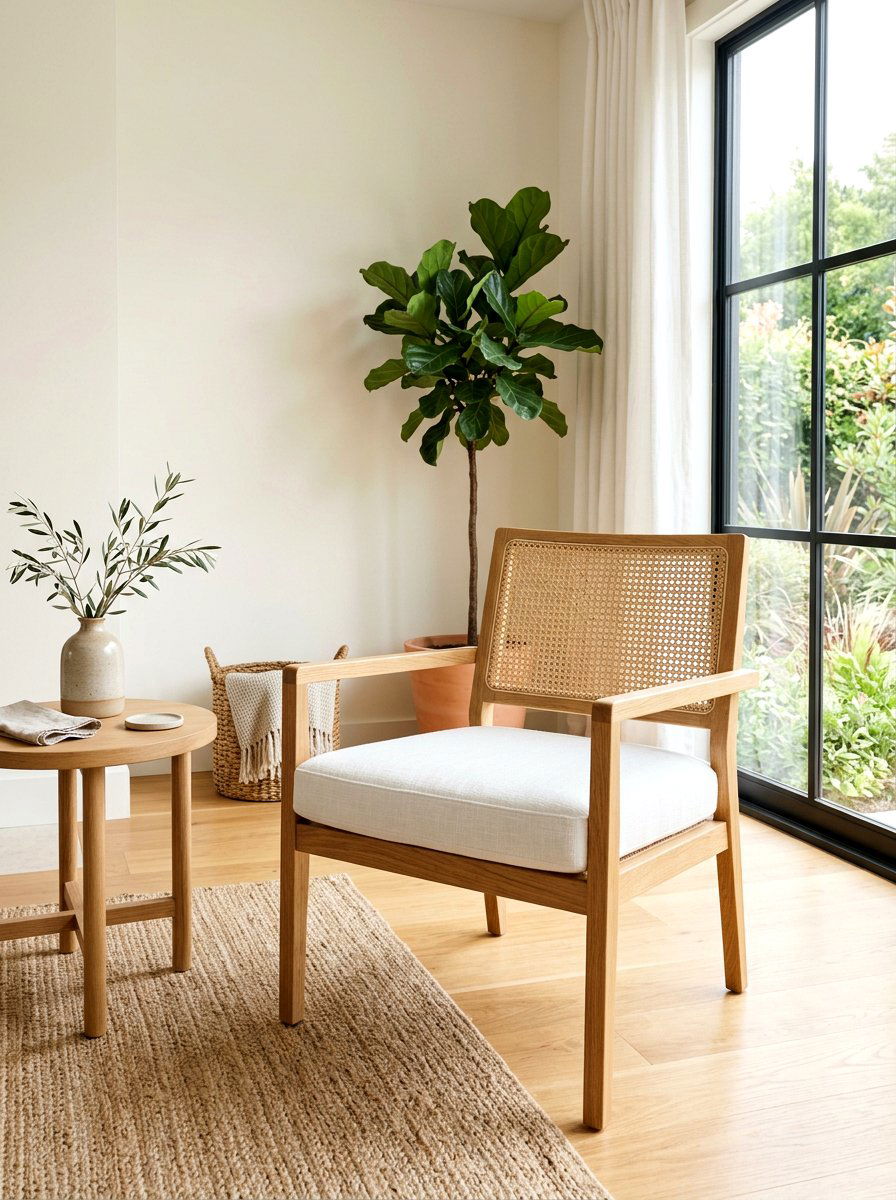
Your master suite should be a sanctuary for relaxation beyond just sleeping. A bedroom reading nook can be easily established by placing a comfortable armchair and a small side table in a quiet corner. Position the chair near a window to take advantage of natural light during the day. A dedicated floor lamp ensures the space is usable at night without having to turn on bright overhead lights. Adding a small bookshelf or a decorative basket for magazines makes the zone feel complete and intentional. This simple furniture arrangement turns a plain corner into a luxury retreat within your own private sleeping quarters.
8. Basement multi purpose room
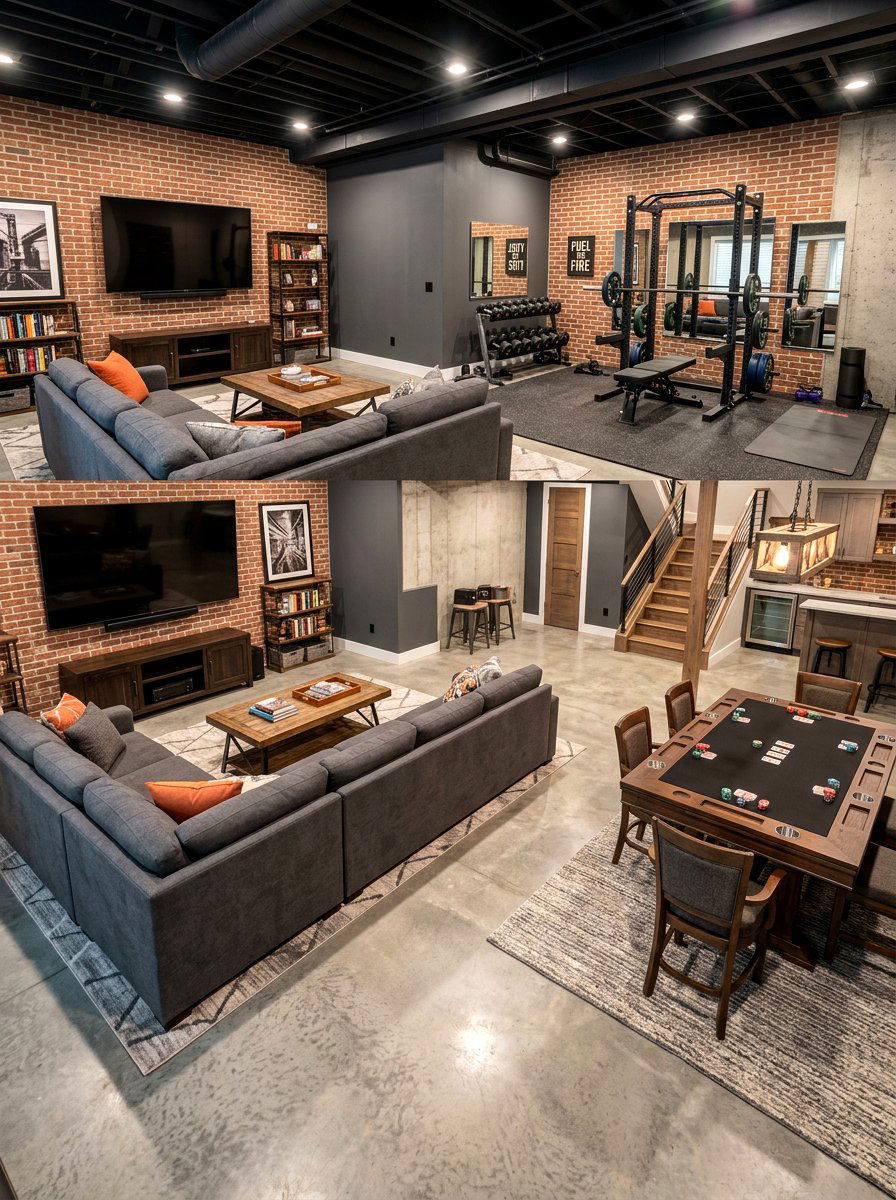
Large basements often feel cold and cavernous if the furniture is just pushed against the walls. A basement multi purpose room needs distinct zones for media, exercise, and hobbies to feel cozy. Use a large sectional sofa to frame the television area, creating an intimate "room" in the center of the space. In another section, place rubber matting and your gym equipment to define the workout zone. A long table for crafts or board games can occupy a third area. By grouping furniture into these tight clusters, you break up the vast floor plan and make every corner of the basement useful.
9. Master bedroom sitting area
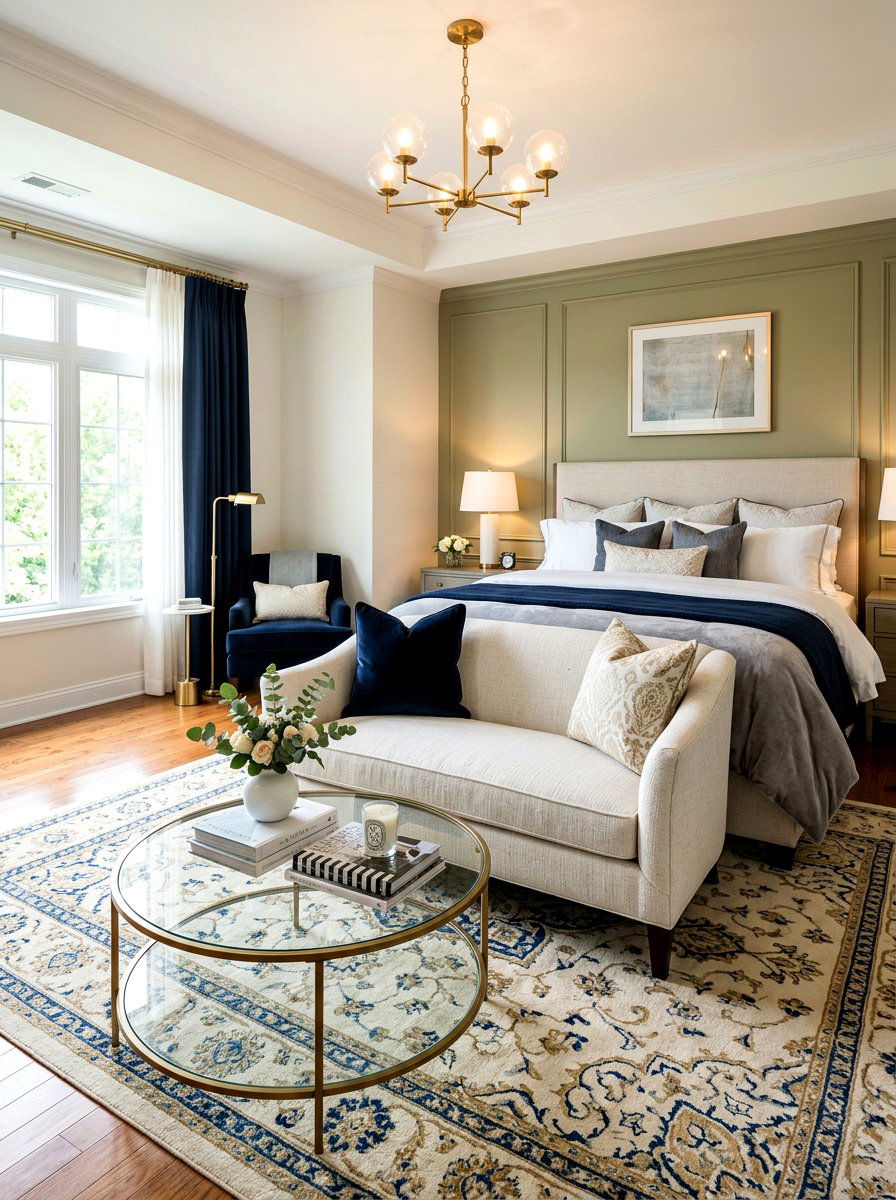
If you have a large master bedroom, the extra floor space can often feel empty or wasted. A master bedroom sitting area adds a touch of hotel luxury by creating a secondary zone for lounging. Place a small loveseat or two accent chairs at the foot of the bed, facing each other with a small coffee table in between. This arrangement creates a clear destination for morning coffee or private conversation. Using a separate rug for this seating group helps it feel like its own distinct space. It separates the active part of your morning routine from the actual sleep zone of the bed.
10. Sunroom lounge furniture
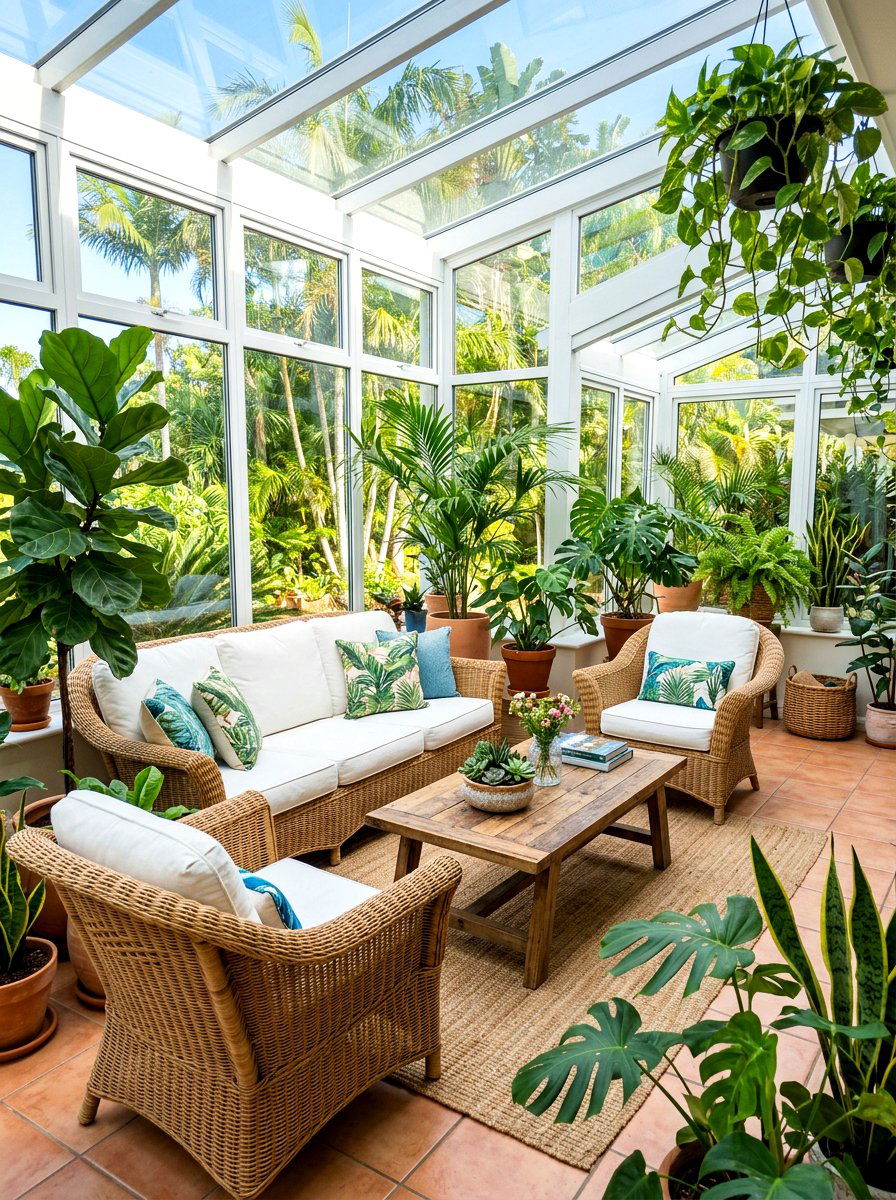
Sunrooms are unique because they bridge the gap between the indoors and the outdoors. Sunroom lounge furniture should be arranged to maximize the views and the natural light. Place your main seating, such as a wicker sofa or comfortable armchairs, facing the windows rather than inward. A central coffee table provides a place for drinks and books, anchoring the middle of the room. Use light, airy curtains to frame the space without blocking the sun. By keeping the furniture low and spread out, you maintain an open feel that emphasizes the connection to the garden while providing a comfortable place to sit.
11. L shaped living room
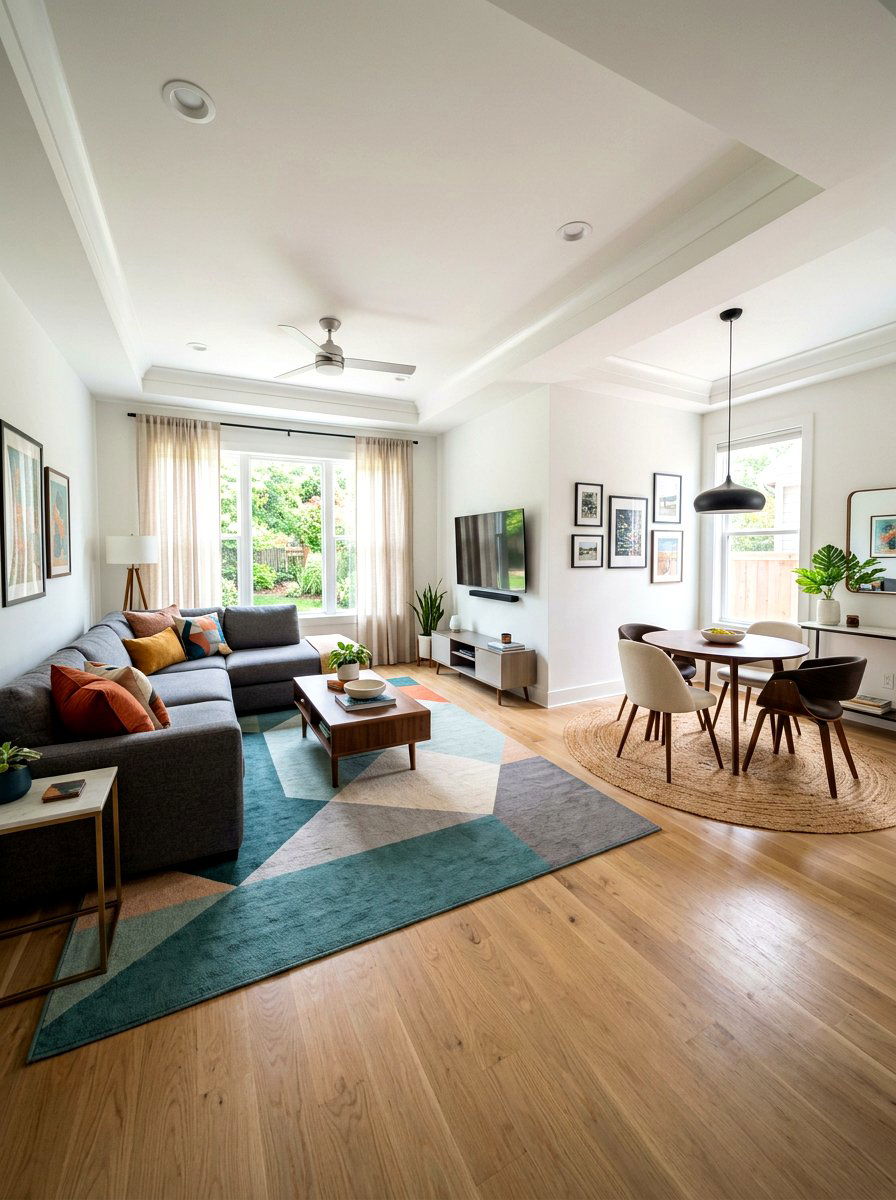
An L shaped living room is one of the most common architectural challenges, but it is also great for zoning. You should use the "elbow" of the L to naturally divide the space into two different functions. The longer section is perfect for a main media and seating area with a large sofa. The smaller "nook" of the L can be turned into a dining area or a dedicated music room with a piano. Using different floor treatments or area rugs in each section helps reinforce the split. This ensures that the awkward room shape feels like a deliberate choice rather than a design flaw.
12. Long narrow living room
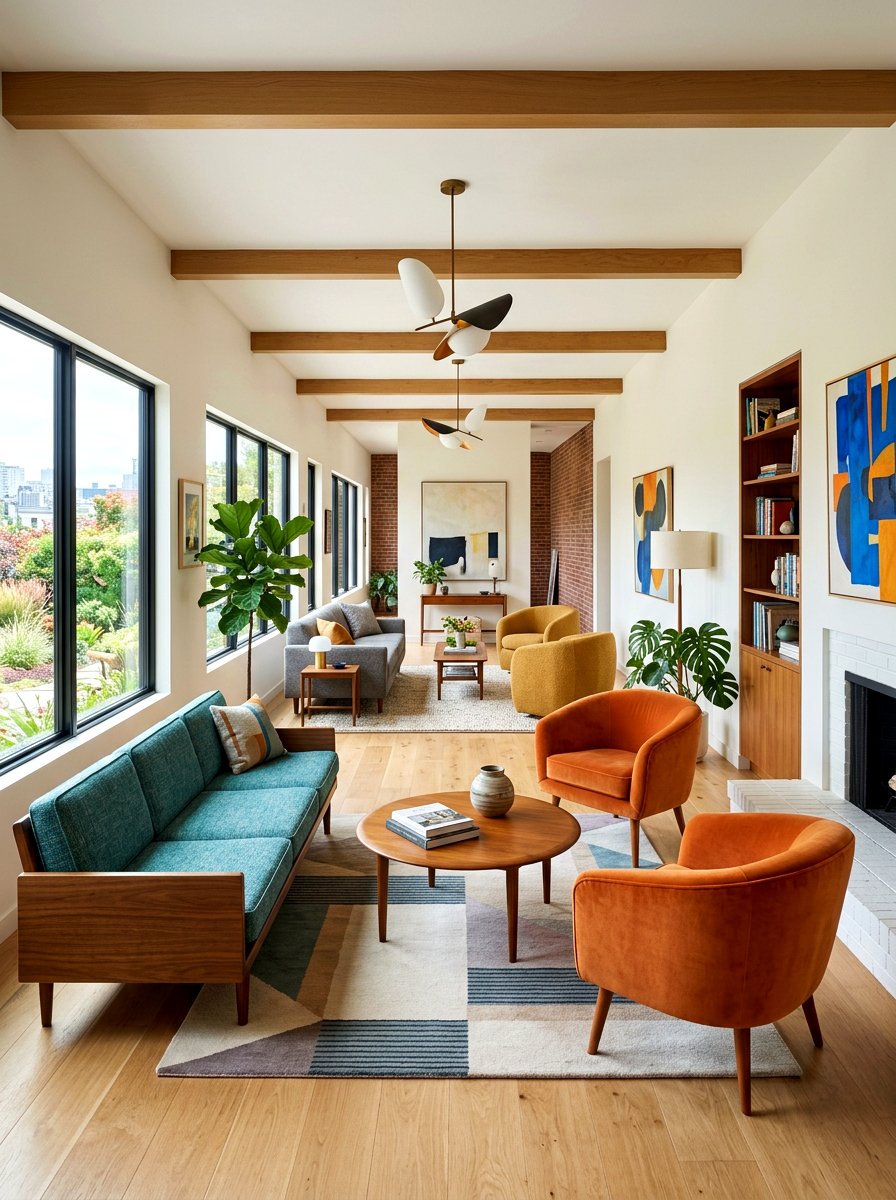
Arranging furniture in a long narrow living room often feels like trying to decorate a hallway. The key is to avoid lining all your pieces against the long walls, which creates a "bowling alley" effect. Instead, break the room into two distinct seating zones using back-to-back furniture or a central walkway. Place a sofa in the middle of the room to act as a divider, with one side for watching television and the other for a quiet conversation area or a small library. Using round tables and curved furniture can also help soften the sharp angles of a narrow room, making it feel wider.
13. Industrial loft layout
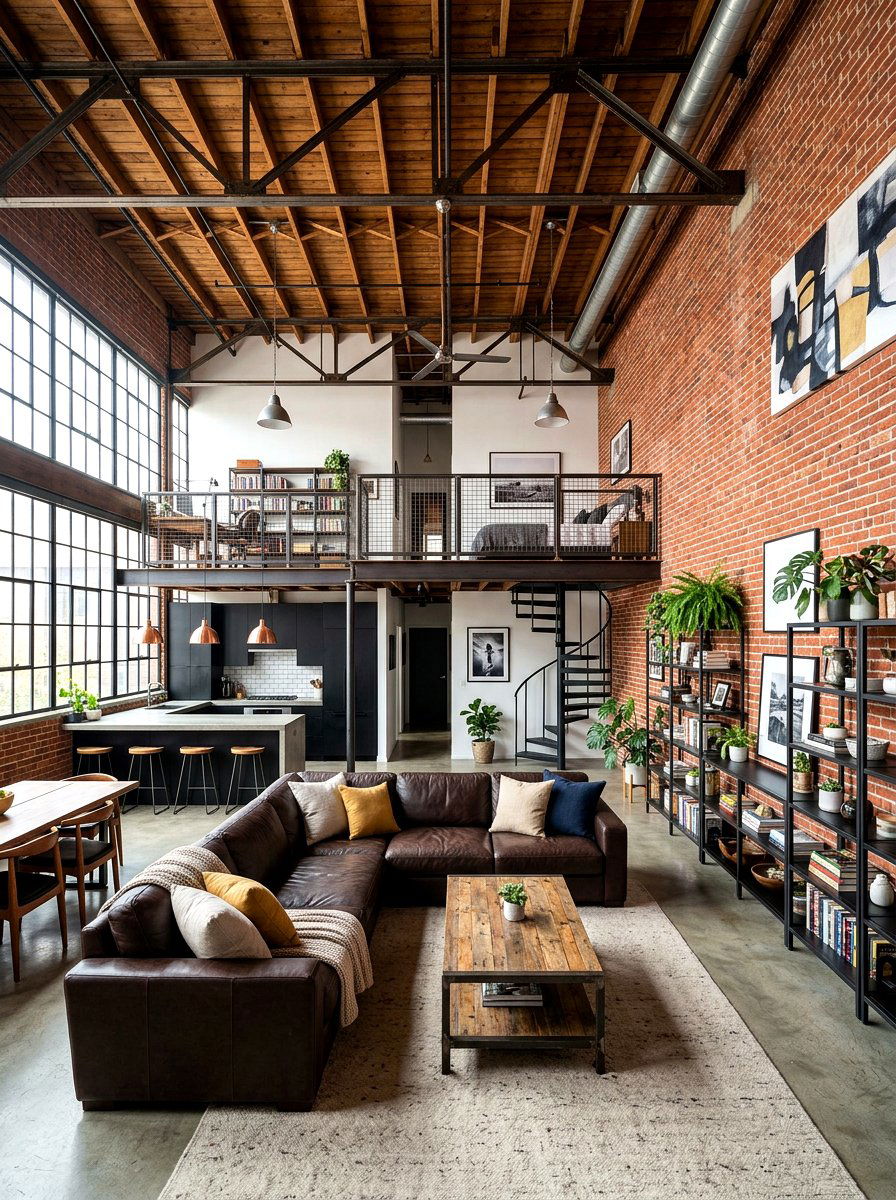
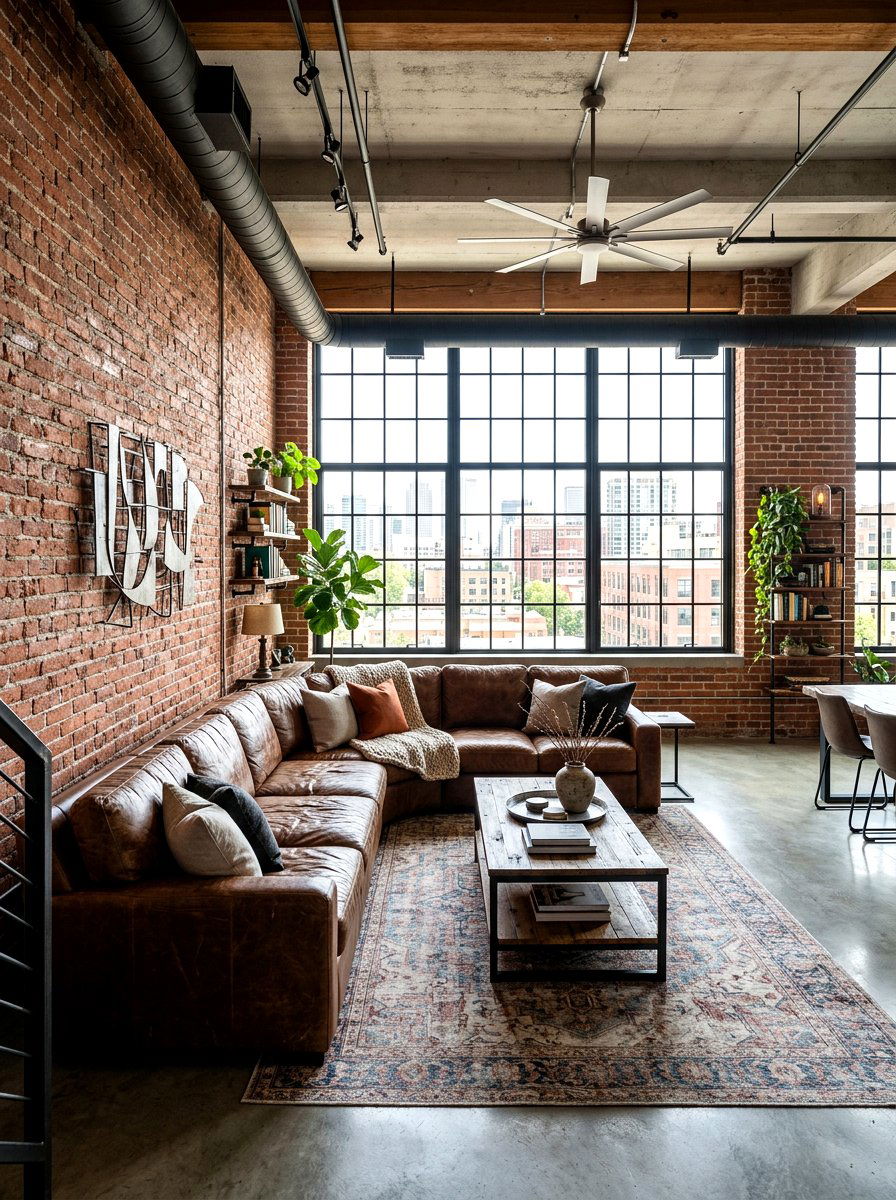
Lofts are known for their massive open spaces and high ceilings, which can feel impersonal if not zoned correctly. An industrial loft layout uses large-scale furniture to create defined "islands" of activity. Use a massive sectional sofa to ground the living area and tall, open-backed metal shelving to separate the kitchen from the lounge. Rugs are essential in lofts to dampen sound and visually anchor each zone. Since there are no walls, use lighting at different heights to define the boundaries. Hanging pendant lights low over a dining table creates a sense of intimacy within the vast, open, and airy industrial architecture.
14. Home library seating
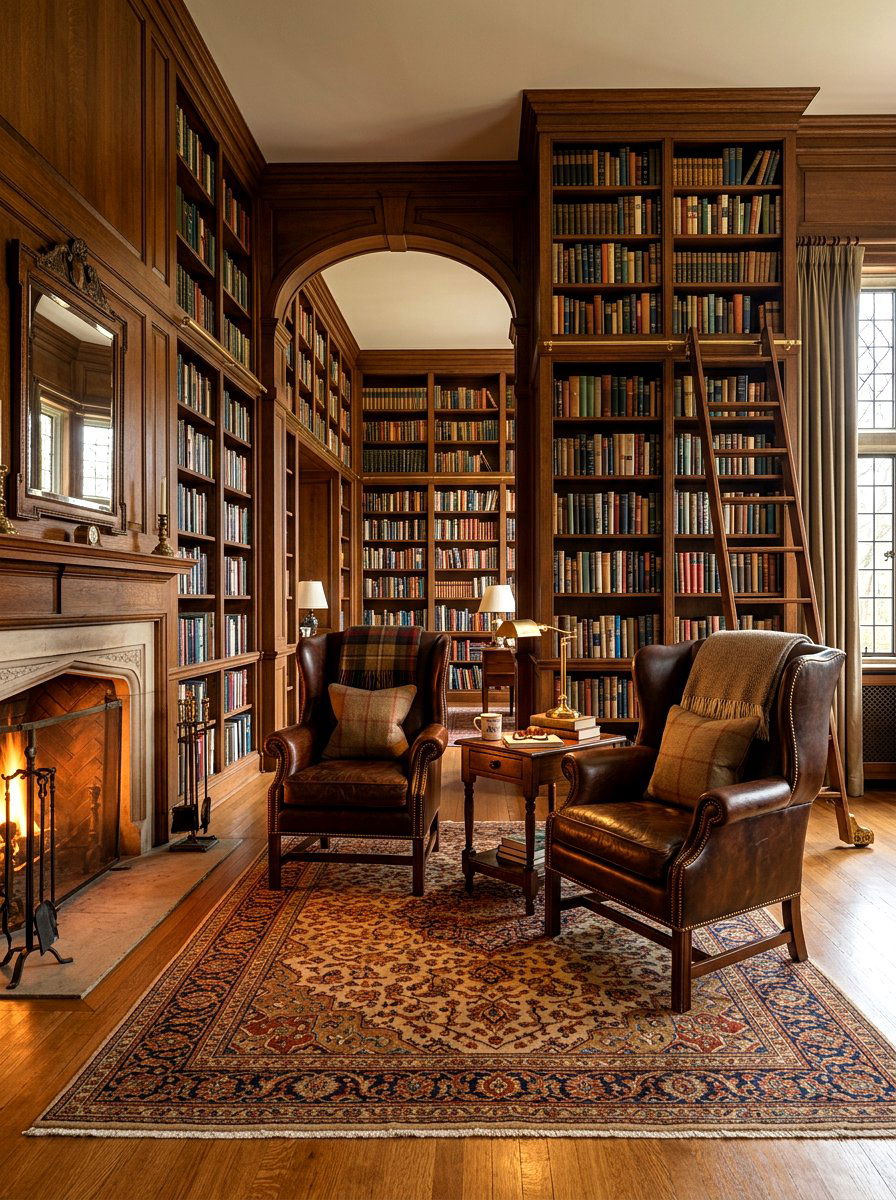
A home library seating zone can turn a wall of bookshelves into a cozy destination for reading. Place a pair of comfortable wingback chairs facing the shelves with a shared ottoman or coffee table. This layout encourages you to linger and browse through your collection. A tall floor lamp positioned behind the chairs provides the necessary light for reading while creating a warm glow in that specific corner. If space allows, a small rolling ladder adds both function and a classic library aesthetic. This furniture arrangement makes the books the focal point and creates a quiet, intellectual retreat within any room.
15. Shared kids bedroom
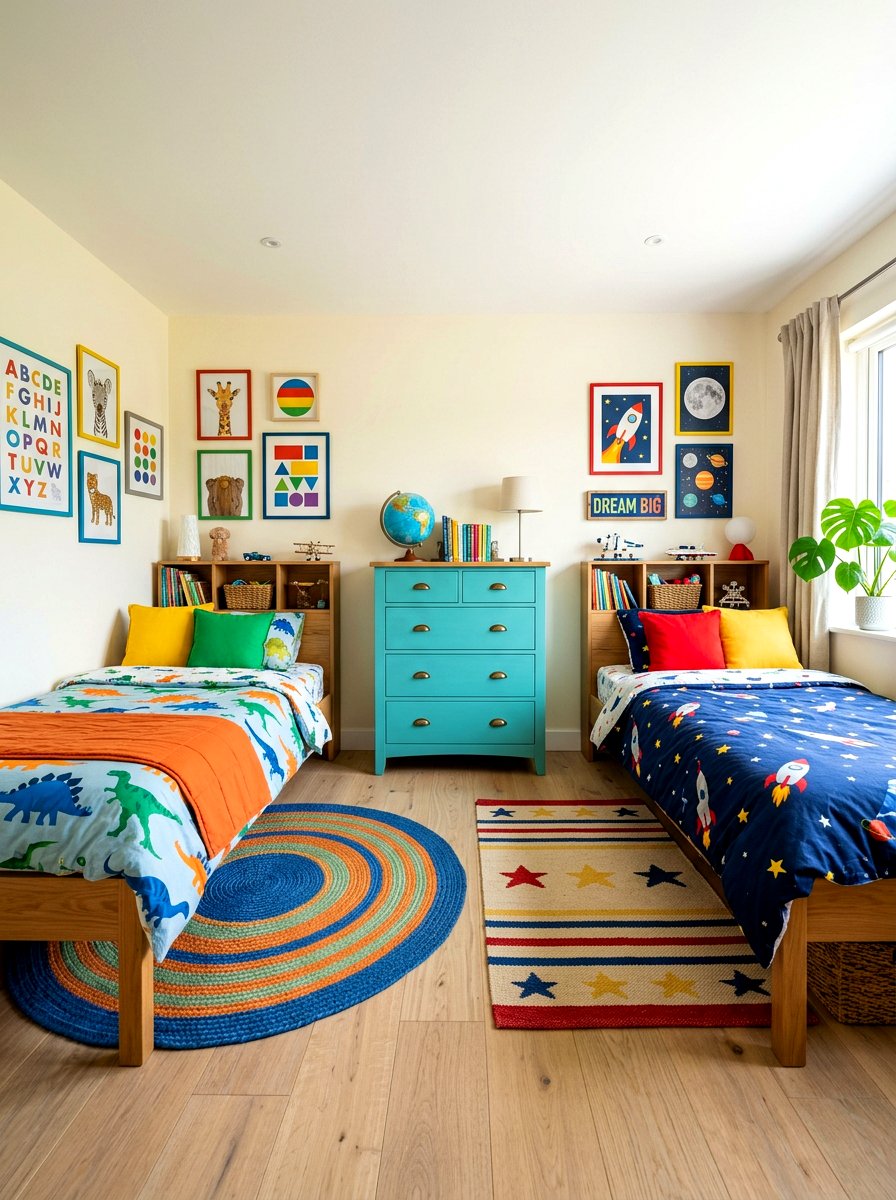
Designing a shared kids bedroom requires careful zoning to give each child a sense of their own private space. Place the beds on opposite sides of the room with a tall dresser or a double-sided bookshelf in the middle as a divider. This gives each child a "wall" to decorate and their own personal storage. Using different colored bedding or individual rugs can further define their respective zones. If the room is small, consider a bunk bed with a desk underneath one side to maximize floor space. This layout ensures that both children feel they have a territory of their own.
16. Room divider bookshelf
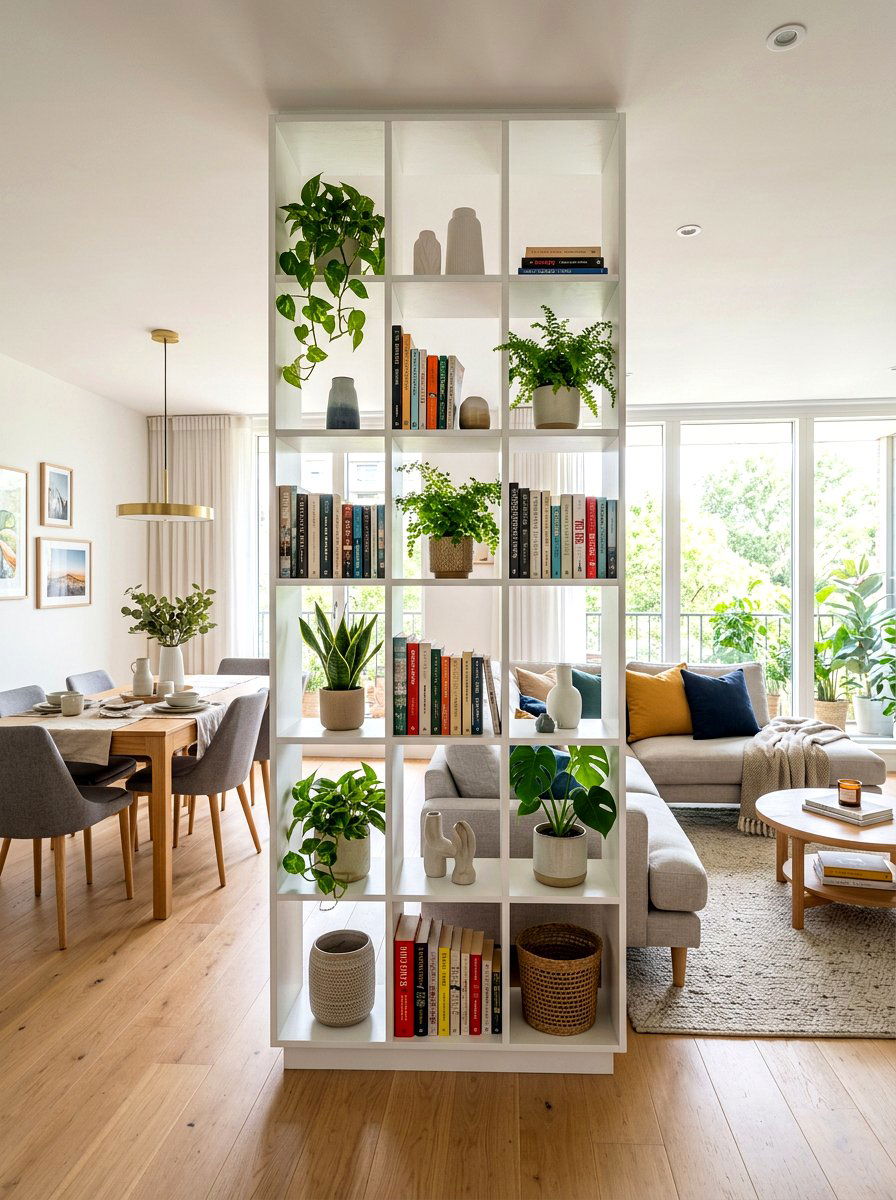
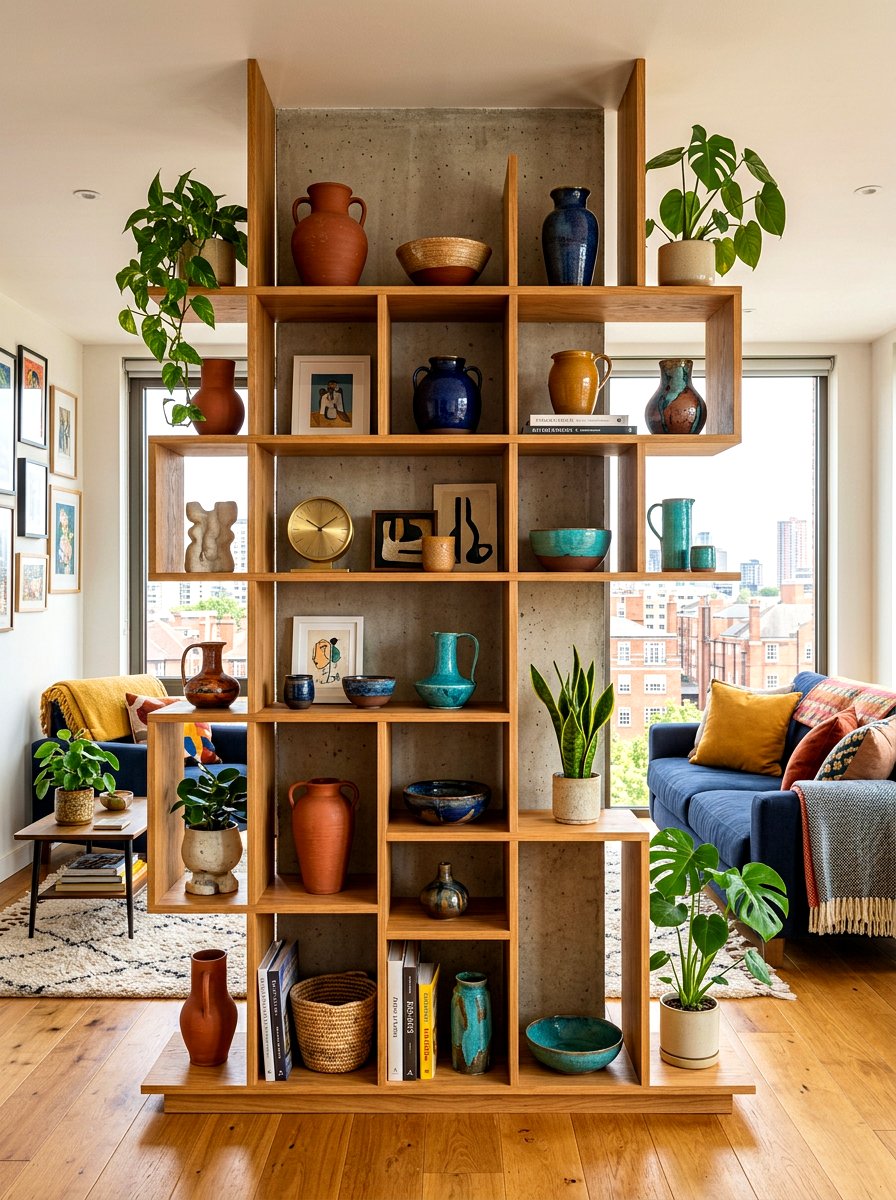
Using a room divider bookshelf is one of the most effective ways to zone a room without blocking light. Choose an open-back shelving unit and place it perpendicular to a wall to act as a screen between two areas. This works perfectly to separate a bed from a living area or a dining room from an office. You can fill the shelves with books, plants, and decorative objects to provide varying levels of privacy. Because you can see through the shelves, the room stays feeling open and airy. It is a functional and beautiful way to create architectural interest in any home.
17. Back to back sofa
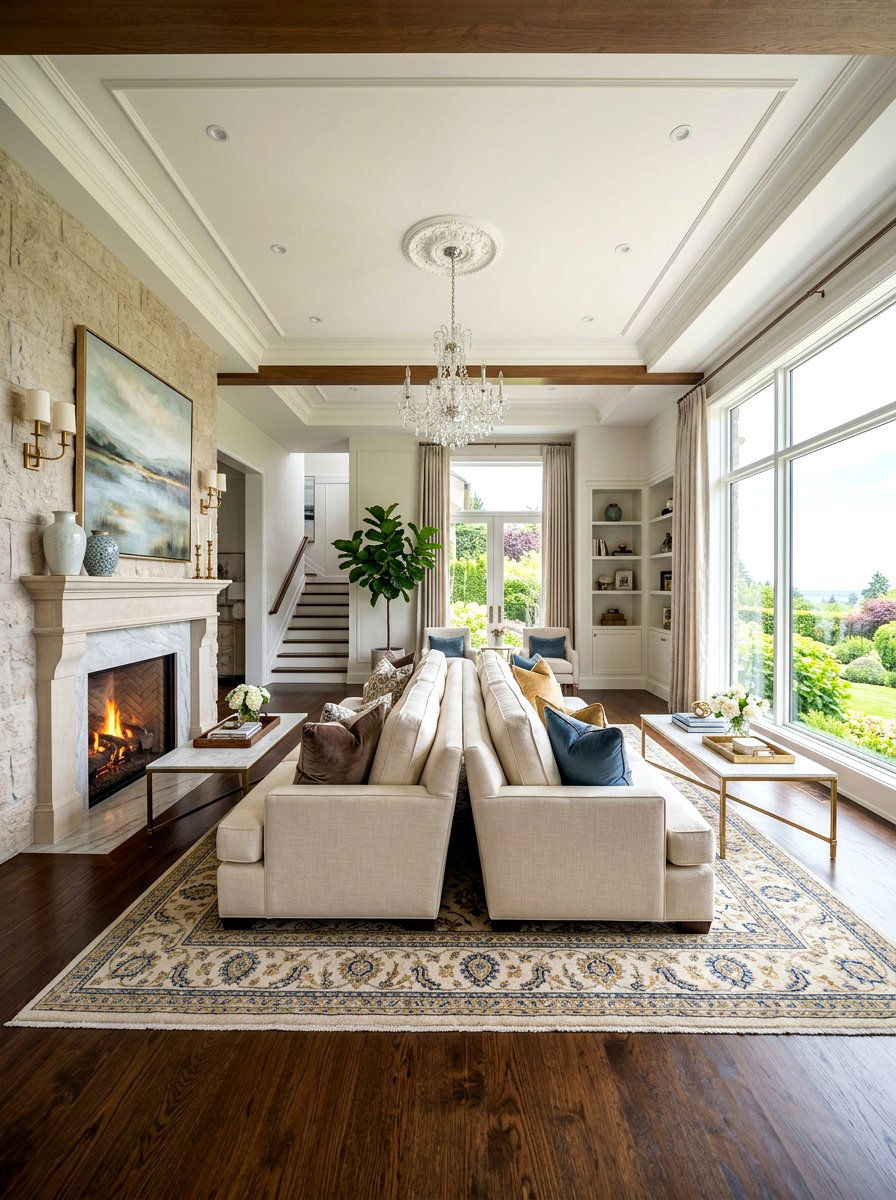
When you have an exceptionally large room, a back to back sofa layout is a sophisticated way to create two distinct seating areas. Place two sofas so their backs are touching in the center of the room. One sofa can face a fireplace or a television, creating a cozy media zone. The other sofa faces the opposite direction, perhaps toward a window or a bar area, creating a formal conversation spot. This arrangement is perfect for large families or people who love to entertain multiple groups at once. It makes the large space feel organized, intentional, and balanced without needing extra walls.
18. Conversation pit layout
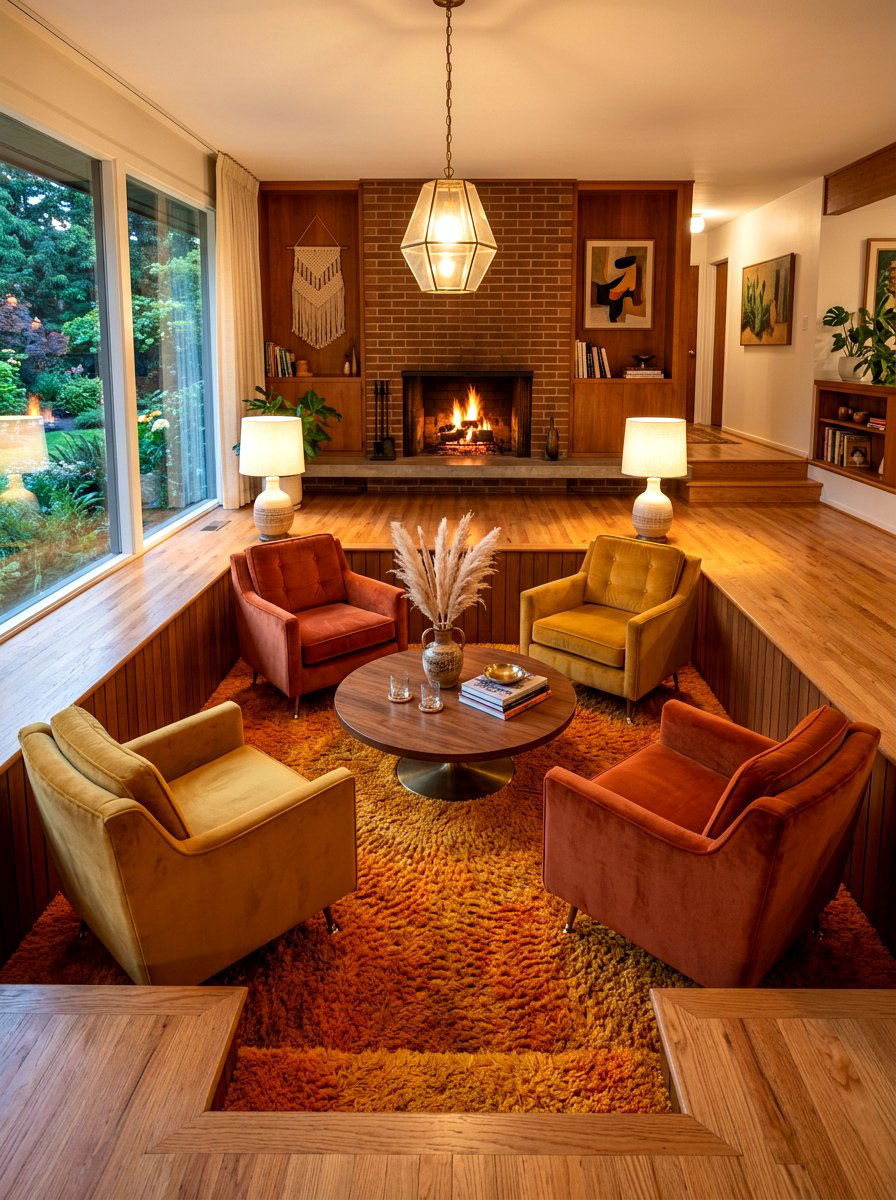
A conversation pit layout focuses on bringing people together in a social, face-to-face arrangement. To achieve this look without a sunken floor, arrange a large sectional or multiple armchairs in a tight square or circle. Place a large, round coffee table in the center to serve as the anchor for the group. All seating should be oriented toward the middle to encourage talking and interaction. This zone works best when grounded by a plush, high-pile rug that adds warmth and comfort. It creates a dedicated social hub that is separate from the television or the kitchen, perfect for hosting friends.
19. Floating sofa arrangement
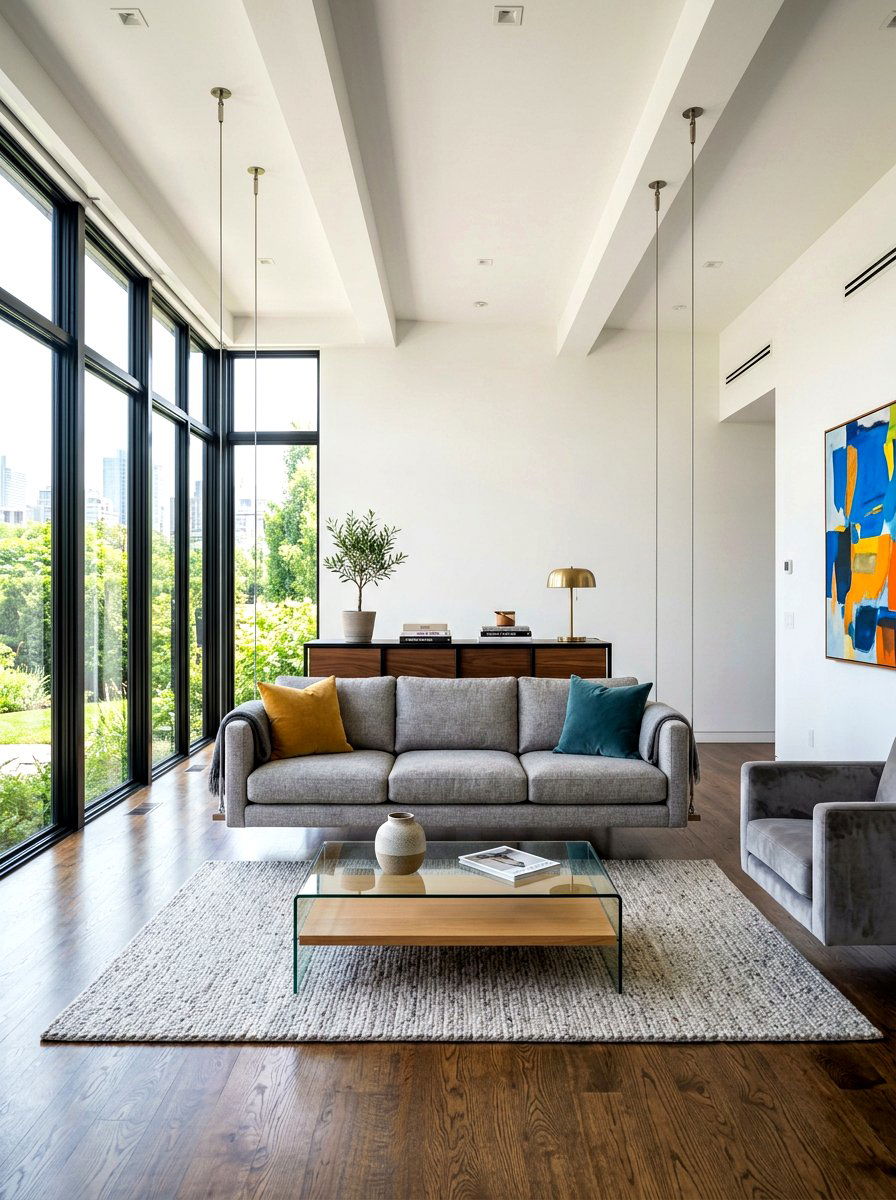
A floating sofa arrangement is a modern way to zone a room by pulling furniture away from the walls. Instead of pushing your couch against a corner, place it in the middle of the floor with plenty of walking space around it. This defines the seating area as its own "island" within the room. Use a large area rug that all furniture legs can sit on to keep the group feeling cohesive. Placing a low console table behind the floating sofa provides a surface for decor and helps the back of the couch look more finished. It creates a sleek and open aesthetic.
20. Bedroom workspace corner
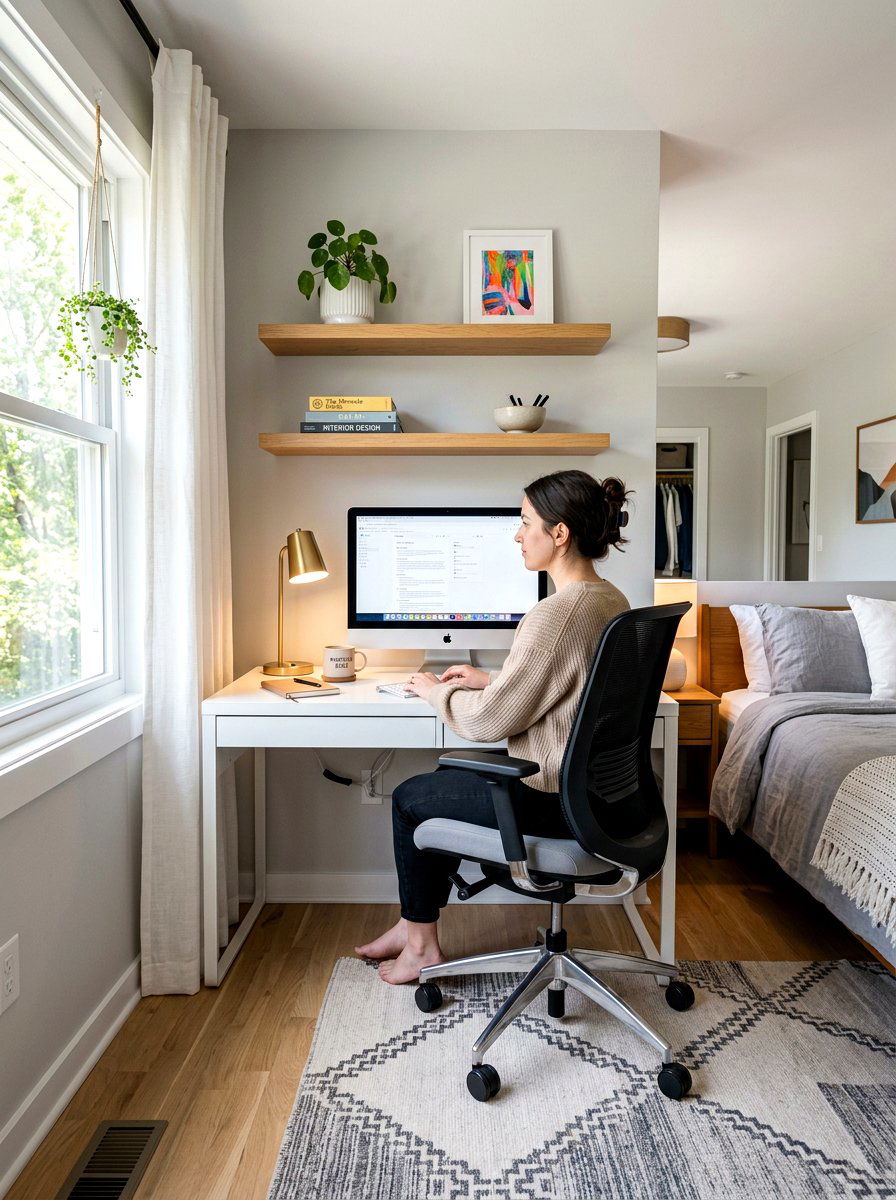
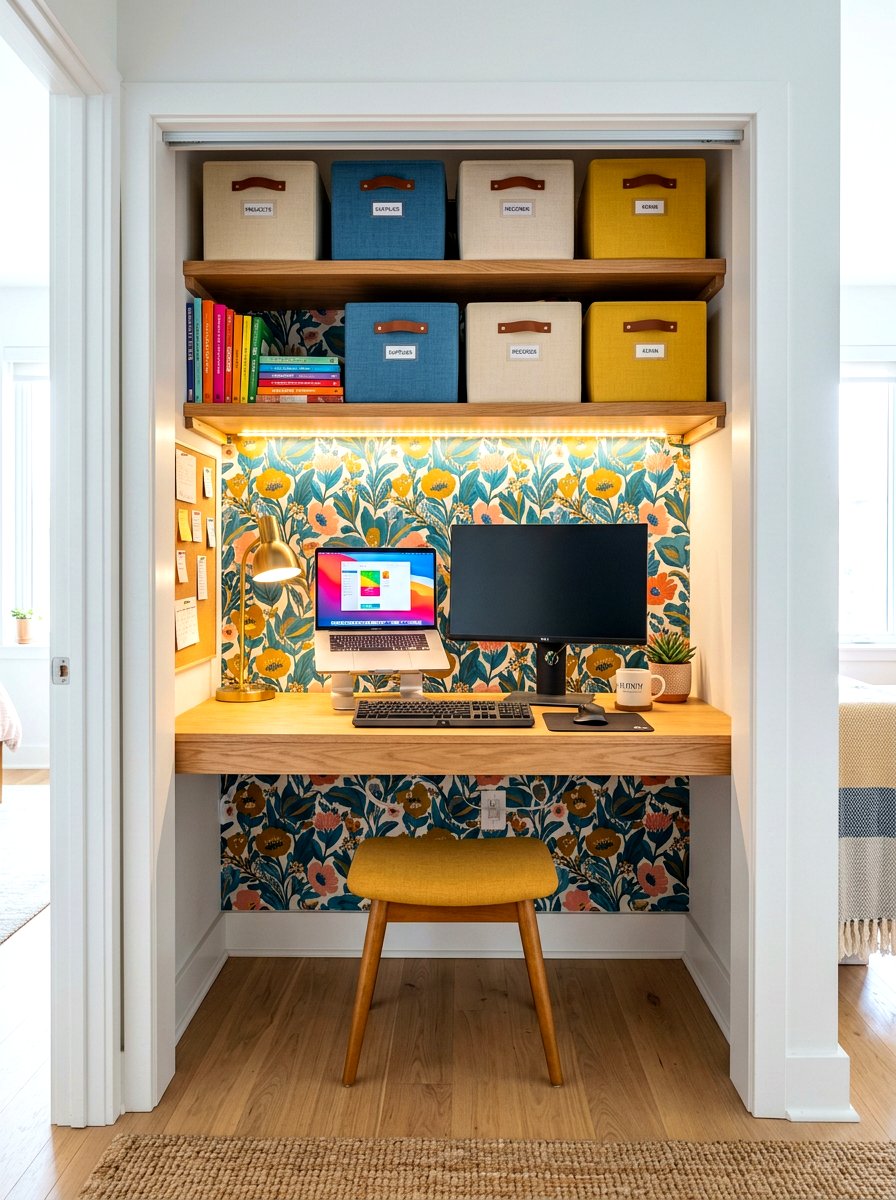
Many people now need a quiet place to work but do not have a separate office. A bedroom workspace corner uses furniture to create a productive zone that does not interfere with sleep. Place a small, minimalist desk in a corner that is away from your direct line of sight when lying in bed. Use a chair that can be tucked completely under the desk to save floor space. Adding a few floating shelves above the desk provides storage for office supplies without taking up extra room. This layout allows you to transition from rest to work while maintaining the bedroom's peaceful atmosphere.
21. Mudroom laundry room
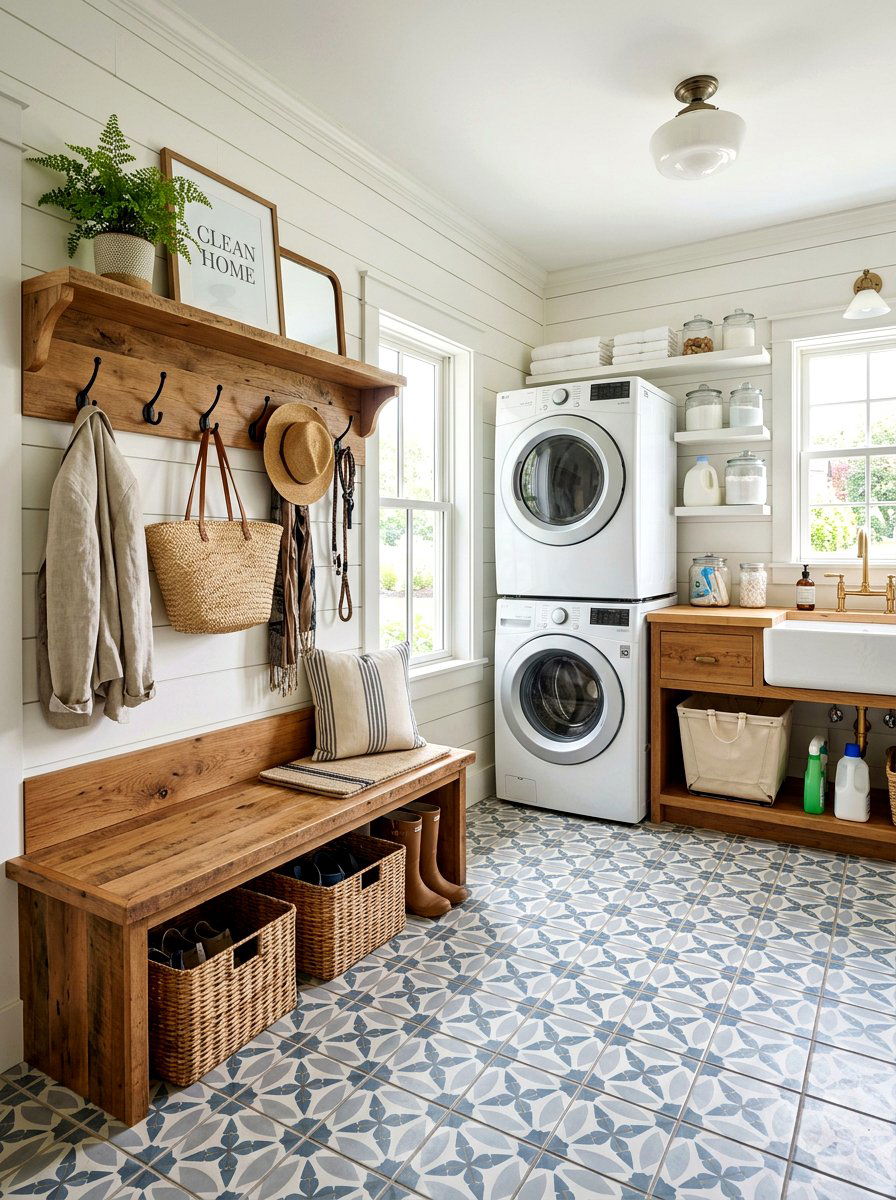
Combining these two utility areas requires careful zoning to keep clean clothes away from dirty boots. A mudroom laundry room benefits from a layout that places a bench and cubbies on one wall and the washer and dryer on the other. Use a tall cabinet or a folding station as a physical divider between the "entry" side and the "laundry" side. This ensures that the flow of traffic through the door does not get in the way of doing chores. Using different types of durable flooring or waterproof mats can help define the wet and dry zones within the small utility space.
22. Attic bedroom layout
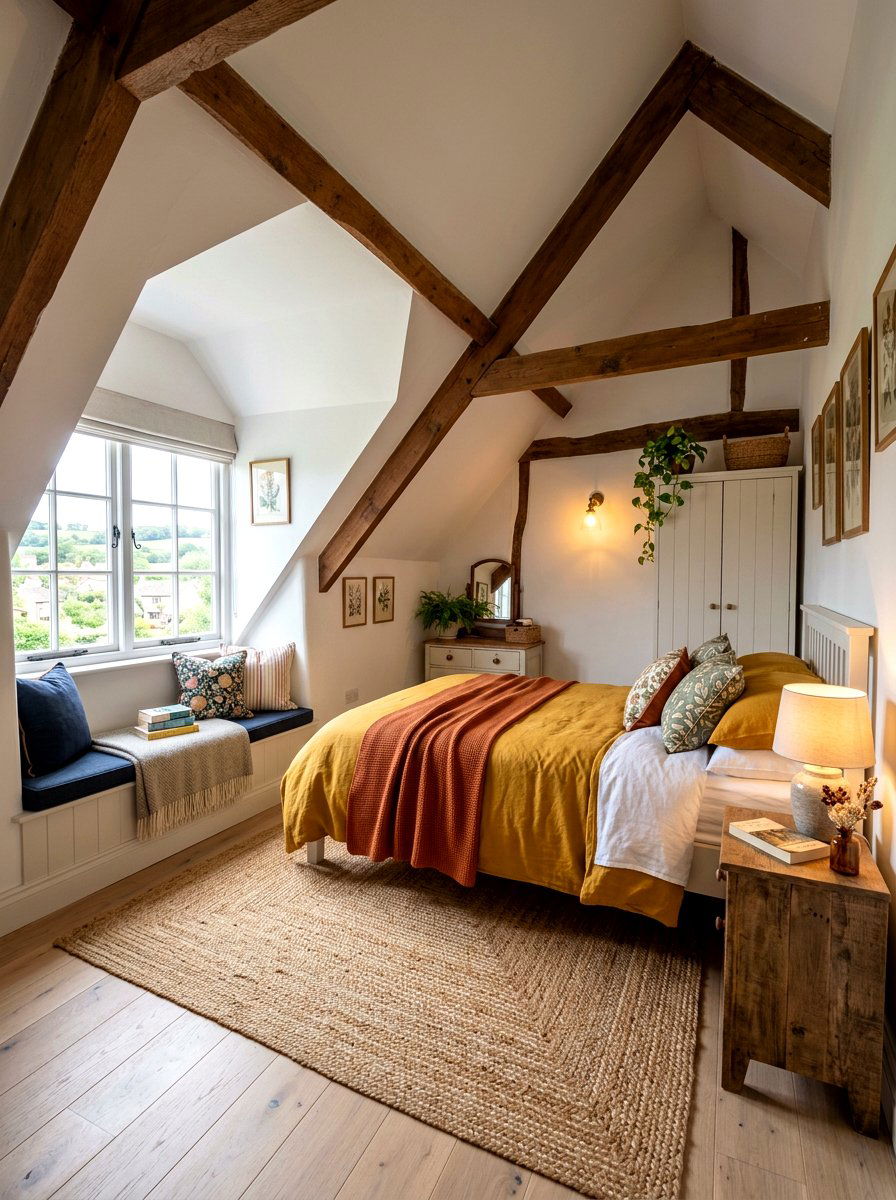
Attic rooms often have sloped ceilings and awkward corners that make traditional furniture placement difficult. An attic bedroom layout should use the lower parts of the walls for the bed and the higher center area for standing and walking. Place the headboard against the shortest wall to create a cozy, cave-like sleeping nook. Use the taller walls for a wardrobe or a small desk. Adding a window seat in a dormer window provides a perfect secondary zone for relaxing. By working with the unique architecture of the attic, you can create a charming and well-zoned retreat that feels surprisingly spacious and functional.
23. Living room media zone
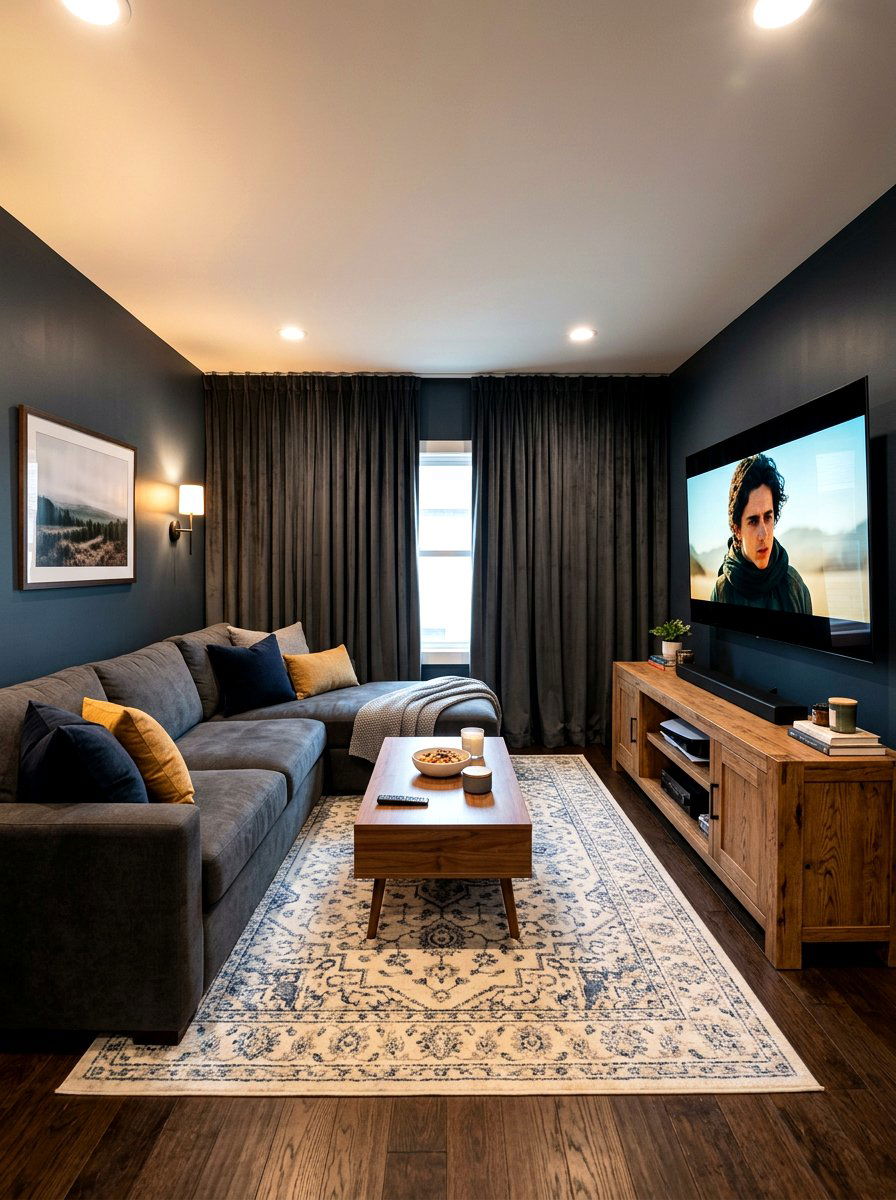
If your living room is primarily for entertainment, a dedicated living room media zone is essential. Arrange your main seating in a semi-circle or L-shape facing the television and sound system. Keep the distance between the screen and the sofa comfortable for viewing. Use a large media console to house all electronics and hide messy cables, keeping the zone looking clean. A dark-colored rug and blackout curtains can help define the area and improve the movie-watching experience. This layout ensures that the focus remains on the screen while providing a comfortable and organized place for the whole family to gather.
24. Dining room bar area
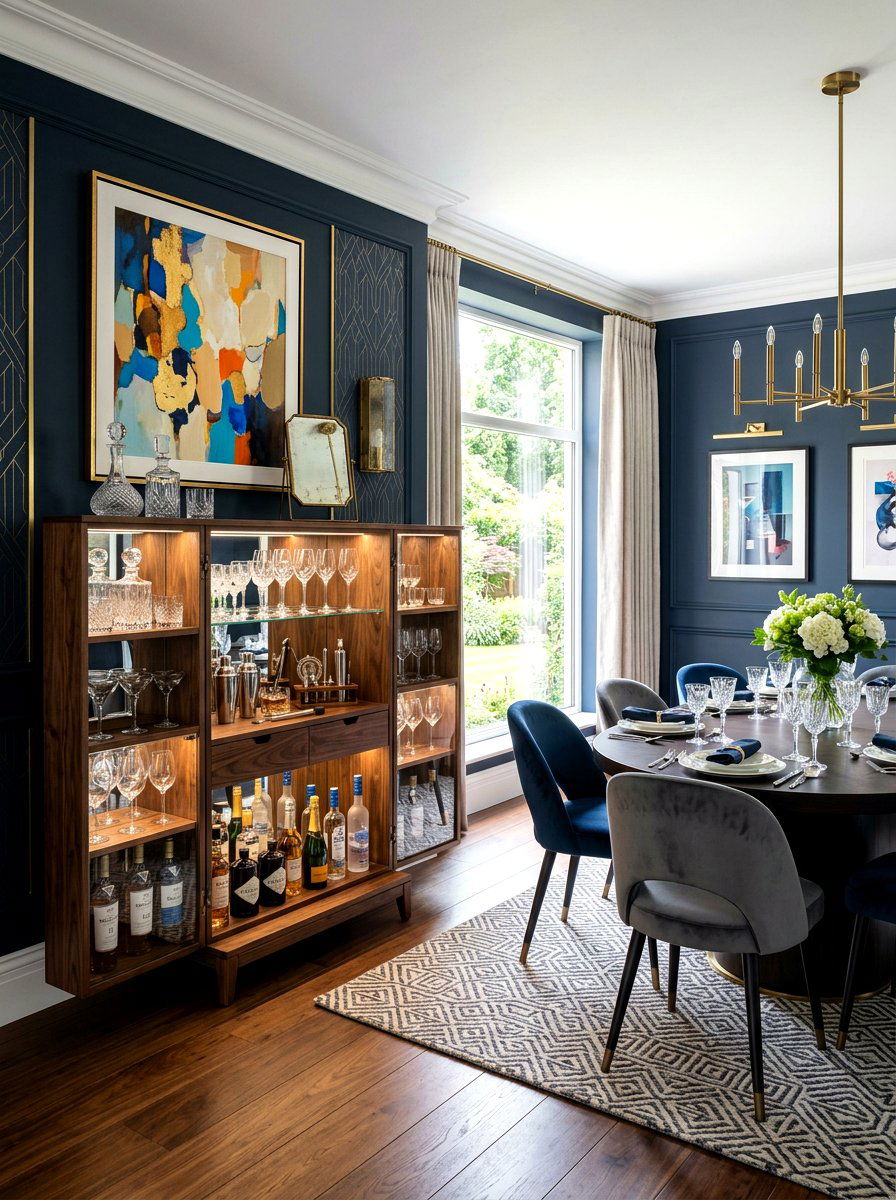
A dining room bar area adds a social element to your formal eating space. Create this zone by placing a tall bar cabinet or a rolling bar cart in a corner or along a side wall. This provides a dedicated spot for mixing drinks and storing glassware away from the main dining table. You can add a couple of high stools if there is enough space for a small counter. Use a separate light fixture, like a small neon sign or a stylish table lamp, to highlight the bar area at night. This setup encourages guests to linger and socialize before and after dinner.
25. Home craft room
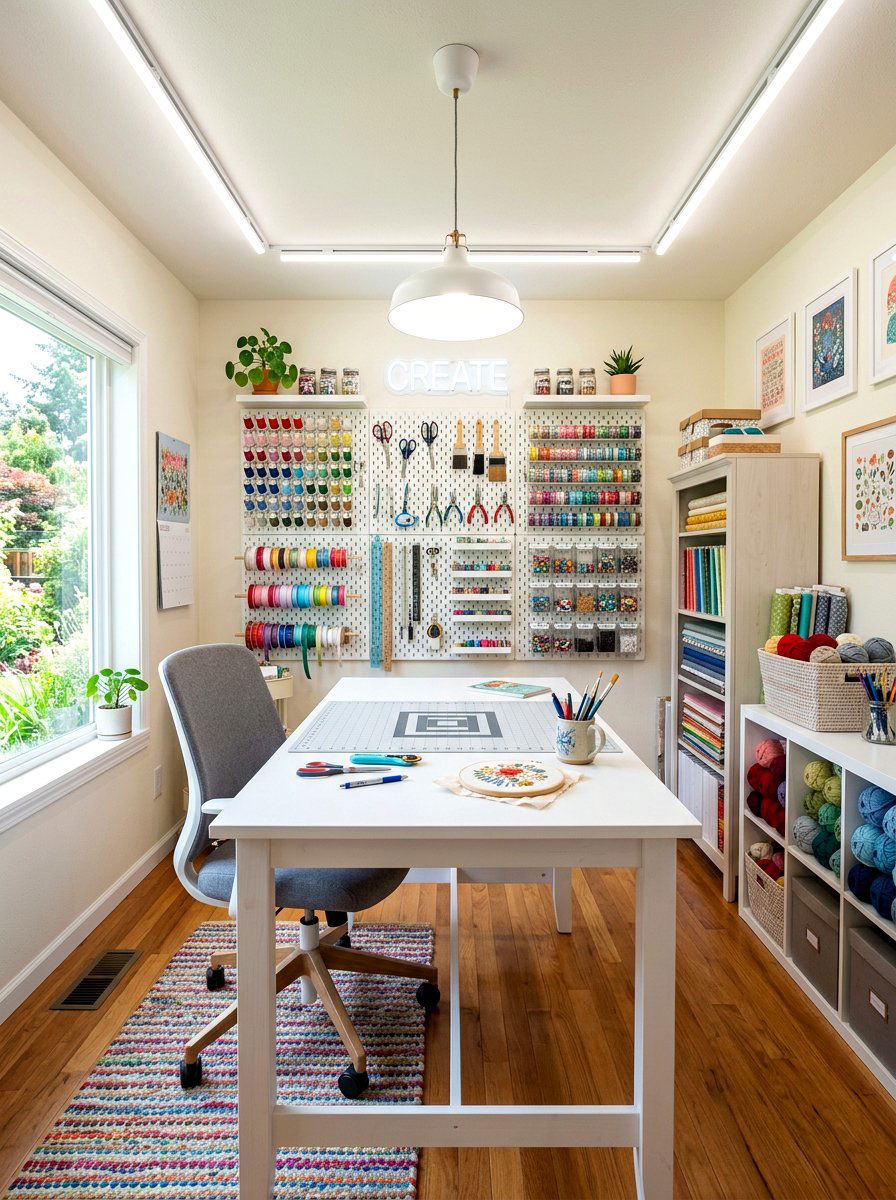
A home craft room needs clear zones for different types of creative work. Place a large, sturdy table in the center for cutting fabric or assembling projects. Along the walls, use open shelving and pegboards to organize supplies like yarn, paint, and tools. Creating a secondary zone with a comfortable chair for knitting or sketching allows you to take a break while staying in the creative flow. Good task lighting is crucial for each specific work area to prevent eye strain. This organized layout ensures that your hobby stays fun and productive without the clutter becoming overwhelming or hard to manage.
26. Foyer entry zone
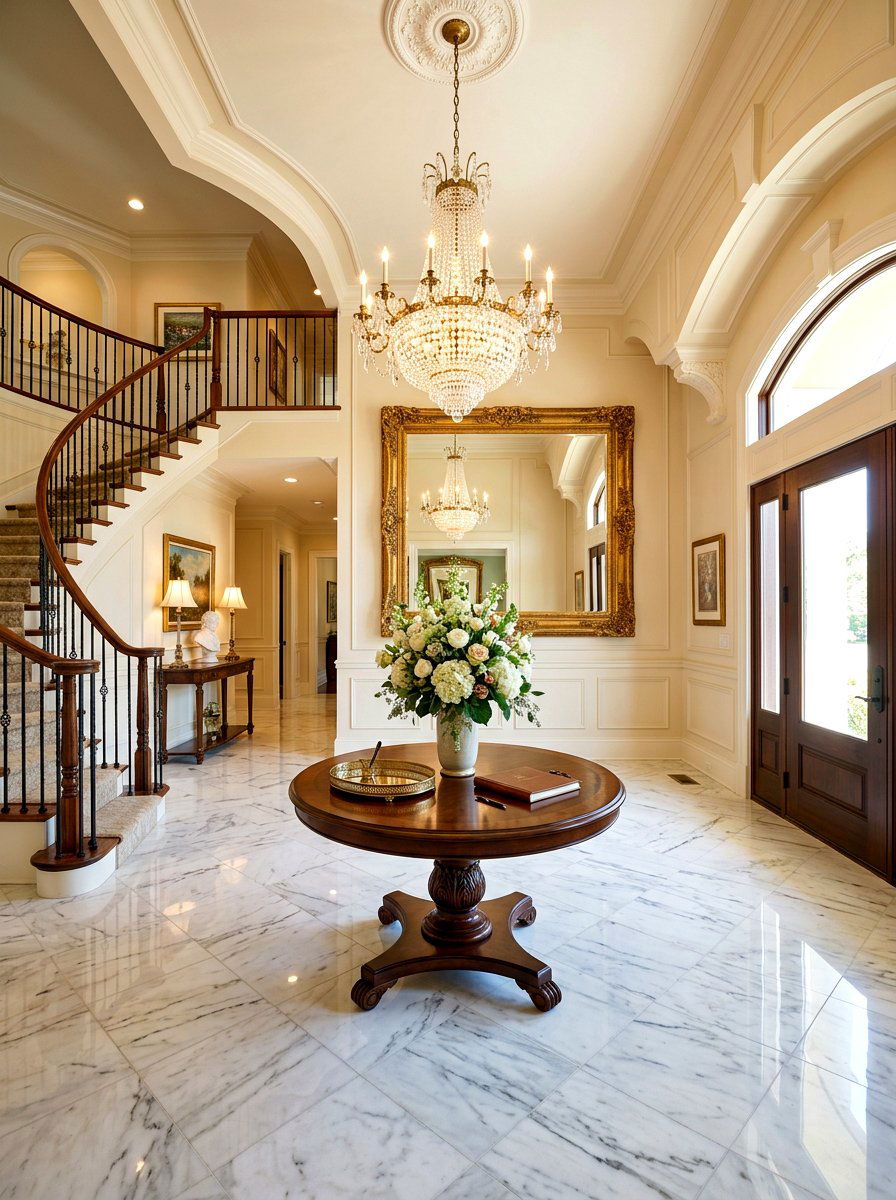
An intentional foyer entry zone makes a great first impression and helps keep the rest of the house organized. Even in a small space, you can create a zone by using a small round table in the center of the entrance hall. Place a decorative tray for keys and a vase of flowers to make it feel welcoming. A tall mirror and a narrow bench against the wall provide a spot to check your appearance and put on shoes. This furniture arrangement defines the entrance as a transition space, preventing guests from walking directly into the private living areas of the home.
27. Large rectangular room
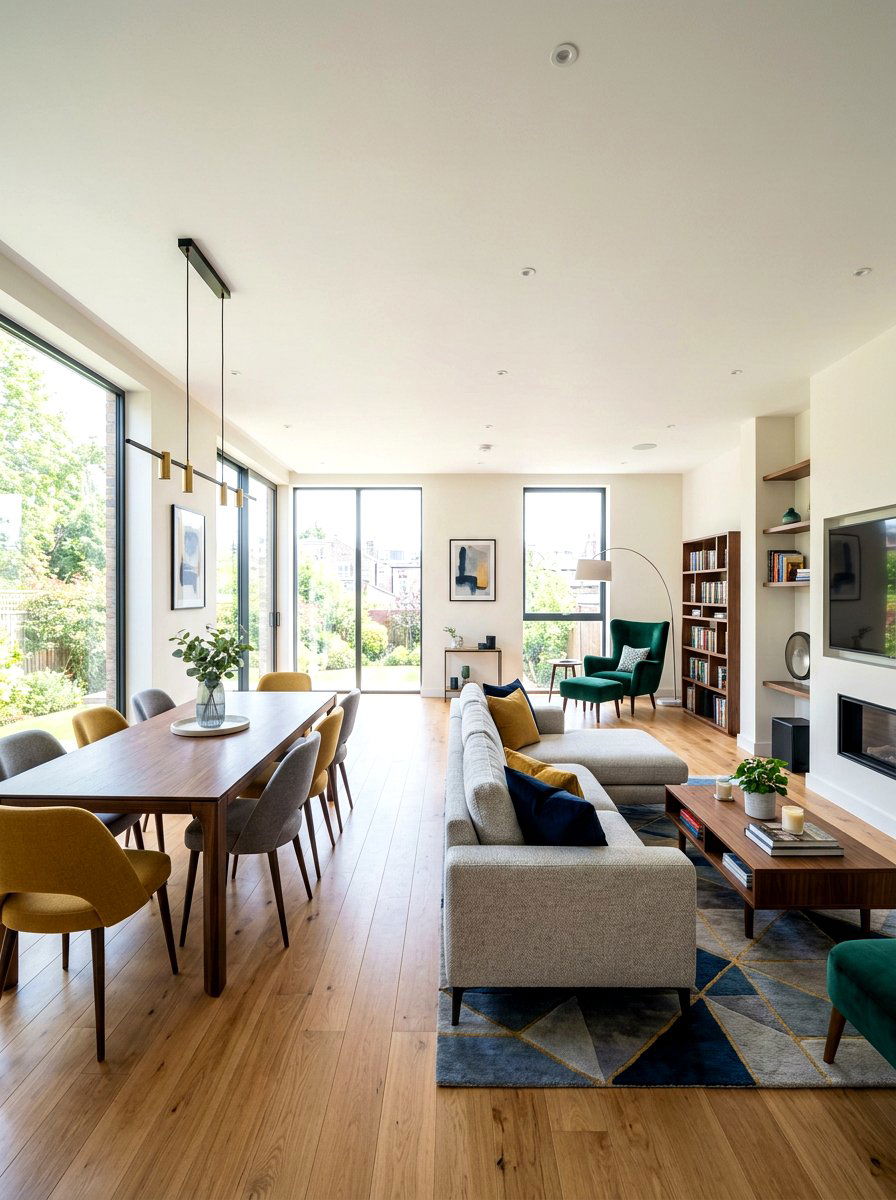
A large rectangular room is often difficult to furnish because it can feel like a long, empty hall. The best way to zone this space is by dividing it into three equal sections. Use the middle section for the main seating and media area. One of the end sections can be turned into a dining zone with a large table and chairs. The other end section works well as a cozy reading corner or a home office. By treating the long room as three smaller square zones, you create a sense of balance and ensure that every part of the floor plan is used.
28. Nursery master bedroom
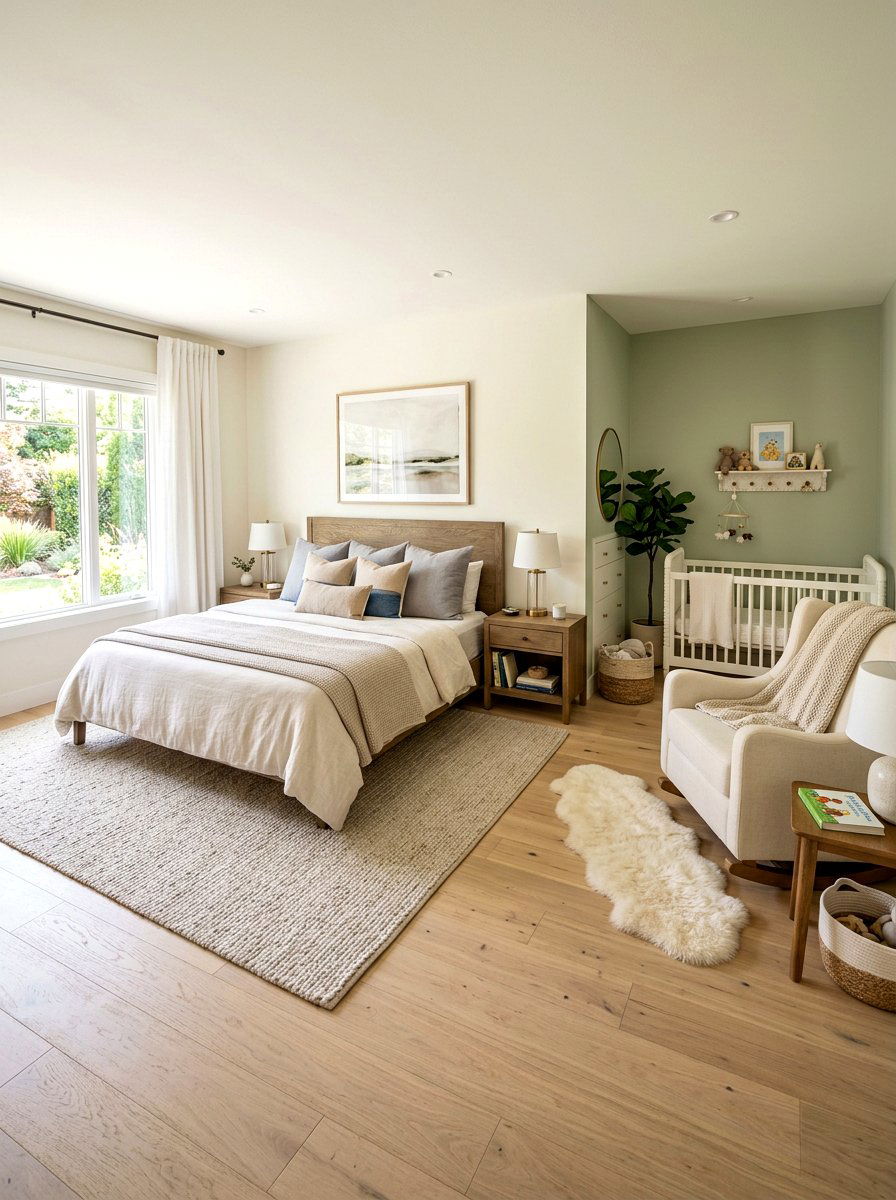
New parents often need to share their room with a baby for the first few months. A nursery master bedroom layout creates a dedicated baby zone that is close to the bed but clearly defined. Place the crib in a corner or an alcove and use a small area rug to mark the nursery space. A comfortable rocking chair or glider next to the crib provides a spot for midnight feedings. Using a folding screen or a tall plant can offer a bit of visual privacy between the adult bed and the baby area. This ensures that the room stays organized and functional for everyone.
29. Window seat daybed
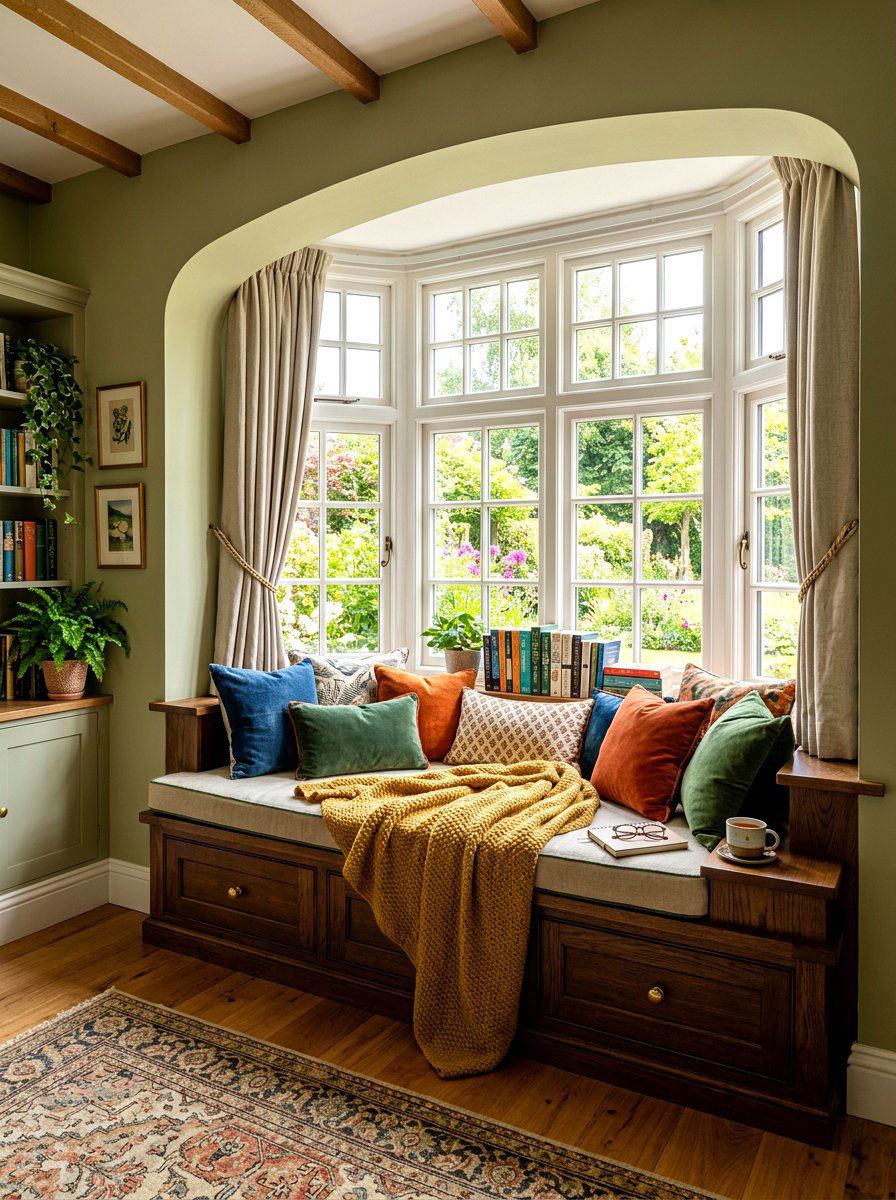
A window seat daybed layout takes advantage of architectural features to create a dual-purpose zone. If you have a large bay window, install a built-in bench or place a narrow daybed directly underneath the glass. This creates a perfect spot for afternoon naps or reading in the sun. Use plenty of throw pillows and a soft blanket to make the area feel cozy and inviting. This furniture arrangement turns a simple window into a secondary living zone that does not take up any extra floor space in the center of the room. It adds character and extra seating for guests or family.
30. Outdoor patio layout
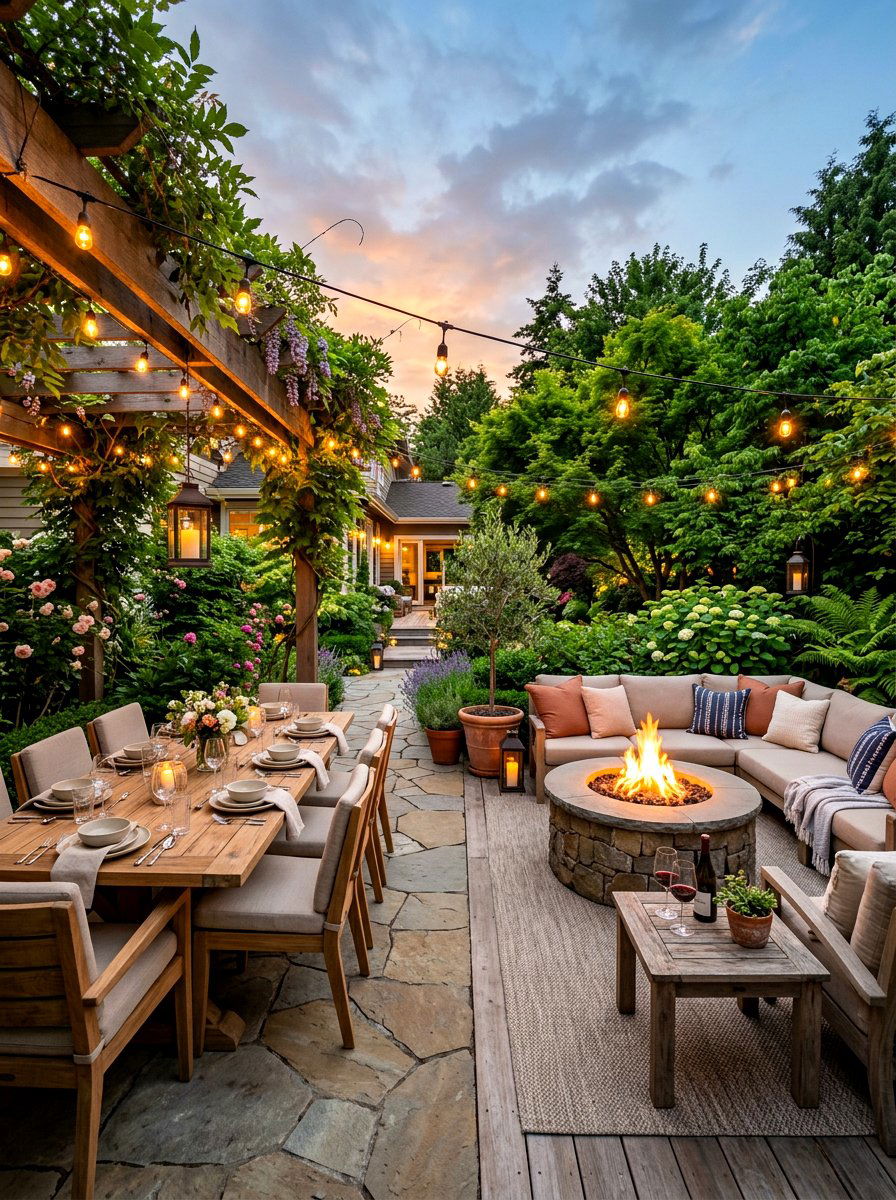
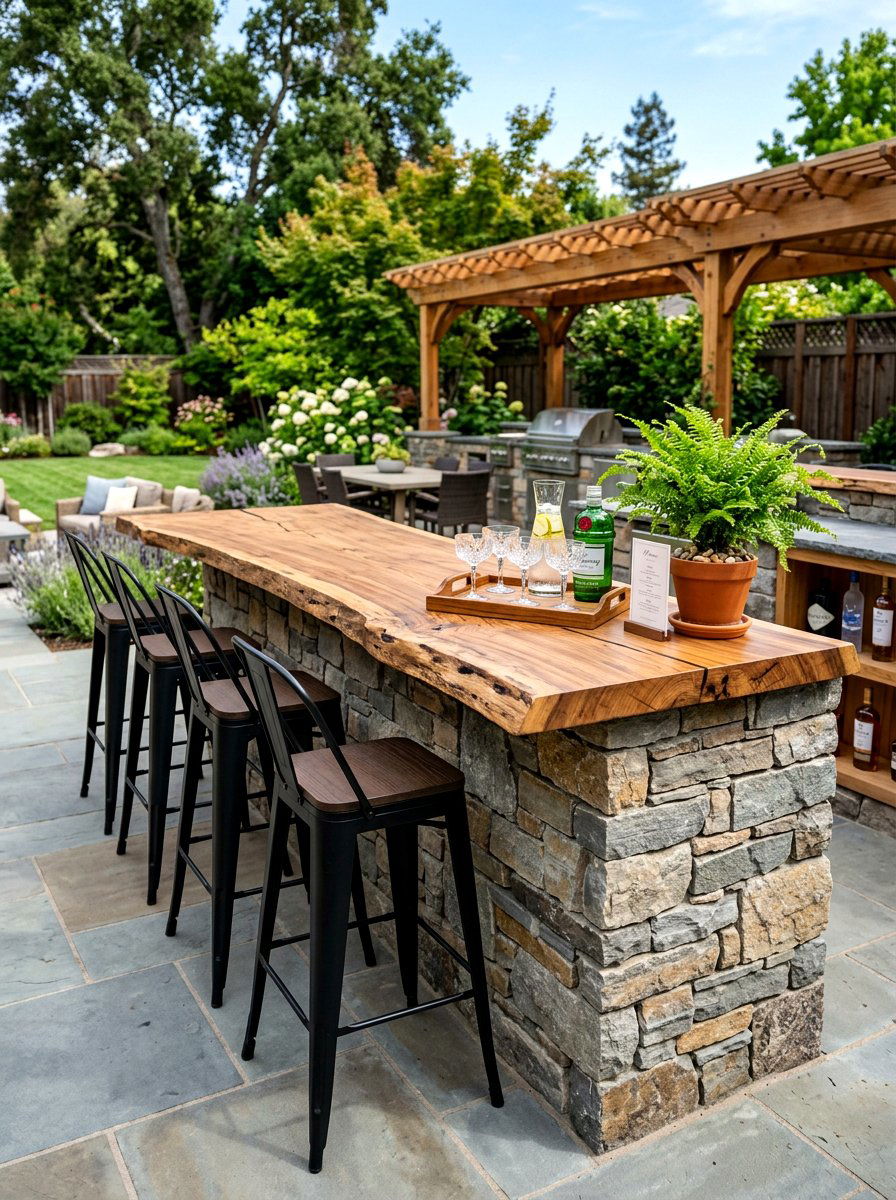
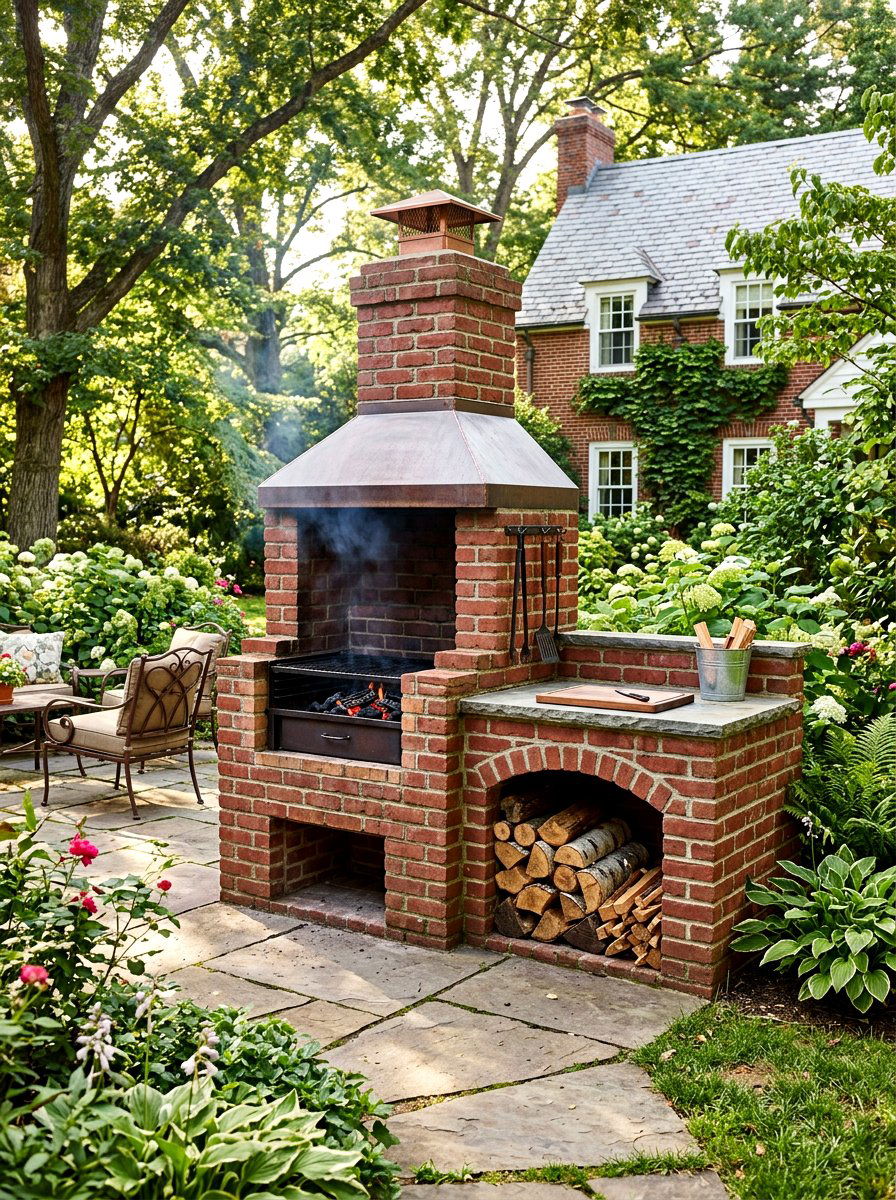
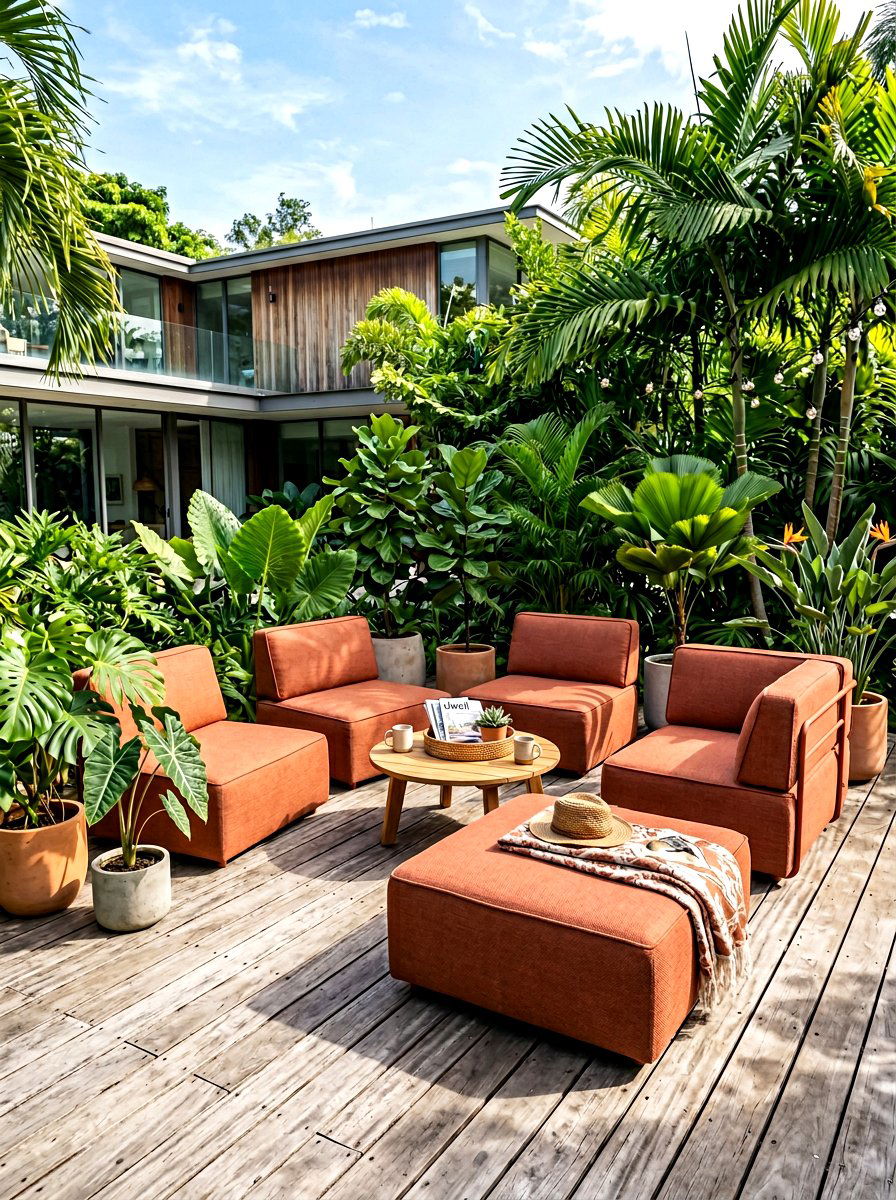
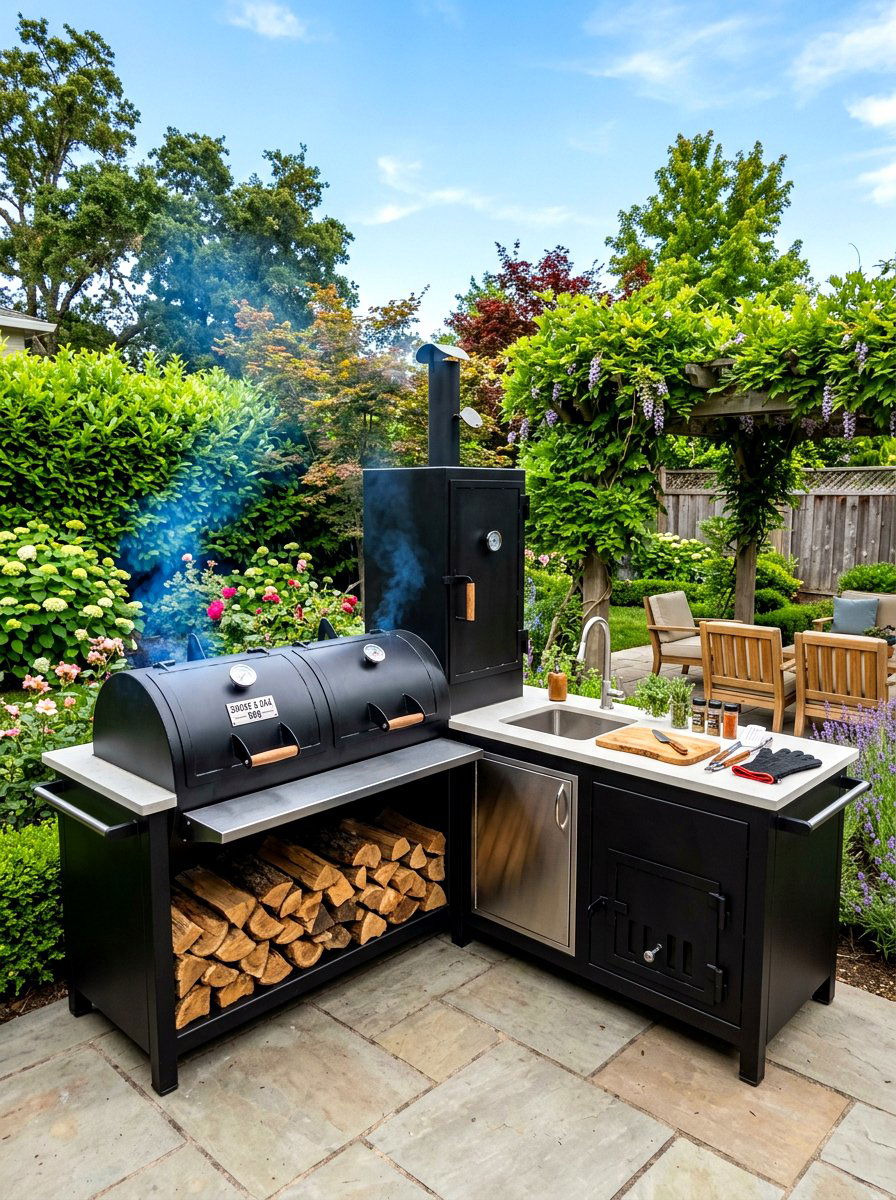
Zoning is just as important in your backyard as it is inside your house. An outdoor patio layout should include a dedicated dining zone and a separate lounging area. Use an outdoor rug and a grouping of sofas or Adirondack chairs around a fire pit to define the relaxation zone. Place the dining table and chairs closer to the grill or the house for easy access. Large planters or outdoor privacy screens can act as "walls" to separate these areas. This furniture arrangement creates an organized and inviting outdoor living space that functions like a true extension of your indoor home environment.
Conclusion:
Mastering the art of furniture layout and room zoning can completely transform the way you experience your home. By thoughtfully arranging your pieces, you create a space that is not only beautiful but also highly functional for your daily life. Whether you are dealing with a tiny studio or a sprawling open-concept floor plan, these techniques allow you to define clear purposes for every corner. Remember that rugs, lighting, and furniture orientation are your best tools for creating a sense of order without the need for walls. A well-organized home leads to a more relaxed and intentional lifestyle for you and your family.

Related posts: