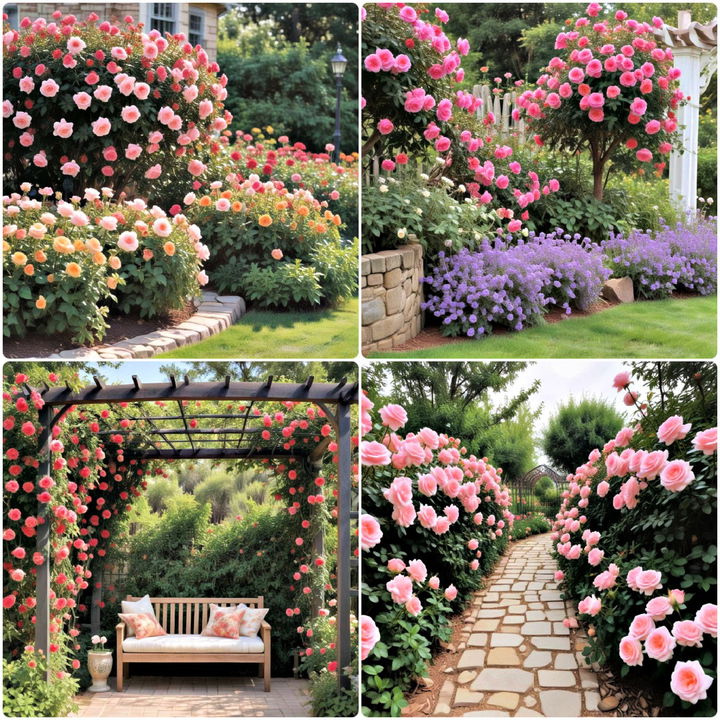
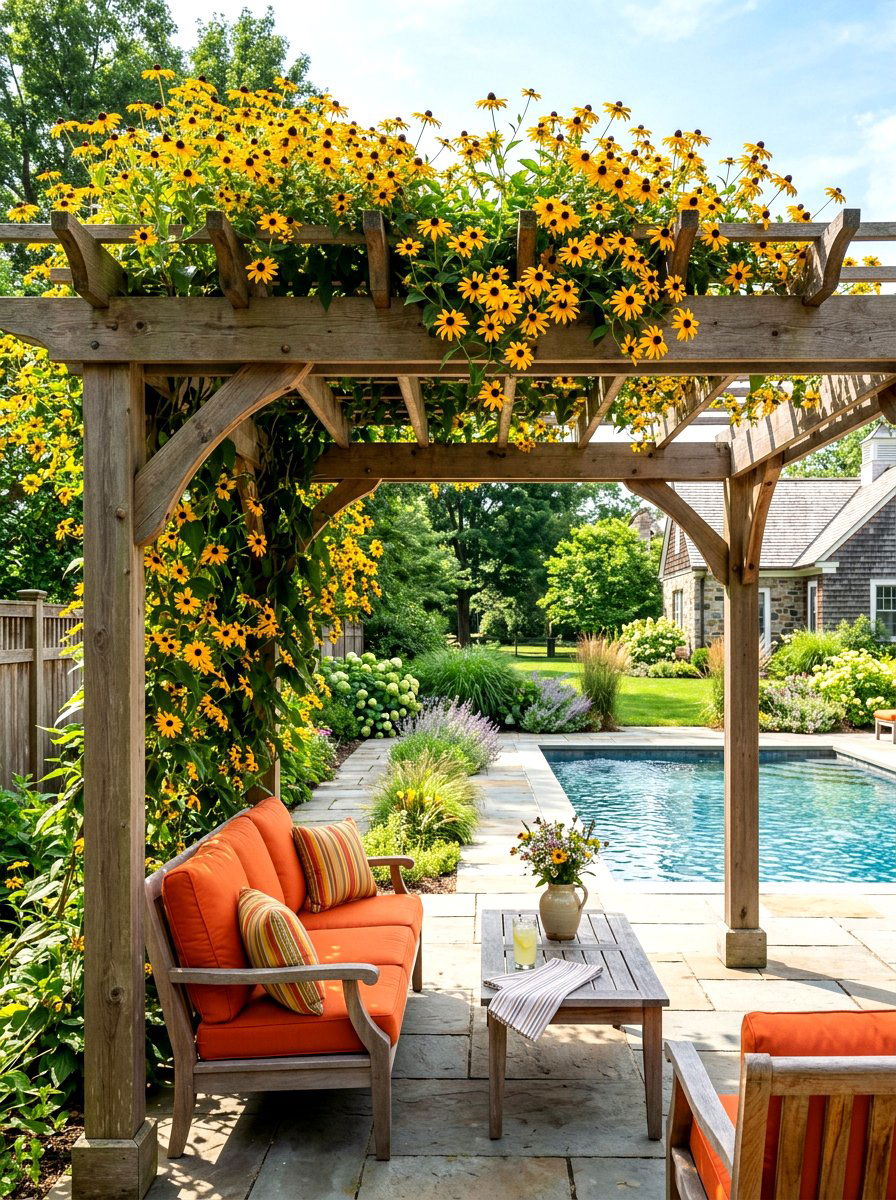
Creating a beautiful garden often starts with selecting the right structural elements, and a rose hedge is a rewarding choice for any home exterior. Unlike traditional fences, these living boundaries offer an ever-changing display of vibrant colors, delightful scents, and lush greenery that improves with every passing year. Whether you want to increase your home’s curb appeal, establish a natural privacy screen, or simply enjoy fresh flowers daily, rose hedges provide a versatile solution. This guide explores thirty unique ways to incorporate these stunning plants into your landscape, ensuring your outdoor space becomes a breathtaking sanctuary that captures attention instantly. These selections focus on diverse growth habits, from compact borders to towering screens, helping you find the ideal match for your property's unique aesthetic and functional requirements.
1. White iceberg rose hedge
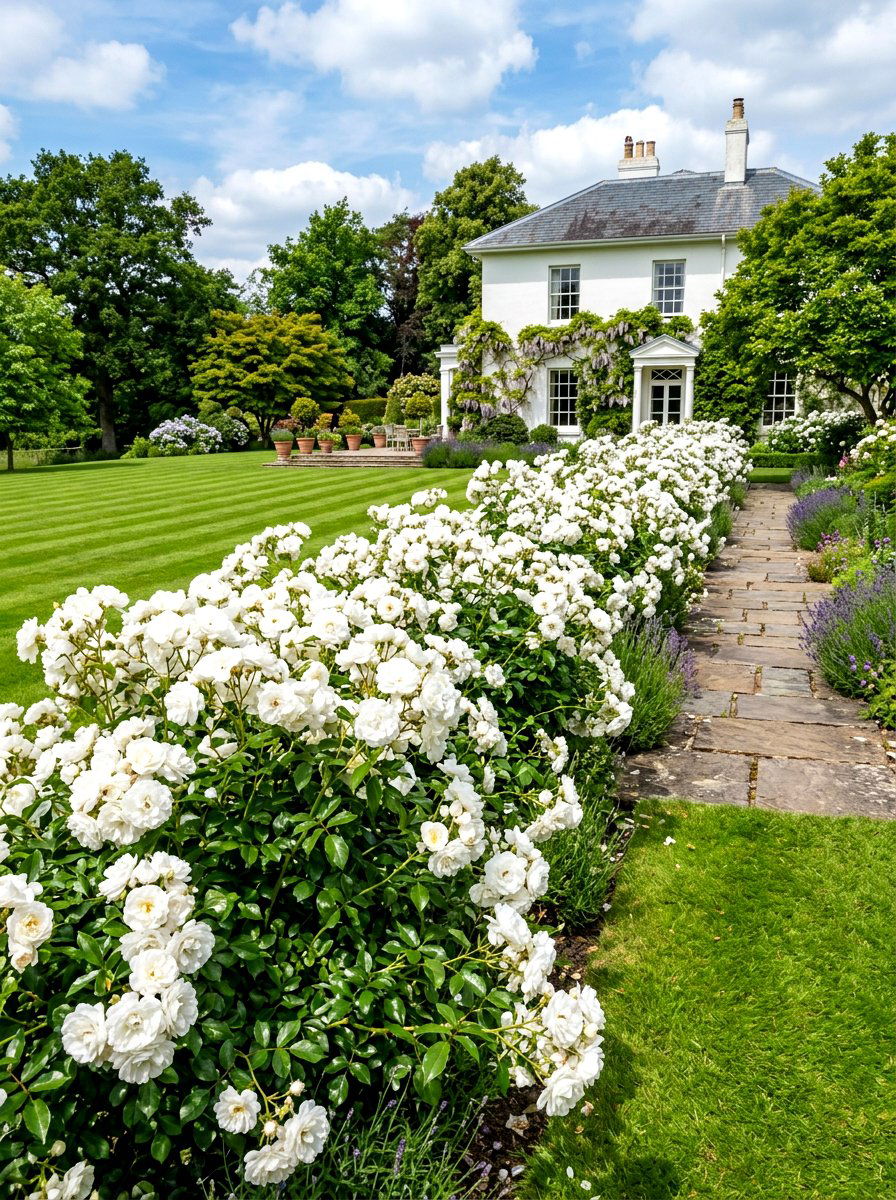
Installing a white iceberg rose hedge provides a clean and sophisticated look that transforms any ordinary garden into a professional landscape. These specific roses are widely celebrated for their prolific blooming cycles and remarkably disease-resistant nature, making them a top choice for busy homeowners. The crisp white petals stand out beautifully against deep green foliage, creating a high-contrast visual that remains stunning throughout the entire summer season. Because they grow to a manageable height, they serve perfectly as a soft boundary without blocking the view of your beautiful architecture. This type of rose hedge adds a timeless elegance that complements both modern and traditional home styles effortlessly while providing a pleasant, light fragrance that drifts through the air during warm evenings.
2. Red knock out rose border
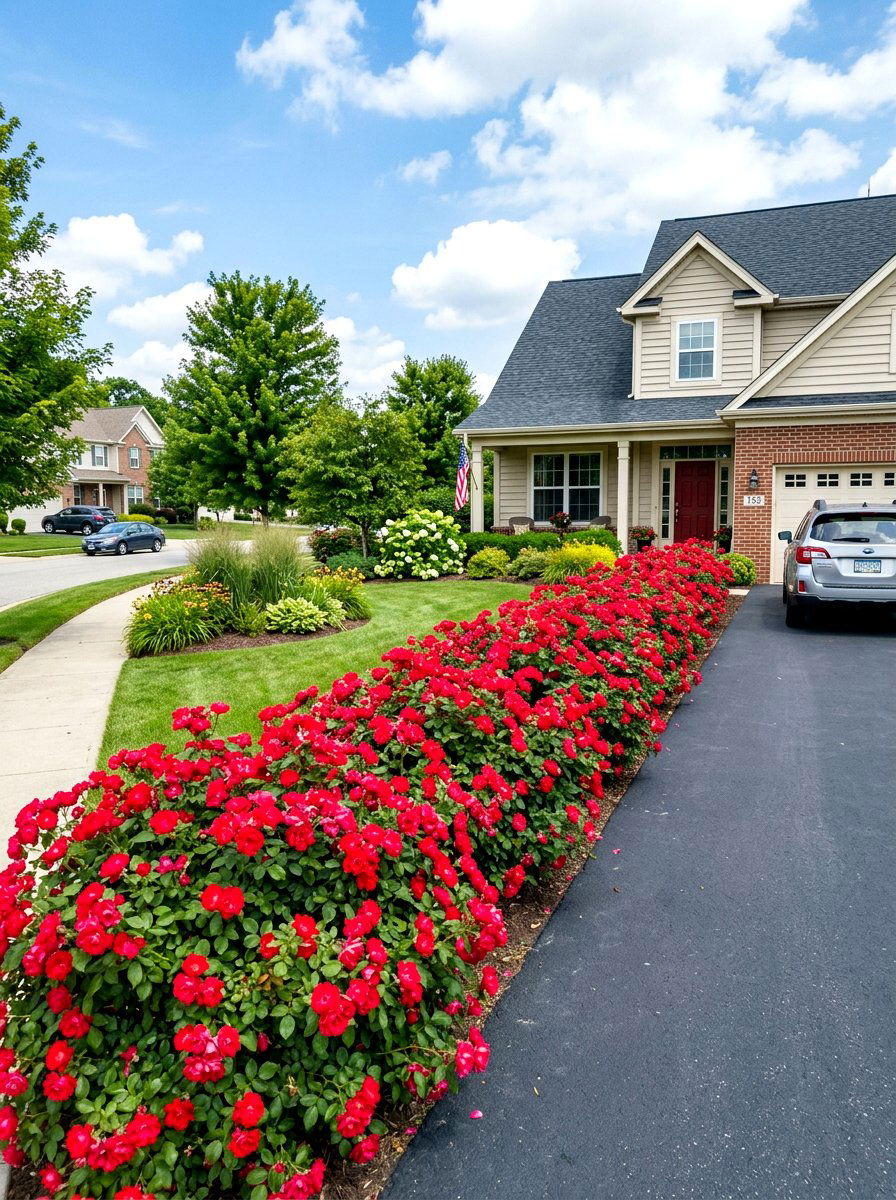
Choosing a red knock out rose border is a brilliant way to add a bold splash of color and high impact to your front yard. Known for their incredible hardiness and ability to bloom repeatedly without constant deadheading, these roses are perfect for creating low-maintenance boundaries. The deep crimson petals offer a classic romantic feel that stays vibrant even in the intense heat of the summer months. When planted in a dense row, they form a thick, shrubby wall that effectively defines property lines while deterring unwanted foot traffic with their natural growth habit. This vibrant rose hedge choice is ideal for homeowners who want maximum visual drama with minimal effort, providing a stunning backdrop for other garden perennials.
3. Pink rugosa rose hedge
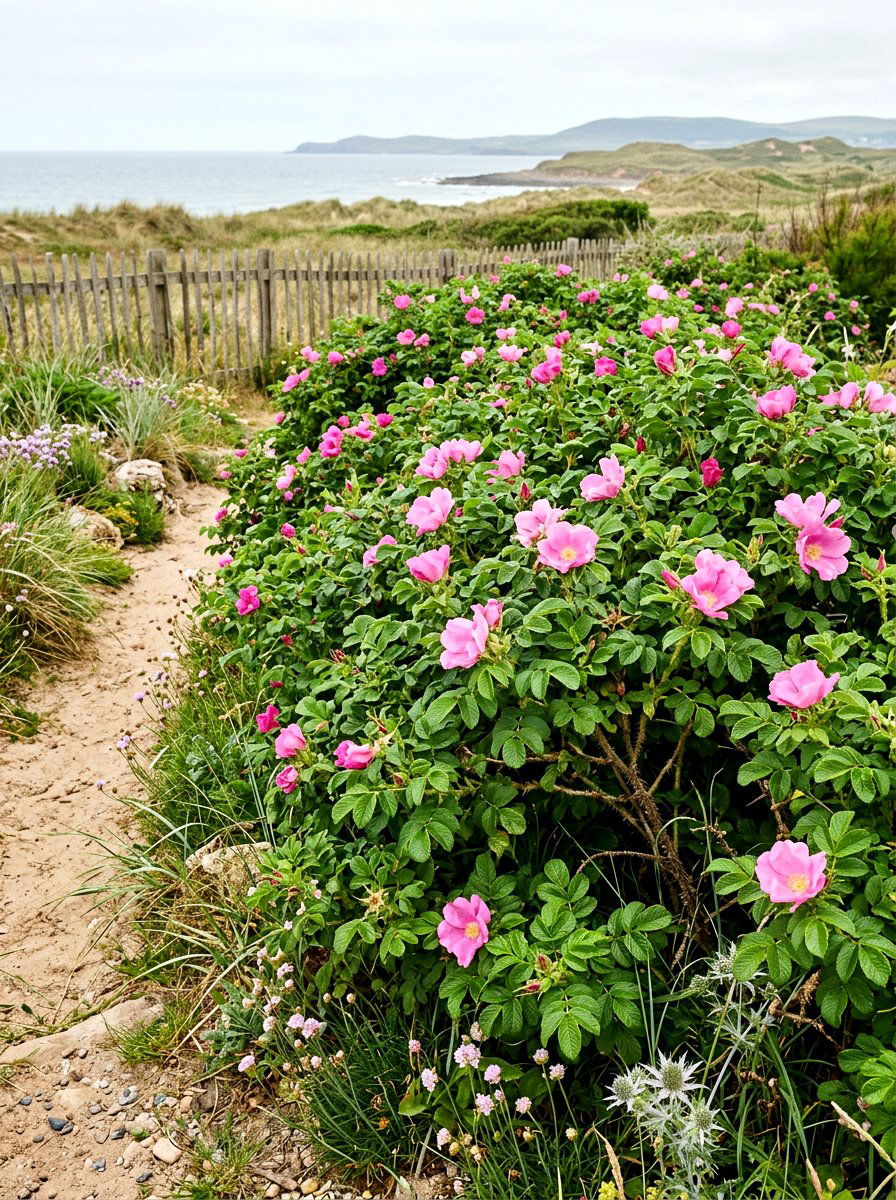
A pink rugosa rose hedge is the ultimate choice for gardeners who prioritize durability and a natural, wild aesthetic in their landscape design. These roses are famous for their tough, wrinkled foliage and their ability to thrive in poor soil conditions or coastal environments with salty air. The large, single or semi-double pink flowers emit a spicy, old-fashioned scent that fills the garden with nostalgia throughout the blooming season. In the autumn, the hedge continues to provide interest with large, bright orange-red hips that attract various bird species. This rose hedge is particularly effective for creating a dense, thorny barrier that provides excellent security while maintaining a soft, charming, and informal appearance for your home.
4. Yellow shrub rose hedge
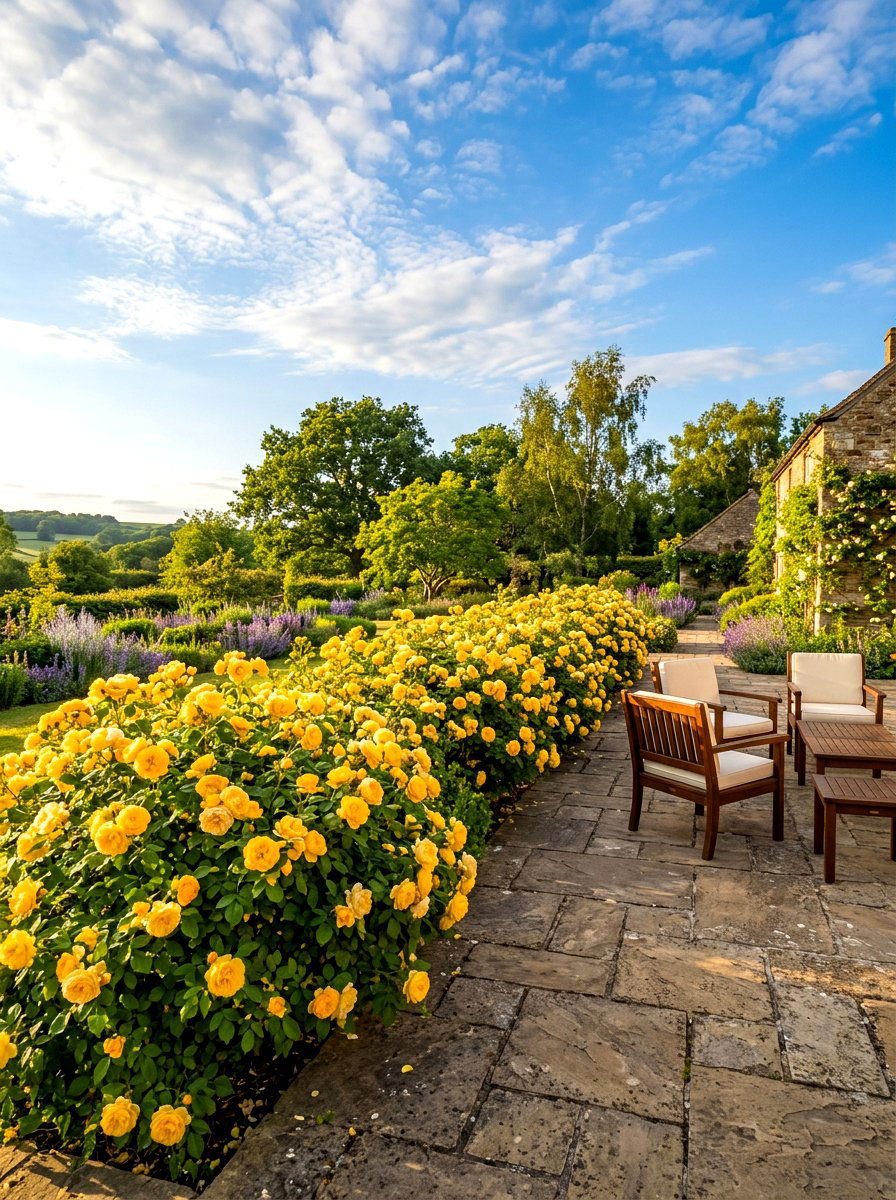
Brighten up your outdoor living space by planting a yellow shrub rose hedge that radiates cheerfulness and warmth all season long. Varieties like the Molineux or Sunsprite offer golden-yellow blooms that remain colorfast even under the bright sun, ensuring your garden stays vibrant. These shrubby roses typically grow in a neat, rounded habit, making them easy to maintain along pathways or as a division between different garden rooms. The sunny hue of the flowers pairs beautifully with blue or purple companion plants like lavender or salvia, creating a sophisticated color palette. This type of rose hedge is perfect for creating a welcoming atmosphere near entrances or along a sunny driveway, offering a fresh and energetic look.
5. Mixed color rose hedge
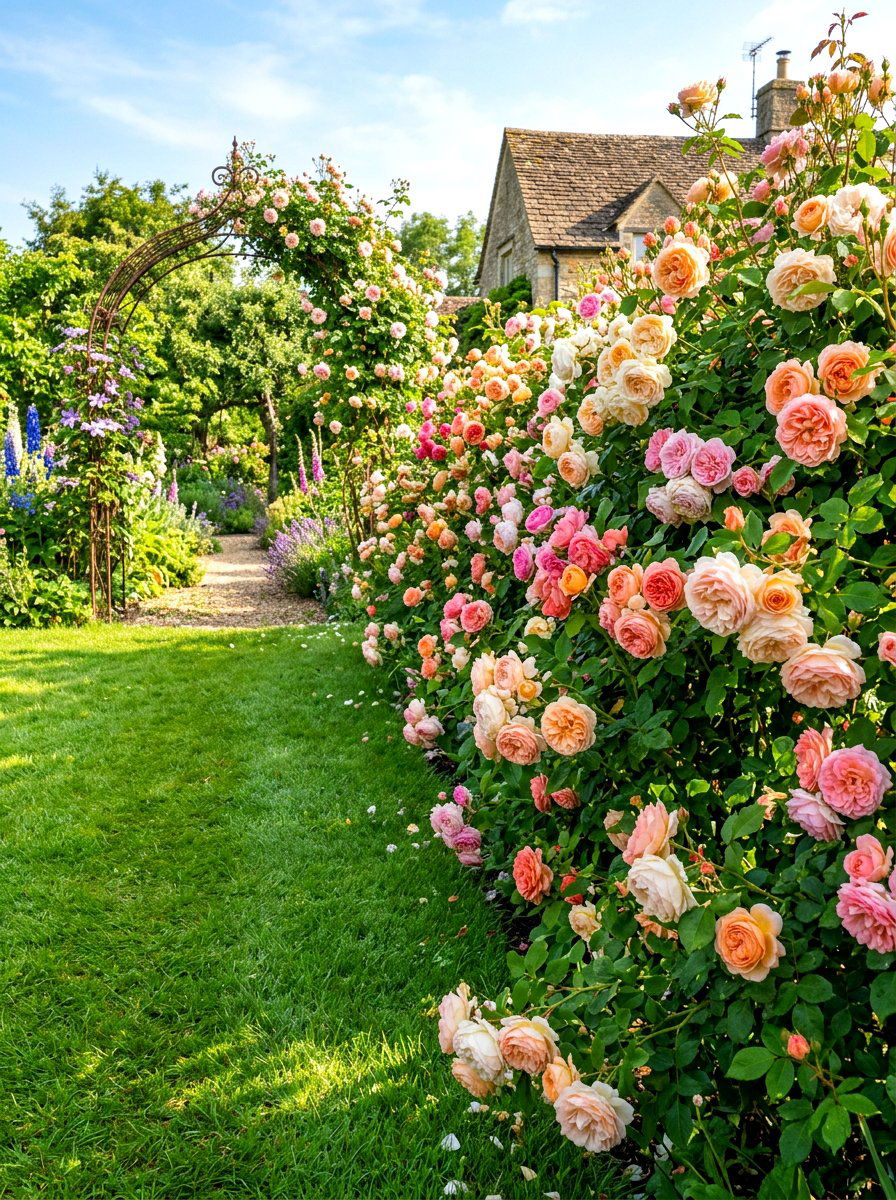
For a playful and eclectic garden look, a mixed color rose hedge combines different varieties to create a tapestry of diverse hues and textures. By blending shades of peach, cream, and soft pink, you can achieve a romantic, watercolor effect that shifts beautifully as different plants reach their peak bloom. This approach allows you to experiment with various flower shapes, from simple five-petaled wild roses to dense, cabbage-style blooms. To maintain a cohesive look, choose varieties with similar growth heights and disease resistance levels so the hedge matures at a uniform rate. A multi-colored rose hedge is a fantastic way to showcase your personal style and create a unique focal point that changes every week.
6. Fragrant english rose hedge
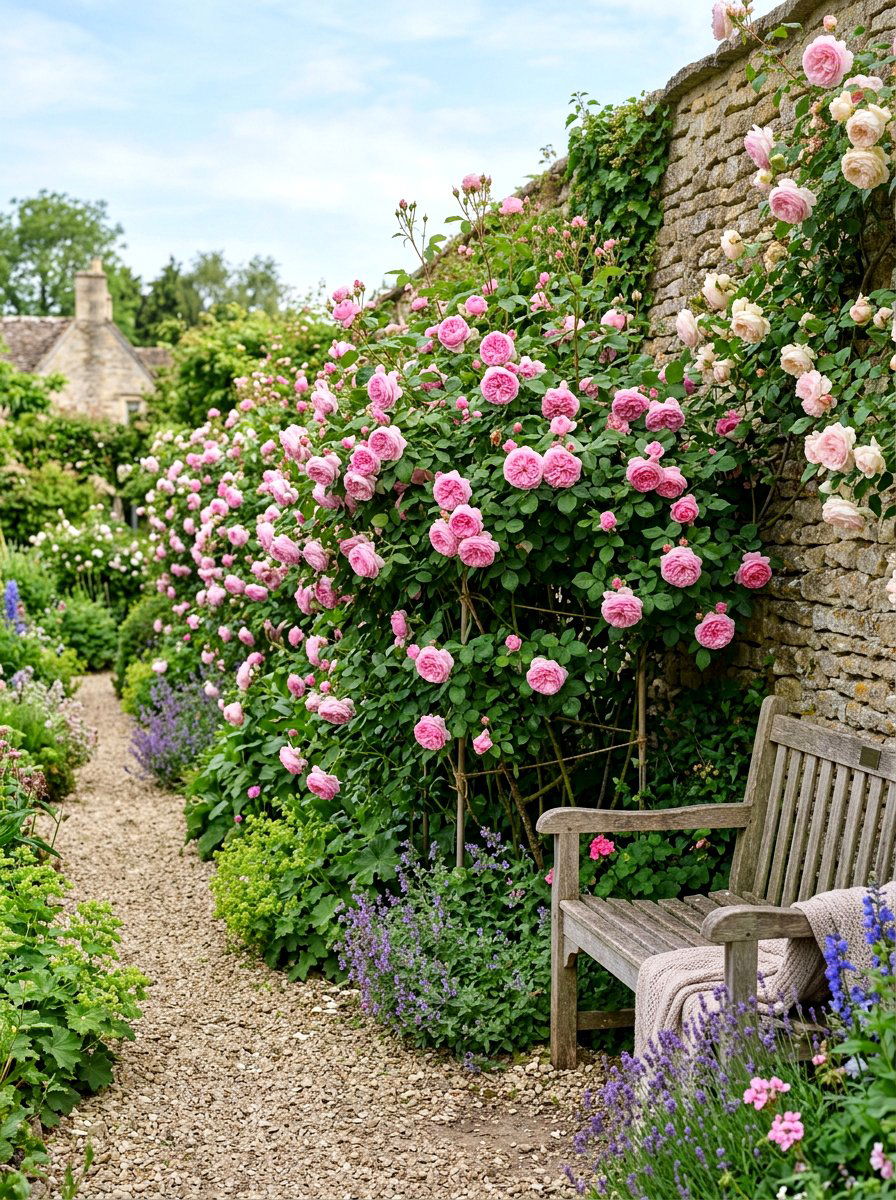
Nothing beats the sensory experience of walking past a fragrant English rose hedge that fills the air with deep, complex perfumes. Utilizing David Austin varieties like Gertrude Jekyll or Olivia Rose Austin ensures that your garden boundary is as aromatic as it is beautiful. These roses are bred for their classic cup-shaped flowers and intense scents, ranging from old rose to fruity or myrrh-like notes. When planted as a hedge, they create a luxurious, romantic wall of petals that feels both historic and high-end. This rose hedge is best placed near seating areas, windows, or patios where the scent can be enjoyed most frequently by residents and guests during the breezy summer months.
7. Low growing rose border
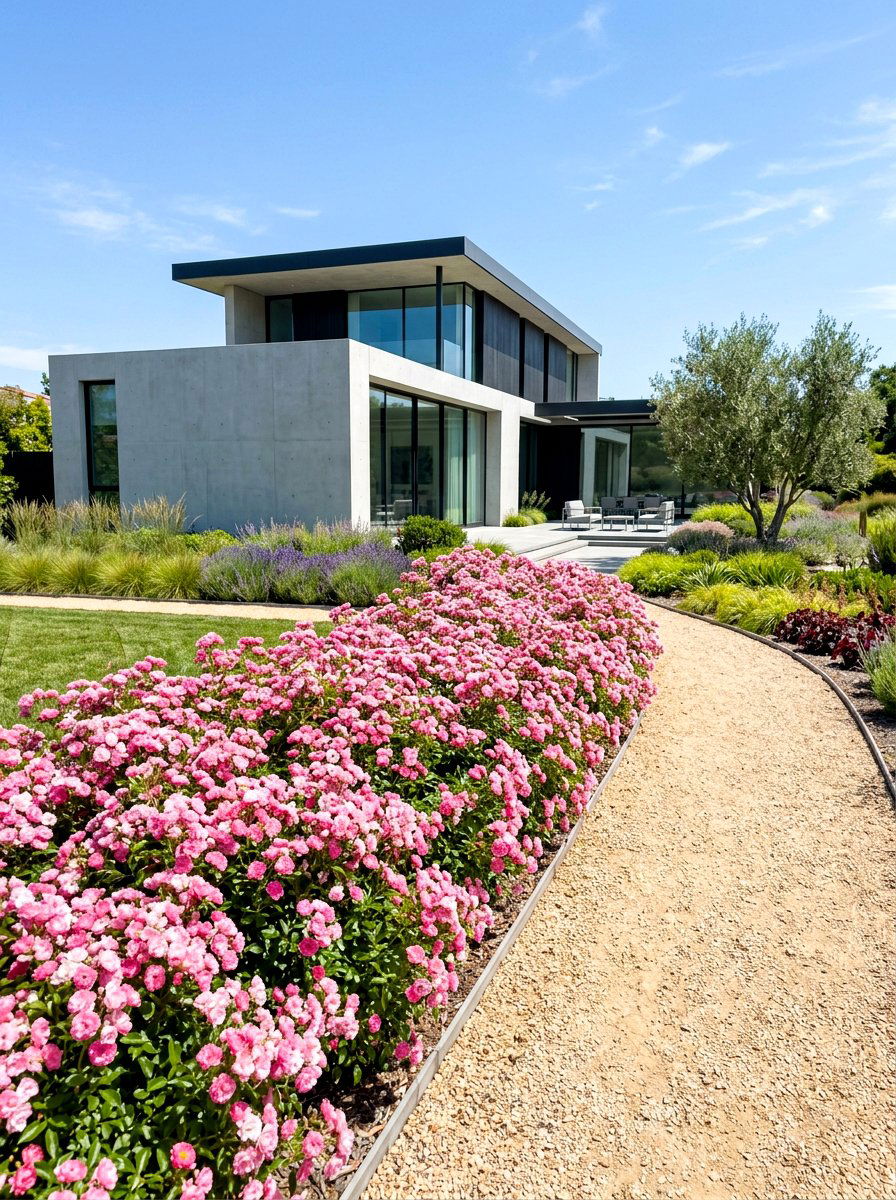
A low growing rose border is a perfect solution for edging garden beds or lining a paved walkway without obstructing the view of your plants. Using groundcover or miniature rose varieties ensures the hedge stays under two feet tall, providing a neat and tidy frame for your lawn. These compact plants are often covered in hundreds of small blooms, creating a solid ribbon of color that looks incredible from a distance. Because they are so dense, they also help suppress weeds along the edge of your path, making your garden maintenance much easier over time. This type of rose hedge is an excellent choice for modern landscapes where clean lines and structured plant layers are highly desired.
8. Tall privacy rose hedge
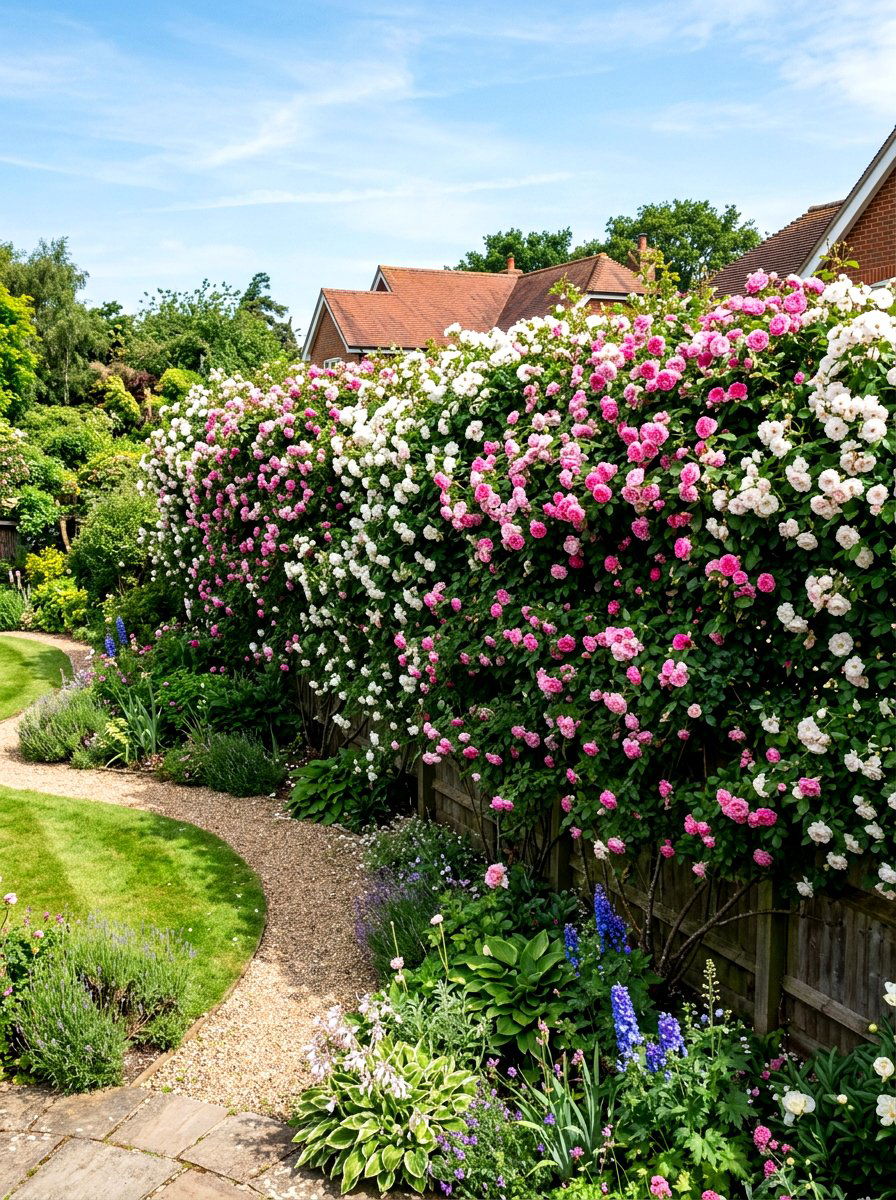
When you need to block out noise or prying eyes, a tall privacy rose hedge offers a beautiful alternative to standard wooden fencing. Selecting vigorous shrub roses that reach heights of six to eight feet allows you to create a thick, living wall that feels secure and private. Varieties like Queen of Denmark or certain tall floribundas can be trained to grow upright, providing a dense screen of leaves and flowers. The added benefit of thorns provides an extra layer of security for your property while the blooms soften the overall look of the boundary. This rose hedge is a smart way to turn a functional barrier into a stunning landscape feature that adds significant value.
9. Picket fence rose hedge
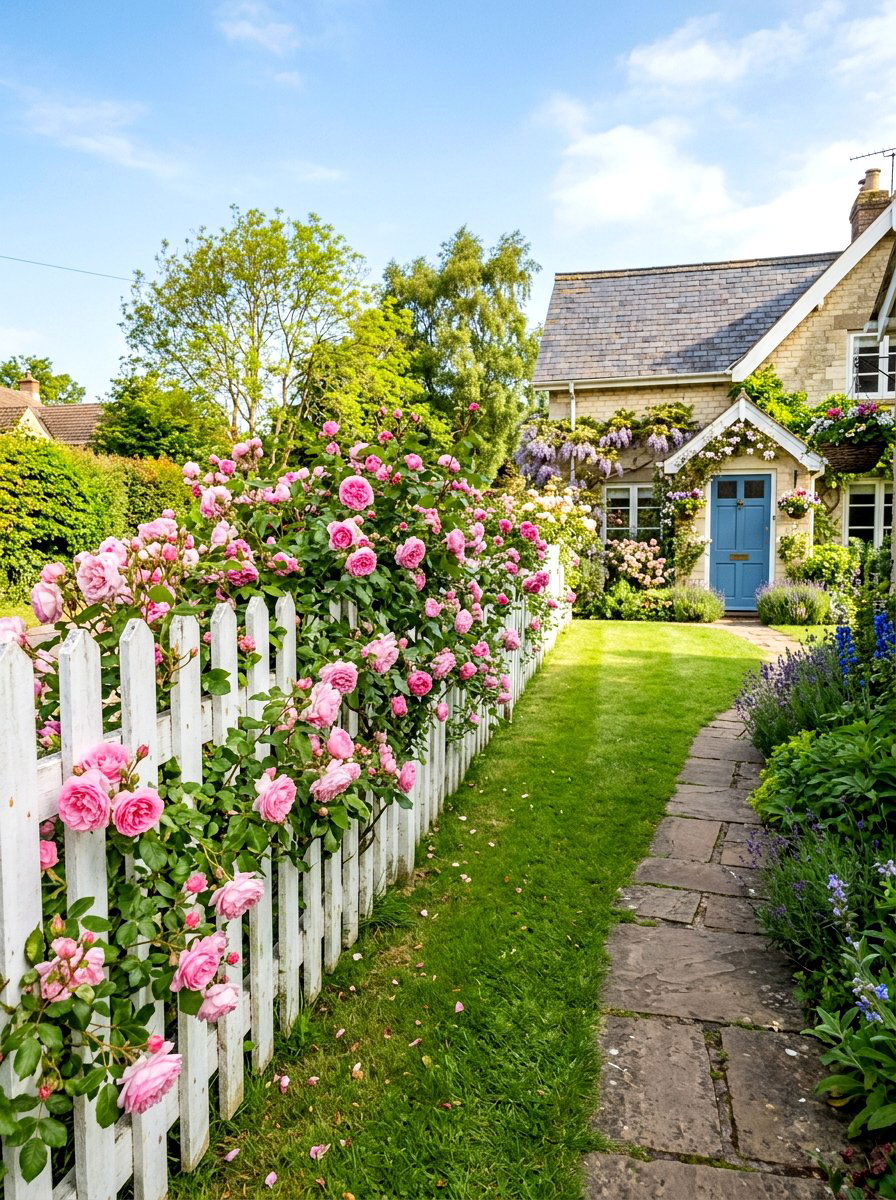
Enhance the charm of a classic wooden structure by growing a picket fence rose hedge that weaves through the slats for a nostalgic look. This style involves planting shrub roses directly behind or in front of the fence, allowing the stems to lean against the wood for support. As the roses bloom, they spill over the top of the pickets, creating a picturesque scene that looks like it belongs on a postcard. This combination is particularly effective for front yards, where the mixture of hardscaping and soft florals creates an inviting curb appeal. Choosing soft pastel colors like blush pink or pale lemon keeps the aesthetic light, airy, and traditionally beautiful for any home.
10. Modern gravel garden roses
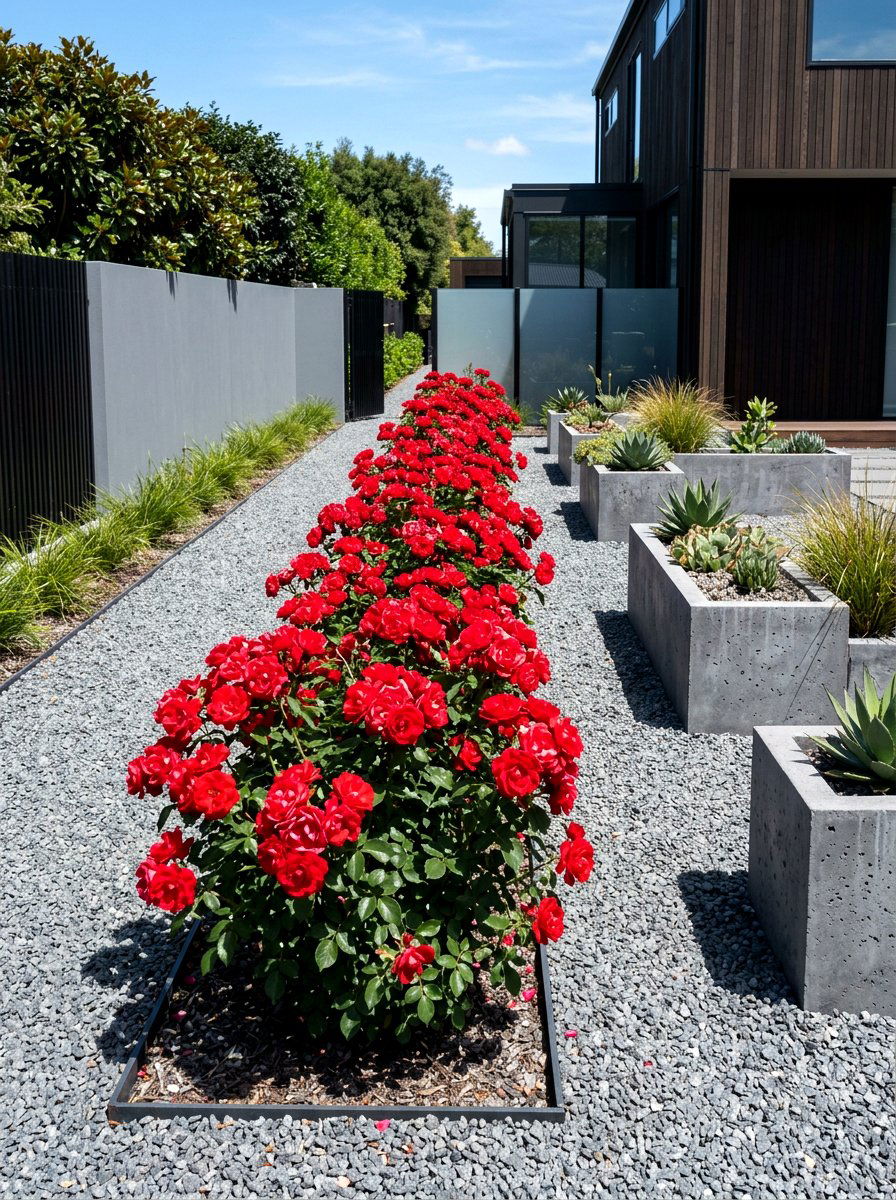
Integrating a rose hedge into a modern gravel garden design provides a striking contrast between soft organic petals and sharp, clean stone textures. This minimalist approach often uses a single variety of rose planted in a straight, architectural line to emphasize the contemporary layout. The neutral tones of gray or white gravel make the vibrant colors of the roses pop, making the hedge the undisputed star of the outdoor space. This type of rose hedge is low-maintenance and highly efficient, as the gravel acts as a mulch to retain moisture and keep the roots cool. It is an ideal choice for urban homes looking for a sophisticated, high-design garden that requires very little weekly upkeep.
11. Cottage garden rose hedge
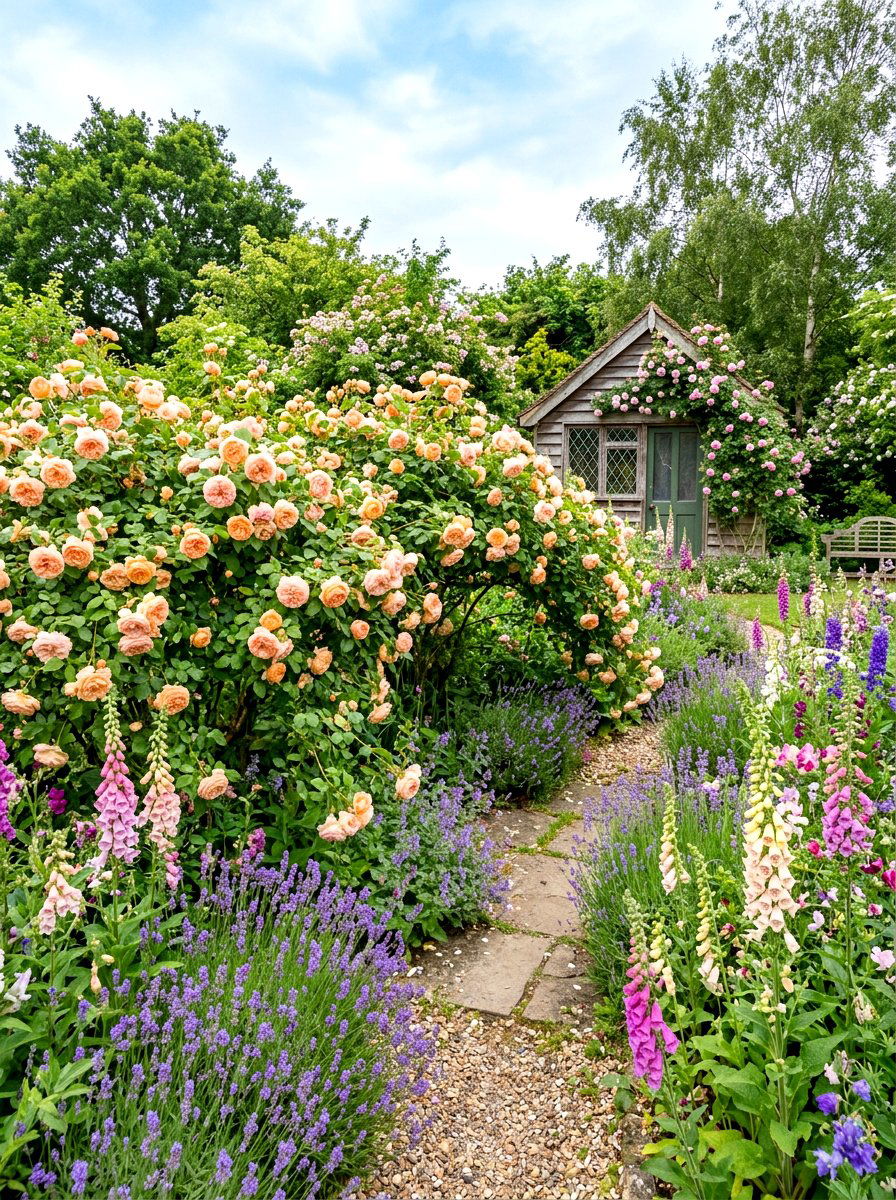
The quintessential cottage garden rose hedge is all about abundance, soft colors, and a slightly informal growth habit that feels effortlessly natural. This design often features roses with arching branches that gracefully bow under the weight of heavy, fragrant blooms, spilling onto nearby paths. Incorporating varieties with varying bloom times ensures the hedge remains interesting from late spring through the autumn months. To achieve the full cottage look, allow the roses to grow a bit more freely rather than pruning them into strict geometric shapes. This approach creates a romantic and whimsical atmosphere that invites birds and butterflies into your space, making the entire garden feel alive with color, movement, and sweet scents.
12. Driveway rose hedge
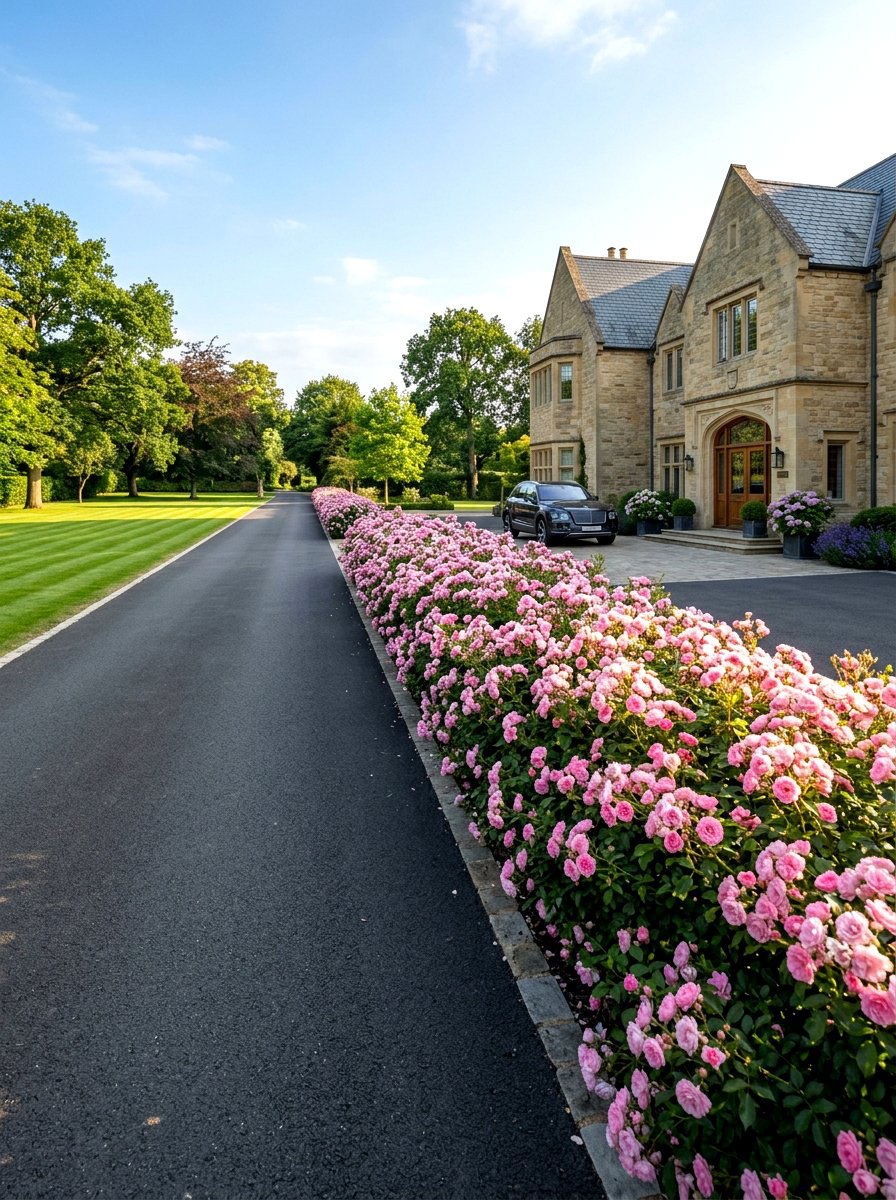
Creating a driveway rose hedge is a smart way to greet guests with a burst of color and a lovely fragrance as they arrive. Because driveways are often long and linear, a row of uniform roses creates a powerful visual lead that draws the eye toward the home entrance. Selecting tough, drought-tolerant varieties is important here, as plants near pavement often face higher temperatures and more reflected heat. A medium-height hedge provides enough presence to define the driveway without making it feel claustrophobic or blocking the view when reversing a vehicle. This functional yet beautiful rose hedge adds immediate character to the front of your property, making the transition from street to home feel truly special.
13. Rose and lavender hedge
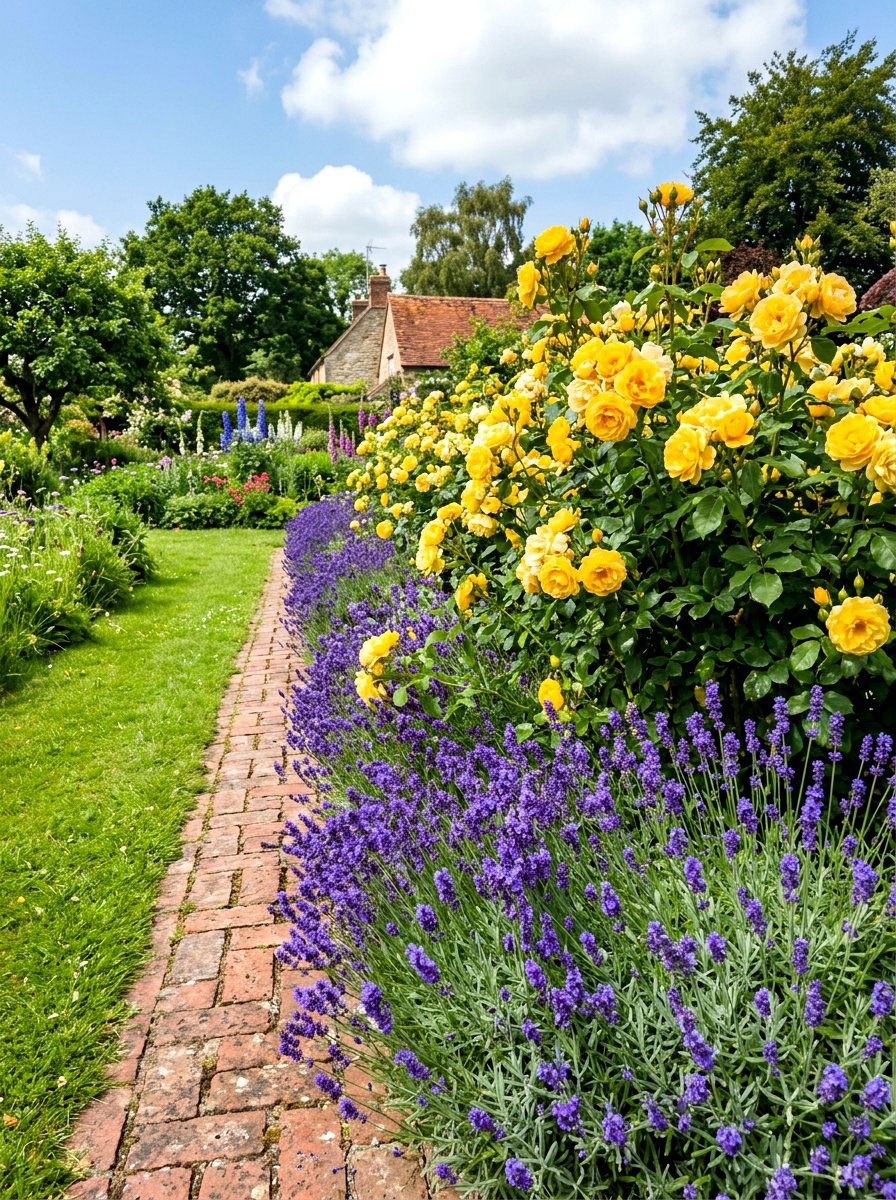
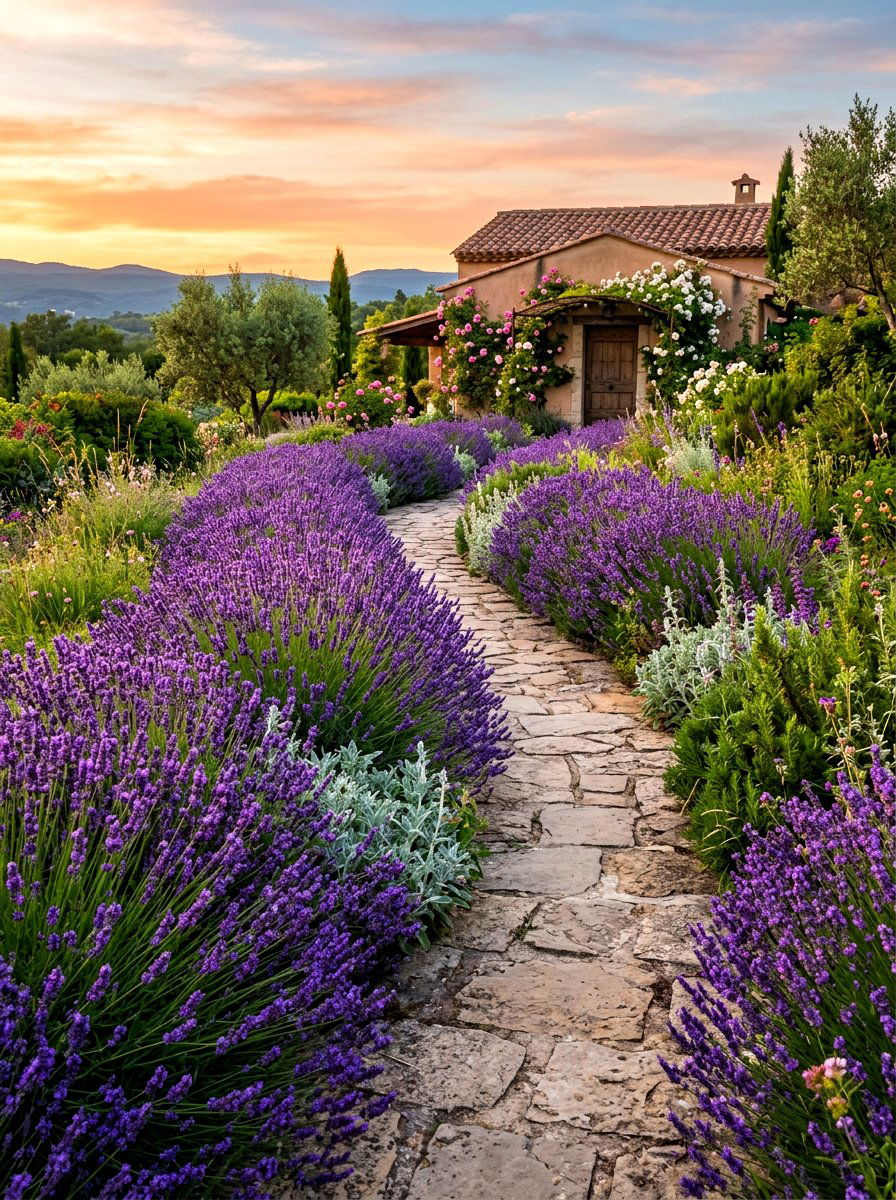
The combination of a rose and lavender hedge is a classic landscaping trick that offers incredible visual contrast and a double dose of fragrance. Planting a row of taller roses behind a low border of aromatic purple lavender creates a layered effect that looks professionally designed. The silver-green foliage of the lavender complements the glossy leaves of the roses, while the purple spikes provide a cool-toned base for warm-colored blooms. This pairing is also practical, as lavender can help deter certain pests that might otherwise bother your roses. This rose hedge style is perfect for sunny Mediterranean-inspired gardens or traditional borders where you want a rich, multi-sensory experience that delights every visitor.
14. Double bloom rose hedge
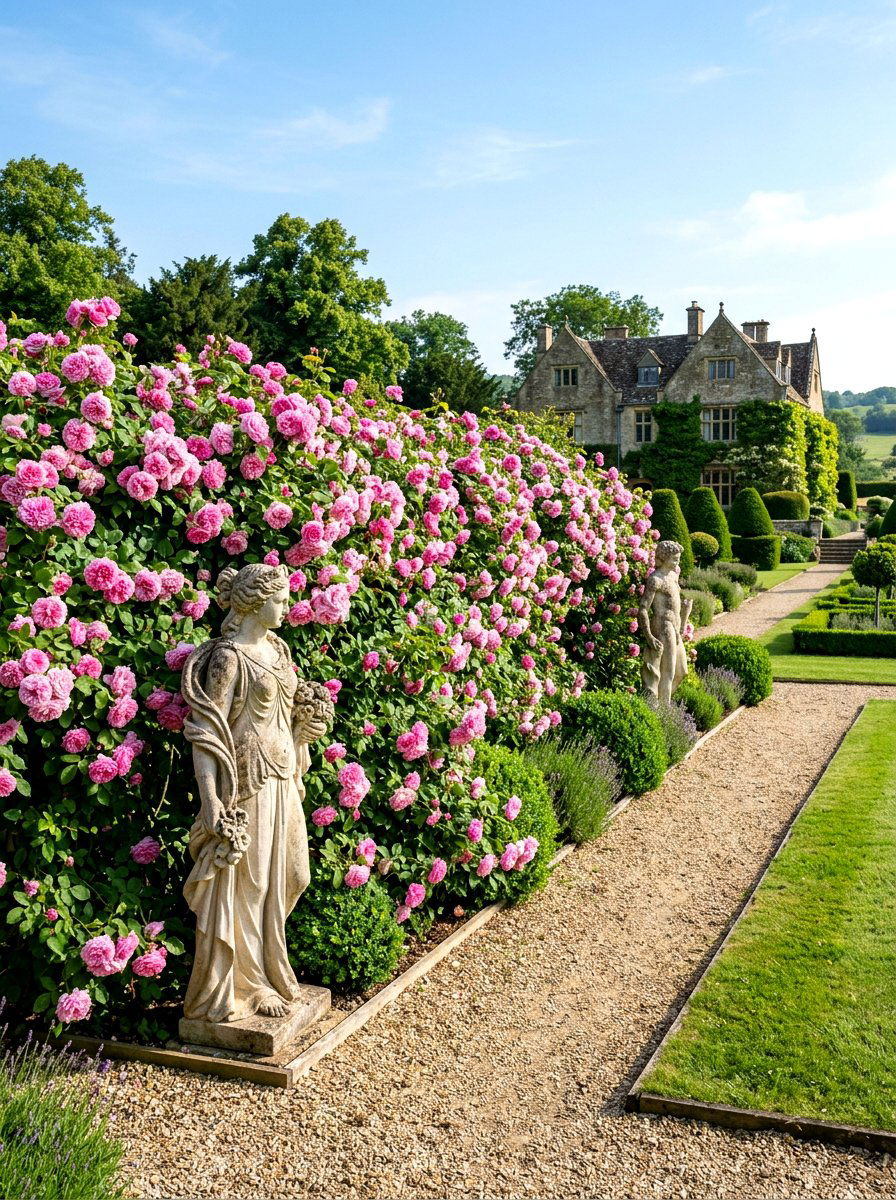
A double bloom rose hedge features varieties with extra layers of petals, creating a lush and opulent look that feels incredibly high-end. These roses often resemble peonies, with their dense centers and heavy heads that give the hedge a thick, luxurious texture. When planted in a long row, the sheer volume of petals creates a solid wall of color that is hard to miss from any angle. Varieties like the Bonica or Mary Rose are excellent choices for this style because they are reliable bloomers with a sturdy growth habit. This type of rose hedge is a great way to add a sense of grandeur and sophistication to a backyard patio or a formal garden walkway.
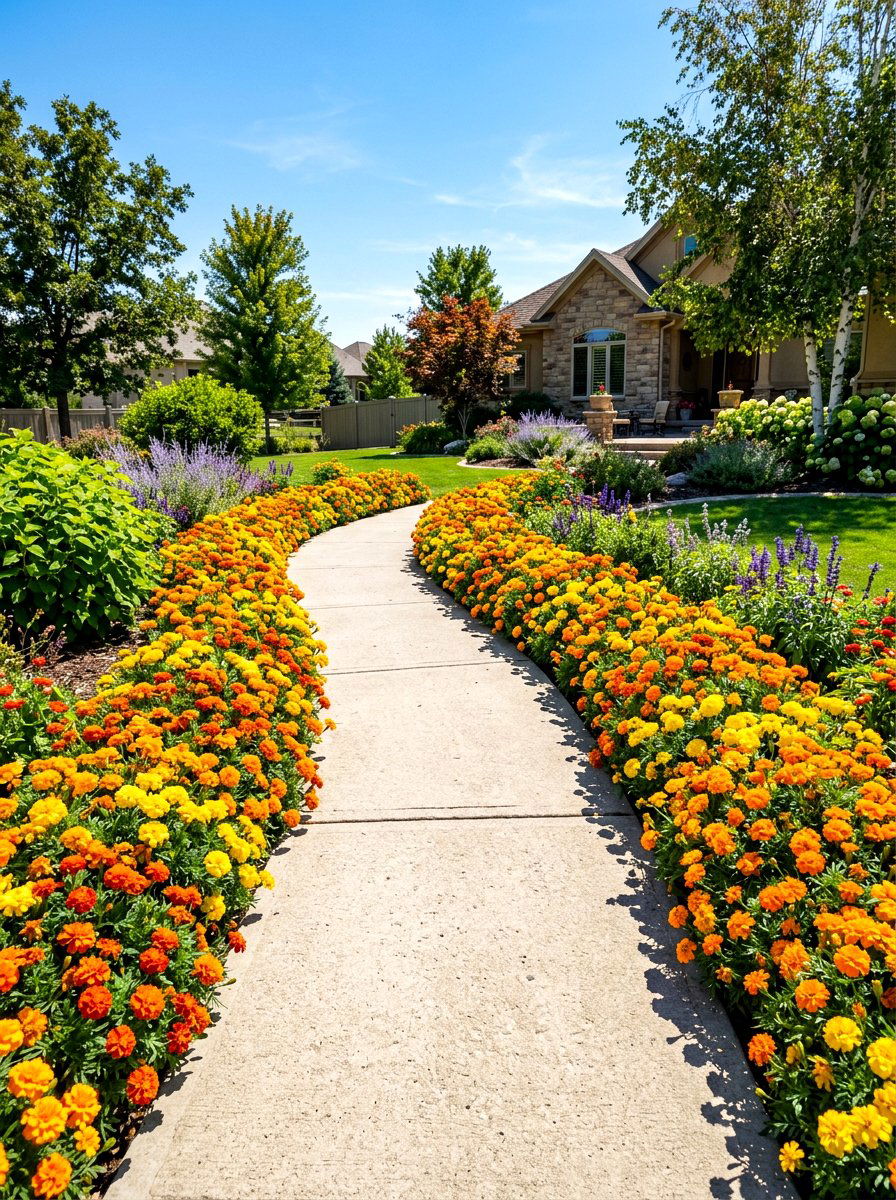
15. Wild rose hedge
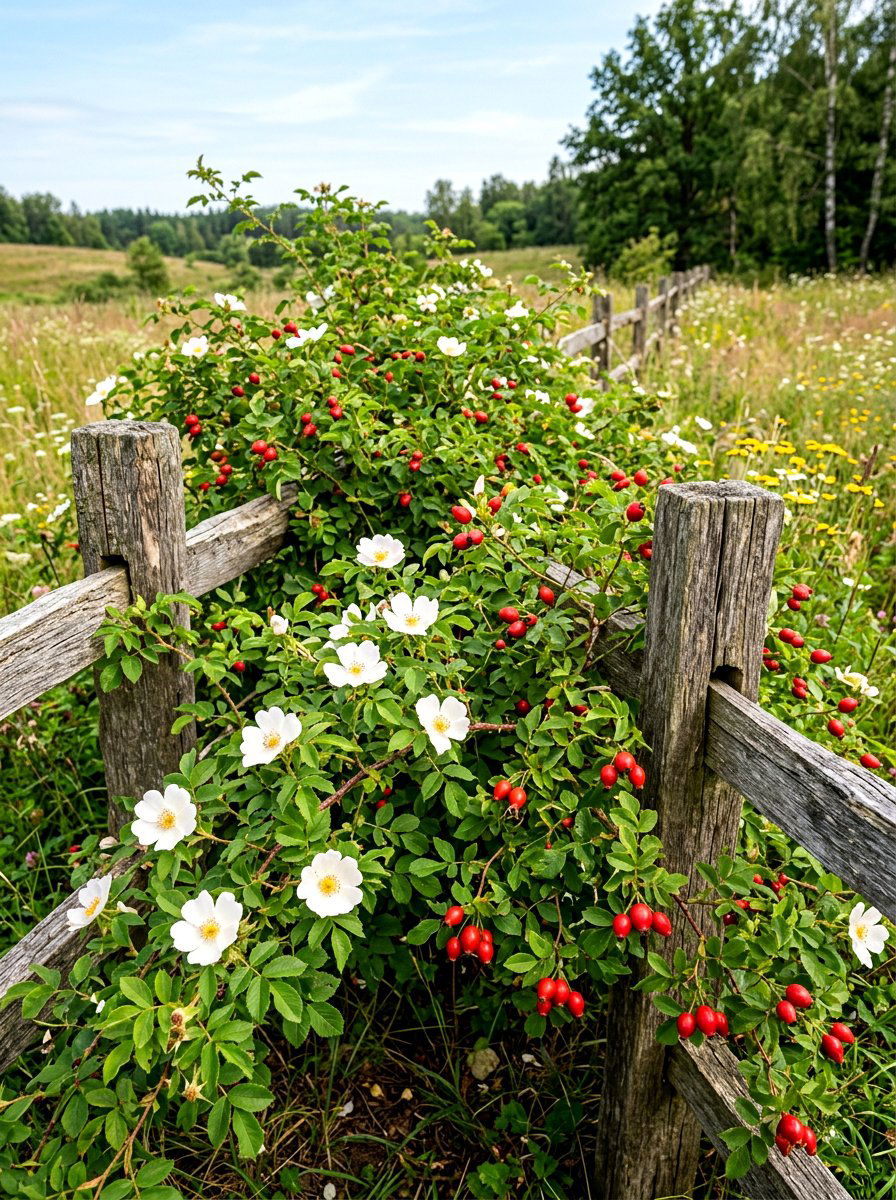
For a low-maintenance and eco-friendly landscape, a wild rose hedge using native species like Rosa virginiana or Rosa carolina is an outstanding option. These plants are naturally resistant to local pests and diseases, requiring very little intervention once they are established in your garden. The simple, five-petaled flowers have a charmingly rustic look that is perfect for informal properties or large rural boundaries. After the flowers fade, the hedge produces a bounty of red hips that provide essential food for birds during the winter months. This rose hedge is the perfect choice for homeowners who want to support local biodiversity while enjoying a beautiful, natural-looking screen that changes with every season.
16. Compact patio rose hedge
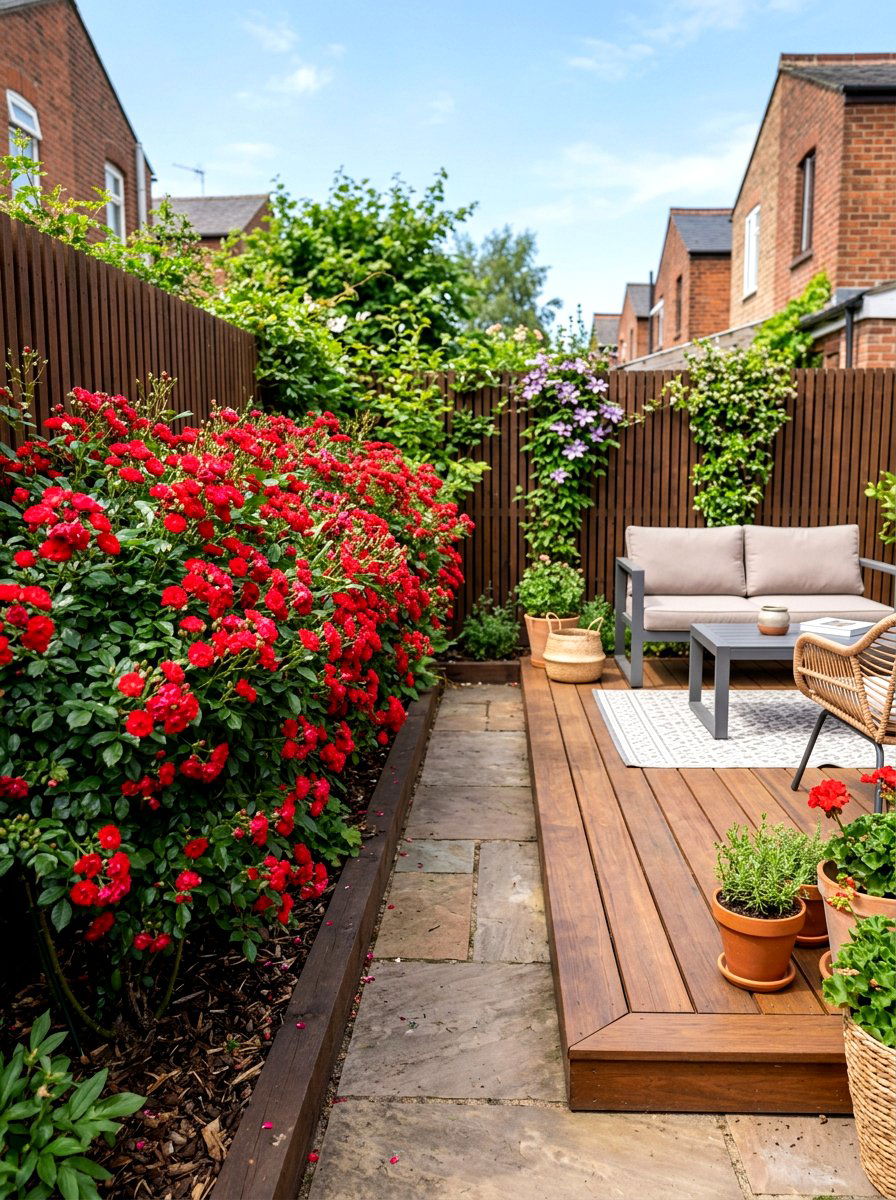
If you have a smaller outdoor area, a compact patio rose hedge allows you to enjoy the beauty of roses without overwhelming the space. These specially bred varieties stay small and bushy, making them ideal for planting in narrow beds alongside a deck or around a seating area. Despite their small stature, they are incredibly prolific bloomers, often covering themselves in flowers for months at a time. This low hedge acts as a soft frame for your patio, creating an intimate and cozy atmosphere for outdoor dining or relaxation. Because they are manageable, they are also easy to prune and care for, making them perfect for novice gardeners or those with limited time.
17. Peach rose garden screen
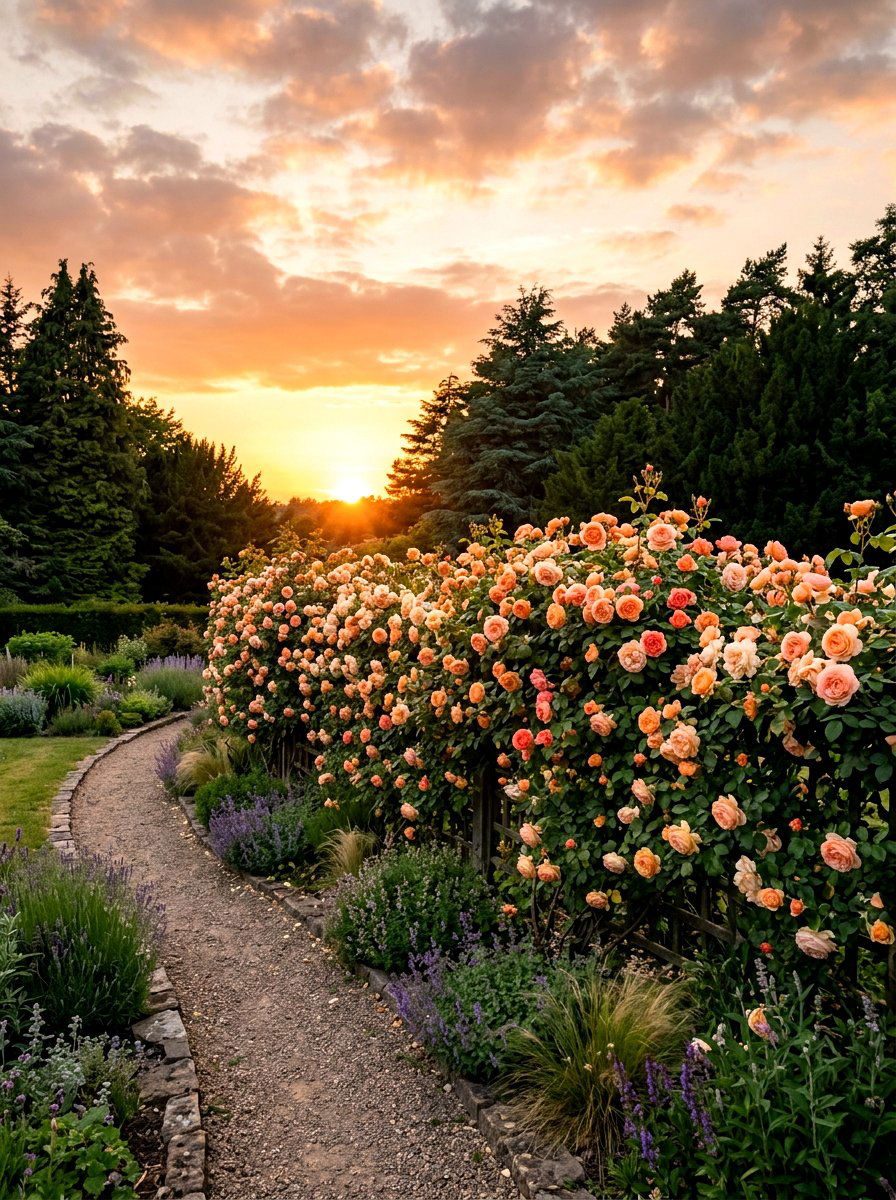
A peach rose garden screen offers a soft and warm glow that looks particularly stunning during the golden hour of sunset. Shades of apricot, melon, and soft peach provide a unique alternative to traditional reds and pinks, adding a modern and trendy feel to the landscape. These colors are versatile and pair beautifully with both dark green evergreens and lighter, silvery foliage plants in the surrounding garden. Using medium-height shrub roses allows the peach blooms to sit at eye level, ensuring their delicate color and fragrance can be fully appreciated by anyone passing by. This rose hedge choice is perfect for creating a serene and calming environment in a private backyard retreat or a side garden.
18. Front porch rose hedge
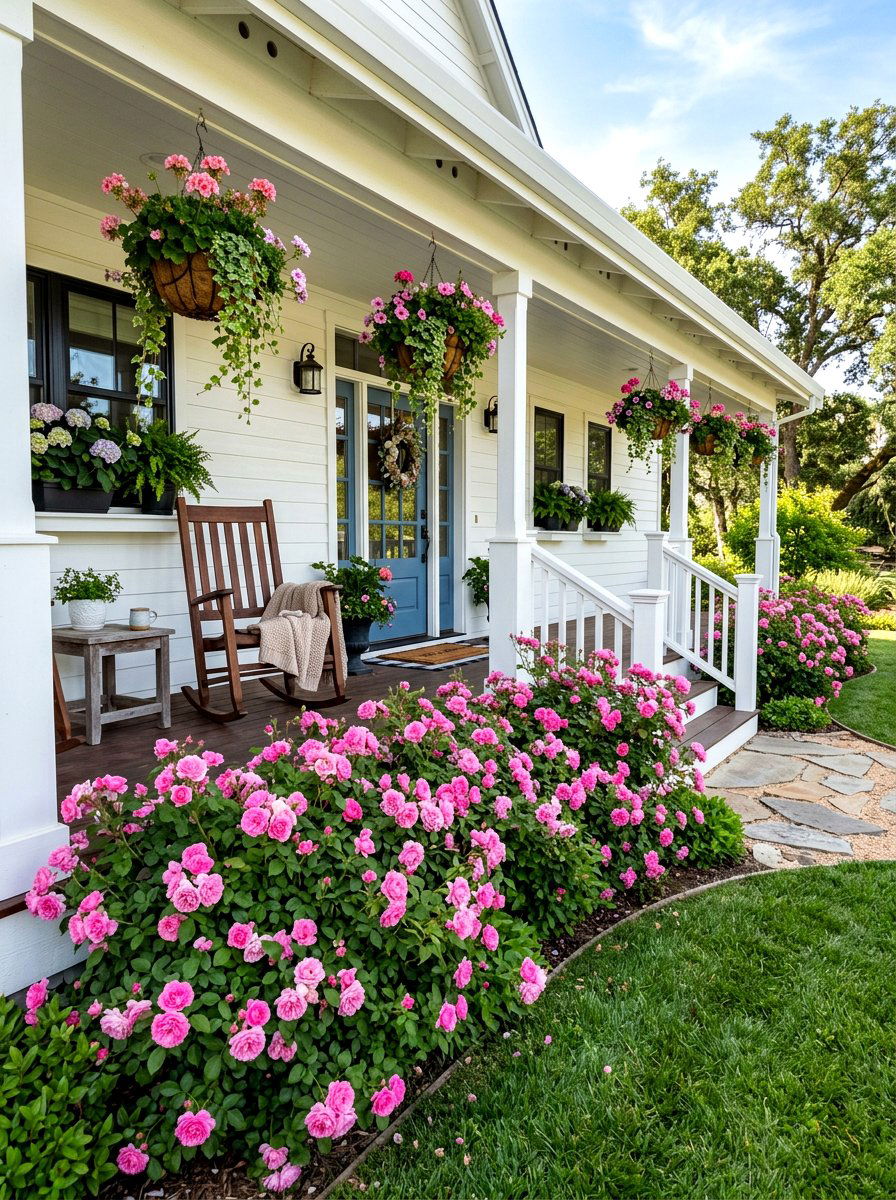
Planting a front porch rose hedge is a timeless way to enhance your home’s entry and create a welcoming first impression for all visitors. A row of neatly maintained roses along the base of the porch adds a layer of softness to the house's foundation and connects the architecture to the garden. Choosing a variety with a long blooming season ensures that your home stays colorful throughout the spring, summer, and well into the autumn. This type of rose hedge can also provide a light screen for privacy if you enjoy sitting on your porch, without making the space feel closed off from the neighborhood. It is a classic landscaping move that adds significant charm and character.
19. Sidewalk rose hedge
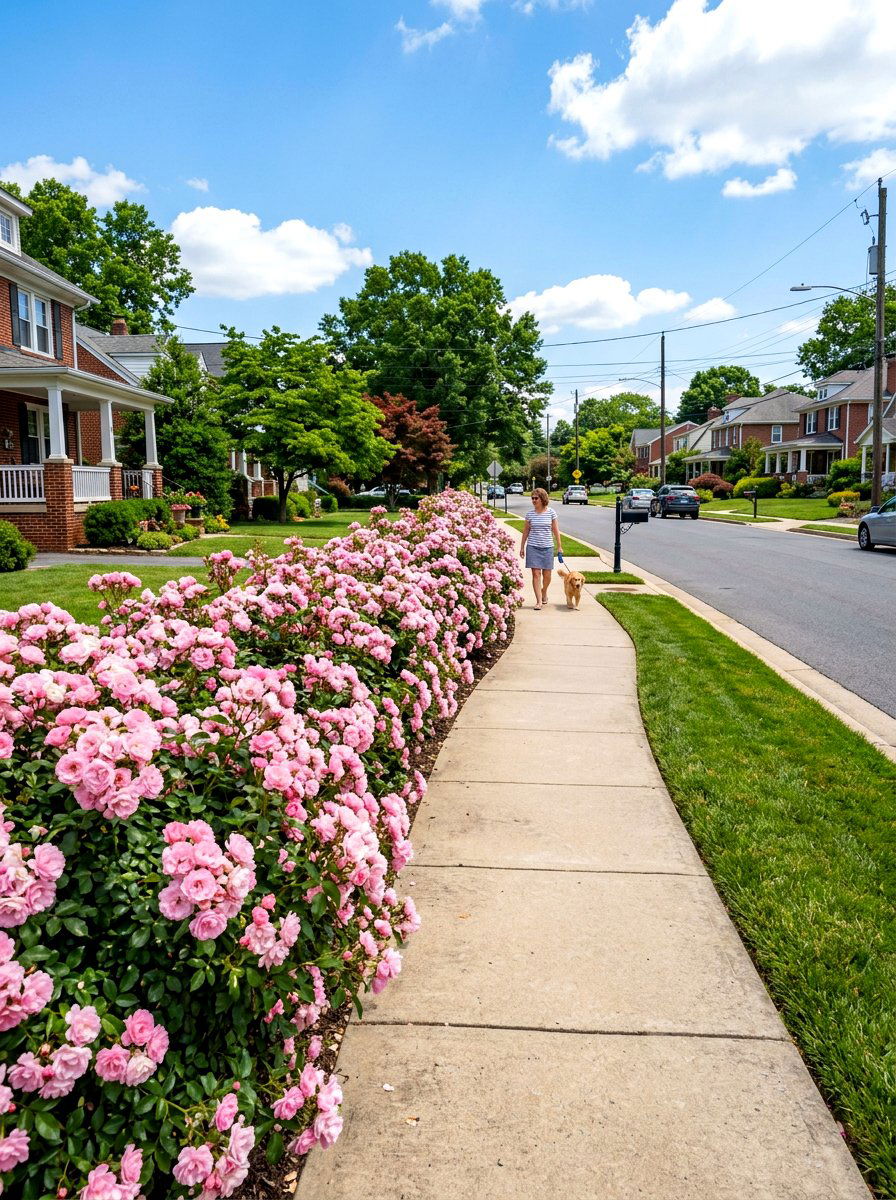
A sidewalk rose hedge is a gift to the neighborhood, providing a beautiful and fragrant boundary that everyone can enjoy while walking by your home. When planting near a public path, it is important to choose varieties that are relatively thornless or have a neat, upright growth habit that won't spill over and snag clothing. A low to medium height works best here, providing a clear division between your private lawn and the public walkway while maintaining an open and friendly feel. The sight of a perfectly maintained row of roses along the street adds a sense of pride and beauty to the entire block, making your property stand out in the best possible way.
20. Security rose hedge
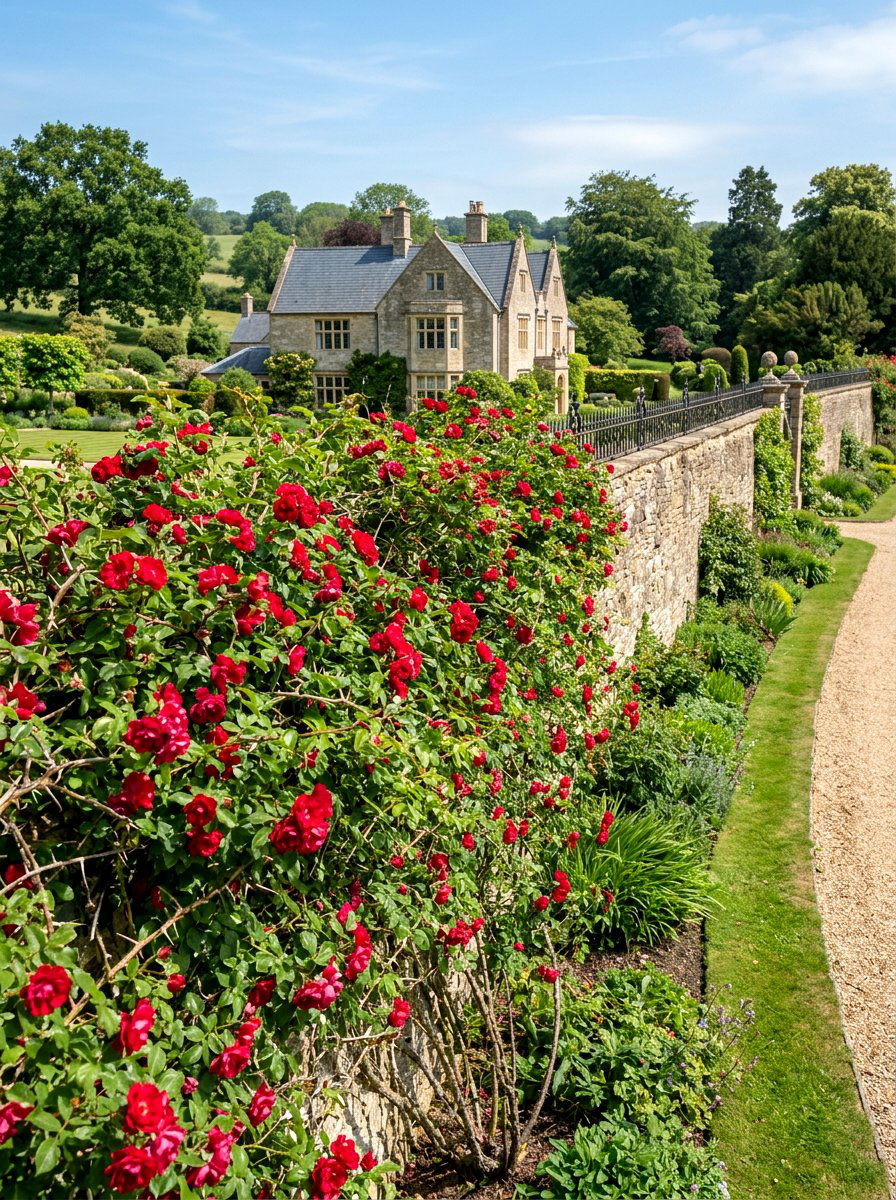
Using a security rose hedge is a beautiful way to protect your property while adding floral interest to your perimeter boundaries. Many rose varieties, particularly the older shrub and wild types, are equipped with dense, sharp thorns that act as a natural deterrent against unwanted intruders or wandering animals. When planted closely together, these roses grow into an impenetrable thicket that is much more attractive and eco-friendly than a barbed-wire fence or a high stone wall. The added benefit is that while the hedge is providing a functional service, it is also producing thousands of beautiful flowers and potentially nutritious rose hips. This rose hedge is the ultimate combination of utility and high-end garden aesthetics.
21. Formal clipped rose hedge
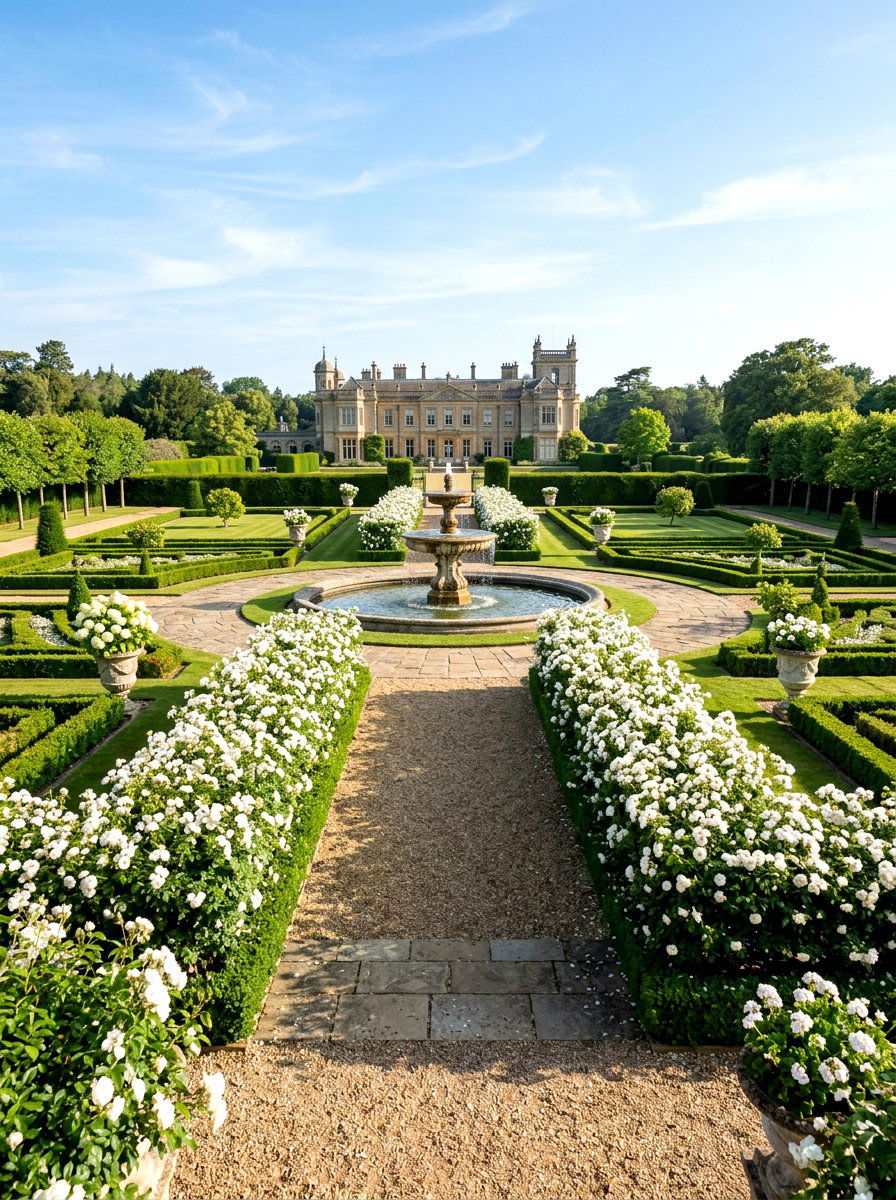
For a structured and architectural look, a formal clipped rose hedge can be maintained with precise pruning to create straight lines and sharp corners. While most people think of boxwood for this style, certain upright shrub roses like the Iceberg or Queen Elizabeth respond well to light shearing. This approach creates a dense wall of green foliage that is periodically covered in elegant blooms, offering a softer version of a traditional formal hedge. This style works beautifully in symmetrical garden designs, lining a central axis or framing a large fountain or statue. A formal rose hedge adds a sense of order and prestige to the landscape, proving that roses can be as disciplined as they are romantic.
22. Multi-season rose hedge
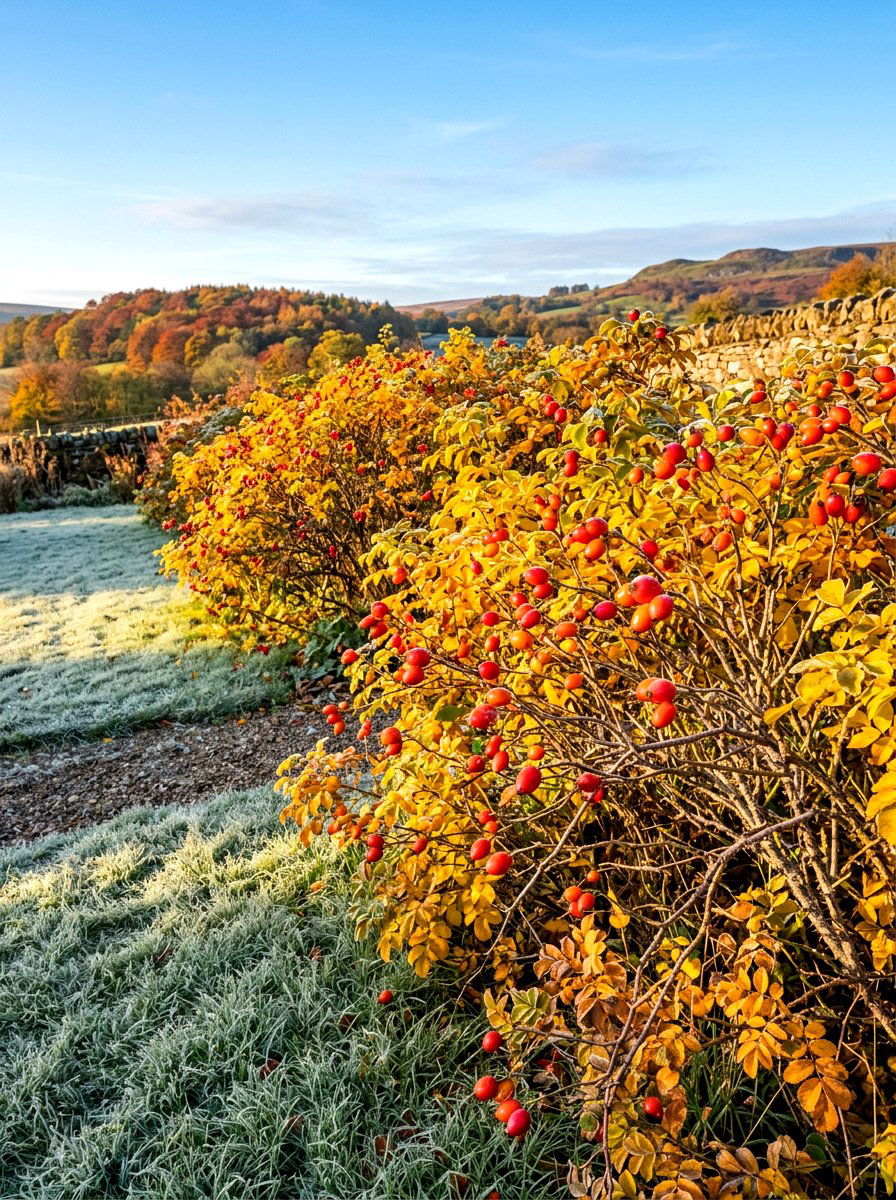
A multi-season rose hedge is designed to provide visual interest throughout the entire year, rather than just during the peak summer blooming period. By selecting varieties that have vibrant new foliage in the spring, abundant flowers in the summer, and colorful hips or stems in the winter, you ensure your garden never looks dull. Some rugosa roses are excellent for this, as their leaves turn a bright yellow or bronze in the autumn before falling to reveal structural branches. This type of rose hedge is a smart investment for homeowners who want their landscape to work hard across all four seasons. It creates a dynamic and ever-changing boundary that keeps the outdoor space feeling fresh and exciting.
23. Pollinator friendly rose hedge
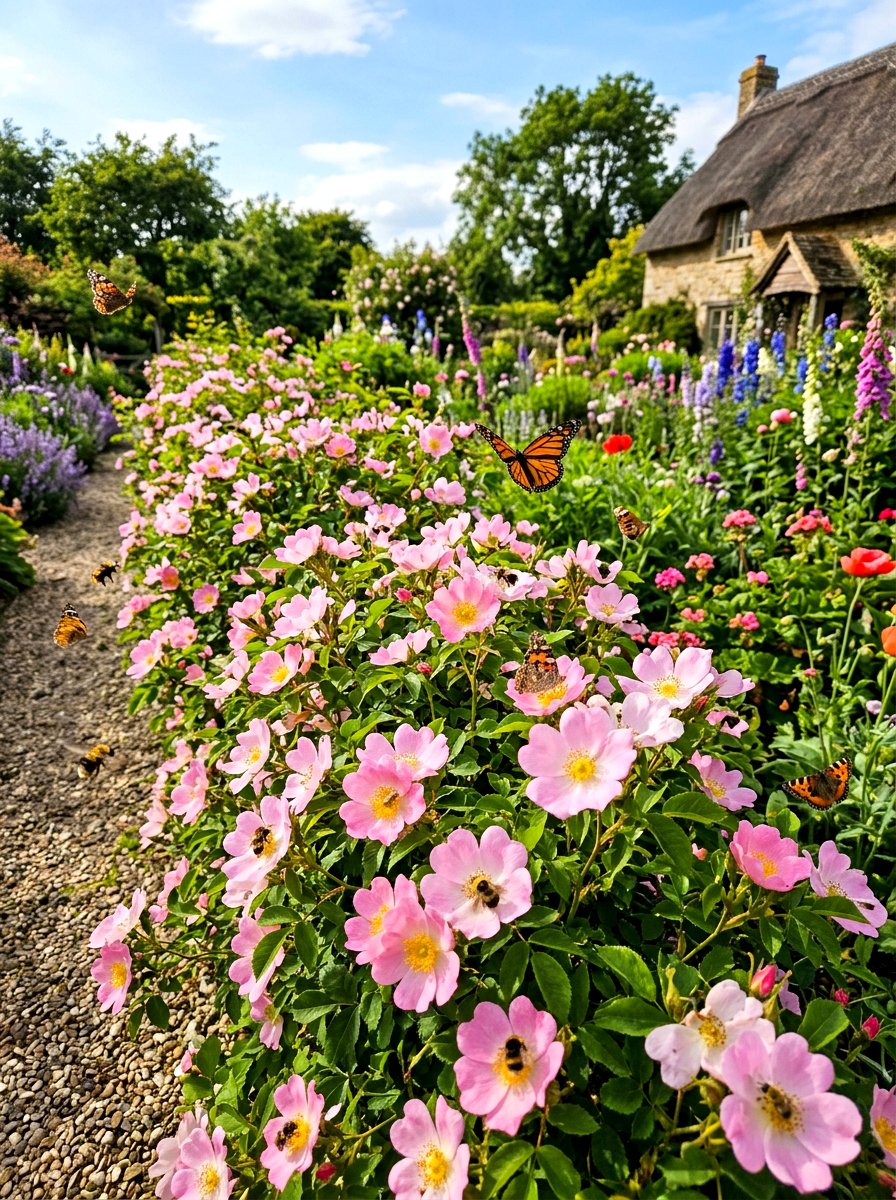
Create a buzzing sanctuary by planting a pollinator friendly rose hedge that features single-petaled flowers with easy access to nectar and pollen. Unlike very dense double roses, single or semi-double varieties like Ballerina or The Lark Ascending allow bees and butterflies to reach the center of the bloom easily. This type of hedge not only looks beautiful with its airy and delicate flowers but also serves as a vital food source for local wildlife. Planting a long row of these roses creates a "pollinator highway" through your garden, encouraging biodiversity and helping your other plants thrive. This rose hedge choice is perfect for the eco-conscious gardener who wants to blend traditional beauty with environmental responsibility.
24. Salt tolerant rose hedge
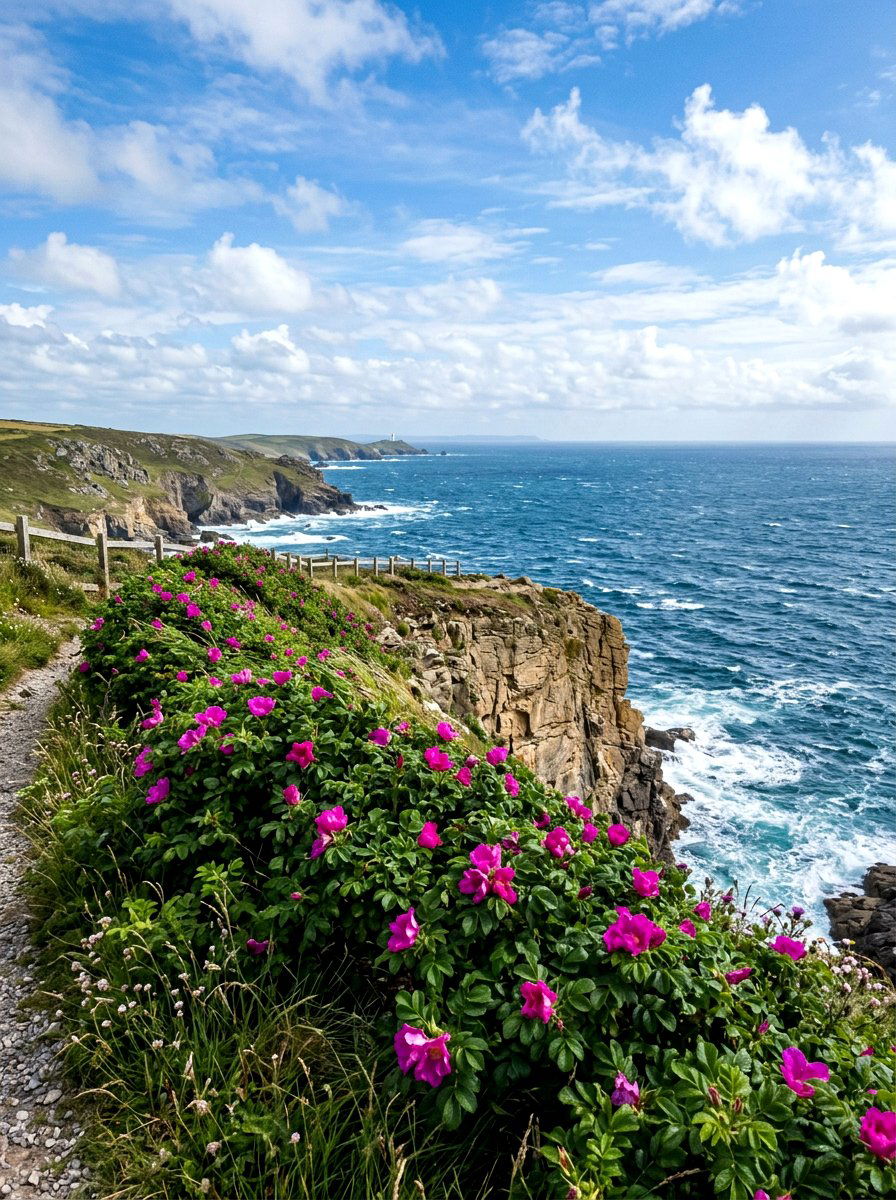
Homeowners living near the ocean often struggle with salt spray, but a salt tolerant rose hedge can thrive where other plants might fail. Rugosa roses are the champions of coastal gardening, as their thick, waxy leaves are naturally protected from the drying effects of salt and wind. These roses are incredibly tough and require very little fresh water once they are established, making them perfect for seaside cottages or beach houses. The flowers are usually large and very fragrant, providing a wonderful contrast to the rugged coastline environment. This type of rose hedge provides a durable and beautiful solution for challenging locations, ensuring that even the windiest garden can be filled with stunning, colorful blooms.
25. Rose and boxwood hedge
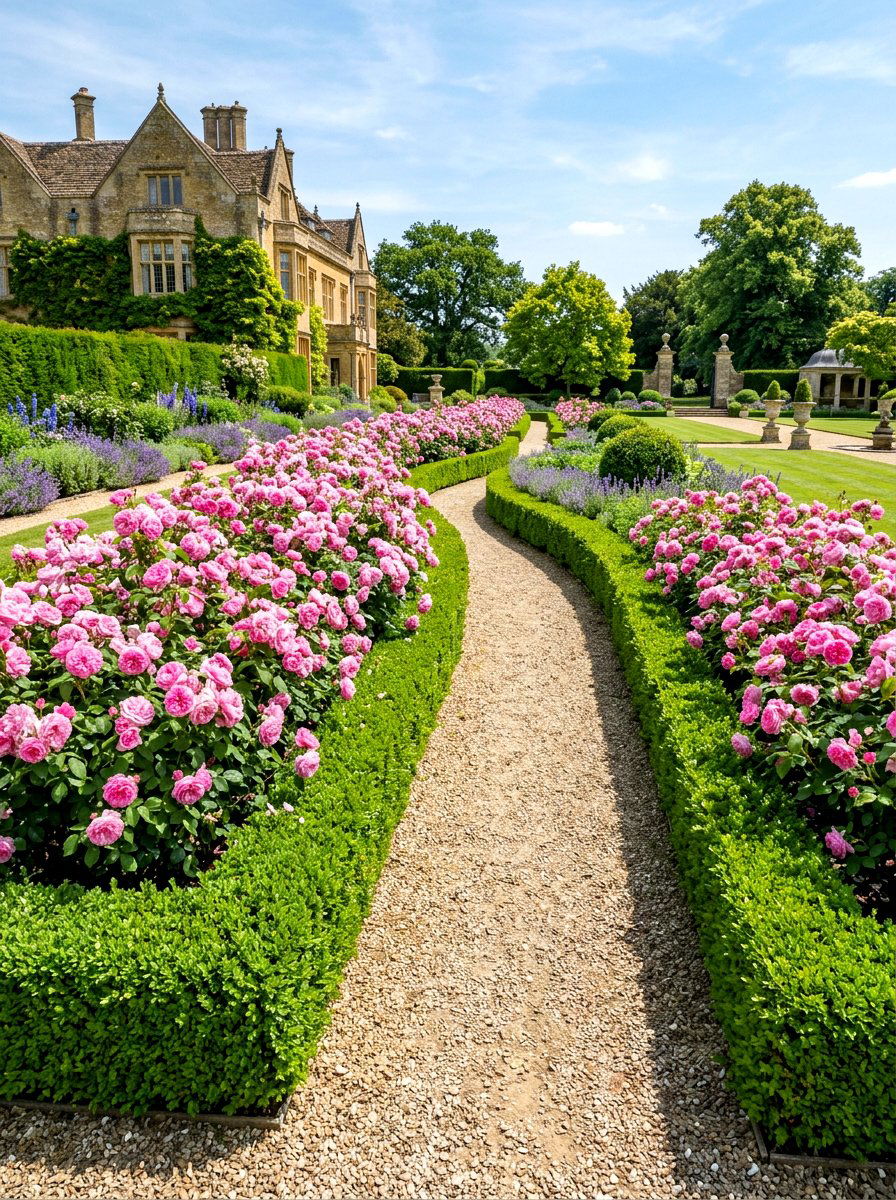
A rose and boxwood hedge is a sophisticated layered design that combines the evergreen structure of boxwood with the seasonal beauty of roses. By planting a low, clipped boxwood hedge in front of a row of taller shrub roses, you create a "framed" effect that looks incredibly polished and high-end. The dark green, small leaves of the boxwood provide a clean base that hides the often-sparse lower stems of the rose bushes. This combination ensures that even when the roses are not in bloom, the garden boundary still has a strong architectural presence. This rose hedge style is a favorite in formal English gardens and can make any suburban backyard feel like a grand and historic estate.
26. Vertical climbing rose hedge
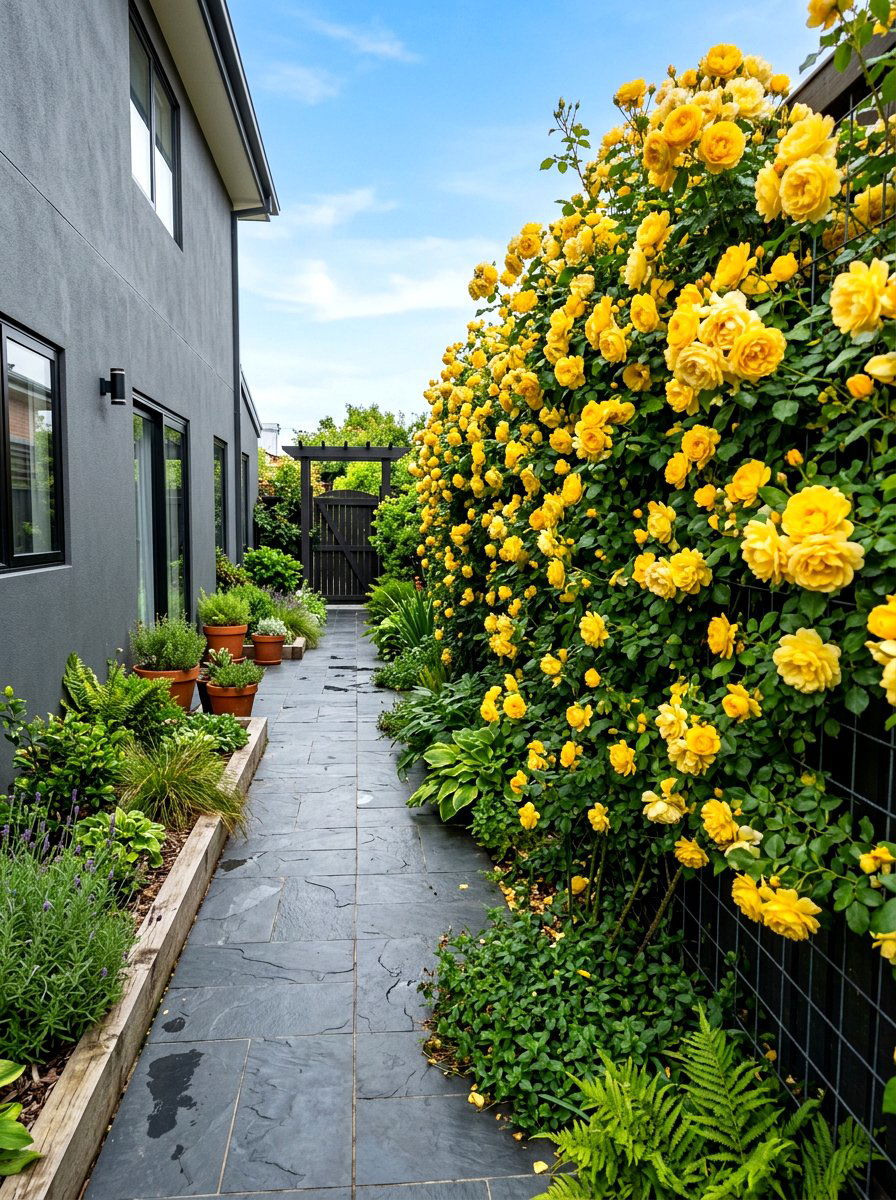
When ground space is limited, a vertical climbing rose hedge allows you to grow a wall of flowers using a simple post-and-wire support system. By training climbing roses horizontally along wires, you encourage them to produce more flowering side shoots, resulting in a solid carpet of petals from top to bottom. This technique is perfect for narrow side yards or for screening off a neighbor's unsightly wall without taking up much square footage in your garden. Varieties like New Dawn or Malvern Hills are excellent for this purpose as they are vigorous and easy to train. This rose hedge offers a spectacular vertical element that adds height and drama to your outdoor living area.
27. Deep purple rose hedge
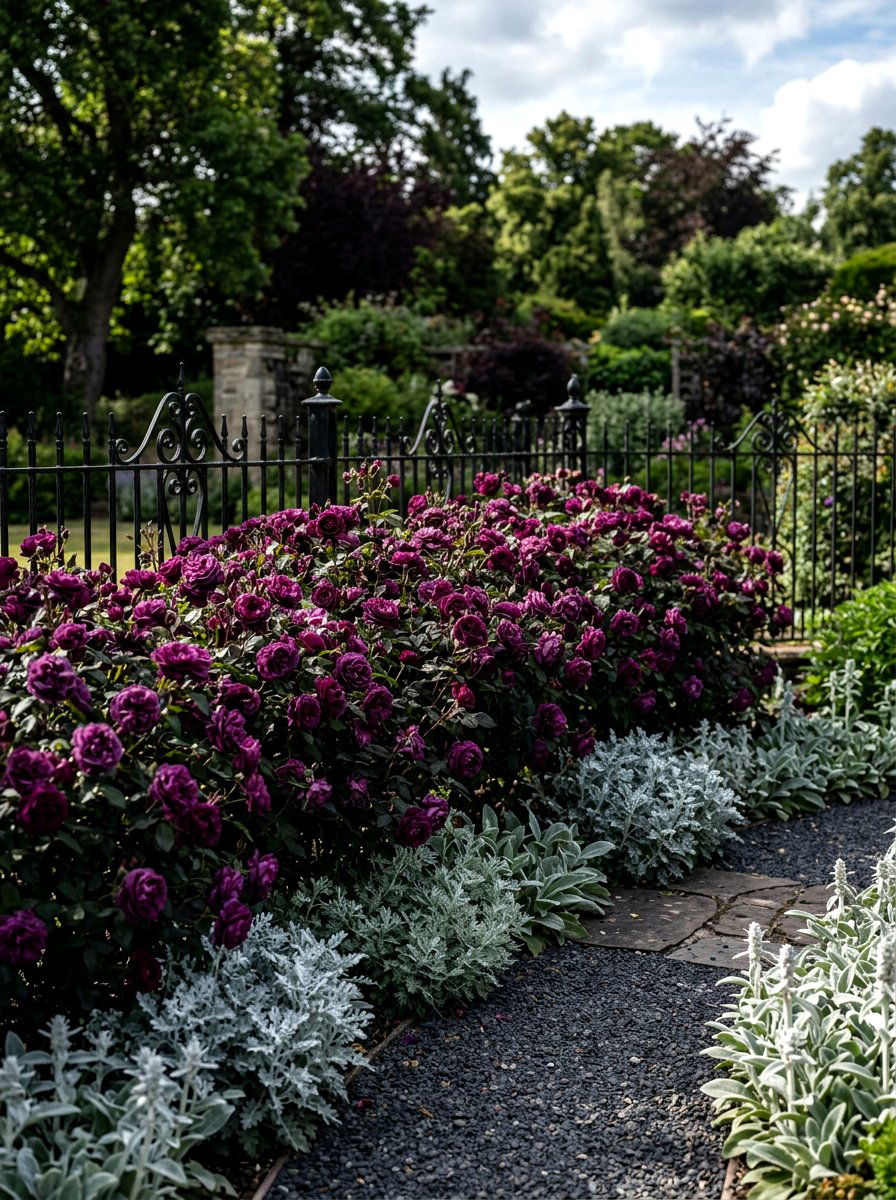
For a moody and sophisticated garden palette, a deep purple rose hedge provides a rich, velvety texture that stands out from the usual garden colors. Varieties like Burgundy Ice or Ebb Tide offer stunning shades of plum, violet, and dark magenta that look incredible against silver or lime-green companion plants. These darker roses often have a very intense and spicy fragrance that adds to the mysterious and luxurious feel of the hedge. In the bright sun, the petals can look almost black, while in the shade, they reveal deep, jewel-like tones. This type of rose hedge is a bold choice for a modern or gothic-inspired garden, creating a unique and unforgettable visual statement.
28. Minimalist white rose hedge
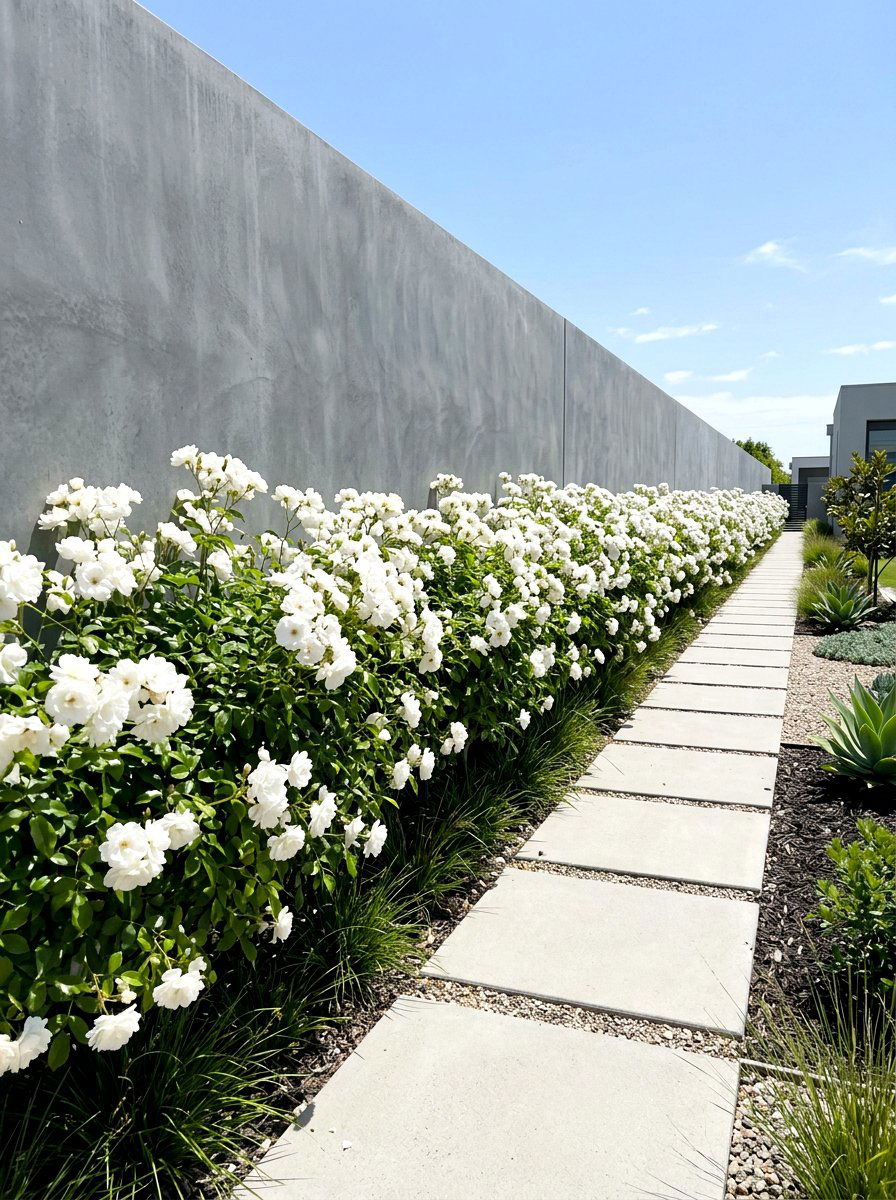
A minimalist white rose hedge is the perfect addition to a contemporary home that values simplicity, light, and clean lines. By using only one variety of pure white rose, such as the Kew Gardens, you create a serene and unified look that doesn 't compete with the home' s architecture. The lack of varied colors allows the eye to focus on the texture of the petals and the overall shape of the hedge. This design looks particularly striking when paired with a dark-colored fence or a modern concrete wall, making the white flowers appear even more luminous. This rose hedge is a masterclass in understated elegance, providing a calm and peaceful backdrop for outdoor modern living.
29. Dense flowering rose screen
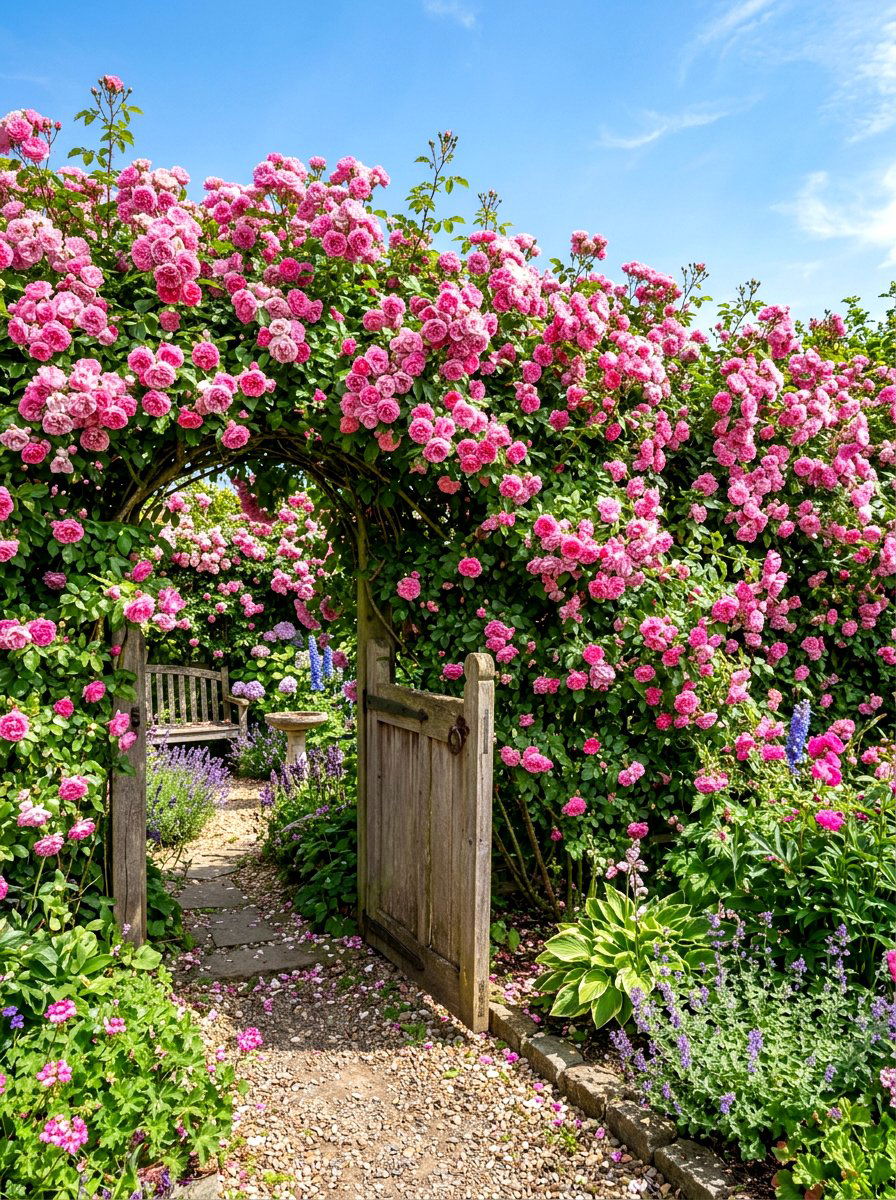
A dense flowering rose screen is designed to produce as many blooms as possible, creating a solid wall of color where leaves are barely visible. Achieving this look requires choosing floribunda roses, which are known for producing flowers in large clusters rather than single stems. When planted closely in a staggered double row, these roses grow together to form a seamless and thick barrier that is absolutely breathtaking at the height of summer. This type of hedge is ideal for focal points in the garden or for blocking out large, unattractive areas like sheds or utility boxes. It provides an explosion of color that serves as a high-impact centerpiece for your entire landscape design.
30. Arching shrub rose hedge
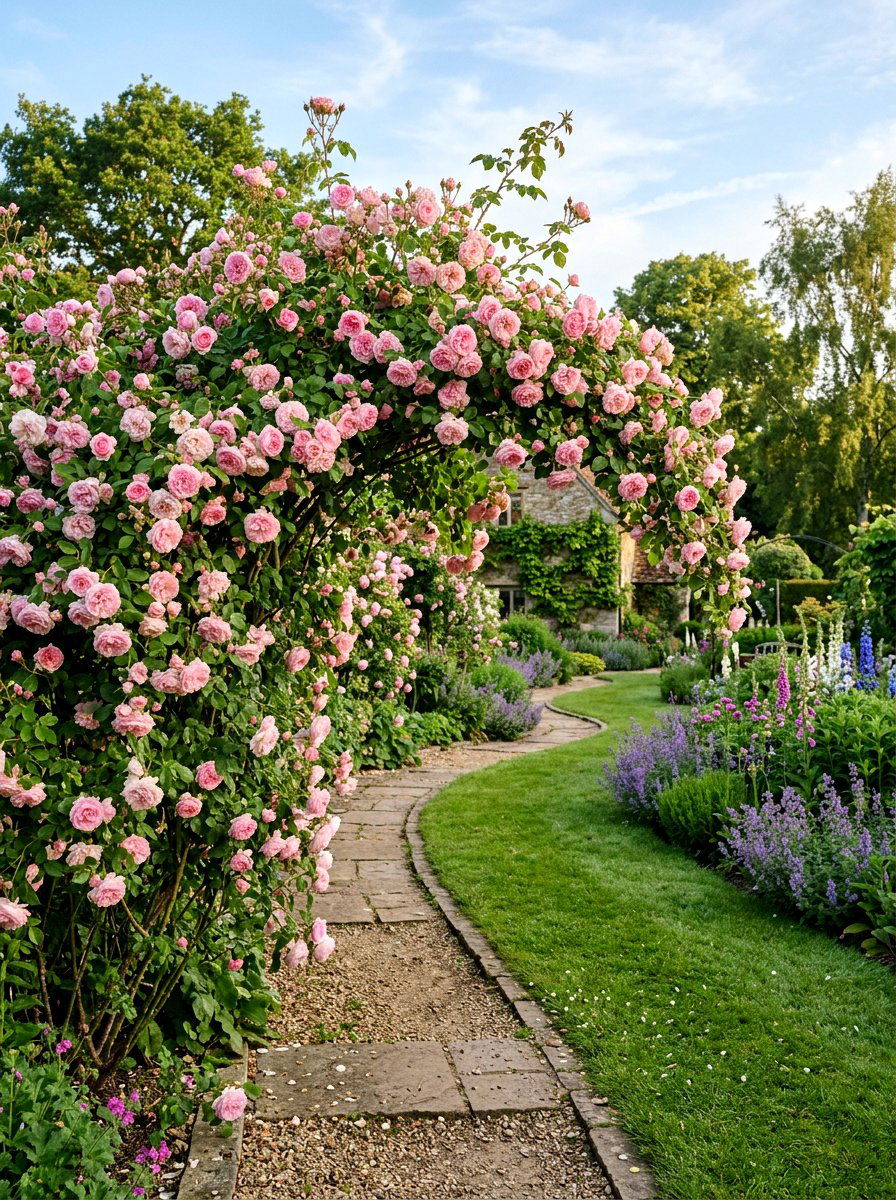
An arching shrub rose hedge features varieties with long, flexible canes that naturally curve toward the ground, creating a soft and romantic silhouette. This growth habit is perfect for creating a relaxed boundary that feels like it has been part of the garden for decades. The gracefully drooping branches often touch the lawn, creating a fountain-like effect of flowers that looks stunning along a curved path or around a circular driveway. Varieties like The Generous Gardener or various rambling roses can be managed this way to provide a sense of movement and flow. This rose hedge style adds a layer of whimsy and elegance, making your garden feel like a private and enchanted forest retreat.
Conclusion:
Transforming your outdoor space with a vibrant rose hedge is a long-term investment that pays off in beauty and functionality. Throughout this guide, we have explored various species and arrangements that cater to different garden sizes and personal style preferences. From the low-maintenance knock out varieties to the highly fragrant English roses, there is a perfect option for every gardener looking to enhance their property. Remember to consider your local climate and soil conditions when selecting your plants to ensure they thrive for years to come. With proper care and a little bit of patience, your new rose hedge will become the crowning jewel of your landscape, providing joy for many seasons.

Related posts: