Creating a sustainable and stunning outdoor space does not have to mean sacrificing beauty for water efficiency. Xeriscaping is a smart landscaping method that reduces or eliminates the need for supplemental water from traditional irrigation. This approach is becoming incredibly popular among homeowners who want to save money on utility bills while helping the environment. By choosing the right plants and materials, you can transform a dry, dull yard into a vibrant sanctuary. Think of it as a way to harmonize your home with the natural climate of your region. Whether you live in a desert or just want a low-maintenance garden, these creative solutions provide endless inspiration for your next outdoor renovation project.
1. Native Plant Xeriscaping
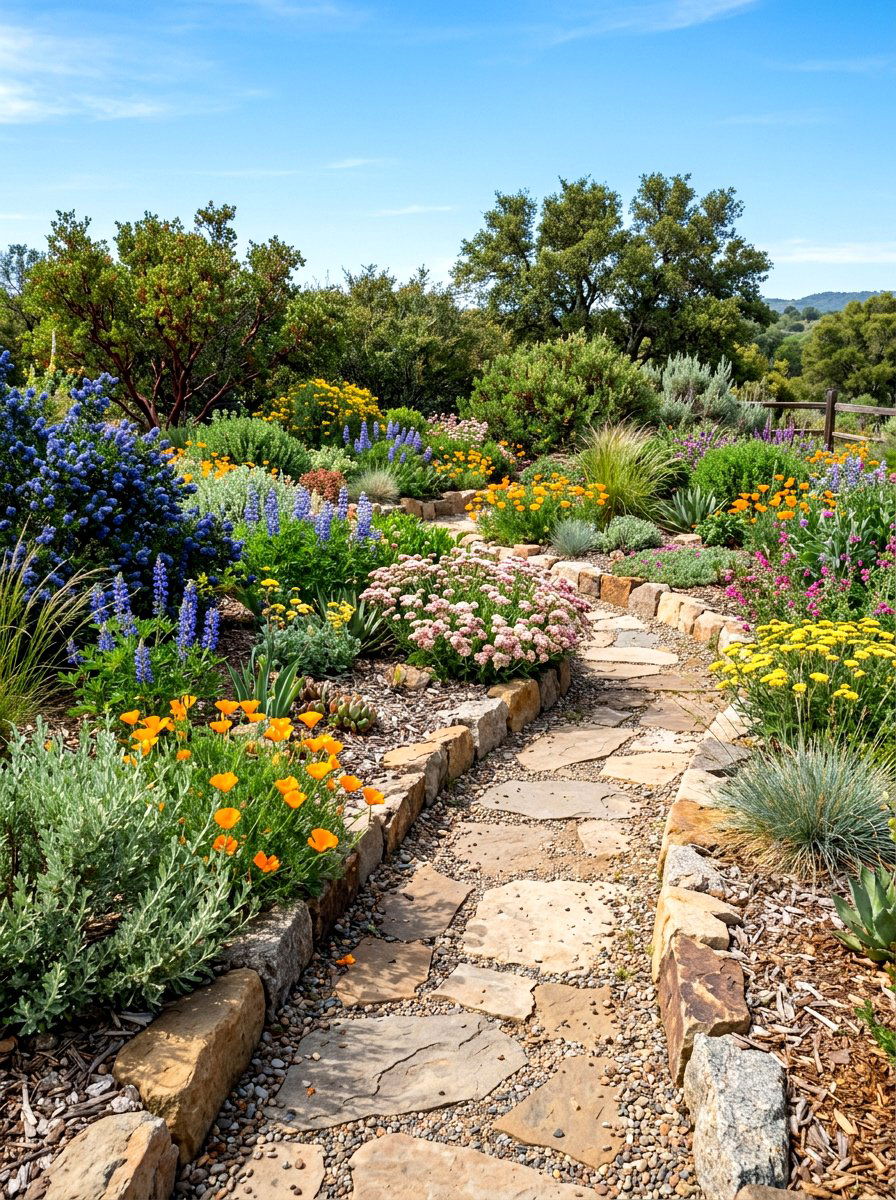
Choosing local species is the most effective way to ensure your backyard thrives with minimal effort. Native plants are naturally adapted to the local rainfall, soil conditions, and temperature fluctuations of your specific area. This means they require significantly less water and fewer chemical fertilizers compared to non-native varieties. You can create a lush look by layering different heights of shrubs, flowers, and grasses that are indigenous to your region. Not only does this save precious resources, but it also provides a vital habitat for local birds and butterflies. It creates a balanced ecosystem right in your own backyard while looking completely natural and effortless for any homeowner.
2. Pea Gravel Patio
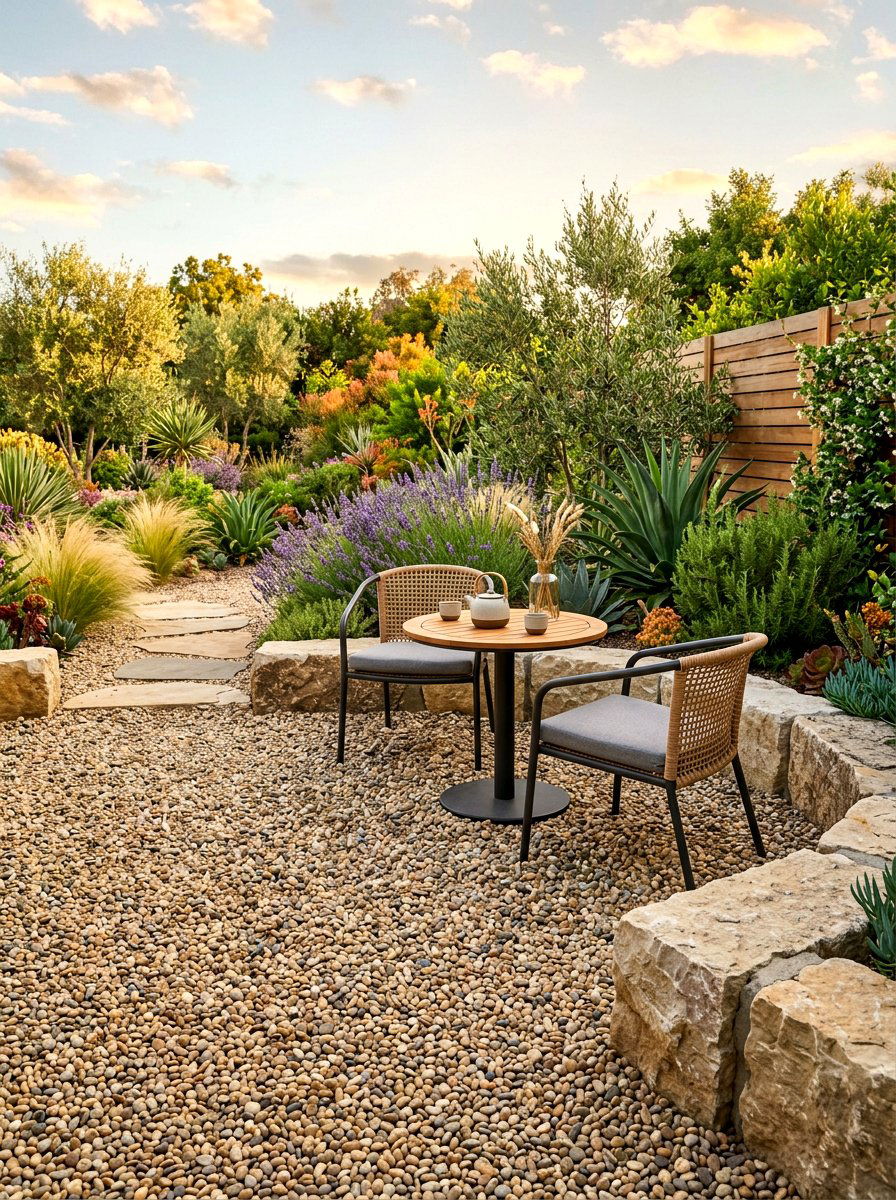
Replacing a traditional water-thirsty lawn with a pea gravel patio is a brilliant move for modern backyards. Gravel provides a permeable surface that allows rainwater to soak directly into the ground rather than running off into storm drains. It offers a soft, crunching texture underfoot that adds a sensory element to your outdoor experience. You can easily define the seating area with large stones or metal edging to keep the gravel contained. This setup is perfect for placing a bistro set or comfortable lounge chairs for evening relaxation. It is an affordable and stylish solution that requires zero mowing, zero watering, and very little seasonal upkeep for busy families.
3. Succulent Rock Garden
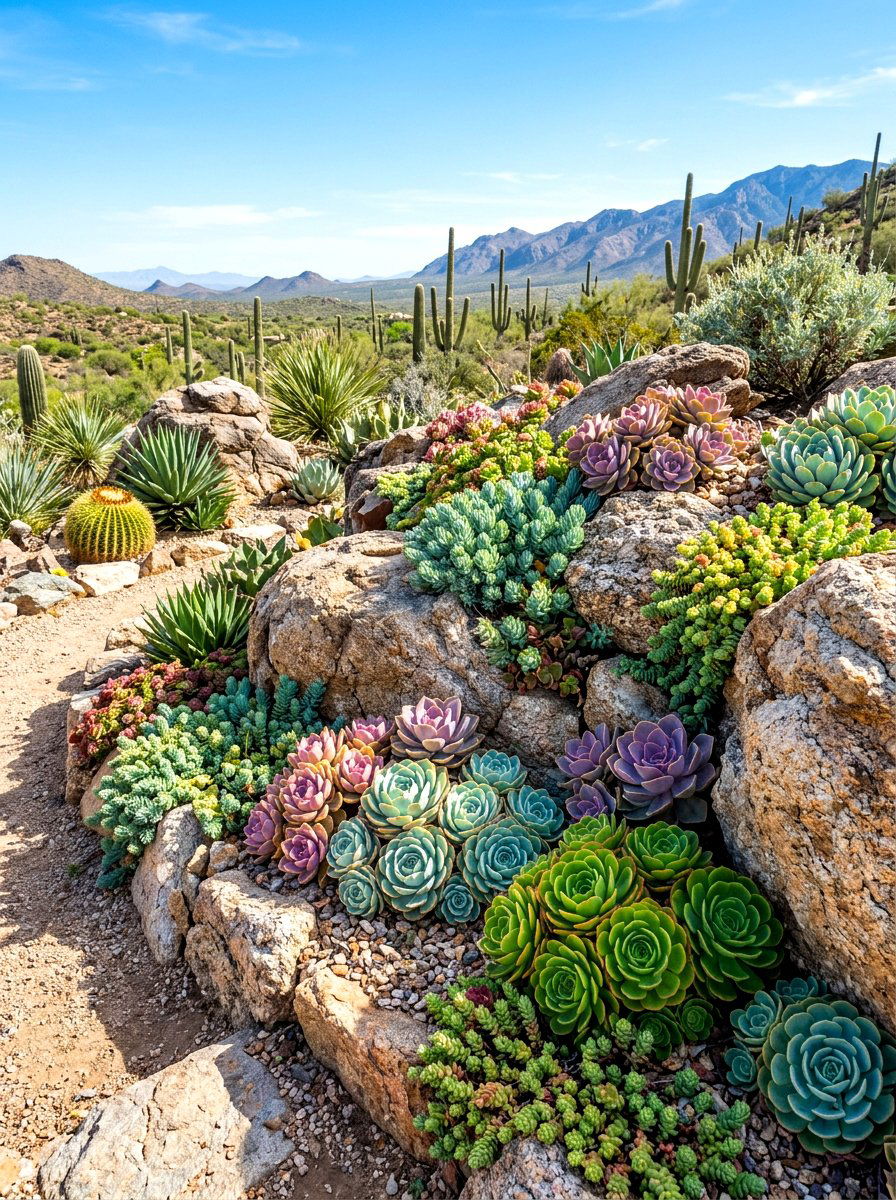
Succulents are the superstars of low-water gardening because they store moisture in their thick, fleshy leaves. Building a dedicated rock garden for these plants allows you to play with different shapes, colors, and textures. You should use a variety of sizes of stones, from small pebbles to large decorative boulders, to create a naturalistic desert look. Succulents like echeveria, sedum, and hens-and-chicks thrive in well-drained soil and rocky crevices. This type of garden looks like a living work of art and stays green all year round with almost no intervention. It is a fantastic focal point for small corners or sloped areas where grass refuses to grow.
4. Decomposed Granite Path
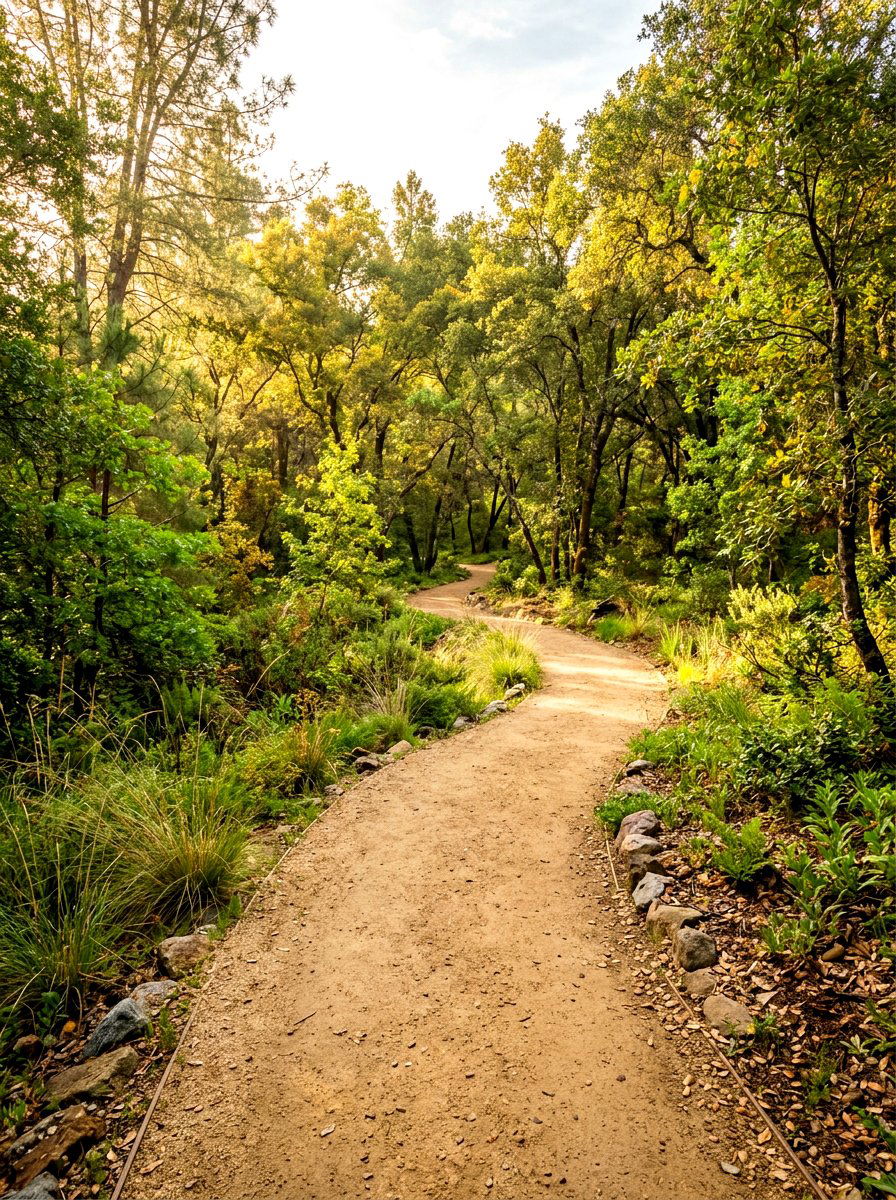
A decomposed granite path offers a rustic and natural feel that blends seamlessly with any xeriscape environment. This material is made of fine granite particles that pack down firmly to create a stable walking surface. It is much more natural-looking than poured concrete and significantly less expensive to install over large areas. You can choose from various earthy tones like tan, gold, or gray to match your home’s exterior. These paths wind gracefully through your garden beds, guiding guests through the landscape while suppressing weed growth. Because it is permeable, it helps manage drainage and prevents puddles from forming during occasional heavy rainstorms in your local area.
5. Artificial Turf Lawn
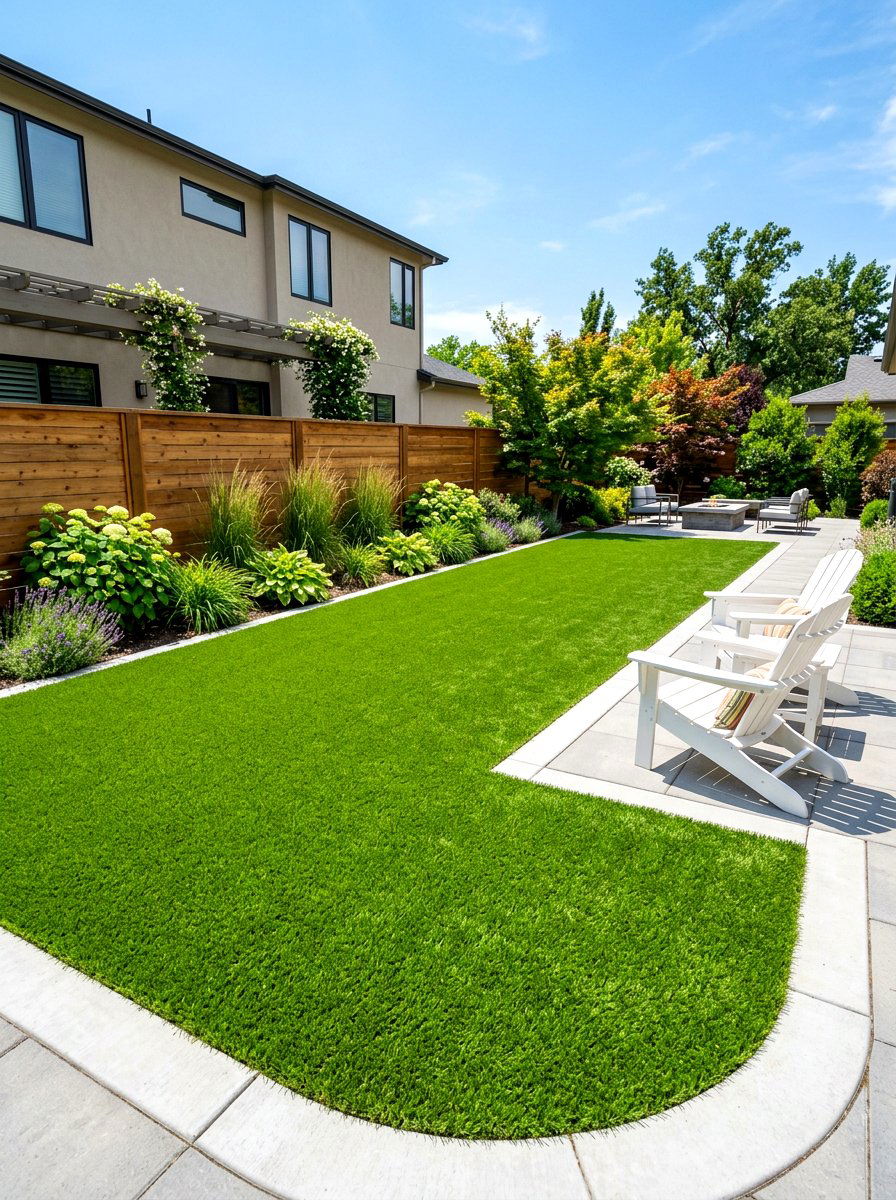
If you still love the look of a green lawn but hate the maintenance, artificial turf is a perfect alternative. Modern synthetic grass looks incredibly realistic and provides a soft surface for children and pets to play on. It requires no watering, mowing, or fertilizing, which saves a massive amount of time and money over the years. You can install a small patch of turf in a central area surrounded by drought-tolerant plants and stone borders. This creates a high-contrast look that stays vibrant and manicured regardless of the weather conditions. It is a practical way to keep that classic backyard aesthetic while adhering to strict water conservation principles.
6. Drought Tolerant Shrubs
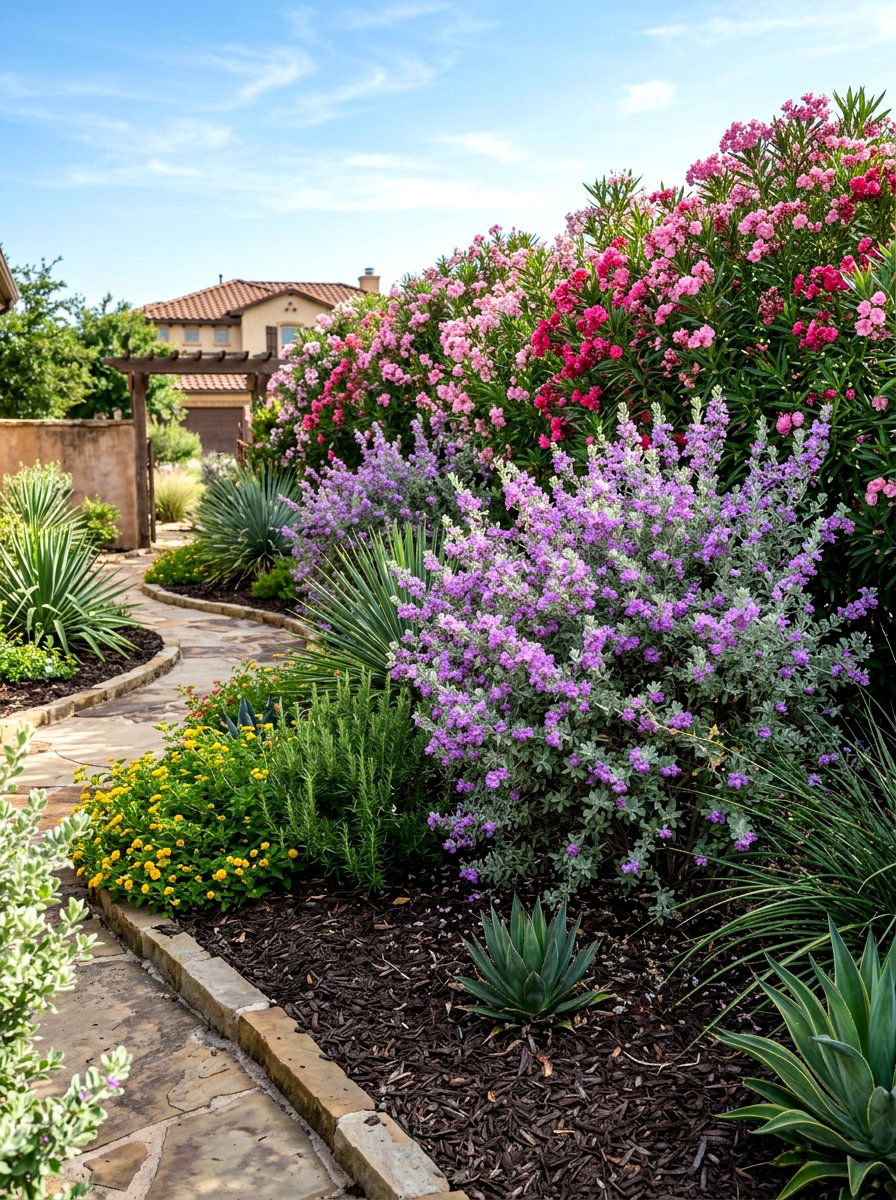
Incorporating hardy shrubs is essential for adding structure and privacy to your water-wise backyard. Many varieties, such as Texas sage or oleander, produce beautiful blooms even in the middle of a hot summer. These plants develop deep root systems that allow them to survive long periods without any rainfall. You can use them to create a living fence or to fill in large gaps in your landscape design. Mixing evergreen shrubs with deciduous ones ensures that your backyard has visual interest and volume throughout every season. They are the backbone of a resilient garden, providing shade and wind protection for smaller, more delicate plants nearby.
7. Flagstone Pavers Backyard
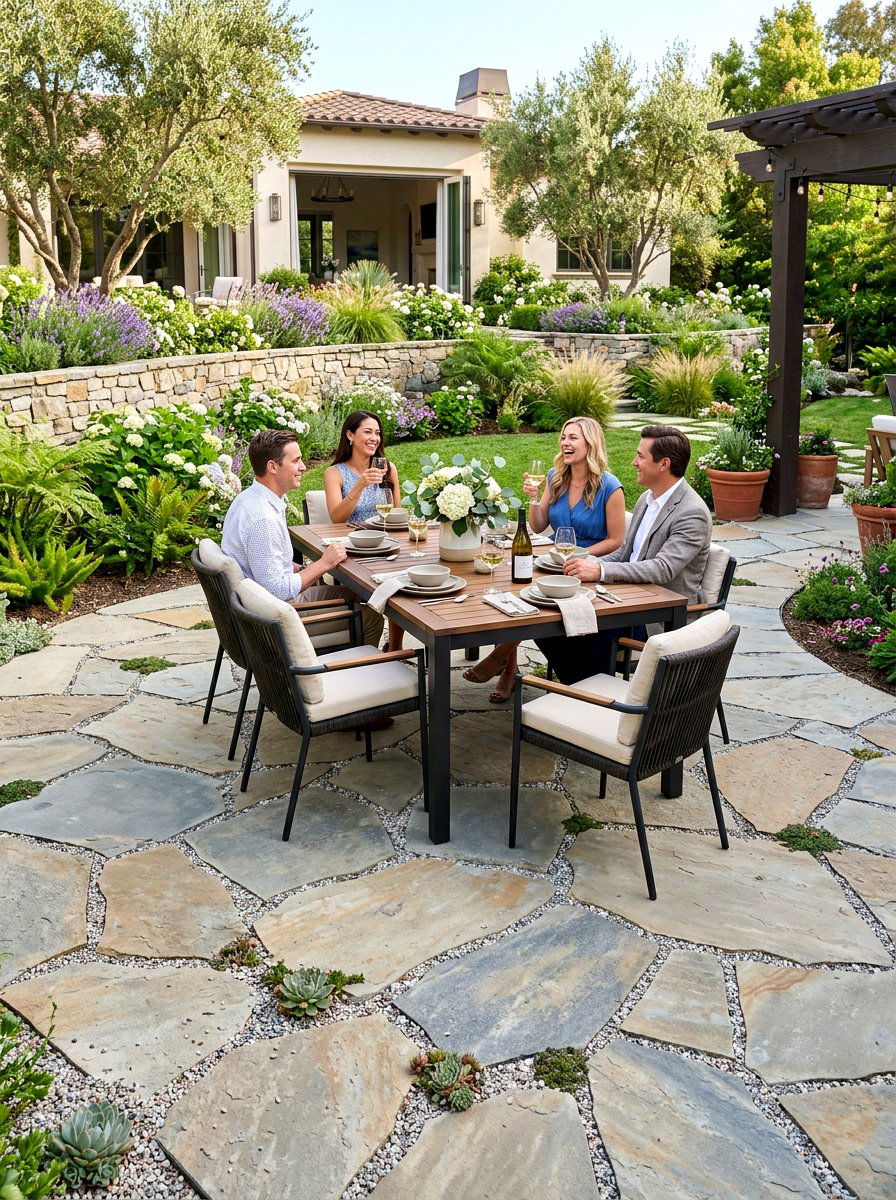
Using large flagstone pavers creates a high-end, architectural look that defines your outdoor living zones. These natural stone slabs come in irregular shapes, which allows you to create a unique and organic layout for your patio. You can fill the gaps between the stones with fine gravel or low-growing groundcover to enhance the xeriscape feel. Flagstone is incredibly durable and can withstand extreme heat and cold without cracking or fading. It provides a flat, stable surface for heavy patio furniture and outdoor dining sets. This design choice minimizes the amount of plantable space, which further reduces your overall water consumption while increasing your home's functional square footage.
8. River Rock Drainage
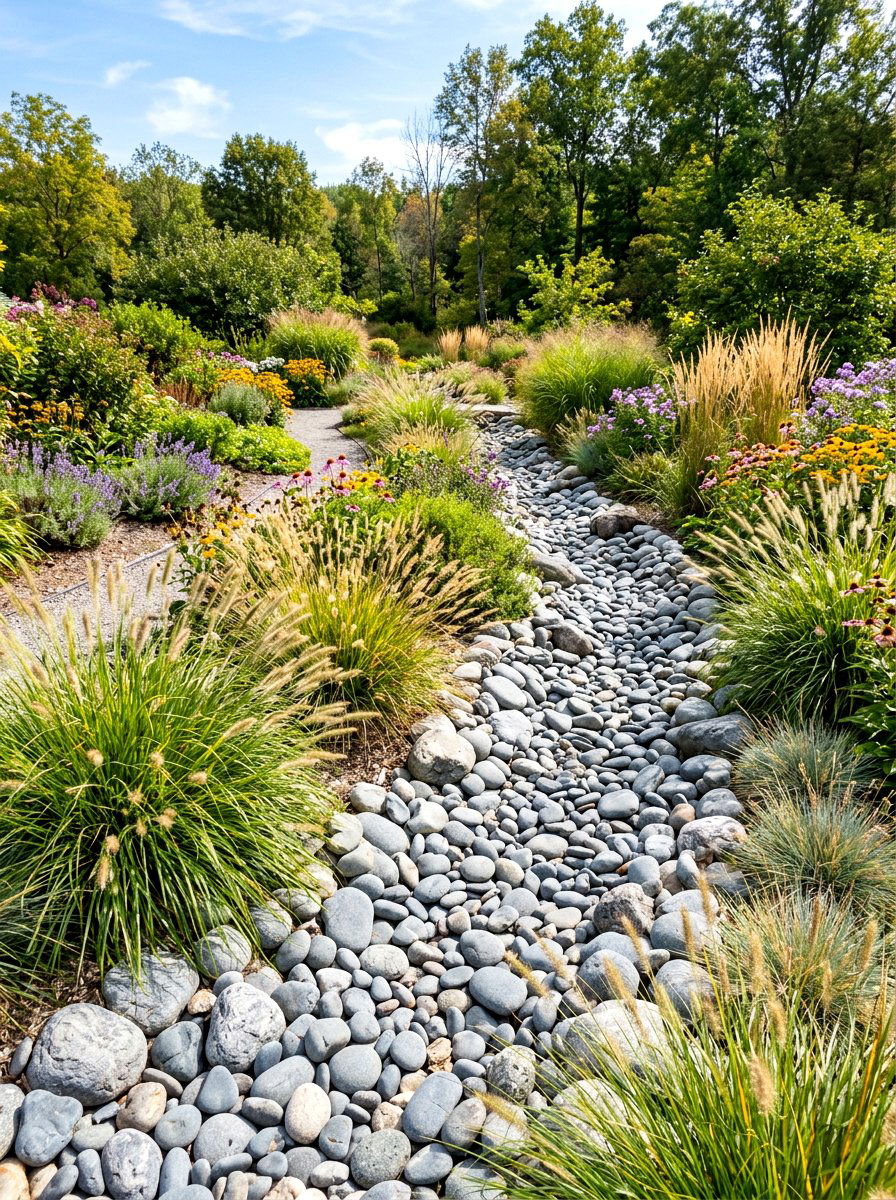
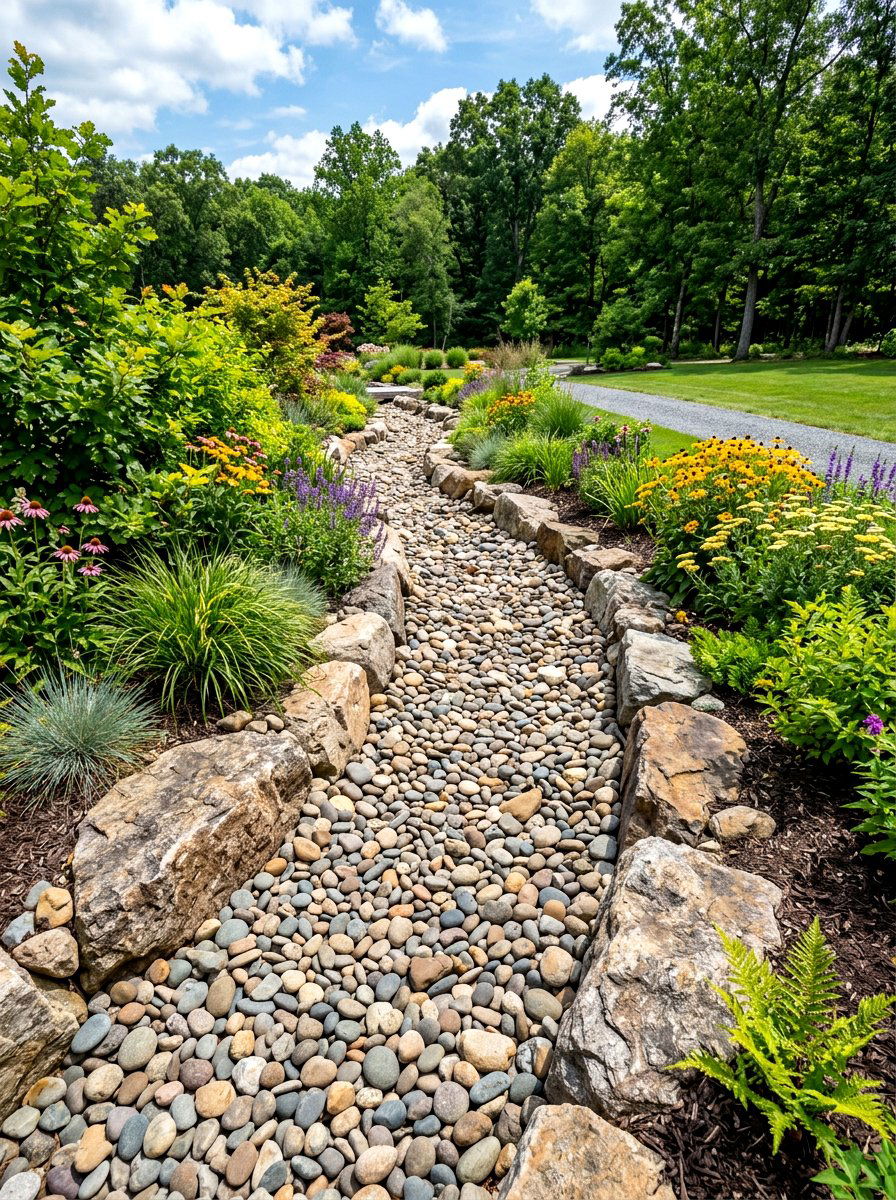
Managing water flow is a critical aspect of xeriscaping, and river rocks are both functional and decorative. You can create a dry creek bed using smooth, rounded river stones to direct runoff away from your home's foundation. This mimics the appearance of a natural waterway, adding a serene and peaceful vibe to your backyard landscape. During a storm, the rocks slow down the water and allow it to penetrate the soil gradually. When it is dry, the variation in stone sizes and colors provides a beautiful textured element. It is a smart way to solve drainage issues while creating a visually interesting feature that never needs water.
9. Desert Landscaping Layout
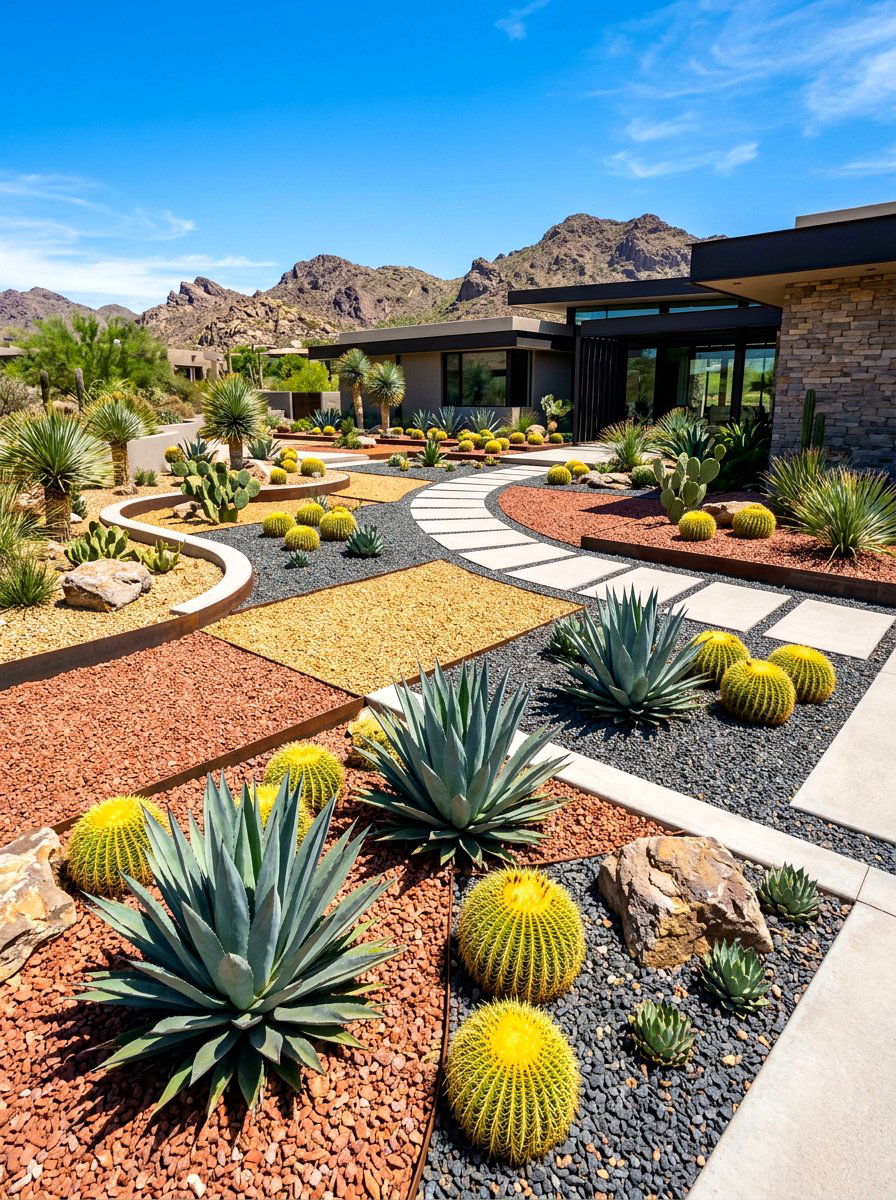
A dedicated desert layout focuses on the stark beauty of arid environments by using sand, gravel, and sculptural plants. This style emphasizes open space and clean lines, often featuring large agave plants or Joshua trees as main attractions. You can use different colors of crushed rock to create patterns on the ground that resemble a zen-like tapestry. This approach is ideal for regions with very high temperatures and minimal rainfall. It celebrates the local environment rather than trying to fight against it with thirsty tropical plants. A desert layout is incredibly low-maintenance and offers a sophisticated, modern aesthetic that looks better as the plants mature over time.
10. Mulch Ground Cover
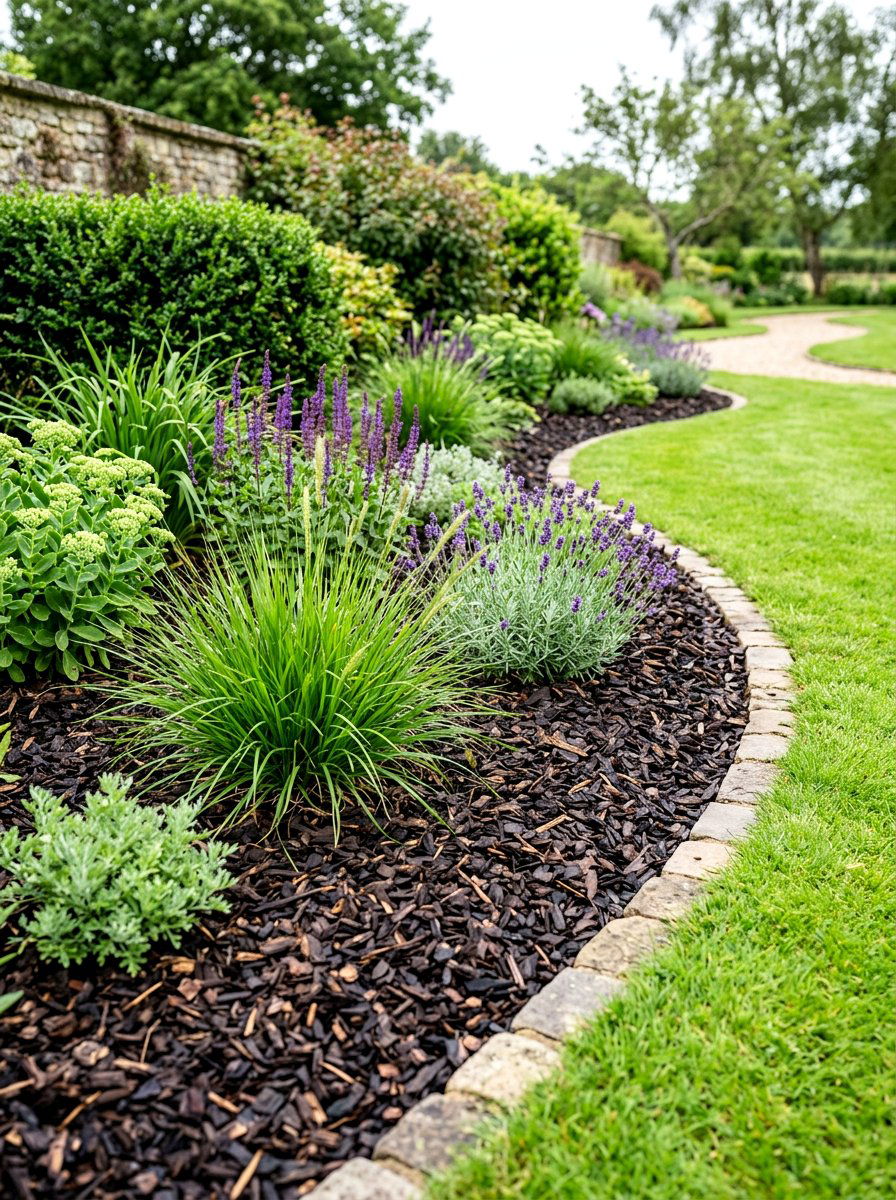
Applying a thick layer of organic mulch is one of the easiest ways to improve your xeriscape 's health. Mulch acts as a protective blanket for the soil, locking in moisture and preventing evaporation from the sun' s heat. It also helps to suppress pesky weeds that compete with your chosen plants for nutrients and water. You can choose from wood chips, bark, or even cocoa hulls to add a rich, dark color to your garden beds. As the organic matter breaks down, it improves the soil quality for your drought-tolerant species. This is a cost-effective solution that makes any garden look instantly more finished and professionally maintained.
11. Ornamental Grass Border
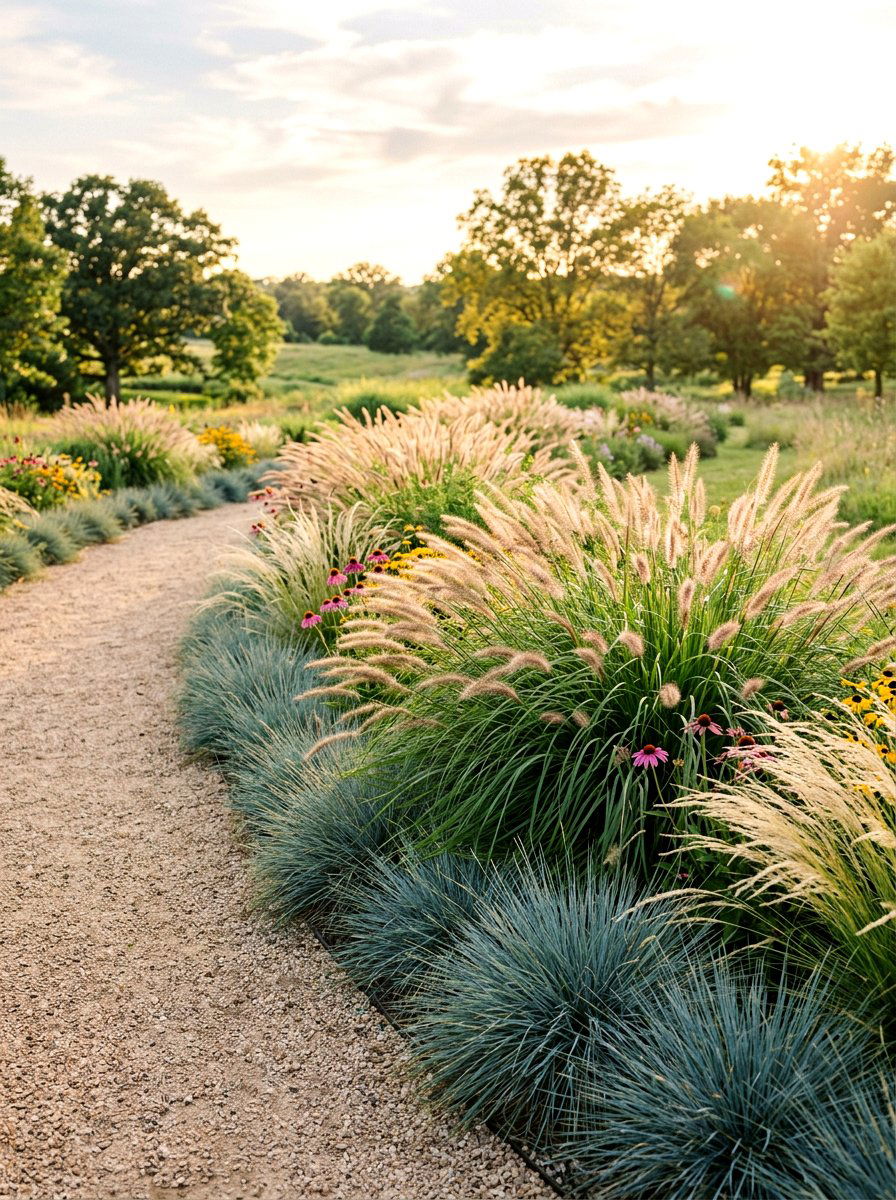
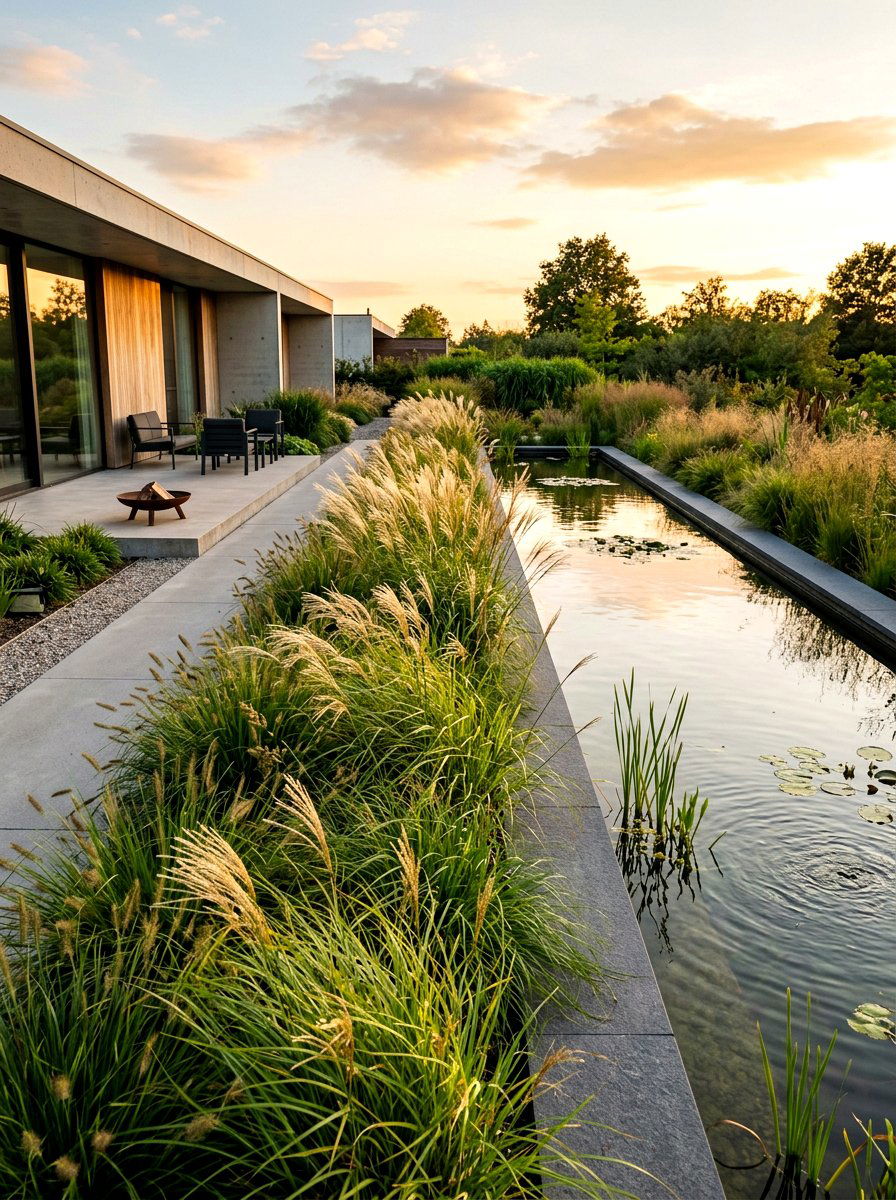
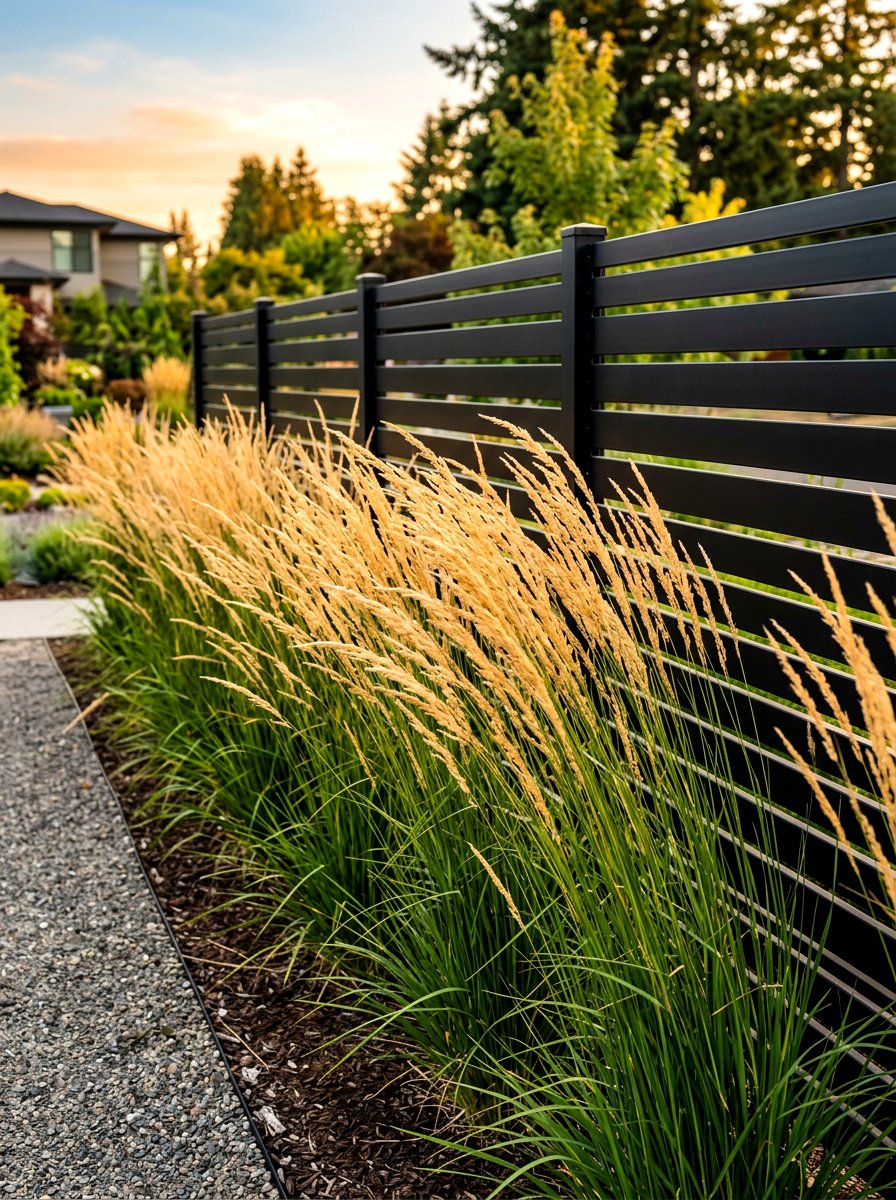
Ornamental grasses add movement and a soft, wispy texture that contrasts beautifully with hard rocks and stiff succulents. Varieties like blue fescue or fountain grass are exceptionally drought-tolerant once they have established their root systems. They sway gently in the breeze, bringing a sense of life and animation to your backyard. You can plant them in long rows to define the edges of paths or in clusters for a meadow-like appearance. Many of these grasses change color in the fall, providing a warm golden or bronze hue to your winter landscape. They require very little pruning and can survive in poor soil with almost no extra water.
12. Drip Irrigation System
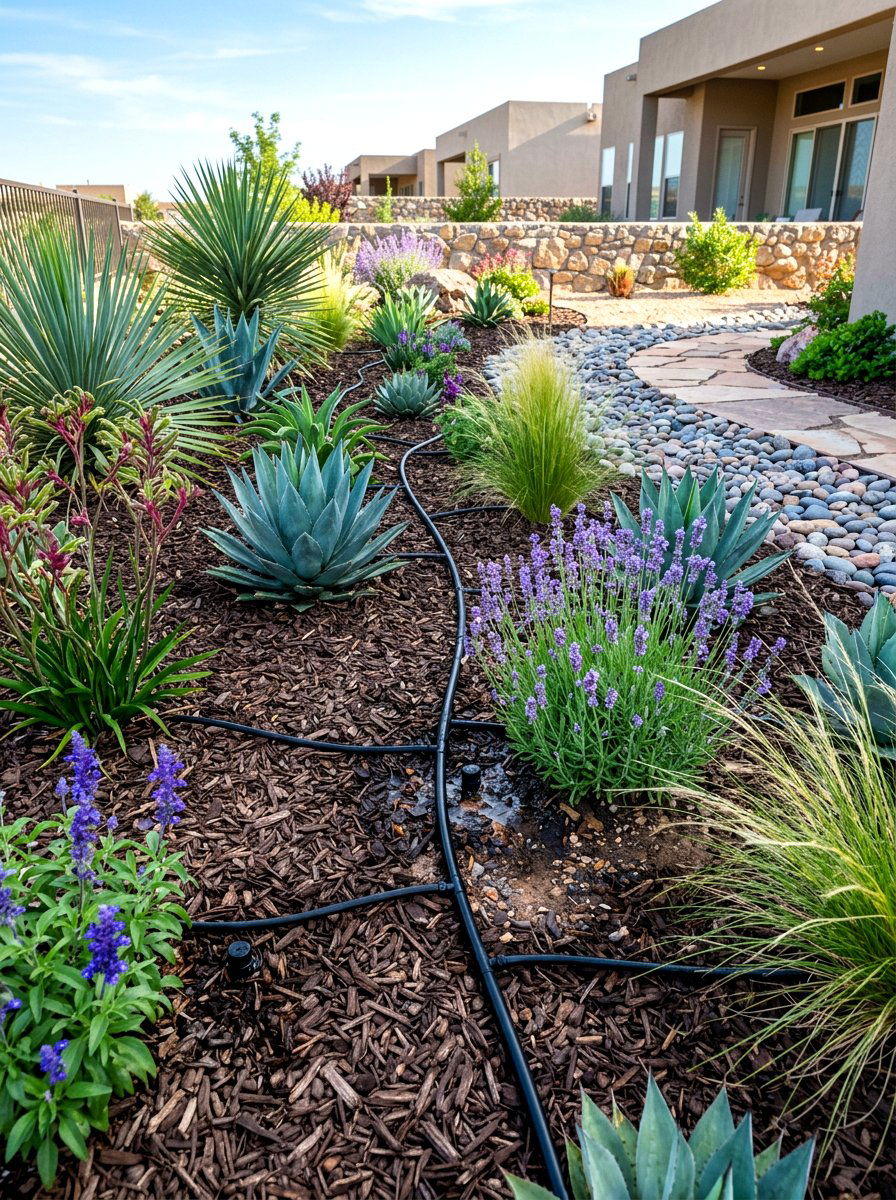
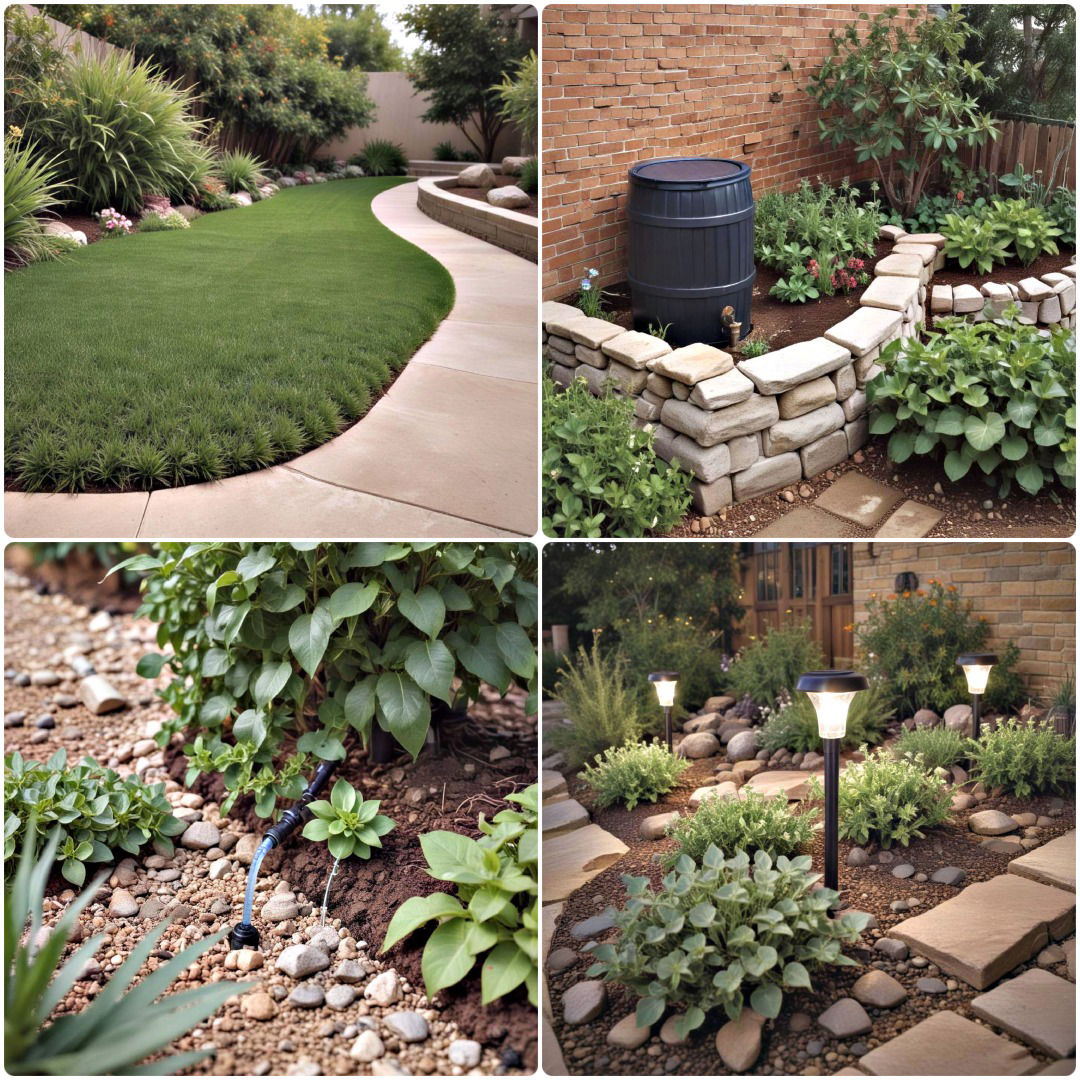
While xeriscaping aims to reduce water use, a drip irrigation system ensures your plants get exactly what they need. Unlike traditional sprinklers that lose a lot of water to evaporation and wind, drip systems deliver moisture directly to the roots. This targeted approach is much more efficient and prevents water from wasting on walkways or empty soil. You can hide the thin tubing under a layer of mulch or gravel so it remains completely invisible to the eye. Most systems can be set on a timer, making your garden maintenance almost entirely automated. It is the smartest way to support your plants during the initial establishment phase.
13. Xeriscape Retaining Wall
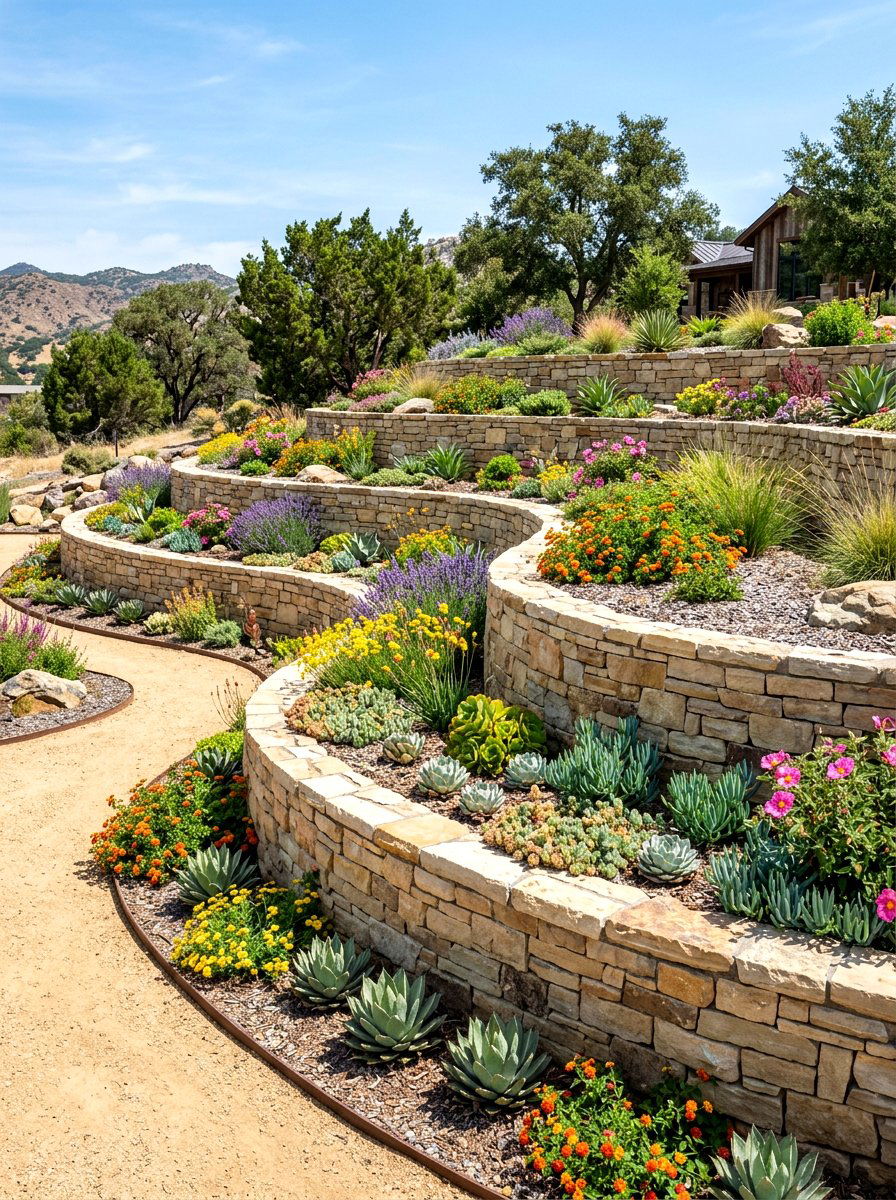
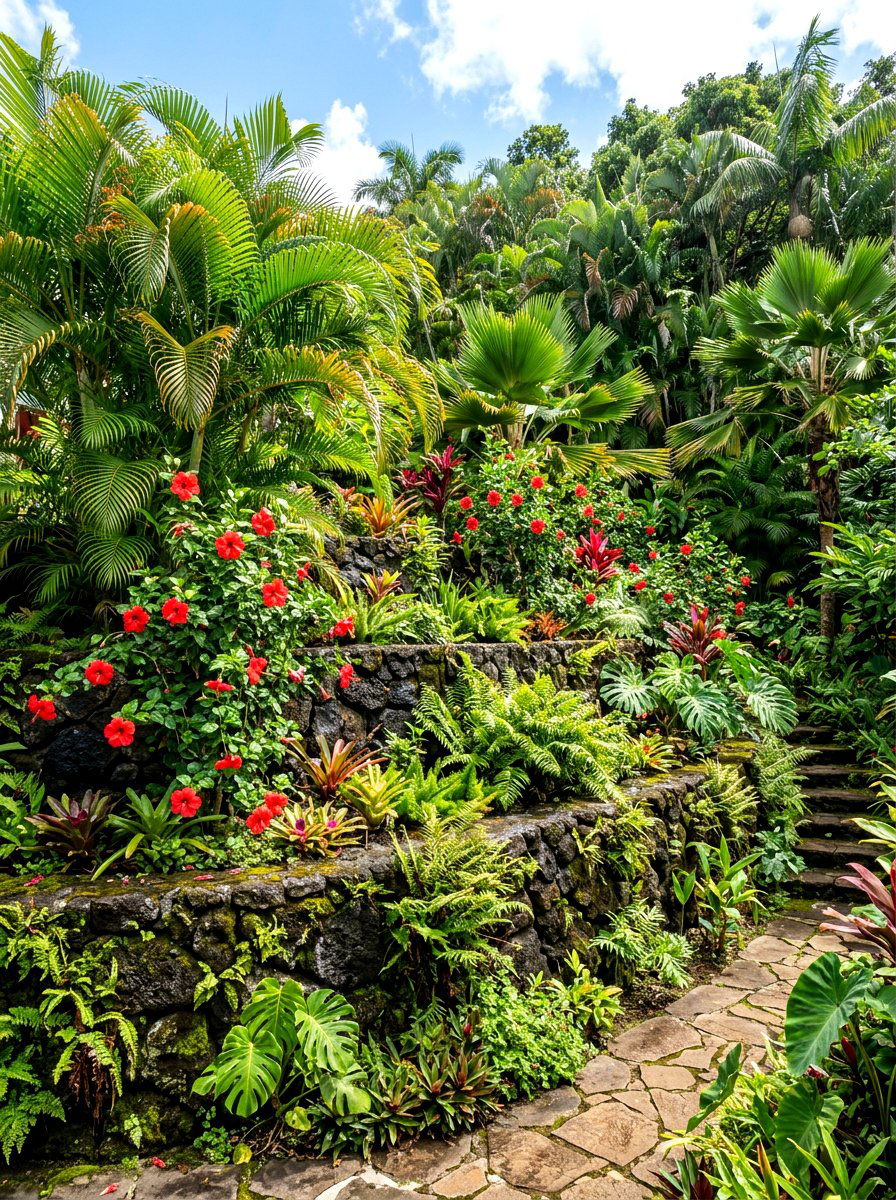
If your backyard has a slope, a retaining wall built from natural stone or concrete blocks is a must. These walls create flat tiers that prevent soil erosion and allow you to plant in manageable sections. You can fill these terraced levels with various drought-resistant plants to create a cascading wall of greenery. Using stones that match your existing hardscape creates a cohesive and professional look across your entire property. Retaining walls also provide extra seating for guests when you are hosting outdoor gatherings. They turn a difficult, hilly yard into a functional and beautiful multi-level garden that requires very little water to stay vibrant.
14. Lavender Garden Bed
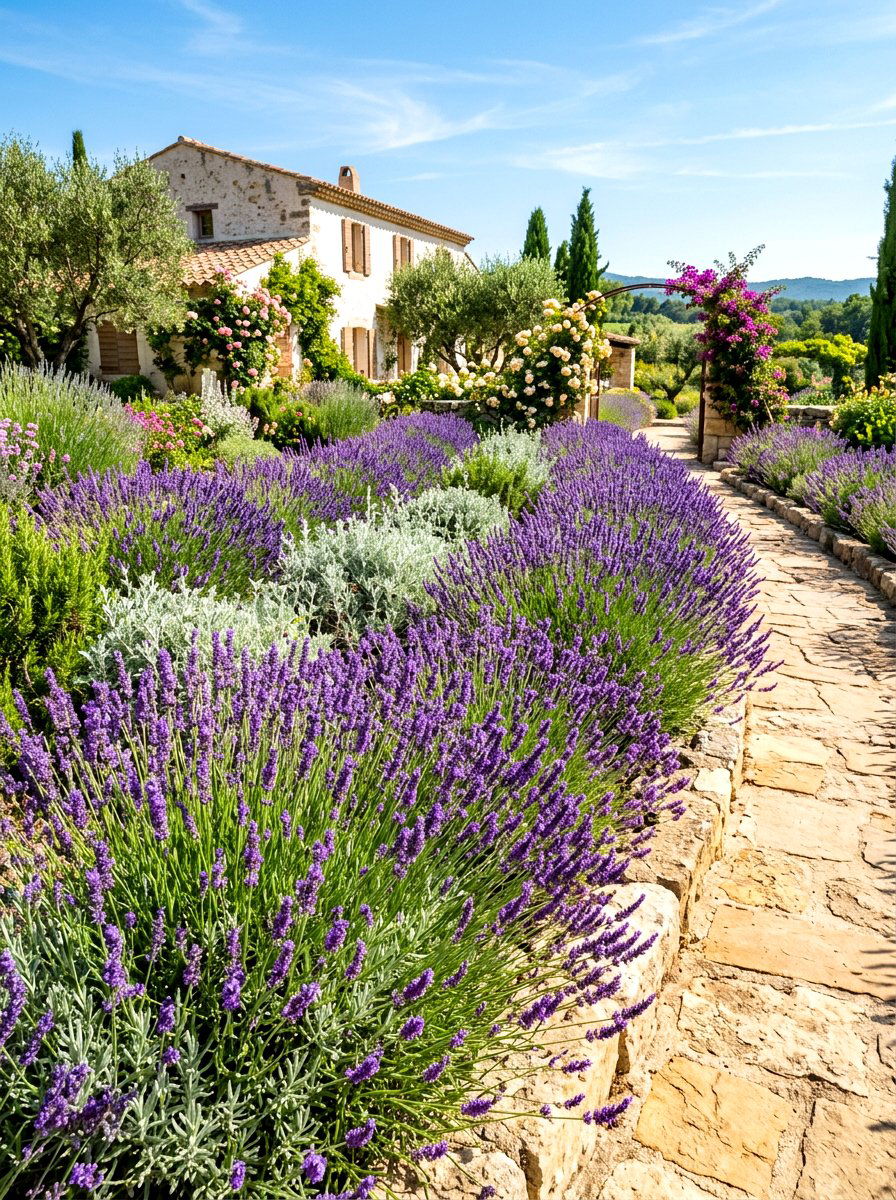
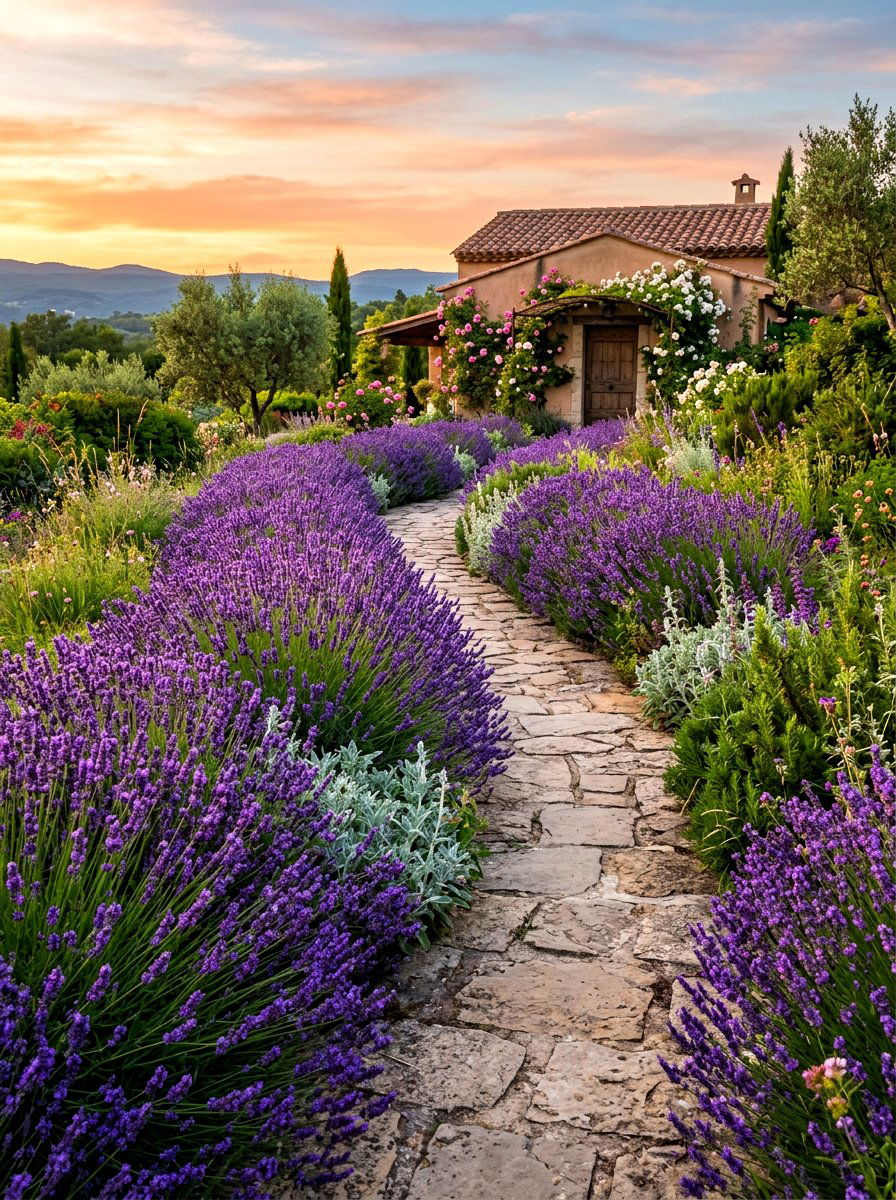
Lavender is a classic xeriscape plant that offers incredible fragrance, beautiful purple blooms, and extreme heat tolerance. It thrives in sunny spots with well-drained soil and actually prefers to be left alone rather than over-watered. Planting a large bed of lavender creates a Mediterranean feel that transports you to the hills of Provence. The silvery-green foliage remains attractive even when the plant is not in bloom. Lavender is also excellent for attracting honeybees and butterflies, which helps support your local ecosystem. It is a hardy perennial that will come back year after year, providing a reliable splash of color and a relaxing scent for your backyard.
15. Cacti Landscape Arrangement
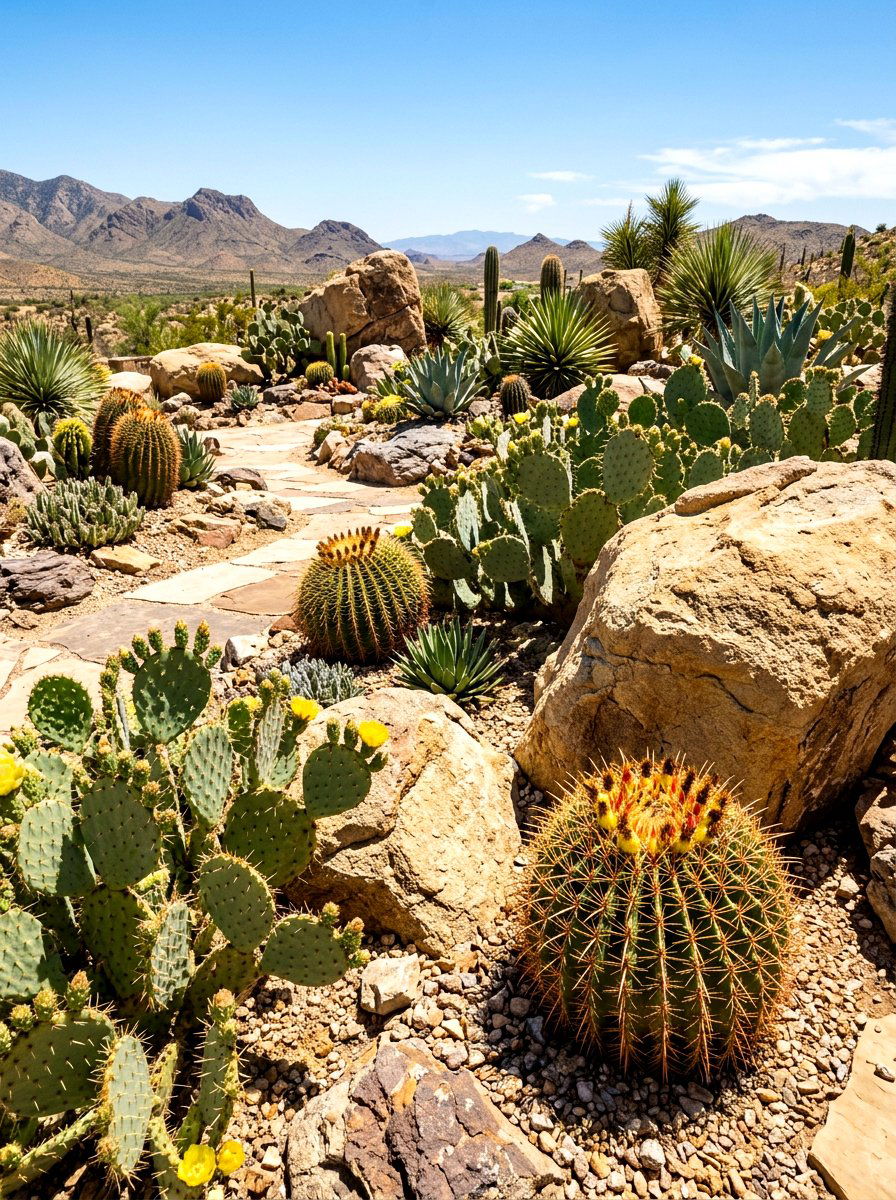
Cacti are the ultimate survivalists, making them perfect for a truly low-maintenance backyard. You can arrange different varieties, like prickly pear or barrel cacti, to create a stunning architectural display. Their unique shapes and textures add a bold, modern look that stands out against a backdrop of simple gravel. Many cacti produce surprisingly vibrant flowers in the spring and summer, adding unexpected pops of color. Because they have thorns, they can also act as a natural deterrent for unwanted pests or intruders. A well-planned cactus arrangement requires essentially zero water once established, making it the most sustainable choice for homeowners in hot, arid climates.
16. Perennial Pollinator Garden
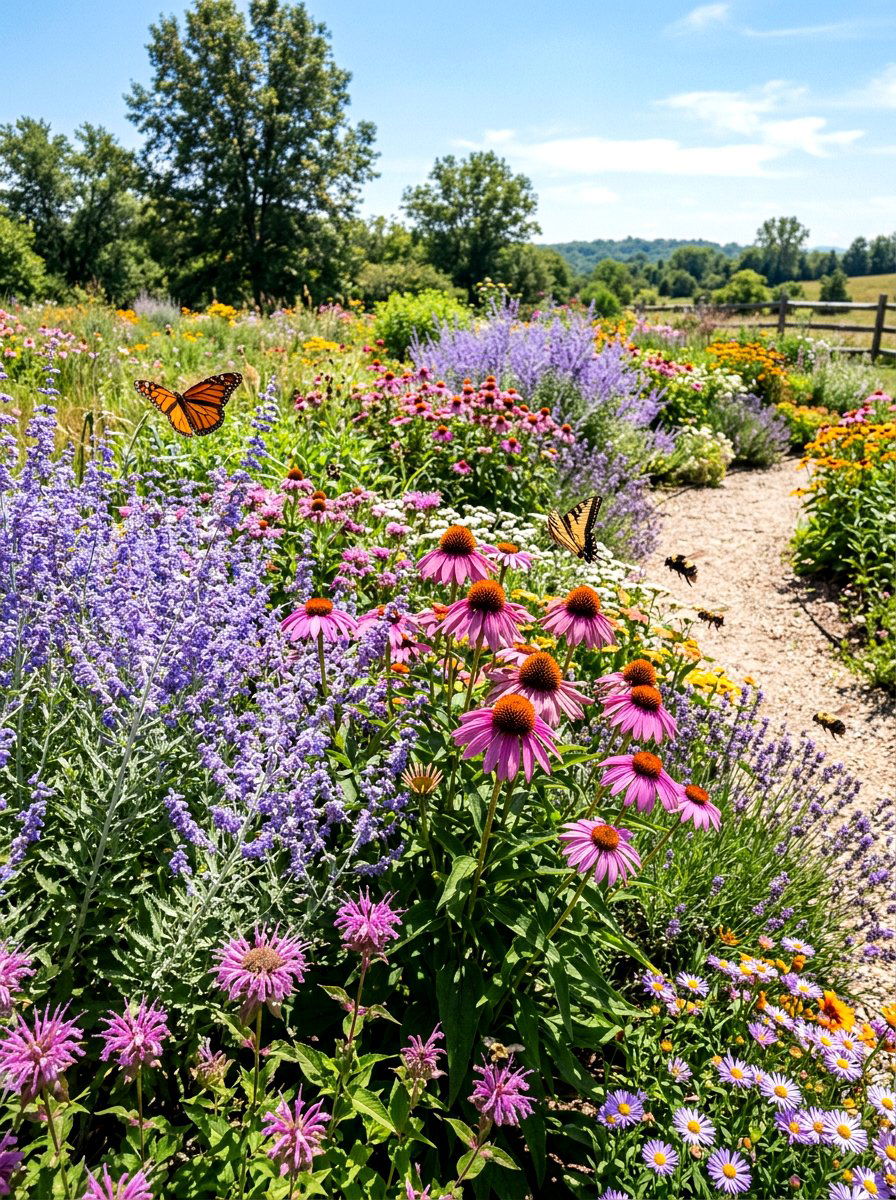
You can save water and help the environment at the same time by planting a perennial pollinator garden. Choose drought-tolerant flowers like coneflowers, yarrow, and Russian sage that bloom at different times of the year. These plants are tough enough to handle dry spells while providing nectar for bees and butterflies. Because they are perennials, they will regrow every spring without you needing to buy new plants. Grouping these flowers together creates a lush, colorful island in the middle of your stone or gravel yard. It is a rewarding way to bring nature closer to home while adhering to the core principles of water-wise xeriscaping.
17. Modern Concrete Pavers
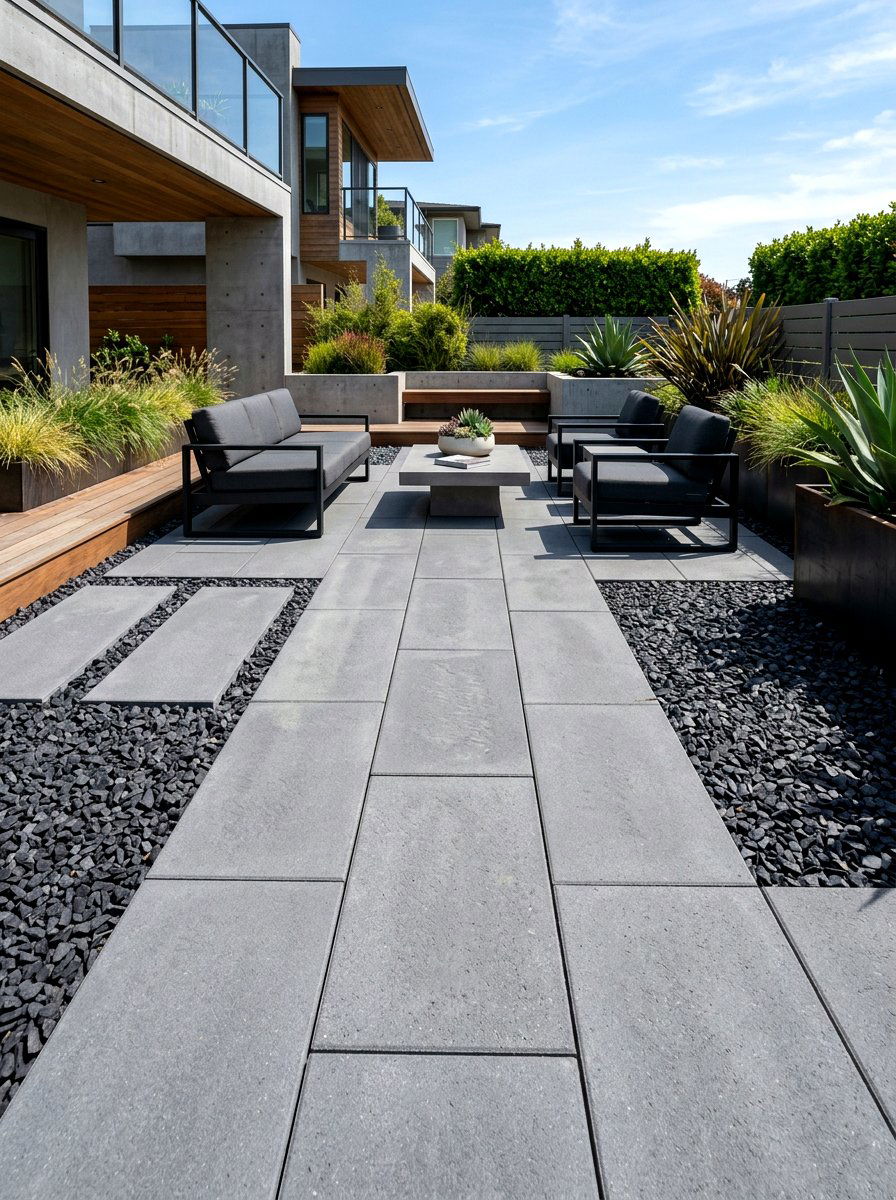
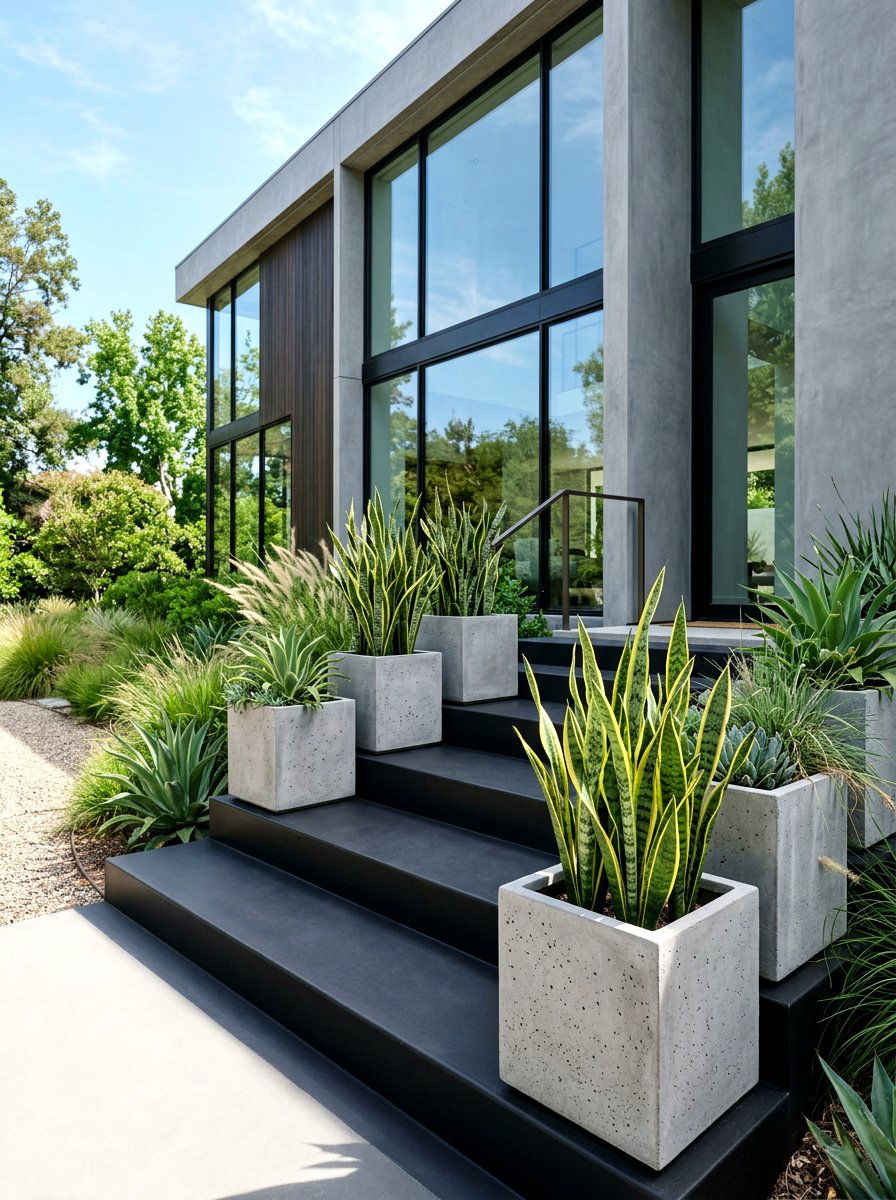
For a clean and contemporary backyard, large-scale concrete pavers are an excellent design choice. These pavers create a sleek, geometric pattern that looks great against the organic shapes of desert plants. You can space them out with small river rocks or dark basalt gravel in between to allow for water drainage. This style works perfectly for creating a minimalist dining area or a pathway to a focal point like a sculpture. Concrete is a very durable material that requires almost no maintenance over several decades. It provides a sophisticated foundation for modern outdoor furniture, making your backyard feel like an extension of your indoor living space.
18. Zen Rock Garden
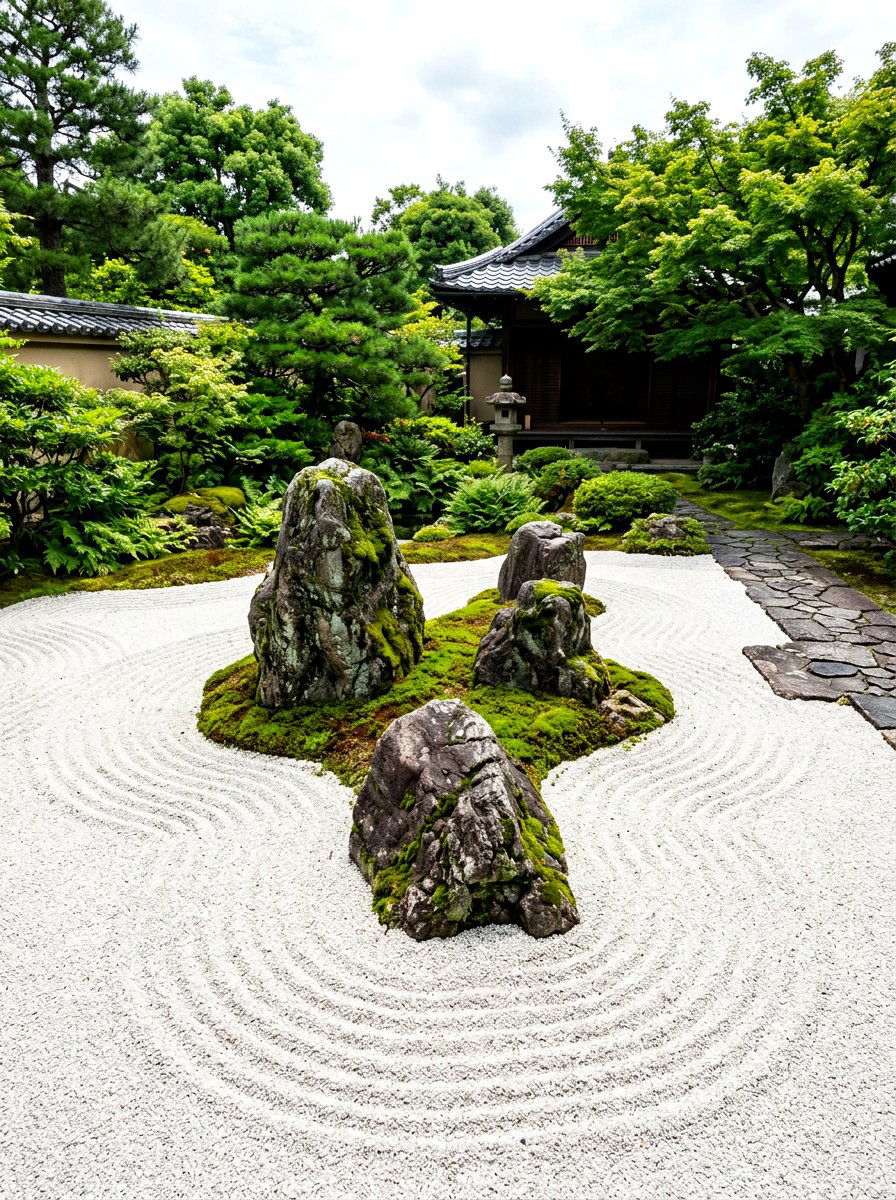
A Zen-inspired rock garden focuses on simplicity and mindfulness, which fits perfectly with the xeriscape philosophy. This design typically uses raked sand or fine gravel to represent water, with large stones placed strategically as islands. It is a very low-water option because it relies more on hardscape elements than on living plants. You can add a few slow-growing evergreens or moss-like groundcovers to add a touch of green without increasing your water bill. Raking the gravel can be a meditative activity that helps you relax after a long day. This type of garden creates a peaceful atmosphere that encourages quiet reflection in your own backyard.
19. Xeriscape Fire Pit Area
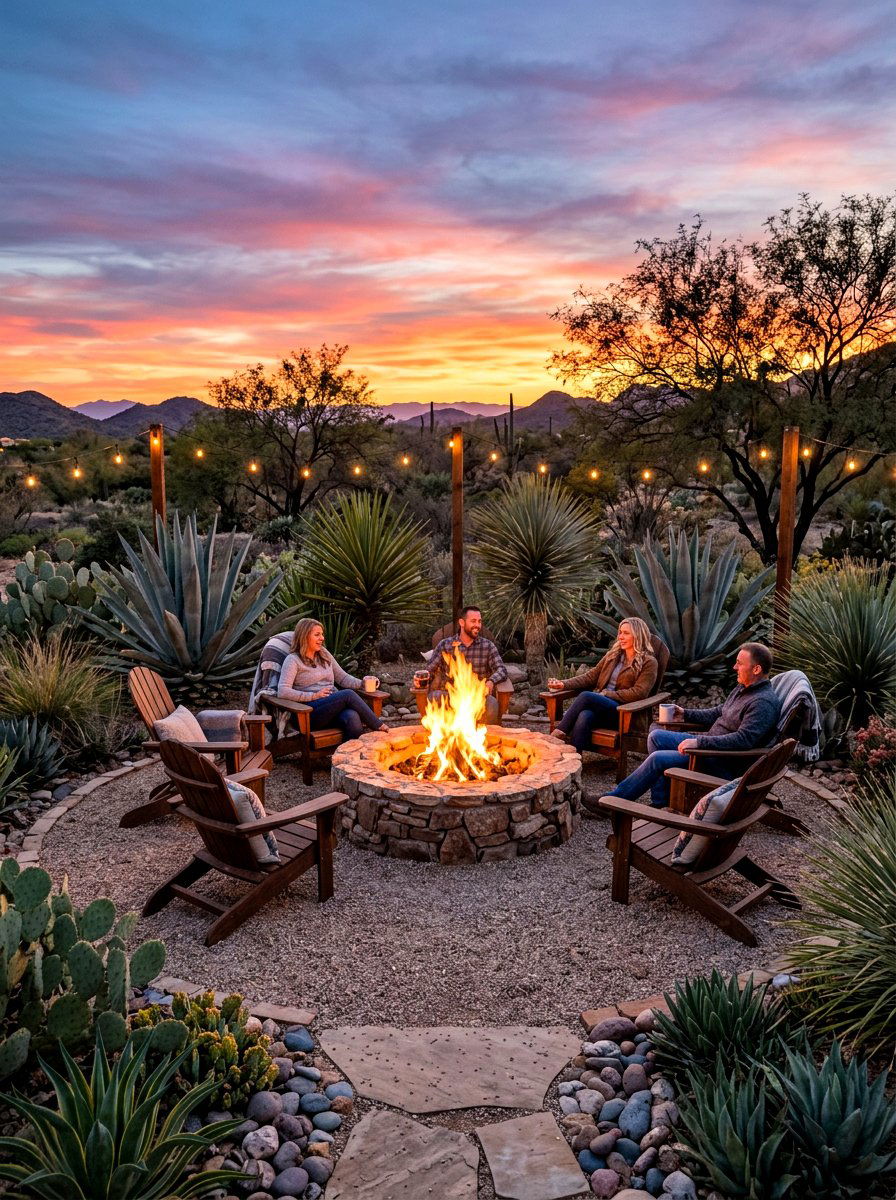
A fire pit is a fantastic focal point for a xeriscape backyard because it requires no water and provides year-round enjoyment. You can build a circular seating area using gravel or pavers to ensure the ground is non-flammable and stable. Surrounding the fire pit with Adirondack chairs or built-in stone benches creates an inviting spot for evening conversations. Drought-tolerant plants like agave or ornamental grasses can be placed nearby to soften the edges of the stone. This setup is perfect for entertaining friends and family during cool desert nights. It turns a simple patch of dirt into a functional destination that adds significant value to your home.
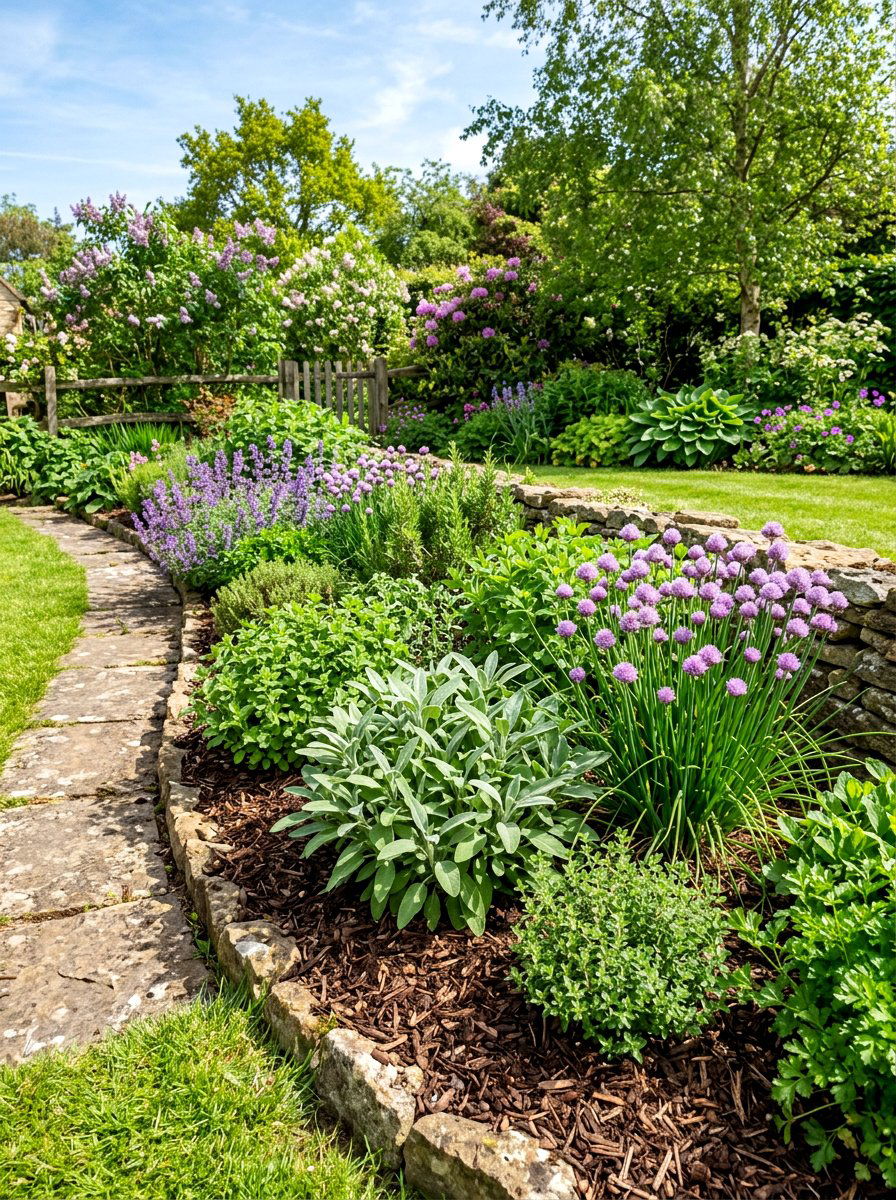
20. Mediterranean Backyard Style
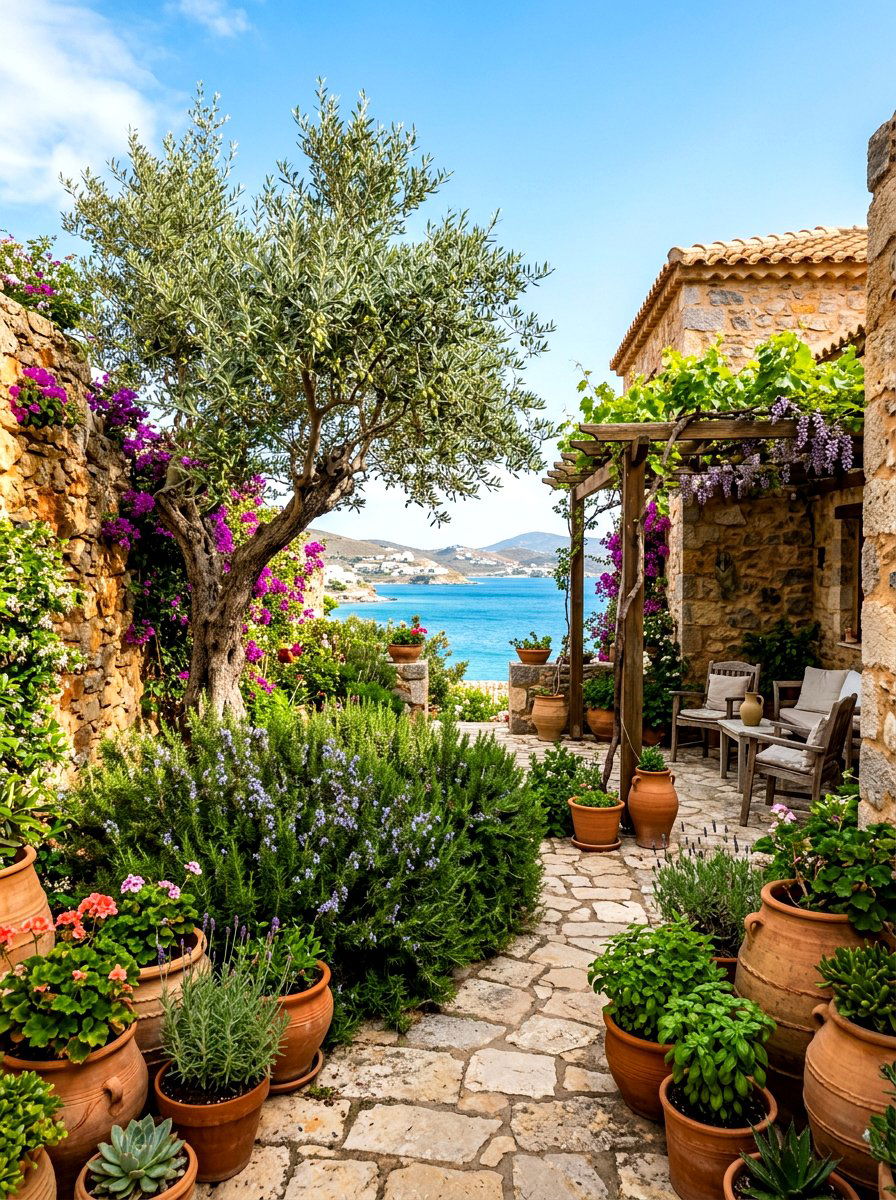
The Mediterranean style is naturally water-wise, as it draws inspiration from dry, sunny coastal regions. This look often features terracotta pots, stone walls, and aromatic herbs like rosemary and thyme. You can use light-colored gravel to reflect the sun and keep the ground cool. Adding a few olive or citrus trees provides shade and a touch of greenery without the high water needs of tropical species. The overall vibe is relaxed and rustic, encouraging a slow-paced outdoor lifestyle. This design approach proves that you can have a lush and inviting garden that is perfectly suited for a climate with very little regular rainfall.
21. Agave Focal Point
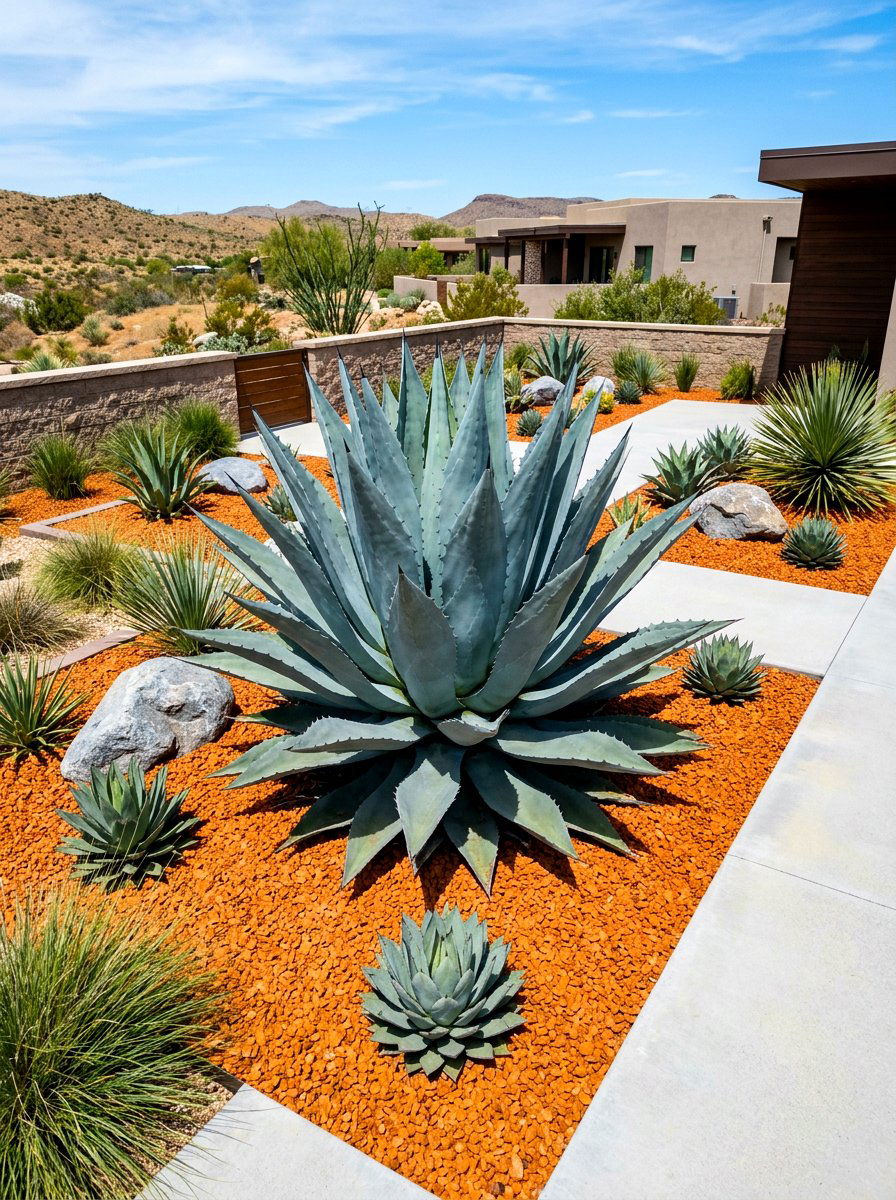
Agave plants are known for their dramatic, sword-like leaves and massive size, making them the perfect focal point. A single large agave can anchor an entire garden bed, drawing the eye with its sculptural beauty. These plants are incredibly resilient and can survive on the bare minimum amount of water. You can surround a central agave with smaller succulents or contrasting river rocks to highlight its unique form. Some varieties have blue-gray leaves that look stunning against a backdrop of warm-toned gravel. Because they grow slowly and require no pruning, agaves are an ideal choice for homeowners who want maximum visual impact with minimum maintenance.
22. Dry Creek Bed
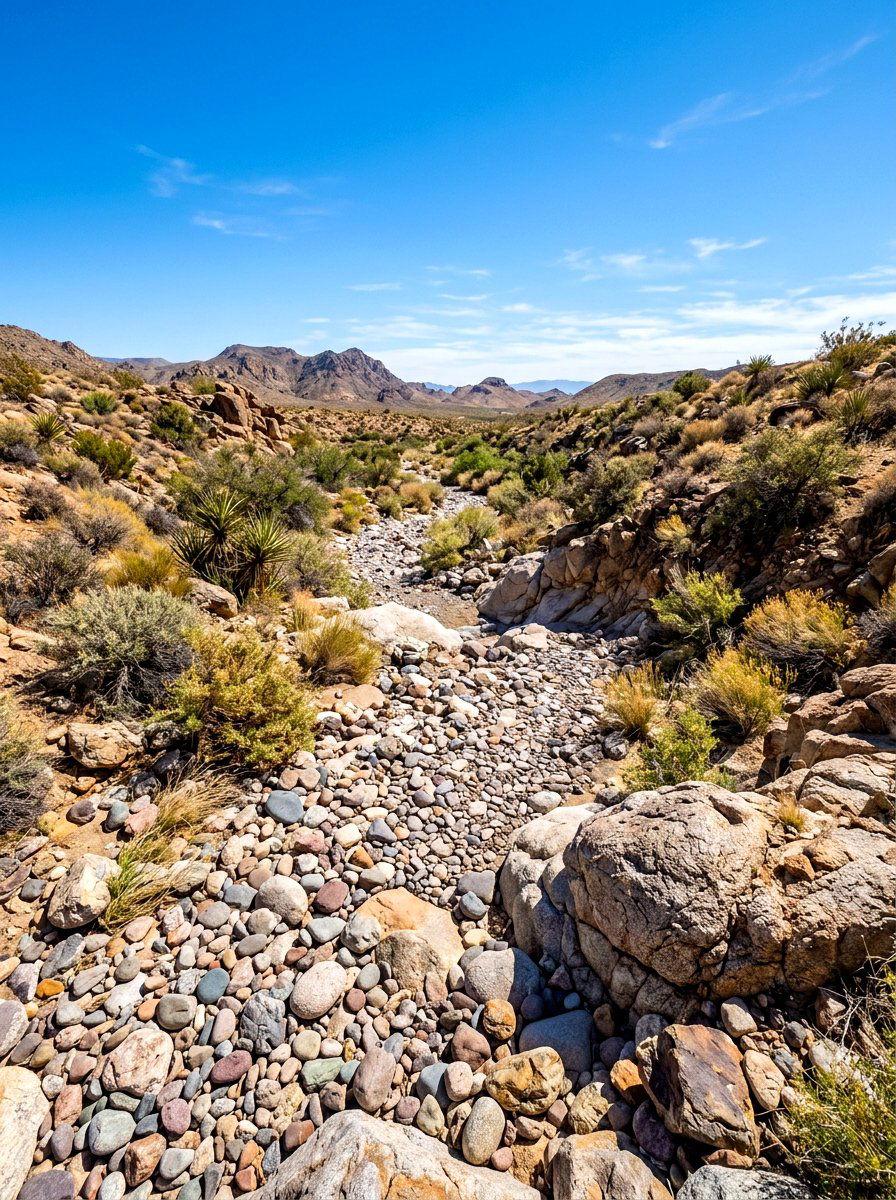
A dry creek bed is a beautiful way to simulate the appearance of water without actually using a single drop. By using various sizes of river rocks and boulders, you can create a winding "stream" that flows through your backyard. This feature adds a sense of rhythm and movement to the landscape, breaking up large areas of flat ground. You can plant drought-tolerant shrubs and grasses along the "banks" to make the feature look more realistic and established. Besides its beauty, a dry creek bed is a functional drainage solution that helps manage rainwater during heavy downpours. It is a timeless landscape element that stays beautiful forever.
23. Potted Succulent Display
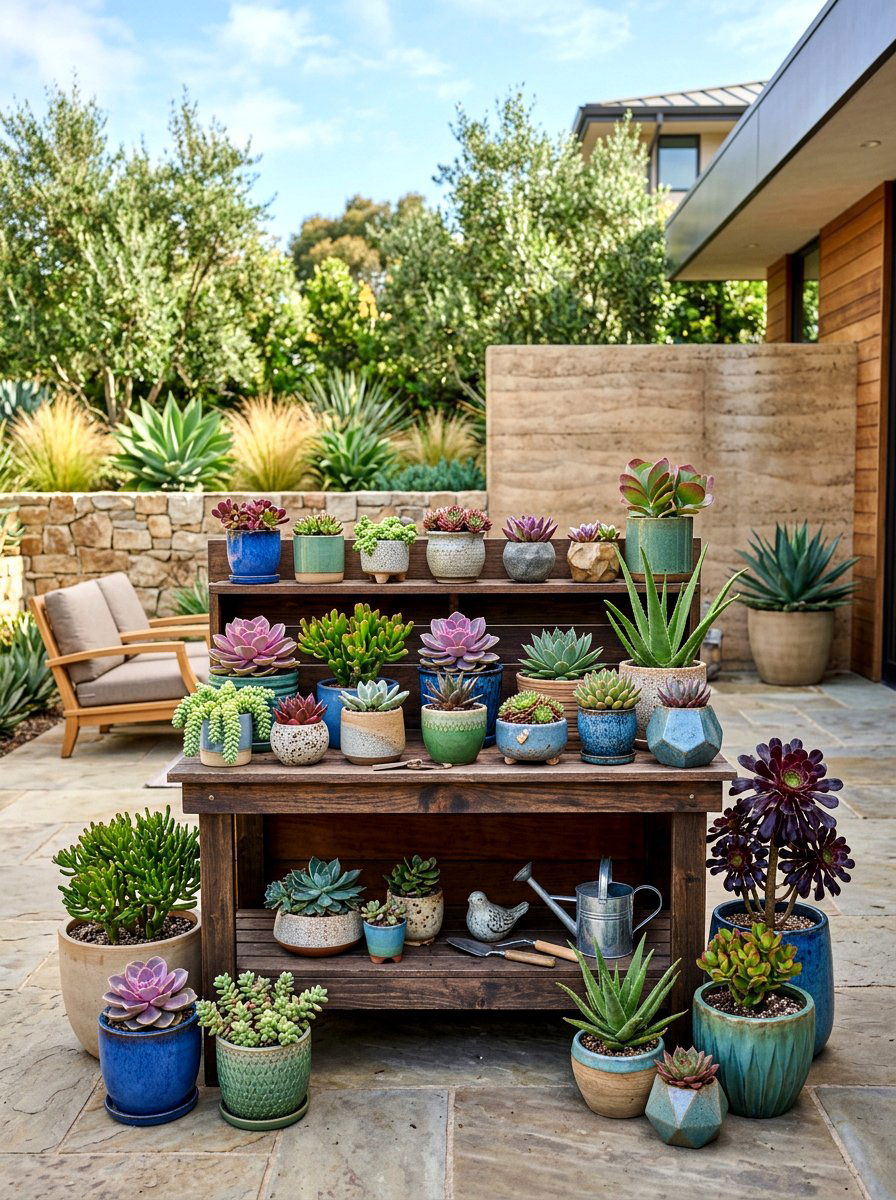
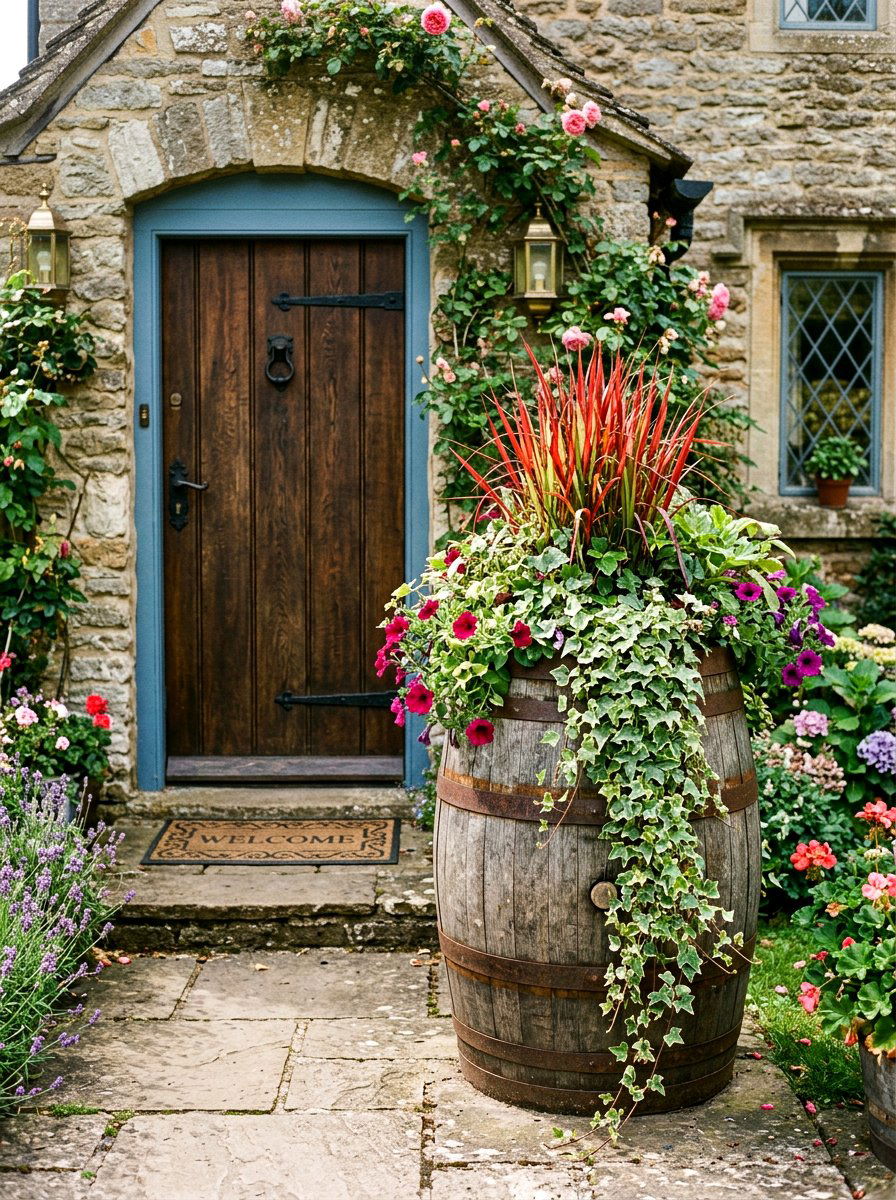
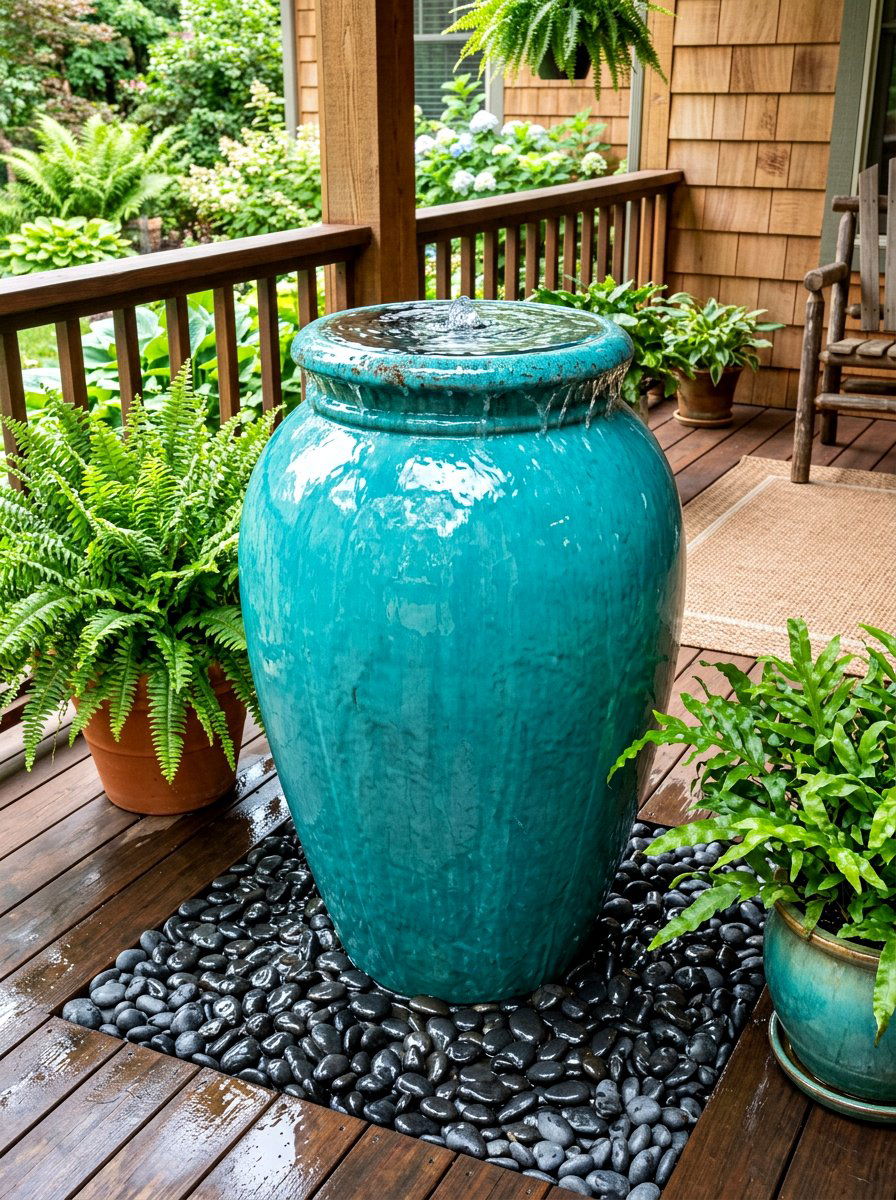
If you have a small backyard or a large patio, a collection of potted succulents is a great xeriscape solution. Using containers allows you to control the soil quality and move the plants around to find the best sunlight. You can mix and match different pot styles, such as weathered terracotta or modern ceramic, to create a curated look. Succulents like aloe, echeveria, and jade thrive in pots and require very infrequent watering. This is a perfect way to add greenery and texture to a hardscaped area without having to dig up the ground. It also makes it easy to bring sensitive plants indoors during the winter.
24. Sagebrush Landscape
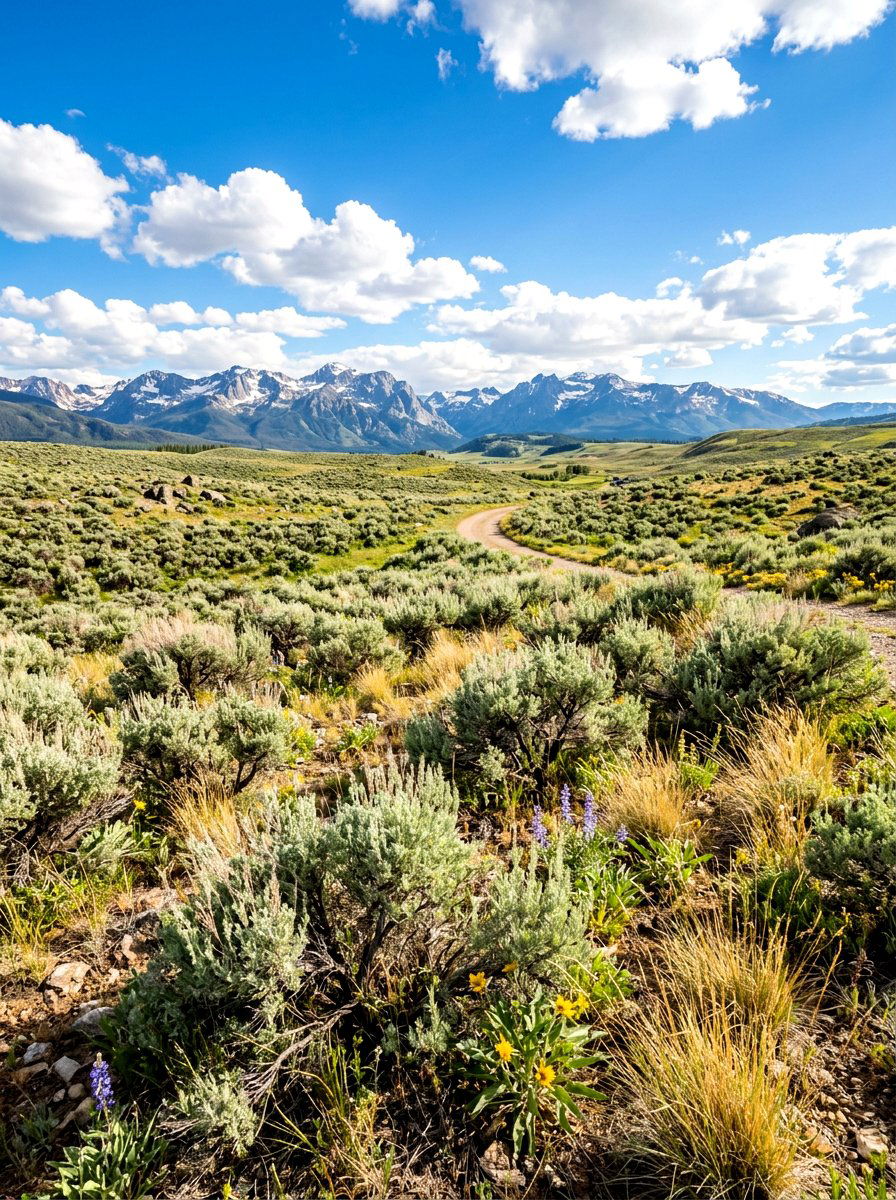
Sagebrush offers a soft, silvery-green color and a wonderful wild-west aesthetic that is perfect for large, open backyards. This plant is extremely hardy and can withstand intense heat, wind, and drought with ease. When planted in large clusters, it creates a beautiful textured background for other colorful perennials. Sagebrush also releases a distinct and pleasant aroma after a rainstorm, adding a sensory layer to your garden. It requires zero irrigation once its roots have settled into the soil. Using sagebrush is a great way to lean into a naturalistic, meadow-like look that feels completely authentic to the local environment and requires very little human intervention.
25. Permeable Driveway Pavers
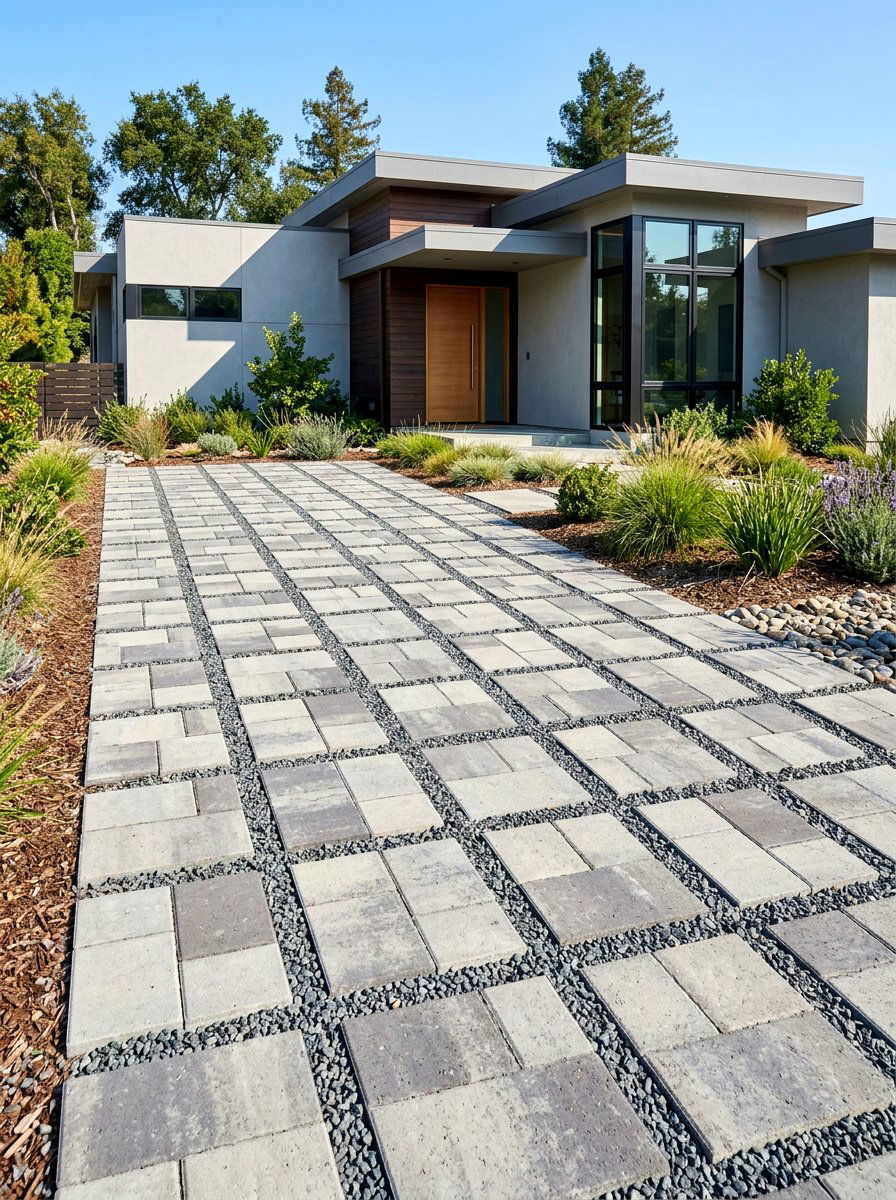
While technically part of the front or side yard, permeable pavers are a key element of a holistic xeriscape design. These pavers are designed with gaps that allow water to soak into the ground instead of running off into the street. This helps recharge the local groundwater and prevents erosion on your property. You can use these pavers for a parking pad or a walkway leading into your backyard. They come in many styles, from classic brick to modern stone, so you can match them to your home’s architecture. This is a sustainable and functional choice that looks much more attractive than a standard slab of gray asphalt.
26. Low Water Groundcover
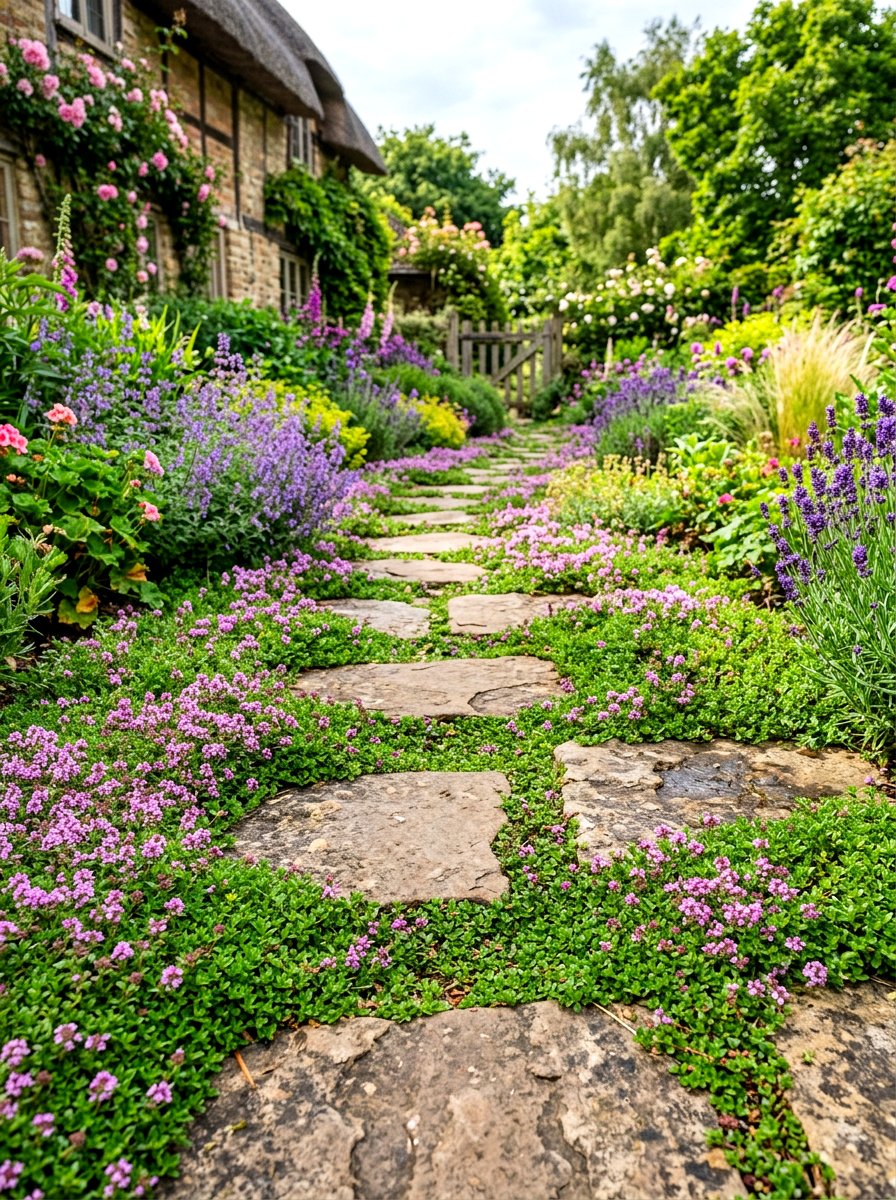
If you miss the feeling of a lush green carpet under your feet, consider low-water groundcover instead of traditional grass. Plants like creeping thyme, sedum, or clover spread quickly to cover the soil and require much less water than a lawn. Many of these options produce tiny, beautiful flowers that attract pollinators and add a splash of color to the ground. They are generally tough enough to handle light foot traffic and stay green for most of the year. Using groundcover is a smart way to fill in gaps between stepping stones or to cover large areas where you want a softer look than gravel or bark.
27. Yucca Garden Layout
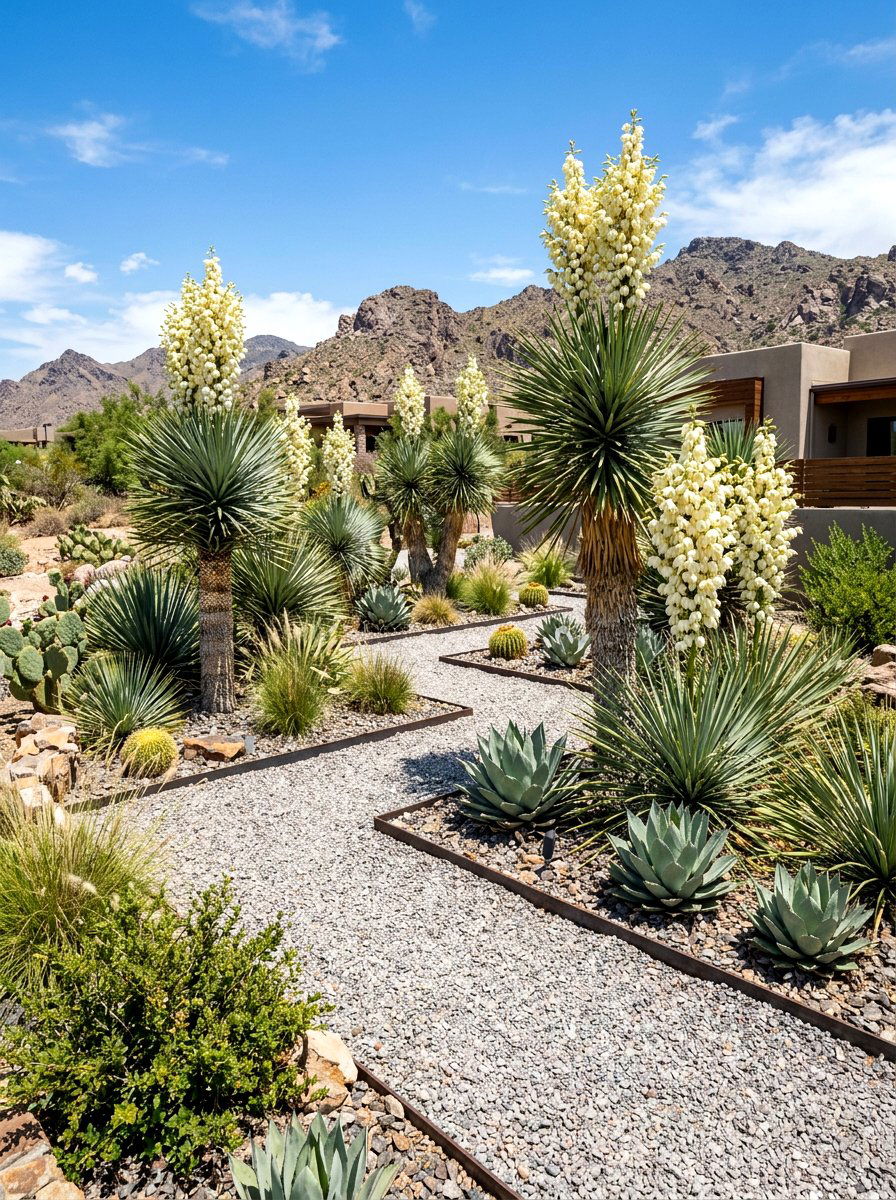
Yucca plants provide a striking vertical element and a rugged, desert-chic vibe to any backyard. With their sharp, pointed leaves and tall stalks of white flowers, they are truly architectural plants. They are incredibly tough and can handle the harshest sun and poorest soil without any complaints. You can plant them in groups of varying heights to create a sense of depth and layers in your garden. Yuccas look great when paired with rounded boulders or soft ornamental grasses for a balanced look. They are long-lived plants that require almost no care, making them a staple for any serious water-wise landscaping project in your area.
28. Raised Garden Beds
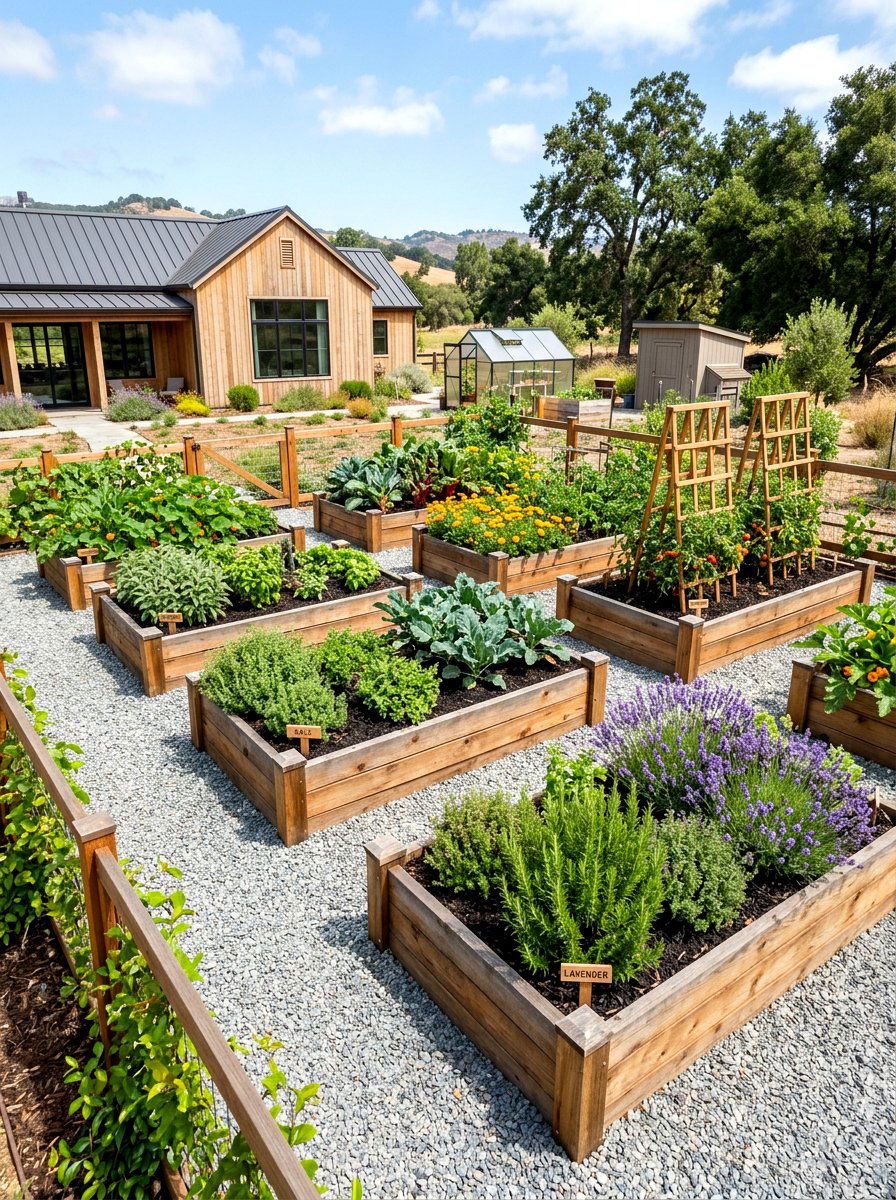
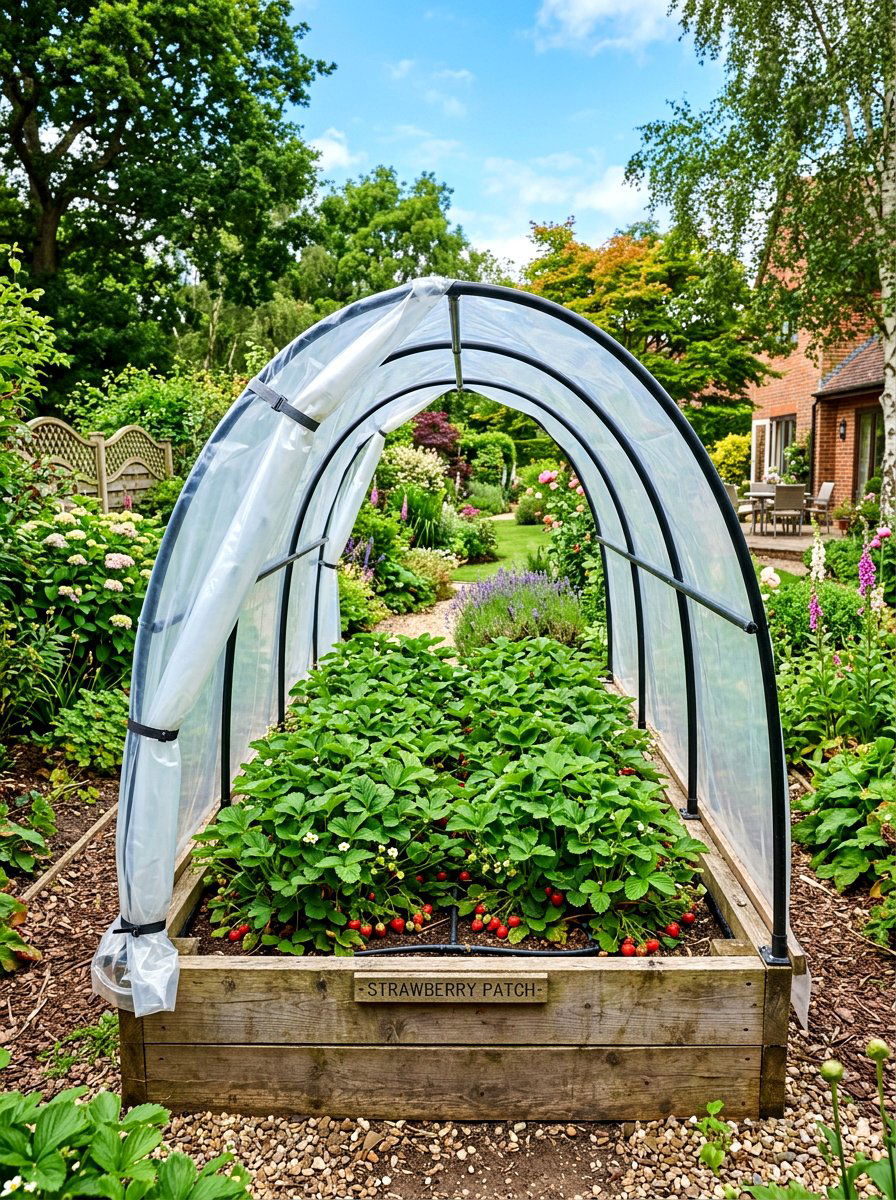
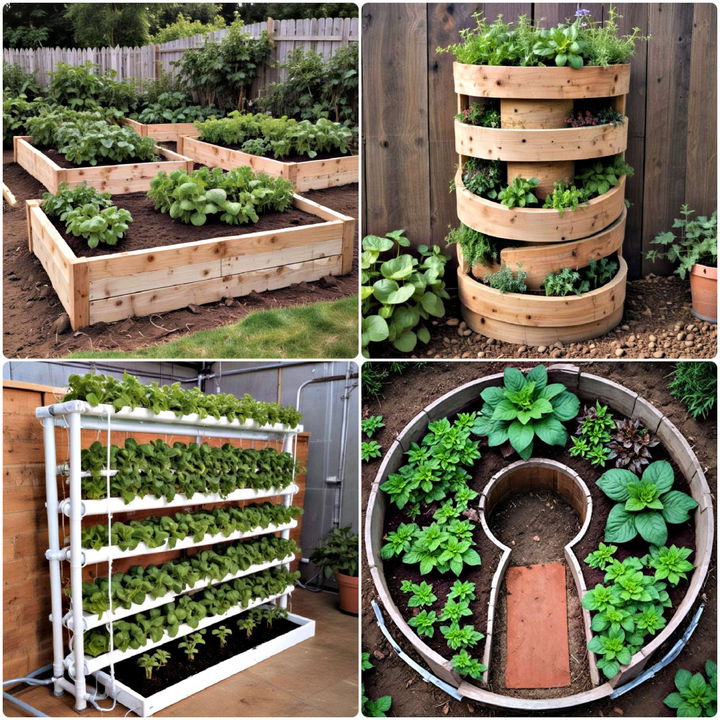
Raised garden beds allow you to practice xeriscaping while still enjoying the hobby of gardening. By elevating the planting area, you can use specialized well-draining soil that is perfect for drought-tolerant herbs and vegetables. You can build these beds out of reclaimed wood, stone, or even galvanized metal to match your backyard style. Grouping your plants in a confined space makes it much easier to install an efficient drip irrigation system. This targeted watering approach ensures that no moisture is wasted on paths or weeds. Raised beds also add visual structure and height to your landscape, making the garden feel organized and professionally designed for efficiency.
29. Outdoor Lighting
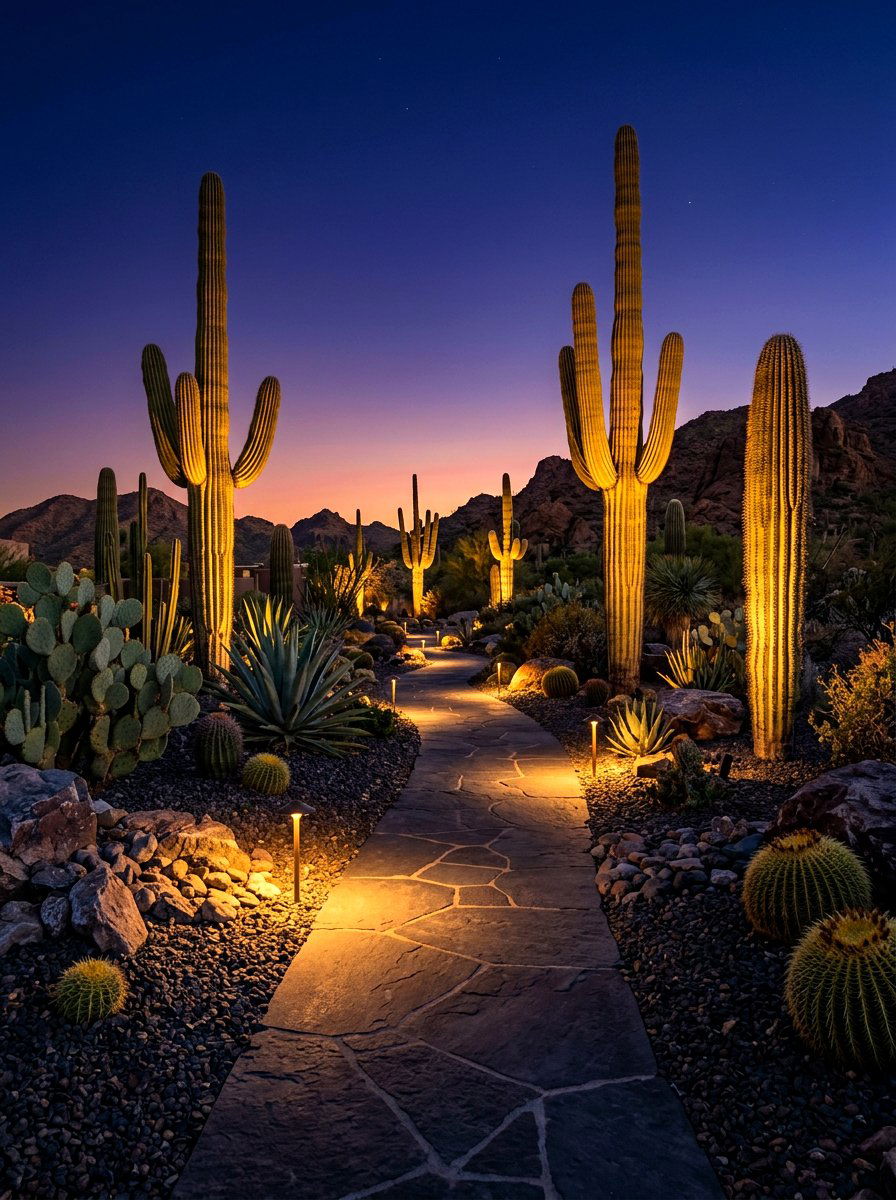
To truly enjoy your xeriscape backyard at night, high-quality outdoor lighting is a necessary addition. Low-voltage LED lights can be used to highlight the interesting shapes of cacti, agave, or large boulders. Path lights ensure that your gravel or stone walkways are safe to navigate after the sun goes down. Using warm, soft lights creates a cozy and inviting atmosphere without consuming much energy. You can also use uplighting on trees or walls to add drama and depth to your garden. Lighting transforms your backyard into a 24-hour living space, allowing you to appreciate the unique textures of your water-wise landscape even during the evening hours.
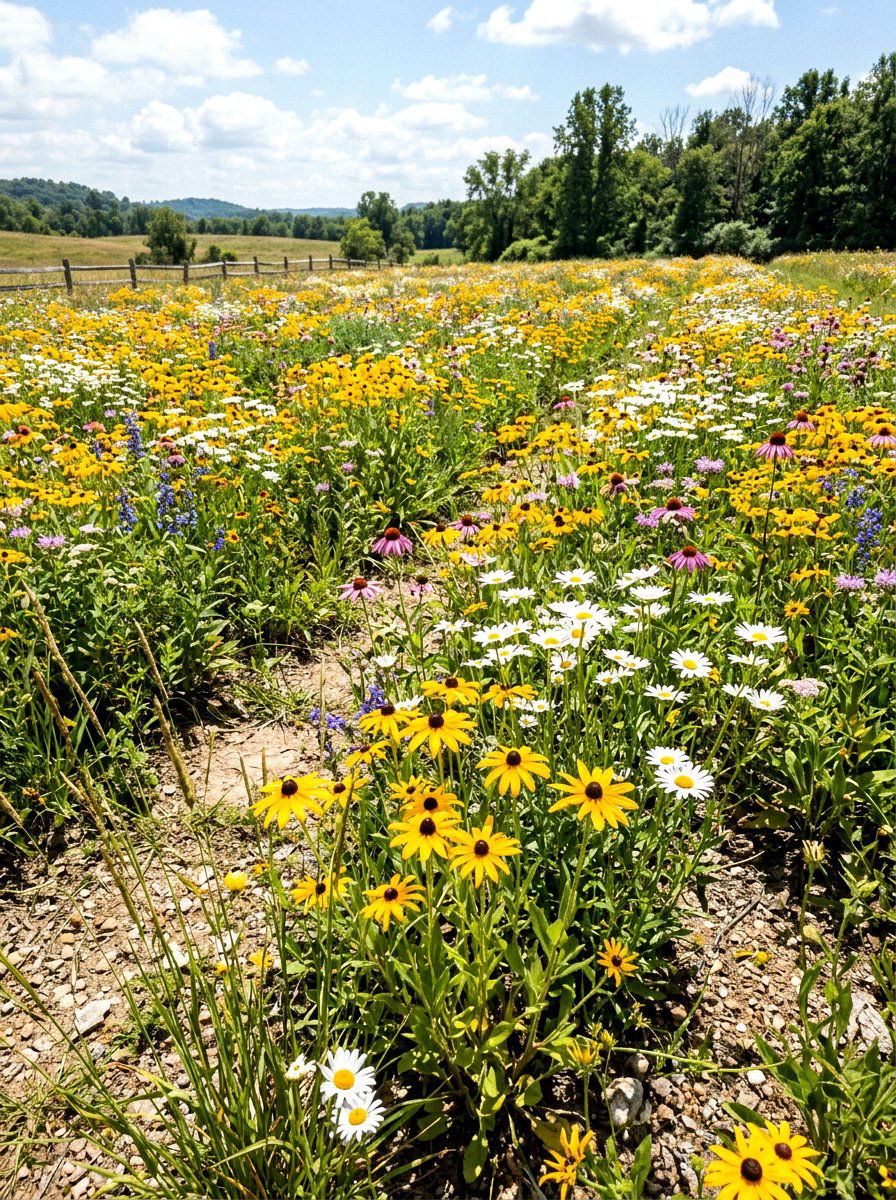
30. Wildflower Meadow
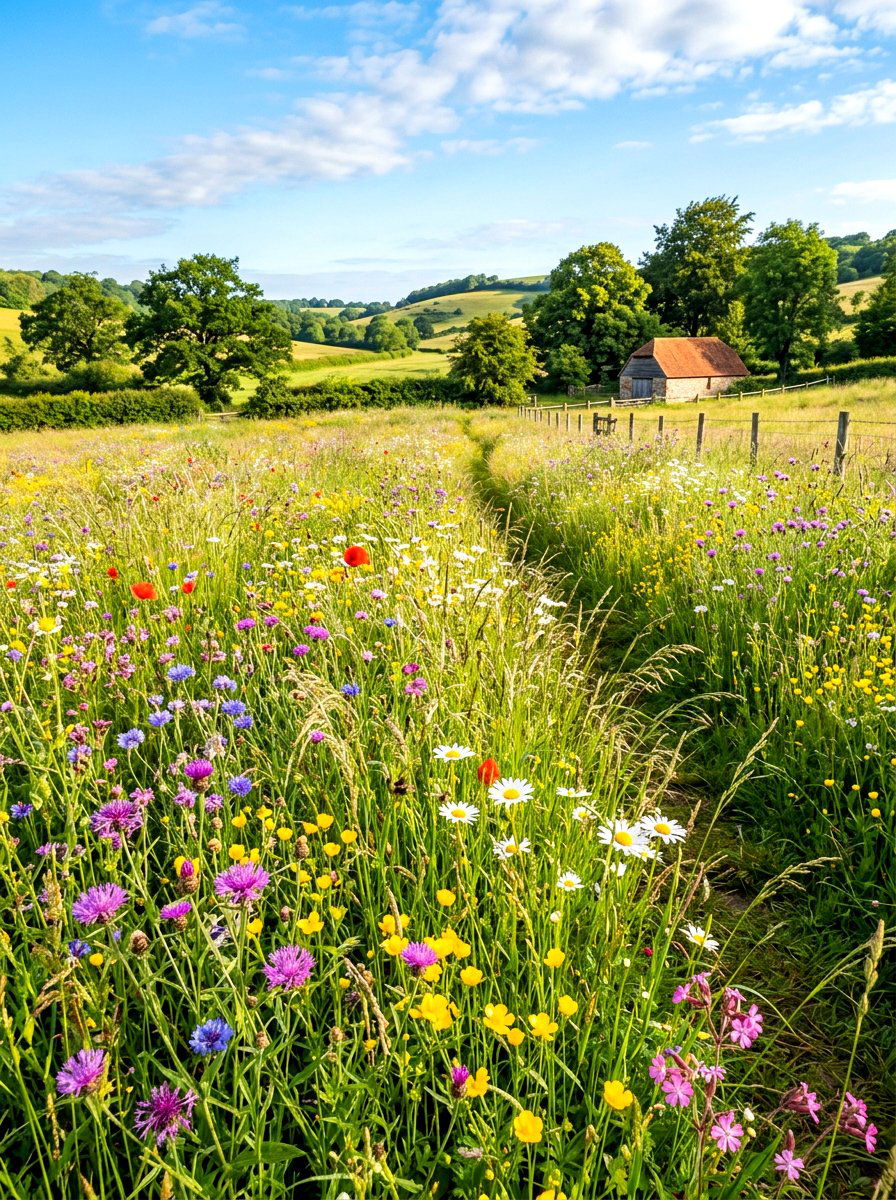
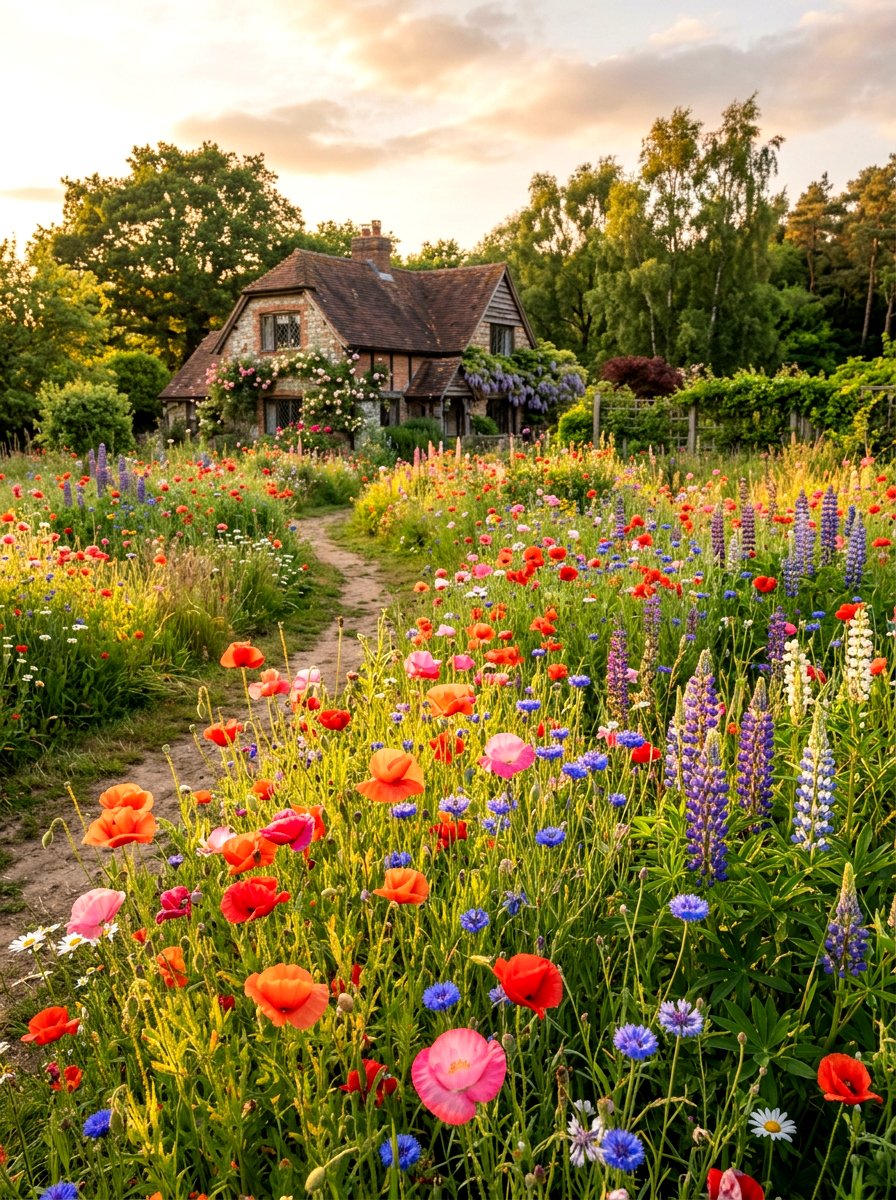
For a more whimsical and natural look, you can convert a portion of your backyard into a drought-tolerant wildflower meadow. Using a mix of native seeds, you can create a field of color that changes throughout the seasons. Wildflowers are naturally adapted to survive on rainfall alone once they have been established. This type of garden is incredibly low-maintenance, as it only needs to be mown once or twice a year. It provides a massive boost to local biodiversity by offering food and shelter to bees, butterflies, and birds. A wildflower meadow adds a soft, romantic touch that balances out the hard edges of rocks and pavers.
Conclusion:
Transforming your backyard with xeriscaping is an investment that pays off in both beauty and sustainability. By prioritizing drought-tolerant plants, smart hardscaping, and efficient water management, you create a space that respects the environment. These thirty concepts prove that low-water landscaping can be just as diverse and lush as traditional gardens. You will enjoy a stunning outdoor retreat that requires much less maintenance and significantly lower water costs throughout the year. As global climates continue to shift, adopting these eco-friendly practices becomes even more important for every modern home. Take the first step today and begin planning a resilient, water-wise sanctuary that will flourish for many years to come.

Related posts: