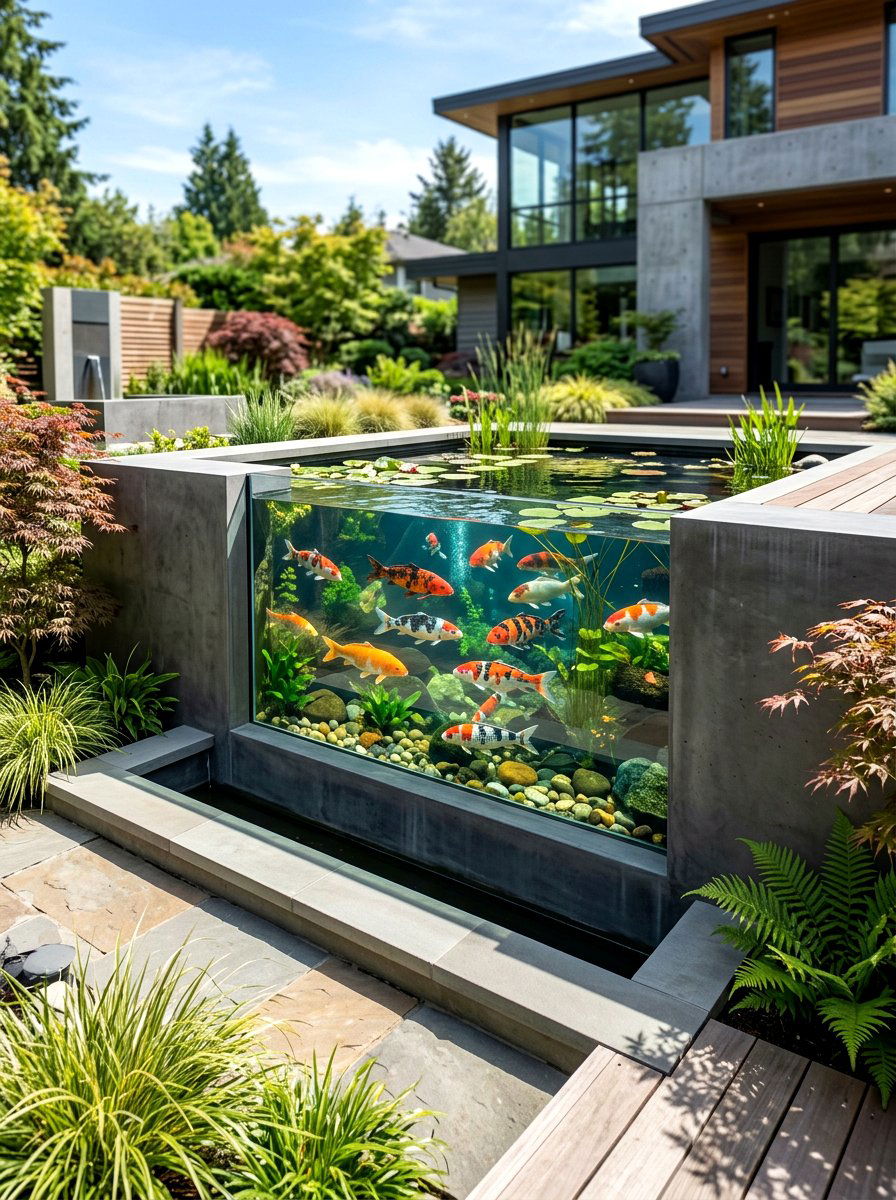
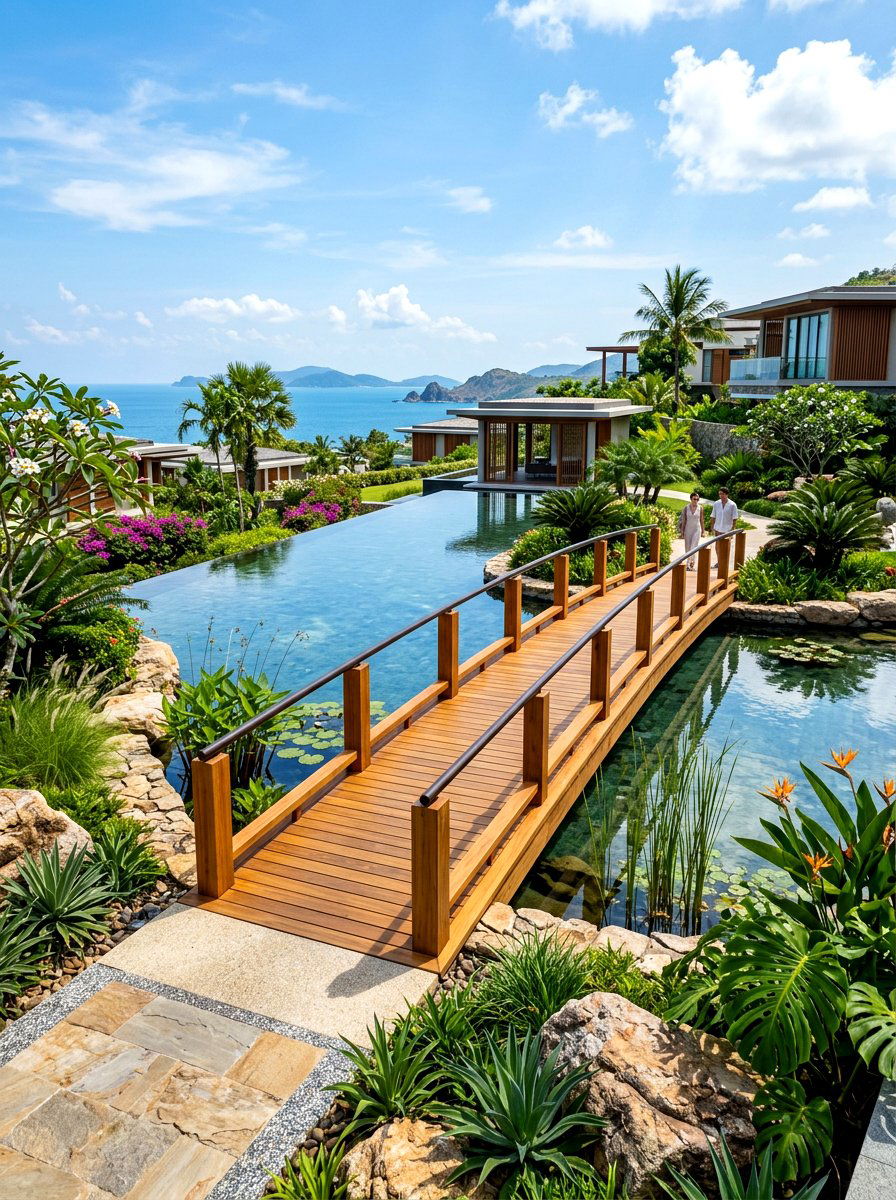
Creating a beautiful transition between your water feature and the surrounding landscape is the key to a professional-looking garden. A well-designed pond edge not only hides unsightly rubber liners but also provides a vital habitat for local wildlife like frogs and dragonflies. By choosing the right mix of moisture-loving perennials and structural marginal plants, you can create a lush, naturalistic border that thrives year-round. Whether you prefer a modern, minimalist look or a wild bog garden, these planting strategies will help you achieve a balanced ecosystem. Integrating different textures and heights ensures your pond remains a captivating focal point while effectively filtering the water naturally.
1. Marsh Marigold Pond Edge Planting
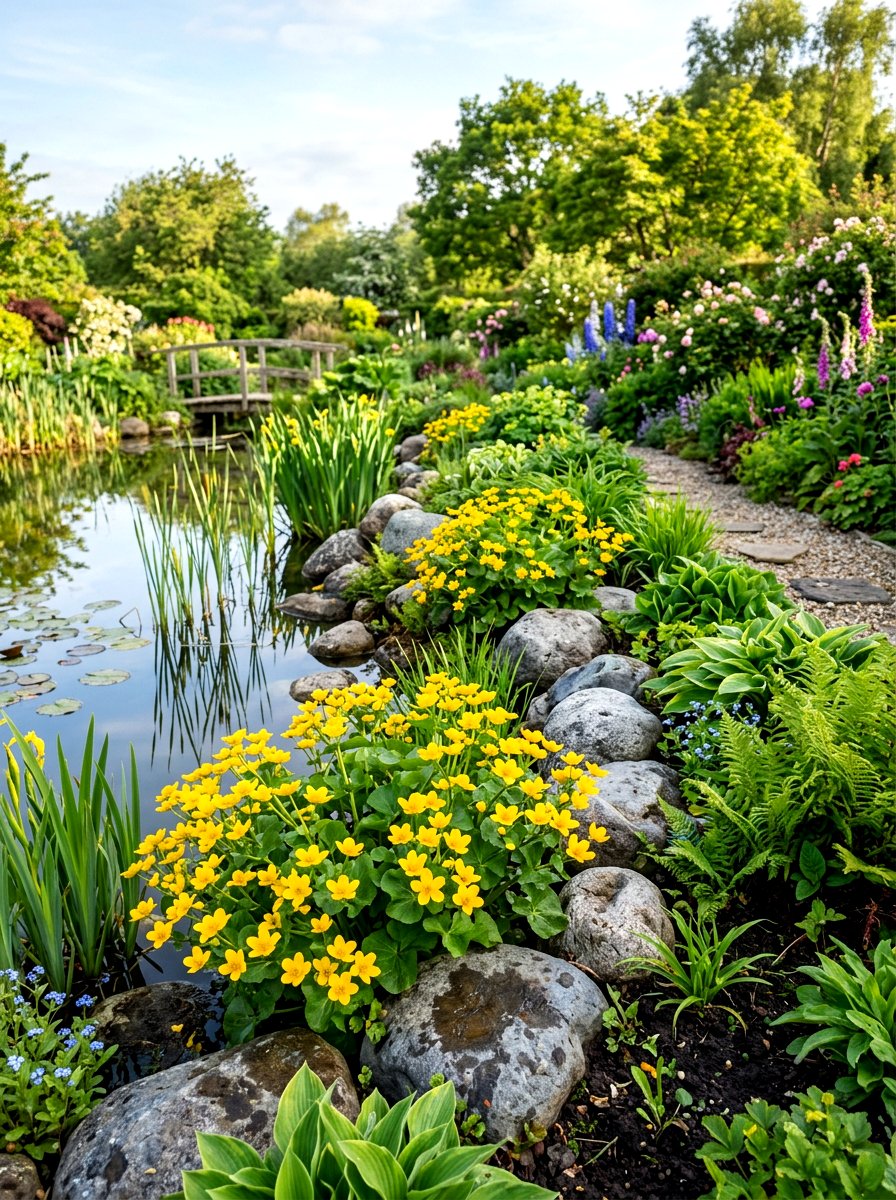
Imagine bright yellow flowers reflecting off the water surface during the early days of spring. Marsh marigold is a classic choice for any damp margin because it thrives in consistently wet soil. These hardy plants create a vibrant burst of color when most of your garden is still waking up from winter. They typically grow in low, rounded mounds, which helps soften the hard transition between the land and the water edge. You can tuck them into rocky crevices or plant them in dense clusters along the mud. Their glossy heart-shaped leaves provide a lush green backdrop even after the blooms fade. This plant is very easy to maintain and loves sunny spots.
2. Japanese Iris Pond Edge Planting
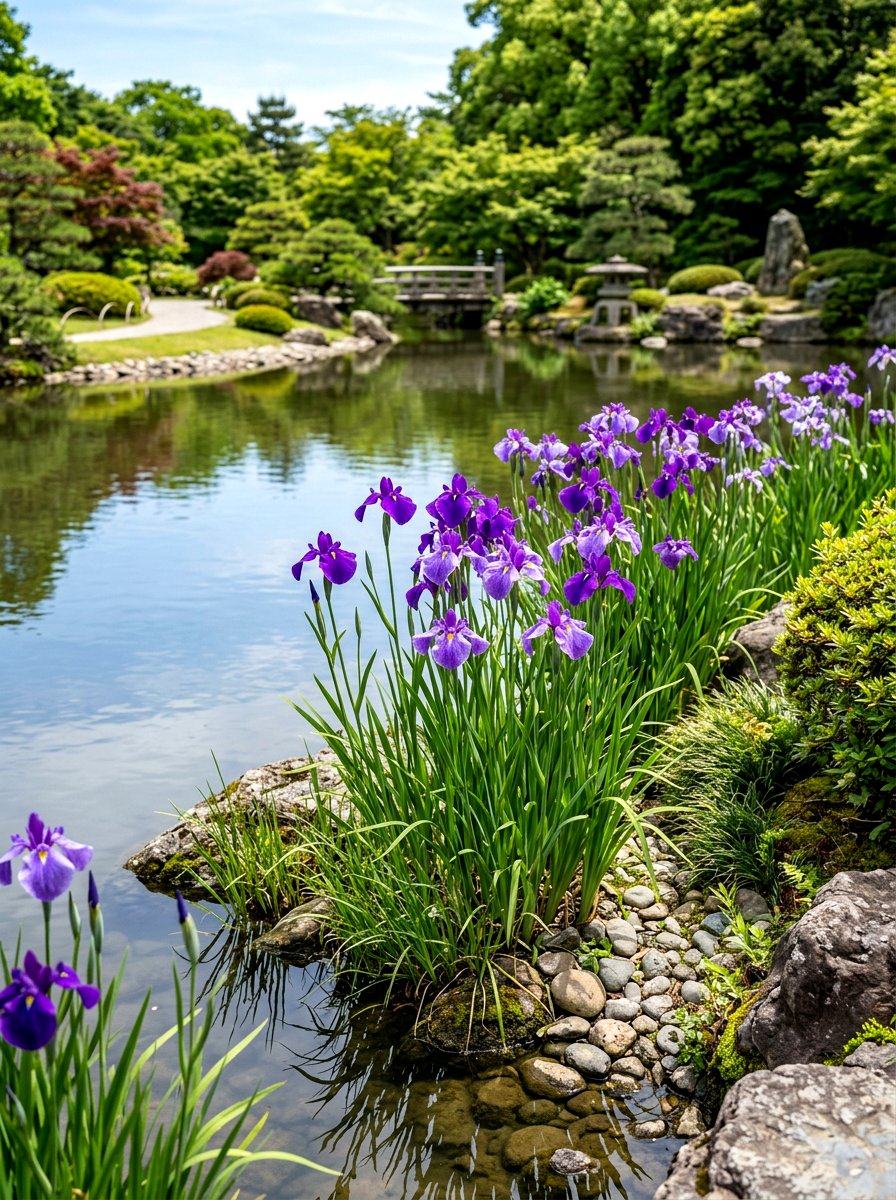
Adding a touch of elegance to your water garden is easy with the striking blooms of Japanese iris. These plants are famous for their large, flat flowers that appear in stunning shades of purple, blue, and white. They prefer a position where their roots can stay moist but the crown remains slightly above the water level. The sword-like foliage provides excellent vertical structure, creating a beautiful contrast against the horizontal plane of the pond. Planting them in groups creates a dramatic focal point that draws the eye. They bloom in mid-summer, providing a splash of regal color when many other spring flowers have already finished their show.
3. Hosta Pond Edge Planting
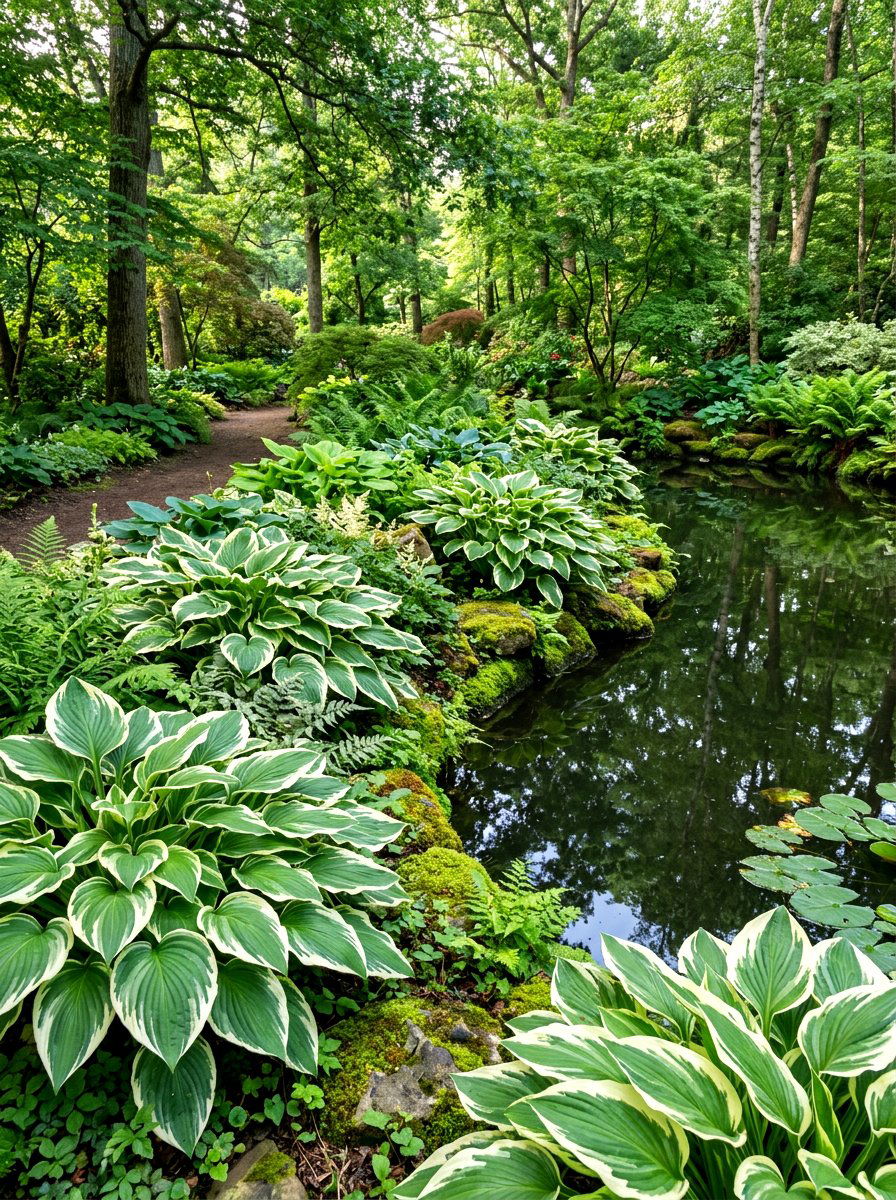
If your pond is tucked away in a shady corner, hostas are the perfect solution for filling the surrounding banks. These foliage-heavy plants come in an incredible variety of colors, from deep forest green to bright chartreuse and variegated blues. Their large, broad leaves are excellent for hiding pond liners and creating a soft, layered look around the perimeter. Hostas love the humid environment near water and will thrive in the moist soil typically found at the edge of a garden pool. They provide a dense groundcover that helps prevent weeds from taking over your landscape. Their occasional lavender or white flowers add a delicate touch.
4. Fern Pond Edge Planting
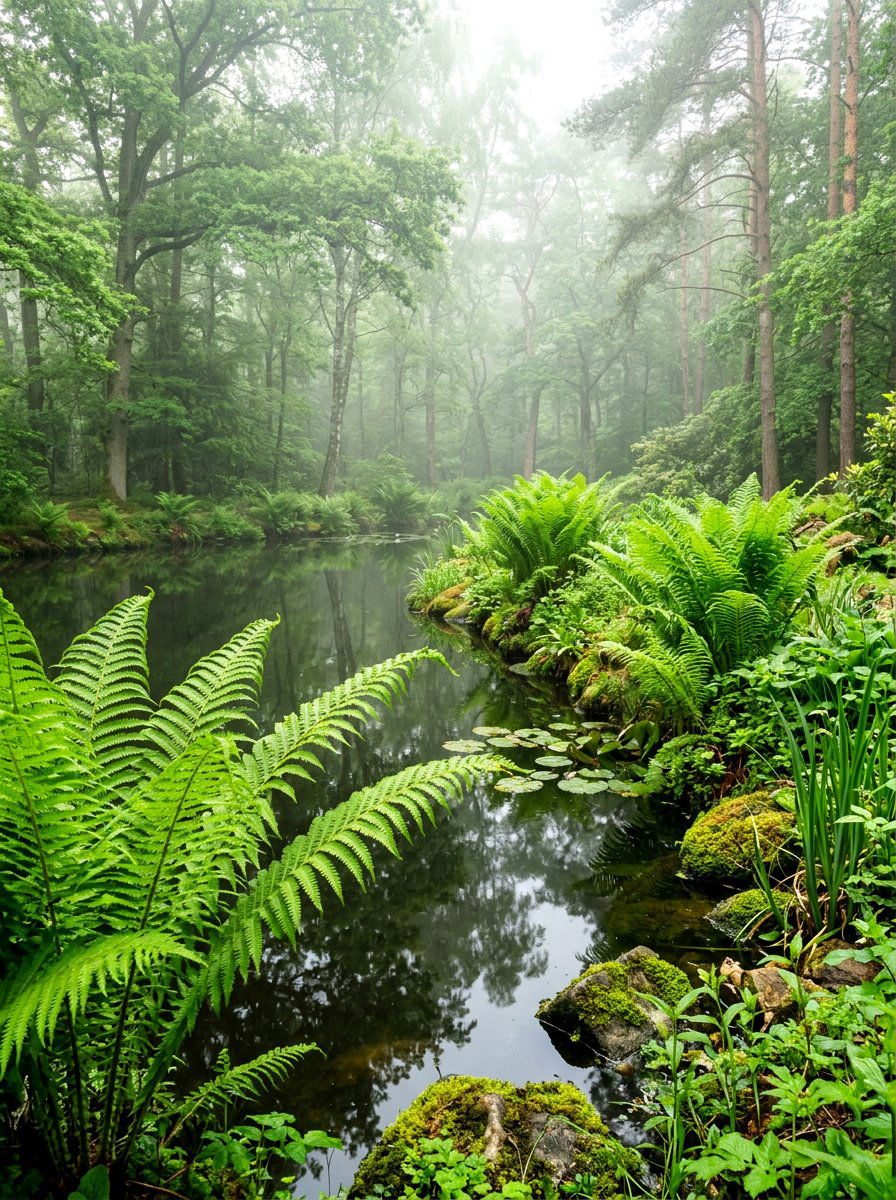
Ferns bring an ancient, woodland feel to any water feature and are essential for creating a naturalistic pond border. These plants excel in damp, shady areas where other species might struggle to grow. The delicate, lacy fronds of the lady fern or the bold, architectural shape of the ostrich fern add wonderful texture. When planted near the water, their leaves often arch over the surface, creating hidden spots for frogs to rest. They are incredibly low-maintenance and return year after year with more vigor. Ferns look best when mixed with mossy rocks and decaying wood to mimic a pristine forest stream or a quiet mountain pond.
5. Creeping Jenny Pond Edge Planting
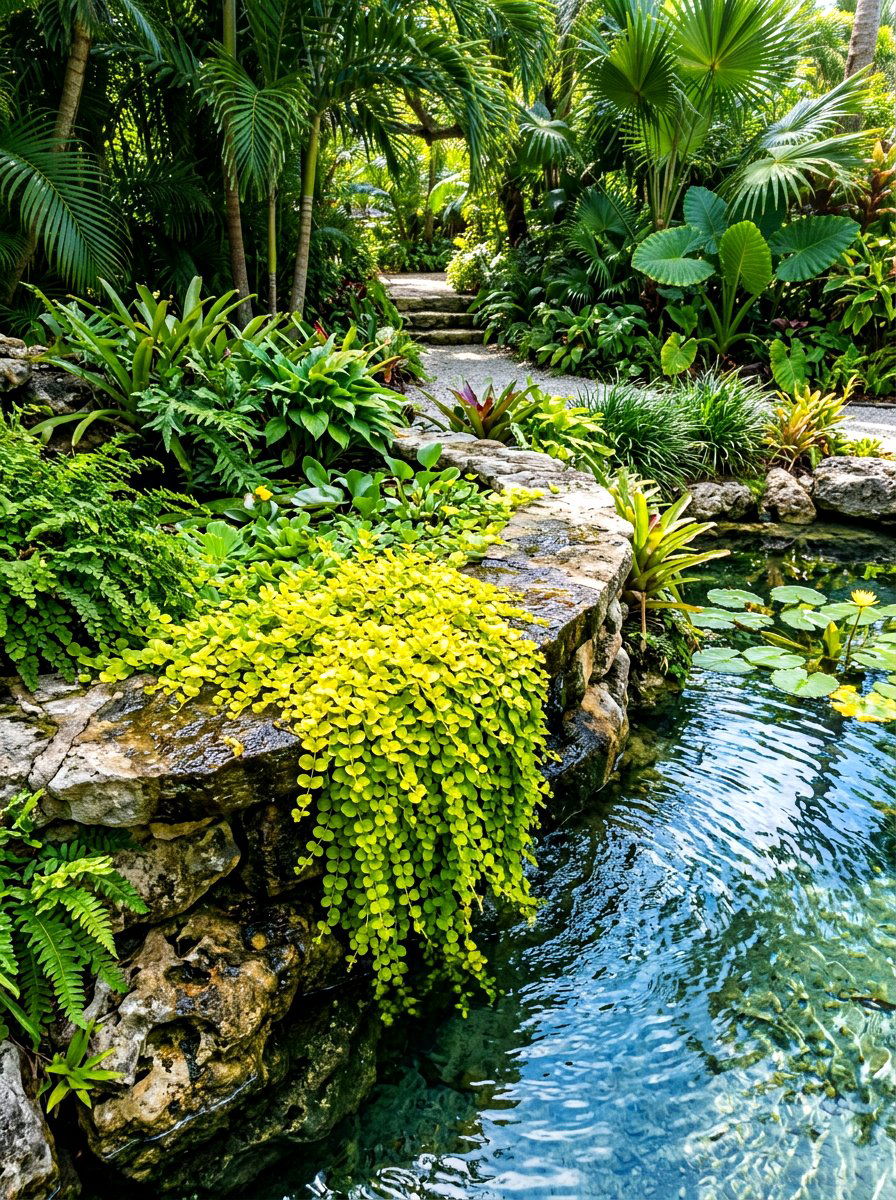
For a low-growing plant that creates a carpet of gold, creeping jenny is an unbeatable choice for pond margins. This versatile groundcover features small, rounded leaves that trail beautifully over rocks and into the water. Its ability to grow both on land and in shallow water makes it ideal for softening harsh stone edges. During the summer, it produces tiny yellow flowers that blend seamlessly with its lime-green foliage. It spreads quickly, helping to suppress weeds and providing a thick mat that protects the soil from erosion. Use it to fill gaps between larger plants or to create a cascading effect over a waterfall feature.
6. Pickerel Weed Pond Edge Planting
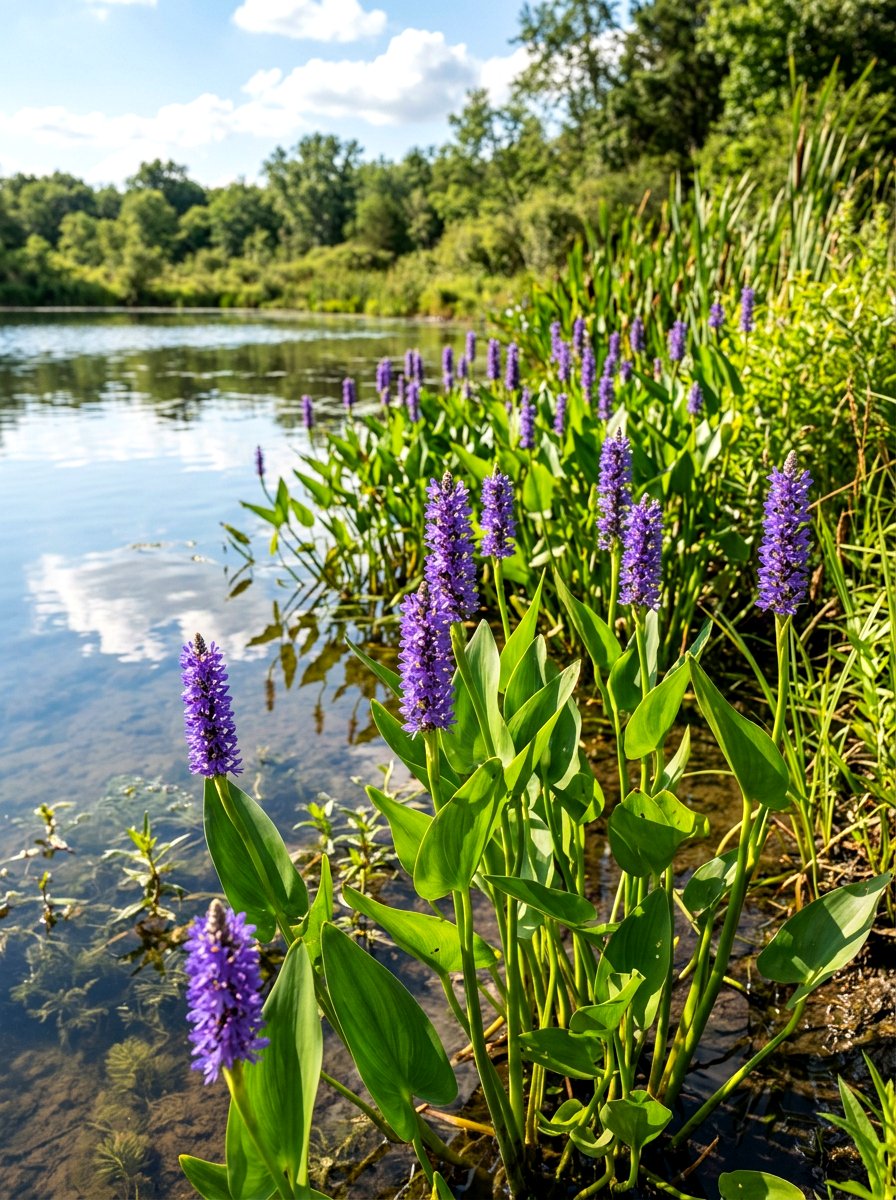
Pickerel weed is a staple for anyone looking to add height and wildlife value to their pond’s shallow areas. This native aquatic plant produces spikes of beautiful violet-blue flowers that are highly attractive to bees and butterflies. Its large, heart-shaped leaves stand tall above the water, providing essential shade for fish and cover for dragonflies. It thrives in shallow water up to several inches deep, making it a perfect marginal plant. The dense root system helps stabilize the pond floor and filters excess nutrients from the water. Planting pickerel weed in large clumps creates a lush, tropical appearance that remains attractive throughout the entire summer season.
7. Canna Lily Pond Edge Planting
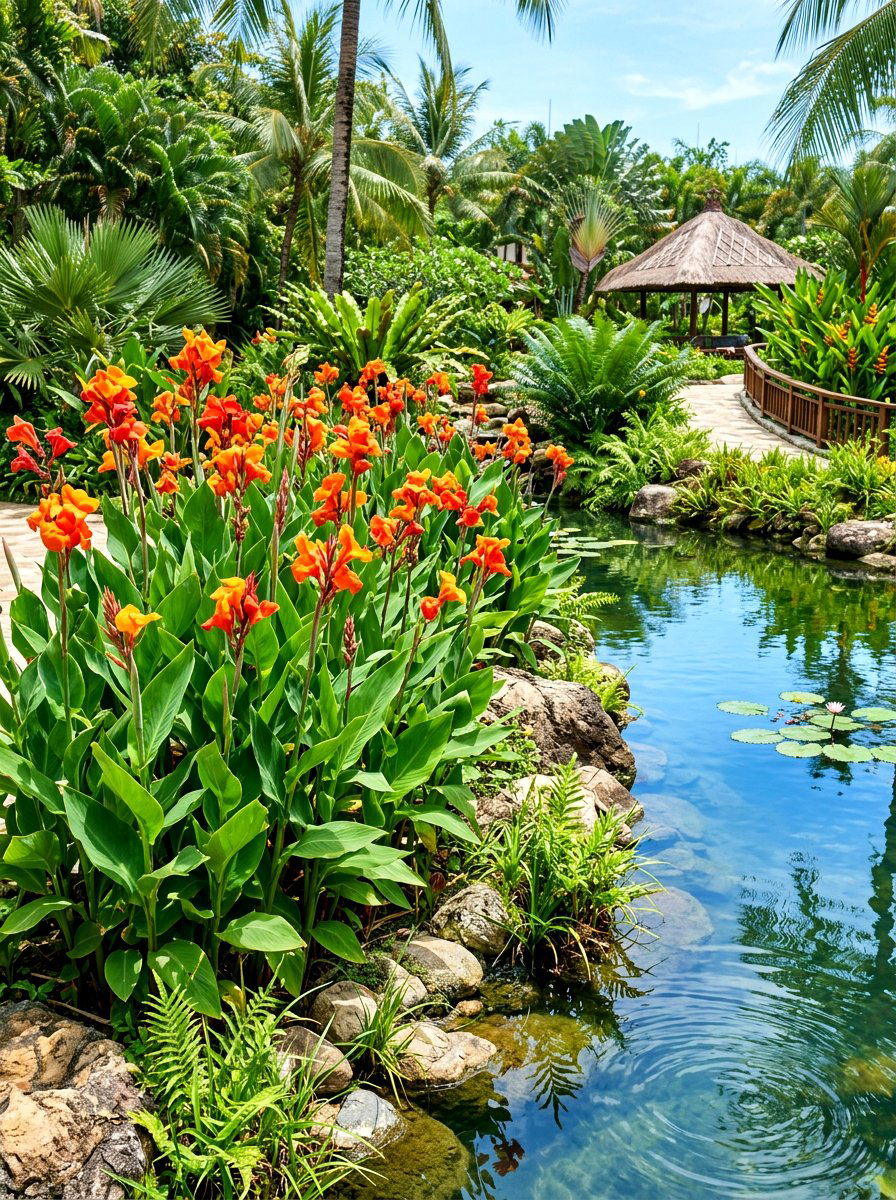
To achieve a bold, tropical look in your garden, consider planting canna lilies at the very edge of your pond. These plants are known for their massive, paddle-shaped leaves and vibrant orange, red, or yellow blooms. While often grown in traditional garden beds, many varieties thrive when their roots are submerged in shallow water. They add a massive amount of vertical interest and can act as a natural screen for privacy. The exotic foliage comes in various patterns, including stripes of bronze and burgundy. Cannas are hungry plants that help clean the pond water by absorbing nitrates, making them both a beautiful and functional design element.
8. Water Forget Me Not Pond Edge Planting
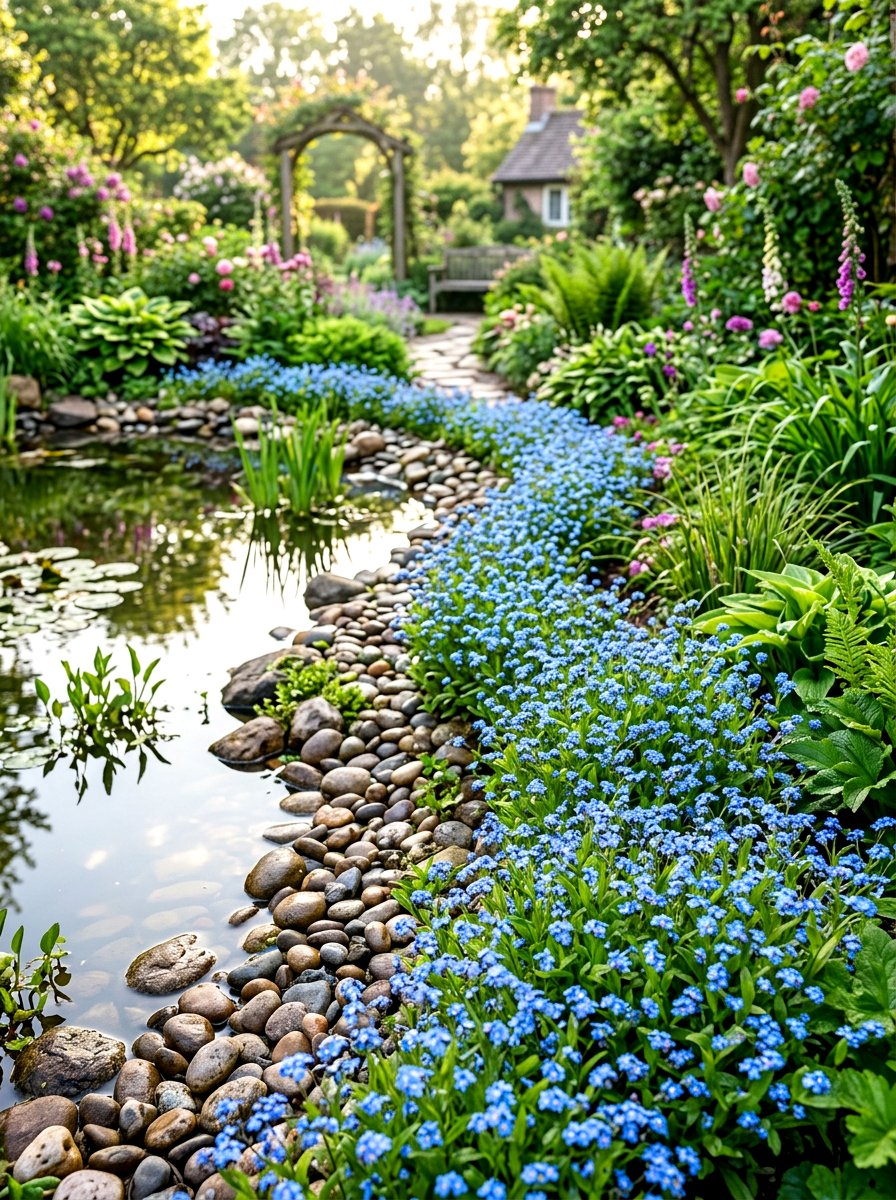
Water forget-me-nots are charming perennials that produce tiny, sky-blue flowers with bright yellow centers. These plants love to grow in the damp mud at the water's edge or even in very shallow, slow-moving water. They form low-growing mats that are perfect for filling in small gaps around the pond perimeter. Their long blooming season ensures that your water feature stays colorful from late spring all the way through the end of summer. They are incredibly easy to grow and will often self-seed, slowly expanding to create a soft, romantic border. Their delicate appearance provides a lovely contrast to heavier-textured plants like iris or cattails.
9. Ornamental Grass Pond Edge Planting
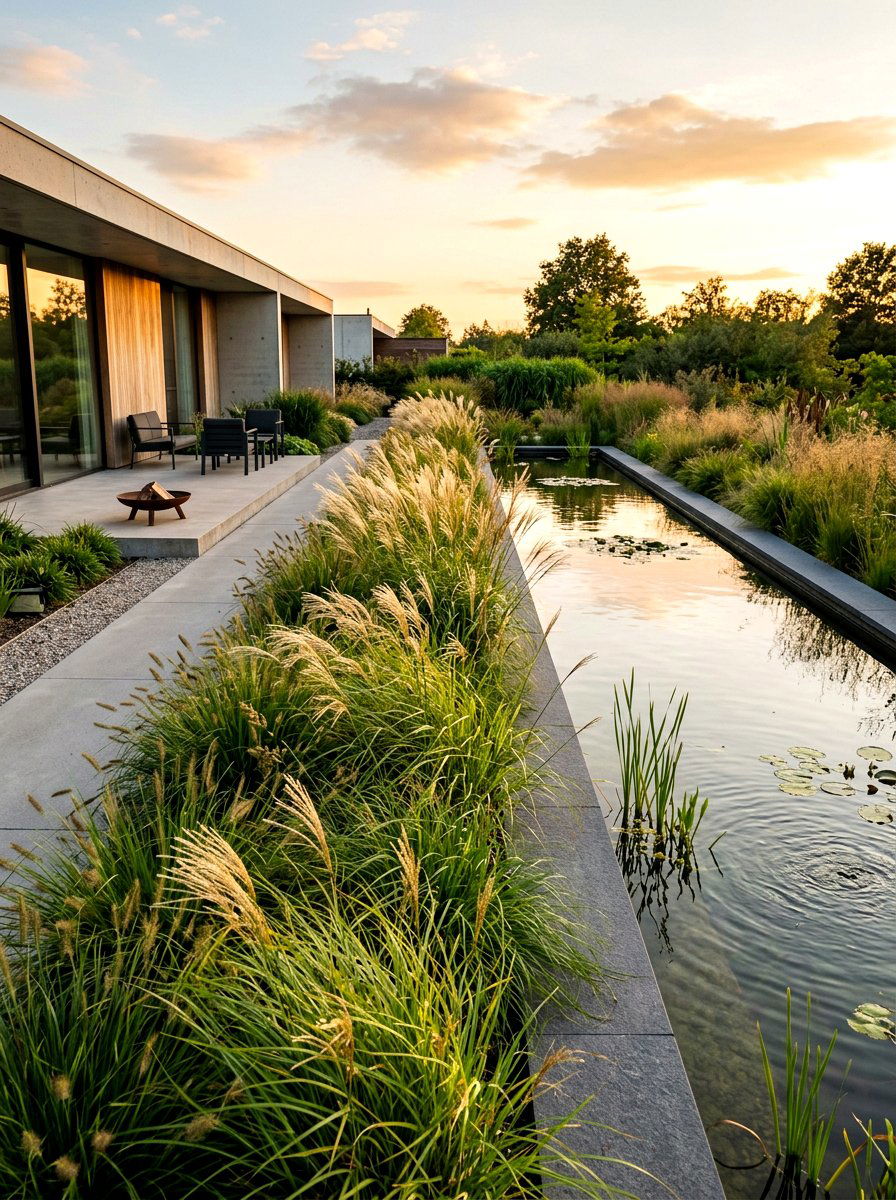
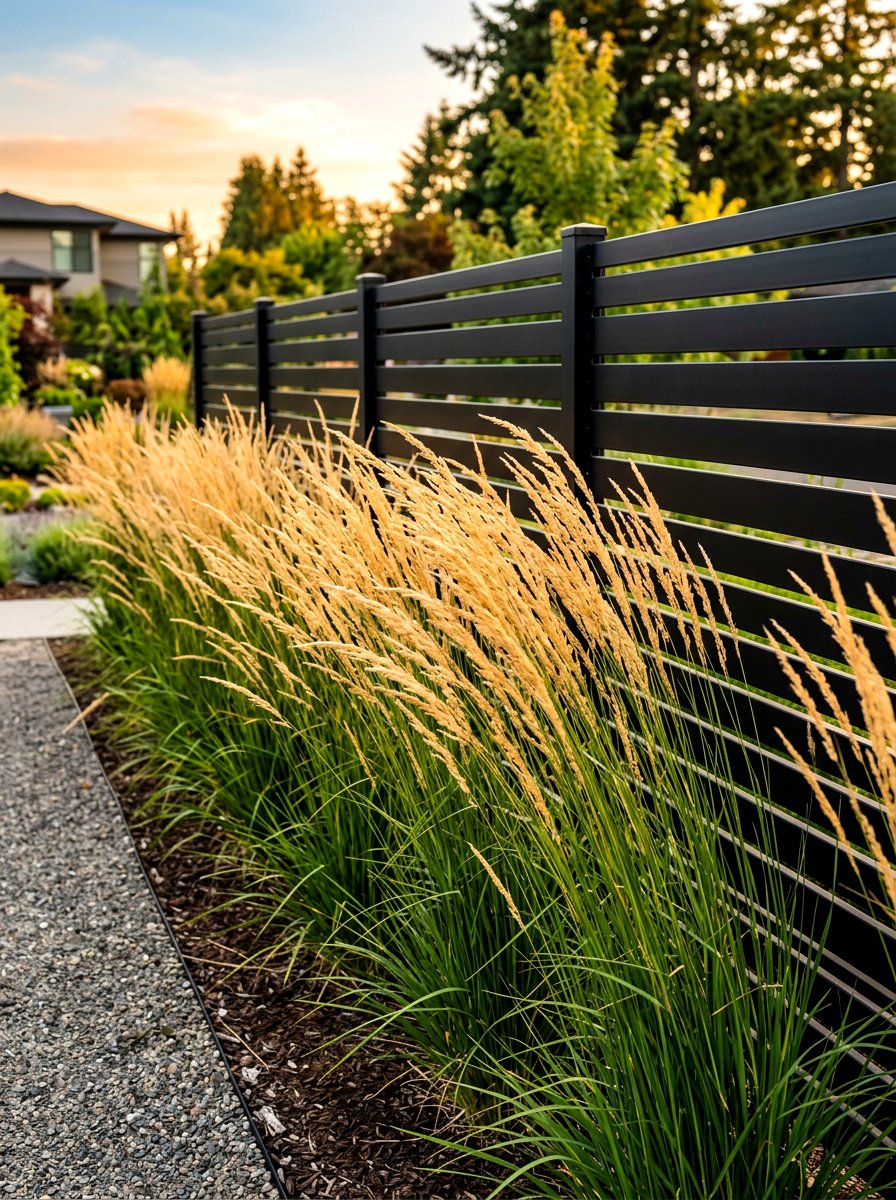
Ornamental grasses add movement and sound to the garden, especially when planted near a breeze-catching pond. Species like manna grass or sweet flag offer a variety of textures, from soft plumes to stiff, sword-like blades. These grasses are well-adapted to wet soils and can even handle occasional flooding. They provide a modern, architectural look that works well in both formal and informal pond designs. In the winter, the dried stalks and seed heads remain standing, offering visual interest and shelter for birds. Their rustling sound creates a peaceful atmosphere, enhancing the sensory experience of sitting by the water on a quiet afternoon.
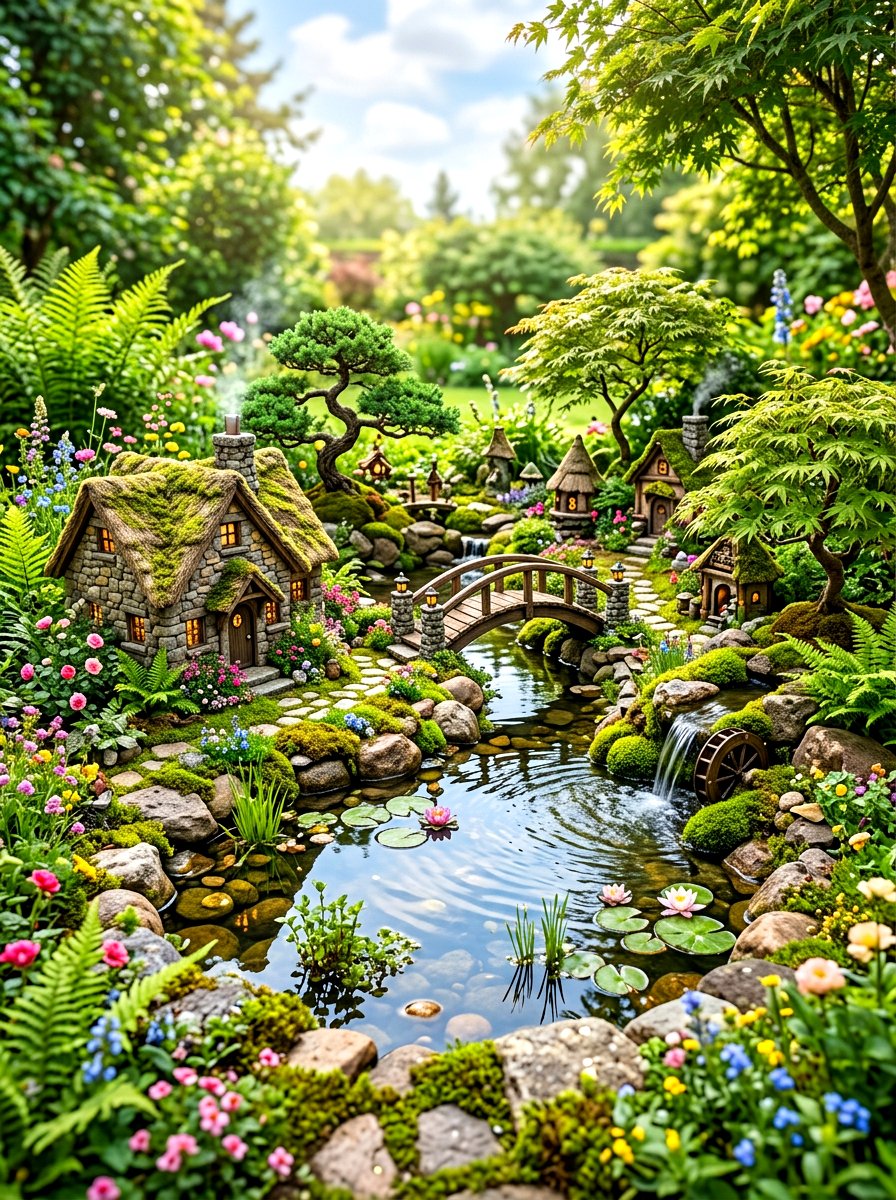
10. Siberian Iris Pond Edge Planting
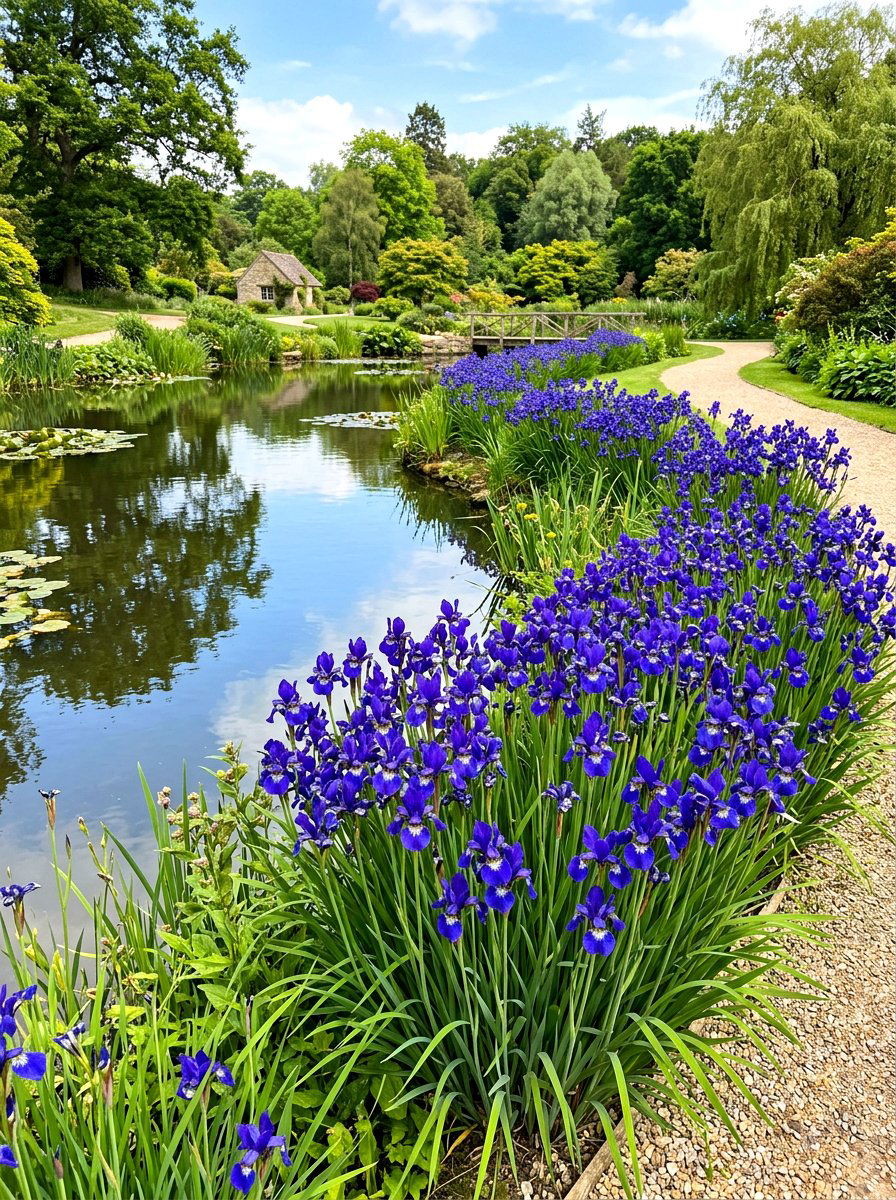
Siberian iris is a tough and reliable perennial that is perfectly suited for the moist soil surrounding a garden pond. Unlike some other iris species, these plants form very dense, grass-like clumps that remain attractive even after the flowers have faded. The blooms appear in late spring and come in a wide range of colors, including deep indigo, white, and yellow. They are highly resistant to pests and diseases, making them a low-maintenance favorite for busy gardeners. Planting them in a row creates a stately border that defines the shape of your pond. Their deep roots are excellent for stabilizing banks and preventing soil runoff.
11. Elephant Ear Pond Edge Planting
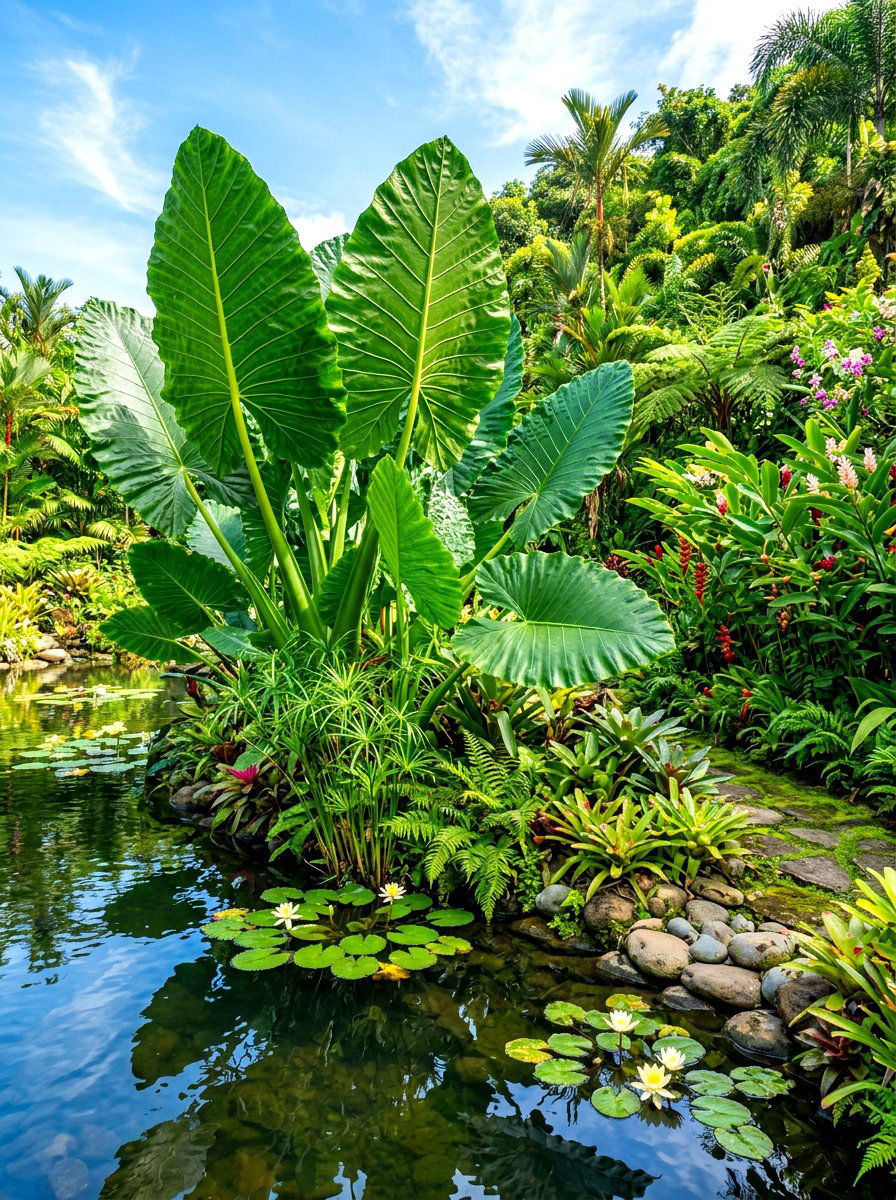
Elephant ears are the ultimate choice for creating a dramatic, oversized look in a tropical-themed water garden. These plants are famous for their massive leaves that can grow several feet long, resembling the ears of an elephant. They thrive in the high humidity and constant moisture found near large ponds. Their bold shapes create a strong visual impact and provide deep shade for the water below, which helps keep temperatures cool for fish. You can find varieties with deep purple or even black foliage to add a moody, sophisticated vibe to your landscape. They are fast-growing and will quickly become the centerpiece of your pond area.
12. Sweet Flag Pond Edge Planting
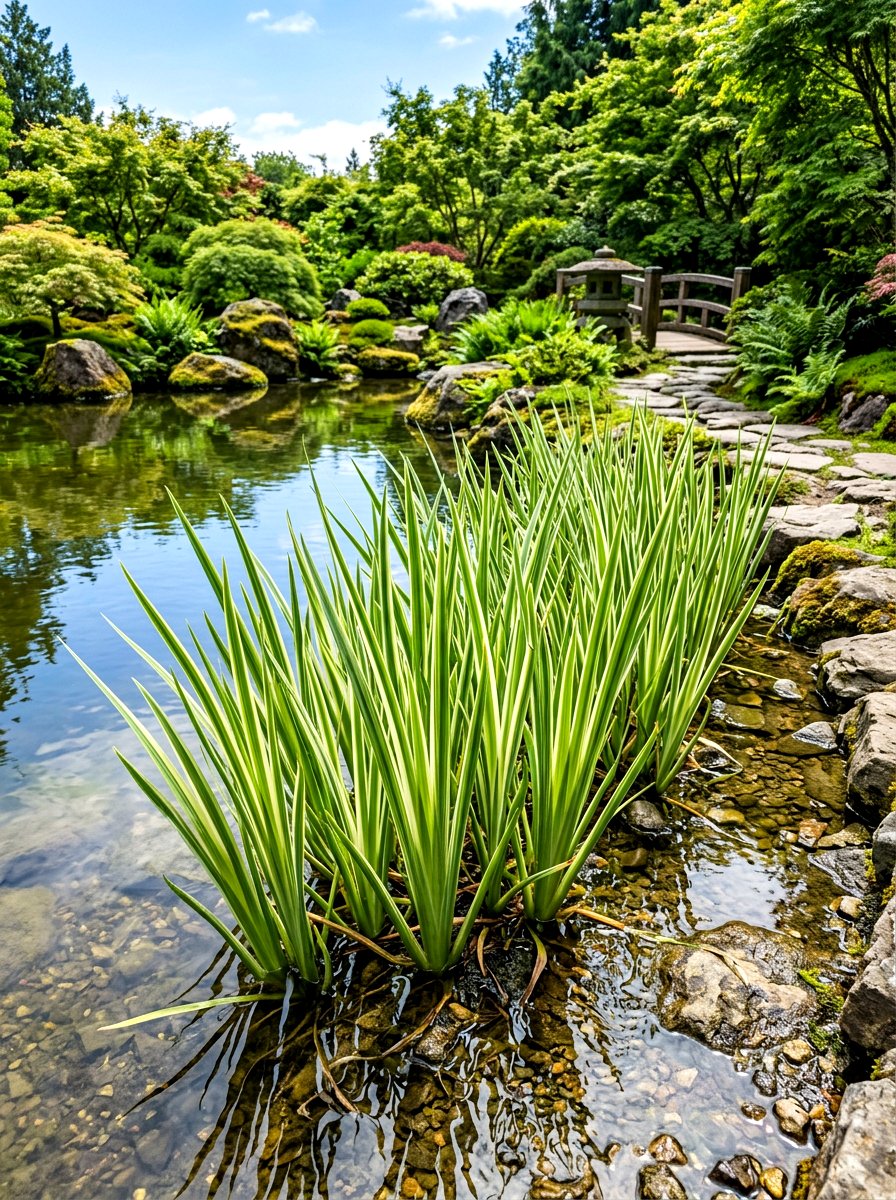
Sweet flag is a wonderful marginal plant that looks like a grass but belongs to a different botanical family. It is prized for its aromatic foliage, which releases a pleasant, spicy scent when crushed or walked upon. The variegated version, with its striking green and cream stripes, is particularly popular for adding brightness to dark pond edges. It grows well in shallow water or saturated soil, making it a versatile choice for any water feature. The upright, sword-shaped leaves provide a neat and tidy appearance that works well in formal designs. It is also a slow spreader, so it won't overwhelm your other pond plants.
13. Blue Flag Iris Pond Edge Planting
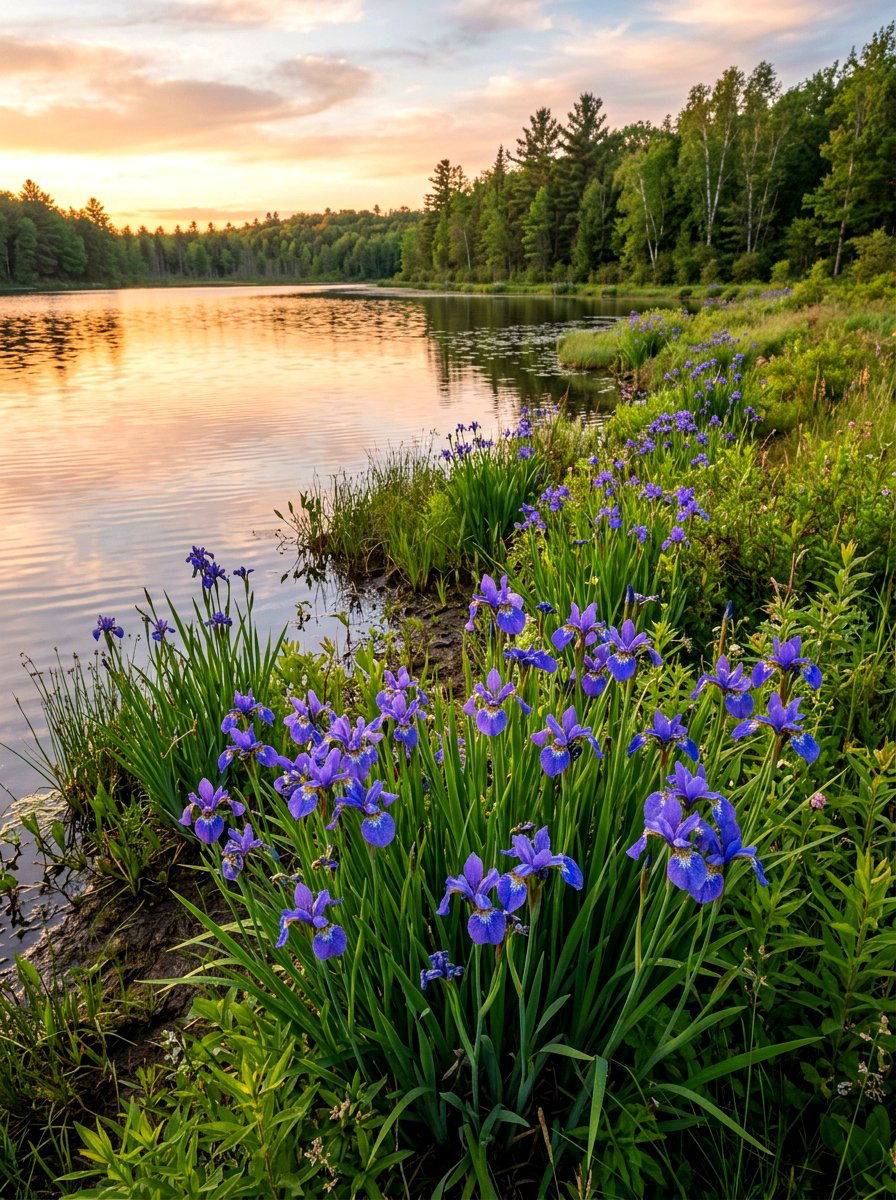
Blue flag iris is a stunning native plant that brings a touch of wild beauty to the water's edge. Its vibrant violet-blue flowers feature intricate yellow and white markings that act as guides for pollinators. This plant is incredibly hardy and can withstand fluctuating water levels, making it ideal for naturalistic ponds. The tall, sturdy foliage provides a great vertical element that helps break up the flat surface of the water. It looks particularly effective when planted alongside yellow-flowering species like marsh marigolds. Blue flag iris is also excellent for erosion control, as its thick rhizomes knit the soil together firmly along the shoreline.
14. Corkscrew Rush Pond Edge Planting
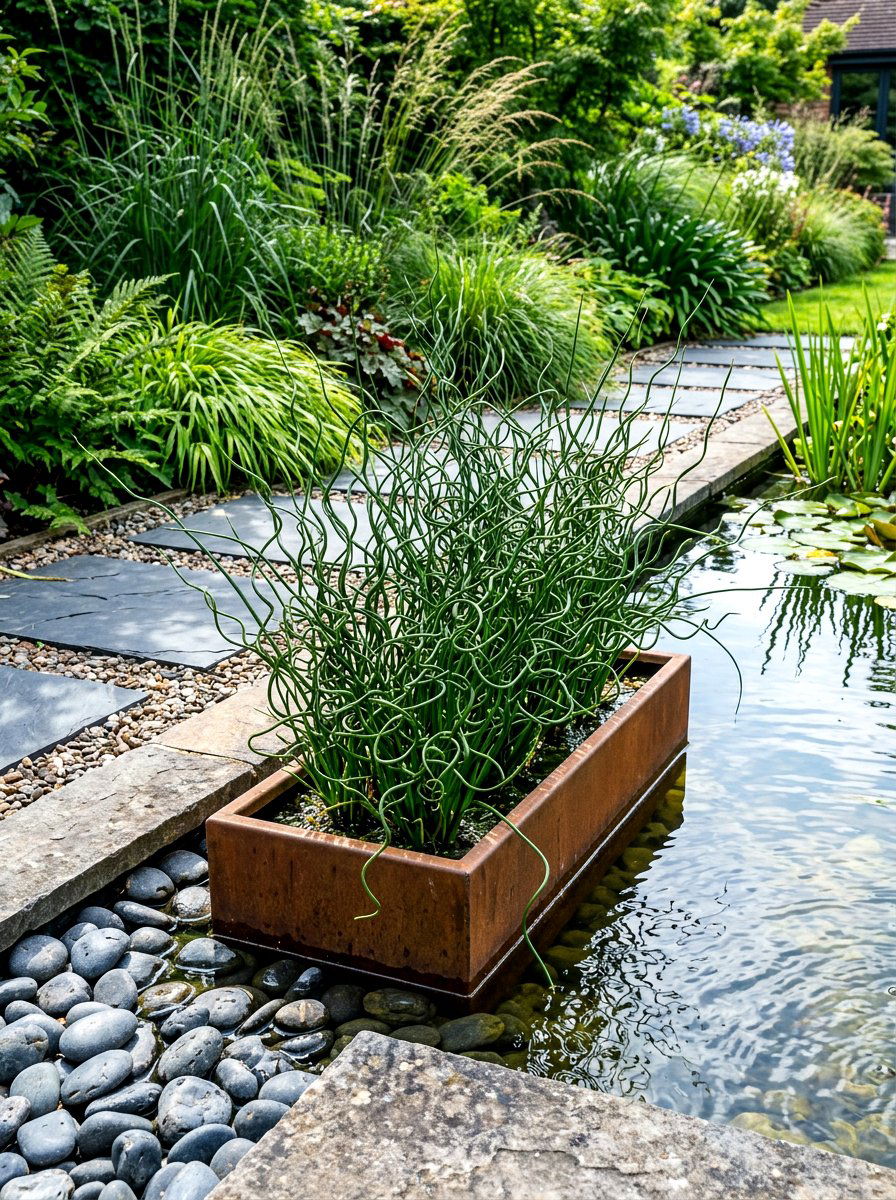
For a plant that truly stands out with a unique shape, the corkscrew rush is an excellent addition to any pond margin. Its stems grow in wild, spiraling coils that look like green springs popping out of the ground. This quirky appearance adds a fun and whimsical touch to your water feature. It thrives in wet soil and can even grow in a few inches of standing water. Because of its unusual form, it is best used as an accent plant where its shape can be fully appreciated. It remains green throughout much of the year, providing consistent texture and interest in all seasons.
15. Lotus Flower Pond Edge Planting
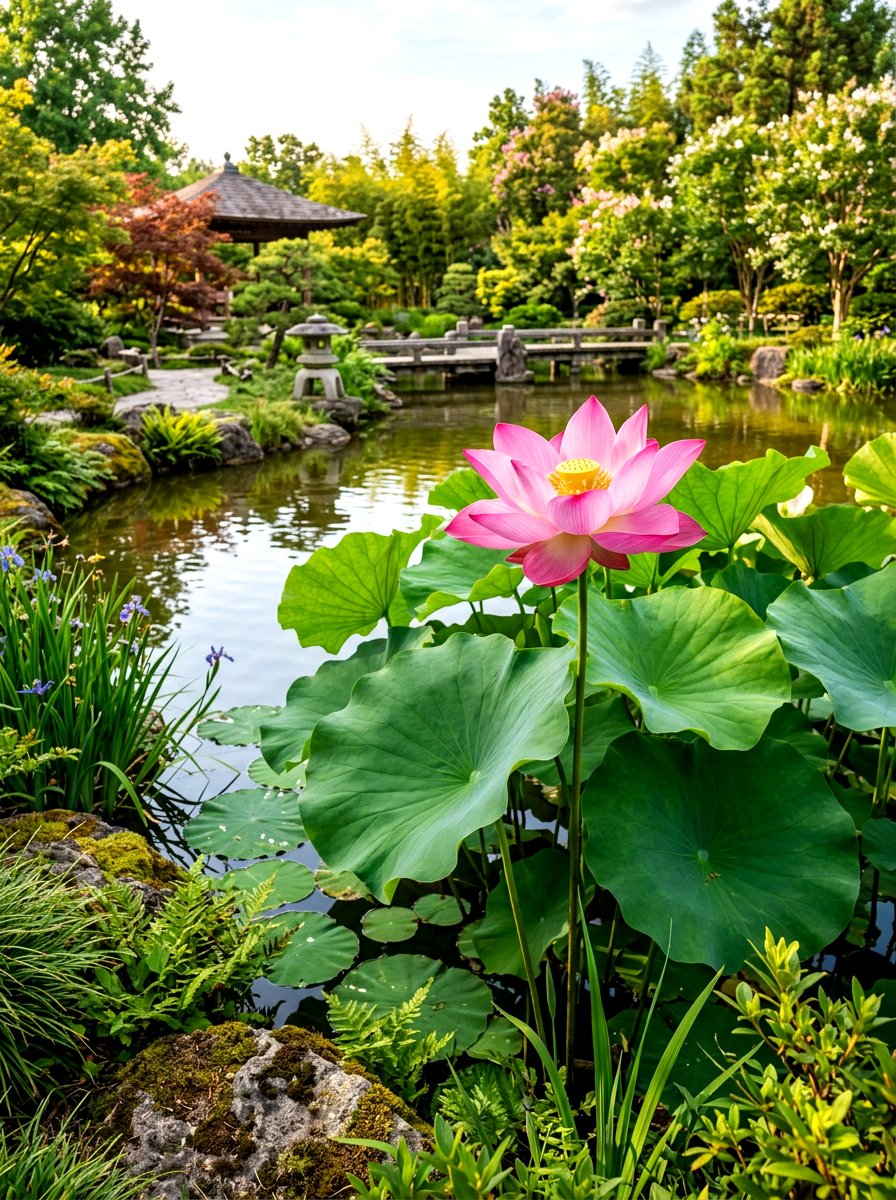
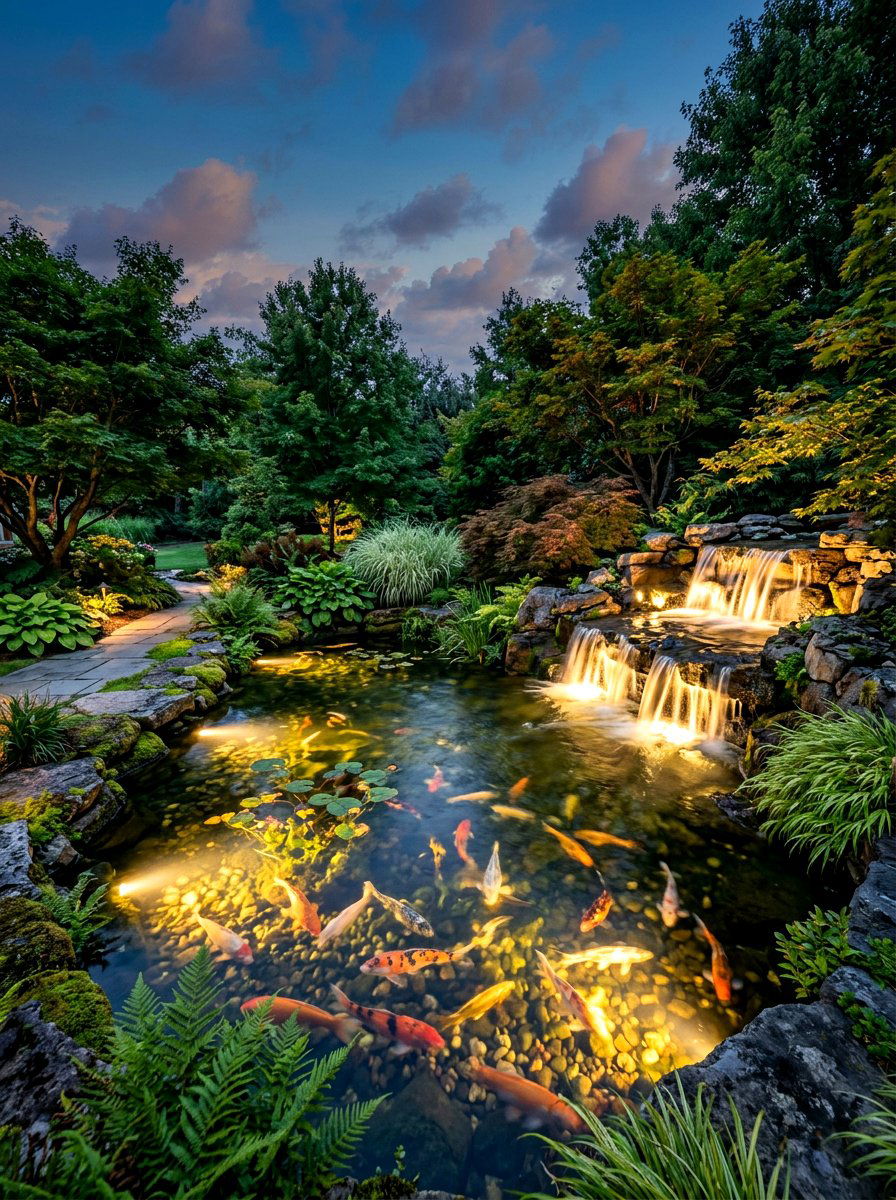
Lotus plants are the crown jewels of the water garden, offering some of the most spectacular flowers in the plant kingdom. While they often grow in deeper water, their large, round leaves frequently reach the pond's edge, creating a lush canopy. The flowers are held high above the water on sturdy stalks, appearing in shades of pink, white, and yellow. Lotus plants require plenty of sun and rich soil to bloom successfully. Their unique seed pods are also highly decorative and are often used in dried floral arrangements. Planting a lotus creates a serene, meditative atmosphere that transforms a simple pond into a breathtaking sanctuary.
16. Papyrus Pond Edge Planting
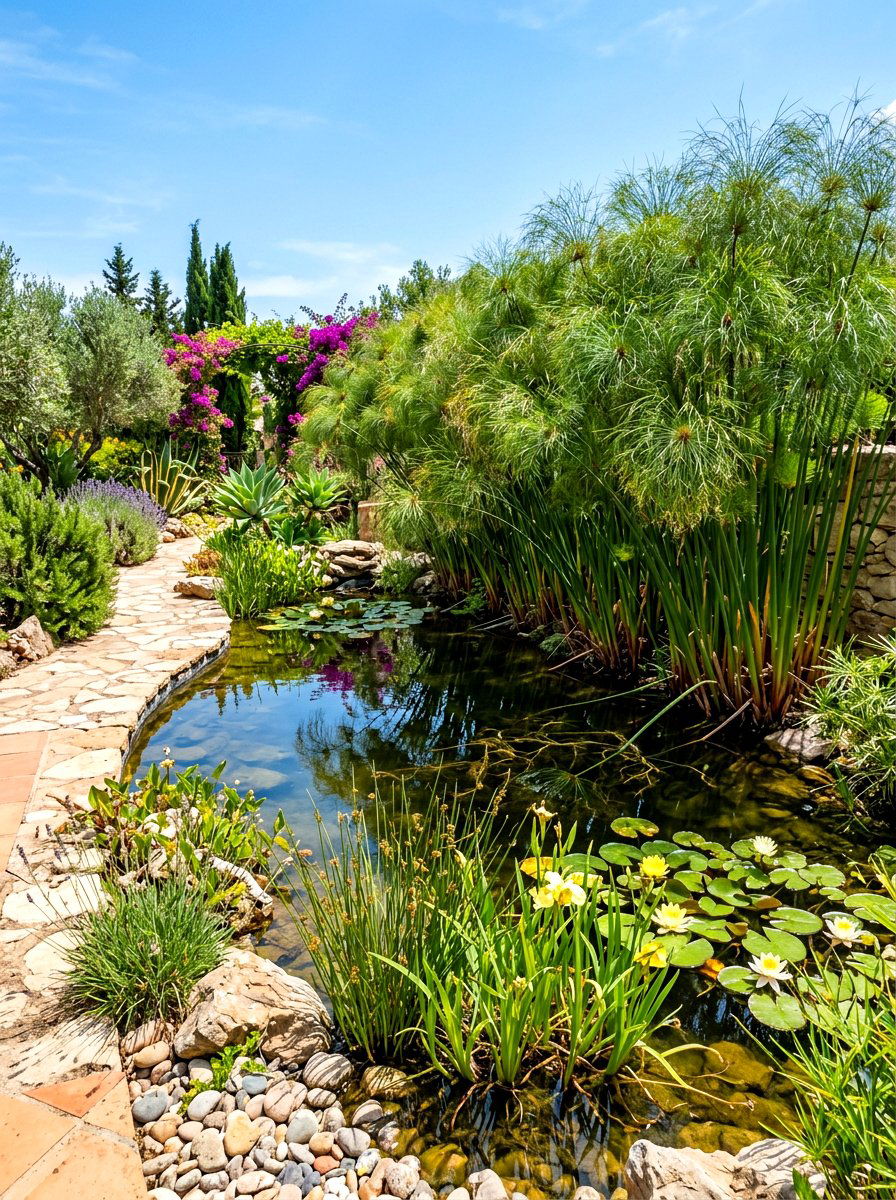
Papyrus is a tall, graceful sedge that brings an ancient Egyptian feel to the modern water garden. Its long, slender stems are topped with a burst of fine, thread-like leaves that look like green fireworks. This plant can reach impressive heights, making it a great choice for adding vertical drama to the back of a pond. It loves heat and thrives with its roots submerged in shallow water. While it is a tropical plant that may need to be moved indoors in colder climates, its fast growth rate makes it a worthwhile seasonal addition. Papyrus creates a light, airy screen that doesn't feel heavy or overgrown.
17. Primrose Pond Edge Planting
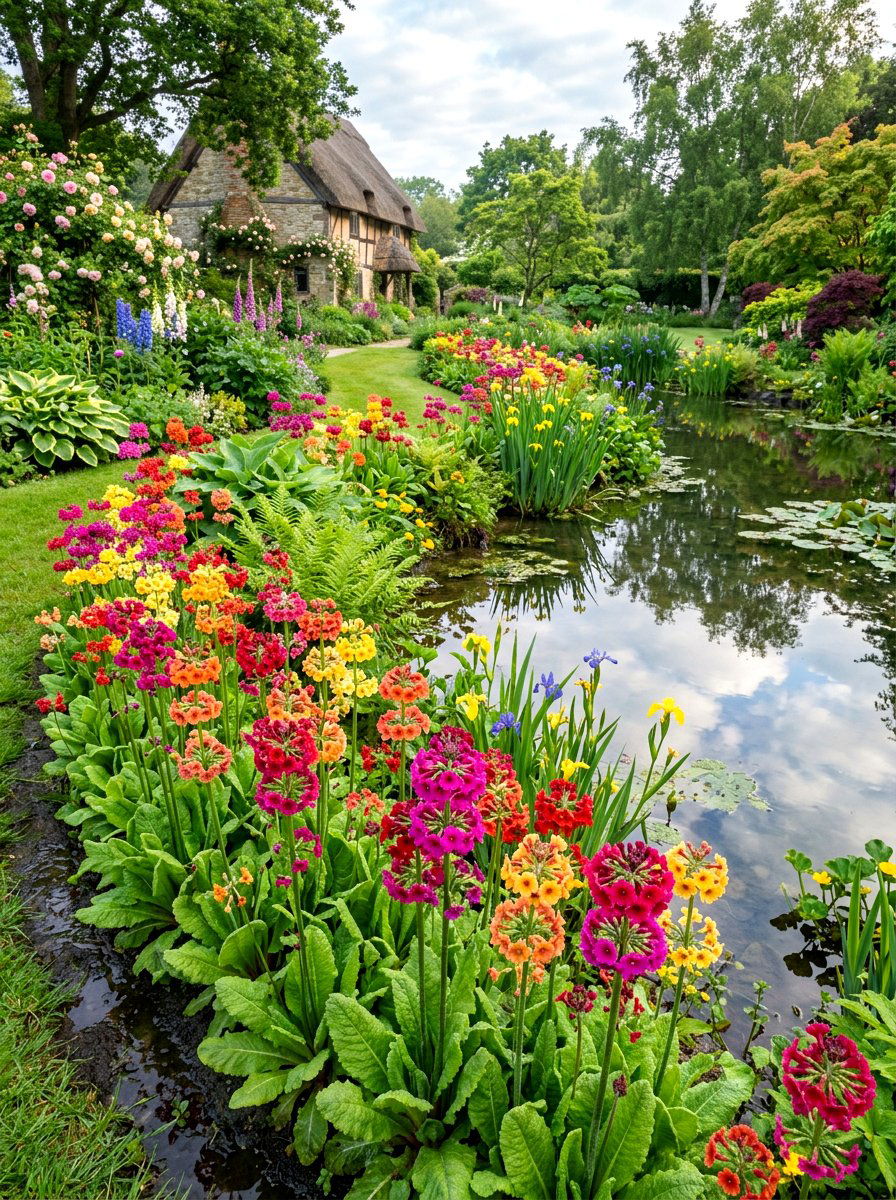
Candelabra primroses are some of the most colorful and charming plants you can grow in a boggy pond margin. These plants produce tiers of flowers on tall stems, creating a unique "candelabra" effect. They come in a dazzling array of colors, including bright orange, deep red, and soft pink. They love rich, wet soil and will often thrive in spots that are too damp for most other perennials. When planted in large drifts, they create a stunning carpet of color in early summer. Their rosettes of crinkled green leaves provide good groundcover and help to suppress weeds around the water's edge.
18. Meadowsweet Pond Edge Planting
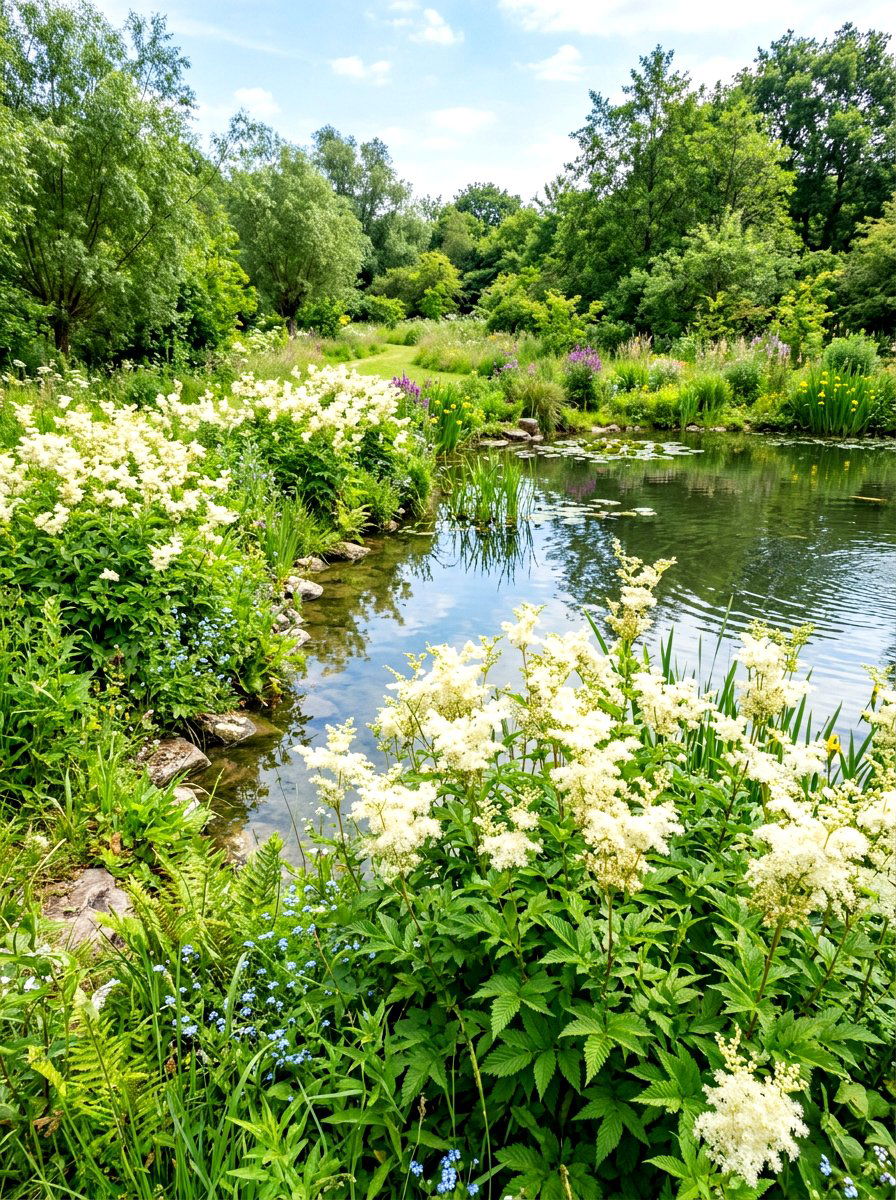
Meadowsweet is a classic wildflower that is perfect for creating a soft, frothy look around a naturalistic pond. It produces clusters of tiny, creamy-white flowers that have a sweet, almond-like fragrance. The fern-like foliage is also very attractive and provides a dense green backdrop for other pond plants. This plant thrives in the damp conditions found near water and is a favorite among local pollinators. It can grow quite tall, so it is best placed toward the back of a planting bed. Meadowsweet is a tough and reliable perennial that will return every year with very little effort from the gardener.
19. Cardinal Flower Pond Edge Planting
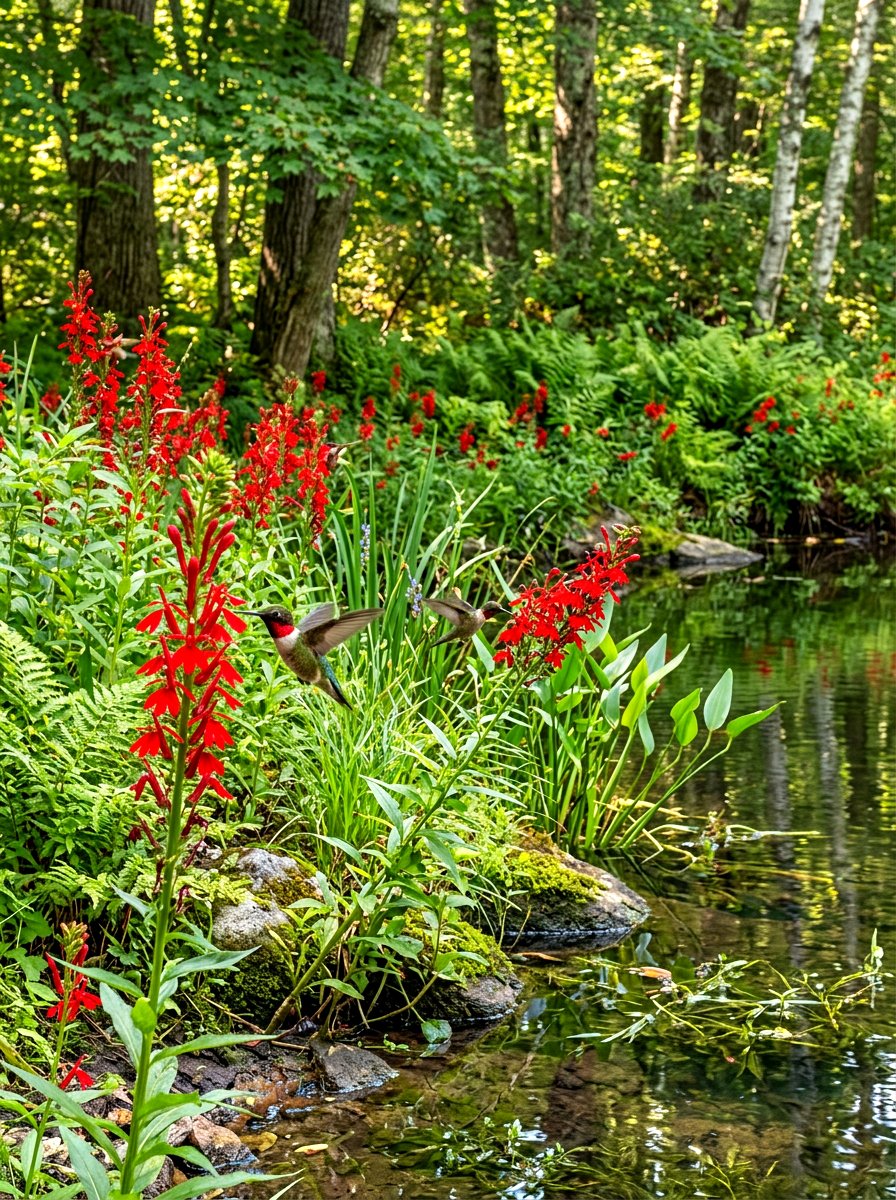
If you want to attract hummingbirds to your pond, the cardinal flower is a must-have choice. This plant produces spikes of intense, brilliant red flowers that stand out against the green landscape. It loves moist soil and can often be found growing wild along stream banks and pond edges. The upright growth habit makes it a great vertical accent for the middle or back of a border. It blooms in late summer when many other garden plants are starting to fade, providing a final burst of energy to the garden. The deep green or bronze foliage provides a beautiful contrast to the fiery blooms.
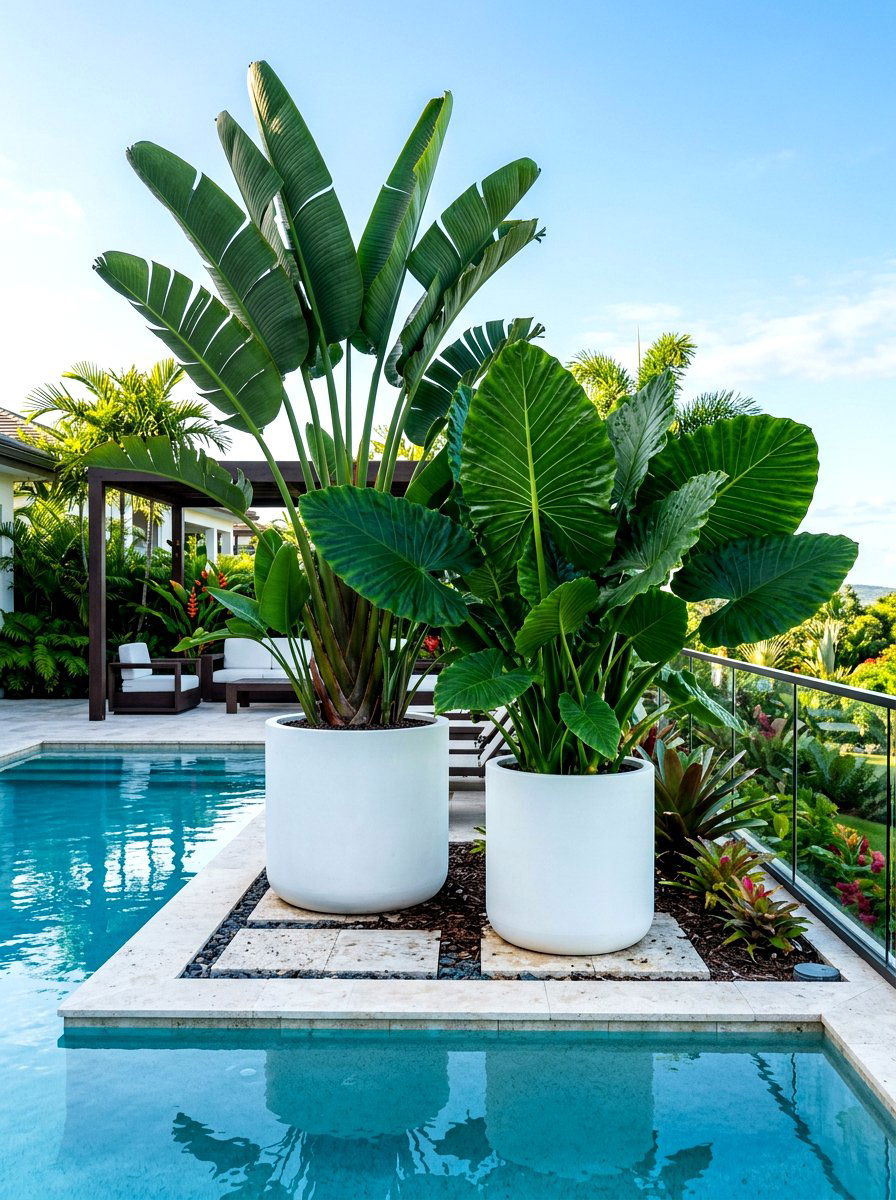
20. Lady Mantle Pond Edge Planting
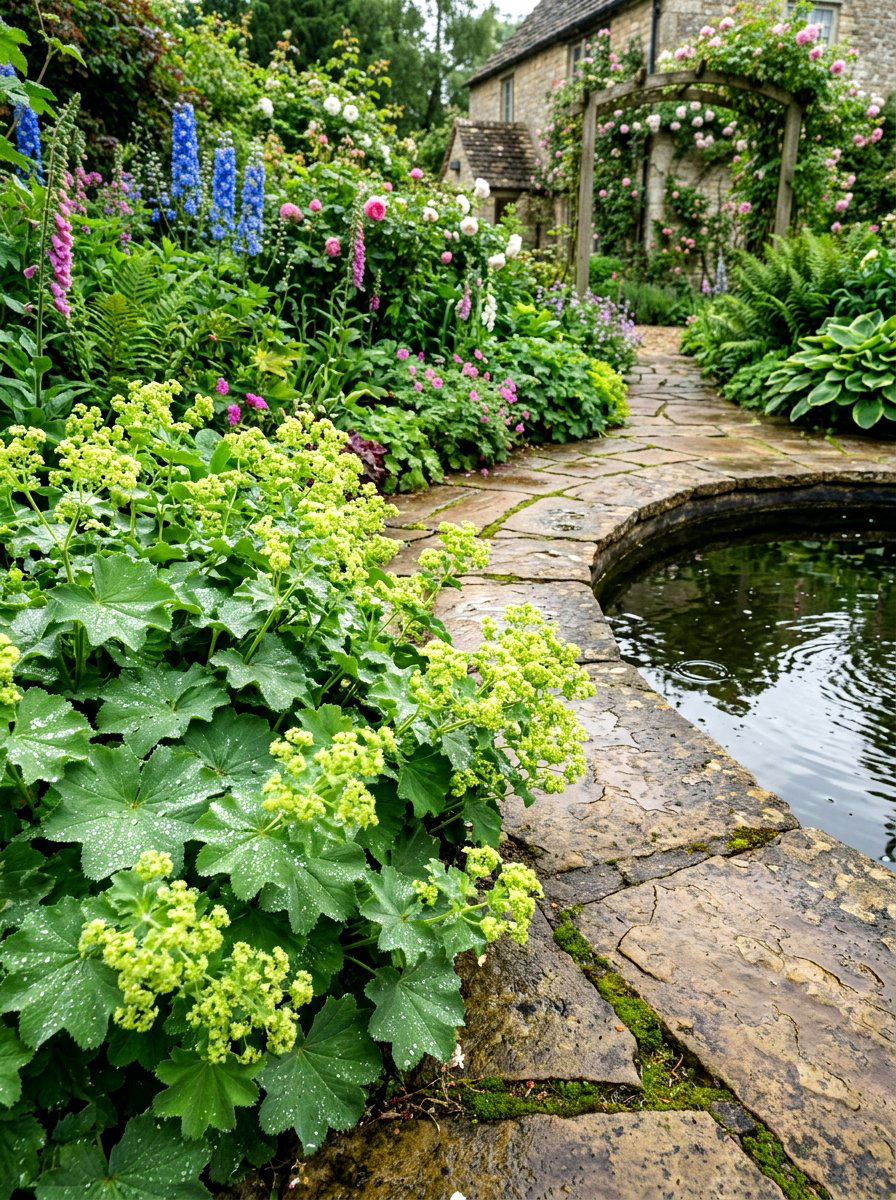
Lady's mantle is a favorite among gardeners for its beautiful, scalloped foliage that looks stunning after a rainstorm. The leaves are covered in tiny hairs that catch water droplets, making them sparkle like diamonds. In early summer, the plant produces clouds of tiny, chartreuse-yellow flowers that spill over the edges of rocks and pathways. It is a very versatile plant that can tolerate a range of soil conditions, but it truly excels in the moist soil near a pond. Its mounding habit is perfect for softening the transition between a patio and a water feature. It also helps to hide any exposed pond liners.
21. Astilbe Pond Edge Planting
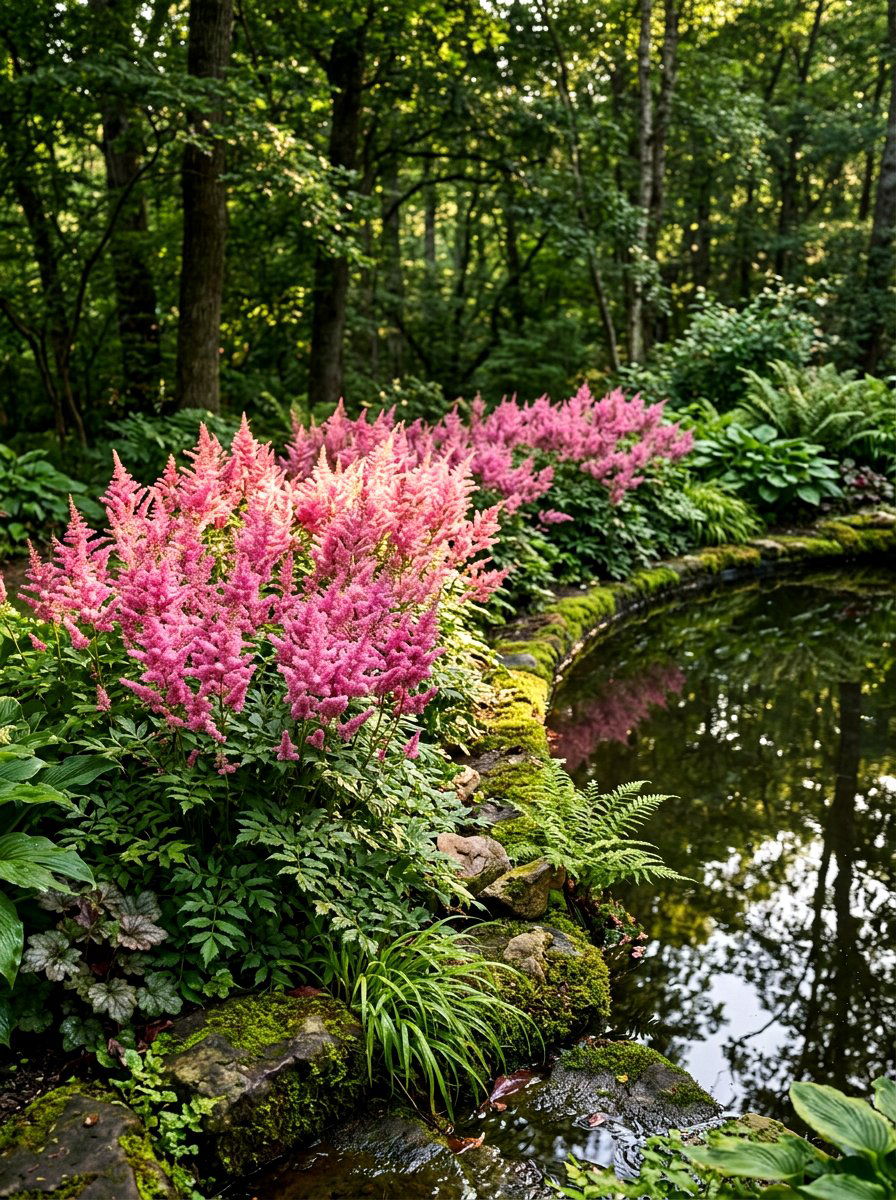
Astilbes are prized for their feathery, plume-like flowers that bring a soft and romantic feel to the shady edges of a pond. These perennials thrive in consistently moist soil, making them a natural fit for water-side gardening. Their blooms come in shades of pink, red, white, and lavender, standing tall above attractive, fern-like foliage. When planted in groups, they create a colorful mist-like effect that is truly magical. They are relatively low-maintenance and are rarely bothered by pests. Because they love humidity, the air near a pond provides the perfect microclimate for them to grow lush and vibrant throughout the summer season.
22. Joe Pye Weed Pond Edge Planting
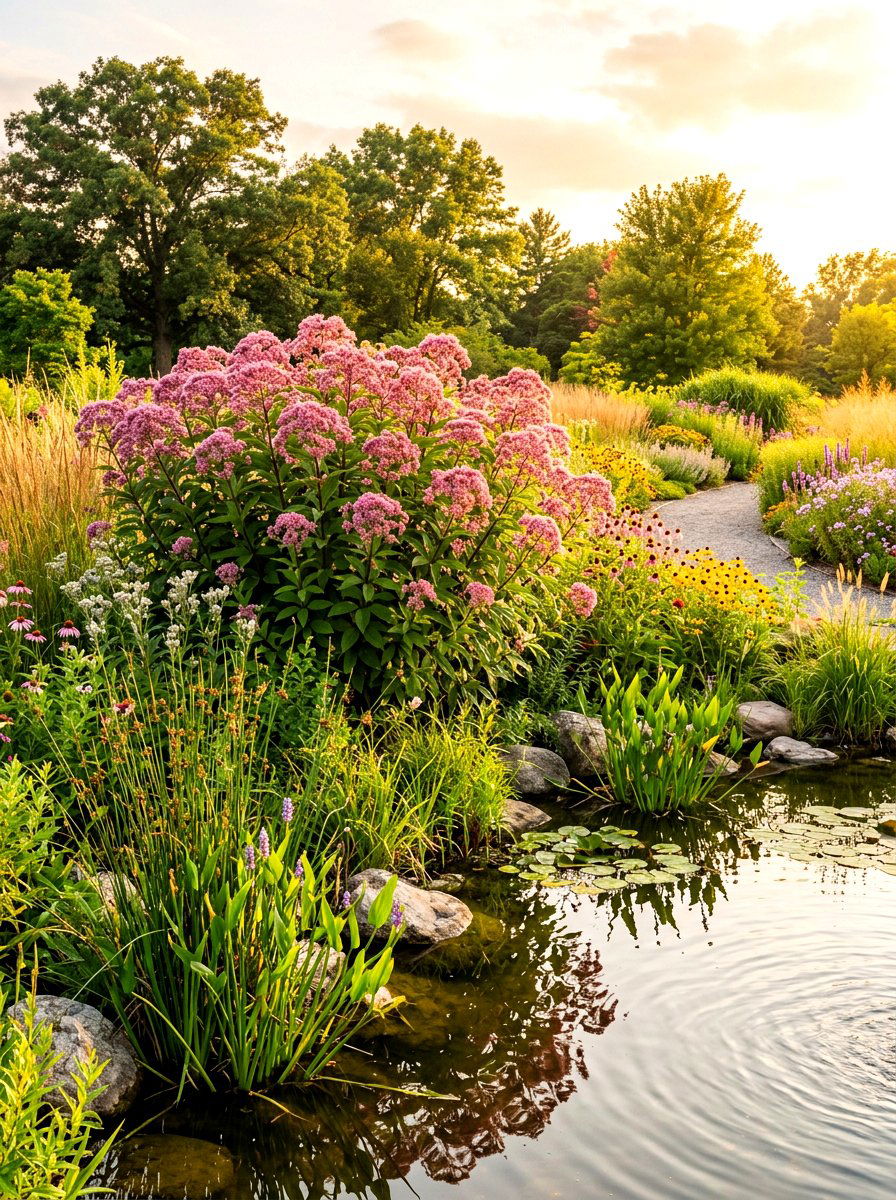
For a tall and architectural plant that creates a massive impact, Joe Pye weed is an excellent choice for a large pond border. This native perennial can reach heights of six feet or more, topped with huge, flat-topped clusters of vanilla-scented pink flowers. It is a magnet for butterflies and bees, making it a great addition to a wildlife-friendly garden. It loves the damp, rich soil found at the margins of water features and will quickly fill out a large space. The sturdy stems mean it rarely needs staking despite its height. It provides a wonderful late-summer backdrop for smaller pond-side plants.
23. Ligularia Pond Edge Planting
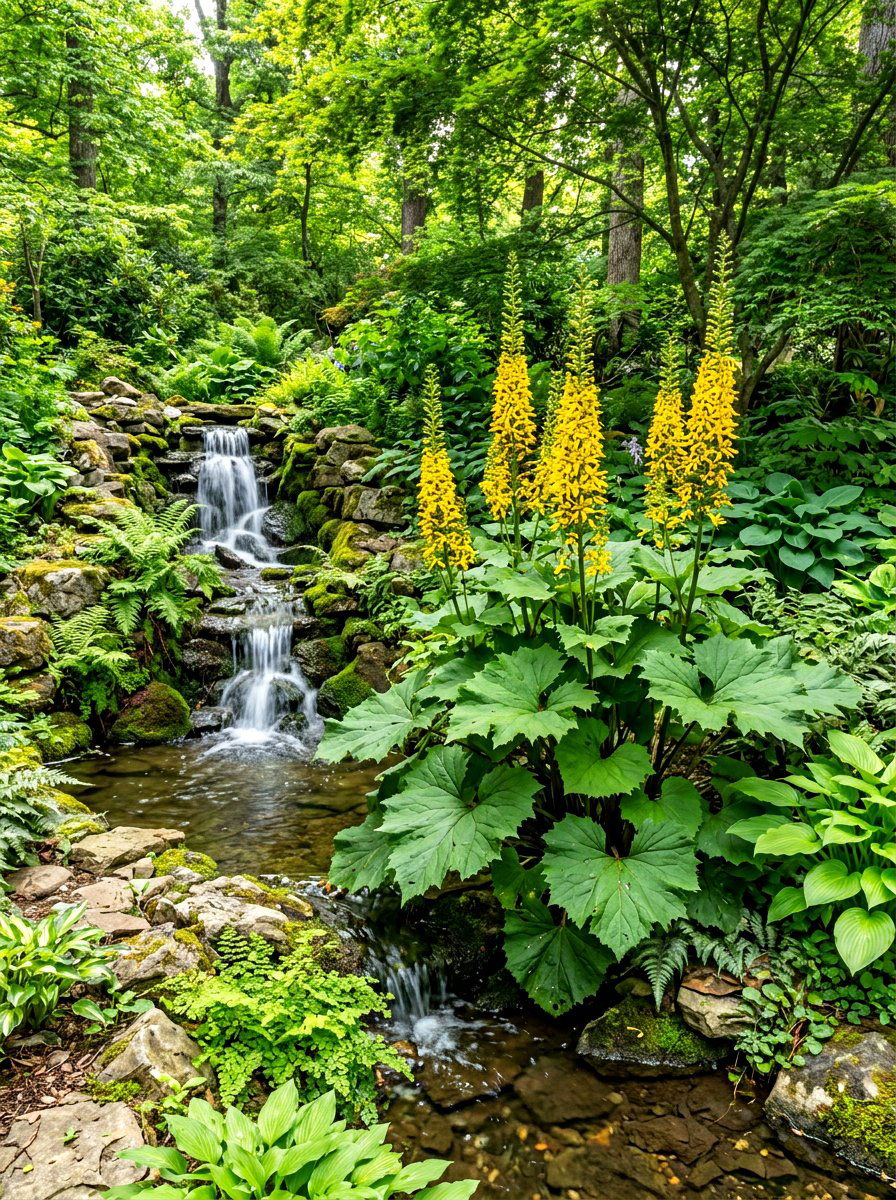
Ligularia is a bold and dramatic plant that is perfect for adding a splash of sunshine to a shady pond edge. It is known for its large, dark green or chocolate-colored leaves and tall spikes of bright yellow, daisy-like flowers. This plant is a true moisture lover and will often wilt if the soil becomes even slightly dry, so the edge of a pond is its ideal home. The architectural shape of the leaves provides a strong contrast to the finer textures of ferns or grasses. It adds a sophisticated, tropical feel to the garden while remaining a hardy and reliable perennial for many years.
24. Rodgersia Pond Edge Planting
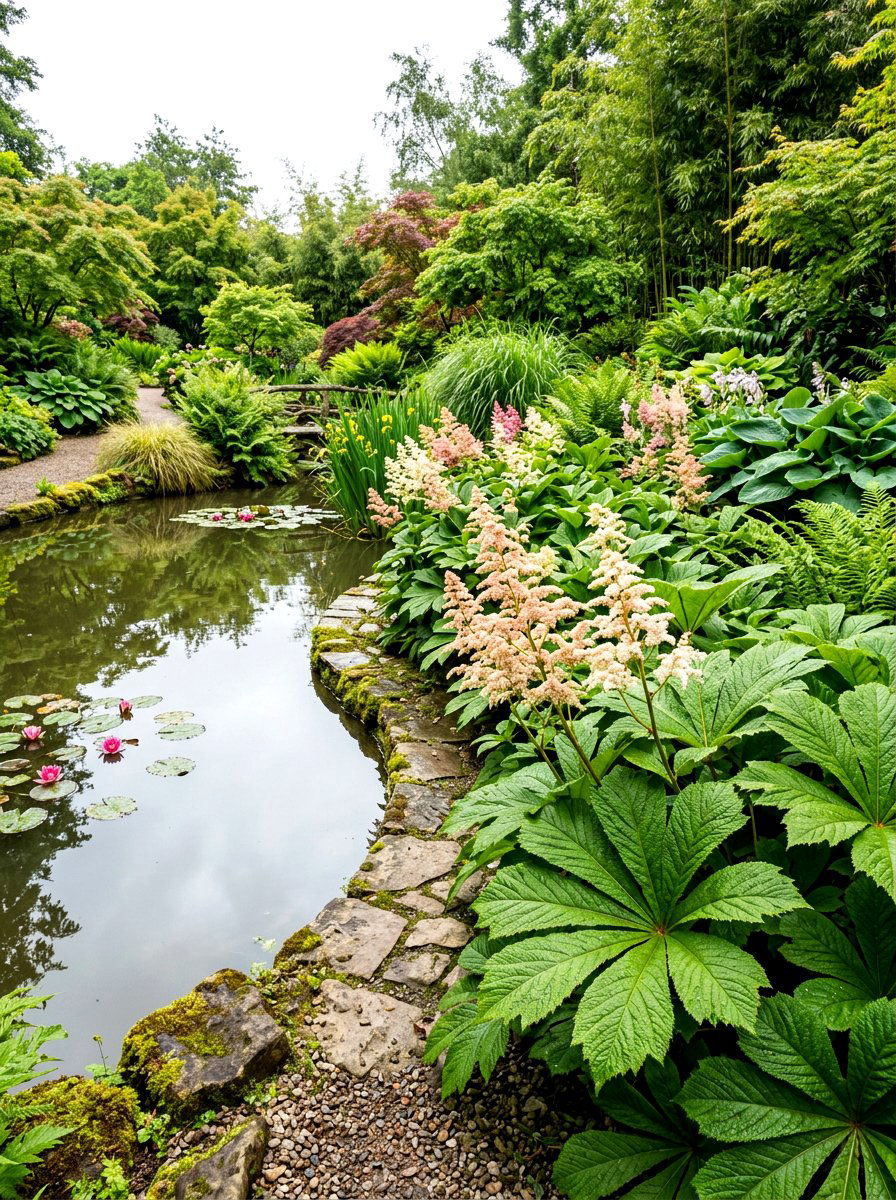
Rodgersia is a spectacular foliage plant that creates a lush, prehistoric look around a water garden. It features massive, crinkled leaves that can resemble the leaves of a horse chestnut tree. These plants love the cool, damp conditions near a pond and will thrive in either sun or partial shade. In early summer, they produce tall, airy plumes of creamy-white or pink flowers that add a delicate touch to the bold foliage. Rodgersia is a slow-growing but long-lived perennial that will eventually form a large, impressive clump. It is perfect for filling a corner of a pond border where you want a dramatic focal point.
25. Solomon Seal Pond Edge Planting
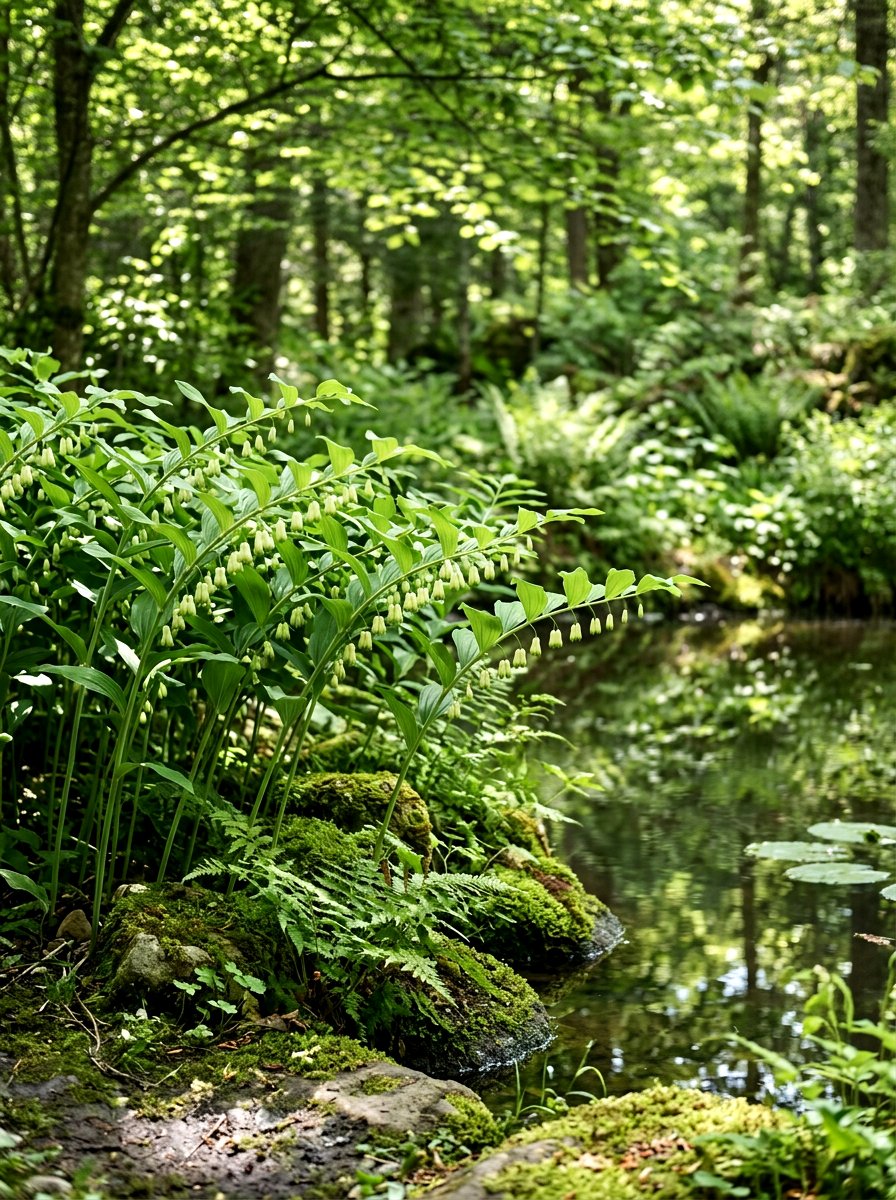
Solomon’s seal is a graceful woodland plant that features arching stems lined with pairs of oval leaves. In late spring, delicate, bell-shaped white flowers dangle from the underside of the stems, creating a beautiful and subtle display. This plant loves the moist, shady conditions often found around the edges of a garden pond. The variegated version, with its white-edged leaves, is particularly effective for brightening up dark corners. It spreads slowly via rhizomes to form an elegant groundcover that looks wonderful when paired with hostas and ferns. After the flowers fade, blue-black berries often appear, adding another layer of seasonal interest to the pond.
26. Japanese Forest Grass Pond Edge Planting
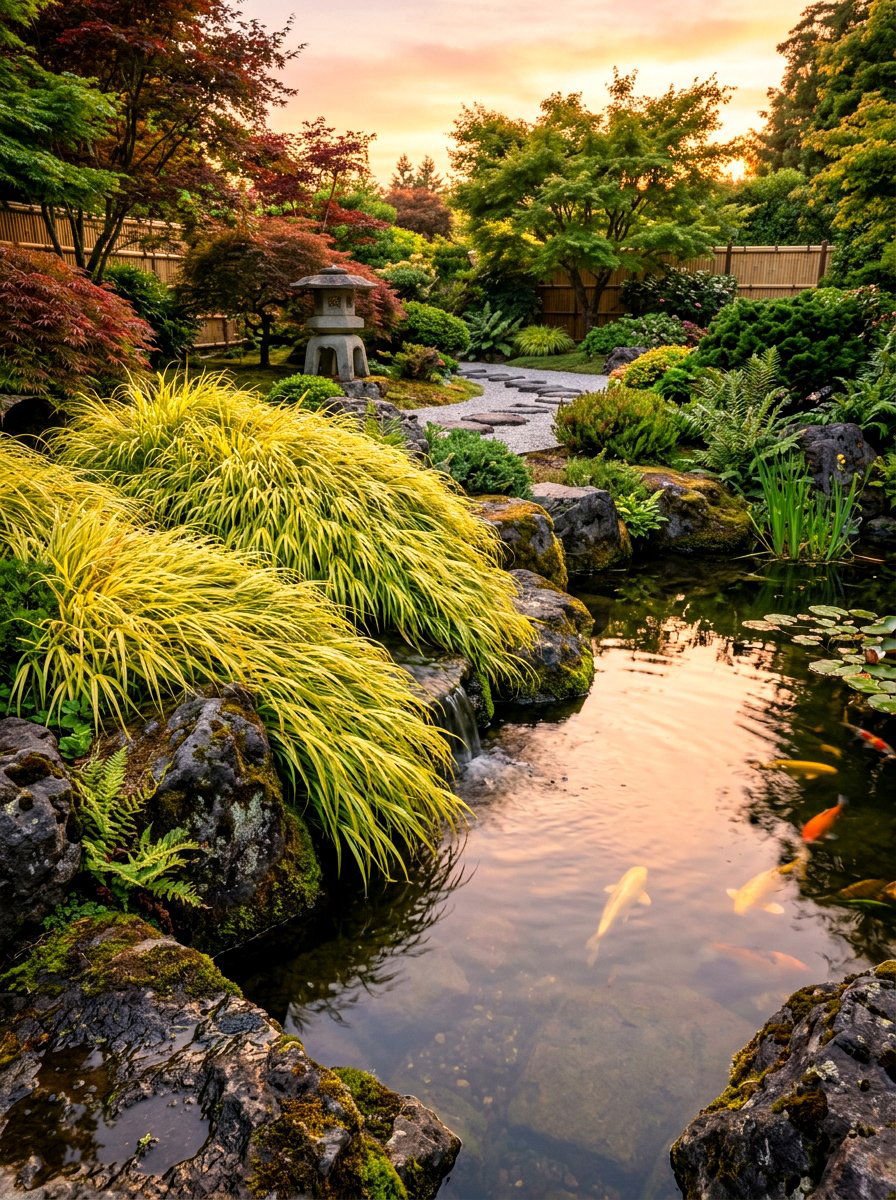
Japanese forest grass is a stunning ornamental grass that looks like a cascading waterfall of green and gold. It features soft, arching blades that move beautifully in the slightest breeze. This grass loves the humid, shady environment near a pond and provides a soft, glowing texture to the landscape. It is a slow grower that forms neat, mounded clumps, making it perfect for edging pathways or covering the space between large rocks. The golden-leaved varieties are especially popular for creating a sense of light in shaded areas. In the fall, the foliage often turns a beautiful copper or reddish-pink color before going dormant.
27. Turtlehead Pond Edge Planting
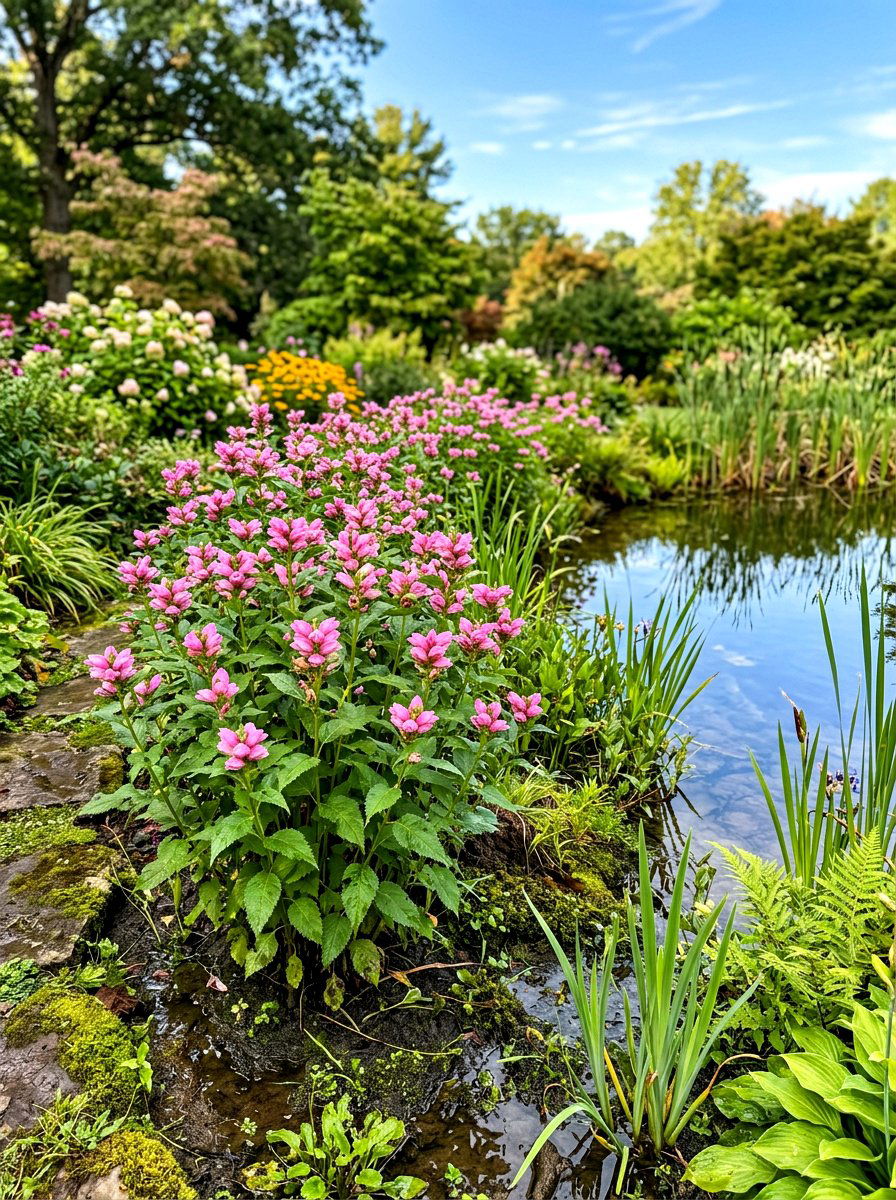
Turtlehead is a charming and unusual perennial that gets its name from its uniquely shaped flowers, which resemble the head of a turtle. These pink or white blooms appear in late summer and autumn, providing color when many other pond plants have finished flowering. This plant is native to wetlands and thrives in the consistently moist soil found at the edge of a pond. It has a tidy, upright growth habit that makes it easy to integrate into a mixed border. Turtlehead is a tough and reliable plant that is largely resistant to pests and diseases, making it a great low-maintenance garden addition.
28. Swamp Milkweed Pond Edge Planting
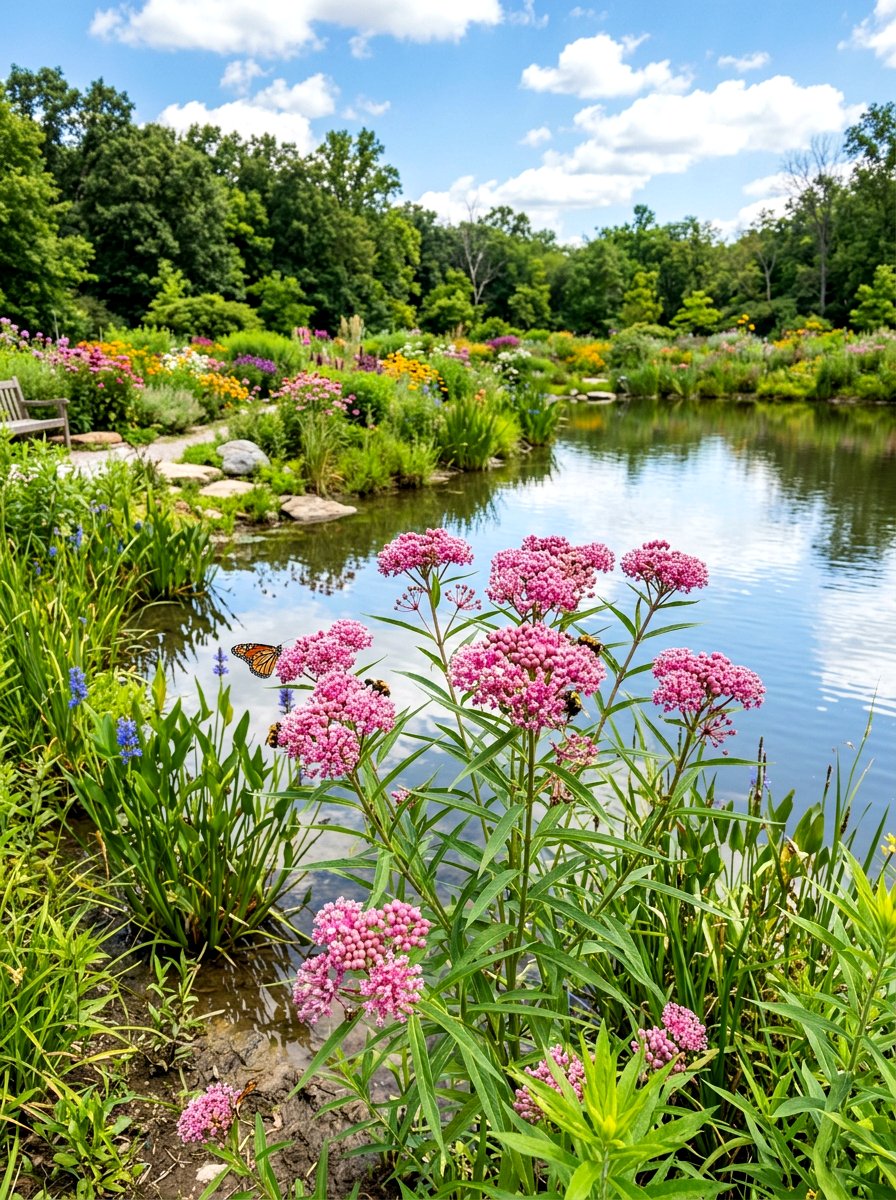
Swamp milkweed is a beautiful and essential plant for anyone wanting to support monarch butterflies. This native perennial produces clusters of fragrant, deep pink flowers that are rich in nectar. Unlike its more common cousins, swamp milkweed thrives in the wet, boggy soils found near pond edges. The upright stems and narrow leaves provide a nice vertical structure to the garden. It is a very hardy plant that can tolerate heavy clay soils and occasional flooding. Planting swamp milkweed ensures that your pond is not just a beautiful water feature, but also a vital sanctuary for endangered pollinators and other beneficial insects.
29. Pitcher Plant Pond Edge Planting
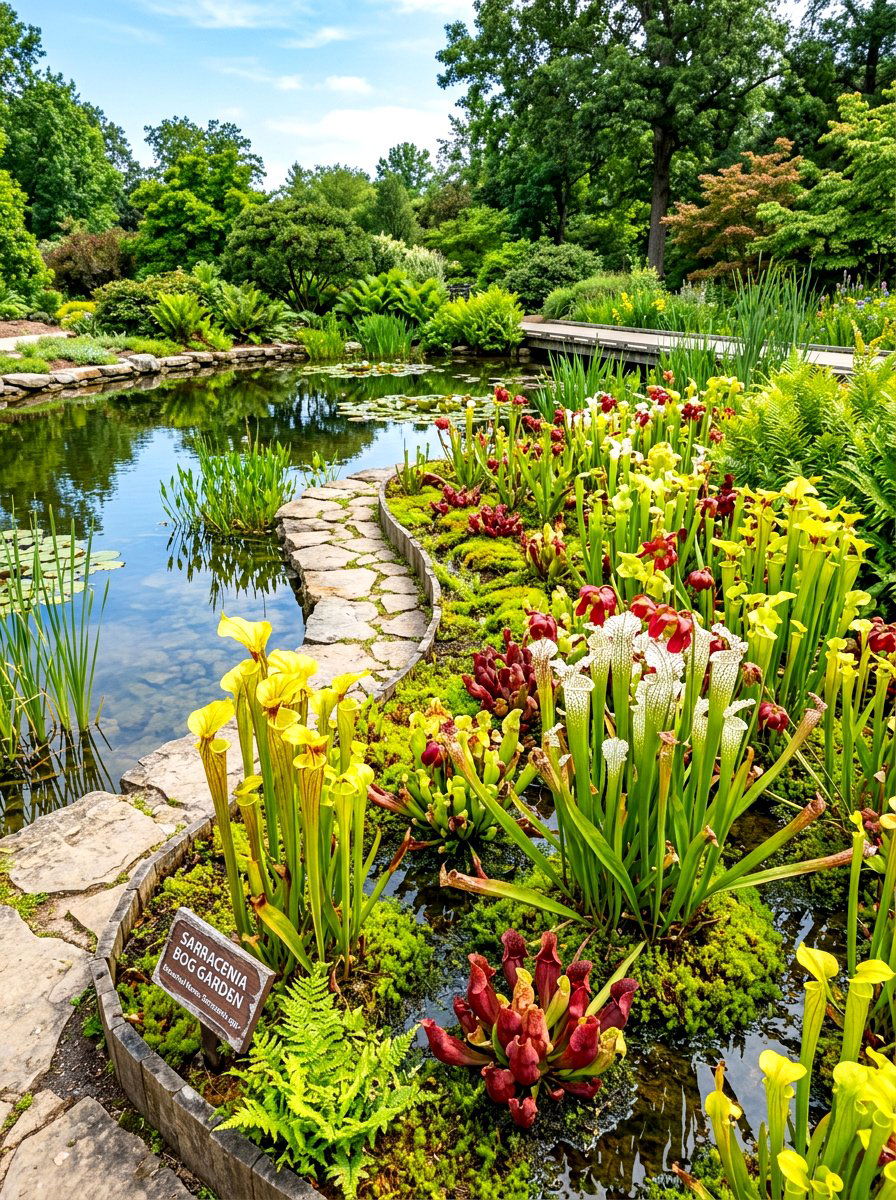
For a truly unique and exotic addition to your pond, consider creating a small bog area for pitcher plants. These carnivorous plants are famous for their tubular leaves that trap and digest insects. They come in a variety of striking colors and patterns, with many featuring intricate veining and hooded tops. They require consistently wet, acidic soil and plenty of sunlight to thrive. While they have specific growing requirements, they are incredibly rewarding and will certainly be a conversation starter for any visitor to your garden. Their unusual shapes and vibrant colors add a touch of the wild swamp to your backyard pond design.
30. Sedge Pond Edge Planting
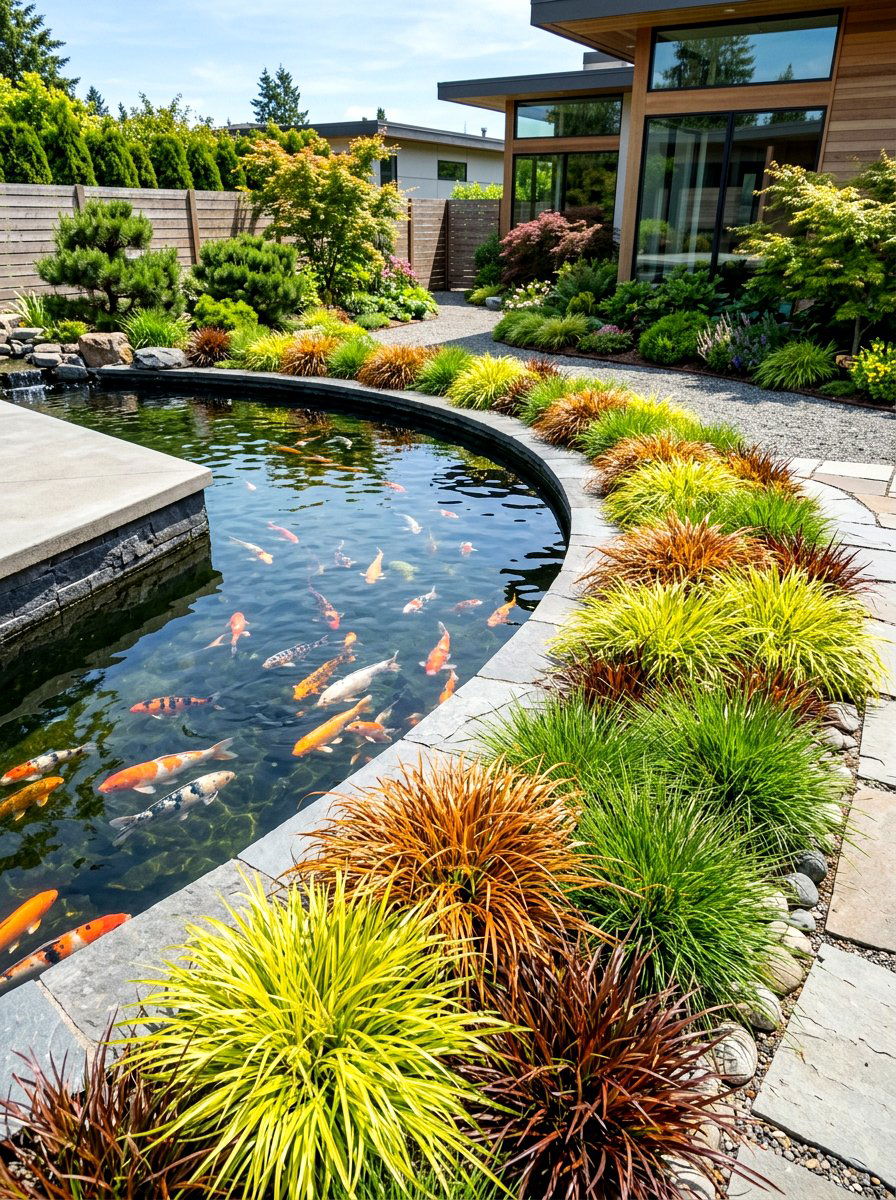
Sedges are versatile, grass-like plants that are perfect for solving a variety of landscaping challenges around a pond. Many species are specifically adapted to living in saturated soil or even shallow water. They come in a wide range of colors, from bright orange and bronze to deep green and variegated white. Their fine-textured foliage provides a soft, naturalistic look that blends perfectly with rocks and water. Sedges are excellent for erosion control and can be used to create a low-maintenance groundcover on pond banks. They are also very cold-hardy and will often stay green throughout the winter, providing year-round structure and beauty.
Conclusion:
Designing a pond edge with a diverse selection of plants is the best way to ensure your water feature looks natural and stays healthy. By incorporating a mix of tall marginals, spreading groundcovers, and bold foliage plants, you create a layered landscape that provides visual interest throughout every season. Remember to consider the light levels and soil moisture of your specific site to choose the species that will thrive best. A well-planted pond edge not only enhances the beauty of your garden but also filters the water and supports a thriving ecosystem of beneficial wildlife. Enjoy the process of creating your own personal aquatic sanctuary.

Related posts: