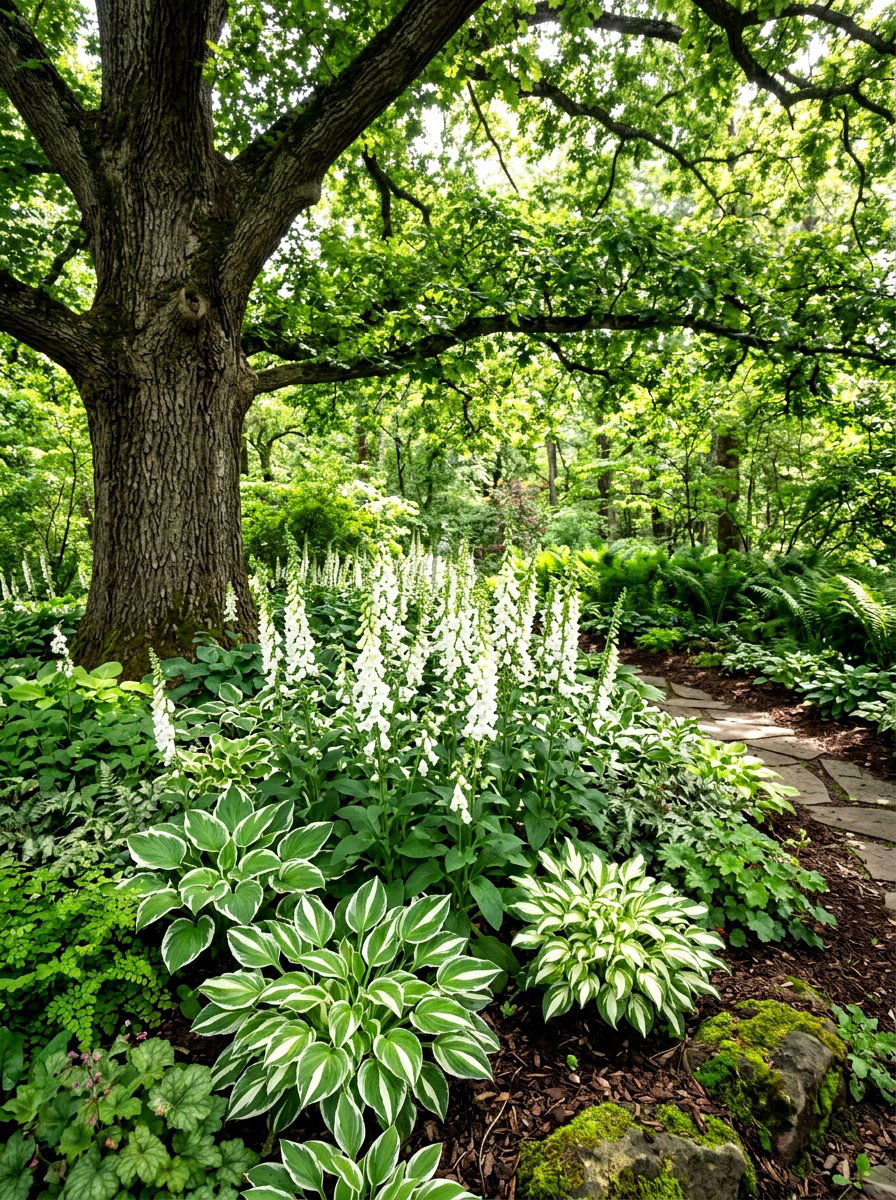
Stepping into a vibrant, thriving vegetable garden feels like entering a living ecosystem where every plant plays a vital role in the health of its neighbors. Companion planting is an ancient yet modern gardening strategy that uses the natural relationships between different species to enhance growth, deter pests, and improve soil quality. By thoughtfully arranging your crops, you can create a self-sustaining environment that minimizes the need for chemical fertilizers or pesticides. This approach is not just about productivity; it is also about creating a visually stunning outdoor space filled with diverse textures and colors that look incredible on Pinterest. Whether you are a beginner or a seasoned grower, understanding these pairings will transform your backyard harvest into a lush, bountiful sanctuary.

1. Tomato and basil companion planting
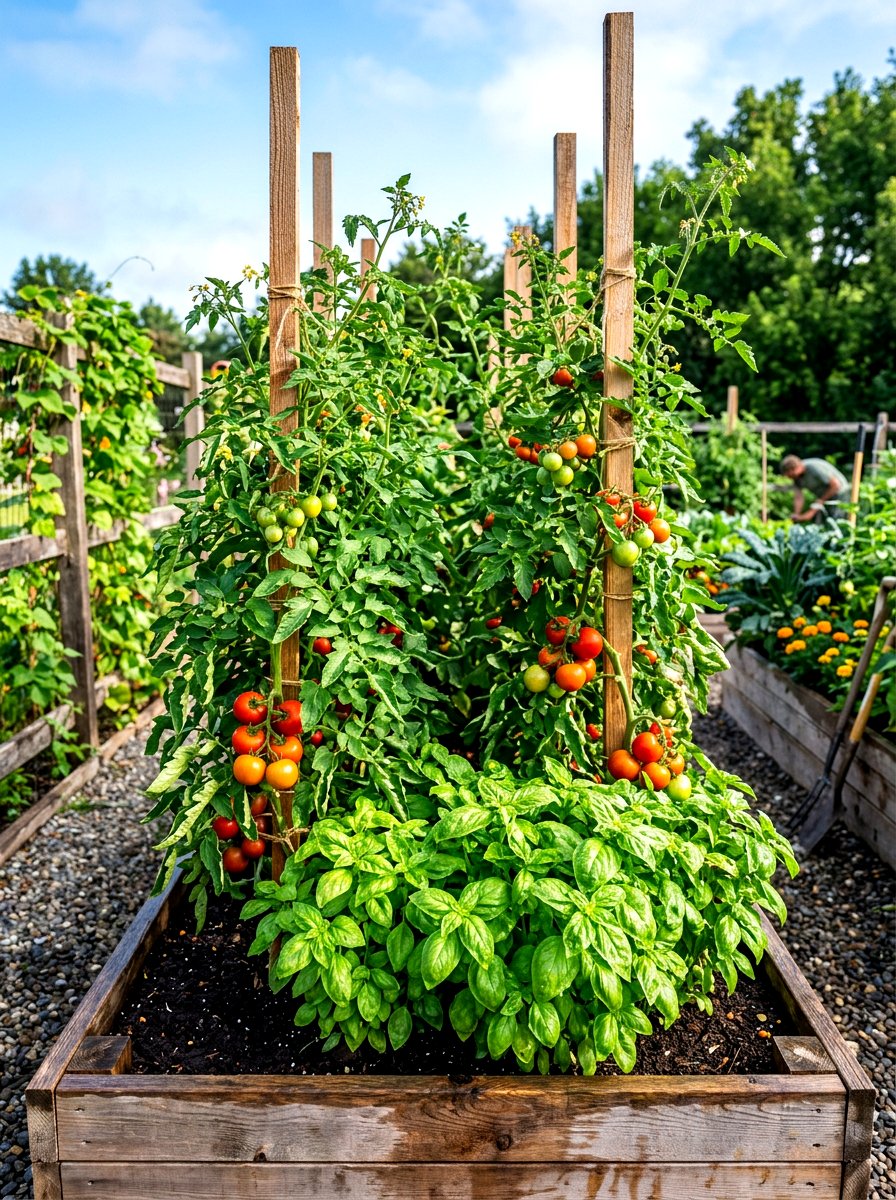
Have you ever noticed how some plants seem to naturally belong together in both the kitchen and the soil? Planting aromatic basil alongside your heavy-feeding tomato plants is a classic strategy that offers more than just culinary convenience. The strong, spicy scent of basil acts as a natural deterrent for common garden pests like thrips and the dreaded tomato hornworm. Furthermore, many experienced gardeners swear that this specific pairing actually improves the overall flavor of the ripening fruit. This combination is ideal for a sunny raised bed where the leafy green basil can fill the gaps beneath the tall, staked tomato vines. It creates a lush, functional, and aromatic garden space that maximizes every square inch of your growing area.
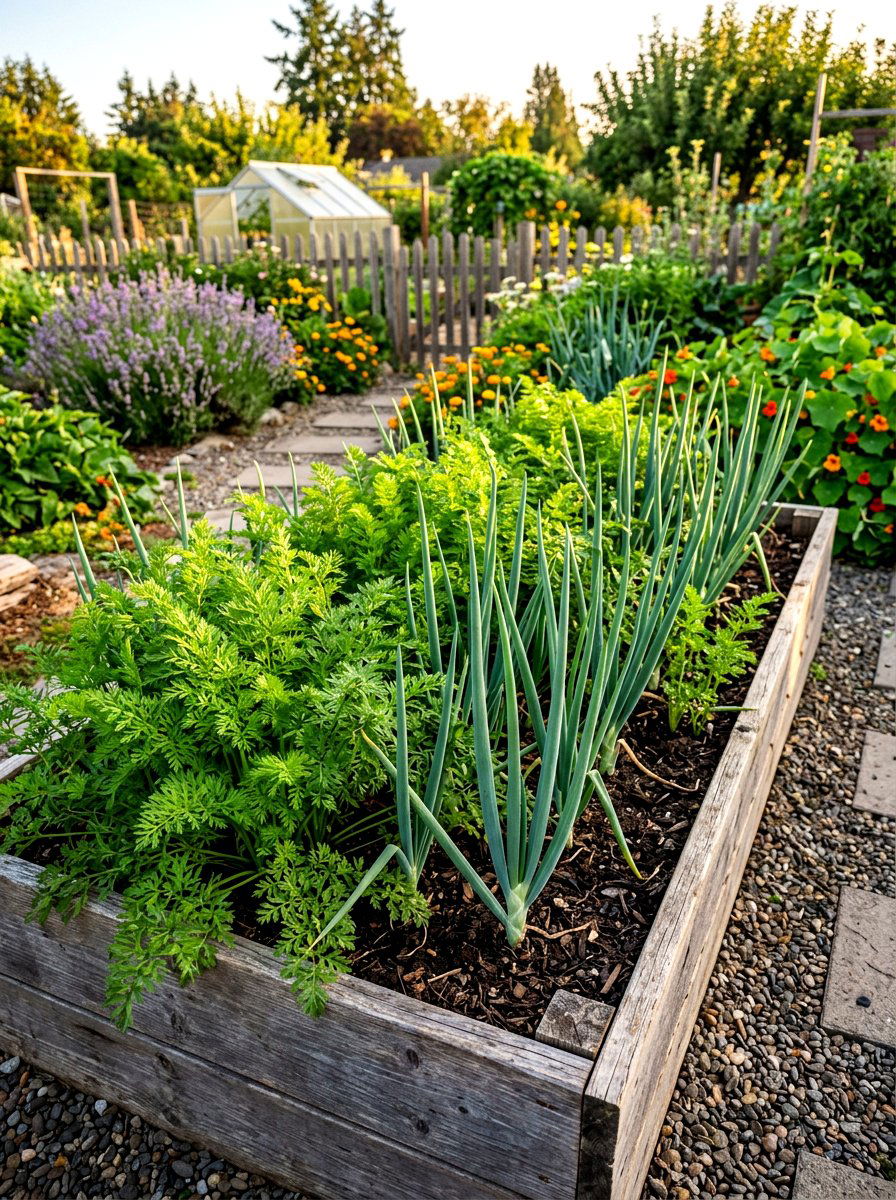
2. Carrot and onion garden layout
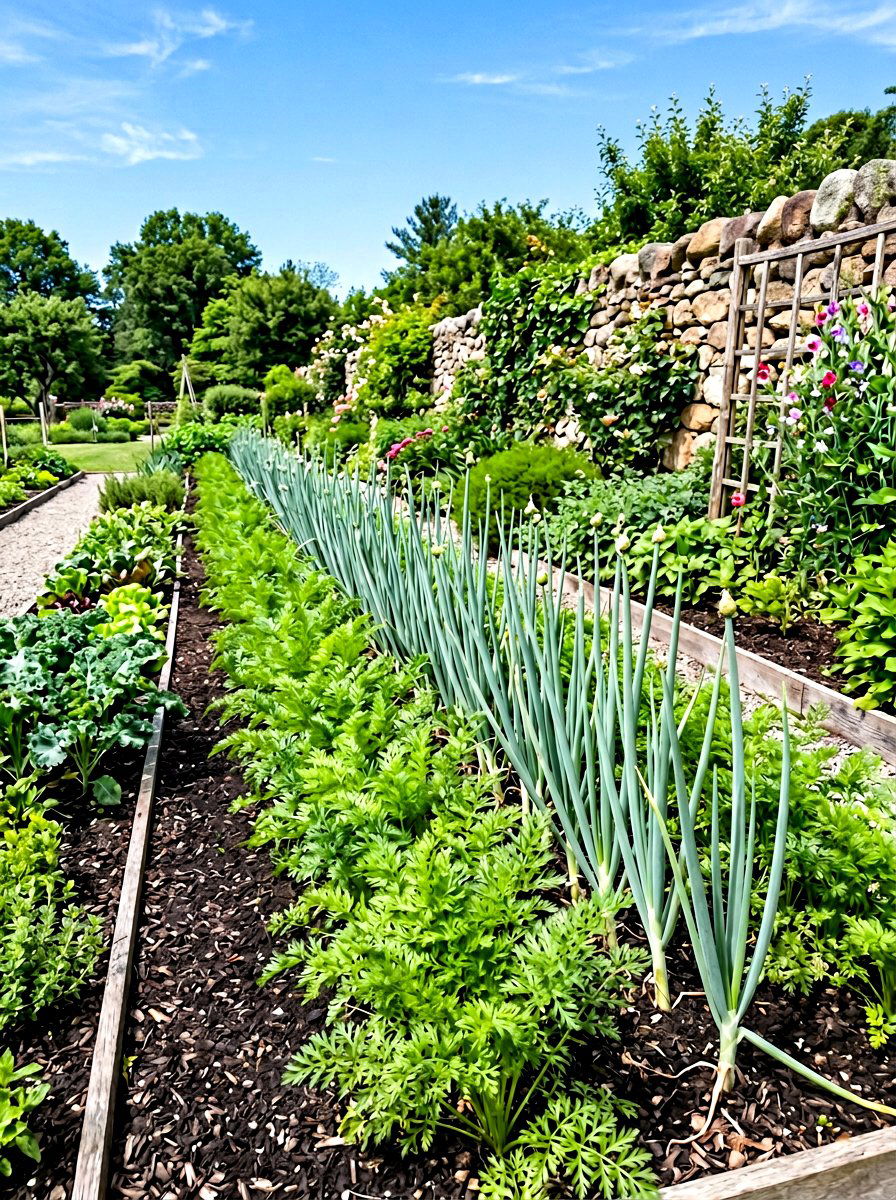
Imagine a garden where your root vegetables work in perfect harmony to shield each other from invasive insects. Pairing carrots with onions or other alliums is a brilliant way to confuse pests through scent masking. The pungent aroma of the onions effectively hides the sweet scent of carrots from the carrot rust fly, which would otherwise devastate the crop. Conversely, the presence of carrots can help deter onion flies from finding their target. This symbiotic relationship is particularly effective when you alternate rows in a compact garden bed or intersperse them in a square-foot gardening layout. The resulting arrangement is clean, organized, and highly productive, ensuring that your underground harvests remain healthy and free from damaging larvae all season.
3. Marigold pest control for vegetables
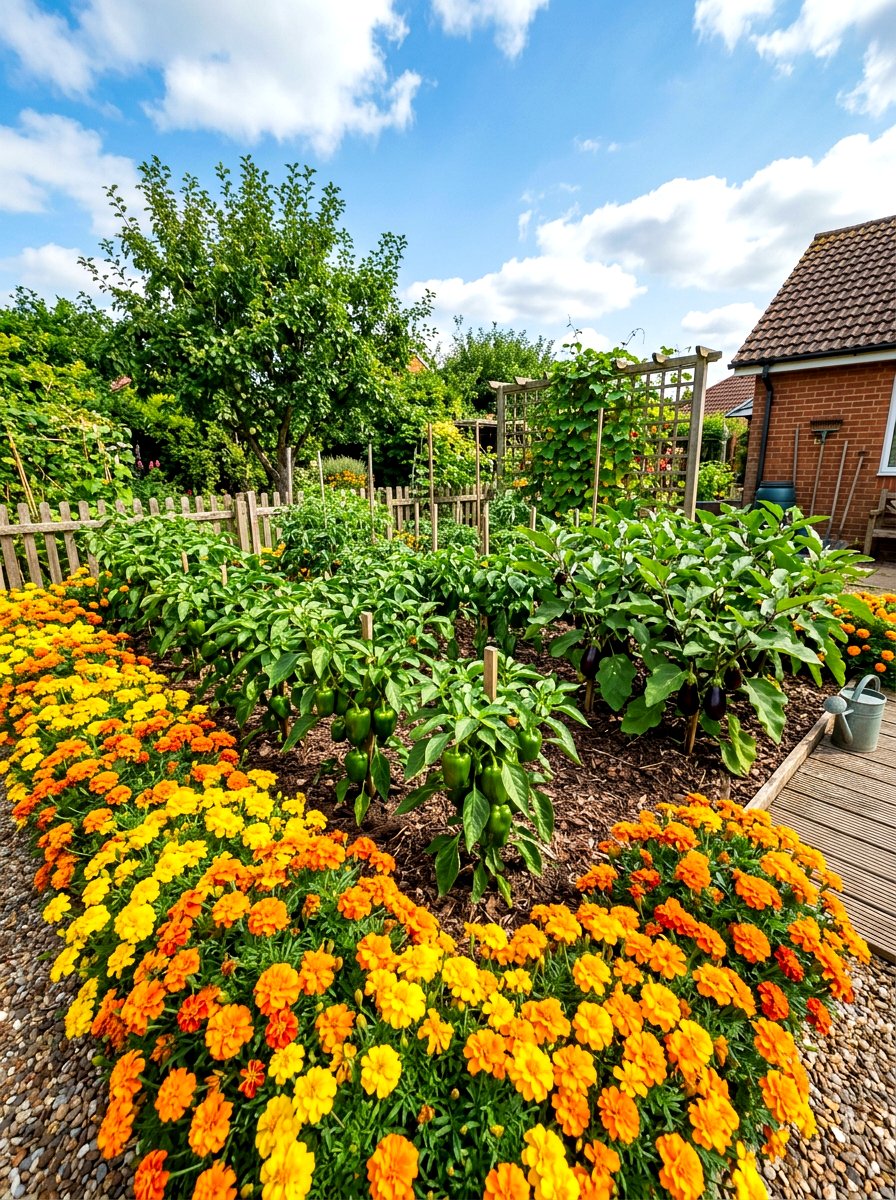
Can a simple flower really be the ultimate bodyguard for your precious summer vegetables? Marigolds are legendary in the gardening world for their ability to repel a wide variety of pests, ranging from nematodes in the soil to beetles on the leaves. These bright, cheerful blooms release a chemical called alpha-terthienyl, which is toxic to root-knot nematodes that often plague tomatoes and eggplants. Beyond their chemical defenses, their bold colors attract beneficial pollinators that help increase your overall yield. Planting a dense border of French marigolds around your vegetable patches creates a protective barrier that is as beautiful as it is functional. This technique is a favorite for those seeking a colorful, organic way to manage garden health.
4. Three sisters garden method
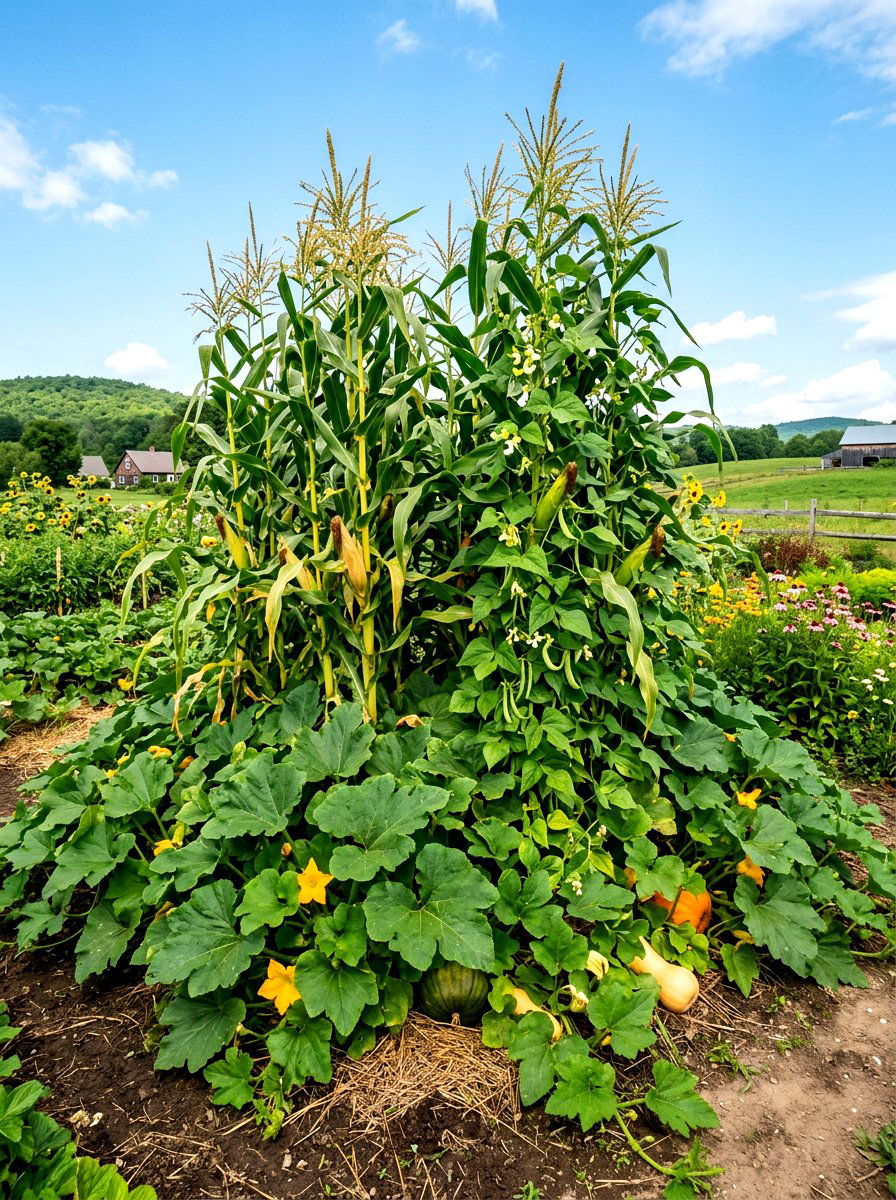
What if you could grow three essential crops in a single space using an ancient indigenous technique? The Three Sisters method involves planting corn, beans, and squash together in a mutually beneficial guild. The tall corn stalks provide a sturdy natural trellis for the climbing pole beans to reach toward the sunlight. In exchange, the beans fix nitrogen in the soil, providing vital nutrients that the hungry corn and squash require for vigorous growth. Meanwhile, the large, prickly leaves of the squash act as a living mulch, shading the ground to retain moisture and deterring weeds and small animals. This historical arrangement is a masterclass in efficiency and remains a staple for modern sustainable gardening enthusiasts everywhere.
5. Lettuce and radish intercropping
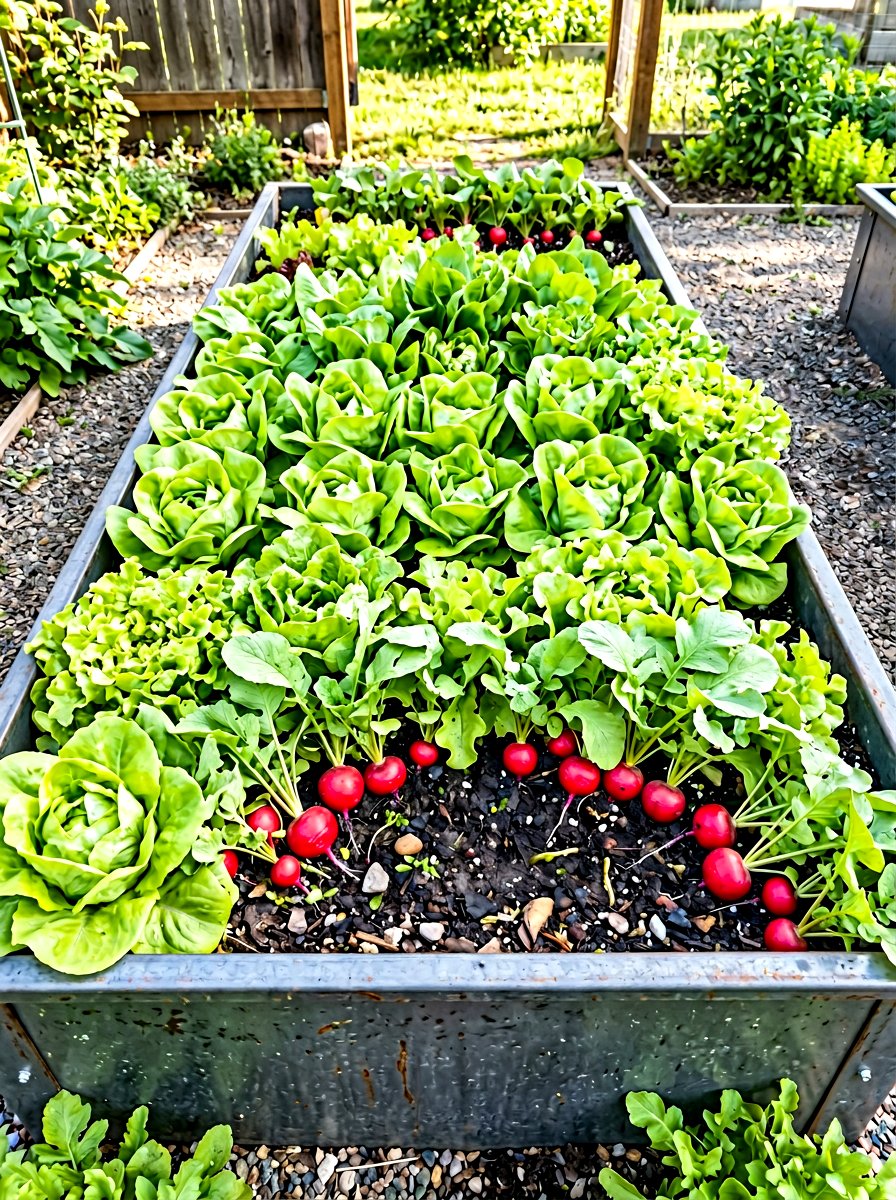
Are you looking for a way to maximize your harvest in a small, cool-season garden bed? Intercropping fast-growing radishes with leafy greens like lettuce is a smart spatial strategy that pays off quickly. Radishes germinate and mature much faster than lettuce, effectively acting as "marker" plants that show you where your rows are. As the radishes are harvested, they leave behind loosened soil and small gaps that allow the lettuce plants to expand and thrive. This method prevents the soil from becoming compacted and ensures that no garden space remains empty for long. The contrast between the crisp, red radishes and the soft, green lettuce leaves also makes for a visually appealing and highly productive garden texture.
6. Pepper and basil planting guide
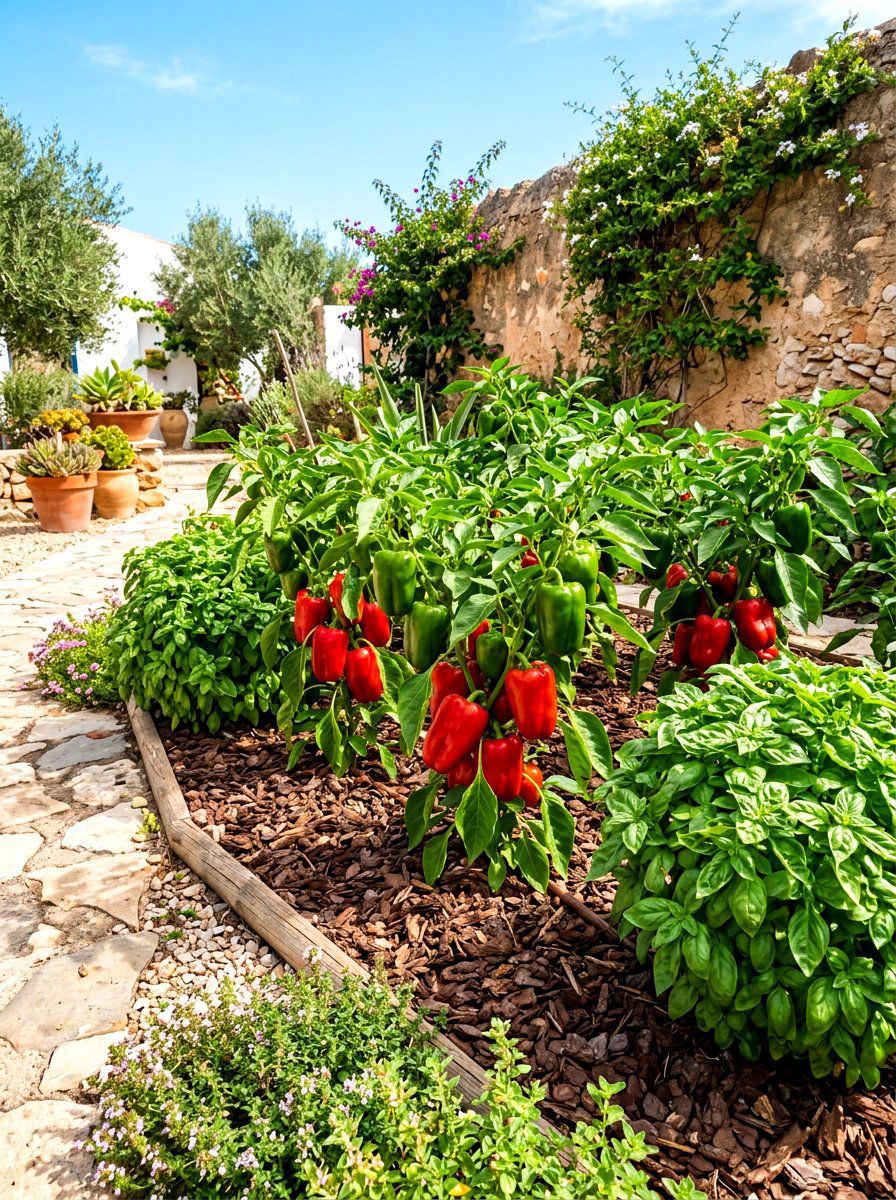
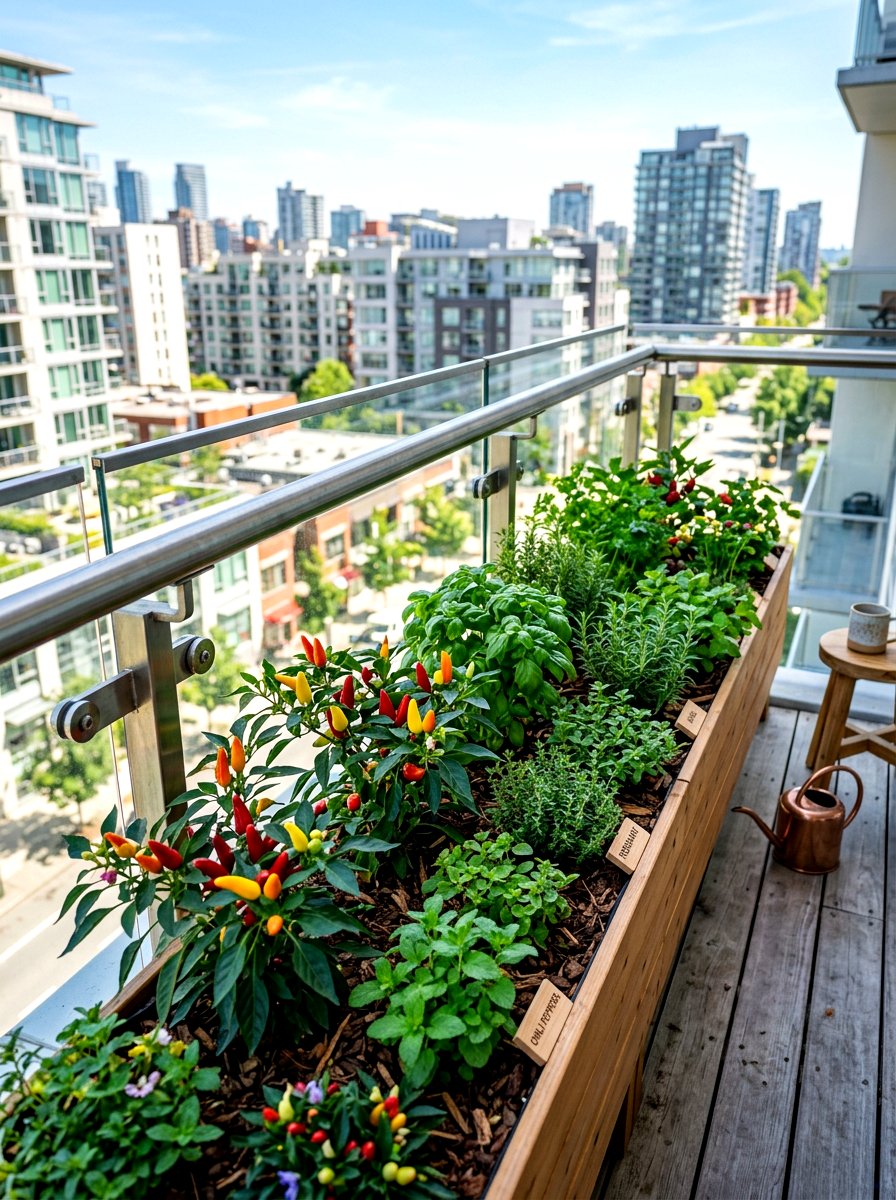
Does your pepper patch need a boost in both health and visual appeal this growing season? Integrating basil around the base of your bell or hot pepper plants provides a dense ground cover that helps regulate soil temperature. Since peppers and basil both thrive in warm, sunny conditions, they make excellent bedfellows that share similar water and nutrient requirements. The basil’s intense fragrance helps to repel aphids and spider mites that frequently target pepper foliage. Additionally, the low-growing herb helps to suppress weeds that might otherwise compete with your peppers for resources. This pairing creates a Mediterranean-inspired garden aesthetic that looks lush and full, while providing a continuous harvest of fresh herbs and spicy or sweet peppers.
7. Cabbage and thyme garden pairing
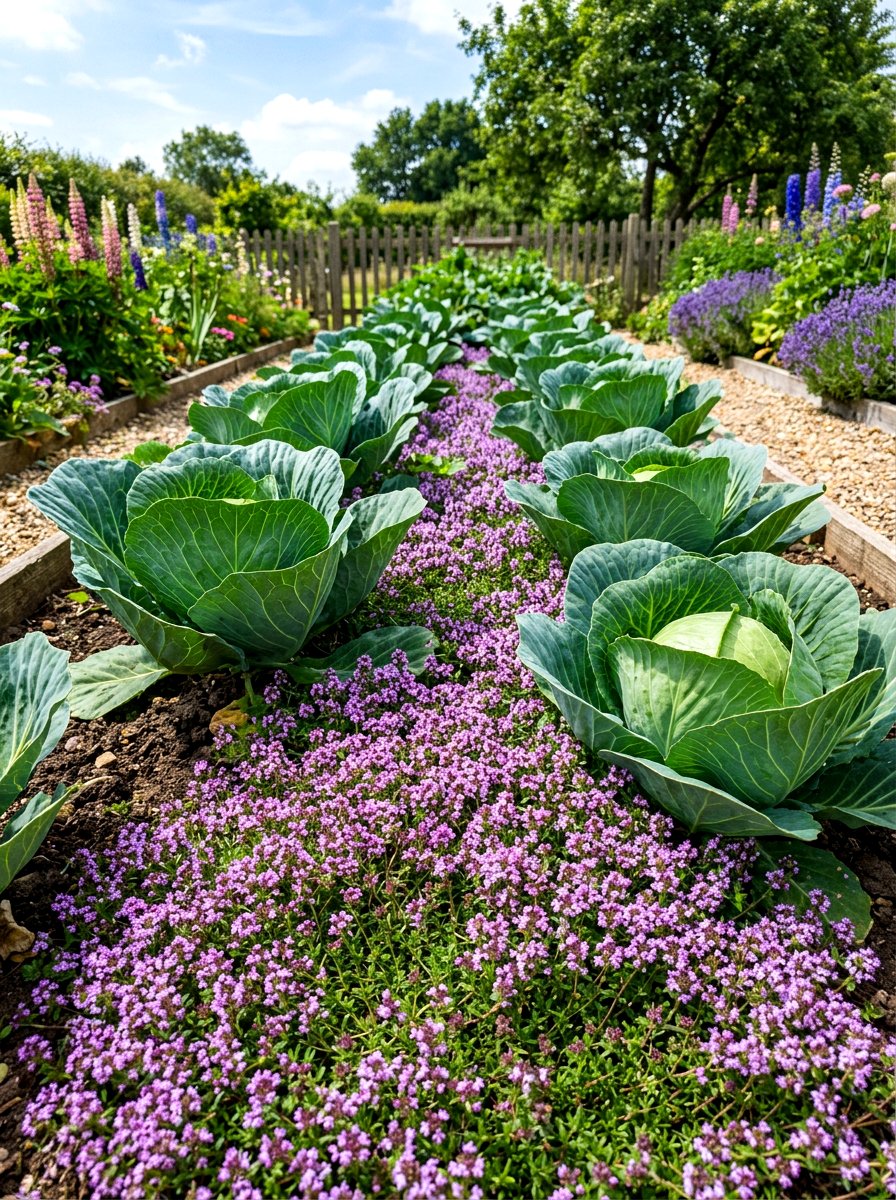
How do you protect your brassicas from the persistent threat of cabbage moths and their hungry larvae? Planting the low-growing, perennial herb thyme near your cabbage, broccoli, or cauliflower creates a powerful olfactory barrier. The potent essential oils found in thyme are known to confuse the moths, making it much harder for them to locate a suitable host plant for laying eggs. This simple addition can significantly reduce the need for organic sprays or row covers. Thyme also thrives in the well-drained soil that brassicas prefer, filling the empty spaces between the large, leafy heads. The fine texture of the thyme foliage provides a beautiful contrast to the bold, waxy leaves of the cabbage plants.
8. Cucumber and nasturtium protection
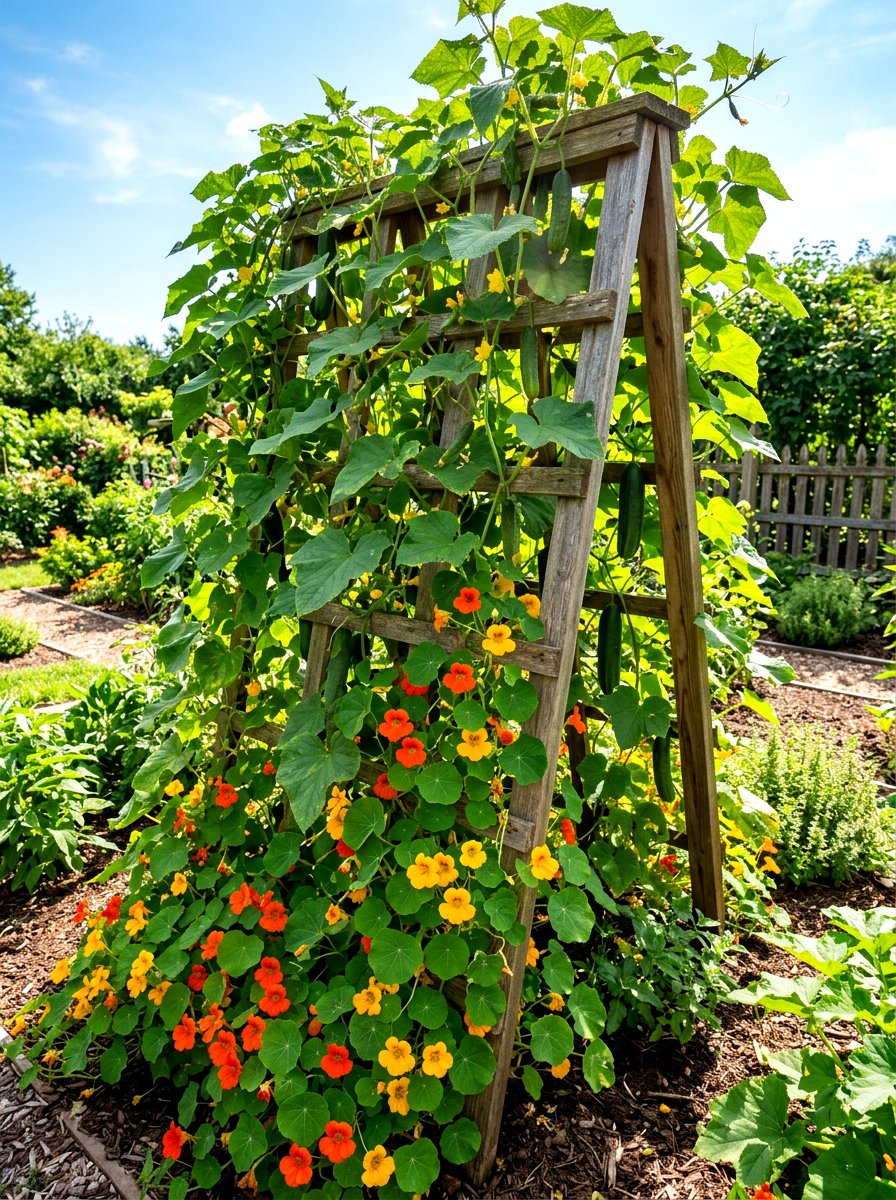
Would you like to keep your cucumber vines healthy while adding a splash of vibrant color to your trellis? Nasturtiums are incredible companion plants for cucumbers because they act as a "trap crop, " attracting aphids away from your main harvest. These edible flowers also produce a peppery scent that deters cucumber beetles, which are notorious for spreading wilt disease. When allowed to trail beneath the large leaves of the cucumber vines, nasturtiums provide a dense living mulch that keeps the soil cool and moist. The combination of bright orange or yellow blooms against the deep green cucumber leaves creates a picturesque, cottage-garden look. This pairing is a perfect example of using beauty to support garden functionality and health.
9. Potato and horseradish soil health

Can a pungent root vegetable really help your potato crop resist common diseases and pests? Planting horseradish at the corners of your potato patch is a traditional method for increasing the disease resistance of the entire bed. Horseradish is known for its strong antifungal and antibacterial properties, which can help protect the developing tubers from soil-borne pathogens. Additionally, it is believed to repel the Colorado potato beetle, one of the most destructive pests for home growers. Because horseradish is a vigorous grower, it is best placed strategically where it won't overwhelm the potatoes but can still offer its protective benefits. This combination is a sturdy, practical choice for gardeners looking to improve the long-term health of their root crops.

10. Garlic and strawberry garden bed
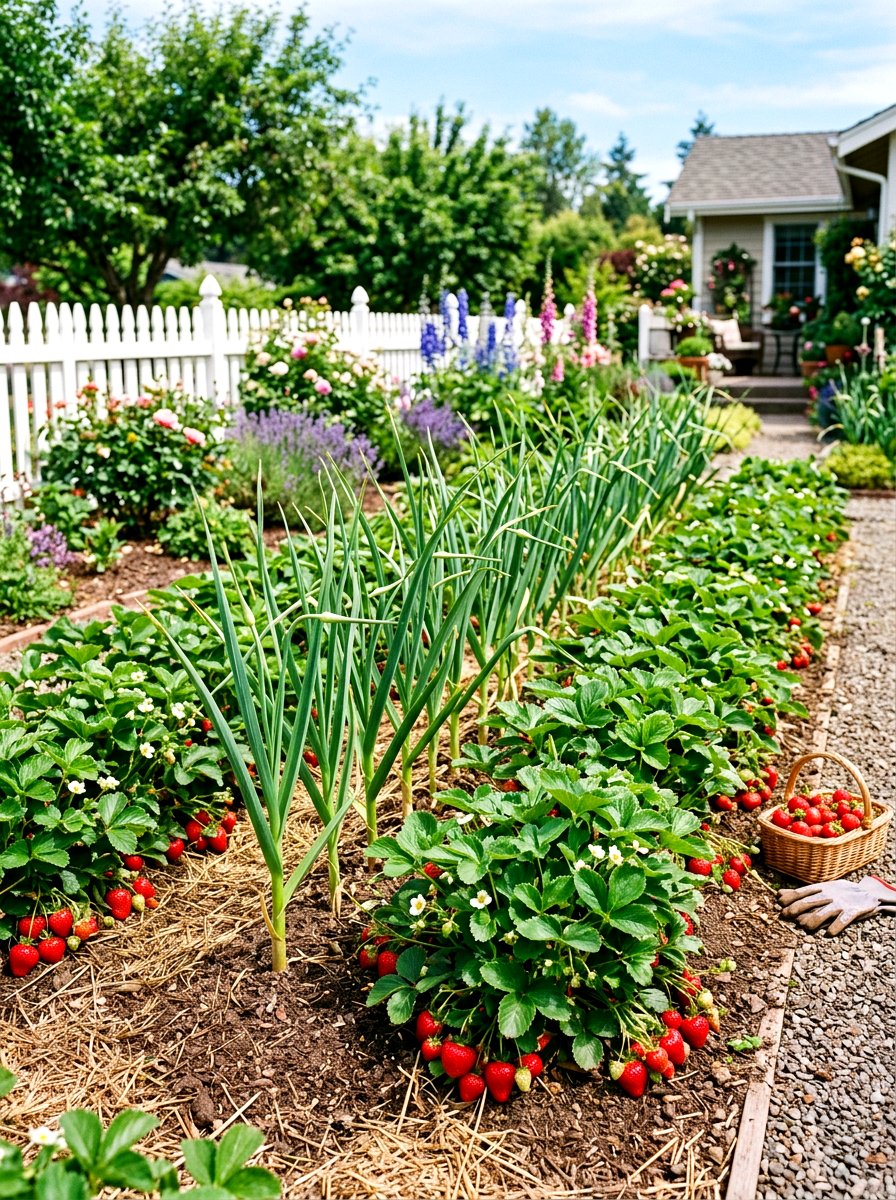
Have you struggled with fungal issues or pests attacking your sweet strawberry patch? Integrating garlic bulbs throughout your strawberry rows is a brilliant organic solution that relies on the natural sulfur compounds found in alliums. Garlic acts as a powerful fungicide, helping to prevent common strawberry diseases like grey mold or leaf spot. Its strong scent also repels various insects and even small mammals that might be tempted to nibble on your ripening berries. Since garlic grows vertically and takes up very little horizontal space, it fits perfectly between the spreading strawberry runners. This pairing ensures a healthier fruit harvest and provides you with a secondary crop of flavorful, home-grown garlic to enjoy in your kitchen.
11. Spinach and pole bean shade
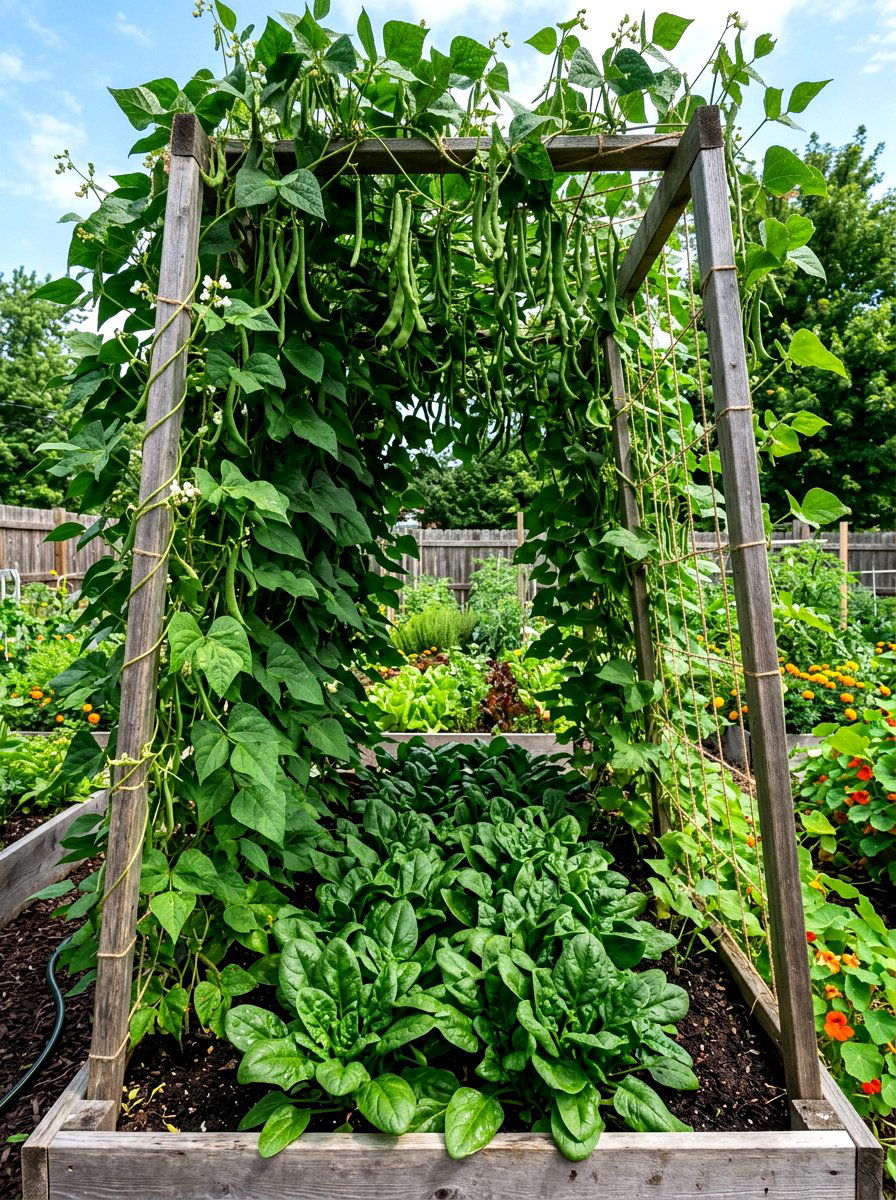
How can you keep your cool-weather spinach from bolting when the summer sun starts to intensify? Planting spinach in the dappled shade provided by a tall trellis of pole beans is a clever way to extend your harvest season. As the beans climb higher, they create a natural canopy that protects the sensitive spinach leaves from direct, scorching afternoon light. Furthermore, beans are nitrogen-fixers, meaning they naturally enrich the soil with the very nutrient that leafy greens like spinach crave most. This vertical gardening approach maximizes your yield by using different heights in the same bed. The result is a lush, green wall of beans with a carpet of fresh, tender spinach growing happily at the base.
12. Beet and onion row planting
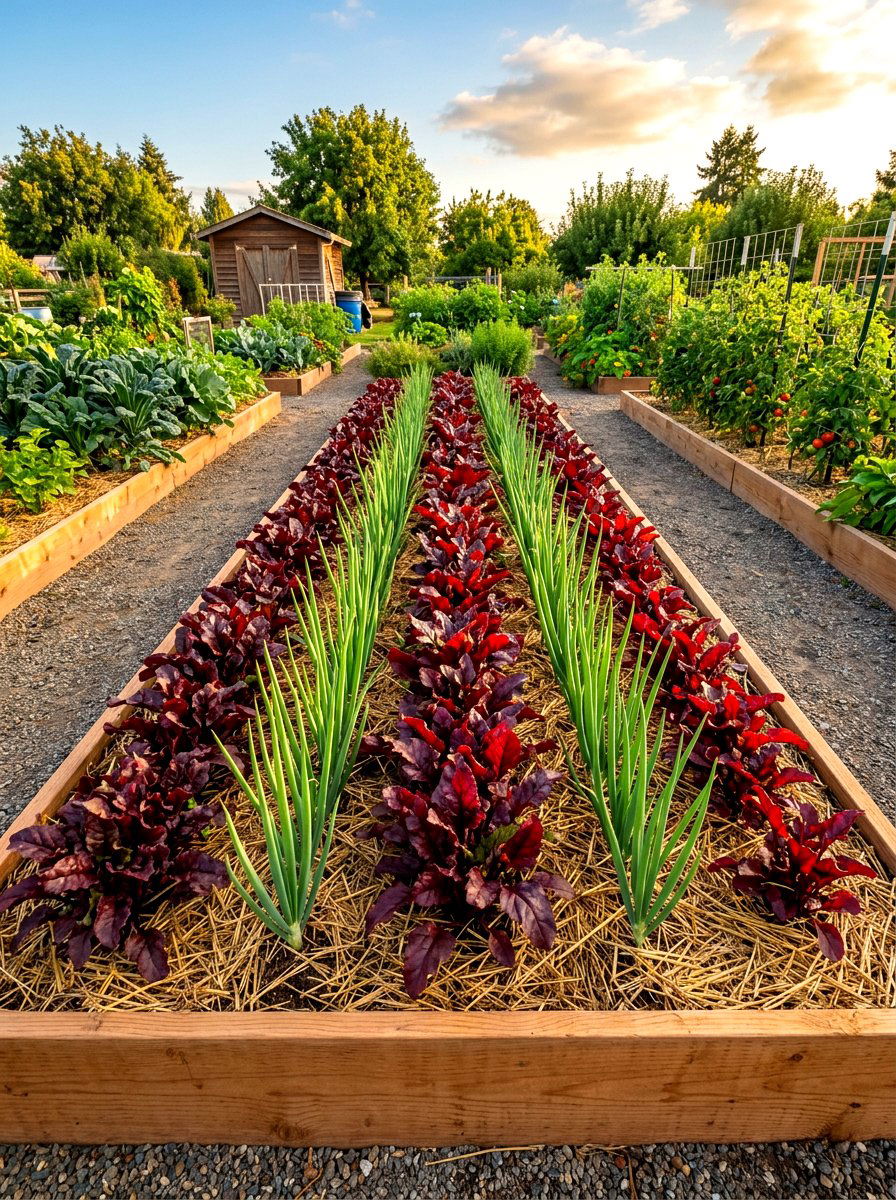
Do you want a tidy, organized garden bed that produces two essential kitchen staples in perfect harmony? Beets and onions are excellent companions because they occupy different levels of the soil and do not compete for the same nutrients. Onions have a shallow root system, while beets reach slightly deeper, allowing them to grow closely together without interference. The onions provide the added benefit of repelling various garden pests that might otherwise target the beet greens. This pairing is particularly well-suited for raised beds where space is at a premium and a clean, linear layout is desired. The contrast between the deep purple or red beet stems and the upright, tubular onion leaves makes for a very attractive garden display.
13. Kale and aromatic herb garden
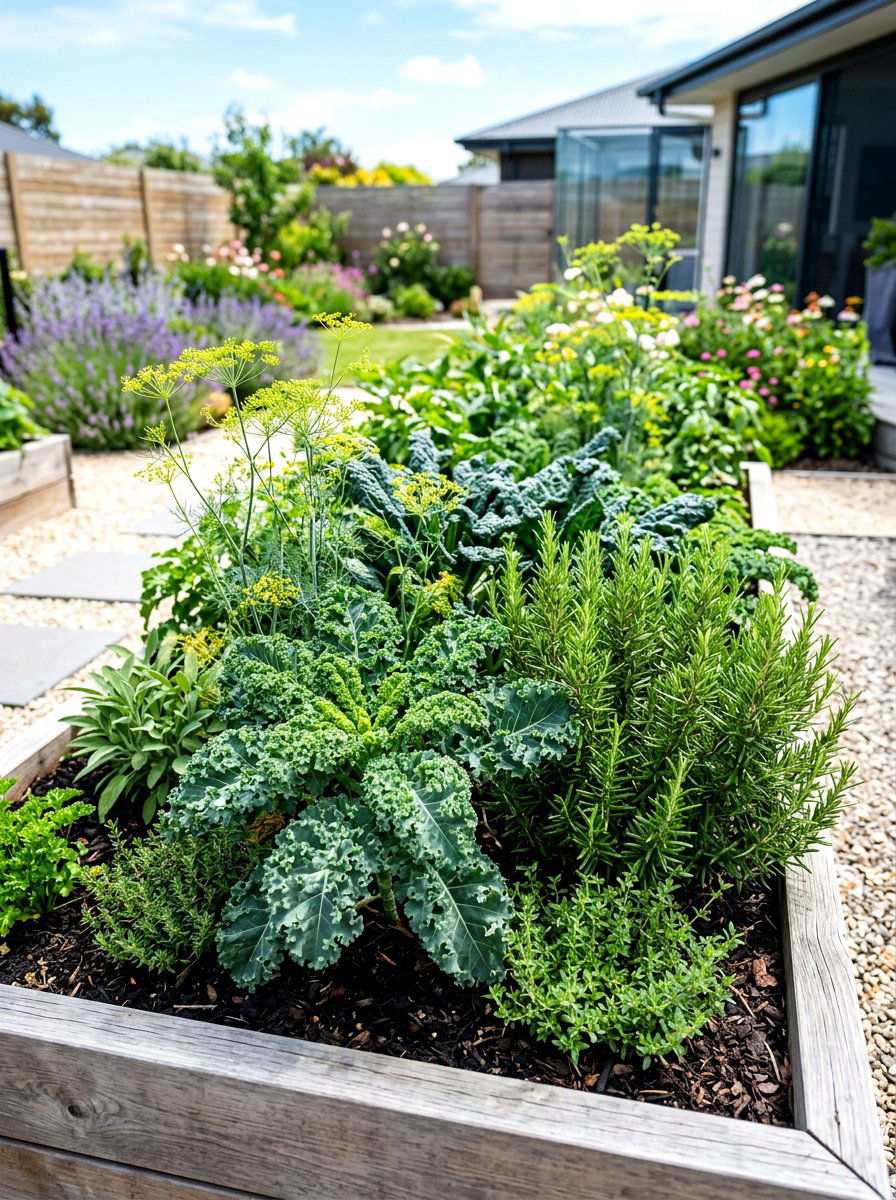
Is it possible to make your kale patch look as good as it tastes while keeping it safe from pests? Interplanting kale with strong-scented herbs like sage, rosemary, or dill is a fantastic way to create a multi-functional garden bed. These herbs help to mask the scent of the kale from the cabbage white butterfly, which is the primary parent of the destructive cabbage worm. Dill, in particular, attracts beneficial predatory wasps that feed on various garden pests, providing a natural form of biological control. The different textures of the ruffled kale leaves and the fine needles of rosemary or feathery dill create a sophisticated, ornamental look. This approach turns a basic vegetable patch into a fragrant and resilient landscape.
14. Broccoli and rosemary pairing
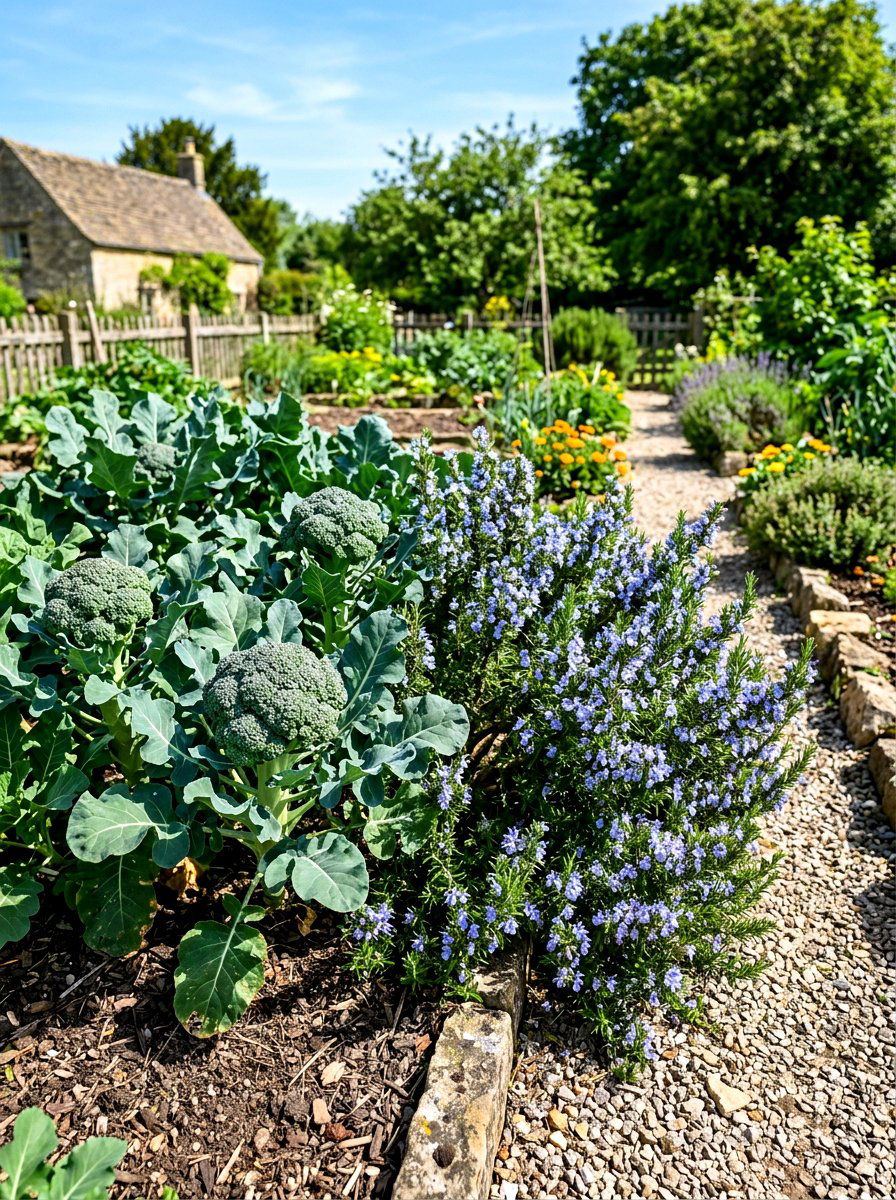
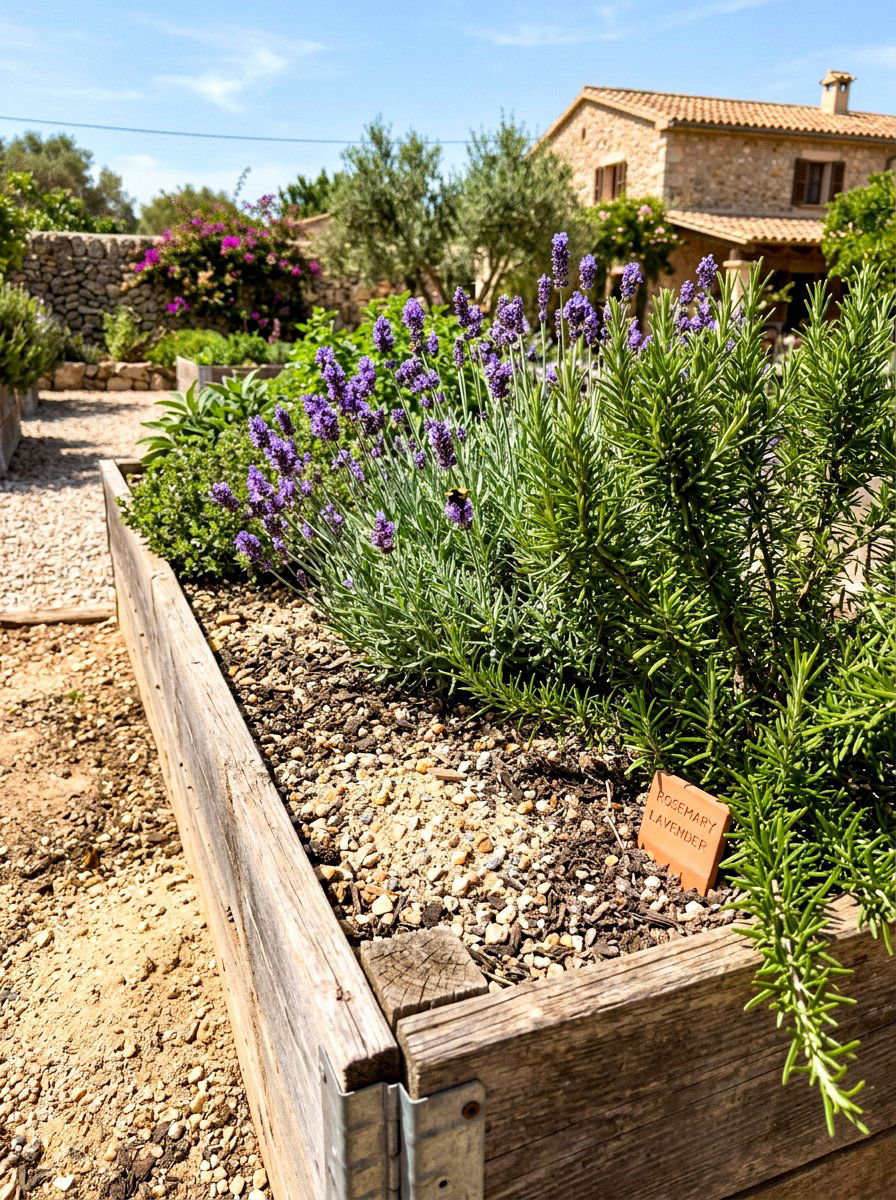
How can you protect your broccoli plants while incorporating a beautiful, perennial shrub into your vegetable layout? Rosemary is a powerful companion for broccoli because its intense fragrance is highly effective at repelling the cabbage fly. This fly is known for laying eggs at the base of brassicas, leading to root damage that can stunt or kill the plant. By placing a rosemary bush nearby, you create a scent barrier that keeps your broccoli safe and healthy. Rosemary also appreciates the same well-drained soil and sunny locations as broccoli, making them easy to manage together. The woody structure and blue flowers of the rosemary provide a permanent architectural element that anchors the ever-changing seasonal vegetable garden.

15. Zucchini and borage pollinator garden
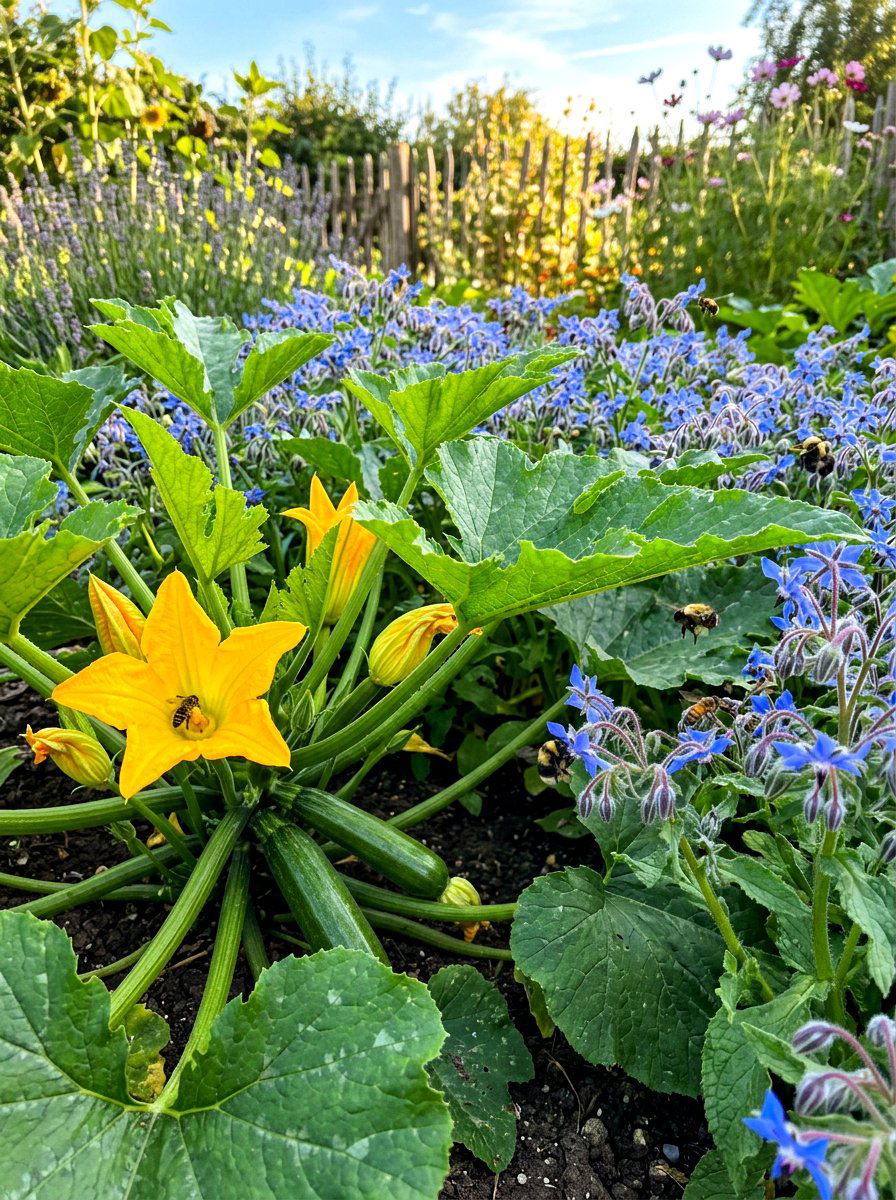
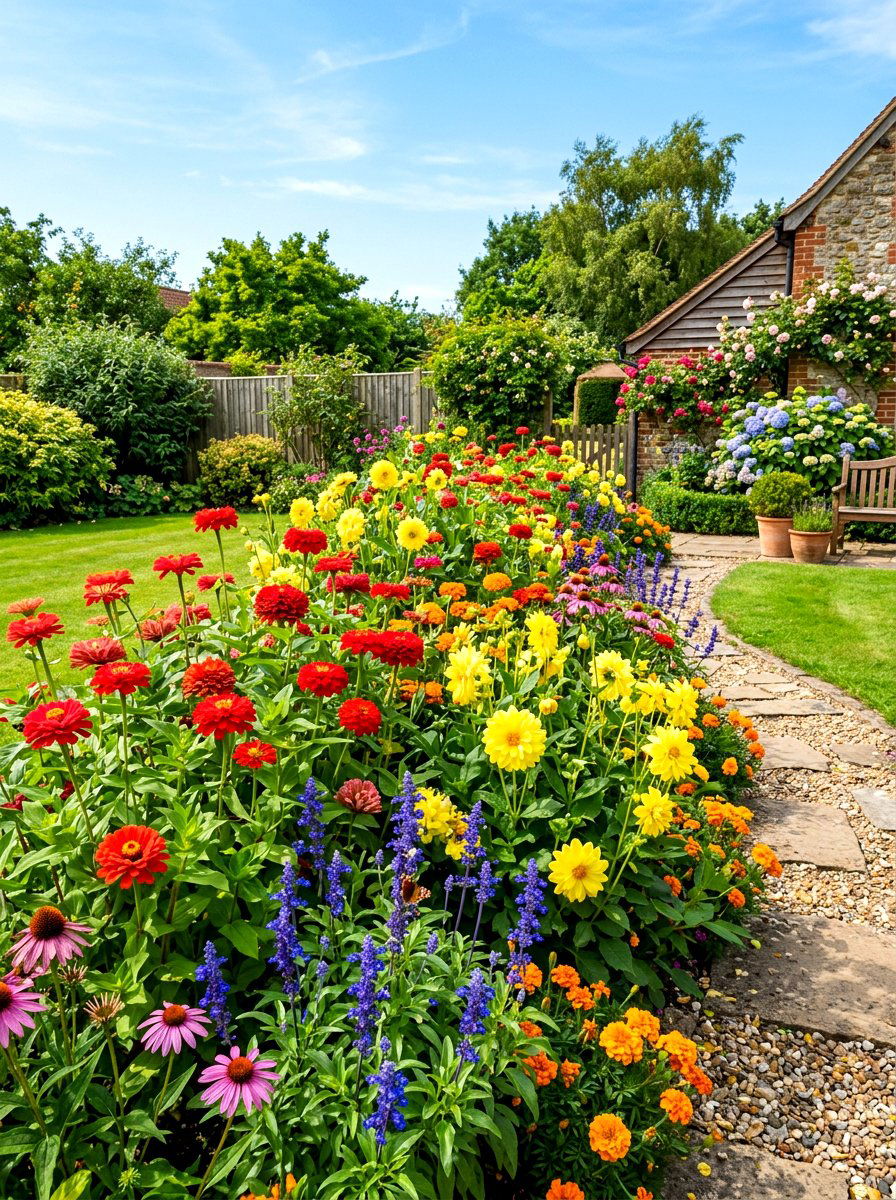
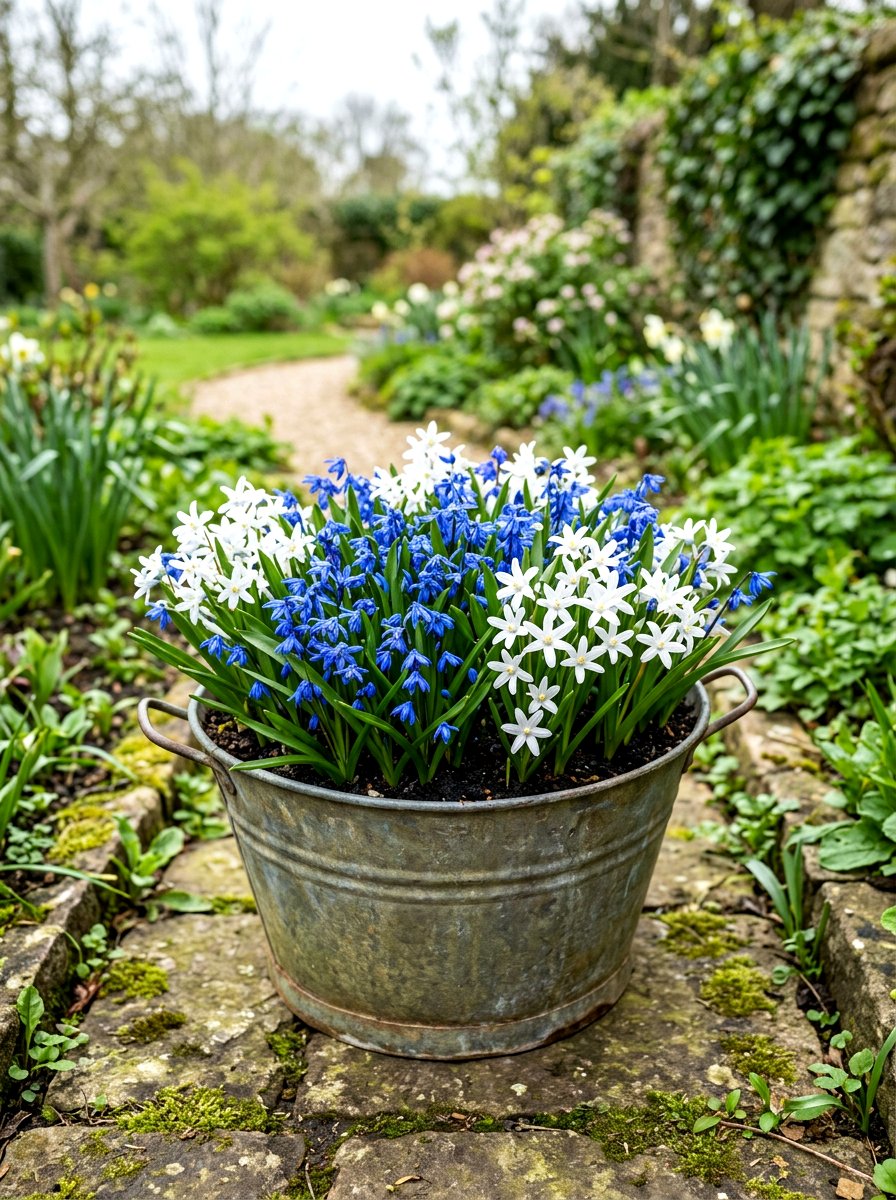
Are you looking for a way to ensure your zucchini blossoms are always successfully pollinated? Borage is often called the "bee bread" because its beautiful blue, star-shaped flowers are irresistible to honeybees and bumblebees. Planting borage near your zucchini or other squash varieties ensures a steady stream of pollinators, leading to a much more consistent and heavy fruit set. In addition to aiding pollination, borage is thought to improve the health and flavor of the surrounding plants while deterring tomato hornworms and cabbage worms. The sprawling nature of both plants makes them a great match for a larger garden plot. This combination creates a buzzing, life-filled area that showcases the beauty of nature’s symbiotic relationships.
16. Pea and carrot vertical growth
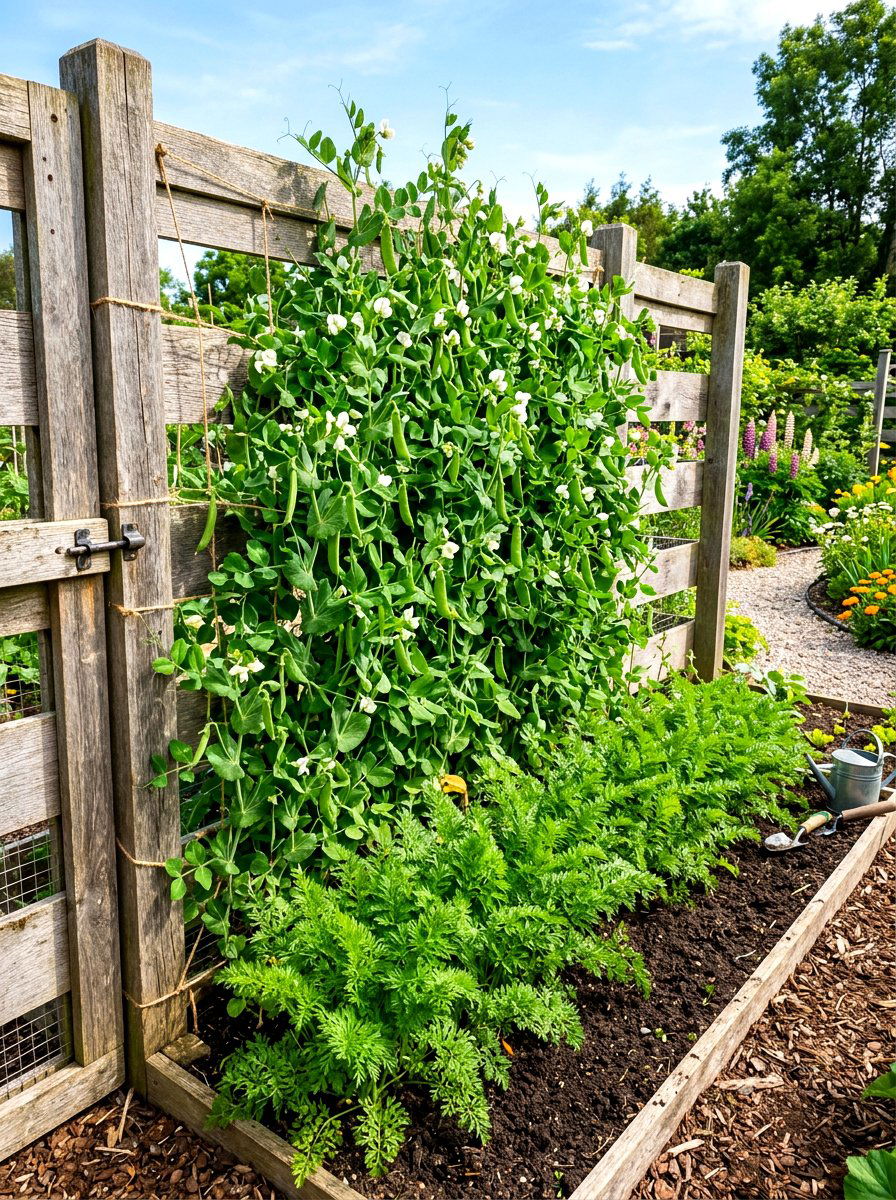
Can you use vertical space to improve the quality of your root crops? Peas and carrots are a classic pairing that works well because the peas provide vital nitrogen to the soil as they grow. Carrots are particularly responsive to the improved soil fertility, resulting in larger and more robust roots. If you grow climbing peas on a trellis, you can plant your carrots directly at the base, utilizing the space that would otherwise go to waste. The light, airy shade from the pea vines can also help keep the soil cool for the carrots, preventing them from becoming woody or bitter. This efficient use of space is perfect for small-scale urban gardens where every inch of soil must be productive and healthy.
17. Asparagus and tomato symbiotic planting
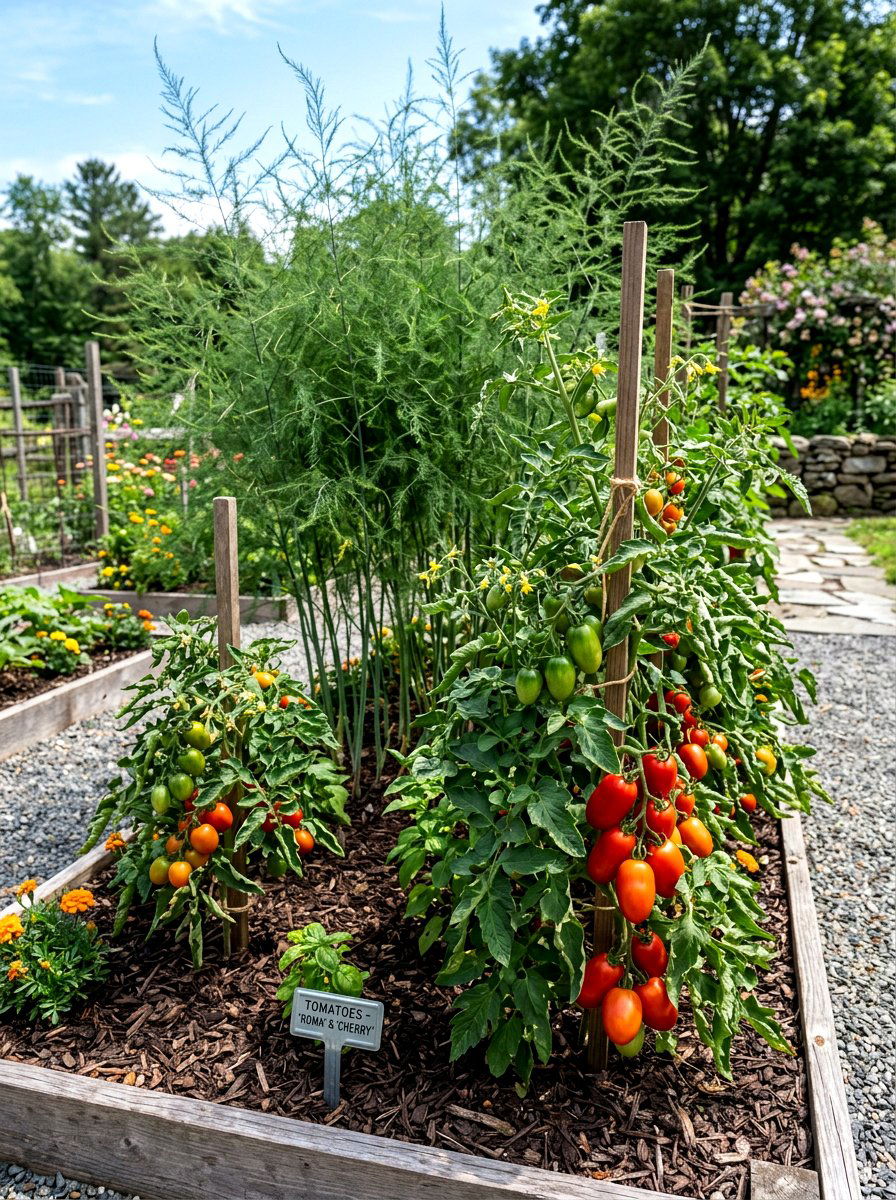
Did you know that certain perennials and annuals can form a long-term partnership that benefits both plants? Asparagus and tomatoes are famous companions because they help protect each other from their most common enemies. Tomatoes produce a chemical called solanine that repels the asparagus beetle, a pest that can severely weaken an asparagus bed over time. In return, asparagus plants produce a natural chemical in the soil that helps deter root-knot nematodes, which often attack tomato plants. Since asparagus is harvested early in the spring and then allowed to grow into tall, feathery fronds, the tomatoes can be planted nearby once the weather warms up. This relationship creates a stable and highly protective environment for both popular crops.
18. Eggplant and bush bean arrangement
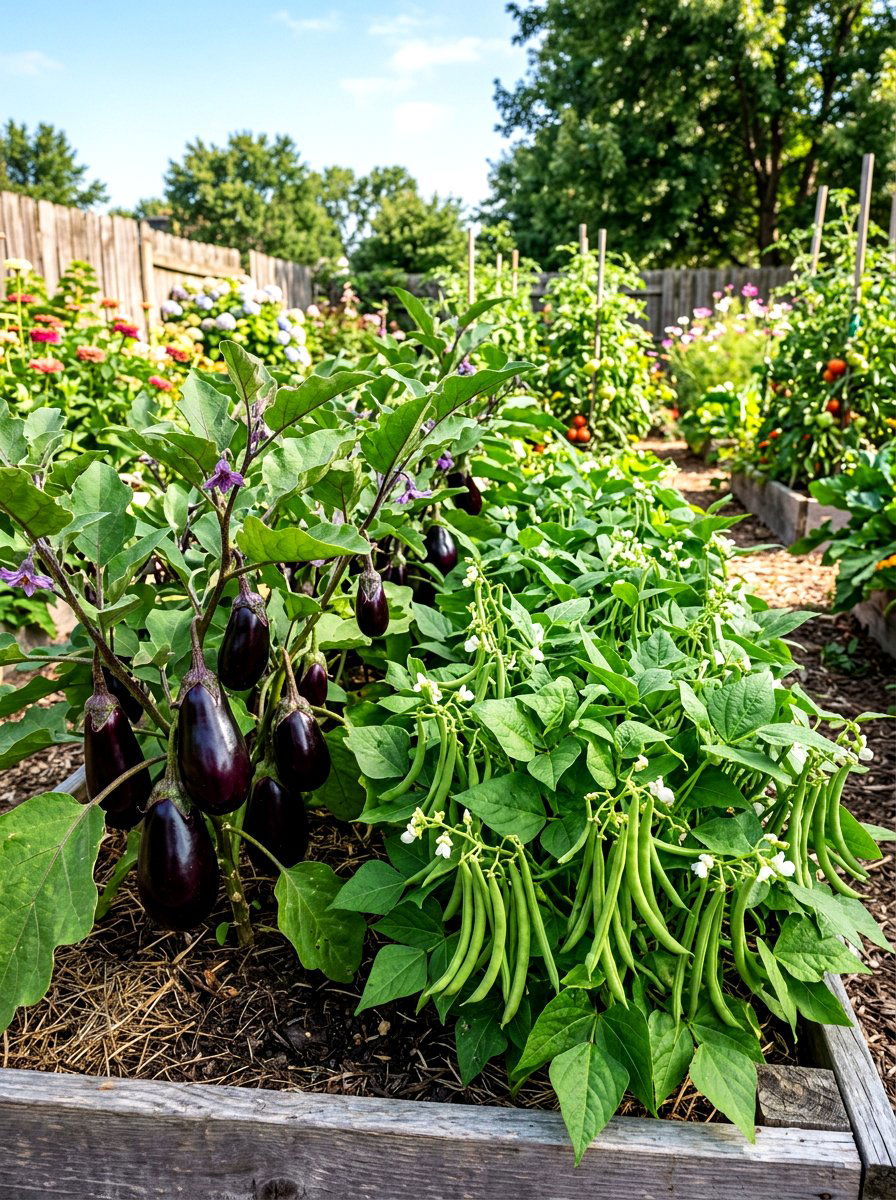
How do you stop the tiny but destructive flea beetles from ruining your beautiful eggplant leaves? Interplanting bush beans among your eggplants is a proven strategy to manage these pests naturally. The presence of the beans seems to confuse the beetles, making it much harder for them to find and congregate on the eggplant foliage. Furthermore, like all legumes, bush beans fix nitrogen in the soil, providing a slow-release fertilizer that supports the heavy-feeding eggplants throughout the summer. The compact, bushy growth habit of both plants makes them easy to manage in a single row or a raised bed. This pairing creates a full, productive garden space that produces a variety of textures and flavors for the kitchen.
19. Corn and sunflower structural support

Is there a way to grow tall, impressive crops together without them competing for sunlight? Sunflowers and corn are both tall, sun-loving plants that can be grown together to create a stunning, high-walled garden feature. While they don't necessarily provide chemical benefits to each other, the sunflowers attract a massive number of pollinators that will also visit any nearby flowering vegetables. Their strong stalks can also act as a windbreak for the corn, which can be susceptible to blowing over in heavy storms. This combination is a visual powerhouse on Pinterest, creating a rustic, farm-like feel in any backyard. It is a great way to add height and architectural interest to your landscape while producing seeds and ears of corn.
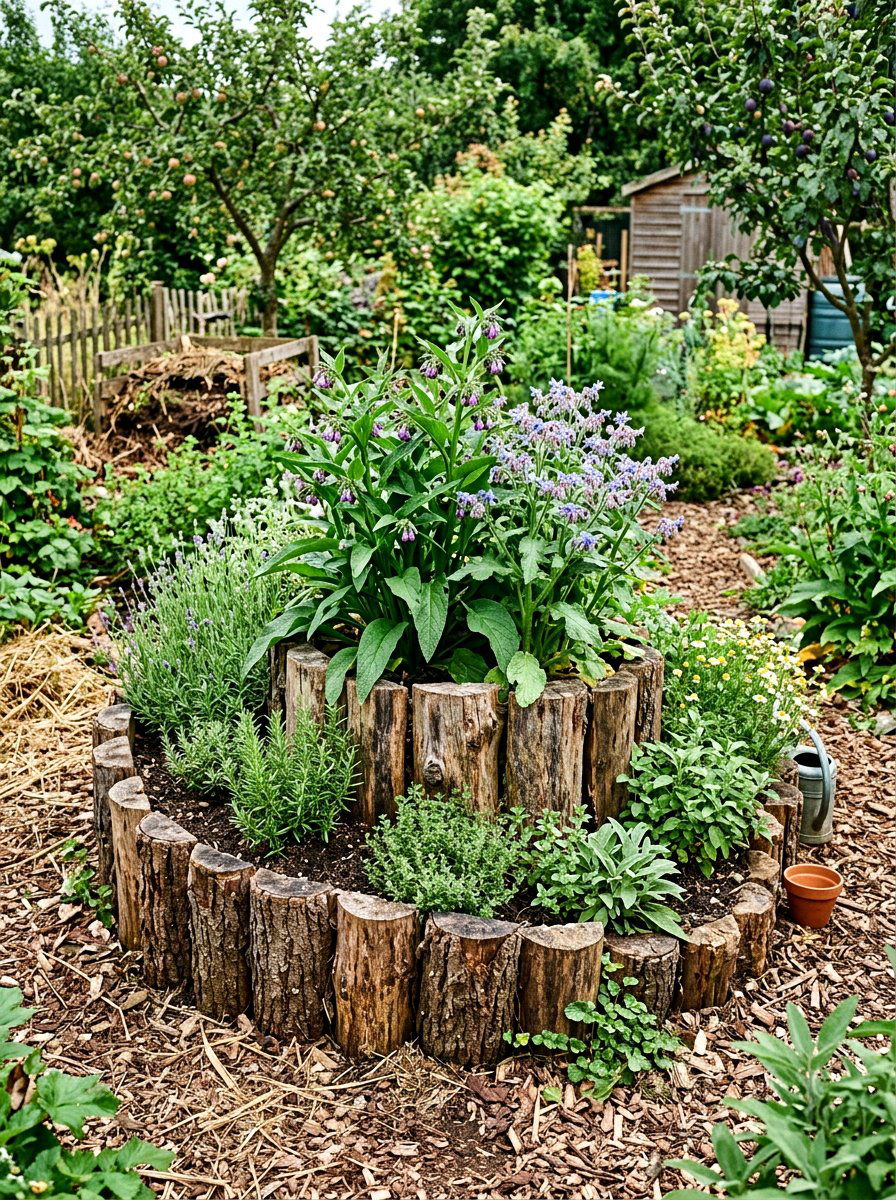



20. Cauliflower and celery water needs
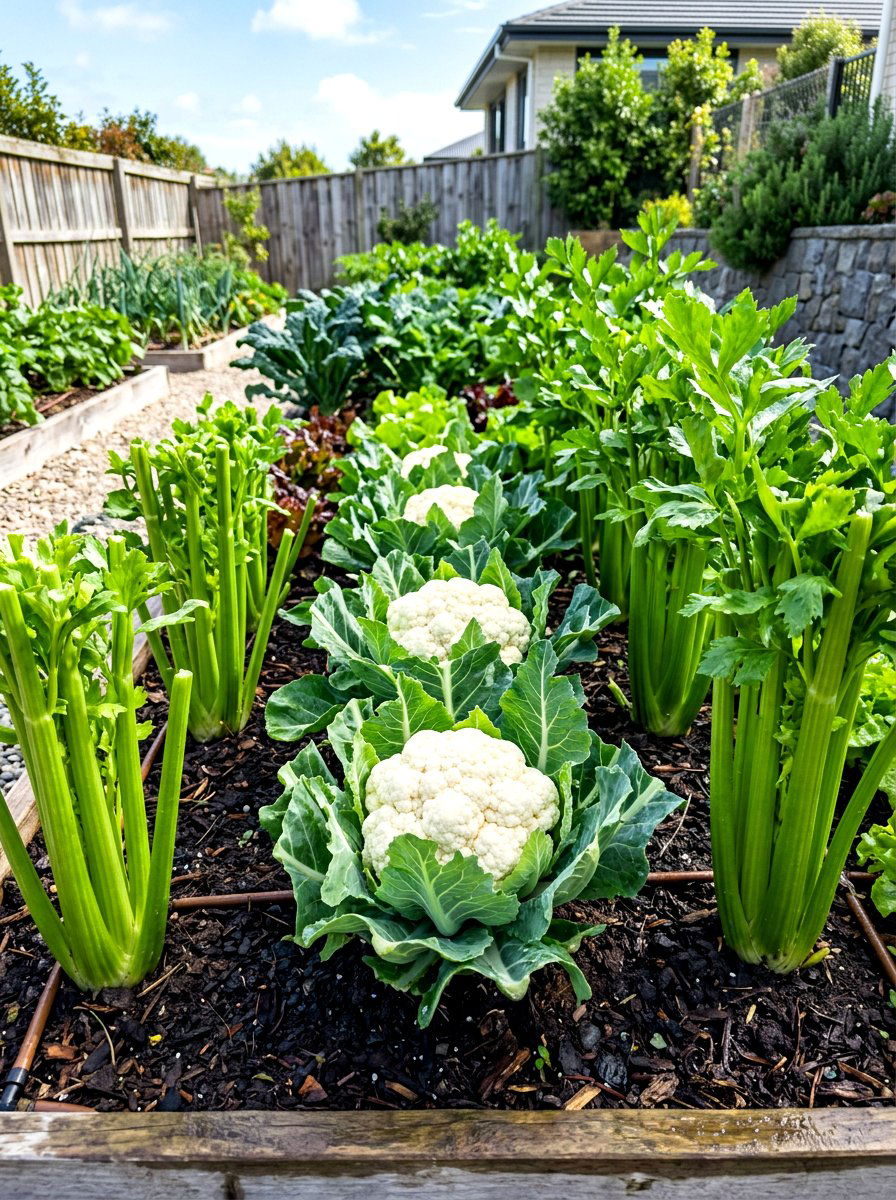
Can you simplify your garden maintenance by grouping plants with similar hydration requirements? Cauliflower and celery are both "thirsty" crops that require consistently moist soil to produce high-quality harvests. By planting them together, you can focus your watering efforts on a single area, ensuring that neither plant ever suffers from drought stress. Additionally, the strong scent of celery is believed to repel several pests that typically target cauliflower, such as the cabbage white butterfly. This pairing works best in a rich, compost-heavy soil that can hold plenty of moisture. The upright stalks of the celery provide a nice vertical contrast to the low, spreading leaves and heavy heads of the cauliflower, making for a very tidy garden bed.
21. Swiss chard and onion protection
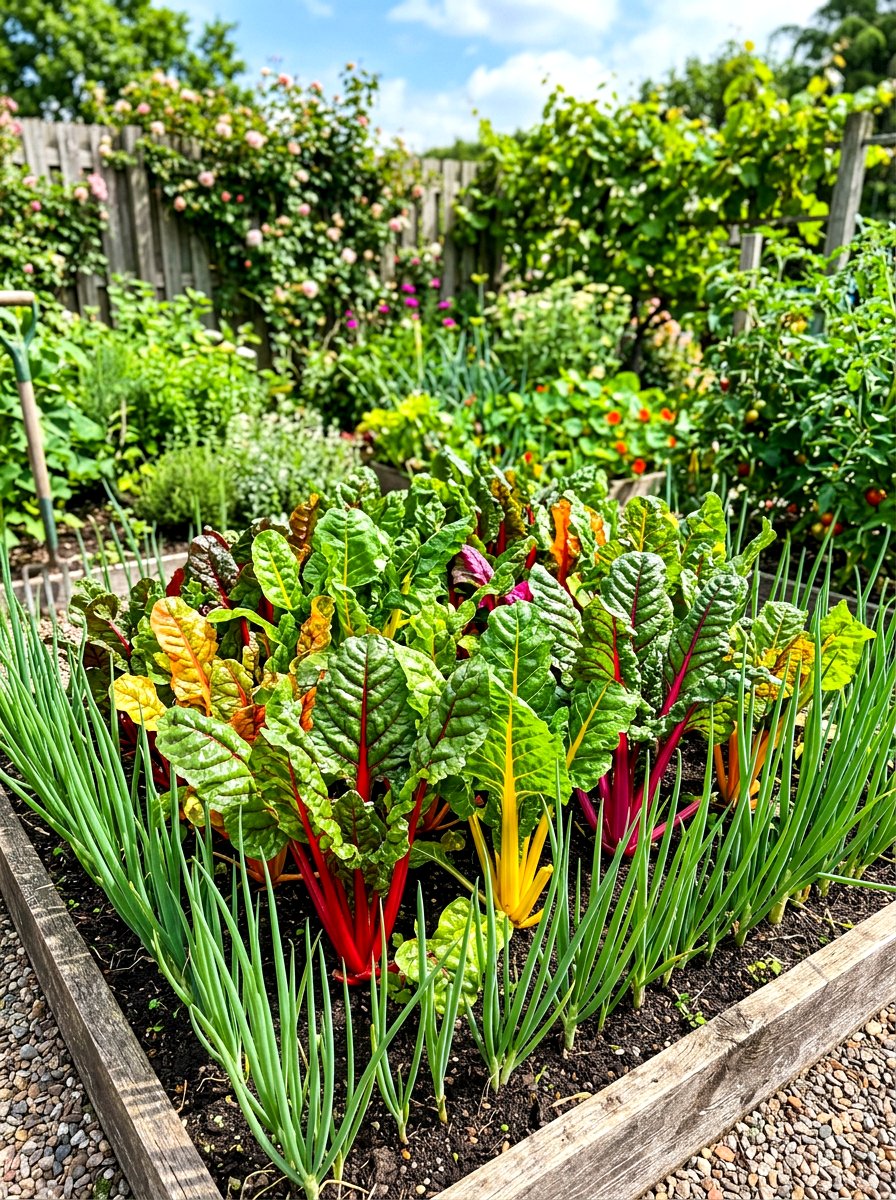
Do you want a garden bed that remains productive and beautiful from early spring through the first frost? Swiss chard and onions are remarkably hardy companions that can withstand a wide range of temperatures. The vertical, architectural leaves of the chard, often found in vibrant shades of red, yellow, and orange, look stunning when framed by the thin, upright blades of green onions. Onions help to deter common garden pests like aphids and beetles that might otherwise find the tender chard leaves appetizing. This pairing is excellent for small spaces or ornamental edible landscapes because it stays compact and maintains its visual appeal throughout the entire growing season. It provides a constant supply of greens and aromatics for healthy home cooking.
22. Radish and parsnip soil loosening
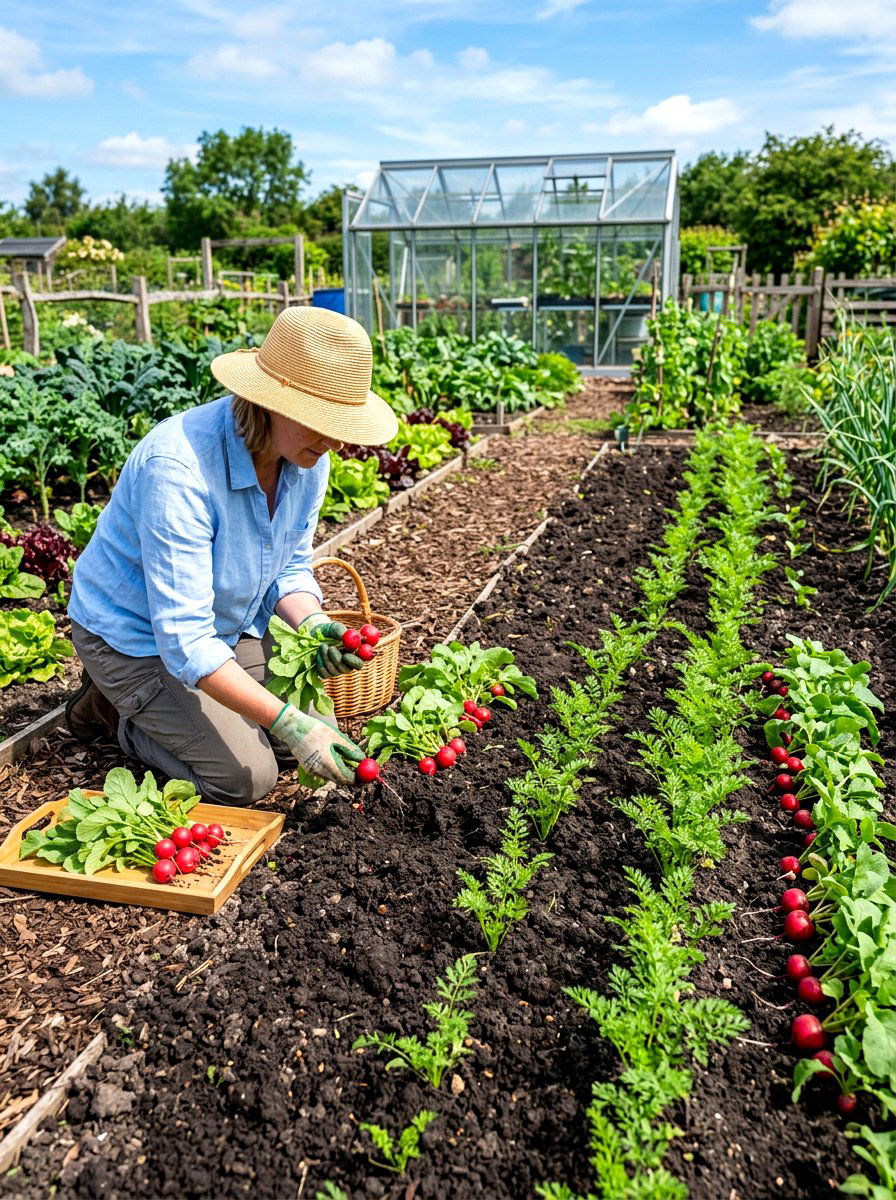
How can you use fast-growing vegetables to help your slower, deep-rooted crops succeed? Radishes are often used as "nurse plants" for parsnips because they germinate very quickly and help to break up the surface of the soil. Parsnips can take a long time to sprout and even longer to establish their deep taproots. By the time the parsnips need more space, the radishes have already been harvested, leaving behind loosened soil and a clearly defined row. This method prevents the soil from crusting over, which can trap delicate parsnip seedlings underground. It is a practical, old-fashioned technique that ensures a better germination rate and healthier root development for your winter parsnip harvest.
23. Squash and dill pest management
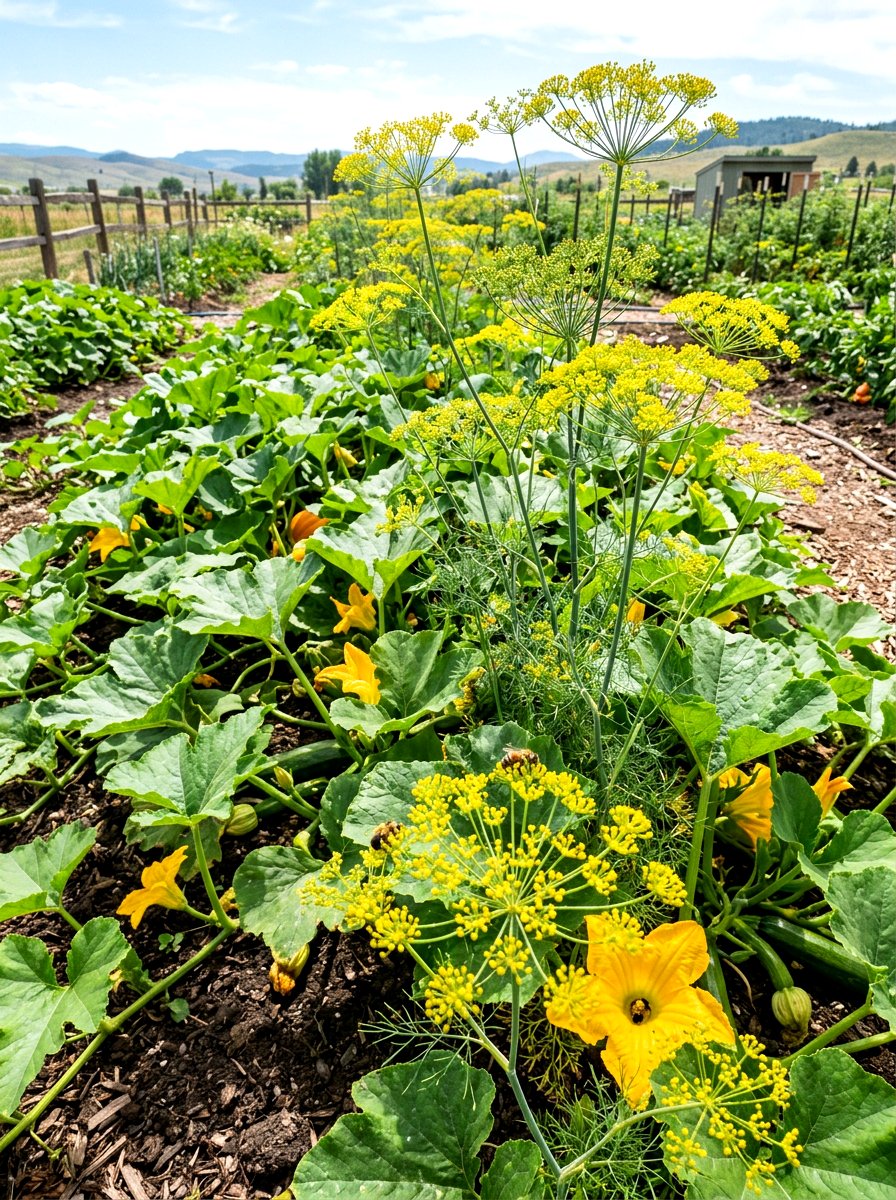
Would you like to attract more beneficial insects to your squash patch to help deal with pests? Planting dill near your squash or pumpkins is a brilliant move because the feathery yellow flowers of the dill are a magnet for predatory wasps and hoverflies. These beneficial insects prey on squash bugs and cucumber beetles, providing a natural defense system for your large, sprawling vines. Dill also attracts pollinators that are essential for the heavy fruit set required by most squash varieties. The light, airy texture of the dill provides a beautiful visual break from the massive, coarse leaves of the squash. This combination creates a balanced ecosystem where the plants work together to thrive without the need for heavy intervention.
24. Melon and oregano ground cover
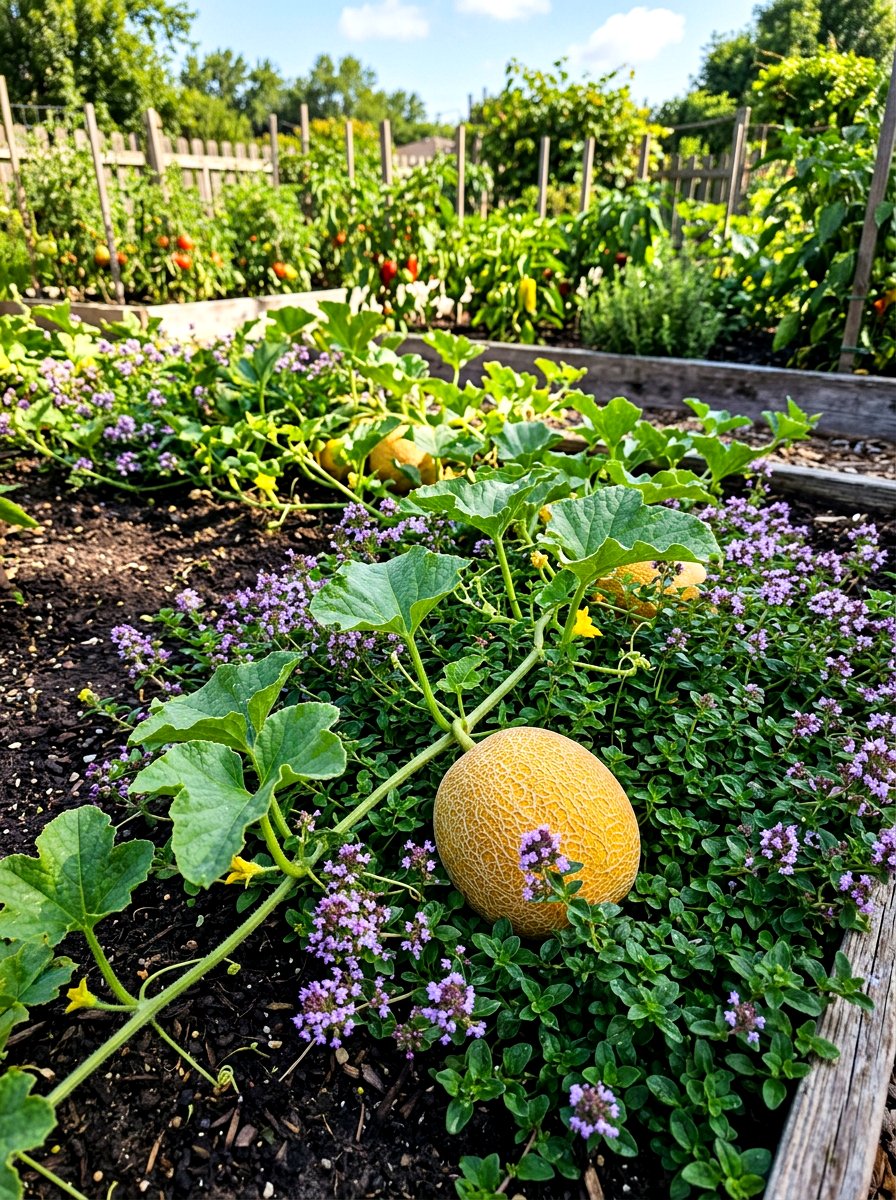
Can a fragrant herb help your melons reach their full potential in a sunny garden plot? Oregano is a wonderful companion for melons because it provides a dense, aromatic ground cover that helps to suppress weeds and retain soil moisture. The intense scent of the oregano can also help to repel various insects that are attracted to the sweet, ripening fruit of the melon vines. As the melons crawl across the garden, the oregano fills the gaps, creating a lush carpet of green that looks much better than bare soil. This pairing is particularly effective in warm climates where soil moisture can evaporate quickly. The result is a fragrant, beautiful, and highly productive garden area that feels like a Mediterranean oasis.


25. Bean and savory flavor enhancement
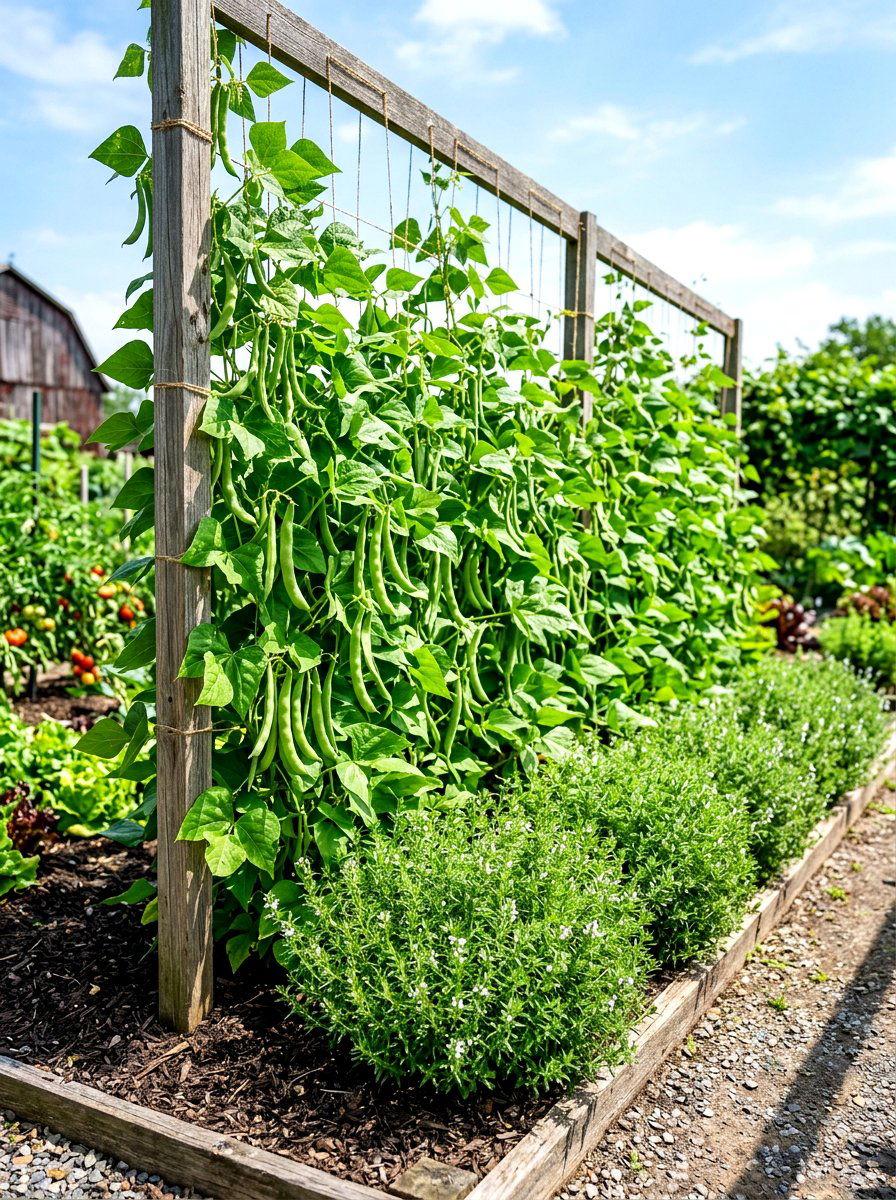
Have you ever heard that some herbs can actually improve the taste of the vegetables they grow next to? Summer savory has a long-standing reputation for enhancing the flavor of green beans while they are still on the vine. This herb is often called the "bean herb" because its spicy, peppery scent also helps to repel the bean leaf beetle, a common pest that can skeletonize bean foliage. Planting a row of savory alongside your bush or pole beans creates a functional and aromatic border that serves both the garden and the kitchen. The delicate, small leaves of the savory contrast beautifully with the larger, heart-shaped leaves of the bean plants. This is a must-try pairing for any gourmet gardener.
26. Leek and carrot root protection
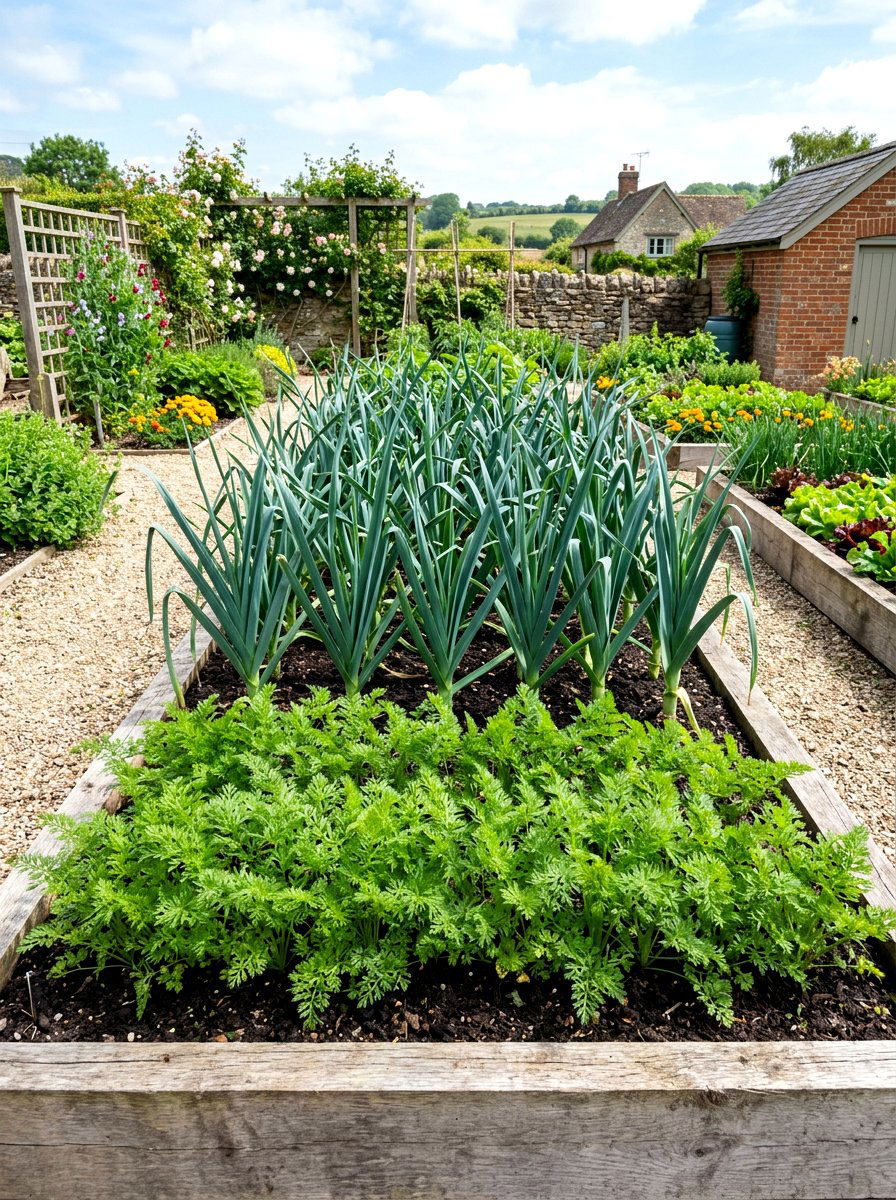
Is there a way to double your protection against root-eating pests by pairing two specific vegetables? Leeks and carrots form a legendary partnership where each plant protects the other from its most significant threat. The strong scent of the leeks deters the carrot fly, while the carrots help to confuse the leek moth. This mutual protection makes it much easier to grow these crops organically without the use of specialized netting or chemicals. Both plants appreciate similar soil conditions and can be planted closely together in a deep garden bed. The upright, blue-green foliage of the leeks provides a striking backdrop for the feathery, bright green tops of the carrots. This pairing is a classic of European kitchen gardening.
27. Radish and lettuce intercropping
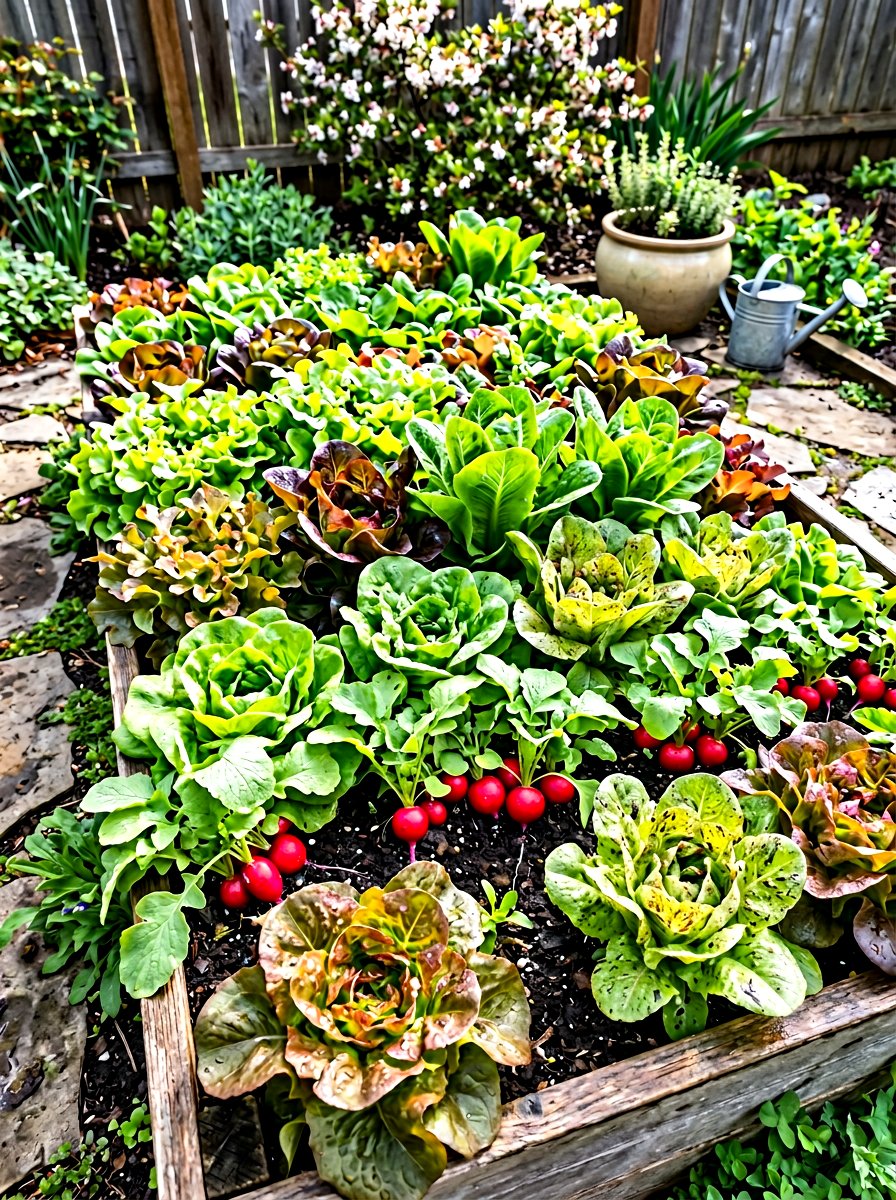
Are you looking for a way to grow more food in less time while keeping your garden beds full and vibrant? Radishes and lettuce are the perfect "quick-crop" duo for early spring or late fall gardening. Because radishes mature in as little as 25 days, they can be harvested before the lettuce grows large enough to need the extra space. This allows you to get a double harvest from the same square footage. The radishes also act as a trap crop for certain flea beetles that might otherwise target the tender lettuce leaves. This simple strategy is ideal for beginner gardeners who want to see fast results and learn the basics of succession planting and spatial management in their home vegetable patches.
28. Mint and cabbage moth prevention
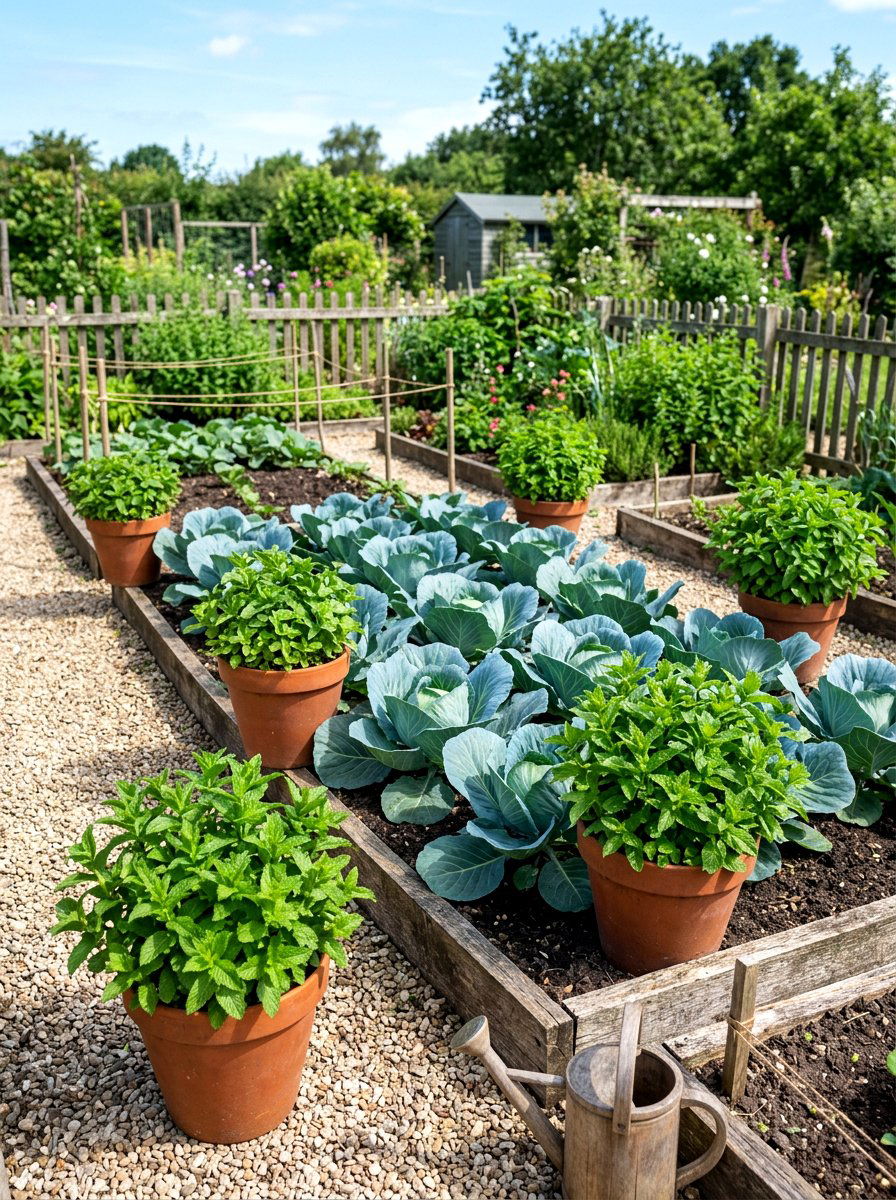
How do you use one of the garden’s most vigorous herbs to protect your sensitive brassicas? Mint is highly effective at repelling the cabbage moth, whose caterpillars can quickly destroy a crop of kale, cabbage, or broccoli. Because mint can be quite invasive, it is often best to plant it in pots and place the pots strategically around your cabbage patch. The strong, refreshing scent creates a "no-fly zone" for the moths, keeping your vegetables clean and healthy. This method allows you to enjoy the benefits of mint without worrying about it taking over your entire garden bed. The combination of the dark green mint and the waxy, blue-toned brassica leaves makes for a very attractive and functional garden setup.
29. Sage and broccoli garden protection
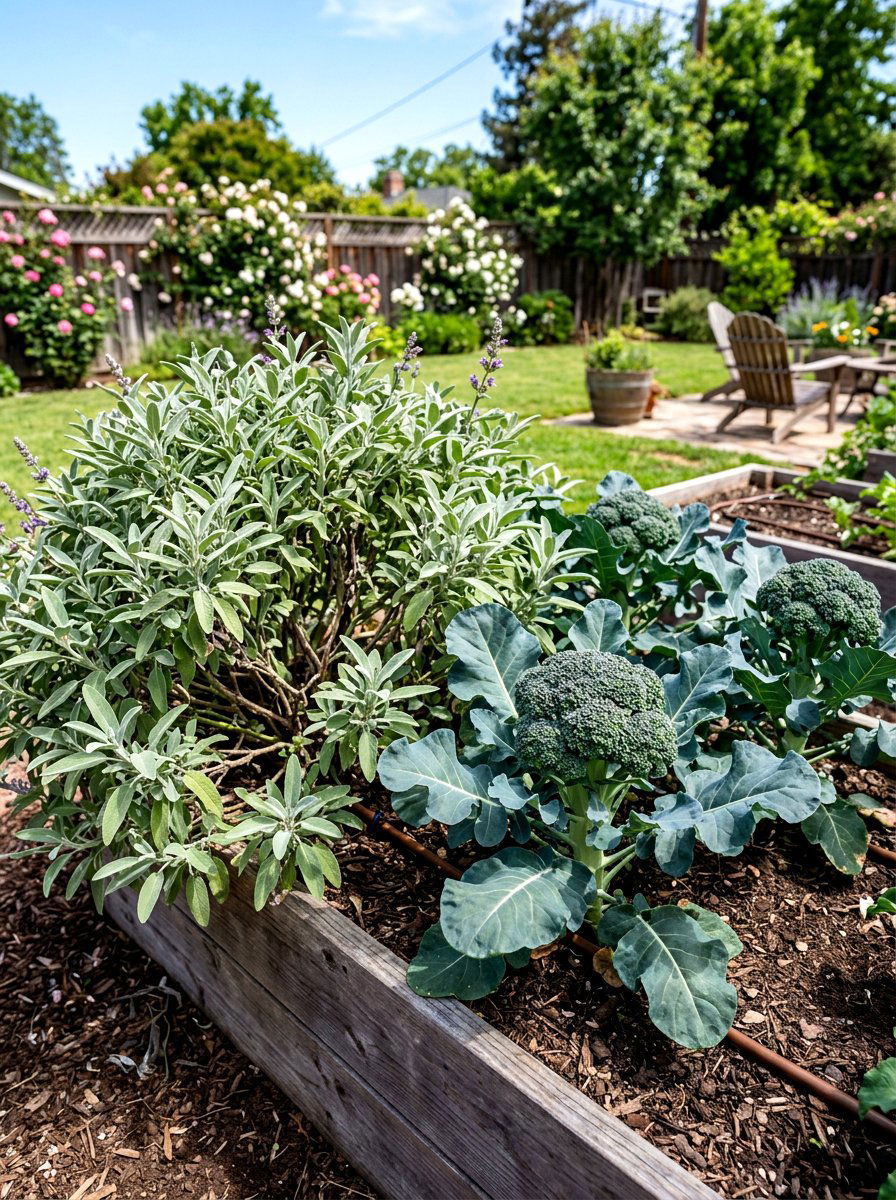
Can a woody, perennial herb provide long-term protection for your seasonal broccoli crops? Sage is another excellent companion for broccoli and other brassicas because its strong, earthy aroma is a powerful deterrent for cabbage moths and flea beetles. Unlike many annual companions, a well-established sage plant can offer protection year after year. Sage also attracts various pollinators and beneficial insects to the garden, improving the overall health of the ecosystem. The soft, silvery-green leaves of the sage provide a sophisticated color contrast to the deep green heads of the broccoli. This pairing is perfect for a permanent raised bed where you want to combine edible perennials with seasonal vegetable favorites for a lush, layered look.
30. Sunflower and cucumber trellis system
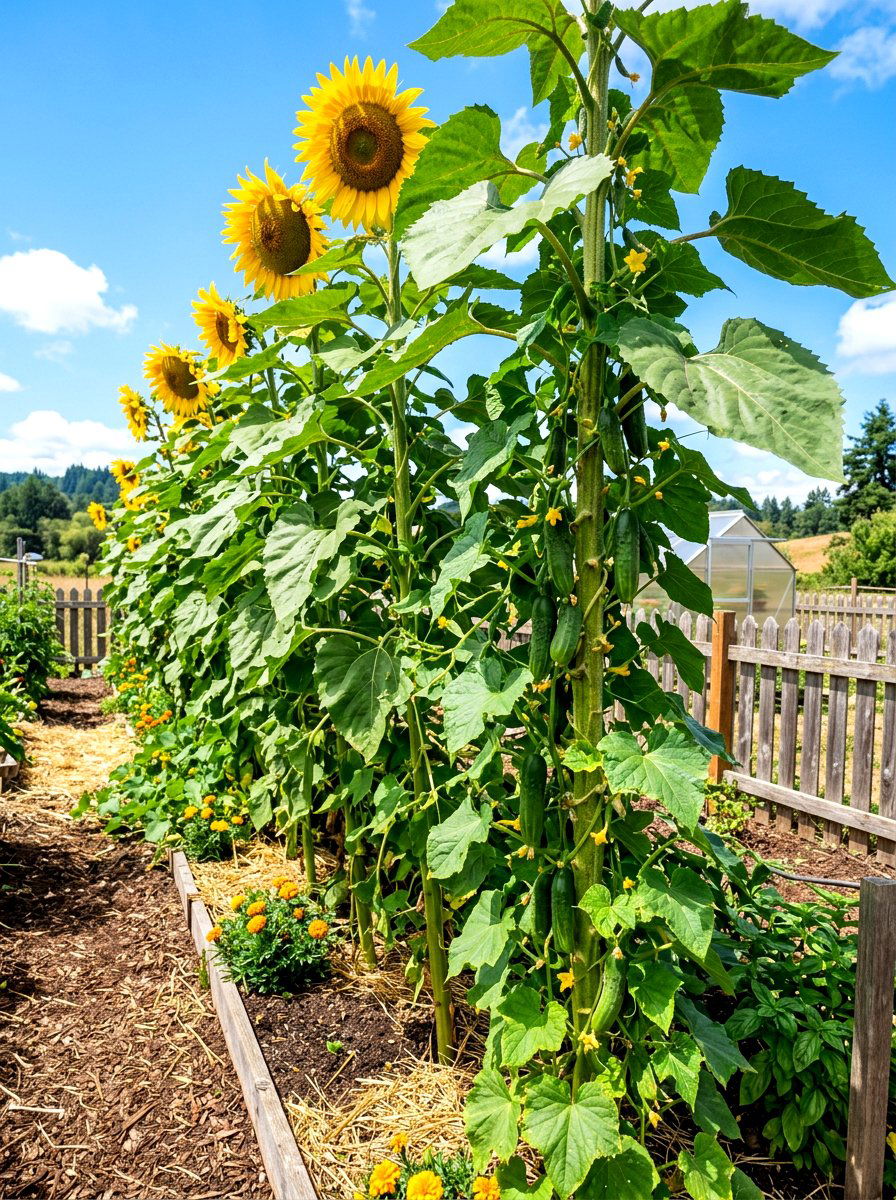
Why bother with expensive plastic trellises when you can grow a beautiful, natural support system for your cucumbers? Sunflowers have incredibly strong, thick stalks that are perfect for vining cucumbers to climb. By planting the sunflowers first and allowing them to get a head start, you create a living trellis that reaches toward the sky. The cucumbers will naturally wrap their tendrils around the sunflower stalks, keeping the fruit off the ground and away from soil-borne pests and diseases. The large sunflower leaves also provide a bit of filtered shade for the cucumbers during the hottest part of the day. This pairing is a vertical gardening masterpiece that creates a stunning focal point in any summer vegetable garden.
Conclusion:
Embracing the art of companion planting is one of the most rewarding ways to elevate your vegetable garden from a simple food source to a thriving, balanced ecosystem. By pairing plants that naturally support each other, you reduce the need for external inputs and create a more resilient environment for your crops. These 30 ideas offer a starting point for exploring the complex and beautiful relationships that exist in nature. As you experiment with these combinations, you will discover that a well-planned garden is not only more productive but also significantly more enjoyable to maintain. Let your creativity bloom as you design a garden that is as healthy and sustainable as it is visually stunning for your home.

Related posts: