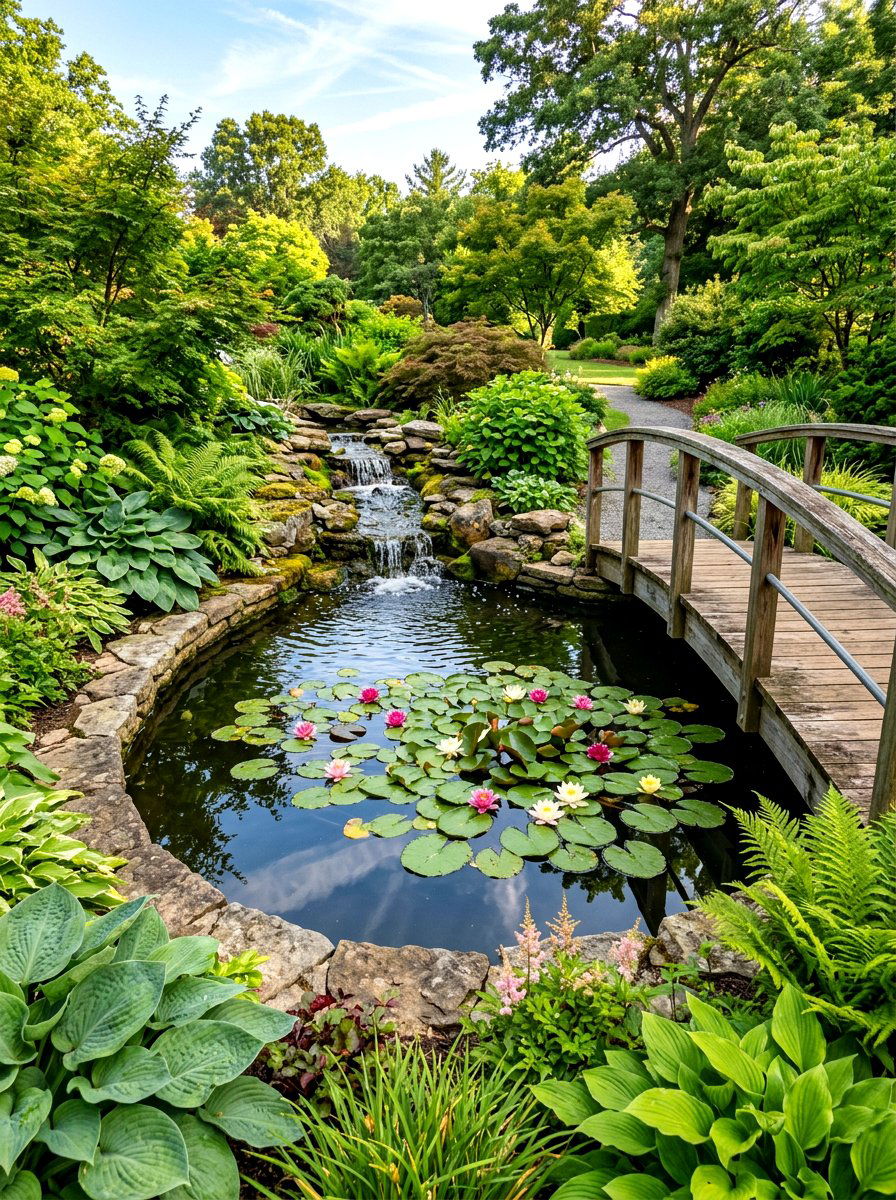
Defining the edges of your landscape is more than just a maintenance task; it is an essential part of creating a polished and inviting outdoor sanctuary. Garden borders serve as the frame for your horticultural masterpiece, keeping mulch in place and preventing grass from encroaching on your delicate blooms. Whether you prefer the rustic charm of weathered timber or the sleek lines of modern steel, the right edging can transform a messy yard into a high-end retreat. Exploring various garden border ideas allows you to express your personal style while improving the overall curb appeal and functionality of your property for many years to come.
1. Natural stone garden edging
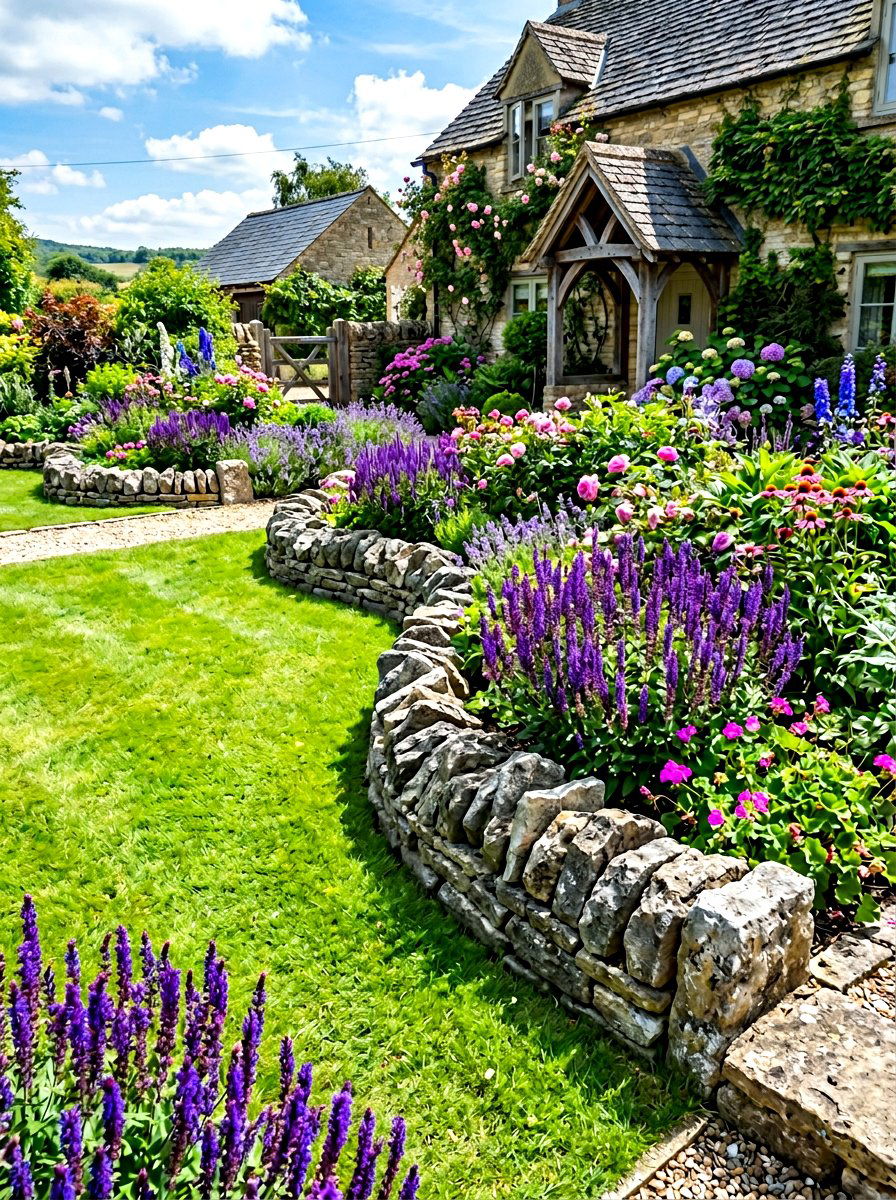
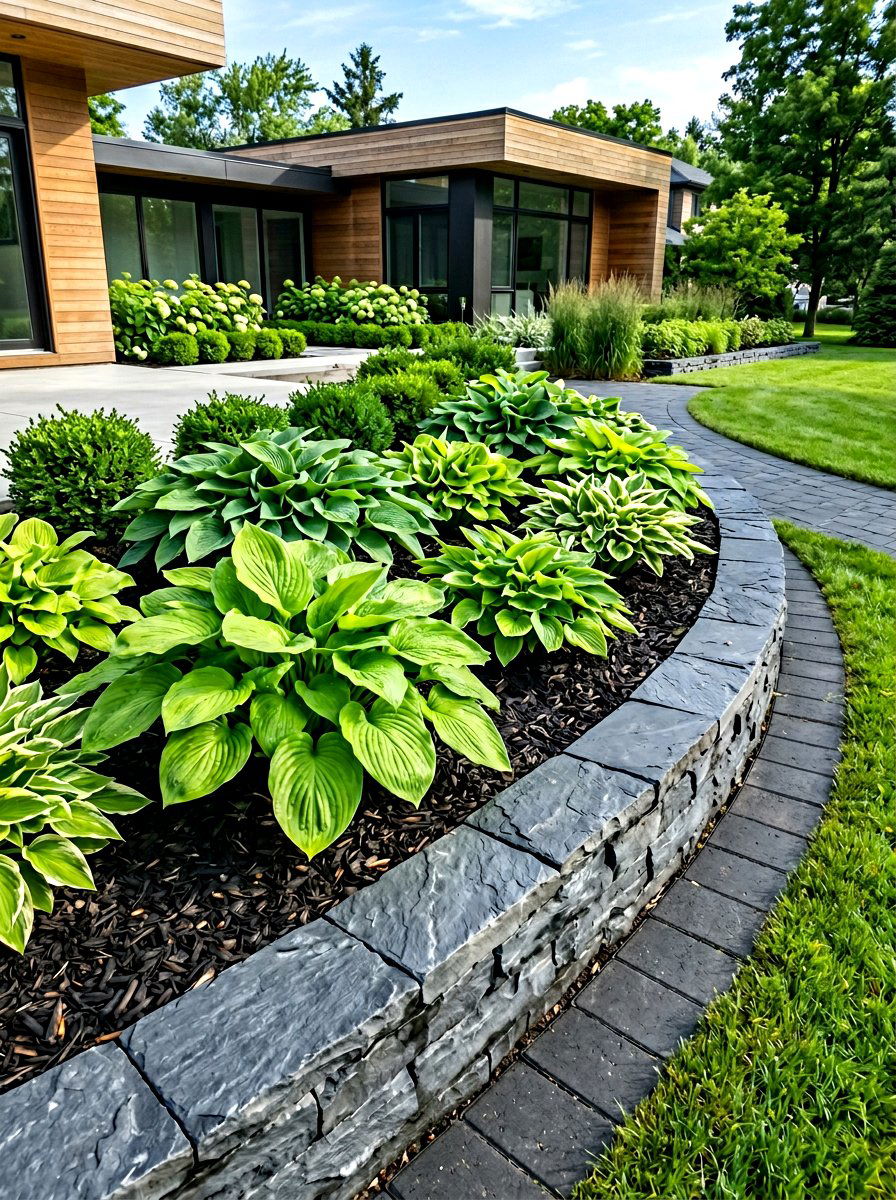
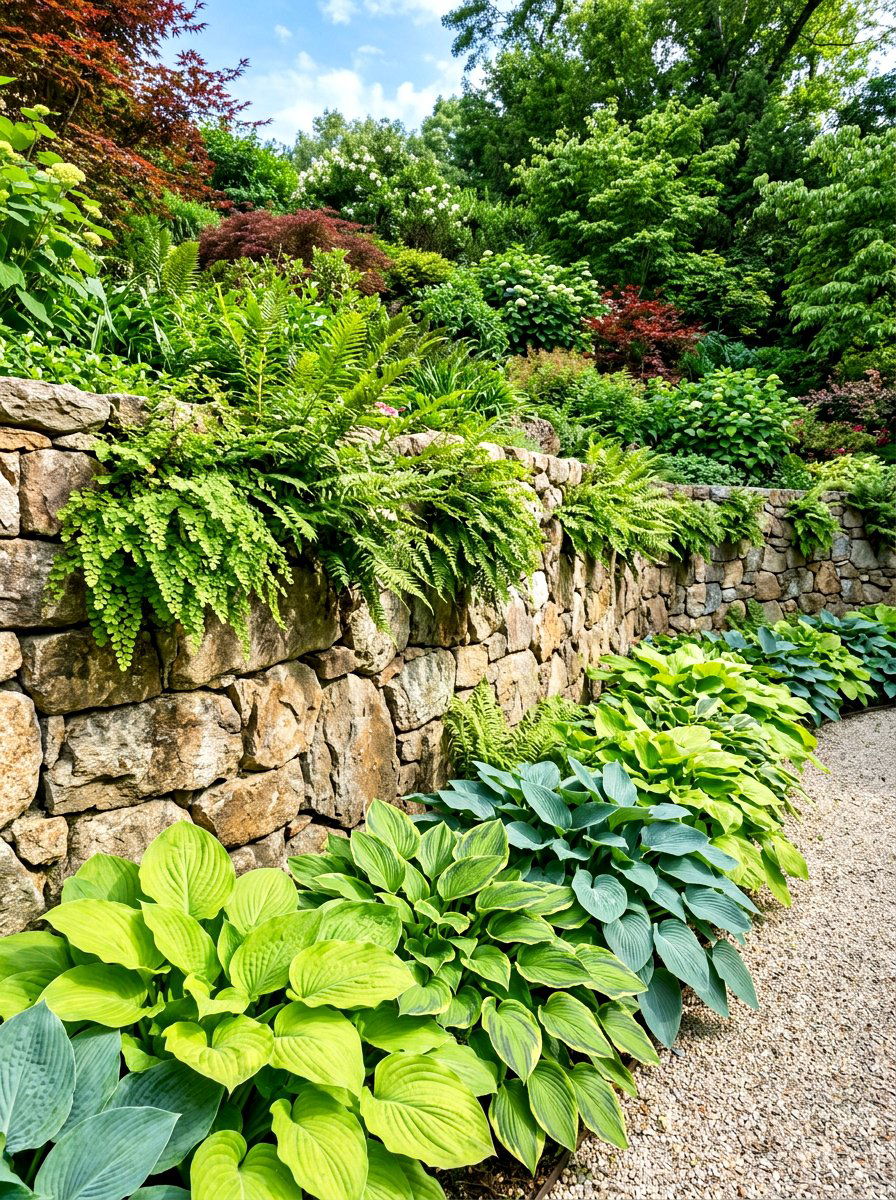
Natural stone garden edging brings an organic and timeless feel to any backyard landscape. By using various sizes of fieldstone or limestone, you can create a soft boundary between your lush green lawn and vibrant flower beds. This style works exceptionally well for cottage gardens or rustic outdoor spaces where a rigid line might look out of place. You can stack the stones for a low wall effect or lay them flat for a subtle transition. The variation in color and texture found in natural rocks adds visual depth and makes your garden look professionally designed. It is also a very durable choice that withstands the elements while providing excellent drainage.
2. Red brick garden border
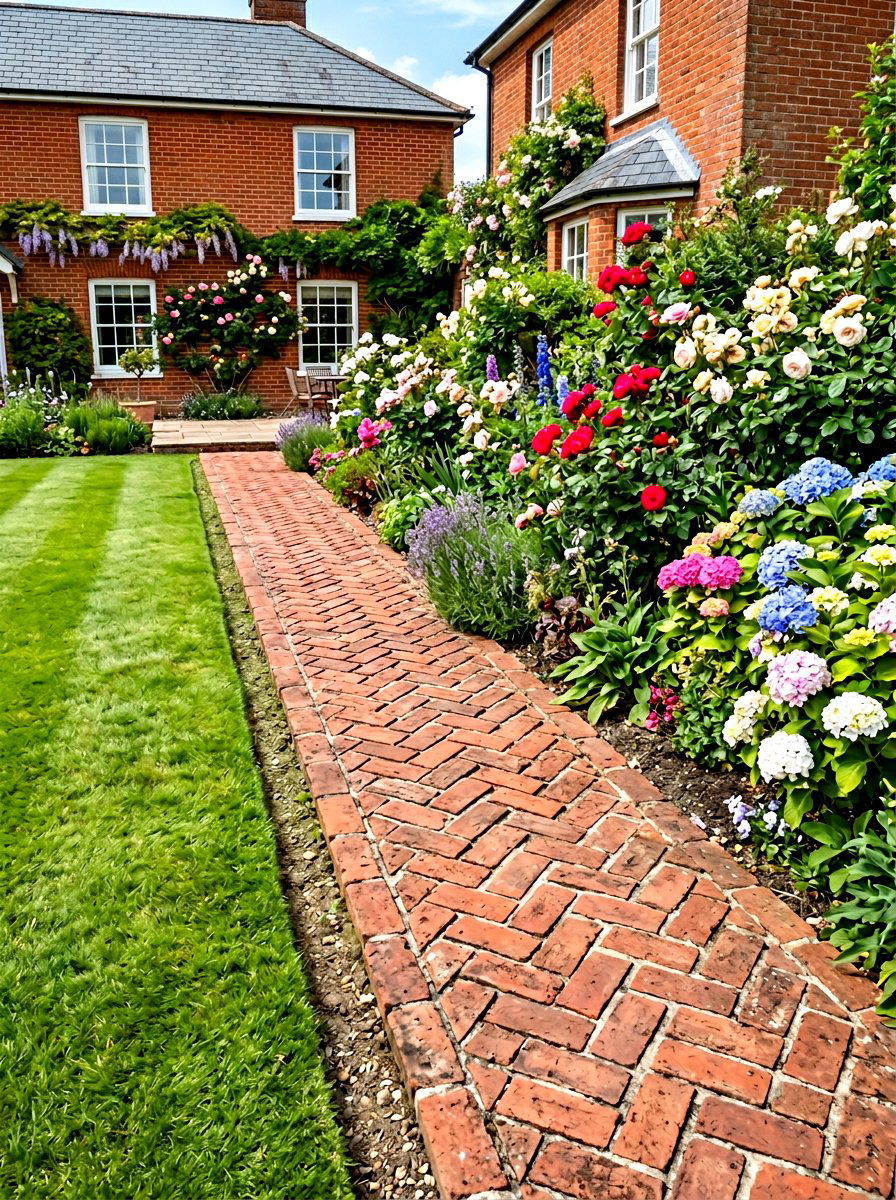
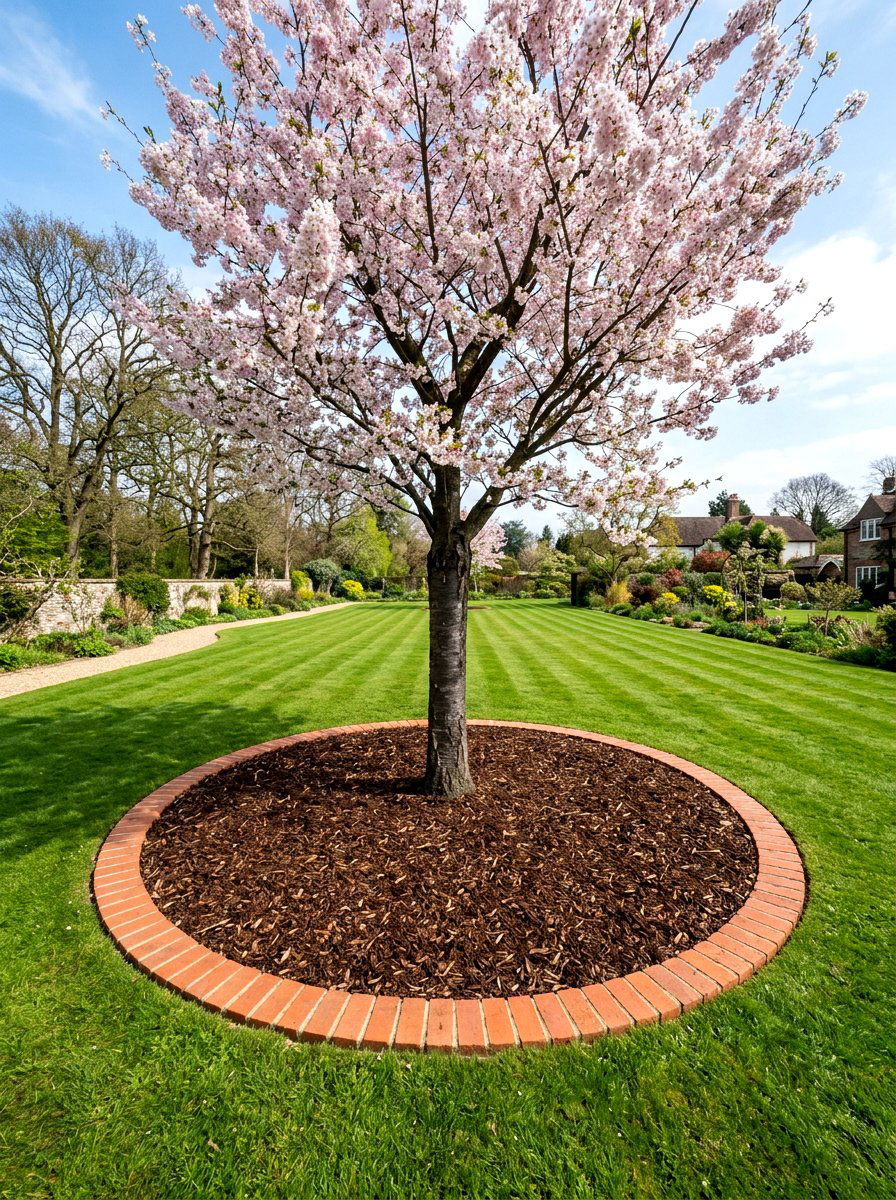
A red brick garden border offers a classic and traditional aesthetic that complements many architectural home styles. Bricks can be laid in several patterns, such as a simple running bond or a more decorative herringbone design, depending on your preference. When installed flush with the ground, they create a convenient mowing strip that allows your lawnmower to pass over easily. For a more formal look, you can set the bricks on an angle to create a jagged, saw-tooth edge. This material is widely available and relatively easy to install as a weekend DIY project. The warm red tones provide a beautiful contrast against green foliage and bright flowers.
3. Corten steel garden edging
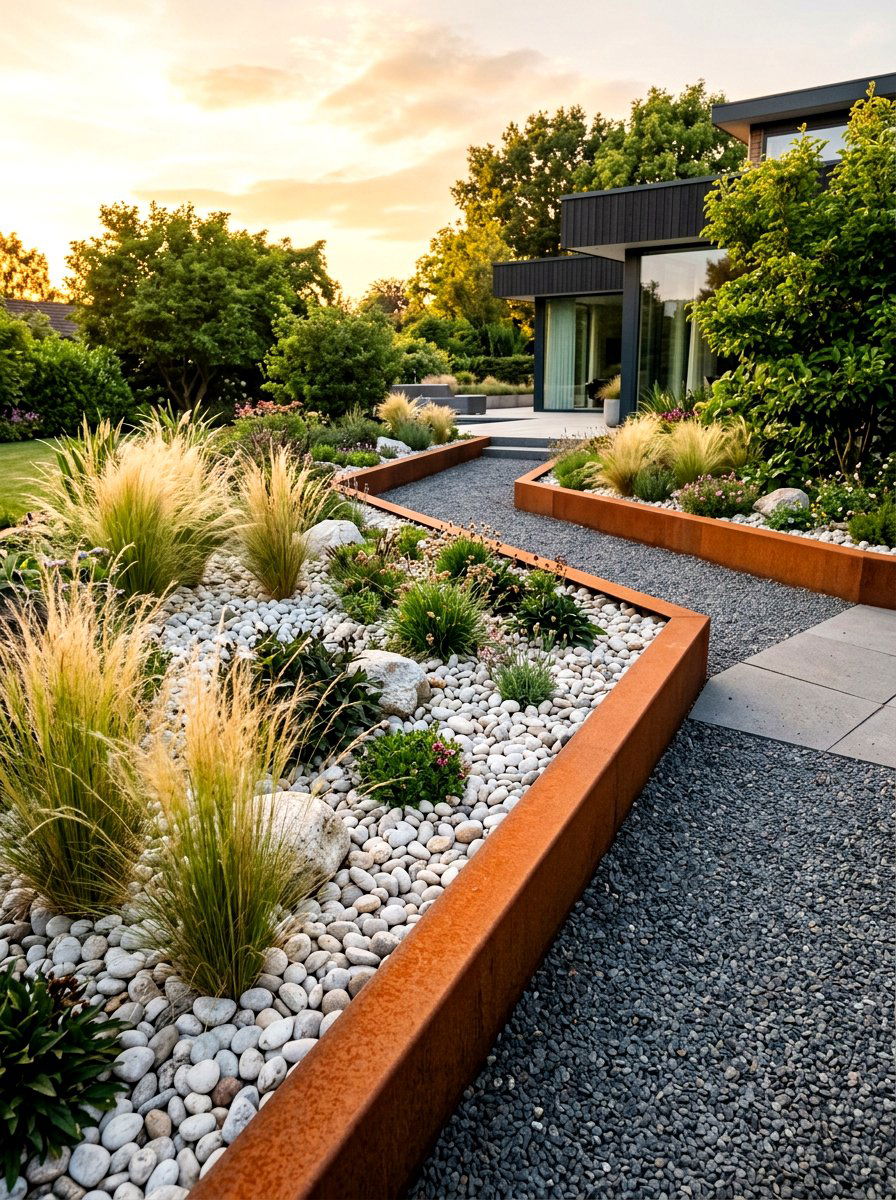
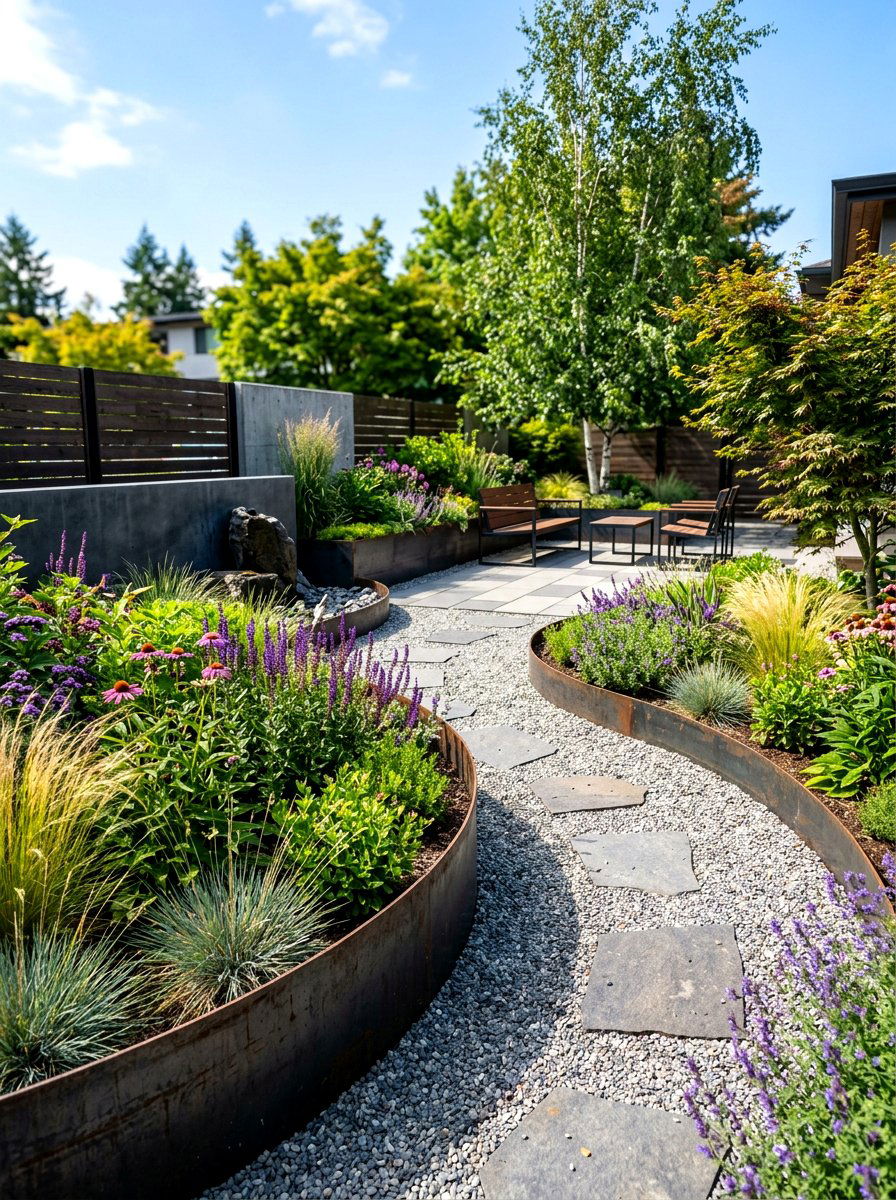
Corten steel garden edging is a popular choice for modern and industrial-inspired landscapes due to its unique weathered appearance. Over time, the steel develops a stable, rust-like patina that protects the metal while adding a warm, earthy orange hue to the garden. This type of edging is incredibly thin, allowing you to create sharp, crisp lines or elegant curves that define different zones of the yard. It is highly durable and requires almost no maintenance once installed. The slim profile makes it perfect for minimalist designs where you want the focus to remain on the plants. It provides a contemporary edge that looks sophisticated and high-end throughout all seasons.
4. Boxwood hedge garden border
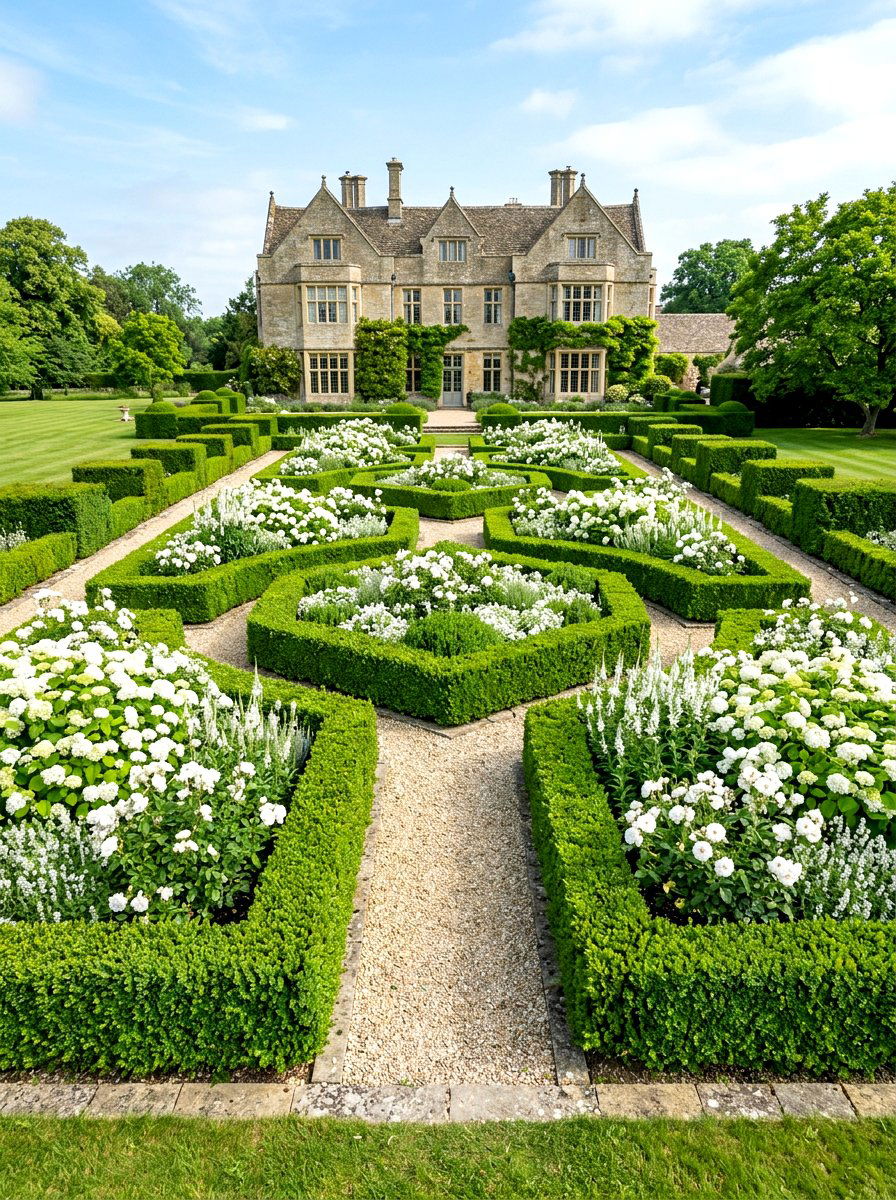
A boxwood hedge garden border provides a living, green boundary that brings structure and formality to any outdoor space. These evergreen shrubs can be pruned into tight, geometric shapes to create a neat and tidy look that lasts all year round. They are perfect for framing a traditional rose garden or defining a grand entrance to your property. While they require regular trimming to maintain their shape, the visual payoff is a classic, upscale appearance. The dense foliage of the boxwood acts as a solid barrier, keeping different plant varieties separated. This living border adds a sense of permanence and architectural interest to your landscape design.
5. Woven willow garden edging
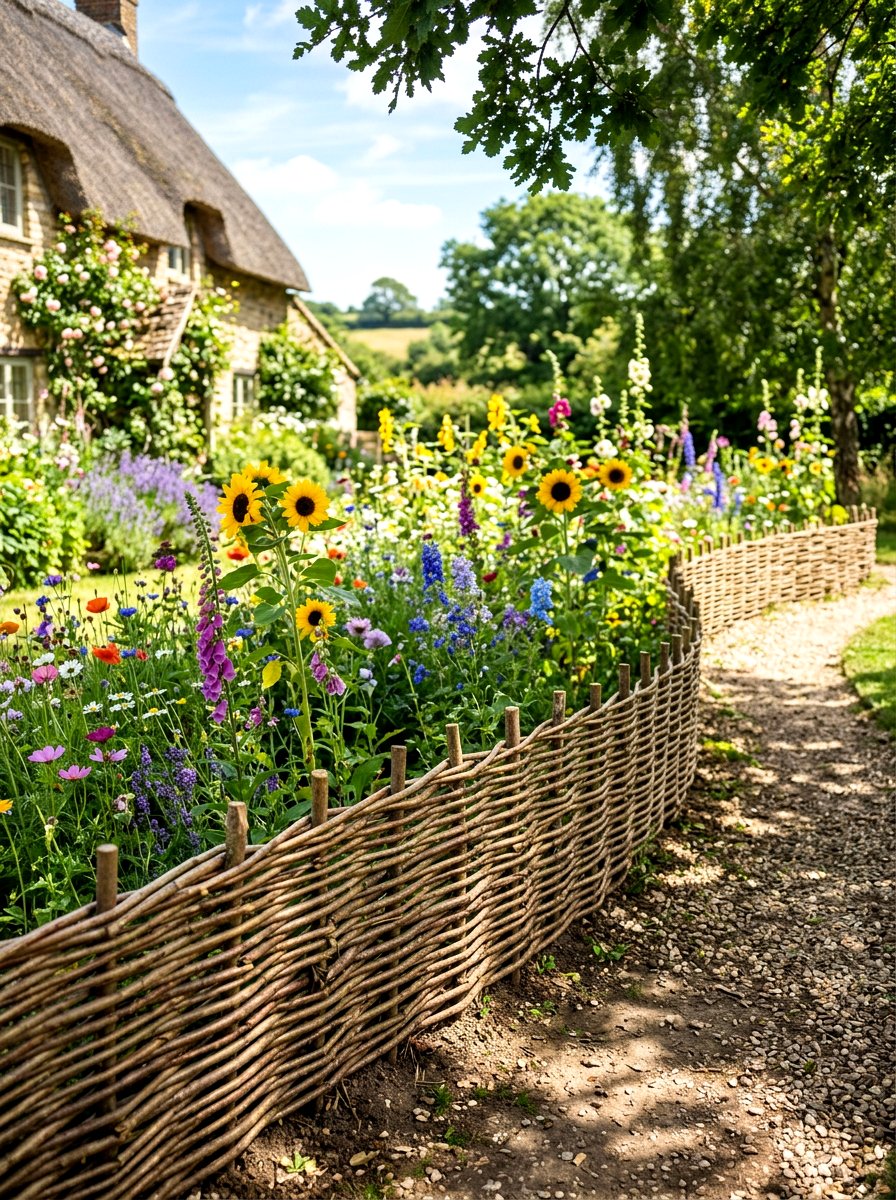
Woven willow garden edging is an eco-friendly and charming choice that perfectly suits a rustic or country cottage garden. These handmade hurdles are crafted from natural willow branches, giving your flower beds a whimsical and artisanal feel. They are particularly effective for keeping taller plants from flopping over onto paths or lawns. Because they are made from organic materials, they blend seamlessly into the natural environment. While they may not last as long as stone or metal, their affordability and unique character make them a favorite for seasonal updates. The texture of the woven wood adds a tactile element that enhances the overall sensory experience of the garden.
6. Victorian rope top garden edging
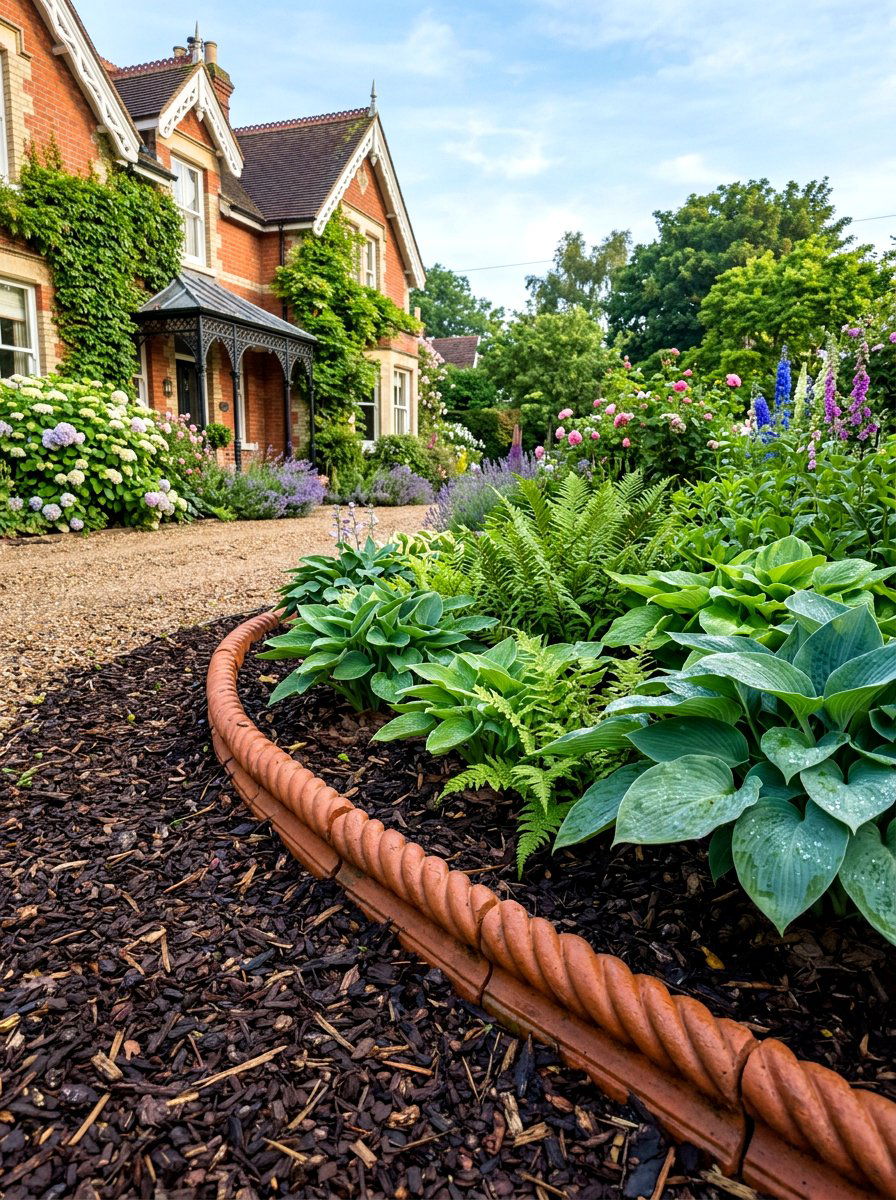
Victorian rope top garden edging features a decorative, twisted design that adds a touch of historical elegance to your borders. These terracotta or concrete tiles are inspired by traditional 19th-century landscapes and are perfect for period homes or formal garden layouts. The rope-like texture along the top edge provides a subtle but distinct visual detail that frames your plantings beautifully. They are easy to install by simply pushing them into a shallow trench along the edge of your flower bed. This style is particularly effective at containing soil and mulch on sloping ground. Using these tiles helps create a sense of order and sophisticated charm in your outdoor space.
7. Log roll garden border
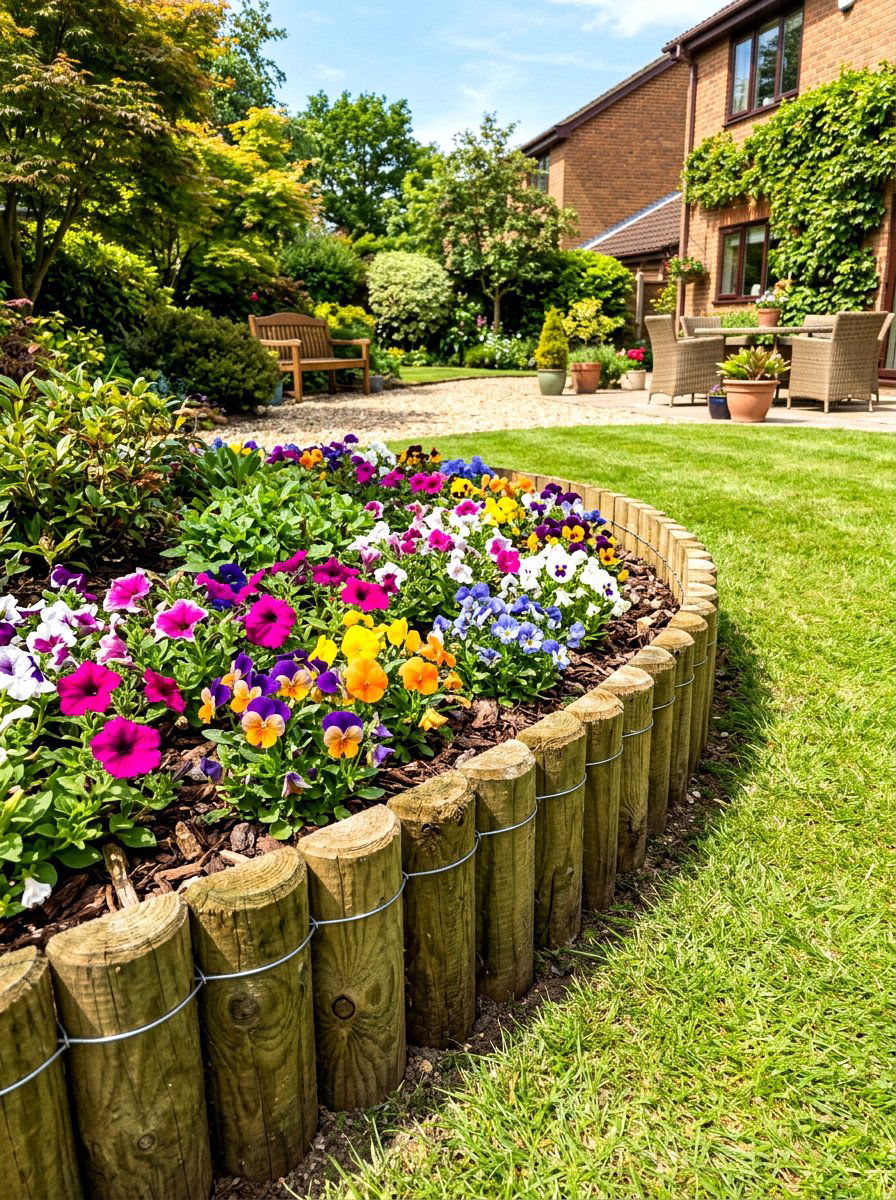
A log roll garden border is a practical and budget-friendly solution for creating defined edges in a naturalistic landscape. These borders consist of small, half-round wooden logs attached to a flexible backing, allowing them to easily follow the curves of your garden beds. They are typically made from pressure-treated timber to resist rot and insects, ensuring they last for several years. The vertical lines of the logs add a rustic texture that looks great alongside woodland-style plantings or informal vegetable patches. They are very simple to install with a rubber mallet, making them an ideal choice for quick garden makeovers. The natural wood tones age gracefully over time.
8. Concrete garden edging stones
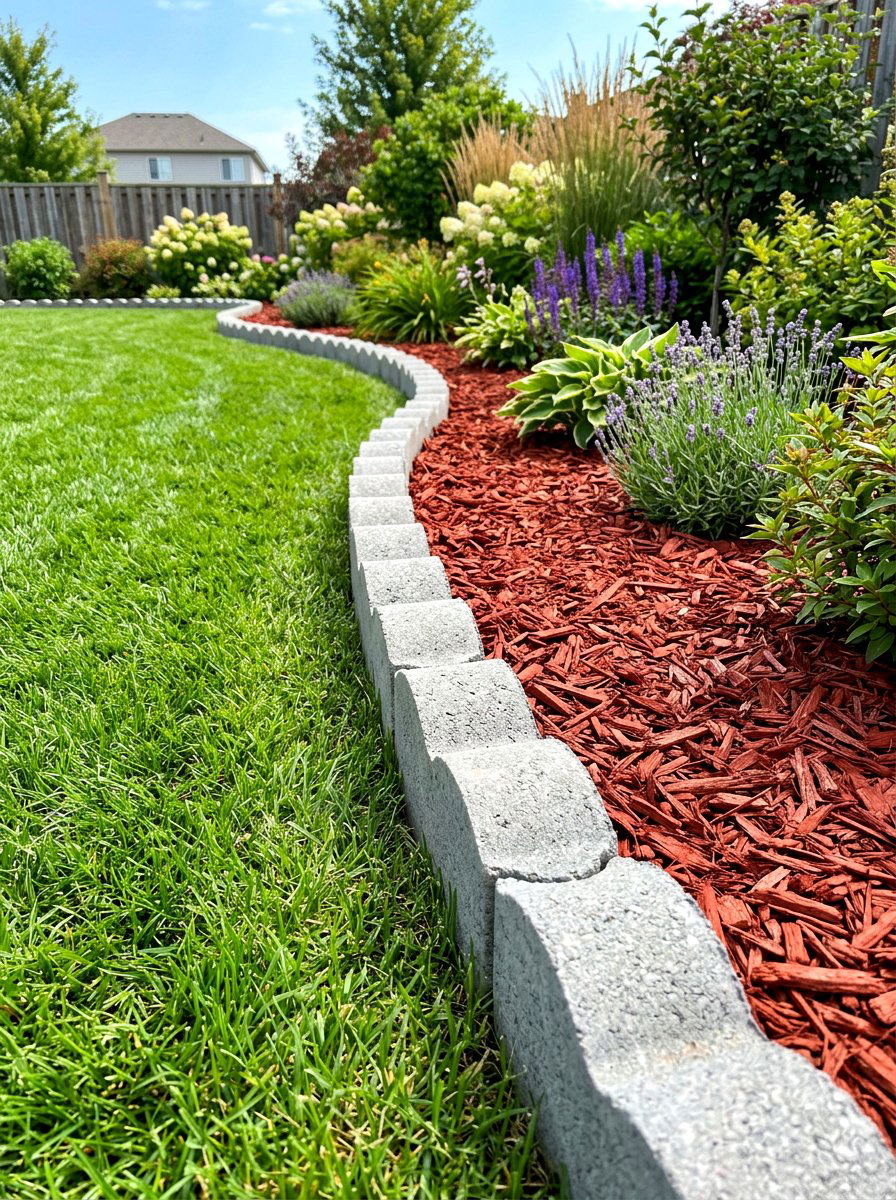
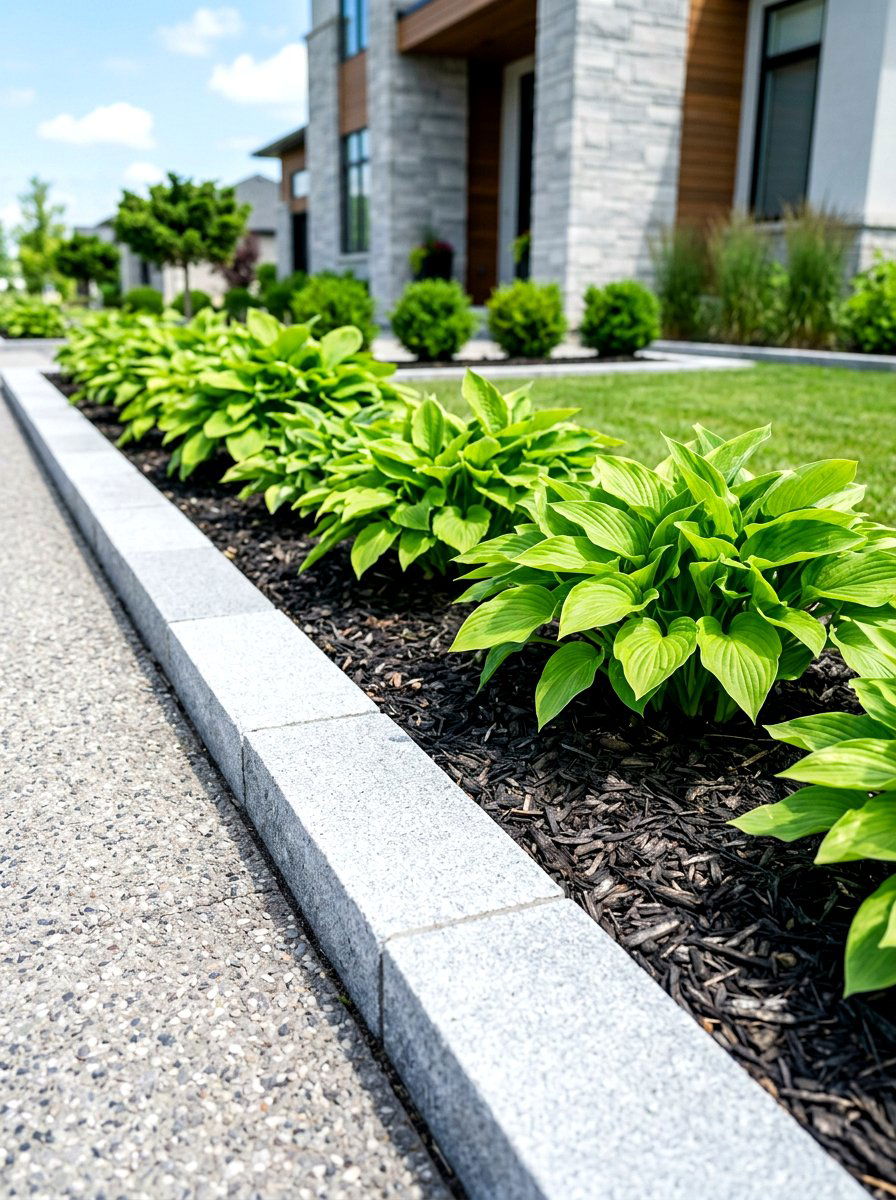
Concrete garden edging stones offer a versatile and durable way to create permanent boundaries in your backyard. These precast stones come in various shapes, colors, and textures, ranging from sleek modern blocks to those that mimic the look of natural rock. They are heavy enough to stay in place without much shifting, providing a solid barrier against grass and weeds. You can choose interlocking designs that make installation straightforward and ensure a continuous, professional-looking line. Concrete is a cost-effective alternative to natural stone while offering similar longevity and strength. This type of edging is perfect for high-traffic areas where durability and a clean finish are essential for the layout.
9. Cobblestone garden border
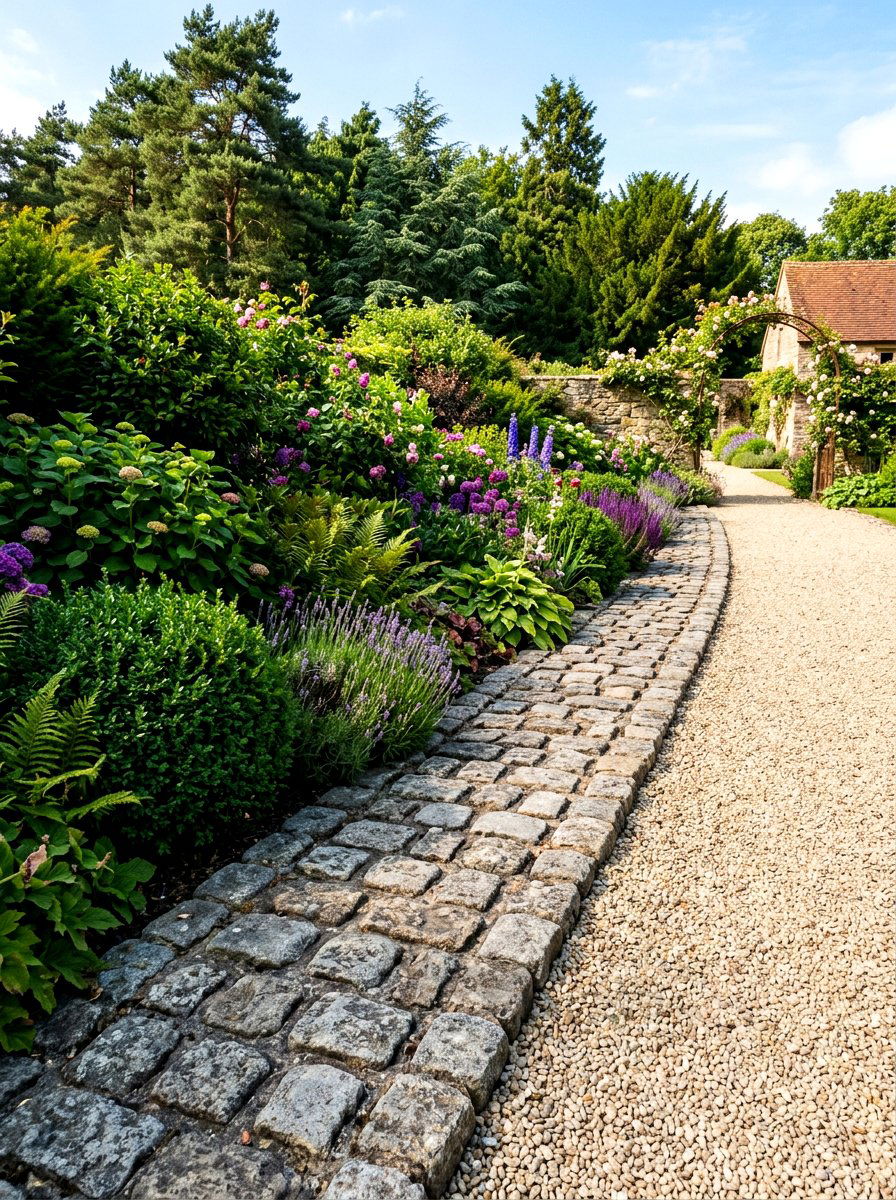
A cobblestone garden border evokes the charm of old-world European streets and brings a sense of history to your landscape. These thick, rounded stones are incredibly sturdy and can handle heavy foot traffic or the occasional lawnmower wheel. Because they are irregular in shape, they create a textured and visually interesting line that feels more relaxed than precise bricks. Cobblestones are excellent for defining gravel paths or separating a lush lawn from a dense shrubbery border. Their weight and thickness mean they stay firmly in place once set into a bed of sand or mortar. This material is a great investment for those seeking a long-lasting, high-end garden feature.
10. Wood sleeper garden edging
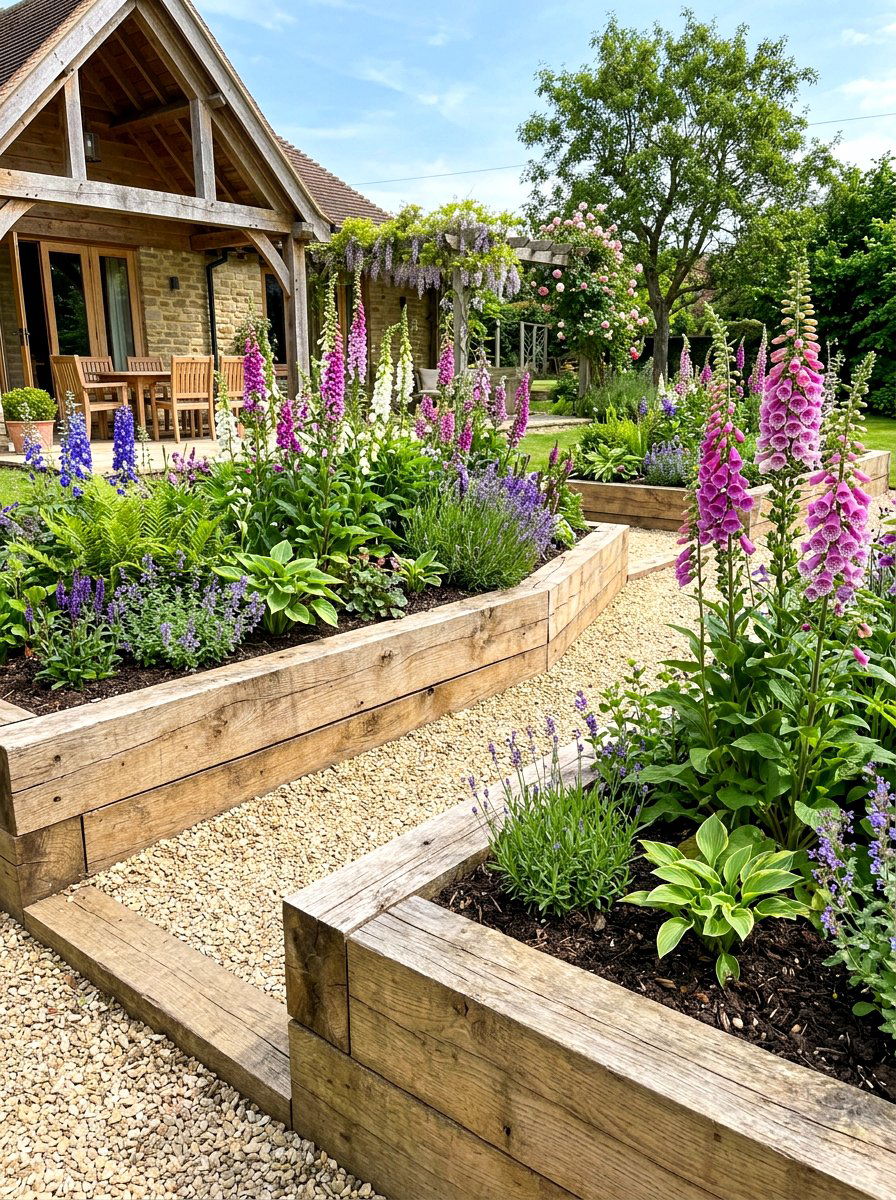
Wood sleeper garden edging uses large, chunky timbers to create a bold and structural boundary for your flower beds. These sleepers are perfect for building raised borders, which can add height and dimension to a flat backyard. The substantial size of the wood creates a strong visual statement and provides a wide edge that can sometimes even serve as extra seating. You can use reclaimed sleepers for a weathered, rustic look or new pressure-treated timber for a cleaner finish. This type of edging is very effective at containing large amounts of soil and mulch. It is a popular choice for modern, rustic, and minimalist garden designs alike.
11. Flagstone garden border
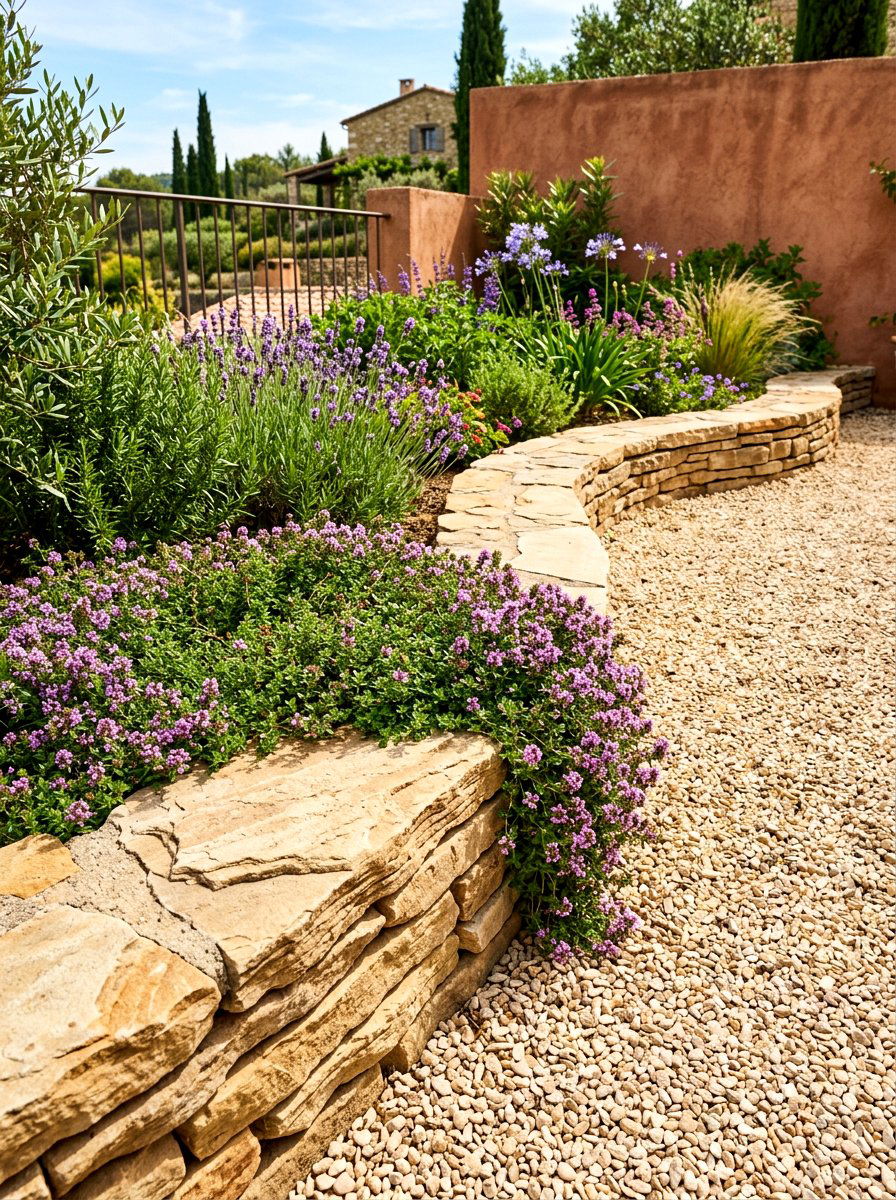
Flagstone garden border ideas utilize flat, thin slabs of natural stone to create a layered and sophisticated edge for your beds. These stones are often laid horizontally to create a low, wide wall effect that looks incredibly high-end. The irregular edges of the flagstone provide a more natural and organic feel than precisely cut masonry. Because they come in various shades of grey, tan, and blue, you can easily find a style that complements your home exterior. Flagstone is highly durable and naturally resistant to the elements, making it a permanent solution for your landscape. It works beautifully when paired with groundcover plants that spill over the stone edges.
12. Plastic garden edging
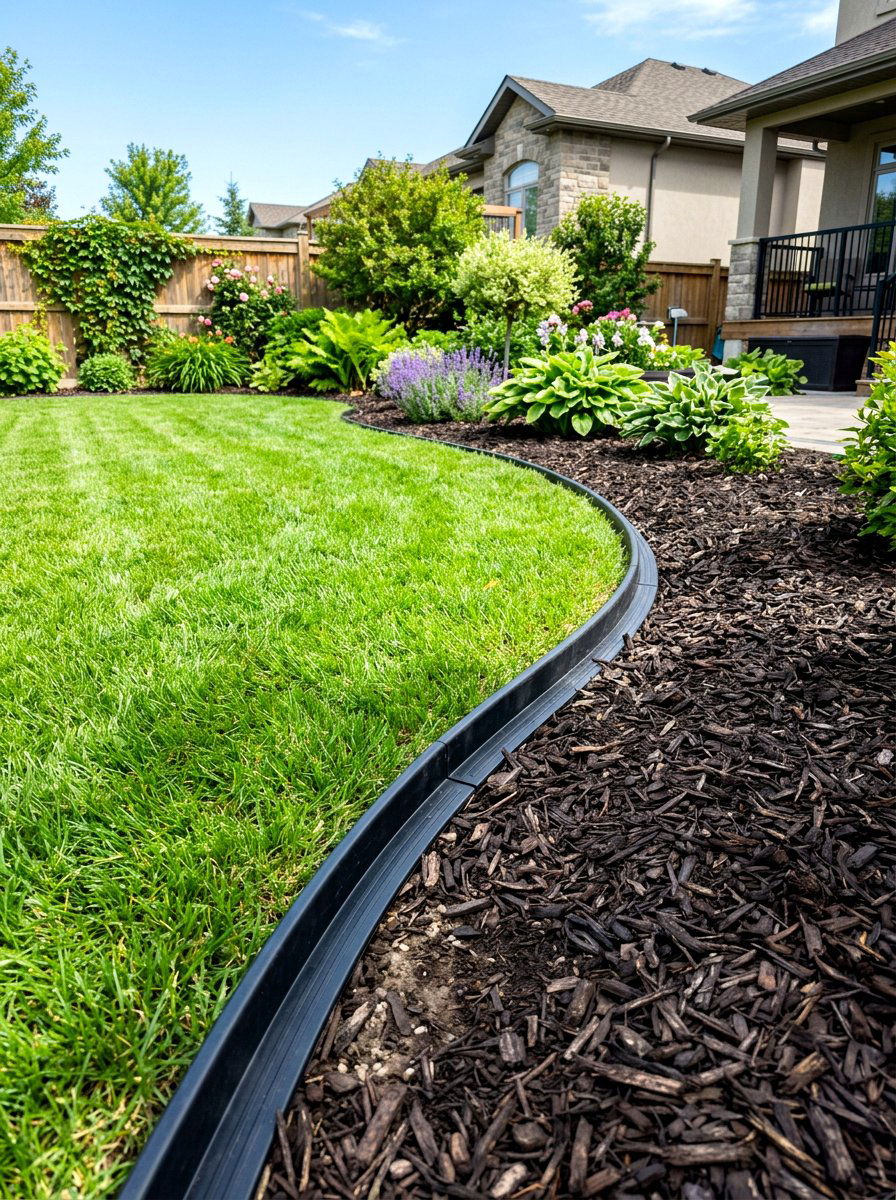
Plastic garden edging is a highly functional and affordable option for homeowners looking for a quick and easy way to define their lawn. Modern plastic edging is often made from recycled materials and is designed to be virtually invisible once installed. It is extremely flexible, making it the perfect choice for creating intricate curves and circular flower beds. The deep barrier helps prevent aggressive grass roots from creeping into your soil, saving you time on weeding and maintenance. While it may not provide the same aesthetic appeal as stone or wood, its practicality and low cost make it a staple for many functional and tidy backyard designs.
13. Gravel and rock garden border
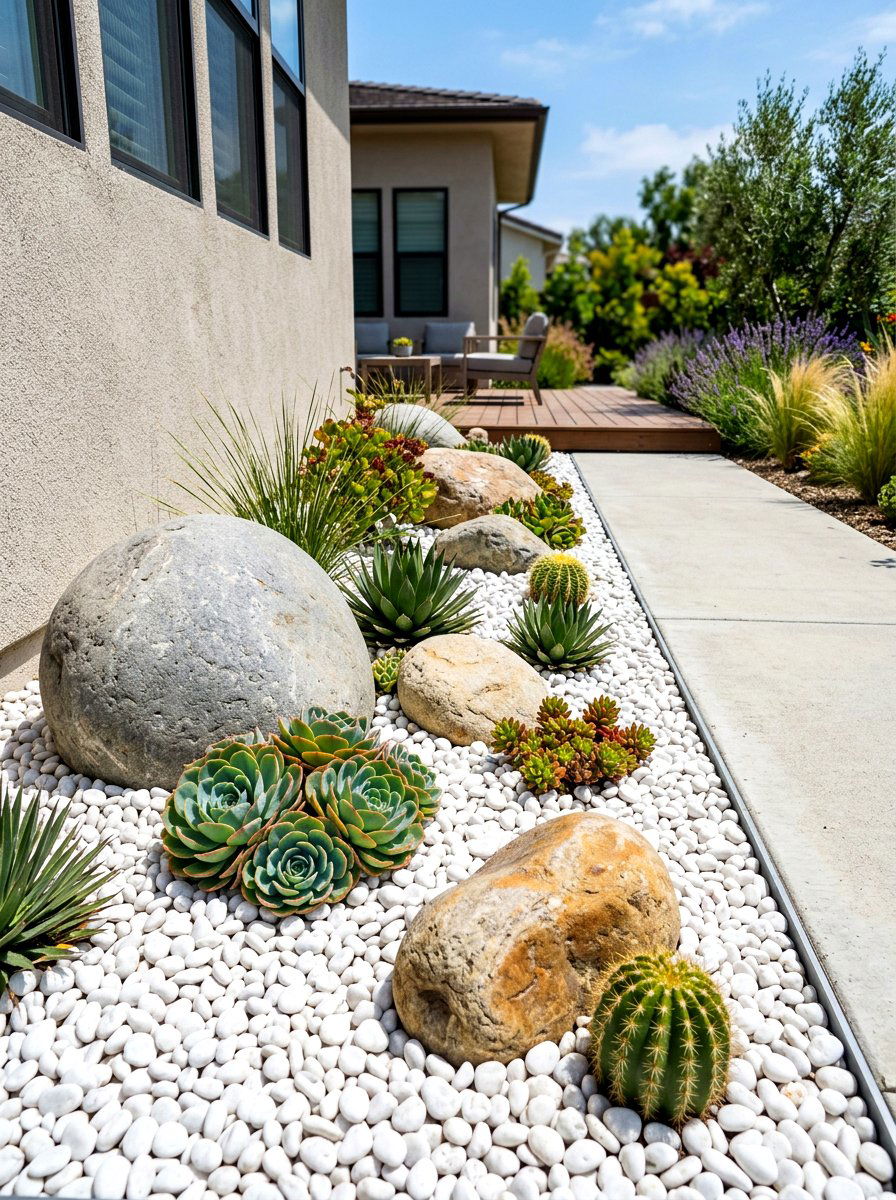
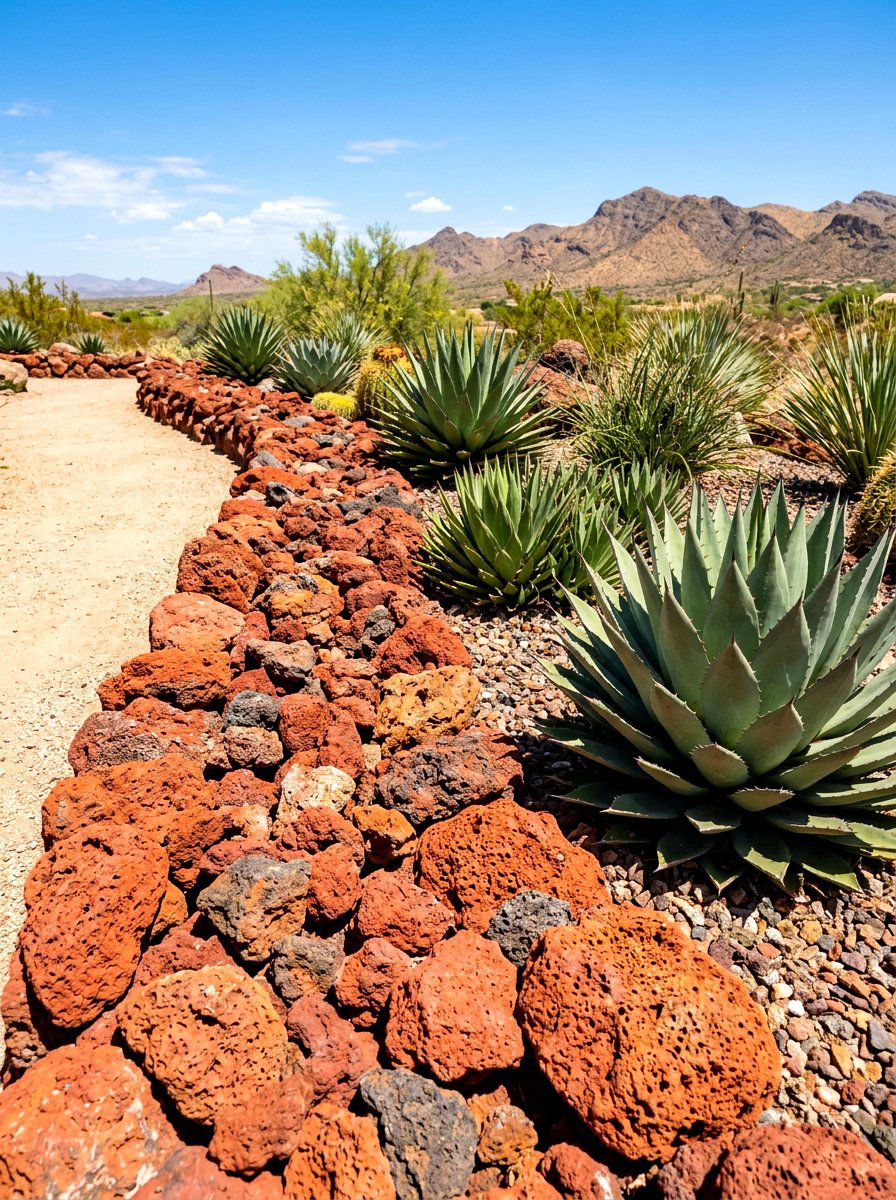
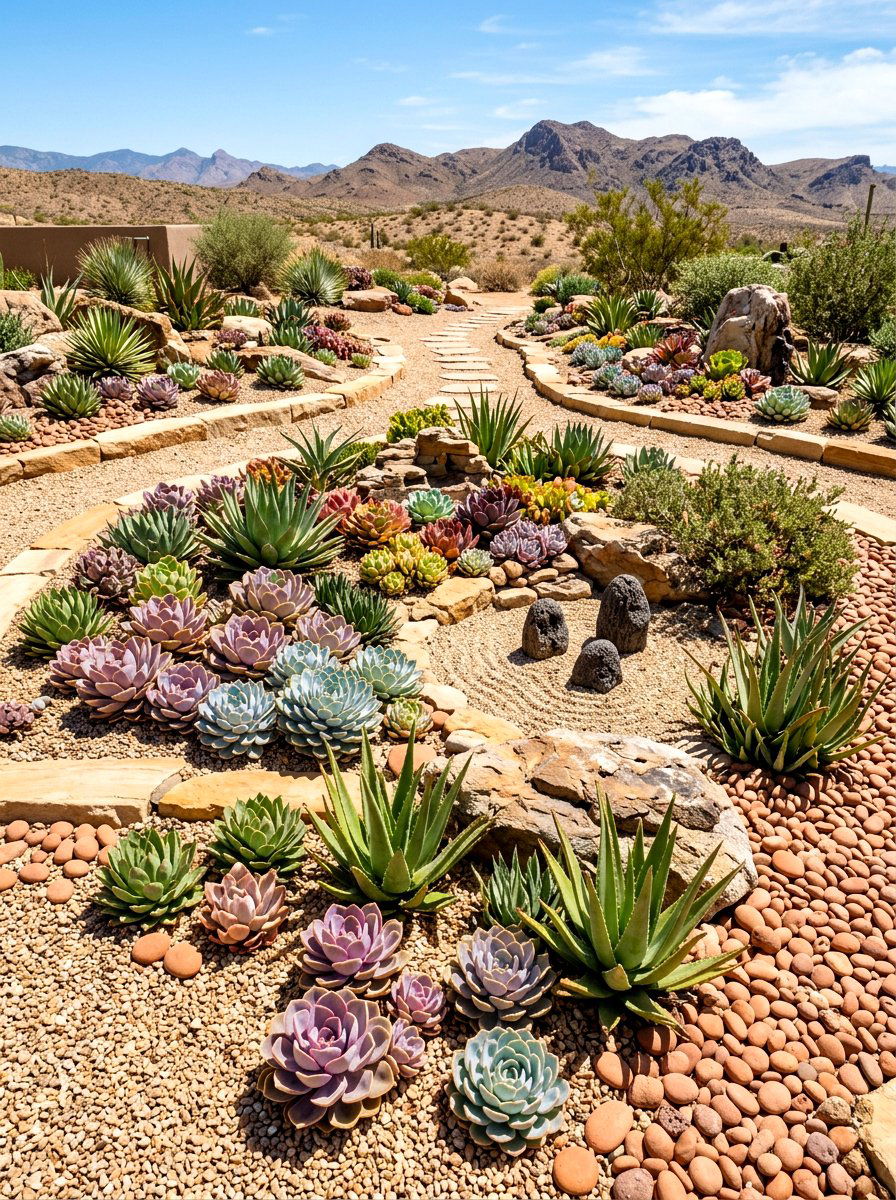
A gravel and rock garden border combines different textures and sizes of stone to create a low-maintenance and visually striking transition. By using a strip of crushed gravel between the lawn and the planting bed, you create a distinct "no-man's land" that makes mowing much simpler. Adding larger river rocks or boulders within the gravel strip can introduce a Zen-like or Mediterranean feel to your landscape. This type of border is excellent for drainage and can help prevent soil erosion during heavy rains. It is a versatile choice that can look either modern or rustic depending on the types of stones and colors you choose to use.
14. Terracotta tile garden edging
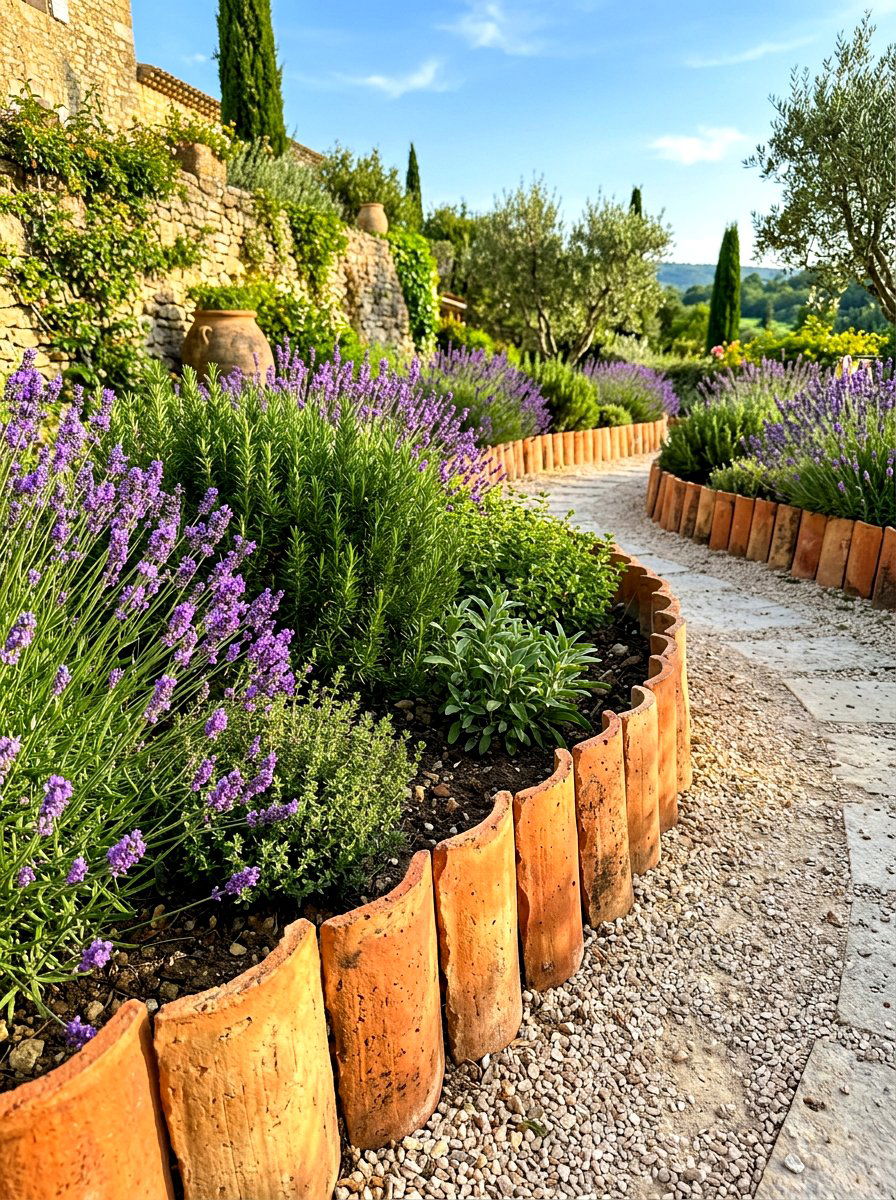
Terracotta tile garden edging adds a warm, Mediterranean flair to your outdoor space with its distinctive orange-red hue. These tiles can be repurposed from old roofing materials or purchased as specialty garden edging pieces. When lined up along a path or flower bed, they provide a bright pop of color that looks stunning against vibrant green foliage. The earthy texture of the clay complements naturalistic planting schemes and cottage-style gardens perfectly. Terracotta is a porous material that ages beautifully, often developing a light patina over time. Using these tiles is an excellent way to add a unique, artisanal touch to your landscape while keeping your beds neat.
15. Low maintenance metal garden edging
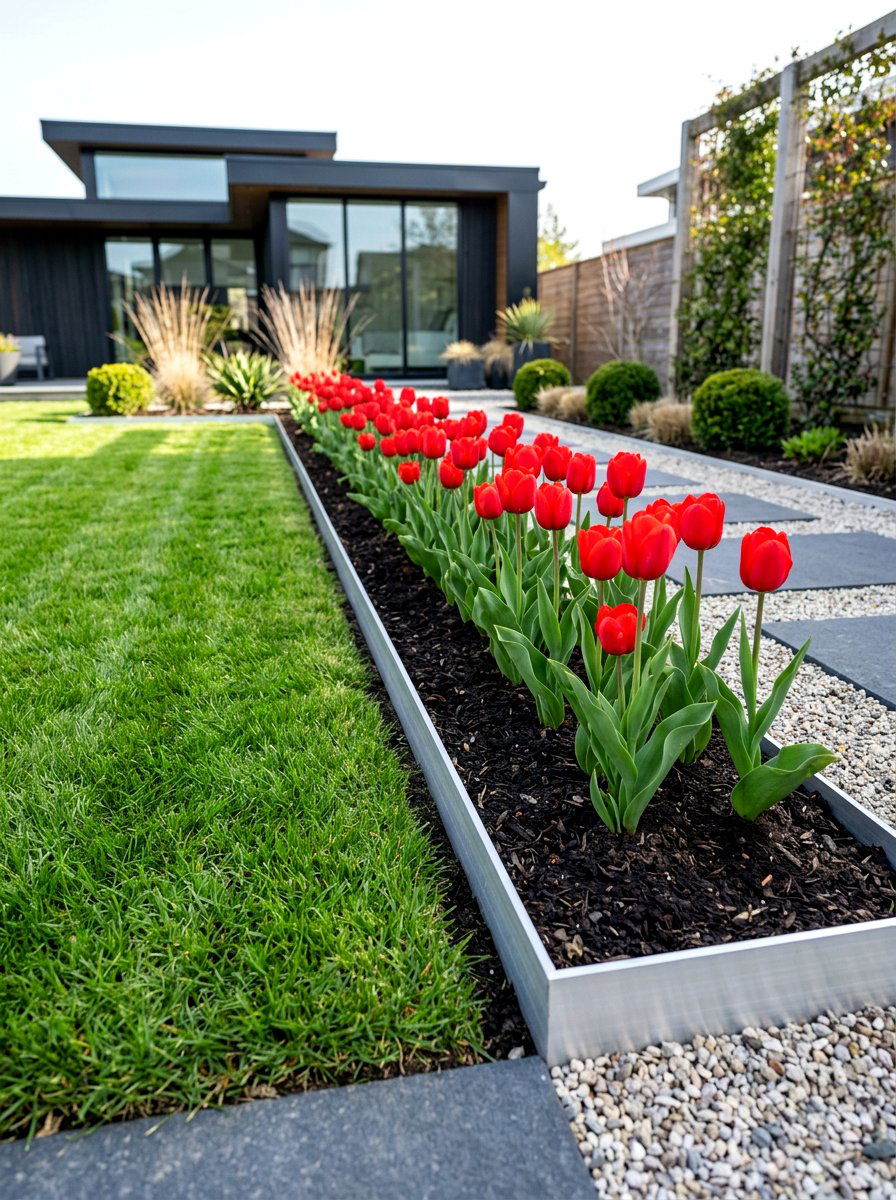
Low maintenance metal garden edging, such as aluminum or galvanized steel, provides a sleek and modern look that lasts for decades. Unlike wood, these materials will not rot or warp, and they are much thinner and more discreet than bulky stone. Aluminum is particularly lightweight and resistant to rust, making it an ideal choice for wet climates. You can use it to create perfectly straight lines or gentle, sweeping curves with ease. The slim profile allows the plants themselves to take center stage while still providing a clear and permanent boundary. It is an investment that saves time and effort in the long run by keeping the yard organized.
16. Gabion wall garden border
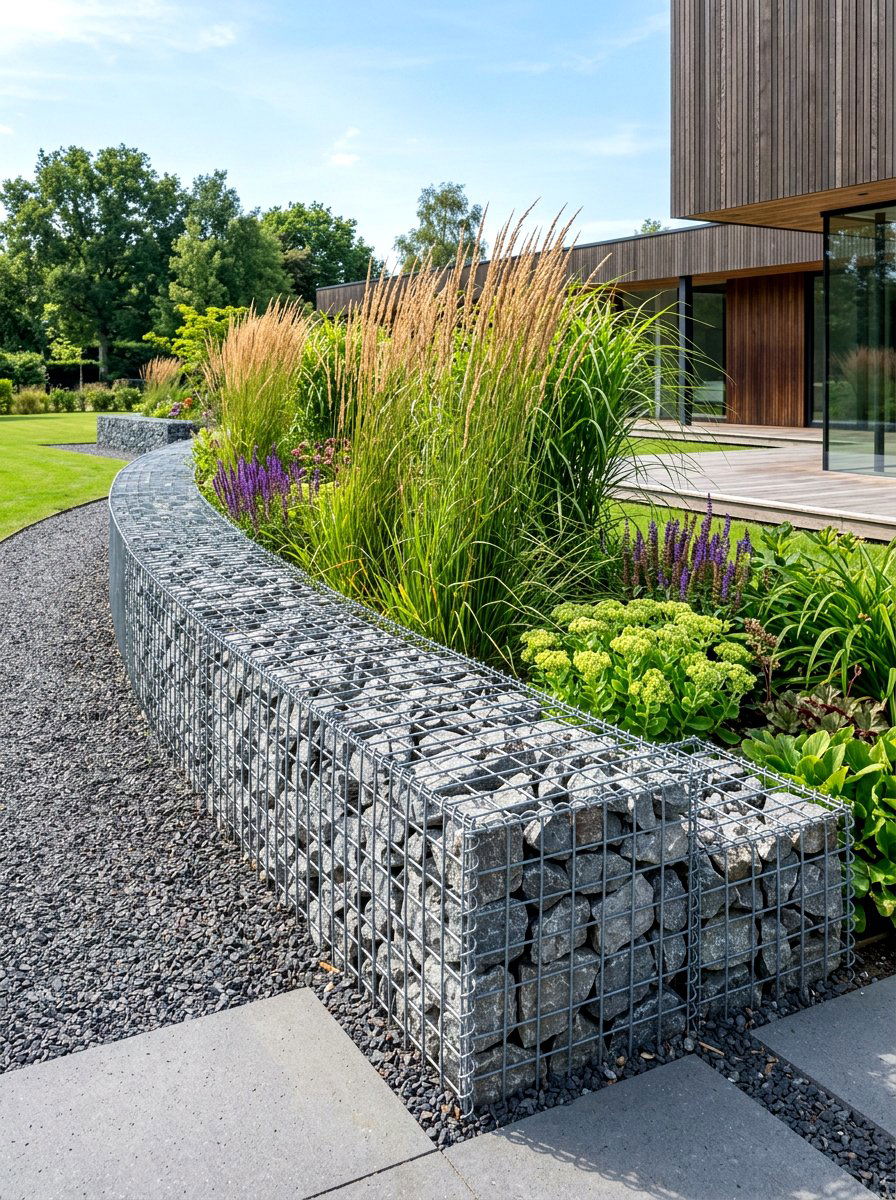
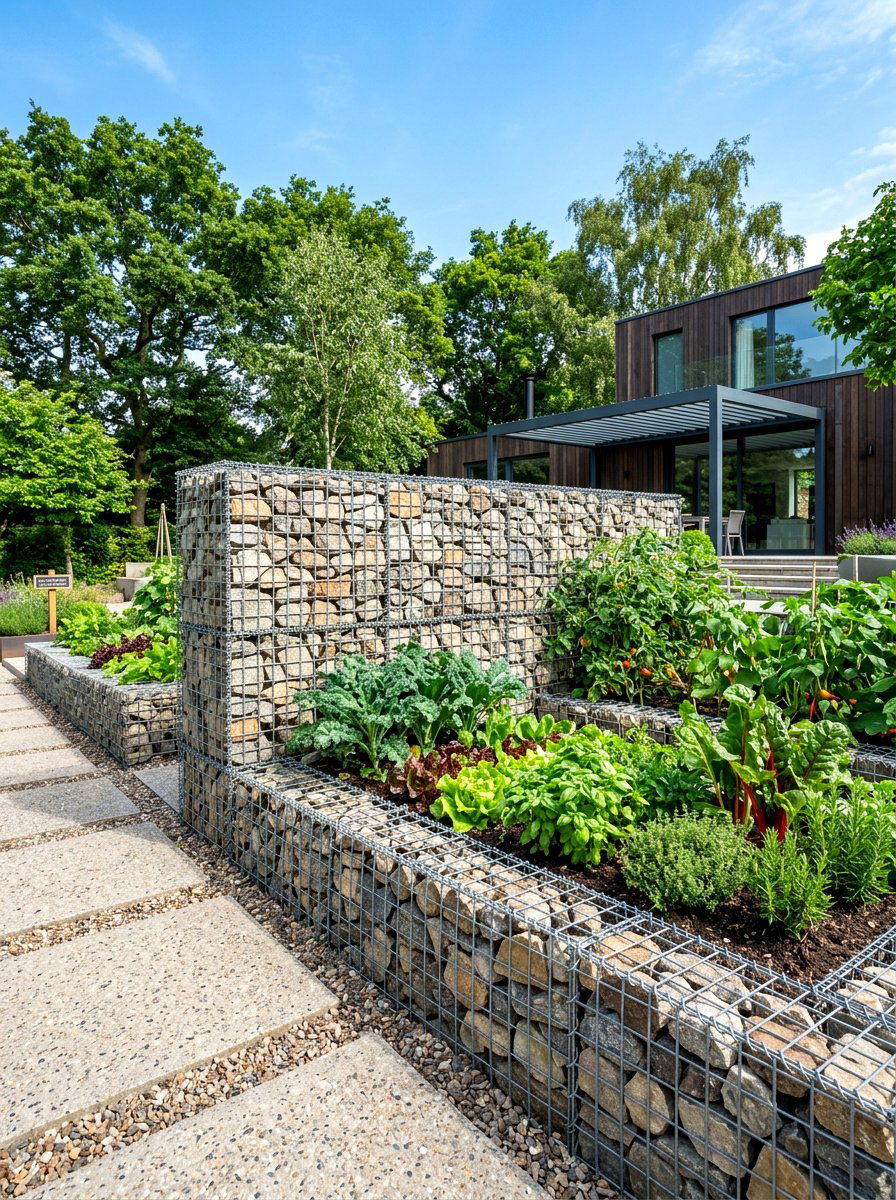
A gabion wall garden border uses wire mesh cages filled with rocks to create a modern and industrial-style boundary. This unique edging technique is incredibly sturdy and provides an excellent structural element for larger landscapes. You can fill the cages with various types of stones, from local fieldstones to smooth river pebbles, to match your overall design theme. Beyond its striking visual appeal, a gabion border is highly functional for drainage and soil retention. It is also an eco-friendly option as it utilizes natural materials and requires no mortar or chemicals. This style is perfect for homeowners who want to make a bold architectural statement in their backyard.
17. Poured concrete garden edge
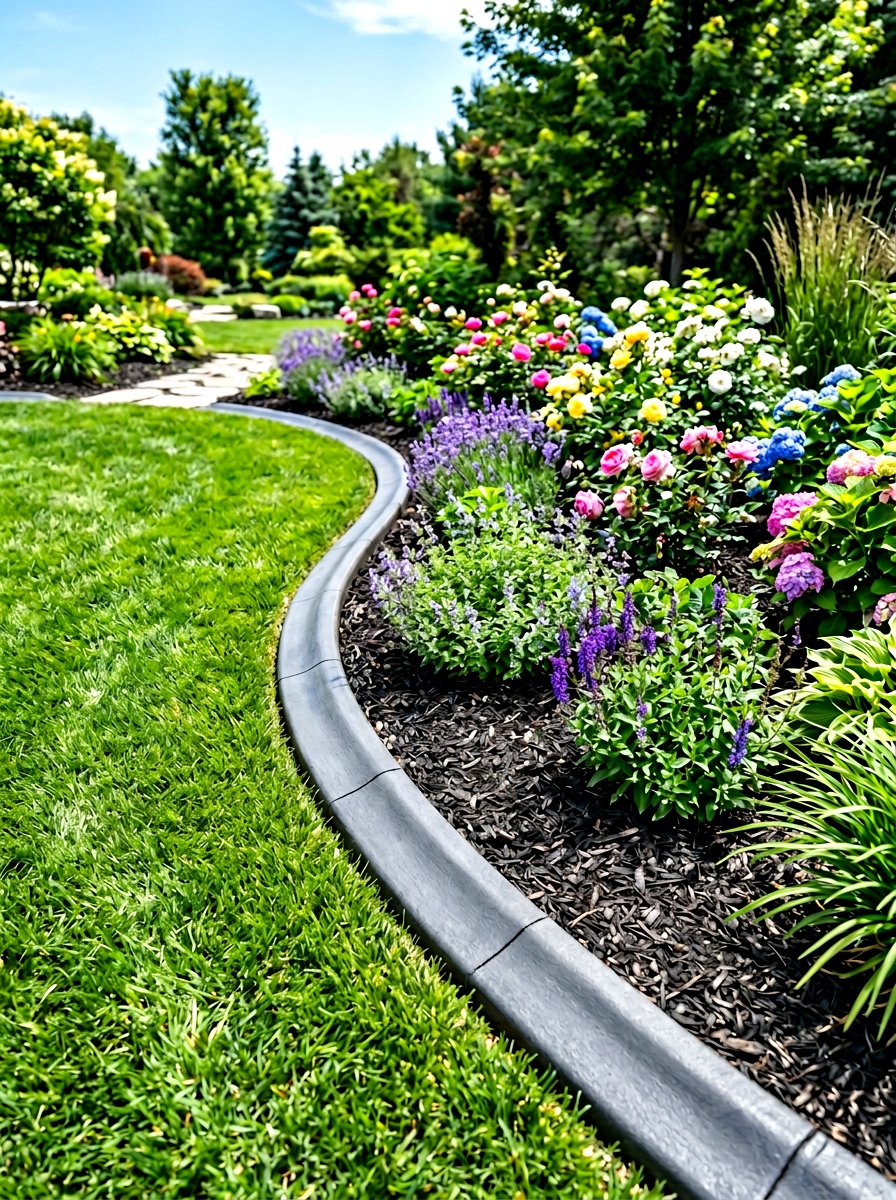
A poured concrete garden edge provides a seamless and permanent boundary that can be custom-molded to any shape you desire. This method involves creating a trench and pouring wet concrete into it, often using flexible forms to create smooth, flowing curves. Once dry, the result is a clean, solid strip that acts as an effective mowing edge and weed barrier. You can even stamp patterns or add color to the wet concrete to mimic the look of more expensive materials like brick or stone. This is one of the most durable edging options available and is perfect for homeowners who want a tidy, professional finish with zero maintenance.
18. Lavender plant garden border
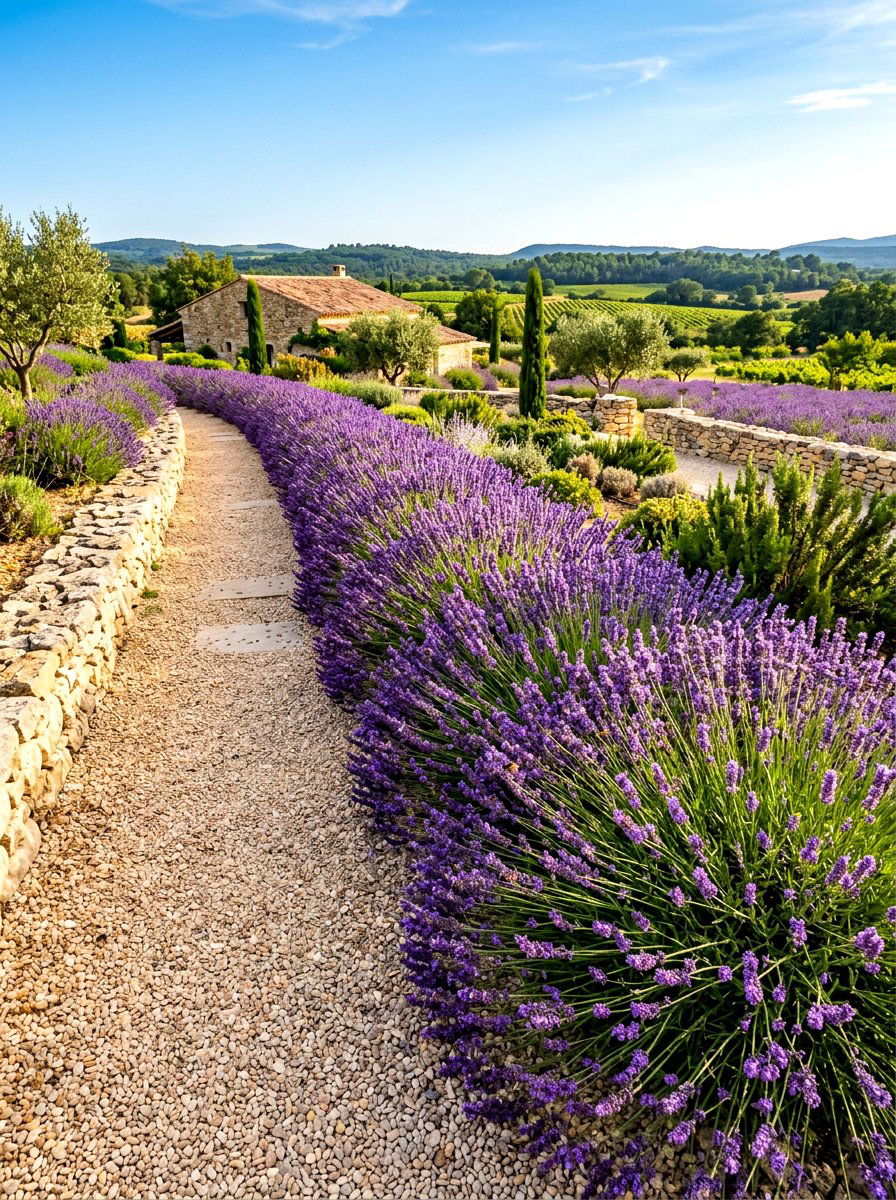
A lavender plant garden border is a beautiful and fragrant way to define the edges of your outdoor space with living color. This hardy perennial grows into a low, mounded shrub that produces stunning purple spikes throughout the summer months. Planting lavender along a walkway or around a patio provides a sensory experience as the scent is released when you walk past. It is an excellent choice for a Mediterranean or cottage garden and is highly attractive to beneficial pollinators like bees and butterflies. Because it is relatively drought-tolerant, it remains a low-maintenance and visually rewarding living border that adds a soft, romantic feel to the landscape.
19. Reclaimed timber garden edging
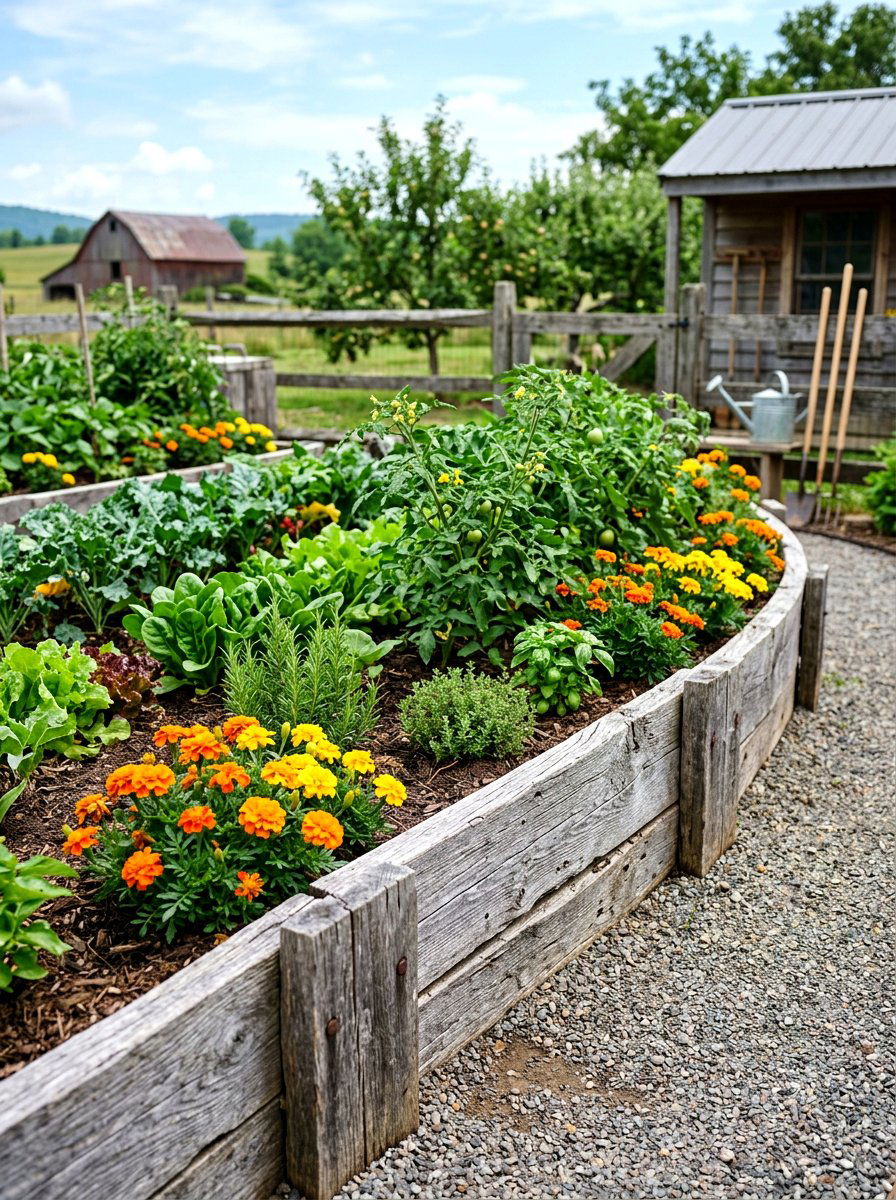
Reclaimed timber garden edging is a sustainable and character-filled choice for those who love a rustic or farmhouse aesthetic. By using old barn wood, fence posts, or railroad ties, you give new life to weathered materials that have a unique history. The silvered patina of aged wood looks beautiful against wilder, naturalistic planting schemes. This type of edging is usually very sturdy and can be used to build slightly raised beds that improve soil drainage. It is an eco-conscious way to add structure to your yard while saving money on new materials. The irregularities in the wood add a handmade, artisanal charm that feels very welcoming.
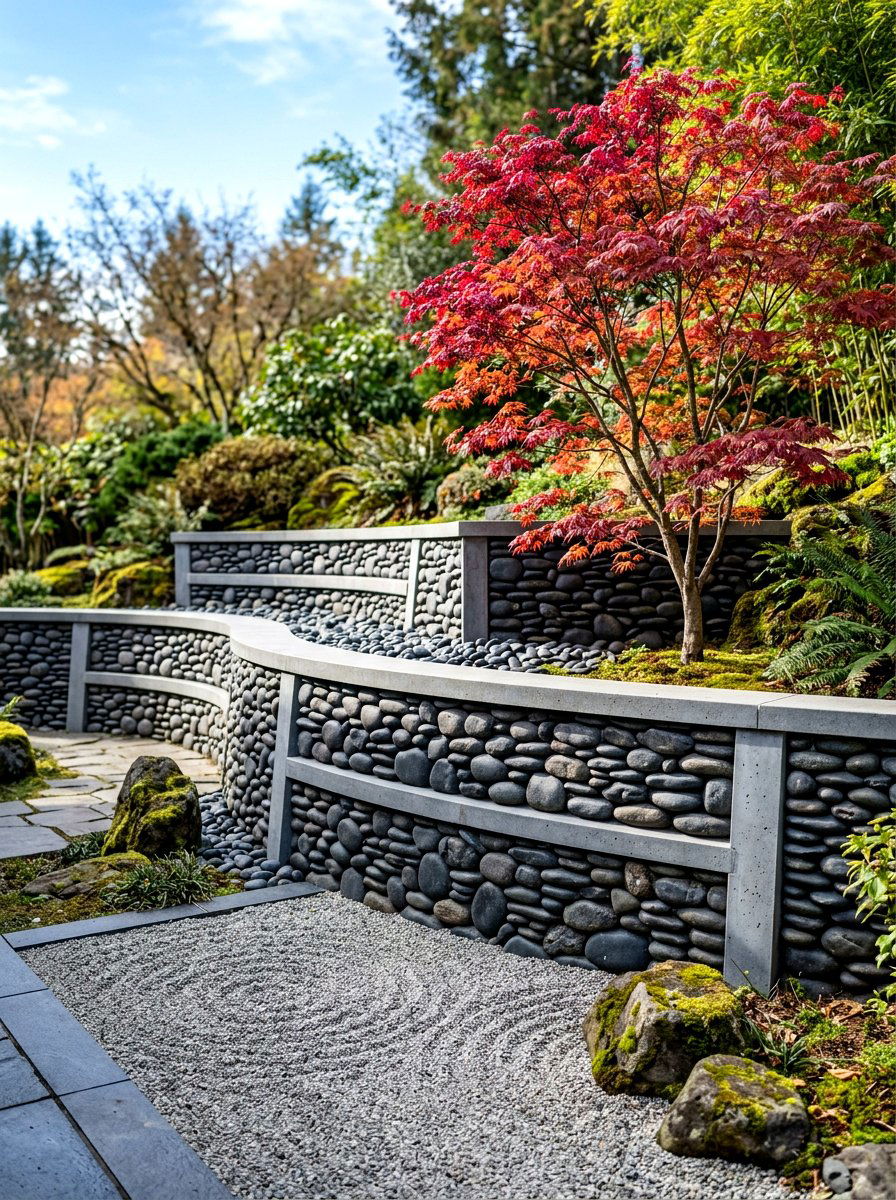
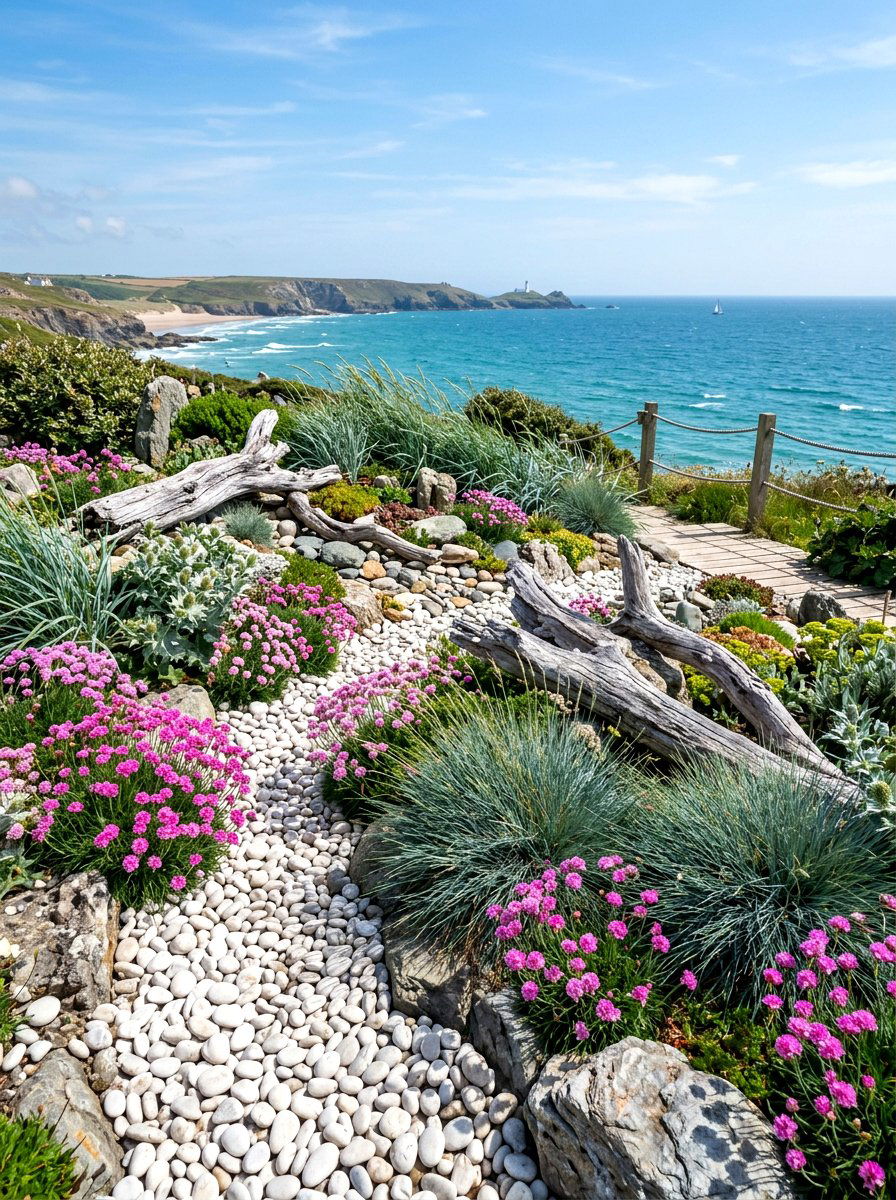
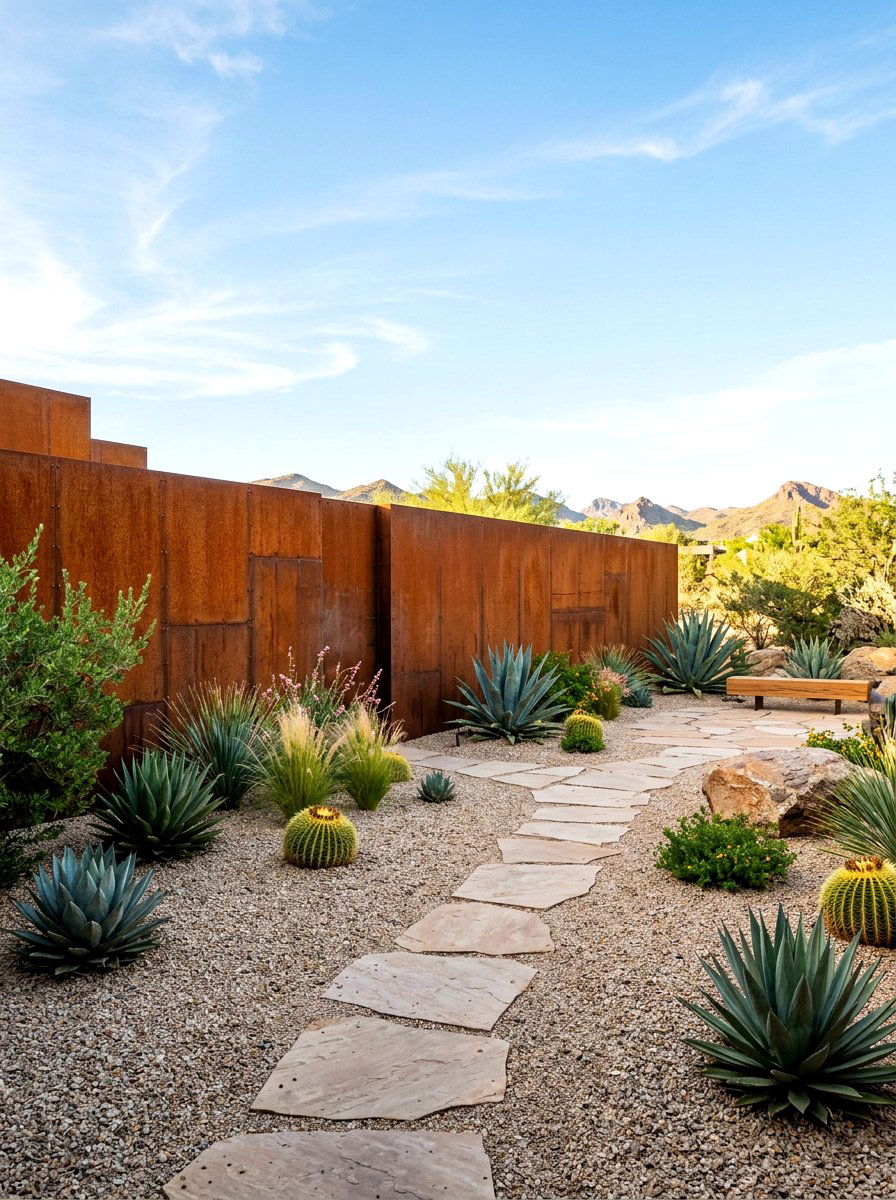
20. Slate chippings garden border
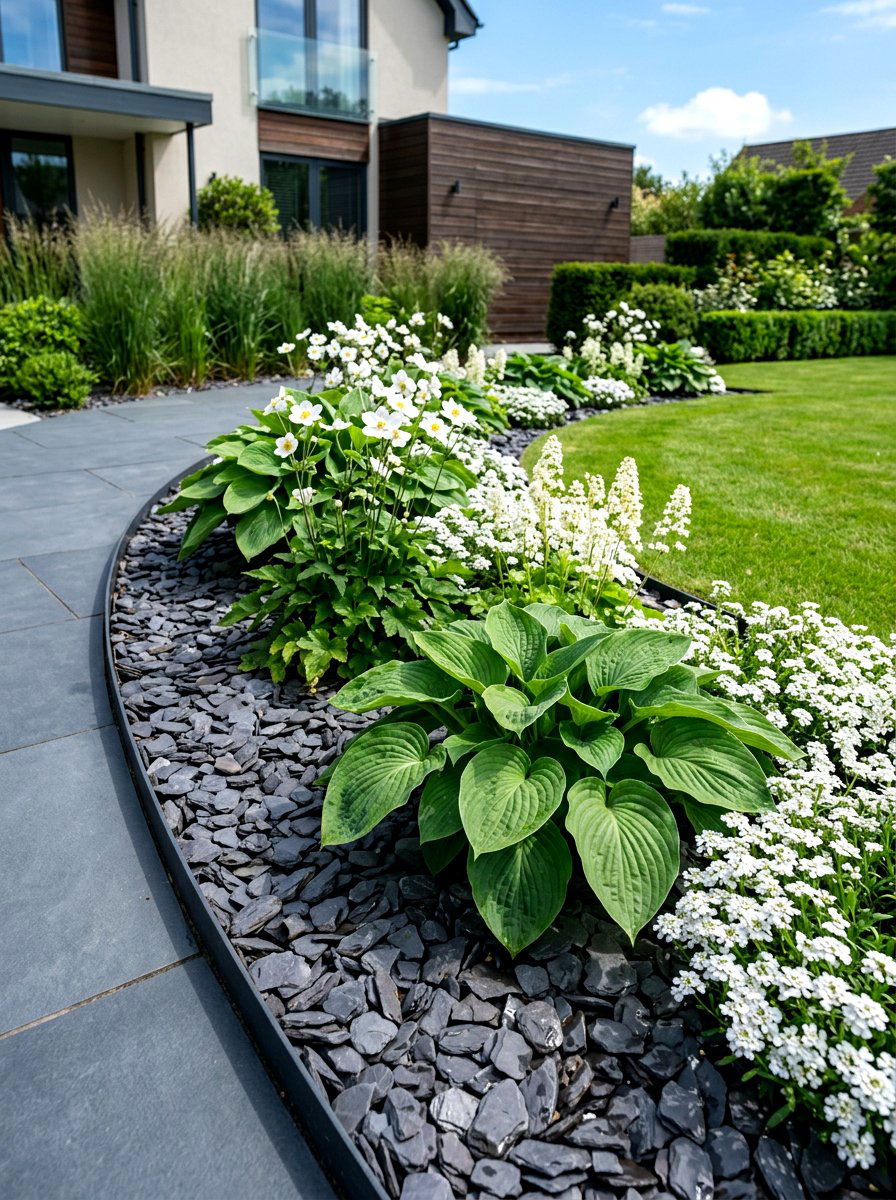
Slate chippings garden border ideas use flat, dark pieces of natural slate to create a modern and sophisticated edge for your landscape. The deep grey or blue-toned stones provide a dramatic contrast to bright flowers and green lawns, making them a favorite for contemporary designs. Slate chippings stay in place well and are very effective at suppressing weeds while retaining moisture in the soil. You can use them to fill a narrow trench along the edge of your flower beds to create a clean, textured line. This material also looks fantastic when wet, taking on a shiny, rich appearance that adds visual interest during rainy days or after watering.
21. Decorative wire garden fencing
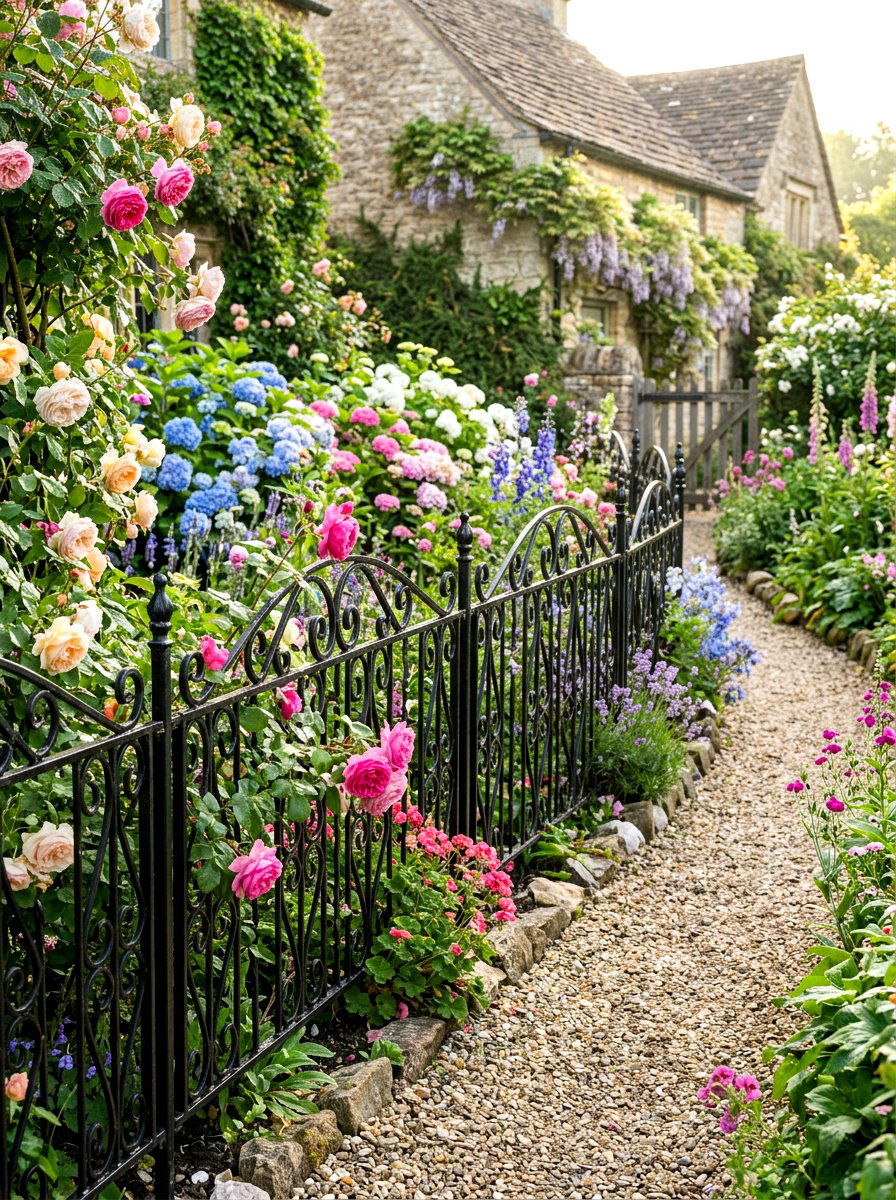
Decorative wire garden fencing offers a delicate and traditional way to protect your flower beds while adding a touch of vintage charm. These small fences are often made from coated steel or iron and feature ornate loops or patterns along the top. They are perfect for keeping small pets or children out of delicate planting areas without completely obscuring the view of the blooms. Because they are lightweight and easy to install, you can move them around the garden as your needs change. This style works exceptionally well in cottage gardens or around informal vegetable patches where you want a boundary that feels light and airy.
22. Granite sett garden edging
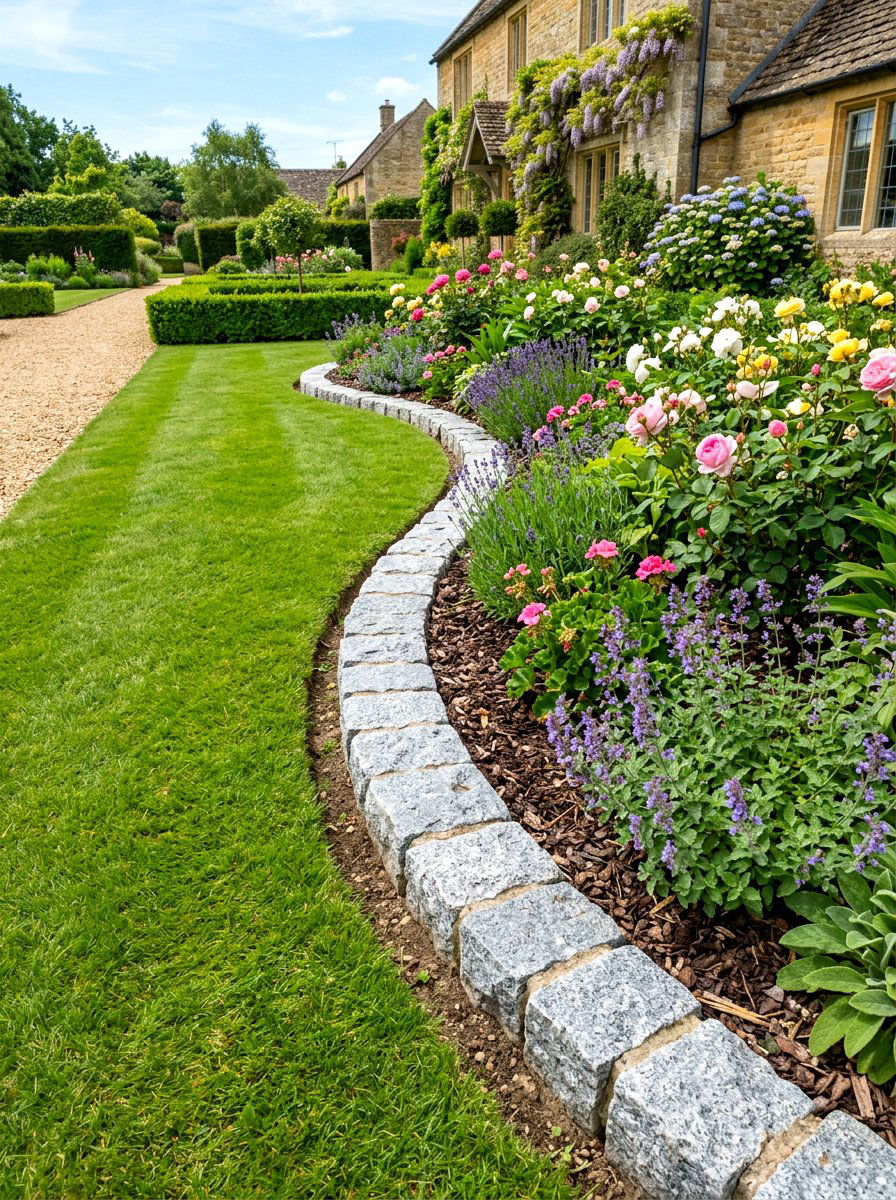
Granite sett garden edging uses small, hand-cut stone blocks to create an incredibly durable and high-end boundary for your landscaping. These stones are similar to those used in traditional cobblestone streets and offer a timeless, classic look that never goes out of style. Granite is one of the hardest natural stones available, meaning your garden edge will resist chipping, cracking, and weathering for many decades. You can lay the setts in a single row for a subtle look or double them up to create a wider mowing strip. Their consistent grey or speckled tones provide a neutral backdrop that complements almost any plant color or home exterior.
23. Raised bed garden border
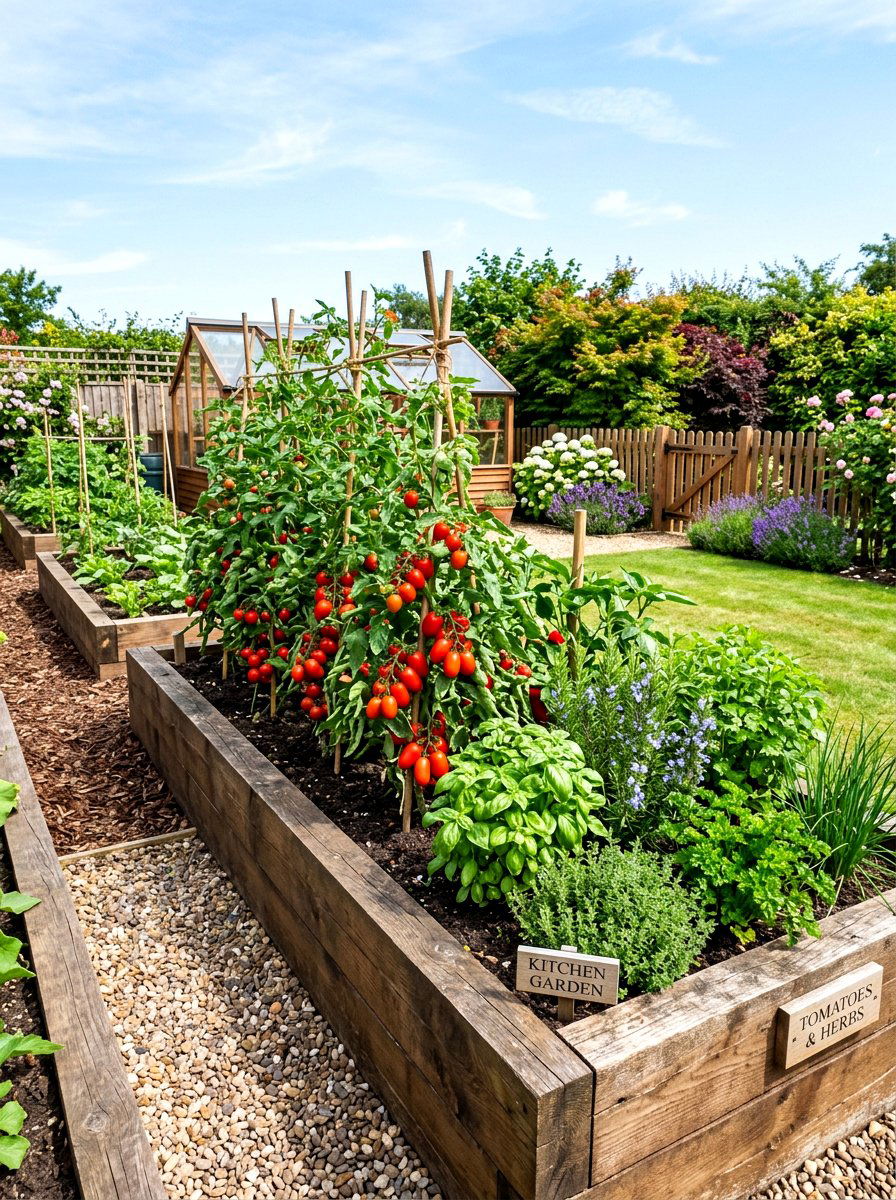
A raised bed garden border involves using materials like wood, stone, or brick to elevate your planting areas above the surrounding lawn. This design choice not only defines the edges of your garden but also provides better soil quality and drainage for your plants. Elevated borders are easier on the back and knees, making gardening more accessible for everyone. They also create a clear physical barrier that prevents grass from creeping into your beds. By varying the height of different beds, you can add vertical interest and a sense of structure to a flat backyard. This style is highly popular for both vegetable gardens and ornamental flowers.
24. Scalloped edge garden bricks
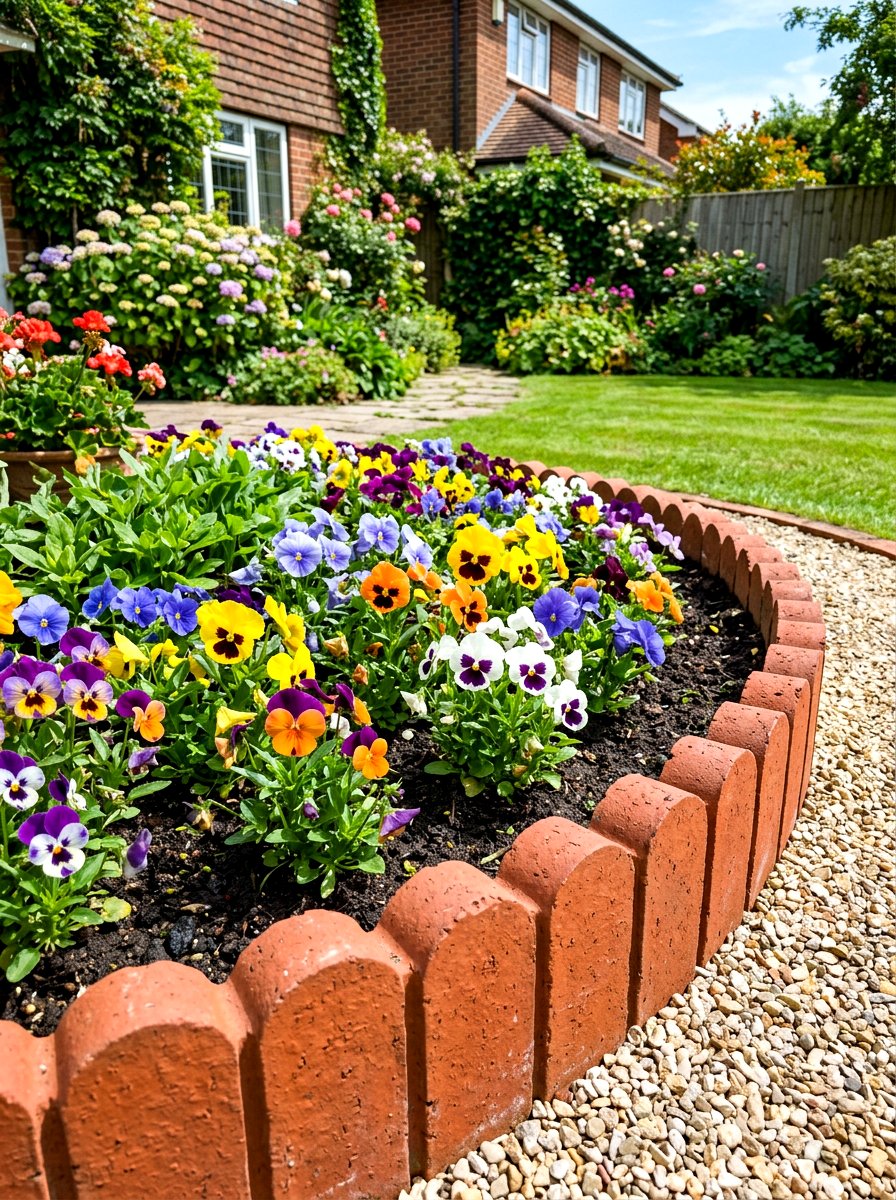
Scalloped edge garden bricks feature a decorative curved top that adds a soft and playful touch to your flower bed boundaries. These pre-cast concrete or terracotta pieces are designed to interlock, making it simple to create a continuous and tidy line along your lawn. The repetitive pattern of the scallops provides a rhythmic visual detail that works well in informal and traditional gardens. They are very effective at holding back soil and keeping mulch contained within the designated planting zone. This type of edging is an affordable way to add a bit of personality and architectural detail to your yard without a lot of heavy construction work.
25. Bamboo garden edging
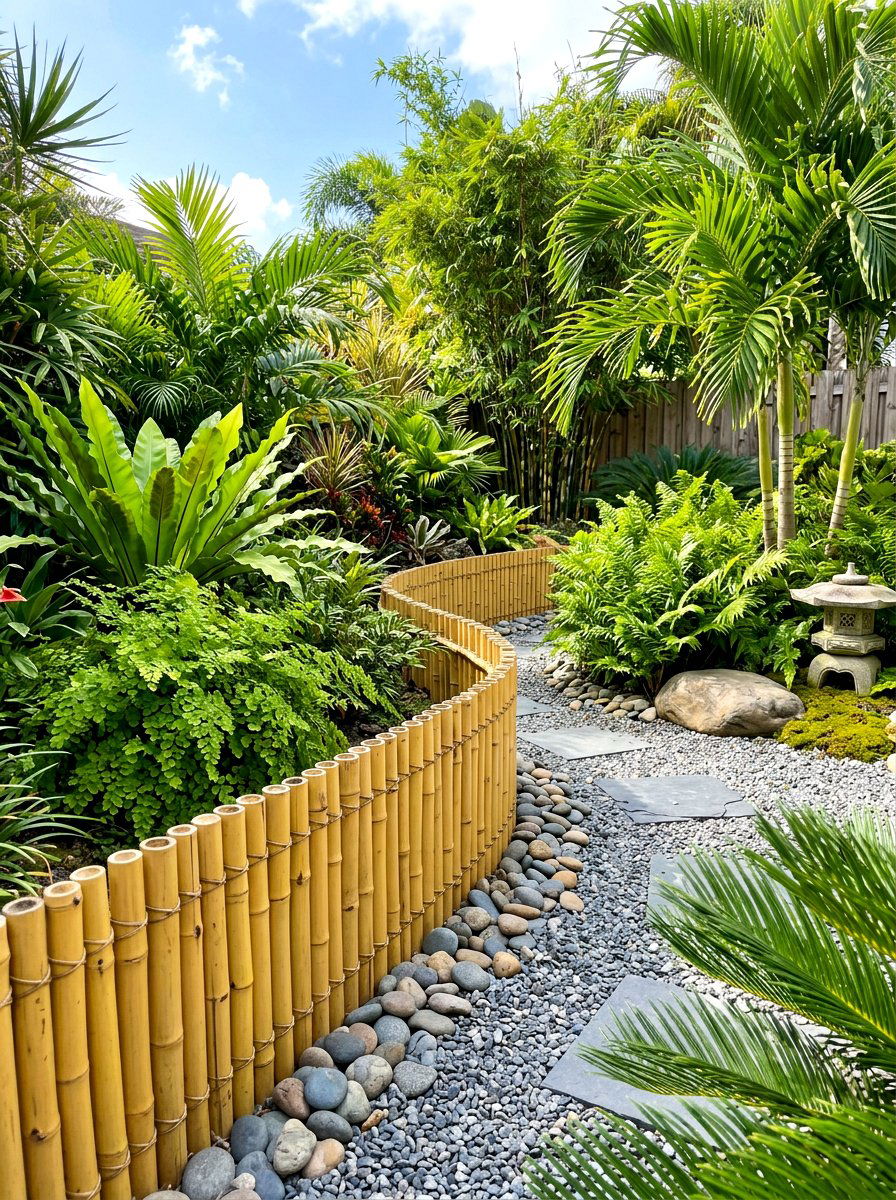
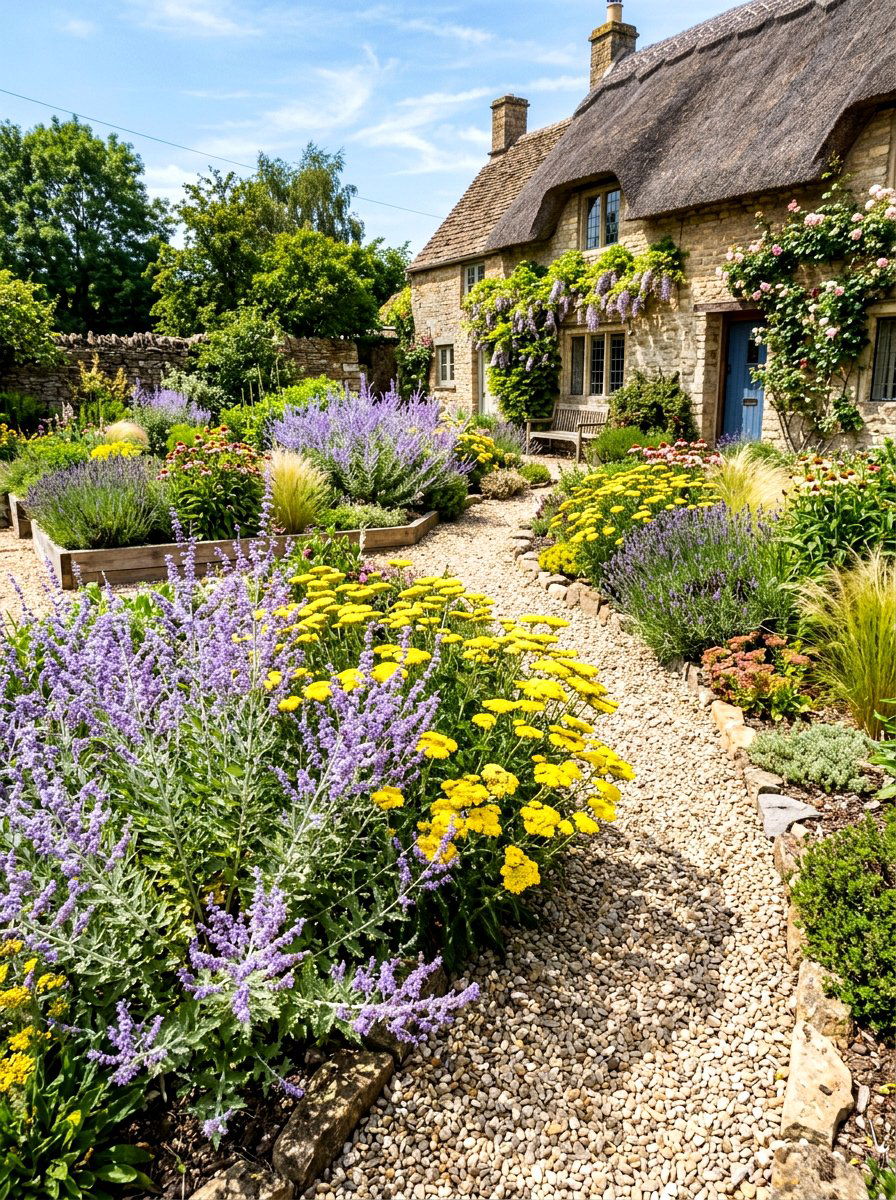
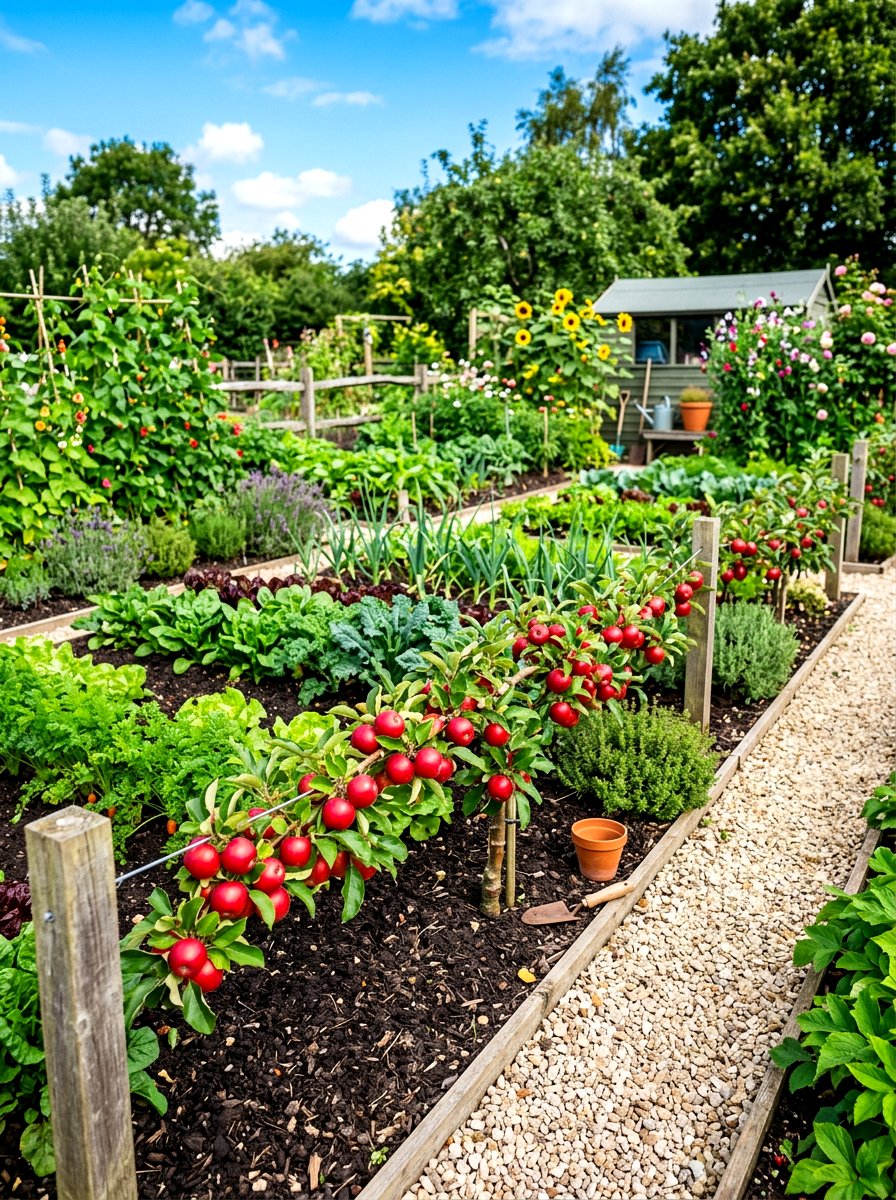
Bamboo garden edging is a fantastic choice for creating a Zen-inspired or tropical atmosphere in your outdoor space. This natural material is sold in flexible rolls of small bamboo poles, making it very easy to wrap around curved beds or paths. Bamboo is surprisingly durable and adds a unique vertical texture that stands out against typical horizontal stone or wood edging. It is a sustainable and rapidly renewable resource, making it an eco-friendly choice for your landscape. The warm, golden tones of the bamboo provide a beautiful contrast to deep green foliage and exotic plants. It is a simple way to bring a vacation-like feel to your backyard.
26. Flower bed lawn edging
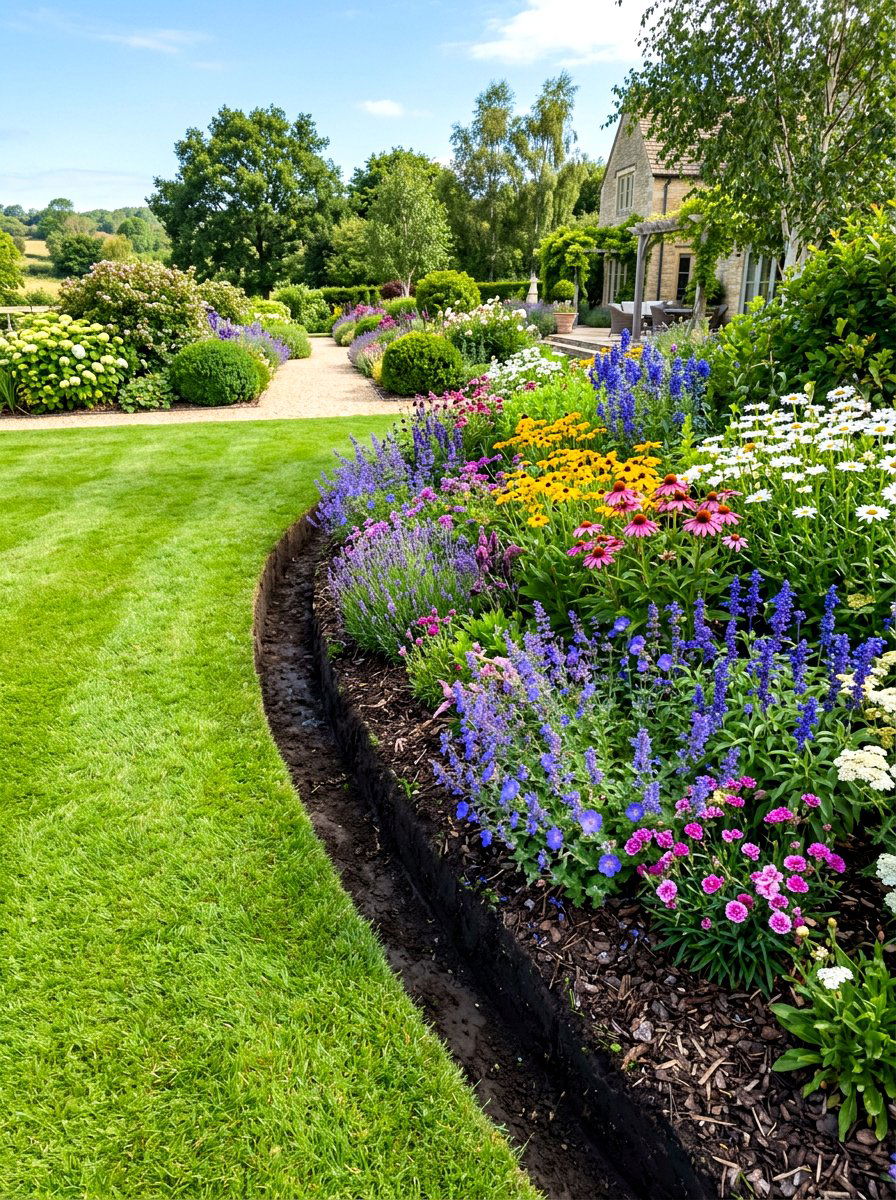
Flower bed lawn edging focuses on the clean separation between your turf and your planting areas using a variety of materials or techniques. One of the most common methods is the "English edge, " which is simply a clean, hand-cut trench that creates a crisp shadow line. This method costs nothing but a little time and effort with a spade. Alternatively, using a flush-mounted strip of metal or plastic can achieve a similar look with less recurring maintenance. The goal is to create a distinct transition that highlights the colors of the flowers while making the lawn look professionally manicured. This approach is fundamental for a high-quality landscape design.
27. Modern black garden edging
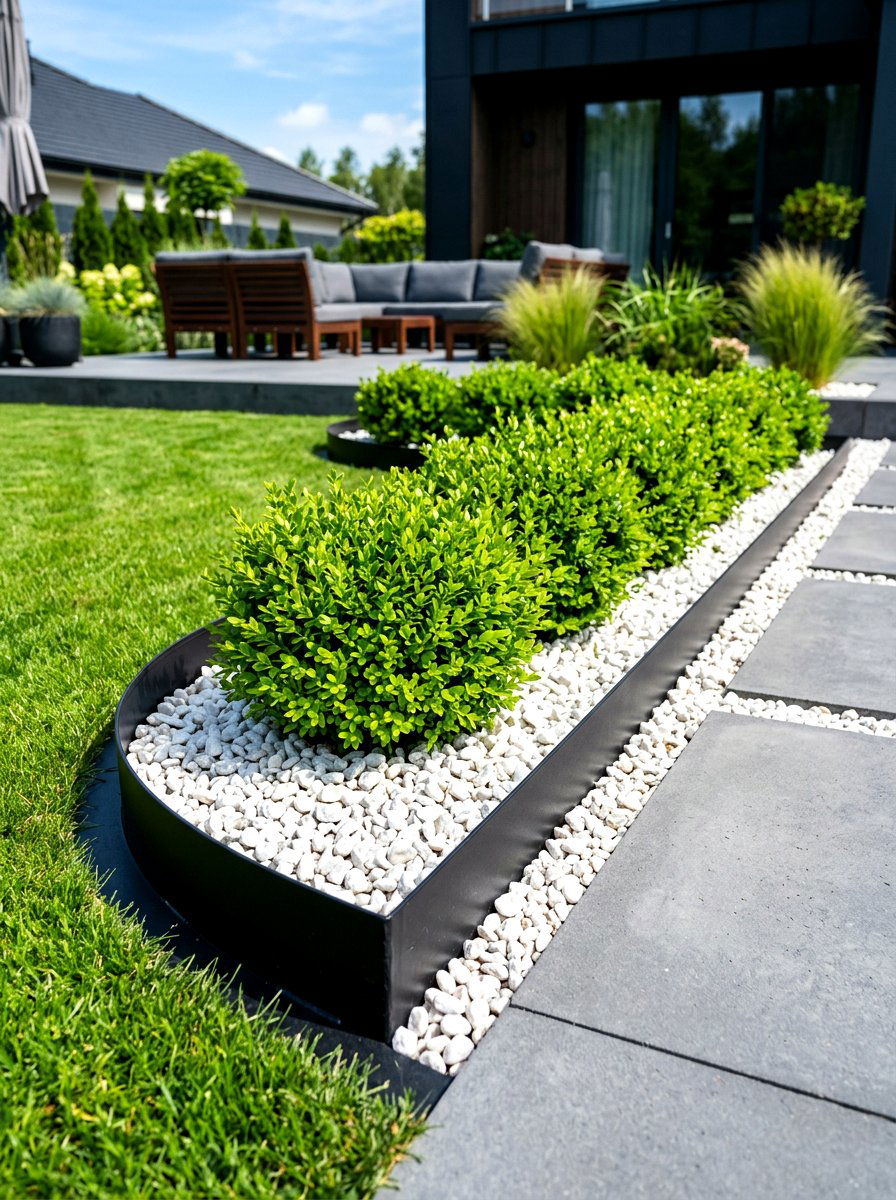
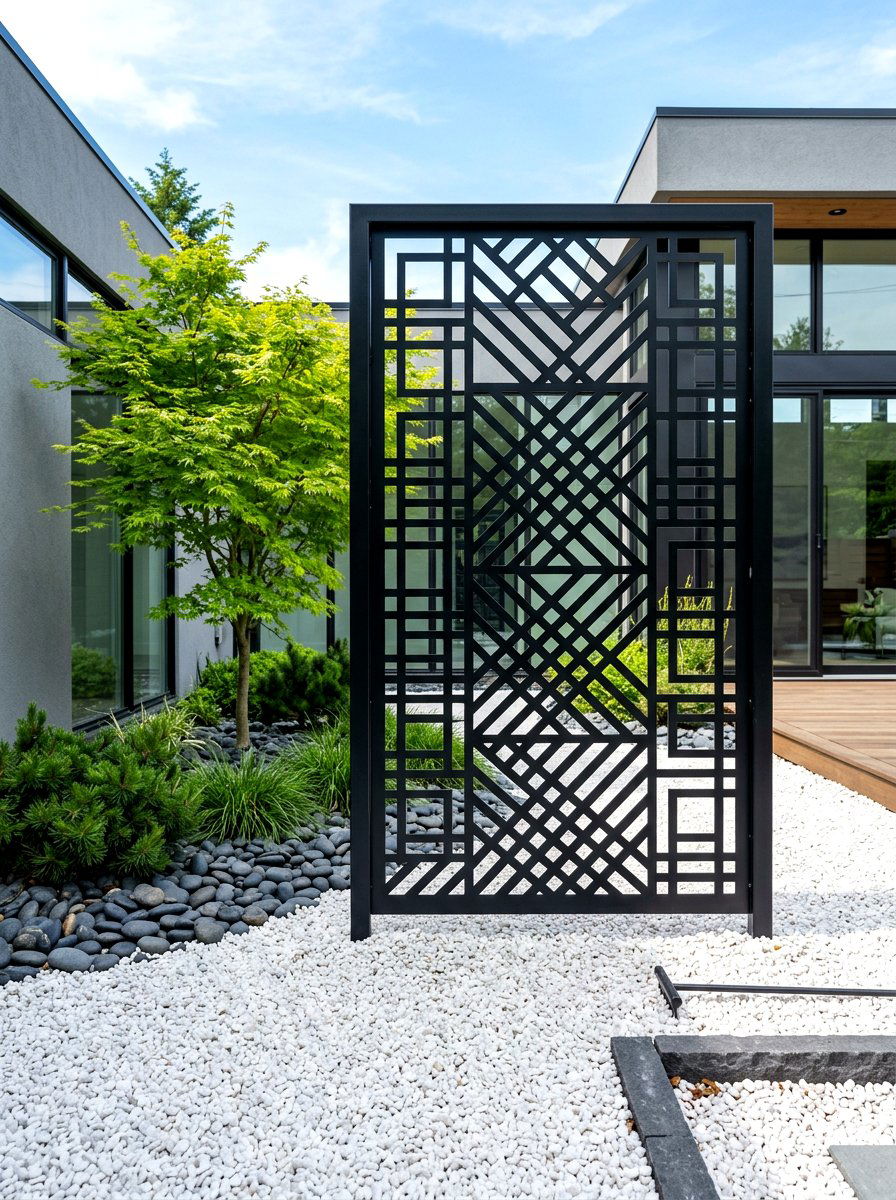
Modern black garden edging is a top trend for contemporary homes, providing a bold and high-contrast look that frames the landscape perfectly. Whether you use black-painted wood, dark composite materials, or powder-coated metal, the color black acts as a sophisticated outline for your plants. It makes the green of the foliage and the colors of the flowers appear much more vibrant and intense. This style of edging works beautifully with minimalist designs, such as a bed of white pebbles or a row of ornamental grasses. The sleek, dark line provides a sense of order and modern luxury that instantly elevates the overall curb appeal of any property.
28. River rock garden border
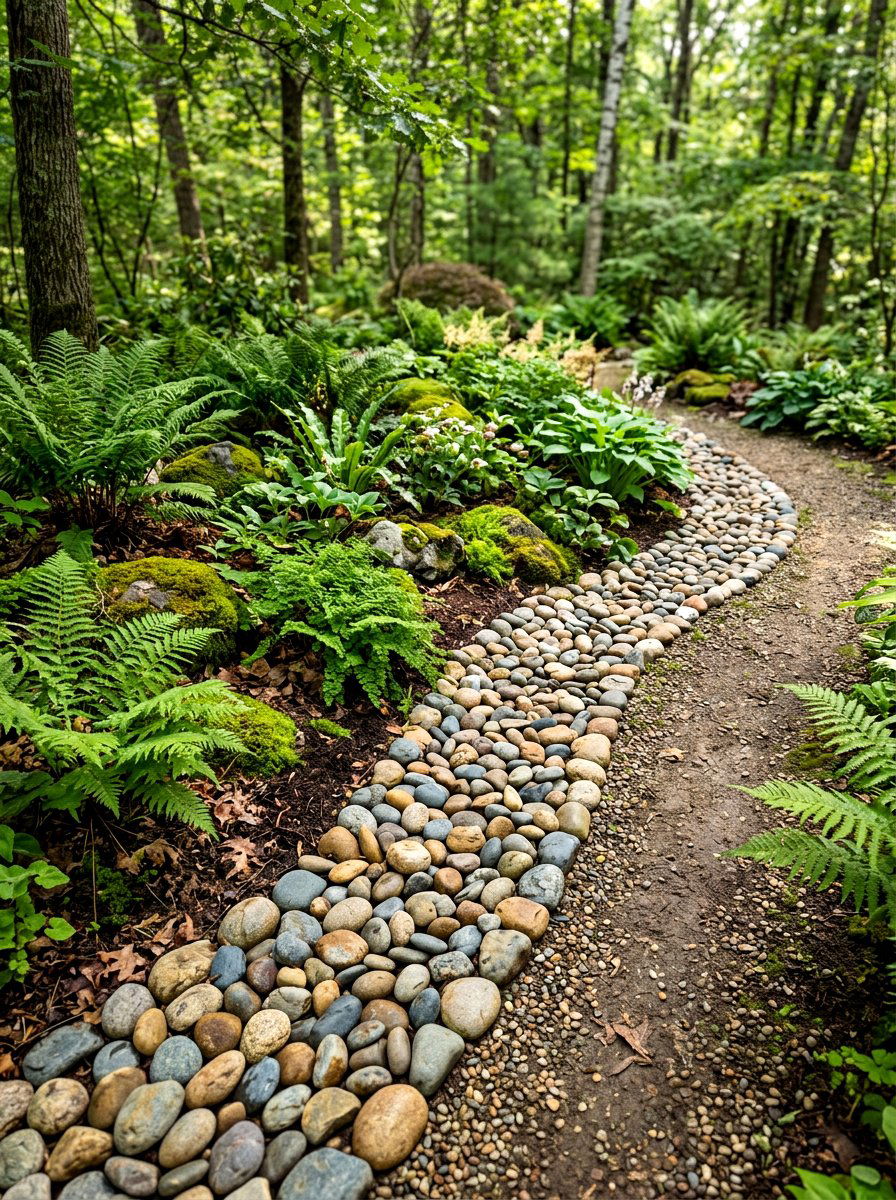
A river rock garden border uses smooth, rounded stones of various sizes to create a naturalistic and soothing boundary. These stones are often used to line a dry creek bed or a woodland path, providing a rugged yet polished appearance. The different shades of grey, tan, and cream found in river rocks add a subtle variety that feels grounded and earthy. This type of border is excellent for areas with poor drainage, as the stones allow water to pass through while keeping the soil in place. It is a low-maintenance option that requires no painting or staining and looks better the more it is exposed to the elements.
29. Vertical sleeper garden edging
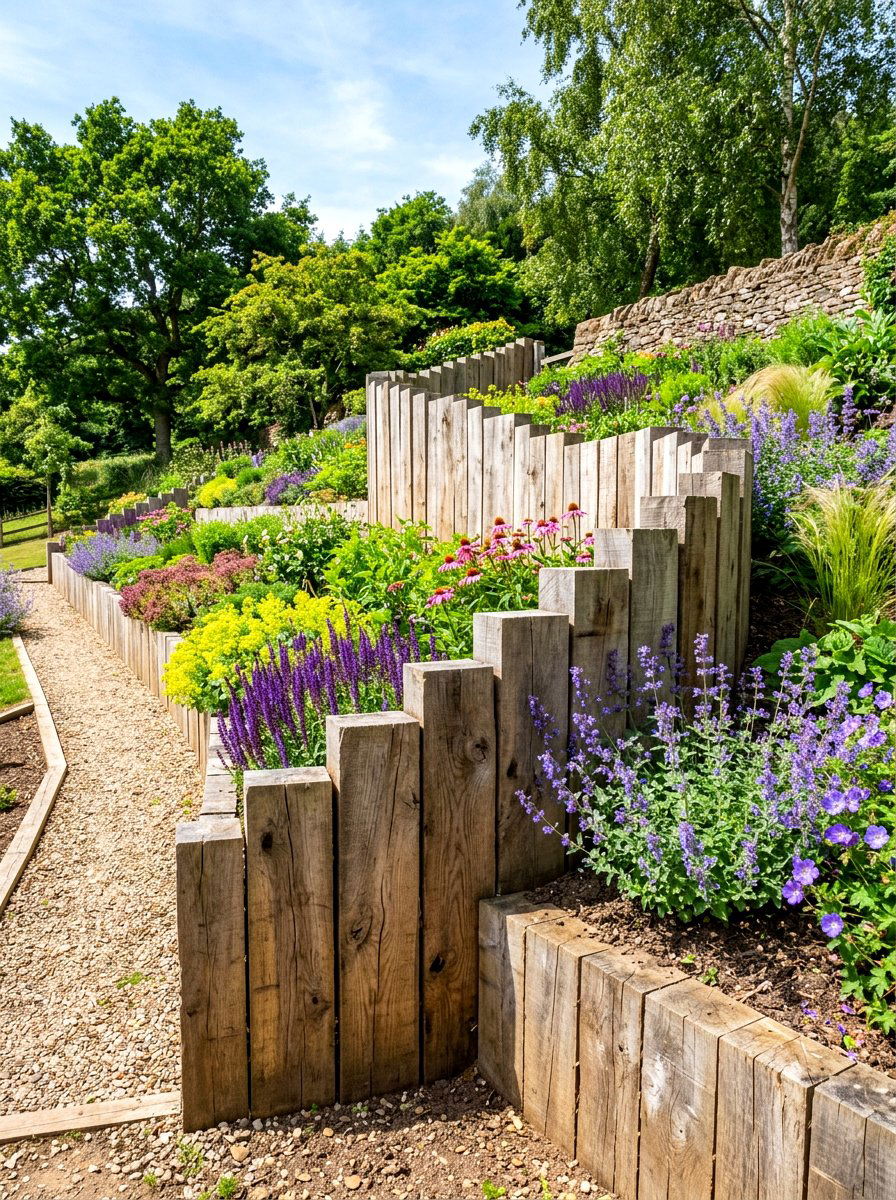
Vertical sleeper garden edging involves burying large wooden timbers into the ground at varying heights to create a sculptural and textured boundary. Unlike traditional horizontal sleepers, the vertical arrangement allows you to easily navigate tight curves and elevation changes in your yard. This style adds a significant amount of visual interest and can serve as a striking backdrop for lower-growing perennials. You can use different types of wood to match your home’s aesthetic, from rustic reclaimed oak to sleek new cedar. It is a very sturdy construction method that is perfect for retaining soil on slopes or creating deep, tiered flower beds in your backyard.
30. Mixed perennial garden border
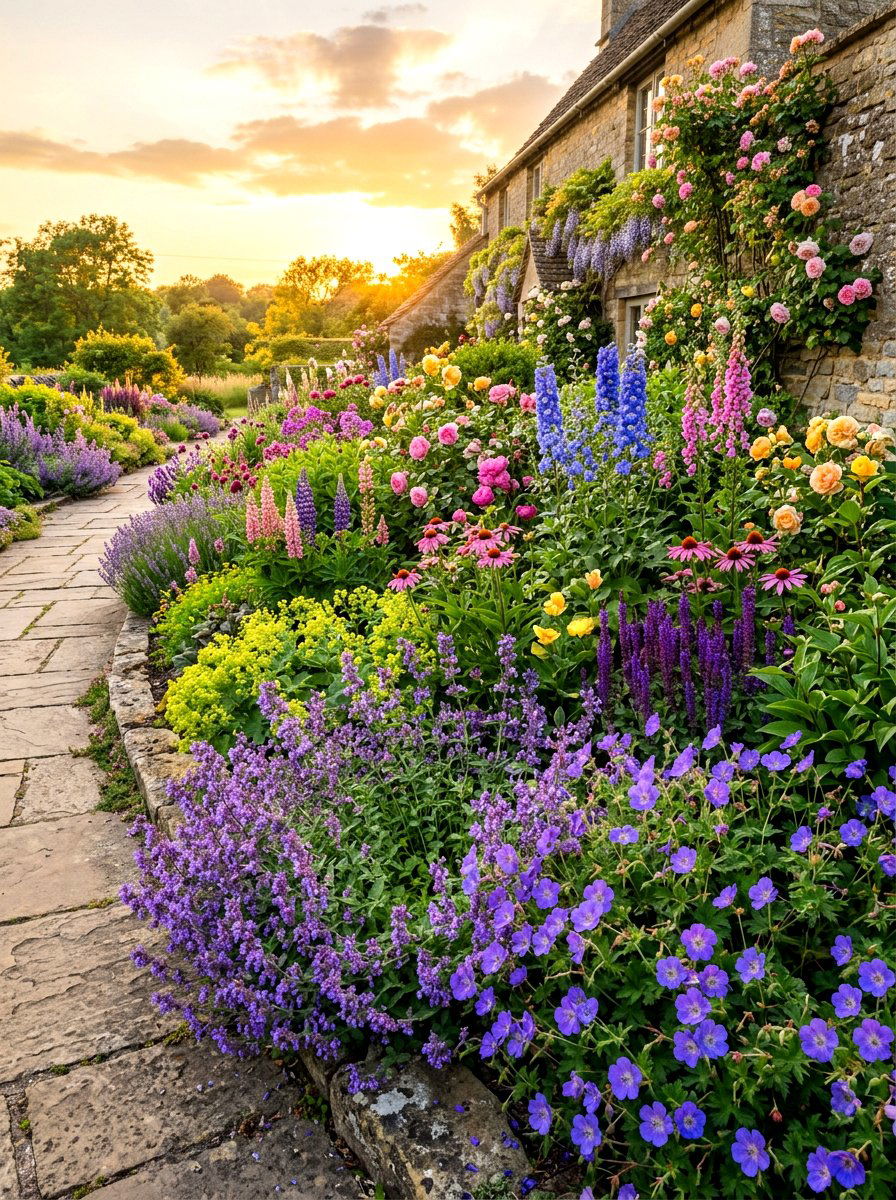
A mixed perennial garden border uses a dense planting of different species to create a soft, living edge that changes throughout the seasons. By choosing a variety of heights, textures, and bloom times, you can ensure your border looks lush and interesting from spring until autumn. This approach often involves "spillers" — plants that naturally creep over the edge — to soften the transition between the garden and the lawn. Popular choices include catmint, hardy geraniums, and lady’s mantle, which provide a beautiful flowy look. While it requires more gardening knowledge to plan, a mixed living border is one of the most rewarding and ecologically friendly ways to define your landscape.
Conclusion:
Selecting the right garden border is a crucial step in elevating the design and maintenance of your outdoor environment. By choosing a style that complements your home architecture and planting preferences, you create a cohesive look that feels intentional and well-maintained. Whether you opt for a quick DIY project using reclaimed materials or invest in professional stone masonry, the investment in high-quality edging pays off in both beauty and ease of care. A well-defined garden not only looks stunning in photos but also provides a sense of order and tranquility. Start your project today and enjoy the lasting benefits of a perfectly framed landscape.

Related posts: