Creating a beautiful and productive outdoor space begins with the right structure, and nothing defines a garden better than a well-planned boundary. Vegetable garden borders are not just about aesthetics; they serve vital functional roles such as keeping soil contained, suppressing encroaching weeds, and protecting your precious crops from foot traffic or pests. Whether you are aiming for a rustic cottage look or a sleek modern vibe, the right edging ties the entire landscape together. This guide explores a diverse range of materials and styles to help you find the perfect frame for your greens. From natural timber to recycled treasures, these ideas will transform your backyard into an organized and thriving sanctuary.
1. Cedar wood edging
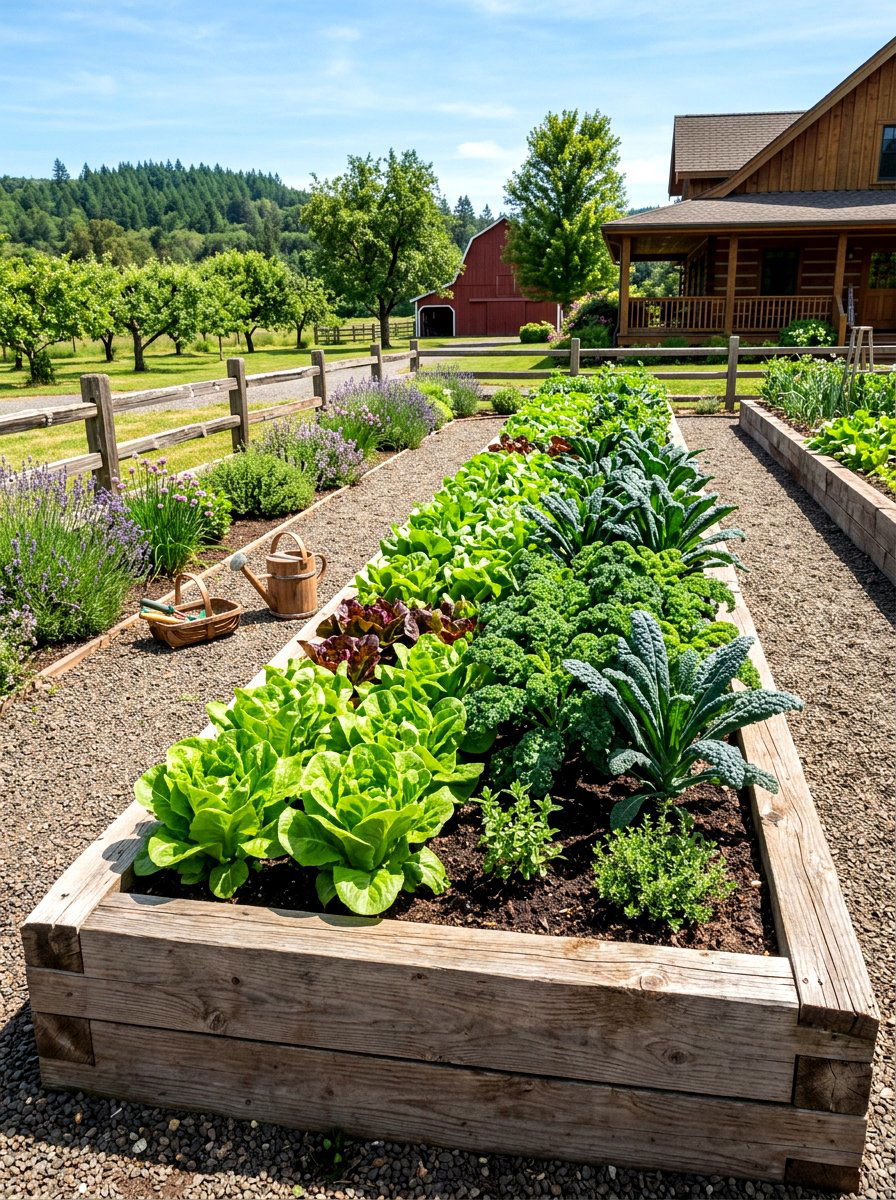
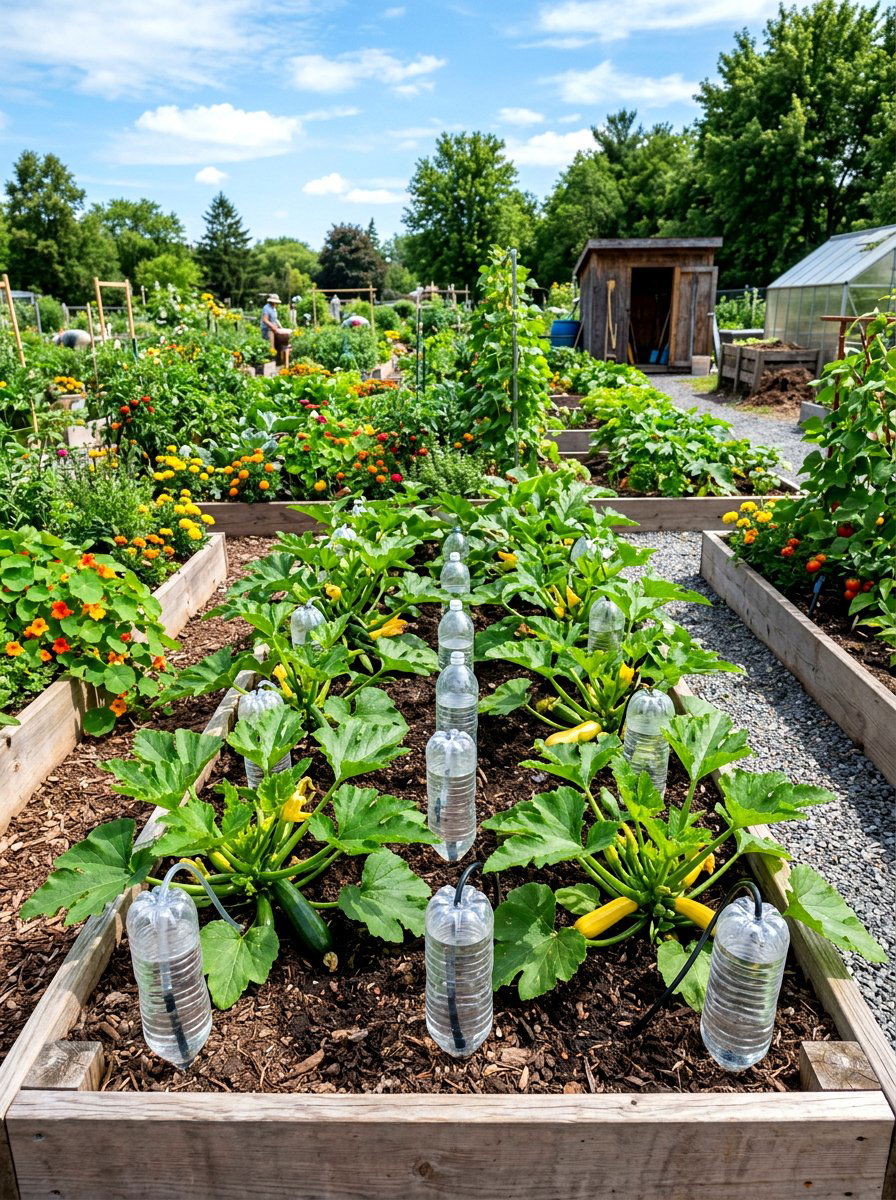
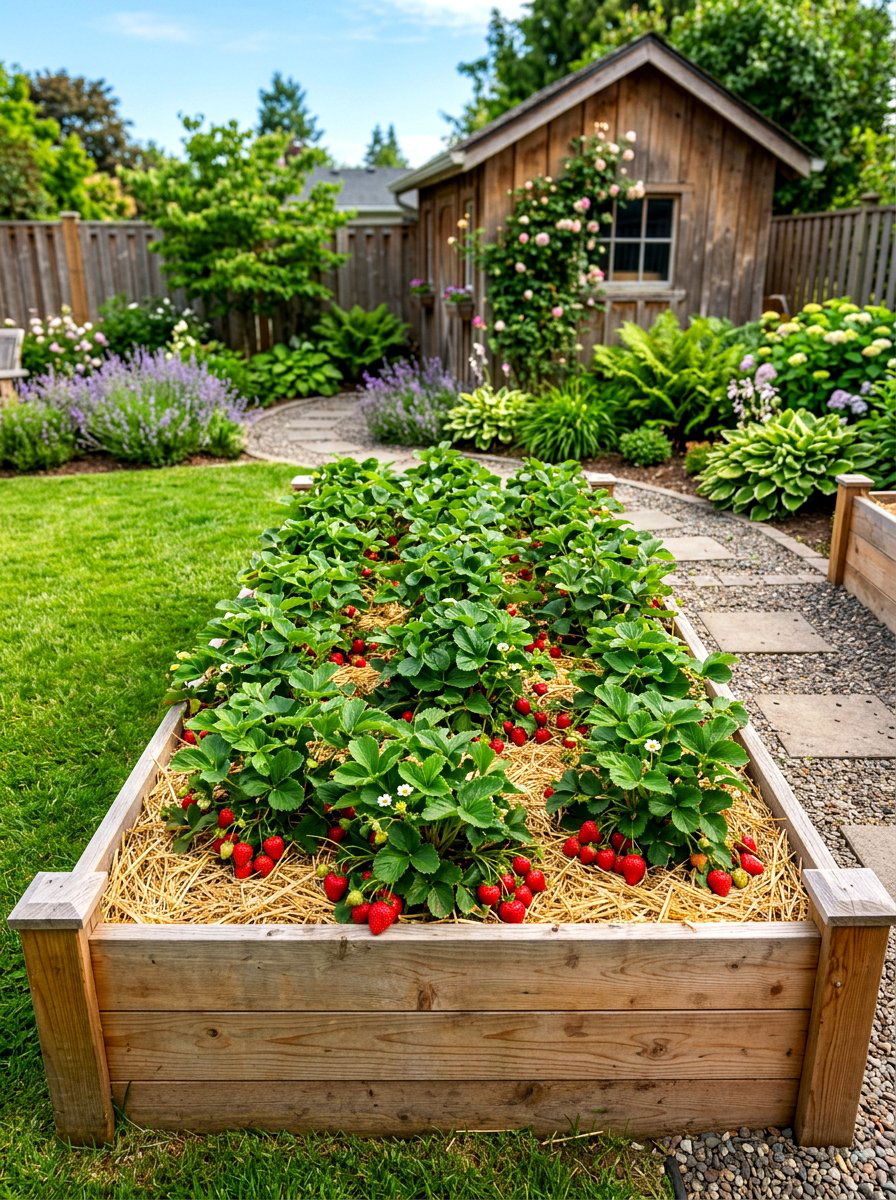
Cedar wood edging offers a timeless and natural look that blends seamlessly with any vegetable garden layout. Because cedar is naturally resistant to rot and insects, it is a premier choice for long-lasting raised beds and ground-level borders. When you build these wooden frames, the warm reddish tones of the timber provide a stunning contrast against the vibrant green of kale, lettuce, and herbs. You can create clean, straight lines for a formal appearance or stack the boards higher to make harvesting easier on your back. This material ages beautifully into a soft silver-gray patina over time, which adds a charming weathered character to your outdoor growing space without requiring harsh chemical treatments or frequent maintenance.
2. Red brick garden border
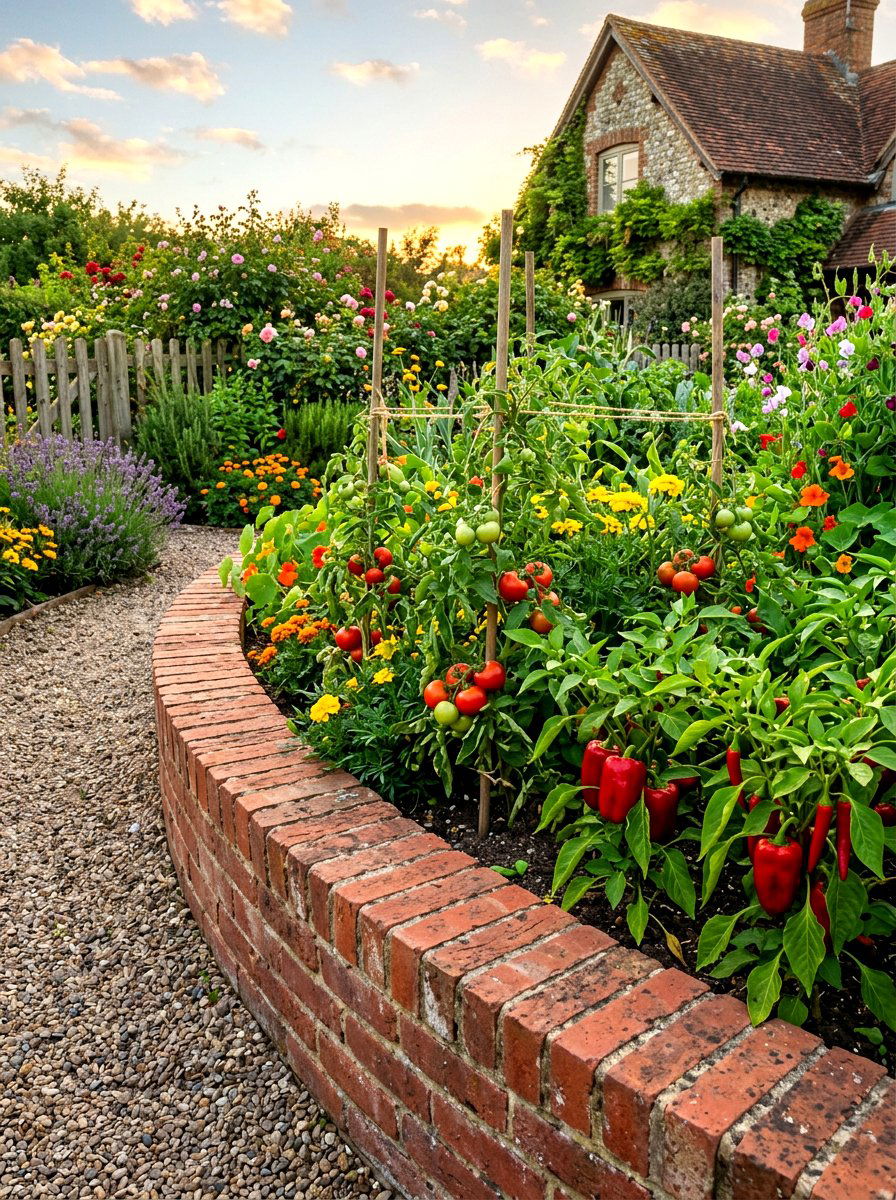
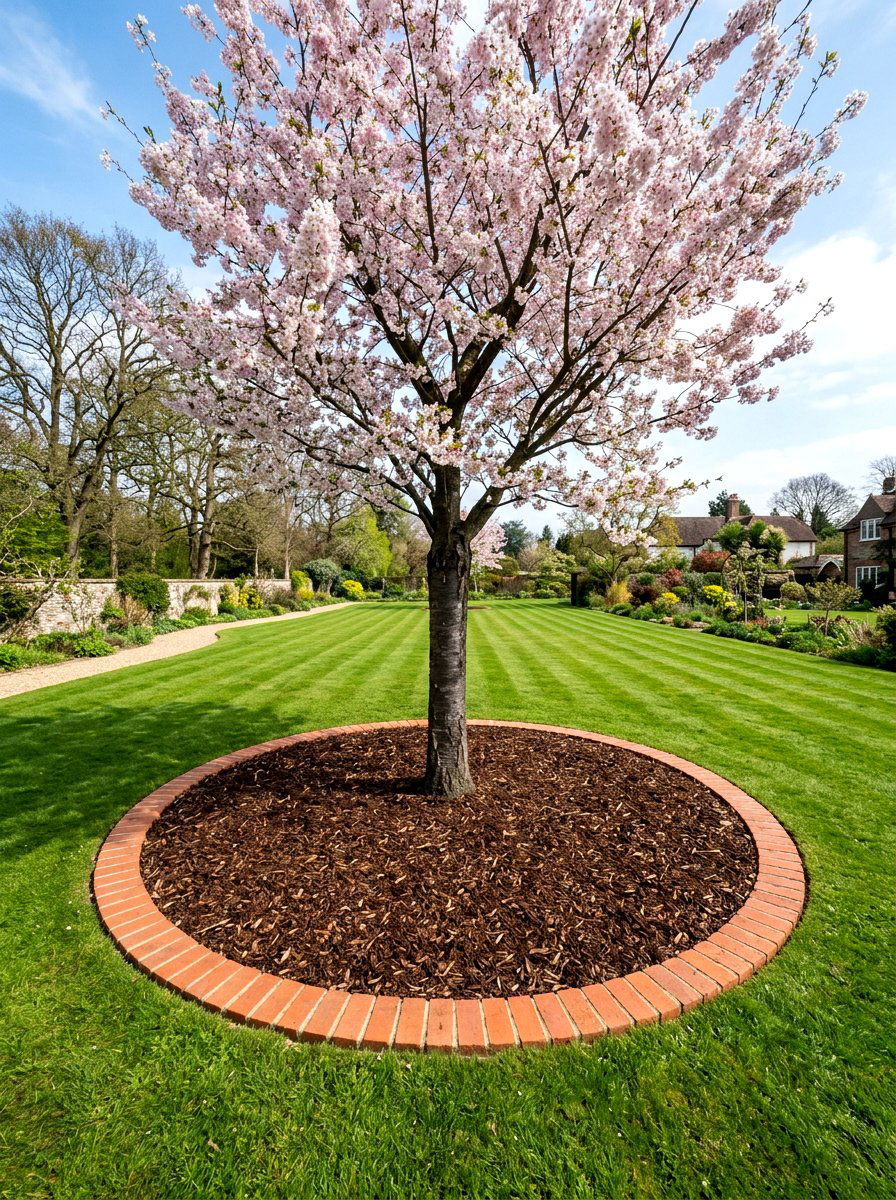
A red brick garden border brings a classic, traditional feel to your vegetable patch that never goes out of style. You can lay these bricks in a variety of patterns, such as a simple running bond or a decorative sawtooth edge, to add visual interest to the perimeter. Bricks are incredibly durable and can withstand extreme weather conditions while keeping soil and mulch firmly in place. This type of border is particularly effective for defining paths between different vegetable varieties, ensuring that your garden looks organized and intentional. The earthy tones of the fired clay complement the organic colors of the soil and plants, creating a warm and inviting atmosphere for your daily gardening tasks.
3. Natural stone wall
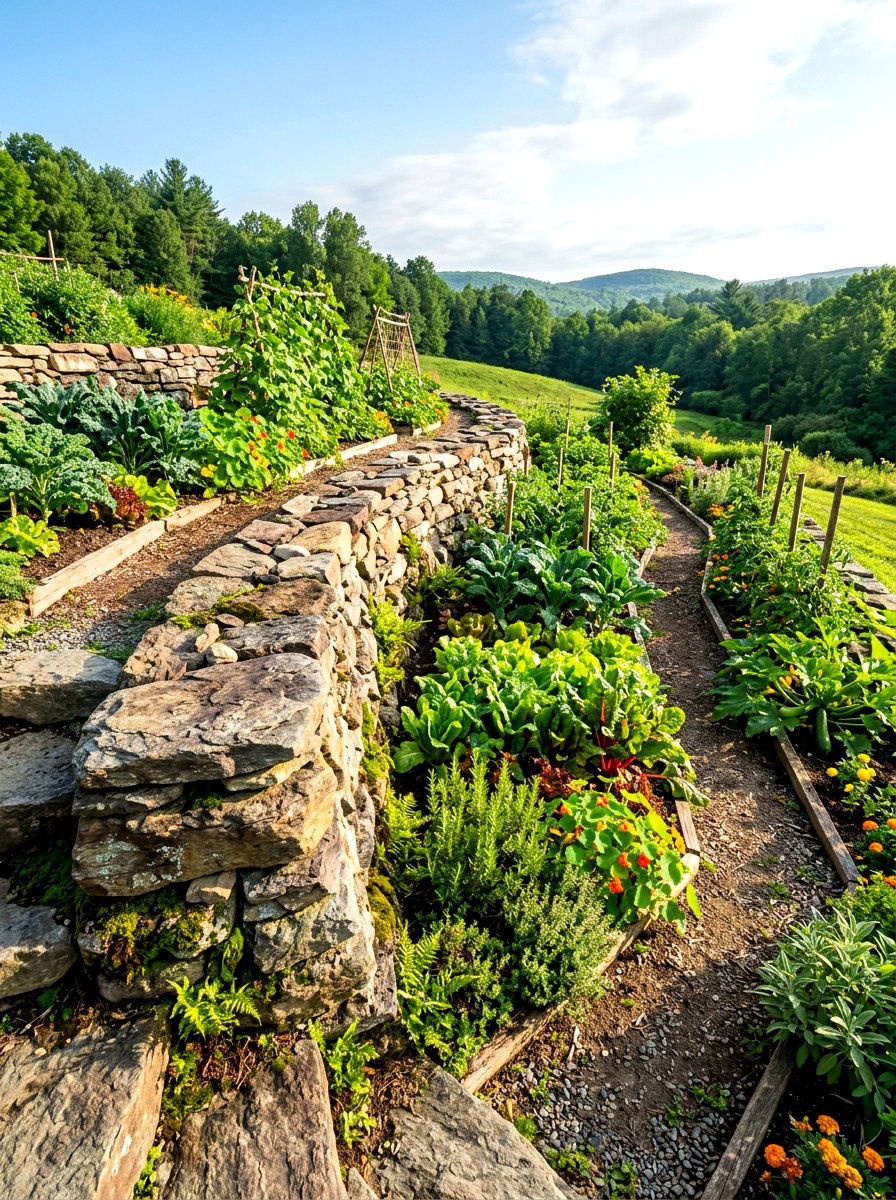
Using a natural stone wall to frame your vegetables provides a rugged and permanent feel to the landscape. Large, flat stones can be dry-stacked to create a low retaining wall that perfectly suits a sloped backyard or a rustic farmhouse aesthetic. This type of border provides excellent drainage and creates a sturdy barrier that prevents grass from creeping into your planting beds. Because every stone has a unique shape and color, the resulting border is a one-of-a-kind feature that adds significant curb appeal. You can tuck small alpine herbs into the crevices of the stones to further integrate the structure with the living elements of your vegetable garden design.
4. Woven willow hurdles
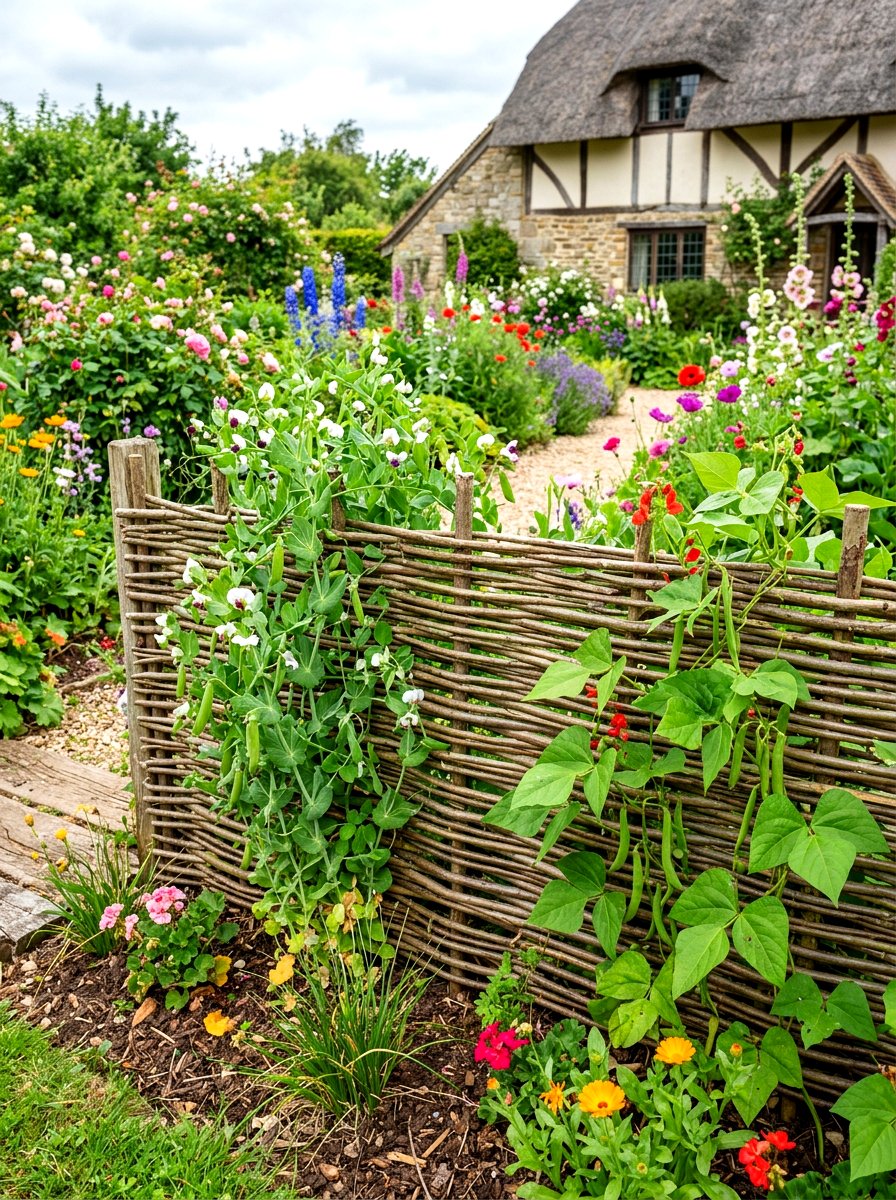
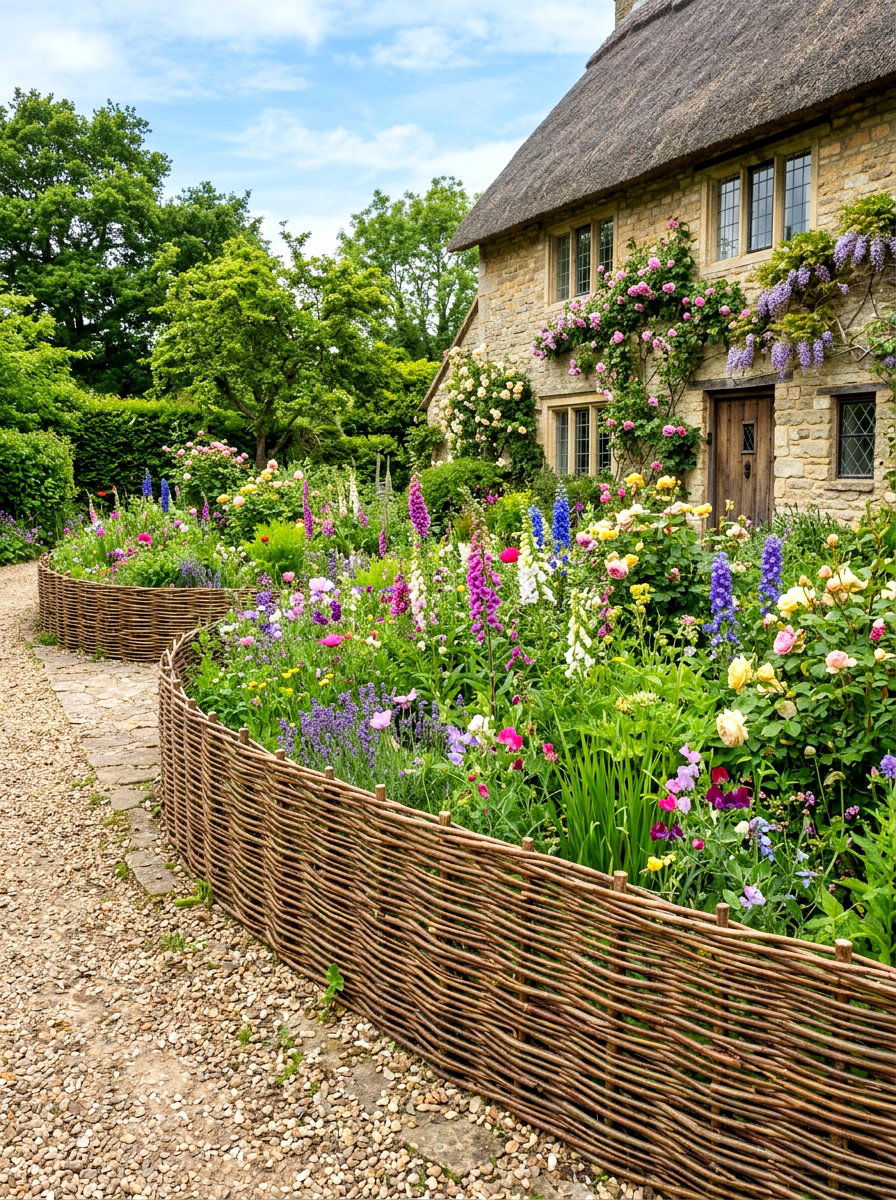
Woven willow hurdles are an excellent choice for anyone looking to achieve a charming cottagecore or English country garden aesthetic. These natural borders are made by weaving flexible willow or hazel branches around sturdy upright stakes, creating a rustic and textured boundary. The organic look of the woven wood provides a beautiful backdrop for climbing peas, beans, and flowering pollinators. While willow is more ephemeral than stone or metal, it is an eco-friendly and biodegradable option that adds a handmade touch to the garden. This style of edging works best in informal layouts where the soft, curved lines can mimic the natural growth patterns of the vegetables and surrounding wildflowers.
5. Galvanized metal edging
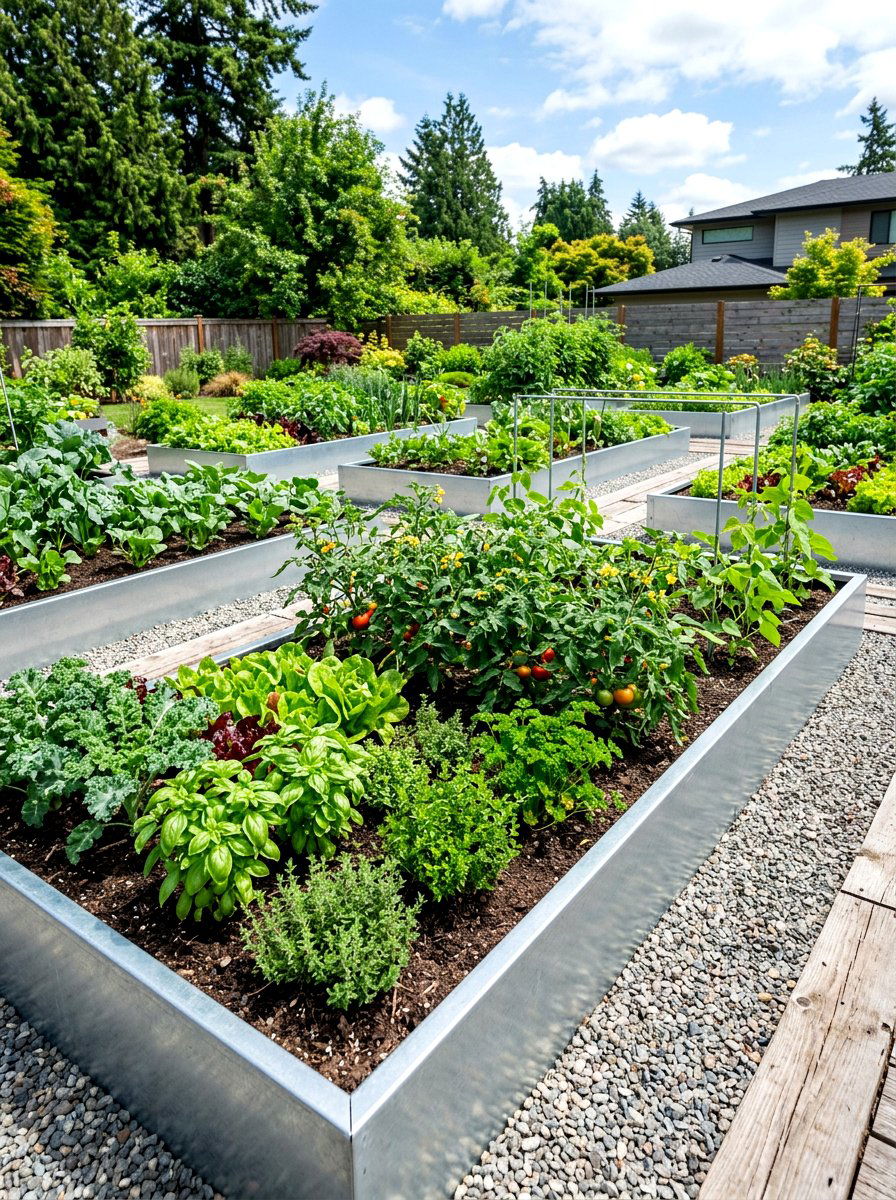
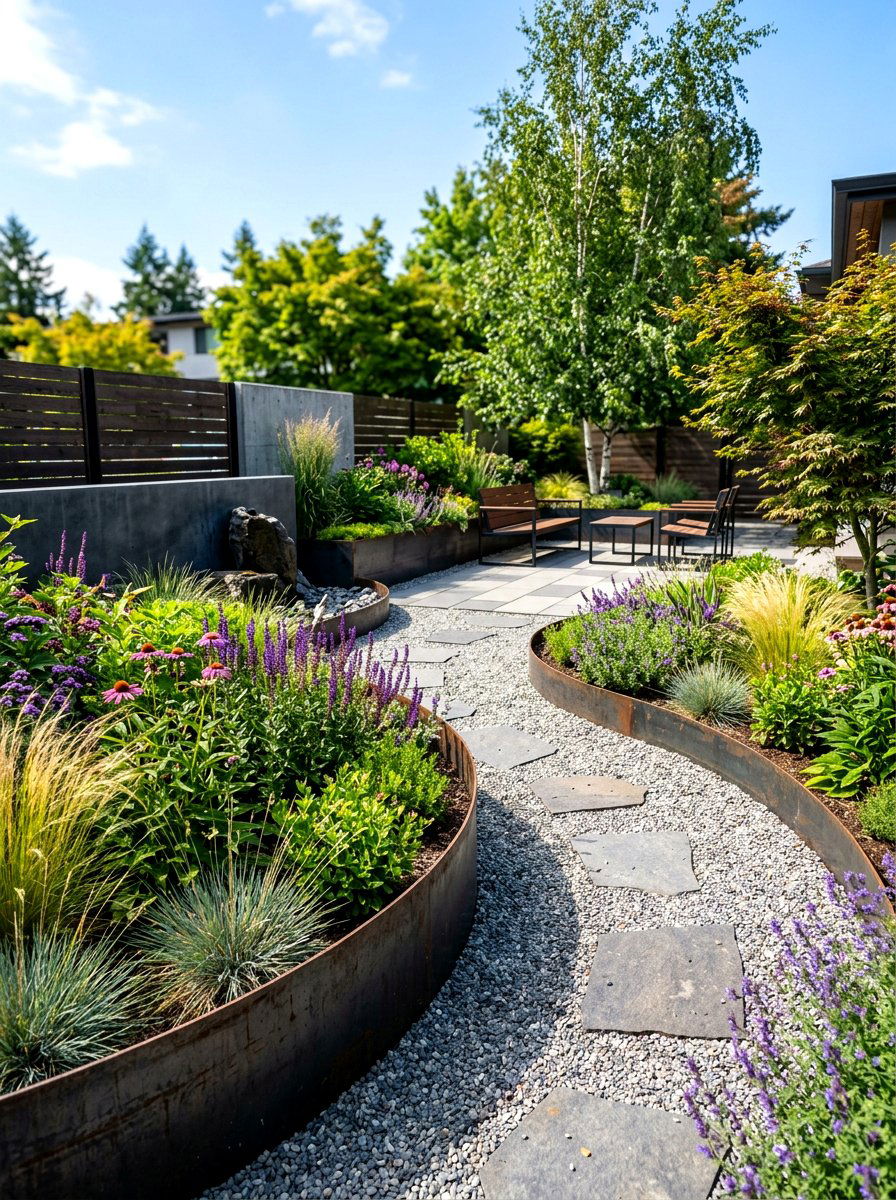
For those who prefer a modern or industrial look, galvanized metal edging provides sharp, clean lines that define vegetable beds with precision. This material is incredibly thin yet strong, making it ideal for creating crisp divisions between the soil and surrounding gravel or grass. The metallic sheen of the steel reflects light and adds a contemporary edge to the organic texture of the garden. Galvanized metal is highly resistant to rust and corrosion, ensuring that your borders stay looking neat and professional for many years. It is also flexible enough to be bent into gentle curves, allowing you to design unique, flowing garden shapes that stand out from traditional square beds.
6. Low boxwood hedge
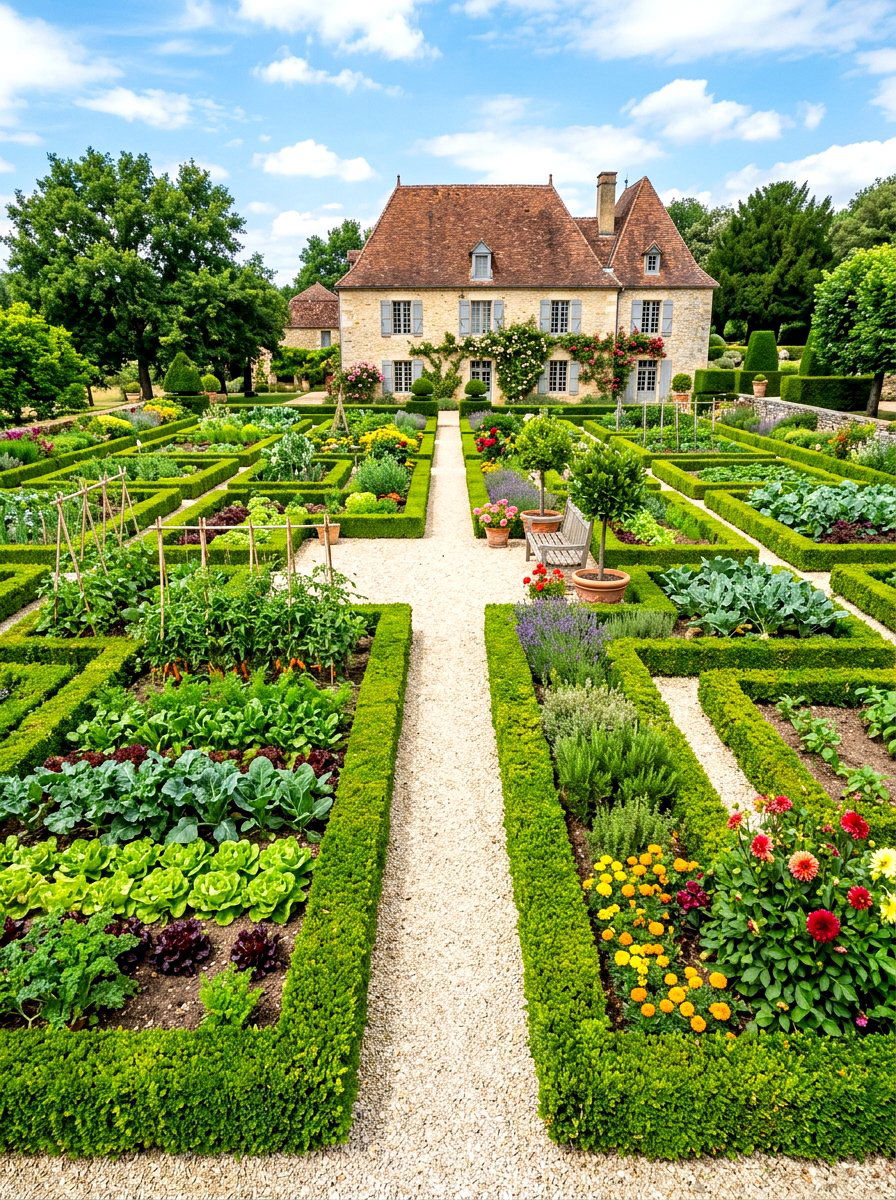
A low boxwood hedge serves as a living border that adds structure and year-round greenery to your vegetable garden. This formal approach is inspired by traditional French potager gardens, where edible crops are grown within neatly manicured evergreen frames. Clipping the boxwood into a tight, rectangular shape creates a sophisticated boundary that contrasts beautifully with the wild, sprawling growth of tomatoes or squash. While it requires regular pruning to maintain its shape, the dense foliage of the hedge acts as a windbreak for delicate seedlings and creates a clear visual hierarchy. This living edge brings a sense of permanence and architectural elegance to the productive areas of your home landscape.
7. Concrete cinder blocks
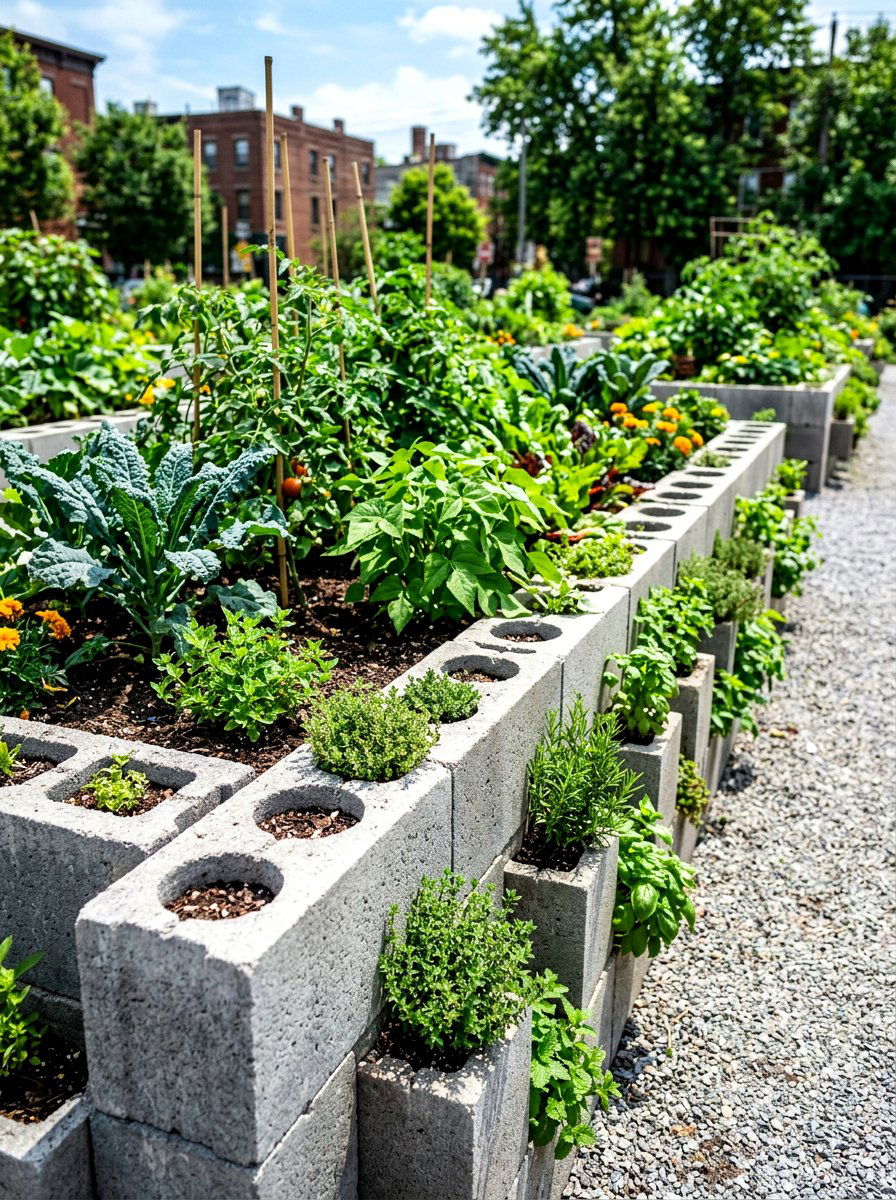
Concrete cinder blocks are a practical and highly affordable solution for building structured vegetable garden borders. These heavy-duty blocks can be easily stacked to create deep raised beds that are perfect for root vegetables like carrots and potatoes. One of the best features of cinder blocks is the hollow centers, which can be filled with soil to grow small herbs or flowers like marigolds. You can leave the concrete in its natural gray state for a minimalist look or paint the exterior to match your home’s color palette. This modular design allows you to expand or reconfigure your garden layout easily as your planting needs grow and change each season.
8. Terracotta tile border
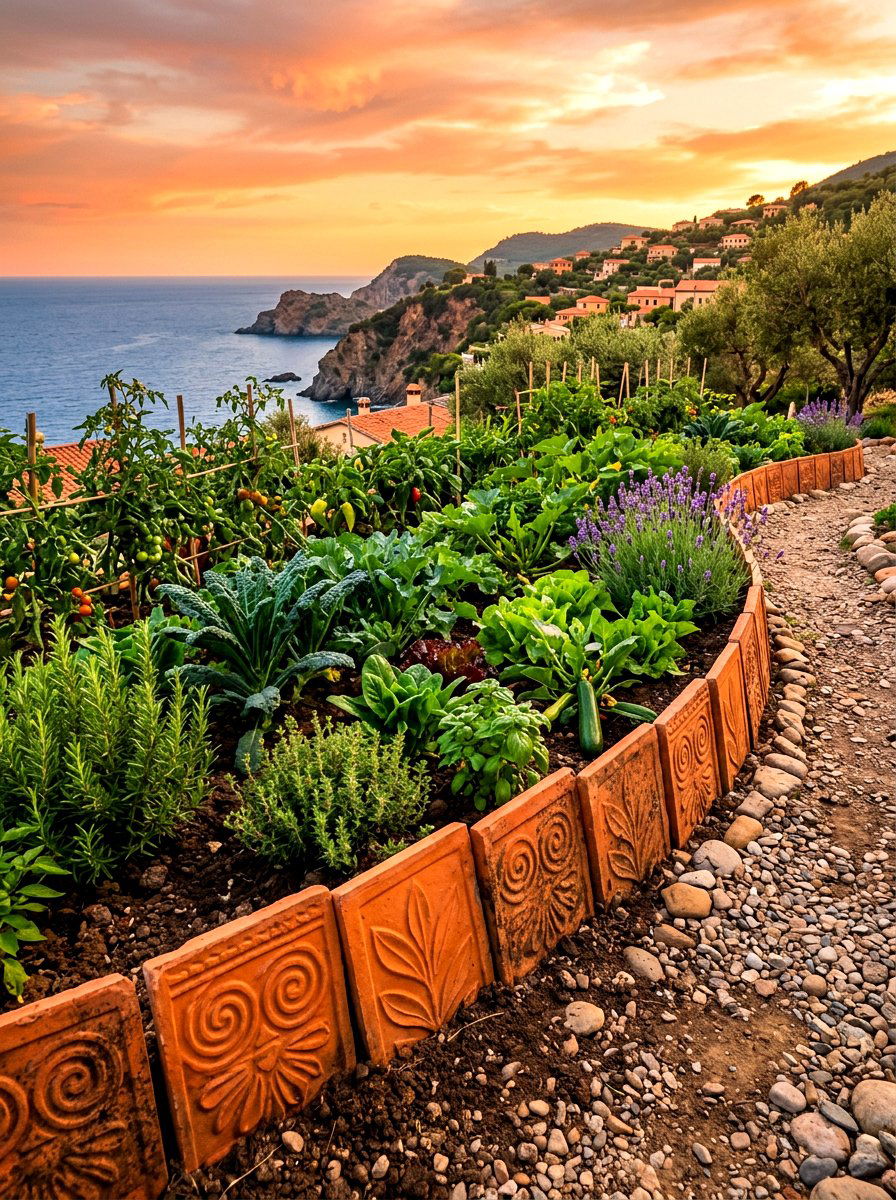
A terracotta tile border adds a warm, Mediterranean flair to the edges of your vegetable patches. You can use reclaimed roof tiles or decorative garden edging tiles to create a repetitive and rhythmic pattern along the soil line. The deep orange and burnt sienna hues of the clay look spectacular when paired with blue-green vegetables like broccoli or cabbage. These tiles are typically pushed vertically into the ground, providing a slim but effective barrier against weeds. Because terracotta is a natural material, it breathes well and integrates easily with the environment. This edging style is perfect for small-scale gardens where you want to add a touch of artistic detail without taking up space.
9. Recycled wine bottles
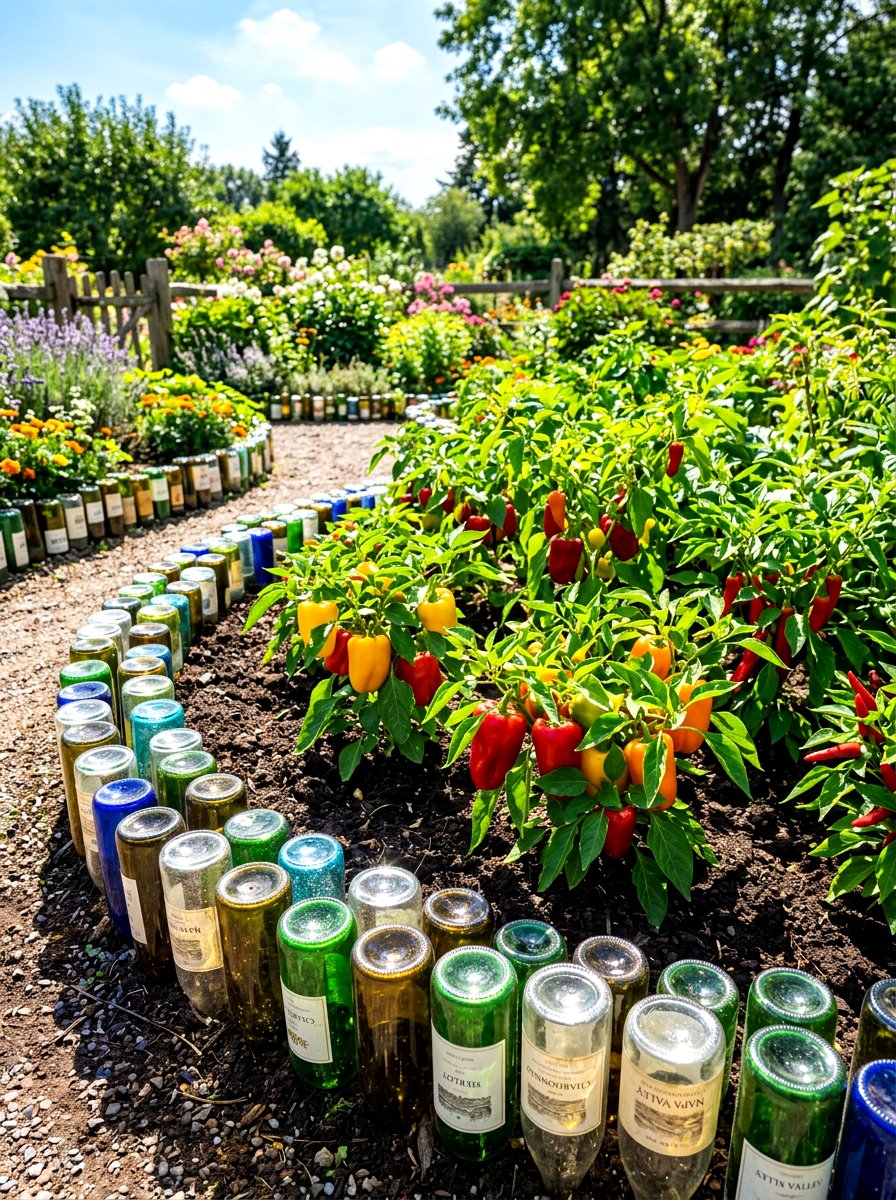
Creating a border from recycled wine bottles is a creative and eco-friendly way to add personality to your vegetable garden. By burying the bottles neck-down into the soil, you create a colorful and reflective boundary that glimmers in the sunlight. You can arrange the bottles by color — using deep greens, ambers, and clears — to create a mosaic effect that surrounds your peppers and eggplants. This unique edging idea is a great conversation starter and repurposes glass waste into something functional and beautiful. The smooth glass surface is easy to clean and provides a solid vertical edge that helps retain moisture in the beds while defining the path for visitors and gardeners alike.
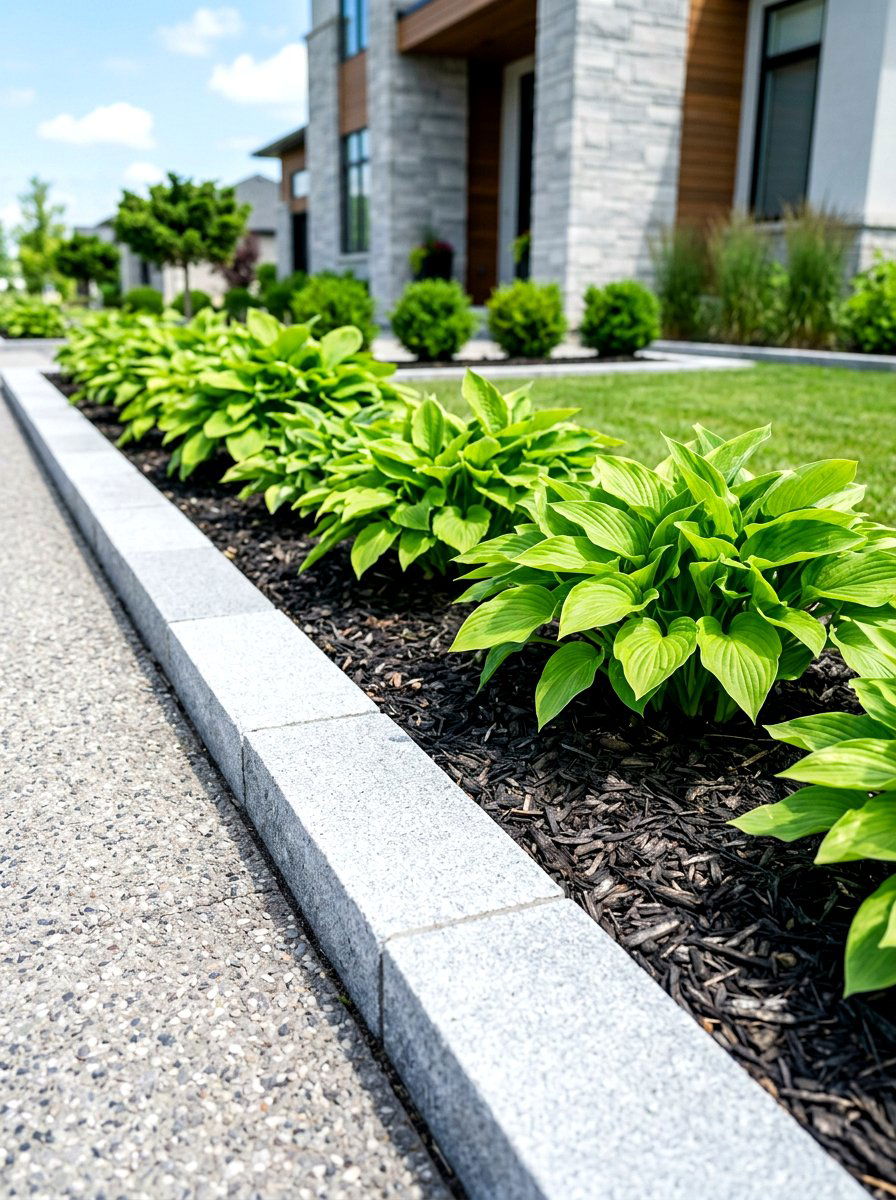
10. Log roll edging
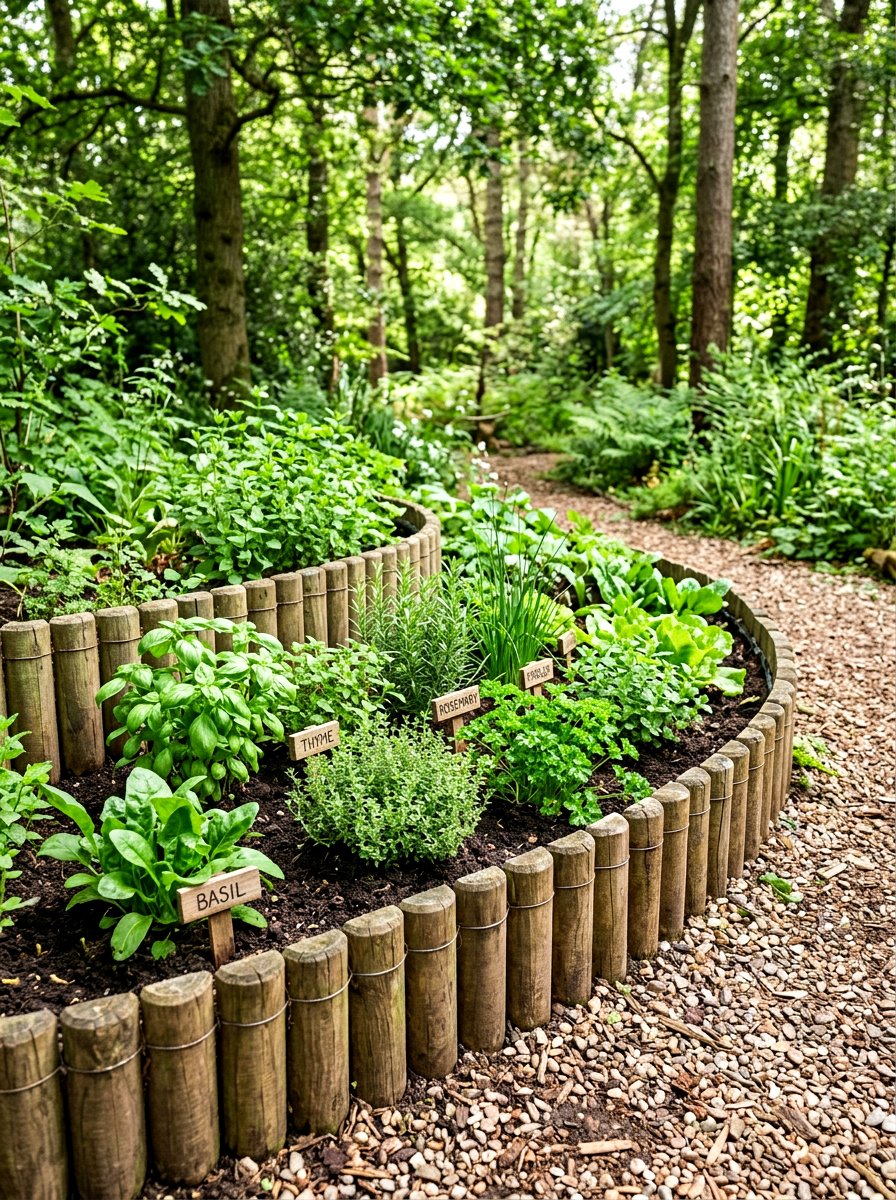
Log roll edging consists of small, half-round wooden stakes that are joined together by flexible wire, making it easy to install around curved garden beds. This material provides a soft, woodland aesthetic that looks particularly lovely in shaded vegetable patches or naturalized backyard settings. The varying heights of the logs add a sense of movement and texture to the garden's perimeter. Because the rolls are flexible, you can easily wrap them around circular beds of herbs or undulating rows of leafy greens. It is a cost-effective DIY option that instantly gives the garden a finished look while helping to prevent soil erosion during heavy rains or routine watering.
11. Railway sleepers
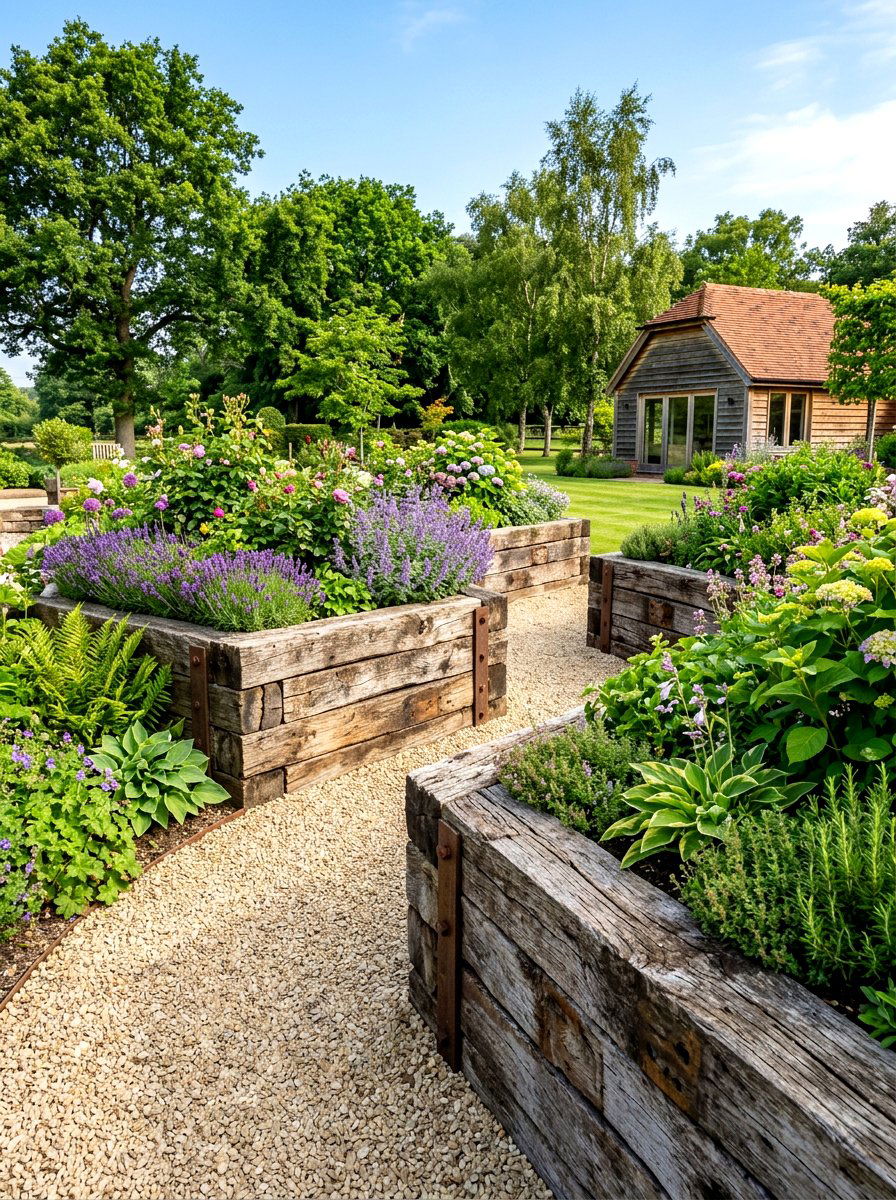
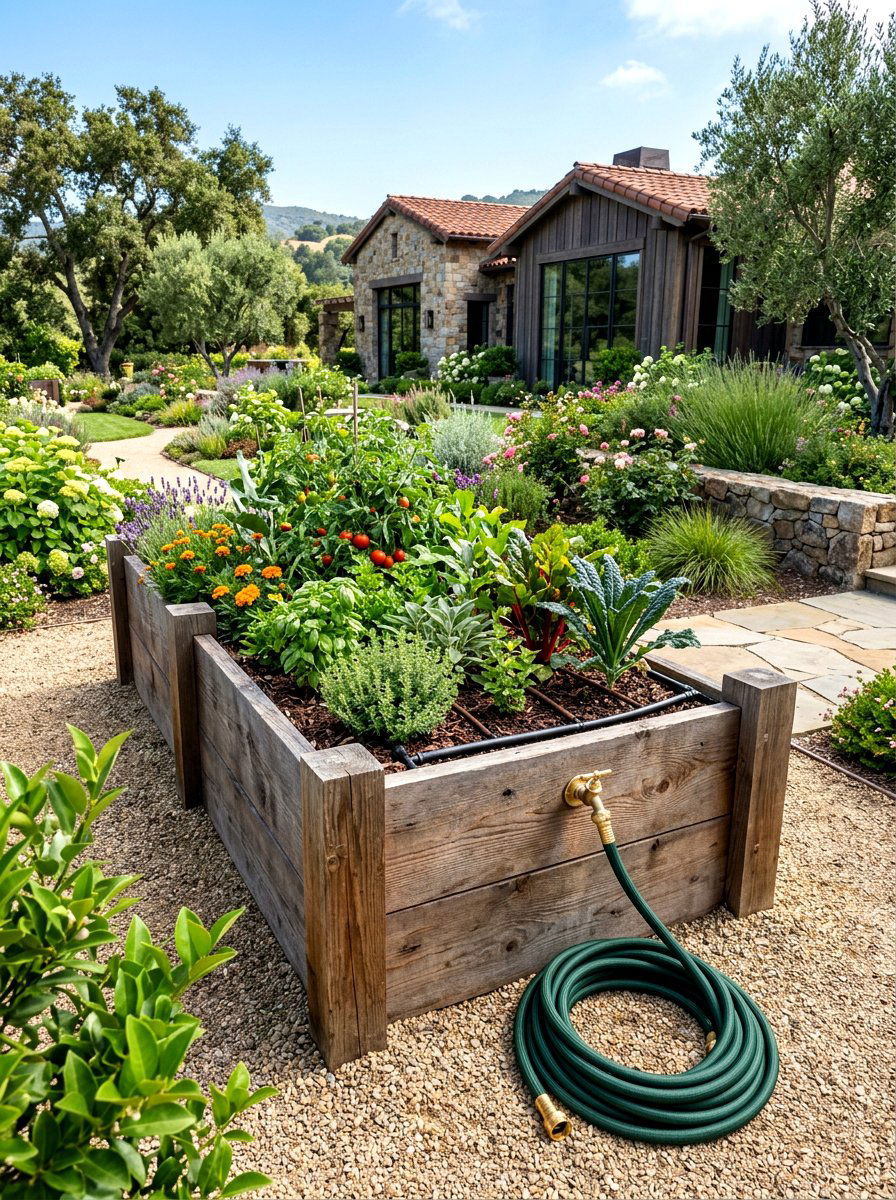
Railway sleepers are massive, sturdy timber beams that are perfect for creating high-impact, chunky borders for large vegetable gardens. Their substantial size allows you to build tall raised beds that eliminate the need for bending down while you plant and harvest. The bold, straight lines of the sleepers provide a sense of strength and permanence to the landscape, making the garden feel like a central feature of the property. When using sleepers, it is important to choose untreated or heat-treated wood to ensure no chemicals leach into your food crops. The thick wood also acts as a natural insulator, keeping the soil temperature more consistent for your vegetables throughout the changing seasons.
12. Painted pallet wood
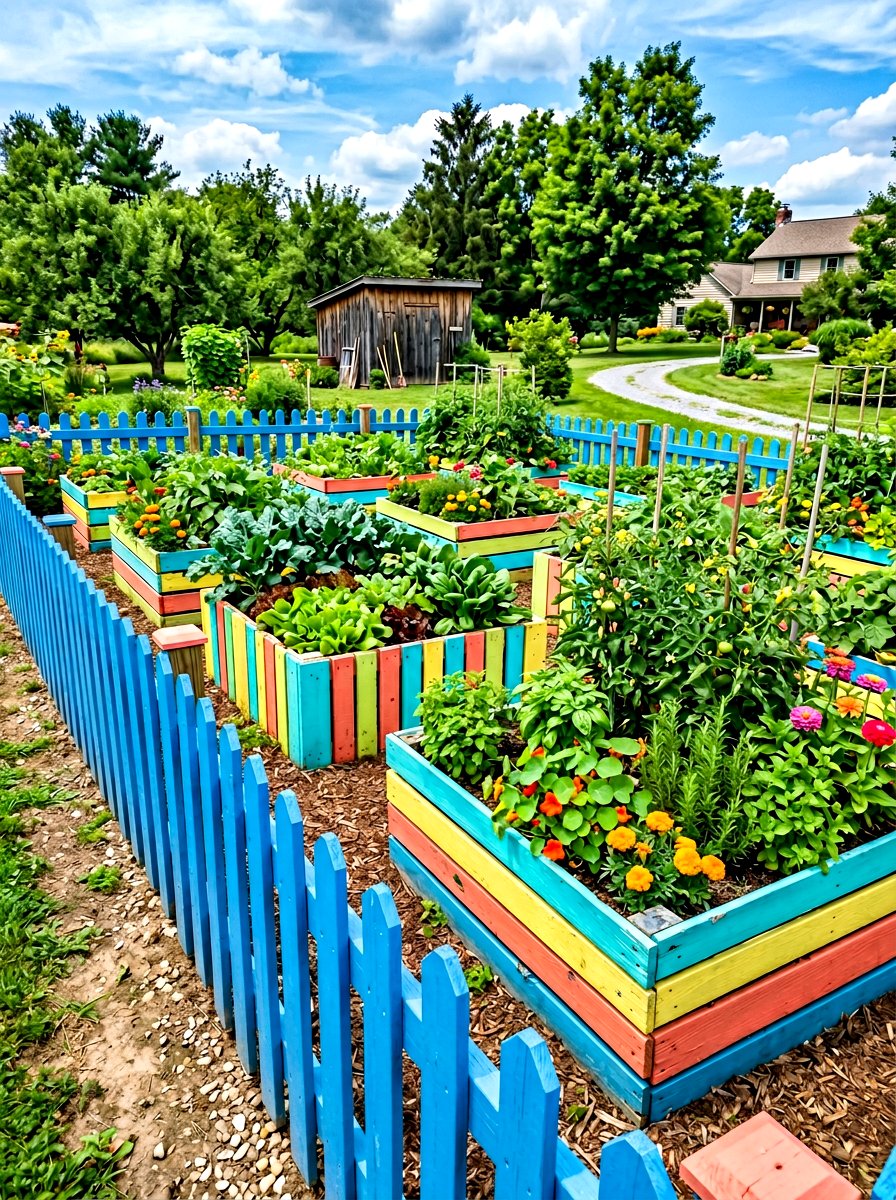
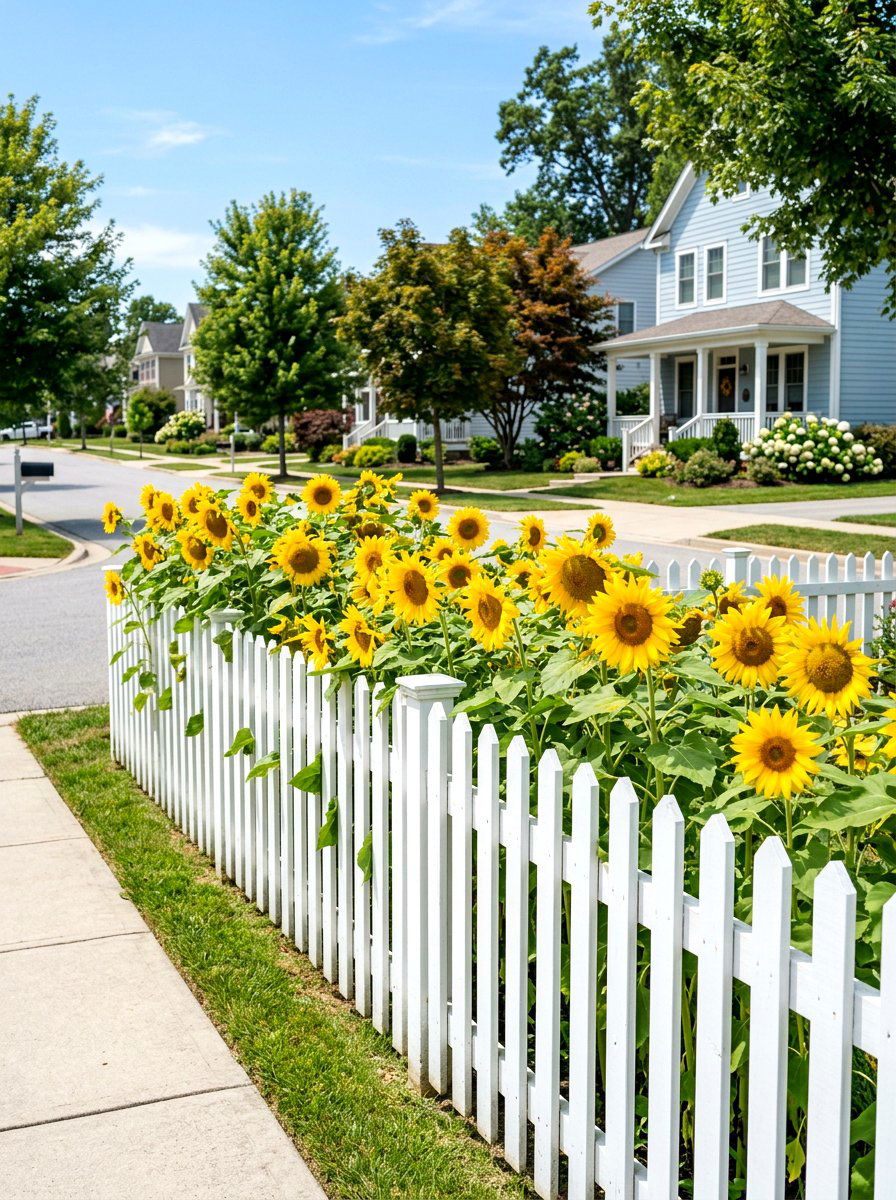
Using painted pallet wood for your garden borders is a fantastic way to save money while adding a pop of color to your outdoor space. You can dismantle old shipping pallets and cut the slats into uniform lengths to create a charming picket-fence style border. Painting the wood in bright shades of blue, yellow, or teal can make your vegetable garden feel cheerful and vibrant, even during the early spring months. This approach allows for complete customization, as you can choose colors that complement your garden furniture or the exterior of your house. It is a fun and rewarding project that turns discarded materials into a functional and stylish garden feature.
13. Gabion cage wall
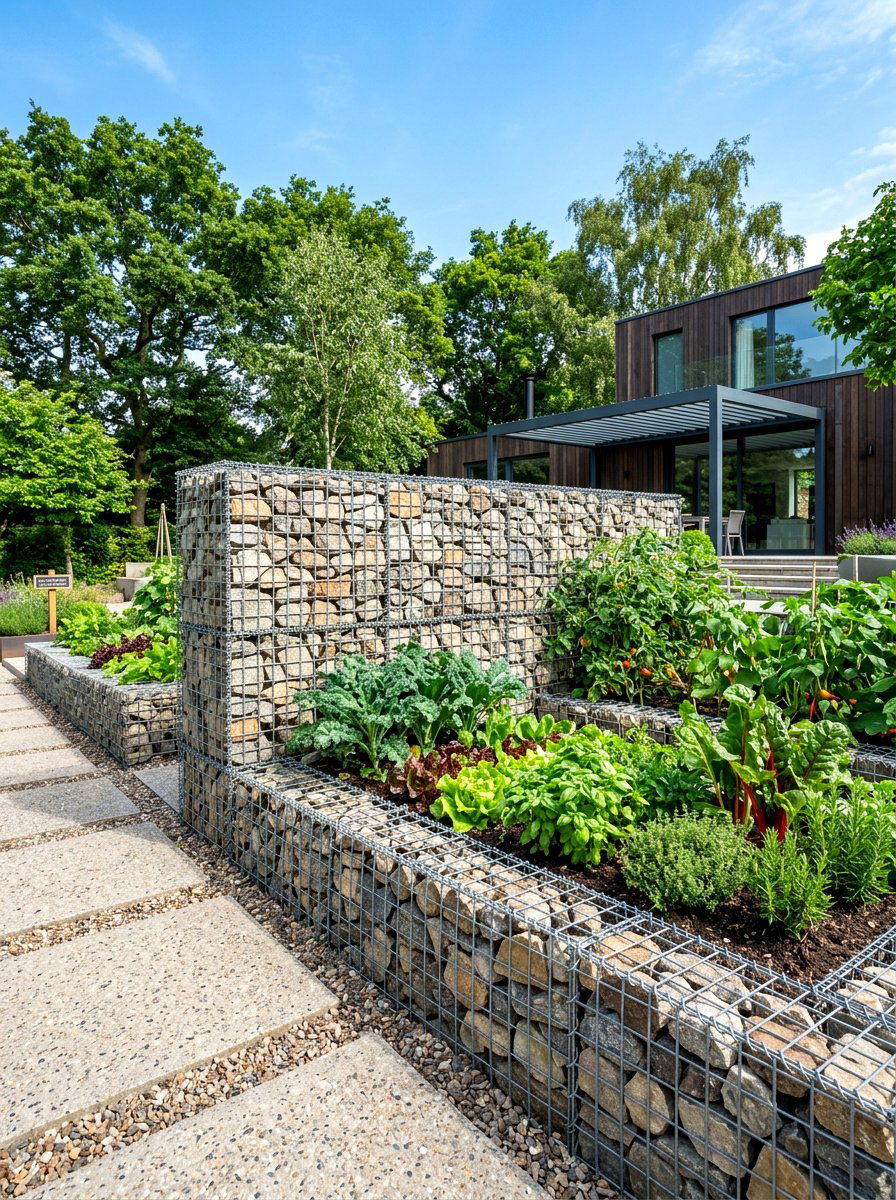
A gabion cage wall is a modern and architectural choice for defining the boundaries of a vegetable garden. These wire mesh cages are filled with stones, rocks, or even recycled bricks to create a heavy and durable retaining wall. The industrial look of the wire combined with the natural texture of the stones creates a striking visual contrast that looks great in contemporary landscapes. Gabions provide excellent drainage and are incredibly stable, making them ideal for gardens on uneven terrain. You can use the top of the flat stone surface as a bench for resting between gardening tasks, making your vegetable patch a more comfortable and functional space to spend time in.
14. Large river rocks
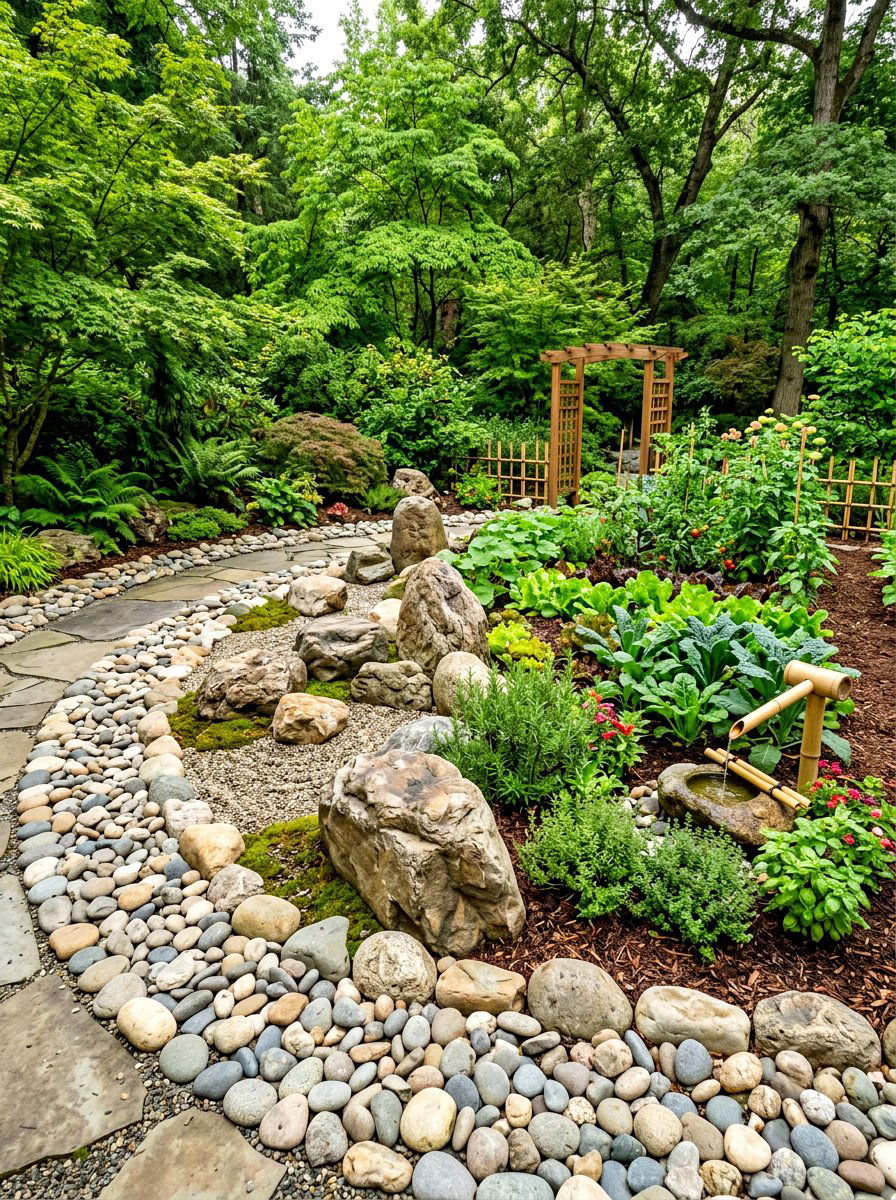
Large river rocks offer a soft and organic way to edge your vegetable garden without the need for mortar or complex construction. By simply placing smooth, rounded stones in a wide line around your beds, you create a natural-looking transition between the garden and the lawn. These rocks come in various shades of gray, tan, and blue, allowing you to create a subtle color palette that enhances the beauty of your crops. This style of edging is perfect for a zen-inspired vegetable garden where the focus is on tranquility and natural materials. The gaps between the stones can also provide a home for beneficial insects that help protect your plants from pests.
15. Victorian rope edging
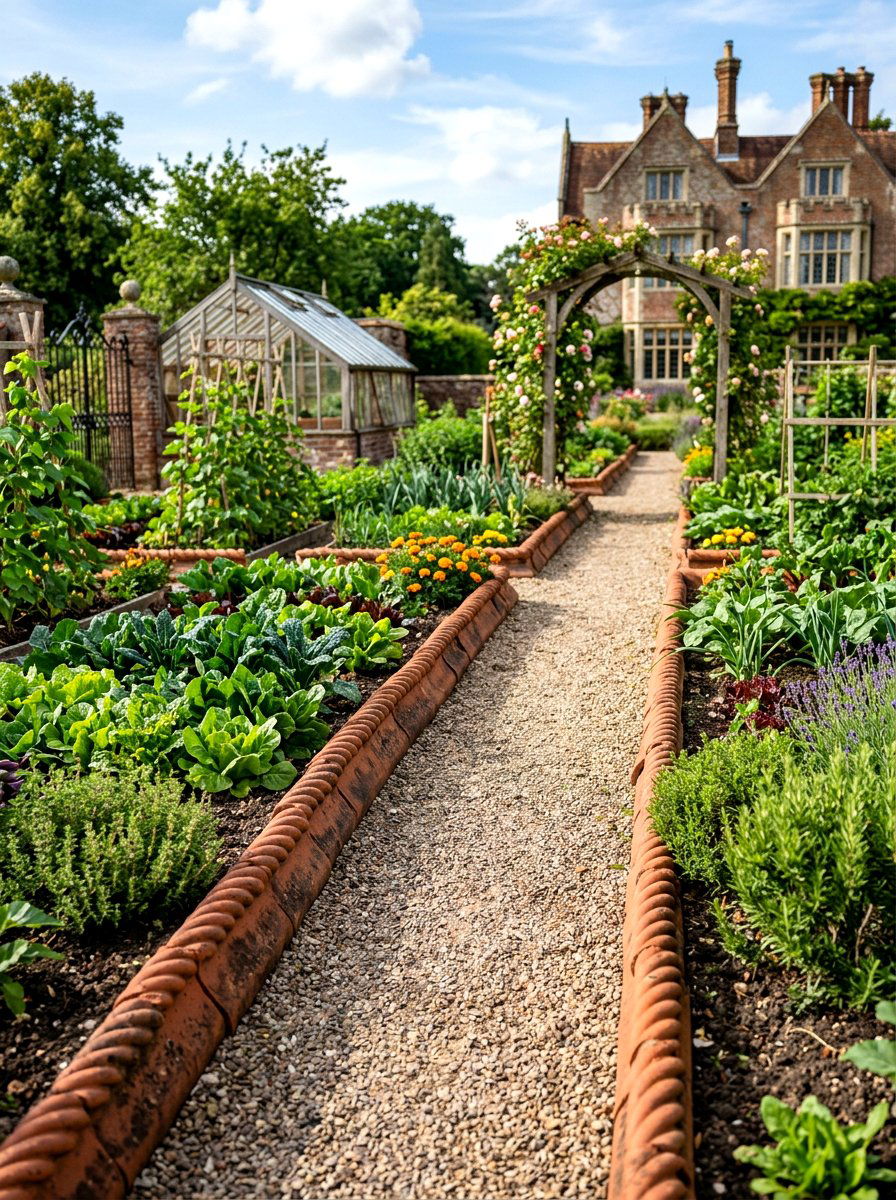
Victorian rope edging is a decorative terracotta or concrete option that features a distinctive twisted pattern resembling a heavy rope. This classic design is perfect for adding a touch of vintage elegance to a formal vegetable garden or a kitchen garden. The repetitive pattern creates a very neat and tidy appearance that looks particularly striking when lining straight gravel paths. Because this edging is usually made from durable ceramic or stone materials, it stands up well to the elements and retains its crisp details for many decades. It is an ideal choice for gardeners who want to bring a sense of history and refined style to their productive growing areas.
16. Plastic garden fence
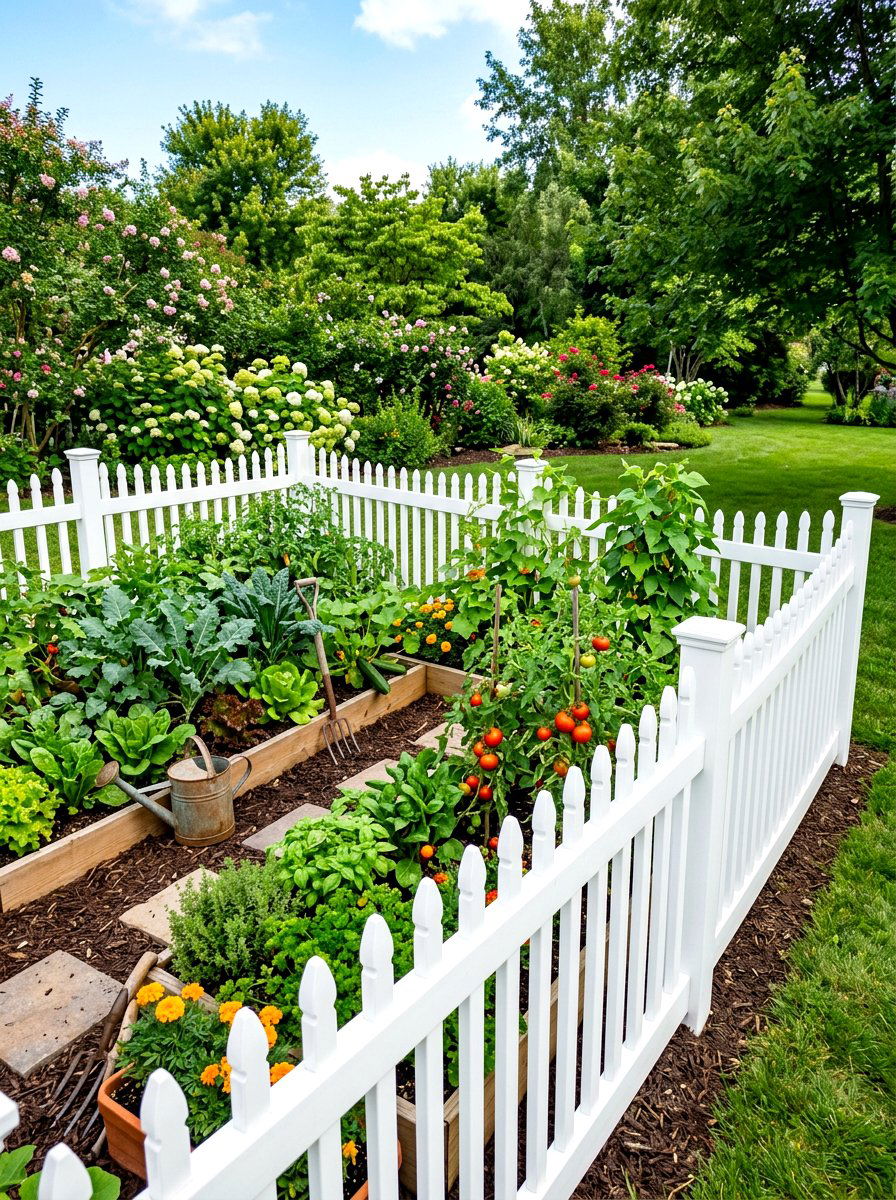
A plastic garden fence is a lightweight and versatile option for quickly defining the borders of your vegetable beds. These modular panels often come in decorative designs like miniature pickets or gothic arches, allowing you to add a traditional look without the maintenance of wood. Plastic edging is completely waterproof and will not rot, making it a low-maintenance choice for busy gardeners. Many versions feature built-in spikes that simply push into the soil, requiring no digging or heavy lifting. This is a great solution for seasonal gardens or for protecting young vegetable starts from small pets and wildlife that might otherwise wander into the planting area and disturb the soil.
17. Bamboo pole border
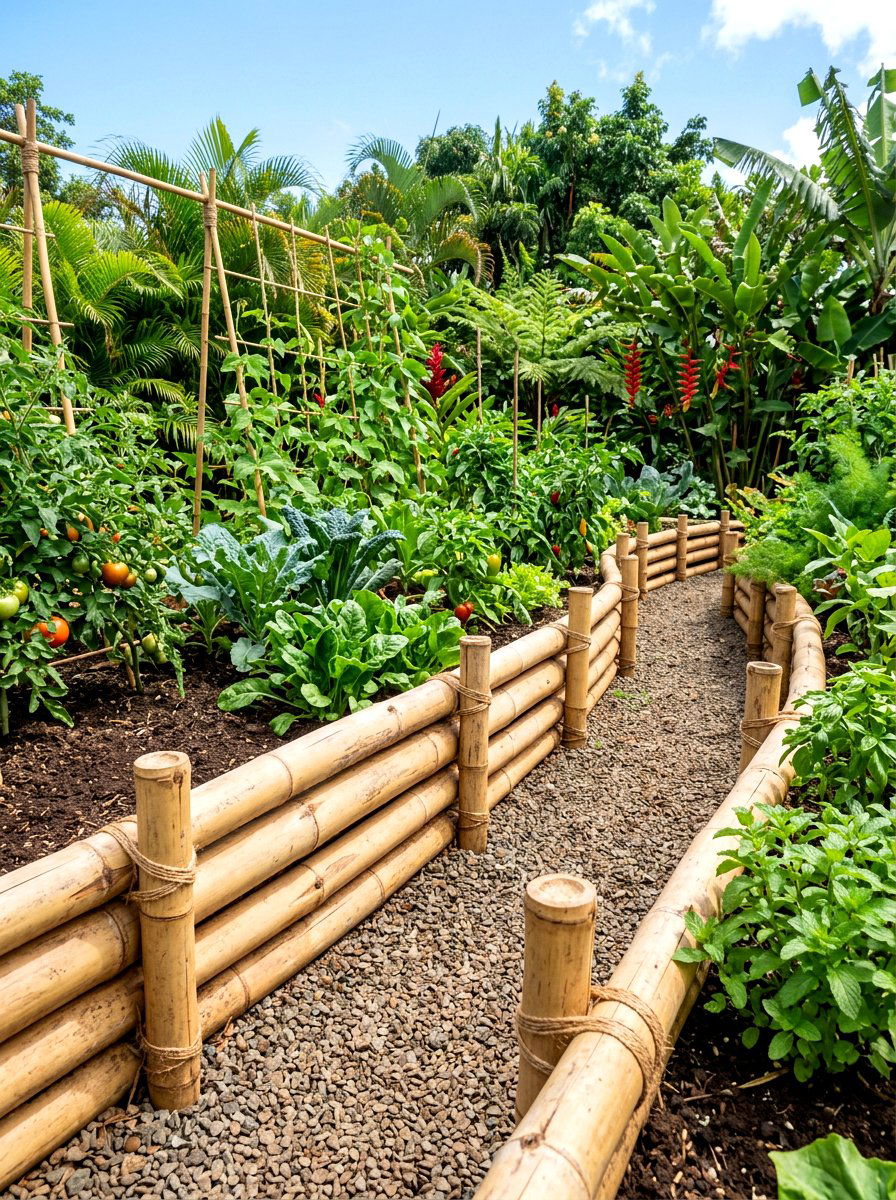
A bamboo pole border provides a tropical or Asian-inspired aesthetic that looks light and airy in a vegetable garden. You can use horizontal bamboo poles lashed to vertical stakes to create a low, sturdy fence that keeps sprawling plants like squash or cucumbers contained. Bamboo is a sustainable and rapidly renewable resource, making it an eco-friendly choice for the conscious gardener. The natural tan color of the bamboo darkens over time, blending beautifully with the surrounding greenery and soil. This type of border is particularly effective in small urban gardens or on balconies where you want to create a stylish boundary that does not feel heavy or overwhelming.
18. Marigold living edge
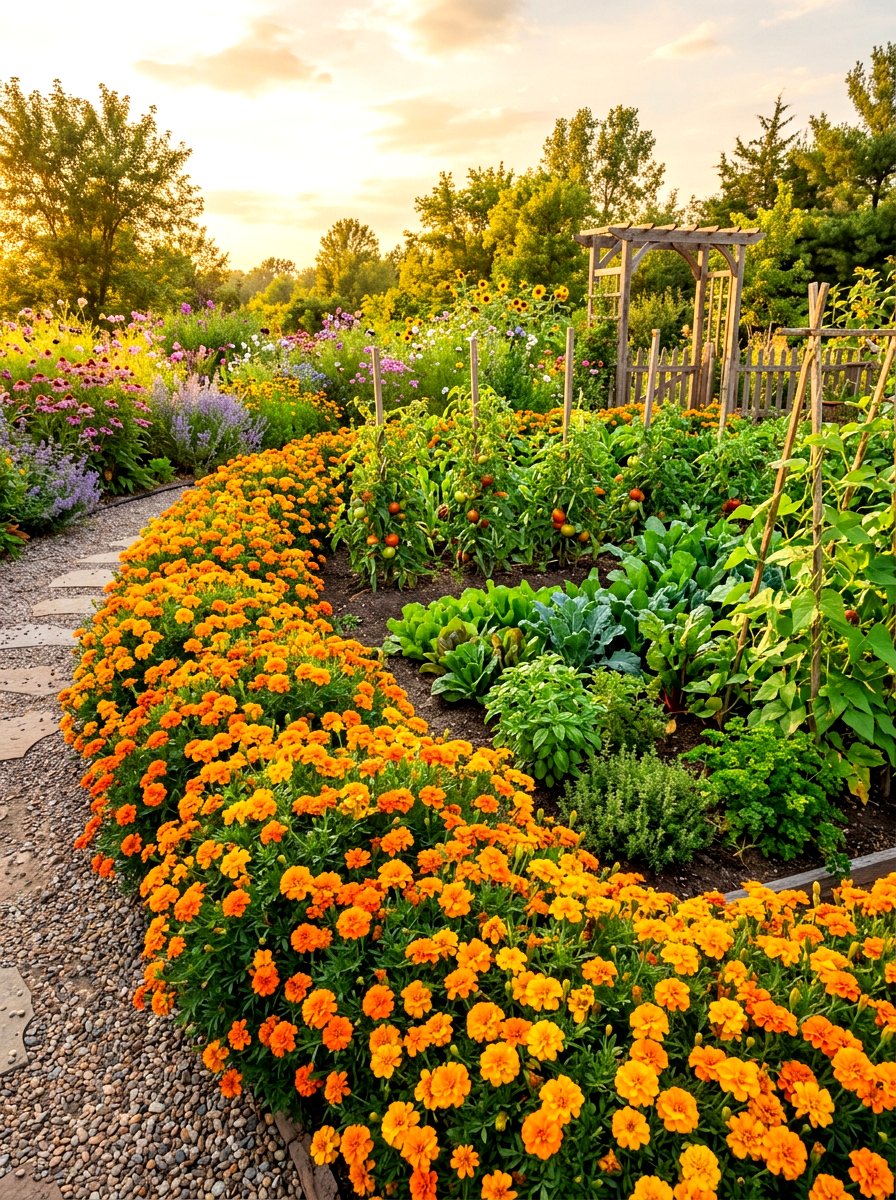
A marigold living edge is a brilliant functional border that combines beauty with natural pest control. Planting a dense row of bright orange and yellow marigolds around the perimeter of your vegetable patch helps deter pests like aphids and nematodes while attracting helpful pollinators. The vibrant colors of the flowers create a stunning visual frame that highlights the deep greens of your vegetable foliage. This "living border" approach ensures that every inch of your garden space is productive and beneficial to the local ecosystem. Since marigolds are easy to grow from seed and bloom all summer, they provide a constantly changing and fragrant boundary for your tomatoes and peppers.
19. Corrugated metal panels
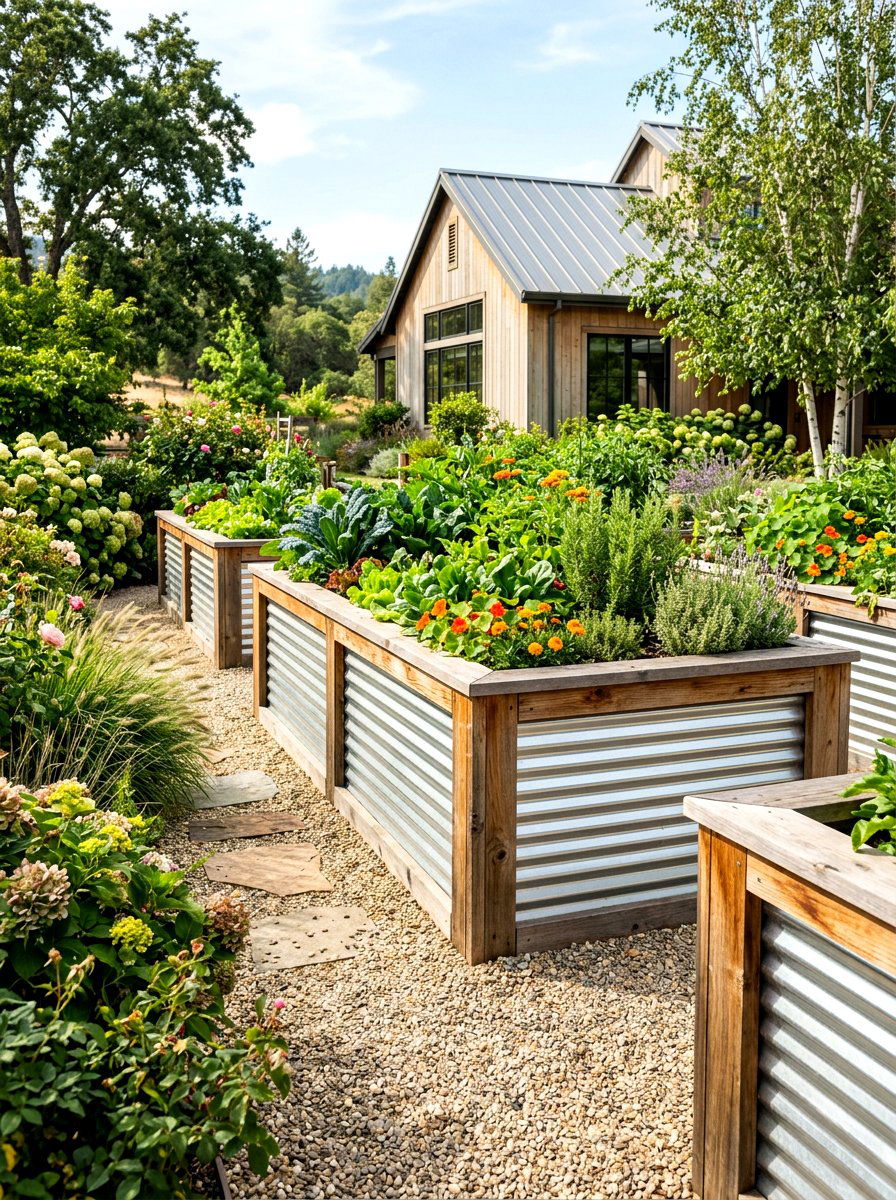
Corrugated metal panels are a popular choice for creating durable and stylish raised bed borders with a modern farmhouse feel. The ridged texture of the metal adds a unique industrial element to the garden, and when framed with dark wood, it creates a very high-end look. These panels are excellent at reflecting heat, which can help warm the soil earlier in the spring for faster seed germination. Metal borders are incredibly long-lasting and won't crack or warp like some other materials. This style is perfect for large-scale vegetable gardens where you want to create a clean, organized, and professional appearance that stands out as a focal point in your backyard.
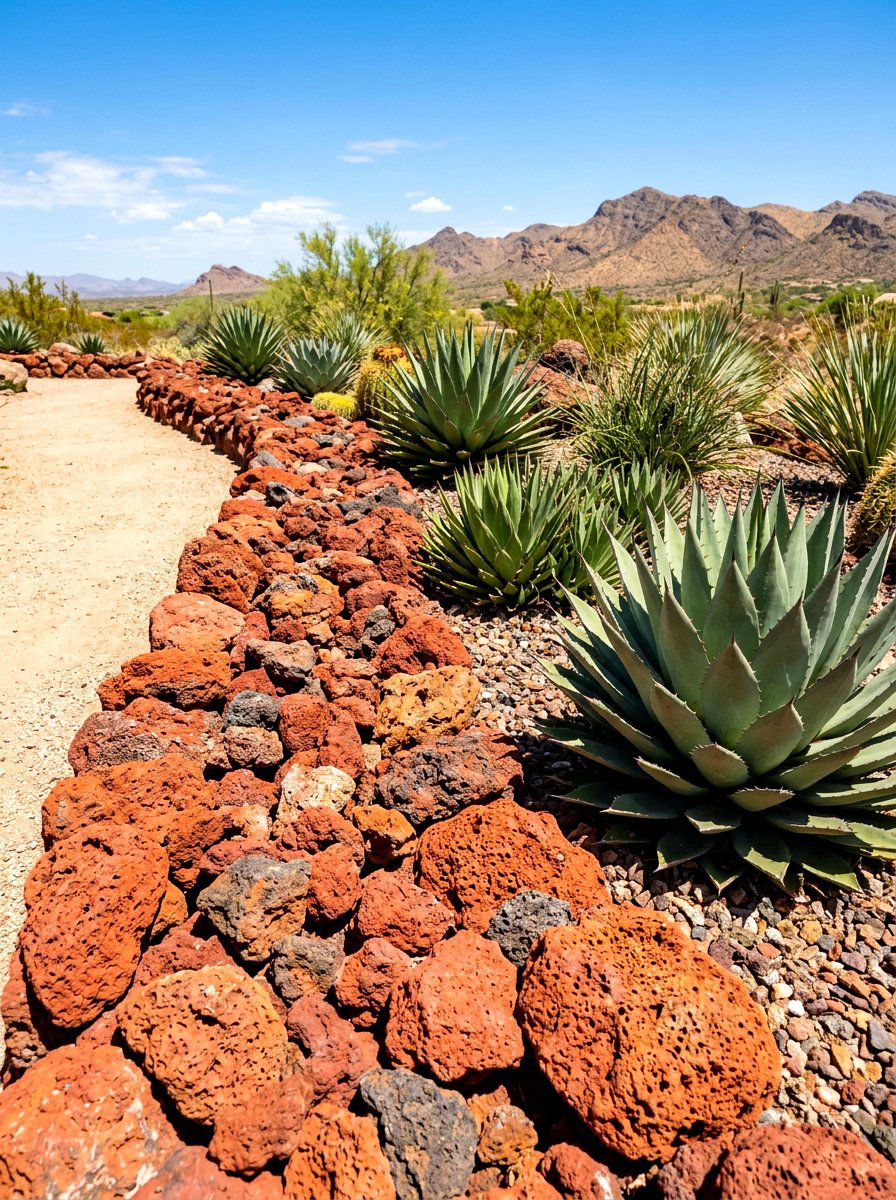
20. Flagstone garden path
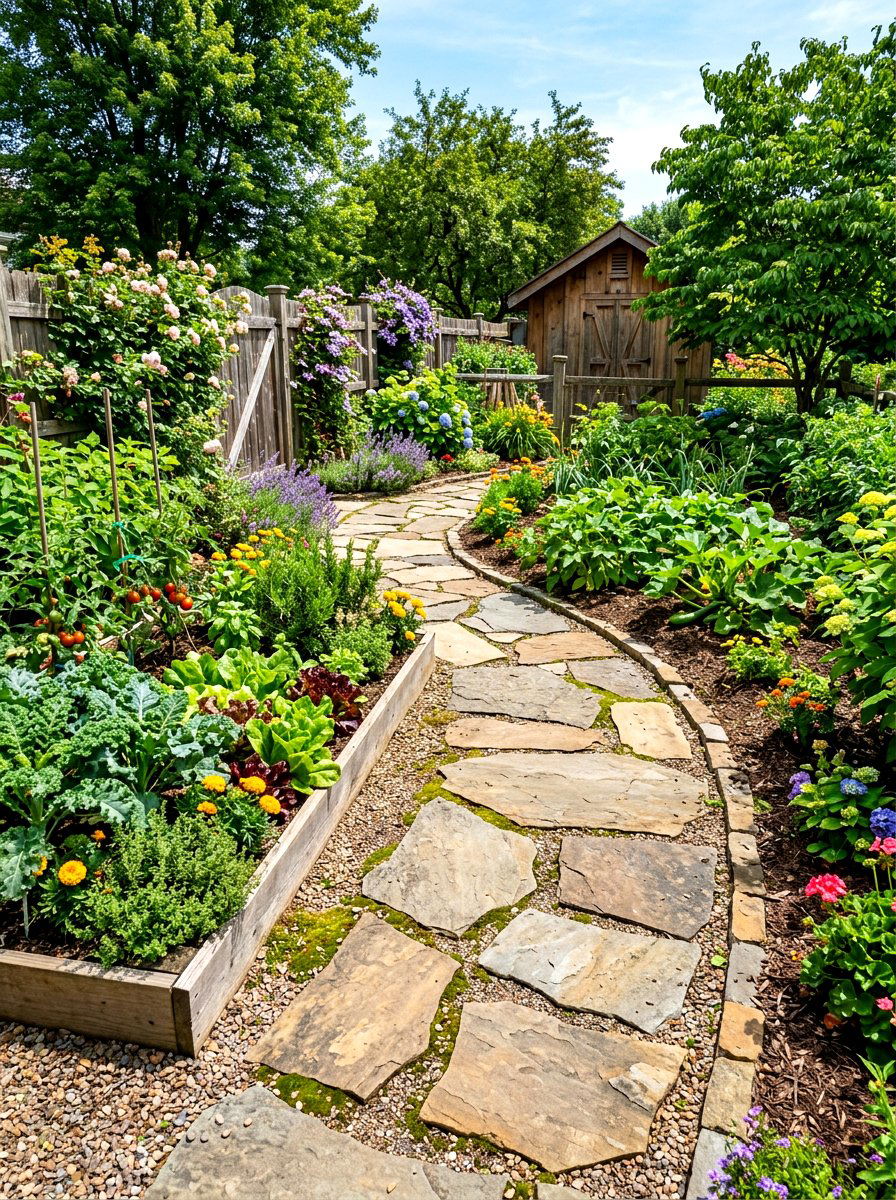
Integrating a flagstone garden path as the border for your vegetable beds creates a clean and functional transition between the growing area and the rest of the yard. By laying flat, irregular stones flush with the ground, you create a "mowing strip" that allows you to trim the grass easily without damaging your plants. The wide, solid surface of the flagstones also provides a stable place to walk while you are harvesting or weeding, preventing the soil around your vegetables from becoming compacted. This type of border gives the garden a very established and professionally landscaped feel, blending the productive vegetable patch seamlessly into the overall design of your outdoor living space.
21. Cobblestone edging
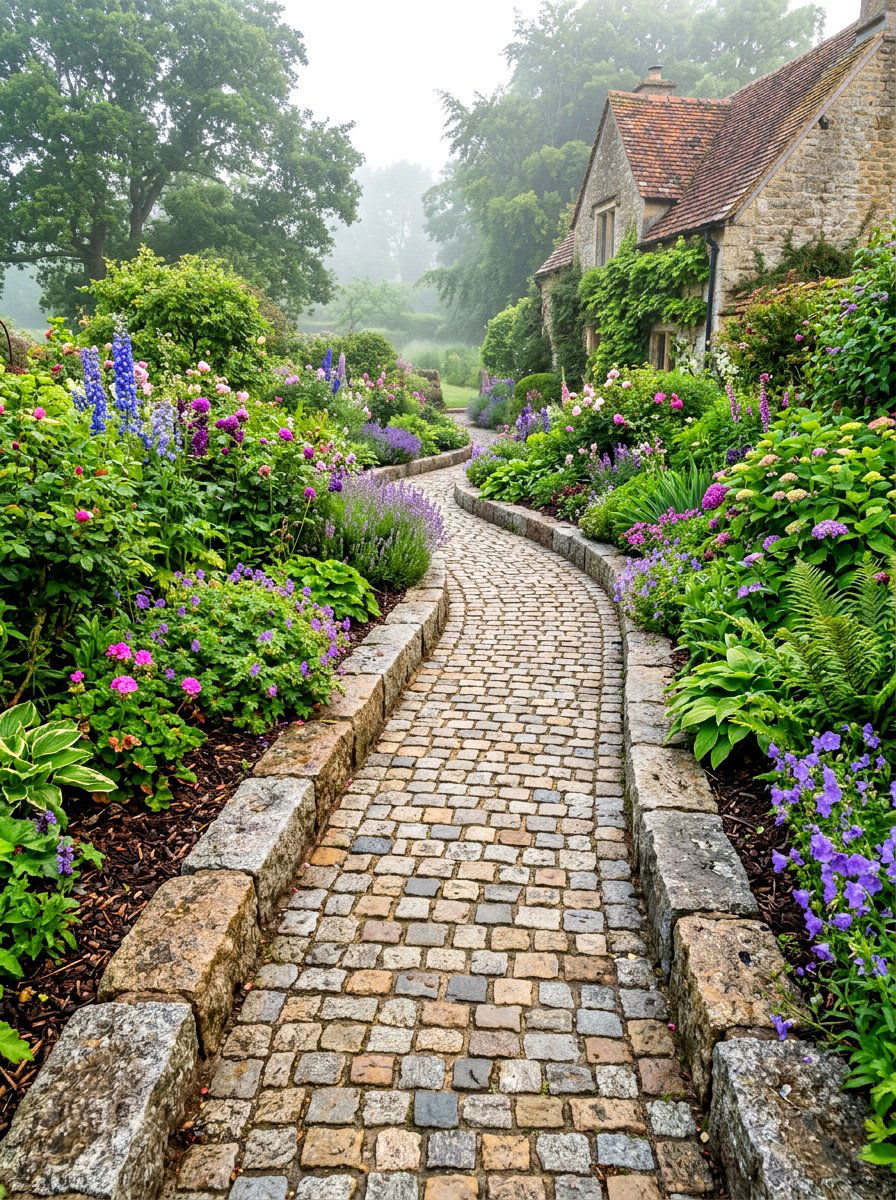
Cobblestone edging brings an old-world charm and a sense of permanence to your vegetable garden layout. These small, rounded blocks of granite or basalt can be set into a shallow trench to create a sturdy and attractive boundary that keeps mulch from washing away. The irregular surfaces and varied colors of the cobblestones add a wonderful texture that complements the soft foliage of herbs and leafy greens. This edging is heavy enough to stay in place without shifting, and it provides a clear physical barrier that prevents lawn grass from invading your planting beds. It is a timeless choice that works equally well in traditional, rustic, or even contemporary garden designs.
22. Scrap lumber border
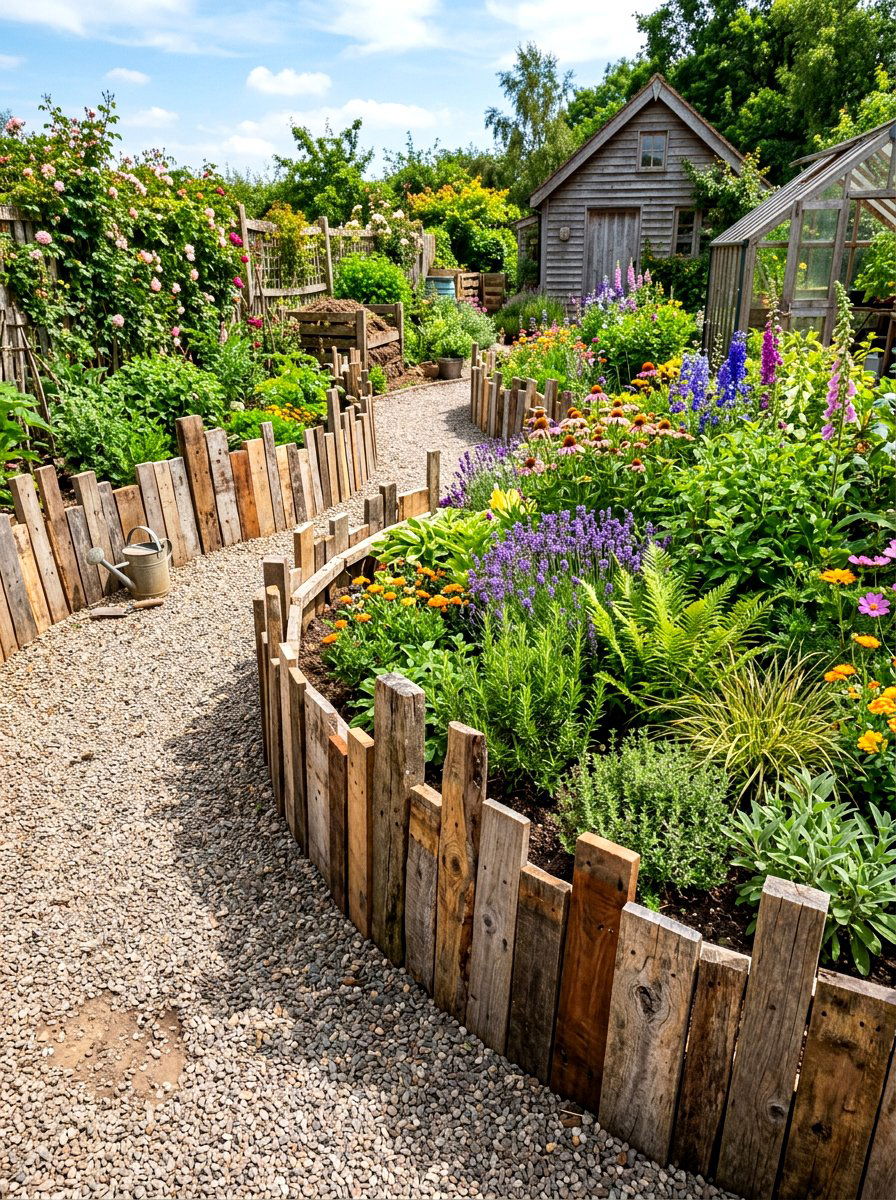
A scrap lumber border is the ultimate budget-friendly way to organize your vegetable garden while keeping waste out of landfills. You can use leftover pieces of 2x4s, cedar siding, or even old fence posts to create a functional and eclectic frame for your crops. While the different types of wood might have varying colors and textures, this can add a charming, "found-object" aesthetic to your backyard. To make the border look more intentional, you can sand the surfaces or apply a consistent coat of outdoor stain. This DIY approach allows you to build custom-sized beds that fit perfectly into the odd corners of your yard, maximizing your available growing space.
23. Vertical herb wall
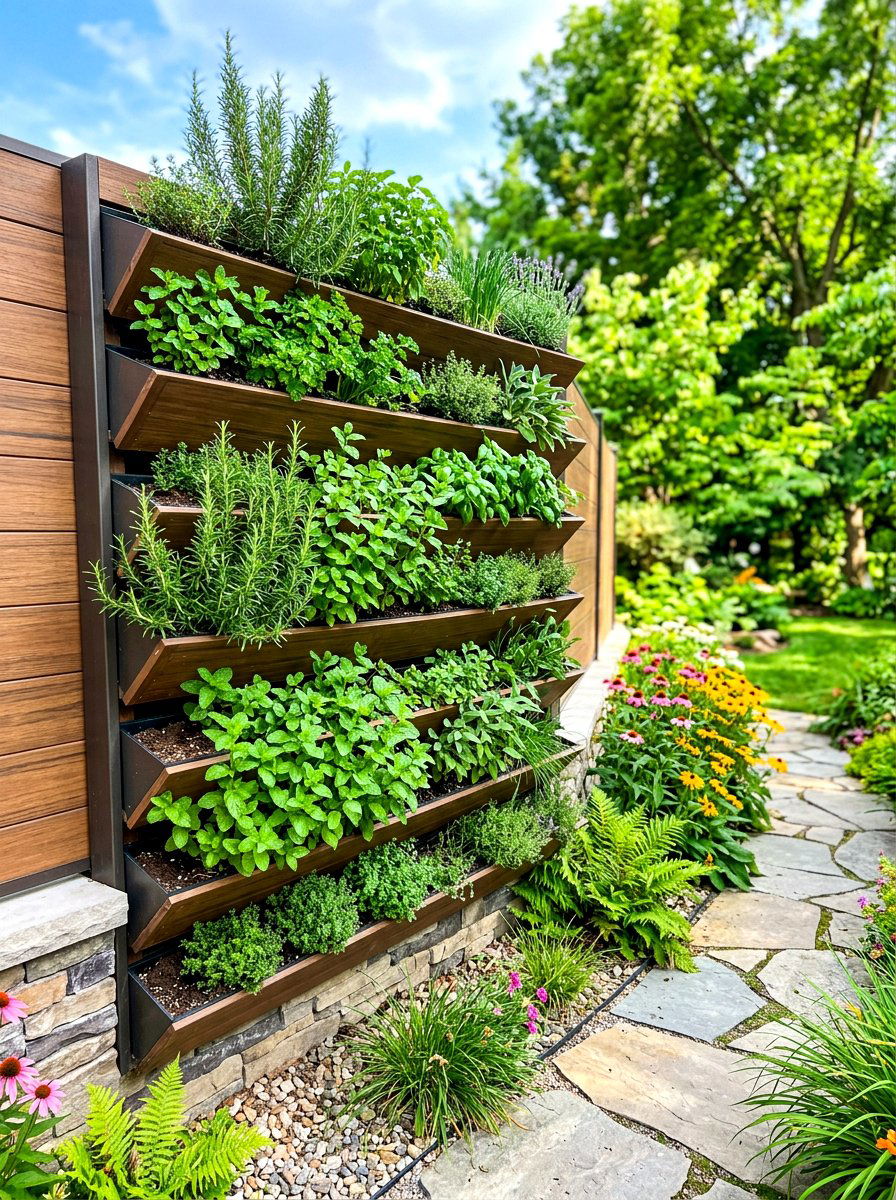
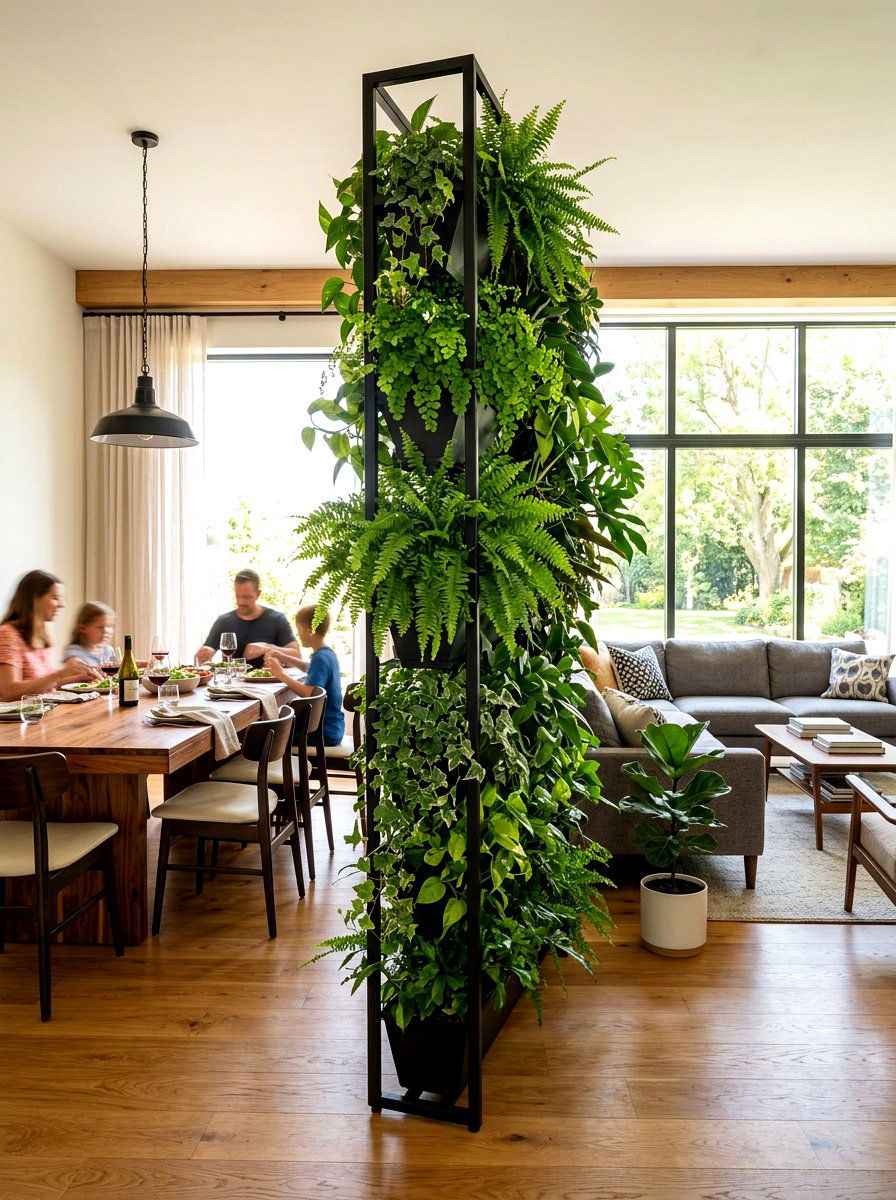
A vertical herb wall acts as a living border that maximizes growing space while providing a tall, green boundary for your main vegetable patch. You can use tiered planters, wall-mounted pockets, or even a repurposed wooden ladder to grow aromatic herbs like rosemary, thyme, and mint at the edge of your garden. This vertical element creates a sense of enclosure and privacy, making your garden feel like a secluded outdoor room. Not only does this border look lush and beautiful, but it also places your most-used herbs at eye level for easy harvesting. The scents from the herb wall add an extra sensory layer to your gardening experience, making the space even more inviting.
24. Pea gravel transition
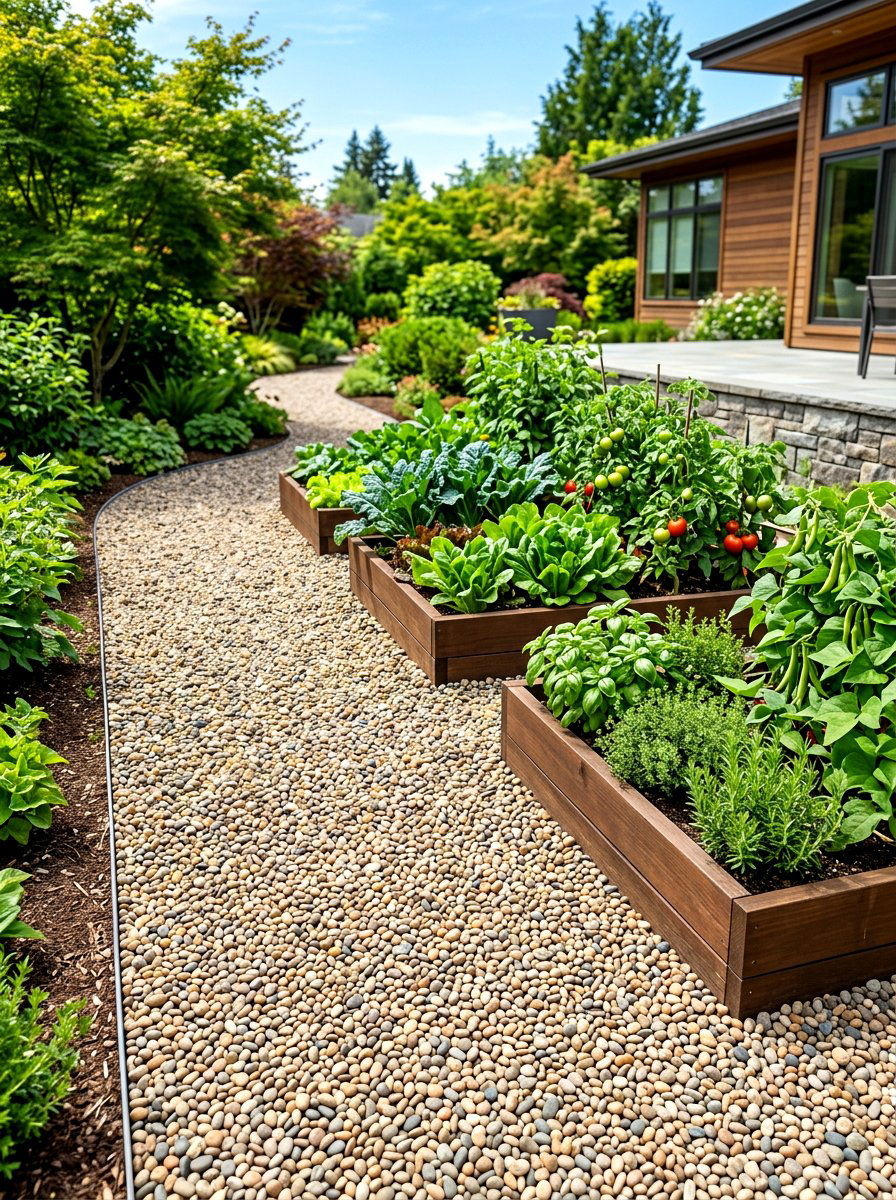
A pea gravel transition provides a clean and modern border that helps with drainage and prevents mud around your vegetable beds. By digging a shallow trench around the perimeter and filling it with small, smooth stones, you create a distinct visual break between the soil and the surrounding area. This gravel border acts as a natural mulch, suppressing weeds while allowing water to flow freely into the ground. It creates a very tidy look that is popular in minimalist and drought-tolerant garden designs. Walking on the pea gravel provides a satisfying crunch and ensures that your shoes stay clean even after a rainstorm, making garden maintenance a much more pleasant task.
25. Scalloped edge bricks
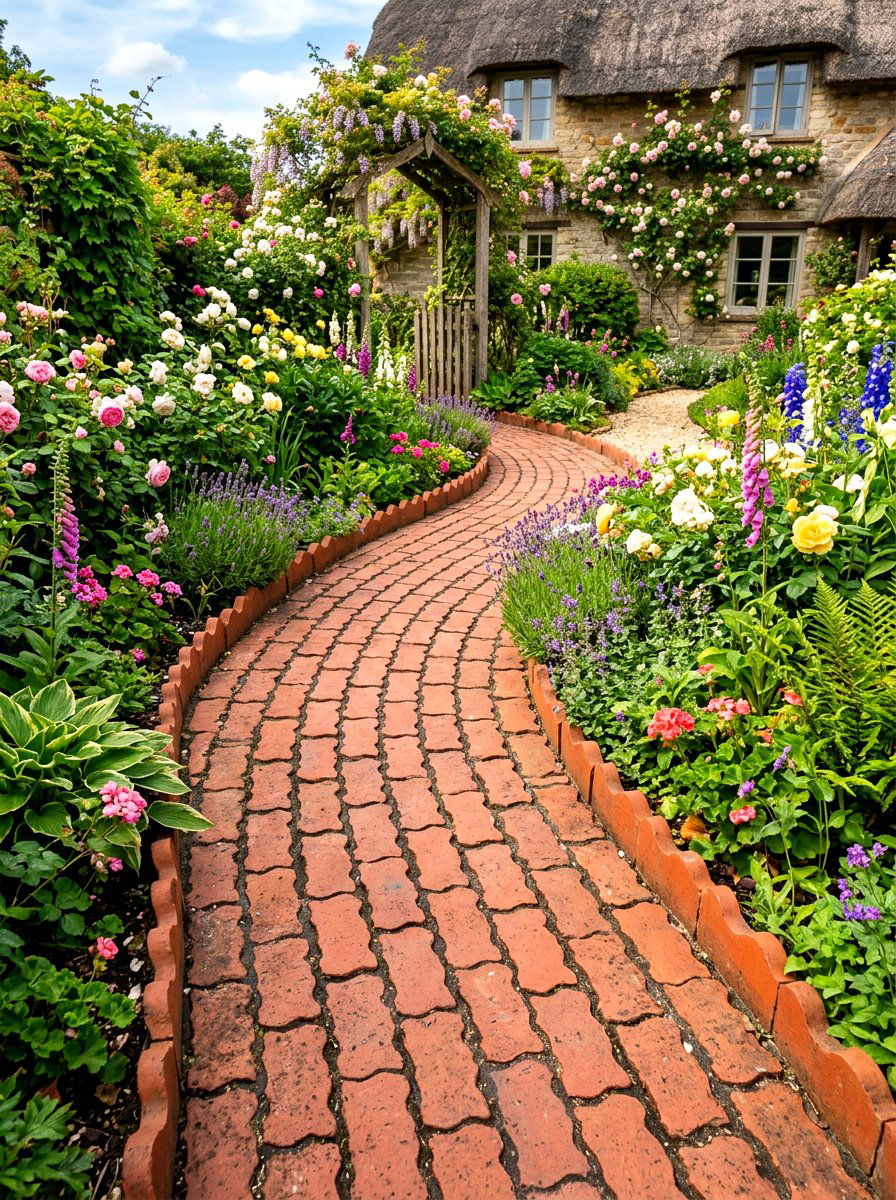
Scalloped edge bricks are a classic decorative choice that adds a soft, undulating line to the perimeter of your vegetable garden. These specially shaped bricks feature a rounded top that creates a repetitive wave pattern when laid end-to-end. This style of border is perfect for traditional cottage gardens where you want to emphasize a sense of charm and femininity. The height of the bricks is just enough to hold back a layer of soil or mulch, helping to keep your paths clear and your beds looking sharp. They are very easy to install by simply tapping them into the soil with a rubber mallet, making them a great weekend project for any gardener.
26. Stacked slate border
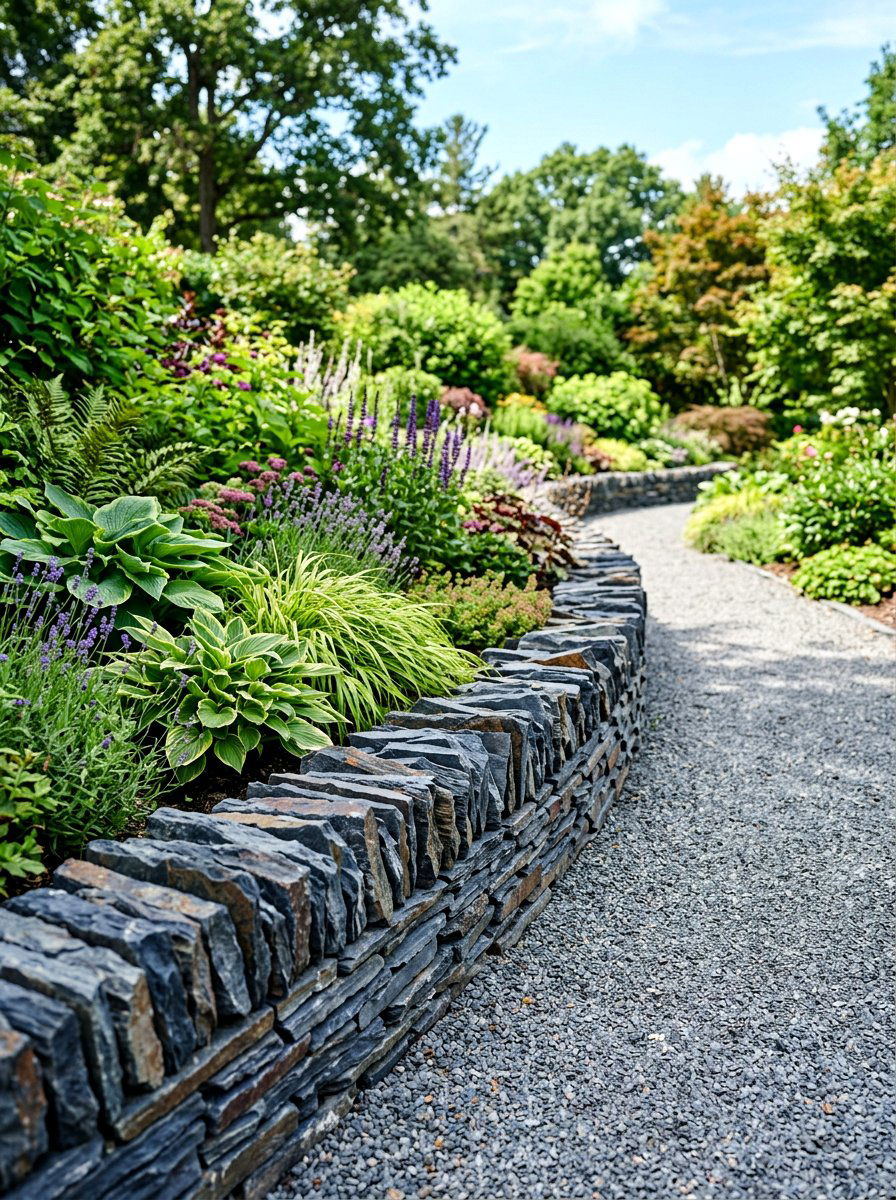
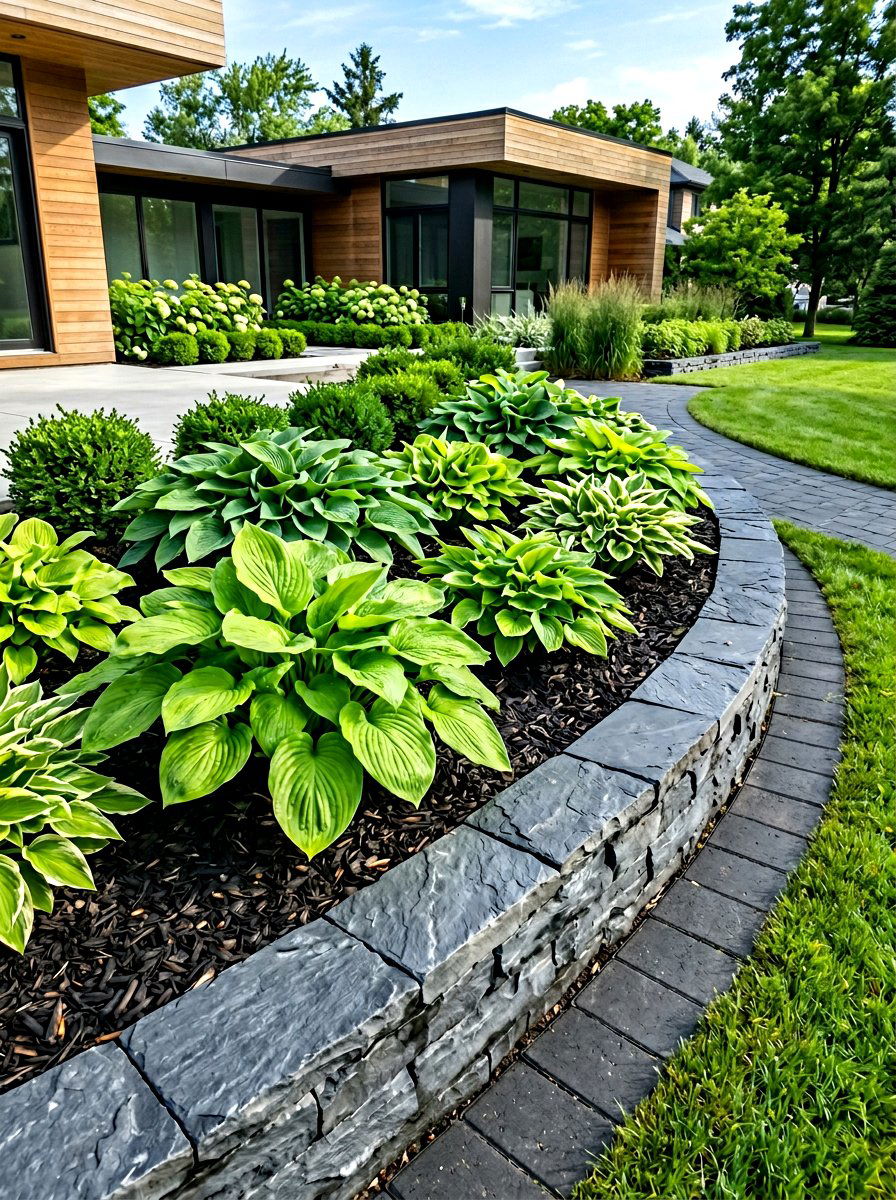
A stacked slate border uses thin, flat pieces of natural stone to create a sophisticated and textured edge for your vegetables. The deep grays, purples, and blues of the slate provide a cool-toned backdrop that makes the vibrant colors of tomatoes and peppers really pop. You can stack the slate to varying heights to create a tiered effect, which is particularly useful for adding dimension to a flat backyard. The natural cleft surface of the slate catches the light beautifully and adds a layer of geological interest to the garden. This type of border is incredibly durable and won't fade or weather significantly over time, maintaining its elegant look for many years.
27. Driftwood garden edge
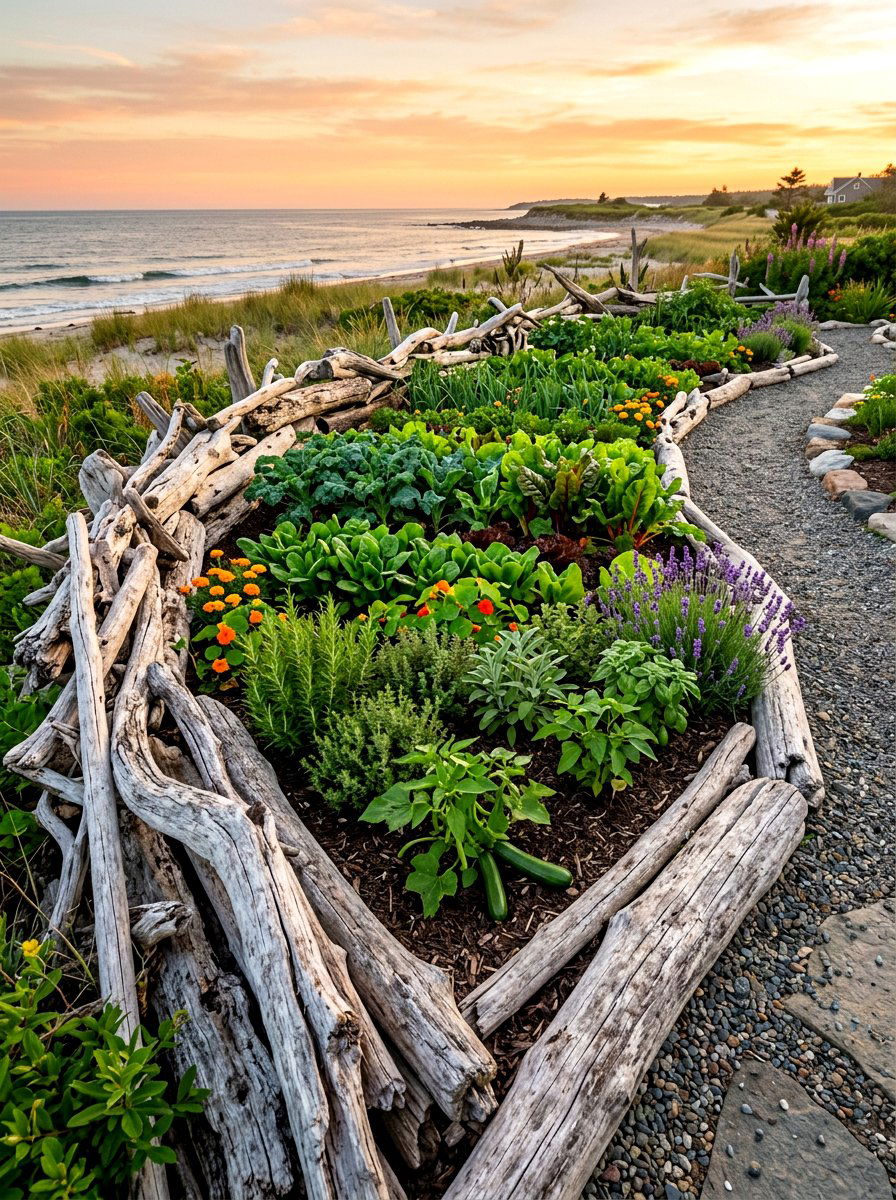
A driftwood garden edge is a unique and artistic way to frame a vegetable garden, especially for those living near the coast or who love a beachy aesthetic. The sun-bleached, weathered logs and branches provide a soft, sculptural boundary that looks completely natural and relaxed. Each piece of driftwood has its own unique curves and textures, creating a border that feels more like a work of art than a functional structure. This style of edging works beautifully when paired with sandy paths or gravel-mulched beds. It brings a sense of serenity and "found beauty" to the garden, reminding you of the natural cycles of growth and decay in the environment.
28. U-shaped raised beds
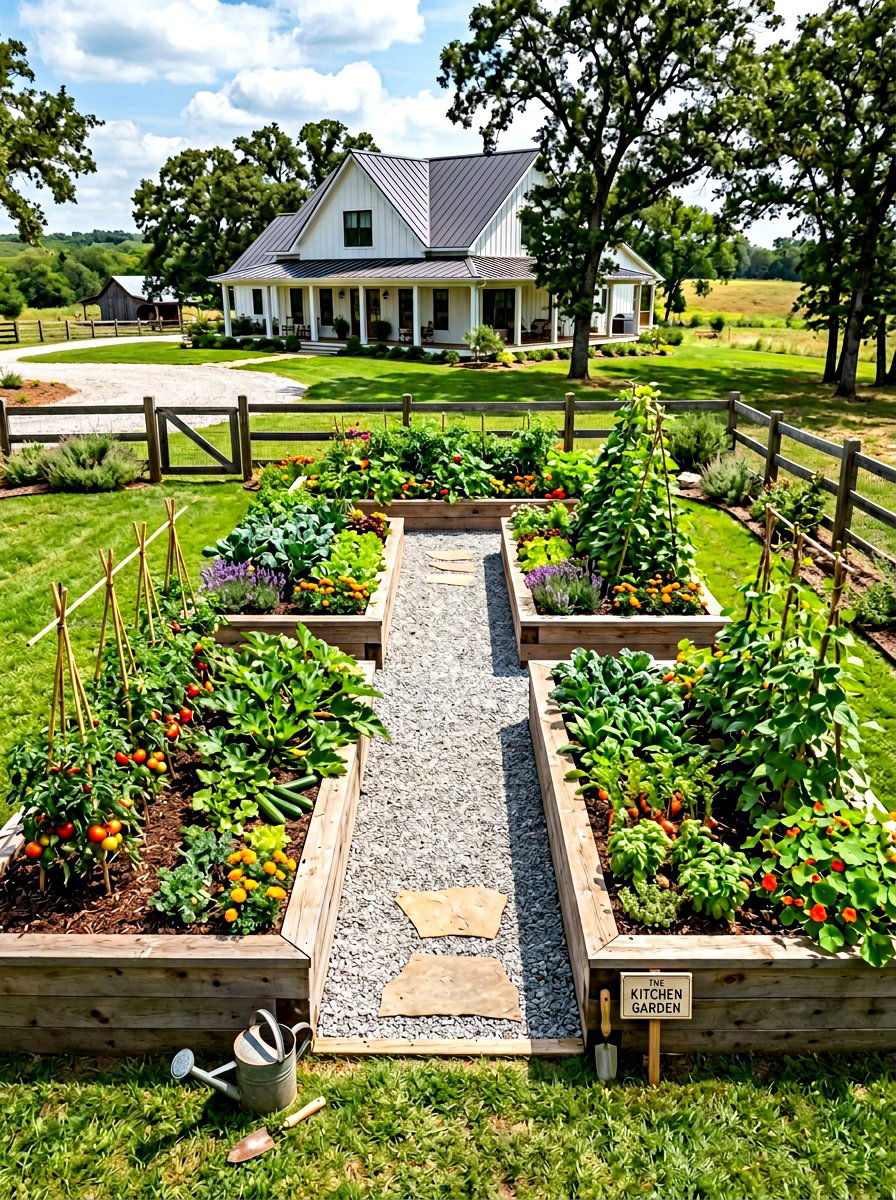
U-shaped raised beds are a clever design choice that creates an integrated border and walkway system for your vegetable garden. This layout allows you to reach all your plants from a central path, maximizing your efficiency and minimizing soil compaction. The outer walls of the U-shape serve as a continuous border that defines the garden’s footprint in the yard. By building these beds out of high-quality timber or stone, you create a strong architectural feature that looks organized and purposeful. This design is ideal for serious vegetable growers who want a high-yield garden that is also easy to maintain and visually stunning from every angle of the house and yard.
29. Decorative wire fencing
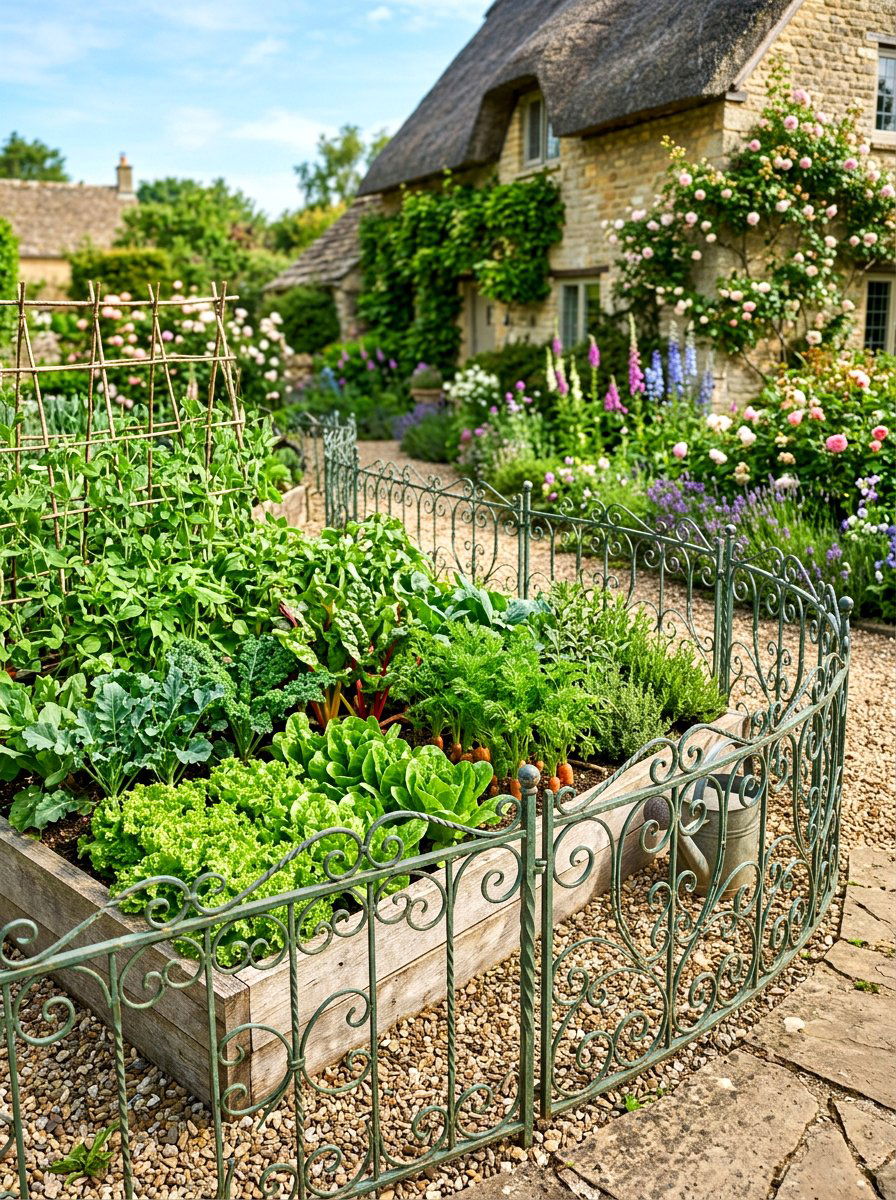
Decorative wire fencing offers a light and traditional way to border your vegetable garden without blocking the view of your beautiful crops. These low-profile fences often feature scrolled designs or simple hoop patterns that add a touch of Victorian charm to the landscape. Wire borders are perfect for keeping small children or pets out of the planting beds while still allowing plenty of airflow and sunlight to reach your vegetables. Because they are thin, they don't take up much space, making them ideal for small urban plots. They are also very easy to relocate if you decide to change your garden layout or expand your vegetable beds in future seasons.
30. Fieldstone boundary
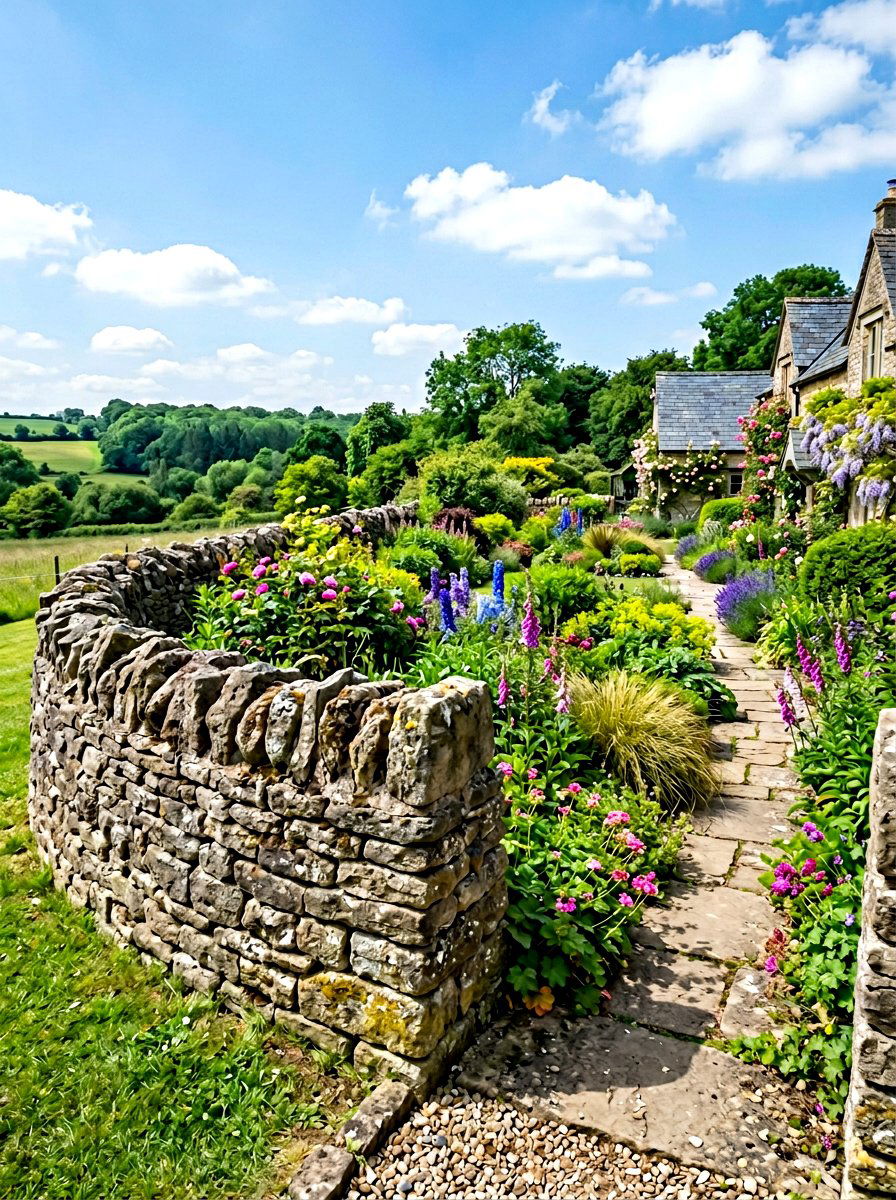
A fieldstone boundary uses unshaped, locally sourced stones to create a rugged and timeless edge for a vegetable garden. This approach is rooted in traditional farming practices, where stones cleared from the land were used to build simple, functional walls. The varied sizes and shapes of the fieldstones create a very natural and informal look that blends perfectly into a rural or wooded setting. This type of border is practically indestructible and only looks better as it ages and gathers moss or lichens. It provides a heavy, solid barrier that anchors the vegetable garden into the earth, making it feel like a permanent and essential part of the landscape.
Conclusion:
Selecting the right border for your vegetable garden is a transformative step that balances practical needs with your personal style. As we have explored, the possibilities range from recycled materials like wine bottles and scrap wood to high-end architectural choices like gabion walls and stacked slate. A well-defined edge not only protects your soil and crops but also elevates the entire look of your backyard, making the time you spend gardening even more enjoyable. By considering the climate, your budget, and the existing aesthetic of your home, you can create a productive sanctuary that is both organized and beautiful. Whether you choose a living border of marigolds or the clean lines of galvanized steel, your garden will thrive within its new, intentional frame.

Related posts: