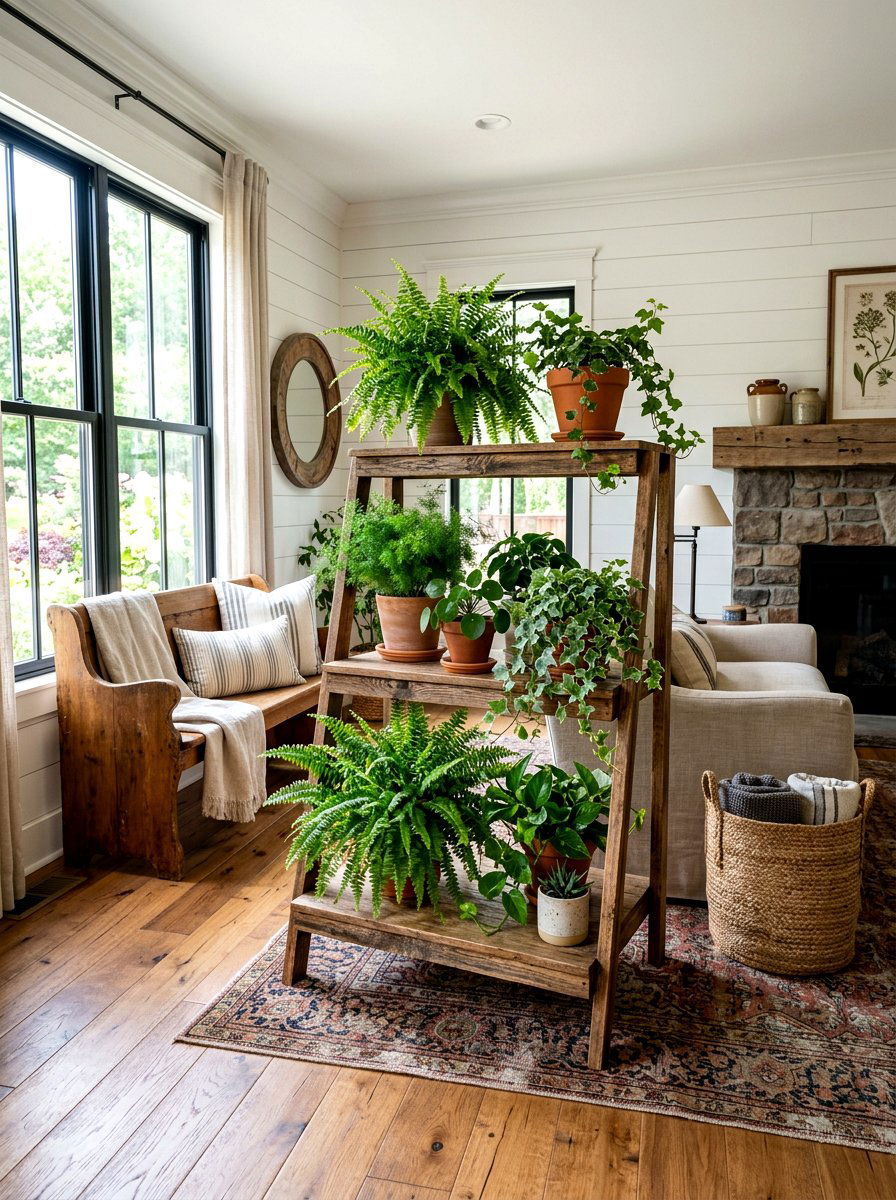
Creating a personal sanctuary under glass requires more than just placing pots on the floor; it demands a strategic approach to space and light. Whether you are a hobbyist gardener or a professional botanist, the way you organize your growing space directly impacts your plant health and daily enjoyment. A well-planned layout ensures that every seedling receives the proper amount of sunlight and airflow while keeping your tools within reach. From vertical stacking to integrated seating areas, the possibilities for customization are truly endless. By focusing on both functionality and aesthetics, you can transform a simple structure into a thriving, organized ecosystem that produces vibrant blooms and fresh harvests throughout every season of the year.
1. Central Aisle Walkway
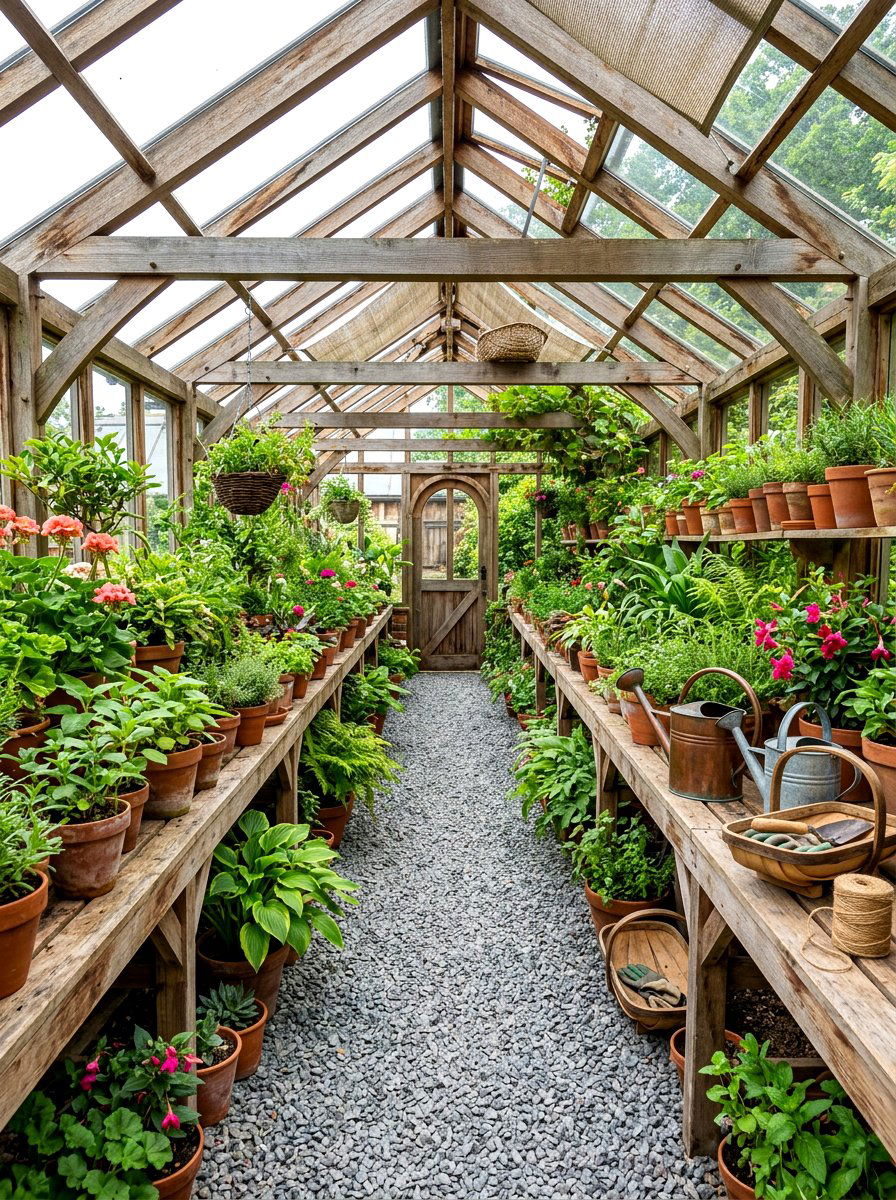
Walking through the center of your greenhouse provides easy access to all your plants on either side. This classic layout creates a clear path that prevents you from stepping on delicate soil or knocking over pots. You can use materials like crushed gravel, reclaimed wood, or decorative brick to define the walkway. Having a wide middle path allows you to move larger items like wheelbarrows or heavy bags of potting mix with ease. It also creates a beautiful visual symmetry that makes the space feel longer and more organized. This simple design is perfect for rectangular structures where efficiency is the primary goal for the gardener.
2. Tiered Staging Bench
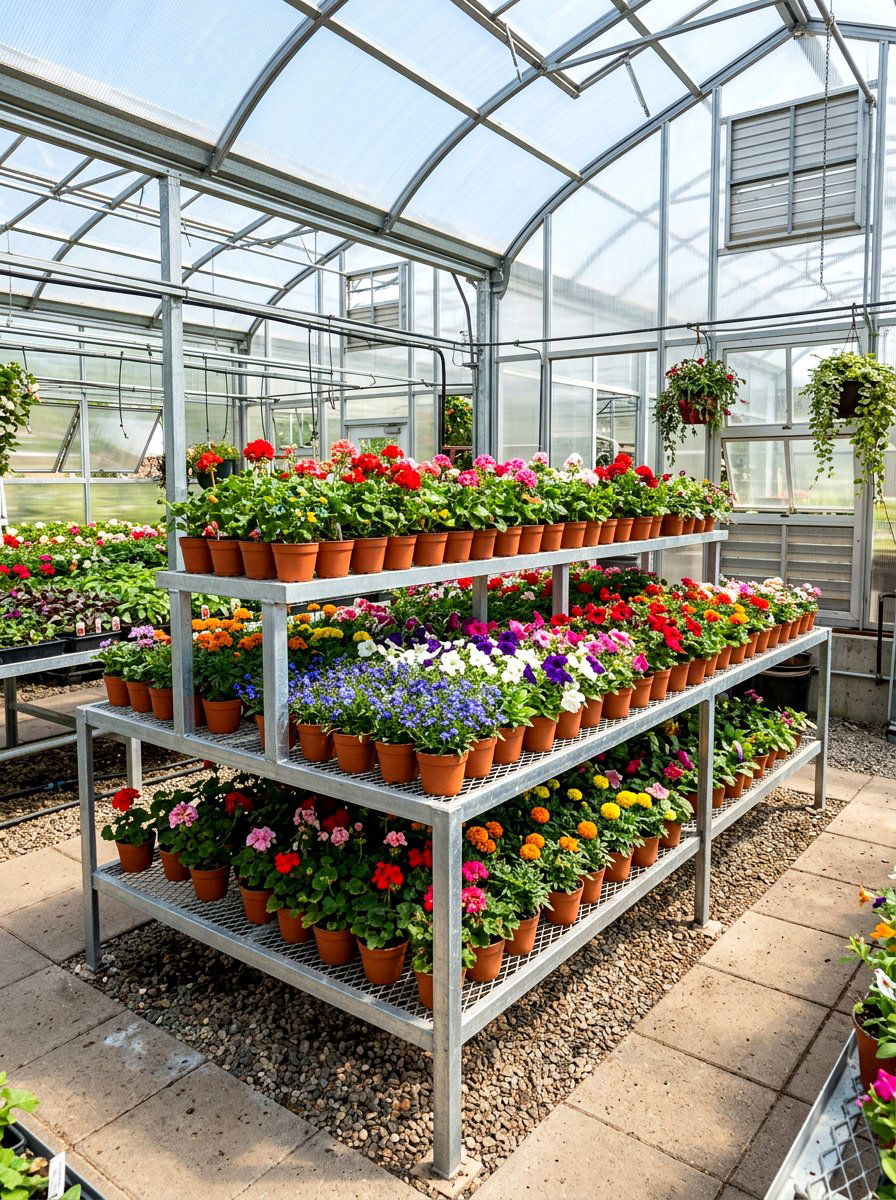
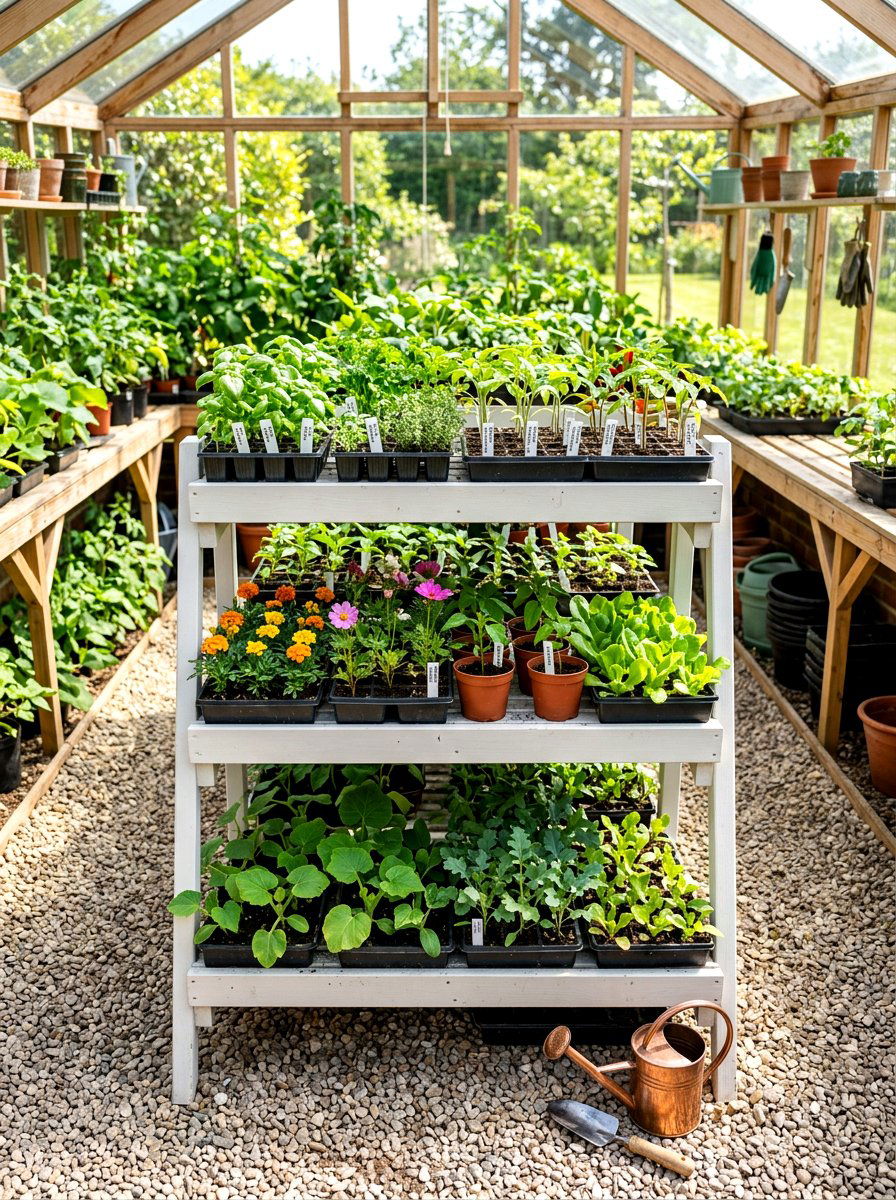
Maximizing vertical space is essential when you have a large collection of smaller plants in a tight area. Tiered staging benches work like a staircase, allowing light to reach every level without the top plants shading the bottom ones. This arrangement is particularly useful for succulents or seasonal flowers that need maximum sun exposure. You can build these from cedar wood or durable metal mesh to ensure water drains away quickly. By lifting plants off the ground, you also improve air circulation around the foliage. This helps prevent fungal diseases and makes it much easier to inspect your greenery for pests at eye level.
3. Vertical Wall Planter
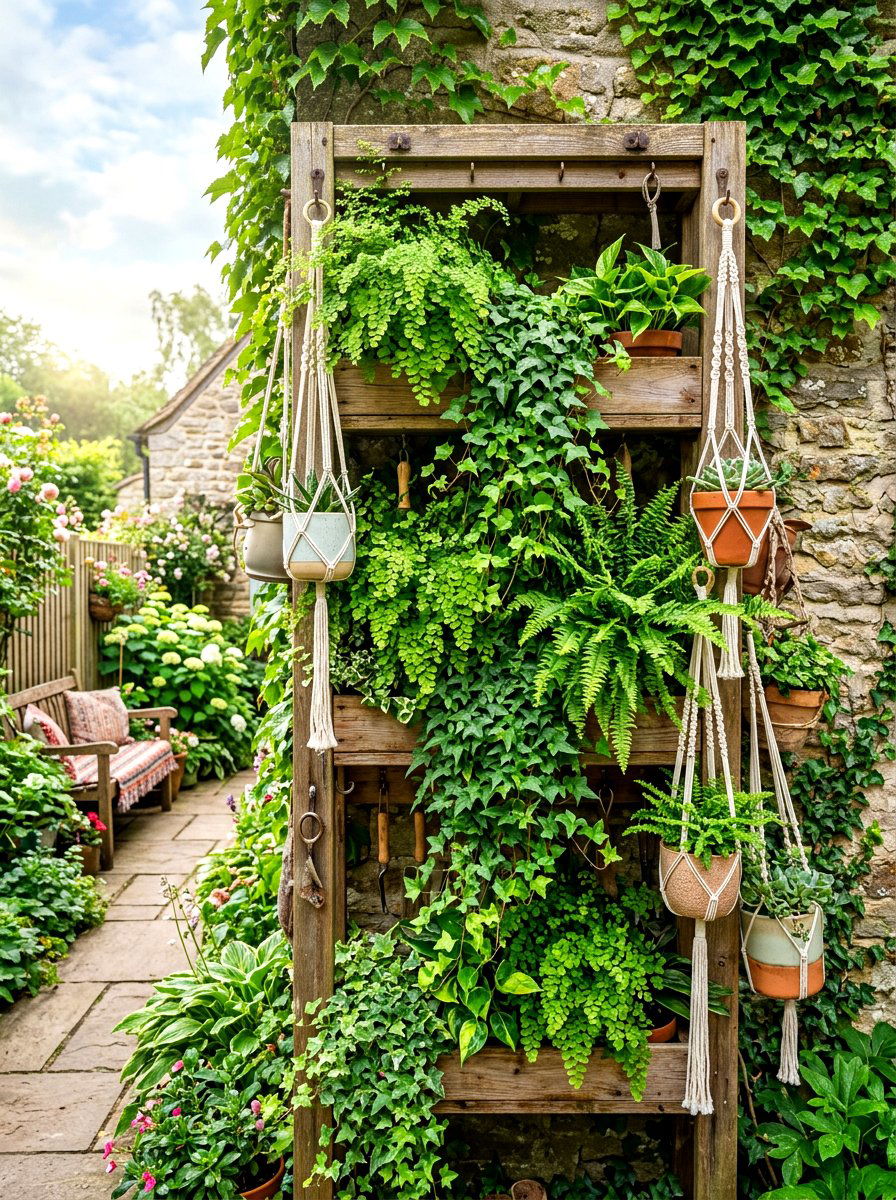
Using the walls of your greenhouse can significantly increase your growing surface area without taking up any floor space. Vertical wall planters are perfect for leafy greens, strawberries, or decorative ferns that enjoy a bit of height. You can install modular pockets, wooden troughs, or even repurposed pallets to hold your containers securely against the frame. This layout works exceptionally well in smaller lean-to greenhouses where floor space is at a premium. It also adds a lush, living-wall aesthetic that makes the interior feel like a dense jungle. Make sure to place moisture-loving plants here as these areas can dry out faster.
4. In-Ground Planting Bed
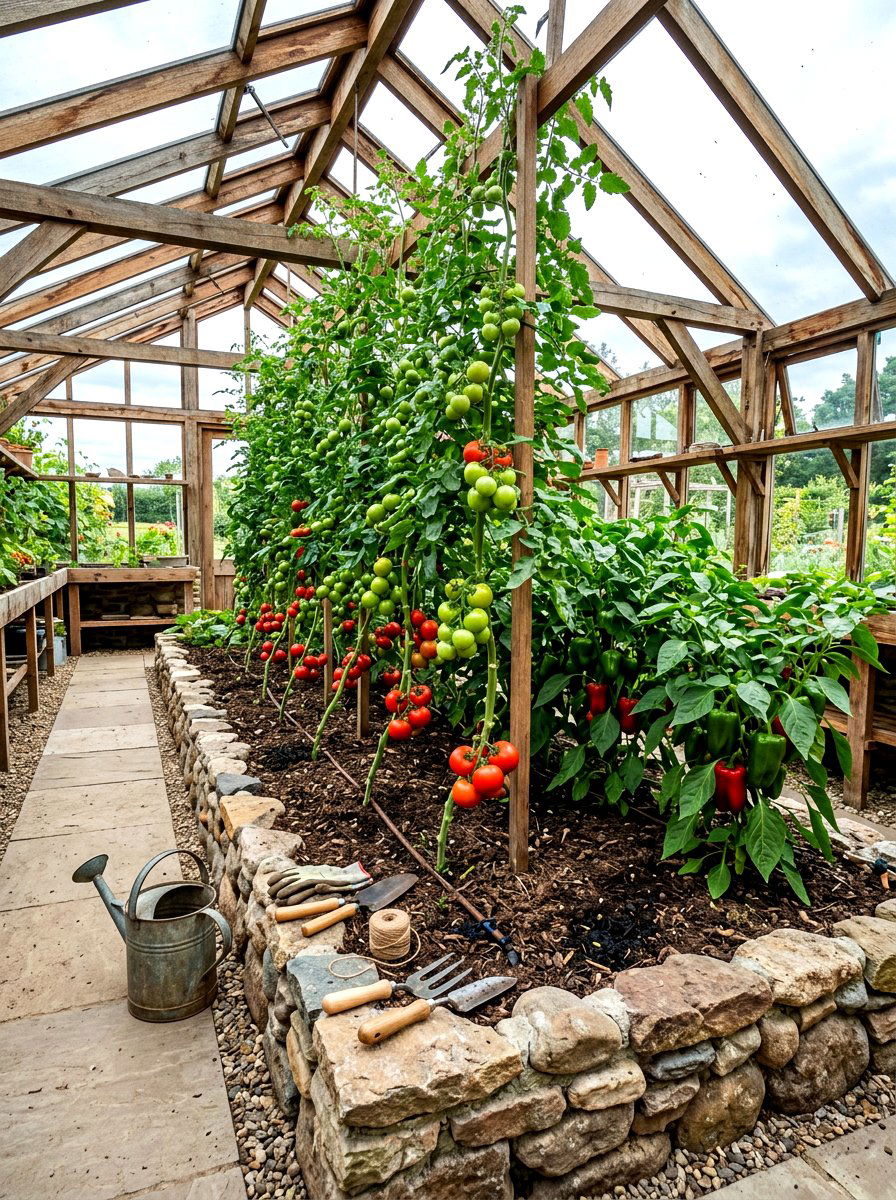
Growing your vegetables or shrubs directly in the ground inside a greenhouse allows for deeper root systems and better moisture retention. This layout involves removing the flooring in specific sections to expose the natural earth below. It is an excellent choice for taller crops like tomatoes, peppers, or even small fruit trees that need more stability than a pot can provide. You can border these beds with stones or timber to keep the soil contained and the pathways clean. In-ground beds help regulate the temperature of the root zone, keeping plants cooler in the summer and warmer during the frosty winter months.
5. Overhead Hanging Basket
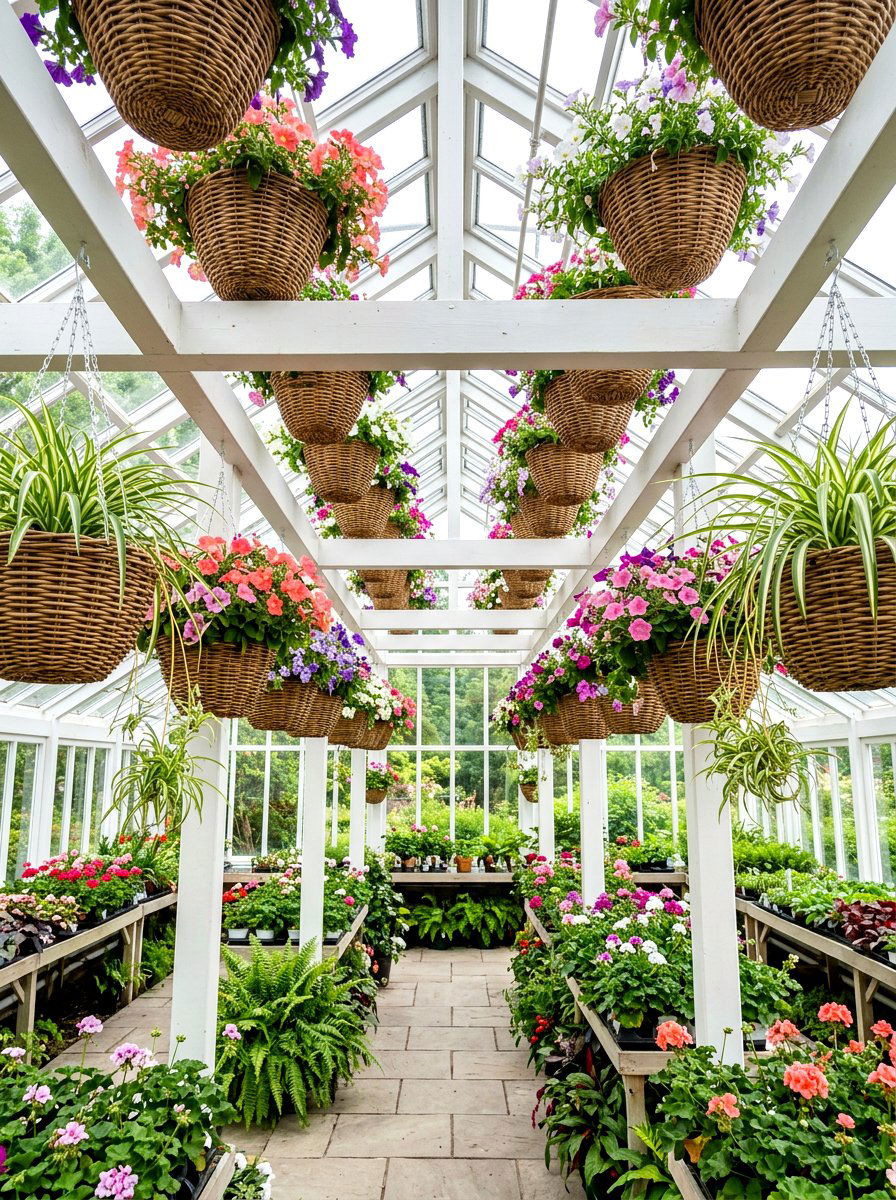
Utilizing the ceiling beams for hanging baskets adds another layer of beauty and productivity to your greenhouse environment. Trailing plants like petunias, fuchsias, or spider plants look stunning when they cascade from above. This layout keeps the floor clear for larger pots while taking advantage of the brightest light near the roof. You should install sturdy hooks and a pulley system to make watering these high-reaching plants much more manageable. Hanging containers also help to break up the visual space, making the greenhouse feel fuller and more vibrant. Be mindful of dripping water when placing these above other sensitive plant varieties.
6. Potting Workspace Zone
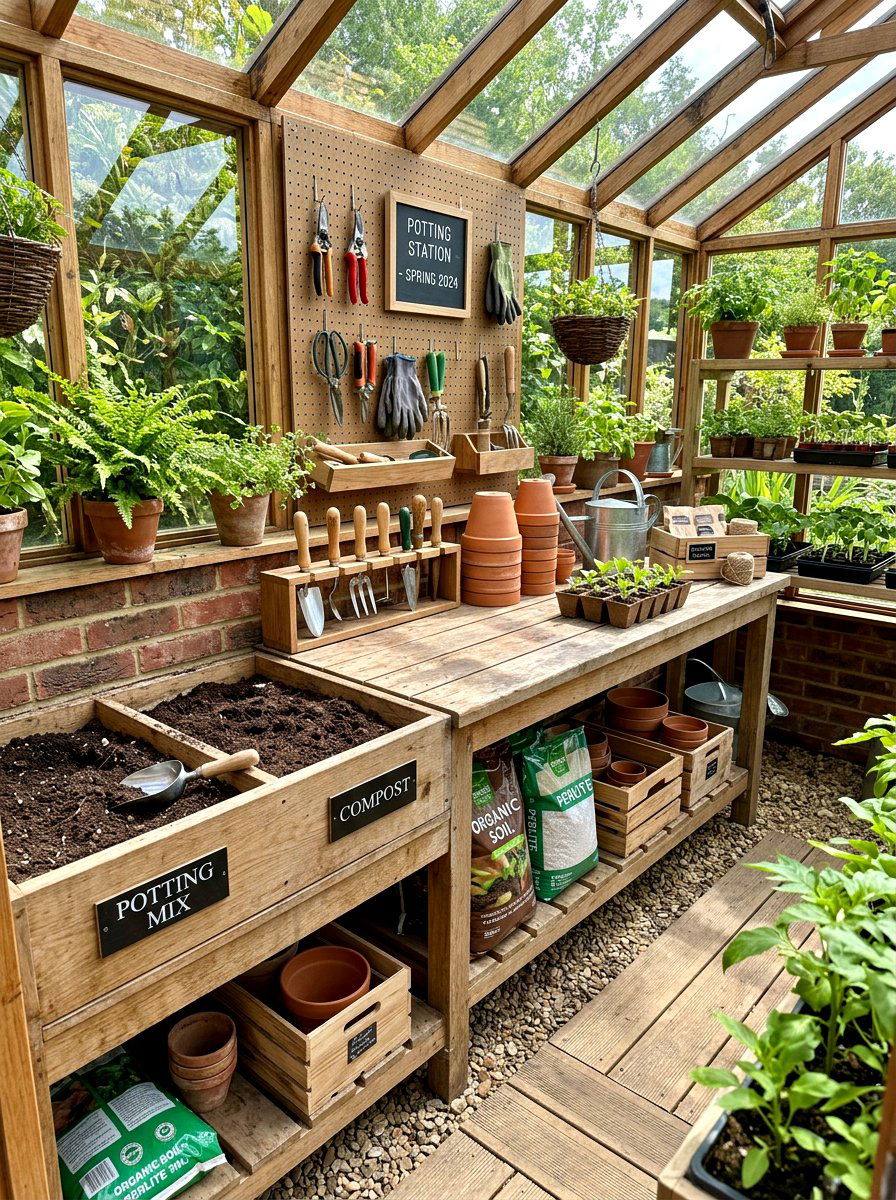
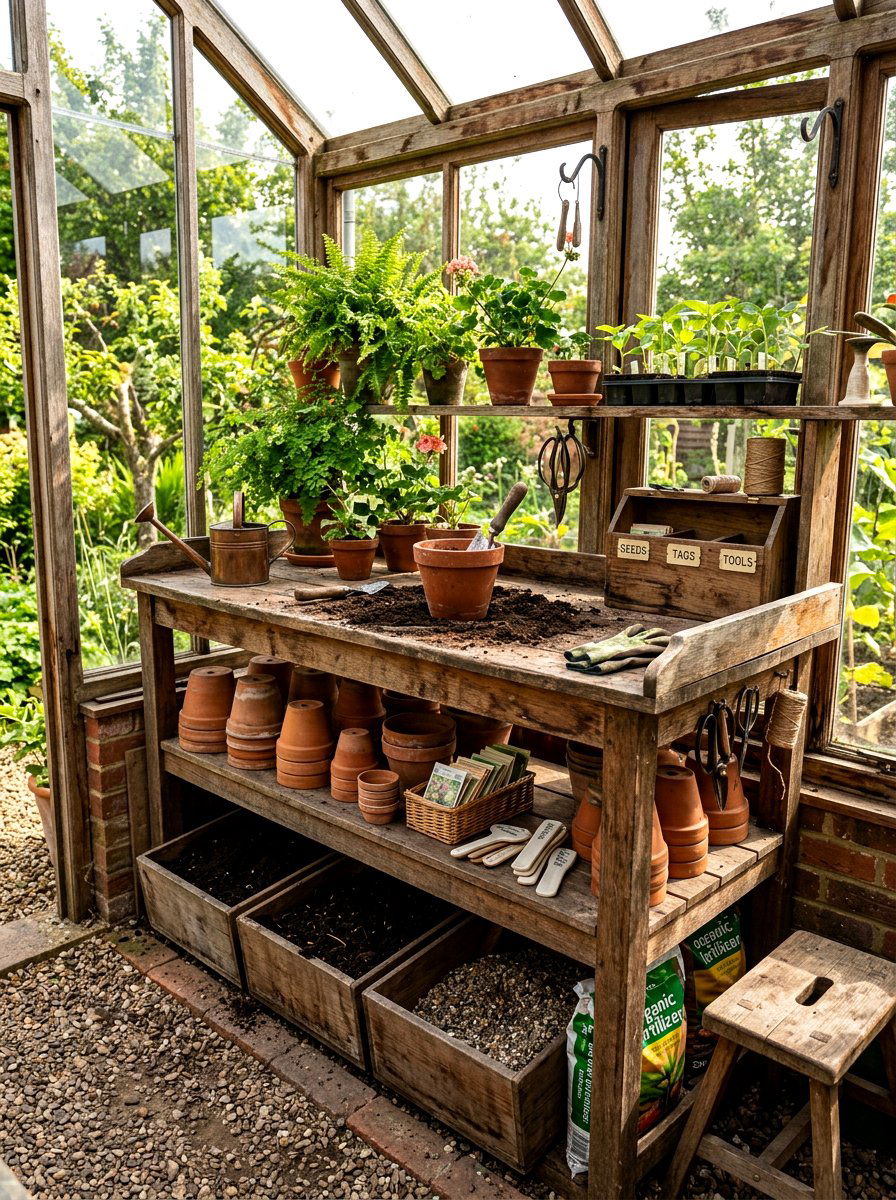
Every gardener needs a dedicated spot to repot seedlings and organize their essential hand tools. A built-in potting workspace zone typically features a sturdy table at waist height to prevent back strain during long sessions. You can include bins for different types of soil, a rack for clean pots, and hooks for trowels and shears. Placing this station near the entrance makes it easy to bring in new plants or take finished projects out to the garden. Keeping this area organized ensures that your greenhouse remains a productive workspace rather than a cluttered storage room. It adds a professional touch to any setup.
7. Corner Succulent Display
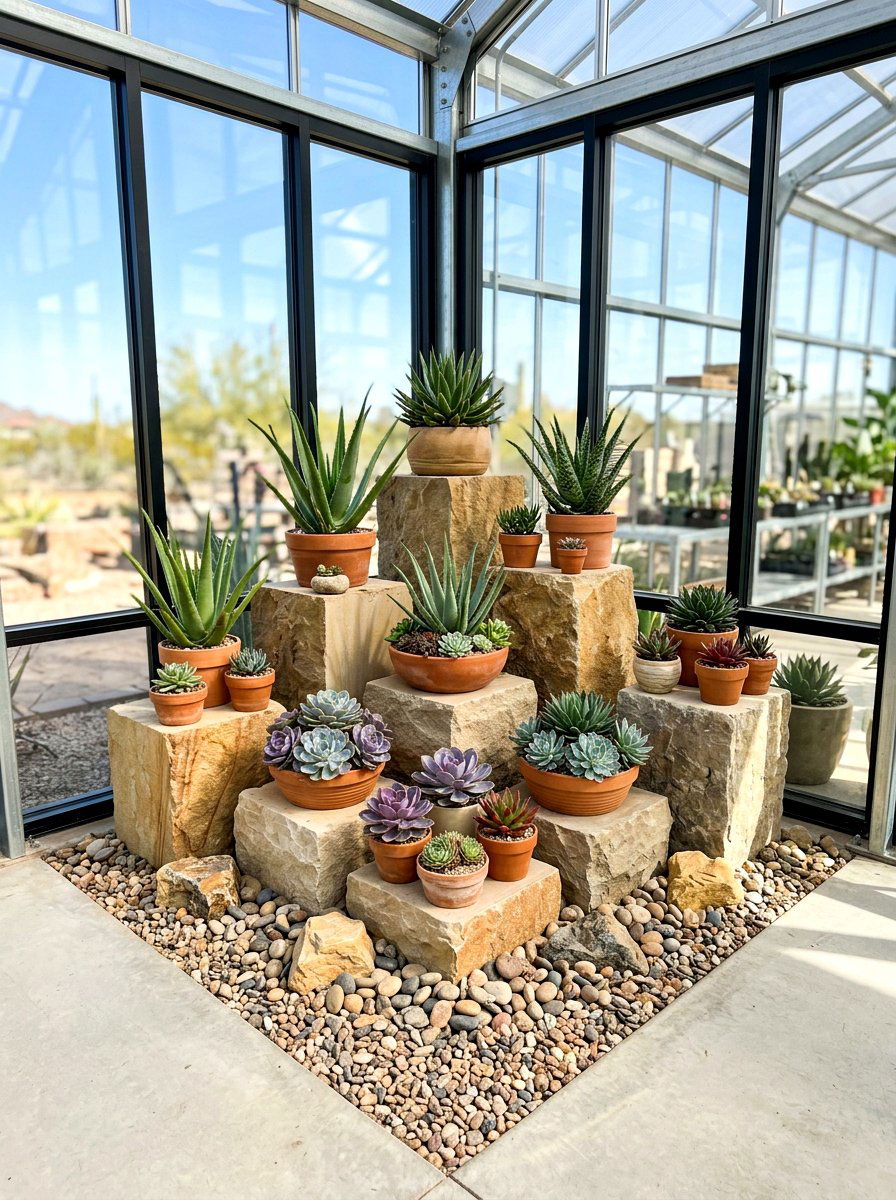
Transforming a neglected corner into a dedicated succulent display creates a stunning focal point for visitors. Succulents require excellent drainage and plenty of light, so placing them in a sunny corner on elevated stands is ideal. You can use different heights of wooden crates or stone pedestals to create a dynamic and interesting arrangement. This layout allows you to group plants with similar watering needs together, making maintenance much simpler. Using decorative top dressings like white pebbles or lava rock can enhance the desert-like feel of this specific zone. It is a low-maintenance way to add texture and color to your greenhouse.
8. Tropical Palm Corner
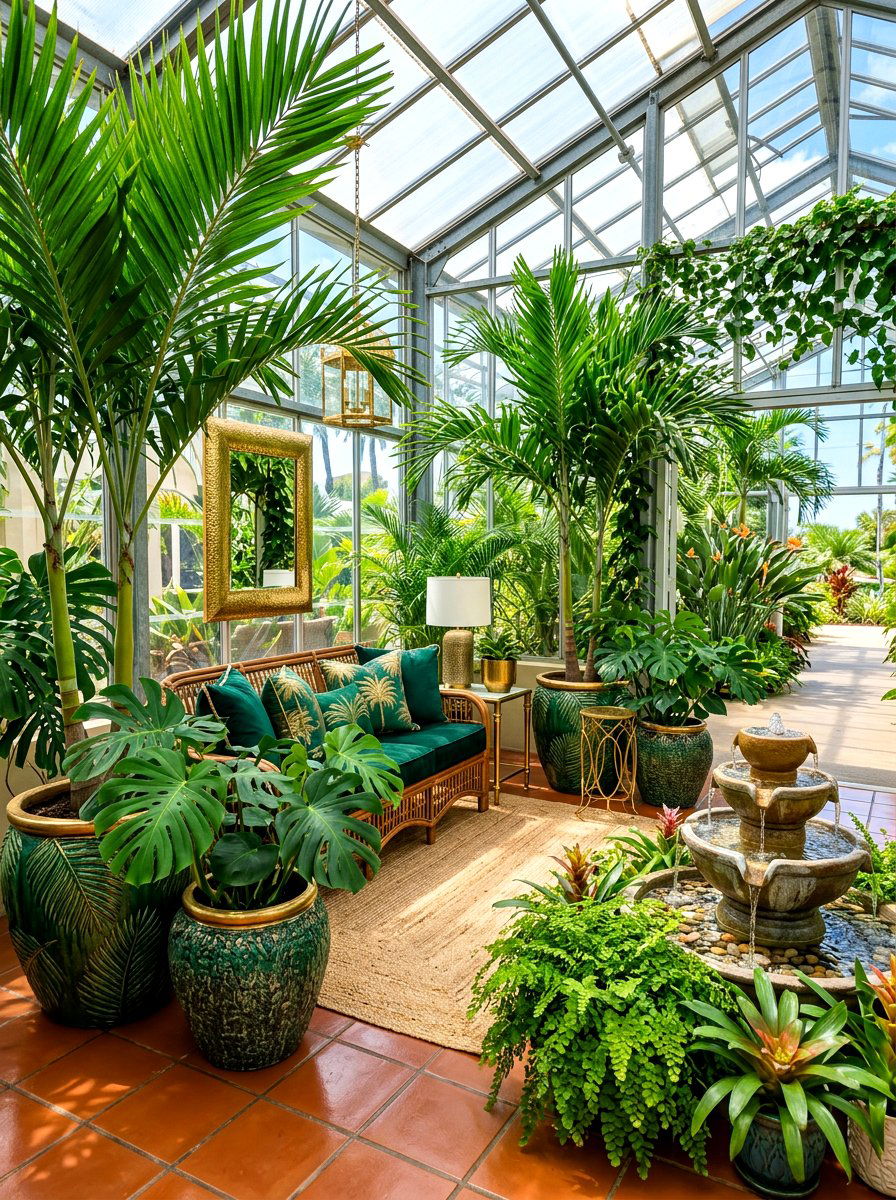
Creating a dedicated area for tropical palms can turn your greenhouse into a lush Mediterranean escape. These plants often require more humidity and slightly filtered light compared to desert species. By grouping them in one corner, you can easily use a mister or a small water feature to keep the air moist around their fronds. This layout provides a tall, architectural element that adds height and drama to the overall design. Large palms in heavy ceramic pots provide a sense of permanence and luxury. They also help to soften the sharp lines of the greenhouse frame, creating a more natural and relaxing atmosphere inside.
9. Seed Starting Station
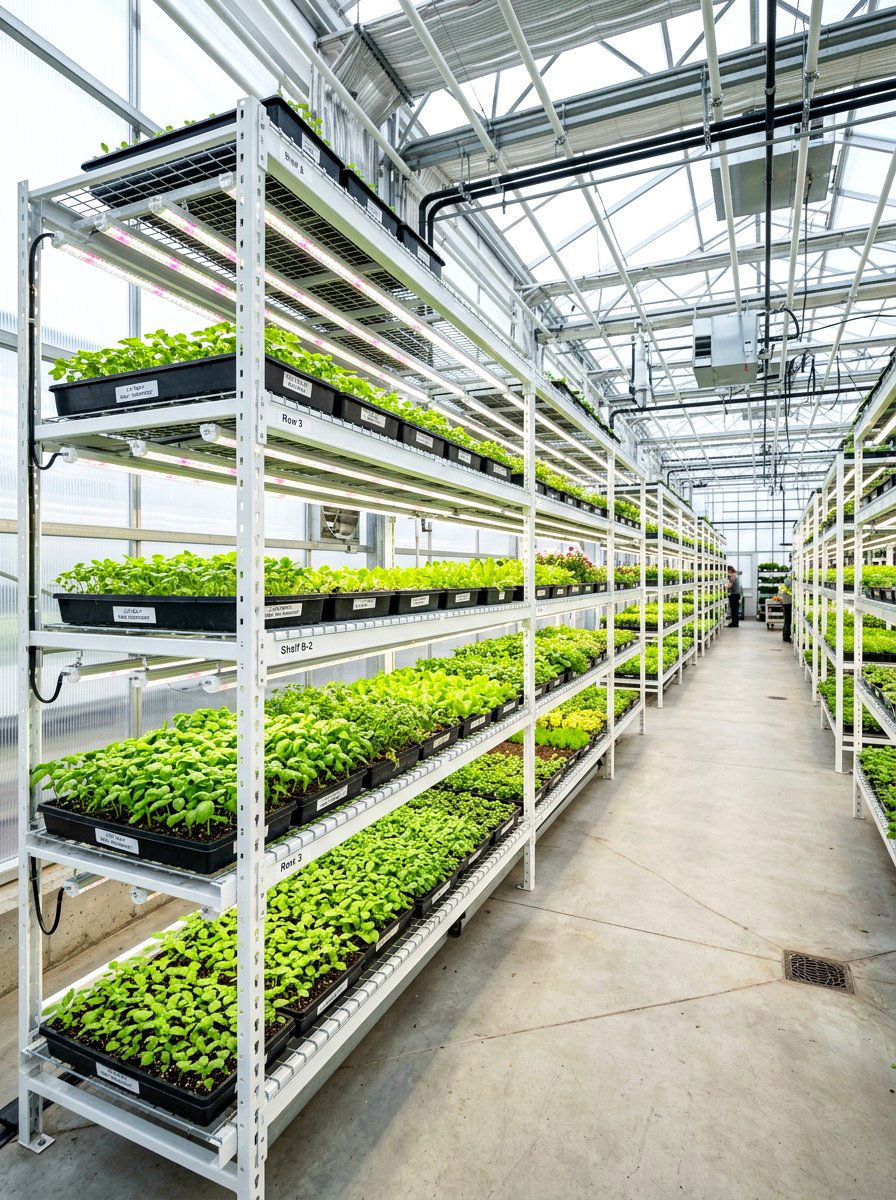
A dedicated seed starting station is vital for those who want to grow their own food from scratch. This area usually requires flat, level surfaces and often includes heat mats to encourage fast germination during the spring. You can set up adjustable grow lights above the trays to ensure the seedlings do not become leggy or weak. Keeping this zone separate from mature plants helps prevent the spread of soil-borne diseases to vulnerable young sprouts. Labeling systems and organized seed packets make this the most functional part of any greenhouse. It is the heart of the garden where all new life begins each year.
10. Pyramid Plant Stand
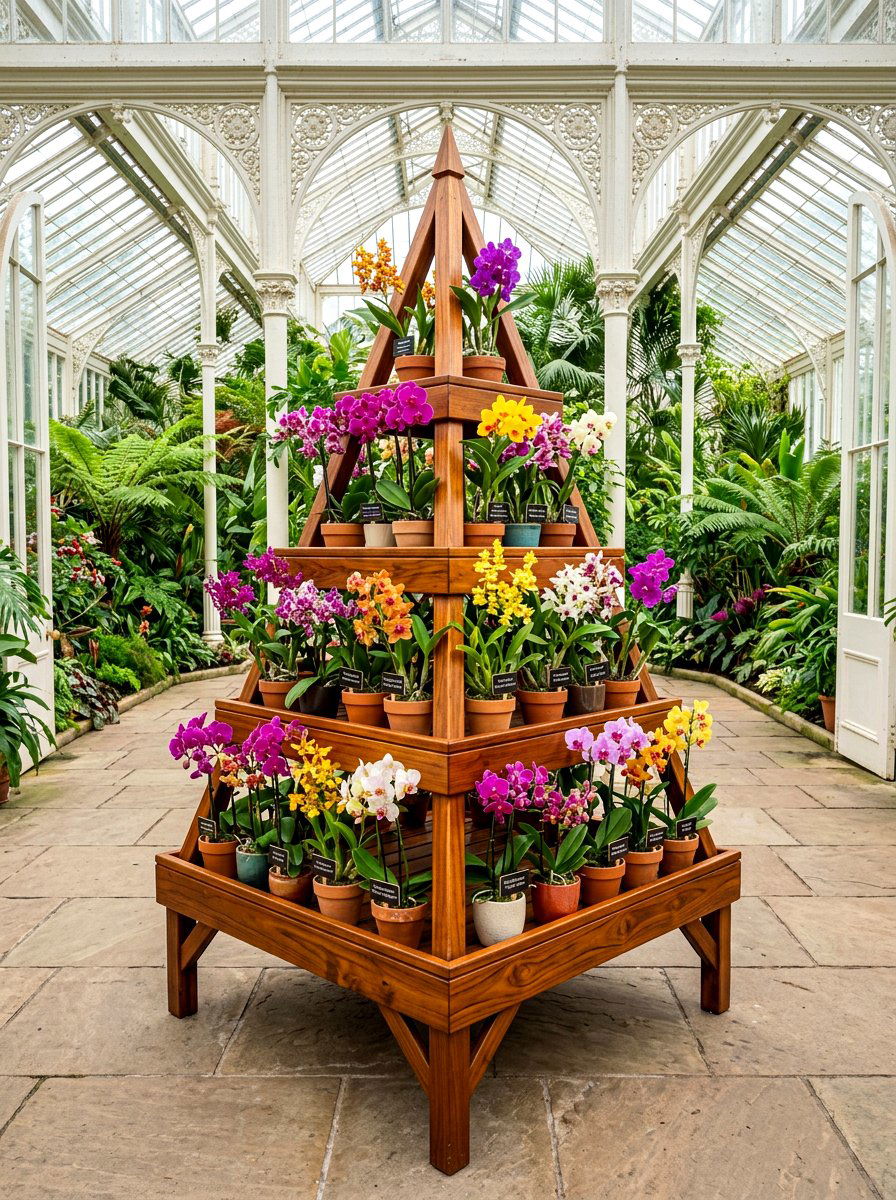
A pyramid plant stand is a fantastic way to showcase a variety of blooms in the center of a room. This free-standing structure allows you to view your plants from all 360 degrees as you walk around it. The tiered shape ensures that every plant gets a share of the sunlight, regardless of which side it is facing. This is a very popular layout for collectors of orchids or rare African violets. It adds a formal, architectural element to the greenhouse that feels both classic and sophisticated. You can easily move a pyramid stand if it is built with high-quality locking casters on the base.
11. Perimeter Bench System
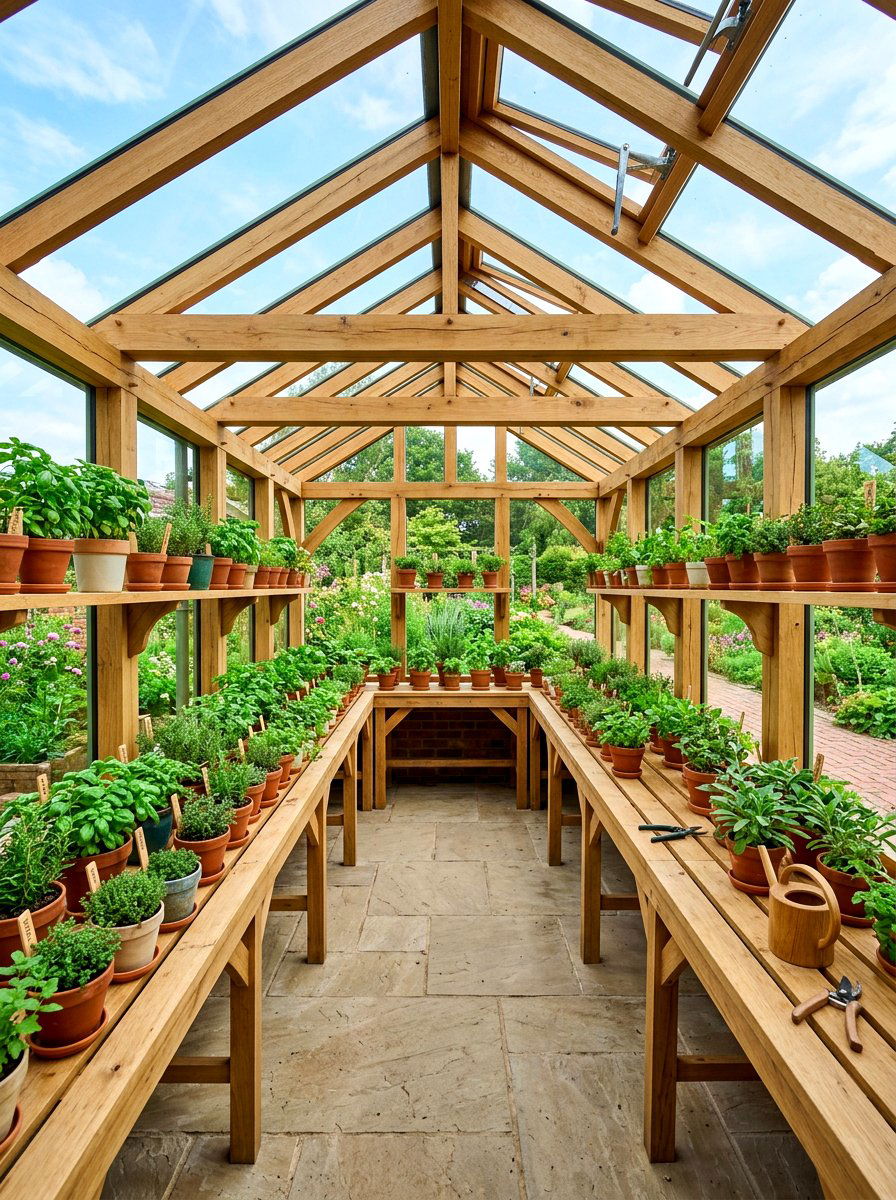
Running benches along the entire perimeter of your greenhouse is one of the most space-efficient layouts possible. This design leaves the center of the floor completely open for larger potted trees or a small seating area. Perimeter benches provide a continuous surface for hundreds of small pots, making it easy to organize them by species or growth stage. You can use the space underneath the benches to store bags of mulch, watering cans, or dormant bulbs. This layout works perfectly in square or circular greenhouses where you want to maximize every inch of the outer wall for light-hungry plants.
12. Hydroponic Growing Tower
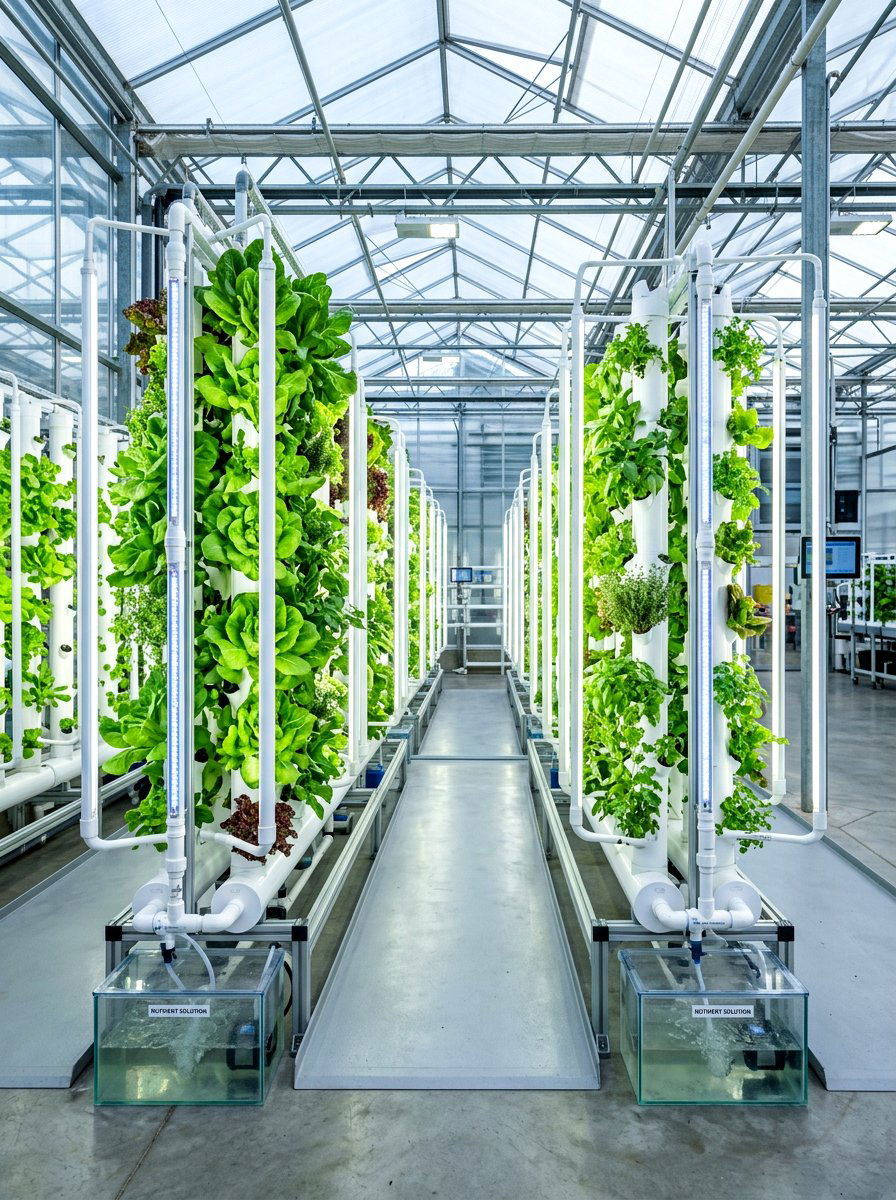
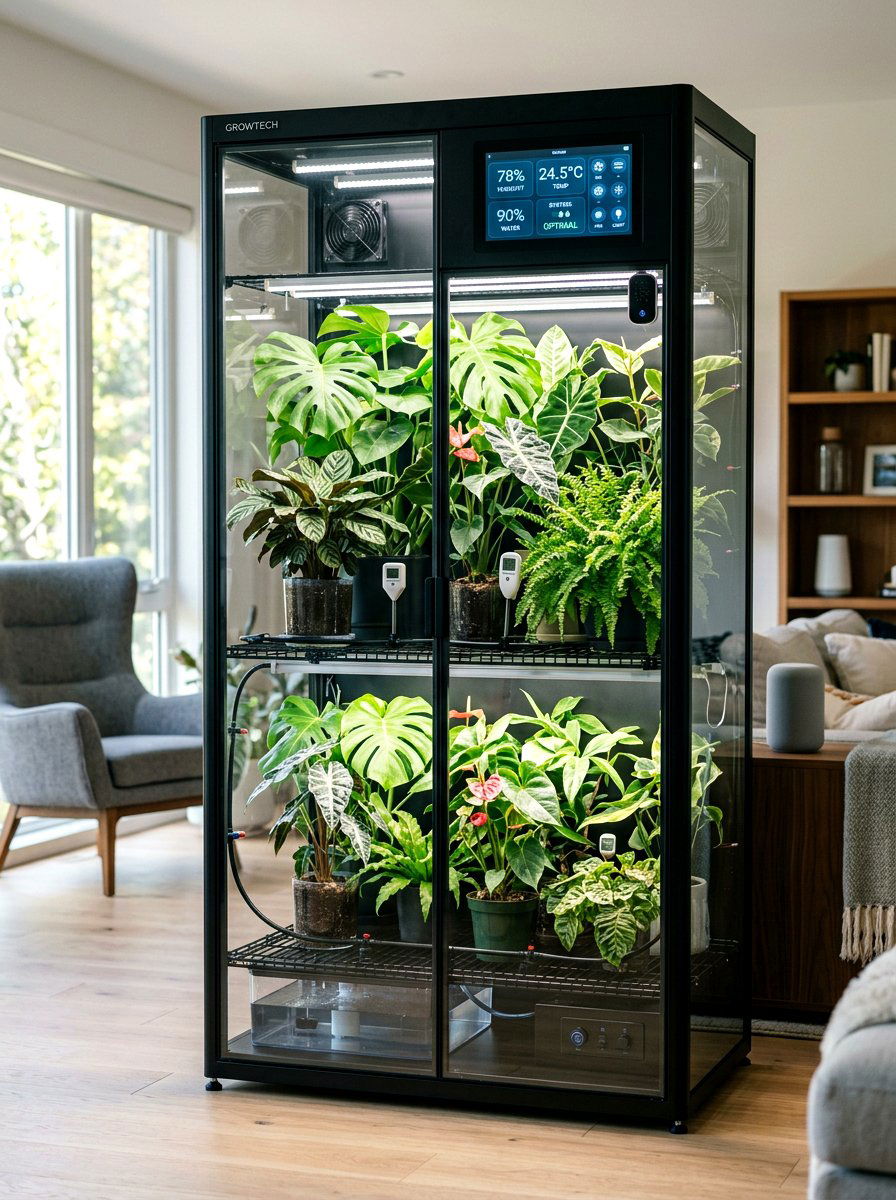
Integrating a hydroponic growing tower allows you to produce a massive amount of food in a tiny footprint. These vertical systems use nutrient-rich water instead of traditional soil to feed the plants. They are perfect for growing lettuce, herbs, and strawberries in a clean and efficient manner. Because the towers stand upright, they fit easily into small gaps between other benches or in corners. This modern layout is ideal for tech-savvy gardeners who want to experiment with soil-less cultivation methods. It also keeps the produce away from ground-dwelling pests, ensuring your harvests are clean and ready to eat with minimal washing.
13. Citrus Tree Area
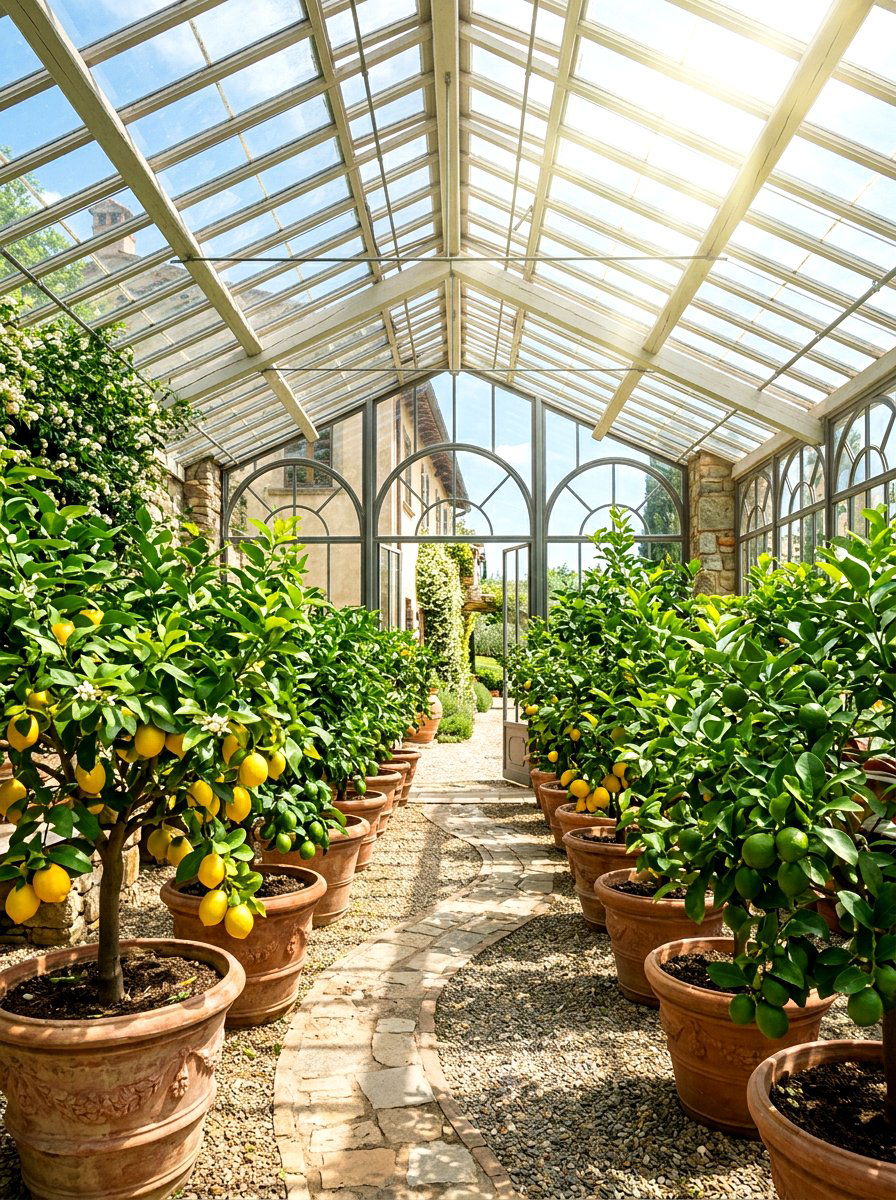
Growing lemons, limes, and oranges is a dream for many greenhouse owners, but these trees need their own space. A dedicated citrus tree area should be located in the brightest part of the structure to ensure the fruit ripens properly. These trees look best in large, decorative terracotta pots that provide plenty of room for their roots to expand. This layout creates a wonderful fragrance throughout the greenhouse when the trees are in full bloom. You can underplant the trees with small herbs like thyme or rosemary to create a Mediterranean-inspired grove. It adds a touch of edible luxury to your indoor garden.
14. Greenhouse Climbing Trellis
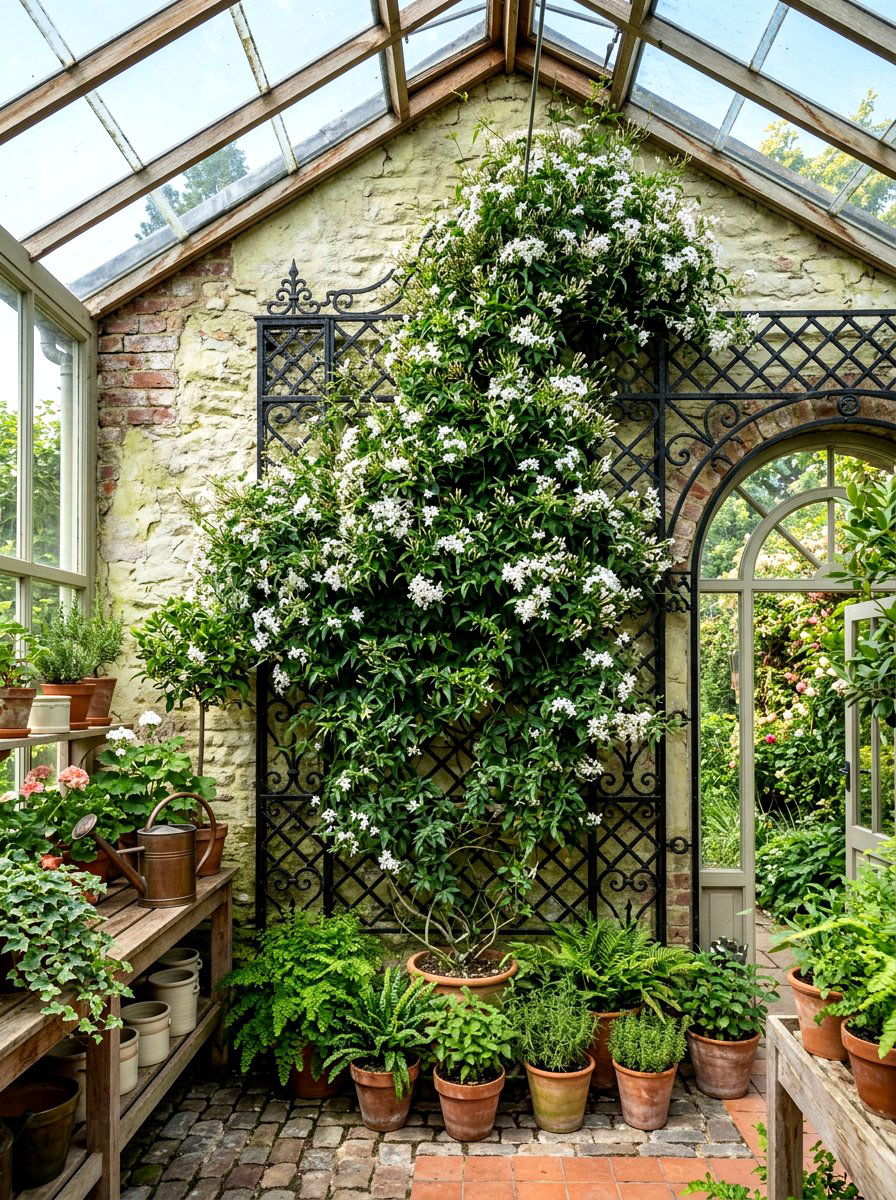
Installing a climbing trellis against the back wall or roof supports allows you to grow tall vines like jasmine or grapes. This layout uses the vertical height of the greenhouse to create a stunning green canopy. Climbing plants provide natural shade during the hottest parts of the summer, which can help protect more delicate plants below. You can use simple wire mesh or decorative wooden lattice to give the tendrils something to grab onto. This design makes the space feel more enclosed and secret, like a hidden garden room. It is a great way to add fragrance and lush foliage to the structure.
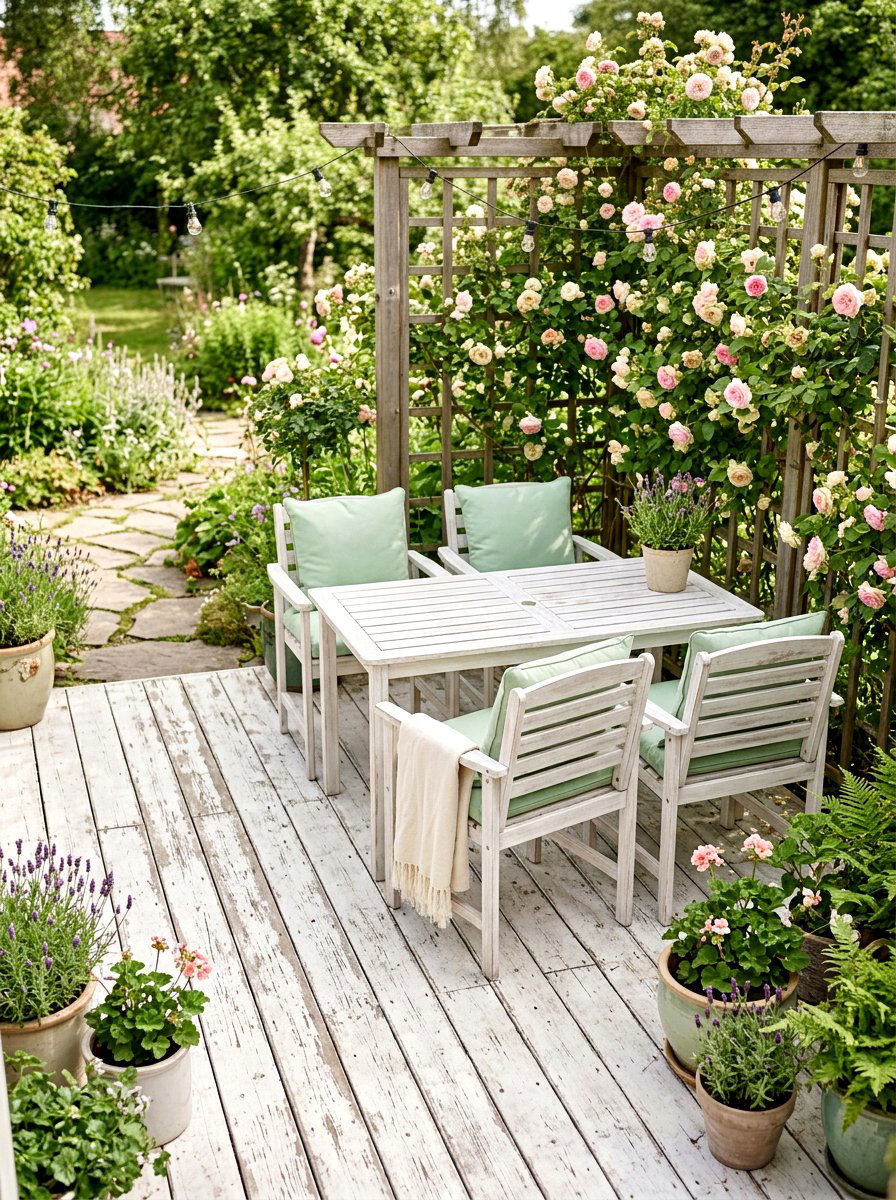
15. Mobile Rolling Cart
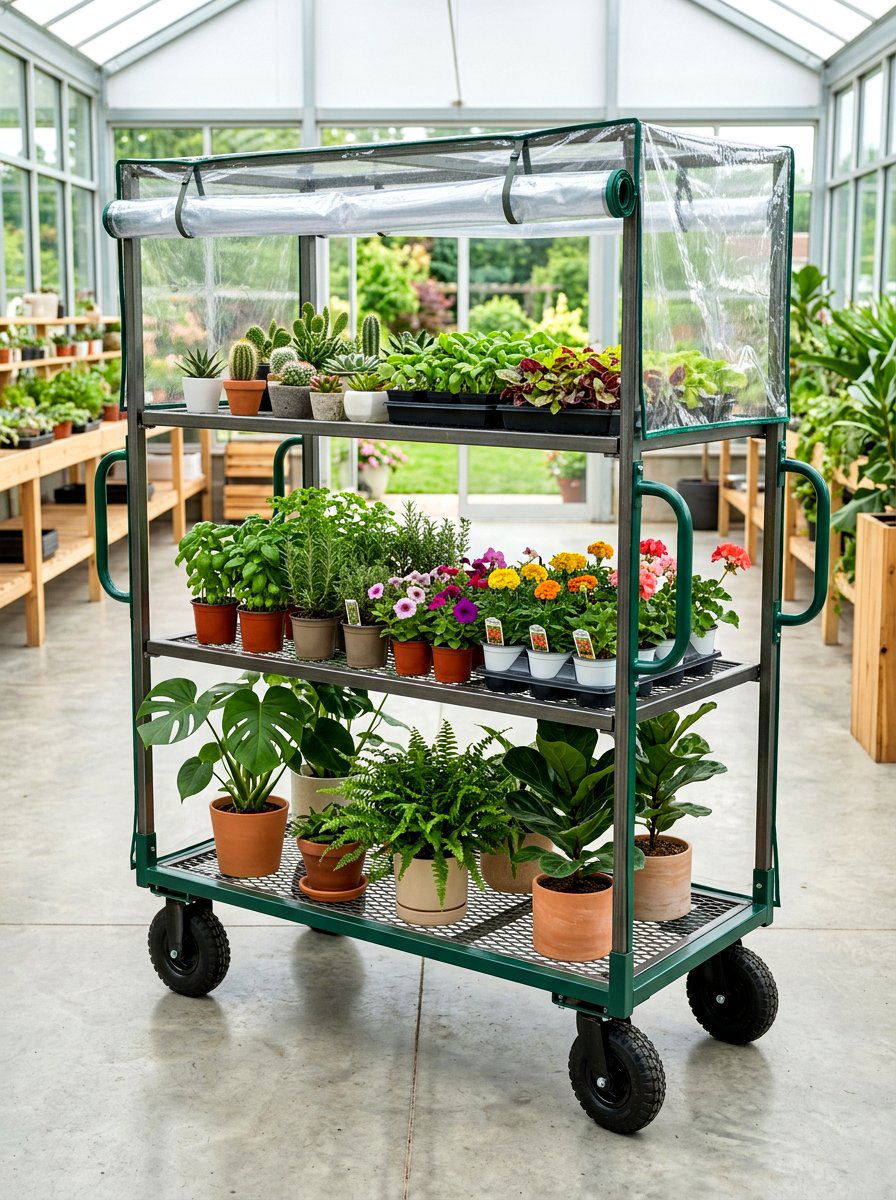
Using mobile rolling carts gives you the flexibility to change your greenhouse layout whenever you need. These heavy-duty carts can be moved into the sun during the day and pushed into a protected corner at night. They are perfect for heavy pots that are too difficult to lift by hand. This layout is especially useful for gardeners who enjoy rearranging their space based on the changing seasons. You can use the bottom shelves for tool storage and the top for your most beautiful display plants. Rolling carts make cleaning the greenhouse floor much easier since you can simply move everything out of the way.
16. Symmetrical Greenhouse Layout
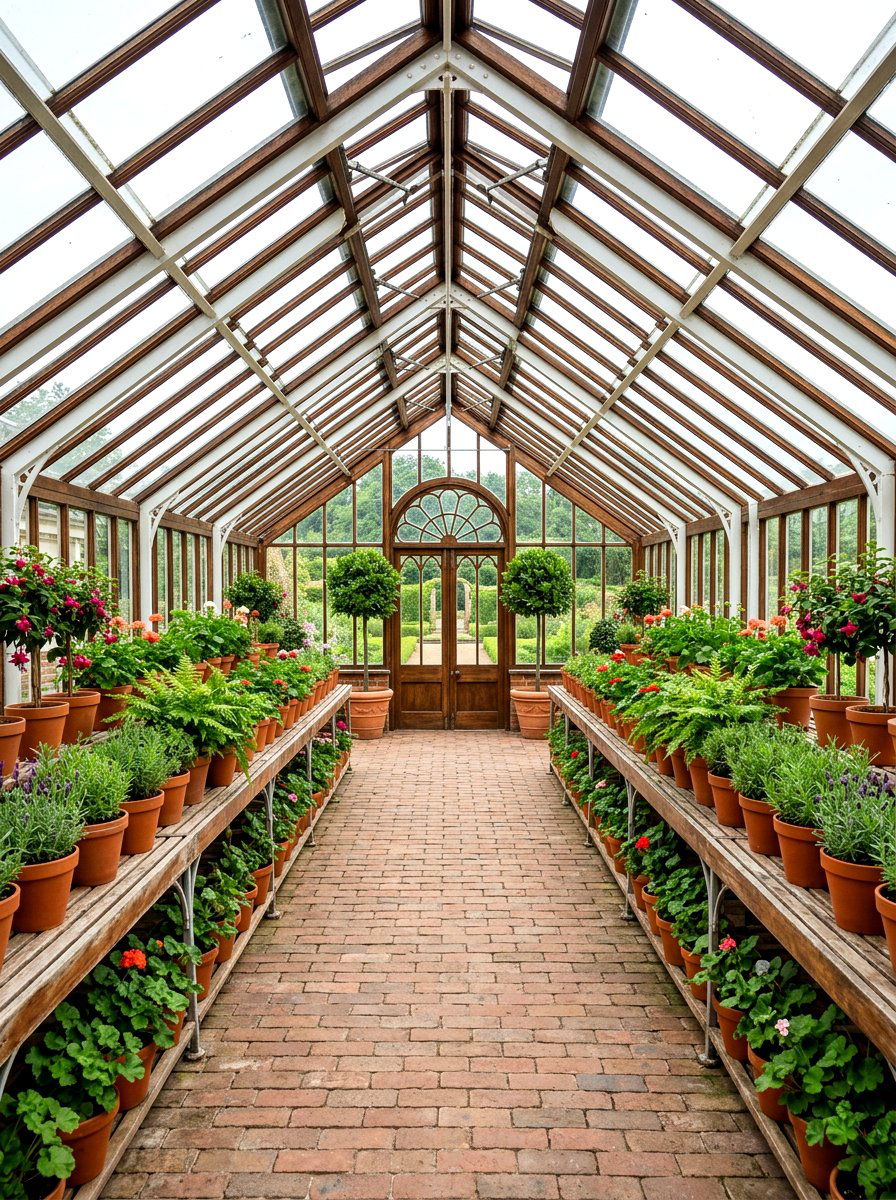
A symmetrical layout creates a sense of balance and calm that is very pleasing to the eye. This design usually features identical benches on both sides of a central path, with matching plants or containers. It mimics the look of traditional European botanical gardens and works well for formal plant collections. Symmetry helps you stay organized because you can mirror your activities on both sides of the space. You might have herbs on the left and flowers on the right, keeping everything perfectly aligned. This structured approach is perfect for those who find peace in order and clean lines within their hobby space.
17. Brick Path Garden
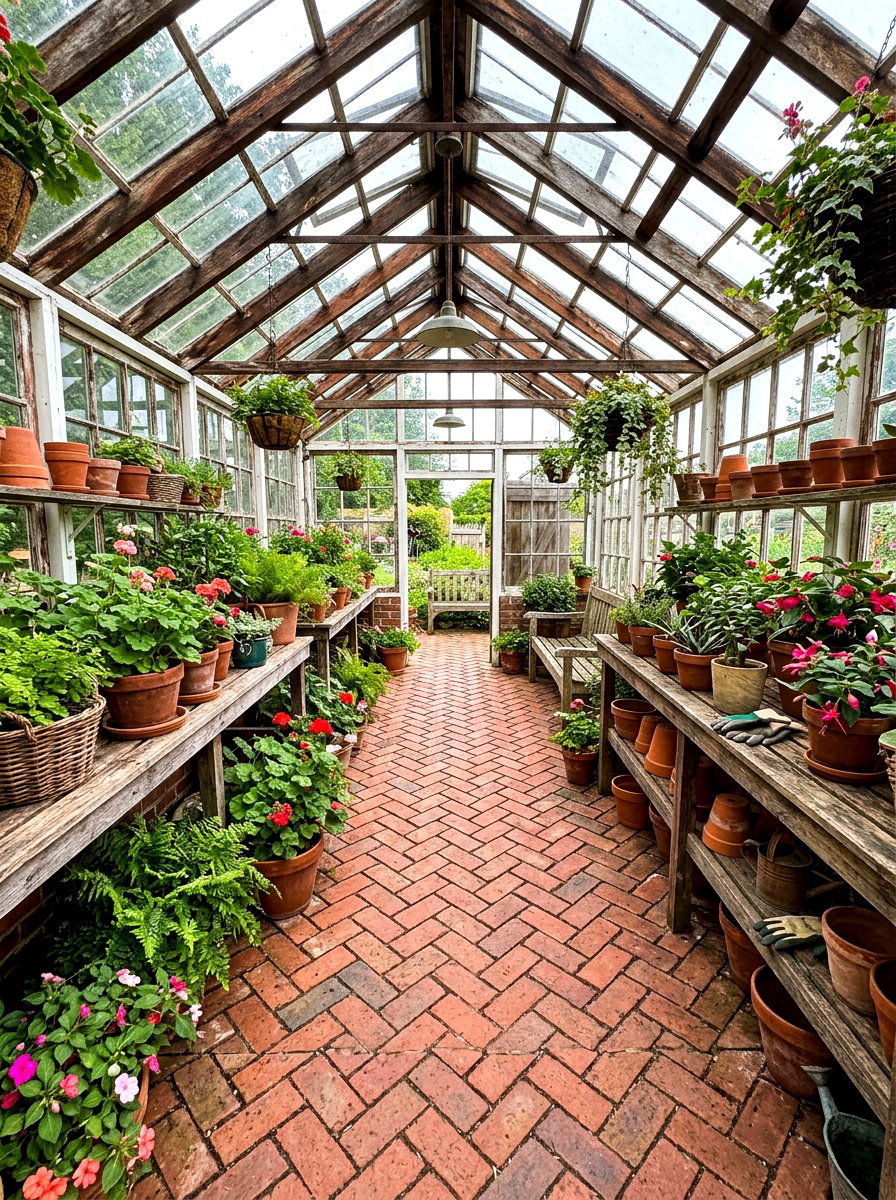
Adding a brick path garden layout brings a rustic and permanent feel to your greenhouse interior. Bricks are excellent at absorbing heat during the day and releasing it slowly at night, which helps regulate the temperature. The natural texture of the brick provides a non-slip surface even when the floor is wet from watering. You can lay the bricks in a classic herringbone or basketweave pattern to add a decorative touch. This layout looks beautiful when combined with wooden benches and terracotta pots. It creates a timeless aesthetic that reminds one of old-fashioned English conservatories found on historic country estates.
18. Gravel Floor Drainage
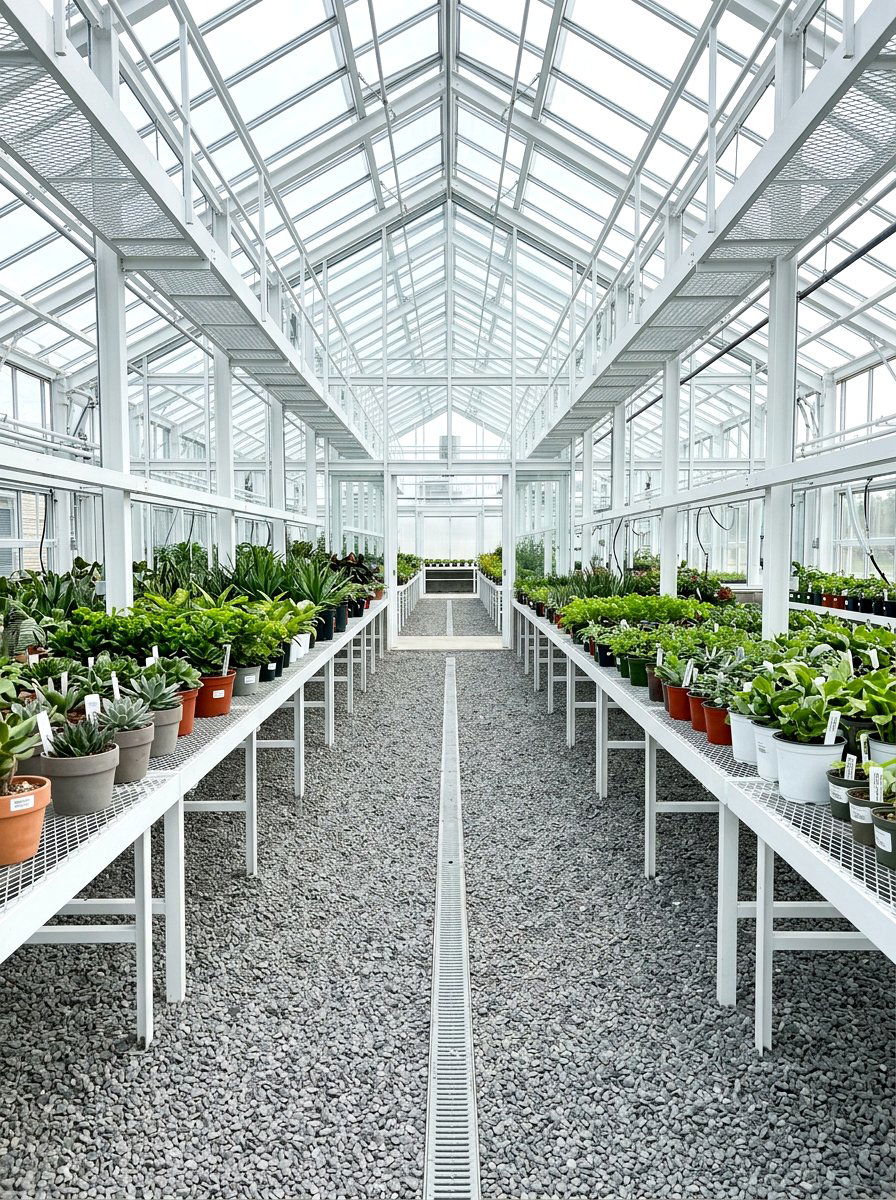
A gravel floor is one of the most practical and low-maintenance layouts for any functional greenhouse. Gravel allows water to drain away instantly, preventing puddles and keeping the humidity levels balanced. It also discourages pests like slugs from moving easily between your plants. You can choose different colors of stone to match your personal style, from bright white quartz to earthy river pebbles. This layout is very affordable and easy to install yourself over a weed-barrier fabric. It provides a clean, professional look that highlights the vibrant colors of your plants without distracting the eye with busy floor patterns.
19. Dwarf Fruit Tree
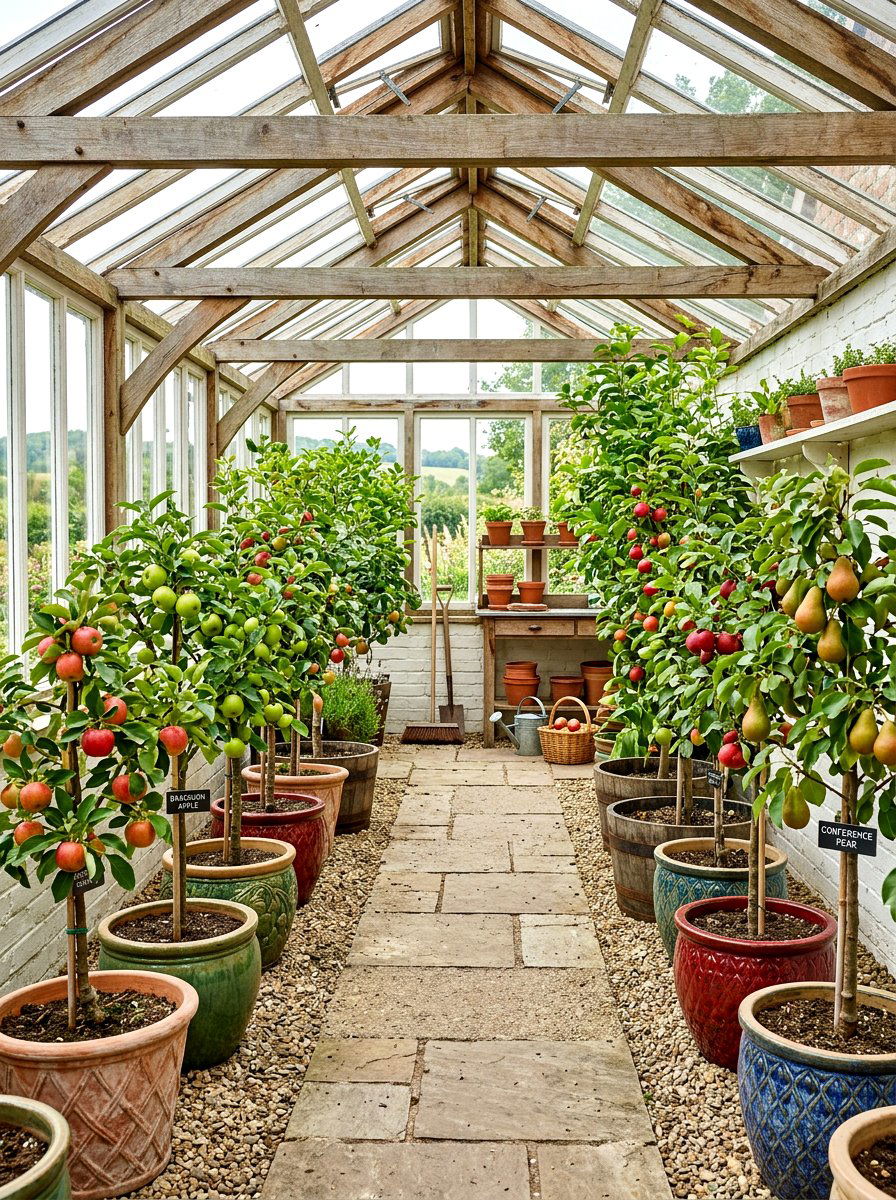
Incorporating dwarf fruit trees into your greenhouse layout allows you to enjoy fresh harvests in a limited space. These specially bred trees stay small enough to live comfortably in large pots or small in-ground sections. You can place them near the entrance to create a welcoming and productive vibe. Apple, pear, and cherry trees can all thrive in a greenhouse if they are provided with enough light and proper pollination. This layout adds structural variety to your plant collection, offering height and seasonal changes in foliage. Seeing fruit ripen right before your eyes is one of the most rewarding parts of gardening.
20. Herb Spiral Planter
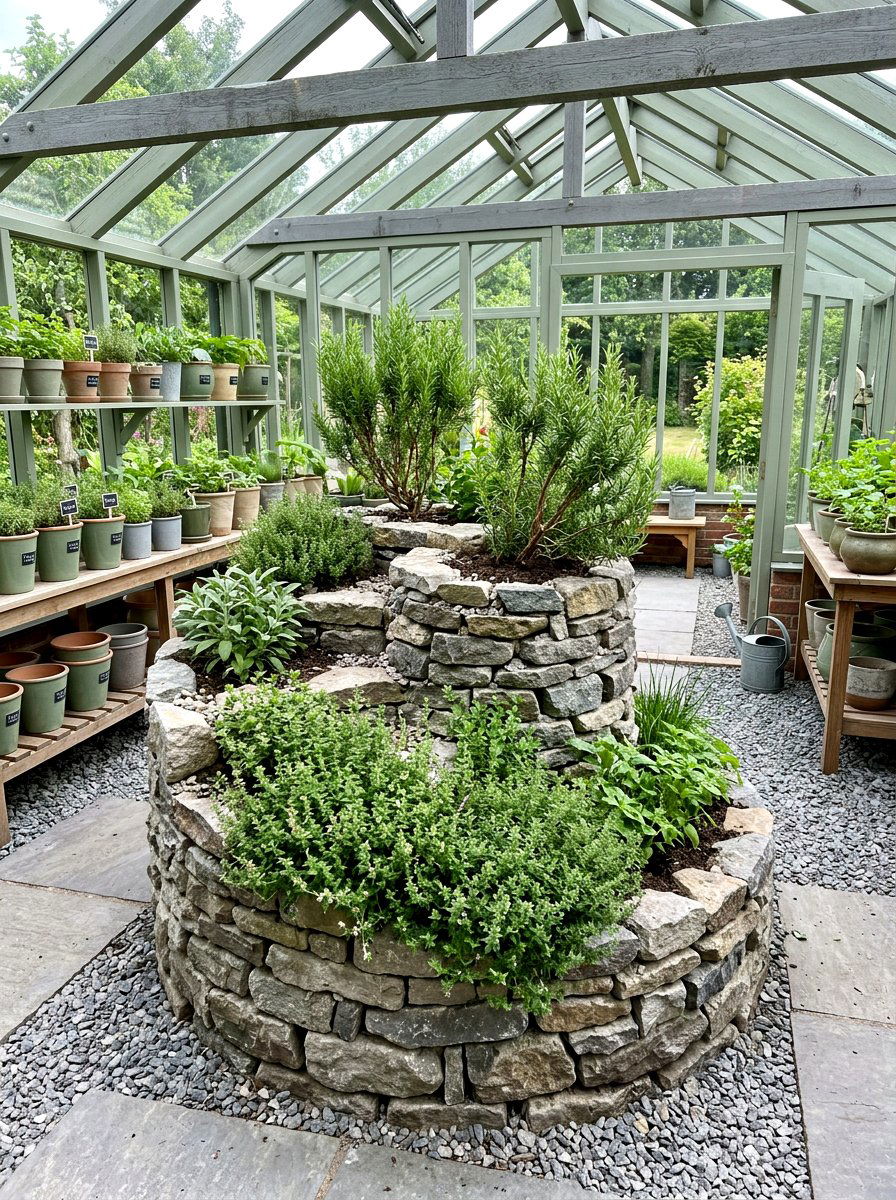
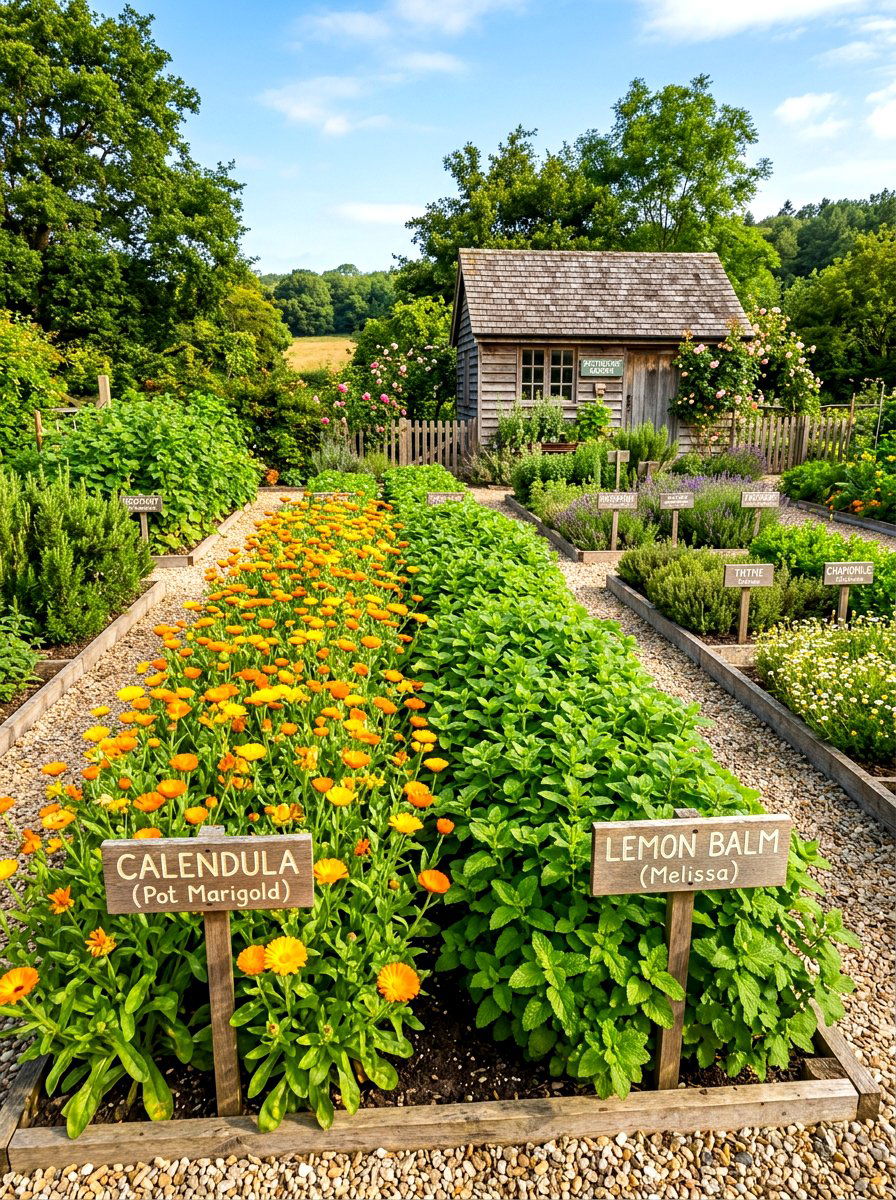
An herb spiral planter is a creative way to grow many different culinary plants in a very small circular area. This layout uses stones or bricks to build a ramp-like structure that creates different microclimates. The top of the spiral is dry and sunny, perfect for rosemary or oregano, while the bottom is cooler and moister for mint or parsley. Placing an herb spiral near your potting bench makes it easy to grab fresh garnishes while you work. It is a beautiful and functional design that adds a unique geometric shape to the greenhouse floor. This setup maximizes every inch of growing space efficiently.
21. Shade Loving Zone
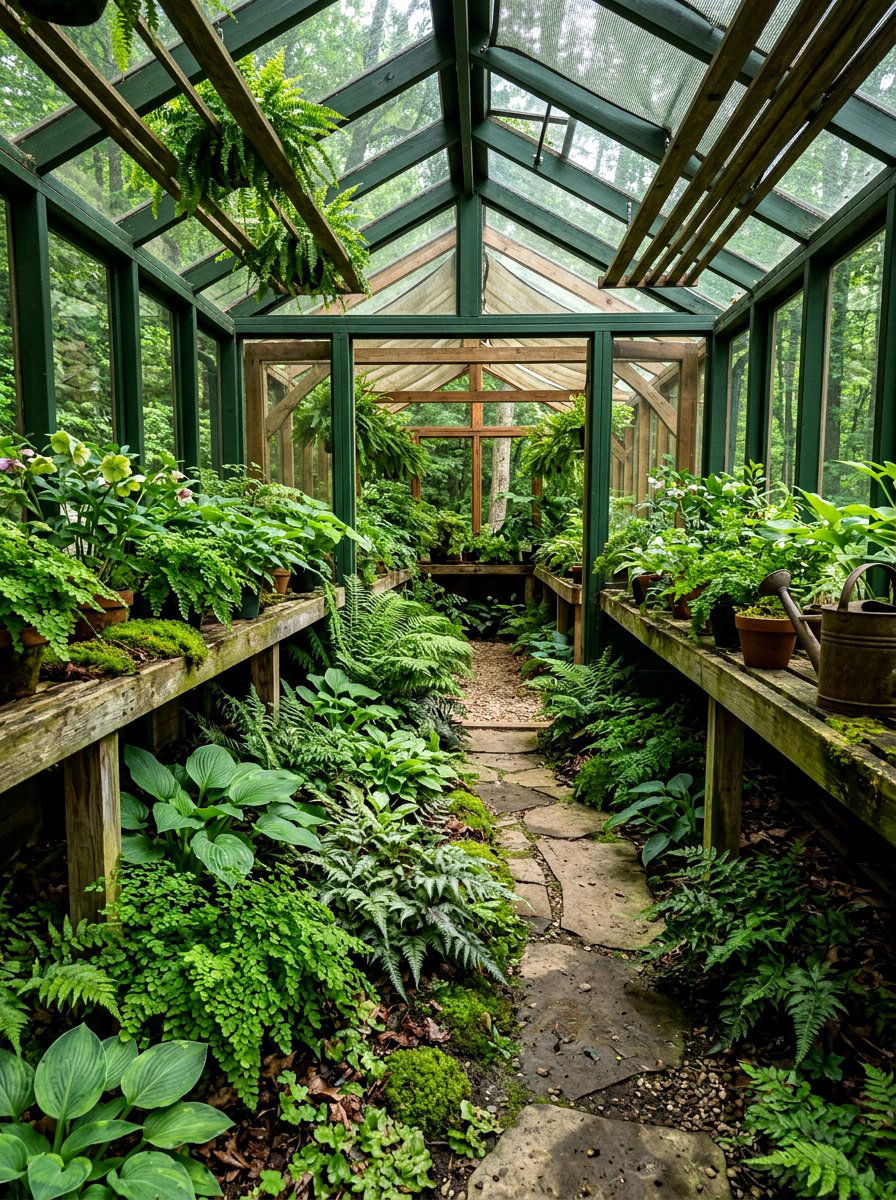
Not every plant wants to sit in the direct, scorching sun all day long. Creating a dedicated shade-loving zone is essential for growing lush ferns, hostas, or colorful begonias. You can use shade cloths or place these plants under the taller benches to protect them from the harsh midday light. This layout ensures that you can grow a wider variety of species within the same structure. Adding a small bench or chair in this cooler area provides a comfortable spot for you to relax. It creates a calm, woodland-like atmosphere that contrasts beautifully with the brighter and more intense sections of the greenhouse.
22. Misting System Layout
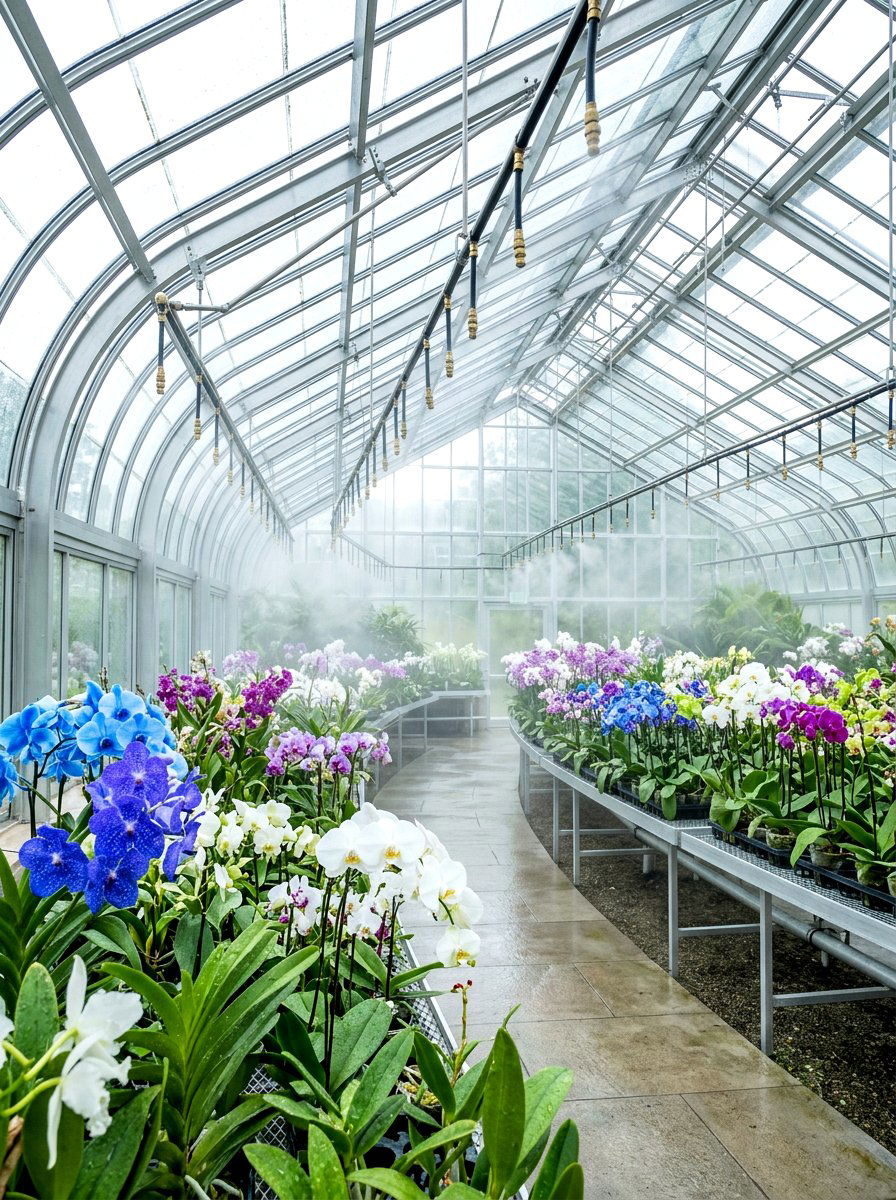
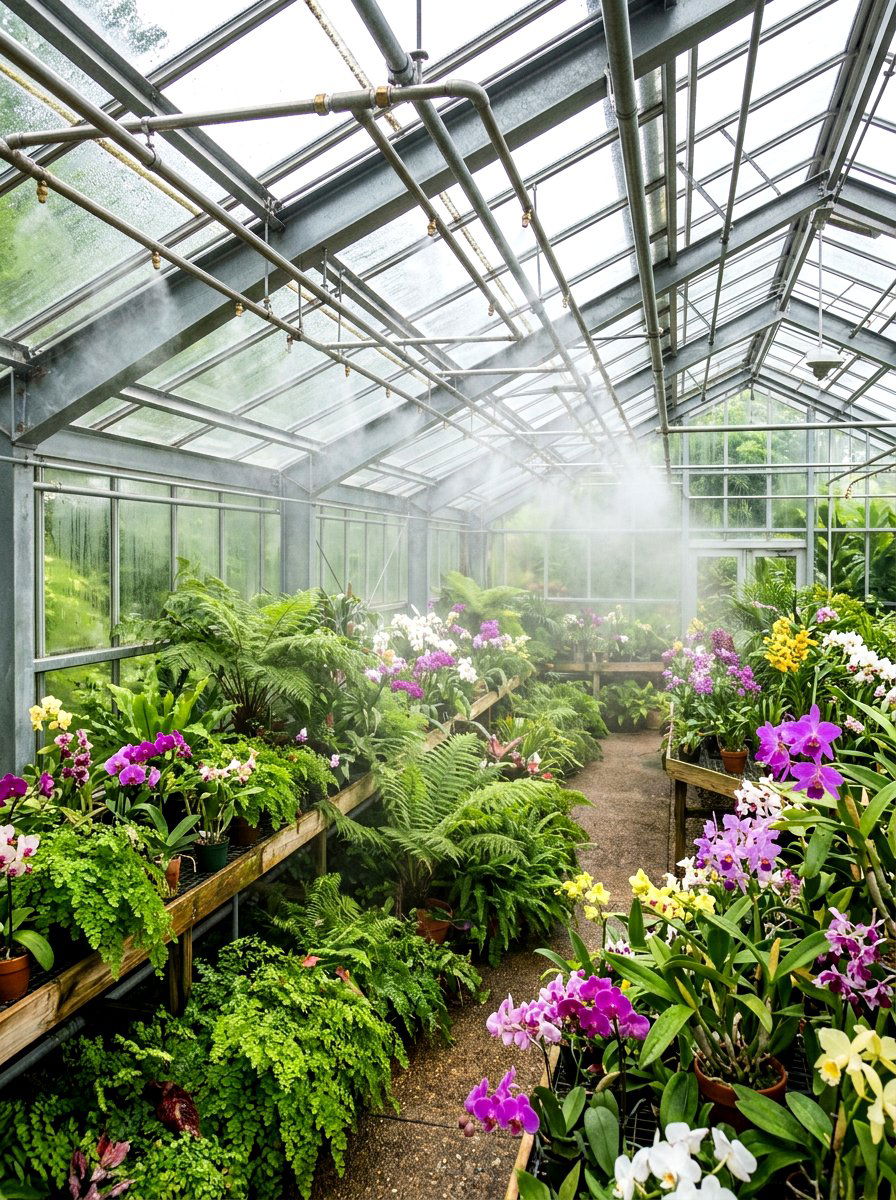
A greenhouse with an integrated misting system layout is perfect for maintaining the high humidity that tropical plants crave. The misters are usually installed along the ceiling or under the benches to provide a fine spray of water at set intervals. This layout is ideal for orchid enthusiasts or those who propagate delicate cuttings that cannot dry out. It helps lower the temperature during the peak of summer, protecting your plants from heat stress. Seeing the gentle fog roll through the foliage creates a magical and serene environment. This automated feature makes plant care much easier for busy gardeners who cannot water manually.
23. Cold Frame Addition
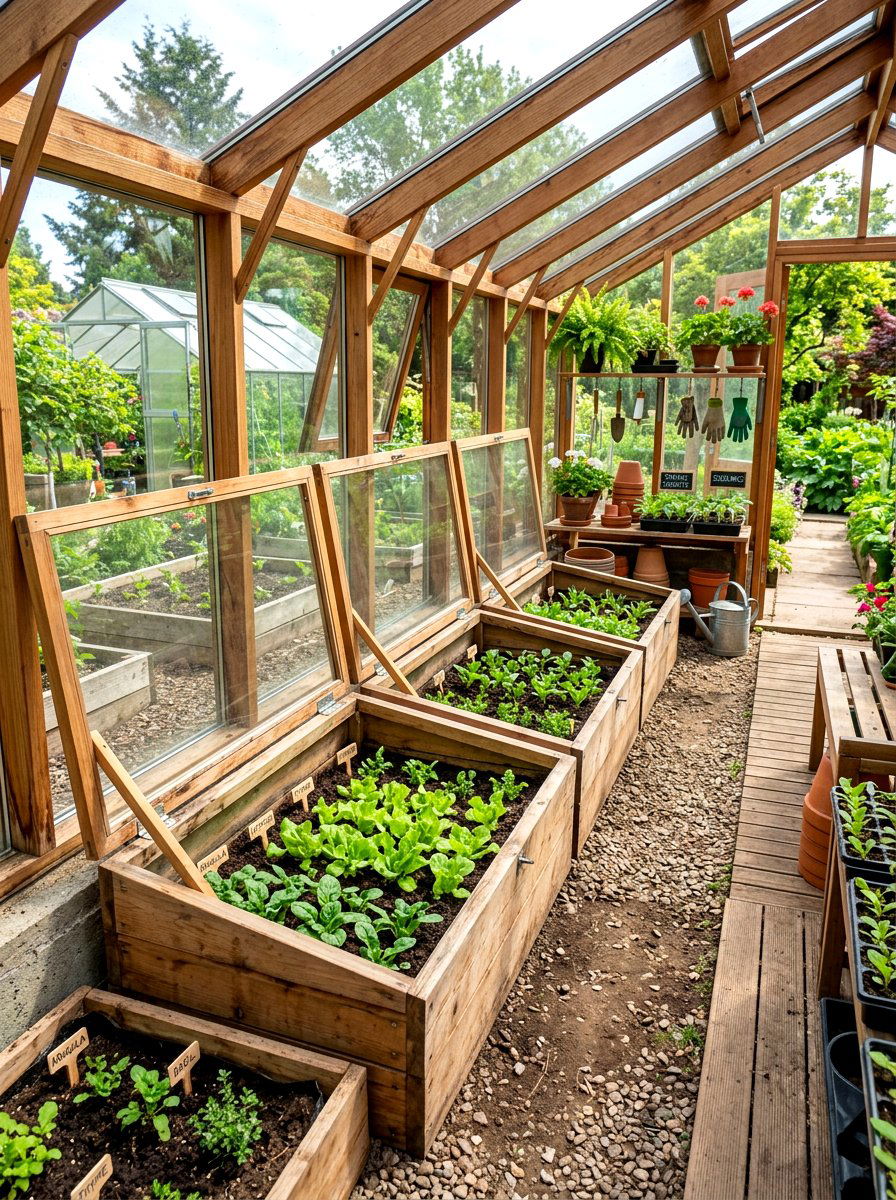
Integrating cold frames into your greenhouse layout provides an extra layer of protection for very young or sensitive plants. These low-profile boxes with clear lids act like a greenhouse within a greenhouse. They are perfect for hardening off seedlings before they move to the outdoor garden in early spring. You can place them on the floor or on a low bench where they are easy to access. This layout allows you to manage different temperature zones without having to heat the entire building. It is a smart way to extend your growing season and ensure your most vulnerable plants survive unexpected cold snaps.
24. Integrated Seating Area
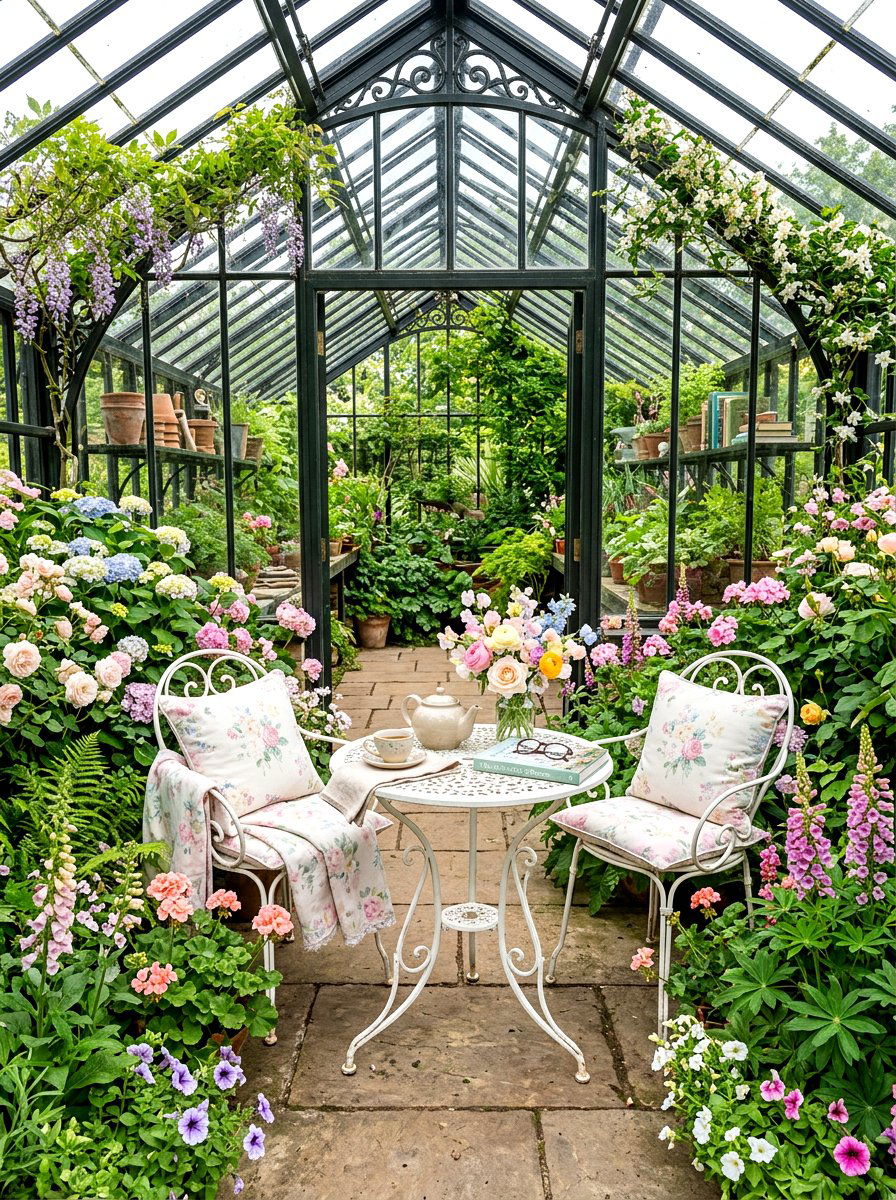
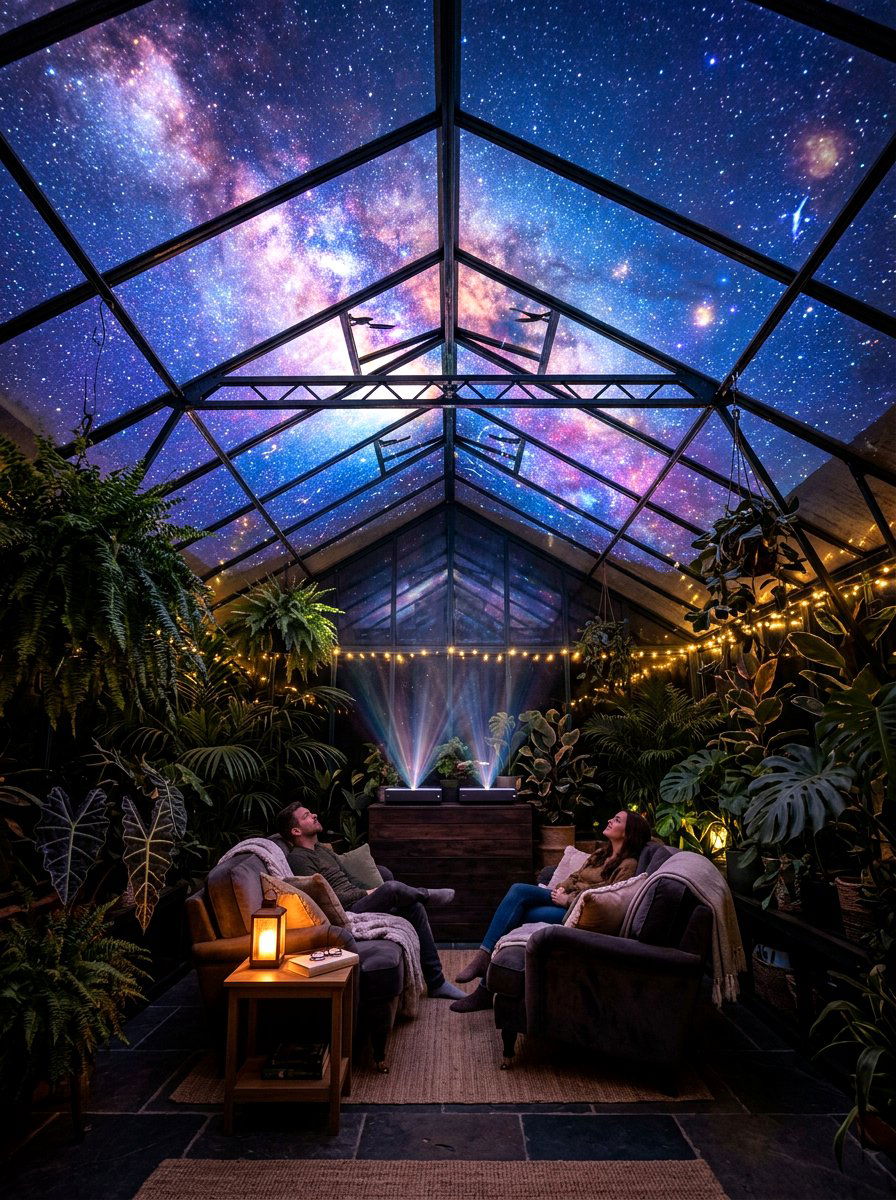
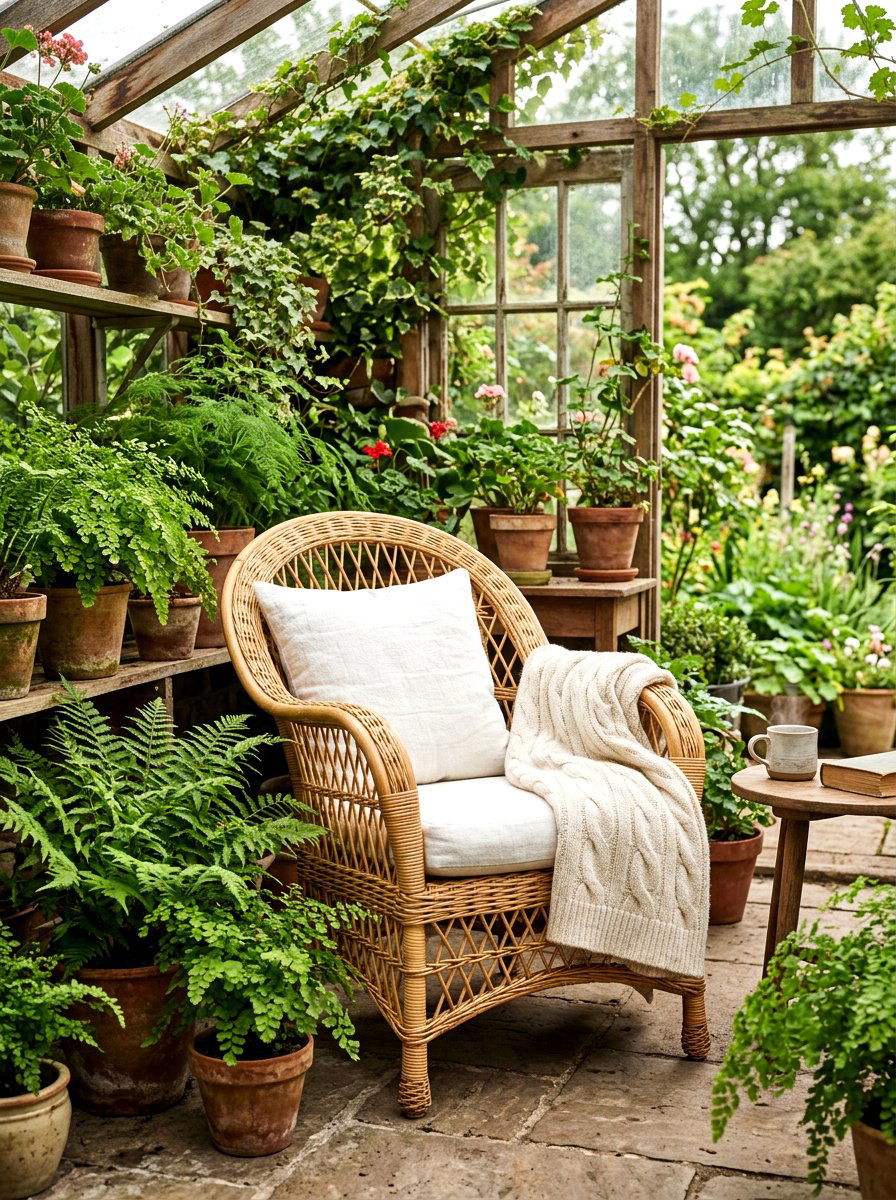
A greenhouse should be a place for relaxation as much as it is a place for hard work. Adding an integrated seating area, like a small bistro set or a comfortable wicker chair, encourages you to spend more time with your plants. You can place the seating in a corner surrounded by fragrant flowers or near a window with a view of the yard. This layout turns the greenhouse into an extension of your living space, perfect for morning coffee or reading a book. Surrounded by greenery and natural light, it becomes the ultimate spot to decompress and enjoy the fruits of your labor.
25. Microgreen Growing Rack
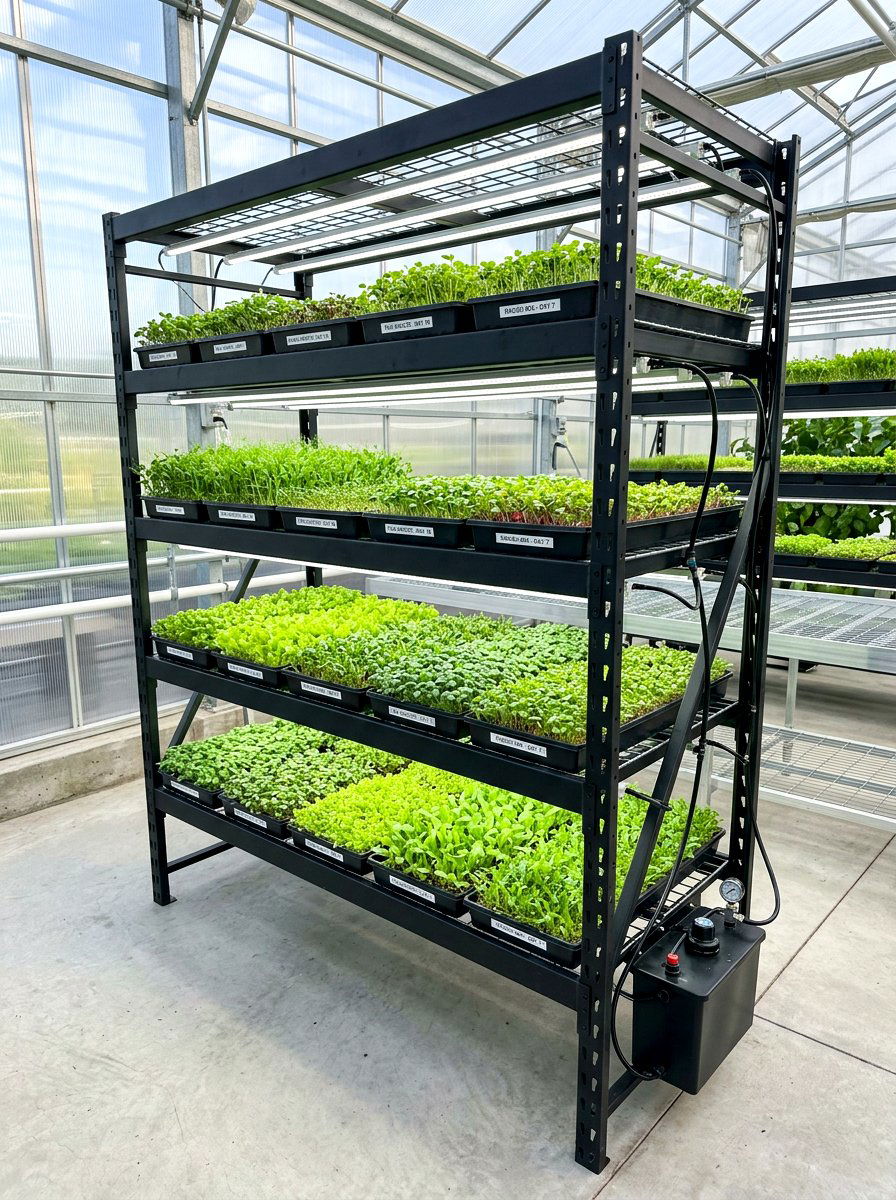
For those who love healthy eating, a dedicated microgreen growing rack is a must-have layout feature. These shallow trays of young greens can be stacked on narrow shelving units to save space. Because microgreens grow so quickly, you can have a constant rotation of fresh sprouts for your salads and sandwiches. This layout works best when placed at a comfortable working height so you can easily harvest the greens with scissors. You can even add small LED lights to the underside of the shelves to ensure the bottom layers grow just as well as the top. It is a highly productive and nutritious setup.
26. Orchid Display Wall
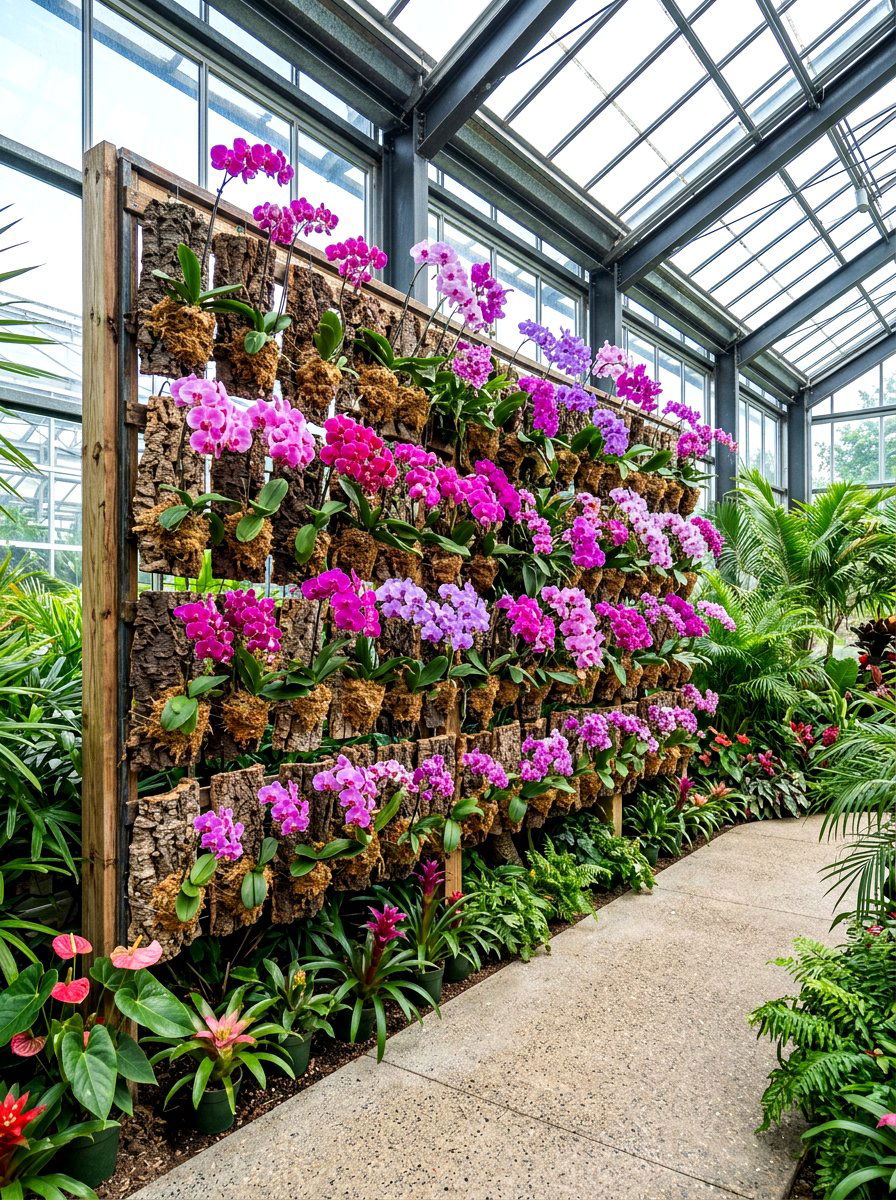
Orchids are some of the most beautiful and diverse plants you can grow, and they deserve a special display. An orchid display wall uses vertical space to hang individual pots or mount plants directly onto pieces of bark or cork. This layout mimics how many orchids grow in the wild, attached to the trunks of tropical trees. It allows for excellent air circulation around the roots, which is vital for orchid health. A wall covered in blooming orchids creates a stunning visual impact that will impress any visitor. It turns a simple wall into a living piece of vibrant, colorful art.
27. Victorian Glasshouse Style
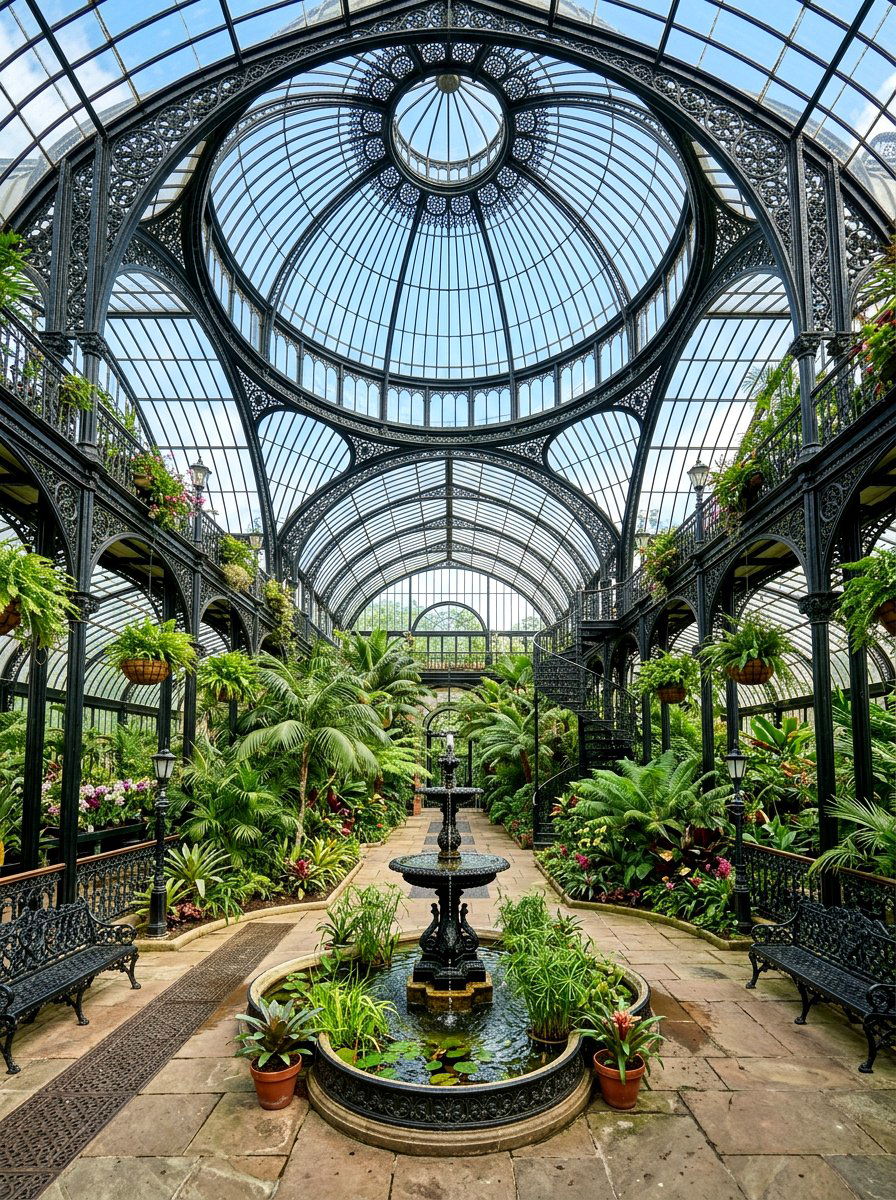
The Victorian glasshouse style layout focuses on elegance, using ornate metal frames and classic floor patterns. This design often includes central features like a stone fountain or a large architectural plant as a centerpiece. The plants are usually arranged in decorative urns and polished terracotta pots to maintain a sophisticated look. This layout is perfect for those who want their greenhouse to be a stunning architectural feature in their landscape. It combines the history of traditional gardening with the beauty of modern plant care. High ceilings and intricate details make this type of layout feel incredibly grand and timeless for any home.
28. Lean-To Structure Layout
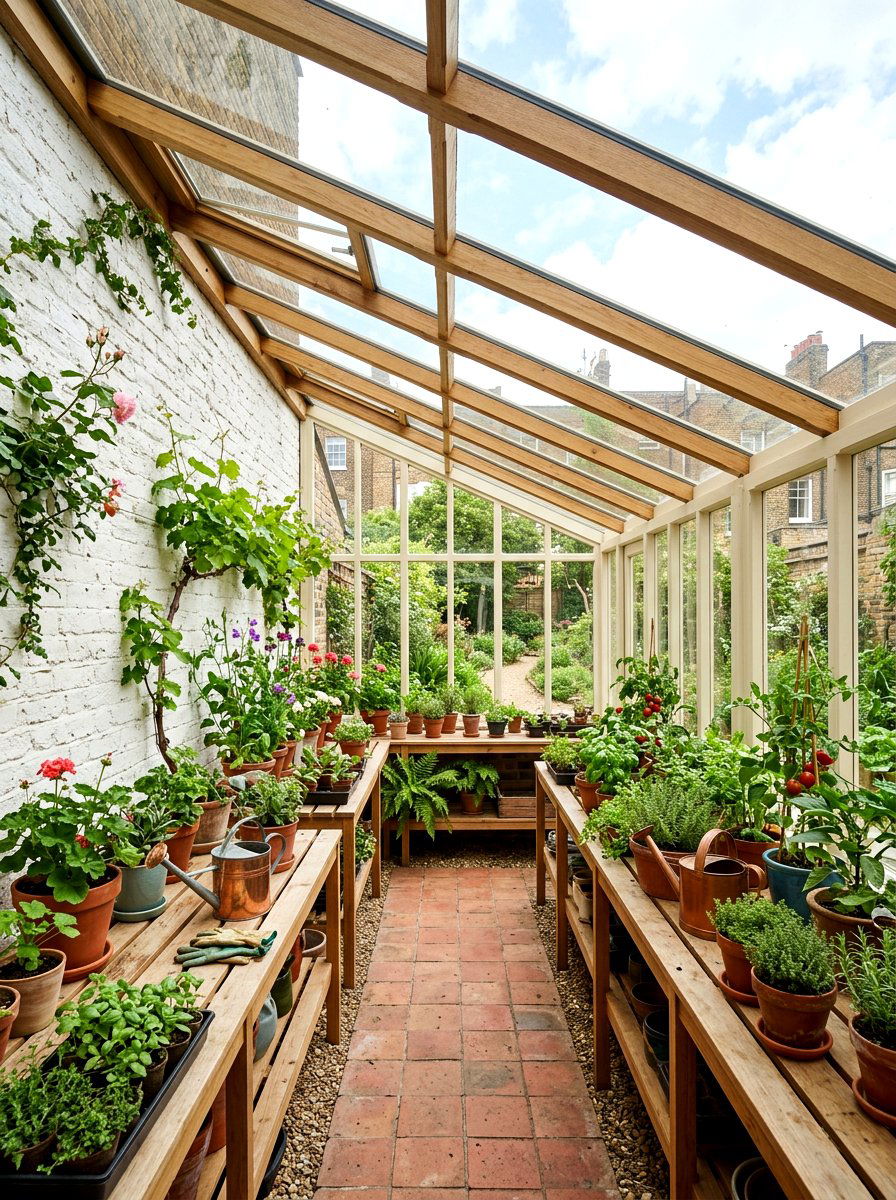
A lean-to greenhouse is attached directly to the side of your house or a sturdy garden wall. This layout is very efficient because it uses the thermal mass of the wall to help regulate the temperature inside. It is often a narrower space, so the layout usually features long, single-sided benches and vertical planters. Because it is so close to the home, it is very easy to run electricity and water to the structure. This makes it a convenient choice for year-round gardening. A lean-to can also act as a beautiful sunroom that connects your indoor living space with the outdoor garden.
29. Automated Irrigation Zone
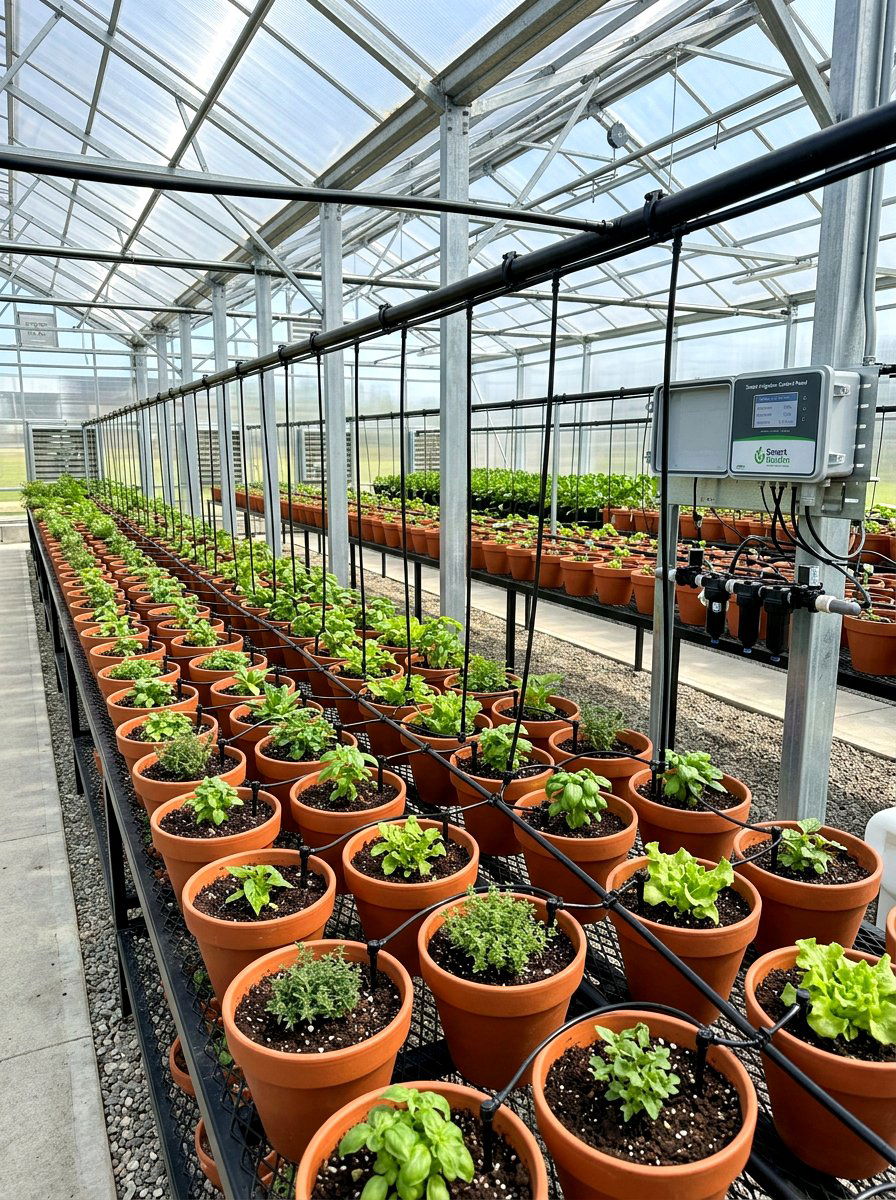
Setting up an automated irrigation zone is the best way to ensure your plants never go thirsty while you are away. This layout includes a network of drip lines or soaker hoses that deliver water directly to the base of each pot. You can hide the tubes along the back of the benches to keep the space looking clean and tidy. This system saves a significant amount of time and prevents water waste by targeting only the root zones. It is especially helpful in large greenhouses where hand-watering every single plant would take hours. Automation brings modern convenience to the traditional art of gardening.
30. Propagation Heat Mat
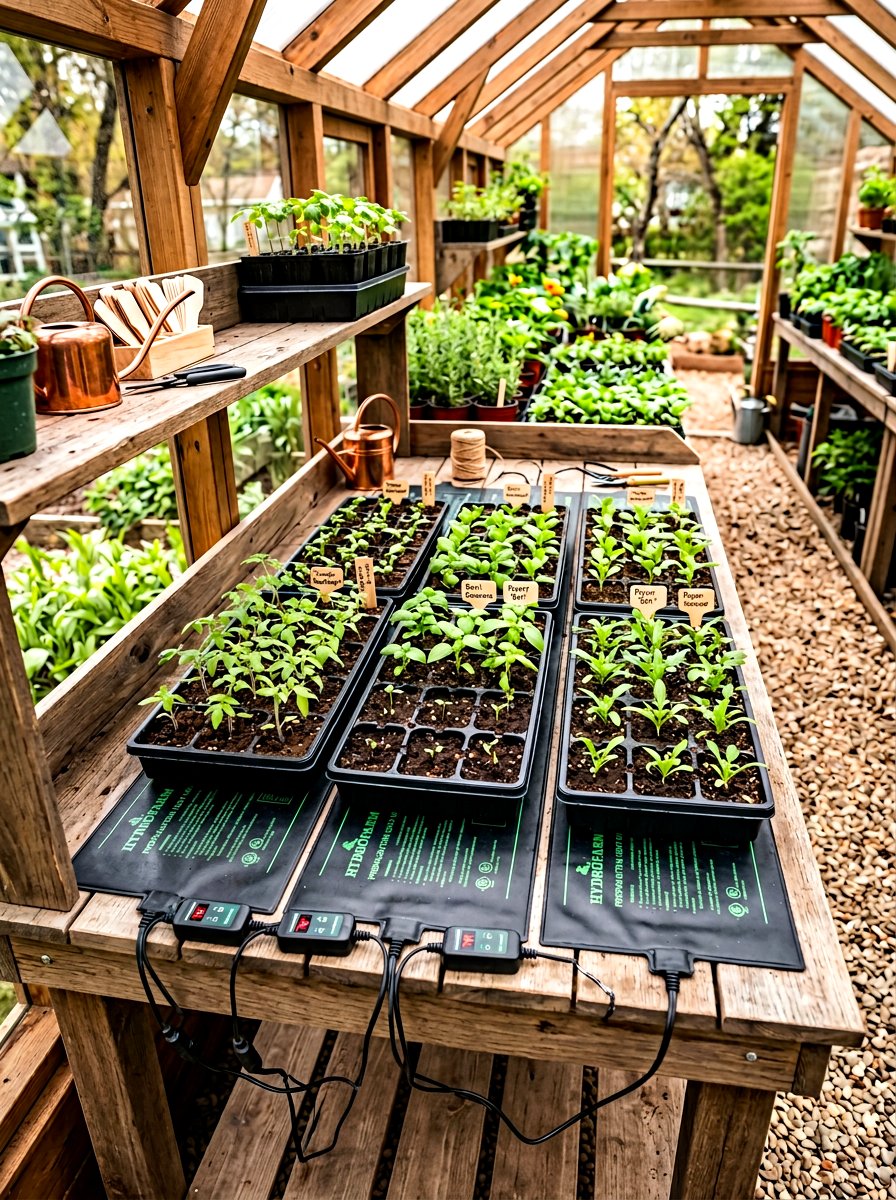
A dedicated propagation area with heat mats is essential for anyone who wants to grow new plants from cuttings or seeds. These mats sit directly under the trays, providing a consistent bottom heat that stimulates root growth. This layout should be placed in a draft-free area of the greenhouse where temperature and humidity can be tightly controlled. Having a specific spot for "nursery" plants ensures they get the extra attention they need to thrive. It is a rewarding layout that allows you to multiply your plant collection for free. This final touch makes your greenhouse a complete and self-sustaining ecosystem for all seasons.
Conclusion:
Designing the perfect greenhouse plant layout is a journey of balancing your personal style with the biological needs of your greenery. By carefully considering how you move through the space and how light reaches each leaf, you create an environment where both you and your plants can truly flourish. Whether you choose the structured beauty of a symmetrical design or the productive efficiency of vertical shelving, each choice contributes to a more successful gardening experience. Remember that your layout can evolve over time as your collection grows and your interests change. A thoughtful greenhouse is a lifetime investment in joy, health, and the natural beauty of the world.

Related posts: