google_search{queries: [
1. Narrow living room layout
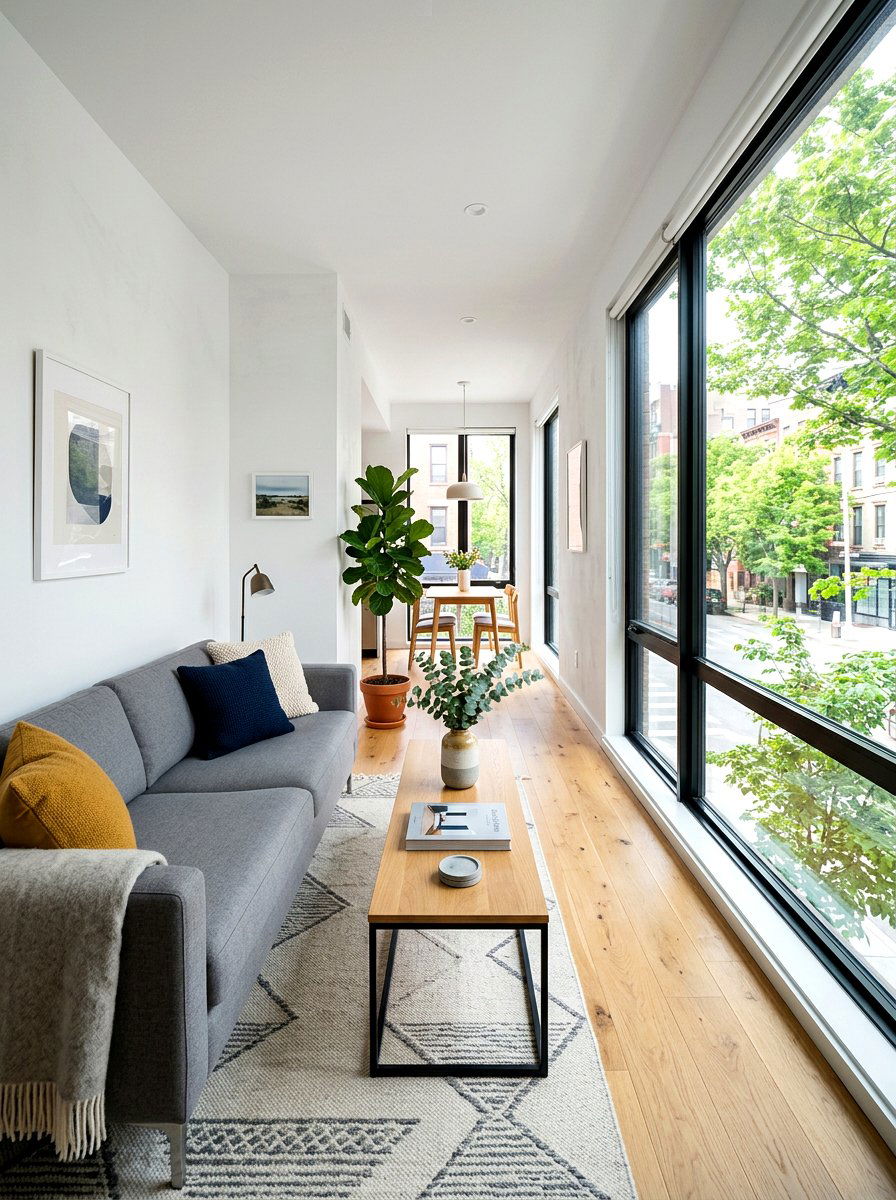
Creating a functional path through a narrow living room requires a smart furniture arrangement that avoids the dreaded hallway effect. You should try to keep the main walkway on one side of the room rather than zig-zagging through the center of the space. This clear path makes the room feel much more organized and spacious for guests and family members alike. Consider placing your largest piece of furniture, like a sofa, against one long wall to open up the floor. You can then use smaller chairs or ottomans to balance the opposite side without blocking the flow. This strategy ensures the room feels open and breathable.
2. Rectangular living room zones
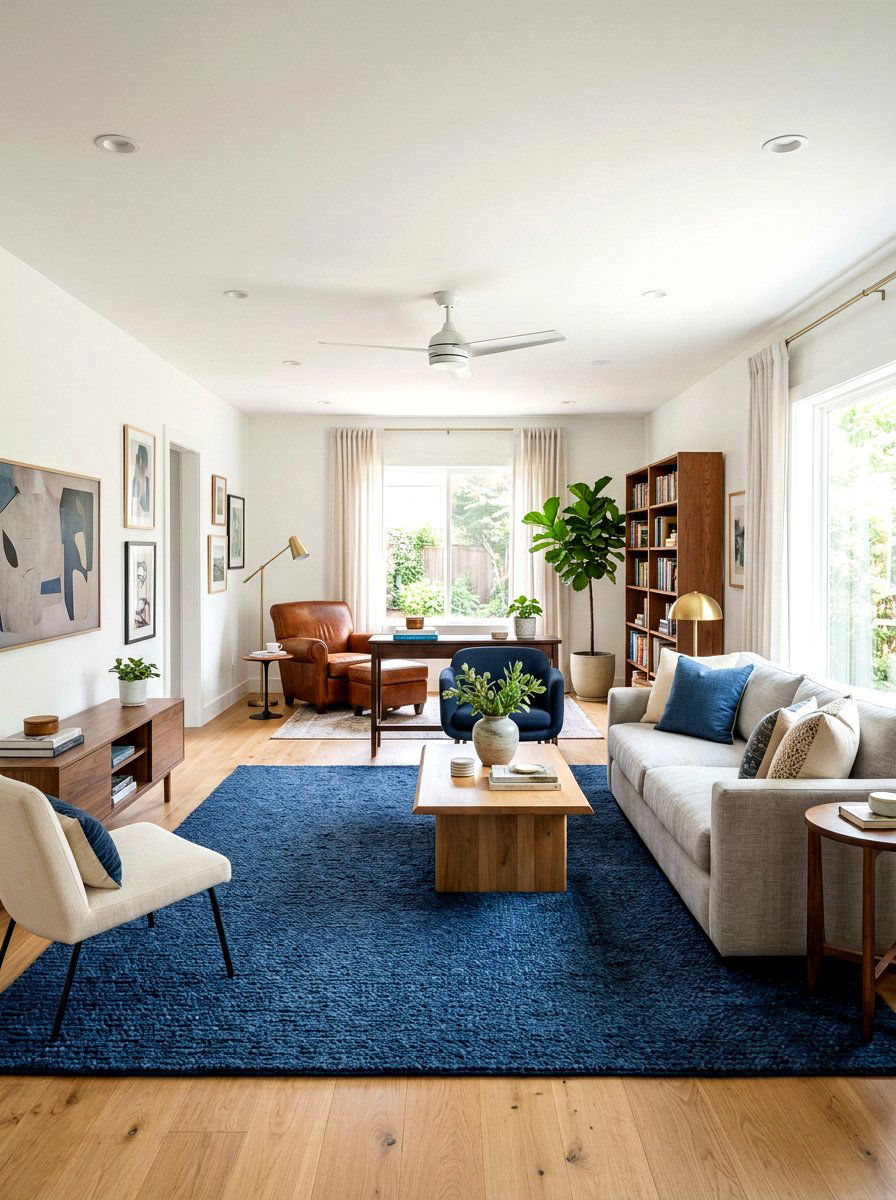
Breaking a very long room into distinct functional zones is the best way to make the space feel intentional and less cavernous. You can easily achieve this by using area rugs to define different rooms within the single larger footprint. For example, one end of the room might serve as a cozy conversation area with a sofa and chairs, while the other end functions as a reading nook or a small music station. Using furniture like a back-to-back console table or an open bookshelf can help physically separate these zones without blocking sightlines or natural light from windows. This creates a highly organized and multi-functional space.
3. Long living room sectional
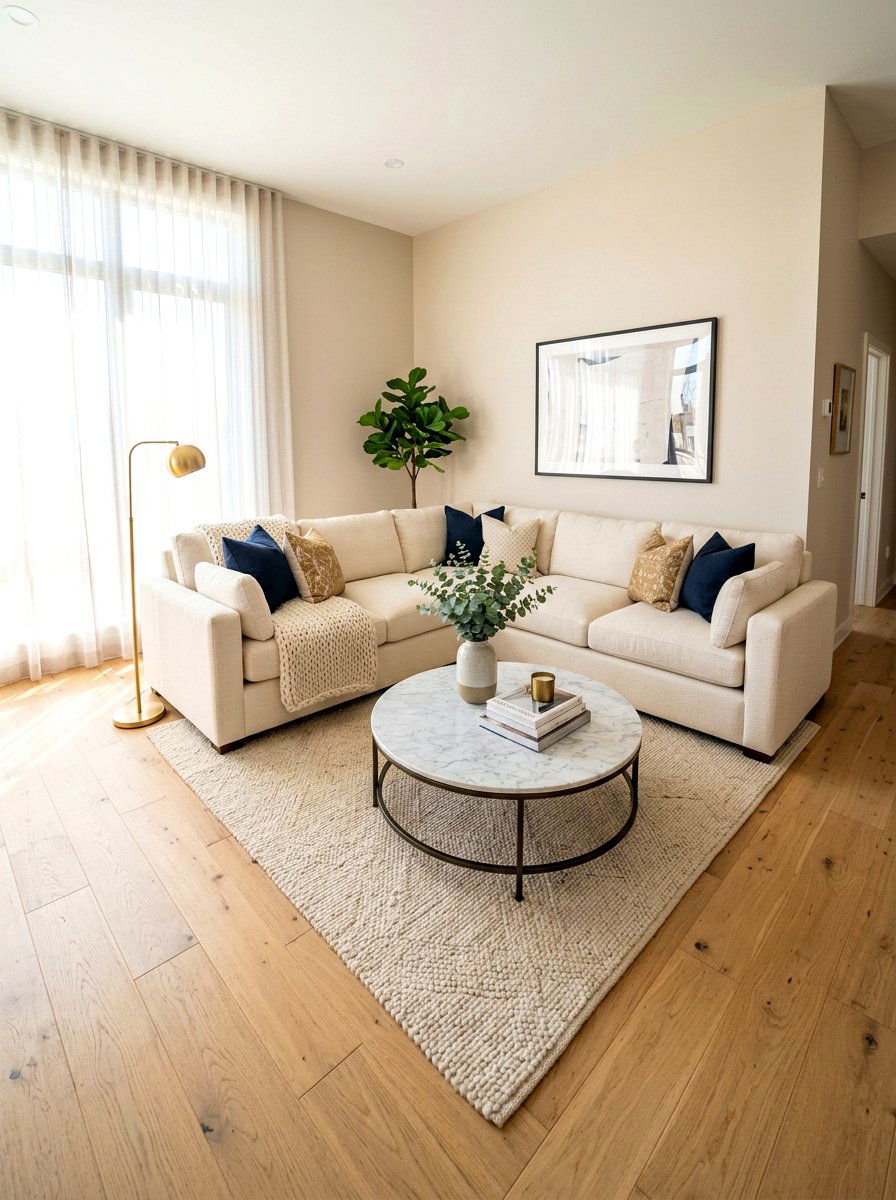
A sectional sofa is a fantastic choice for a long living room because it naturally anchors the primary seating area. Placing a large L-shaped sectional in one corner or along a far wall helps to visually shorten the room by creating a clear boundary. It provides plenty of seating for family movie nights without the need for multiple bulky individual chairs that could clutter the narrow walkway. Choose a model with a slim profile and tapered legs to maintain an airy feel. By positioning the shorter side of the L-shape across the width of the room, you effectively create a soft wall that divides the space.
4. Narrow room window seat
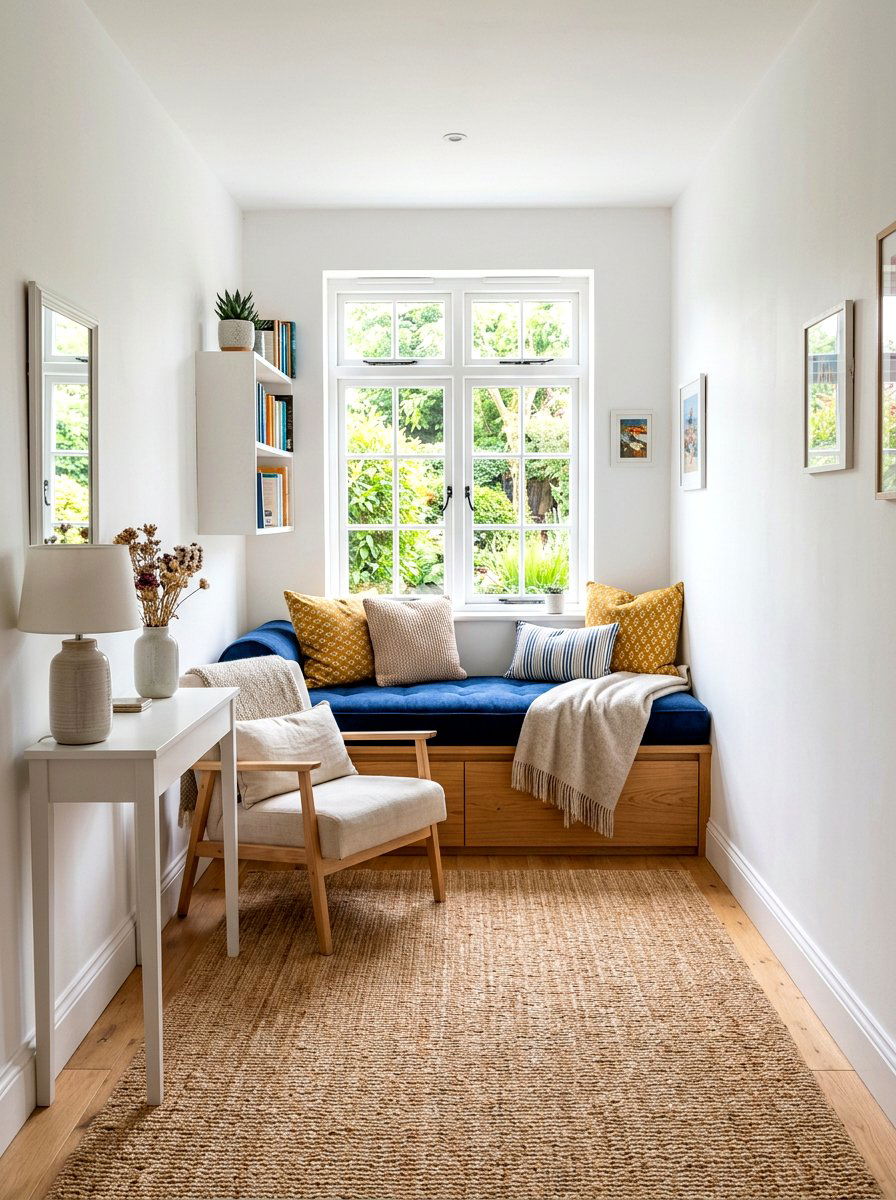
If your long living room has a window at one of the narrow ends, installing a built-in window seat is a genius design move. This turns an often-wasted area into a charming focal point that draws the eye deep into the room. A window seat provides extra seating and storage without encroaching on the central floor area. You can layer it with plush cushions and soft throw pillows to create a cozy reading corner. This architectural feature helps to square off the room’s proportions by adding visual weight to the short wall. It makes the entire space feel much more custom and thoughtfully designed.
5. Long living room gallery wall
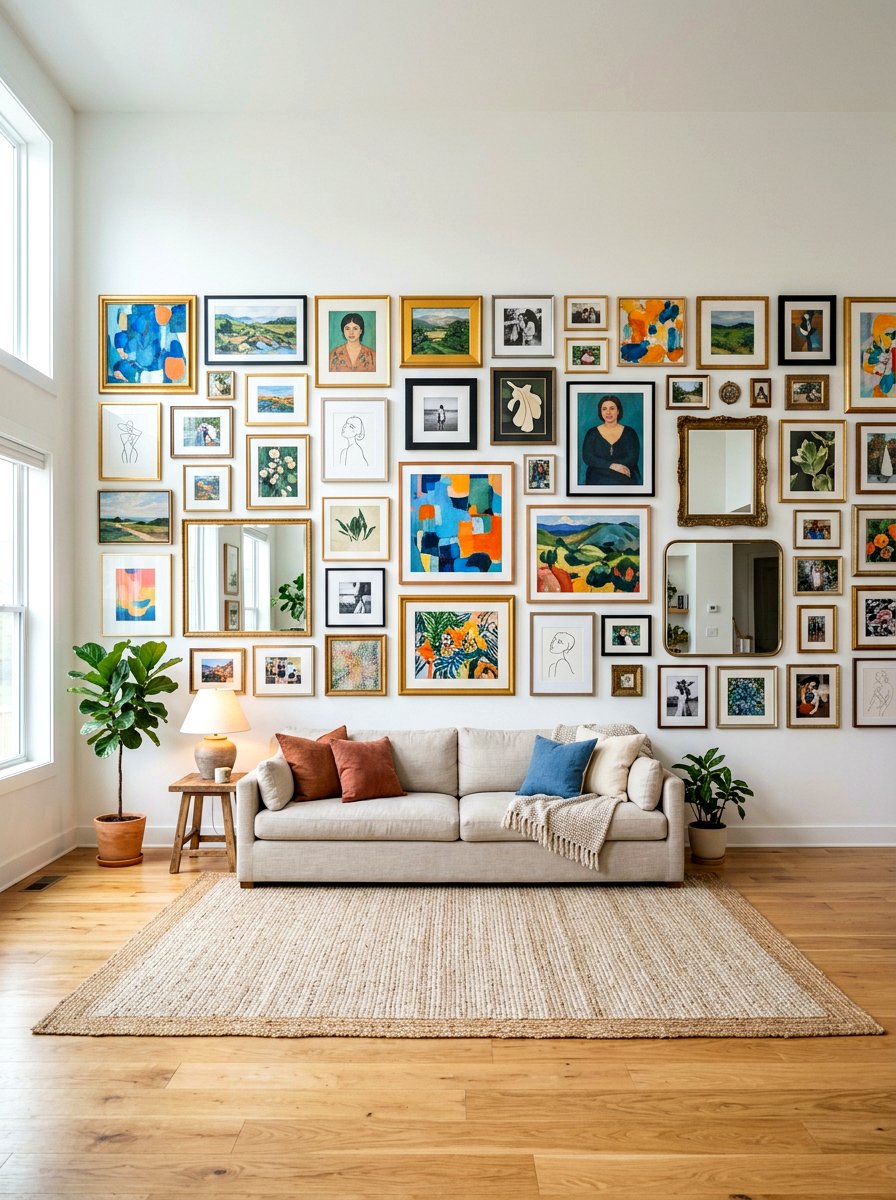
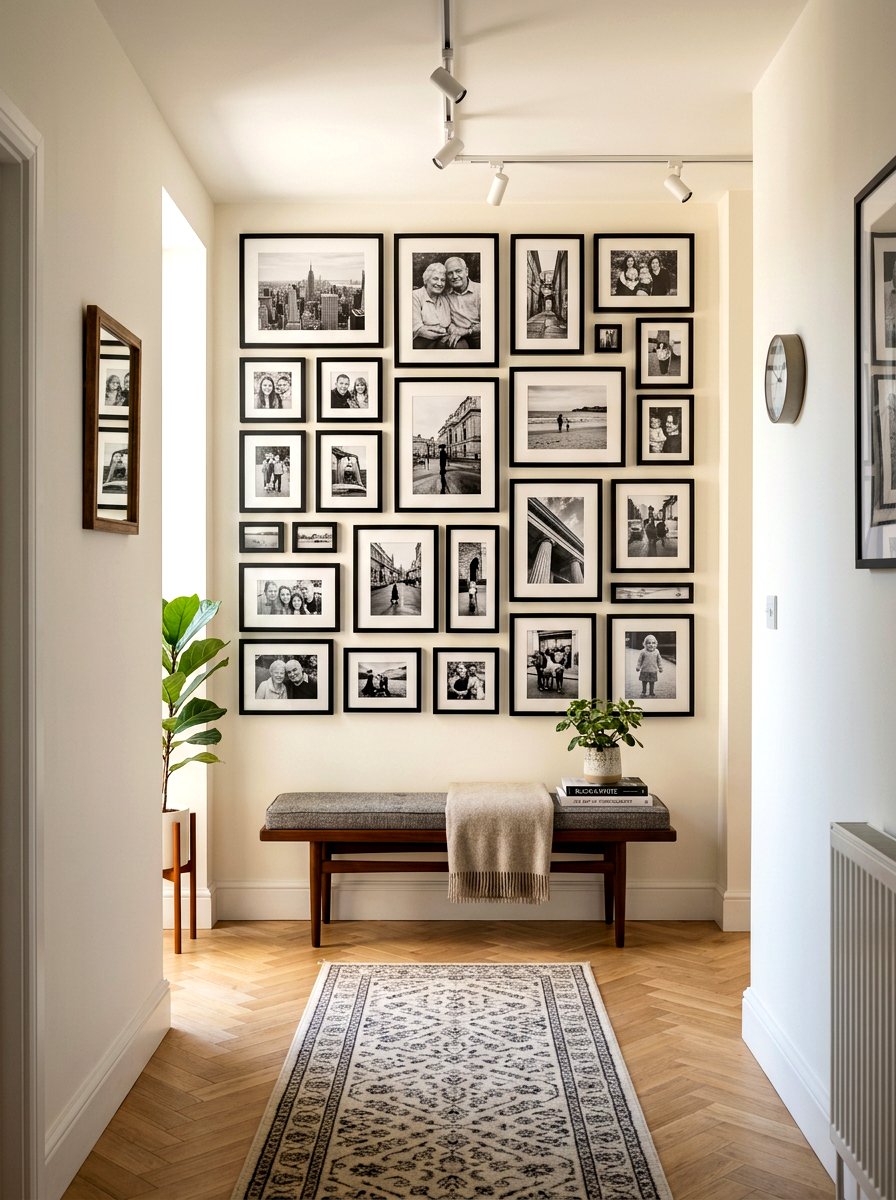
A gallery wall is an excellent way to add personality and visual interest to a long, expansive stretch of wall. By grouping various pieces of art, mirrors, and photographs together, you create a captivating focal point that breaks up the monotony of a narrow space. This technique encourages the eye to move across the wall rather than just focusing on the length of the room. Use a mix of frame sizes and styles to add texture and depth to the decor. A well-curated gallery wall can make a large room feel more intimate and lived-in while showcasing your unique personal style and artistic taste.
6. Narrow space built in shelving
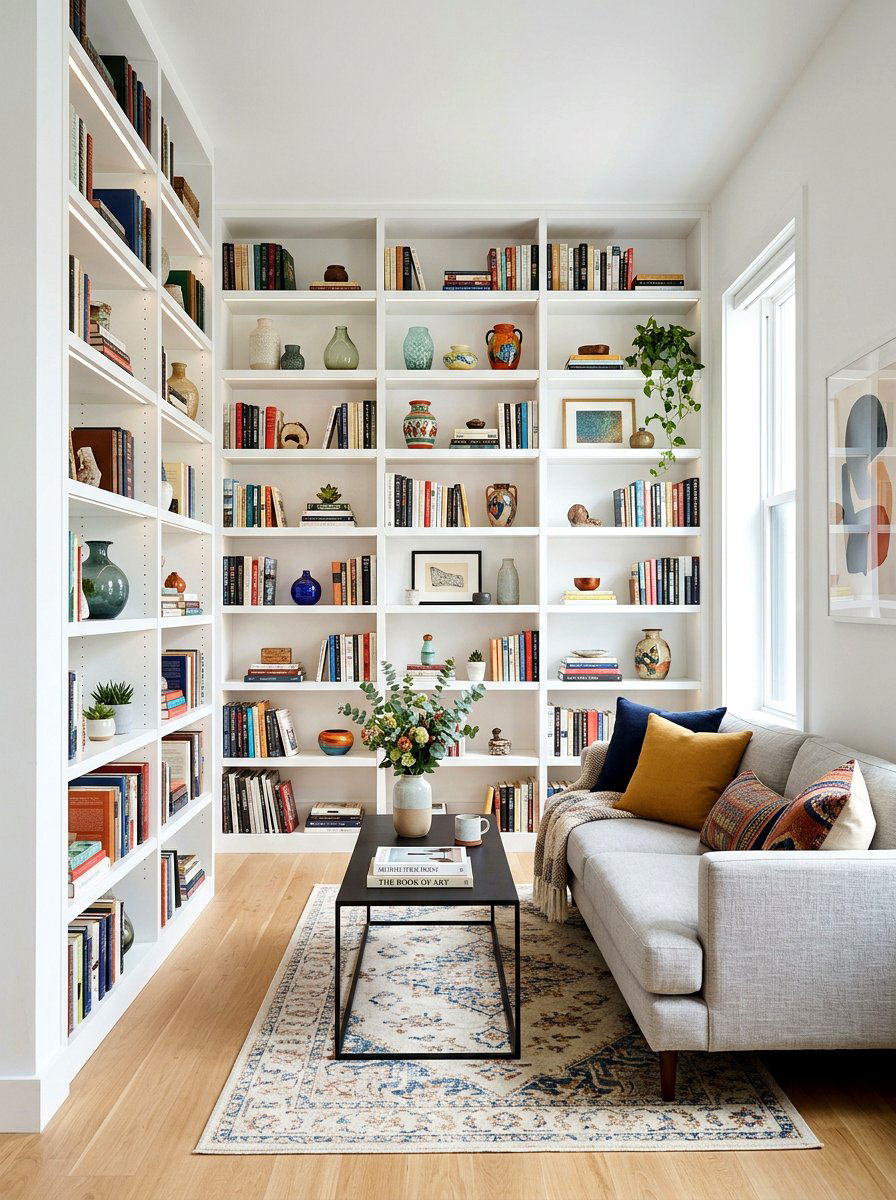
Installing floor-to-ceiling built-in shelving is a powerful way to maximize storage while adding architectural character to a long living room. By utilizing the vertical space on one of the shorter walls, you can effectively draw the eye upward and make the room feel taller. These shelves can house books, decorative objects, and media equipment, keeping the rest of the room clutter-free. Choosing a color that matches the walls can help the shelving blend seamlessly into the space, or you can use a contrasting wood finish for a more dramatic look. Built-ins provide a sense of permanence and high-end luxury in any home.
7. Long room fireplace focal point
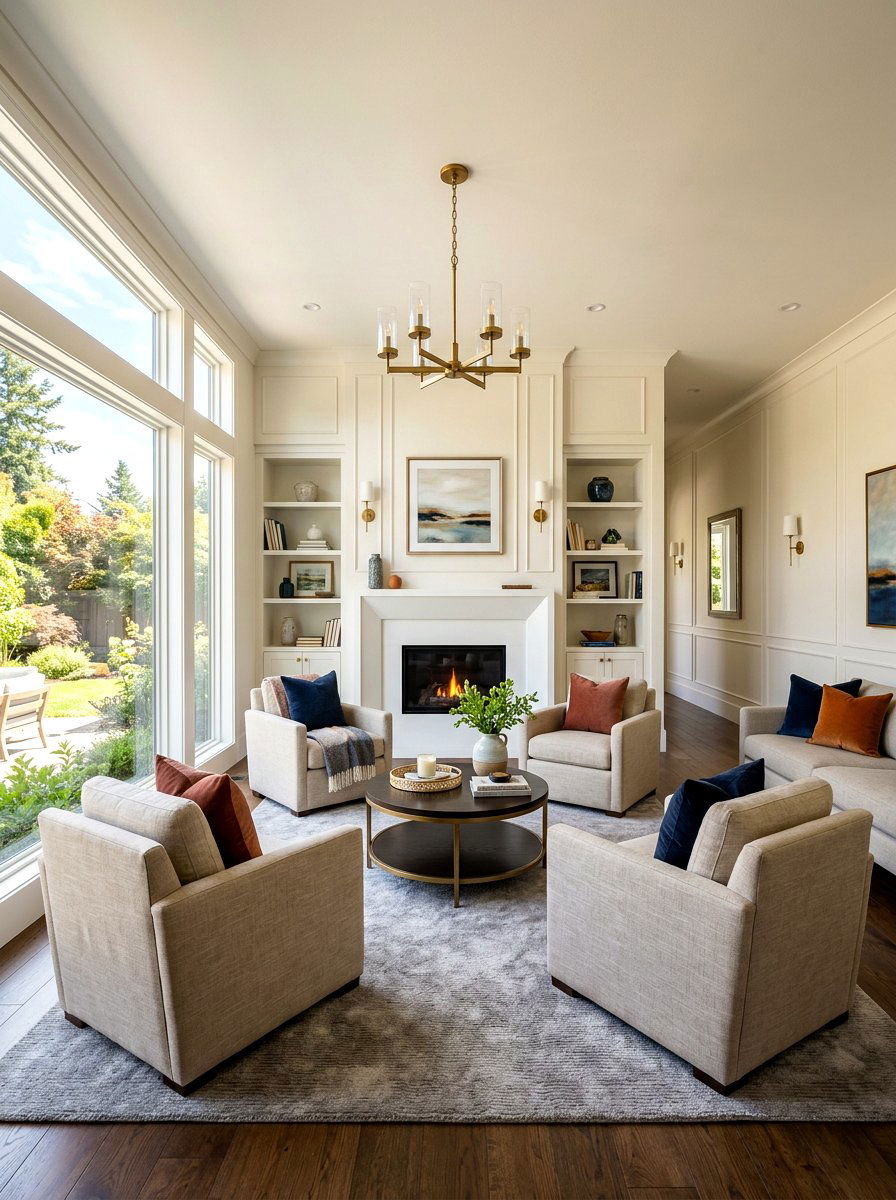
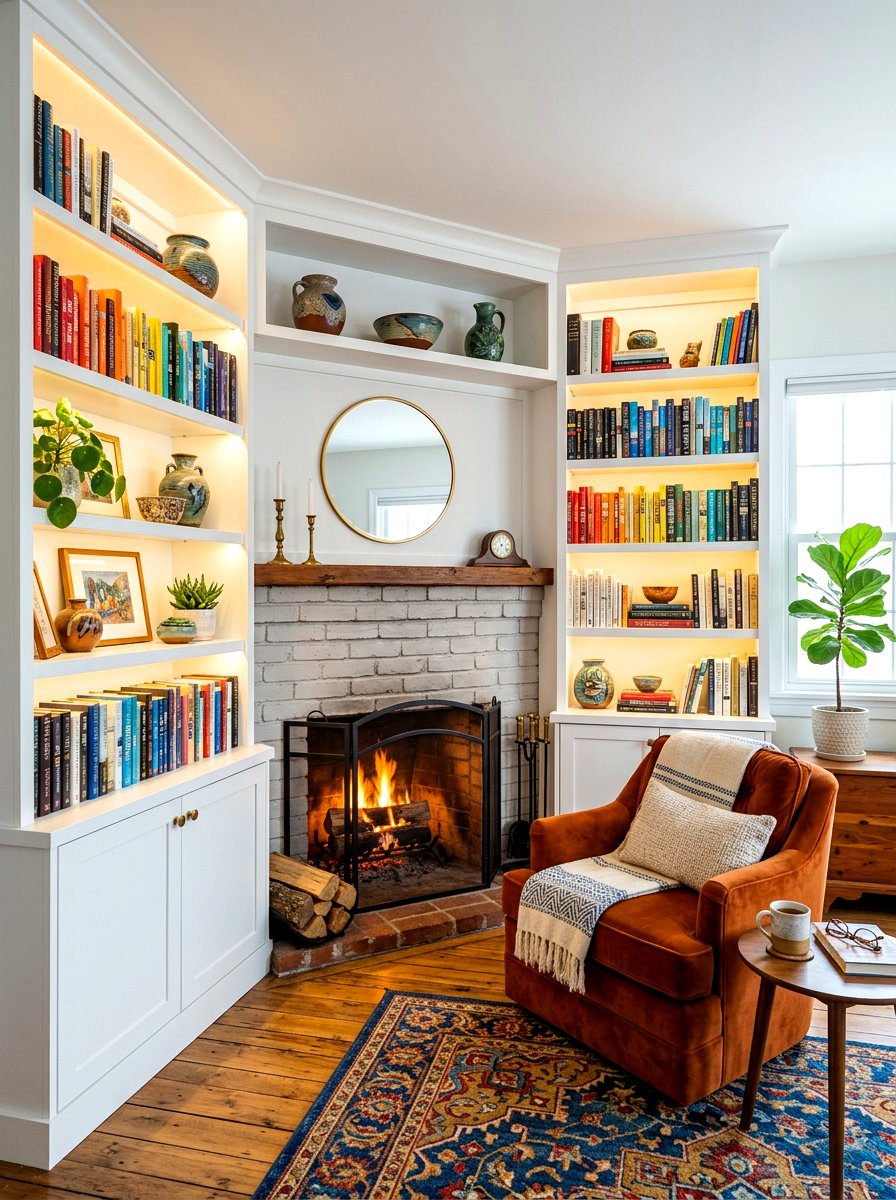
A fireplace serves as a natural anchor and a cozy focal point in any living area, especially in a long and narrow room. Centering your seating arrangement around the fireplace creates a balanced and symmetrical look that feels grounded. If the fireplace is located on a long wall, you can place two identical sofas facing each other to create a formal conversation zone. If it is on a short wall, it helps to pull the room inward and creates a warm, inviting destination at the end of the space. Decorating the mantel with seasonal greenery or statement art further enhances its visual impact.
8. Narrow living room rug placement
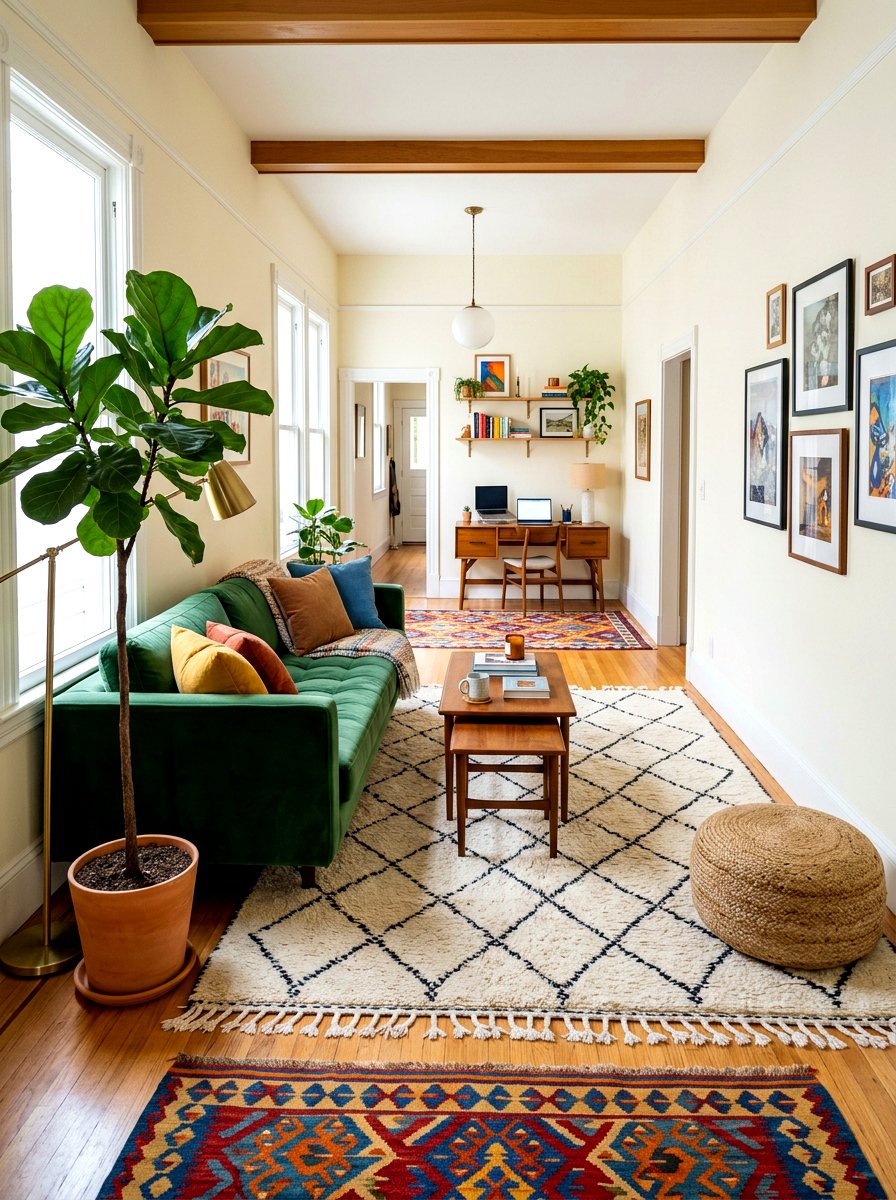
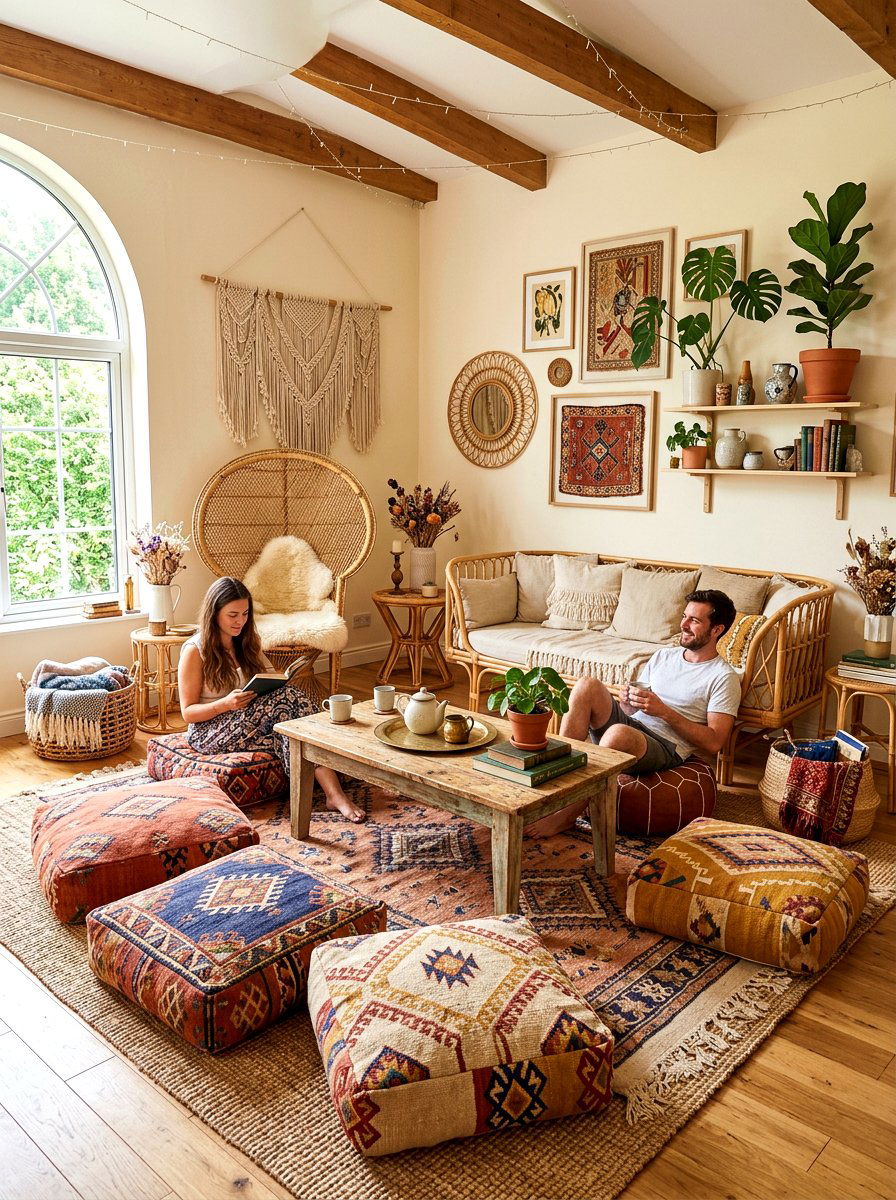
Strategic rug placement is essential for defining the layout and flow of a long living room. Instead of using one giant rug that covers the entire floor, consider using two smaller, distinct rugs to separate the space into different zones. This visual break helps to interrupt the tunnel-like feel of a narrow room. Ensure that each rug is large enough for the front legs of the furniture to sit on, which helps to anchor each individual seating or dining area. Choosing rugs with different but complementary patterns or textures adds a sophisticated layer of design while maintaining a cohesive look throughout the entire space.
9. Long room open concept floor plan
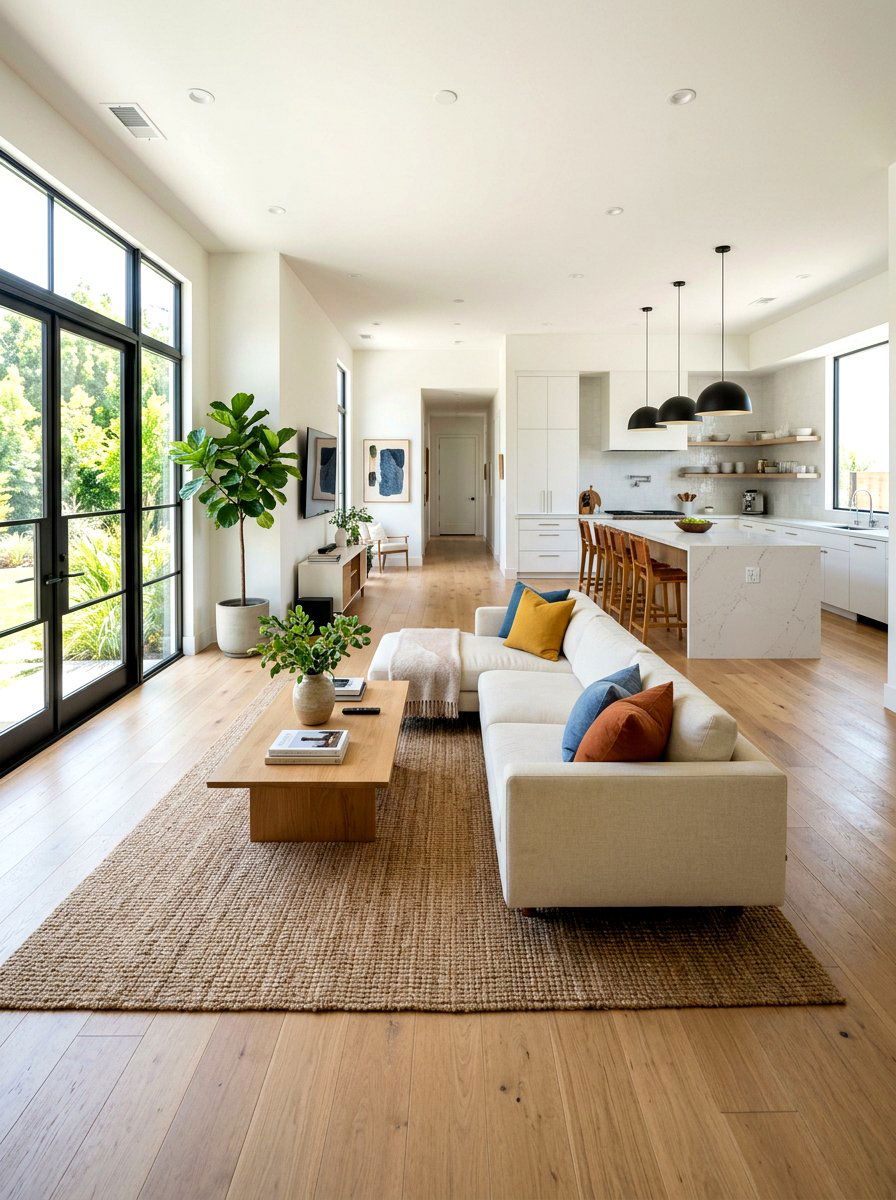
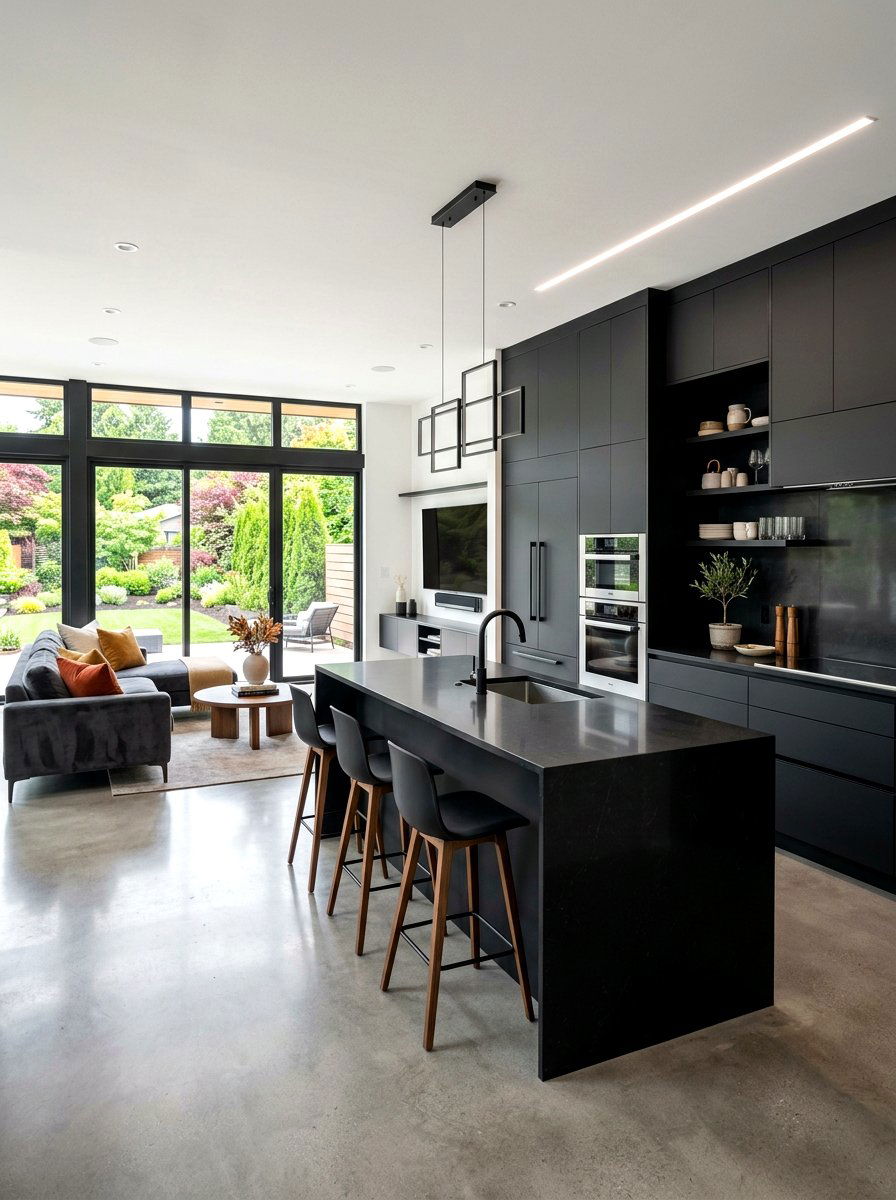
An open concept floor plan is often the best solution for a long living room that feels too enclosed or dark. By removing unnecessary partition walls and connecting the living area to the kitchen or dining room, you create a sense of vastness and continuity. This layout allows natural light to flow freely from one end of the house to the other, making the narrow room feel much brighter and larger. You can use consistent flooring throughout the entire area to further unify the different spaces. This modern approach to home design promotes social interaction and makes the home feel incredibly contemporary and airy.
10. Narrow living room mirror wall
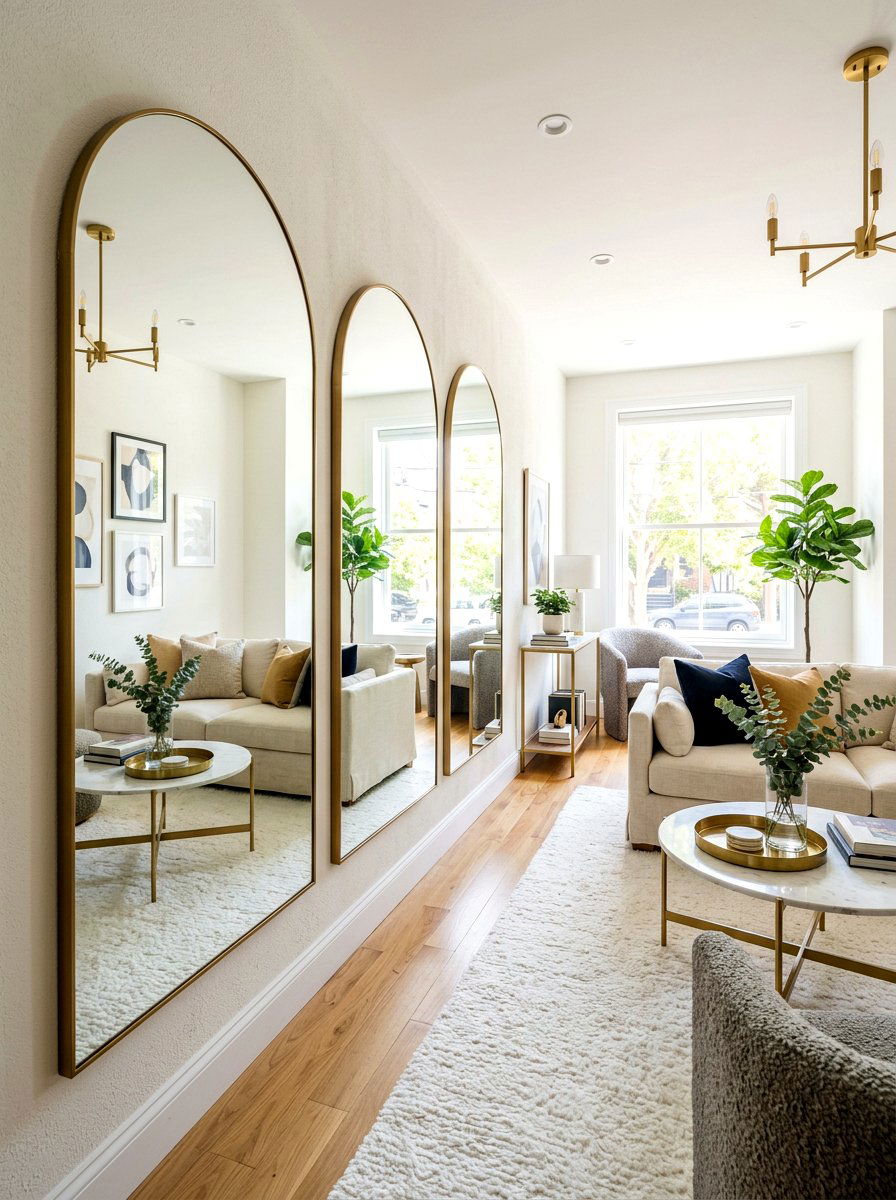
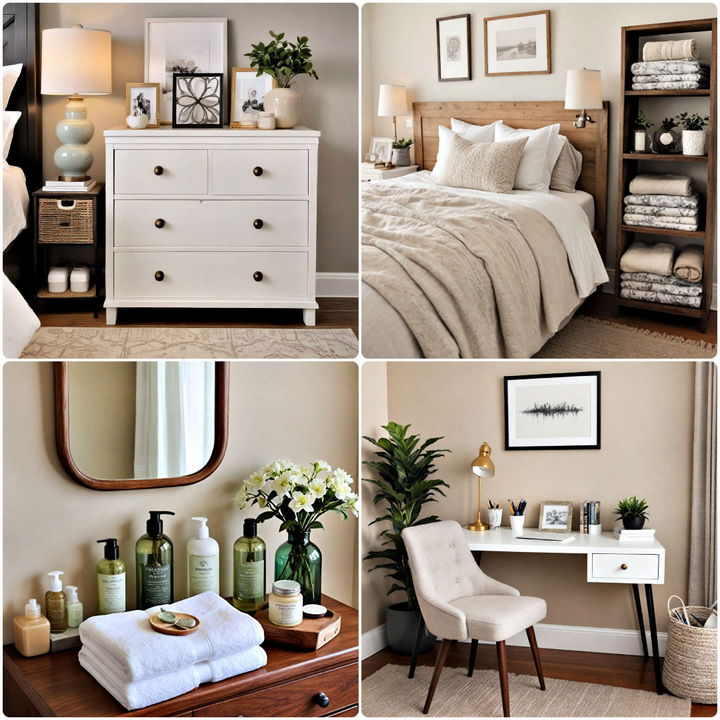
Mirrors are one of the most effective tools for making a narrow room feel twice as wide as it actually is. Placing a large, oversized mirror or a series of smaller mirrors on one of the long walls reflects light and provides a sense of depth. This visual trick opens up the space and prevents it from feeling too tight or claustrophobic. For a more architectural look, consider using mirrored panels that mimic the appearance of windows. Positioning a mirror opposite a window is especially effective because it brings the outdoors in and maximizes every bit of natural sunlight available during the day.
11. Long room double seating area
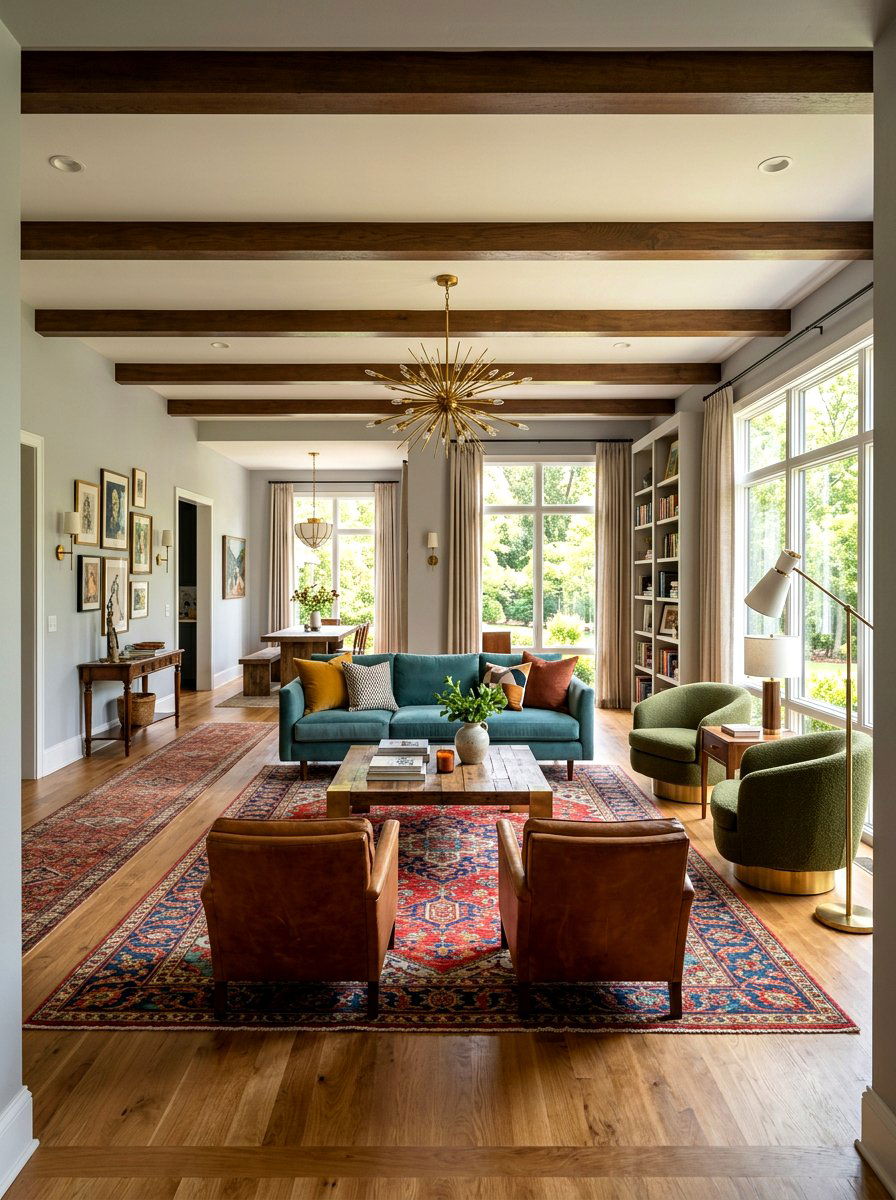
When a living room is exceptionally long, a single seating area often leaves too much awkward empty space at the ends. Creating a double seating area is a practical way to use the entire floor plan effectively. You can have a main conversation zone with a sofa and coffee table, and a secondary area with two comfortable armchairs and a small side table. This layout is perfect for hosting larger groups or for creating separate spaces for different activities, like reading and watching television. It makes the room feel full and well-proportioned rather than empty or disjointed in its overall design.
12. Narrow living room console table
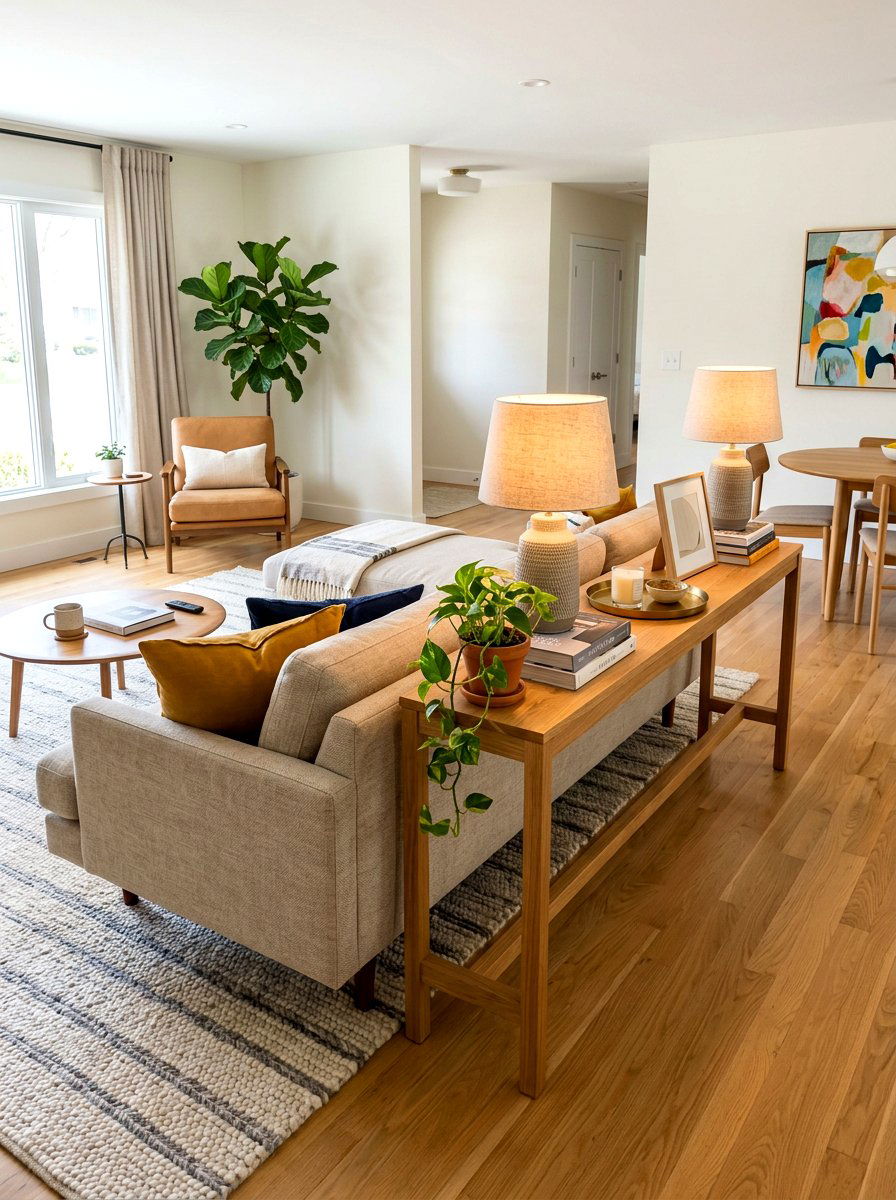
A long console table is a versatile piece of furniture that works beautifully in narrow living rooms. You can place it behind a floating sofa to act as a room divider, or set it against a long wall to provide a surface for lamps, books, and decor. Because console tables are typically slim and shallow, they don't take up much floor space while still offering valuable functionality. Using a console table behind a sofa also provides a place to tuck stools or ottomans underneath for extra seating when needed. It is an excellent way to add style and organization to an elongated space.
13. Long living room lighting plan
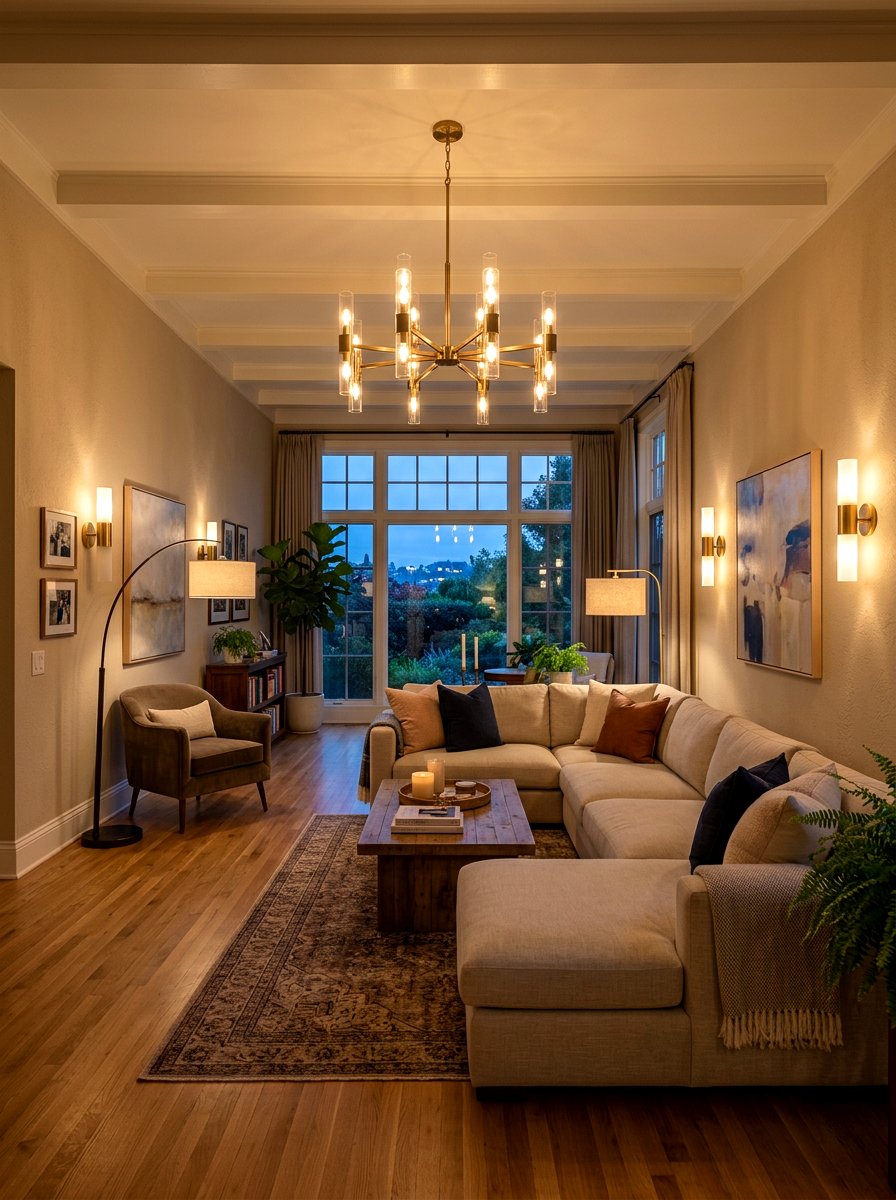
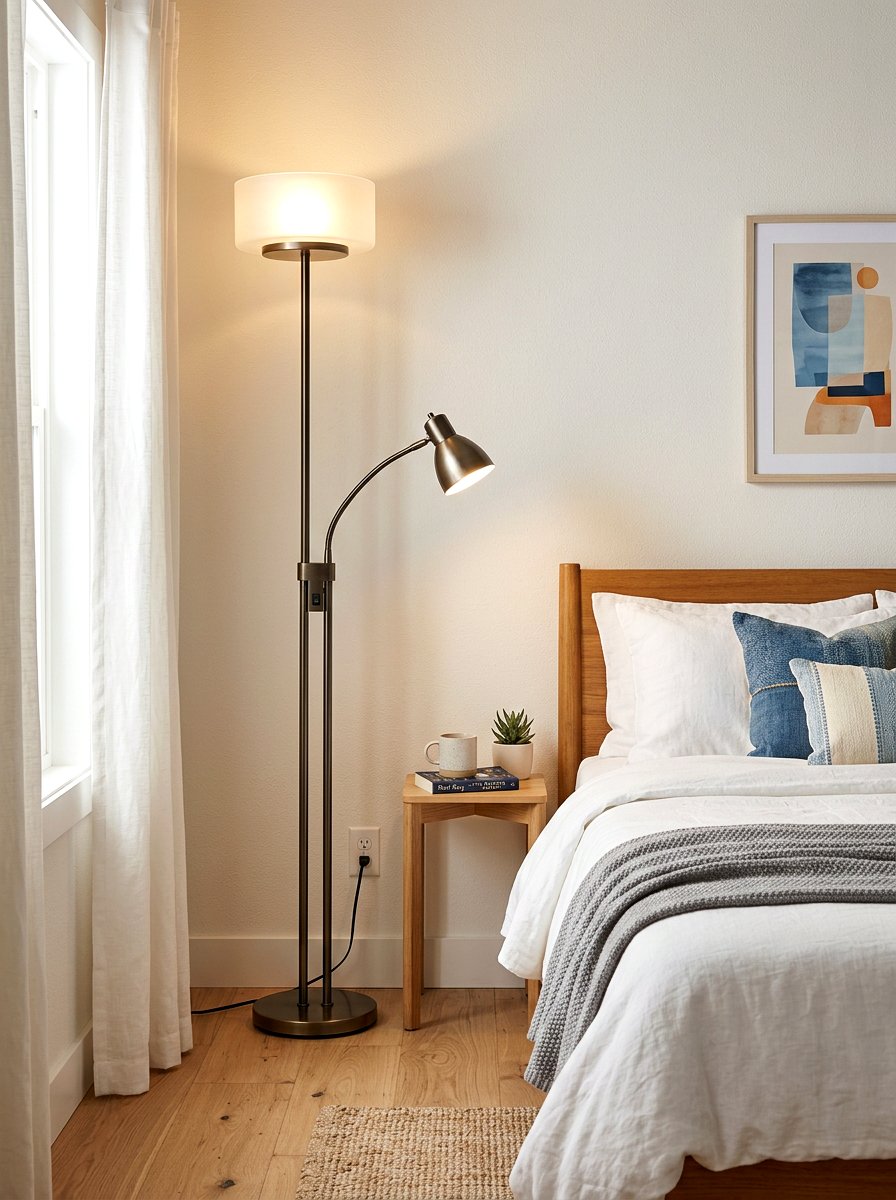
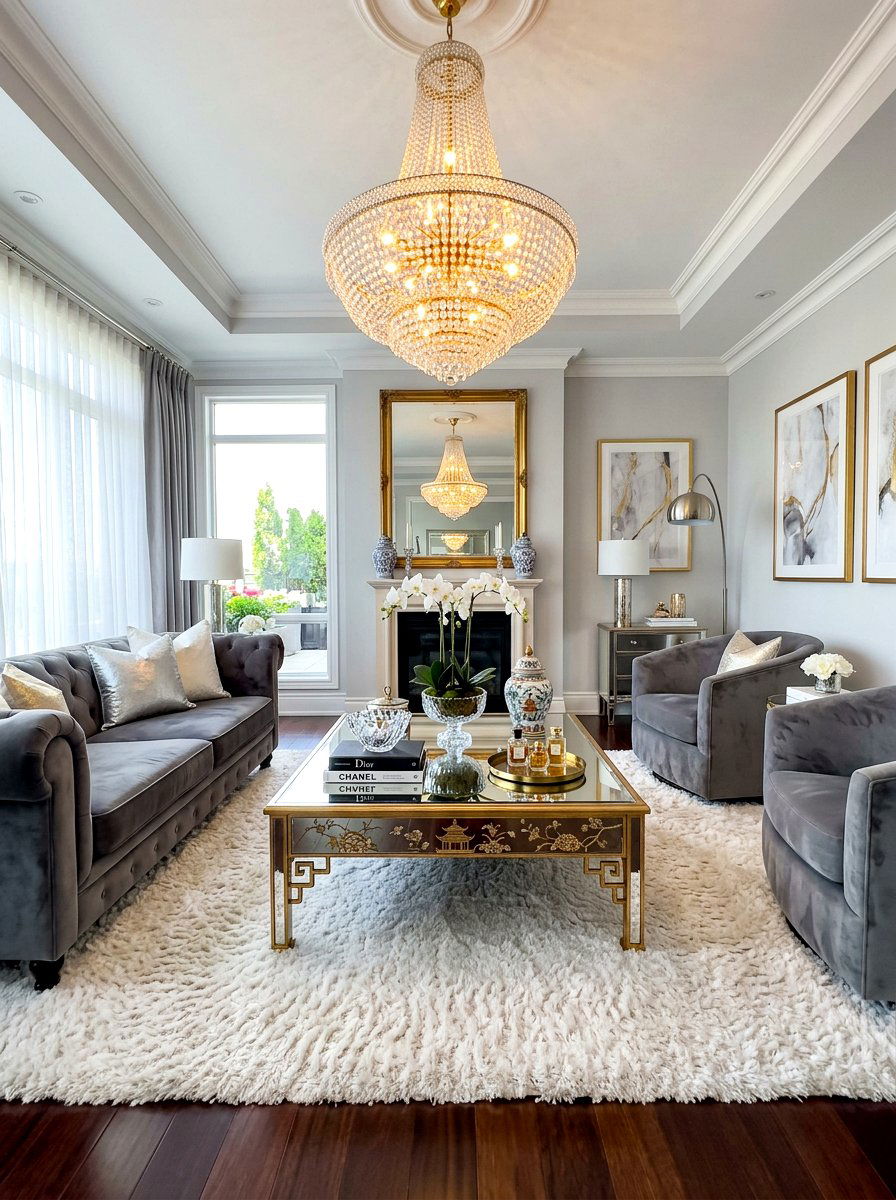
A well-thought-out lighting plan is crucial for making a long living room feel balanced and inviting at night. Instead of relying on a single overhead light, use a combination of floor lamps, table lamps, and wall sconces to create layers of light. This helps to highlight different zones and eliminates dark corners that can make a room feel smaller. Consider using a statement chandelier in the main seating area to draw the eye toward the center of the room. Dimmable lighting allows you to adjust the mood and atmosphere for various activities, from bright family gatherings to cozy, relaxed evenings spent at home.
14. Narrow room neutral color palette
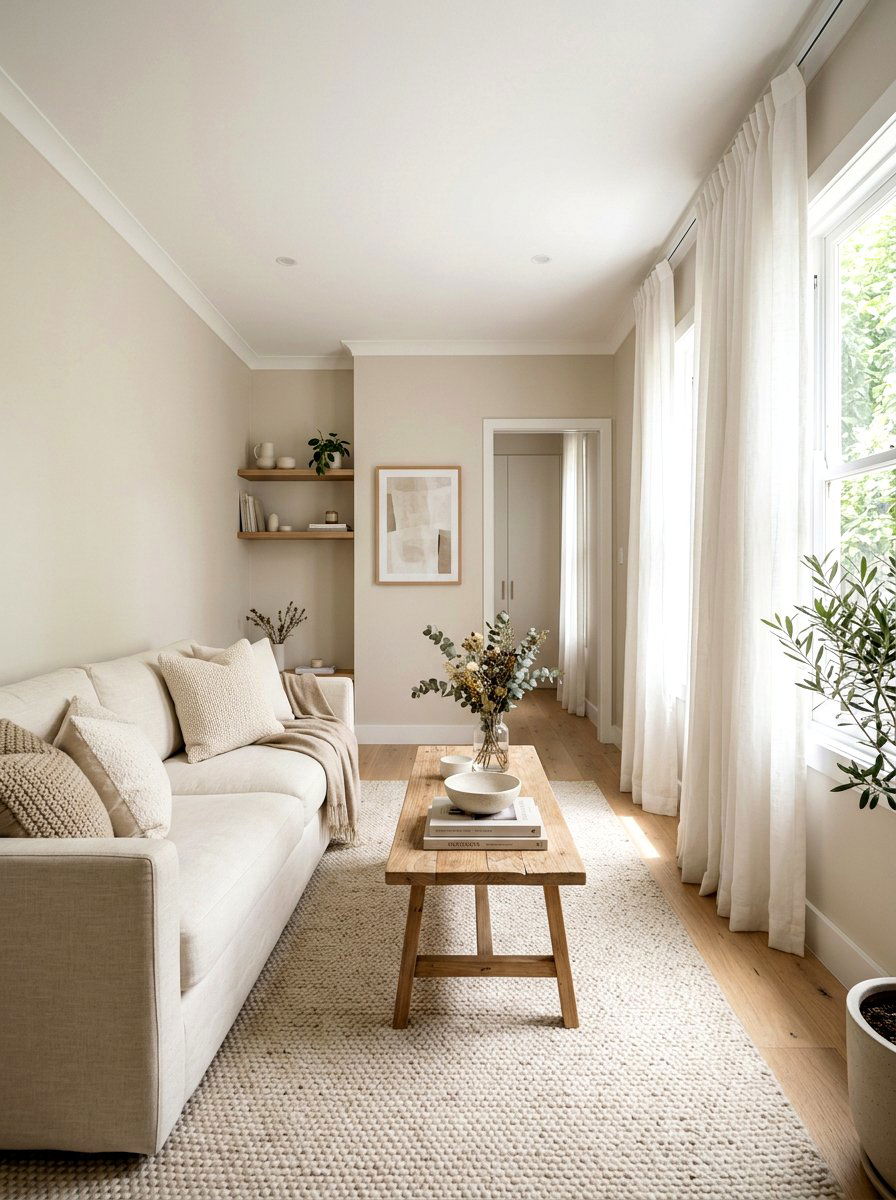
Using a neutral color palette is a timeless way to make a narrow living room feel light, airy, and sophisticated. Soft whites, creams, and light grays reflect more light, which helps the space feel more open and less confined. You can add depth and interest by layering different textures, such as a linen sofa, a wool rug, and velvet pillows, all within the same color family. This monochromatic approach creates a serene and cohesive environment that feels very high-end. Neutral walls also provide the perfect backdrop for colorful artwork or seasonal accessories, allowing you to easily update the look of your room.

15. Long living room floating furniture
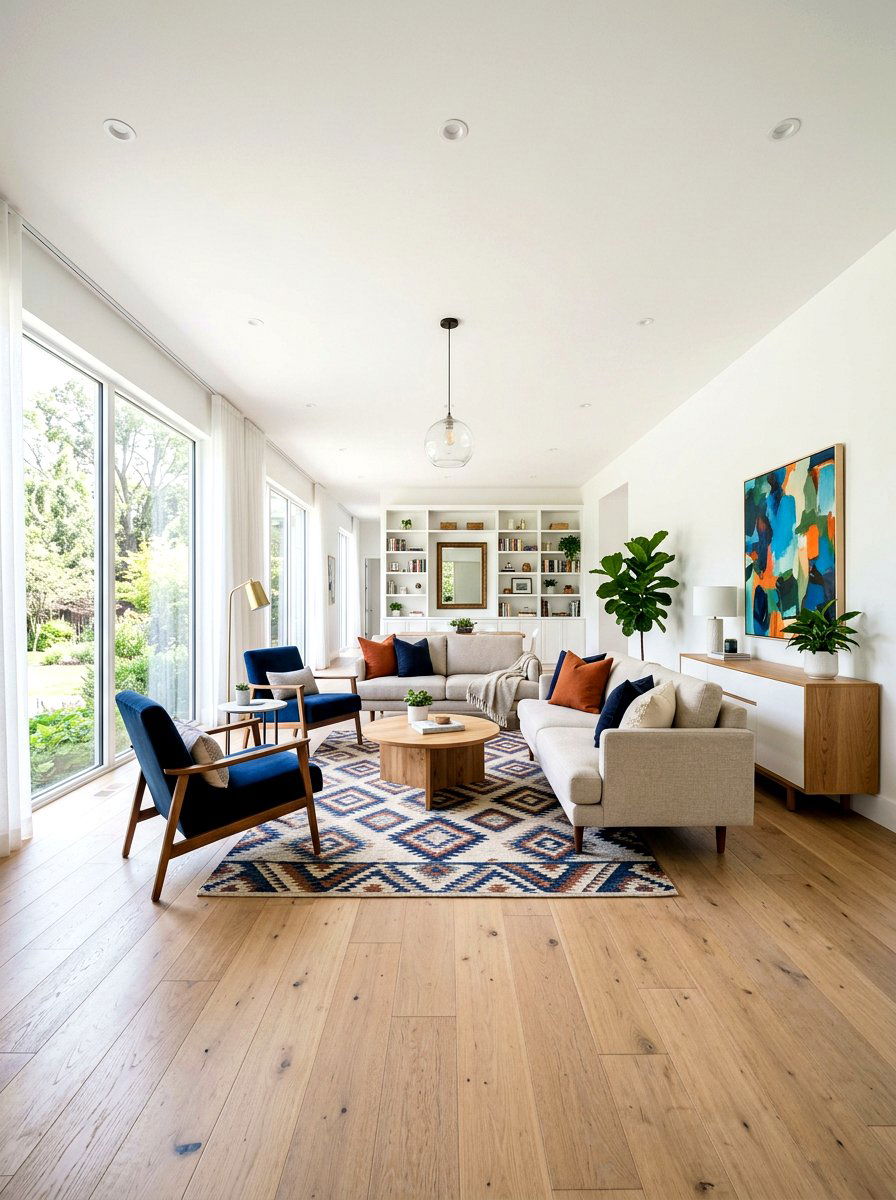
Floating your furniture away from the walls is a designer secret for making a long room feel more spacious and less like a hallway. By leaving a small gap between the back of your sofa and the wall, you create a sense of airiness and movement. This technique also helps to define the central seating area as its own separate island within the room. In a narrow space, pulling pieces inward can actually make the room feel wider because it prevents the furniture from looking like it’s being squeezed against the edges. It’s a simple change that makes a huge impact on the overall flow.
16. Narrow space window treatment
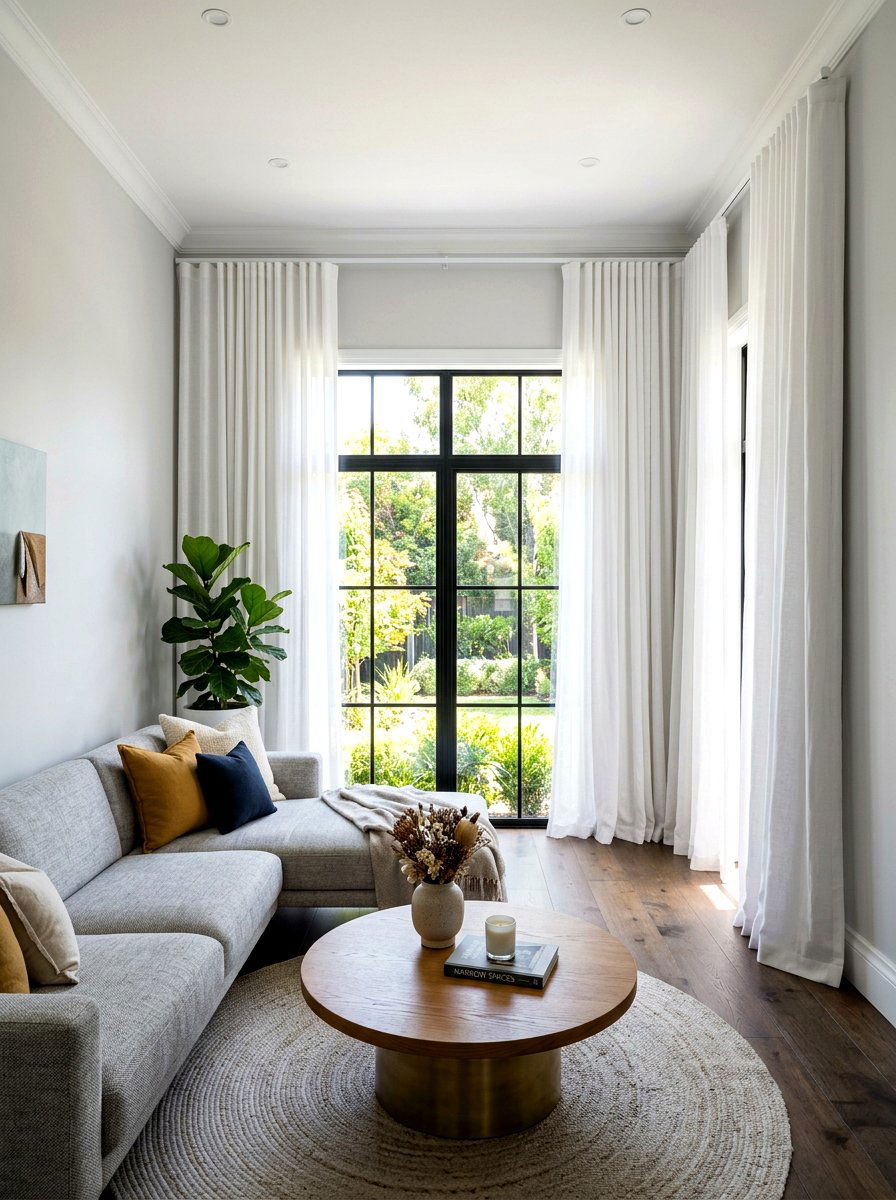
Choosing the right window treatments can dramatically change the perception of a long living room's width and height. Hanging curtains high and wide — well beyond the actual window frame — tricks the eye into thinking the windows are much larger than they are. This adds a sense of grandeur and helps to soften the long walls of a narrow room. Light, sheer fabrics allow plenty of natural light to filter through while still providing privacy. If you prefer a more tailored look, consider Roman shades in a beautiful pattern. Vertical stripes on drapes can also help to draw the eye upward, making the ceiling feel higher.
17. Long room accent wall
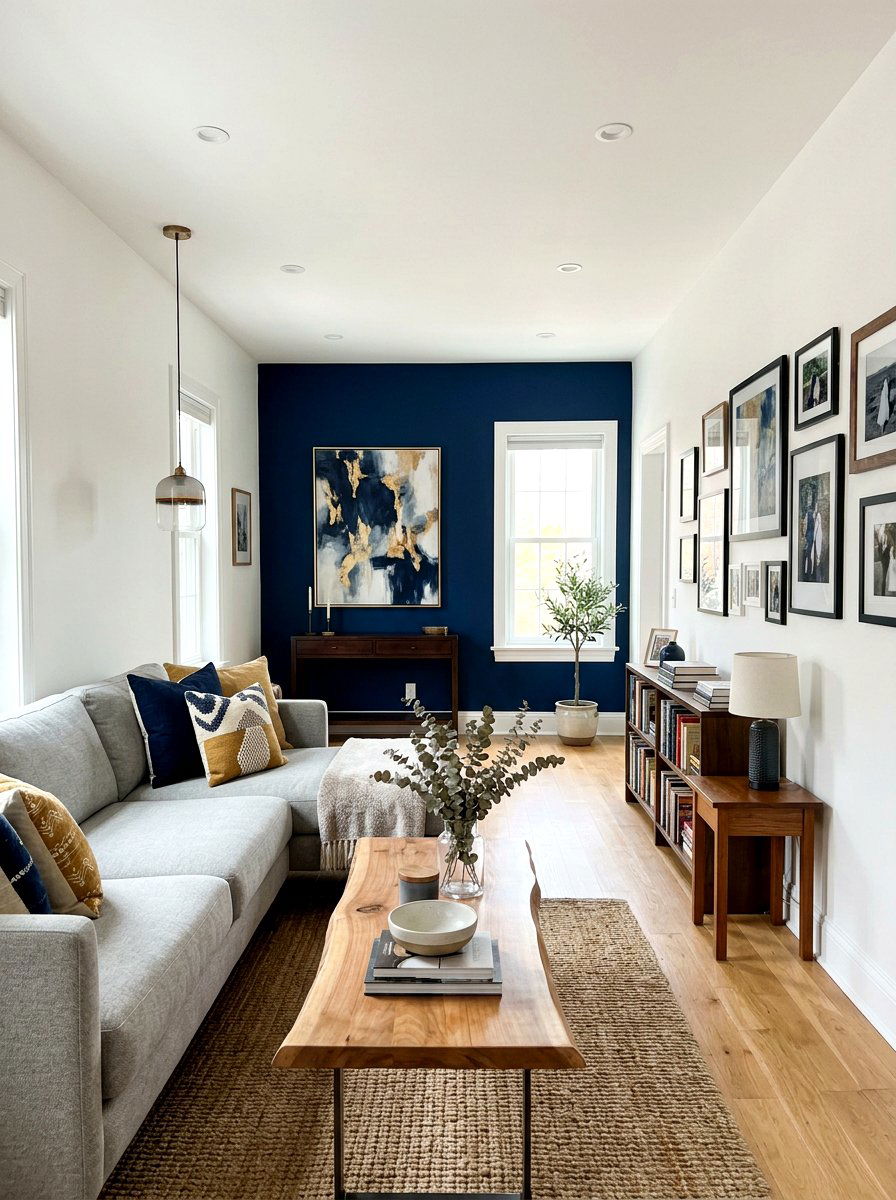
An accent wall can help to visually shorten a long living room by adding color or texture to one of the narrow end walls. Painting the far wall a darker or bolder shade creates a visual stop that pulls the wall closer to the viewer. You can also use wallpaper with a large-scale pattern or install wood paneling to add architectural interest. This technique breaks up the tunnel-like feel of the space and creates a stunning focal point. By focusing the attention on the short wall, you make the room’s proportions feel much more balanced and square rather than overly elongated and narrow.
18. Narrow living room home office
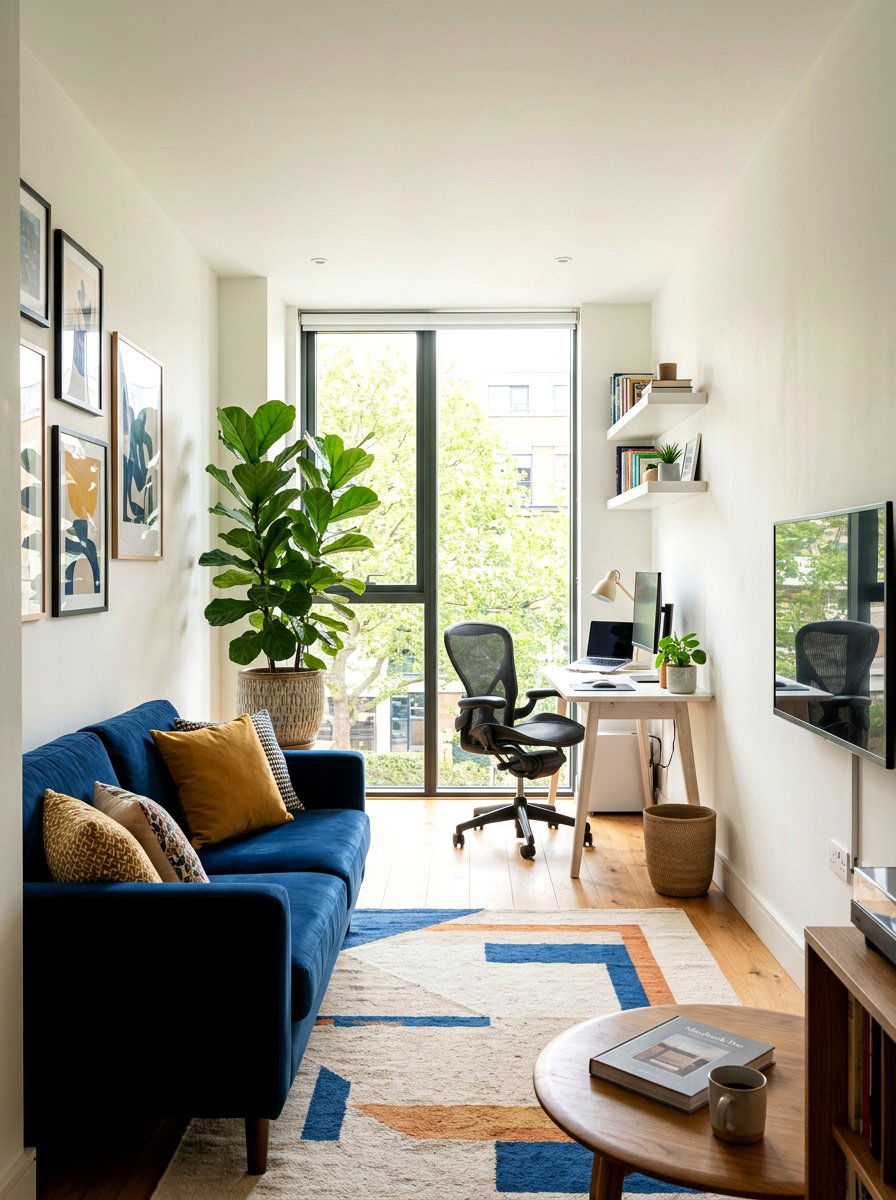
Incorporating a small home office into a long living room is a smart way to utilize an unused corner or alcove. A slim desk and a stylish chair can easily fit at one end of the room without disrupting the main seating area. To keep the space looking organized, choose a desk with built-in drawers or use decorative baskets to hide away paperwork. You can use a rug or a tall plant to subtly separate the work zone from the relaxation zone. This multifunctional approach is perfect for modern living and ensures that every part of your long room serves a useful purpose.
19. Long room dining area combo
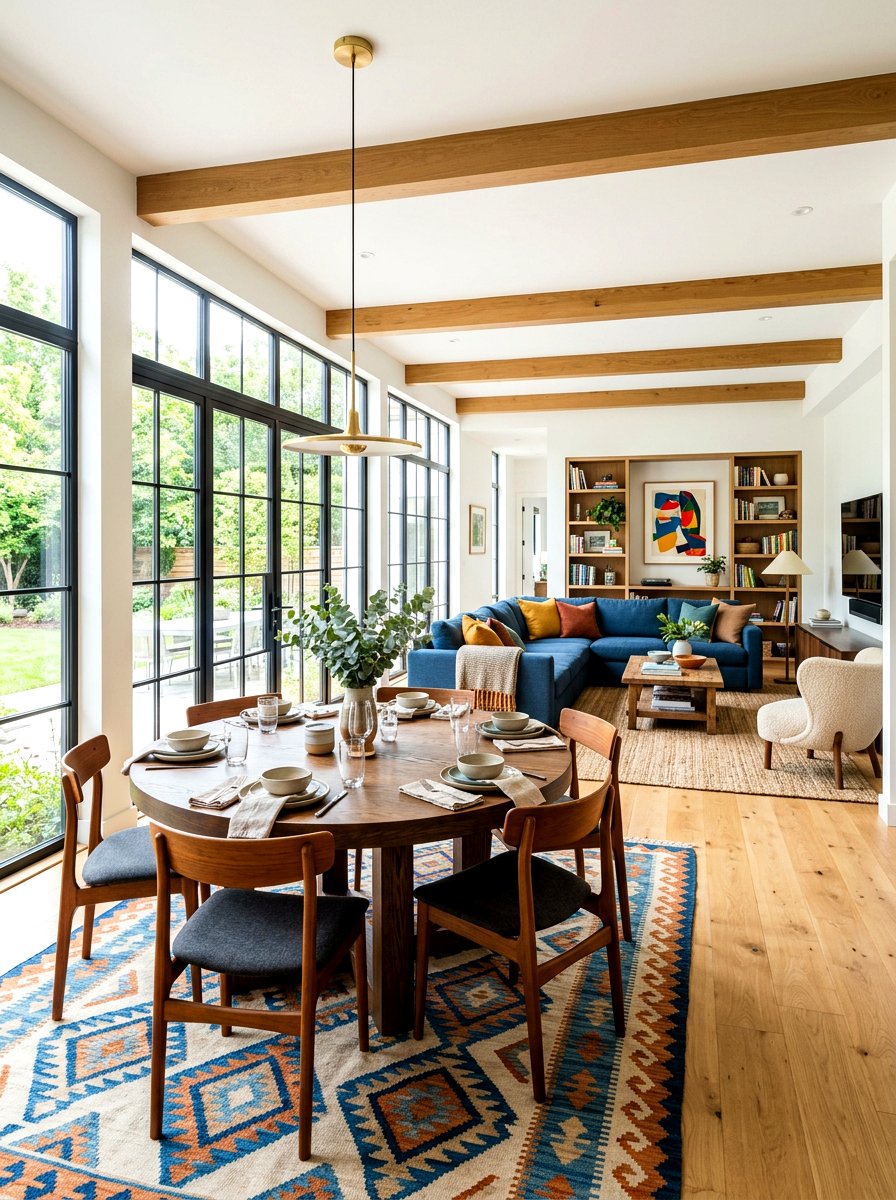
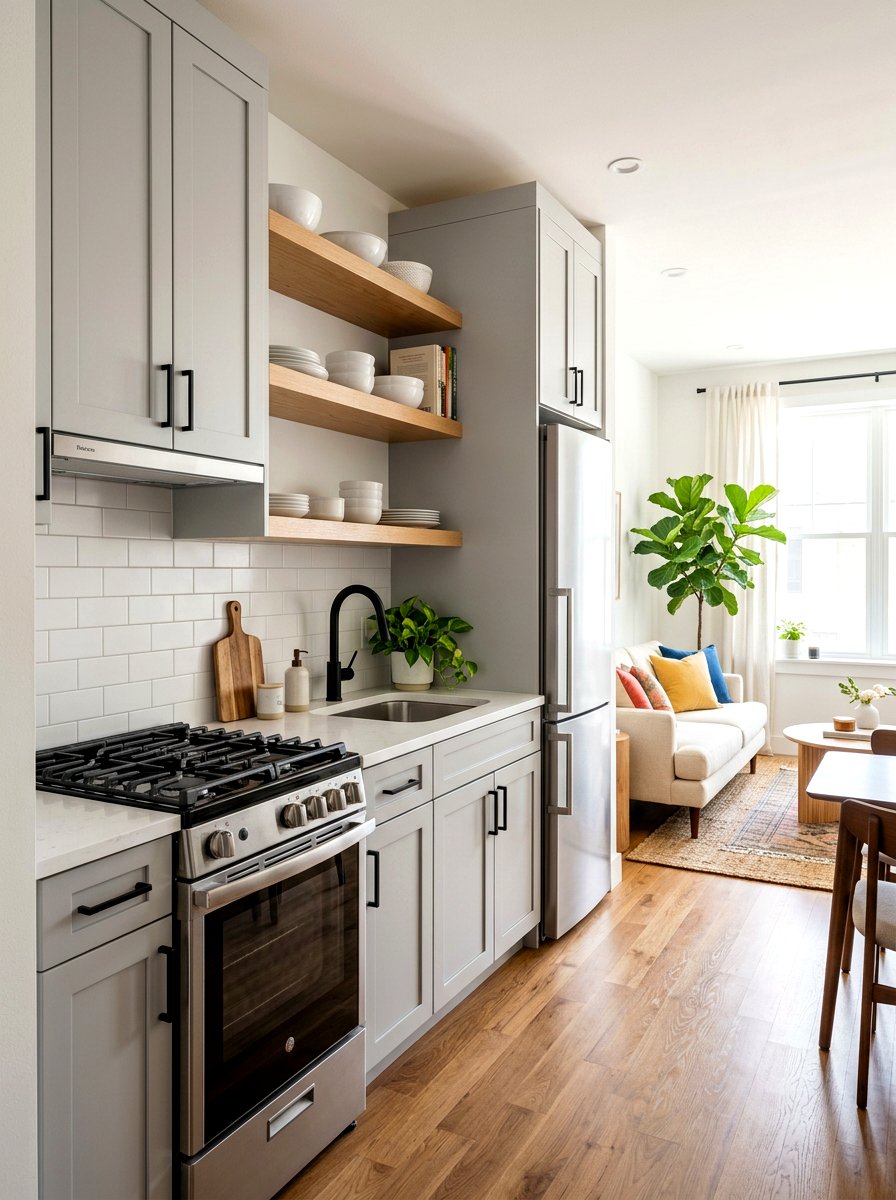
Combining a living and dining area in one long room is a common and effective layout for many homes. To make this work, use furniture to clearly define the two separate functions. For example, you can place a dining table at one end of the room and the main seating area at the other. Using a large area rug under the dining set and another under the sofa helps to visually separate the zones. A low sideboard or a console table can also serve as a stylish transition between the two spaces. This layout creates a cohesive and social environment that is perfect for entertaining guests.

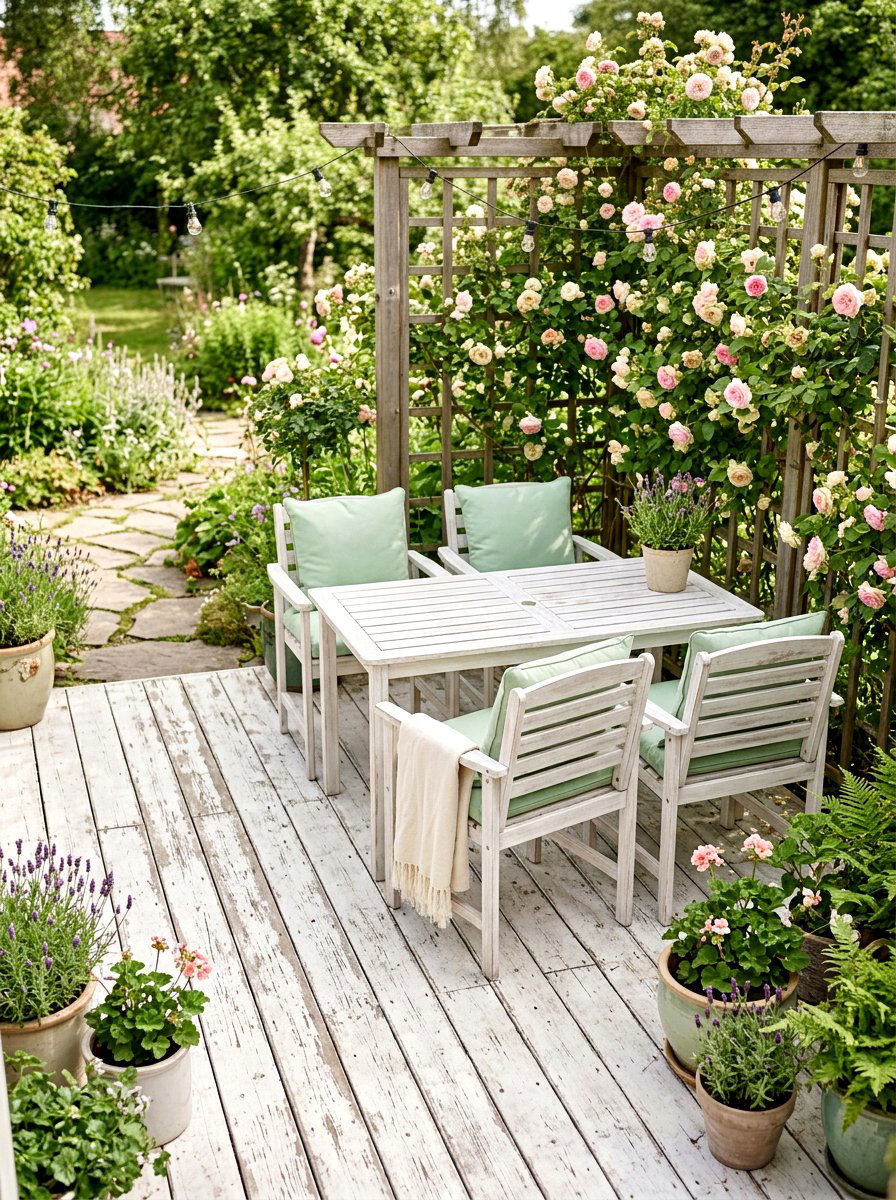
20. Narrow living room plant decor
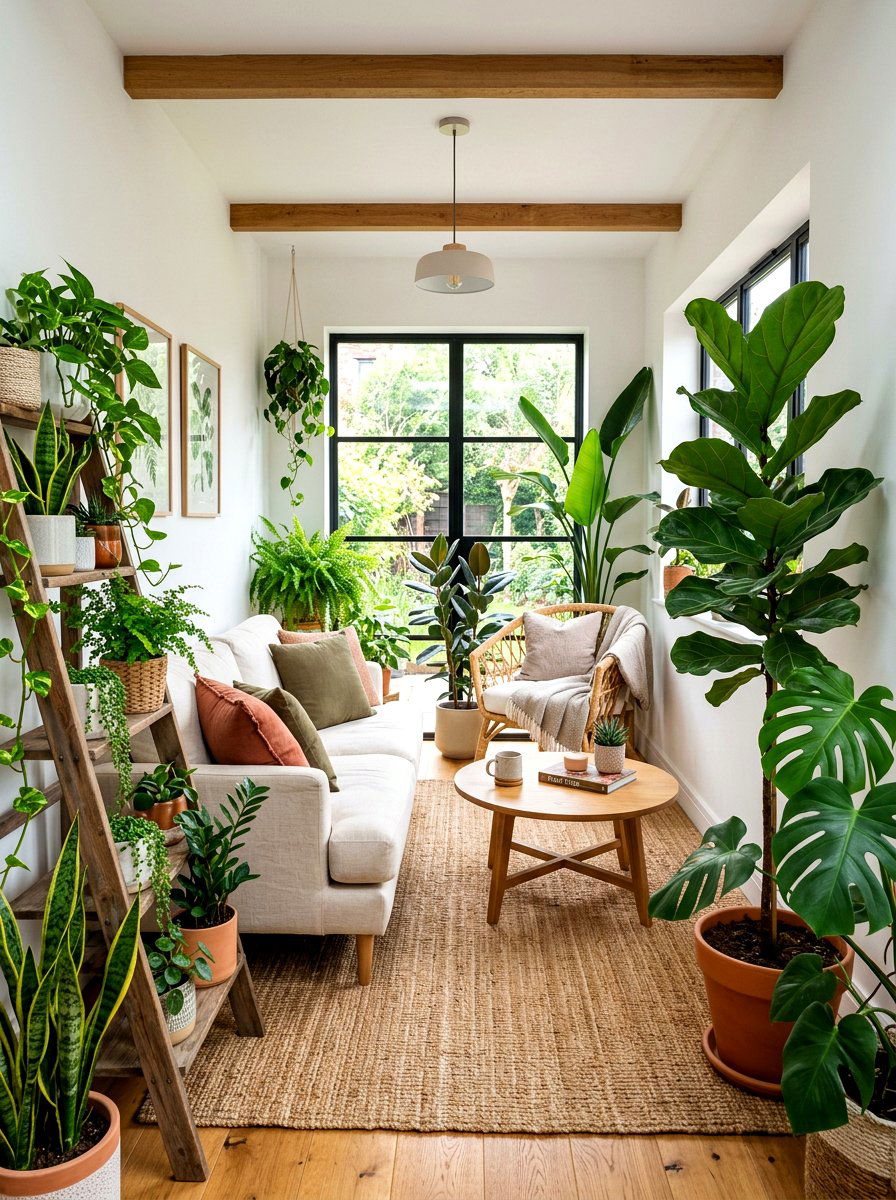
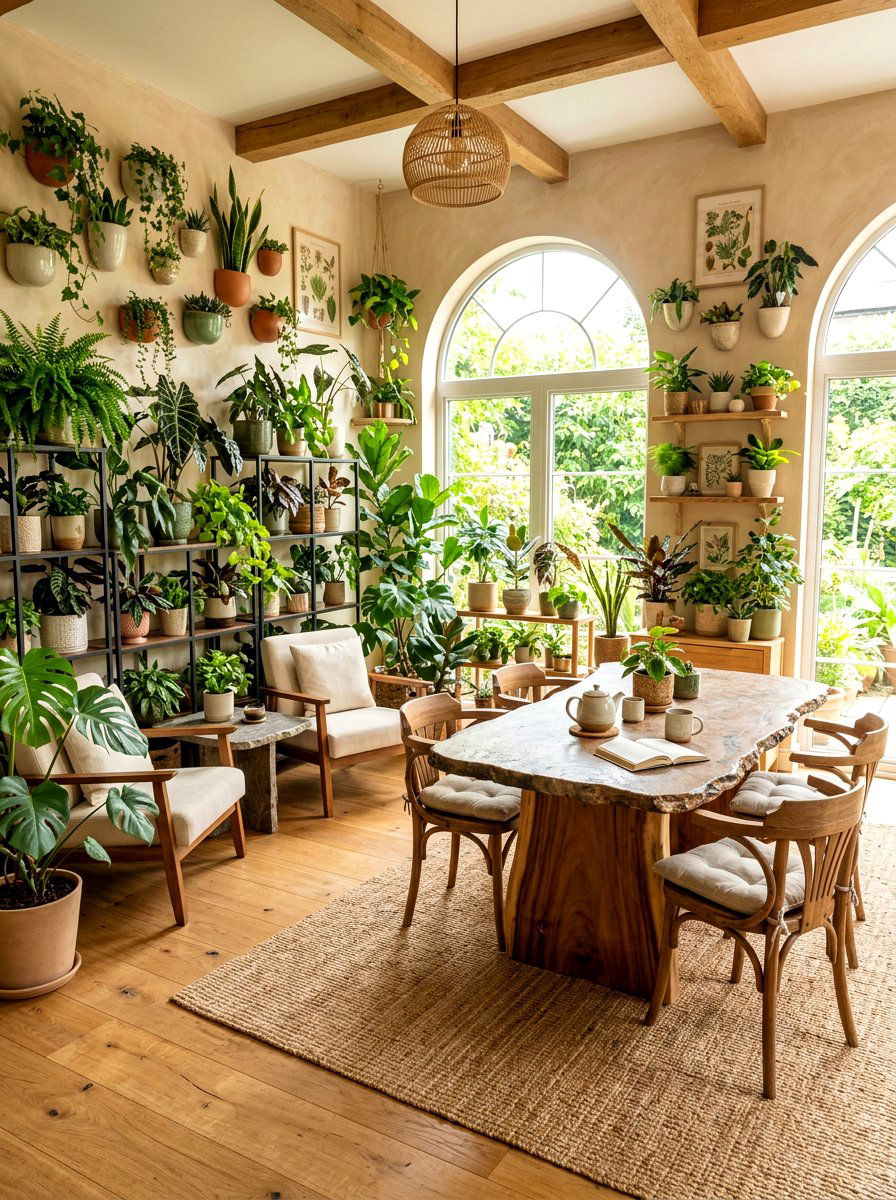
Plants are a wonderful way to add life, color, and texture to a long living room. Using a variety of sizes, from tall floor plants to small tabletop succulents, helps to fill empty corners and break up long stretches of wall. A large fiddle leaf fig or a monstera can serve as a stunning natural focal point at one end of the room. Plants also help to soften the hard lines of furniture and architecture, making the space feel more organic and relaxing. Grouping several plants together on a stand or shelf creates a lush, indoor garden feel that enhances the overall air quality.
21. Long room low profile furniture
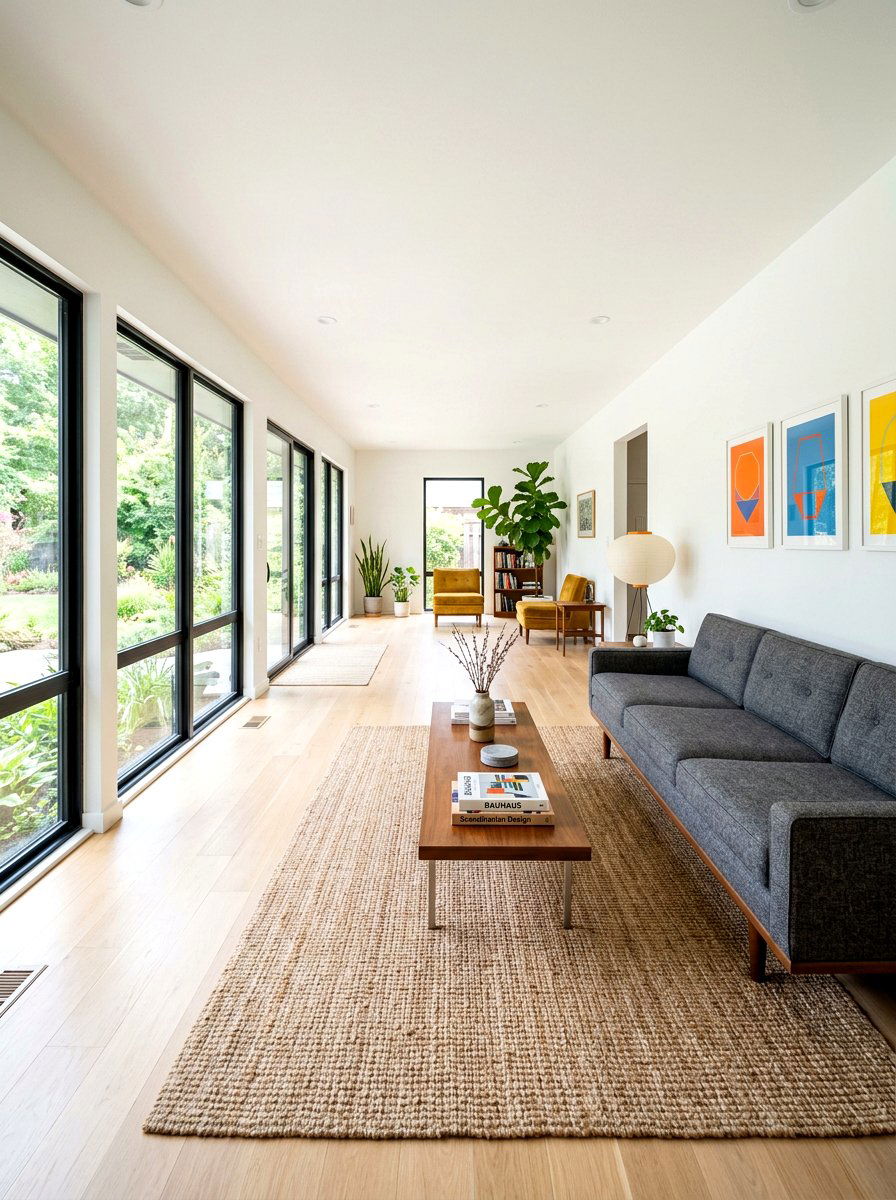
Choosing low-profile furniture is an excellent strategy for maintaining clear sightlines in a long and narrow living room. Pieces that sit lower to the ground, such as mid-century modern sofas and sleek coffee tables, don't block the view across the room, which makes the space feel more open. This is particularly important if you have beautiful windows or a fireplace that you want to highlight. Low furniture also makes the ceilings feel taller, contributing to an overall sense of spaciousness. Look for pieces with clean, simple lines and exposed legs to keep the floor visible, which further enhances the feeling of light and air.
22. Narrow space vertical storage
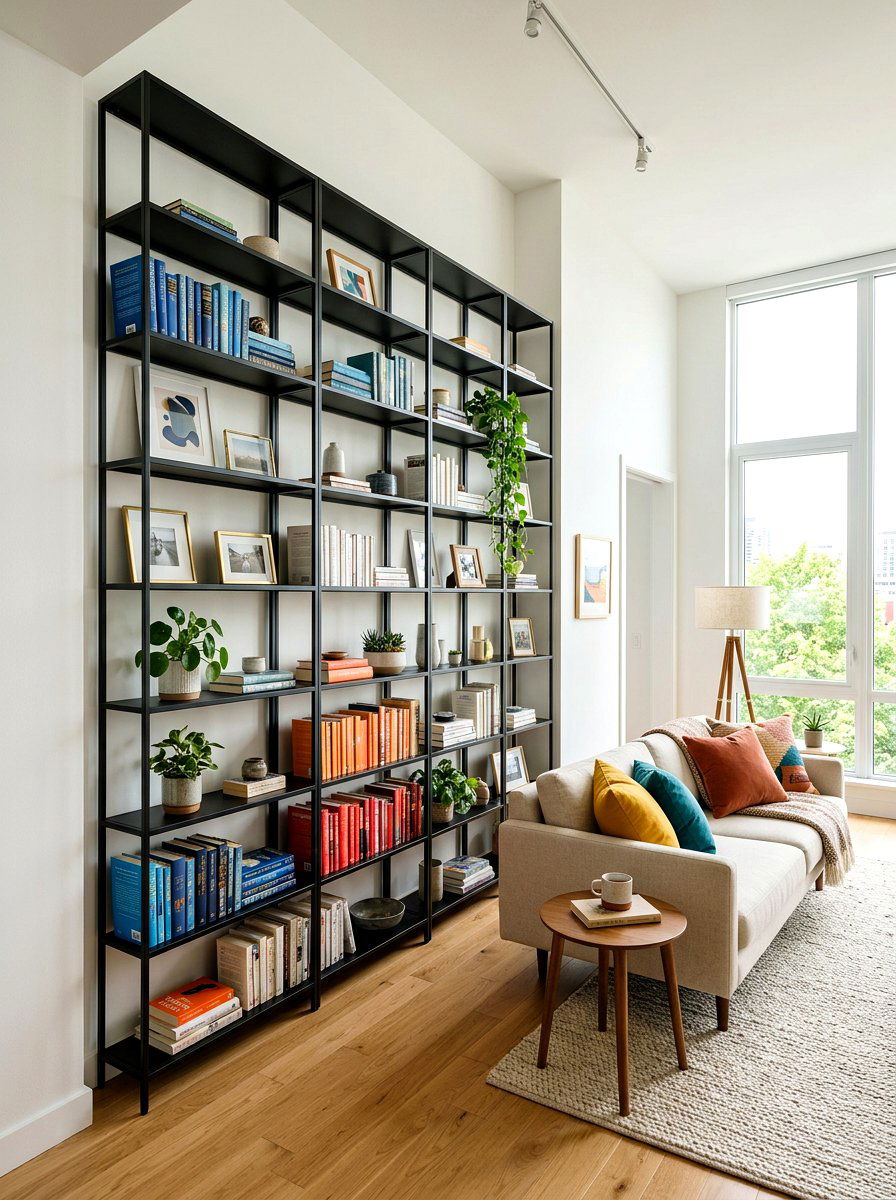
When floor space is limited in a narrow living room, vertical storage is your best friend. Tall, slender bookcases and wall-mounted shelves allow you to store and display items without taking up valuable walking space. You can use the top shelves for decorative objects and the lower shelves for items you use more frequently, like books or media. Vertical storage also helps to draw the eye upward, making the room feel more balanced and less cramped. For a clean and modern look, consider a modular shelving system that you can customize to fit your specific needs and the unique dimensions of your space.
23. Long living room coffee table set
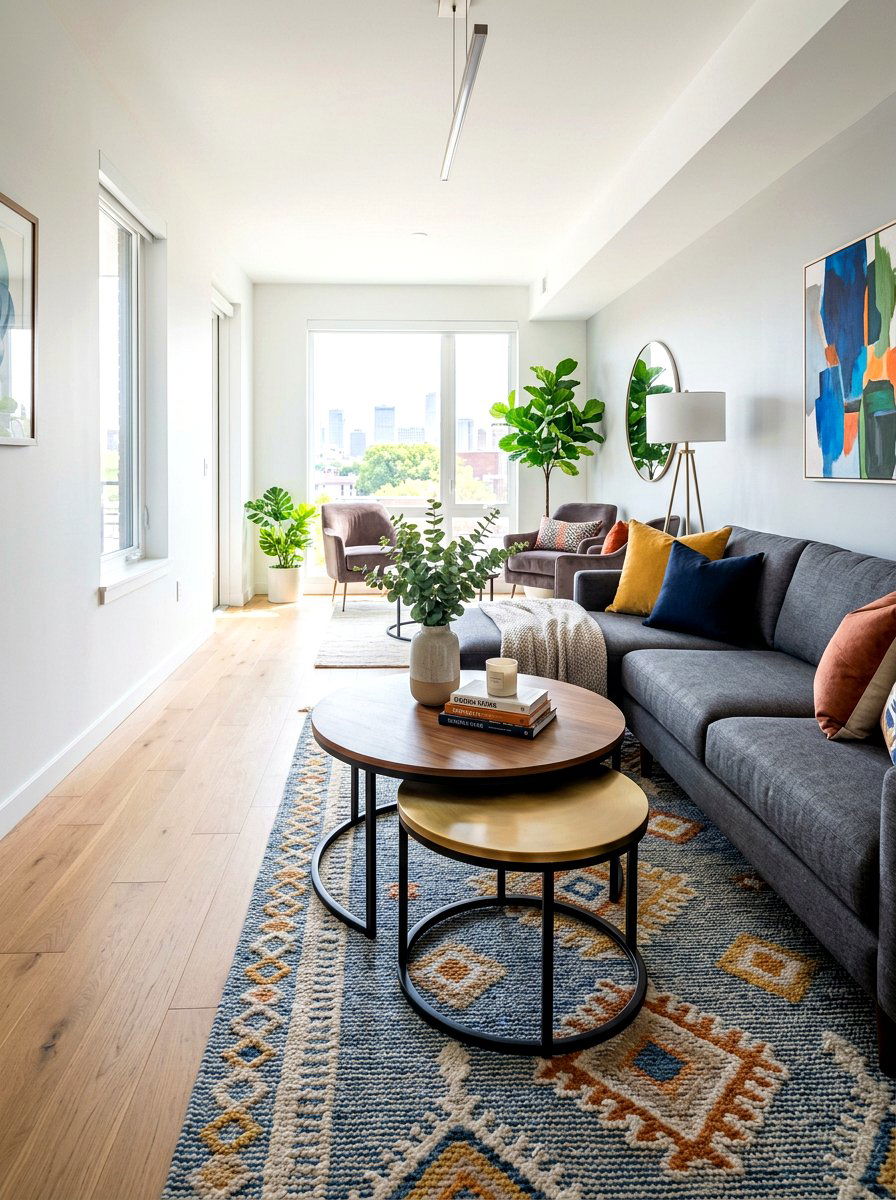
Instead of one large, bulky coffee table, consider using a set of nesting tables or a pair of smaller round tables in a long living room. This provides flexibility and makes the space feel less cluttered and easier to navigate. You can move the smaller tables around as needed for guests or use them as side tables. Round tables are especially effective in narrow rooms because their lack of sharp corners helps to soften the linear lines of the space and improves the overall flow. Choosing materials like glass or thin metal for your coffee table set will further contribute to a light and airy aesthetic.
24. Narrow room statement chandelier
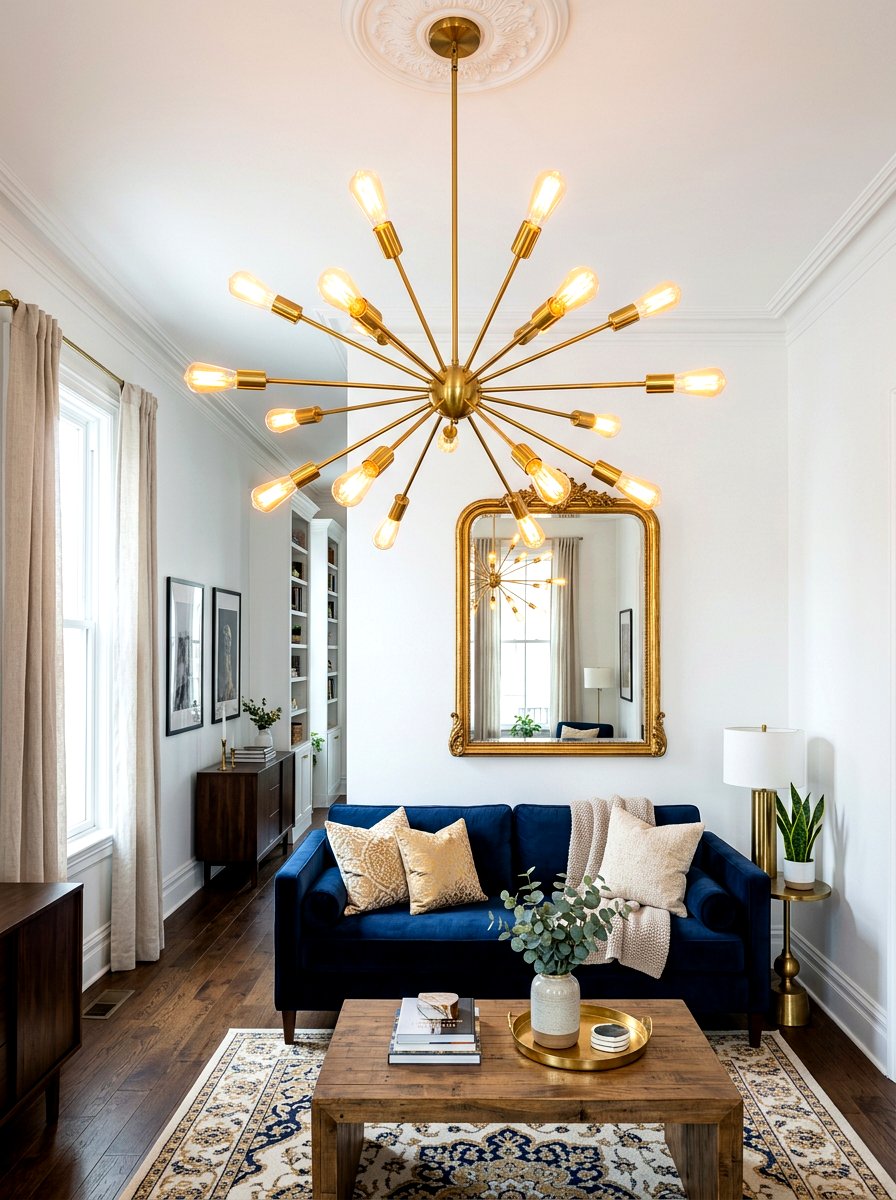
A statement chandelier can serve as a powerful focal point that helps to anchor the main seating area in a long living room. By choosing a light fixture with a unique design or a large scale, you draw the eye toward the center of the room and away from its narrow width. A beautiful chandelier also adds a touch of luxury and elegance to the space. Ensure that the light is hung at the correct height so it doesn't obstruct the view or make the room feel smaller. Combining the chandelier with other layers of lighting will ensure the room is both stylish and functionally bright.
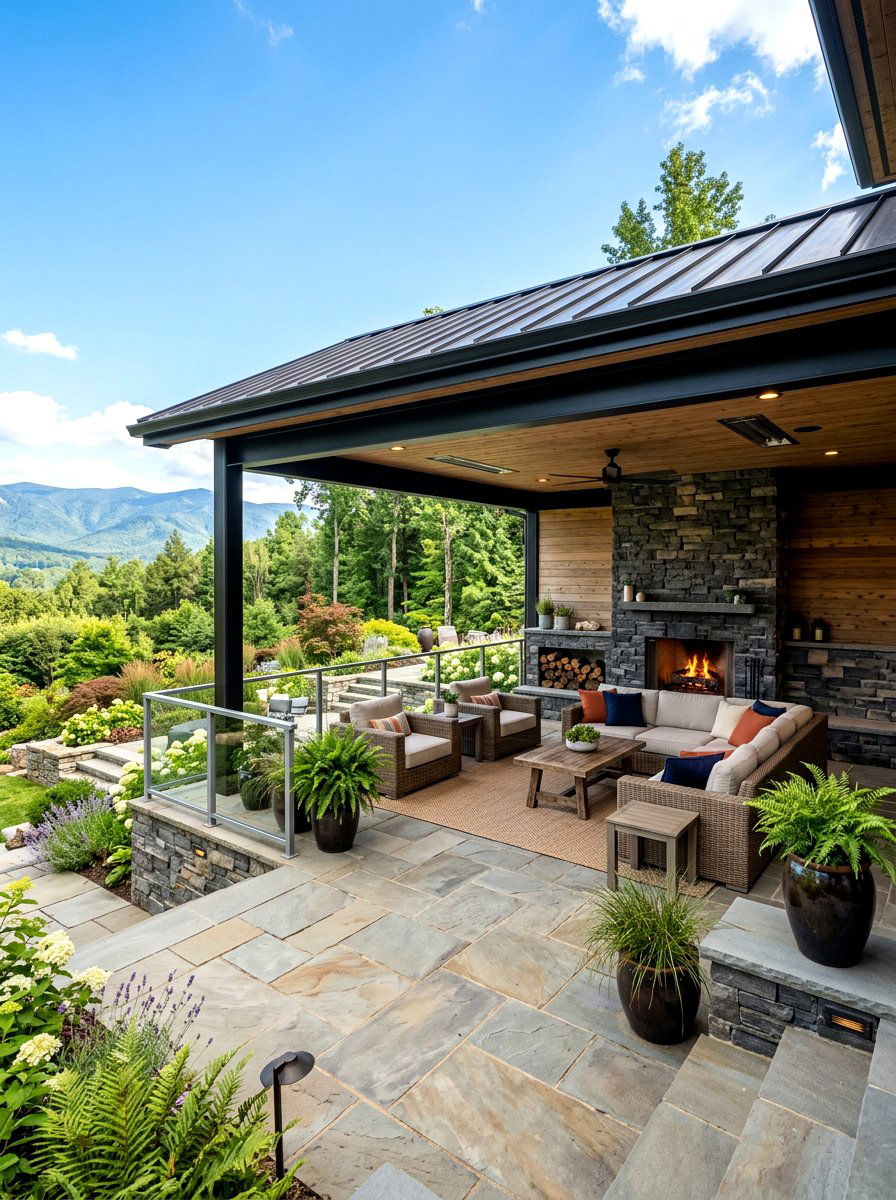
25. Long living room library wall
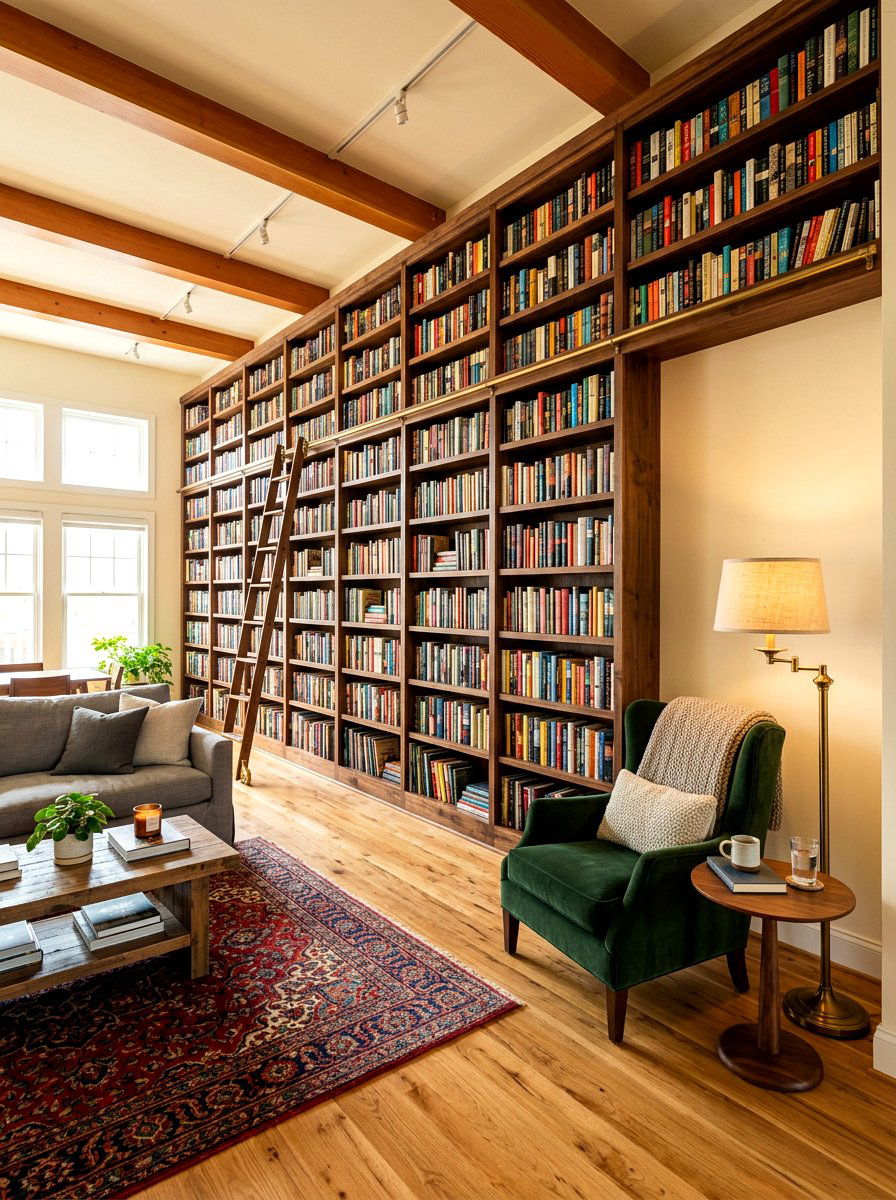
Transforming one long wall into a floor-to-ceiling library is a sophisticated way to add character and warmth to a narrow space. A wall of books provides instant texture and color, making the room feel cozy and intellectual. You can integrate a rolling ladder for a classic look or include a built-in bench for a comfortable reading spot. To prevent the library wall from feeling too heavy, use light-colored wood or paint the shelves the same color as the walls. This design choice not only provides massive amounts of storage but also serves as a stunning backdrop for your furniture and decor.
26. Narrow space glass furniture
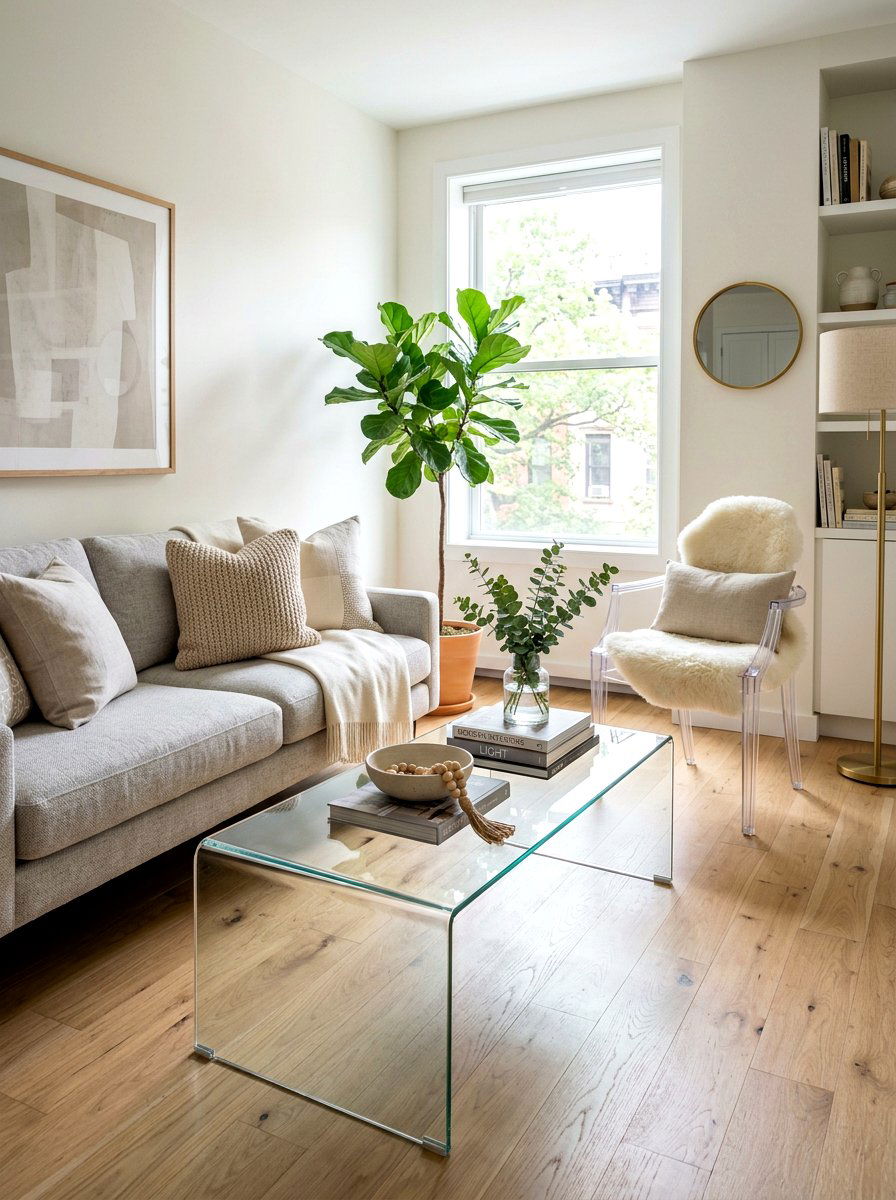
Glass and acrylic furniture are perfect for long living rooms because they are visually lightweight and almost disappear into the space. A glass coffee table or a clear acrylic side chair allows you to see the floor and the rest of the room through the furniture, which helps to maintain an open and airy feel. This is a great way to include necessary pieces without making a narrow room feel crowded or cluttered. Glass surfaces also reflect light, adding a subtle sparkle and brightness to the room. This modern and minimalist approach to furnishing is ideal for creating a contemporary and spacious look.
27. Long room corner nook
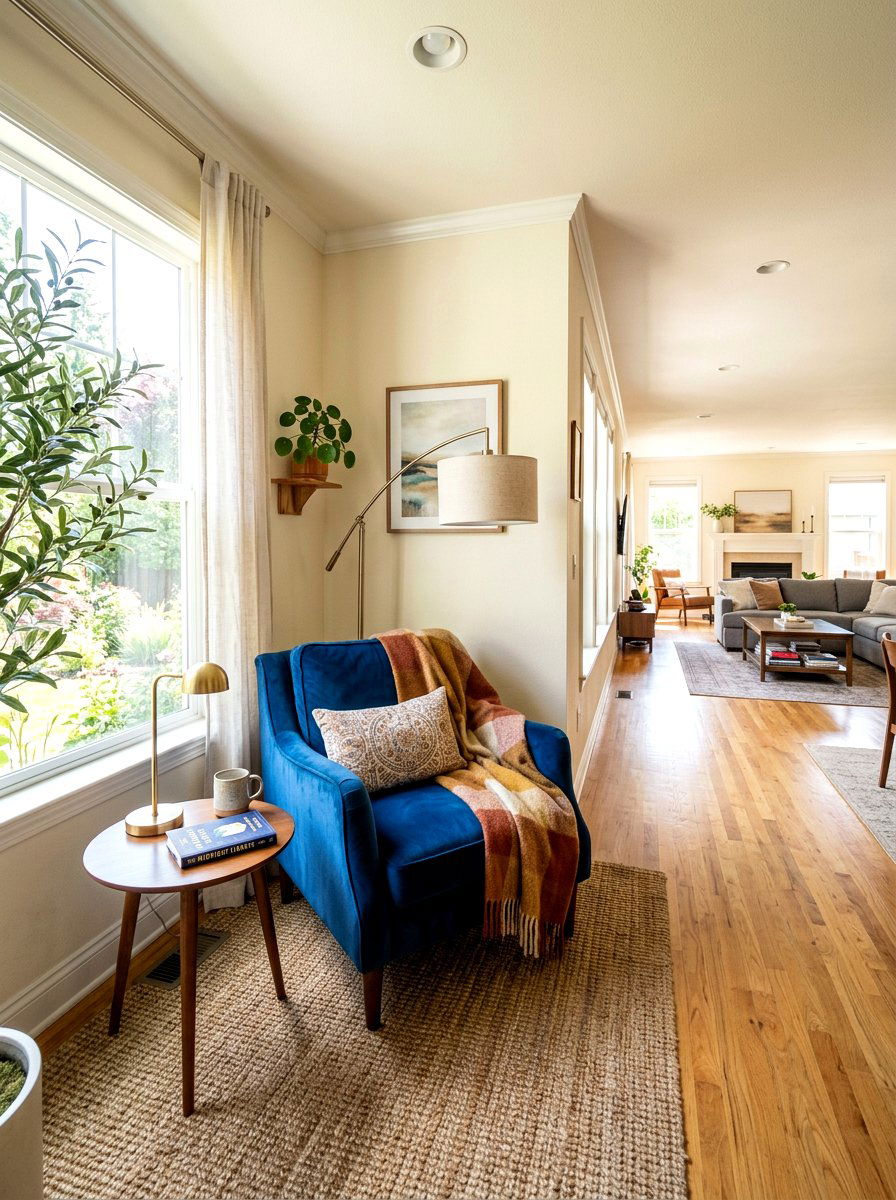
Turning an awkward corner of a long living room into a cozy nook is a great way to make the most of every square inch. You can place a comfortable armchair, a small side table, and a floor lamp in a corner to create a private spot for reading or relaxing. Adding a few plush pillows and a soft throw blanket will make the nook feel extra inviting. This technique helps to fill the ends of a long room and gives the space a more balanced and lived-in feel. It’s a simple way to add functionality and charm to a previously underutilized part of your home.
28. Narrow living room ceiling beam
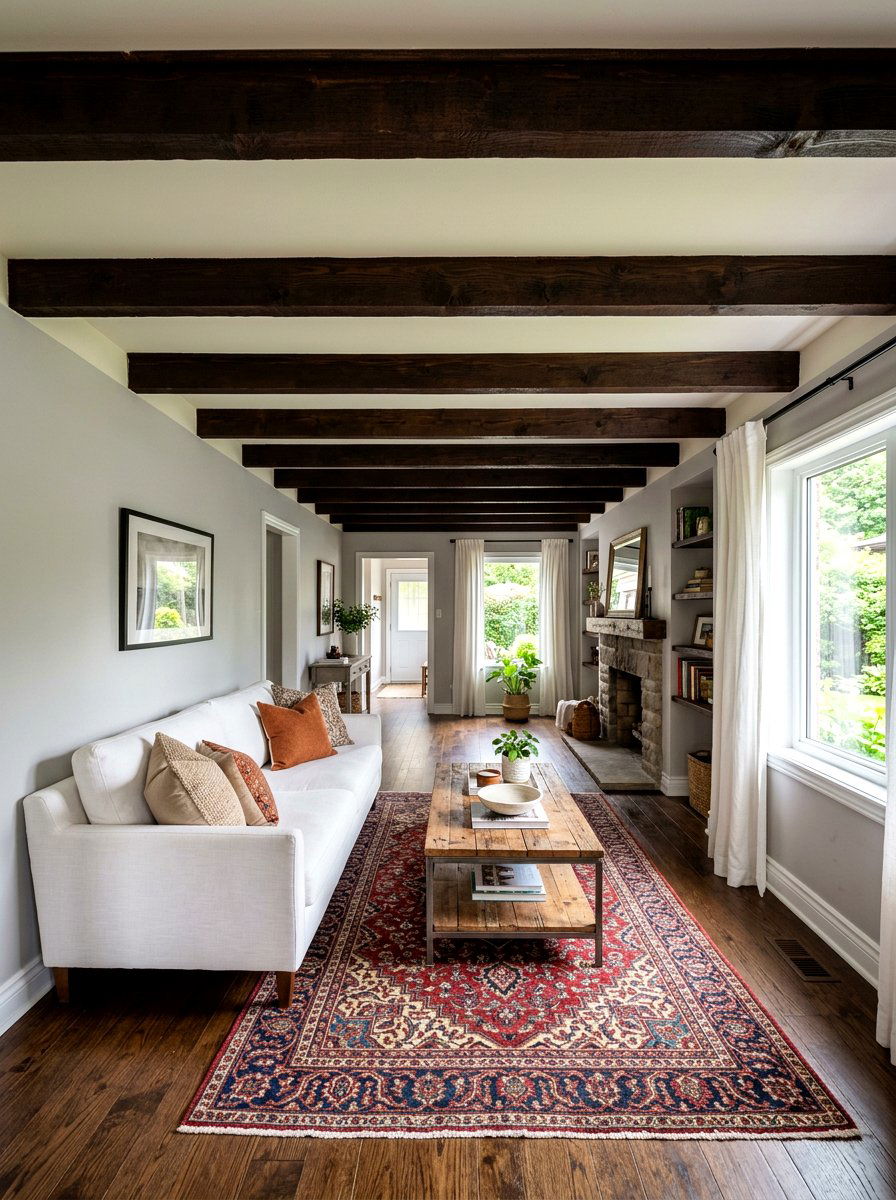
Exposed ceiling beams can add architectural interest and a sense of history to a long living room. If you install beams that run across the width of the room rather than the length, you can visually widen the space. This clever design trick breaks up the long ceiling and draws the eye from side to side. You can choose natural wood beams for a rustic or farmhouse feel, or paint them a crisp white for a more modern and clean look. Ceiling beams also help to define the different zones in a long room, providing a sense of structure and high-end design to the interior.
29. Long room minimalist decor
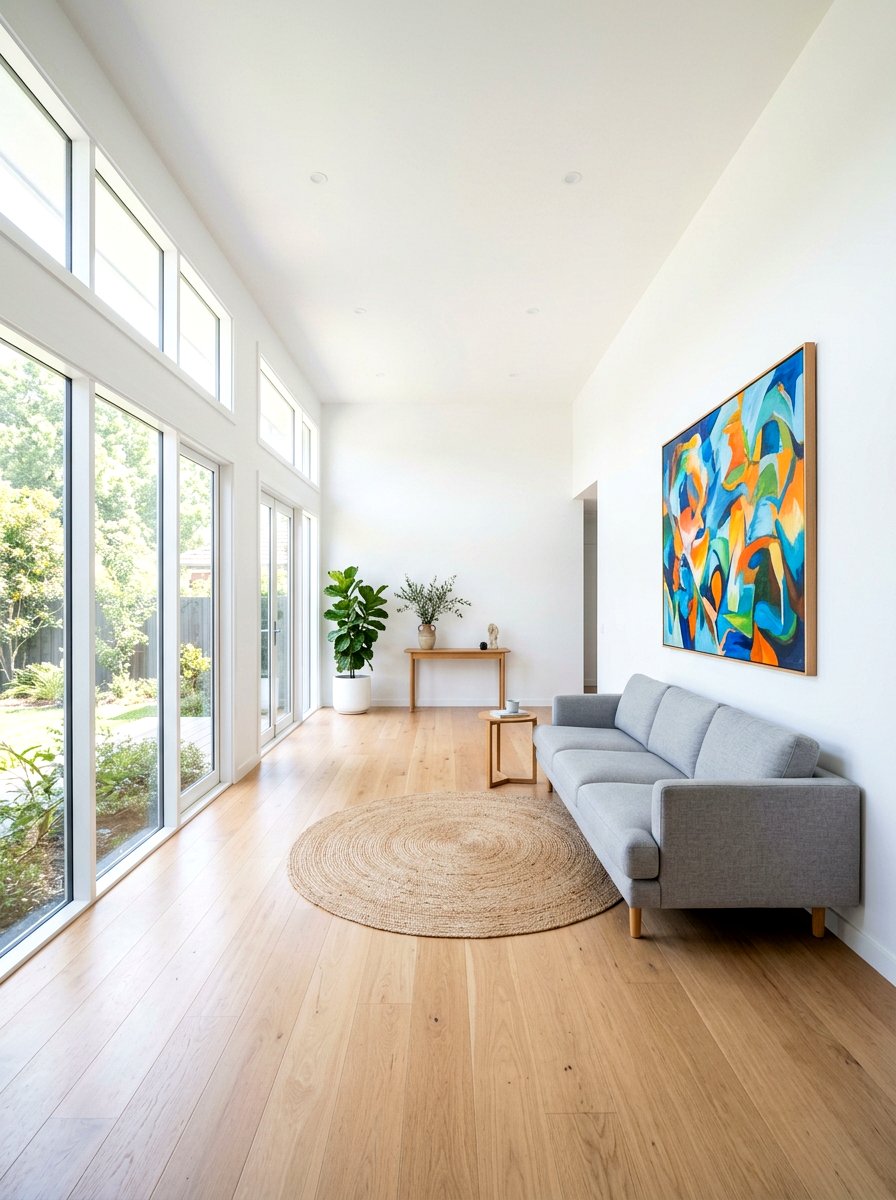
A minimalist approach to decorating is often the best choice for a long and narrow living room. By focusing on a few high-quality, essential pieces and keeping the space clutter-free, you allow the architecture and natural light to shine. Choose furniture with clean lines and a simple color palette to create a sense of calm and order. Every item in a minimalist room should serve a purpose and contribute to the overall aesthetic. This style of design makes even the narrowest rooms feel more expansive and peaceful, providing a beautiful and functional environment that is easy to maintain and enjoy every day.
30. Narrow living room textured rug
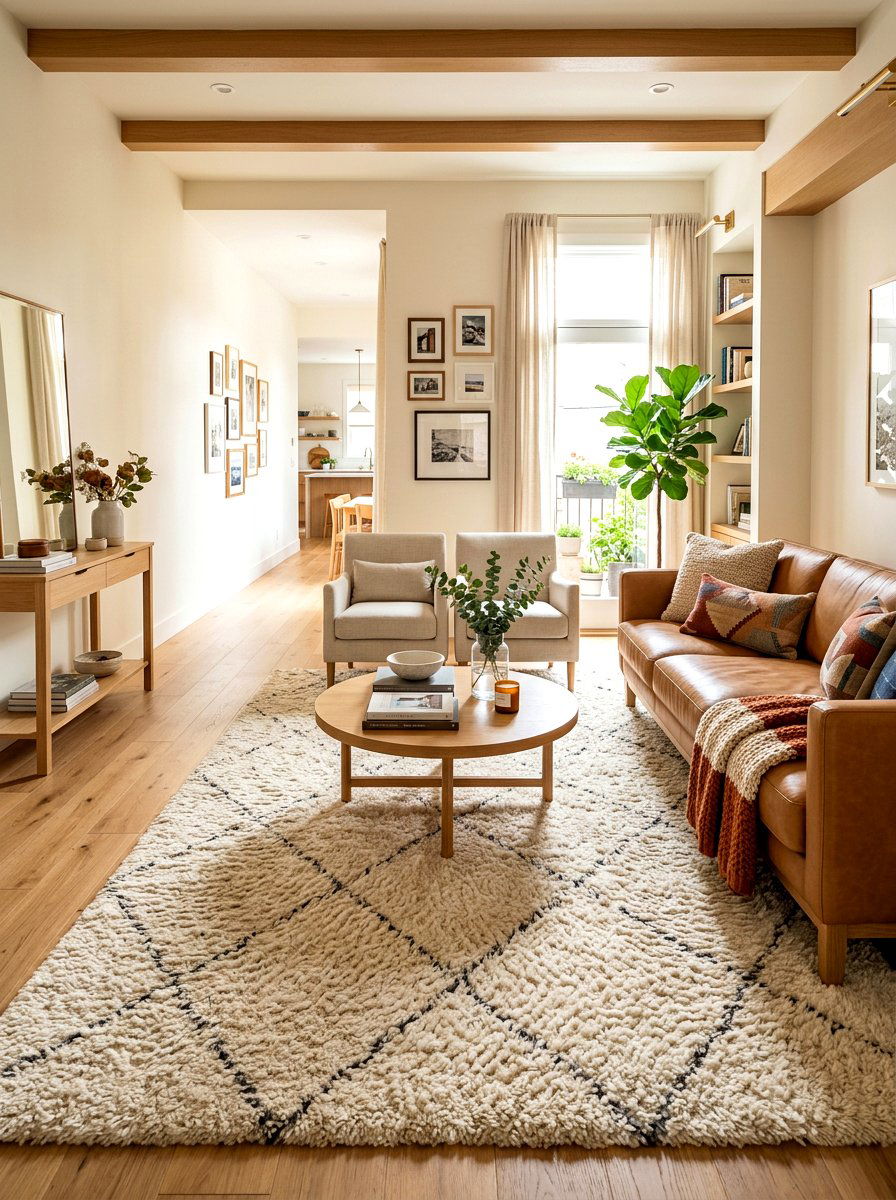
A textured rug is the perfect finishing touch for a long room because it adds much-needed depth and visual interest to the floor. When you choose a rug with a high-low pile or a unique weave, it breaks up the flat expanse of a narrow floor plan. This tactile element makes the room feel warmer and more grounded. You should select a rug that is large enough to sit under all the front legs of your furniture to pull the entire look together. Neutral tones with subtle patterns work best to add character without overwhelming the limited square footage of the living area, creating a polished result.
Conclusion:
Designing a long living room requires a delicate balance of creativity, spatial awareness, and strategic planning to ensure the space is both functional and beautiful. By breaking the room into distinct zones, using light effectively, and choosing furniture that fits the scale of the area, you can transform a challenging layout into a stunning focal point of your home. Whether you prefer a modern minimalist look or a cozy, traditional feel, the key is to embrace the unique proportions of your room and use them to your advantage. With these thoughtful design choices, your long living room will become a welcoming and stylish haven for years.

Related posts: