Transforming a long and slender space into a functional and stylish sanctuary requires a clever approach to furniture placement and visual balance. Many homeowners struggle with the "bowling alley" effect where the room feels cramped and awkward for conversation. However, by understanding the unique geometry of a narrow living room, you can create a layout that feels both open and intimate. The secret lies in breaking up the length of the room with distinct functional zones and choosing pieces that maximize floor space without sacrificing comfort. From strategic lighting to smart storage solutions, every choice should work together to enhance the natural flow of your home.
1. Narrow Living Room Layout
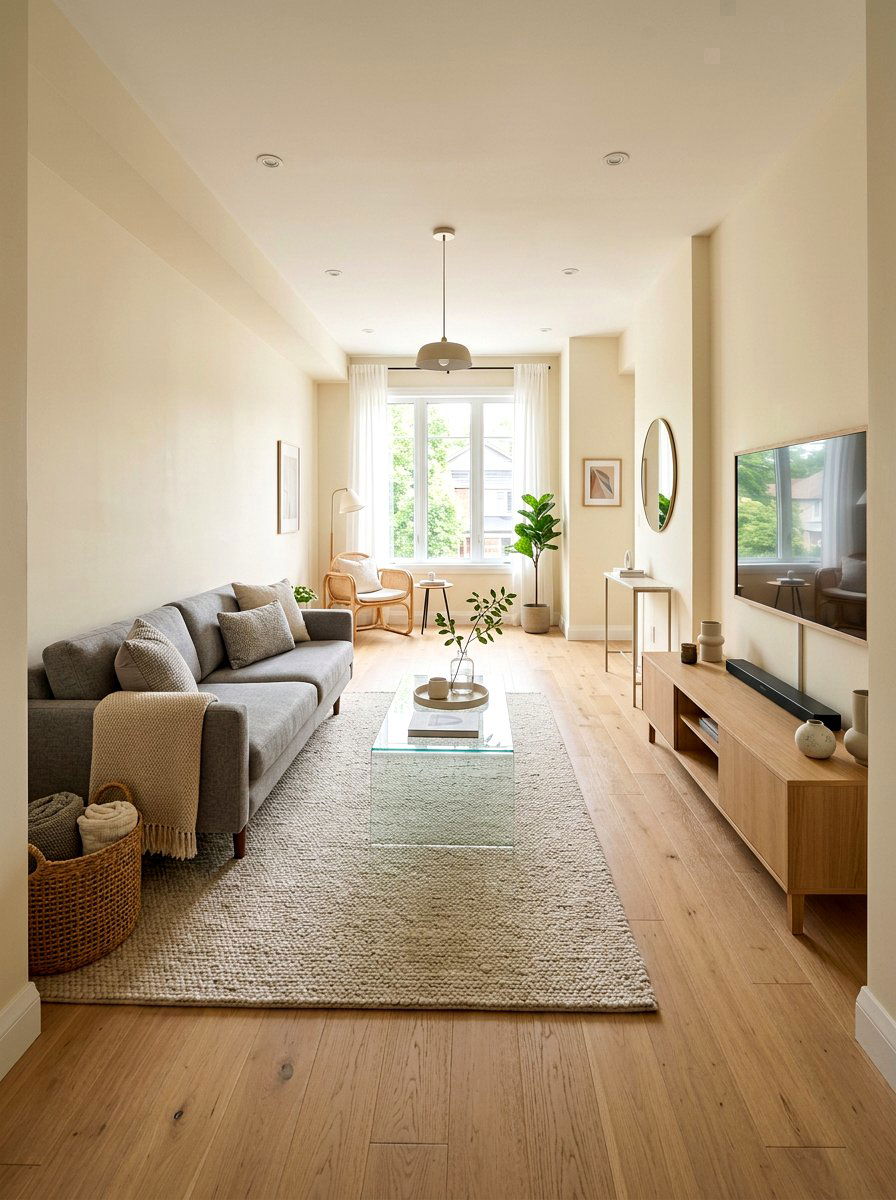
Creating a successful flow in a slender space starts with resisting the urge to push every piece of furniture against the long walls. This common mistake often makes the room feel like a hallway rather than a welcoming lounge. Instead, consider placing your main seating away from the perimeter to allow for a clear walking path on one side. This arrangement naturally guides movement through the room without interrupting the conversation area. You can also place smaller armchairs at an angle to break up the harsh linear lines. By being intentional with how people move from one end to the other, the entire space becomes much more practical and aesthetically pleasing for daily use.
2. Floating Furniture Arrangement
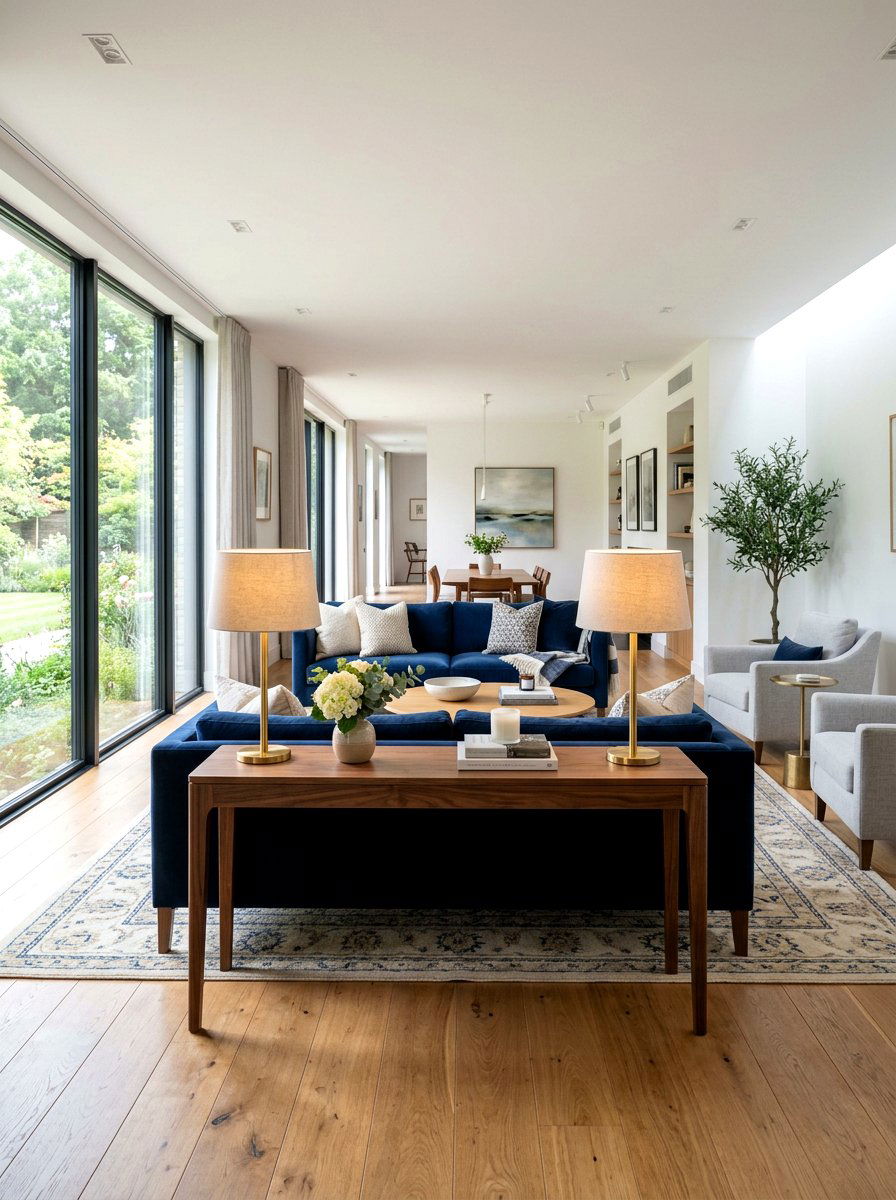
Pulling your sofa and chairs away from the walls is a transformative technique known as floating furniture that creates an immediate sense of airiness. In a tight space, leaving a few inches of "breathing room" between the back of the couch and the wall makes the room appear wider than it actually is. This layout strategy prevents the room from feeling boxed in and allows for better light circulation throughout the day. You might even find that floating a media console or a bench creates a more dynamic look. It is a simple yet effective way to add depth and dimension to a room that might otherwise feel flat and restricted in its overall design.
3. Small Sectional Sofa
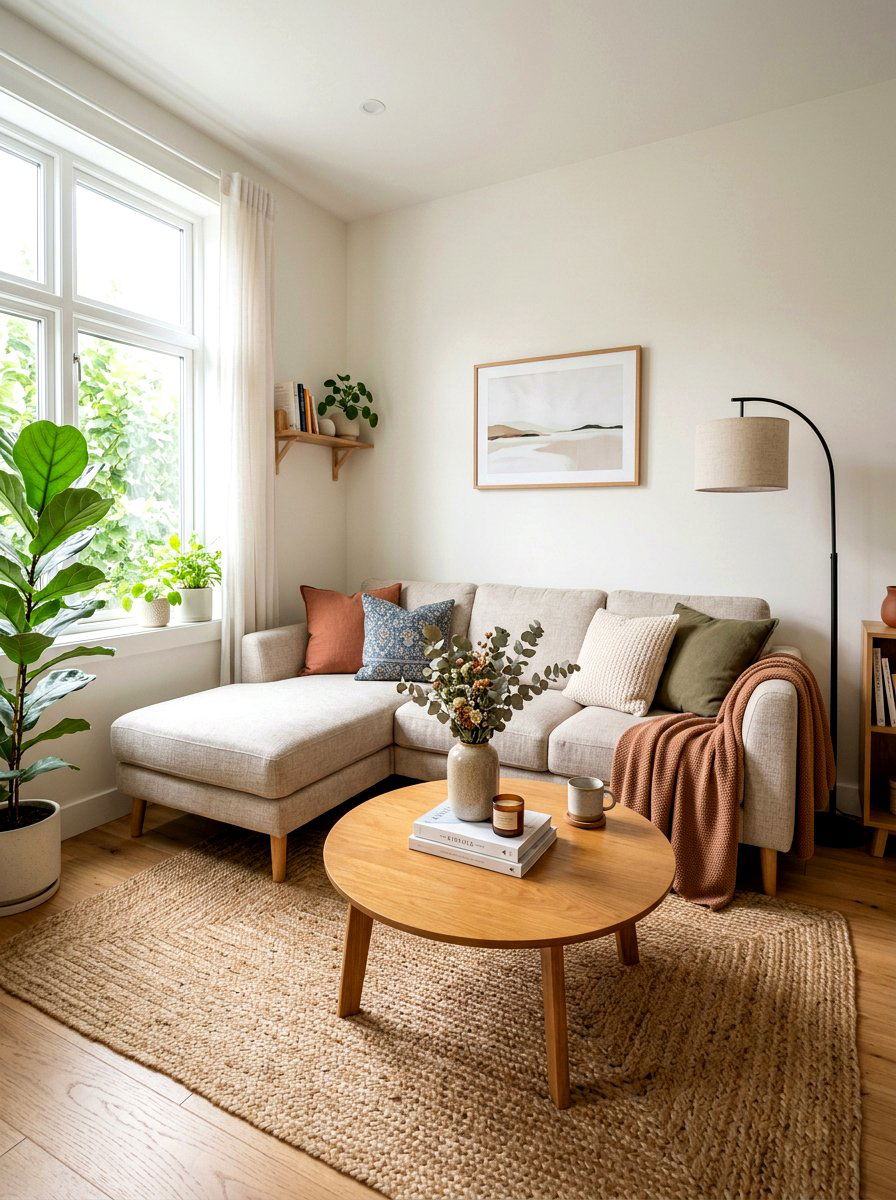
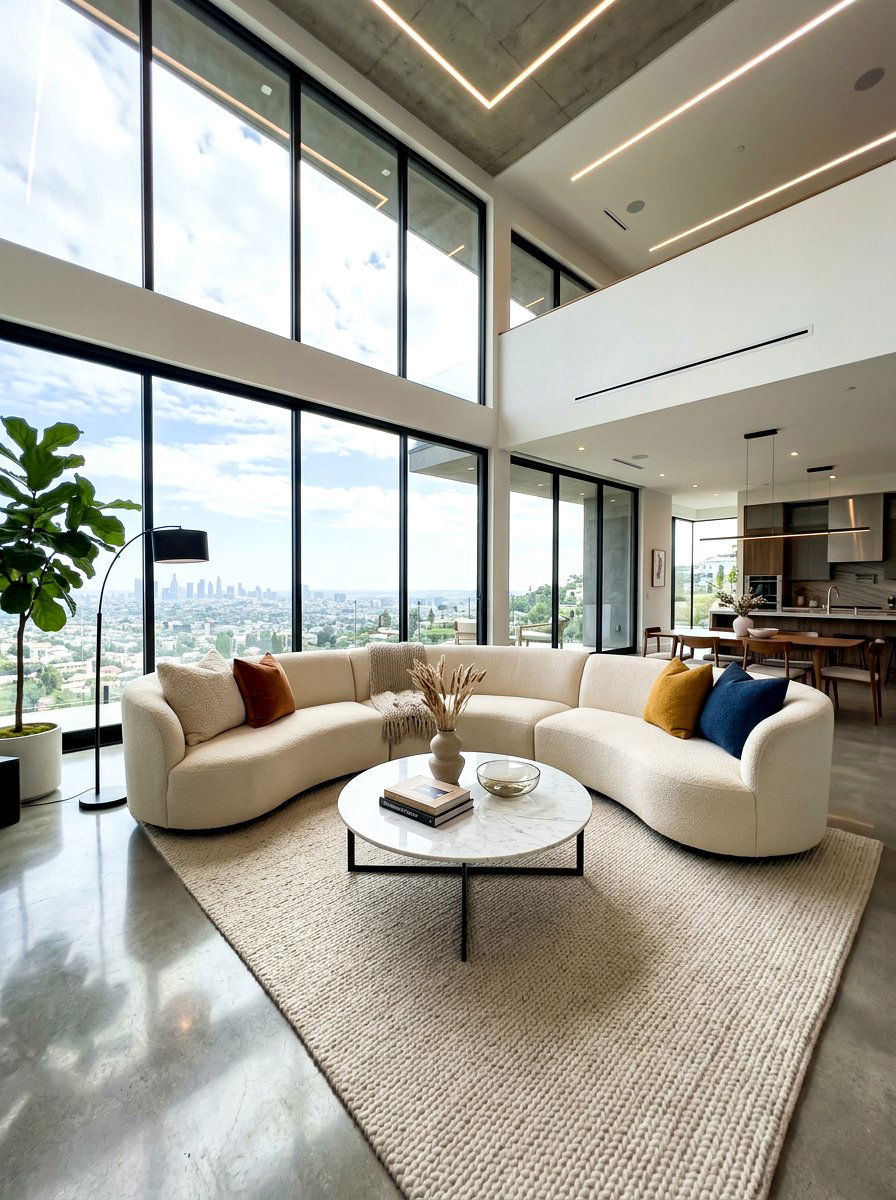
Finding the right seating for an elongated area often leads many designers to recommend a compact L-shaped sectional that fits snugly into a corner. A well-scaled sectional provides ample seating for guests without the need for multiple bulky armchairs that could clutter the floor. When selecting your piece, look for a model with slim arms and a low profile to keep the sightlines clear across the room. Positioning the shorter "L" portion against the far wall can help define the end of the living area, effectively "stopping" the eye and making the room feel more proportionate. It offers a cozy and cohesive look that anchors the entire seating zone beautifully.
4. Neutral Color Palette
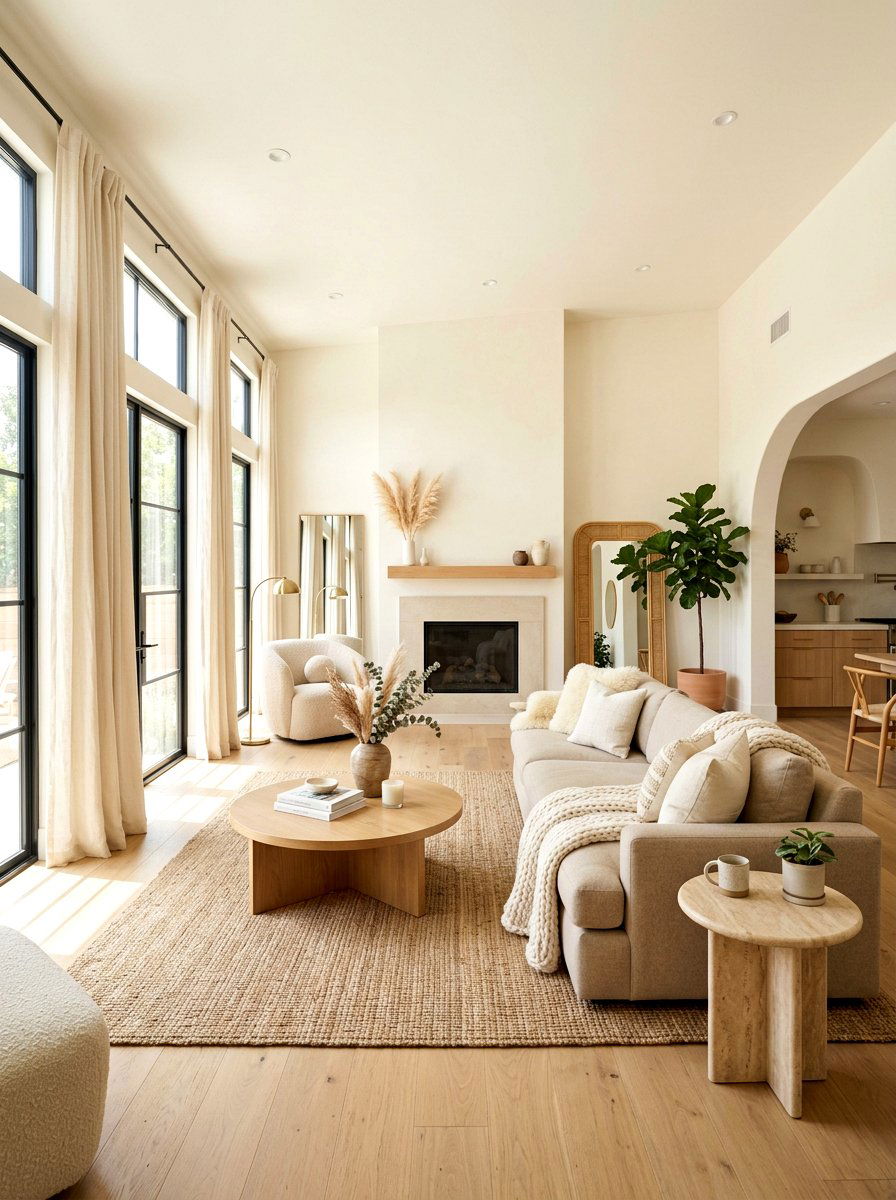
Selecting a soft and cohesive color scheme is one of the most effective ways to make a narrow space feel much larger and brighter. Luminous shades like off-white, soft gray, and warm beige reflect natural light, which helps to blur the boundaries of the walls. Using a monochromatic approach where the walls, trim, and large furniture pieces share similar tones creates a seamless visual experience that eliminates jarring breaks in the room. This does not mean the space has to be boring; you can introduce various textures like linen, wool, and wood to add warmth. A light palette serves as the perfect backdrop for personal touches and seasonal decor throughout the year.
5. Built In Wall Shelving
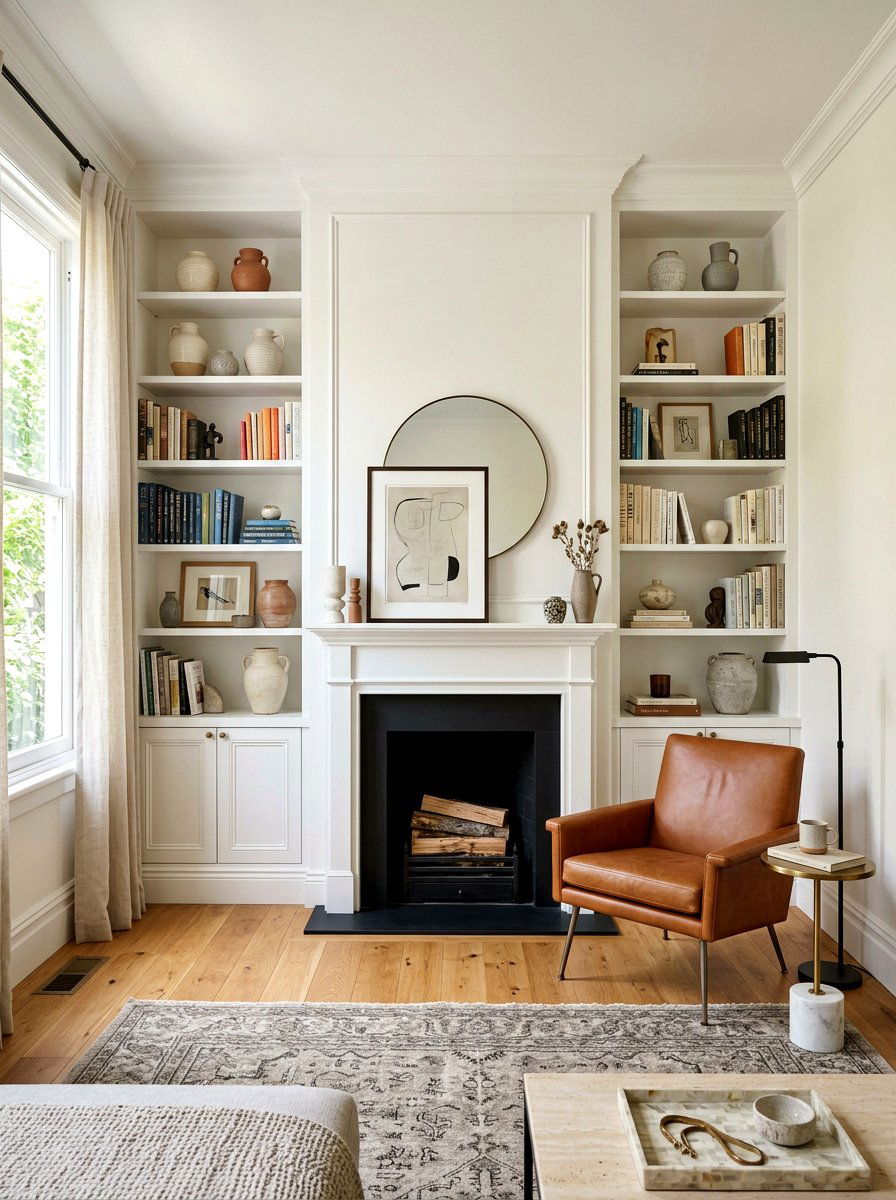
Custom cabinetry and shelving that run vertically up the walls can save significant floor space while providing essential storage for books and decor. By taking advantage of the height of the room, you draw the eye upward, which distracts from the narrowness of the floor plan. Built-ins can be designed to frame a television or a fireplace, creating a polished focal point that looks intentional and high-end. If you opt for open shelving, be sure to leave some "white space" between items to prevent the wall from looking too busy or heavy. This architectural feature adds character and functionality, making the most of every square inch in a tight living area.
6. Large Area Rug
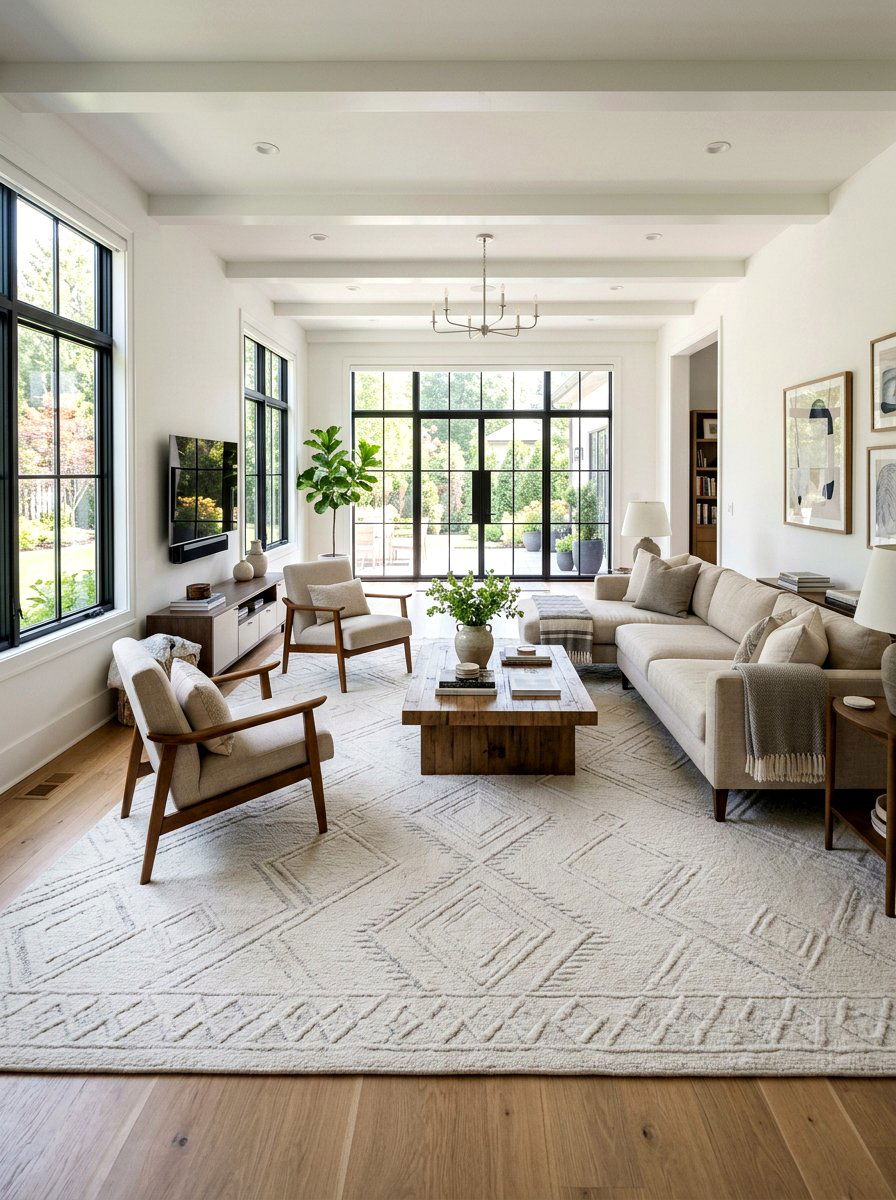
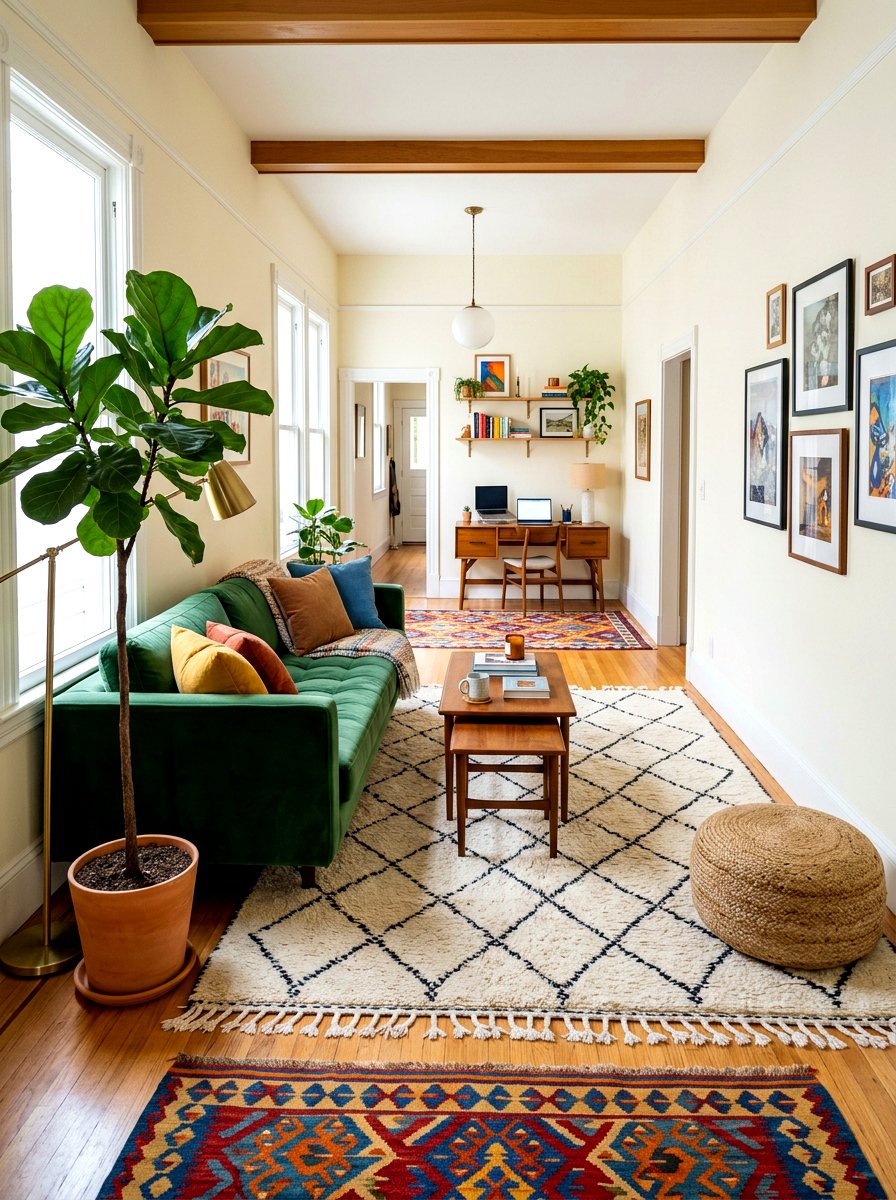
Using a single expansive rug can help anchor a seating group and make a long room feel more grounded and unified. Many people make the mistake of using a rug that is too small, which can actually highlight the awkward proportions of a narrow floor. A large rug should ideally fit under all the front legs of your furniture, tying the different pieces together into one cohesive island. Choose a subtle pattern or a solid texture to keep the floor from feeling overwhelmed. If you want to break up a very long room, you can even use two different rugs to define separate zones, such as a lounge and a small dining area.
7. Wall Mounted TV
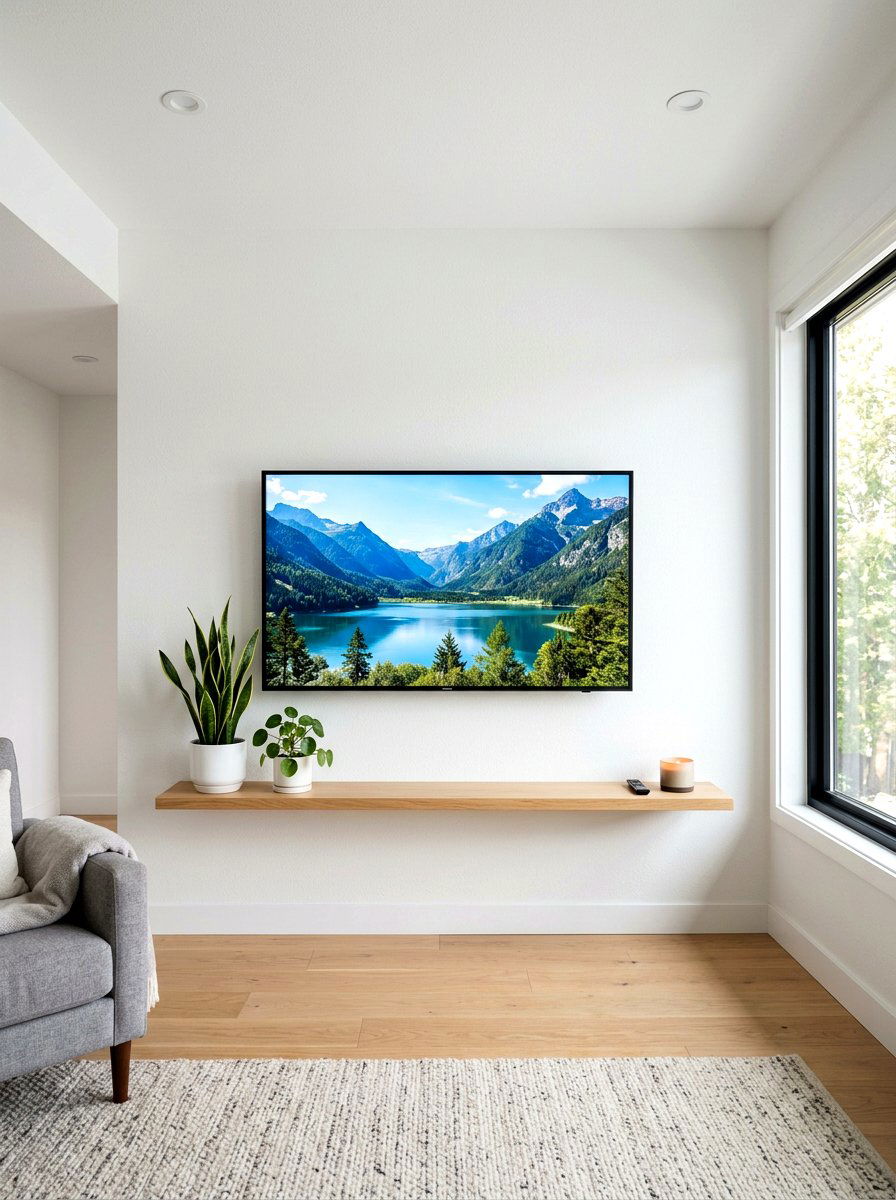
Freeing up floor space is crucial in a slender room, and mounting your television directly onto the wall is a smart way to achieve this. By eliminating the need for a deep media cabinet, you open up the primary walkway and create a much cleaner look. You can pair the screen with a very shallow floating shelf underneath to hold essential electronics or small decorative items. This setup keeps the focus on the wall and maintains a streamlined profile that does not intrude into the room's limited width. It is a modern solution that balances technology with the need for a spacious and uncluttered living environment for the whole family.
8. Mirror Wall
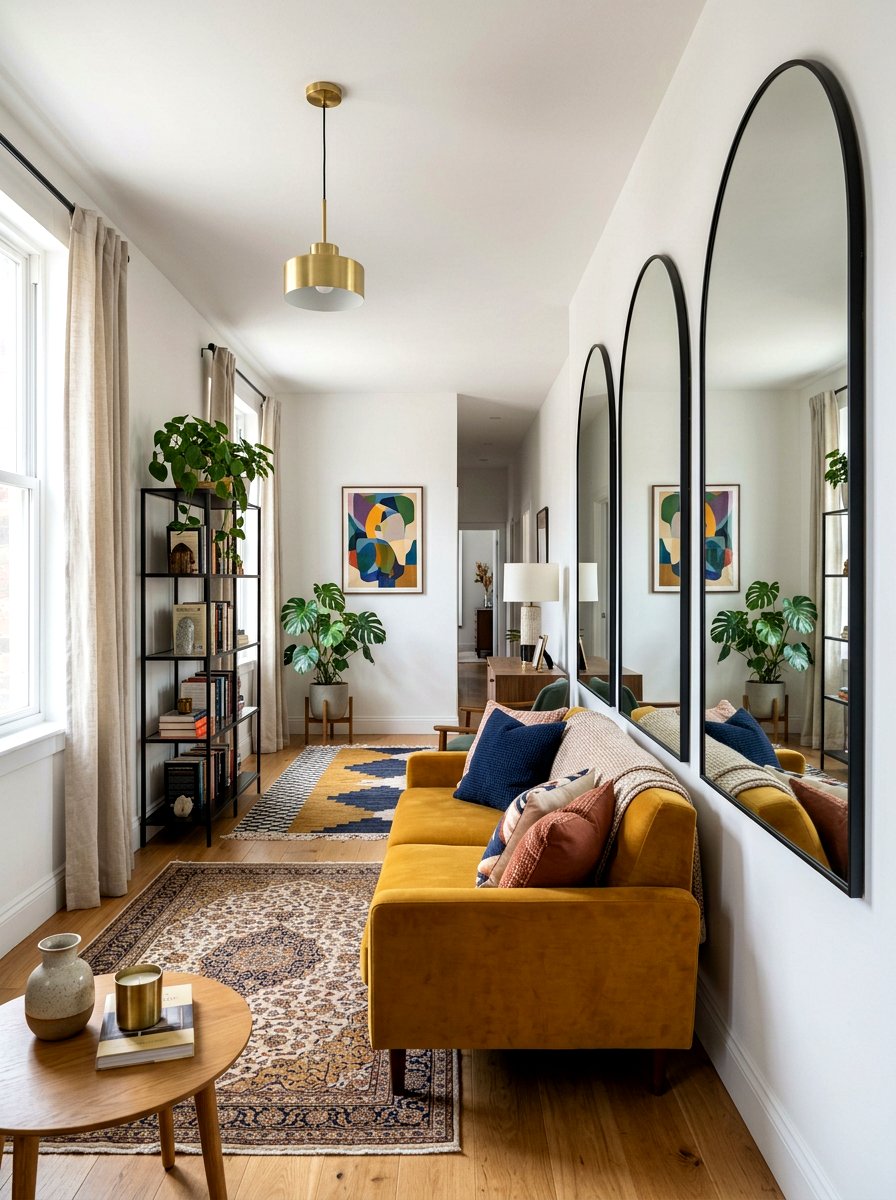
Installing mirrors on one of the long walls is a classic interior design trick that instantly doubles the perceived width of a narrow space. Mirrors reflect both artificial and natural light, brightening up dark corners and making the atmosphere feel much more expansive. You can choose a single large statement mirror or a gallery-style arrangement of smaller mirrors to add a decorative touch. Placing a mirror opposite a window is particularly effective as it brings the outdoors in and adds a sense of depth. This simple addition creates a "window effect" that breaks up a solid wall, providing a more open and airy feel to your main living area.
9. Leggy Furniture
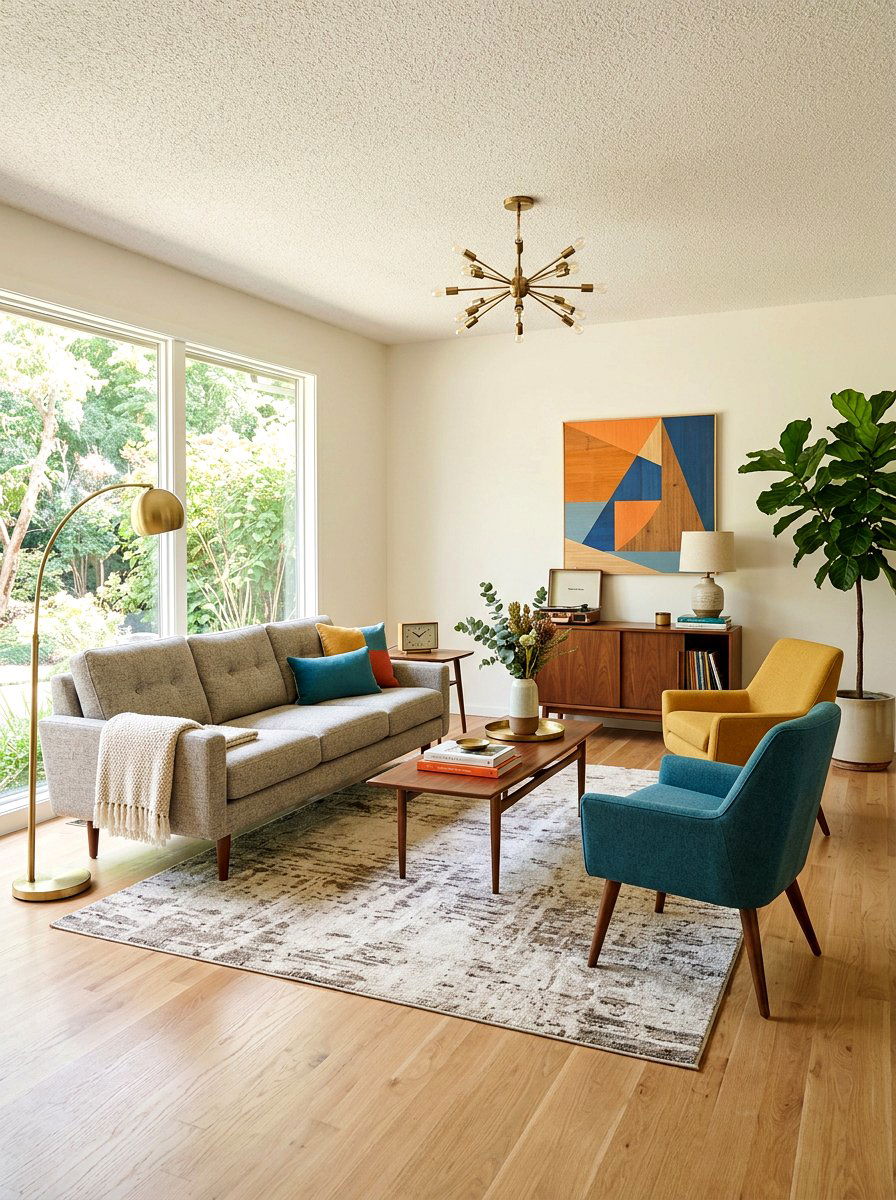
Choosing sofas, chairs, and tables with exposed legs is a fantastic way to maintain a sense of openness in a compact room. When you can see the floor extending beneath the furniture, the room feels less crowded because the visual flow remains uninterrupted. Mid-century modern styles are particularly well-suited for narrow layouts because they often feature tapered legs and slim silhouettes. Avoid heavy, skirted furniture that sits flat on the ground, as these pieces can feel like "blocks" that stop the eye and make the space feel smaller. Leggy pieces add a light and graceful touch, ensuring the living room feels breathable and stylishly organized for everyone.
10. Vertical Storage
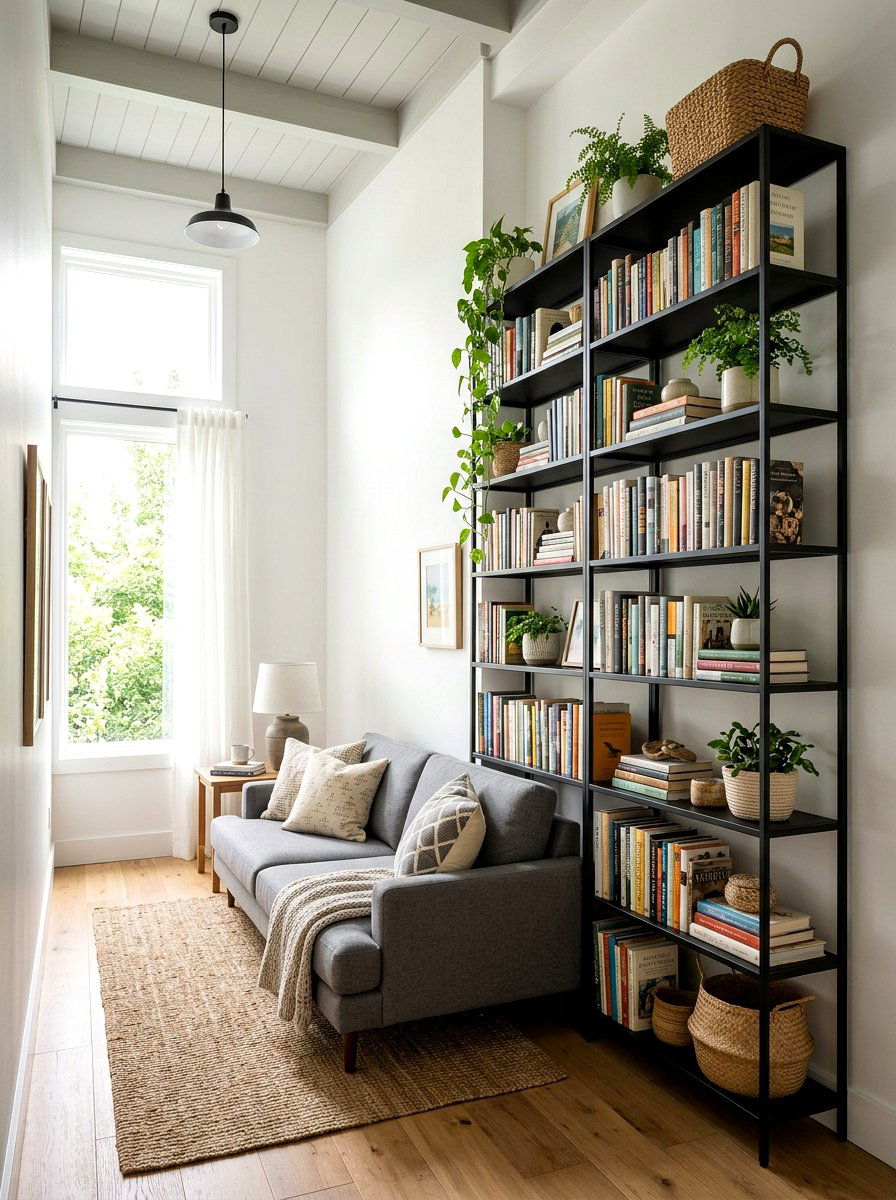
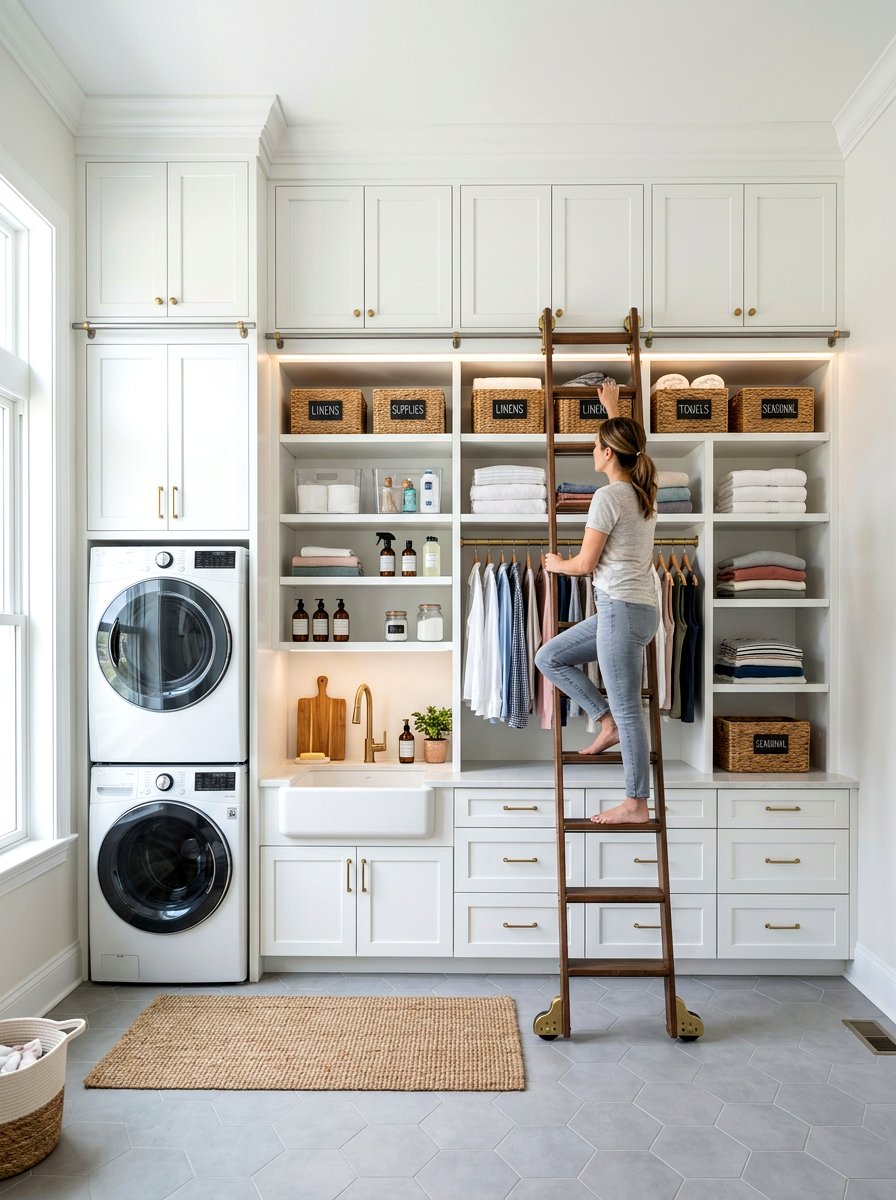
When you lack horizontal square footage, the best solution is to look up and utilize the often-ignored vertical space above your head. Tall, slender bookcases or wall-mounted cabinets provide plenty of room for storage without taking up much of the precious floor area. Using the full height of the wall creates a sense of grandeur and helps to balance the proportions of a long, thin room. You can use the top shelves for items you rarely need and the lower sections for daily essentials like remotes or magazines. This approach keeps the room organized and clutter-free, allowing the design elements to shine while providing all the storage a busy household needs.
11. Window Seat
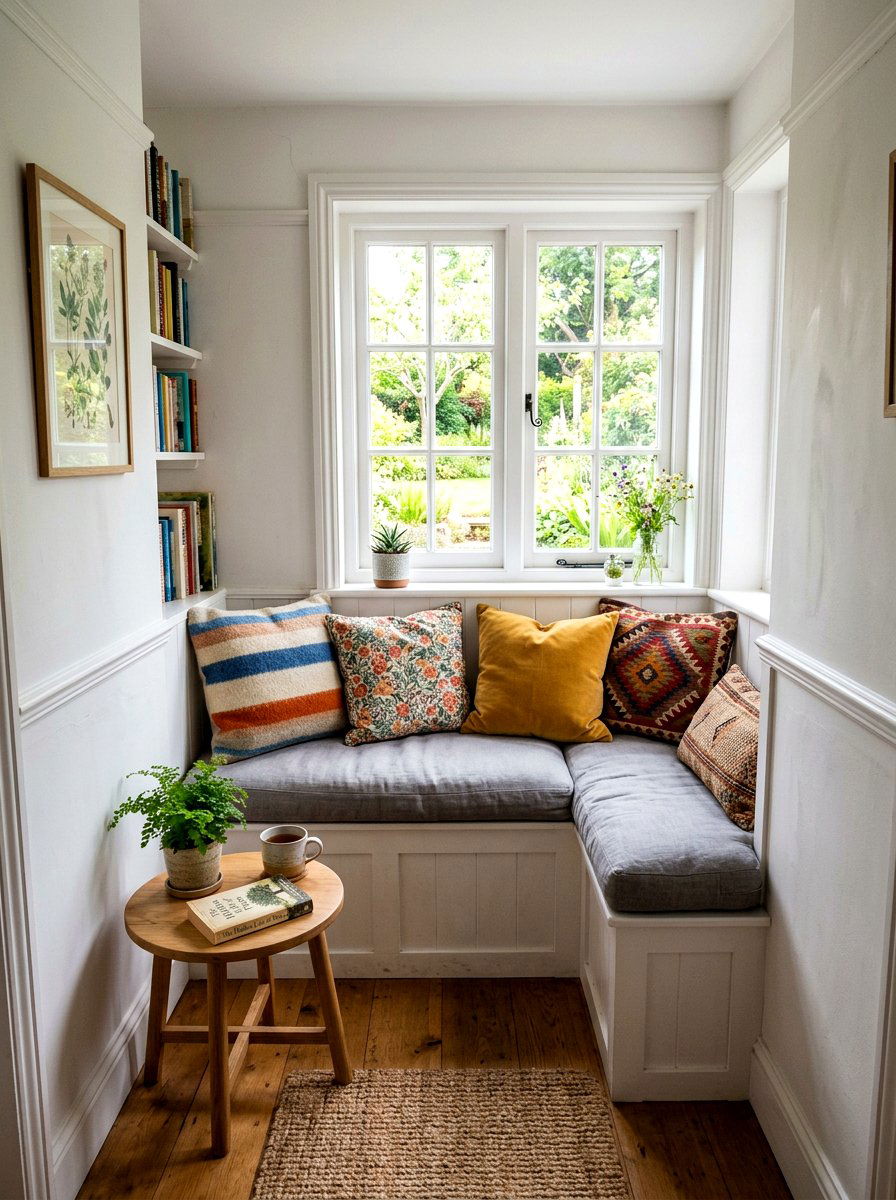
If your narrow living room features a bay or a standard window, adding a built-in bench can provide extra seating without encroaching on the main layout. A window seat offers a cozy spot for reading or relaxing while keeping the center of the room clear for traffic. You can even design the seat with hidden storage underneath to stow away extra blankets, pillows, or board games. Soften the bench with a custom cushion and a few throw pillows that match your overall color scheme for a cohesive look. This architectural detail adds charm and functionality, turning a simple window into a beautiful and useful feature that enhances the entire room.
12. Glass Coffee Table
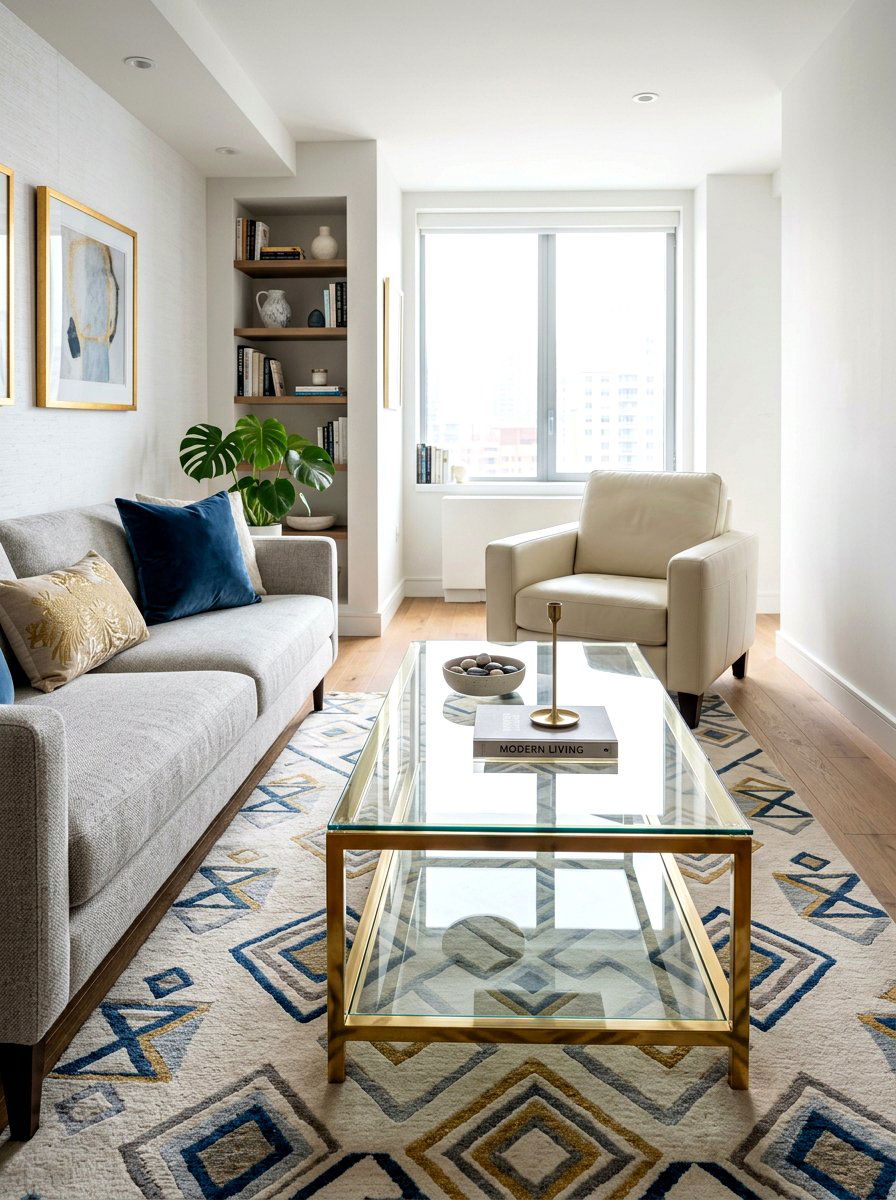
Incorporating a coffee table made of glass or clear acrylic is a brilliant strategy for making a small or narrow room feel more spacious. Because these materials are transparent, they do not create a visual "block" in the middle of your seating arrangement, allowing the rug and floor to remain visible. This choice helps to maintain an airy atmosphere while still providing a functional surface for drinks, books, or decor. Glass tables come in various shapes, but a long rectangular or oval design works particularly well in a slender room. It is an elegant way to add a touch of sophistication without making the space feel crowded or heavily furnished.
13. Distinct Room Zones
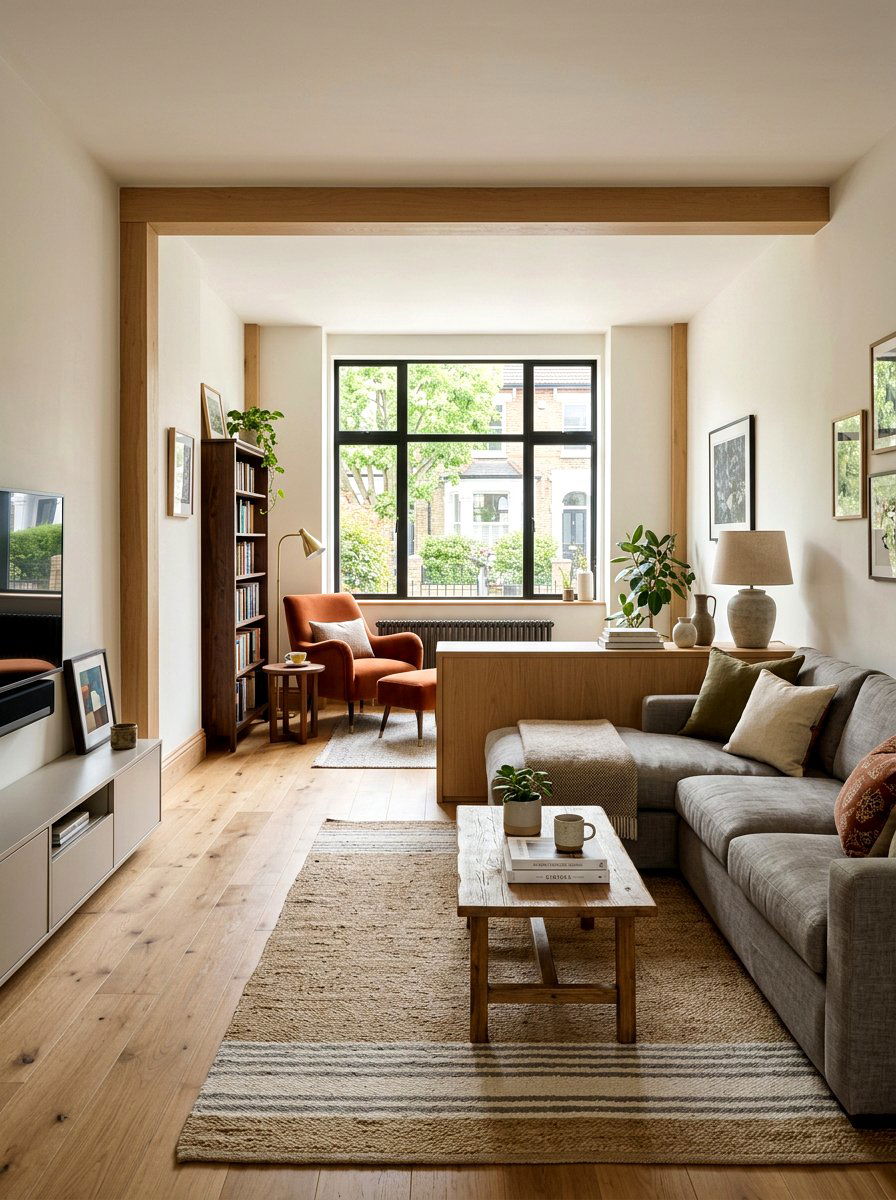
Dividing a long room into two or three distinct functional areas can make the space feel much more purposeful and organized. For example, you might have a primary seating area at one end and a small home office or a reading nook at the other. Use furniture like a console table or a low bookshelf to act as a subtle divider between these zones. This prevents the room from feeling like one long, boring corridor and gives each part of the space a specific job. Breaking up the length with different "stations" makes the living room feel more like a multi-functional suite rather than just one awkward, oversized box.
14. Minimalist Decor
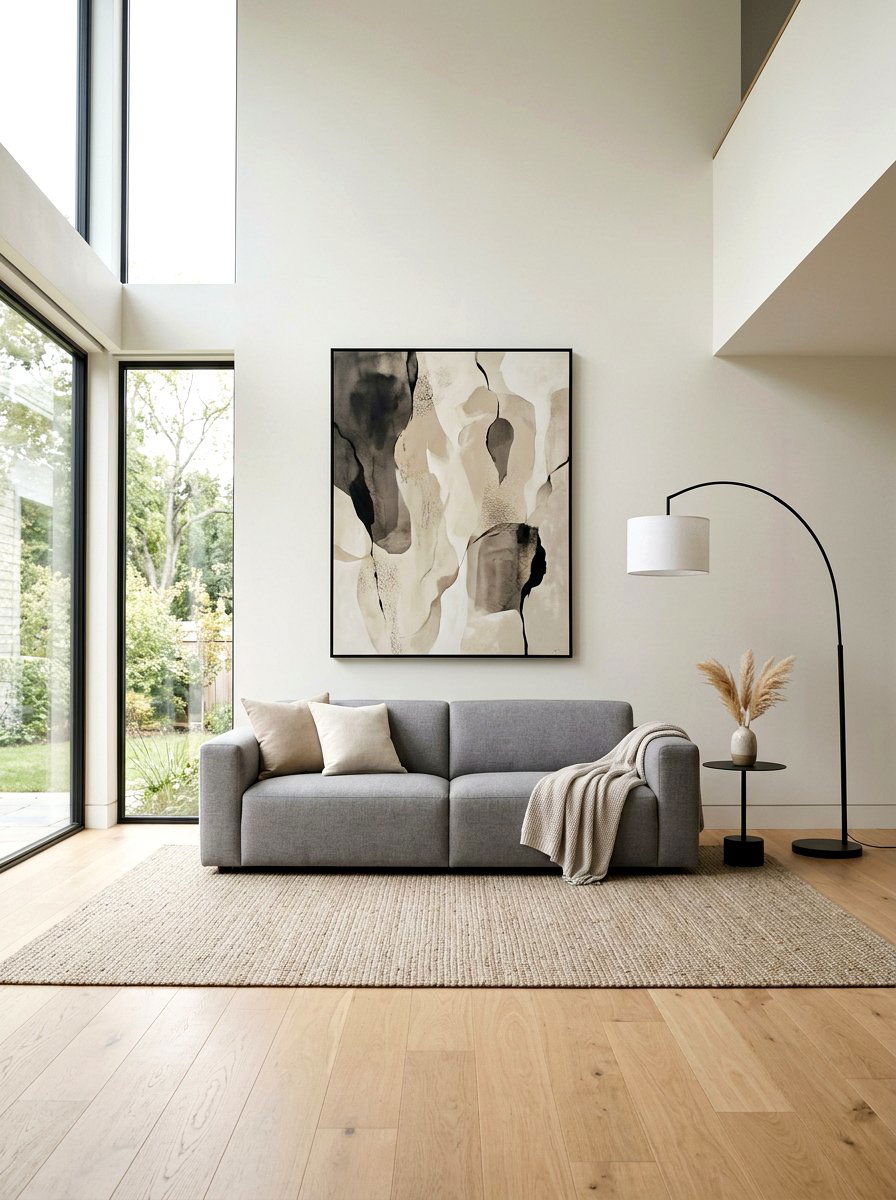
Adopting a "less is more" philosophy is often the best path forward when decorating a narrow space that can easily feel overwhelmed. By choosing a few high-quality statement pieces rather than many small knick-knacks, you create a look that is sophisticated and intentionally curated. Avoid cluttering the surfaces of your tables and shelves, as clear surfaces contribute to a feeling of calm and order. Every item in the room should serve a purpose or bring you joy, ensuring that the limited space is used effectively. Minimalist decor highlights the architectural lines of the room and allows the furniture and natural light to take center stage in the design.

15. Floor To Ceiling Curtains
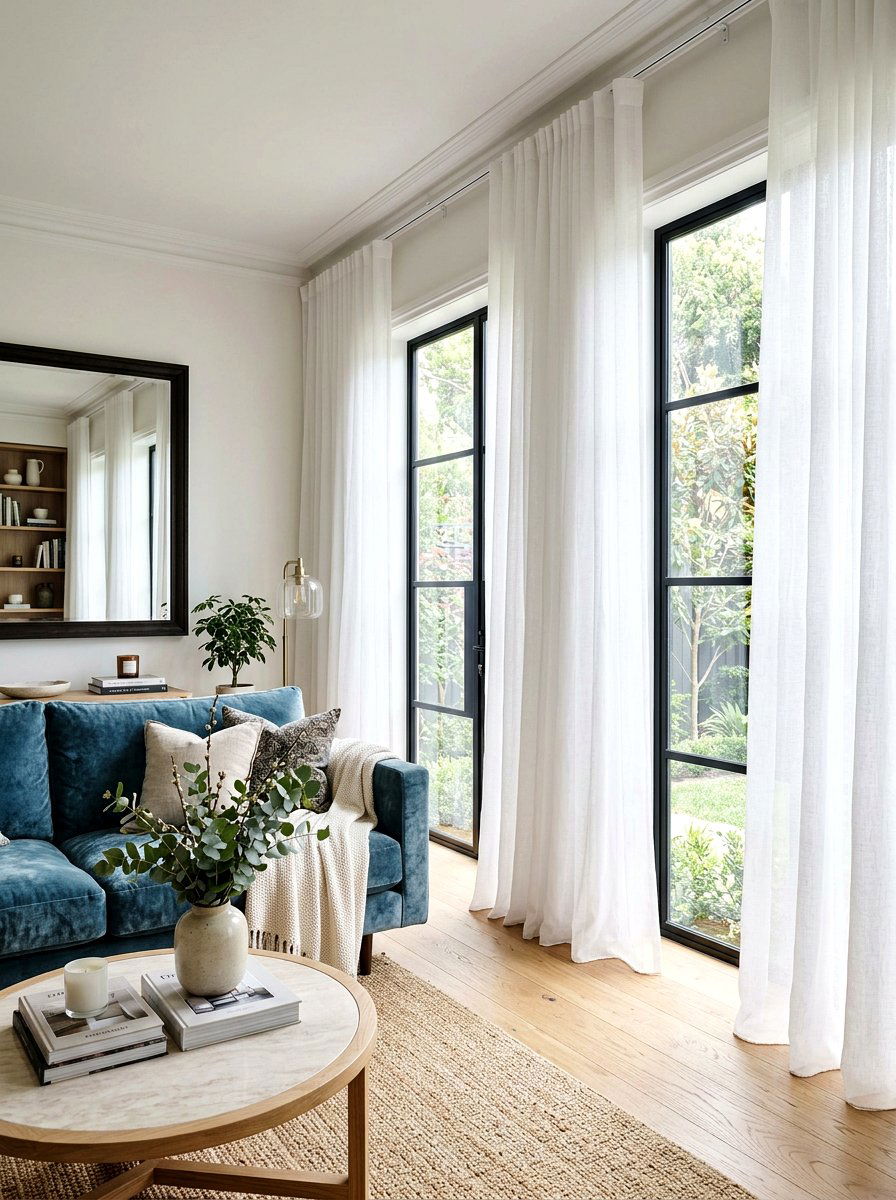
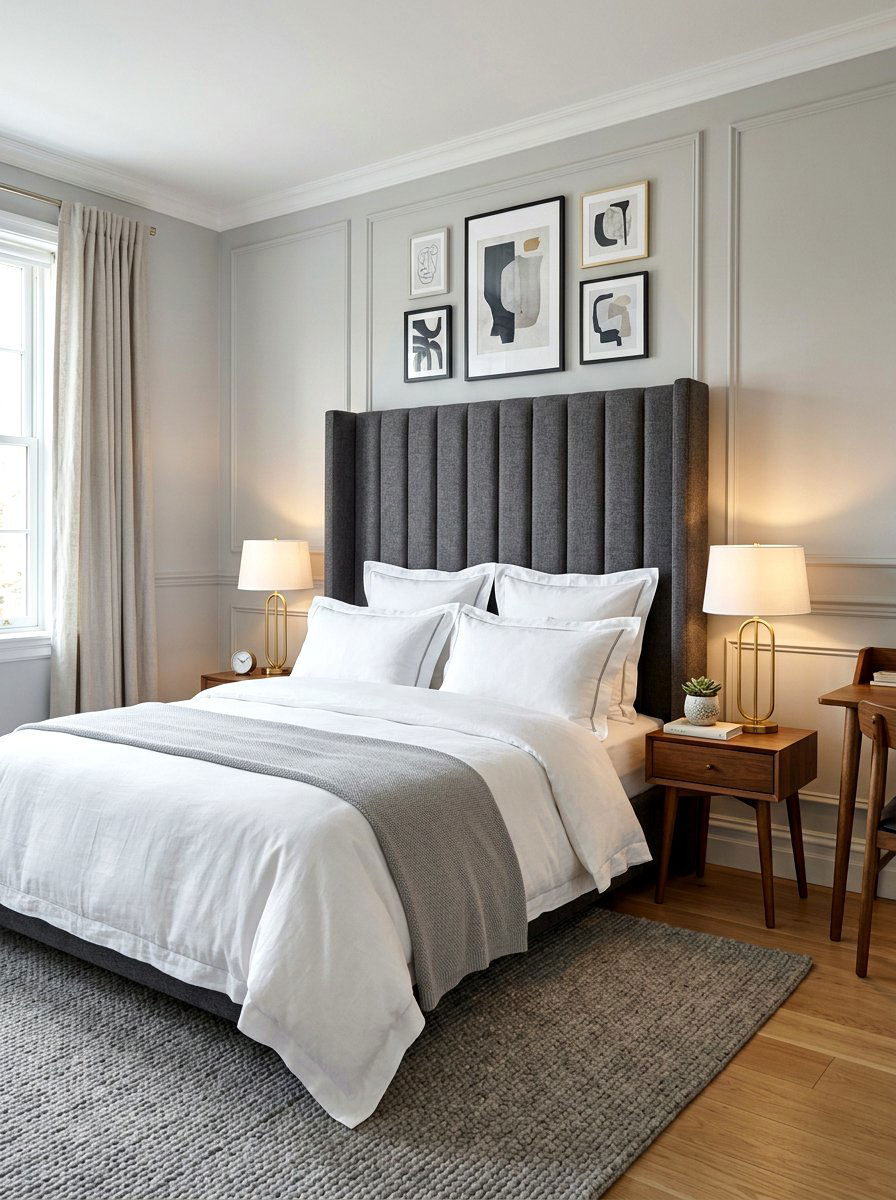
Hanging your curtains as high as possible — ideally right at the ceiling line — is a clever way to make your windows feel larger and your ceilings taller. When curtains extend all the way to the floor, they create long vertical lines that draw the eye upward and add a sense of elegance to the room. In a narrow space, choose light, breezy fabrics like linen or sheer cotton to allow natural light to filter through while still providing privacy. If you want to add height without much bulk, avoid heavy drapes with complicated valances. This simple window treatment makes the entire room feel more grand and much less like a restricted, narrow box.
16. Gallery Wall
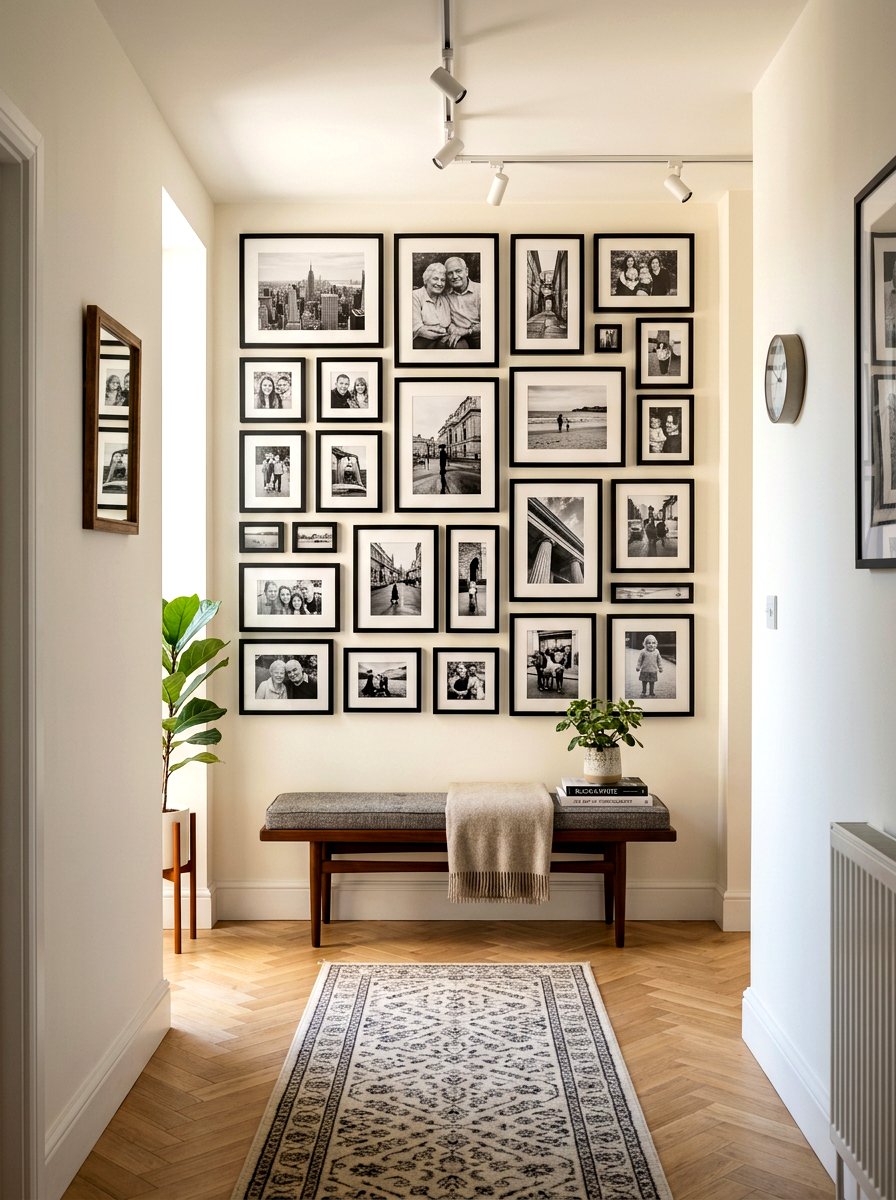
Creating a gallery wall on one of the shorter walls can help visually "pull" that wall inward, making a long room feel more balanced and cozy. By filling a narrow end wall with a collection of framed art, photos, or mirrors, you create a powerful focal point that captures attention. Use frames of various sizes but keep them in a similar color palette to ensure the arrangement looks cohesive rather than chaotic. This design move adds personality and character to the space while helping to distract from the room's elongated shape. It is a great way to showcase your personal style while improving the overall proportions of the living area.
17. Sconce Wall Lighting
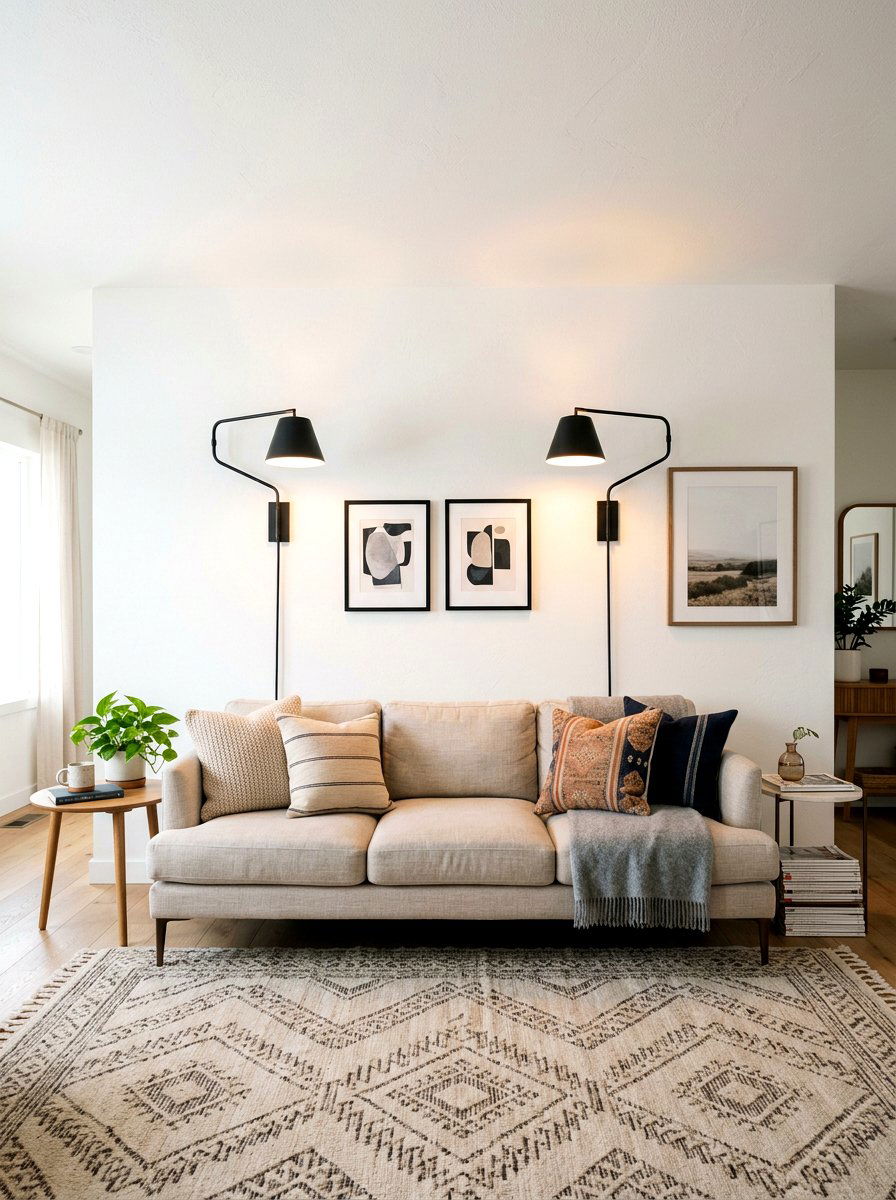
Swapping bulky floor lamps for sleek wall-mounted sconces is an excellent space-saving trick for any narrow living room. Sconces provide focused task lighting or soft ambient glow without taking up any valuable floor or tabletop real estate. You can place them on either side of a sofa or a piece of art to create a symmetrical and polished look. Many modern sconces are plug-in models, meaning you do not even need to hire an electrician to install them. This lighting solution keeps the walkways clear and adds a sophisticated architectural element to your walls. It is a practical and stylish way to illuminate your home while maximizing every inch.
18. Storage Ottoman
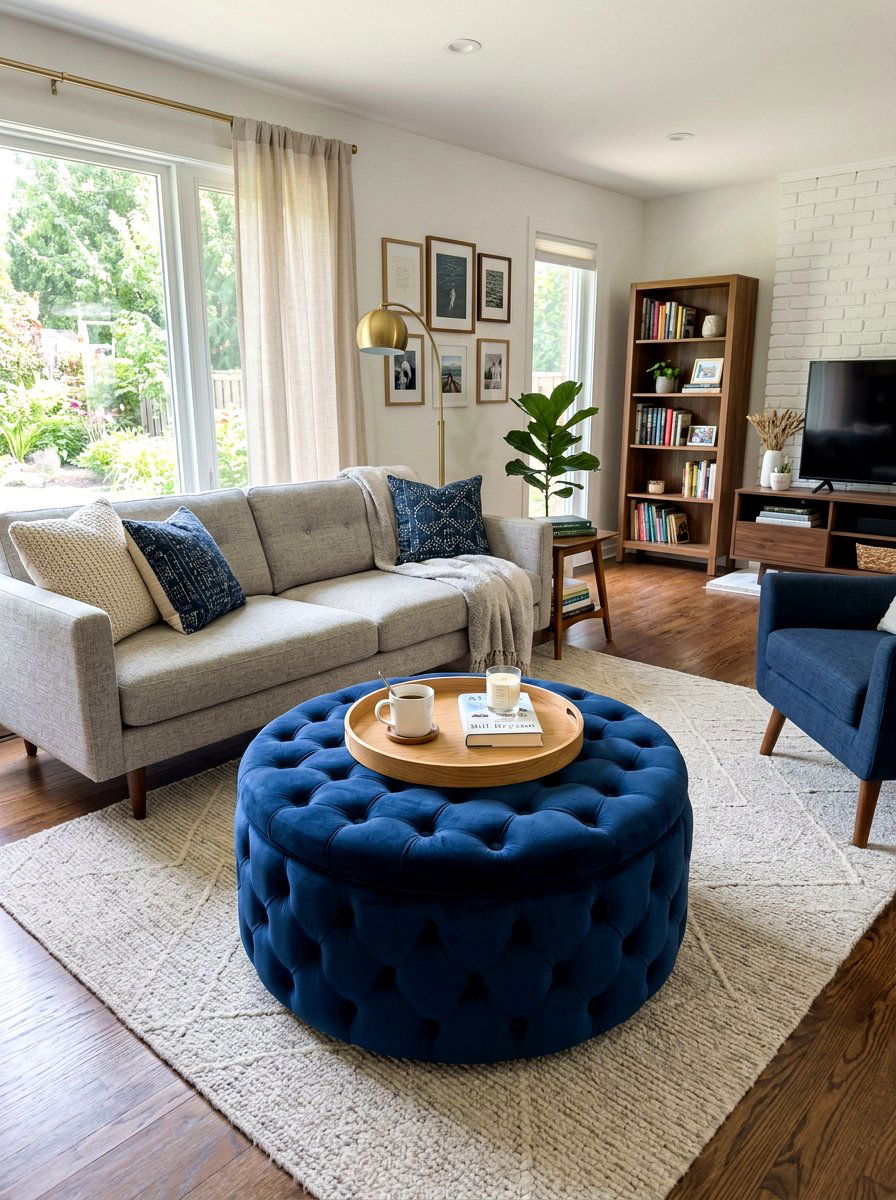
Replacing a traditional coffee table with a large upholstered storage ottoman offers both comfort and extra utility in a compact space. An ottoman can serve as a soft place to rest your feet, an extra seat for guests, or a flat surface for a tray of drinks. The hidden compartment inside is perfect for stashing away items that might otherwise cause clutter, such as children's toys or seasonal accessories. In a narrow room, choosing an ottoman with a slim profile ensures it does not block the flow of movement. Its multi-functional nature makes it an essential piece for anyone looking to maximize both style and storage in their home.
19. Round Rug
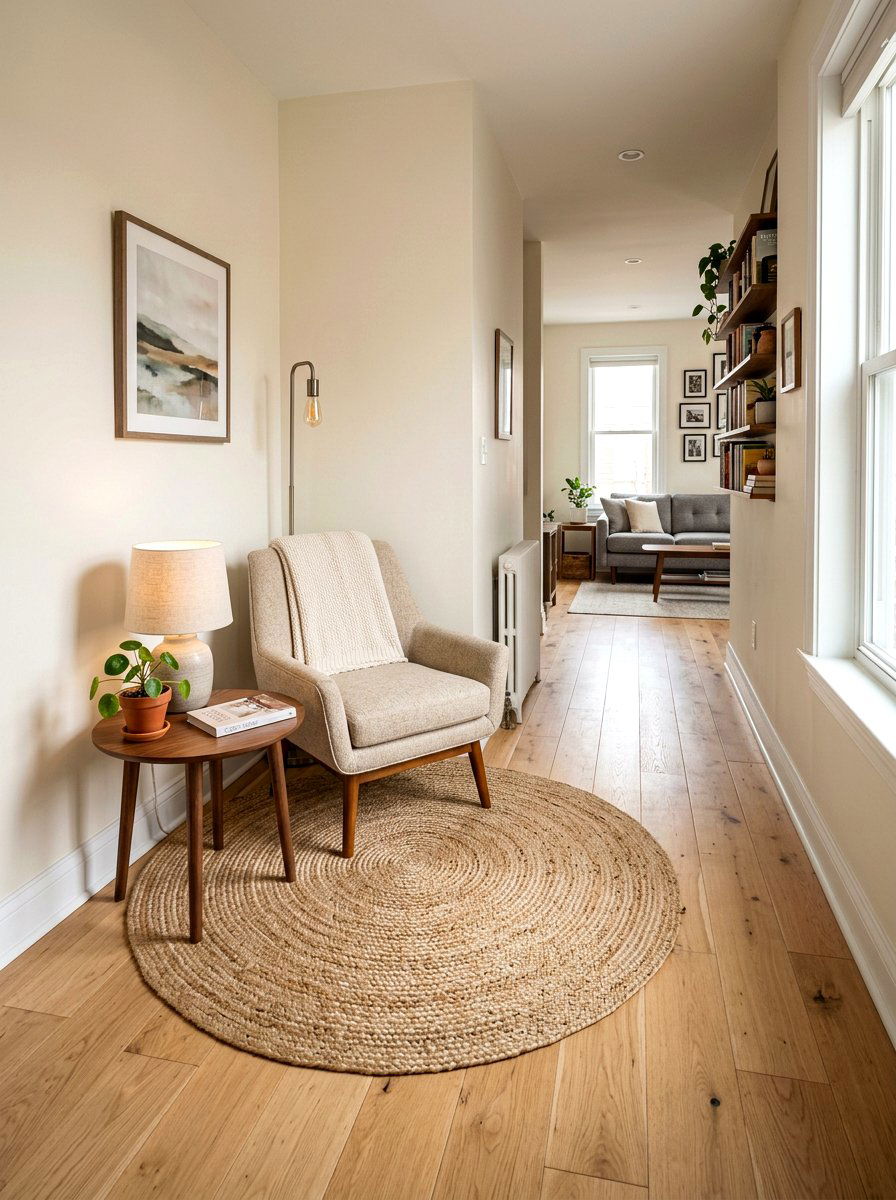
While rectangular rugs are common, placing a round rug in a specific zone can help break up the harsh, straight lines of a long room. A circular shape introduces a soft, organic element that contrasts beautifully with the linear walls and furniture typically found in narrow layouts. You might use a round rug to define a small reading corner with a single armchair and a floor lamp. This visual shift helps the eye "pause" as it moves through the room, making the overall floor plan feel more dynamic and less like a tunnel. It is a simple geometric trick that adds visual interest and a sense of warmth to any narrow space.
20. Narrow Console Table
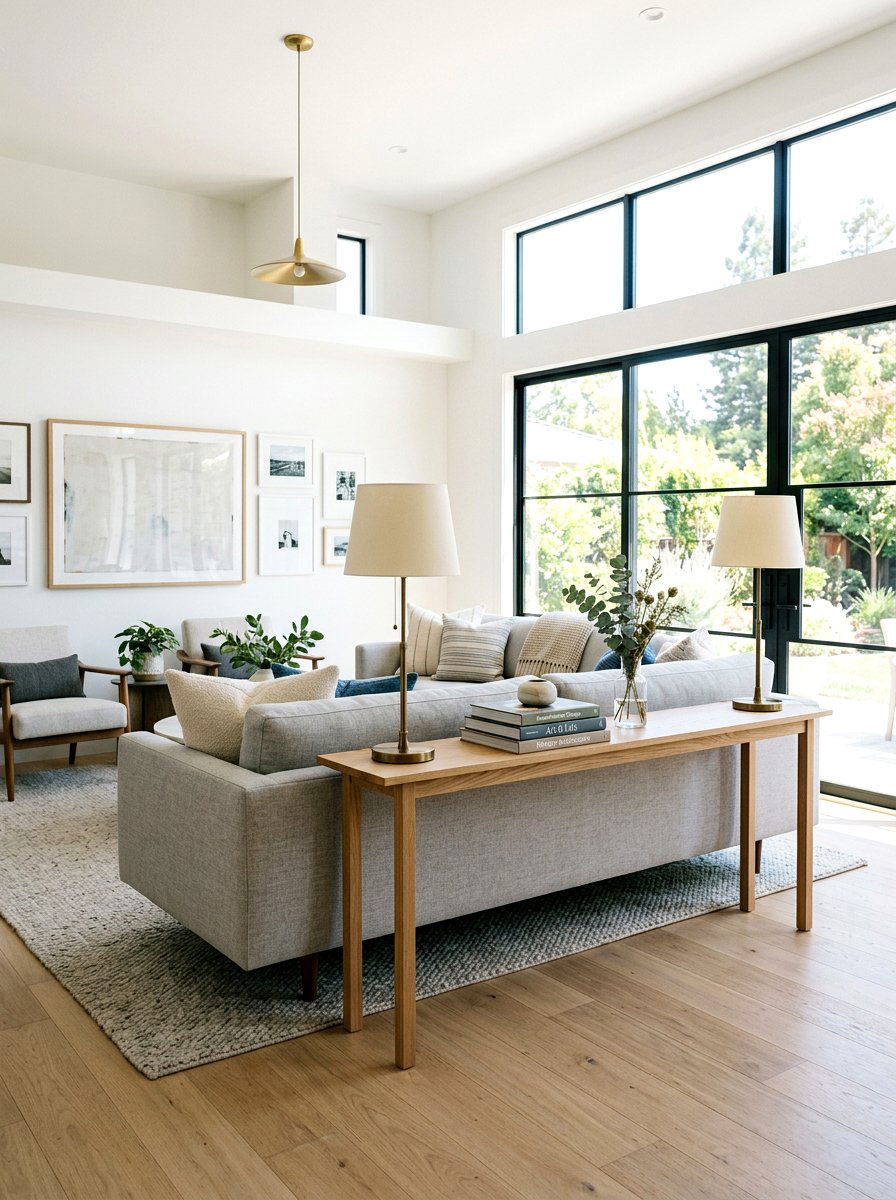
A slim console table is a versatile piece of furniture that can be placed against a long wall or directly behind a floating sofa. Because these tables are typically very shallow, they provide a surface for lamps, books, and decor without intruding into the main walking path. Placing one behind the sofa creates a beautiful transition between different zones of the room and offers a convenient spot for lighting. You can also tuck a pair of small stools or ottomans underneath the table to pull out for extra seating when you have company. It is a functional and decorative addition that helps to ground your furniture arrangement.
21. Indoor Plant Wall
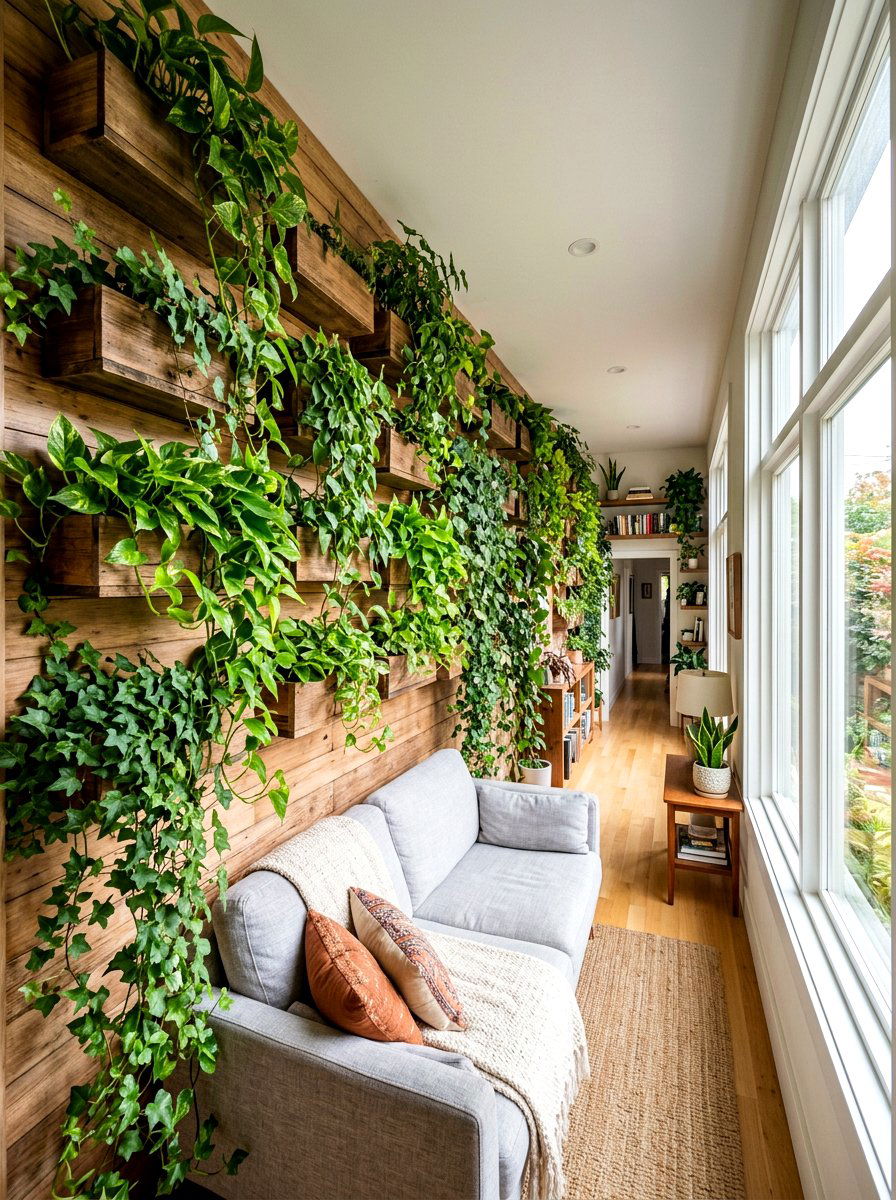
Introducing greenery through a vertical plant wall or a series of hanging planters is a wonderful way to add life and color without using floor space. Plants provide a natural, organic feel that can soften the hard corners of a narrow room and improve air quality. You can use wall-mounted planters or a tall, slender plant stand to create a "living wall" effect that draws the eye upward. Choose varieties that thrive in your room's light conditions, such as snake plants or pothos, which are relatively low-maintenance. This touch of nature makes the room feel more vibrant and inviting, creating a refreshing atmosphere for you and your guests.
22. Clear Acrylic Furniture
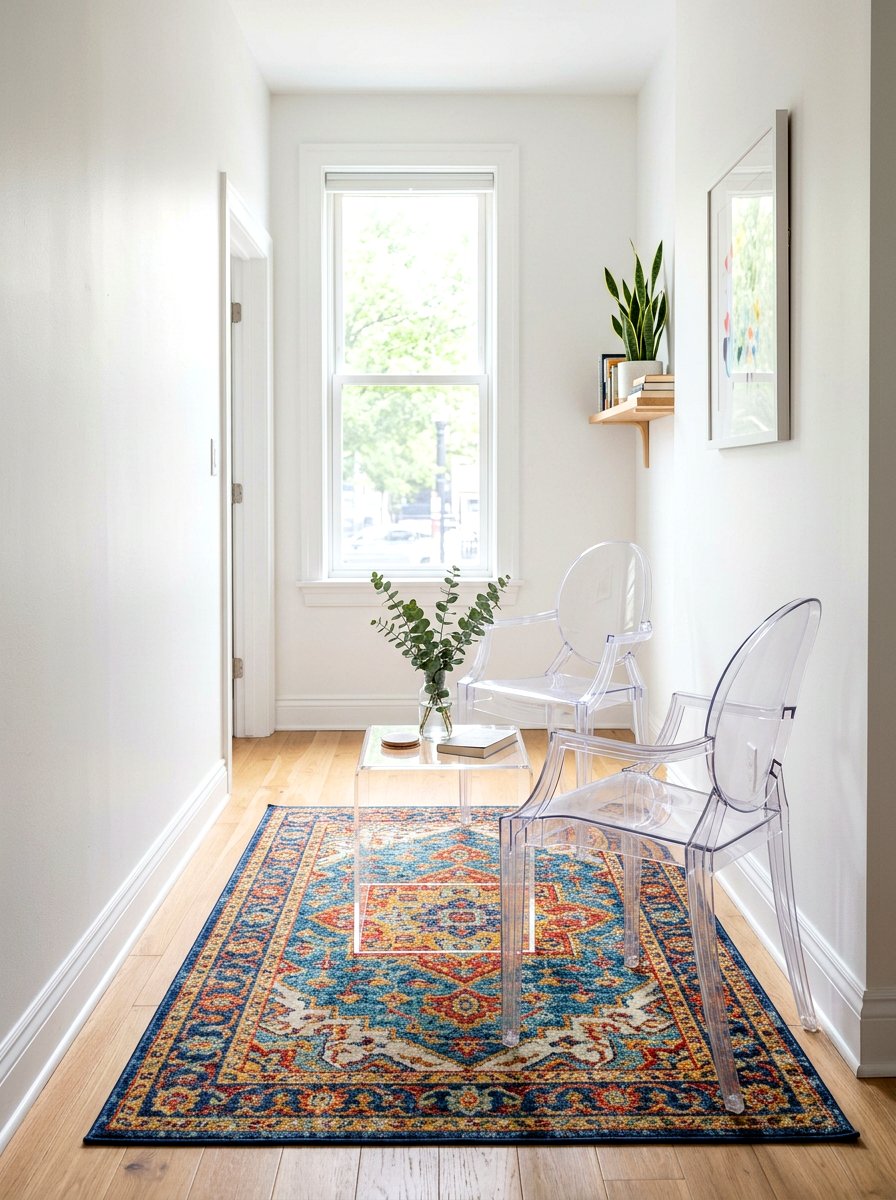
Using furniture made from clear materials like Lucite or acrylic is a masterclass in making a small or narrow area feel completely open. Because you can see right through these pieces, they have virtually no "visual weight, " meaning they do not make the room feel cluttered or heavy. An acrylic side chair or a clear console table can provide all the function you need while maintaining a modern, minimalist aesthetic. This is especially helpful in very tight spaces where every inch of visibility counts toward making the room feel larger. It is a chic and contemporary solution that works perfectly with almost any existing decor style or color palette.
23. Sliding Door
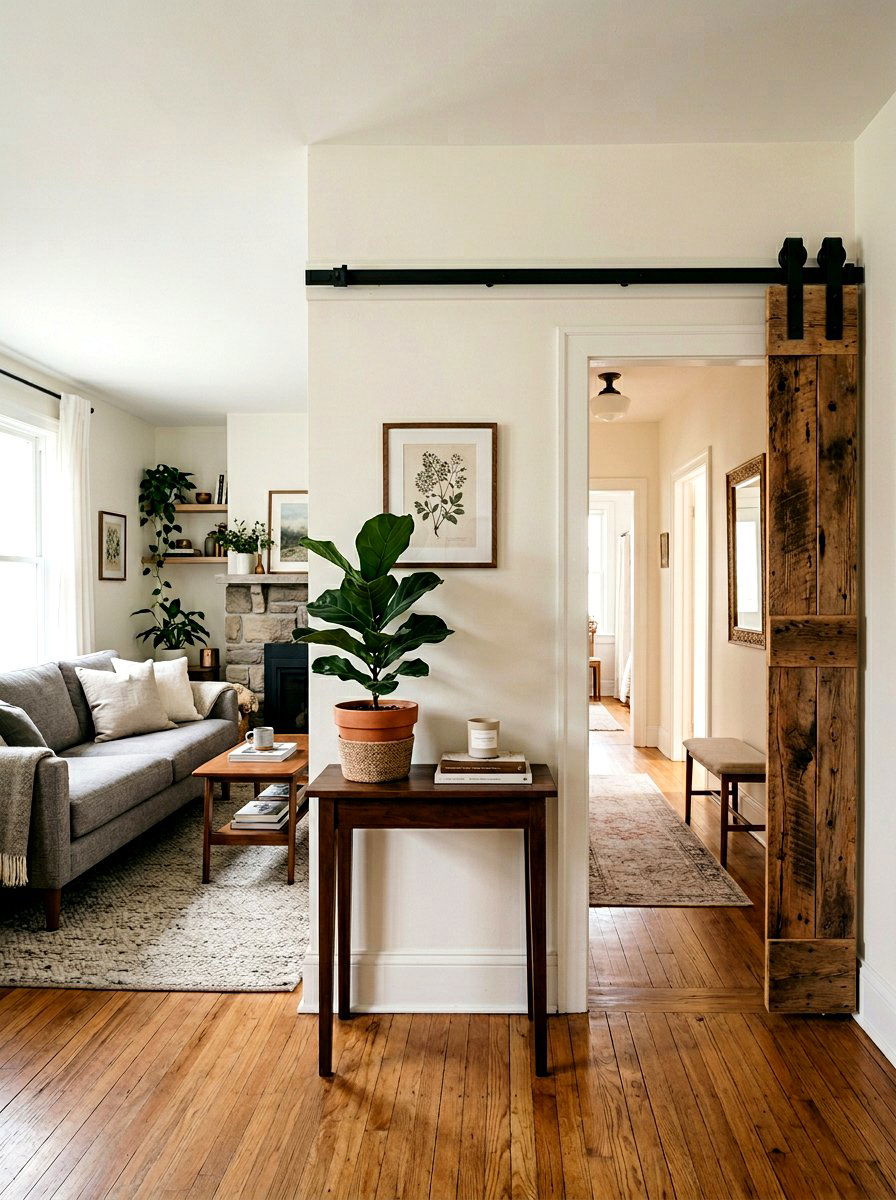
If your narrow living room is connected to another space by a standard swinging door, consider replacing it with a sliding barn door or a pocket door. Swinging doors require a significant amount of clearance, which can be a major problem in a room where space is at a premium. A sliding door stays flush against the wall, freeing up the area behind it for a chair, a plant, or a small storage unit. Beyond the practical benefits, a sliding door can also serve as a beautiful design feature that adds texture and style to your home. It is a smart architectural upgrade that maximizes the usable square footage.
24. Low Profile Furniture
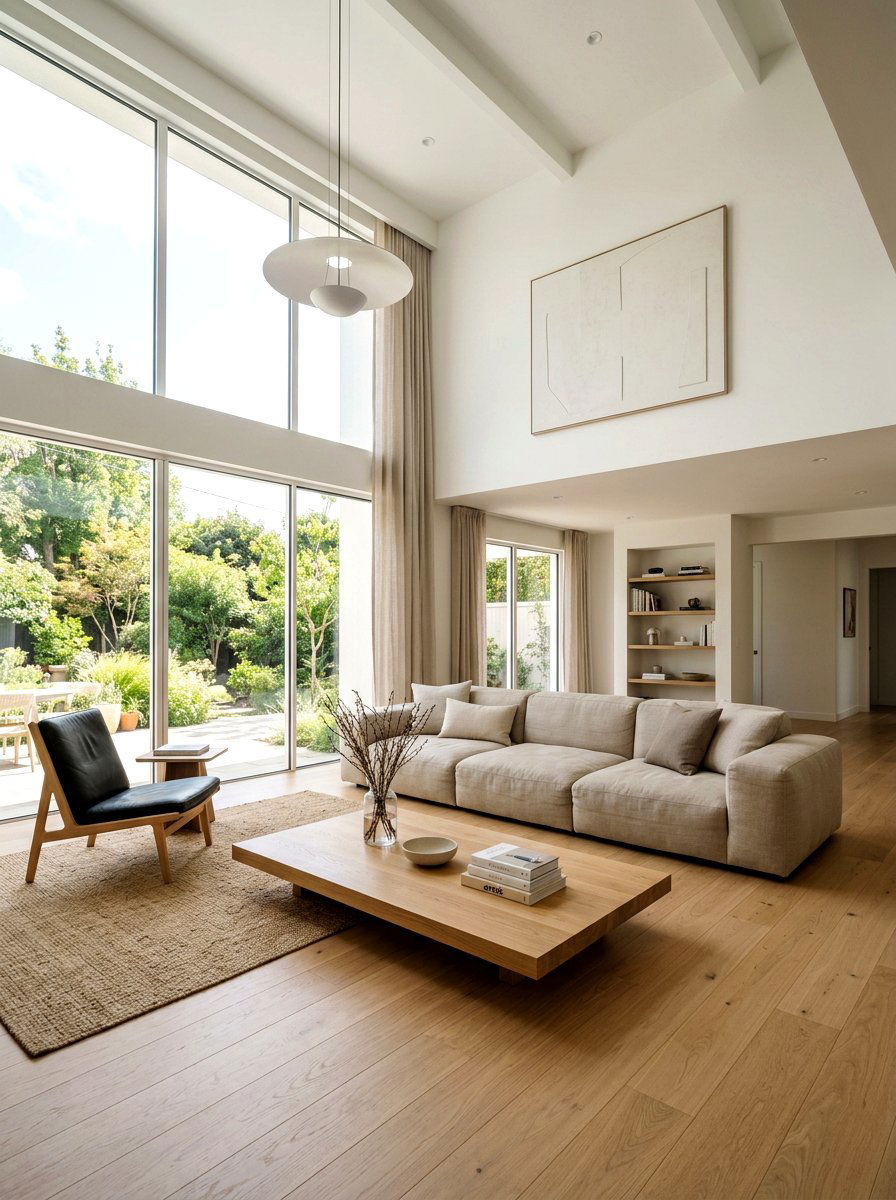
Selecting furniture that sits low to the ground is a smart way to maintain clear sightlines and make the ceilings in a narrow room feel higher. When pieces like sofas and coffee tables are shorter, they take up less vertical volume, which keeps the room from feeling "stuffed" or overwhelmed. This style often has a relaxed, lounge-like vibe that encourages comfort and conversation. To keep the look balanced, you can pair low-profile seating with a tall floor lamp or a piece of vertical art to add a bit of height elsewhere. This contrast between low and high elements creates a sophisticated and well-proportioned space that feels surprisingly roomy.
25. Layered Lighting
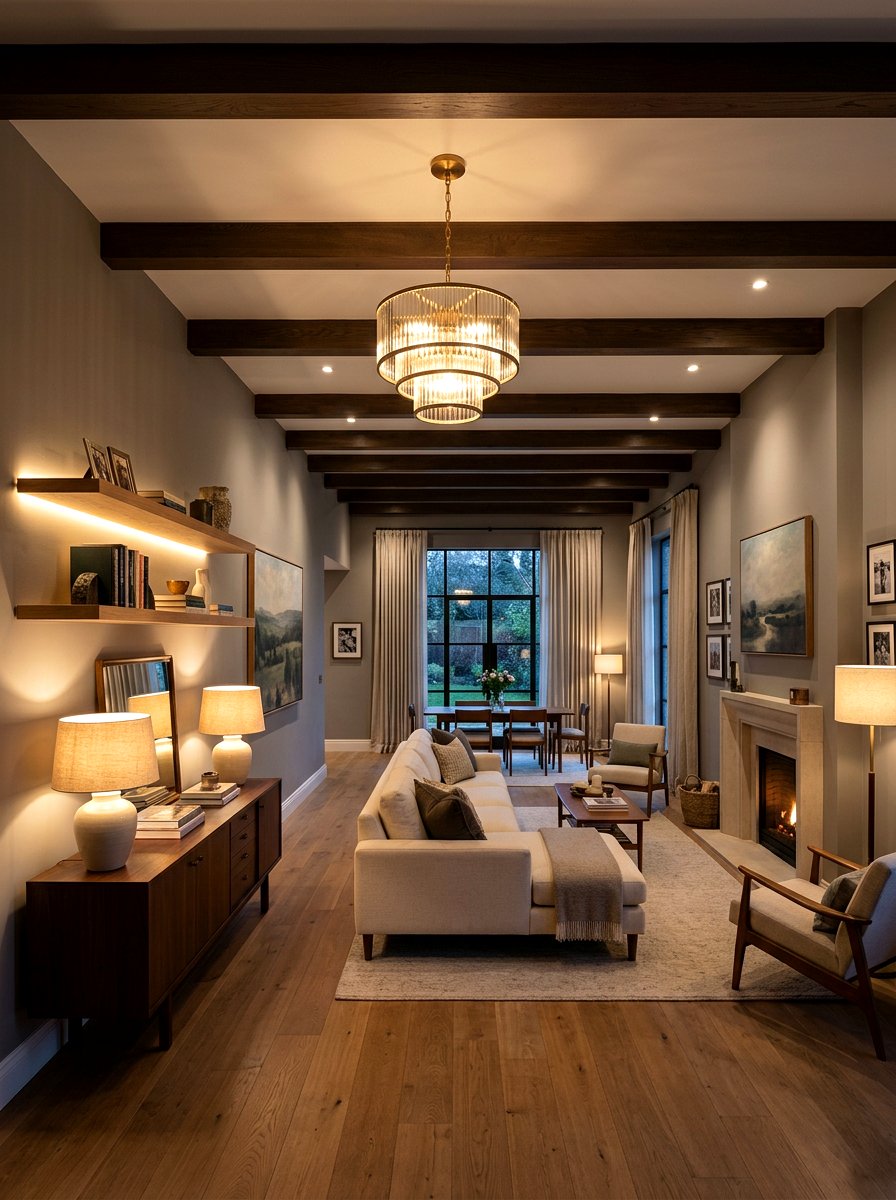
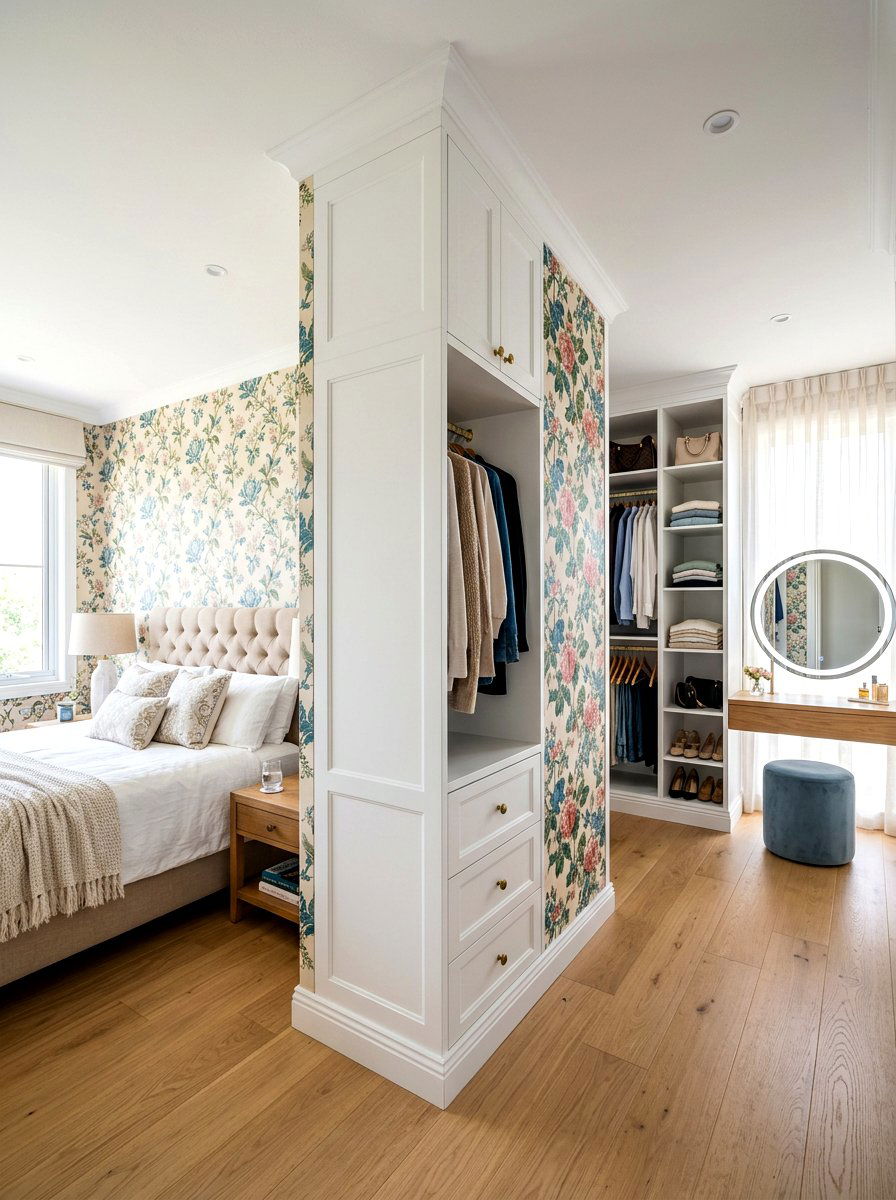
Relying on a single overhead light can make a narrow room feel flat and uninviting, so it is essential to layer your lighting at different heights. Combine ambient lighting from a ceiling fixture with task lighting from table lamps and accent lighting from wall sconces or LED strips. This approach creates depth and allows you to adjust the mood of the room throughout the day and evening. In a long space, placing lights at both ends of the room helps to eliminate shadows and makes the entire length of the space feel utilized. Properly layered lighting adds warmth and makes your narrow living room feel like a cozy, high-end retreat.
26. Statement Ceiling
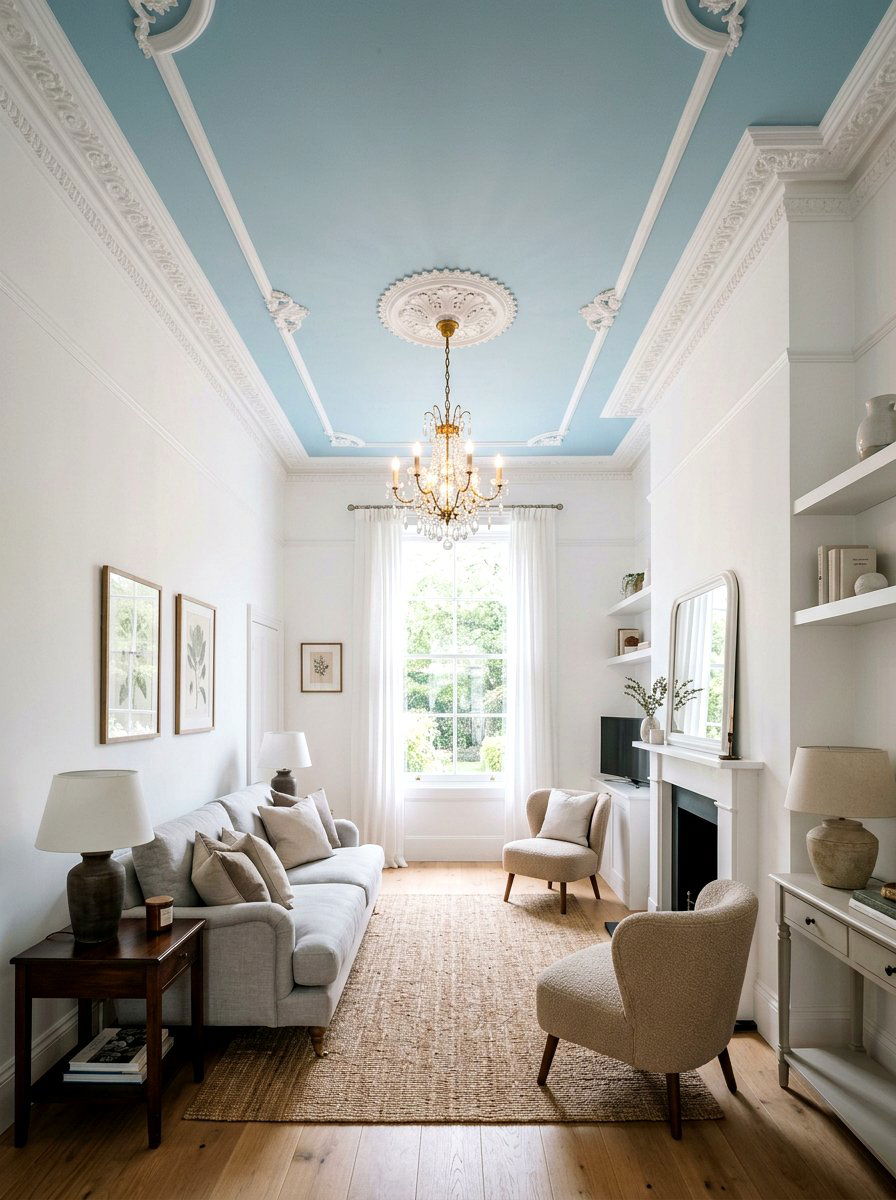
Drawing the eye upward with a bold ceiling treatment can distract from a room's narrow dimensions and add a surprising element of luxury. You might consider painting the ceiling a contrasting color, adding decorative wallpaper, or installing simple wooden beams to create architectural interest. When people walk into the room and look up, the perceived volume of the space increases, making it feel less restricted. This design technique works particularly well in rooms with high ceilings, but even standard heights can benefit from a bit of visual drama above. A statement ceiling is a creative way to infuse personality into a space without taking up any room on the floor.
27. Corner Reading Nook
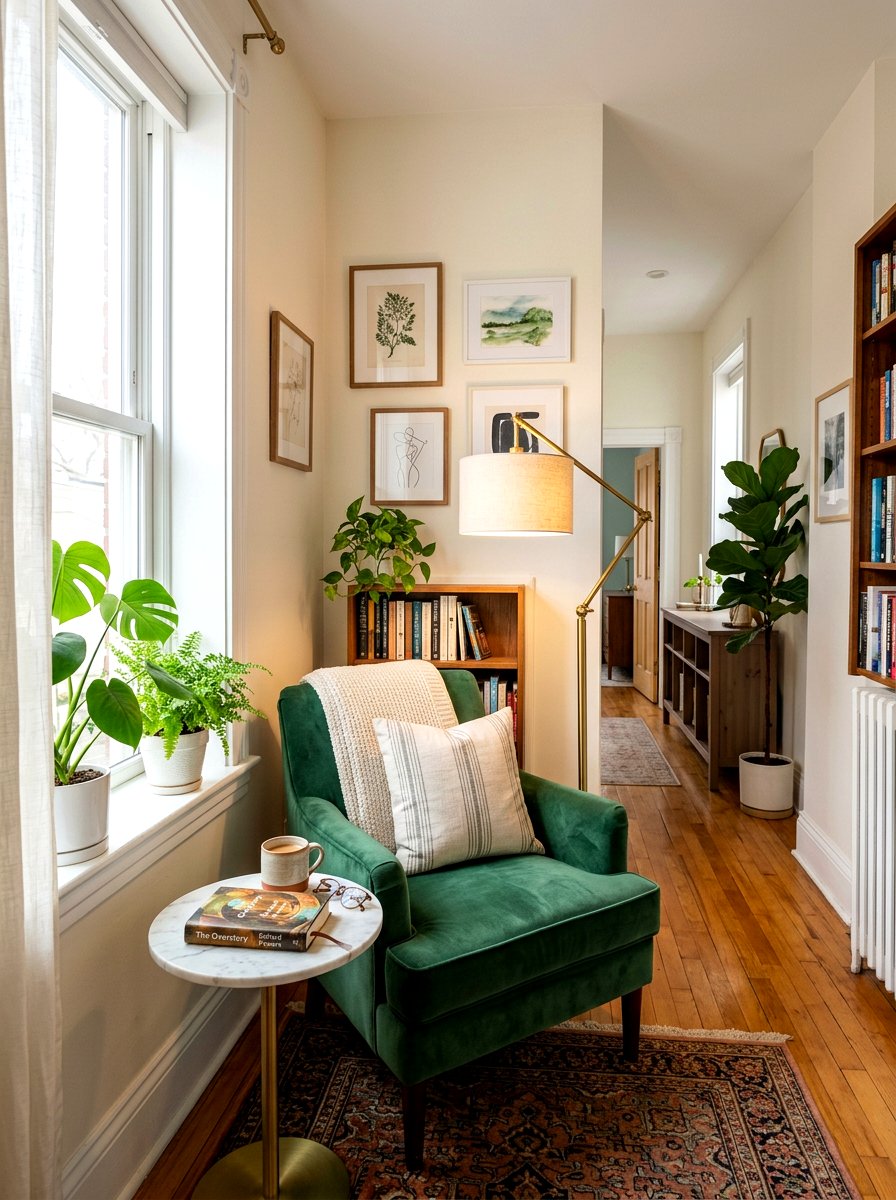
Every narrow living room has corners that often go unused, so turning one of these spots into a dedicated reading nook is a great way to maximize space. All you need is a comfortable armchair, a small side table, and a dedicated light source like a floor lamp or a wall sconce. Placing this setup in a corner creates a cozy, "tucked away" feeling that offers a quiet escape within the larger room. This separate zone breaks up the length of the room and gives a previously wasted area a clear and functional purpose. It is an easy way to add charm and a sense of luxury to your home.
28. Symmetrical Arrangement
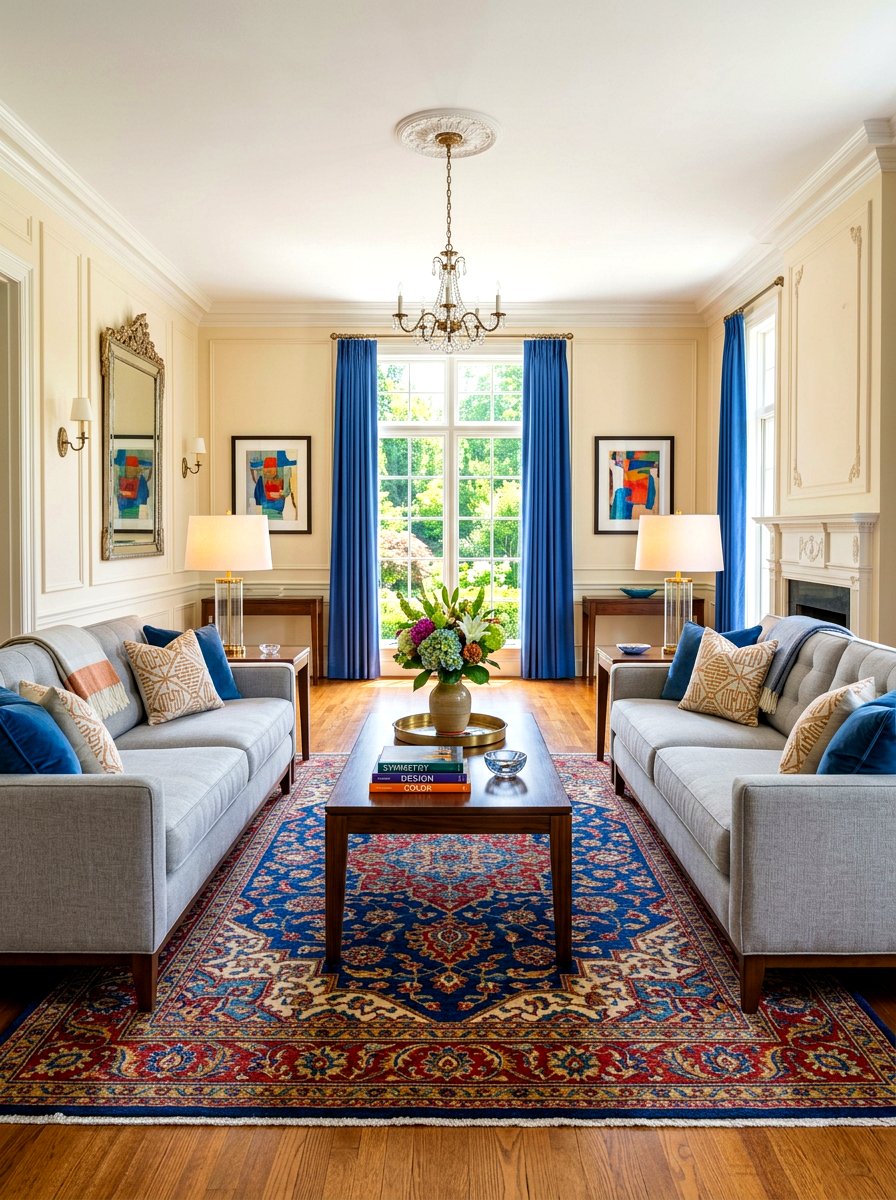
Creating a sense of balance through symmetry can make an awkward, elongated room feel much more organized and intentional. You might place two identical sofas facing each other over a central coffee table, or flank a fireplace with two matching armchairs and side tables. This mirrored look provides a visual "anchor" for the room, making it feel stable rather than lopsided or messy. Symmetry is naturally pleasing to the human eye and can bring a sense of calm to a space that might otherwise feel chaotic due to its narrow shape. It is a timeless design principle that works beautifully to create a polished and sophisticated living environment.
29. Color Drenching
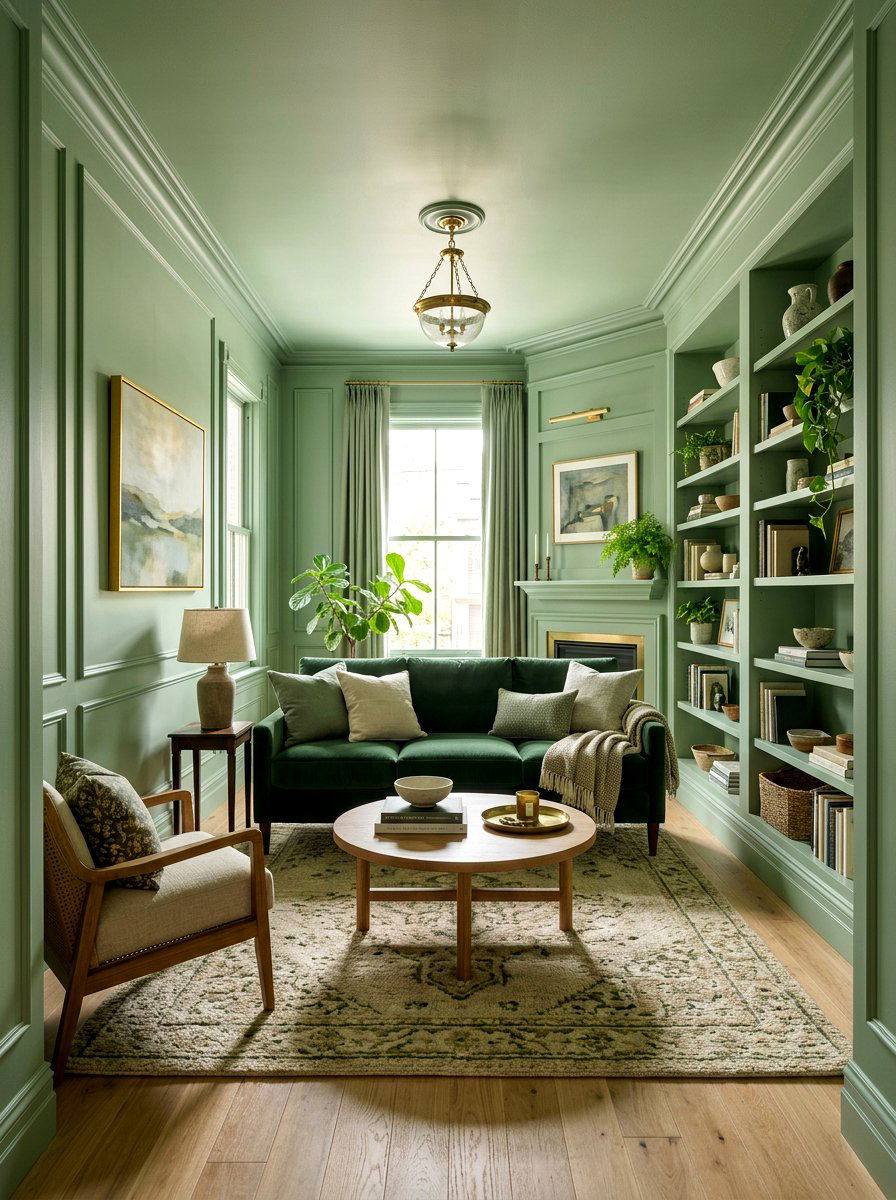
The technique of color drenching involves painting the walls, trim, and even the ceiling in the exact same shade to create a seamless, immersive look. In a narrow room, this can actually help to hide the corners and boundaries of the space, making the walls appear to recede. While many people choose light colors for this, using a deep, moody tone can create a cozy "jewel box" effect that feels incredibly intimate and stylish. By eliminating the high-contrast lines of white trim against a colored wall, the room feels more continuous and less fragmented. It is a bold design choice that results in a cohesive and high-end aesthetic.
30. Small Home Office
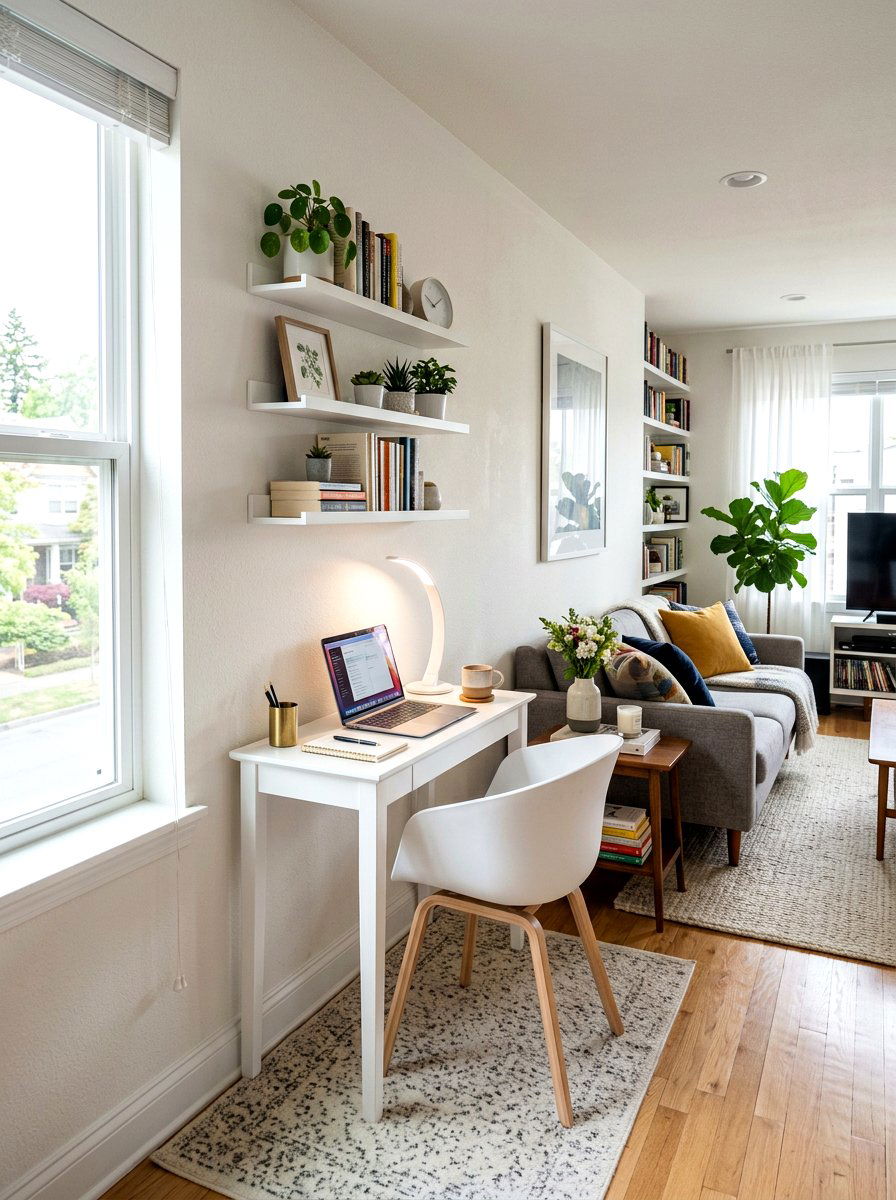
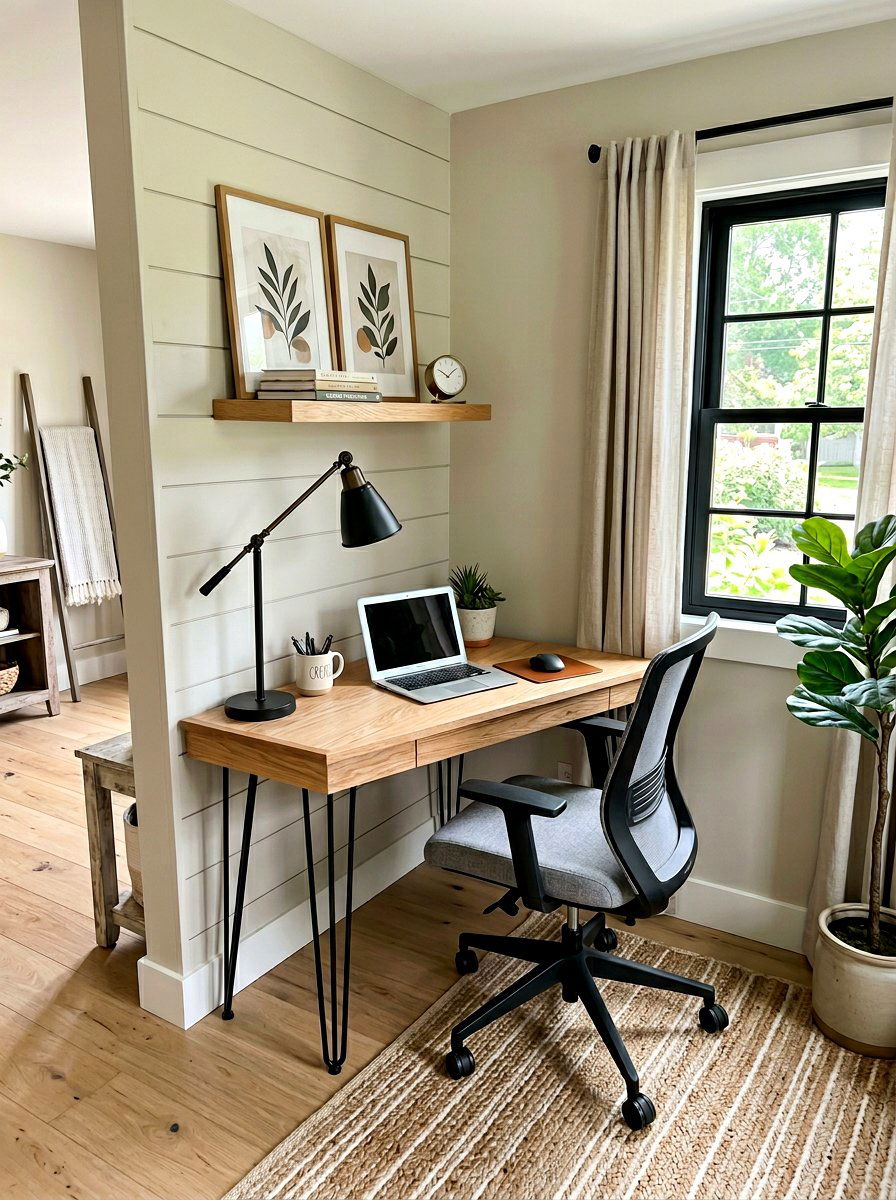
With more people working from home, finding space for a desk can be a challenge, but a narrow living room often has the perfect spot for a compact workstation. You can tuck a slim desk into an unused corner or place a narrow table behind a sofa to serve as both a console and a workspace. Use a stylish chair that can double as extra seating for guests when you are not working to keep the room multi-functional. Keeping your office supplies organized in baskets or drawers will ensure that your "office" does not clutter the living area. This addition makes the room work harder for your daily life.
Conclusion:
Designing a narrow living room does not have to be a struggle when you use the right combination of furniture scale, zoning, and visual tricks. By focusing on flow and utilizing vertical space, you can transform a challenging layout into a beautiful and highly functional part of your home. Remember that the goal is to create a space that feels comfortable for conversation while allowing for easy movement from one end to the other. Whether you choose to float your furniture, install built-in shelving, or use mirrors to add depth, each decision brings you closer to a living room you will truly love. With these thirty ideas, your narrow space can finally reach its full potential.

Related posts: