Lean-to greenhouses offer a brilliant way to maximize your gardening potential without requiring a massive footprint or a completely separate structure. By utilizing an existing wall of your home, garage, or shed, these clever additions benefit from the thermal mass of the building, providing a more stable temperature for your precious plants. Whether you are an urban gardener with a tiny balcony or a suburban homeowner looking to extend your growing season, a lean-to setup is both practical and visually appealing. These structures seamlessly blend into your architecture while creating a protected microclimate that allows for year-round cultivation of herbs, vegetables, and exotic flowers. Discover how these versatile solutions can transform your outdoor space into a thriving sanctuary.
1. Victorian Glass Lean To Greenhouse
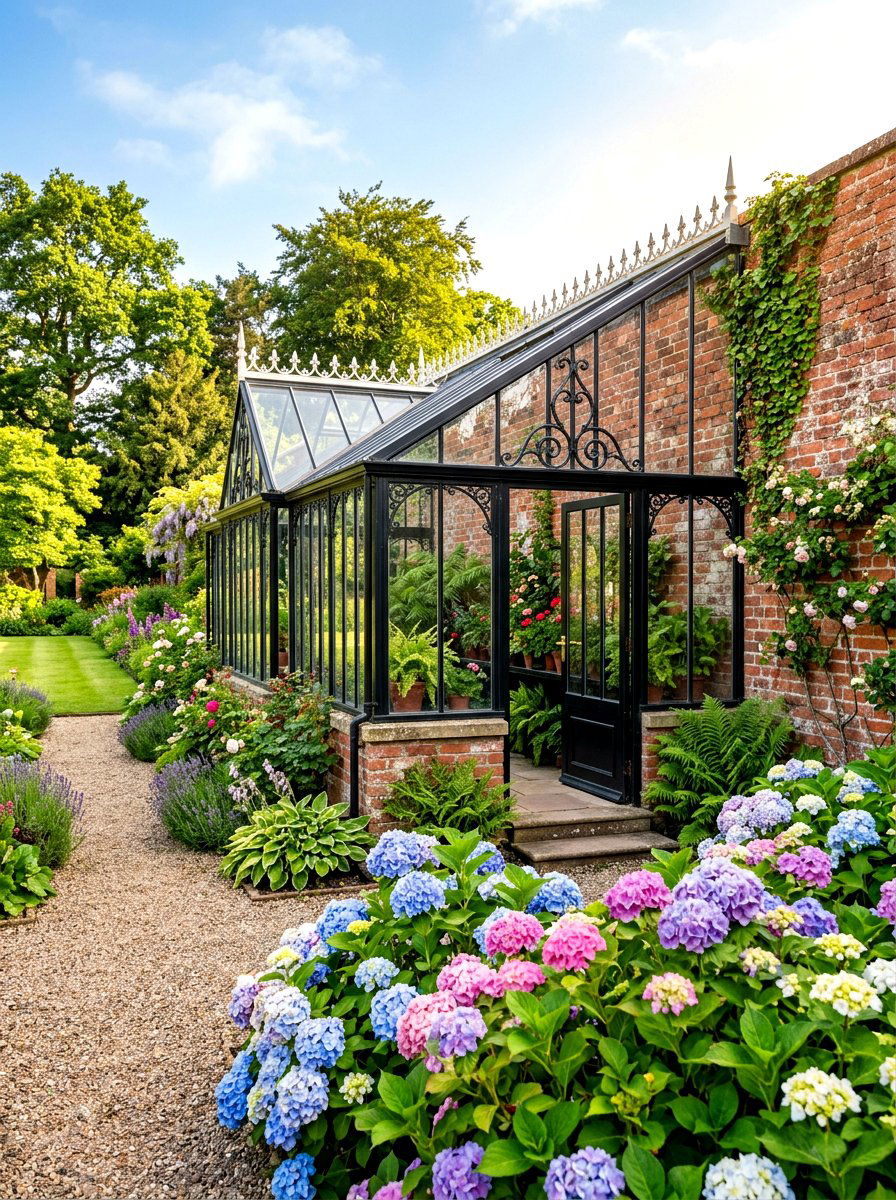
A Victorian glass lean to greenhouse brings a touch of historical elegance and sophisticated charm to any traditional garden setting. These structures often feature intricate metalwork and tall glass panels that allow for maximum light penetration while creating a stunning visual focal point against your home’s exterior. The classic aesthetic usually involves a steep roof pitch and ornate cresting along the ridge, echoing the grand conservatories of the nineteenth century. By attaching this style to a south-facing brick wall, you create an exceptionally warm environment that is perfect for growing delicate orchids or overwintering tender perennials. This choice beautifully bridges the gap between functional gardening space and high-end architectural art for your property.
2. Small Backyard Lean To Greenhouse
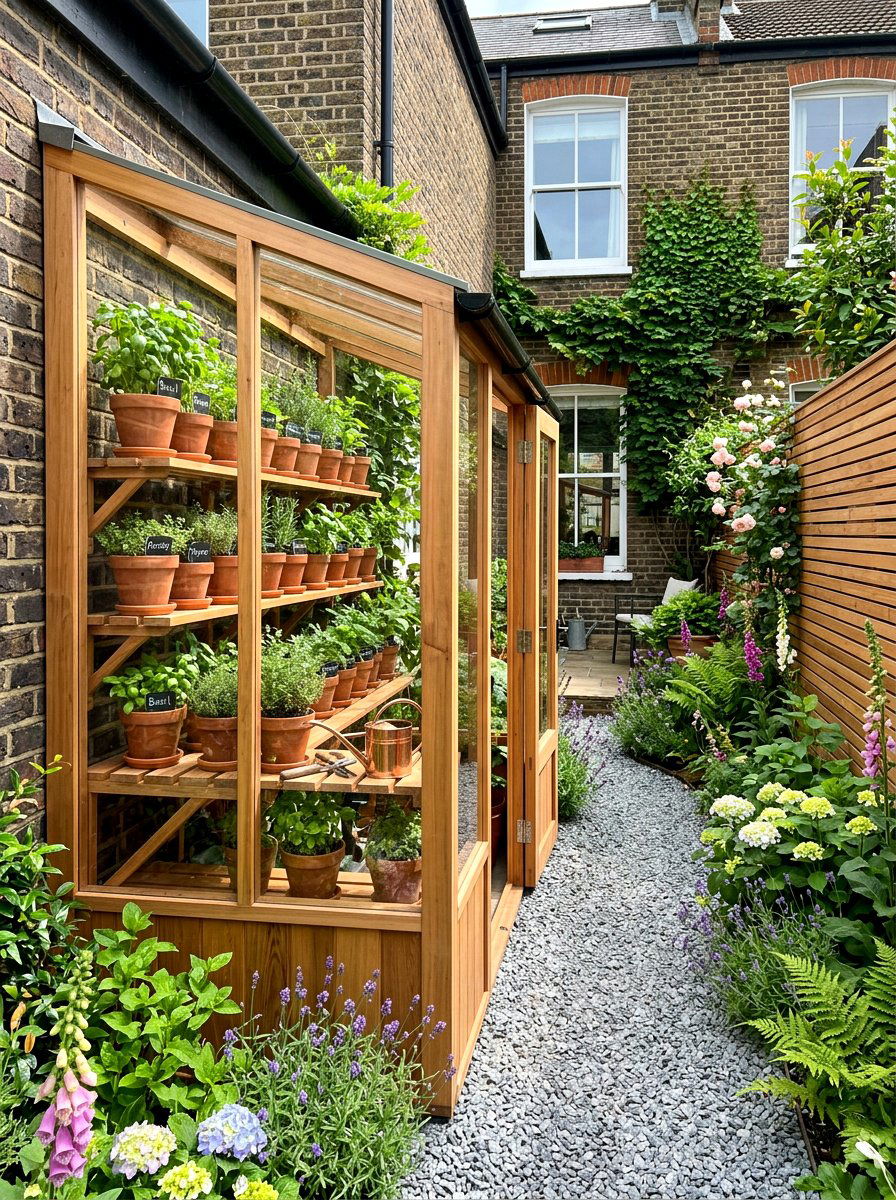
A small backyard lean to greenhouse is the perfect solution for homeowners who want to enjoy gardening without sacrificing precious lawn space. These compact units are designed to tuck neatly against a fence or the side of a house, making them ideal for narrow urban lots. Despite their smaller size, they provide enough vertical space for multiple tiers of shelving, allowing you to start hundreds of seedlings in early spring. The proximity to the house often makes it easier to run water or electricity for heating and irrigation systems. This setup ensures that even the most limited outdoor area can become a productive hub for fresh herbs and seasonal vegetables.
3. Diy Wood Frame Lean To Greenhouse
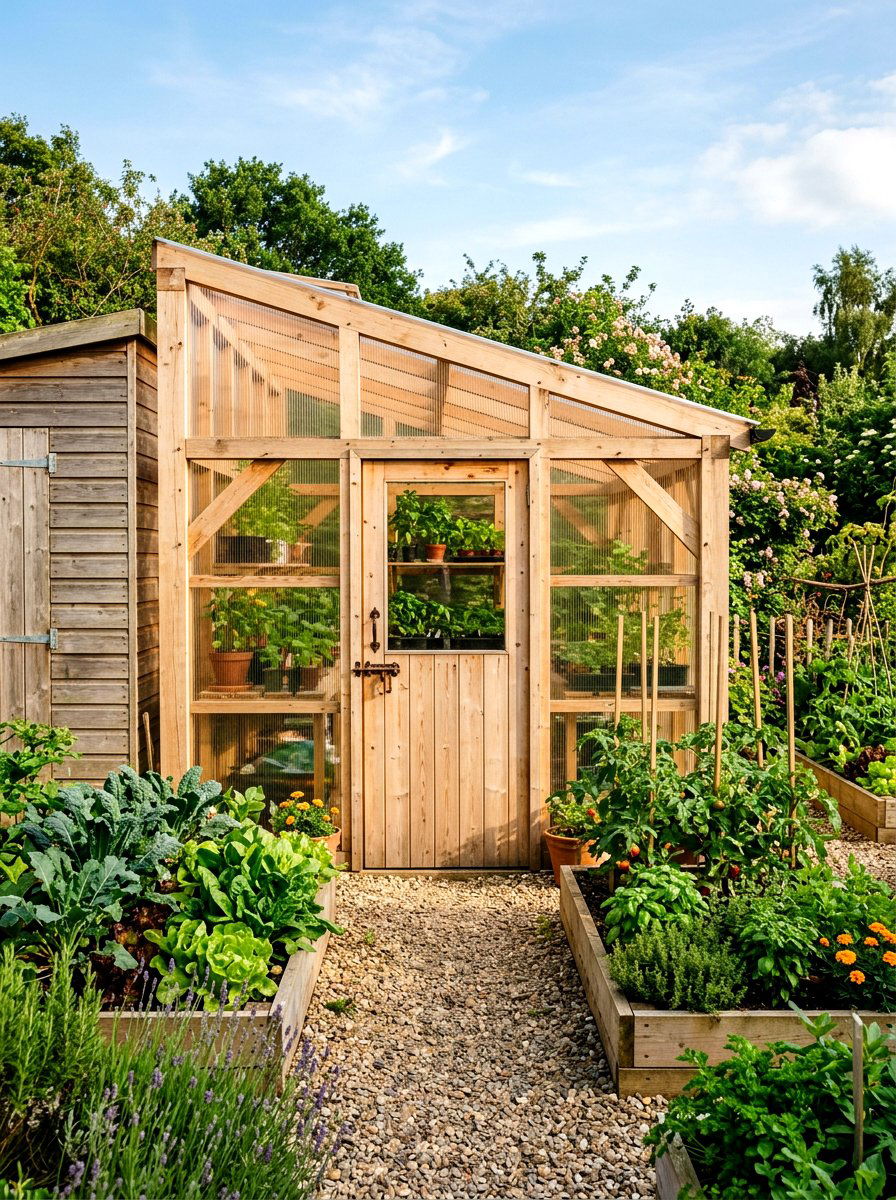
A diy wood frame lean to greenhouse allows for complete customization and a satisfying weekend project for any handy gardener. Using pressure-treated lumber or naturally rot-resistant cedar ensures that your structure will withstand the humidity and moisture common in a growing environment. You can easily tailor the dimensions to fit a specific awkward nook on your property that would otherwise go unused. Many builders choose to use heavy-duty plastic sheeting or twin-wall polycarbonate for the glazing to keep costs low while maintaining excellent insulation. Building it yourself gives you the freedom to add custom workbenches and tool storage that fit your specific gardening style and personal ergonomic needs perfectly.
4. Polycarbonate Panel Lean To Greenhouse
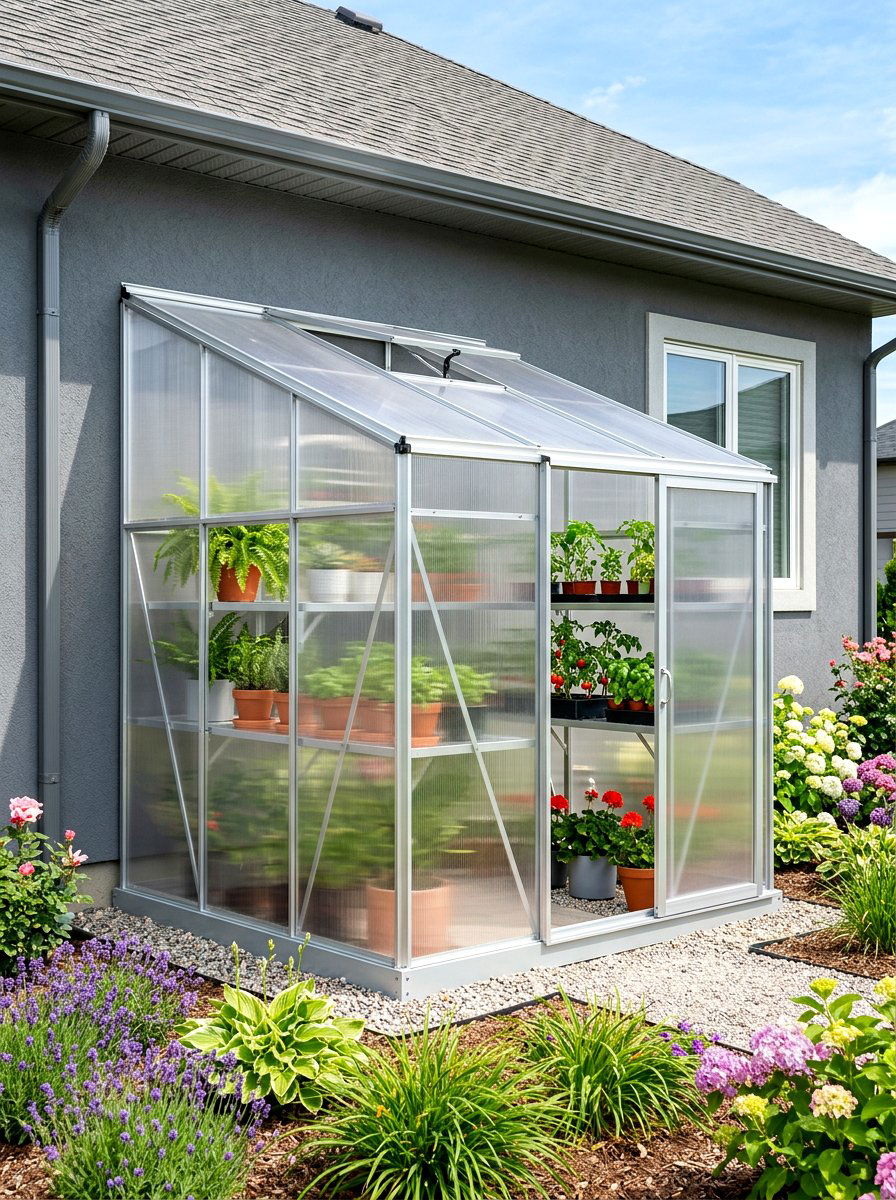
A polycarbonate panel lean to greenhouse is a highly durable and modern choice for gardeners living in regions with unpredictable weather. Unlike traditional glass, polycarbonate is virtually unbreakable and provides superior insulation by trapping air between its twin layers. This material also diffuses sunlight, which prevents your plants from getting scorched during the intense midday sun in the peak of summer. The lightweight nature of these panels makes the assembly process much faster and safer compared to heavy glass alternatives. Because they are so resilient to hail and falling debris, these greenhouses are a smart long-term investment for anyone looking for a low-maintenance and high-performance growing space.
5. Cedar Wood Lean To Greenhouse
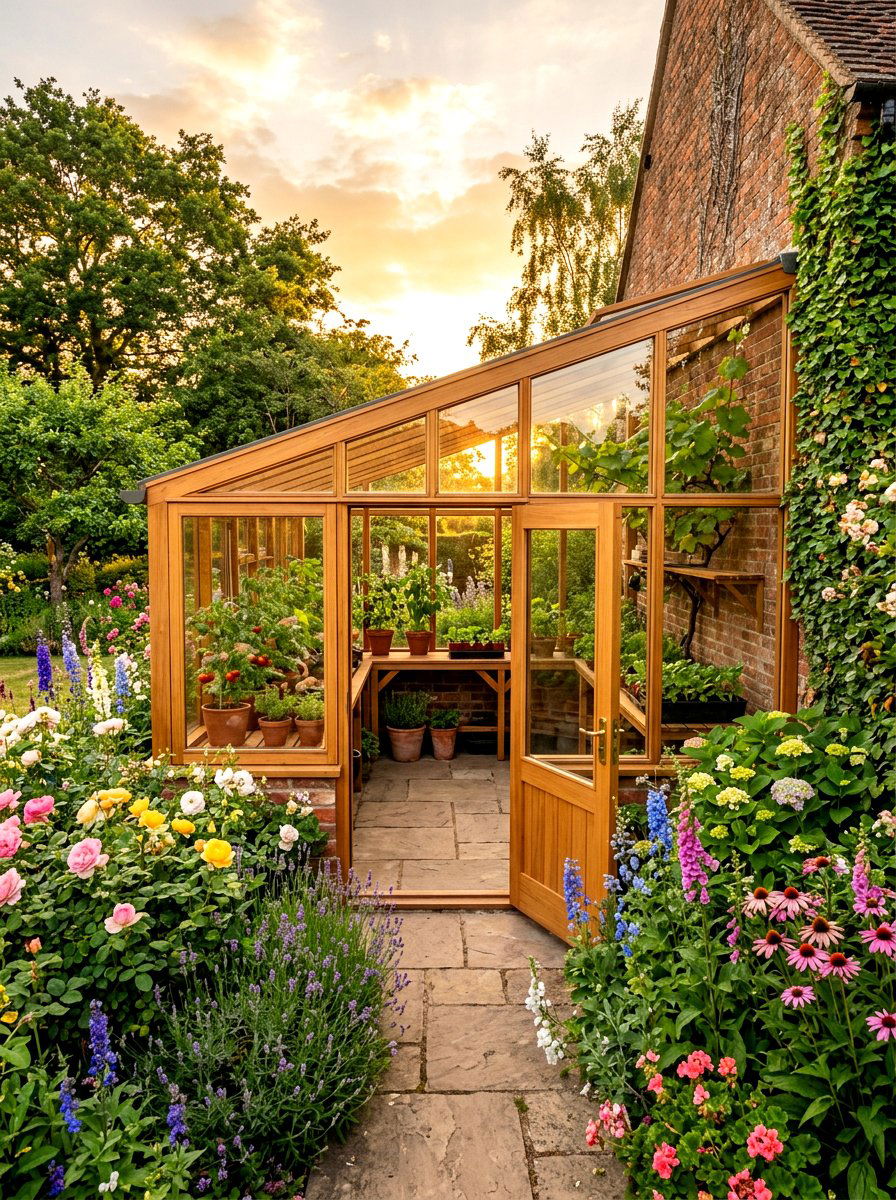
A cedar wood lean to greenhouse offers a stunning natural look that blends harmoniously with lush garden landscapes and timber decking. Cedar is naturally resistant to decay and insect damage, making it an elite material choice for a structure that will be exposed to constant moisture. Over time, the wood develops a beautiful silvery patina, or you can stain it to match your home’s existing exterior trim. The thick wooden frame provides excellent natural insulation, helping to keep the interior warm during cool nights without relying solely on artificial heaters. This style of greenhouse feels like a high-quality extension of the home rather than just a utilitarian garden building.
6. Modern Black Metal Lean To Greenhouse
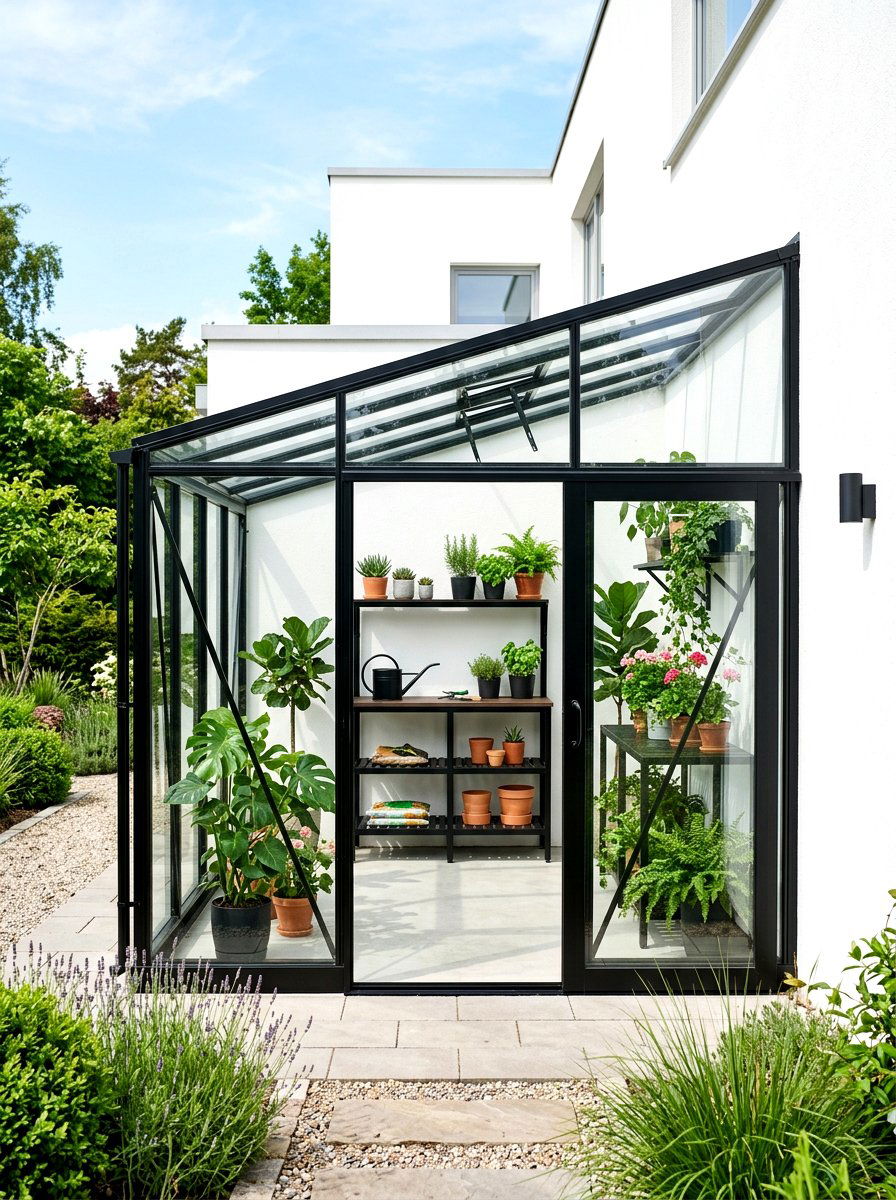
A modern black metal lean to greenhouse creates a bold and contemporary look that complements minimalist architecture and industrial-style landscapes. The slim profiles of the aluminum or steel frames allow for expansive glass panes, resulting in an incredibly sleek and airy interior environment. This design is particularly popular in urban settings where clean lines and sharp contrasts are desired to stand out against brick or concrete walls. The powder-coated finish is extremely resistant to rust and scratching, ensuring that the structure maintains its sophisticated appearance for many years. It is a perfect choice for those who want their gardening space to look like a high-end designer feature.
7. Small Balcony Lean To Greenhouse
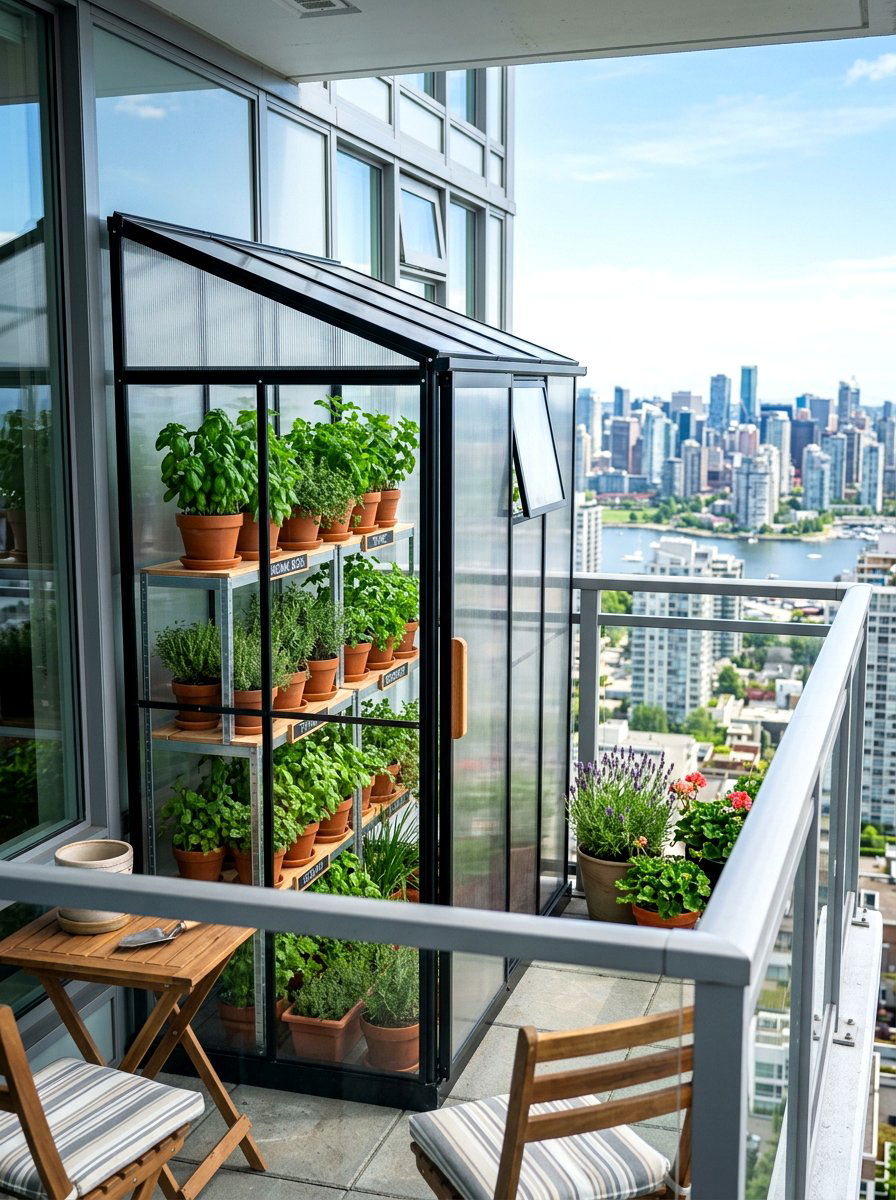
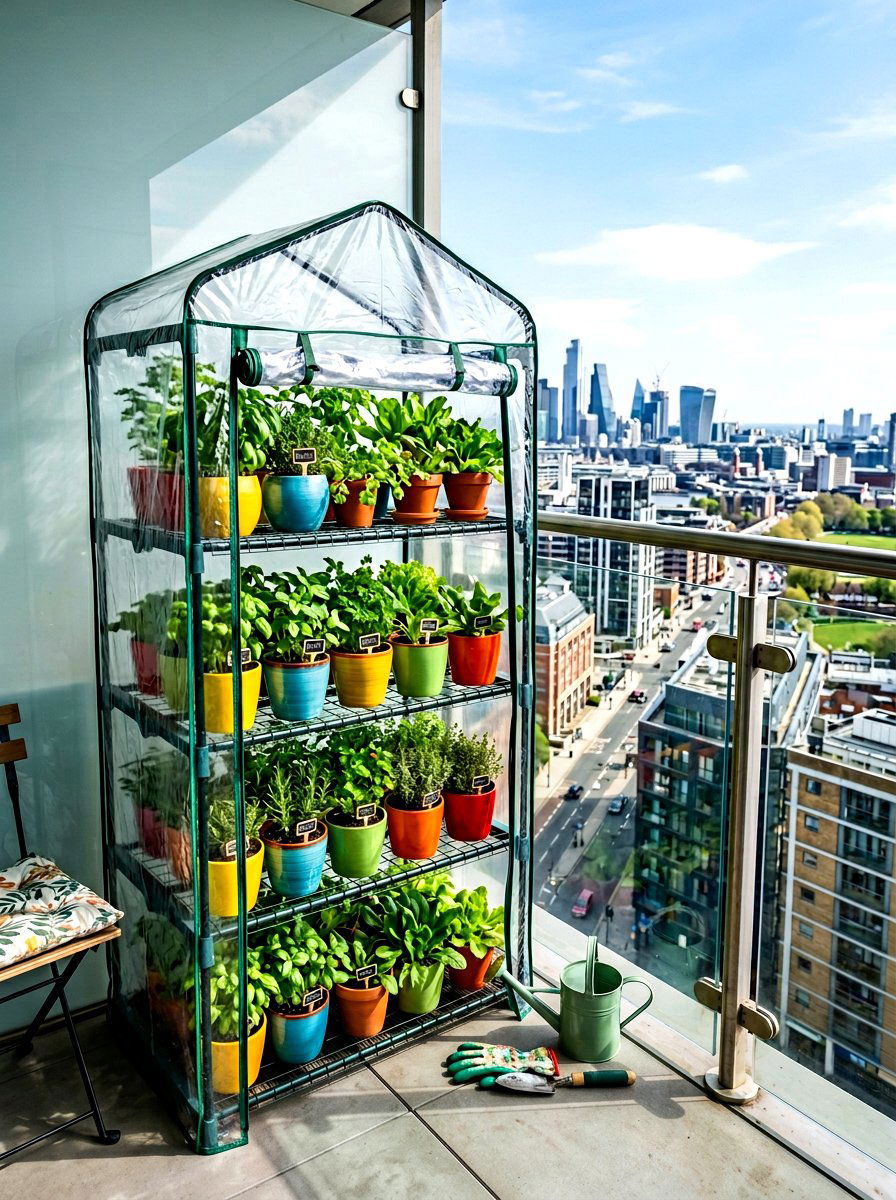
A small balcony lean to greenhouse provides apartment dwellers with the unique opportunity to grow their own food and flowers in high-rise environments. These narrow structures are specifically designed to lean against the balcony wall or railing, taking up minimal floor space while offering plenty of vertical growing room. They are excellent for protecting sensitive potted plants from the high winds often experienced on upper floors of buildings. With a few simple shelves, you can cultivate a variety of salad greens, peppers, and strawberries right outside your door. This compact setup proves that you do not need a massive backyard to enjoy the many rewards of year-round gardening.
8. Attached Conservatory Greenhouse Extension
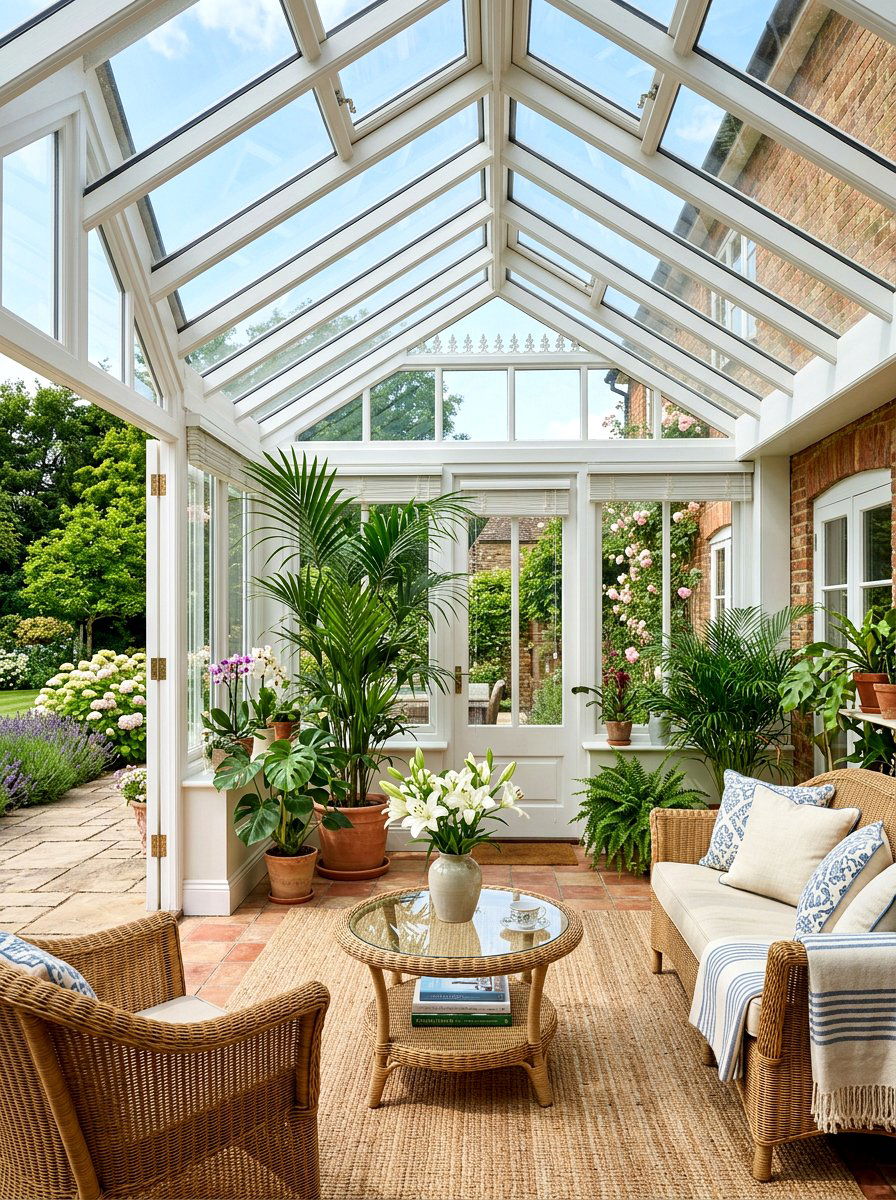
An attached conservatory greenhouse extension functions as both a high-capacity growing space and a beautiful sunroom for residents to enjoy. This type of structure is typically built with high-quality safety glass and a permanent foundation, making it a seamless part of the home’s layout. Large double doors can be opened to the main living area, allowing the fragrance of blooming flowers to drift through the house. It provides a bright, warm place to sit with a cup of coffee while surrounded by lush tropical plants that would otherwise struggle in a colder climate. This hybrid design maximizes the utility of the space for both plants and people alike.
9. Potting Shed Lean To Greenhouse Combo
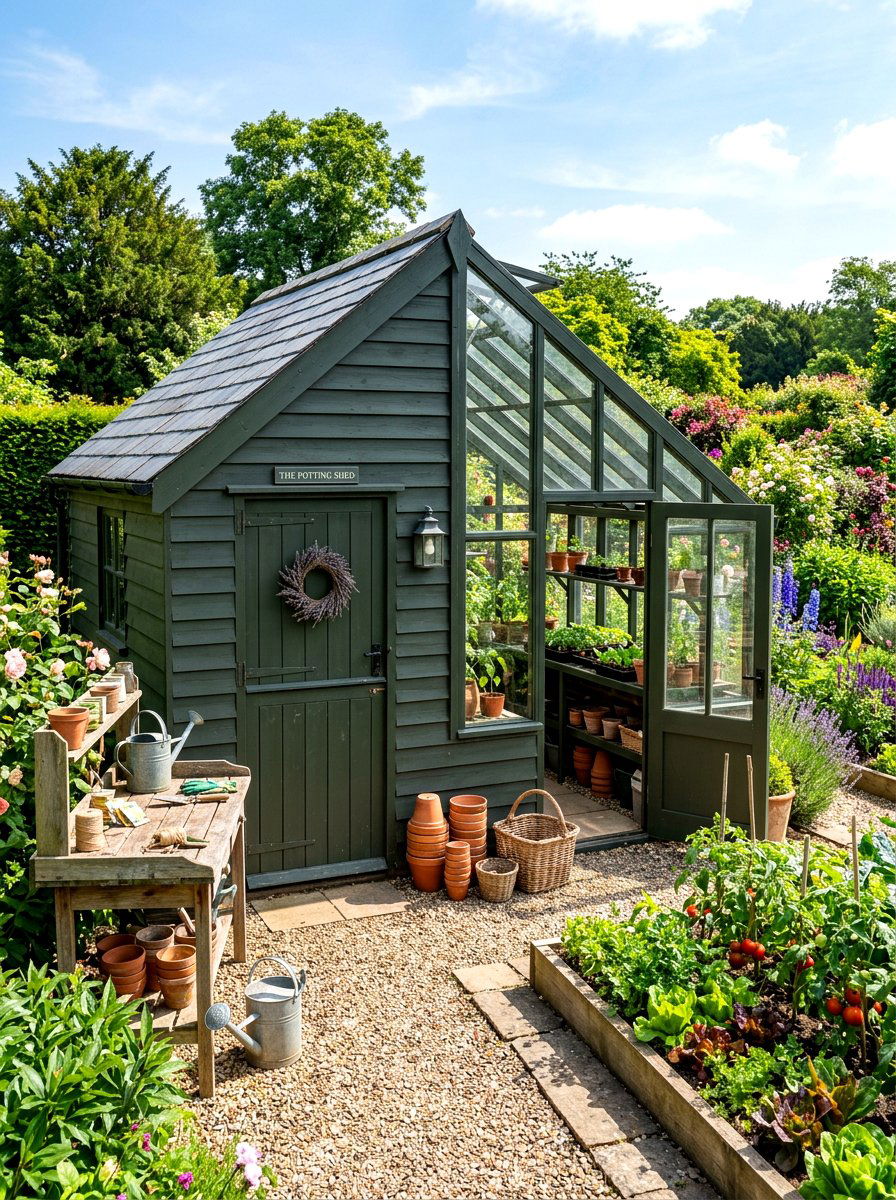
A potting shed lean to greenhouse combo is the ultimate workspace for the serious horticulturist who needs organization and light. This design typically features a solid wooden section for storing tools, soil, and pots, attached directly to a glass-covered growing area. Having your workbench and seed trays in the same structure as your maturing plants streamlines the entire gardening process and keeps the mess contained. You can start your seeds in the bright greenhouse section and then move them to the shaded shed area for hardening off or transplanting. This integrated approach ensures that everything you need for a successful garden is always within easy reach.
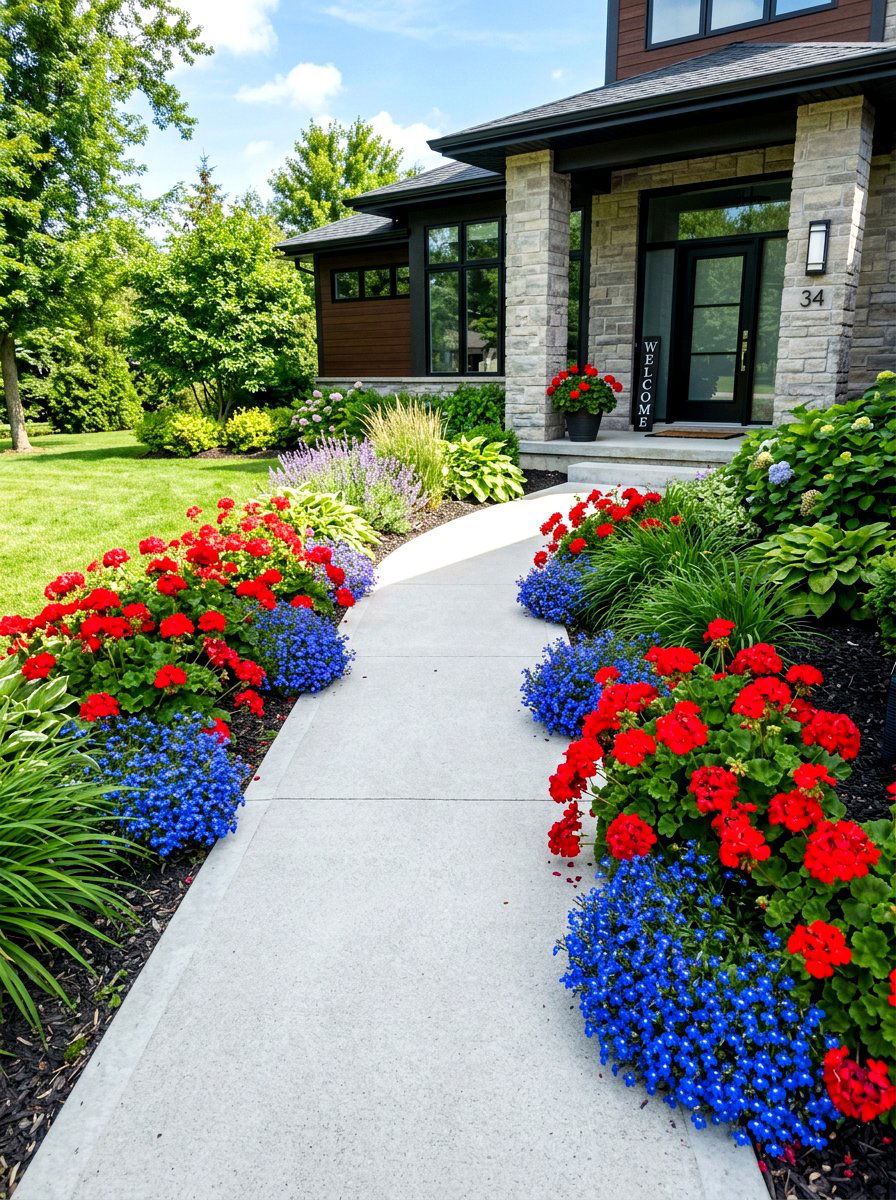
10. Narrow Side Yard Lean To Greenhouse
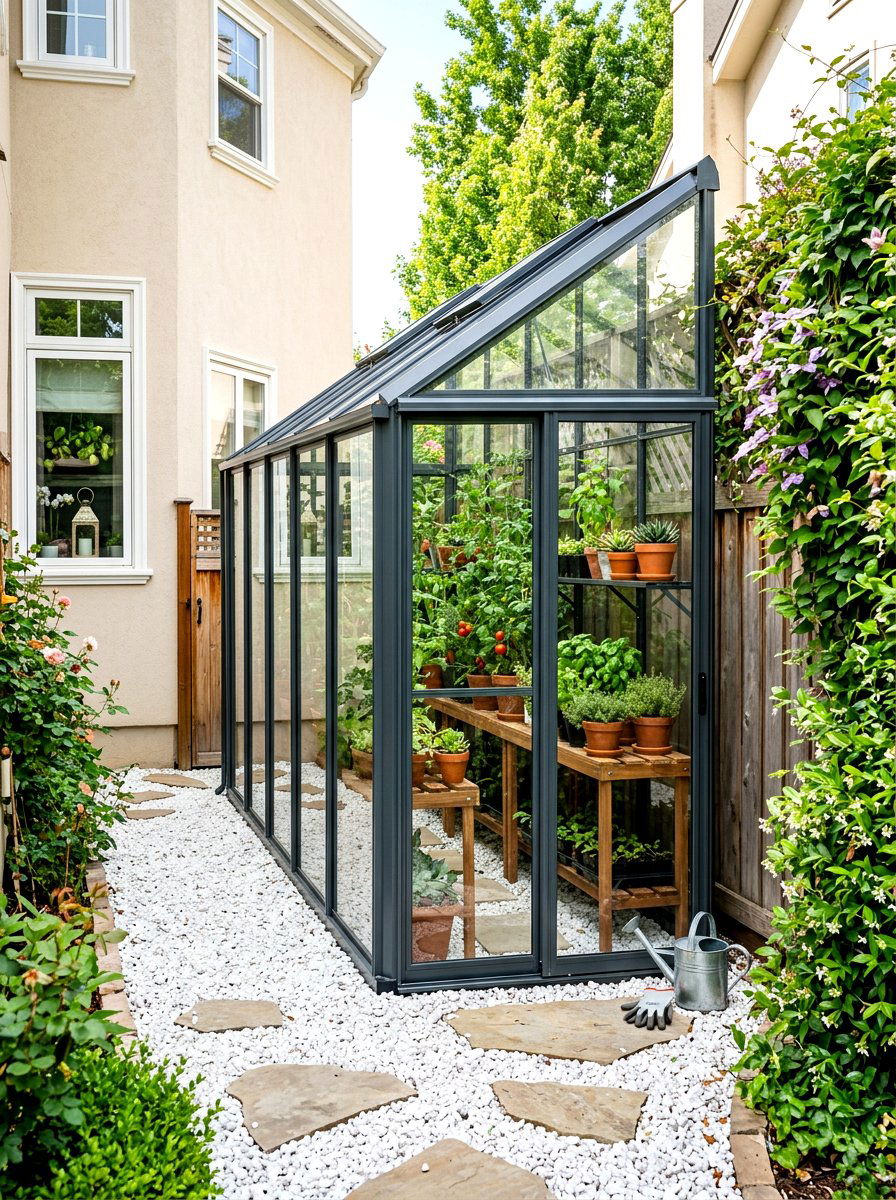
A narrow side yard lean to greenhouse turns an often neglected and shaded part of the property into a highly productive asset. These structures are built with a very slim profile to fit into the tight passages between a house and a side fence. While the space might be narrow, the long length of the side yard can provide ample room for a continuous row of plants. To maximize light in these tighter spaces, many gardeners use reflective white paint on the house wall or install mirrors inside. This clever use of space ensures that every square inch of your property is utilized for beauty and food production.
11. Reclaimed Window Lean To Greenhouse
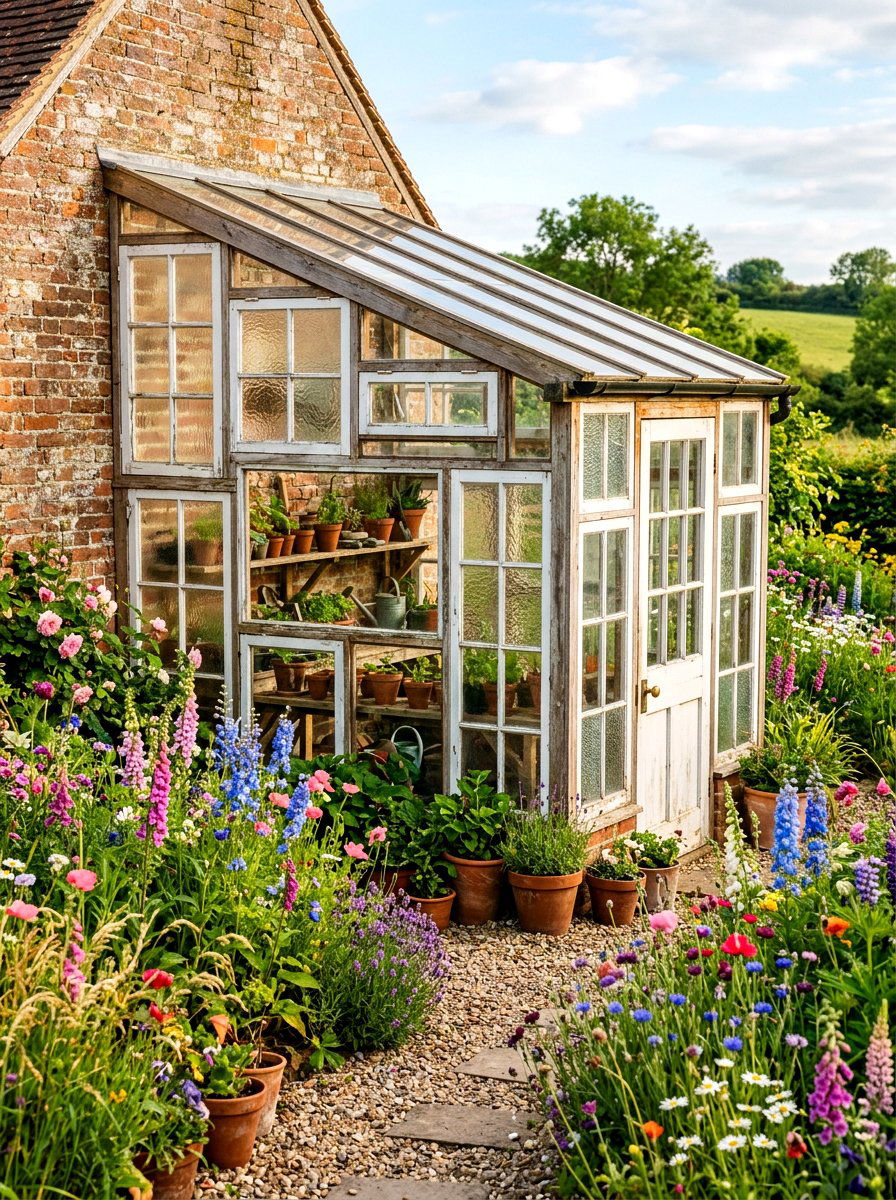
A reclaimed window lean to greenhouse is an eco-friendly and artistic project that adds incredible character and vintage soul to your garden. By sourcing old wooden windows from local salvage yards or renovation projects, you can create a one-of-a-kind structure with unique glass textures. Each window pane brings its own history, and the mismatched sizes can be arranged into a beautiful mosaic of light and wood. This approach is not only cost-effective but also keeps valuable materials out of landfills while providing a cozy home for your plants. It creates a rustic, cottage-core aesthetic that feels deeply personal and perfectly suited for a relaxed garden atmosphere.
12. White Aluminum Lean To Greenhouse
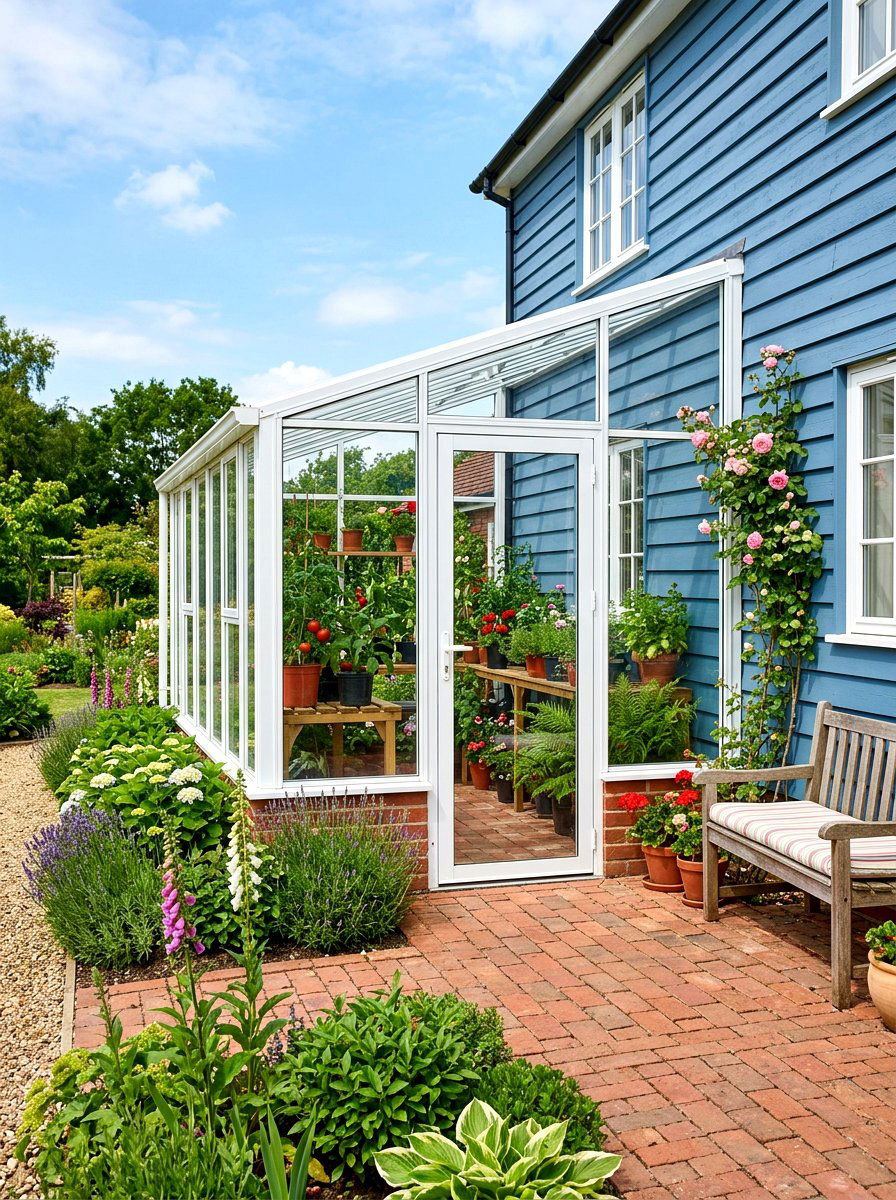
A white aluminum lean to greenhouse offers a clean, crisp, and classic look that brightens up any shaded garden corner. Aluminum is a favored material because it is incredibly lightweight, strong, and entirely rust-proof, making it perfect for the humid interior of a greenhouse. The white finish reflects sunlight both inside and outside the structure, which helps to increase the overall light levels for your plants. This style is very easy to maintain, requiring only a quick wash with a garden hose to keep it looking brand new. Its timeless design fits well with a wide range of home styles from modern to traditional ranch.
13. Double Door Lean To Greenhouse
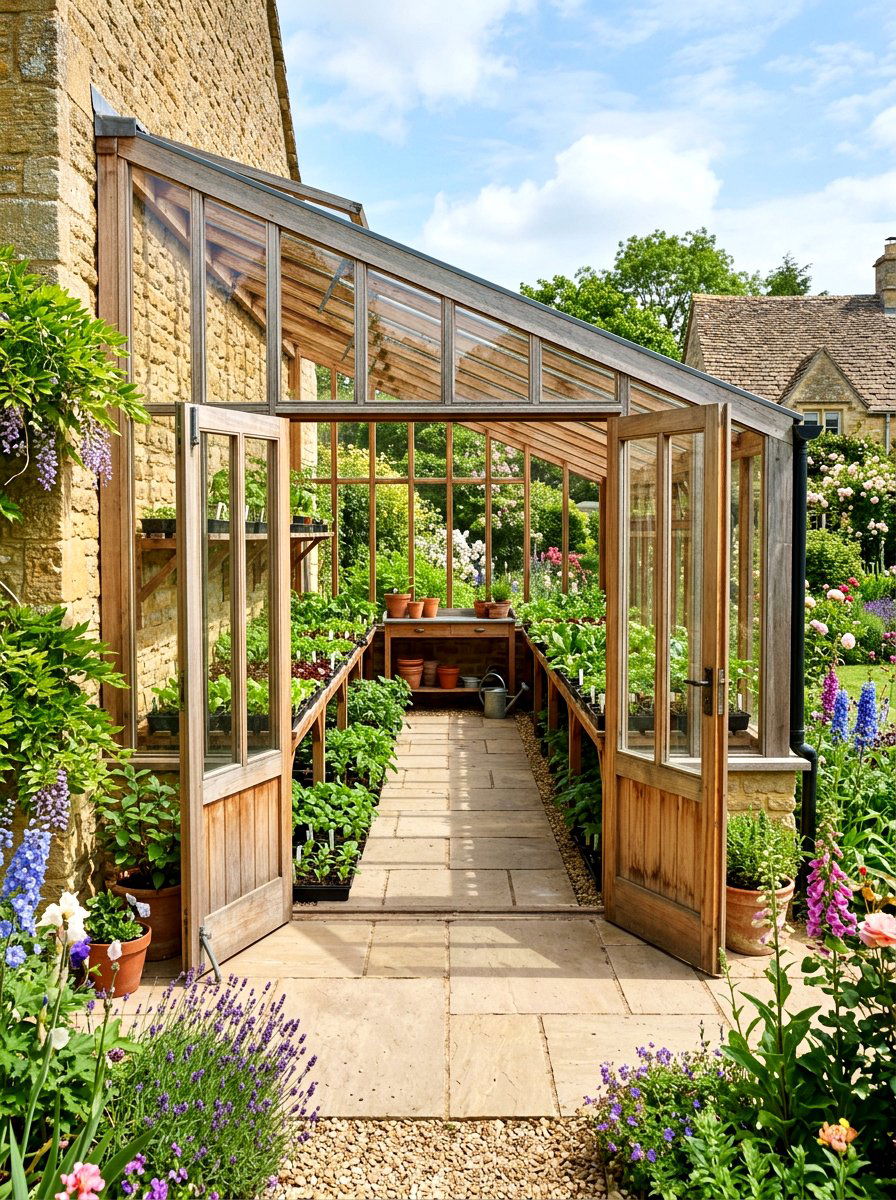
A double door lean to greenhouse provides exceptionally easy access and superior ventilation, which is crucial for maintaining a healthy plant environment. Having a wide opening allows you to move large pots, heavy bags of soil, and garden carts in and out without any struggle. During the peak of summer, opening both doors creates a massive amount of airflow that prevents the interior from overheating and damaging delicate foliage. This design also creates a more inviting and open feel, making the greenhouse feel like a natural extension of your outdoor patio area. It is a practical choice for those with high-traffic gardening needs and large plant collections.
14. Walk In Lean To Greenhouse
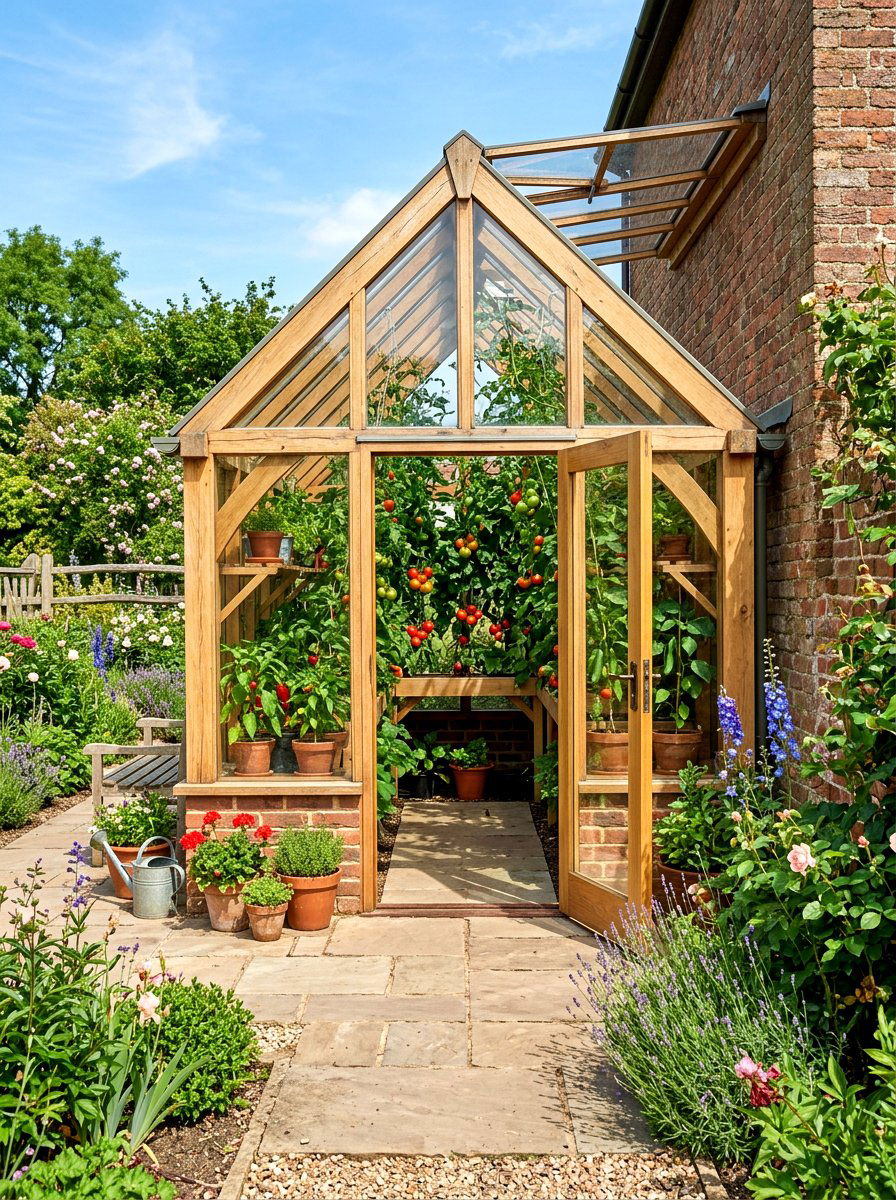
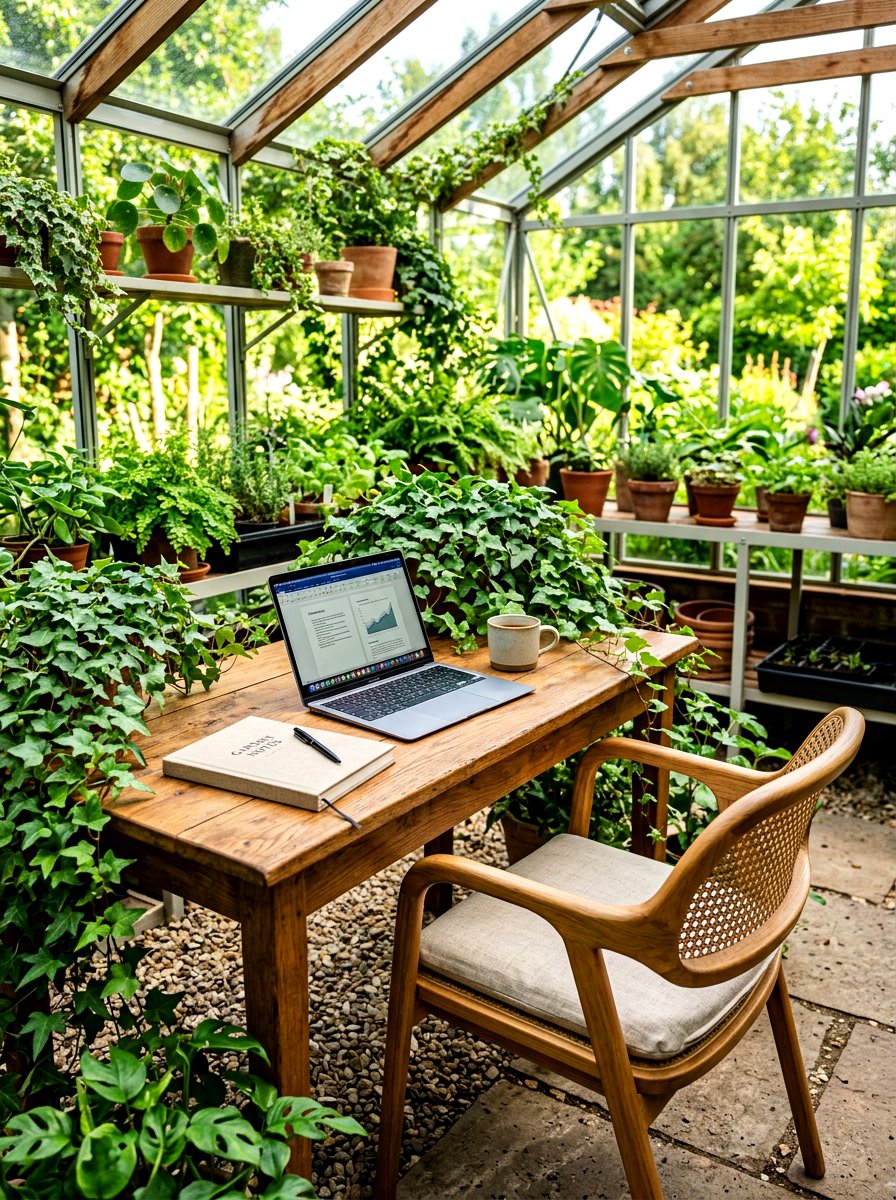
A walk in lean to greenhouse is designed with a high roofline that allows gardeners to stand up straight and move around comfortably. This extra headroom is not just for human comfort; it also allows for the growth of taller plants like indeterminate tomatoes, climbing beans, or citrus trees. You can install high shelving to take advantage of the warmest air at the top of the structure while keeping the floor clear for larger containers. The spacious interior provides enough room for a small chair or a potting bench, turning the greenhouse into a functional workspace. This design significantly enhances the overall user experience during long gardening sessions.

15. Lean To Greenhouse With Shelving
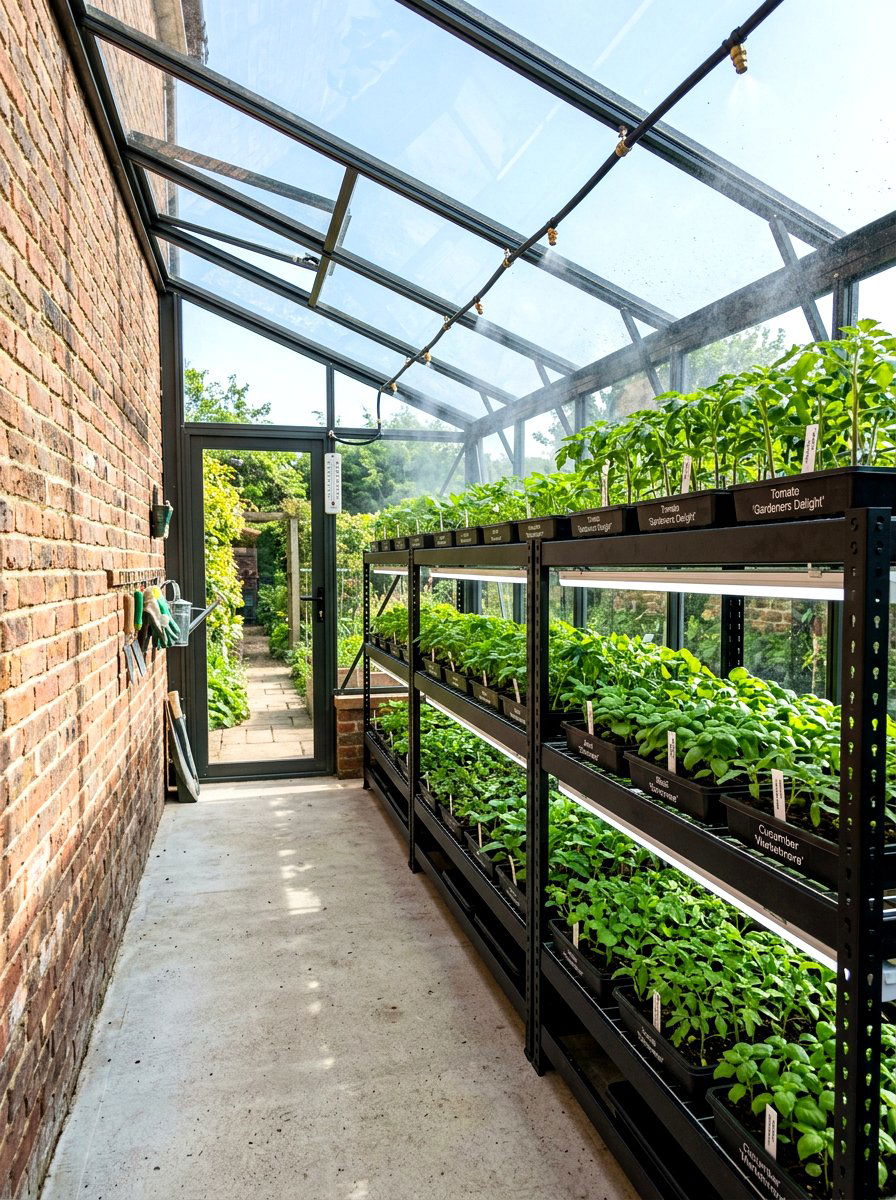
A lean to greenhouse with shelving is specifically engineered to maximize the available vertical space for seed starting and herb cultivation. By installing multi-tiered racks along the back wall and sides, you can effectively triple your growing area compared to a flat floor layout. Slatted shelves are ideal as they allow for better air circulation around the pots and let excess water drain down to the lower levels. Many modern kits come with adjustable shelving that can be moved to accommodate the changing heights of your plants as they grow. This organized approach is essential for any gardener who wants to produce a high volume of plants in a small area.
16. Solar Powered Lean To Greenhouse
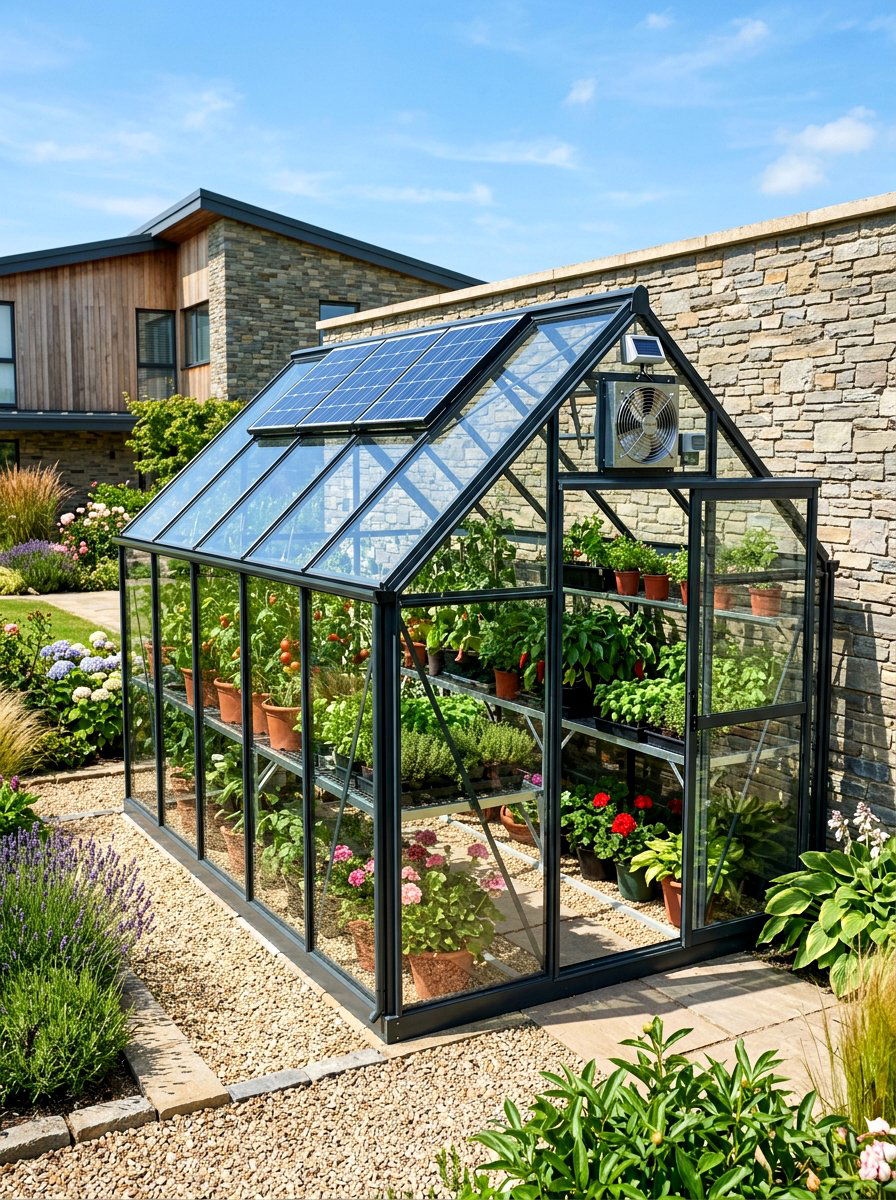
A solar powered lean to greenhouse uses renewable energy to automate essential tasks like ventilation, lighting, and irrigation. By mounting small solar panels on the roof, you can power fans that automatically kick in when the temperature reaches a certain threshold. This ensures your plants never overheat, even if you are not home to open the vents manually. Solar energy can also power low-voltage LED grow lights for those short winter days or a small pump for a drip irrigation system. This high-tech approach makes gardening much more convenient and reduces the carbon footprint of your home food production. It is the perfect blend of nature and technology.
17. Lean To Greenhouse Over Window
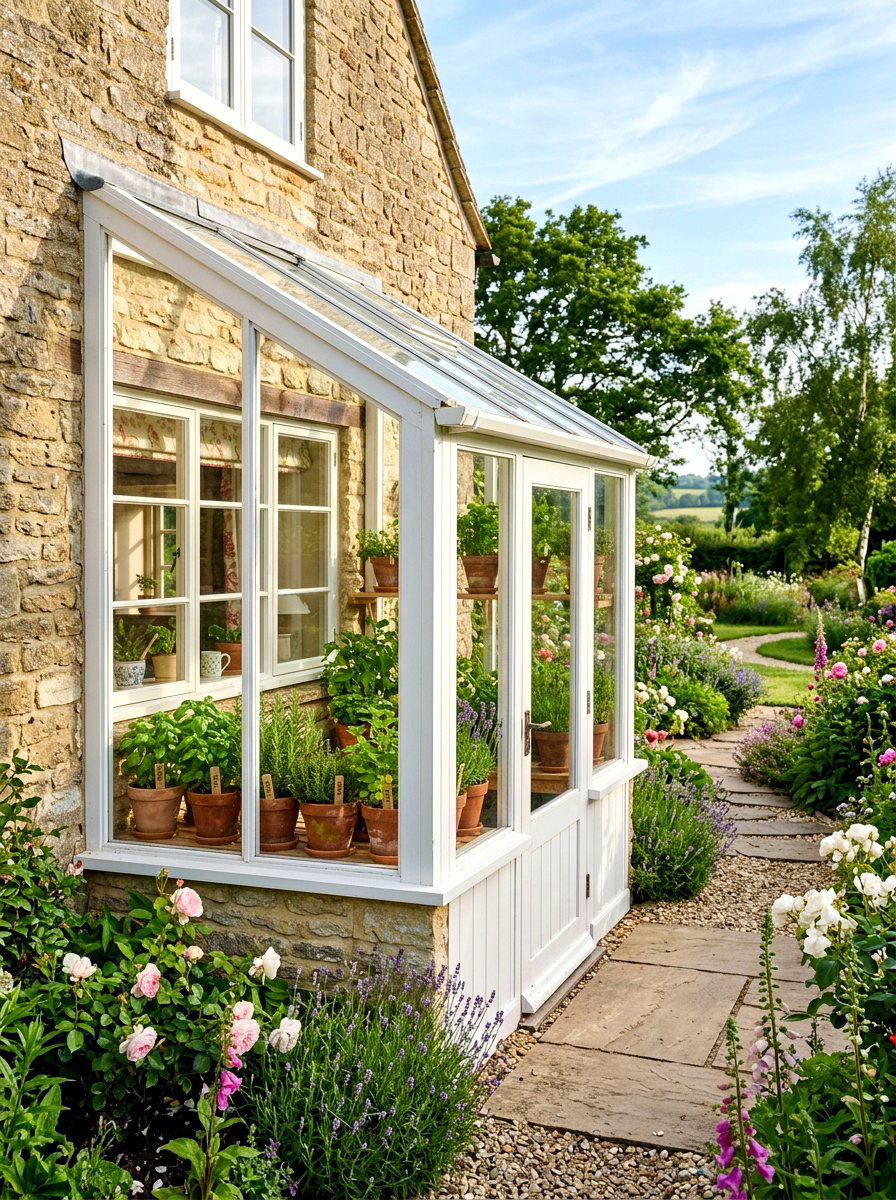
A lean to greenhouse over window is a clever architectural trick that allows you to enjoy your plants from both inside and outside the home. By building the structure directly over an existing window, you can actually reach out and tend to your herbs without even stepping outdoors. This setup also provides a beautiful green view for the interior room, effectively acting as a living wallpaper that changes with the seasons. The heat from the greenhouse can even help to insulate the window during the winter, potentially lowering your home’s heating costs. It is a fantastic way to bring the garden closer to your daily indoor life.
18. Painted Wood Lean To Greenhouse
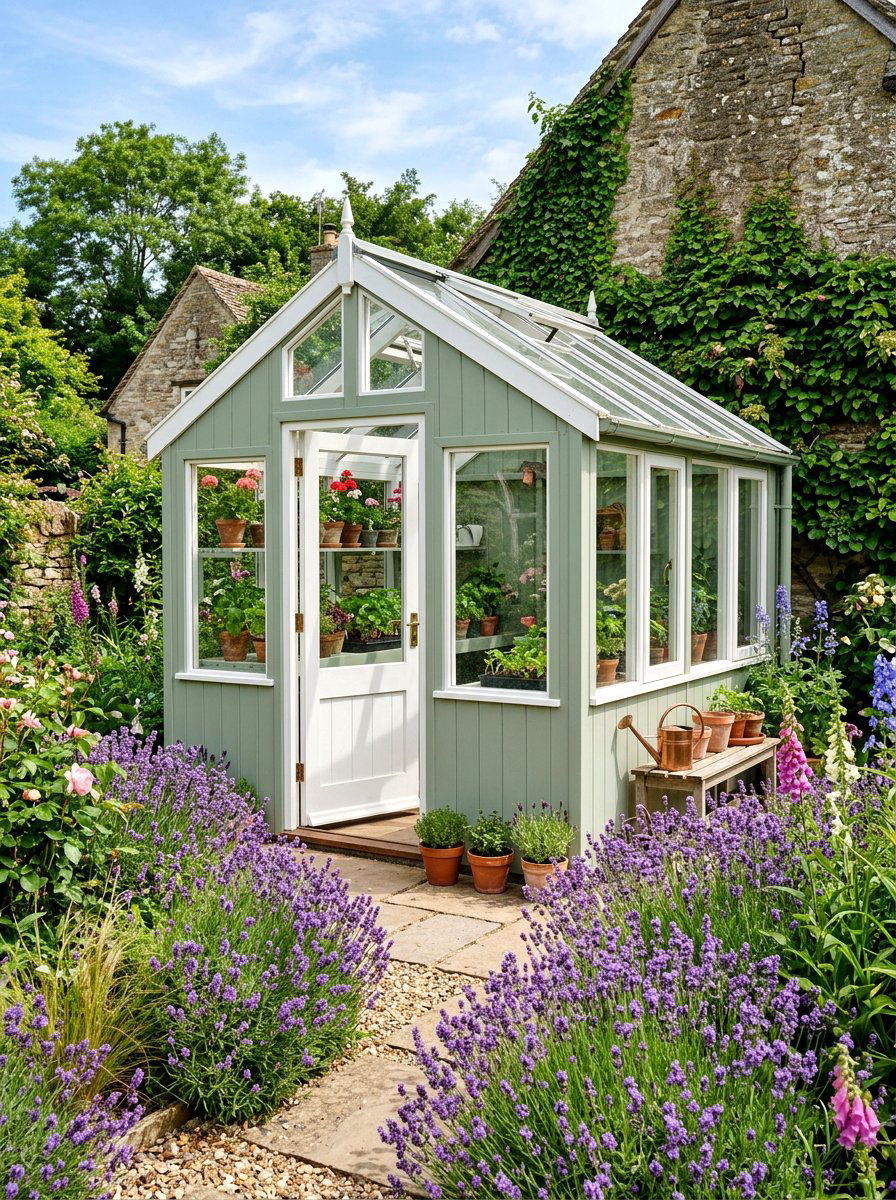
A painted wood lean to greenhouse gives you the creative freedom to match your garden structure to the color palette of your home. Whether you choose a soft sage green to blend with the foliage or a bright sky blue for a pop of color, paint provides a protective barrier for the timber. High-quality exterior paint helps to seal the wood against moisture and UV rays, significantly extending the lifespan of the frame. This customization allows the greenhouse to feel like a deliberate and stylish part of your landscaping design. It is a simple way to elevate a basic wooden structure into a beautiful and personalized garden feature.
19. Portable Lean To Greenhouse
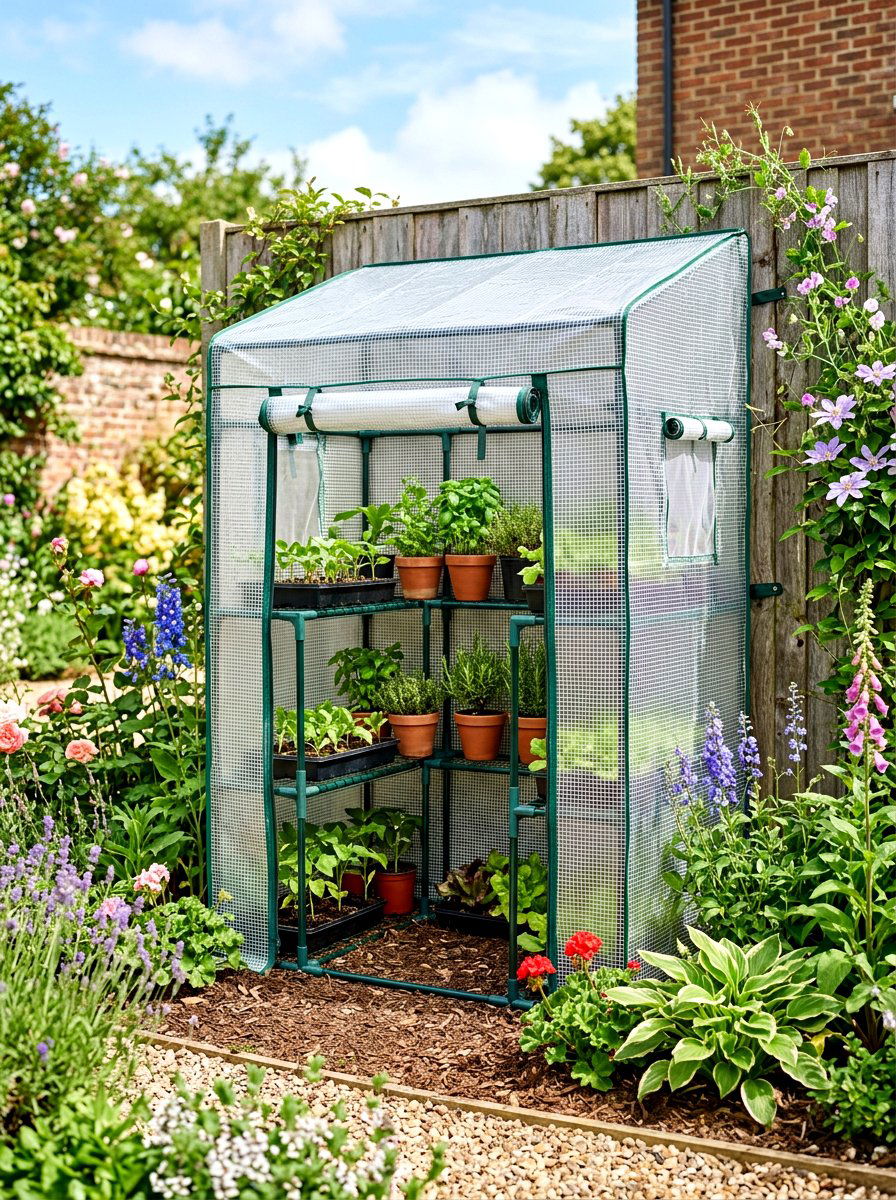
A portable lean to greenhouse is a flexible and affordable option for renters or those who like to frequently reorganize their garden layout. These units typically feature a lightweight metal frame and a heavy-duty reinforced PE plastic cover that can be zipped open. They are very easy to assemble and disassemble, making them perfect for temporary use during the spring seed-starting season. Because they are not permanently attached to a wall, you can move them to different parts of the yard to follow the best sunlight as the seasons change. When the growing season is over, the entire structure can be tucked away in a garage or shed.
20. Raised Bed Lean To Greenhouse
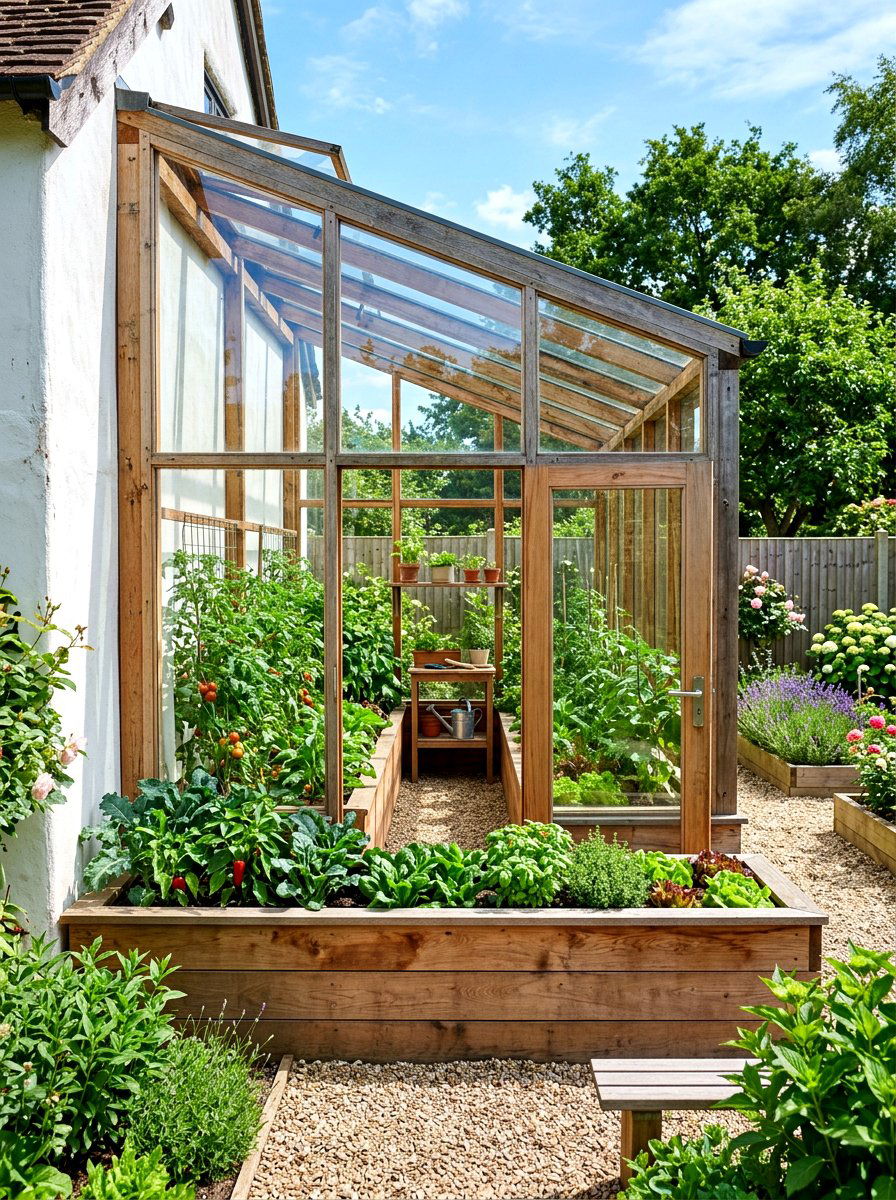
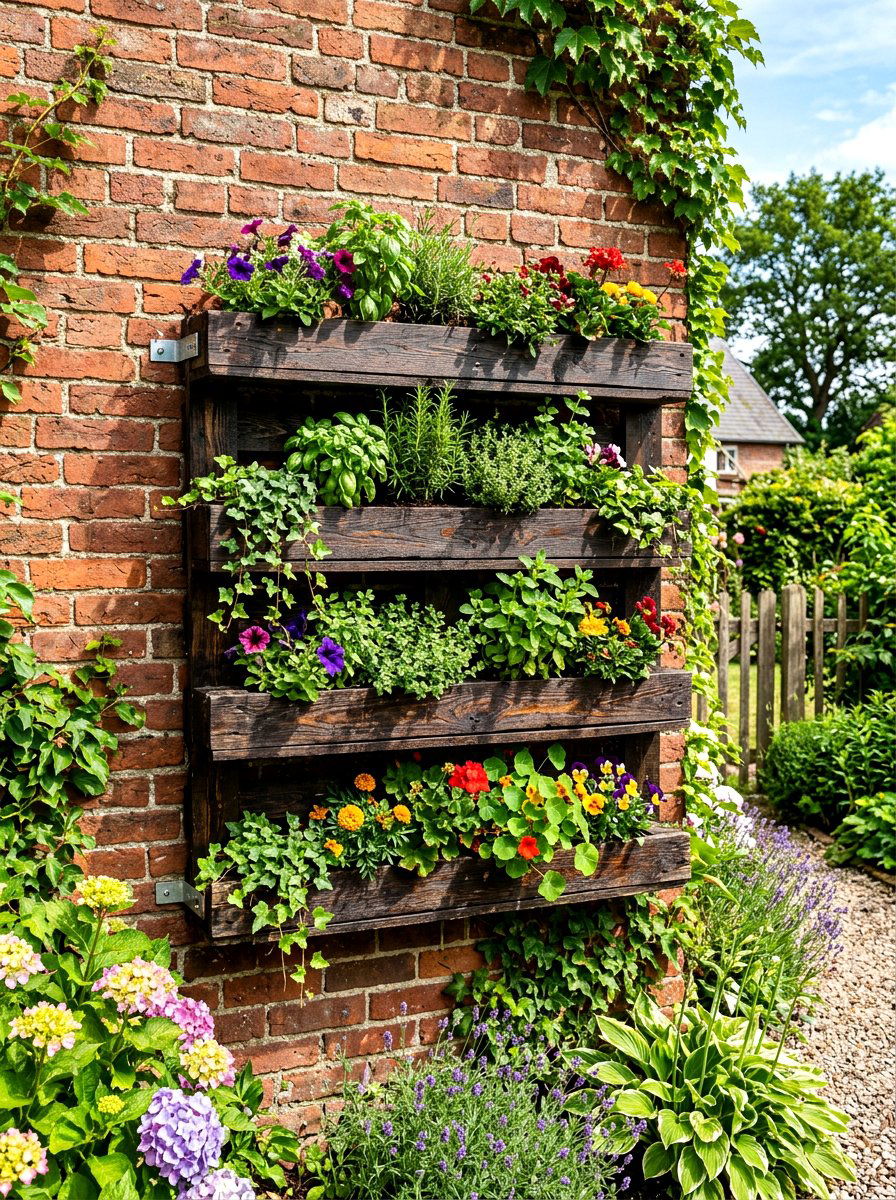
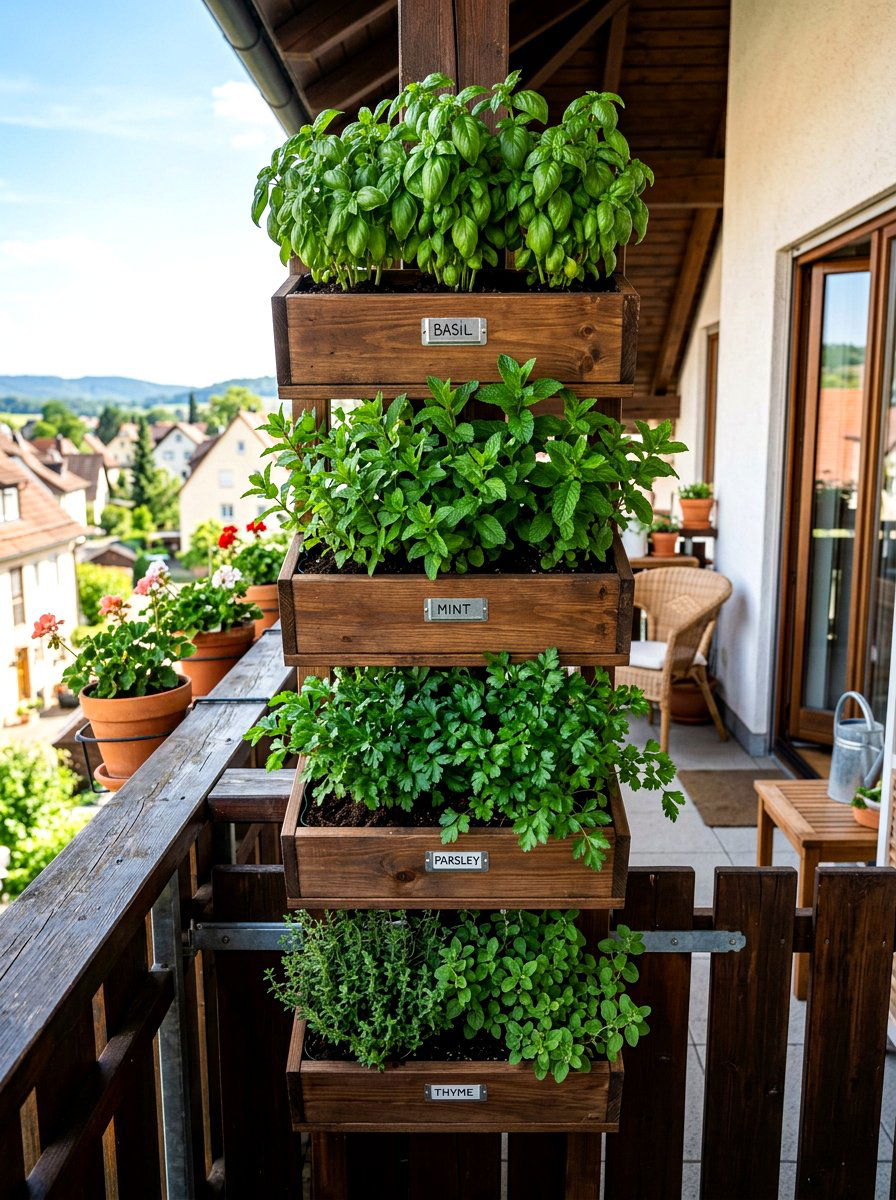
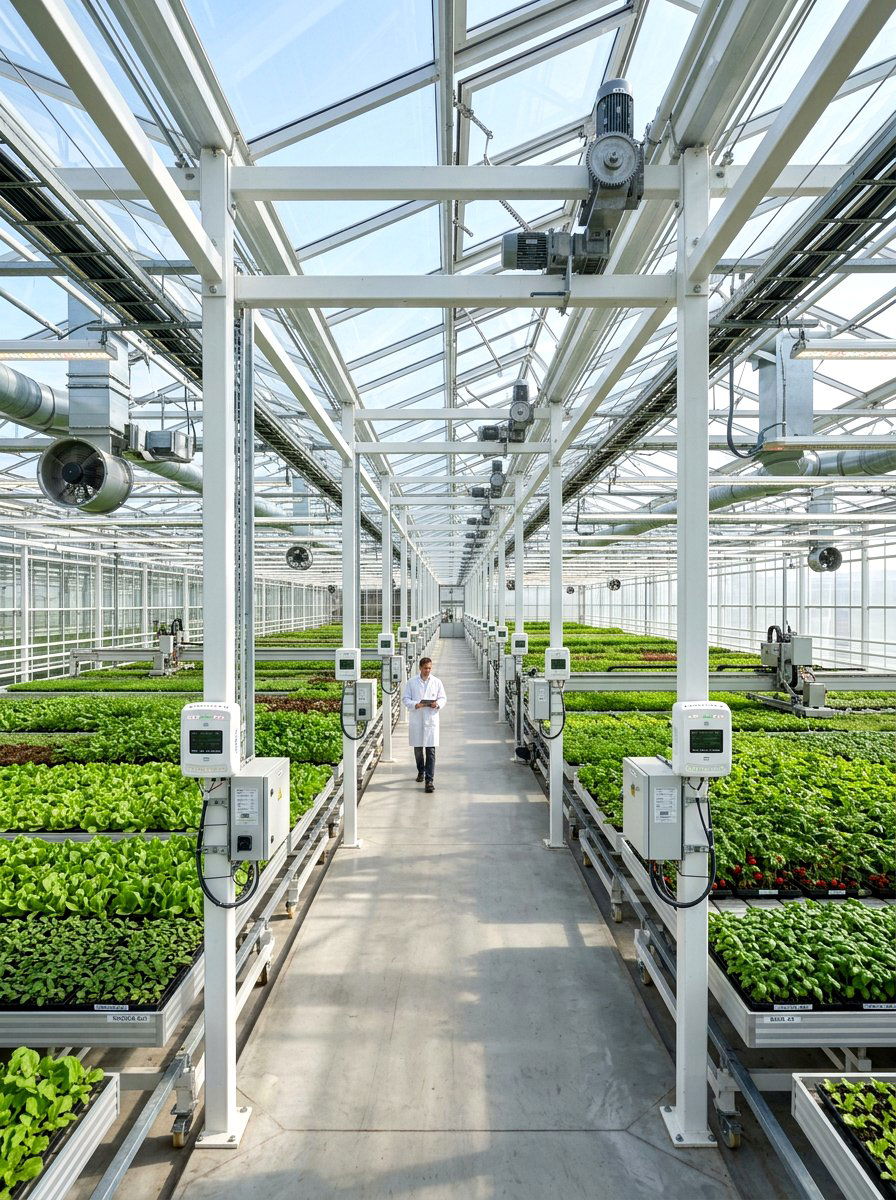
A raised bed lean to greenhouse combines the benefits of controlled-environment growing with the ergonomic advantages of an elevated planting area. By building the greenhouse structure directly over a raised garden bed, you eliminate the need for heavy pots and allow plants to grow in the ground. This setup provides excellent drainage and prevents soil compaction, which leads to healthier root systems and more vigorous plant growth. The raised height makes it much easier on your back and knees when planting, weeding, and harvesting your crops. It is an ideal solution for senior gardeners or anyone looking to create a highly efficient and comfortable kitchen garden.
21. Lean To Greenhouse For Succulents
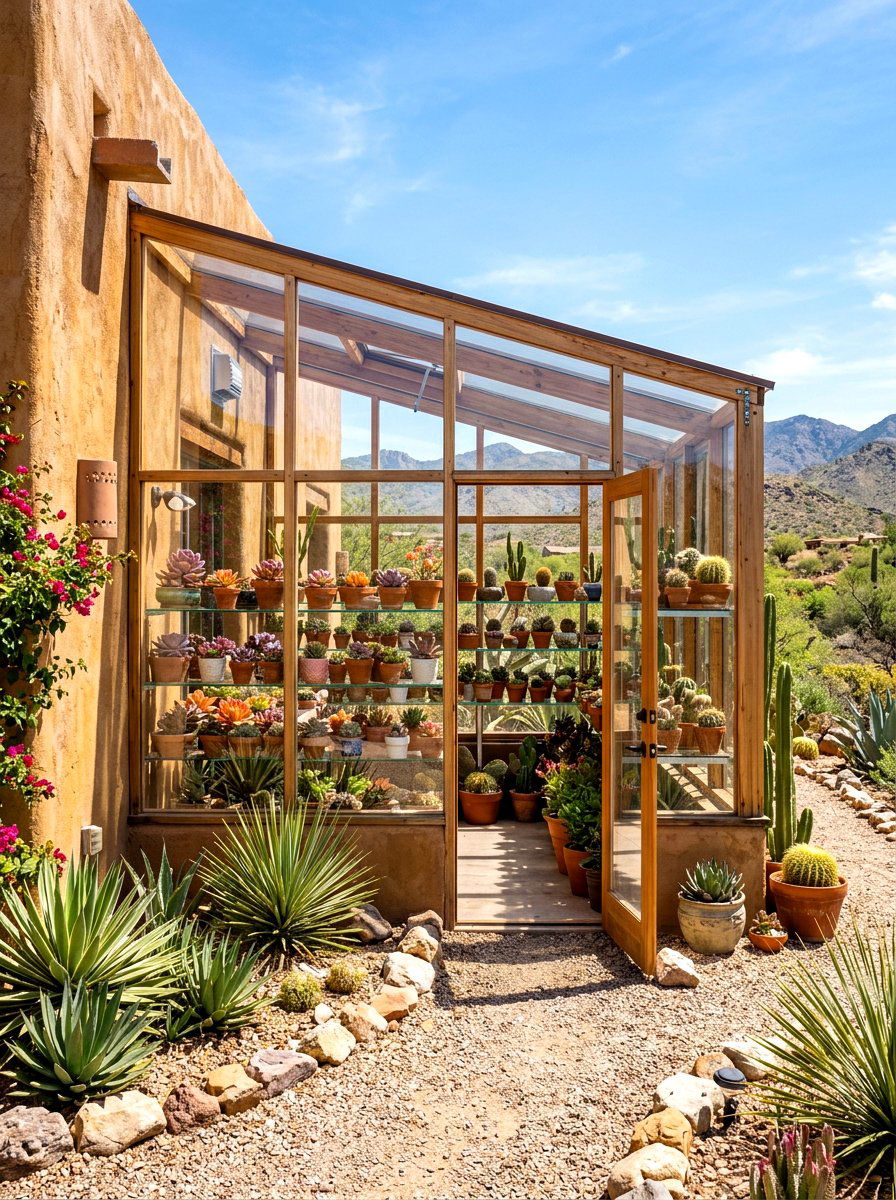
A lean to greenhouse for succulents is designed to provide the bright light and low humidity that these desert-dwelling plants crave. These structures often use clear glass or acrylic to ensure the highest possible light levels, which helps succulents maintain their vibrant colors and compact shapes. Good ventilation is critical in this setup to prevent the stagnant, moist air that can lead to rot in fleshy plants. By attaching the greenhouse to a house wall, the plants benefit from the residual heat during the night, protecting them from unexpected frosts. This dedicated space allows you to showcase a diverse collection of cacti and succulents in a beautiful, protected environment.
22. Urban Patio Lean To Greenhouse
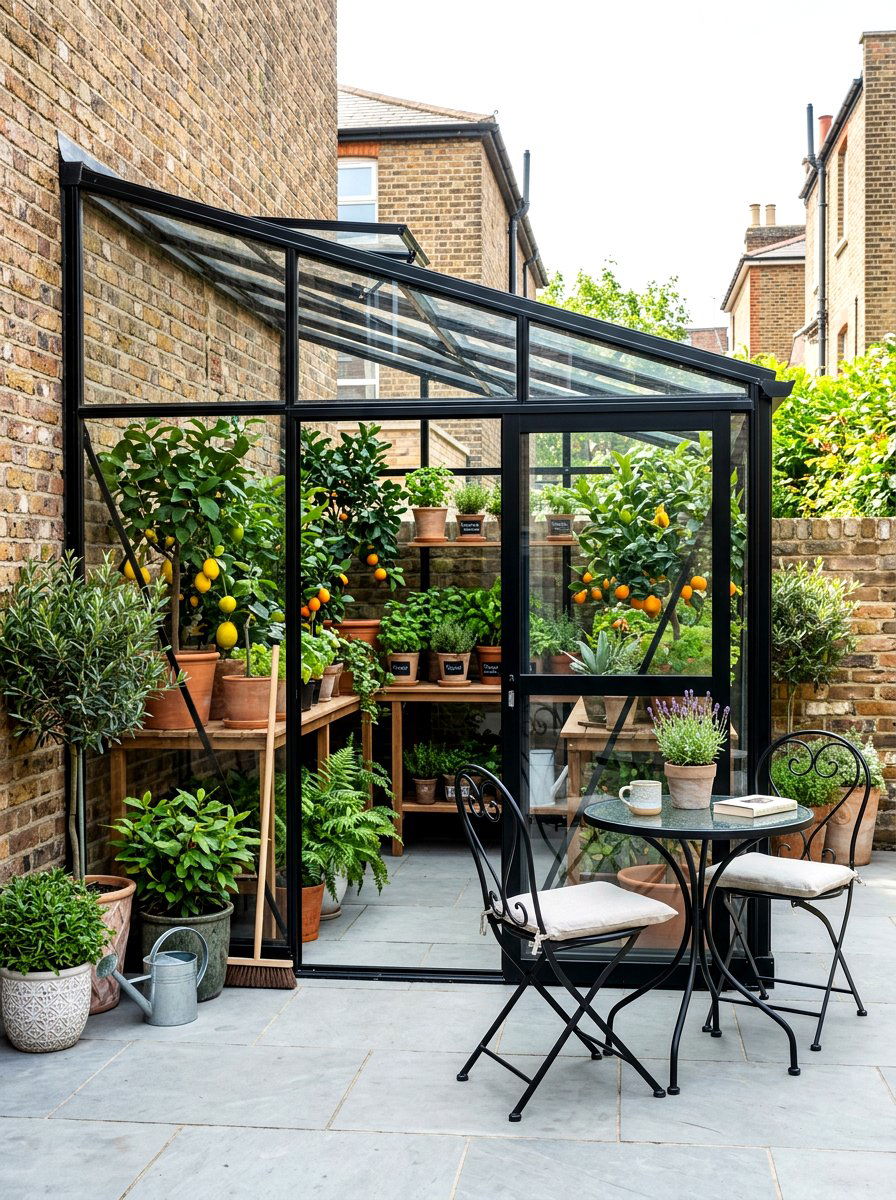
An urban patio lean to greenhouse turns a small paved area into a lush and productive oasis for city dwellers. These designs often prioritize aesthetics, using high-quality materials like cedar and tempered glass to complement modern outdoor furniture and decor. They provide a vital sanctuary for plants that would otherwise struggle with the wind and pollution often found in urban environments. Adding a few decorative elements like string lights or a small bistro set inside can turn the greenhouse into a cozy retreat for the gardener. This setup demonstrates how a small patio can provide a surprisingly large amount of fresh produce and relaxation space.
23. Greenhouse Lean To Against Garage
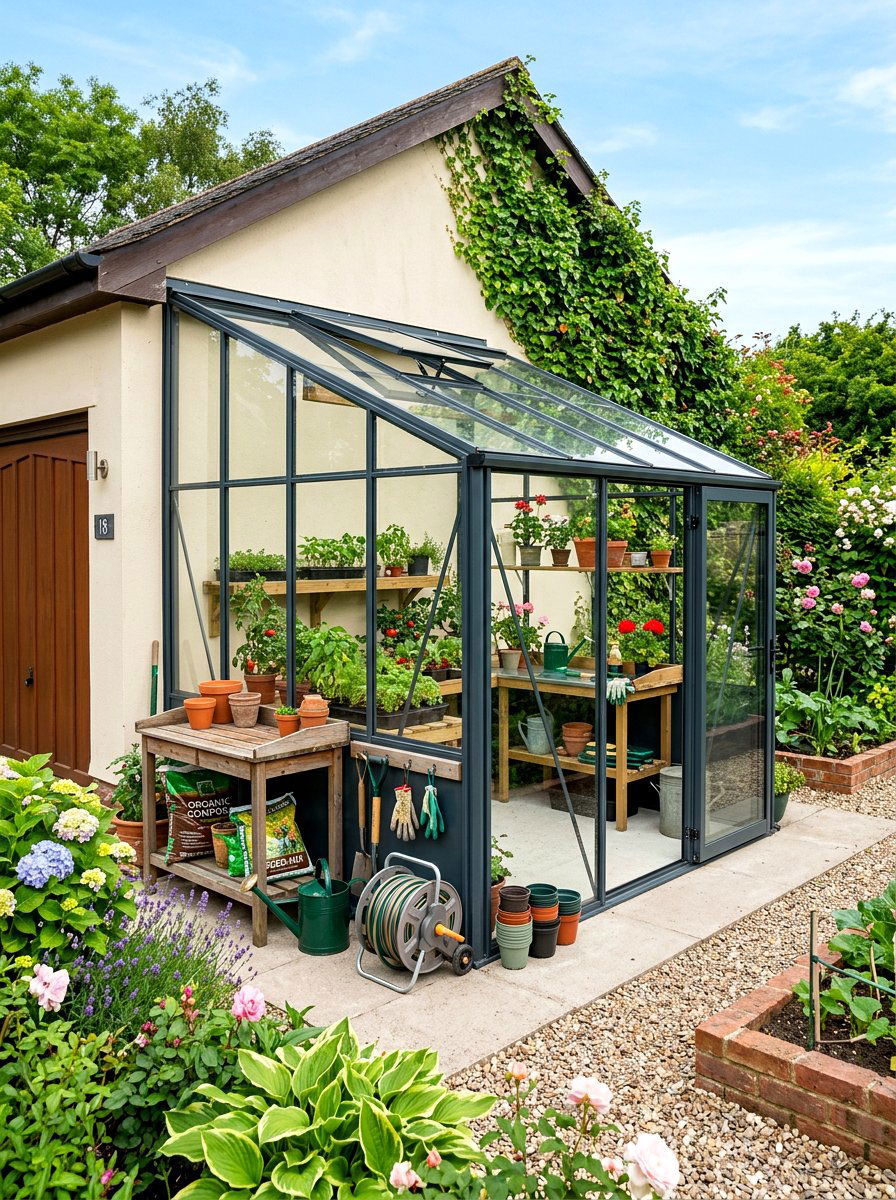
A greenhouse lean to against garage is a smart way to utilize a large, flat wall that is often otherwise wasted space. Since garages are frequently located at the edge of a driveway or yard, this position provides easy access for bringing in soil and supplies. The garage wall provides a sturdy anchor for the greenhouse frame and offers excellent protection from north winds. Many homeowners find it convenient to run a water line from the garage directly into the greenhouse for a simple irrigation system. This practical placement keeps the gardening activity tucked away from the main garden area while still being very easy to access.
24. Automatic Vent Lean To Greenhouse
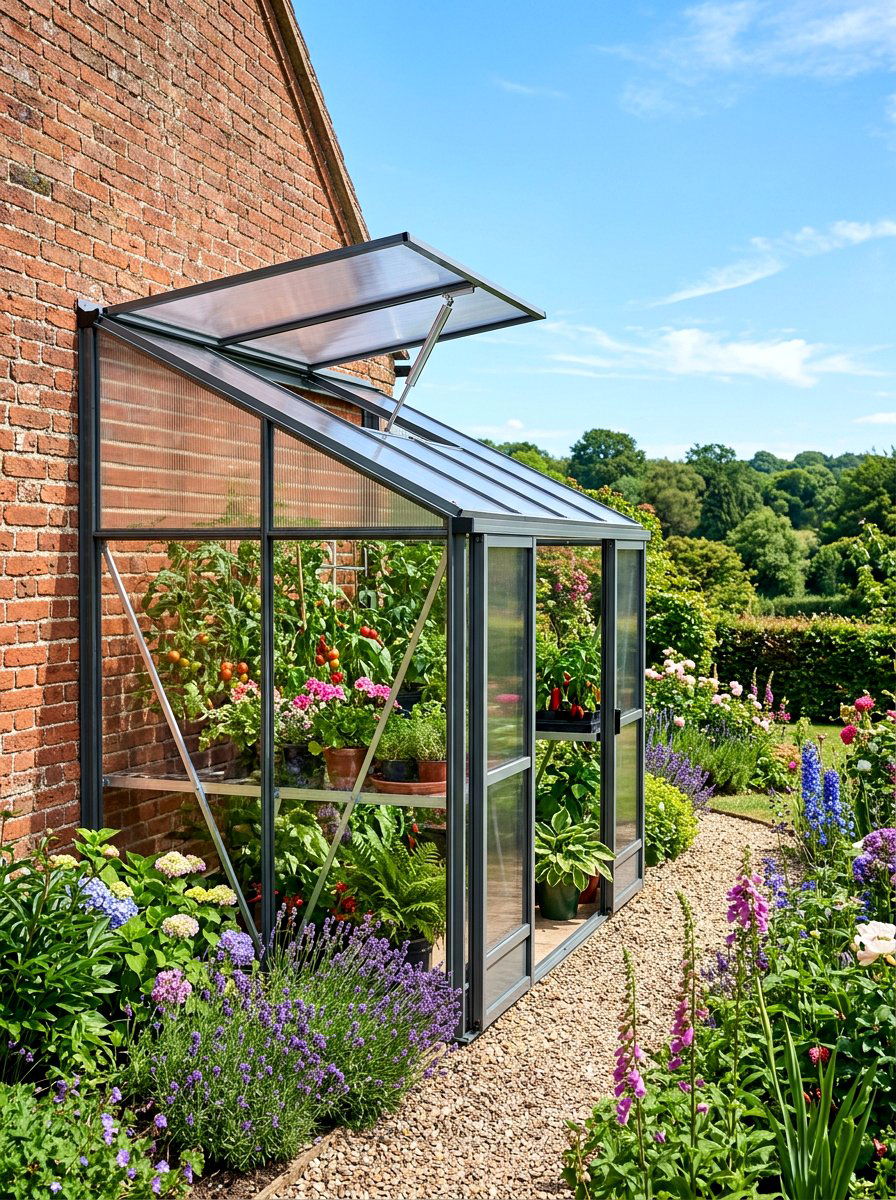
An automatic vent lean to greenhouse is a lifesaver for busy gardeners who cannot always be around to monitor the temperature. These systems use wax-filled pistons that expand as the air heats up, physically pushing the roof vents open without the need for any electricity. As the air cools down in the evening, the wax contracts and the vents close automatically to trap the warmth inside. This passive technology prevents your plants from wilting in the heat or freezing during a sudden temperature drop. It creates a much more stable environment, which is the key to successfully growing sensitive plants like tomatoes, cucumbers, and peppers.
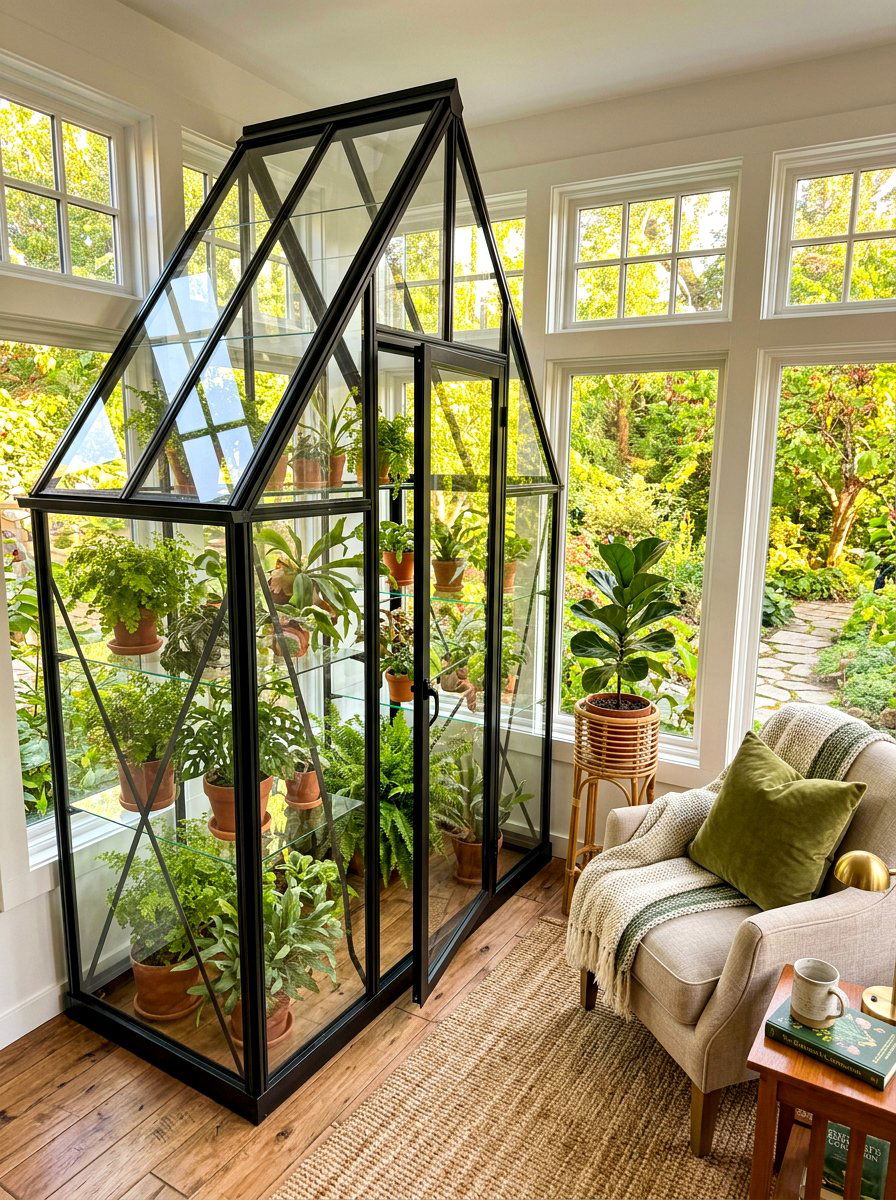
25. Arch Roof Lean To Greenhouse
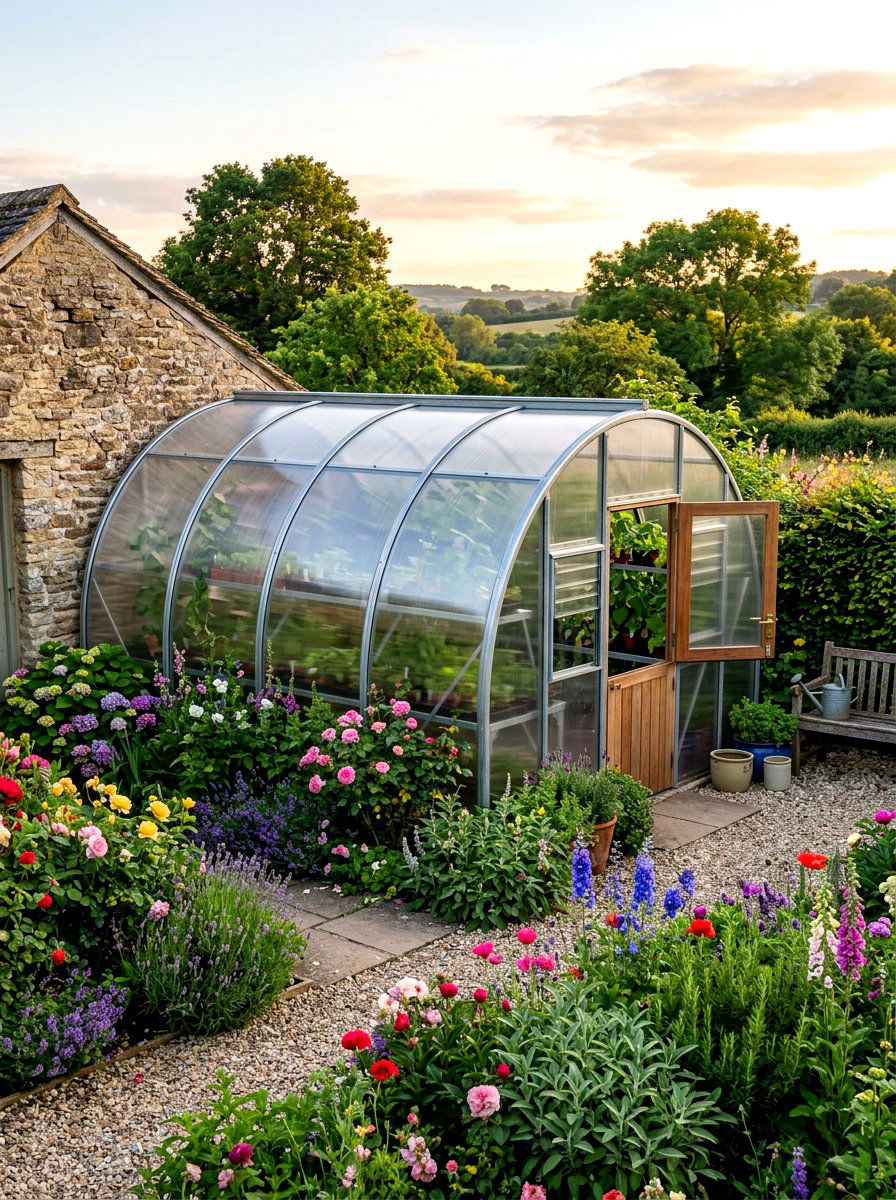
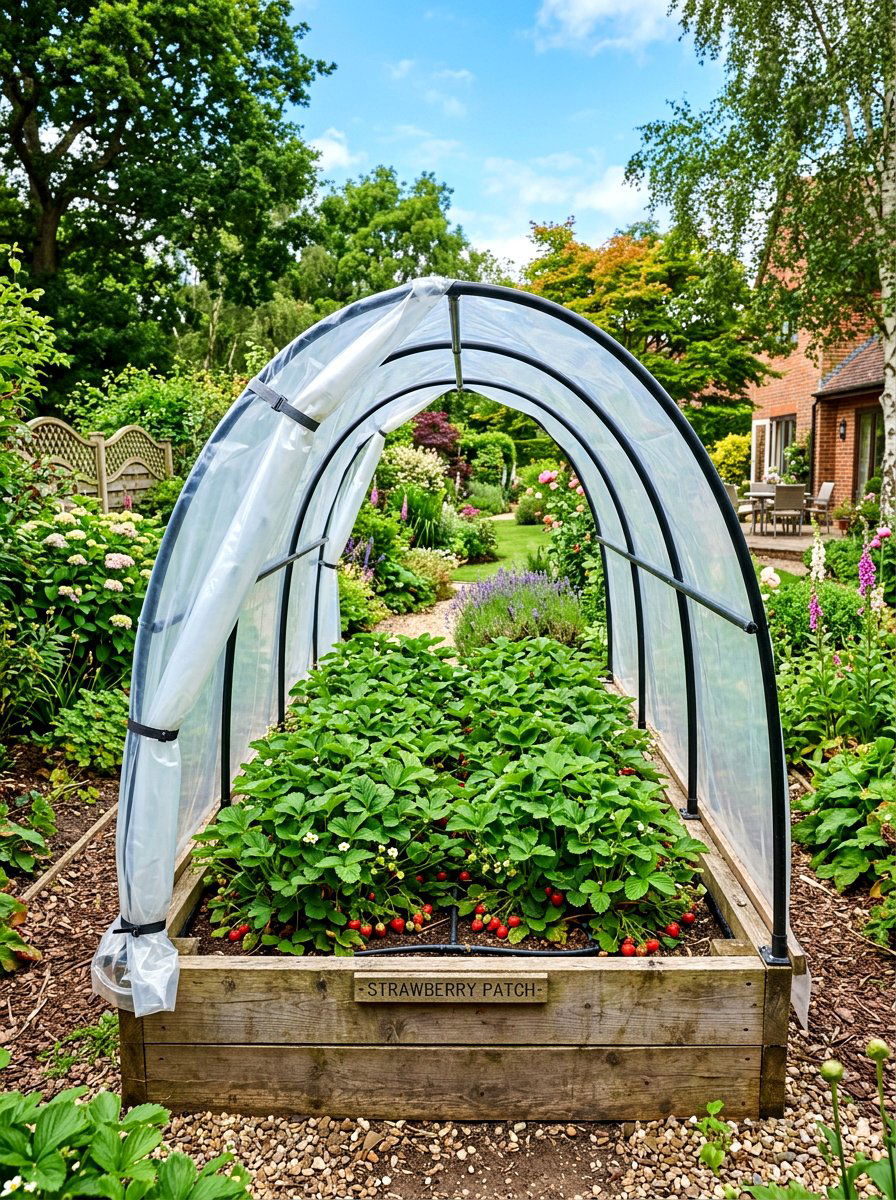
An arch roof lean to greenhouse features a curved top that provides a unique aesthetic and practical benefits for shedding snow and rain. The curved shape allows for more headroom along the front of the structure compared to a traditional slanted roof. This design often uses flexible polycarbonate sheets or high-quality greenhouse film stretched over a metal or PVC frame. The lack of sharp angles makes the structure more aerodynamic, which is a major advantage in very windy locations. It offers a softer, more organic look that fits well in a cottage garden or a modern landscape with rounded architectural features and flowing plant beds.
26. Tall Lean To Greenhouse For Trees
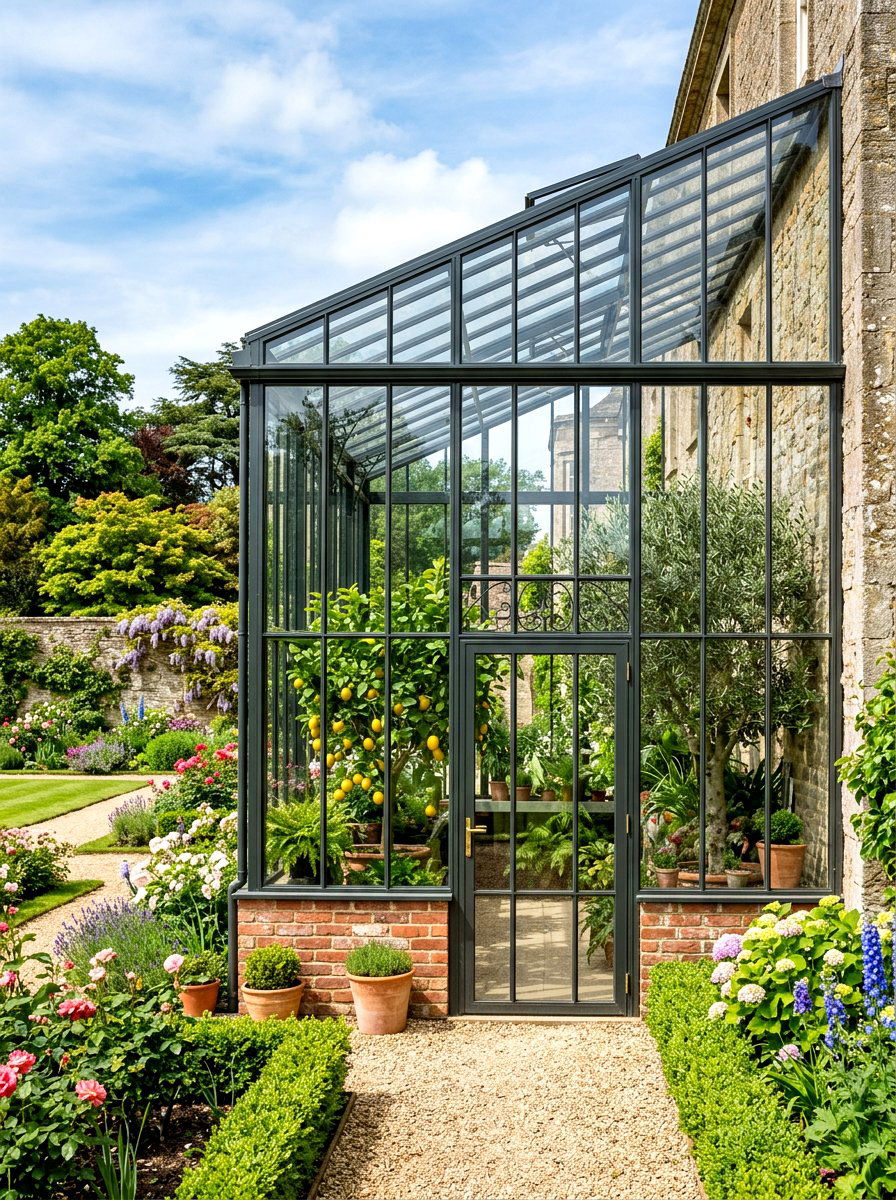
A tall lean to greenhouse for trees is the perfect solution for gardeners who want to grow citrus, olives, or dwarf fruit trees in colder climates. These structures are built with extra-high walls, often reaching ten or twelve feet, to accommodate the height of small trees. The large volume of air inside helps to regulate temperatures more effectively than in smaller, more cramped greenhouses. Having a dedicated space for trees allows you to enjoy the luxury of fresh lemons or figs even if you live in a northern region. The impressive height of the structure also makes it a grand and striking addition to your home’s exterior.
27. Minimalist Glass Lean To Greenhouse
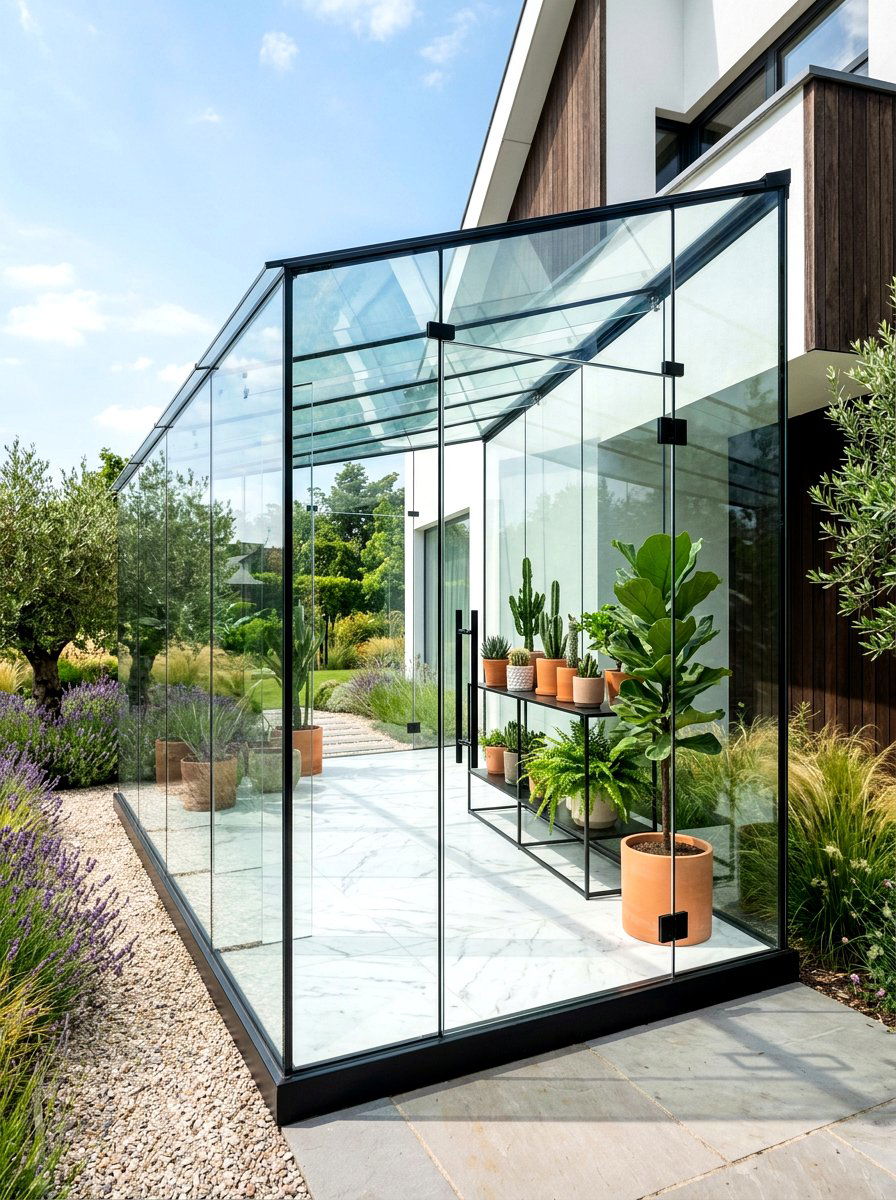
A minimalist glass lean to greenhouse focuses on clean lines, hidden fasteners, and maximum transparency for a truly high-end appearance. This style often uses large, frameless glass panels that create the illusion of an almost invisible structure. It is the perfect choice for modern homes where the goal is to create a seamless connection between the interior living space and the outdoor garden. The simplicity of the design allows the plants themselves to be the star of the show, creating a living gallery of botanical beauty. This architectural approach proves that a greenhouse can be a sophisticated design statement rather than just a functional garden utility.
28. Rustic Stone Lean To Greenhouse
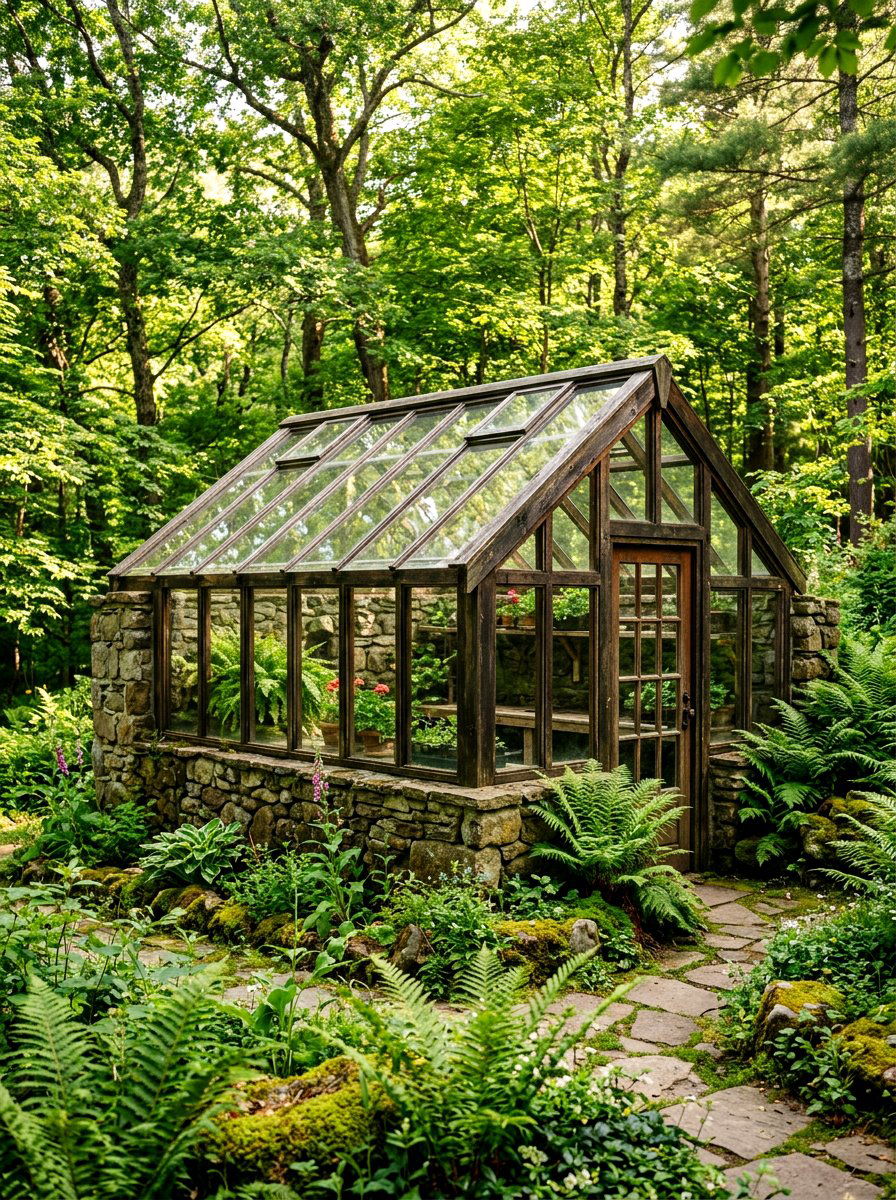
A rustic stone lean to greenhouse utilizes a low stone wall as a foundation, providing incredible thermal mass and a timeless look. The stone absorbs heat from the sun all day and slowly releases it back into the greenhouse throughout the night. This natural heating system is extremely effective for maintaining a steady temperature for your plants during the shoulder seasons. The combination of rugged stone, dark wood, and clear glass creates a cozy, old-world aesthetic that feels like it has been part of the landscape for centuries. It is a durable and beautiful choice for properties with a more natural or historic architectural theme.
29. Brick Base Lean To Greenhouse
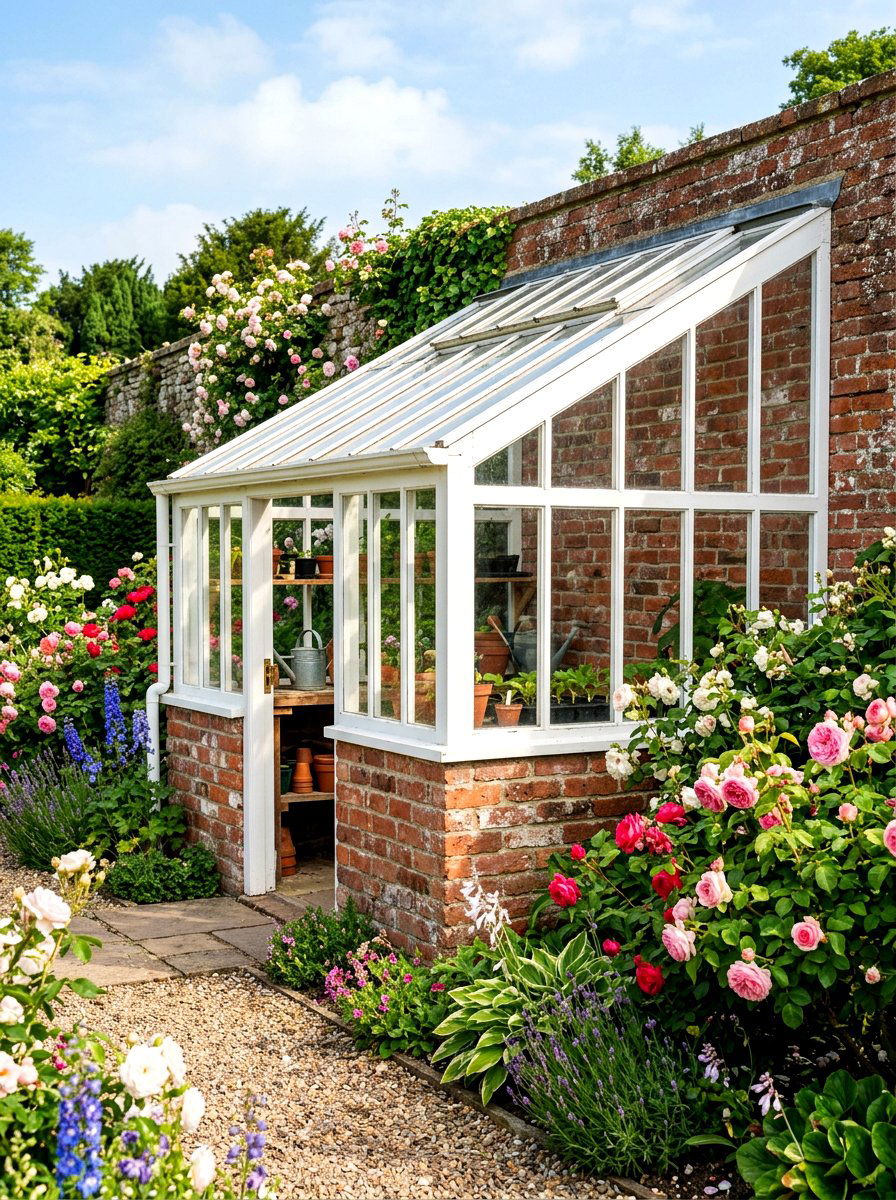
A brick base lean to greenhouse offers a sturdy and traditional foundation that matches the masonry of many classic homes. The brick wall provides excellent insulation for the bottom portion of the greenhouse where cool air tends to settle. This solid base also protects the glass panels from damage caused by lawn mowers, weed eaters, or heavy garden tools. You can use the brick ledge as a built-in shelf for smaller pots or as a sturdy support for a heavy potting bench. This design creates a sense of permanence and quality, ensuring that the greenhouse feels like a high-value addition to the permanent structure of the house.
30. Cold Frame Lean To Greenhouse
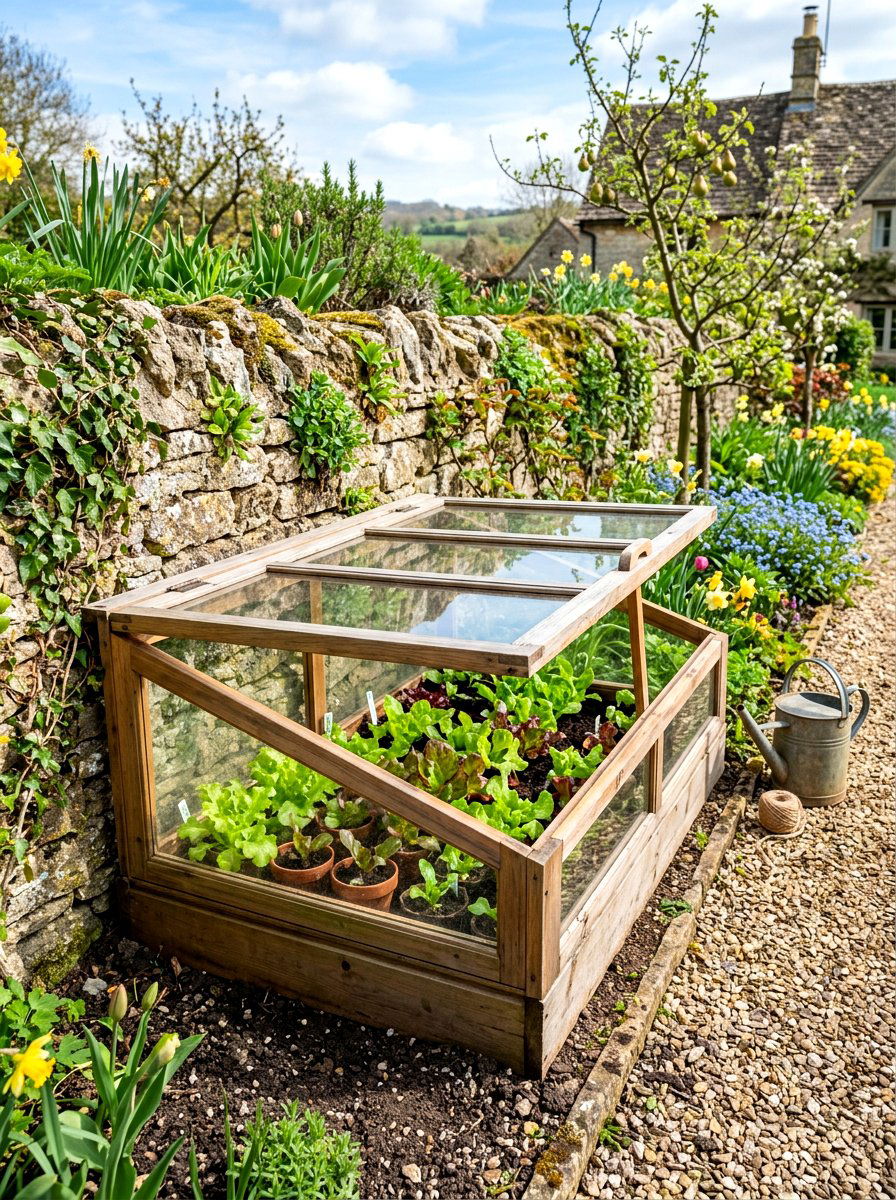
A cold frame lean to greenhouse is a low-profile and highly efficient way to get a head start on the spring growing season. These units are typically shorter than walk-in models and are used primarily for hardening off seedlings or growing low-lying crops like lettuce and radishes. The slanted glass top allows you to capture the sun’s warmth while the close proximity to the ground keeps the soil temperature elevated. They are incredibly easy to install against any low wall or beneath a larger window. This simple structure is a must-have for any vegetable gardener who wants to harvest fresh greens weeks before the traditional outdoor planting date.
Conclusion:
Lean-to greenhouses represent a perfect marriage of efficiency, beauty, and practical gardening utility for any modern homeowner. By utilizing existing structures, these versatile buildings provide a cost-effective way to create a thriving microclimate for a vast array of plant species. From grand Victorian glass structures to humble DIY reclaimed window projects, there is a lean-to style that fits every budget and architectural preference. They offer the unique benefit of thermal stability and easy access to home utilities, making year-round gardening more accessible than ever before. Investing in a lean-to greenhouse not only enhances your property value but also provides a peaceful sanctuary where you can connect with nature regardless of the weather.

Related posts: