Creating a lush outdoor retreat does not require a sprawling estate or acres of land. Pocket gardens are the perfect solution for homeowners who want to maximize every square inch of their property. These small, intentional green spaces can transform a neglected side yard, a dull balcony, or even a tiny corner of a patio into a vibrant sanctuary. By focusing on smart plant selection and clever structural elements, you can create a high-impact landscape that feels personal and private. Whether you prefer a modern minimalist look or a wild cottage aesthetic, these miniature landscapes offer endless possibilities for creativity. Let’s explore how you can turn any small nook into a thriving botanical escape that adds beauty and value to your home.
1. Small Courtyard Garden
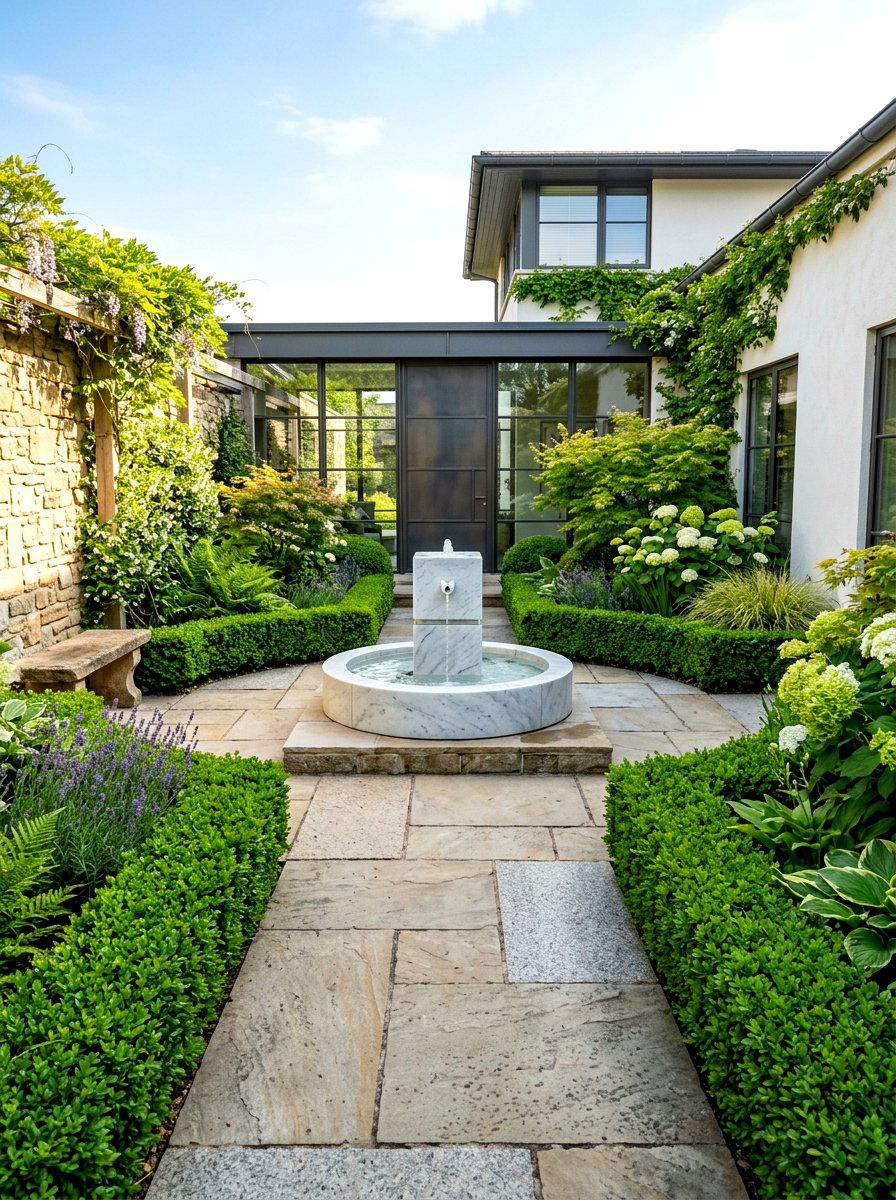
A small courtyard garden serves as an intimate outdoor room that bridges the gap between your home interior and the natural world. Have you ever looked at a tiny enclosed space and felt it was wasted? By using large-scale pavers and strategic perimeter planting, you can create a sense of depth and luxury in even the most cramped quarters. Consider adding a central focal point like a stone fountain or a sculptural tree to draw the eye. Layering different heights of foliage ensures the space feels lush without becoming overcrowded. This approach turns a basic outdoor area into a sophisticated lounge space perfect for quiet mornings or evening relaxation under the stars.
2. Vertical Wall Garden
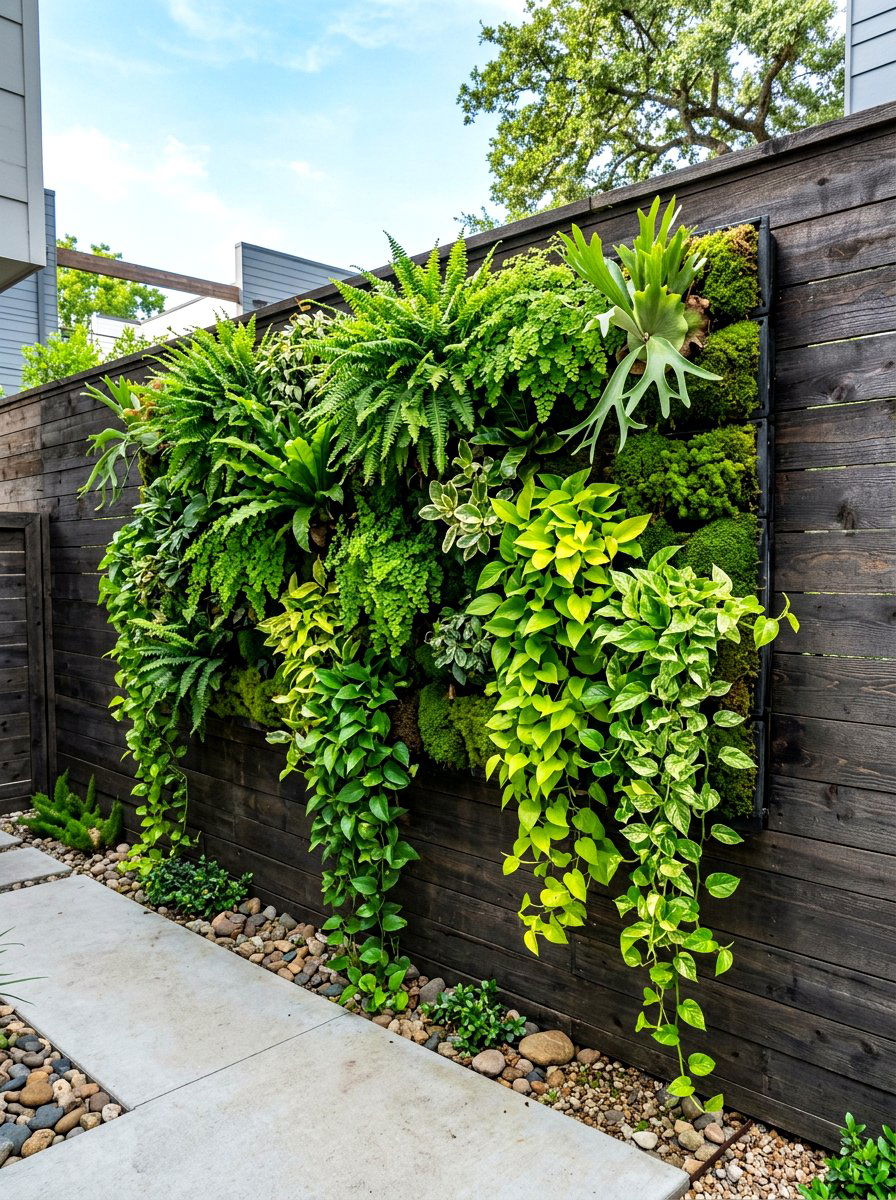
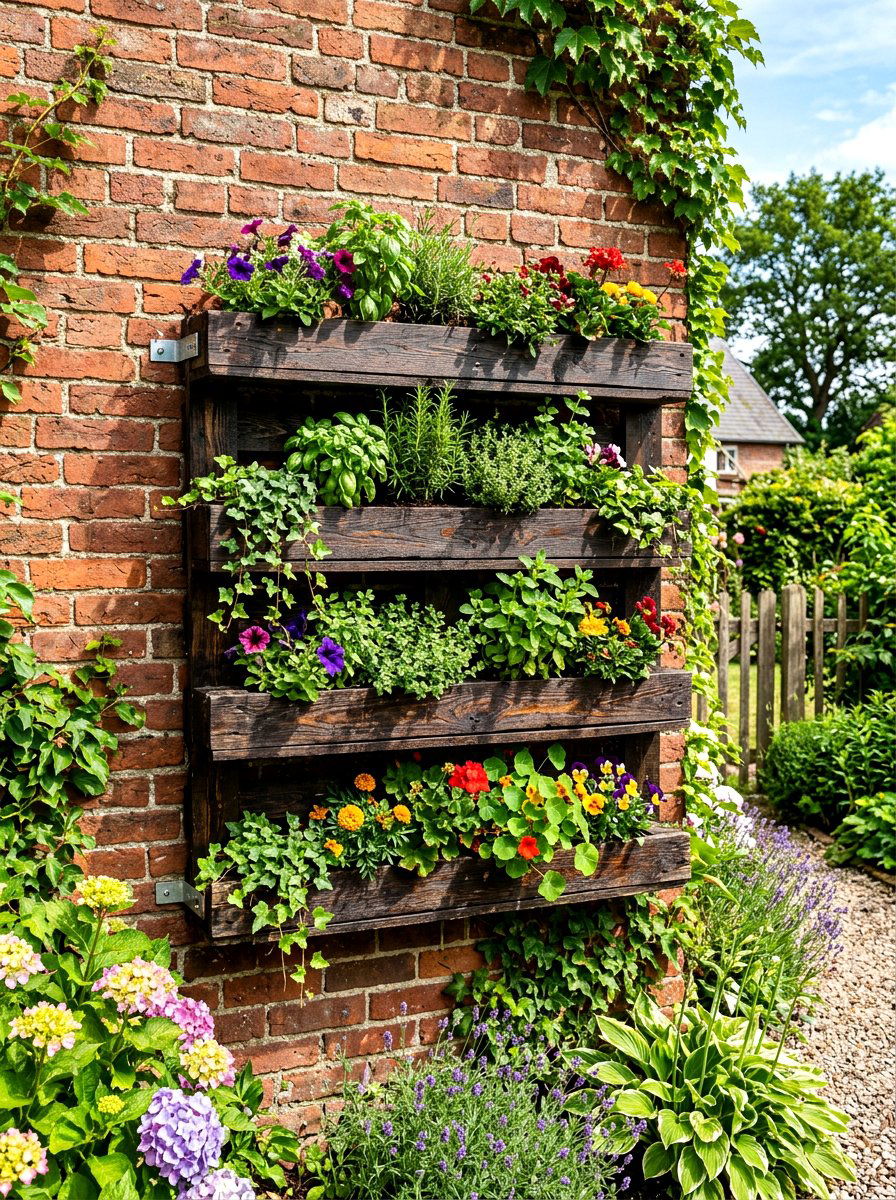
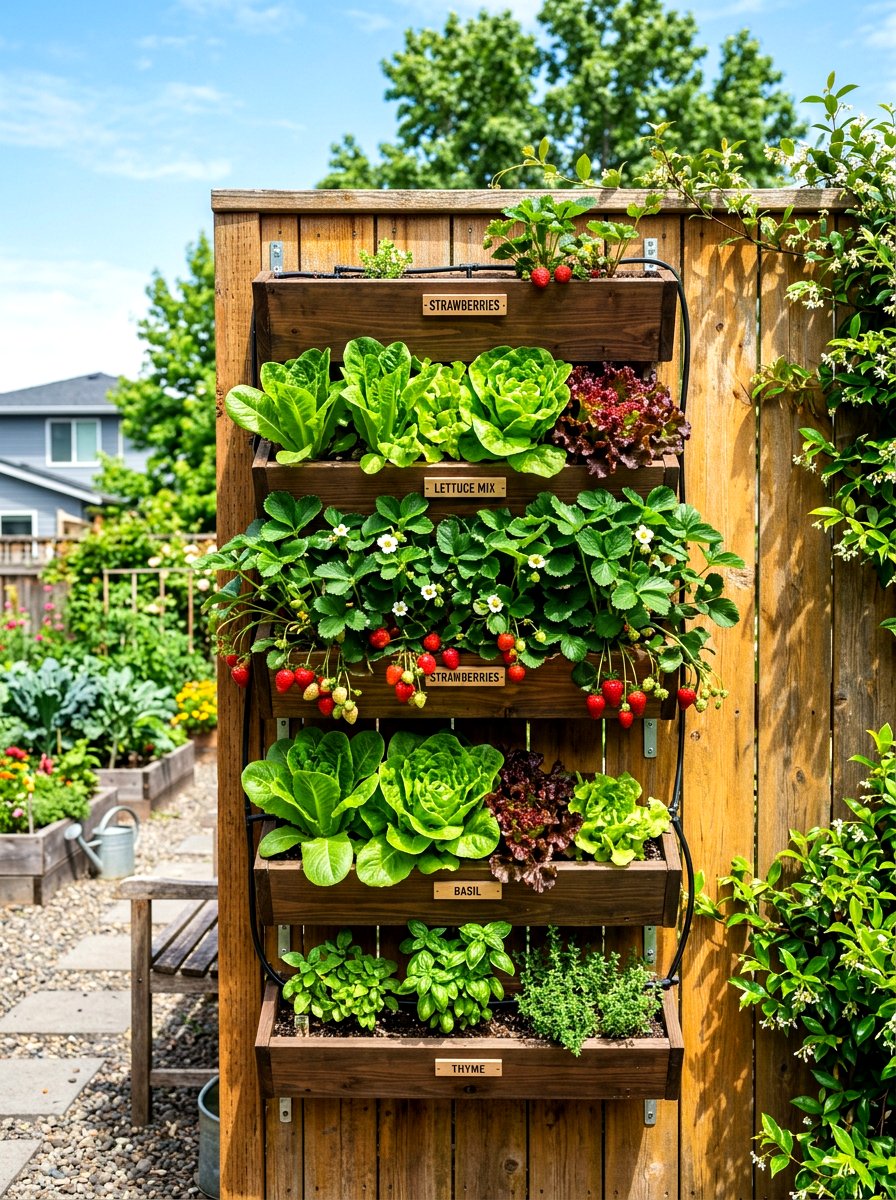
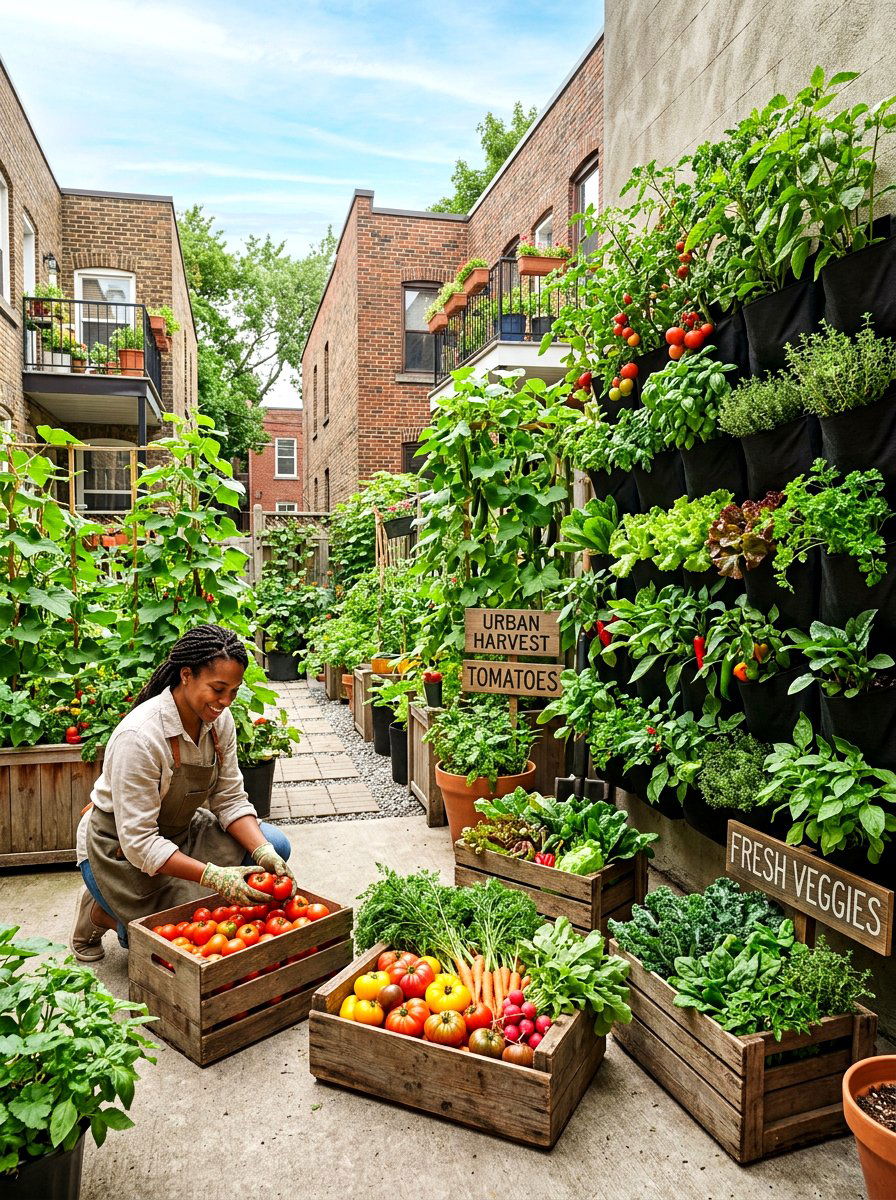
Vertical wall garden systems are the ultimate solution for urban dwellers with limited ground space but plenty of vertical real estate. These living tapestries transform blank fences or brick walls into lush, oxygen-producing masterpieces that soften the architectural lines of your home. You can use modular felt pockets or wooden trellis frames to host a variety of ferns, succulents, and trailing ivy. This vertical approach not only saves room for a small bistro set below but also provides a stunning backdrop for outdoor dining. It is a fantastic way to introduce nature into a concrete environment while improving air quality and providing a cooling effect during the hot summer months.
3. Side Yard Garden
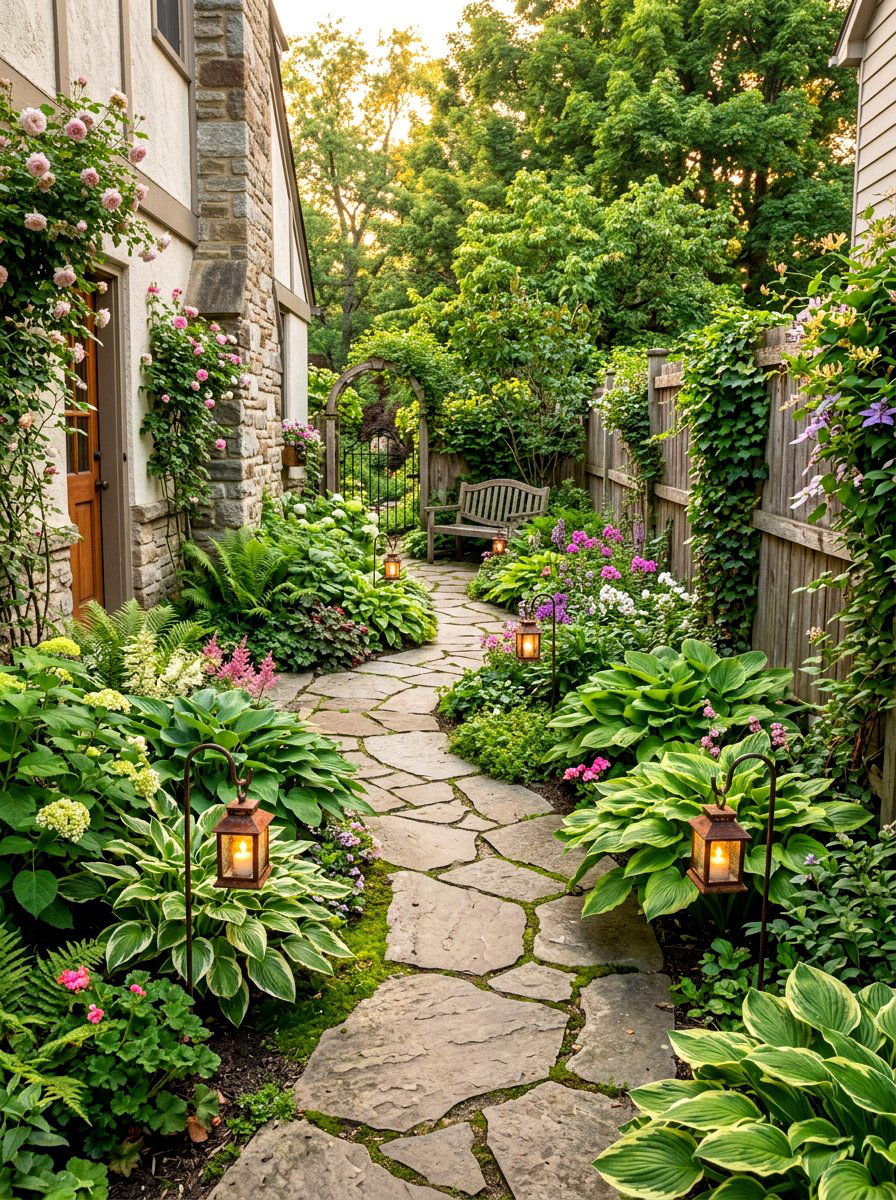
Side yard garden paths are often overlooked areas that can become the most charming parts of a property. Instead of leaving this narrow strip as a simple walkway, you can install a winding stone path lined with shade-tolerant plants like hostas or bleeding hearts. Adding a decorative wooden gate at one end creates a sense of mystery and enclosure. Small solar lanterns tucked into the foliage provide a warm glow at night, making the journey from front to back feel magical. This transformation maximizes your land use and provides a peaceful corridor that adds value to your home. It proves that even a few feet of space can support a thriving ecosystem.
4. Urban Balcony Garden
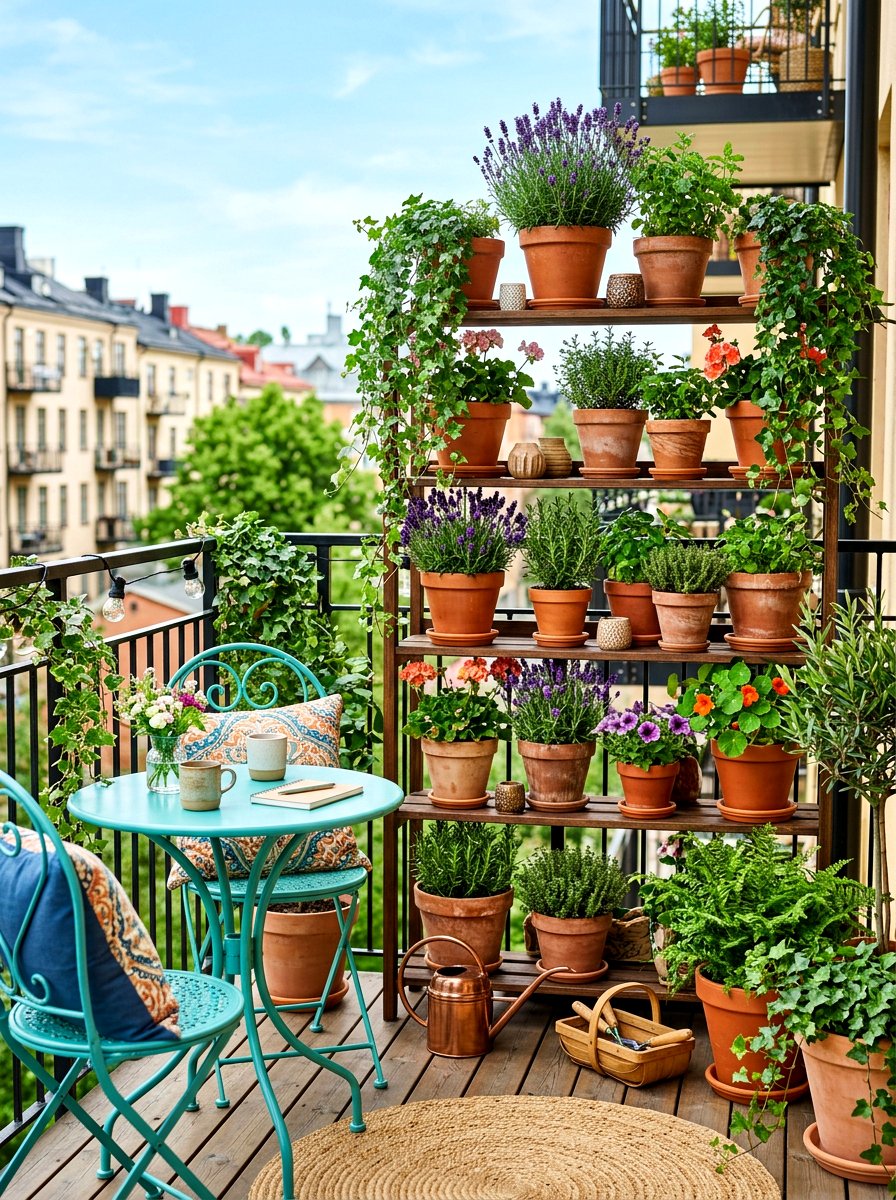
Urban balcony garden setups bring the joy of nature to high-rise living without requiring a massive footprint. You can utilize railing planters and corner shelving units to create layers of greenery that offer both beauty and privacy from neighbors. Choosing a mix of tall ornamental grasses and trailing vines creates a soft screen that filters city noise and wind. Adding a small outdoor rug and a pair of folding chairs turns the balcony into a cozy reading nook. Using lightweight fiberglass pots allows you to move your plants easily to follow the sunlight. This small-scale gardening style makes city life feel more connected to the earth and very refreshing.
5. Shady Corner Garden
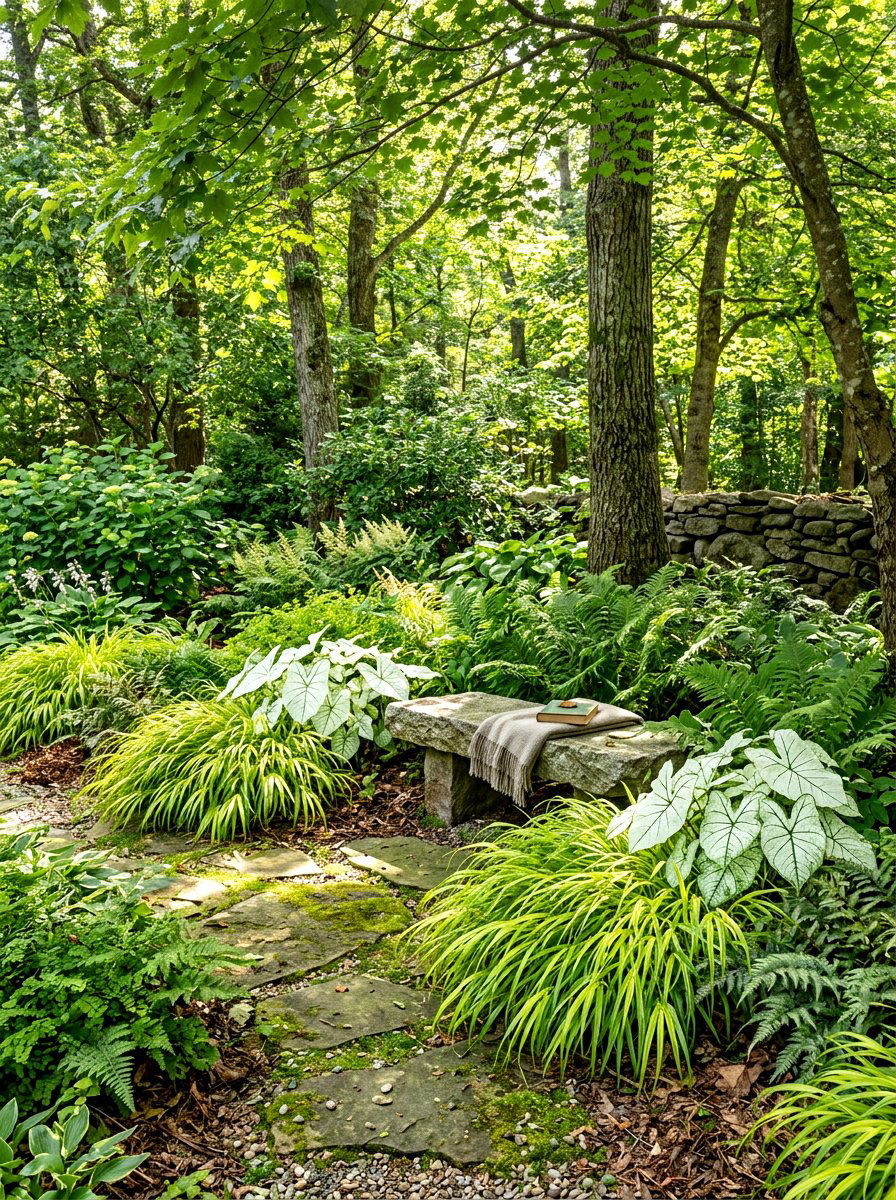
A shady corner garden is the perfect way to breathe life into those dark, damp spots where grass refuses to grow. By selecting moisture-loving plants like Japanese forest grass, ferns, and colorful caladiums, you can turn a dim corner into a glowing woodland retreat. Incorporating light-colored gravel or white stepping stones helps reflect what little light reaches the area, making it feel much brighter. You might even add a small stone bench to encourage moments of quiet reflection in the cool shade. This design focuses on texture and leaf shape rather than bright flowers, creating a sophisticated and calming atmosphere that feels like a hidden forest floor.
6. Modern Paver Garden
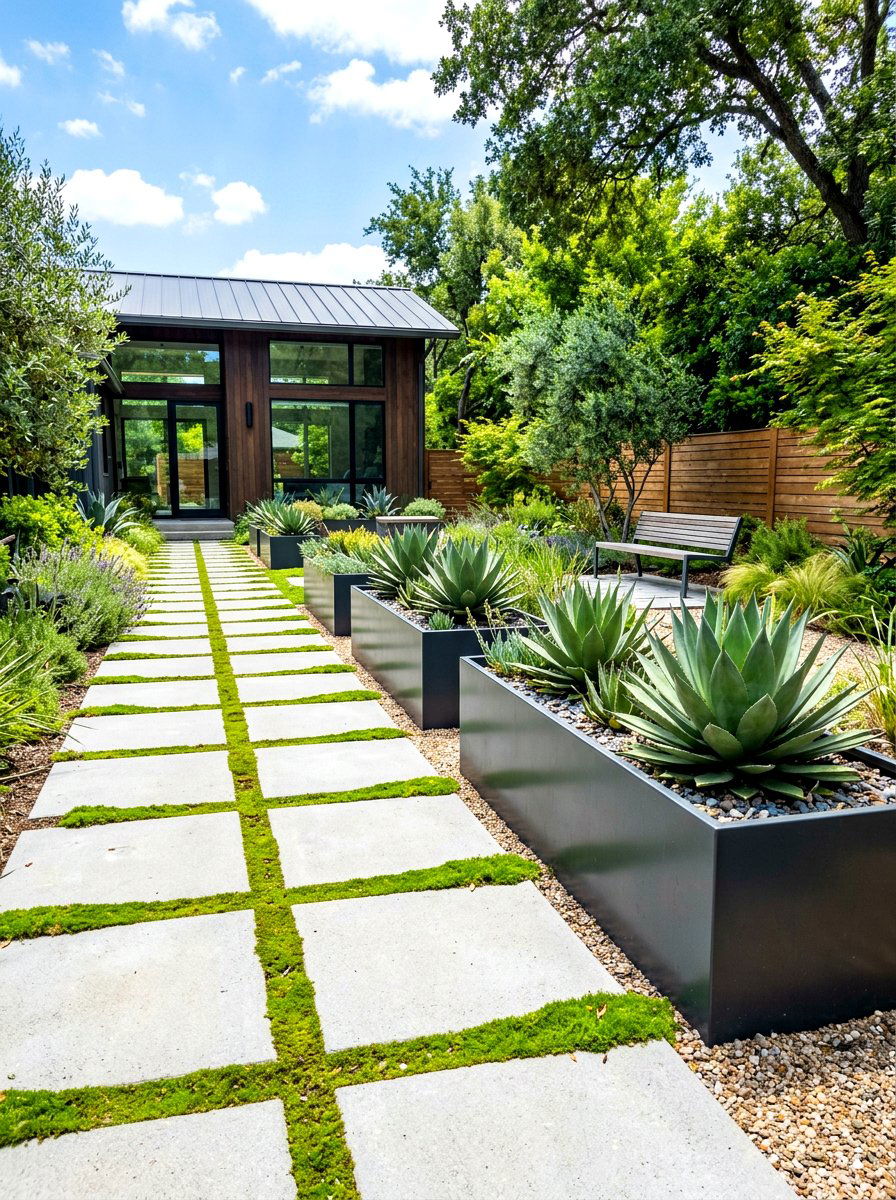
Modern paver garden designs use geometric shapes and clean lines to create a minimalist outdoor aesthetic. By alternating large concrete slabs with strips of lush green moss or dwarf mondo grass, you achieve a high-contrast look that is visually striking. This style works exceptionally well for small patios where you want a clean, organized feel that is easy to maintain. Intersperse architectural plants like agave or upright boxwoods in sleek metallic planters to anchor the corners. The combination of hard and soft materials provides a balanced, contemporary vibe. It is perfect for those who love a tidy, structured landscape that looks intentional and expensive without needing constant work.
7. Raised Bed Garden
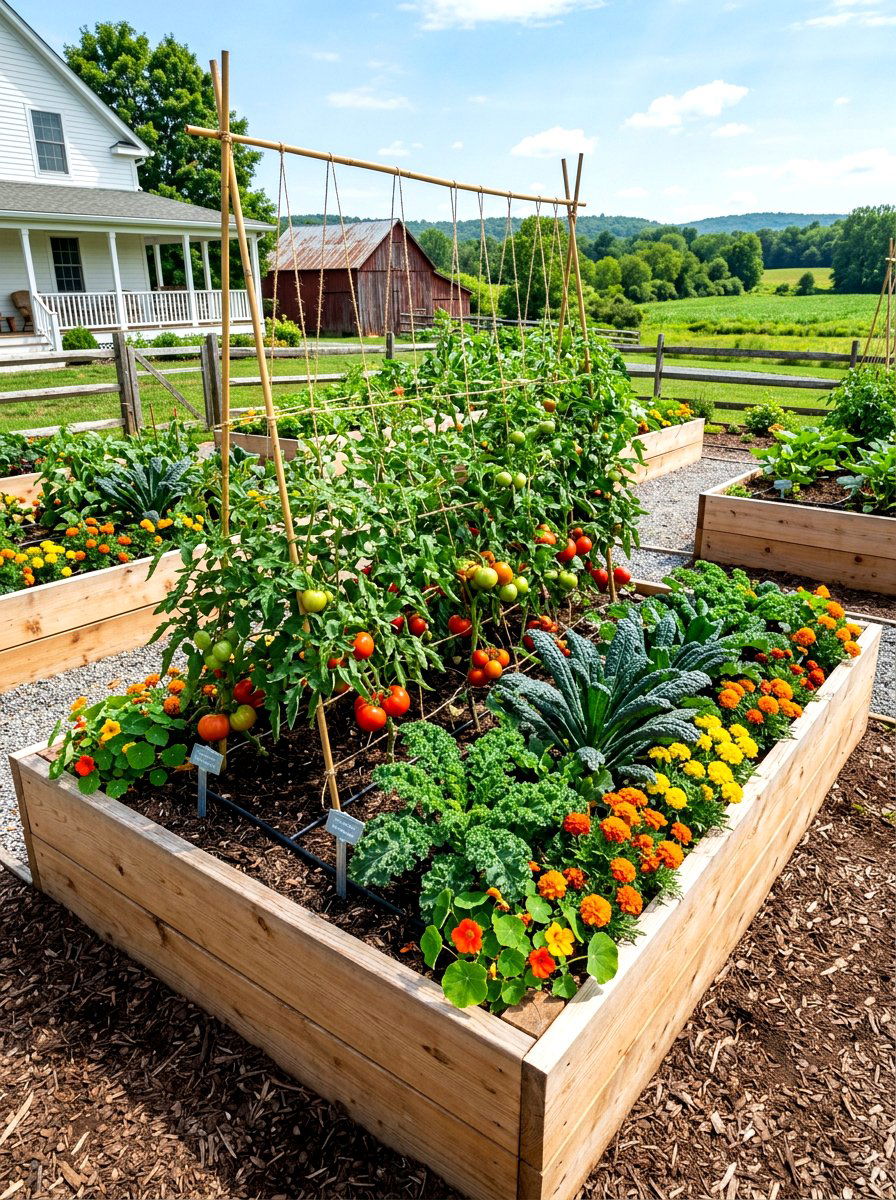
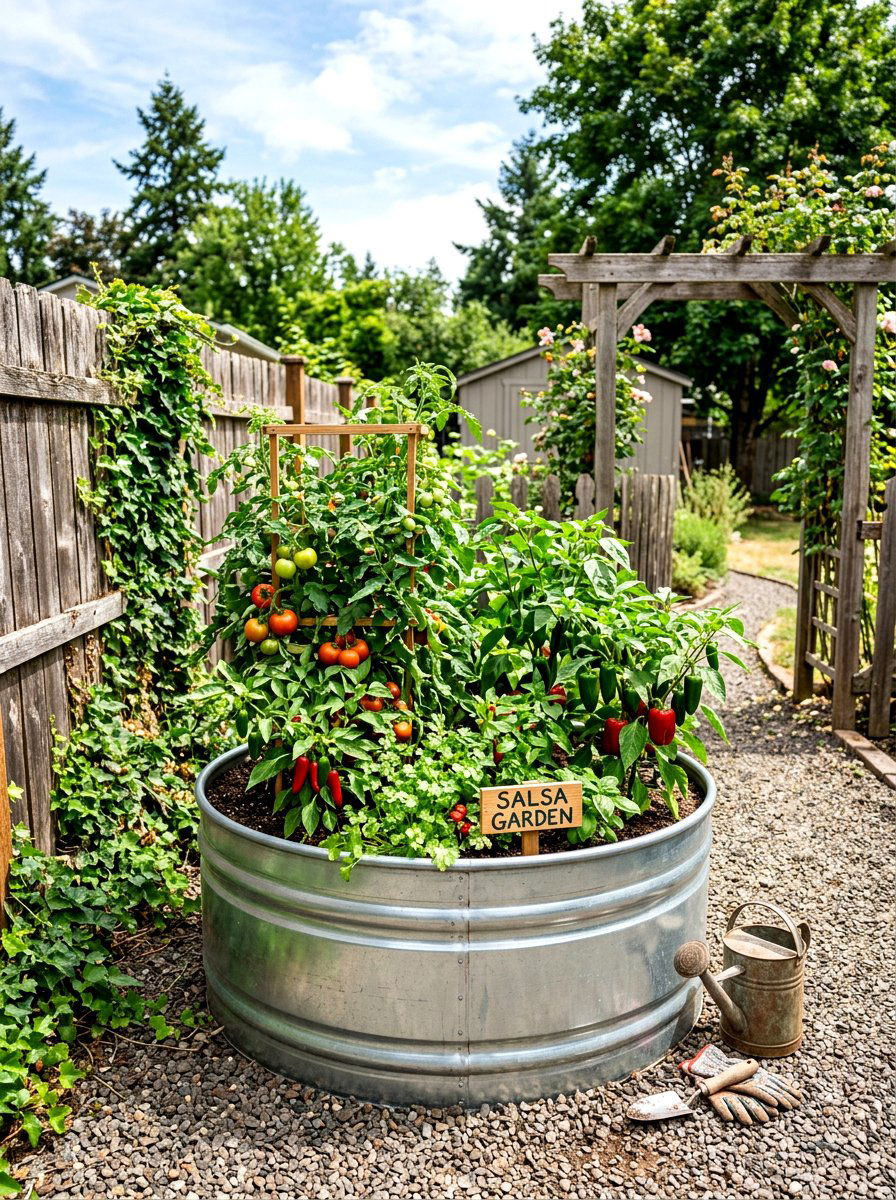
Raised bed garden layouts are incredibly efficient for growing both ornamental flowers and edible crops in a confined area. Building timber or stone beds at waist height makes gardening easier on the back while providing perfect soil drainage for your plants. You can arrange these beds in a U-shape to create a cozy central standing area where you can reach everything at once. Consider mixing colorful marigolds with dark leafy kale or bright red tomatoes for a beautiful and functional display. These structures also provide a clean boundary that prevents weeds from creeping in. They turn a small patch of grass into a highly productive and organized mini-farm.
8. Japanese Zen Garden
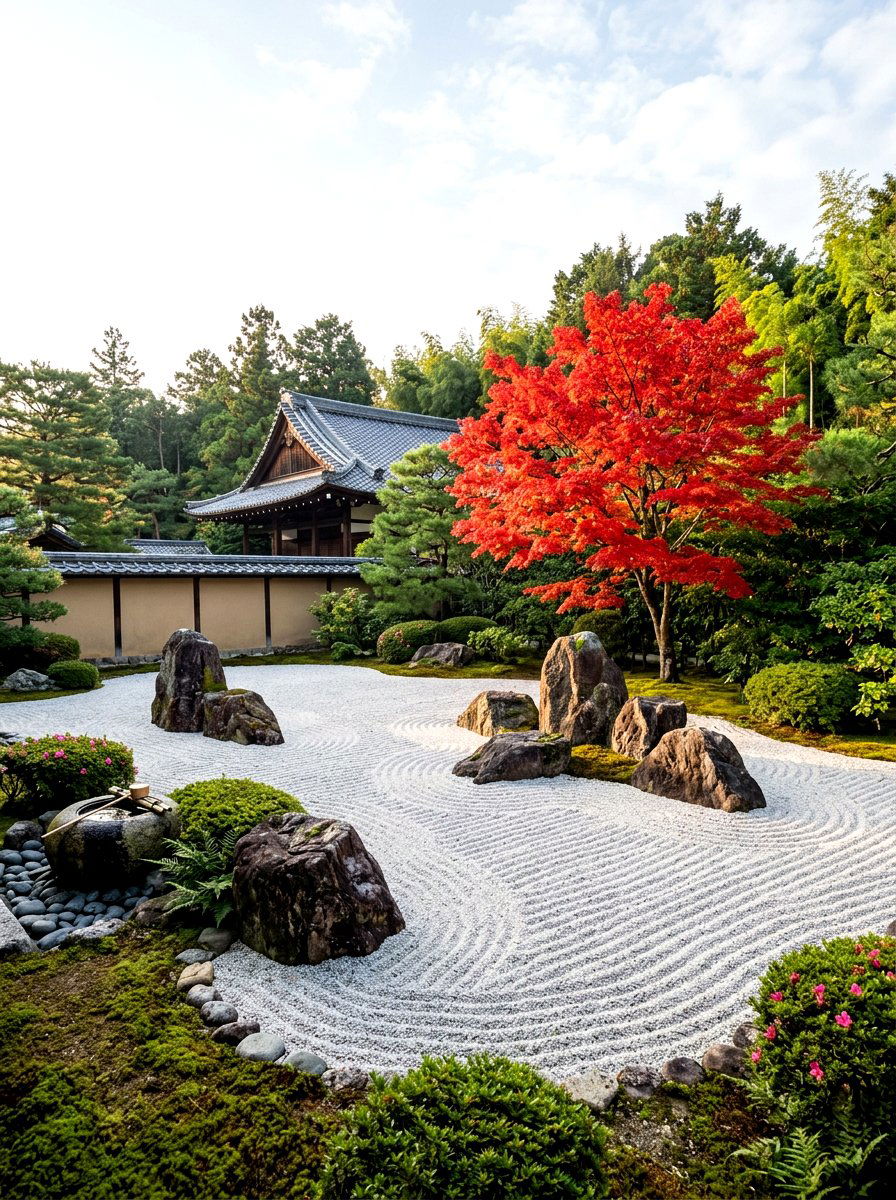
A Japanese zen garden offers a peaceful sanctuary designed for meditation and mindfulness in the comfort of your own home. By using fine raked gravel to represent water and carefully placed boulders to represent islands, you create a timeless landscape that feels expansive. These gardens rely on simplicity and the beauty of natural materials like bamboo and weathered wood. Incorporating a single Japanese maple provides a stunning pop of color that changes with the seasons. A low stone basin or a bamboo water spout adds a gentle sound that masks neighborhood noise. This style of pocket gardening is about quality over quantity, focusing on balance and harmony.
9. Culinary Herb Garden
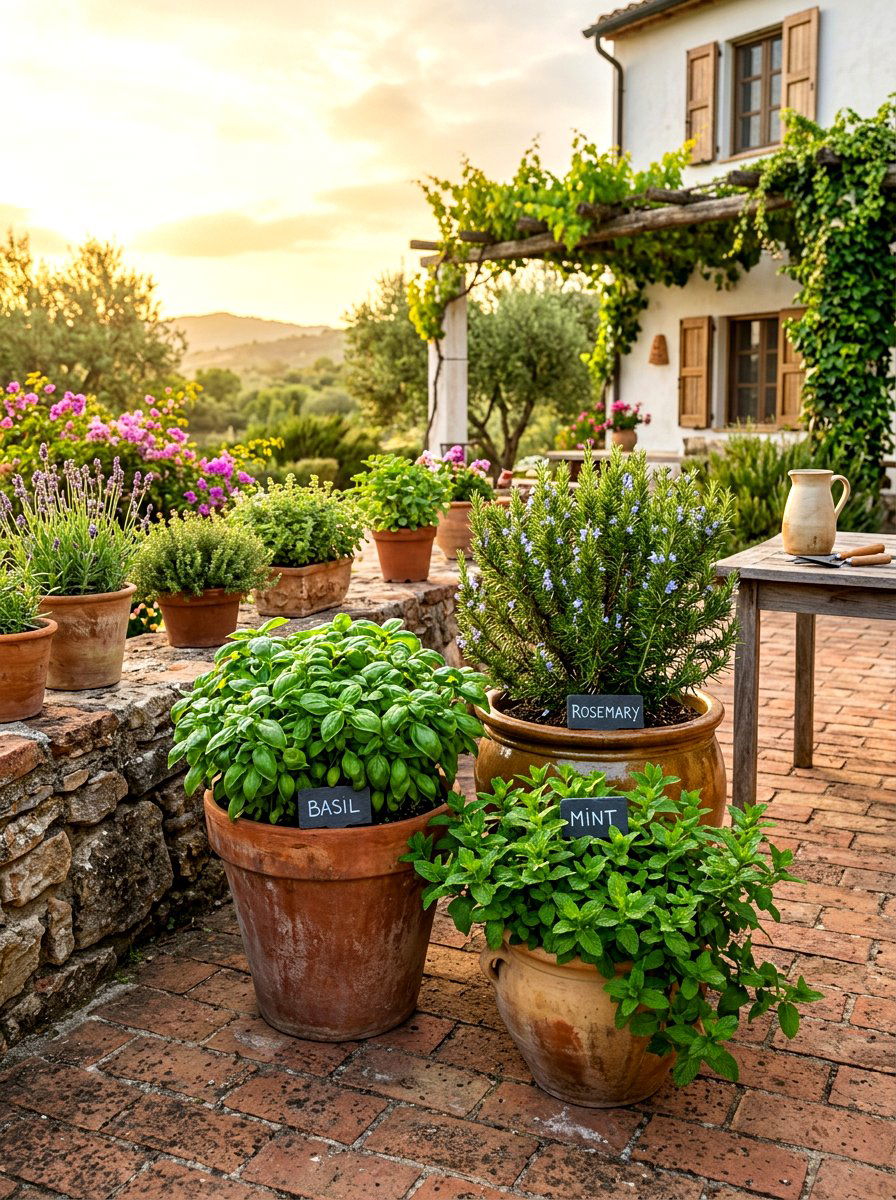
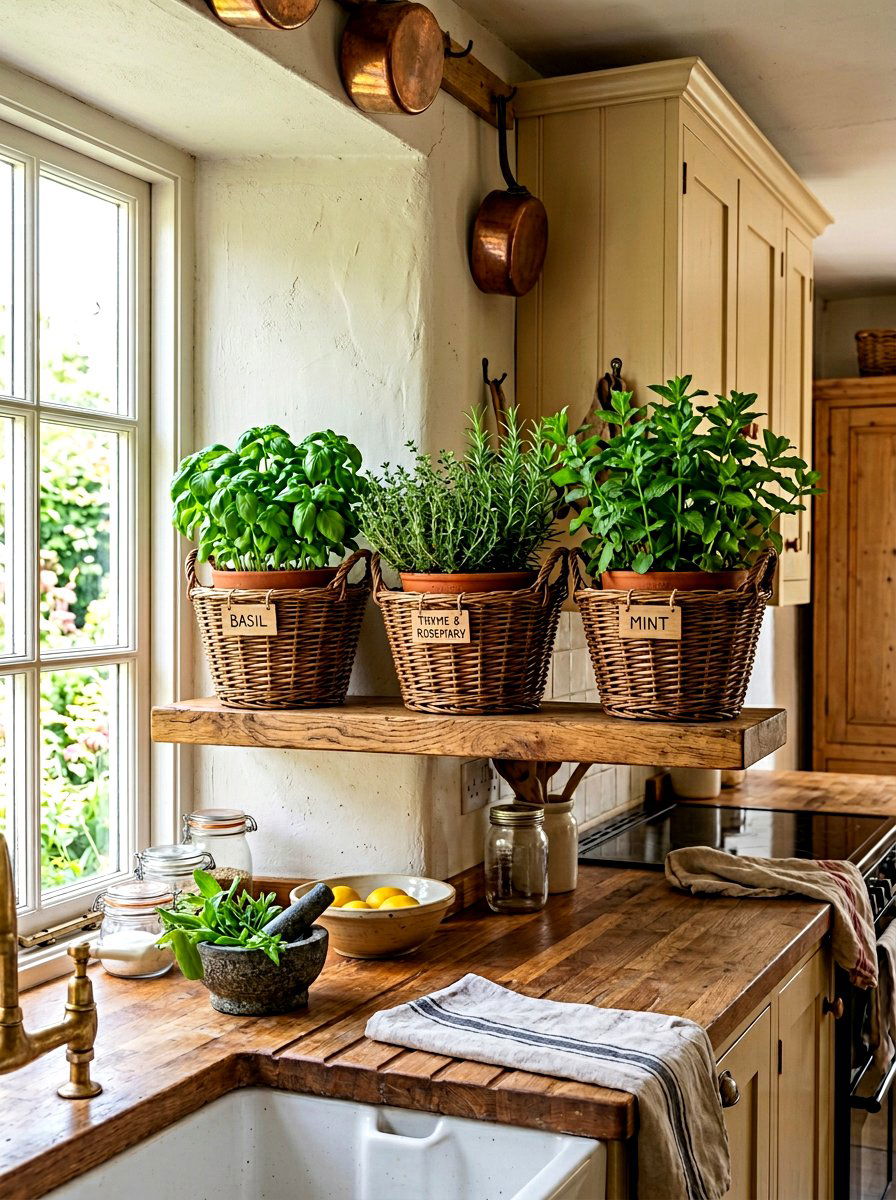
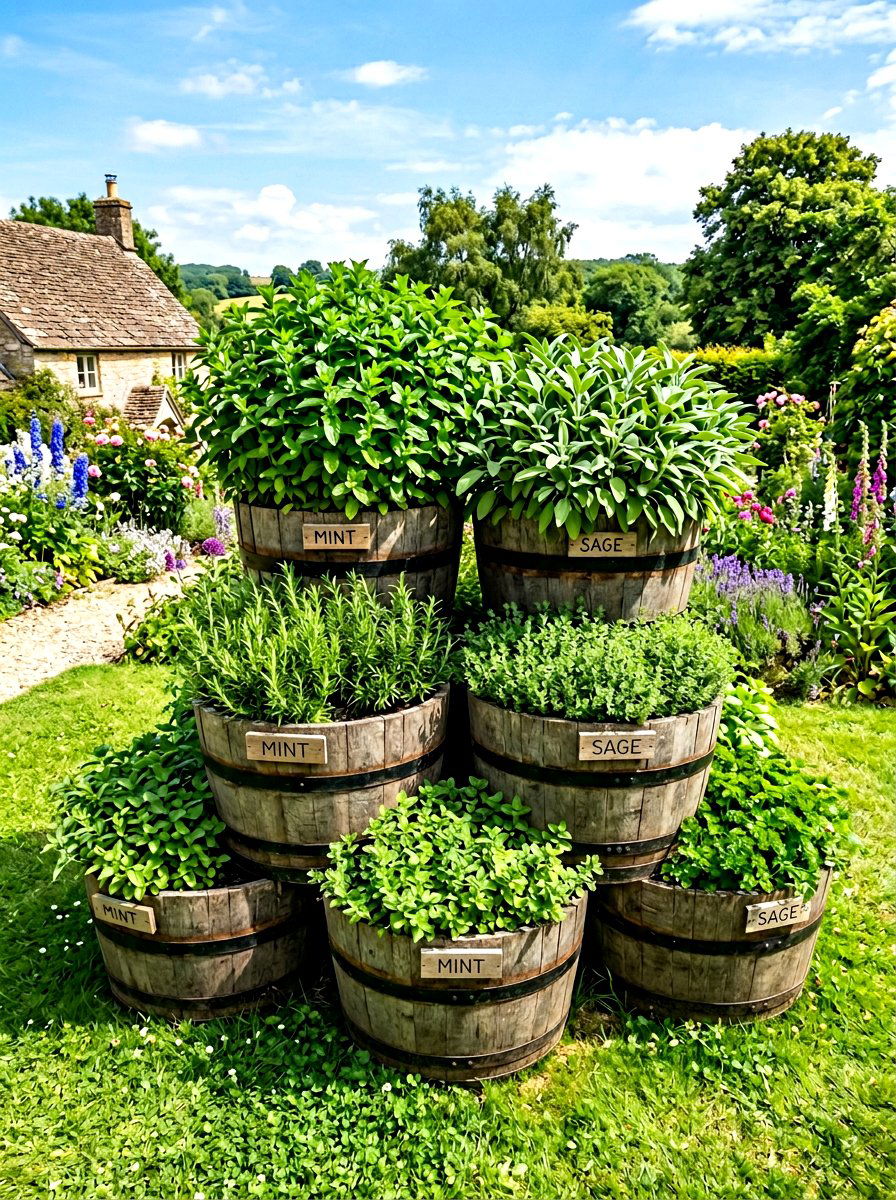
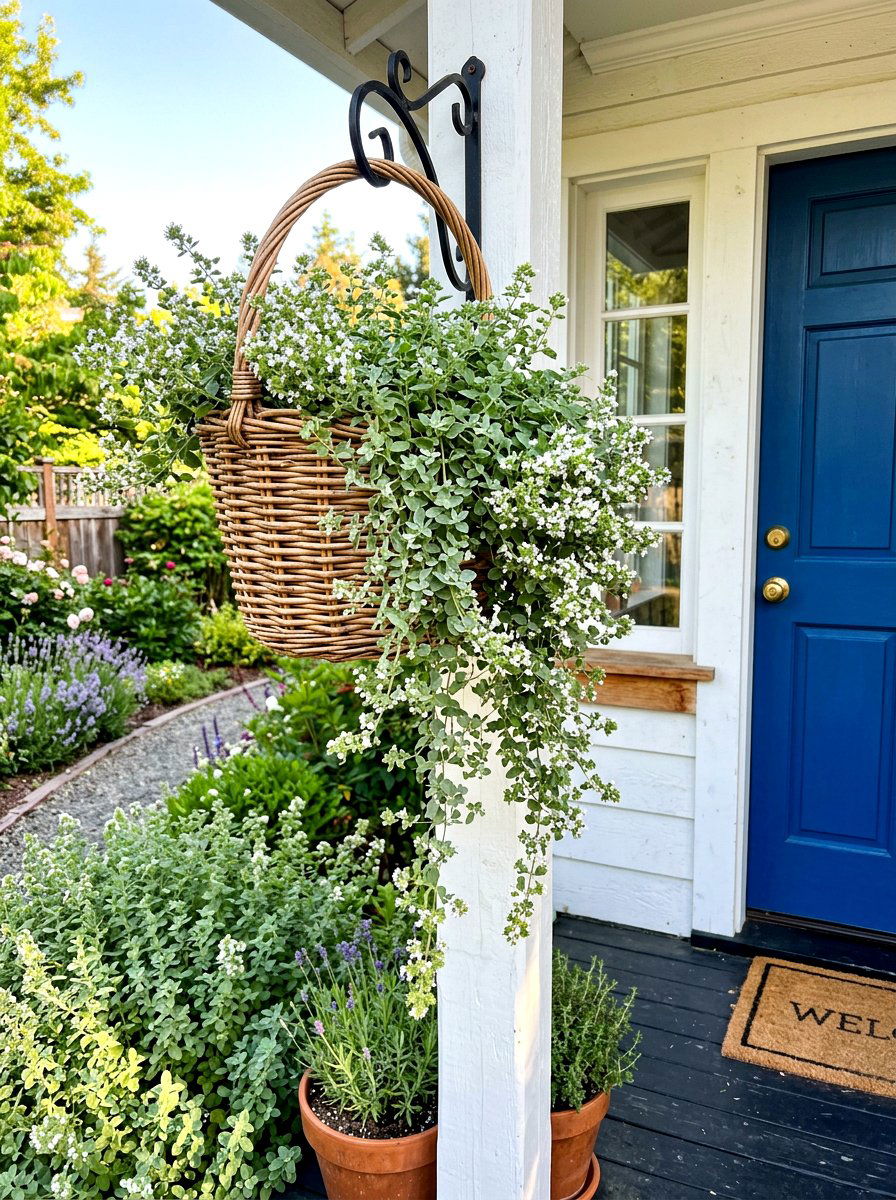
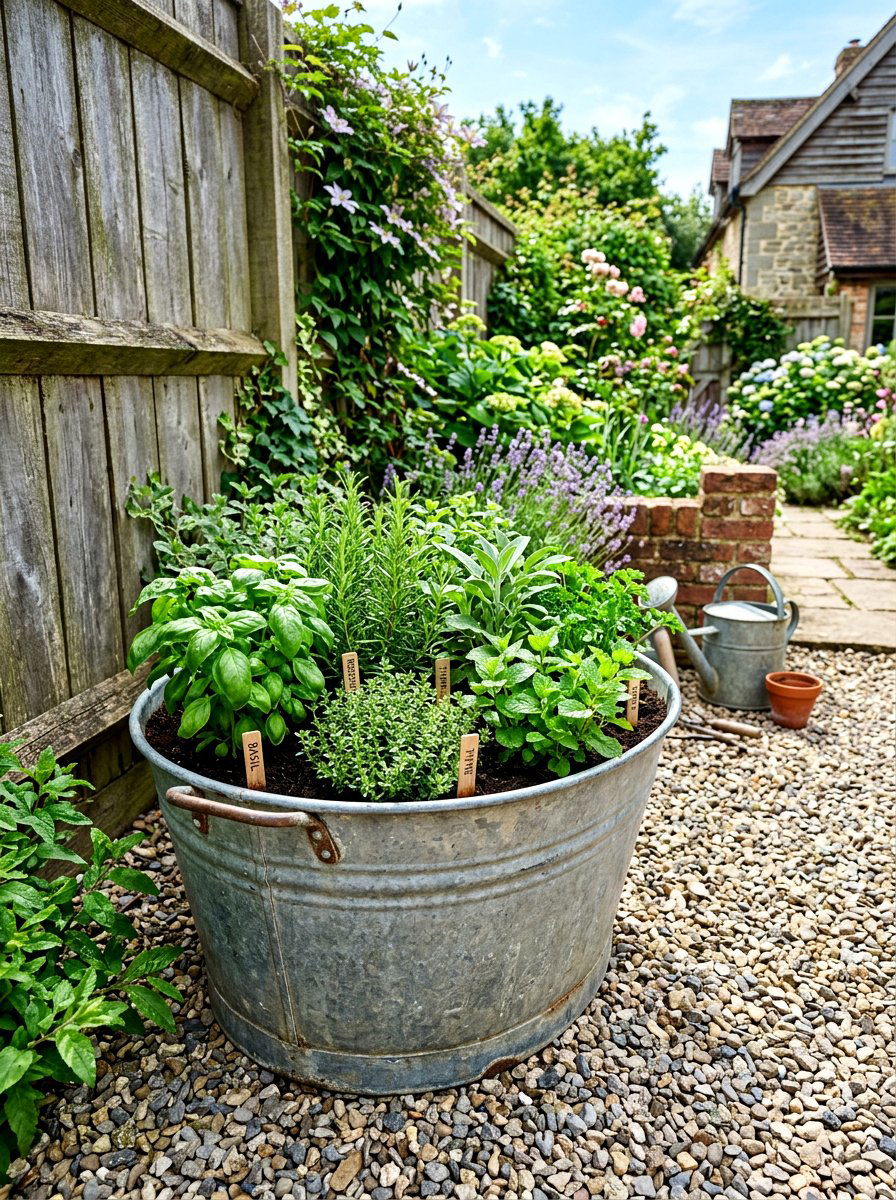
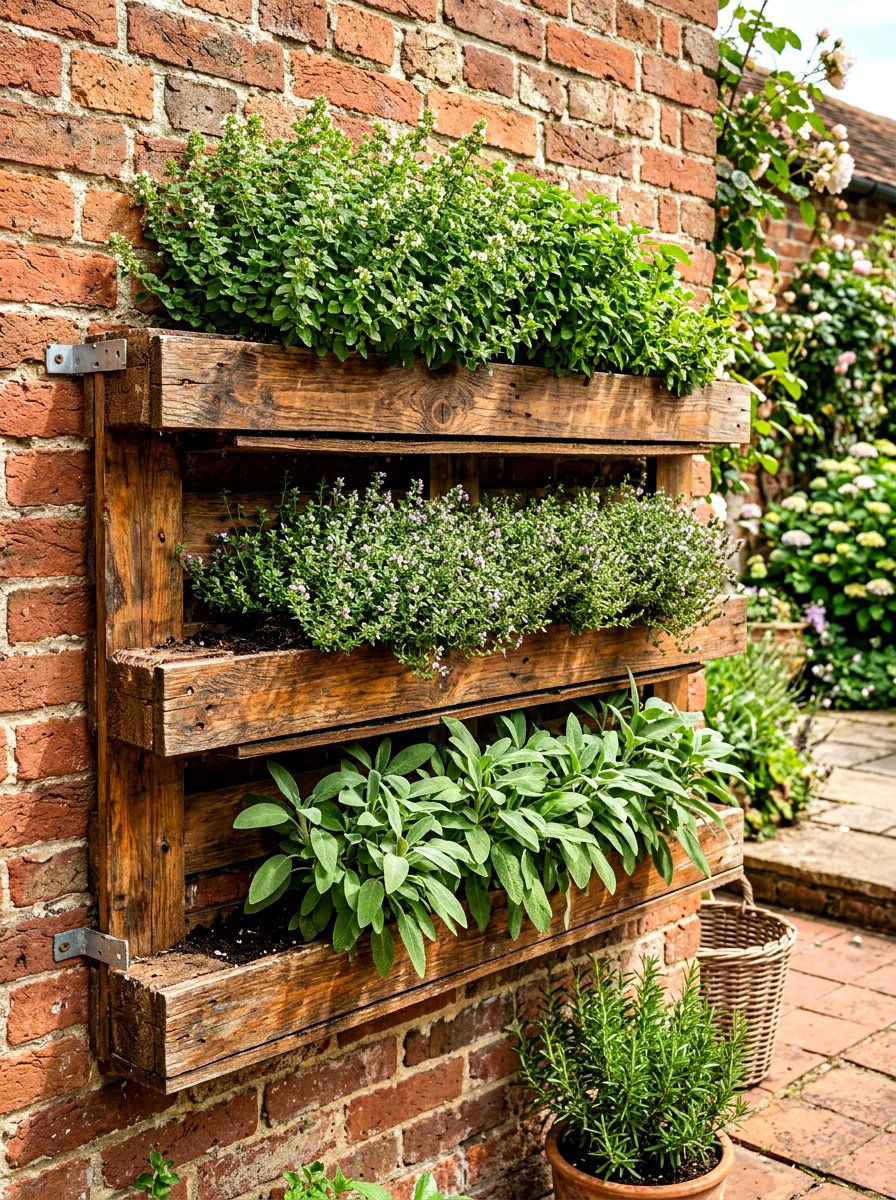
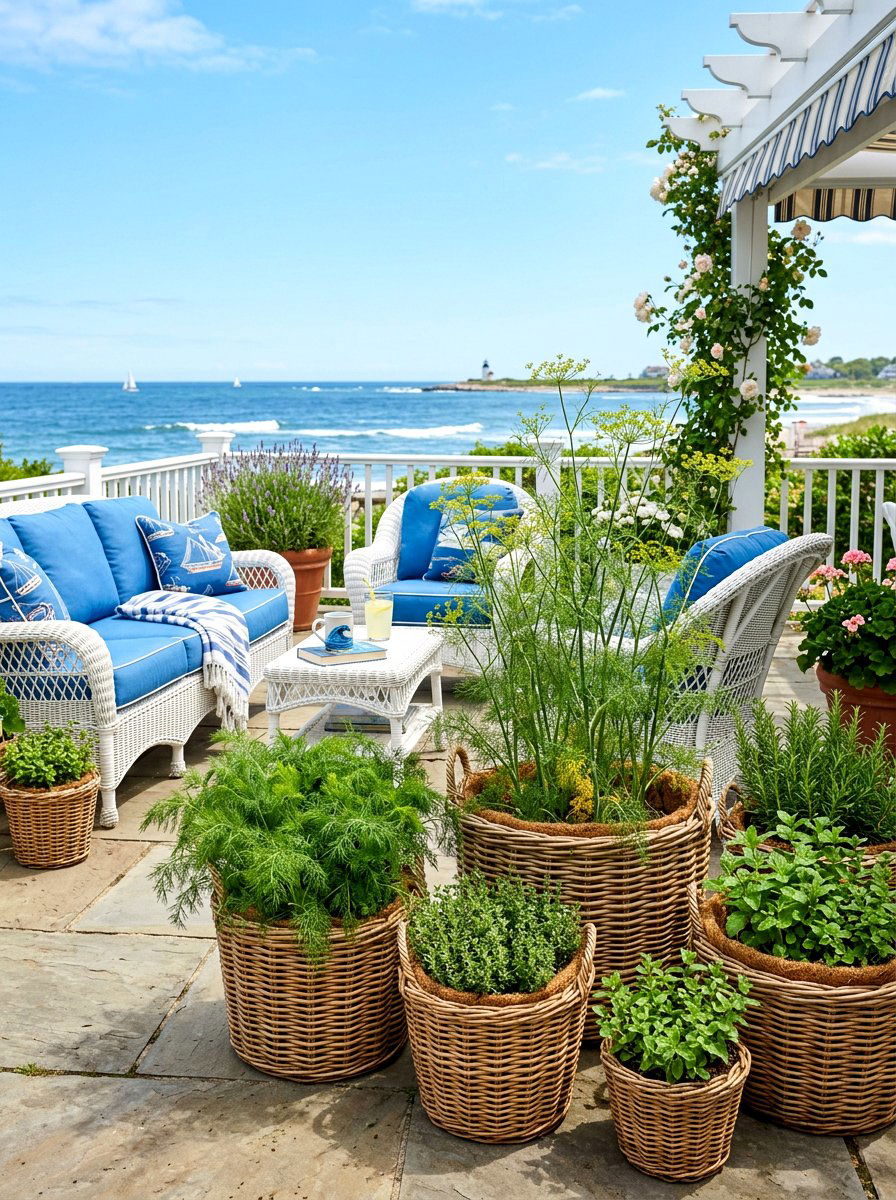
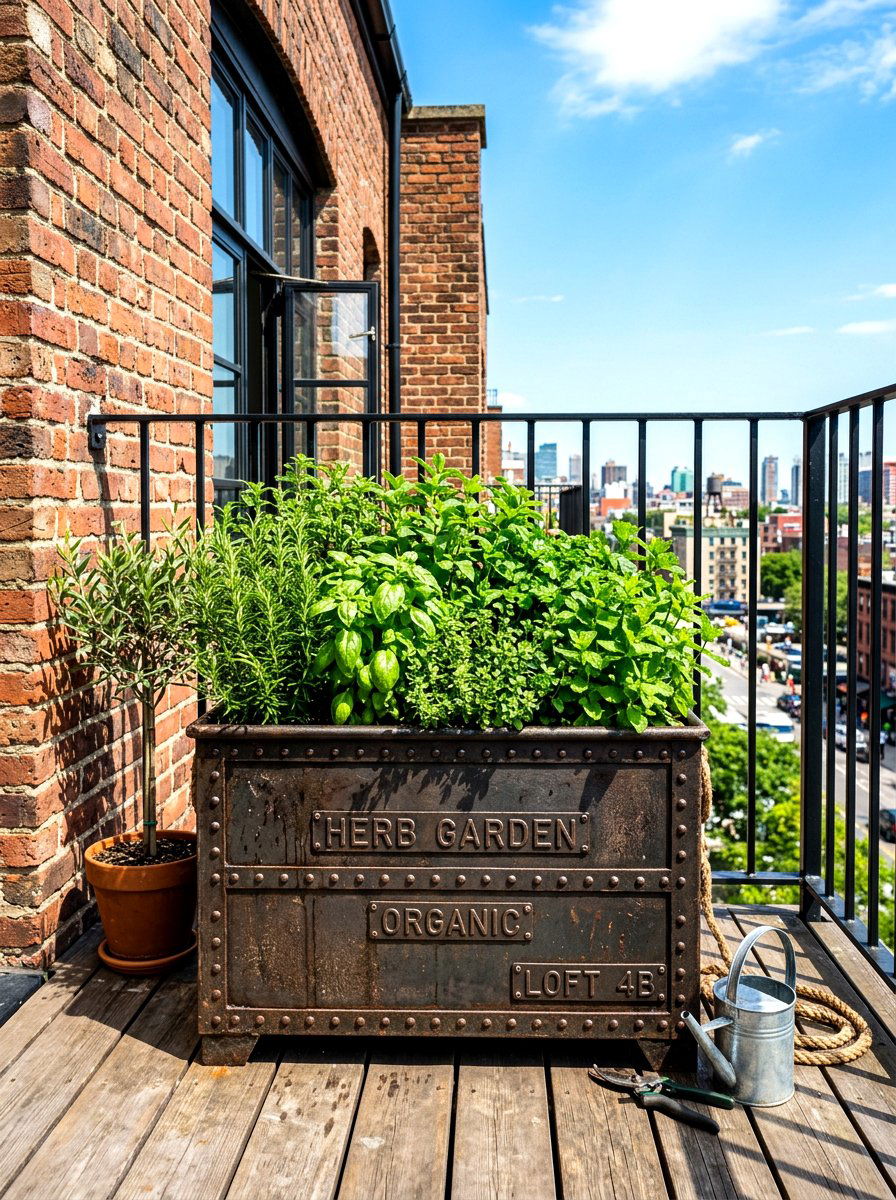
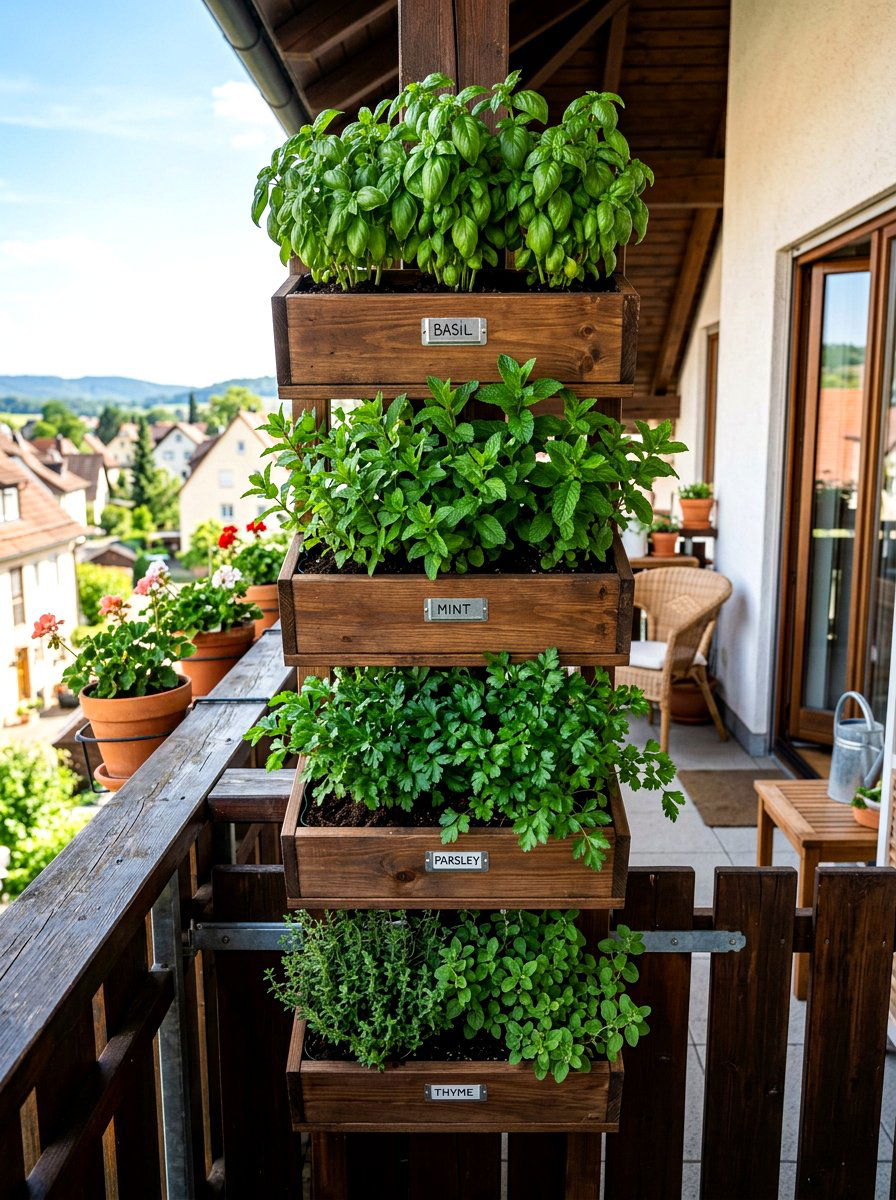
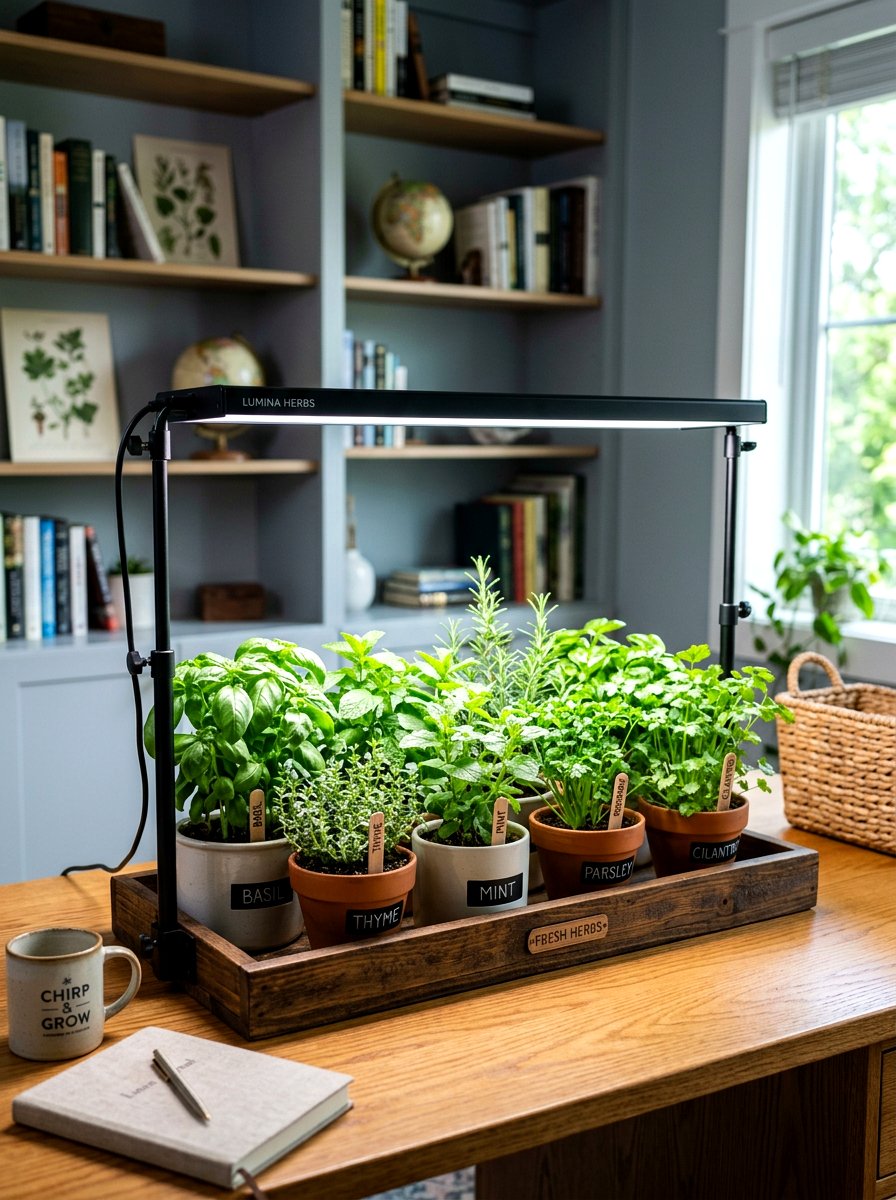
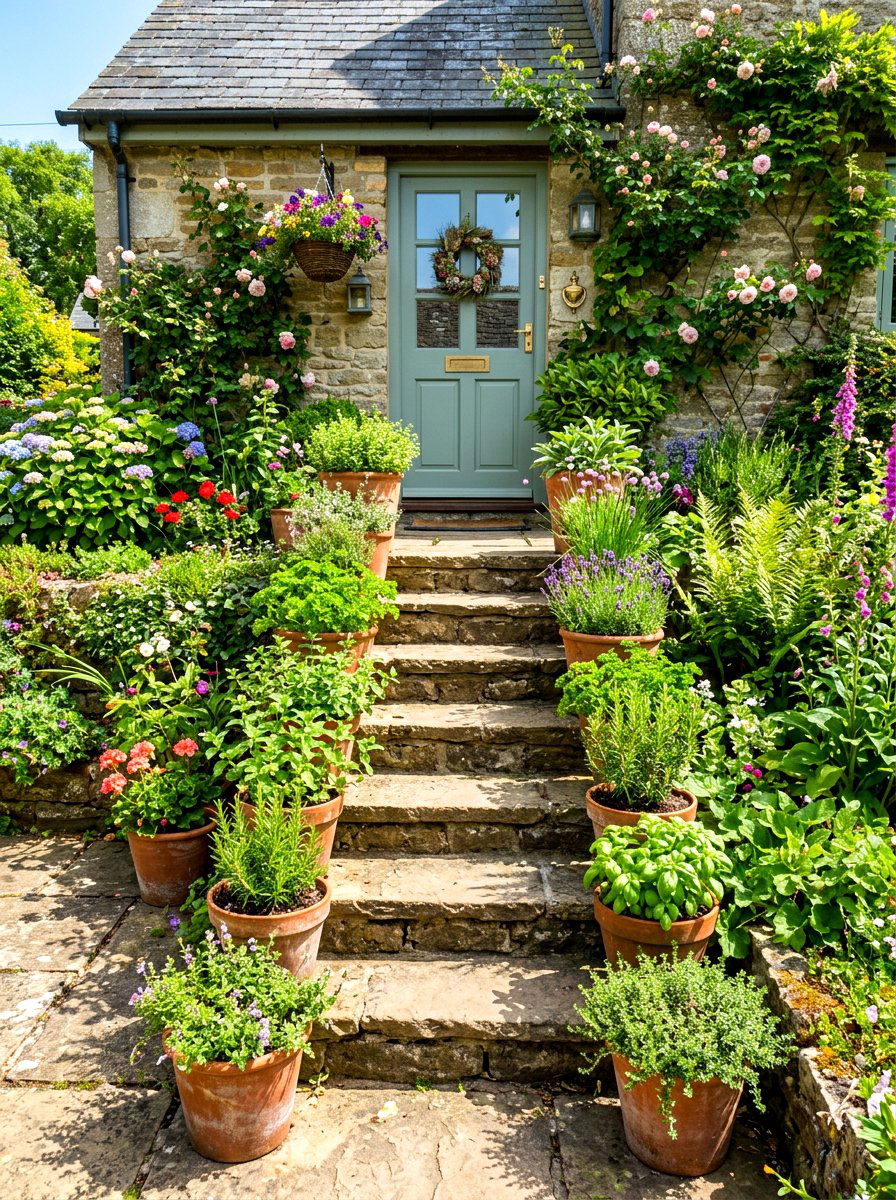
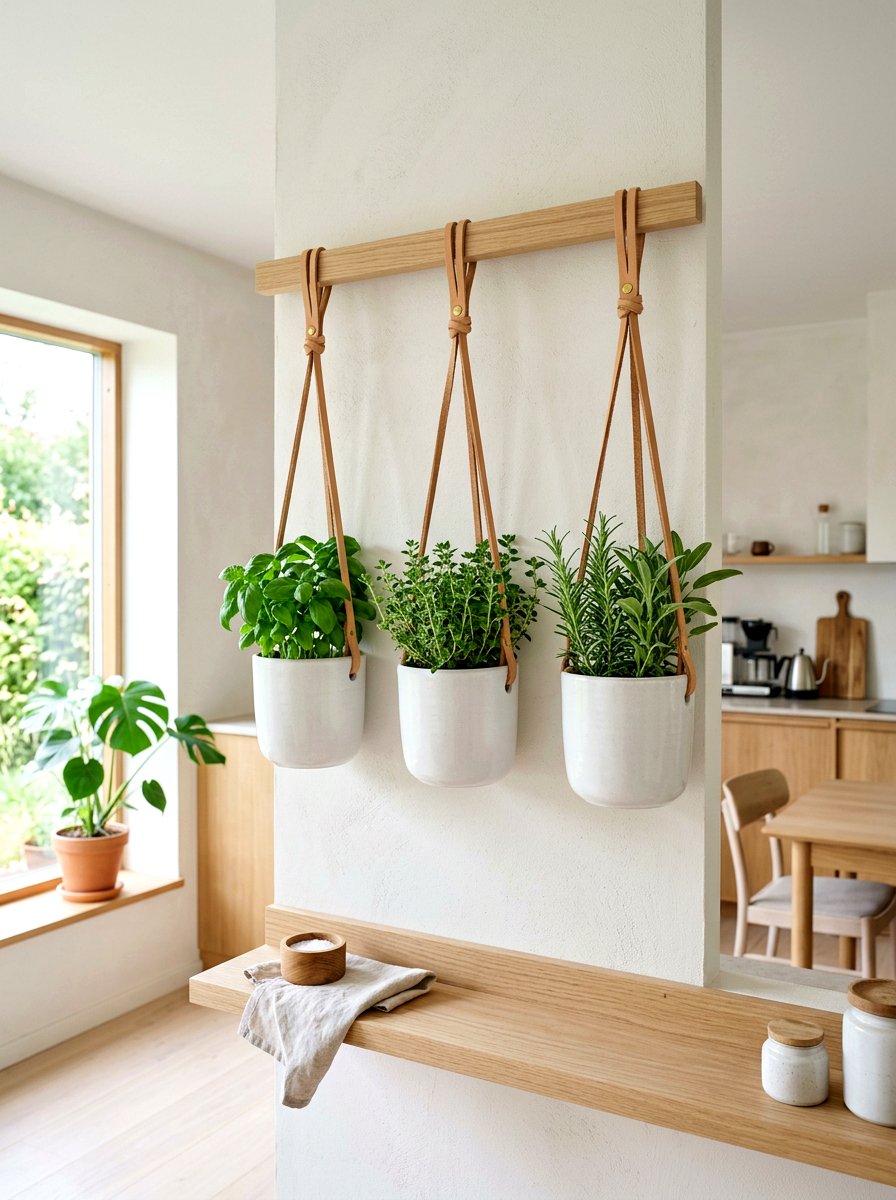
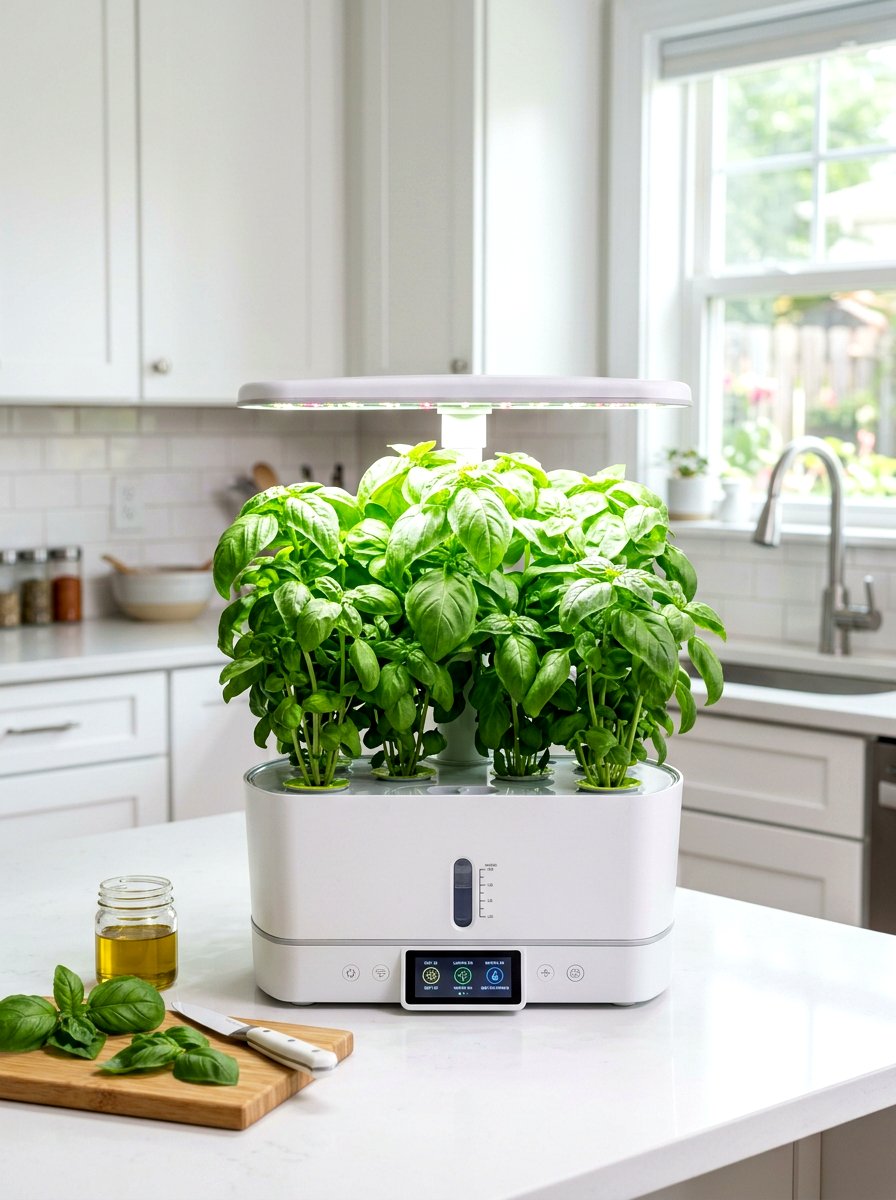
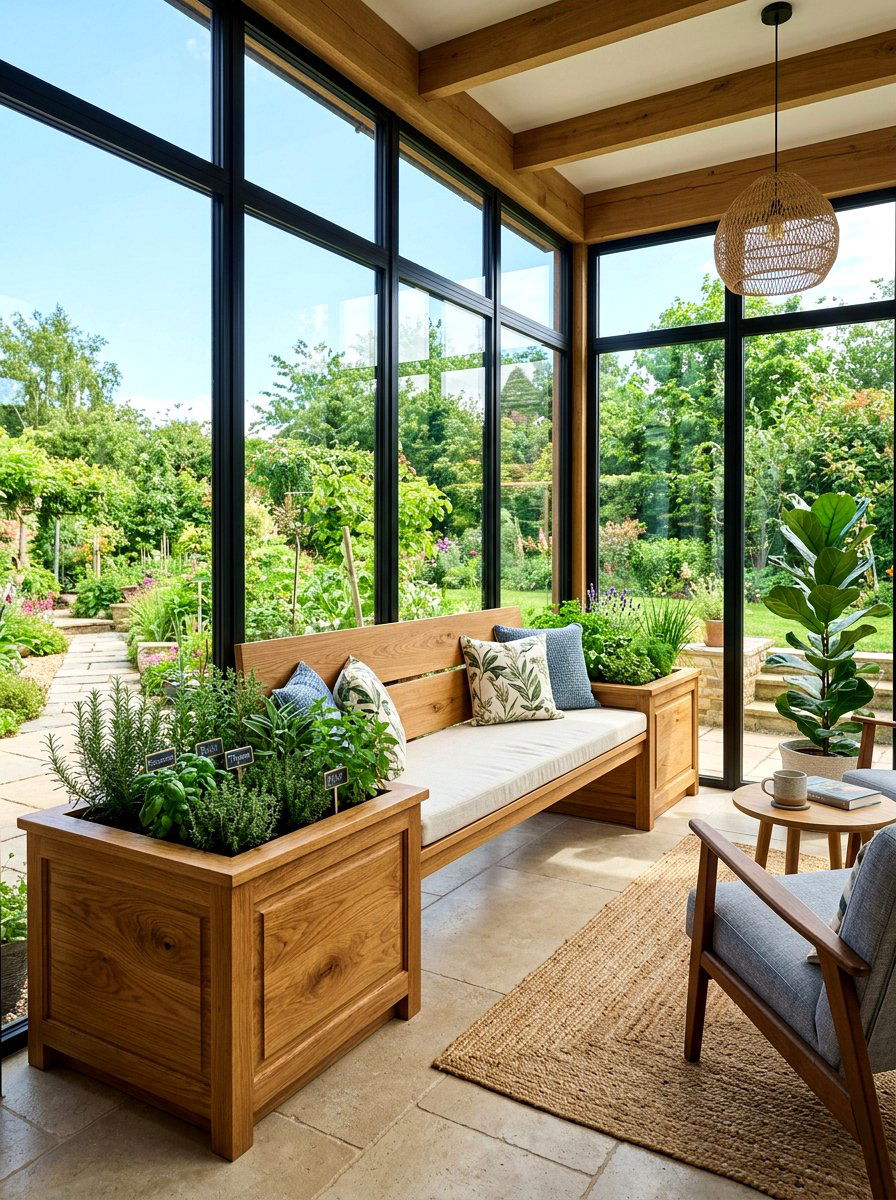
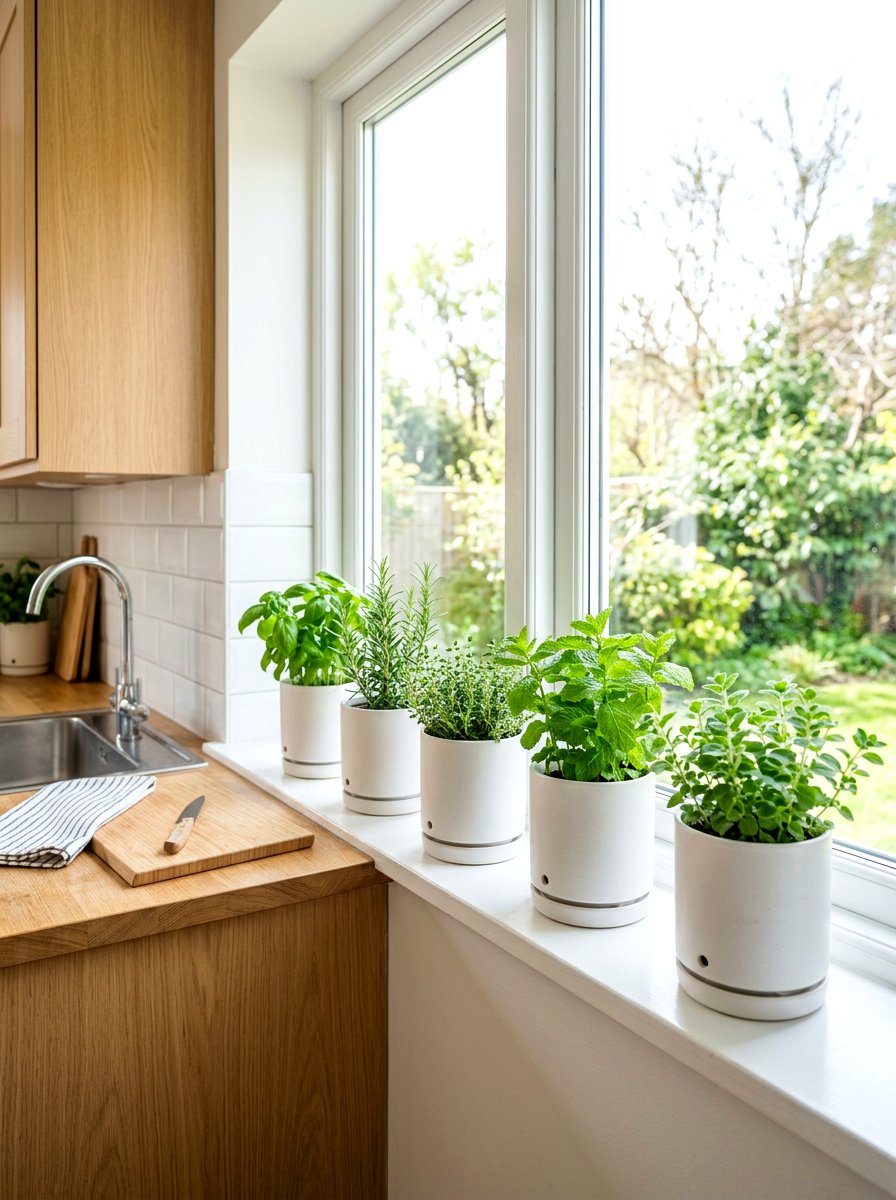
A culinary herb garden is perhaps the most practical and rewarding type of small-scale landscaping you can choose. Placing a variety of pots or a tiered planter right outside your kitchen door makes harvesting fresh flavors incredibly convenient. Herbs like rosemary, thyme, basil, and mint thrive in sunny spots and provide wonderful aromas every time you brush past them. You can use decorative ceramic pots to add a touch of color and personality to the arrangement. This design not only looks beautiful but also encourages a healthier lifestyle by making fresh ingredients available year-round. It is a sensory delight that combines sight, smell, and taste in one space.
10. Tiered Wall Garden
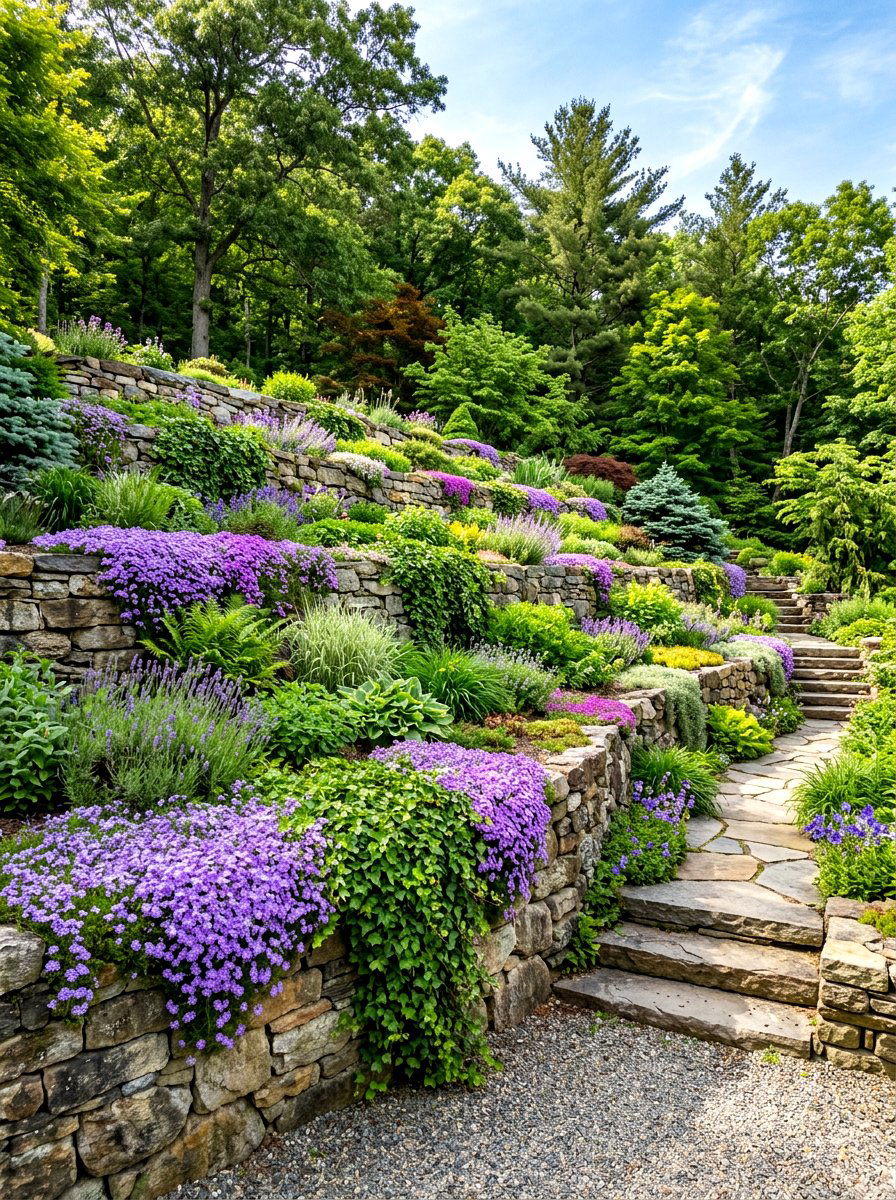
Tiered wall garden structures are perfect for properties with uneven terrain or steep slopes that are otherwise difficult to landscape. By building a series of low retaining walls, you create flat planting pockets that can be filled with cascading flowers and trailing greenery. This vertical layering adds immense visual interest and makes a small yard feel much larger than it actually is. You can use natural fieldstone or modern timber to match the architecture of your home. Planting creeping phlox or lithodora allows the foliage to spill over the edges, softening the hard lines of the walls. It creates a lush, mountain-side effect right in your backyard.
11. Potted Container Garden
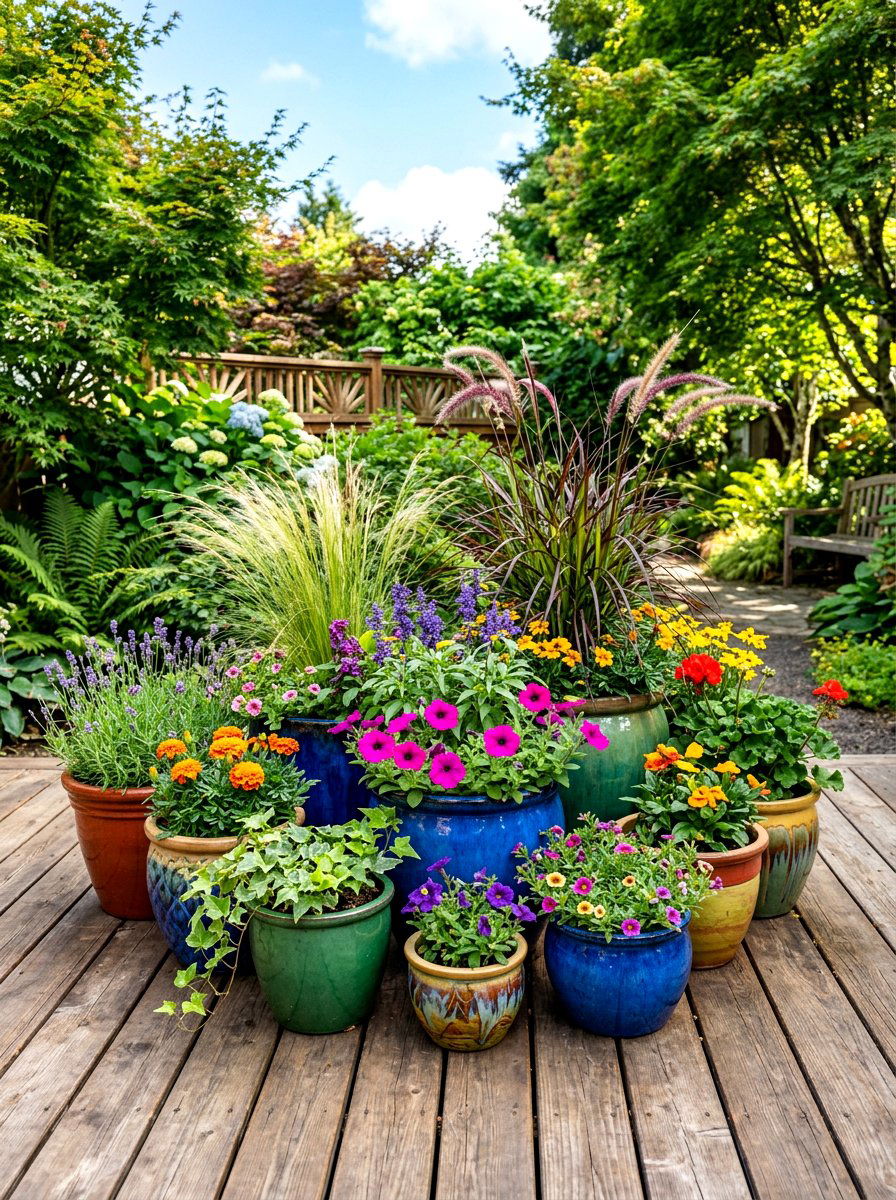
A potted container garden is the most flexible way to experiment with different plant varieties and seasonal colors. By grouping pots of different sizes and heights together, you can create a dense, jungle-like effect on a small patio or deck. Use a consistent color palette for the containers to keep the look cohesive and professional. Mixing bold foliage plants with delicate flowering annuals ensures there is always something interesting to see throughout the year. The best part is that you can easily swap out plants as the seasons change or move them around to refresh the look. This portable garden style is ideal for renters or homeowners alike.
12. Pollinator Pocket Garden
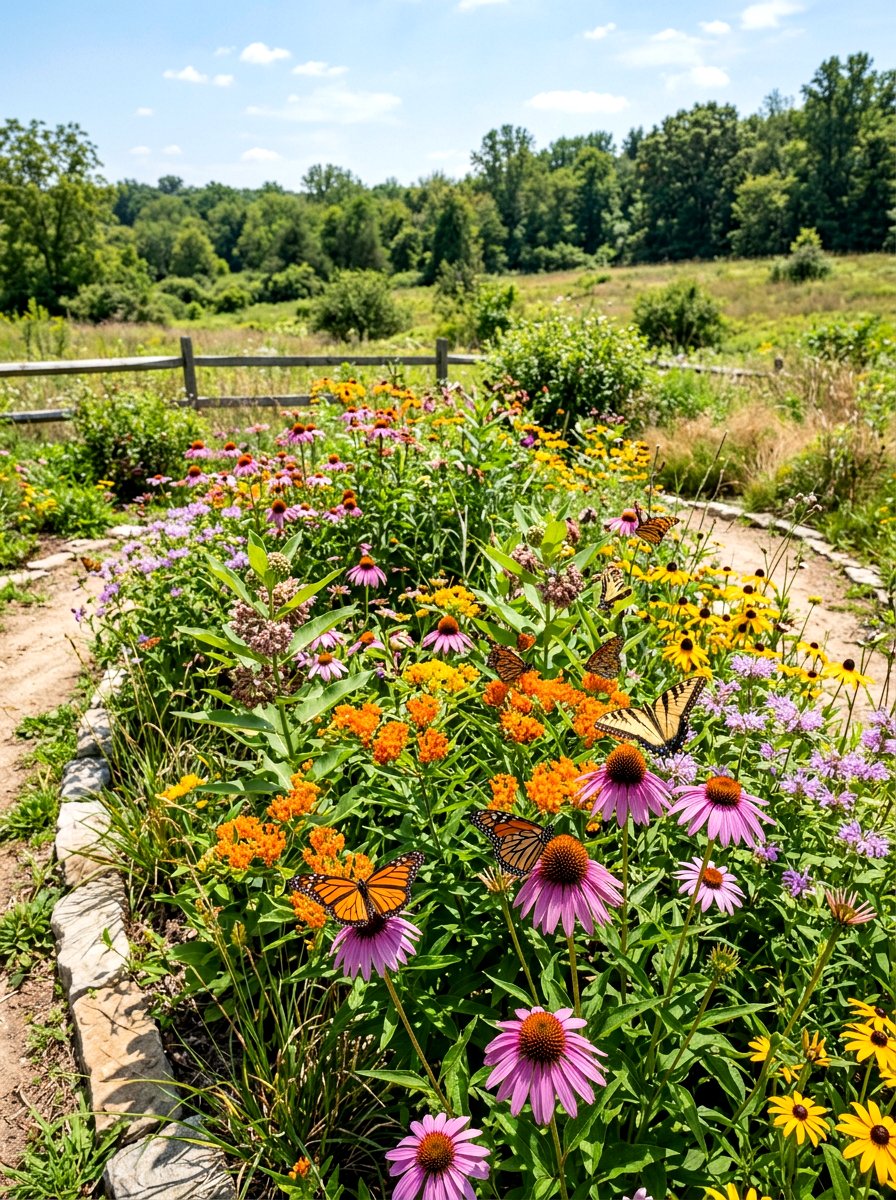
A pollinator pocket garden is a beautiful way to support local wildlife like bees, butterflies, and hummingbirds in a small space. By planting native wildflowers such as coneflower, milkweed, and bee balm, you create a vital habitat even in an urban setting. These gardens often have a more natural, wild aesthetic that brings a sense of the meadow to your doorstep. Including a small shallow water dish with stones allows insects to drink safely between flights. Watching the constant movement of colorful butterflies adds a dynamic element that traditional gardens lack. It is a rewarding project that gives back to nature while providing a vibrant, ever-changing view.
13. Gravel Path Garden
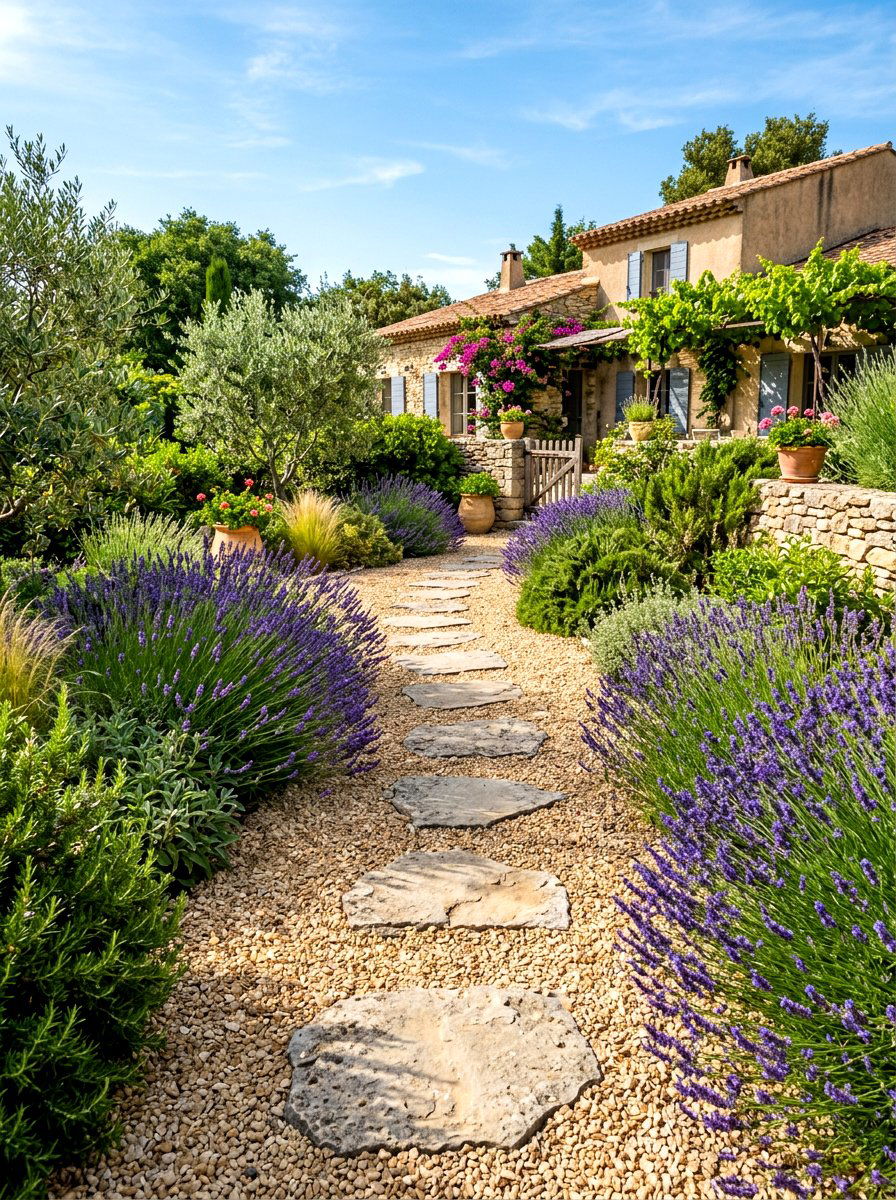
Gravel path garden designs are perfect for low-maintenance areas where you want a rustic, Mediterranean feel. Replacing a high-maintenance lawn with crunching gravel instantly gives the space a vacation-like atmosphere. You can plant drought-tolerant species like lavender, yarrow, and ornamental grasses directly into the gravel beds for a seamless look. Large flat stepping stones provide a clear walking path while preventing the gravel from shifting too much. This approach is highly sustainable as it reduces water usage and allows rain to soak directly into the ground. It is an excellent choice for sunny, dry spots that need a stylish and functional makeover with minimal effort.
14. Cottage Pocket Garden
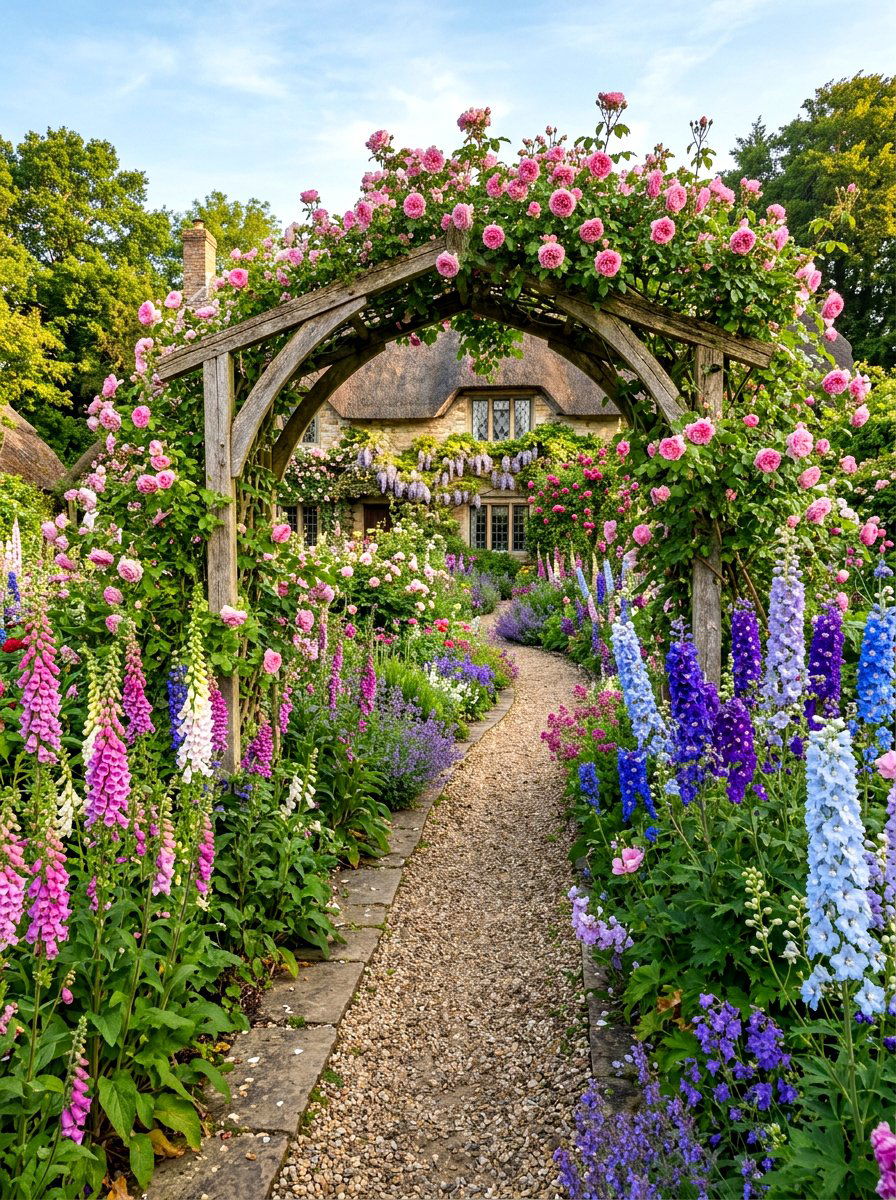
A cottage pocket garden captures the whimsical and romantic charm of the English countryside in a very small footprint. Focus on dense planting with classic favorites like roses, foxgloves, and delphiniums to create a lush, overflowing look. Winding paths made of reclaimed bricks add to the historical and cozy feel of the space. You can incorporate a small wooden trellis or an arched gateway covered in climbing clematis to provide height and structure. This style of gardening celebrates a bit of chaos and abundance, making it feel very lived-in and welcoming. It is the perfect choice for someone who wants a soft, colorful, and highly fragrant outdoor escape.
15. Succulent Rock Garden
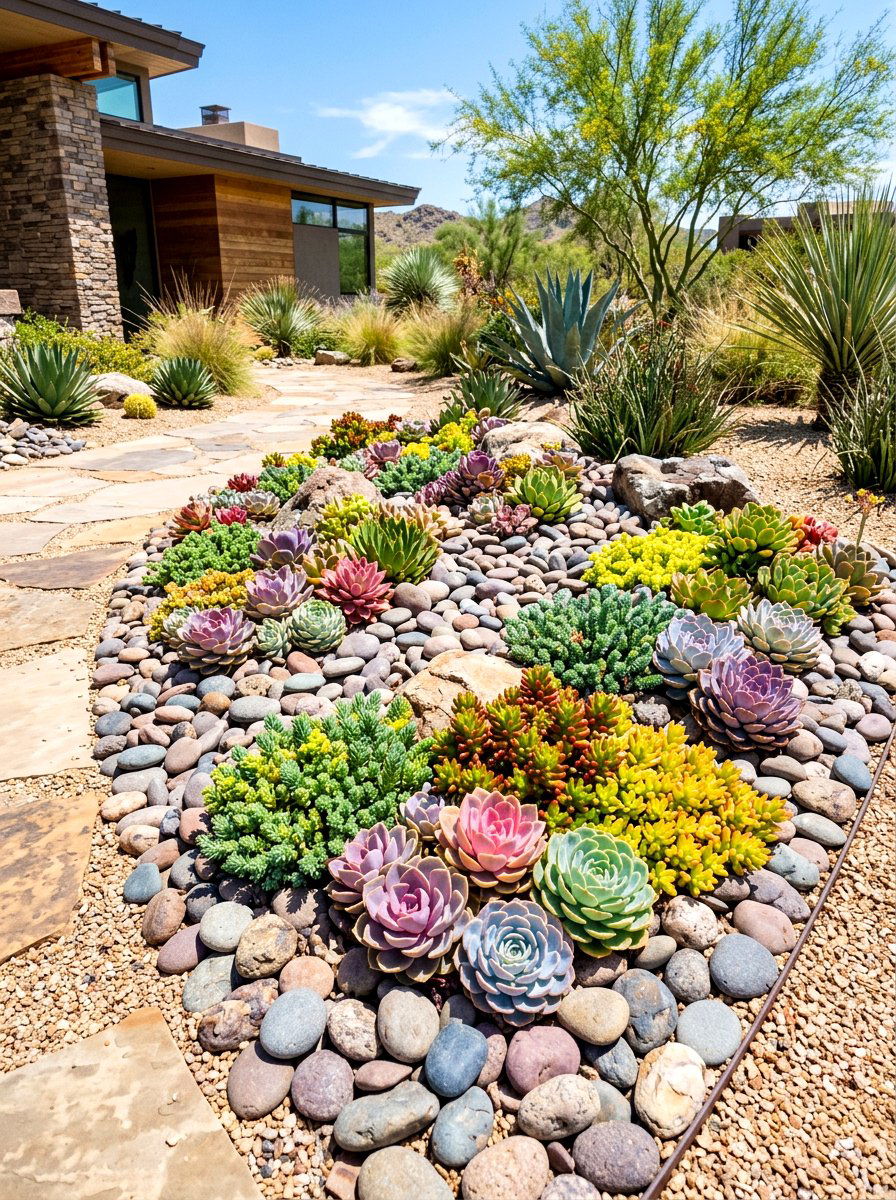
Succulent rock garden setups are ideal for busy people who want a stunning landscape with very little watering required. By arranging a variety of colorful succulents among natural river rocks and pebbles, you create a low-profile garden that looks like a piece of art. These plants come in incredible shapes and hues, from deep purples to bright oranges, providing year-round interest. This design is perfect for small sunny patches along a driveway or in a front entryway nook. The rocks help keep the soil warm and provide excellent drainage which these plants crave. It is a modern, architectural look that stays beautiful even during the hottest and driest summer months.
16. Window Box Garden
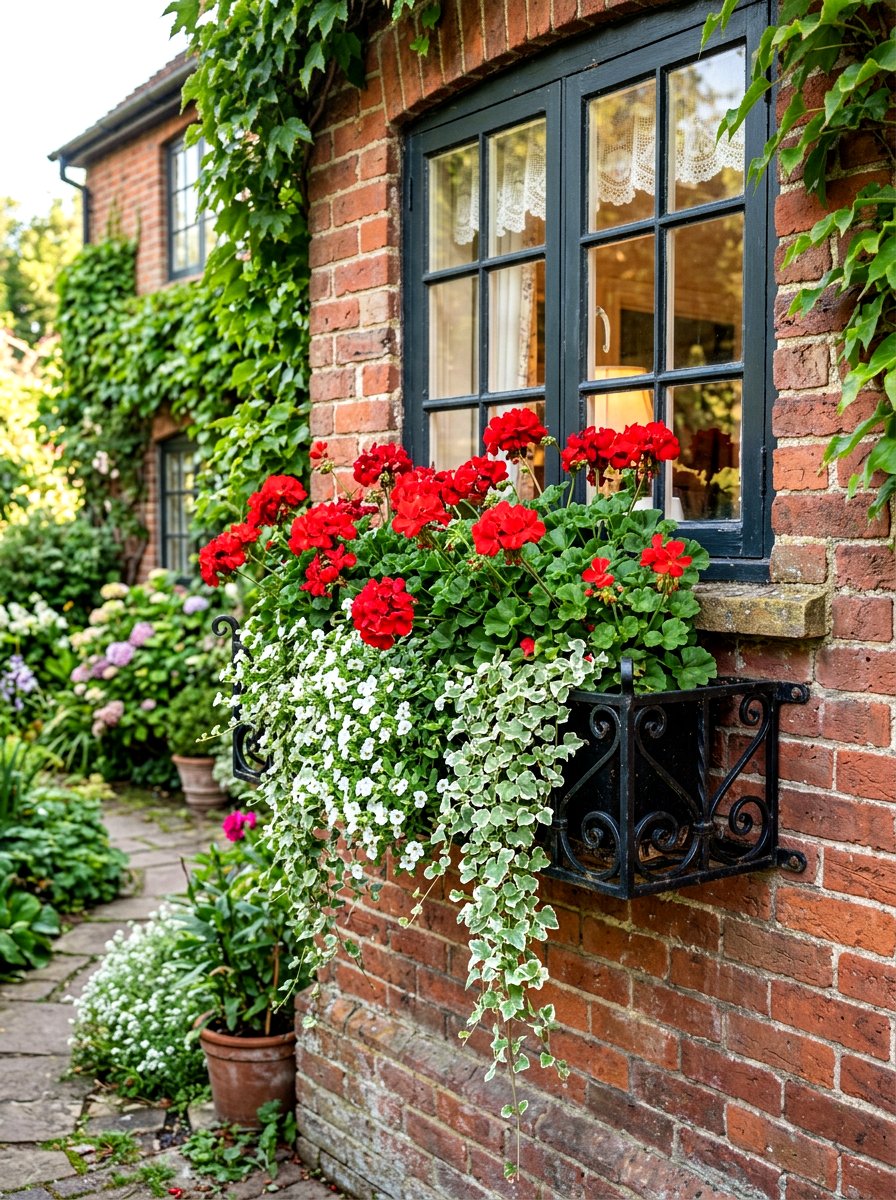
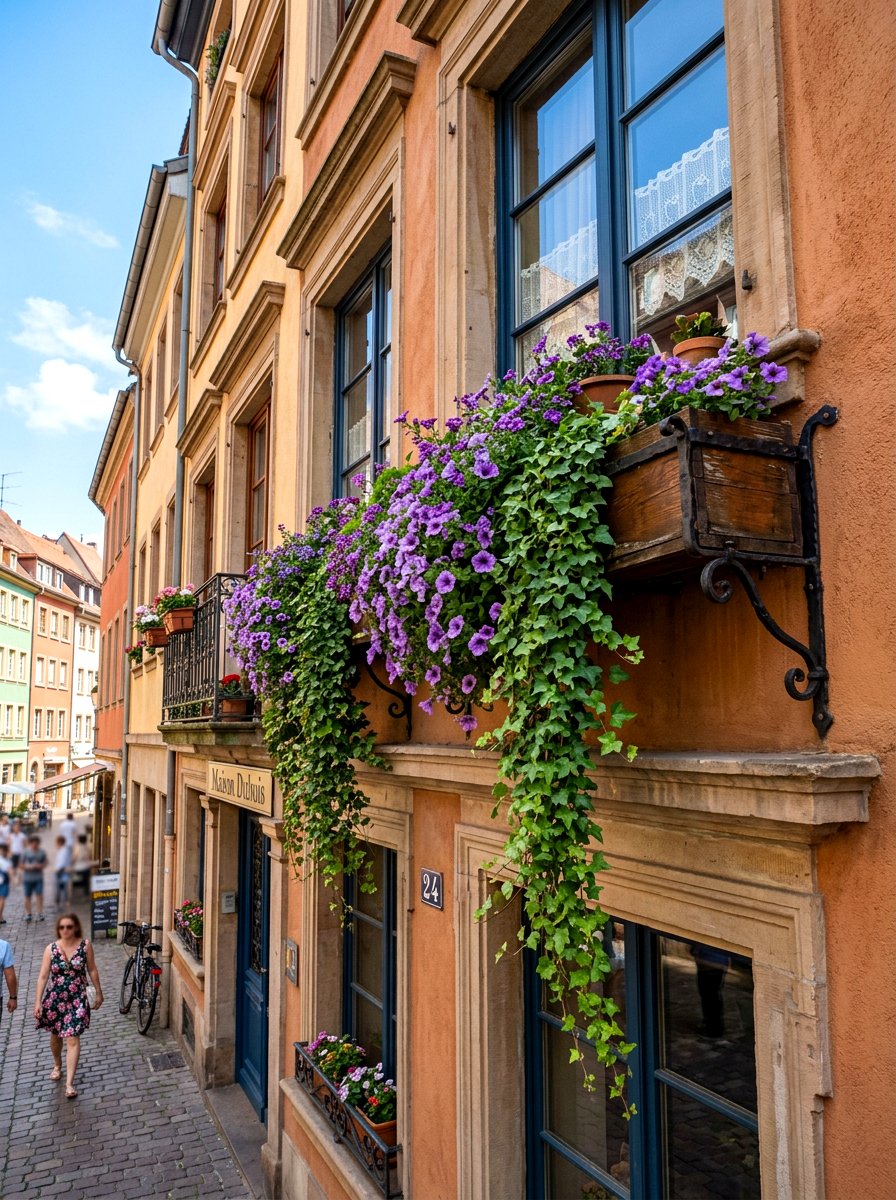
A window box garden allows you to enjoy the beauty of nature from both inside and outside your home simultaneously. These small containers can be attached to any windowsill, bringing color and life to the exterior of your house. You can plant a mix of upright flowers like geraniums and trailing vines like sweet potato vine for a full, lush effect. Changing the plants for each season, such as pansies in spring and kale in autumn, keeps the look fresh. This is a fantastic option for those who have no yard at all but still want to garden. It creates a lovely framed view that brightens every room in the house.
17. Tropical Patio Garden
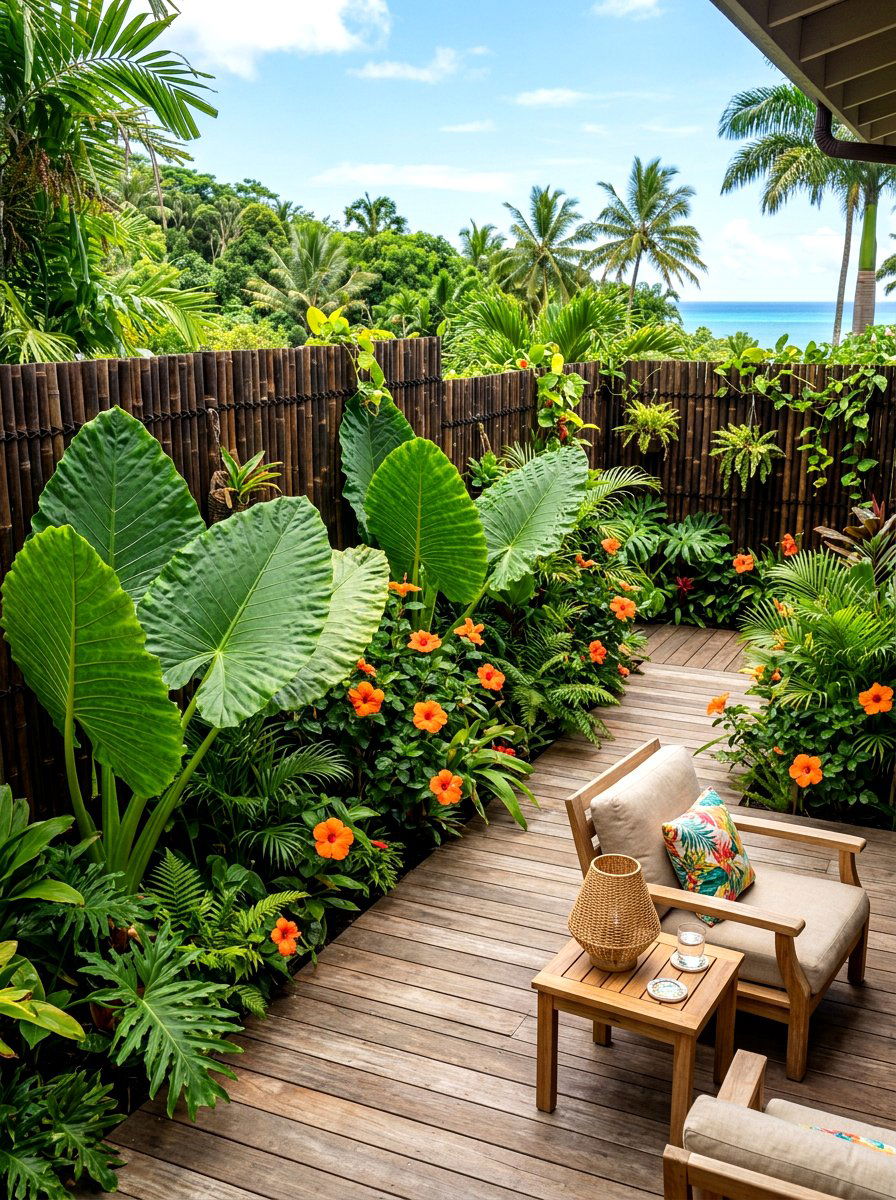
Tropical patio garden designs turn a standard backyard into an exotic getaway using bold foliage and vibrant colors. Large-leafed plants like canna lilies, elephant ears, and hibiscus create a lush canopy that provides privacy and shade. You can use dark wood decking and colorful outdoor cushions to enhance the island vibe. Adding a small portable fire pit or some tiki torches creates a wonderful ambiance for evening gatherings. This style focuses on creating a dense, immersive environment that feels separate from the rest of the world. Even in cooler climates, many of these plants can be grown in pots and brought indoors during the winter months.
18. Mediterranean Courtyard Garden
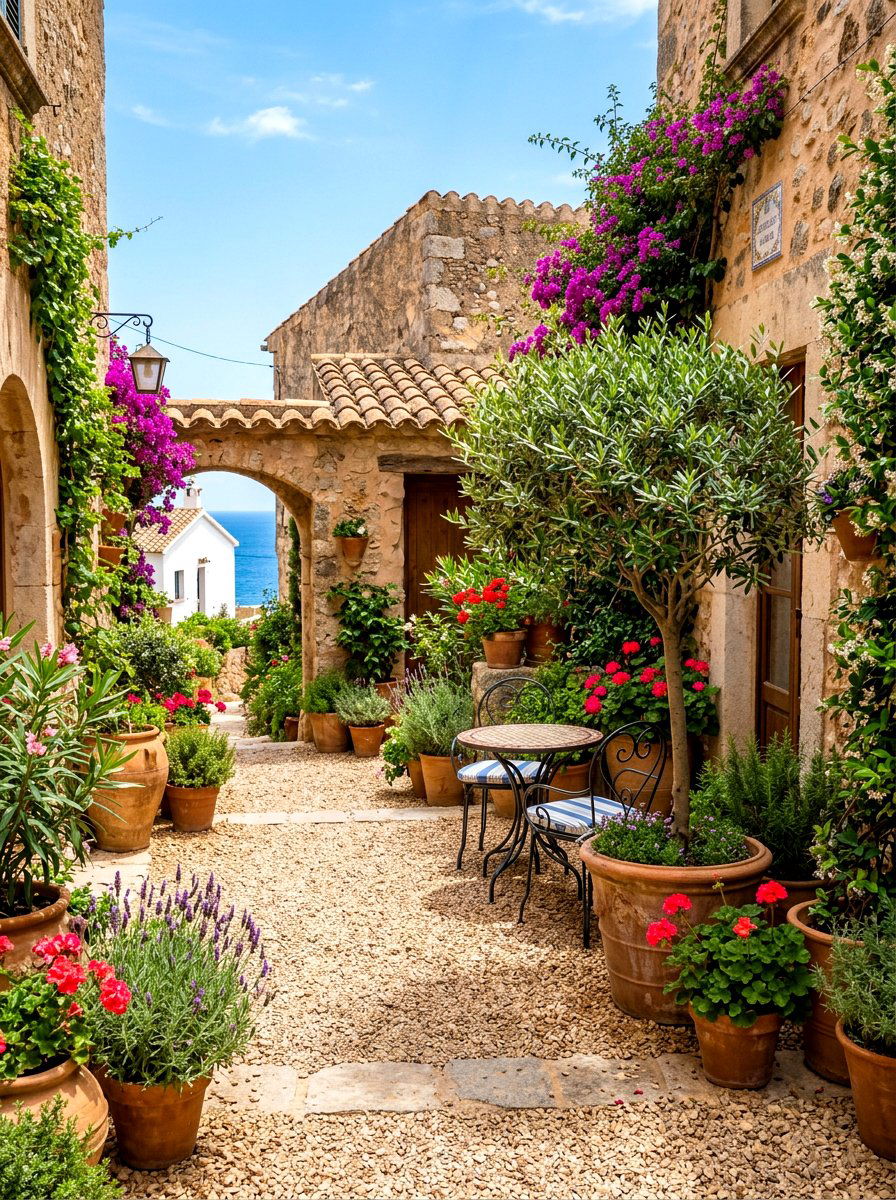
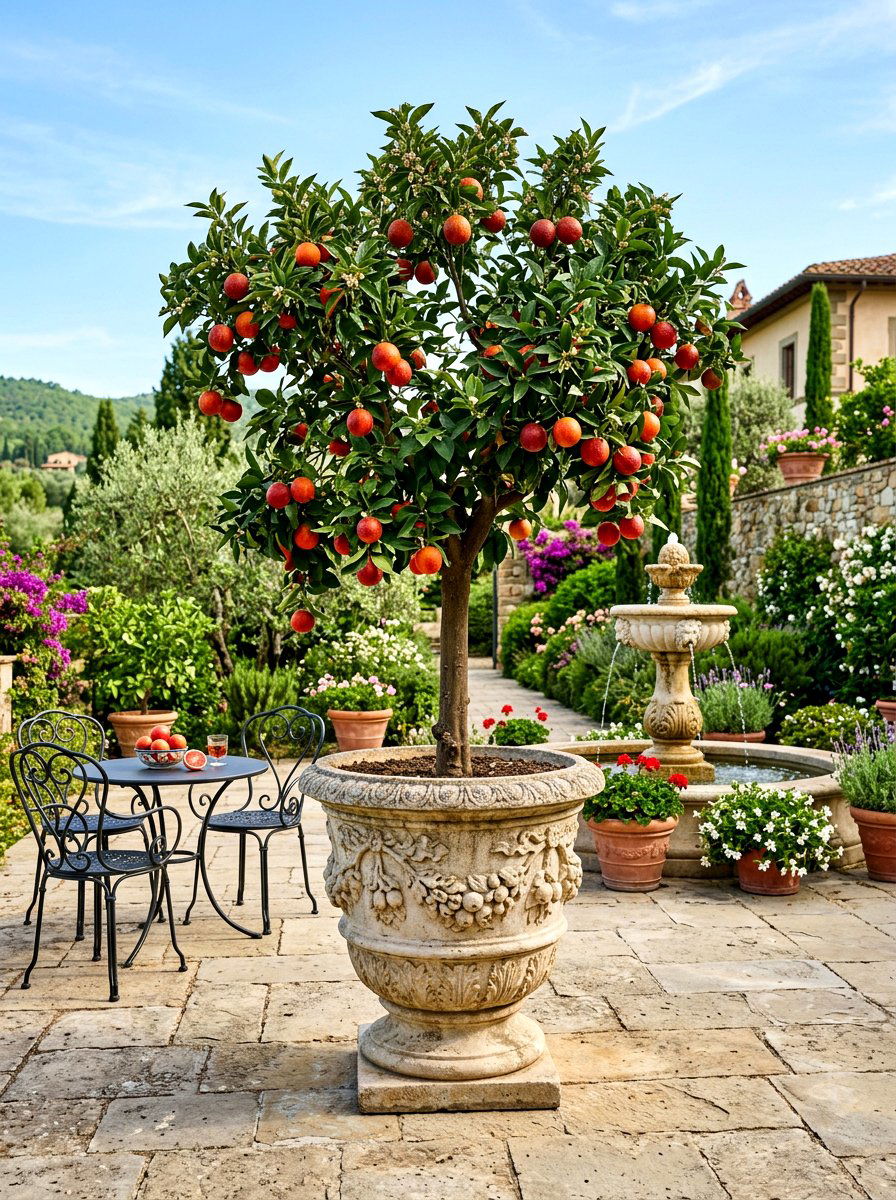
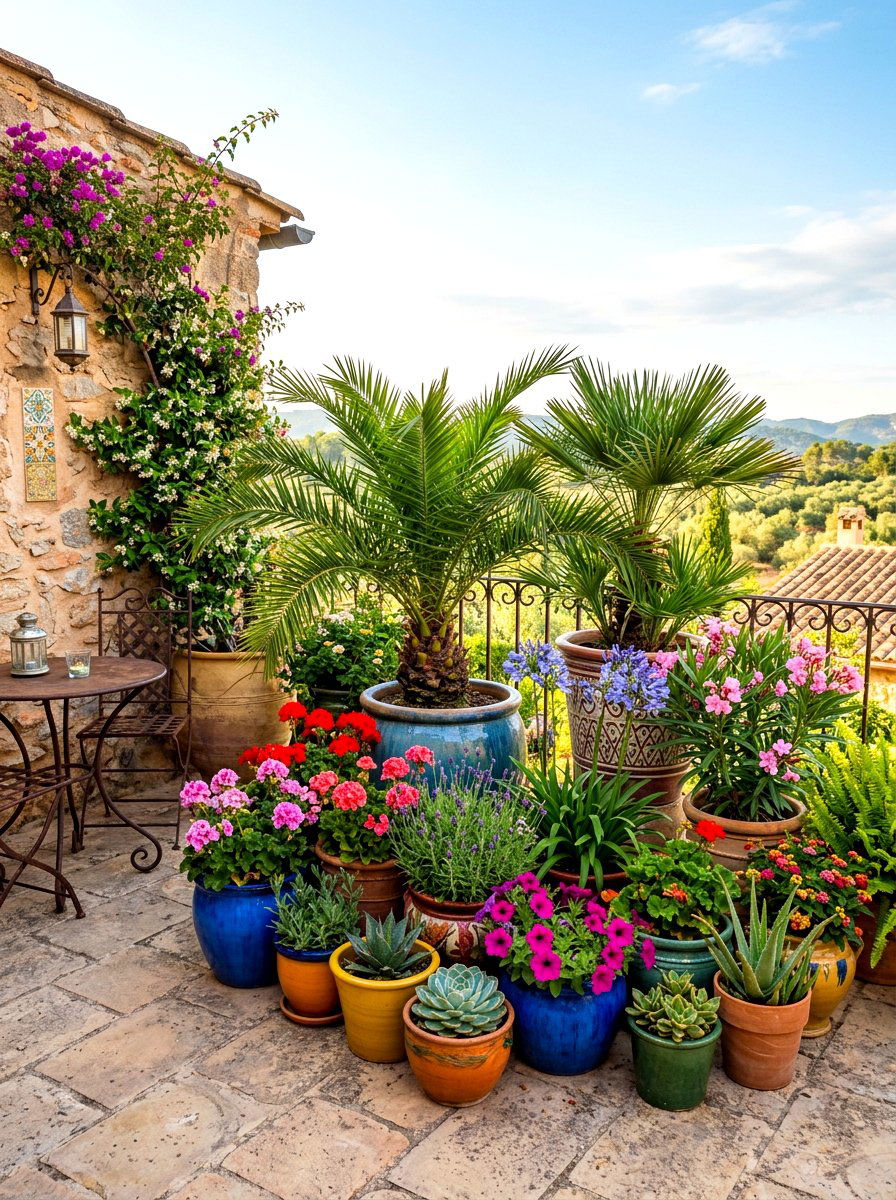
Mediterranean courtyard garden aesthetics are defined by warm earth tones, terracotta pots, and drought-resistant greenery. Using crushed limestone or warm-colored gravel as a base creates a bright and airy feel that reflects the sun. Incorporating an olive tree or a citrus plant in a large ornate pot provides a classic focal point. Scented plants like jasmine and rosemary are essential for creating that iconic southern European atmosphere. A simple wrought-iron bistro set offers the perfect spot for a morning espresso or a late afternoon snack. This design is timeless and elegant, offering a low-maintenance solution that feels like a permanent vacation spot right at home.
19. Small Woodland Garden
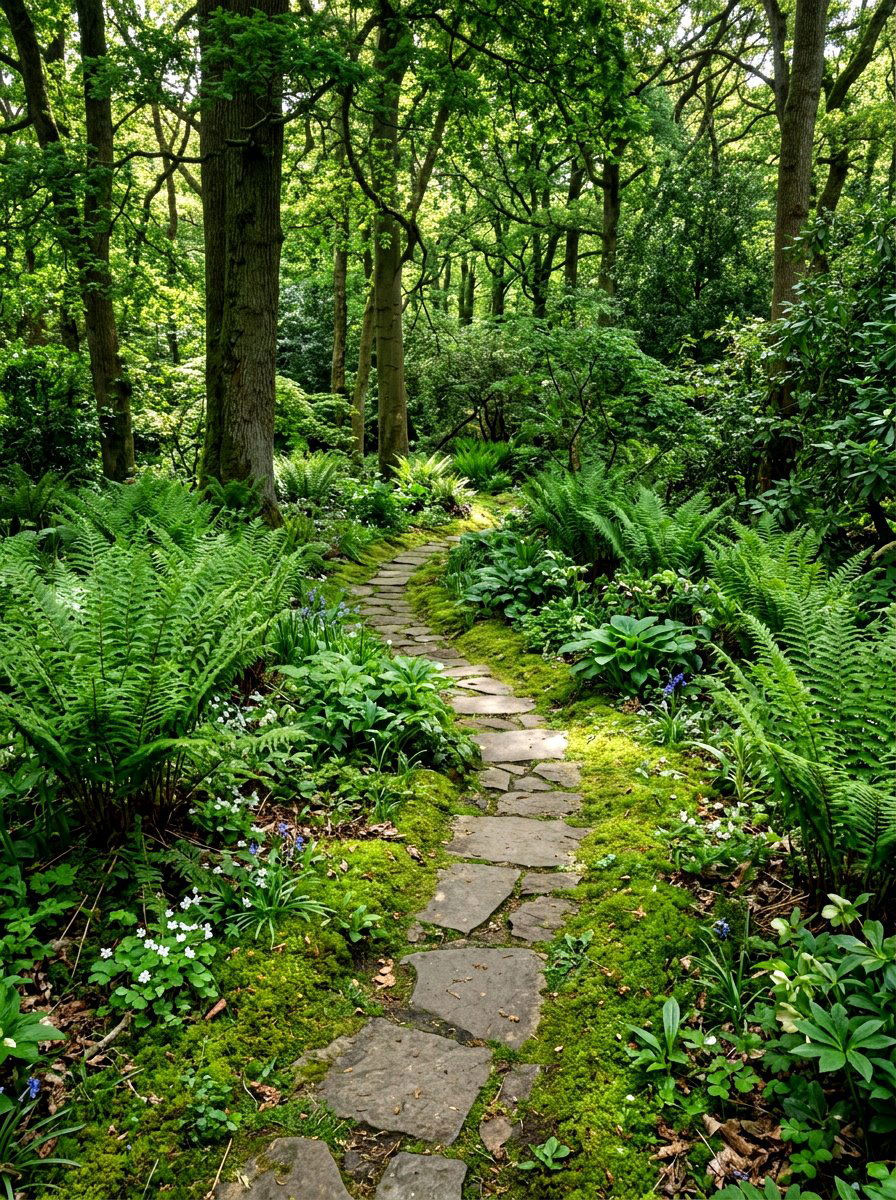
A small woodland garden recreates the peaceful and cool atmosphere of a forest floor in a shady backyard corner. Use natural mulch and decaying logs to create a rich, organic base for shade-loving species. Plants like lily of the valley, trilliums, and various mosses thrive in these conditions and provide a soft, green carpet. A simple stone path winding through the tall ferns adds a sense of exploration and depth to the tiny space. This garden style is perfect for attracting birds and small forest creatures who enjoy the cover. It provides a quiet, damp, and earthy retreat that feels worlds away from the busy city streets.
20. Symmetrical Formal Garden
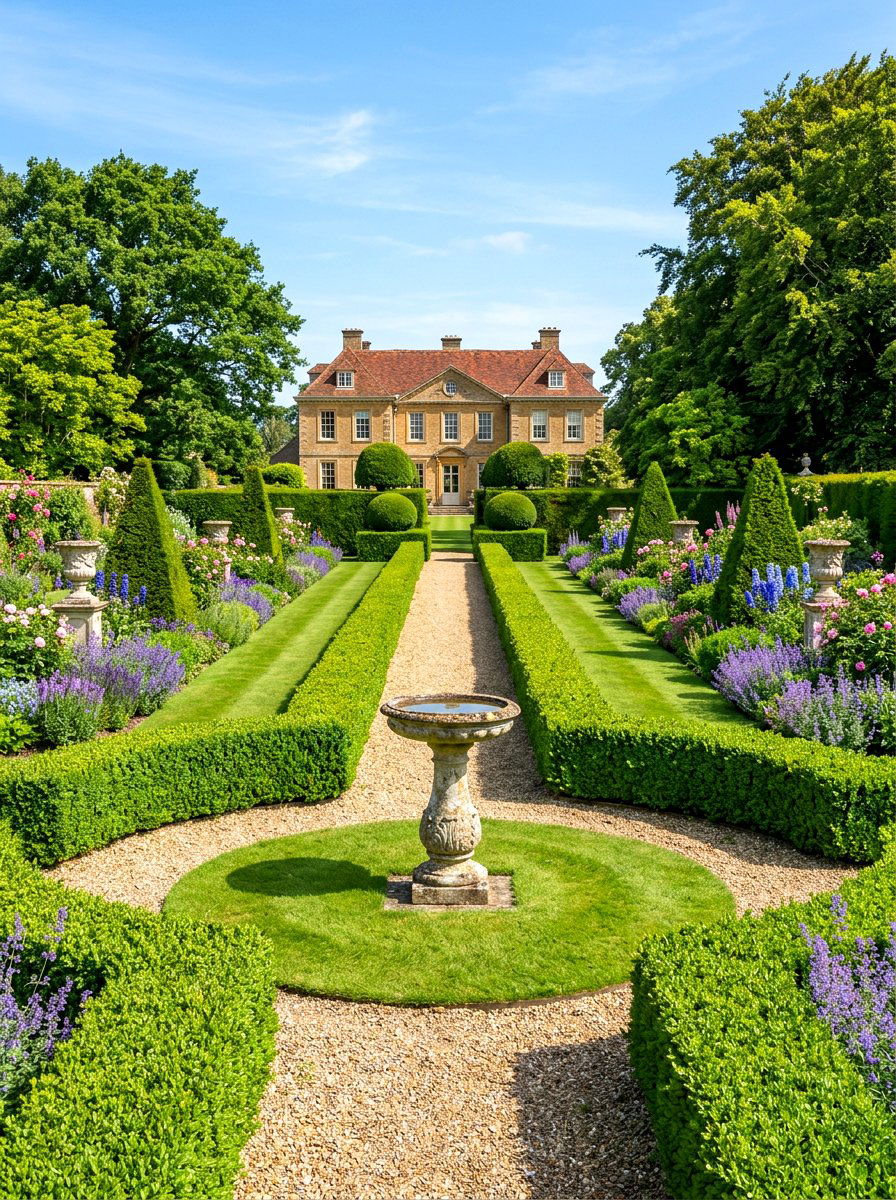
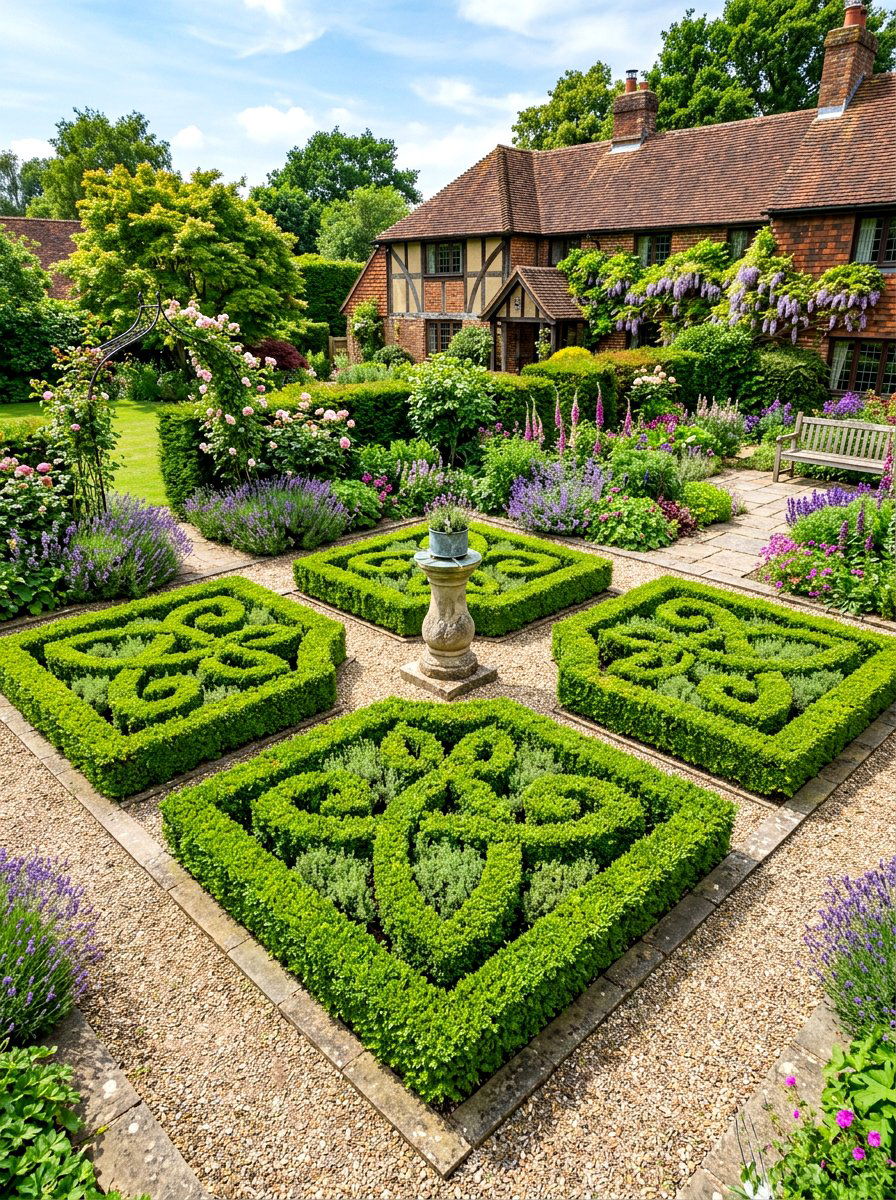
Symmetrical formal garden layouts use balance and order to create a sense of grandeur in a compact area. By mirroring plantings on either side of a central path, you achieve a classical look that feels very organized and sophisticated. Clipped boxwood hedges are often used to define the borders and keep everything looking neat and tidy. You can place a sundial or a small birdbath at the center to act as a primary focal point. This style works exceptionally well in front yards where you want to make a strong first impression. It is a timeless approach that proves that structure and discipline can make any space feel elegant.
21. Edible Pocket Landscape
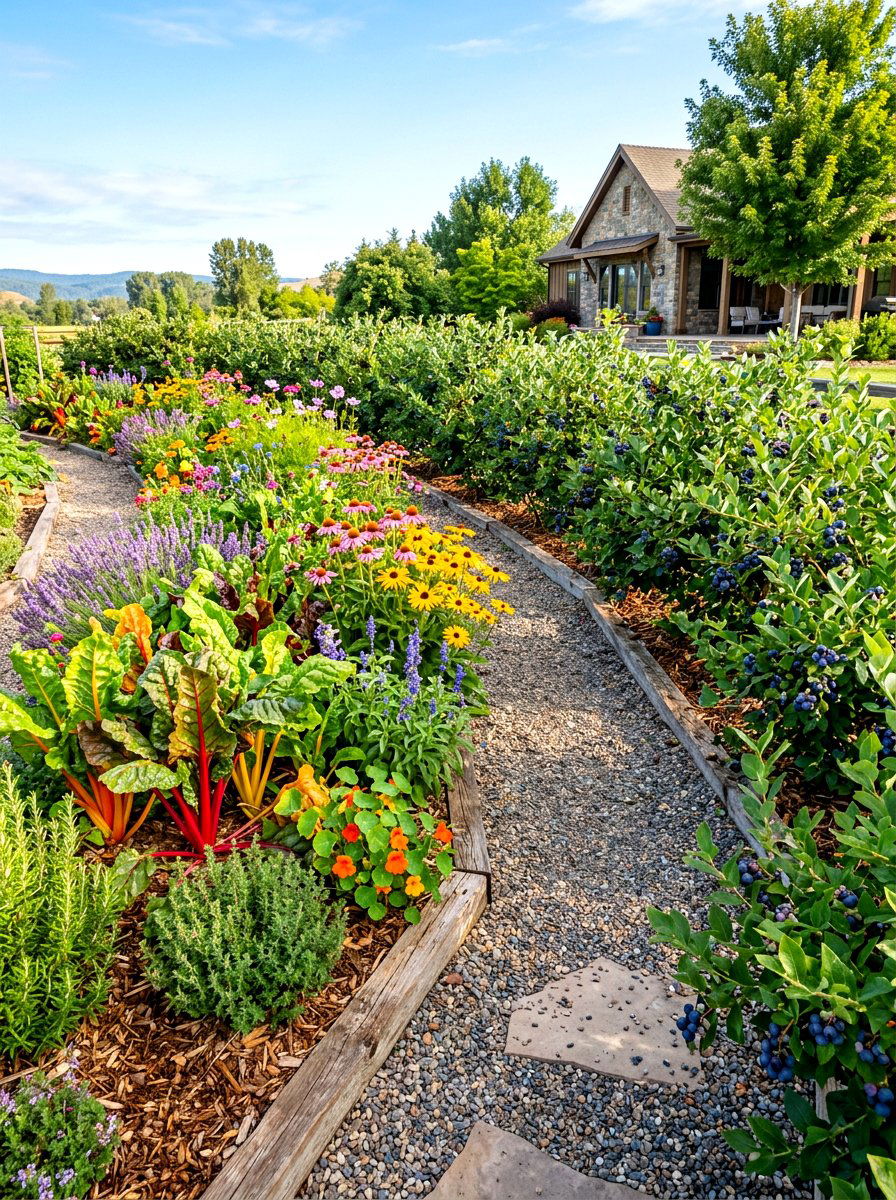
An edible pocket landscape blurs the line between a traditional flower garden and a productive vegetable patch. Instead of hiding your food plants in the back, you can integrate them into your ornamental beds for a beautiful and useful display. Consider planting colorful Swiss chard alongside purple pansies or using blueberry bushes as a privacy hedge. Scarlet runner beans can be grown up a decorative trellis to provide both flowers and food. This approach maximizes your space by making every plant serve a dual purpose. It is a wonderful way to teach children about where their food comes from while maintaining a gorgeous and stylish yard.
22. Xeriscape Rock Garden
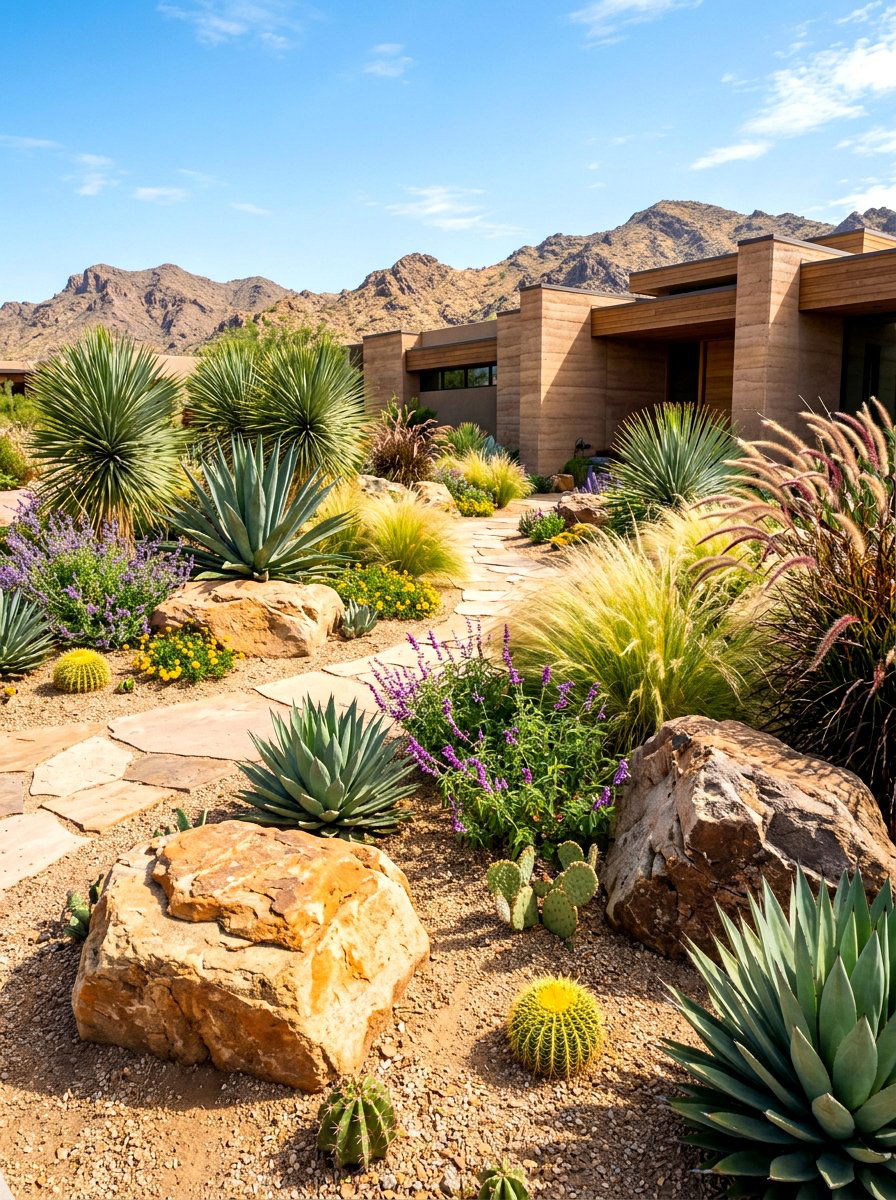
Xeriscape rock garden designs are the ultimate choice for environmentally conscious homeowners living in arid regions. By replacing thirsty lawns with a mix of boulders, gravel, and native desert plants, you can drastically reduce your water bill. Focus on plants like agave, yuccas, and ornamental grasses that require almost no supplemental irrigation once they are established. The variety of rock sizes and colors adds texture and visual weight to the landscape. This style of gardening is not only practical but also incredibly modern and rugged. It celebrates the natural beauty of the local environment while providing a low-maintenance and high-impact solution for a small sunny yard.
23. Fire Pit Garden
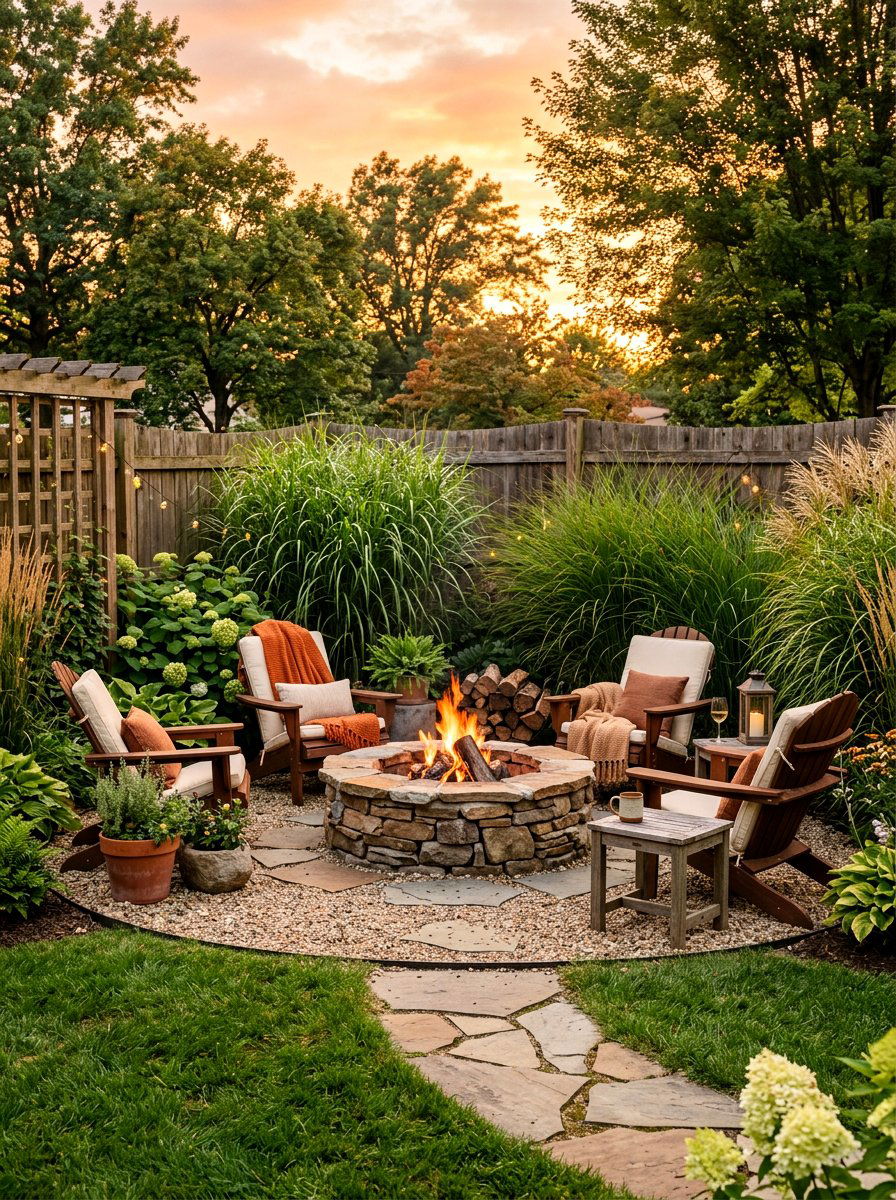
A fire pit garden creates a social hub that extends the usability of your outdoor space into the cooler months. By clearing a small circular area and surrounding it with comfortable Adirondack chairs or a built-in stone bench, you create an inviting destination. Use heat-resistant gravel or flagstone under the pit to ensure safety and easy cleanup. Surround the seating area with tall grasses or fragrant shrubs to provide a sense of enclosure and privacy from the neighbors. This pocket garden is less about the plants and more about the experience of gathering around a warm flame. It turns a simple backyard corner into a cozy and functional outdoor living room.
24. Secret Gate Garden
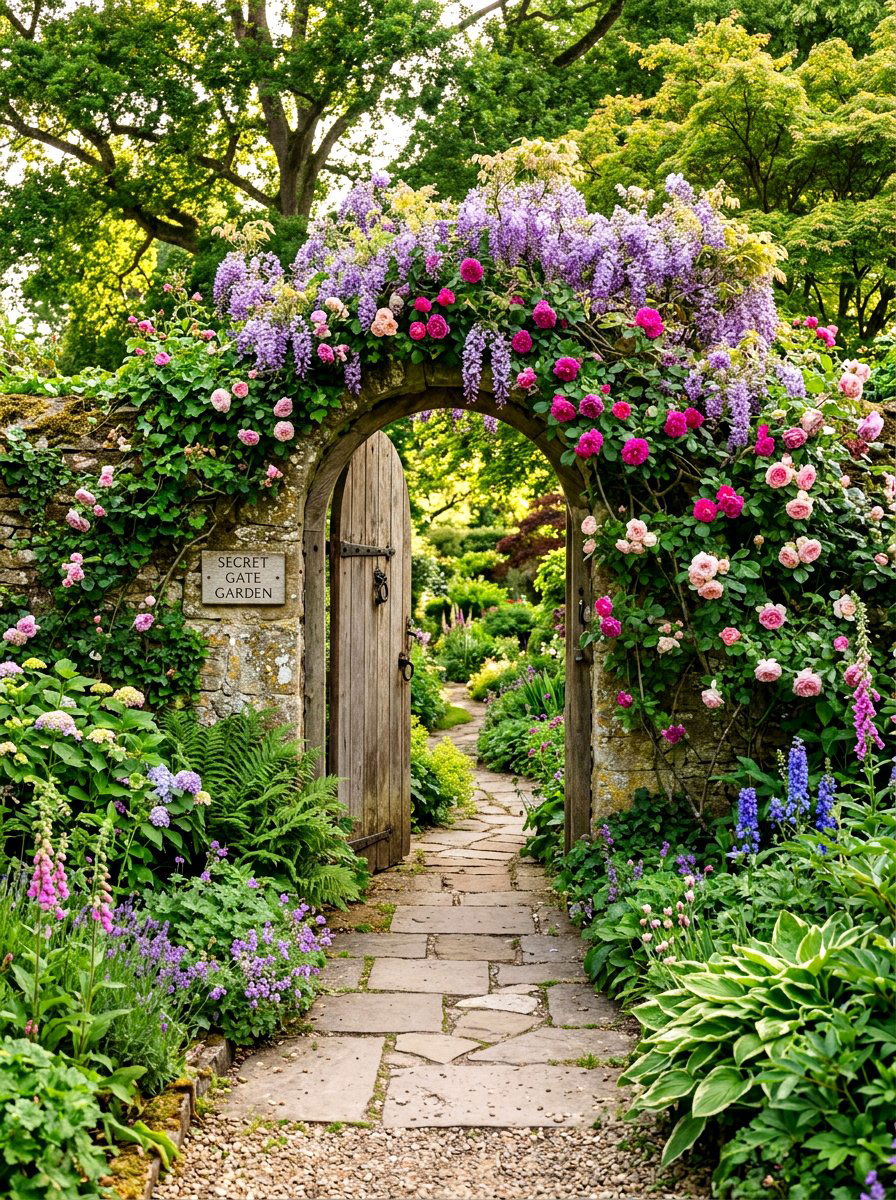
Secret gate garden concepts use architectural elements to create a sense of mystery and transition on your property. By installing a charming wooden or wrought-iron gate between two sections of the yard, you signal that something special lies beyond. Surround the entrance with climbing roses or wisteria to make it feel like an old-world discovery. Even if the space behind the gate is just a small seating area, the act of passing through a portal makes it feel like a private sanctuary. This design technique is perfect for making a small lot feel more complex and interesting. It encourages visitors to slow down and appreciate the hidden details.
25. Backyard Wildlife Pond
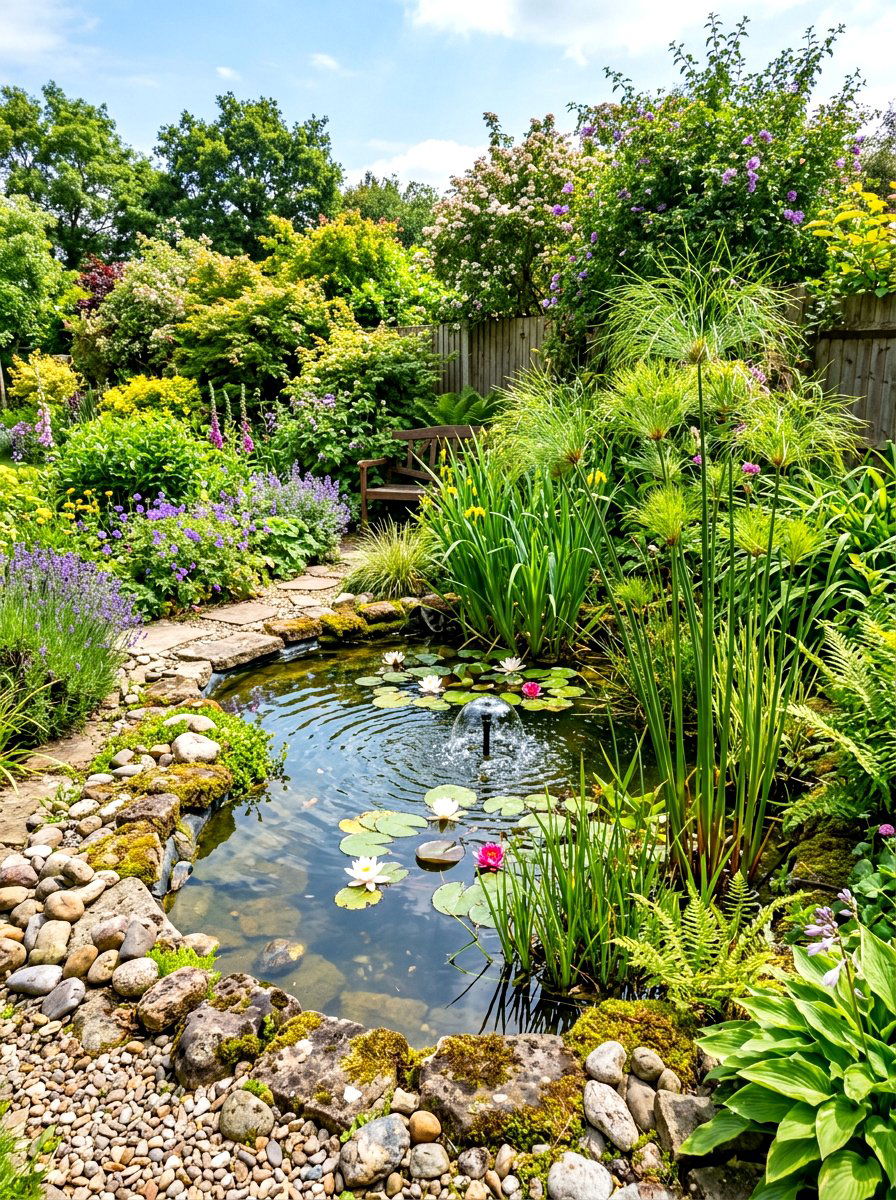
A backyard wildlife pond can be surprisingly easy to install in a small corner using a pre-formed liner or a large waterproof container. Adding a few aquatic plants like water lilies and papyrus provides oxygen and cover for small fish or frogs. The sound of a tiny solar-powered fountain adds a relaxing layer of white noise to your outdoor environment. Surrounding the edges with flat rocks and low-growing groundcover helps the pond blend seamlessly into the rest of the landscape. This pocket garden serves as a vital water source for birds and beneficial insects. It creates a peaceful, watery oasis that brings a completely different ecosystem to your yard.
26. Modern Rooftop Garden
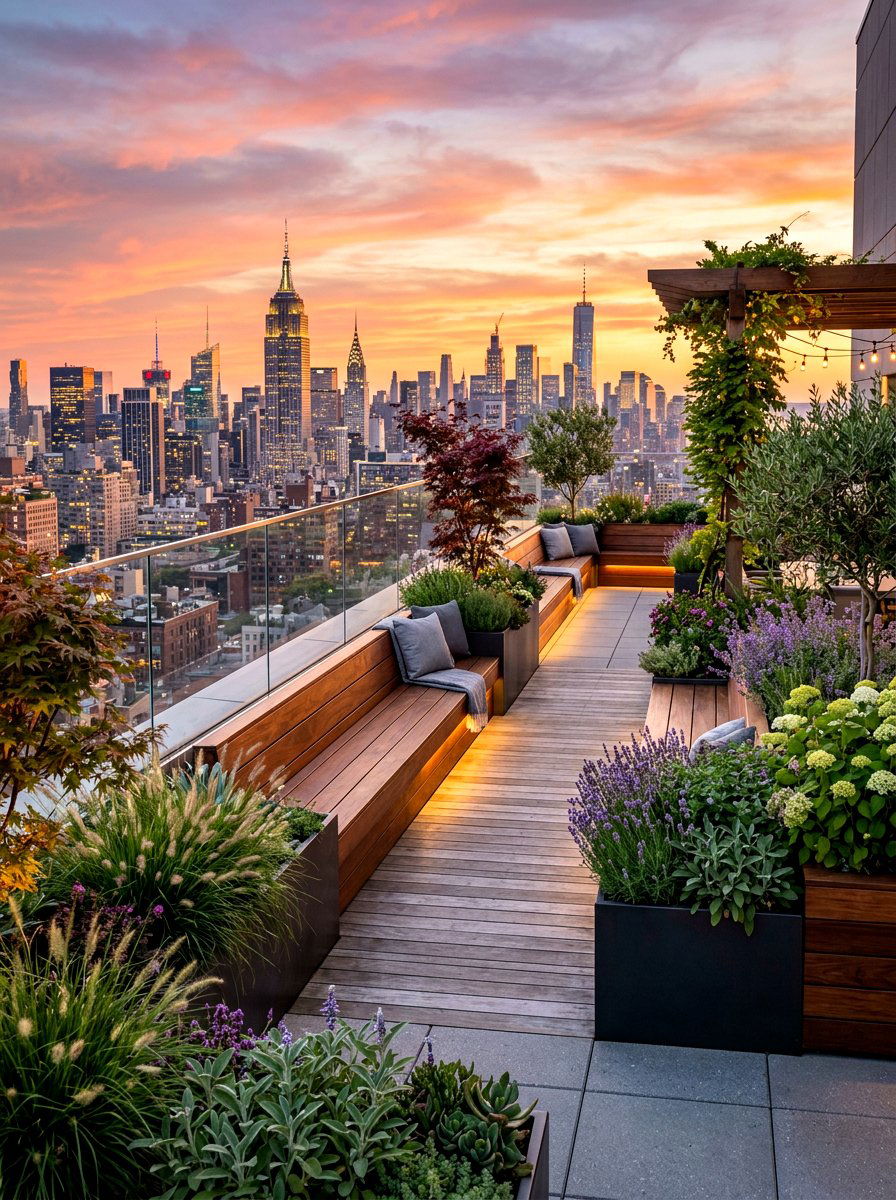
Modern rooftop garden setups take advantage of unused skyward space to create a private urban sanctuary with a view. Using lightweight planters and modular decking is essential for managing the weight on the building structure. You can create a sleek look with built-in bench seating and minimalist glass railings that don't block the city skyline. Drought-tolerant plants are best here, as rooftops tend to be windier and sunnier than ground-level gardens. Adding some outdoor lighting and a small umbrella provides comfort during both day and night. This elevated retreat offers a unique perspective and a quiet escape from the noise and heat of the busy streets below.
27. Native Wildflower Garden
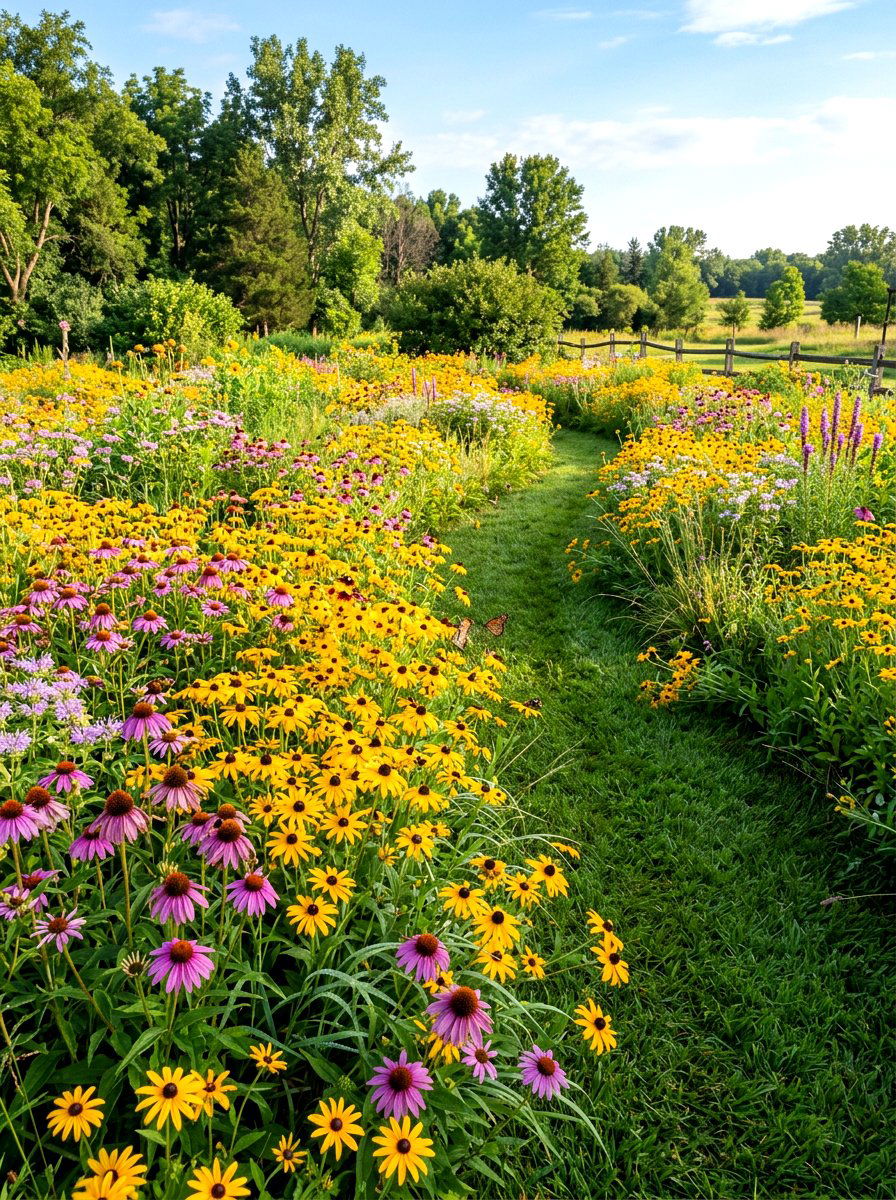
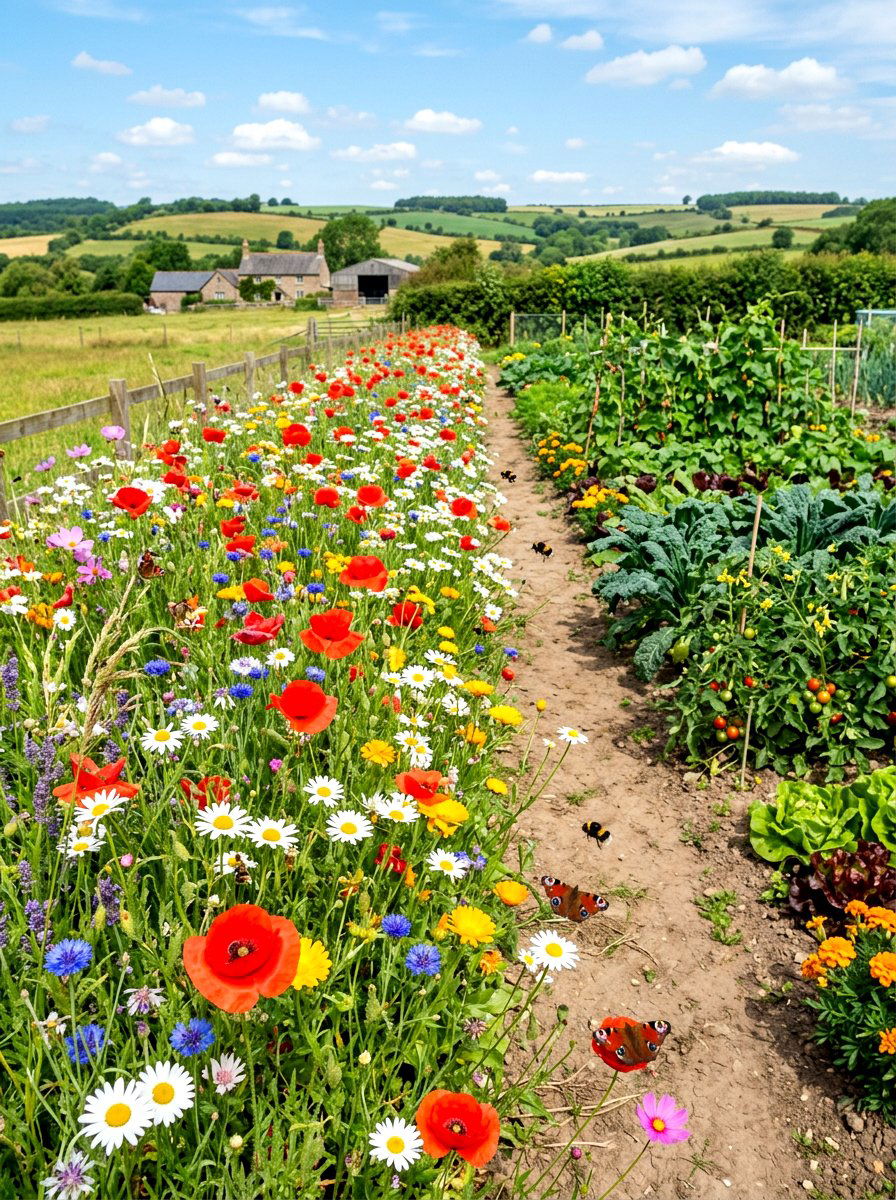
A native wildflower garden is a low-effort way to bring a piece of the local prairie or meadow into your backyard. By selecting seeds that are indigenous to your specific region, you ensure that the plants will thrive with minimal intervention. These flowers often have deep root systems that help prevent soil erosion and improve water infiltration. The resulting landscape is a colorful, textured tapestry that changes throughout the growing season. You can mow a simple path through the center to keep it feeling intentional rather than overgrown. This type of pocket garden is a win-win for both the homeowner and the local environment.
28. Artistic Sculpture Garden

An artistic sculpture garden uses outdoor art as the primary focal point, with plants serving as a supporting backdrop. By placing a modern metal statue or a large stone carving in a small alcove, you create a sophisticated gallery-like atmosphere. Surround the art with simple, low-growing greenery like hostas or boxwoods to ensure the sculpture remains the star of the show. Strategic spotlighting at night can create dramatic shadows and highlight the textures of the piece. This approach is perfect for small courtyards or entryways where you want to make a bold, personal statement. It combines the worlds of art and nature in a very curated way.
29. Sensory Nook Garden
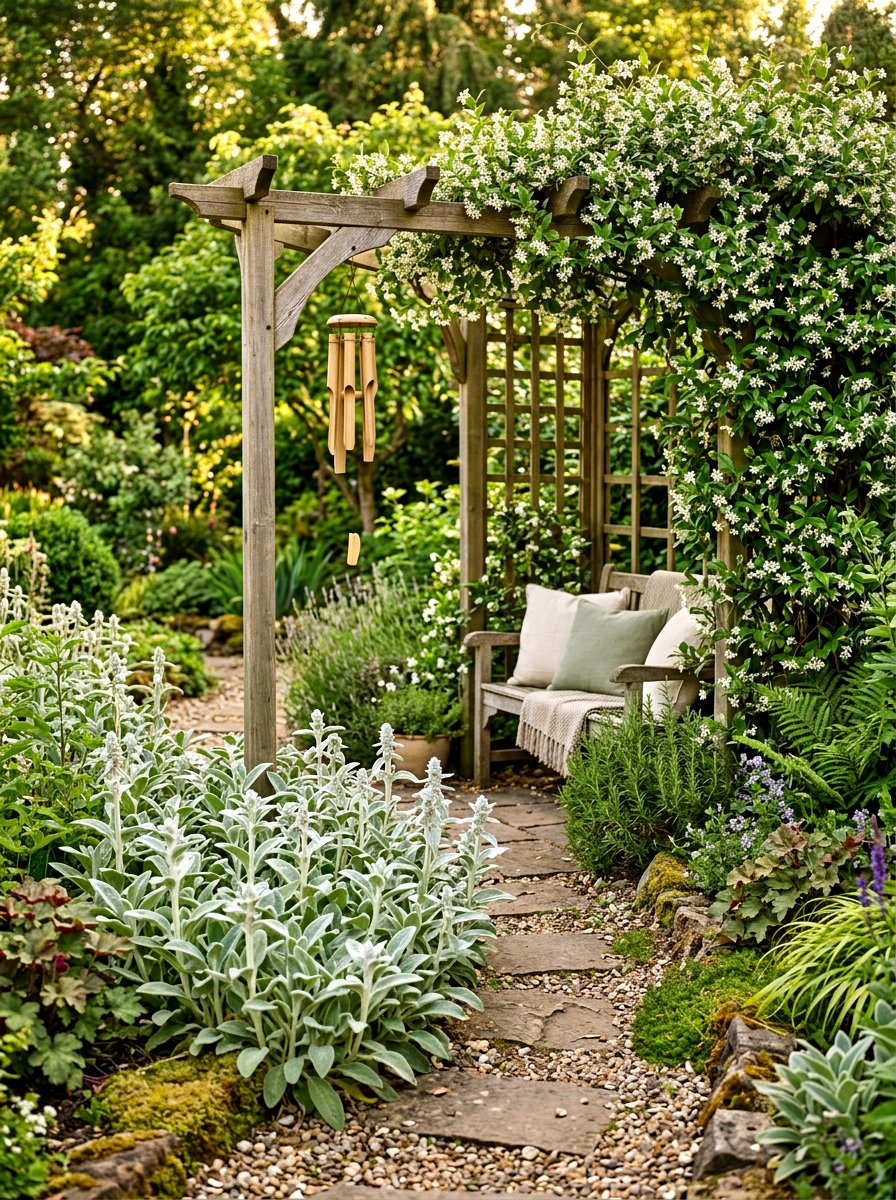
A sensory nook garden is designed to engage all five senses, providing a truly immersive and therapeutic outdoor experience. Include soft-to-the-touch plants like lamb’s ear, highly fragrant flowers like gardenias, and rustling grasses that catch the wind. You can add a small wind chime or a trickling water feature to provide a soothing soundtrack. Incorporating edible berries or herbs allows for a quick snack while you relax in the space. Use a variety of colors and textures to provide a visual feast that changes with the light. This tiny garden is perfect for stress relief and mindfulness, offering a small but powerful dose of nature's healing properties.
30. Under Stair Garden
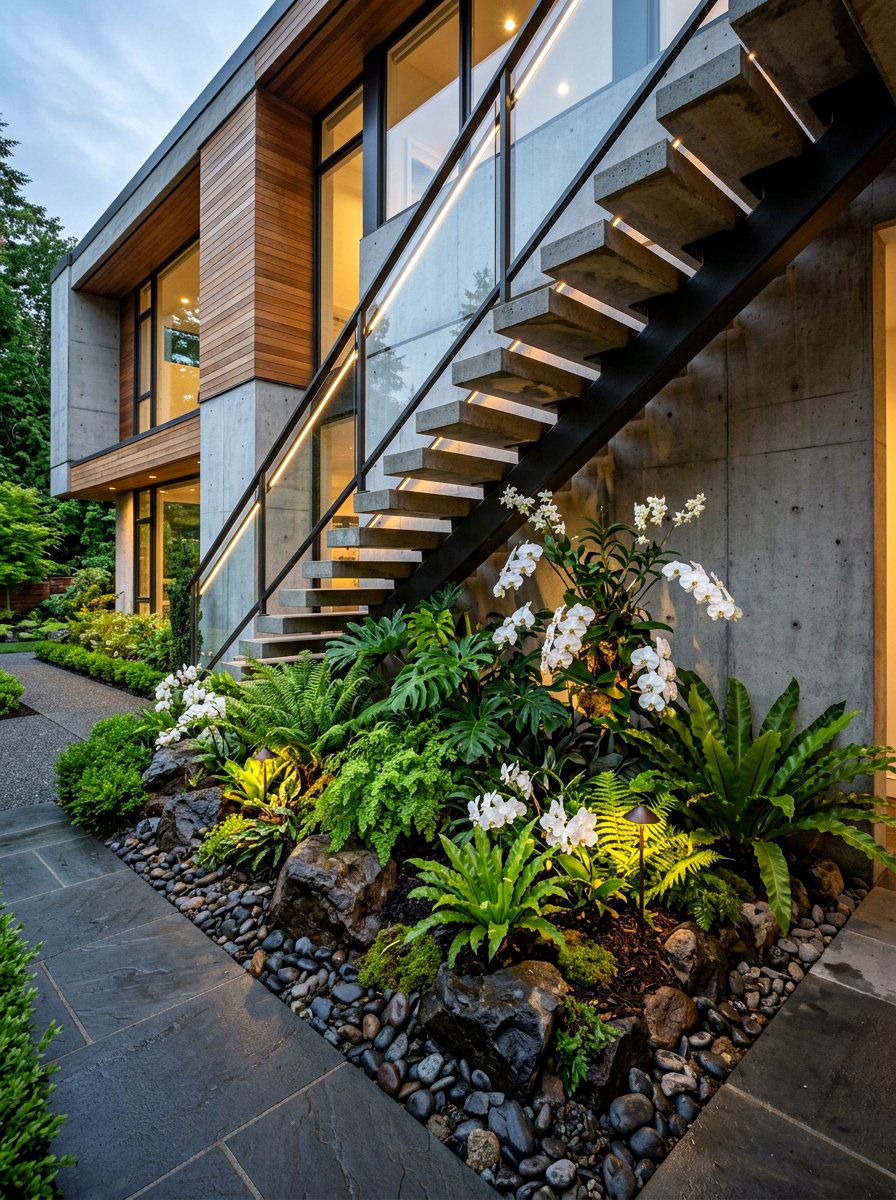
An under stair garden turns a frequently wasted and awkward space into a beautiful architectural feature. Because these areas are often sheltered and shady, they are perfect for tropical-looking plants like ferns, orchids, or bromeliads. You can use decorative gravel and large river stones to create a clean, modern floor that requires no mowing. If the area is dark, installing small LED spotlights can highlight the plants and make the space feel like a high-end interior design feature. This transformation adds unexpected beauty to a functional part of the home. It proves that there is no space too small or too strange to be turned into a garden.
Conclusion:
Pocket gardens prove that size truly does not matter when it comes to creating a beautiful and functional outdoor space. By carefully selecting plants and using clever design tricks, you can turn any small nook into a personal sanctuary that reflects your style. Whether you are growing food, supporting local wildlife, or simply seeking a quiet place to meditate, these miniature landscapes offer endless rewards. They increase your property value, improve your mental health, and bring a sense of peace to your daily life. We hope these thirty diverse concepts have inspired you to start your own small-scale gardening journey today. Your perfect green oasis is just waiting to bloom.

Related posts: