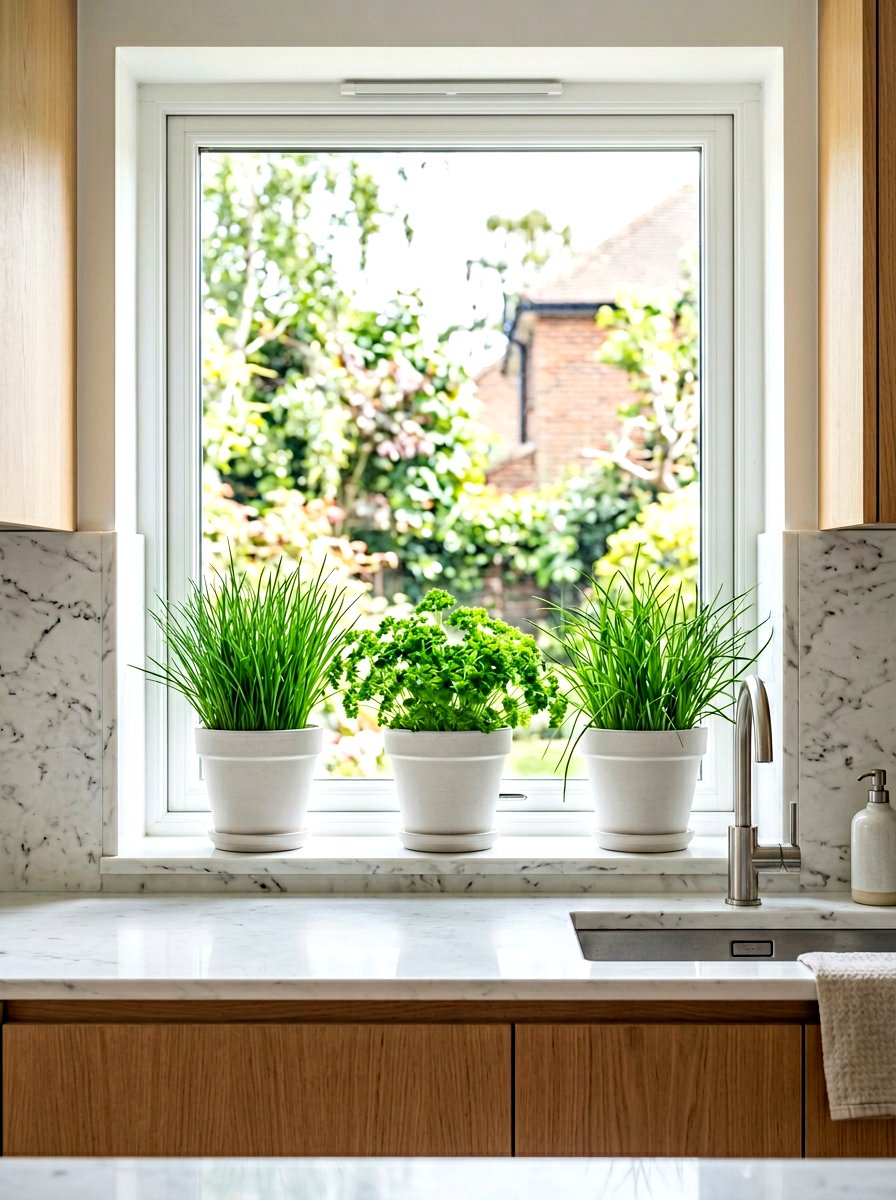
Living in a compact urban residence often means you must get creative to enjoy the benefits of nature. Many people assume that a lack of a backyard prevents them from growing a lush landscape, but apartment gardening proves otherwise. By utilizing vertical spaces, sunny windowsills, and specialized containers, you can transform a small flat into a vibrant sanctuary. Modern gardening solutions allow for high-yield harvests and aesthetic displays in even the tightest quarters. This shift toward indoor and balcony greenery improves air quality while providing a relaxing hobby that reduces daily stress. This guide offers thirty practical ways to help you cultivate a beautiful and functional garden environment at home.
1. Vertical wall planter
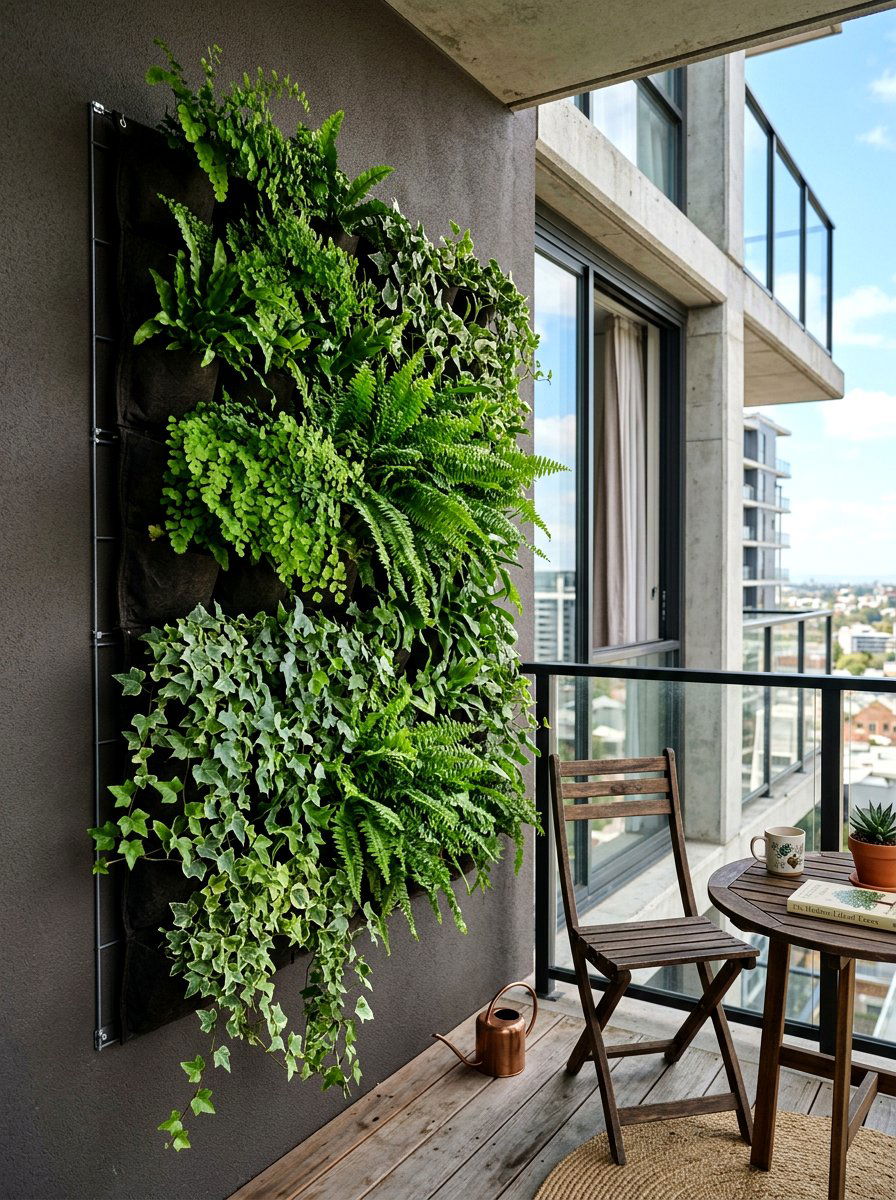
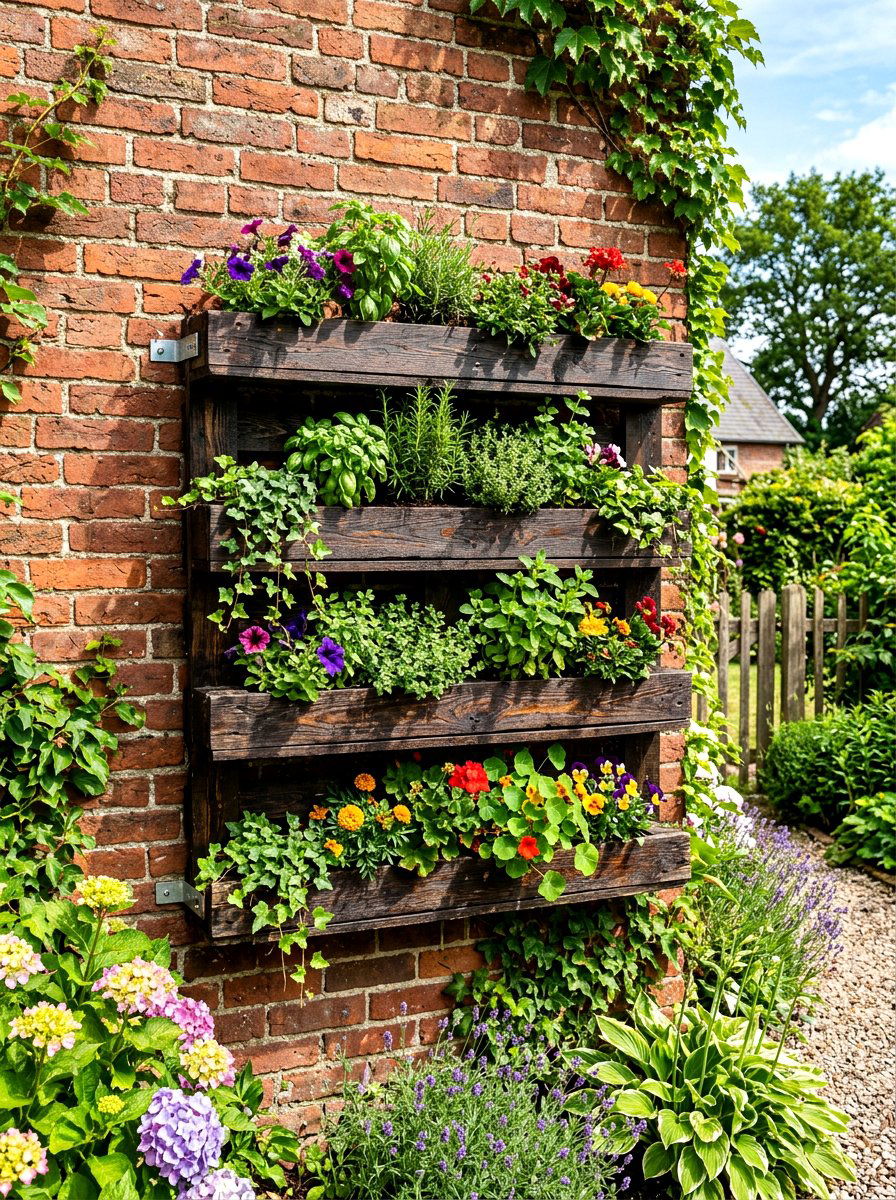
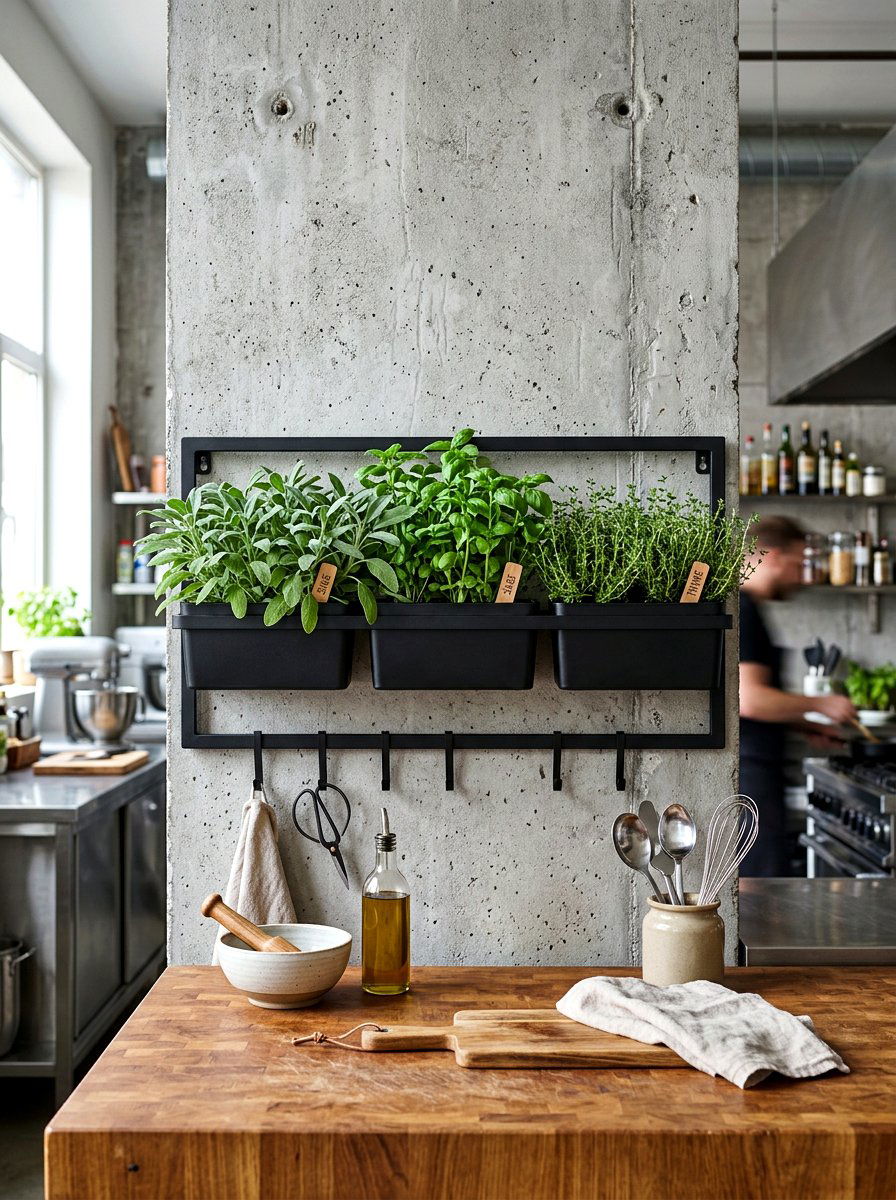
Transforming a bare wall into a living tapestry is one of the most effective ways to garden in a small apartment. A vertical wall planter utilizes height rather than floor space, making it perfect for narrow balconies or sunny kitchen walls. You can choose modular systems with individual pots or felt pockets that allow roots to breathe easily. This design creates a striking focal point that draws the eye upward and softens the look of cold concrete surfaces. Watering becomes simpler when you group plants with similar needs together on one structure. Whether you grow ornamental ferns or trailing vines, this vertical approach maximizes every inch of your living area.
2. Balcony railing planter
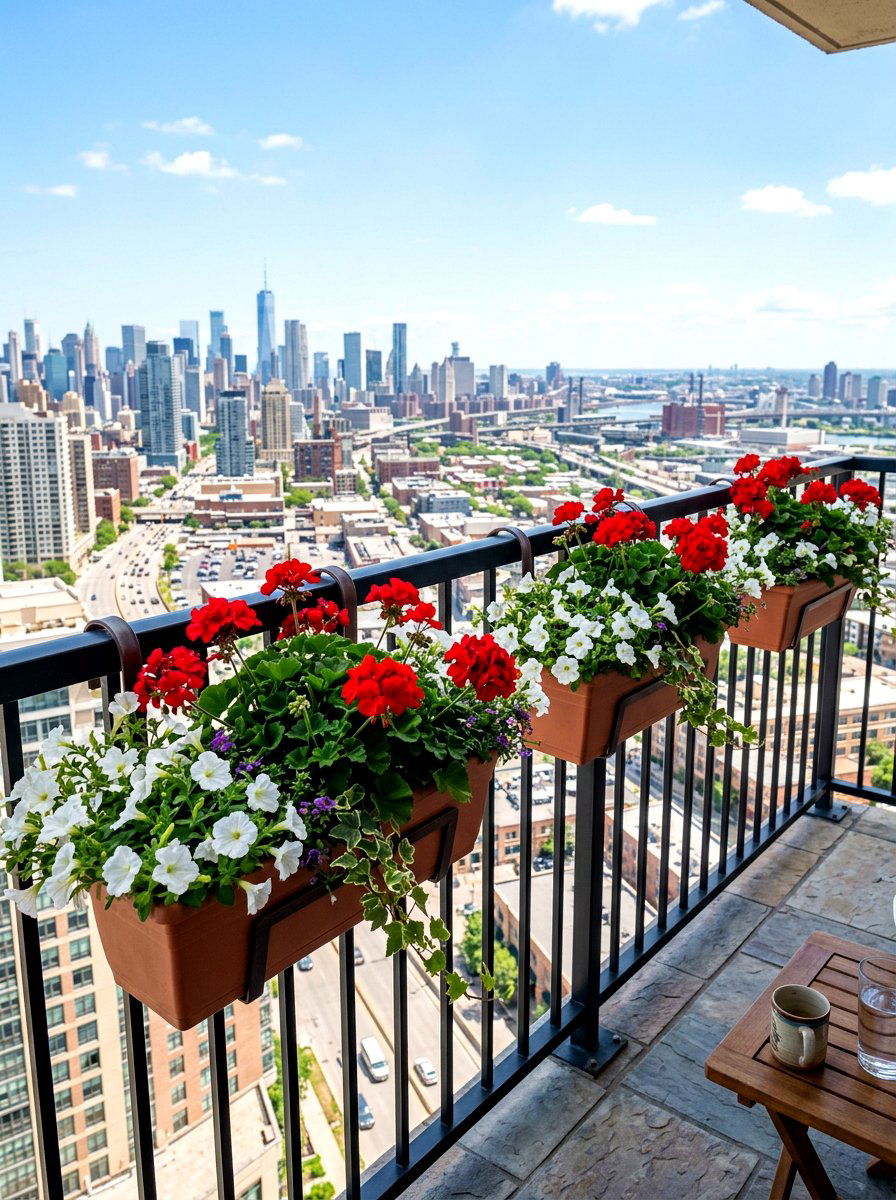
Utilizing the perimeter of your outdoor space is a smart strategy for anyone with a small balcony. A balcony railing planter hooks directly onto the metal or wood bars, freeing up valuable floor area for a bistro set or storage. These long containers are ideal for growing colorful annuals, cascading petunias, or even a row of fresh culinary herbs. Choosing weather-resistant materials like durable plastic or galvanized steel ensures your garden looks great throughout the changing seasons. By positioning your greenery on the railing, you also create a natural privacy screen from neighbors. This setup turns an overlooked architectural feature into a productive and beautiful garden zone.
3. Windowsill herb garden
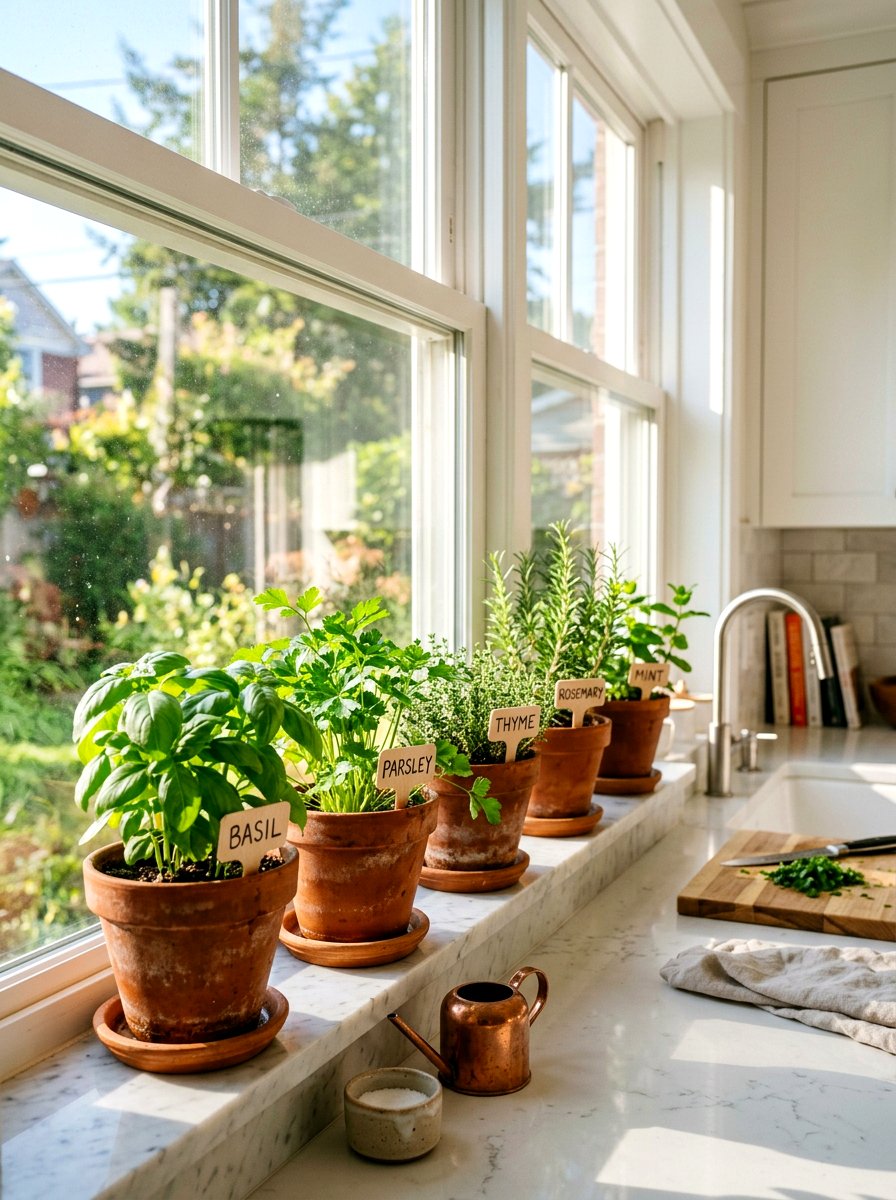
Few things are as satisfying as reaching for fresh basil or mint while you are busy cooking in the kitchen. A windowsill herb garden takes advantage of natural light and brings a refreshing aroma into your home. You can use a collection of small ceramic pots or a long rectangular tray that fits perfectly on the ledge. This setup keeps your most-used plants within arm's reach while adding a touch of greenery to your interior design. Choosing a south-facing window provides the most consistent sunlight for sun-loving varieties like rosemary and thyme. It is a low-maintenance way to enjoy organic flavors without needing a traditional garden plot.
4. Tiered plant stand
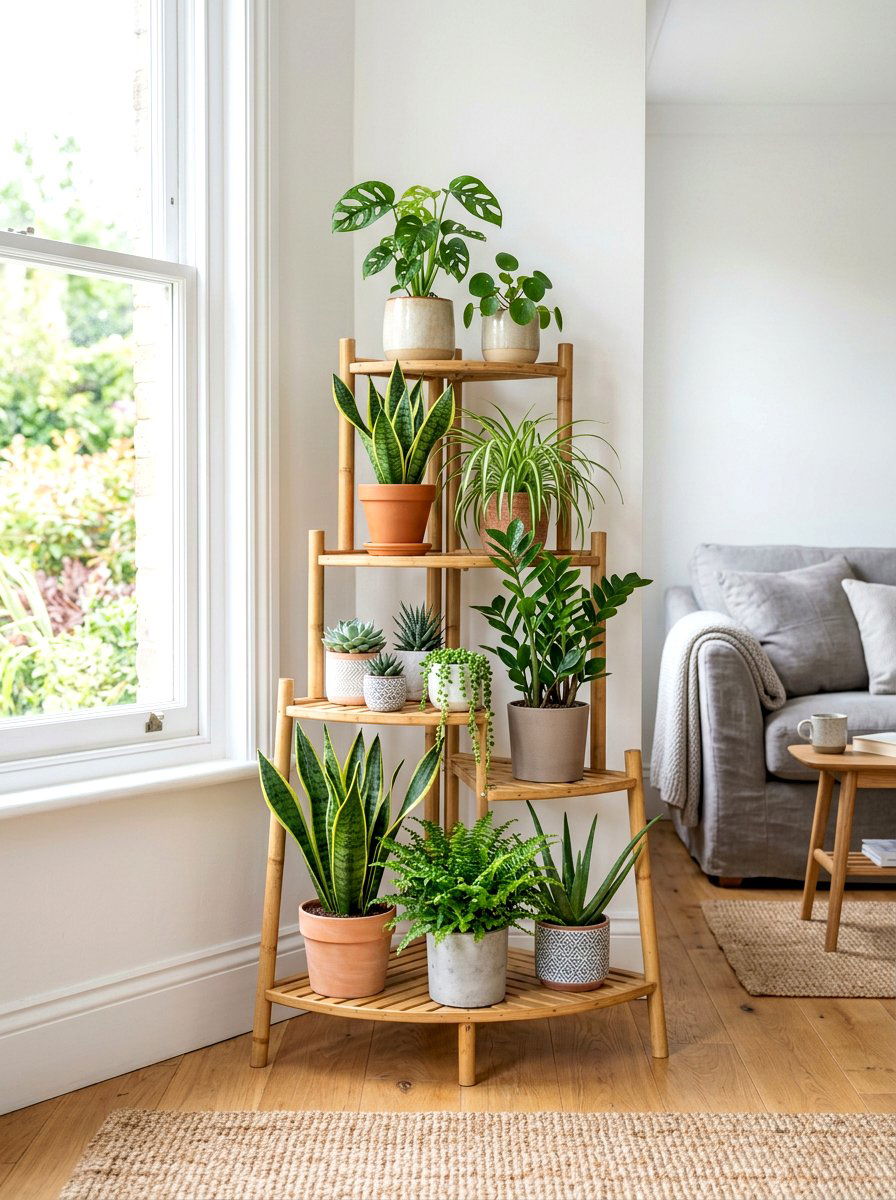
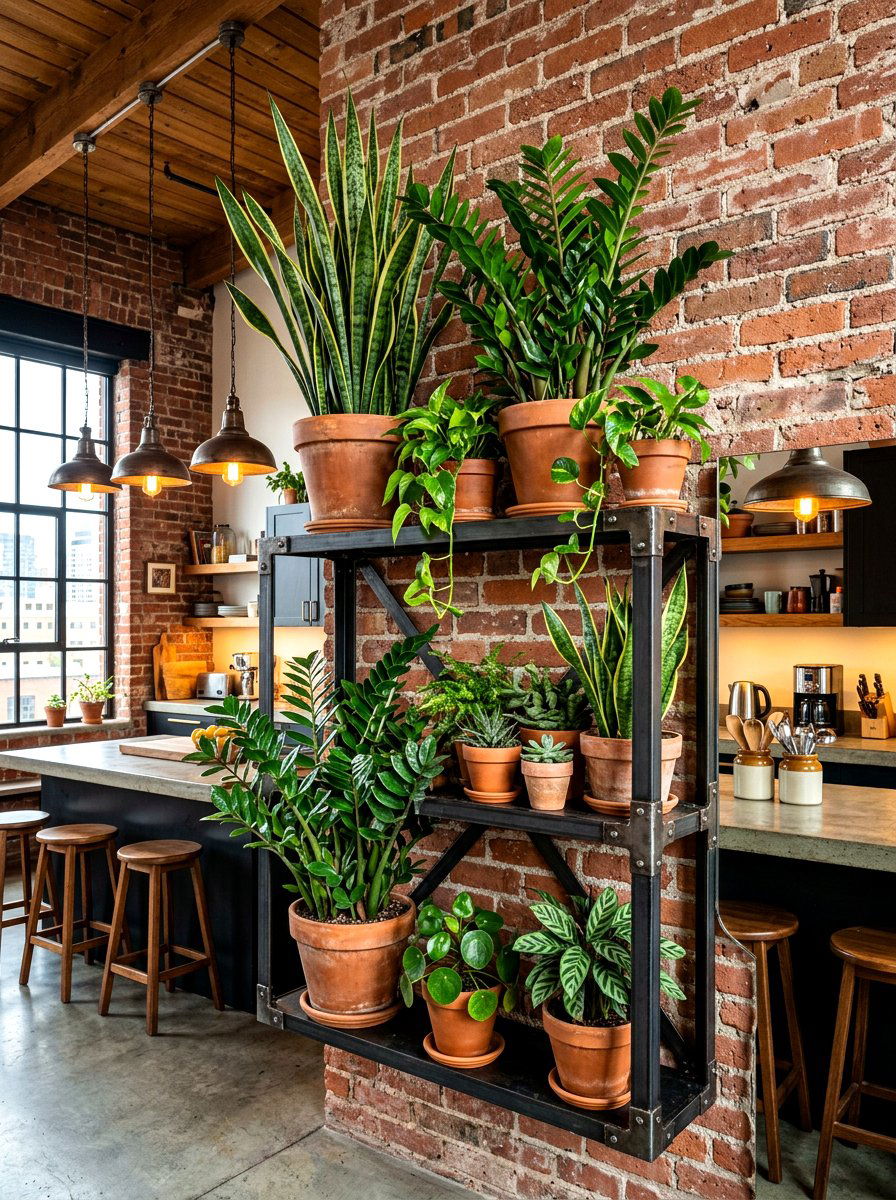
Creating layers of greenery adds depth and visual interest to any corner of a room or balcony. A tiered plant stand allows you to display multiple species in a small footprint by utilizing different heights. You can place sun-loving succulents on the top level while putting shade-tolerant ferns on the lower shelves. This design prevents the space from looking cluttered and gives each plant its own designated spot to shine. Many stands are made from lightweight bamboo or metal, making them easy to move as the seasons change. It is an excellent way to organize a growing collection while keeping the floor clear and open.
5. Hanging macrame basket
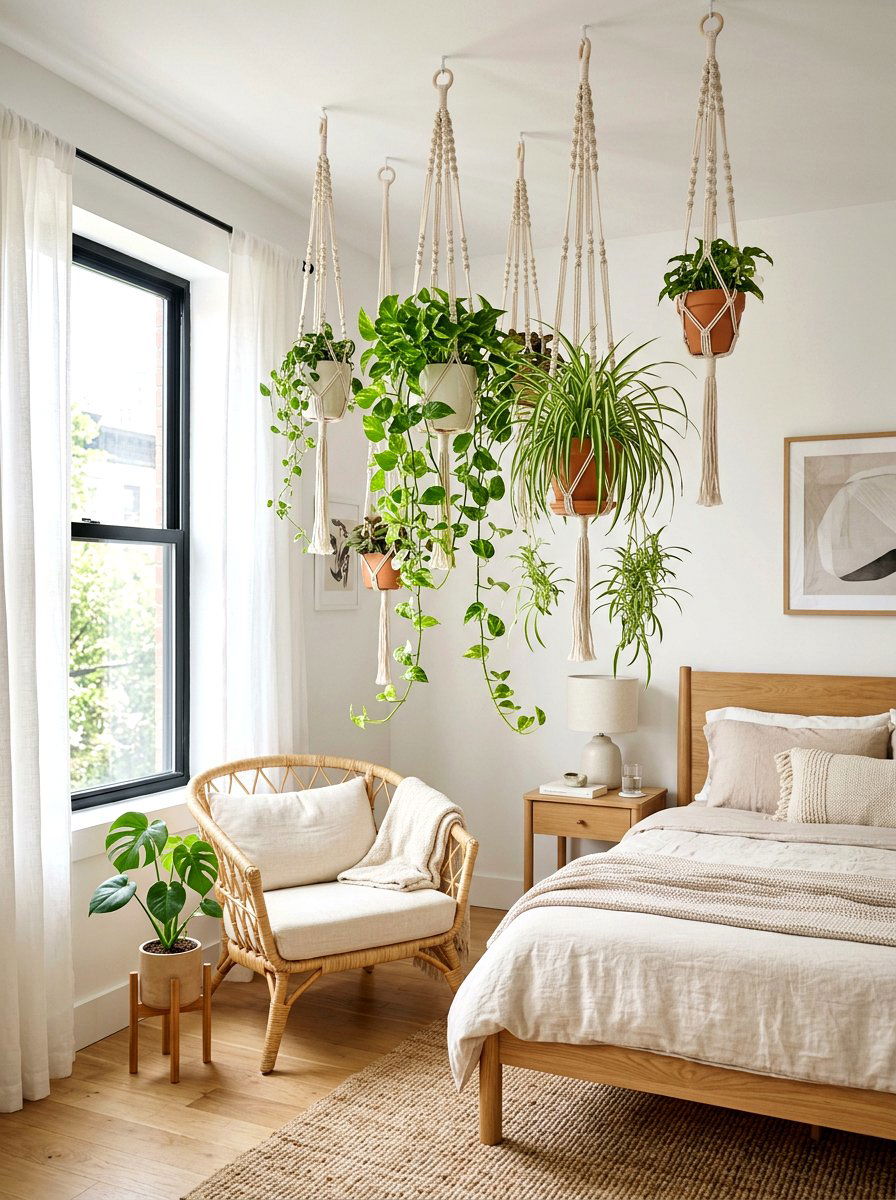
Suspending your plants from the ceiling is a classic technique that adds a bohemian flair to your home decor. A hanging macrame basket allows you to utilize the often-wasted space above furniture or in corners. Trailing plants like ivy, pothos, or spider plants look particularly stunning when their foliage cascades over the sides of the pot. This method keeps your surfaces clear and prevents pets or toddlers from reaching delicate leaves. You can vary the lengths of the cords to create a dynamic, floating garden effect throughout the room. It is a simple yet effective way to bring nature into a room without sacrificing any walking space.
6. Indoor hydroponic garden
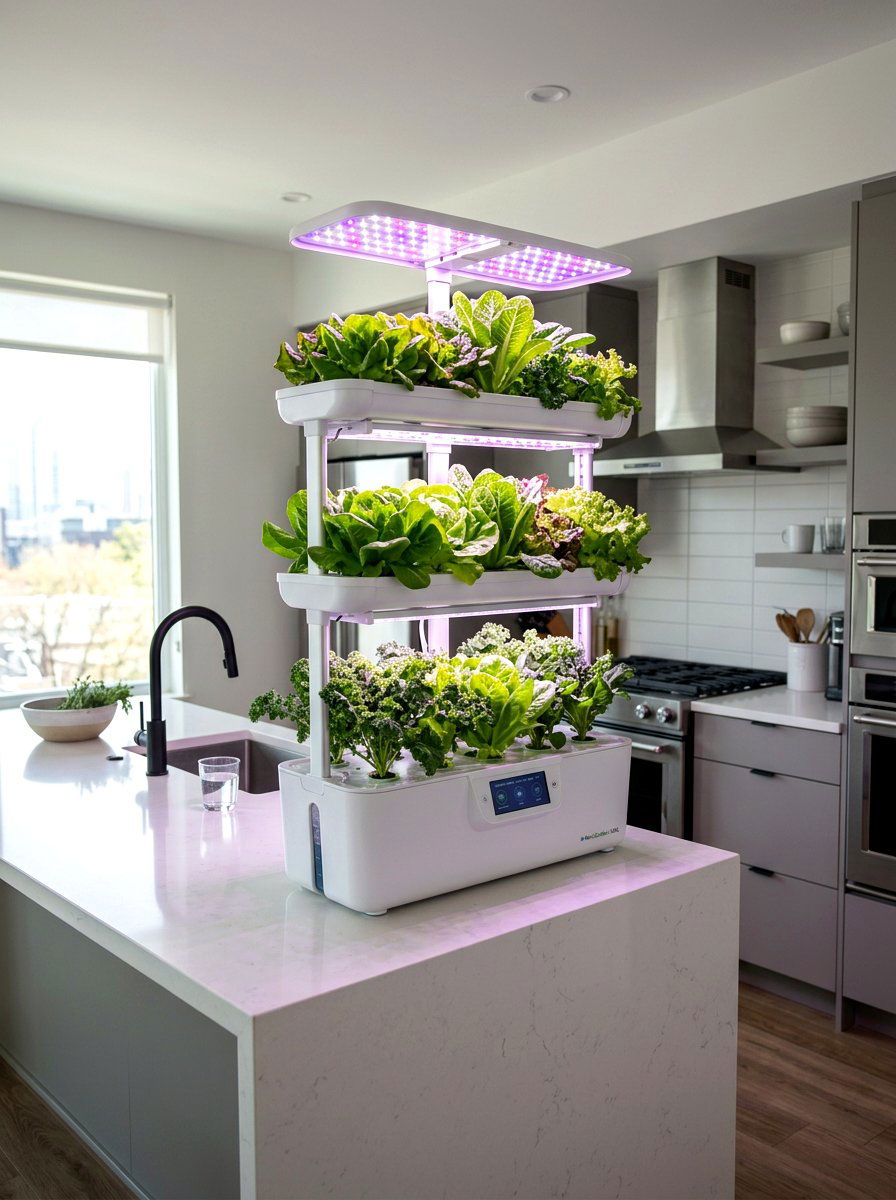
For those who live in apartments with minimal sunlight, an indoor hydroponic garden offers a high-tech solution for growing food. These systems use water and nutrient solutions instead of soil, often coming with built-in LED grow lights to simulate the sun. You can grow leafy greens, strawberries, and herbs all year round, regardless of the outdoor weather. The sleek and modern design of these units fits perfectly on a kitchen counter or a side table. Because they are self-contained, there is no messy soil to deal with, making them ideal for clean apartment living. It is the ultimate "set it and forget it" gardening method.
7. Succulent garden tray
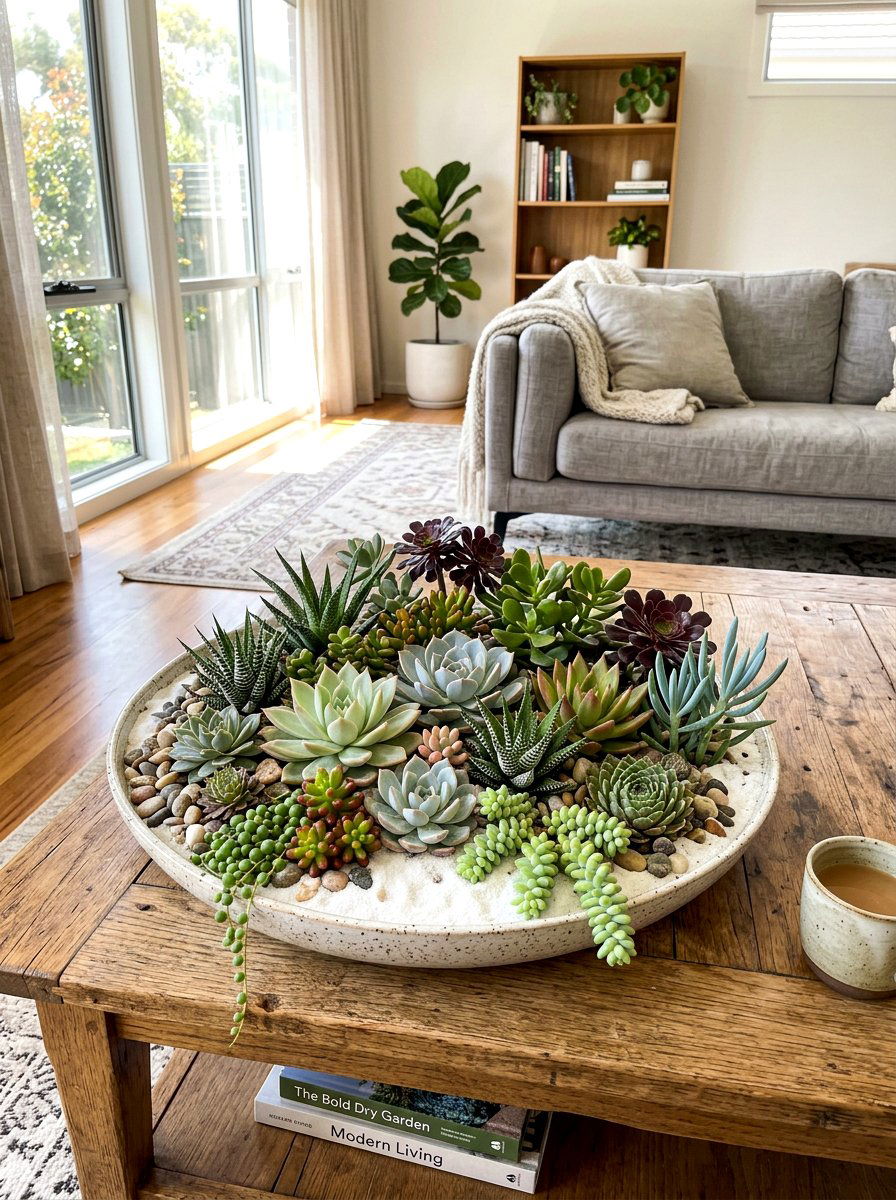
Creating a miniature desert landscape in a shallow container is a beautiful and low-maintenance option for busy urbanites. A succulent garden tray can sit on a coffee table or a desk, requiring very little water to thrive. You can mix various textures and colors, from spiky aloe to soft, rounded echeveria, to create a captivating arrangement. Adding decorative pebbles or sand around the base of the plants enhances the natural aesthetic and helps with drainage. These hardy plants are perfect for beginners who might forget to water frequently but still want a splash of life in their home. It is a compact and stylish design.
8. Bamboo privacy screen
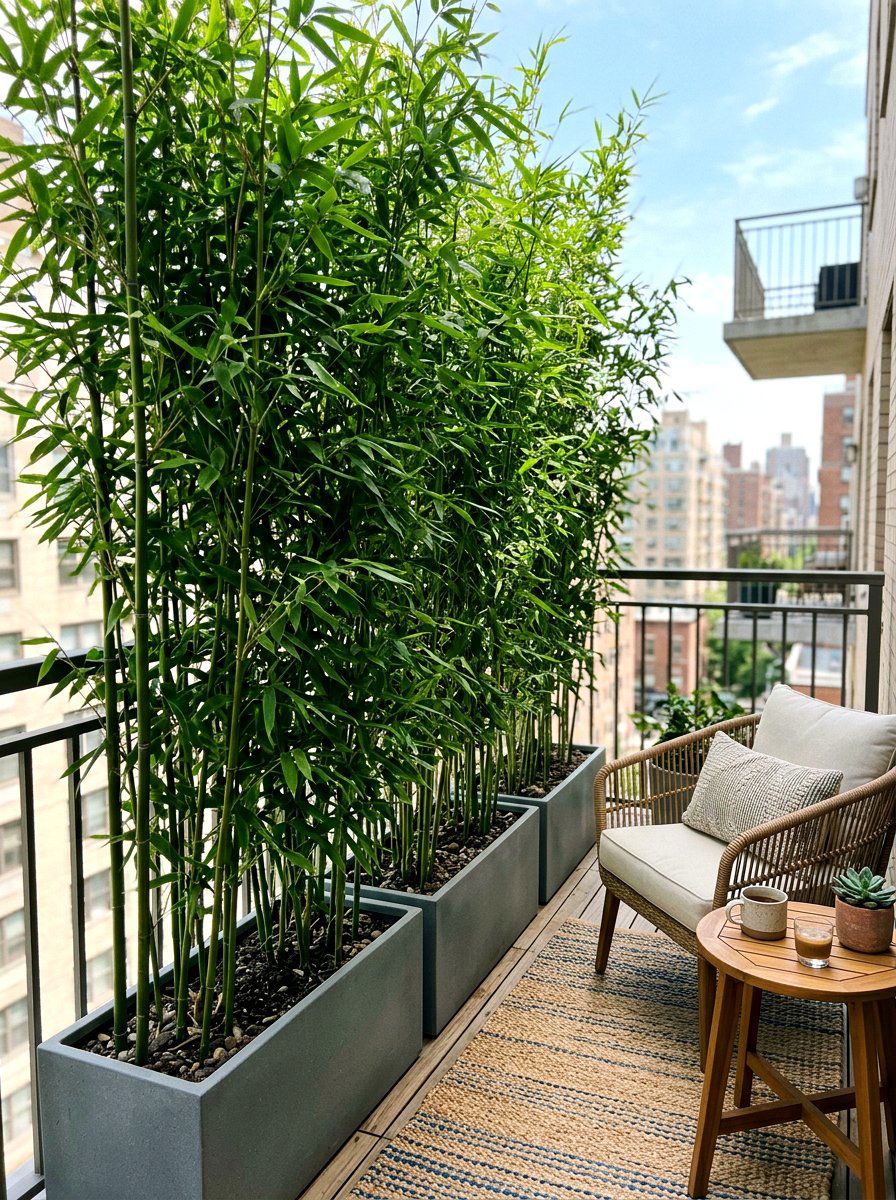
Living in an apartment often means being overlooked by neighbors, but you can use nature to reclaim your privacy. A bamboo privacy screen consists of tall, slender stalks planted in long, narrow troughs along the edge of a balcony. This fast-growing plant creates a dense green wall that blocks sightlines while still allowing a gentle breeze to pass through. It adds a tropical or Zen-like atmosphere to your outdoor area, making it feel more like a secluded retreat. Bamboo is also excellent for reducing noise from the street below. Using a non-invasive clumping variety ensures the roots stay contained within your pots for easy management.
9. Potted citrus tree
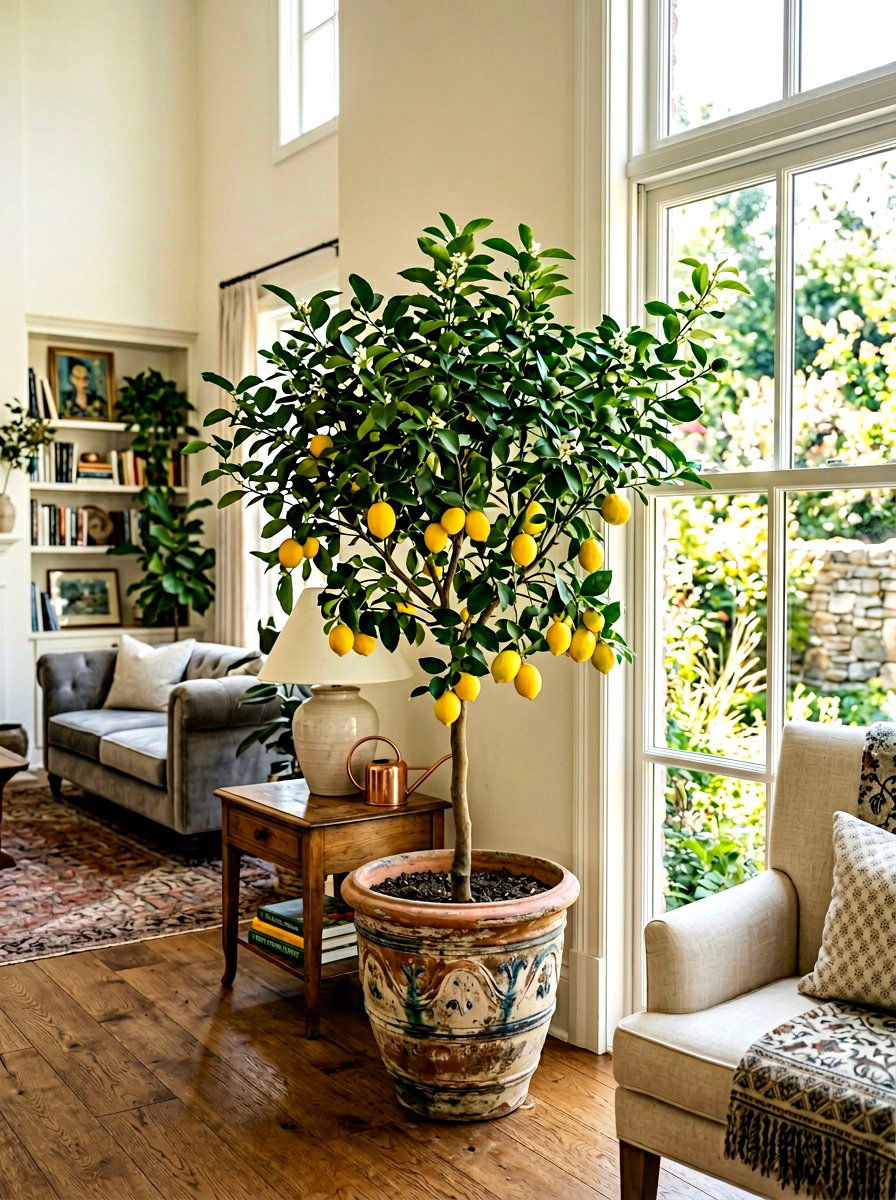
Bringing a touch of the orchard into your living room is possible with dwarf varieties of your favorite fruit trees. A potted citrus tree, such as a Meyer lemon or calamondin, can thrive in a large container near a sunny window. These trees produce fragrant white blossoms that fill your apartment with a sweet scent long before the fruit arrives. The deep green leaves provide a lush, architectural element to your interior design throughout the year. During the warmer summer months, you can move the pot out to the balcony to soak up extra sunlight. It is a rewarding way to grow your own edible produce indoors.
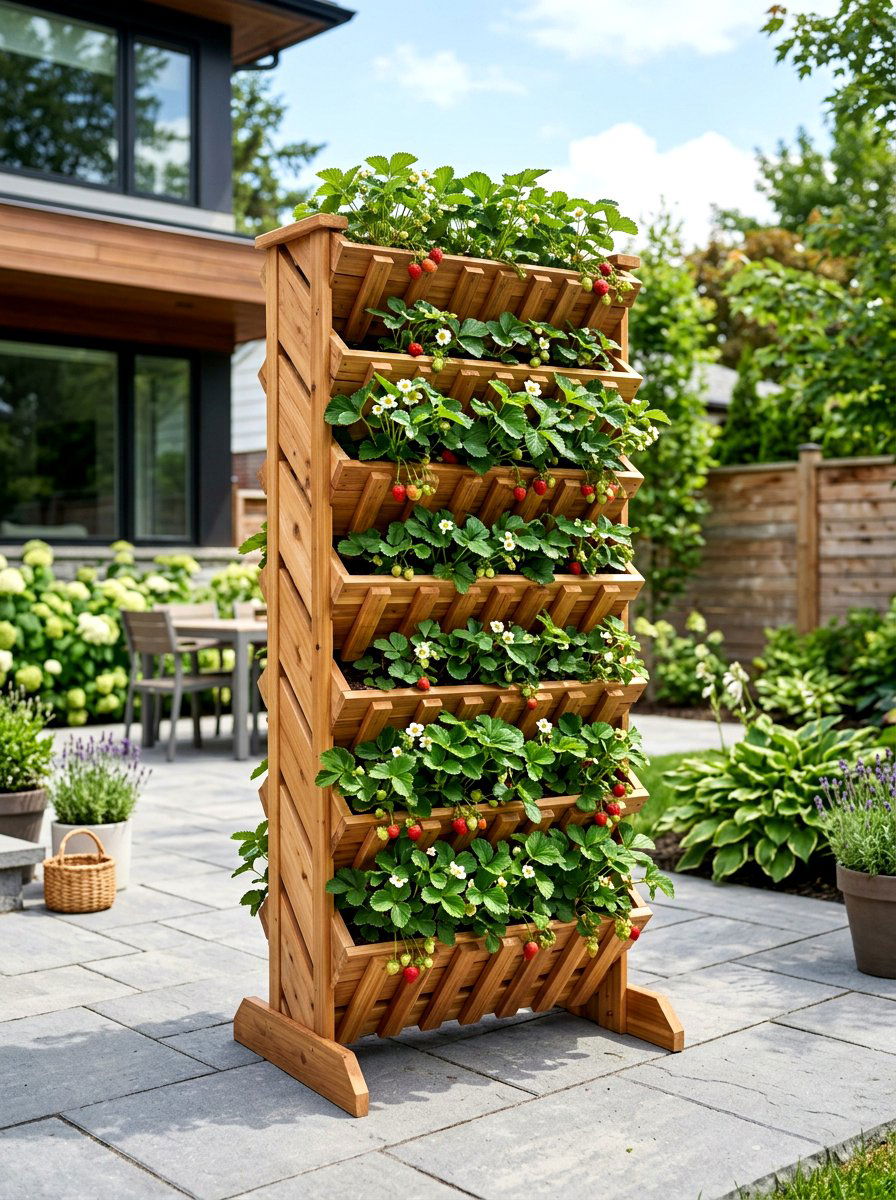
10. Self watering pot
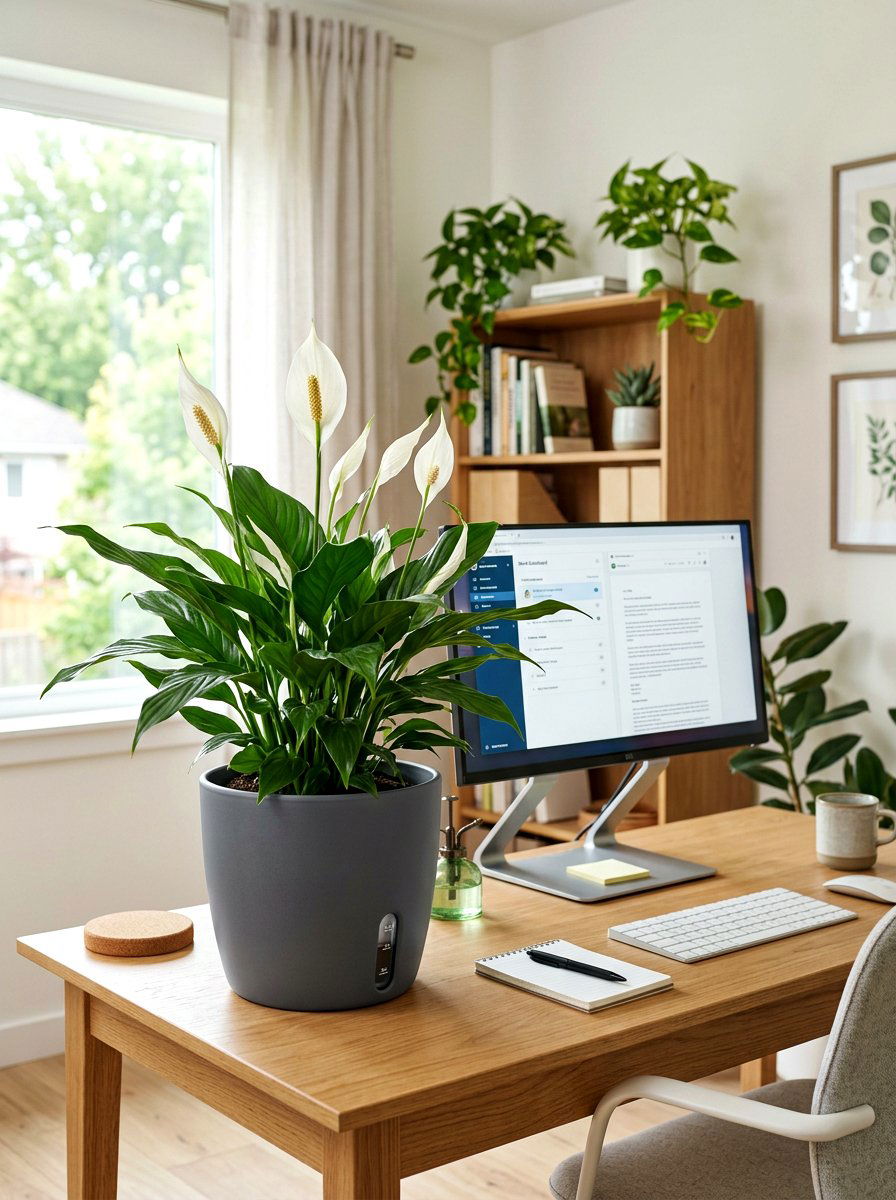
One of the biggest challenges for apartment gardeners is maintaining consistent moisture levels, especially when life gets busy. A self watering pot features a built-in reservoir that provides a steady supply of hydration to the roots as needed. This prevents the common problem of overwatering or allowing the soil to dry out completely between sessions. These containers are perfect for thirsty plants like ferns, peace lilies, or vegetables that require regular attention. The external indicator usually shows exactly when it is time to refill the tank, taking the guesswork out of plant care. It is an essential tool for maintaining a healthy and thriving indoor garden.
11. Ladder plant stand
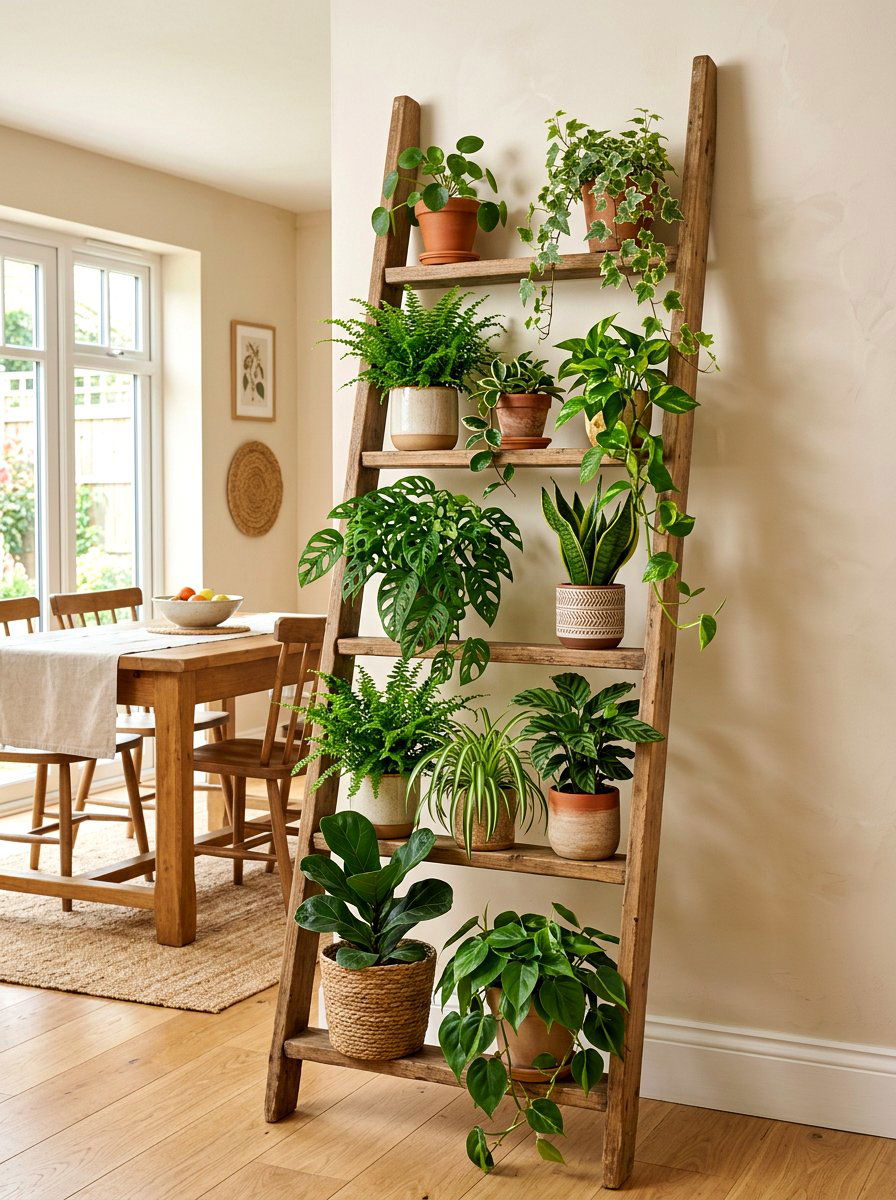
Using a repurposed or stylized ladder is a trendy way to display a variety of plants without taking up much room. A ladder plant stand leans against a wall, providing several horizontal steps for pots of different sizes. This vertical arrangement allows you to create a lush "green wall" effect while keeping the floor footprint extremely small. You can drape trailing plants over the top rungs and place heavier, more upright species on the wider bottom steps. The open design ensures that light reaches every level, helping all your plants flourish together. It is a versatile piece that fits well in living rooms, bedrooms, or even balconies.
12. Mini greenhouse cabinet
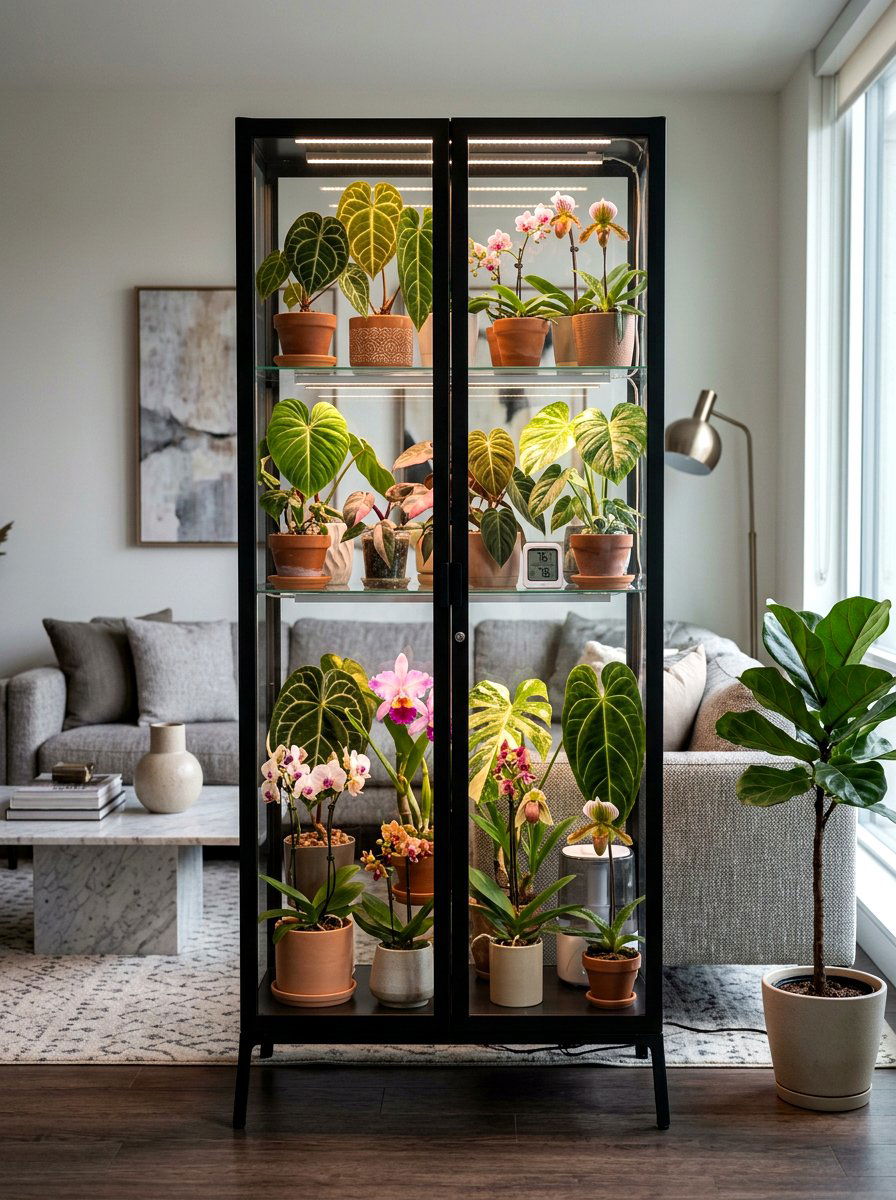
Creating a controlled environment for your more delicate species is easy when you use a glass-enclosed storage unit. A mini greenhouse cabinet keeps humidity levels high, which is perfect for tropical plants that struggle with dry indoor air. By adding a small humidifer and some LED grow lights inside, you can turn a standard cabinet into a professional-grade nursery. This setup protects your plants from drafts and fluctuating temperatures while providing a beautiful, museum-like display for your collection. It is a sophisticated way to house rare aroids or orchids that require specific conditions to thrive. The clear glass ensures you can enjoy the view.
13. Trellis climbing plant
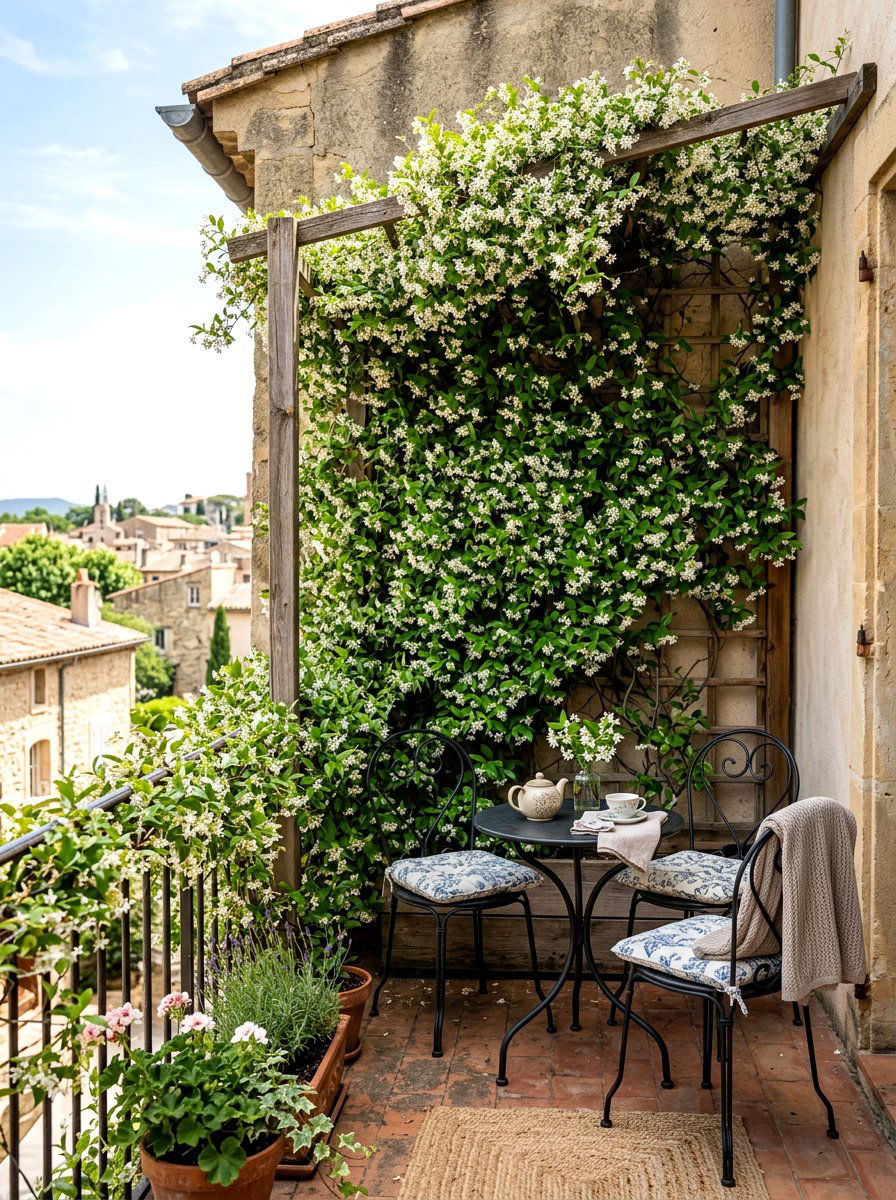
Encouraging plants to grow upward is a classic space-saving technique that adds a lot of character to a small home. A trellis climbing plant, such as jasmine, ivy, or even peas, can be trained to scale a wooden or metal framework. You can place the pot against a wall or use the trellis as a decorative divider between different zones on a balcony. As the plant grows, it covers the structure in vibrant foliage and flowers, creating a lush and vertical garden feature. This approach is perfect for adding height to your decor without requiring a large planter. It brings a romantic, cottage-style feeling to urban spaces.
14. Rolling plant cart
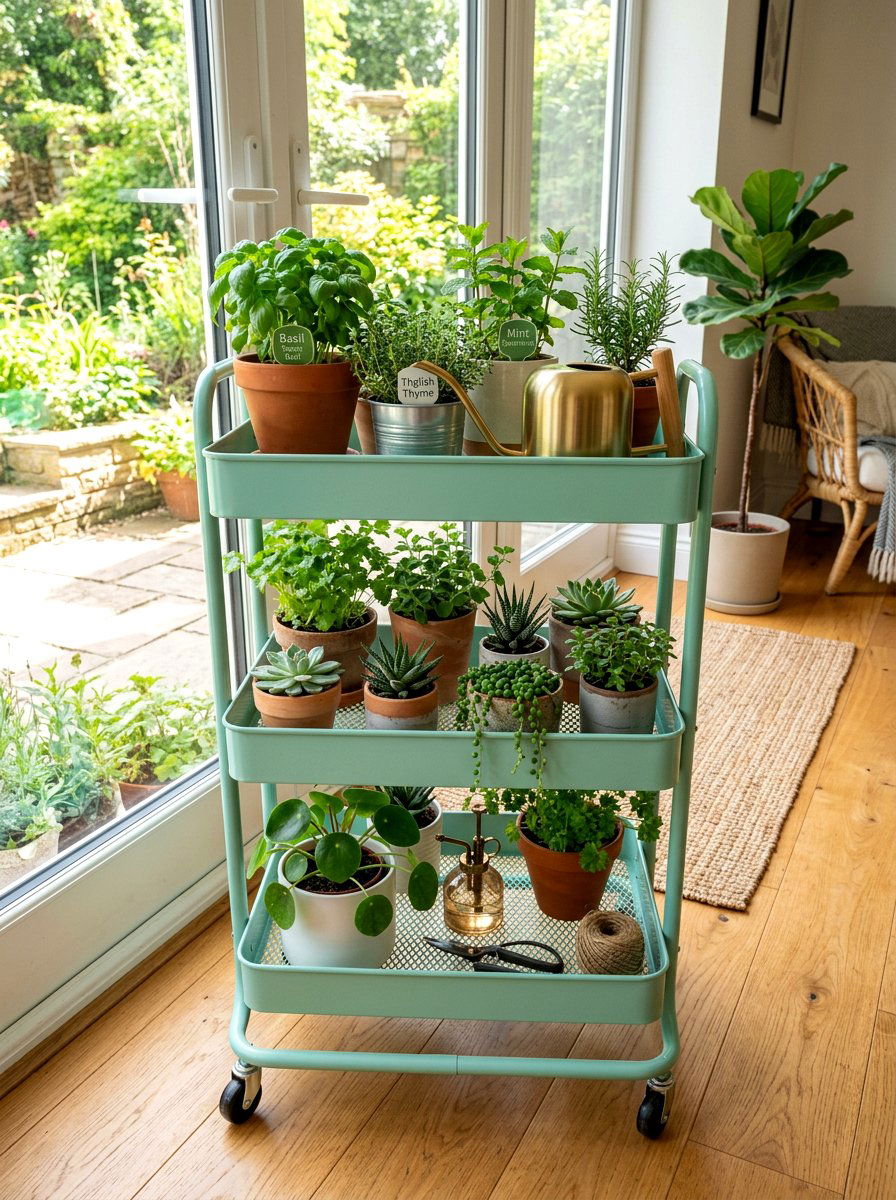
Flexibility is key when you are working with limited square footage and changing light patterns throughout the day. A rolling plant cart allows you to easily move your entire garden to the sunniest spot in the room or tuck it away when you need extra space. These multi-tiered carts are perfect for housing a variety of smaller pots, tools, and watering cans in one organized location. They are especially useful for apartment dwellers who want to move their plants from the balcony to the interior during cold nights. The industrial look of a metal cart adds a modern, functional aesthetic to your overall home design.
15. Glass terrarium bowl
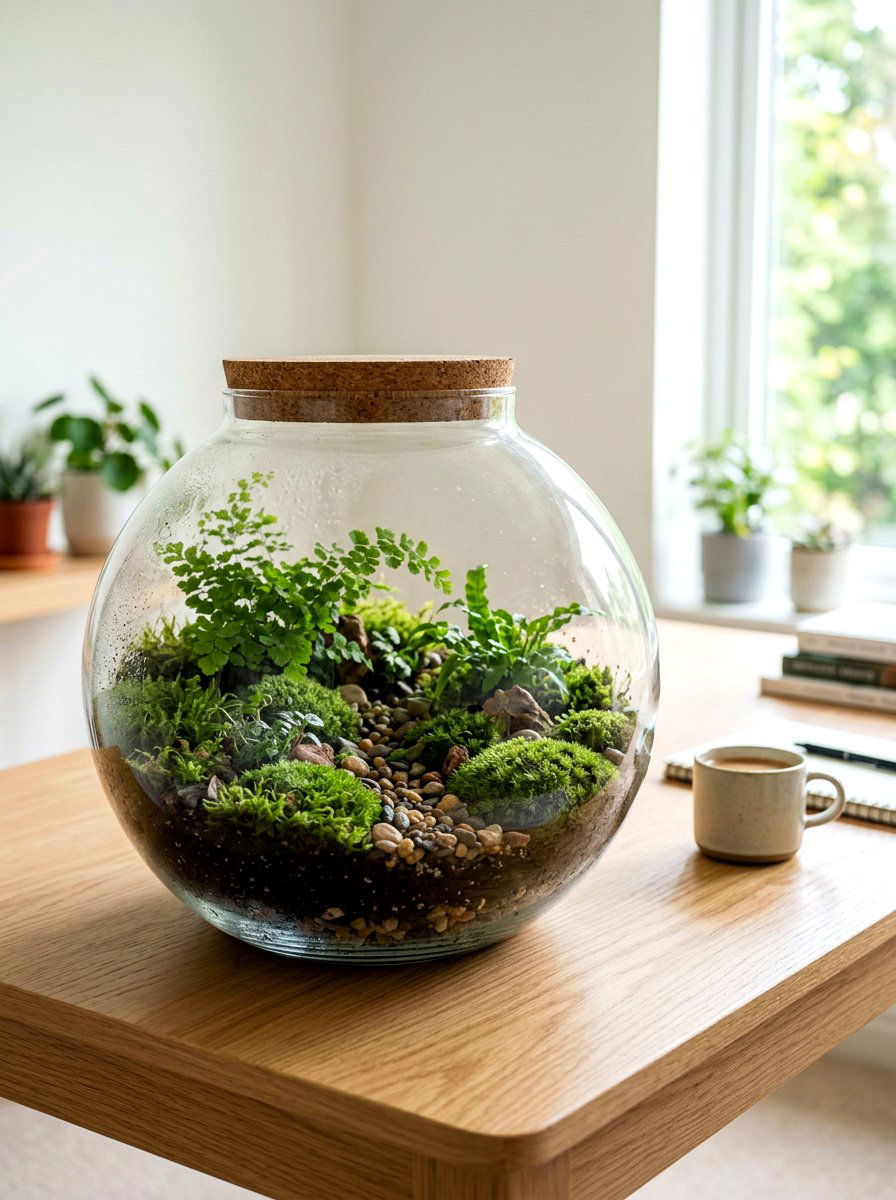
Creating a self-sustaining ecosystem inside a closed container is a fascinating way to bring greenery to a desk or bookshelf. A glass terrarium bowl keeps moisture trapped inside, making it the perfect home for mosses, ferns, and small tropical plants. Because the environment is mostly self-regulating, these mini gardens require very little maintenance beyond occasional misting. You can layer different colors of soil, charcoal, and pebbles to create an attractive geological look at the base. These tiny worlds are ideal for city dwellers who want to experience the beauty of a forest floor without needing a large outdoor area or daily watering chores.
16. Air plant holder
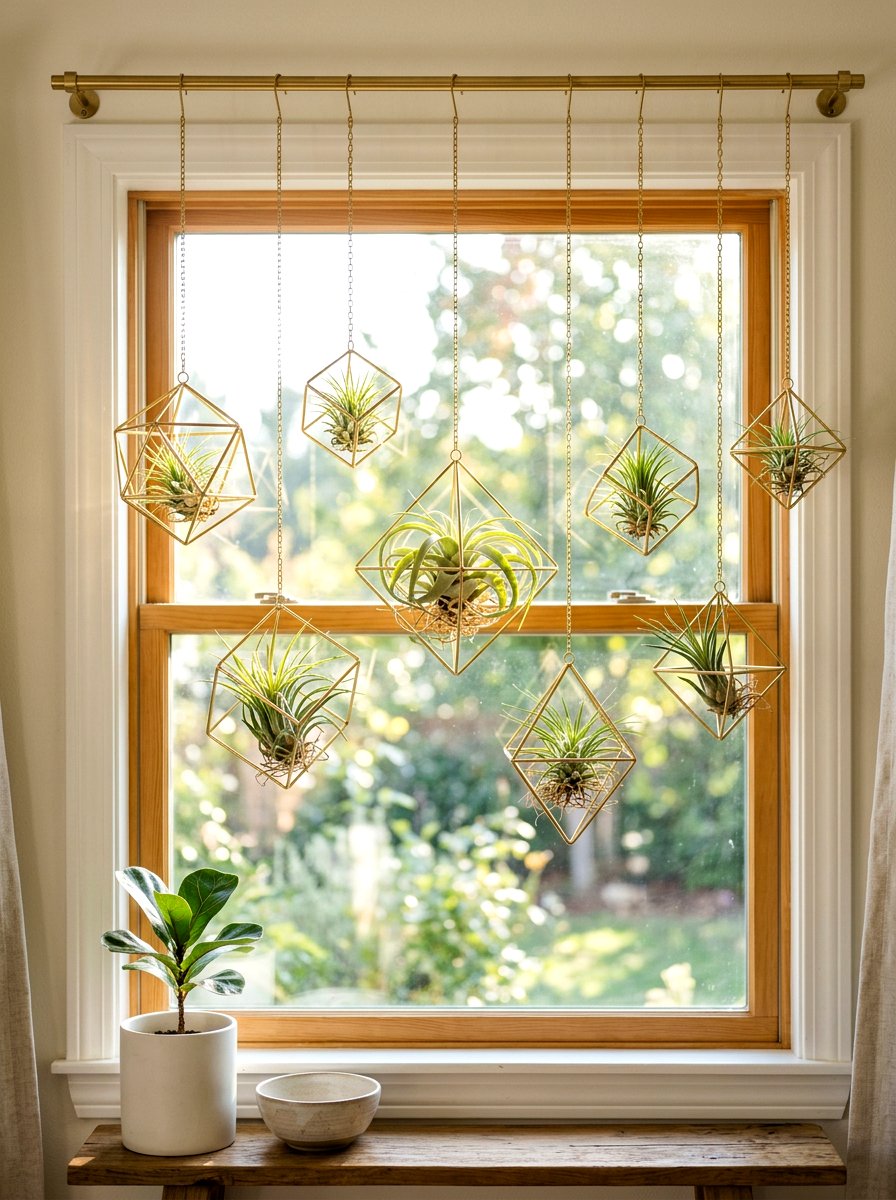
If you are looking for the ultimate space-saving garden, plants that do not require any soil are the perfect choice. An air plant holder can be anything from a geometric wire frame to a piece of driftwood or a wall-mounted glass orb. These unique species absorb moisture and nutrients through their leaves, meaning they can be placed almost anywhere in your home. They are incredibly lightweight and versatile, allowing you to create artistic displays on walls or hanging from the ceiling. A simple weekly soak in water is usually all they need to stay healthy. This soil-free gardening method is clean, modern, and highly creative.
17. Corner plant shelf
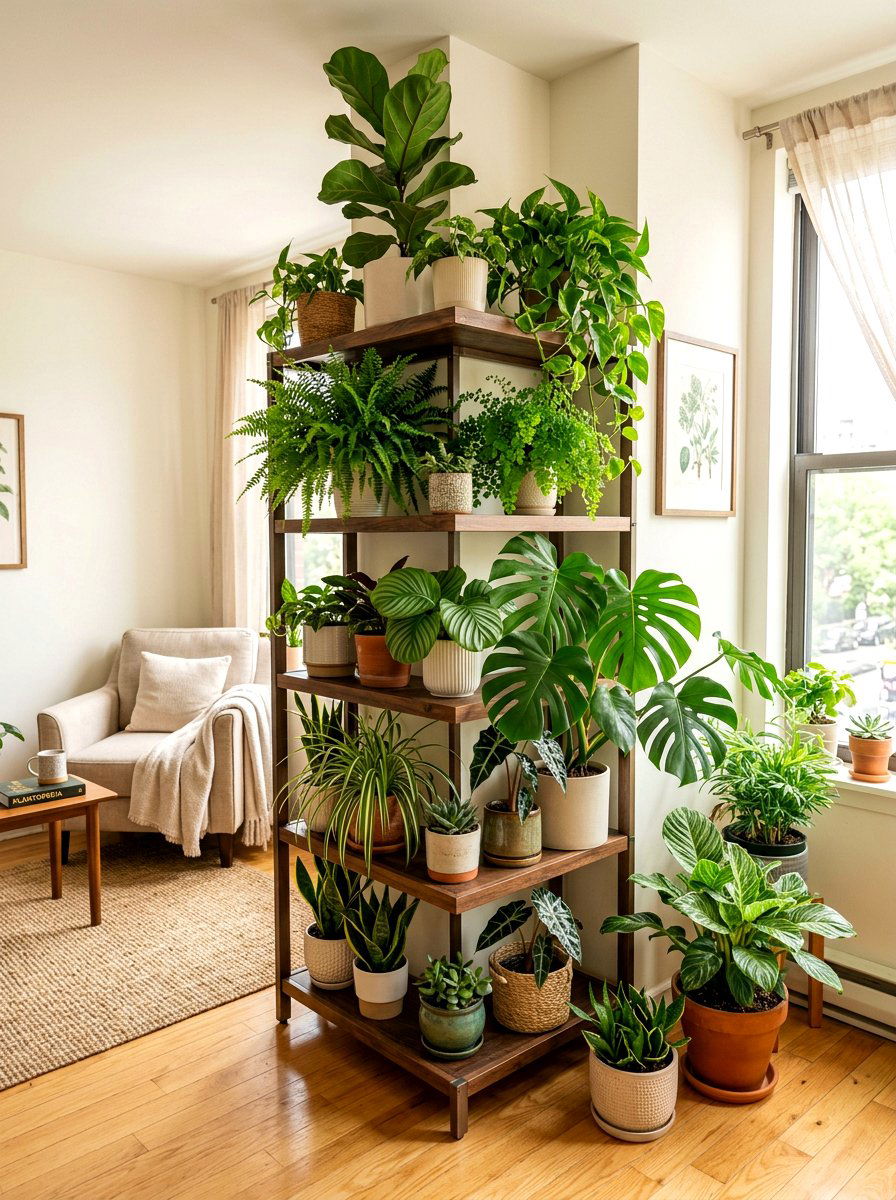
Corners are often underutilized in small apartments, but they are the perfect spot for a dedicated green zone. A corner plant shelf is designed to fit snugly into a ninety-degree angle, providing multiple levels for your favorite pots. This setup turns a dead space into a thriving vertical garden that adds life to the room without interfering with traffic flow. You can choose a sleek wooden unit for a natural look or a white metal shelf for a more minimalist vibe. Filling the corner with different leaf shapes and sizes creates a lush, layered effect that makes the entire room feel more cozy and inviting.
18. Edible balcony garden
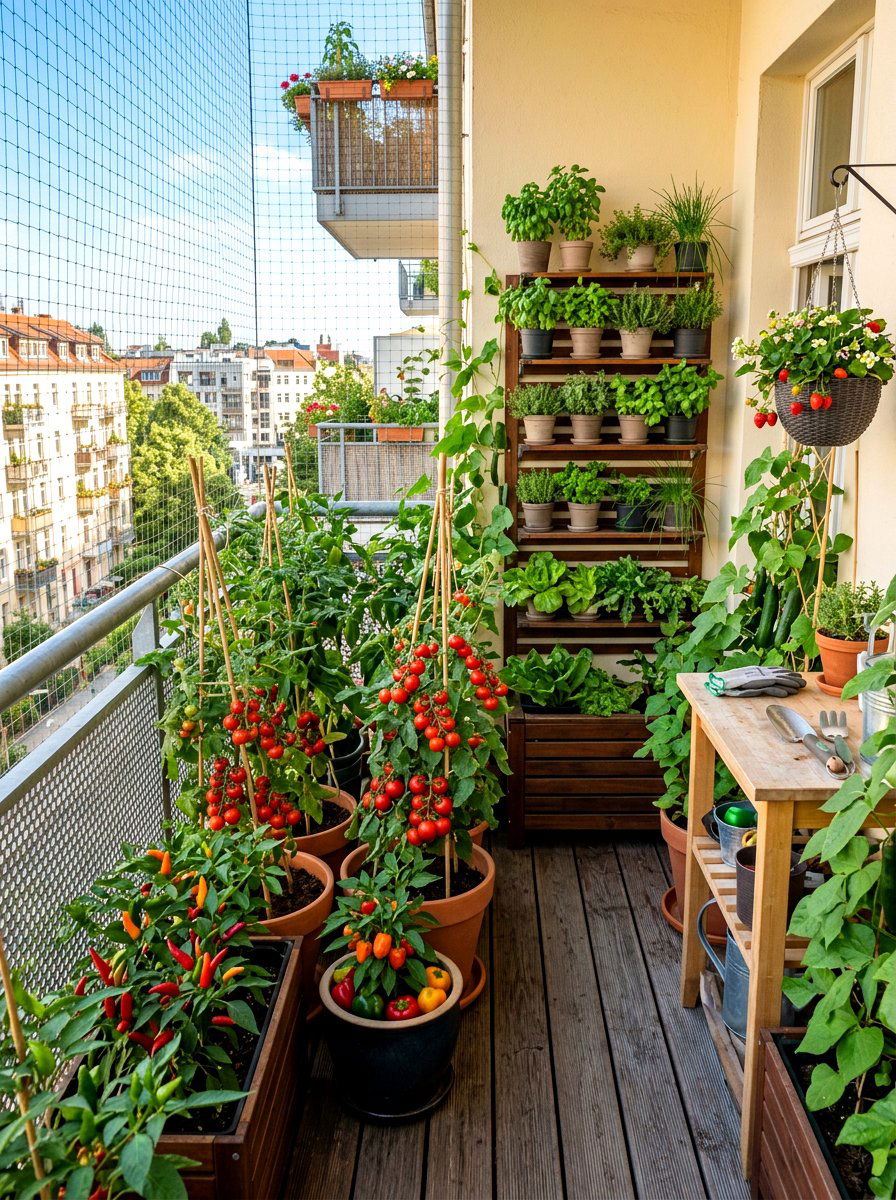
Turning your outdoor space into a source of fresh food is both practical and rewarding for any city resident. An edible balcony garden focuses on high-yield crops that grow well in containers, such as cherry tomatoes, chili peppers, and kale. By choosing compact or "patio" varieties, you can produce a surprising amount of food in a very small area. Using vertical planters or railing boxes further increases your growing capacity. This type of garden encourages a healthier lifestyle and provides the freshest possible ingredients for your meals. It is a wonderful way to connect with the cycle of growth while living in an urban environment.
19. Wall pocket planter
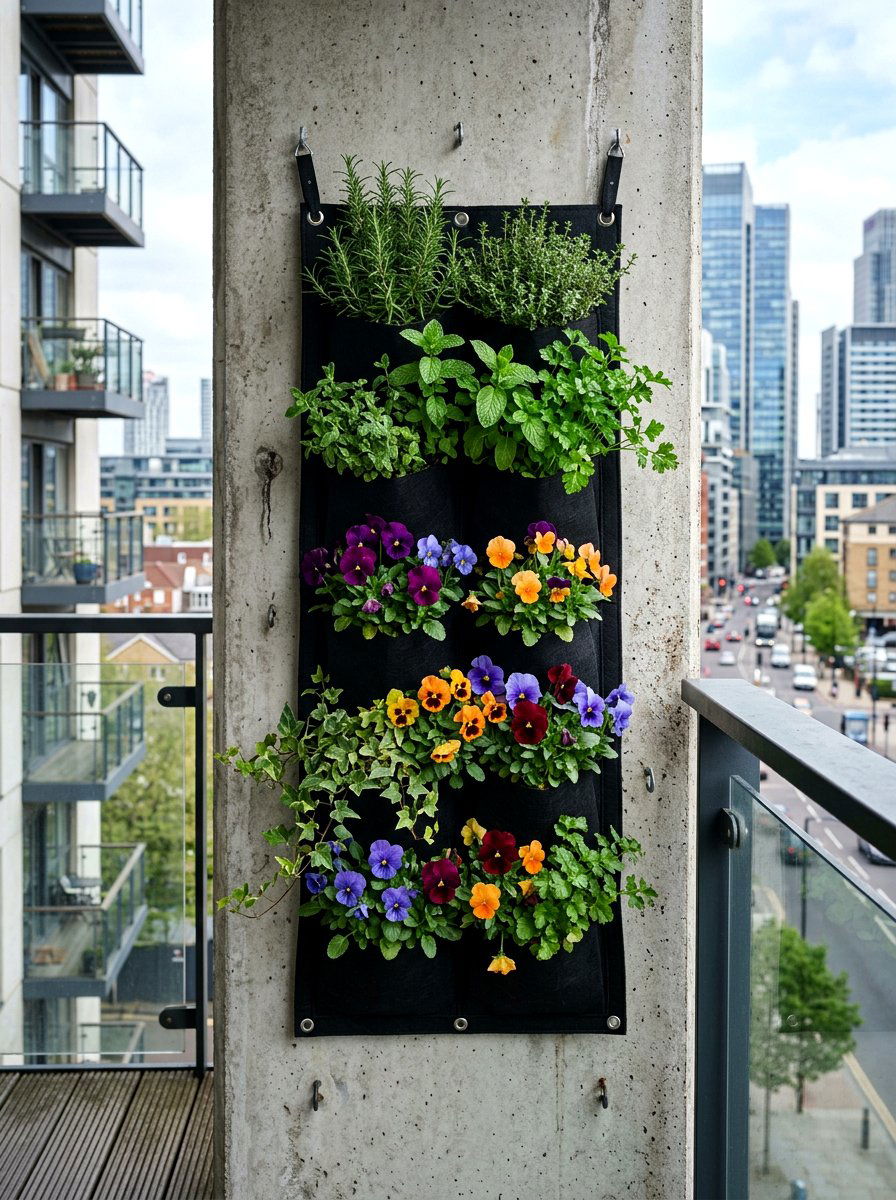
Fabric or plastic pockets mounted directly to a flat surface offer a lightweight and flexible way to create a living wall. A wall pocket planter is easy to install on a balcony wall or even a sunny indoor hallway. Each individual pocket can hold a different plant, allowing you to create a diverse and colorful mosaic of foliage. This design is particularly good for growing leafy greens, herbs, and small flowering annuals that do not have deep root systems. The breathable material helps prevent root rot by allowing excess moisture to evaporate. It is an affordable and stylish solution for adding massive amounts of greenery.
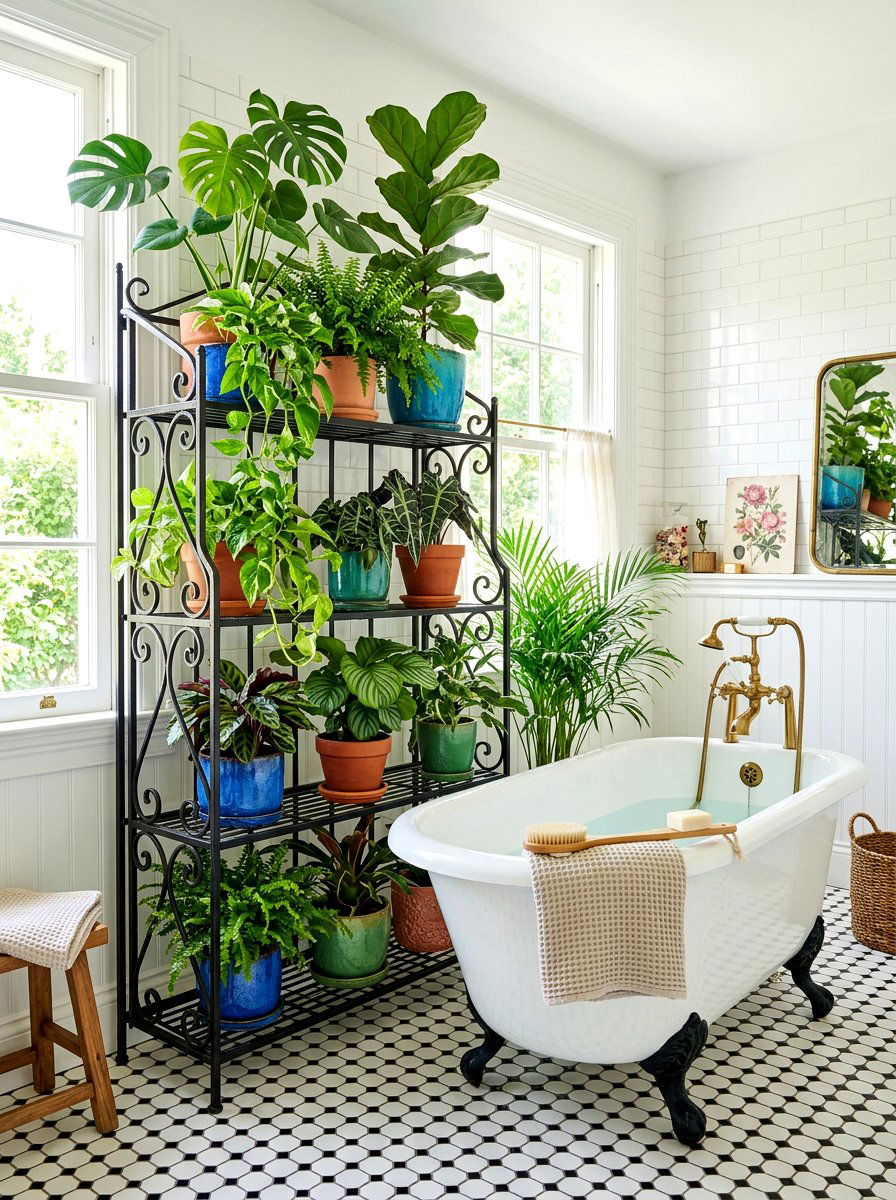
20. Stackable herb tower
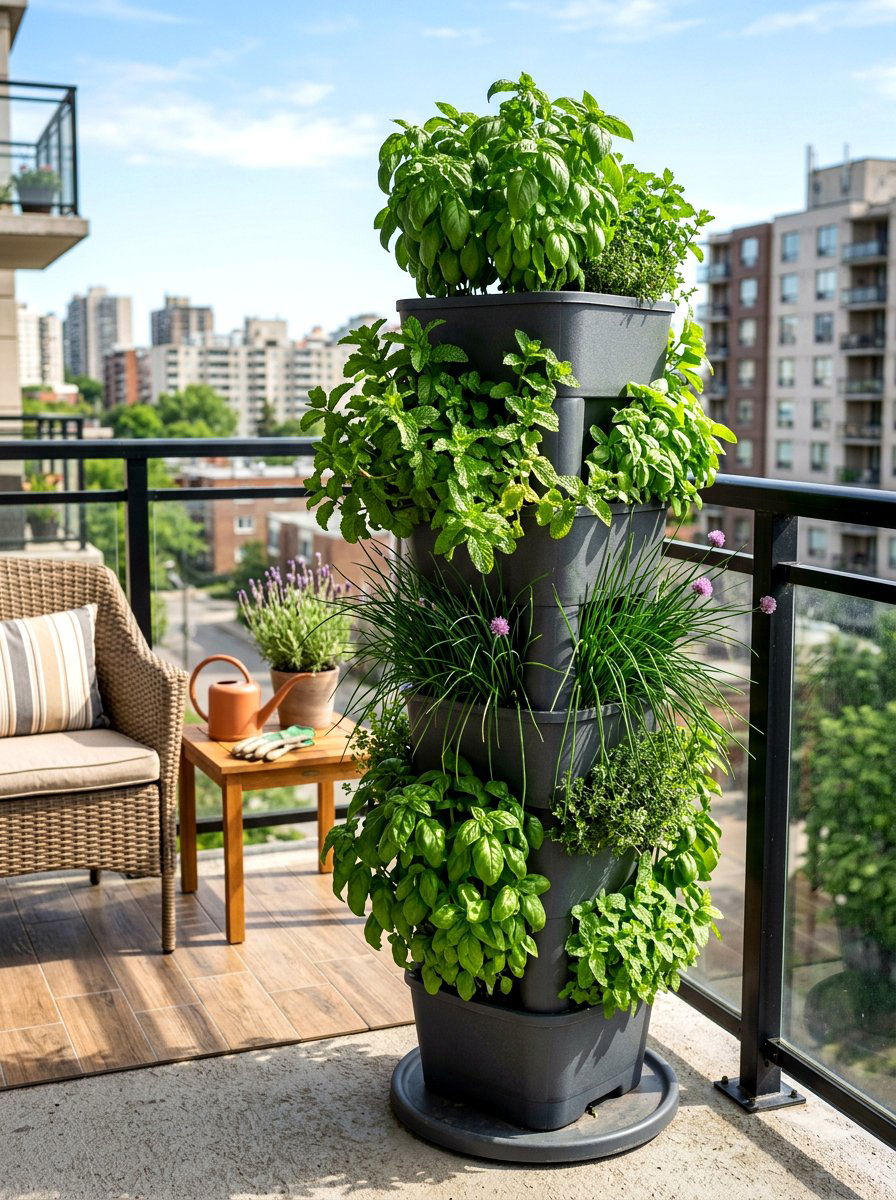
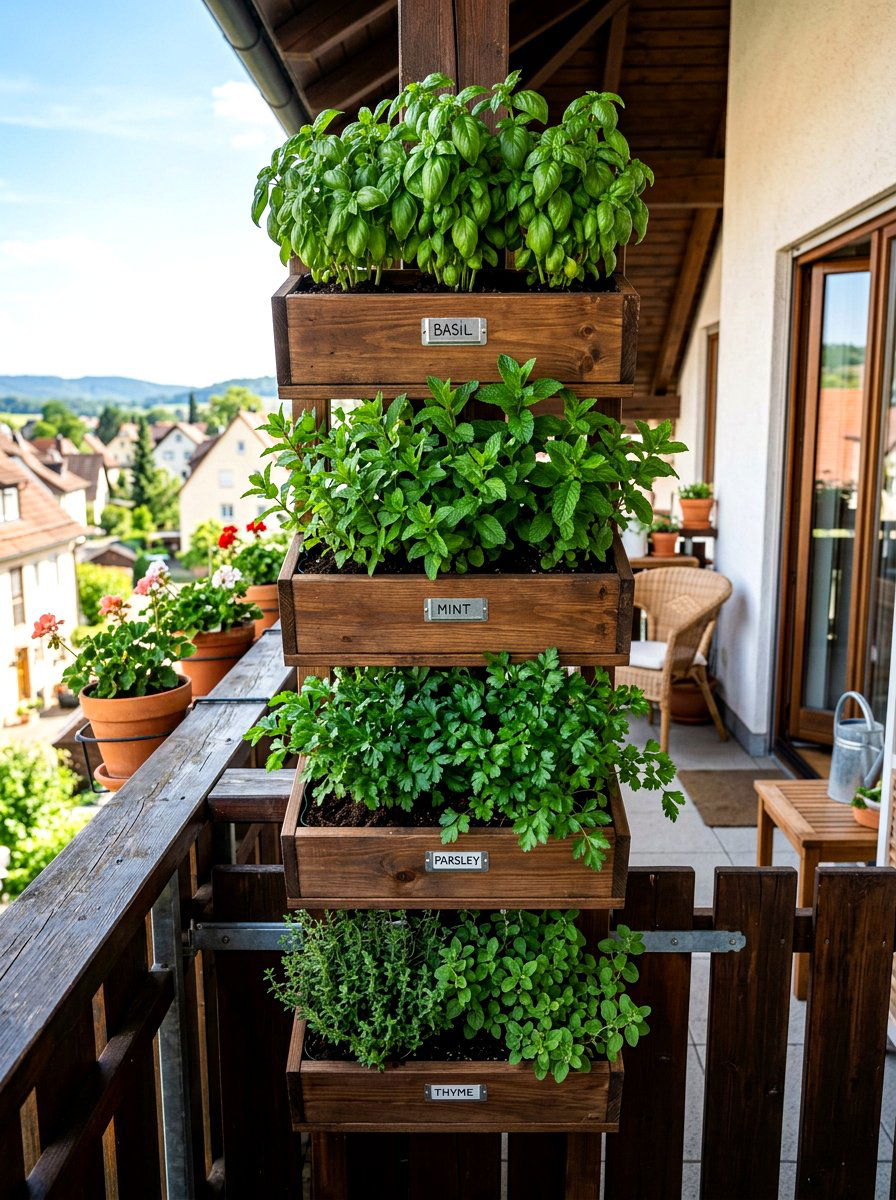
Maximizing vertical space is effortless when you use containers that sit directly on top of one another in a column. A stackable herb tower features several tiers with multiple planting spots around the perimeter. This allows you to grow a dozen or more different herbs in the footprint of a single large pot. It is perfect for a sunny corner of a balcony or a bright spot in the kitchen. The central watering system often allows moisture to trickle down from the top level to the bottom, ensuring even hydration. This functional design is a great way to have a constant supply of fresh flavors.
21. Raised garden bed
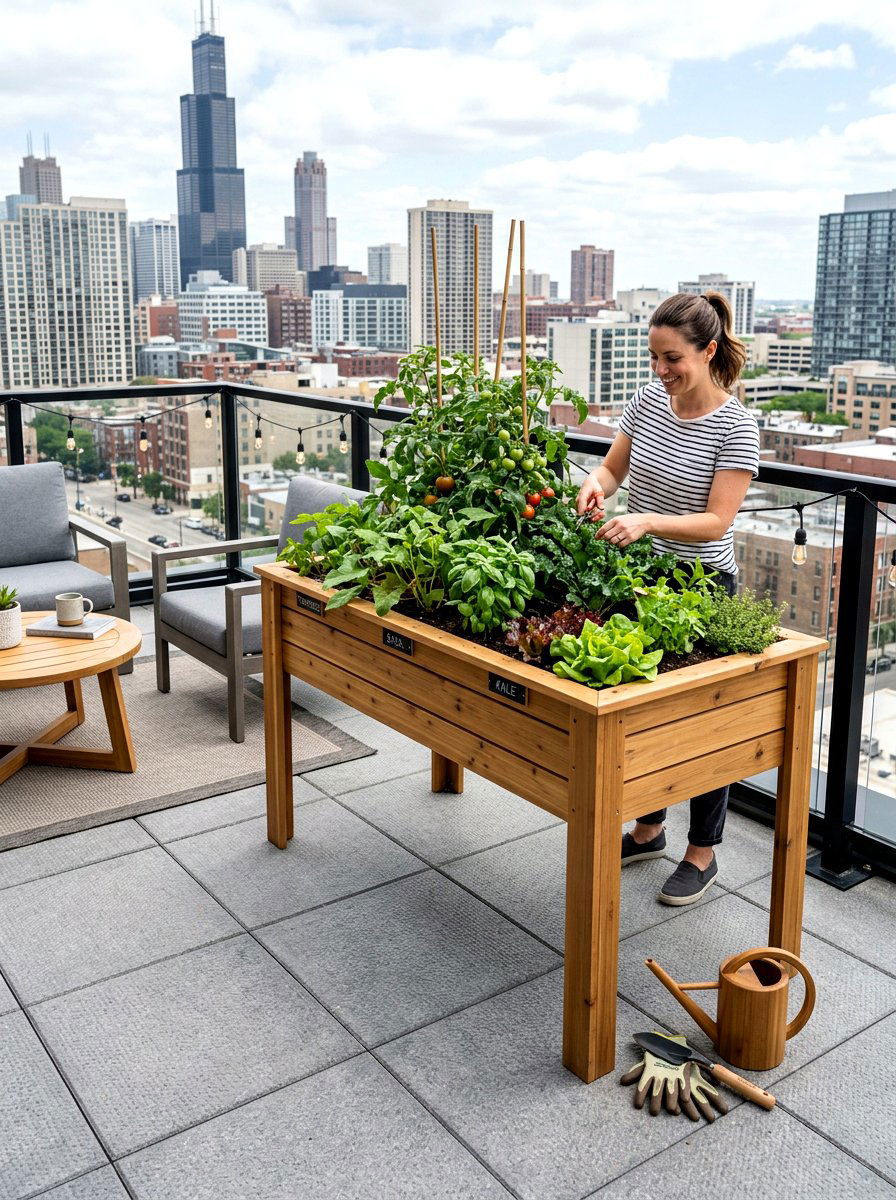
Even without a traditional yard, you can still enjoy the benefits of a deep planting area by using a portable structure on legs. A raised garden bed designed for apartments usually sits at waist height, making it easy to tend to your plants without bending over. This is ideal for growing root vegetables like carrots or larger shrubs that need more soil volume than a standard pot provides. These units often come with built-in drainage and wheels for easy movement. Having a dedicated bed creates a defined "garden zone" on your balcony that feels permanent and professional. It is a sturdy and productive gardening option.
22. Living moss wall
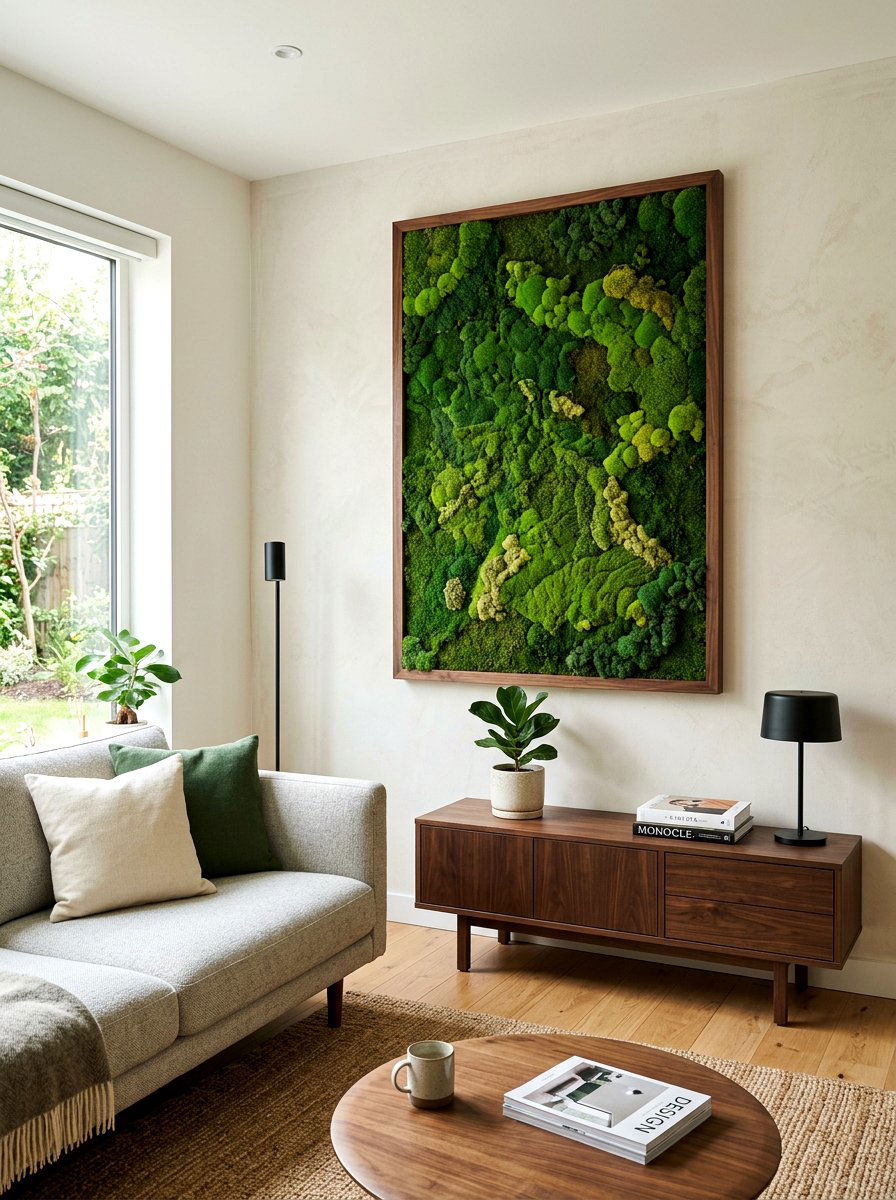
For a unique and tactile piece of art, consider using preserved or live moss to cover a framed section of your wall. A living moss wall brings a deep, forest-green texture into your home that requires very little light to maintain. Preserved versions are completely maintenance-free, while live versions simply need an occasional misting to stay vibrant. This natural feature acts as a sound absorber, helping to quiet the echoes in a modern apartment. It adds a sophisticated, organic element to your interior design that feels incredibly peaceful. It is a perfect choice for bathrooms or areas with low natural light where other plants might struggle.
23. Dwarf fruit tree
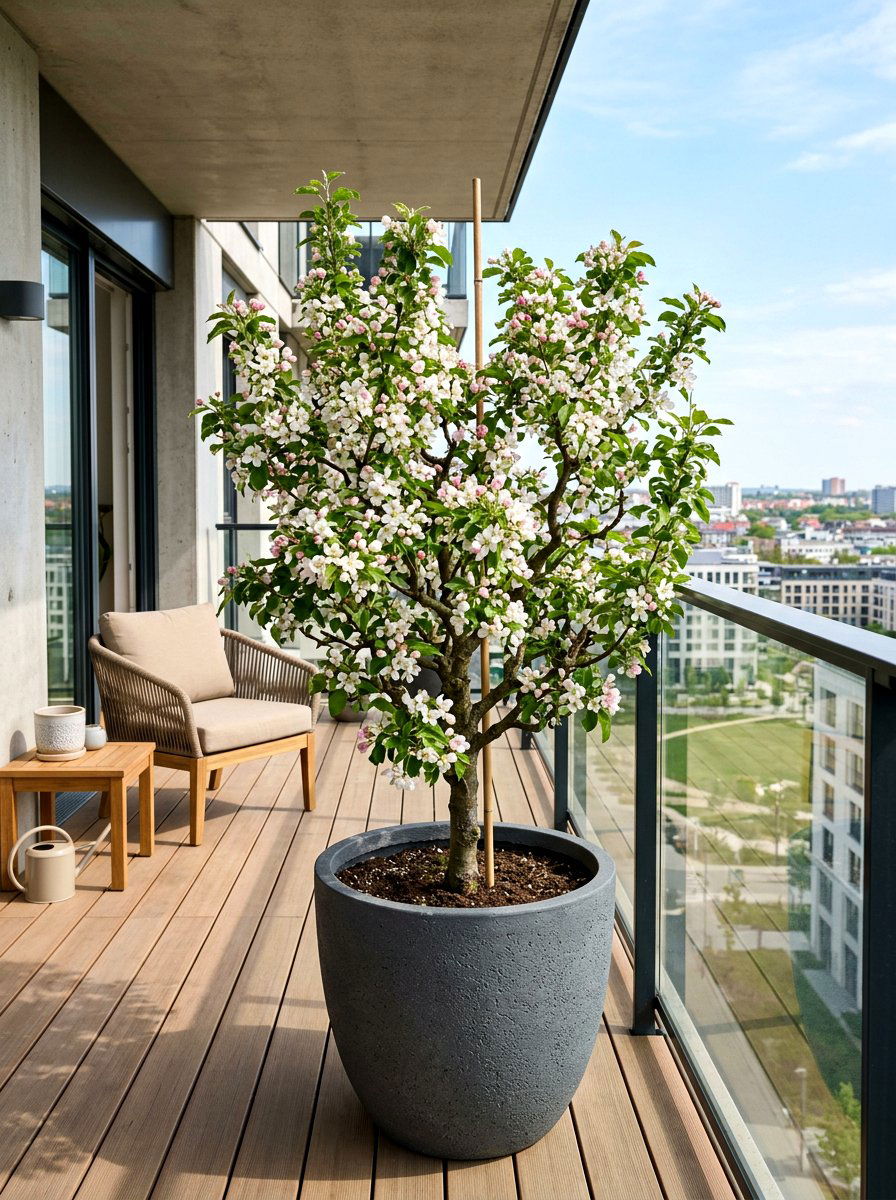
You do not need an acre of land to grow your own apples, peaches, or figs when you choose specially bred small varieties. A dwarf fruit tree is designed to stay compact, making it perfectly suited for life in a large pot on a sunny balcony. These trees still produce full-sized fruit and offer beautiful seasonal changes, from spring blossoms to autumn harvests. They provide a sense of permanence and structure to your outdoor space that smaller plants cannot match. Ensuring they receive plenty of sunlight and regular feeding will keep them productive for many years. It is a high-impact way to garden in the city.
24. Fern bathroom garden
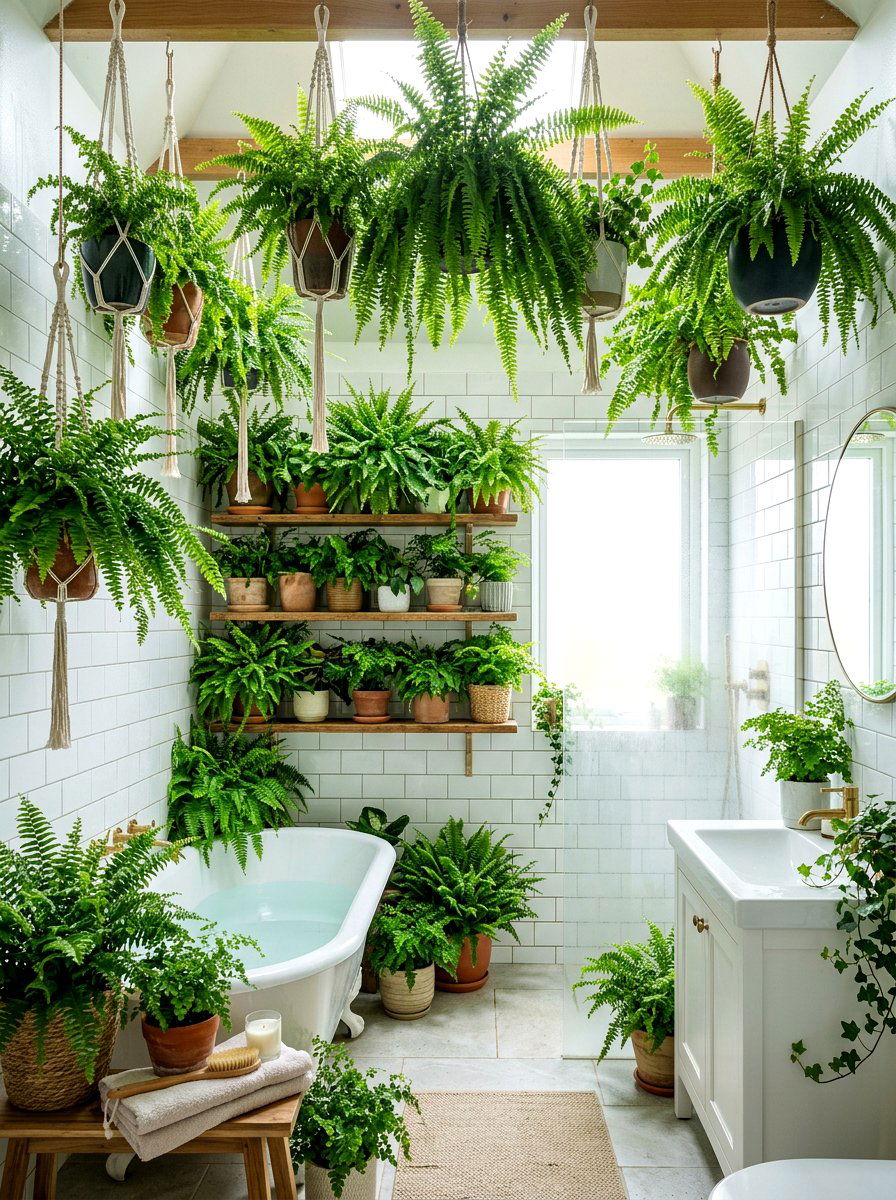
Many tropical plants love the high humidity and lower light levels found in a typical bathroom environment. A fern bathroom garden utilizes shelves, windowsills, or hanging hooks to display various species like Boston ferns or bird’s nest ferns. These plants thrive in the steam from your daily shower, which keeps their delicate fronds lush and green. This design transforms a functional room into a spa-like retreat that feels fresh and rejuvenating. The soft, feathery texture of ferns contrasts beautifully with hard surfaces like tile and porcelain. It is an easy way to brighten up a room that is often neglected in home gardening.
25. Indoor grow light
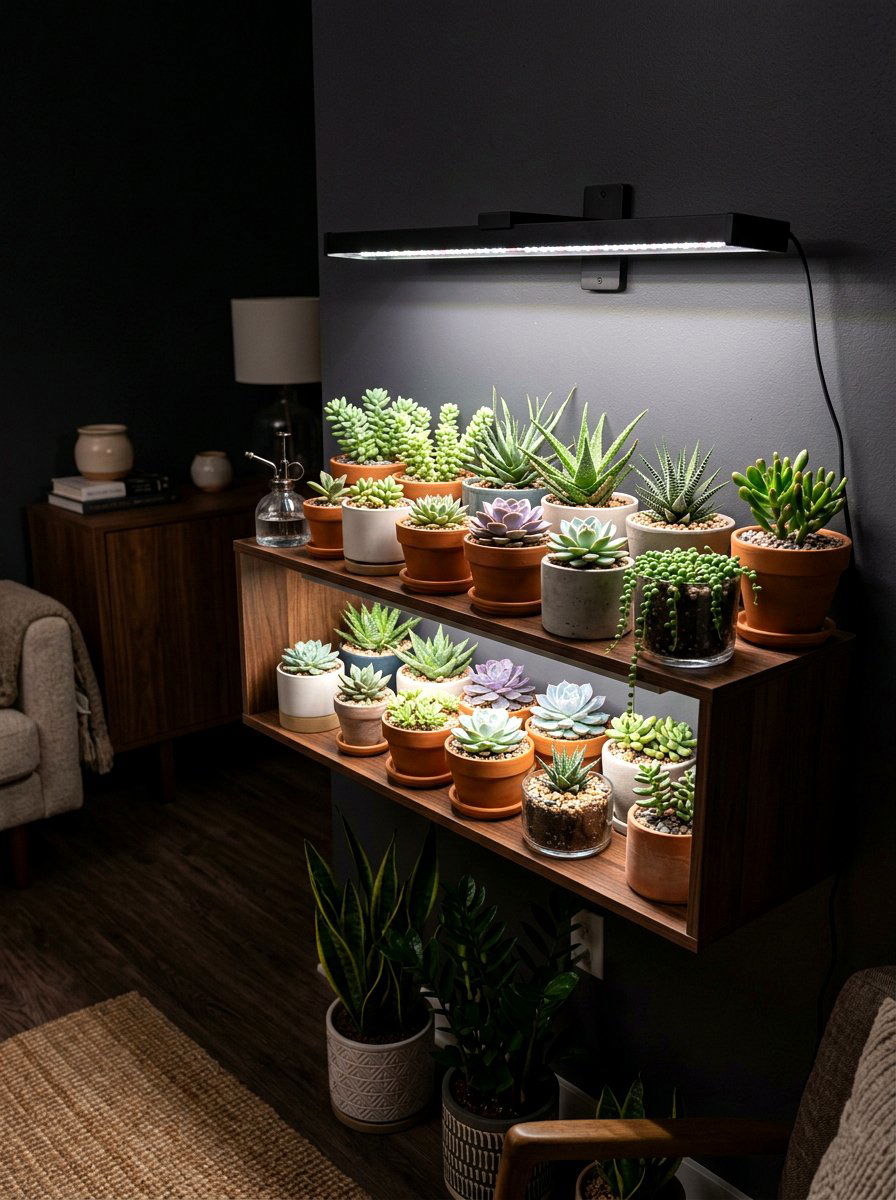
When your apartment does not receive enough natural sun, you can easily supplement it with specialized artificial lighting. An indoor grow light allows you to keep your plants healthy in windowless corners or during the dark winter months. Modern LED options are energy-efficient and can be integrated into stylish lamps that blend perfectly with your home decor. By providing the specific spectrum of light plants need, you can grow everything from tropical house plants to edible vegetables anywhere in your home. This technology removes the limitations of your building's orientation and allows you to garden in any room you choose. It is a total game-changer.
26. Window box bracket
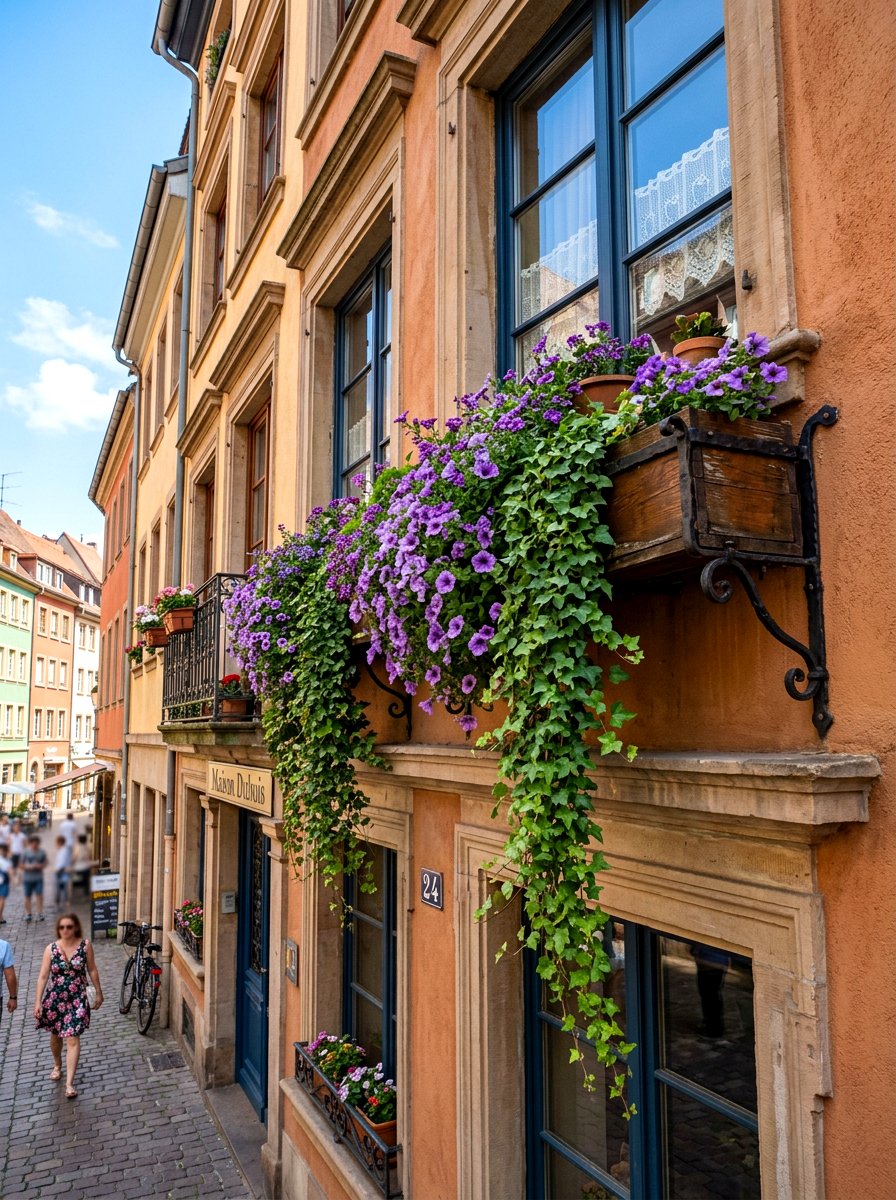
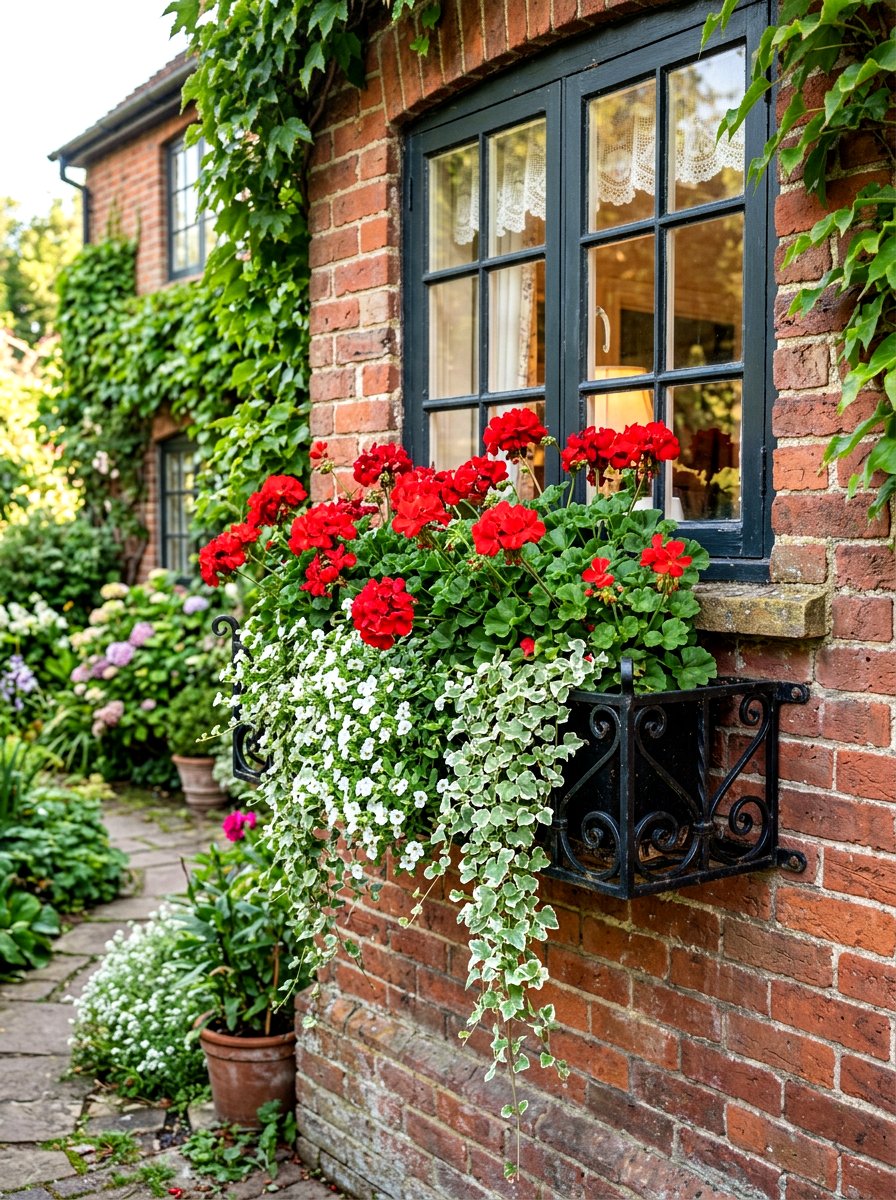
Securing long planters to the outside of your windows is a great way to expand your gardening space beyond the interior walls. A window box bracket holds heavy containers safely in place, allowing you to grow flowers or herbs that can be seen from both inside and out. This setup adds instant curb appeal to your apartment and provides a beautiful view every time you look out the window. It is particularly effective for those who do not have a balcony but still want to garden outdoors. Choosing trailing plants will create a beautiful cascading effect that softens the exterior architecture of the building.
27. Magnetic plant pot
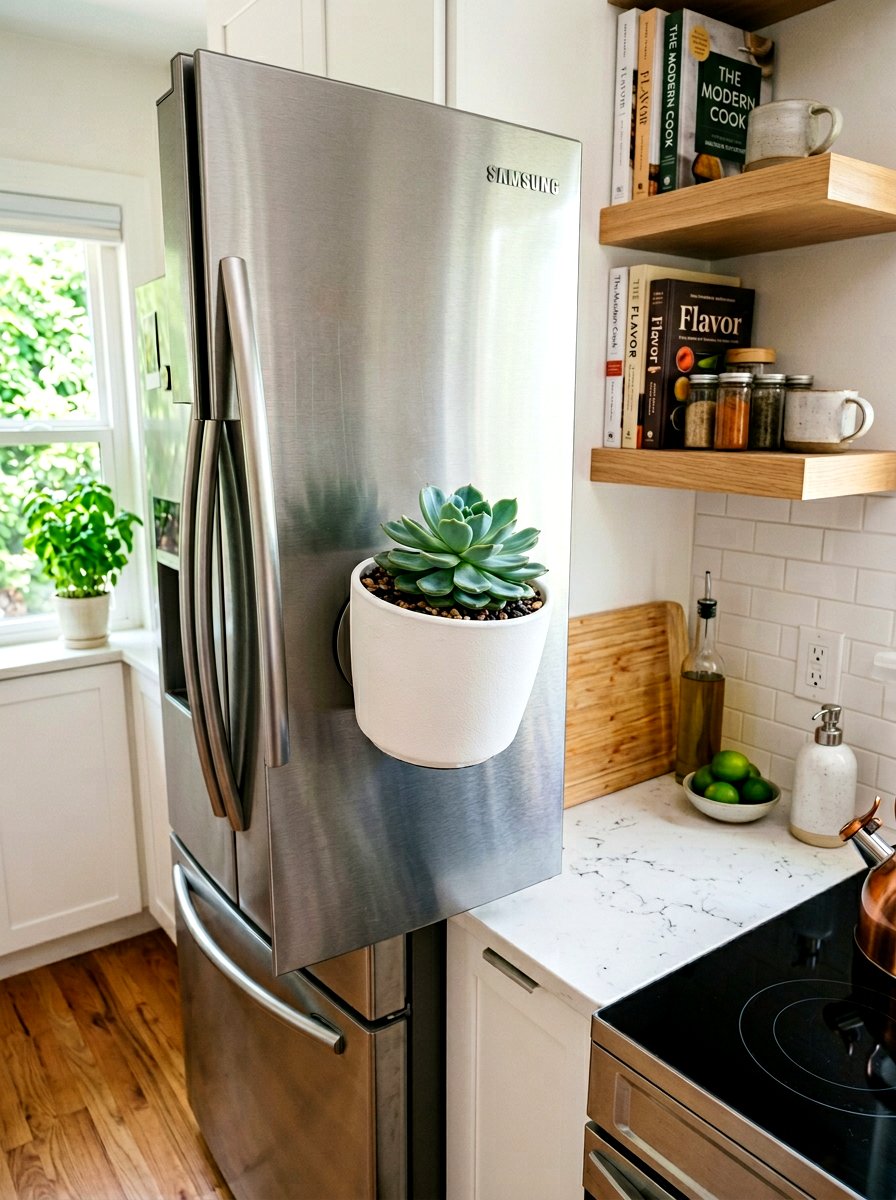
Utilizing the side of your refrigerator or a metal wall panel is a fun and modern way to add small splashes of green. A magnetic plant pot is perfect for tiny succulents, air plants, or small herbs that do not require much soil. These compact containers allow you to turn an appliance into a vertical garden feature in the heart of your kitchen. They are easy to rearrange whenever you want a new look and keep your countertops completely clear for food preparation. This vertical solution is ideal for the smallest of studio apartments where every square inch of horizontal space is valuable for daily living.
28. Ceiling hanging hook
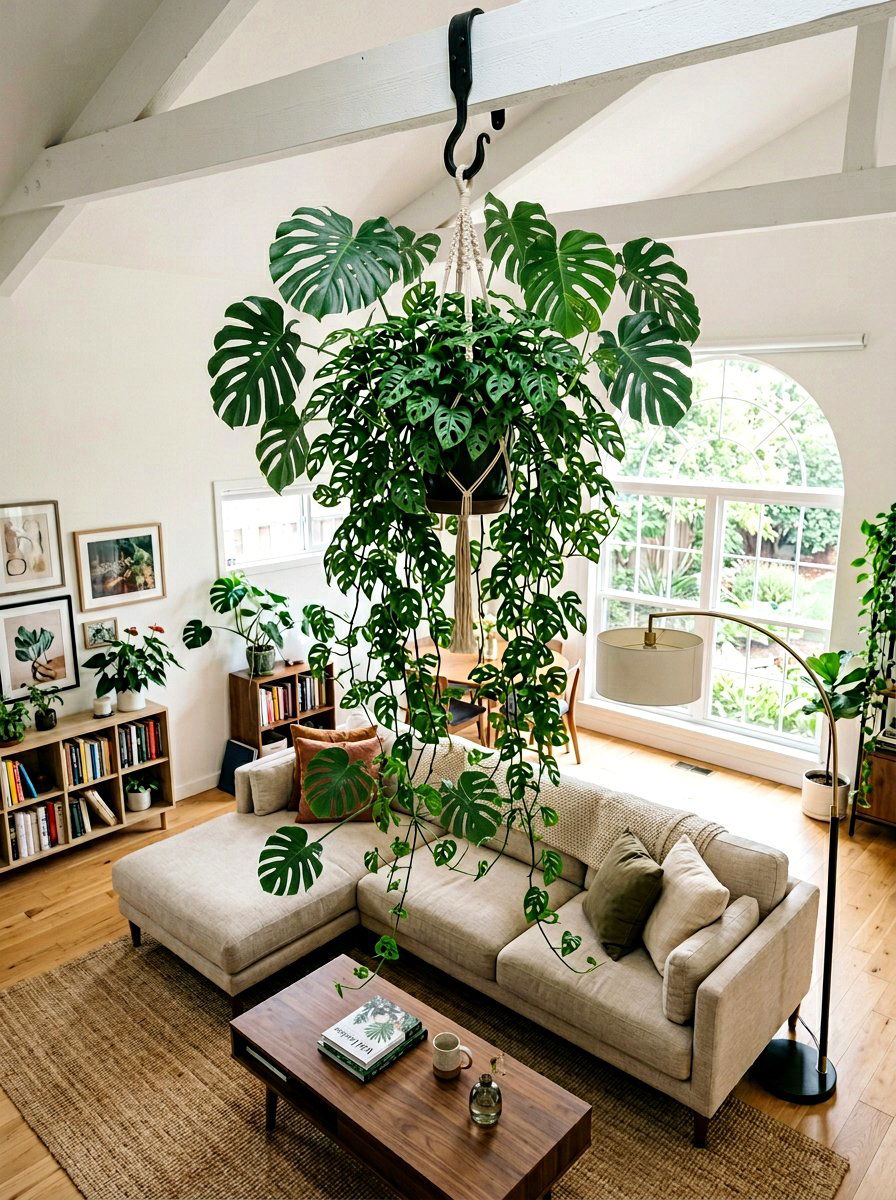
Drawing the eyes upward is a great design trick to make a small apartment feel much larger and more filled with life. A ceiling hanging hook allows you to suspend heavy pots in front of windows or in corners where they won't get in the way. This method is perfect for large, bushy plants like hoyas or monsteras that need space to spread their leaves. By grouping several hooks at different heights, you can create a "floating jungle" effect that adds a sense of adventure to your home. It is a simple architectural addition that significantly increases the number of plants you can keep in your space.
29. Fairy garden kit
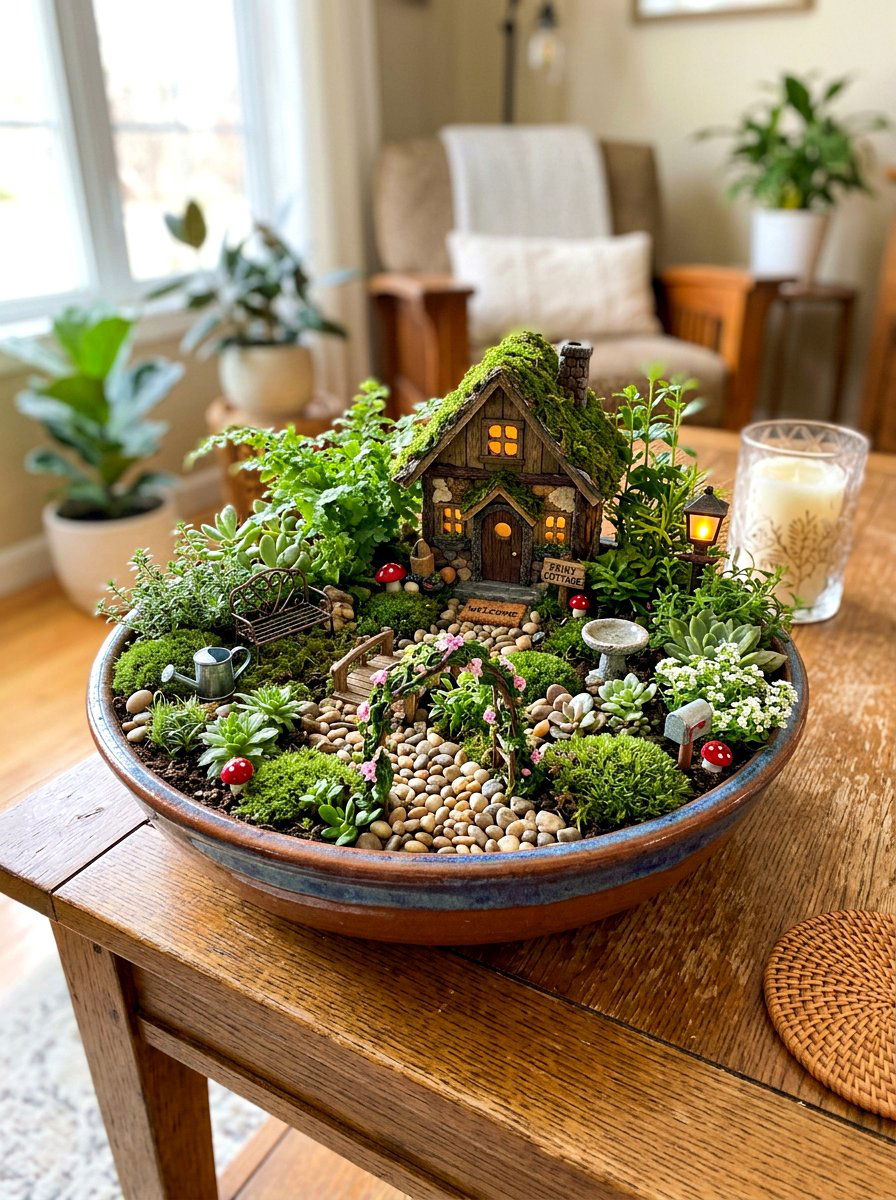
Creating a whimsical miniature world in a single container is a creative project that fits perfectly on a side table. A fairy garden kit includes tiny accessories like benches, houses, and paths that you can arrange around small-scale plants. Using slow-growing species like miniature ivy or dwarf conifers keeps the proportions looking realistic for a long time. This type of gardening is less about the harvest and more about the art of storytelling and detail. It is a wonderful way to engage with nature on a very small scale, making it ideal for those with limited time or space. It is pure magic.
30. Vegetable grow bag
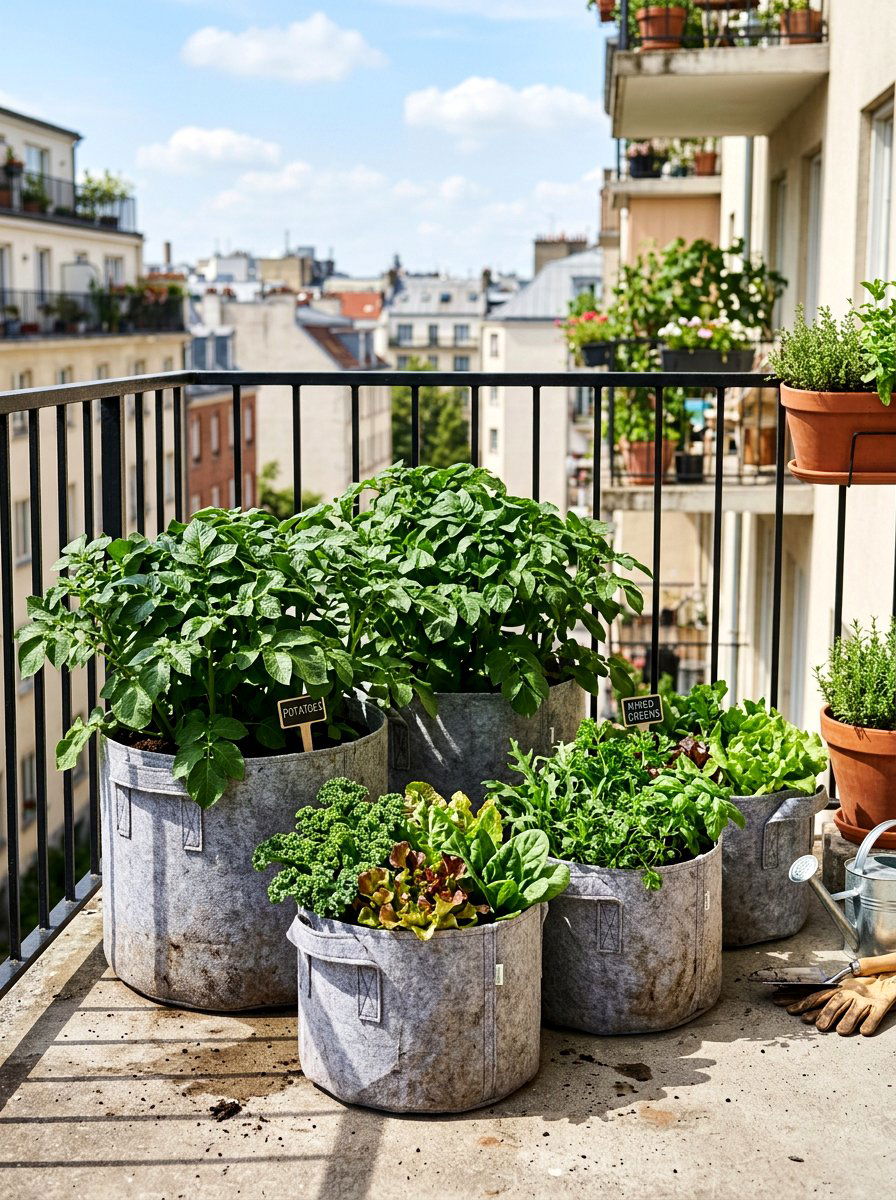
If you want to grow large crops like potatoes or zucchini, a flexible fabric container is a much better choice than a heavy ceramic pot. A vegetable grow bag is lightweight, breathable, and easy to move around your balcony to catch the best sun. The fabric allows for better air circulation around the roots, preventing them from becoming "root-bound" and encouraging healthier growth. When the growing season is over, these bags can be emptied, folded flat, and stored away in a closet. They are a practical and highly effective solution for the urban farmer who wants a high yield without the bulk.
Conclusion:
Cultivating an apartment garden is a deeply rewarding experience that bridges the gap between urban living and the natural world. Whether you choose to fill your balcony with edible crops or turn your living room into a tropical sanctuary, the possibilities are endless. By selecting the right tools and plants for your specific environment, you can enjoy a thriving green space regardless of your square footage. Gardening at home fosters a sense of tranquility and provides a creative outlet that enhances your overall well-being. Start small with a few pots and watch as your personal oasis grows into a source of daily inspiration and joy.

Related posts: