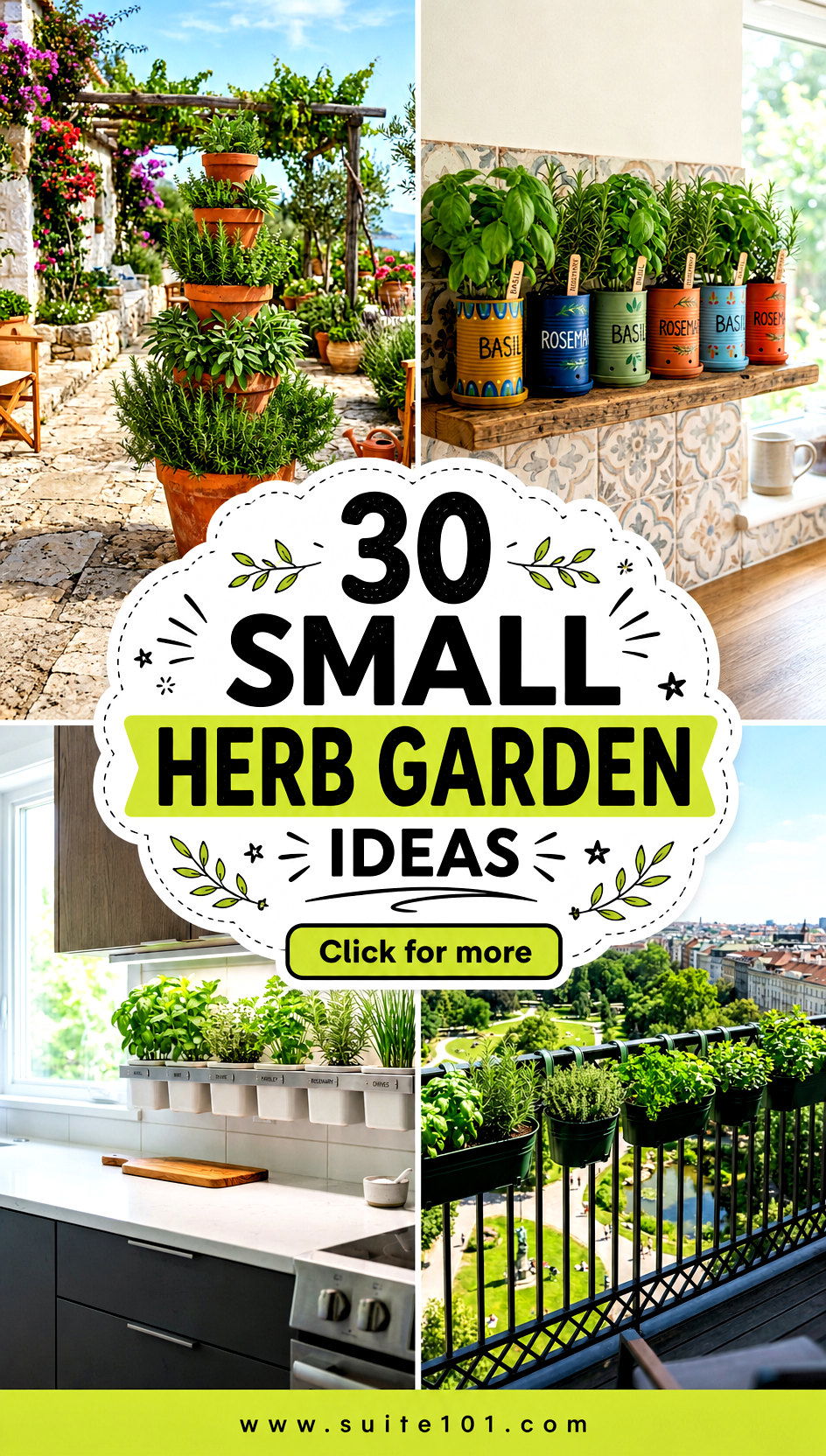
Creating a functional and beautiful herb garden is possible even if you only have a tiny corner of your home to spare. Small space gardening has become a major trend for urban dwellers who want to enjoy the flavor of fresh basil or mint without needing a sprawling backyard. These compact designs focus on vertical growth, clever recycling, and maximizing every inch of available sunlight. Whether you have a sunny windowsill, a small balcony, or just a kitchen wall, there is a perfect herb setup for your lifestyle. Incorporating greenery into your living space improves air quality and adds a vibrant aesthetic to your home decor naturally.
1. Vertical Wall Herb Planter
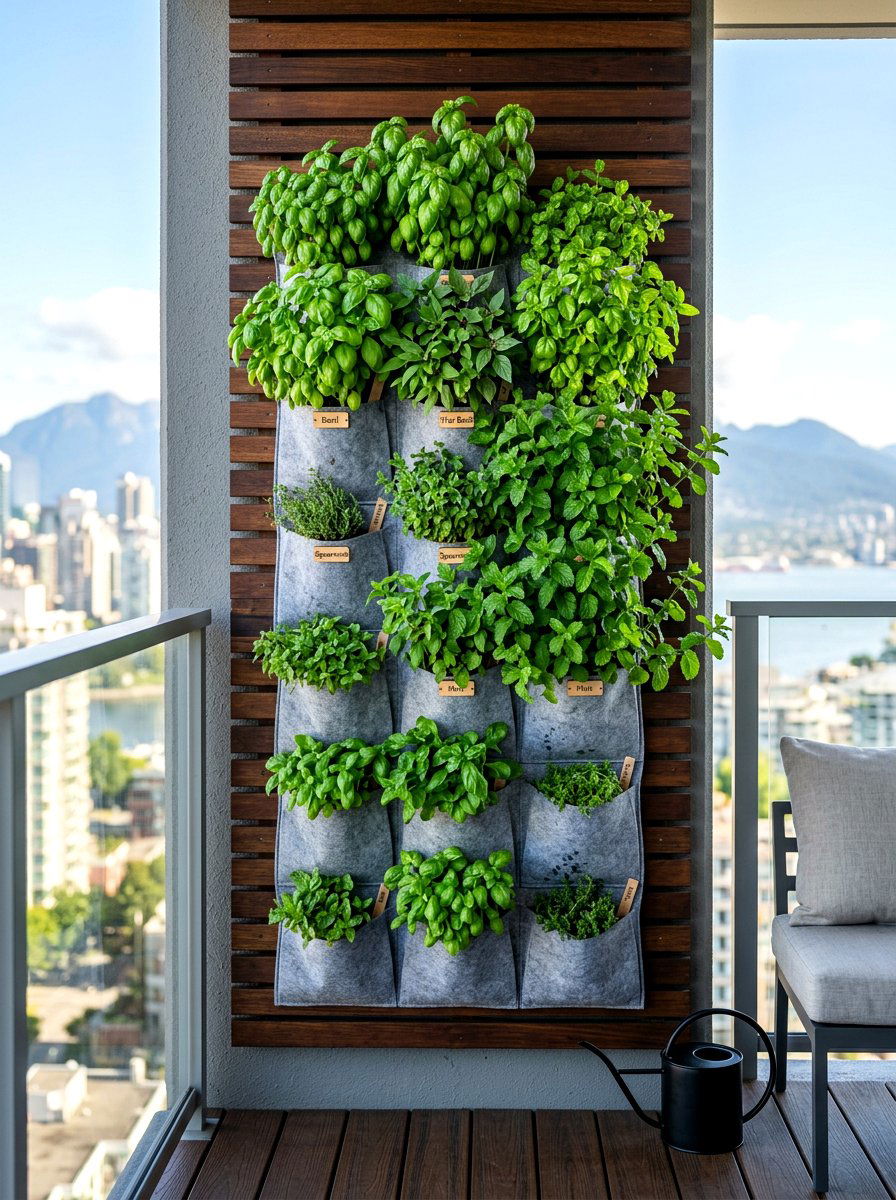
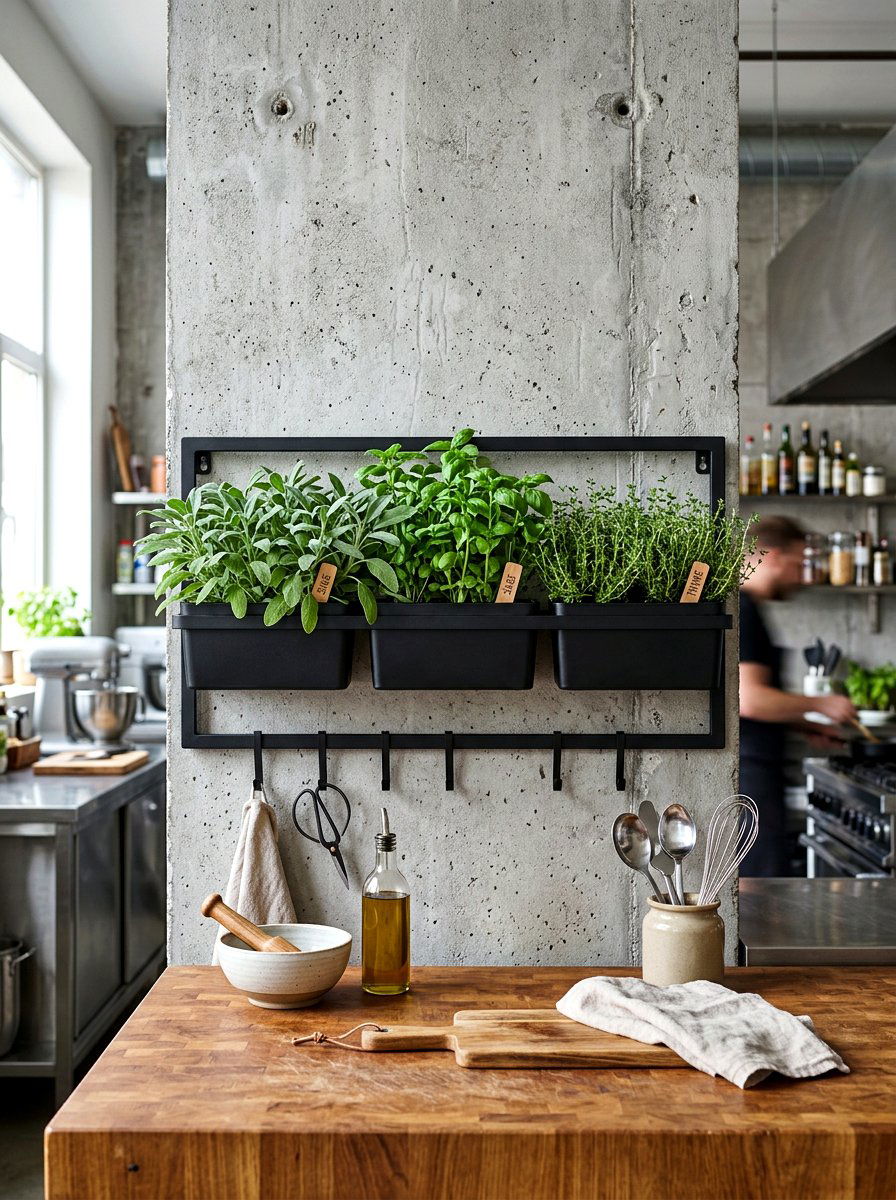
Growing your own food does not require a massive backyard or a large farm. You can easily utilize your empty wall space to create a lush green oasis. Vertical wall herb planters are perfect for small balconies or narrow kitchen walls. These systems often use felt pockets or wooden slats to hold individual pots securely. This setup keeps your floor clear and brings plants up to eye level for easy harvesting. You can mix different textures of rosemary, thyme, and oregano for a beautiful display. It also acts as living art that changes throughout the seasons. Maintenance is simple if you choose a modular design.
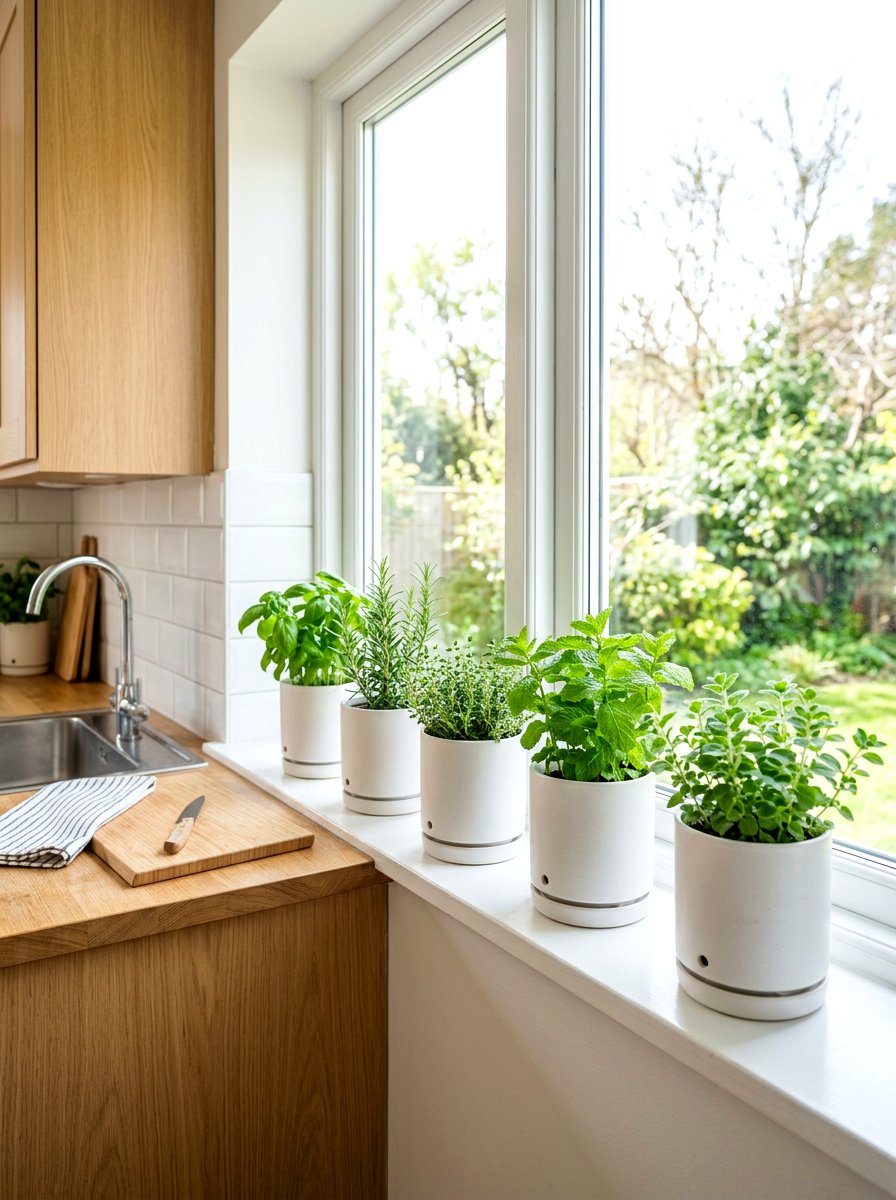
2. Kitchen Windowsill Herb Garden
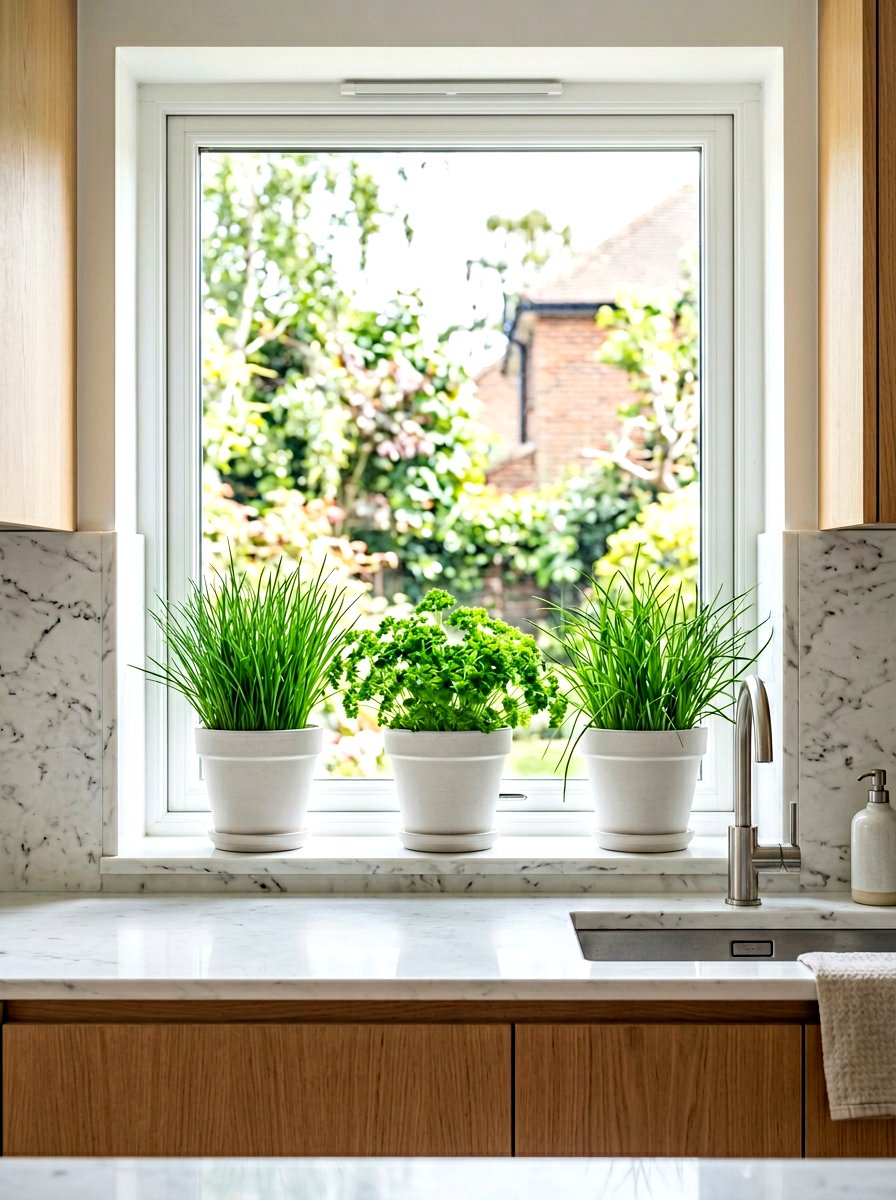
The kitchen windowsill is the most classic spot for a small herb garden because it offers convenience. Having fresh herbs right where you cook makes it easy to snip a few leaves for your dinner. Most herbs need at least six hours of sunlight, so a south-facing window is usually the best choice. You can use matching ceramic pots or even simple glass jars to create a cohesive look. Herbs like chives, parsley, and basil thrive in this warm and bright environment. It is a cost-effective way to decorate your kitchen while keeping your favorite culinary ingredients within arm's reach.
3. Hanging Mason Jar Herb Garden
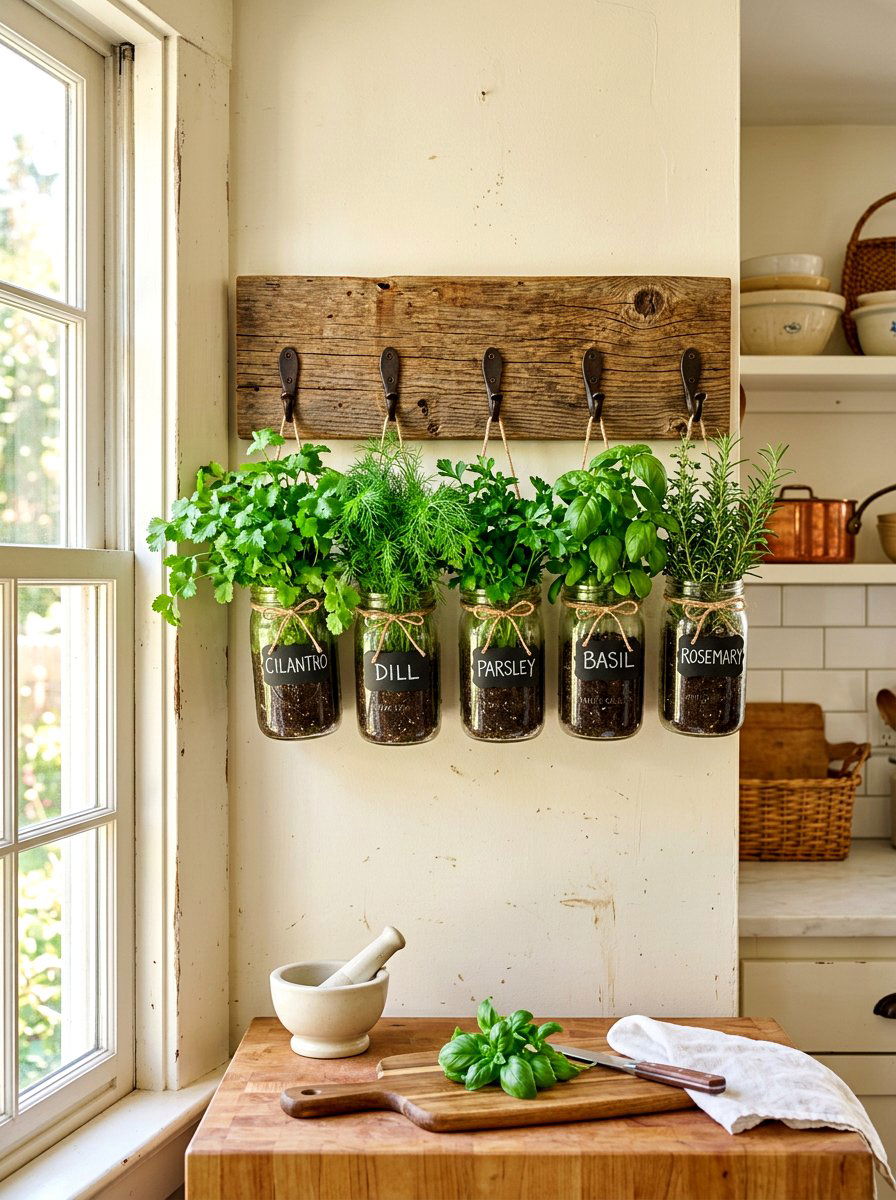
Mason jars offer a charming and rustic way to display herbs while saving precious counter space. You can mount these jars onto a wooden board or hang them using wire loops from a curtain rod. To ensure your herbs stay healthy, add a layer of pebbles at the bottom for drainage. This prevents the roots from sitting in water, which is crucial for mason jar gardening. These jars look beautiful when labeled with chalkboard paint or twine tags. They are especially great for moisture-loving herbs like mint and cilantro. This design fits perfectly in a farmhouse or bohemian style kitchen.
4. Tiered Terra Cotta Pot Tower
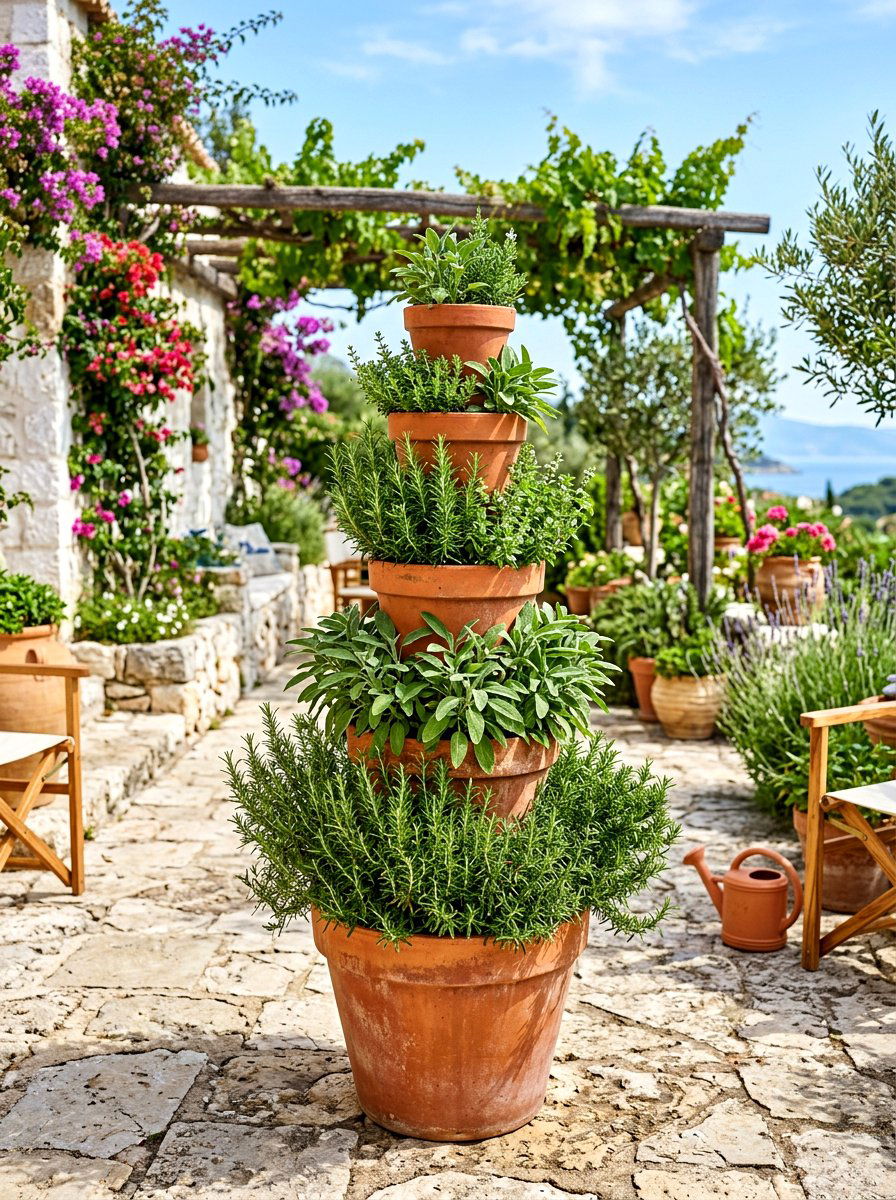
A tiered pot tower is a clever way to grow multiple herbs in a single footprint. By stacking different sizes of terra cotta pots on top of each other, you create a vertical column of greenery. This is an excellent solution for a small patio corner or a front porch. You can plant drought-tolerant herbs like rosemary and sage in the top levels where the soil dries out faster. More moisture-heavy herbs like parsley can live in the bottom, larger pots. This structure provides a Mediterranean vibe and allows you to grow five or six different herbs in one small area.
5. Wooden Pallet Herb Garden
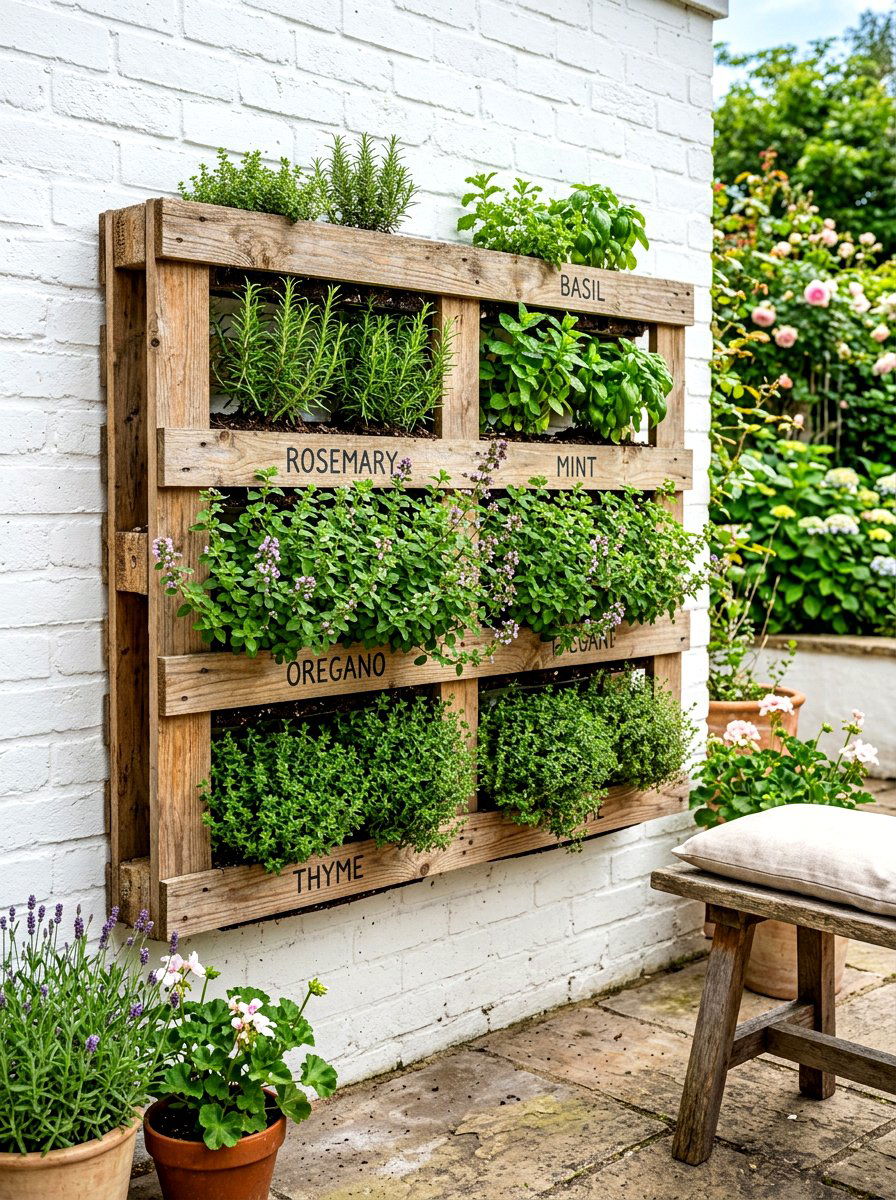
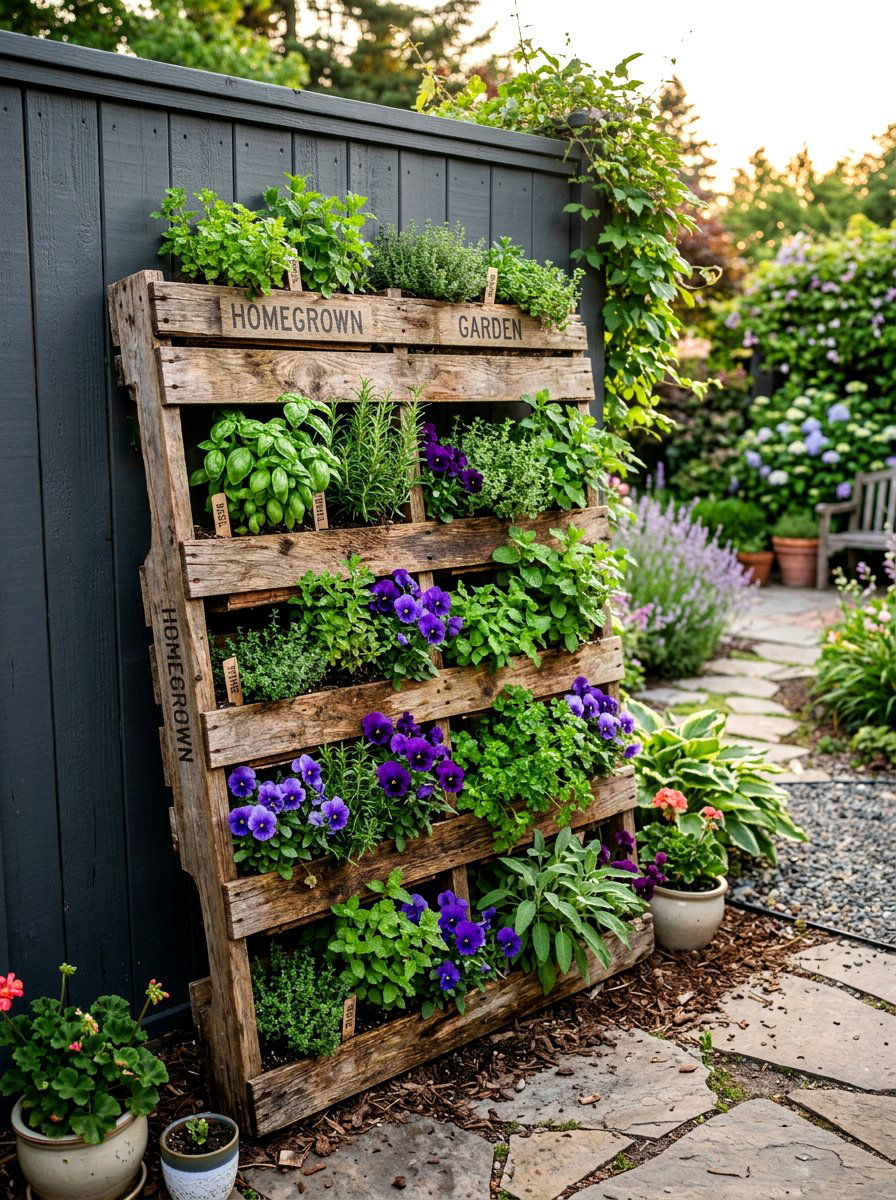
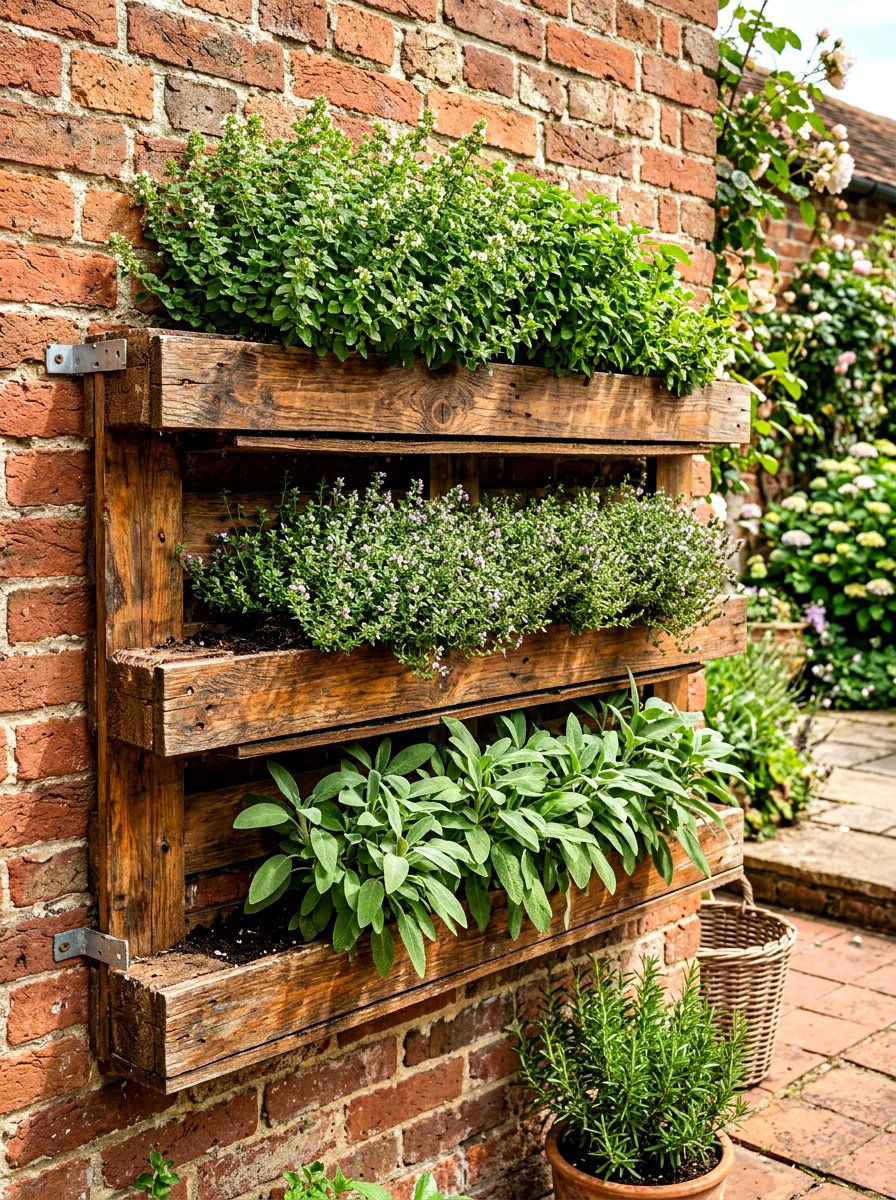
Repurposing an old wooden pallet is a sustainable and stylish way to build a vertical garden. You can lean a pallet against a wall or mount it securely to a fence. By adding landscape fabric to the back and bottom of the slats, you create long planting pockets. This design is rugged and works well for outdoor spaces or rustic interior designs. It allows for a large variety of herbs to be grown in a very thin profile. You can even paint the pallet to match your outdoor furniture. It is a popular DIY project that provides high visual impact.
6. Magnetic Spice Tin Herb Garden
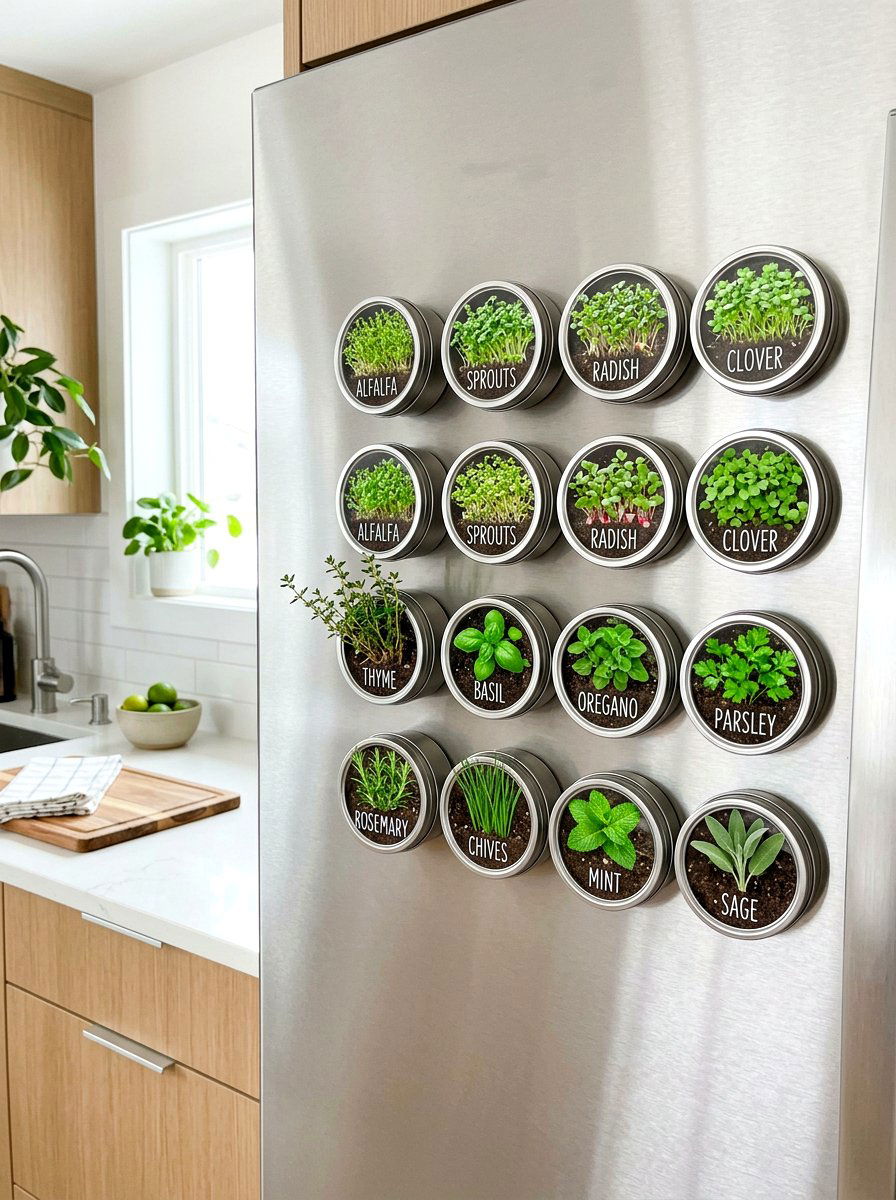
If you have absolutely no floor or counter space, look toward your refrigerator. Magnetic spice tins can be repurposed into tiny herb planters that stick directly to metal surfaces. This is a brilliant solution for studio apartments or very small kitchens. While the pots are small, they are perfect for starting seedlings or growing low-maintenance herbs like thyme. Ensure you use strong magnets and lightweight soil to keep them in place. This unconventional garden adds a modern, industrial touch to your kitchen. It is a conversation starter that proves you can garden anywhere with a little bit of creativity.
7. Ladder Shelf Herb Display
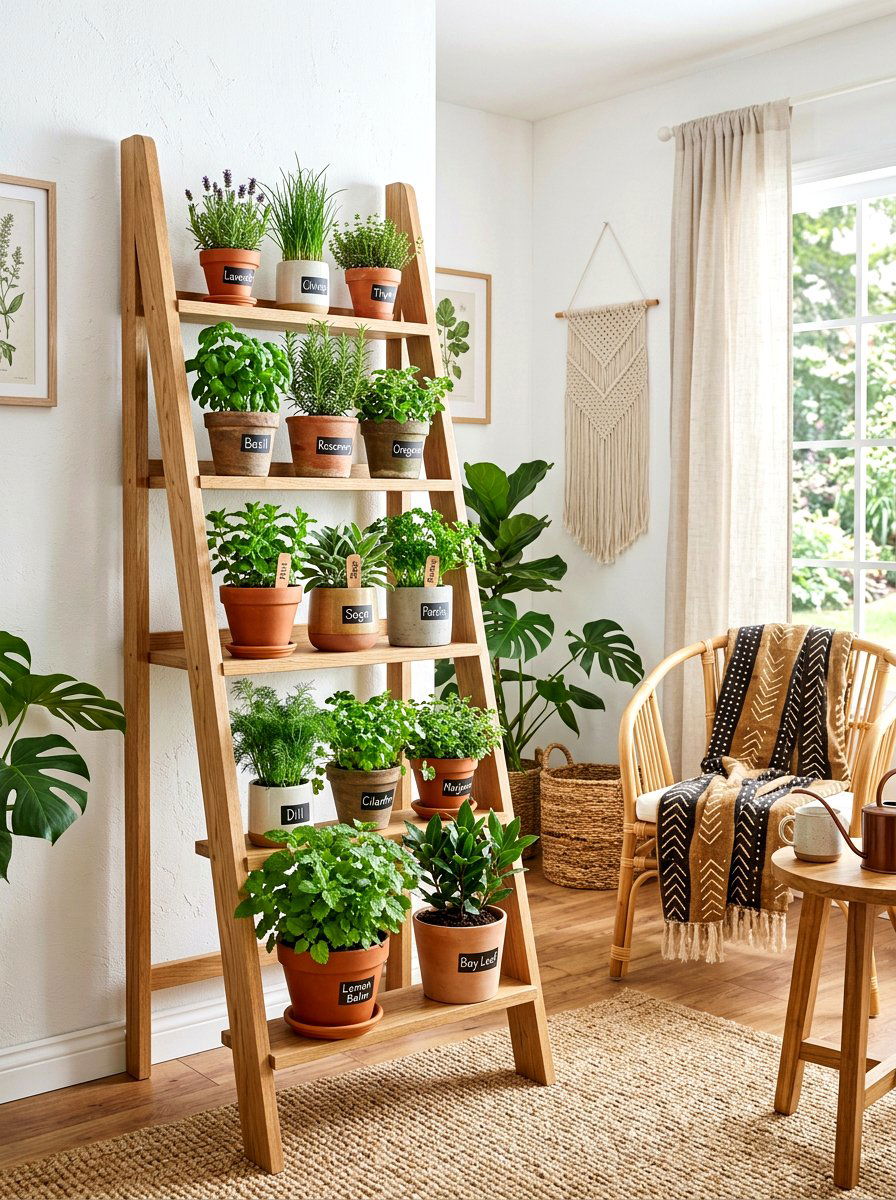
A leaning ladder shelf is a trendy and flexible way to organize your herb collection. These shelves take up very little floor space but offer multiple levels for different plants. You can place the ladder near a bright window and arrange your pots by size or sunlight needs. Taller plants can go on the top rifts, while smaller pots sit neatly below. This setup is easy to move if you need to follow the sunlight during different seasons. It works beautifully in living rooms or sunrooms, acting as both a garden and a piece of functional furniture for decor.
8. Hanging Macrame Herb Pots
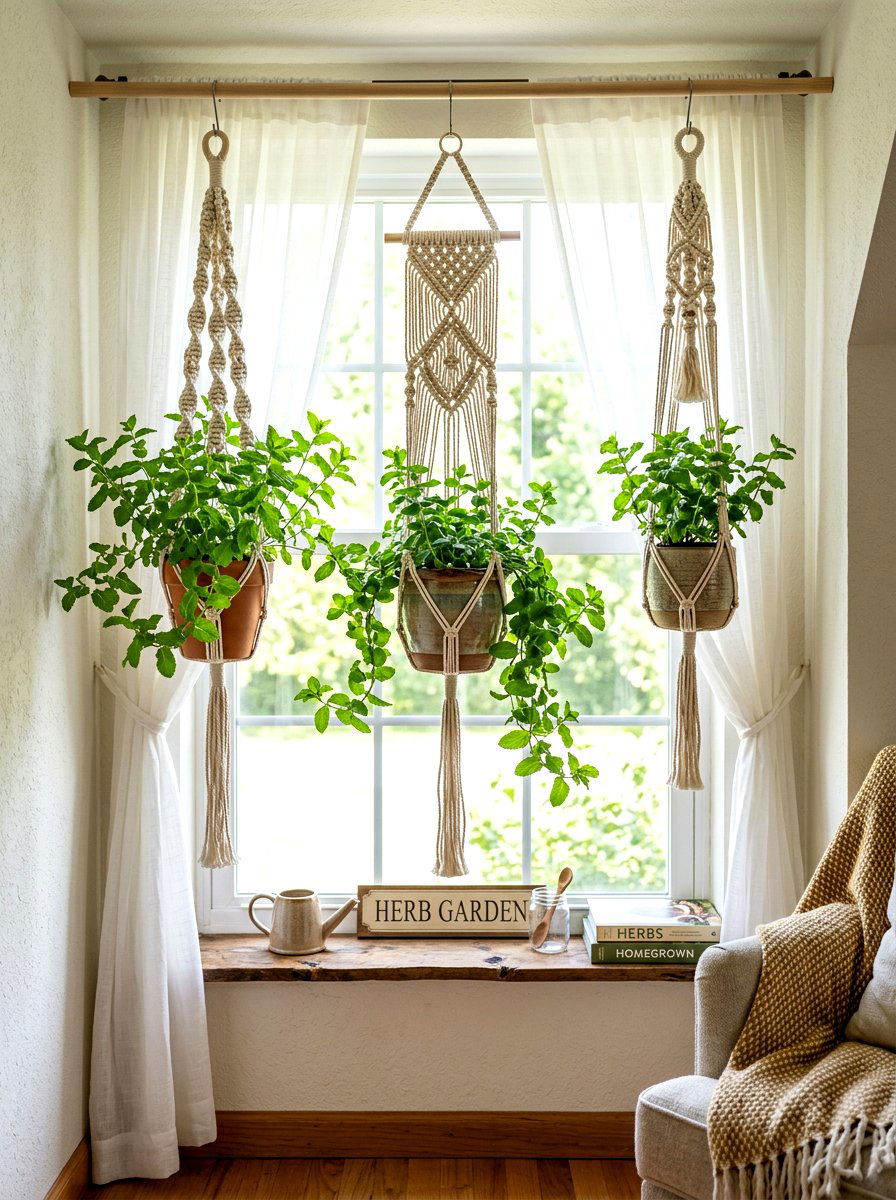
For those who love a bohemian aesthetic, macrame plant hangers are a perfect choice for herbs. Hanging your plants from the ceiling or a wall hook keeps your surfaces completely clutter-free. You can use varied heights to create a dynamic and flowing green display near a window. Herbs with trailing habits, like certain varieties of thyme or mint, look particularly stunning in hanging baskets. This method also keeps your plants away from curious pets or small children. It adds texture and a soft, natural feel to any room. Macrame hangers are affordable and easy to install in any corner.
9. Indoor Smart Herb Garden
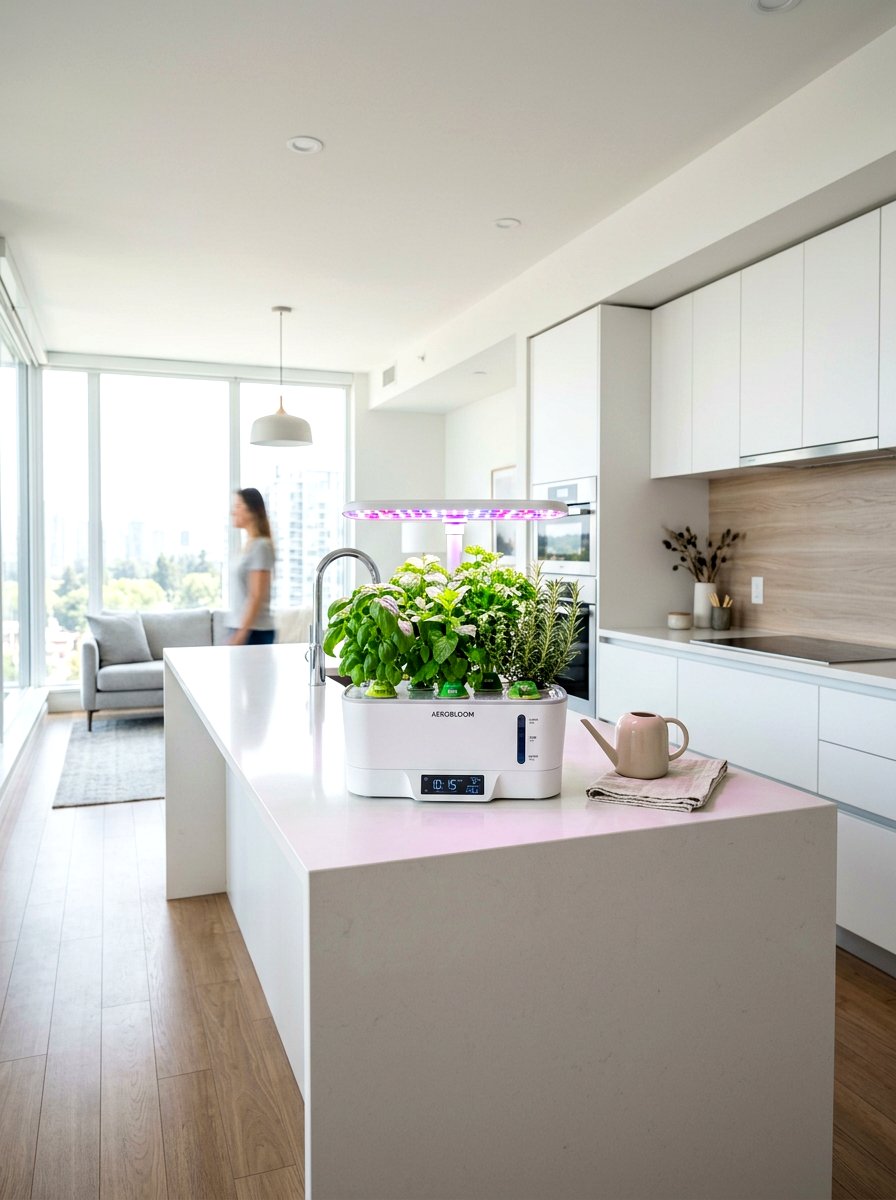
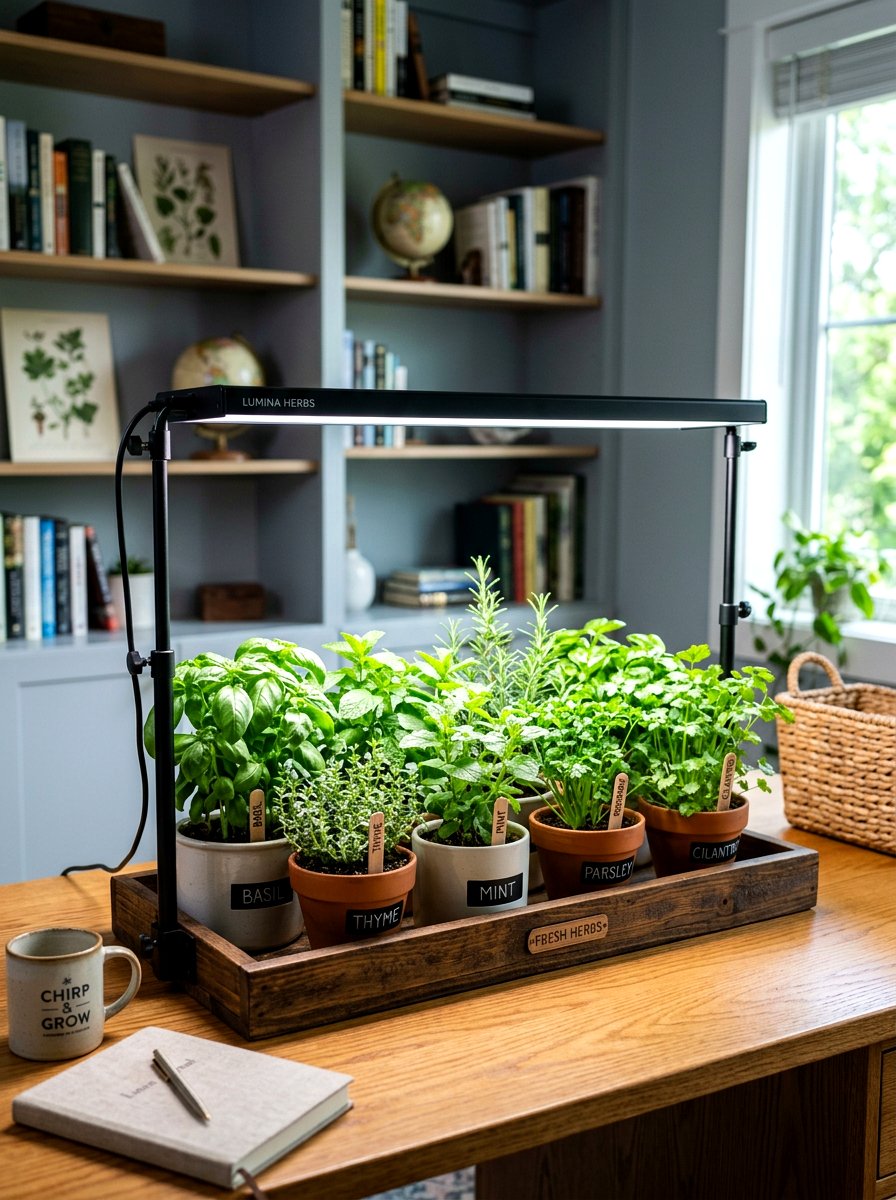
Technology has made it easier than ever to grow herbs indoors regardless of your natural lighting. Smart herb gardens come with built-in LED grow lights and automated watering systems. These compact units sit perfectly on a desk or kitchen island. They use hydroponic technology, meaning your herbs grow in water instead of soil, which is often cleaner for indoor use. These systems are ideal for beginners who might forget to water their plants regularly. You can grow fresh herbs all year round, even in the middle of winter. It is a sleek, modern solution for the tech-savvy urban gardener.
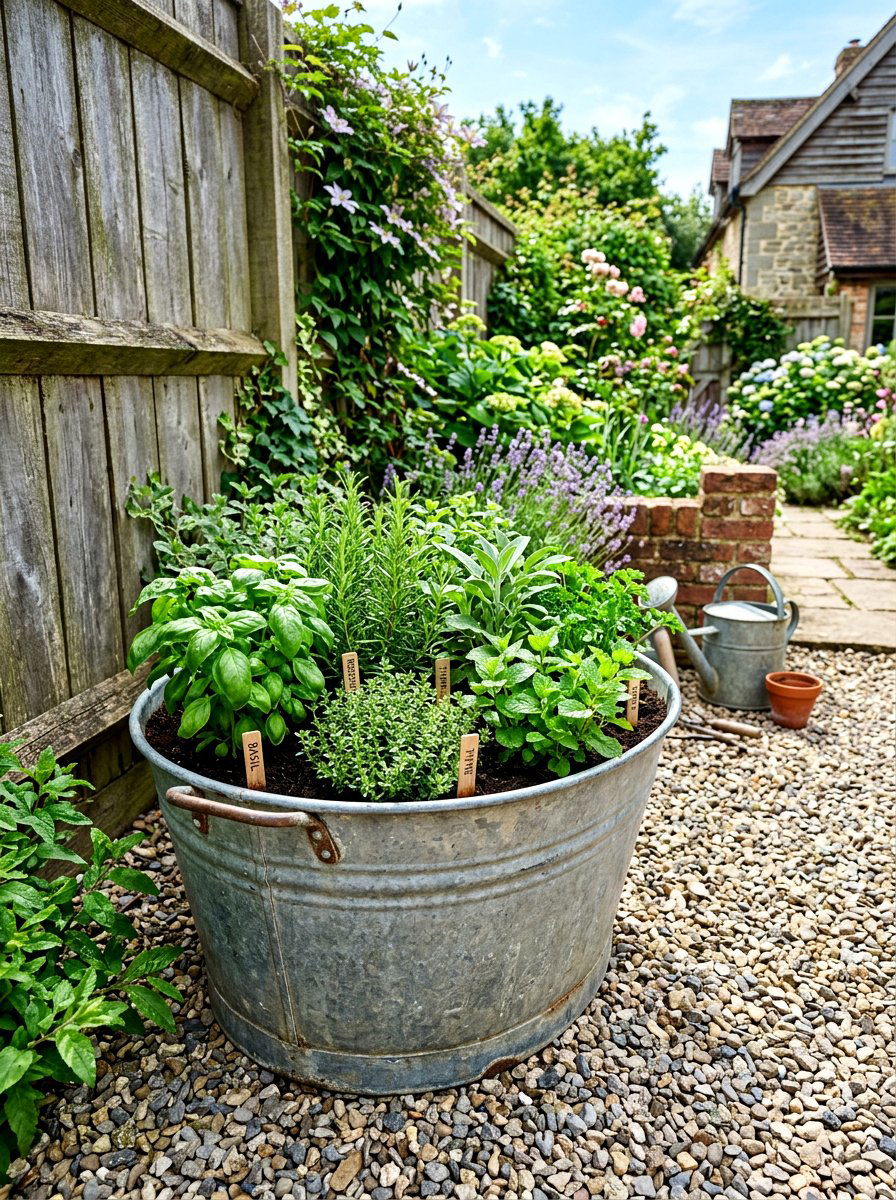
10. Recycled Tin Can Planters
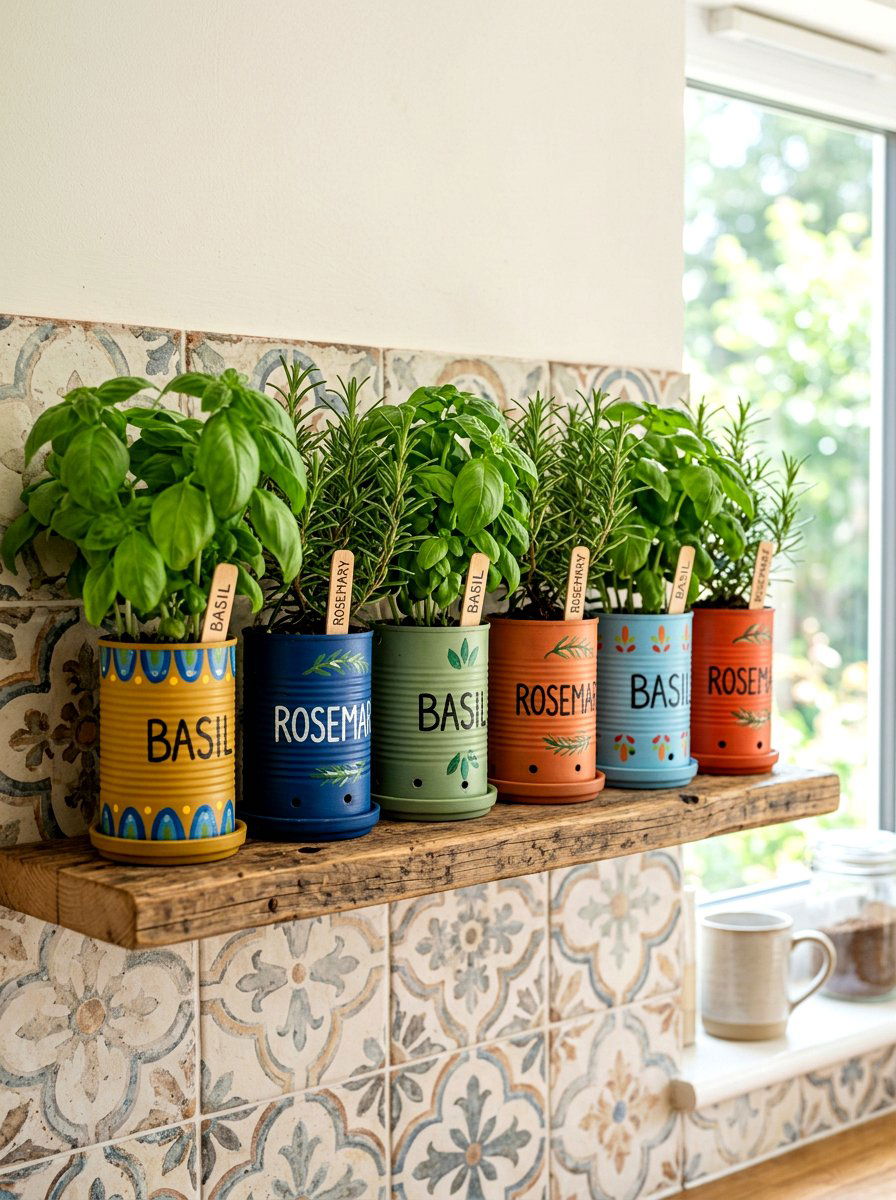
Sustainable gardening can be as simple as saving your old soup or coffee cans. After cleaning them and drilling drainage holes in the bottom, you have instant, stylish herb pots. You can leave them with their original labels for a vintage look or paint them in bright colors. These small containers are perfect for individual herbs like dill or oregano. They fit easily onto narrow shelves or can be grouped together on a tray. This is one of the most affordable ways to start a herb garden. It encourages recycling while adding a personalized, handmade touch to your home.
11. Over The Door Shoe Organizer Garden
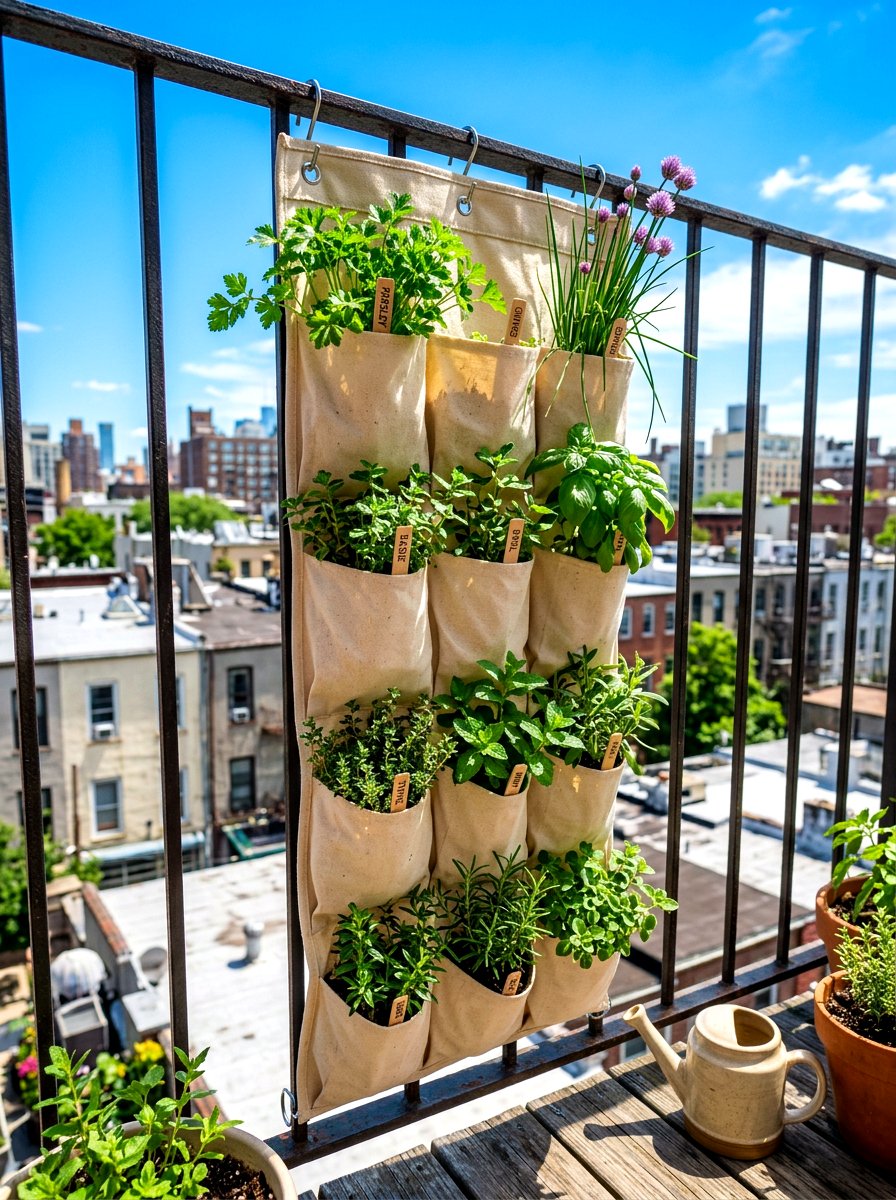
An over-the-door shoe organizer is a surprisingly effective vertical planter for small spaces. The individual pockets are the perfect size for holding small herb plants and their soil. You can hang this on the back of a pantry door or on a sunny balcony railing. Ensure the material is breathable, like canvas, to allow for proper air circulation around the roots. This method allows you to grow up to twenty different herbs in the space of a single door. It is a great way to keep your herbs organized and easily accessible. It works best for lightweight, compact herb varieties.
12. Floating Wooden Shelves For Herbs
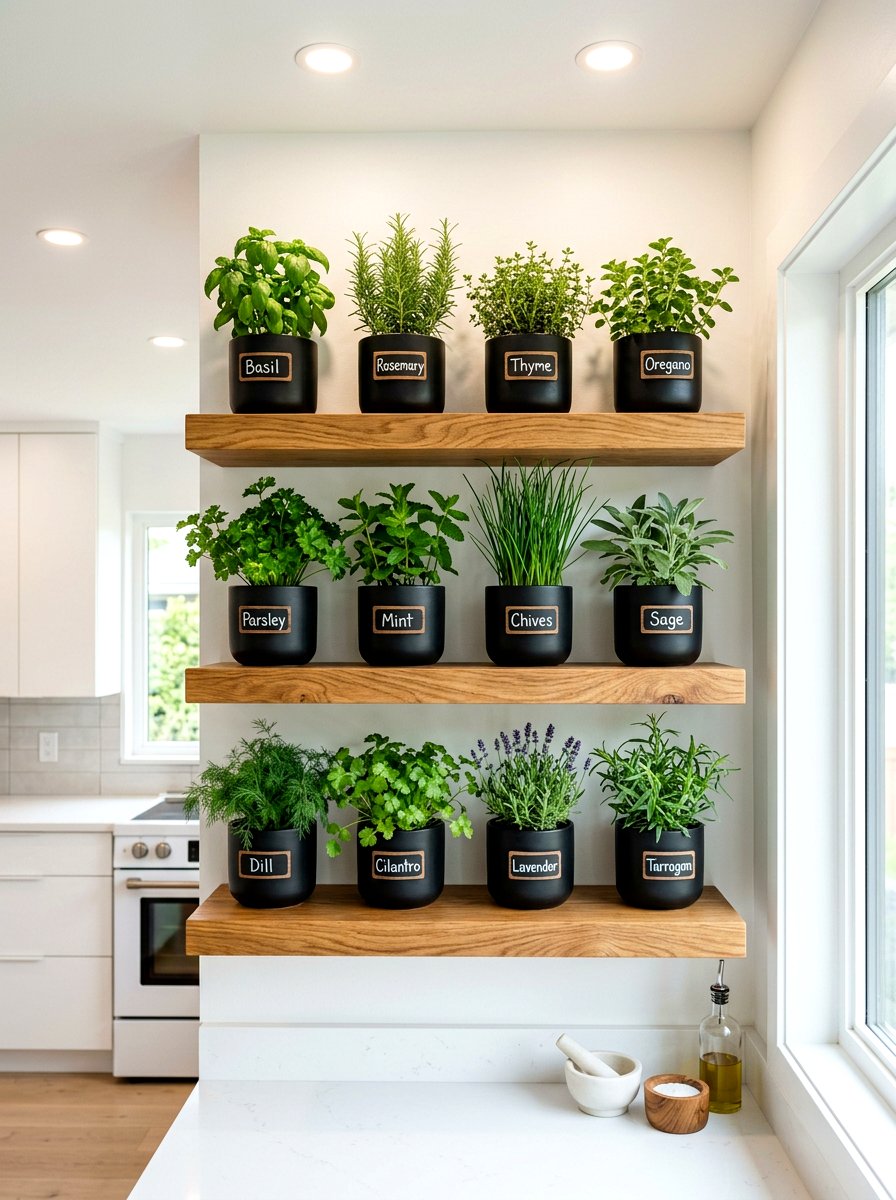
Floating shelves are a minimalist way to display your herb collection without using any floor space. By installing a few thick wooden shelves on a sunny wall, you create a dedicated area for gardening. You can choose pots that match your interior color palette to make the garden feel like a part of the architecture. This setup is perfect for a dining area or a kitchen nook. Floating shelves allow you to customize the height between plants, accommodating taller herbs like rosemary. They provide a clean, organized look that highlights the natural beauty of the green foliage against the wall.
13. Gutter Herb Garden On Fence
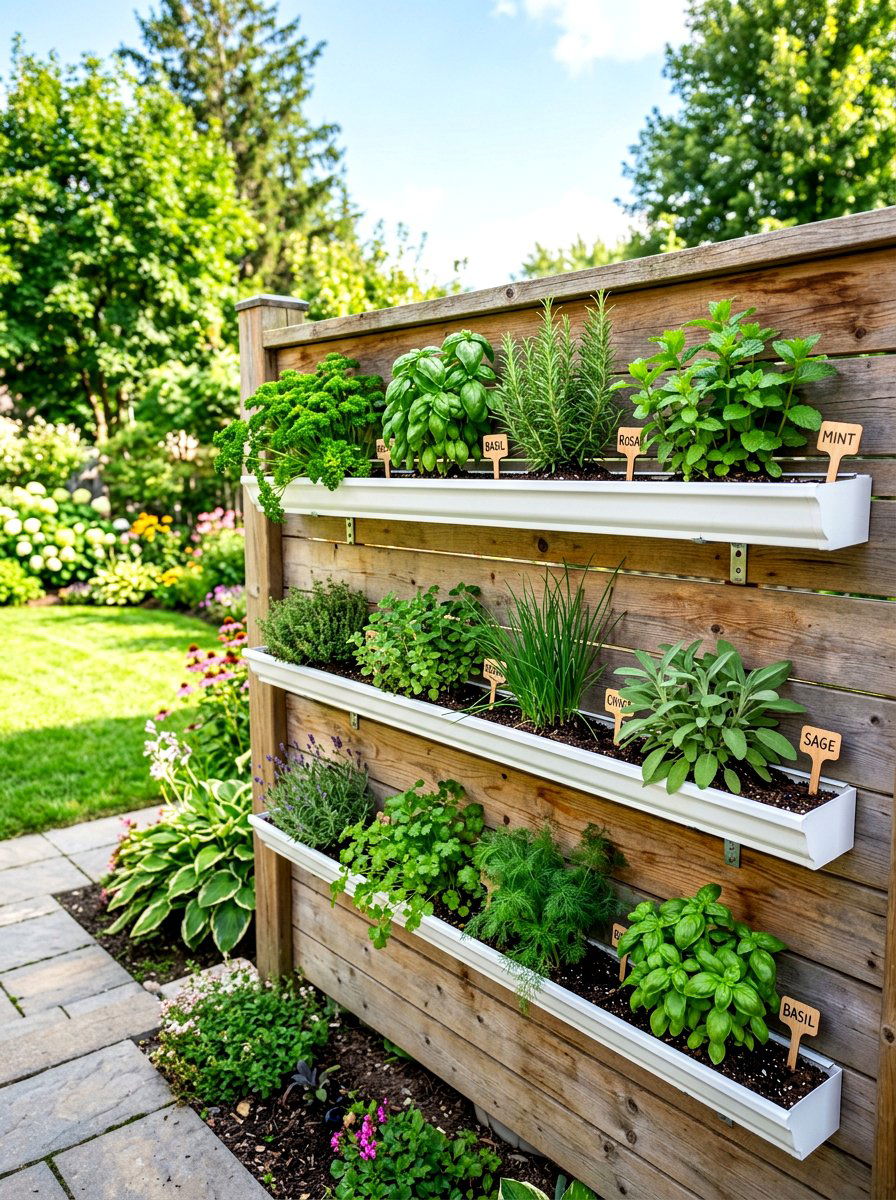
Repurposing rain gutters into herb planters is a brilliant way to use horizontal space on a fence or wall. These long, narrow troughs are perfect for shallow-rooted herbs like lettuce, chives, and cilantro. You can mount several rows of gutters one above the other to maximize your harvest. This design is very efficient for watering, as you can let the excess drip from the top row to the bottom. It is a budget-friendly outdoor solution that looks modern and professional. A gutter garden can transform a plain wooden fence into a productive and lush living boundary for your home.
14. Teacup Herb Garden Collection
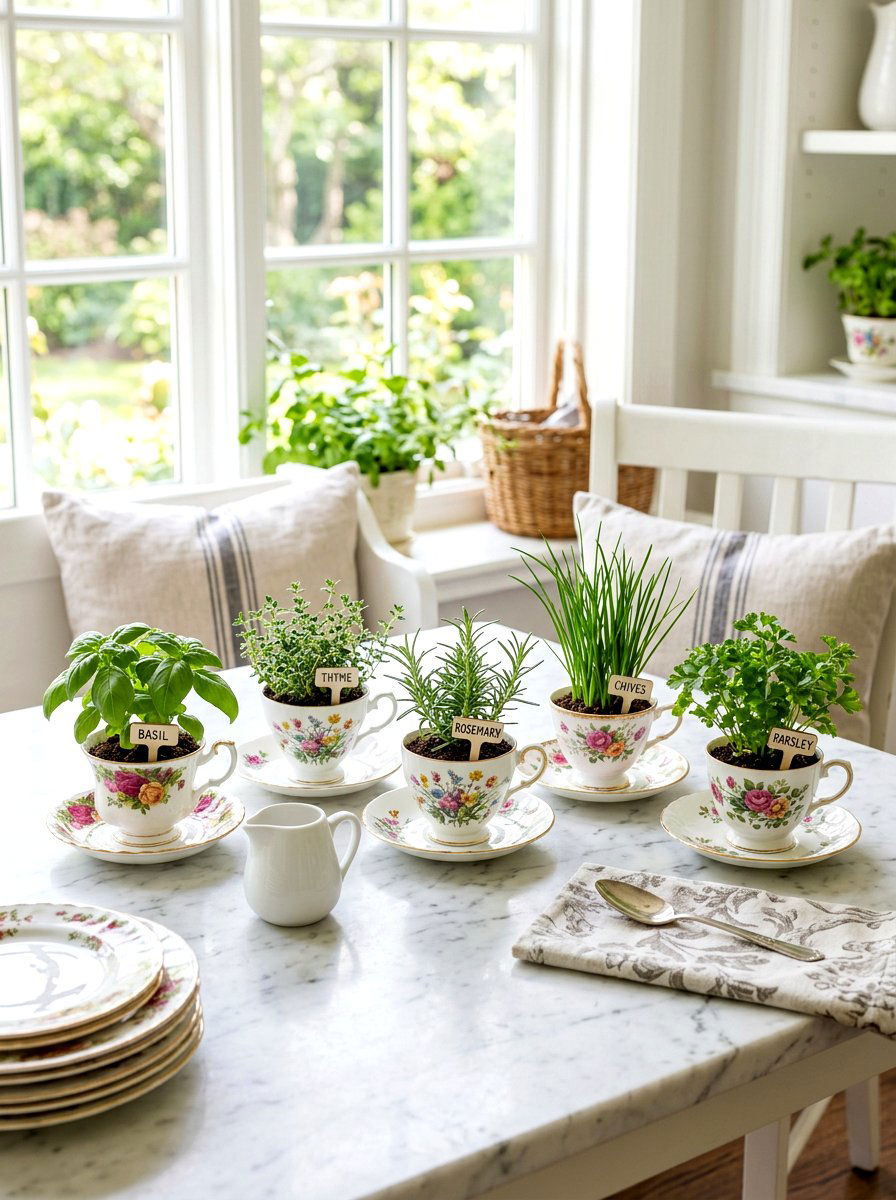
For a whimsical and dainty herb display, try using vintage teacups as planters. This is a wonderful way to repurpose old china that might be tucked away in a cupboard. Since teacups are small, they are ideal for slow-growing herbs or starting new cuttings. You can arrange a collection of different patterns and colors on a tiered cupcake stand or a small tray. Because teacups usually lack drainage holes, you must be very careful with watering or add small stones at the bottom. This charming setup is perfect for a brunch table centerpiece or a sunny cottage kitchen.
15. Mobile Cart Herb Garden
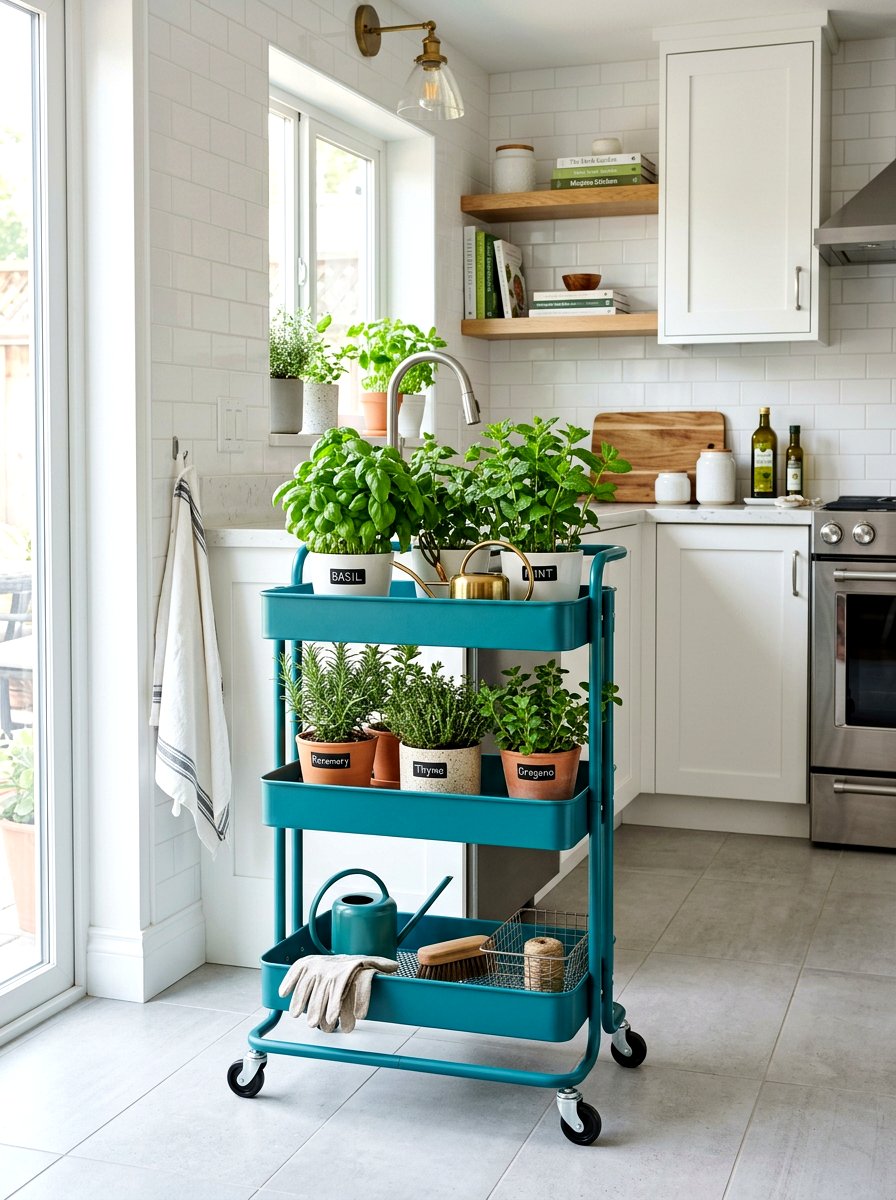
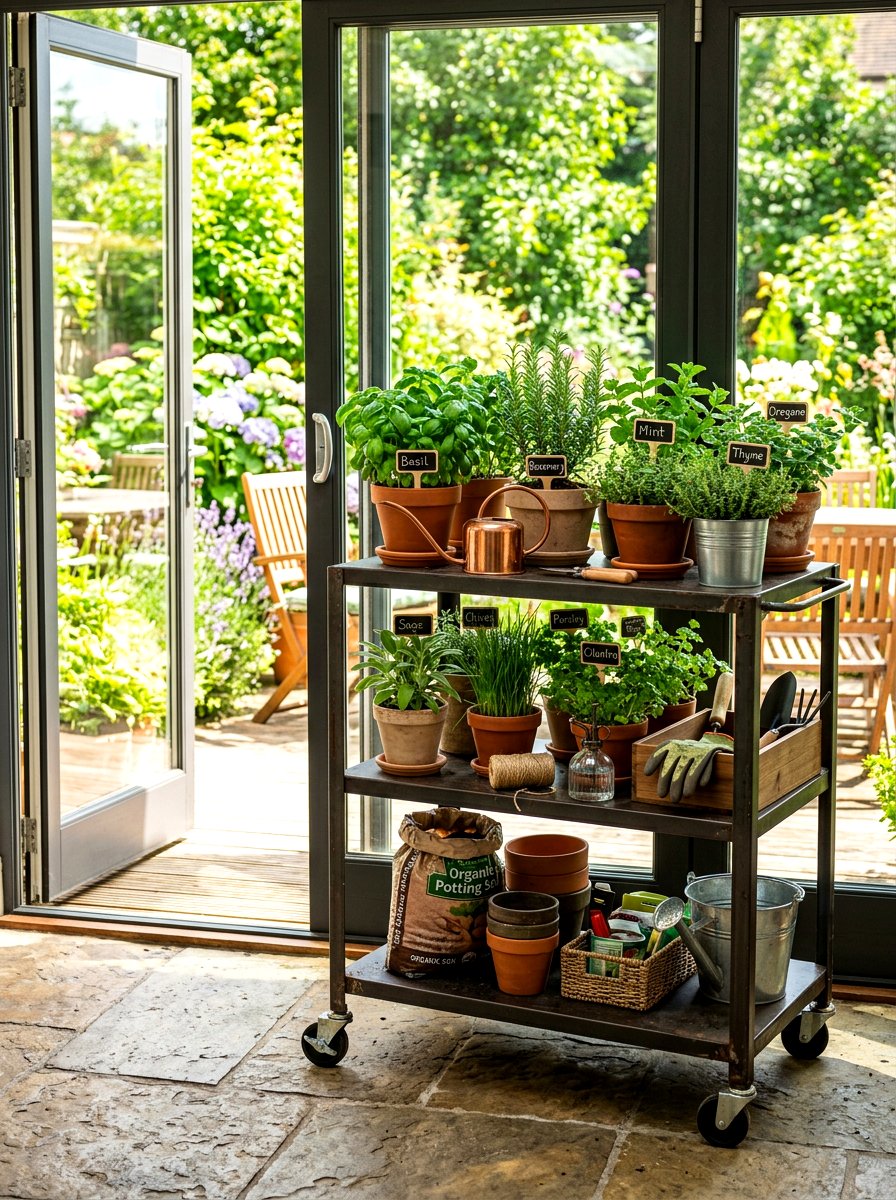
A rolling utility cart is a versatile home for a small herb garden. These multi-tiered carts allow you to move your plants around to follow the sun or bring them closer to the stove. You can dedicate each shelf to different types of herbs, such as one for tea herbs and another for savory cooking herbs. This is a great solution for those who live in apartments with changing light patterns. The industrial look of a metal cart contrasts beautifully with soft green leaves. It keeps all your gardening supplies, like snips and misters, organized in one mobile location.
16. Window Box Herb Planter
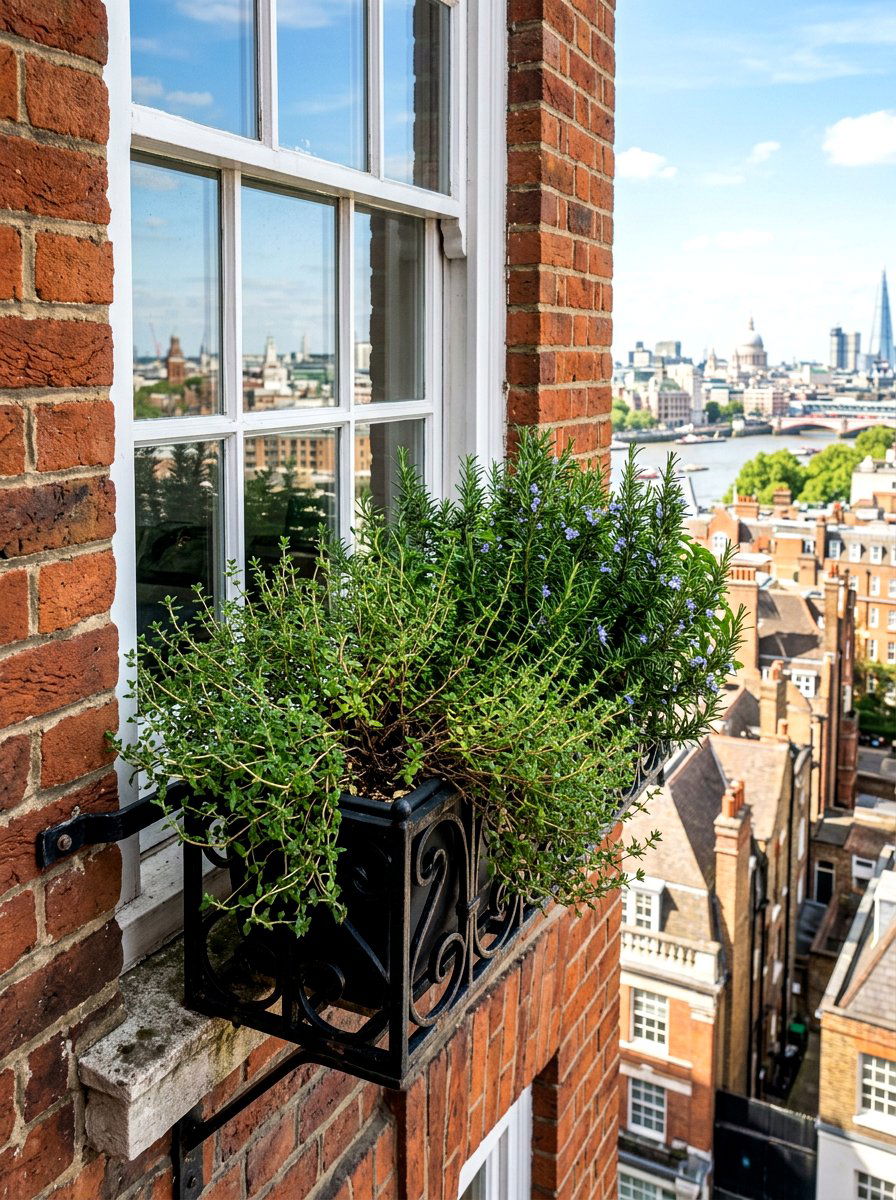
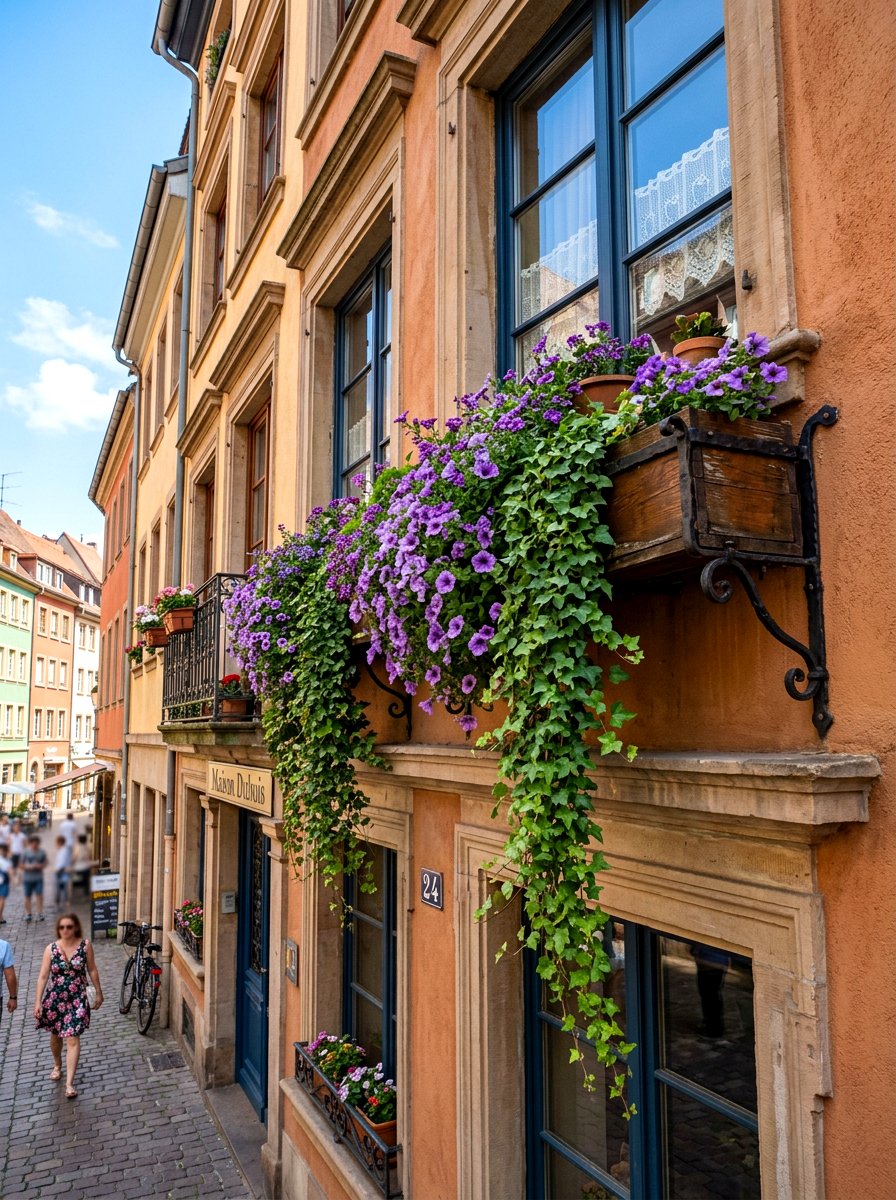
Window boxes are a traditional favorite for a reason; they maximize the most sun-drenched part of your home. You can install these boxes on the outside of your windows or even on the inside ledge. They provide a long, continuous planting area that is perfect for grouping several herbs together. This creates a lush, window-framing effect that looks beautiful from both inside and outside the house. You can mix trailing herbs with upright ones to create a full and textured appearance. Window boxes are easy to maintain and provide a classic garden feel to any urban apartment or small townhouse.
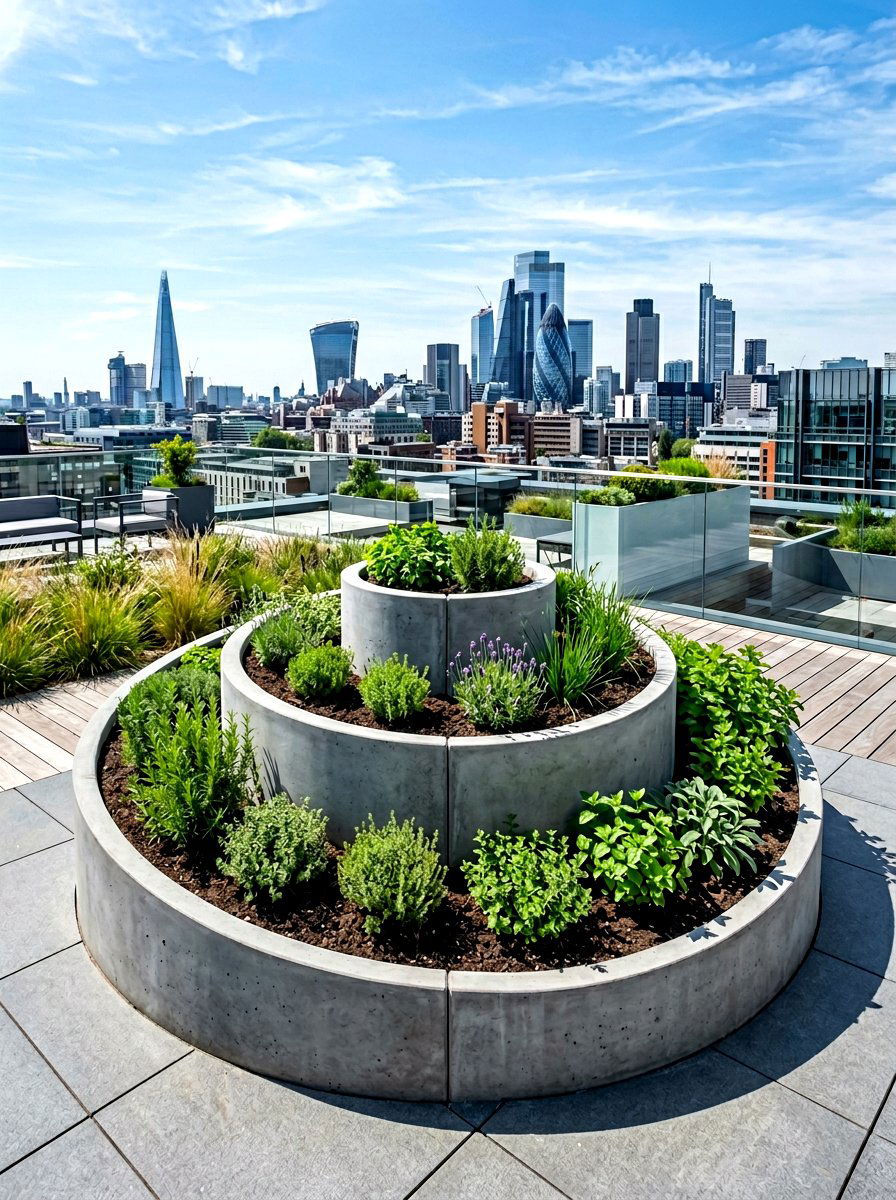
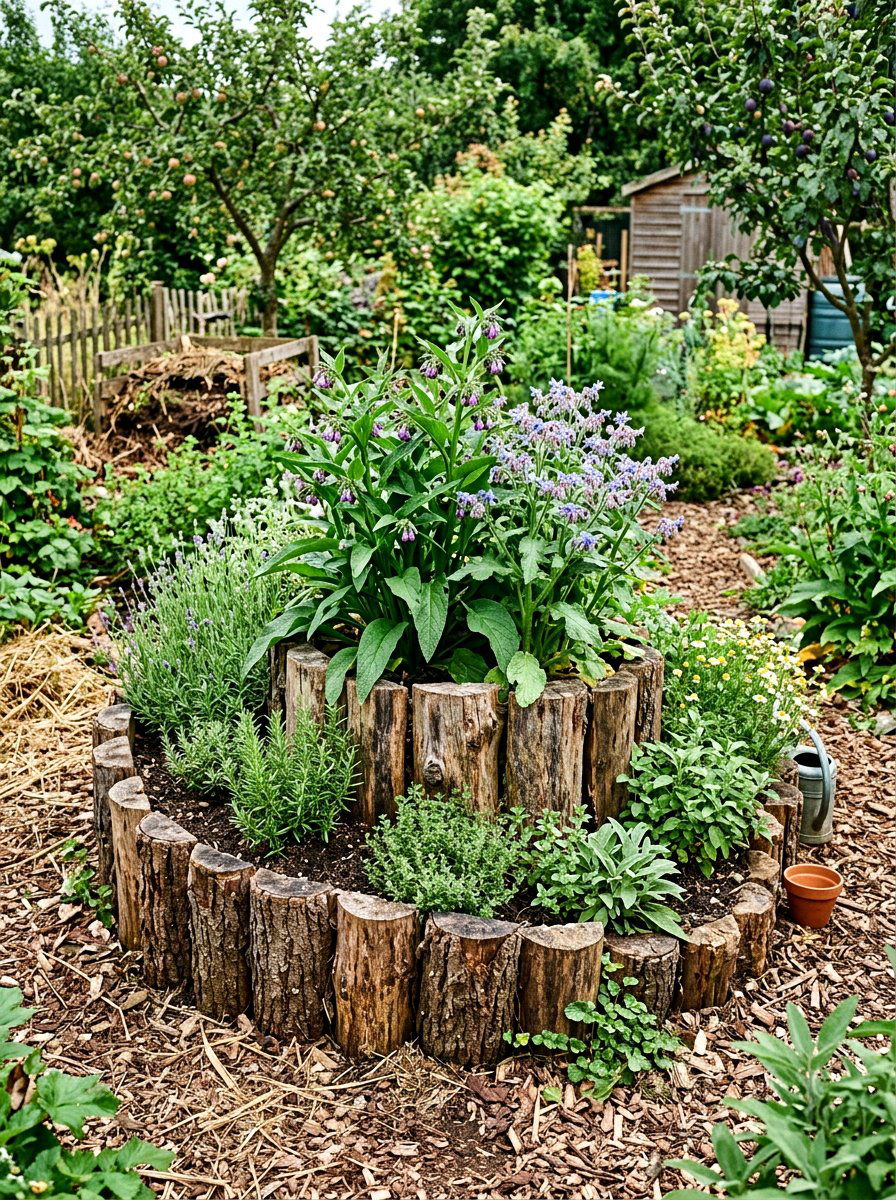
17. Spiral Herb Garden Small Space
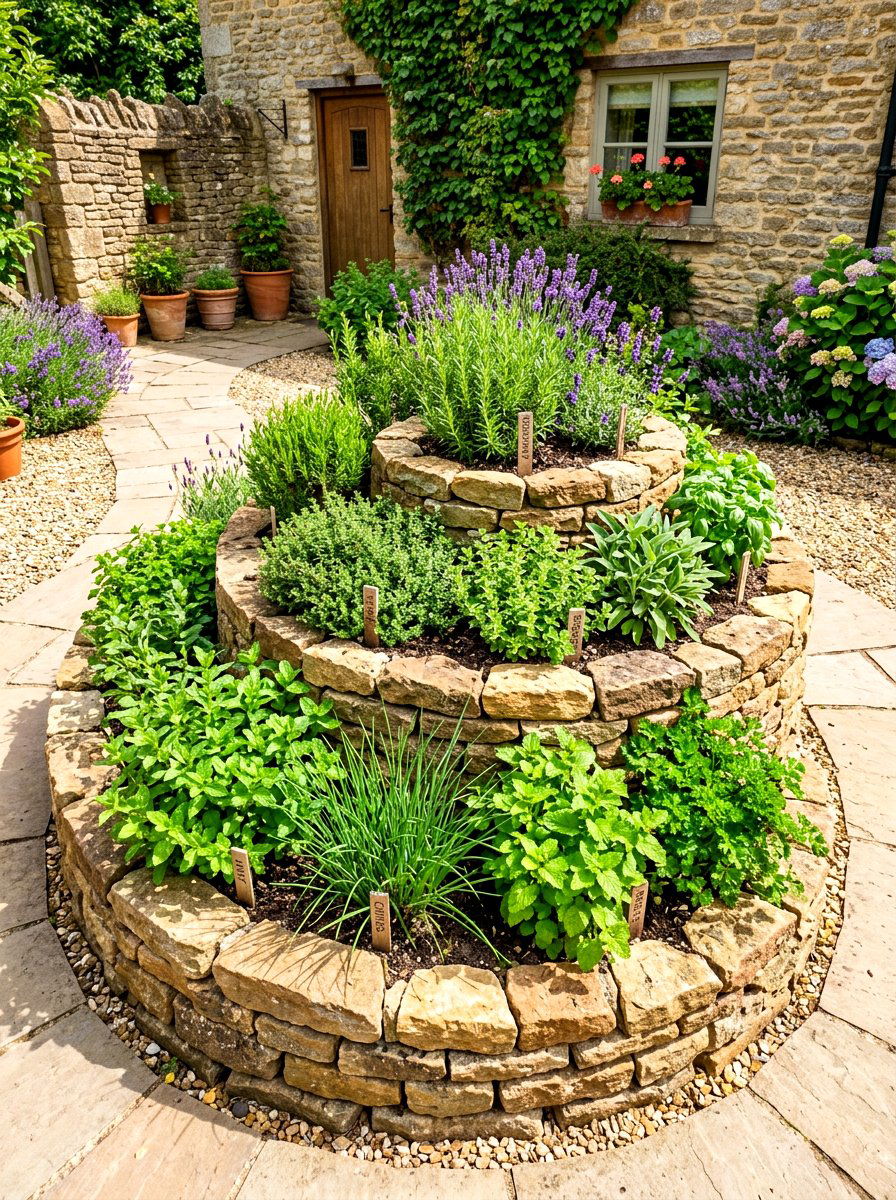
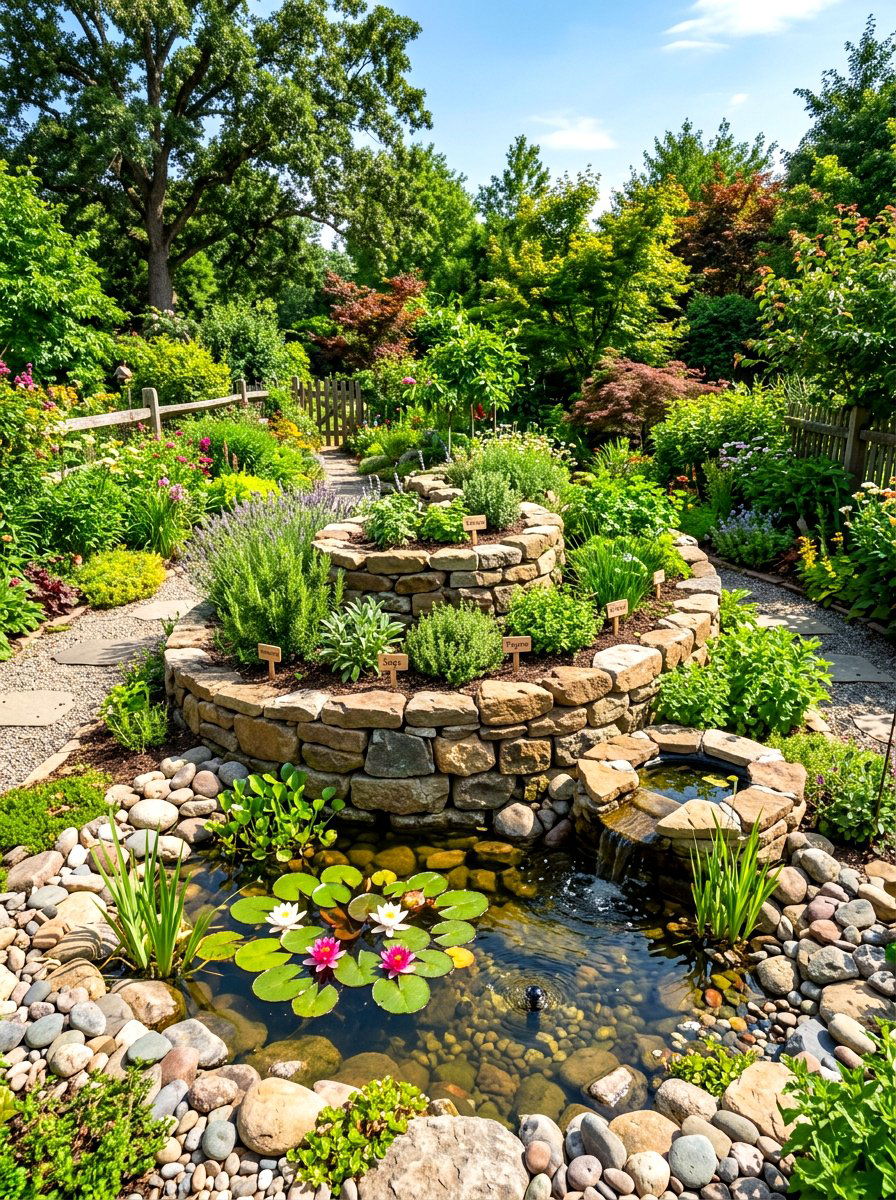
A herb spiral is a permaculture design that packs a lot of growing power into a small circular area. By building a spiral structure out of stones or bricks, you create different microclimates for various herbs. The top of the spiral is dry and sunny, perfect for rosemary and oregano. The lower parts are cooler and more moist, which is ideal for mint and parsley. Even a small spiral only three feet wide can hold a surprising variety of plants. This architectural feature adds a professional landscape look to a small backyard or a large balcony corner.
18. Under Cabinet LED Herb Garden
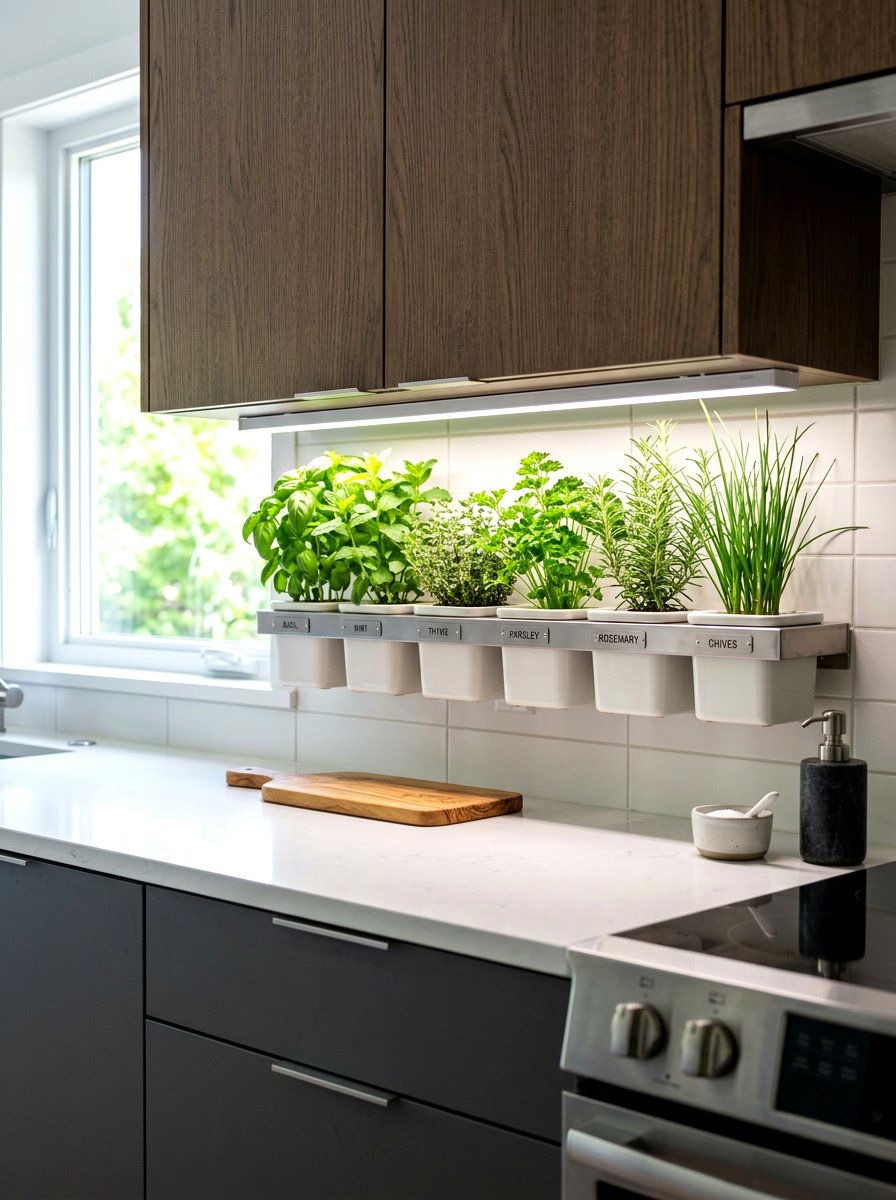
Utilizing the space under your kitchen cabinets is a smart way to grow herbs without taking up counter room. You can install slim LED grow light strips underneath the cabinets to provide the necessary spectrum for plant growth. Small rectangular planters can then be placed directly on the counter below. This setup keeps your workspace clear while providing a bright, green backsplash for your kitchen. It is particularly useful for kitchens that do not have windows or receive very little natural light. It makes your herbs incredibly accessible while you are prepping meals and adds a modern glow.
19. Chalkboard Painted Herb Pots
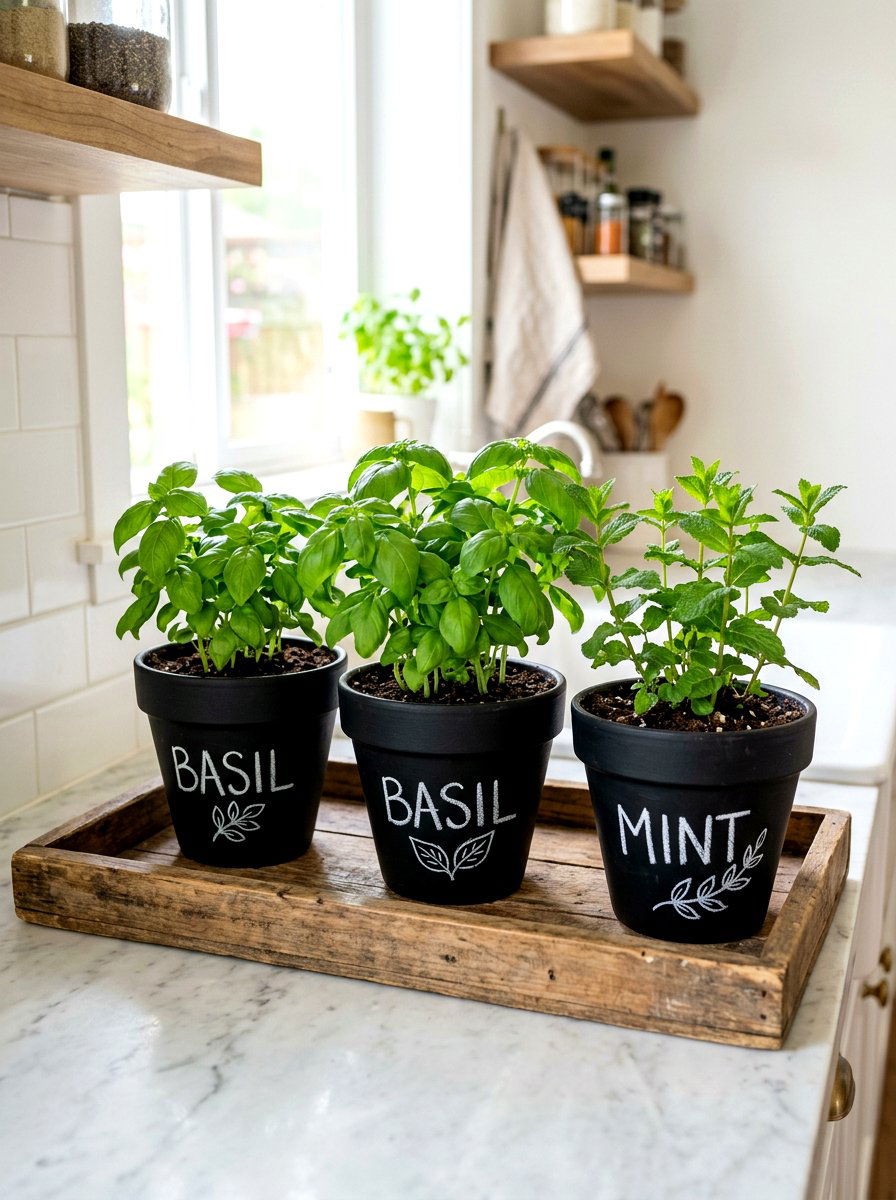
Personalizing your herb garden with chalkboard paint is both functional and stylish. You can paint simple terra cotta pots with black chalkboard finish and write the names of the herbs directly on them. This makes it easy to keep track of what you are growing, especially for beginners. The dark matte background makes the vibrant green of the herbs pop beautifully. These pots look great grouped together on a tray or lined up on a shelf. You can easily change the labels if you decide to plant something new. It adds a playful and organized element to your small garden.
20. Self Watering Herb Planter Box
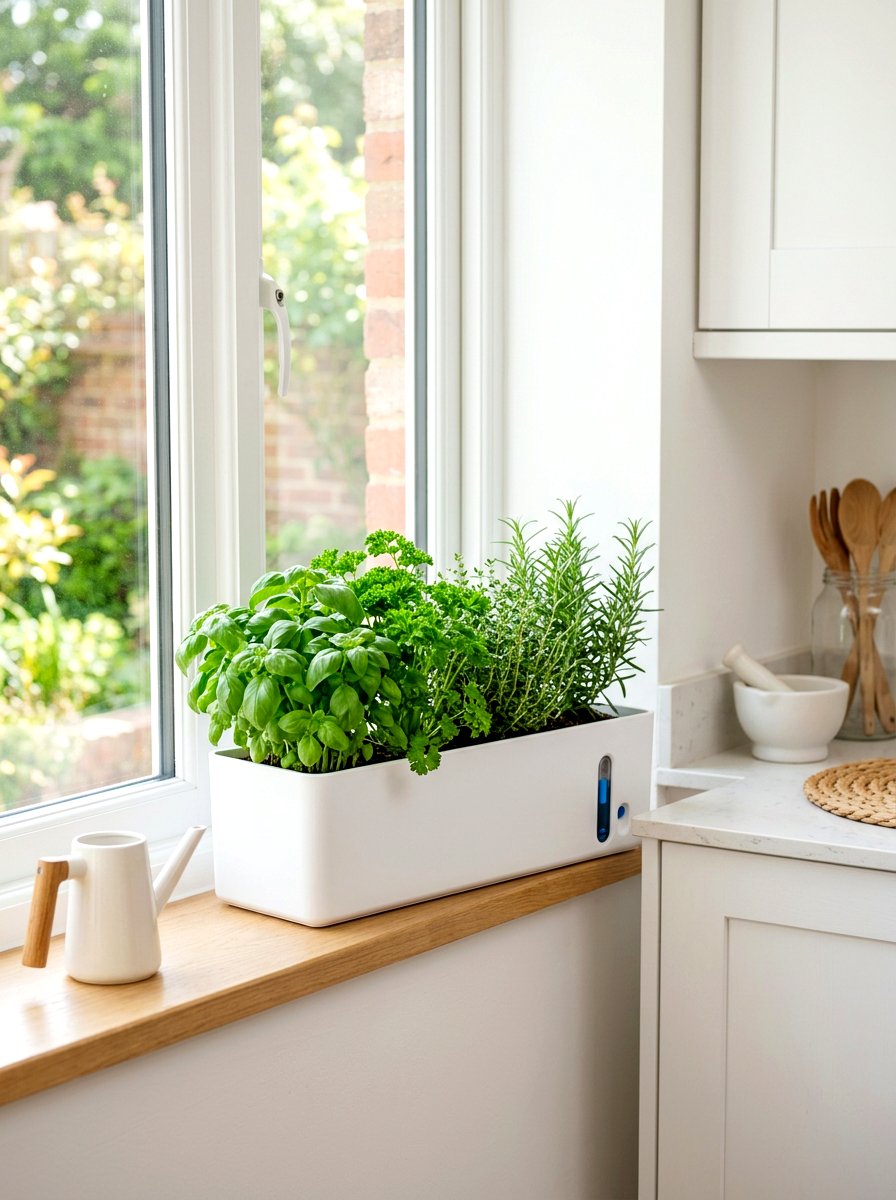
For busy individuals who might forget to water their plants, self-watering herb boxes are a lifesaver. These planters feature a reservoir at the bottom that provides a consistent moisture level to the roots. This prevents the common problem of overwatering or letting herbs dry out too quickly in small containers. Many of these boxes are designed to be compact and stylish, fitting perfectly on a balcony railing or a deep windowsill. They are especially useful for moisture-loving herbs like basil, which can wilt quickly in the summer heat. This system ensures your herb garden stays healthy with minimal daily effort.
21. Balcony Railing Herb Garden
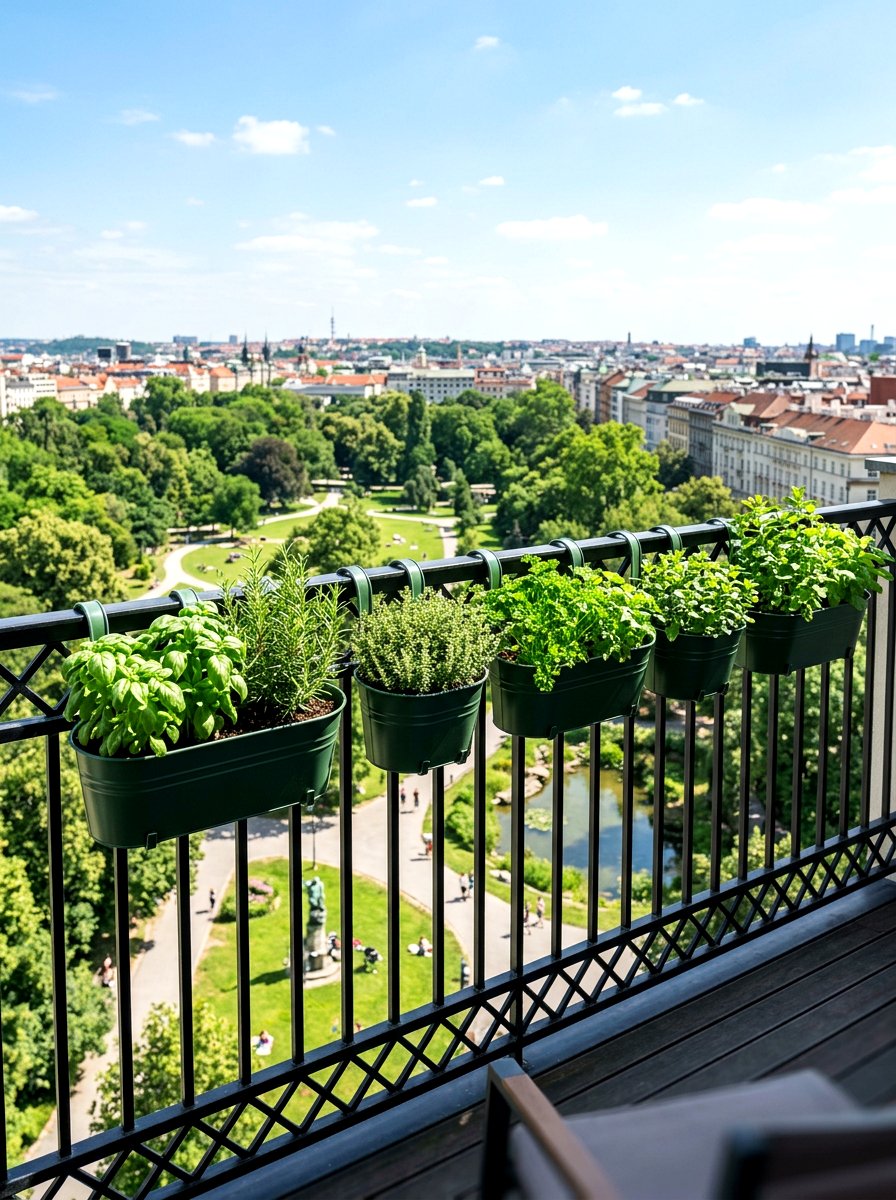
Your balcony railing is prime real estate for a herb garden that doesn't take up any floor space. Specialized planters are designed to sit securely over the railing, allowing you to grow herbs on both sides. This setup gets excellent airflow and sunlight, which most herbs crave. It creates a green "curtain" that can provide a bit of privacy from neighbors. You can line up several of these planters to create a continuous wall of fragrance and color. It is an efficient way to turn a small outdoor area into a productive culinary space while keeping the middle clear.
22. Strawberry Jar For Herbs
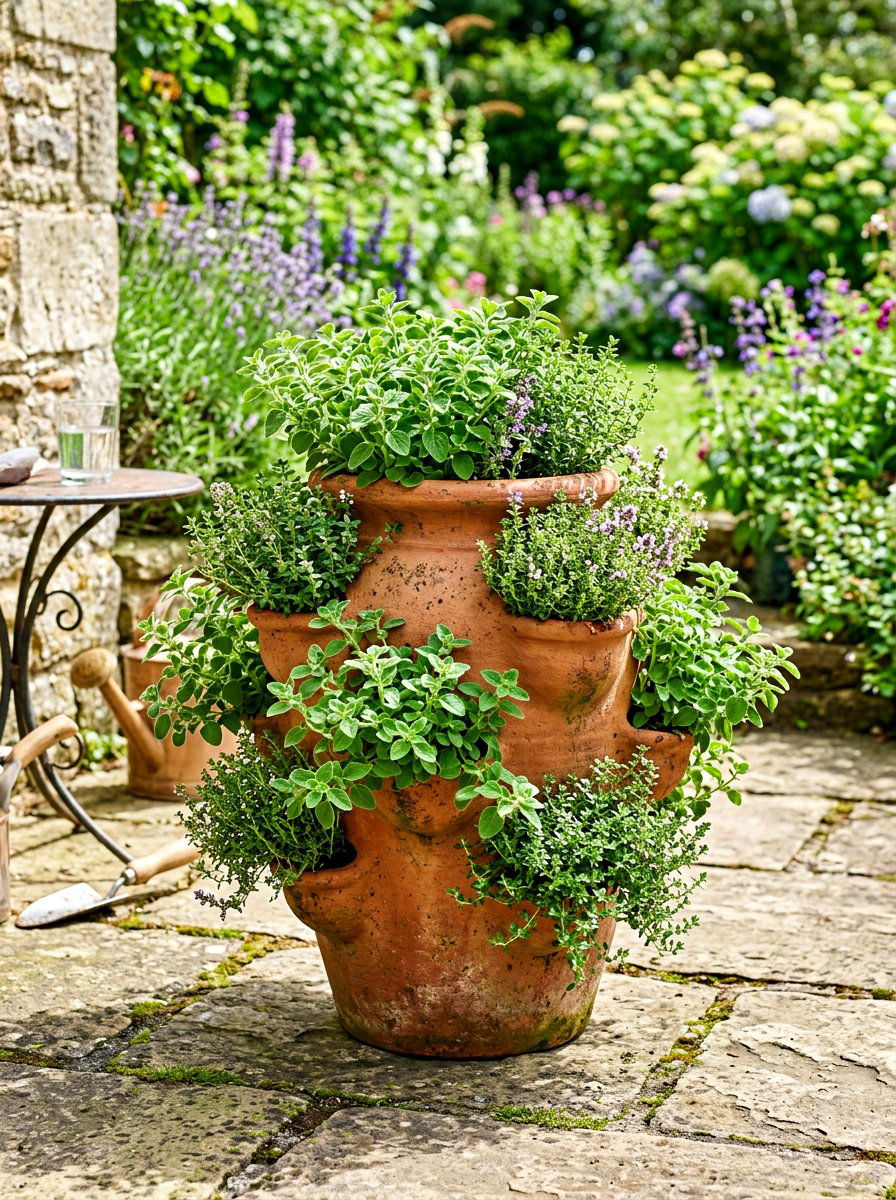
Traditional strawberry jars with multiple side pockets are fantastic for growing a variety of herbs in one container. You can plant a different herb in each of the side openings and one larger plant at the very top. This vertical design is space-efficient and provides a unique, rustic look for a patio or porch. Herbs like thyme, oregano, and marjoram do particularly well in the side pockets because they enjoy the drainage. The central column of soil stays moist, while the pockets allow for air circulation. It is a beautiful way to create a miniature garden in a single pot.
23. Copper Pipe Hanging Garden
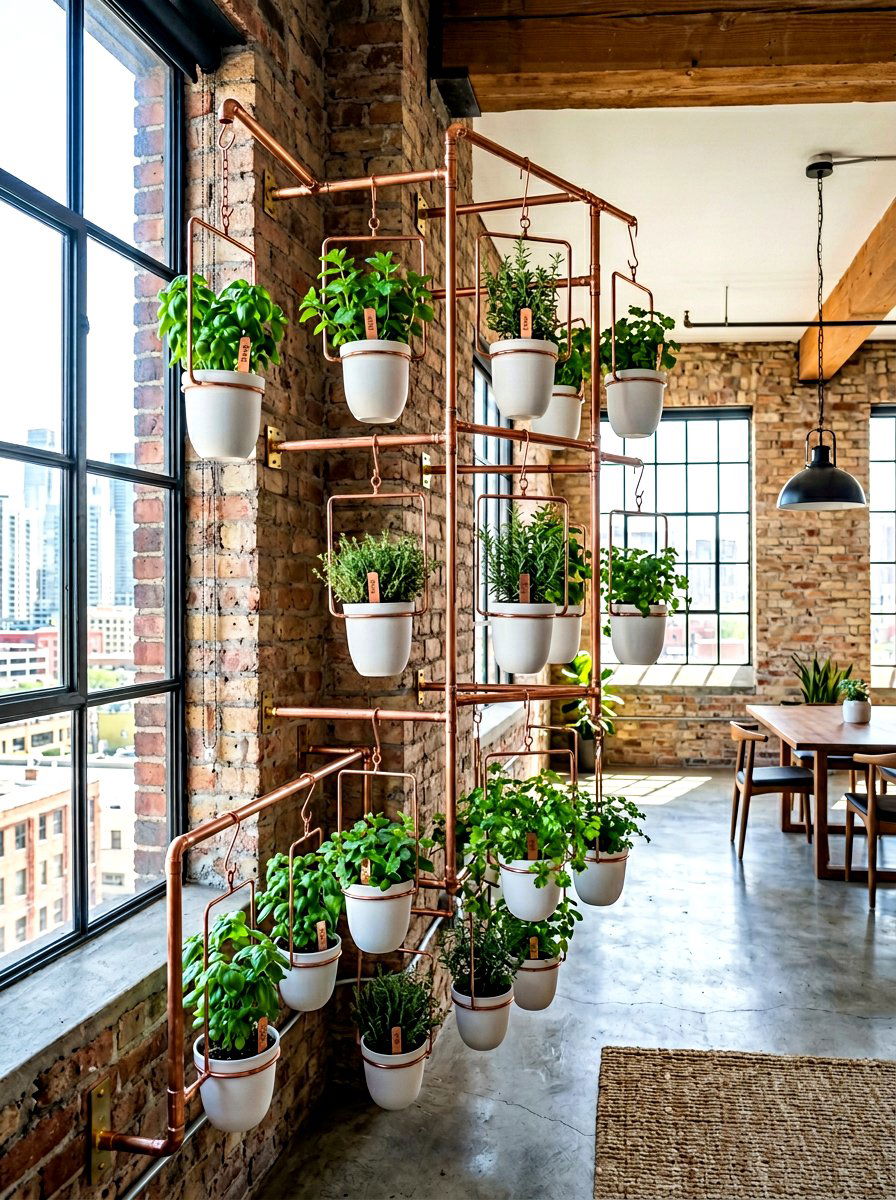
A copper pipe hanging garden is a sleek and modern DIY project for small spaces. You can create a simple frame using copper pipes and hang lightweight pots from the crossbars using "S" hooks. This design looks very high-end and fits perfectly in a contemporary or industrial interior. The metallic shine of the copper complements the organic green of the herbs. You can hang this structure in front of a window or on an empty kitchen wall. It is a sturdy and stylish way to keep your herbs organized and off the counters. It provides a unique architectural element to your room.
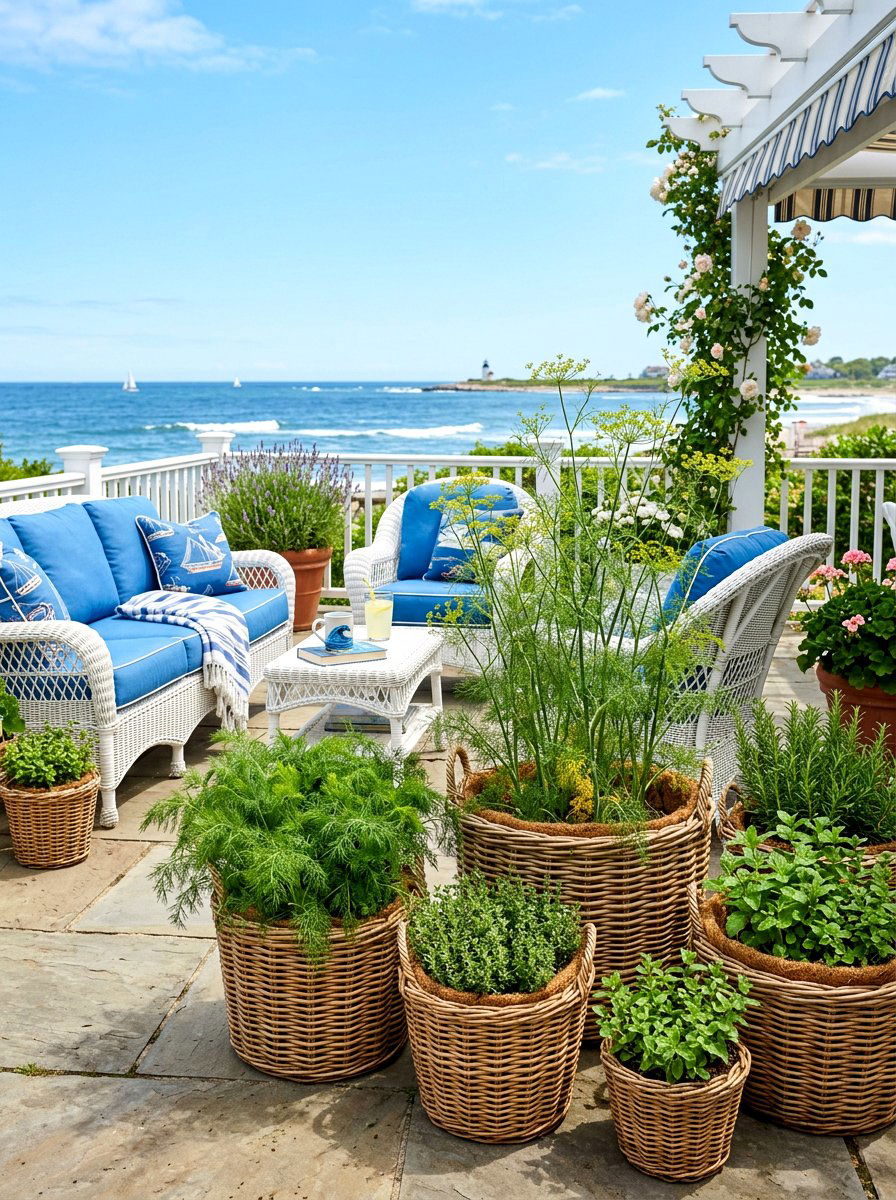
24. Wicker Basket Herb Garden
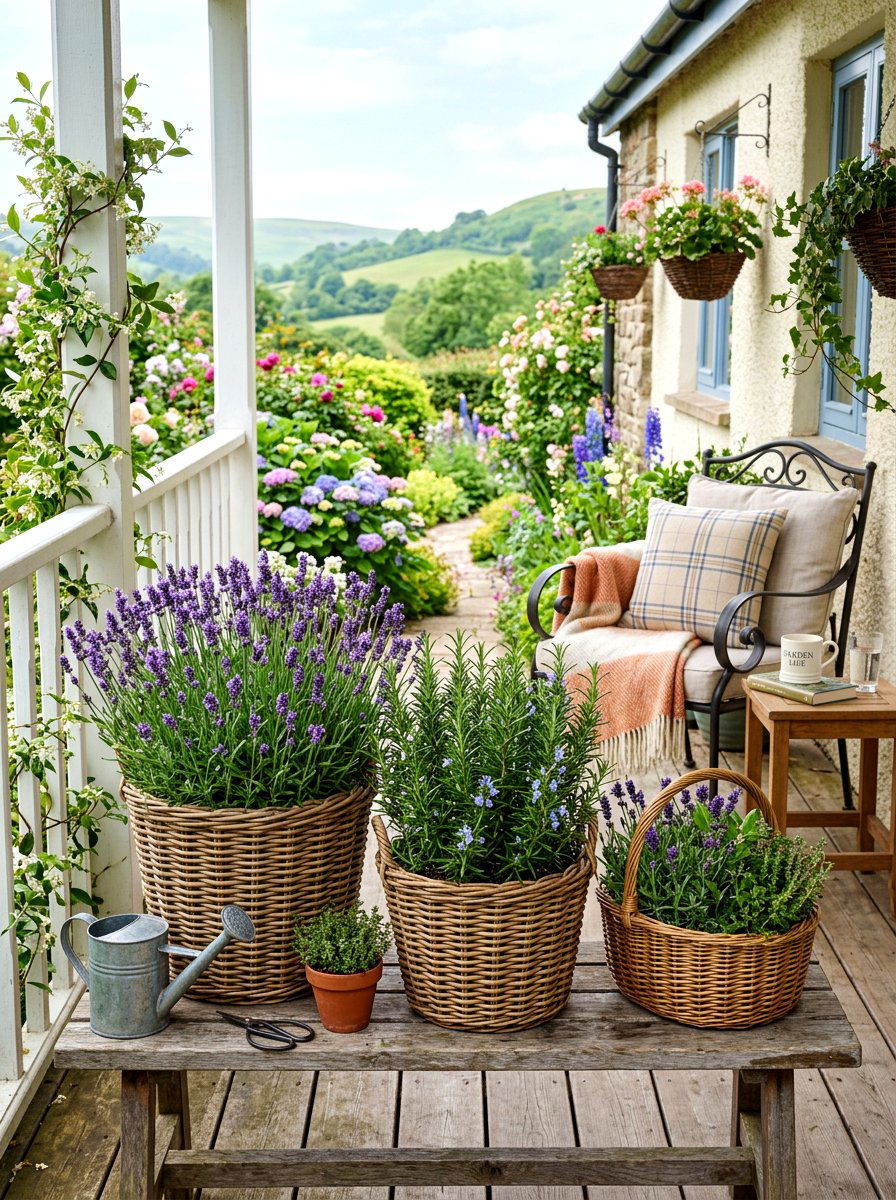
Using wicker baskets as planters adds a soft, cottage-style charm to your herb collection. You can line the baskets with plastic or landscape fabric to protect the wood and hold the soil. Baskets are lightweight and often come with handles, making them easy to move around. You can group a few different sizes together on a porch or a sunny floor corner. The natural texture of the wicker pairs beautifully with delicate herbs like dill and lavender. This is a great way to add a cozy, farmhouse feel to your small garden. It creates a warm and inviting atmosphere in any space.
25. Modern Hydroponic Herb System
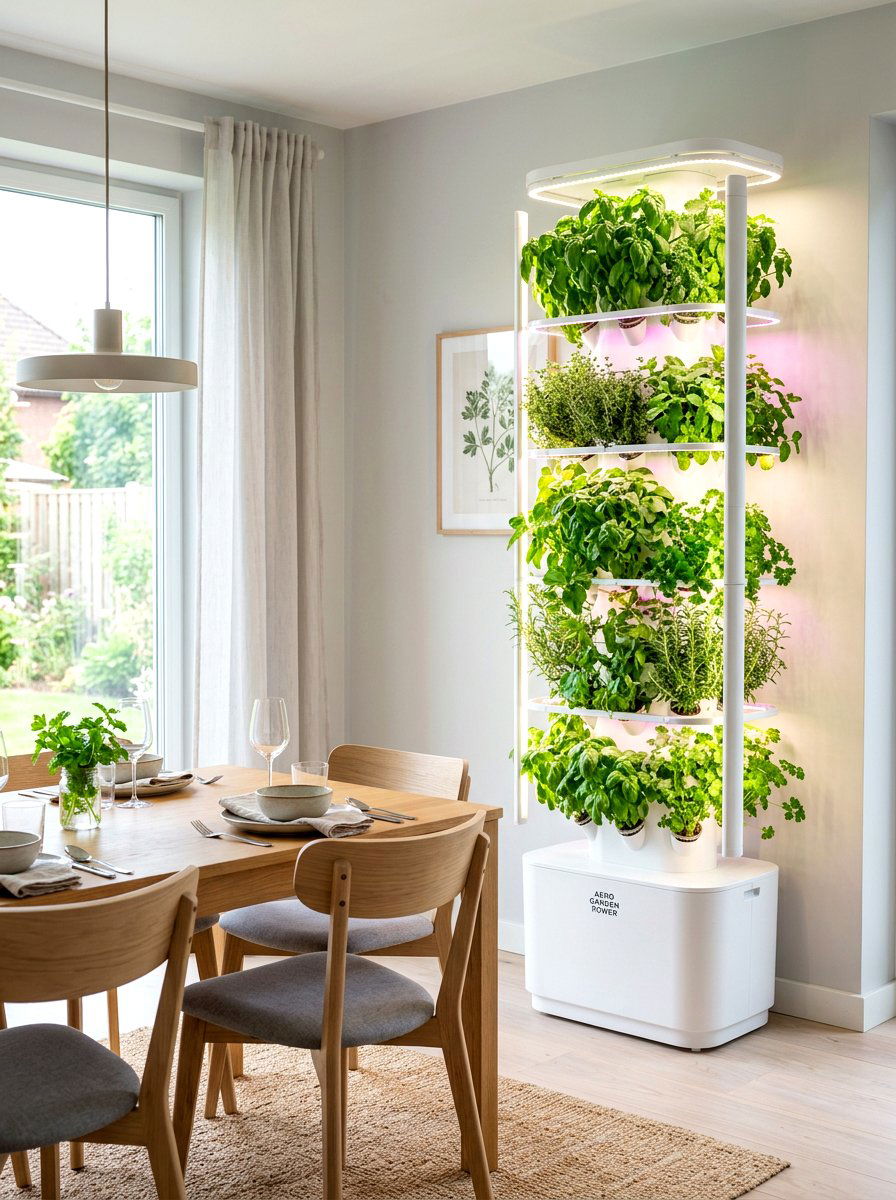
Modern hydroponic systems are designed to be beautiful enough to sit in your living room. these units use water and nutrients instead of soil, often producing faster growth and larger harvests. Many of these systems come with built-in lights and sophisticated designs that look like high-tech furniture. They are perfect for people who want a clean, soil-free gardening experience indoors. You can grow gourmet herbs that might be difficult to find in stores. These systems are very efficient and take up very little space. It is the ultimate choice for a stylish and productive year-round indoor herb garden.
26. Stacked Crate Herb Garden
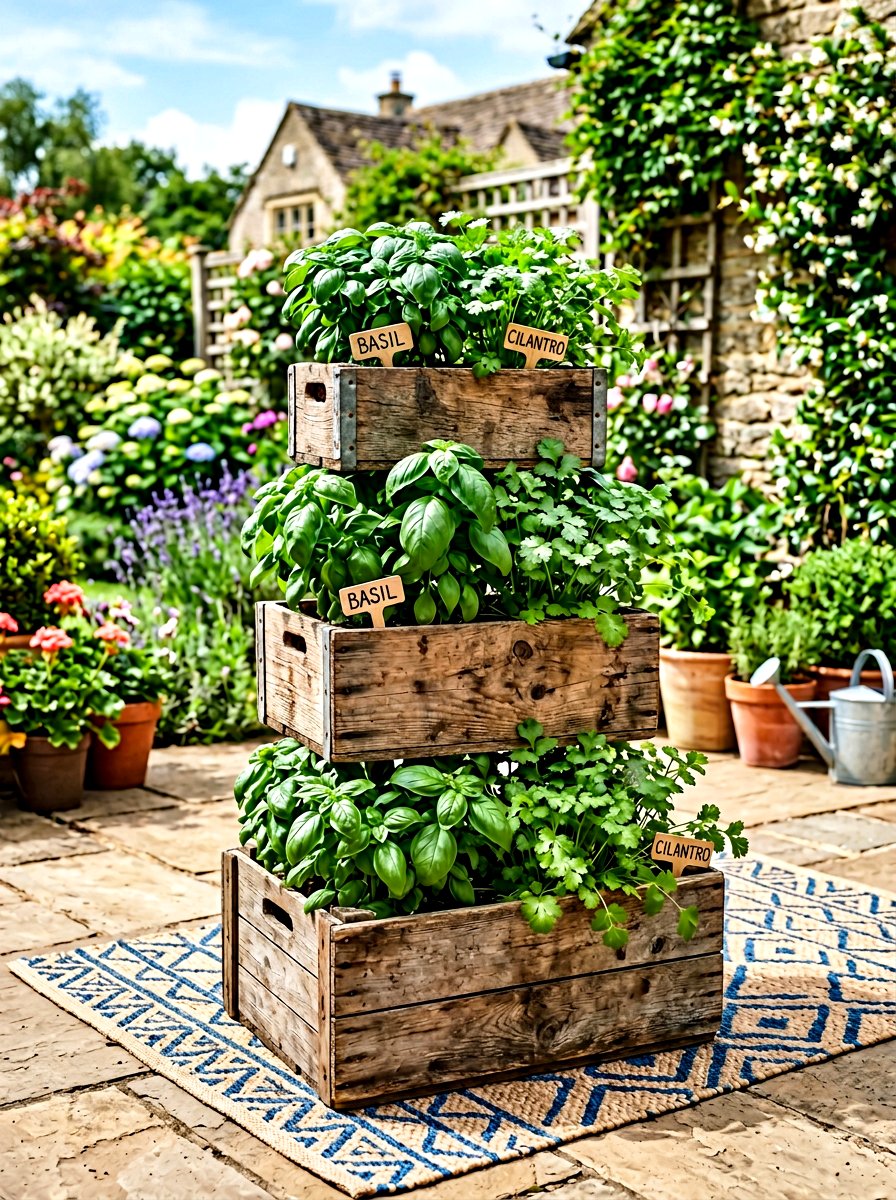
Wooden crates can be stacked in various configurations to create a custom herb garden that fits your space. You can stack them vertically for a high-profile garden or side-by-side for a lower display. By lining the crates with plastic, they become sturdy planters that can hold a significant amount of soil. This allows you to grow larger herbs like rosemary or even small peppers alongside your herbs. The rustic look of the wood adds character to a small balcony or patio. It is a flexible and affordable way to build a garden that can grow as your collection expands.
27. Concrete Block Herb Wall
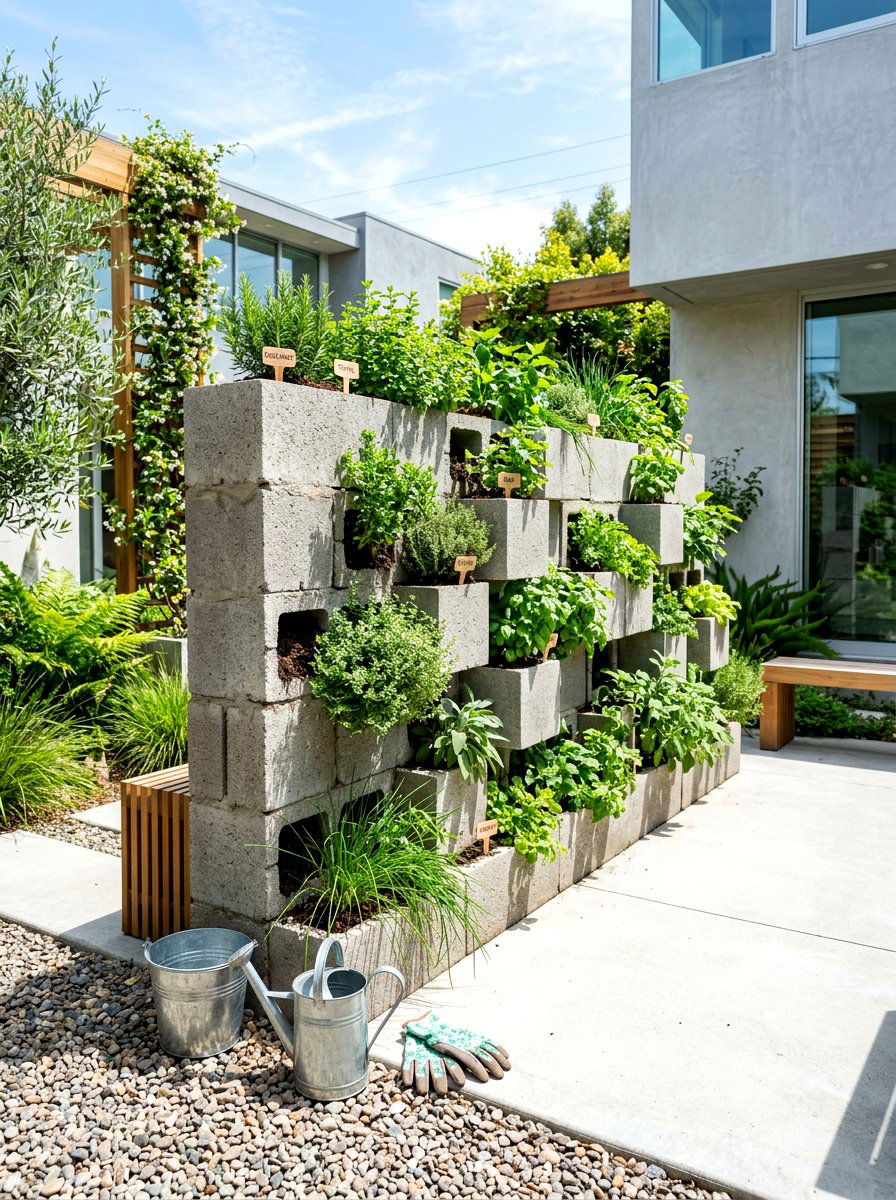
For a more industrial and permanent outdoor solution, consider using concrete cinder blocks. You can stack these blocks to create a wall, using the hollow centers as individual planting pockets. This is an extremely durable and cost-effective way to build a vertical garden. The grey concrete provides a neutral background that makes the green herbs stand out. It is perfect for a small urban courtyard or a modern backyard. You can even paint the blocks to add a pop of color to your space. This design is very stable and can be built to whatever height fits your needs.
28. Repurposed Wooden Box Garden
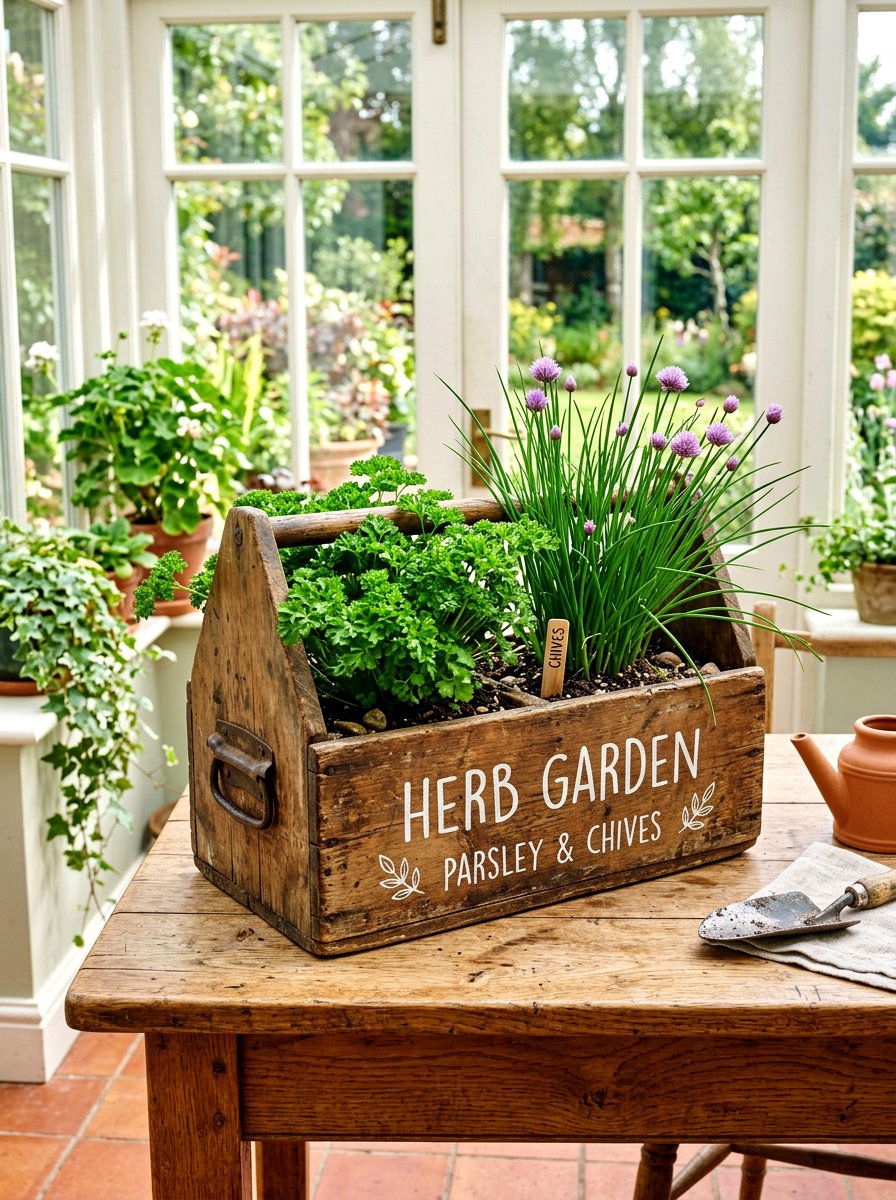
An old wooden toolbox or a vintage wine crate can be transformed into a beautiful herb planter. These containers often have a lot of character and add a sense of history to your garden. They are portable and can be placed on a garden bench or a kitchen table. You can plant several different herbs in one box to create a lush, miniature landscape. This is a perfect project for those who love upcycling and finding new uses for old items. A wooden box garden is a great way to display your favorite herbs in a compact and stylish way.
29. Vintage Metal Pail Garden
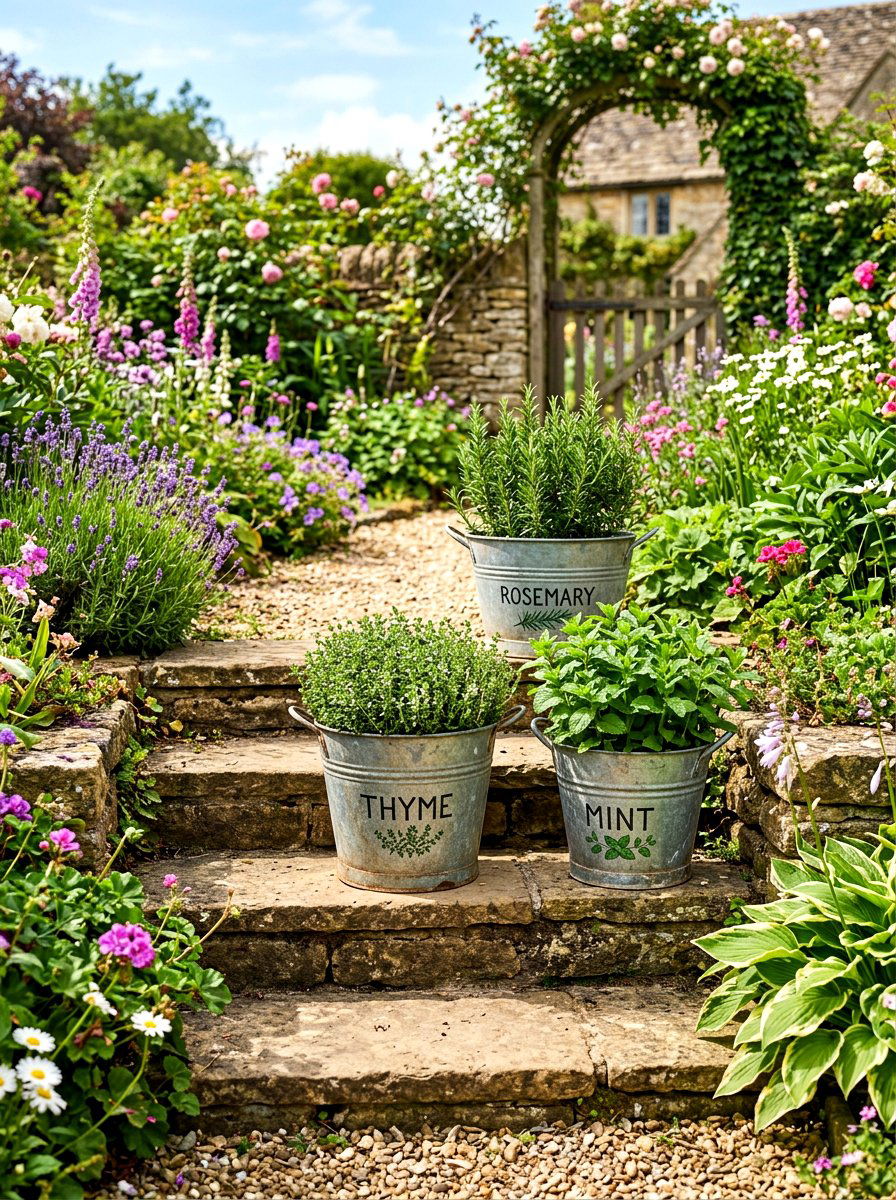
Galvanized metal pails are durable and offer a classic, timeless look for a herb garden. You can use different sizes of pails and arrange them on a tiered stand or a set of stairs. The metal is weather-resistant, making these perfect for outdoor use on a balcony or porch. Ensure you drill drainage holes in the bottom to keep your herbs from getting waterlogged. These pails are easy to move if you need to protect your plants from a frost. They add a touch of rustic elegance and are very practical for a small, productive herb garden.
30. Glass Bottle Herb Propagation Station
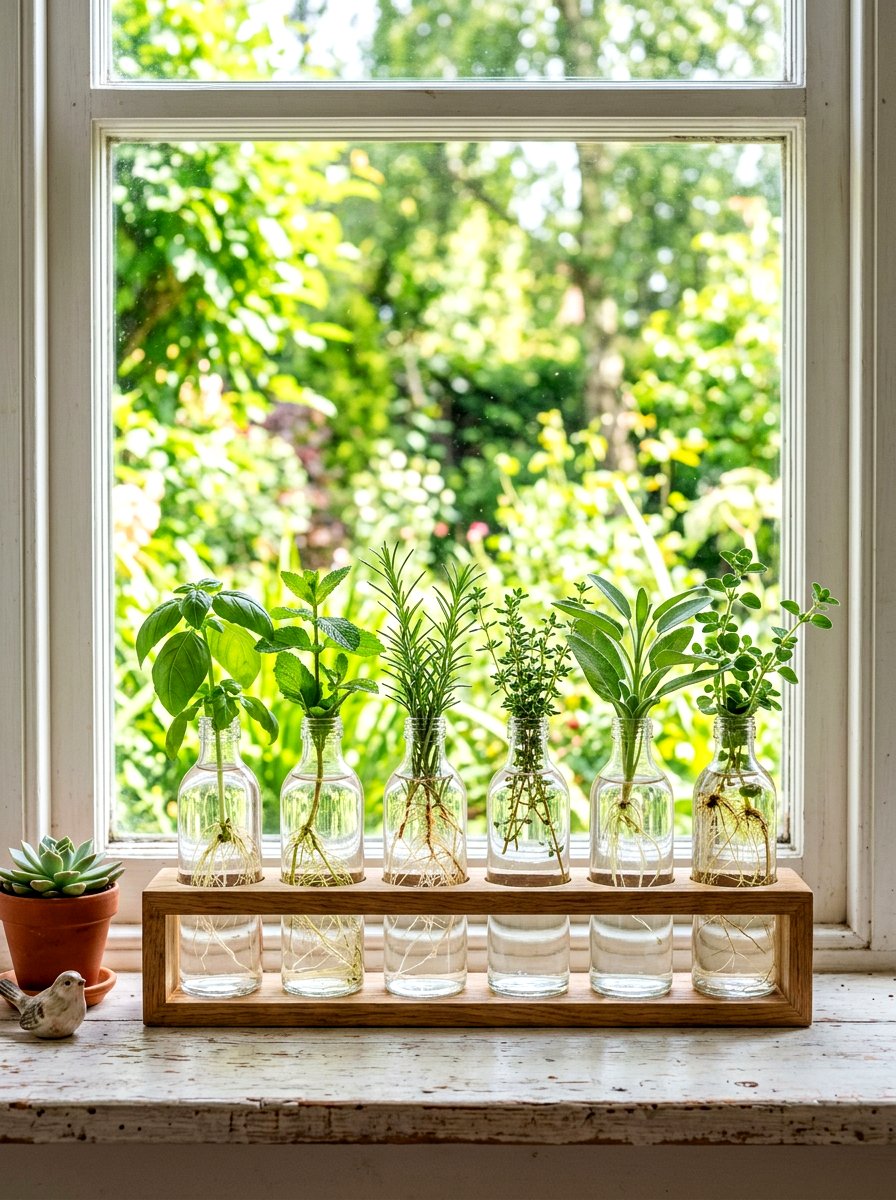
If you want to start your herbs from cuttings, a glass bottle propagation station is a beautiful solution. You can mount small glass bottles or test tubes on a wooden frame and place them in a sunny window. Watching the roots grow through the clear glass is a fascinating and educational experience. Once the roots are established, you can move the herbs into soil or keep them in the water for a while. This setup is very minimalist and takes up almost no space. It is a great way to multiply your herb collection for free while decorating your window.
Conclusion:
Starting a small herb garden is one of the most rewarding ways to bring nature into your home. No matter how limited your square footage might be, there is always a creative solution that allows you to grow fresh ingredients. From vertical wall designs to high-tech hydroponic systems, these ideas prove that gardening is for everyone. Fresh herbs not only elevate your cooking but also provide a sense of peace and accomplishment as you watch them grow. By choosing the right setup for your lifestyle, you can enjoy a vibrant and fragrant green space every single day. Embrace your inner gardener and start small today.

Related posts: