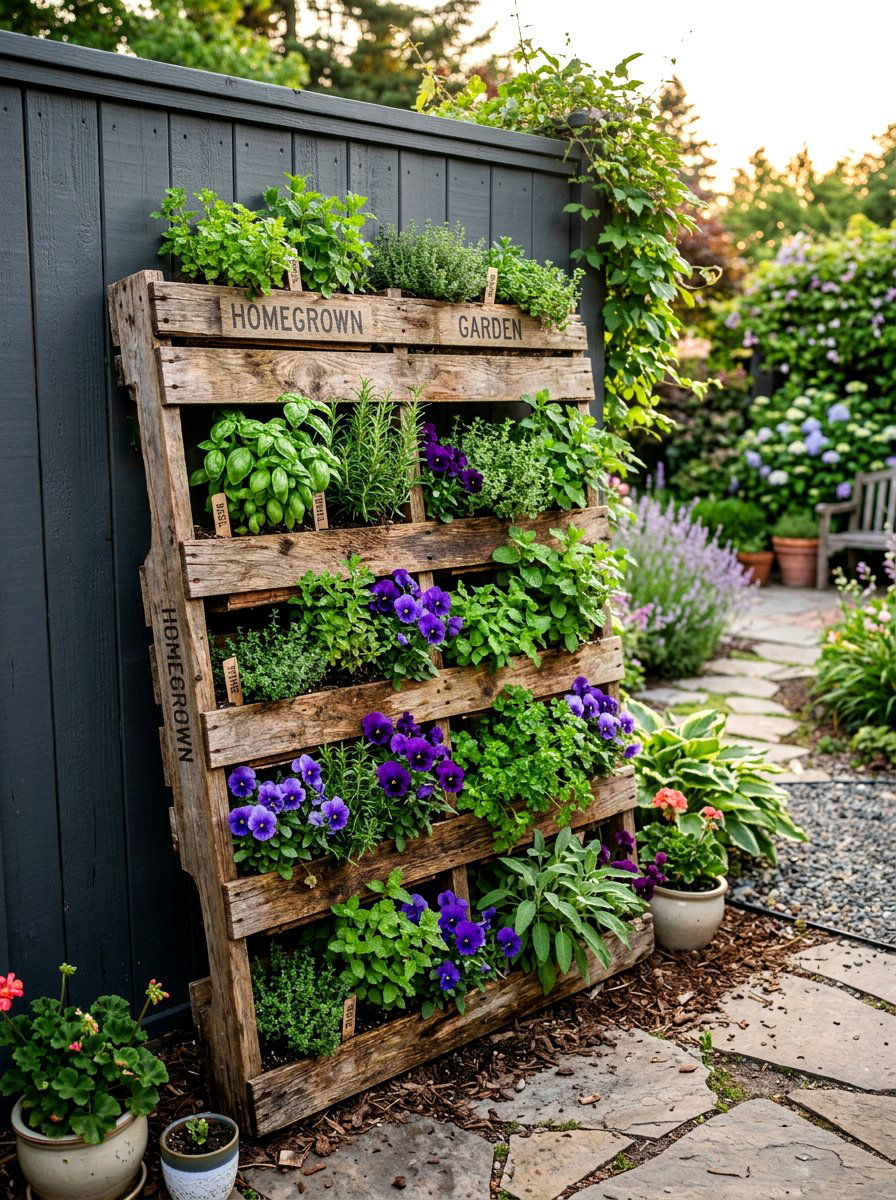
Building a raised herb spiral is one of the most efficient ways to maximize your gardening space while creating a beautiful focal point. This permaculture design uses vertical stacking to provide various microclimates for a wide range of plants in a very compact footprint. By spiraling upward, you create a drainage gradient where the top stays dry and sunny, perfect for Mediterranean herbs like rosemary. The bottom remains cooler and more moist, making it an ideal home for thirsty greens like mint or parsley. This clever arrangement ensures that every plant thrives in its preferred environment without requiring separate garden beds. It is a functional and sustainable landscape solution.
1. Stone herb spiral
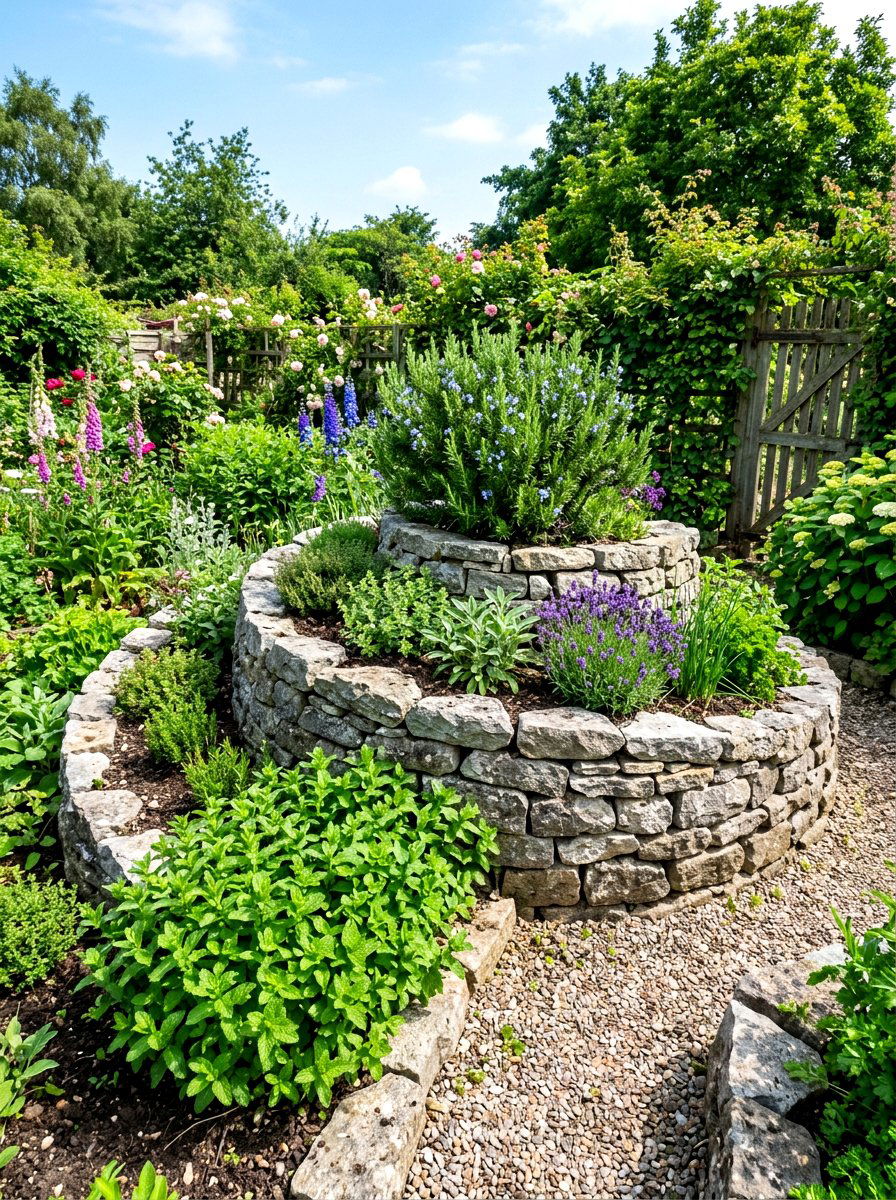
A stone herb spiral provides a timeless look that fits perfectly into any traditional or rustic backyard setting. By using natural fieldstones or limestone, you can create a sturdy structure that naturally regulates temperature throughout the day. The thermal mass of the rocks absorbs heat from the sun and releases it slowly at night, which helps your herbs thrive even during cooler evenings. This specific layout allows you to plant Mediterranean herbs like rosemary and thyme at the top where drainage is fastest. Meanwhile, the base stays cooler and more moist for plants like parsley or cilantro. It is a functional masterpiece for any sustainable home gardener.
2. Brick herb spiral
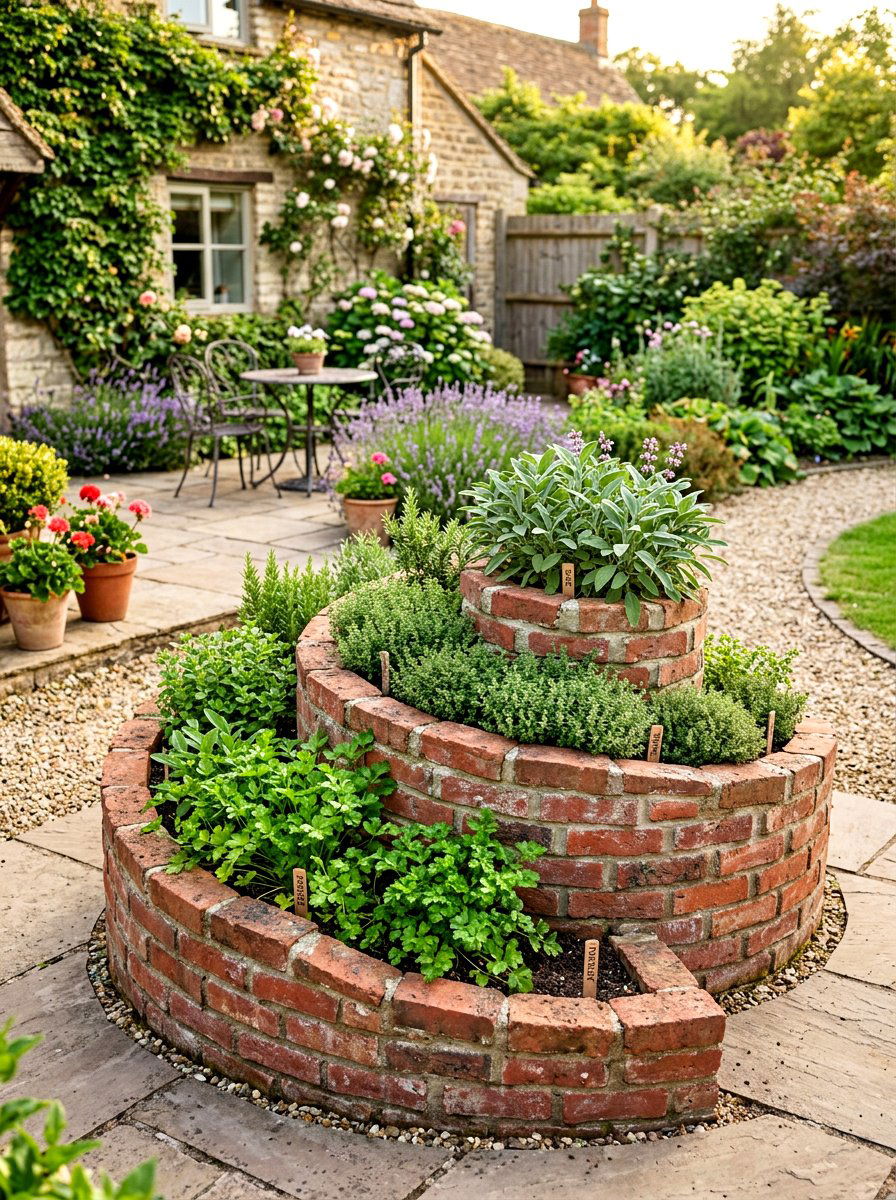
Choosing a brick herb spiral is an excellent way to achieve a classic and organized aesthetic in your garden. Red bricks offer a warm, traditional feel that complements most home exteriors and patio spaces beautifully. Because bricks are uniform in size, they are incredibly easy to stack without needing mortar, allowing for excellent soil aeration and drainage. This design works exceptionally well near a kitchen door for quick access to fresh culinary ingredients. The porous nature of the bricks helps maintain a balanced moisture level, ensuring that your sage and oregano stay healthy. It is a durable and attractive solution for organized growers.
3. Cedar wood herb spiral
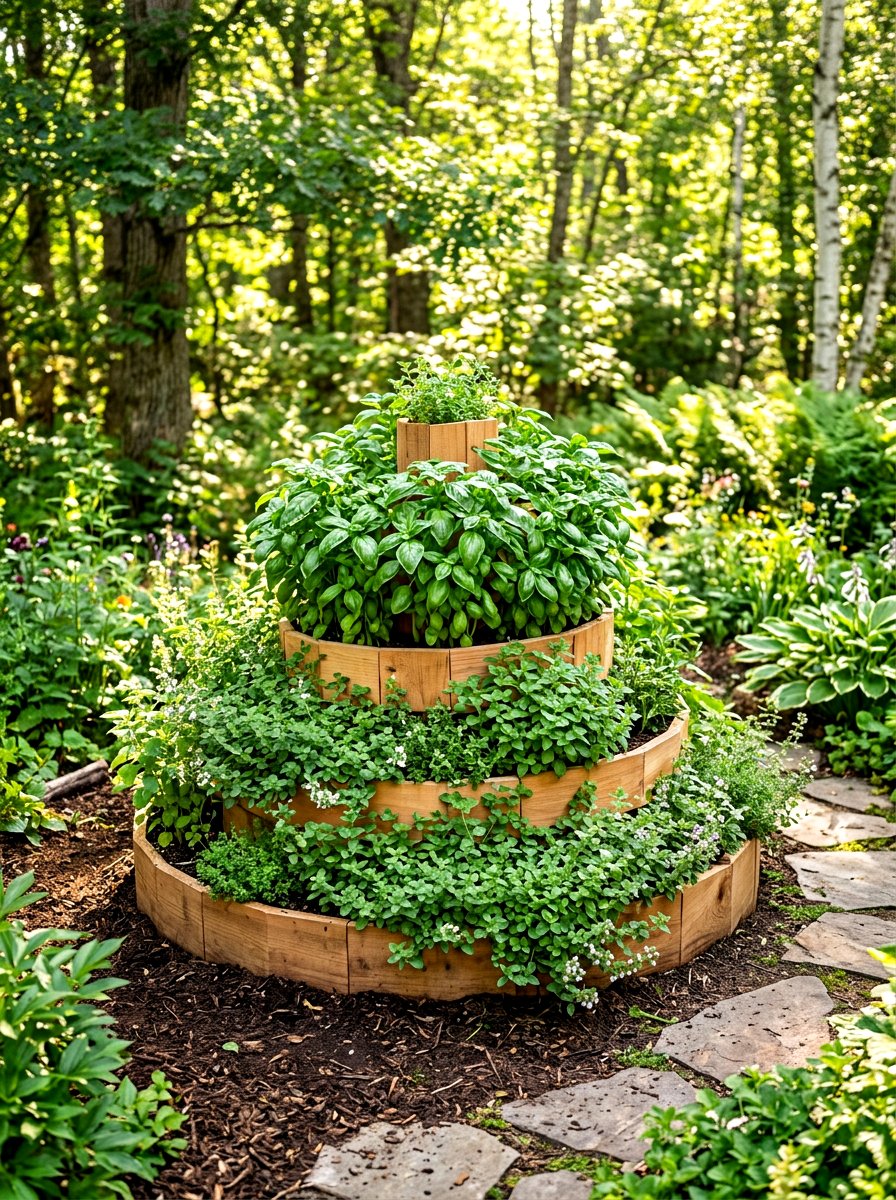
A cedar wood herb spiral brings a natural, aromatic quality to your landscape while offering incredible durability against the elements. Cedar is naturally resistant to rot and insects, making it a superior choice for building raised garden structures that last for years. You can use short cedar planks or logs to create the spiraling tiers, providing a soft, organic texture that blends into woodland or contemporary gardens alike. This design is lightweight and can be easily assembled on top of existing soil or even on a flat patio surface. It provides a clean, modern look while supporting a lush variety of fresh, edible greens.
4. Gabion herb spiral
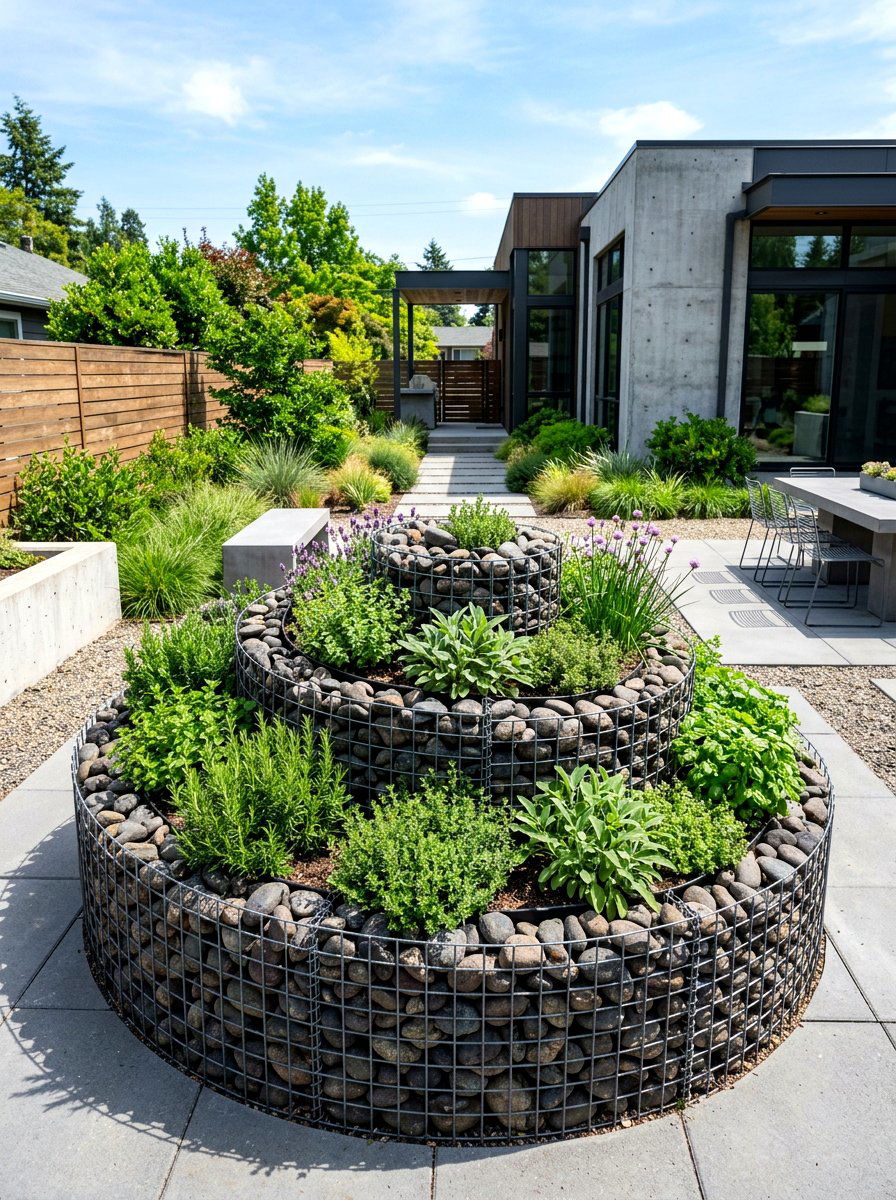
For those who prefer a modern or industrial aesthetic, a gabion herb spiral is a striking and highly functional choice. This design involves filling wire mesh cages with various stones, creating a rugged and textured wall that offers incredible stability and drainage. The gaps between the stones provide excellent airflow, which prevents root rot and keeps your herbs healthy. You can customize the look by choosing different colors and sizes of rocks to match your existing patio or landscaping. This structure is extremely heavy and permanent, serving as a bold architectural feature that will remain a beautiful part of your outdoor space for decades.
5. Recycled pallet herb spiral
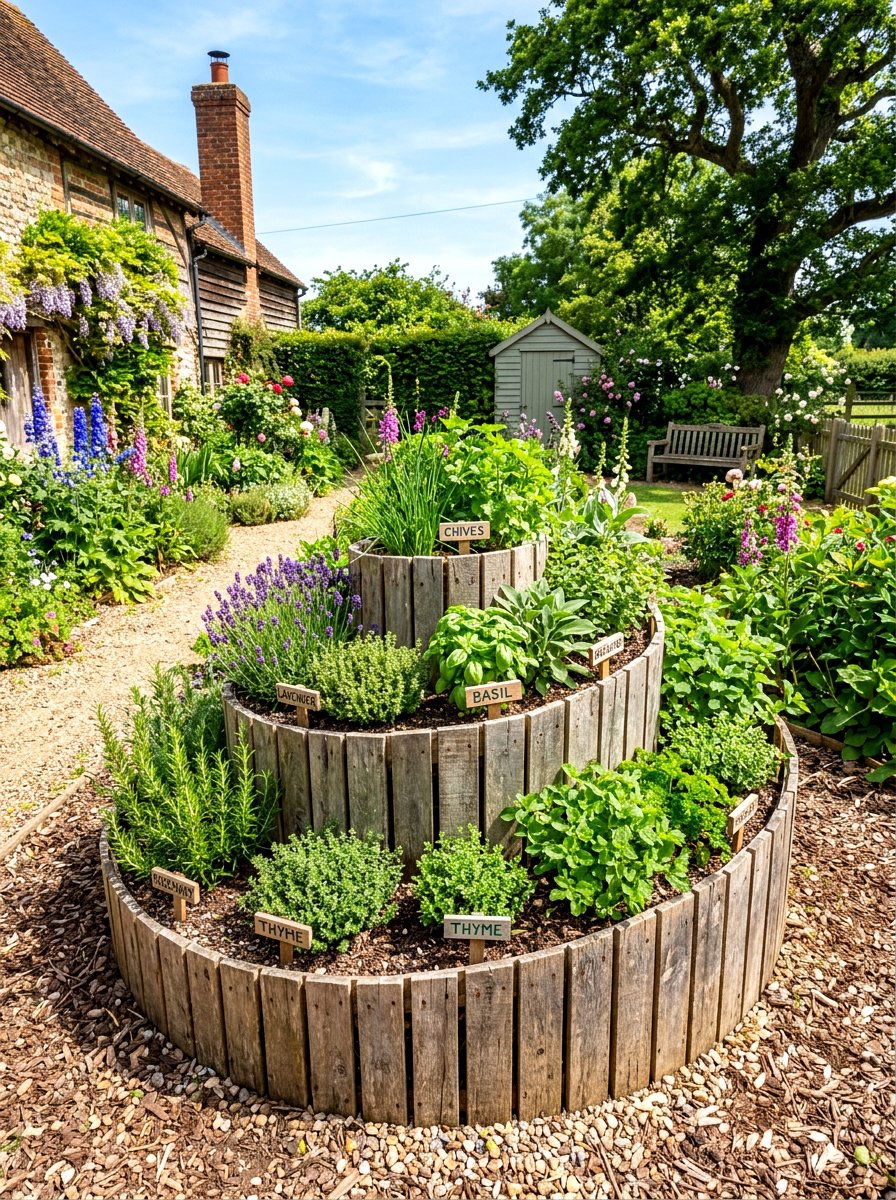
If you are looking for an eco-friendly and budget-friendly project, a recycled pallet herb spiral is a fantastic option to consider. By dismantling old wooden pallets and using the slats to form the spiral walls, you can create a charming, rustic garden feature for almost no cost. This approach is perfect for beginners who want to experiment with permaculture without investing in expensive masonry materials. Make sure to use heat-treated pallets for safety when growing edible plants. The weathered wood provides a cozy, farmhouse vibe that looks wonderful when overflowing with fragrant basil, chives, and lavender. It is a creative way to repurpose waste.
6. Small herb spiral for balcony
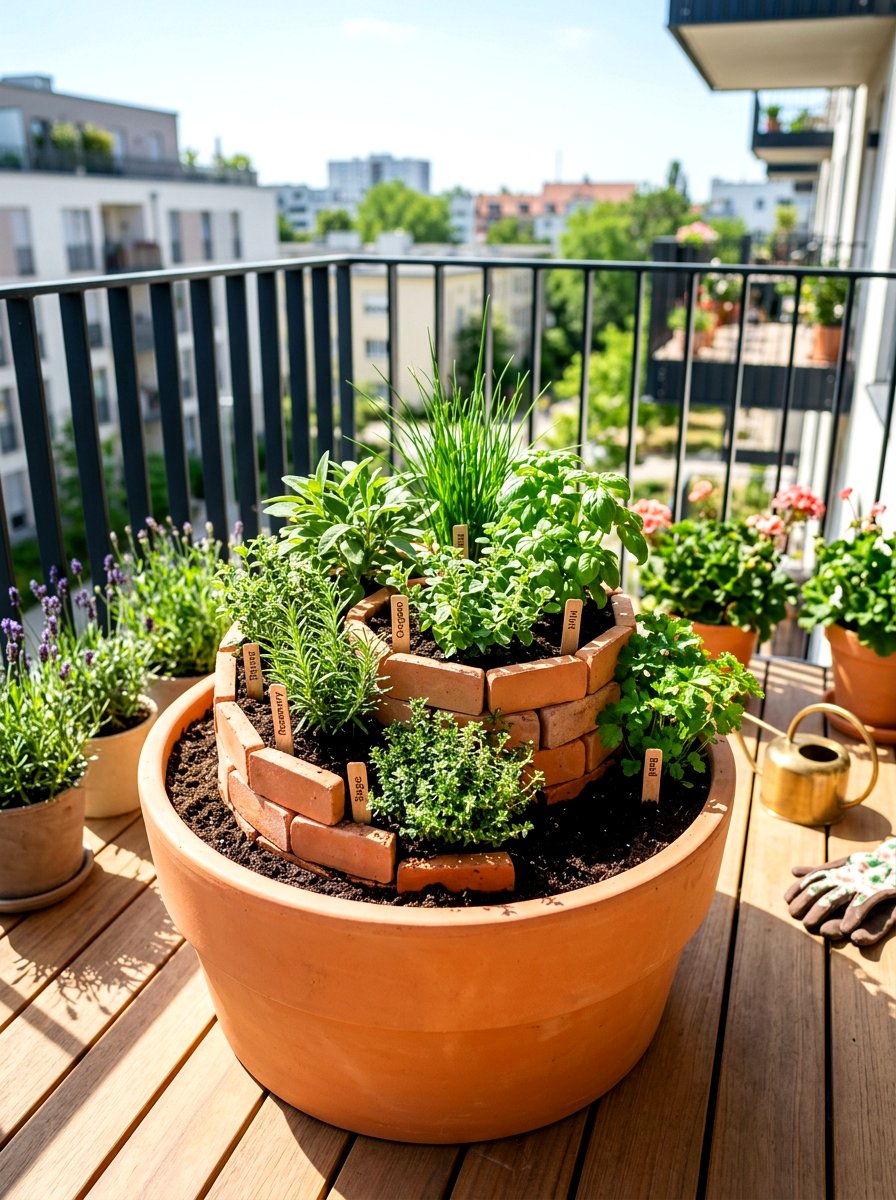
Living in an apartment does not mean you have to skip out on gardening, as a small herb spiral for balcony use is totally possible. These compact versions are often built into large pots or lightweight containers that can easily sit in a sunny corner. By using light materials like thin cedar strips or recycled plastic edging, you can create the necessary elevation for effective drainage and microclimates. This allows you to grow several varieties of herbs in a very limited footprint. It is the perfect solution for urban dwellers who want fresh cilantro or mint right outside their sliding glass doors for daily cooking needs.
7. Herb spiral with pond
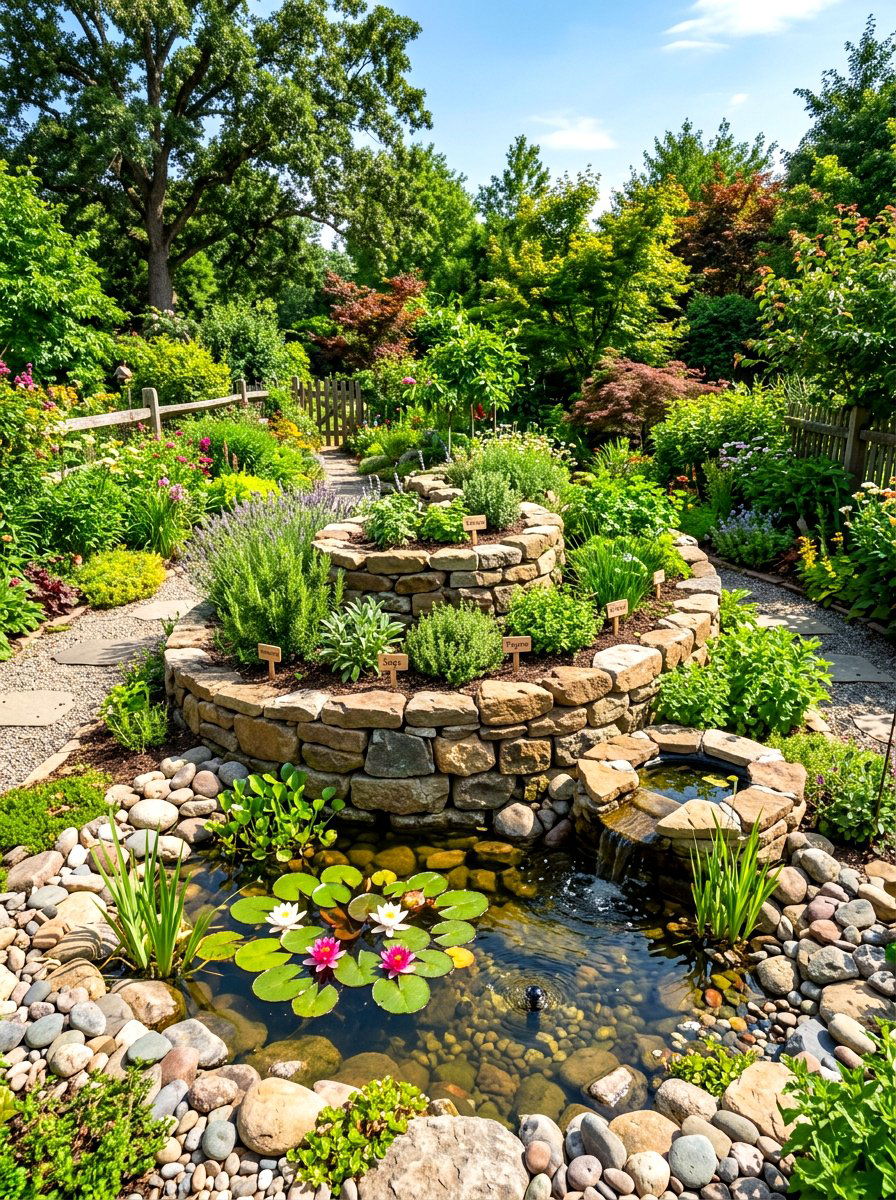
Adding a herb spiral with pond at the base is the ultimate way to embrace true permaculture principles in your backyard. The small water feature at the bottom of the spiral collects excess runoff, creating a humid microclimate for moisture-loving plants like watercress or mint. This pond also attracts beneficial wildlife, such as frogs and dragonflies, which help control garden pests naturally. The reflection of the water adds a serene, artistic element to the structure, making it a peaceful focal point for meditation or relaxation. It is a highly efficient closed-loop system that maximizes every drop of water while supporting a diverse and healthy ecosystem.
8. Modern concrete herb spiral
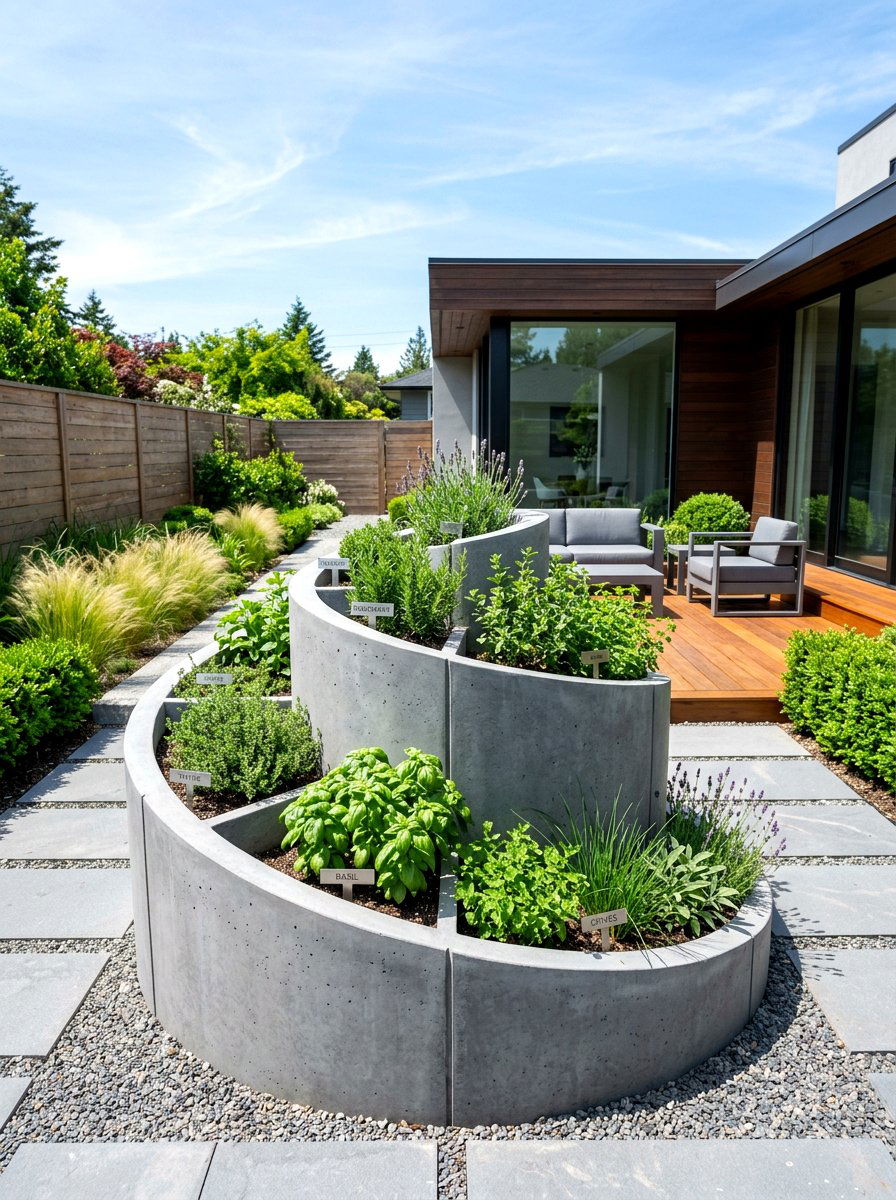
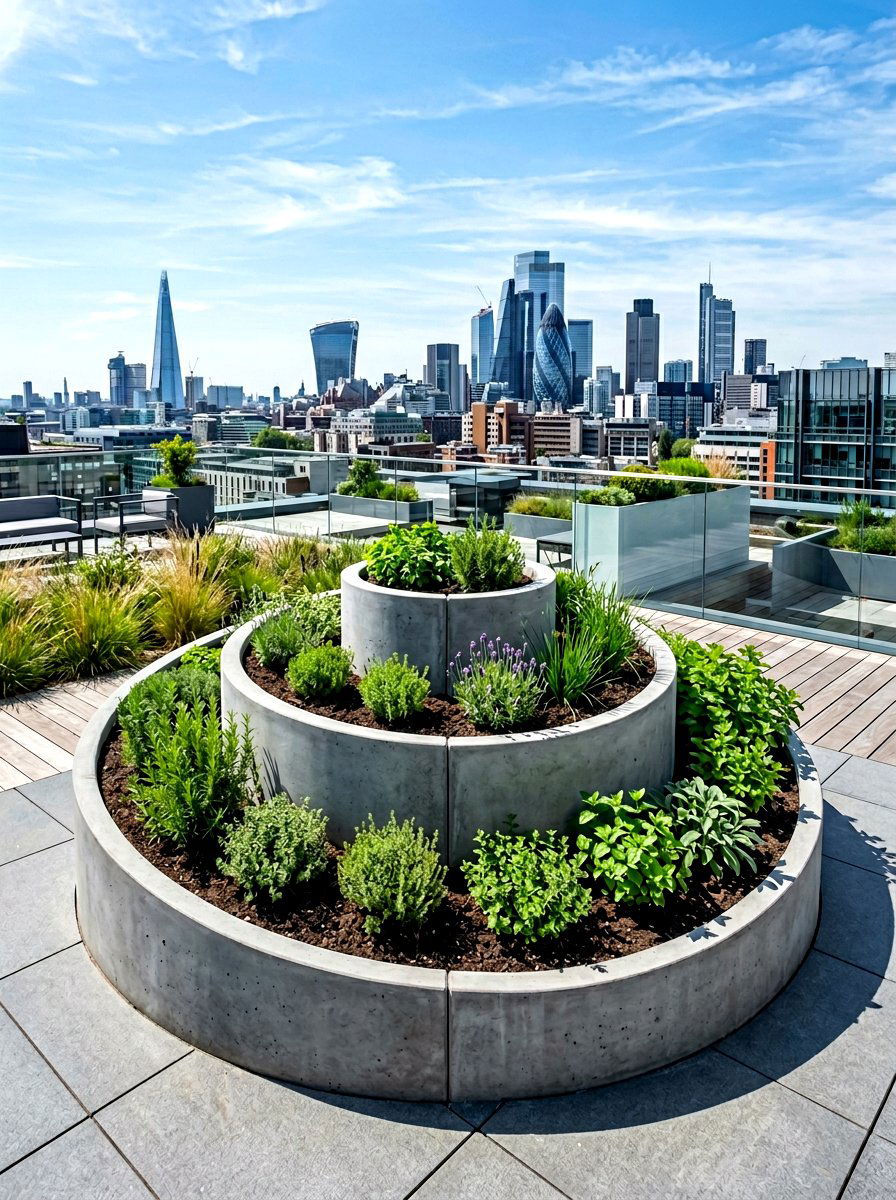
A modern concrete herb spiral offers a sleek and minimalist look that perfectly suits contemporary architectural styles and clean-lined landscapes. You can use pre-cast concrete blocks or even pour your own forms to create smooth, grey surfaces that contrast beautifully with vibrant green foliage. Concrete provides excellent thermal mass, helping to keep the soil temperature consistent during extreme weather changes. This design is incredibly durable and requires virtually no maintenance once the initial construction is finished. It creates a bold, sculptural statement in any yard while providing a highly organized space for growing your favorite culinary herbs like tarragon, dill, and chives.
9. Vertical herb spiral
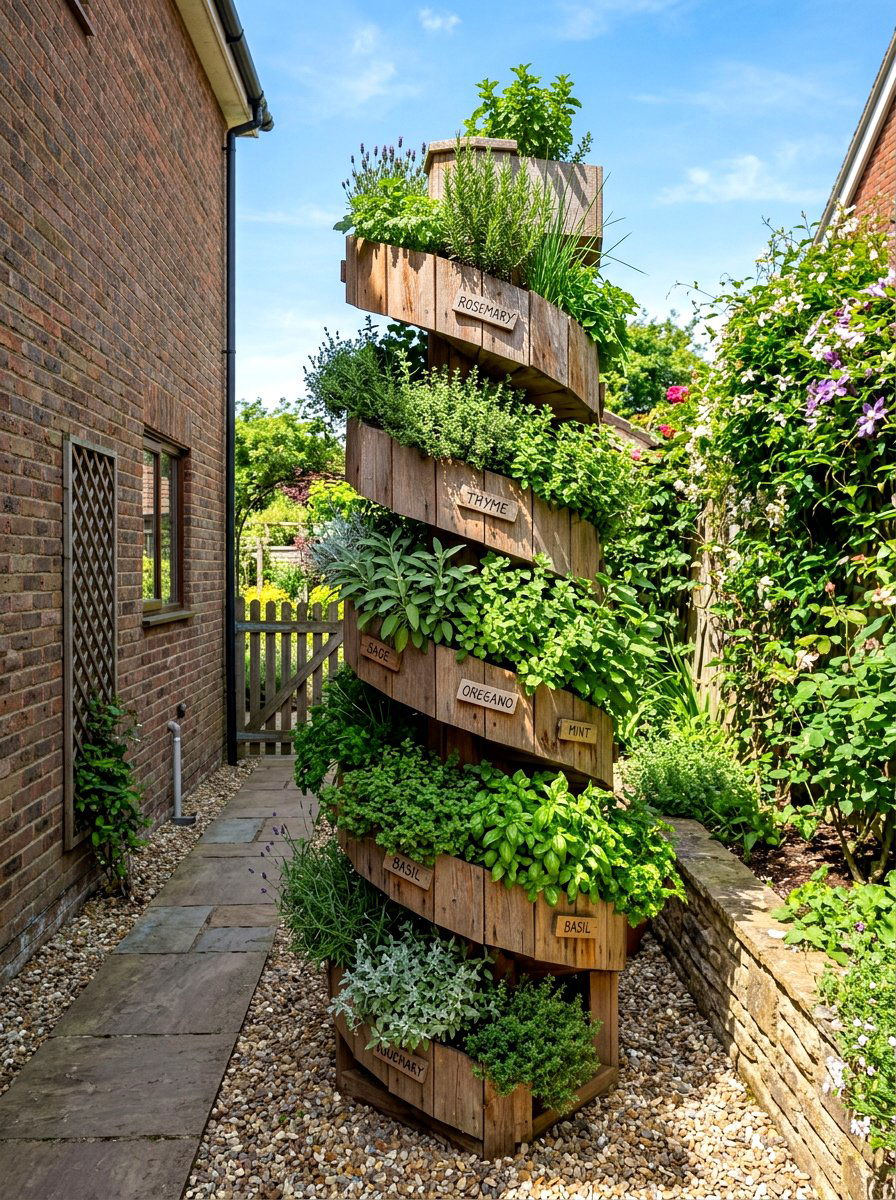
When ground space is at a premium, a vertical herb spiral can help you grow more food by reaching toward the sky. This design often utilizes a central post or a series of stacked tiers that allow the spiral to climb much higher than a traditional ground-level version. By focusing on height, you can fit dozens of plants into a circle that is only a few feet wide. This is particularly useful for small patios or narrow side yards where horizontal gardening is not an option. The increased elevation also makes harvesting much easier on your back, as many herbs will be at waist or chest height.
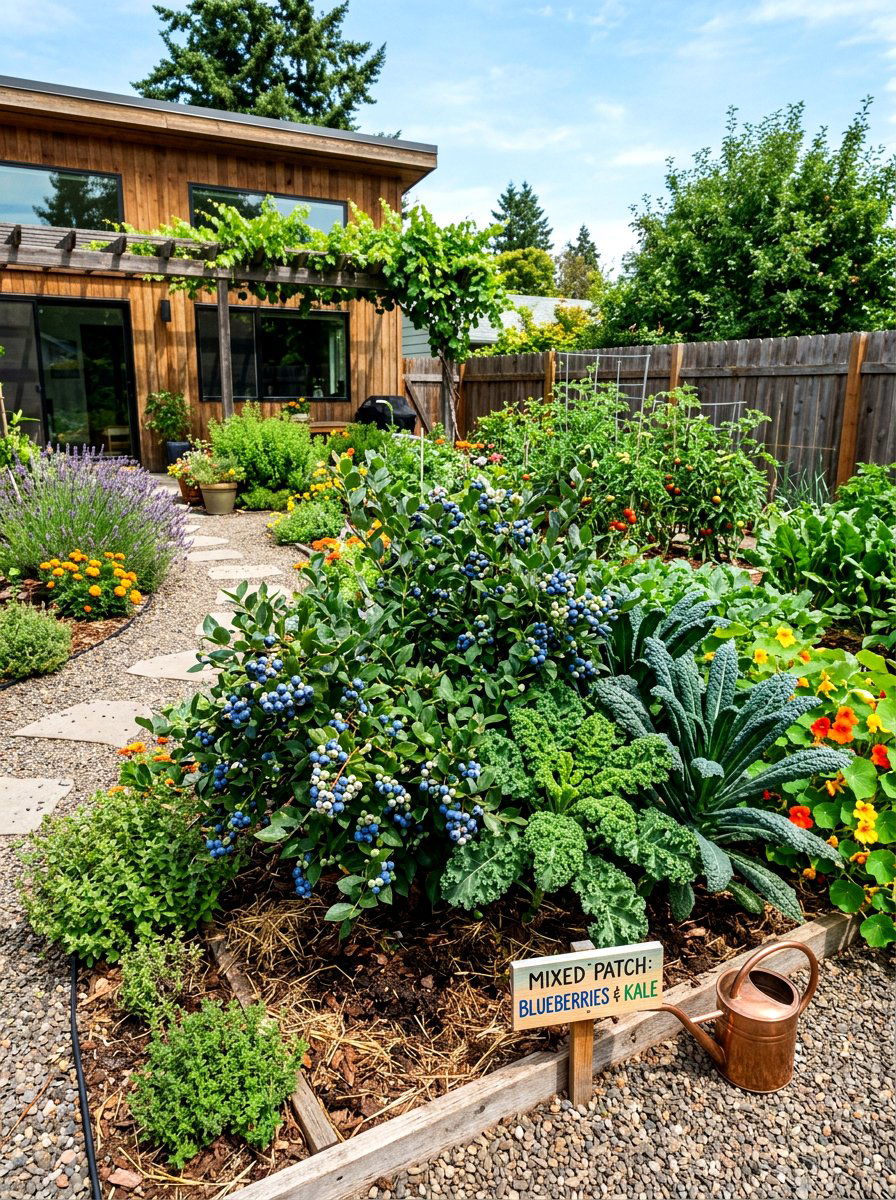
10. Permaculture herb spiral
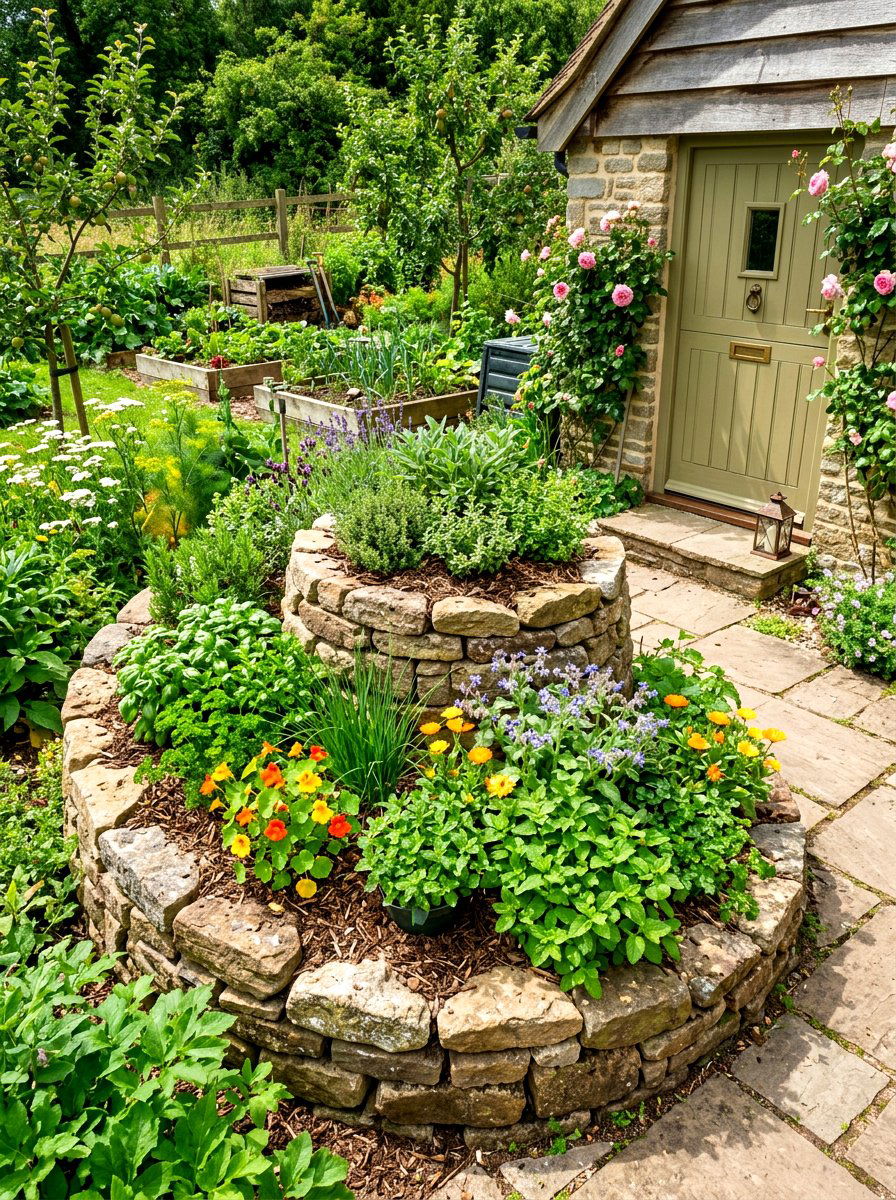
The permaculture herb spiral is designed specifically to work with the forces of nature to reduce your gardening workload significantly. By placing this structure close to your kitchen, you follow the principle of zone gardening, ensuring your most-used plants are always within reach. The spiral shape creates varying sun exposures, with one side remaining shaded while the other receives full sunlight throughout the day. This allows you to grow shade-loving plants and sun-drenched herbs in the same six-foot diameter area. It is a brilliant example of how intelligent design can produce a high yield of organic food with very little watering or maintenance required.
11. Edging stone herb spiral
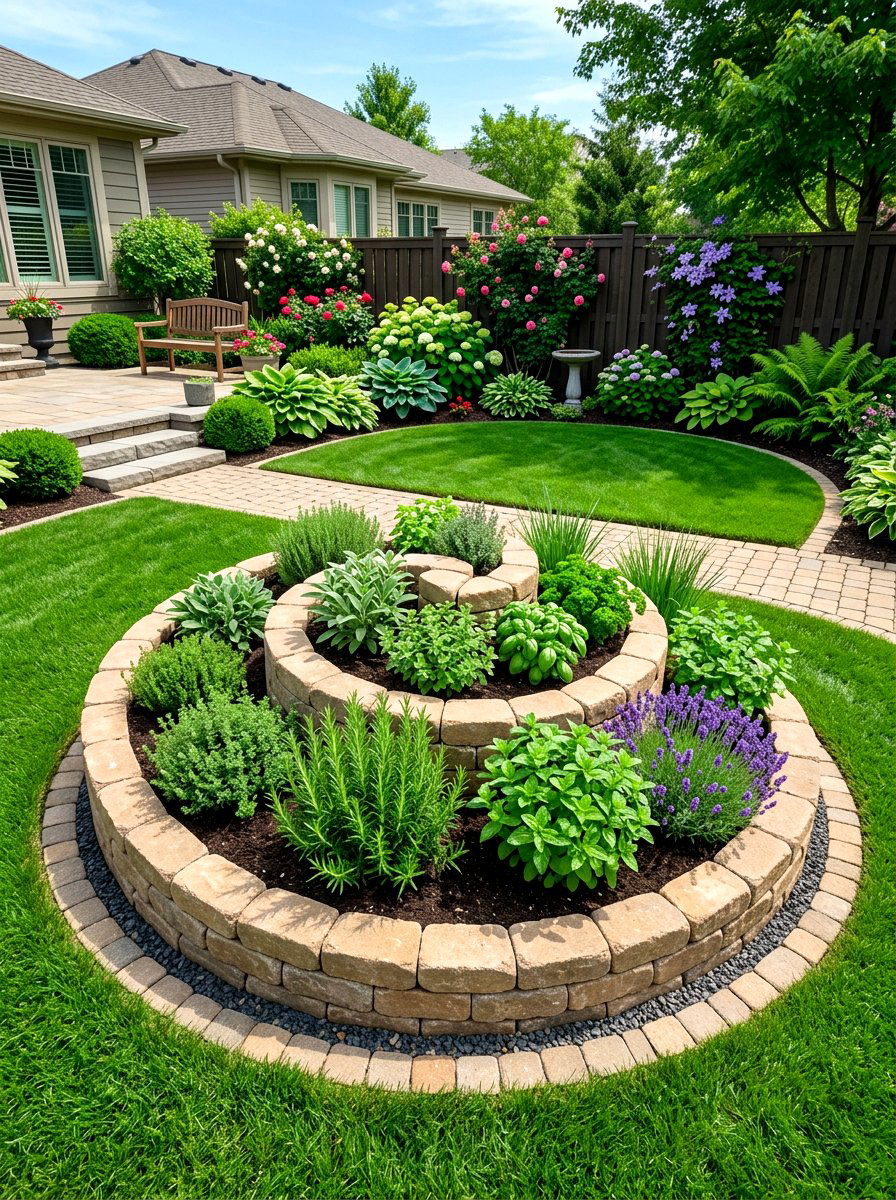
Using an edging stone herb spiral is a quick and stylish way to define your garden space using readily available landscaping materials. These manufactured stones often feature interlocking designs or curved shapes that make forming a perfect spiral much simpler for the average DIY enthusiast. Because they come in various colors like charcoal, tan, or brick red, you can easily match the structure to your existing walkways or patio pavers. These stones are heavy enough to stay in place without mortar but small enough to be rearranged if needed. It is an ideal middle ground between a permanent masonry project and a temporary garden feature.
12. Flagstone herb spiral
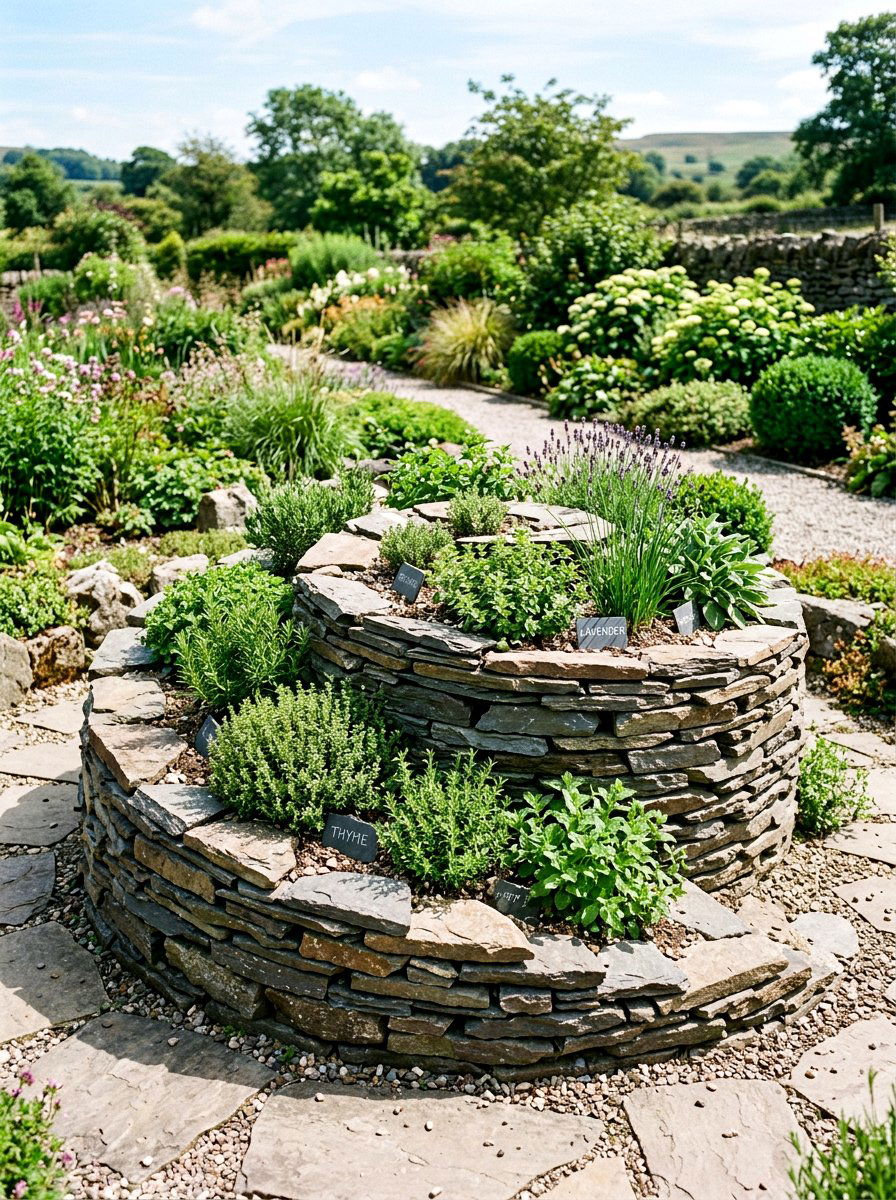
A flagstone herb spiral creates a beautiful, layered look that mimics the natural geology of a mountain slope or a rocky outcrop. By stacking thin, flat pieces of slate or sandstone, you create numerous small crevices where low-growing herbs like creeping thyme can flourish. The irregular edges of the flagstone give the structure a very organic and high-end feel, making it look like a permanent part of the landscape. This design offers excellent drainage through the many small gaps between the stones, ensuring the roots of your plants never become waterlogged. It is a sophisticated choice for those who love a naturalistic garden aesthetic.
13. Log herb spiral
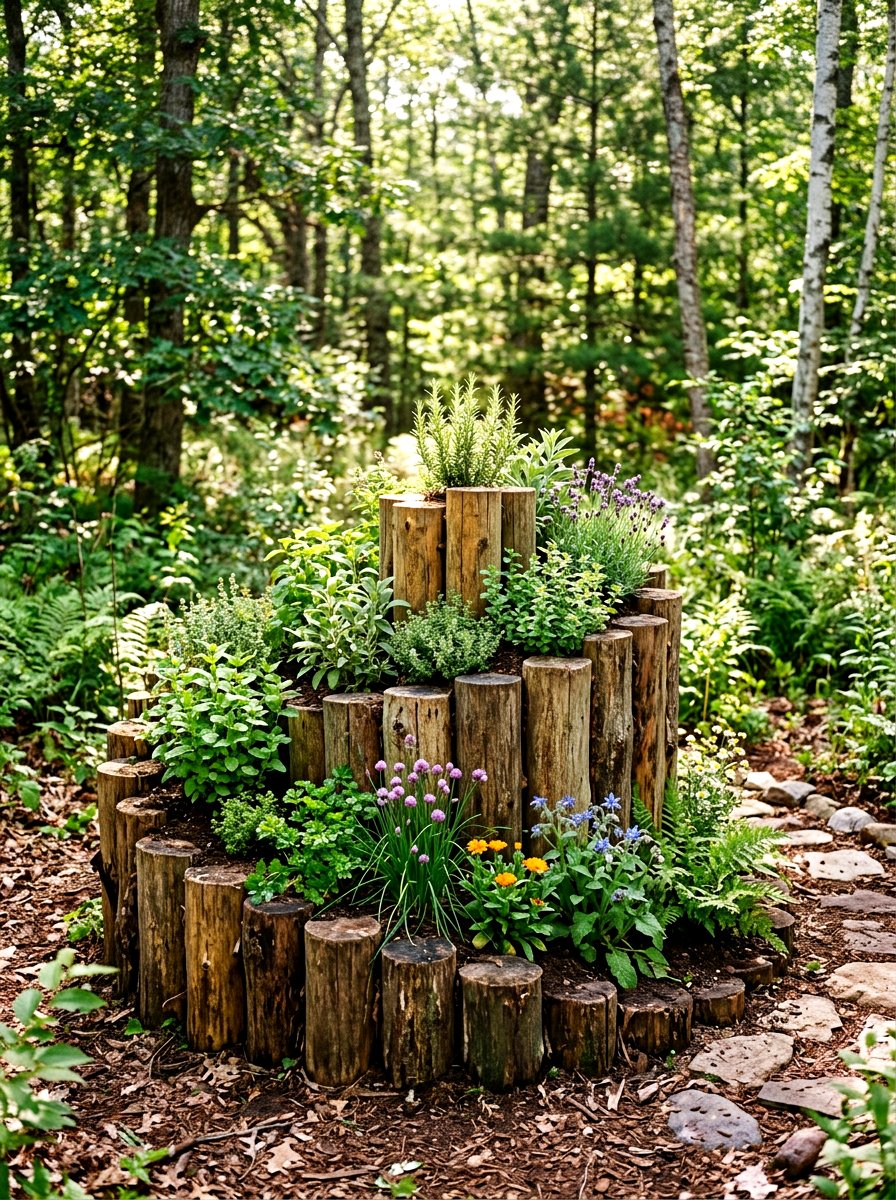
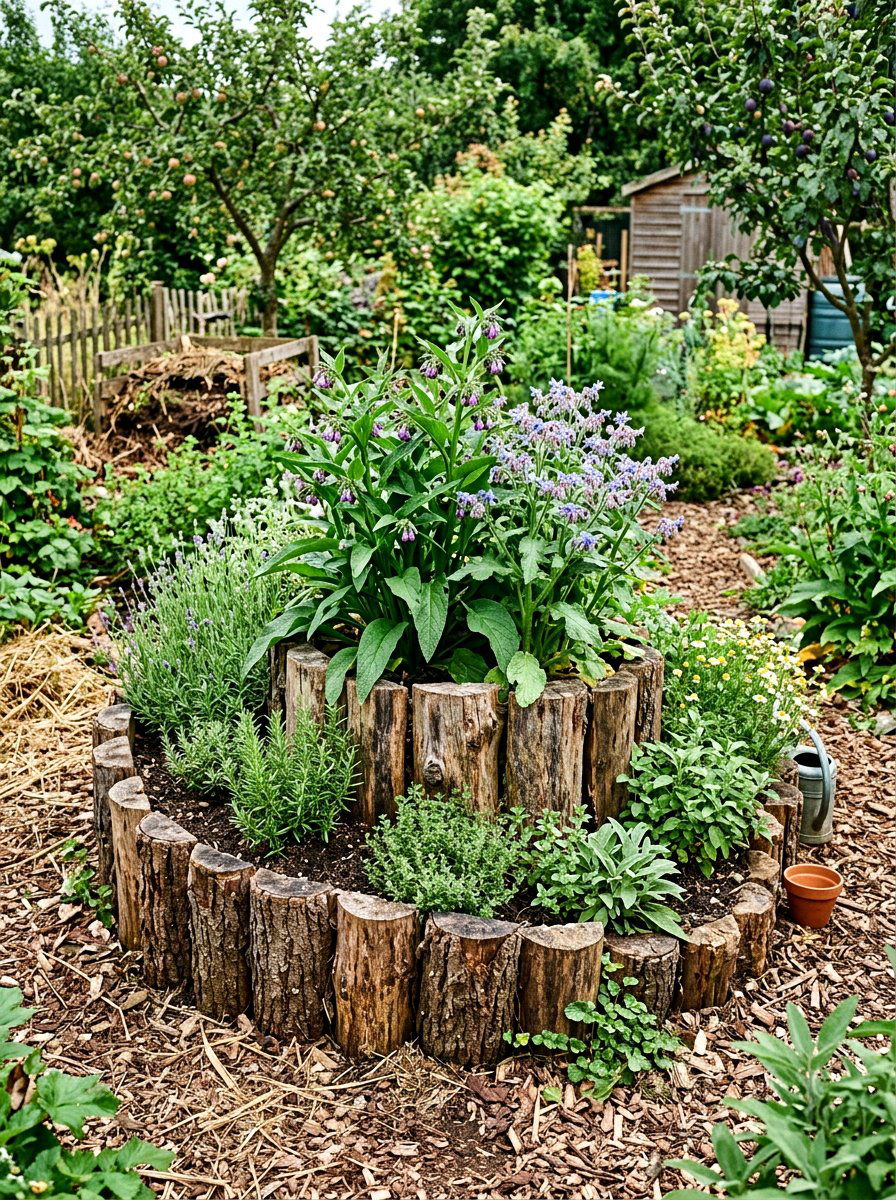
Creating a log herb spiral is a wonderful way to use fallen branches or timber from your own property to build something useful. By cutting logs into different lengths and standing them upright or stacking them horizontally, you can create a rustic and woodsy garden feature. As the wood slowly breaks down over several years, it actually feeds the soil with beneficial nutrients and fungi, supporting healthier plant growth. This "hugelkultur" style approach is excellent for maintaining moisture within the center of the spiral. It looks particularly stunning in a forest garden or a naturalized backyard where wilder, more organic shapes are preferred.
14. Terracotta herb spiral
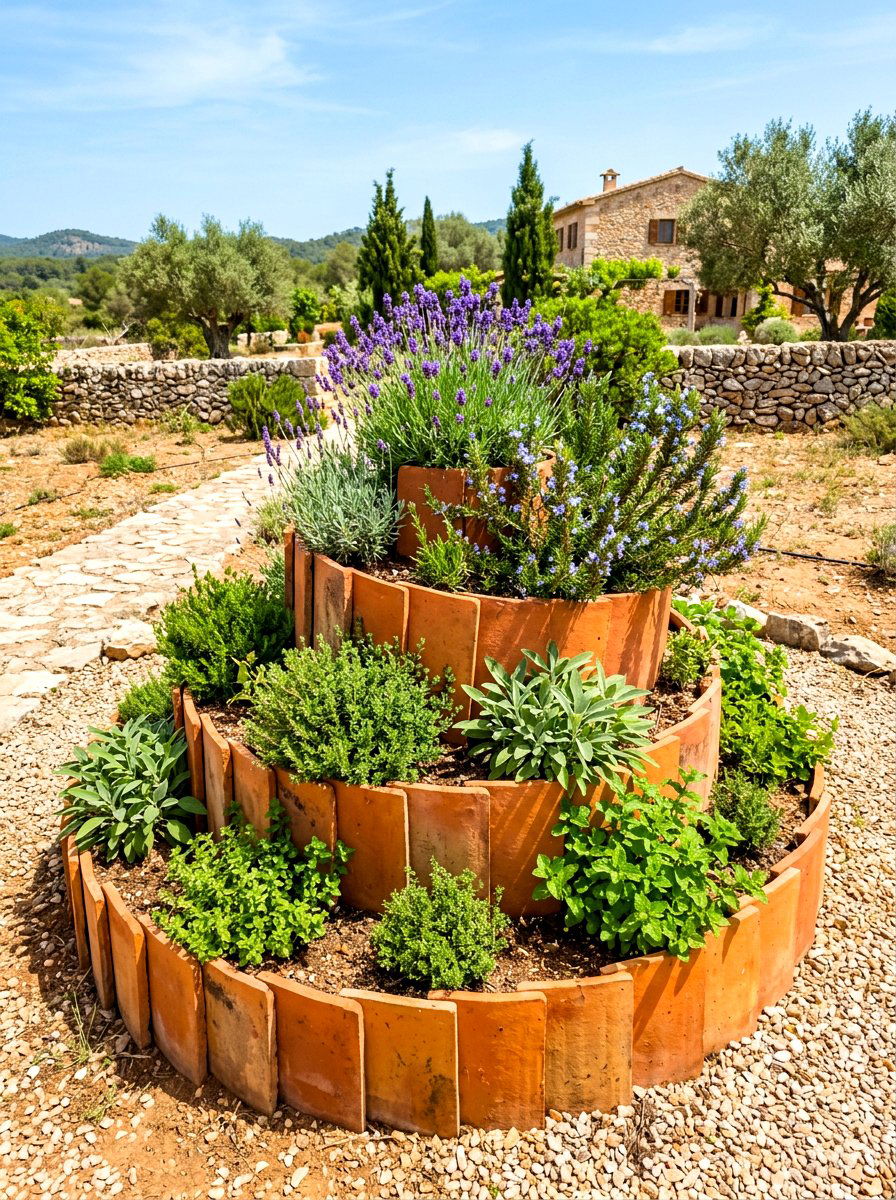
A terracotta herb spiral uses the classic beauty of clay to create a warm and Mediterranean-inspired growing area for your favorite spices. You can use broken pottery pieces or whole terracotta tiles to form the spiral walls, which provides a lovely orange-red hue that glows in the sunlight. Clay is a breathable material that allows air and moisture to move through the walls, preventing the soil from becoming stagnant or overly hot. This design is perfect for sunny climates where herbs like lavender and rosemary need extra drainage. It adds a touch of old-world charm to any garden while being a very practical material choice.

15. Slate herb spiral
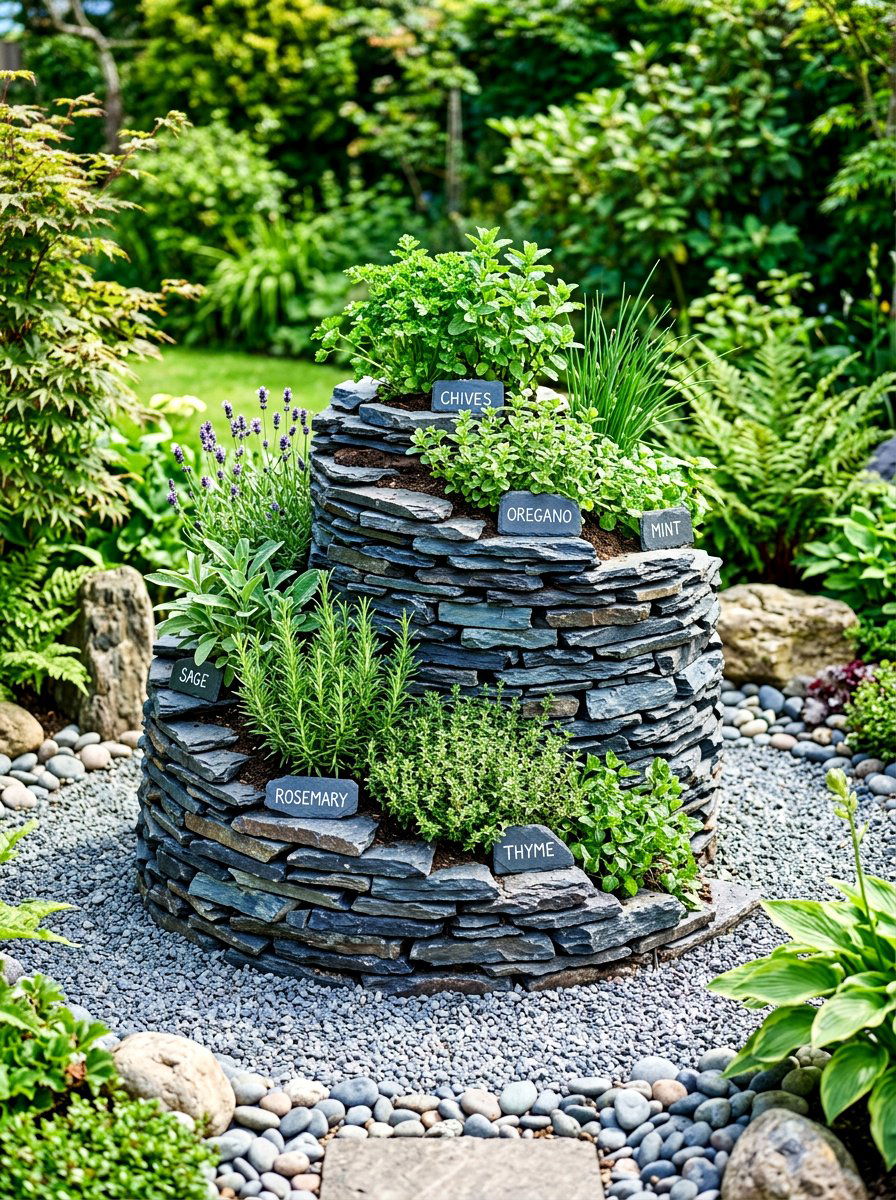
Choosing a slate herb spiral offers a sophisticated and moody color palette that ranges from deep blues and purples to dark greys. Slate is a very dense and durable stone that can be stacked in thin layers to create a highly detailed and textured spiral wall. The dark color of the stone absorbs significant amounts of solar heat, which is then transferred into the soil to promote rapid herb growth in the spring. This design looks especially striking when paired with bright green herbs like basil or lime-colored oregano. It is a perfect choice for modern or Zen-inspired gardens that prioritize texture and a refined color scheme.
16. River rock herb spiral
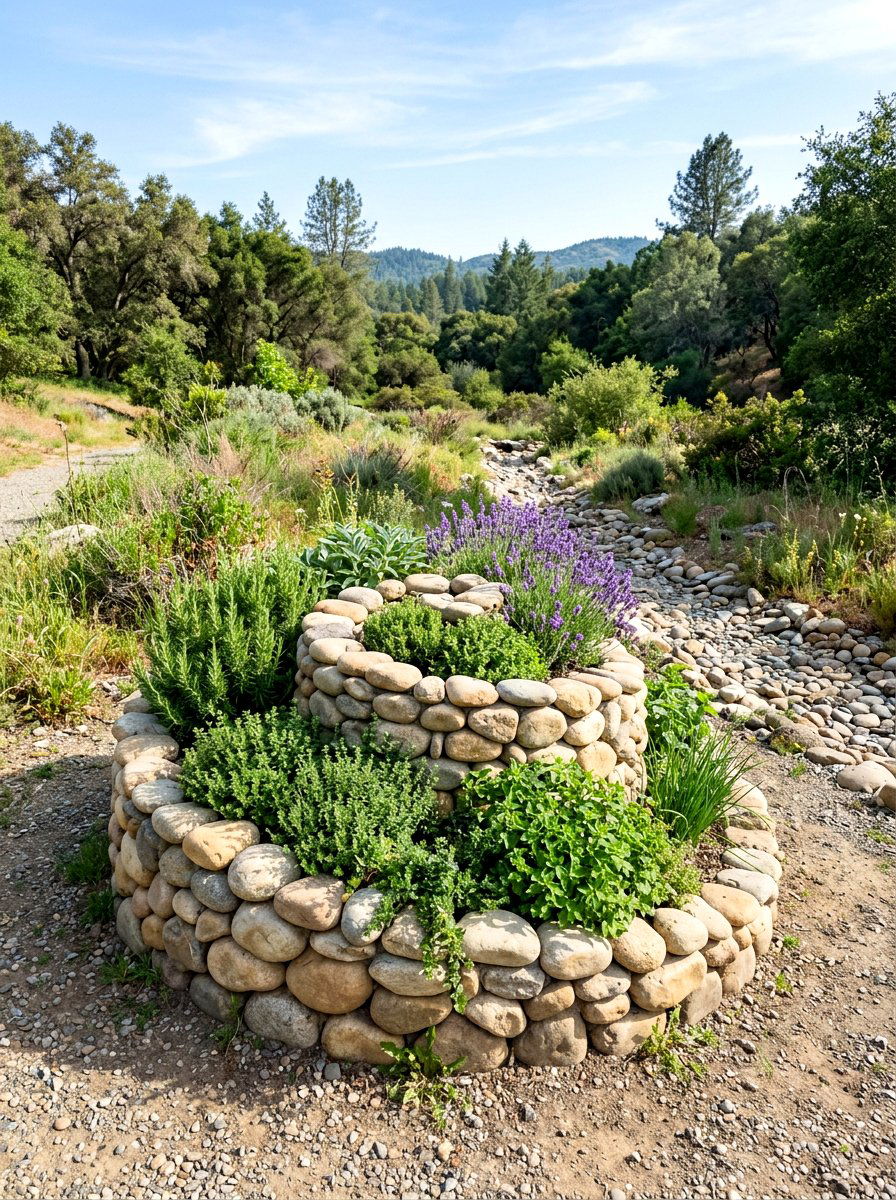
A river rock herb spiral uses smooth, rounded stones to create a soft and flowing appearance that feels very connected to the element of water. These stones are often found in varying shades of grey, tan, and cream, providing a calm and neutral background for your colorful herbs. Because the stones are rounded, they may require a bit more care to stack securely, but the resulting look is incredibly peaceful and natural. This design works beautifully near a water feature or as part of a dry creek bed landscape. The smooth surfaces are easy to handle and create a safe, child-friendly garden feature for families.
17. Tiered herb spiral
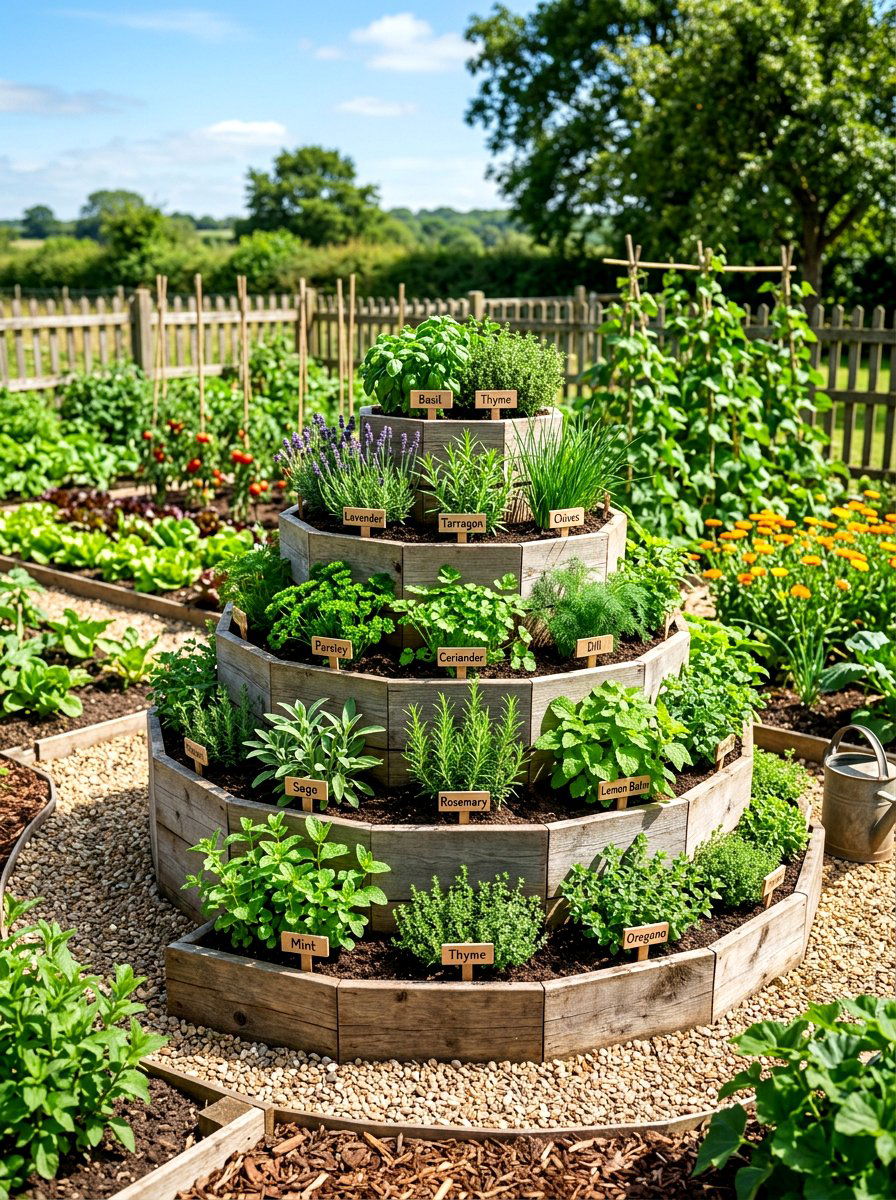
The tiered herb spiral is a more structured variation of the traditional design, featuring distinct levels or "steps" that clearly separate different plant varieties. This approach is excellent for gardeners who like a very neat and organized look where each herb has its own dedicated space. You can use timber, stones, or even plastic garden edging to define each tier. This design makes it very easy to manage different soil types if you want to give specific herbs a more sandy or nutrient-rich environment. It provides a very clear visual hierarchy and ensures that taller plants do not accidentally shade out the smaller ones nearby.
18. Compact herb spiral
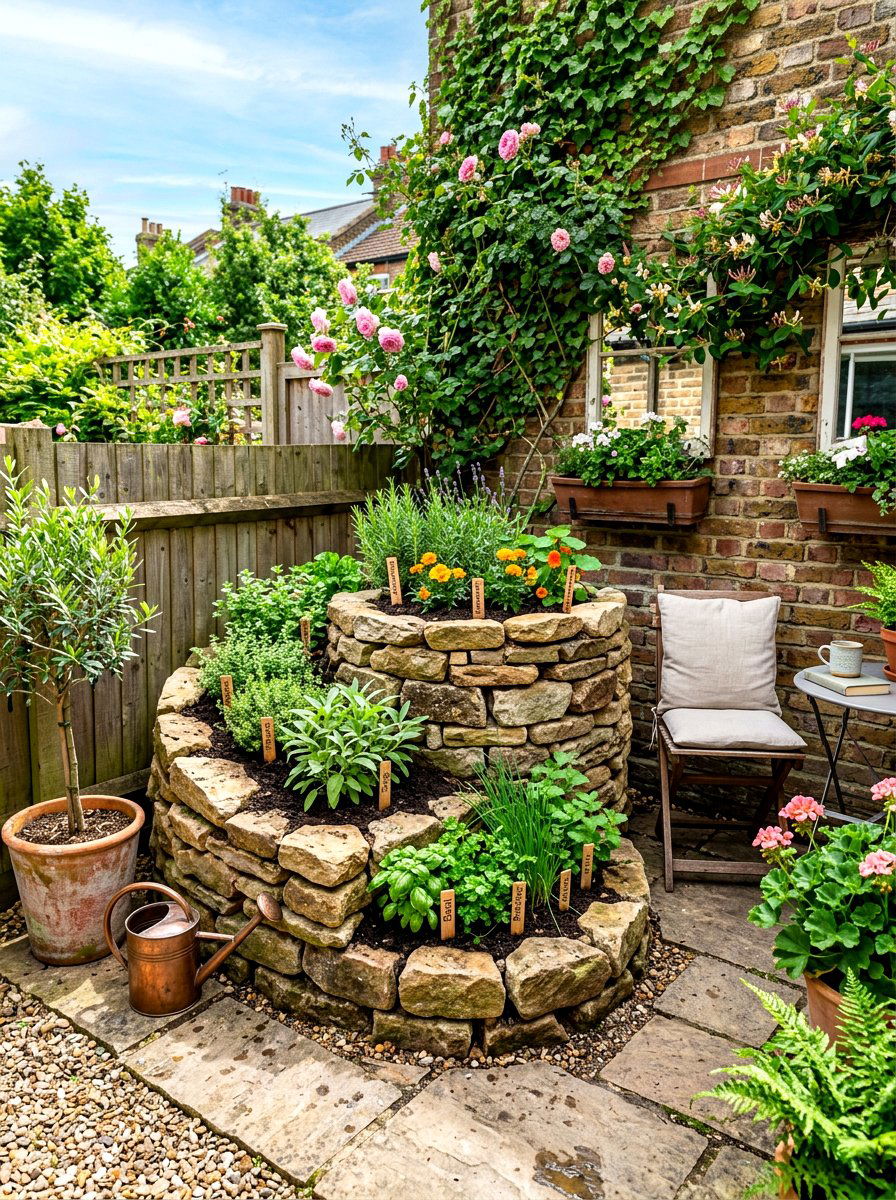
A compact herb spiral is designed to fit into the smallest of garden corners or even right next to a patio walkway. Usually measuring only three to four feet in diameter, this version still offers all the benefits of microclimates and verticality without taking up much space. By building the spiral slightly steeper, you can achieve the necessary drainage for rosemary and thyme even in a limited area. This is a great choice for suburban yards where space is at a premium but the desire for fresh herbs is high. It is manageable, easy to water, and can be completed in just a few hours.
19. Kitchen garden herb spiral
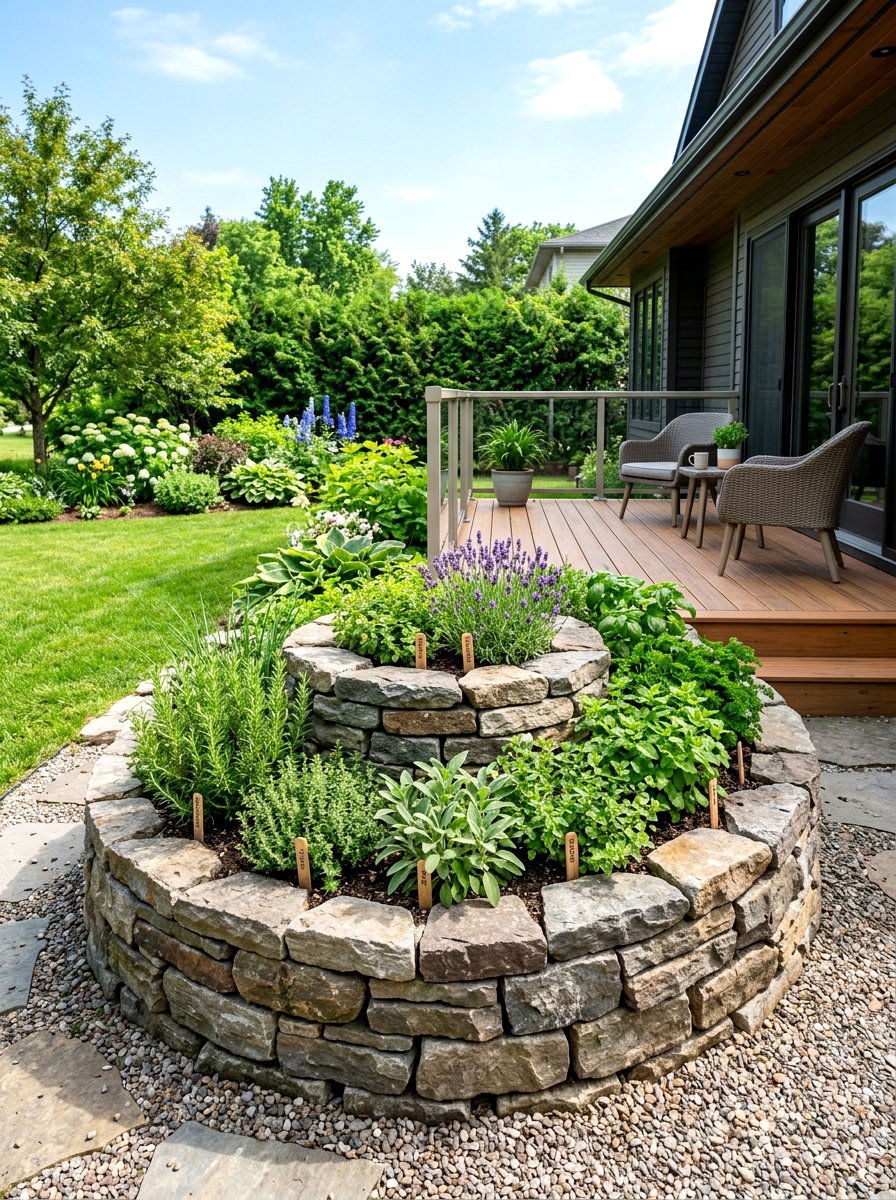
Placing a kitchen garden herb spiral right outside your back door is the ultimate convenience for any home chef. This specific location ensures that you can harvest fresh basil or chives while you are in the middle of cooking a meal without having to walk far into the yard. Because it is so close to the house, this spiral is often designed with higher-quality materials to match the home's architecture. You can easily integrate a small hose or drip irrigation system into the structure for effortless watering. It serves as both a practical food source and a fragrant, welcoming entrance to your outdoor living space.

20. Cobblestone herb spiral
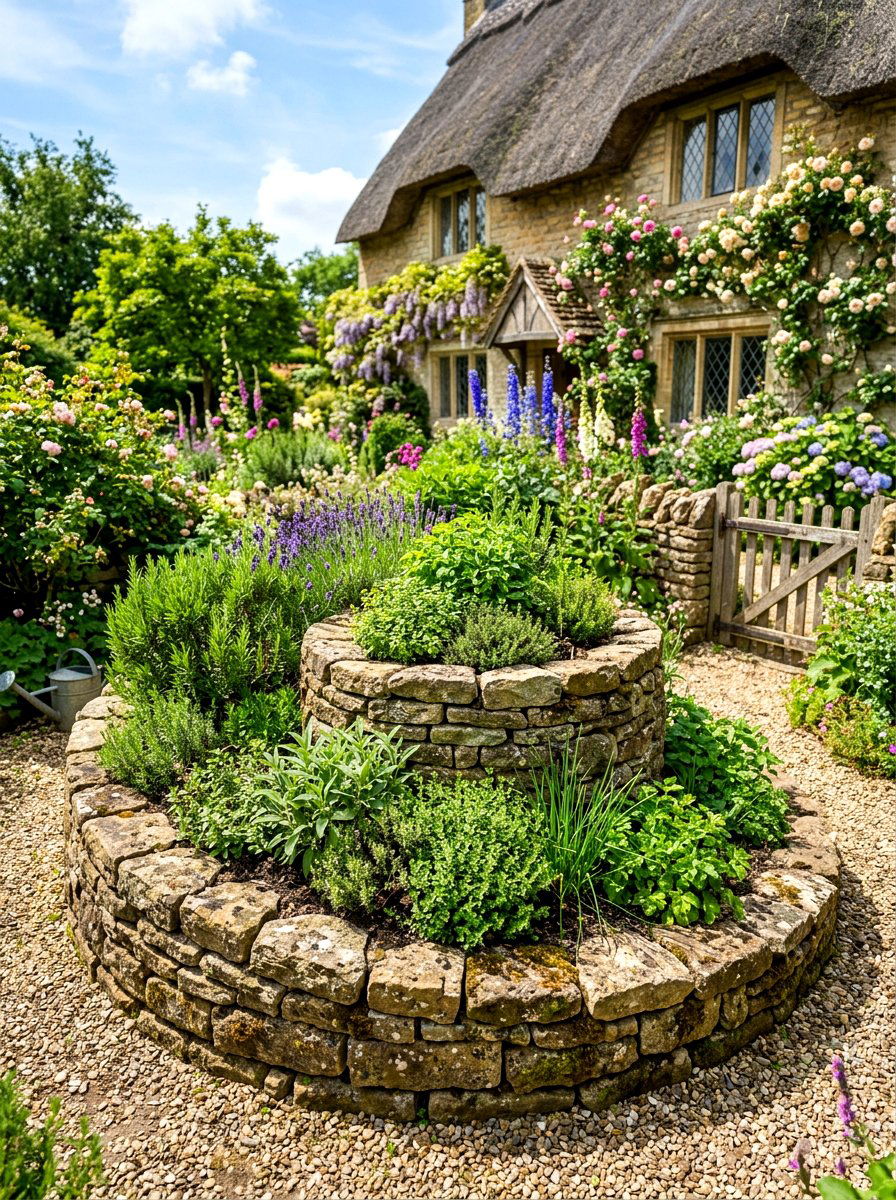
A cobblestone herb spiral brings a sense of history and European charm to your backyard landscape. By using old-fashioned cobblestones or pavers, you create a very durable and heavy structure that looks like it has been there for centuries. The irregular shapes and sizes of the stones add a lot of visual interest and character to the garden. This design is incredibly stable and can handle the weight of a large amount of soil, allowing you to build a taller and more impressive spiral. It is a fantastic way to repurpose old paving materials while creating a high-yield growing area for your favorite herbs.
21. Wattle herb spiral
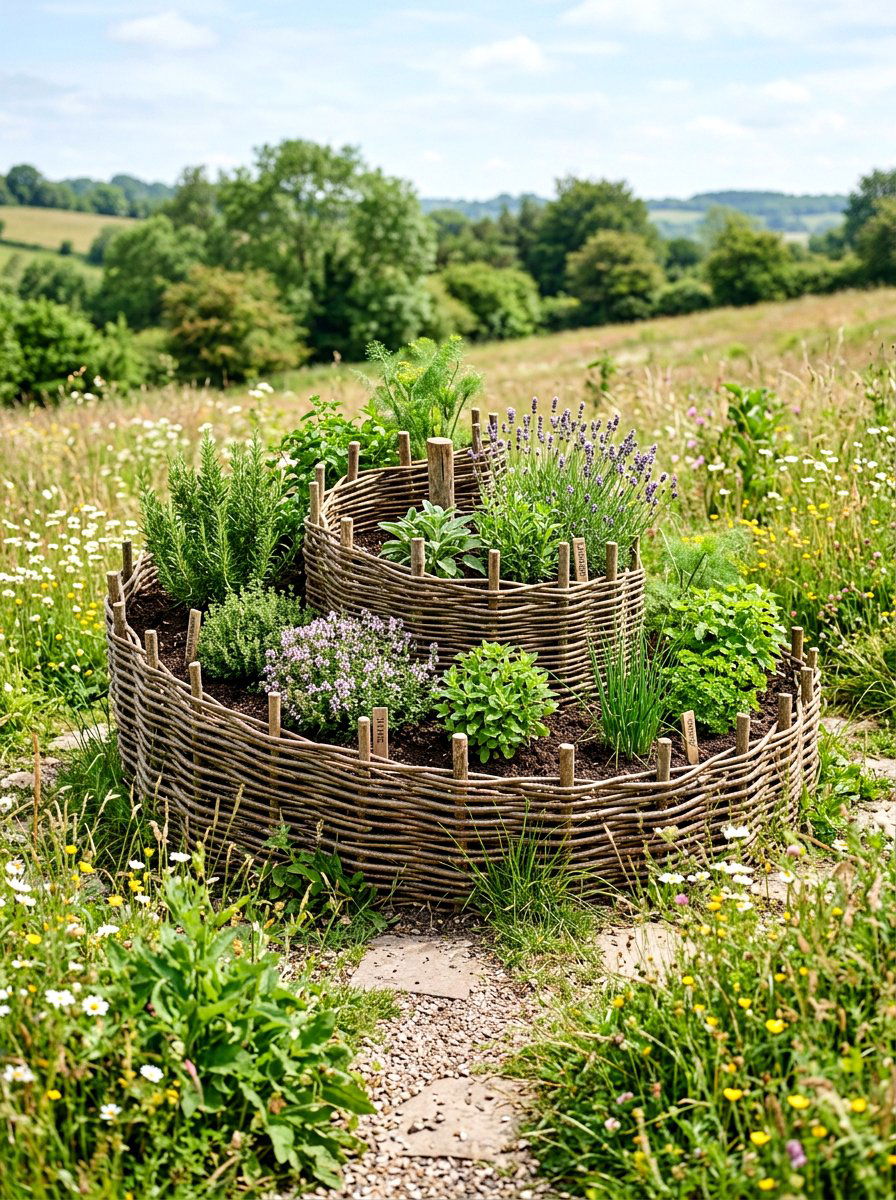
A wattle herb spiral uses the ancient technique of weaving flexible branches, like willow or hazel, around upright stakes to form the garden walls. This method creates a beautiful, textured, and rustic look that is entirely biodegradable and natural. It is an excellent choice for a cottage garden or an eco-conscious landscape where you want to avoid using heavy stones or concrete. The woven walls allow for some airflow through the sides, which can help keep the soil healthy and prevent it from becoming too compacted. It is a peaceful, hand-crafted addition to any yard that feels very connected to traditional crafts.
22. Paver herb spiral
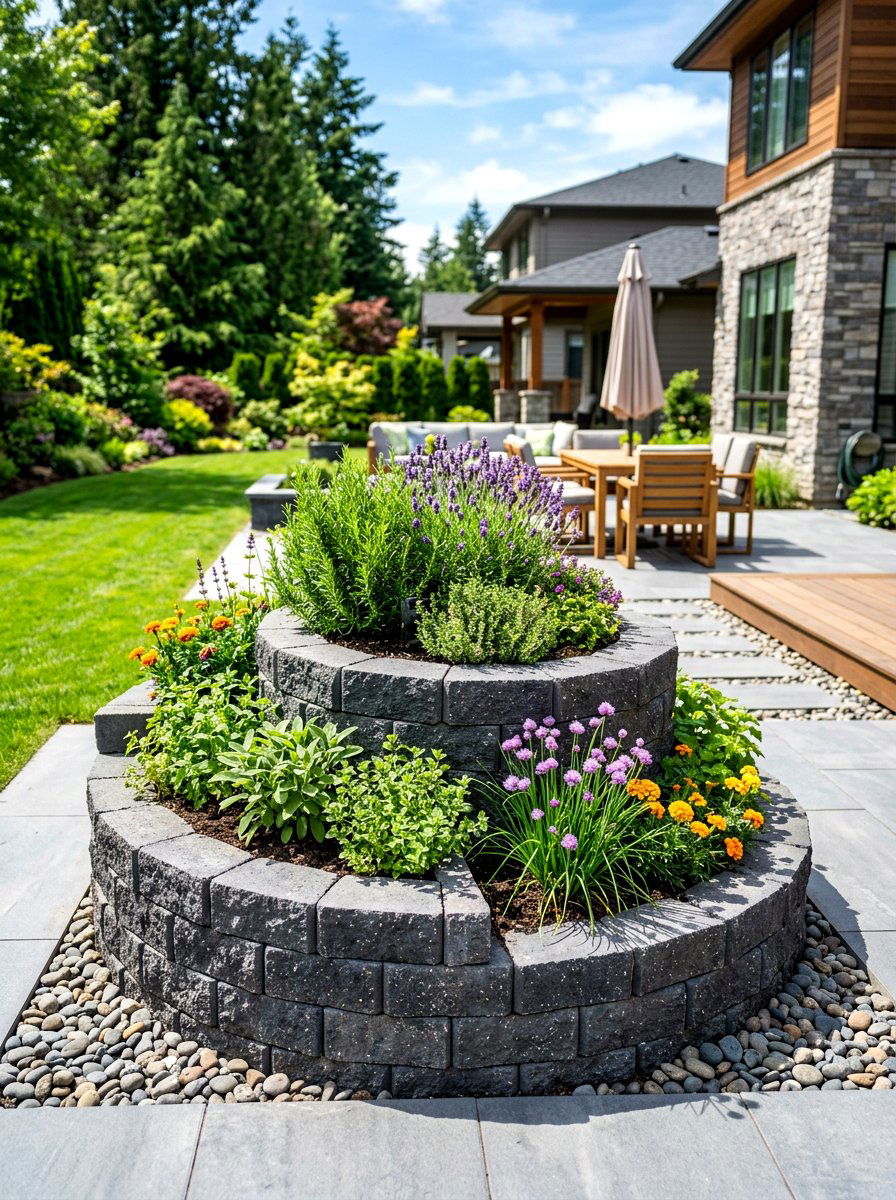
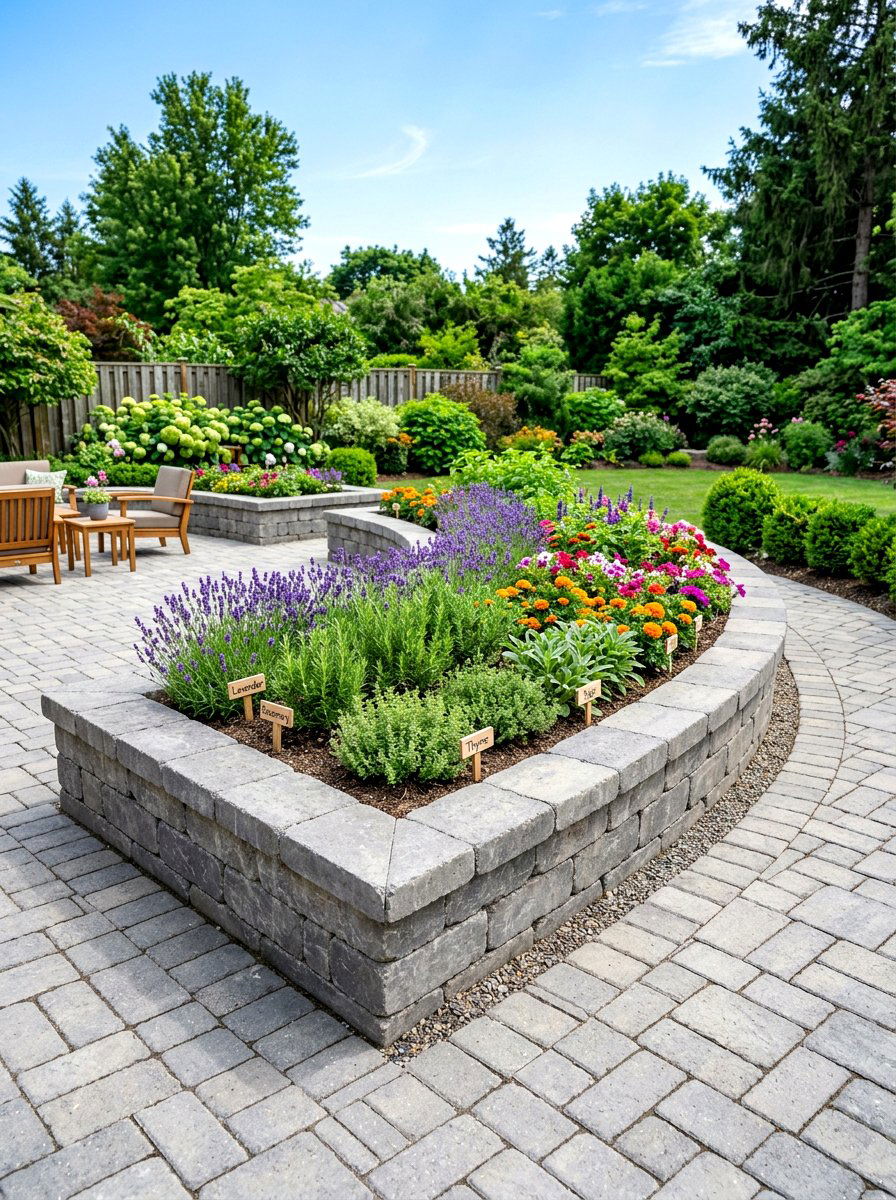
Using a paver herb spiral is a very practical and modern approach that utilizes leftover materials from a driveway or patio project. Since pavers are designed to withstand heavy traffic and extreme weather, they make an exceptionally durable wall for a raised garden bed. Their flat surfaces make them very easy to stack, ensuring a level and stable spiral that will not shift over time. You can choose from a variety of colors and textures to create a look that is either sleek and contemporary or warm and traditional. This is a great way to create a cohesive look across your entire outdoor living area.
23. Metal herb spiral
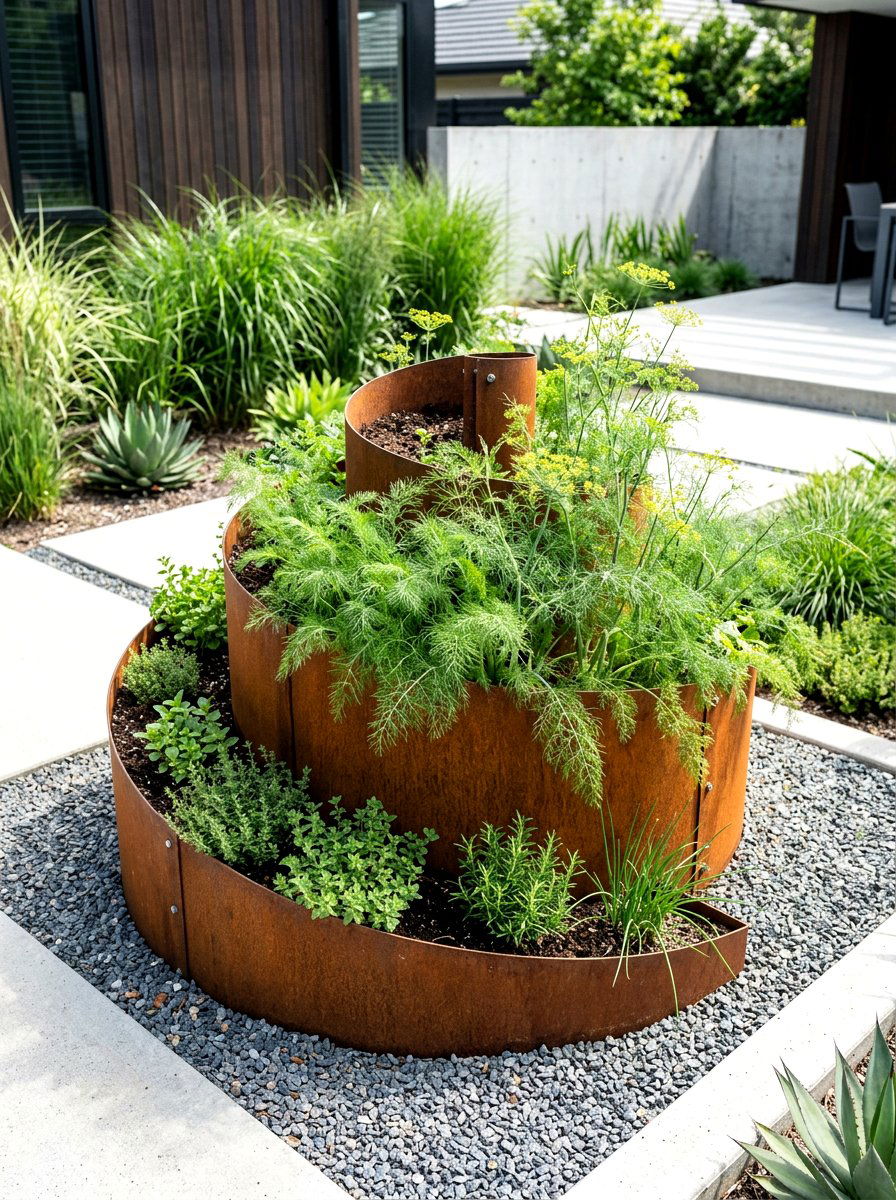
For a bold and industrial look, a metal herb spiral can be a stunning addition to a modern garden. You can use sheets of weathered Corten steel or galvanized metal strips to form the spiral curves. Metal walls are very thin, which allows for a larger planting area within the same footprint compared to thick stone walls. Corten steel develops a beautiful rust-like patina over time that protects the metal while providing a rich, earthy color. This design is extremely durable and offers a sharp, clean edge that contrasts perfectly with the soft and feathery textures of herbs like dill, fennel, and cilantro.
24. Galvanized steel herb spiral
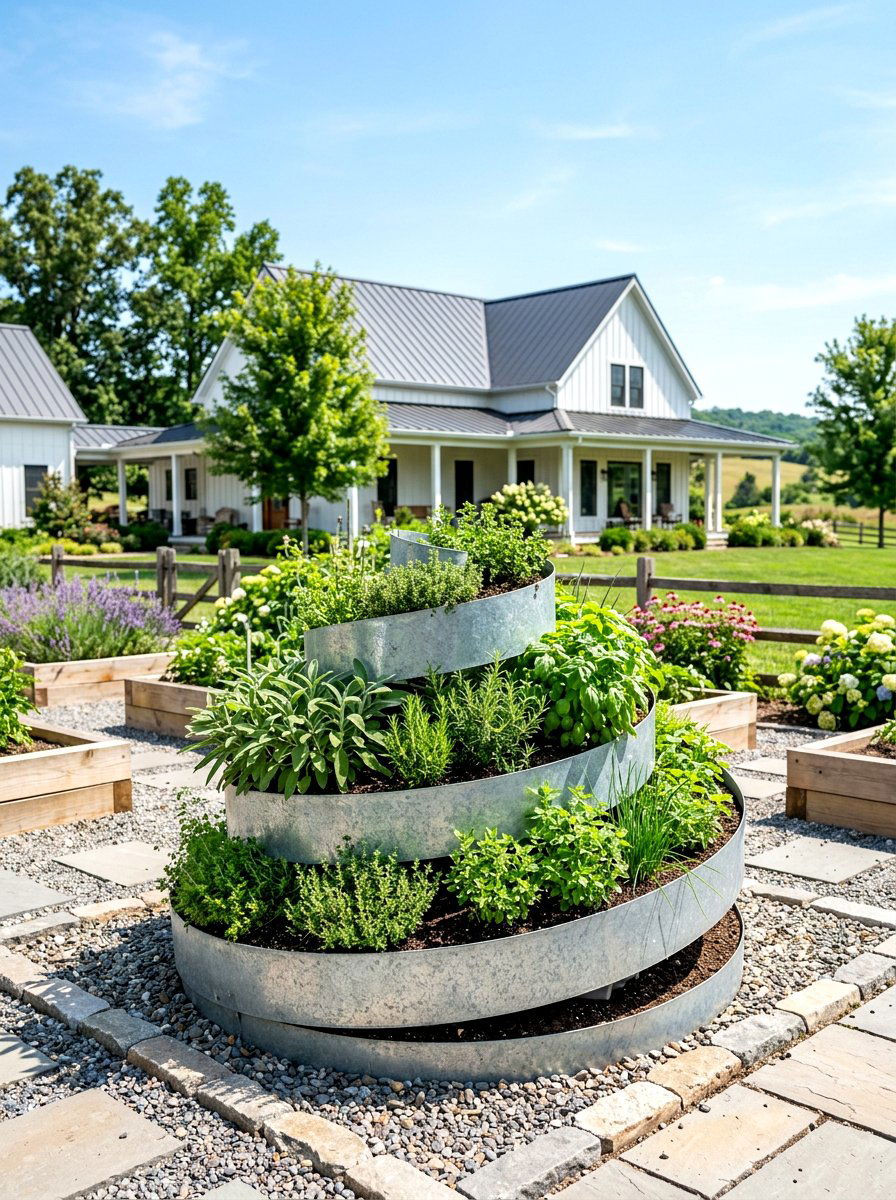
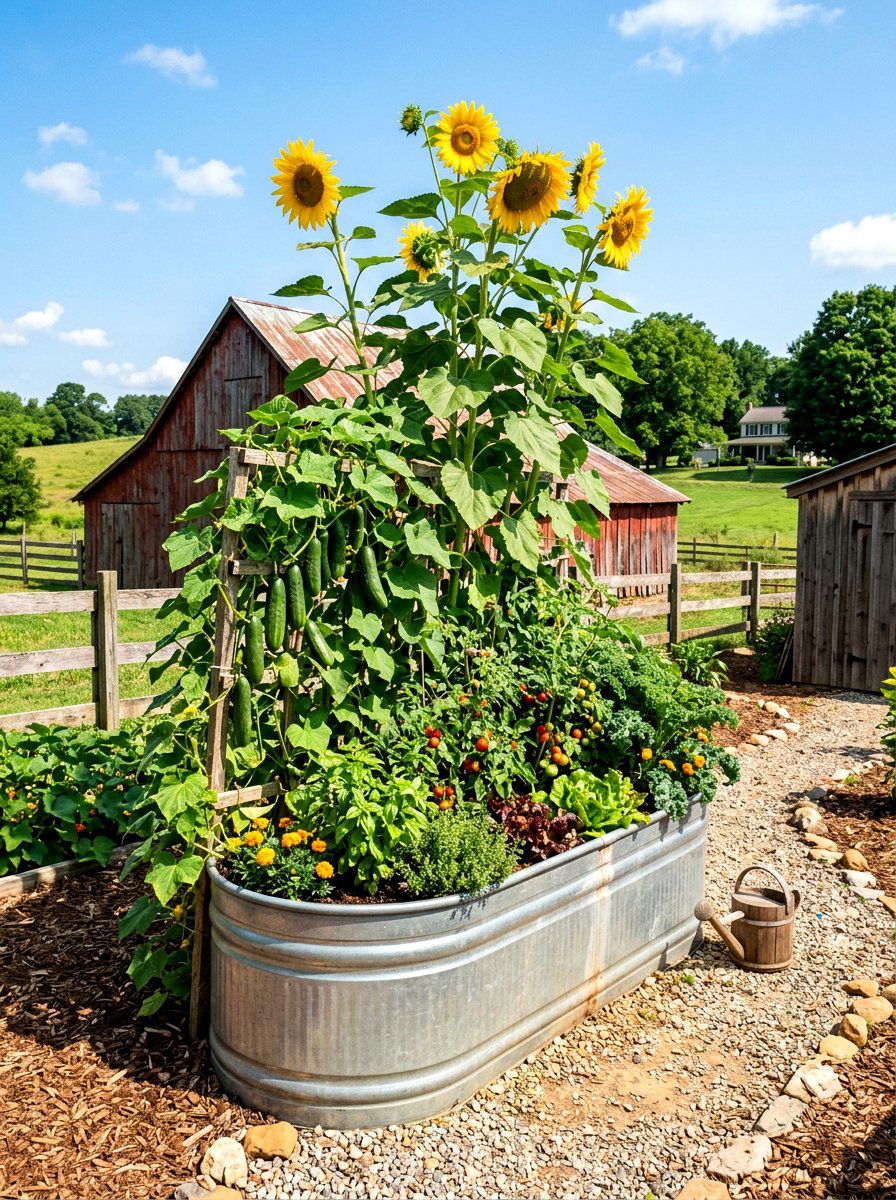
A galvanized steel herb spiral offers a bright and clean look that works well in modern farmhouse or urban garden settings. The silvery finish of the steel reflects light and can help brighten up a partially shaded corner of the yard. Galvanized metal is highly resistant to rust, making it a very long-lasting material for a garden structure that will be constantly exposed to moisture. This type of spiral is often available as a pre-made kit, making it an excellent option for those who want a quick and easy setup. It is lightweight, stylish, and provides a very tidy way to organize your plants.
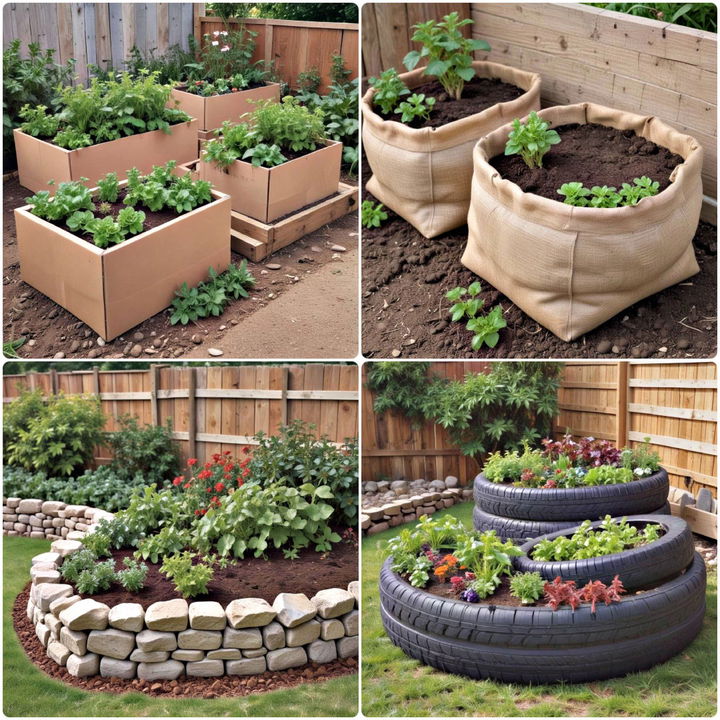
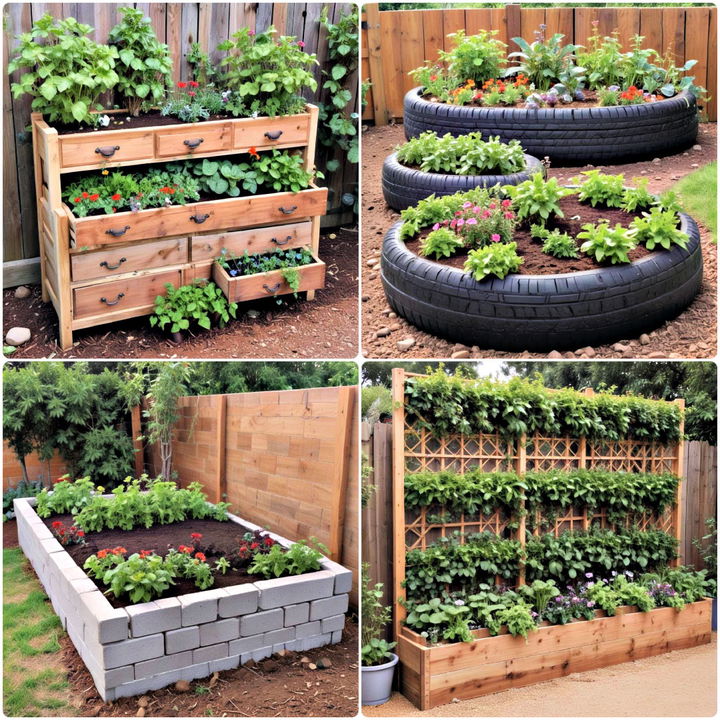
25. Bamboo herb spiral
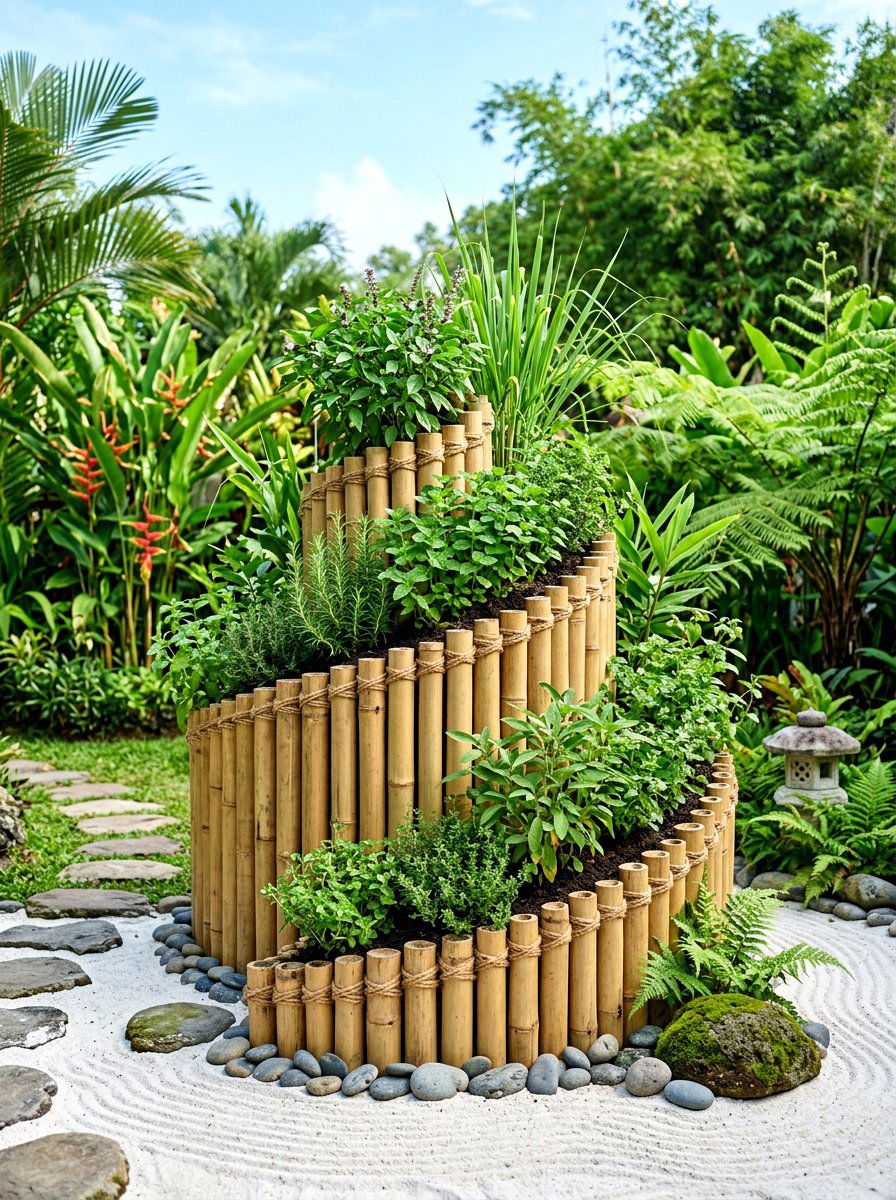
A bamboo herb spiral brings a tropical and serene feeling to your outdoor space, making it a perfect fit for Zen or Asian-inspired gardens. You can use upright bamboo poles of varying heights to form the spiraling walls, creating a very unique and vertical aesthetic. Bamboo is a sustainable and rapidly renewable resource, making this a very eco-friendly choice for your yard. The hollow tubes can even provide habitat for beneficial insects like solitary bees. This design is lightweight and relatively easy to assemble, offering a beautiful and natural alternative to more traditional masonry or timber materials. It is truly a unique garden feature.
26. Willow herb spiral
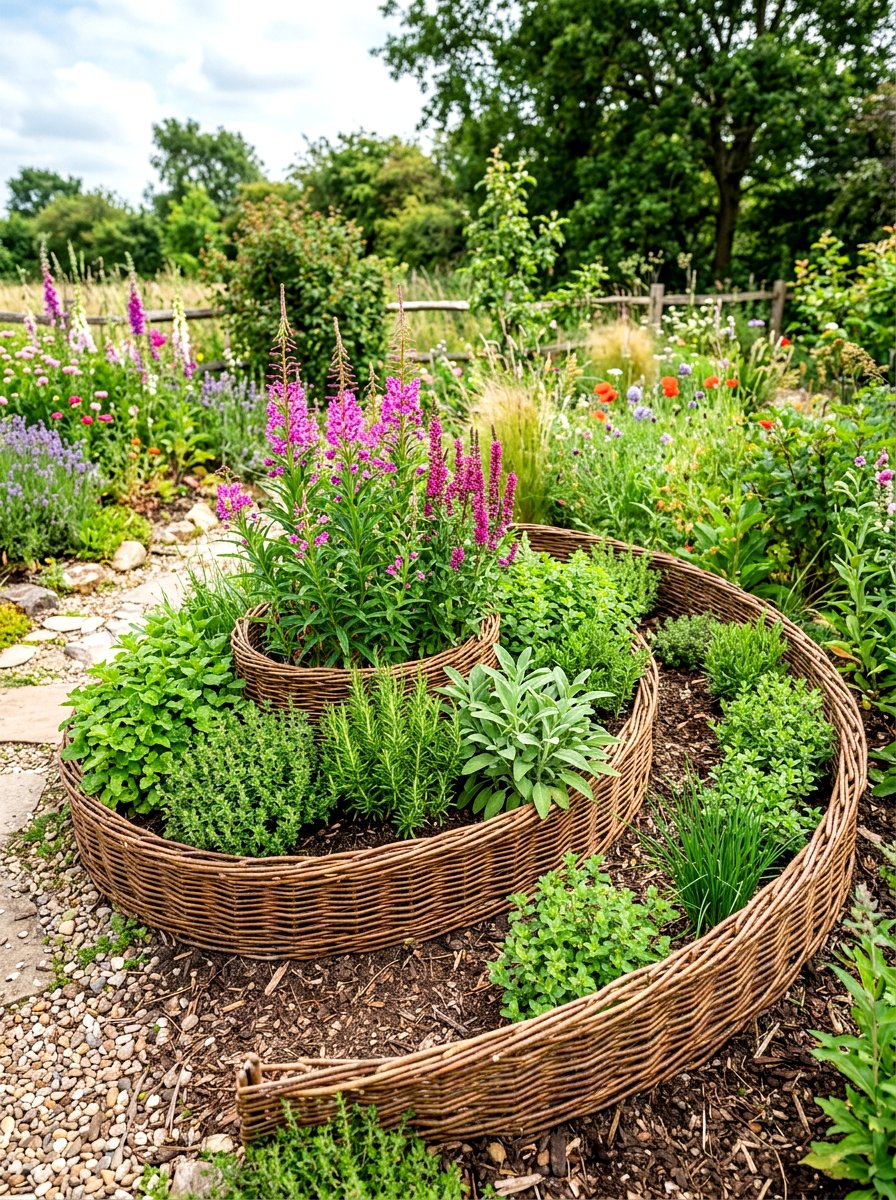
Choosing a willow herb spiral allows you to work with a flexible and living material to create a soft, organic shape. You can use dried willow hurdles or even plant living willow stakes that will sprout leaves, creating a "living wall" for your herb garden. This approach is incredibly artistic and adds a dynamic, changing element to your landscape as the willow grows and seasons pass. It provides a very rustic and hand-woven appearance that is perfect for a wildlife-friendly or permaculture-focused yard. The natural brown tones of the willow branches provide a lovely backdrop for the vibrant green and purple of your herbs.
27. Upcycled tire herb spiral
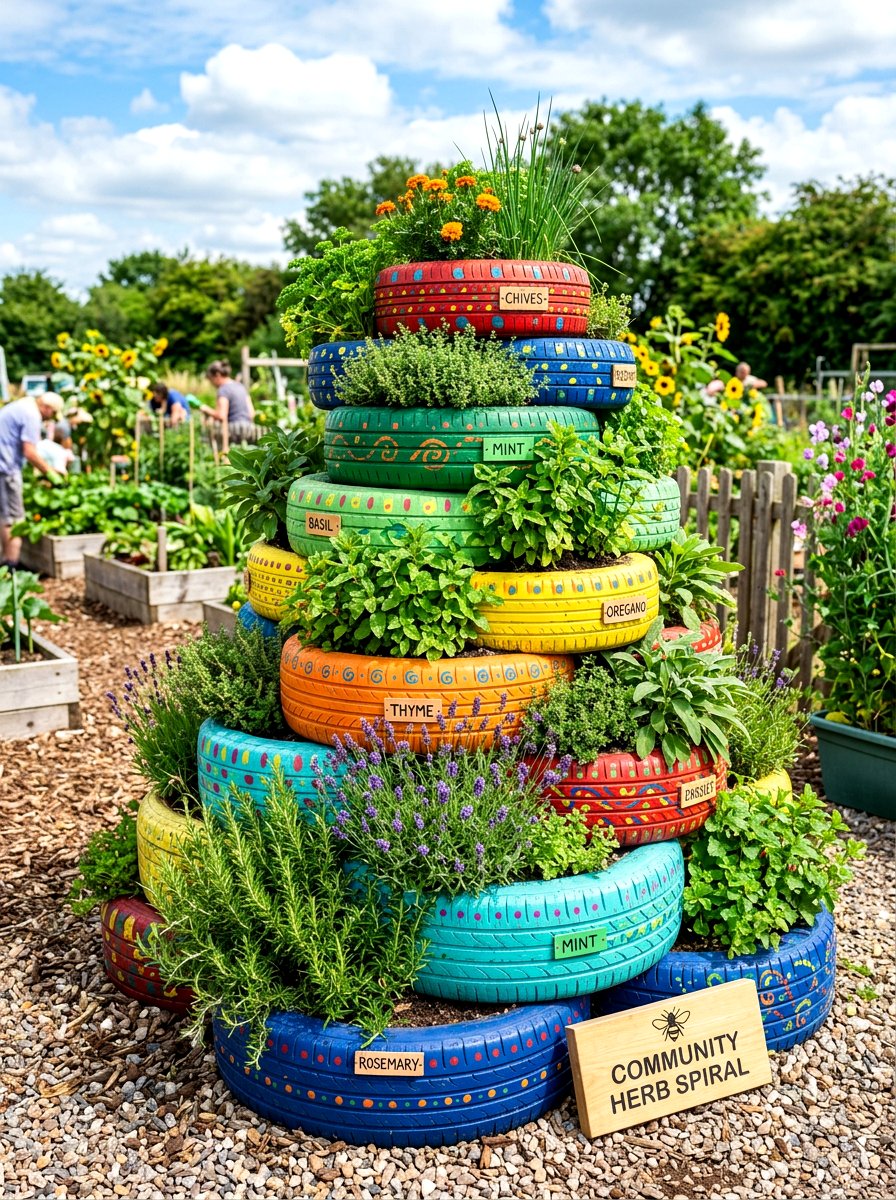
An upcycled tire herb spiral is a clever and extremely budget-friendly way to keep old tires out of the landfill while creating a productive garden. By stacking tires of different sizes in a spiraling pattern, you can create high-rise planters that are nearly indestructible. You can even paint the tires in bright, bold colors to turn them into a fun and whimsical garden feature for a family space. Tires provide excellent insulation for the soil, keeping the roots of your herbs warm during the early spring and late fall. It is a creative and practical way to embrace recycling and sustainable living in your own backyard.
28. Sandstone herb spiral
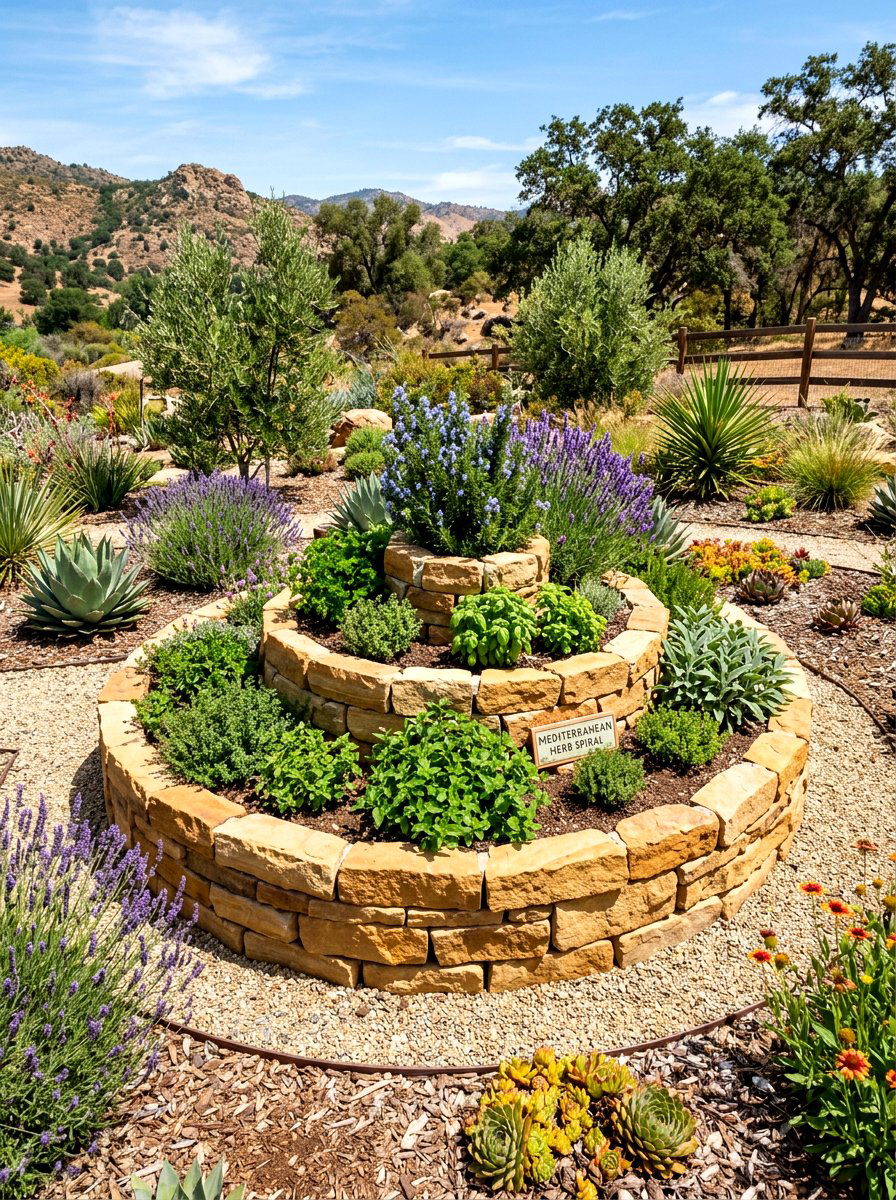
A sandstone herb spiral offers a warm, tan color palette that feels very much at home in desert or Mediterranean-style landscapes. Sandstone is easy to shape and stack, allowing you to create a very smooth and intentional spiral design. The natural variation in the stone's color adds a lot of depth and visual interest to the structure, making it a beautiful focal point even when the plants are small. This material is excellent for retaining heat, which encourages the growth of sun-loving herbs like thyme and oregano. It provides a very grounded and earthy feel that complements a wide variety of outdoor décor styles.
29. Circular herb spiral
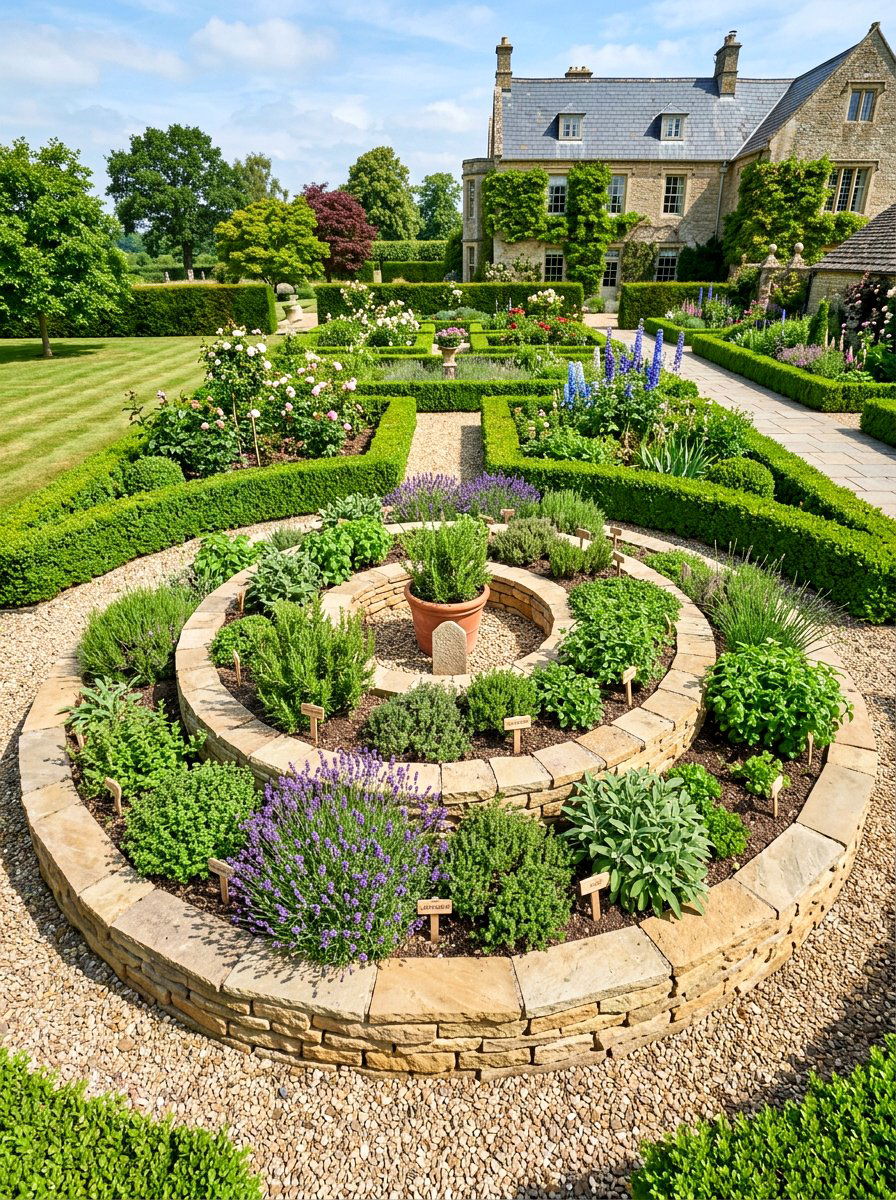
While all spirals are somewhat round, a dedicated circular herb spiral focuses on achieving a perfect, symmetrical footprint that looks very intentional and balanced. This design is often used as a centerpiece in a larger garden layout, serving as a focal point where multiple paths meet. By ensuring the outer diameter is perfectly round, you create a very tidy and formal appearance that works well in manicured landscapes. You can use any material, from brick to stone, to maintain this geometric precision. It is a classic and highly effective way to grow a large variety of fresh herbs while maintaining a very clean and organized yard.
30. Large garden herb spiral
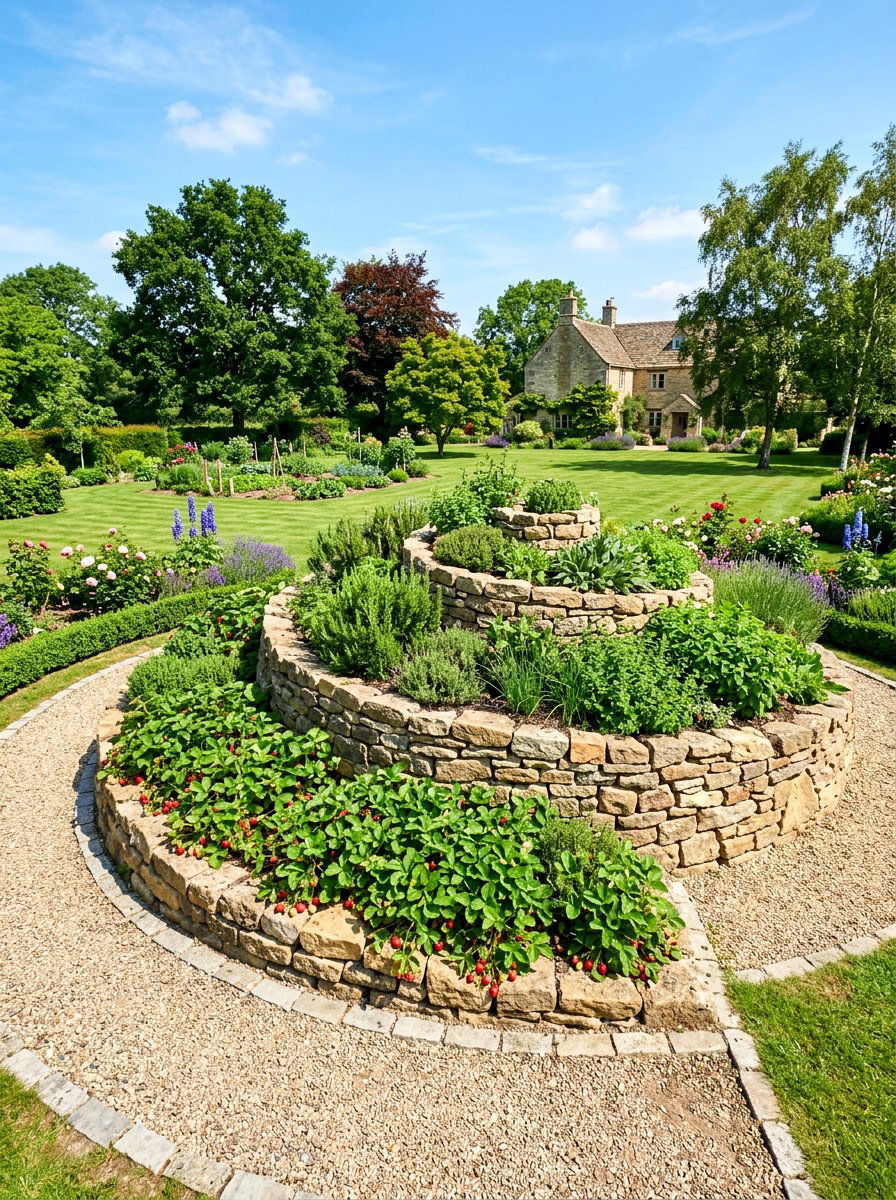
If you have plenty of room to spare, a large garden herb spiral can become a massive and highly productive edible landscape feature. Measuring six feet or more in diameter, this version allows you to grow not only herbs but also small vegetables like strawberries or peppers within the same structure. The increased scale allows for even more dramatic microclimates, with deeper shade on the north side and more intense heat at the top. This type of spiral often includes a walking path or steps to make reaching the center much easier. It is a stunning, high-yield garden solution that makes a very bold statement.
Conclusion:
Incorporating a raised herb spiral into your landscape is a brilliant way to combine aesthetics with extreme functionality. These thirty ideas demonstrate that regardless of your budget, available space, or personal style, there is a spiral design that can work for you. From the rustic charm of recycled pallets and logs to the sleek lines of modern concrete and metal, these structures offer a sustainable way to grow fresh food right at home. By understanding the natural microclimates created by the spiral shape, you can ensure your herbs are healthier and more flavorful than ever. Start planning your own spiral today for a more productive garden.

Related posts: