Starting a garden with raised beds is a smart way to control your soil quality and improve drainage for healthier plants. These structures provide a clean, organized look that transforms any backyard into a functional and beautiful food-producing space. Whether you have a tiny balcony or a sprawling lawn, there is a layout that fits your specific needs perfectly. Using raised beds helps reduce the physical strain of bending over and keeps pesky weeds at bay. It also allows for longer growing seasons as the soil warms up faster in the spring. Exploring different shapes and materials can help you create a customized outdoor sanctuary that reflects your personal style and needs.
1. U-Shaped Raised Garden Bed
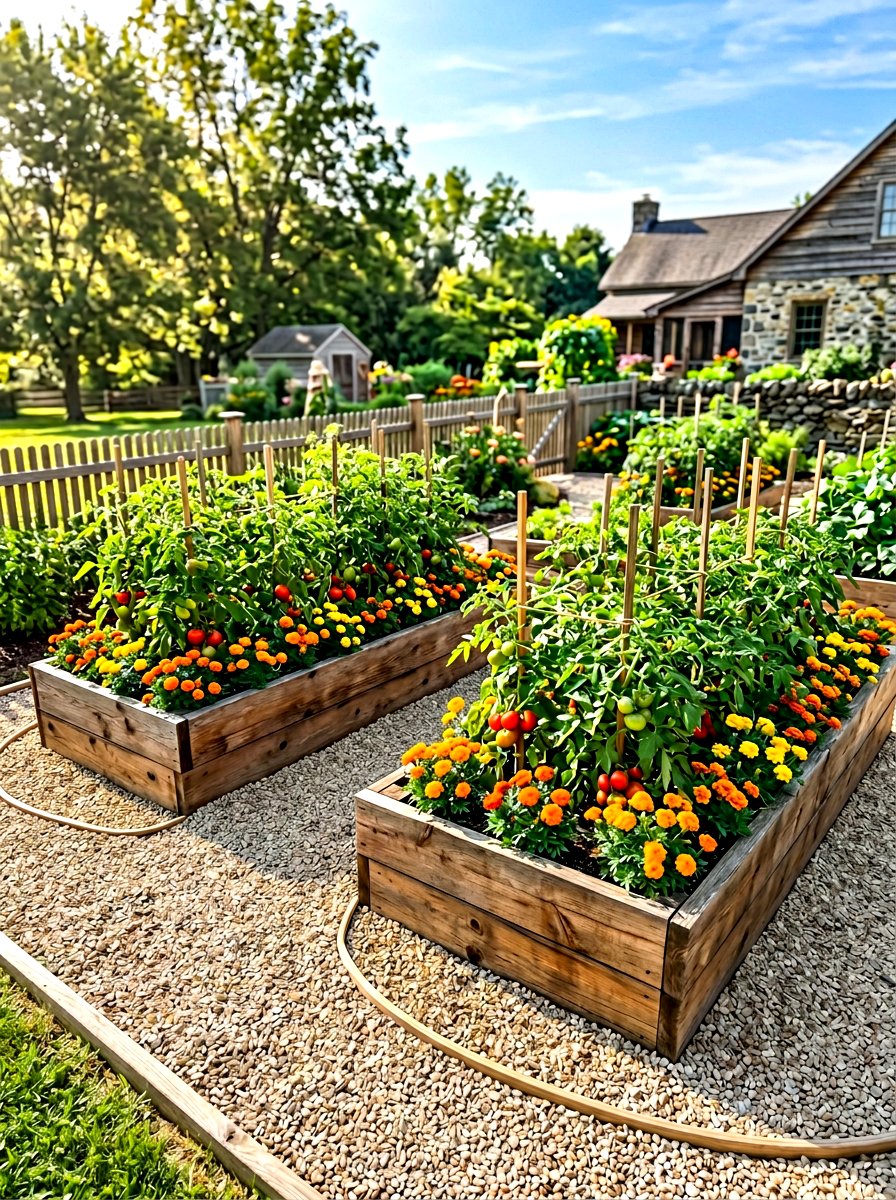
Designing a U-shaped raised garden bed provides a fantastic way to maximize your growing space while keeping every plant within easy reach. This layout features a central walkway that allows you to tend to your vegetables from three sides without ever stepping on the soil. It is particularly effective for larger backyard plots where you want a dedicated zone for a massive harvest. You can build these from cedar or redwood to ensure they last for many seasons. The symmetry of the U-shape adds a professional look to any landscape. It creates a cozy nook for gardening tasks and keeps everything organized and accessible for daily maintenance.
2. L-Shaped Raised Garden Bed
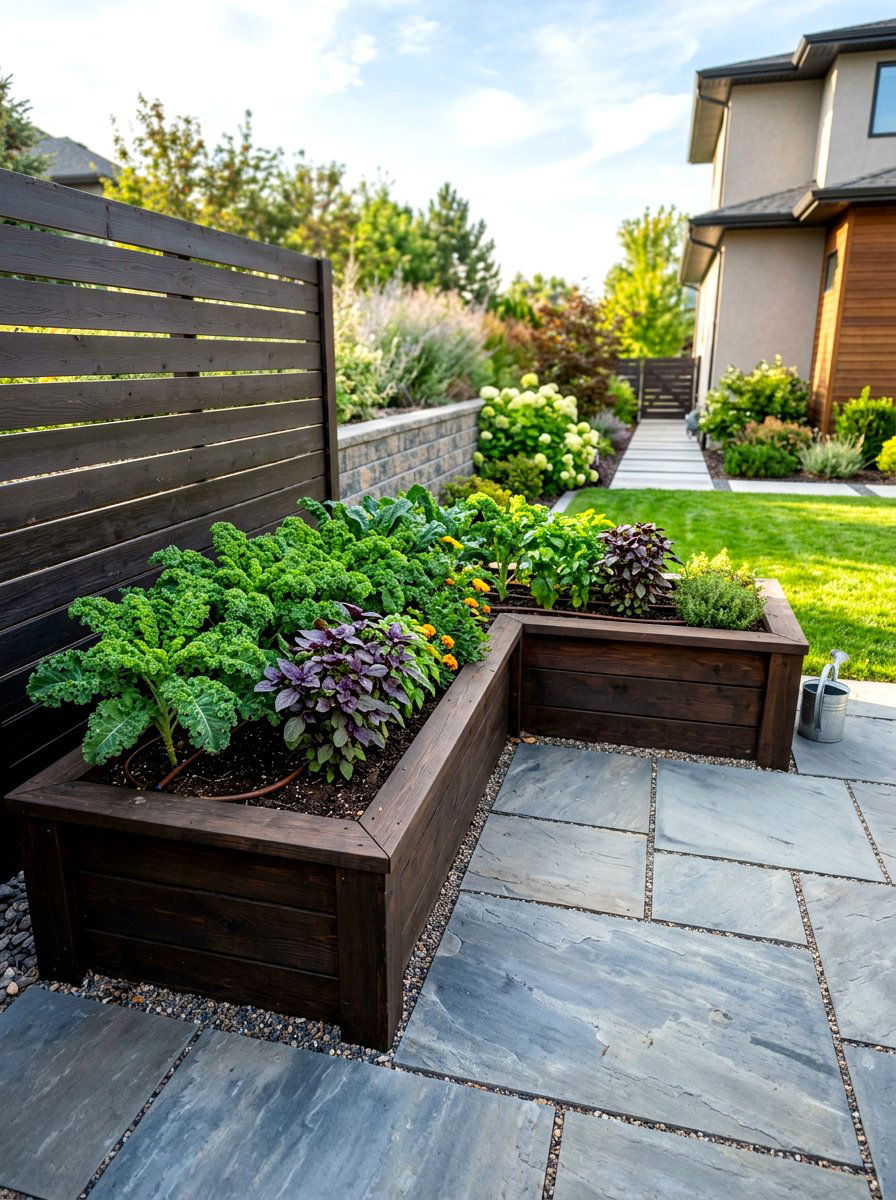
An L-shaped raised garden bed is the perfect solution for tucked-away corners or defining the edges of a patio area. This configuration makes excellent use of awkward spaces that might otherwise go to waste in a standard backyard layout. By wrapping the garden around a corner, you create a distinct boundary that feels both intentional and stylish. These beds work well for mixing tall climbing plants like peas with shorter leafy greens. You can easily install a drip irrigation system along the inner angle to keep your plants hydrated with minimal effort. It offers a clean, modern aesthetic that fits perfectly into contemporary home landscapes.
3. Keyhole Raised Garden Bed
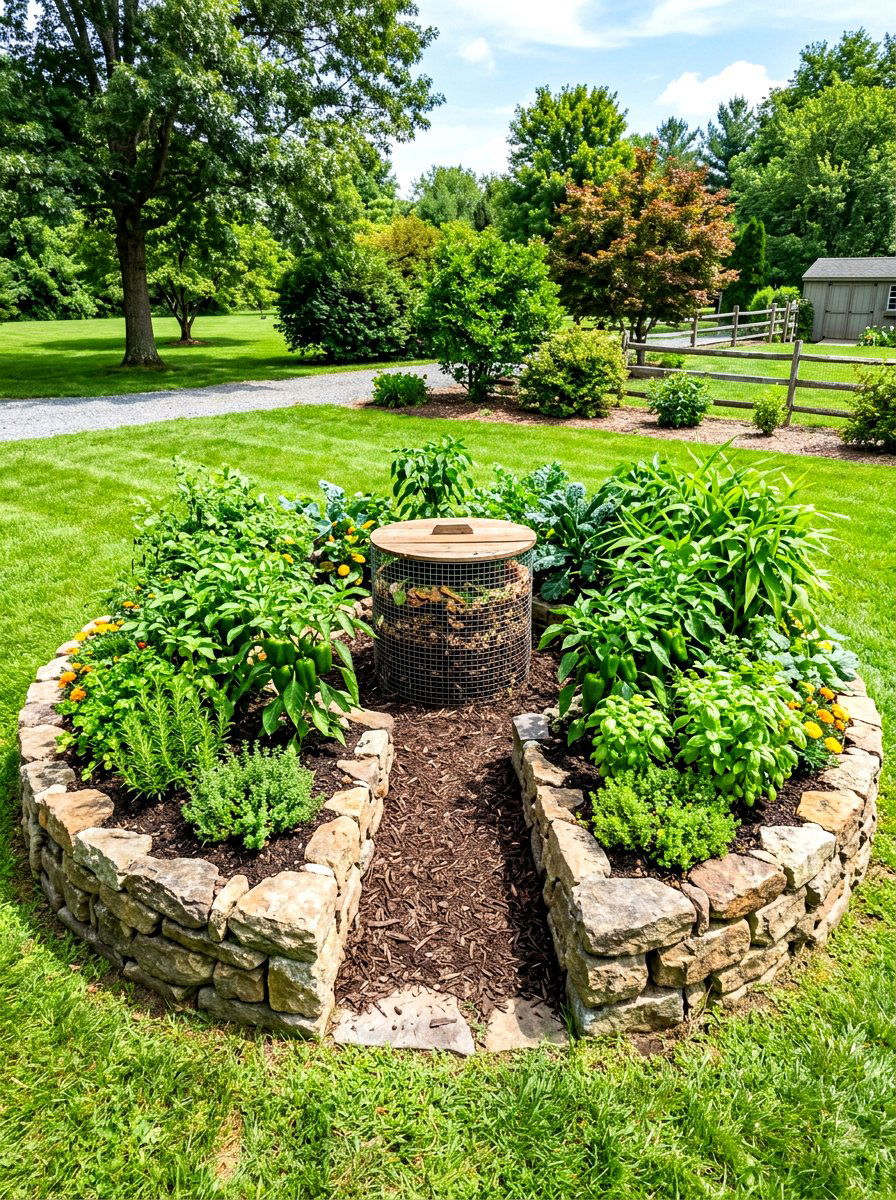
A keyhole raised garden bed is a sustainable and highly efficient design that combines composting and growing in one compact structure. This circular layout features a small notch or path leading to a central composting basket. As you add kitchen scraps to the center, nutrients naturally leach into the surrounding soil to feed your plants. This layout is excellent for permaculture enthusiasts who want to minimize waste and maximize productivity. The circular shape is visually striking and works well as a central focal point in a garden. It requires very little water and provides a self-sustaining environment for a variety of nutrient-hungry vegetables.
4. Tiered Raised Garden Bed
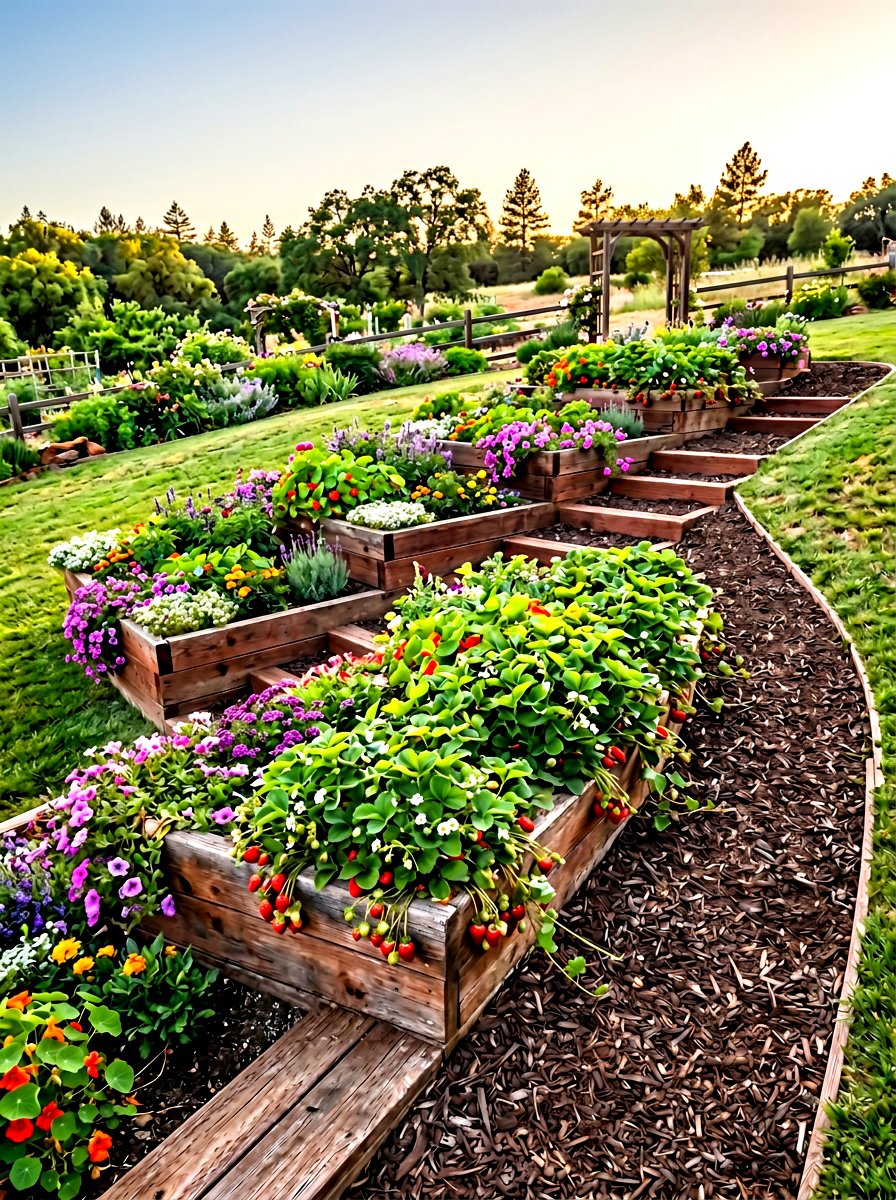
Tiered raised garden beds are an ingenious way to add vertical interest and depth to a flat backyard space. By stacking smaller beds on top of larger ones, you create a staircase effect that is ideal for different plant varieties. This layout is perfect for growing strawberries, herbs, or flowers that benefit from varying levels of drainage and sunlight exposure. Tiered designs are also great for sloping yards where you need to level the ground. They provide a beautiful, cascading look when filled with trailing plants. This structure makes harvesting much easier by bringing the plants closer to eye level in a compact footprint.
5. Vertical Raised Garden Bed
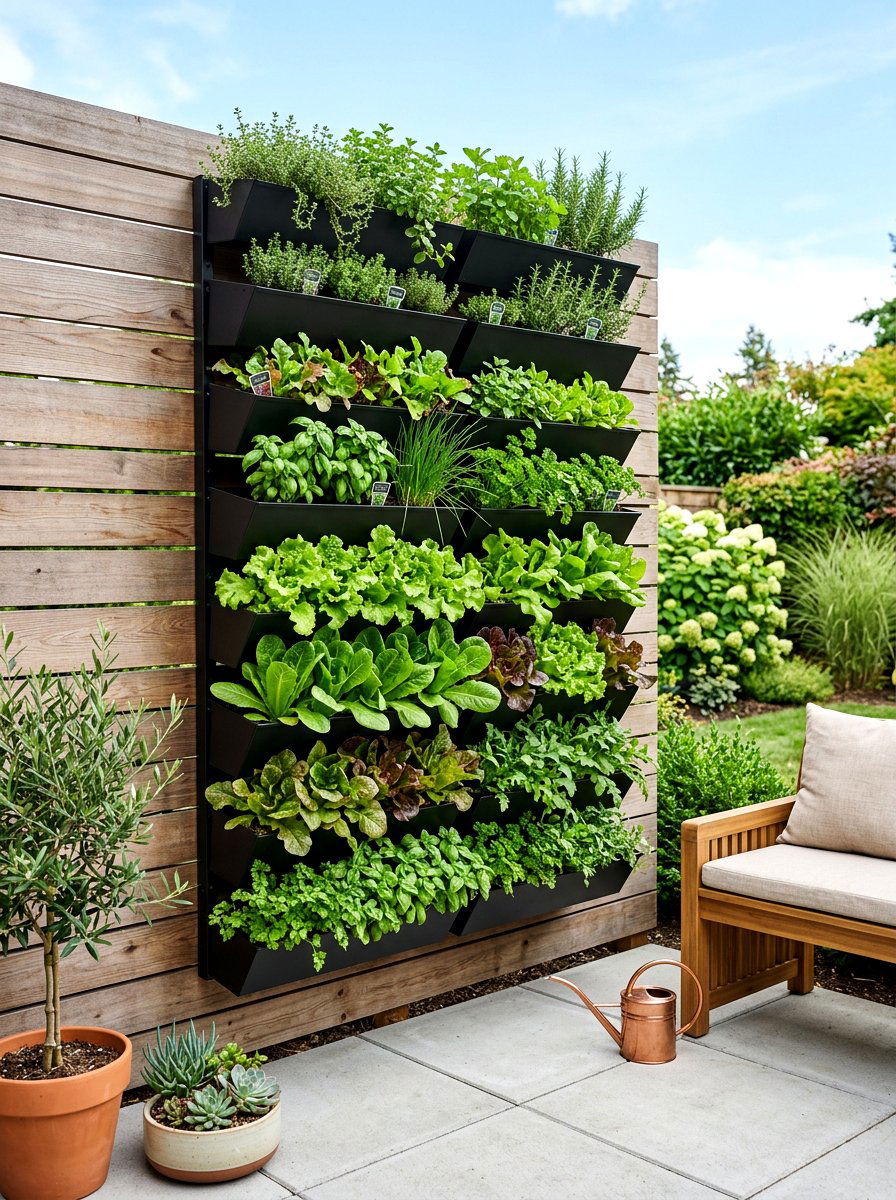
A vertical raised garden bed is the ultimate space-saver for urban dwellers or those with small courtyards. This design utilizes wall space or a freestanding tower to grow a high volume of plants in a minimal footprint. You can mount wooden planters on a fence or use a specialized tiered tower system for herbs and leafy greens. This layout improves airflow around the plants, which helps prevent diseases and pest infestations. It is a highly decorative option that turns a plain wall into a living green tapestry. Vertical beds are perfect for growing lettuce, kale, and strawberries in a very accessible manner.
6. Hexagonal Raised Garden Bed
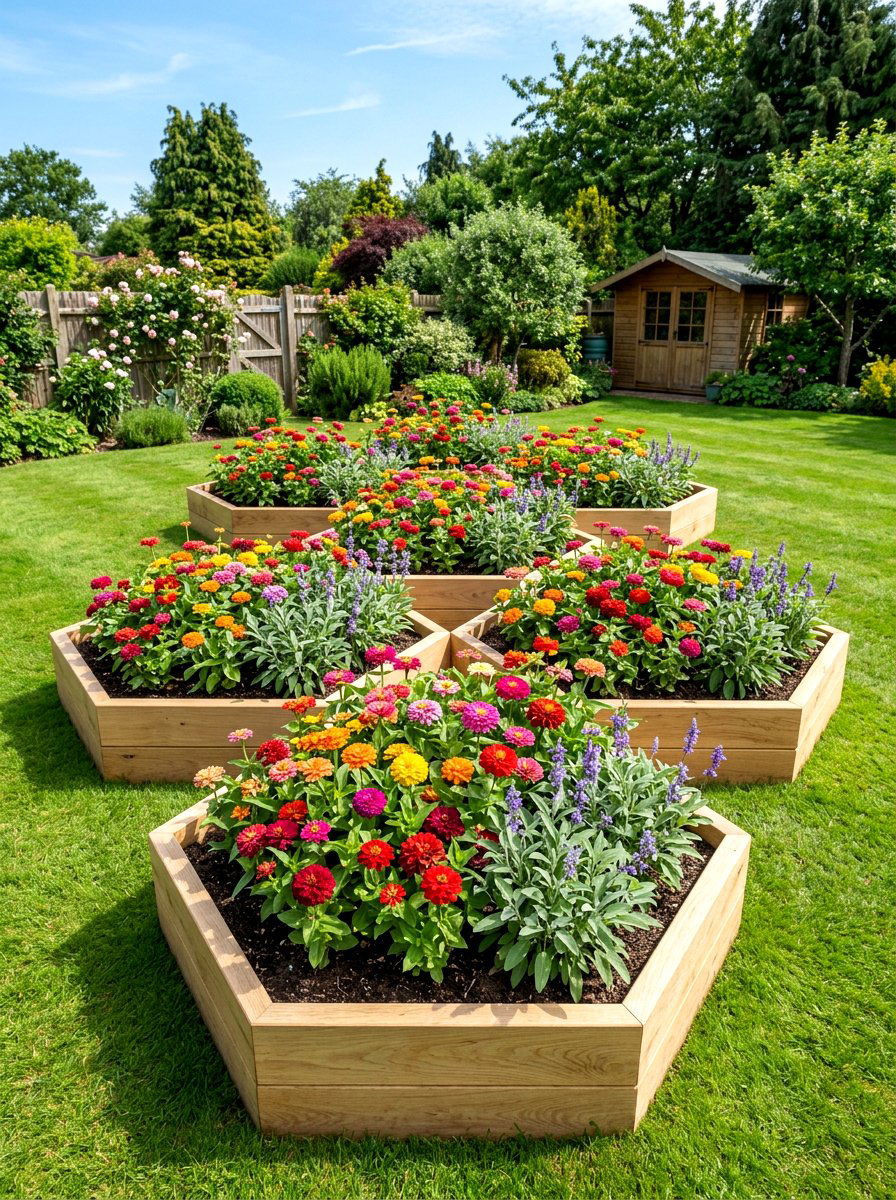
Choosing a hexagonal raised garden bed adds a unique geometric flair to your outdoor area that stands out from traditional rectangles. This six-sided design is not only visually appealing but also offers great structural stability. You can group several hexagonal beds together to create a honeycomb pattern that maximizes every inch of your gardening zone. This layout provides easy access from all sides, making it simple to weed and harvest without reaching too far. It works beautifully as a standalone feature in a small lawn or as part of a larger, artistic landscape design. Hexagonal beds are excellent for creating distinct themed herb sections.
7. Corrugated Metal Raised Bed
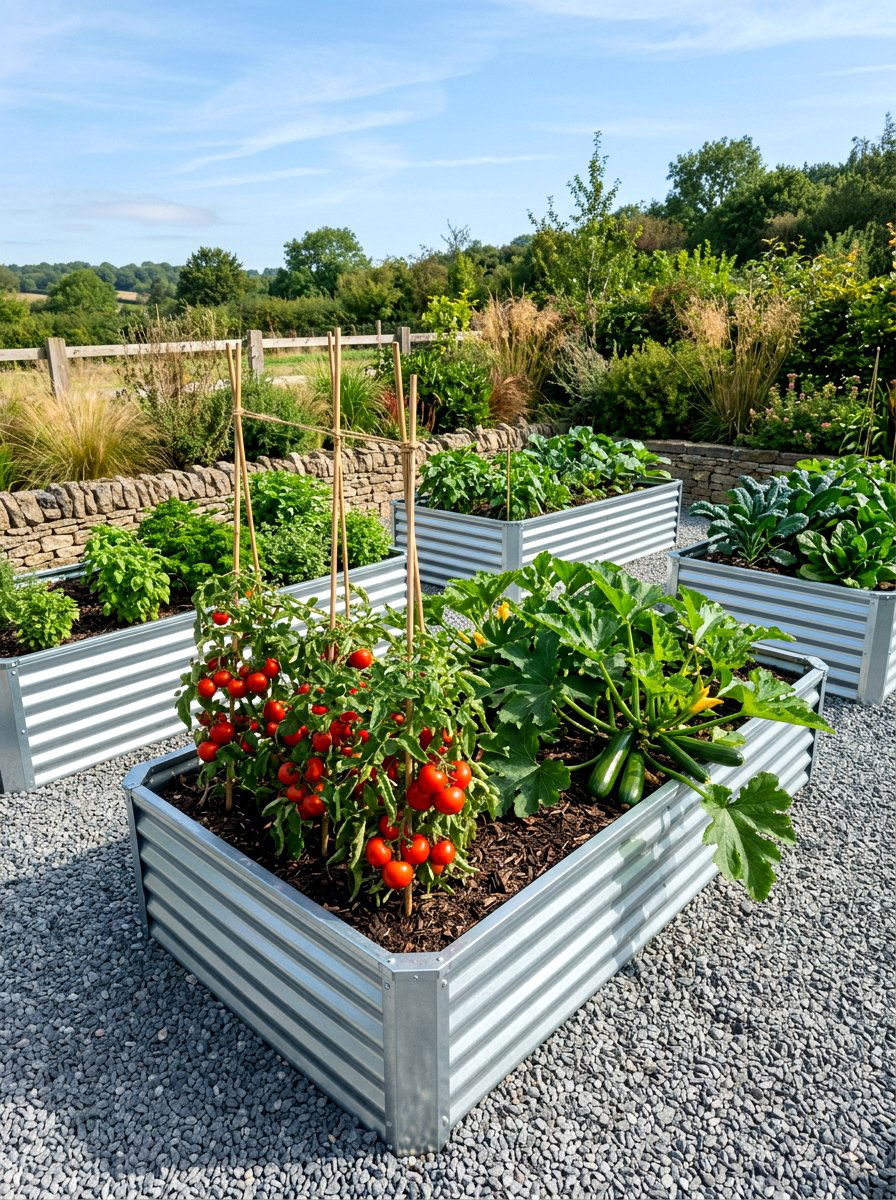
A corrugated metal raised bed offers a sleek, industrial aesthetic that is becoming increasingly popular in modern landscape design. These beds are incredibly durable and resistant to rot, making them a long-lasting investment for any homeowner. The galvanized steel or powder-coated finishes reflect heat and provide a contemporary look that contrasts beautifully with lush green foliage. This layout is often easier to assemble than traditional wood frames and comes in various heights to suit your needs. Metal beds are perfect for creating clean lines and a polished appearance in a minimalist backyard. They are also excellent for keeping soil temperatures consistent during the growing season.
8. Cedar Wood Raised Bed
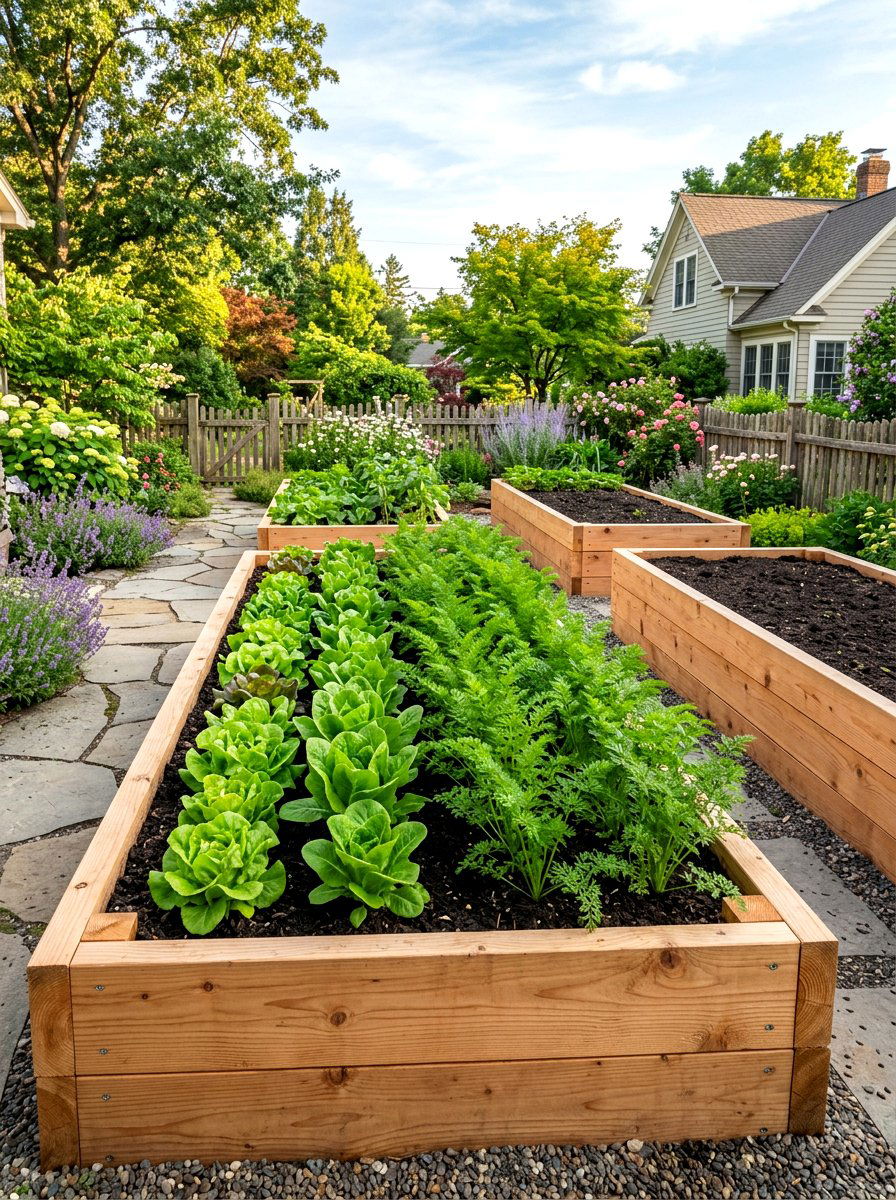
A cedar wood raised bed is a classic choice for gardeners who appreciate natural beauty and long-term durability. Cedar contains natural oils that resist rot and insect damage, ensuring your garden structure stays strong for many years. This material ages gracefully to a soft silver-gray or can be stained to maintain its warm reddish tones. A simple rectangular layout made from thick cedar planks provides a timeless look that complements any home style. These beds are excellent for growing deep-rooted vegetables like carrots and parsnips. The natural look of wood blends seamlessly into traditional, farmhouse, or rustic garden themes with effortless charm.
9. Brick Raised Garden Bed
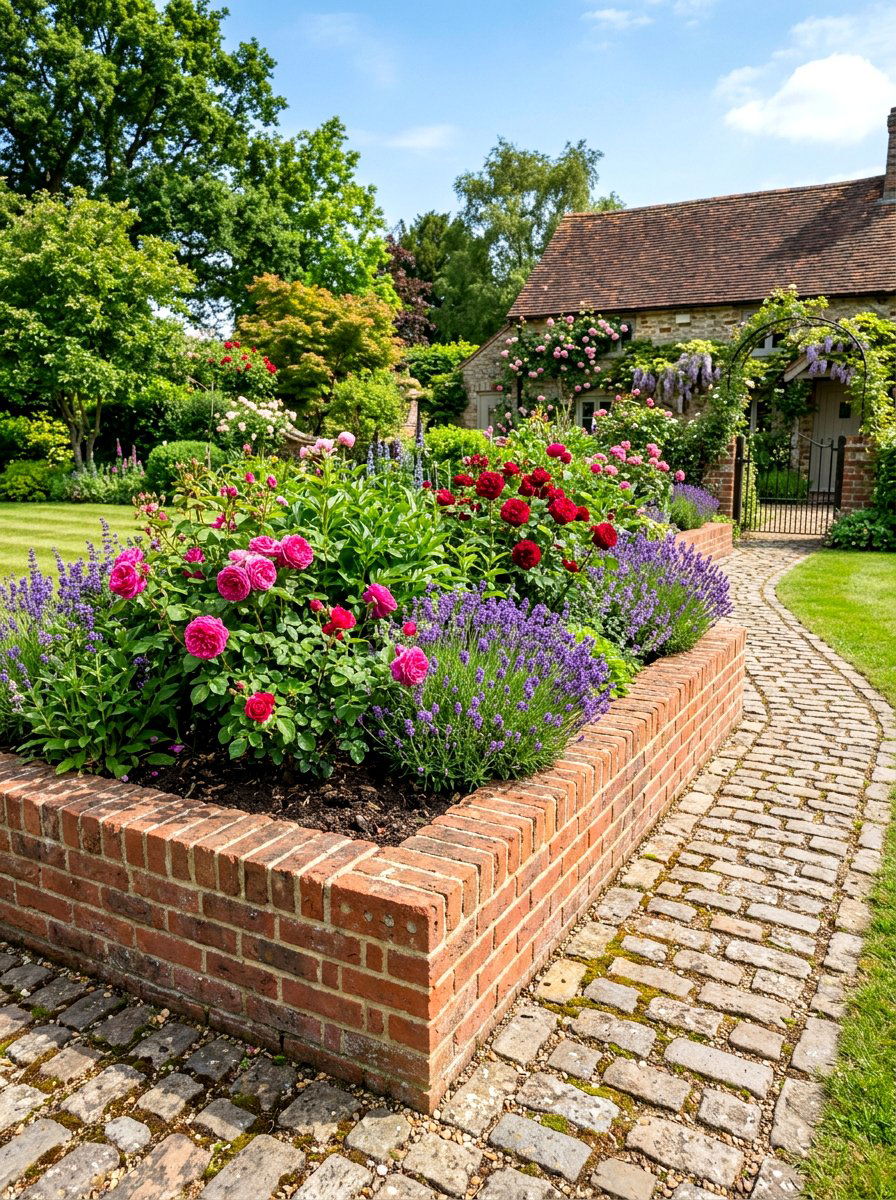
Building a brick raised garden bed creates a permanent and formal look that adds significant value to your property. Masonry beds are exceptionally sturdy and provide excellent insulation for plant roots against extreme temperature changes. This layout is perfect for creating a traditional English cottage garden feel or a structured Mediterranean courtyard. You can use reclaimed bricks for a weathered, historic appearance or new bricks for a clean, crisp finish. These beds are ideal for permanent plantings like perennial flowers, roses, or small fruit bushes. The wide top edges of brick walls can also serve as a convenient place to sit while gardening.
10. Natural Stone Raised Bed
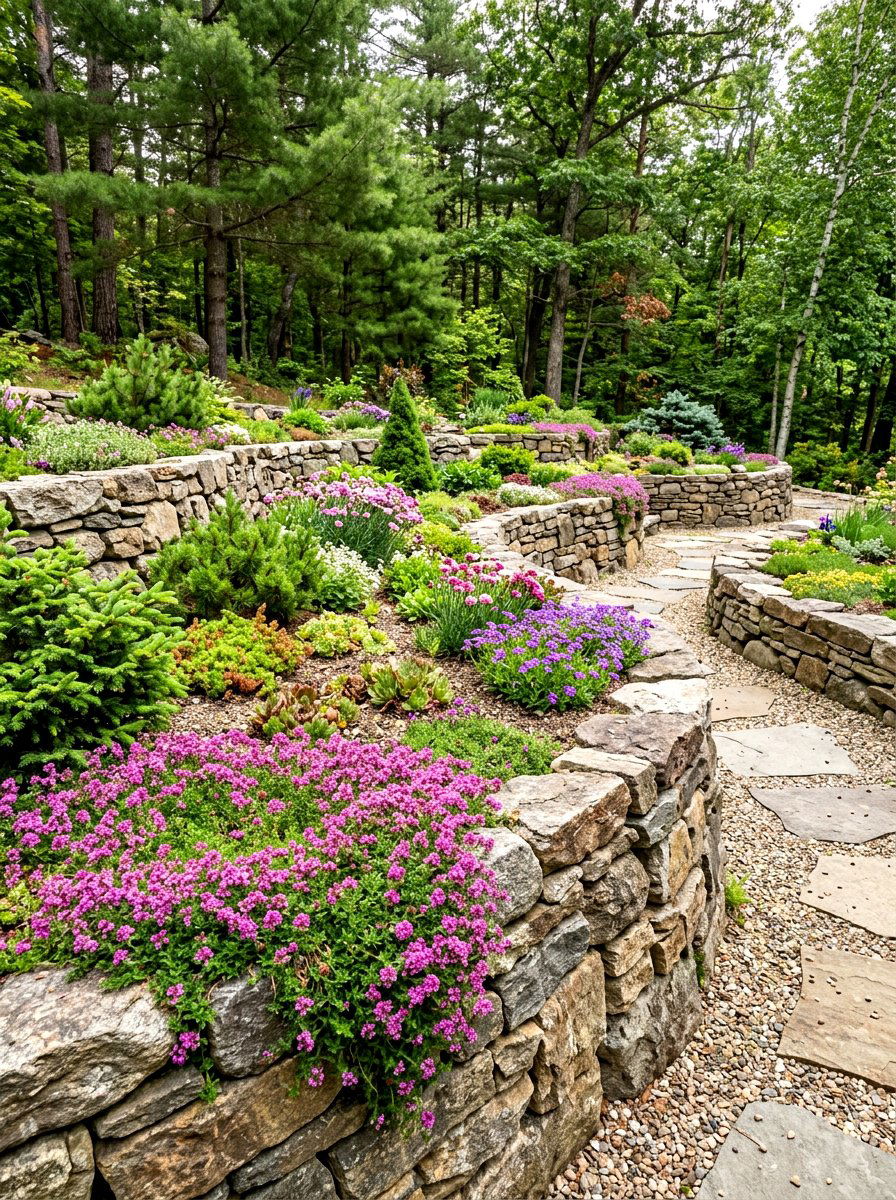
A natural stone raised bed brings an earthy and organic feel to your landscape that looks like it has always been there. Using fieldstone, flagstone, or stacked slate creates a textured and rugged appearance that works perfectly in woodland or rustic settings. This layout is highly customizable as you can follow the natural contours of your land to create curved or irregular shapes. Stone beds are incredibly long-lasting and require virtually no maintenance once they are installed. They provide excellent drainage and a sturdy environment for rock garden plants or alpine herbs. This design anchors the garden and creates a sense of permanence and beauty.
11. Cinder Block Raised Bed
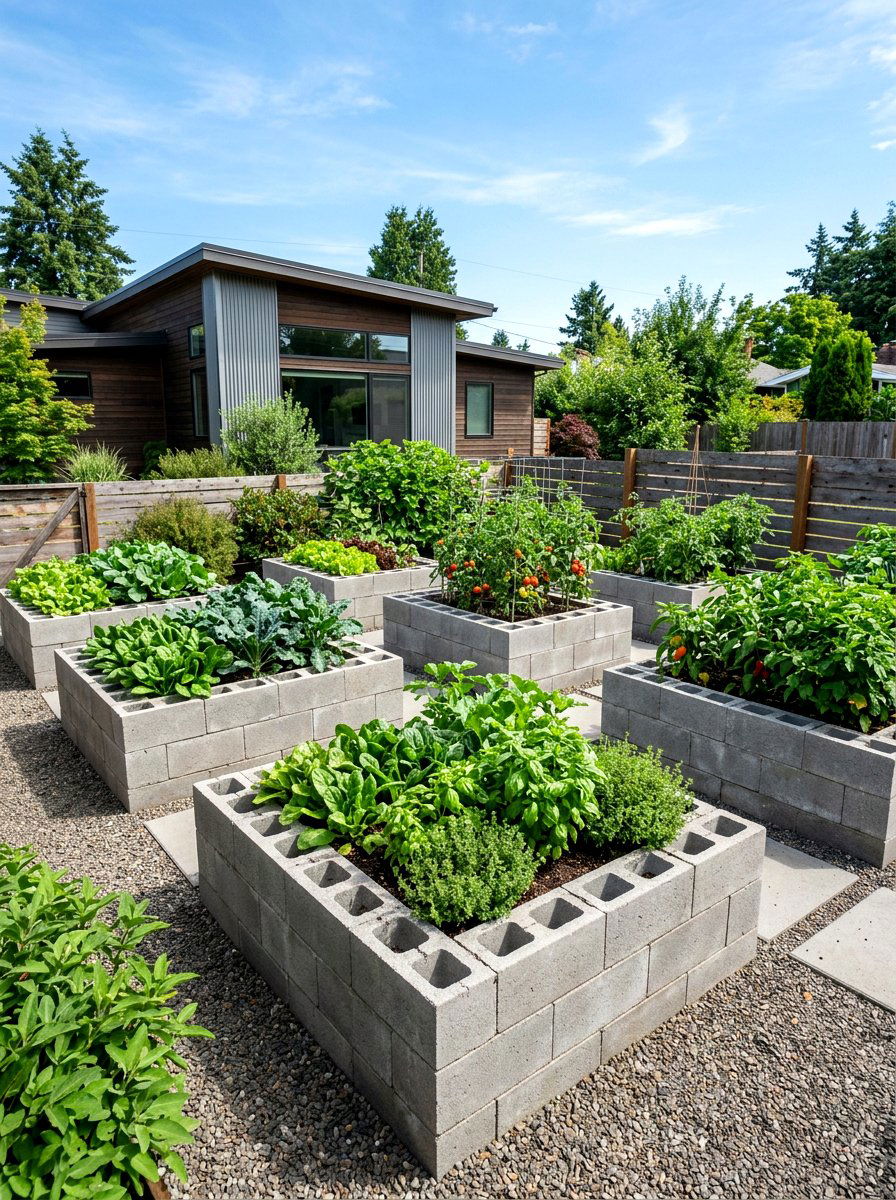
An industrial cinder block layout is an affordable and practical way to build a functional garden on a budget. Cinder blocks are easy to stack and can be arranged in various configurations to fit any space. You can even use the hollow centers of the blocks as mini planters for small herbs or marigolds to deter pests. This layout is very easy to modify or expand as your gardening needs grow over time. For a more polished look, you can paint the blocks or cover them with a stucco finish. This design is rugged, functional, and perfect for creating a highly productive vegetable garden area.
12. Integrated Seating Raised Bed
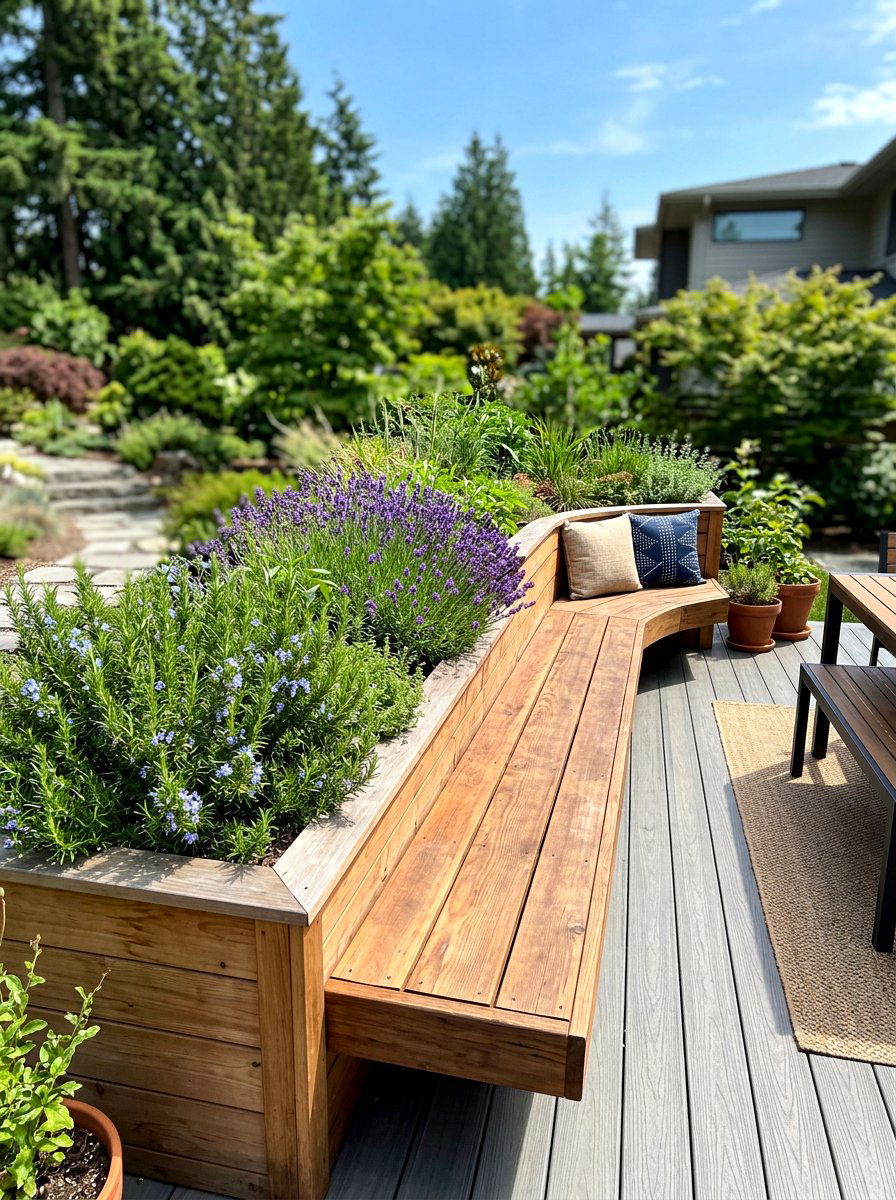
Designing a raised bed with integrated seating turns your garden into a multifunctional outdoor living space. By building a wider cap or a dedicated bench along the edge of the planter, you create a comfortable place to relax. This layout is perfect for sensory gardens where you want to sit and enjoy the fragrance of herbs like lavender or mint. It makes gardening more social and allows you to enjoy your backyard without needing extra furniture. This design works exceptionally well on patios or decks where space is limited. It provides a structured, high-end look that seamlessly blends horticulture with comfort and style.
13. Vertical Trellis Raised Bed
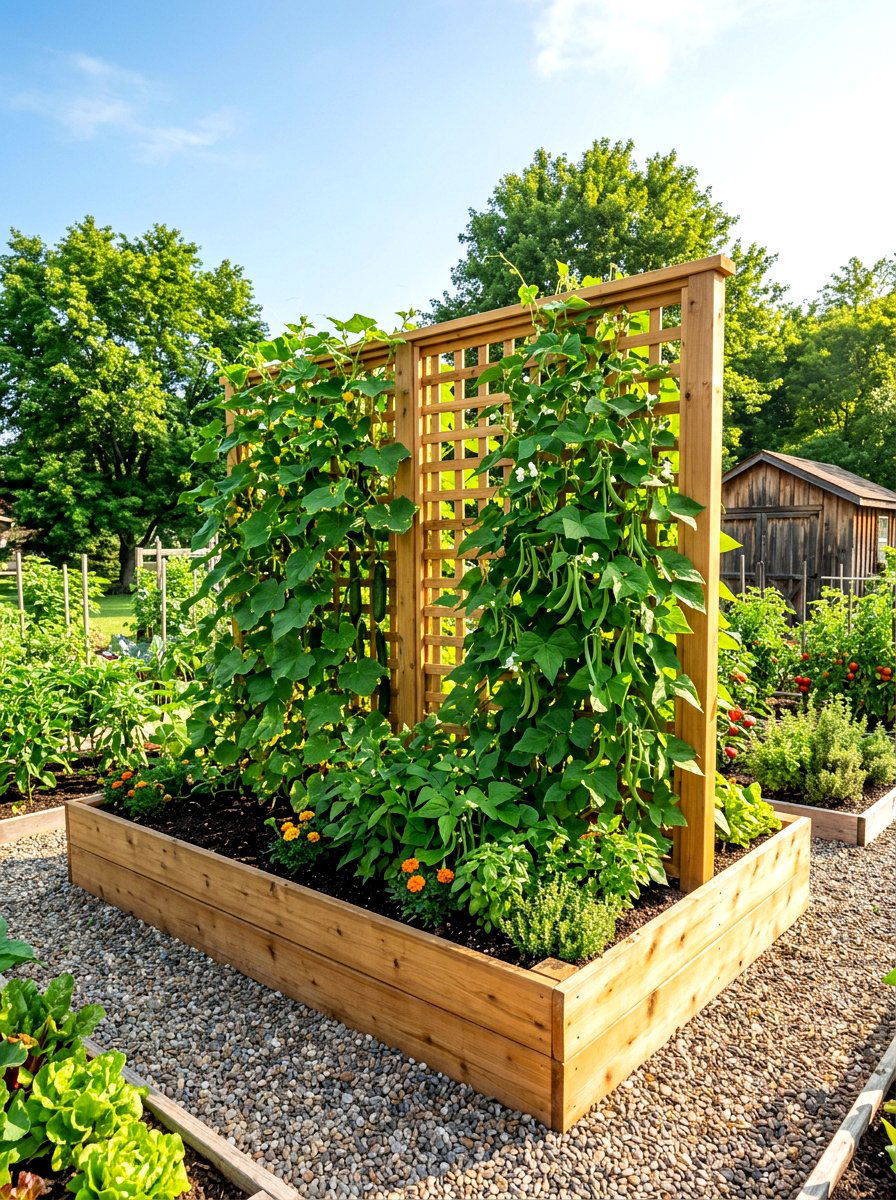
A vertical trellis raised bed layout is essential for gardeners who want to grow climbing crops like cucumbers, beans, or tomatoes. By attaching a sturdy trellis to the back of the bed, you encourage plants to grow upwards instead of spreading across the ground. This layout saves significant space and keeps your produce off the dirt, which reduces the risk of rot and pests. It also adds a beautiful vertical element to your garden, creating a green screen for privacy. You can use wooden lattices, metal cattle panels, or decorative wire to match your home’s aesthetic. This design is highly productive and visually stunning.
14. Arched Tunnel Raised Bed
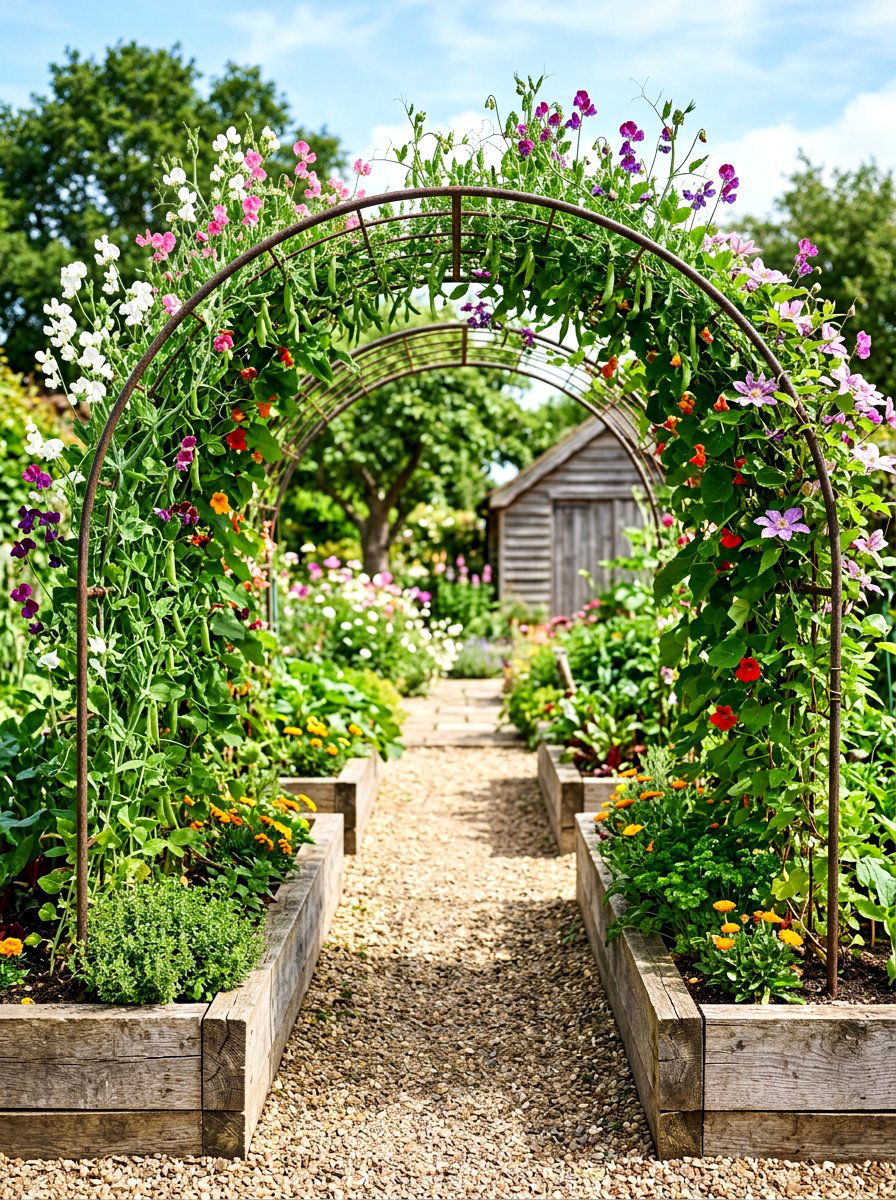
An arched tunnel garden bed layout creates a magical and immersive experience in your backyard. By connecting two parallel raised beds with a metal or cattle panel arch, you create a walk-through canopy. This design is perfect for growing vining plants like pole beans, small pumpkins, or flowering climbers like clematis. As the plants grow over the arch, they create a shaded tunnel that is both beautiful and functional for harvesting. This layout maximizes vertical space and provides a stunning focal point for any garden path. It is a favorite for children and adults alike, offering a lush, green hideaway in the summer months.
15. Protective Greenhouse Raised Bed
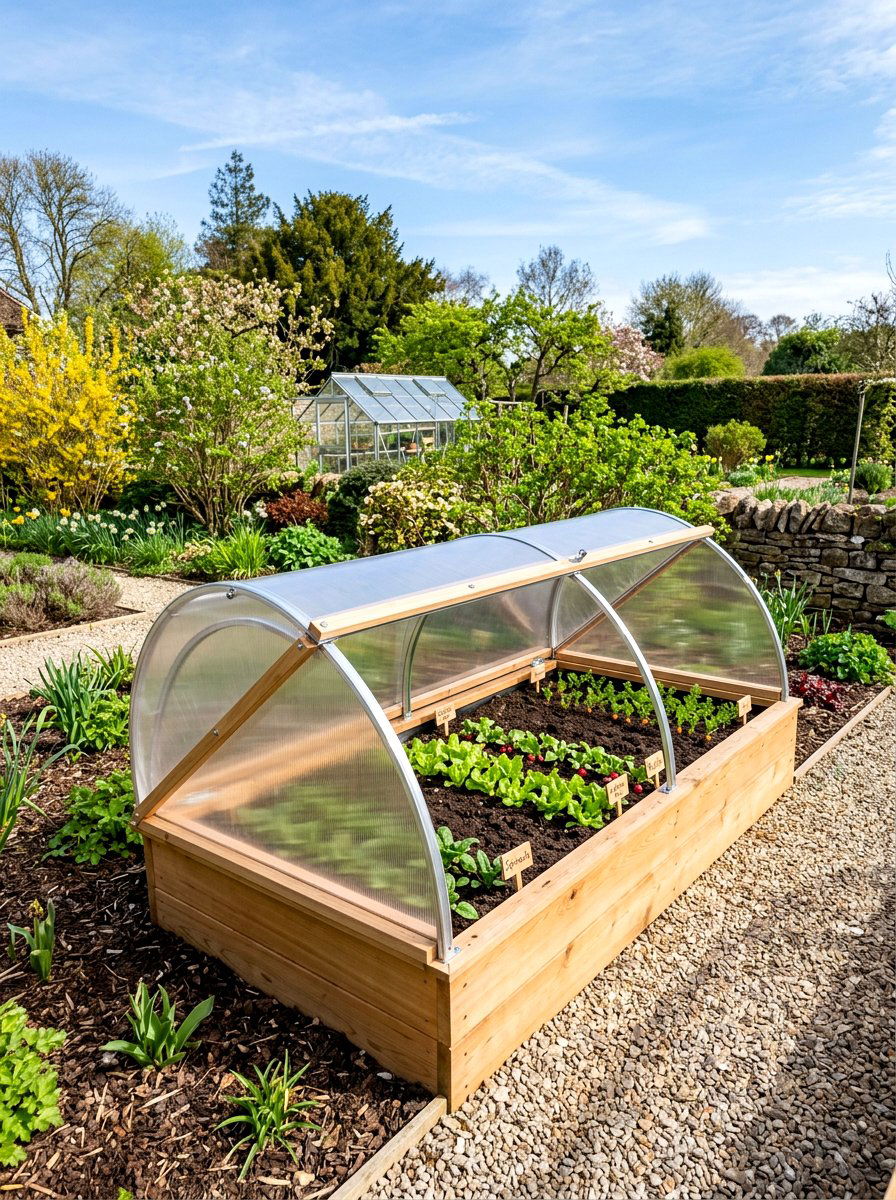
A protective greenhouse garden bed layout allows you to extend your growing season by several weeks in both spring and fall. By adding a simple hoop house or a glass cold frame over your raised bed, you protect delicate plants from frost. This design creates a warm microclimate that is perfect for starting seeds early or growing hardy greens through the winter. You can use clear plastic sheeting or polycarbonate panels for the cover. This layout is highly practical for northern climates where the growing season is short. It ensures a consistent harvest and protects your hard work from unpredictable weather changes and cold snaps.
16. Accessible Waist High Bed
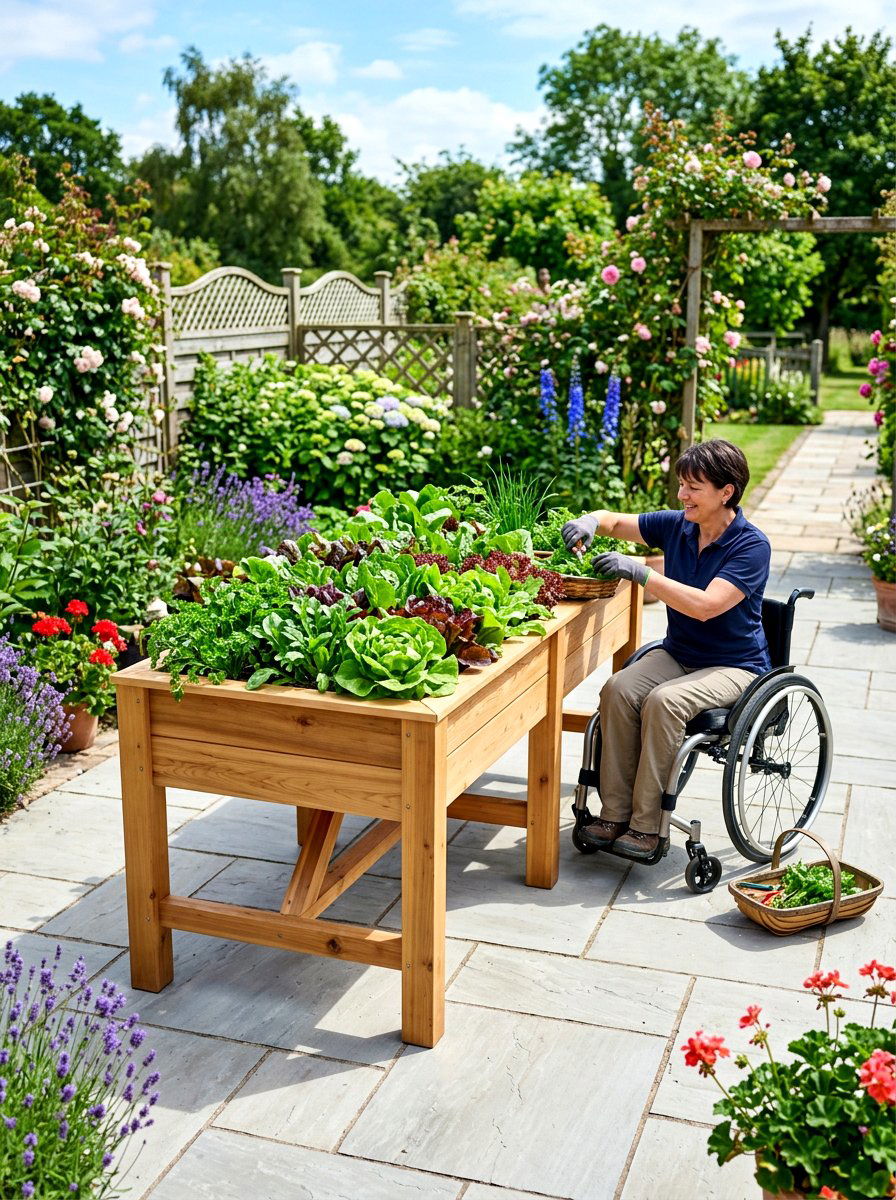
A tall waist high garden bed layout is the gold standard for ergonomic gardening and accessibility. These beds are built to a height that allows you to garden without any bending or kneeling, making it perfect for seniors or those with back issues. This design is often built on sturdy legs or with very deep side walls. It keeps the soil away from ground-dwelling pests and makes every plant easy to reach. This layout is ideal for patios or paved areas where you want a clean and managed look. It offers a professional and organized feel while prioritizing comfort and ease of use for the gardener.
17. Circular Herb Raised Bed
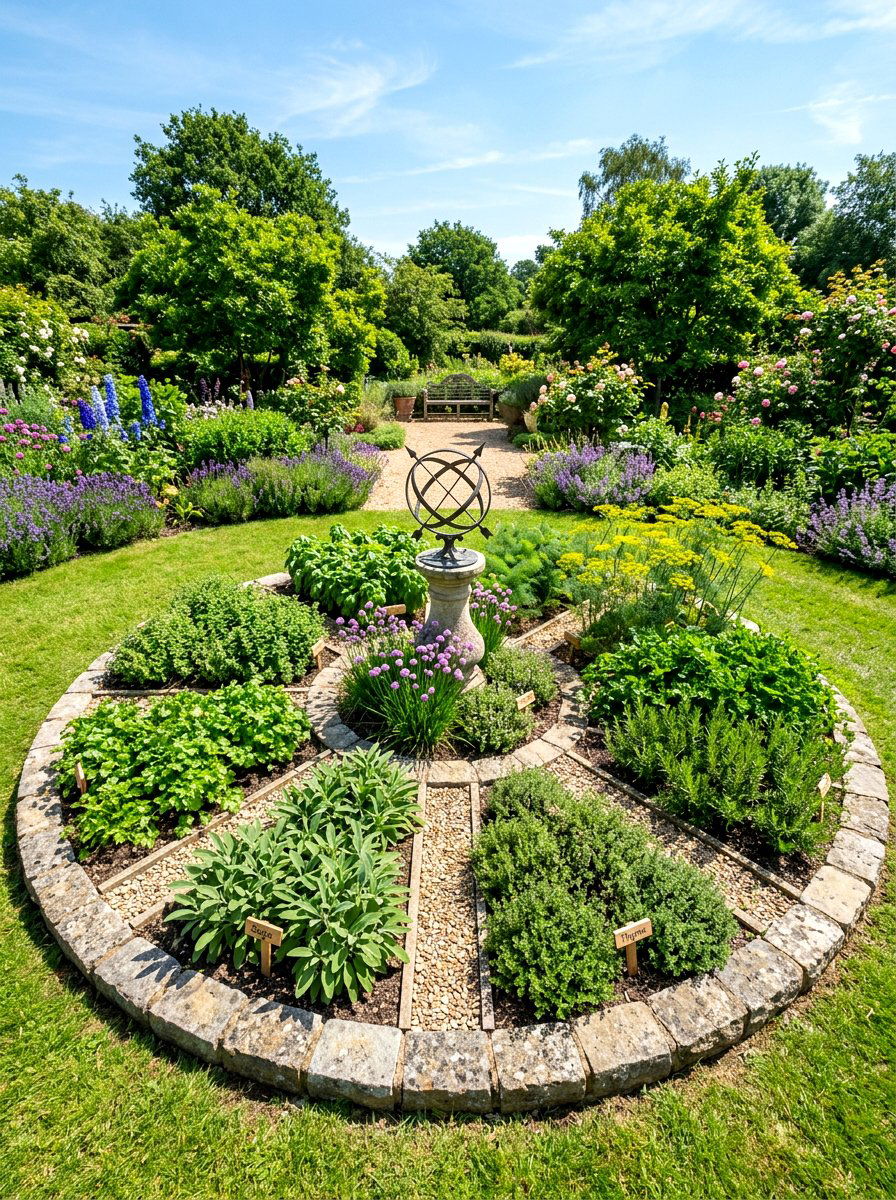
A circular herb garden bed layout adds a soft and flowing aesthetic to your outdoor space. This shape breaks up the hard lines of a traditional backyard and creates a central point of interest. You can divide the circle into wedges to organize different types of herbs, such as culinary, medicinal, and aromatic varieties. This layout provides easy access to the center of the bed from any point along the perimeter. It works beautifully in the middle of a lawn or as a focal point in a larger landscape design. The circular form feels organic and inviting, making it a perfect spot for daily herb harvesting.
18. Intensive Square Foot Bed
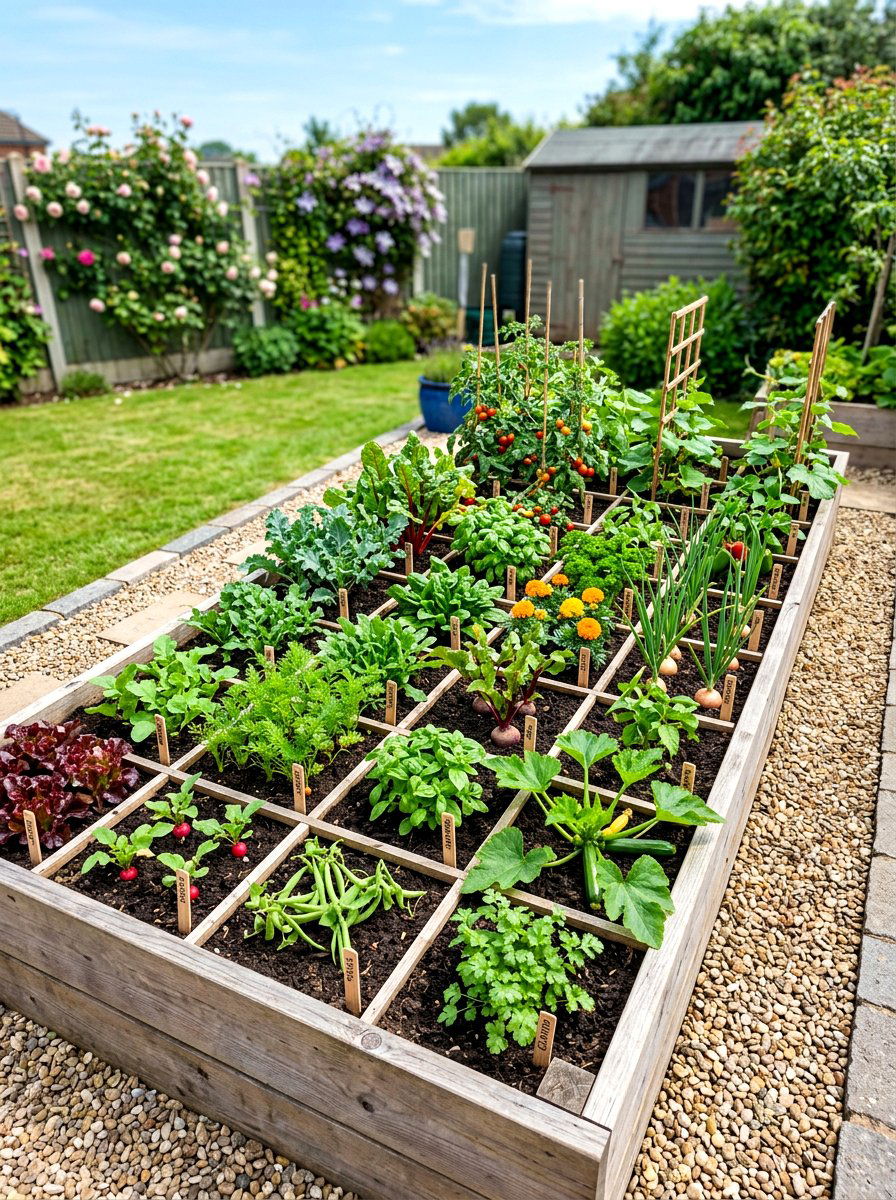
The intensive square foot garden bed layout is a highly organized method for maximizing food production in a small area. This design involves dividing a standard raised bed into a grid of one-foot squares using string or wood strips. Each square is planted with a specific number of plants based on their size, ensuring no space is wasted. This layout is perfect for beginners because it takes the guesswork out of spacing and crop rotation. It creates a neat, patchwork appearance that is both functional and visually satisfying. This method is incredibly efficient and allows you to grow a wide variety of vegetables simultaneously.
19. Multi Level Terrace Bed
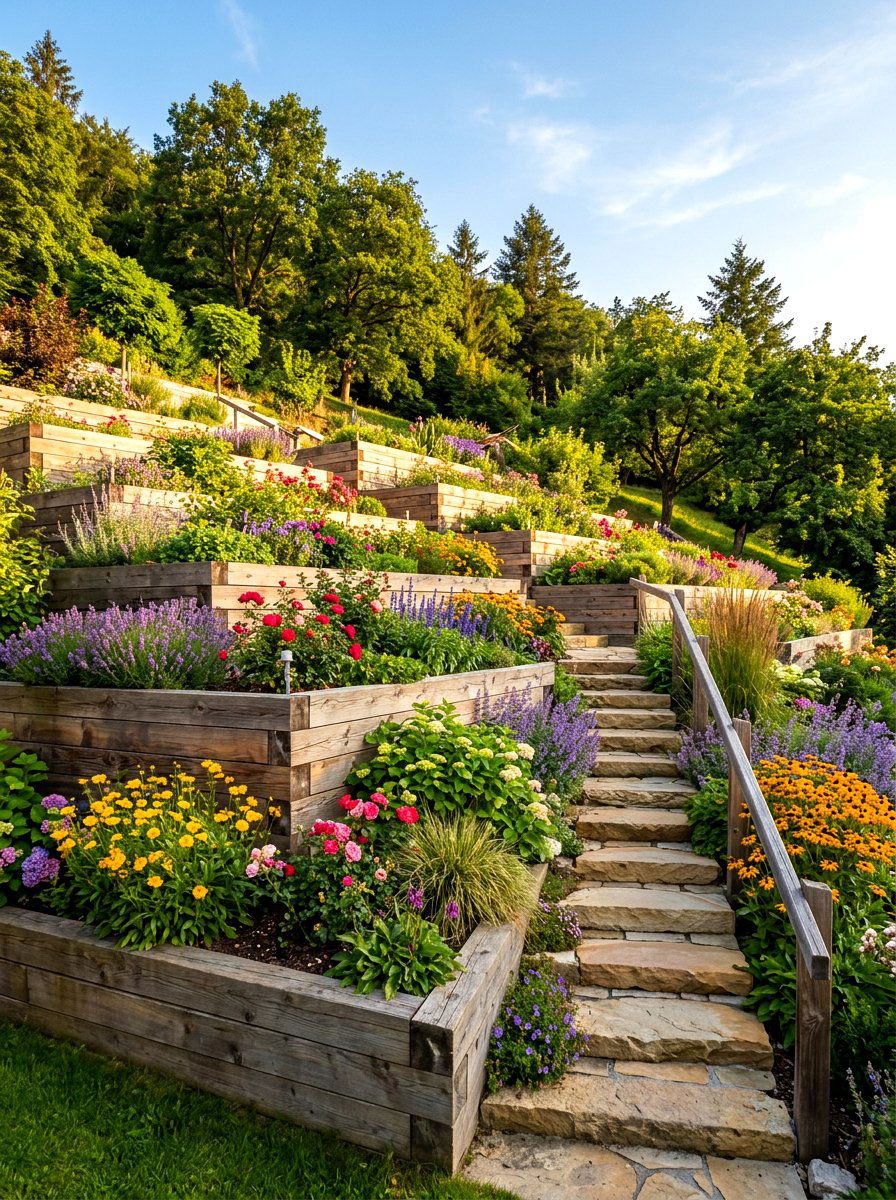
A multi level terrace garden bed layout is the perfect solution for backyards with significant slopes or hills. By building a series of stepped beds, you turn an unusable incline into a productive and beautiful growing area. This design prevents soil erosion and manages water runoff effectively on uneven terrain. Each level can be dedicated to different plant types, such as flowers on the top and vegetables on the lower tiers. This layout creates a dramatic and grand look that adds architectural interest to your landscape. It makes gardening on a hill safe and accessible while providing a stunning tiered display of greenery.
20. Small Space Balcony Bed
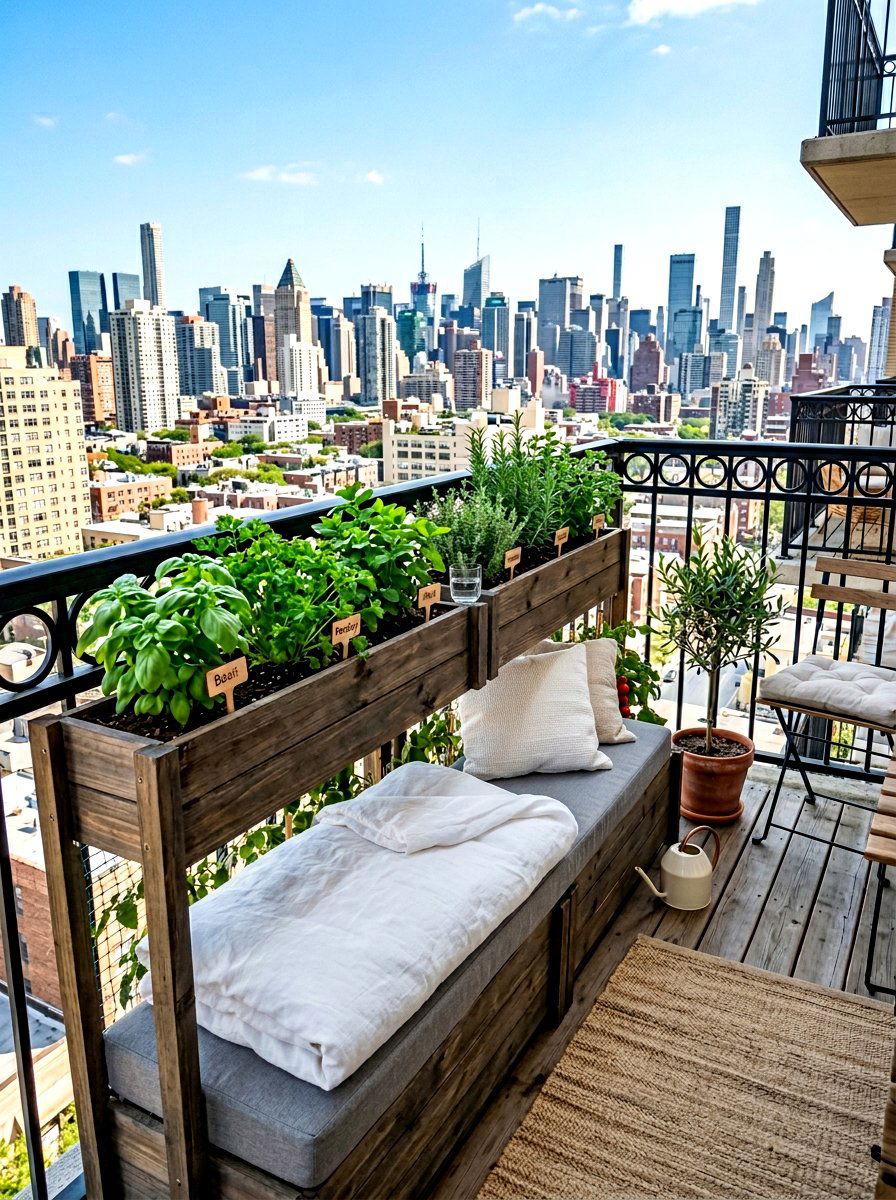
A small space balcony garden bed layout is designed for apartment dwellers who want to grow their own food. These beds are often compact, lightweight, and sometimes include wheels for easy movement. This design focuses on maximizing every inch of available space on a porch or small deck. You can use tiered planters or narrow troughs that fit perfectly against a railing. This layout is ideal for growing quick-maturing crops like salad greens, herbs, and dwarf tomato varieties. It brings the joy of gardening to urban environments and creates a private green oasis in the middle of a bustling city with minimal effort.
21. Efficient Self Watering Bed
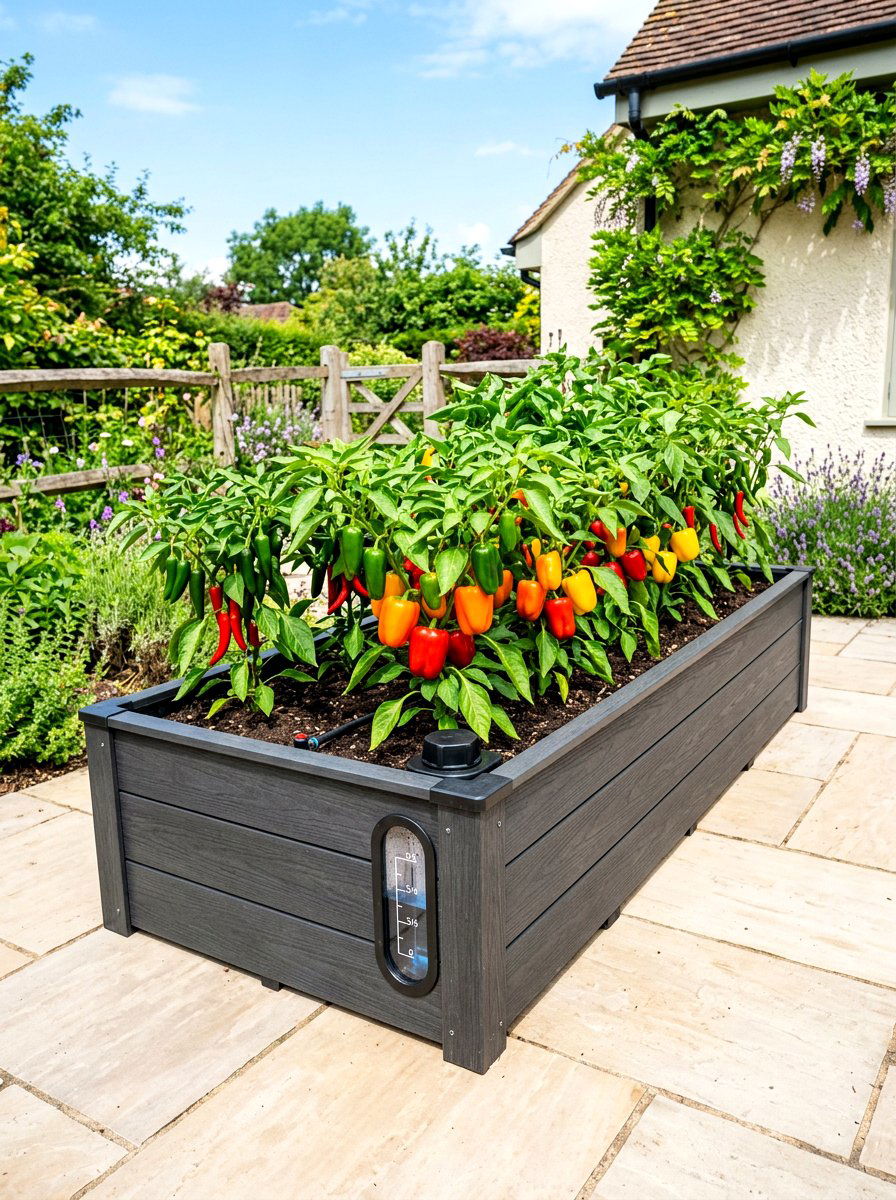
An efficient self watering garden bed layout is a game-changer for busy gardeners or those living in hot, dry climates. This design features a built-in reservoir at the bottom of the bed that provides consistent moisture to the plant roots through wicking. It eliminates the need for daily watering and prevents the soil from drying out during heatwaves. This layout is perfect for thirsty plants like tomatoes, peppers, and cucumbers that require steady hydration. It is highly efficient and reduces water waste by delivering moisture directly where it is needed most. This design ensures your plants thrive even if you go away for a weekend.
22. Decorative Woven Wicker Bed
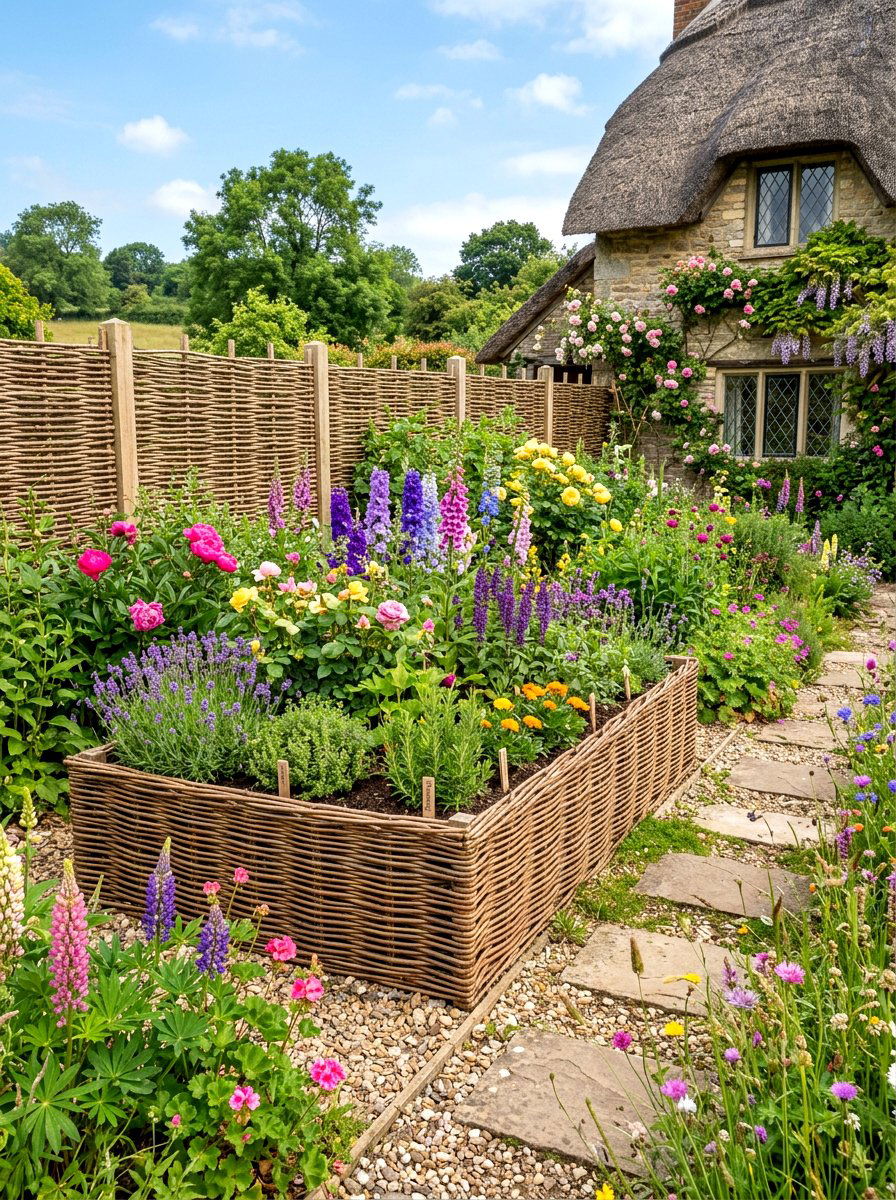
A decorative woven wicker garden bed layout brings a charming, rustic English cottage feel to your backyard. These beds are made from flexible branches or synthetic wicker woven into a sturdy frame. This design adds beautiful texture and a handcrafted look that stands out from standard wooden boxes. It is an eco-friendly option that blends perfectly into naturalistic and wild-style gardens. This layout is ideal for growing colorful flowers, herbs, or small shrubs. The breathable nature of the woven sides provides excellent aeration for the soil. It creates a soft and romantic atmosphere that enhances the beauty of any outdoor seating area or garden path.
23. Stepped Corner Garden Bed
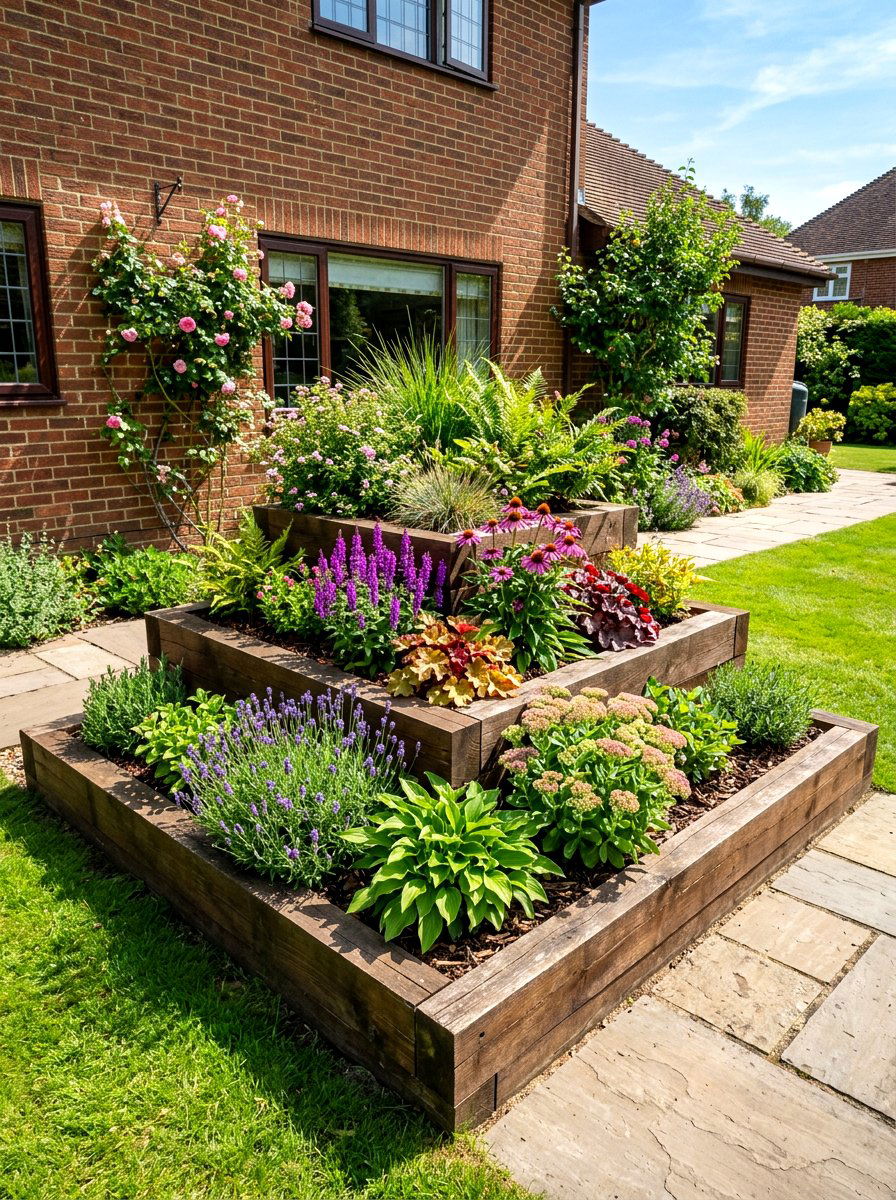
A stepped corner garden bed layout is a clever way to add depth and height to the edges of your property. This design features two or three levels that rise toward the corner, creating a tiered platform for your plants. It is an excellent way to use space that is often neglected in standard backyard plans. This layout allows you to place taller plants in the back and smaller ones in the front for maximum visibility. It creates a strong architectural statement and helps define the boundaries of your outdoor space. This design is perfect for creating a lush, multi-dimensional backdrop for a patio or lawn.
24. Tall Ergonomic Garden Bed
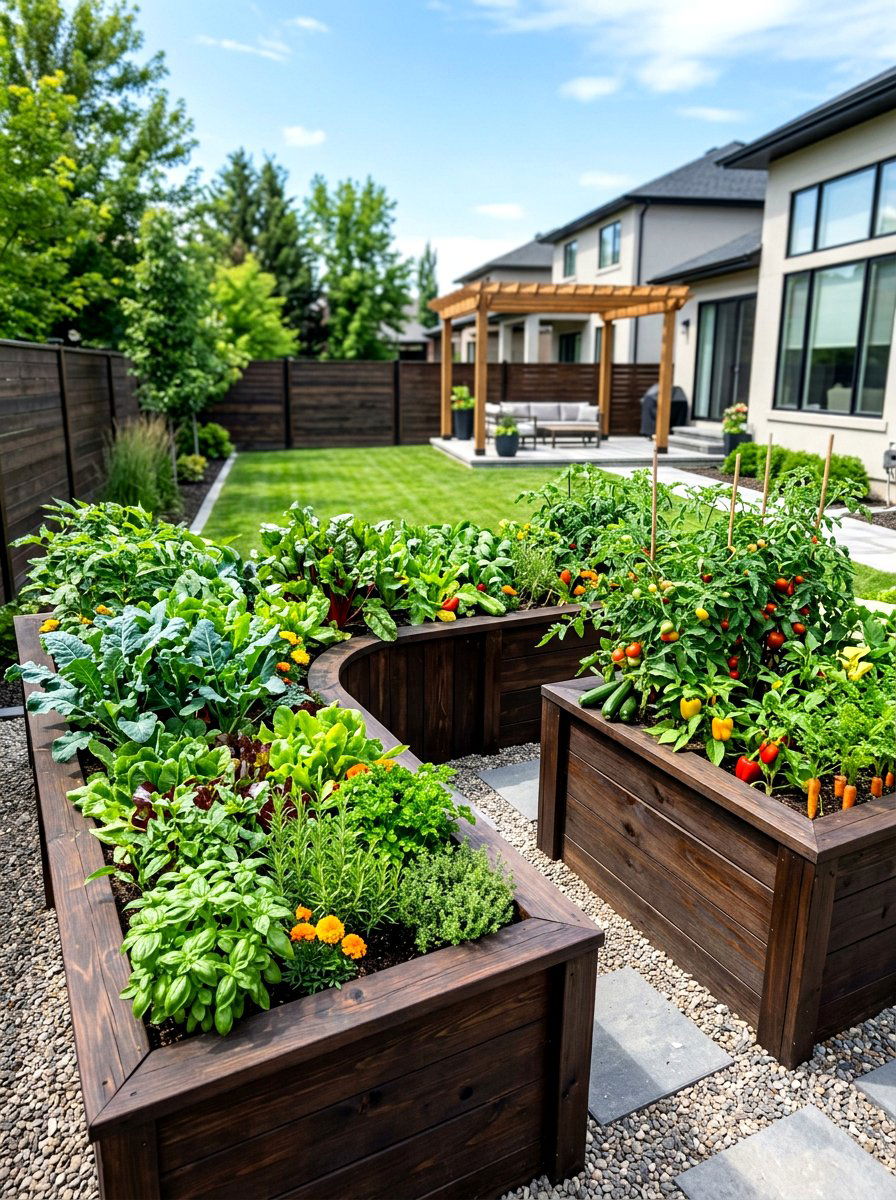
A tall ergonomic garden bed layout focuses on comfort and ease of use for all gardeners. These beds are typically built 24 to 36 inches high, allowing you to stand or sit on a stool while you work. This design is perfect for those who want to avoid the physical strain of traditional gardening. The extra height also acts as a natural barrier against rabbits and other small animals that might want to snack on your vegetables. This layout provides a clean and modern look that is very easy to maintain. It is a practical and stylish choice for any homeowner looking to simplify their gardening routine.
25. Formal Potager Kitchen Layout
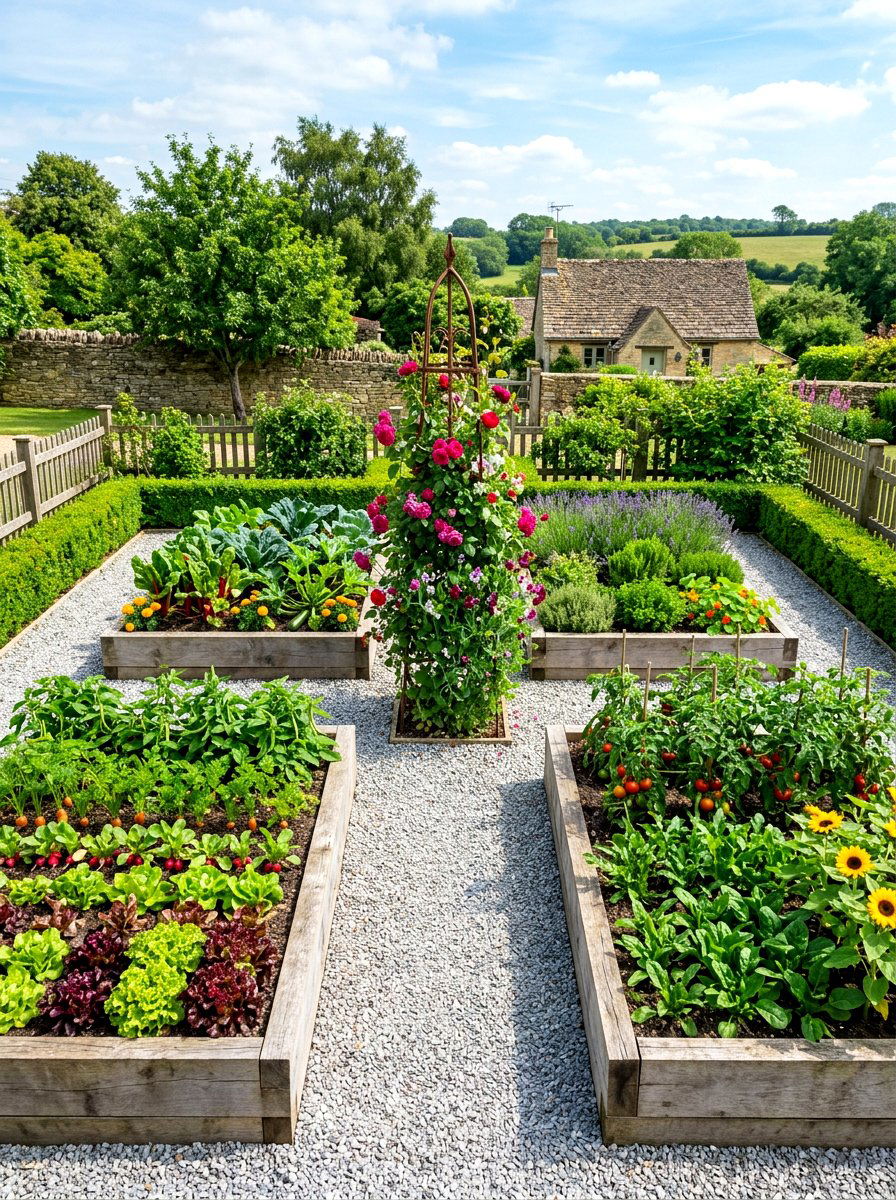
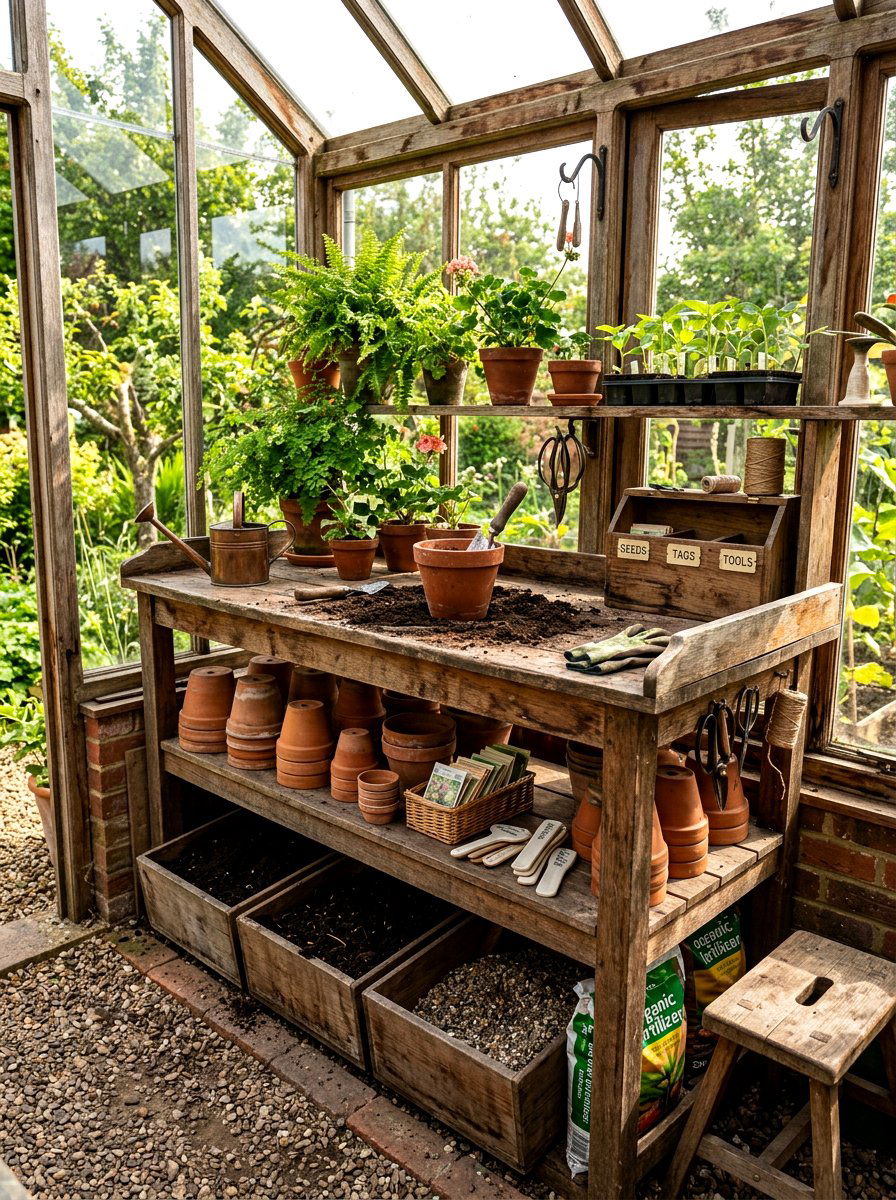
A formal potager kitchen garden layout combines the beauty of ornamental landscaping with the productivity of a vegetable patch. This design often features a symmetrical grid of several raised beds with gravel or brick paths in between. It is inspired by classic French gardens and emphasizes order, balance, and aesthetic appeal. You can mix flowers and vegetables in each bed to create a lush and colorful display throughout the season. This layout is a beautiful way to integrate food production into your main backyard design. It creates a stunning and organized space that is as much a pleasure to look at as it is to harvest from.
26. Enclosed Pest Proof Layout
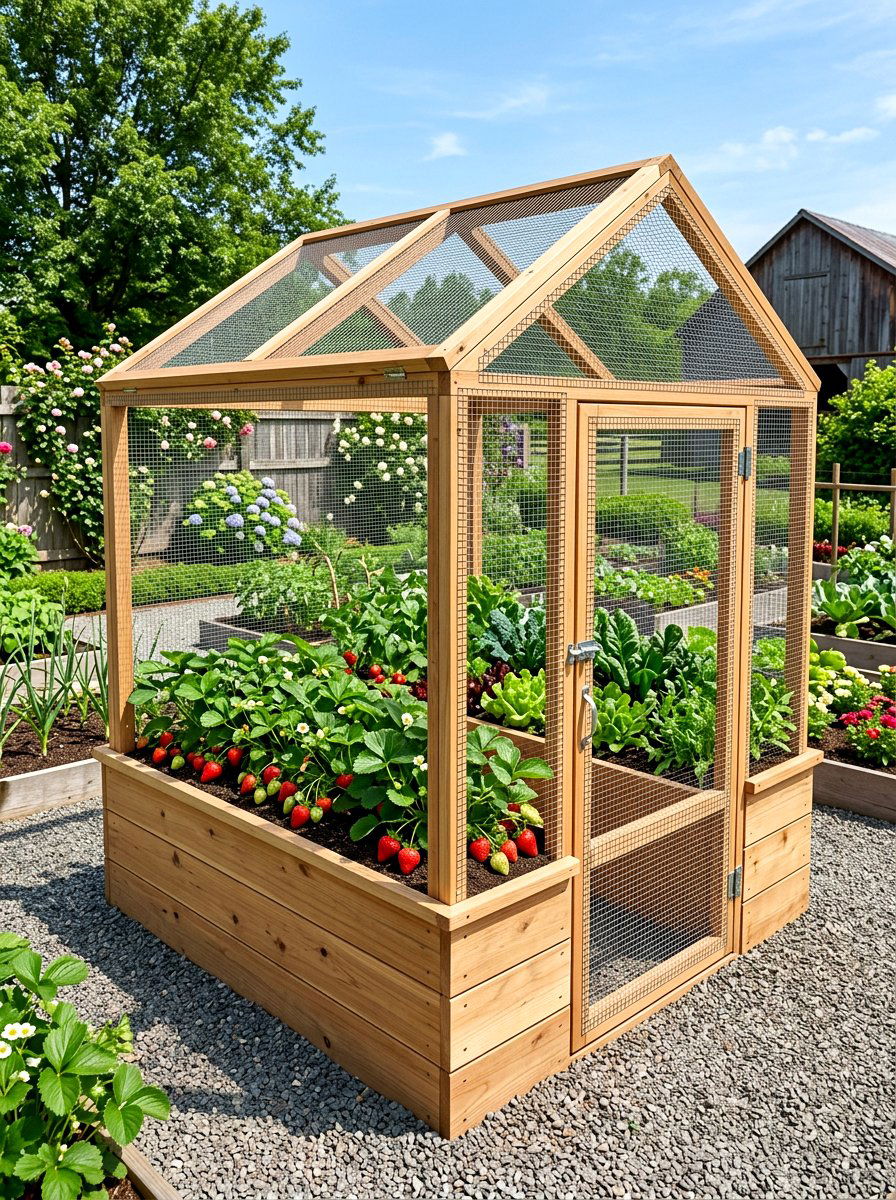
An enclosed pest proof garden bed layout is essential for gardeners who struggle with deer, birds, or persistent insects. This design features a raised bed with an integrated cage or mesh cover that protects your crops completely. You can use fine mesh for insects or stronger wire for larger animals. This layout ensures your harvest is safe and reduces the need for chemical deterrents. It provides a structured and secure environment for growing delicate berries or prized vegetables. This design is highly functional and gives you peace of mind, knowing that your hard work won't be eaten by local wildlife overnight.
27. Paver Stone Border Layout
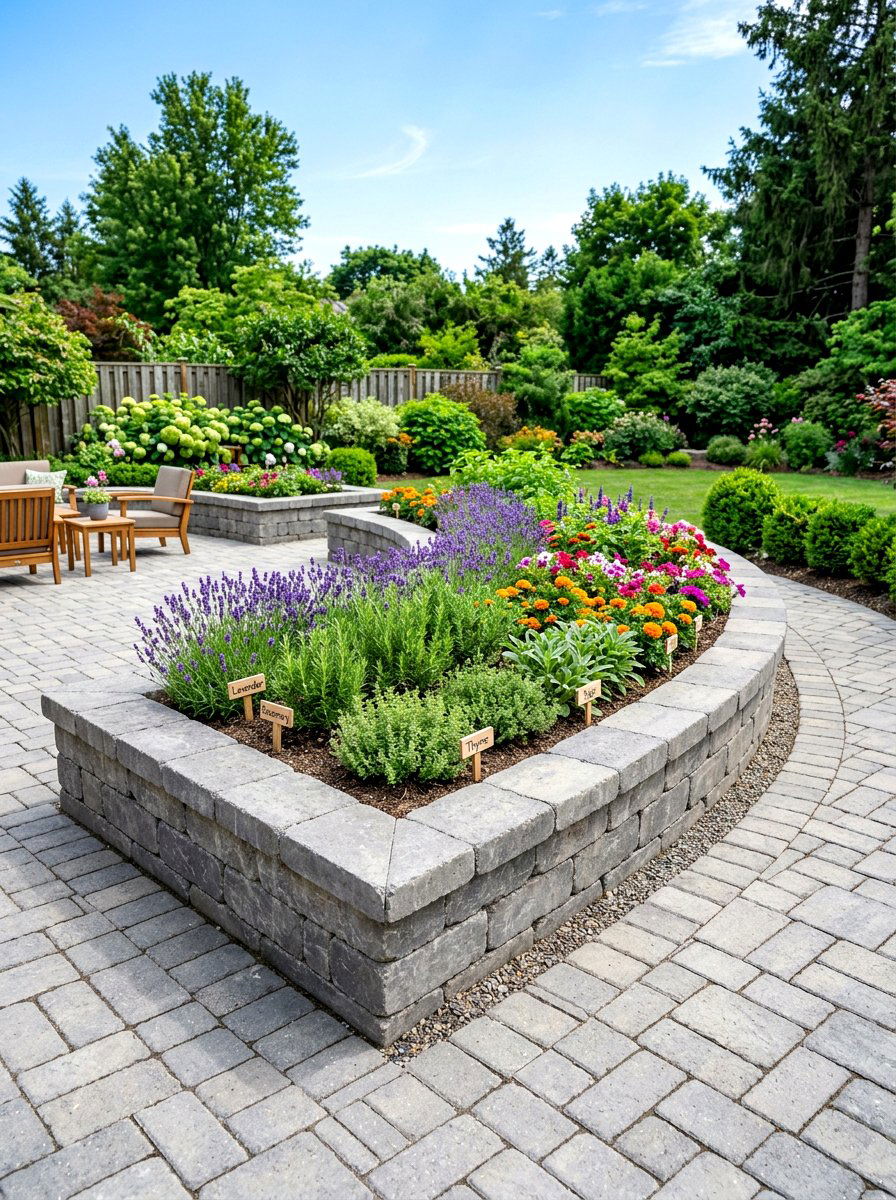
A paver stone border garden bed layout offers a clean and professional finish that perfectly complements a paved patio or driveway. By using matching paver stones to build the walls of your raised bed, you create a cohesive and integrated look. This design is incredibly durable and can withstand all weather conditions without shifting or rotting. It is an excellent choice for modern or contemporary homes that value clean lines and high-quality materials. This layout provides a solid and permanent structure that requires very little maintenance over the years. It is perfect for creating a structured and high-end feel in any urban or suburban backyard.
28. Tropical Foliage Garden Layout

A tropical foliage garden bed layout is designed to showcase lush, oversized plants and vibrant colors. This design focuses on creating a dense and exotic atmosphere with plants like banana trees, cannas, and elephant ears. The raised beds help provide the excellent drainage that many tropical plants require to thrive. This layout works beautifully around a pool or outdoor lounge area, creating a private and relaxing jungle-like retreat. You can use dark wood or stone materials to contrast with the bright green leaves. This design transforms your backyard into a vacation-like sanctuary that feels both lush and luxurious during the warm summer months.
29. Minimalist Zen Garden Layout
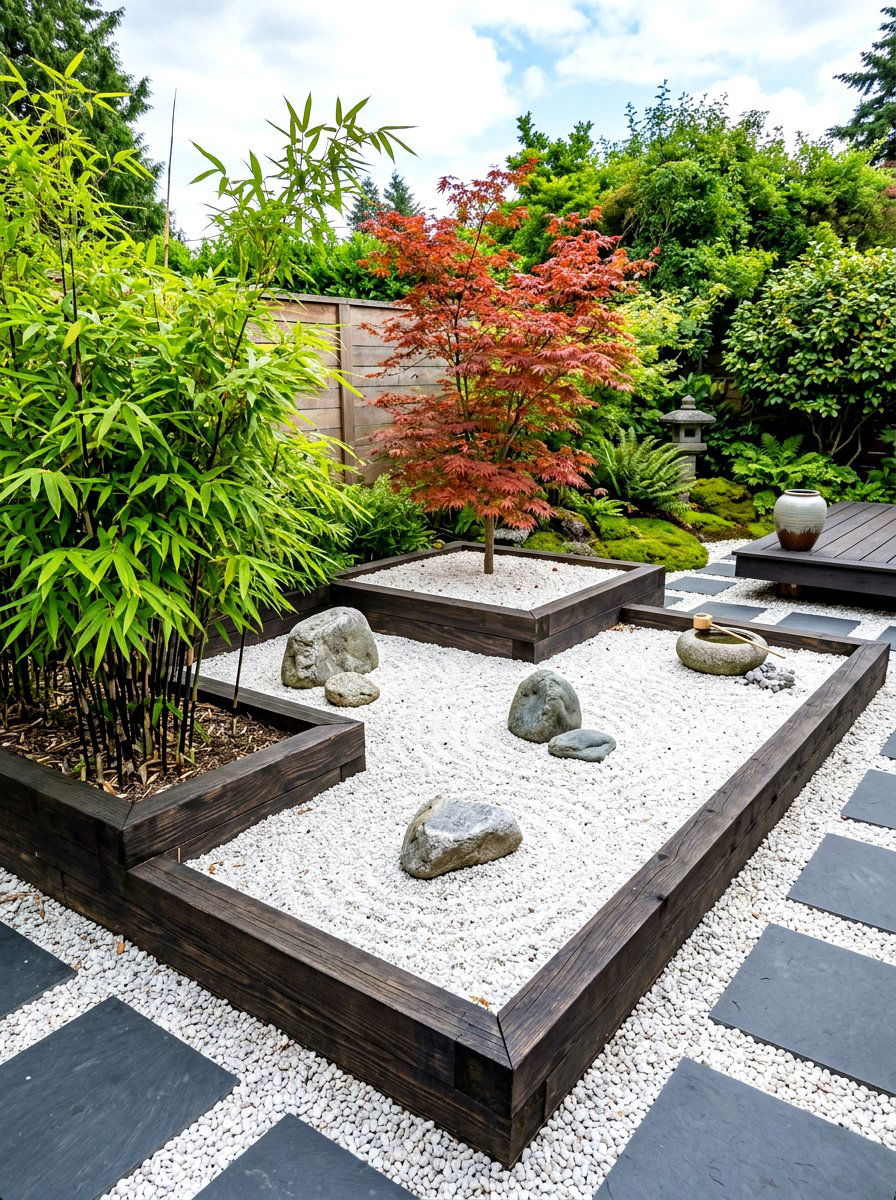
A minimalist zen garden layout uses raised beds to create a sense of calm and order in your outdoor space. This design features clean lines, neutral colors, and a simple palette of plants like bamboo, ferns, or ornamental grasses. The beds are often low-profile and arranged in a balanced, uncluttered way. This layout is perfect for small yards where you want to create a peaceful area for meditation or relaxation. Using materials like smooth concrete or dark-stained wood enhances the modern and serene feel. This design prioritizes simplicity and beauty, offering a quiet escape from the busyness of daily life in a structured environment.
30. Rustic Pallet Garden Layout
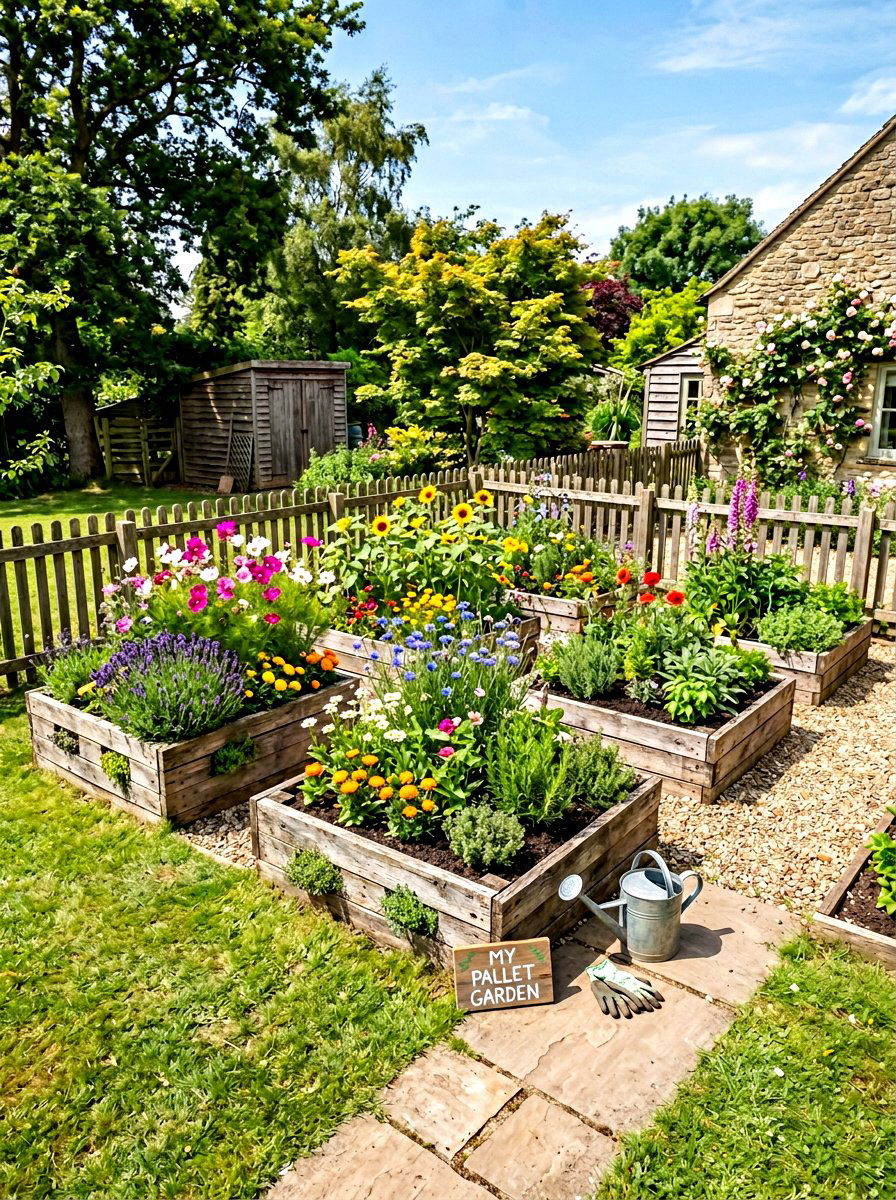
A rustic pallet garden layout is an eco-friendly and budget-friendly way to start your gardening journey. By repurposing heat-treated wooden pallets, you can create functional raised beds with a charming, salvaged look. This design is perfect for DIY enthusiasts who enjoy upcycling materials into something useful. You can arrange the pallets in a standard rectangular shape or get creative with tiered or vertical configurations. This layout is ideal for a community garden or a casual backyard setup. It provides a rugged and natural aesthetic that looks great when filled with wildflowers or heirloom vegetables. This design is practical, sustainable, and full of character for any home.
Conclusion:
Designing the perfect garden requires a thoughtful approach to both function and style to ensure your outdoor space is productive. Whether you choose a classic cedar wood structure or a modern corrugated metal layout, raised beds offer unparalleled control over your environment. These thirty ideas demonstrate that there is a solution for every backyard size, budget, and physical requirement. By investing time in a well-planned layout, you can enjoy a more organized, accessible, and successful gardening experience for years to come. Your garden is an extension of your home, and with the right raised bed design, it can become a true sanctuary.

Related posts: