Maintaining a lush garden requires consistent moisture, but manual watering often feels like a never-ending chore for many homeowners. Raised beds offer excellent drainage and soil control, yet they also tend to dry out much faster than traditional ground-level plots. Implementing a strategic irrigation system is the most effective way to ensure your vegetables and flowers thrive throughout the hottest summer months without wasting precious water resources. By automating the process, you can provide deep, consistent hydration directly to the root zones where it matters most. This guide explores a wide variety of efficient solutions tailored specifically for elevated gardening spaces, helping you save time while maximizing harvest yields and plant health.
1. Drip irrigation kit
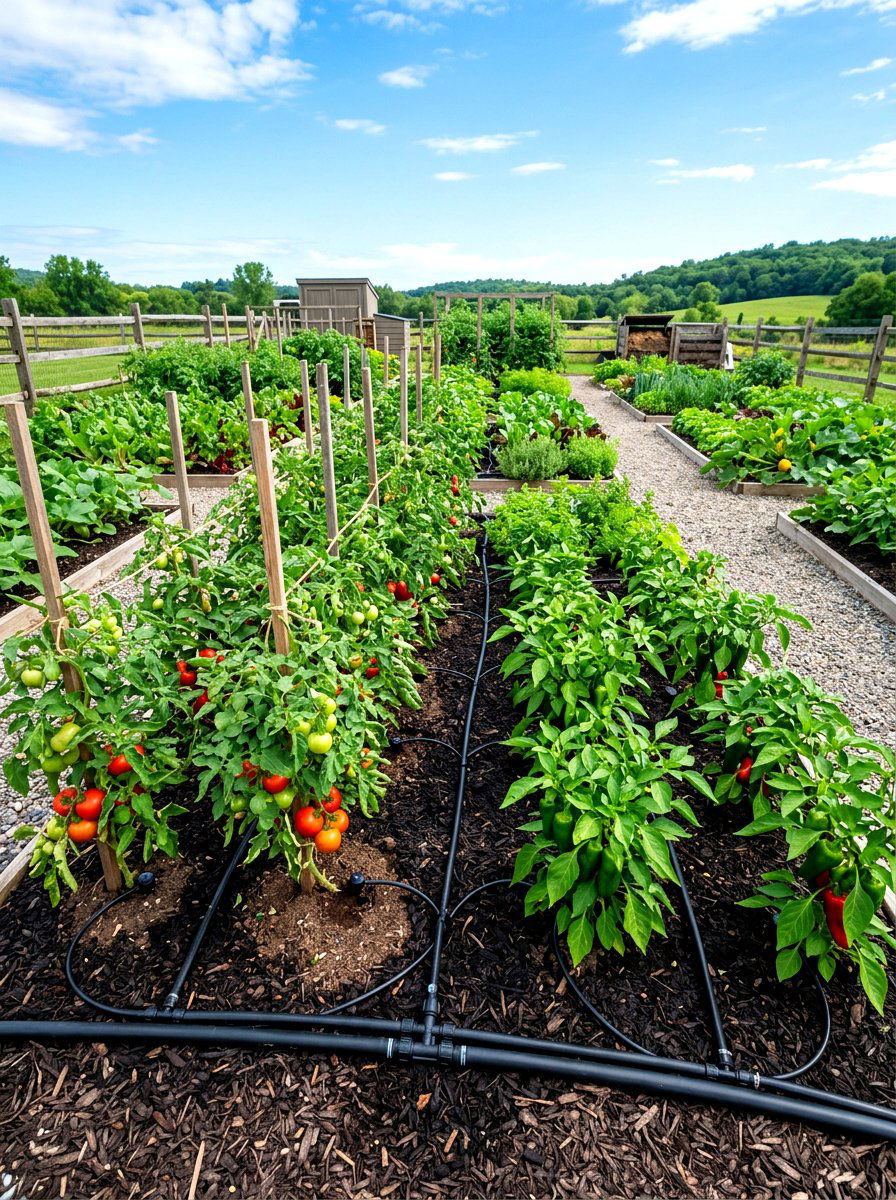
A comprehensive drip irrigation kit provides an all-in-one solution for garden owners looking to simplify their watering routine. These kits typically include a main supply line, various connectors, and specialized emitters that release water slowly at the base of each individual plant. By delivering moisture directly to the soil, you significantly reduce evaporation and prevent water from reaching the leaves, which helps minimize the risk of fungal diseases. Installation is usually straightforward, allowing you to customize the layout to match the specific dimensions of your raised beds. This targeted approach ensures that every vegetable receives the exact amount of hydration needed for robust and healthy growth throughout the season.
2. Soaker hose system
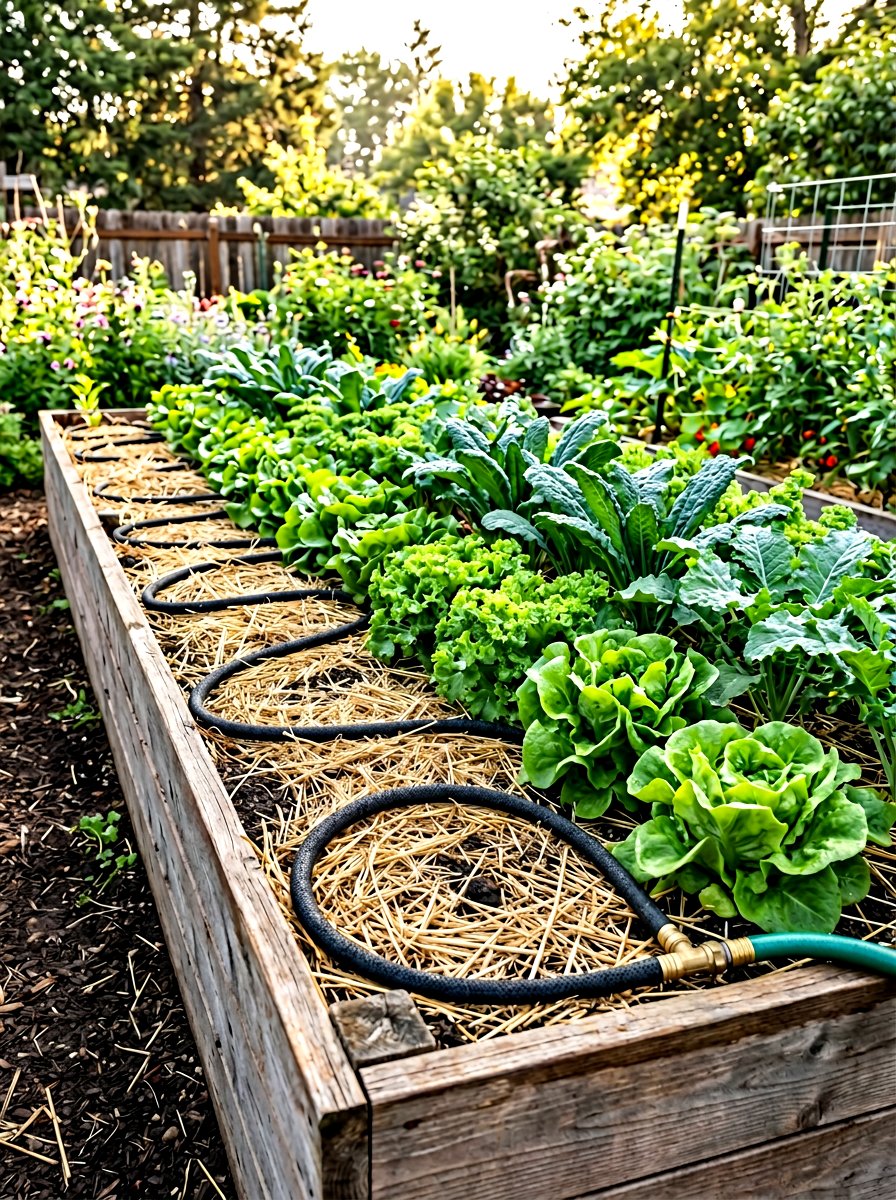
A soaker hose system offers a simple and cost-effective way to provide consistent moisture across an entire planting area. These porous hoses are designed to weep water along their entire length, creating a steady zone of hydration for rows of vegetables or flowers. Because the water seeps out slowly, it deeply penetrates the soil without causing erosion or runoff issues common with traditional sprayers. You can easily snake the hose around the base of your plants and cover it with a layer of mulch to further reduce moisture loss. This method is particularly effective for densely planted beds where individual emitters might be difficult to place or manage effectively.
3. PVC watering grid
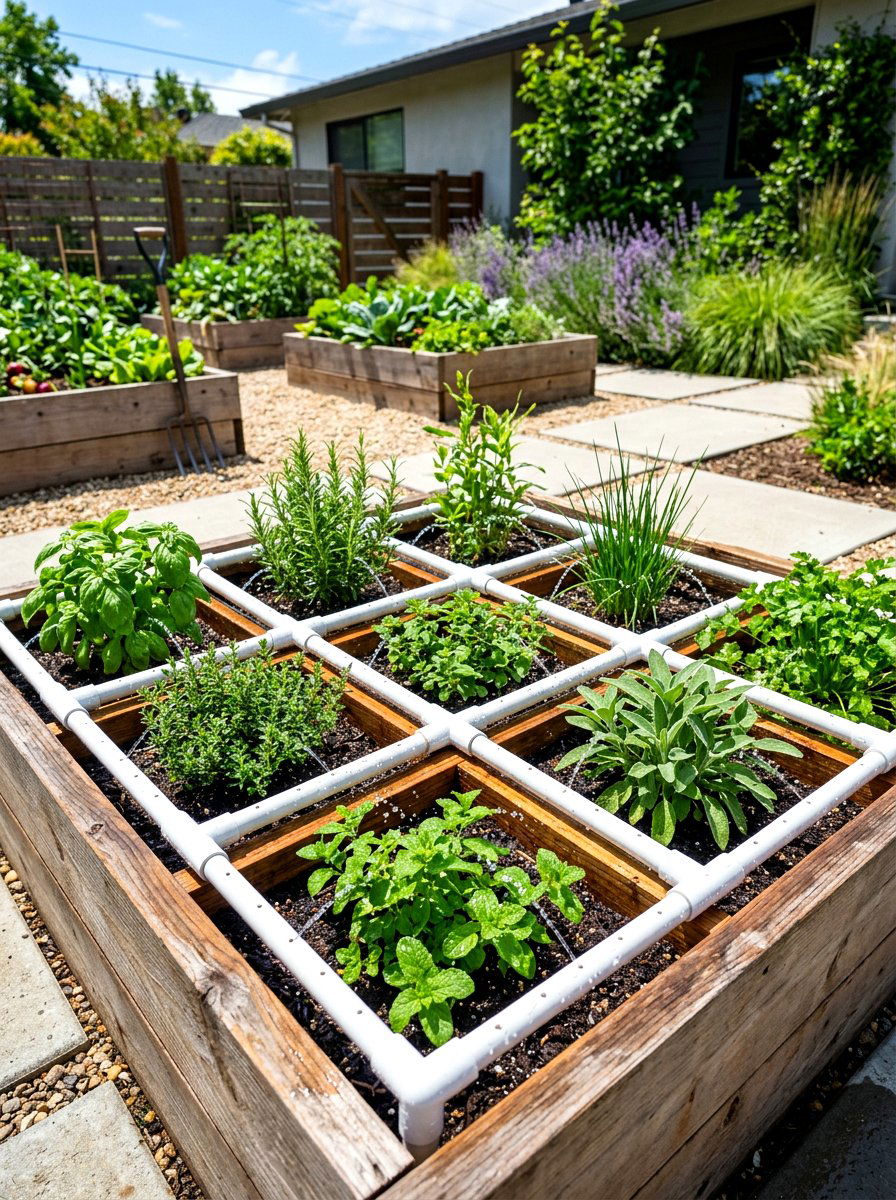
Constructing a PVC watering grid allows for a durable and highly organized irrigation layout that lasts for many years. By assembling a network of thin PVC pipes with small holes drilled at regular intervals, you create a custom framework that fits perfectly inside your raised bed. This rigid structure stays firmly in place, ensuring that water is always delivered to the same spots regardless of weather or wind. It is an excellent choice for square foot gardening, where precise placement is essential for maximizing space. Once the grid is connected to a standard garden hose, it provides a uniform soaking that reaches every corner of the planting box.
4. Rain barrel gravity feed
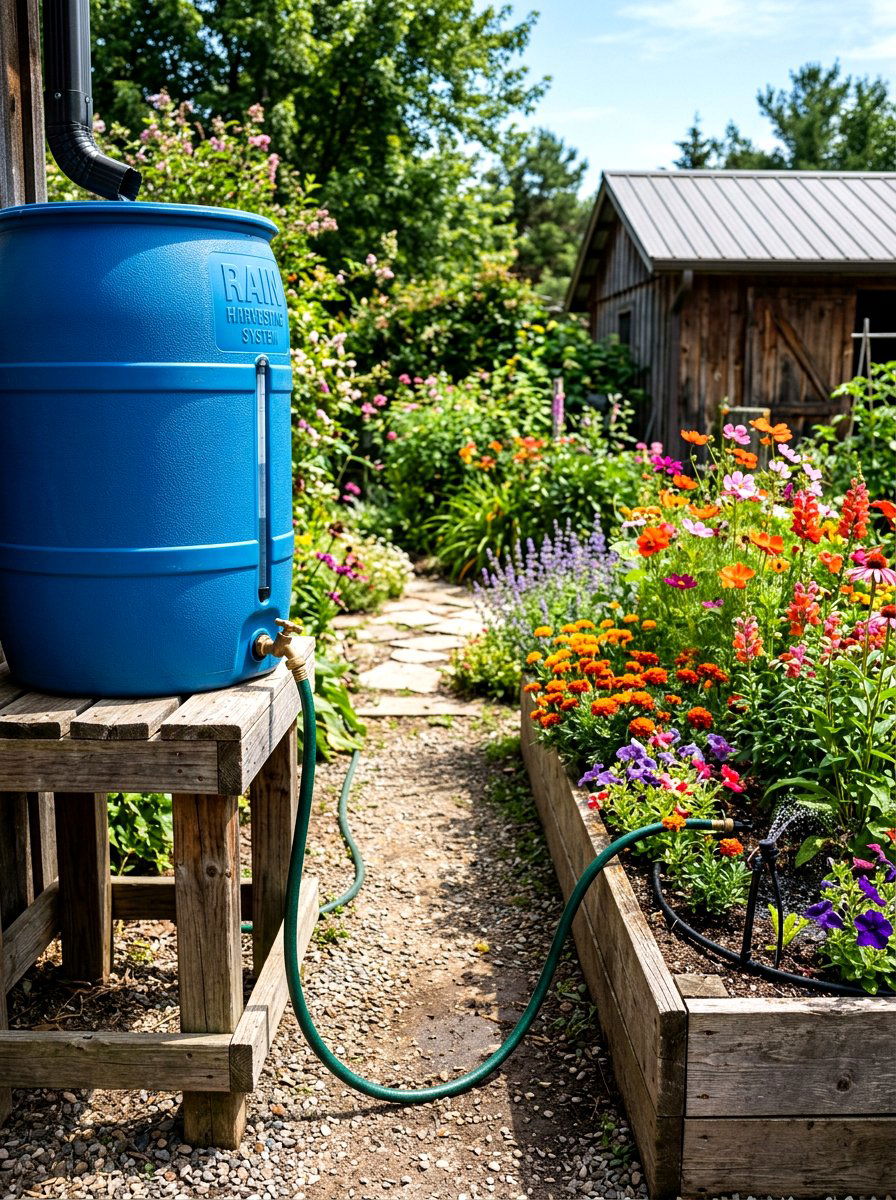
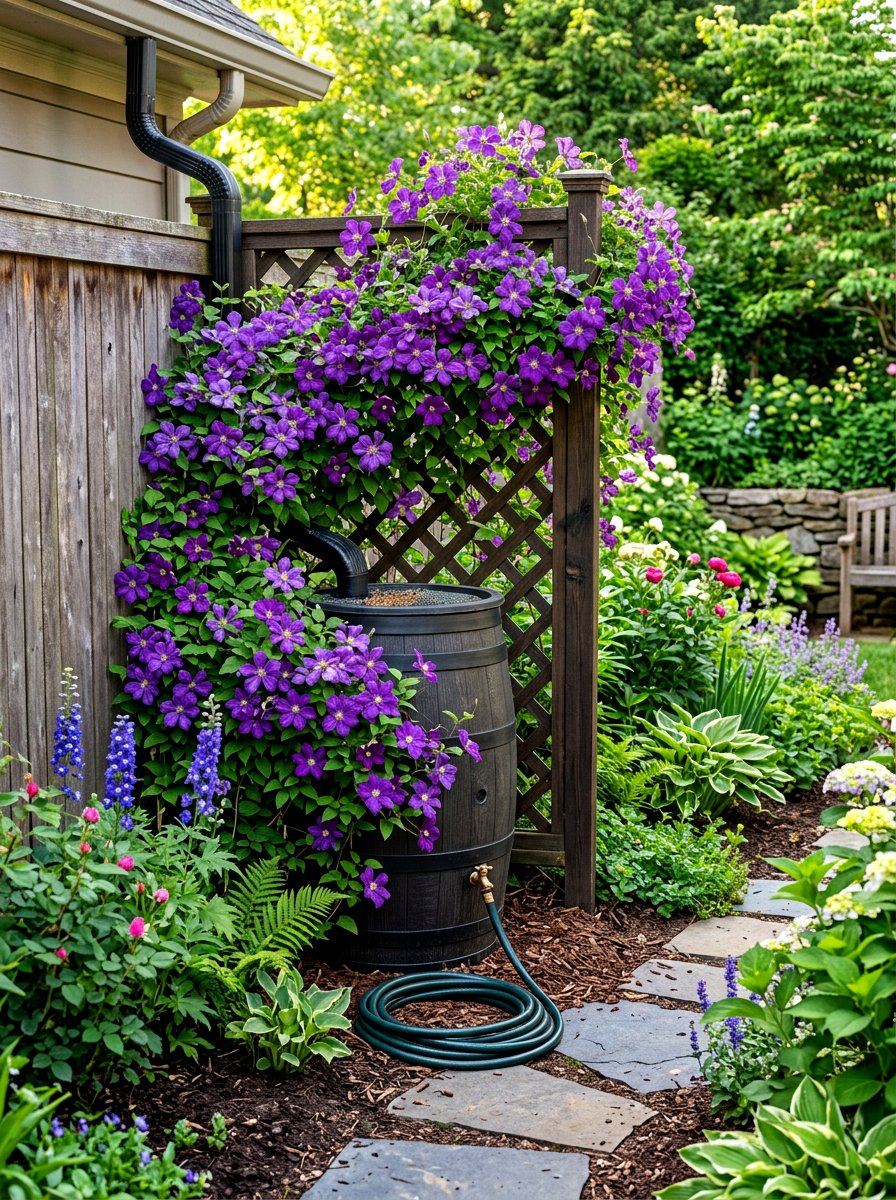
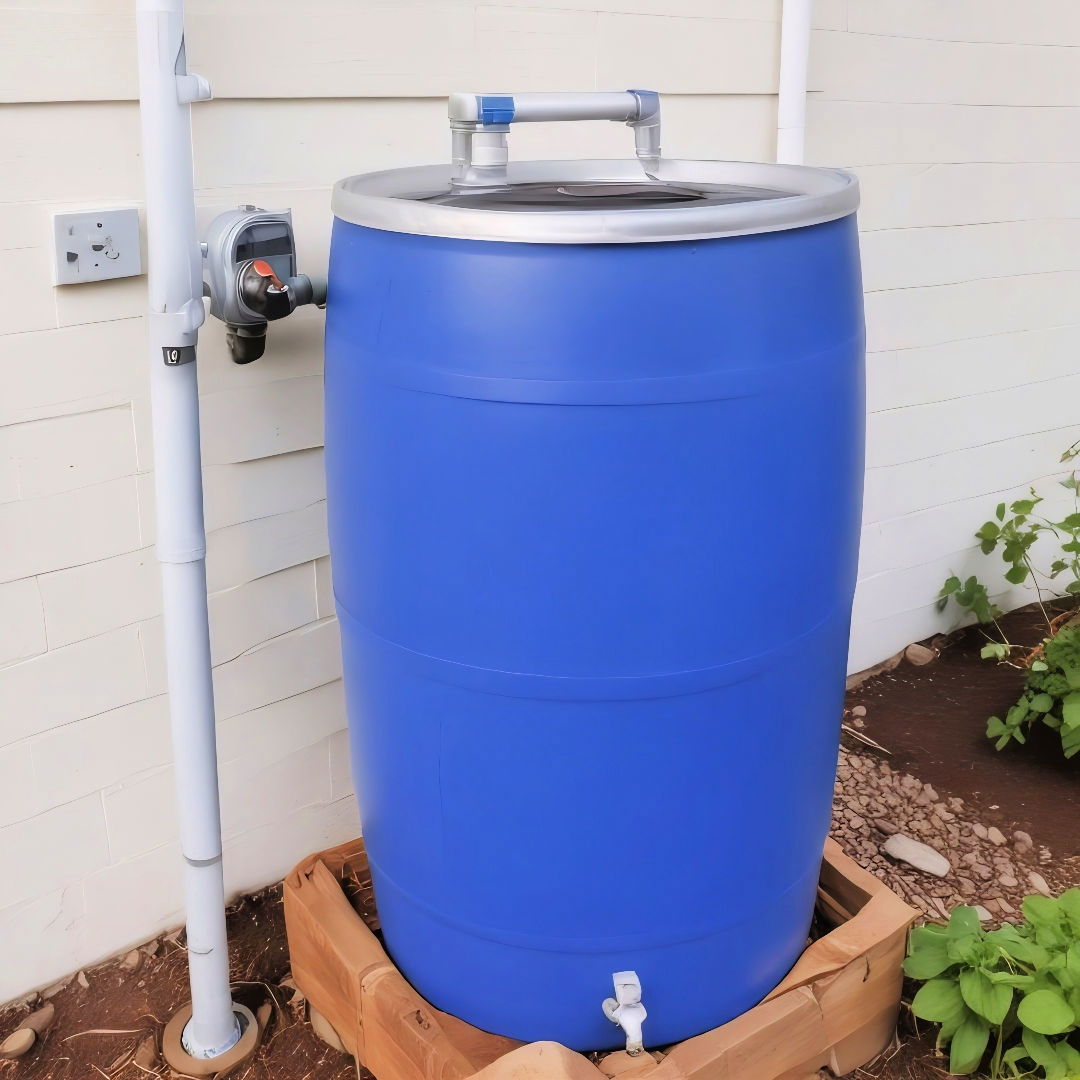
Utilizing a rain barrel gravity feed system is an environmentally friendly way to hydrate your garden using harvested rainwater. By elevating your storage barrel above the height of the raised beds, you create enough natural pressure to move water through a low-flow irrigation line. This setup eliminates the need for expensive pumps or electricity, making it a sustainable choice for off-grid gardens. It is important to use a high-quality filter to prevent debris from clogging the small emitters or hoses. This method not only saves money on utility bills but also provides plants with chlorine-free water that is often better for delicate root systems and soil health.
5. Solar powered pump
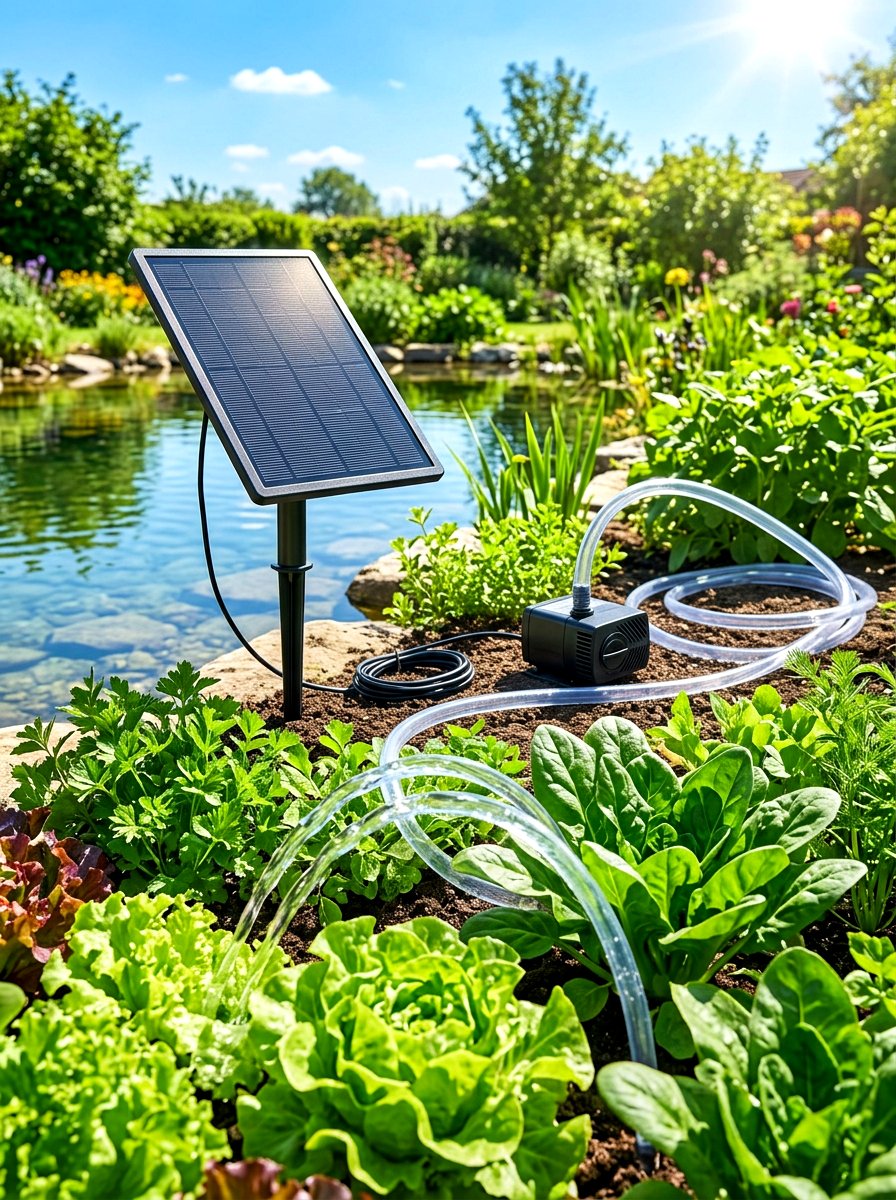
A solar powered pump is a modern solution for gardens located far from a traditional water source or electrical outlet. These systems use small photovoltaic panels to generate energy, which then powers a submersible or external pump to move water from a tank or pond. Because they operate based on sunlight, they naturally provide more water during the hottest parts of the day when plants need it most. Many models include a backup battery to ensure the system functions even during overcast weather or late in the evening. This technology is perfect for larger property owners who want to automate their raised bed irrigation without running long extension cords.
6. Automatic water timer
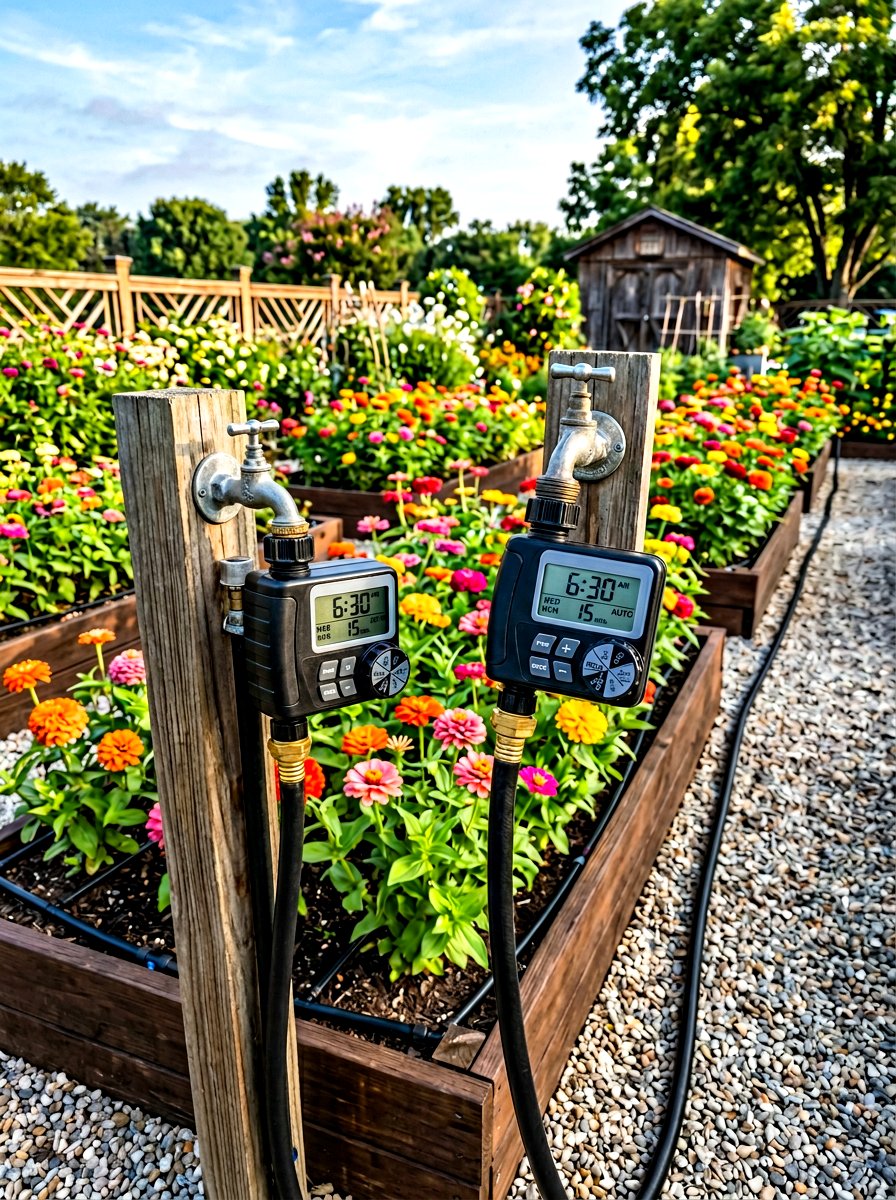
Integrating an automatic water timer into your setup transforms a manual garden into a self-sustaining oasis that requires minimal daily intervention. These devices attach directly to your outdoor faucet and allow you to program specific watering schedules based on the time of day and duration. By setting the system to run during the early morning hours, you ensure that plants are well-hydrated before the sun reaches its peak. This reduces water waste and helps keep the foliage dry, which is critical for preventing common garden pests and diseases. Most modern timers feature multiple zones, giving you the flexibility to water different raised beds according to their unique moisture requirements.
7. Olla watering pot
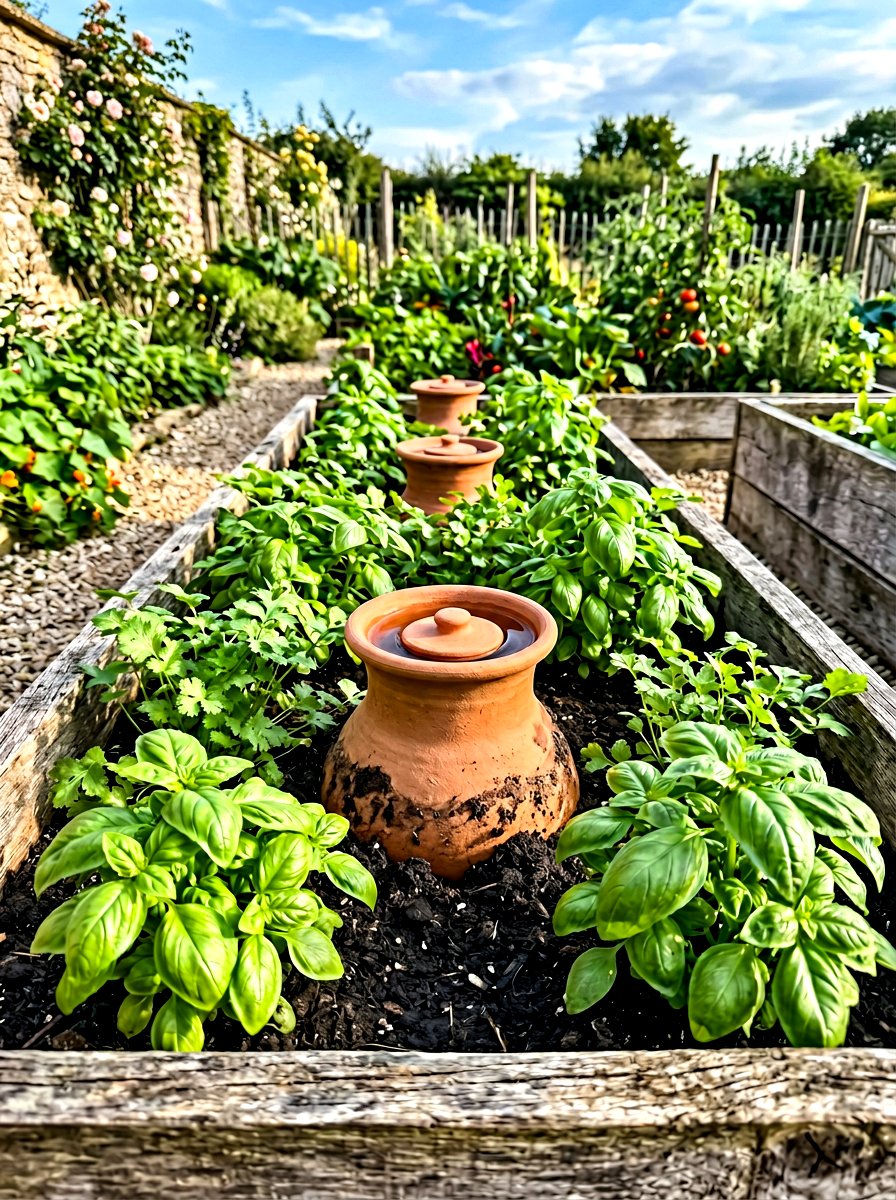
An olla watering pot is an ancient and incredibly efficient method of sub-surface irrigation that relies on porous clay. By burying unglazed terra cotta jars in the center of your raised bed, you create a slow-release water reservoir that hydrates the surrounding soil. Plant roots naturally grow toward the moist clay, drawing out only the amount of water they need through a process called soil moisture tension. This technique virtually eliminates evaporation and runoff, making it one of the most water-wise options available for dry climates. You simply refill the pots every few days, allowing the system to work passively to maintain perfect moisture levels for your crops.
8. Perforated pipe network
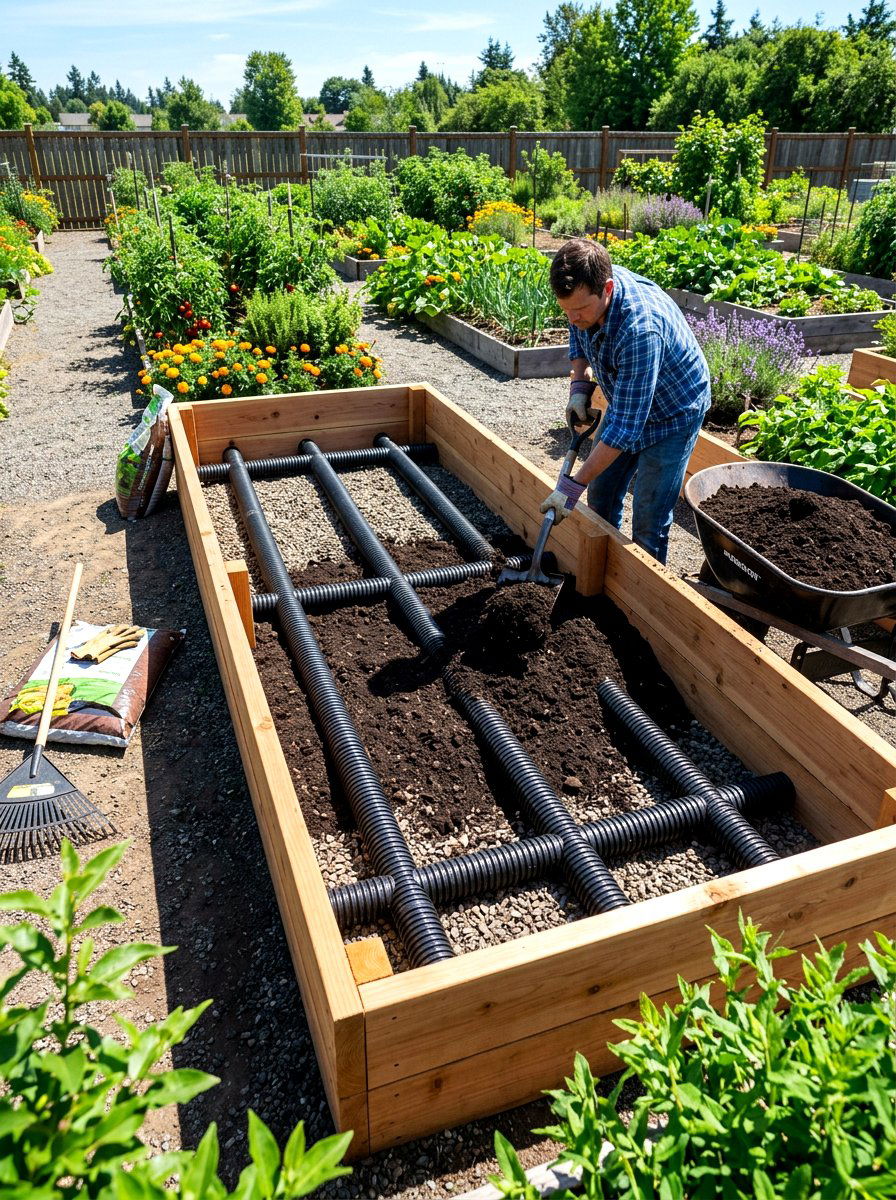
A perforated pipe network involves burying large-diameter pipes with pre-drilled holes beneath the soil surface of your raised beds. This method delivers water directly to the deeper layers of the soil, encouraging plants to develop strong and extensive root systems. Because the water is released underground, the top layer of soil remains relatively dry, which can help suppress the growth of surface weeds. This system is particularly beneficial for deep-rooted vegetables like tomatoes or peppers that require consistent hydration at the core. It is a rugged and long-lasting choice that can be easily connected to a main irrigation line or a simple garden hose connection.
9. Misting nozzle setup
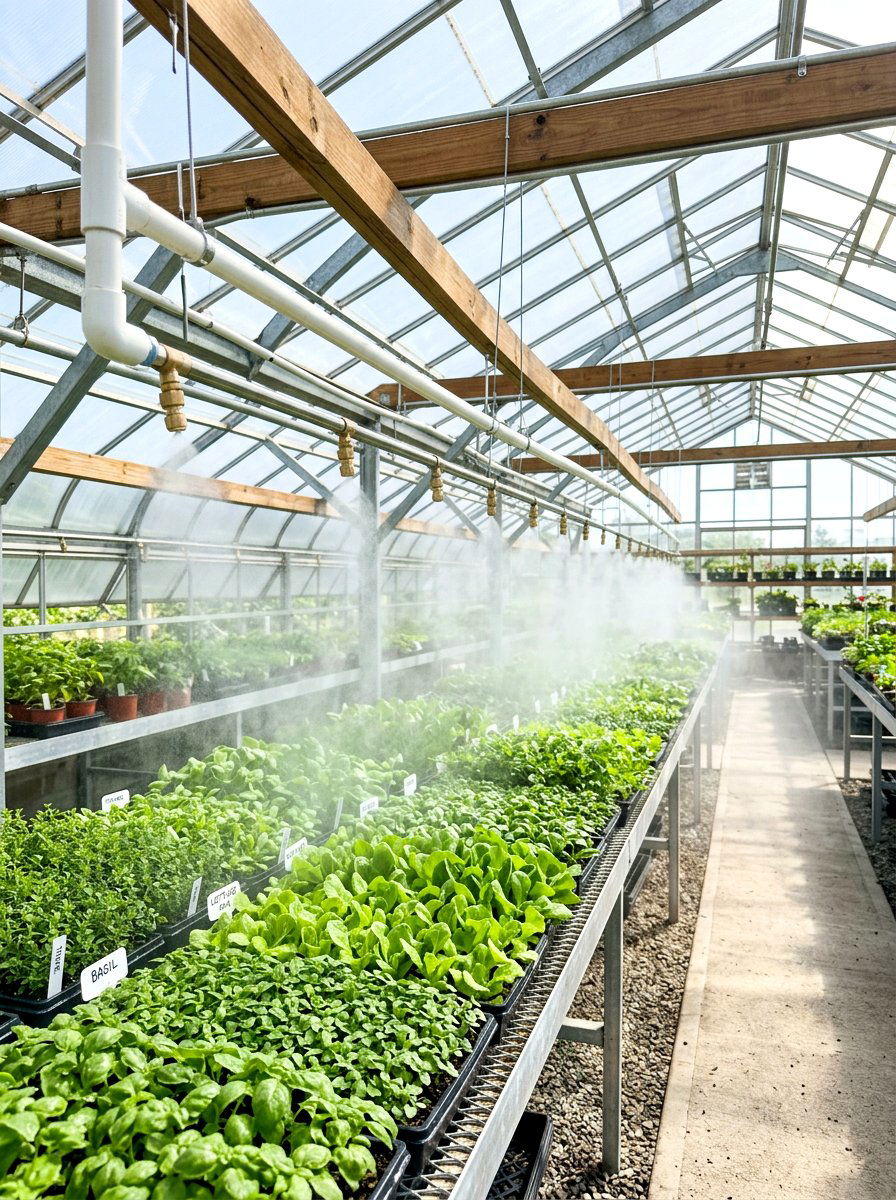
A misting nozzle setup is ideal for starting delicate seedlings or maintaining high humidity for moisture-loving plants like ferns and tropical greens. These fine-spray emitters create a gentle fog that coats the soil and foliage without the force of a traditional heavy stream. This prevents young plants from being washed away and helps cool the surrounding air temperature during intense summer heatwaves. While often used in greenhouses, misting systems can be easily adapted for outdoor raised beds to provide a refreshing environment for salad crops. They are usually installed on overhead supports to ensure even coverage across the entire surface of the gardening box.

10. Sub-irrigation wicking bed
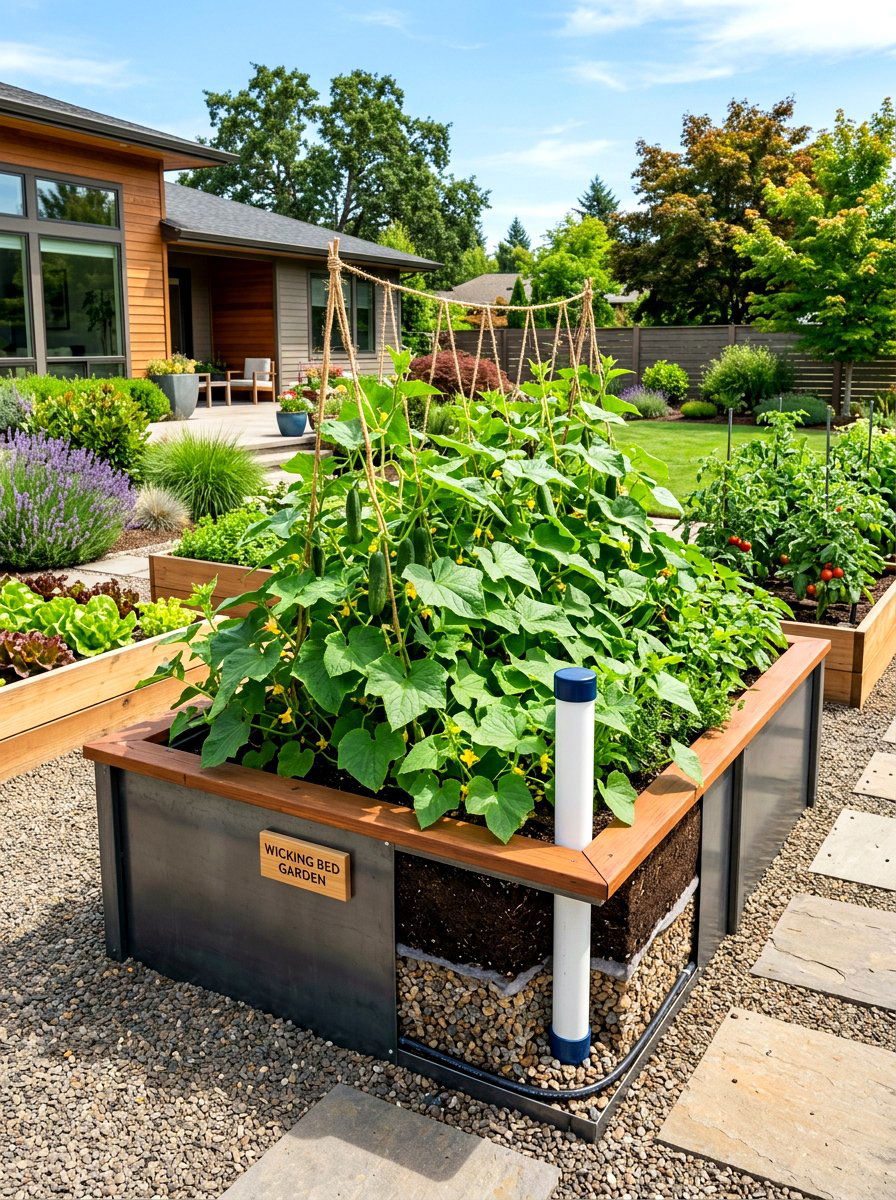
A sub-irrigation wicking bed uses a bottom-up approach to watering that keeps the soil consistently moist without ever becoming waterlogged. This design features a water reservoir at the very bottom of the raised bed, separated from the soil by a sturdy permeable barrier. The water travels upward through the soil via capillary action, providing a steady supply of moisture directly to the roots as they need it. This closed-loop system is exceptionally efficient, as it prevents water from draining out the bottom of the bed. It is a fantastic choice for areas with strict water restrictions, as it requires much less frequent refilling than traditional surface watering.
11. Micro sprayer array
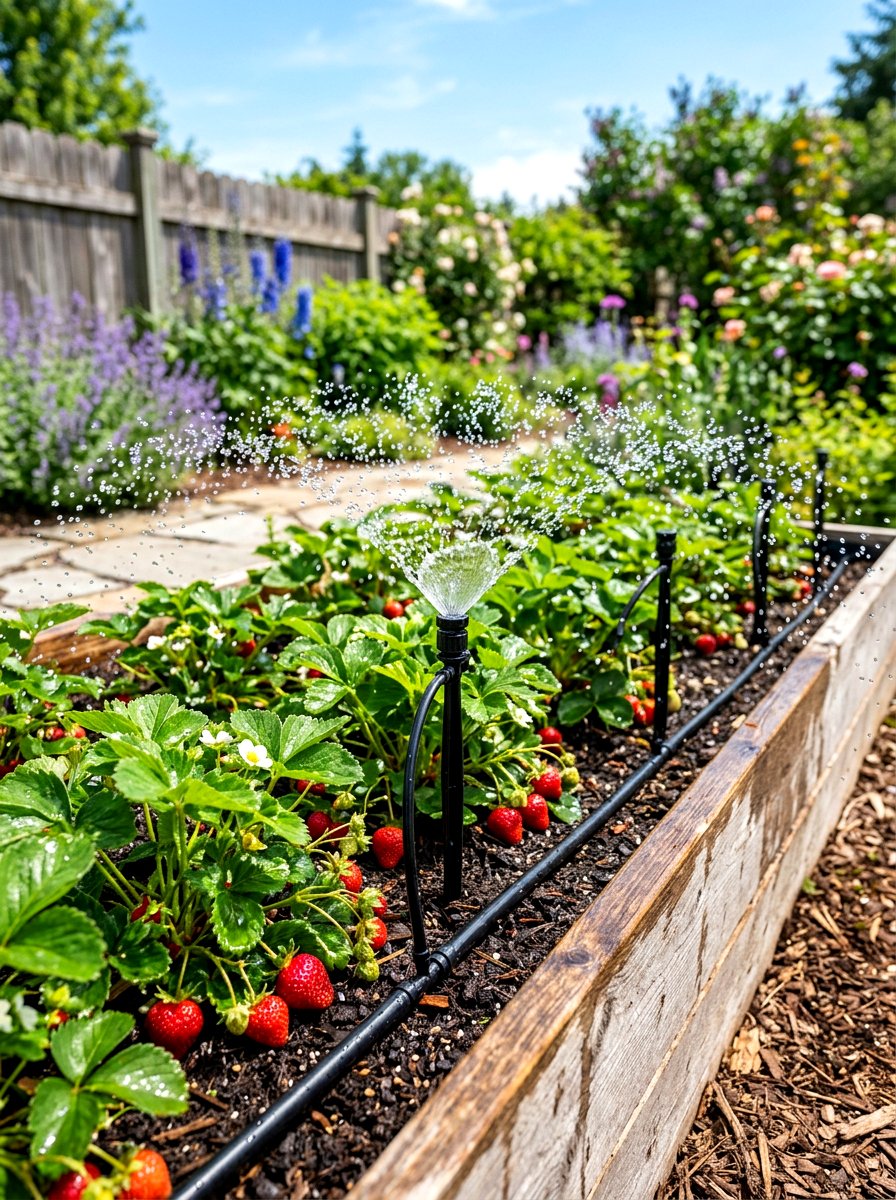
A micro sprayer array offers a versatile way to cover large areas of a raised bed with a gentle, broad-reaching spray. These small plastic heads can be adjusted to throw water in full circles, half circles, or narrow strips, making them adaptable to any bed shape. Unlike high-pressure sprinklers, micro sprayers deliver water at a lower volume, which minimizes soil compaction and keeps the moisture focused within the garden boundaries. They are typically mounted on small stakes that hold them just above the plant canopy or soil level. This setup provides excellent coverage for low-growing groundcovers or densely packed vegetable patches that require frequent, light hydration for optimal health.
12. Underground weep line
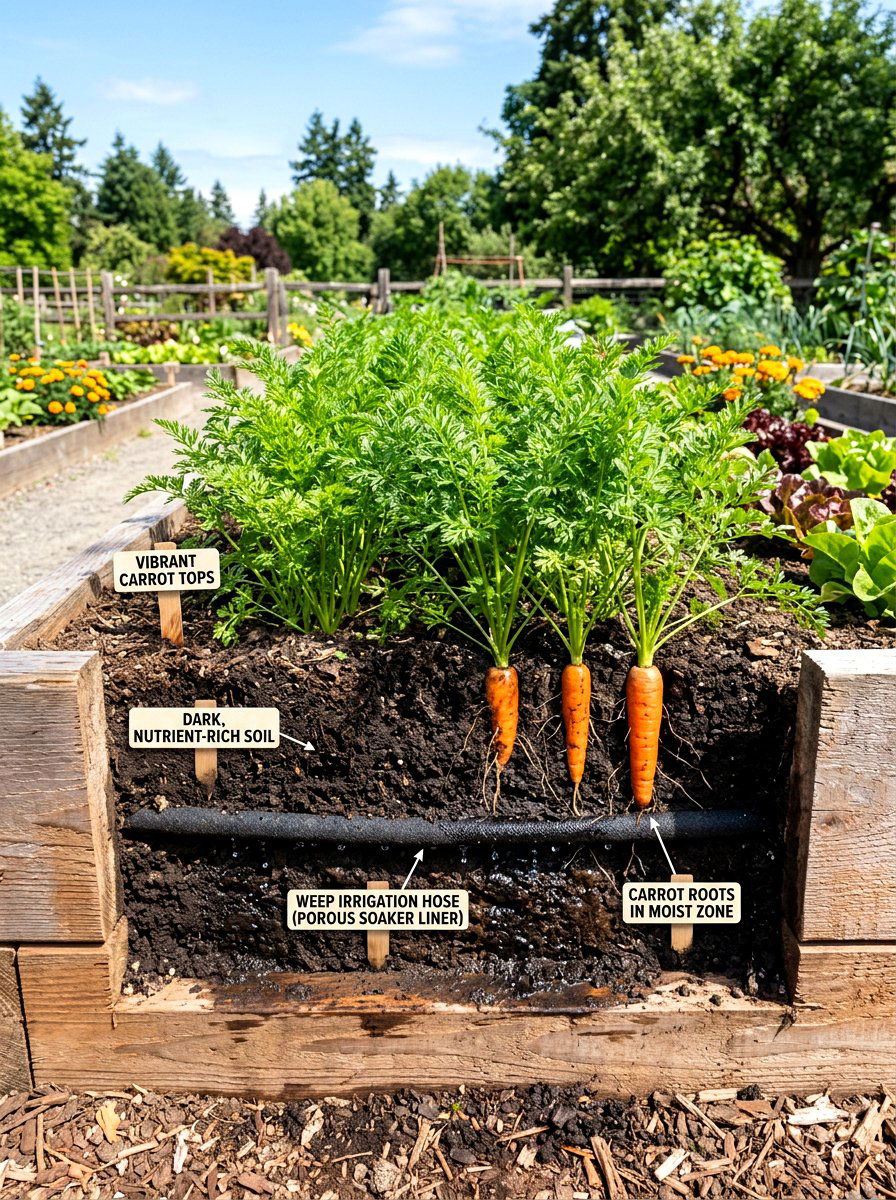
An underground weep line is a hidden irrigation solution that delivers water through a flexible, porous tube buried just beneath the root zone. This method is highly effective because it prevents the soil surface from becoming crusty or hard, which can happen with frequent overhead watering. By keeping the moisture below the surface, you also reduce the chance of weed seeds germinating, as they lack the surface water needed to sprout. This system is perfect for permanent raised beds where you don't plan to till the soil frequently. It provides a discreet and highly efficient way to keep your garden thriving while maintaining a clean, professional aesthetic.
13. Smart moisture sensor
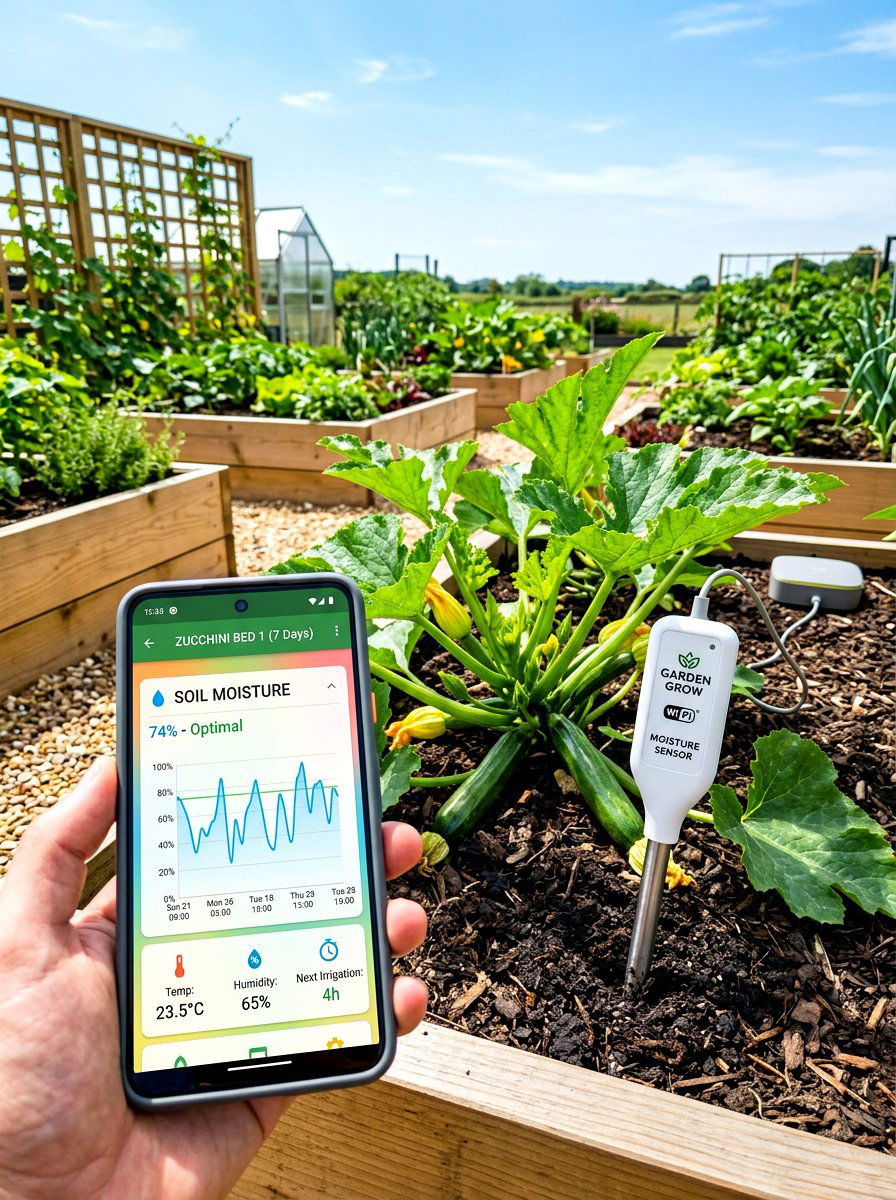
A smart moisture sensor takes the guesswork out of gardening by providing real-time data on the hydration levels within your raised beds. These high-tech probes are placed directly in the soil and connect to your smartphone or an irrigation controller via Wi-Fi or Bluetooth. When the soil reaches a certain level of dryness, the system can automatically trigger your watering program to ensure the plants never experience stress. This prevents overwatering, which can lead to root rot and wasted resources, while also protecting against unexpected dry spells. It is an essential tool for modern gardeners who want to achieve professional results through precise and data-driven care.
14. Elevated water tank
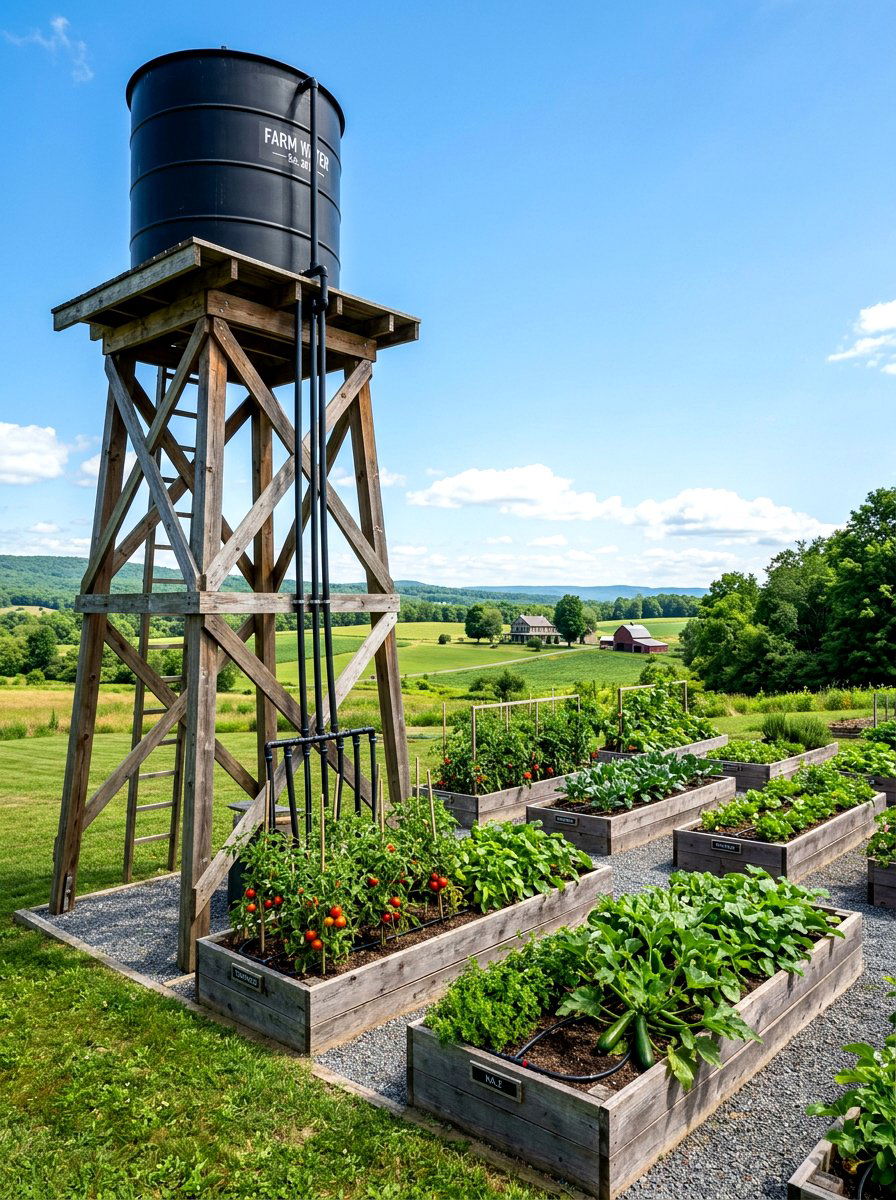
An elevated water tank provides a reliable source of pressure for gravity-fed irrigation systems without the need for a mechanical pump. By placing a large storage container on a sturdy platform or hill above the garden, you harness potential energy to move water through the lines. This setup is particularly useful for remote garden plots or areas where water pressure from the main tap is insufficient. The tank can be filled using a garden hose or a rainwater collection system, acting as a buffer during dry periods. It is a simple yet effective way to ensure your raised beds receive a steady and controlled flow of water.
15. Recycled bottle watering
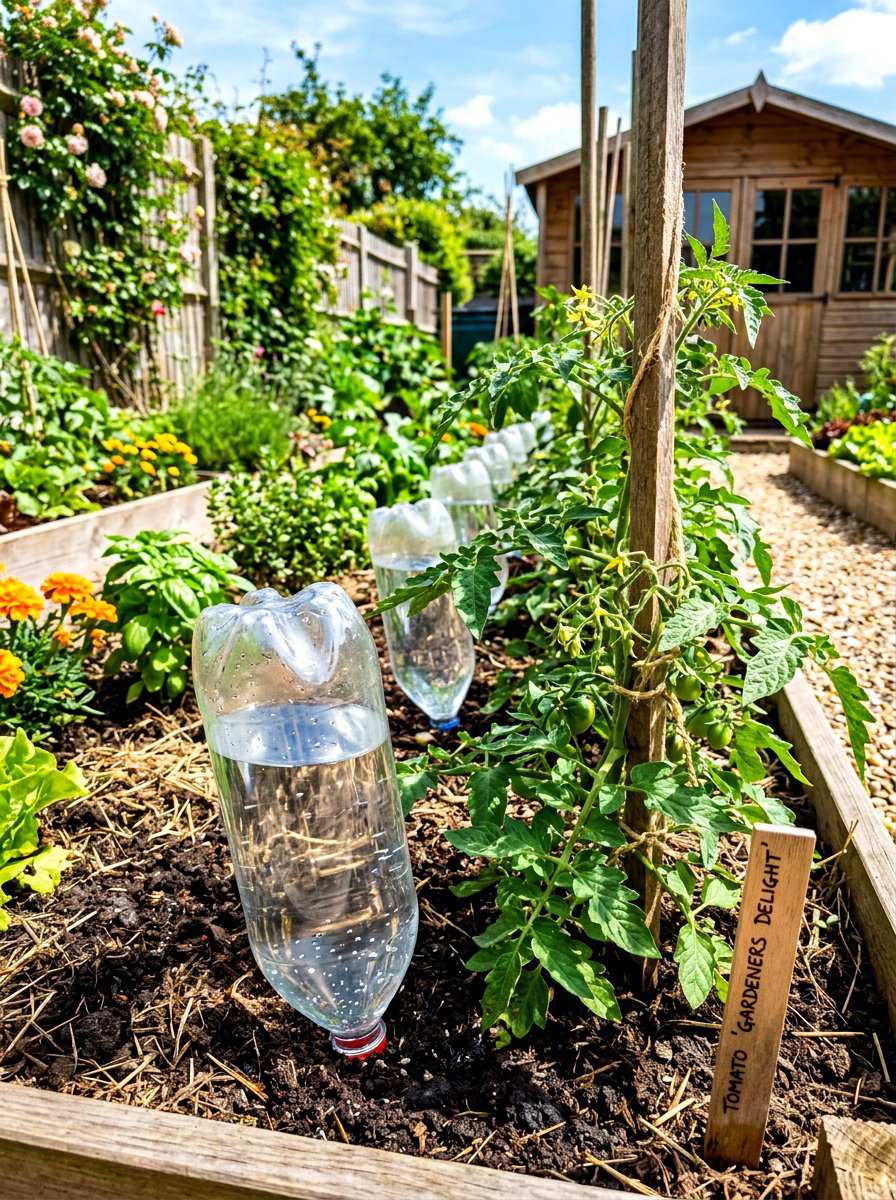
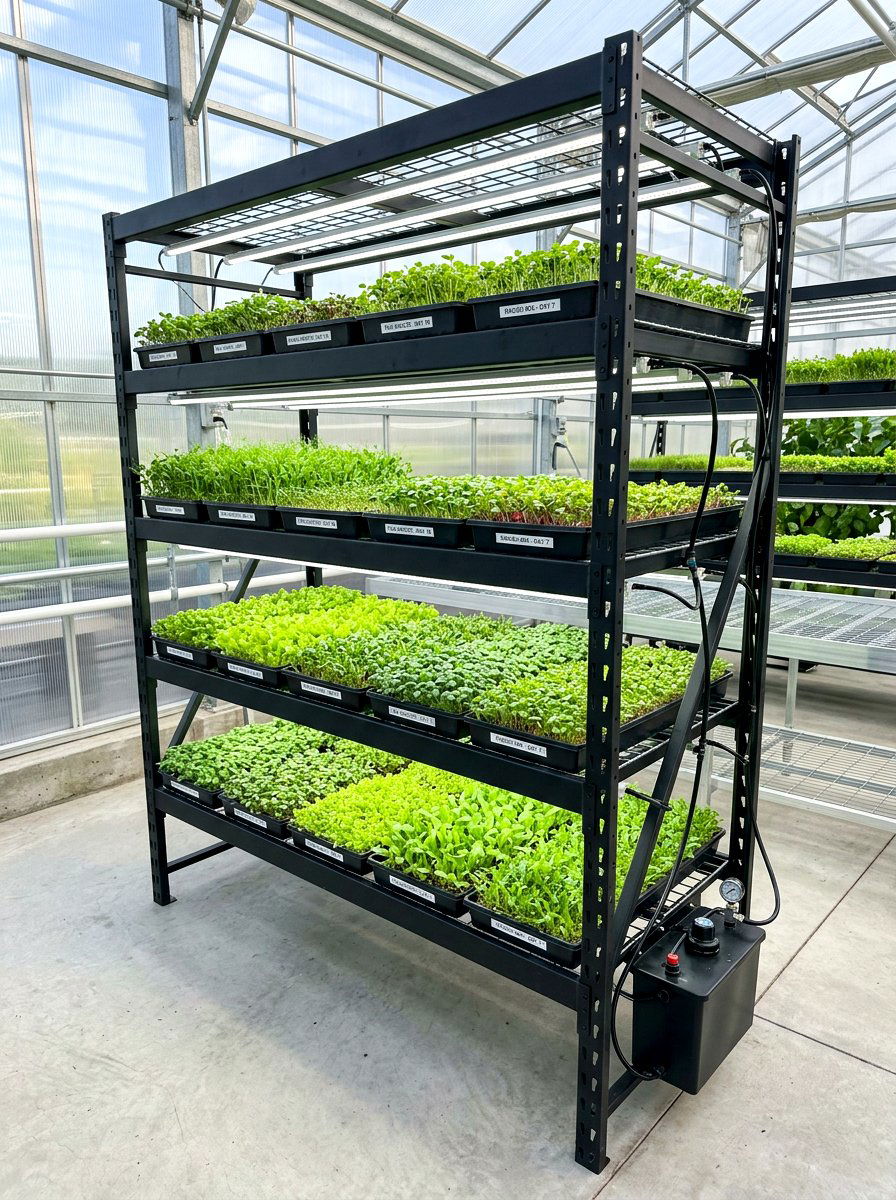
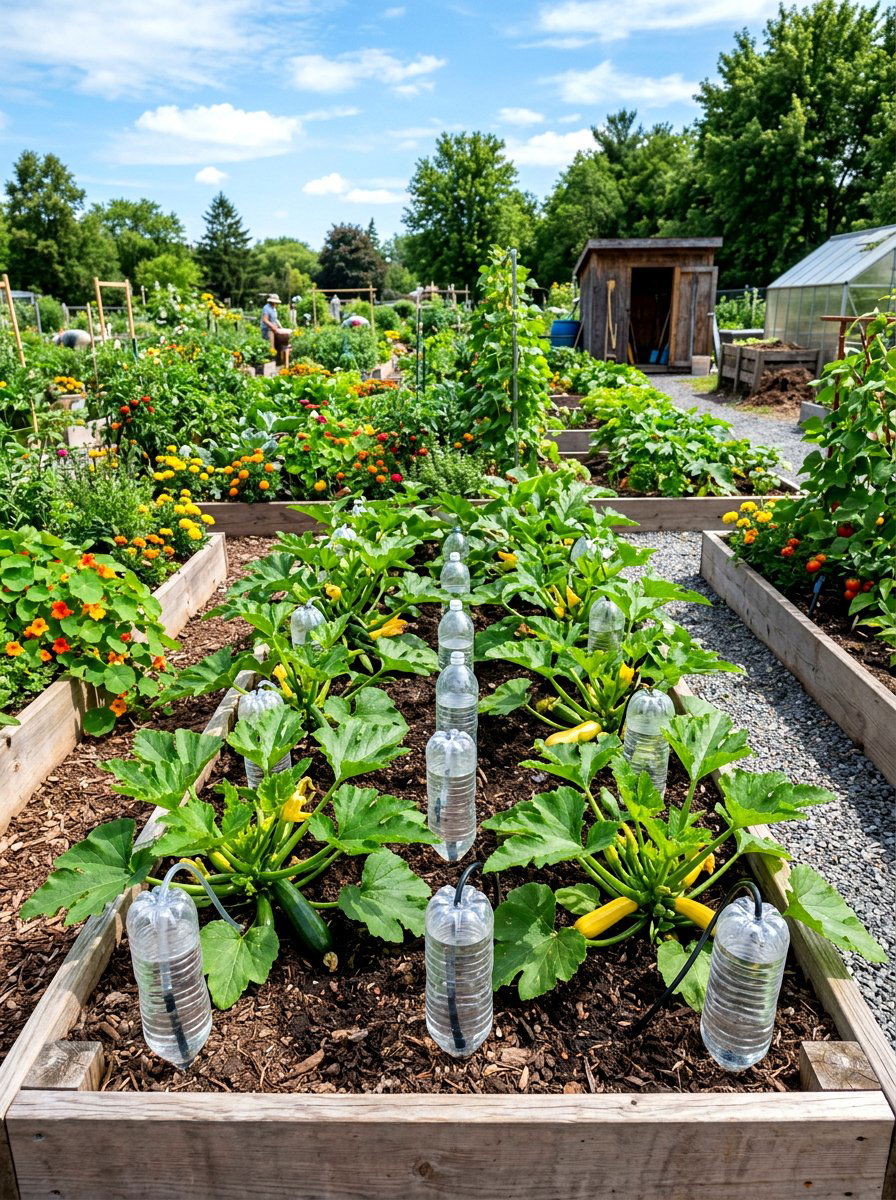
Recycled bottle watering is a creative and budget-friendly DIY method for providing slow-release moisture to individual plants. By puncturing small holes in the cap of a plastic soda or water bottle and burying it upside down in the soil, you create a miniature reservoir. As the soil dries out, water slowly trickles from the bottle directly to the roots, keeping the plant hydrated for several days. This is an excellent solution for high-maintenance plants that need extra attention or for keeping your garden alive while you are away for a long weekend. It is an easy way to repurpose household waste while improving your garden's health.
16. Multi zone manifold
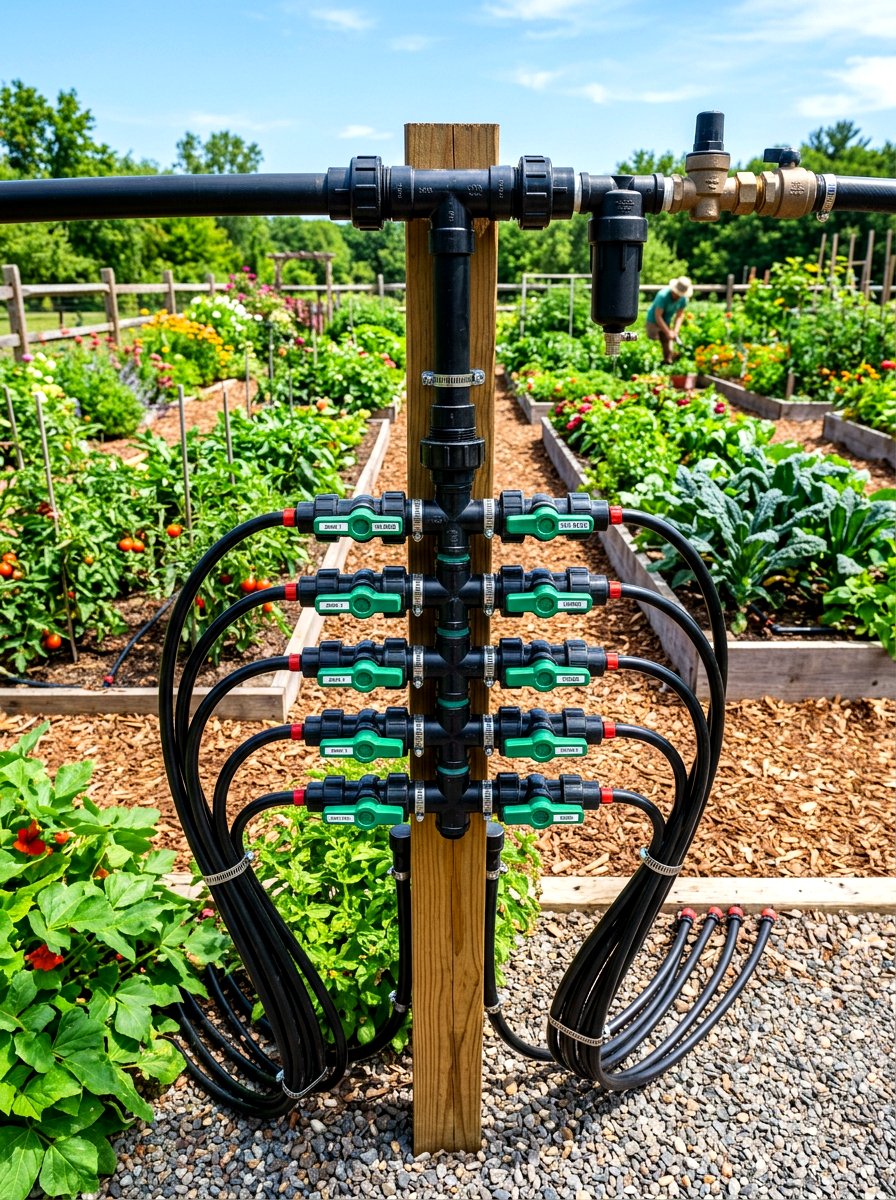
A multi zone manifold is a central hub that allows you to manage several different irrigation lines from a single water source. By installing a manifold with multiple valves, you can dedicate specific lines to different raised beds based on their varying water needs. For example, you might want to water your thirsty leafy greens every day while giving your drought-tolerant herbs a deep soak only twice a week. This level of control ensures that no plant is overwatered or neglected, leading to much more efficient use of your resources. It is a professional-grade setup that makes managing a complex garden landscape significantly easier and more organized.
17. Poly tubing layout
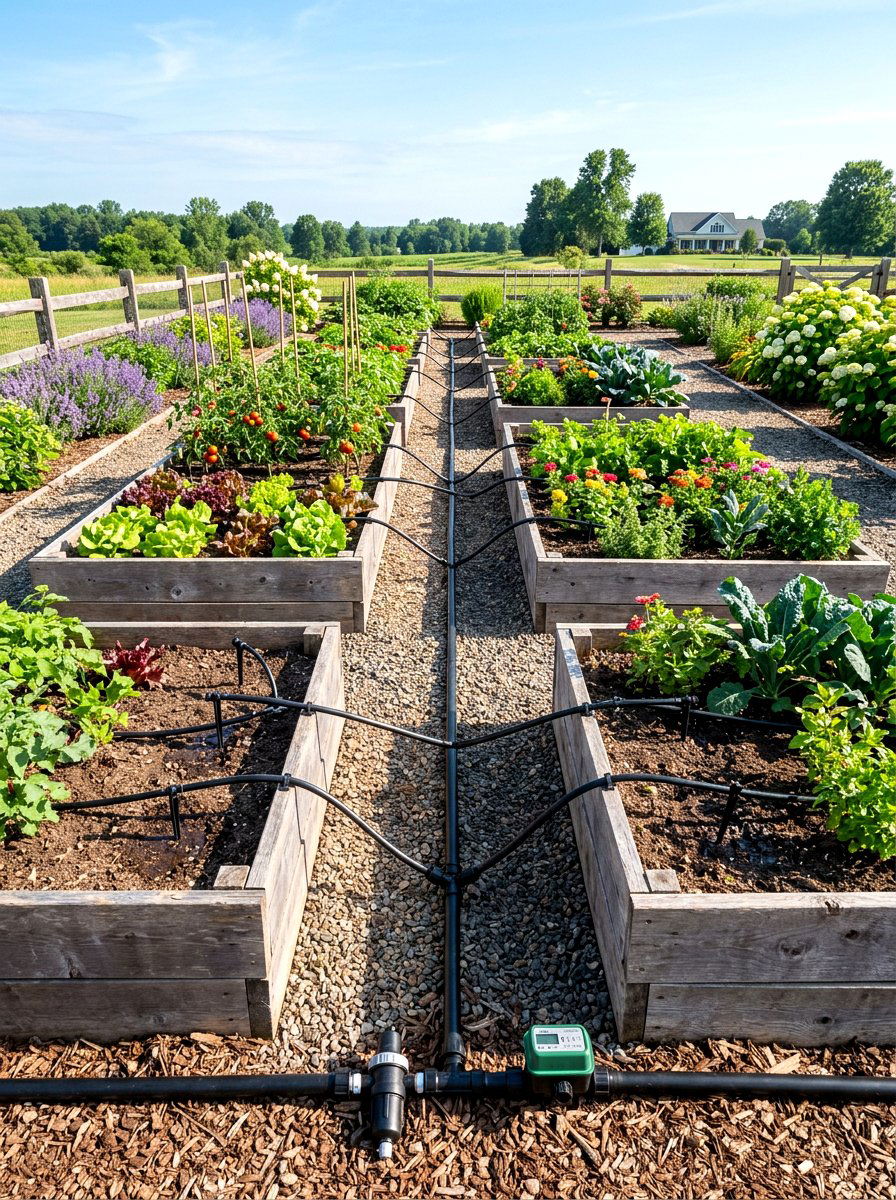
A poly tubing layout serves as the backbone of many professional-grade drip irrigation systems, offering a durable and flexible way to transport water. This black polyethylene pipe is resistant to UV rays and cold temperatures, making it a long-lasting choice for year-round outdoor use. You can easily cut the tubing to any length and connect various emitters or smaller micro-lines using barbed fittings. Because it is flexible, you can run the tubing along the edges of your raised beds or even weave it through the middle of the planting area. This versatility allows you to build a custom watering framework that perfectly suits your garden's unique spatial configuration.
18. Copper pipe grid
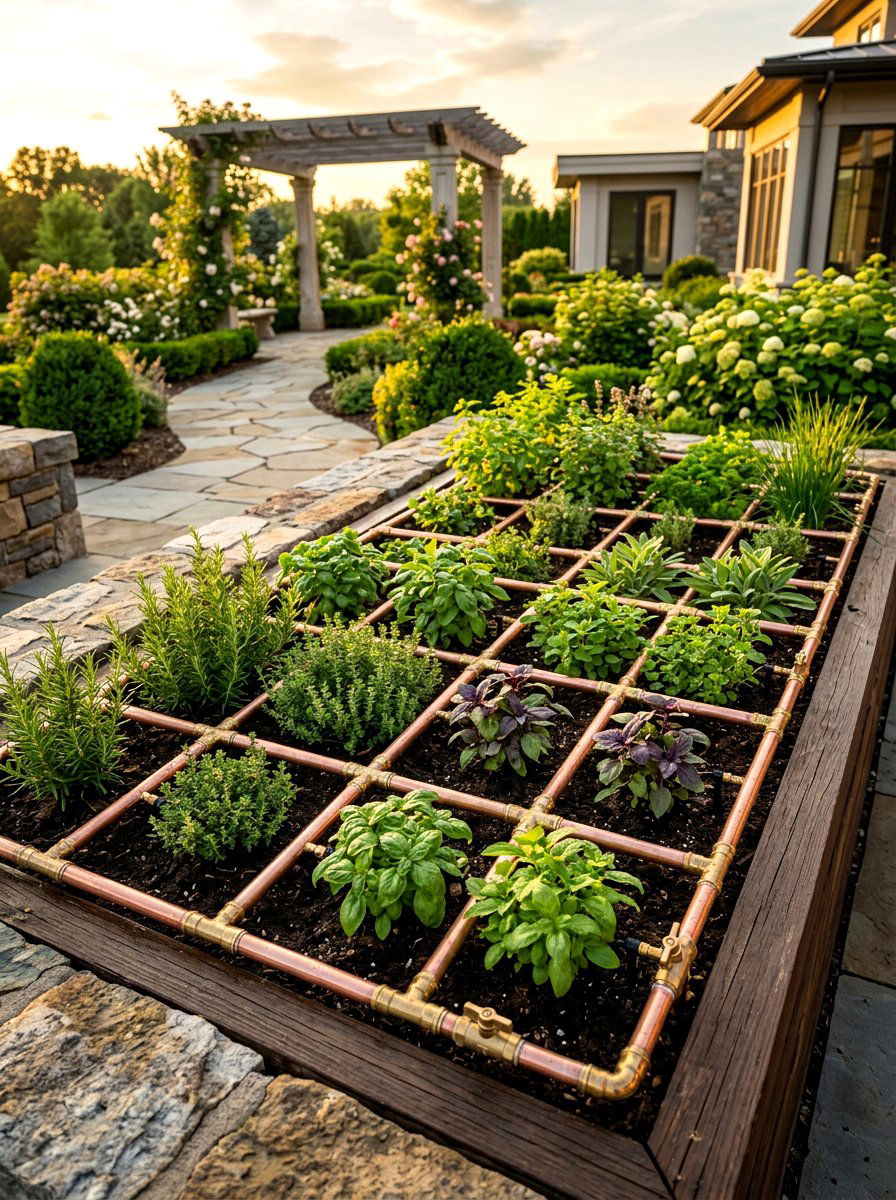
A copper pipe grid provides a high-end, aesthetic approach to garden irrigation that adds a touch of industrial elegance to your raised beds. Beyond its visual appeal, copper is naturally antimicrobial and extremely durable, resisting the cracks and degradation that can affect plastic pipes over time. By soldering together a network of pipes with small holes, you create a permanent watering fixture that will last for decades. Over time, the copper will develop a beautiful green patina that blends seamlessly with the surrounding foliage. This is a premium choice for gardeners who want a functional irrigation system that also serves as a stylish architectural feature in the landscape.
19. Flexible emitter tubing
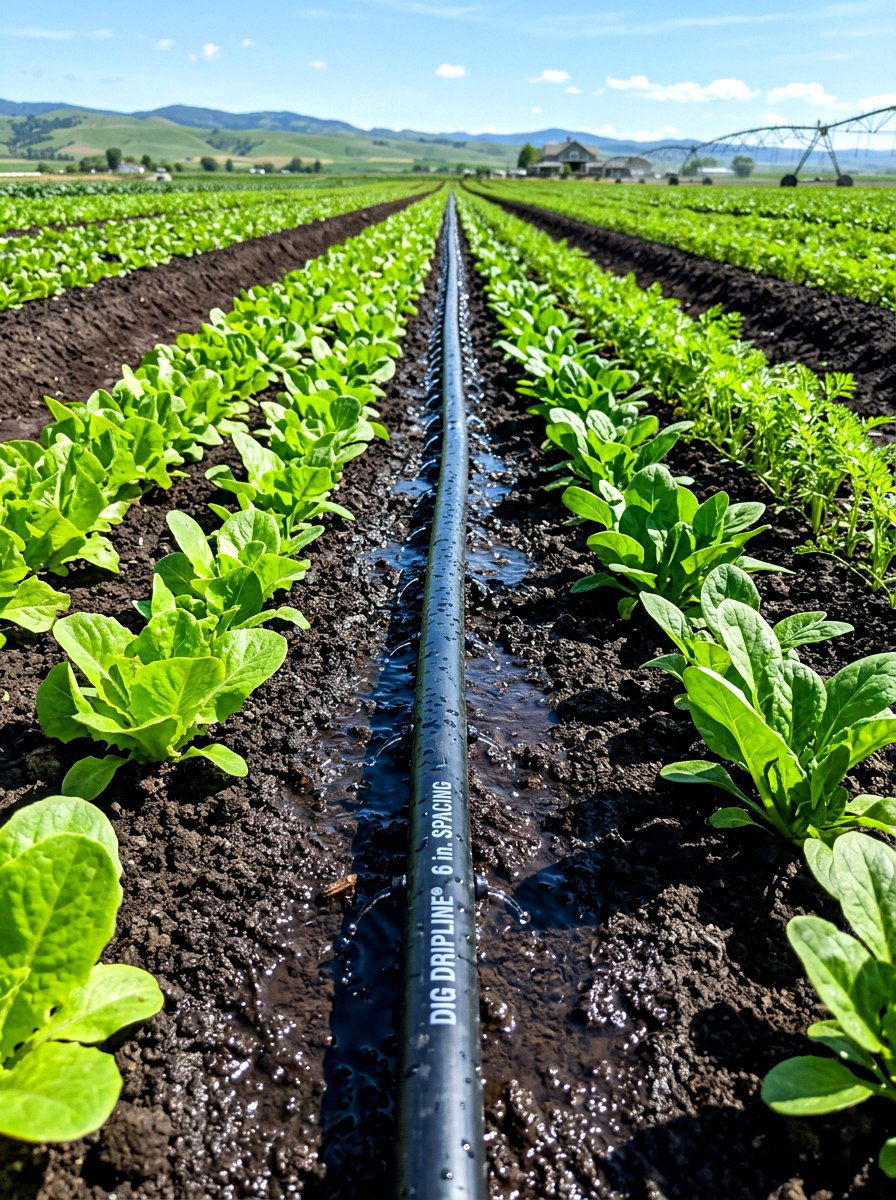
Flexible emitter tubing features built-in drippers at fixed intervals, typically every six or twelve inches, throughout the entire length of the pipe. This design eliminates the need to punch holes and manually install individual emitters, which saves a significant amount of time during the initial setup. The tubing is designed to provide a consistent flow rate regardless of changes in water pressure, ensuring that the plants at the end of the line receive just as much water as those at the beginning. This is an ideal solution for long rectangular raised beds where uniform moisture distribution is the primary goal for growing consistent, high-quality crops.
20. Battery operated valve
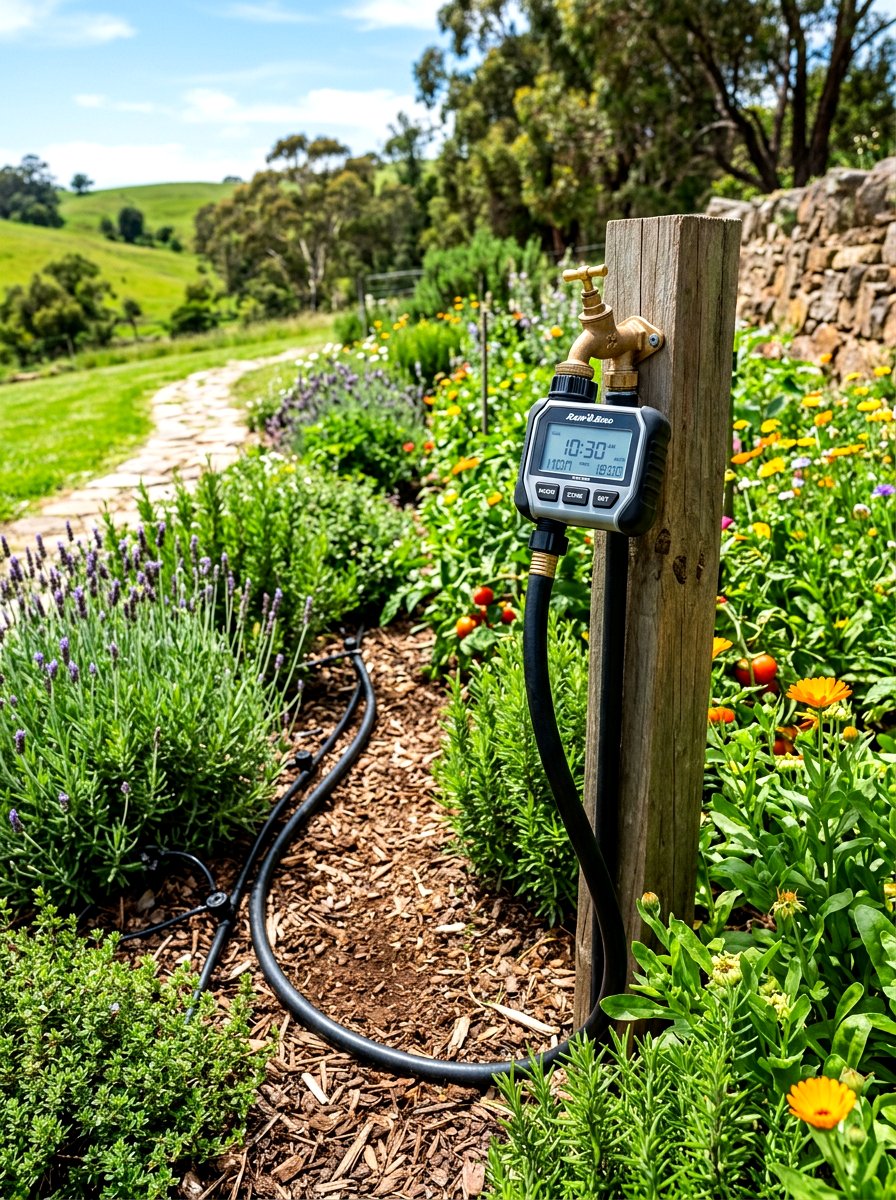
A battery operated valve is a perfect solution for automating irrigation in areas where running a power line is impractical or too expensive. These compact units house a programmable timer and a motorized valve that opens and closes based on your preset schedule. Because they run on standard batteries, they are incredibly easy to install and can be placed anywhere in the garden. Many modern models are designed to be weather-resistant and can operate for an entire season on a single set of batteries. This technology provides the convenience of automation without the complexity of traditional hard-wired systems, making it accessible for any home gardener.
21. PEX pipe irrigation
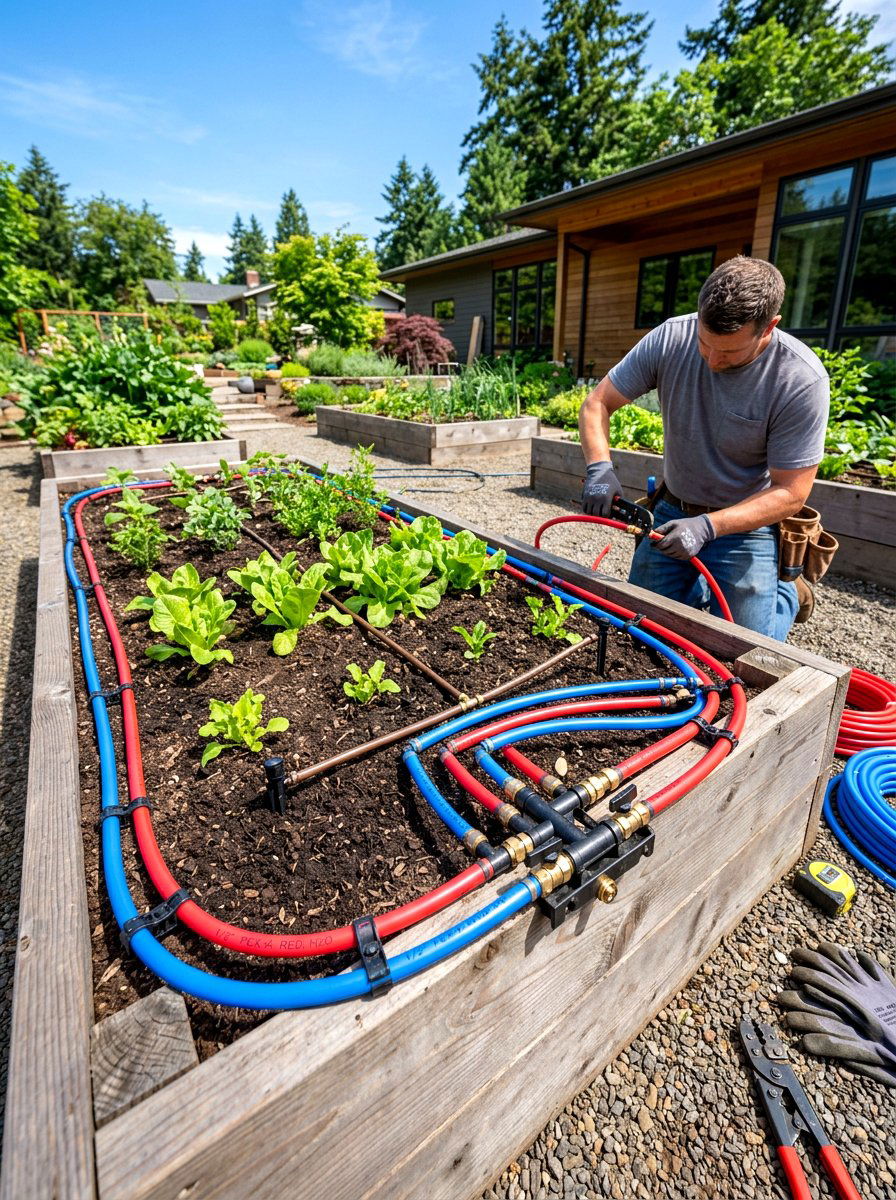
Using PEX pipe for irrigation is becoming a popular choice for gardeners who want a material that is easier to work with than traditional rigid PVC. This flexible tubing is widely used in home plumbing because it can bend around corners without the need for numerous elbow fittings. In a raised bed setting, PEX allows you to create smooth, continuous runs of pipe that are less likely to leak or burst during the winter months. It is also resistant to scale and chlorine, ensuring that your irrigation system remains clear and functional over time. This modern material provides a reliable and cost-effective foundation for a variety of watering configurations.
22. Greenhouse misting system
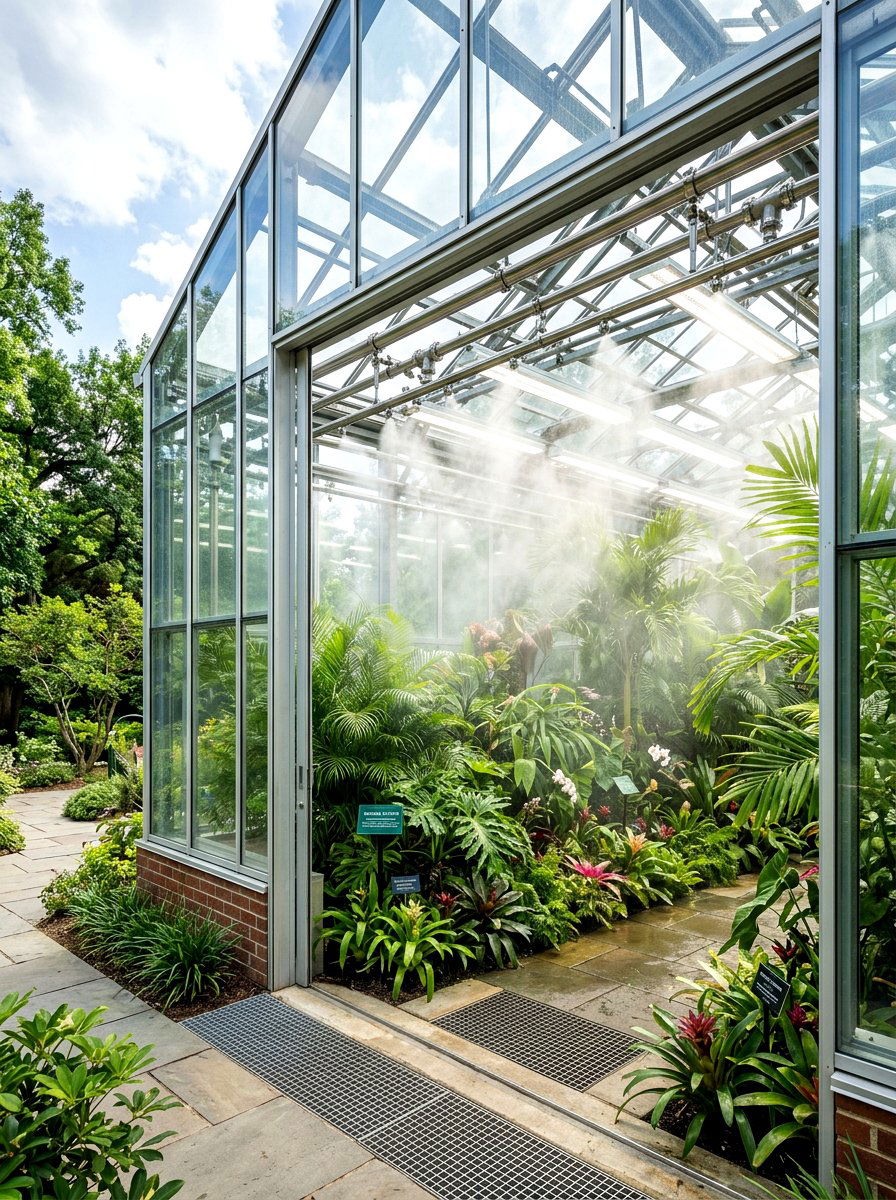
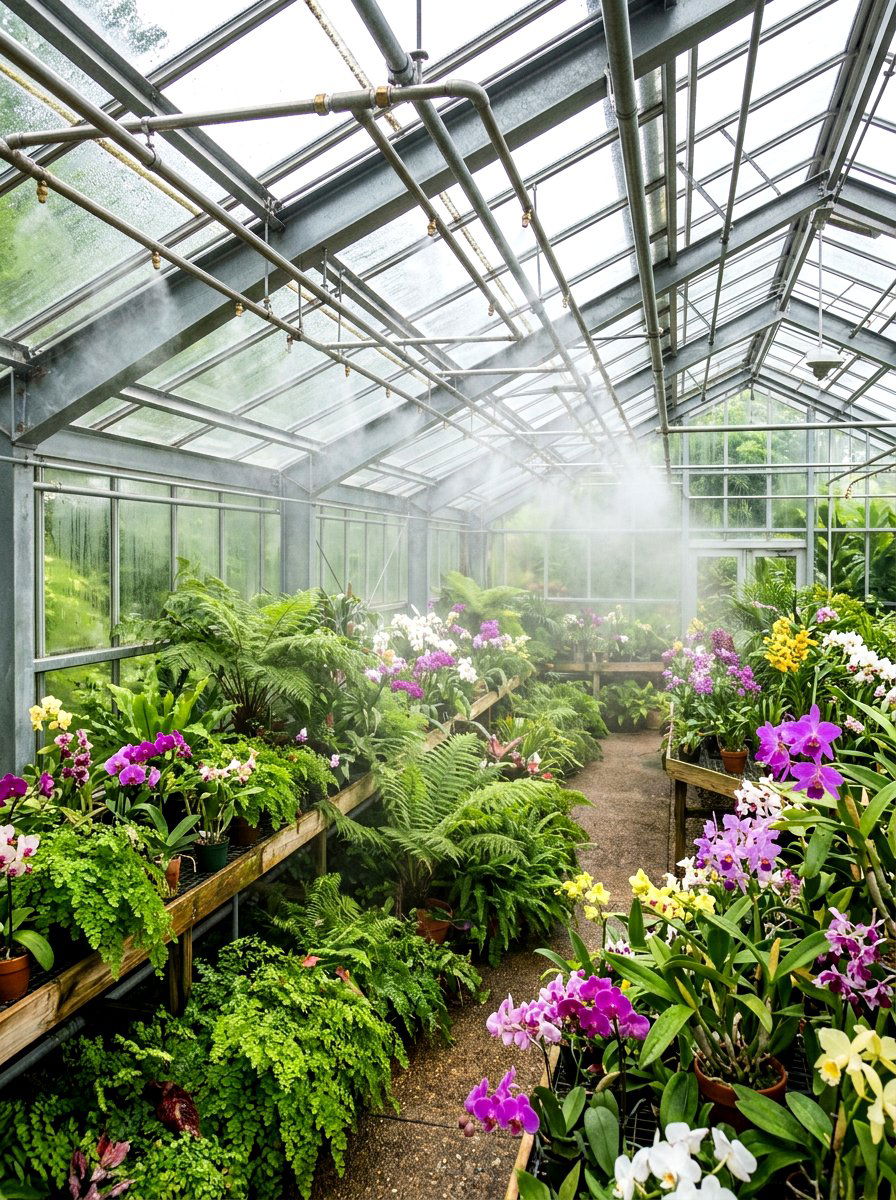
A greenhouse misting system is specifically designed to provide high-frequency, low-volume hydration that mimics a tropical environment. This setup uses specialized nozzles that create ultra-fine droplets that hang in the air, cooling the space and preventing delicate seedlings from drying out. When used in raised beds within a greenhouse or polytunnel, it helps maintain the high humidity levels that many exotic plants and starting crops require. These systems can be easily automated with a humidistat or a timer to ensure the environment remains perfectly balanced. It is a specialized tool that can significantly improve the success rate of propagation and the growth of sensitive plant varieties.
23. Greywater garden filter
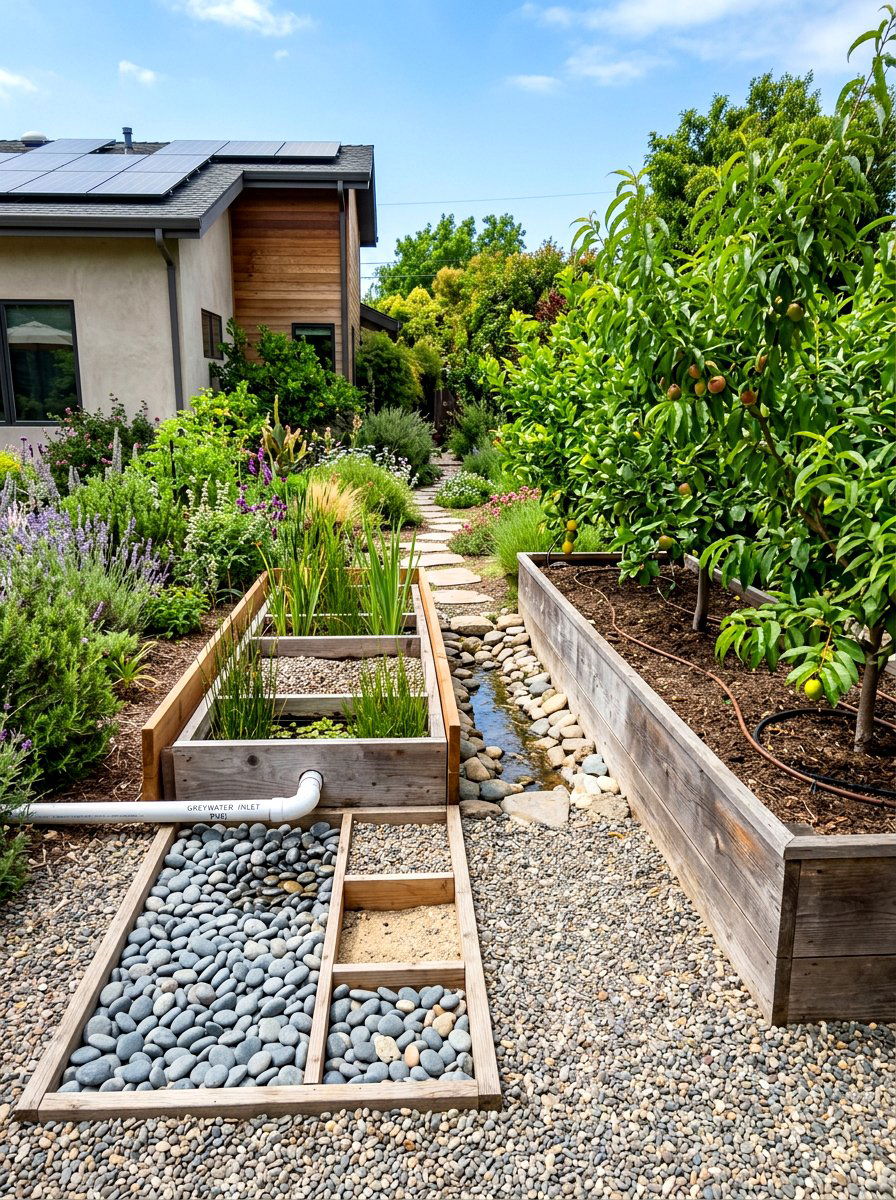
A greywater garden filter allows you to recycle water from your household sinks or showers to irrigate your raised beds safely and efficiently. This sustainable practice involves running used water through a series of natural filters, such as sand or gravel, to remove soap residues and debris before it reaches the plants. By diverting this water from the sewer system, you can significantly reduce your environmental footprint and provide a steady source of moisture even during drought conditions. It is important to use plant-safe, biodegradable soaps to ensure the health of your soil and crops. This setup is a great way to create a more resilient and self-sufficient home ecosystem.
24. Vertical garden dripper
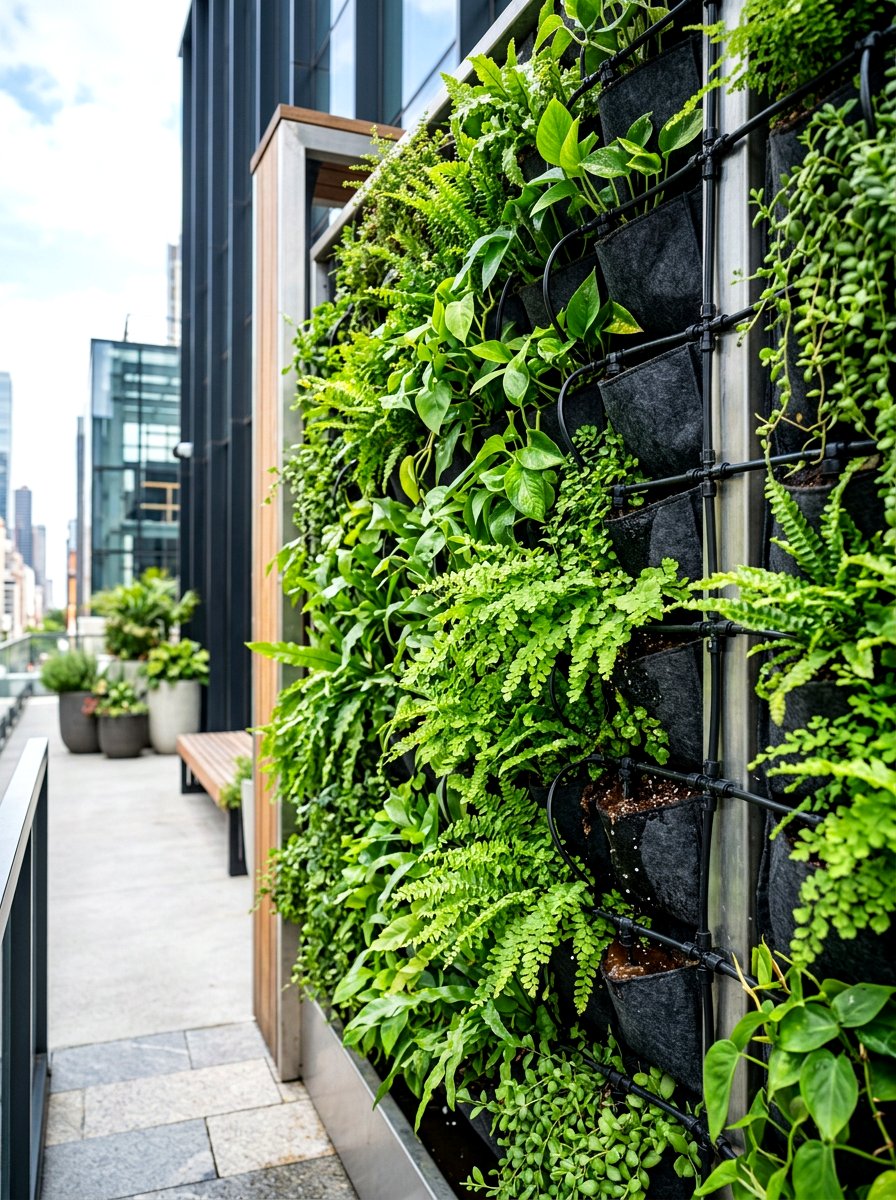
A vertical garden dripper system is designed to solve the unique watering challenges of tiered or wall-mounted raised beds. Because gravity naturally pulls water downward, these systems use pressure-compensating emitters to ensure that plants at the top receive the same amount of moisture as those at the bottom. The tubing is often hidden behind the structure to maintain a clean appearance, with small micro-lines branching out to each individual planting pocket. This specialized irrigation method prevents the lower sections from becoming oversaturated while the upper tiers remain dry. It is an essential component for any successful vertical gardening project, providing consistent and reliable hydration for all levels.
25. Quarter inch micro line
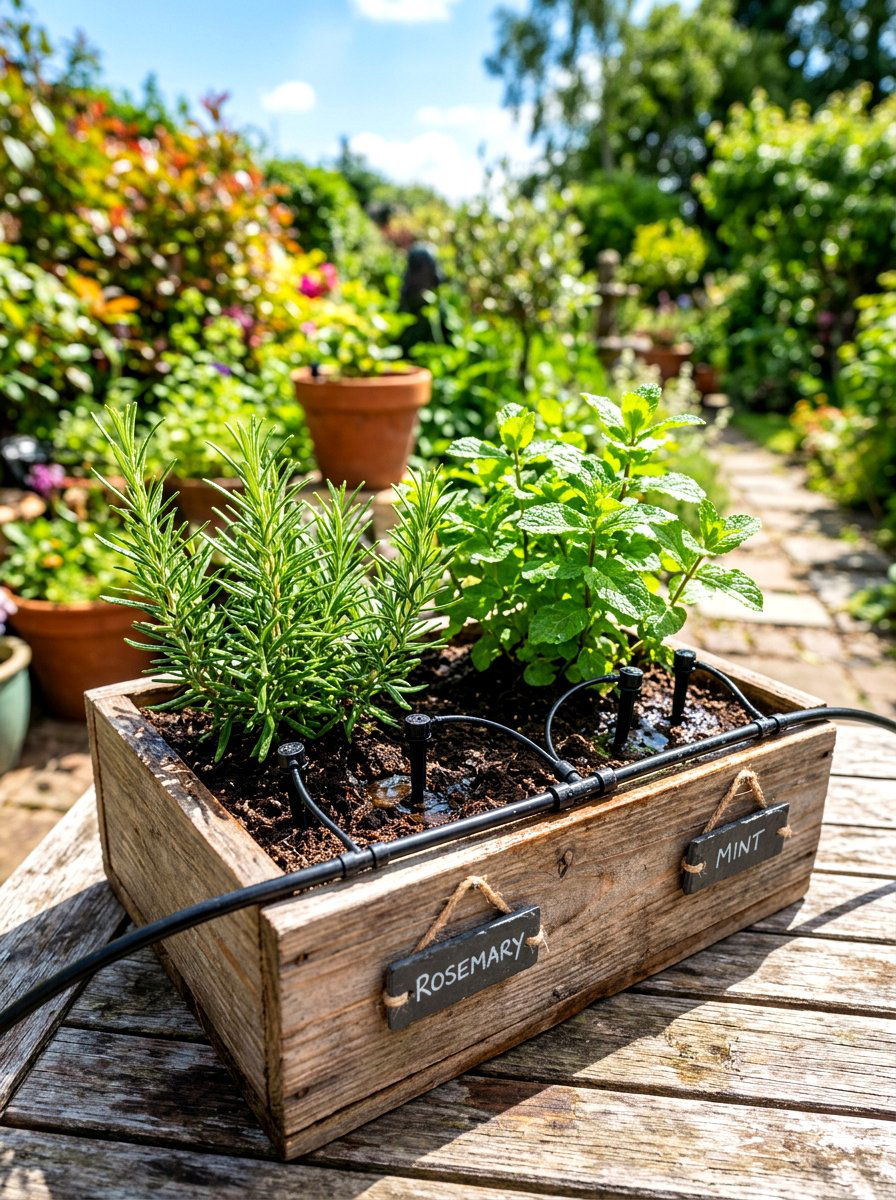
A quarter inch micro line is a small-diameter tubing that is perfect for delivering precise amounts of water to small or closely spaced plants. These flexible lines are typically used as offshoots from a larger main supply pipe, allowing you to run a dedicated water source to every corner of your raised bed. Because they are so small, they can be easily tucked under foliage or buried just beneath the mulch, keeping the irrigation system virtually invisible. You can attach a wide variety of emitters, such as drippers or bubblers, to the end of each micro line to suit the specific needs of different vegetable varieties or flower types.
26. Mulched drip system
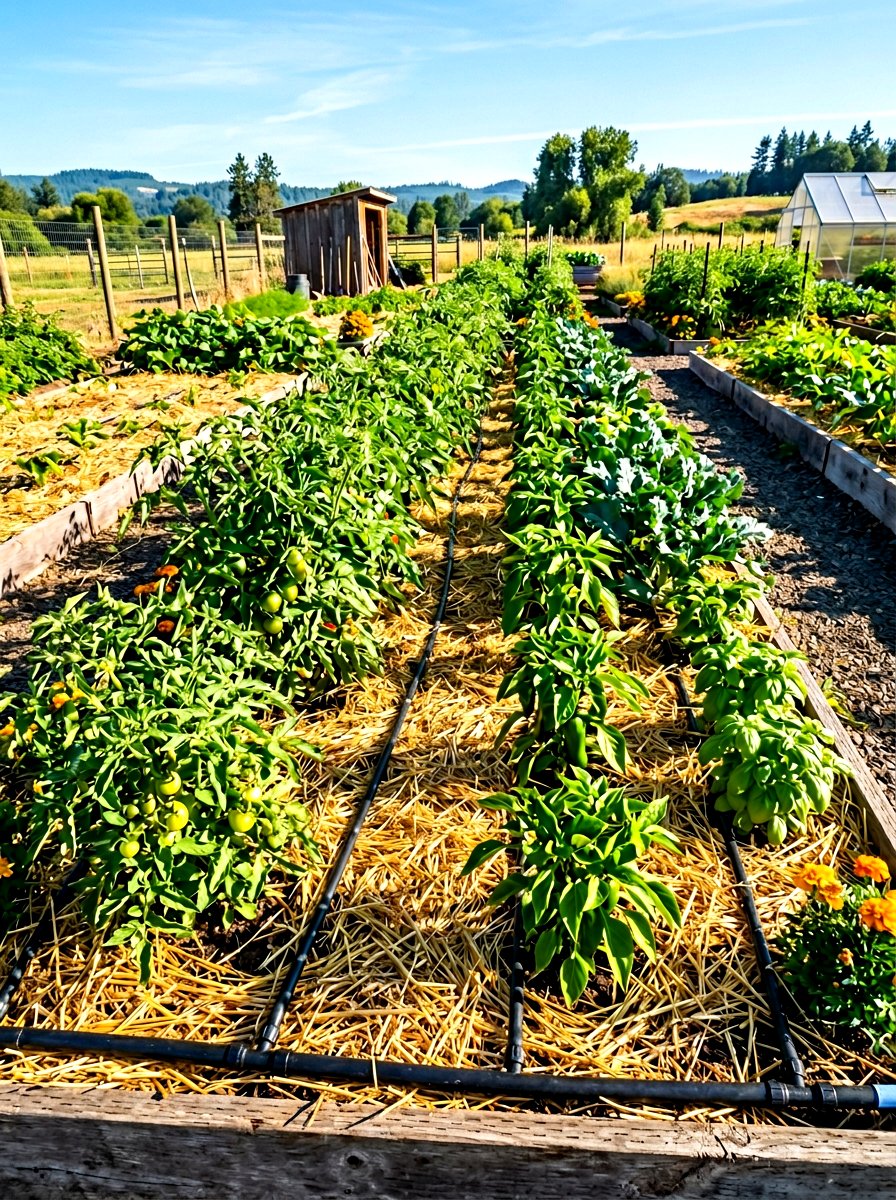
A mulched drip system combines the efficiency of drip irrigation with the moisture-retaining benefits of a thick organic groundcover. By laying your irrigation lines directly on the soil and then covering them with several inches of wood chips, straw, or leaves, you create a highly protected watering environment. The mulch prevents the sun from reaching the tubing, which stops water from heating up and protects the plastic from UV damage. It also acts as a barrier that slows down evaporation, keeping the soil cool and moist for much longer periods. This dual-layer approach is one of the most effective ways to conserve water while fostering a healthy soil microbiome.
27. High pressure misting
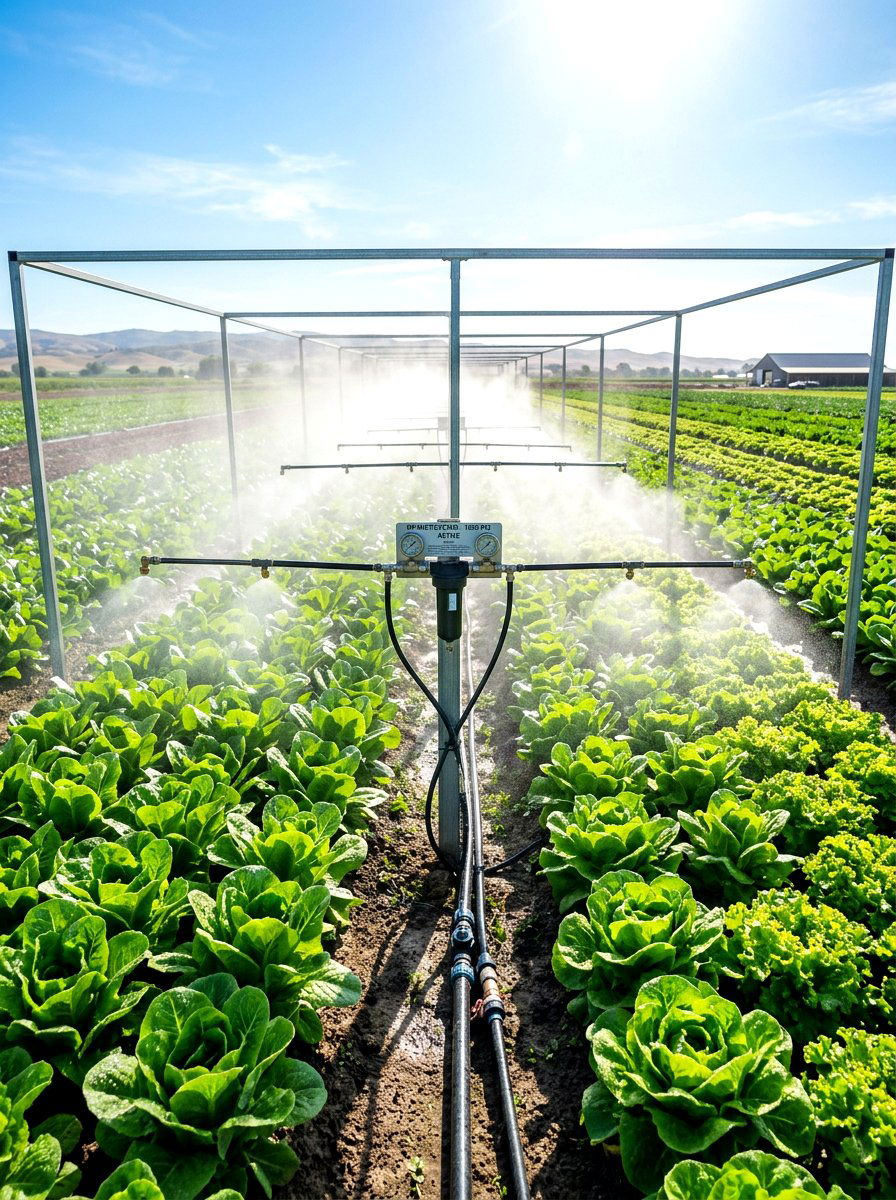
High pressure misting systems are used to create an extremely fine fog that can lower ambient temperatures by as much as twenty degrees through evaporative cooling. While often used for patio comfort, these systems are highly beneficial for raised beds containing cool-season crops that struggle during mid-summer heatwaves. The tiny water droplets evaporate before they even hit the ground, drawing heat out of the air and providing a refreshing microclimate for your plants. This helps prevent bolting in lettuce and stress in other delicate greens, allowing you to extend your growing season. It is a powerful tool for gardeners looking to overcome the challenges of intense and prolonged summer sun.
28. Low flow emitter
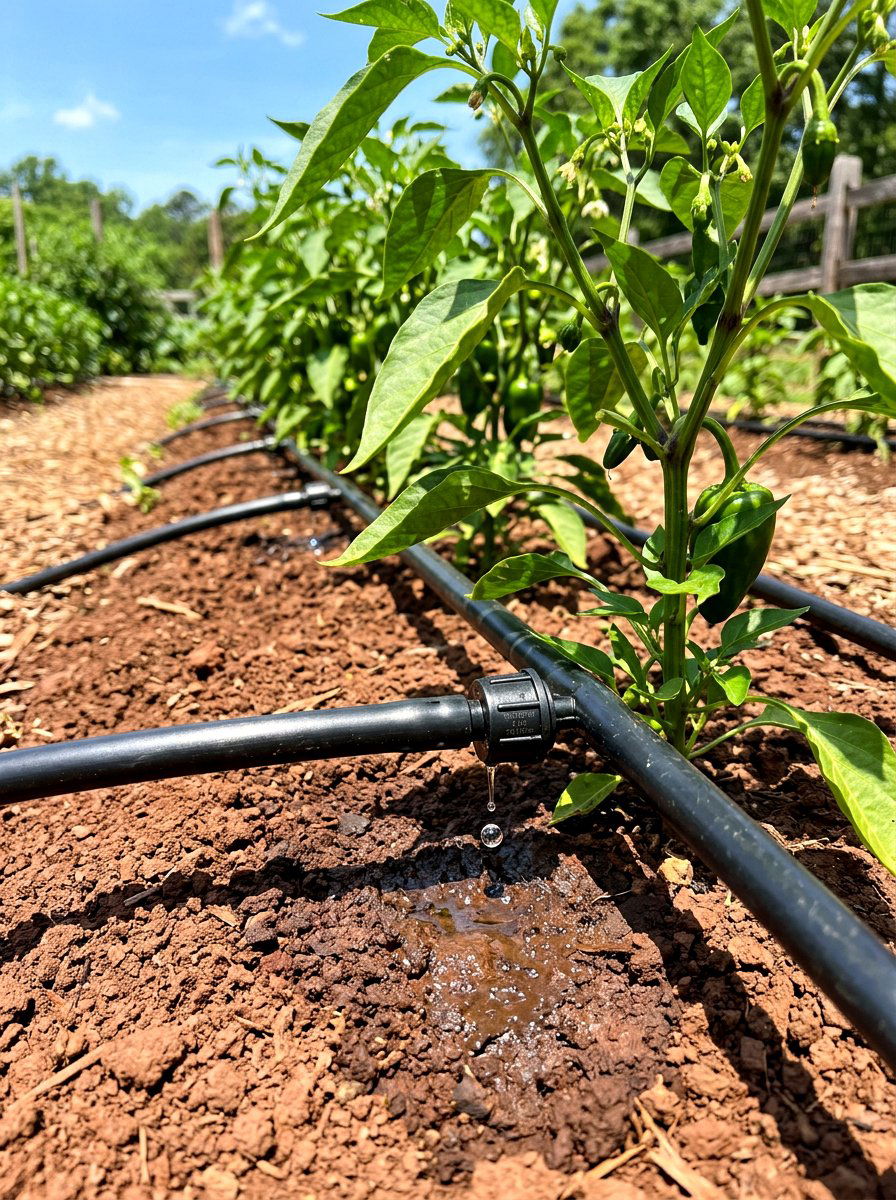
A low flow emitter is a specialized nozzle designed to release water at a very slow and controlled rate, often measured in fractions of a gallon per hour. This method is ideal for heavy clay soils that absorb water slowly, as it prevents pooling and runoff that can occur with faster delivery systems. By providing a steady, almost imperceptible trickle, these emitters ensure that the water has plenty of time to soak deep into the root zone. This precision watering promotes healthy growth and prevents the soil from becoming compacted or waterlogged. It is a highly efficient choice for sustainable gardening, ensuring that every drop of water is put to good use.
29. Raised bed plumbing
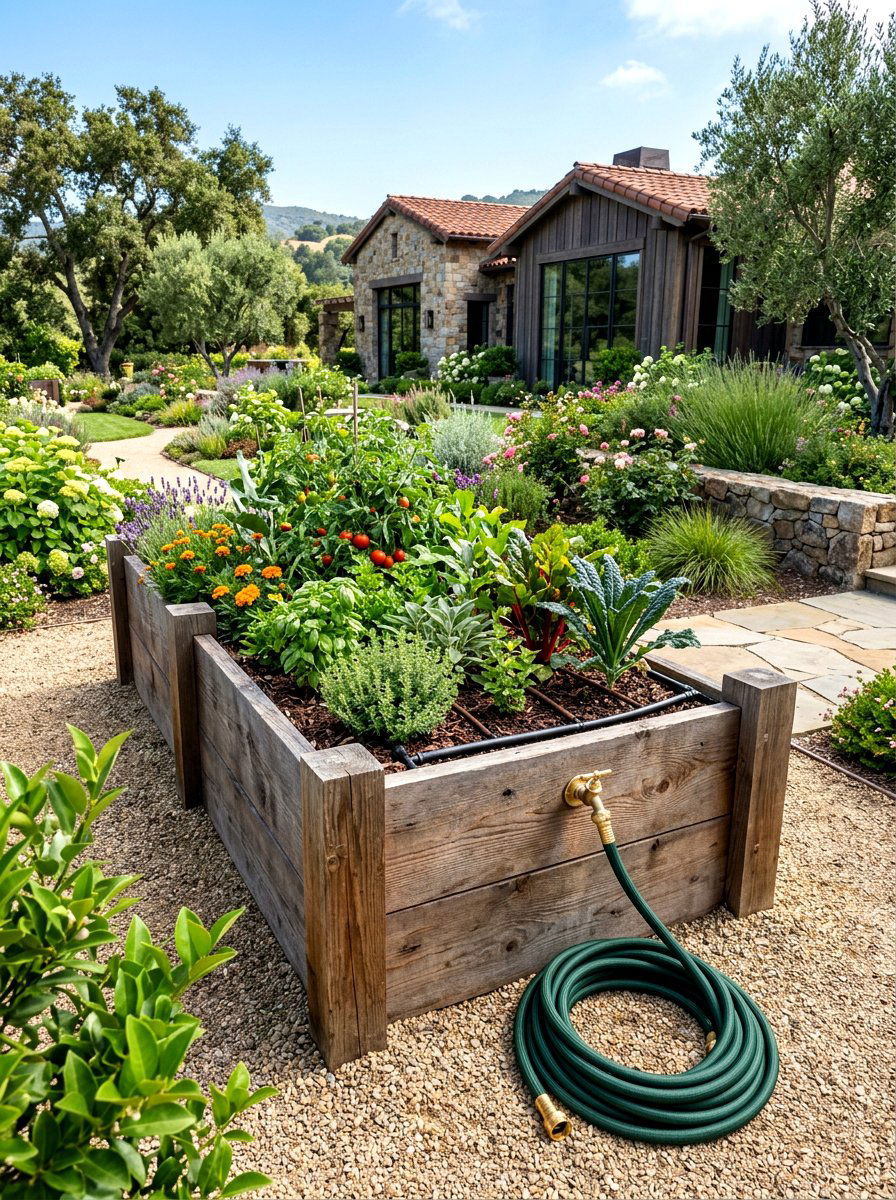
Raised bed plumbing involves installing permanent water lines and spigots directly into the structure of your garden boxes. This setup provides the ultimate convenience, as you no longer have to drag heavy hoses across the yard to reach your distant beds. By integrating the plumbing during the construction phase, you can hide the pipes within the walls of the beds for a clean and professional look. Each bed can have its own dedicated shut-off valve, giving you complete control over the watering schedule for every individual unit. This long-term investment significantly reduces the labor involved in garden maintenance and adds a level of sophistication to your outdoor space.
30. Hydroponic grow bed
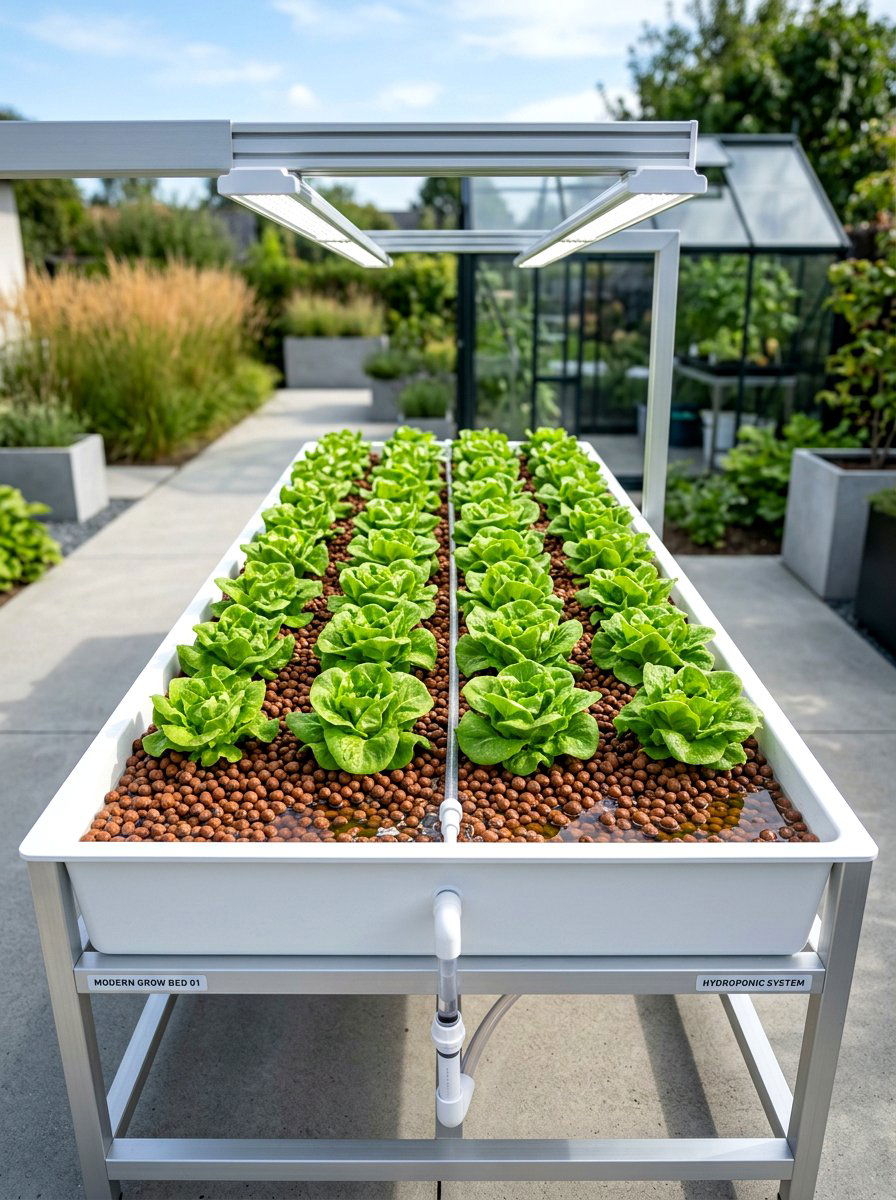
A hydroponic grow bed is a high-tech irrigation solution that eliminates soil altogether, instead using a nutrient-rich water solution to feed the plants directly. These systems often use a flood-and-drain method where the raised bed is filled with an inert growing medium like clay pebbles or perlite. A pump periodically floods the bed with water and then allows it to drain back into a reservoir, providing the roots with both moisture and essential oxygen. This method can result in much faster growth rates and higher yields compared to traditional soil-based gardening. It is a fascinating and highly productive way to garden that offers total control over every aspect of plant nutrition.
Conclusion:
Choosing the right irrigation system for your raised beds is a transformative step that can lead to a more productive and enjoyable gardening experience. Whether you opt for the simplicity of a soaker hose, the precision of a high-tech smart sensor, or the sustainability of an olla pot, the goal remains the same: providing consistent, deep hydration to your plants. By automating your watering routine, you not only save countless hours of manual labor but also ensure that your garden remains resilient during the hottest days of the year. Take the time to evaluate your specific needs and budget, and you will soon enjoy a flourishing, water-efficient garden that yields bountiful harvests for years to come.

Related posts: