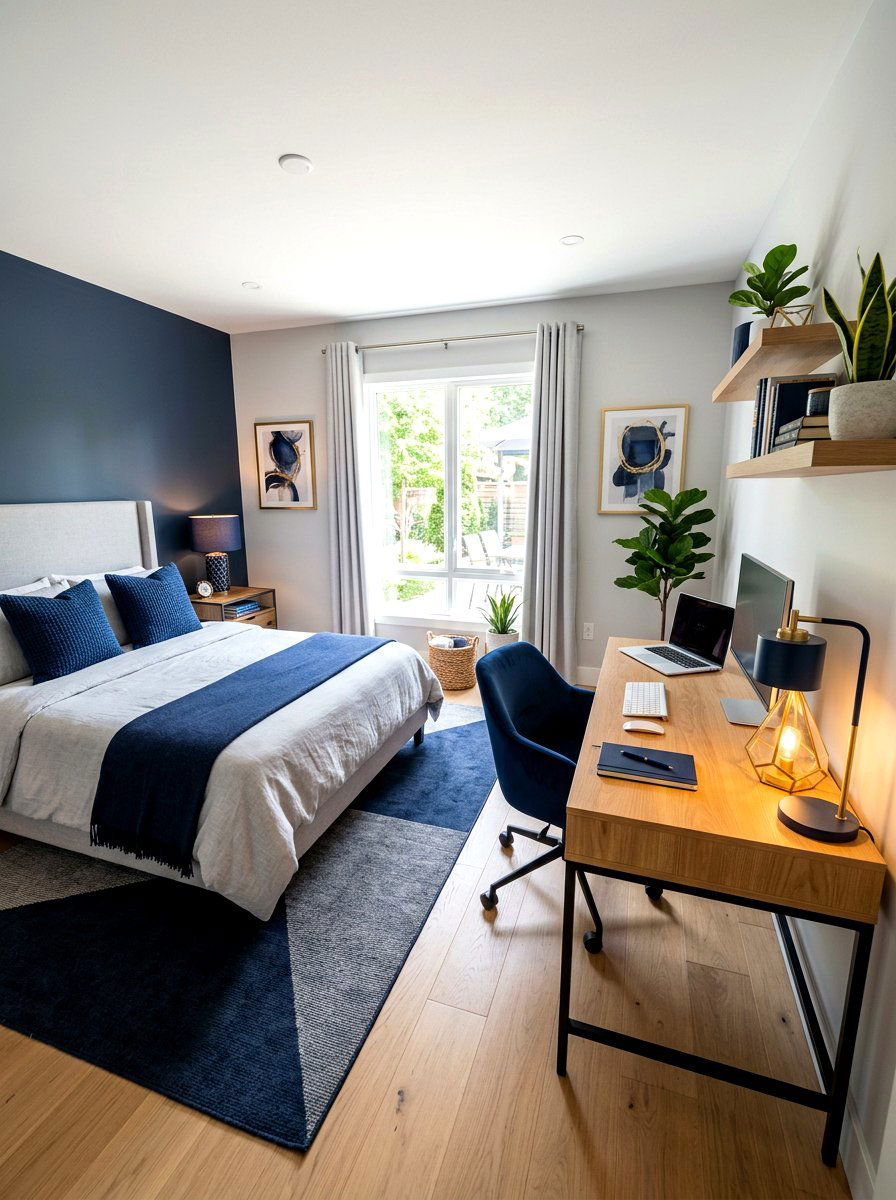
Living in a tiny house requires a shift in perspective when it comes to spatial planning and interior design choices. One of the most iconic features of these compact dwellings is the elevated sleeping area, commonly known as a loft bed. These vertical retreats allow homeowners to separate their rest zone from the active living areas below, effectively doubling the usable square footage of a small footprint. Whether you are building a DIY home on wheels or a permanent small cottage, finding the right layout is crucial for comfort and flow. From clever storage solutions to stunning architectural details, the possibilities for maximizing your small space are virtually endless.
1. Tiny House Loft Stairs With Storage
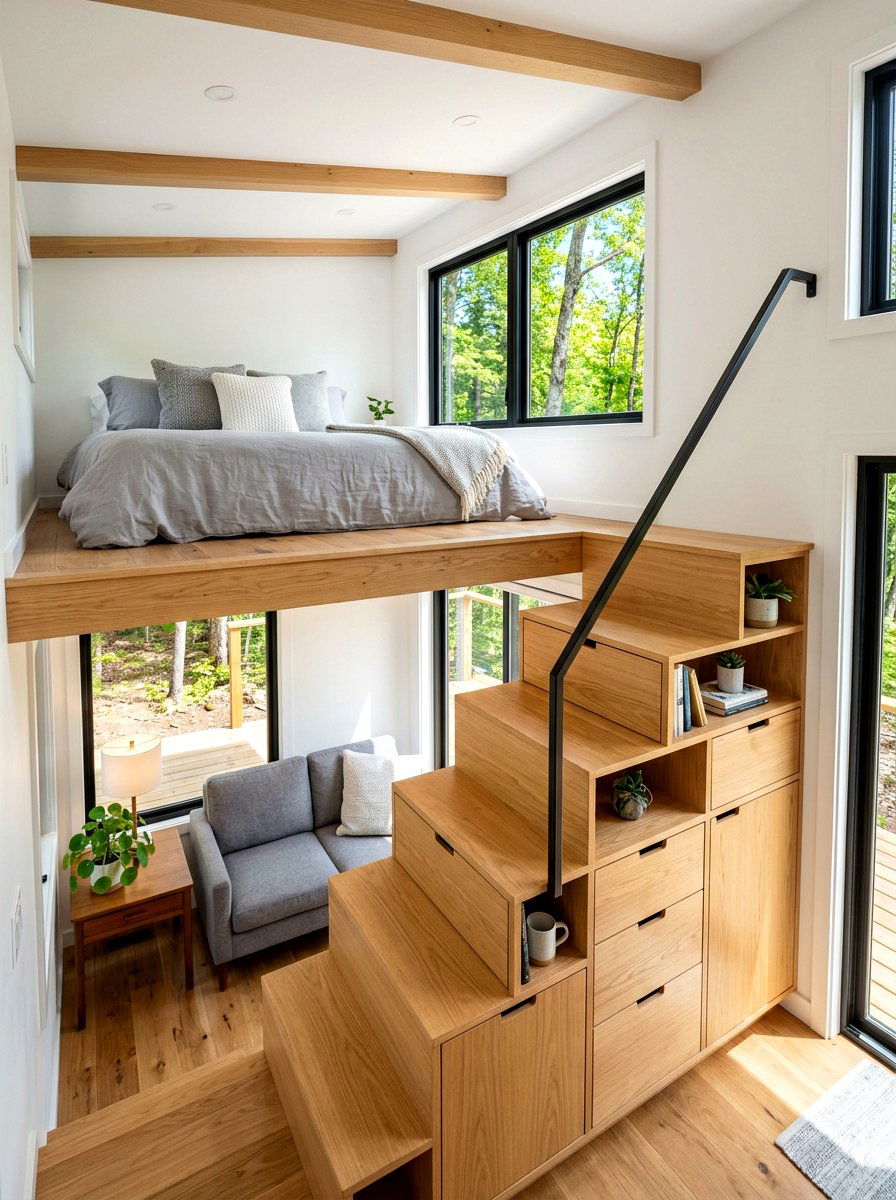
Tiny house loft stairs with storage provide a dual-purpose solution that is both functional and aesthetically pleasing for small homes. Instead of using a steep ladder, these integrated steps offer a much safer way to access the sleeping area while creating massive amounts of hidden organization. Each individual step can serve as a pull-out drawer or a cabinet to hold clothing, shoes, and bulky household items that would otherwise clutter the main living space. This design creates a seamless transition between the ground floor kitchen or lounge and the cozy bedroom above. It adds a sense of permanence and architectural depth to the overall interior layout for any homeowner.
2. Modern Minimalist Tiny House Loft
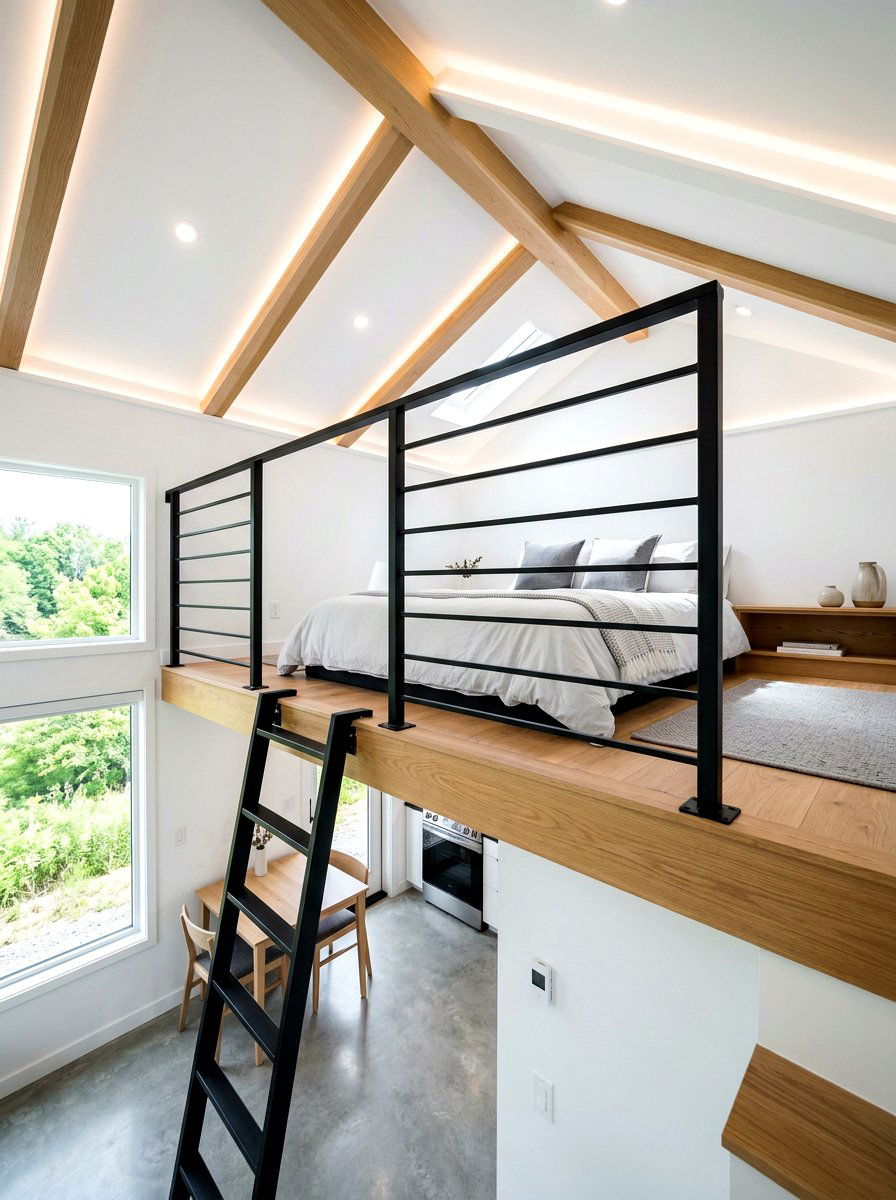
A modern minimalist tiny house loft focuses on clean lines and a clutter-free environment to make a small space feel significantly larger. By using a monochromatic color palette of whites, grays, and soft blacks, the sleeping area feels airy and sophisticated rather than cramped. This design often features recessed lighting and thin, understated railings that do not obstruct the view of the lower living level. Furniture is kept to a minimum, perhaps only a low-profile mattress and a sleek side shelf for essentials. The simplicity of this setup promotes a sense of calm and relaxation, which is vital in a compact home environment today.
3. Queen Size Tiny House Loft
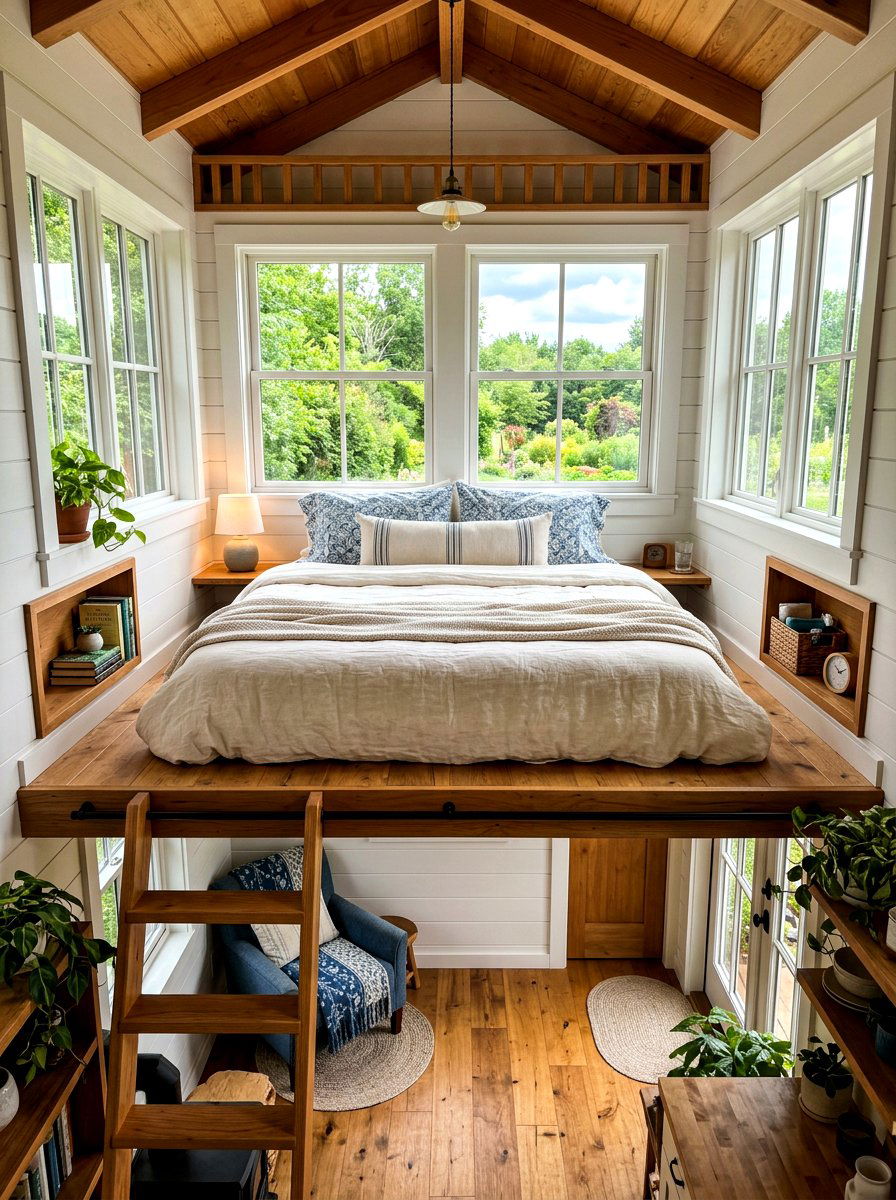
Incorporating a queen size tiny house loft ensures that you do not have to sacrifice sleep quality for a smaller footprint. This layout typically spans the entire width of the tiny home, providing enough room for two people to sleep comfortably without feeling restricted. To make the area feel more like a traditional bedroom, designers often include built-in bedside niches and soft ambient lighting. Large windows placed on either side of the bed provide cross-ventilation and allow natural light to fill the space during the day. This setup proves that downsizing your home does not mean you have to downsize your primary sleeping comfort levels.
4. Rustic Wood Beam Loft
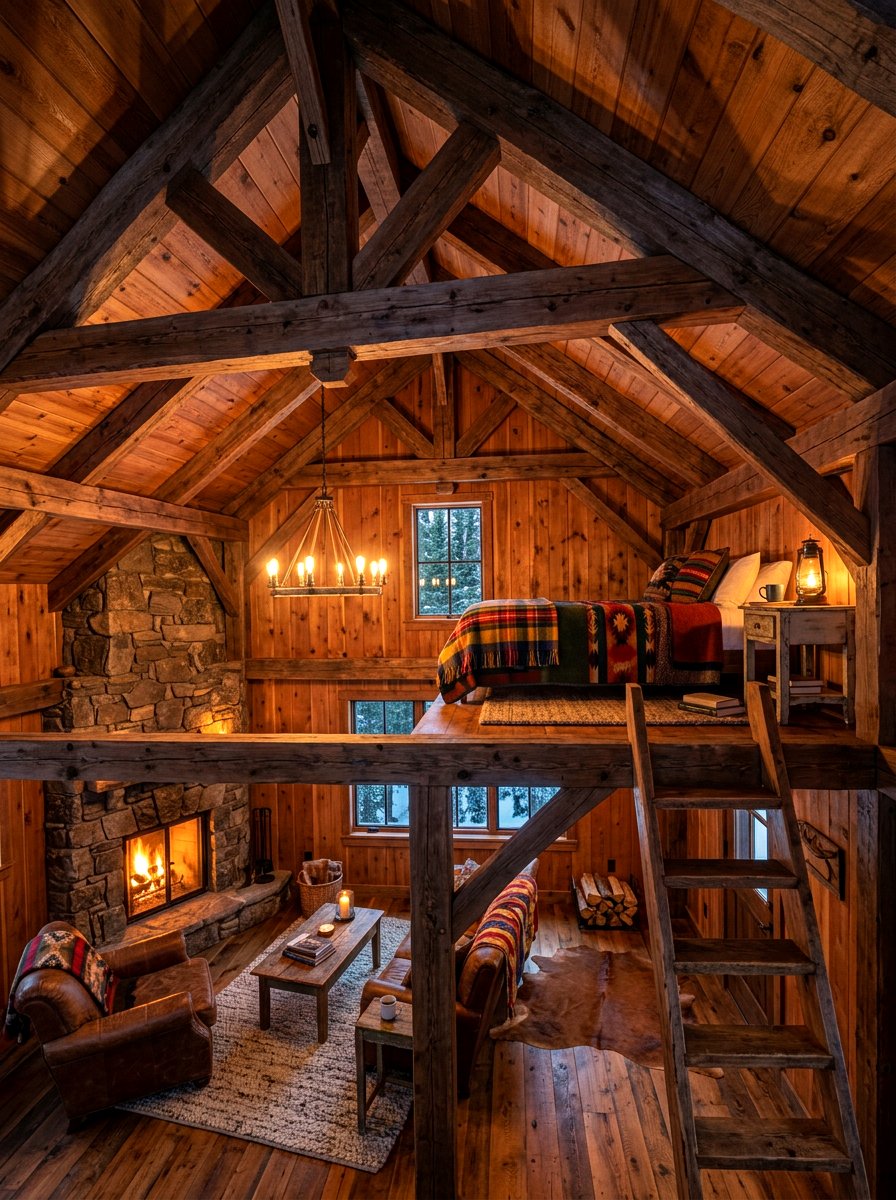
The rustic wood beam loft is a classic design choice that adds warmth and character to any small interior space. Heavy timber supports and exposed wooden rafters create a cozy, cabin-like atmosphere that feels grounded and sturdy. This style works beautifully when paired with warm-toned bedding and soft, textured rugs that contrast with the hard wood surfaces. The natural grain of the wood provides visual interest and eliminates the need for excessive wall decor. By keeping the structural elements visible, you create an inviting retreat that feels connected to nature. It is an ideal choice for those who love a traditional farmhouse or mountain aesthetic.
5. Industrial Pipe Loft Ladder
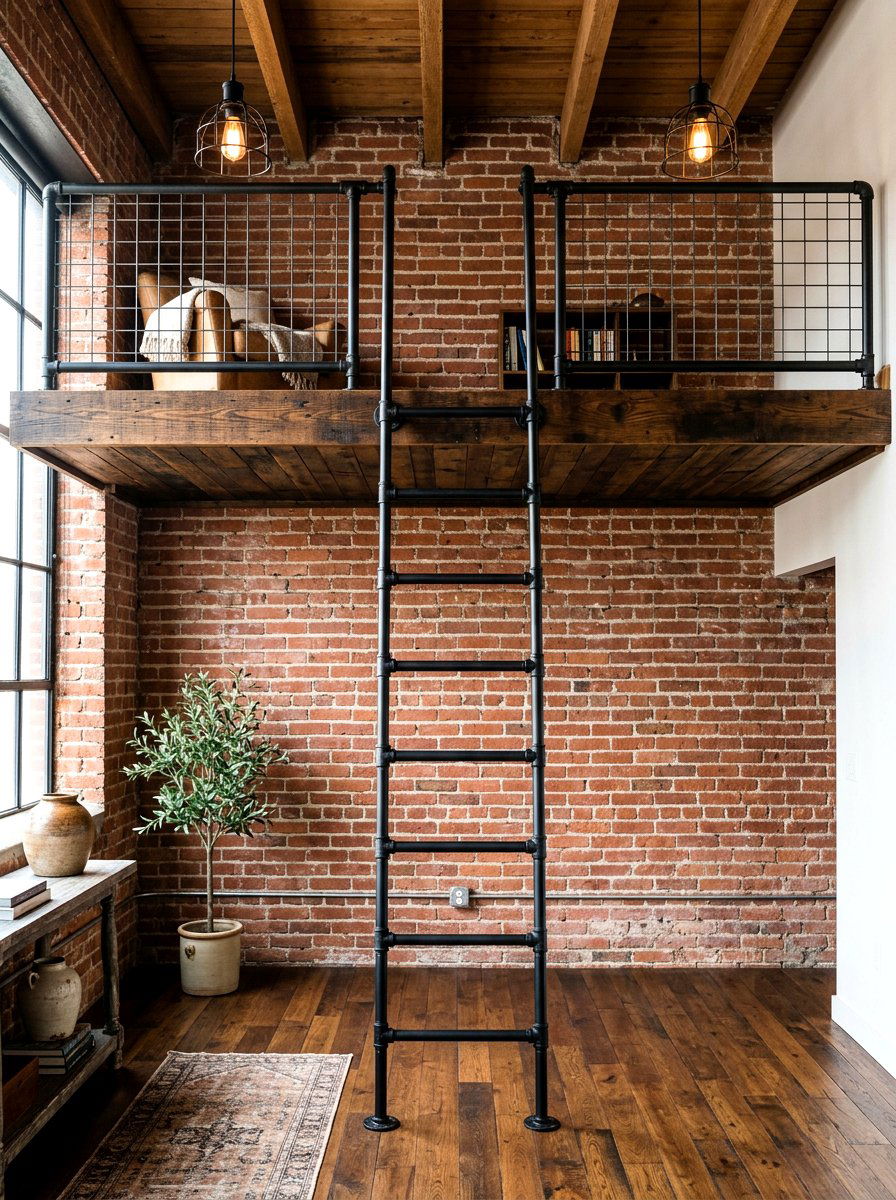
An industrial pipe loft ladder offers a rugged and space-saving way to reach your sleeping area while adding a unique edge. These ladders are often constructed from black iron or galvanized steel pipes, providing a sturdy grip and a very slim profile. Because they take up very little floor space, they are perfect for extremely narrow tiny house layouts where every inch counts. This design element pairs exceptionally well with exposed brick walls, metal light fixtures, and raw wood finishes. The vertical lines of the pipe ladder can also serve as a visual focal point, drawing the eye upward and emphasizing the height of the home.
6. Tiny House Loft Skylight
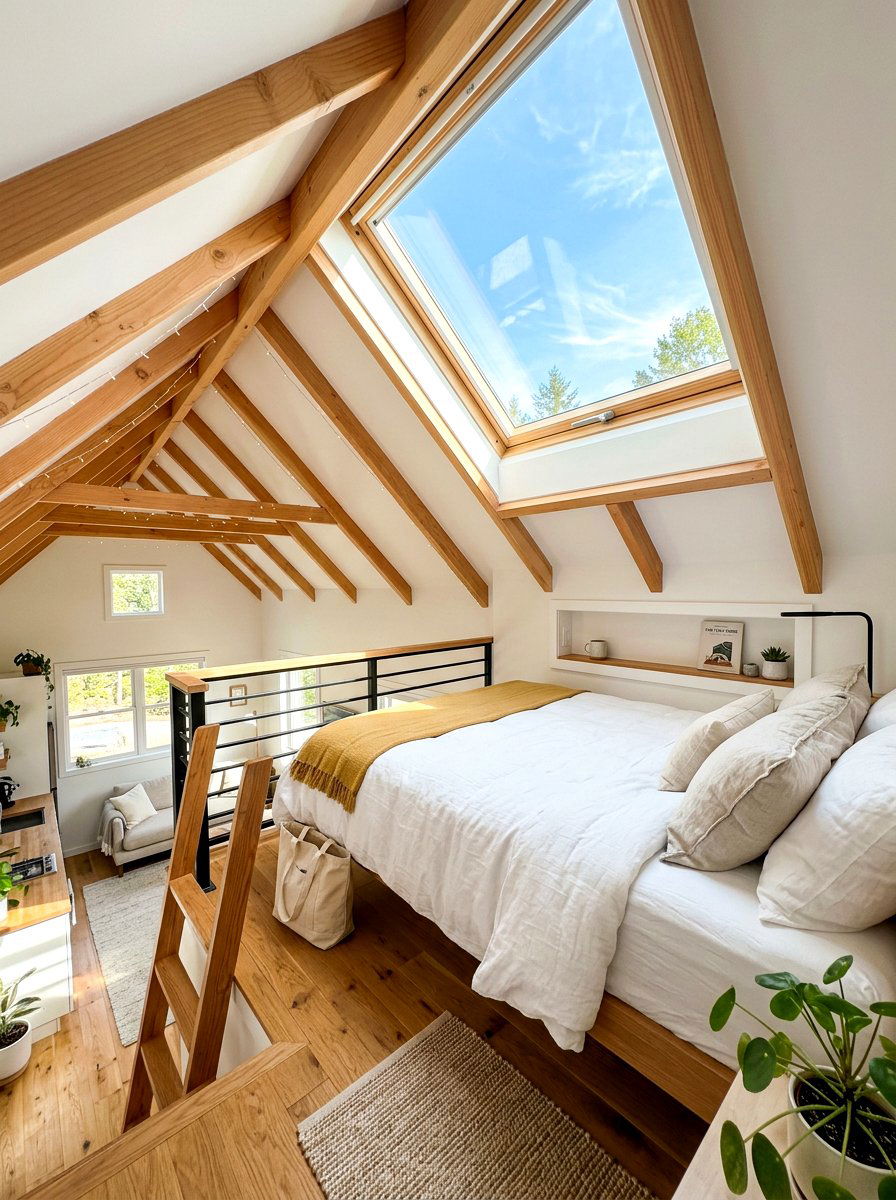
A tiny house loft skylight is a transformative feature that connects the interior of your home with the beauty of the outdoors. Positioning a large window directly above the bed allows you to stargaze at night and wake up with the morning sun. This design choice helps to mitigate any feelings of claustrophobia that can sometimes occur in low-ceiling lofts by opening the space to the sky. Beyond the visual benefits, a ventilating skylight can help regulate the temperature of the loft by allowing heat to escape during the summer. It creates a bright, cheerful, and dynamic environment that changes with the weather outside.
7. U Shaped Mezzanine Loft
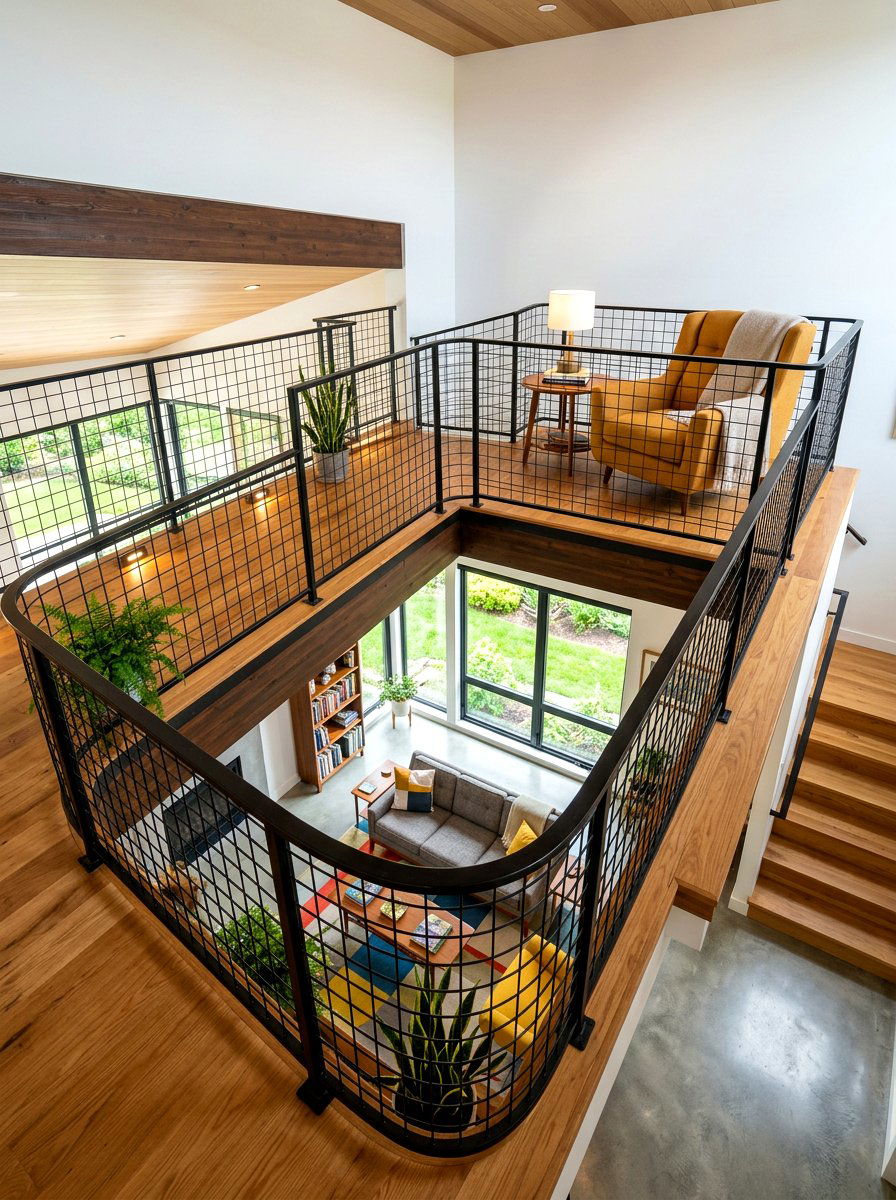
The u shaped mezzanine loft is an innovative way to maximize the upper level of a tiny house for multiple activities. This layout extends around the perimeter of the room, creating a walkway that connects different functional zones like a bedroom and a reading nook. By utilizing three sides of the space, you create a sense of architectural complexity and separate the sleeping zone from the rest of the loft. This design is particularly effective in larger tiny homes with high ceilings, as it allows for a more open and social atmosphere. It provides a balcony-like view of the lower floor while maintaining private tucked-away corners.
8. Tiny House Master Loft
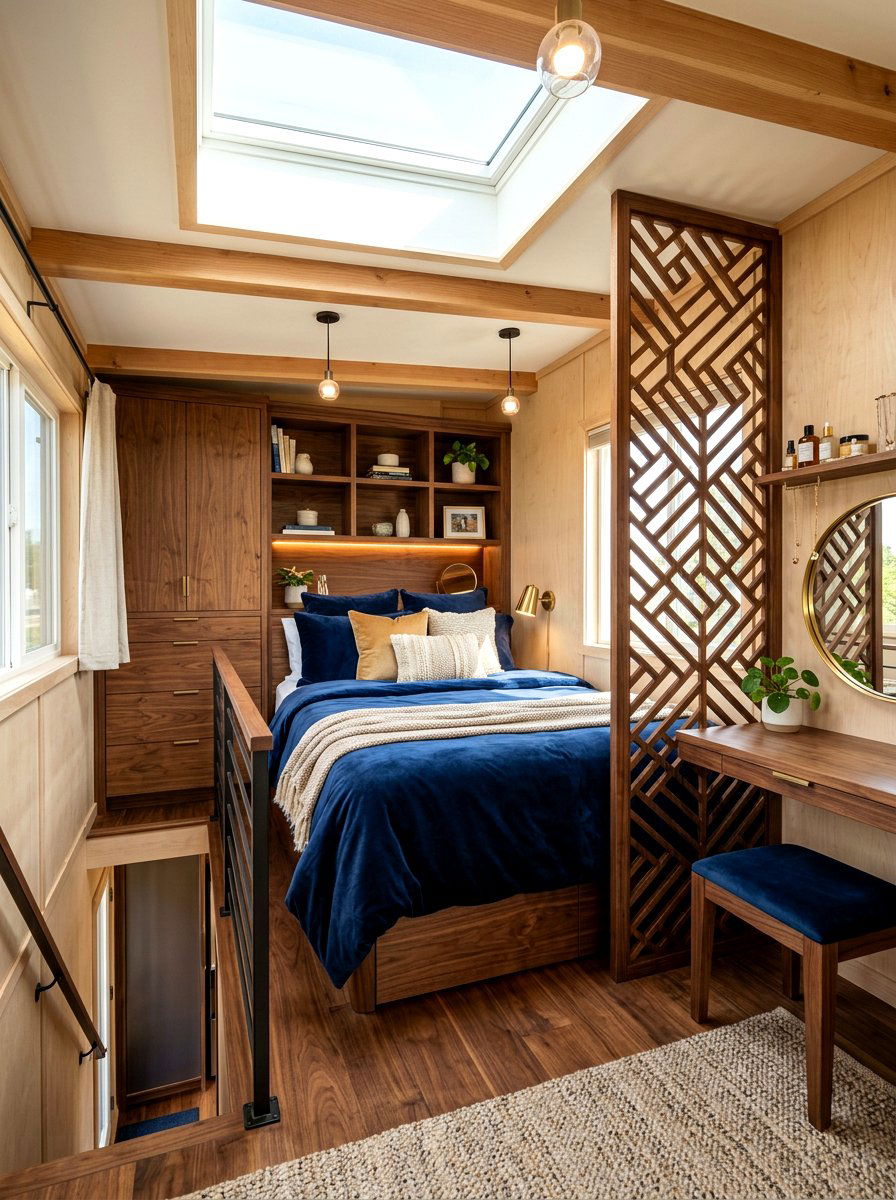
Designing a tiny house master loft involves creating a sophisticated and private sanctuary that feels entirely separate from the rest of the house. This area often includes higher-end finishes, such as custom cabinetry, plush carpeting, and even a small vanity or dressing area. To enhance the feeling of a master suite, many designers use a full wall or a decorative screen to provide visual privacy from the living room below. High-quality linens and layers of soft lighting further elevate the space into a luxury retreat. This approach ensures that your tiny home feels like a permanent, well-designed residence rather than a temporary living situation.
9. Tiny House Guest Loft
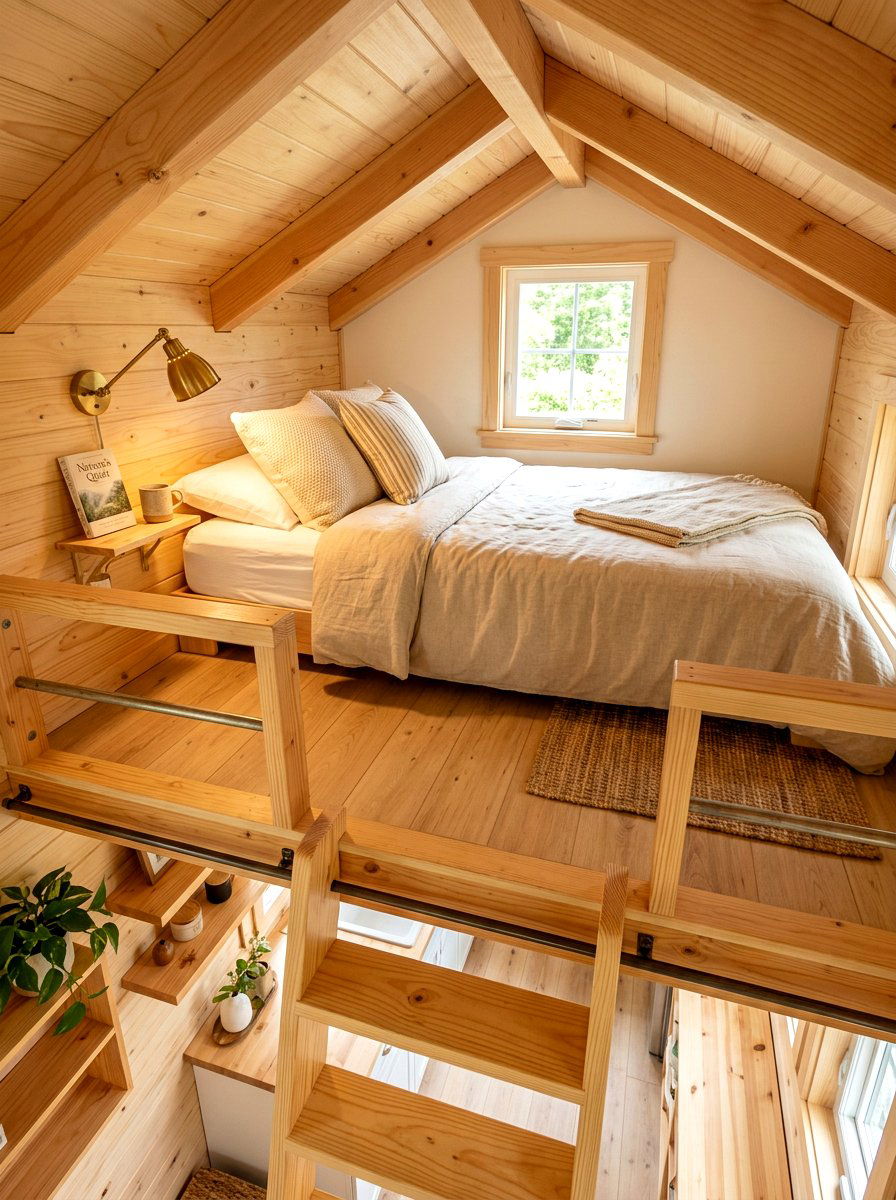
A tiny house guest loft is a brilliant way to accommodate visitors without sacrificing your own daily living comfort or floor space. Typically situated on the opposite end of the home from the primary loft, this area provides a cozy spot for friends or family. When not in use by guests, this secondary loft can serve as extra storage or a quiet place for meditation and yoga. Simple decor and neutral colors keep the space versatile and welcoming for anyone who stays over. Providing a small charging station and a reading lamp makes the guest experience feel thoughtful and complete within the compact home.
10. Low Profile Loft Bed
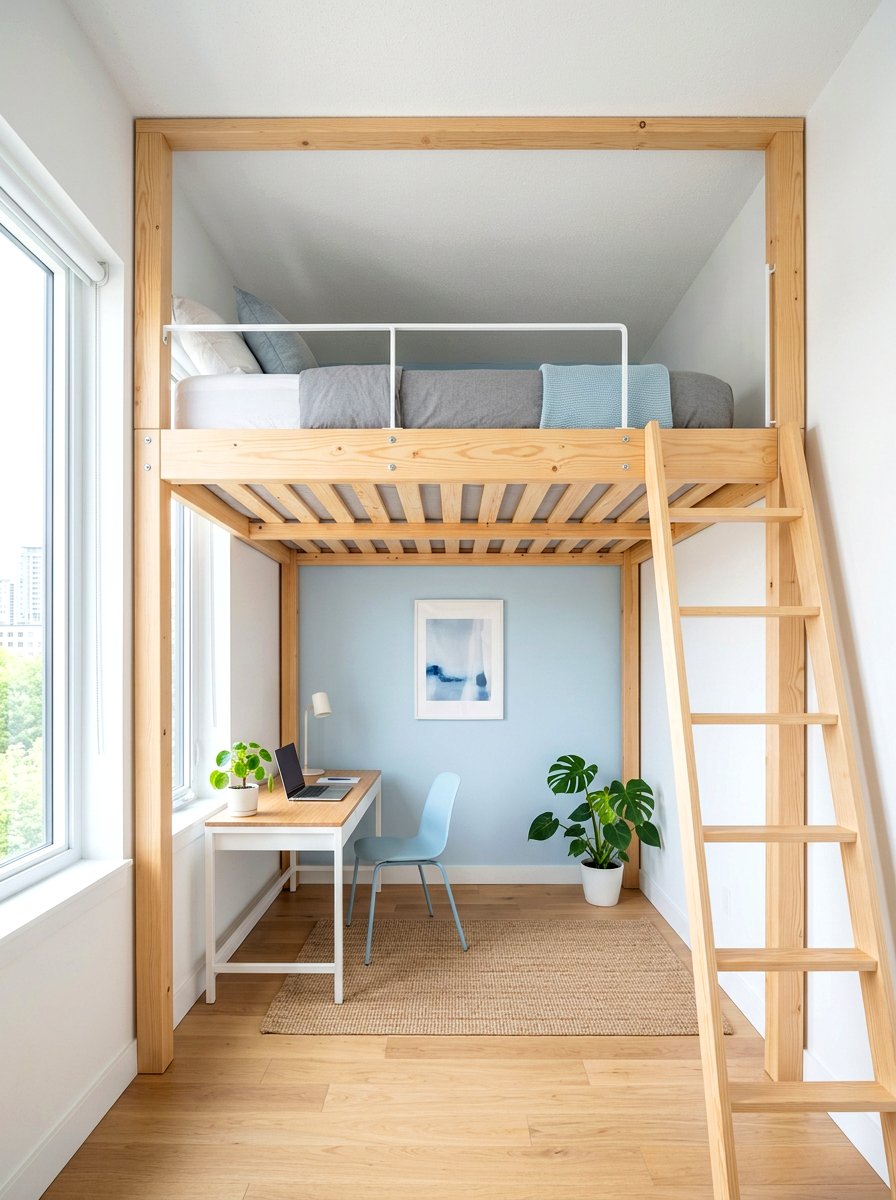
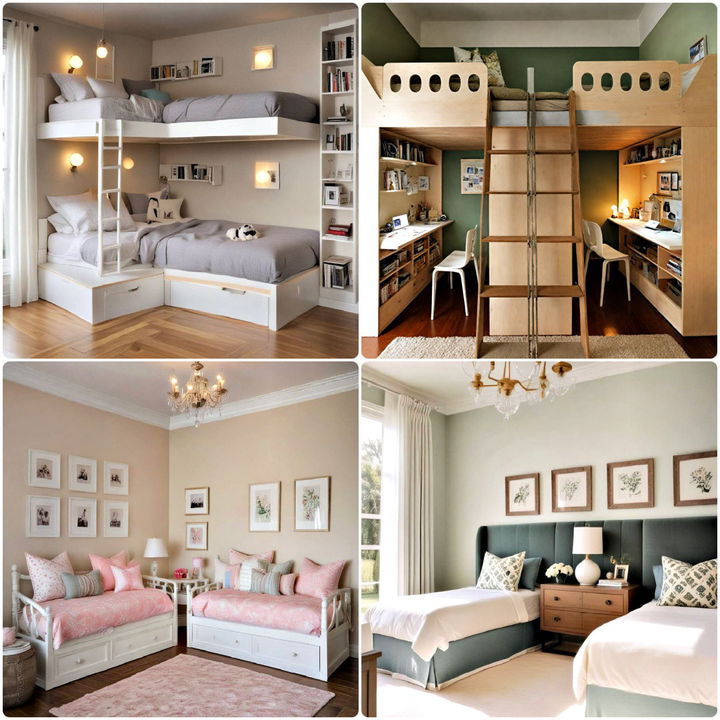
The low profile loft bed is the perfect solution for tiny houses with limited ceiling height or those built on trailers. By keeping the mattress close to the floor of the loft, you maximize the vertical headroom available for sitting up and moving around. This design often utilizes a thin slats-based frame or even a high-quality futon to keep the elevation as low as possible. Light colors and minimalist styling help the area feel less heavy and more integrated into the overall room design. This approach ensures that even the smallest lofts feel comfortable and accessible for daily use without feeling too tight or restrictive.
11. Kids Tiny House Bunk Loft
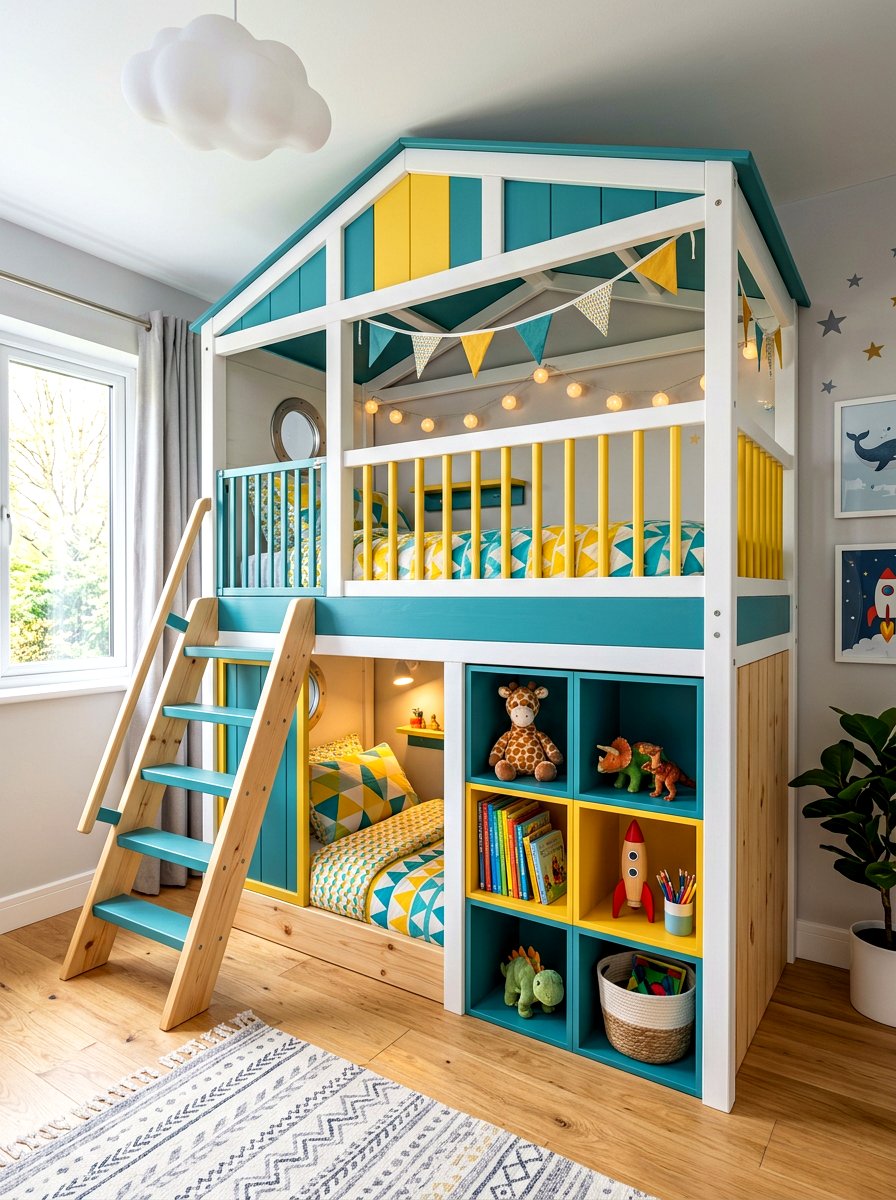
Creating a kids tiny house bunk loft is a fun and efficient way to give children their own dedicated space. This layout often features two separate sleeping levels or a single loft divided into two distinct zones for siblings. Safety is a priority here, so sturdy railings and easy-to-climb ladders are essential components of the design. Bright colors, wall decals, and integrated toy storage help make the space feel playful and personalized for younger residents. By moving the kids' sleeping area to a loft, you free up more floor space below for a dedicated play area or a shared family dining table.
12. Tiny House Loft Barn Door
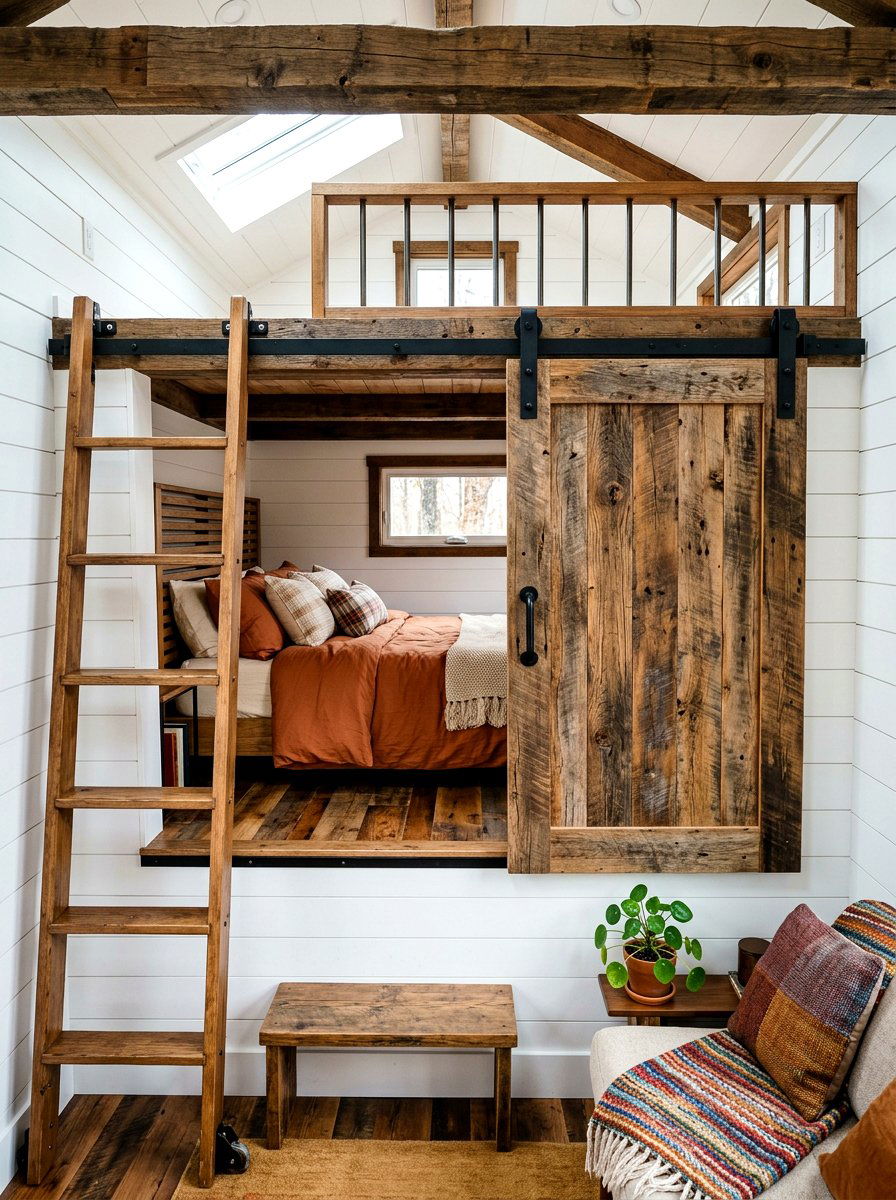
A tiny house loft barn door adds a touch of rustic charm while providing much-needed privacy for the sleeping area. These sliding doors are incredibly space-efficient because they do not require a swing radius, making them ideal for narrow corridors or tight lofts. When closed, the door acts as a solid barrier that blocks out light and sound from the rest of the house. When open, it slides neatly out of the way to maintain an open-concept feel throughout the tiny home. Using reclaimed wood or a bold paint color on the door can turn this functional element into a stunning piece of art.
13. Glass Railing Loft Bed
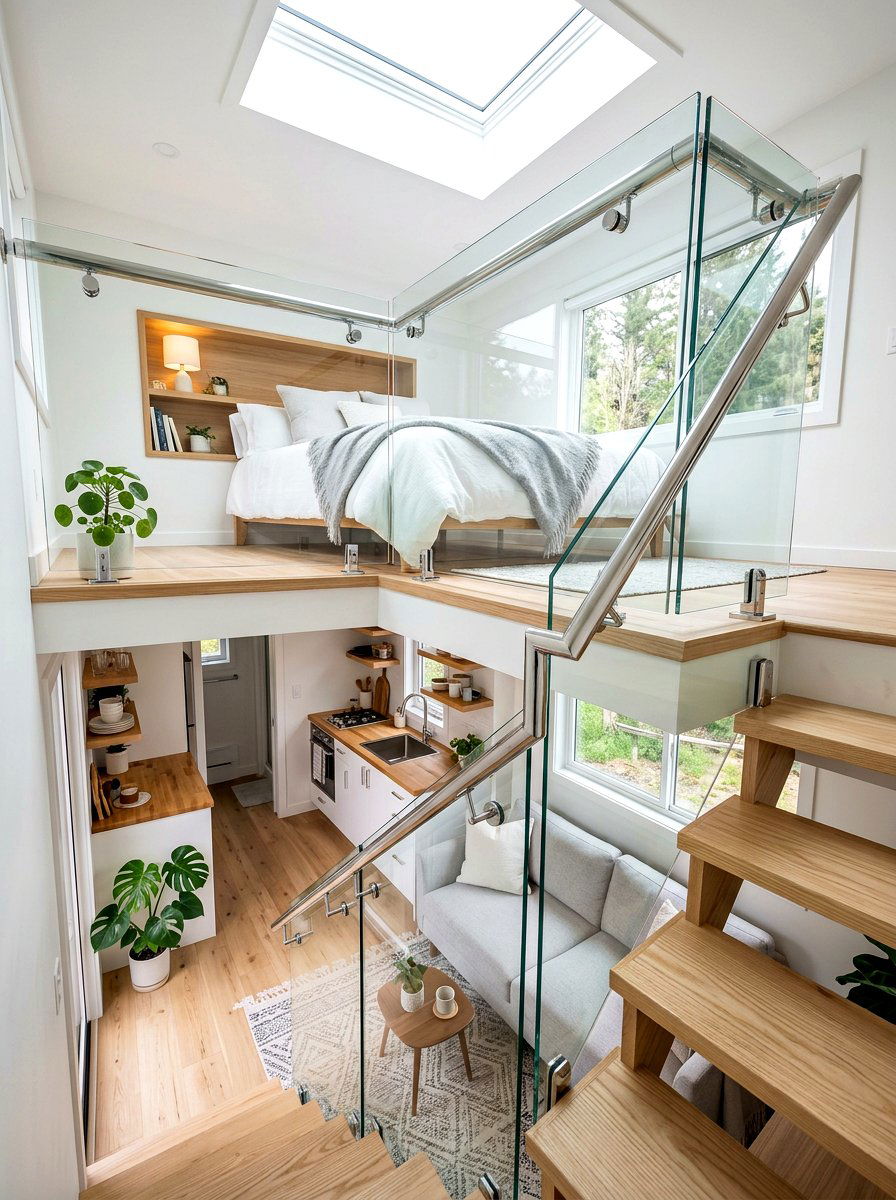
A glass railing loft bed is a premium design choice that creates a modern and completely unobstructed view of the home. Using tempered glass panels instead of traditional wood or metal railings allows light to flow freely between the upper and lower levels. This transparency makes the entire tiny house feel significantly larger and more cohesive, as there are no heavy visual breaks in the space. It is a sophisticated look that pairs beautifully with polished concrete floors or sleek hardwood. Despite the delicate appearance, glass railings are incredibly safe and provide a secure barrier while maintaining a high-end, contemporary aesthetic throughout.
14. Double Tiny House Loft
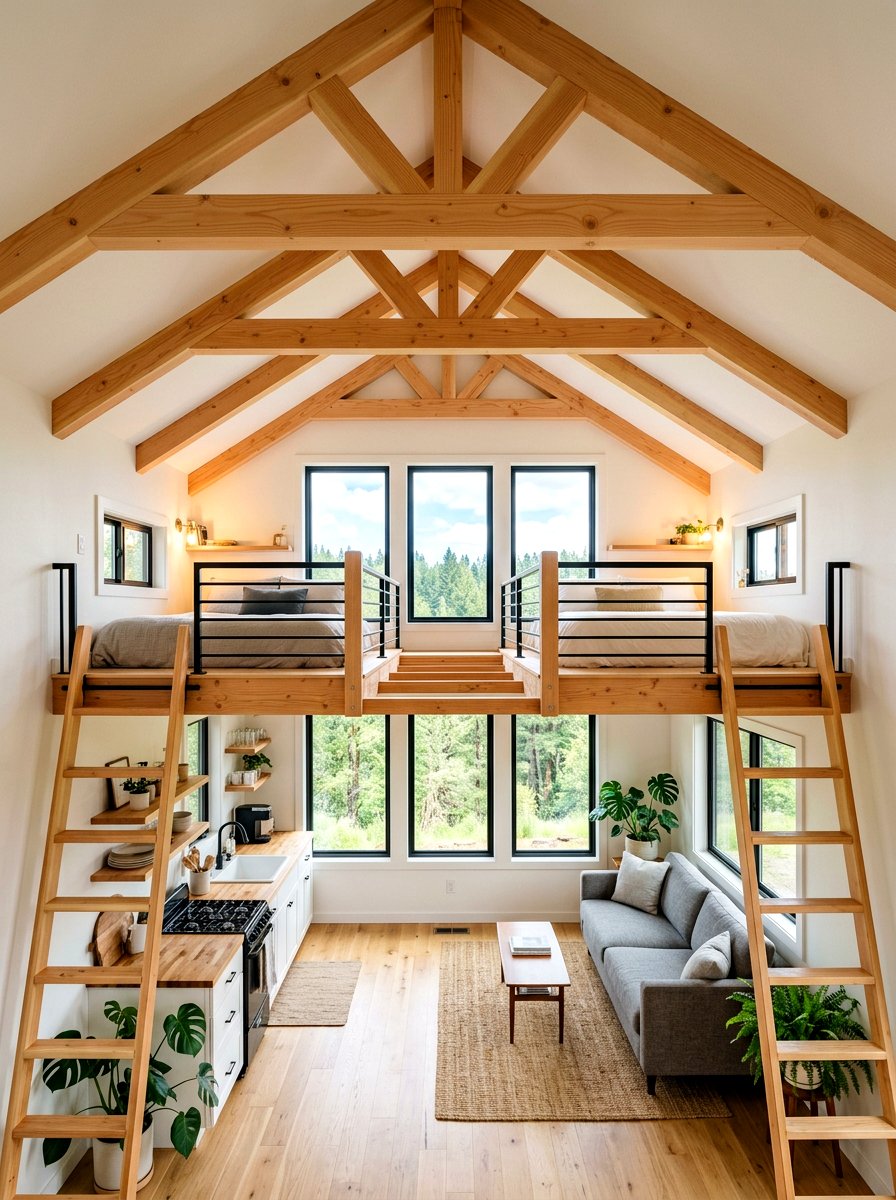
The double tiny house loft configuration is a popular choice for families or couples who need separate zones for sleeping and work. By placing a loft at each end of the house, you create a balanced layout that maximizes the vertical height of the entire structure. Usually, one side serves as the primary bedroom while the other functions as a secondary bedroom, a home office, or a lounge. These two lofts are often connected by a central bridge or simply accessed by separate ladders or staircases. This symmetrical design provides a sense of privacy and separation that is often hard to find in small homes.
15. Tiny House Loft Home Office
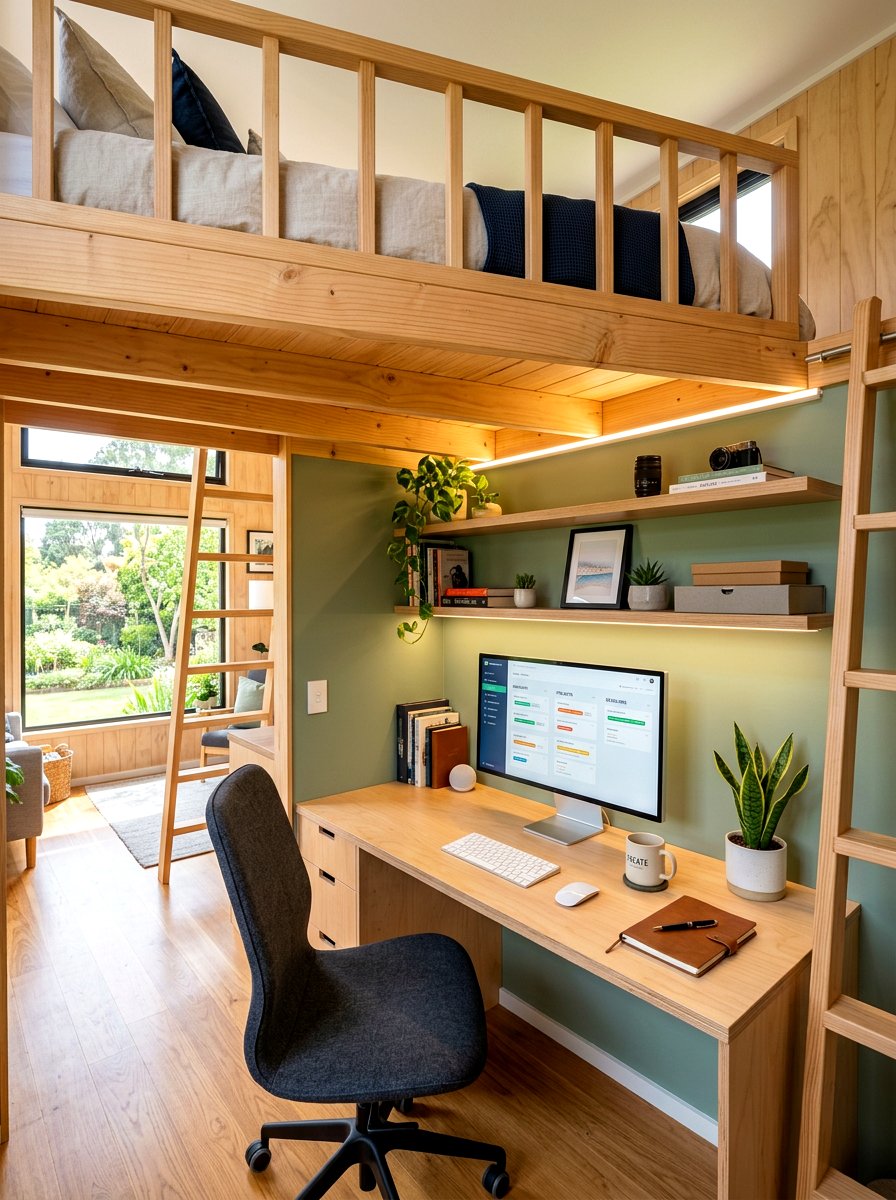
A tiny house loft home office is a smart way to create a dedicated workspace that is physically removed from the distractions of the kitchen or living room. By placing the desk and chair in an elevated loft, you define a clear boundary between professional tasks and personal relaxation. Natural light from a nearby window is essential to keep the workspace bright and energizing throughout the day. Built-in shelving and cable management systems help keep the small area organized and efficient. This setup is perfect for remote workers who want a quiet, focused environment without taking up valuable floor space on the main level.
16. Tiny House Loft Safety Net
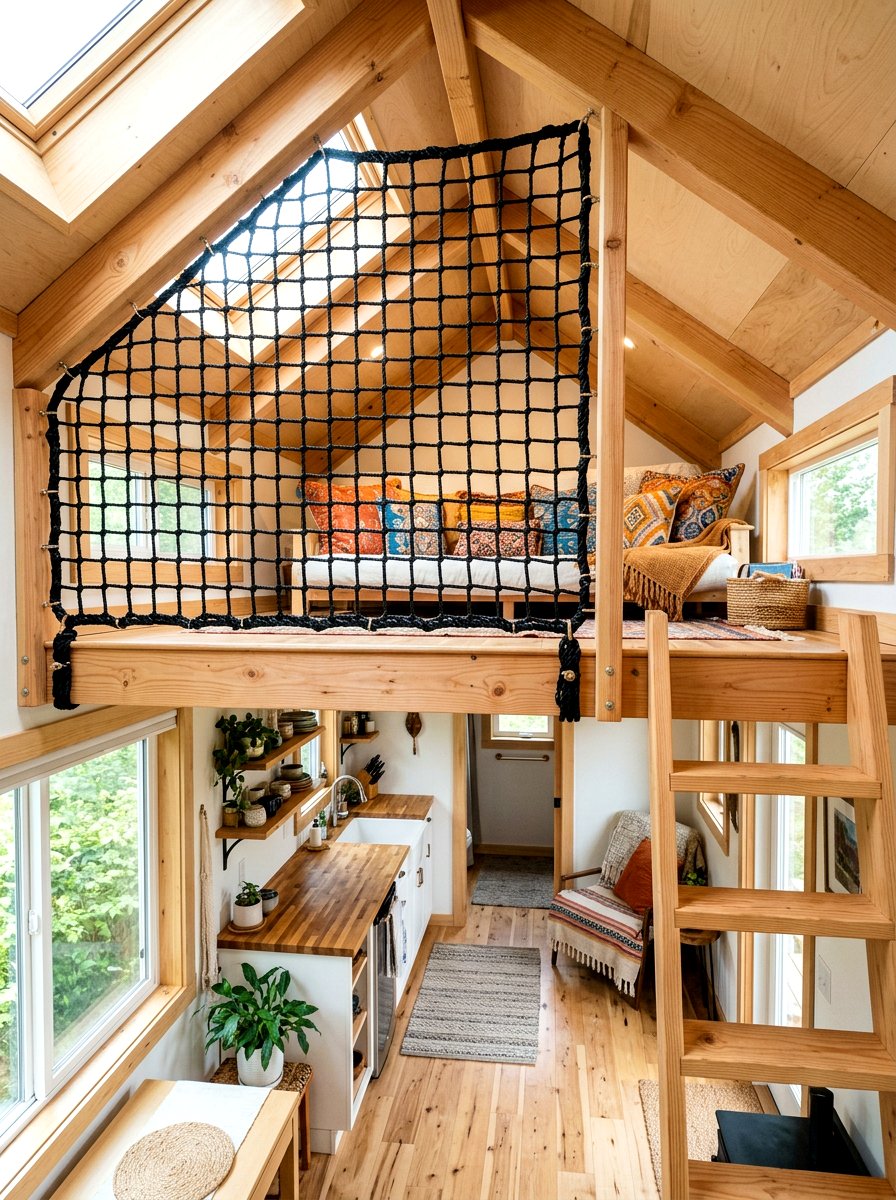
A tiny house loft safety net is a unique and playful alternative to traditional wooden or metal railings. These heavy-duty nets are securely anchored to the structural beams, providing a soft but incredibly strong barrier that prevents falls. Beyond safety, the netting adds a nautical or bohemian vibe to the interior design, making the loft feel like a treehouse retreat. Some homeowners even use the net as a lounge area where they can lay back and relax while looking down at the rest of the house. It is a lightweight and visually open solution that maintains airflow and light throughout the entire compact living space.
17. Pull Out Tiny House Bed
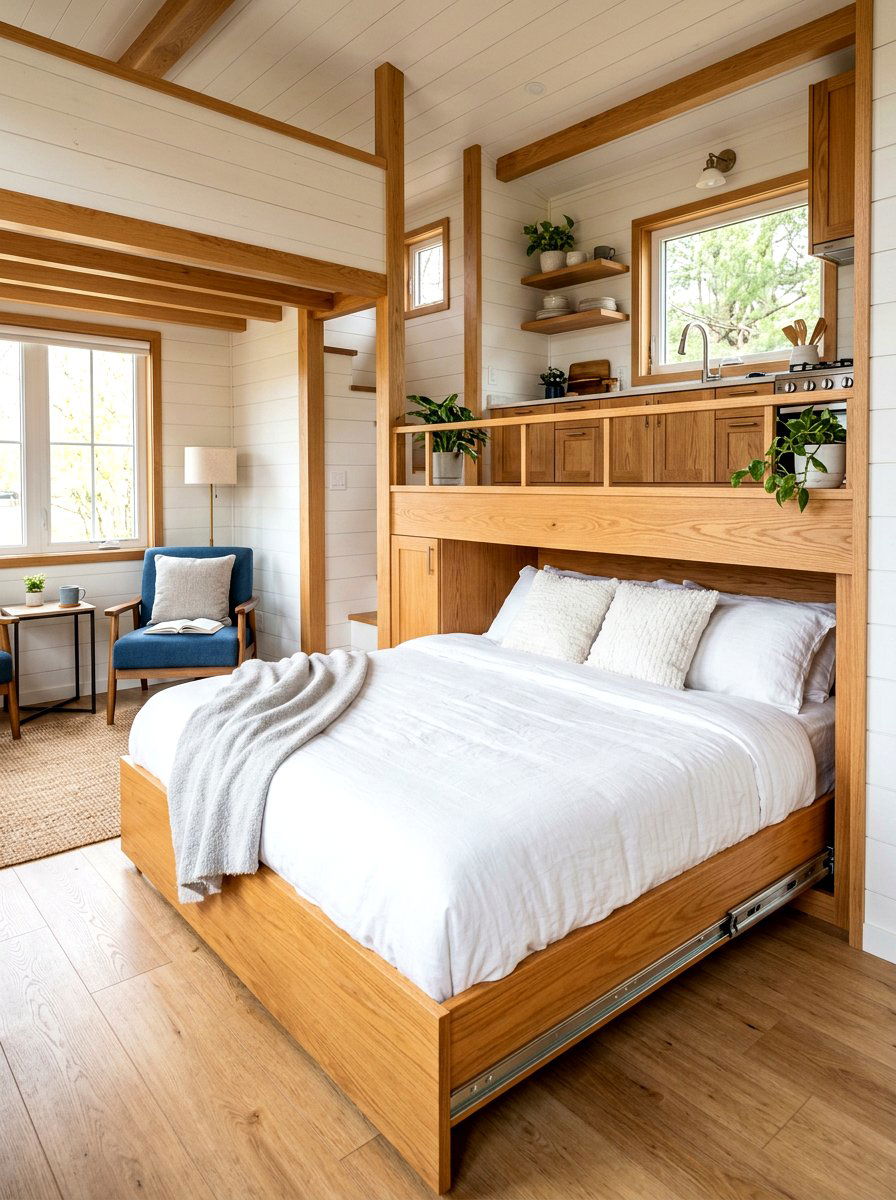
A pull out tiny house bed, often referred to as a "trundle" or "drawer bed, " is an ingenious alternative for those who dislike lofts. This design hides the bed underneath a raised platform, which can serve as a kitchen, bathroom, or office area during the day. When it is time for sleep, the bed simply slides out into the main living area, offering the comfort of a standard height mattress. This layout is ideal for individuals with mobility issues or those who find climbing ladders to be inconvenient. It keeps the living space feeling open and airy while providing a clever solution for hidden sleeping quarters.
18. Tiny House Loft Roof Deck
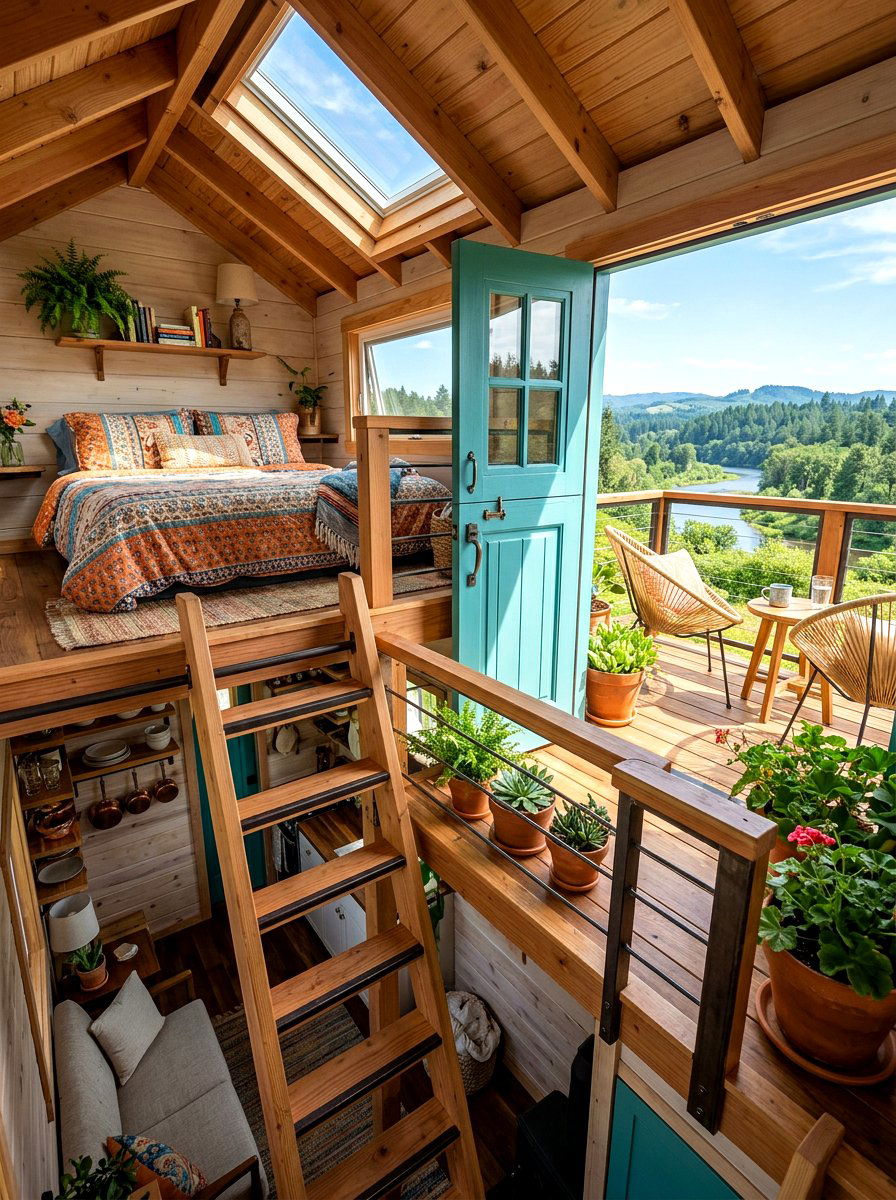
A tiny house loft with roof deck access takes small living to a whole new level by incorporating outdoor space. This design typically includes a small door or a large operable window in the loft that leads directly out to a flat roof area. The roof deck can be outfitted with outdoor seating, plants, or even a small table for morning coffee. This extension of the living space provides a breath of fresh air and a different perspective on your surroundings. It is an ambitious but rewarding architectural feature that makes a tiny house feel like a much larger and more versatile luxury property.
19. Built In Bookshelf Loft
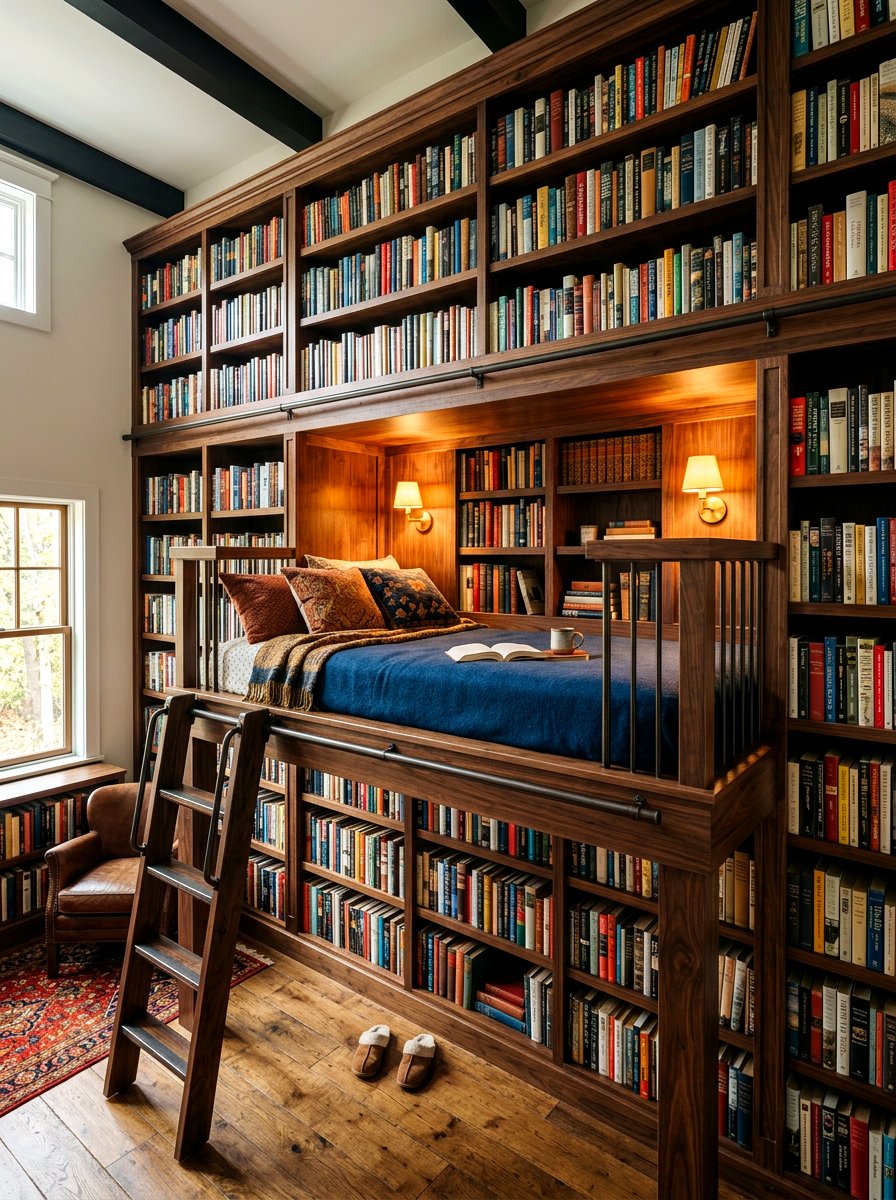
A built in bookshelf loft is a dream come true for bibliophiles living in a small footprint. By integrating shelving directly into the walls of the loft or using a bookcase as a safety railing, you maximize every inch of vertical space. This design provides a cozy and scholarly atmosphere, turning the sleeping area into a private library retreat. The books themselves add color, texture, and personality to the room, acting as functional decor. Pairing the shelves with a comfortable reading chair or a plush mattress creates a multi-functional space that encourages relaxation and quiet contemplation throughout the day or night.
20. Corner Tiny House Loft
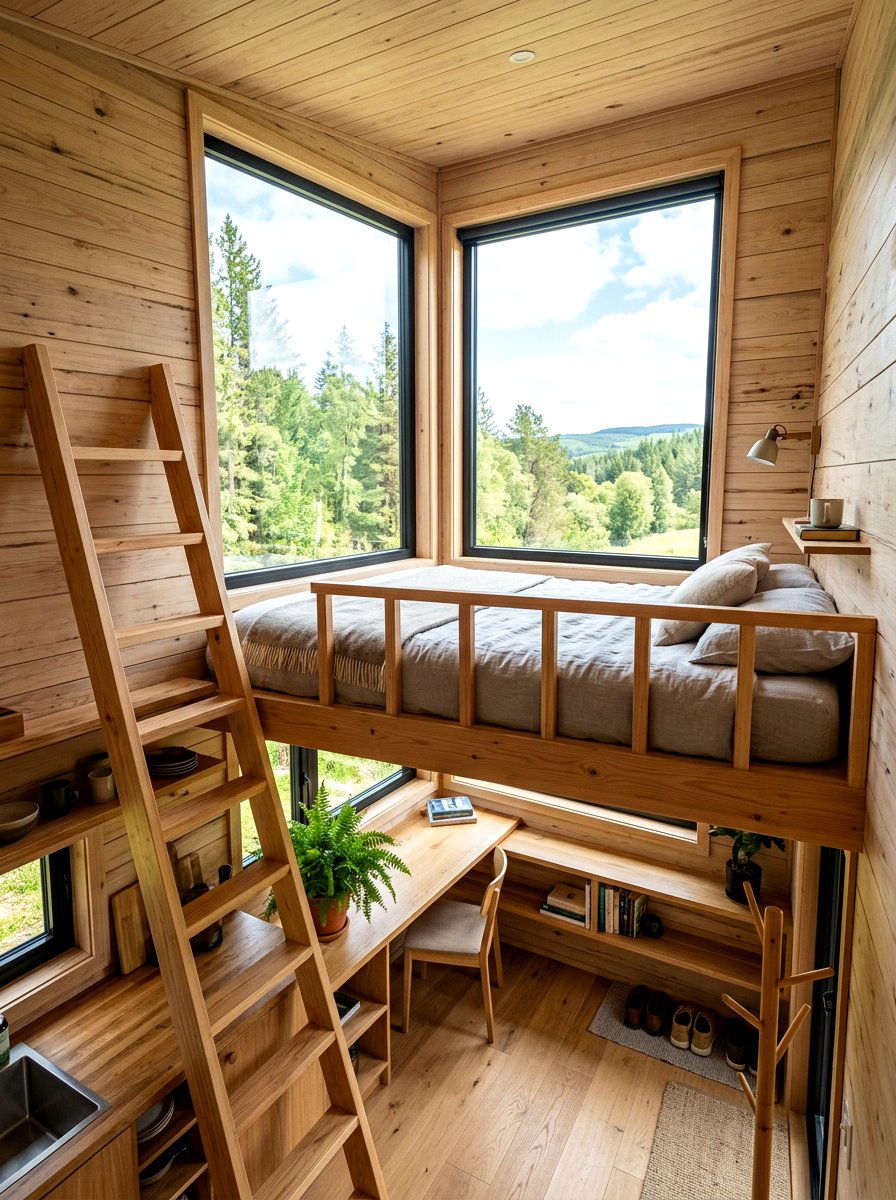
The corner tiny house loft is a space-saving masterstroke that tucks the sleeping area into a single quadrant of the home. This layout is particularly effective in square-shaped tiny houses or those with a central living area. By using a corner configuration, you leave the rest of the ceiling height open, which makes the main floor feel much more spacious and grand. The loft itself feels very secure and protected, wrapped by two exterior walls. This setup often features a wrap-around ladder or a small set of corner stairs to maintain a compact footprint while providing easy access to the comfortable bed above.
21. Tiny House Loft Window
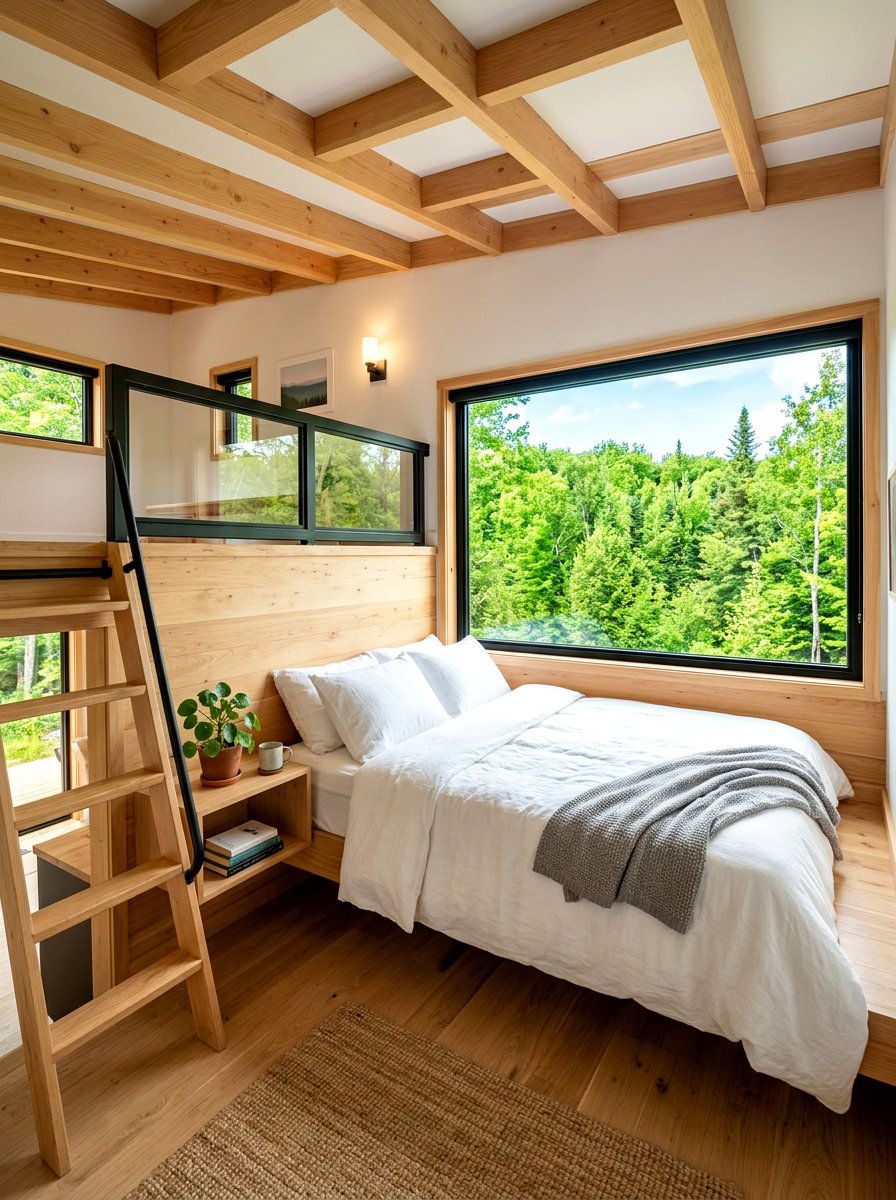
Incorporating a dedicated tiny house loft window is essential for creating an inviting and healthy sleeping environment. A well-placed window provides a view of the landscape, making the small loft feel connected to the wider world outside. It also serves the practical purpose of providing natural light, which reduces the need for artificial lighting during the daylight hours. Operable windows allow for cross-ventilation, which is critical for moving hot air out of the upper levels of the home. Whether it is a long horizontal slider or a classic casement window, the presence of glass transforms a dark attic space into a bright bedroom.
22. Pine Wood Loft Bed
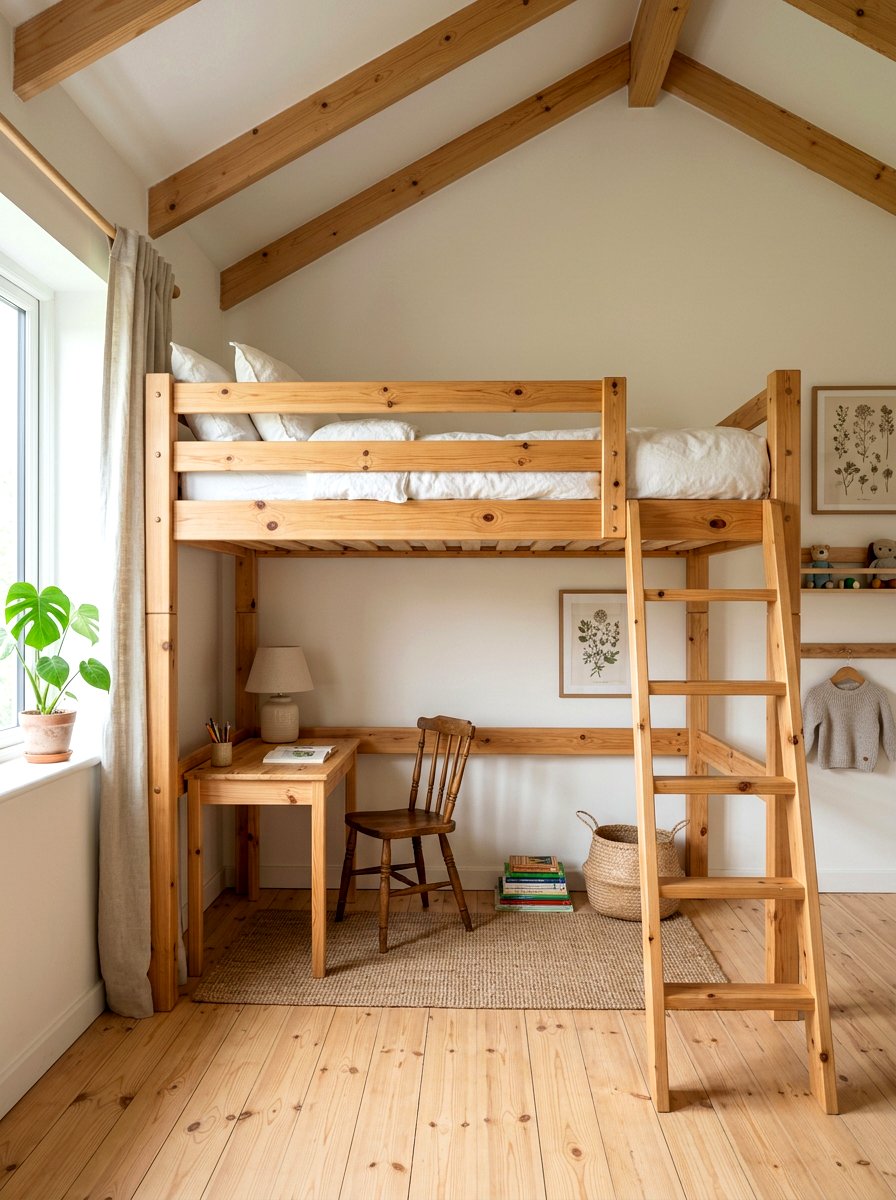
A pine wood loft bed offers a light, natural, and budget-friendly option for creating a cozy sleeping platform. Pine is a popular choice for tiny house interiors because of its beautiful pale color and prominent grain patterns, which add organic warmth. This material is easy to work with for DIY builders and can be stained or painted to match any interior style. A pine loft paired with white walls creates a classic Scandinavian look that feels fresh and timeless. The soft scent of the wood also contributes to a relaxing and pleasant atmosphere, making the loft feel like a natural extension of the forest.
23. Metal Frame Loft Bed
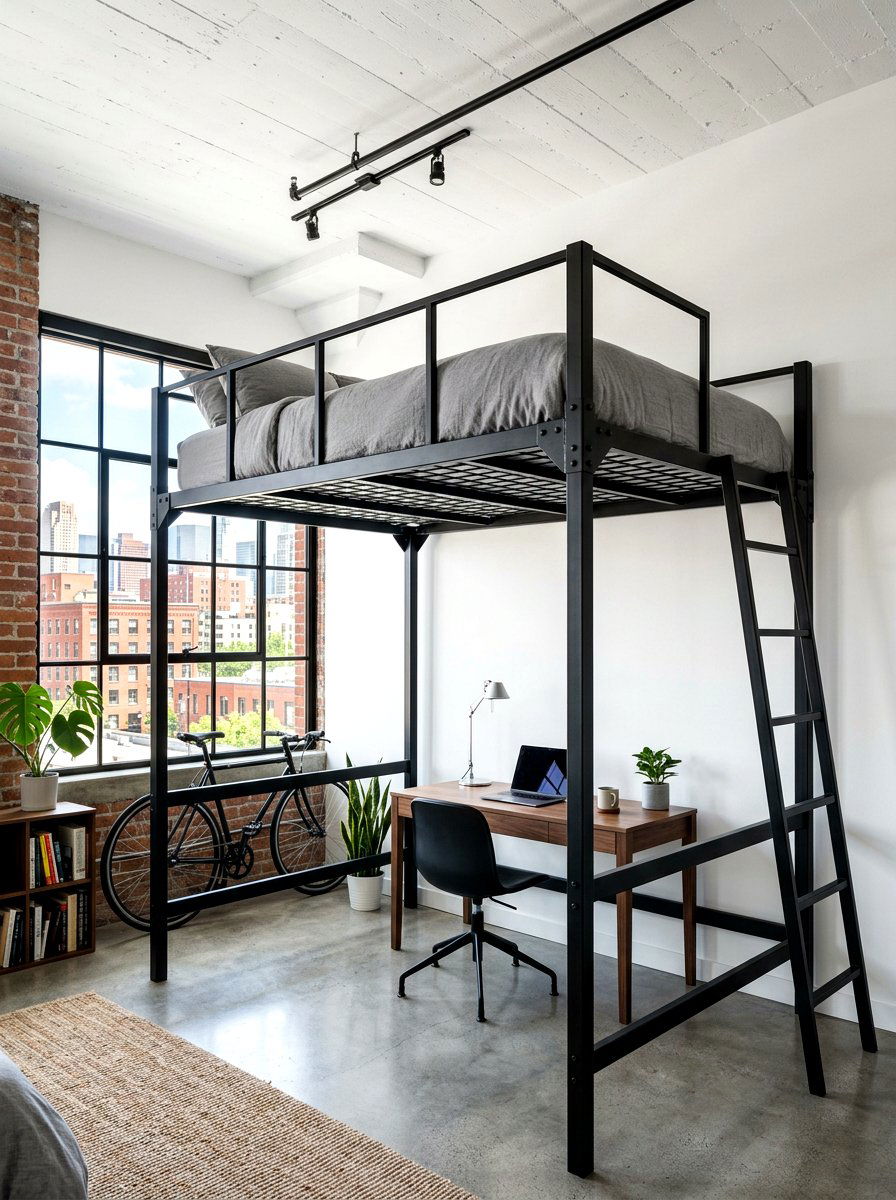
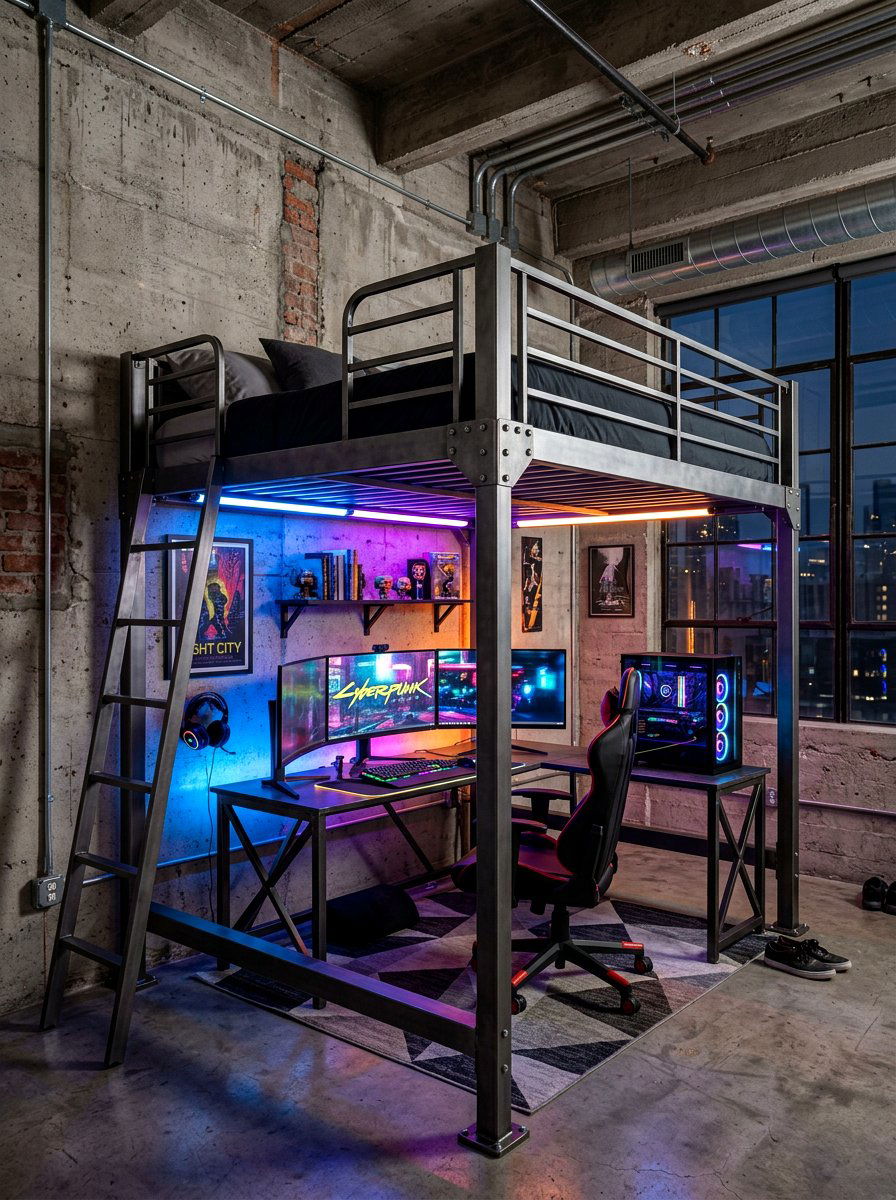
Choosing a metal frame loft bed provides a sleek, industrial, and incredibly durable foundation for your sleeping area. Steel or aluminum frames offer high structural strength with a much thinner profile than traditional wood, which can help save precious inches of space. This design is perfect for modern tiny houses that feature other metallic accents, such as stainless steel appliances or black hardware. The open nature of a metal frame allows for excellent airflow around the mattress, which is important for temperature regulation. It is a clean and contemporary choice that adds a sense of urban sophistication to a compact residential dwelling.
24. Traditional Tiny House Loft
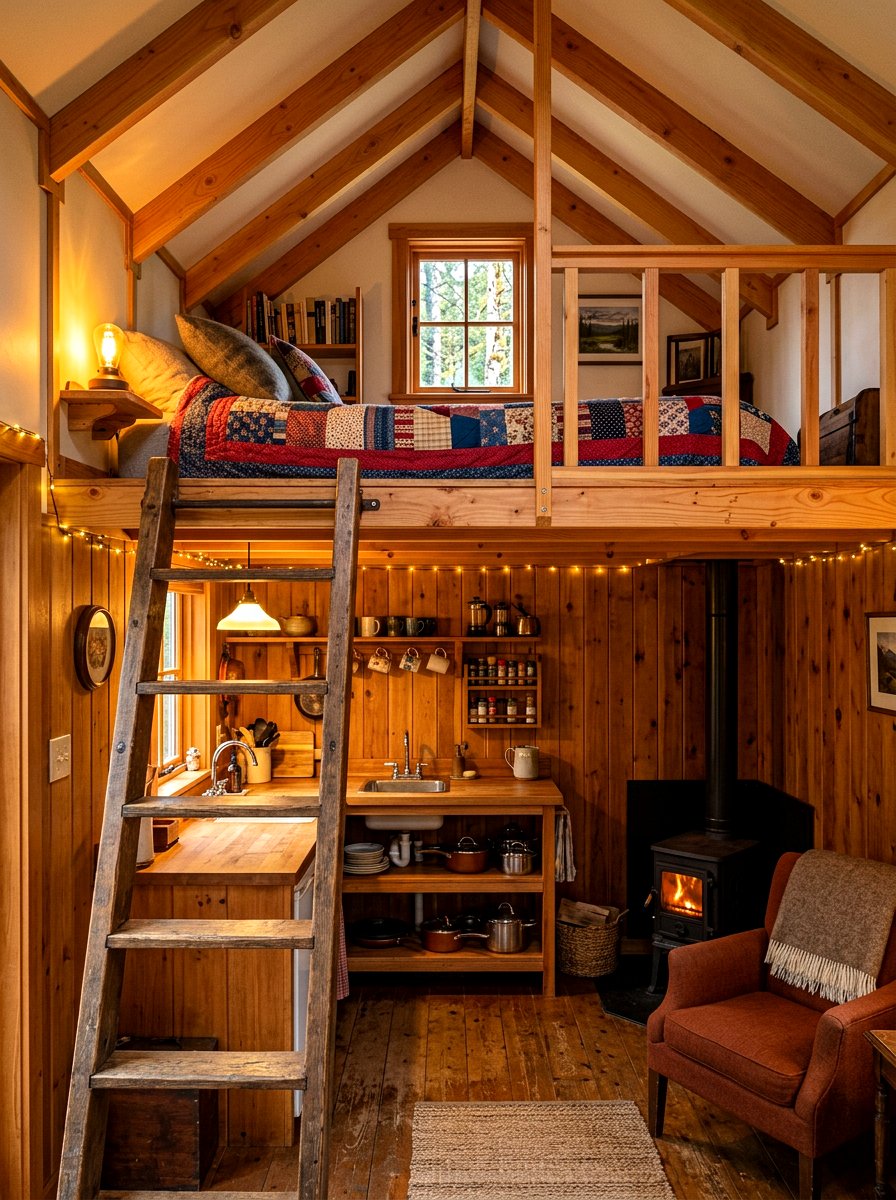
The traditional tiny house loft stays true to the original roots of the small house movement, emphasizing coziness and simple functionality. This style usually features classic wooden construction, a sturdy ladder, and a modest sleeping platform with just enough room for a mattress. The focus is on creating a snug, protected space that feels like a safe haven from the world. Warm lighting, quilted bedding, and small wooden accents complete the nostalgic and charming look. This approach is perfect for those who appreciate the heritage of tiny living and want a home that feels familiar, comfortable, and very easy to maintain.
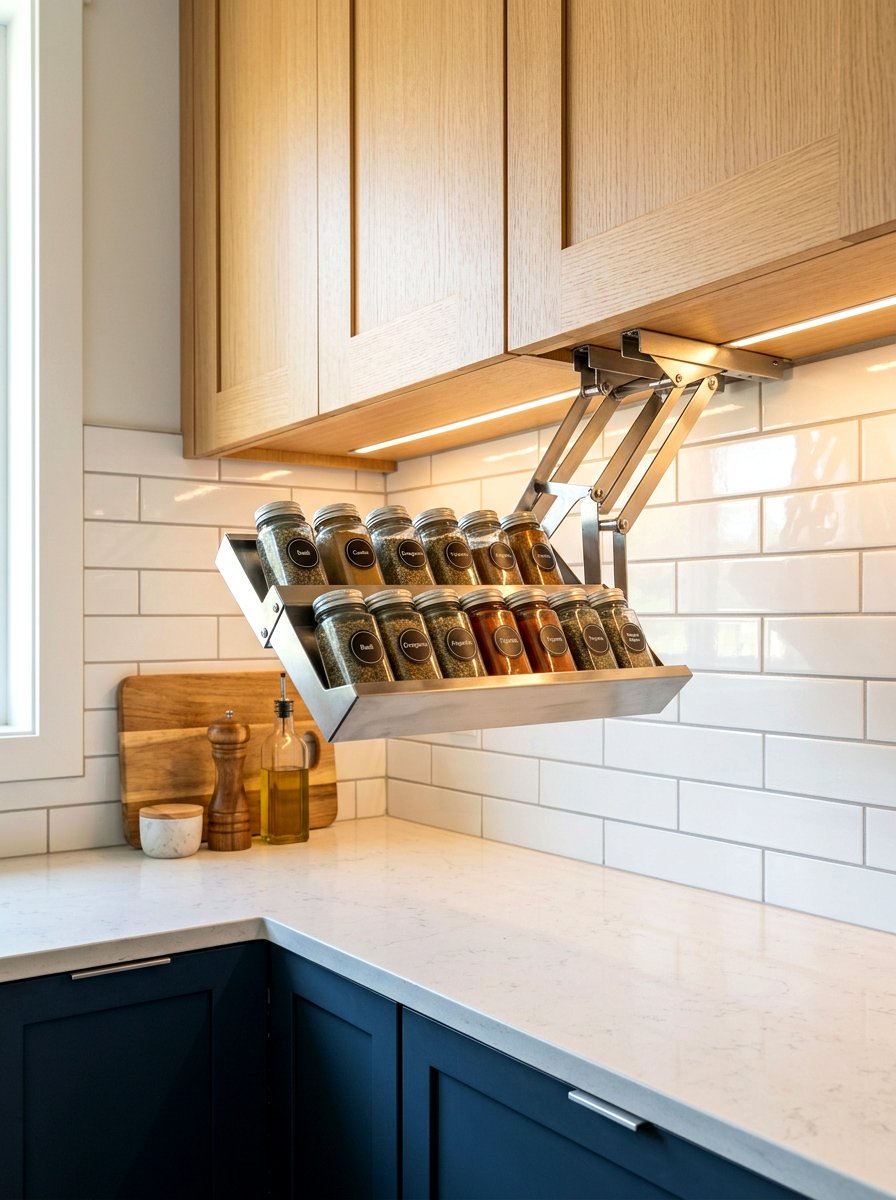
25. Modern White Loft Interior
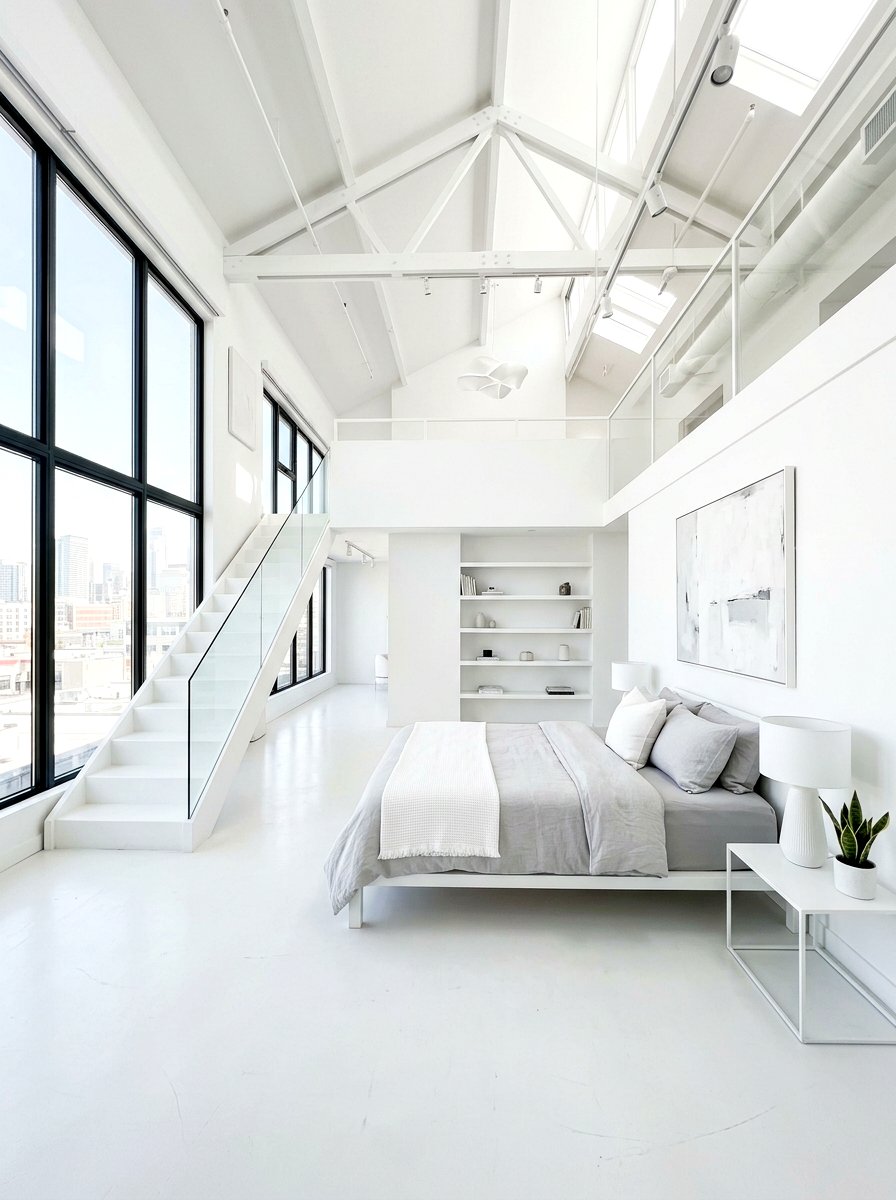
A modern white loft interior is the ultimate strategy for making a tiny house feel bright, clean, and incredibly expansive. By painting the walls, ceiling, and even the floor of the loft in a crisp white, you maximize light reflection and eliminate dark corners. This aesthetic is often paired with light-toned wood accents and minimalist furniture to keep the vibe peaceful and organized. The absence of visual clutter allows the architectural shapes of the home to stand out. It is a versatile backdrop that allows you to change the look of your bedroom easily with different colored pillows, blankets, or small decorative items.
26. Farmhouse Tiny House Loft
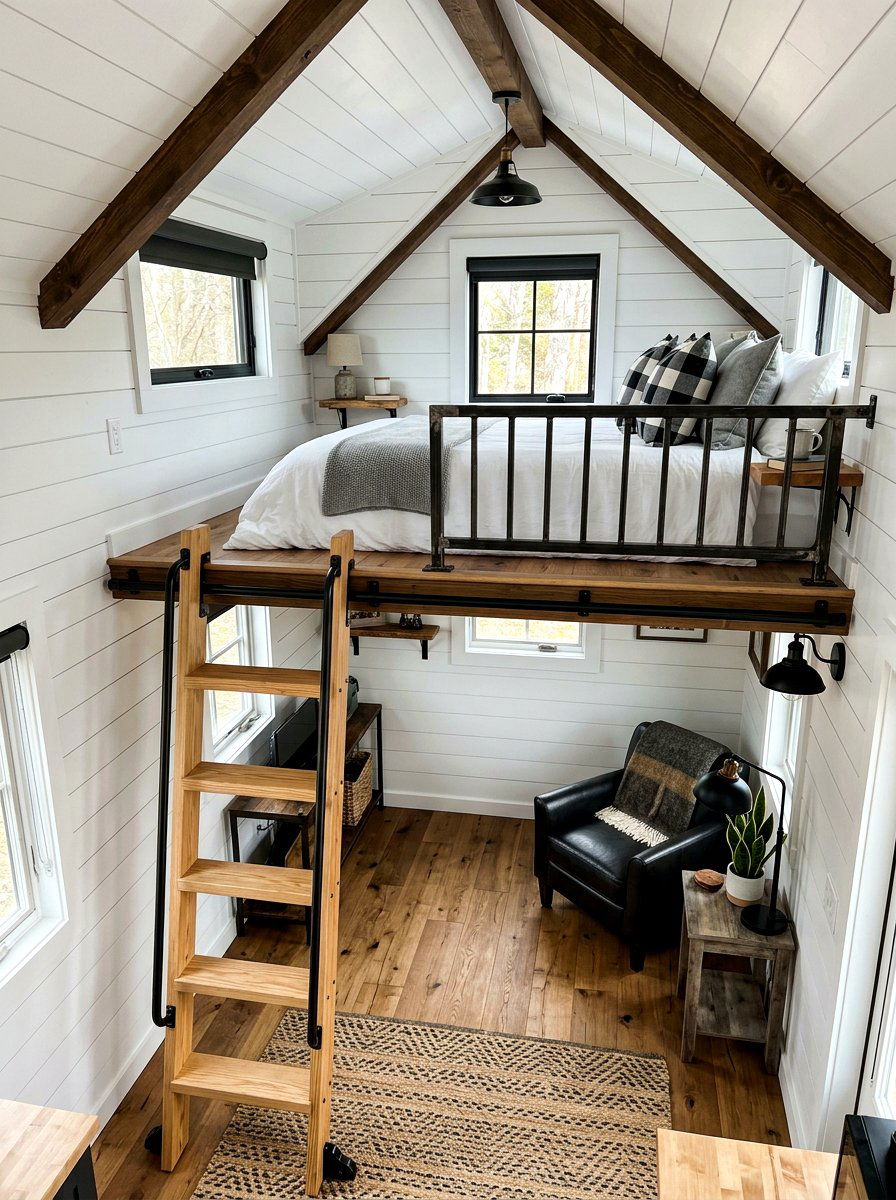
The farmhouse tiny house loft combines rustic elements with modern comforts to create a space that is both stylish and incredibly welcoming. This design often features shiplap walls, sliding barn doors, and black metal hardware for a classic country look. To make the loft feel more like a home, designers might include a small built-in nightstand with a vintage-style lamp and soft, checkered linens. The use of natural materials like reclaimed wood and cotton fabrics adds a sense of history and warmth to the small space. It is a perfect choice for those who want their tiny house to feel like a cozy cottage.
27. Scandi Style Loft Bed
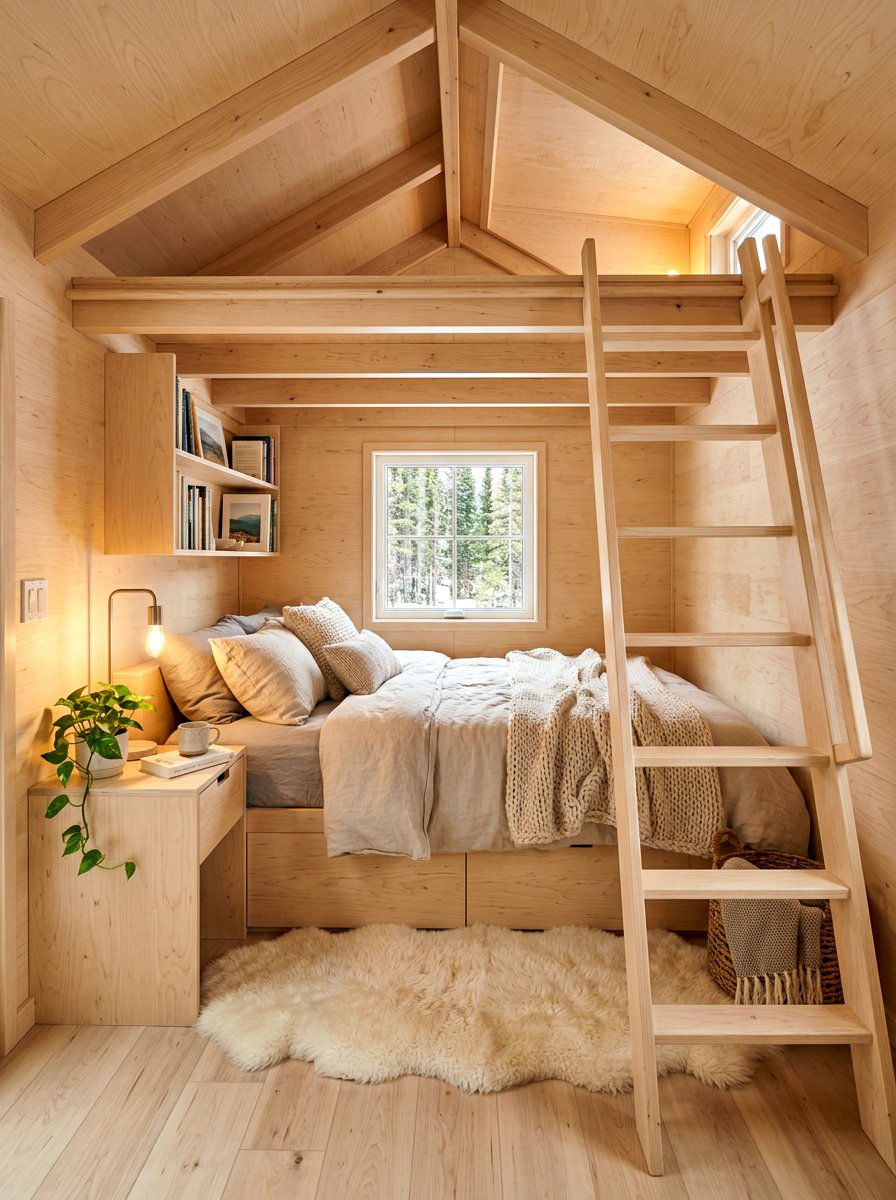
A Scandi style loft bed focuses on the principles of hygge, emphasizing comfort, simplicity, and a strong connection to natural elements. This design typically uses a mix of light-colored woods, neutral fabrics, and plenty of soft textures like wool or faux fur. The loft area is kept functional but cozy, with thoughtful touches like a small plant or a simple piece of art on the wall. Large windows and an open railing system ensure that the space remains filled with light and air. This aesthetic creates a serene and balanced sleeping environment that helps you feel recharged and ready for the day ahead.
28. Boho Tiny House Loft
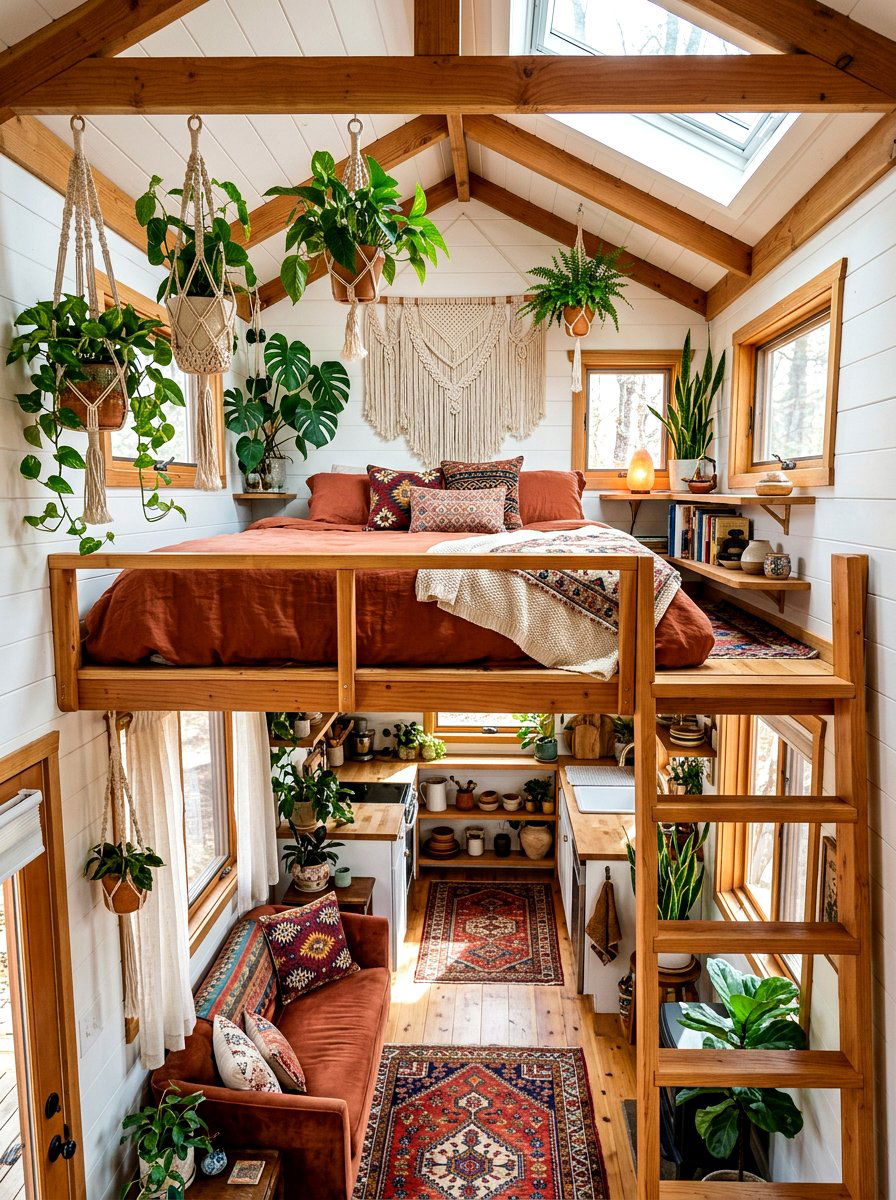
The boho tiny house loft is all about personal expression, vibrant textures, and a relaxed, eclectic vibe. This design often incorporates hanging plants, macrame wall art, and a mix of colorful patterned textiles on the bed. Instead of a traditional railing, you might see a beautiful carved wood screen or a series of hanging ropes. The goal is to create a space that feels artistic and lived-in, with plenty of unique details that tell a story. Warm, amber-toned fairy lights or lanterns add a magical glow to the loft at night, making it the perfect place for dreaming and creative thinking.
29. Plywood Tiny House Loft
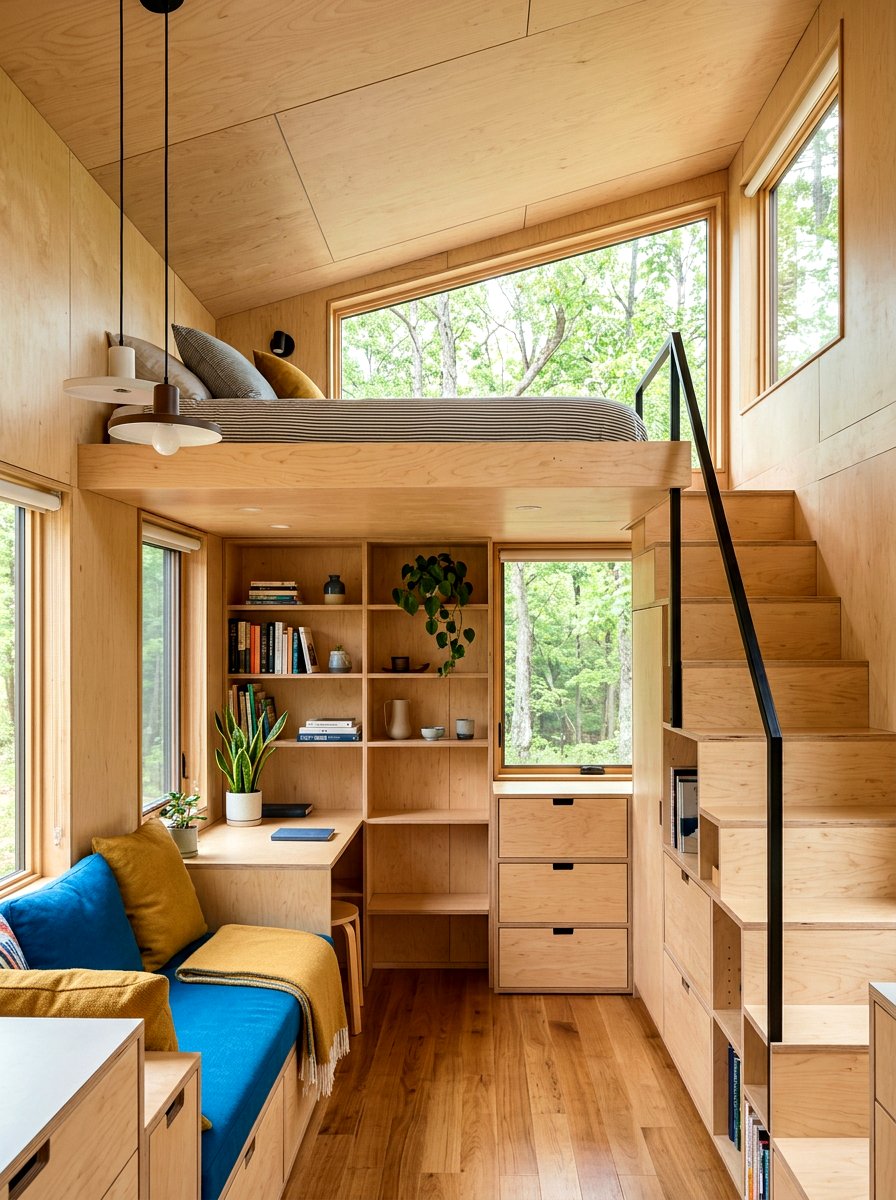
A plywood tiny house loft is a contemporary and cost-effective design choice that celebrates the beauty of raw building materials. High-quality birch or maple plywood provides a smooth, uniform surface that looks modern and architectural without the need for expensive finishing. This material is incredibly strong and versatile, allowing for custom built-in features like shelving or integrated headboards. The light color of the wood keeps the loft feeling open, while the visible edges of the plywood add a cool, industrial-chic detail. It is a favorite among architects and DIYers who appreciate a clean, honest, and very functional approach to interior design.
30. Hidden Tiny House Loft Bed
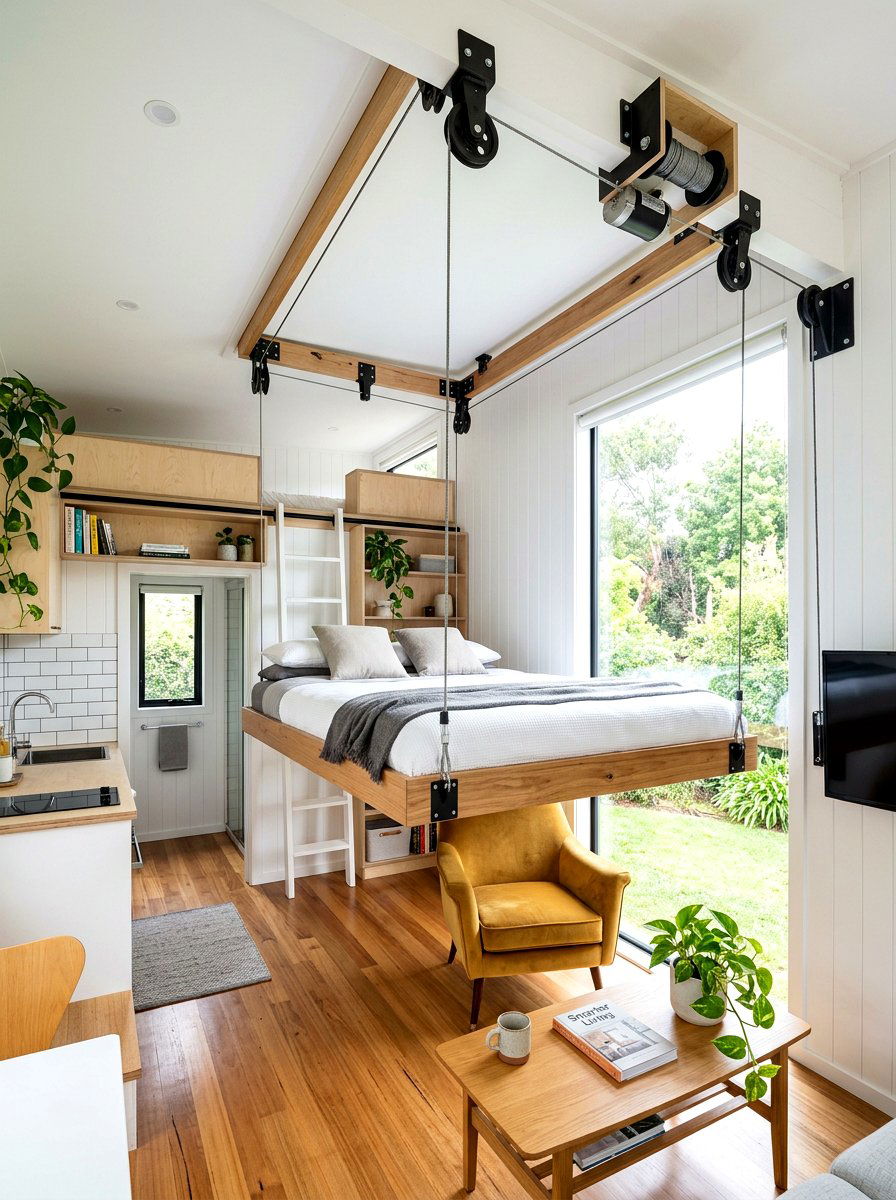
A hidden tiny house loft bed is a high-tech solution for those who want their sleeping area to completely disappear when not in use. Some designs utilize a motorized elevator system that lowers the bed from the ceiling over the living room at night. Others might feature a bed that folds up into a wall cabinet, much like a traditional Murphy bed, but located on an elevated platform. This allows the loft space to serve as a lounge or yoga studio during the day, maximizing every square inch of the home. It is a clever way to maintain a multi-functional and spacious interior layout.
Conclusion:
Designing a loft in a tiny house is one of the most rewarding aspects of creating a personalized small home. As we have explored, there are dozens of ways to approach this vertical space, ranging from rustic and traditional to sleek and modern. The key is to find a balance between functionality, safety, and personal style that suits your daily needs and lifestyle. Whether you prefer the security of storage stairs or the simplicity of a metal ladder, each choice contributes to the overall character of your home. By utilizing these creative ideas, you can transform a small sleeping area into a luxurious and efficient retreat.

Related posts: