Transforming your home library into a visually stunning focal point requires more than just shoving novels onto a wooden ledge. Modern interior design treats the bookshelf as a curated gallery where personal history, literary taste, and aesthetic balance collide to create a narrative of your lifestyle. Whether you are dealing with a cramped apartment corner or a sprawling floor-to-ceiling built-in unit, the way you organize your collection dictates the energy of the entire room. A well-styled shelf acts as a mirror of your personality, blending functional storage with artistic expression. By using professional styling techniques like layering, color theory, and purposeful negative space, you can elevate a cluttered mess into a Pinterest-worthy masterpiece that invites guests to linger and explore your unique world.
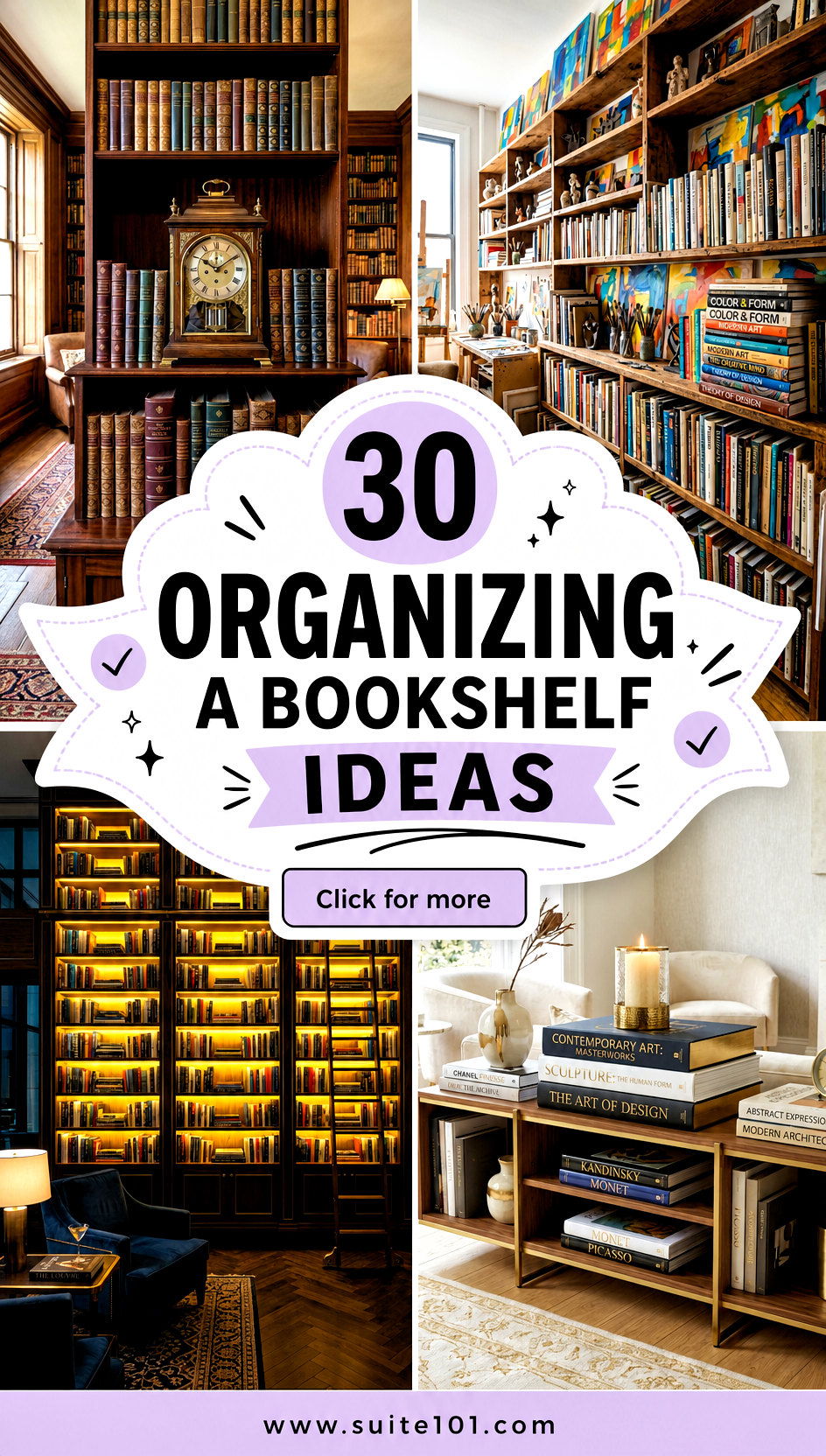
1. Horizontal And Vertical Book Stacking
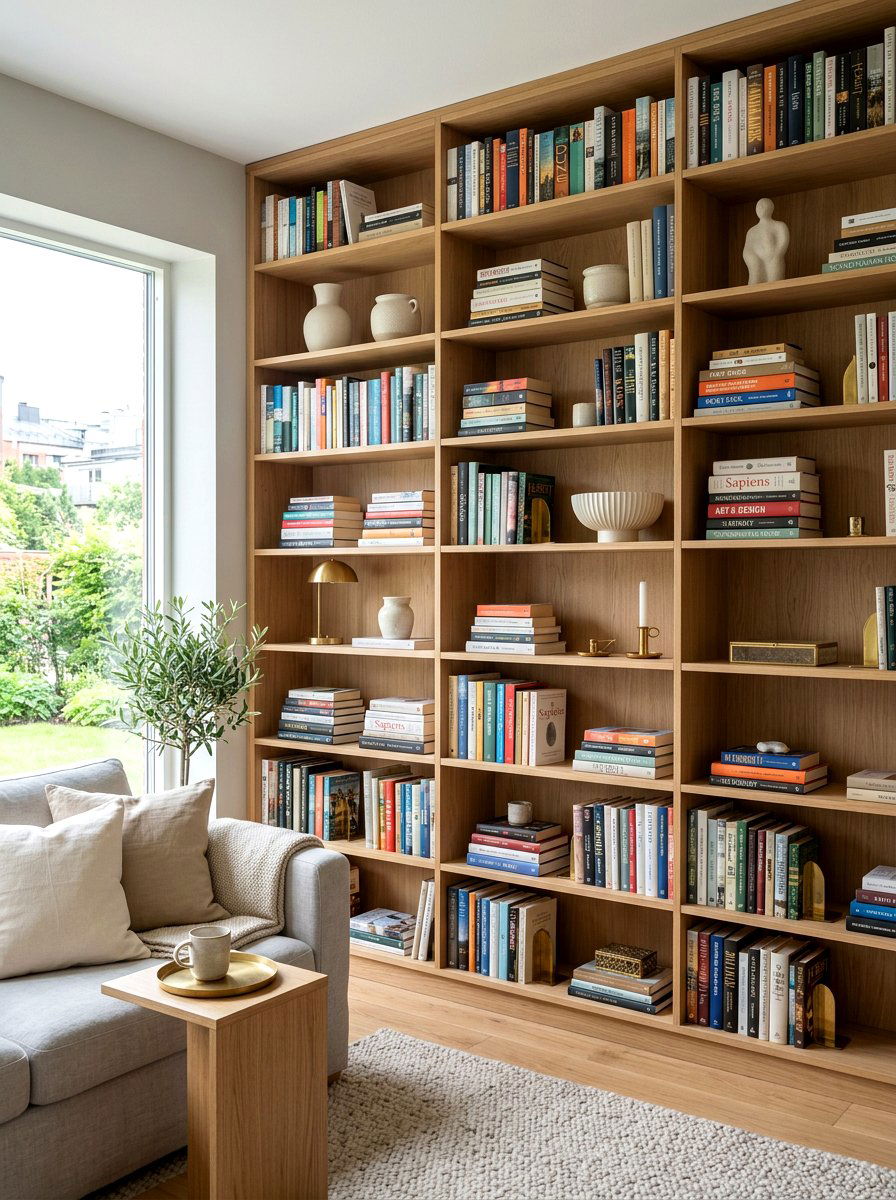
Creating a dynamic visual rhythm begins with breaking the monotony of standard upright rows. By alternating between traditional vertical placement and low horizontal stacks, you instantly introduce architectural interest to each individual cubby. Horizontal piles serve a dual purpose: they accommodate oversized art books that are too tall to stand upright, and they act as sturdy pedestals for smaller decorative objects like brass magnifying glasses or ceramic bowls. This mixed orientation guides the viewer's eye across the unit in a wave-like motion rather than a flat line. It feels more intentional and collected, making the entire display appear less like a storage warehouse and more like a carefully curated boutique.
2. Rainbow Color Coded Bookshelf
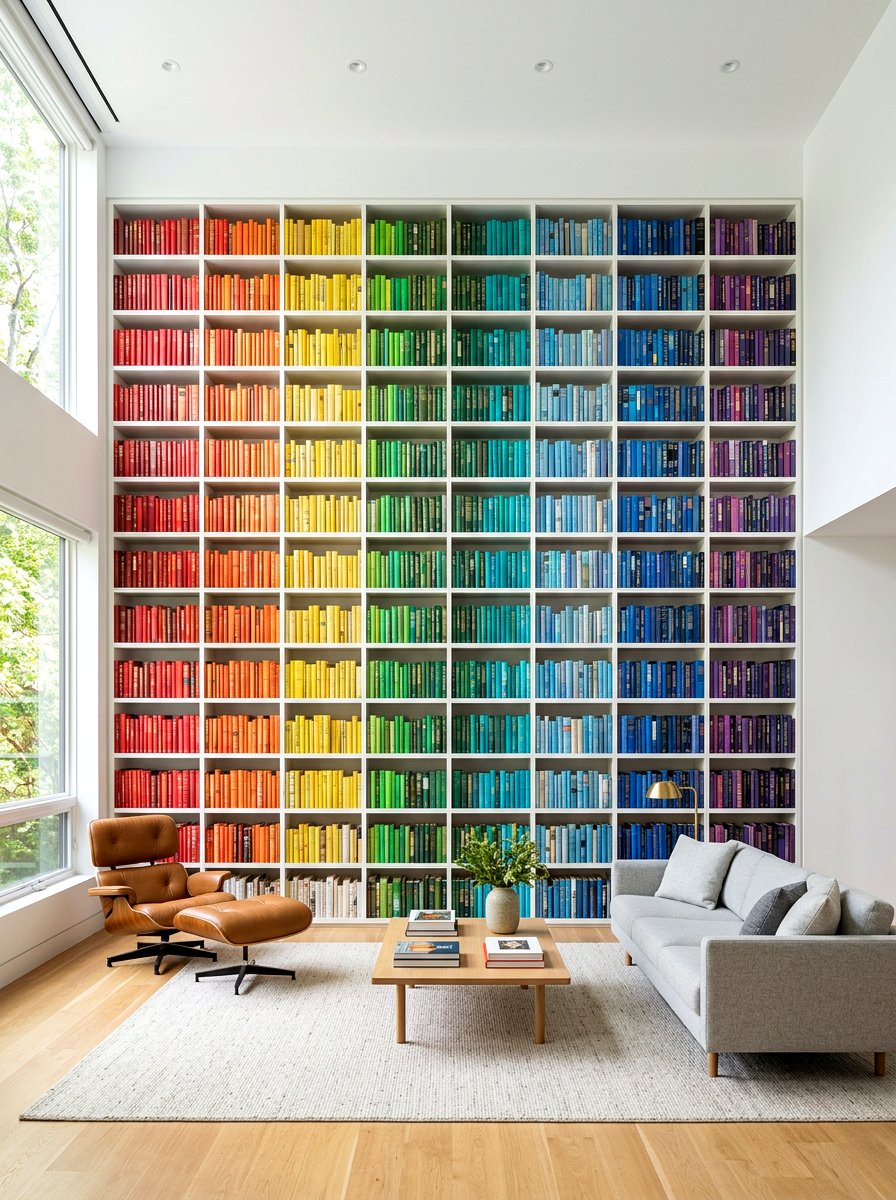
Organizing your library by the hues of the spines is a high-impact design choice that creates an immediate "wow" factor. This technique, often called the Roy G. Biv method, involves grouping books in a spectrum from deep reds and oranges to vibrant blues and purples. For a more sophisticated look, you can transition the colors gradually or stick to a specific palette like cool tones or warm desert shades. This approach works exceptionally well in modern or eclectic living rooms where the books themselves become the primary art piece. It simplifies the visual landscape by reducing the "noise" of mismatched fonts and titles, replacing chaos with a soothing, organized gradient.
3. Backward Facing Neutral Spines
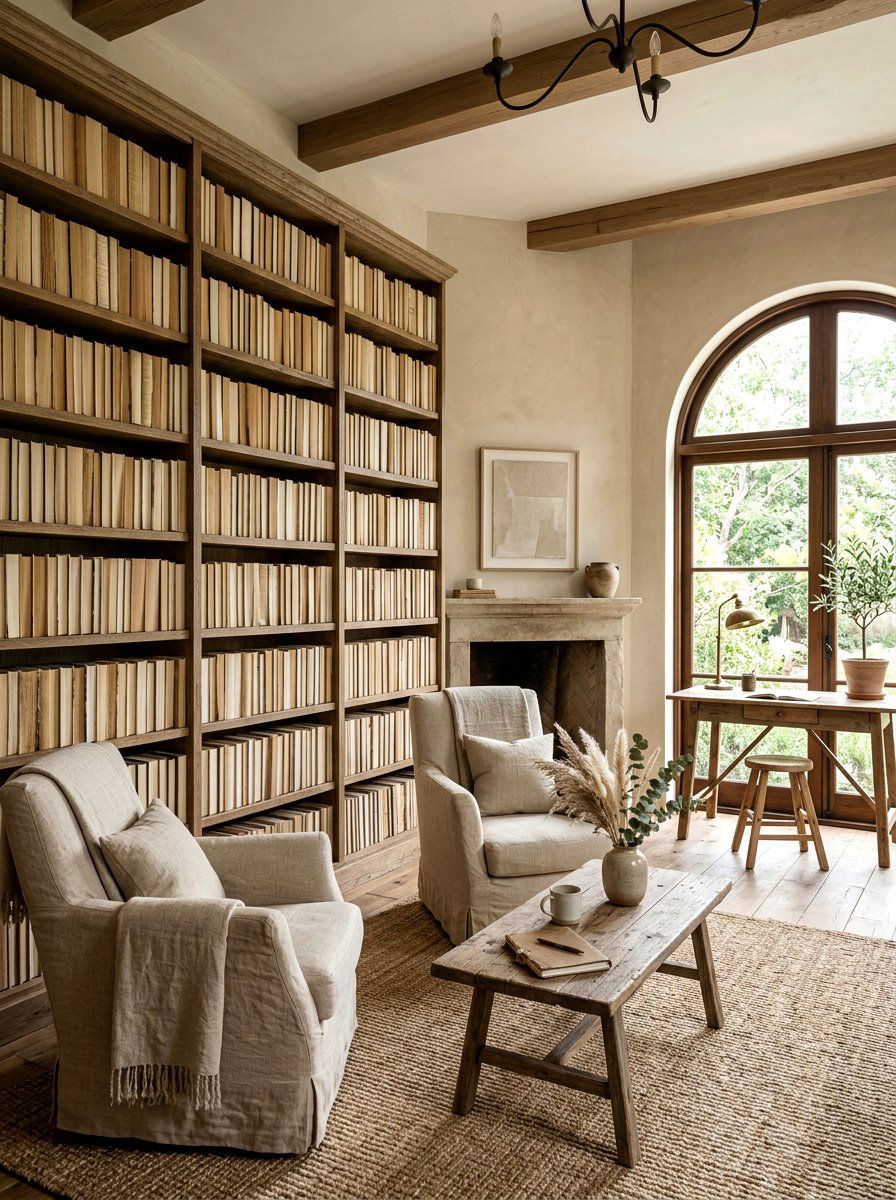
For the ultimate minimalist who craves a serene and cohesive environment, turning book spines toward the back of the shelf is a revolutionary styling move. By exposing the creamy, off-white, or tan edges of the pages, you create a monochromatic texture that blends seamlessly with neutral interior palettes. This controversial method prioritizes the physical aesthetic over instant title recognition, making it perfect for decorative shelves in bedrooms or guest spaces. The uniform look removes the visual distraction of varied cover designs, allowing the architectural lines of the furniture and the subtle shadows between the pages to take center stage in a quiet, sophisticated display.
4. Framed Artwork Shelf Layering
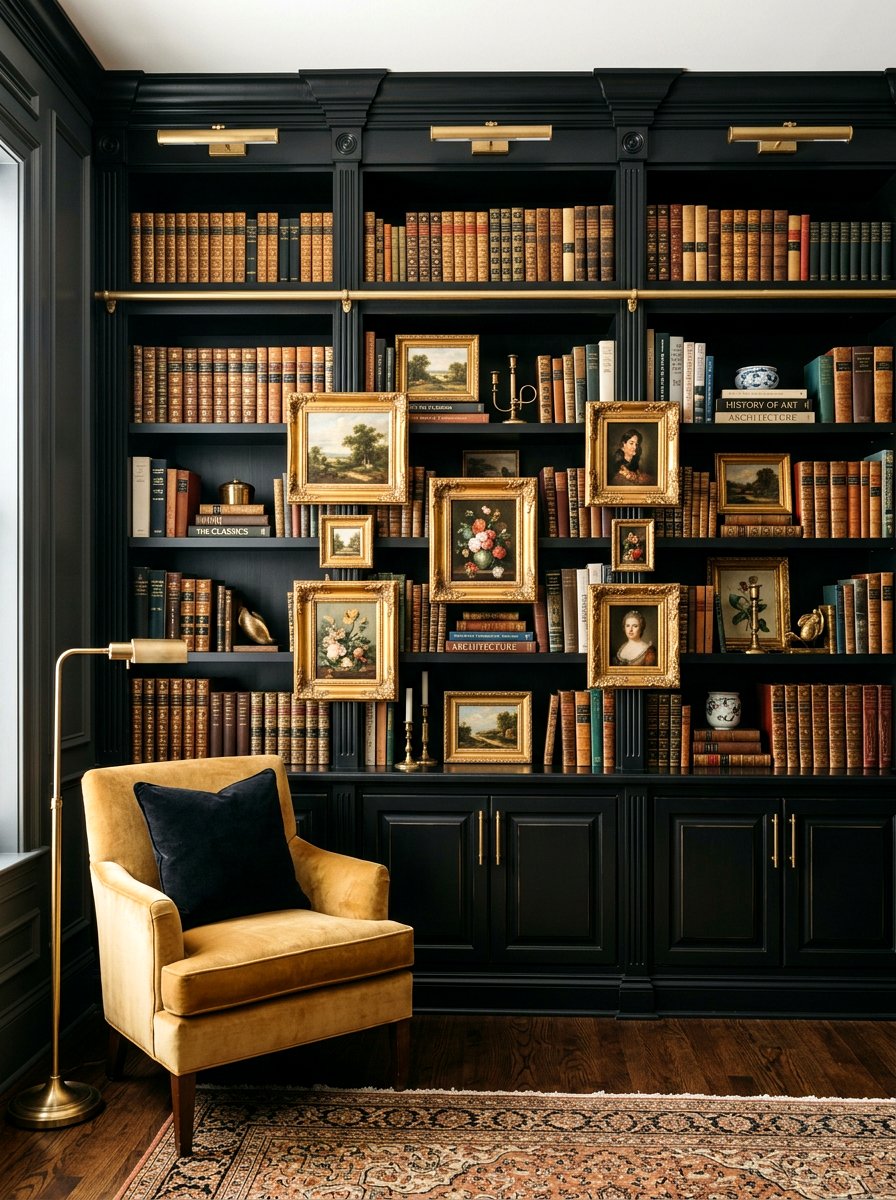
Adding depth to a bookshelf involves more than just lining up items; it requires layering elements from back to front. Placing framed sketches, oil paintings, or personal photographs directly against the back wall of the shelf provides a beautiful backdrop for your books. Smaller art pieces can even be leaned against the front of a vertical row or perched atop a horizontal stack to create a three-dimensional effect. This technique softens the hard edges of the books and integrates the shelving unit into the room's overall art collection. It tells a richer story by mixing literary themes with visual art, resulting in a more lived-in, curated atmosphere.
5. Ceramic And Sculptural Accents
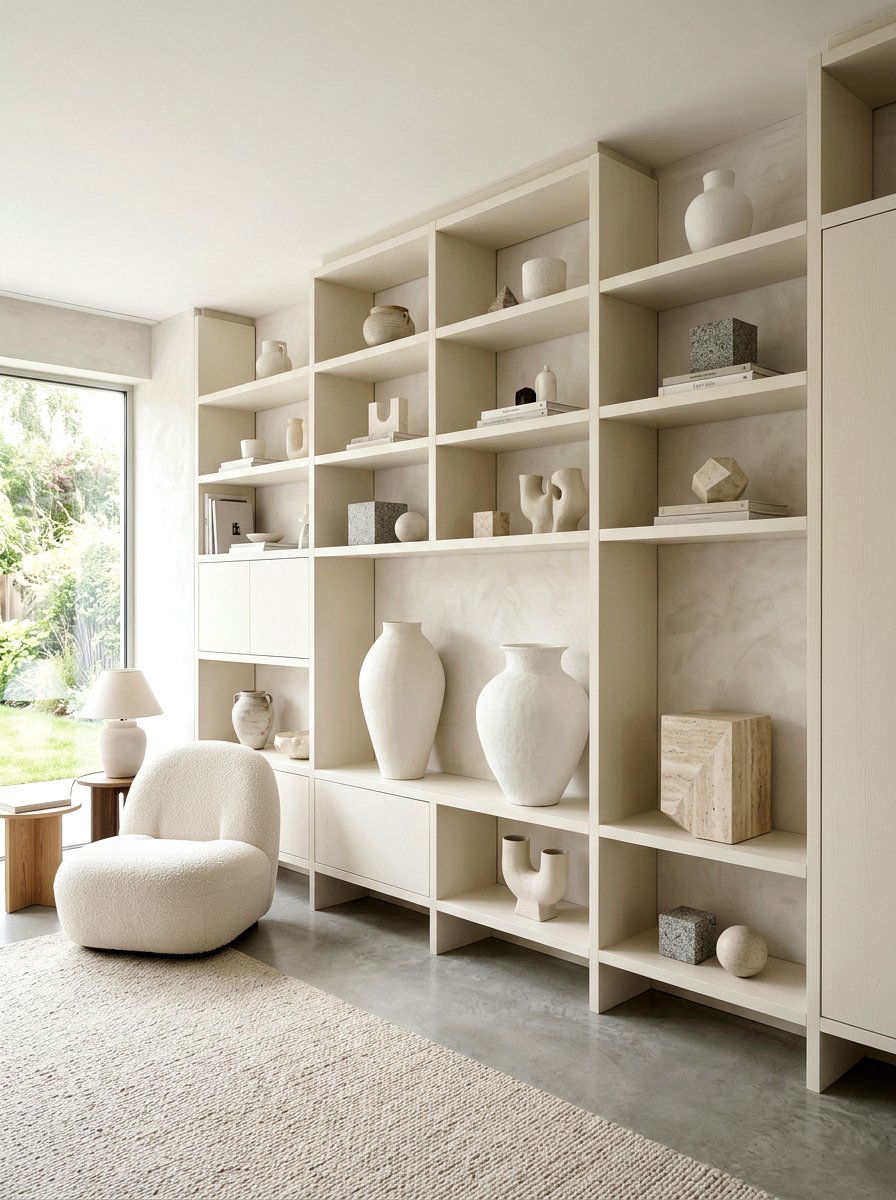
Integrating non-book items is the secret to a professional "shelfie" look that feels balanced and airy. Large ceramic vases, geometric sculptures, or organic wooden bowls should be placed strategically to break up long stretches of paper. Think of these pieces as "anchors" that provide visual weight and a change in material texture. When choosing accents, look for a mix of heights and shapes — pair a tall, thin candlestick with a short, rounded stone to create contrast. These objects provide a resting place for the eyes, preventing the library from feeling overly dense. The juxtaposition of smooth clay against paper creates a sophisticated, tactile experience for any viewer.
6. Book Genre Category Organization
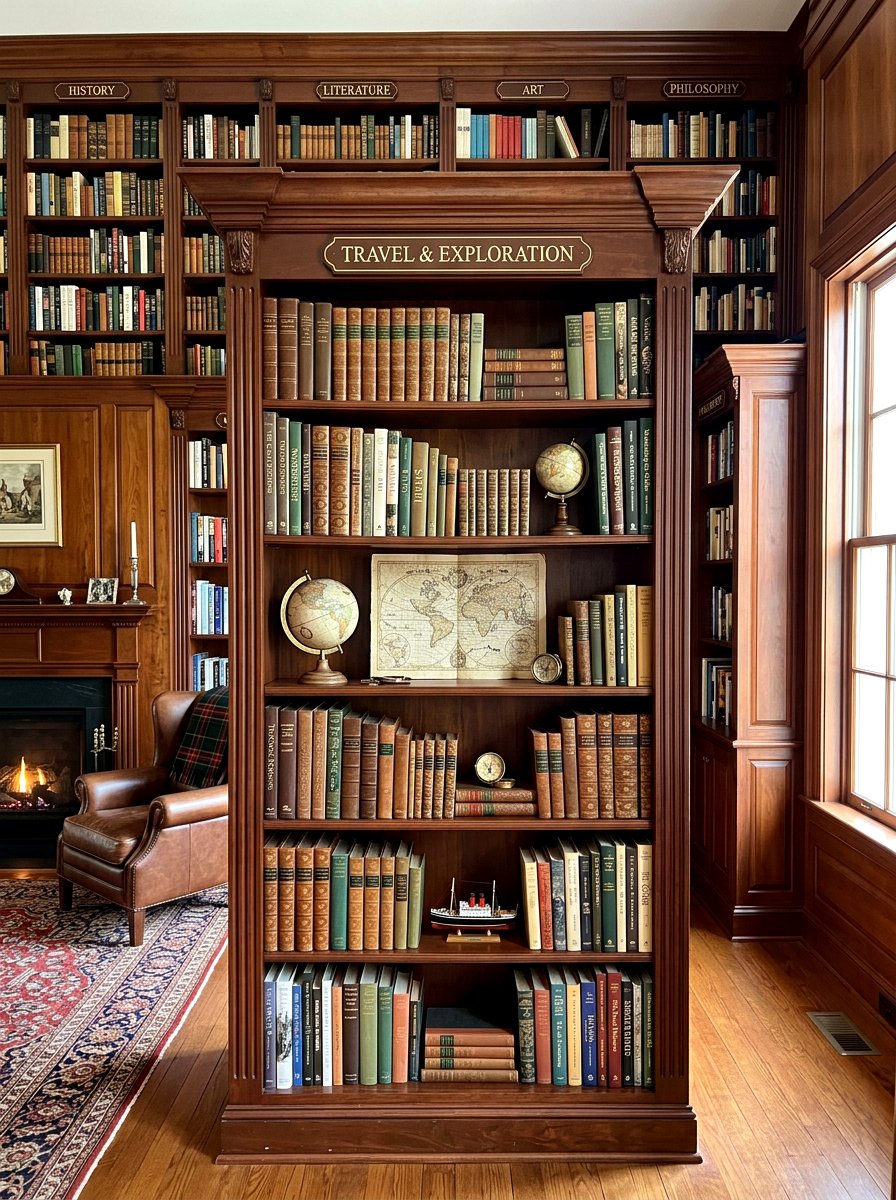
For the serious bibliophile, functionality is just as important as aesthetics. Organizing your collection by genre — such as historical fiction, biographies, or travel guides — makes finding a specific title effortless while still allowing for beautiful styling. You can dedicate specific shelves to specific themes, using the books' subject matter to dictate the surrounding decor. For instance, a shelf filled with nature writing could be accented with dried botanicals or a piece of driftwood. This method keeps your interests clearly defined and allows your library to function as a roadmap of your intellectual journey. It proves that a highly organized system can still look incredibly stylish and intentional.
7. Hardcover And Paperback Grouping
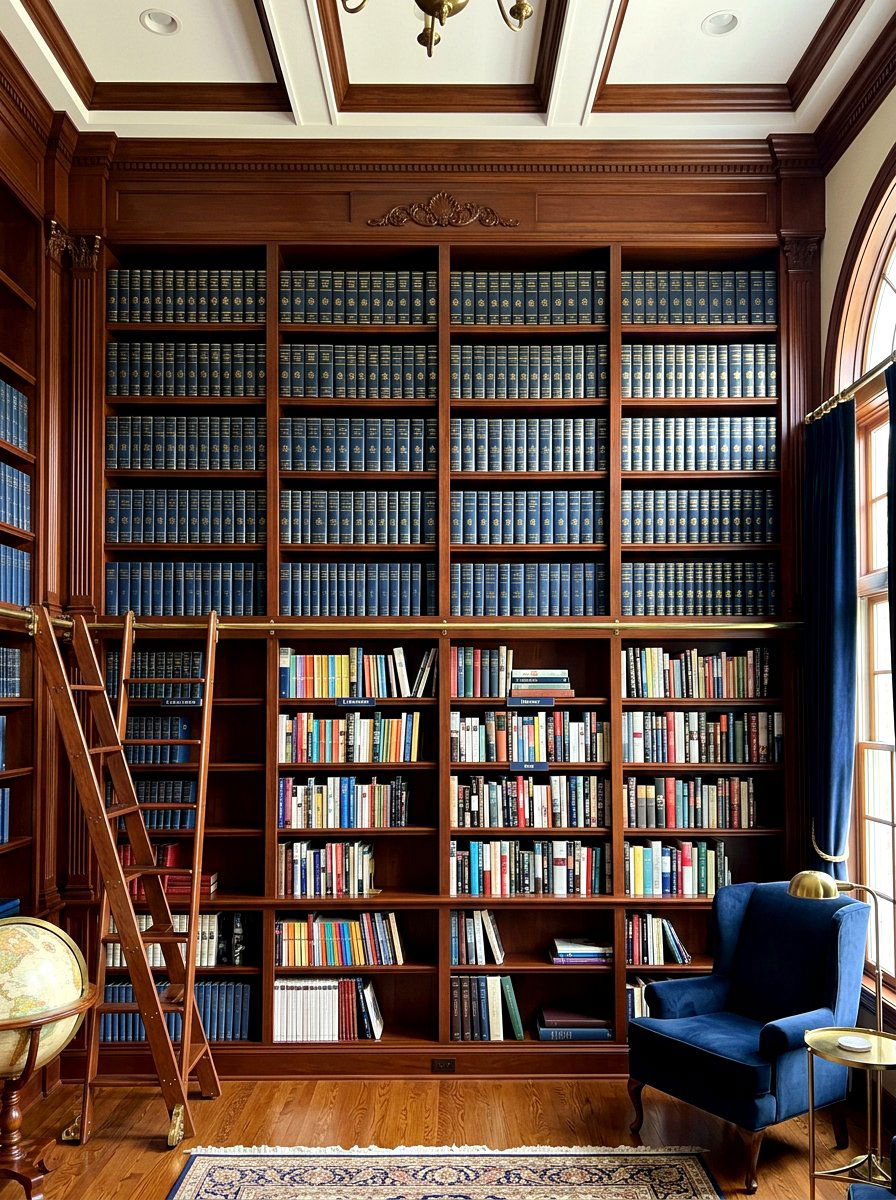
Mixing different book formats can sometimes look messy due to the varying heights and spine qualities. A simple way to bring order to the chaos is to group all hardcovers together and keep paperbacks in their own designated sections. Hardcovers often have more substantial spines that look great in formal living areas, while paperbacks can be tucked into lower shelves or grouped in cozy reading nooks. By separating them, you create cleaner lines and a sense of uniform height within each grouping. This organization style highlights the premium feel of cloth-bound editions and prevents smaller softcover books from getting swallowed up or overshadowed by their larger, heavier counterparts.
8. Symmetrical Grid System Balance
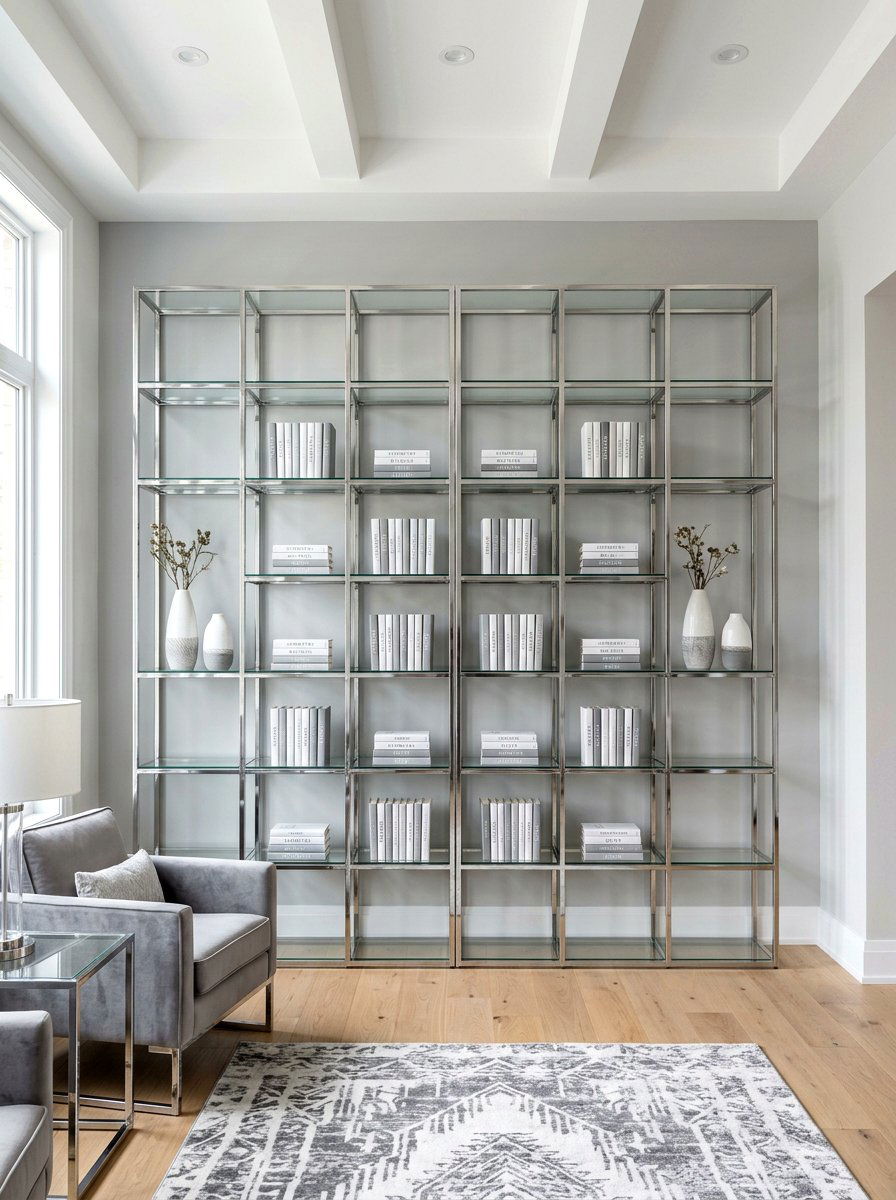
If you prefer a structured and orderly look, the grid method is an excellent way to organize a large wall unit. This involves mentally dividing the shelving into equal sections and mirroring the layout on either side of a central axis. If you place a horizontal stack of books on the far-left middle shelf, place a similar stack or a similarly sized object on the far-right middle shelf. This symmetry creates a sense of calm and formality that works beautifully in traditional or transitional homes. It provides a reliable framework for styling, ensuring that no single side of the unit feels heavier or more cluttered than the other.
9. Monochromatic Single Color Theme
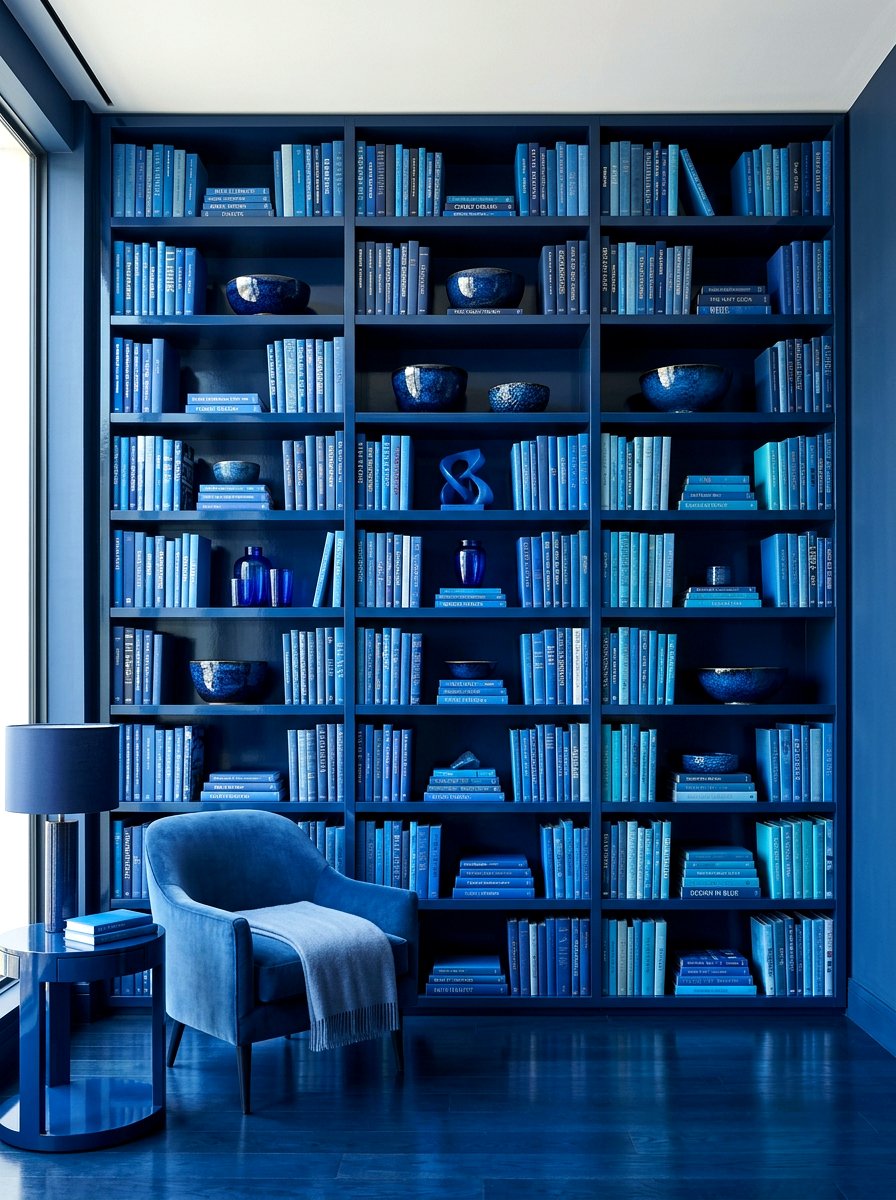
Focusing on a single color for your entire shelf display creates a powerful, high-fashion statement that anchors a room. This doesn't mean you need a library of only blue books; rather, you can wrap varied titles in uniform paper covers or choose books that fit a specific tonal range, like shades of grey and charcoal. Complement these volumes with decor in the same family, such as silver metallic objects or white marble bookends. This monochromatic approach feels very intentional and expensive, making the shelving unit look like a custom-built art installation. It is an ideal choice for minimalist spaces where you want to minimize visual clutter and maximize impact.
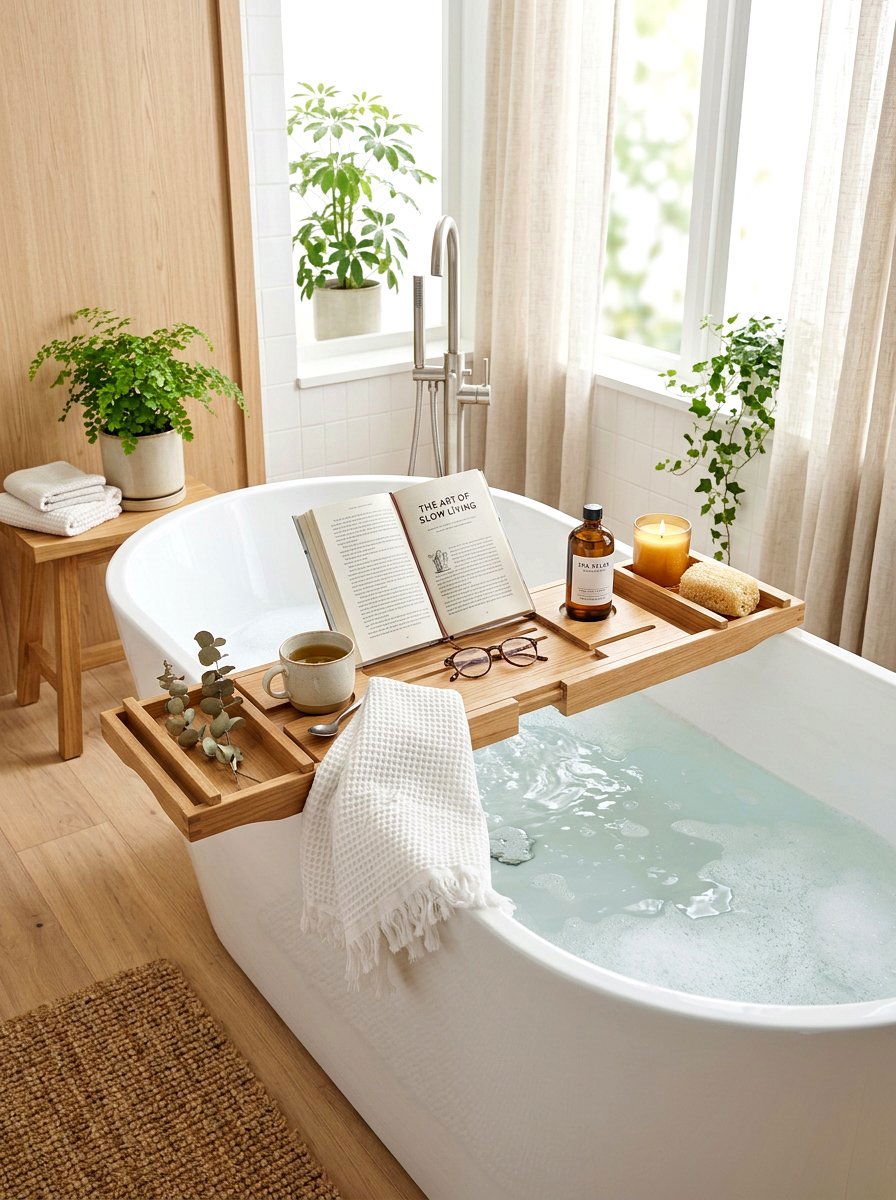
10. Floating Wall Mounted Bookshelf
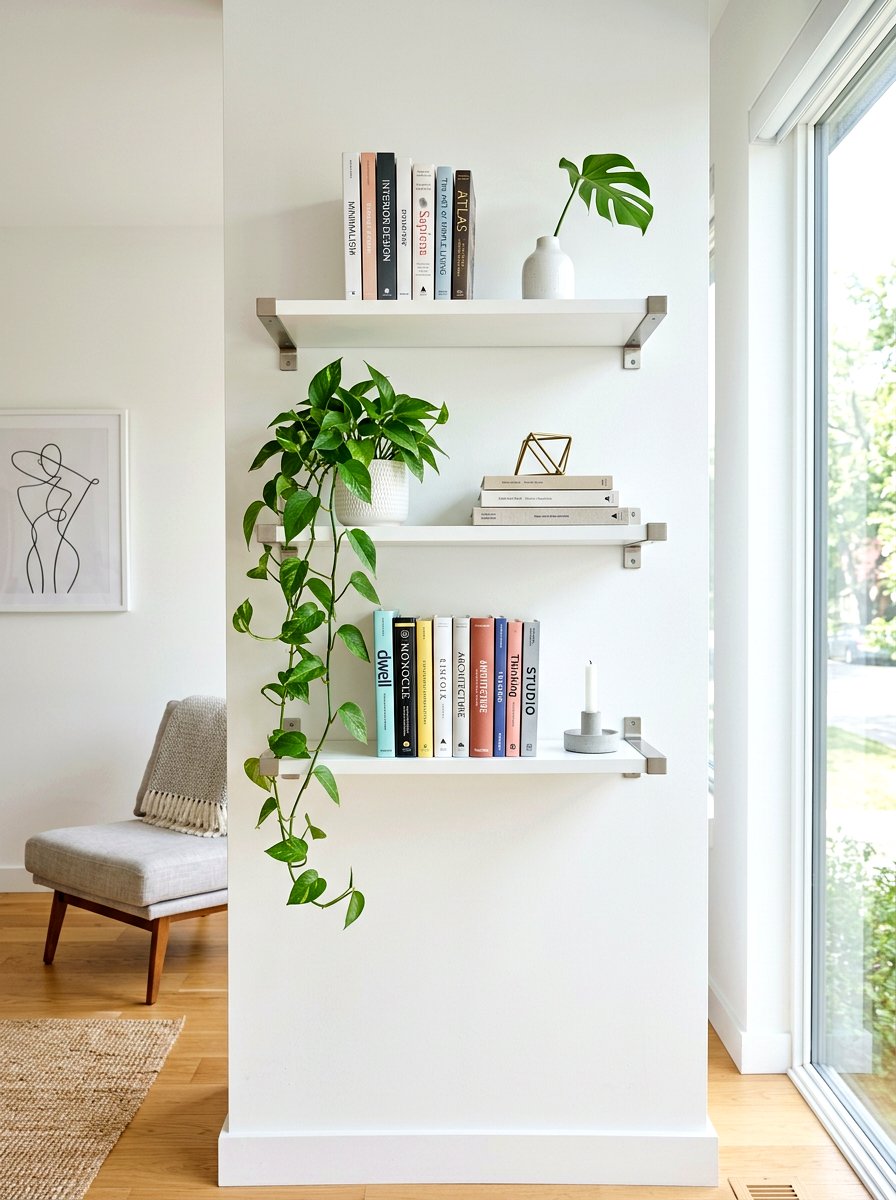
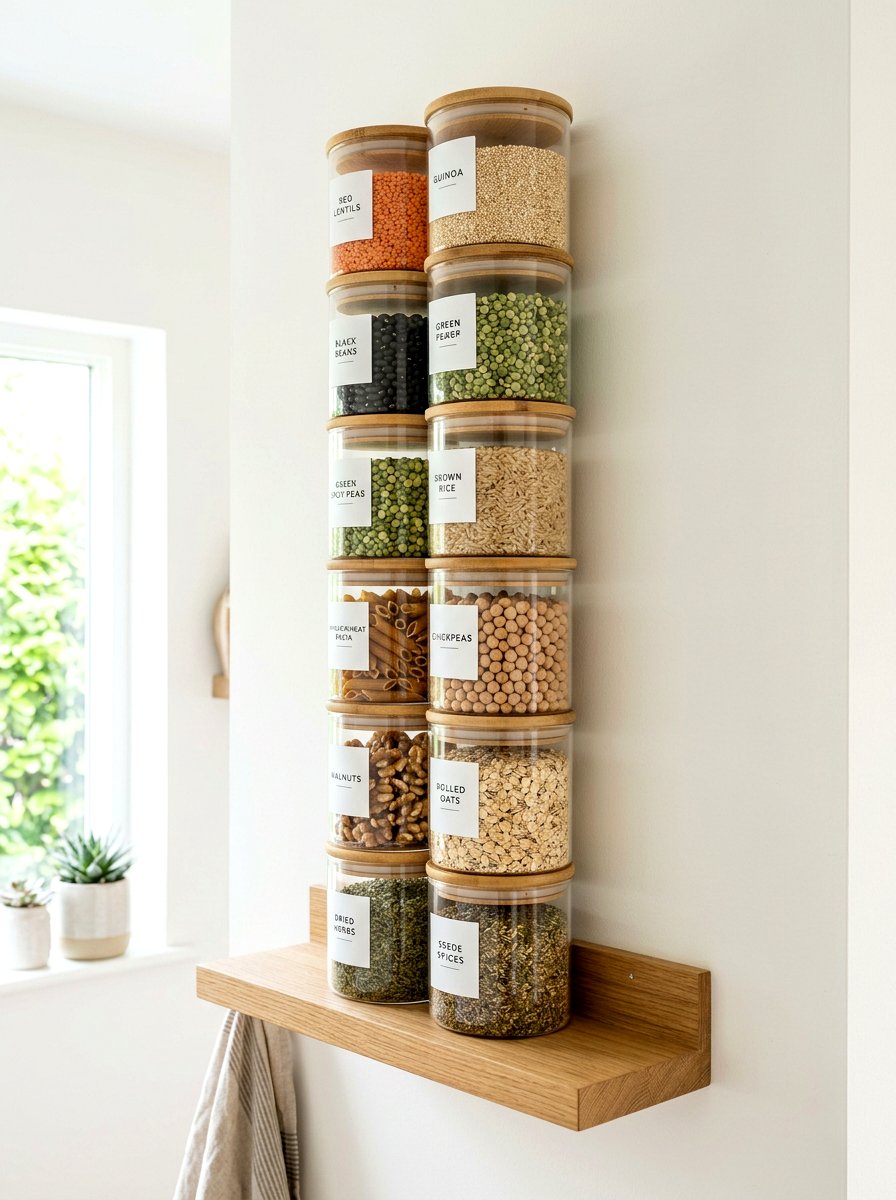
When floor space is limited, vertical wall-mounted shelves offer a sleek and modern way to display your favorite reads. Floating shelves lack bulky frames, giving the illusion that your books are hovering against the wall, which keeps the room feeling light and airy. To organize these effectively, keep the arrangements simple and avoid overcrowding. A few select volumes paired with a single trailing plant or a small clock can create a stunning vignette. This style is particularly effective in hallways, entryways, or above a desk where you want to add character without occupying valuable square footage. It turns a plain wall into a functional, sculptural design feature.
11. Decorative Storage Basket Integration
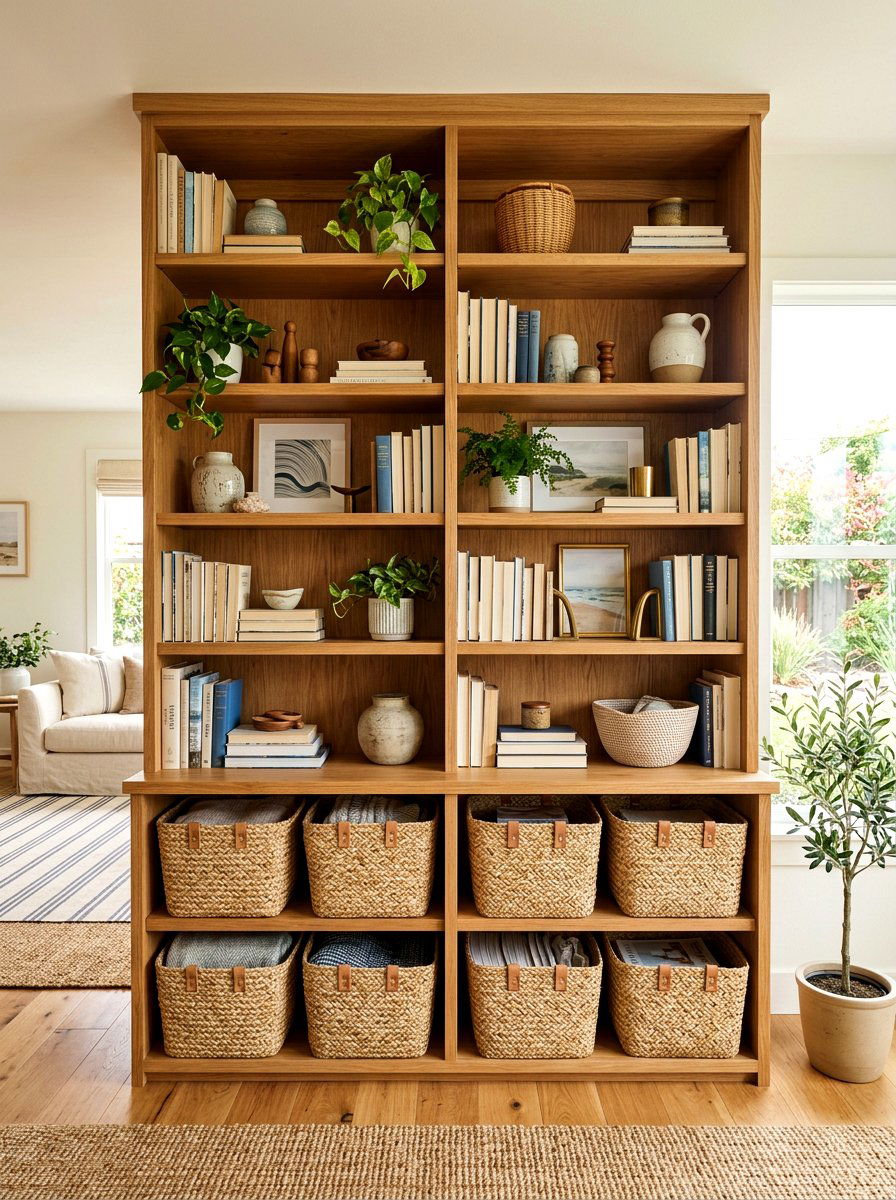
Every bookshelf inevitably ends up holding small, unsightly items like charging cables, loose papers, or remote controls. Incorporating woven baskets or fabric bins into the lower sections of your unit allows you to hide this clutter while adding a warm, tactile element to the design. Choose baskets made from natural materials like seagrass, rattan, or linen to introduce a soft contrast to the hard lines of the books and wood. By dedicating the bottom shelves to these "closed" storage solutions, you ground the entire unit visually. It keeps the upper shelves free for beautiful displays while ensuring the piece remains a practical part of your daily home organization.
12. Potted Greenery And Vines
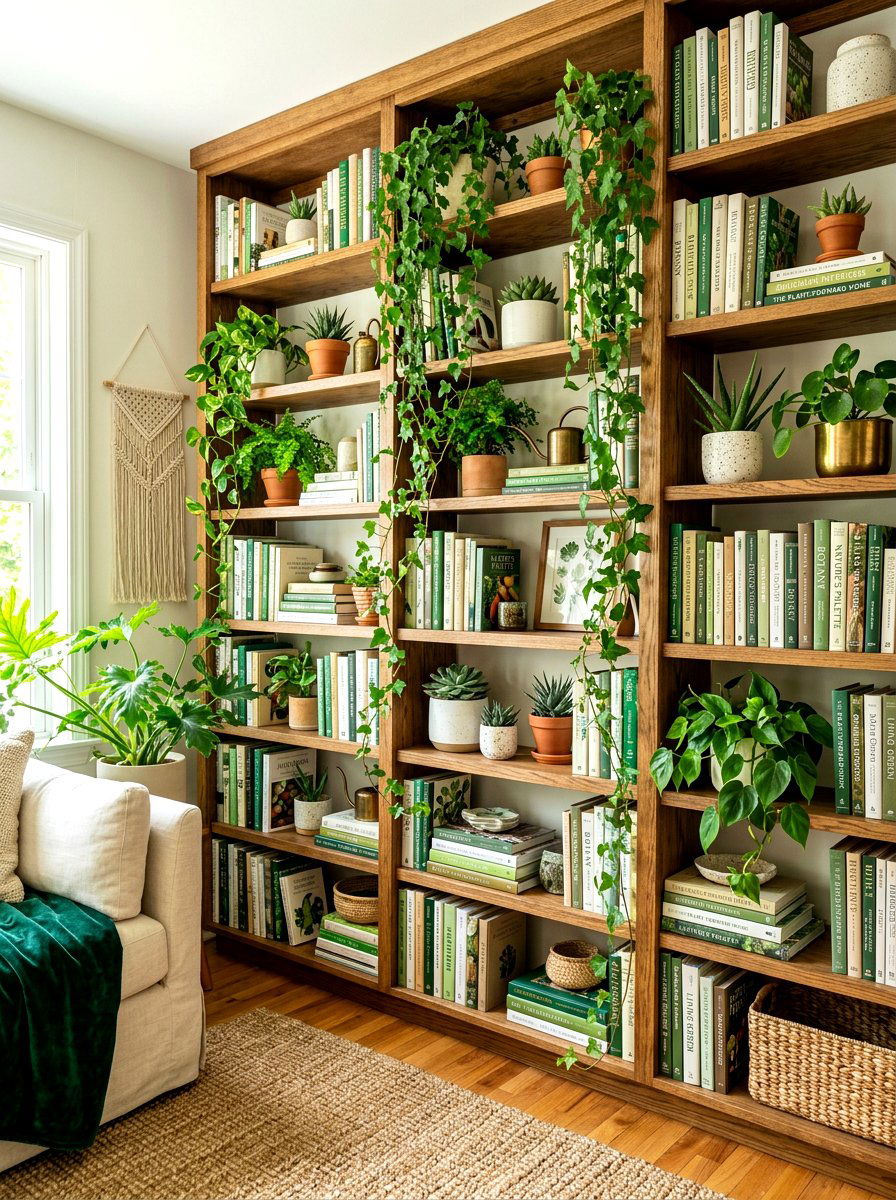
Bringing life to your library is as easy as adding a few well-placed indoor plants. Greenery provides a refreshing pop of color and an organic shape that contrasts beautifully with the geometric rows of books. Trailing plants like Pothos or Ivy are especially effective when placed on higher shelves, as their vines can gracefully drape down over the spines, softening the overall look. Small succulents or air plants can be used to fill tiny gaps or sit atop horizontal book stacks. The addition of living elements makes the bookshelf feel more vibrant and connected to nature, transforming a static piece of furniture into a breathing part of your home.
13. Alphabetical Author Name Filing
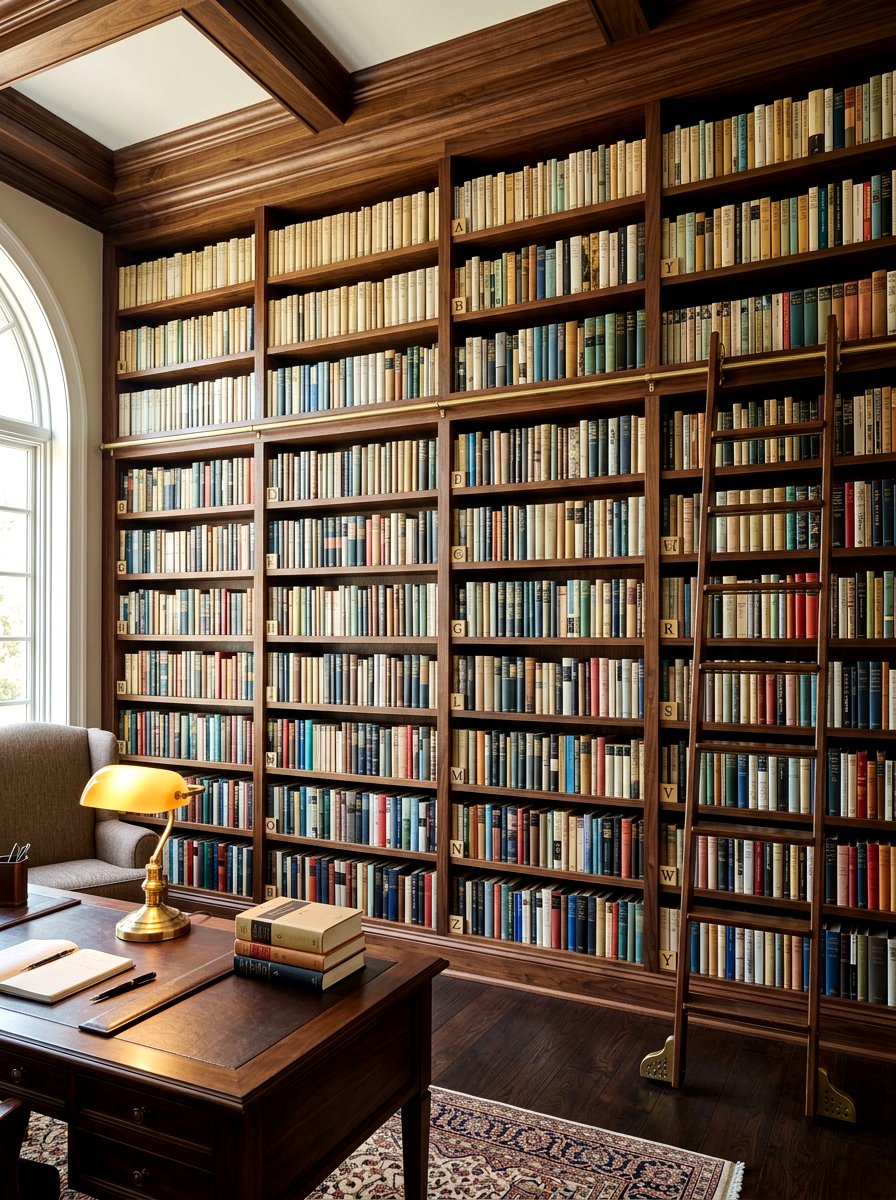
If you have an extensive collection that you reference frequently, organizing alphabetically by author is the gold standard of library management. This system brings the professional feel of a classic bookstore or public library into your home. While it might seem purely functional, you can still maintain a high-end look by paying attention to how the book heights interact within the alphabetical sequence. If the heights vary too wildly, try using small decorative items to bridge the gaps. This method is perfect for the "power reader" who values efficiency but still wants their collection to look curated and orderly in a high-traffic living area or office.
14. Centered Focal Point Arrangement
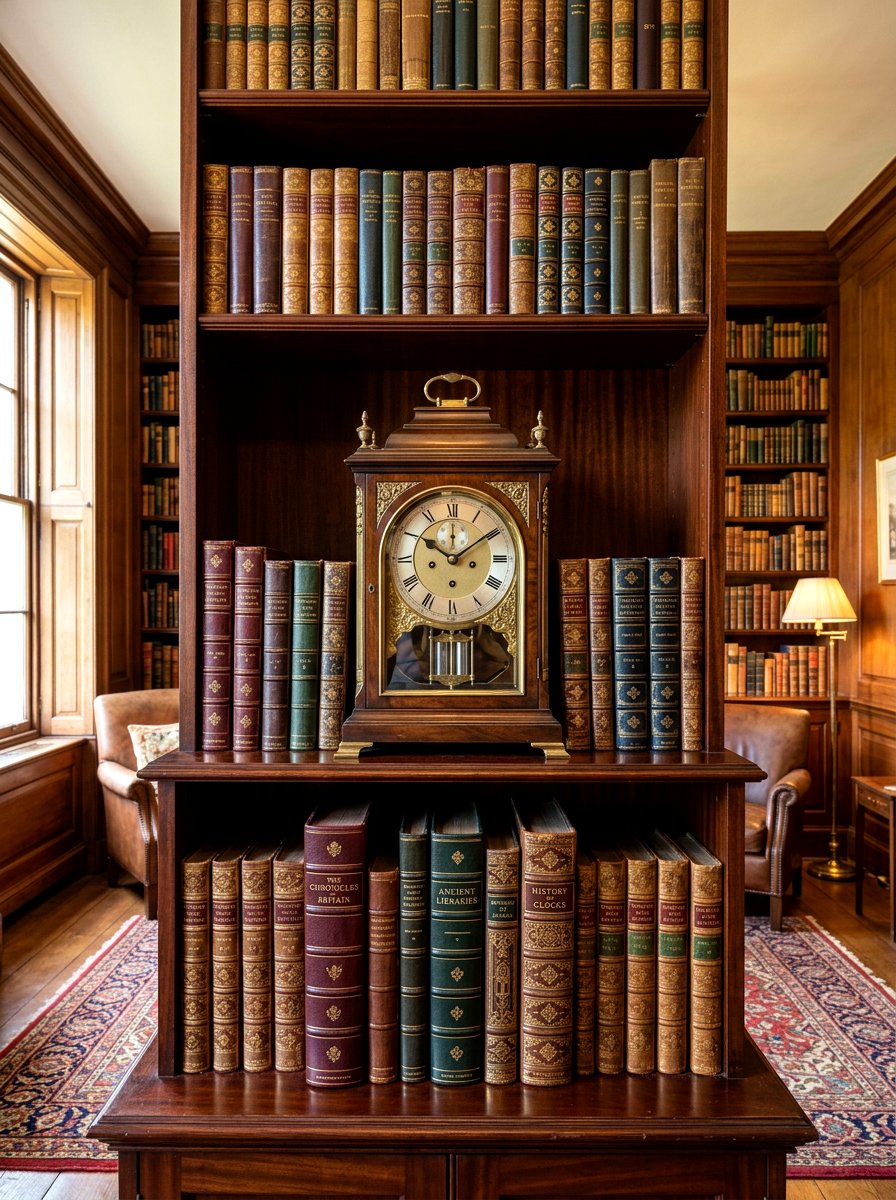
Designing each shelf around a central "hero" object creates an immediate visual anchor that draws the eye. Instead of filling the entire width of the shelf with books, place a significant decorative piece — like a large antique clock, a striking bust, or a colorful bowl — right in the middle. Then, flank that object with small clusters of books on either side. This "island" approach creates plenty of negative space, which makes the items you do choose to display feel much more special. It prevents the shelf from looking like a wall of text and instead highlights your most prized possessions as the stars of the show.

15. Book Height Graduation Layout
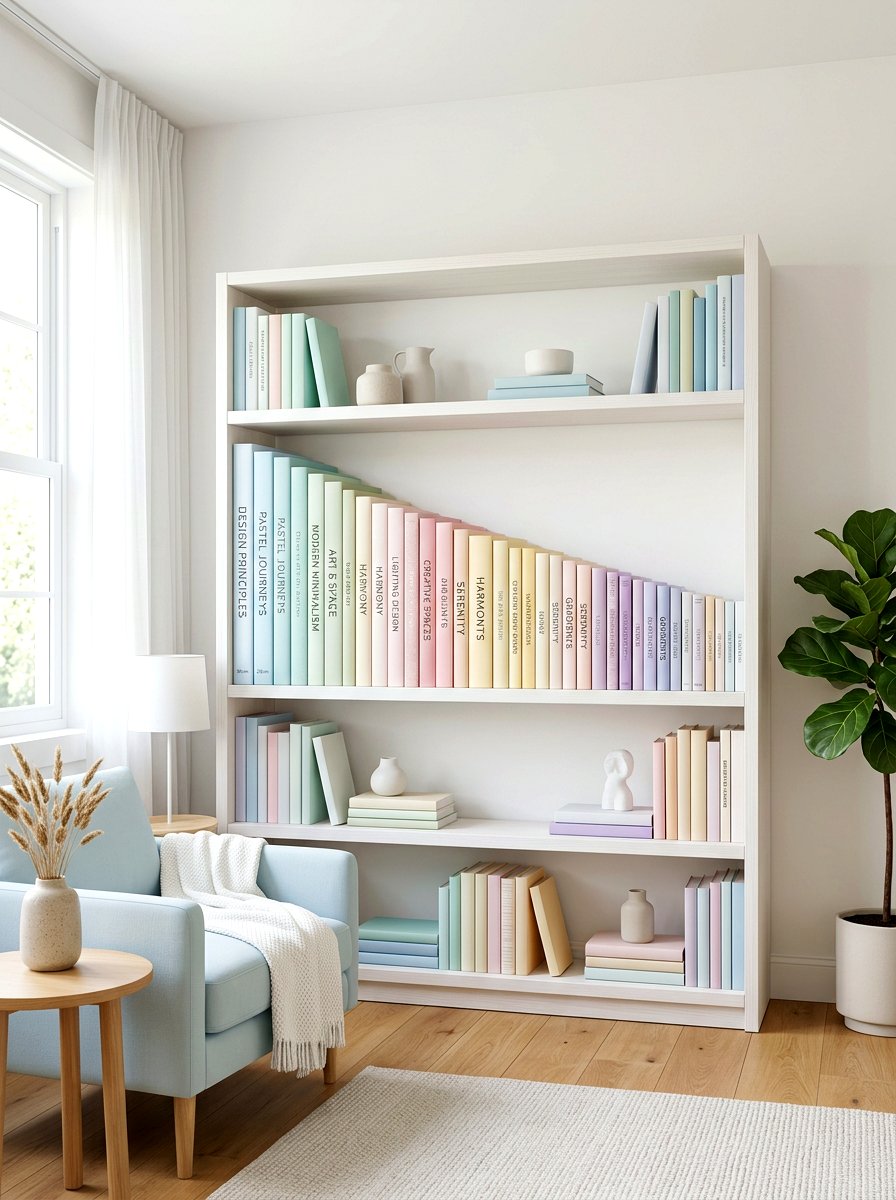
One of the easiest ways to create a sense of movement on your shelves is to arrange books by their physical size. You can create a "staircase" effect by placing the tallest books on one end and gradually moving toward the shortest. Alternatively, placing the tallest books on both outer edges and meeting with smaller volumes in the middle creates a pleasing "V" or "U" shape. This graduation provides a clean, architectural line that is very satisfying to the eye. It works particularly well for collections with a lot of variation, as it imposes a clear sense of order on otherwise mismatched and randomly sized volumes.
16. Leaning Canvas Shelf Background
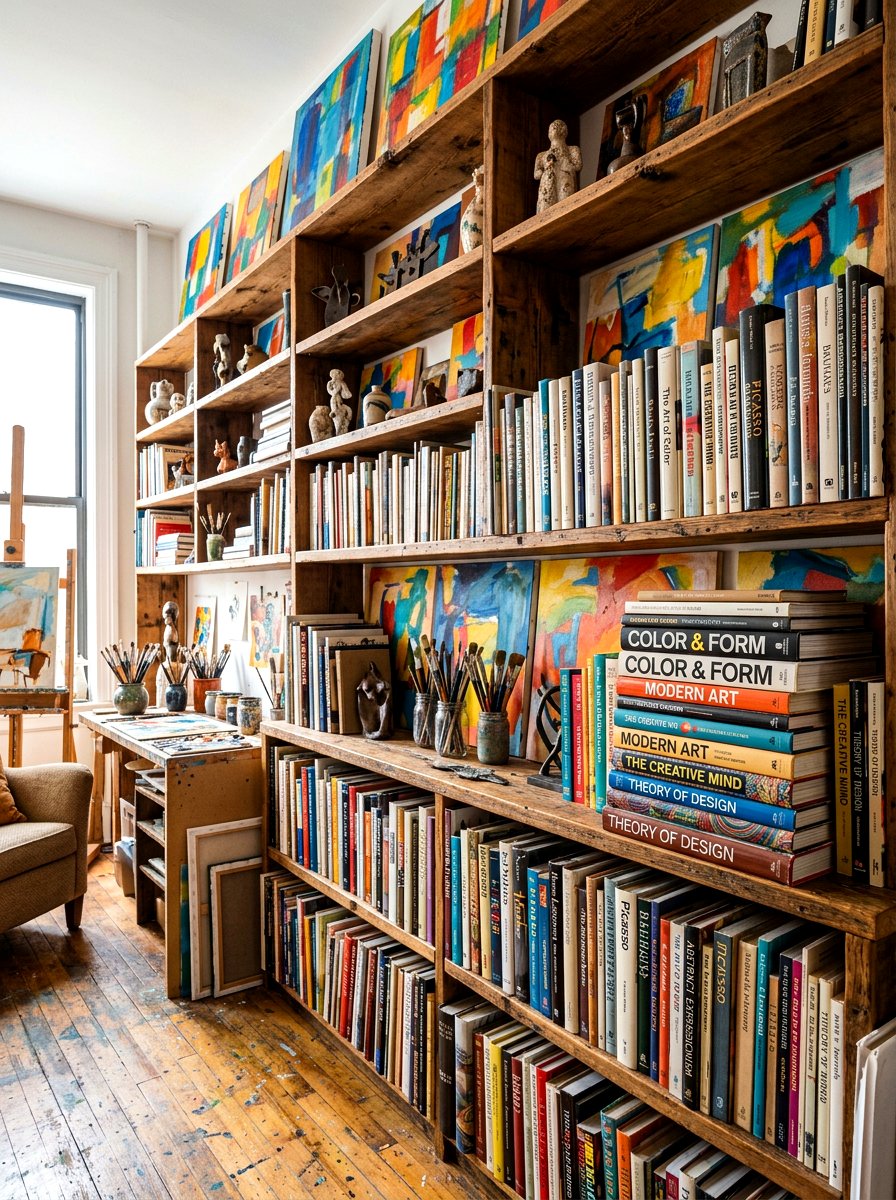
Treat the back of your bookshelf like a gallery wall by leaning various canvases and framed prints against it. This adds an extra layer of personality and color, especially if your bookshelf is a dark wood or a plain white. Larger pieces of art can sit behind stacks of books, while smaller frames can be perched in front of them to create a sense of overlapping depth. This styling technique is perfect for rotating your decor seasonally without having to commit to hanging things on the wall. It turns the bookshelf into a three-dimensional mood board that showcases your favorite artists alongside your favorite authors.
17. Heavy Marble Bookend Support
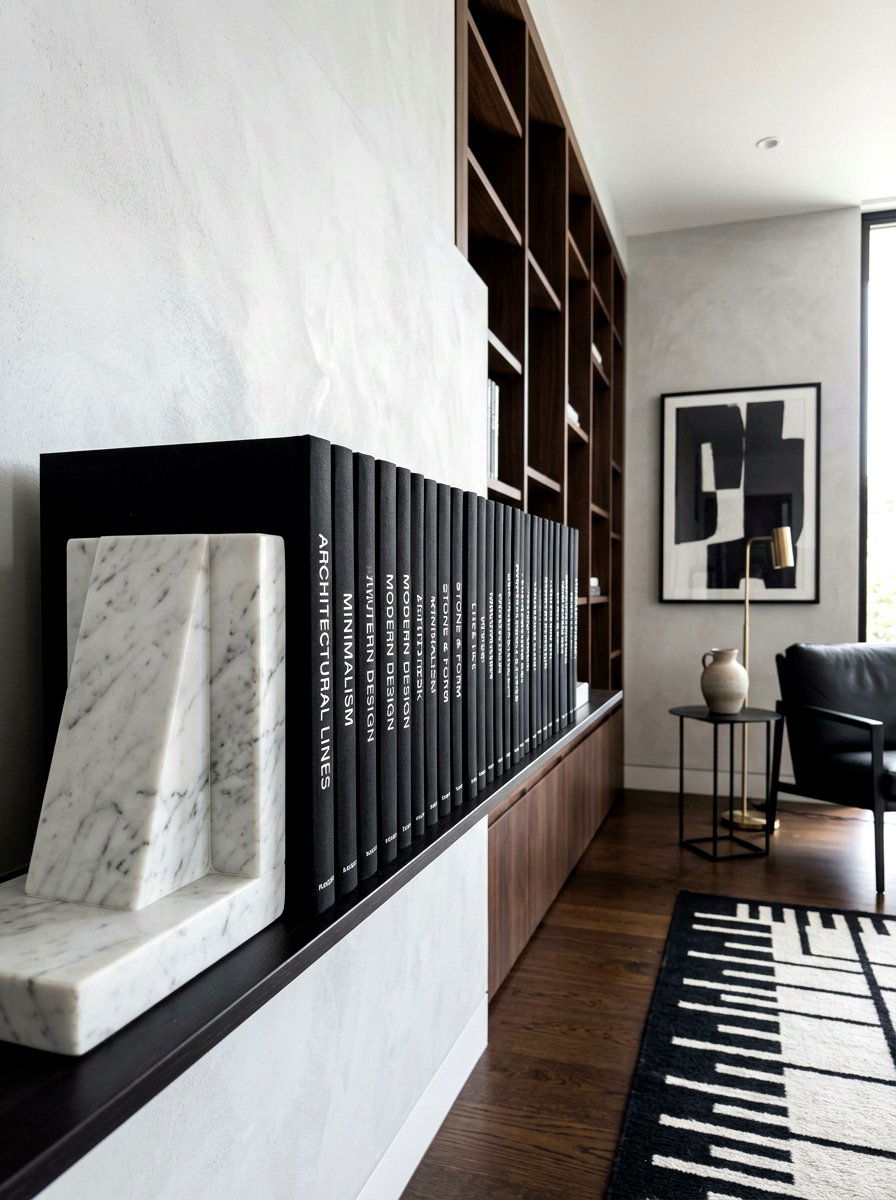
Bookends are both a functional necessity and a prime opportunity for styling. Using substantial materials like heavy marble, polished brass, or raw geodes adds a touch of luxury and weight to your book rows. Instead of hidden metal supports, choose bookends that are sculptural and beautiful enough to stand alone. They serve as the "exclamation point" at the end of a row of books, holding everything in place while providing a decorative finish. For a modern look, try using two completely different but complementary bookends on either side of a stack, such as a tall stone pillar on the left and a short brass sphere on the right.
18. Minimalist Negative Space Breather
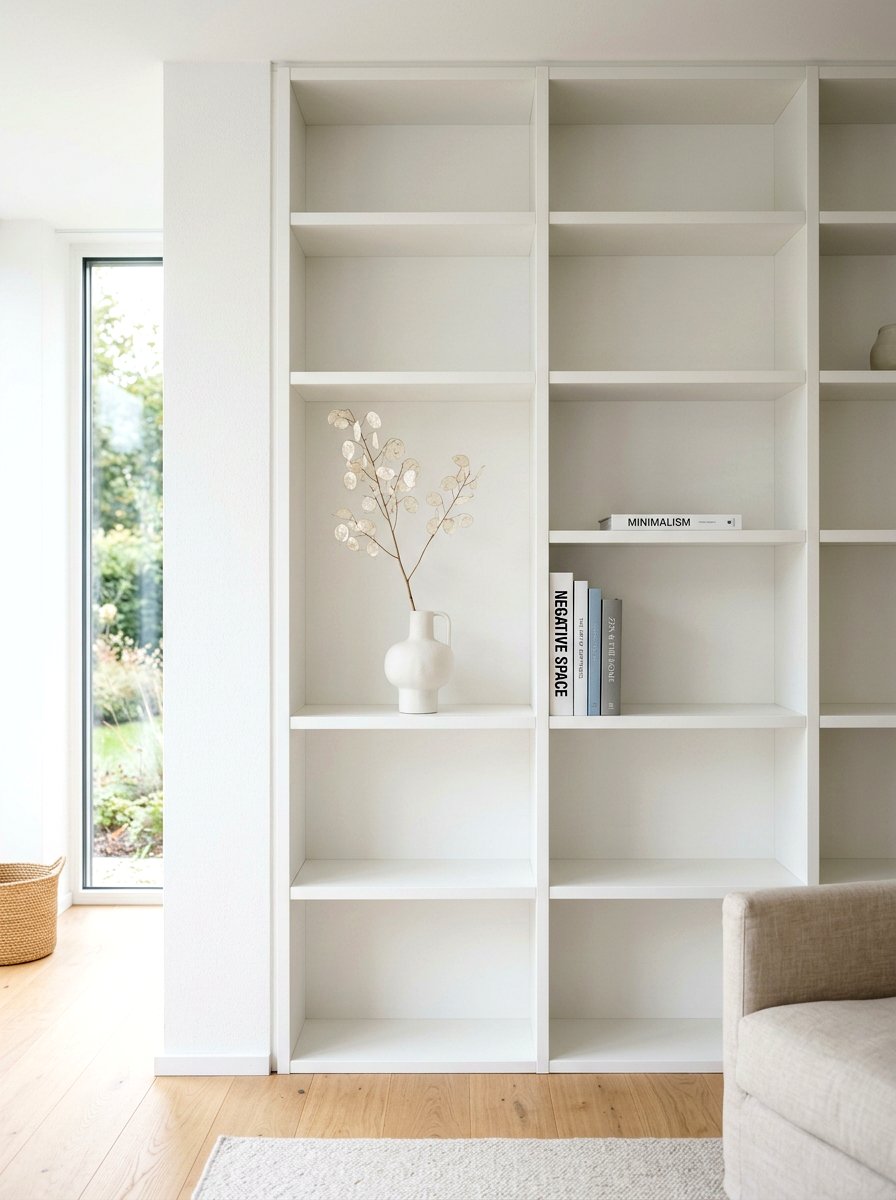
One of the most common mistakes in shelf styling is overstuffing every available inch. To achieve a truly high-end, designer look, you must embrace negative space — the intentional empty areas where the eye can rest. By leaving a few sections partially empty or only sparsely decorated, you allow the surrounding books and objects to "breathe. " This creates a more relaxed, airy atmosphere and prevents the unit from feeling heavy or overwhelming. Negative space makes a small collection look important and a large collection look organized. It is the hallmark of a sophisticated home that values quality over quantity and intentionality over clutter.
19. Under Shelf LED Strip Lighting
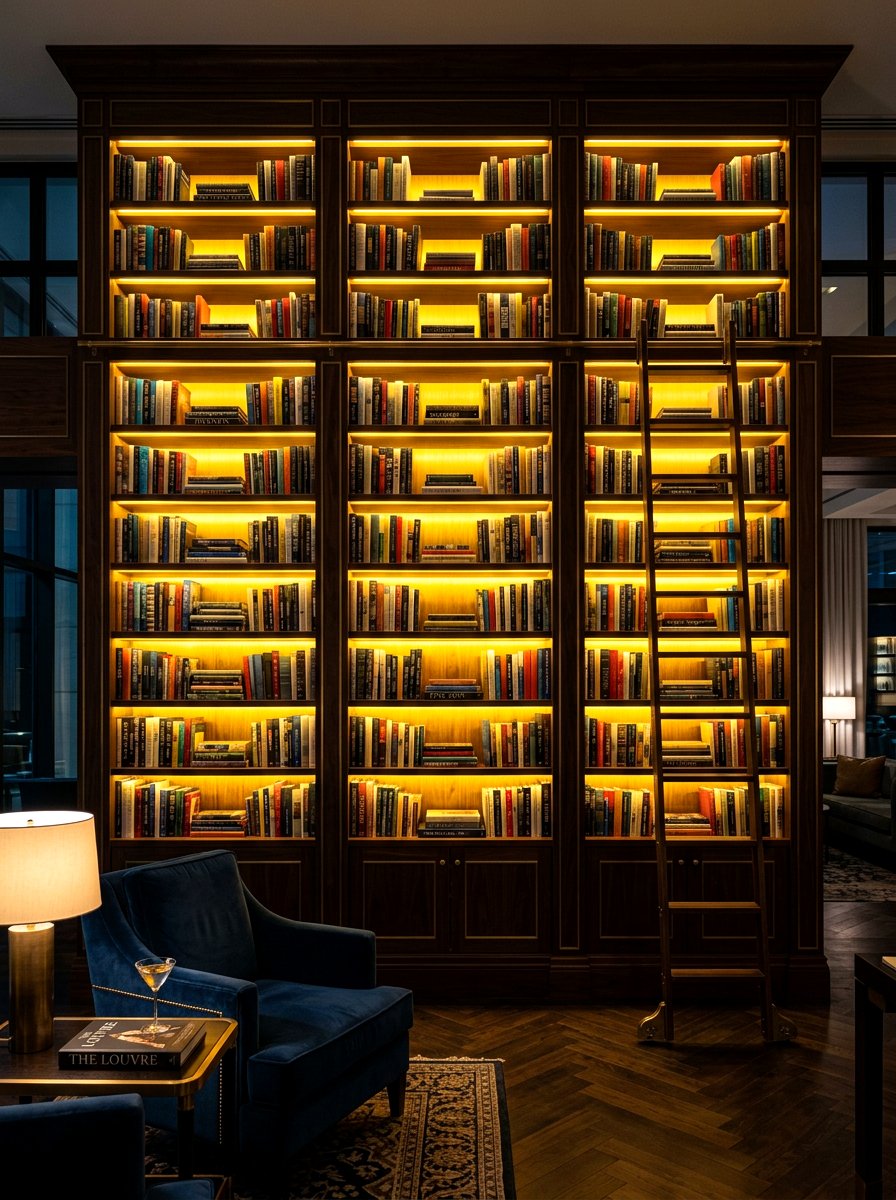
Proper lighting can transform a standard bookshelf into a dramatic architectural feature during the evening hours. Installing thin LED strip lights or small puck lights under each shelf illuminates your books and decor from above, casting beautiful shadows and highlighting textures. This "glow" makes the entire unit feel more like a high-end display case found in a museum. You can choose warm light for a cozy, library-like feel or cool white light for a more modern, gallery-inspired look. Lighting not only makes it easier to find your favorite titles at night but also adds an inviting ambiance to the entire room.

20. Contrasting Wallpaper Shelf Back
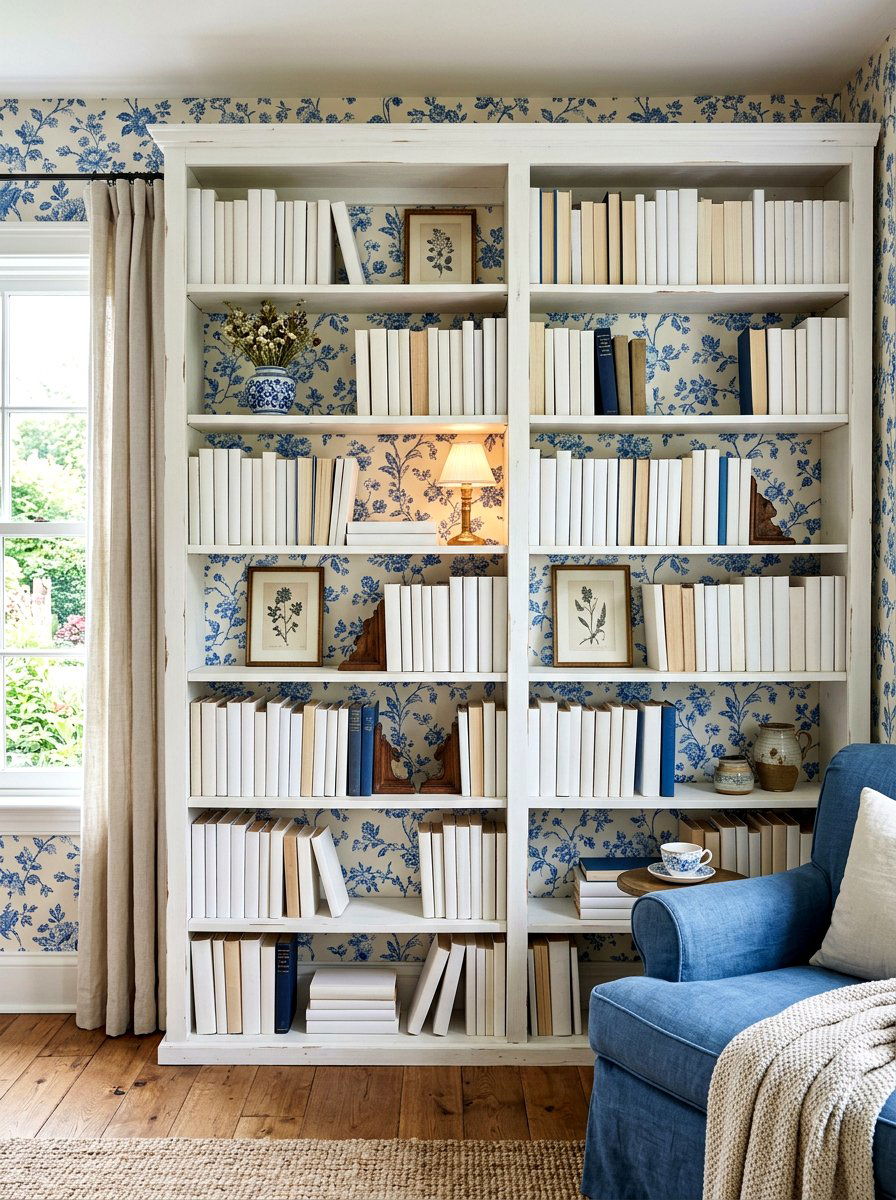
If you want to make your books and decor really pop, consider adding a pop of pattern or color to the back panel of your shelving unit. Peel-and-stick wallpaper is a fantastic, non-permanent way to introduce floral prints, geometric patterns, or bold textures like grasscloth behind your books. A dark navy or forest green back can make light-colored book spines and white ceramics stand out vividly. This technique adds an unexpected layer of detail that makes the furniture look custom-made. It’s a great way to tie the bookshelf into the room's overall color scheme while adding visual depth to the shelves themselves.
21. Antique Leather Bound Collection
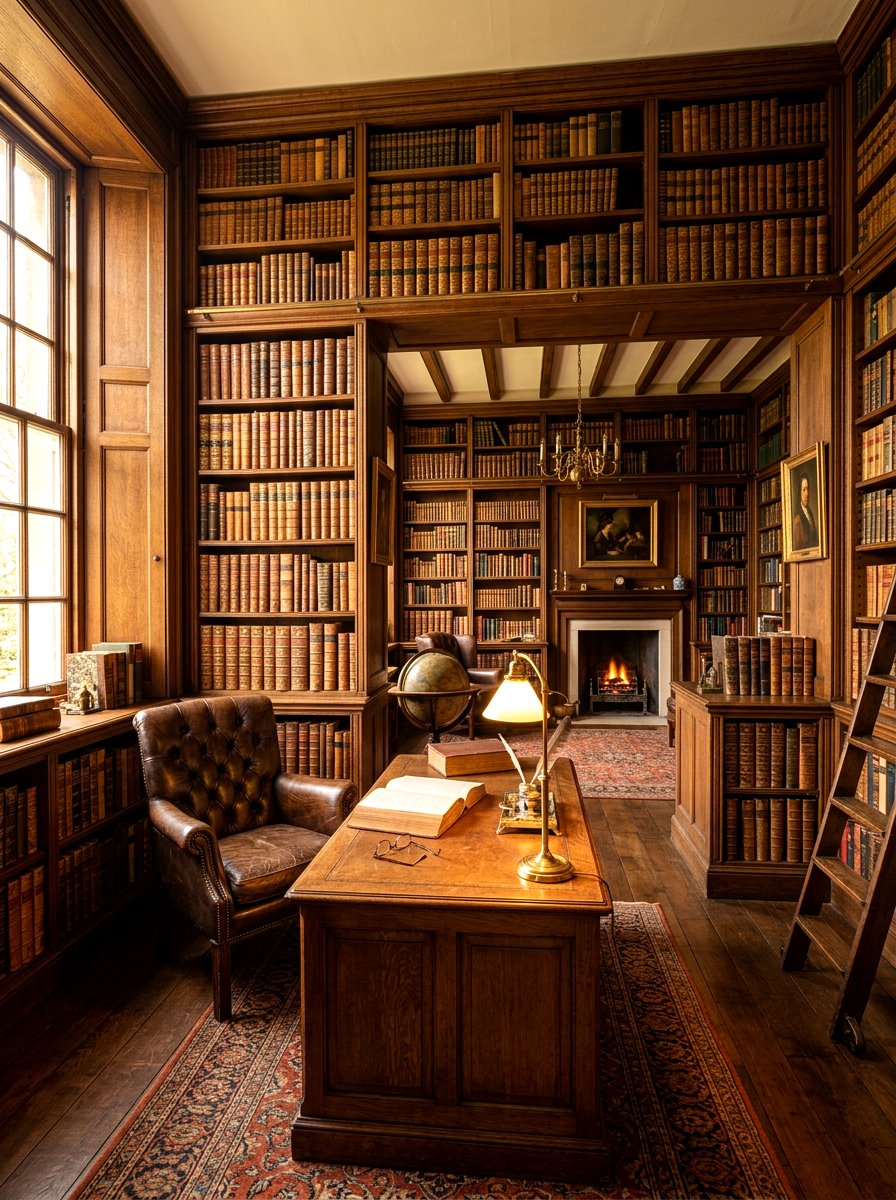
There is something undeniably timeless and sophisticated about a collection of vintage, leather-bound books. These volumes, often featuring gold-embossed spines and worn textures, bring a sense of history and warmth to any room. To style them effectively, group them together on a prominent middle shelf rather than scattering them throughout. They look best when paired with traditional decor like brass candlesticks, old globes, or inkwells. Even if you don't have a massive collection of antiques, a small grouping of five or six vintage books can act as a gorgeous focal point that grounds the more modern elements of your library with classic charm.
22. Enclosed Glass Front Bookcase
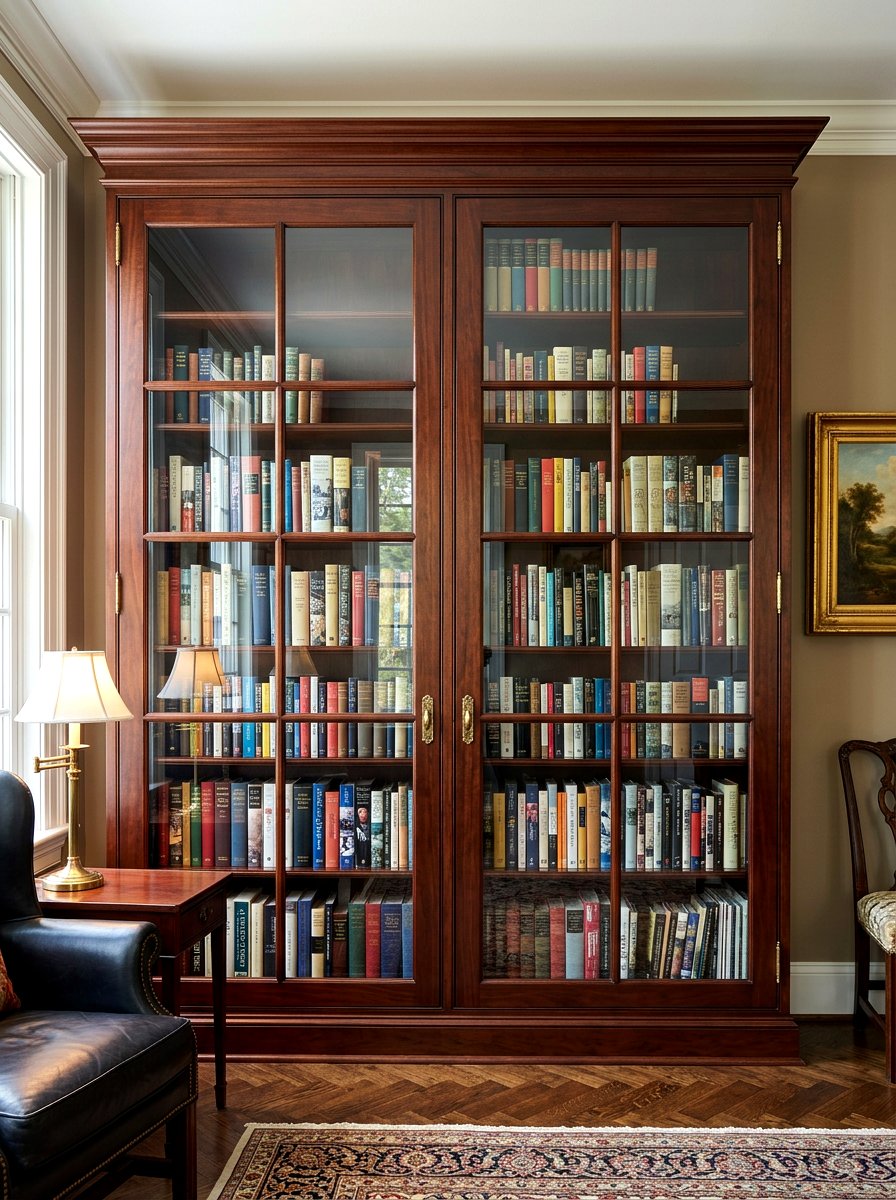
For those who want to display their collection while keeping it pristine and dust-free, a glass-front cabinet or "lawyer’s bookcase" is the perfect solution. The glass doors add a layer of sophistication and reflection that makes the contents feel more precious. When organizing inside glass, keep the styling very tidy, as the doors act like a frame for the entire display. You can use this space to house your most delicate or expensive editions. The transparency of the glass keeps the room feeling open while providing a structured, formal boundary for your books, making it an ideal choice for dining rooms or formal parlors.
23. Horizontal Coffee Table Stacks
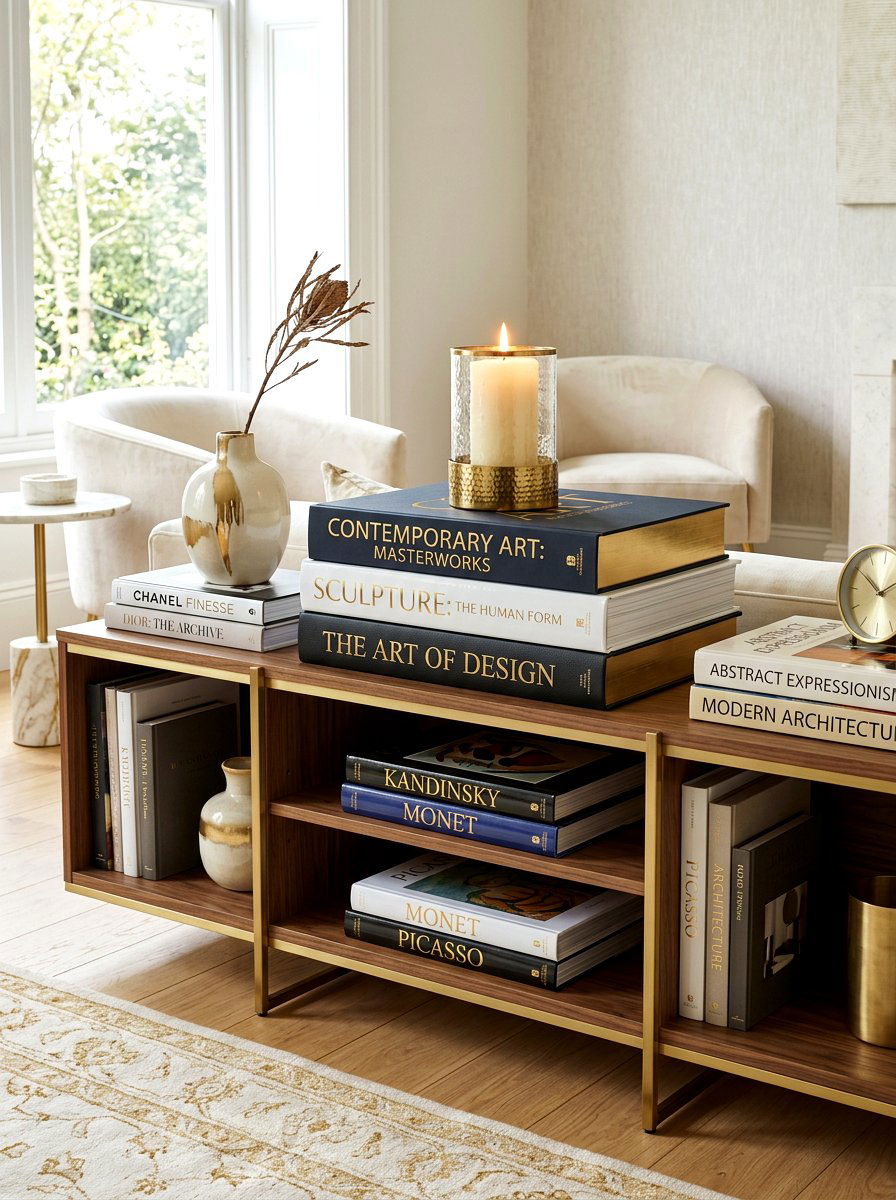
Oversized coffee table books are often too large for traditional shelving, but they make for excellent decorative foundations. Try stacking three or four of these large-format books horizontally on a lower shelf to create a platform. On top of the stack, you can place a medium-sized object like a wooden chain link or a small sculptural tray. This uses the books themselves as furniture elements, adding substantial visual weight to the bottom of your unit. Coffee table books usually have stunning photography and bold titles, so they act as a great conversation starter while providing a sturdy base for your favorite curios.
24. Childrens Playroom Rainbow Shelf
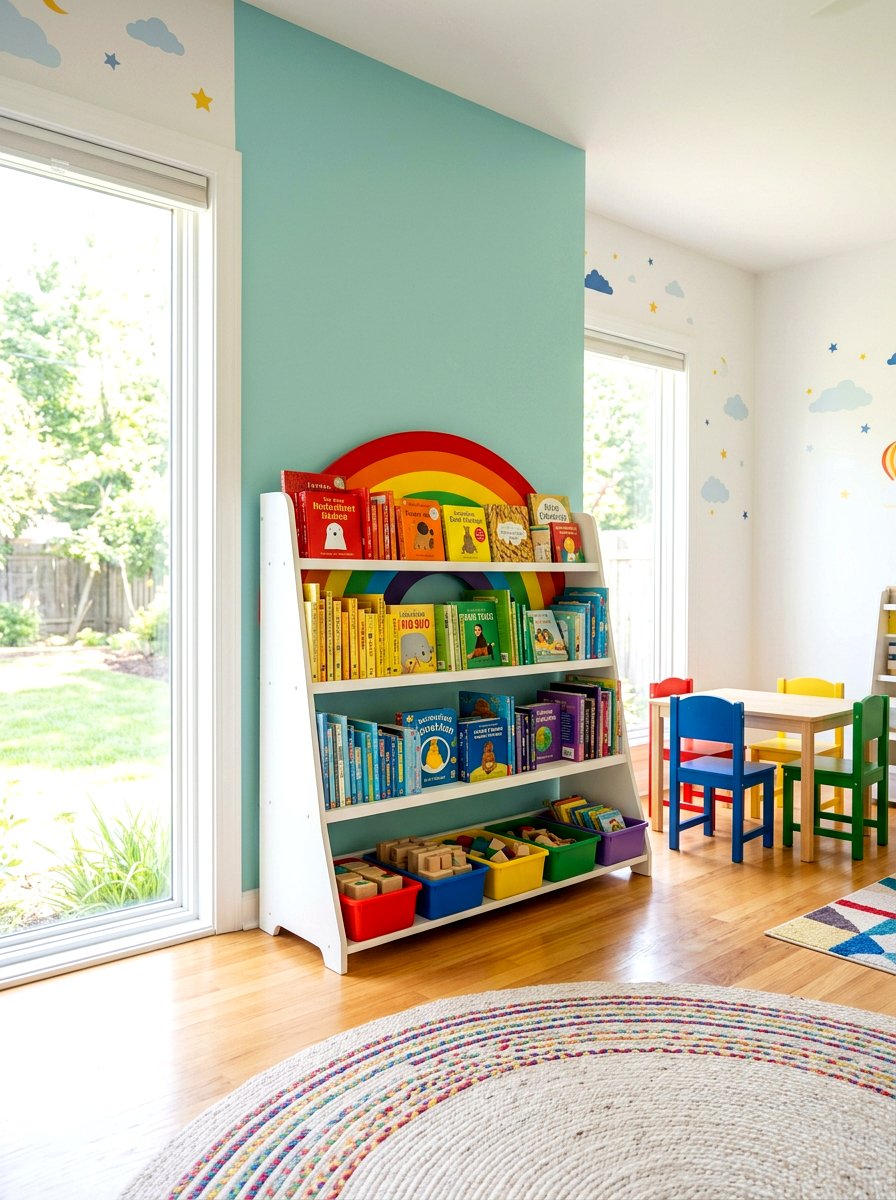
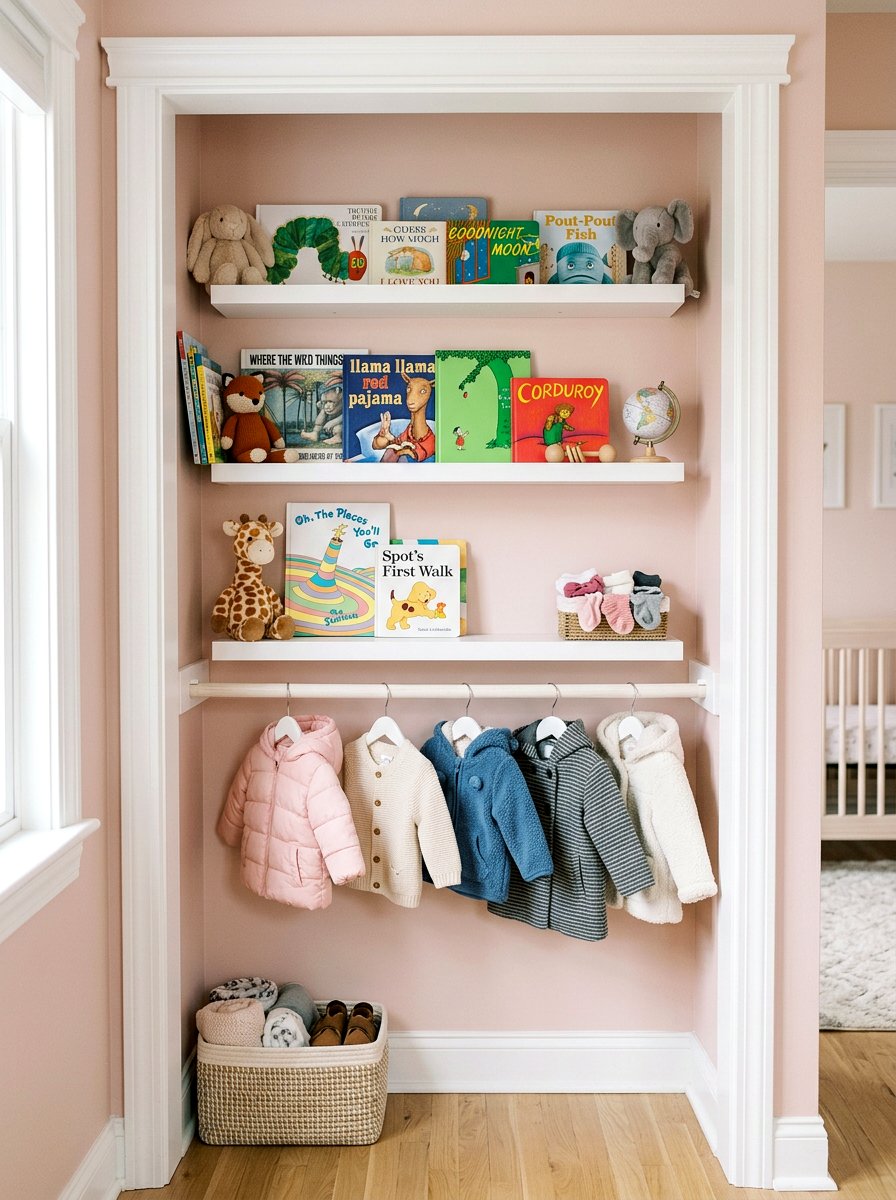
In a kid’s space, organizing books by color isn 't just an aesthetic choice — it' s a helpful tool for early literacy. Young children who can't yet read titles can easily remember that their favorite story has a "blue spine. " Creating a vibrant rainbow on a low-height bookshelf makes the room feel playful, energetic, and tidy. Use sturdy, open shelving so little hands can easily pull books out and, more importantly, put them back in the right color zone. This system turns a chore into a matching game, encouraging organization skills from a young age while keeping the playroom looking like a cheerful, designed environment.

25. Functional Office Storage System
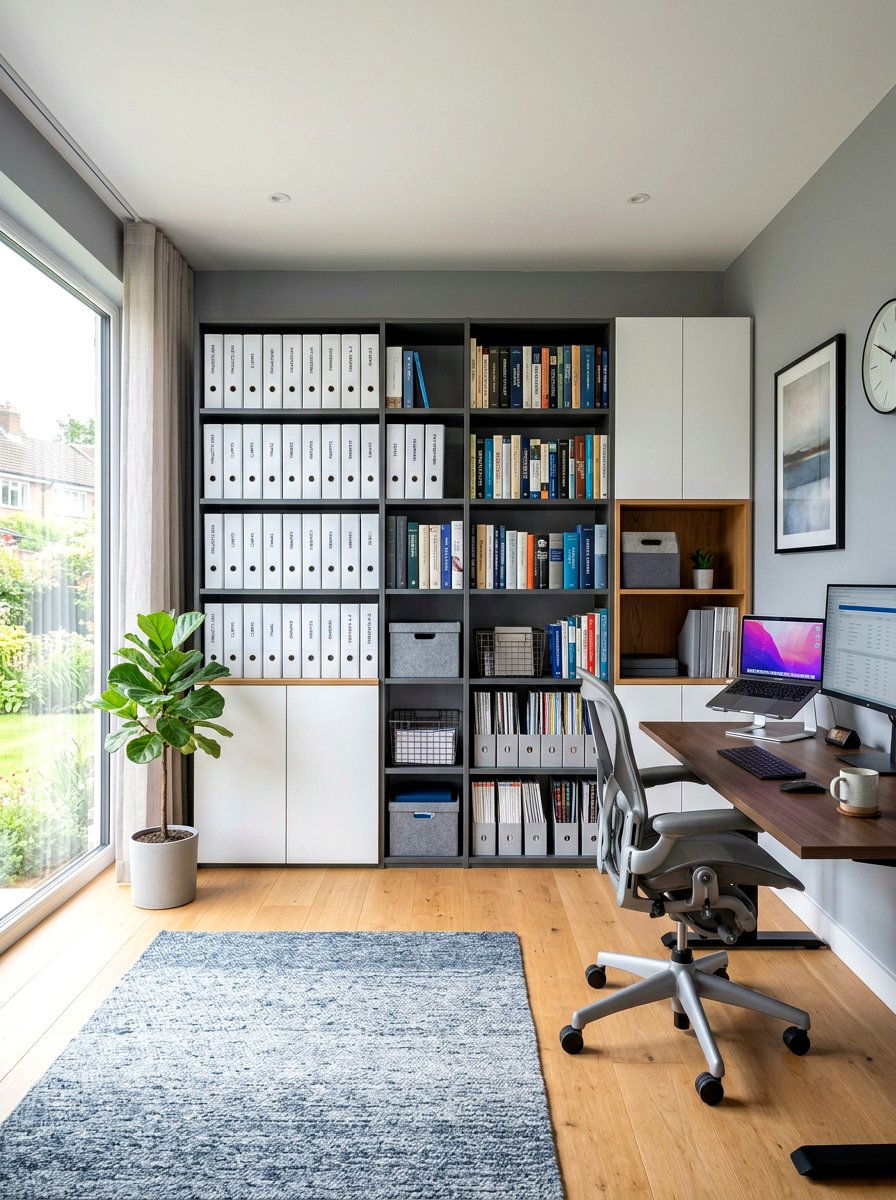
A bookshelf in a home office needs to strike a perfect balance between professional efficiency and personal style. Organize your most-used reference books and manuals at eye level for quick access, while placing less-frequented archives on the very top or bottom shelves. Use uniform magazine files or binders in a single color to hide messy paperwork and brochures. This creates a streamlined, cohesive look that minimizes distractions during the workday. Intersperse a few personal items, like a framed diploma or a small desk plant, to keep the space feeling warm and inviting rather than strictly utilitarian and cold.
26. Vertical Corner Shelf Unit
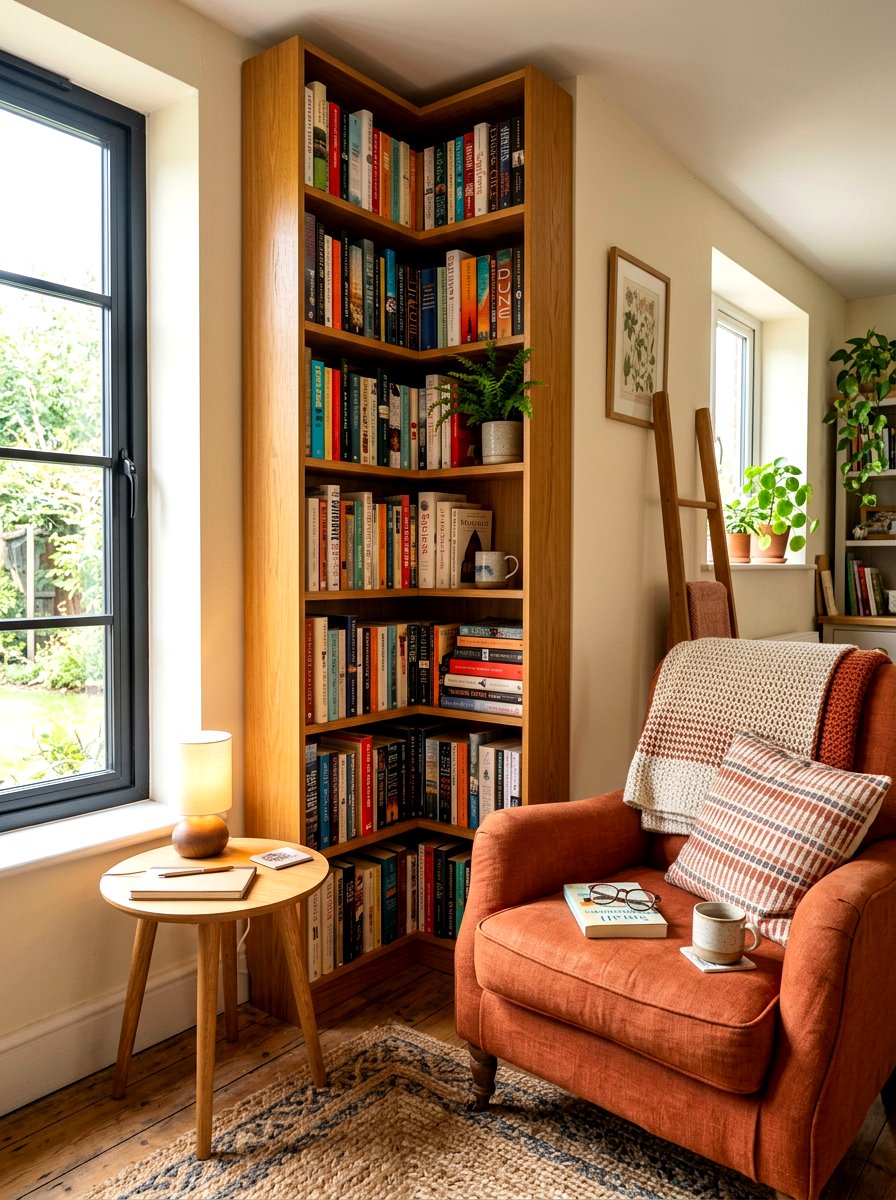
Corner spaces are often underutilized, but a tall, narrow vertical shelf can turn an awkward nook into a cozy reading retreat. To organize a corner unit, focus on verticality and light styling. Since these units are often compact, avoid wide horizontal stacks and stick to small clusters of books. Placing a comfortable armchair and a small floor lamp next to the corner shelf completes the look, creating a dedicated "library zone" even in a small room. This approach maximizes every square inch of your floor plan and adds a sense of purpose to a previously empty and neglected corner of the home.
27. Industrial Metal Frame Shelving
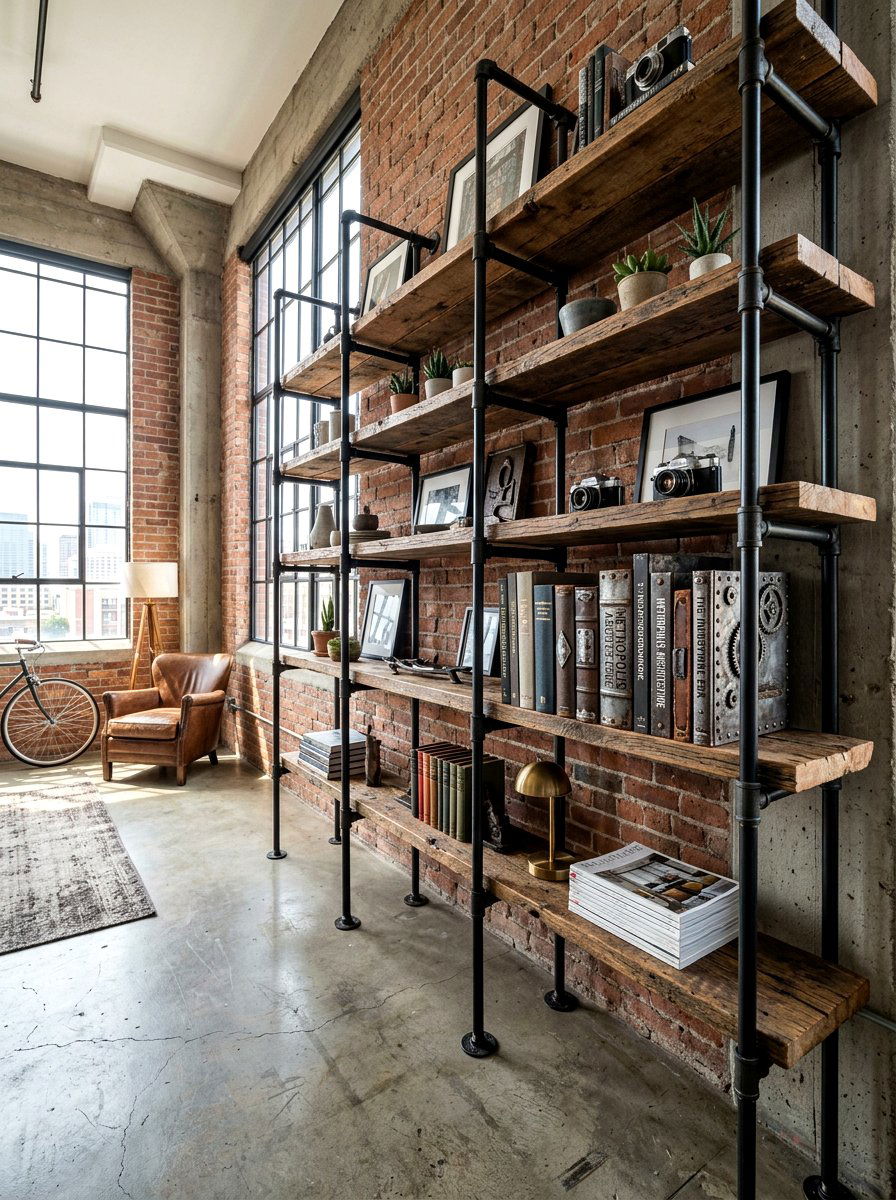
For a modern, edgy aesthetic, an industrial-style bookshelf featuring a metal frame and reclaimed wood planks is a fantastic choice. The open sides of these units mean that you need to style the books with care, as they will be visible from multiple angles. Use heavy, industrial-themed bookends like iron gears or concrete blocks to lean into the theme. The mix of cold metal and warm wood provides a beautiful backdrop for a collection of science, architecture, or history books. Keep the arrangements slightly more sparse to highlight the structural beauty of the shelving unit itself, allowing its rugged materials to shine.
28. Distressed Wood Farmhouse Library
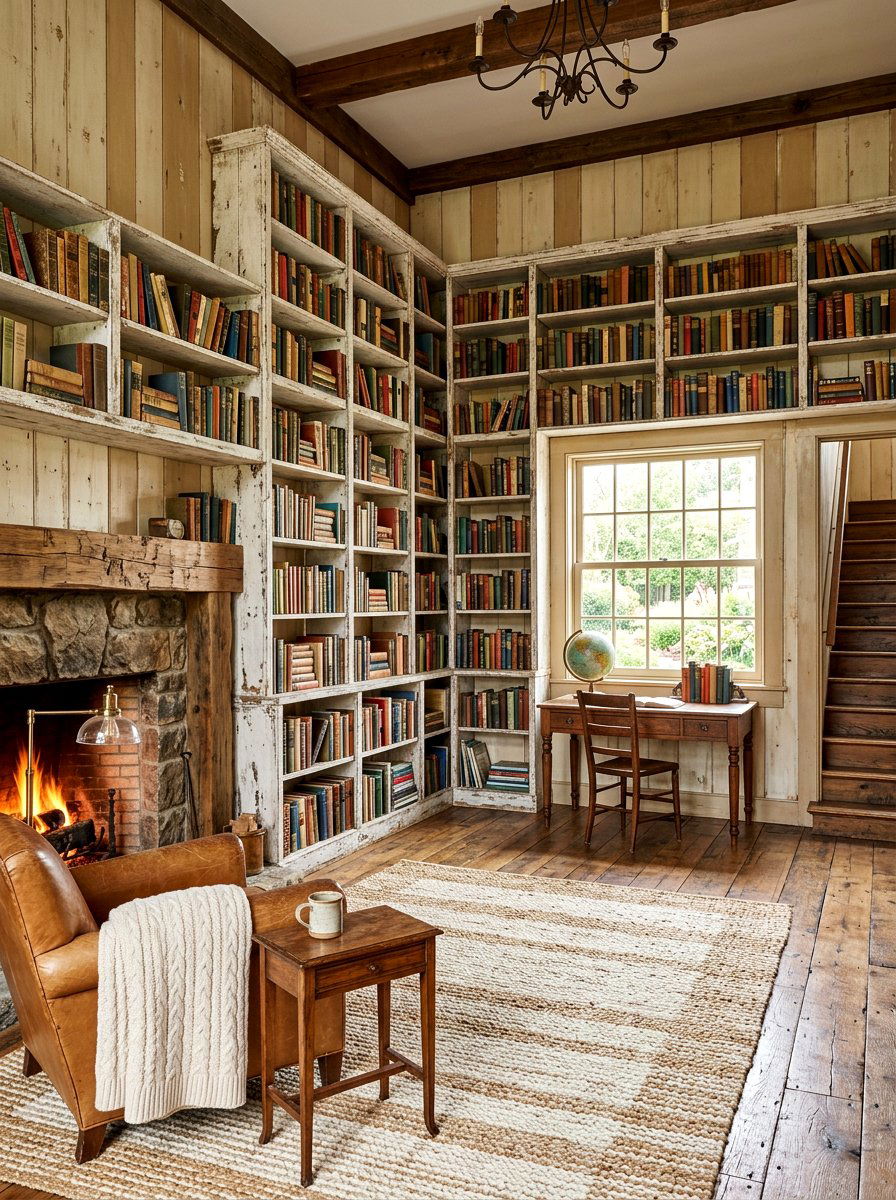
The farmhouse style is all about comfort, texture, and a sense of "home, " which translates perfectly to a large wooden bookshelf. Look for units with a distressed or natural finish and organize your books in a relaxed, lived-in manner. Instead of strict alphabetical order, group books by how they make you feel or by their cover textures. Incorporate rustic accents like galvanized metal buckets, wooden crates, and ceramic pitchers. This style of organization should feel effortless and cozy, inviting people to grab a book and curl up on a nearby sofa. It celebrates the imperfections of a well-loved and well-read collection.
29. Holiday Seasonal Shelf Styling
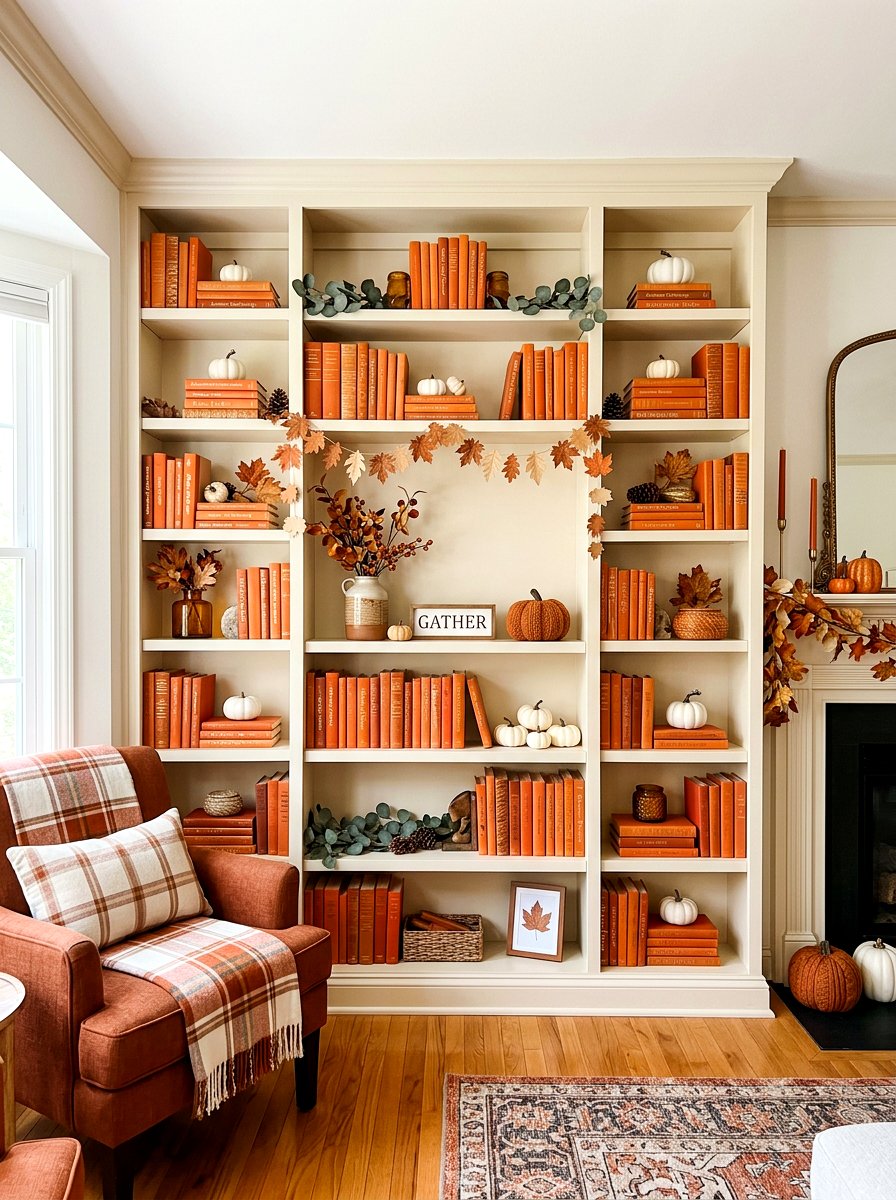
Your bookshelf should be a living part of your home that evolves with the time of year. Every few months, consider swapping out a few decorative objects to reflect the changing seasons. In the spring, you might add vases of fresh tulips and light-colored book jackets; in the autumn, you could introduce small pumpkins, dried wheat, and books with deep orange and brown spines. This keeps your home decor feeling fresh and prevents the shelving from becoming a static, dusty background element. It’s a fun way to engage with your library and celebrate the rhythm of the year through your favorite reading material.
30. Reflective Mirror Backed Shelf
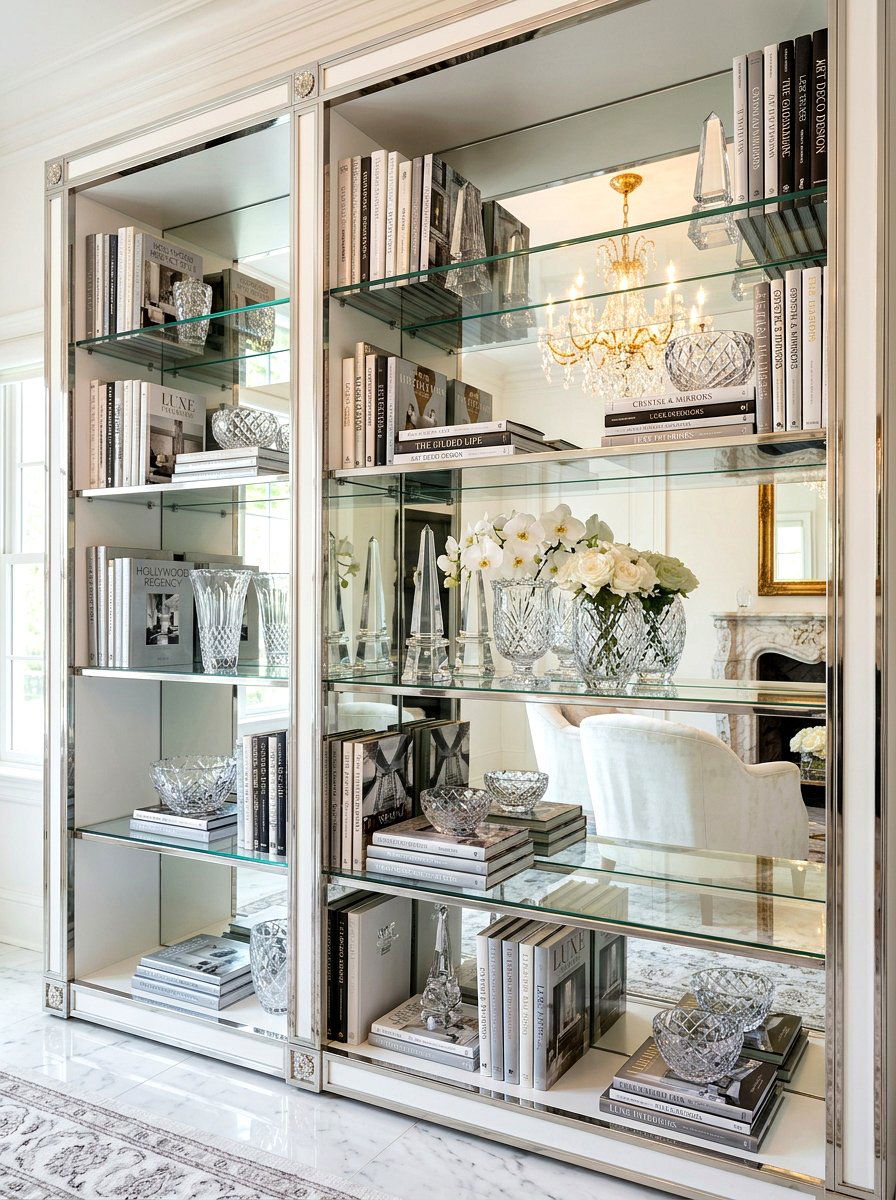
Adding mirrors to the back of a bookshelf is a glamorous design trick that instantly makes a small room feel twice as large. The reflective surface bounces light around the space and creates a sense of depth behind your books and objects. When organizing a mirrored shelf, be mindful that you will see the back of your decorative items, so choose pieces that look good from all sides. This setup is particularly effective for displaying glassware, crystals, or metallic accents that catch and reflect the light. It adds a touch of high-end luxury and sparkle to your library, turning it into a dazzling focal point.
Conclusion:
Ultimately, the perfect bookshelf is one that balances your love for literature with your eye for design. By experimenting with different organization techniques — from the structured logic of alphabetical filing to the artistic flair of a color-coded rainbow — you can find a style that truly resonates with your home’s architecture. Remember that styling is an iterative process; don’t be afraid to take everything off and start over until the balance feels just right. Your library is a growing, changing part of your life, and its arrangement should reflect that journey. A well-organized shelf doesn't just hold books; it holds the stories, memories, and inspirations that make your house a home.

Related posts: