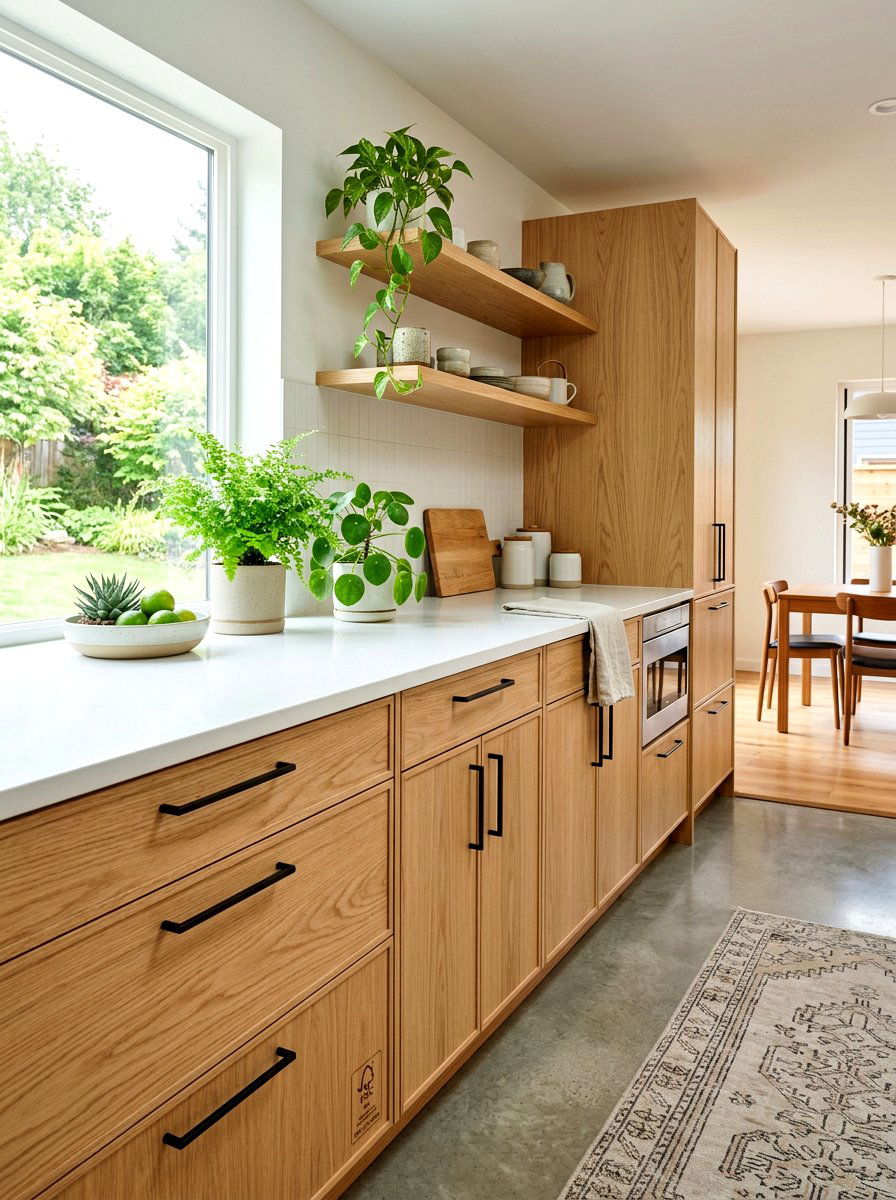
Transitioning to a zero waste lifestyle often begins in the heart of the home, specifically within the kitchen pantry where single-use plastics typically dominate the landscape. Creating a sustainable storage space is not just about aesthetics; it is a dedicated commitment to reducing environmental impact while streamlining your daily cooking routines. Imagine walking into a room filled with clear glass jars, natural textures, and a sense of calm that only true organization can provide. This journey involves swapping out disposable packaging for durable, reusable alternatives that stand the test of time. By focusing on bulk shopping and mindful consumption, you can transform a cluttered cabinet into a beautiful, eco-friendly sanctuary that reflects your values and personal style.
1. Glass Jar Food Storage
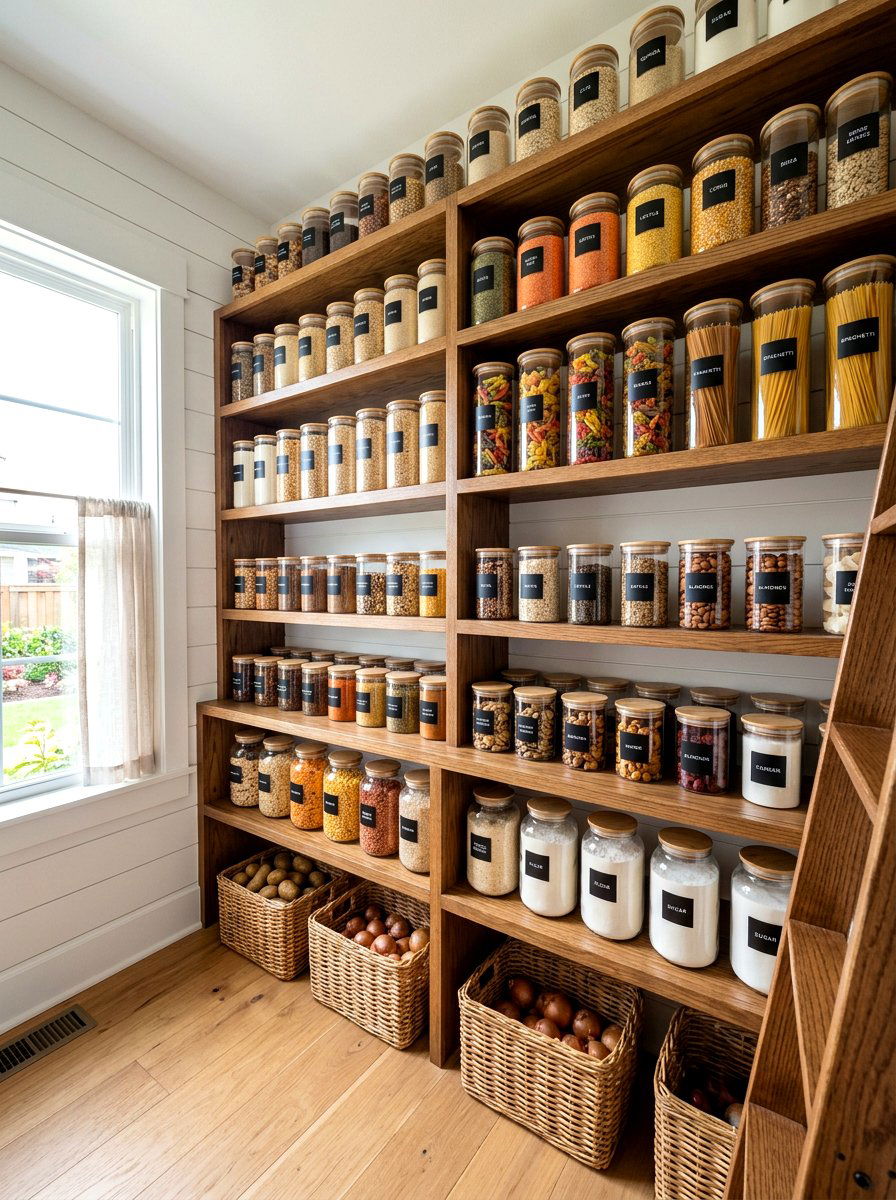
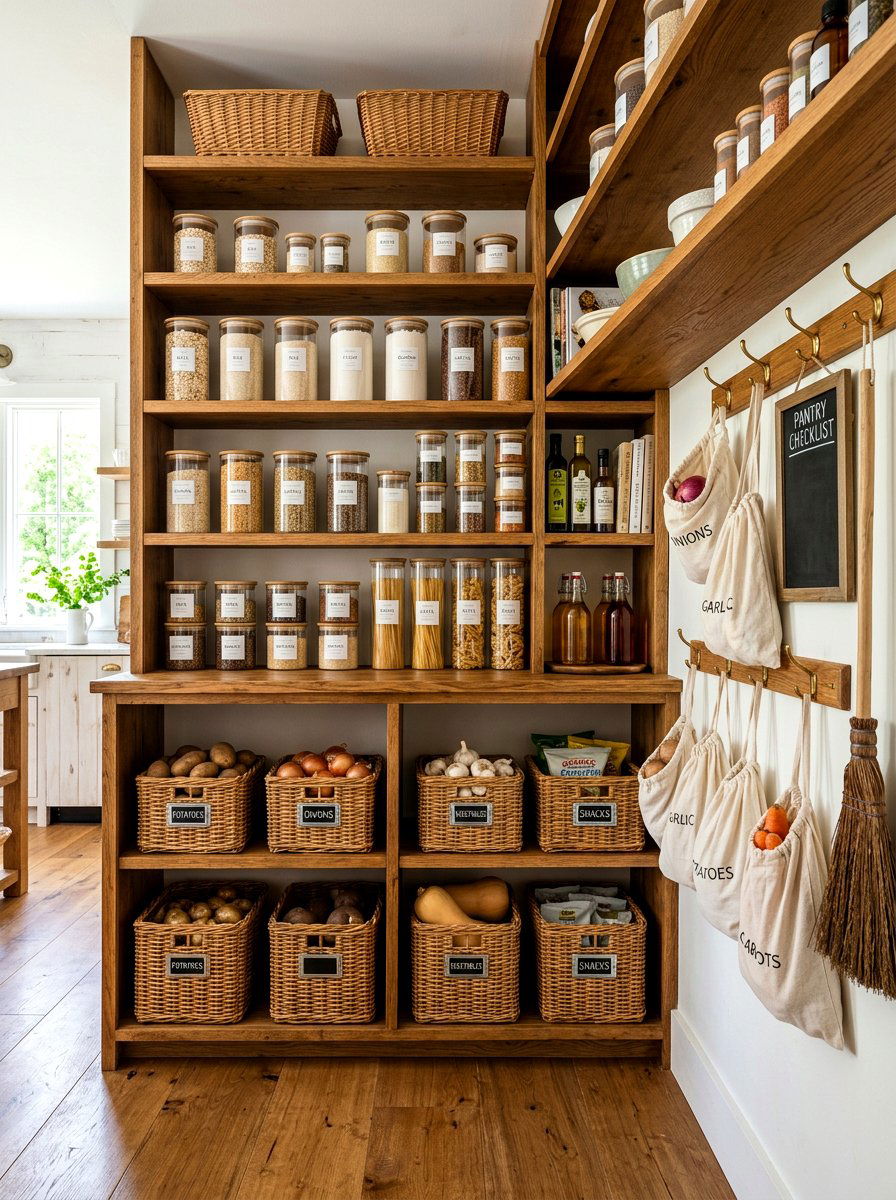
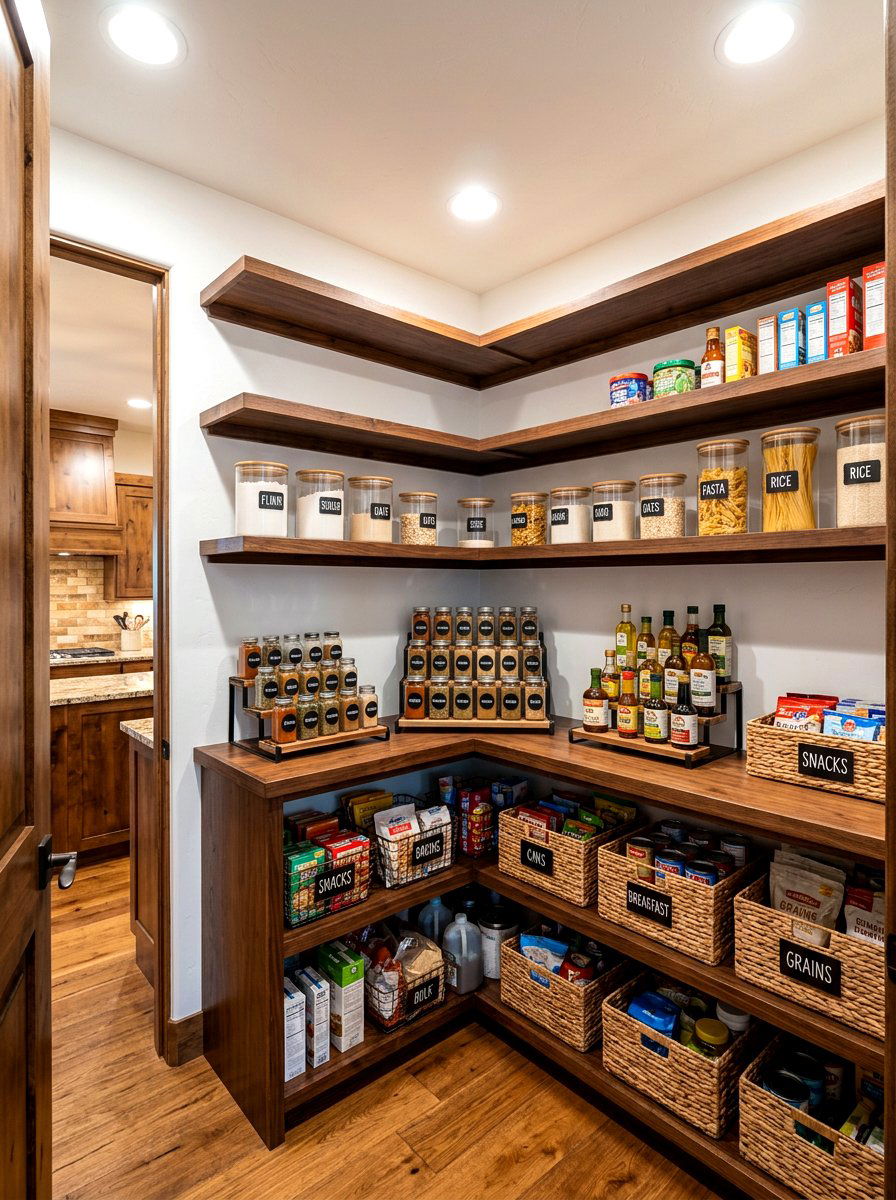
Switching to glass jars is one of the most effective ways to eliminate plastic waste in your kitchen. These transparent containers allow you to see exactly how much of an ingredient you have left at a glance. You can buy grains, beans, and pasta in bulk and store them neatly on your shelves. This method creates a cohesive and visually pleasing look that makes your pantry feel like a boutique shop. Choose various sizes to accommodate different items like tall spaghetti or small seeds. Glass is a non-porous material that does not leach chemicals into your food. It is also very easy to clean and can last for a lifetime if handled carefully.
2. Bulk Bin Pantry System
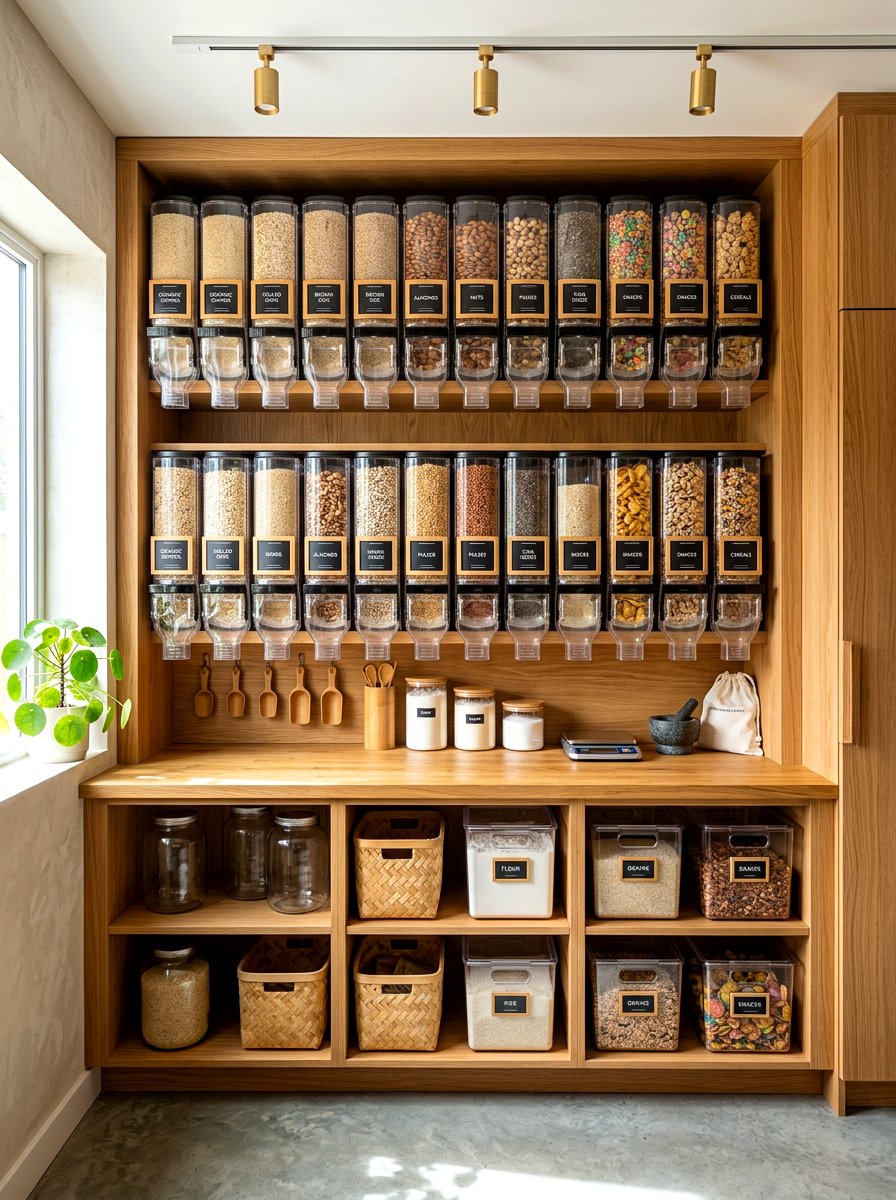
A bulk bin system is the ultimate solution for a plastic-free lifestyle and efficient meal planning. By purchasing your dry goods from bulk aisles, you completely bypass the need for traditional retail packaging. Large gravity dispensers or scoop bins can be integrated into your pantry design for easy access to staples like oats and rice. This setup encourages you to buy only what you need, which effectively reduces food waste and saves money over time. It creates a professional, organized atmosphere that simplifies the cooking process. Ensure your bins are airtight to keep everything fresh. This functional approach turns your pantry into a sustainable resource for your daily nutritional needs.
3. Bamboo Lid Storage Containers
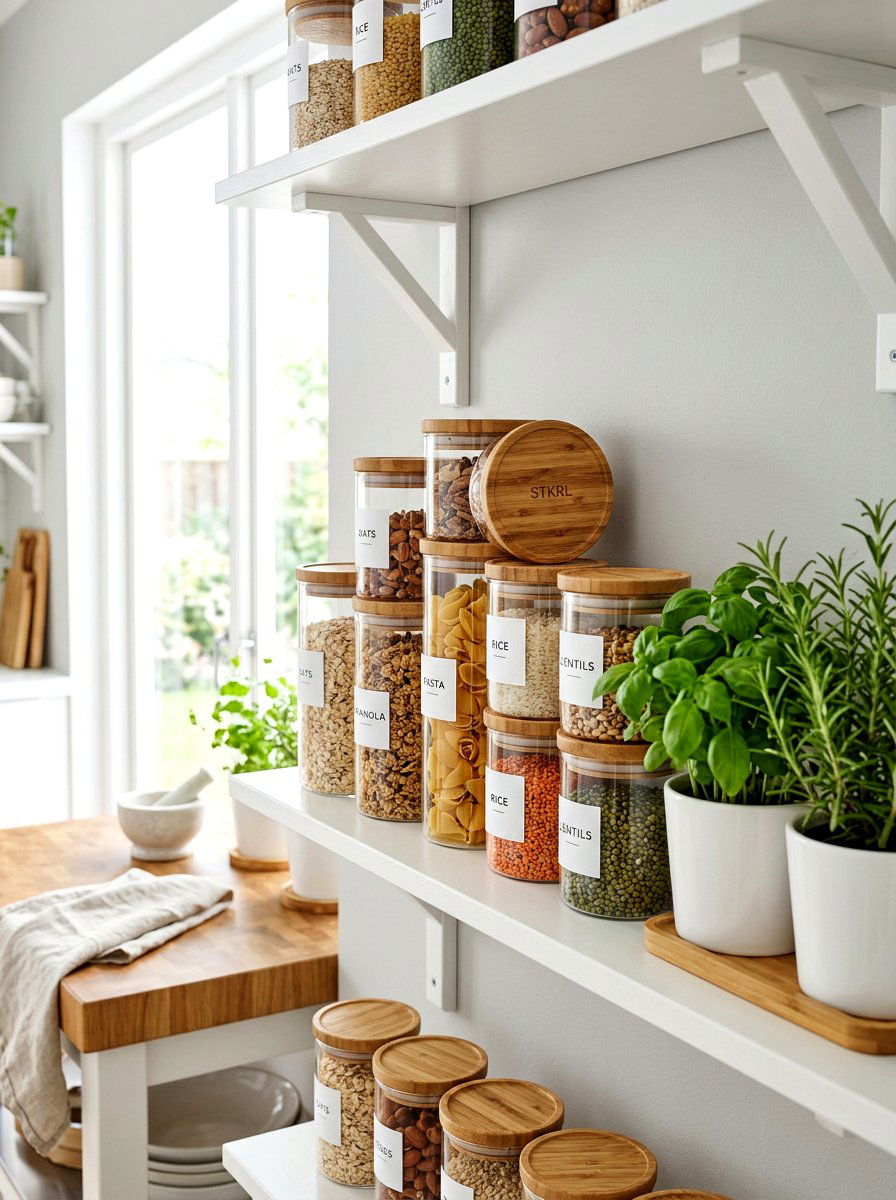
Bamboo lid containers offer a beautiful blend of modern aesthetics and sustainable materials for your kitchen. Bamboo is a fast-growing, renewable resource that provides a warm, natural contrast to clear glass or ceramic bases. These lids often feature silicone seals that create an airtight environment, ensuring your flour and sugar stay perfectly fresh. The flat tops of the lids allow for easy stacking, which helps you maximize the vertical space in a small pantry. Using these containers creates a high-end, spa-like feel that elevates the overall design of your storage area. They are durable, stylish, and a great way to incorporate eco-friendly elements into your home.
4. Woven Seagrass Baskets
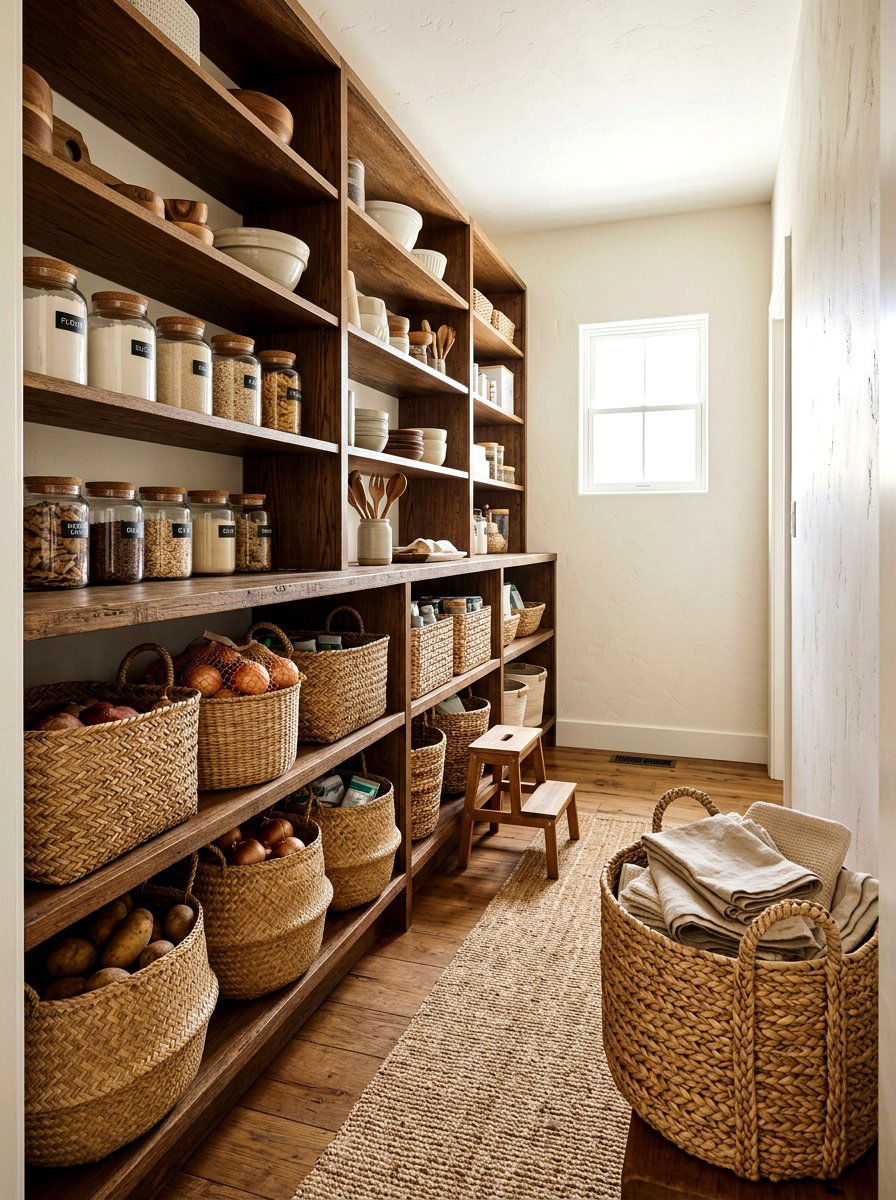
Woven seagrass baskets are essential for organizing bulkier items or hidden supplies in a zero waste pantry. These natural fibers bring texture and warmth to the space, breaking up the clinical look of too many glass jars. Use them to group together similar items like snacks, baking supplies, or root vegetables that require airflow. Seagrass is a biodegradable material that is both strong and flexible, making it ideal for daily use. Baskets with handles are particularly useful for pulling out from deep shelves to see what is stored inside. They provide a tidy way to manage the inevitable variety of items found in a busy family kitchen.
5. Metal Wire Storage Bins
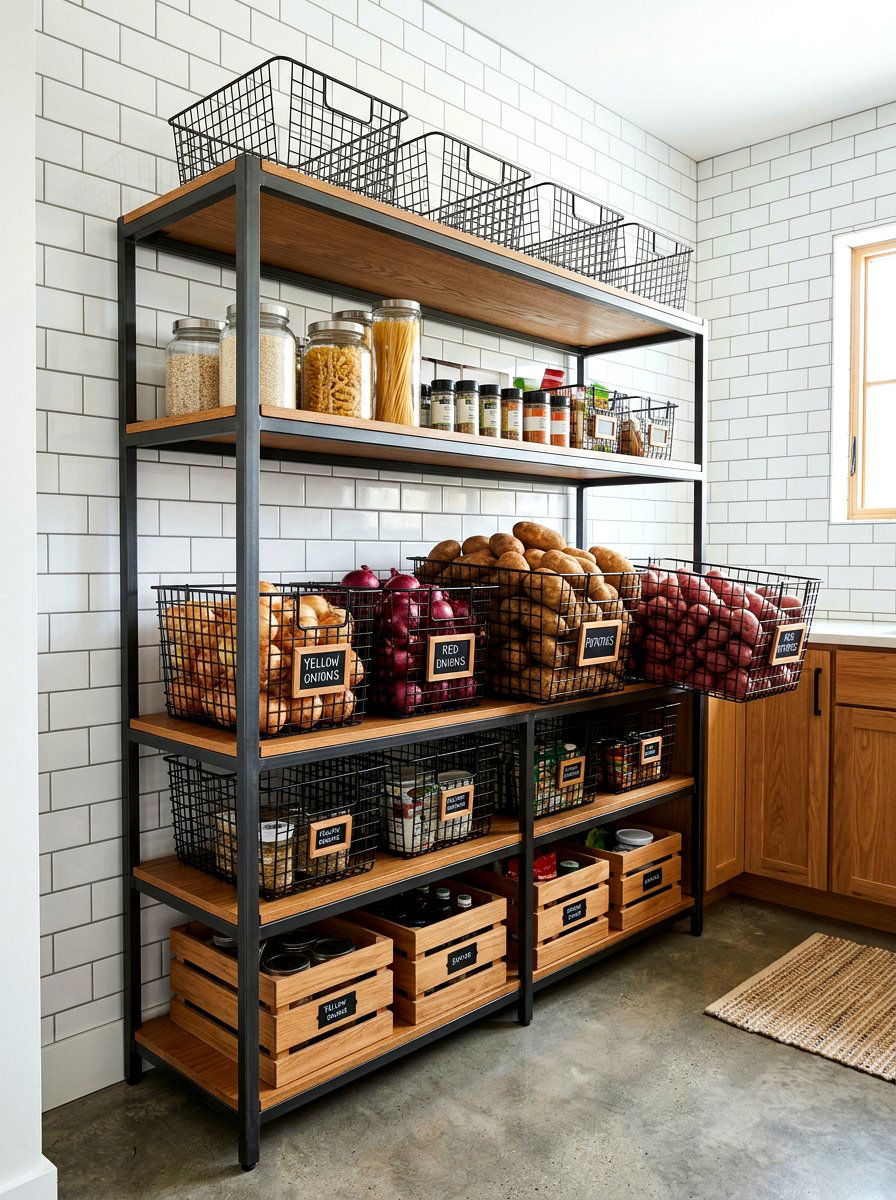
Metal wire bins are perfect for storing items that need to breathe, such as onions, potatoes, and garlic. These durable containers allow for excellent air circulation, which helps prevent spoilage and extends the shelf life of your fresh produce. The open design makes it incredibly easy to see your inventory so you never overbuy at the grocery store. You can choose from various finishes like matte black, copper, or stainless steel to match your existing kitchen hardware. Wire bins are also great for holding reusable fabric bags or cleaning supplies. Their industrial yet clean look fits perfectly into a modern or farmhouse style pantry design.
6. Fabric Produce Bags
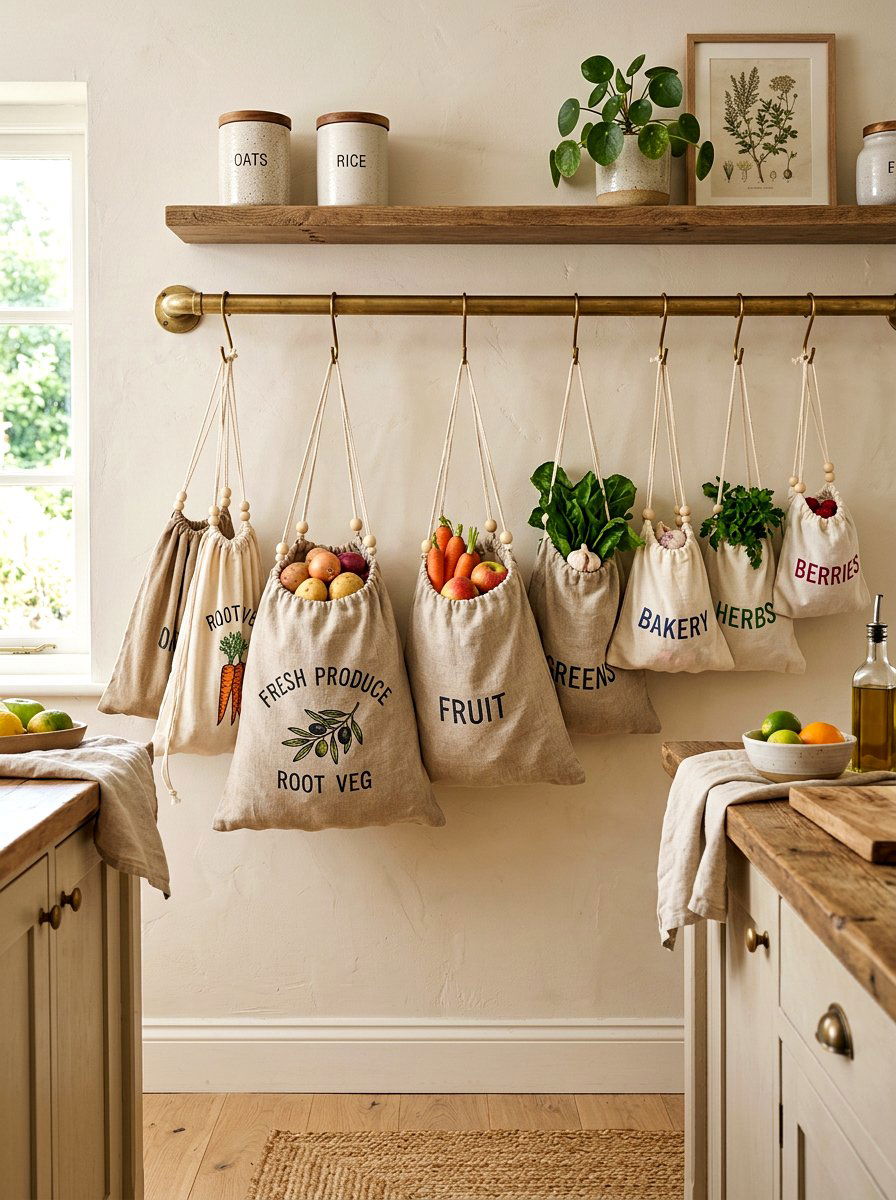
Integrating fabric produce bags into your pantry organization is a simple yet powerful way to reduce waste. These reusable cotton or linen bags can be hung from hooks or stored in a dedicated basket for easy access. They are ideal for storing dry goods like nuts or small snacks that do not require airtight glass jars. Fabric bags are also perfect for bringing with you to the store to avoid using disposable plastic produce bags. Choosing bags in neutral tones or simple patterns adds a soft, organic touch to your pantry shelves. They are easy to wash and can be used for many years.
7. Repurposed Mason Jars
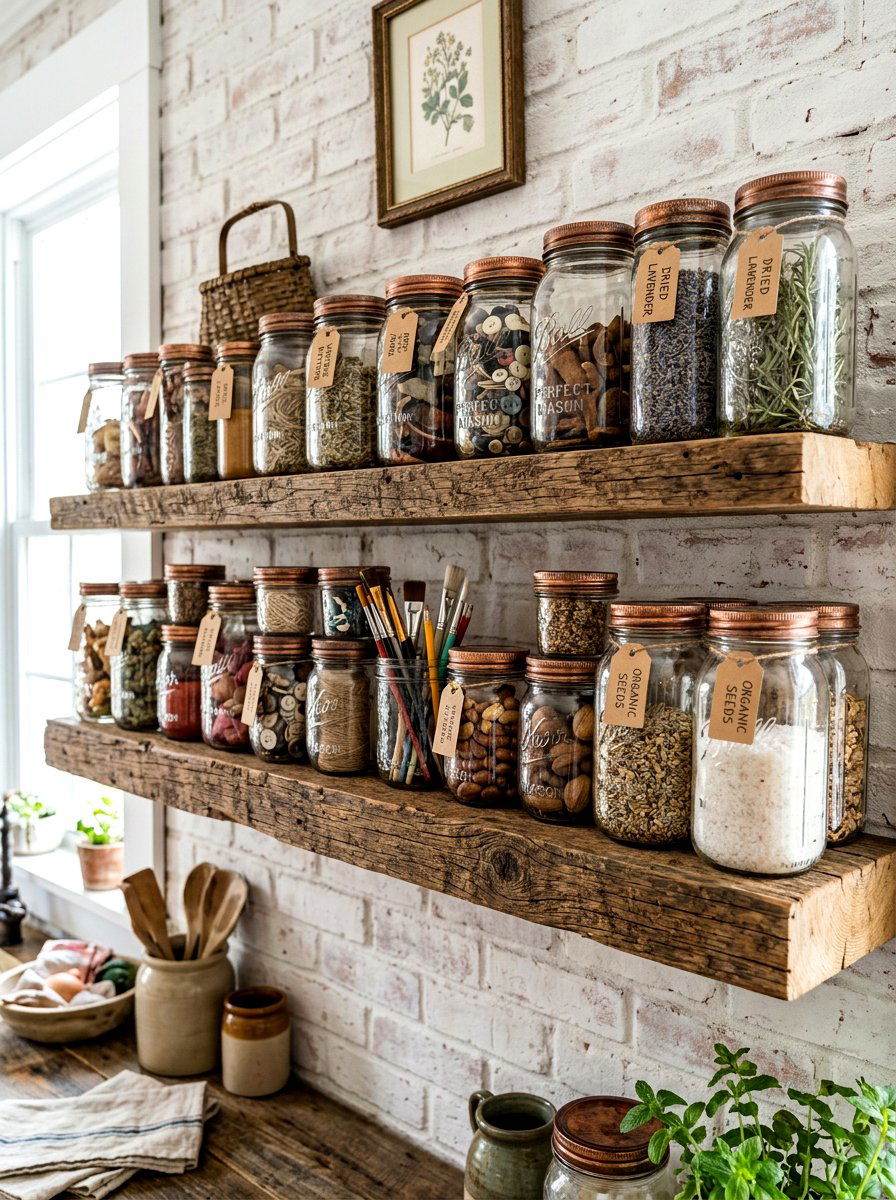
Repurposing mason jars is a budget-friendly and sustainable way to build your zero waste pantry collection. Many food items like sauces and pickles come in high-quality glass jars that can be easily cleaned and reused. By removing the labels and uniforming the lids, you can create a charming, eclectic look that tells a story of mindful consumption. Mason jars are incredibly versatile and come in standardized sizes, making them easy to fit onto most shelving systems. They are perfect for small items like spices, seeds, or even homemade dressings stored in the pantry. This approach prevents glass from entering the recycling stream unnecessarily.
8. Chalkboard Pantry Labels
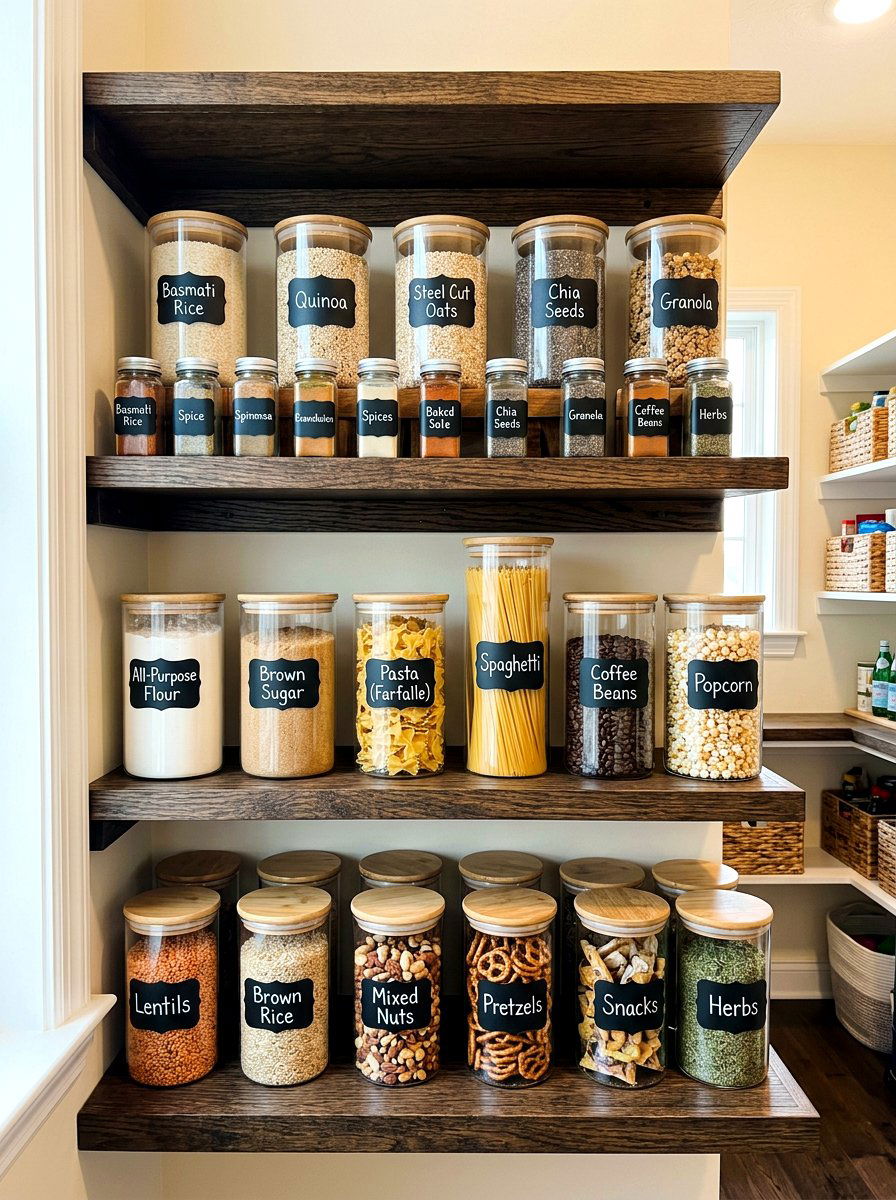
Chalkboard labels provide a flexible and stylish way to identify the contents of your reusable containers. Since bulk items change frequently, having a label that you can easily wipe clean and rewrite is incredibly practical. You can use chalkboard paint directly on jars or apply removable adhesive labels to your containers. This system allows you to include important information like expiration dates or cooking instructions directly on the jar. The dark background and white lettering offer a classic, organized look that stands out against clear glass. It makes the pantry accessible for the whole family and ensures everyone knows where items belong.
9. Wooden Crate Shelving
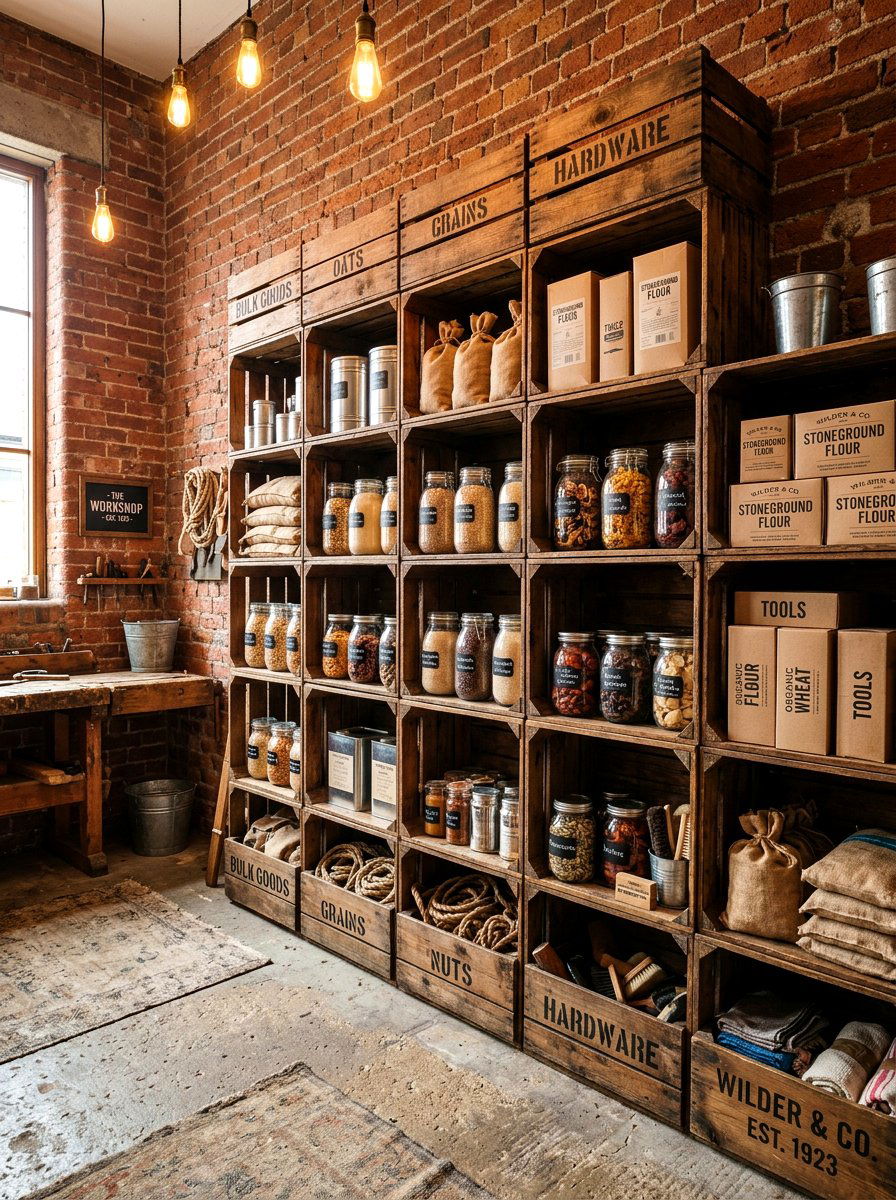
Wooden crates can be stacked or mounted on the wall to create a rustic and modular shelving system. This DIY approach allows you to customize the layout of your pantry based on the specific dimensions of your space. Reclaimed wood crates add a sense of history and warmth to the room while providing sturdy storage for heavy jars. You can use them to create different zones for specific food categories, making organization a breeze. The open nature of crates ensures that everything is visible and within reach. This zero waste idea emphasizes the beauty of natural materials and the importance of creative upcycling.
10. Tiered Spice Racks
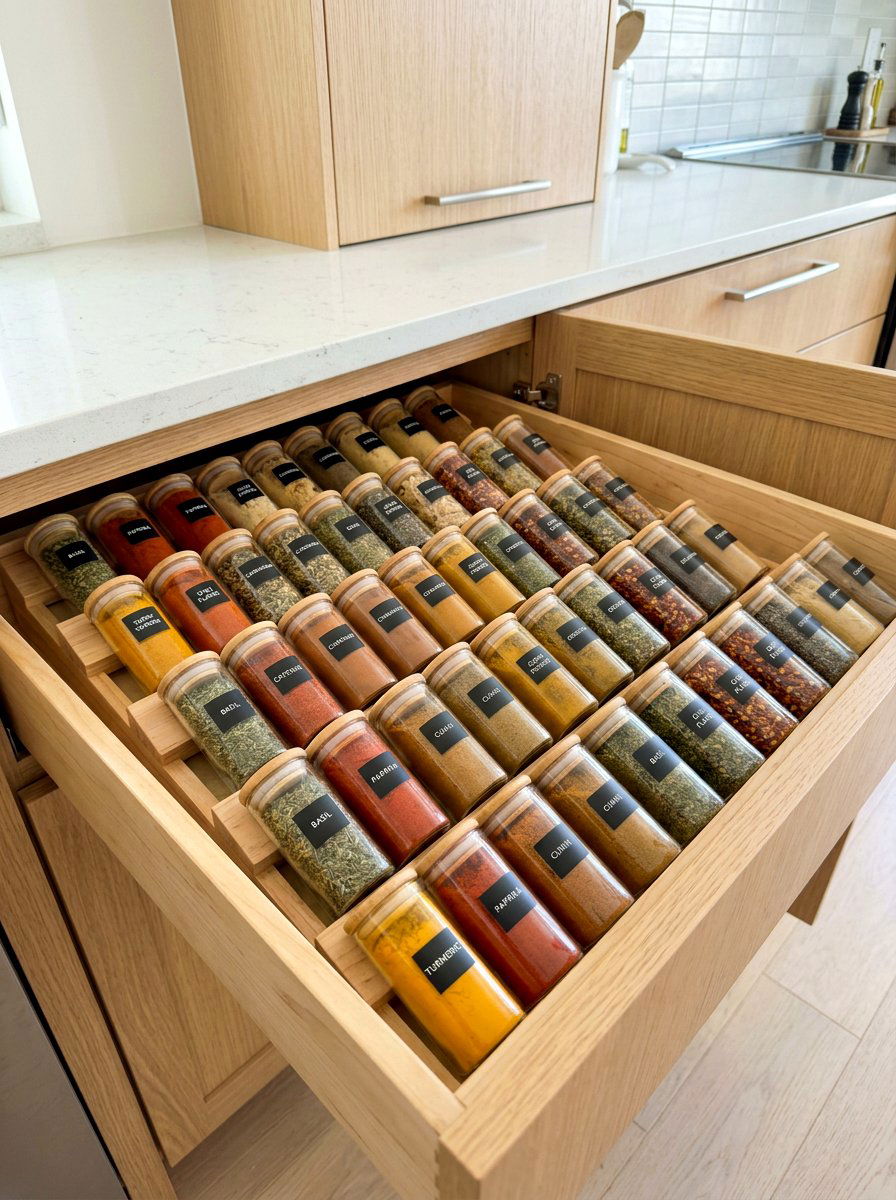
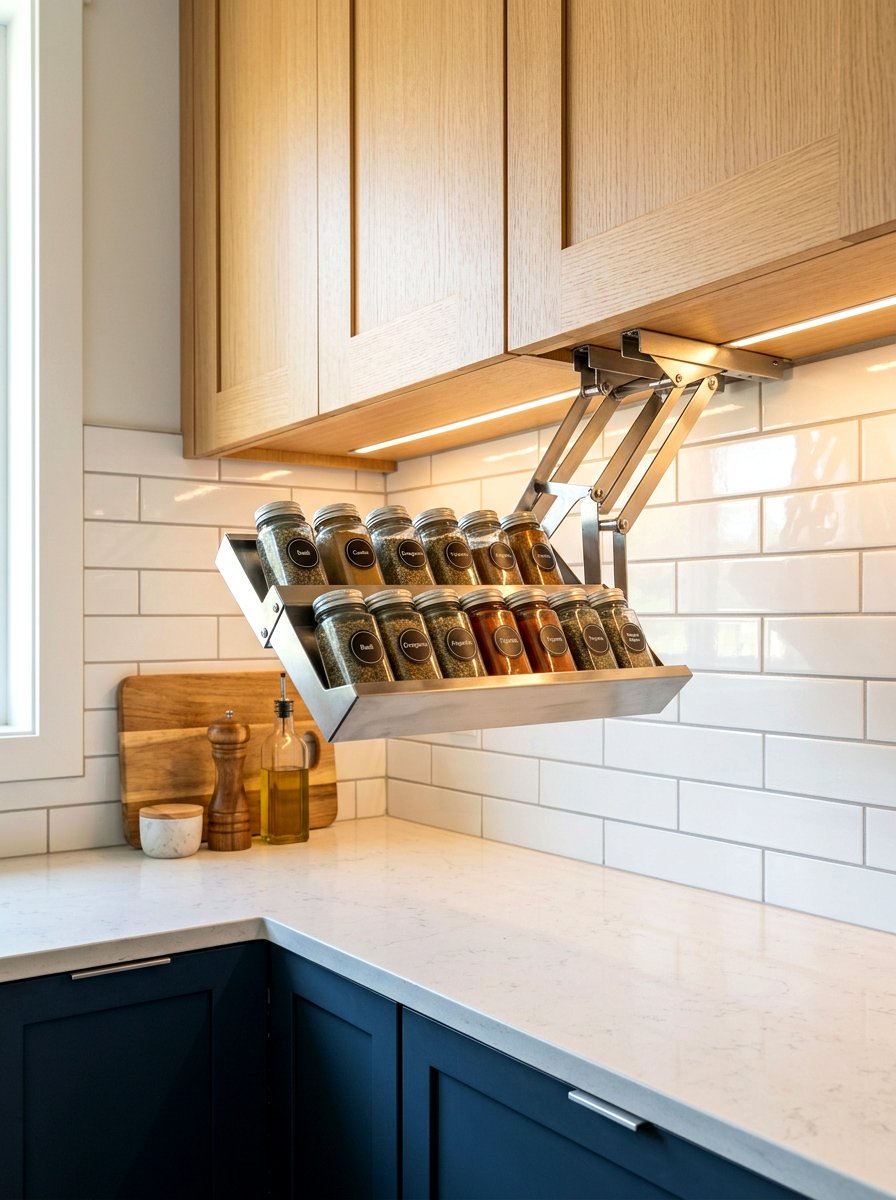
Tiered spice racks are a game-changer for organizing small jars and preventing them from getting lost in the back of a shelf. By elevating each row, you can see every label clearly, which speeds up the cooking process and prevents duplicate purchases. You can find beautiful racks made from sustainable wood or durable metal that fit perfectly into your pantry aesthetic. Keeping your spices organized in uniform glass jars on these tiers creates a professional and tidy appearance. This system maximizes vertical space and ensures that you use your spices before they lose their flavor. It is a simple addition that makes a huge impact.
11. Hanging Vegetable Baskets
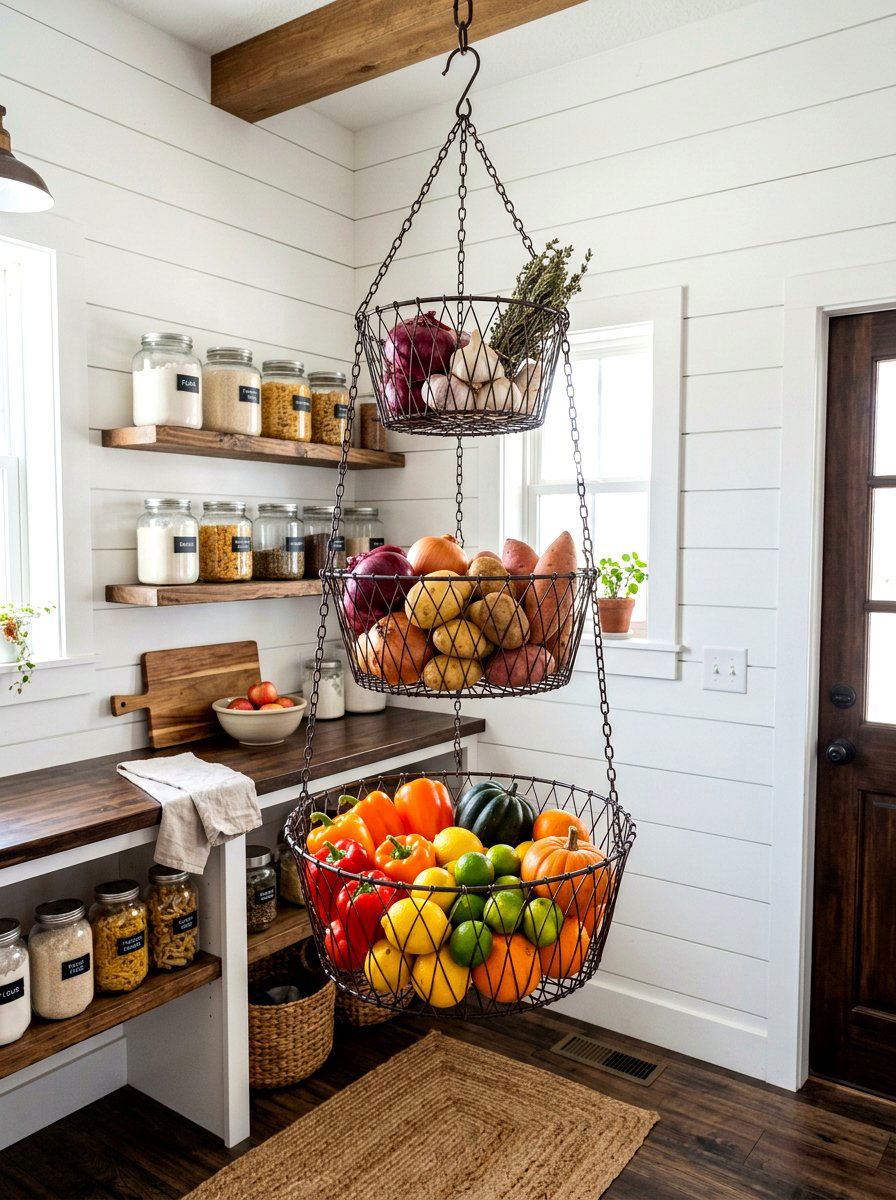
Hanging baskets are an excellent way to utilize unused vertical space while keeping your fresh produce organized. These tiered systems can be suspended from the ceiling or a sturdy bracket, freeing up valuable shelf space for heavy jars. They are particularly useful for items like bananas, citrus fruits, or avocados that benefit from being stored at room temperature. The woven or wire designs allow for maximum airflow, which is crucial for maintaining the freshness of your produce. Hanging baskets add a dynamic, layered look to your pantry and bring a touch of traditional charm. They are a practical solution for maximizing storage in smaller kitchens.
12. Ceramic Food Crocks
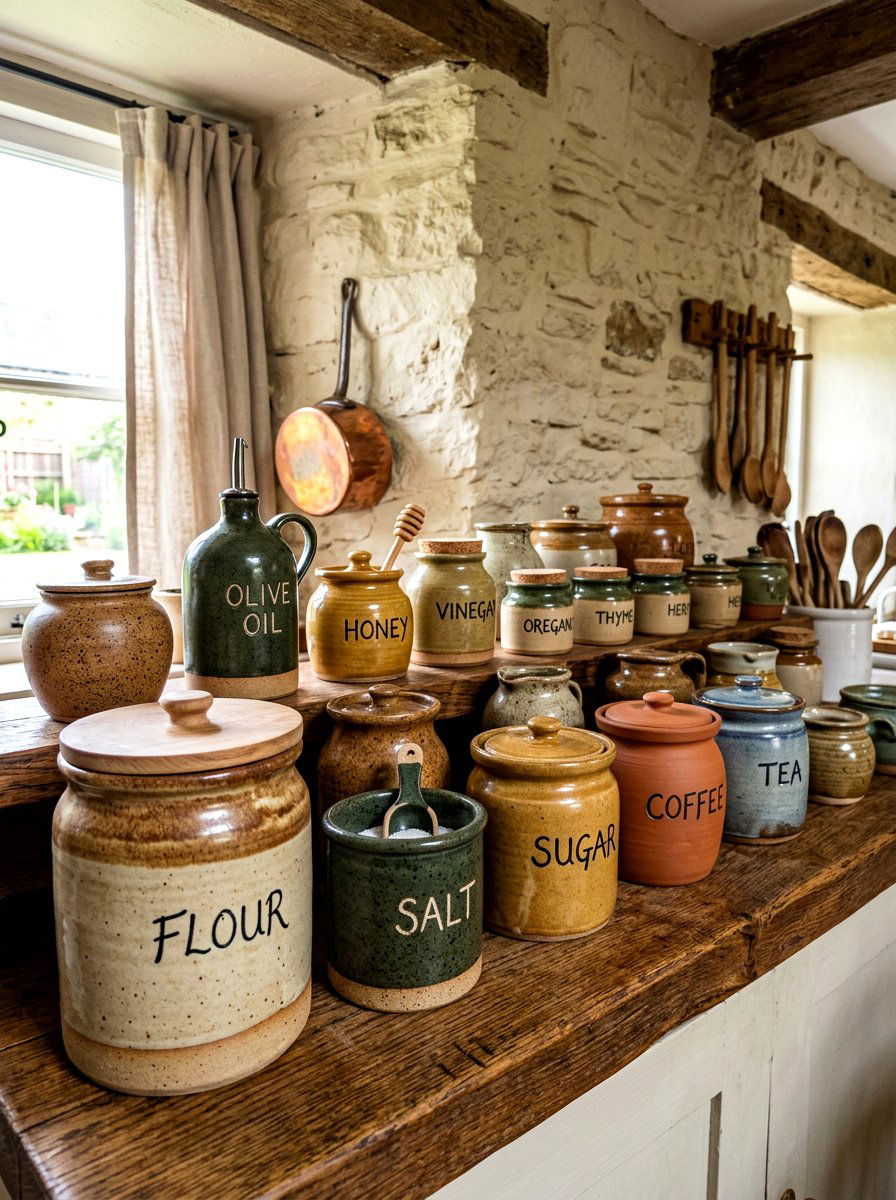
Ceramic food crocks are wonderful for storing items that need to stay cool and dark, such as potatoes or bread. These heavy-duty containers are often handmade and provide a beautiful, artisanal touch to your pantry shelves. They are durable and can last for generations, making them a true zero waste investment. Many crocks come with matching lids that provide a neat, finished look while protecting the contents from light and dust. Choosing ceramics in earthy tones like terracotta or deep cream adds a sense of timeless elegance to the space. They are functional pieces of decor that help maintain the quality of your food.
13. Beeswax Wrap Station
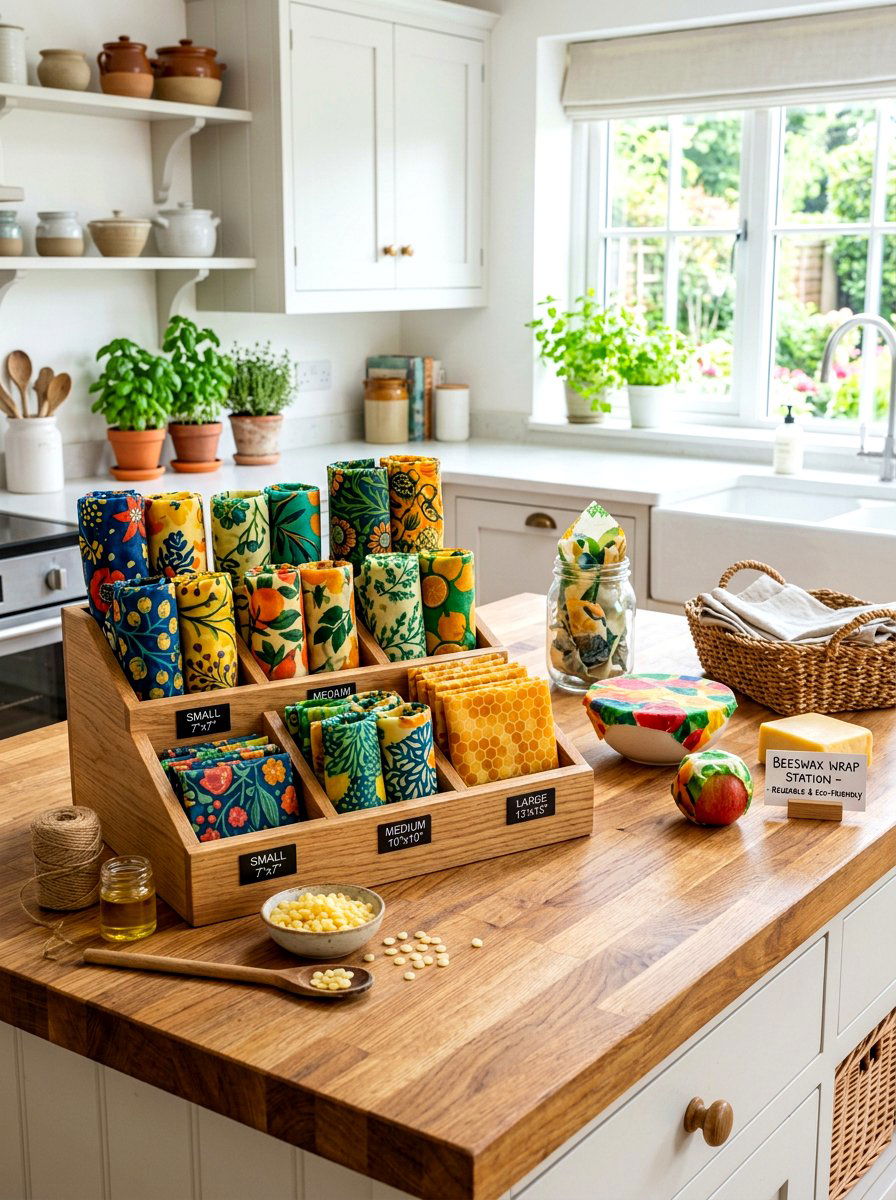
Creating a dedicated station for your beeswax wraps ensures they are always ready for use and properly stored. Beeswax wraps are a sustainable alternative to plastic cling film and can be used to cover jars or wrap half-used vegetables. You can store them flat in a shallow drawer or rolled up in a small wooden box on your pantry shelf. Having them visible reminds you to reach for them instead of disposable options. This station can also include a small bottle of refresher spray to maintain the wraps' tackiness over time. It is a simple way to integrate sustainable habits into your daily kitchen routine.
14. Pull Out Pantry Drawers
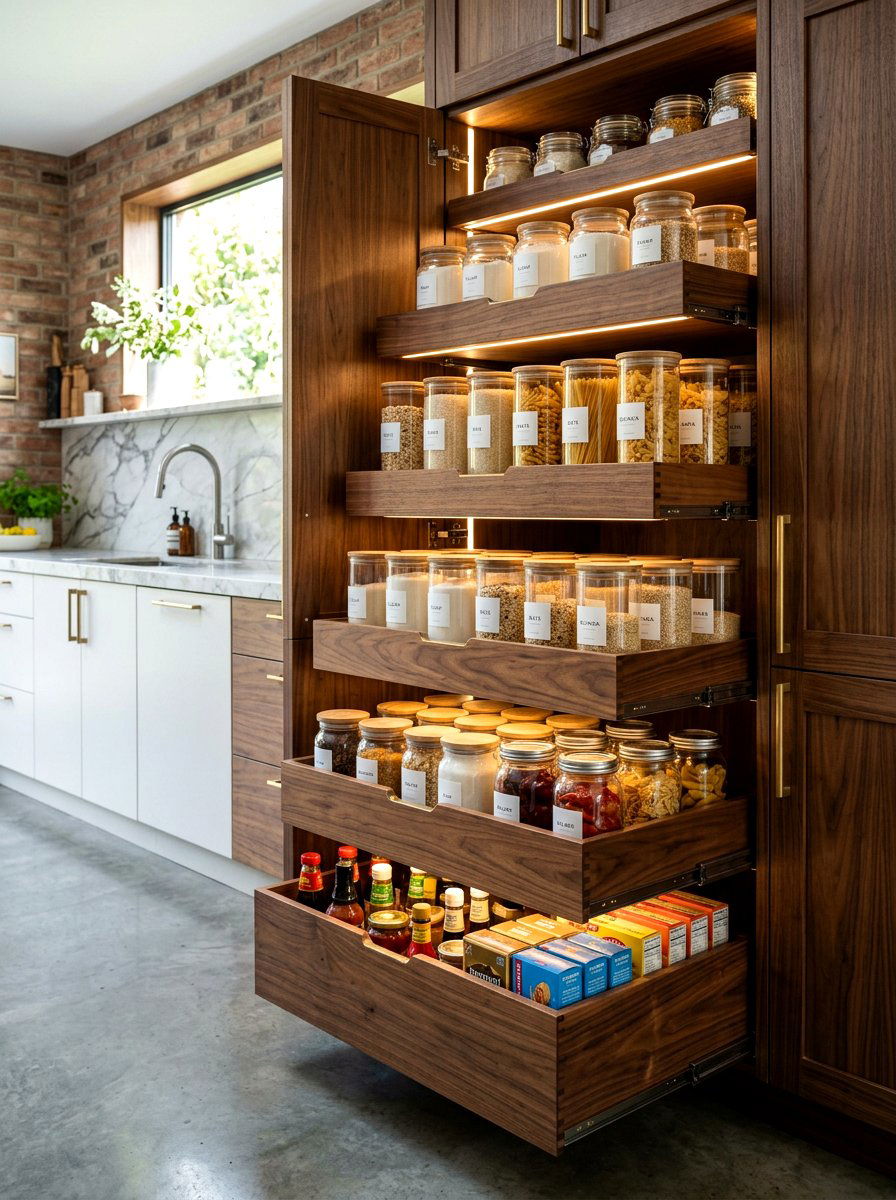
Pull-out drawers are a premium organization feature that makes accessing items in deep cabinets effortless. Instead of digging through rows of jars, you can simply slide the drawer out to see everything at once. This system is especially helpful for lower shelves where visibility is often limited. You can install wooden or metal slides that accommodate heavy glass containers and bulk bins. Using dividers within the drawers helps keep different categories of food separate and tidy. Pull-out systems maximize every inch of your storage space and significantly reduce the chances of food being forgotten and going to waste in the back.

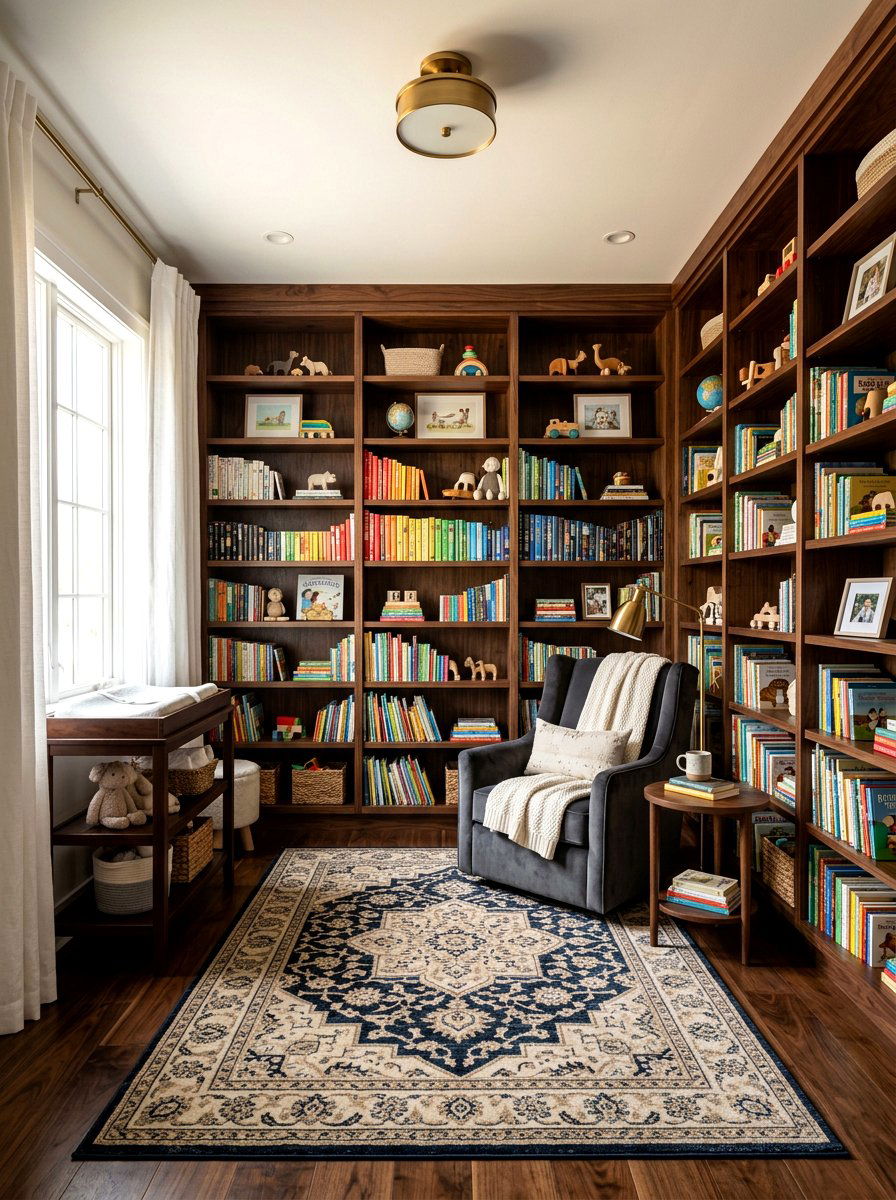
15. Floating Wood Shelves
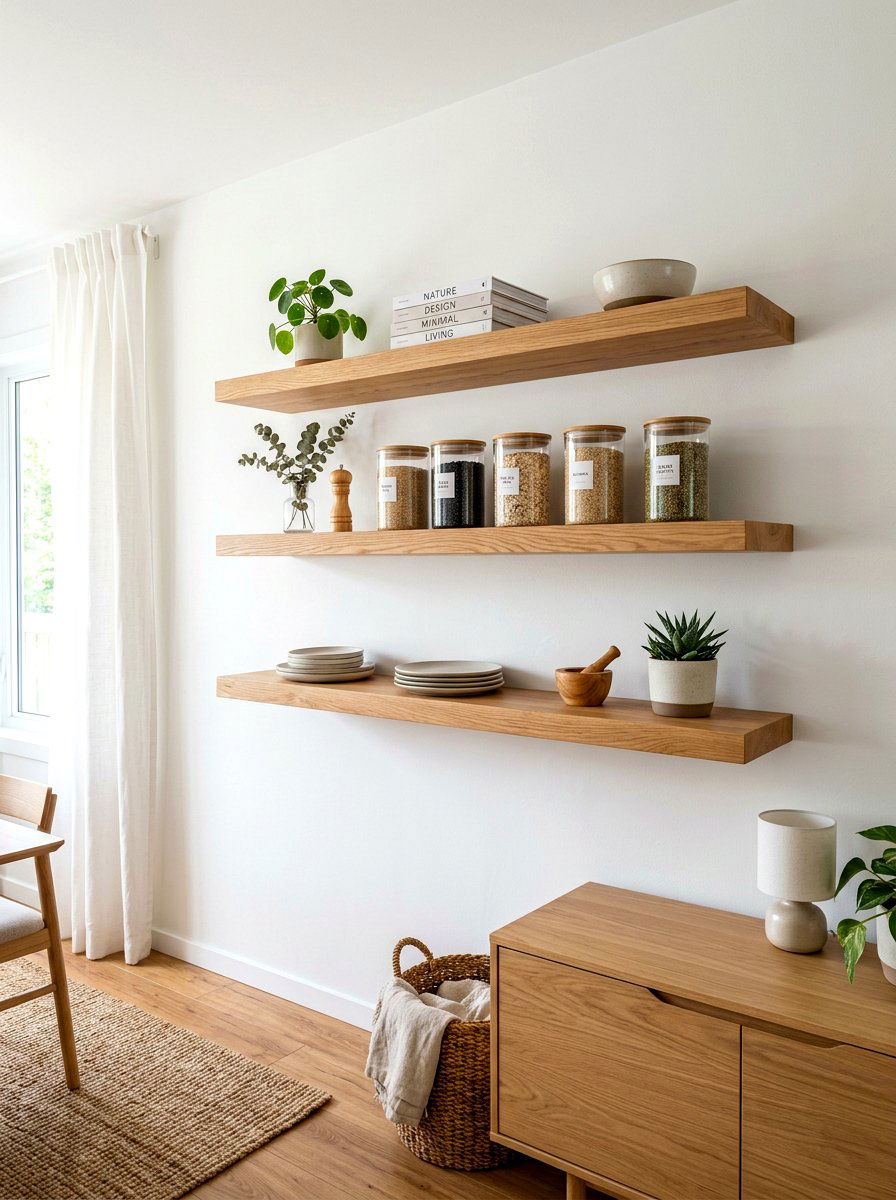
Floating wood shelves provide a clean and minimalist look that is perfect for displaying your beautiful zero waste containers. These shelves can be installed on any open wall space, turning your pantry into a focal point of the kitchen. Using thick slabs of reclaimed wood adds character and supports the weight of large glass jars filled with bulk goods. The lack of visible brackets creates a modern, airy feel that makes a small pantry seem larger. Floating shelves encourage you to keep only what you need, fostering a more intentional and organized lifestyle. They are a stylish way to showcase your commitment to sustainability.
16. Airtight Silicone Bags
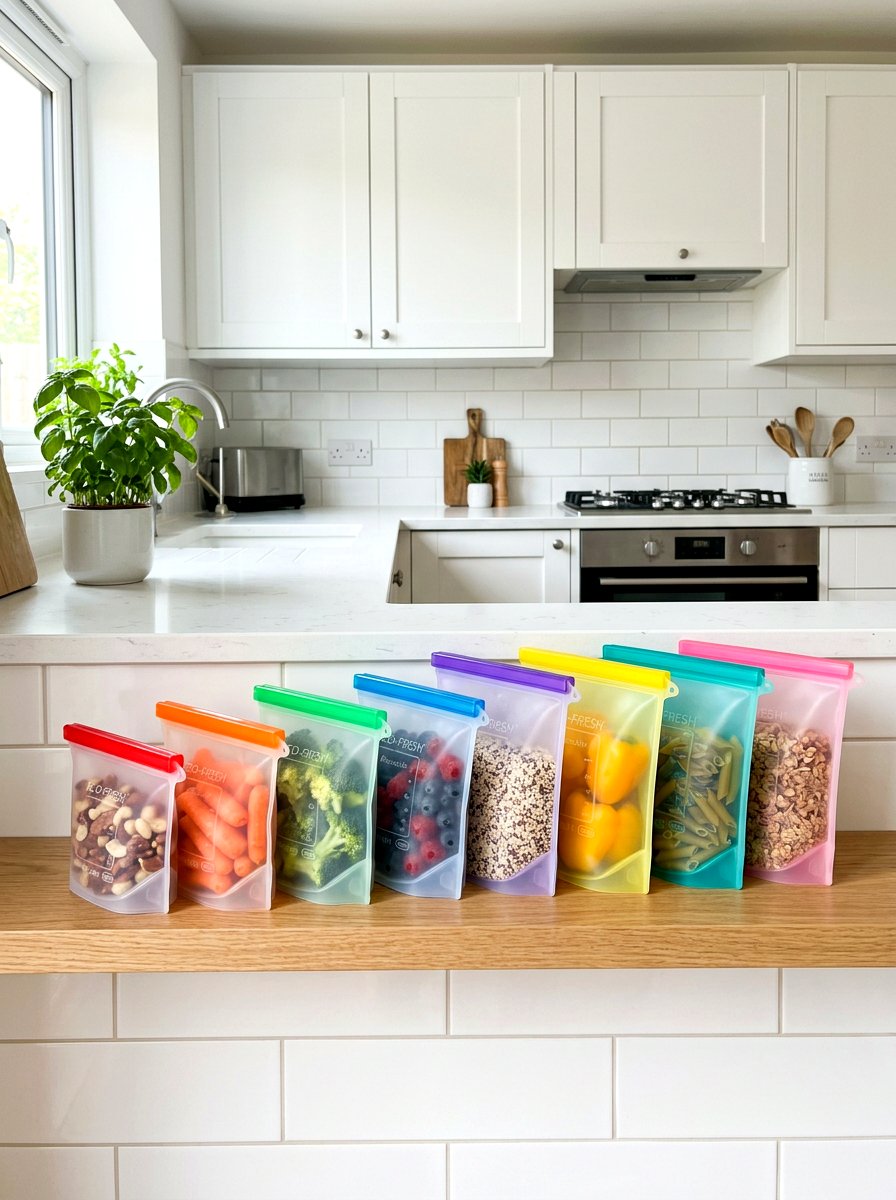
Airtight silicone bags are a versatile and durable alternative to single-use plastic zip bags. These reusable containers can be used for storing snacks, frozen fruits, or even marinating meats in the pantry or fridge. They are made from food-grade silicone that is safe for the dishwasher and microwave. In the pantry, they are perfect for items that do not fit well in rigid jars, such as dried fruits or loose-leaf teas. Their flexible nature allows them to fit into tight spaces or odd-shaped corners. Choosing bags in clear or muted colors helps maintain a clean and organized look throughout your entire storage area.
17. Stainless Steel Canisters
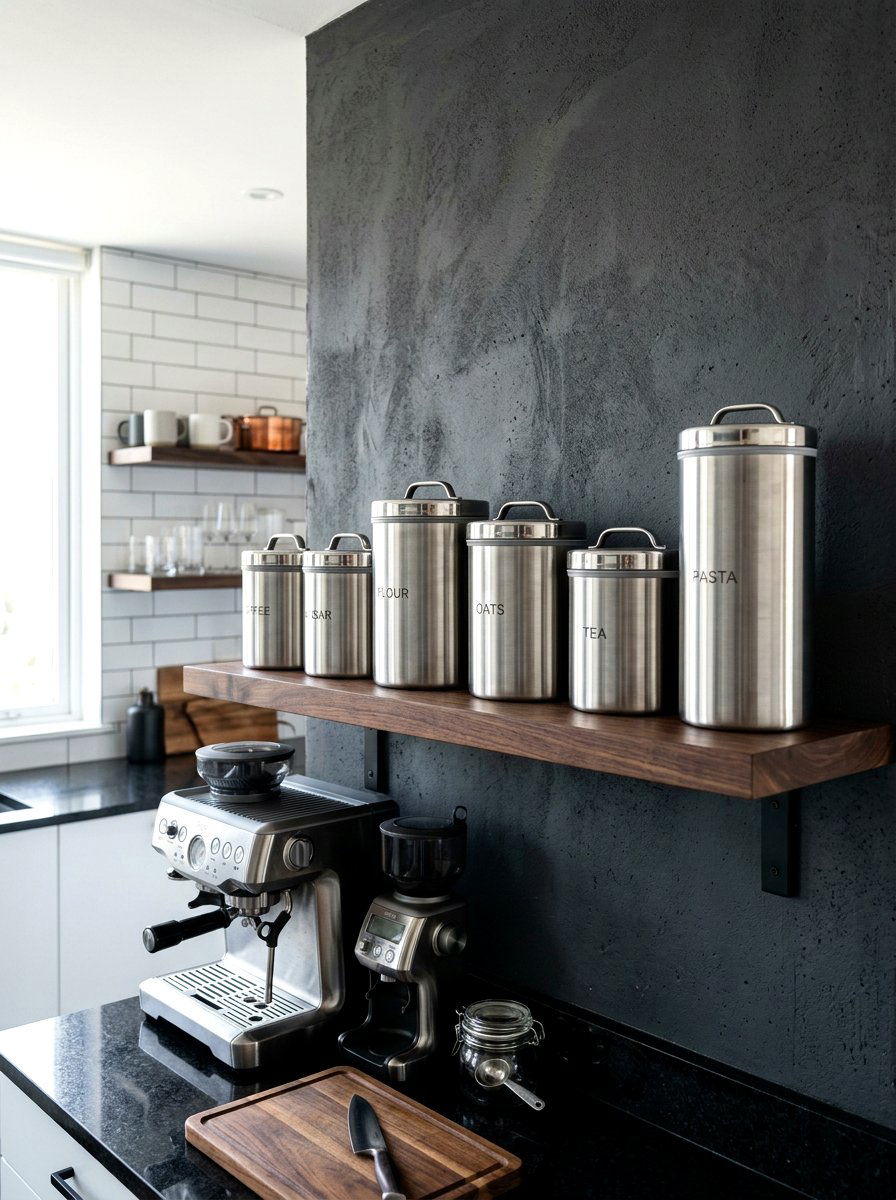
Stainless steel canisters are incredibly durable and provide a sleek, industrial aesthetic to your zero waste pantry. They are perfect for storing dry goods like coffee, tea, or sugar, as they are completely opaque and protect contents from light. Many canisters feature airtight locking mechanisms that keep food fresh for long periods. Stainless steel is a highly recyclable material that will not break or crack over time. These containers are easy to stack and clean, making them a practical choice for busy households. They offer a modern contrast to wooden shelves and glass jars, creating a sophisticated and well-curated pantry environment.
18. Glass Pitcher Storage
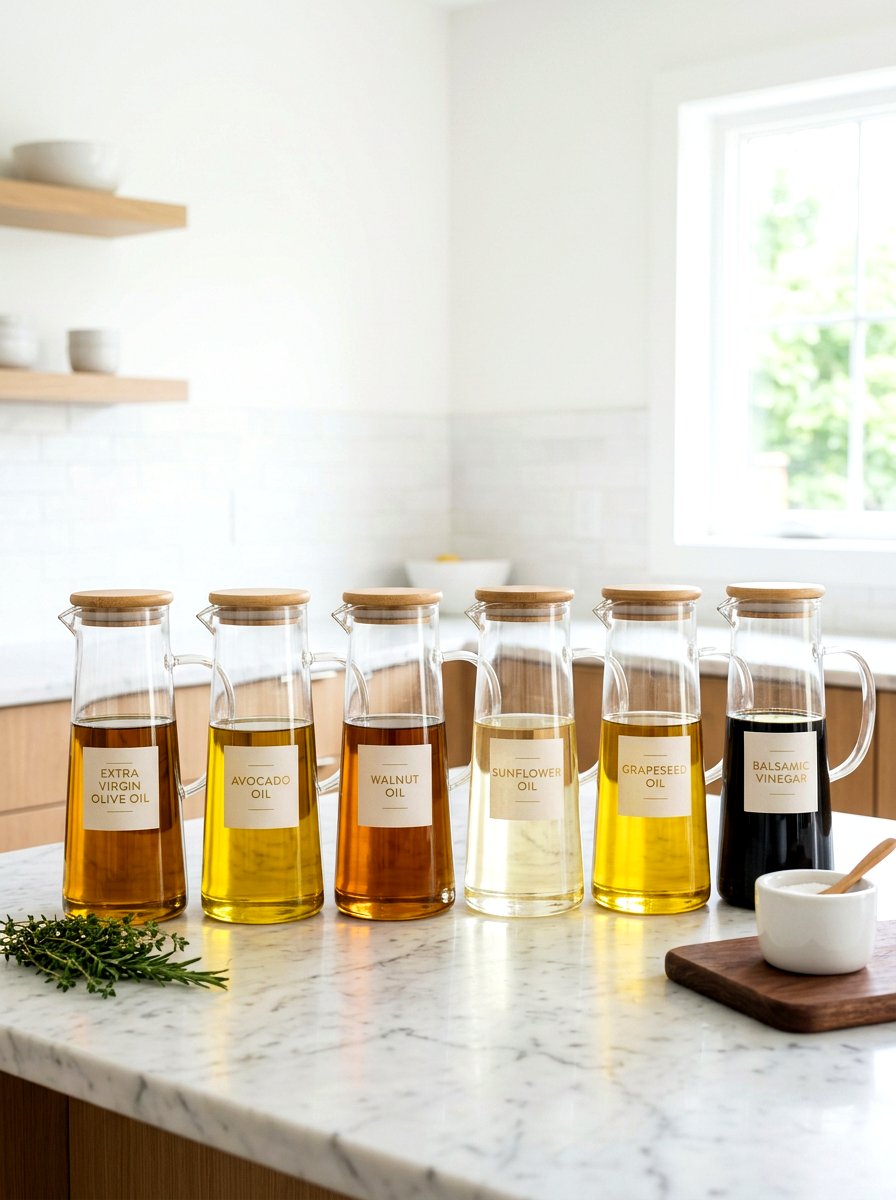
Using glass pitchers for liquid bulk items is a stylish and functional way to organize your pantry. You can fill them with oils, vinegars, or homemade syrups purchased from refill stations. Pitchers with sturdy handles and pour spouts make it easy to transfer liquids into smaller bottles for daily use. This method eliminates the need for mismatched plastic bottles and creates a uniform look on your shelves. Clear glass allow you to monitor the levels of your liquids so you know when it is time for a refill. It is a beautiful way to display frequently used ingredients while keeping your pantry eco-friendly.
19. Natural Cork Stoppers
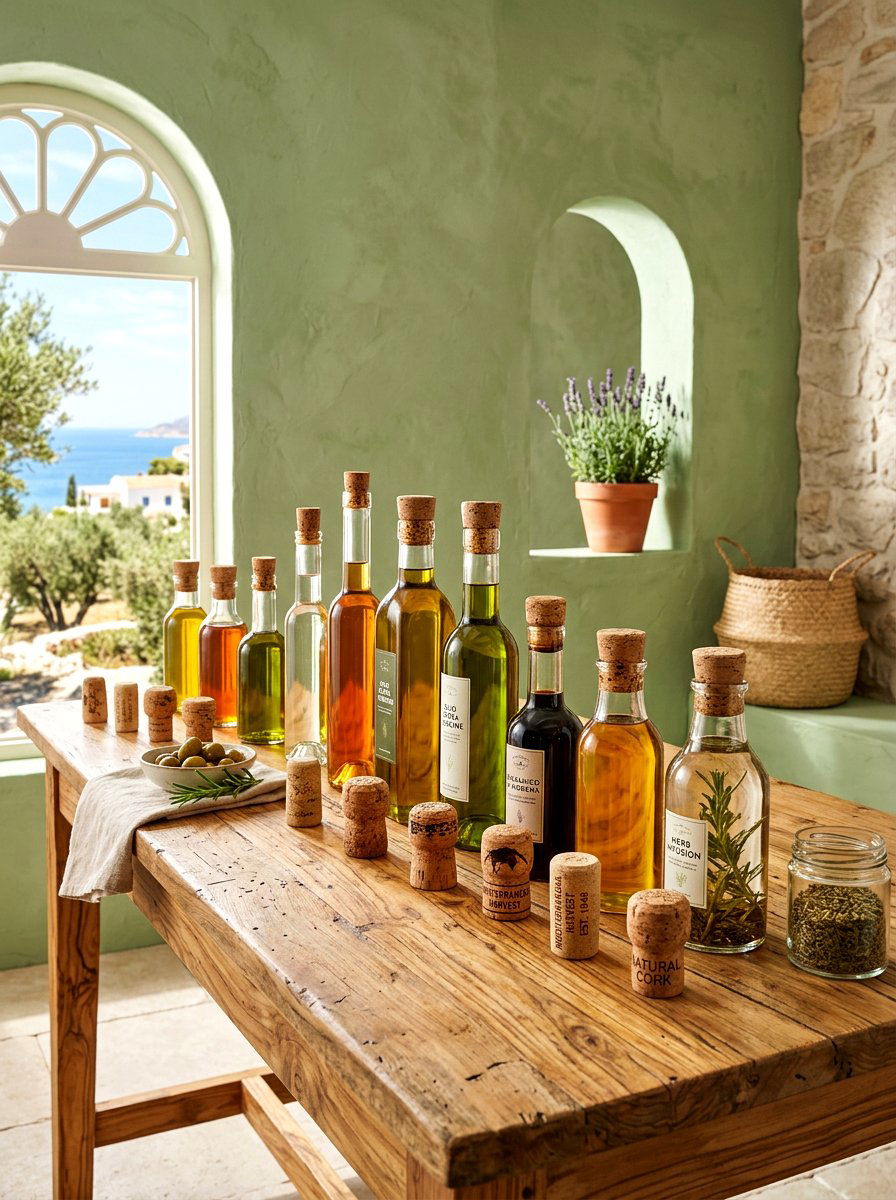
Natural cork stoppers are a sustainable and effective way to seal your glass bottles and jars. Cork is a renewable material harvested from the bark of cork oak trees without harming the plant. These stoppers provide a secure fit that keeps air out and freshness in for items like oils and spices. They add a soft, organic texture to the tops of your containers, complementing the look of glass and wood. Cork is also naturally antimicrobial and moisture-resistant, making it ideal for food storage. Using these stoppers is a small detail that enhances the overall aesthetic and sustainability of your pantry.

20. Recycled Cardboard Dividers
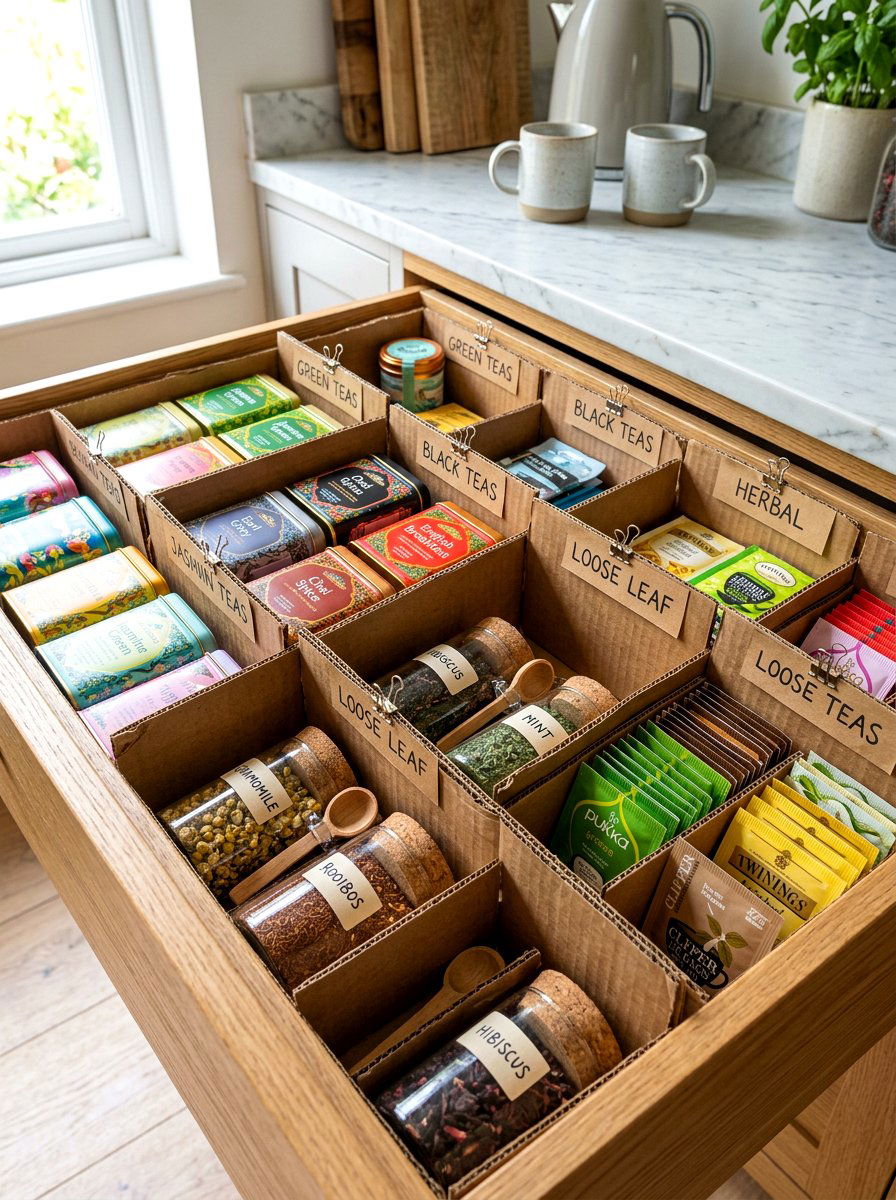
Recycled cardboard dividers are a budget-friendly way to keep your pantry drawers and shelves organized. You can easily cut and fold cardboard boxes to create custom compartments for different items like tea bags or small snack containers. This simple solution helps prevent items from shifting around and keeps everything in its designated place. Using materials you already have is the essence of a zero waste lifestyle. While they may not be as permanent as wooden dividers, they are a great way to test out different organization layouts before committing to a final design. They are fully recyclable when they are no longer needed.
21. Stackable Glass Containers
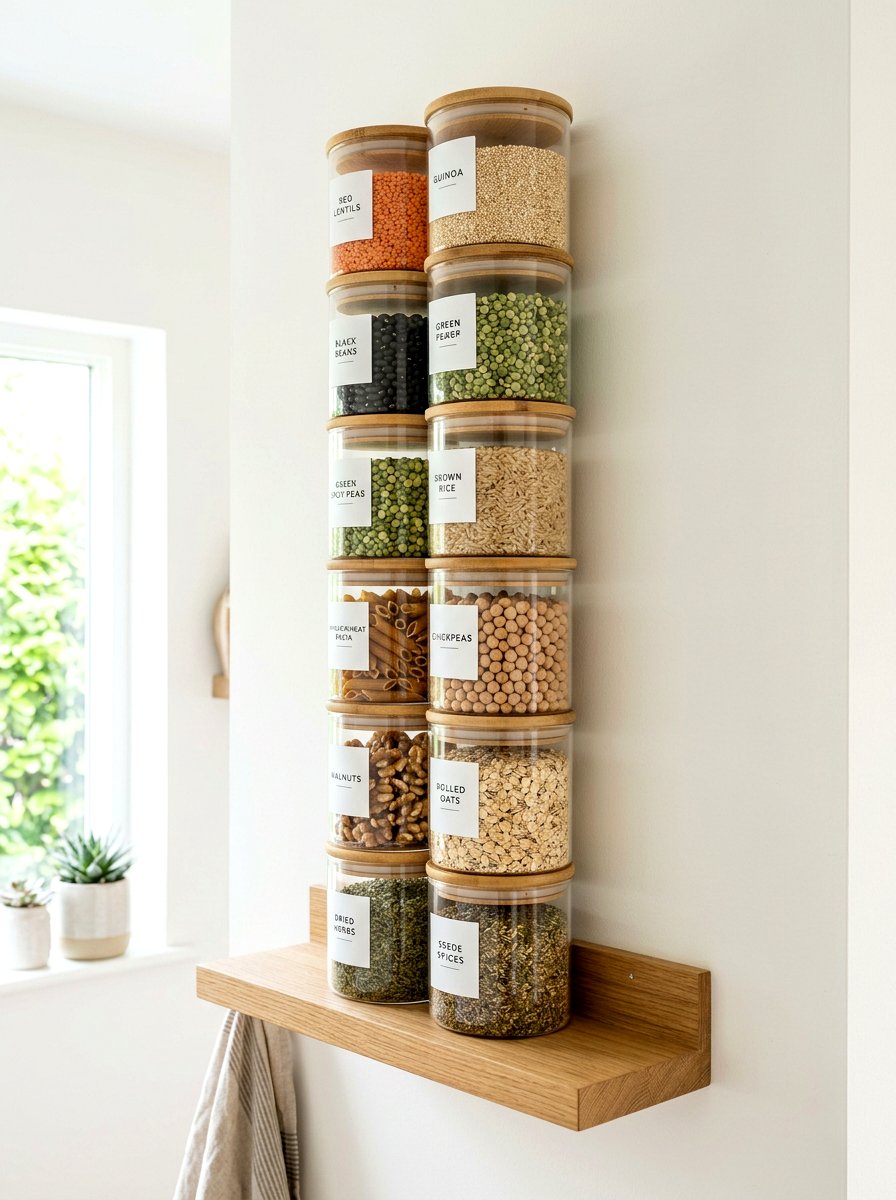
Stackable glass containers are essential for maximizing vertical space in a crowded pantry. These containers are designed with recessed lids that allow another jar of the same size to sit securely on top. This feature is particularly useful for storing different types of lentils, seeds, or small grains. By stacking your containers, you can double your storage capacity without needing more shelf area. Clear glass ensures that you can still see the contents of every jar in the stack. This system creates a very tidy and uniform appearance that is perfect for those who love a highly organized and efficient kitchen space.
22. Wall Mounted Dispensers
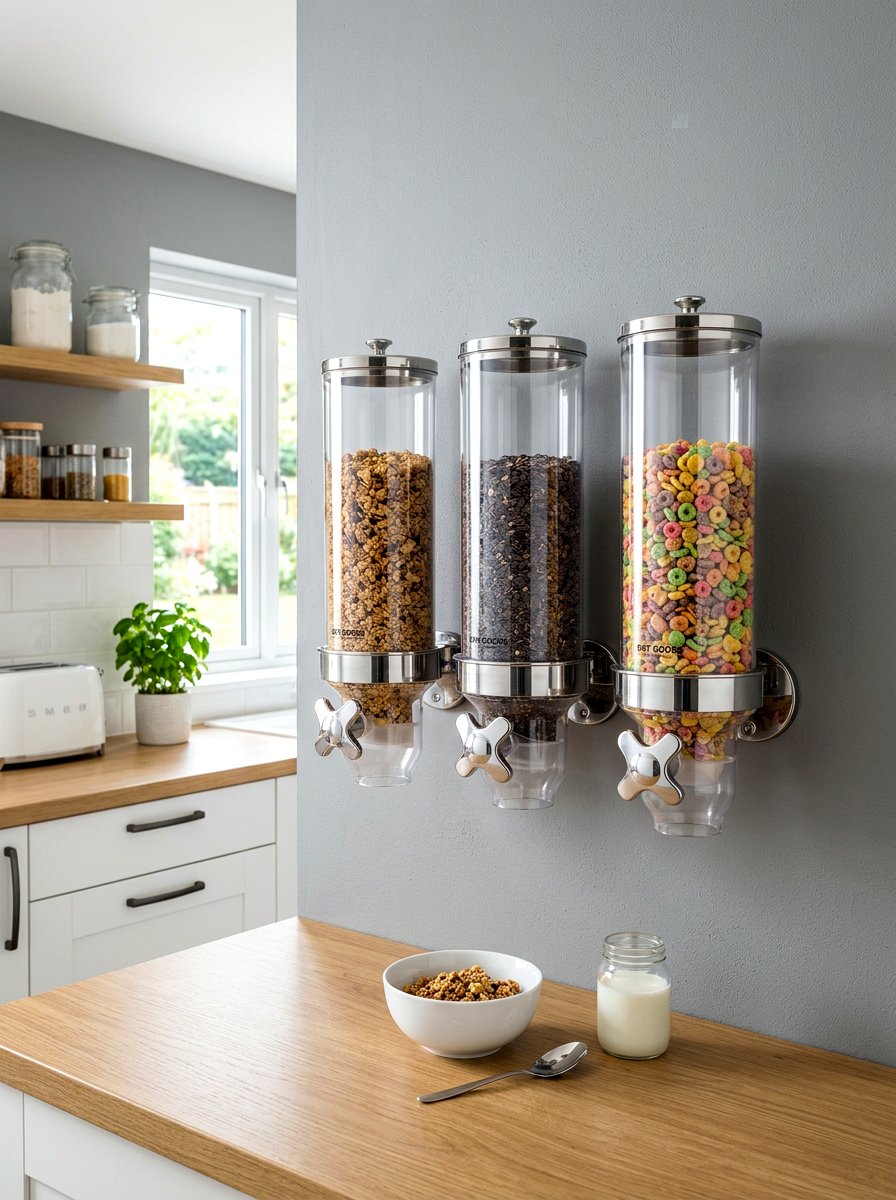
Wall-mounted dispensers bring a touch of modern convenience to your zero waste pantry design. These units allow you to dispense grains, cereal, or nuts directly into your bowl or a reusable bag. They are perfect for frequently used items, as they keep the contents fresh and make measurement easy. Mounting them on the wall frees up valuable counter and shelf space, making the pantry feel more open. Many dispensers are designed with clear canisters so you can see when inventory is low. This setup encourages bulk shopping and adds a professional, high-tech element to your sustainable kitchen organization system.
23. Linen Bread Bags
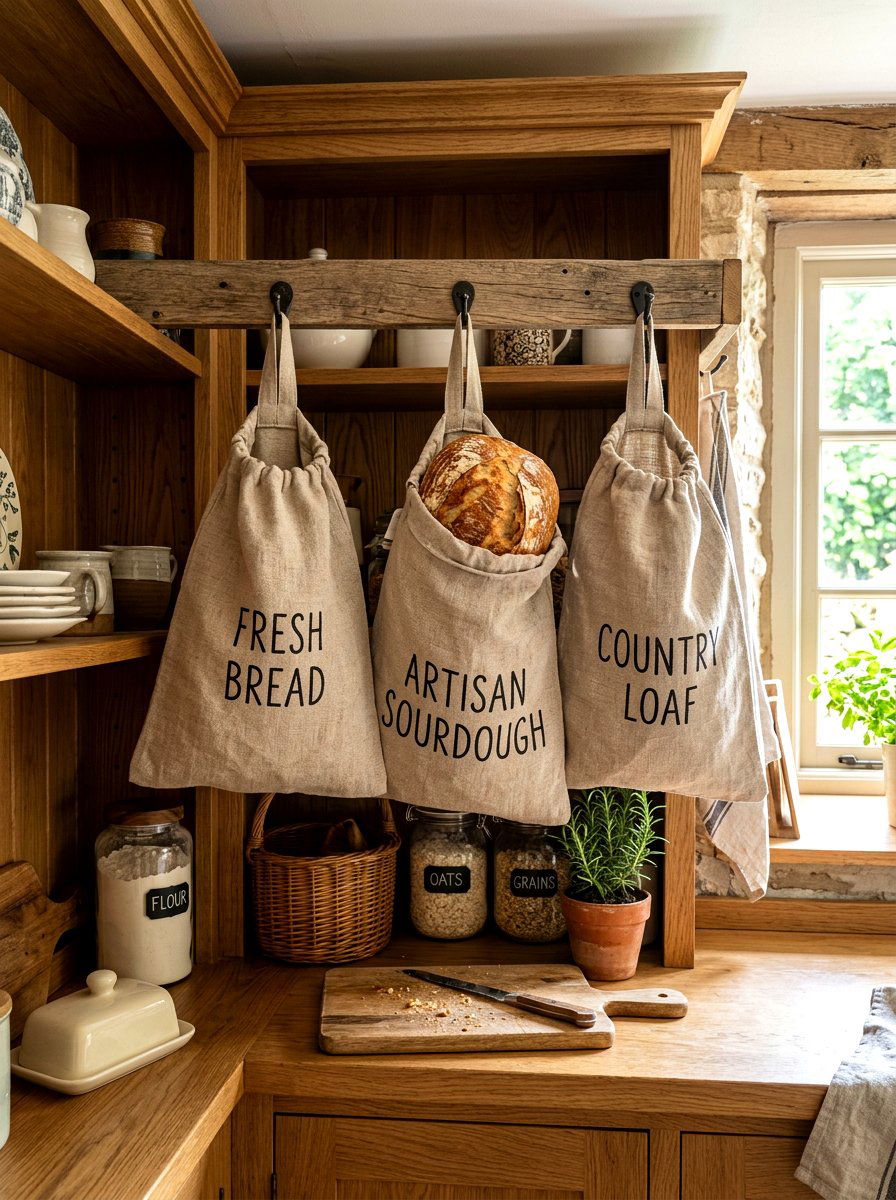
Linen bread bags are a beautiful and practical way to keep your artisanal loaves fresh without using plastic. Linen is a natural fiber that allows bread to breathe, preventing moisture buildup and keeping the crust crisp. You can hang these bags from a hook in your pantry or keep them in a dedicated wooden box. They are easy to wash and can be reused for years, making them a staple for any zero waste kitchen. Choosing linen in soft, neutral tones adds a rustic and cozy feel to your pantry decor. They are perfect for bringing to the bakery for plastic-free shopping.
24. Vintage Metal Tins
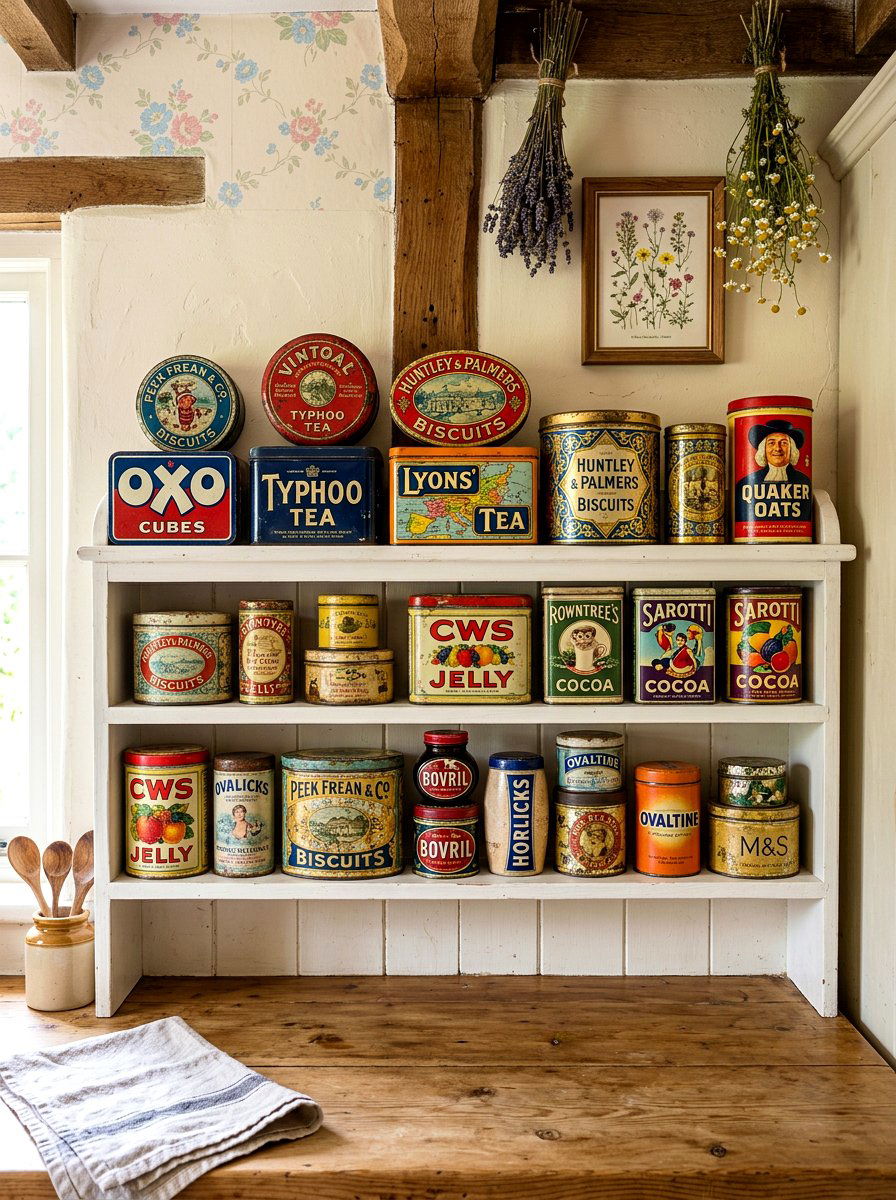
Vintage metal tins add character and a sense of history to your pantry while providing excellent storage for dry goods. You can often find beautiful old tins at thrift stores or flea markets that are still in great condition. They are perfect for storing items like tea, cookies, or crackers that benefit from being kept in a dark, airtight environment. Using vintage items is a wonderful way to practice zero waste by giving existing products a new life. The varied colors and patterns of the tins create a unique and personalized look that stands out among modern glass jars and wooden shelves.

25. Rolling Pantry Cart
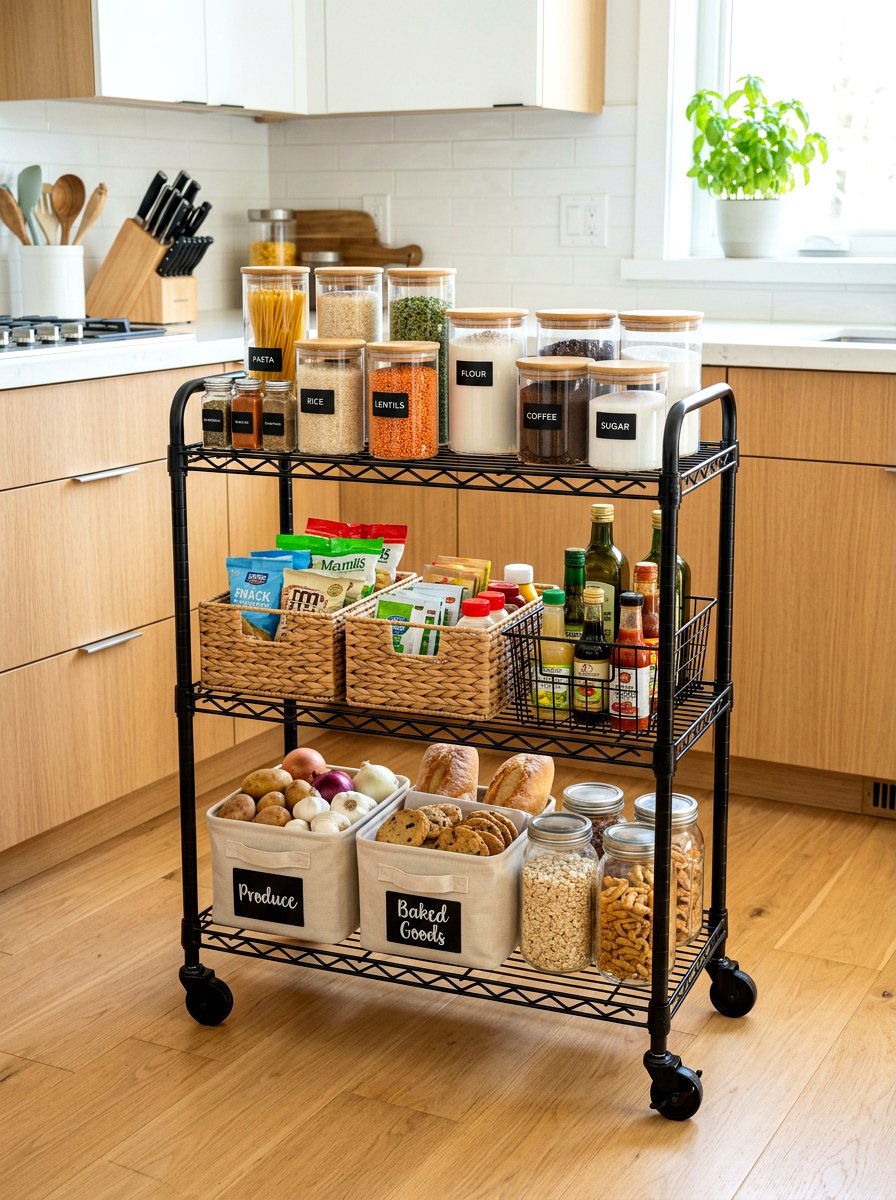
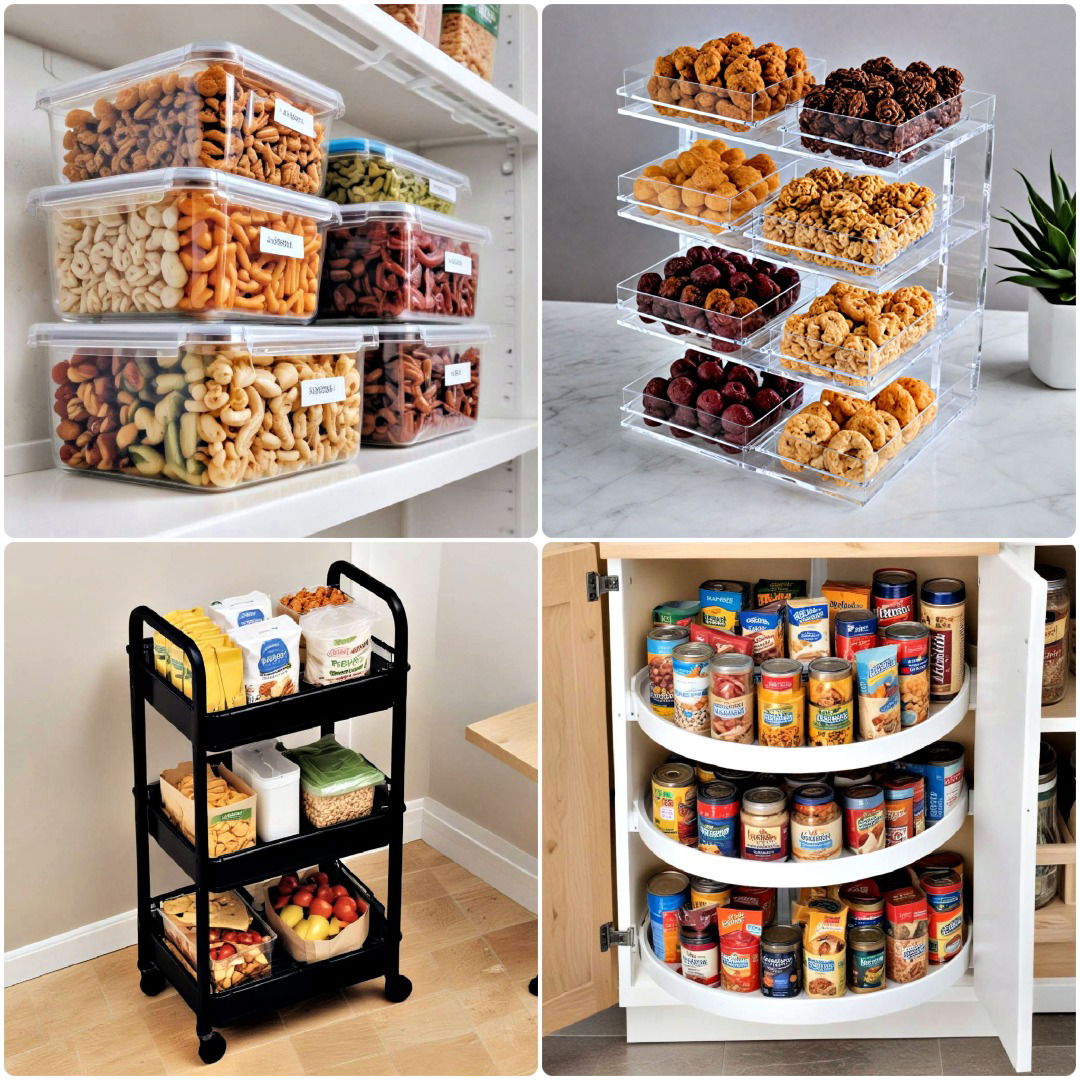
A rolling pantry cart is an excellent solution for adding extra storage to a kitchen with limited cabinet space. These mobile units can be filled with your most frequently used zero waste containers and moved wherever you need them. You can use the top shelf as a prep station for filling jars or organizing bulk purchases. Rolling carts often feature multiple tiers, allowing you to categorize your items effectively. Choosing a cart made from sustainable wood or durable metal ensures it will last for a long time. It is a flexible and practical way to expand your pantry while maintaining a clean look.
26. Open Shelving Concept
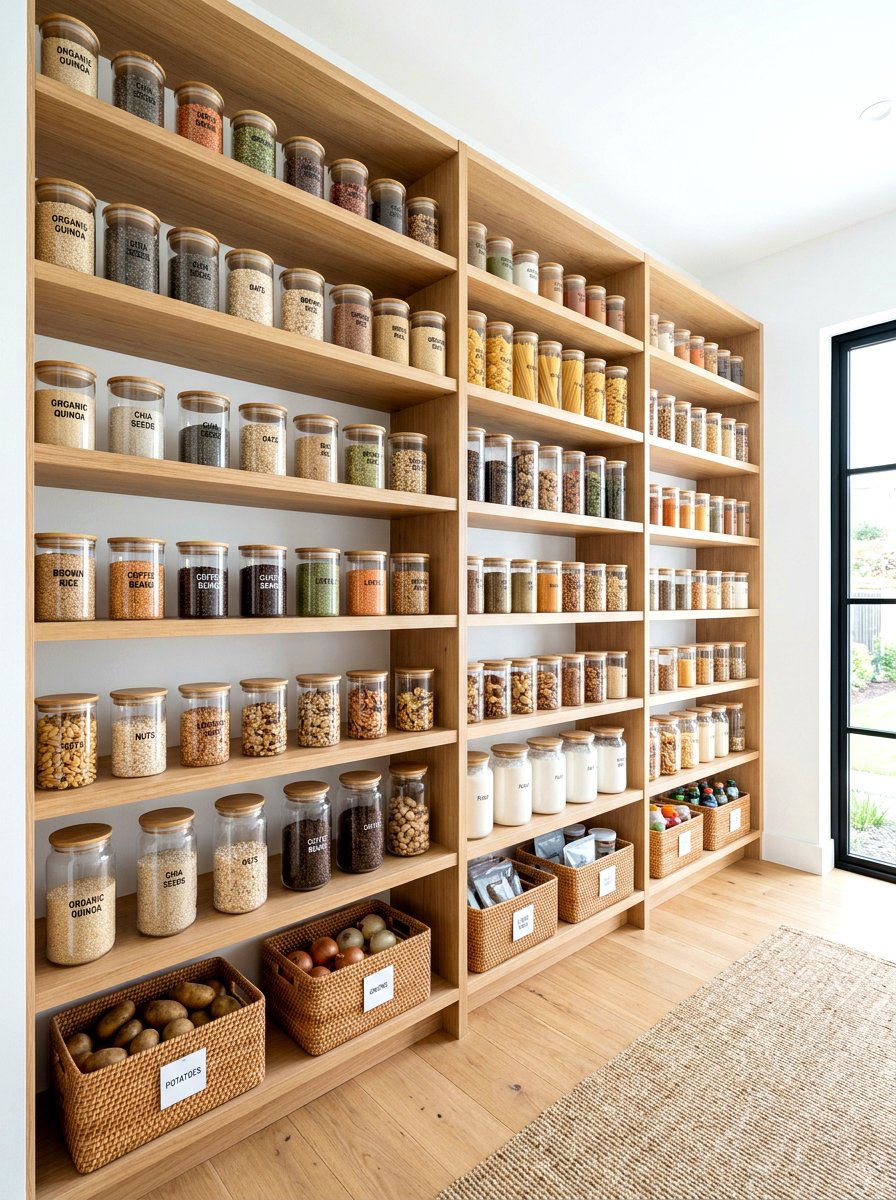
An open shelving concept transforms your pantry into a visual showcase of your sustainable lifestyle. By removing cabinet doors, you create an airy and accessible space where every beautiful jar and basket is on display. This design choice encourages you to maintain a high level of organization since everything is visible at all times. It also makes it much easier to put away groceries and find exactly what you need while cooking. Open shelves can be made from reclaimed wood or sleek metal to fit your style. This approach fosters a sense of transparency and intentionality in how you store and use your food.
27. Under Shelf Baskets
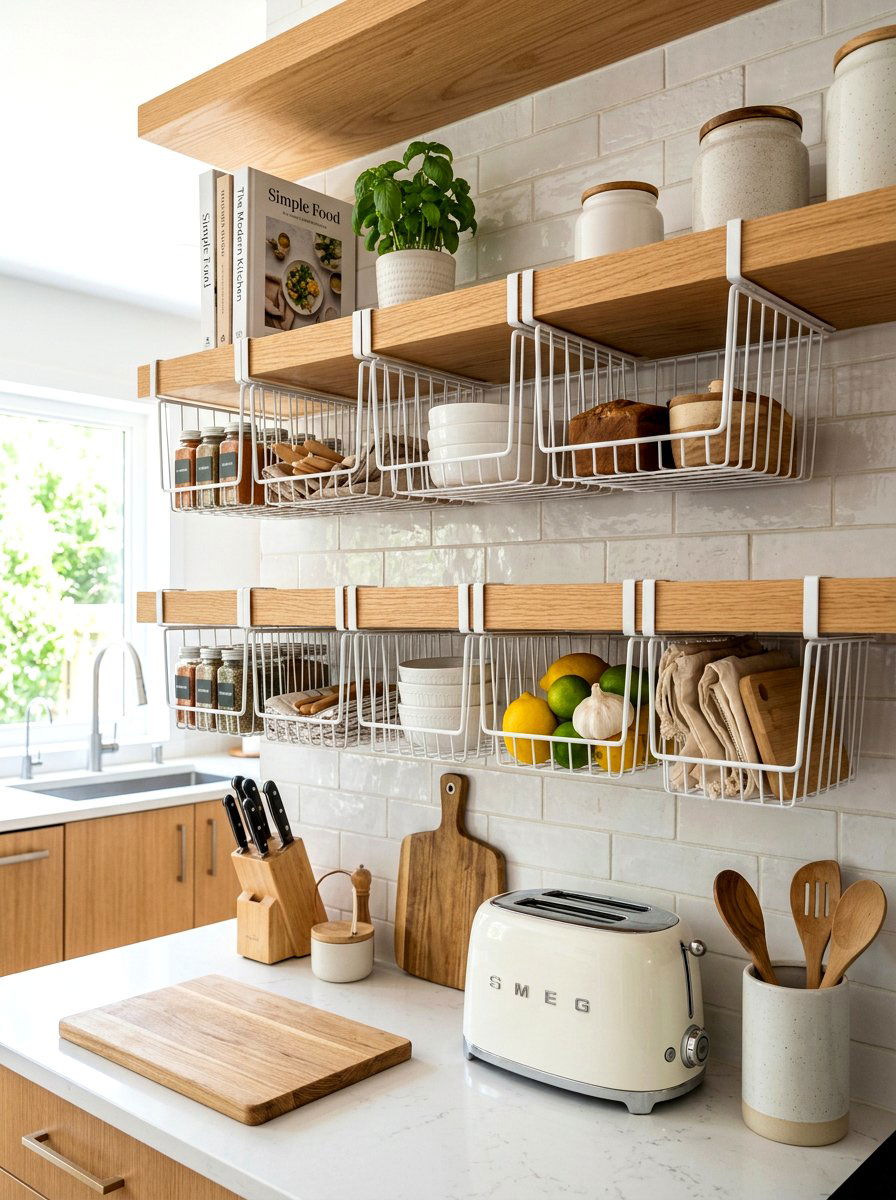
Under-shelf baskets are a brilliant way to utilize the often-wasted space beneath your pantry shelves. these wire or mesh baskets simply slide onto an existing shelf, providing a convenient spot for smaller items or flat goods. You can use them to store fabric produce bags, beeswax wraps, or even flat packets of dried herbs. This extra layer of storage helps keep your main shelves clear and organized. They are easy to install and move as your storage needs change over time. Using under-shelf baskets is a simple and effective hack for maximizing the efficiency of any pantry, regardless of its size.
28. Corner Pantry Shelves
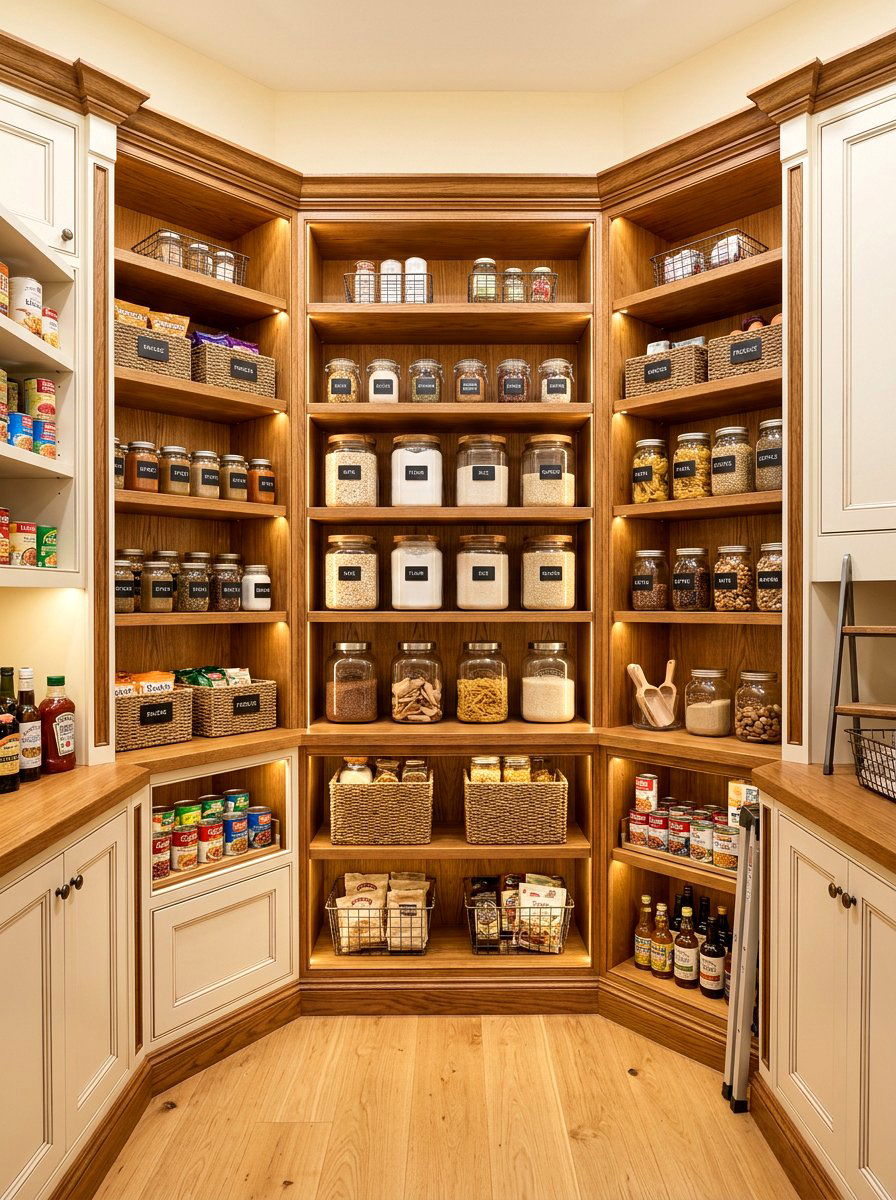
Corner pantry shelves are specifically designed to make the most of tricky corner spaces that often go unused. Custom-fitted wooden shelves can provide a seamless transition between two walls, creating a deep and accessible storage area. You can use these corners for larger bulk bins or heavy crocks that do not fit well on standard shelves. Adding a rotating turntable or Lazy Susan to the corner can also help you reach items in the very back without any hassle. This design ensures that no space is wasted and that your entire pantry is functional. It creates a professional and well-thought-out layout for your home.
29. Lazy Susan Organizer
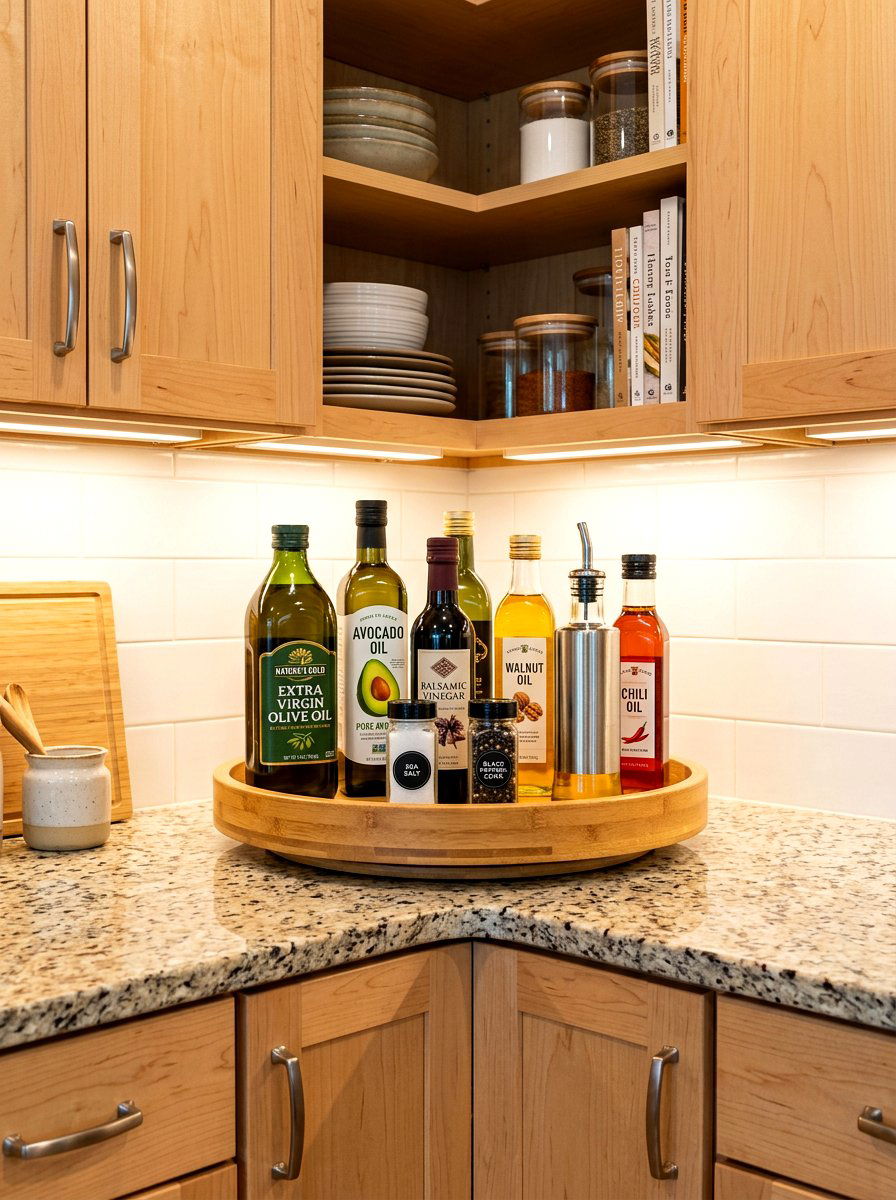
A Lazy Susan is a rotating tray that brings items from the back of a deep shelf directly to your fingertips. It is an essential tool for organizing small jars, oils, or spices in a zero waste pantry. By spinning the tray, you can see every item clearly, which prevents things from being forgotten and eventually going to waste. You can find beautiful versions made from sustainable bamboo or reclaimed wood that complement your shelving. This simple addition significantly improves the accessibility of your pantry and makes it much easier to maintain order. It is a practical solution for maximizing efficiency in any kitchen cabinet.
30. Minimalist Labeling System
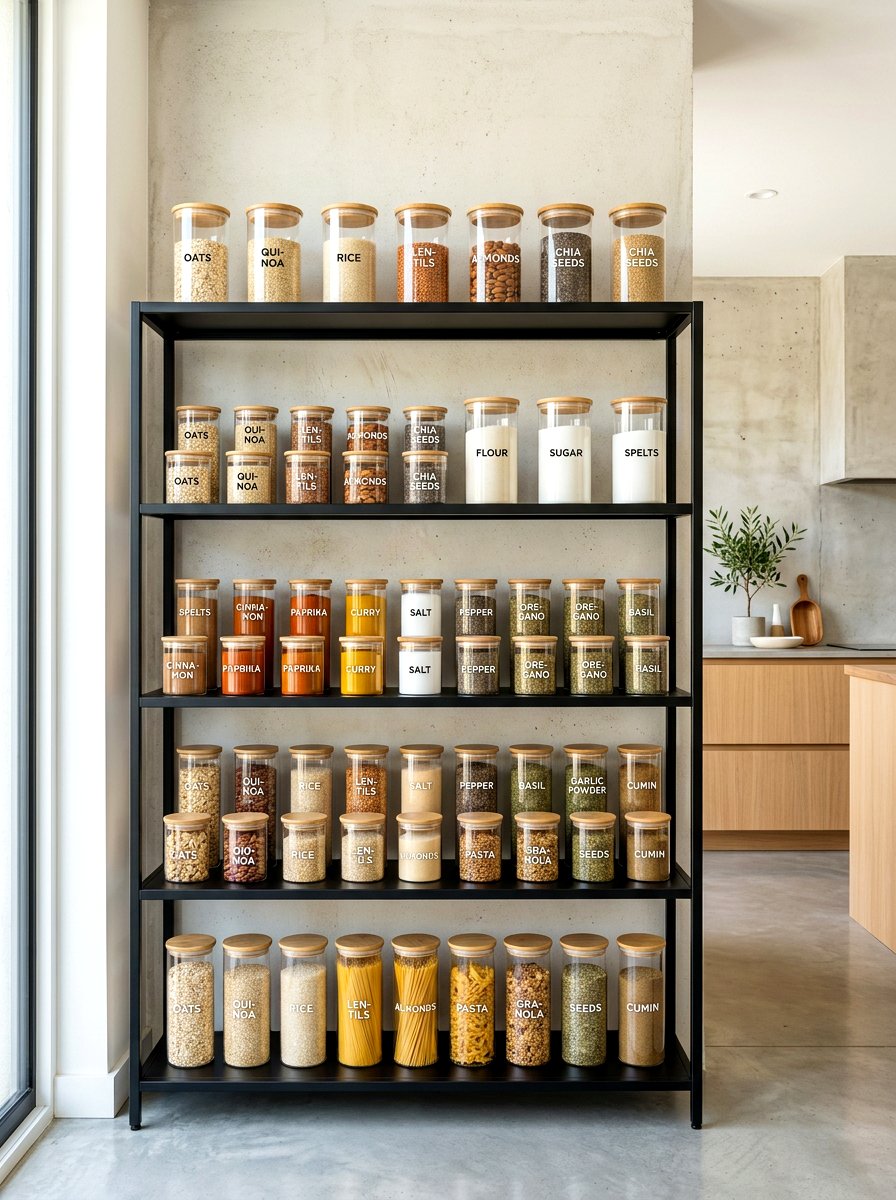
A minimalist labeling system uses simple, clean designs to identify your pantry contents without adding visual clutter. You can use a small label maker or even a white paint pen directly on the glass jars for a modern look. By keeping the text small and uniform, you create a cohesive and sophisticated aesthetic that highlights the beauty of the ingredients themselves. This approach is perfect for those who prefer a calm and uncluttered environment. It ensures that your pantry remains organized while maintaining a sleek, high-end feel. A well-labeled pantry makes it easy for everyone in the house to help with cooking and tidying.
Conclusion:
Embarking on a zero waste pantry journey is a rewarding process that changes how you interact with food and the environment every single day. By implementing these sustainable storage solutions, you create a space that is both functional and breathtakingly beautiful. The transition might take some time as you finish current products and replace them with bulk alternatives, but the result is a plastic-free sanctuary. You will likely find that cooking becomes more enjoyable when your ingredients are displayed in clear glass and natural materials. This organized approach also helps prevent overbuying, as everything is visible and easy to access at all times. Ultimately, a zero waste pantry reflects a mindful lifestyle.

Related posts: