thoughtful min. 101 words intro. - Search: "compost corner garden ideas" , "composting bin design" , "hidden compost garden". - Goal: 30 sections (H2) , each min. 101 words, max 125 words. - Headings: Search-style (plain, natural, search queries). - Category: Garden/Outdoor. - Image Prompts: 30 prompts, min. 50 words each.
- Search Query Examples: * "DIY pallet compost bin" , "hidden garden compost area" , "brick compost bin" , "modern compost bin" , "worm farm garden" , "compost corner with screening" , "underground compost pit" , "decorative compost bin".
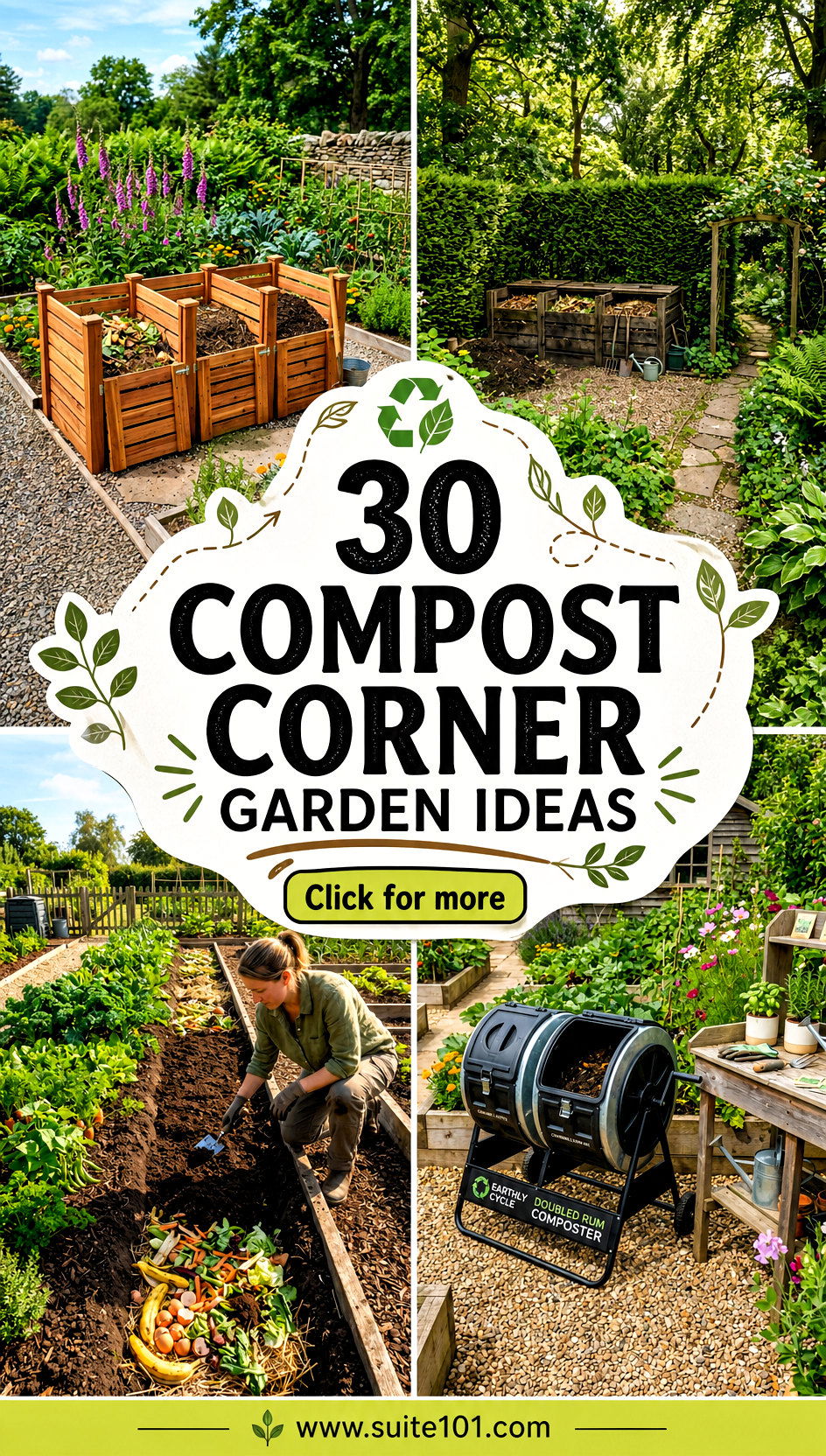
1. Pallet compost bin 2. Brick compost heap 3. Wood slat compost bin 4. Hidden compost area with screening 5. Decorative compost barrel 6. Triple bin composting system 7. Worm farm station 8. Metal mesh compost cylinder 9. Stone wall compost enclosure 10. Trench composting garden 11. Raised bed with built in compost 12. Wattle fence compost bin 13. Modern black plastic composter 14. Cedar wood compost station 15. Corner compost pit 16. Painted compost bin 17. Tumbler compost bin 18. Repurposed trash can composter 19. Bamboo compost enclosure 20. Vertical garden compost bin 21. Tiered compost system 22. Small space balcony composter 23. Recycled plastic lumber bin 24. Herb garden compost corner 25. Wildflower garden compost area 26. Rustic log compost heap 27. Lattice screen compost nook 28. Concrete block compost station 29. Picket fence compost bin 30. Natural leaf mold cage
- Intro: ~105 words. - Each section: ~105-115 words. - Tone: Friendly, expert, Pinterest-viral. - Headings: Search query style (e. g. , "Pallet compost bin").
*Let's execute. *Transforming a forgotten corner of your yard into a functional composting station is one of the most rewarding garden projects you can undertake. It turns kitchen scraps and yard waste into "black gold" while keeping your landscape organized and beautiful. Whether you have a sprawling country estate or a tiny urban balcony, there is a composting solution that fits your aesthetic and space constraints perfectly. By choosing the right design, you can hide the decomposition process behind stylish screens or make it a rustic focal point that celebrates sustainability. These thirty creative ideas will help you find the perfect balance between utility and garden design for a thriving outdoor oasis.
1. Pallet compost bin
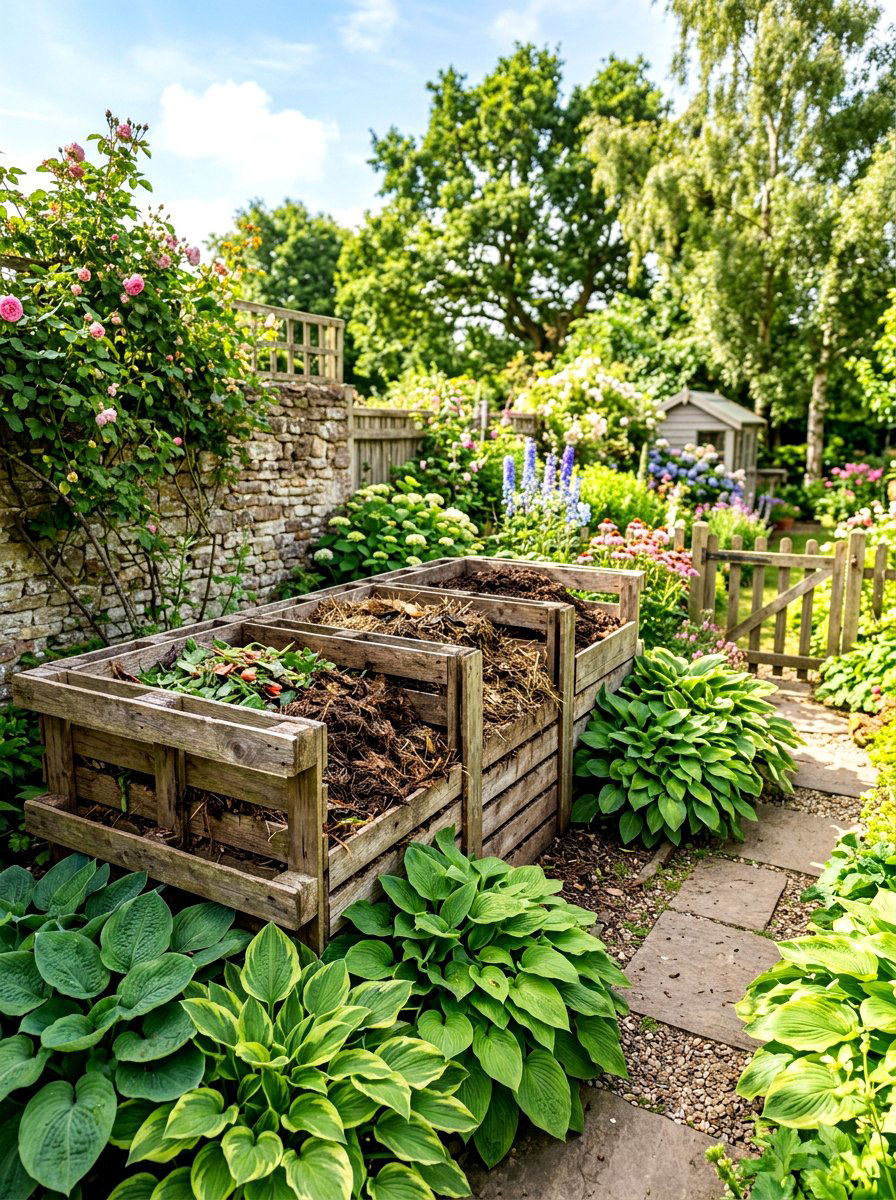
A pallet compost bin is the ultimate budget-friendly project for any gardener looking to recycle materials while building a sturdy system. You can easily source heat-treated wooden pallets from local businesses to ensure they are safe for organic use. By standing three pallets on their ends and securing them with heavy-duty screws or zip ties, you create a U-shaped structure that provides excellent airflow for the decomposition process. A fourth pallet can be attached with hinges on the front to act as a door for easy access when turning the pile. This rustic look blends naturally into woodland gardens or farmhouse landscapes while keeping your compost heap tidy.
2. Brick compost bin
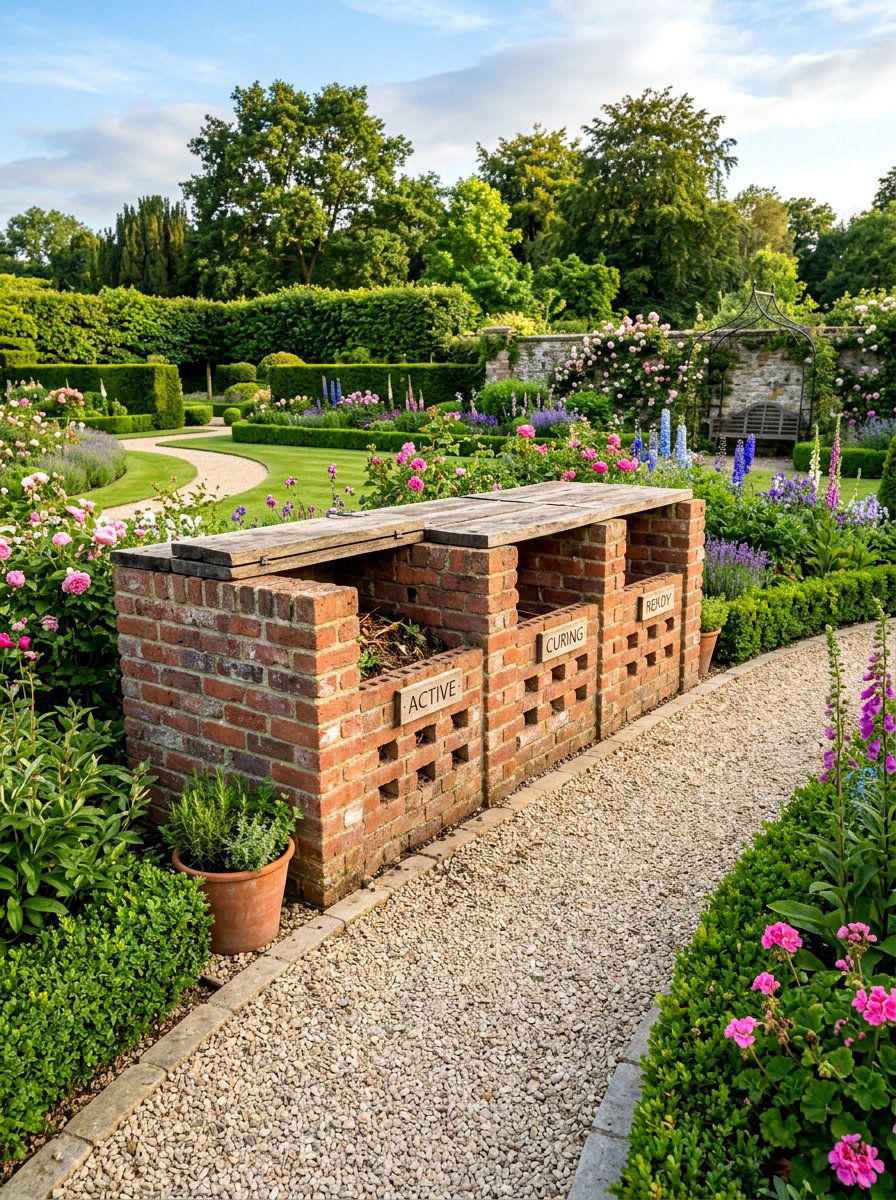
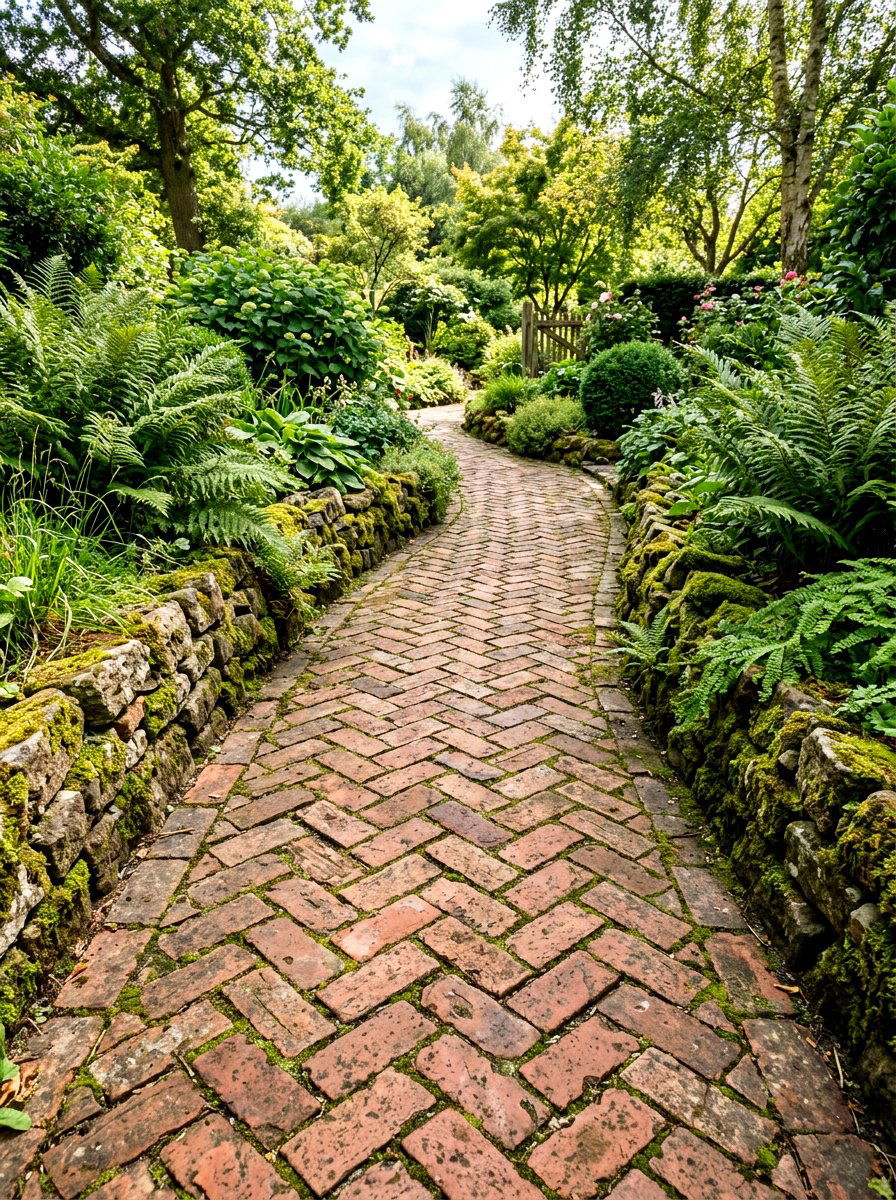
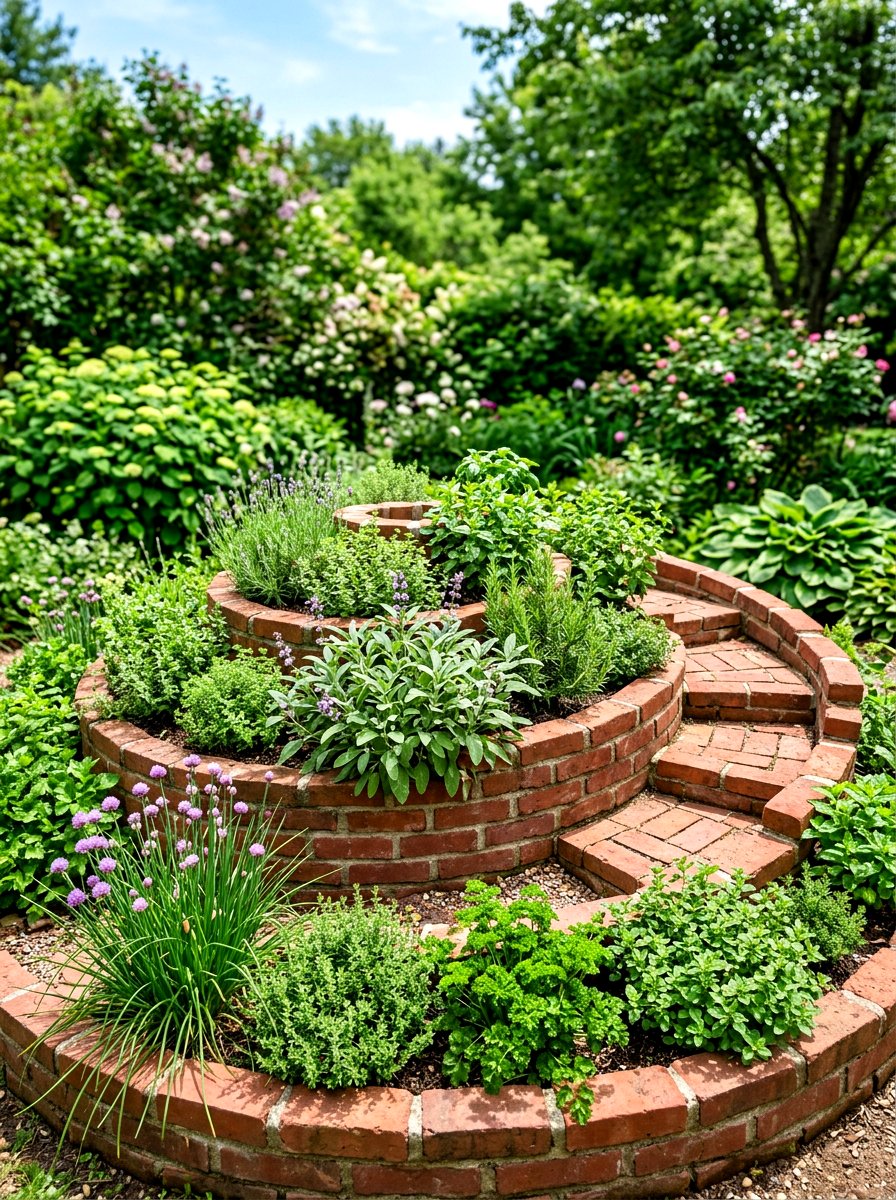
Building a brick compost bin offers a permanent and highly durable solution for your garden waste needs. You can use reclaimed bricks to match the existing architecture of your home or garden paths for a cohesive aesthetic. When stacking the bricks, it is important to leave small gaps between some of them to ensure proper ventilation reaches the center of the pile. This solid structure helps retain heat during the winter months, which keeps the microbial activity high even in colder weather. A brick enclosure looks incredibly professional and polished, making it a great choice for formal garden designs where you want utility to look intentional.
3. Cedar compost bin
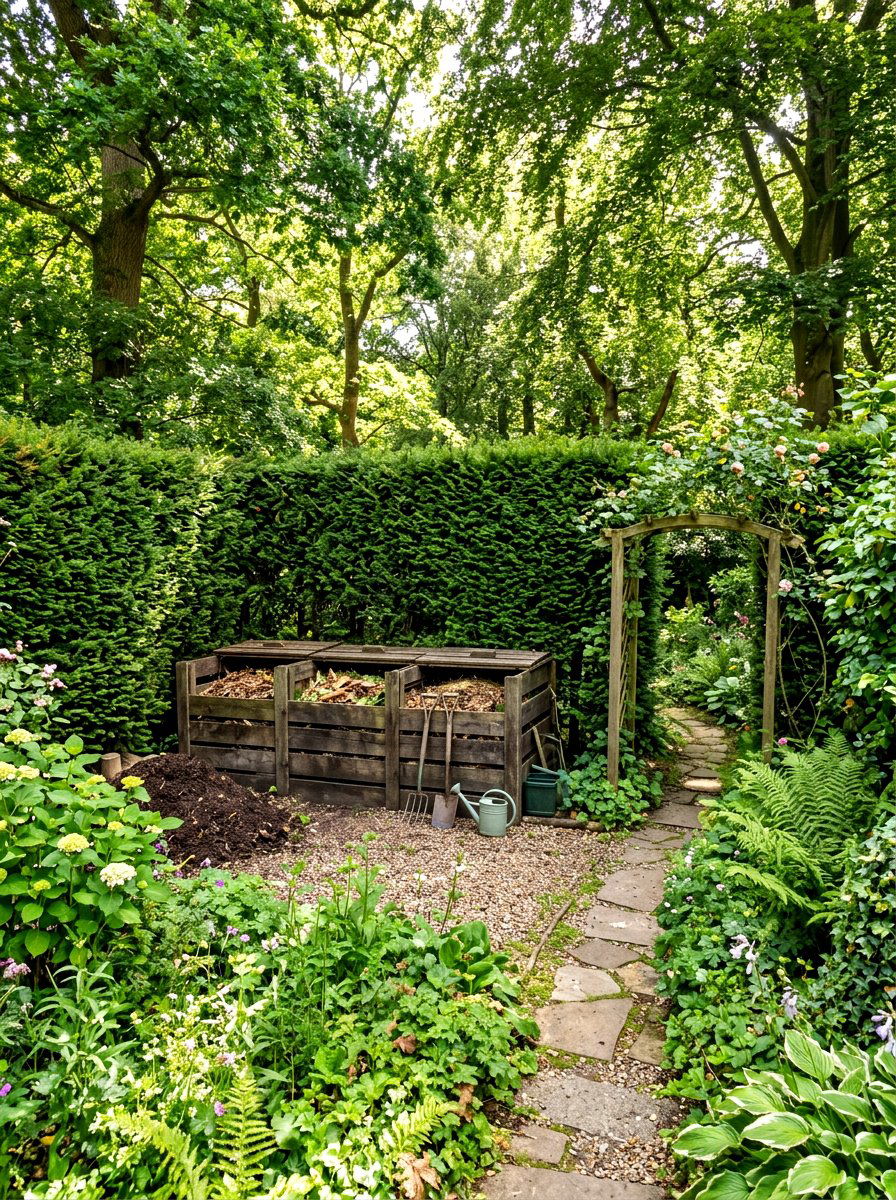
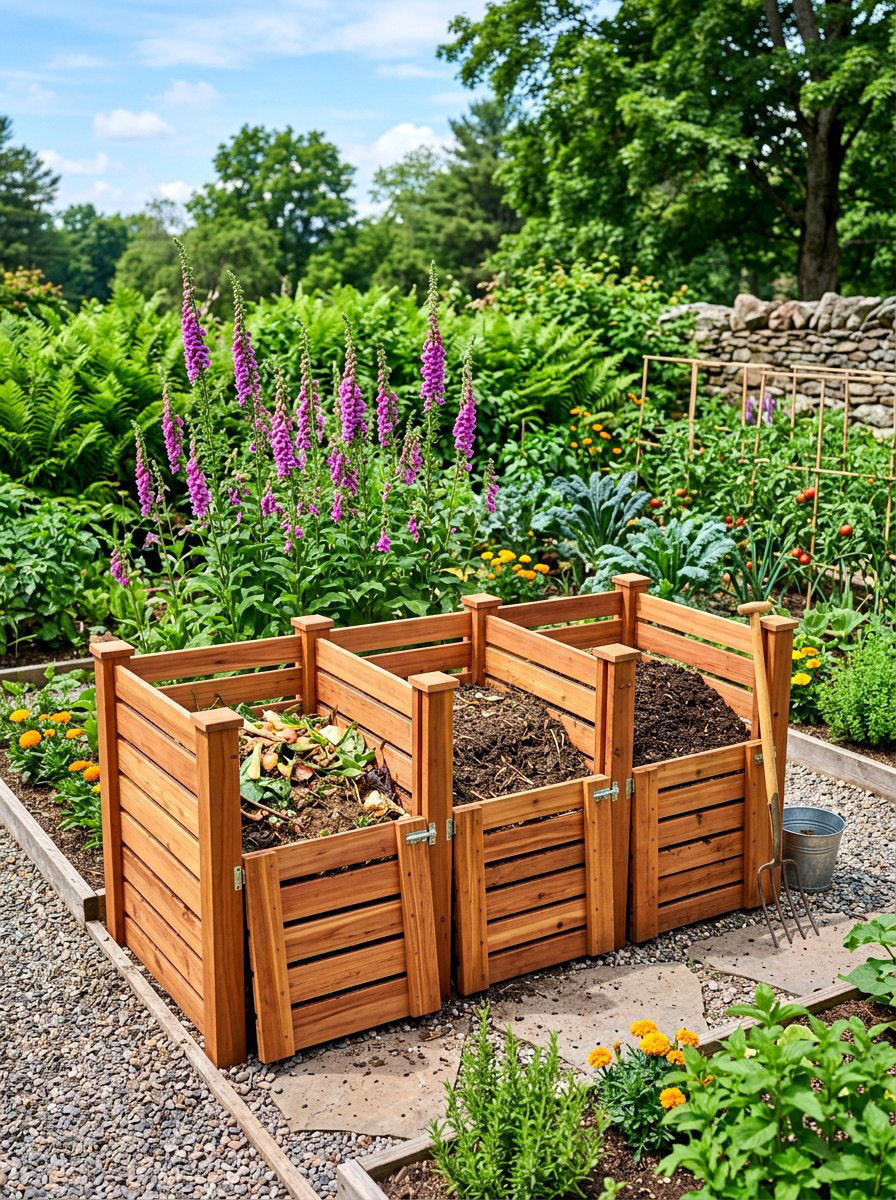
A cedar compost bin is a premium choice for gardeners who value both longevity and a beautiful natural appearance. Cedar wood is naturally resistant to rot and pests, which means your bin will withstand the moisture of the composting process for many years without chemical treatments. You can design a simple slatted box that allows for air circulation while keeping the contents neatly contained in a corner. The warm reddish tones of the wood eventually weather to a soft silver-grey, blending beautifully with surrounding greenery. This type of station is perfect for a high-end vegetable garden where every element needs to look well-crafted and sophisticated.
4. Hidden compost area
Creating a hidden compost area is essential for those who want the benefits of recycling waste without the visual clutter of a decomposition pile. You can tuck your bins behind a strategically placed evergreen hedge or a group of tall ornamental grasses to mask the station from your main seating areas. Using a simple trellis covered in climbing vines like clematis or jasmine can also provide a fragrant and beautiful screen that obscures the view entirely. This approach allows you to maintain a pristine landscape while still being eco-friendly. It is all about clever positioning and using nature to create a private nook for your garden work.
5. Decorative compost bin
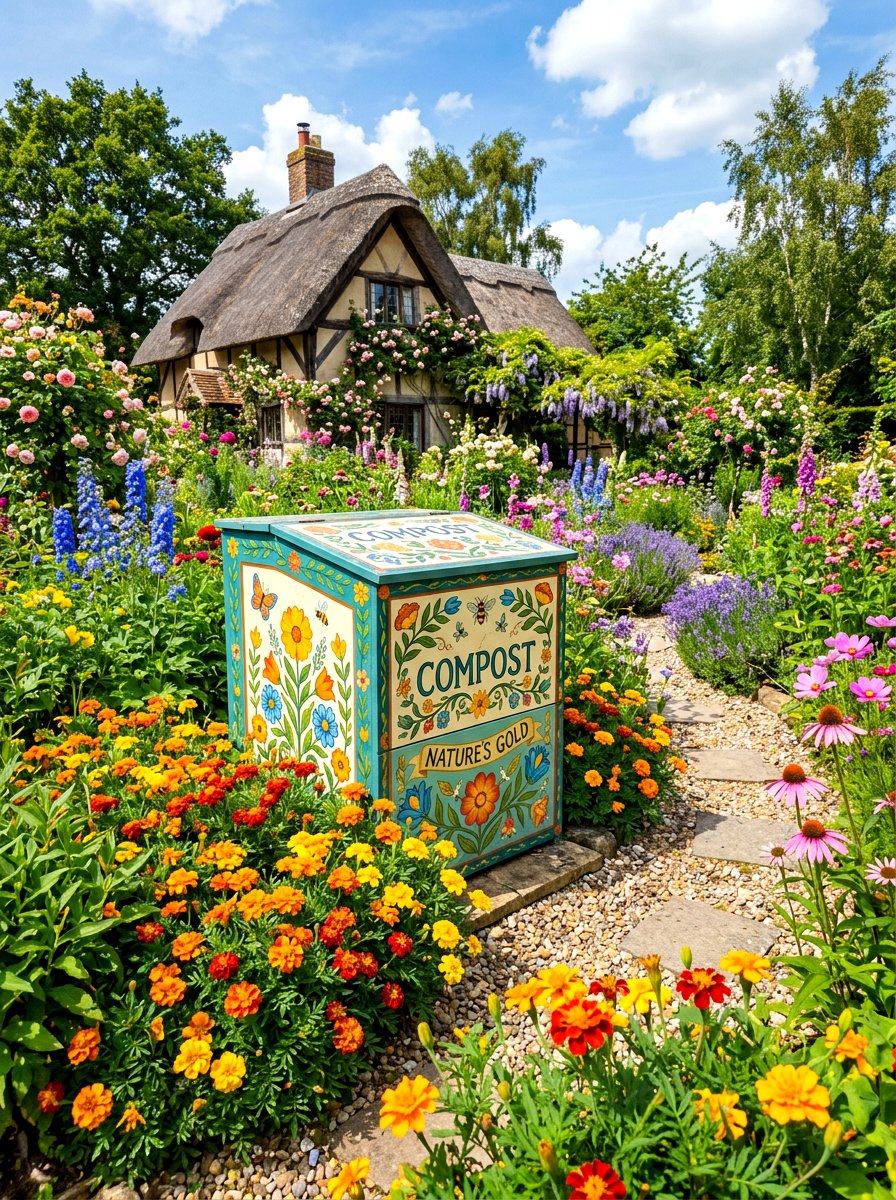
A decorative compost bin proves that functional garden elements do not have to be hidden away out of sight. You can choose a pre-made model that features an embossed pattern or a unique shape that looks like a piece of garden art. Some gardeners even paint their wooden bins with vibrant colors or whimsical motifs to turn the station into a conversation piece. By adding a decorative lid or surrounding the base with colorful flowering annuals, you integrate the bin into your floral displays. This idea is perfect for smaller yards where every square inch is visible and needs to contribute to the overall charm.
6. Triple bin compost system
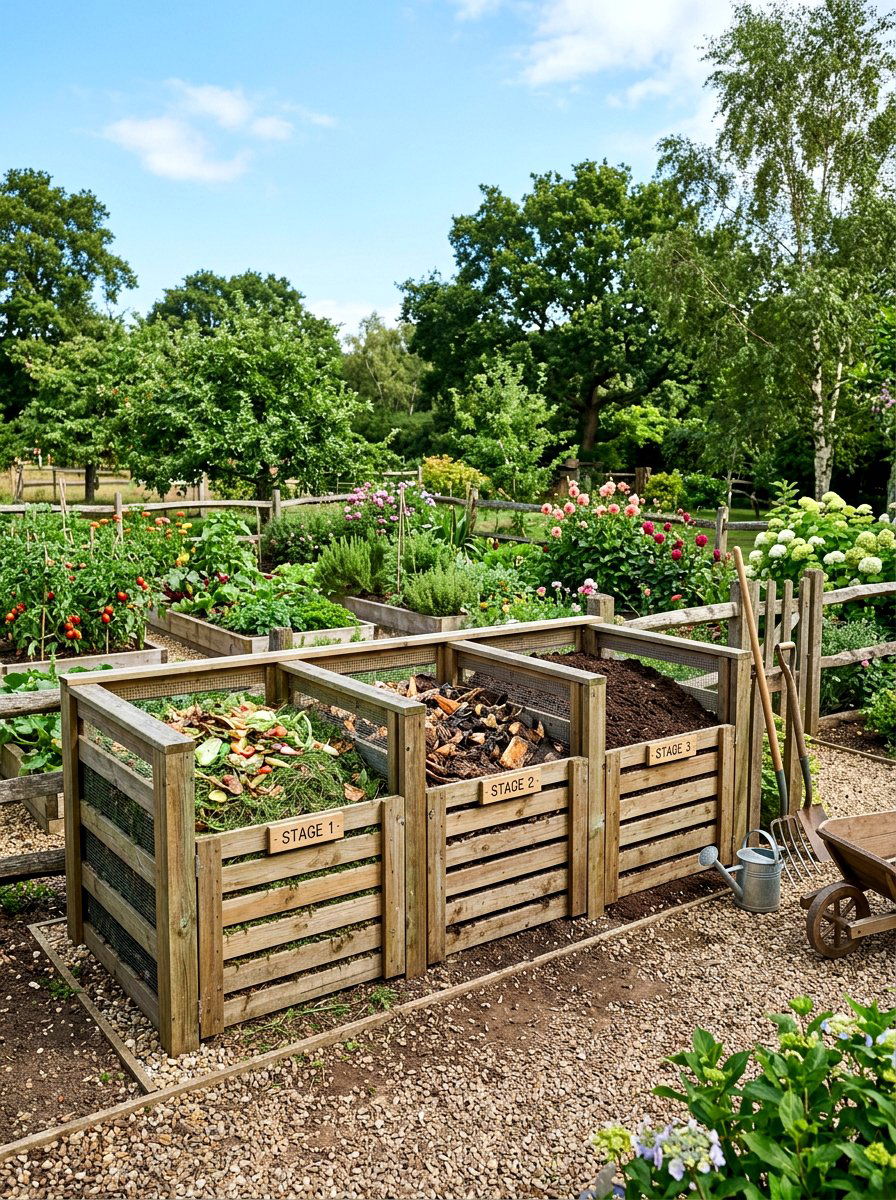
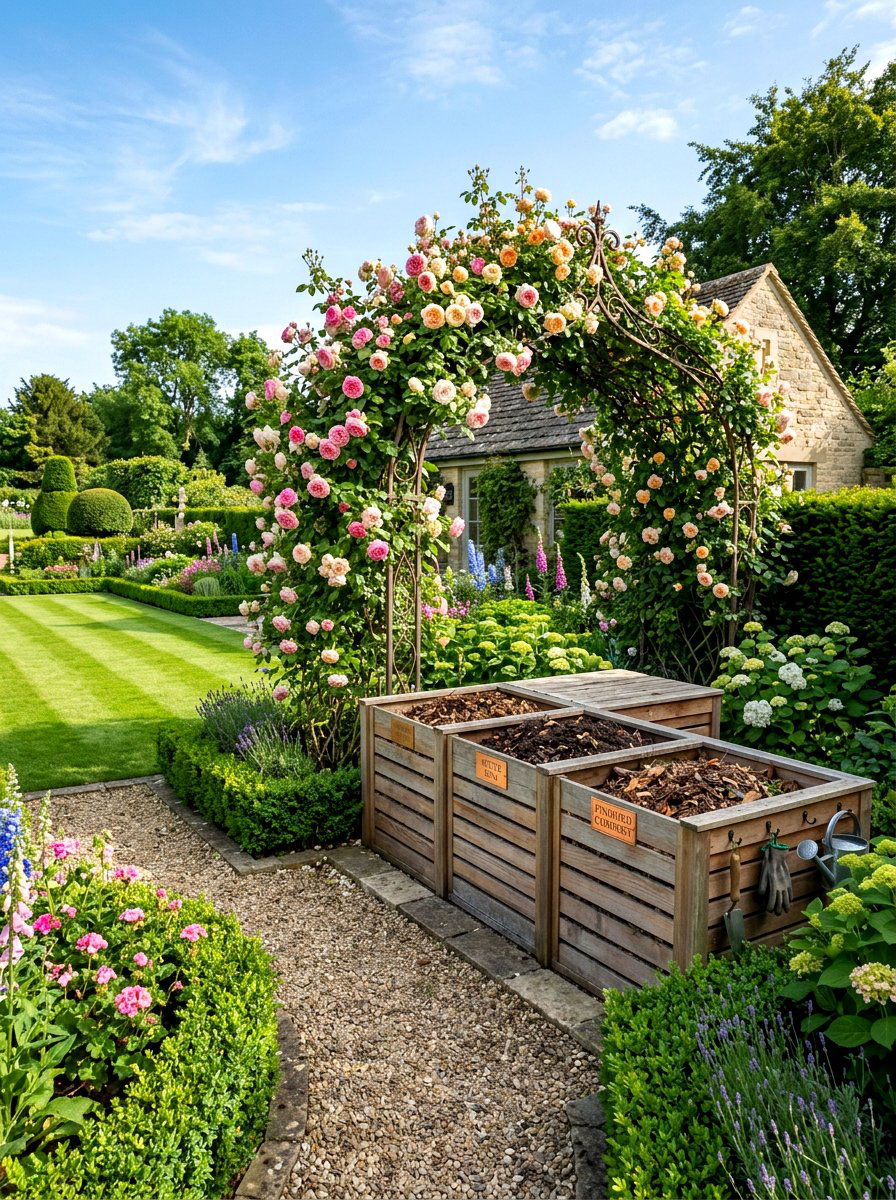
The triple bin compost system is the gold standard for serious gardeners who produce a large amount of organic waste. This design allows you to manage three different stages of decomposition at the same time in one organized unit. The first bin is for fresh scraps, the second is for actively cooking material, and the third holds the finished product ready for the garden. Using three connected wooden or wire stalls makes it much easier to "turn" the pile by simply forking material from one bin to the next. This systematic approach ensures a steady supply of rich soil throughout the growing season for your plants.
7. Worm farm station
A worm farm station, also known as a vermicompost system, is a fantastic way to compost in very small garden corners. These systems use specialized worms to break down kitchen scraps much faster than traditional methods, producing a highly concentrated liquid fertilizer and rich castings. You can set up a tiered plastic or wooden system that takes up very little floor space on a patio or tucked under a garden bench. Because they are enclosed, they are virtually odorless and keep pests away, making them ideal for urban settings. It is a fascinating way to involve children in gardening while creating the best food for your flowers.
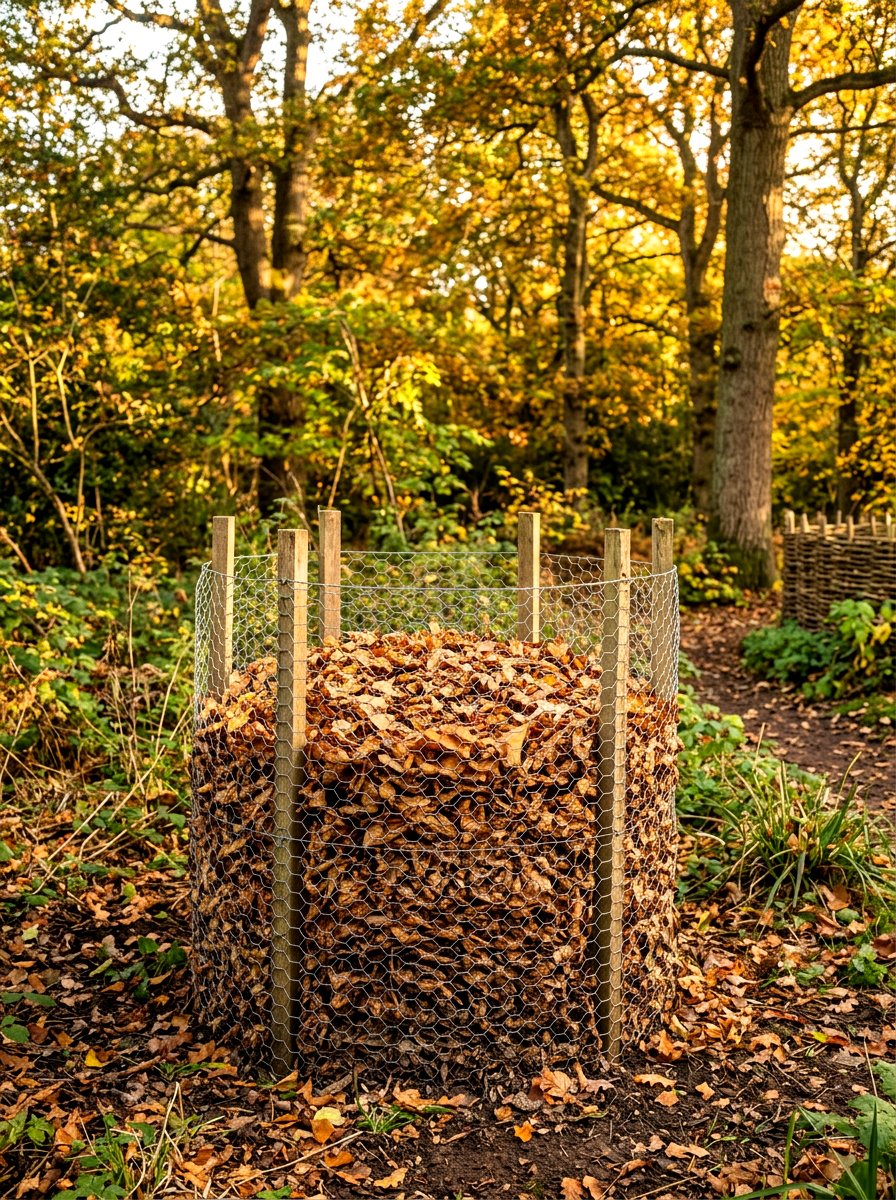
8. Wire mesh compost bin
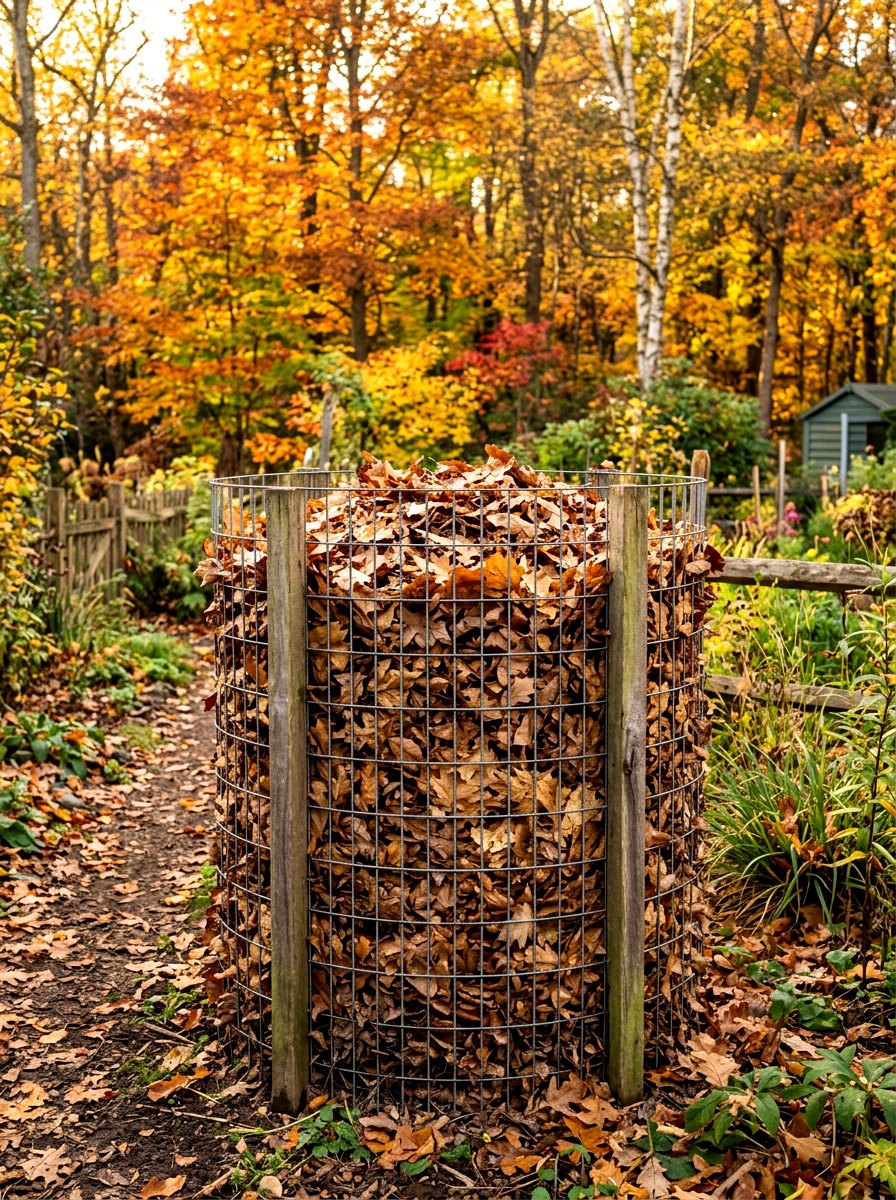
A wire mesh compost bin is an incredibly simple and lightweight option that offers the best possible aeration for your pile. You can create a circular enclosure using a length of sturdy chicken wire or hardware cloth supported by a few wooden stakes driven into the ground. This design is perfect for composting large quantities of autumn leaves, as the open sides allow oxygen to reach every part of the heap. It is also very easy to move; when the compost is ready, you simply lift the wire cage and start a new pile nearby. It is a practical, no-fuss solution for any casual backyard gardener.
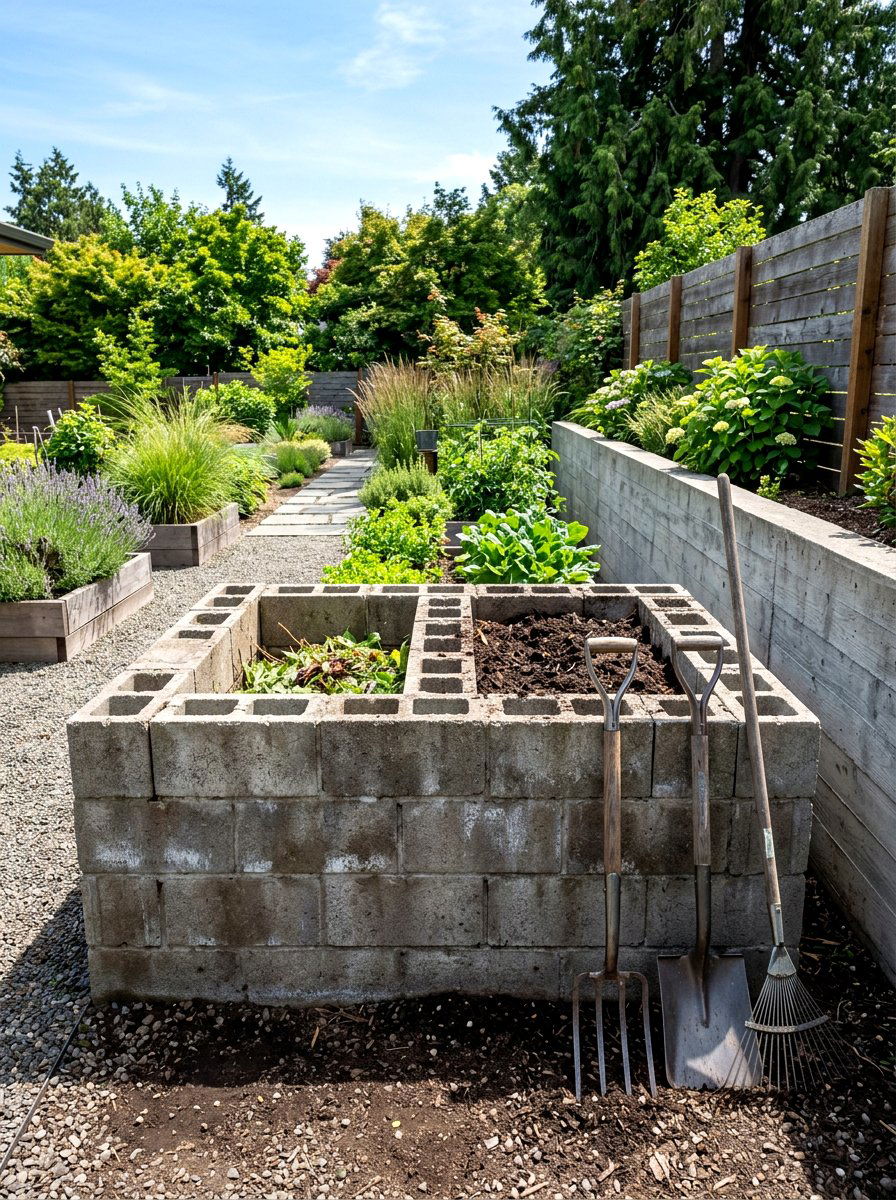
9. Concrete block compost bin
Using a concrete block compost bin is a fast and sturdy way to build a large-scale composting station without needing any power tools. You can simply stack the cinder blocks in a square or rectangular shape, leaving the front open for easy access. The heavy blocks stay in place without mortar, allowing you to adjust the size of the bin as your needs change over time. The hollow cores of the blocks provide a bit of insulation for the pile while also allowing some air to circulate. This industrial-chic look works well in modern landscapes or behind a garage where you need a durable, long-lasting structure.
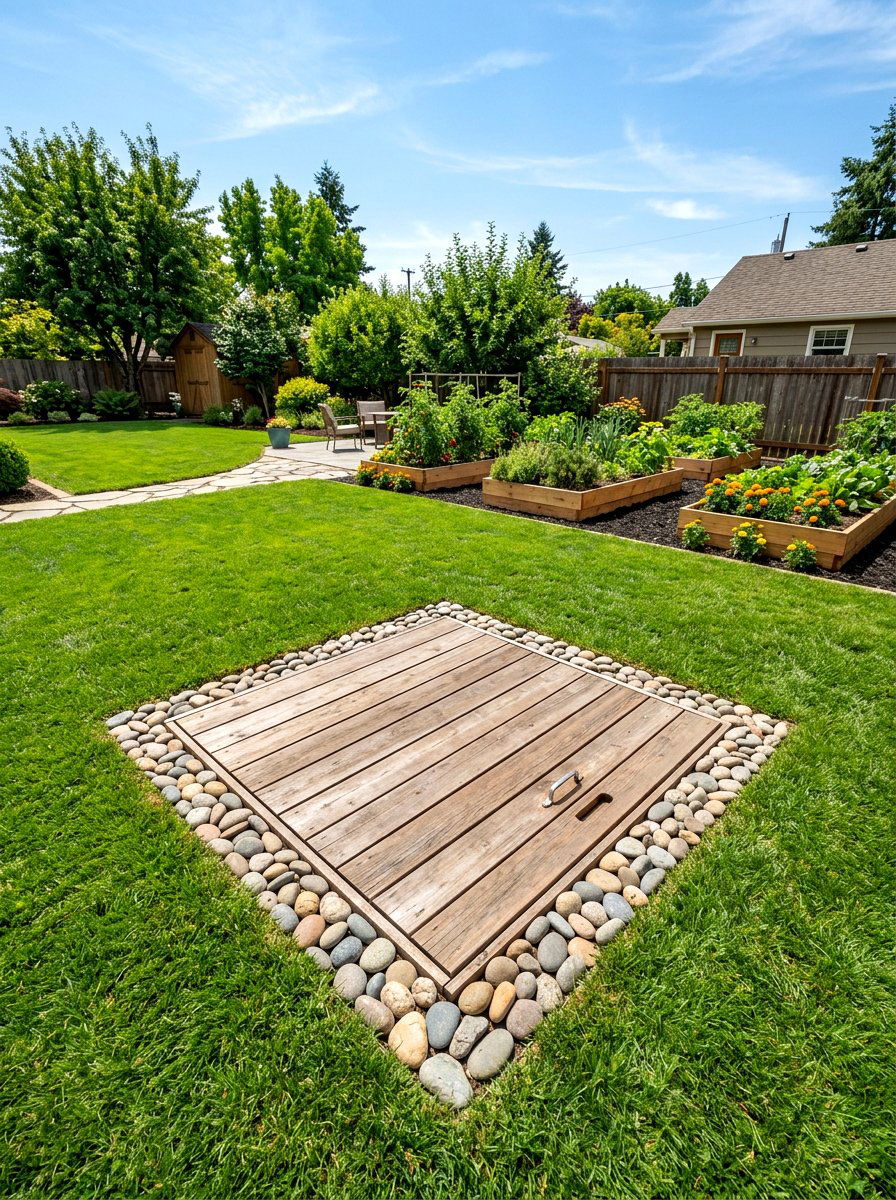
10. In ground compost pit
An in ground compost pit is the ultimate way to keep your recycling process completely invisible to the eye. By digging a hole in a quiet corner of your garden, you can deposit waste directly into the earth where it will decompose naturally. This method keeps the material moist and cool, which is beneficial for the worms and microbes doing the work. You can cover the pit with a sturdy wooden lid or a decorative paving stone to prevent anyone from stepping into it. Once the pit is full, you simply cover it with soil and let it enrich the ground for future planting.
11. Trench composting garden
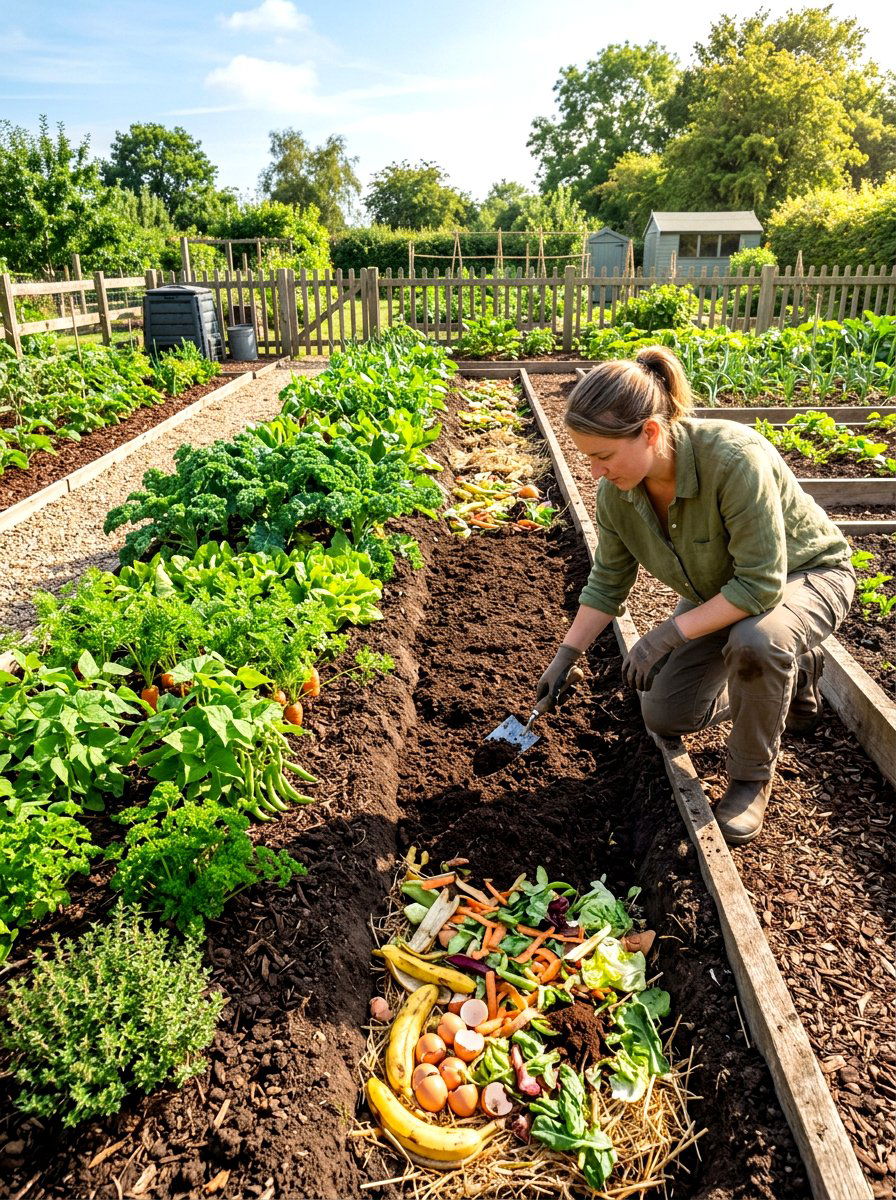
Trench composting garden methods involve burying your kitchen scraps directly into the rows where you plan to plant your vegetables. This "dig and drop" technique eliminates the need for a standing bin entirely and places the nutrients exactly where the roots will need them most. You simply dig a deep trench between your garden beds, fill it with organic matter, and cover it back up with soil. Over the winter, the material breaks down and improves the soil structure for the coming spring. It is a fantastic, labor-saving way to manage waste while simultaneously prepping your beds for a highly productive harvest.
12. Raised bed compost bin
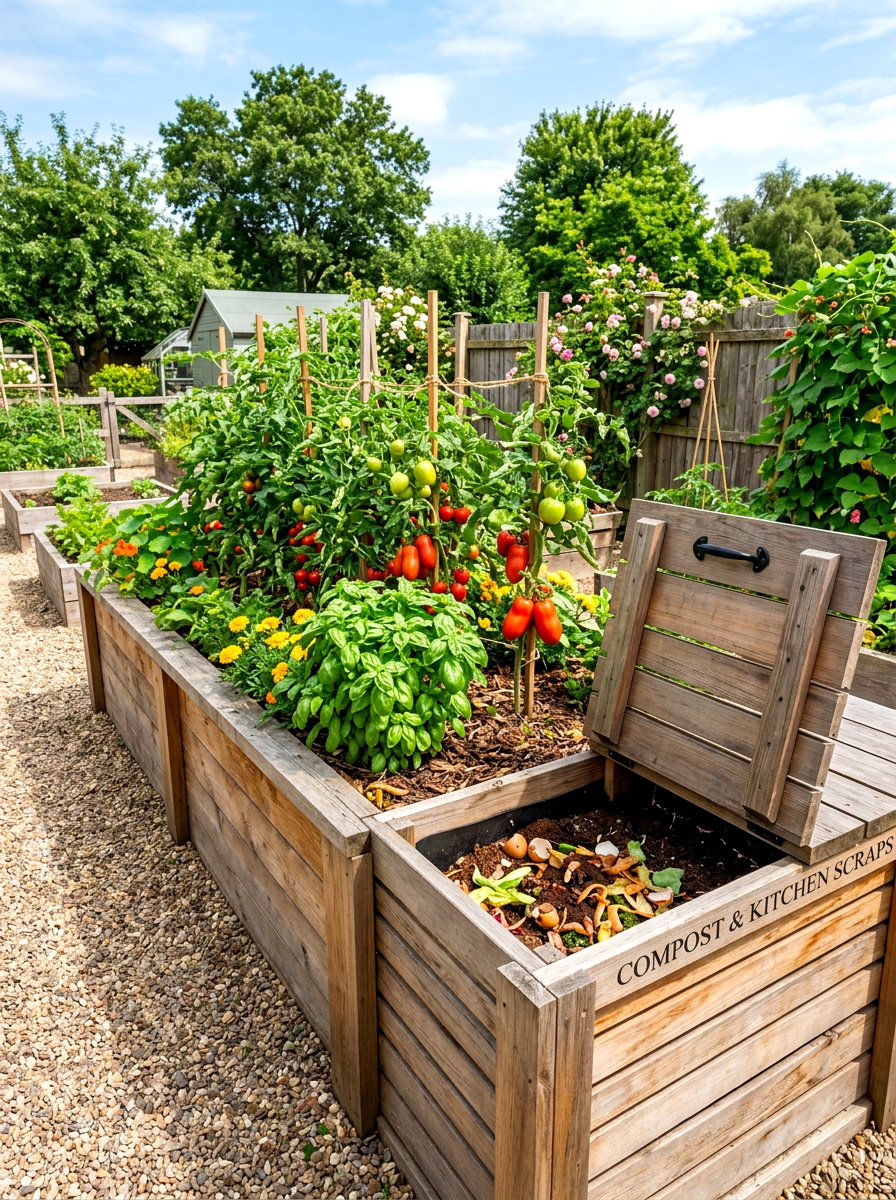
Integrating a raised bed compost bin into your garden layout allows for a seamless transition between waste management and plant growth. You can build a small, lidded compartment at one end of a large raised vegetable bed to serve as your composting site. As the material breaks down, the nutrients slowly leach into the surrounding soil, feeding the nearby plants naturally. This design keeps everything contained and at a comfortable height for adding scraps without bending over. It looks like a standard part of your garden furniture, making it a very tidy and efficient choice for small-scale edible gardening in a backyard setting.
13. Woven wattle compost bin
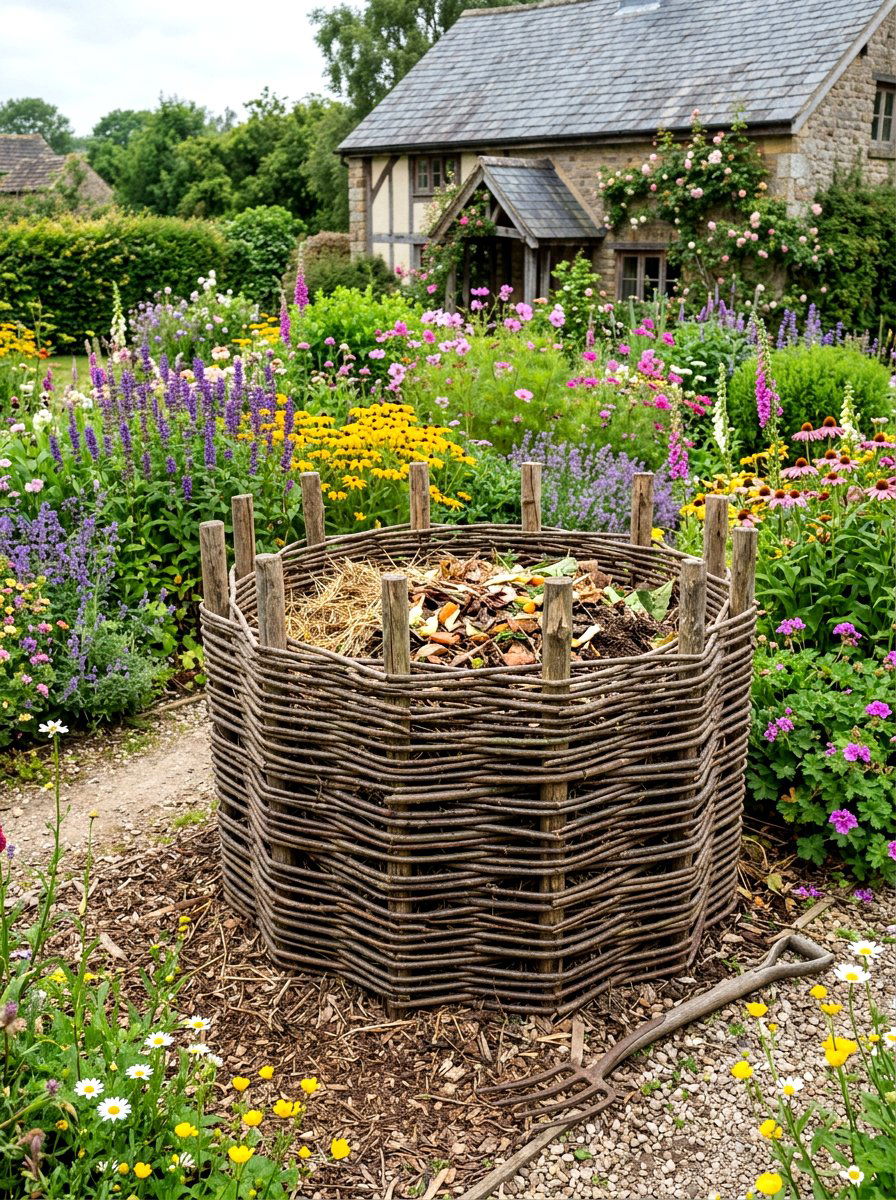
A woven wattle compost bin adds a beautiful, rustic charm to any cottage or traditional garden design. This ancient technique involves weaving flexible branches, like willow or hazel, between upright stakes to create a textured and organic-looking enclosure. The natural gaps in the weave provide excellent airflow, which is crucial for preventing odors and speeding up the decomposition of your green waste. It is an environmentally friendly choice since it uses renewable materials that will eventually compost along with the contents. This artistic structure turns a utility area into a lovely feature that looks like it has been part of the landscape for centuries.
14. Plastic tumbler composter
Choosing a plastic tumbler composter is a modern solution designed for speed and convenience in the garden. These units are elevated on a frame, making them easy to spin so that the contents stay perfectly aerated and mixed without any heavy lifting. Because they are fully enclosed, they generate a lot of heat, which can turn kitchen waste into finished compost in just a few weeks. The sealed design also makes them excellent for deterring rodents and keeping the garden looking very neat. It is a perfect choice for those who want a high-performance system that fits into a small corner or on a hard surface.
15. Painted wooden compost bin
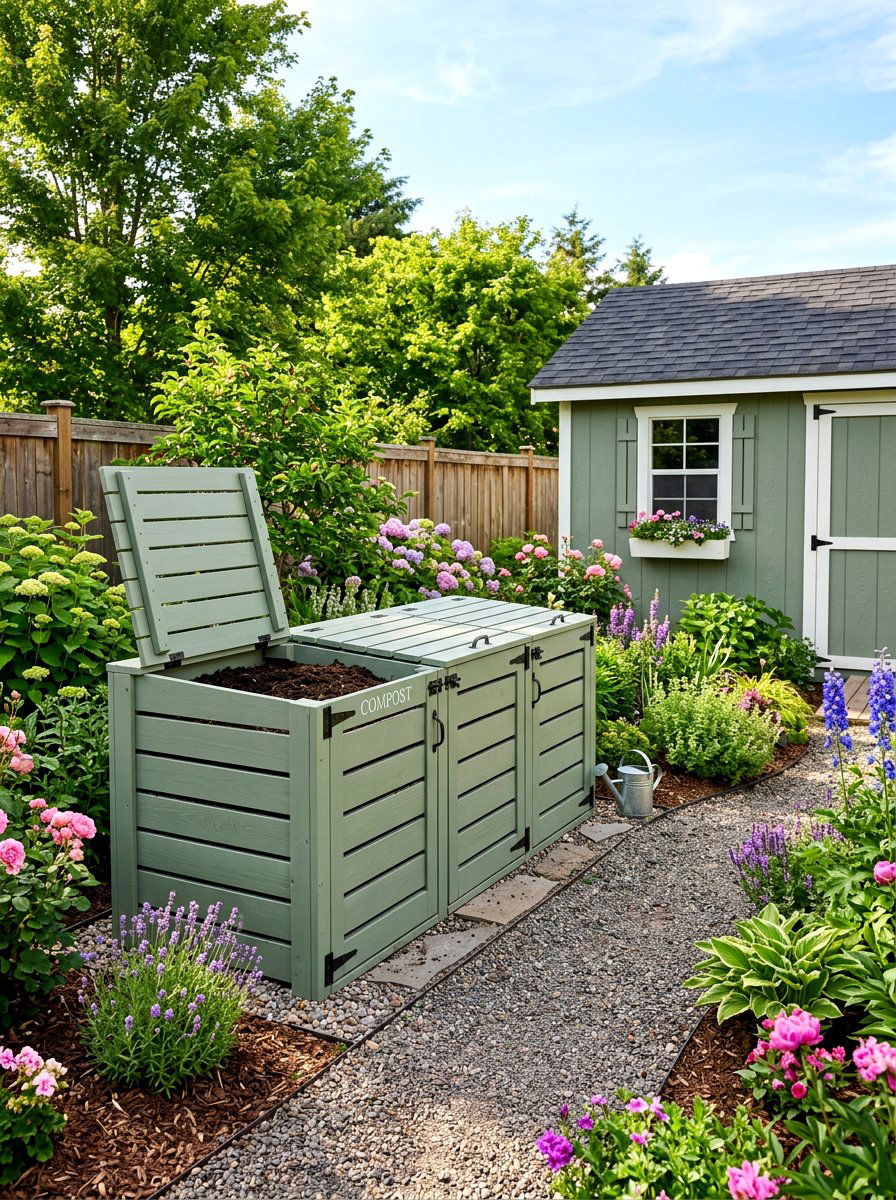
A painted wooden compost bin allows you to customize your garden utility area to match your outdoor color scheme perfectly. Whether you want a bright pop of yellow to cheer up a shady corner or a deep forest green to help the bin disappear, a fresh coat of exterior paint goes a long way. Use a non-toxic, eco-friendly paint to ensure that no harmful chemicals leach into your organic soil over time. This simple upgrade can turn an old, weathered bin into a stylish garden accessory that complements your patio furniture or shed. It is an easy afternoon DIY project that yields big visual results.
16. Bamboo compost bin
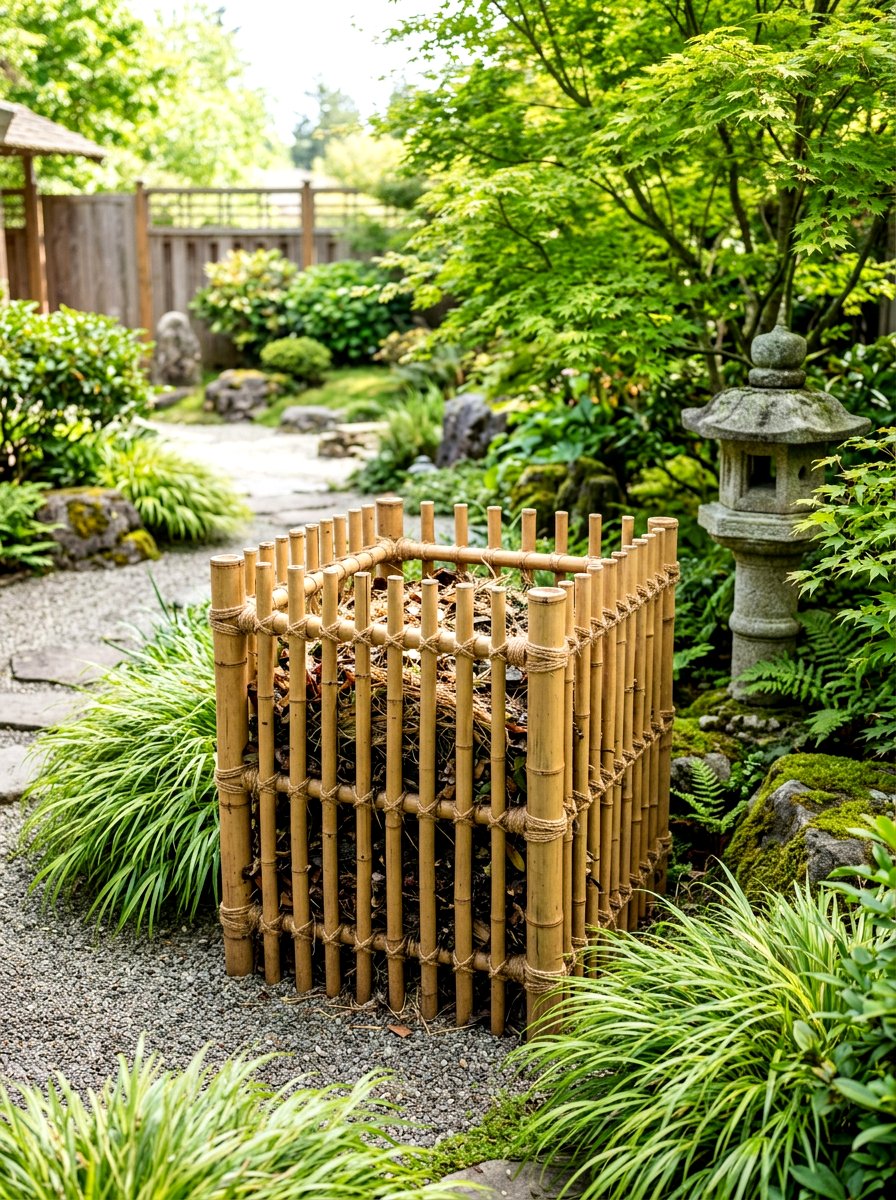
A bamboo compost bin offers a sustainable and lightweight alternative to traditional timber structures for your outdoor space. Bamboo is a fast-growing material that is naturally moisture-resistant, making it a great fit for the damp environment of a compost pile. You can use bamboo poles to create a slatted frame or use woven bamboo screens to build a stylish enclosure in a Zen-style garden. The vertical lines of the bamboo provide a contemporary look that feels airy and light compared to heavy wooden bins. It is a unique way to introduce a different texture into your garden while staying committed to eco-friendly materials.
17. Vertical garden compost bin
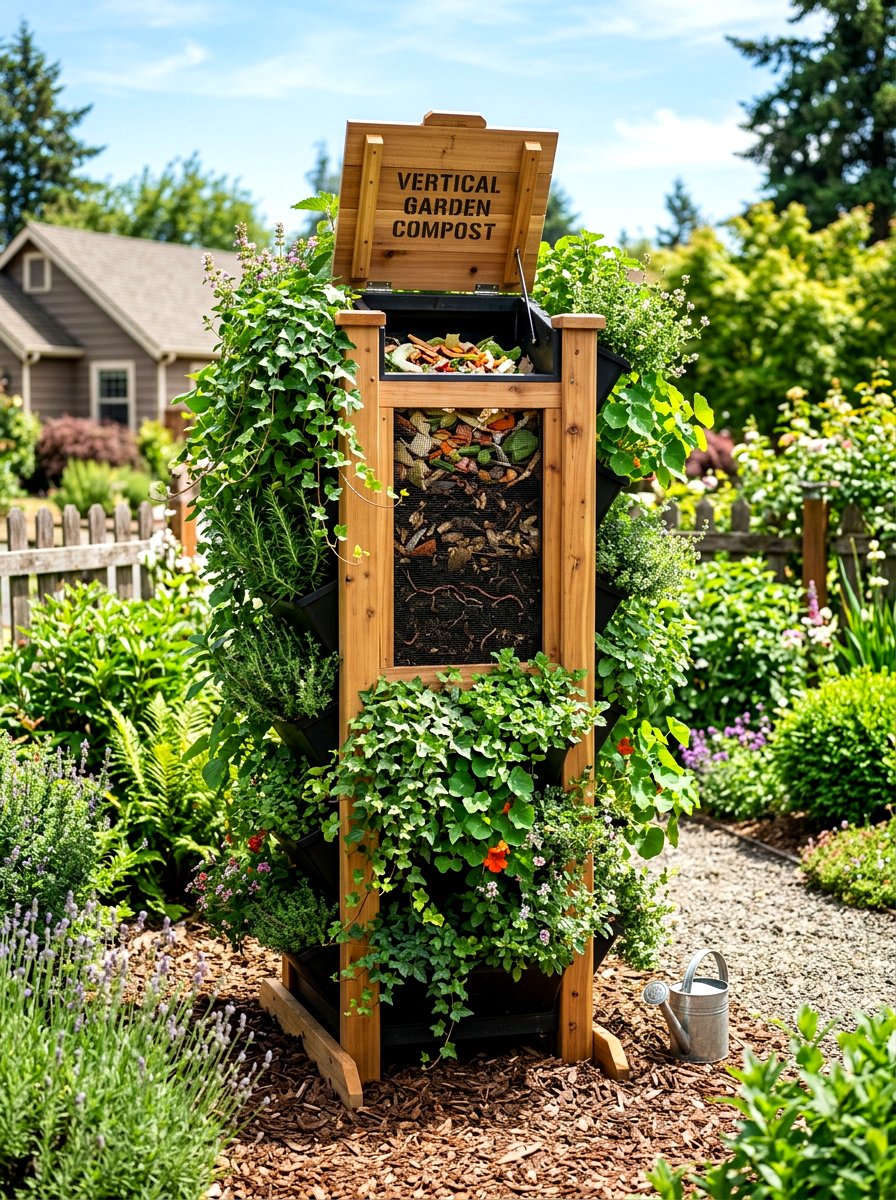
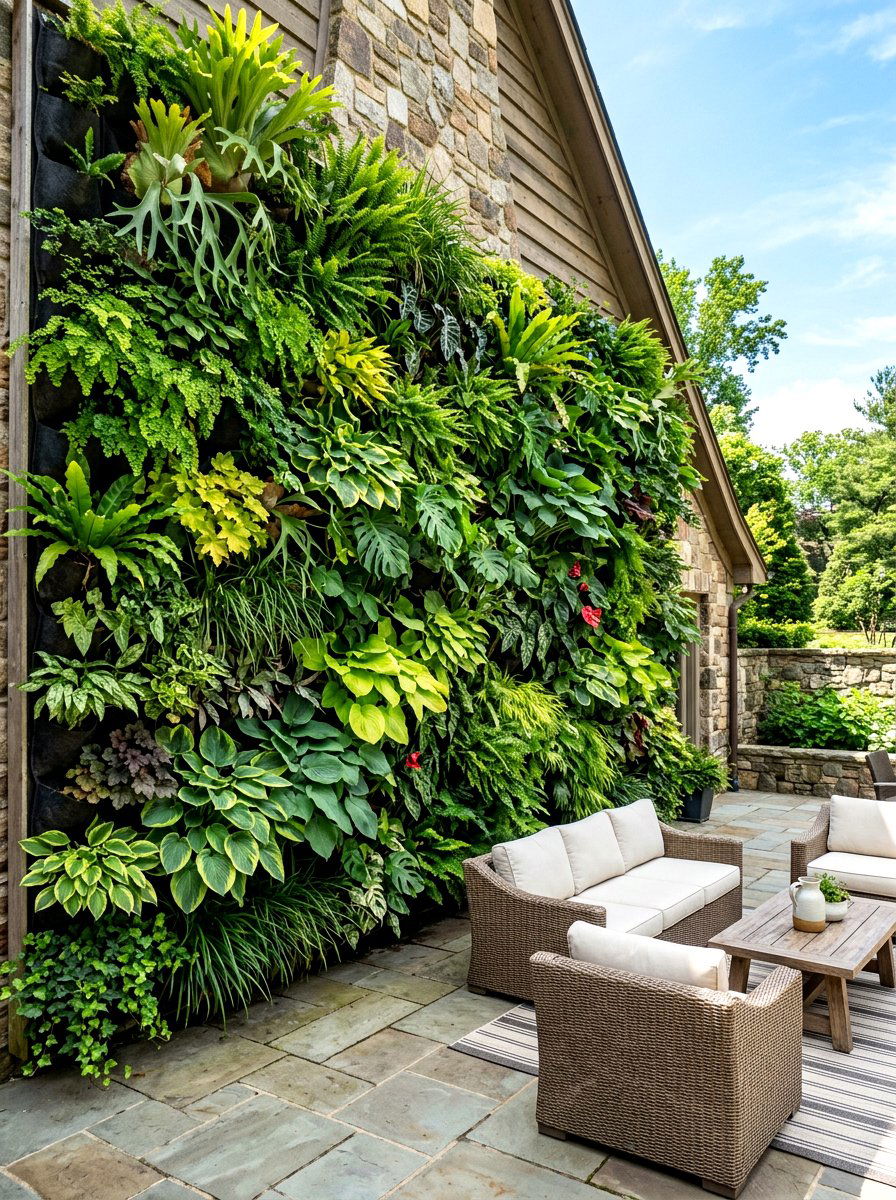
The vertical garden compost bin is a clever dual-purpose design that combines waste recycling with a living wall of plants. You can build a central composting column surrounded by pockets or tiers for growing herbs and flowers. As you add scraps to the center, the nutrients and moisture are distributed to the plants on the exterior, creating a self-fertilizing system. This is a brilliant solution for very tight spaces where you want to maximize both productivity and greenery. It turns a functional bin into a lush, vertical focal point that provides fresh produce while processing your kitchen waste in an innovative way.
18. Small space balcony composter
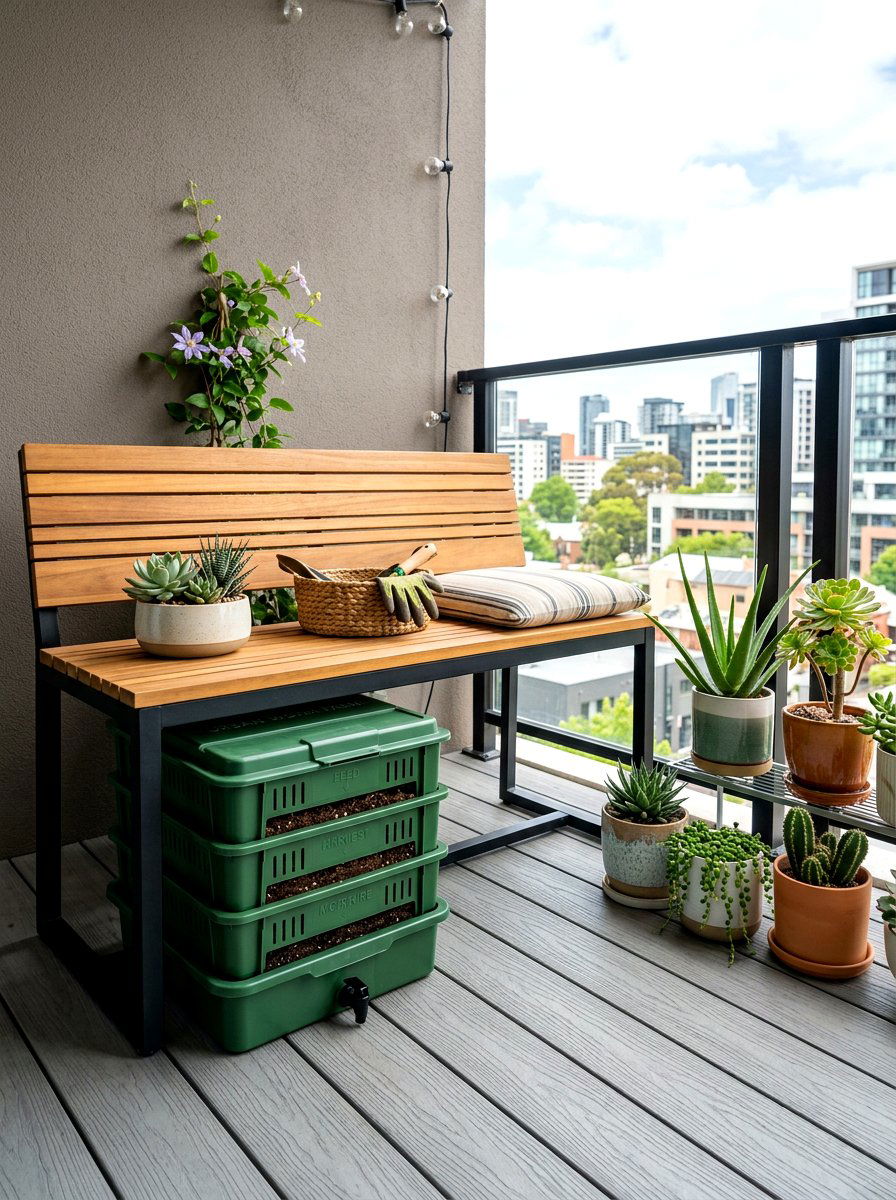
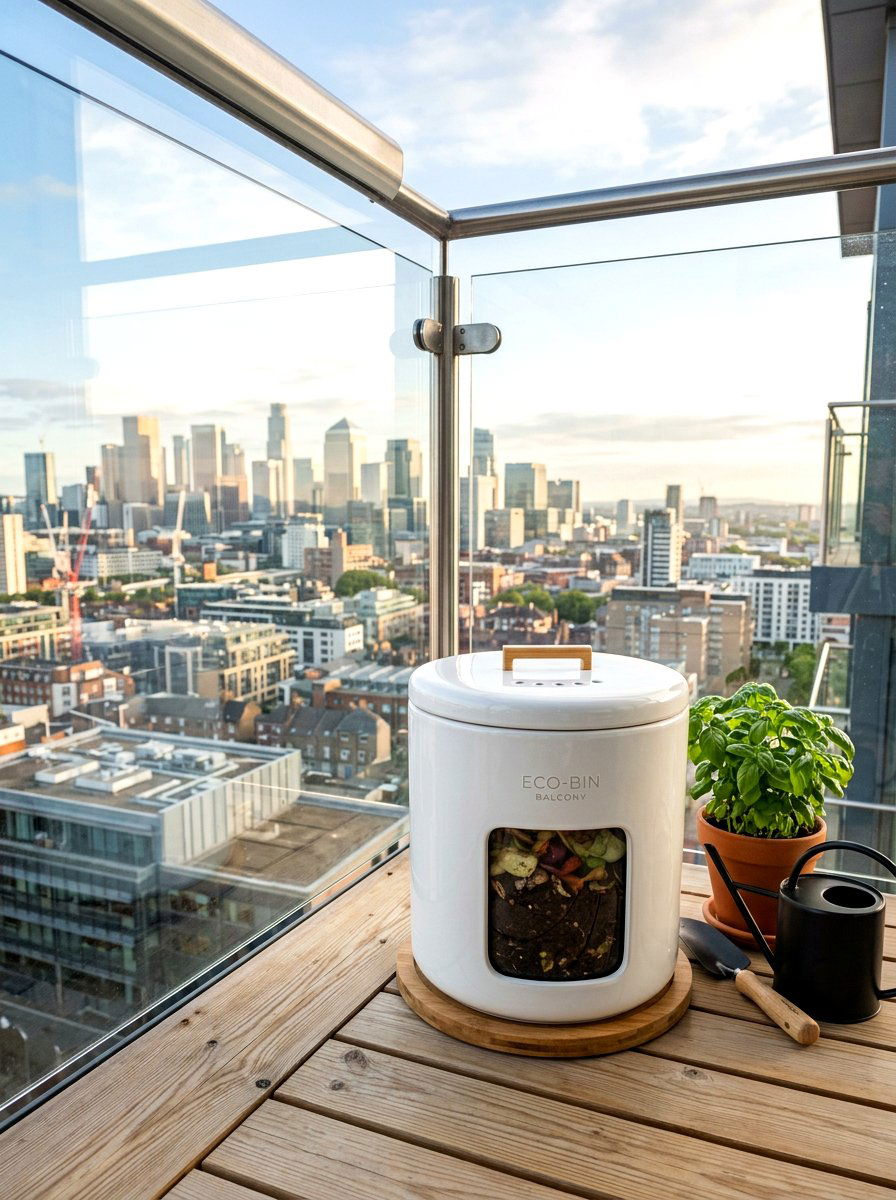
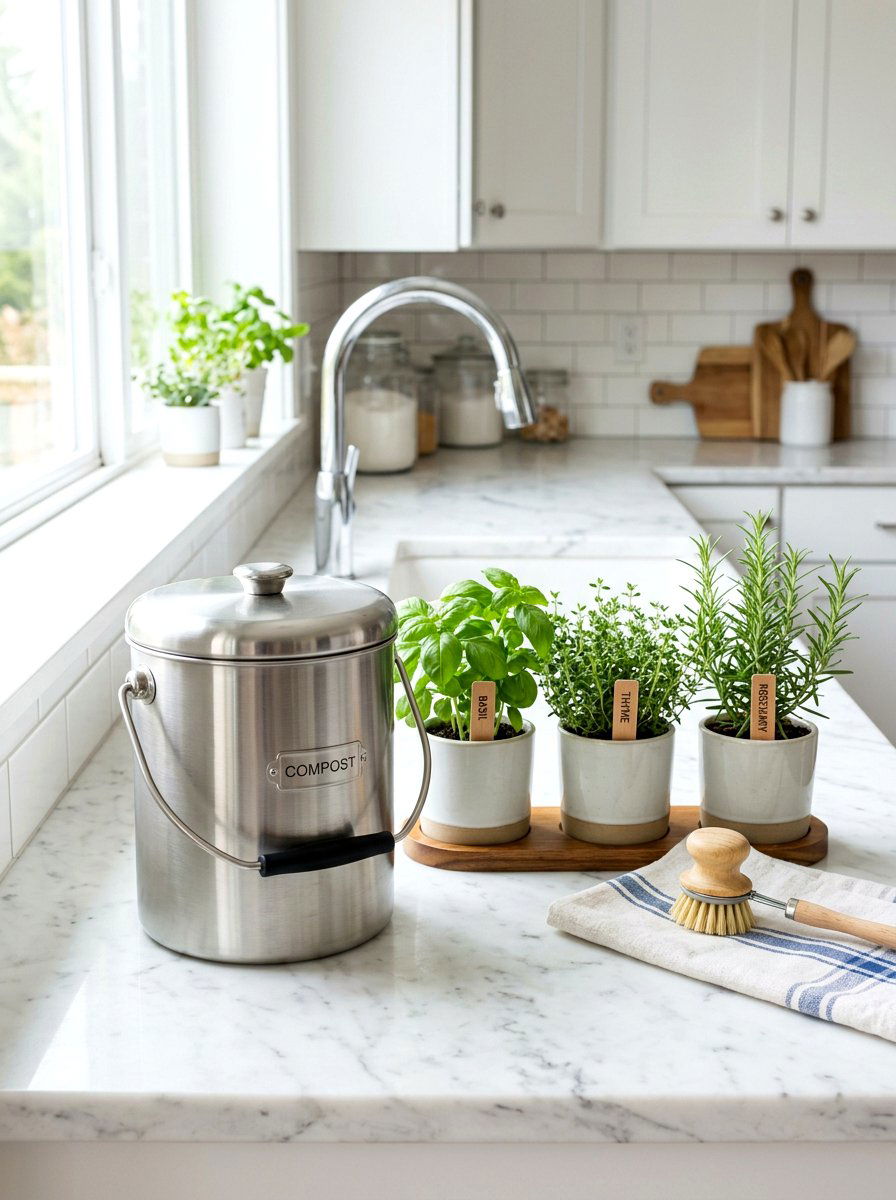
A small space balcony composter is specifically designed for urban dwellers who want to garden sustainably without a backyard. These compact units are often designed as stylish stools or slim containers that can tuck into a corner of a deck or patio. Many utilize Bokashi methods or specialized ventilation to ensure they remain completely odorless, which is vital for close-quarter living. By choosing a model with a sleek, modern finish, you can ensure it blends in with your outdoor decor and seating. It is a powerful way to reduce your carbon footprint while producing rich fertilizer for your balcony planters and window boxes.
19. Recycled trash can composter
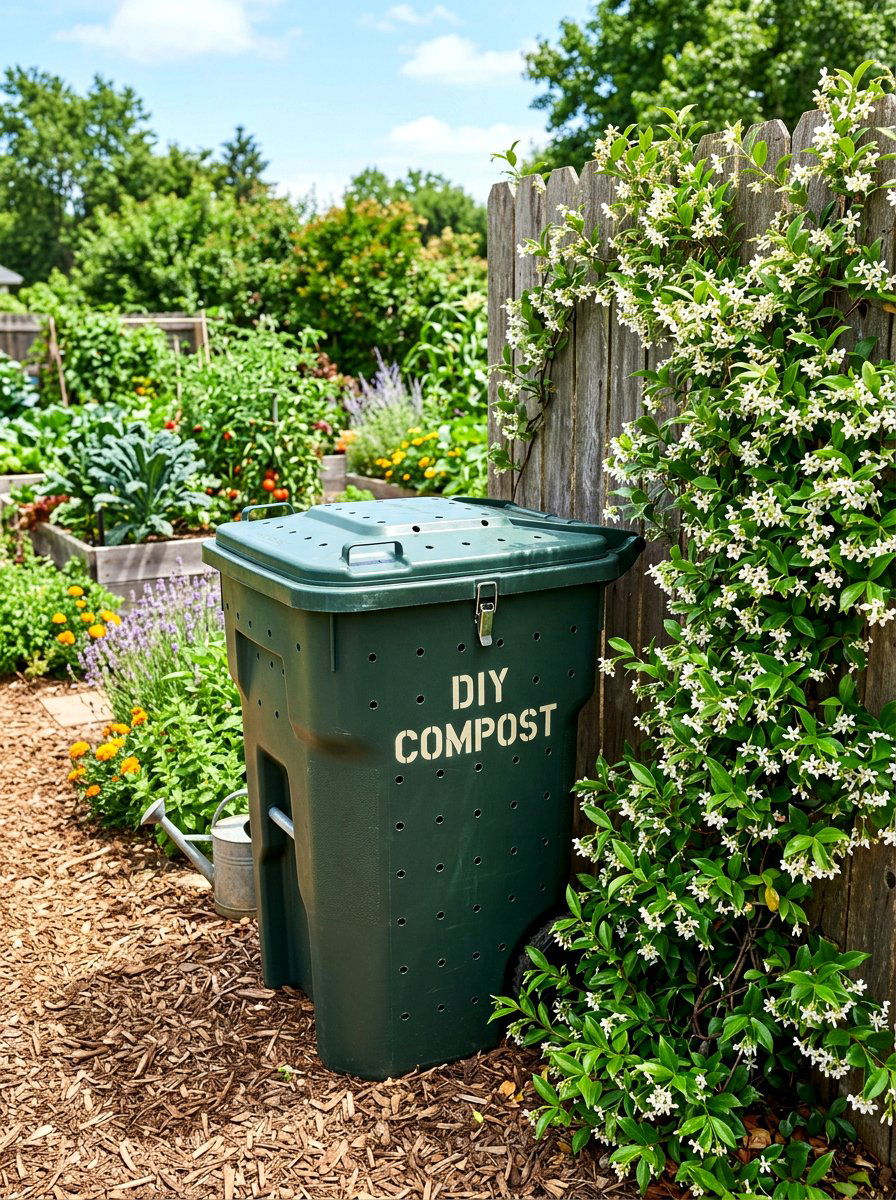
Transforming an old bin into a recycled trash can composter is a fantastic way to save money while creating a functional garden tool. By drilling several holes around the sides and bottom for drainage and airflow, you create a perfect environment for aerobic decomposition. These bins are easy to move around the yard and feature a secure lid that keeps out unwanted pests and rain. If you have a model with wheels, it becomes even more convenient for transporting finished compost to your flower beds. This upcycled project is a great example of how to give new life to household items for a greener lifestyle.
20. Lattice screen compost nook
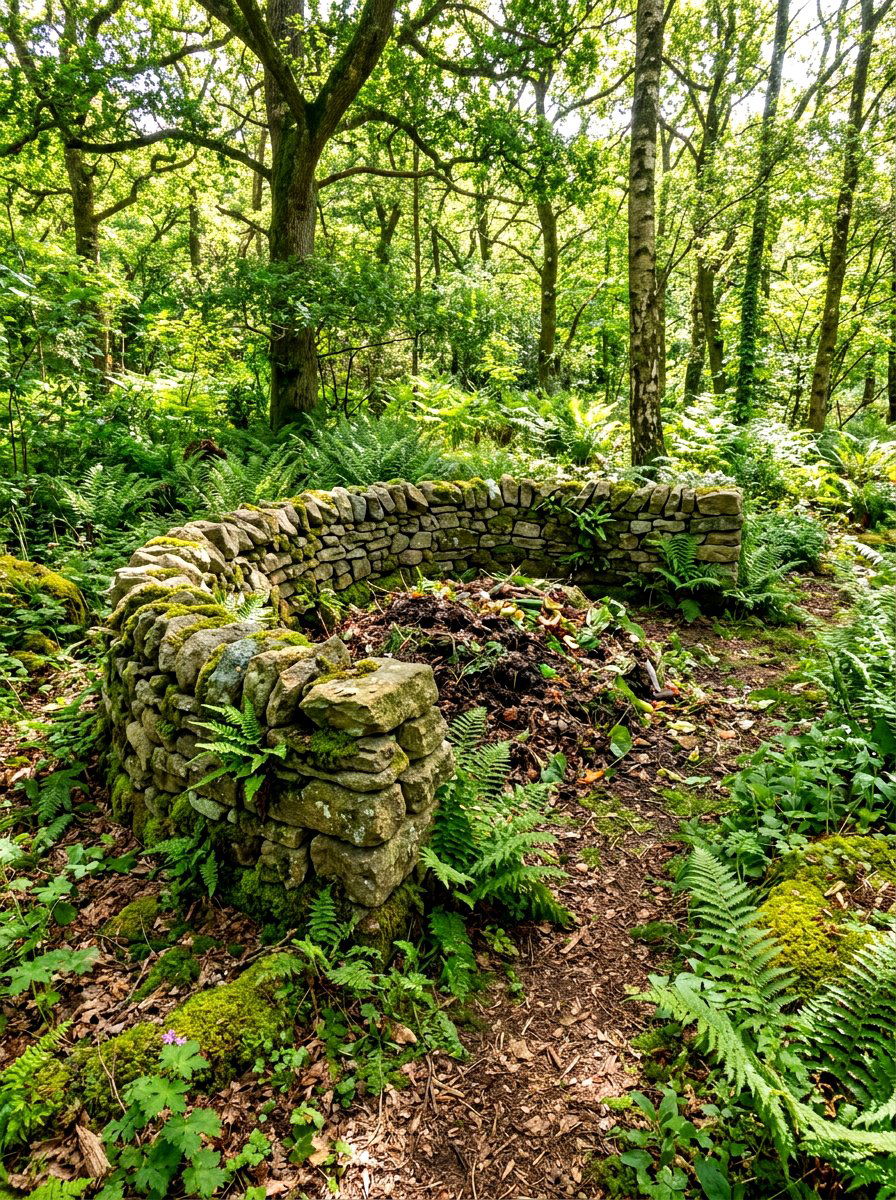
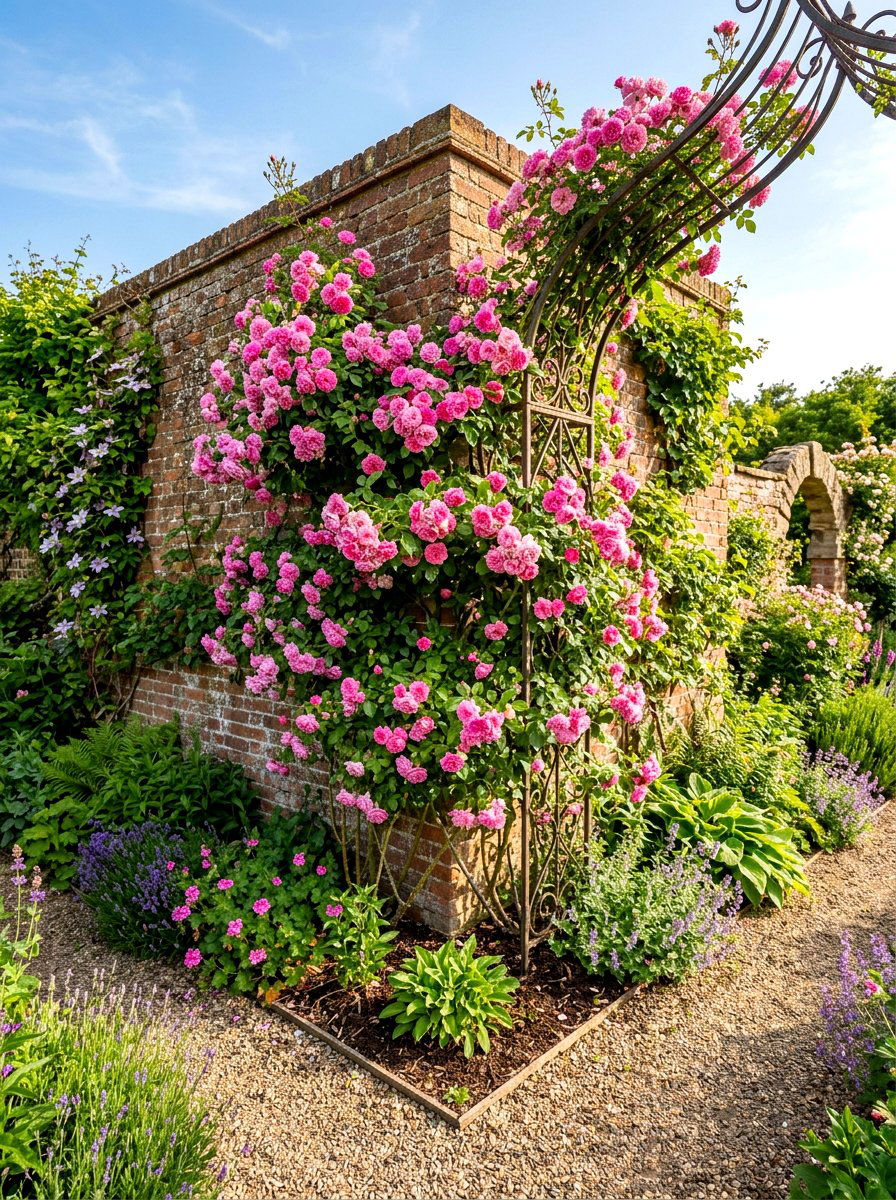
A lattice screen compost nook provides an elegant way to partition off a utility area while maintaining a sense of openness. You can install two or three lattice panels in a corner to create a dedicated room for your compost bins and garden tools. The diamond or square patterns of the lattice allow air to flow through the space while partially obscuring the view of the piles. Training climbing roses or ivy to grow up the panels turns the enclosure into a blooming wall of color. This approach creates a defined and tidy work zone that feels like an intentional part of the garden's architecture.
21. Stone wall compost enclosure
A stone wall compost enclosure is a stunning way to incorporate a composting station into a naturalistic or rugged landscape. Using dry-stack stone techniques, you can build a low wall that perfectly matches the local geology and blends into your garden 's existing stone features. This structure provides incredible insulation, keeping the compost warm throughout the year for consistent results. The heavy stones are extremely durable and will never rot, providing a permanent solution that only looks better as it ages and gathers moss. It is a sophisticated way to handle waste that feels grounded and permanent, adding real character to your backyard' s quiet corners.
22. Hot compost bin
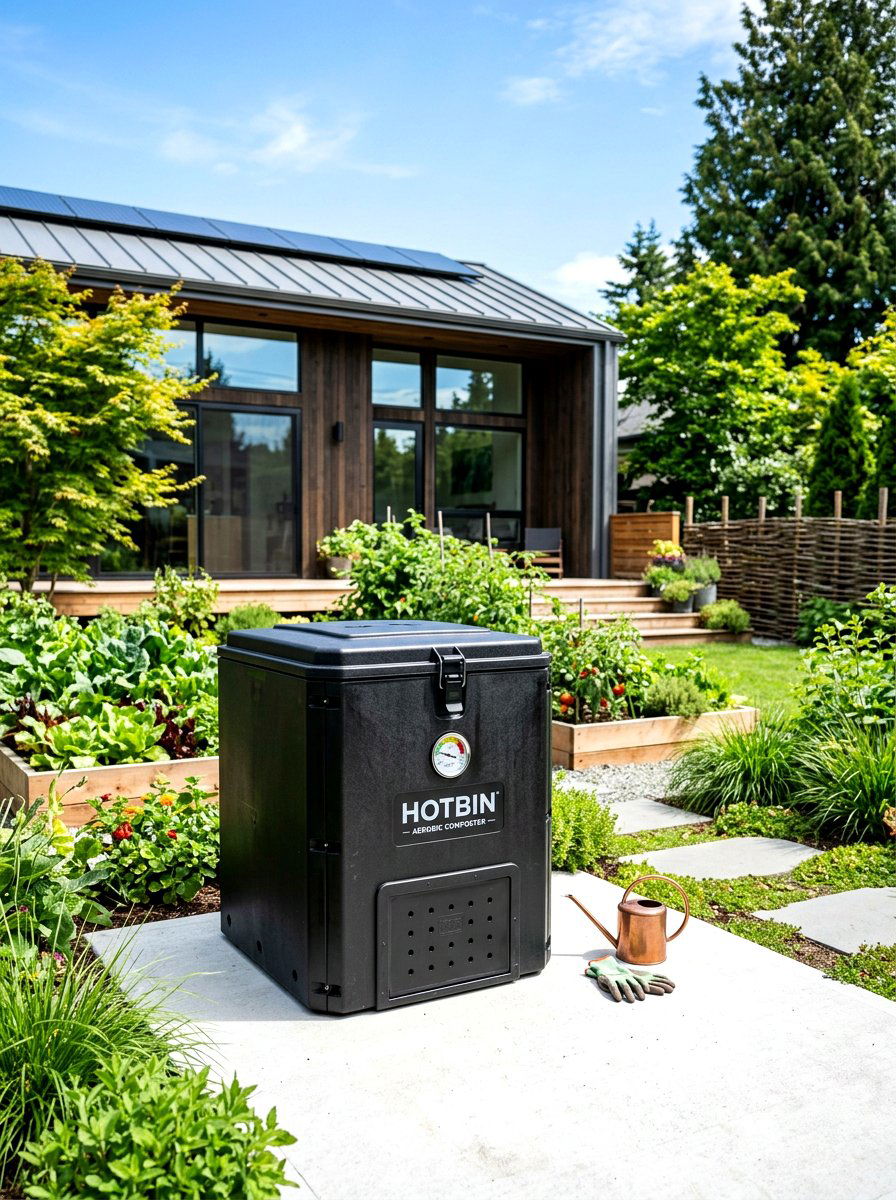
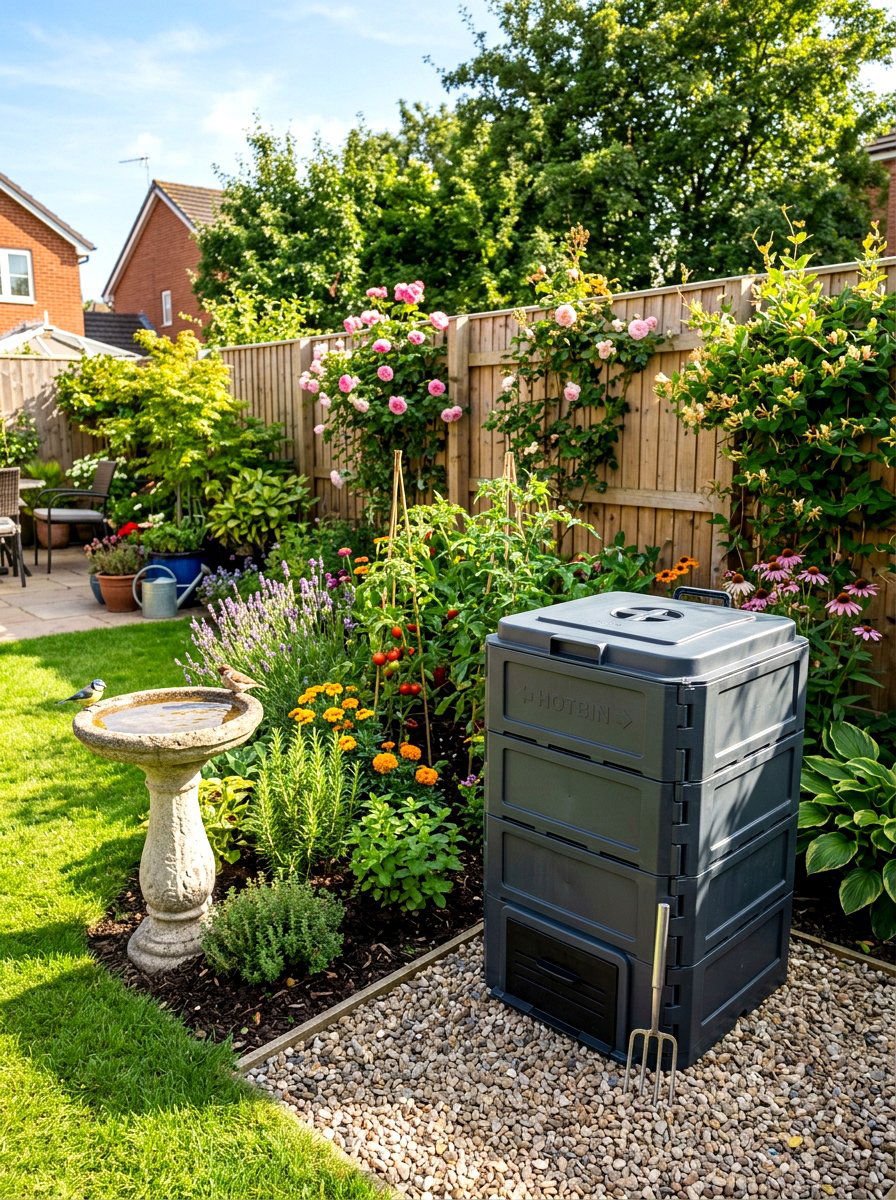
A hot compost bin is a specialized, insulated container designed to maintain high temperatures for rapid decomposition of organic matter. Unlike traditional cold piles, these bins are built to keep the internal heat trapped, which kills weed seeds and pathogens much more effectively. This means you can produce finished, high-quality compost in a fraction of the time, often in just a few months. Most hot bins are designed with a small footprint and a tidy, professional look that fits well in any modern garden. They are an excellent investment for gardeners who want high output and a very clean, organized process in a small area.
23. Aerated pipe compost system
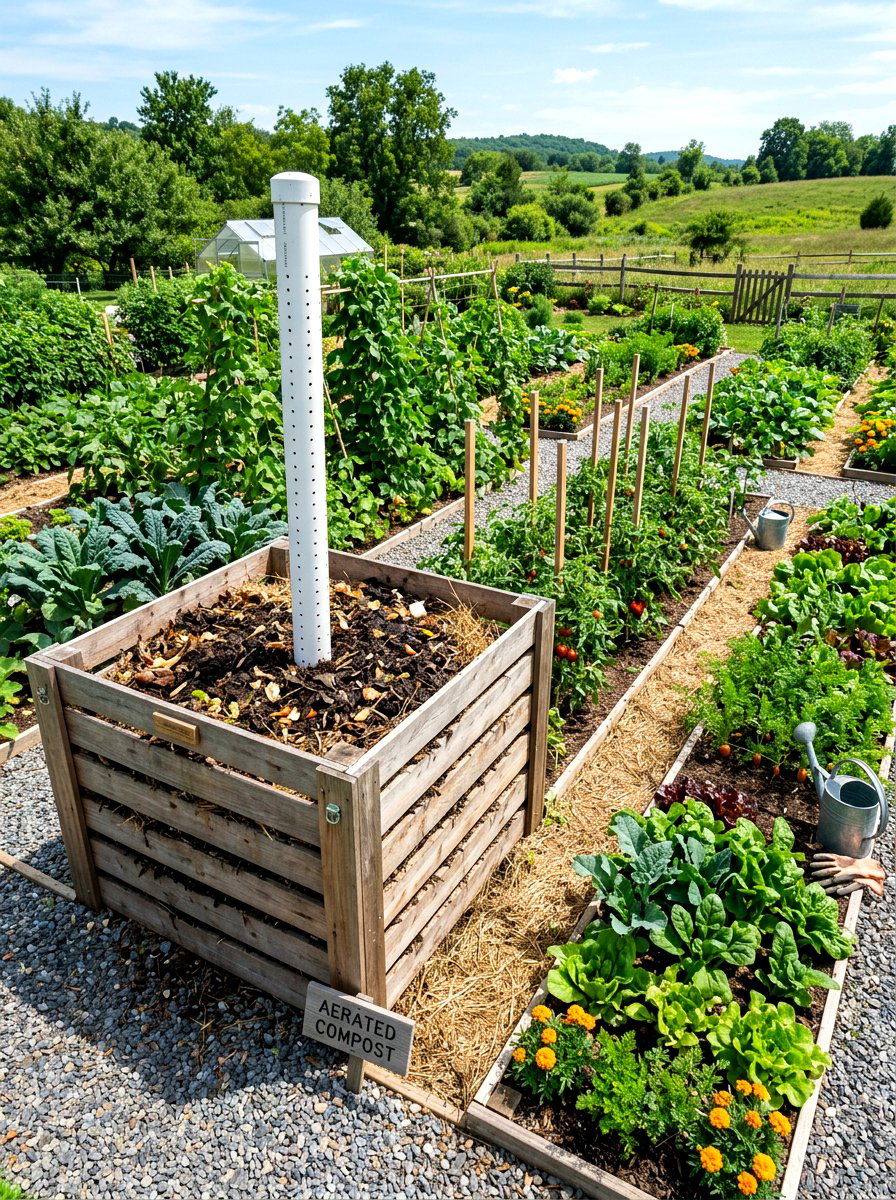
The aerated pipe compost system is a clever DIY hack for those who want to avoid the physical labor of turning their compost. By placing a perforated PVC pipe or a wire mesh cylinder vertically in the center of your pile, you create a chimney that draws fresh air into the core. This constant supply of oxygen keeps the microbes happy and prevents the pile from becoming smelly or stagnant. This technique works with almost any bin design, from pallets to plastic containers, and significantly speeds up the breakdown process. it is a "set it and forget it" approach that makes composting much more accessible.
24. Log cabin compost heap
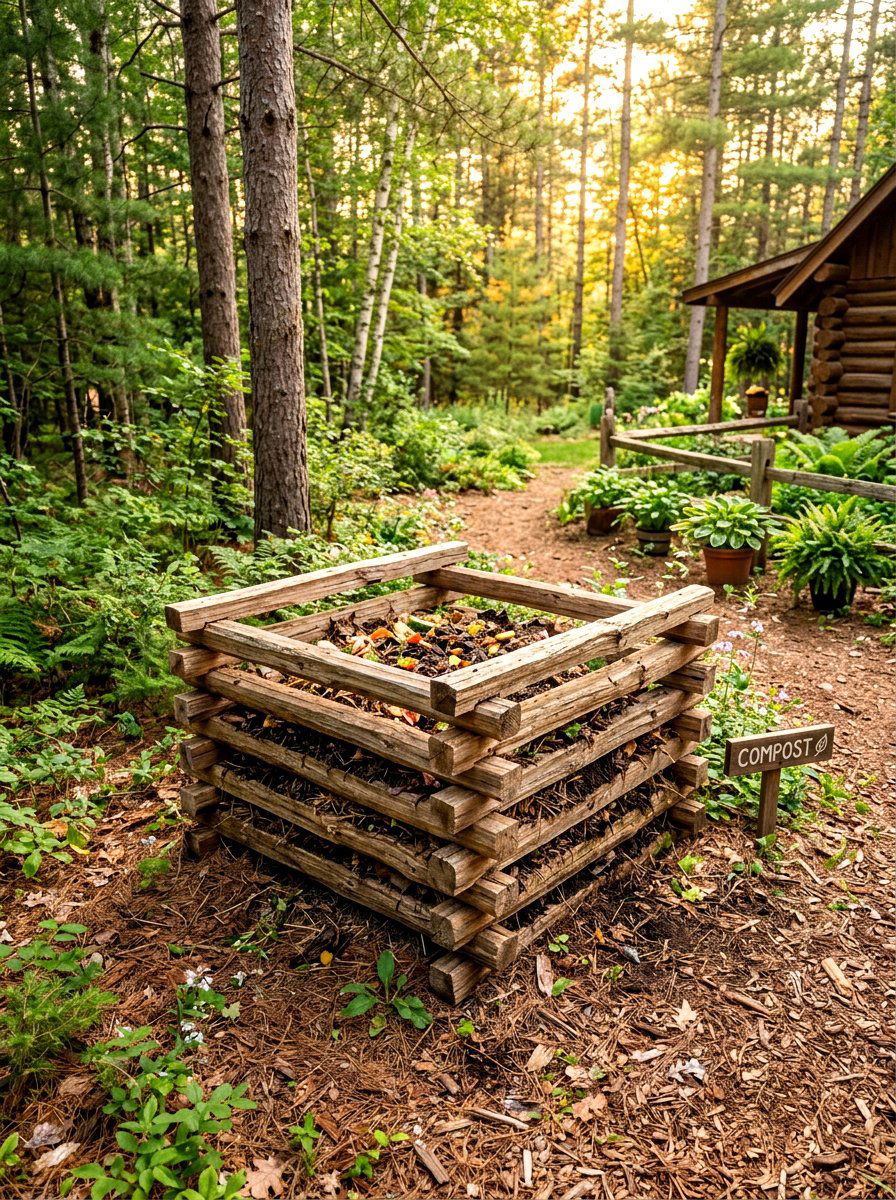
A log cabin compost heap is a charming and rustic way to contain your waste using natural timber from your own property. By notched and stacking small logs in a square pattern, you create a sturdy and attractive bin that looks like a miniature cabin. This design is perfect for wooded lots or large country gardens where a plastic bin would look out of place. The thick logs provide excellent insulation for the pile while the gaps between them allow for essential ventilation. Over time, the logs themselves will slowly break down on the inside, contributing even more organic matter to your garden soil.
25. Stackable plastic compost bin
A stackable plastic compost bin offers great flexibility for gardeners who need a system that can grow or shrink with their waste production. These units consist of several interlocking rings or trays that can be piled on top of each other as the heap increases. This modular design makes it very easy to harvest finished compost from the bottom while continuing to add fresh material to the top. The lightweight plastic is durable and weather-resistant, and the dark color helps absorb sunlight to keep the process moving quickly. It is a very practical and user-friendly option for families who have a fluctuating amount of kitchen scraps.
26. Underground worm farm
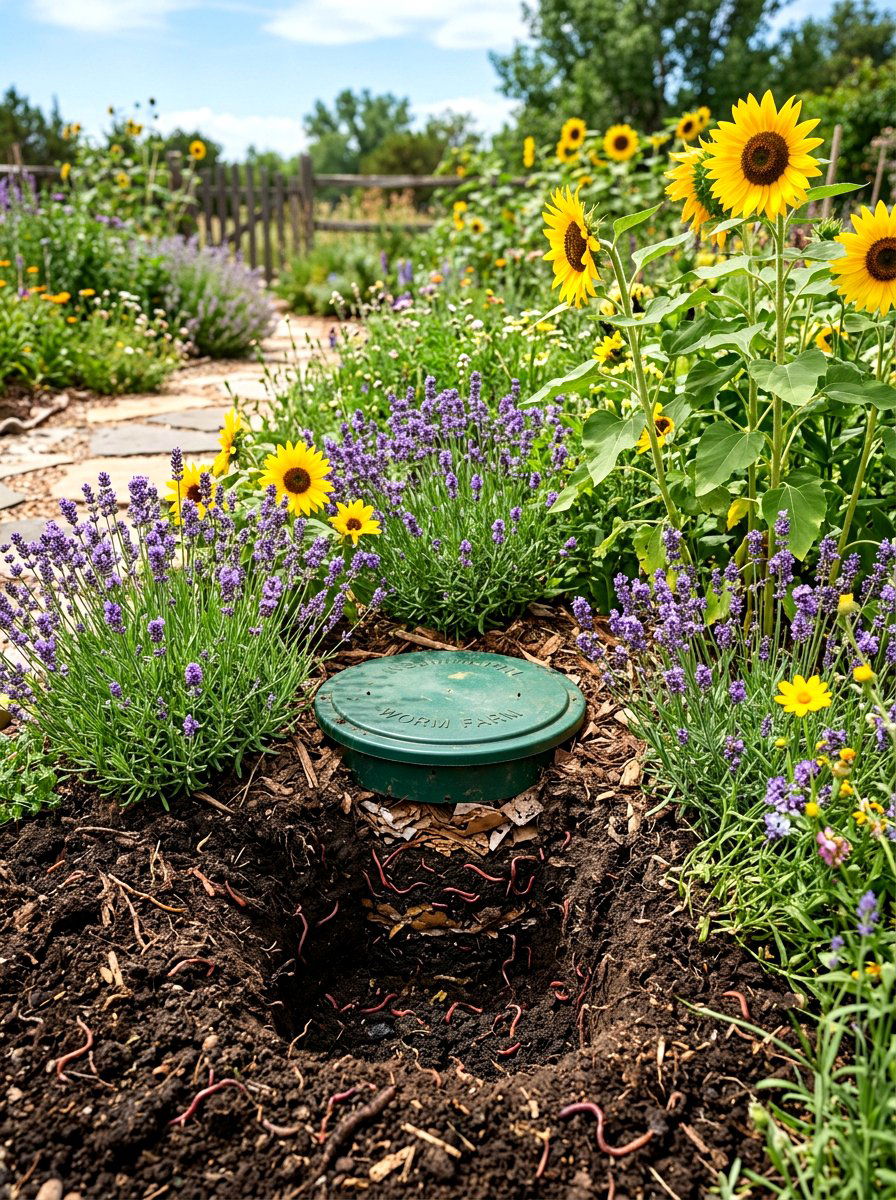
An underground worm farm is a discreet way to compost directly in your garden beds without any visible structures on the surface. These systems typically involve a perforated tube or bucket buried in the soil with a decorative lid at the top for adding scraps. The worms live in the tube but move freely into the surrounding garden soil, aerating the ground and spreading nutrients as they go. This is a brilliant way to feed your plants "in-situ" and is particularly effective for heavy-feeding vegetables like tomatoes. It keeps the worms safe from extreme temperatures while providing a convenient way to recycle your kitchen waste.
27. Leaf mold cage
A leaf mold cage is a specialized composting corner dedicated to the slow decomposition of autumn leaves into a rich soil conditioner. Since leaves take longer to break down than green kitchen waste, they benefit from being kept in their own simple wire mesh enclosure. A large, circular cage made of chicken wire allows the wind to blow through while keeping the leaves from scattering across your yard. After a year or two, the leaves turn into a dark, crumbly material that is perfect for improving soil moisture and structure. It is a quiet and low-maintenance way to handle a massive amount of seasonal yard debris.
28. Dual chamber compost tumbler
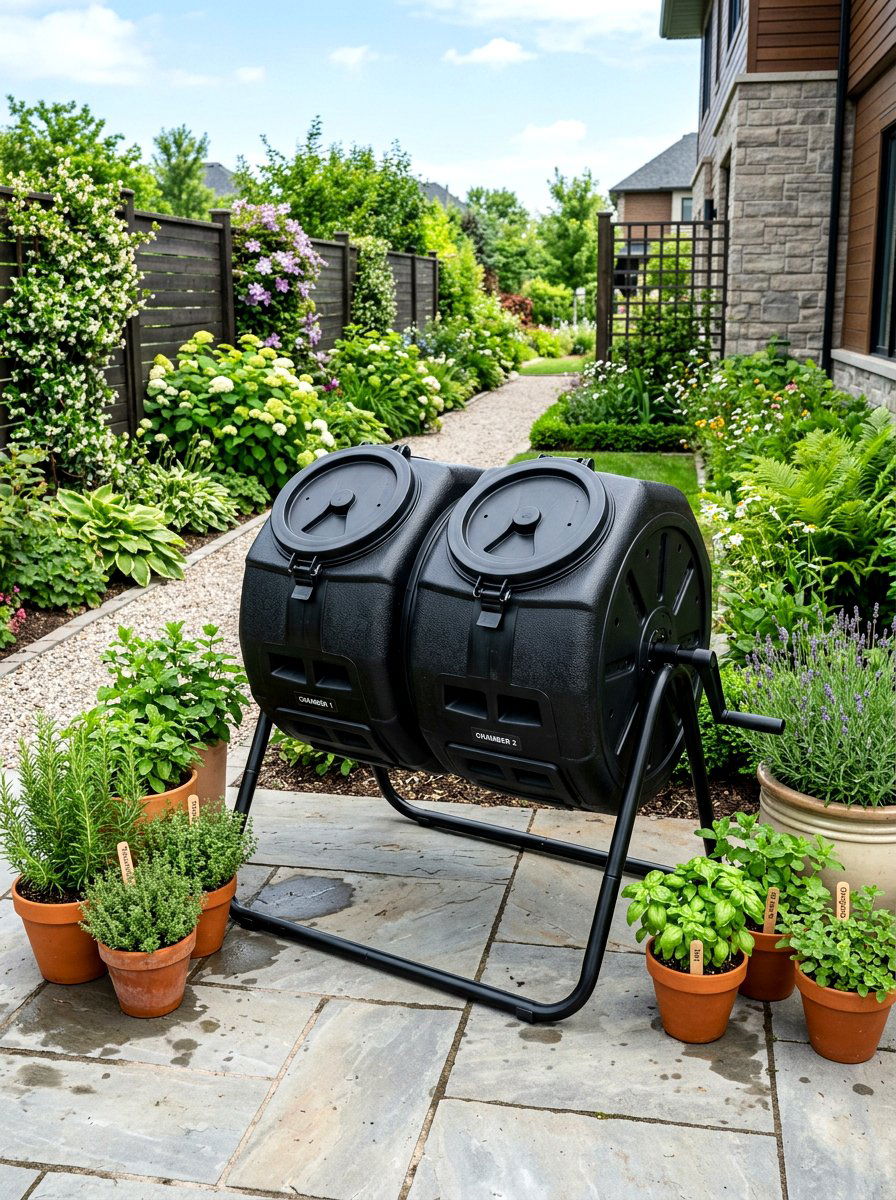
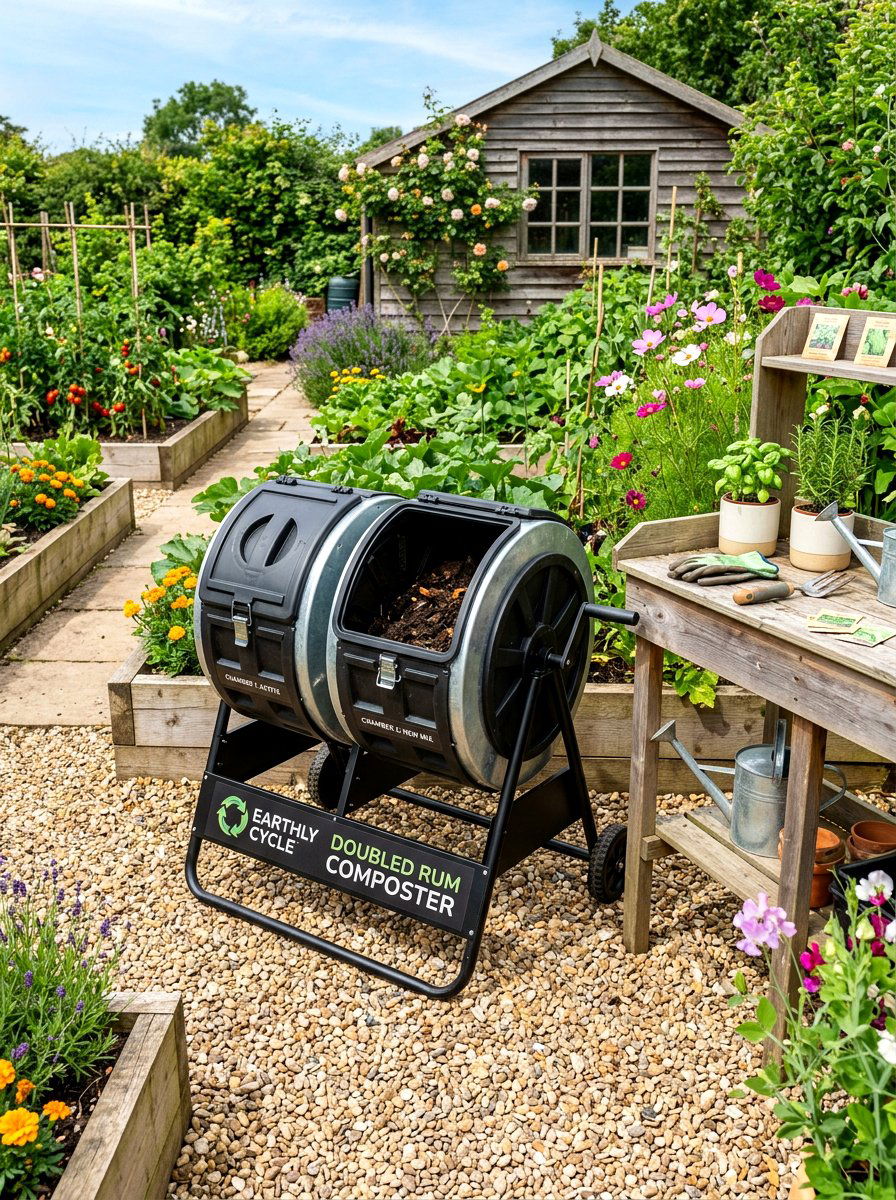
The dual chamber compost tumbler is the ultimate tool for a continuous composting cycle in a compact garden space. With two separate compartments, you can fill one side with waste while the other side finishes its decomposition process undisturbed. This eliminates the common problem of having to wait for a single pile to finish before you can add more fresh scraps. Once one side is ready to be harvested, you simply empty it and start a new batch, alternating between the two chambers forever. It is a highly efficient and very tidy system that ensures you always have a fresh supply of garden gold ready.
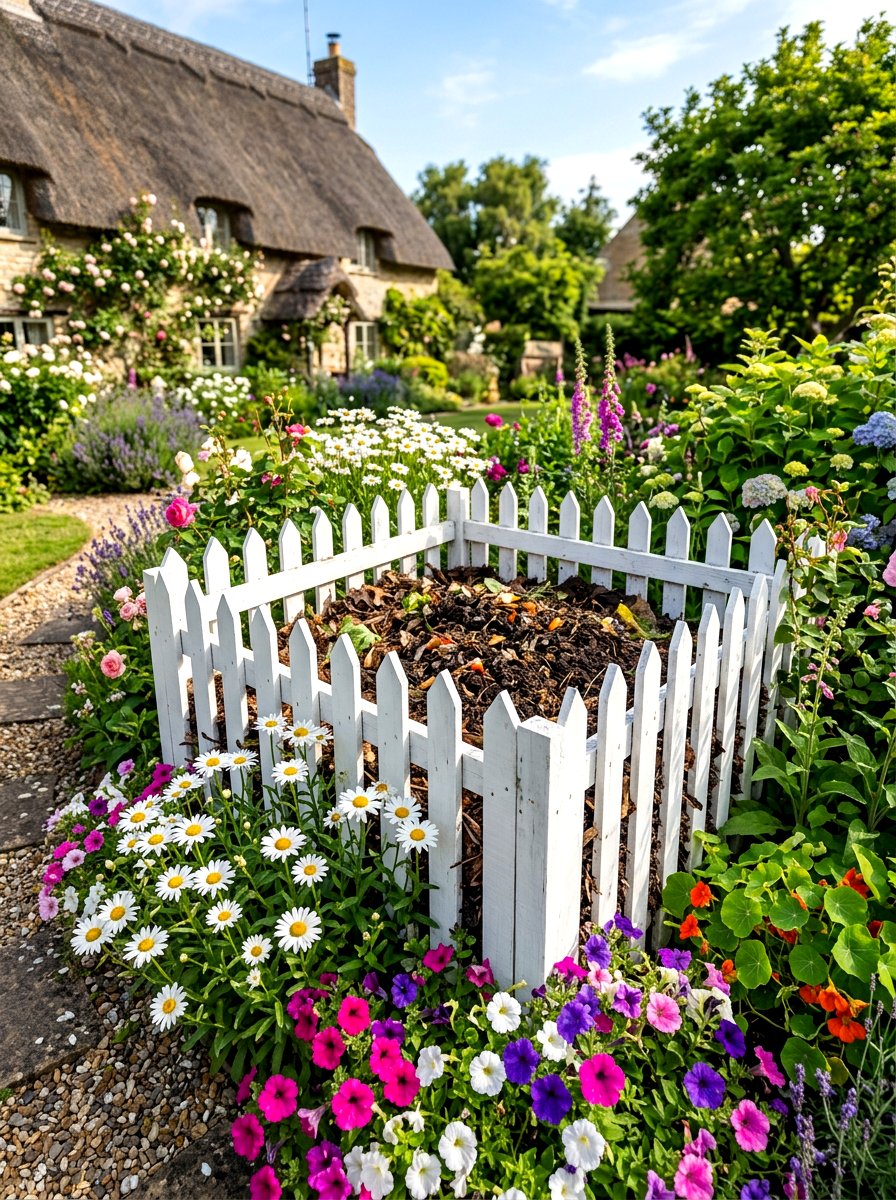
29. Picket fence compost bin
A picket fence compost bin is a delightful way to disguise your composting area as a miniature garden feature. By using short lengths of picket fencing to build the walls of your bin, you create a look that perfectly complements a cottage-style home. You can paint the pickets white for a classic look or leave the wood natural for a softer appearance in the garden. This design allows for plenty of airflow through the gaps in the pickets while keeping the pile neatly contained. It is a charming way to bring a touch of traditional decor to the more utilitarian parts of your backyard landscaping.
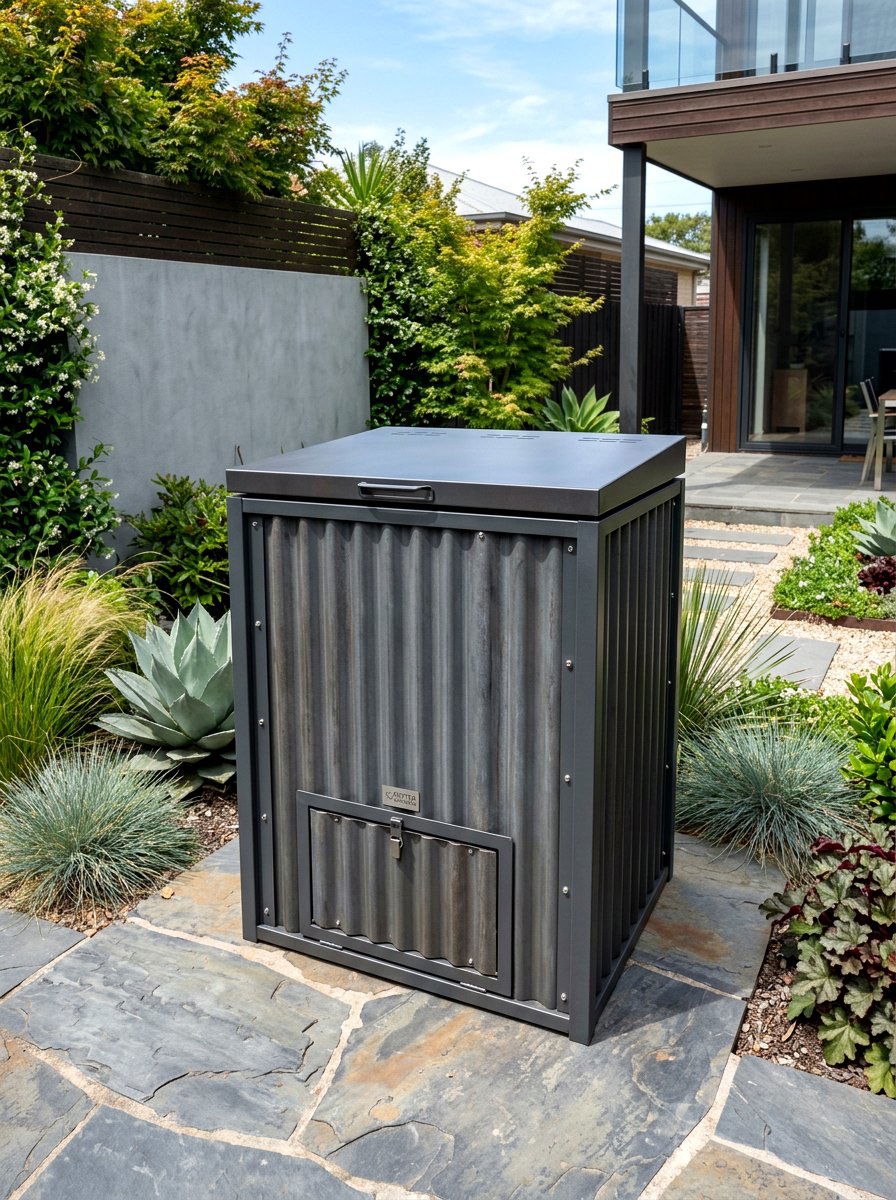
30. Modern metal compost bin
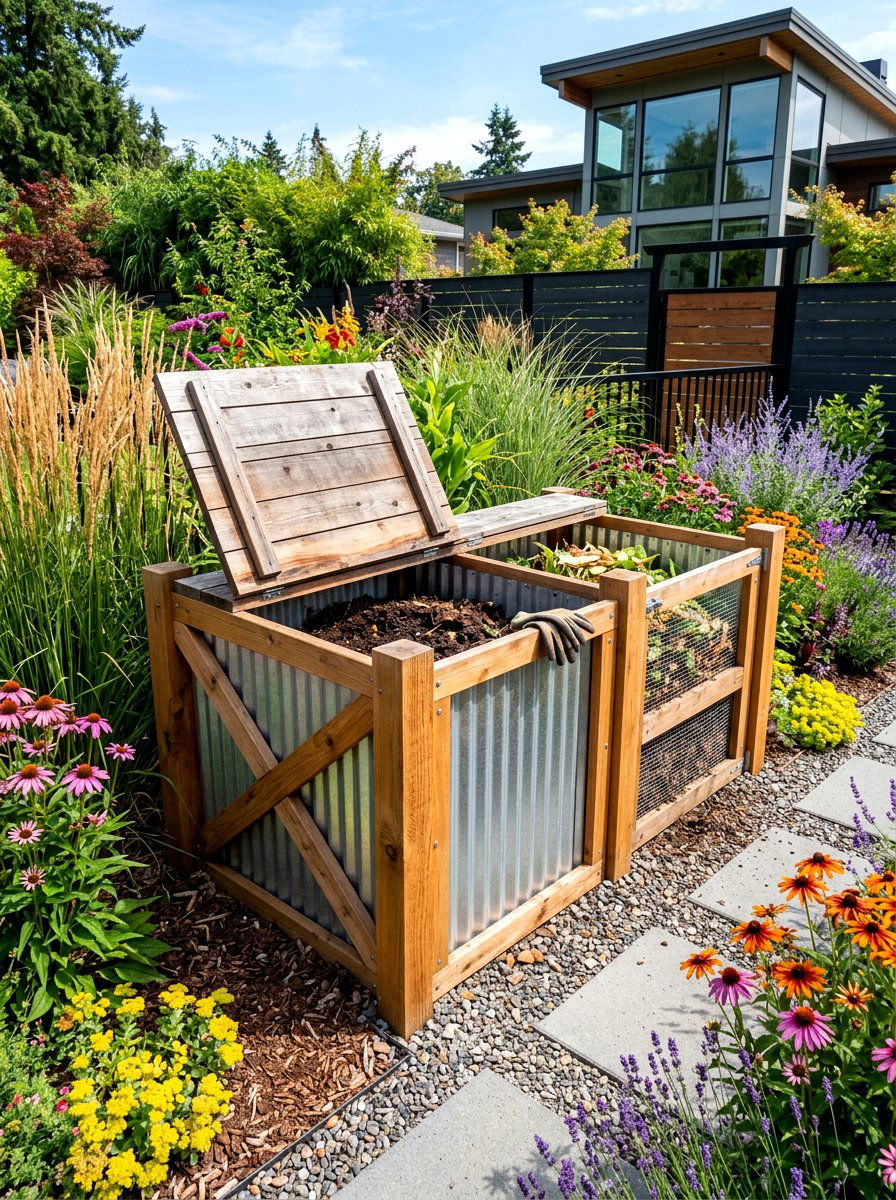
A modern metal compost bin provides a sleek and industrial look that fits perfectly in contemporary garden designs. These bins are often made from corrugated steel or powder-coated aluminum, making them incredibly durable and resistant to the elements. The reflective or dark surfaces can help heat up the pile, while the sturdy construction ensures that no rodents can chew their way inside. Many modern designs feature clean lines and minimalist hardware, turning the composter into a high-end architectural element rather than an eyesore. It is a great choice for urban courtyards where style is just as important as the ecological function of the garden.
Conclusion:
Finding the perfect compost corner for your garden is a journey that combines ecological responsibility with creative outdoor design. Whether you choose a hidden underground pit, a rustic pallet structure, or a sleek modern tumbler, you are taking a significant step toward a more sustainable and productive landscape. Each of these thirty ideas offers a unique way to turn your household waste into a valuable resource that will nourish your plants for years to come. By integrating these systems into your garden's aesthetic, you prove that being eco-friendly can also be incredibly beautiful. Start your composting journey today and watch your garden flourish with natural vitality.

Related posts: