Starting your own composting journey is one of the most rewarding steps you can take toward a sustainable lifestyle and a thriving garden. By transforming everyday kitchen scraps and yard waste into nutrient-rich "black gold, " you not only reduce the amount of waste sent to landfills but also provide your soil with essential organic matter. Whether you have a sprawling backyard or a compact city balcony, there is a perfect setup waiting to be discovered. This guide explores thirty diverse and practical approaches to managing organic waste, ranging from rustic wooden structures to sleek modern appliances. You will learn how different materials, ventilation styles, and sizes can drastically impact the speed and quality of your finished compost. Embracing these techniques allows you to close the loop in your personal ecosystem, ensuring that nothing goes to waste while your plants receive the very best natural nourishment possible throughout the growing seasons.
1. Wooden Pallet Compost Bin
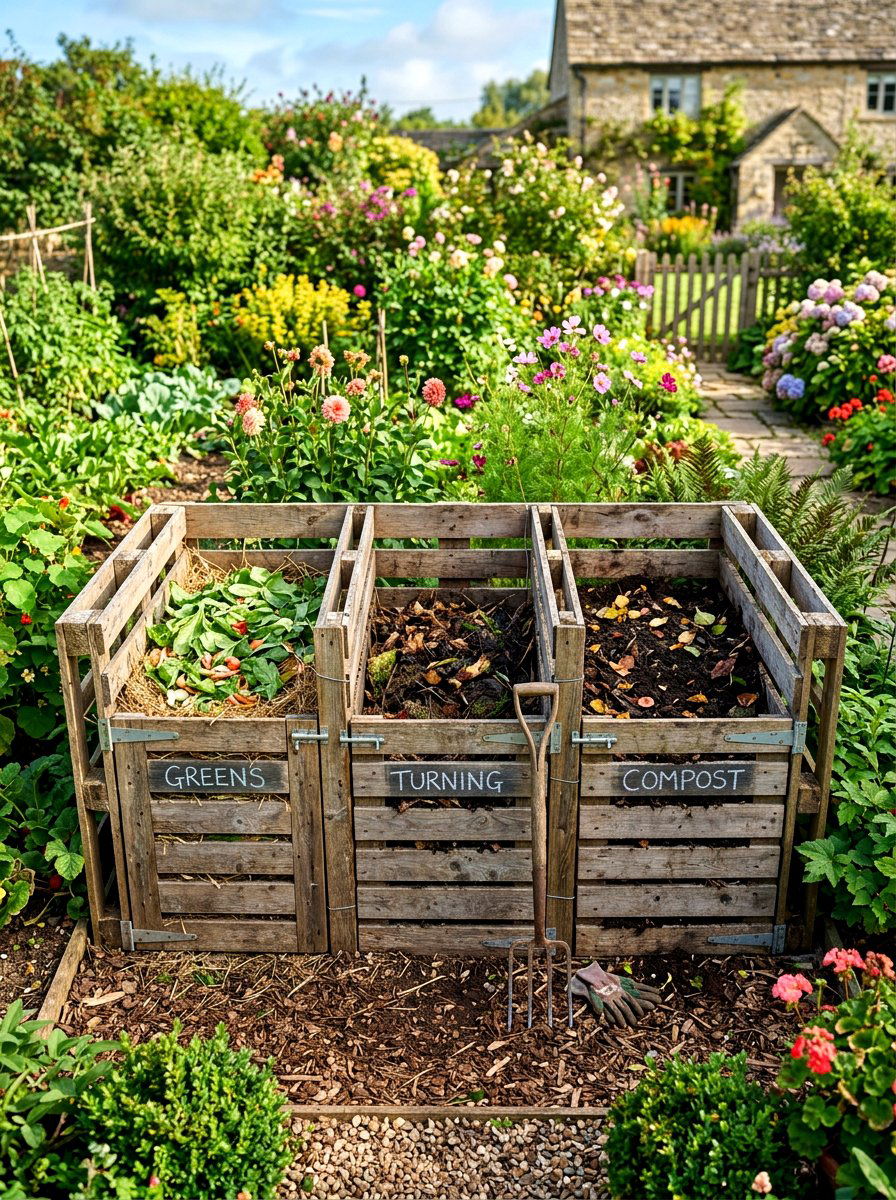
Building a sturdy containment system using repurposed wooden pallets is an excellent way to recycle materials while creating a functional garden feature. These bins are highly valued for their exceptional airflow, which is facilitated by the natural slats in the pallet design. To assemble this, you simply need four pallets and some heavy-duty zip ties or screws to secure the corners. Many gardeners prefer this method because it costs almost nothing and can be sized to fit large amounts of yard waste easily. The open-top design allows rain to keep the pile moist, while the breathable sides prevent the core from becoming too compacted or anaerobic during decomposition.
2. Plastic Tumbling Compost Bin
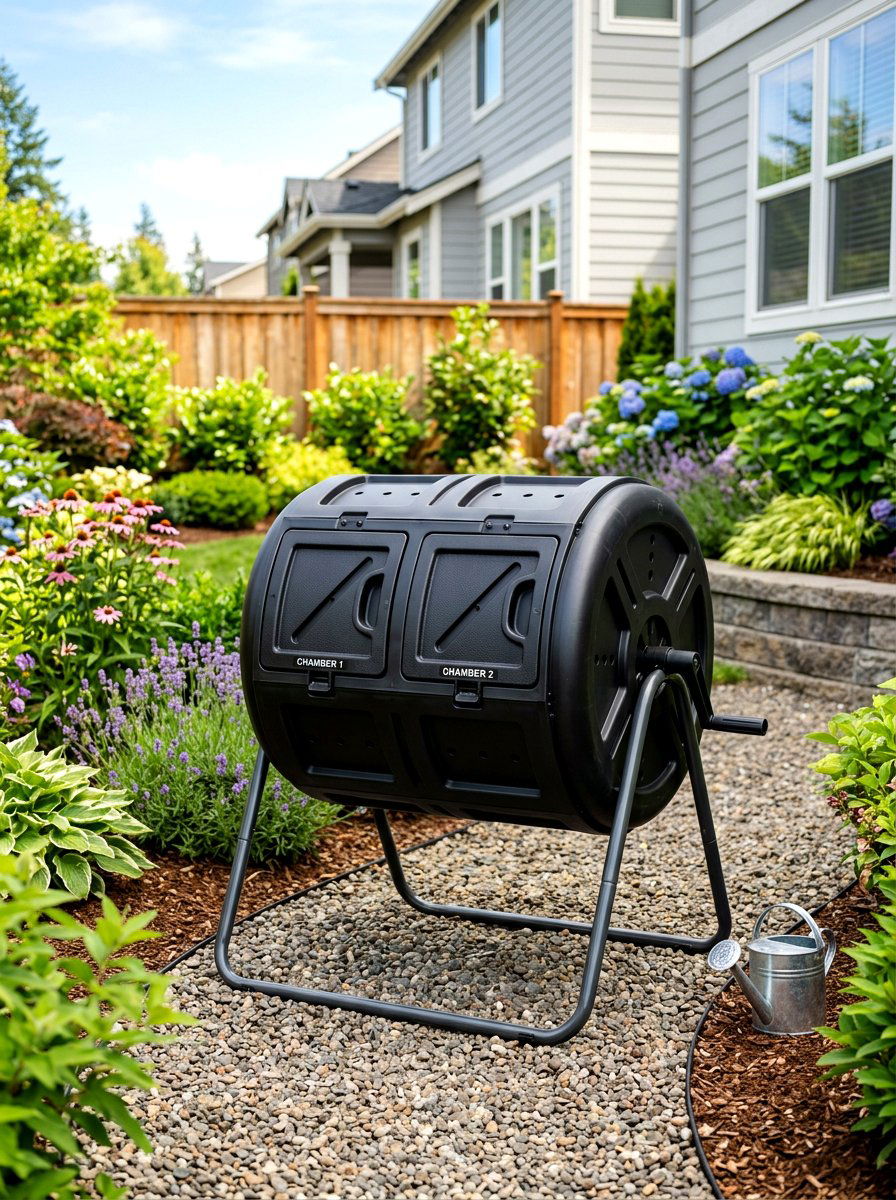
If you are looking for a quick and mess-free way to process organic waste, a rotating plastic tumbler is an ideal choice. These units are typically elevated on a metal frame, which prevents pests like rodents from reaching your scraps. The primary advantage of a tumbler is the ease of aeration; instead of using a pitchfork to turn heavy piles, you simply spin the barrel a few times a week. This regular movement introduces oxygen to the center of the pile, significantly speeding up the decomposition process. Most models feature dual chambers, allowing you to fill one side while the other finishes its final curing phase.
3. Kitchen Countertop Compost Pail
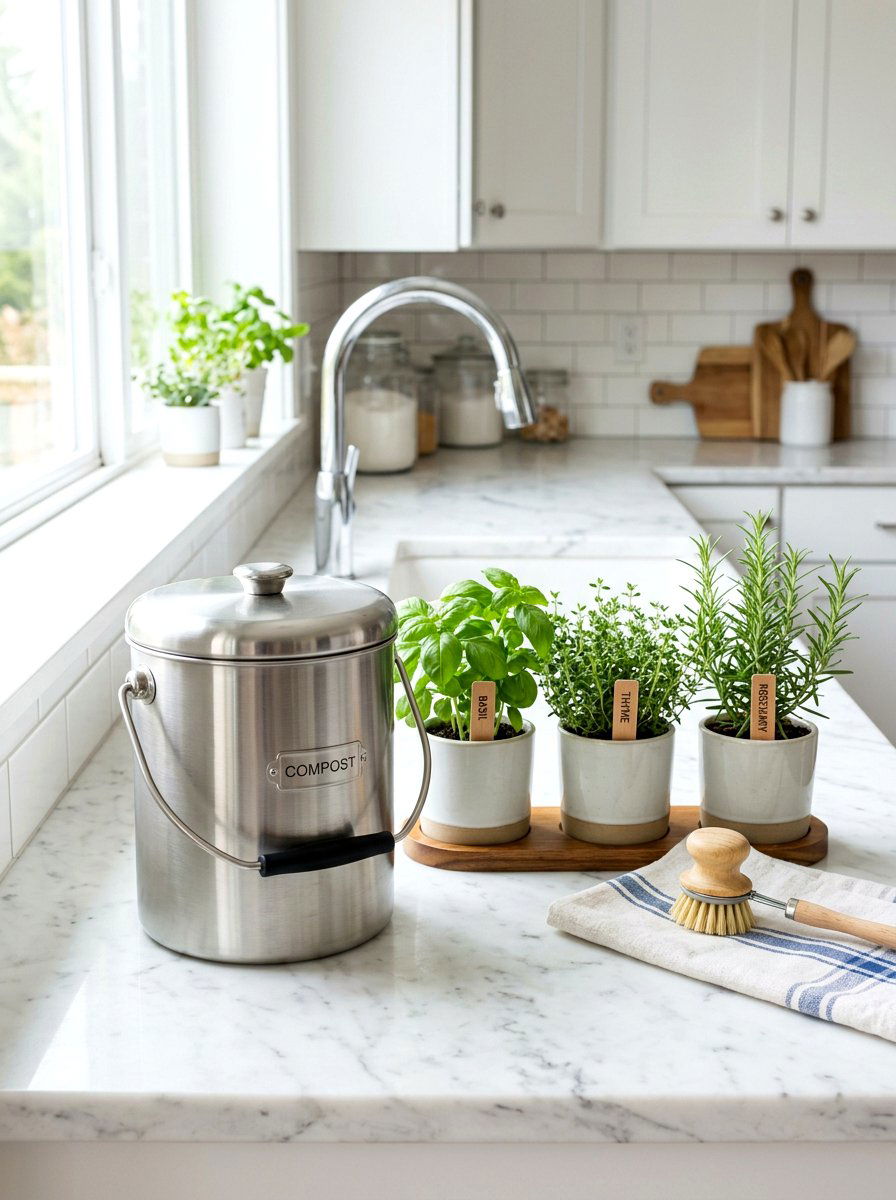
Managing food waste starts right at the source with a compact and stylish countertop pail designed for temporary storage. These small containers are perfect for collecting fruit peels, coffee grounds, and eggshells before they are moved to a larger outdoor system. Most modern versions include a replaceable charcoal filter in the lid to trap odors, ensuring your kitchen stays fresh and clean. Because they are often made from stainless steel or ceramic, they look great sitting next to your appliances. Using a dedicated pail makes the habit of composting much more convenient, as it eliminates the need to run outside every time you finish preparing a meal.
4. Wire Mesh Garden Bin
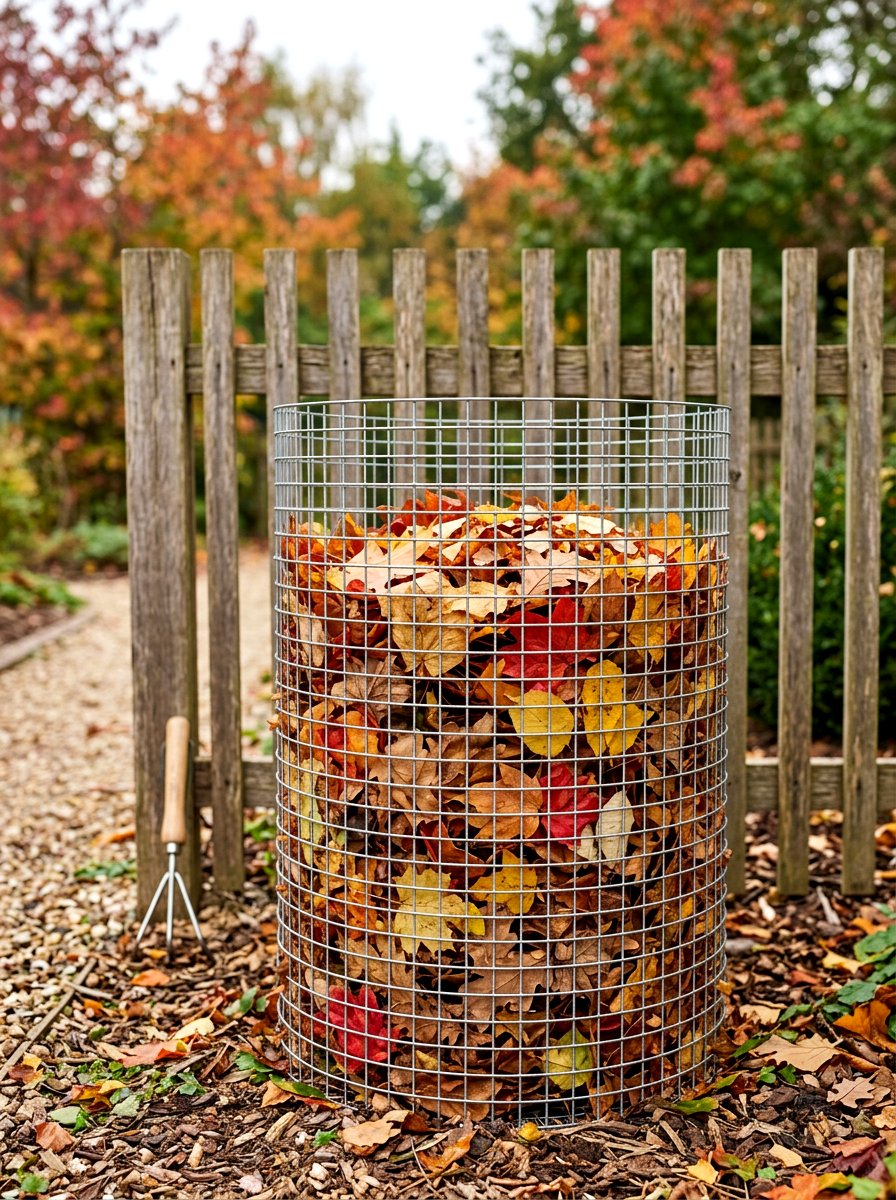
For gardeners who prioritize simplicity and low costs, a wire mesh enclosure offers a straightforward solution for managing large volumes of leaves and grass clippings. These bins are often constructed from rolls of hardware cloth or chicken wire formed into a cylinder. The maximum ventilation provided by the mesh ensures that the pile stays well-oxygenated, which is crucial for preventing unpleasant smells. While they may not retain as much heat as solid-walled bins, they are perfect for cold composting or storing autumn leaves for later use. Their lightweight nature also makes them incredibly easy to move around the garden as your landscaping needs change.
5. Brick And Mortar Compost Station
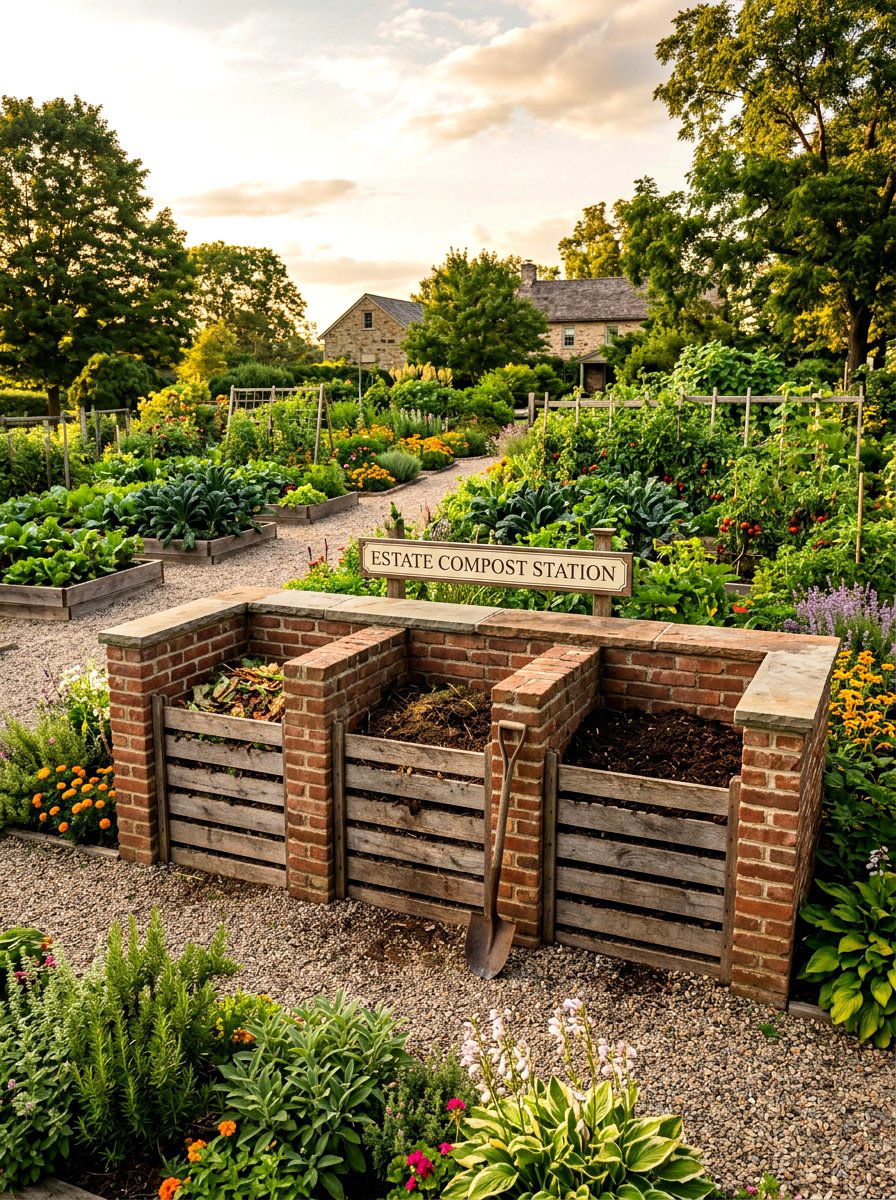
A permanent brick structure provides a high-end look and incredible durability for those committed to long-term organic recycling. These stations are usually built with three walls, leaving the front open or fitted with removable wooden slats for easy access to the finished material. Bricks are excellent at retaining heat, which helps maintain higher temperatures within the pile even during cooler months. This type of setup is ideal for larger properties where the composting area is a central part of the garden design. Because the materials are heavy and stable, you never have to worry about the bin shifting or tipping over during heavy storms.
6. Vermicomposting Worm Farm
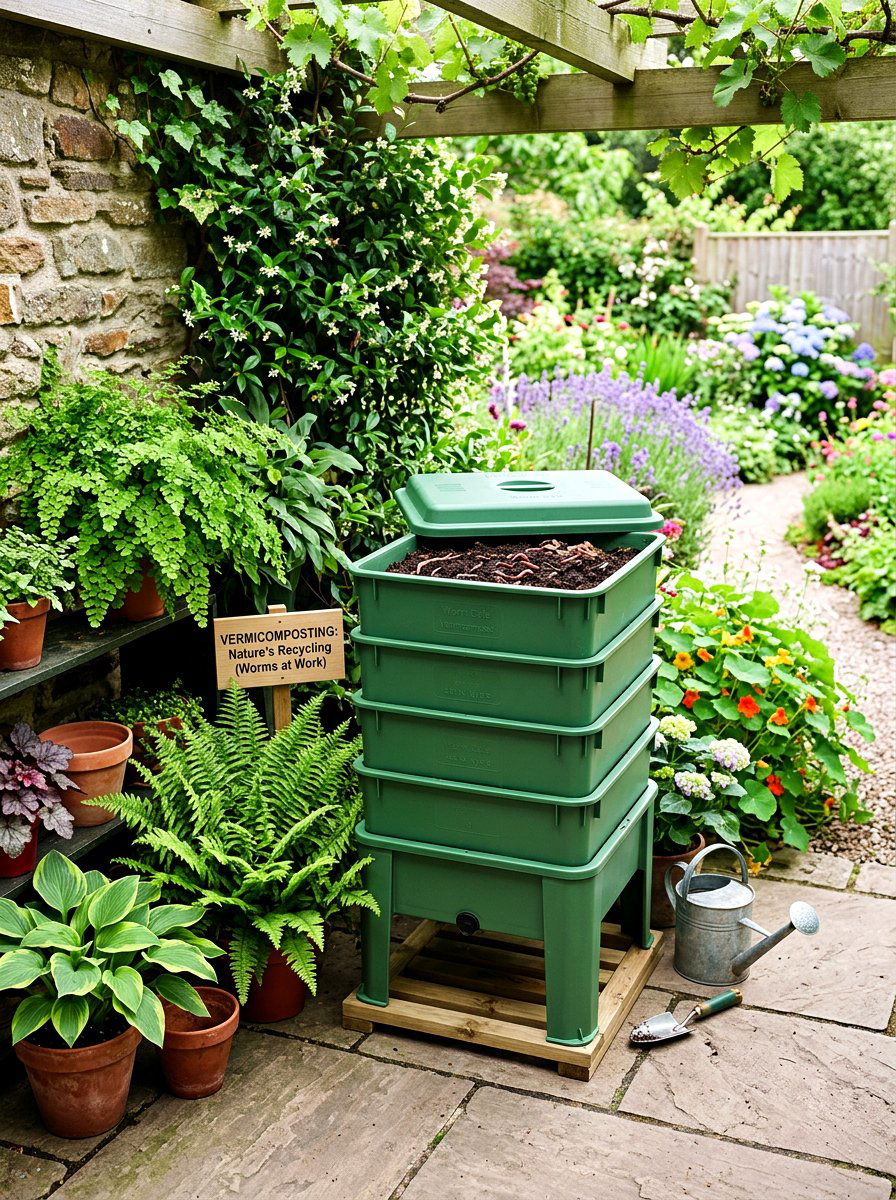
Have you ever considered letting thousands of tiny workers do the heavy lifting for your garden? A worm farm, or vermicomposter, uses red wiggler worms to consume food scraps and produce nutrient-dense castings. These systems usually consist of several stackable trays with perforated bottoms that allow the worms to move upward as they finish eating. The result is a highly concentrated fertilizer that is often called "liquid gold" by experienced growers. Because worm farms are compact and generally odorless when managed correctly, they are a popular option for people living in apartments or those with very limited outdoor space for traditional piles.
7. Trench Composting Method
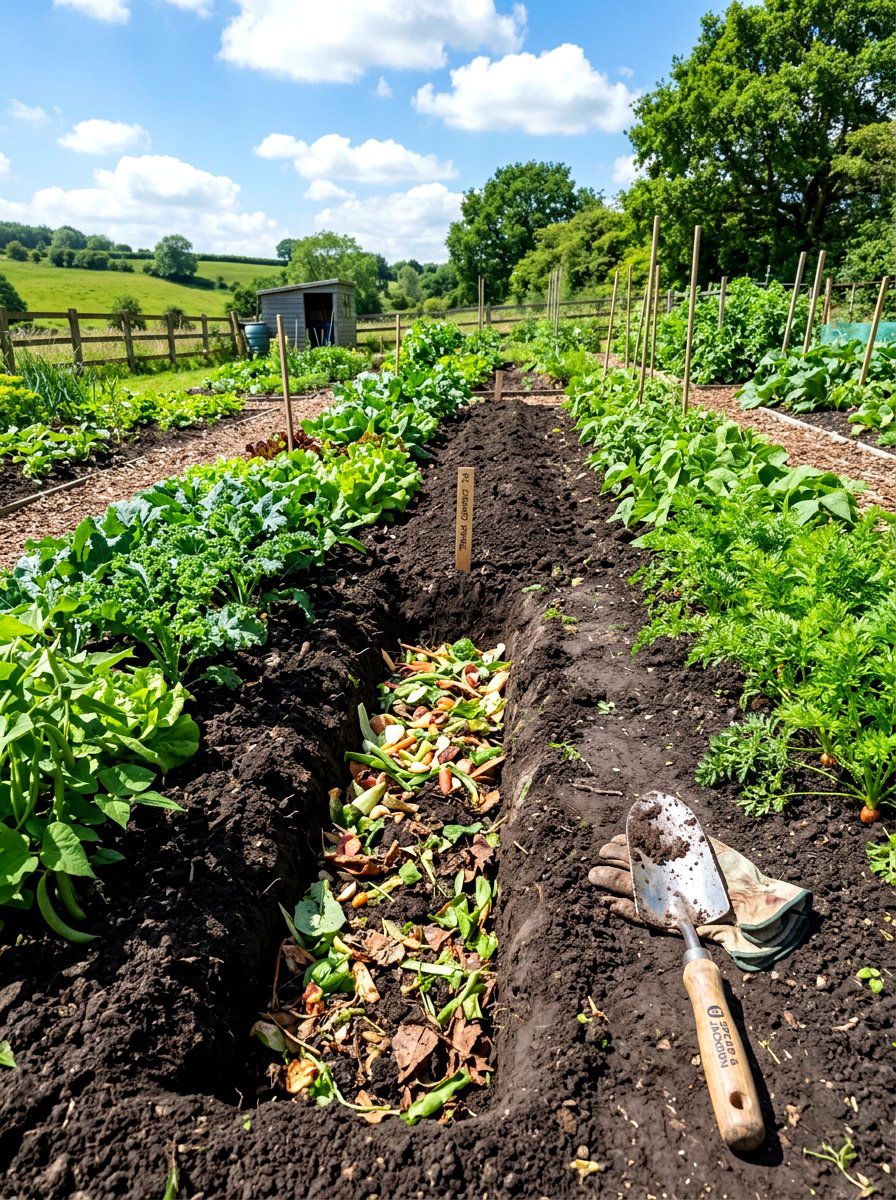
Sometimes the best way to handle organic waste is to hide it directly where your plants need it most. Trench composting involves digging a hole or a long ditch in your garden bed and burying your kitchen scraps under a thick layer of soil. This ancient technique requires no bin at all and works silently underground as worms and microbes break down the material. Over time, the soil becomes incredibly rich and moisture-retentive without the need for turning or monitoring a pile. It is a fantastic "set it and forget it" method that is particularly effective for heavy-feeding crops like tomatoes, pumpkins, or leafy greens.
8. Vertical Stackable Compost Bin
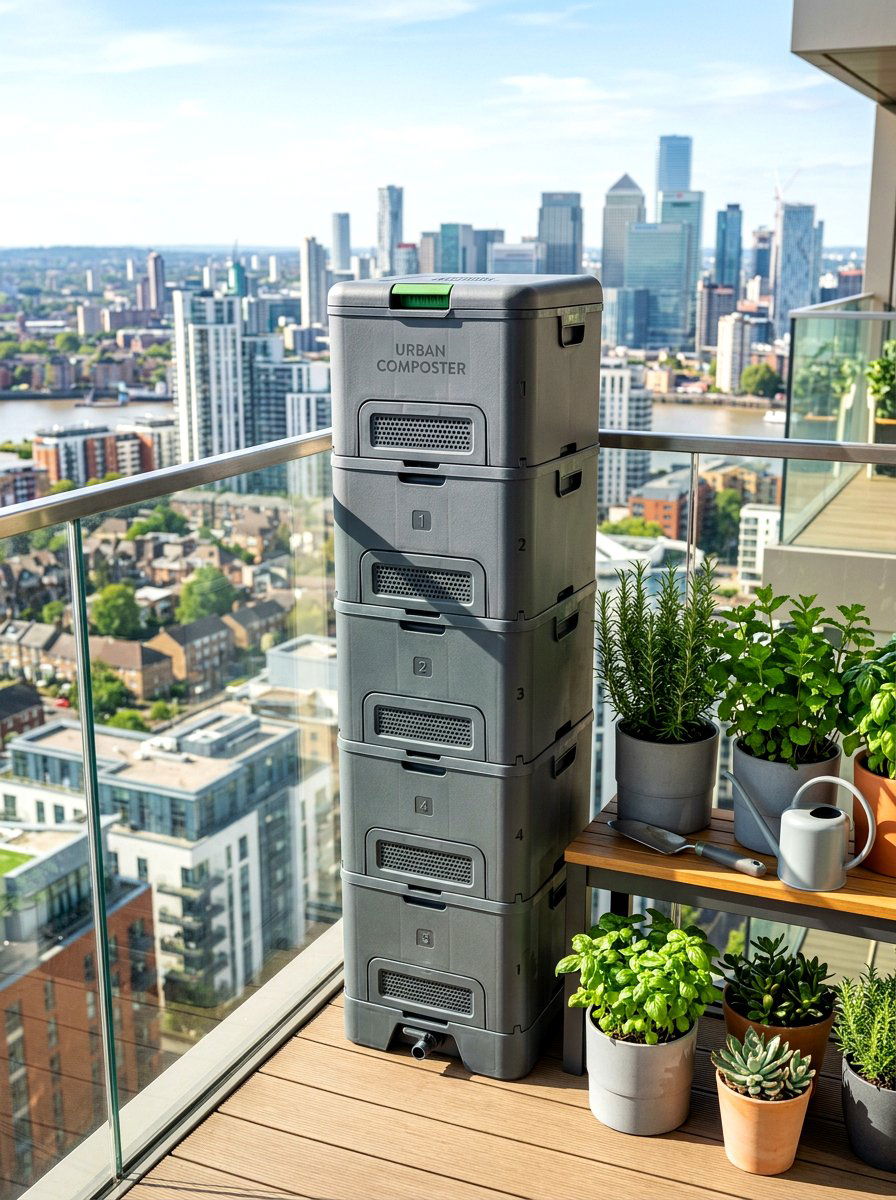
Modern gardeners often turn to vertical stackable systems when they need to maximize their output in a very small footprint. these bins are designed to grow with your needs, allowing you to add more levels as your household waste increases. Each section typically locks into the one below it, creating a tall chimney that encourages natural heat convection and efficient drainage. Most of these modular units are made from recycled, UV-resistant plastic, ensuring they last for many years in direct sunlight. They are incredibly tidy and fit perfectly in a corner of a patio or tucked behind a garden shed where space is at a premium.
9. Hidden Underground Compost Pit
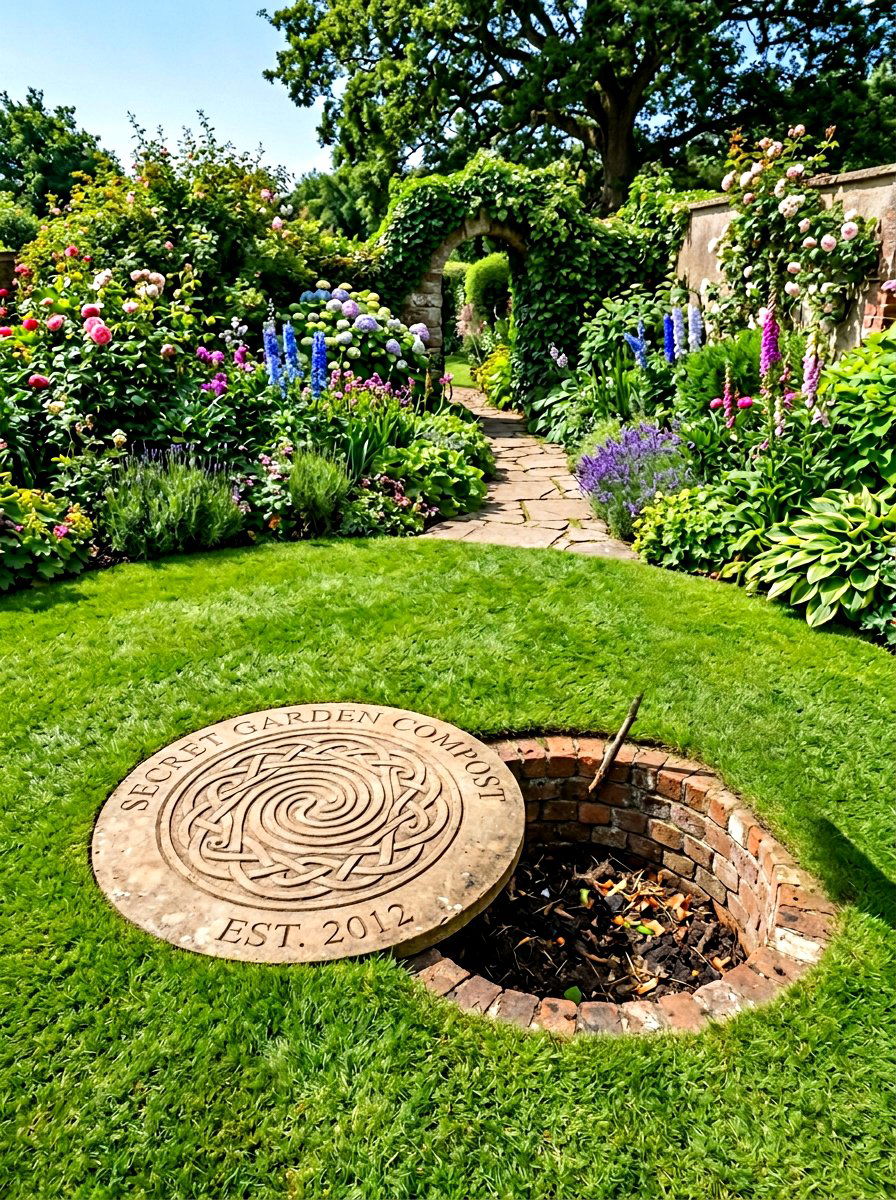
Are you worried about the visual impact of a large bin in your beautifully landscaped yard? An underground pit offers a discrete alternative by keeping the entire decomposition process below the surface level. By digging a deep hole and covering it with a sturdy, decorative lid, you can process waste without any visible clutter. This method is particularly effective in hot climates because the surrounding soil provides natural insulation, keeping the pile moist and active even during the peak of summer. It also makes it much harder for pests to access the contents, providing a clean and secure way to manage your household food scraps.
10. Concrete Cinder Block Bin
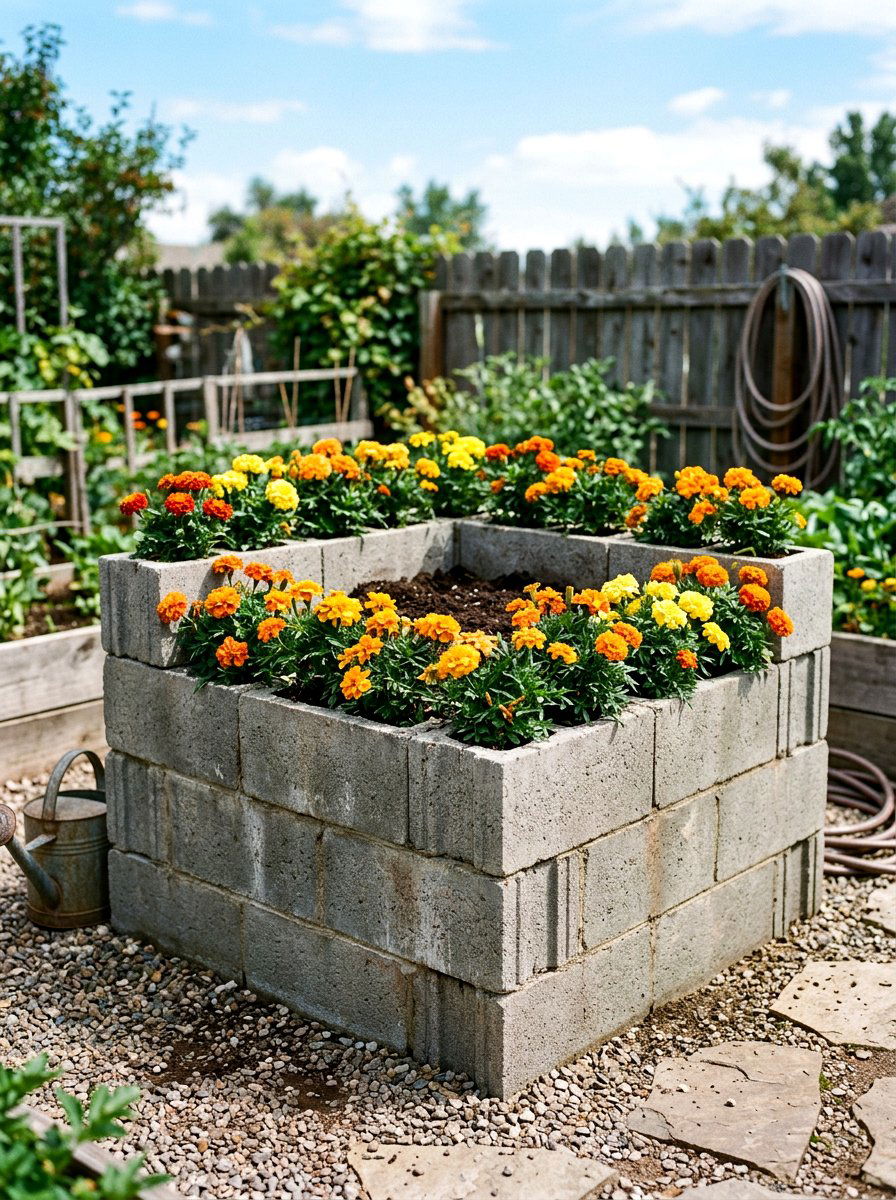
When you need a heavy-duty solution that can withstand the test of time, cinder blocks offer a quick and sturdy building material. You can stack these blocks without mortar to create a modular bin that is easy to expand or reconfigure whenever necessary. The hollow cores of the blocks can be filled with soil and planted with flowers or herbs, turning your compost area into a vertical garden. This design is excellent for managing large amounts of heavy garden debris, such as thick stalks and damp lawn clippings. Because concrete is so durable, it will not rot or degrade like wood, even when in constant contact with moisture.
11. Metal Trash Can Compost System
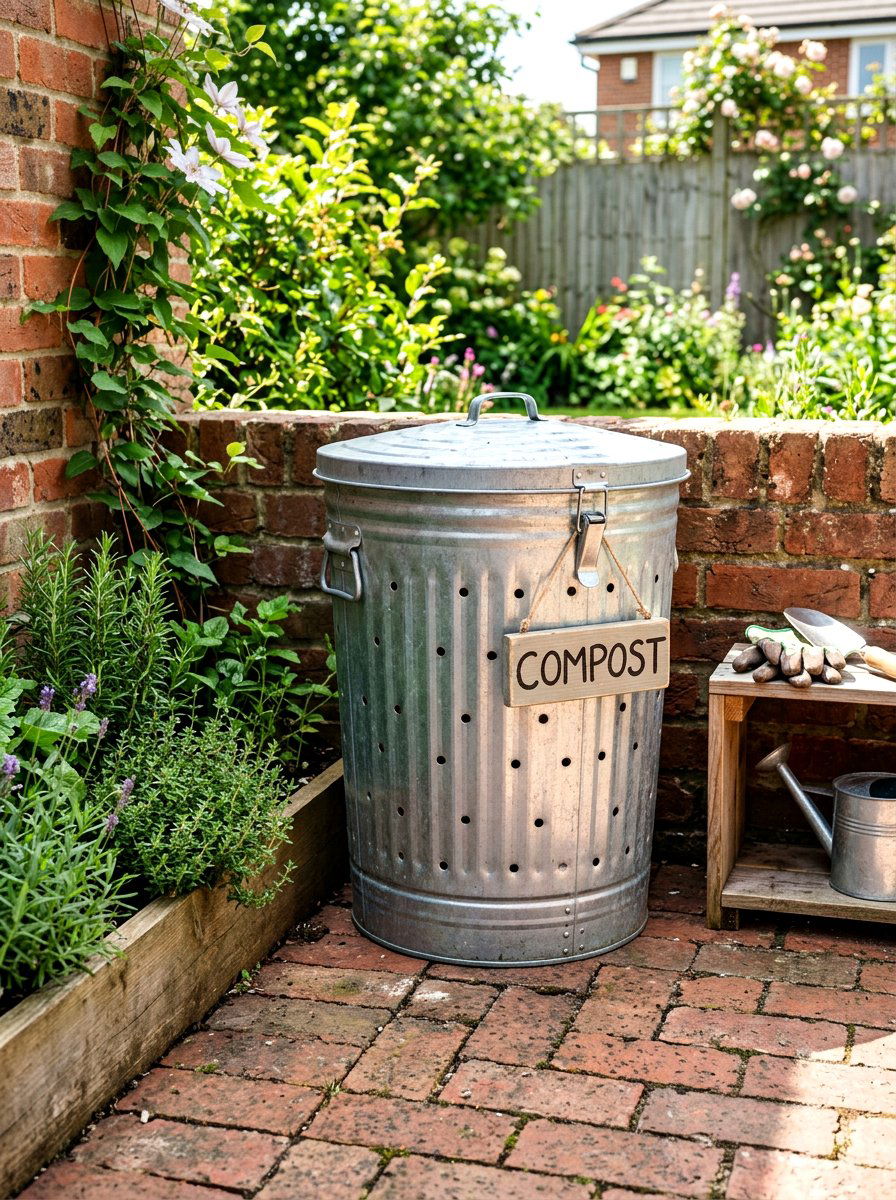
Repurposing an old galvanized metal trash can is a clever and budget-friendly way to start an enclosed composting system. By drilling several holes around the sides and the bottom for aeration and drainage, you create a secure container that is highly resistant to pests. Metal cans are especially good at absorbing heat from the sun, which can help kickstart the microbial activity inside the pile. Some gardeners even put the can on its side and roll it across the lawn to mix the contents easily. This approach is perfect for urban dwellers who want a compact, durable, and animal-proof bin that fits neatly into a driveway or garage.
12. Cedar Wood Three Bin System
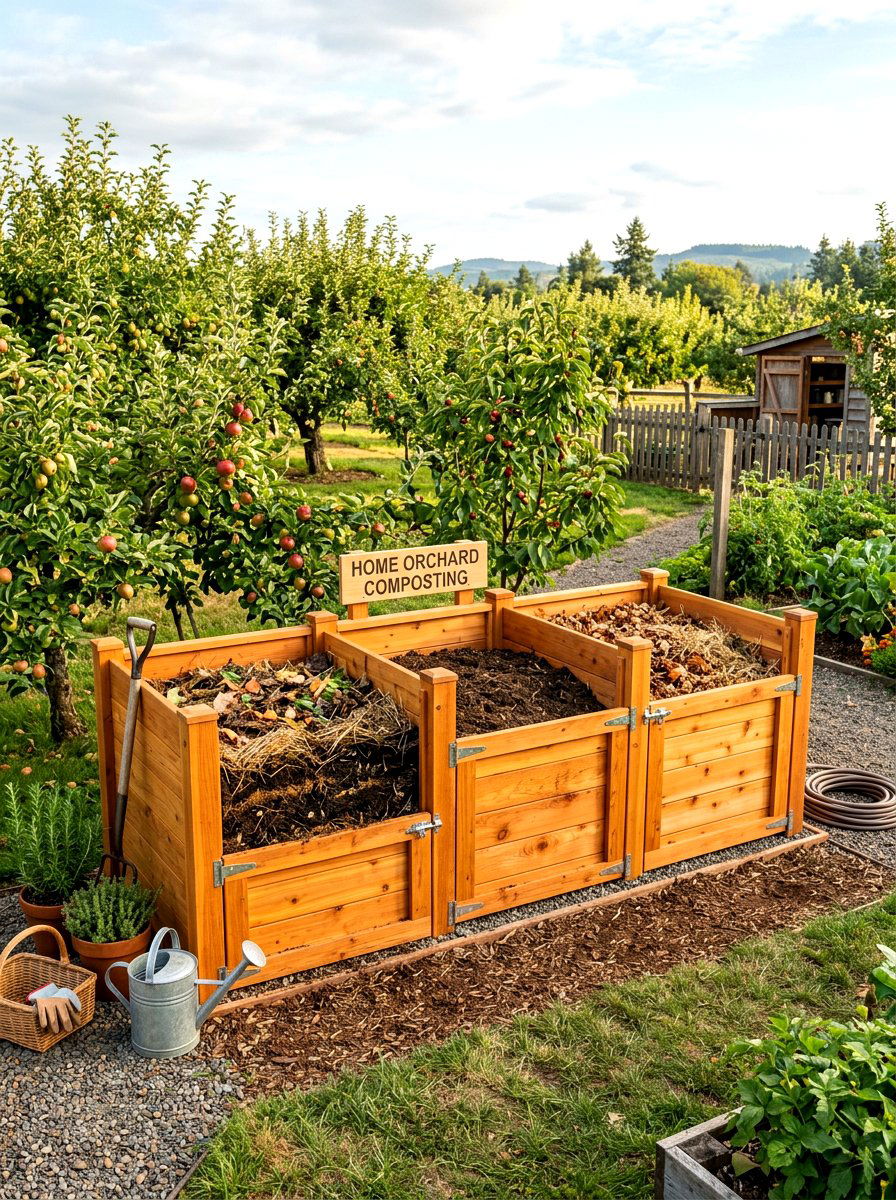
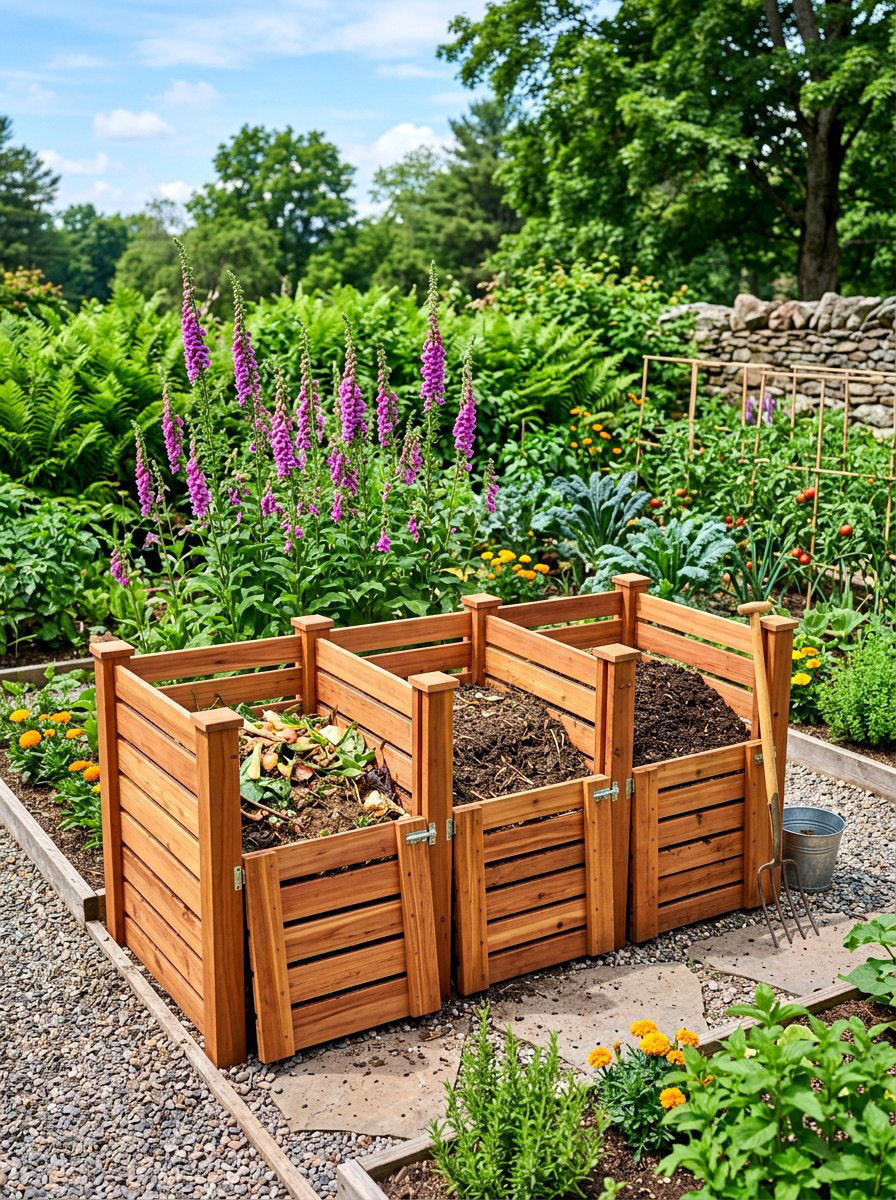
The three-bin system is often considered the gold standard for serious home composters who produce a high volume of waste. Built typically from rot-resistant cedar, this setup features three separate compartments for different stages of the process: one for fresh scraps, one for active decomposition, and one for final curing. Cedar is not only naturally beautiful but also contains oils that help it resist decay and insect damage without the need for chemical treatments. This organized workflow allows for a continuous harvest of finished compost throughout the year. The aesthetic appeal of the wood ensures that the bins look like an intentional and attractive part of your landscape.
13. Woven Willow Compost Basket
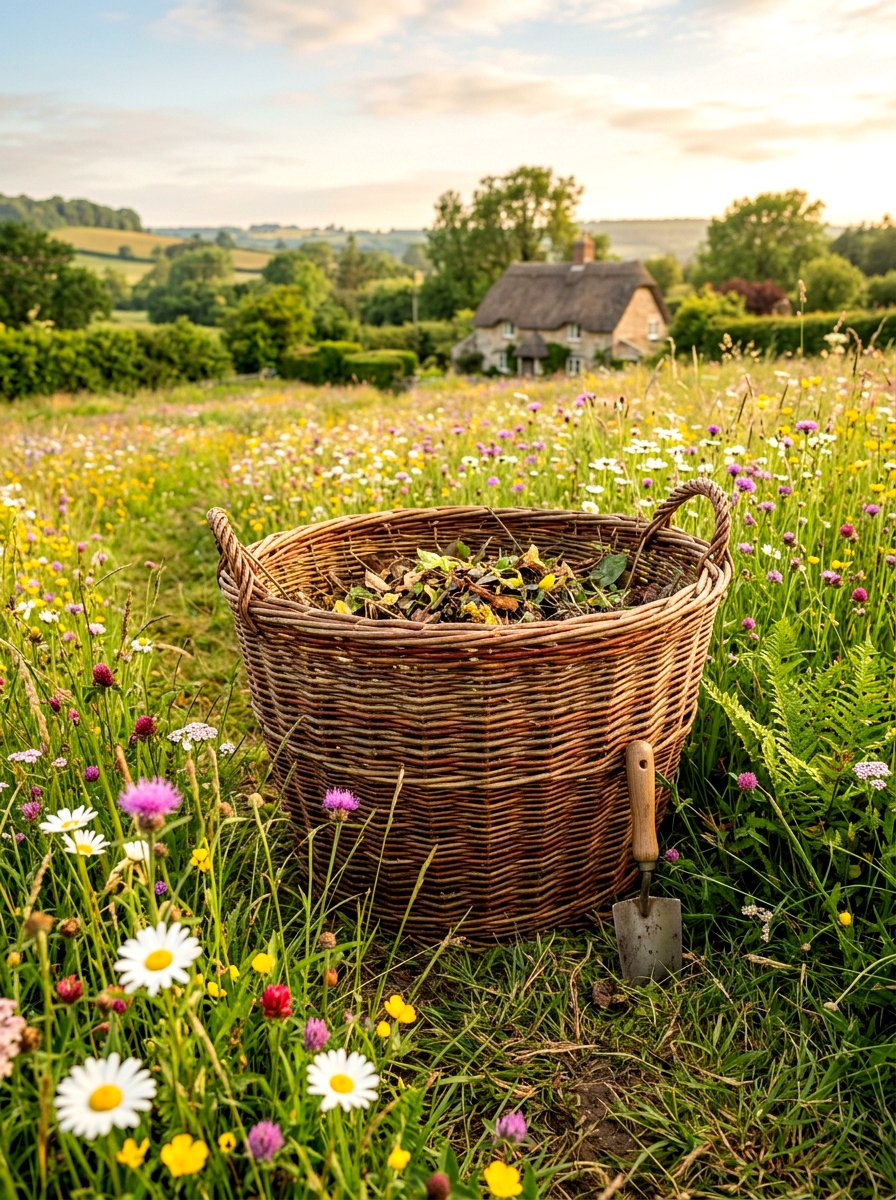
If you prefer a more natural and organic look for your garden, a hand-woven willow basket provides a beautiful and functional alternative to plastic. These enclosures blend seamlessly into a cottage garden or a permaculture landscape, appearing more like a piece of art than a waste bin. The woven structure allows for excellent air movement, which keeps the pile healthy and active. While willow will eventually break down over several years, it can be composted along with its contents and easily replaced. This truly circular approach to garden maintenance is perfect for those who want to minimize their reliance on synthetic materials and manufactured products.
14. Bokashi Indoor Composting Kit
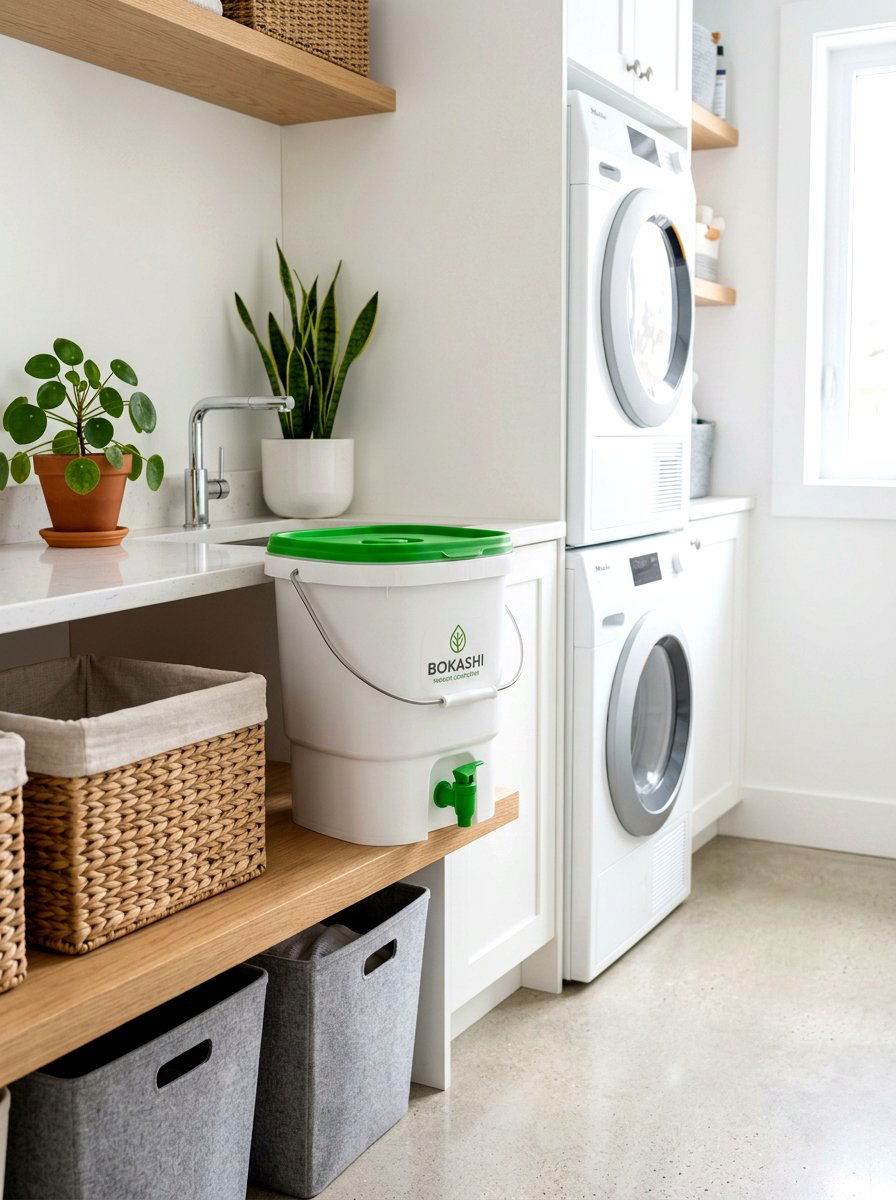
Bokashi is a unique fermentation process that allows you to handle all types of food waste, including meat and dairy, which are usually avoided in traditional bins. The system uses a specialized bucket with an airtight lid and a spigot for draining "compost tea. " You simply layer your scraps with a microbe-infused bran and let the mixture ferment for several weeks. Because it is an anaerobic process, there is no need for turning or aeration, and the bucket can be kept right under the kitchen sink. Once the fermentation is complete, the waste is buried in the garden, where it breaks down completely in just a few weeks.

15. Upcycled Plastic Storage Tote
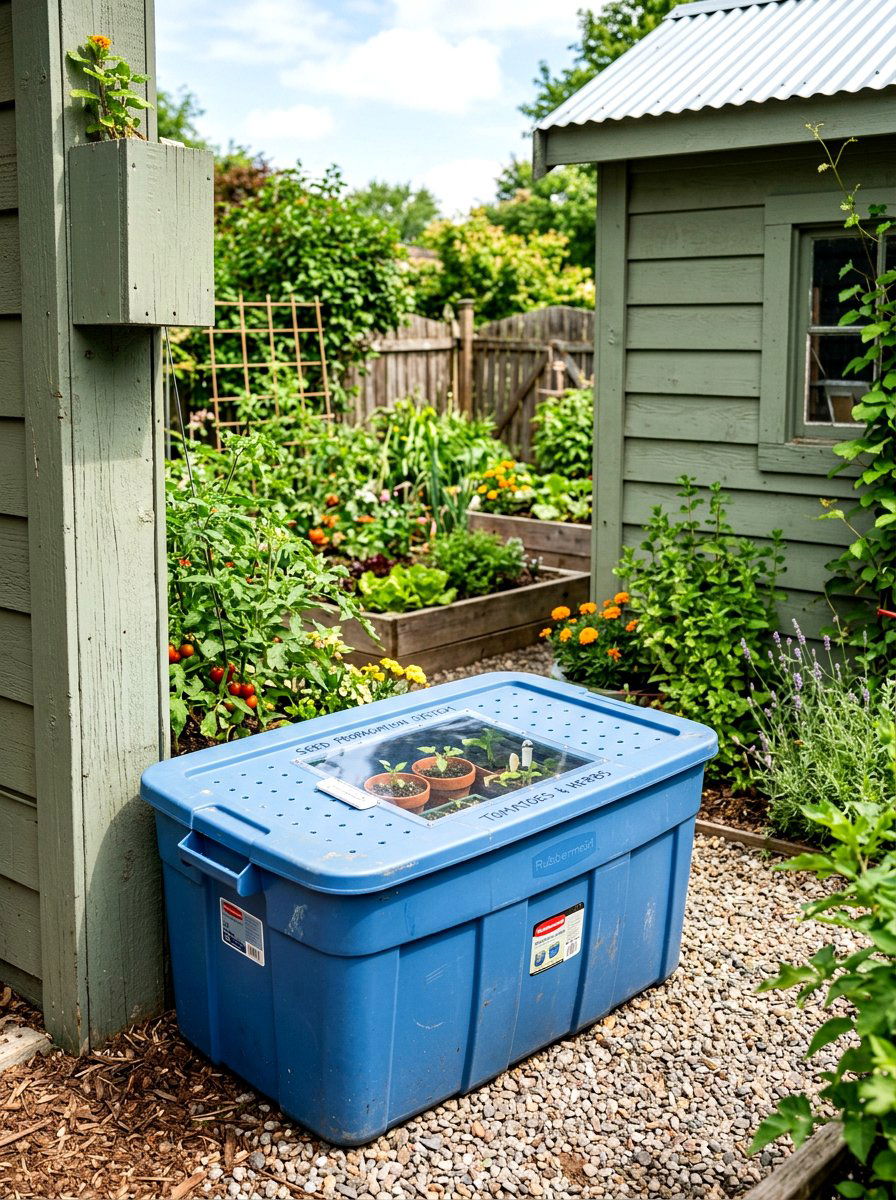
Creating a functional composter from an old plastic storage bin is one of the easiest DIY projects for a beginning gardener. With just a drill and a few minutes of time, you can transform a discarded tote into a highly effective aerobic system. Simply add plenty of small holes along the lid and sides to ensure proper gas exchange. These bins are lightweight and easy to hide behind bushes or keep on a small balcony. They are particularly useful for those who want to experiment with composting without investing in expensive equipment. Because they are enclosed, they help retain moisture, making them great for dry summer climates.
16. Decorative Lattice Compost Enclosure
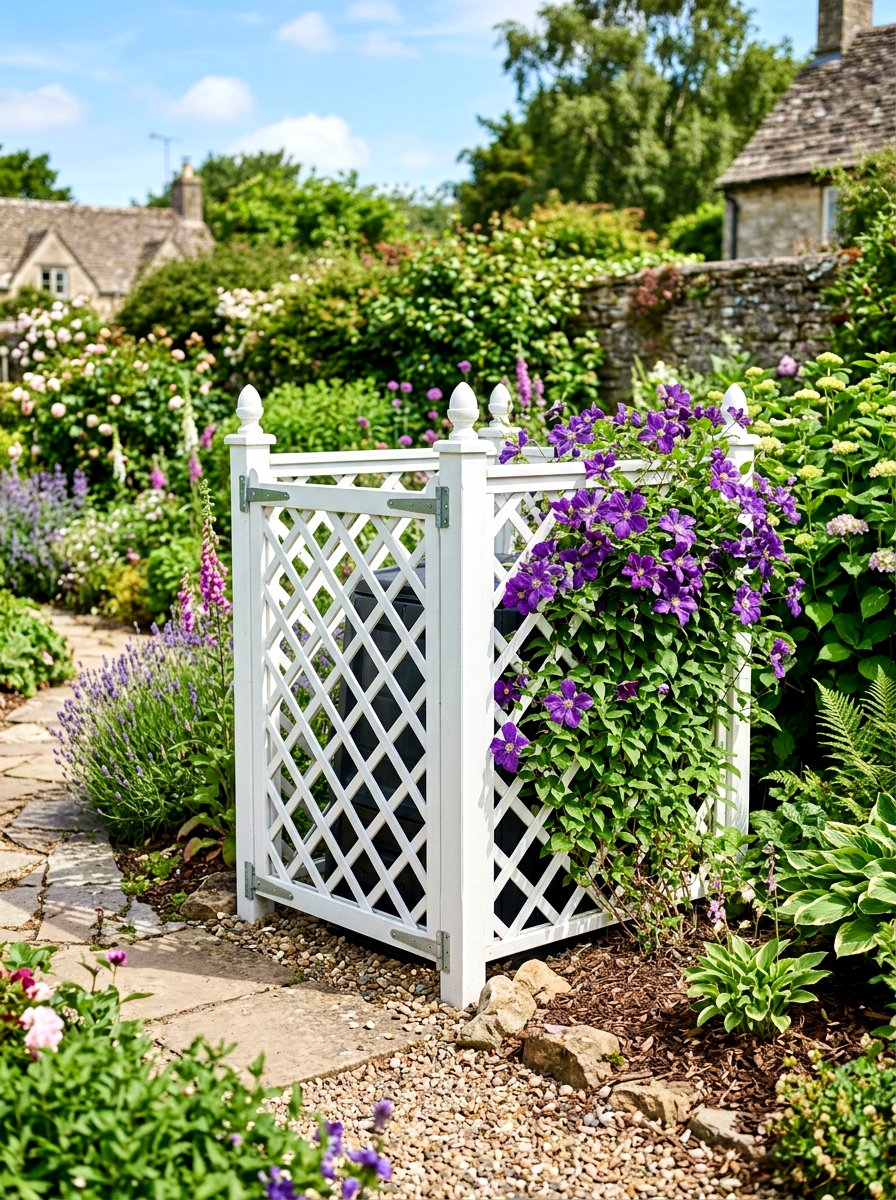
Gardeners who want to hide their compost piles without sacrificing style often choose a decorative lattice screen. These enclosures wrap around a standard plastic bin or an open pile, providing a clean and finished look to the utility area of the yard. The open weave of the lattice allows for plenty of airflow while obscuring the messy details of decomposing matter. You can even grow climbing plants like sweet peas or clematis over the structure to further integrate it into the landscape. This approach proves that sustainable practices do not have to clash with your aesthetic goals, allowing you to compost in plain sight quite beautifully.
17. Straw Bale Composting Area
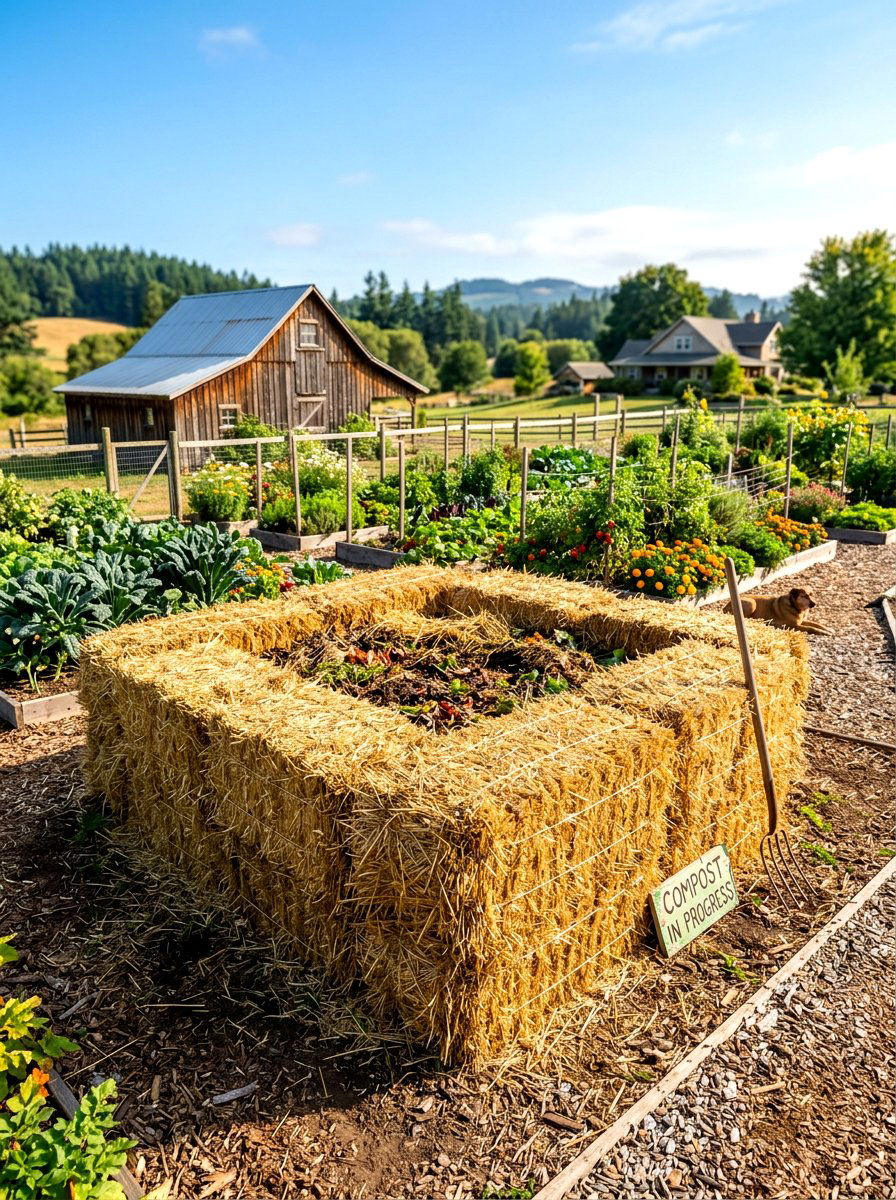
Using straw bales to create the walls of your compost area is a brilliant example of temporary and zero-waste garden design. As the materials inside the enclosure break down, the straw walls will also begin to decompose, contributing even more organic matter to the final product. At the end of the season, you can simply break apart the bales and mix everything into your garden beds. This method is incredibly effective at insulating the pile, making it a great choice for those who want to continue composting through cold winters. It requires no tools or hardware, making it one of the most accessible options for any homeowner.
18. Geobin Expandable Compost System
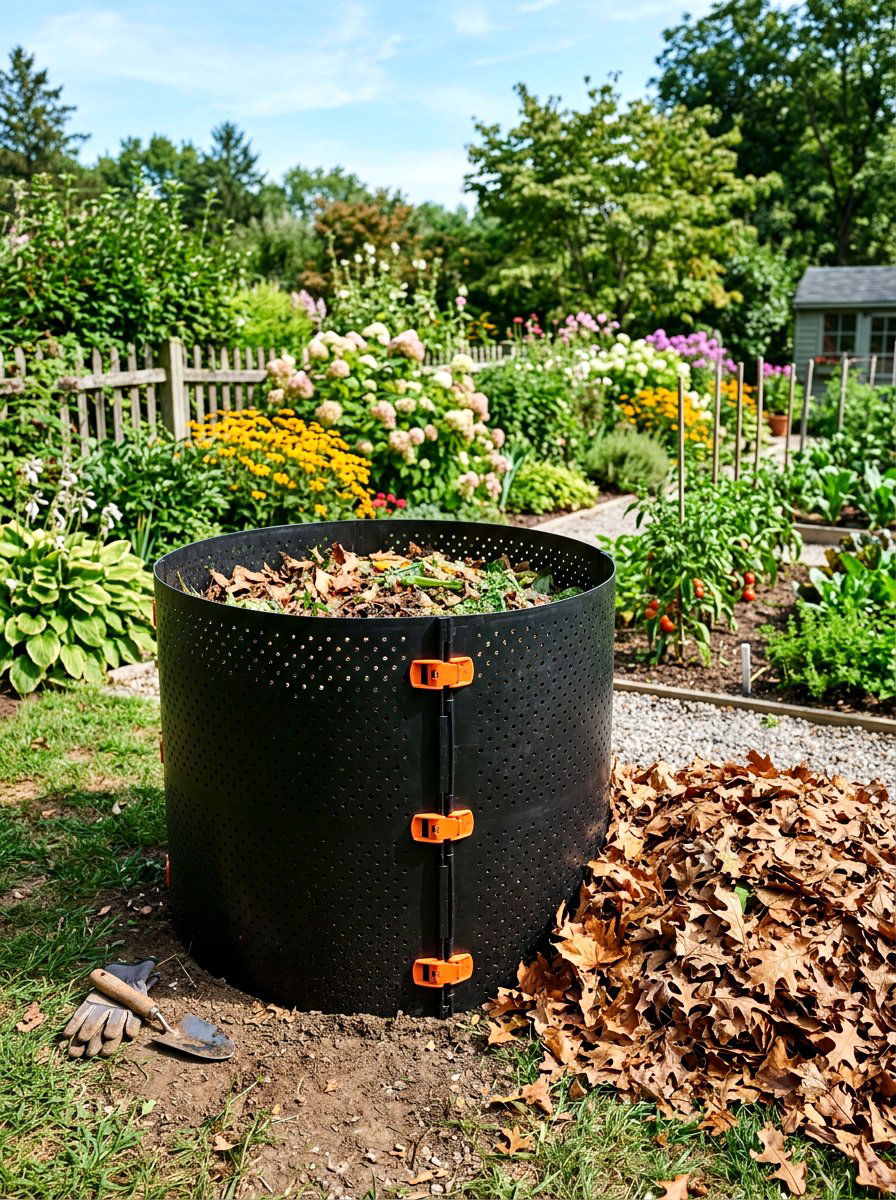
The Geobin is a popular commercial solution for those who need a versatile and high-capacity bin that is easy to set up. It consists of a long, perforated plastic sheet that can be adjusted to various diameters, depending on how much waste you have. This flexibility makes it ideal for managing huge piles of autumn leaves one month and smaller amounts of kitchen waste the next. Because the entire bin is ventilated, it maintains excellent aerobic conditions without much effort. The lightweight material is easy to disassemble and store flat when not in use, making it a favorite for gardeners with fluctuating seasonal needs.
19. Solar Powered Aerated Bin
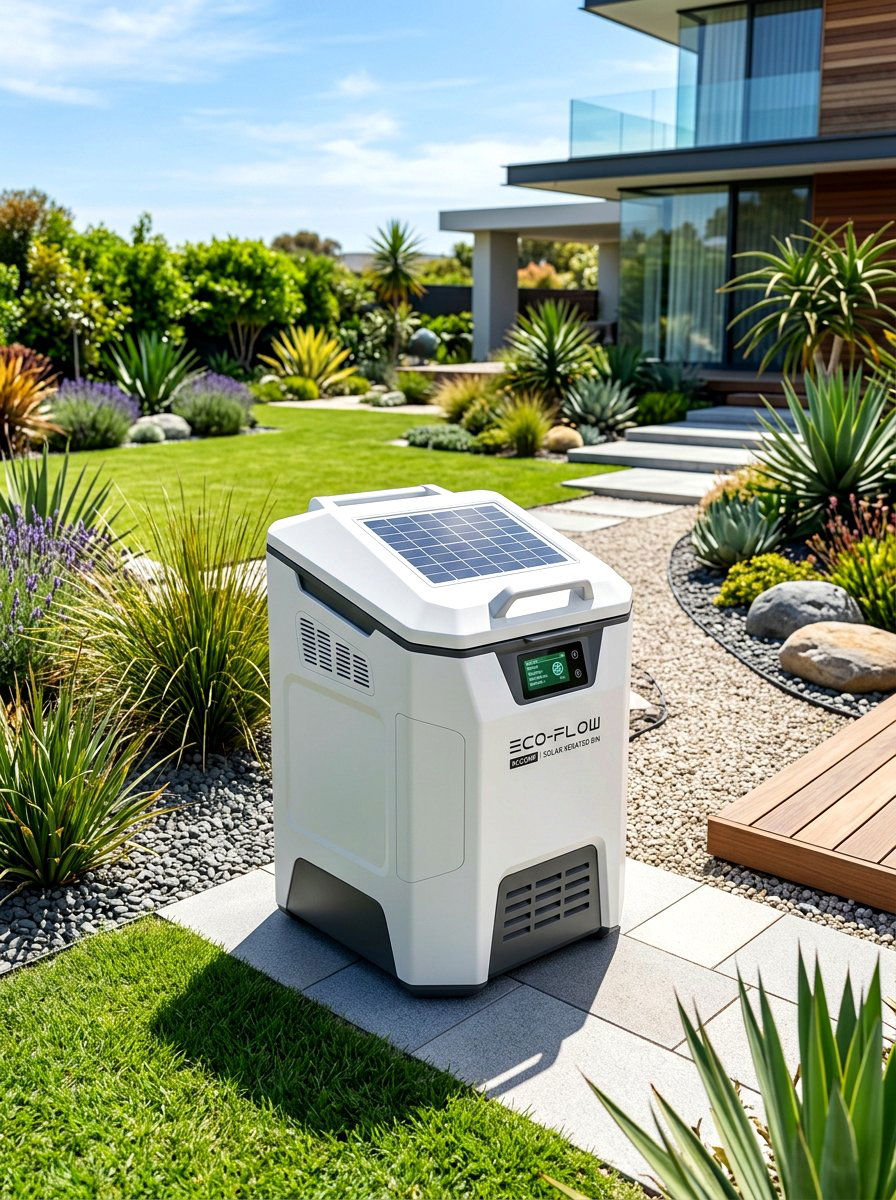
For the tech-savvy gardener, a solar-powered aerated bin represents the cutting edge of home composting technology. These advanced units often feature an internal fan or an automated turning mechanism powered by a small solar panel on the lid. The constant infusion of oxygen ensures that the microbial colony remains at peak activity, which can reduce the total processing time to just a few weeks. These bins are designed to be completely odorless and pest-proof, making them suitable for high-density residential areas. While they represent a higher initial investment, the convenience and speed they offer make them a valuable tool for those with busy modern lifestyles.
20. Recycled Wooden Barrel Bin
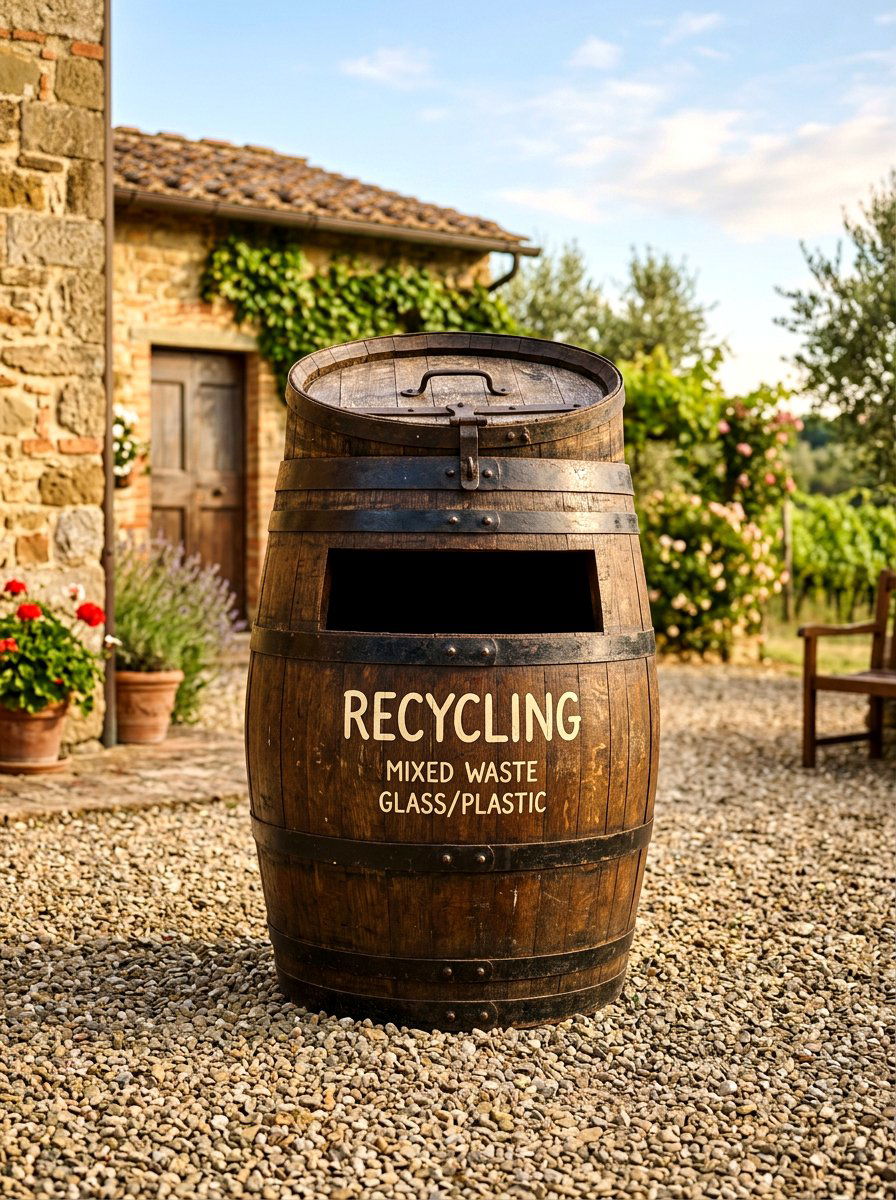
Transforming a large wooden barrel into a composter adds a touch of rustic charm and history to your outdoor space. These sturdy containers are excellent at insulating the pile, helping to maintain the heat required for rapid decomposition. You can either use them as stationary bins by removing the bottom or mount them on a frame to create a unique rotating tumbler. The thick wood staves are naturally durable and look much better in a traditional garden than modern plastic alternatives. Because barrels were originally designed to hold liquids, they are incredibly strong and can handle the significant weight of a large, damp compost pile.
21. Log Cabin Style Compost Bin
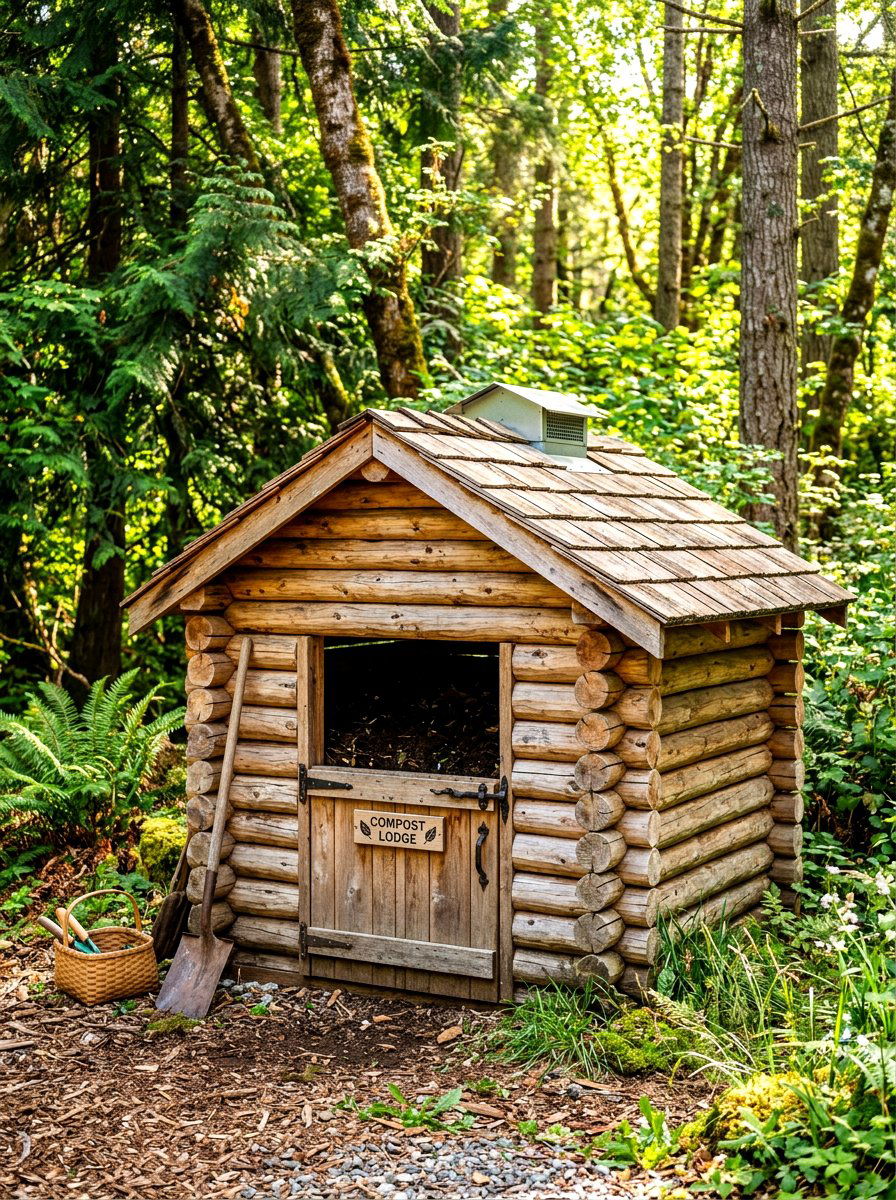
If you enjoy woodworking, building a compost bin using a notched log design can create a stunning focal point in your backyard. This style mimics the look of a miniature log cabin and provides a very robust and stable structure for heavy garden waste. The gaps between the logs allow for natural ventilation while the solid wood walls help keep the heat trapped inside. This type of bin is particularly well-suited for woodland gardens or rustic landscapes where plastic would look out of place. It is a functional piece of garden architecture that will last for many decades with very little maintenance or care required.
22. Subpod In-Garden Worm Bin
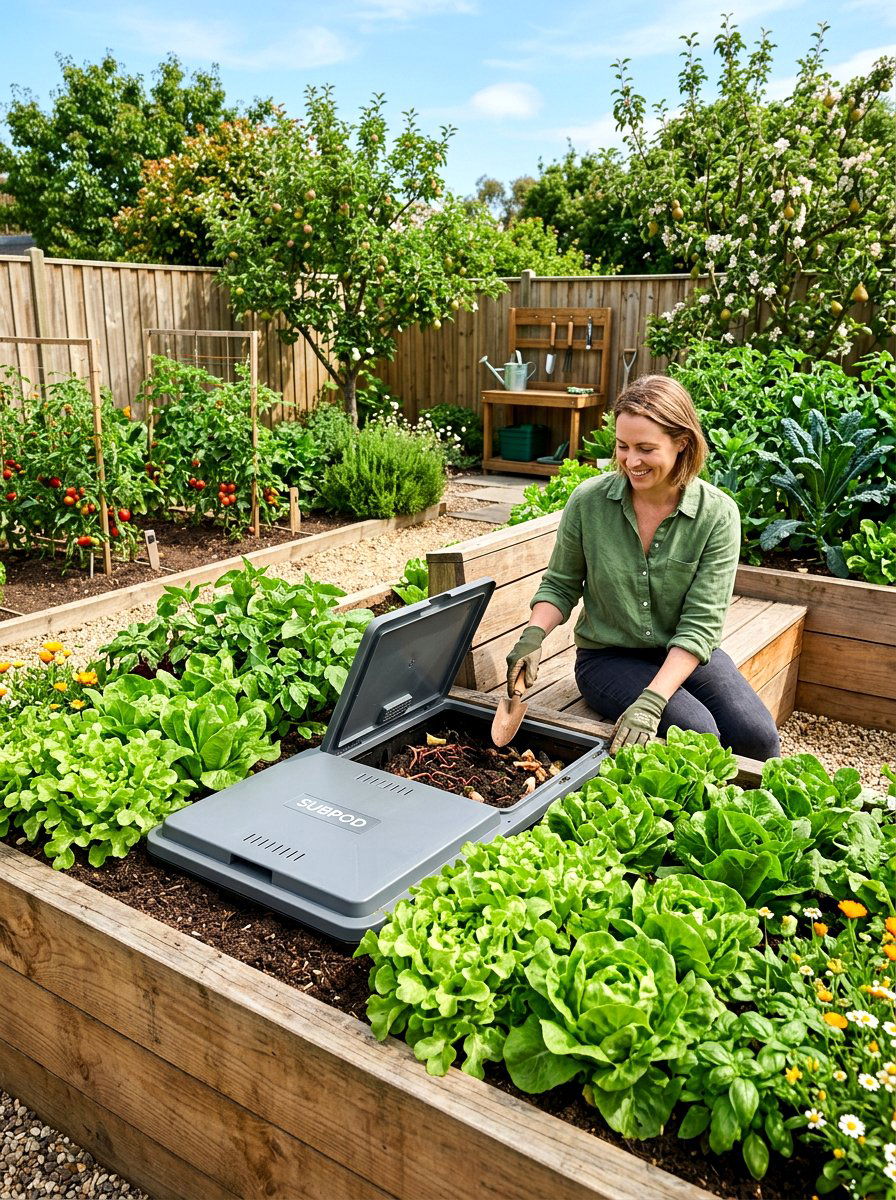
The Subpod is a revolutionary design that brings the composting process directly into your raised garden beds. This below-ground worm bin features perforated walls that allow worms to travel freely between the composter and the surrounding soil. As the worms process your kitchen scraps, they distribute nutrients and aerate the soil directly around the roots of your plants. The top of the bin sits flush with the surface and often doubles as a comfortable garden seat. This integrated approach eliminates the need to transport finished compost, as the fertilization happens automatically right where the food is growing, saving you time and physical labor.
23. Corrugated Metal Compost Box
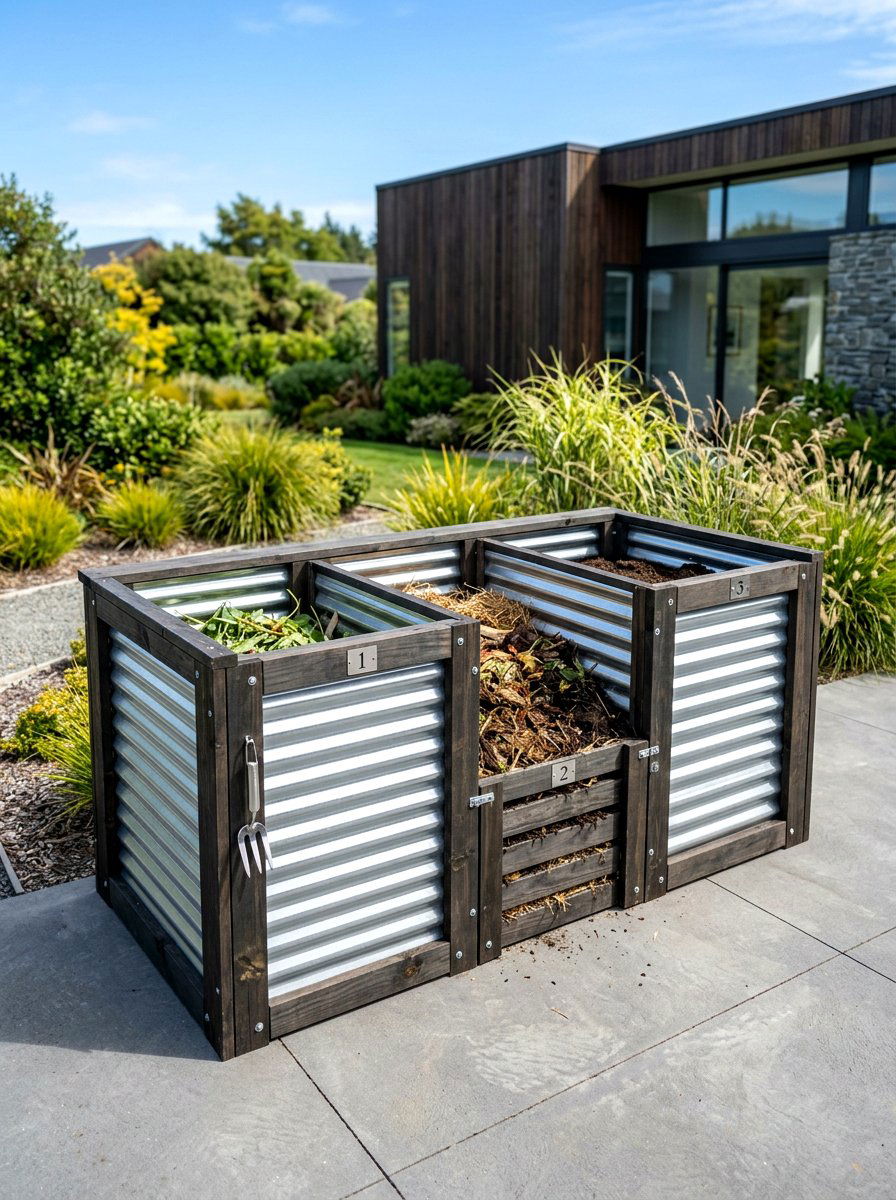
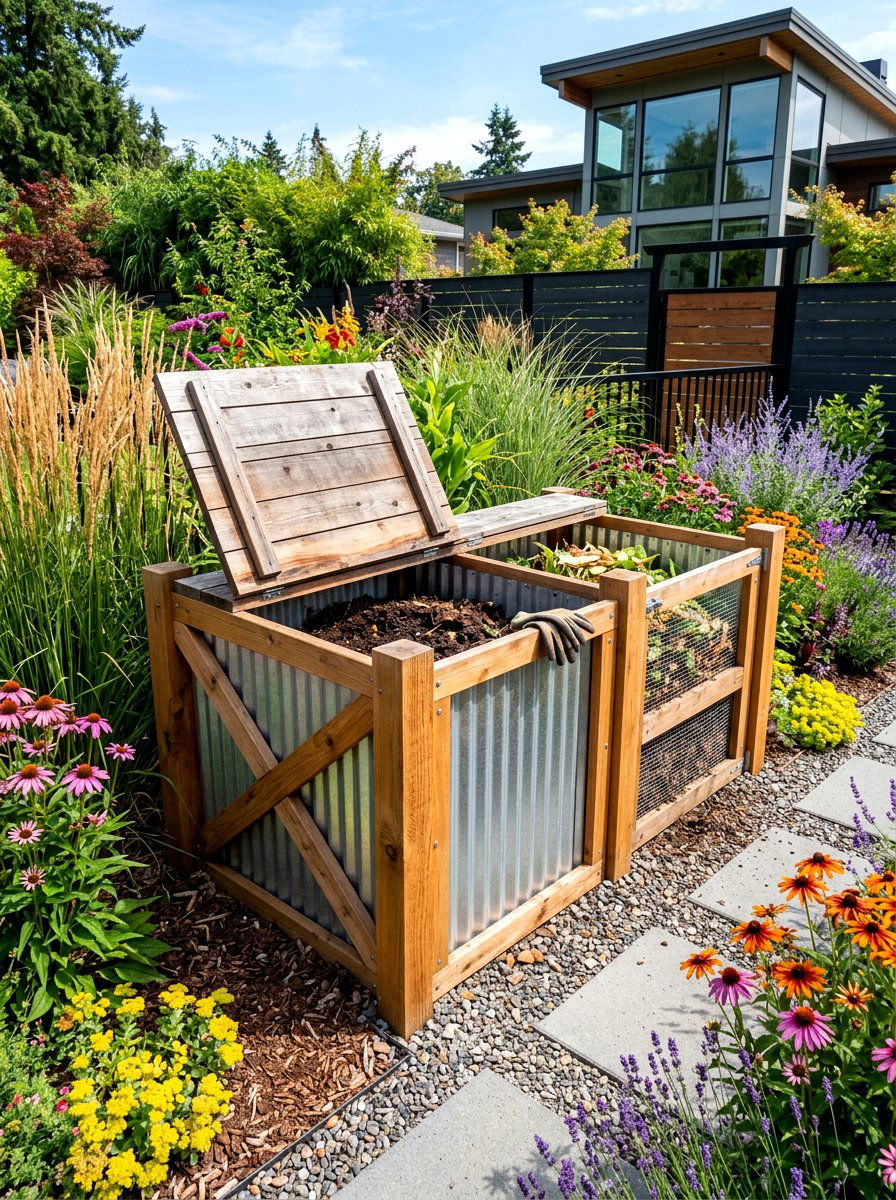
Using corrugated metal sheets to build a compost bin offers a sleek, industrial aesthetic that complements modern garden designs. Metal is an excellent material for composting because it is fireproof, pest-resistant, and incredibly durable in all weather conditions. These bins often feature a simple wooden frame to hold the metal panels in place, creating a high-contrast look that is very popular on social media. The reflective surface of the metal can also help gather solar heat, which keeps the composting microbes active even on chilly days. It is a clean and professional-looking option for urban gardeners who want a long-lasting and stylish recycling station.
24. Tiered Wooden Compost Tower
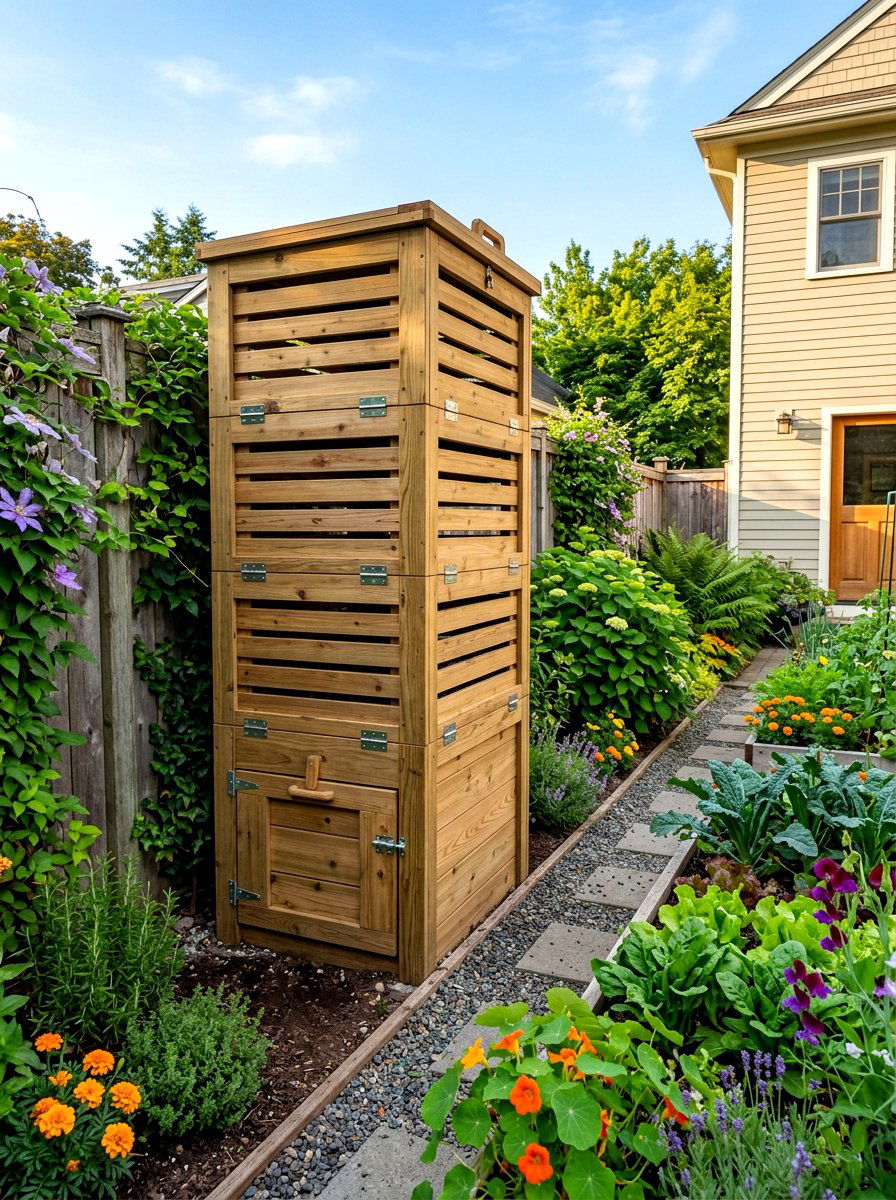
A tiered wooden tower is a space-saving solution that uses gravity to help manage the decomposition process. As the material at the bottom breaks down into finished soil, you can remove it through a small hatch, allowing the newer waste above to sink down. This vertical movement ensures that the oldest material is always the easiest to access for your garden needs. These towers are often built with a narrow footprint, making them ideal for small side yards or patio corners. The slatted wooden sides provide plenty of air, while the tall design creates a chimney effect that pulls oxygen through the center of the pile.
25. Repurposed Laundry Basket Bin
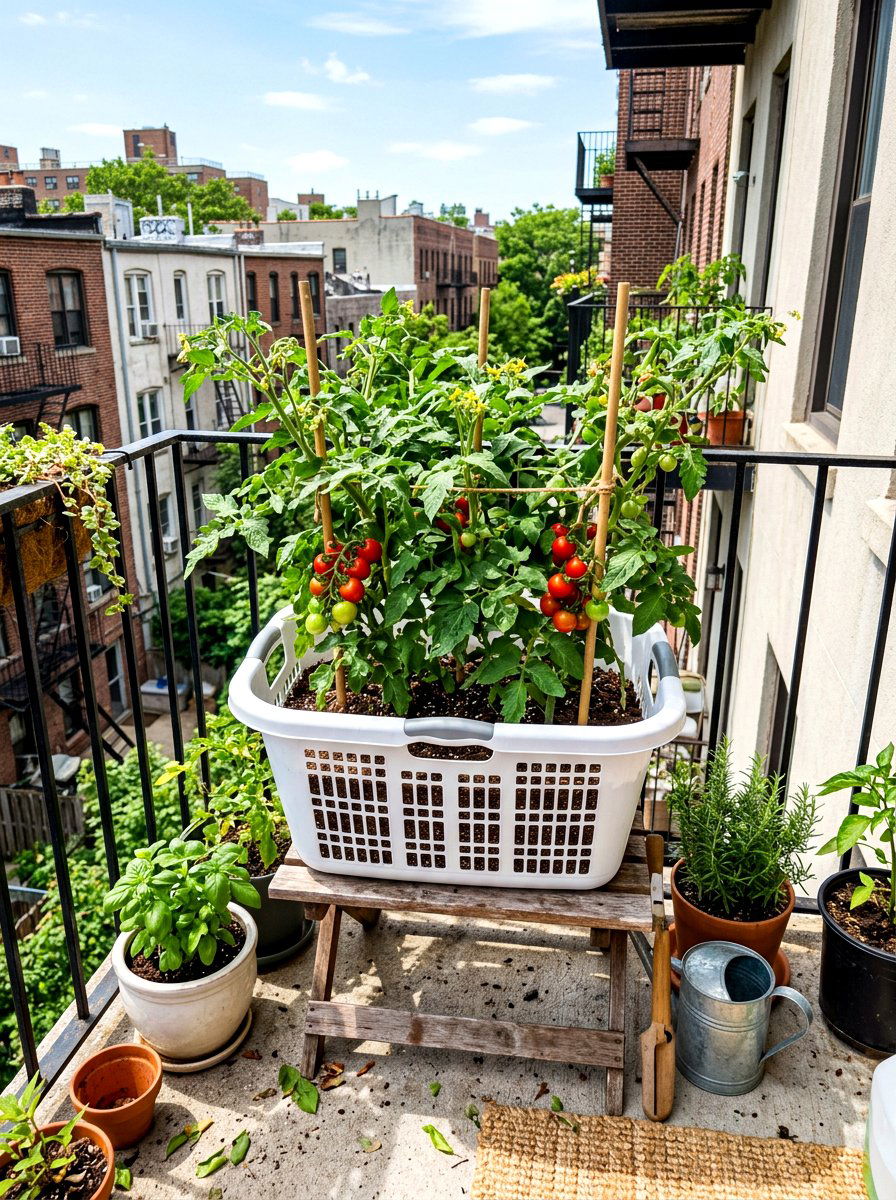
Do you have an old plastic laundry basket with a few cracks? Don't throw it away, as it can be easily repurposed into a small-scale compost bin for a balcony or patio. The built-in holes provide perfect ventilation for a small aerobic pile, and the lightweight plastic is easy to move around. Simply line the bottom with a layer of dry leaves or shredded paper to catch any drips, and you are ready to start. This is a fantastic low-barrier way for beginners to try composting without spending any money. It is especially useful for managing a few weekly scraps from a single-person household or a small apartment.
26. Picket Fence Style Compost Area
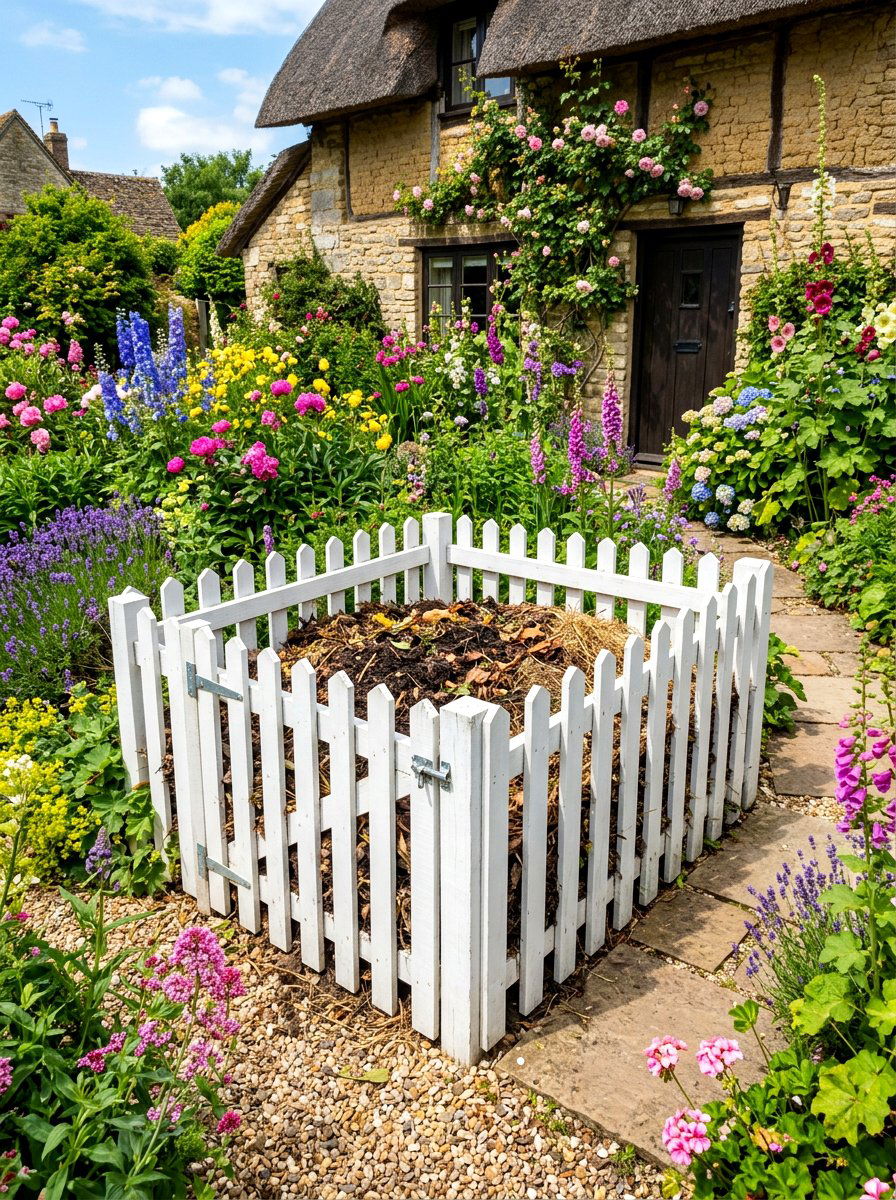
Creating a compost enclosure that looks like a miniature picket fence is a charming way to integrate waste management into a front yard or a visible garden space. This design uses short wooden stakes and rails to create a tidy boundary around your pile, masking the contents from view while maintaining a clean appearance. It provides an inviting, "curb appeal" look that satisfies even the most demanding neighborhood aesthetic standards. The open gaps between the pickets allow for essential airflow, while the structure itself keeps the pile from spreading out and looking messy. It is a perfect blend of utility and traditional garden decor.
27. Stone Wall Composting Zone
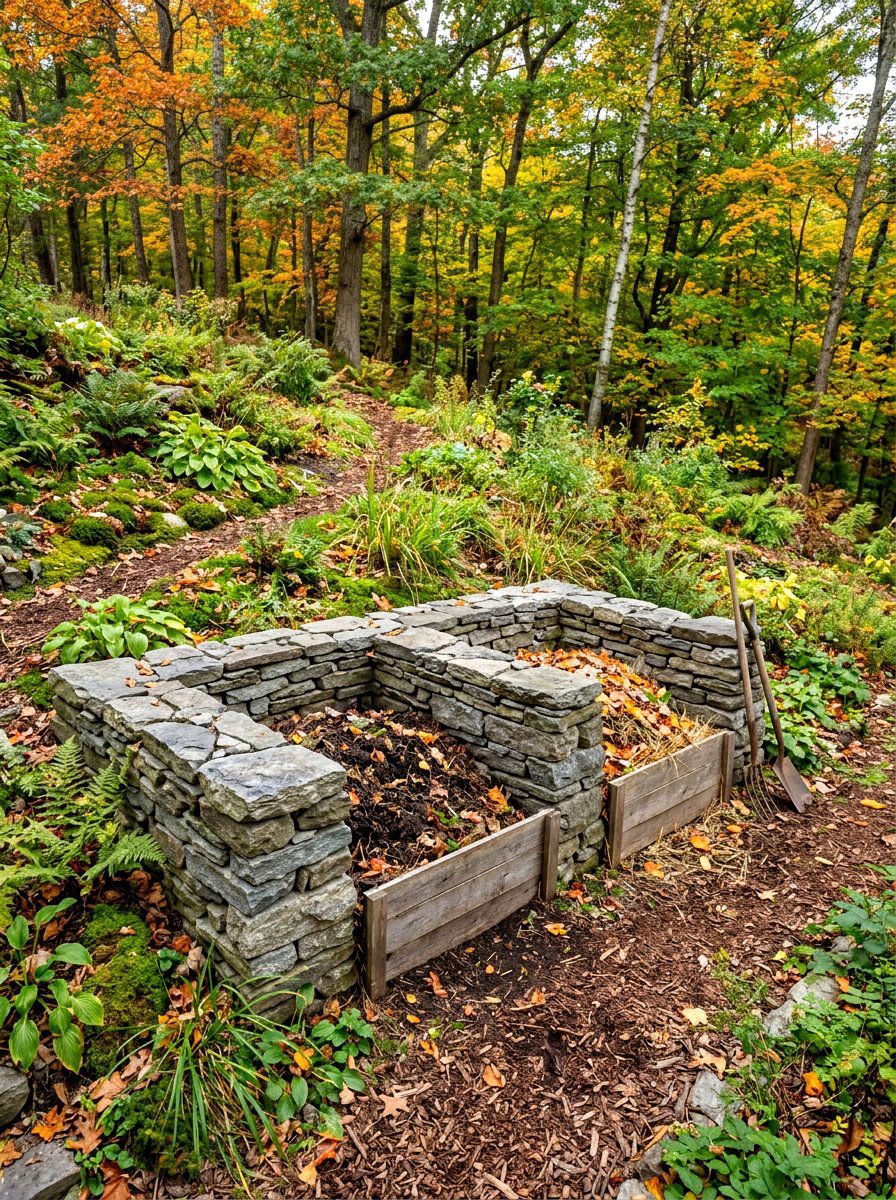
If your property has an abundance of natural stone, you can build a beautiful and permanent composting zone that looks like part of the landscape. Dry-stacking flat stones to create a three-sided enclosure provides a very stable and thermally efficient environment for your waste. The natural crevices between the stones allow for air and moisture to move through the pile, mimicking the conditions of a forest floor. This type of setup is nearly indestructible and will never rot, rust, or blow away in high winds. It is an excellent choice for those who want their garden infrastructure to feel timeless and integrated with the earth.
28. Portable Fabric Compost Bag
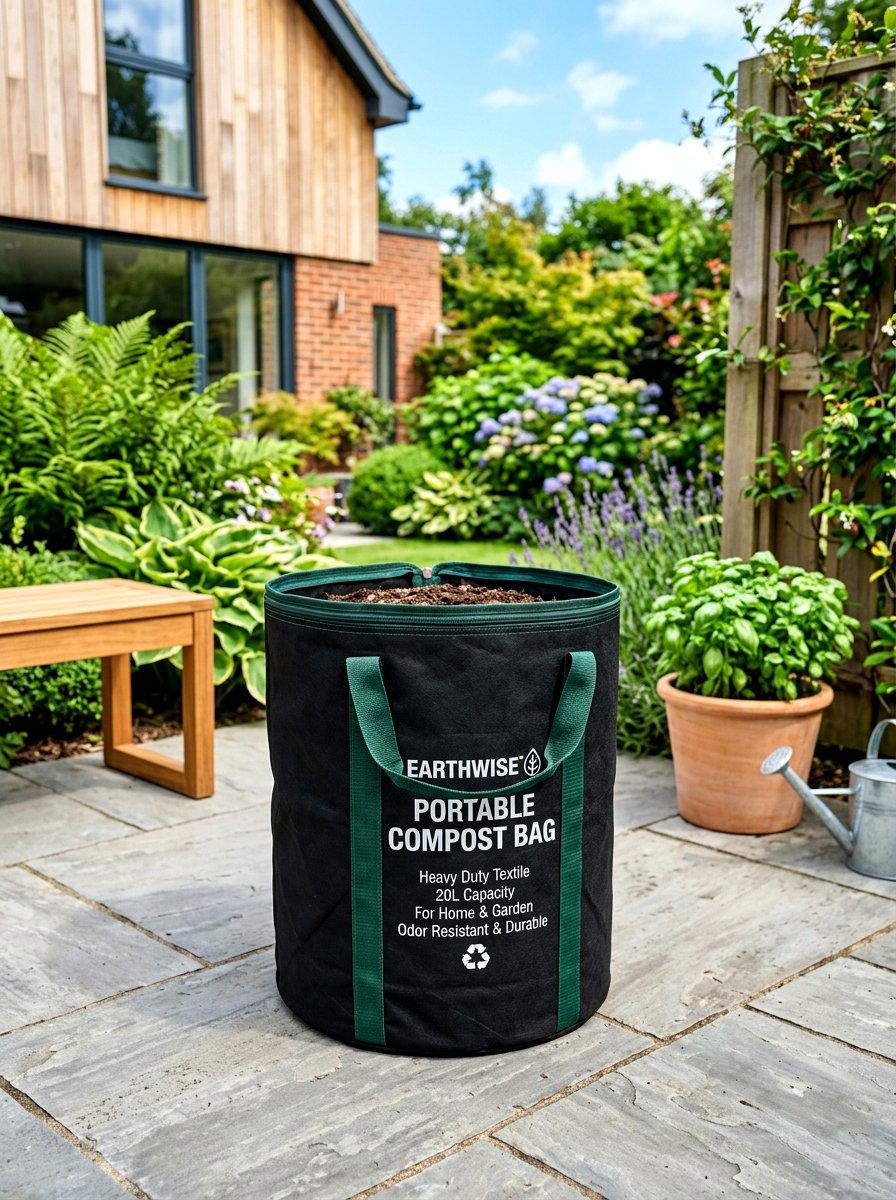
For renters or gardeners who frequently change their layout, a portable fabric compost bag offers a lightweight and flexible alternative to rigid bins. These bags are made from heavy-duty, breathable geotextile fabric that allows for excellent air circulation while retaining the necessary moisture. Most versions include sturdy handles for moving the bag and a zippered lid to keep pests away. When the compost is finished, the bag can be emptied and folded flat for storage until the next season. This modern solution is perfect for those who want the benefits of a large bin without the permanent commitment or the bulky storage requirements.
29. Modern Minimalist Resin Bin
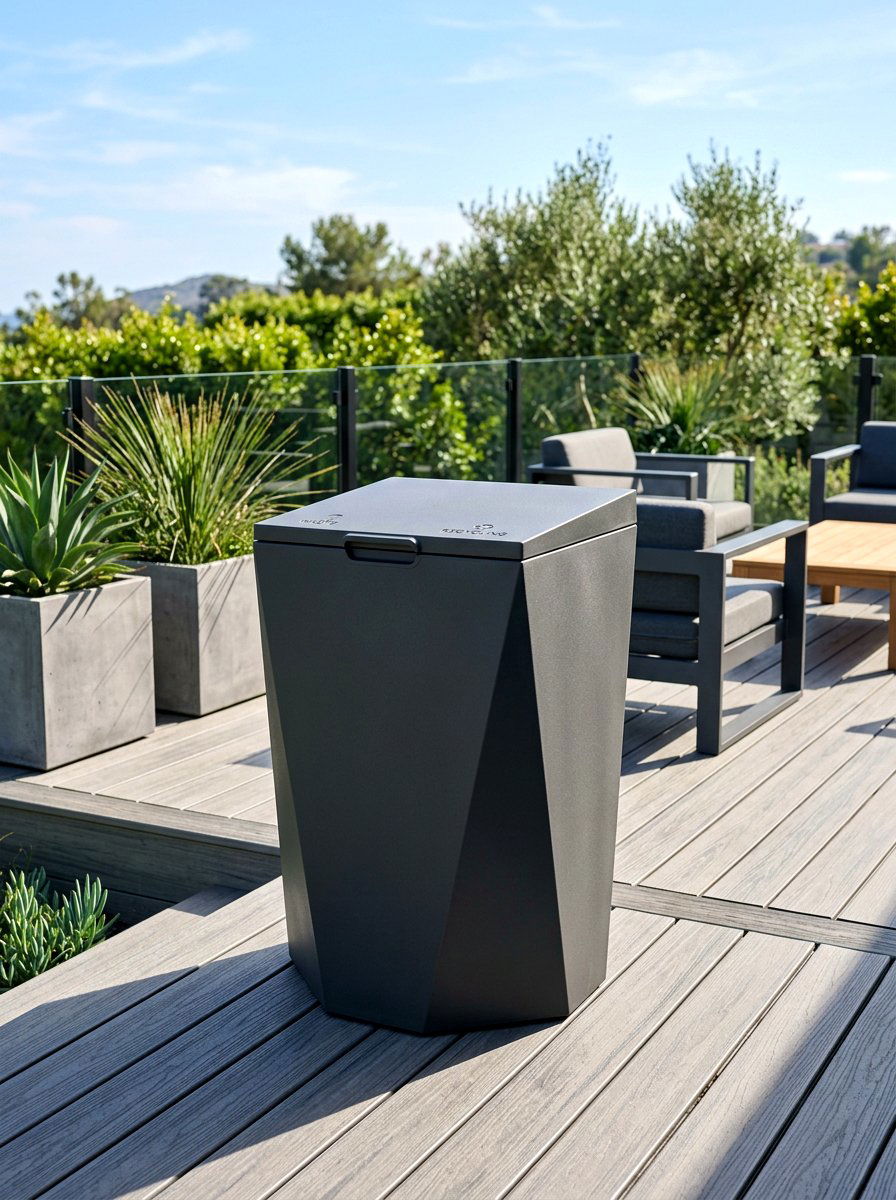
Sleek, manufactured resin bins are designed for homeowners who want a high-performance composter that looks like a piece of modern outdoor furniture. These bins are often dark-colored to maximize heat absorption and feature advanced ventilation systems that are hidden from view. They are engineered to be completely rodent-proof and often include convenient features like easy-open lids and sliding access doors at the bottom for harvesting soil. The clean lines and neutral colors allow these bins to blend into contemporary patios and decks seamlessly. They offer a "plug and play" experience for busy families who want a reliable and attractive way to recycle their food waste.
30. Electric Kitchen Composter
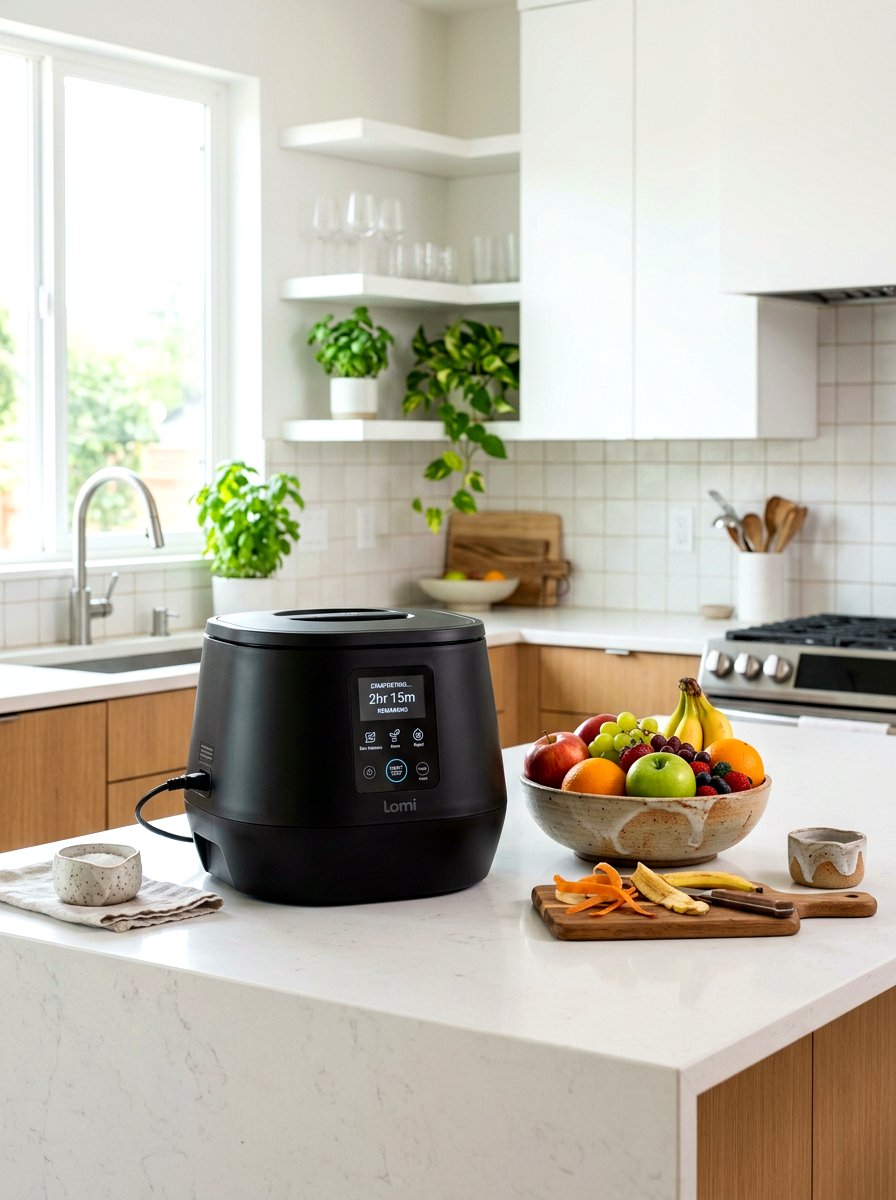
An electric kitchen composter is a high-tech appliance that can turn food scraps into a dry, soil-like amendment in just a few hours. These machines use heat and mechanical grinding to break down everything from vegetable peels to small bones and dairy products. Because the entire process happens inside a sealed unit on your countertop, there is no smell, no mess, and no need to wait months for nature to take its course. This is the ultimate solution for people living in high-rise apartments or those with no outdoor space at all. It provides an immediate and satisfying way to reduce your environmental footprint without leaving your kitchen.
Conclusion:
Choosing the right composting system is a personal decision that depends on your available space, budget, and the amount of time you wish to invest. From simple wire mesh cylinders to advanced electric countertop appliances, the thirty options discussed here provide a solution for every type of home and garden. By selecting a method that fits your lifestyle, you are much more likely to stick with the habit and enjoy the incredible benefits of creating your own organic fertilizer. Remember that composting is both a science and an art; don't be afraid to experiment with different techniques until you find the one that works best for your unique environment. As you begin to see your kitchen scraps transform into rich, dark soil, you will gain a deeper appreciation for the natural cycles of life and growth. Your garden will thank you with more vibrant flowers and a more bountiful harvest for many years to come.

Related posts: