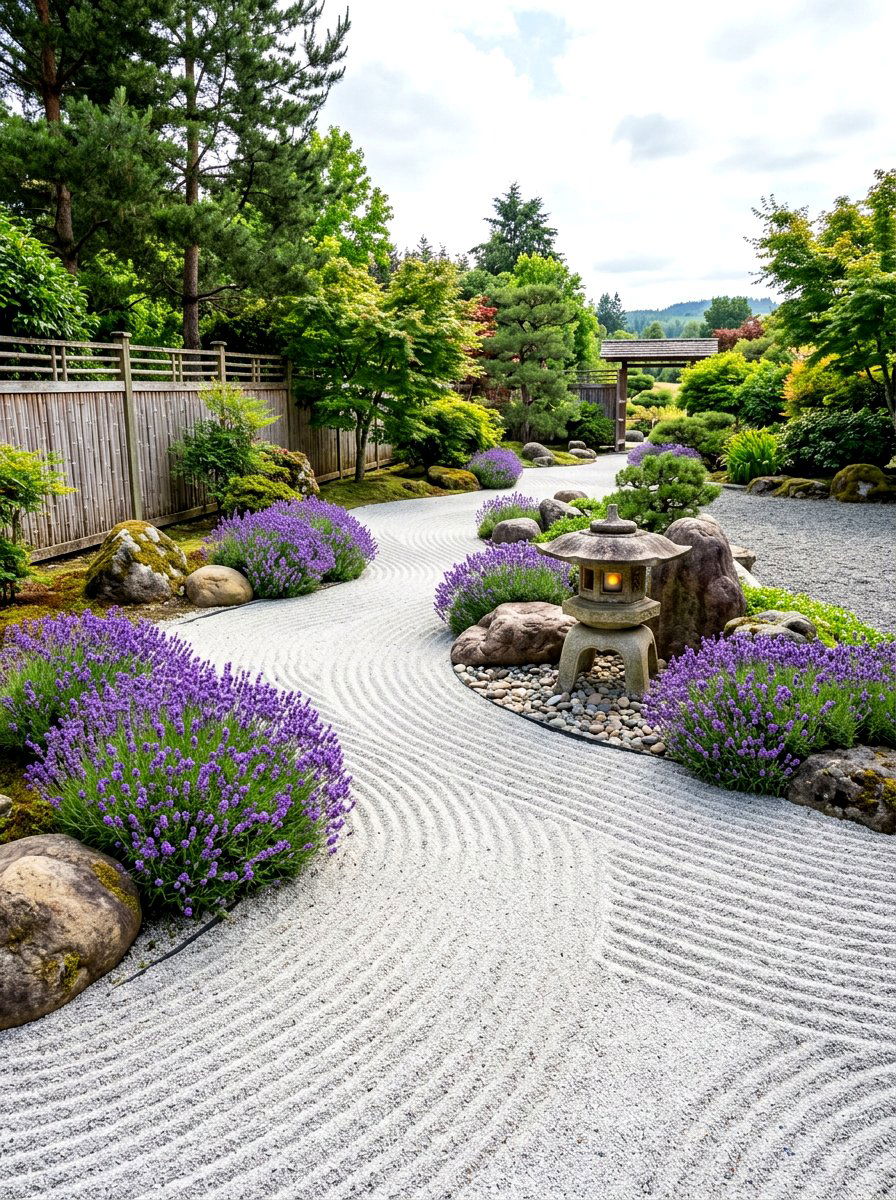
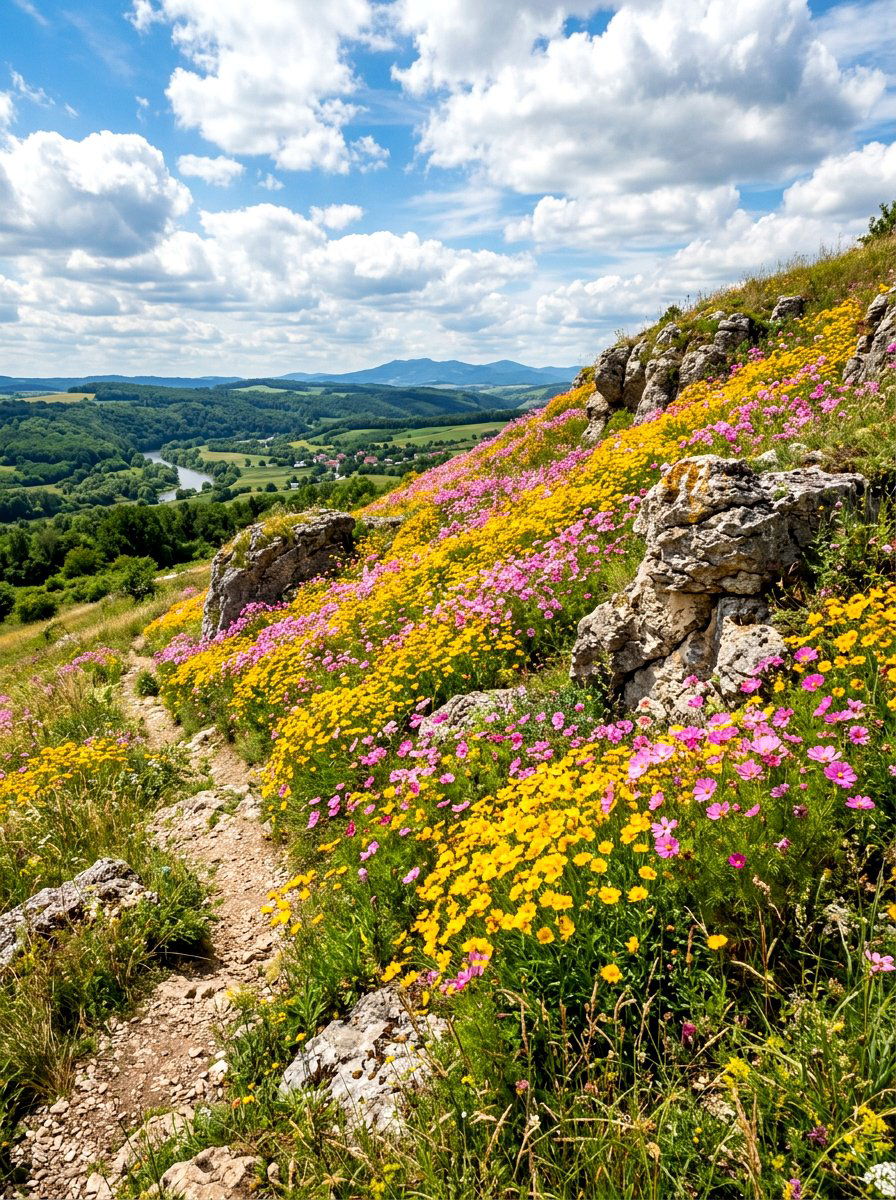
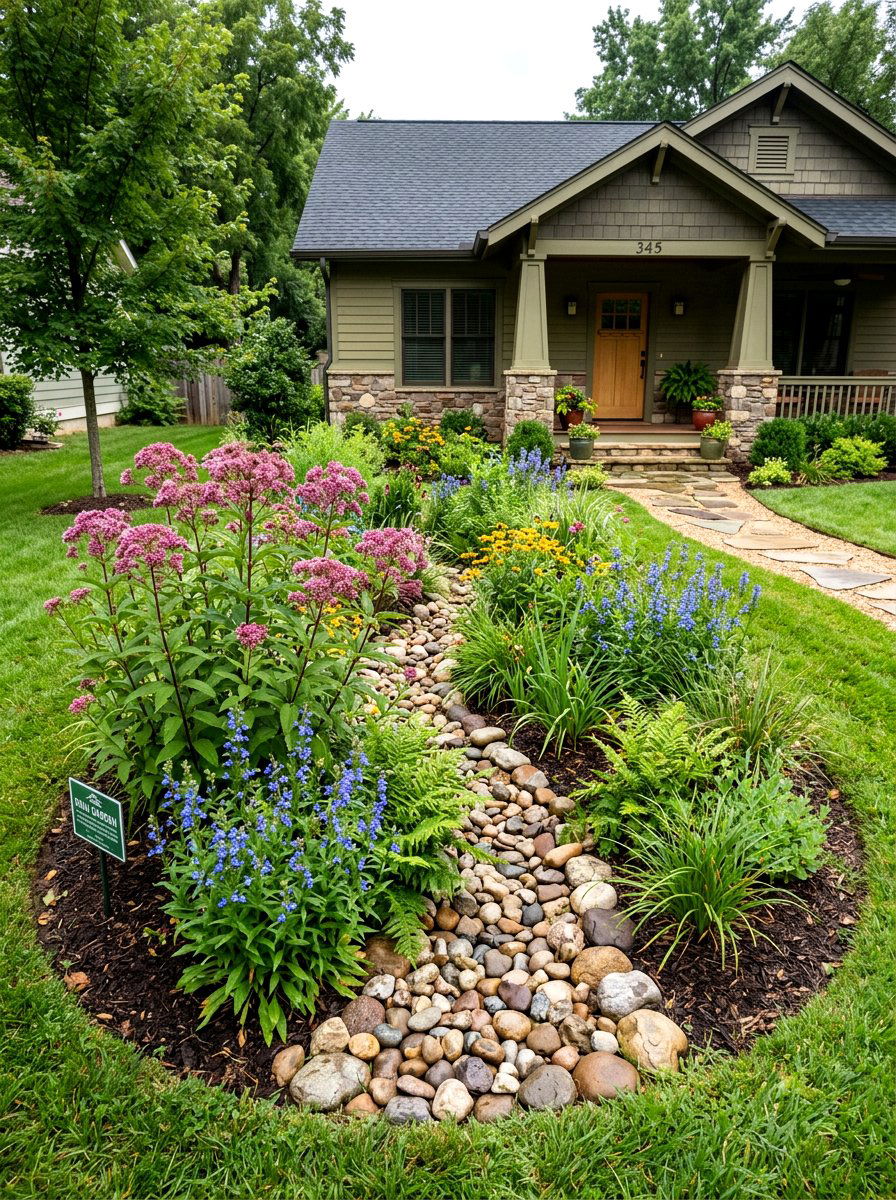
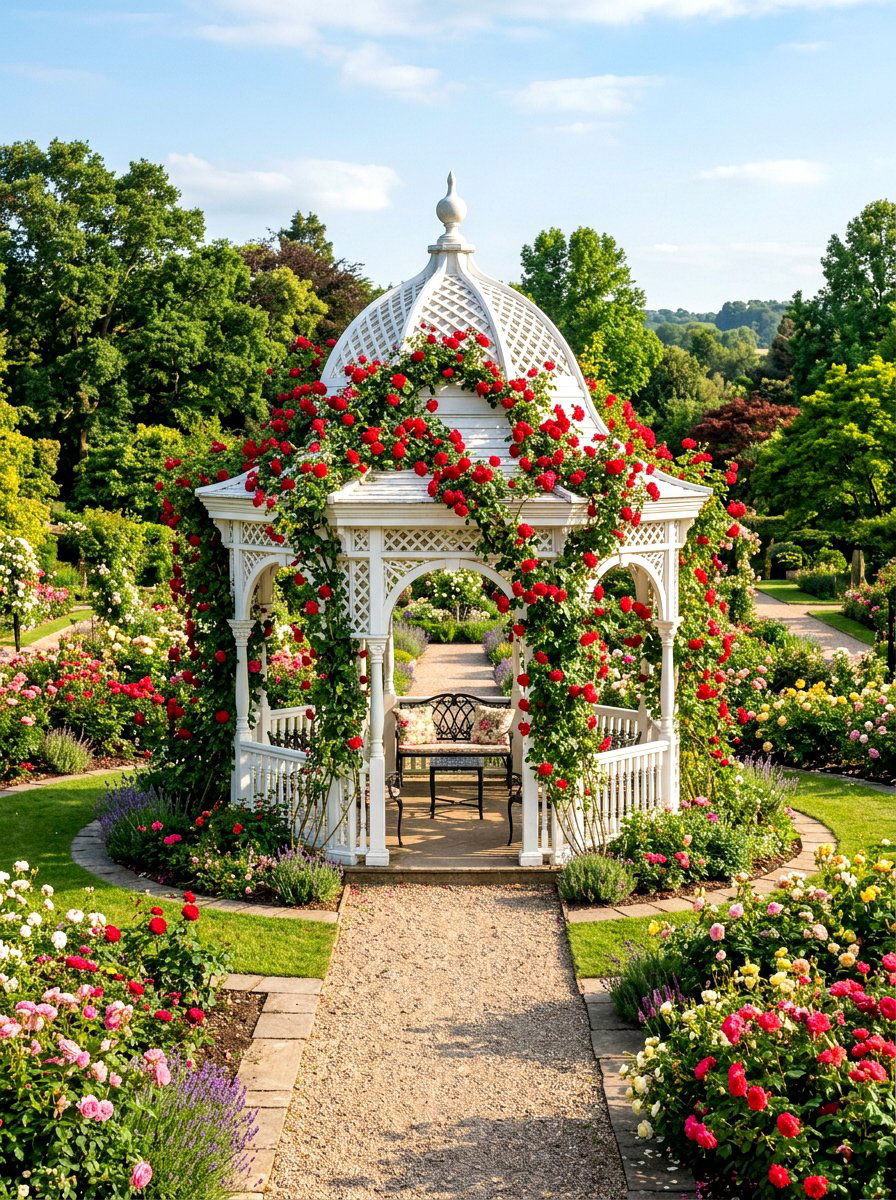
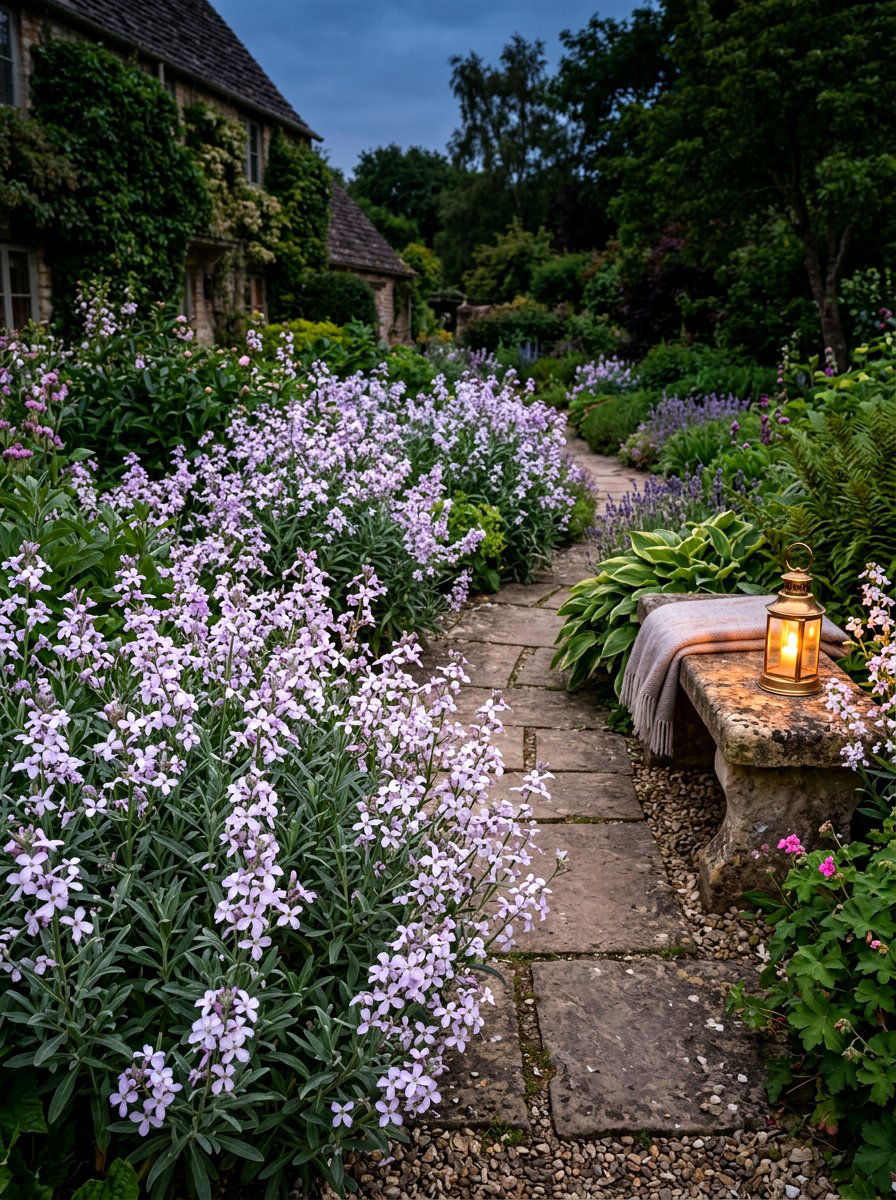
Imagine stepping into a backyard filled with the soothing scent of purple blooms dancing in the summer breeze. Lavender is a versatile perennial that brings both visual beauty and a sense of tranquility to any outdoor landscape. Whether you are looking to create a formal French-inspired courtyard or a wild and romantic cottage retreat, this hardy herb offers endless possibilities for creative expression. From its silver-green foliage to its vibrant violet spikes, lavender thrives in sunny spots with well-drained soil. This guide explores thirty unique ways to integrate this timeless plant into your garden, ensuring your space looks and smells absolutely incredible all season long.
1. Lavender border along stone walkway
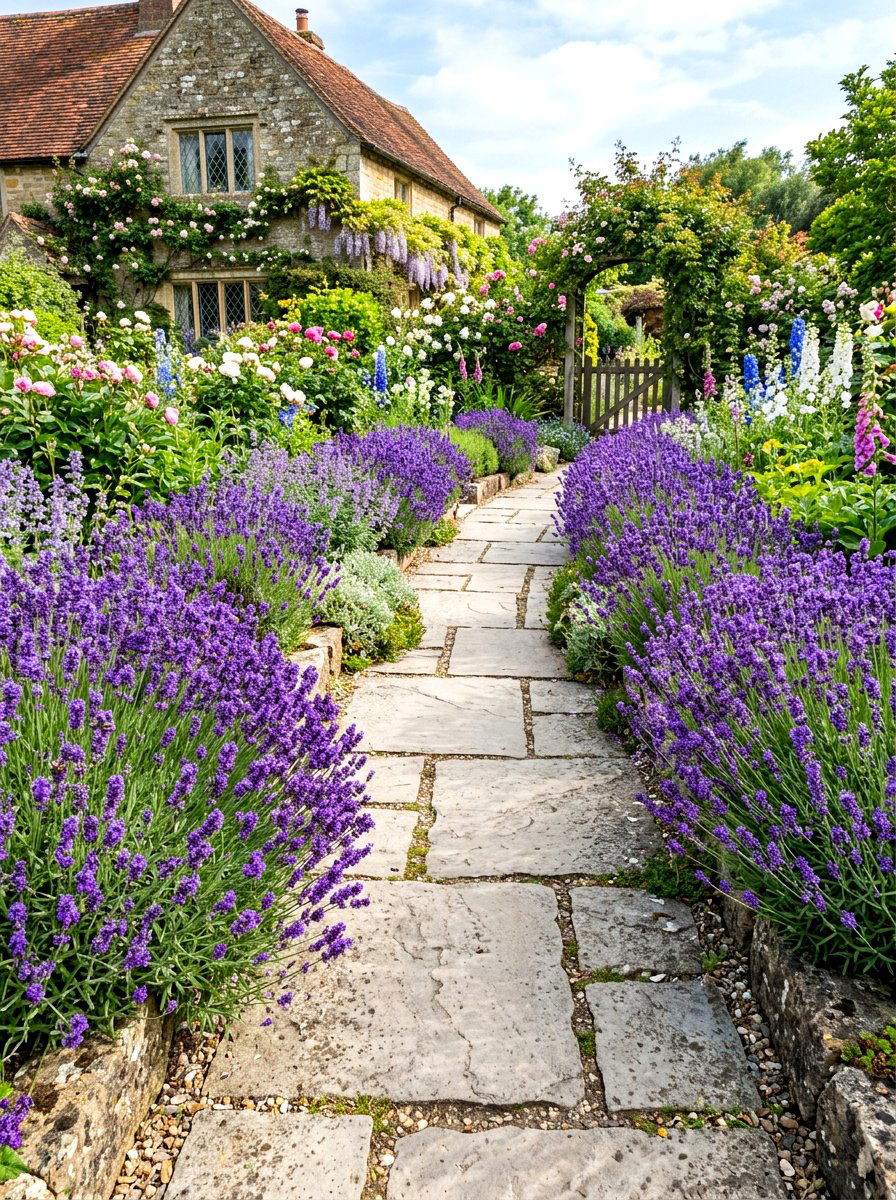
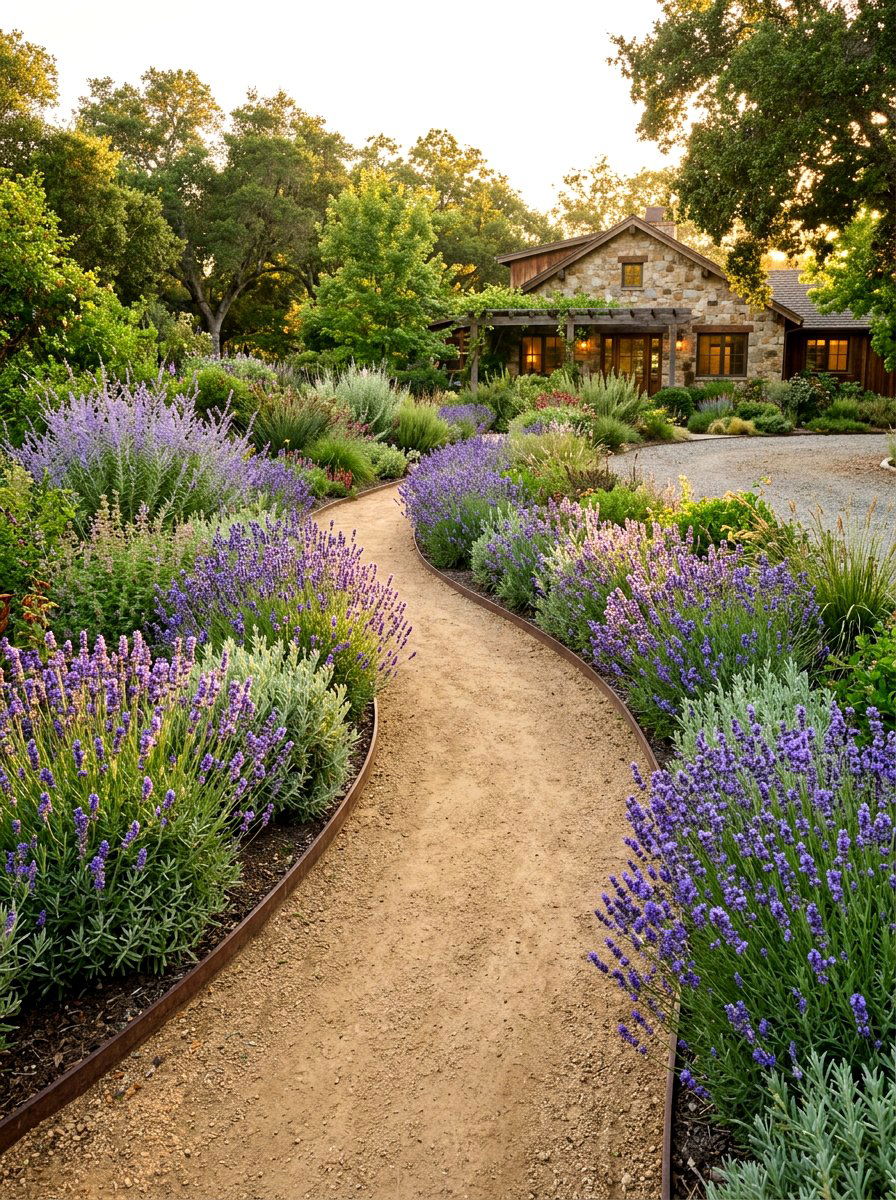
Walking through a garden where purple blooms spill over the edges of a path creates a truly magical experience. A lavender border along a stone walkway offers both visual beauty and a delightful fragrance as you brush past the plants. To achieve this look, space the lavender plants about twelve to eighteen inches apart so they grow into a seamless, billowy hedge. Use varieties like 'Hidcote' or 'Munstead' for a compact and sturdy structure. The cool gray tones of natural stone contrast perfectly with the vibrant violet flowers. This setup also helps keep the lavender's roots dry, as stone reflects heat and encourages drainage throughout the year.
2. English lavender cottage garden
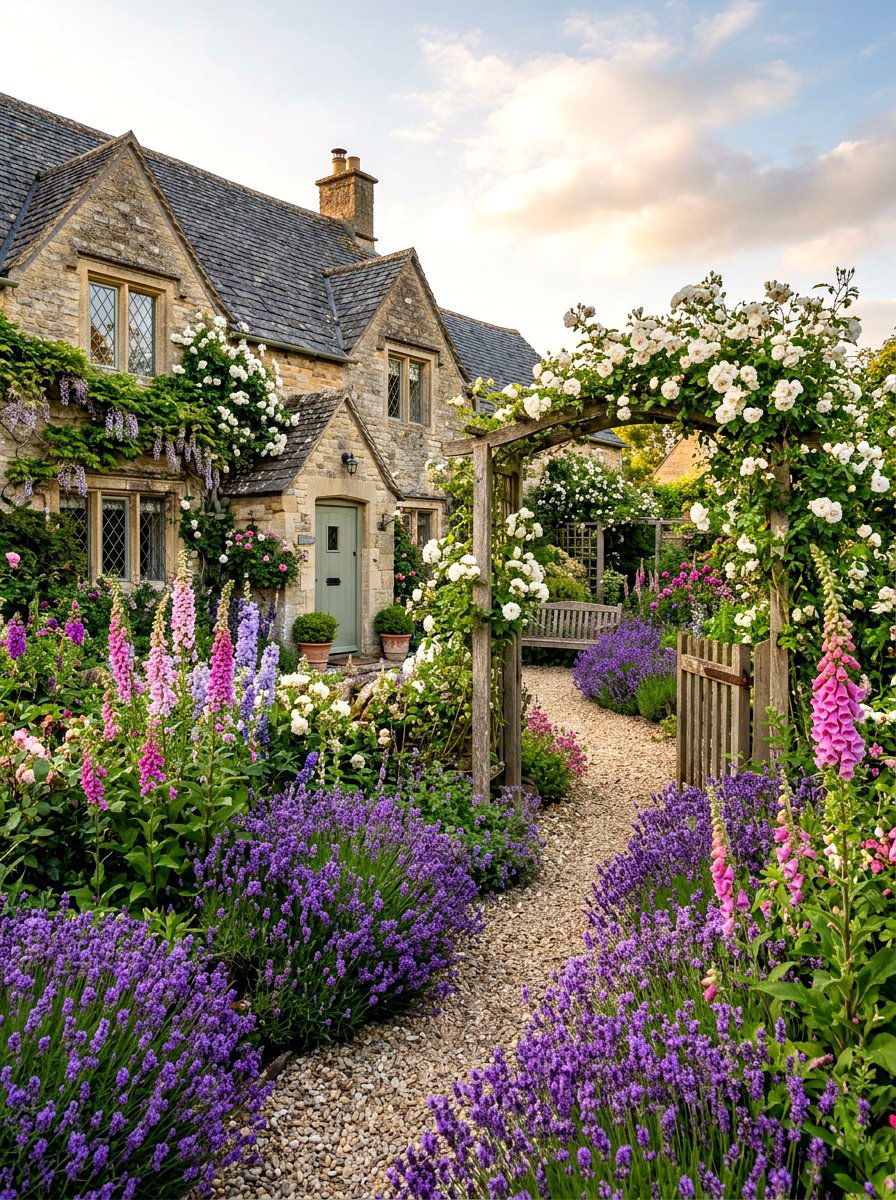
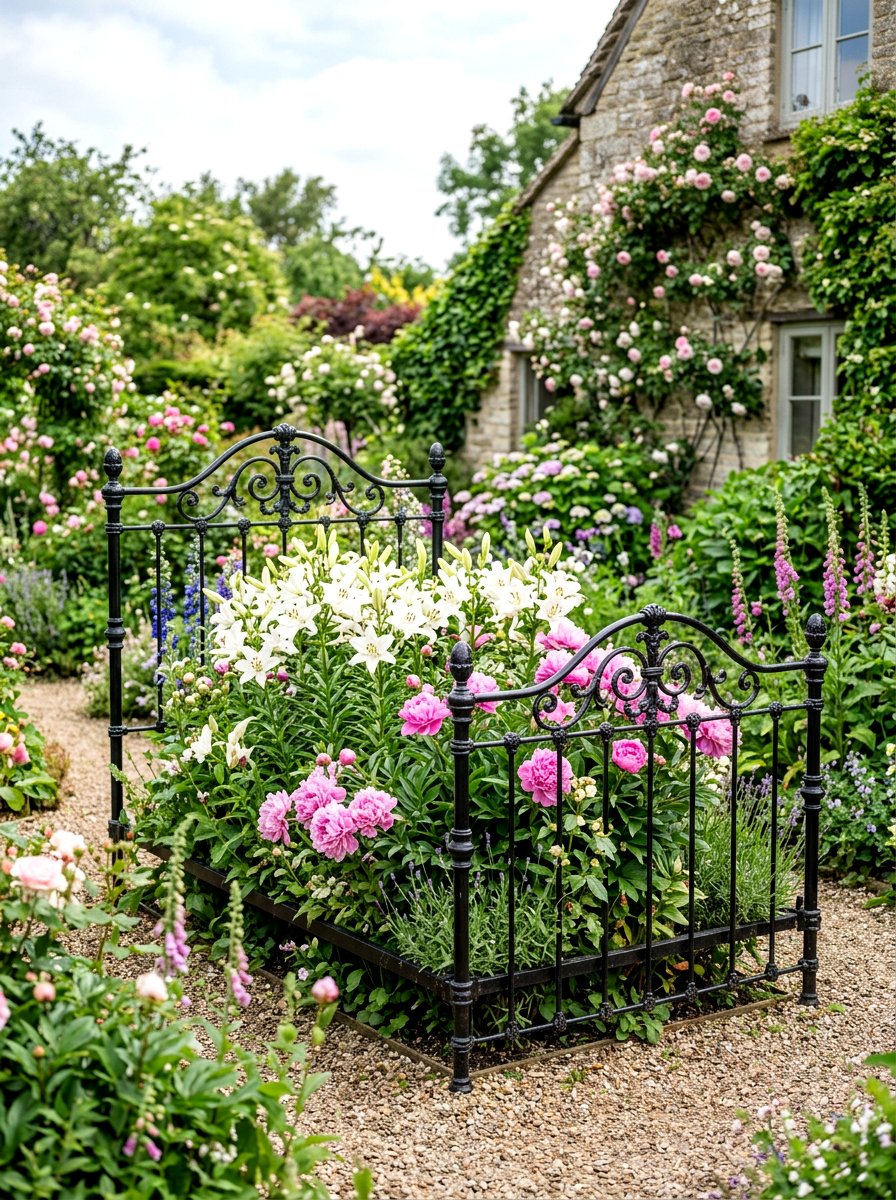
Have you ever dreamed of a romantic, overflowing garden that feels like a scene from a classic novel? An English lavender cottage garden combines soft textures and delicate colors to create a whimsical atmosphere. You can mix English lavender varieties like 'Munstead' with traditional cottage favorites such as foxgloves, hollyhocks, and delphiniums. The tall spikes of lavender add structure while the surrounding flowers provide height and variety. This style focuses on informal layouts where plants intermingle freely, spilling over paths and creating a lush, layered appearance. It is a perfect way to attract bees and butterflies while enjoying a fragrant, colorful sanctuary in your backyard.
3. French lavender hedge for privacy
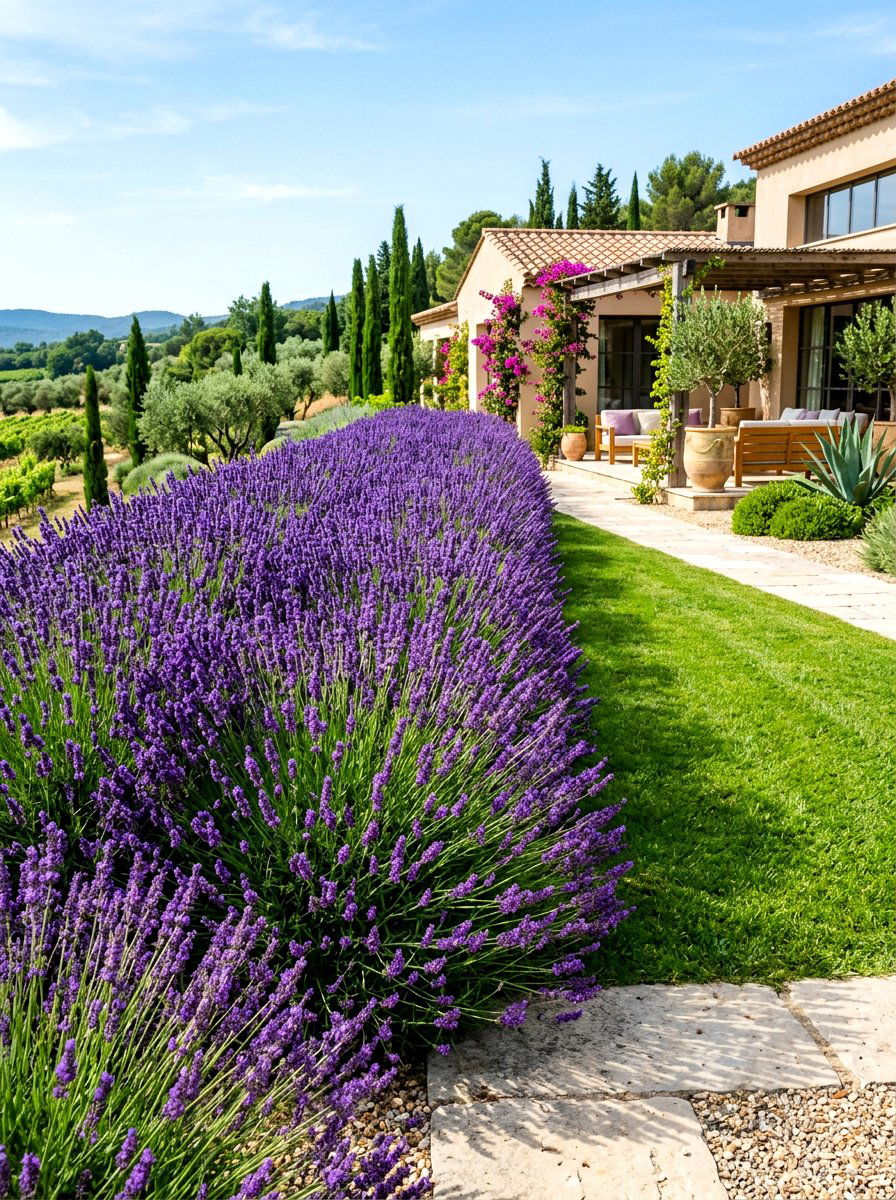
Could a living fence be the solution to adding both beauty and seclusion to your property? A French lavender hedge for privacy uses larger varieties like 'Grosso' or 'Provence' to create a substantial, aromatic barrier. These hybrids, known as lavandins, grow taller and wider than typical English types, reaching up to three feet in height. When planted in a tight row, they form a dense wall of silvery foliage topped with long, elegant flower spikes. This type of hedging works beautifully to define garden boundaries or separate different outdoor "rooms. " Regular pruning after blooming ensures the hedge remains thick and prevents it from becoming too woody.
4. Lavender and rose garden bed
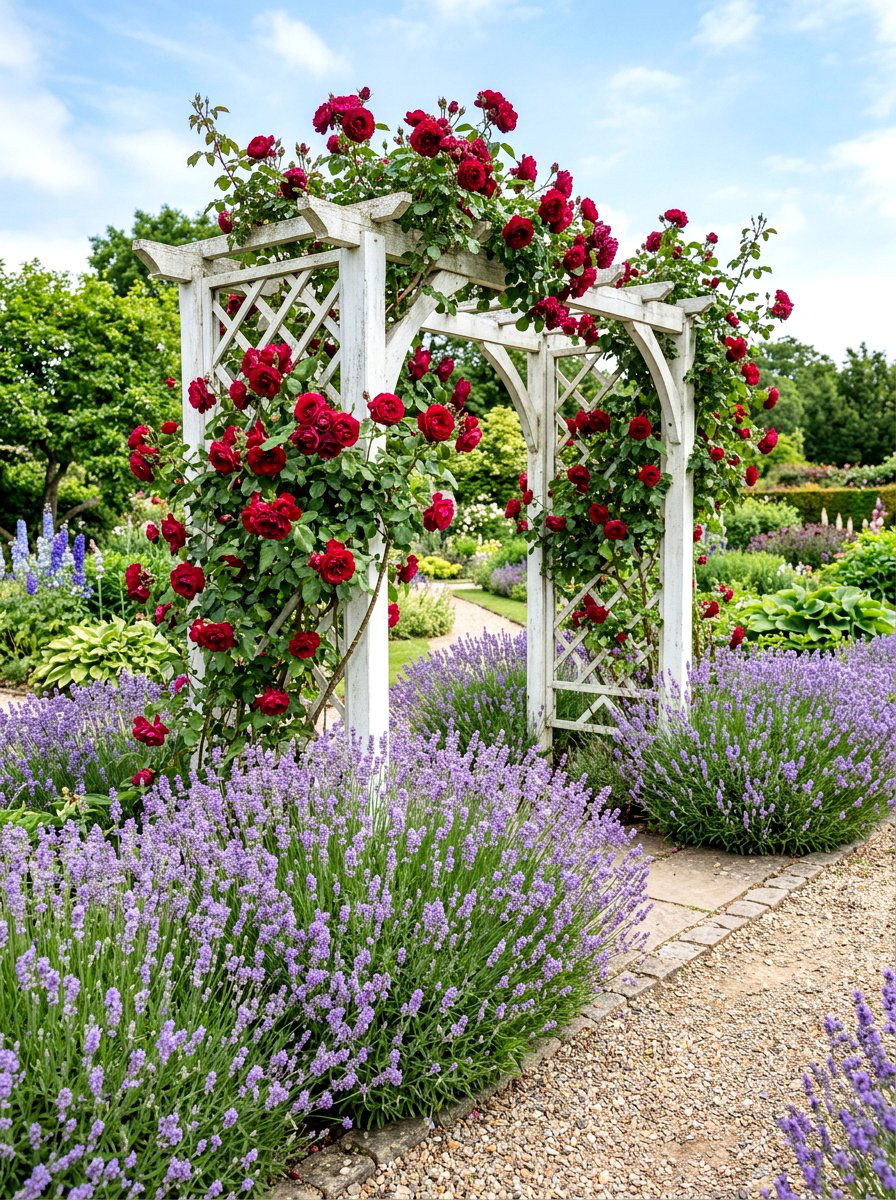
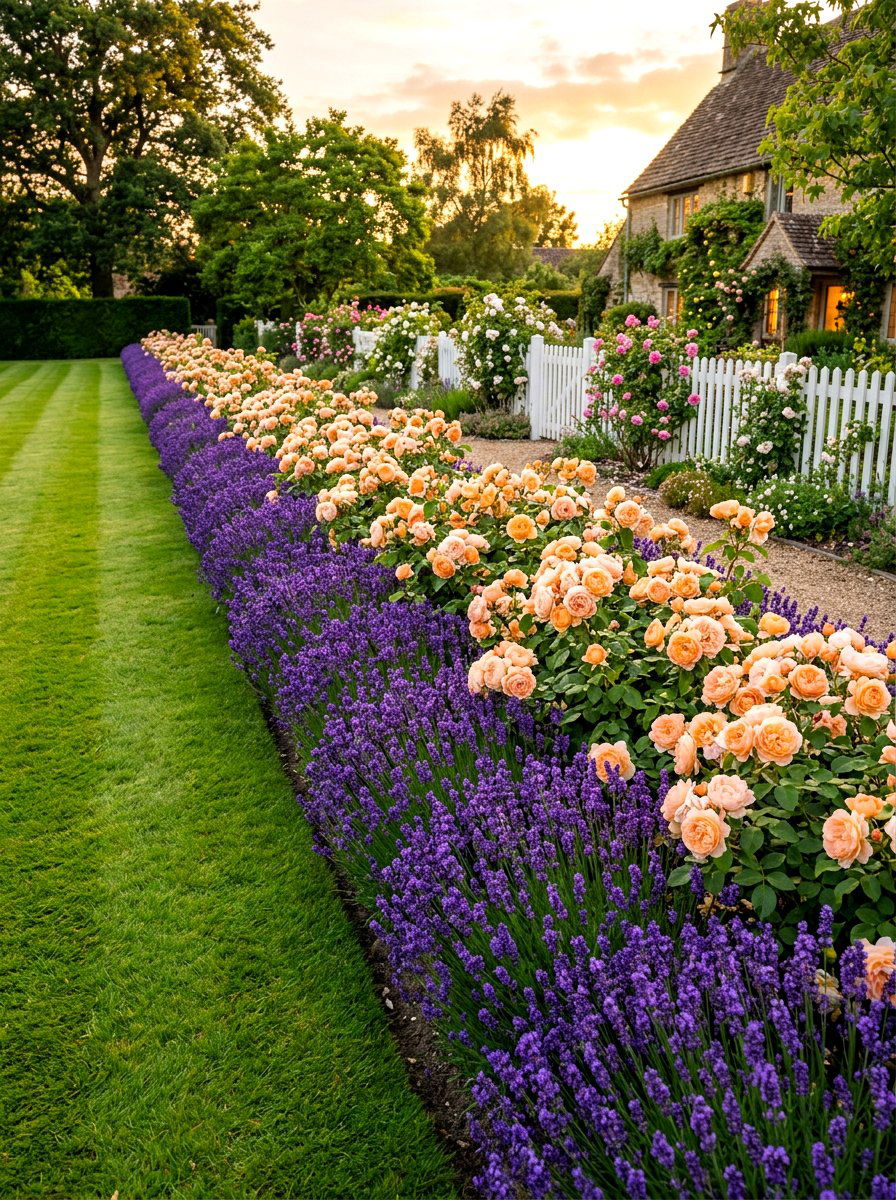
Why not pair the two most iconic garden plants together for a truly breathtaking display? A lavender and rose garden bed is a classic combination that offers a feast for the senses. Lavender’s silvery leaves and purple flowers provide a stunning backdrop for the vibrant blooms of roses. Beyond aesthetics, this pairing is practical because lavender can help deter common rose pests like aphids with its strong scent. Choose dwarf lavender varieties for the front of the bed and taller shrub roses for the back to create a beautiful sense of depth. Both plants love full sun and well-drained soil, making them ideal companions for sunny spots.
5. Potted lavender on sunny patio
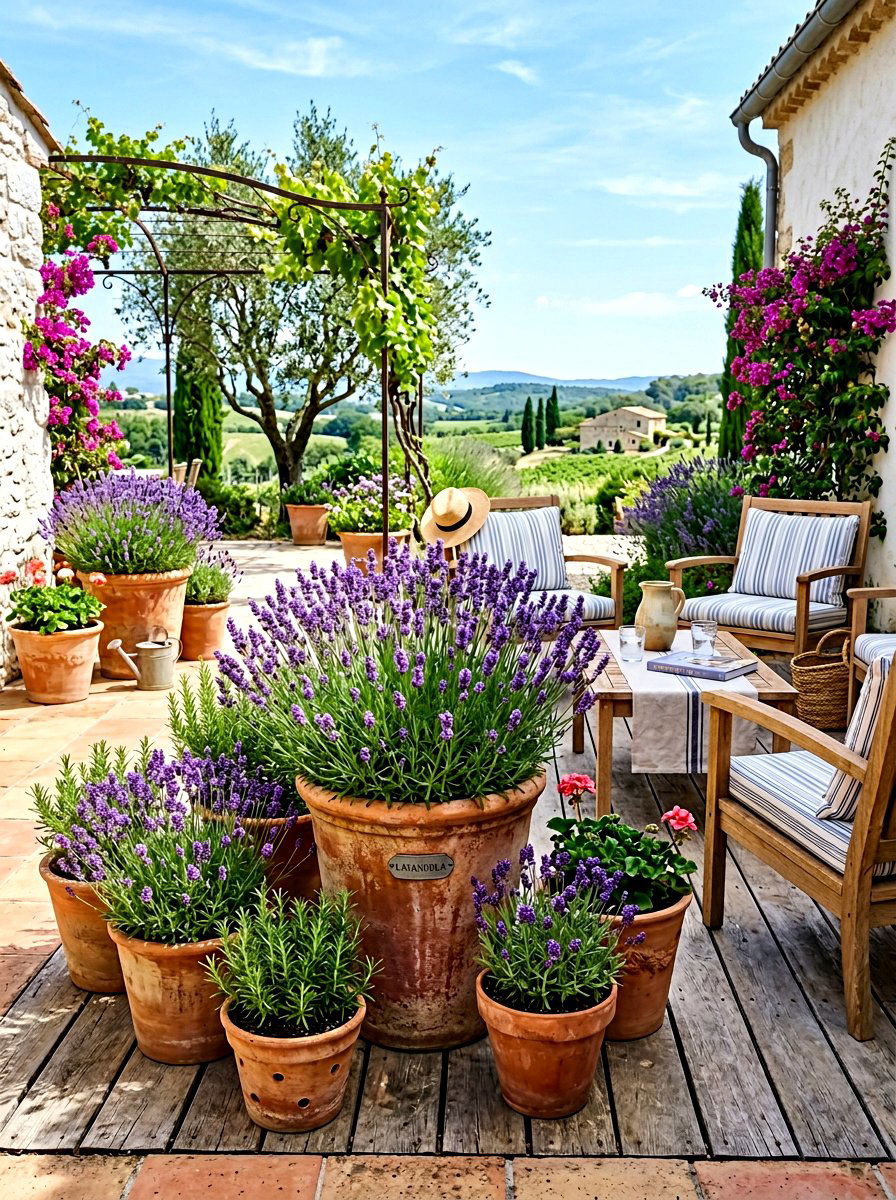
Do you have limited space but still want to enjoy the relaxing scent of fresh herbs? Potted lavender on a sunny patio is an excellent choice for balconies, decks, or small courtyards. Using large terracotta or ceramic pots provides the necessary drainage that lavender requires to thrive. You can arrange several pots of different heights to create a tiered visual effect. This mobile garden allows you to move the plants to follow the sun or protect them during extreme weather. For the best results, use a gritty potting mix and ensure the containers have plenty of holes. It is a simple way to bring Mediterranean charm to any porch.
6. Lavender in gravel Mediterranean garden
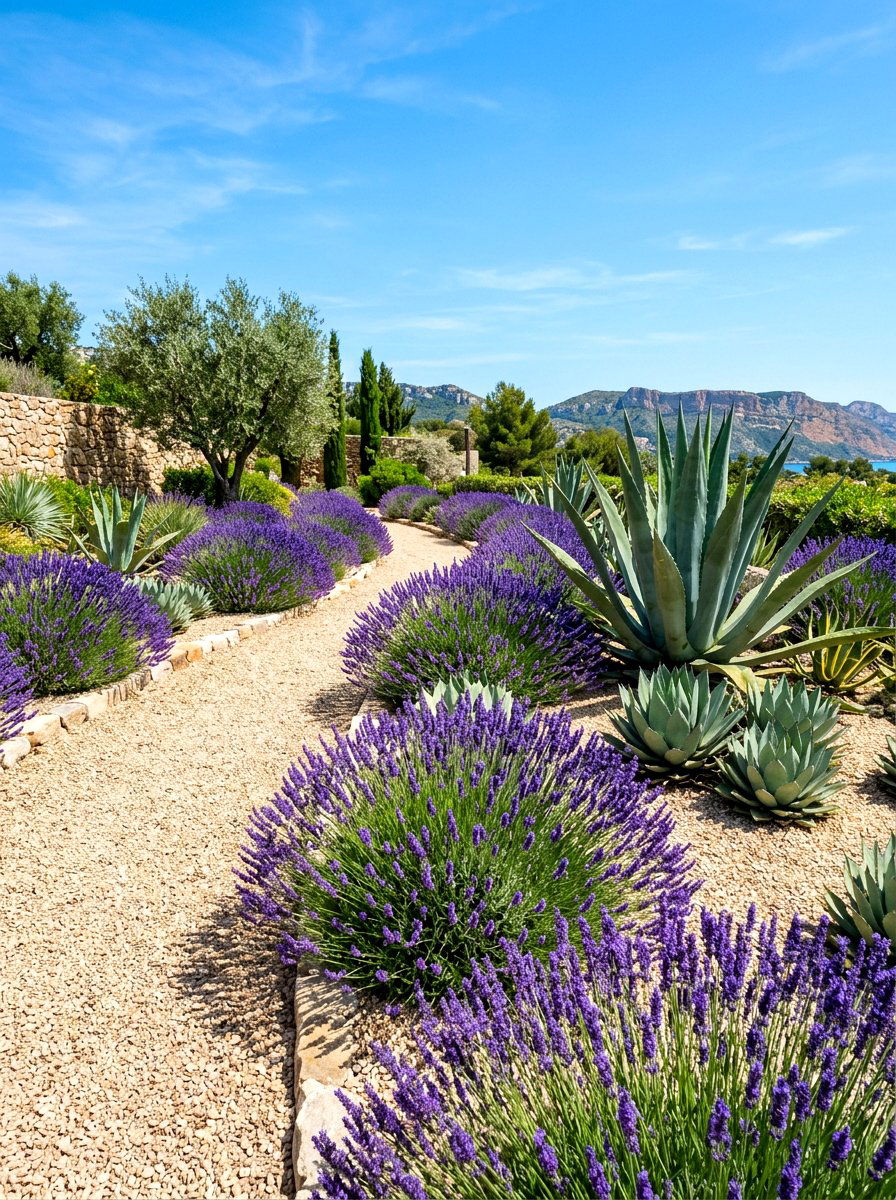
Transform your outdoor area into a water-wise sanctuary by incorporating lavender in a gravel Mediterranean garden. This low-maintenance approach uses gravel as a mulch, which helps reflect heat and keeps the base of the plants dry. Lavender thrives in these lean, rocky conditions, mimicking its native habitat along the coast. You can pair it with other drought-tolerant plants like olive trees, agave, and santolina to complete the look. The contrast between the soft purple blooms and the crunchy, neutral-colored gravel creates a modern and clean aesthetic. This setup is particularly effective for homeowners looking to reduce water usage while maintaining a lush and sophisticated landscape.
7. Lavender and ornamental grass pairing
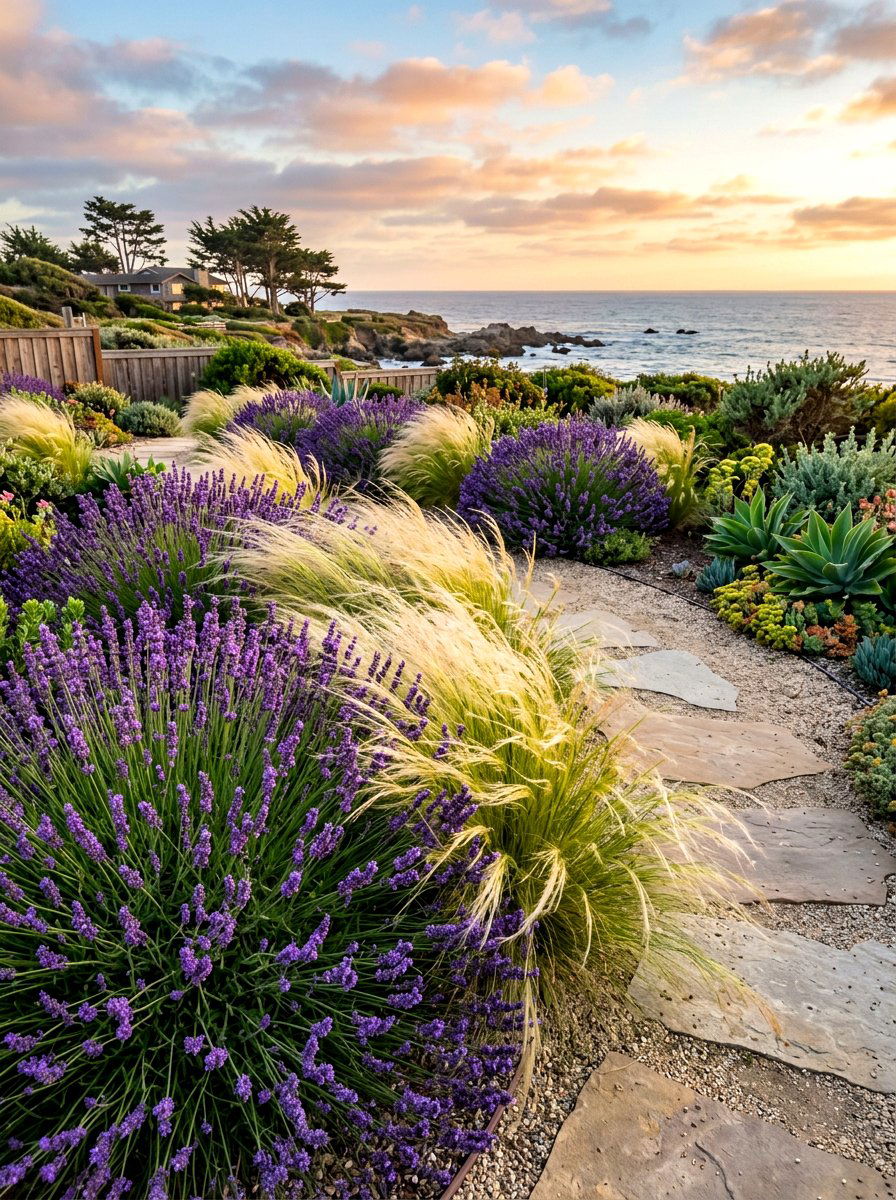
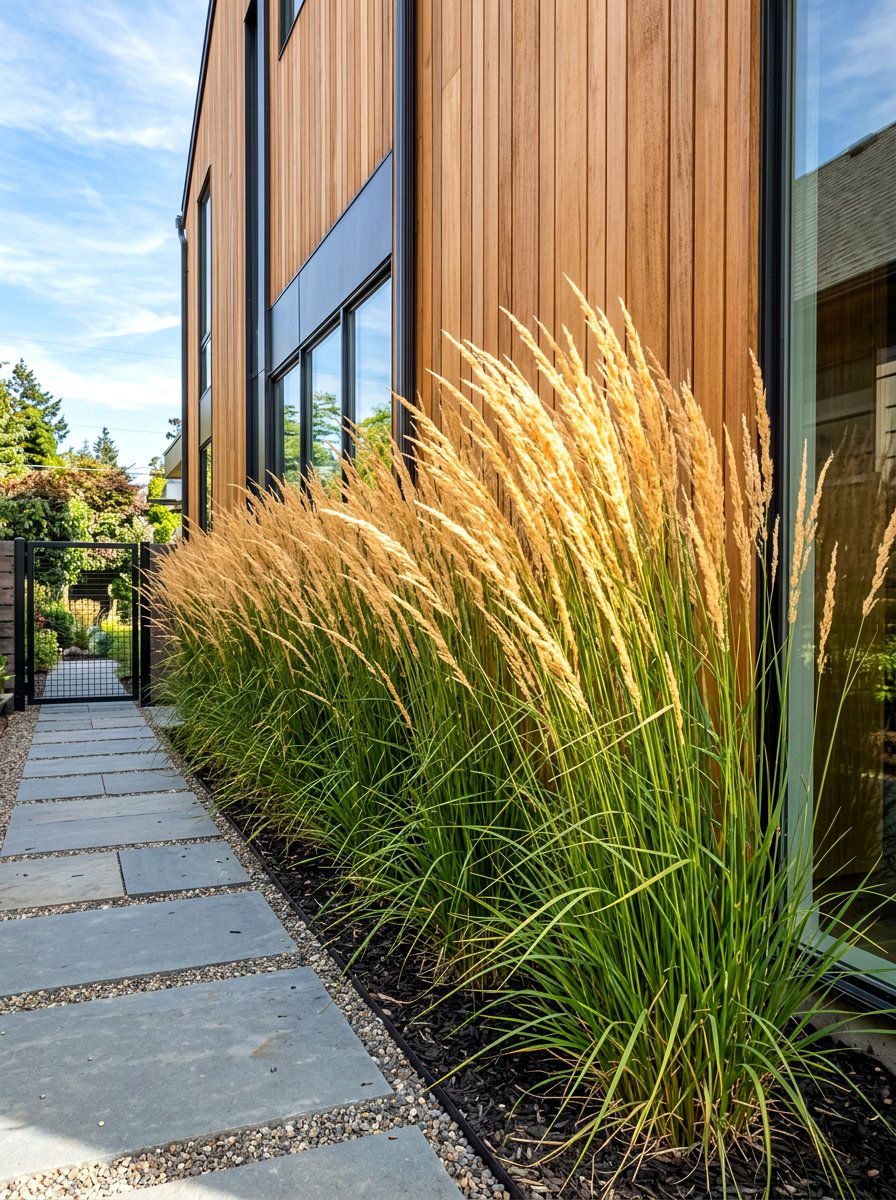
Are you looking for a way to add movement and texture to your garden beds? A lavender and ornamental grass pairing creates a soft, swaying landscape that looks beautiful year-round. The stiff, upright spikes of lavender contrast wonderfully with the wispy, flowing blades of grasses like Mexican feather grass or blue fescue. As the wind blows, the grasses dance around the lavender, adding a dynamic element to your outdoor space. This combination is highly resilient and requires very little water once established. It works exceptionally well in modern or coastal garden themes where a naturalistic and relaxed vibe is desired for a calming and serene environment.
8. White lavender garden variety
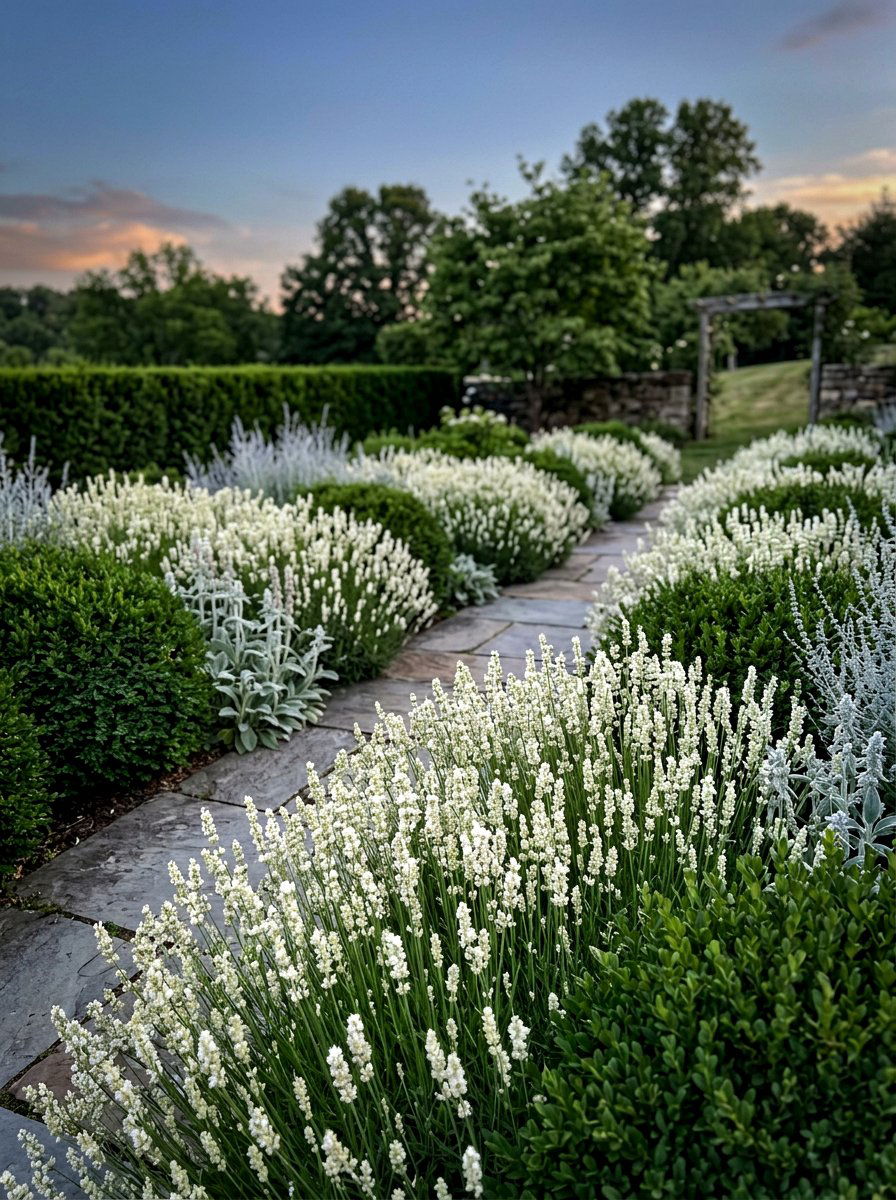
While most people associate this plant with shades of purple, a white lavender garden variety offers a sophisticated and crisp alternative. Varieties like 'Edelweiss' or 'Arctic Snow' produce stunning white flower spikes that brighten up shaded corners or look striking against dark green foliage. Planting white lavender creates a peaceful "moon garden" effect, as the pale blooms reflect light during the evening hours. You can mix it with traditional purple varieties to add depth or use it as a standalone feature for a clean, minimalist look. White lavender carries the same sweet fragrance as its purple counterparts, making it a unique and elegant addition to any floral display.
9. Lavender under olive tree
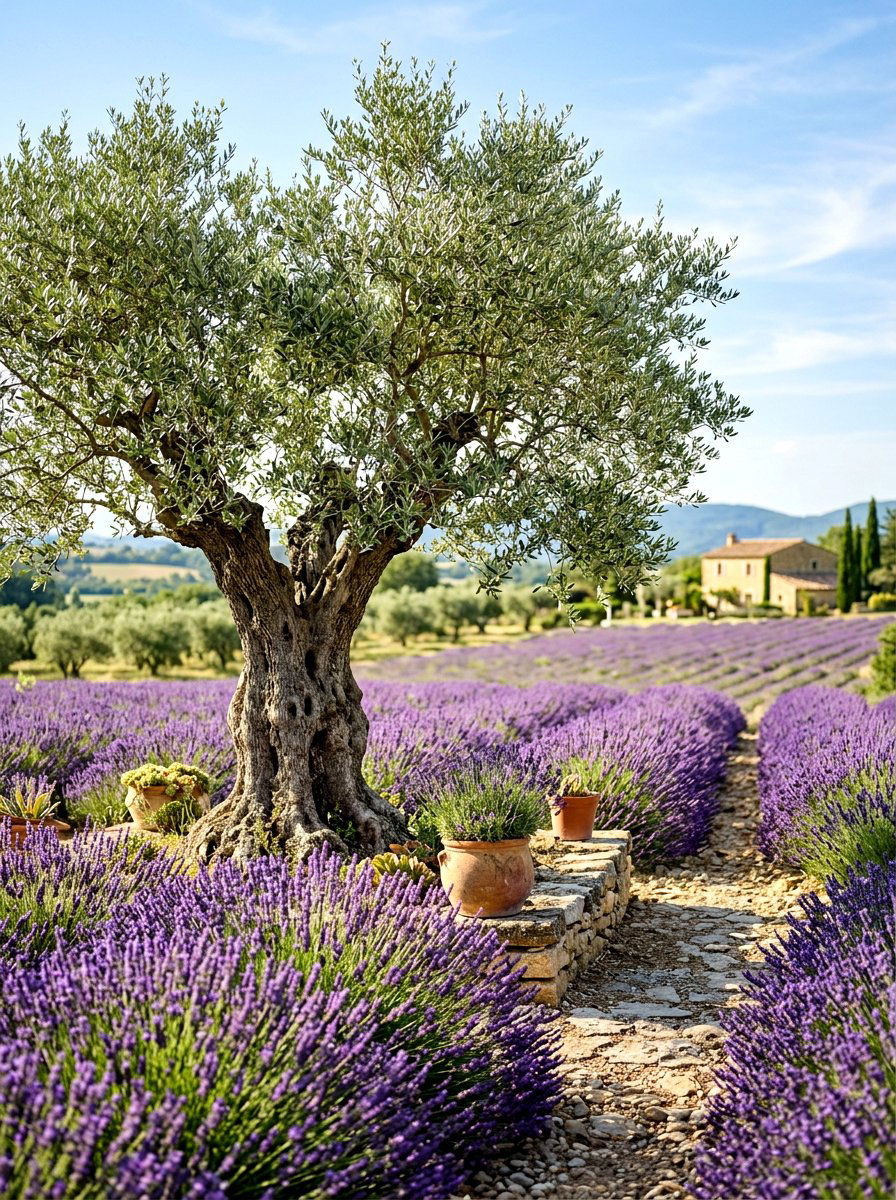
Bringing a touch of the Italian countryside to your backyard is easy when you plant lavender under an olive tree. The silvery-green leaves of both plants complement each other perfectly, creating a cohesive and timeless Mediterranean aesthetic. Since olive trees provide light, dappled shade, they offer just enough protection without blocking the sun that lavender needs. This underplanting technique helps fill the space around the base of the tree with color and fragrance. It also serves as a living mulch that suppresses weeds and attracts pollinators to the area. This pairing is ideal for large terracotta planters or open garden beds in warm, sunny climates across the country.
10. Raised bed lavender planting
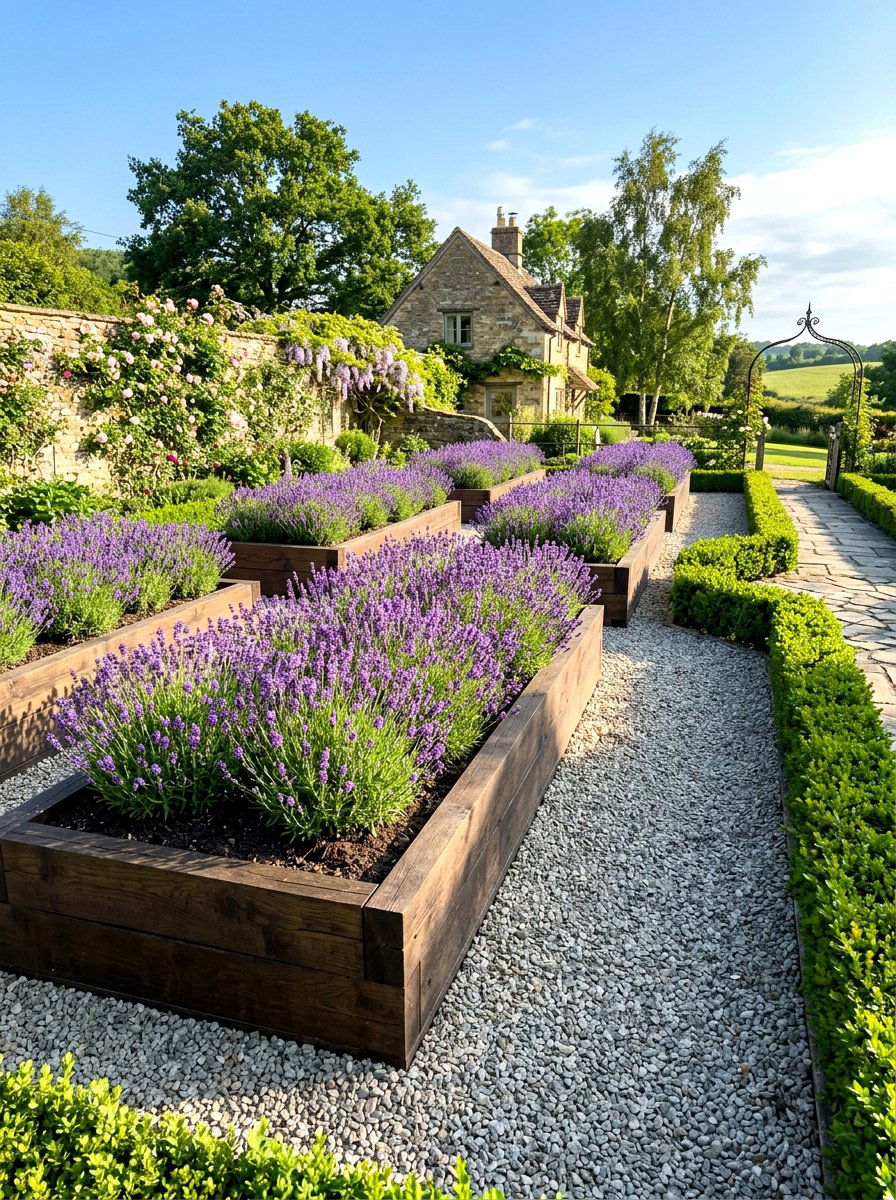
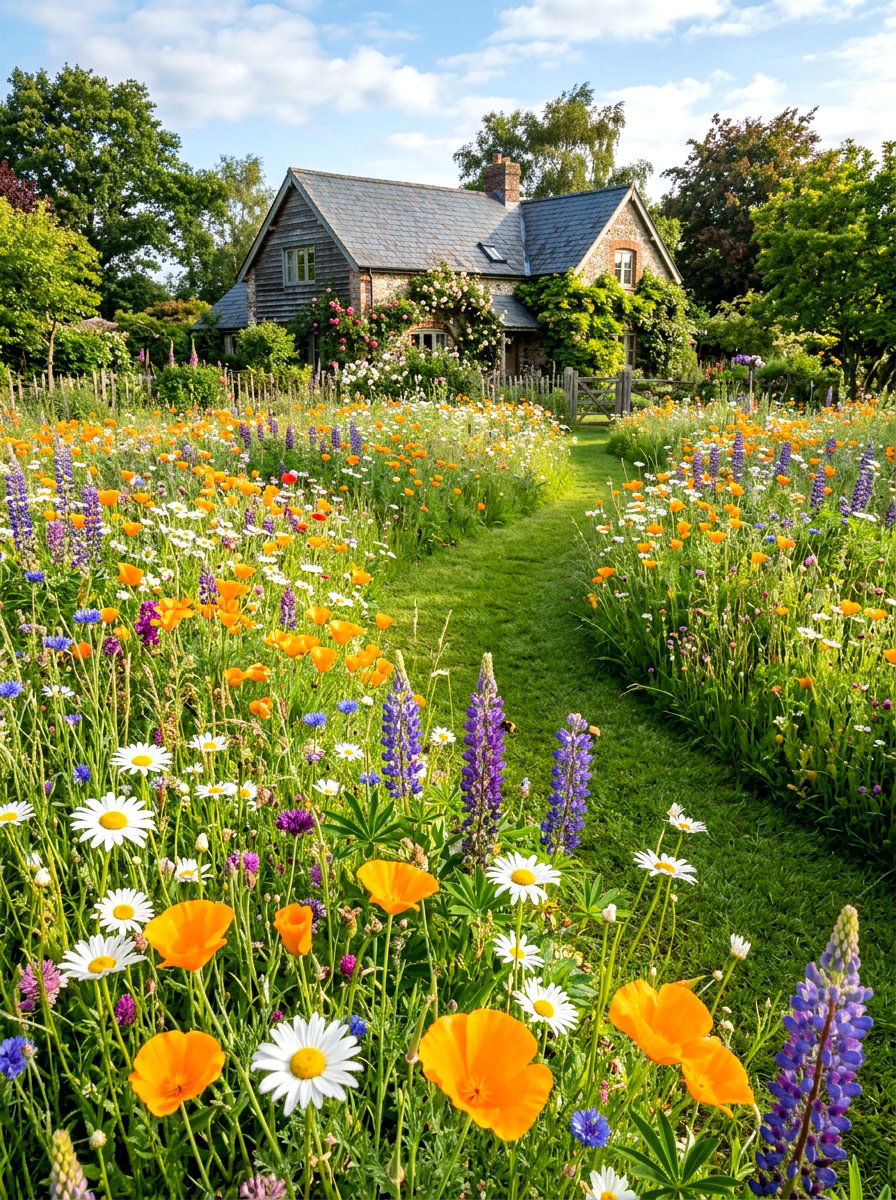
Struggling with heavy clay soil that stays wet for too long can be a challenge for many gardeners. A raised bed lavender planting provides the perfect solution by ensuring superior drainage and controlled soil quality. By elevating the plants, you allow excess water to flow away from the roots, preventing the rot that often kills lavender in damp climates. You can fill the raised beds with a custom mix of sandy loam and grit to create the ideal growing environment. Additionally, raised beds bring the flowers closer to eye level, making it easier to enjoy their scent and harvest the blooms for various home projects or floral arrangements.
11. Lavender edging for vegetable garden
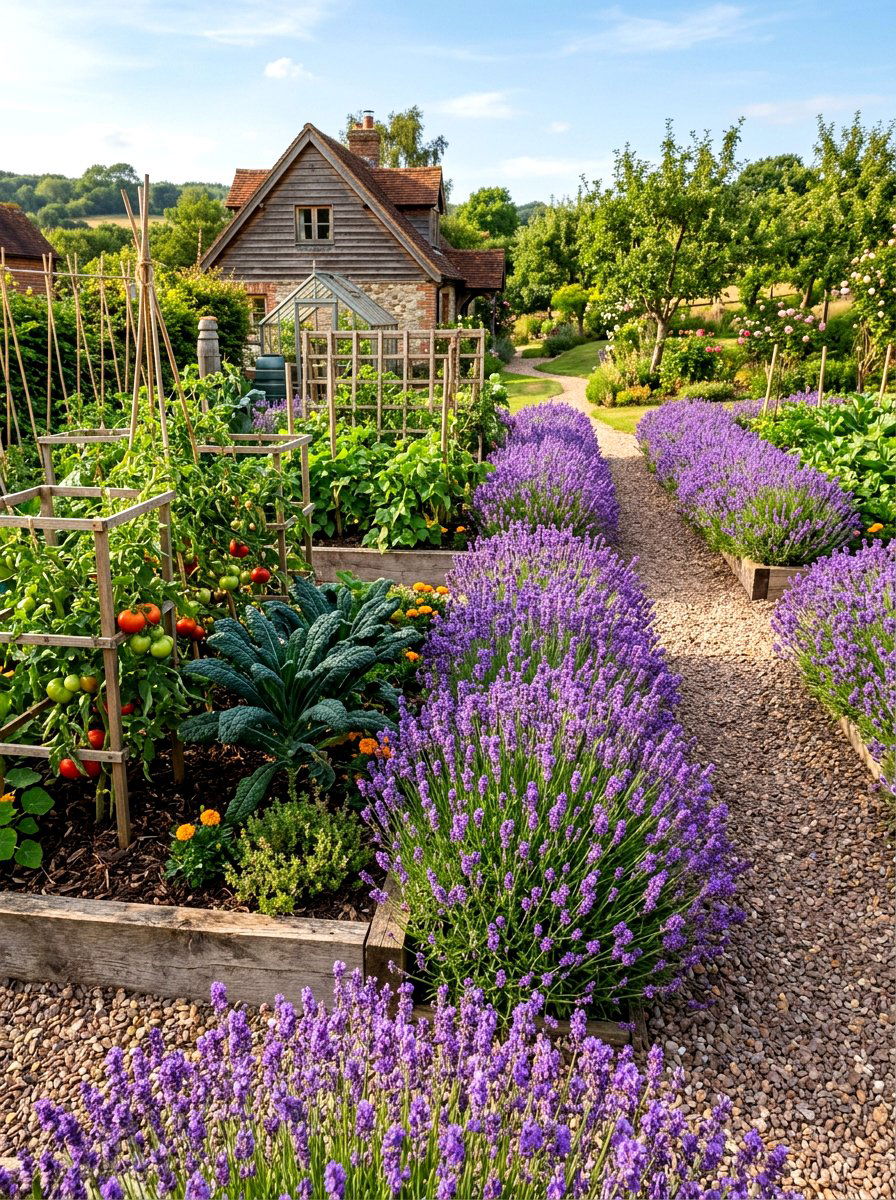
Did you know that adding fragrant herbs can actually help your food crops thrive? Lavender edging for a vegetable garden is a clever way to blend beauty with functionality in your backyard. The strong scent of lavender acts as a natural deterrent for common pests like moths and certain beetles that might otherwise target your vegetables. At the same time, the flowers are a magnet for bees, which help pollinate your tomatoes, squash, and peppers. Planting a low hedge of lavender around the perimeter of your garden beds creates a neat, organized look. It transforms a utilitarian space into a charming and aromatic kitchen garden destination.
12. Mass planting lavender for curb appeal
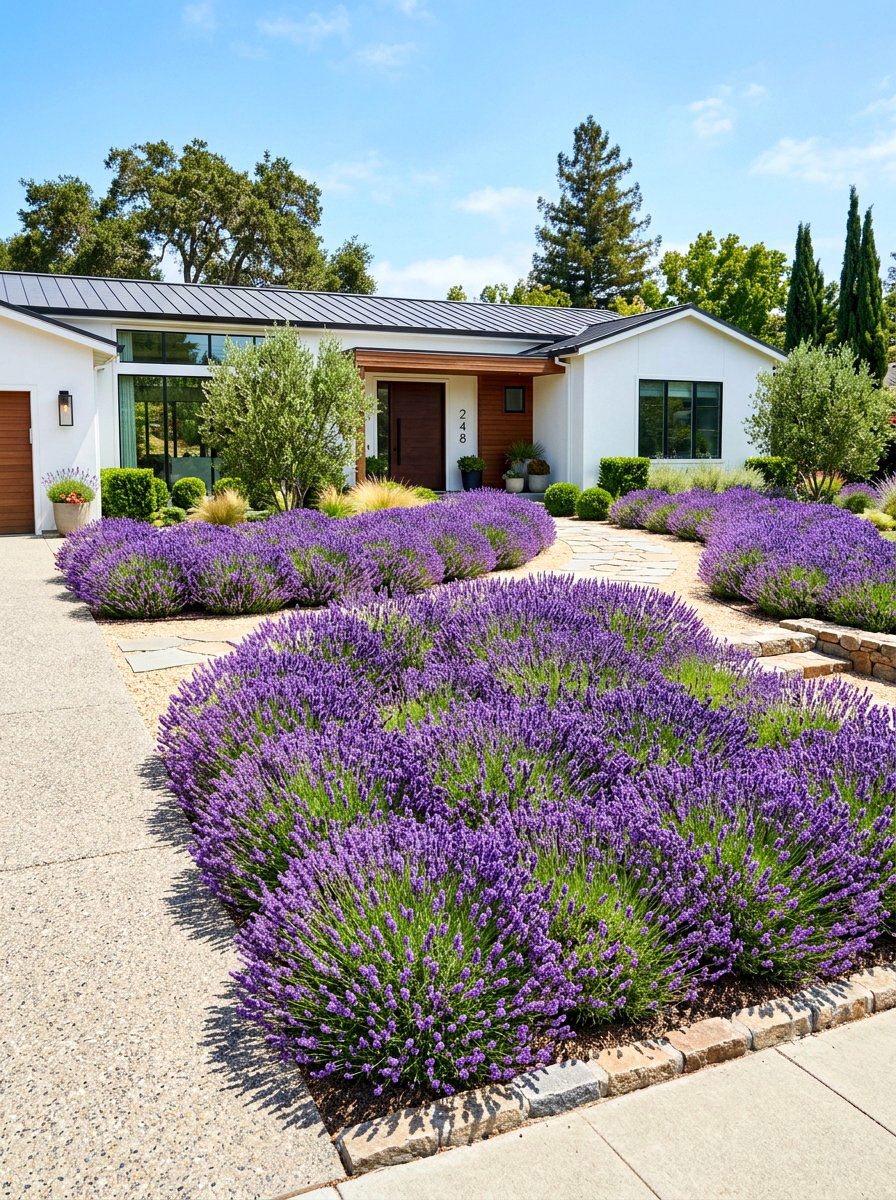
First impressions matter, and mass planting lavender for curb appeal is a guaranteed way to make your home stand out. Imagine a sea of purple waves greeting you every time you pull into your driveway. By planting large quantities of a single variety, you create a high-impact visual statement that is both modern and inviting. This technique works particularly well in front yards with full sun exposure, as it covers large areas with low-maintenance beauty. Lavender is also deer-resistant, making it a practical choice for homes in areas where wildlife might graze on other ornamental plants. It provides year-round structure and a stunning summer show.
13. Lavender and rosemary herb garden
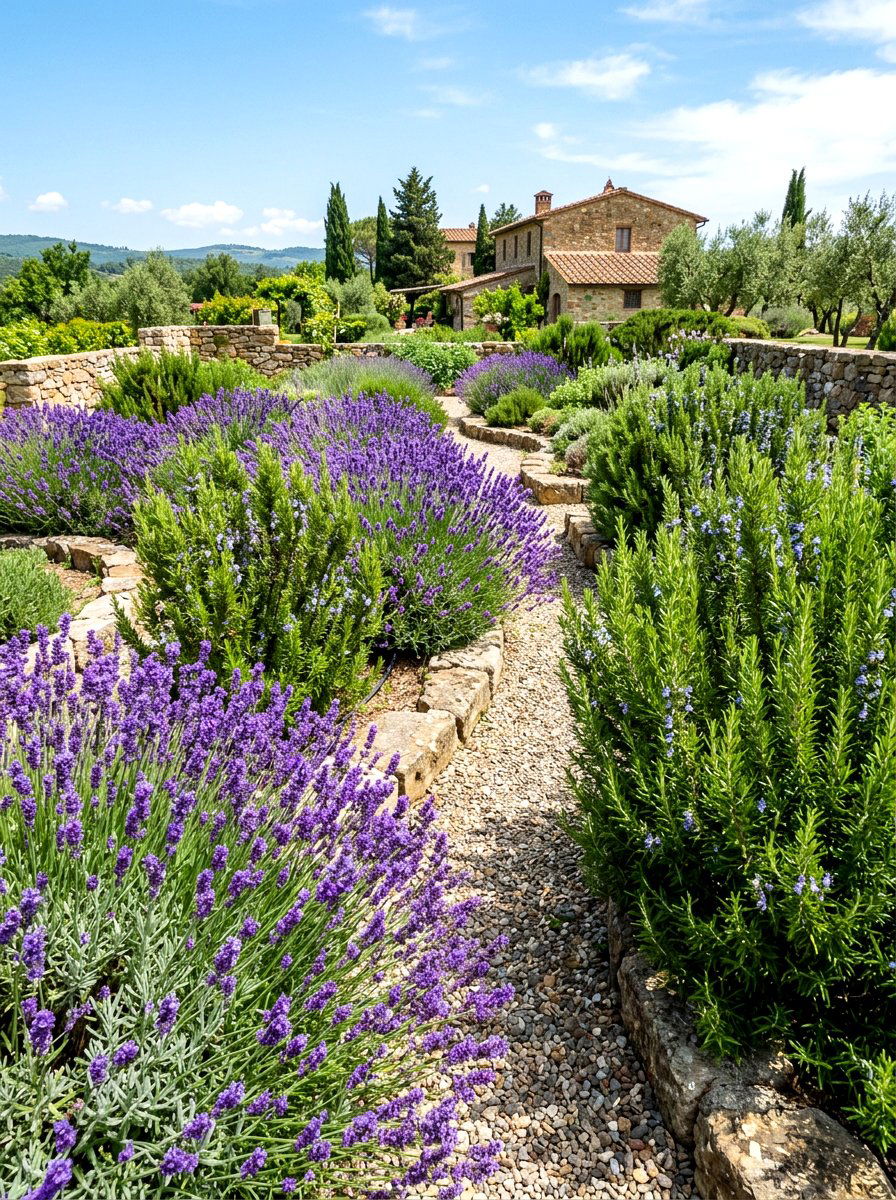
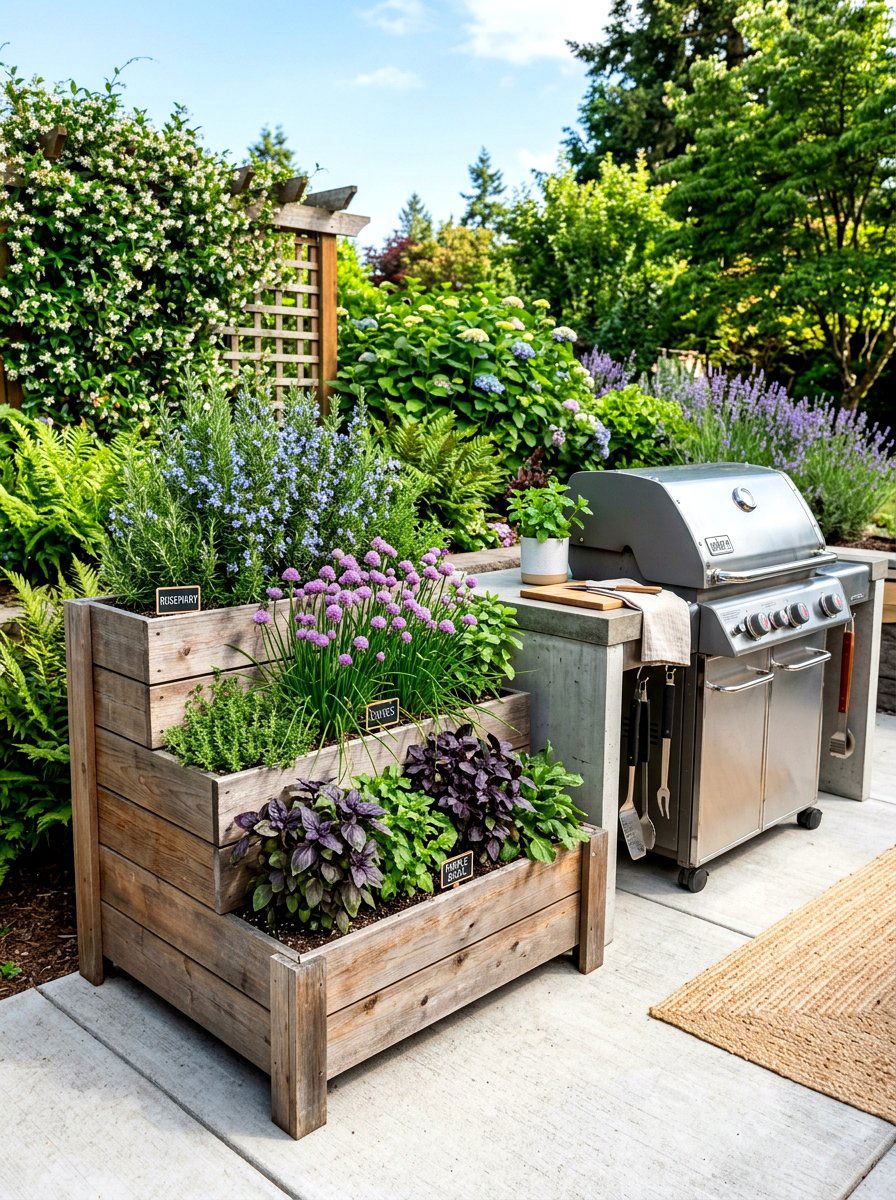
Creating a dedicated space for aromatics is a wonderful way to enhance your outdoor living experience. A lavender and rosemary herb garden combines two of the most hardy and useful Mediterranean plants into one beautiful display. Both herbs share a love for dry soil and intense sunlight, making them very easy to grow together in a shared bed or large container. Rosemary provides a darker green, needle-like foliage that contrasts beautifully with the soft, silvery tones of lavender. This garden is not only visually pleasing but also highly practical for home cooks who want fresh ingredients for roasting meats, baking bread, or making infused oils.
14. Lavender rock garden layout
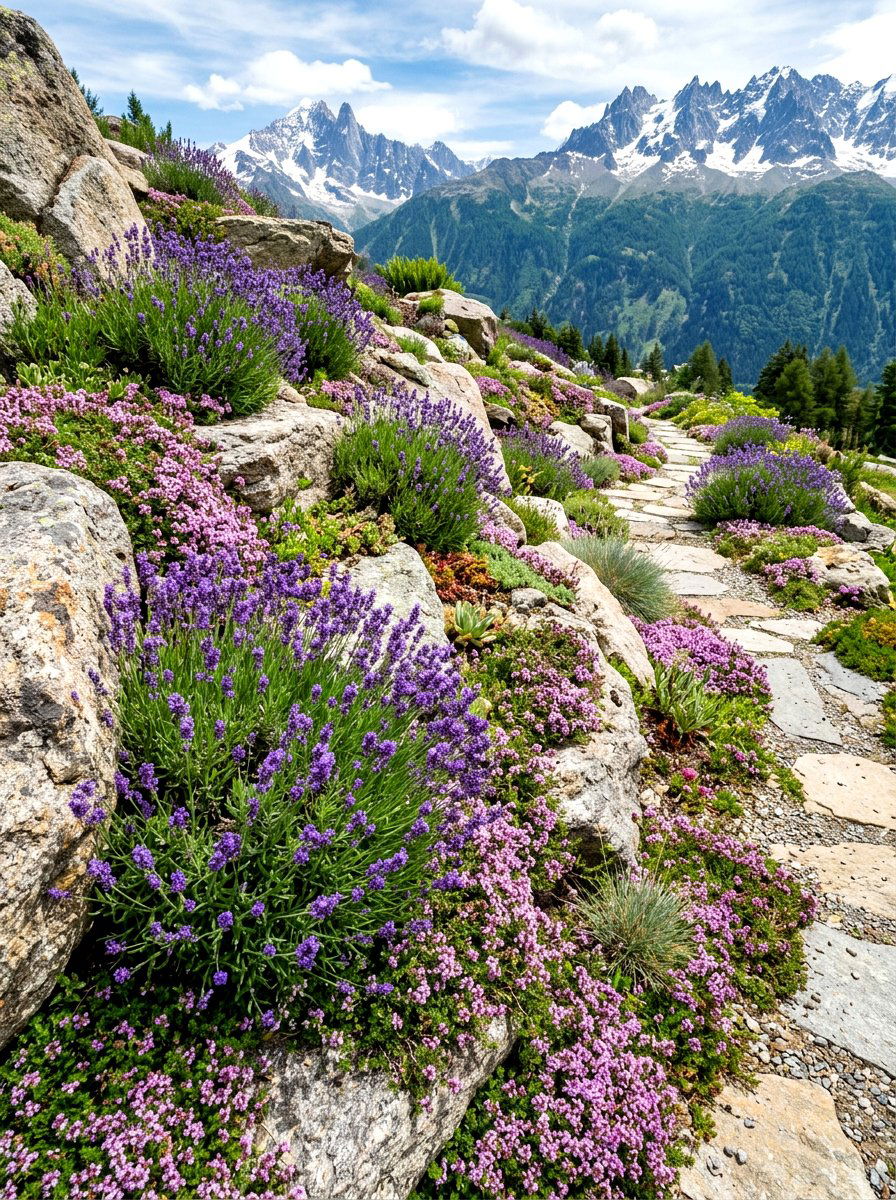
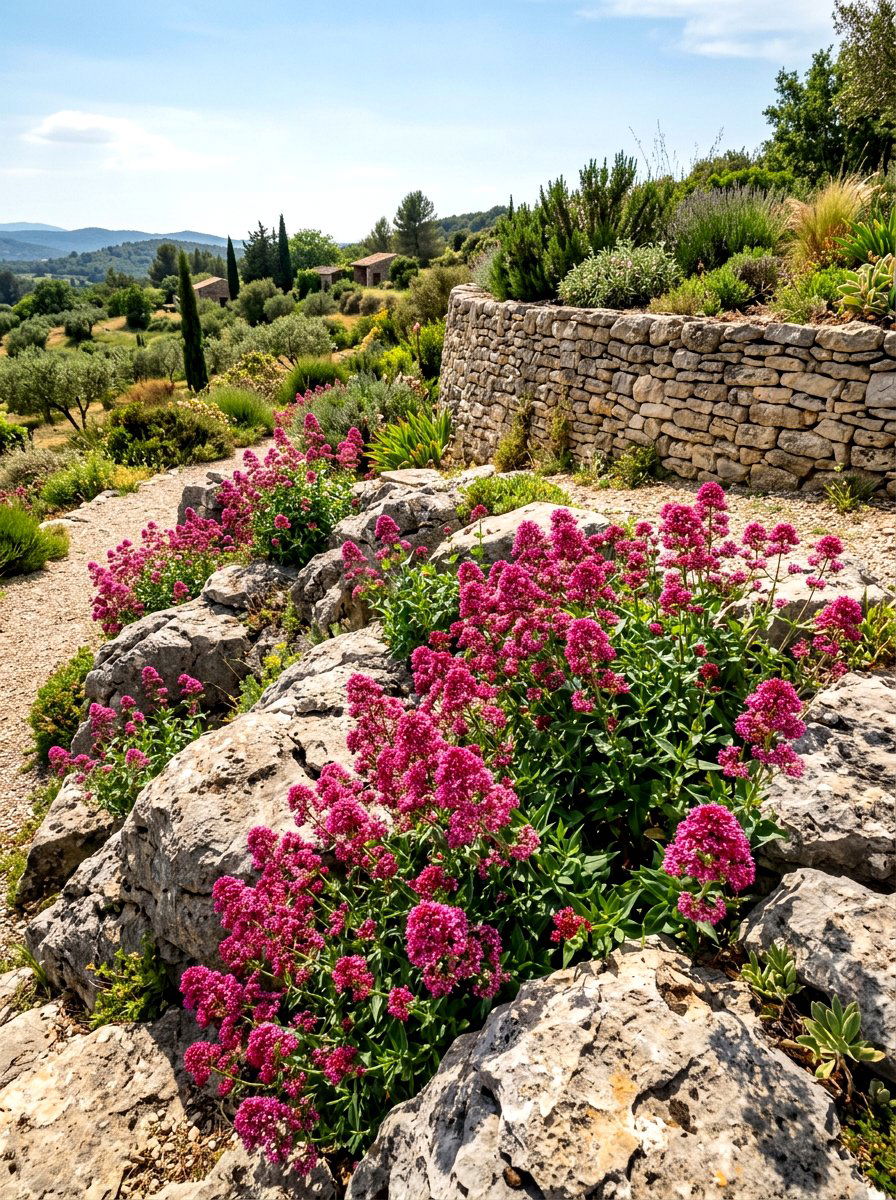
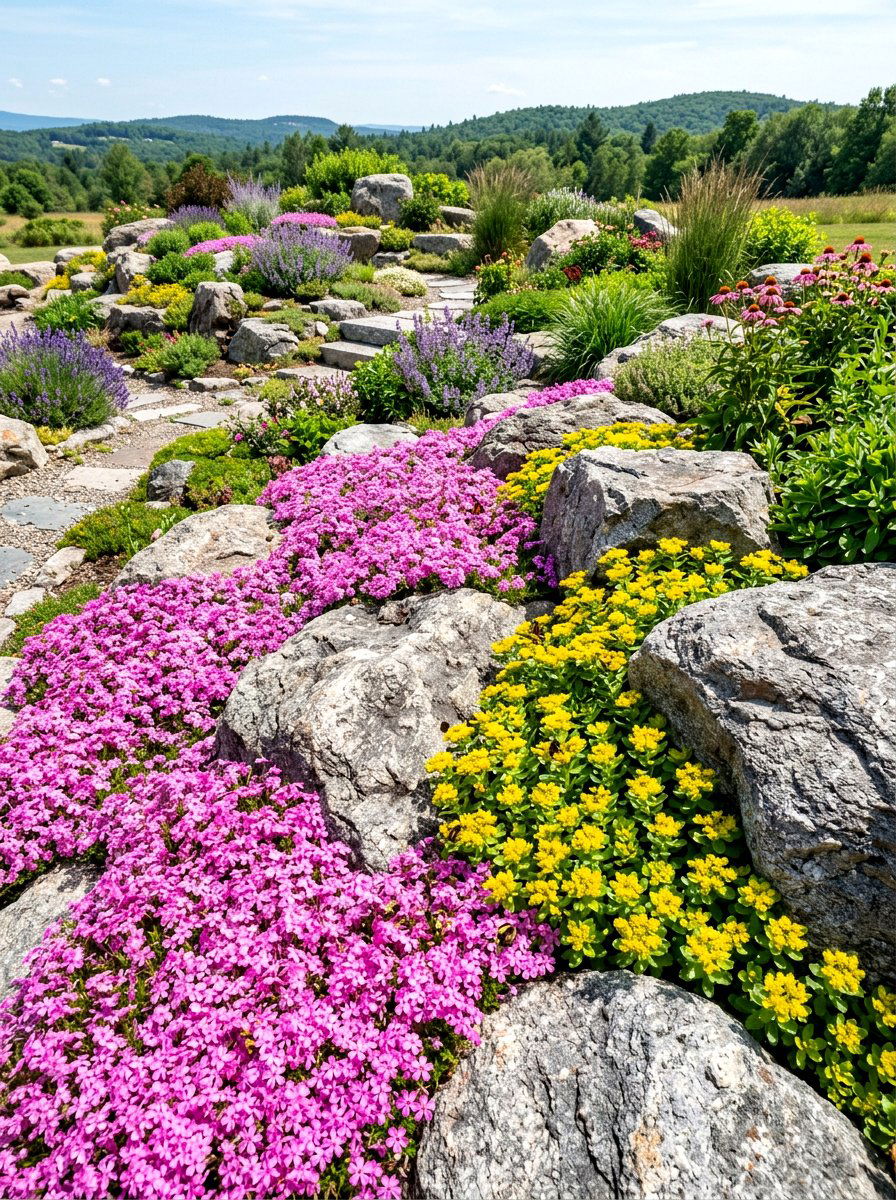
If you have a sloping yard or a rocky area where most plants struggle to grow, a lavender rock garden layout might be the perfect answer. Lavender naturally thrives in lean, poor soil and enjoys the warmth radiated by large stones and boulders. You can tuck different varieties into the crevices between rocks to create a rugged, natural look. The stones help with drainage while providing a neutral background that makes the purple flowers pop. Pairing lavender with other rock-loving plants like creeping thyme, sedum, or thrift adds variety and texture. This style is incredibly low-maintenance once the plants are established in their new environment.
15. Dwarf lavender for small spaces
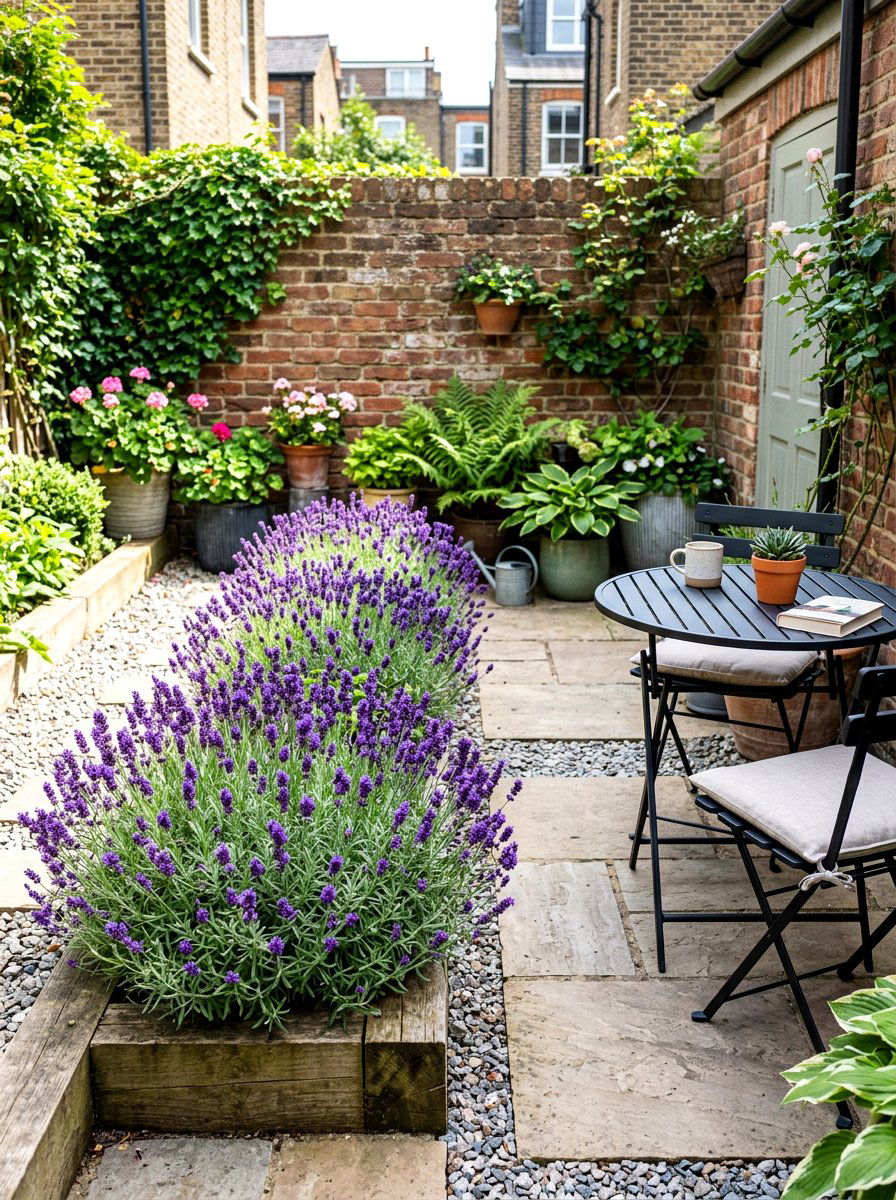
Not everyone has room for a sprawling estate, but dwarf lavender for small spaces allows any gardener to enjoy this fragrant herb. Varieties such as 'Thumbelina Leigh' or 'Wee One' grow only about ten to twelve inches tall, making them perfect for tiny urban gardens or narrow borders. Despite their small stature, these plants produce an abundance of intensely purple flowers and maintain a neat, rounded shape without much pruning. You can use them to line small containers, edge tiny garden paths, or fill gaps in a miniature rockery. They offer all the scent and beauty of larger varieties but in a much more manageable and compact package.
16. Lavender around circular fountain
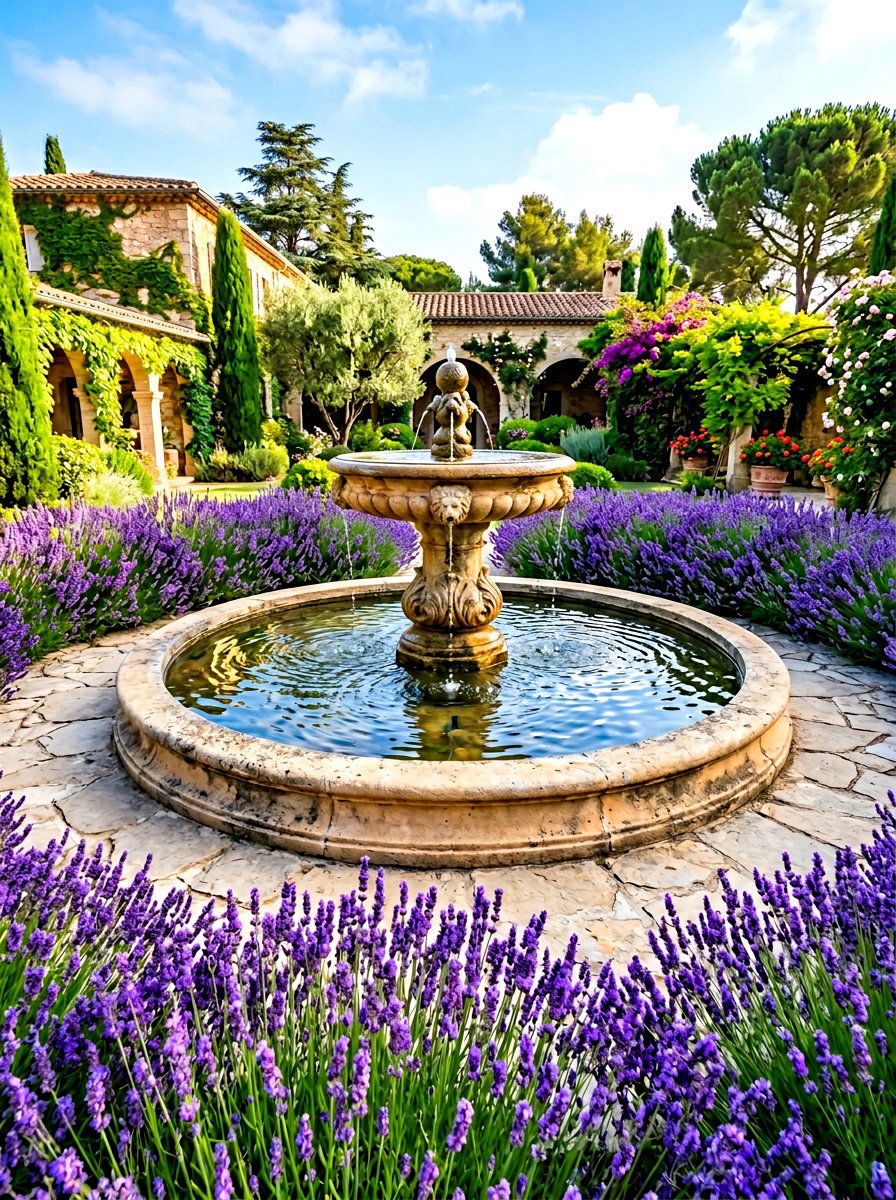
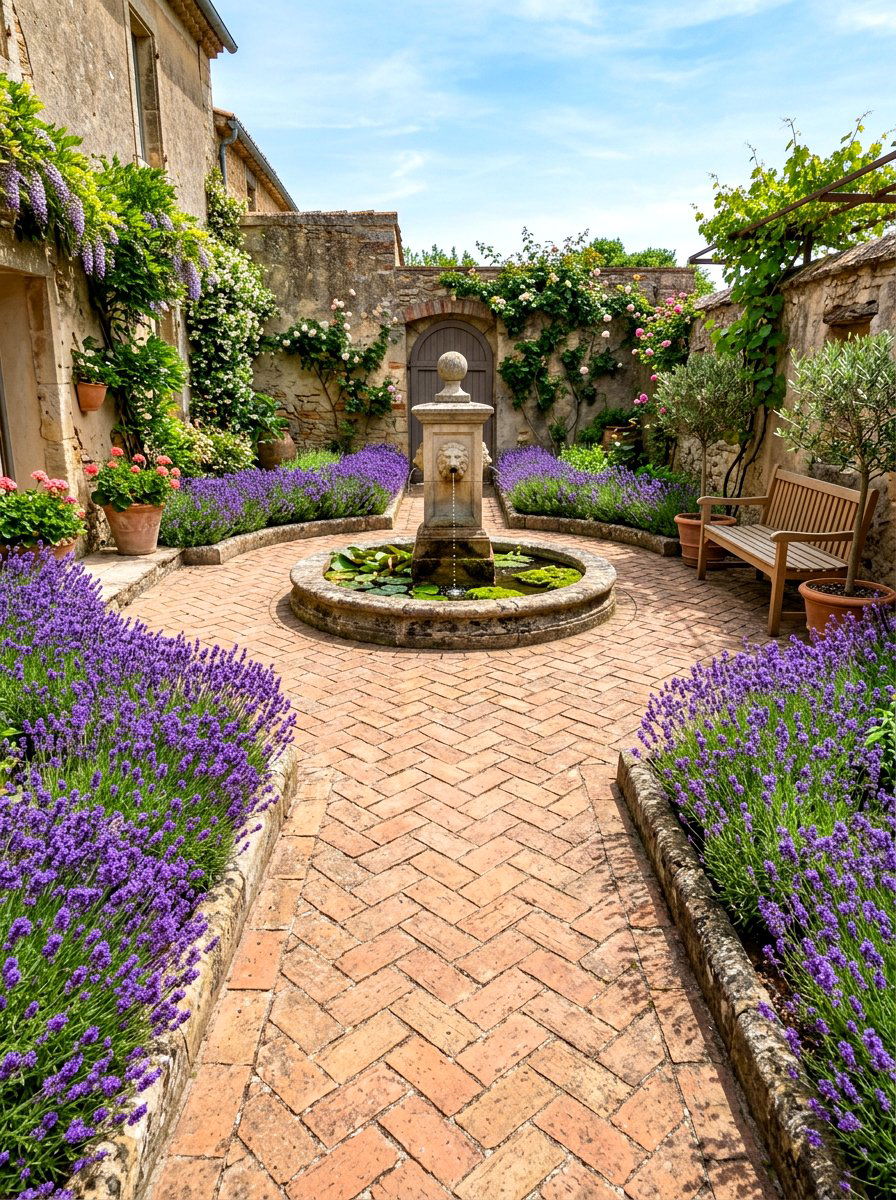
Adding a layer of fragrance to a water feature creates a multi-sensory retreat in your backyard. Planting lavender around a circular fountain emphasizes the elegant curves of the structure while providing a soft, billowy frame. The sound of trickling water combined with the scent of blooming lavender creates a deeply relaxing atmosphere for reading or meditating. To keep the area tidy, choose compact varieties that won't overgrow the edge of the fountain basin. Ensure the soil remains well-drained, as the area near water features can sometimes become damp. This classic garden design element brings a touch of old-world European charm to any modern landscape or courtyard area.
17. Hidcote lavender mass planting
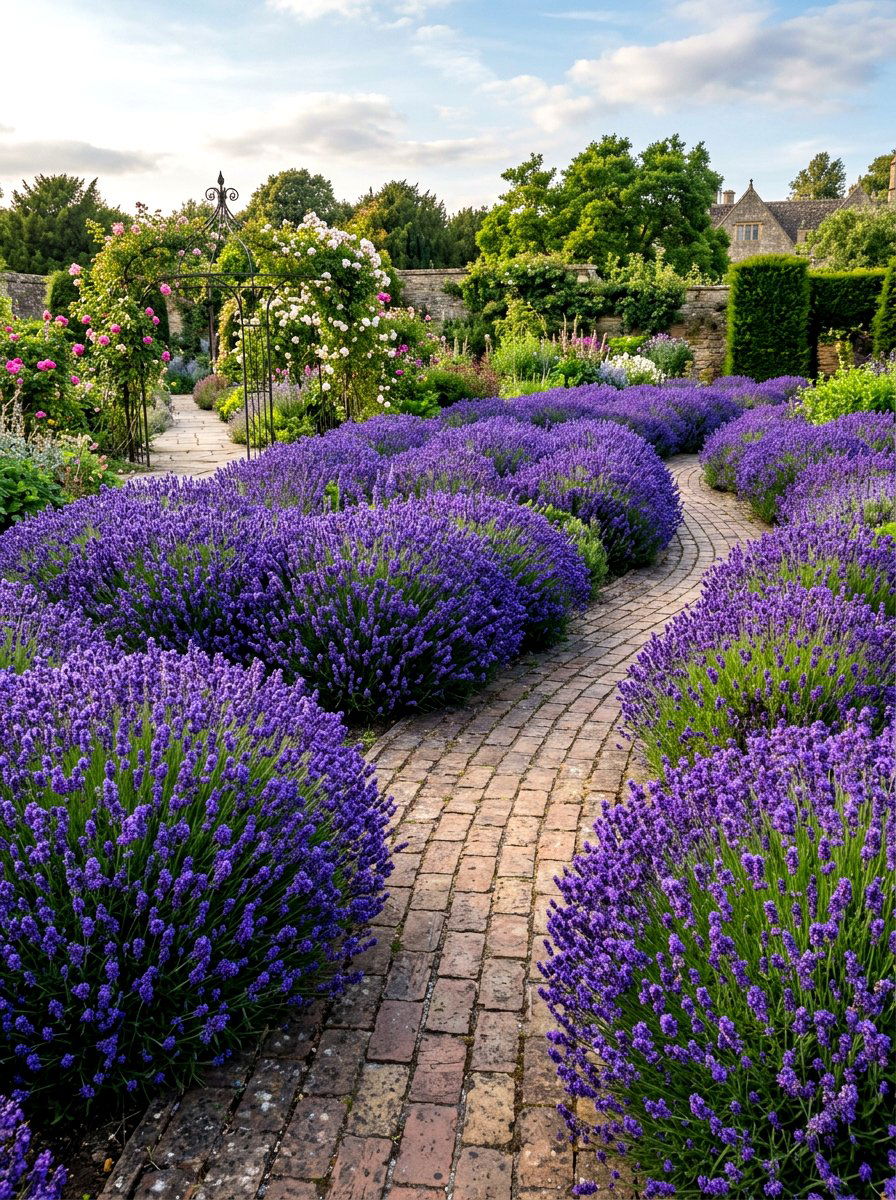
For gardeners who want the deepest, most saturated purple color possible, a Hidcote lavender mass planting is an unbeatable choice. 'Hidcote' is a beloved English variety known for its dark violet-blue flower spikes and compact, mounding growth habit. When planted in large groups, it creates a dense carpet of color that remains vibrant for several weeks during the early summer. This variety is particularly hardy and maintains a neat shape even after the blooms have faded. It is an excellent option for low hedges, decorative borders, or filling large sunny slopes. The intense fragrance and rich color make it a favorite for drying and crafting lavender sachets.
18. Munstead lavender for low border
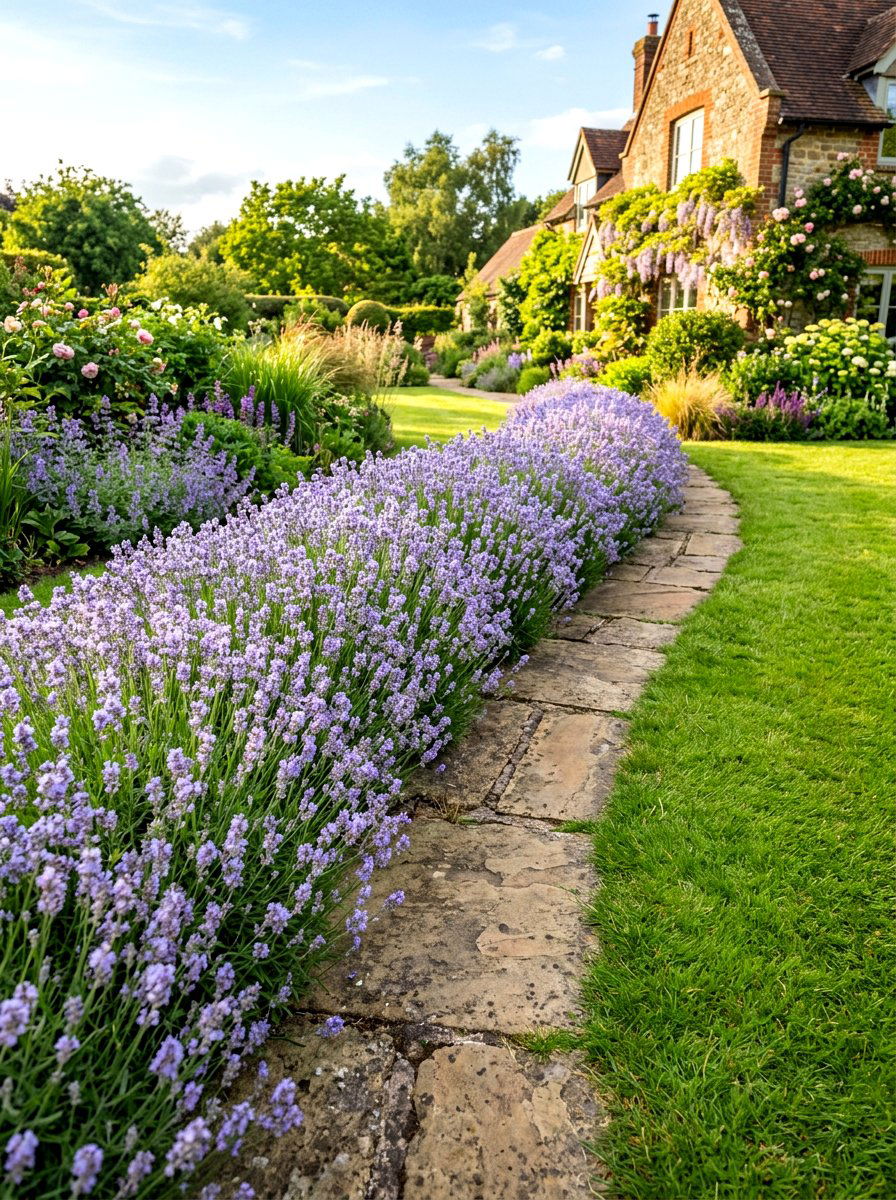
When you need a reliable and classic look for your garden edges, Munstead lavender for a low border is a fantastic option. This variety is slightly more heat-tolerant and robust than others, making it a great choice for various climates. It grows in a soft, spreading mound with lavender-blue flowers that have a sweet and traditional scent. Planting 'Munstead' along the edge of a flower bed provides a tidy transition between the grass and taller perennials. It is easy to care for and only requires a light trim after the first flush of flowers to encourage a possible second bloom later in the autumn season.
19. Lavender and boxwood formal garden
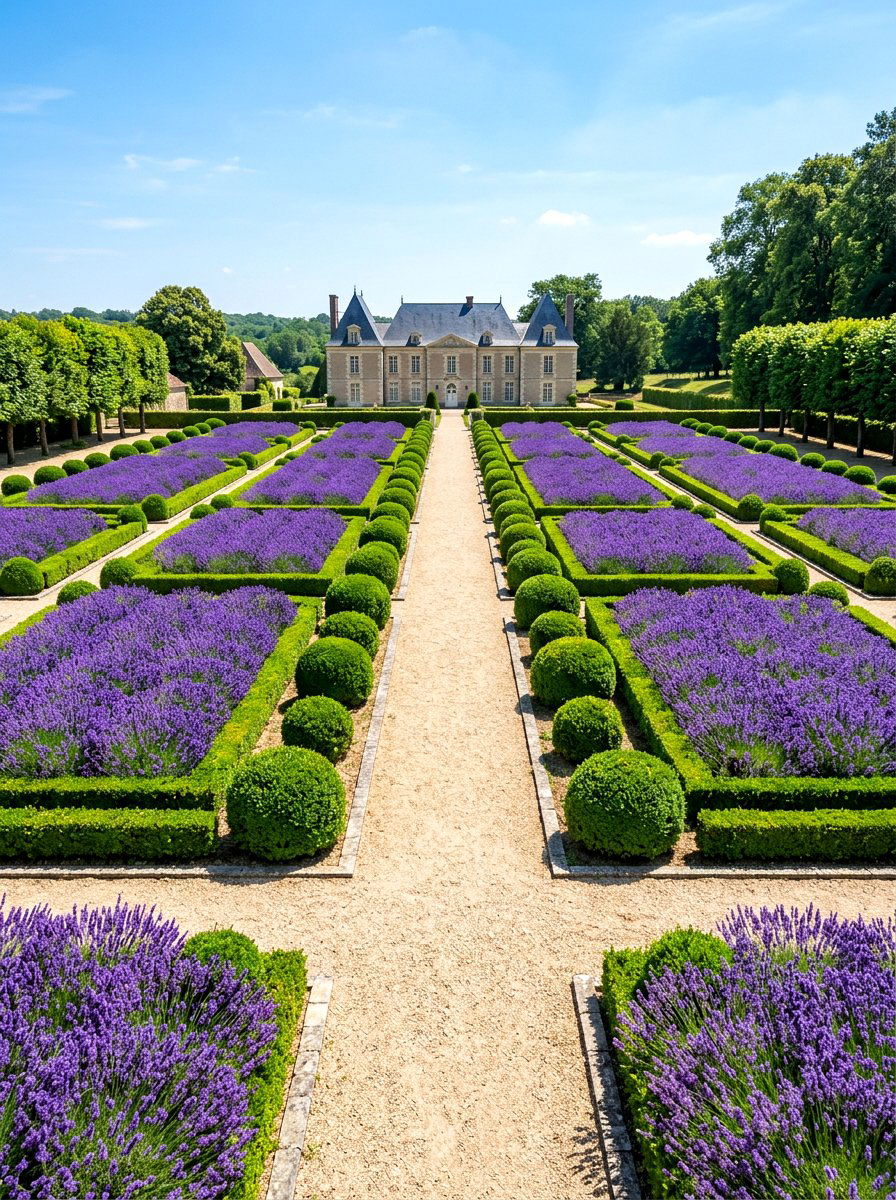
Do you prefer a landscape that feels structured, symmetrical, and perfectly manicured? A lavender and boxwood formal garden combines the crisp lines of evergreen hedging with the soft, romantic texture of purple blooms. You can plant low boxwood hedges to create geometric patterns, such as squares or circles, and fill the centers with fragrant lavender. The deep green of the boxwood provides a year-round framework that keeps the garden looking tidy even in the winter months. This classic design is often seen in European estates and offers a timeless elegance that never goes out of style. It is the perfect way to add sophistication to any front entrance.
20. Lavender along white picket fence
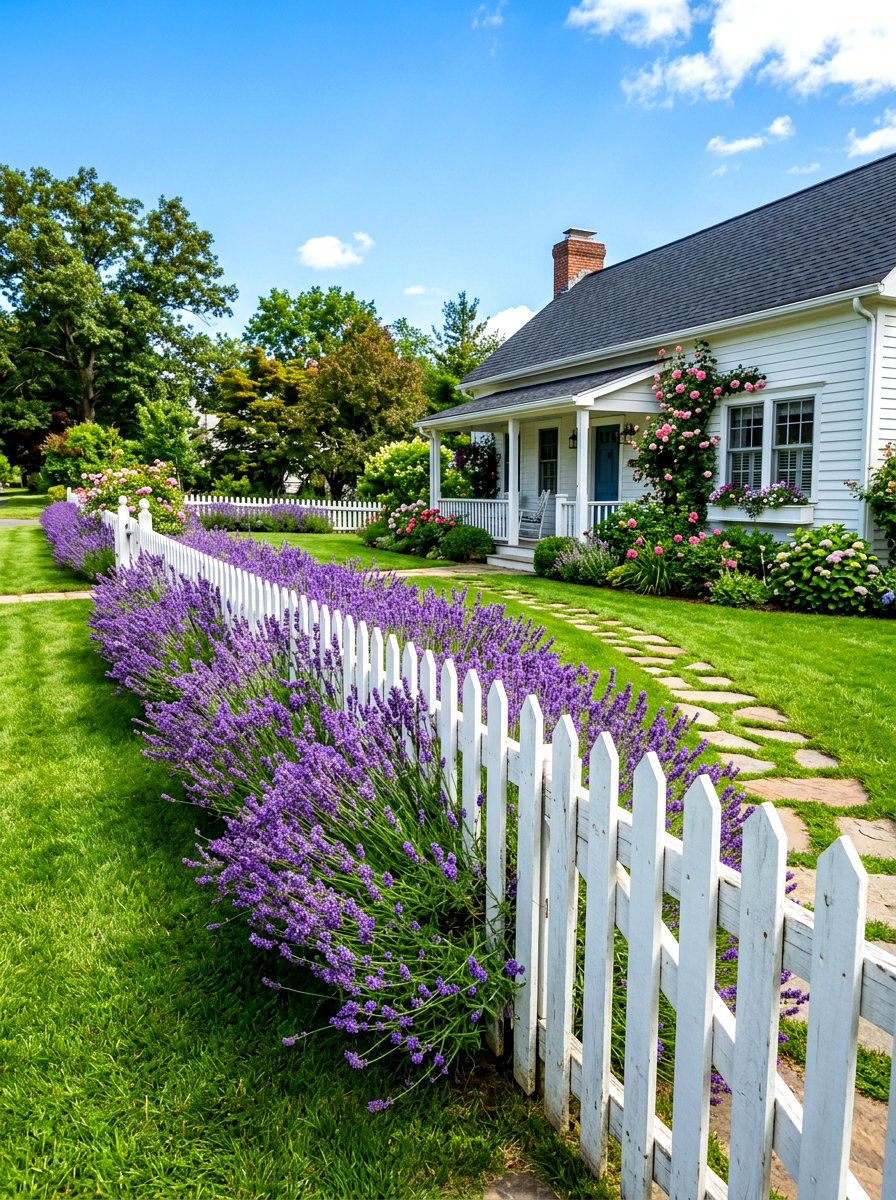
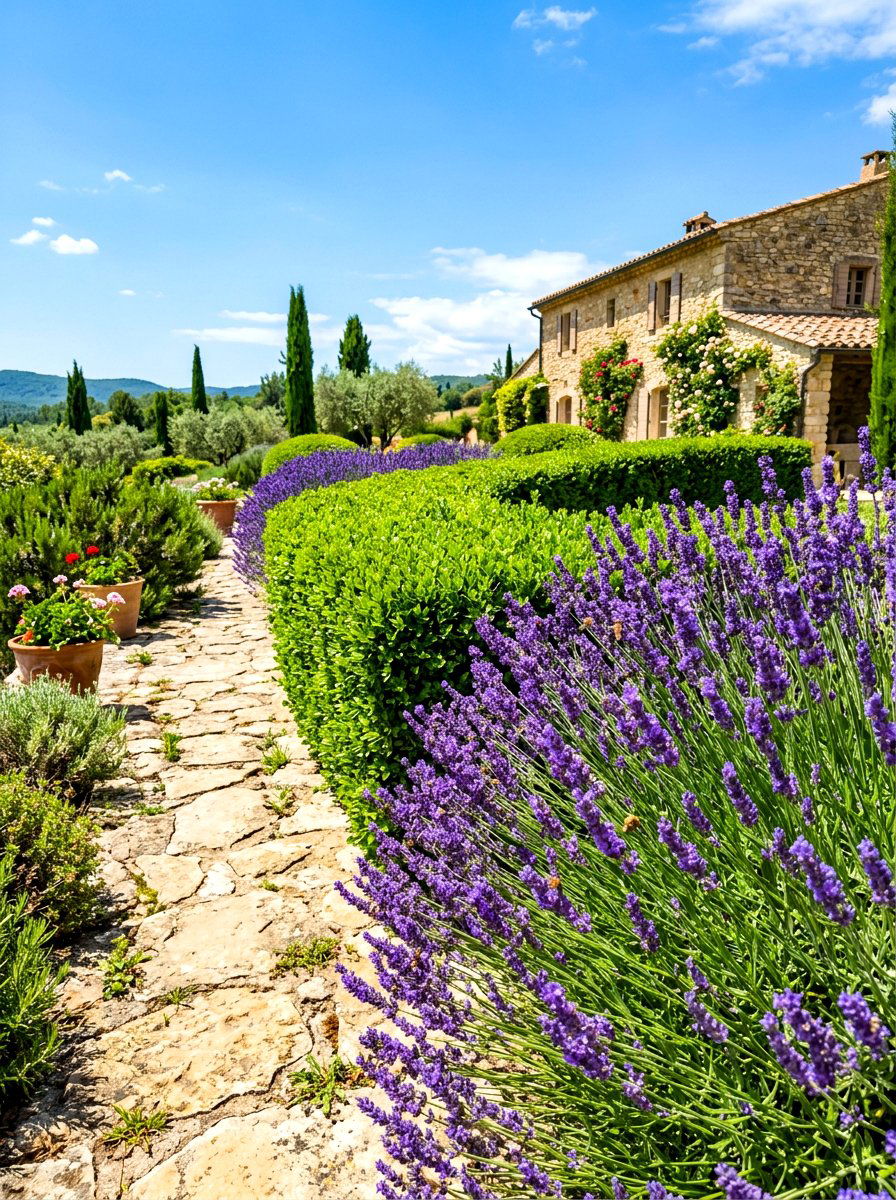
Few things capture the essence of a classic cottage aesthetic like lavender along a white picket fence. The vibrant purple flowers stand out beautifully against a crisp white backdrop, creating a nostalgic and inviting curb appeal. As the lavender grows, it often spills through the slats of the fence, softening the hard lines and filling the sidewalk with its heavenly scent. This arrangement is perfect for front yards where you want to welcome neighbors and passersby with a touch of beauty. It is a low-maintenance way to landscape a boundary while providing plenty of fresh flowers for cutting and bringing indoors for rustic vases.
21. Lavender and salvia purple garden
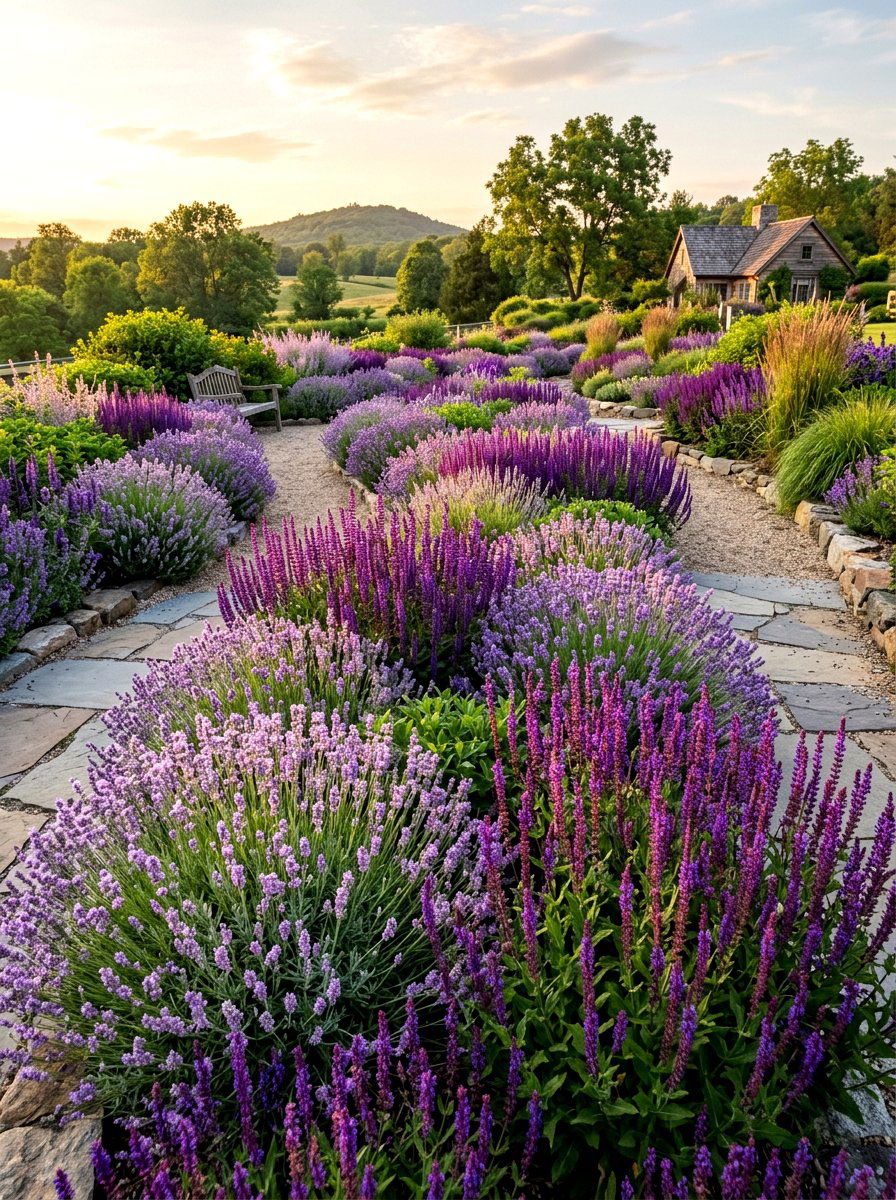
Creating a monochrome landscape can be a bold and stunning design choice for modern homeowners. A lavender and salvia purple garden uses different shades and textures of the same color to create a cohesive and calming environment. Salvia typically blooms with tall, thin spikes in various shades of indigo and violet, which complement the rounded mounds of lavender perfectly. Because both plants have similar needs for sun and drainage, they thrive together with minimal effort. This pairing also attracts a wide variety of pollinators, including hummingbirds and butterflies, making your garden a lively and ecological haven. It is a simple way to achieve a professional-looking, high-impact landscape design.
22. Spanish lavender with butterfly petals
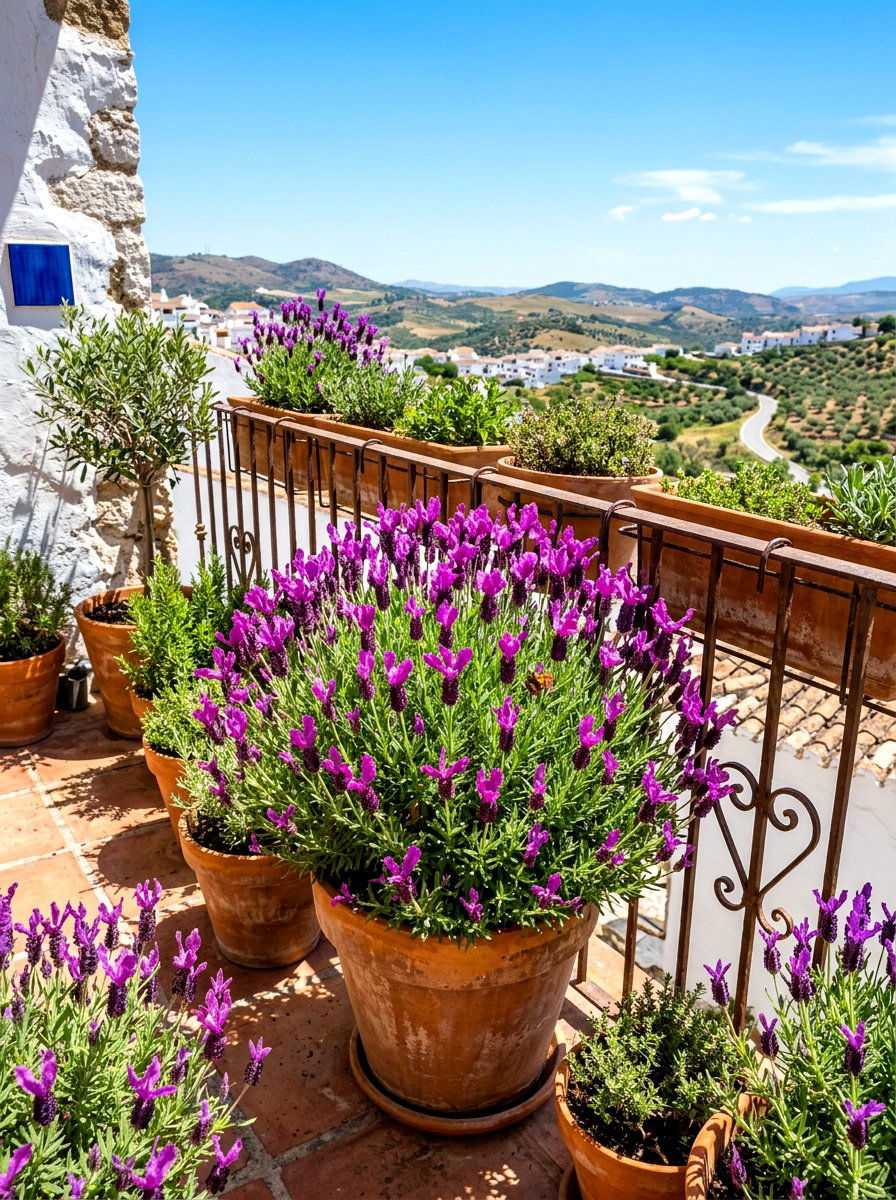
If you are looking for a unique flower shape that stands out from the crowd, consider Spanish lavender with butterfly petals. Formally known as Lavandula stoechas, this variety is easily identified by the large, upright bracts that sit on top of the flower head like tiny wings. These "bunny ears" add a playful and whimsical touch to any garden bed or patio container. Spanish lavender is also known for being very heat-tolerant, making it a great choice for gardens in warmer, southern climates. It blooms earlier than English varieties, providing a much-needed pop of color and fragrance in the late spring when the garden is waking up.
23. Lavender hillside for erosion control
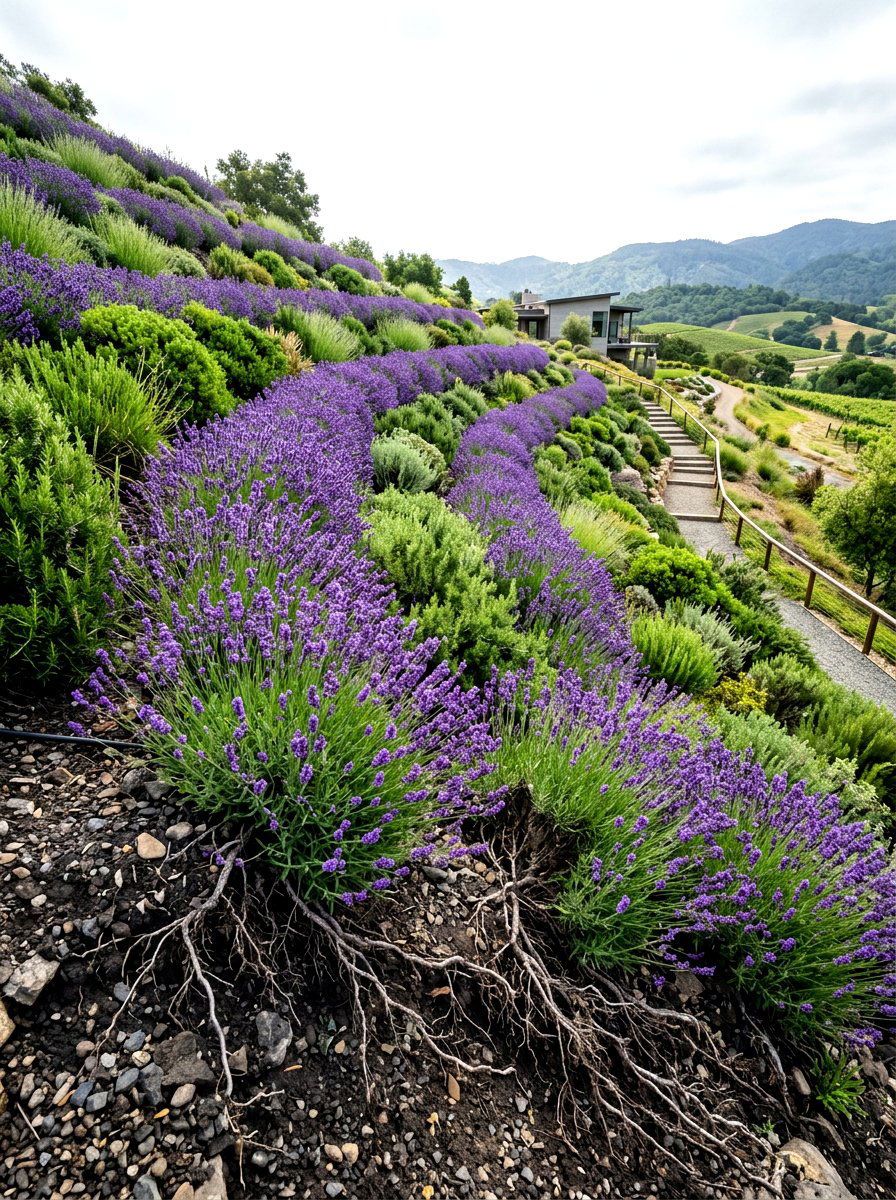
Do you have a steep slope in your yard where grass refuses to grow and soil often washes away? A lavender hillside for erosion control is a beautiful and practical solution for challenging terrain. Lavender has a deep and sturdy root system that helps anchor the soil in place on inclines. Once established, these plants require very little water, making them ideal for areas that are difficult to reach with a hose. As the lavender spreads, it forms a dense ground cover that suppresses weeds and prevents runoff during heavy rains. This transforms a problematic area into a fragrant, purple landscape that requires almost no maintenance.
24. Lavender and nepeta catmint border
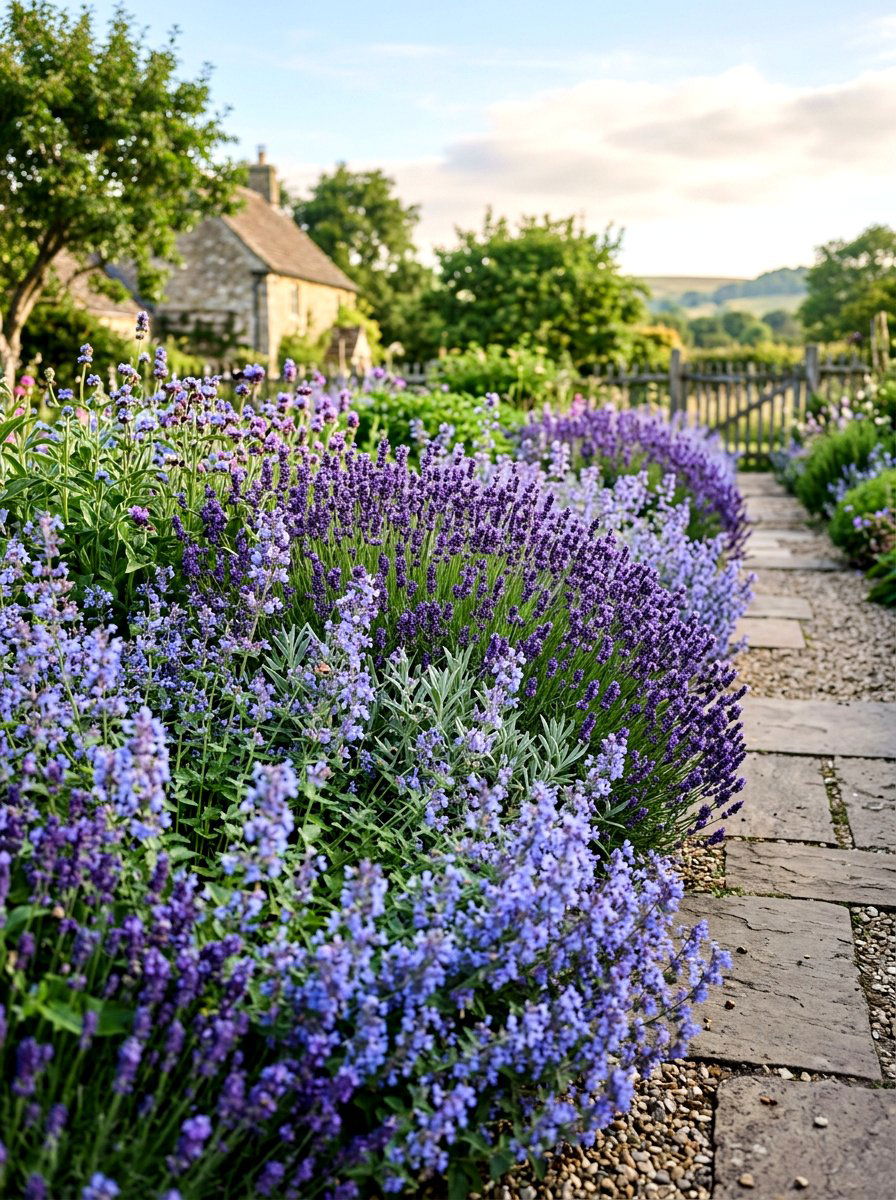
For the ultimate low-maintenance garden, a lavender and nepeta catmint border is a match made in heaven. Both plants are incredibly hardy, drought-tolerant, and virtually pest-free. Nepeta, commonly known as catmint, produces clouds of small blue flowers that start blooming in late spring and often continue throughout the summer. When paired with lavender, it creates a long-lasting sea of cool colors that looks effortless and wild. Both plants have silvery-gray foliage that remains attractive even when they are not in peak bloom. This combination is perfect for large borders where you want to fill space quickly and beautifully without spending hours on gardening chores every weekend.
25. Lavender sensory garden walkway
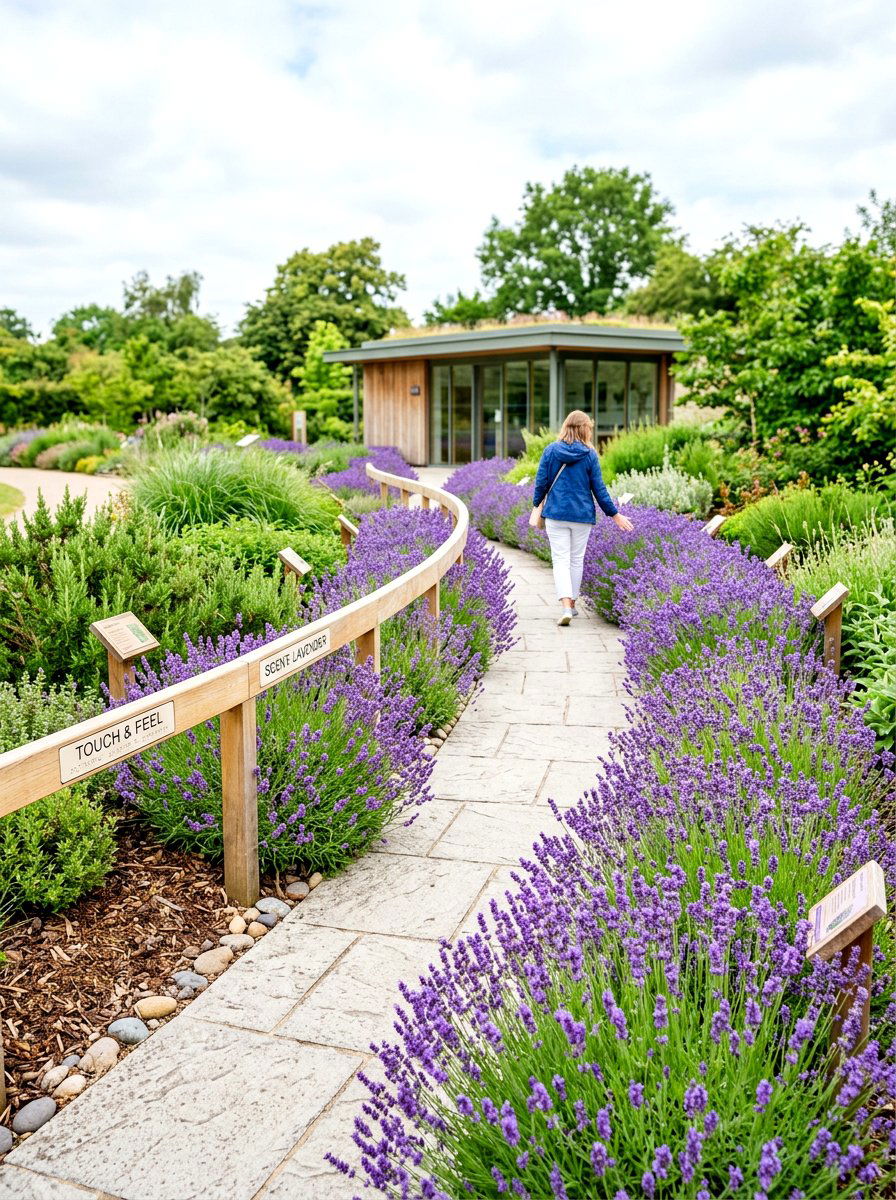
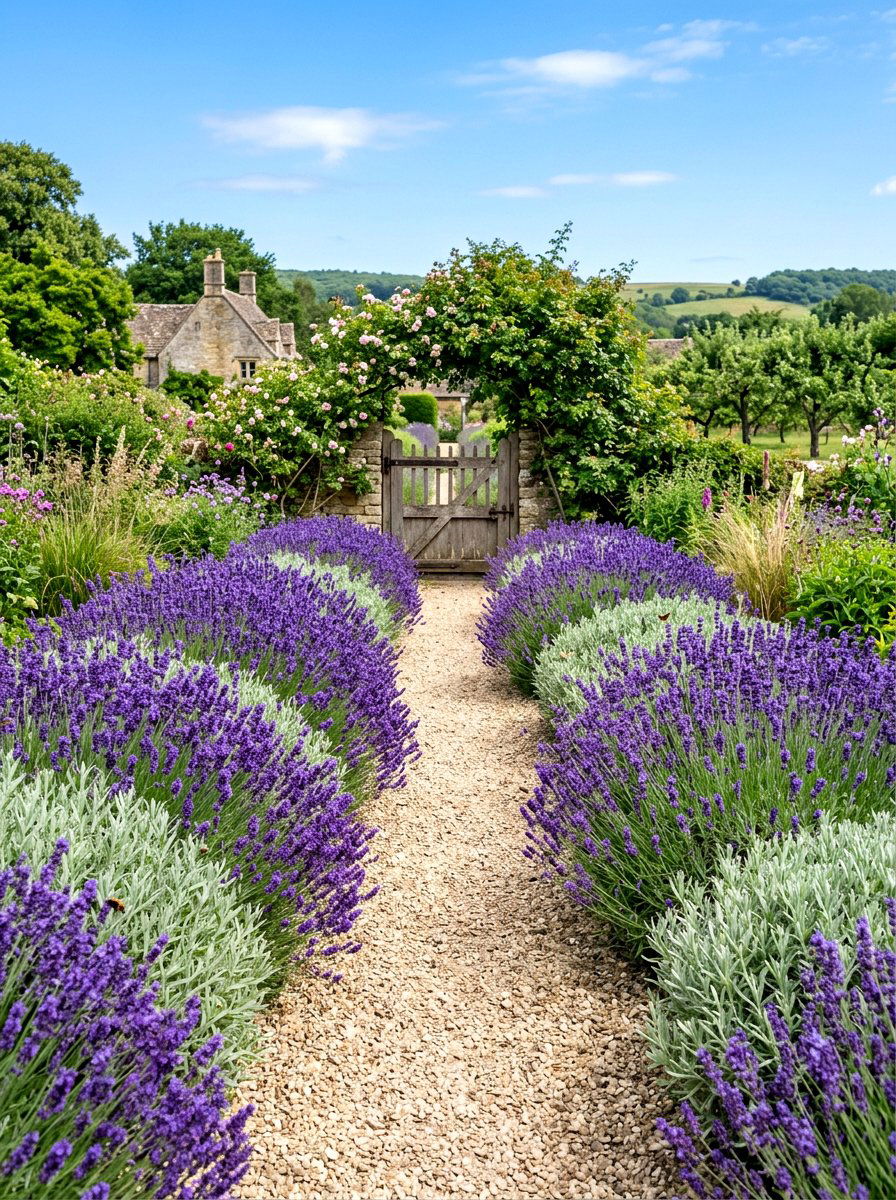
Designing a space that engages all the senses can make your outdoor experience truly restorative and peaceful. A lavender sensory garden walkway encourages people to slow down and interact with nature as they move through the space. By planting lavender close to the path, you invite visitors to brush their hands against the fragrant leaves, releasing the calming essential oils. You can mix in other tactile plants like lamb's ear or fuzzy silver sage to enhance the experience. Adding a few benches along the way provides a place to sit and enjoy the hum of bees and the soothing scent. This is a perfect addition to any backyard sanctuary.
26. Lavender in window box display
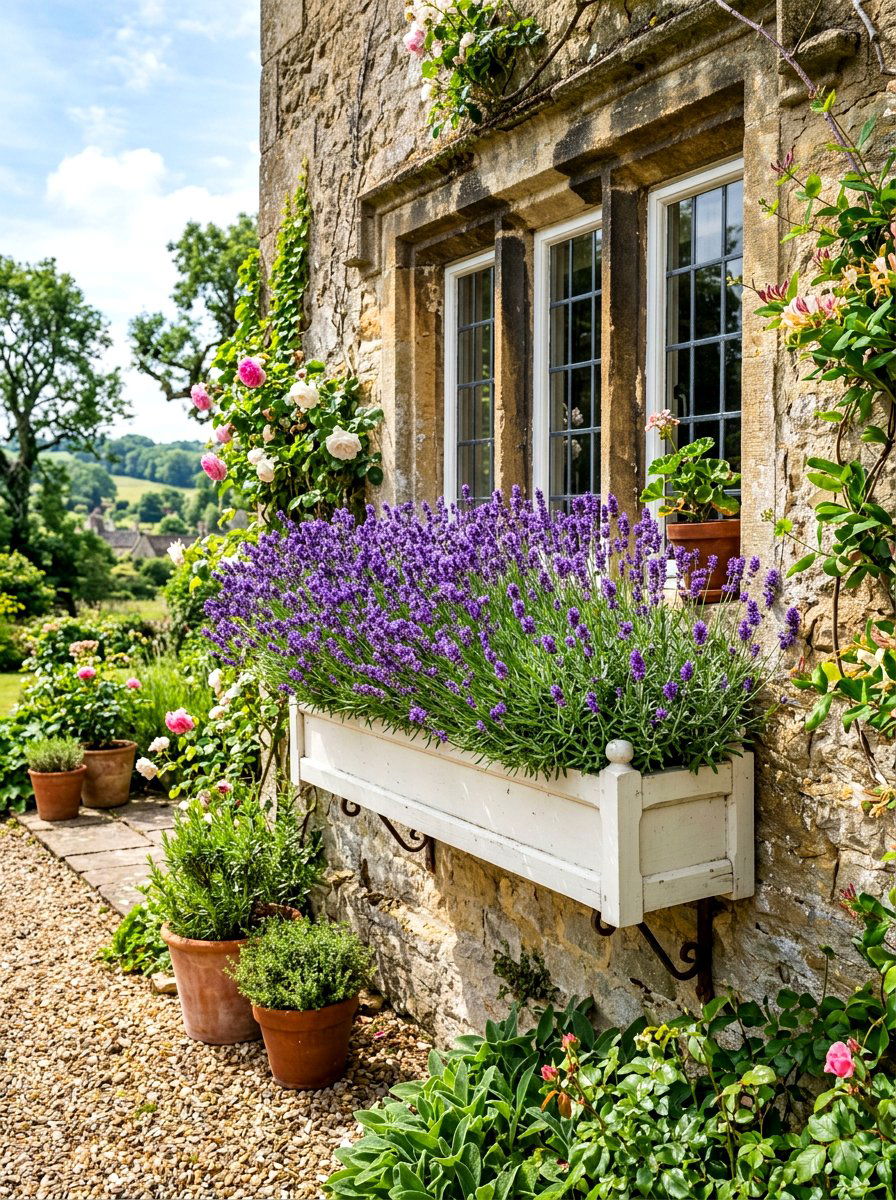
You don 't need a large backyard to enjoy the benefits of this wonderful herb in your daily life. Lavender in a window box display brings color and fragrance directly to your home’s exterior and can be enjoyed from inside as well. Choose compact varieties like ' Munstead 'or ' Blue Cushion 'that won' t outgrow the small space of a typical planter. Ensure your window boxes have excellent drainage and are located in a spot that receives at least six hours of direct sunlight. Every time you open your window, you will be greeted by a waft of relaxing scent. It is a simple way to boost your home’s charm and personality.
27. Lavender around seating area fire pit
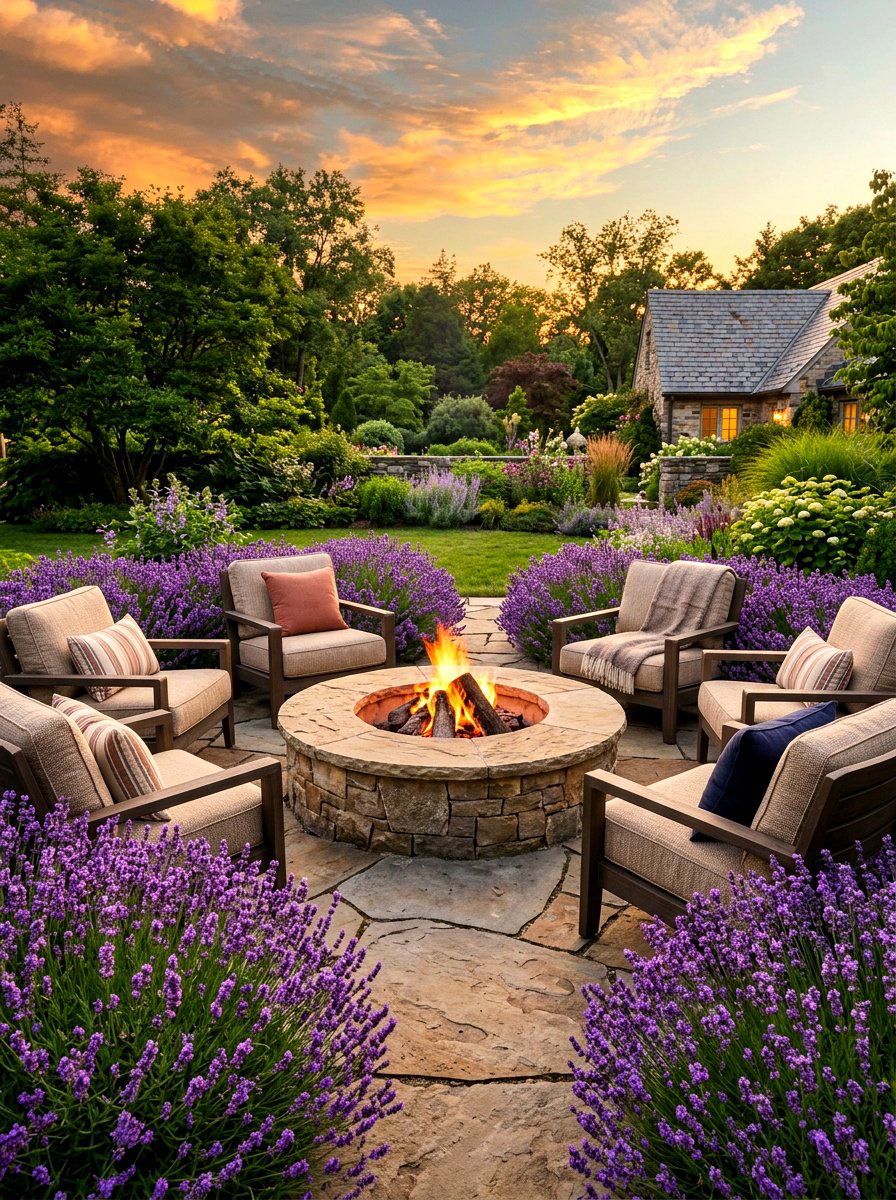
Imagine spending a cool summer evening gathered around a warm glow, surrounded by the scent of fresh herbs. Planting lavender around a seating area or fire pit enhances the ambiance and provides a natural way to enjoy your outdoor living space. The fragrance of lavender is known for its calming properties, making it the perfect companion for a relaxing night under the stars. Additionally, lavender can help naturally deter mosquitoes and other bothersome insects that might try to ruin your evening. Choose mid-sized varieties and plant them in a circle around the chairs to create an aromatic "wall" that defines the space and adds a cozy, intimate feel.
28. Lavender field landscape with wildflowers
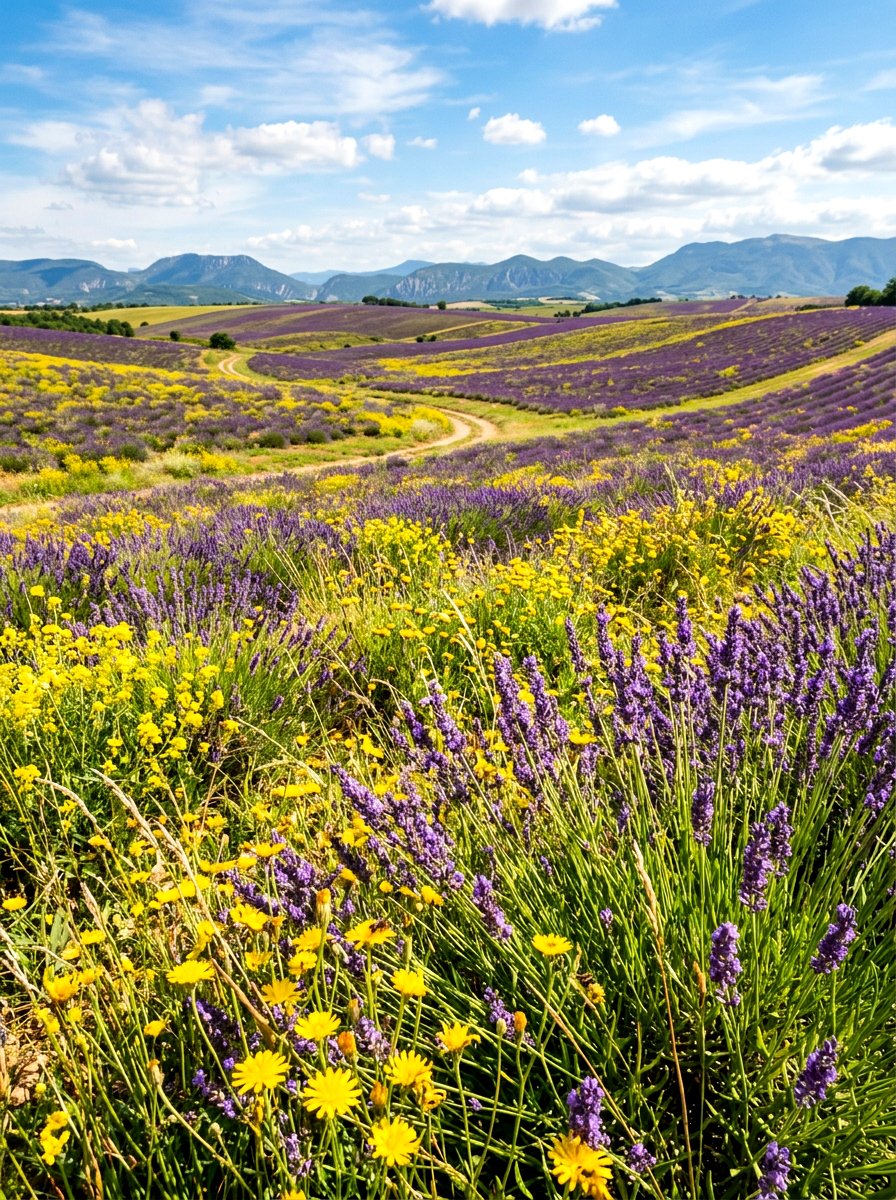
Creating a naturalistic and prairie-inspired look is easy when you design a lavender field landscape with wildflowers. This style moves away from rigid rows and instead embraces a more organic and flowing arrangement of plants. You can intersperse lavender with native wildflowers like California poppies, coneflowers, and black-eyed Susans to create a vibrant tapestry of color. This approach is excellent for supporting local biodiversity and provides a feast for pollinators throughout the entire growing season. The result is a wild and romantic meadow that feels like a slice of the countryside. It is a low-maintenance way to cover large areas while making a bold and beautiful ecological statement.
29. Lavender and allium flower combination
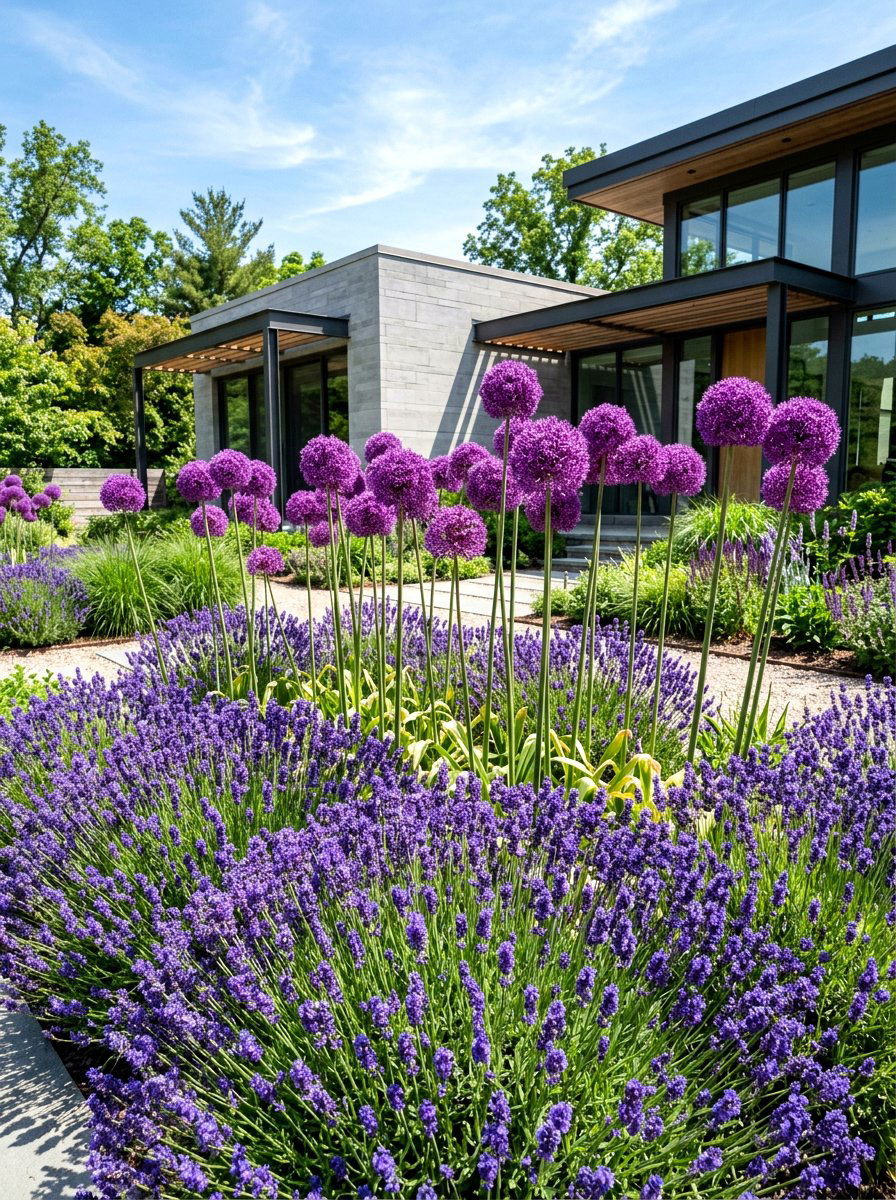
If you want to add a sense of drama and architectural interest to your garden beds, try a lavender and allium flower combination. Alliums, or ornamental onions, produce large, spherical purple flower heads that tower over the shorter, mounded spikes of lavender. This creates a stunning contrast in height and shape that immediately draws the eye. Since both plants bloom around the same time in late spring or early summer, they create a synchronized explosion of purple hues. After the alliums fade, the lavender continues to provide structure and greenery for the rest of the season. This pairing is modern, stylish, and perfect for creating a focal point in any garden.
30. Lavender and olive tree courtyard
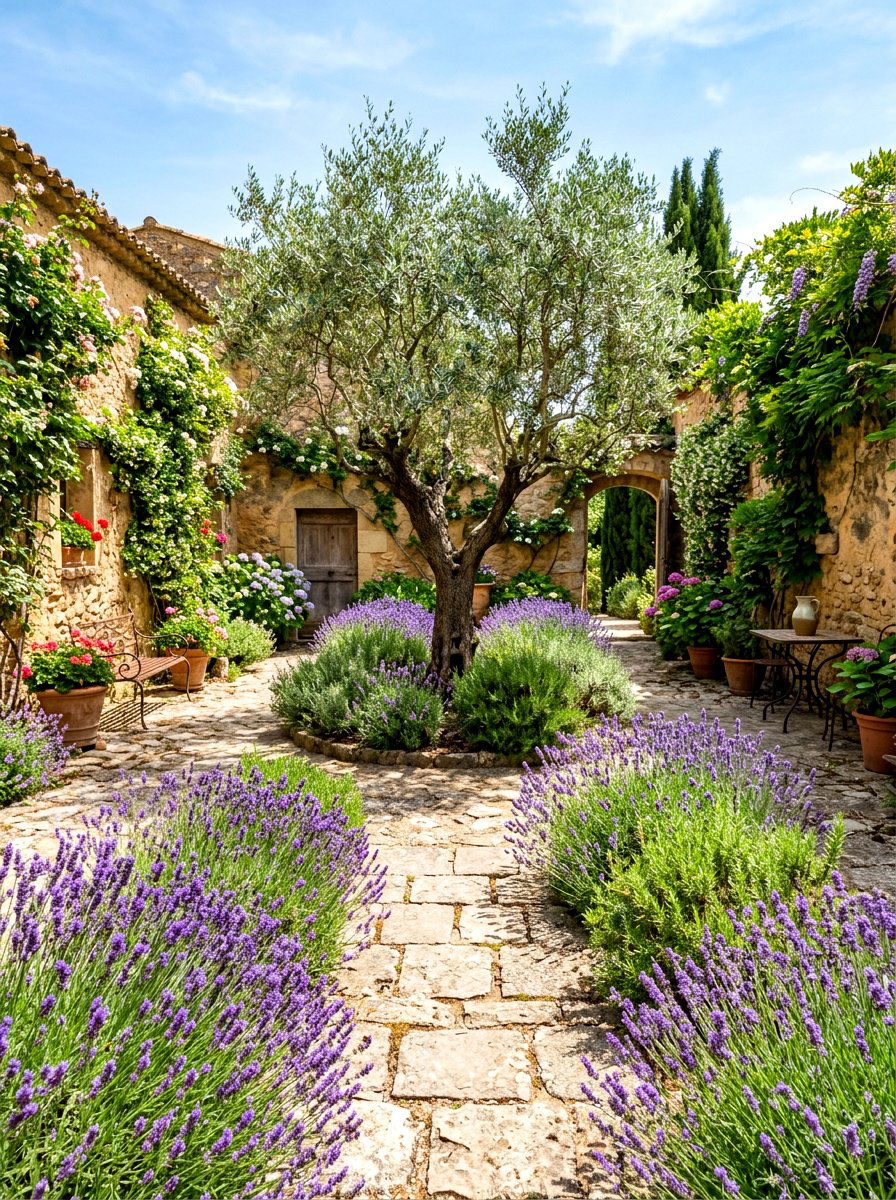
Designing an enclosed outdoor space with a Mediterranean theme can turn any backyard into a private Mediterranean escape. A lavender and olive tree courtyard uses the combination of silver-toned foliage and stone walls to create a sophisticated and tranquil environment. You can place a central olive tree as a focal point and surround it with concentric circles of fragrant lavender. Gravel floors and wrought iron furniture complete the look, making it feel like a terrace in the south of France. This design is perfect for small, sun-drenched areas where you want to maximize impact with a limited palette of plants. It is a timeless and elegant way to landscape.
Conclusion:
Growing a lavender garden is one of the most rewarding ways to transform your outdoor space into a fragrant and beautiful sanctuary. From structured formal hedges to wild and romantic meadows, this versatile herb offers something for every gardening style and climate. By choosing the right varieties and providing them with plenty of sunshine and well-drained soil, you can enjoy years of vibrant purple blooms and soothing scents. Whether you have a sprawling backyard or just a few small pots on a sunny patio, lavender brings a touch of Mediterranean magic to your home. We hope these thirty ideas inspire you to start your own aromatic landscape project today.

Related posts: