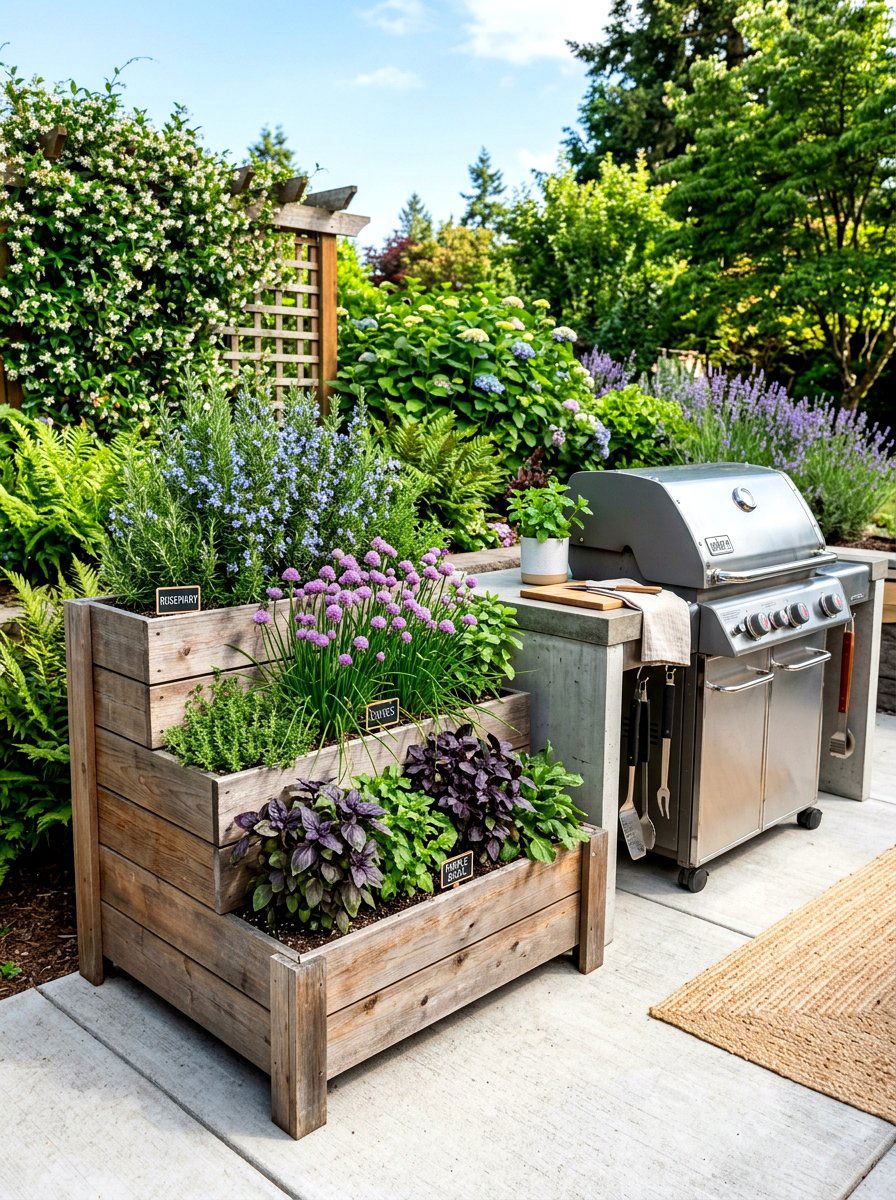
Transforming your outdoor space with a vibrant wildflower patch is one of the most rewarding ways to invite nature directly into your backyard. These untamed displays offer more than just aesthetic beauty; they serve as critical lifelines for local pollinators while requiring significantly less maintenance than a traditional manicured lawn. By embracing the organic textures and shifting colors of native blooms, you create a living tapestry that evolves beautifully with every passing season. Whether you have a sprawling country estate or a modest urban corner, there is a perfect wildflower arrangement to suit your environment. This guide explores thirty creative ways to integrate these resilient plants into your landscape for a truly viral, Pinterest-worthy garden look.
1. Native bee habitat
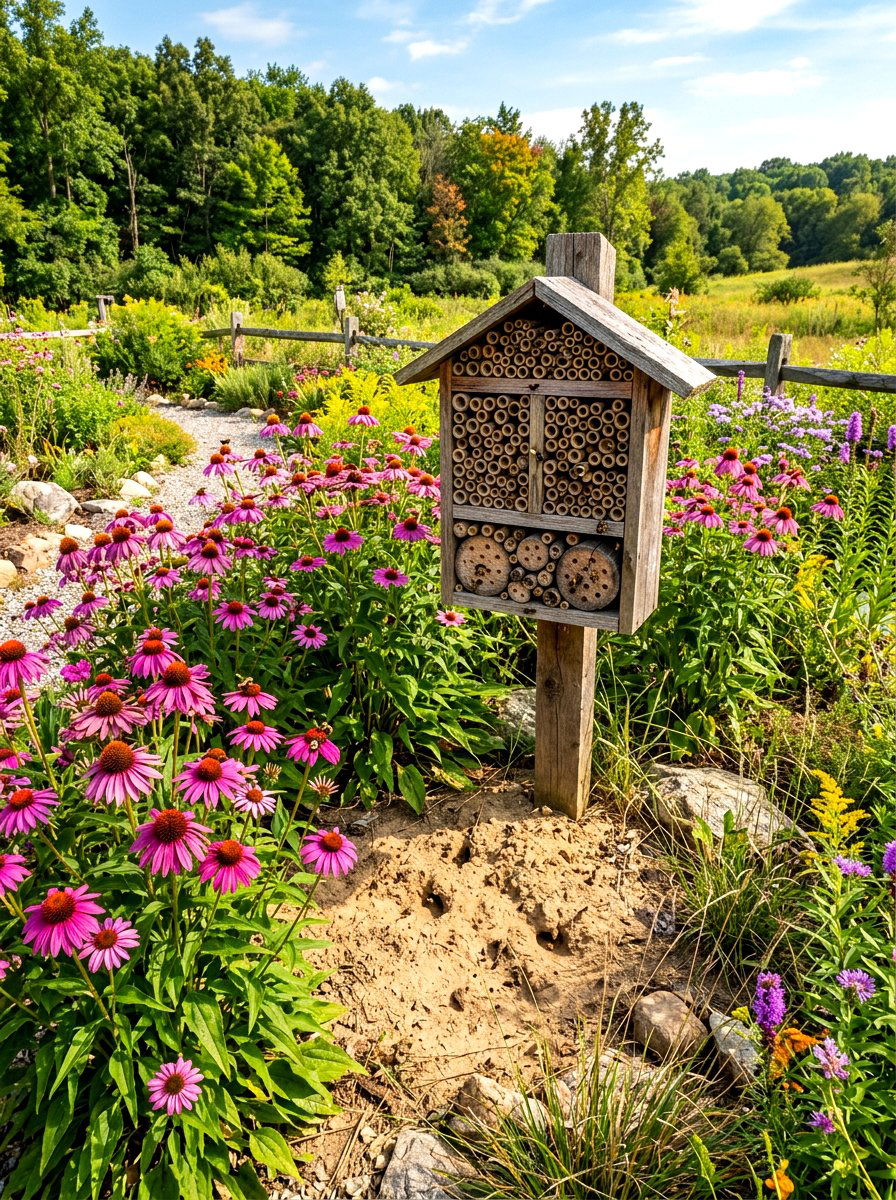
Creating a dedicated space for native bees transforms your garden into a bustling sanctuary of life and color. When you choose indigenous plants, you provide the specific nectar and pollen sources these essential insects need to thrive throughout the year. Think about incorporating hollow stems or sandy patches where ground-nesting bees can safely reside alongside your vibrant blooms. These patches require very little maintenance once established, as native species are perfectly adapted to your local climate and soil conditions. You will notice a significant increase in biodiversity, making your outdoor space feel like a living, breathing ecosystem. It is a wonderful way to support the environment while enjoying a natural, rugged aesthetic that looks stunning.
2. Small backyard meadow
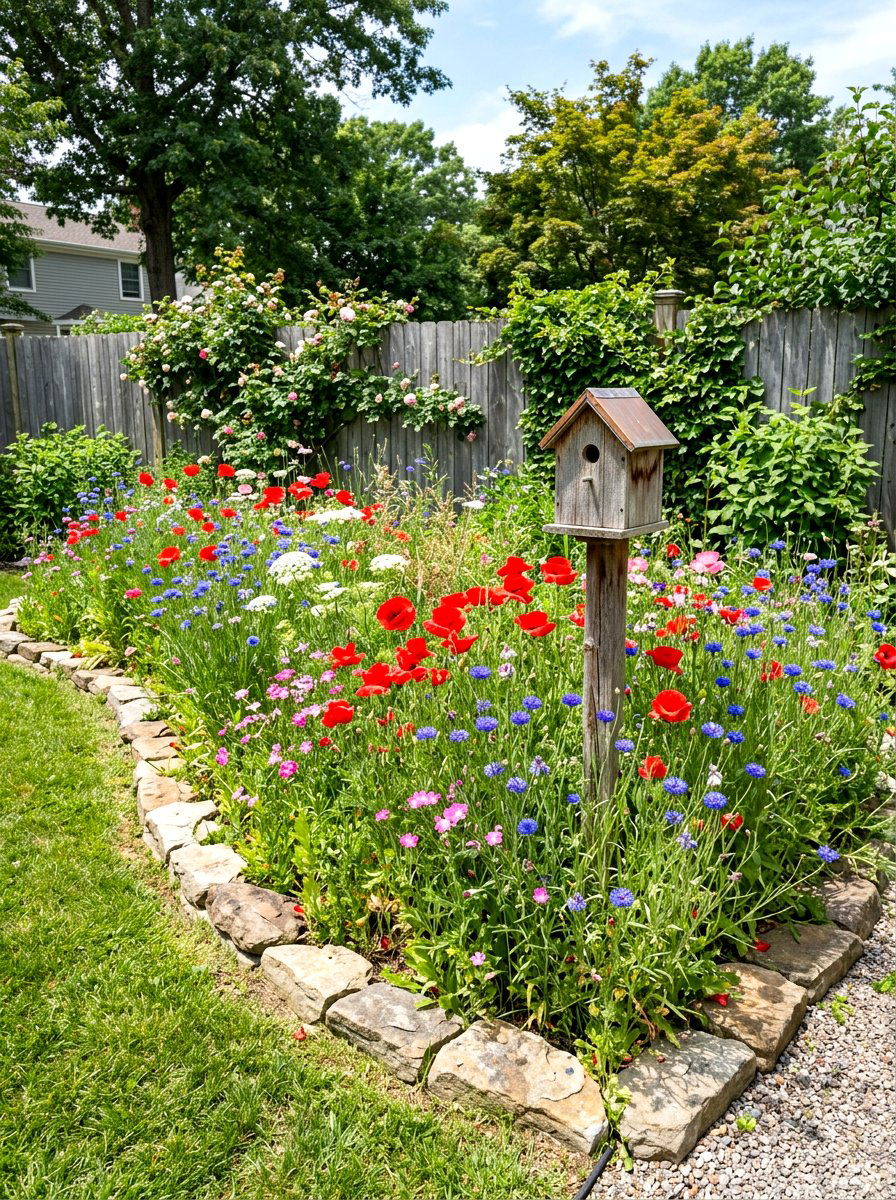
You do not need a vast sprawling estate to enjoy the whimsical beauty of a wildflower meadow in your own home. Even a tiny corner of a suburban backyard can be transformed into a miniature grassland bursting with vibrant petals and swaying grasses. By selecting a diverse mix of seeds, you create a dense tapestry that naturally blocks out weeds and provides a constant changing display of colors. Focus on mixing different heights to add depth and visual interest to your small plot. This approach brings a sense of wild, untamed nature into structured urban environments, offering a peaceful retreat for both you and local wildlife to enjoy on a daily basis.
3. Pollinator garden border
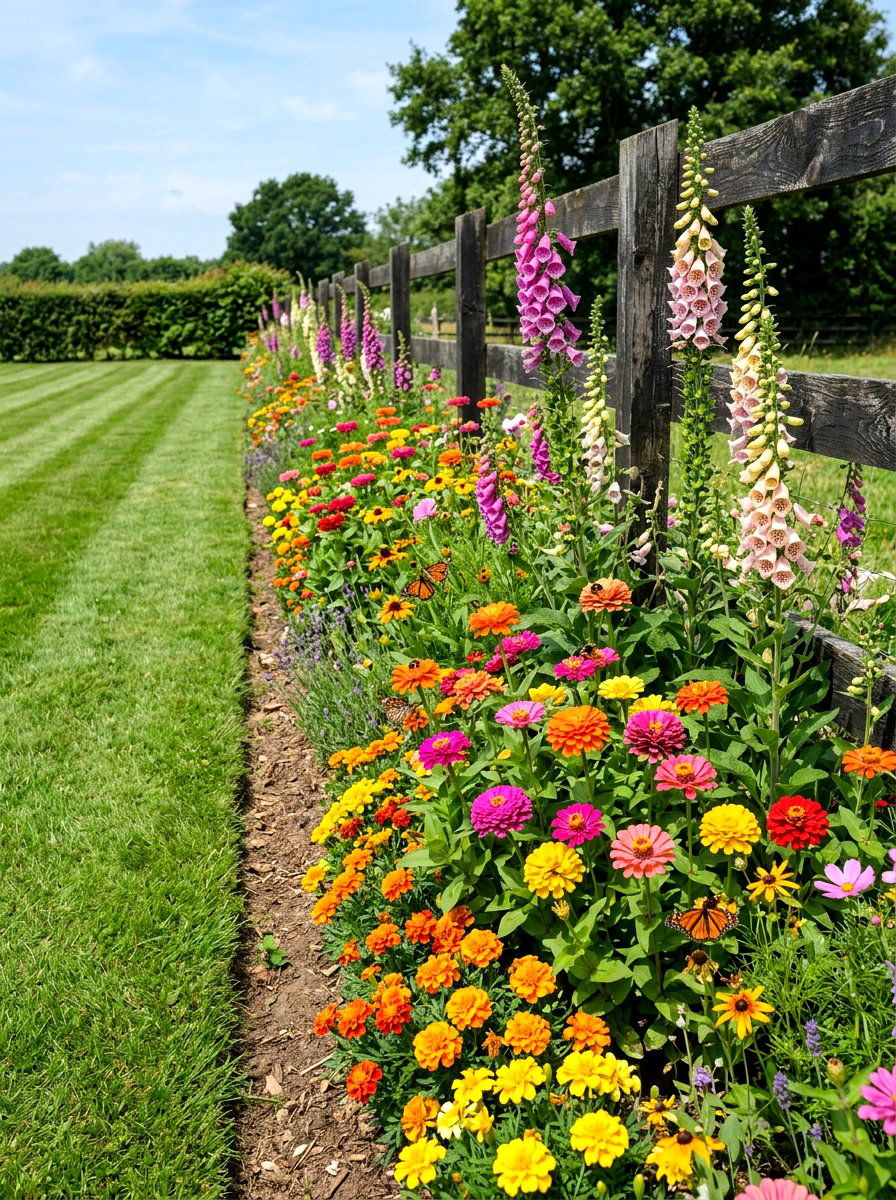
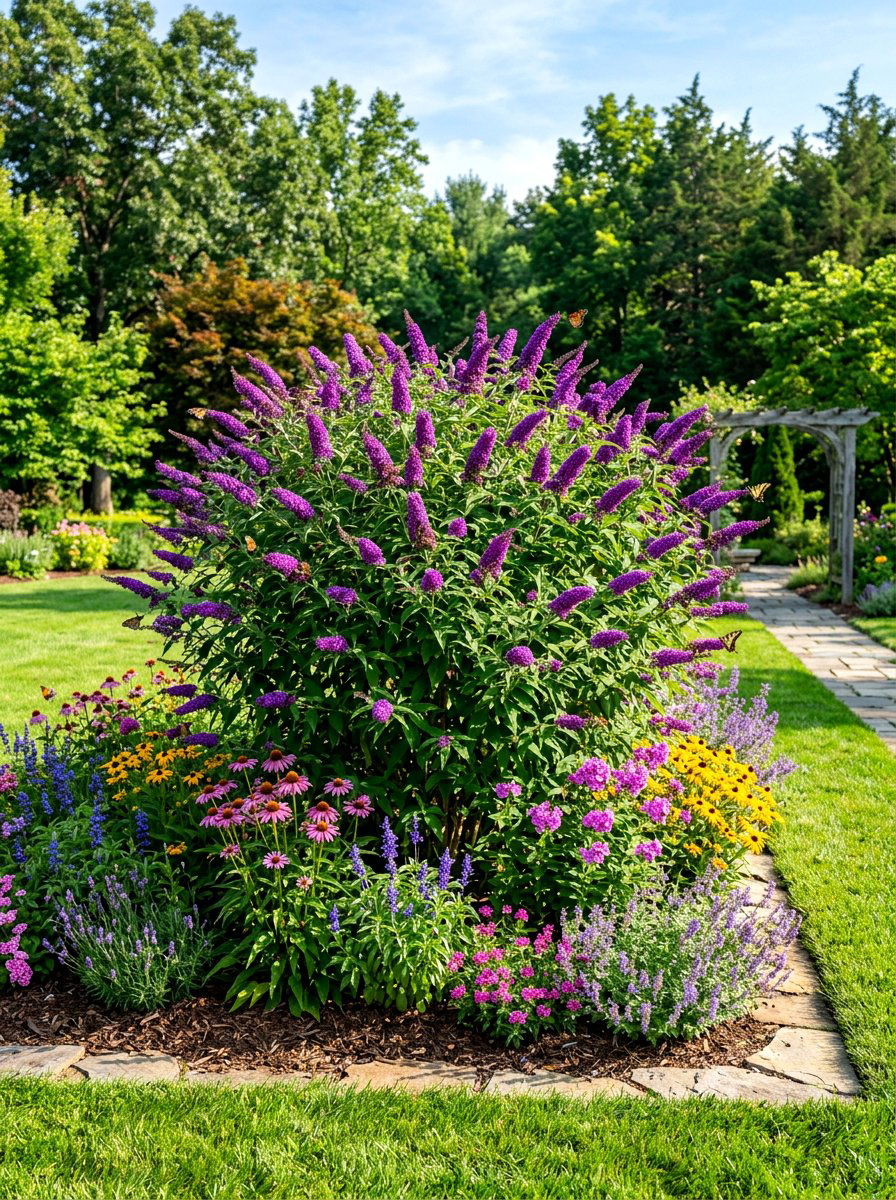
Installing a wildflower border along your existing garden beds is a brilliant way to frame your landscape with functional beauty. These strips of nectar-rich flowers act as a welcoming highway for butterflies and hummingbirds, drawing them deeper into your yard. Using a mix of perennials ensures that your border returns with more vigor each year, requiring only a simple mow at the end of autumn. The contrast between a neatly trimmed lawn and the soft, blurred edges of a wildflower border creates a professional, high-end look. It is an effective design strategy that balances human-made structure with the delightful chaos of the natural world for a balanced garden.
4. Colorful prairie patch
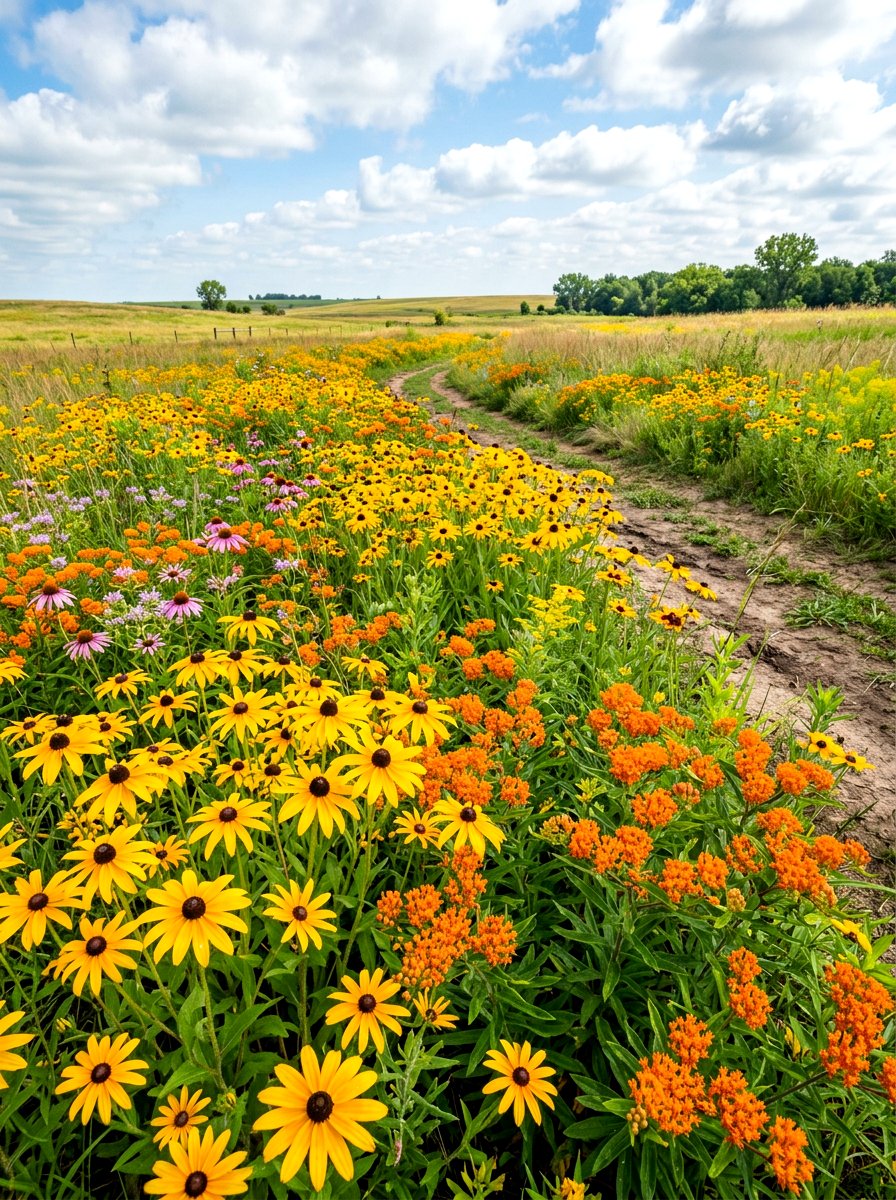
A colorful prairie patch focuses on high-impact hues like deep oranges, bright yellows, and striking purples to create a visual masterpiece. This type of wildflower arrangement often utilizes hardy species like black-eyed Susans and coneflowers that stand tall against the wind. These plants are exceptionally resilient and can handle intense summer heat without losing their vibrant glow. By grouping similar colors together, you can create a more intentional and curated look that still maintains its wild spirit. This design is perfect for those who want their garden to pop on social media, providing a bold backdrop that changes beautifully as the sun moves across the sky.
5. Shade wildflower area
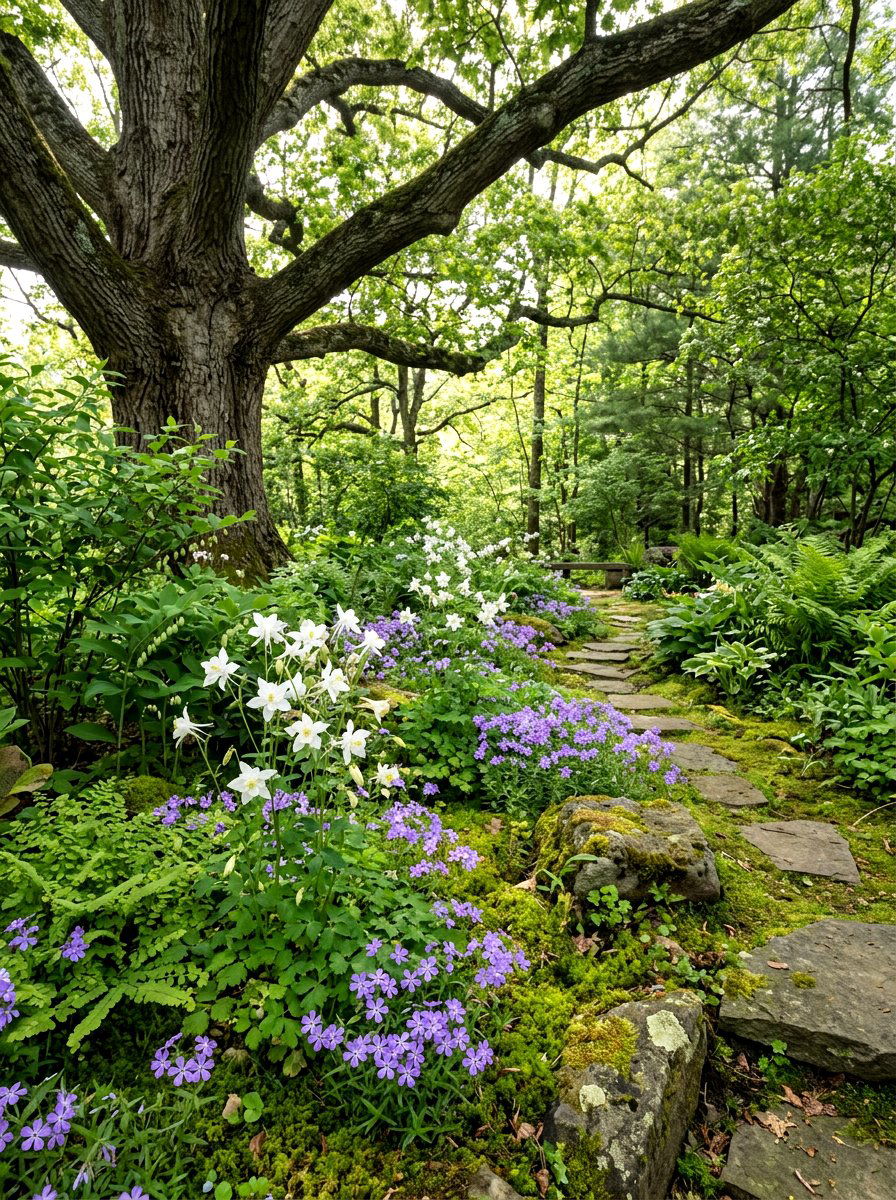
Many people believe that wildflowers only thrive in full sun, but a shade-tolerant patch can bring life to the darker corners of your yard. Woodland species like columbine and wild violets are perfect for these cooler spots, offering delicate textures and subtle colors. These plants often have interesting foliage that provides visual appeal even when they are not in bloom. Creating a patch under a large canopy tree adds a layer of enchantment and mystery to your garden design. It turns an overlooked, mossy area into a lush, thriving community of plants that prefer the filtered light and damp soil often found in forest environments.
6. Butterfly sanctuary
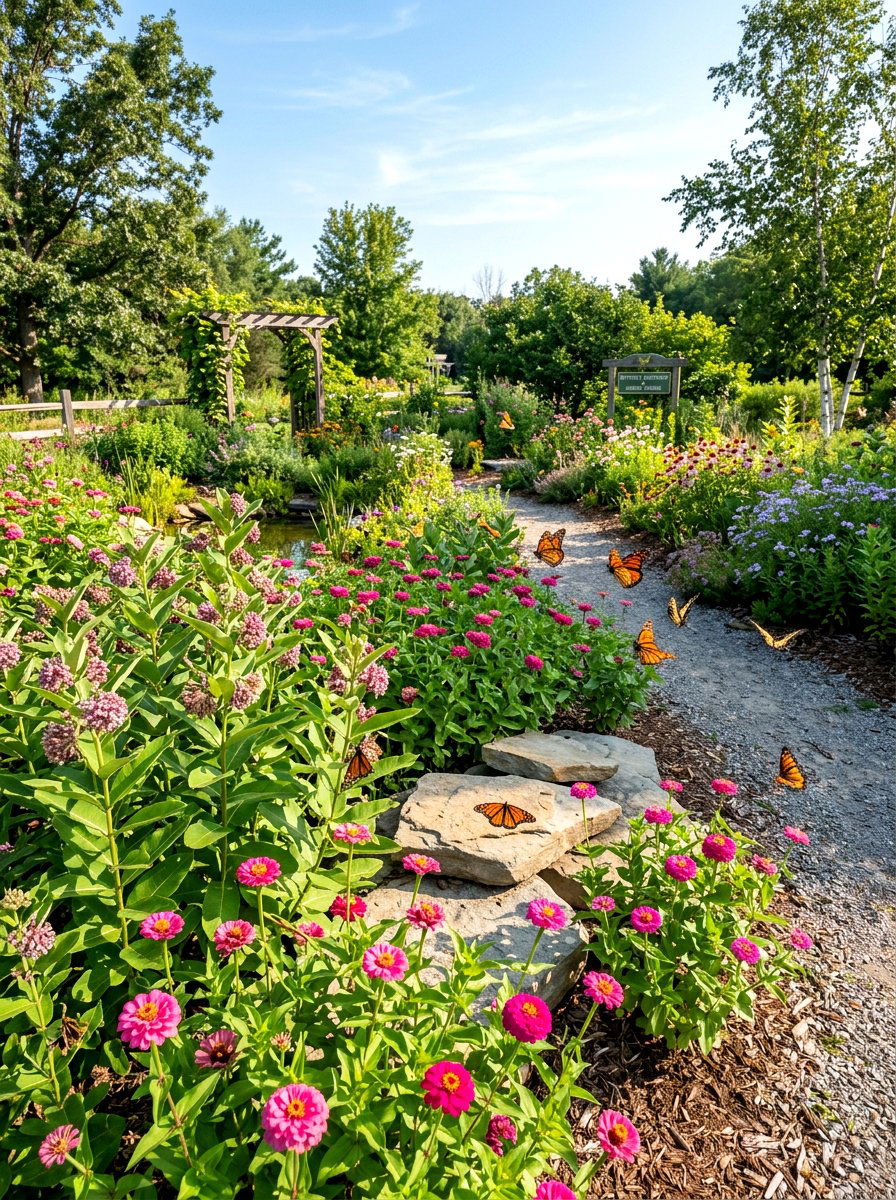
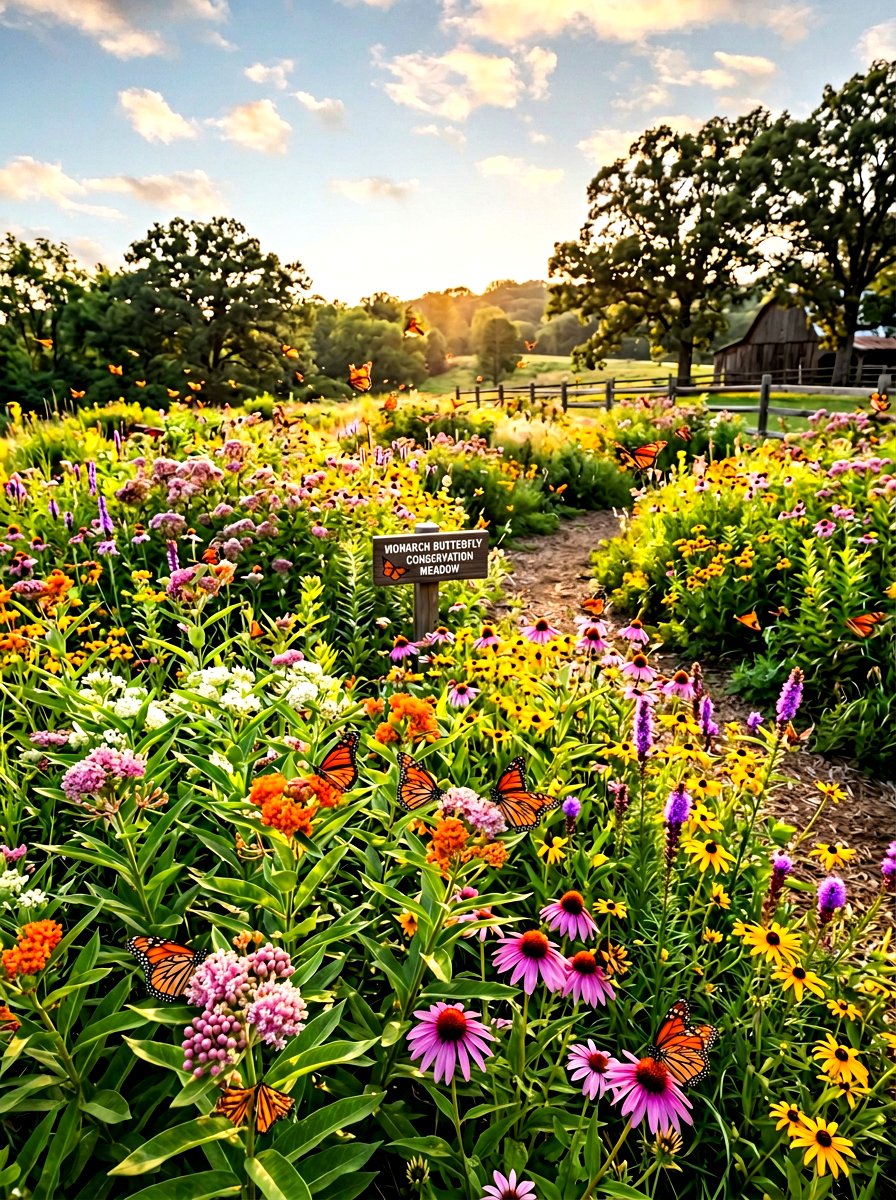
Designing a patch specifically as a butterfly sanctuary involves choosing host plants like milkweed alongside nectar-rich flowers like zinnia and aster. This combination supports the entire life cycle of various butterfly species, from hungry caterpillars to soaring adults. To make this area even more effective, include a few flat stones where butterflies can bask in the warm afternoon sun. This functional design becomes a fascinating educational feature for families, allowing you to observe the wonders of metamorphosis up close. The result is a highly active and visually stunning garden space that feels like a private nature reserve, filled with the constant movement of colorful, fluttering wings.
7. Drought resistant flowers
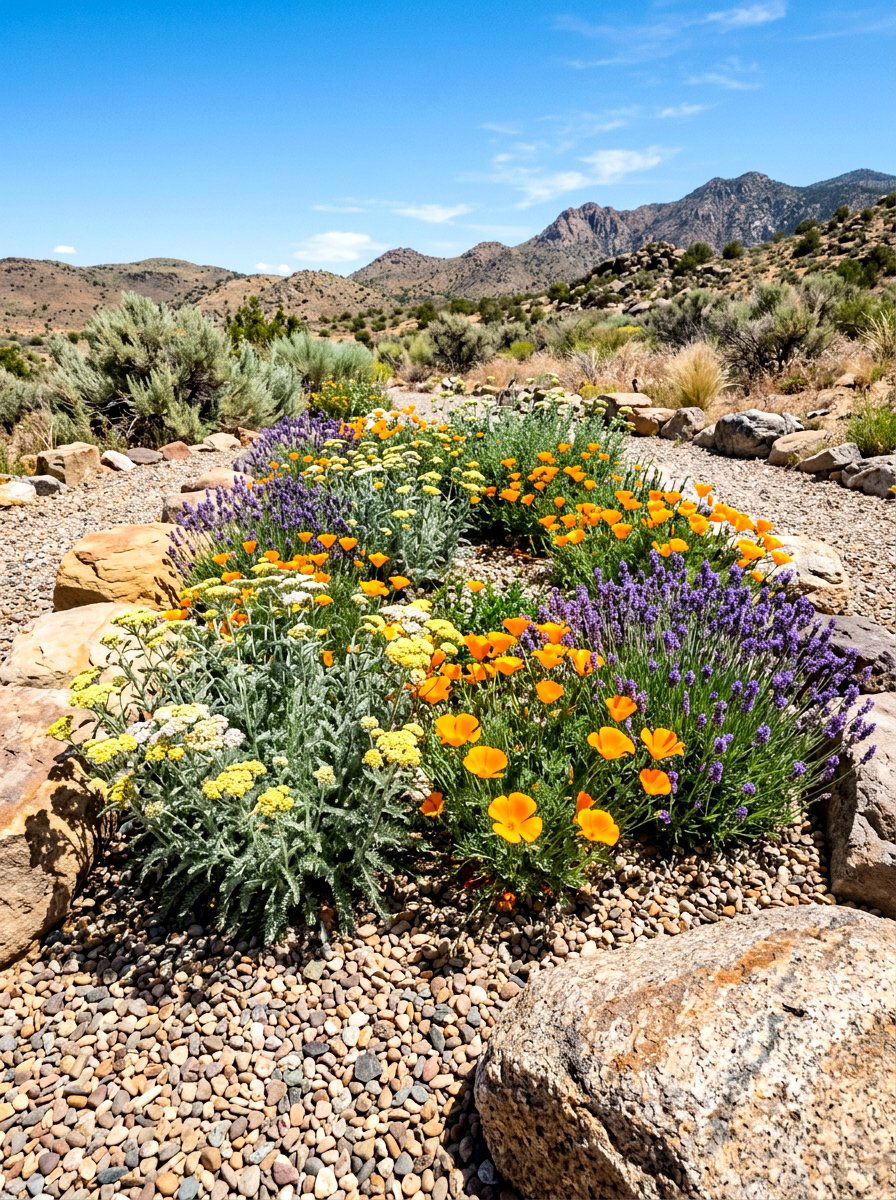
In regions with low rainfall, a drought-resistant wildflower patch is both a practical and beautiful solution for sustainable landscaping. By selecting xeric species like yarrow, sage, and California poppies, you can enjoy a lush look without the need for constant watering. These plants have evolved to survive in harsh conditions, often featuring silvery foliage or deep taproots that anchor them in the soil. Once established, these patches are incredibly self-sufficient, making them ideal for low-maintenance gardening. They provide a rugged, Mediterranean-inspired aesthetic that looks effortlessly cool and stays green and vibrant even when the temperatures soar and other garden plants begin to wilt.
8. Cottage garden mix
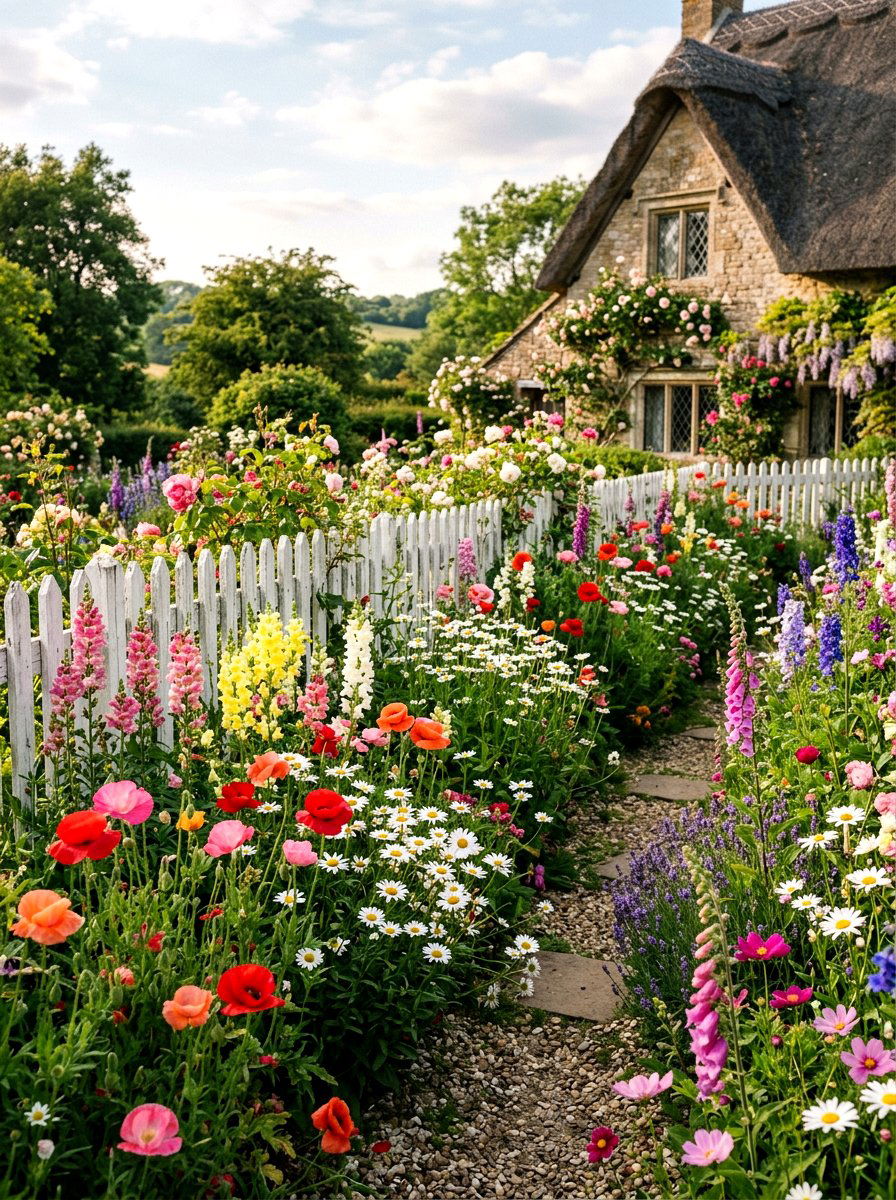
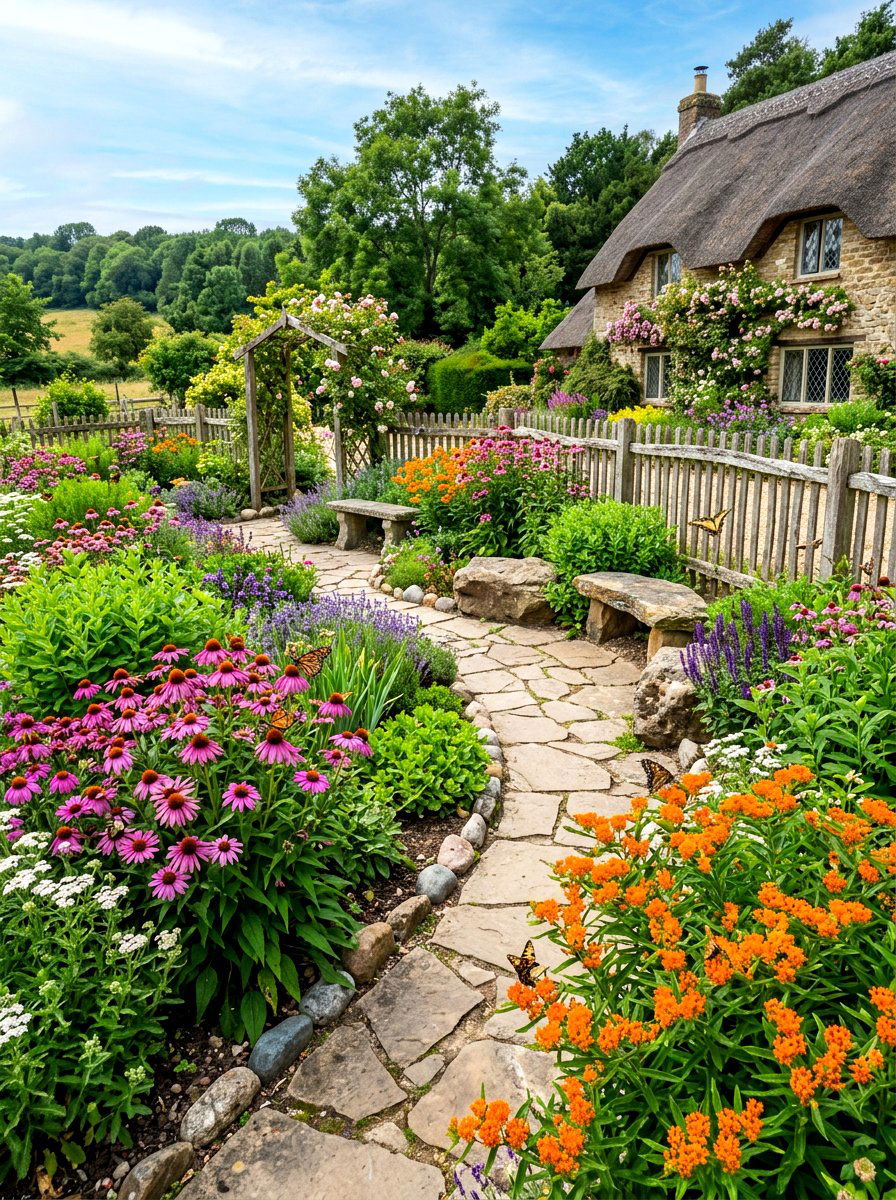
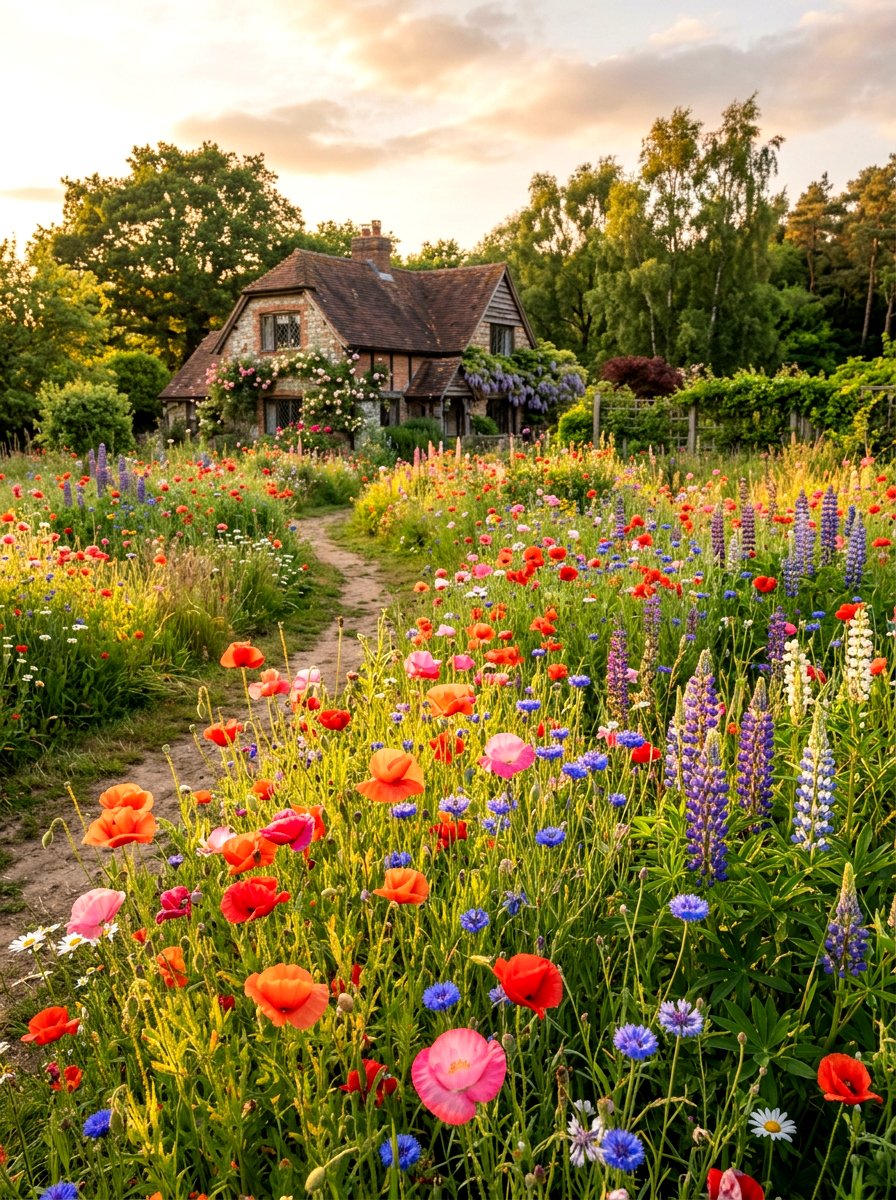
The cottage garden style is all about a dense, romantic overflow of flowers, and a wildflower mix is the perfect way to achieve this. Mixing traditional favorites like foxgloves and poppies creates a soft, nostalgic atmosphere that feels timeless and inviting. This approach encourages plants to self-seed and wander, blurring the lines between different varieties for a truly organic feel. It works exceptionally well next to rustic elements like wooden fences or stone paths. The abundance of blooms creates a sensory experience filled with diverse scents and textures. This style is highly popular on Pinterest for its ability to look like a lush, effortless floral dreamscape.
9. Edible wildflower plot
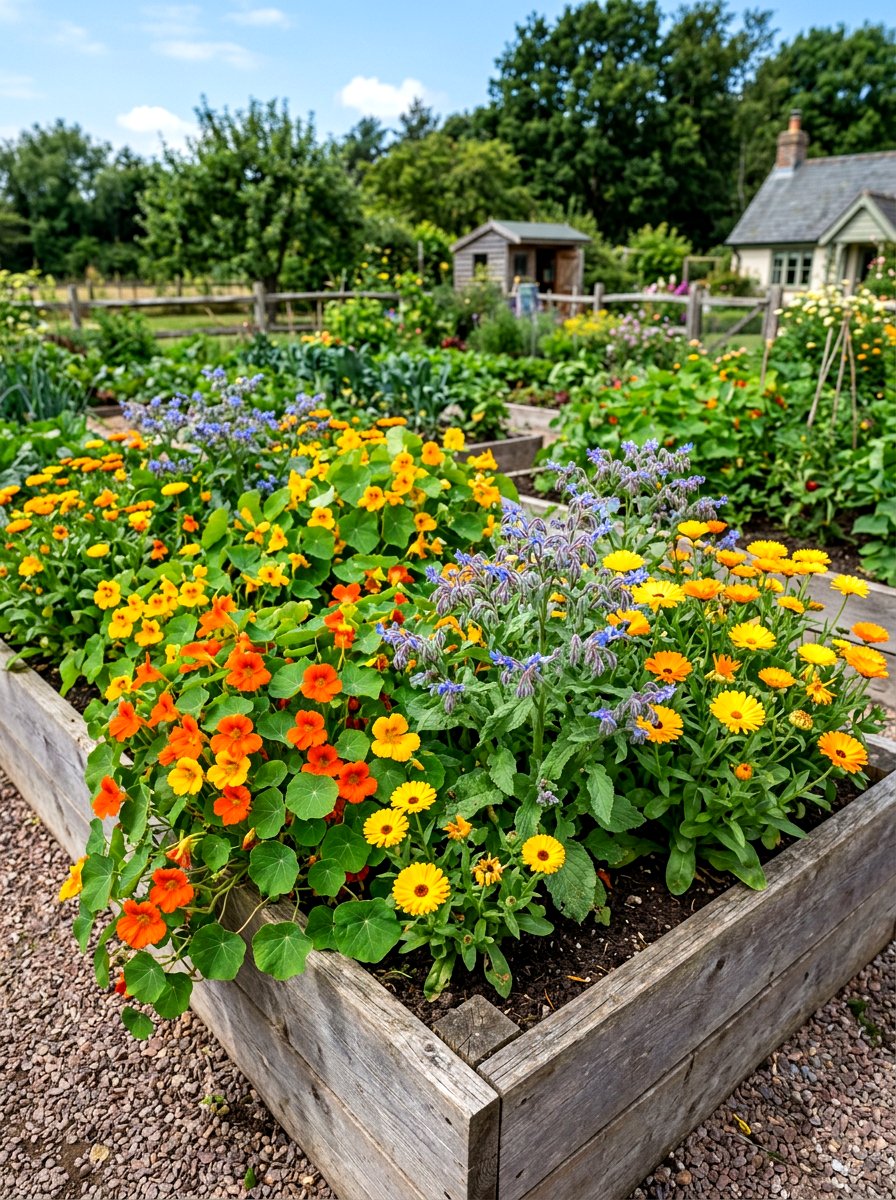
An edible wildflower plot combines visual splendor with the practical benefits of a kitchen garden by featuring species with safe, delicious petals. Plants like nasturtium, borage, and calendula offer vibrant colors while providing unique garnishes for your summer salads and drinks. This dual-purpose design is perfect for small-space gardeners who want to maximize every inch of their soil. It creates a multi-sensory experience where you can admire the beauty of the blooms before harvesting them for your next meal. Ensuring your patch is free from chemical pesticides is key to enjoying these natural treats. This trendy idea merges the foraging movement with traditional ornamental gardening for a unique result.
10. Tall grass meadow
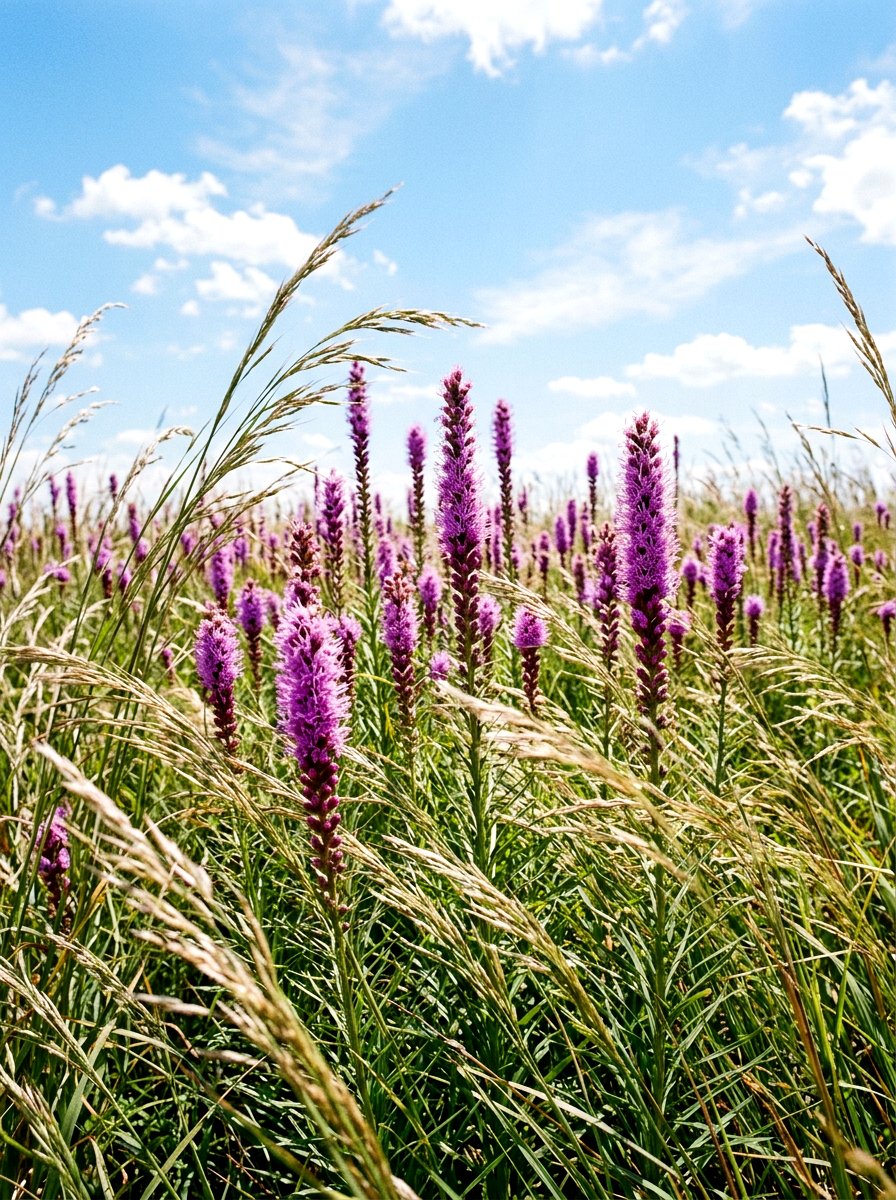
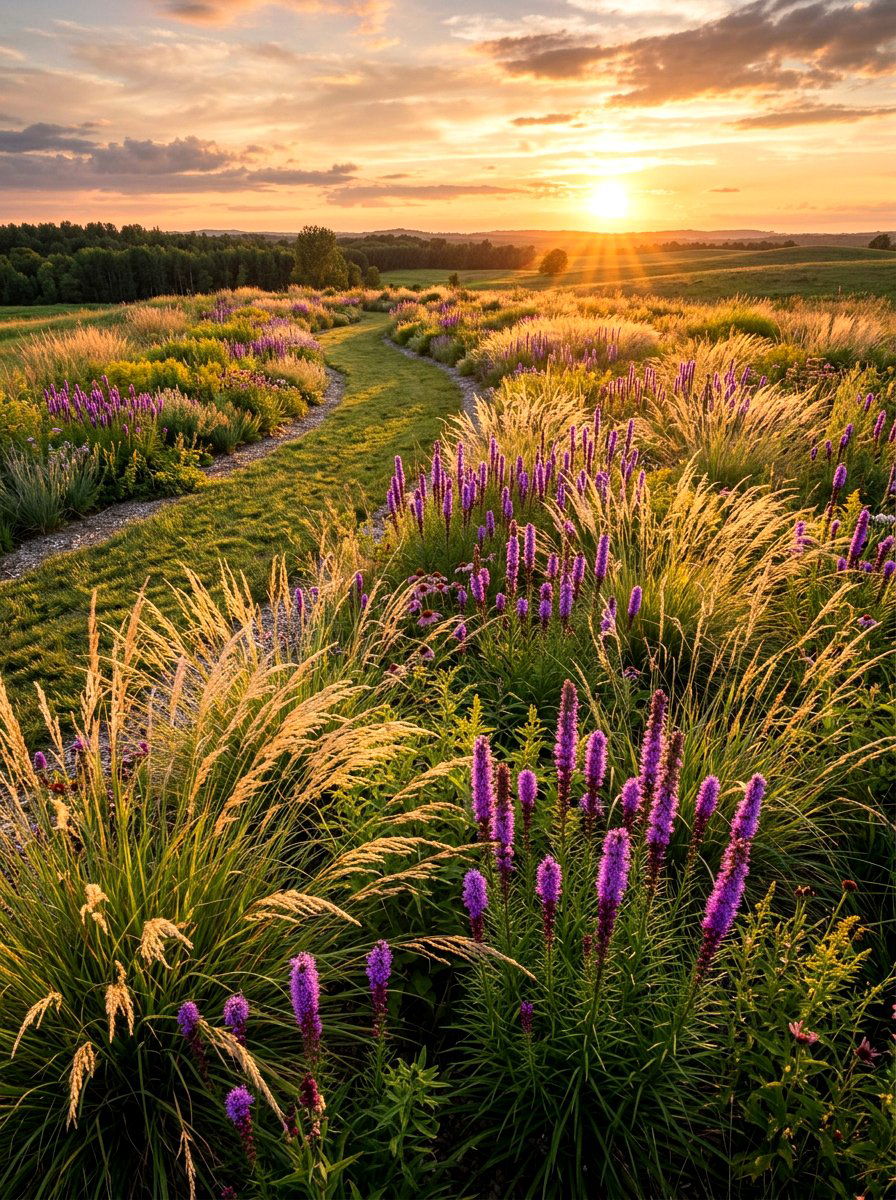
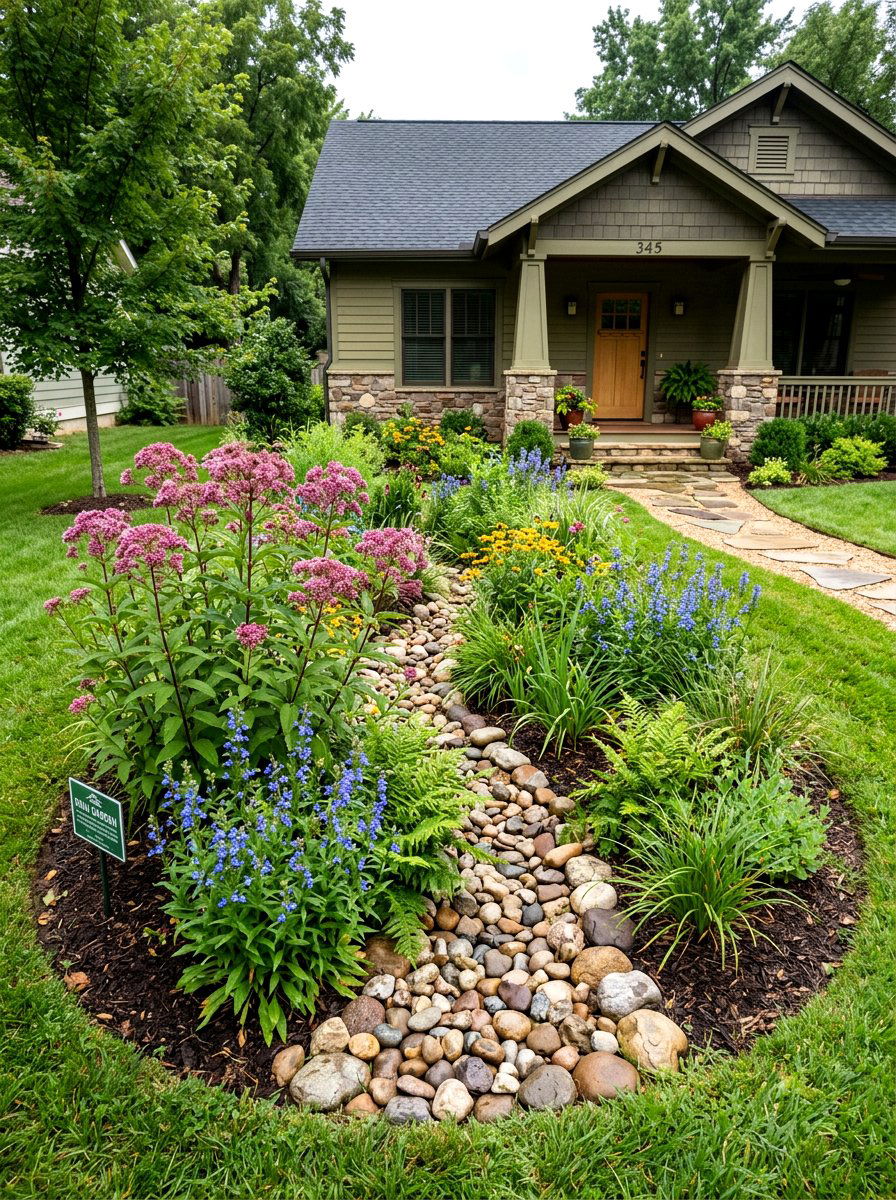
A tall grass meadow emphasizes the structural beauty of native grasses interspersed with delicate flowering species. The movement of the grass in the breeze adds a cinematic quality to your landscape, creating a sense of tranquility and flow. These grasses provide essential cover for small birds and beneficial insects, enhancing the ecological value of your property. In the autumn, the golden tones of the dried grass provide architectural interest long after the flowers have faded. This design is particularly effective for larger areas where you want to create a sense of scale and drama. It feels like a piece of the wild prairie brought right to your door.
11. Low growing lawn alternative
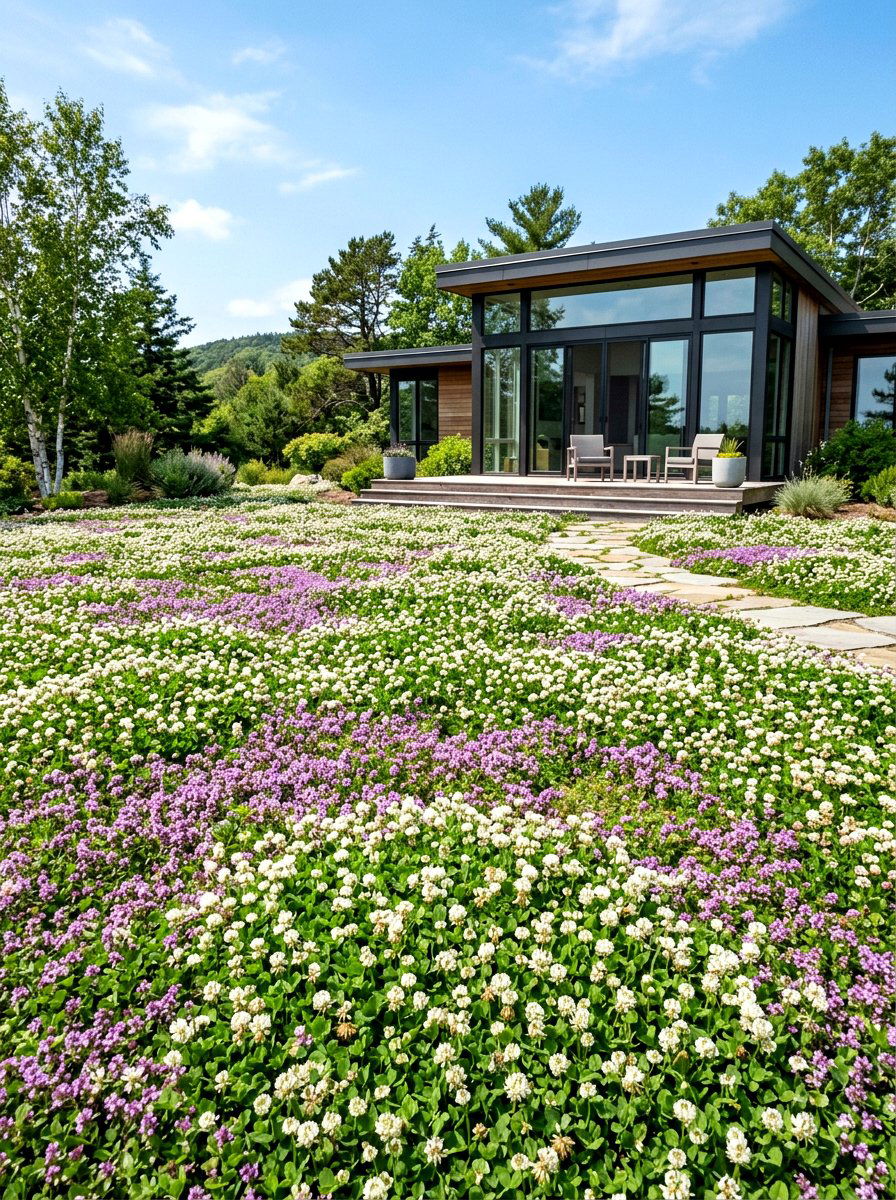
Replacing a traditional grass lawn with a low-growing wildflower mix is a revolutionary way to reduce maintenance and boost biodiversity. Species like clover, creeping thyme, and miniature daisies create a soft, walkable carpet that stays green with minimal mowing. This alternative is perfect for front yards where you want to make a sustainable statement while maintaining a tidy appearance. It eliminates the need for fertilizers and heavy irrigation, saving you time and money. The tiny blooms add a sprinkle of color throughout the spring and summer, making your yard stand out from the monotonous green of your neighbors. It is a modern, eco-friendly choice for any home.
12. Lavender and wildflowers
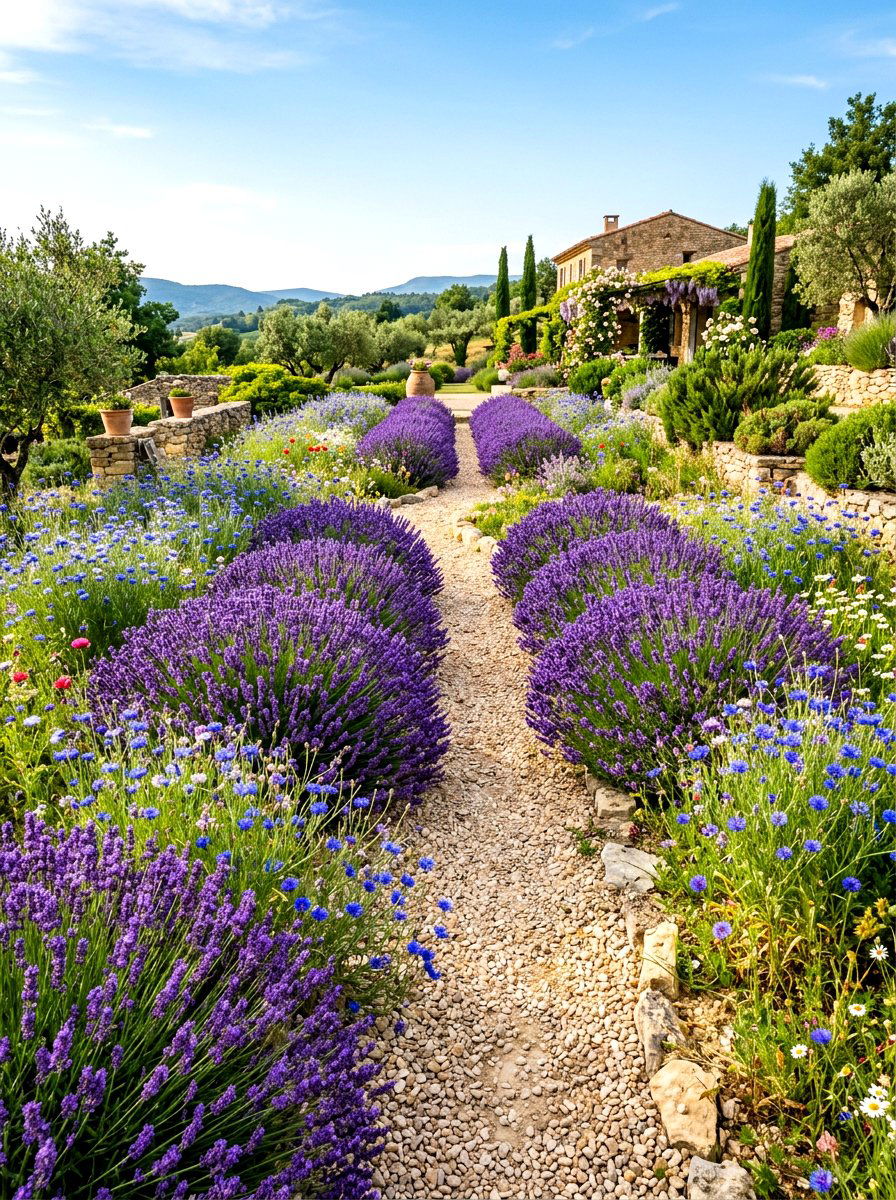
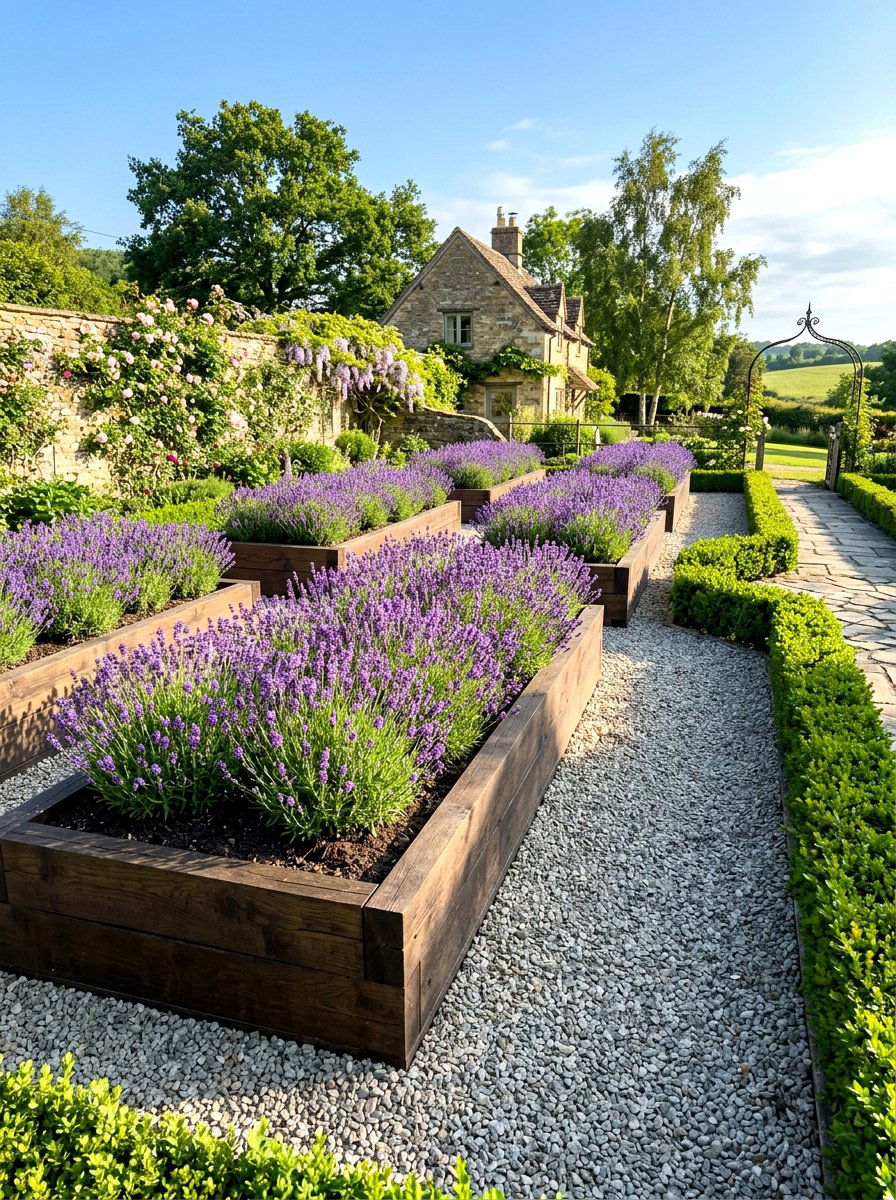
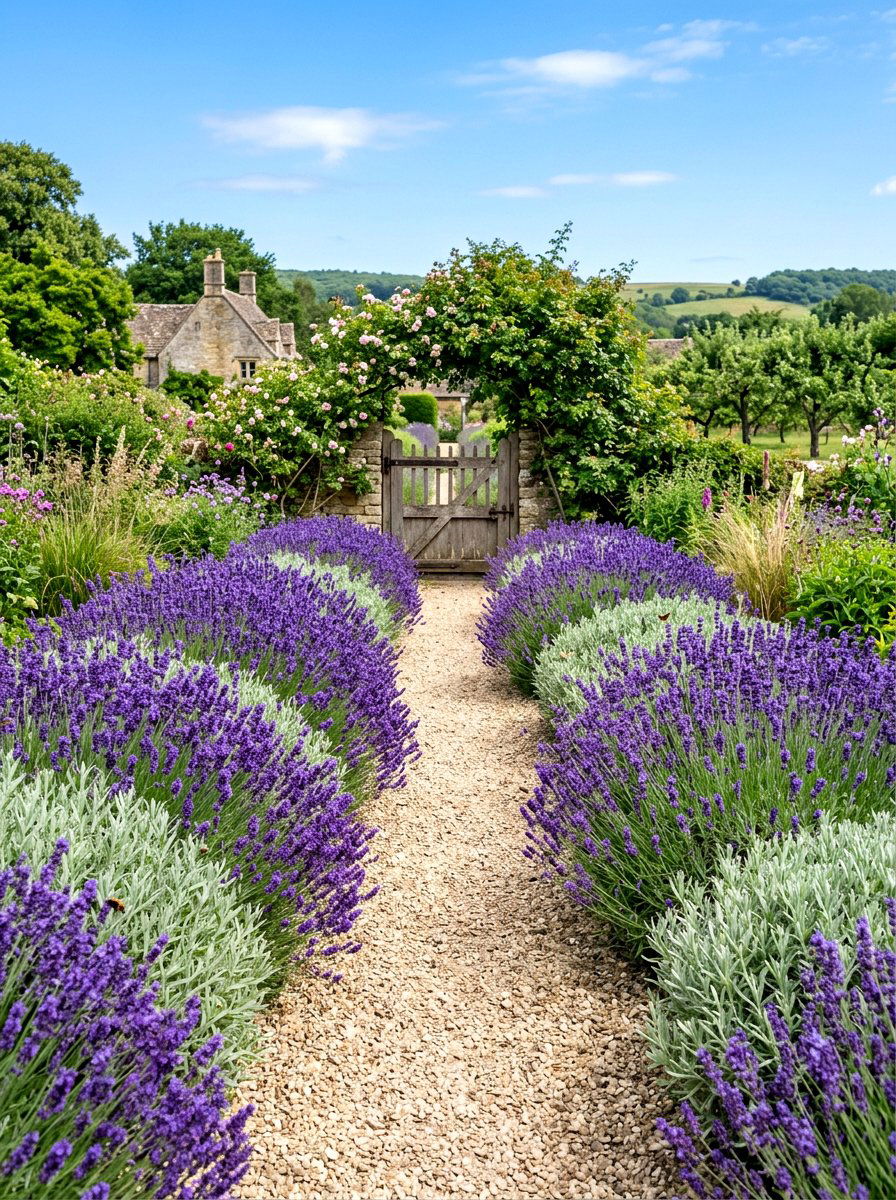
Combining fragrant lavender with a mix of airy wildflowers creates a Mediterranean-style sanctuary that appeals to both the eyes and the nose. The structured, silver-grey mounds of lavender provide a perfect contrast to the wispy, informal growth of flowers like cornflowers or poppies. This pairing is especially attractive to honeybees and bumblebees, who are drawn to the concentrated nectar sources. The scent of the garden becomes intoxicating on warm summer evenings, making it a perfect spot for a seating area. This design looks incredibly sophisticated and high-end, offering a curated take on the wildflower trend that feels both organized and wonderfully wild at the same time.
13. Sun drenched nectar spot
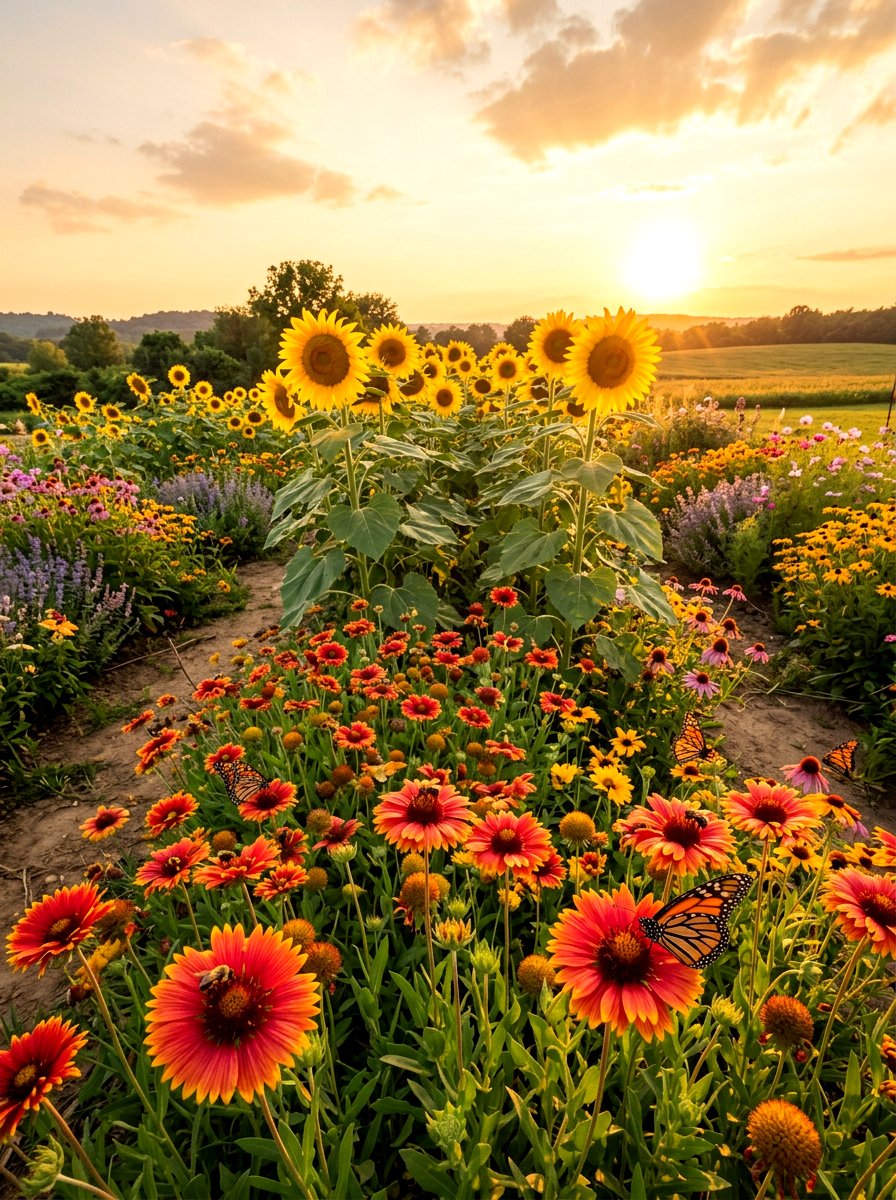
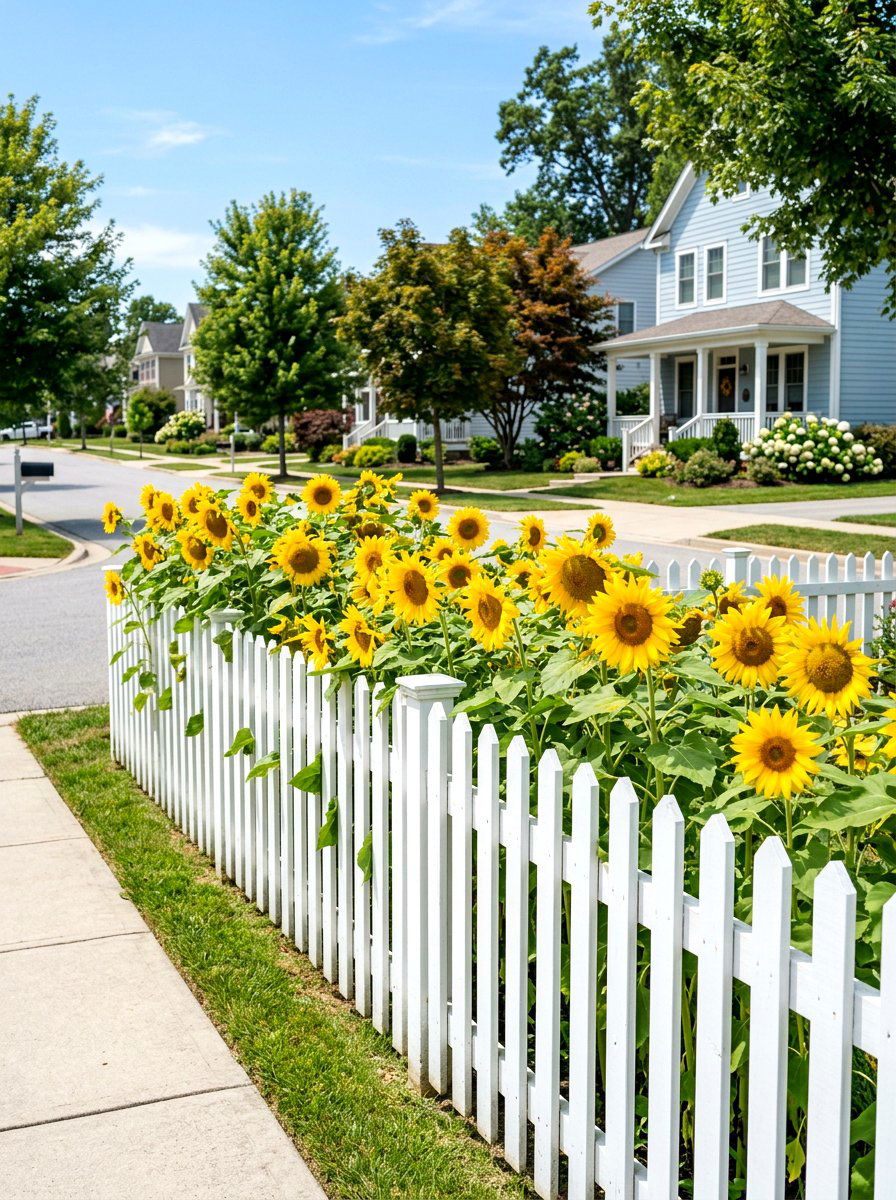
A sun-drenched nectar spot is designed for the hottest, brightest parts of your yard where sun-loving plants can truly shine. Focus on heat-tolerant species like sunflowers, blanket flowers, and coreopsis that bask in the intense light. These plants produce high volumes of nectar, making them a primary destination for a wide variety of local pollinators during the peak of summer. The bright, warm color palette of yellows, oranges, and reds creates a cheerful and energetic vibe in your landscape. This area becomes a focal point of activity, with bees and butterflies constantly visiting the blooms, providing endless entertainment and a real sense of seasonal joy.
14. Seasonal bloom bed
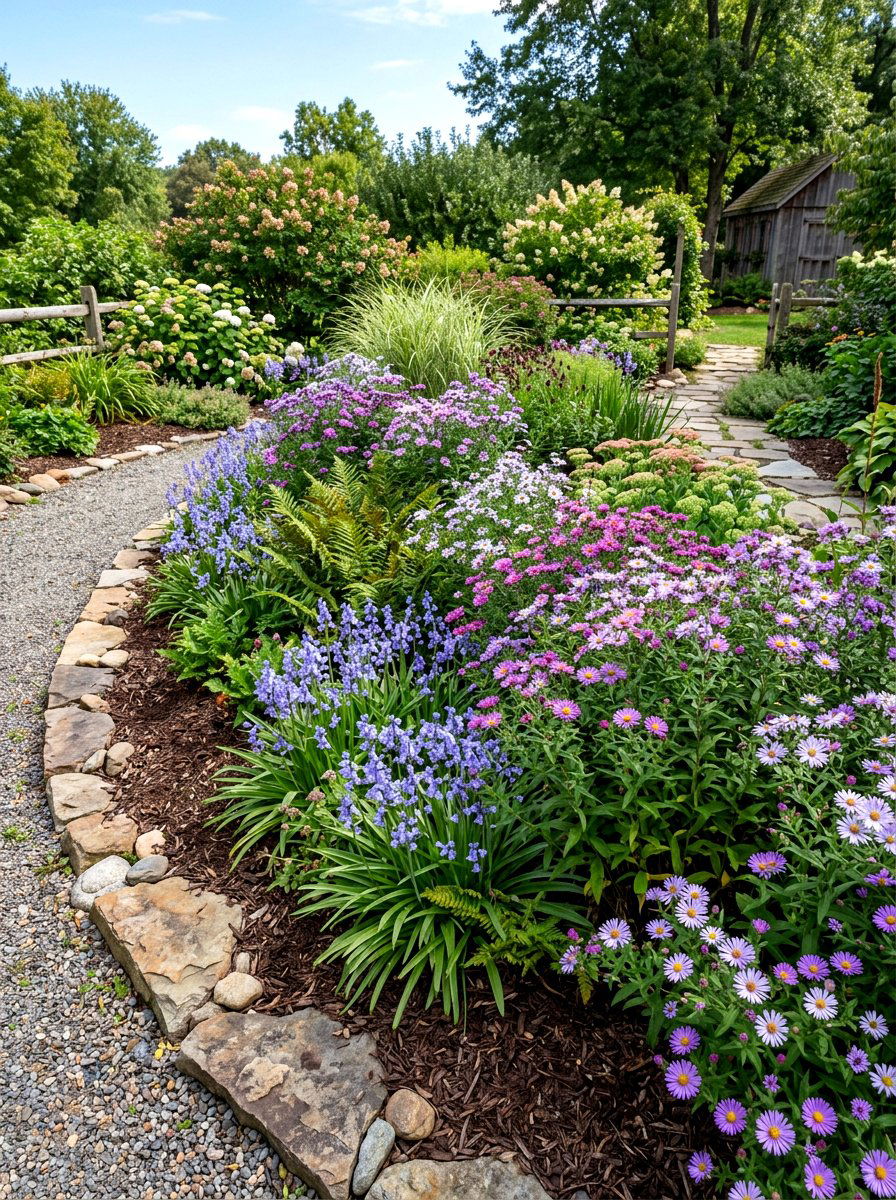
Designing a seasonal bloom bed requires careful planning to ensure there is always something flowering from early spring through late fall. By layering early bulbs like bluebells with mid-summer perennials and late-season asters, you create a dynamic display that never gets boring. This approach provides a consistent food source for wildlife as other plants go dormant. Watching the colors and textures shift every month keeps the garden feeling fresh and exciting for the homeowner. It is a brilliant way to showcase the full diversity of the wildflower world in a single, well-managed area. This strategy ensures your Pinterest-worthy garden remains vibrant and photogenic all year long.
15. Backyard habitat restoration
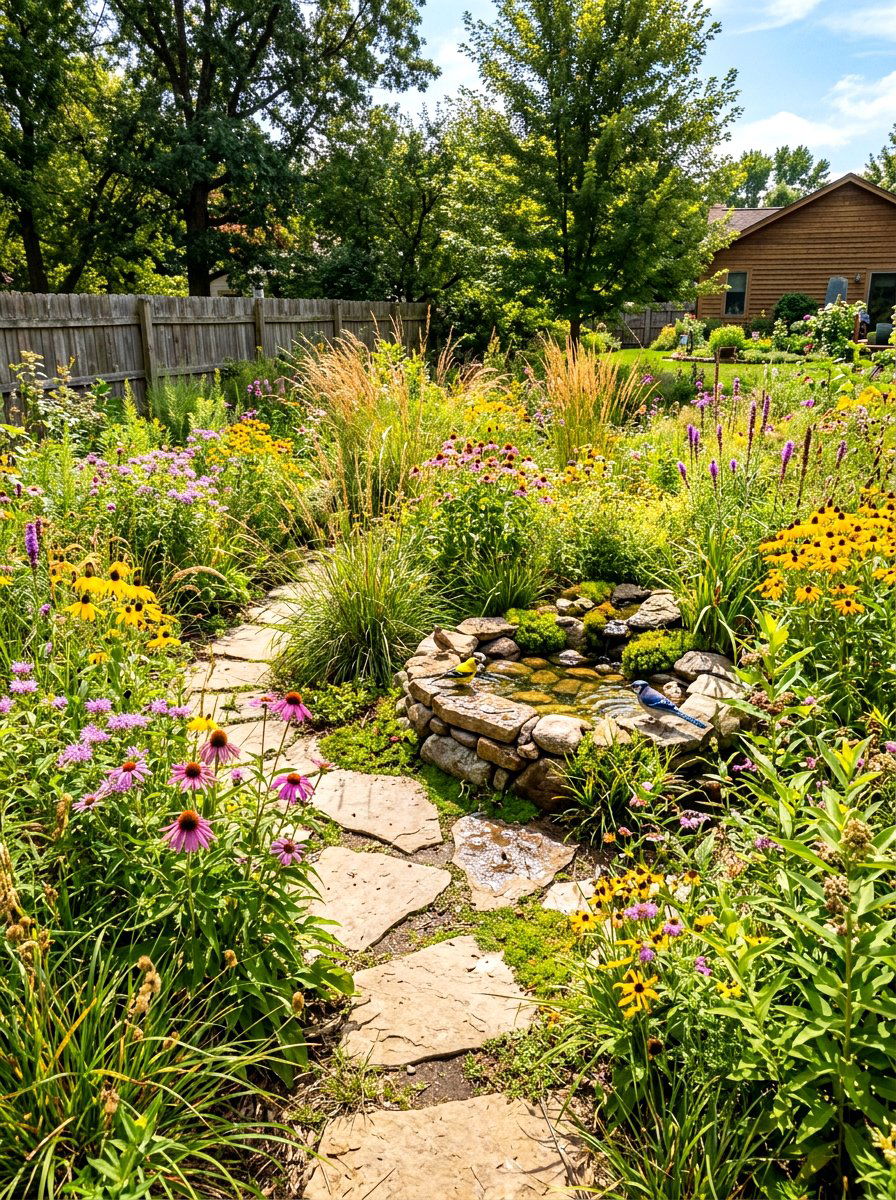
Backyard habitat restoration focuses on using exclusively native species to rebuild the local ecosystem that existed before the home was built. This deeply meaningful project involves researching the specific plants that belong in your region and creating a patch that mimics natural plant communities. The result is a resilient and low-maintenance area that supports the most vulnerable local wildlife species. It provides a sense of place and connection to the land that exotic ornamental gardens simply cannot match. This approach is gaining massive popularity among eco-conscious homeowners who want their personal spaces to contribute positively to the health of the planet and the local environment.
16. Woodland edge garden
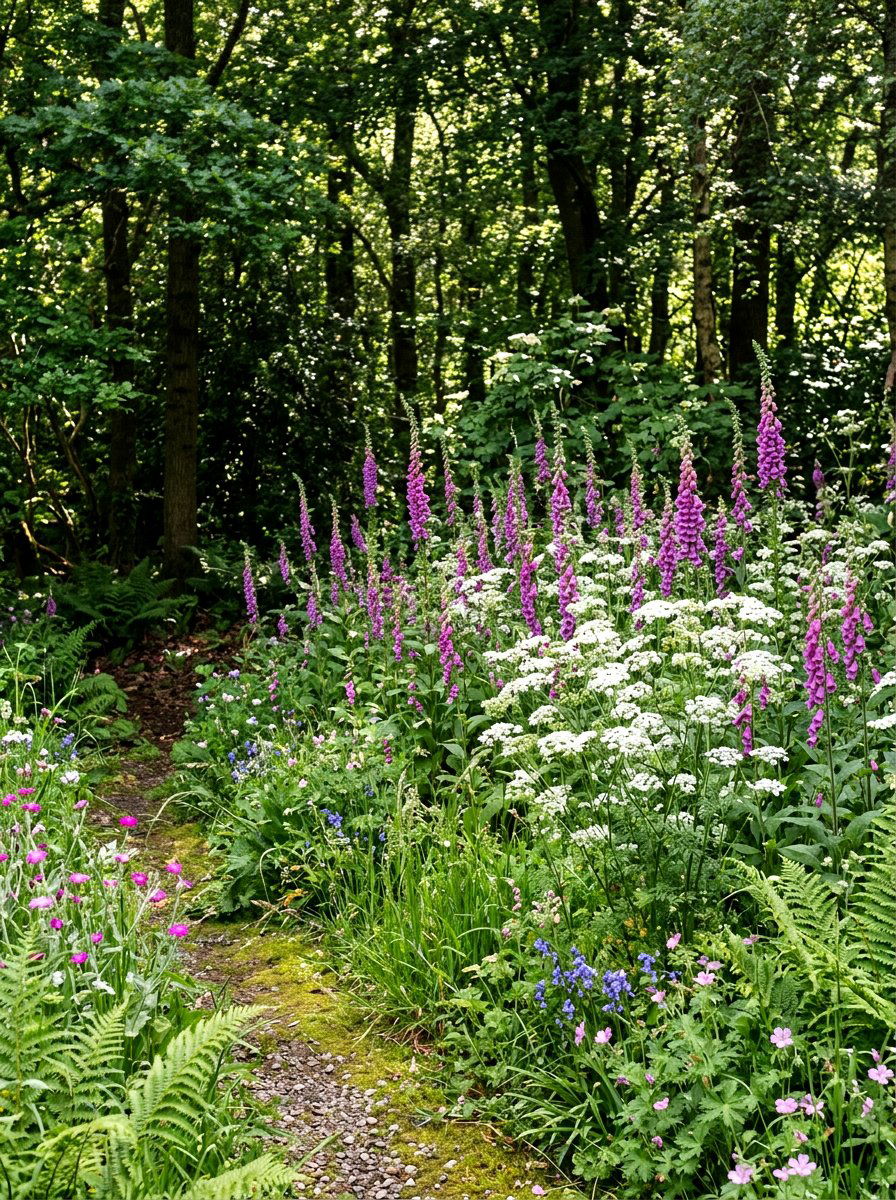
A woodland edge garden mimics the transition zone between a forest and a clearing, using plants that thrive in dappled sunlight. This area is perfect for featuring taller species like foxgloves and bellflowers that enjoy the protection of nearby trees. The layered planting style creates a sense of depth and privacy, making your garden feel like a secluded retreat. You can incorporate fallen logs or decorative branches to enhance the natural, forest-floor aesthetic. This design is highly effective at drawing in songbirds who look for the cover provided by the taller vegetation. It is a peaceful and romantic addition to any property with established shade trees.
17. Sloped wildflower area
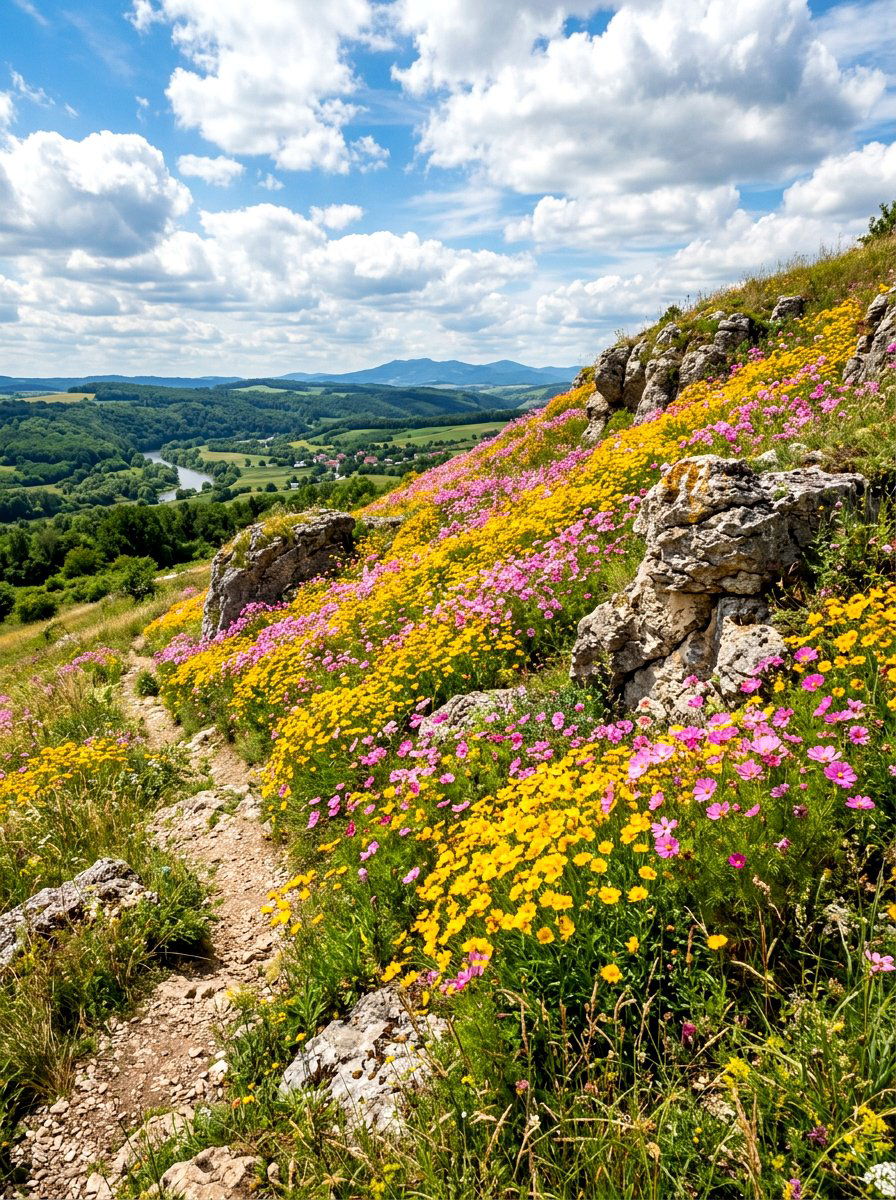
Sloped areas are often difficult to mow and maintain, making them the perfect candidates for a wildflower transformation. Planting a dense mix of deep-rooted native species helps to stabilize the soil and prevent erosion during heavy rains. The cascading effect of flowers flowing down a hill creates a breathtaking visual that can be seen from a distance. You can use large rocks or timber steps to create small terraces within the patch for added structural interest. This practical solution turns a landscape challenge into a stunning feature that requires almost no intervention once the plants take hold. It is a smart, beautiful way to handle difficult terrain.
18. Container wildflower garden
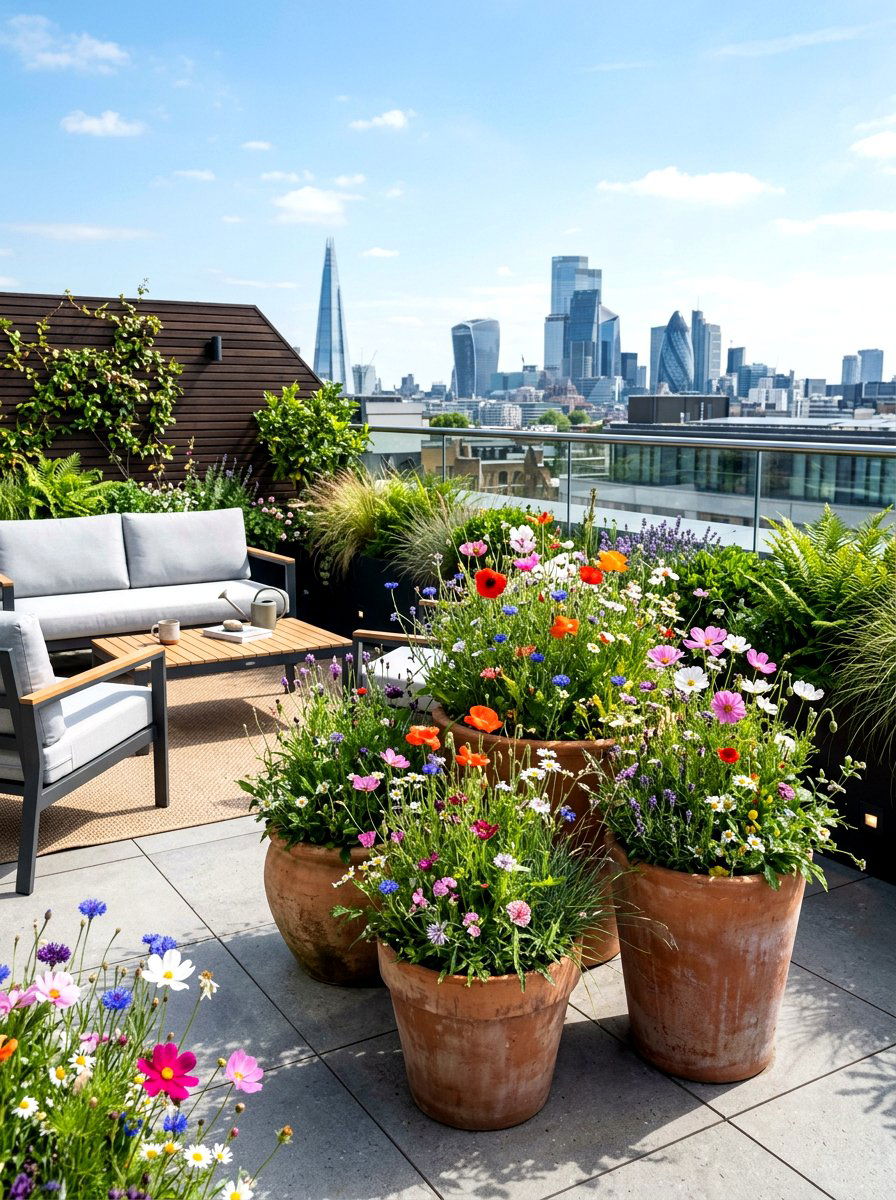
You can enjoy the wild beauty of a meadow even on a balcony or patio by creating a container wildflower garden. Using large, deep pots allows you to grow a surprisingly diverse mix of species in a very small footprint. This method gives you total control over the soil quality and moisture levels, making it easier to grow specific varieties. Portable containers also allow you to move your blooms into the best light as the seasons change. A grouping of different sized pots filled with airy flowers creates a lush, tiered look that feels like a miniature ecosystem. It is an ideal entry point for urban dwellers.
19. Fragrant evening patch
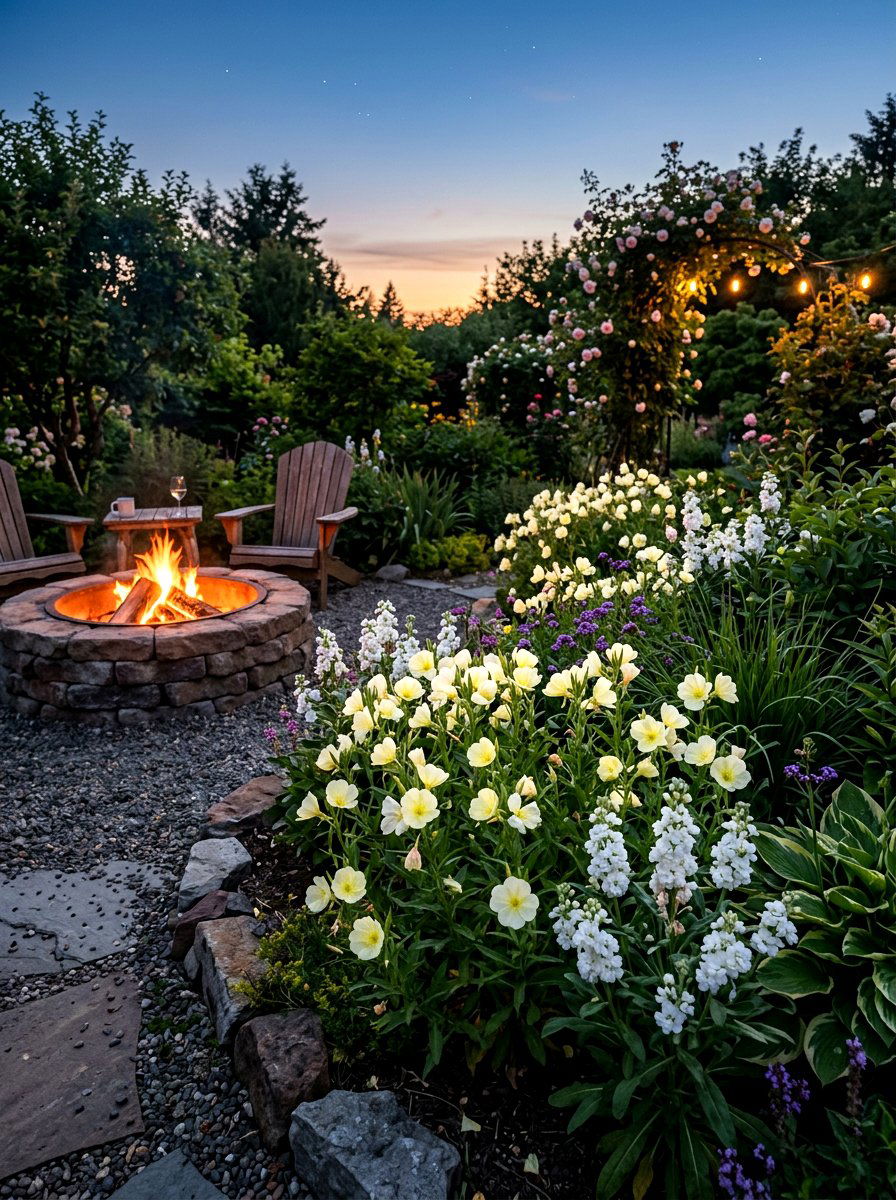
A fragrant evening patch features wildflowers that release their scent or open their petals as the sun begins to set. Species like evening primrose and night-scented stock are perfect for creating a sensory experience after dark. These plants often have pale or white flowers that seem to glow in the moonlight, attracting nocturnal pollinators like moths. Placing this patch near a patio or outdoor seating area allows you to enjoy the calming aromas while you unwind at the end of the day. This specialized garden design adds a layer of magic and sophistication to your outdoor life, making your evenings feel like a luxurious getaway.
20. Perennial meadow
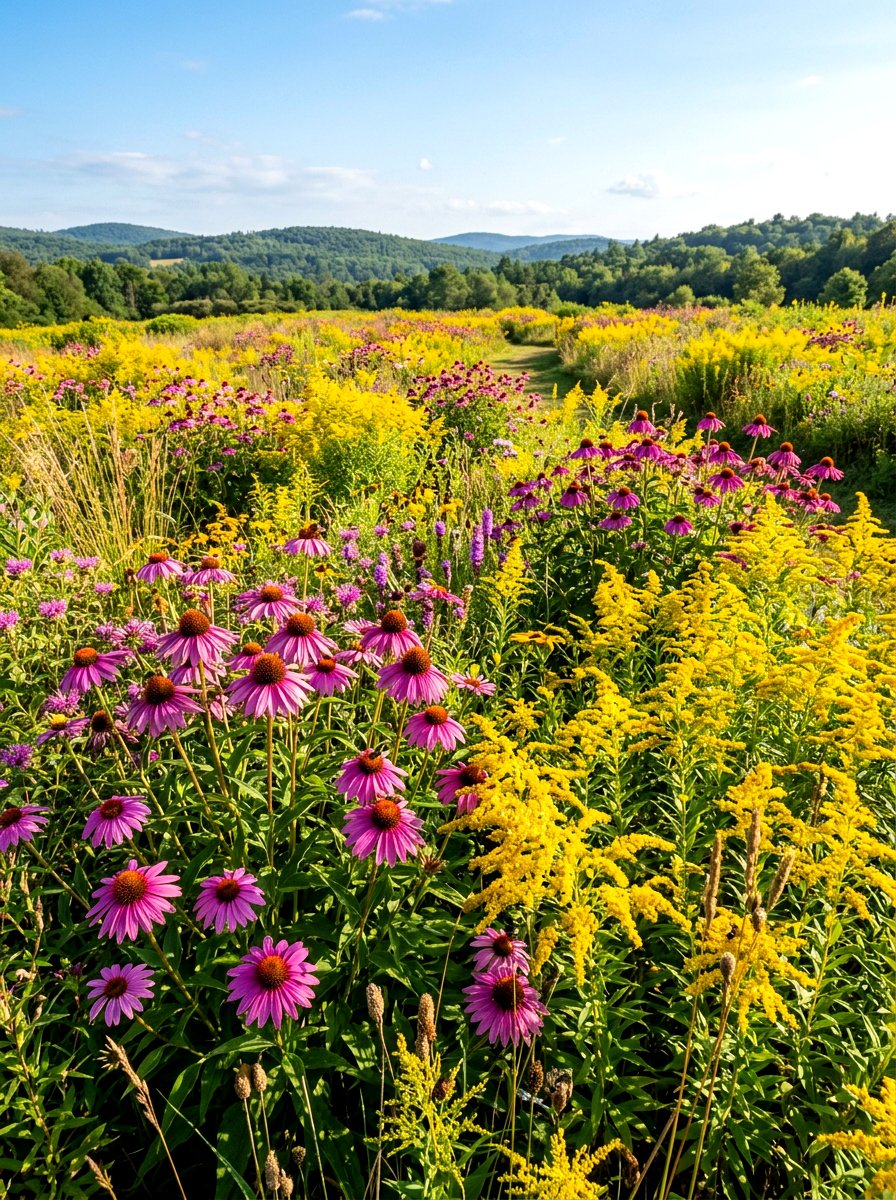
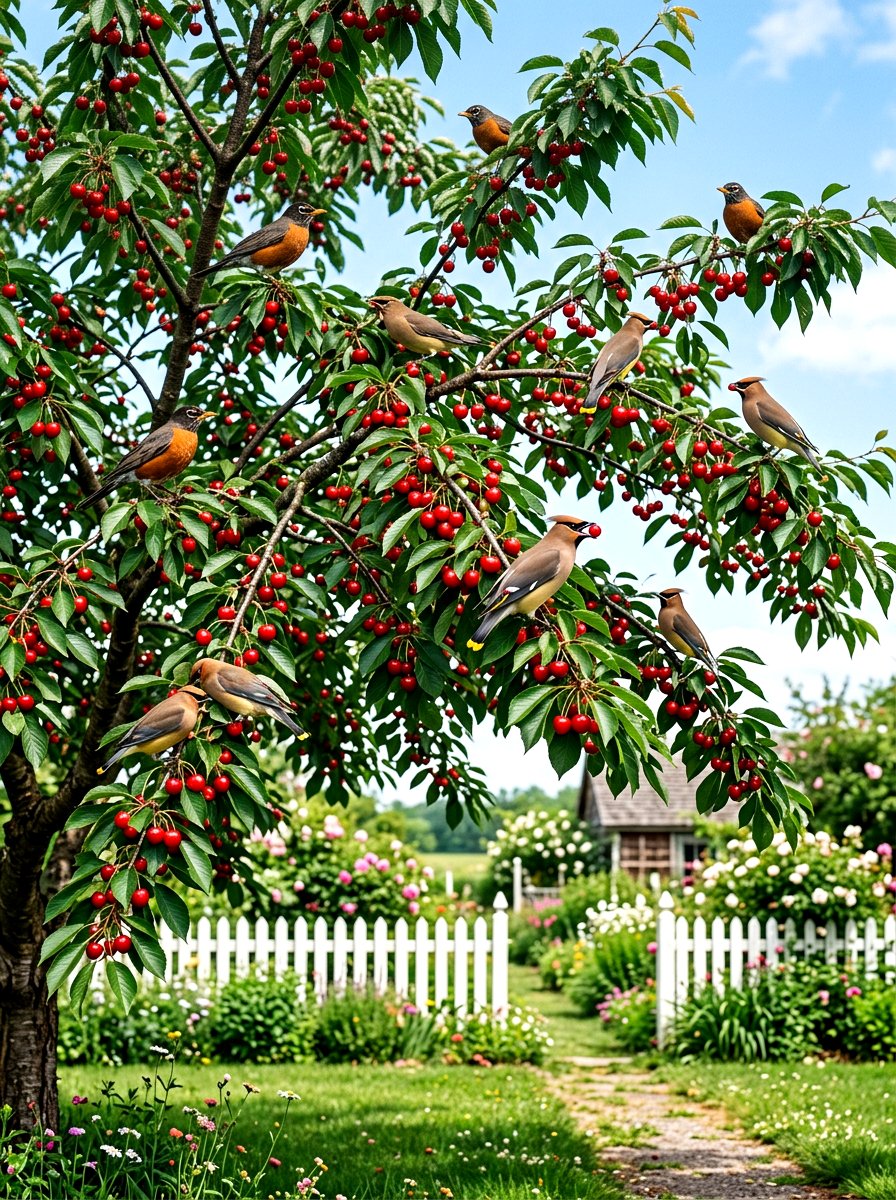
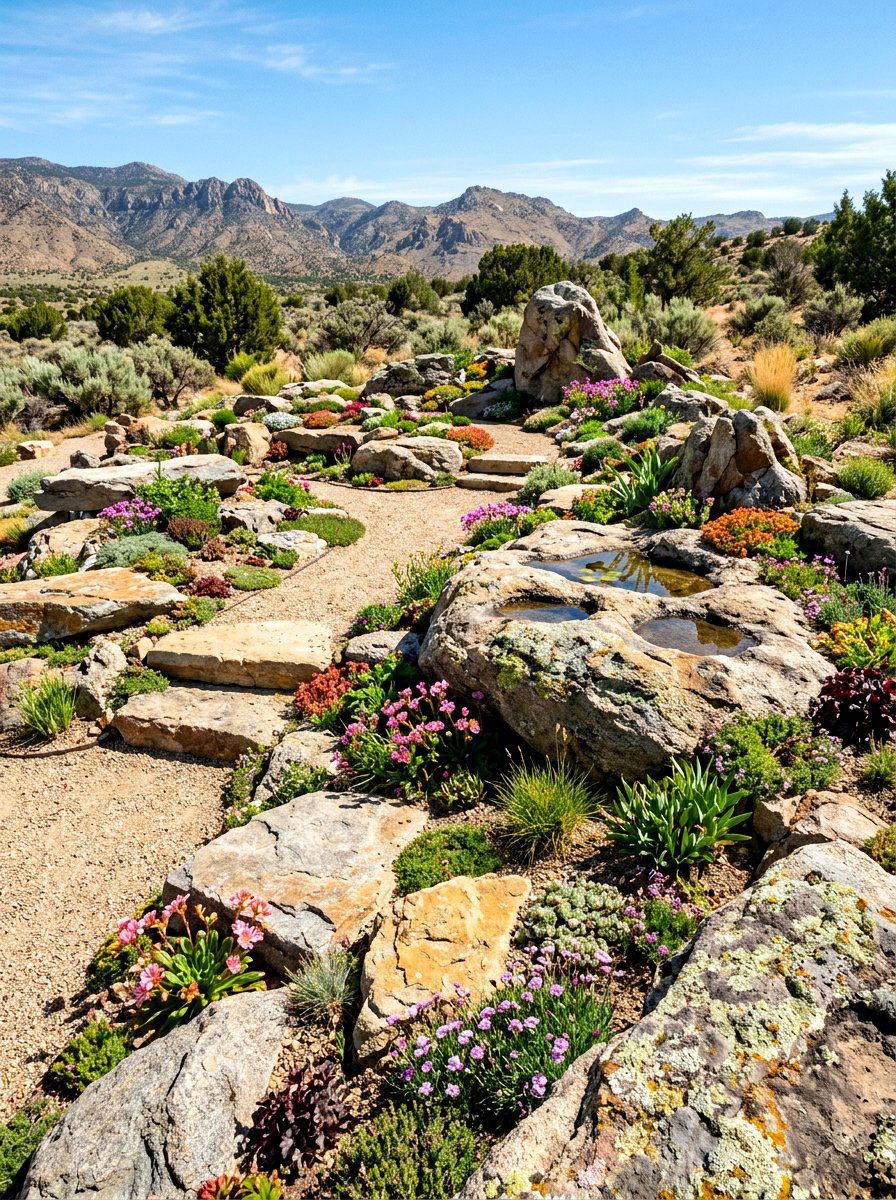
A perennial meadow is a long-term investment in your landscape that becomes more beautiful and diverse with each passing year. Unlike annual mixes that need to be resown, perennials establish deep root systems and return reliably every spring. This type of patch eventually forms a stable community of plants that can outcompete most common weeds. You can watch as the different species find their preferred spots within the patch, creating a unique and localized plant map. It is the ultimate low-effort, high-reward gardening project for those who want a permanent piece of wilderness. The maturity of a perennial patch gives your home an established, grounded feel.
21. Annual pollinator patch
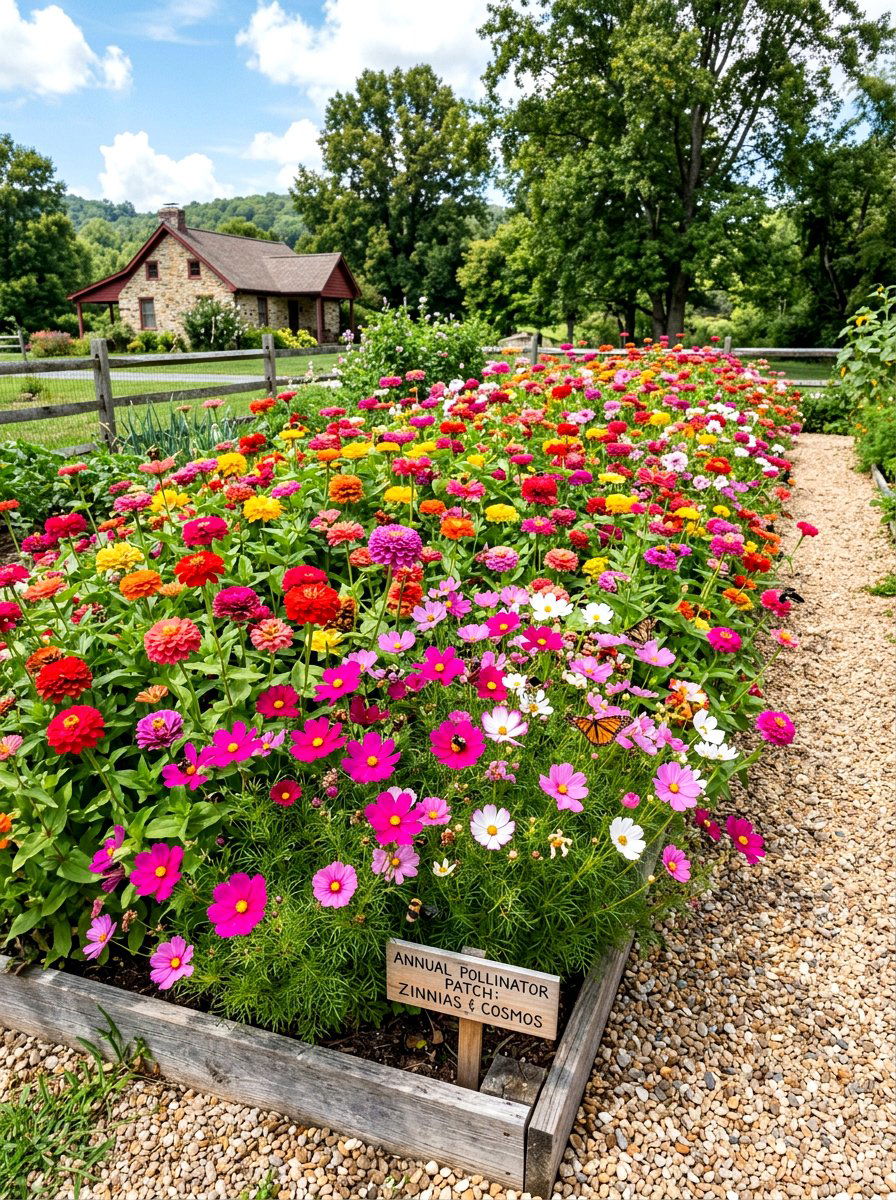
For those who love instant gratification and variety, an annual pollinator patch offers a massive explosion of color in just one season. Annuals like cosmos, zinnias, and cornflowers grow rapidly from seed, filling a space with blooms in a matter of weeks. This approach allows you to experiment with different color schemes every year, keeping your garden design fresh and trendy. These flowers are often prolific bloomers, providing a concentrated source of energy for bees and butterflies during the peak of summer. At the end of the season, you can collect the seeds to share with friends or replant next year, continuing the cycle of floral beauty.
22. Coastal wildflower garden
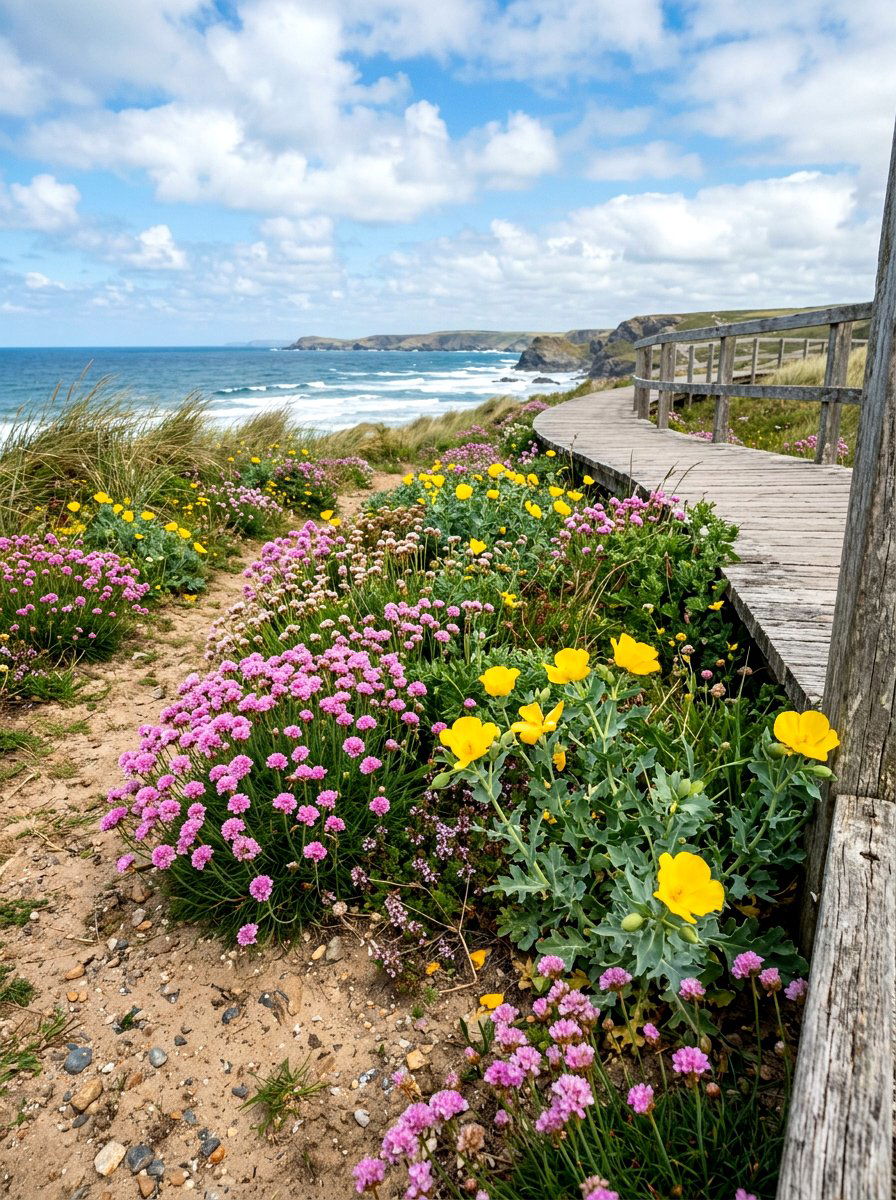
Creating a coastal wildflower garden involves selecting tough, salt-tolerant species that can withstand the wind and sandy soil found near the ocean. Plants like sea thrift, seaside daisy, and beach poppies have evolved to thrive in these challenging environments, often featuring waxy leaves or low-growing habits. This design captures the rugged, breezy aesthetic of the shoreline, making your yard feel like an extension of the beach. The cool blues, soft pinks, and whites often found in coastal mixes create a calming and serene atmosphere. It is a specialized and beautiful way to celebrate the unique flora of the coast while providing habitat for local shorebirds.
23. Rocky soil flowers
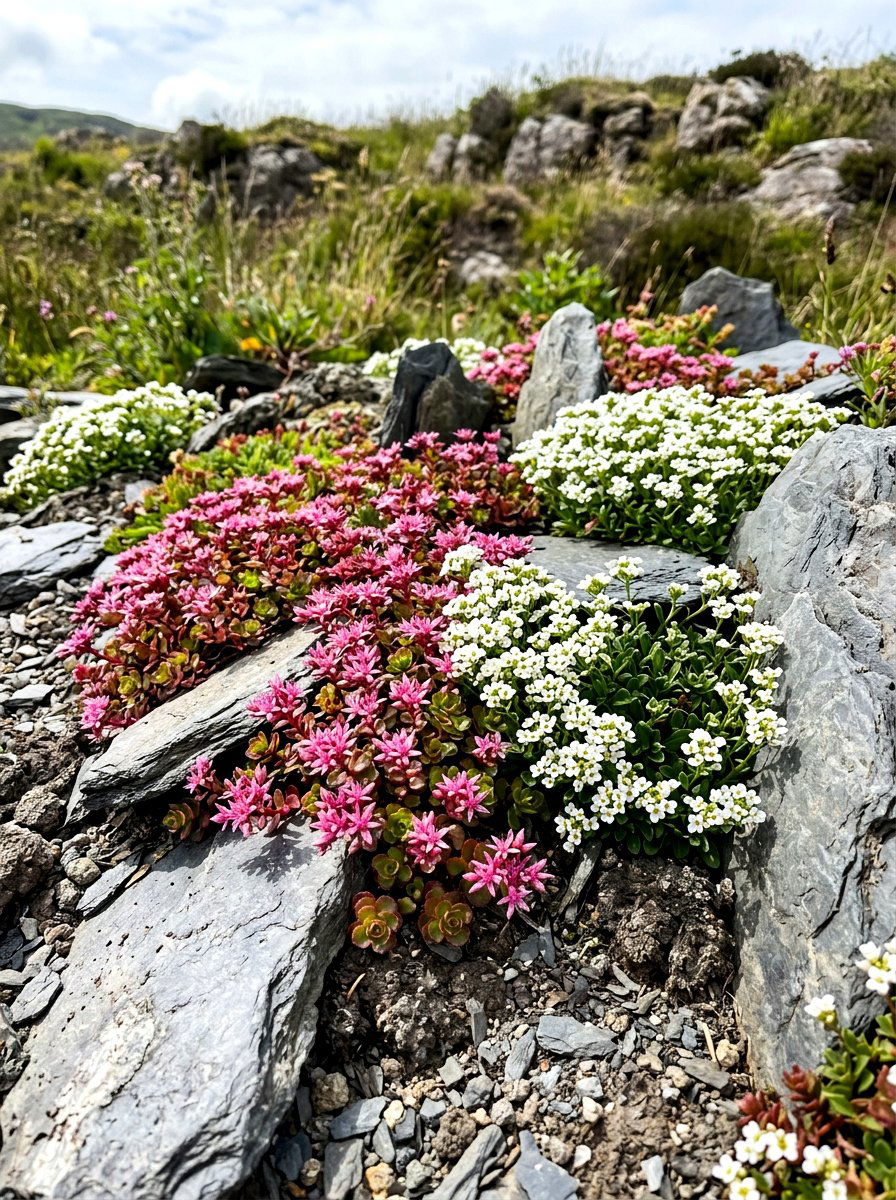
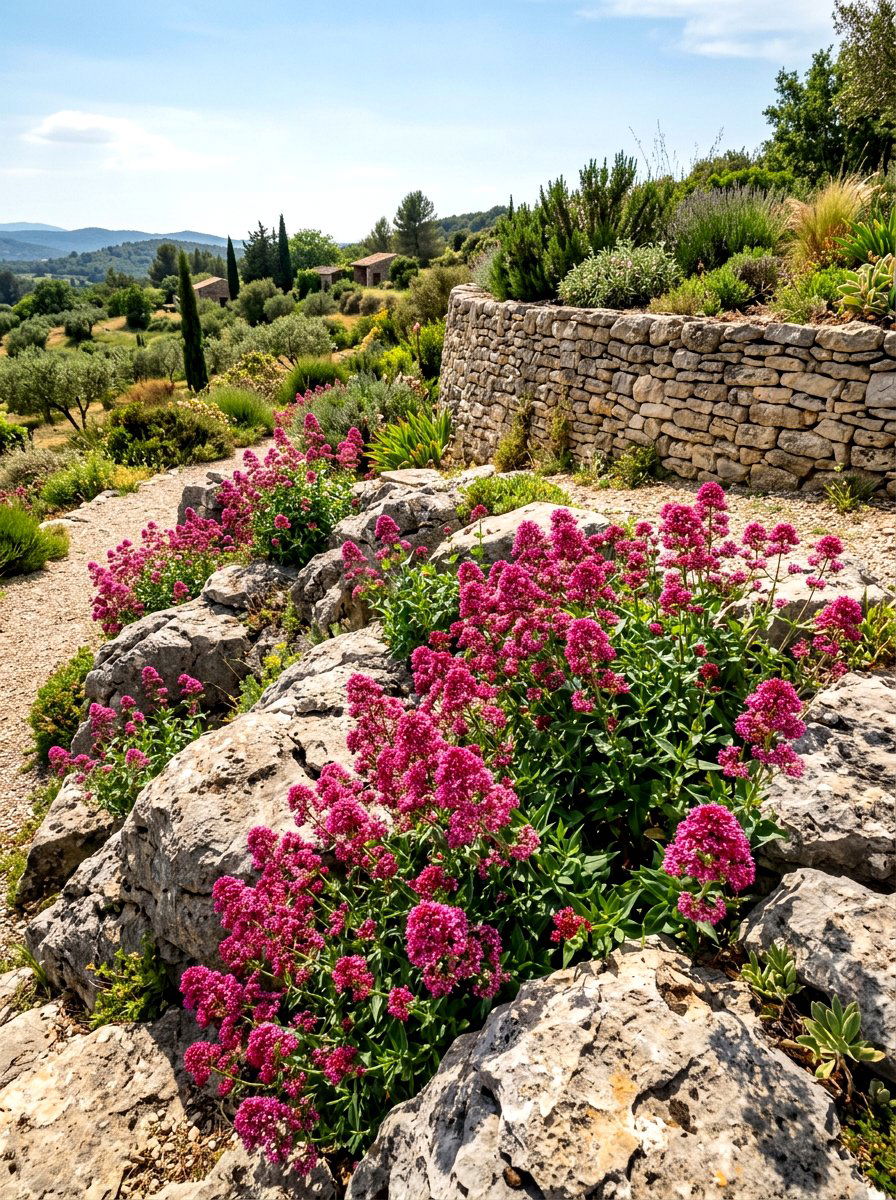
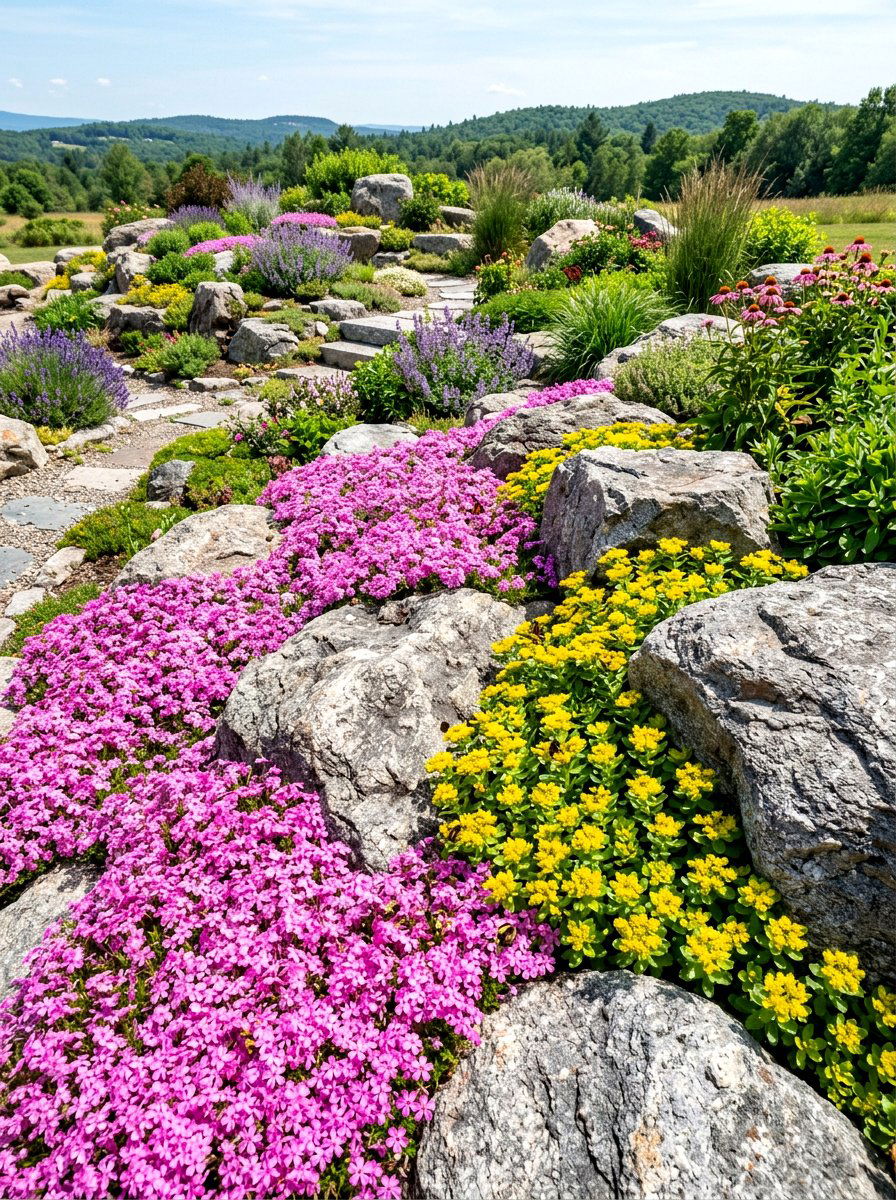
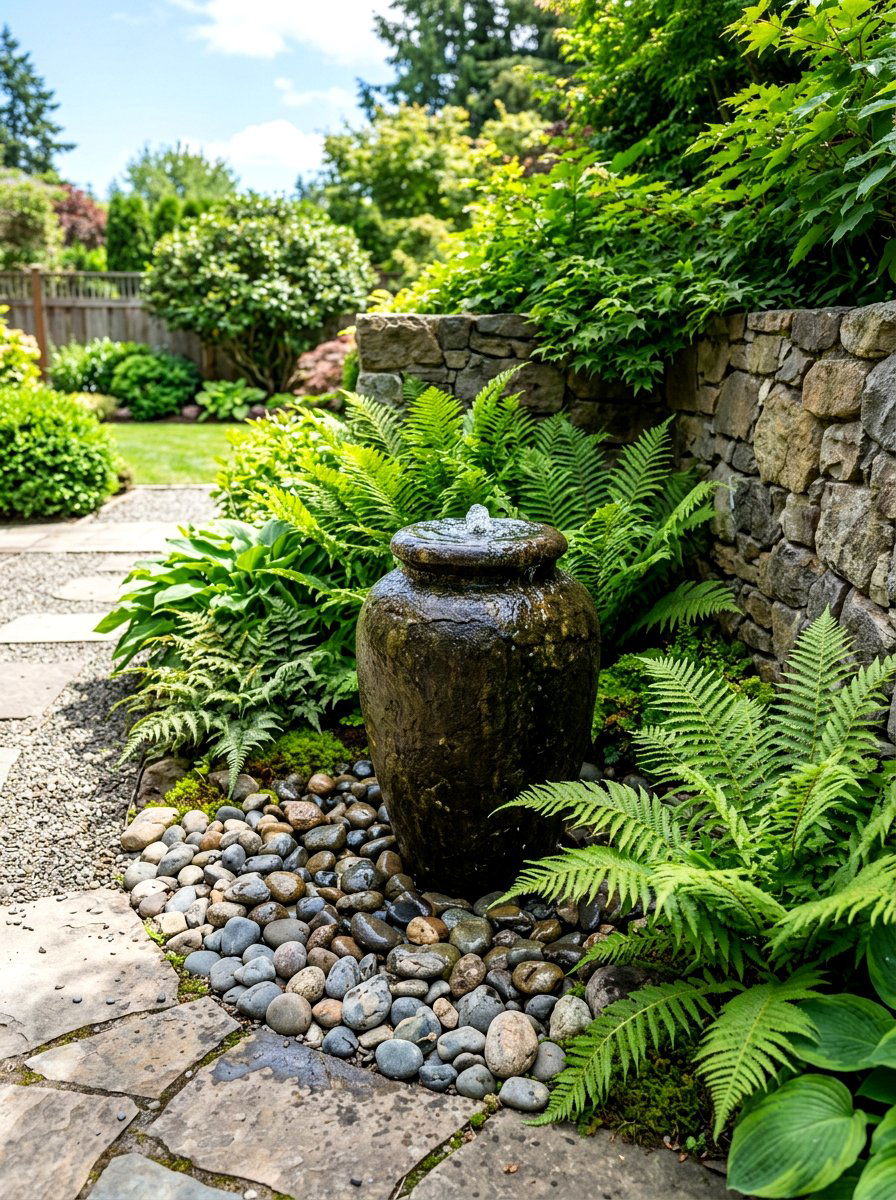
Many beautiful wildflowers actually prefer poor, rocky soil where other garden plants would struggle to survive. A patch featuring stonecrop, rock cress, and alpine species turns a difficult, gravelly area into a textured and colorful landscape feature. These plants are often low-growing and incredibly hardy, filling the gaps between stones with vibrant green foliage and delicate blooms. This design creates a naturalistic, mountain-inspired look that is both modern and timeless. It is an excellent way to utilize areas of your property where the soil is thin or filled with debris. The contrast between the hard stones and soft petals creates a sophisticated and high-contrast garden.
24. Minimalist wildflower strip
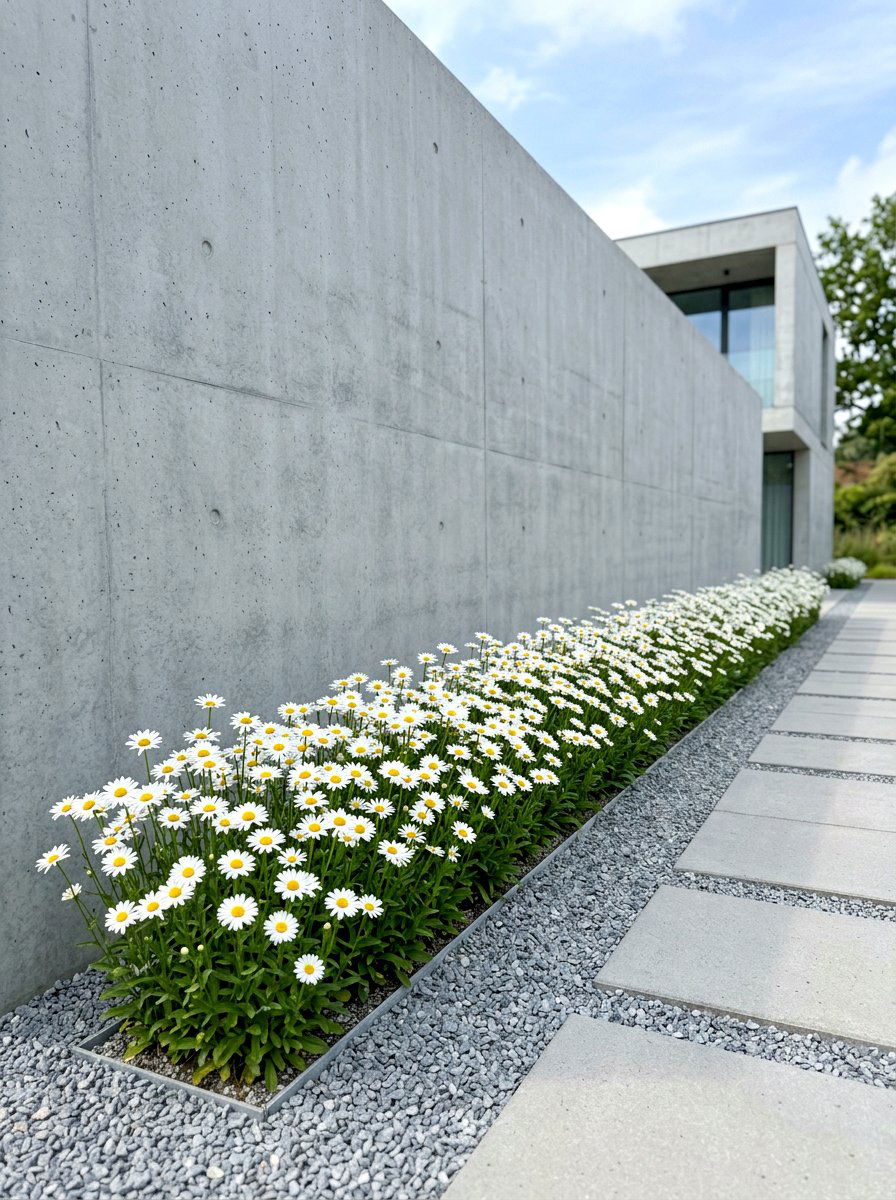
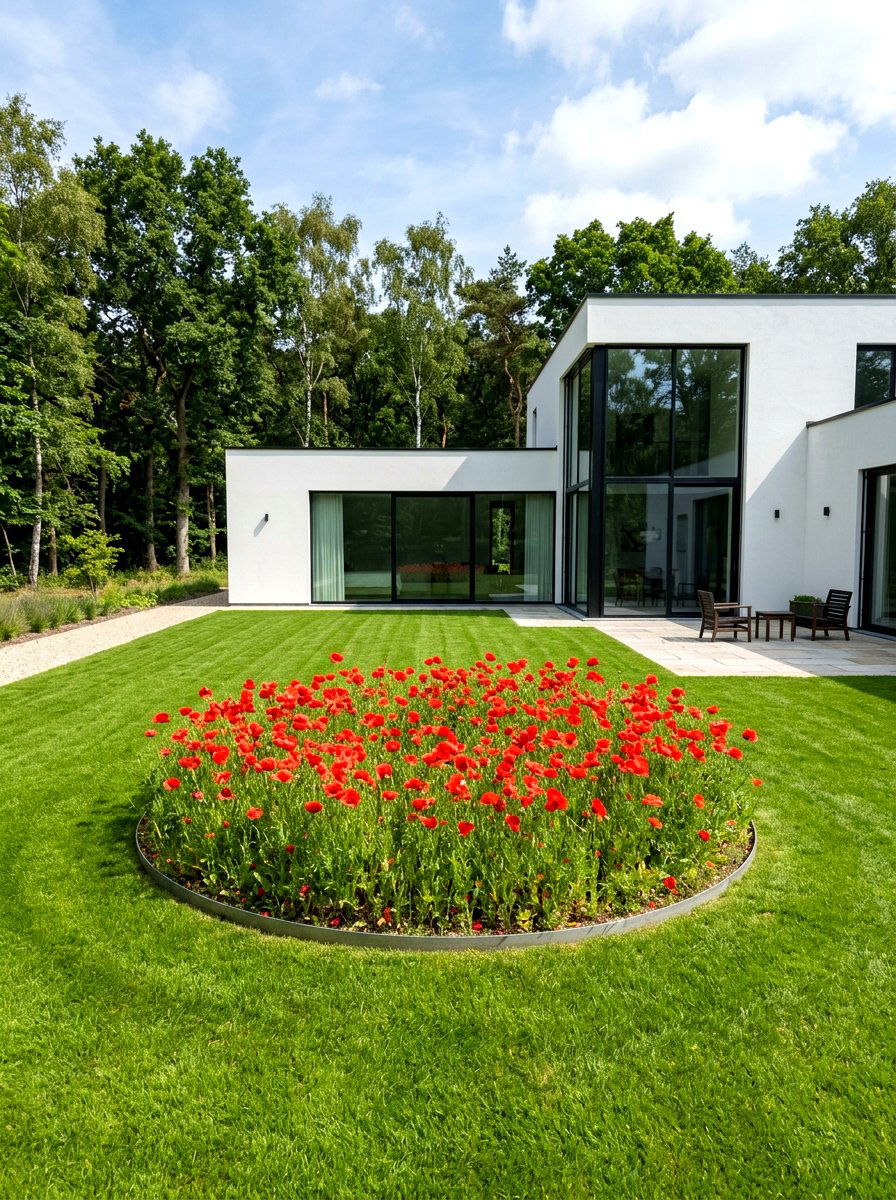
If you prefer a more modern and clean aesthetic, a minimalist wildflower strip offers a controlled take on the wild look. Planting a single species, like a long row of lavender or a dense line of white daisies, creates a graphic and powerful visual statement. This approach maintains the ecological benefits of wildflowers while fitting perfectly into a more structured, contemporary home design. It works exceptionally well along pathways or as a divider between different functional zones in your yard. This simplified version of the trend is easy to maintain and highly photogenic, providing a sleek backdrop for your outdoor furniture and modern architectural features.
25. Rustic farmhouse meadow
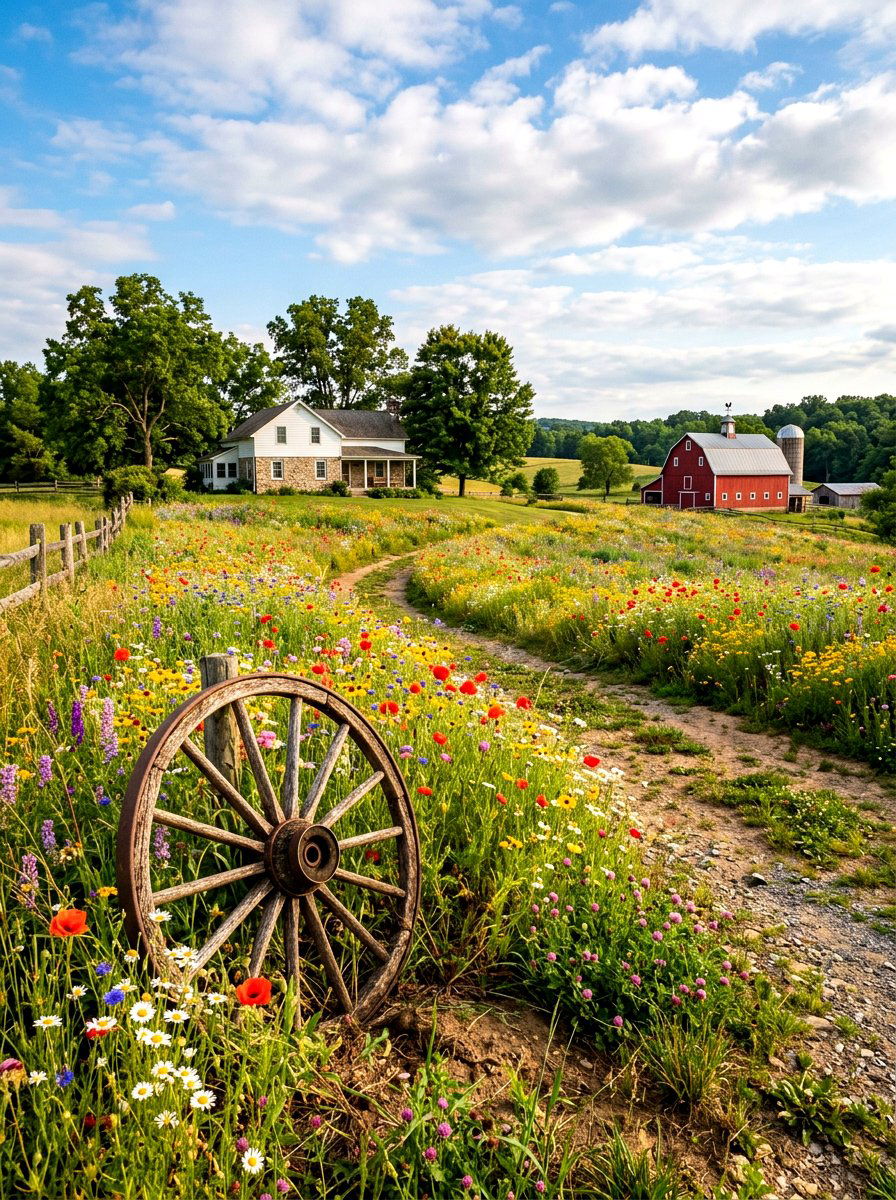
A rustic farmhouse meadow embraces the nostalgic, country charm of a field filled with wildflowers and traditional farm elements. Incorporating weathered wooden structures, old galvanized tubs, or a simple post-and-rail fence enhances the rural feel of the patch. You can mix in taller, heritage varieties of flowers that evoke a sense of history and simple living. This design is all about comfort and lack of pretension, making it a favorite for family homes and country retreats. The abundance of blooms provides plenty of material for making hand-tied bouquets to bring inside, bridging the gap between your outdoor landscape and your cozy farmhouse-style interior decor.
26. Bird seed patch
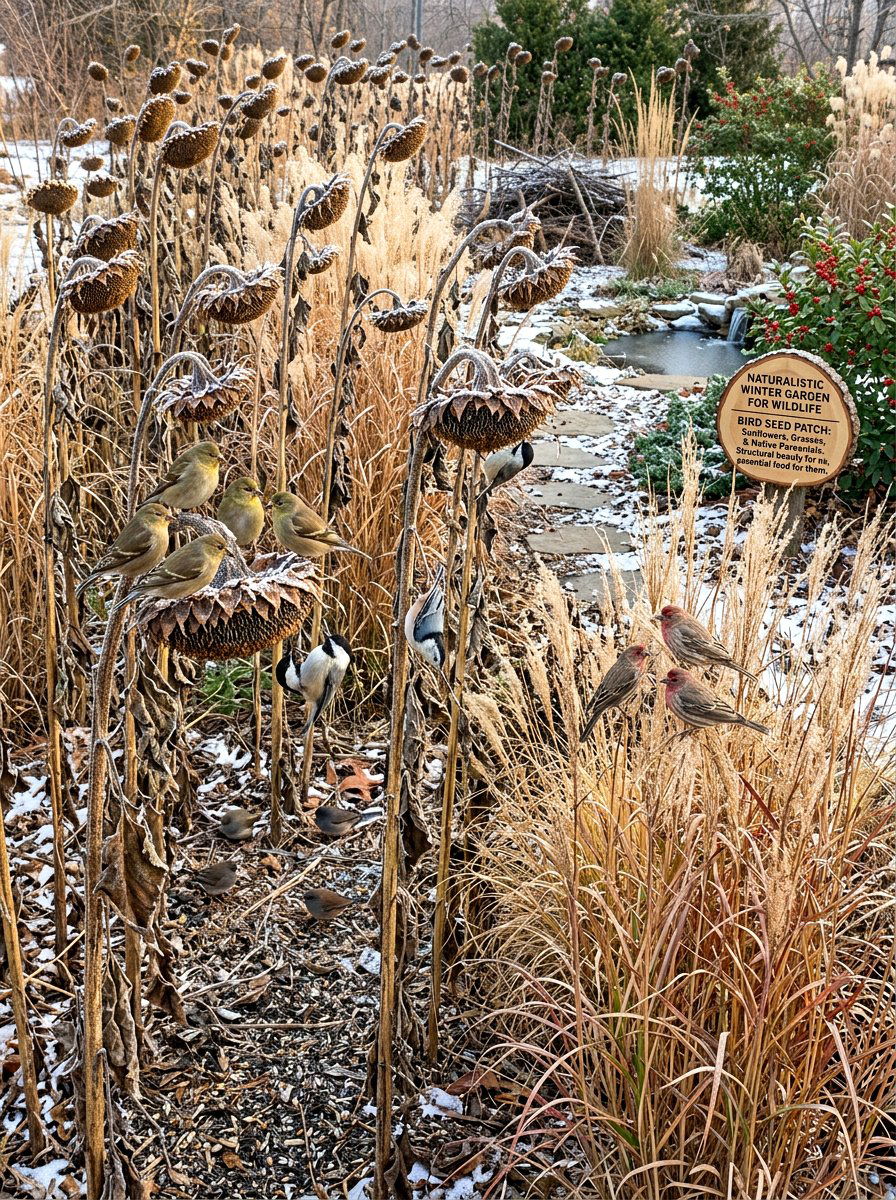
Designing a wildflower patch with birds in mind involves choosing species that produce large, oil-rich seeds after the flowers fade. Sunflowers, echinacea, and various native grasses provide a natural buffet for songbirds throughout the late summer and winter. Instead of deadheading the spent blooms, leave them standing to create a sculptural and functional winter garden. You will be rewarded with the sight of goldfinches and chickadees clinging to the seed heads, providing movement and life during the colder months. This cycle of life adds a deep level of interest to your garden, making it a true four-season sanctuary for you and your feathered neighbors.
27. Yellow wildflower display
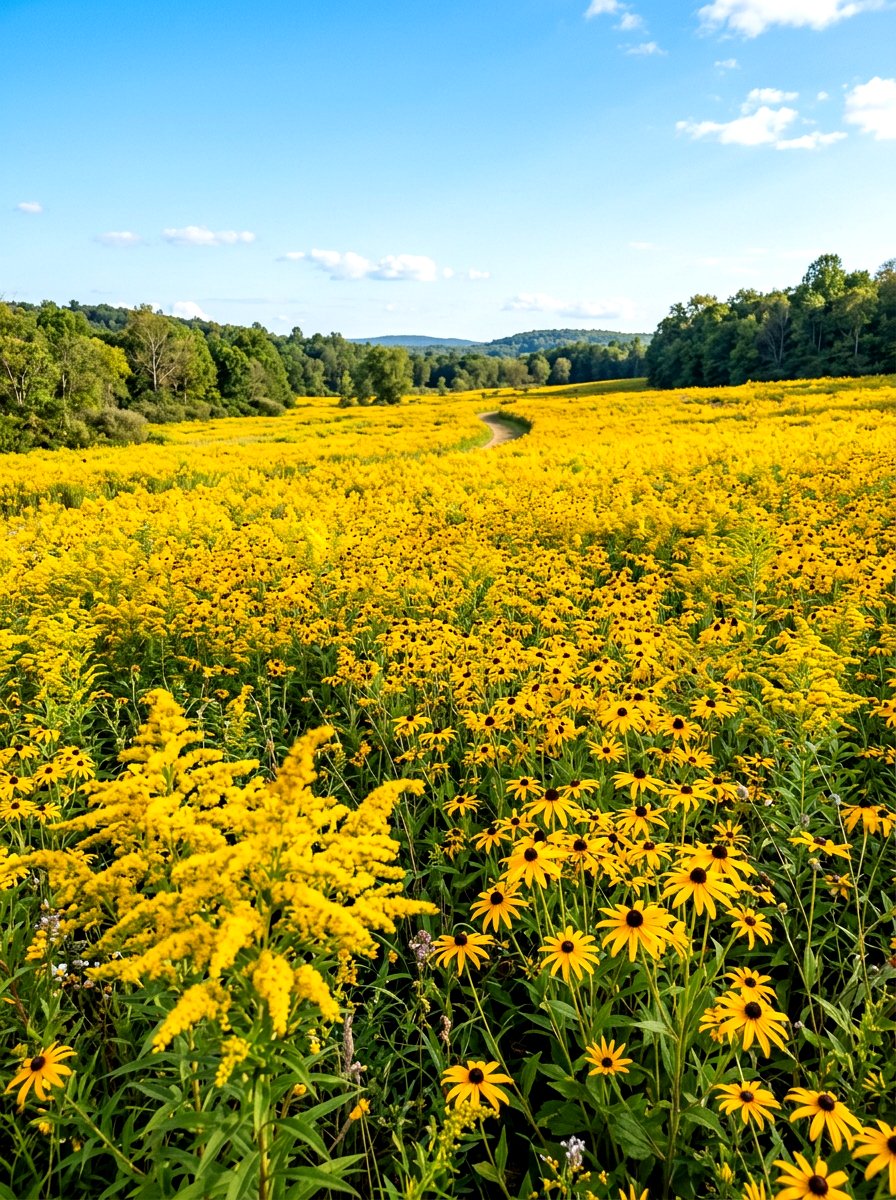
A monochromatic yellow wildflower display creates a burst of sunshine and optimism in any corner of your yard. By focusing on species like coreopsis, goldenrod, and yellow prairie coneflowers, you create a high-energy focal point that is visible from a distance. Yellow is a color that strongly attracts many types of bees, making this a highly functional pollinator spot. The different shades of gold, lemon, and amber provide enough variety to keep the patch looking complex and interesting. This bold choice is perfect for brightening up a dark fence or a grey wall, injecting a sense of warmth and cheer into your overall garden design scheme.
28. Blue and purple meadow
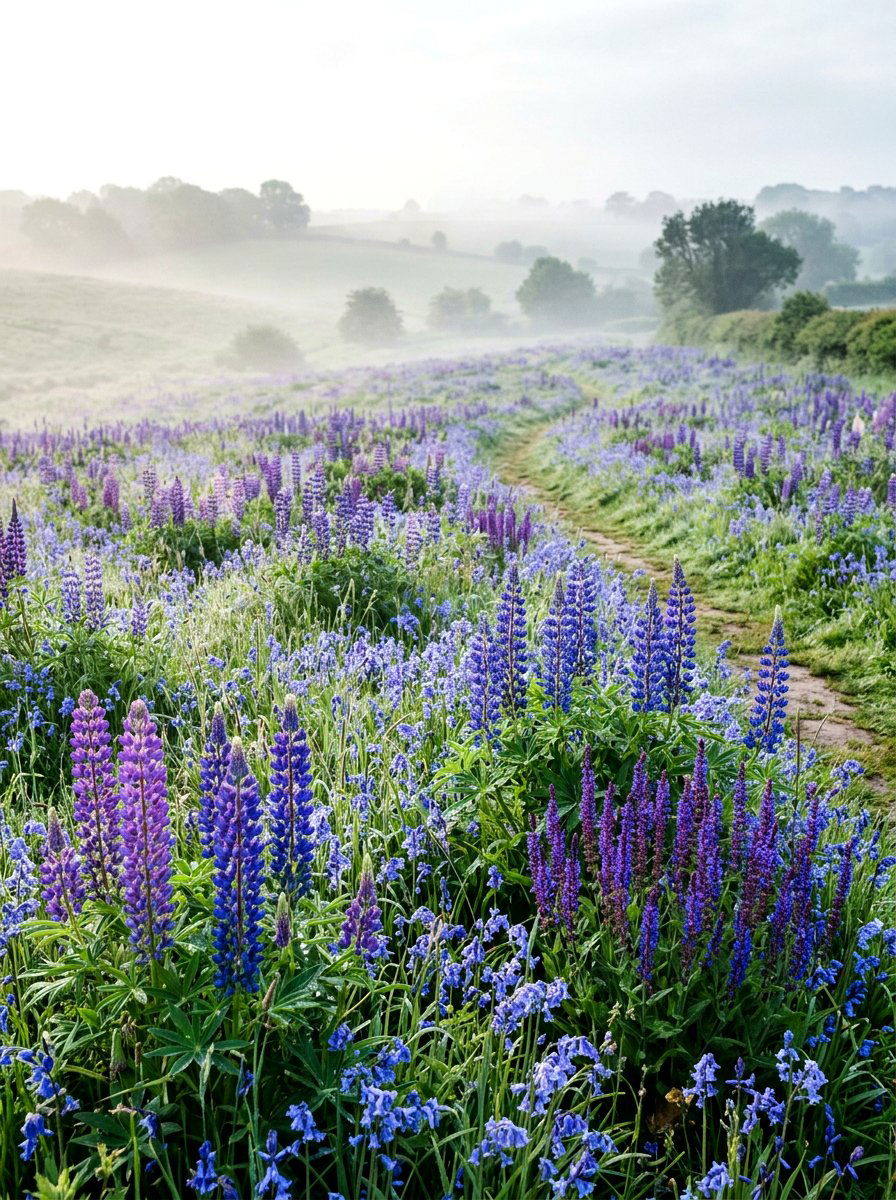
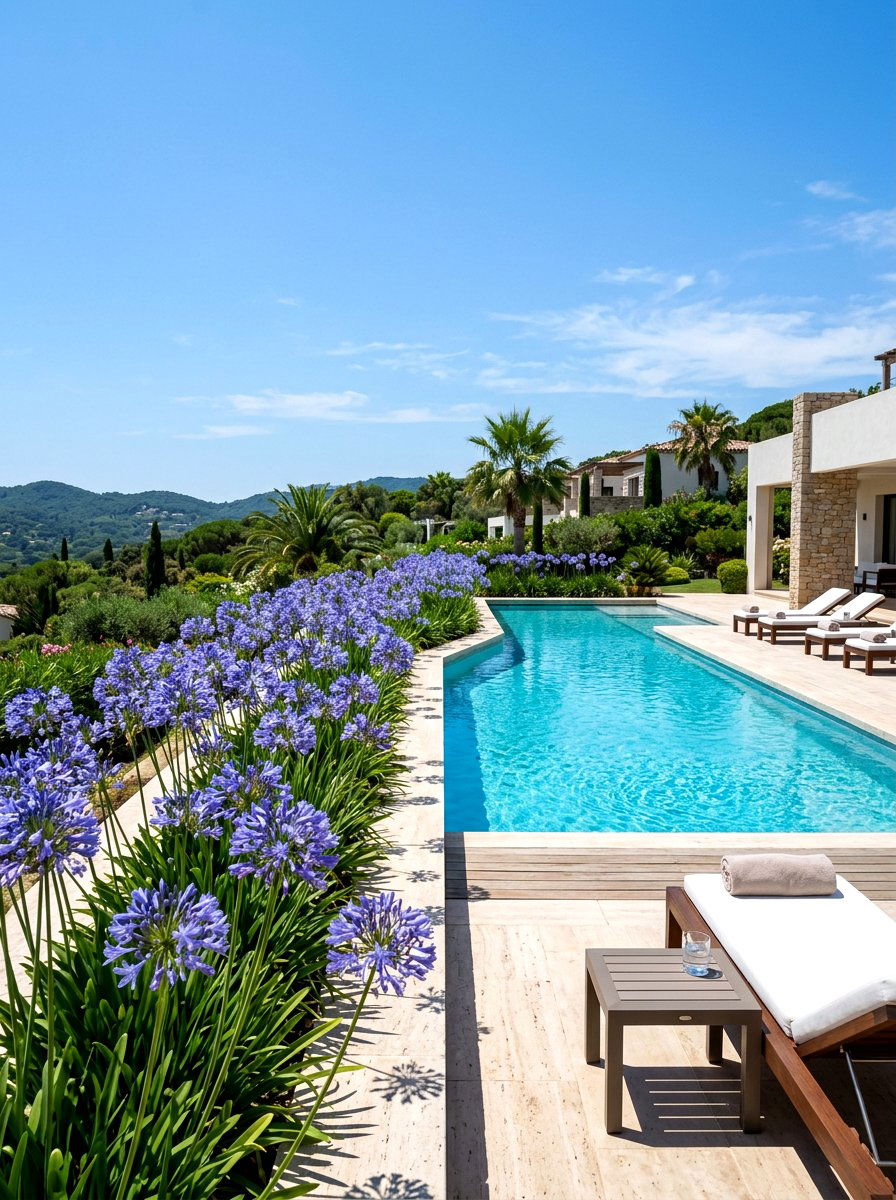
A blue and purple meadow offers a cool, calming aesthetic that feels sophisticated and serene. Using flowers like lupines, bachelor's buttons, and salvias creates a dreamy tapestry of deep indigos and soft lavenders. These colors are particularly effective at attracting long-tongued bees and butterflies, who are specifically evolved to see these wavelengths of light. This palette works beautifully in the morning or evening light, where the colors seem to glow with a quiet intensity. It is a popular choice for create a "quiet luxury" garden vibe, offering a peaceful retreat that feels deeply connected to the natural world while remaining visually refined and elegant.
29. Pastel flower garden
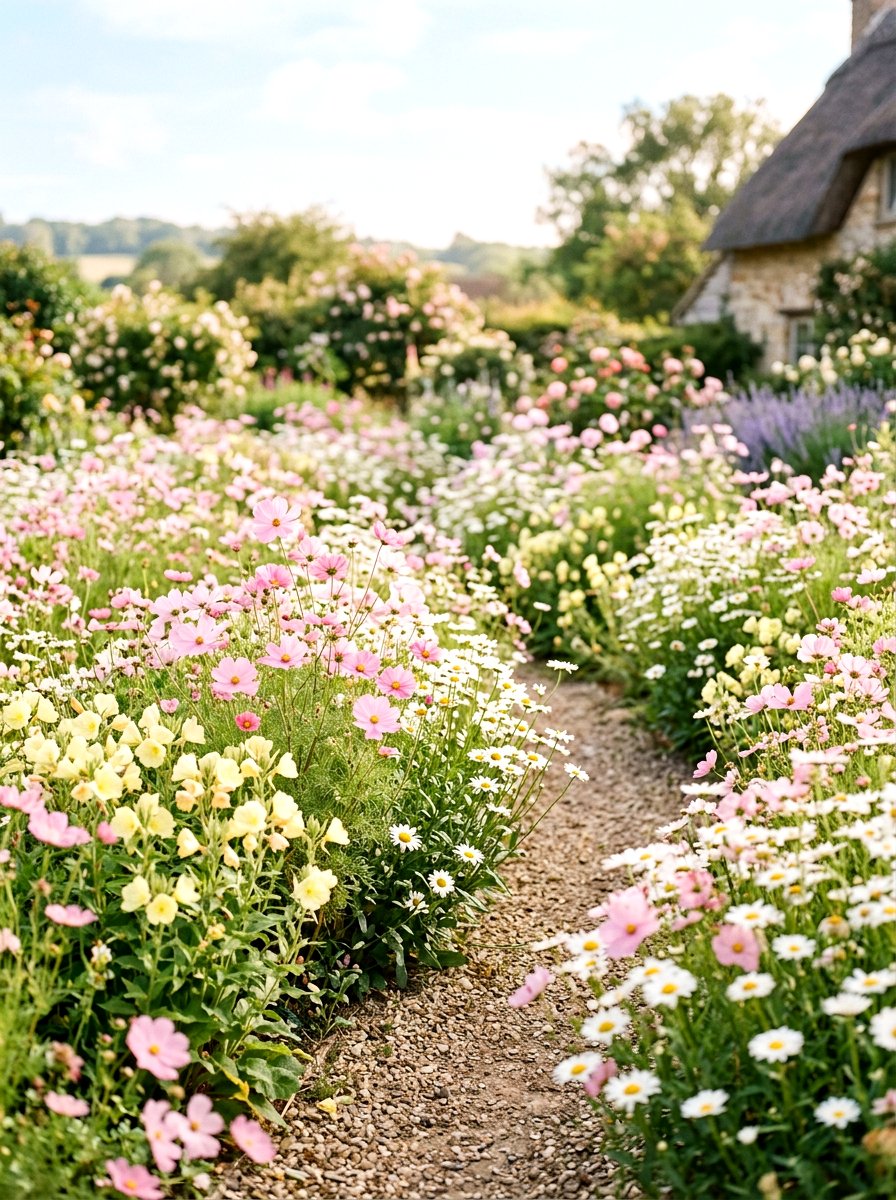
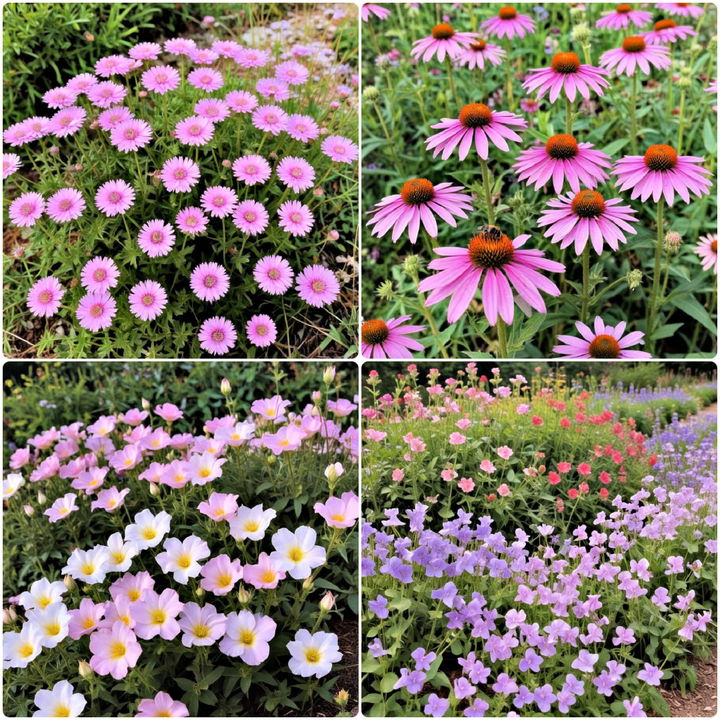
A pastel flower garden features soft pinks, pale yellows, and creamy whites for a gentle, romantic look that is highly popular on Pinterest. Species like cosmos, mallow, and light-colored poppies create a hazy, ethereal atmosphere that feels like a classic Impressionist painting. This soft palette is easy on the eyes and integrates perfectly with almost any home style, from modern to traditional. The delicate textures and subtle color shifts provide a sense of calm and relaxation, making this the perfect choice for a backyard intended for mindfulness and quiet reflection. It is a lovely way to enjoy the wildness of flowers without overwhelming your space with loud colors.
30. Wildflower garden path
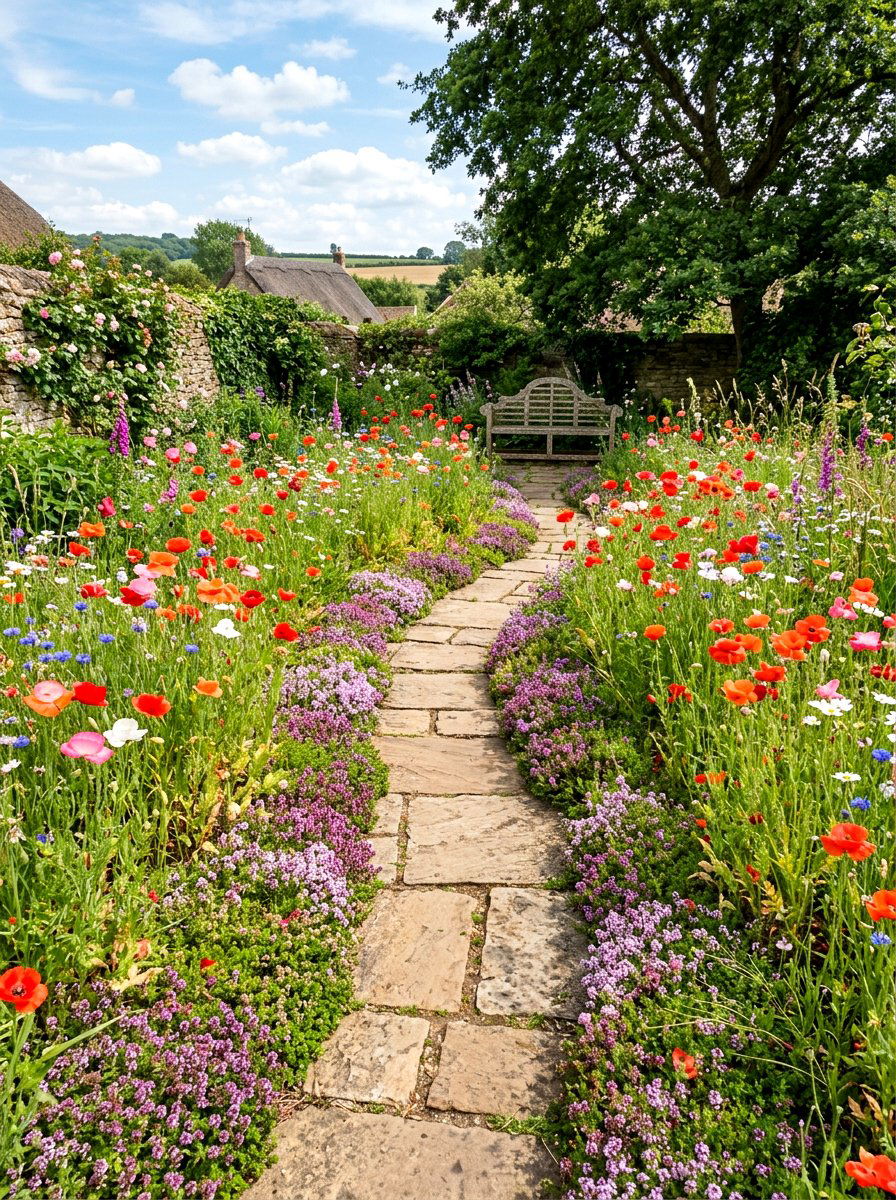
Integrating a wildflower patch directly into a walkway creates an immersive experience where you are literally surrounded by blooms as you move through your yard. By planting low-growing, resilient species in the gaps between stepping stones and taller flowers along the edges, you blur the boundary between the path and the garden. This design encourages you to slow down and notice the small details of nature, like the scent of crushed thyme or the visit of a tiny bee. It turns a functional transit area into a destination in its own right. This approach is magical and whimsical, making every stroll through your backyard feel like a walk through a meadow.
Conclusion:
Establishing a wildflower patch is a transformative journey that reconnects your home with the local environment while adding unparalleled beauty to your landscape. These thirty ideas demonstrate that there is a version of the "wild look" for every gardening style, from the most structured minimalist designs to the most romantic, overflowing cottage meadows. By prioritizing native species and pollinator-friendly layouts, you create a sustainable haven that supports life and brings daily joy. As your patch grows and evolves, it will become a living legacy of your commitment to the planet. Start small or go big; either way, the vibrant results will surely inspire everyone who visits.

Related posts: