Creating a sanctuary for local birds is one of the most rewarding ways to transform your outdoor living space. When you focus on bird friendly backyard ideas, you are not just beautifying your property but also supporting a delicate ecosystem. Birds require four essential elements to thrive: food, water, shelter, and safe nesting sites. By incorporating native plants and thoughtful water features, you can turn a quiet lawn into a vibrant habitat filled with song and color. Whether you have a sprawling garden or a small balcony, these simple adjustments make a massive difference for migratory species. Watching your feathered visitors go about their daily lives brings a deep sense of peace and connection to the natural world.
1. Native Berry Bushes
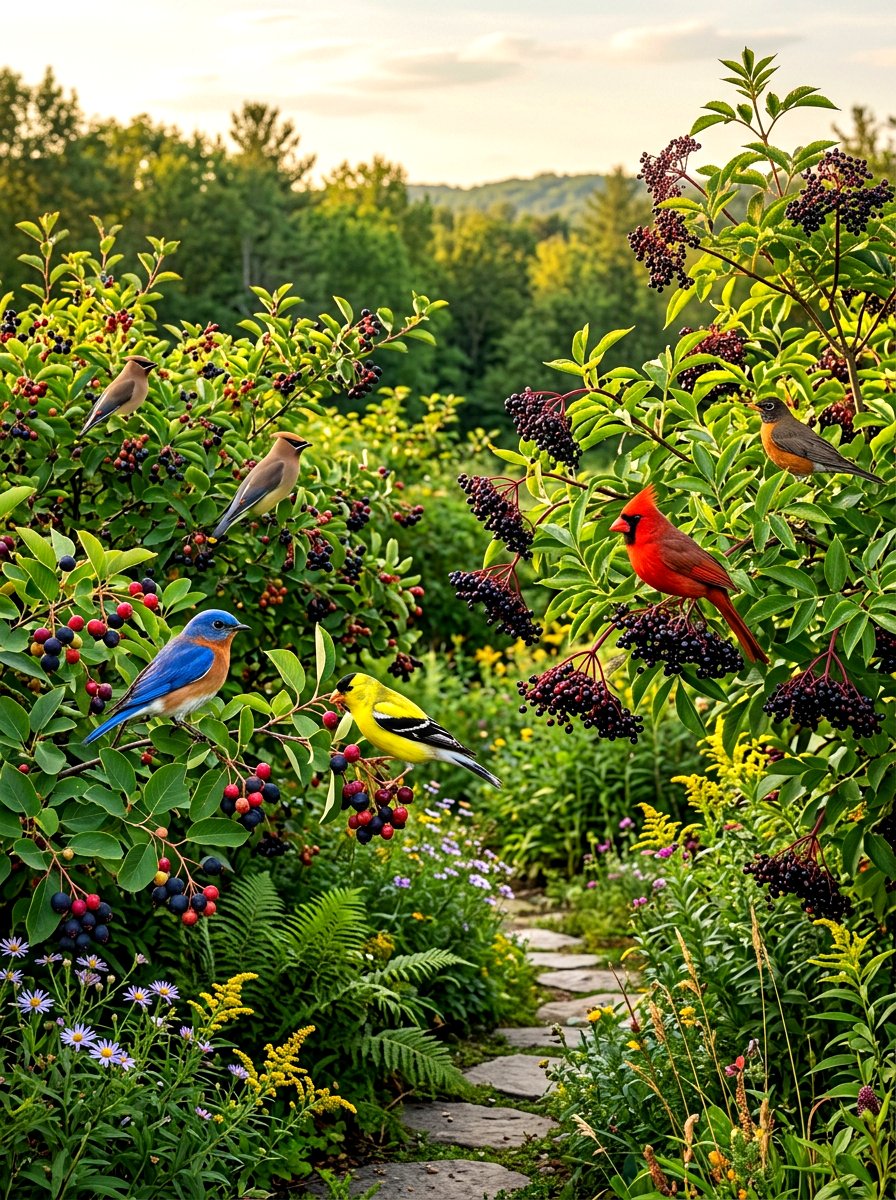
Planting native berry bushes is a fantastic way to provide a consistent food source for local birds throughout the year. Species such as elderberry, serviceberry, and spicebush offer nutrient-dense fruits that are essential for many songbirds. Unlike non-native plants, these indigenous shrubs have co-evolved with local wildlife, ensuring the berries are the perfect size and nutritional profile. These bushes also provide dense foliage where birds can hide from predators or build their nests in safety. During the spring, the beautiful blossoms attract insects, which serve as another vital protein source for growing fledglings. Adding these colorful shrubs to your landscape creates a sustainable and low-maintenance buffet for your avian neighbors.
2. Stone Bird Bath
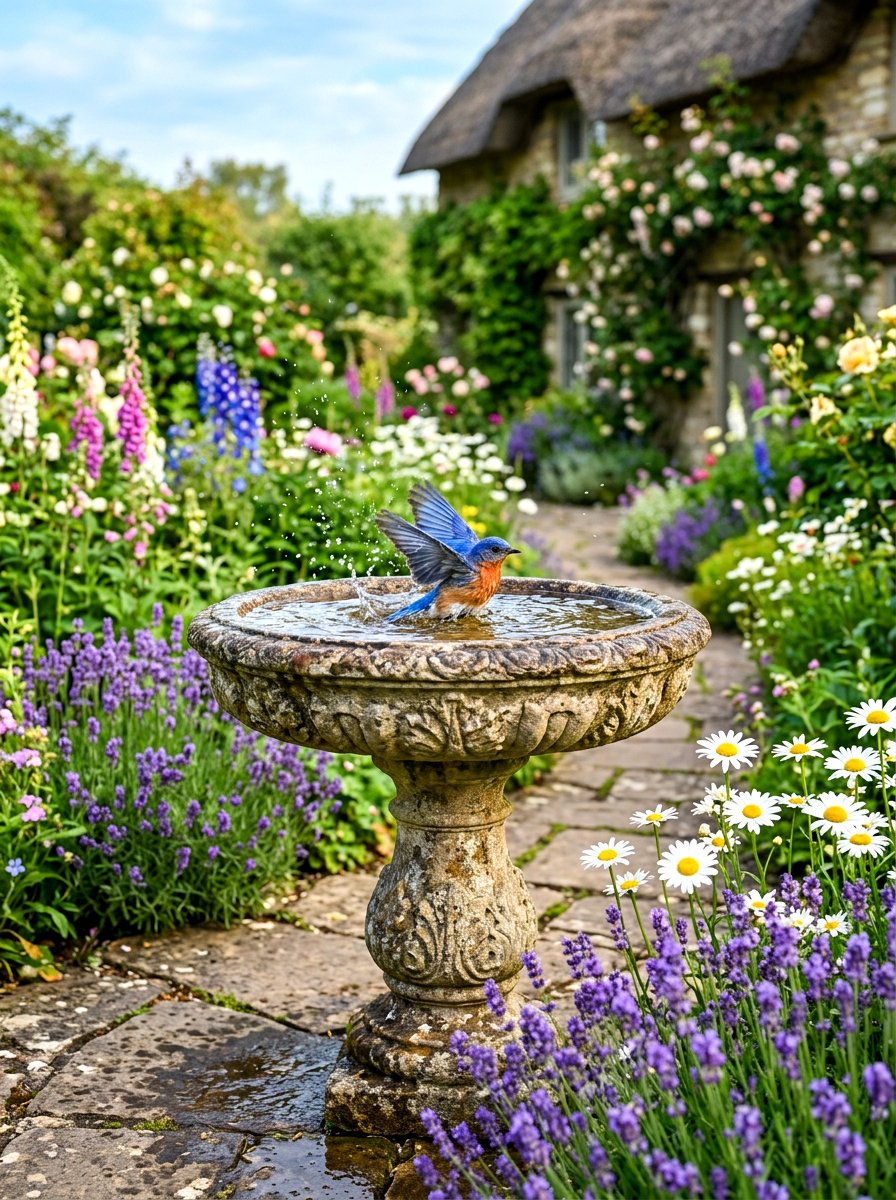
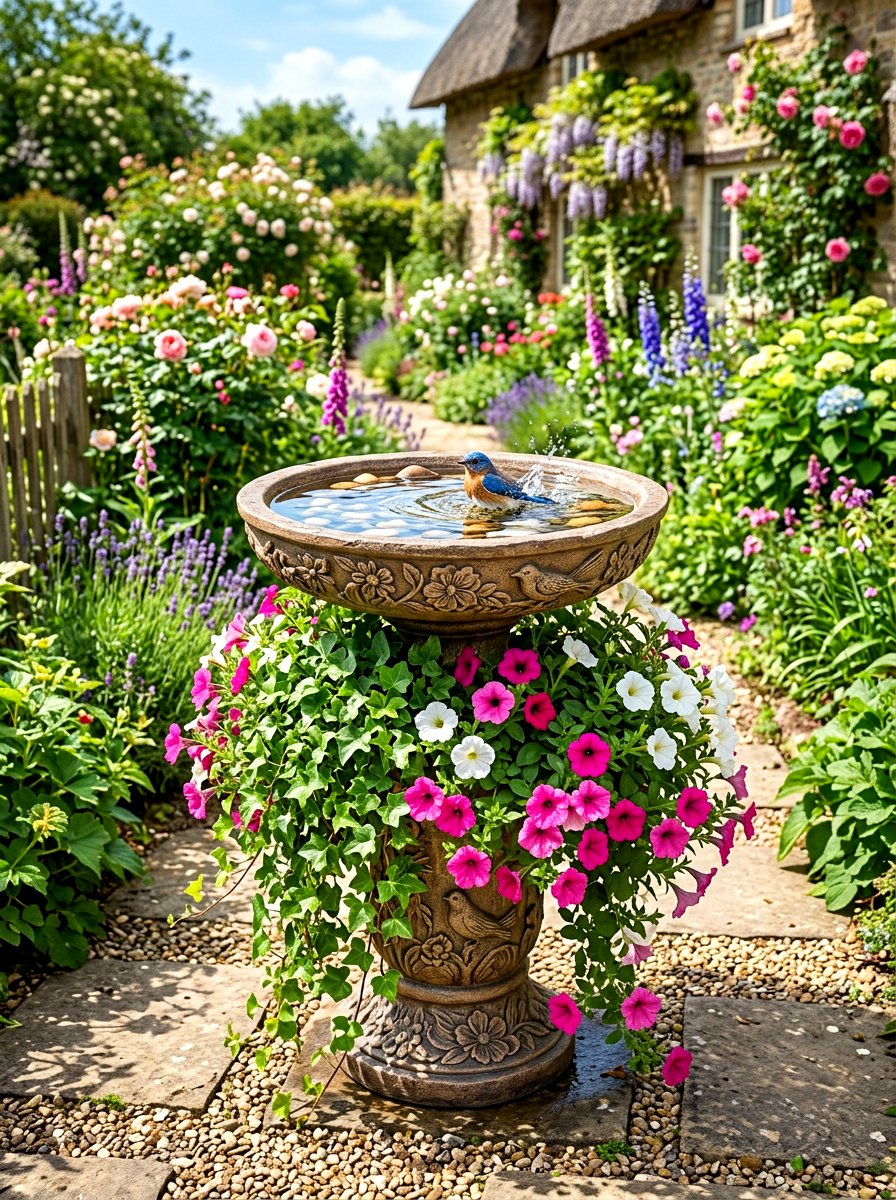
A stone bird bath serves as a beautiful focal point while providing a necessary water source for drinking and bathing. Birds need clean water to maintain their feathers, which is crucial for both insulation and flight. Selecting a bath with a rough, textured surface helps birds maintain their grip as they splash around safely. It is important to choose a basin that is shallow, ideally no more than two inches deep, to accommodate smaller species. Placing the bird bath near a tree or large shrub allows birds to quickly fly to cover if they feel threatened by a predator. Regularly cleaning the stone surface ensures the water remains fresh and healthy for your visitors.
3. Wood Nesting Box
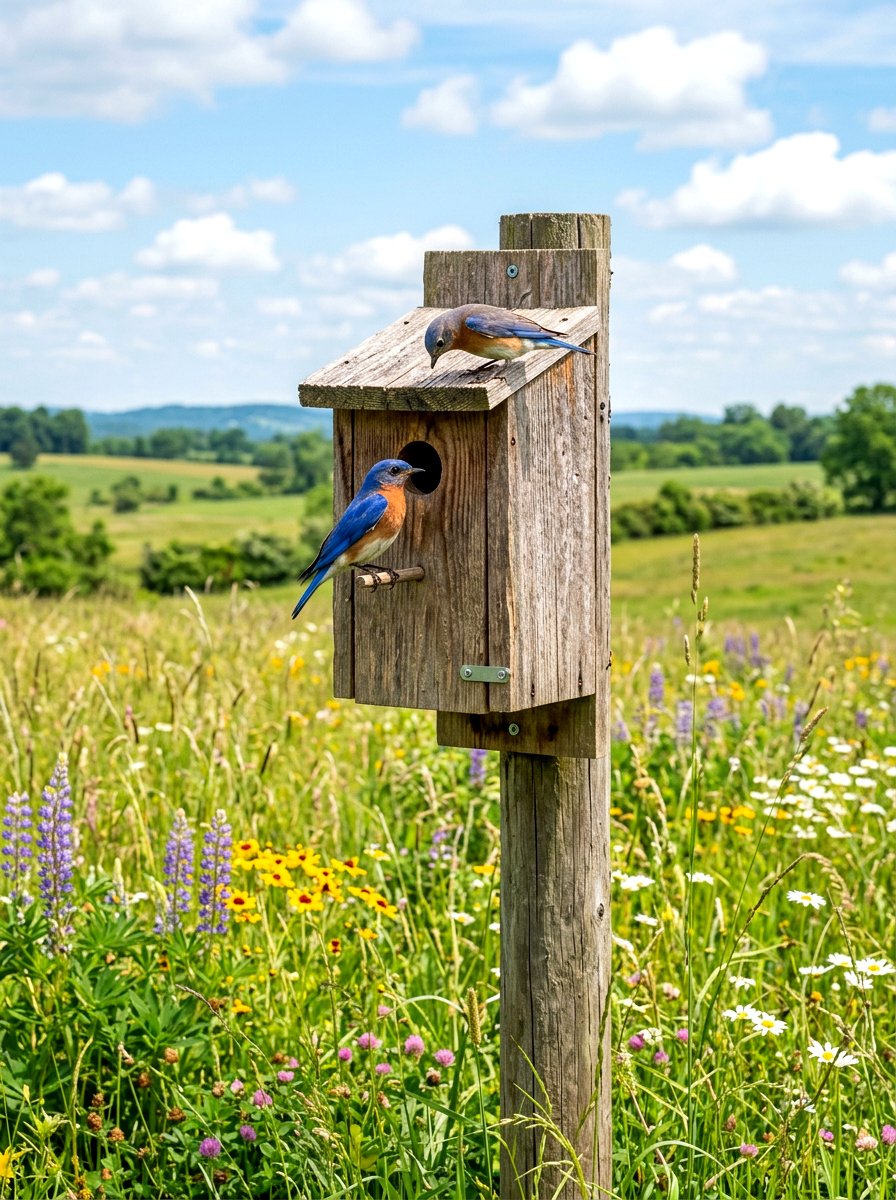
Installing a wood nesting box provides a safe haven for cavity-nesting birds like bluebirds, chickadees, and wrens. These boxes mimic the natural hollows found in old trees, which are often scarce in modern suburban landscapes. When choosing a box, ensure it is made from untreated cedar or pine to provide natural durability and insulation. The entrance hole should be specifically sized for the species you wish to attract to prevent larger, aggressive birds from taking over. Mount the box on a sturdy pole with a predator guard to keep squirrels and cats away from the eggs. Providing these secure homes encourages birds to raise their families right in your own backyard every spring.
4. Evergreen Shelter Trees
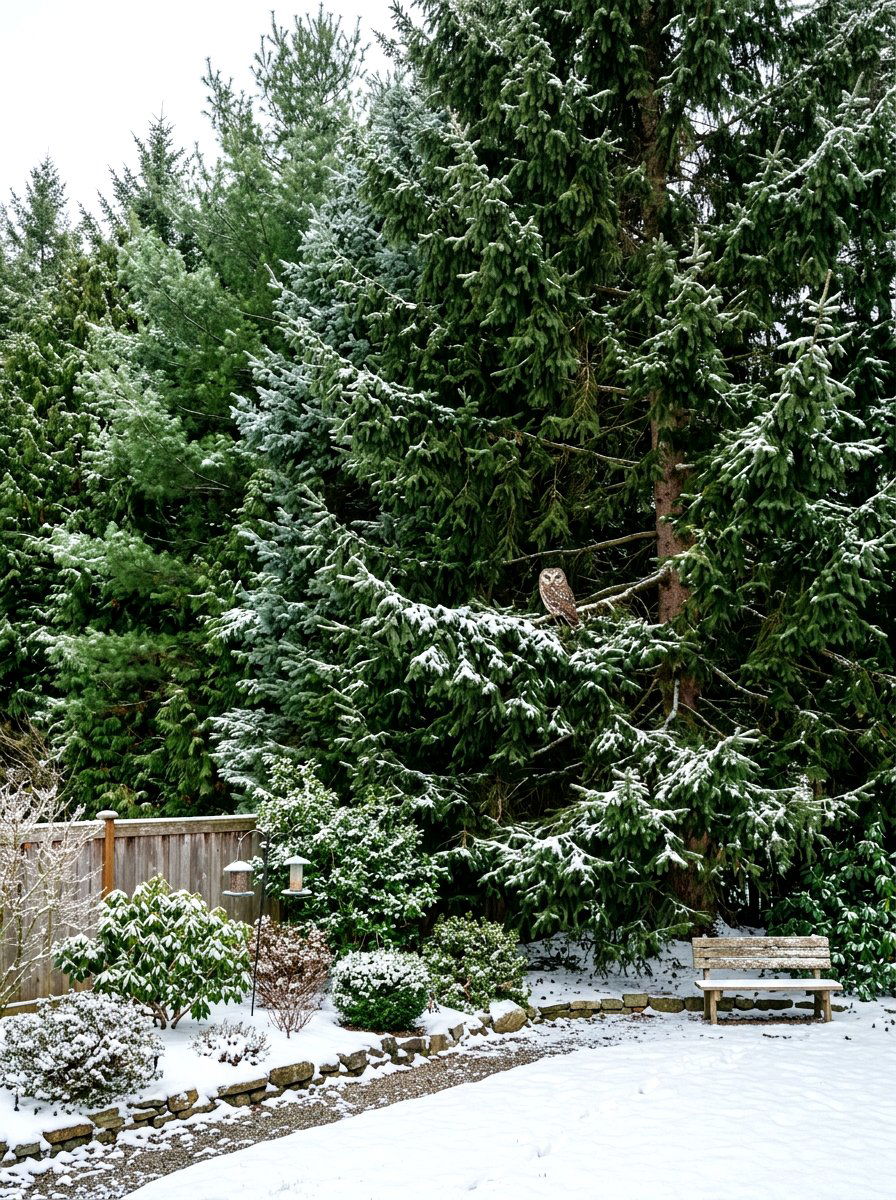
Evergreen trees are vital components of a bird friendly landscape because they provide year-round protection from harsh weather. Species like pine, spruce, and juniper offer dense needles that block freezing winds and heavy snow during the winter months. These trees also serve as excellent roosting sites where birds can sleep safely at night, hidden from the prying eyes of nocturnal predators. The thick branches provide a sturdy structure for nests and a cool, shaded retreat during the hot summer afternoons. By planting evergreens of varying heights, you create a multi-layered sanctuary that accommodates different bird species. This strategic greenery ensures your backyard remains a bustling hub for bird activity throughout all four seasons.
5. Hummingbird Nectar Garden
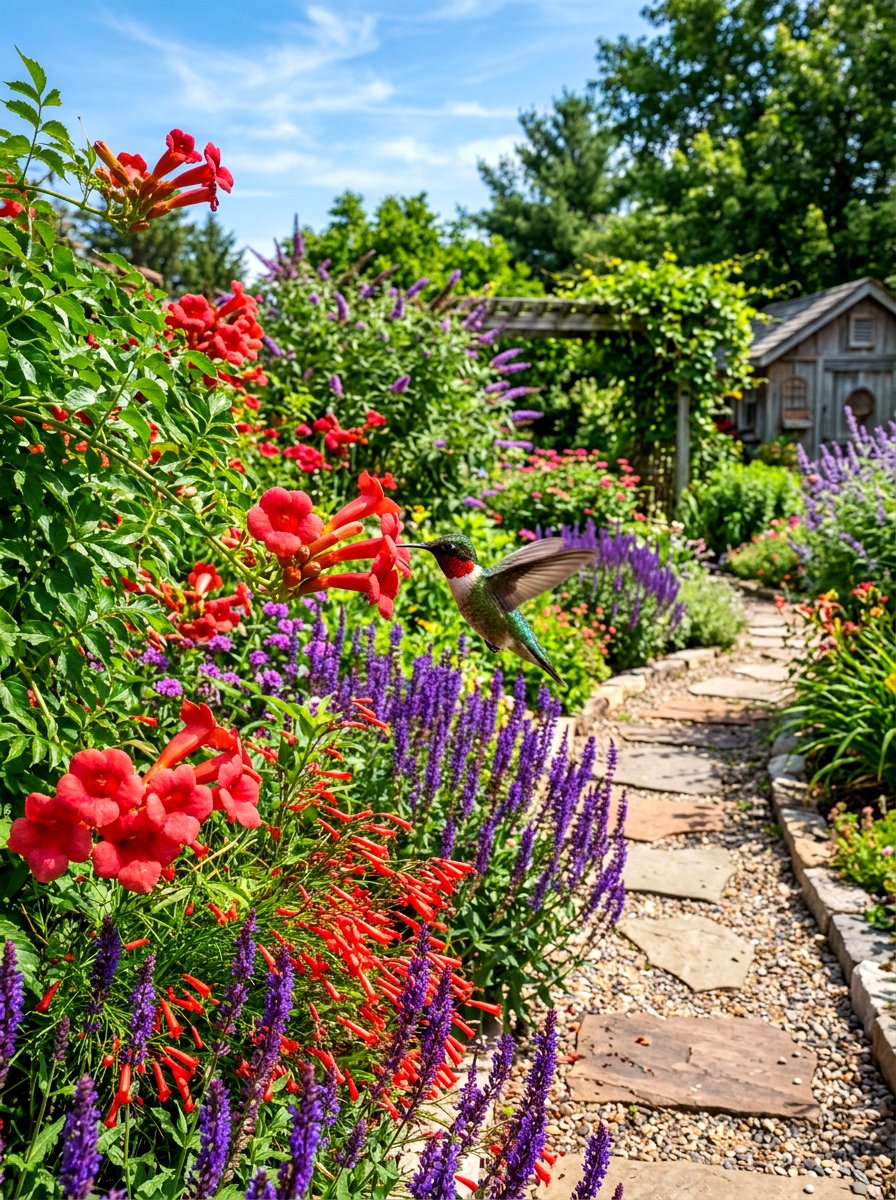
A hummingbird nectar garden is a mesmerizing addition that brings incredible energy and vibrant color to any backyard setting. To attract these tiny, fast-moving birds, you should focus on planting tubular flowers like bee balm, trumpet creeper, and salvia. These specific shapes are perfectly designed for hummingbird beaks to reach deep inside for a sugary snack. Choosing plants in bright shades of red, orange, and pink will help catch their attention from a great distance. Avoiding the use of pesticides is crucial, as hummingbirds also rely on small insects for protein to maintain their high energy levels. A well-planned nectar garden creates a reliable food trail for these beautiful migratory birds to visit daily.
6. Natural Brush Pile
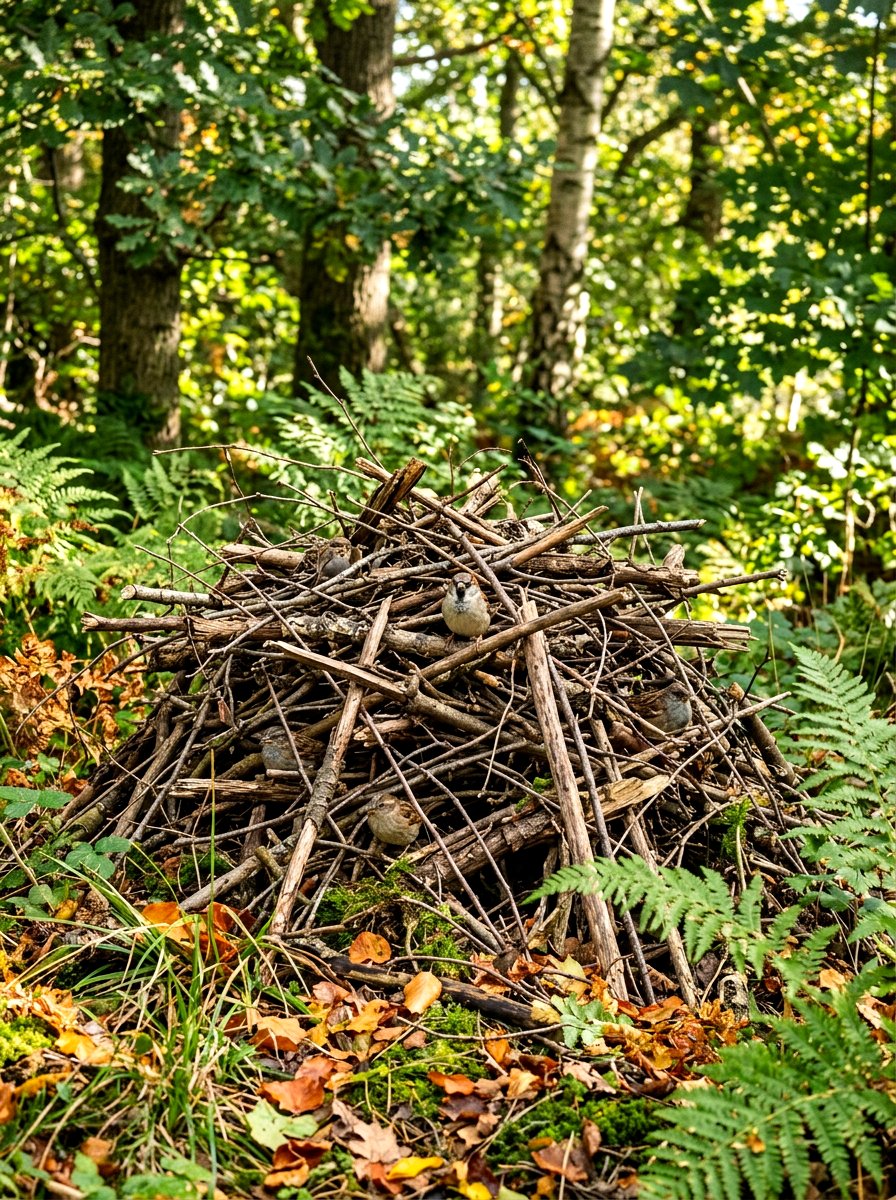
Creating a natural brush pile is one of the simplest and most effective ways to provide instant shelter for birds. Instead of hauling away fallen branches and dried twigs, you can stack them in a quiet corner of your yard. This structure offers a maze of hiding spots where ground-feeding birds like sparrows and towhees can escape from hawks. The decaying wood also attracts a wide variety of insects, providing a natural foraging ground for birds looking for a protein-rich meal. Over time, the brush pile will settle and become a permanent part of the local ecosystem, supporting lizards and beneficial insects. It is a cost-free way to improve your yard’s biodiversity.
7. Sunflower Seed Patch
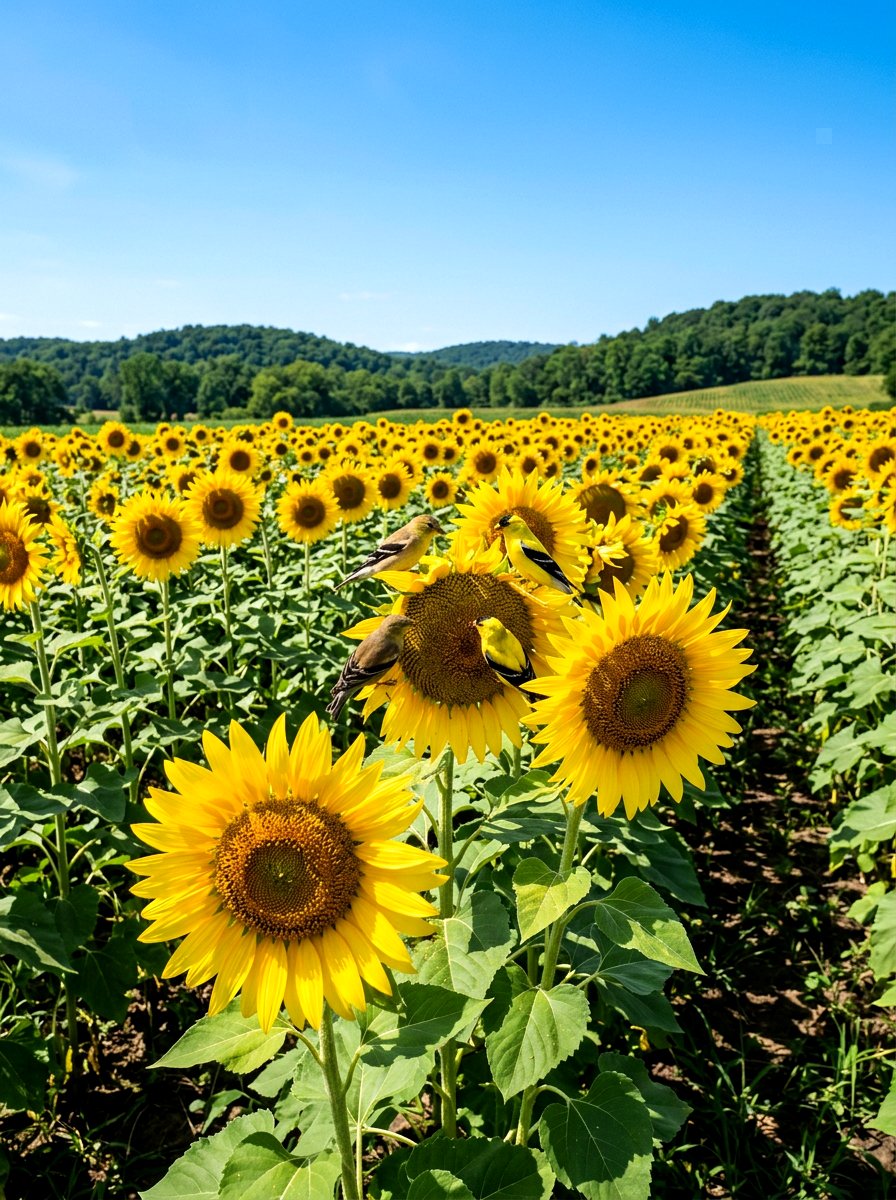
Growing a sunflower seed patch is a delightful project that provides a massive amount of natural food for finches and chickadees. These towering plants are easy to grow and produce large, seed-filled heads that act as organic bird feeders once they mature. You can leave the stalks standing throughout the fall and winter to allow birds to pick the seeds directly from the flower. Sunflowers also attract a variety of pollinators like bees and butterflies, which adds even more life to your garden space. The vibrant yellow petals brighten up your backyard while the sturdy stems provide temporary perches for resting birds. It is a rewarding way to see nature’s full cycle in action.
8. Solar Water Fountain
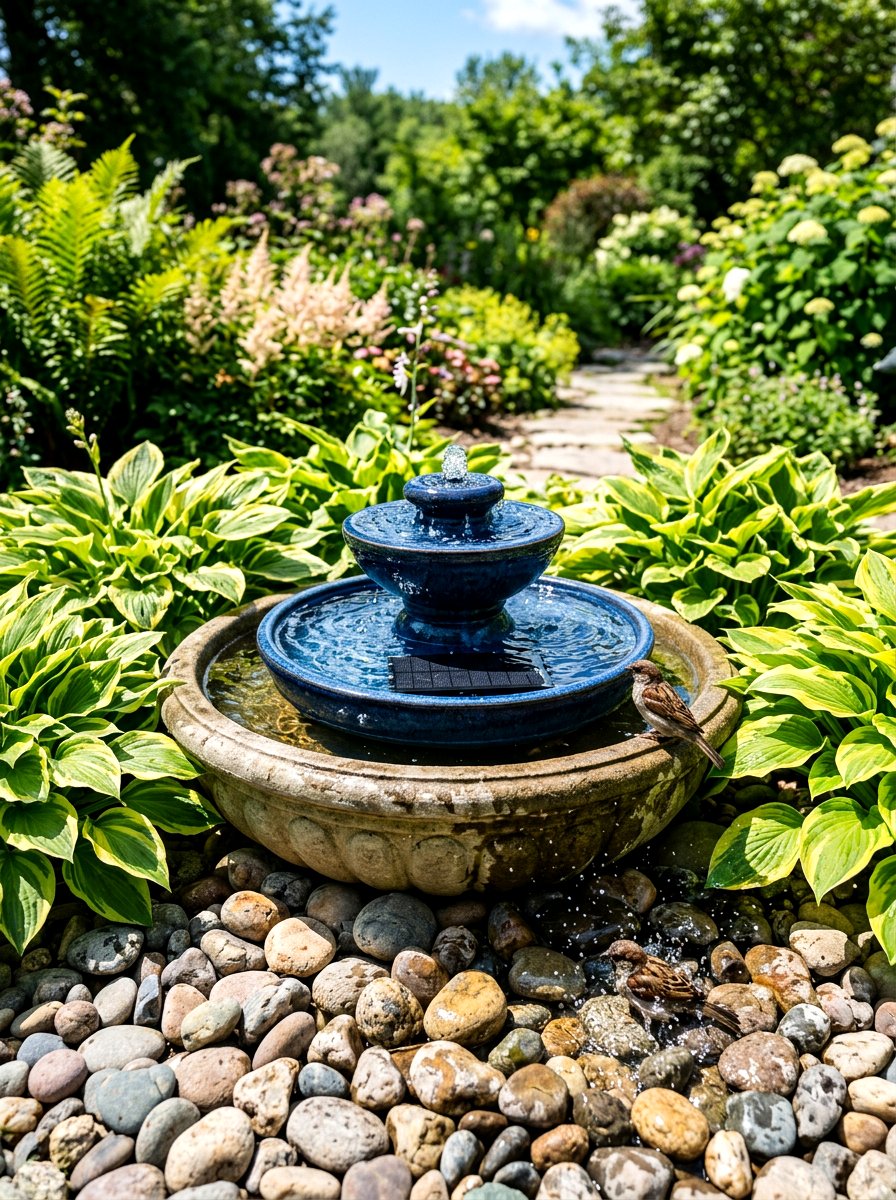
A solar water fountain is a modern and eco-friendly way to attract birds using the irresistible sound of moving water. Birds are naturally drawn to the splashing noise of a fountain, which signals a fresh and clean water source for bathing. Since it is powered by the sun, you can place the fountain anywhere in your garden without worrying about electrical wires or high bills. The constant movement of the water prevents it from becoming stagnant, which helps keep mosquitoes from breeding in your yard. Many models are designed to sit right inside an existing bird bath, making it an easy upgrade for your current setup. It adds a soothing ambiance to your outdoor space.
9. Wildflower Meadow Strip
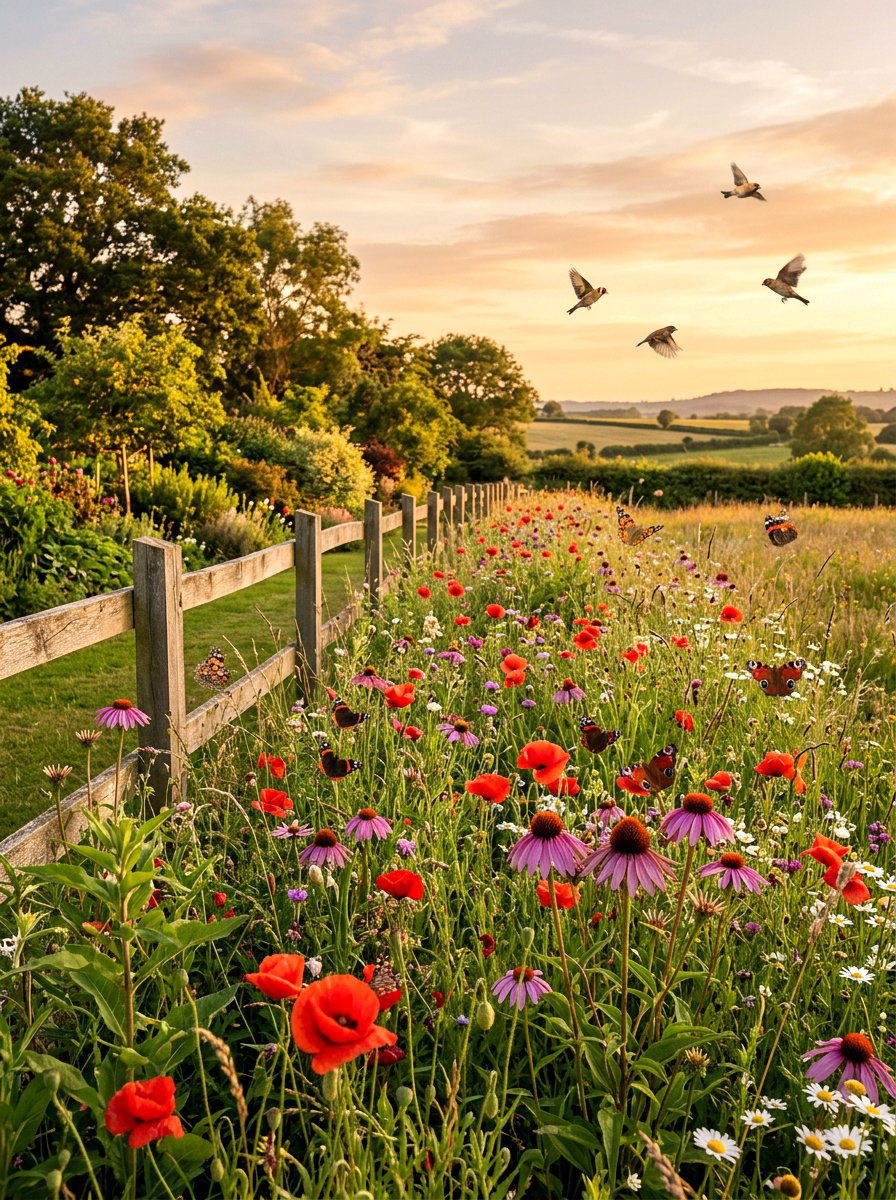
Replacing a portion of your lawn with a wildflower meadow strip provides a rich habitat for both birds and butterflies. These native flowers produce a bounty of seeds and nectar that support a wide variety of avian species throughout the growing season. By choosing a mix of local wildflowers, you ensure that something is always in bloom from early spring until the late fall. These patches of tall vegetation offer excellent cover for ground-nesting birds and a place for them to forage for insects. A meadow strip requires much less mowing and watering than a traditional grass lawn, making it an environmentally friendly choice. It transforms a boring yard into a colorful and wild landscape.

10. Suet Feeder Station
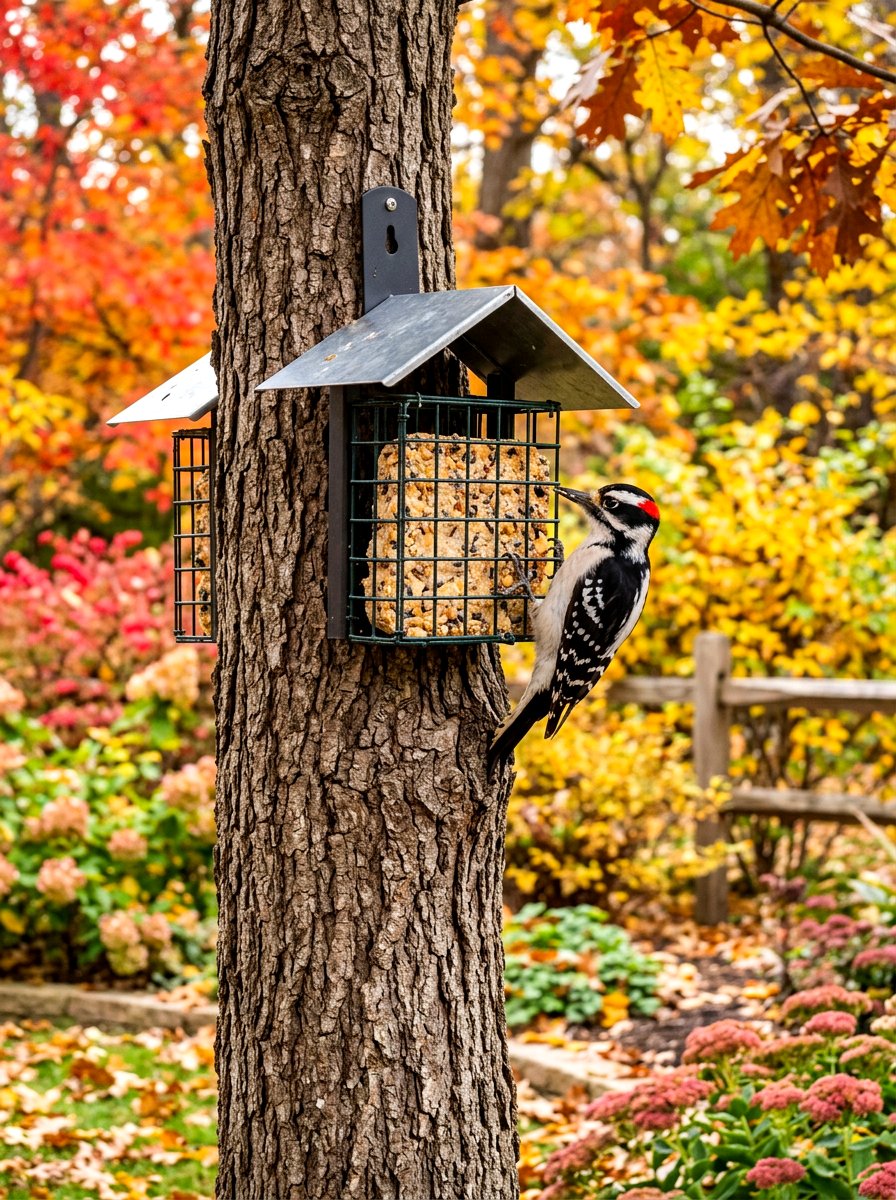
Setting up a suet feeder station is a great way to attract insect-eating birds like woodpeckers, nuthatches, and starlings to your garden. Suet is a high-energy fat that provides the necessary calories birds need to maintain their body temperature during cold winter months. Most suet feeders consist of a simple wire cage that holds a block of fat mixed with seeds, nuts, or dried fruit. Placing the feeder on a sturdy tree trunk or a dedicated pole makes it easy for clinging birds to access the food. It is best to use "no-melt" suet varieties during the summer to prevent the fat from becoming rancid or messy. This station provides endless entertainment for backyard birdwatchers.
11. Fruit Bearing Trees
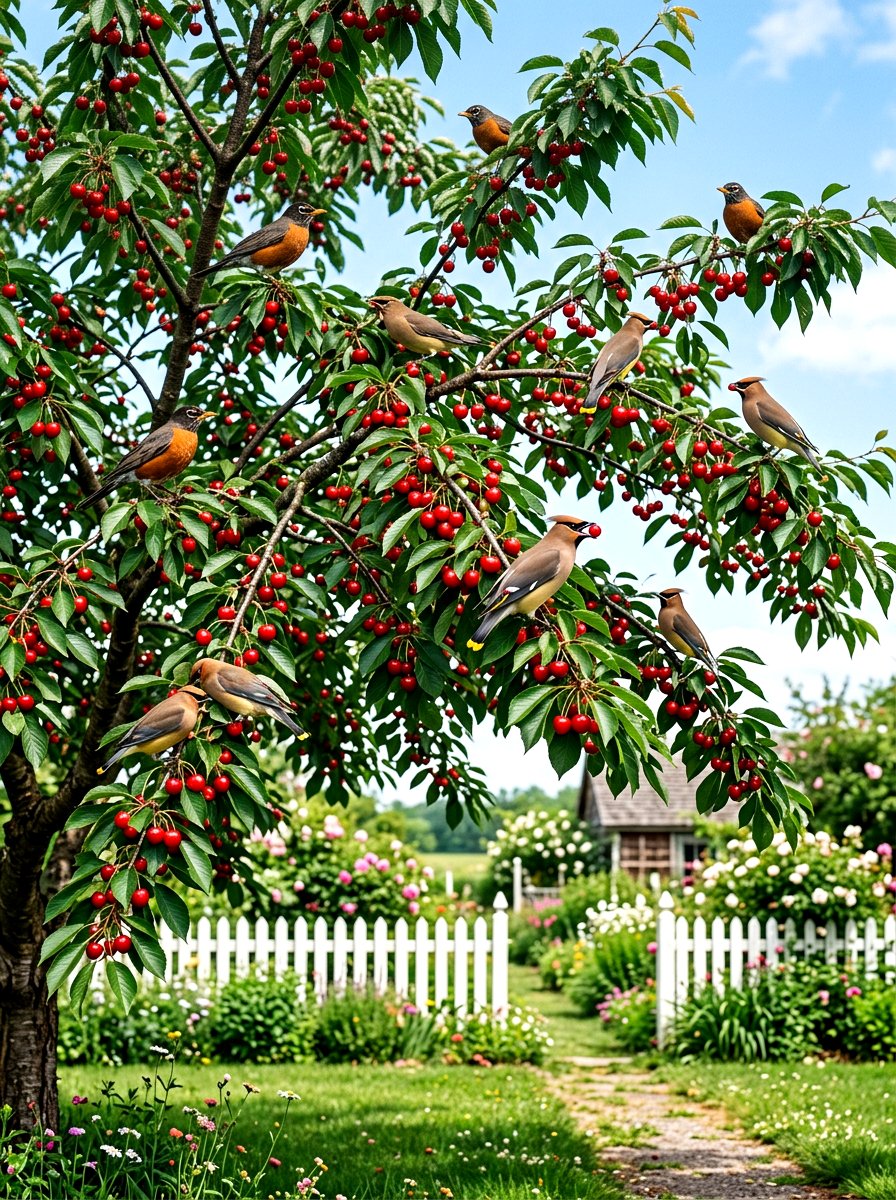
Planting fruit bearing trees like crabapple, cherry, or mulberry turns your backyard into a seasonal feast for many beautiful bird species. These trees offer a dual benefit by providing both high-quality food and excellent nesting sites within their sturdy, spreading branches. During the spring, the fragrant blossoms attract a multitude of insects that birds rely on to feed their hungry young fledglings. As the fruit ripens in the summer and fall, you will see a variety of robins, waxwings, and orioles visiting for a snack. Some varieties even hold onto their fruit well into the winter, providing a critical lifeline for birds when other food sources have completely disappeared. It is a long-term investment in nature.
12. Ground Feeding Area
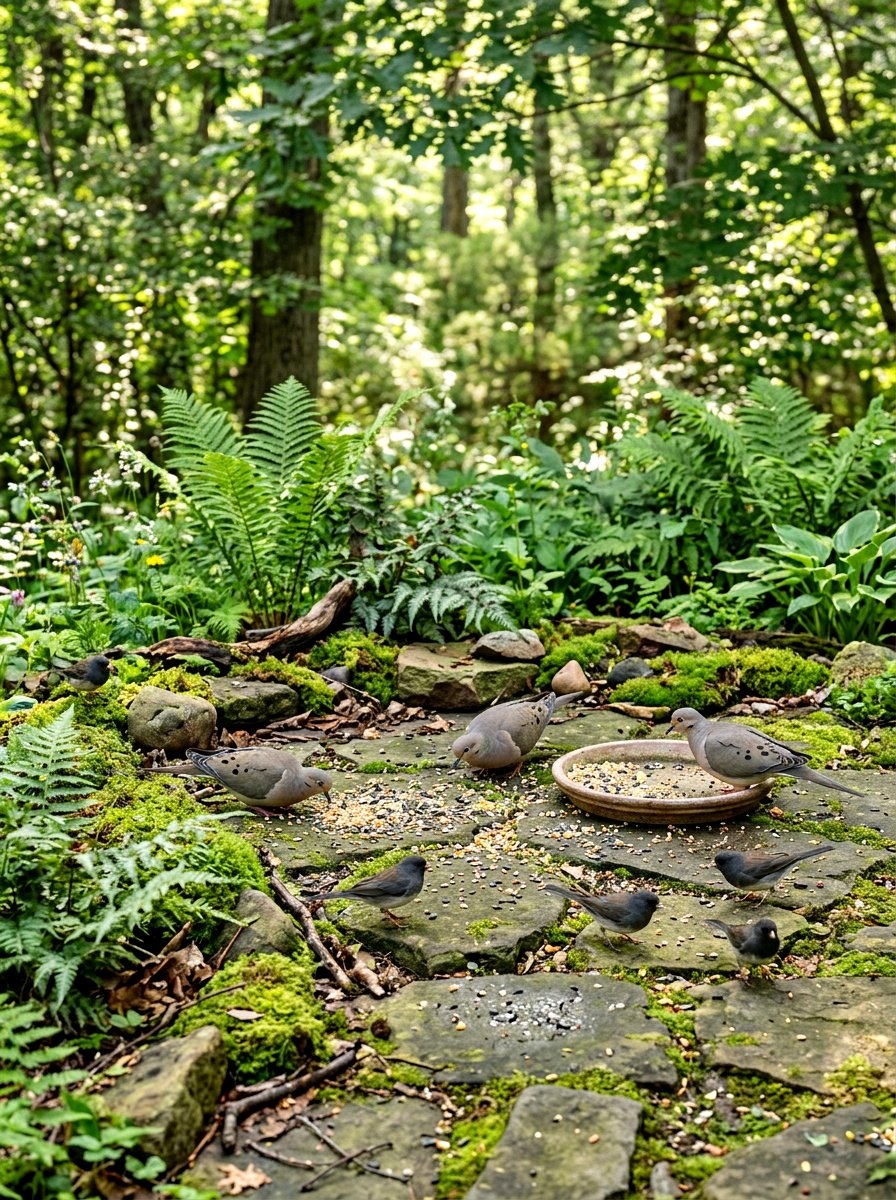
Creating a dedicated ground feeding area is essential for attracting species that prefer to forage on the forest floor, such as juncos and doves. You can simply clear a small patch of grass and spread a mix of cracked corn, millet, and sunflower seeds. Using a low platform feeder can also keep the seeds off the damp soil while still providing the open access these birds enjoy. Placing the feeding area near some low-lying shrubs ensures that the birds feel safe enough to linger and eat without fear of predators. This setup allows you to see a different variety of birds than those that typically visit hanging feeders. It adds a lovely layer of activity to your garden.
13. Dense Privacy Hedge
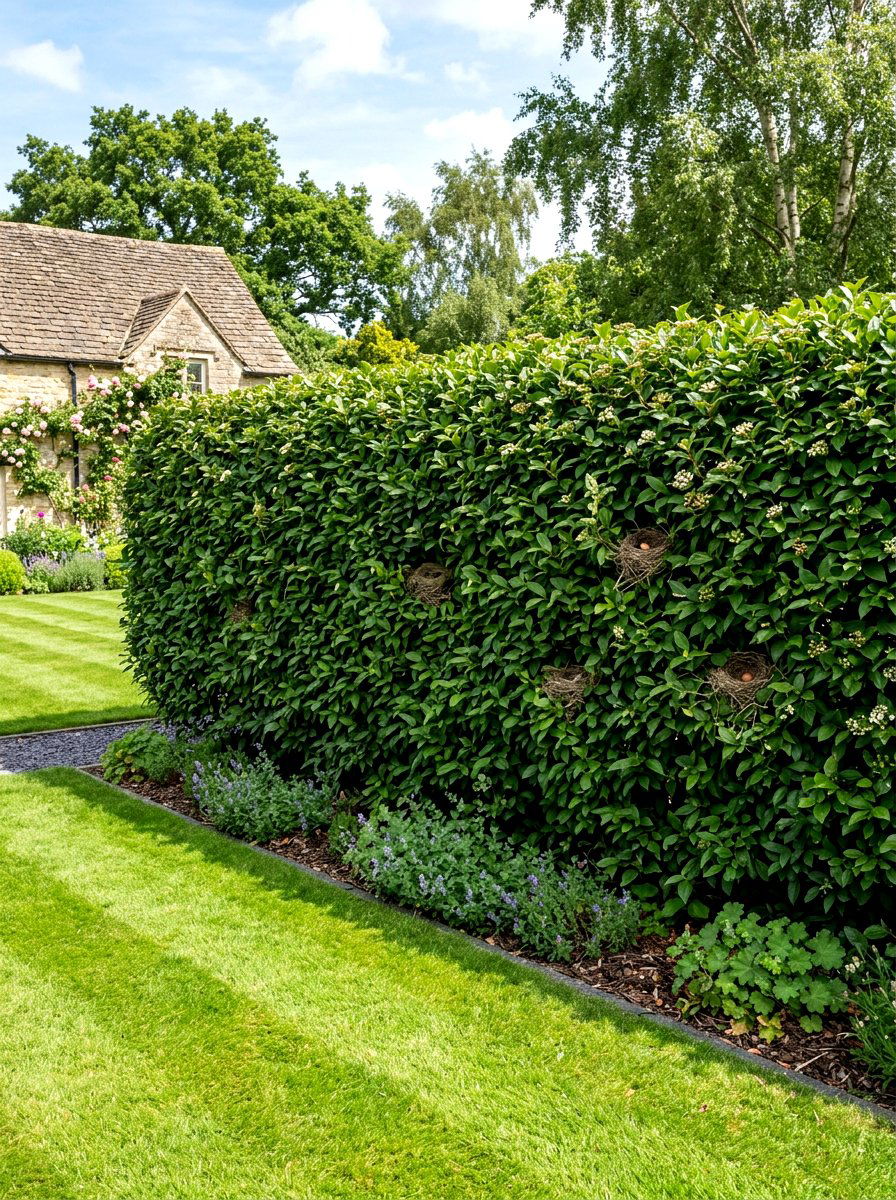
A dense privacy hedge made of native shrubs like arborvitae or viburnum offers more than just seclusion for your home; it provides a vital corridor for birds. These thick walls of greenery allow birds to move across your property while remaining hidden from hawks and other dangerous predators. The interlocking branches provide perfect spots for building nests that are protected from heavy rain and direct sunlight. Many hedge-forming plants also produce flowers or berries, adding an extra food source to the shelter they already provide. By choosing evergreen species, you ensure that the hedge remains a functional sanctuary even in the middle of winter. It is a beautiful way to combine landscaping with wildlife conservation efforts.
14. Hanging Seed Feeder
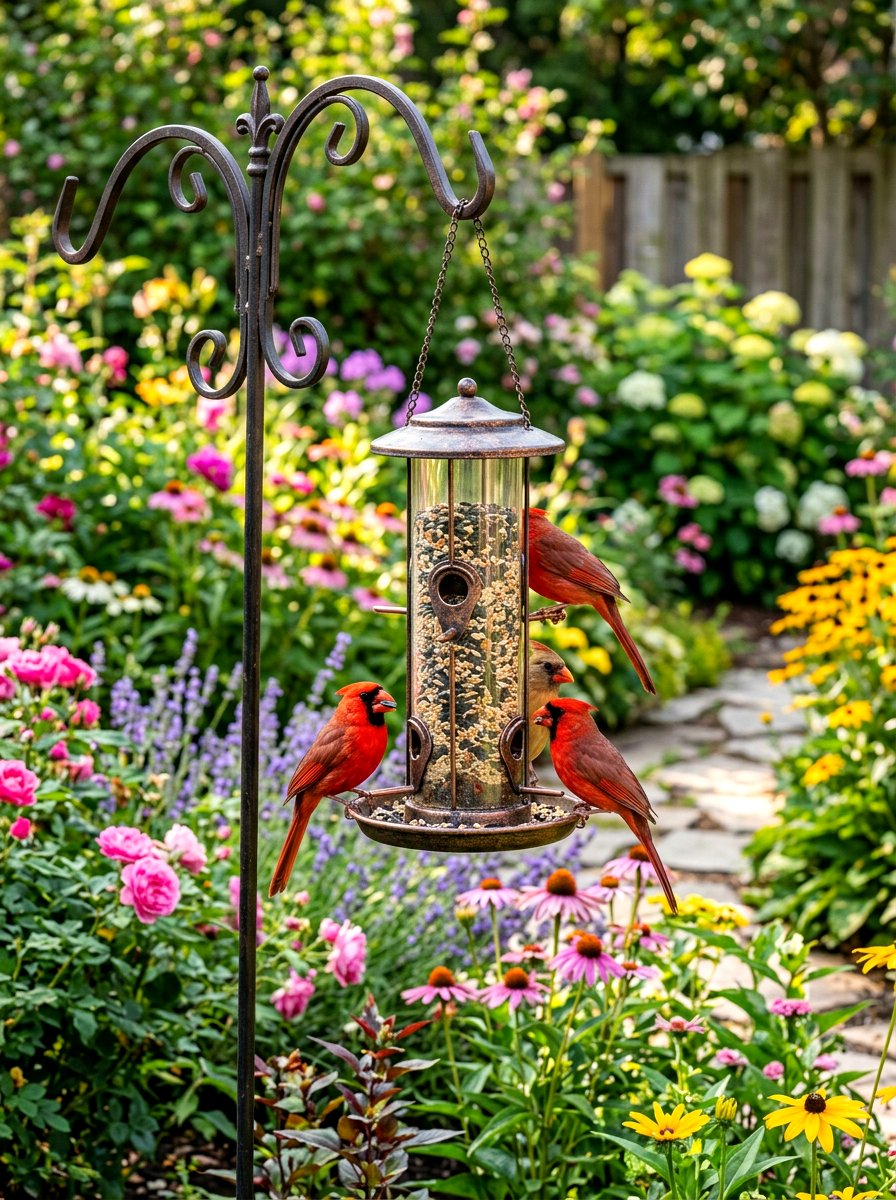
A hanging seed feeder is a classic way to invite a wide range of colorful finches, sparrows, and cardinals into your backyard view. There are many different styles available, including tube feeders for small seeds and hopper feeders that can hold large amounts of black oil sunflower seeds. Hanging the feeder from a high tree branch or a metal shepherd’s hook keeps it out of reach for most ground-based predators. It is important to place the feeder near a window so you can enjoy the birds, but far enough away to prevent accidental window strikes. Keeping the feeder filled and clean will ensure that your feathered friends return to your yard day after day for their meals.

15. Backyard Wildlife Pond
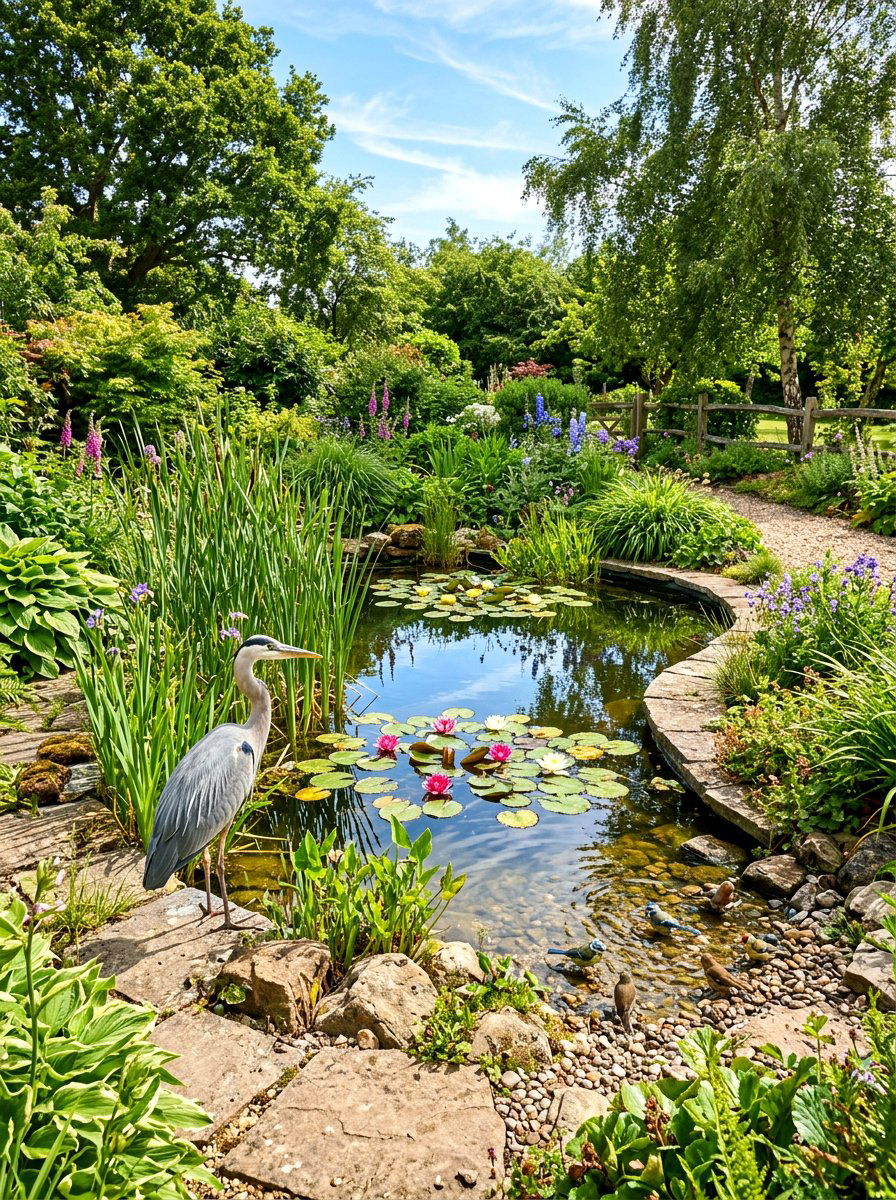
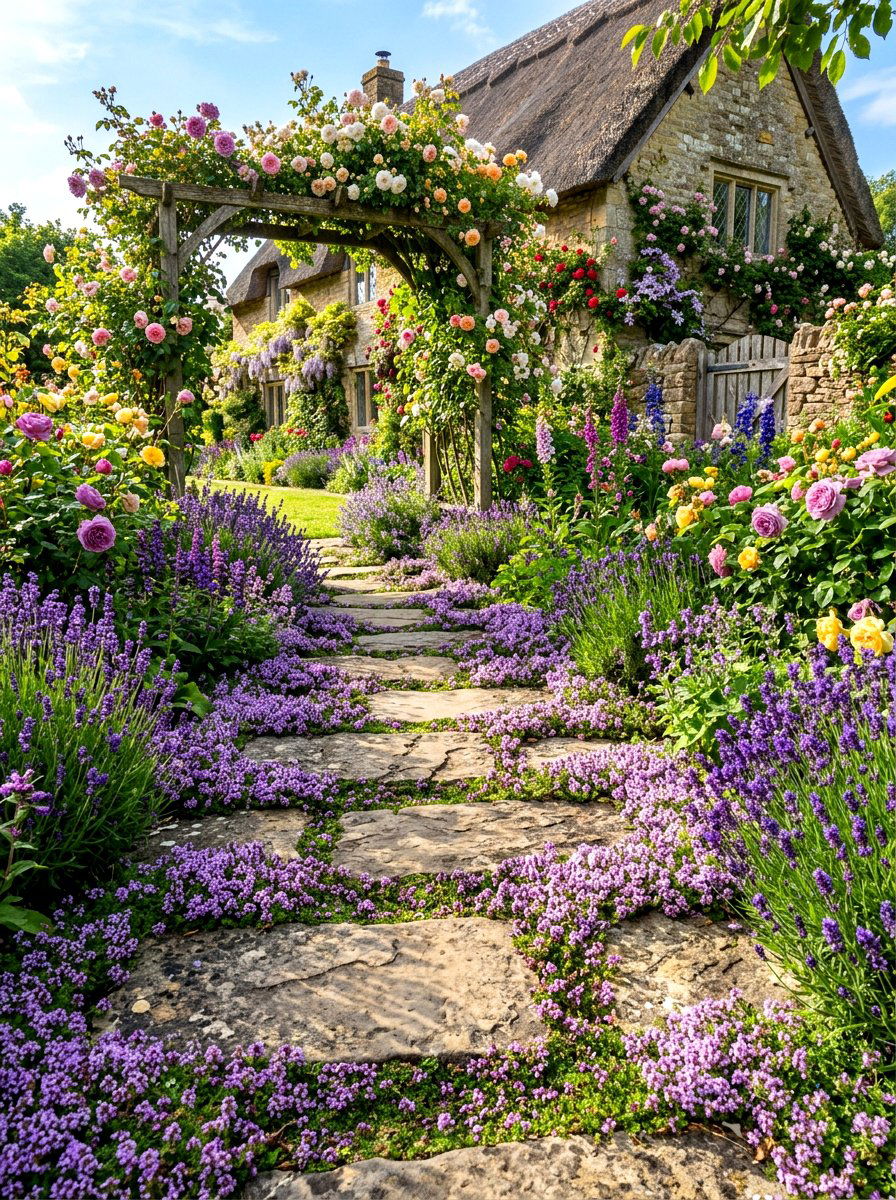
Installing a backyard wildlife pond creates a complete ecosystem that attracts a diverse range of birds, frogs, and beneficial insects to your space. Unlike a traditional swimming pool, a wildlife pond features shallow edges and native aquatic plants that allow birds to drink and bathe safely. The water attracts dragonflies and damselflies, which are a favorite food source for many larger bird species like flycatchers. Including a small pump or bubbler ensures the water stays oxygenated and prevents it from becoming a breeding ground for pests. The reflective surface of the water adds a serene aesthetic to your garden while providing a critical resource for local wildlife. It is a truly transformative feature for any yard.
16. Dead Tree Snag
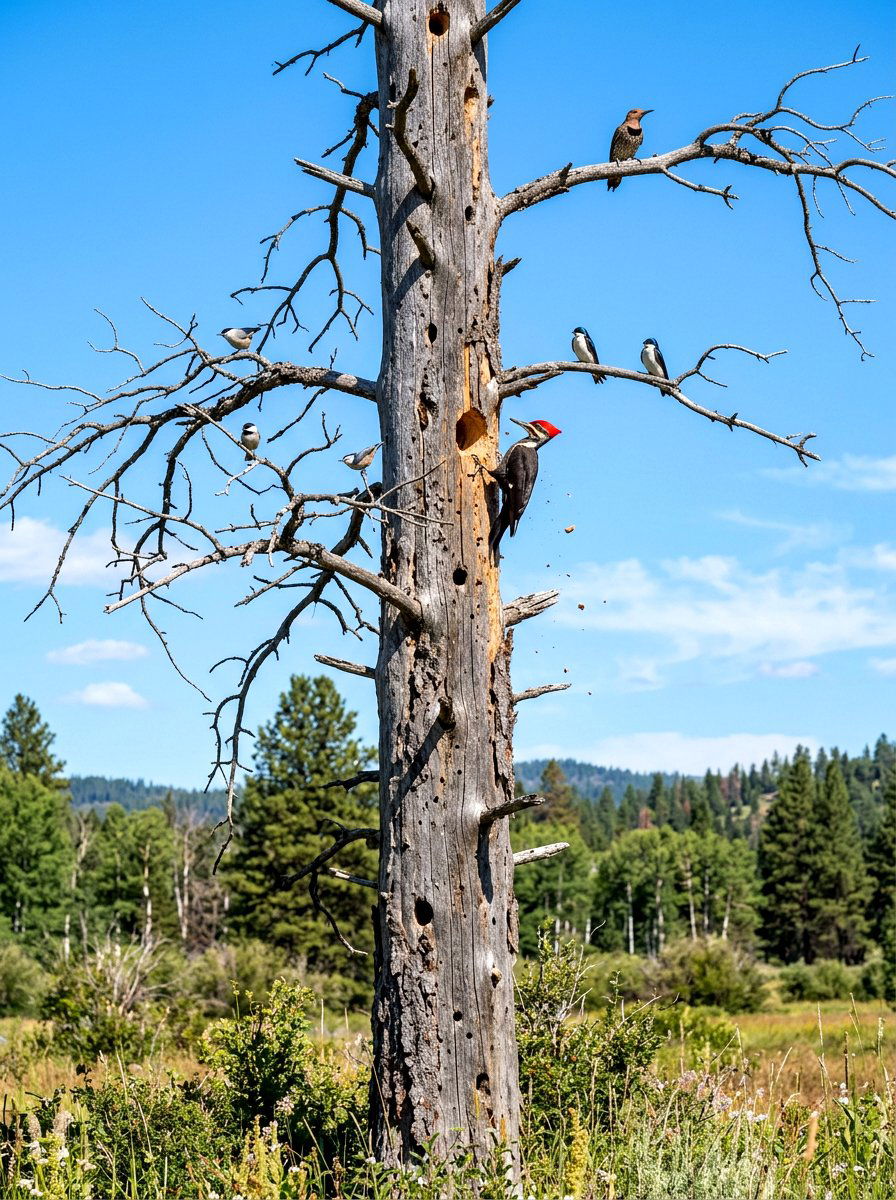
Leaving a dead tree snag in your backyard might seem untidy, but it is actually a goldmine for many interesting bird species. Woodpeckers and nuthatches love to forage for insects hidden within the decaying bark of a standing dead tree. Over time, these trees develop natural cavities that provide essential nesting sites for secondary cavity nesters like owls and bluebirds. If a full tree is a safety hazard, you can have a professional trim it down to a safe height while still leaving the trunk intact. This natural feature provides a unique architectural element to your garden while supporting the life cycle of countless forest creatures. It is a wonderful way to practice ecological landscaping.
17. Rock Garden Wall
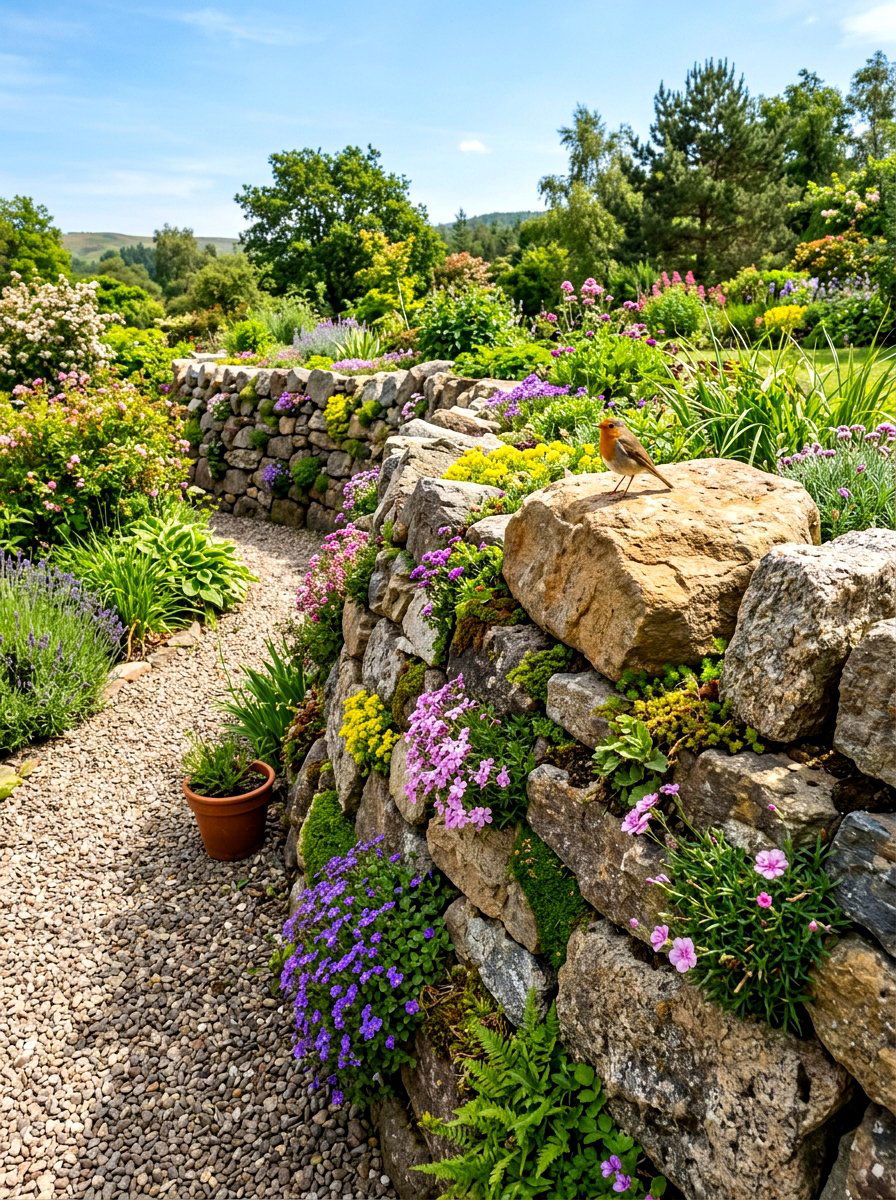
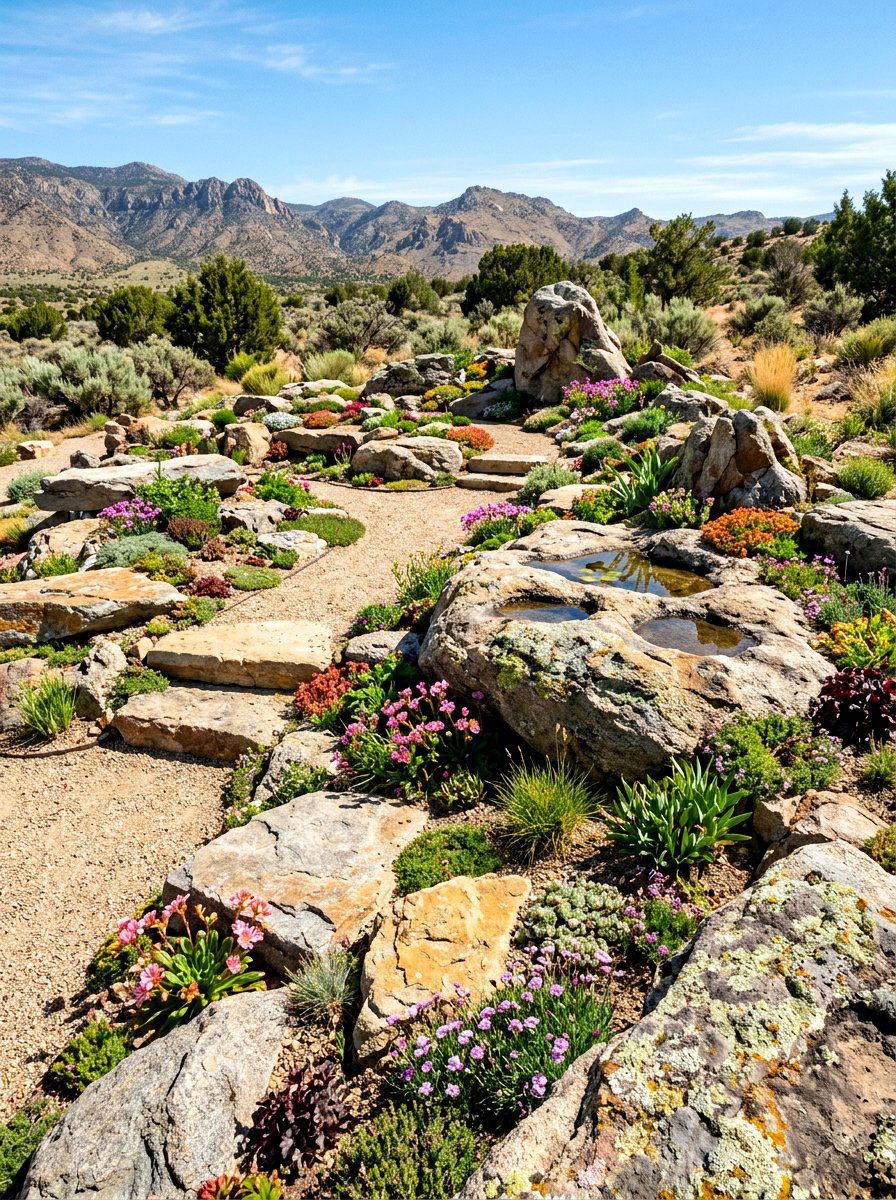
A rock garden wall provides a unique habitat that attracts ground-dwelling birds and provides them with interesting perches for sunning themselves. The crevices between the stones are perfect for planting low-growing alpine flowers that produce nectar and seeds for various avian visitors. These stone structures also absorb heat during the day, creating warm microclimates where birds can rest and regulate their body temperatures. The rugged texture of the rocks offers a natural aesthetic that blends perfectly with a bird friendly landscape. Small birds often use the gaps in the wall to hide from wind or to search for spiders and other small insects. It is a durable and attractive addition that requires very little maintenance over time.
18. Window Bird Box
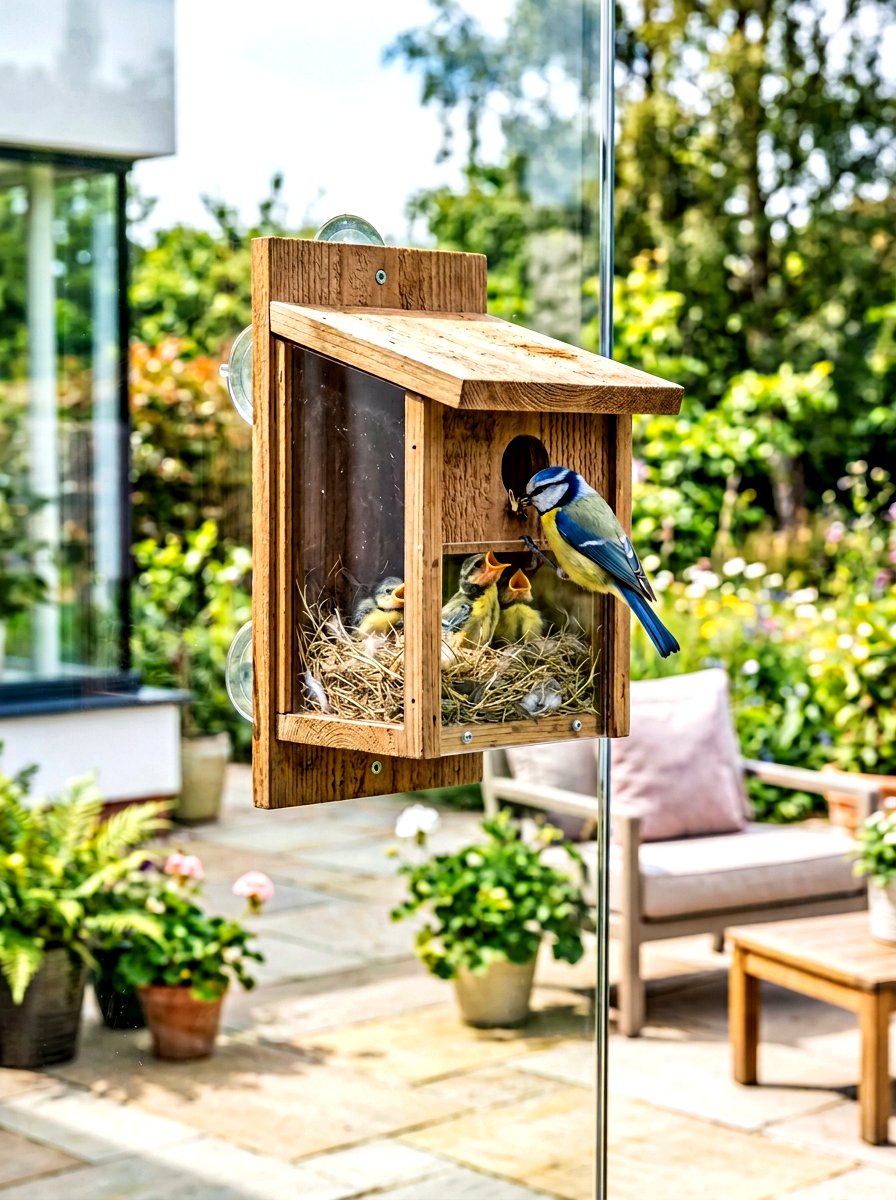
A window bird box allows you to experience the magic of nesting season from the comfort of your own living room or kitchen. These specialized boxes attach directly to the outside of your window glass using strong suction cups, offering a clear view of the interior. You can watch as the parent birds build their nest, lay eggs, and eventually feed their tiny, growing chicks. It is an incredible educational tool for children and a source of constant wonder for adults alike. To ensure the birds feel safe, the side facing the window is usually covered with a one-way film or a simple curtain. It brings nature closer than you ever thought possible in a suburban setting.
19. Butterfly Nectar Plants
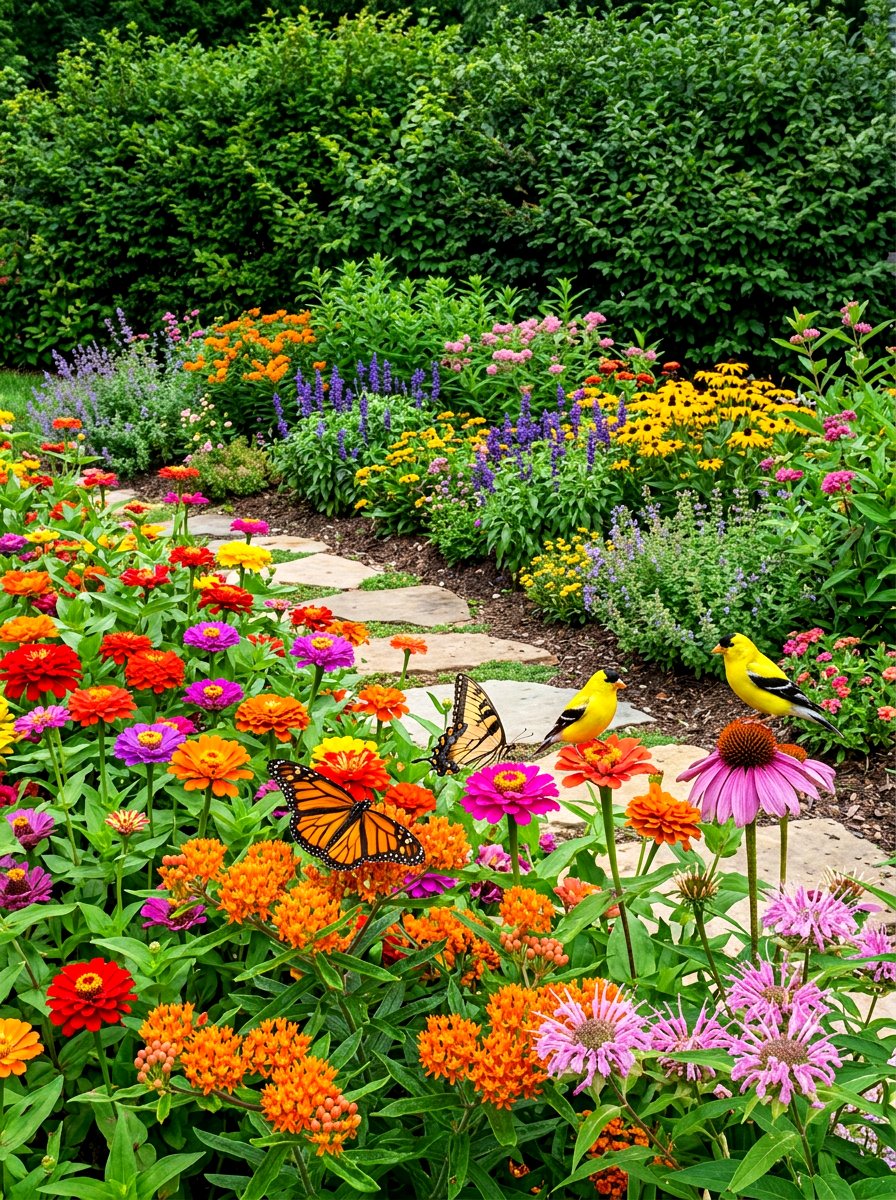
Planting butterfly nectar plants like milkweed, coneflower, and zinnia does more than just attract beautiful insects; it creates a feast for many bird species. Birds are naturally drawn to gardens that are buzzing with insect life, as caterpillars and beetles are primary food sources for many songbirds. By creating a pollinator-friendly environment, you are essentially building a natural food web right in your own backyard. These flowering plants also provide a splash of brilliant color that makes your garden look professionally designed and vibrant. Avoiding chemicals ensures that the insects remain a healthy part of the birds' diet. This holistic approach to gardening benefits every creature that visits your outdoor space, from the smallest bee to the largest bird.



20. Tall Grass Patch
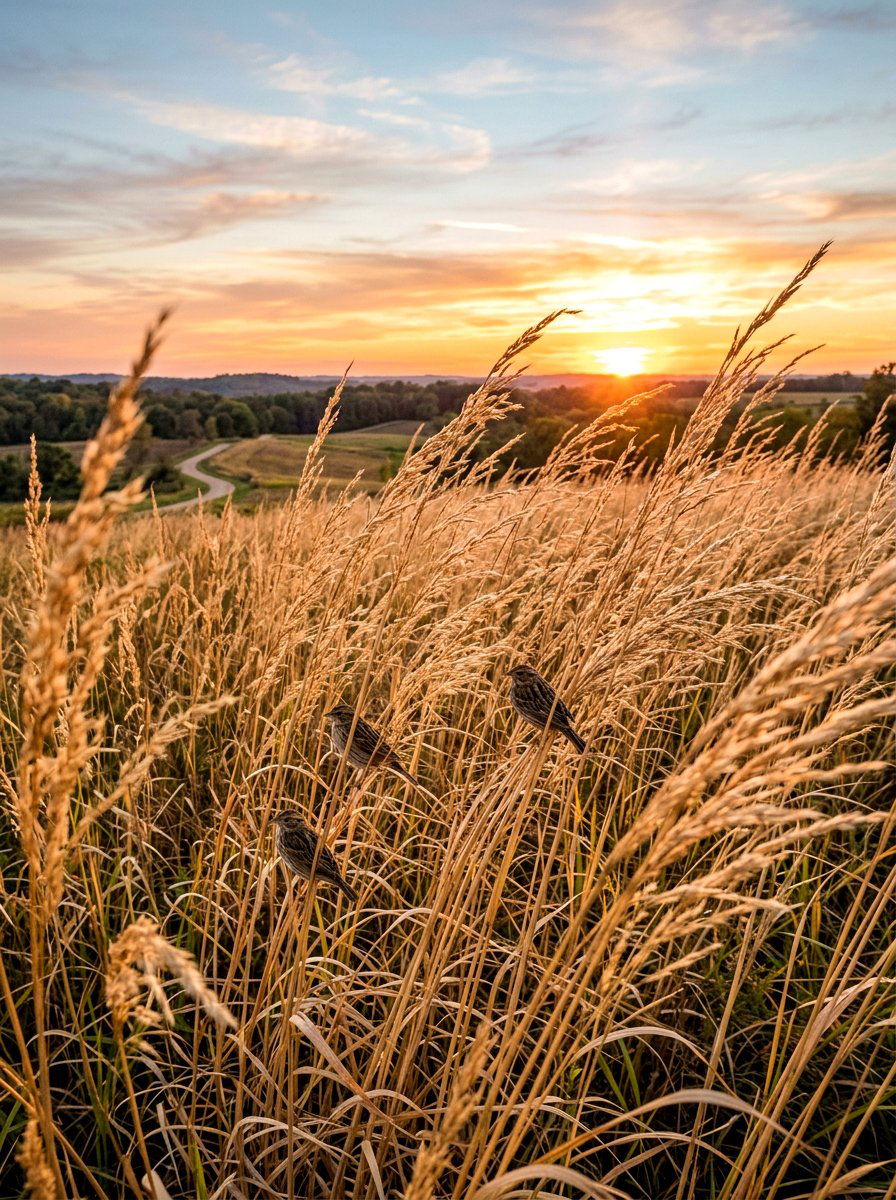
Maintaining a tall grass patch in a corner of your yard provides essential cover and nesting material for many ground-loving bird species. Unlike a manicured lawn, long grasses like switchgrass or little bluestem offer deep seed heads that birds can harvest during the late fall. These patches also provide a safe place for birds to hide their nests on the ground, away from the eyes of passing predators. The moving stalks create a beautiful visual texture and a gentle rustling sound that adds to the sensory experience of your garden. It is an easy way to reduce your mowing time while significantly increasing the habitat value of your property for local wildlife.
21. Climbing Vine Trellis
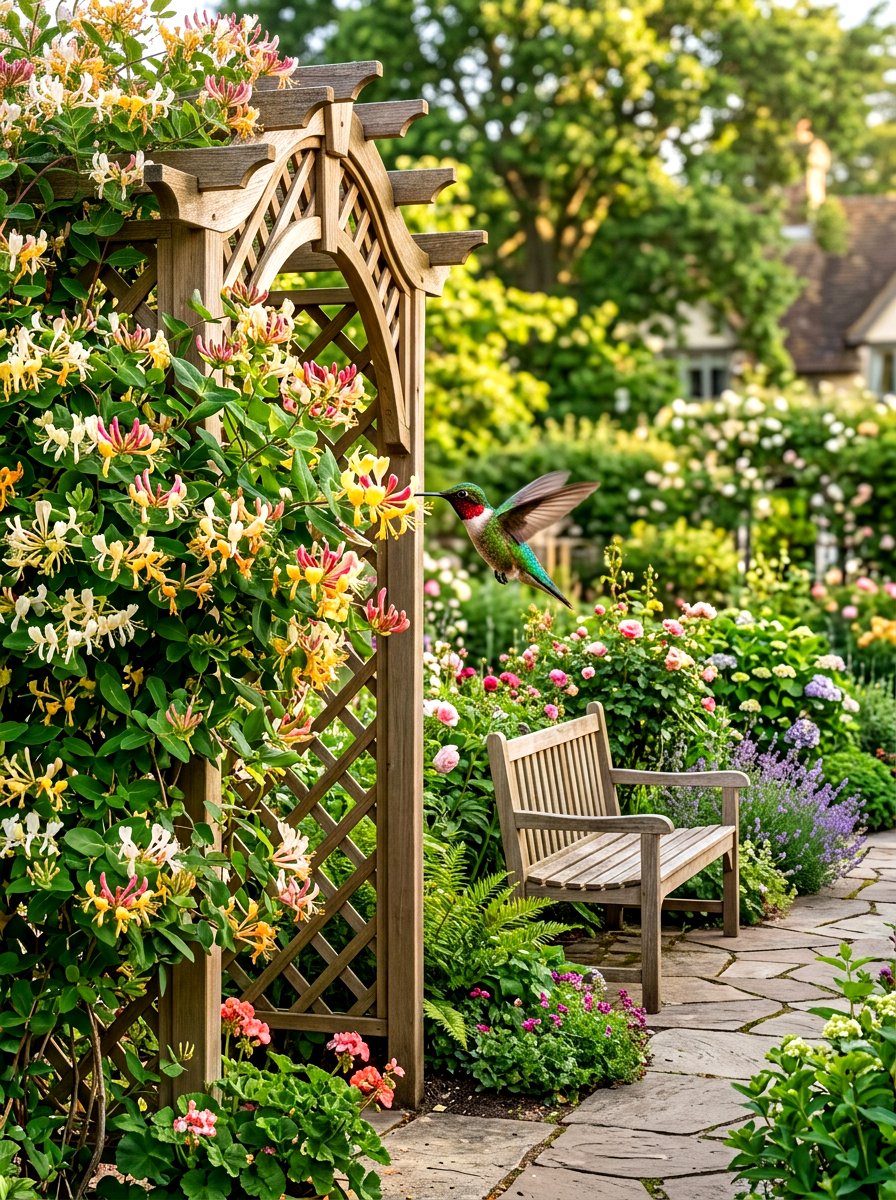
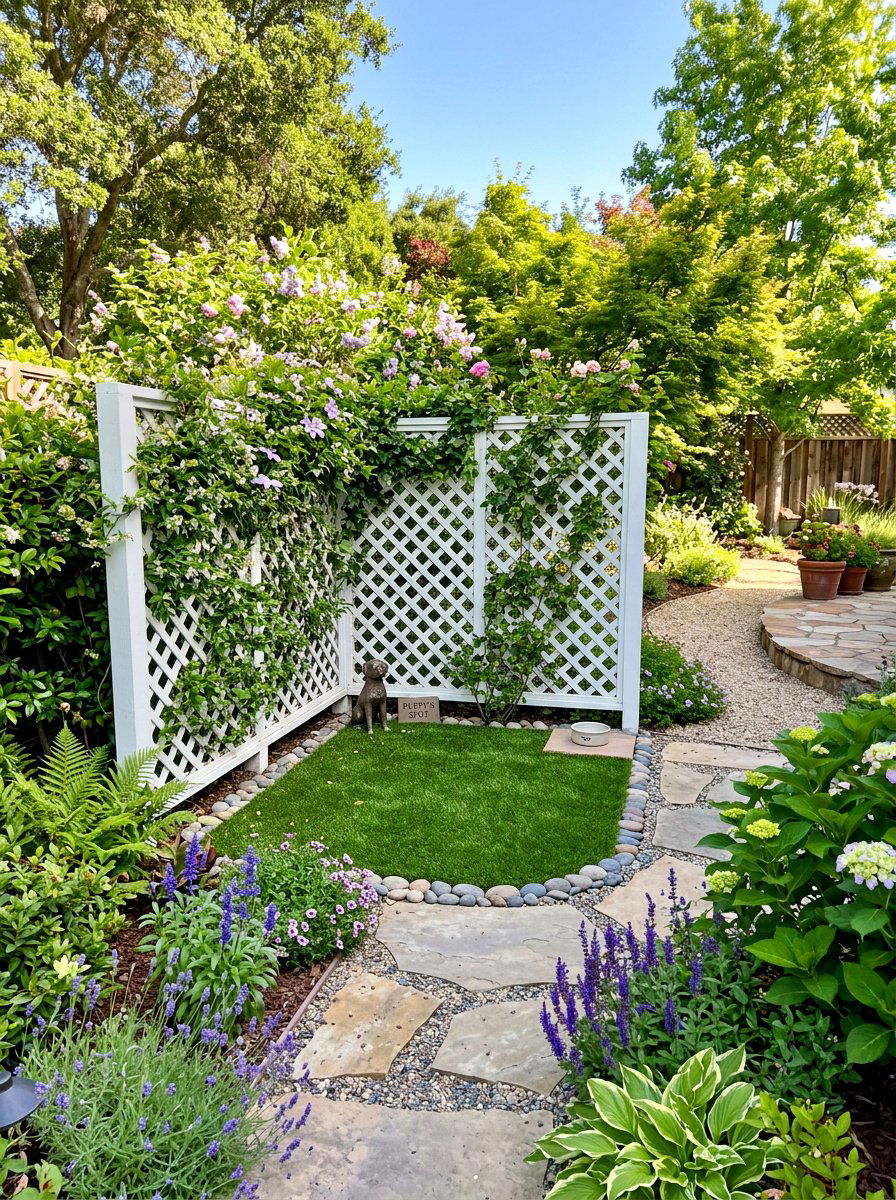
Installing a climbing vine trellis is a smart way to add vertical habitat to a small backyard or a narrow side yard. Native vines like trumpet honeysuckle or Virginia creeper provide dense foliage that offers excellent nesting sites and protection for small birds. These climbing plants often produce colorful flowers that attract hummingbirds and berries that feed songbirds during the autumn months. The trellis itself creates a beautiful architectural feature that can hide an ugly fence or wall while supporting a living ecosystem. By choosing a mix of flowering and fruiting vines, you can provide food and shelter throughout the entire year. It is a space-saving solution that delivers big results for your bird visitors.
22. Mud Puddle Station
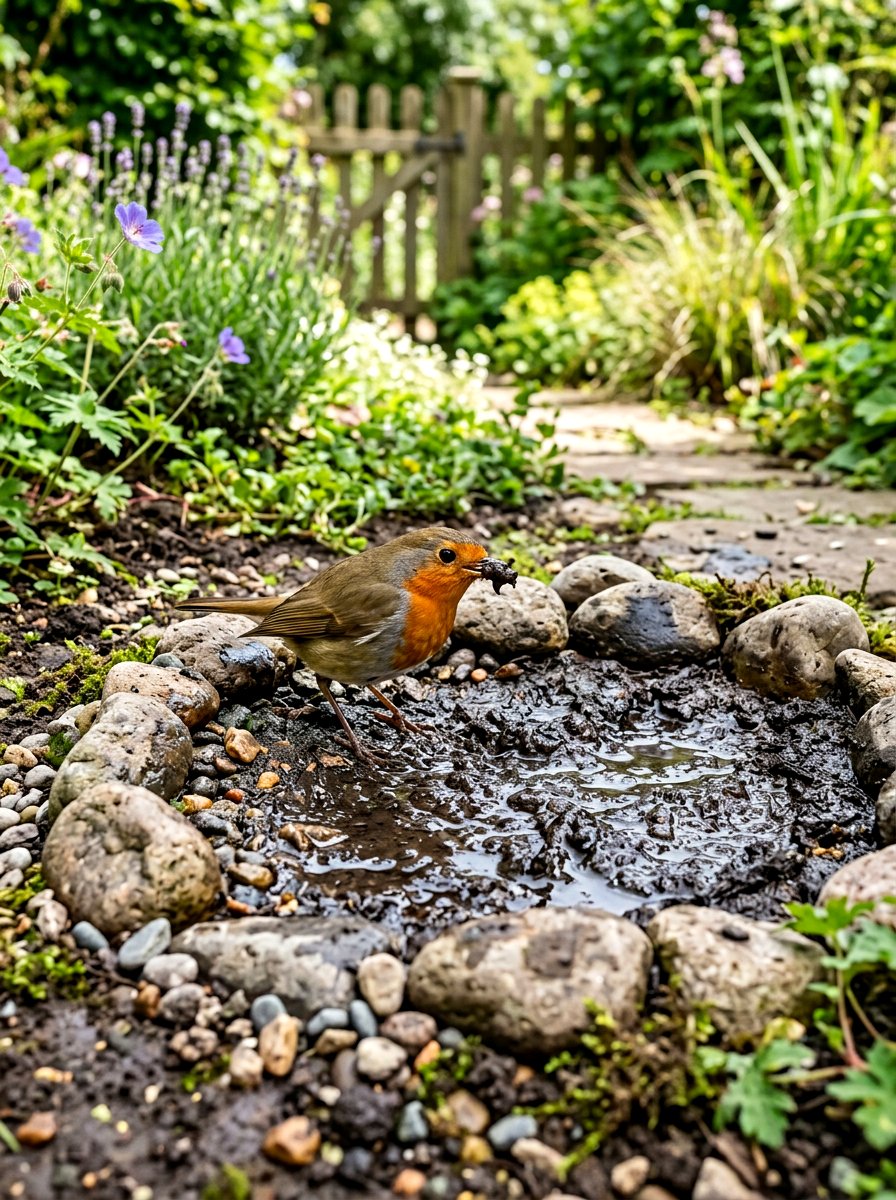
A mud puddle station is a simple yet often overlooked feature that helps birds during the busy nesting and migration seasons. Many birds, such as swallows and robins, use mud as a primary building material to hold their intricate nests together. By keeping a small patch of soil consistently moist, you provide them with a ready supply of "mortar" for their homes. Additionally, butterflies often visit these damp spots to "puddle, " extracting essential minerals from the wet earth. This small addition requires very little space and can be created using a shallow tray filled with soil and water. It is a practical way to support the architectural needs of your local bird population during the spring.
23. Squirrel Proof Feeder
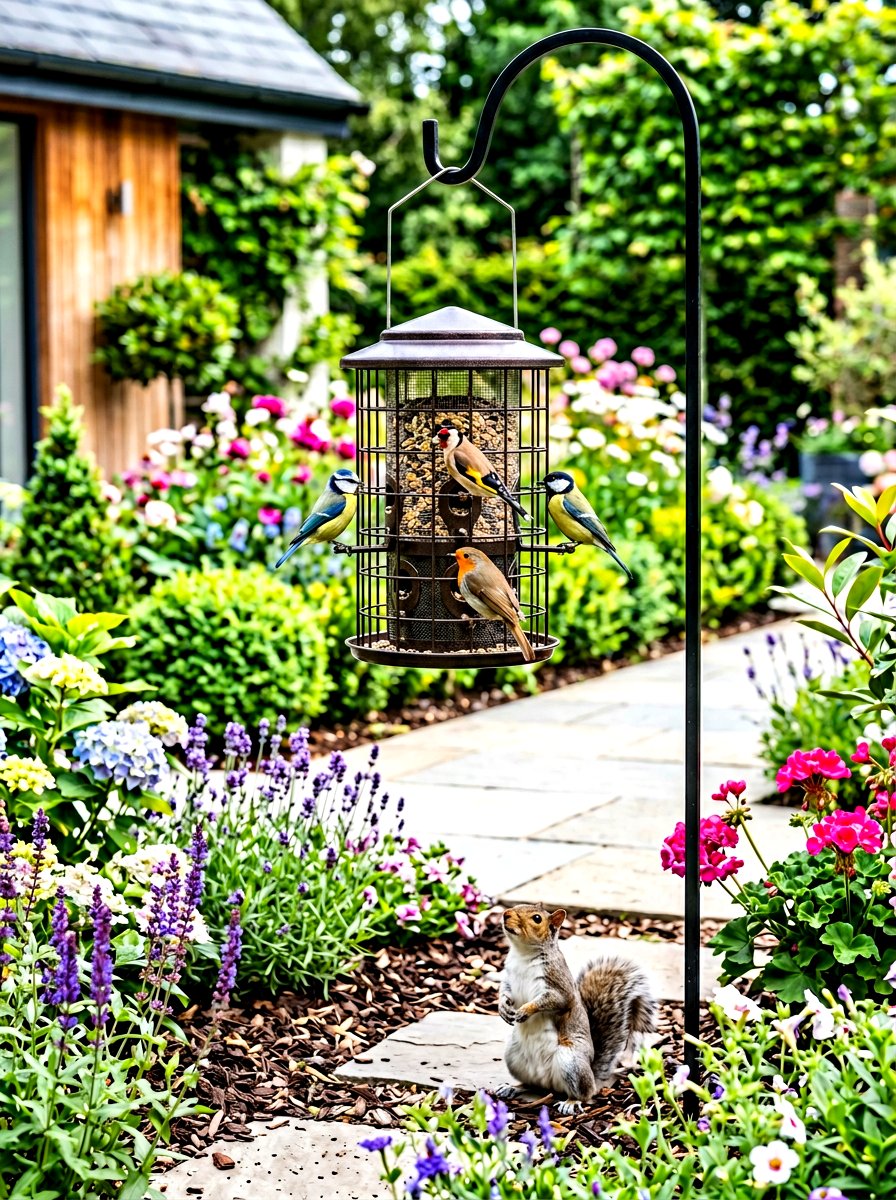
Investing in a squirrel proof feeder ensures that the expensive bird seed you buy actually goes to the feathered friends you want to attract. These clever devices use weight-sensitive mechanisms or specialized cages to prevent squirrels from accessing the feeding ports. This prevents the energetic rodents from emptying your feeders in a single afternoon and damaging the equipment with their sharp teeth. By keeping squirrels at bay, you create a more peaceful environment where smaller birds feel comfortable enough to stay and eat. There are many designs available, from those that close the ports under weight to those with large spinning elements. It is a frustrating-free way to maintain a consistent food source for your birds.
24. Shallow Water Basin
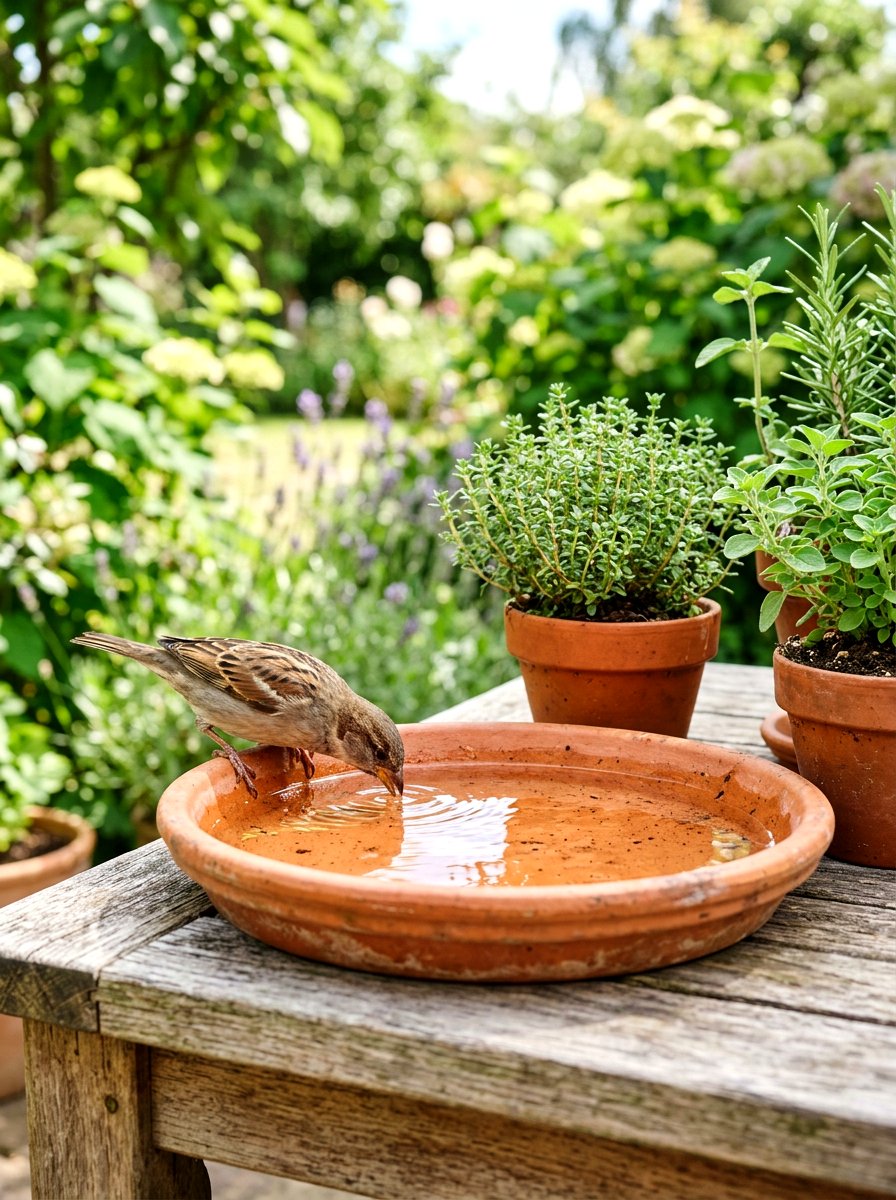
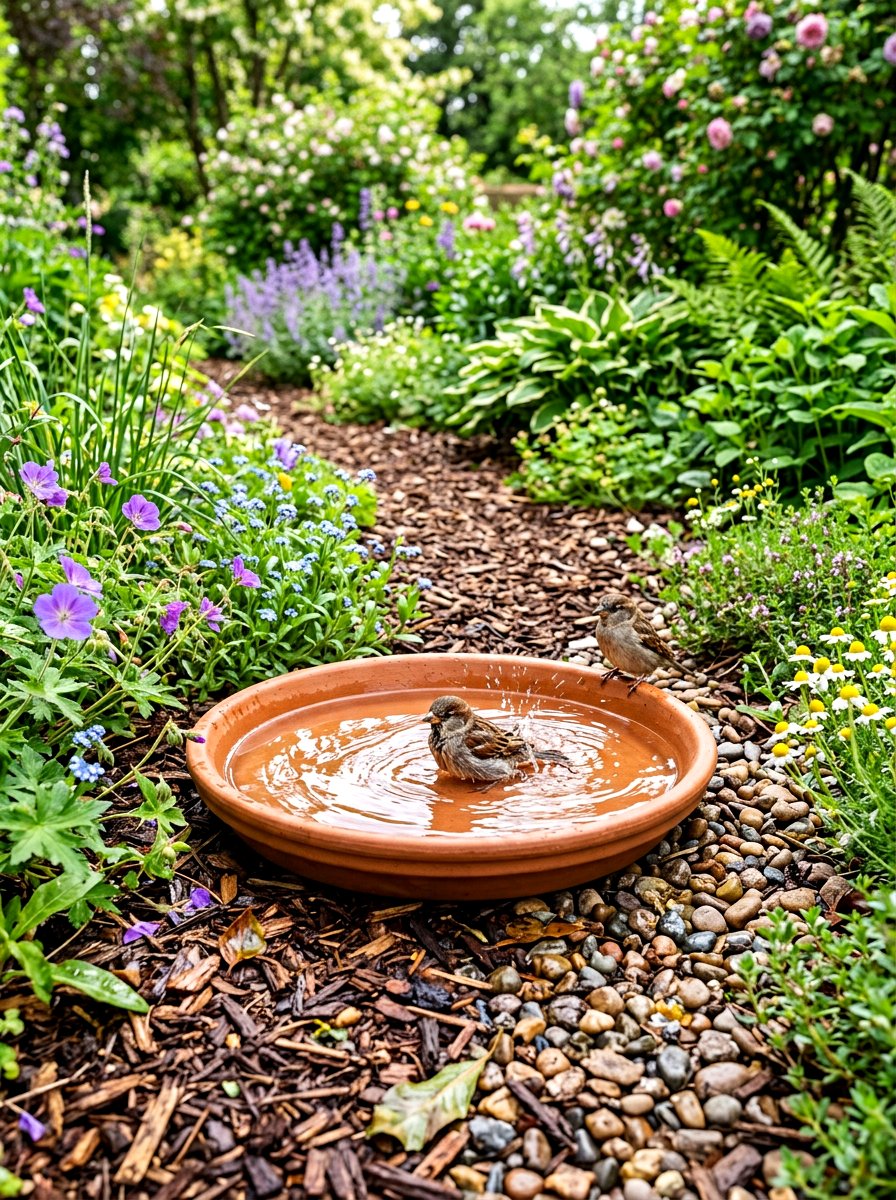
A shallow water basin is a versatile and easy-to-maintain alternative to a traditional bird bath for those with limited space. You can use any wide, shallow container, such as a large ceramic saucer or a decorative stone tray, to provide a drinking spot. It is crucial to keep the water level low, around one inch, so that even the smallest birds feel confident enough to step inside. Placing a few flat stones in the center allows birds to perch and drink without getting their feathers completely wet if they choose. These basins can be placed on a balcony table or tucked into a flower bed for a subtle look. They are simple to clean and refill daily.
25. Willow Tree Canopy
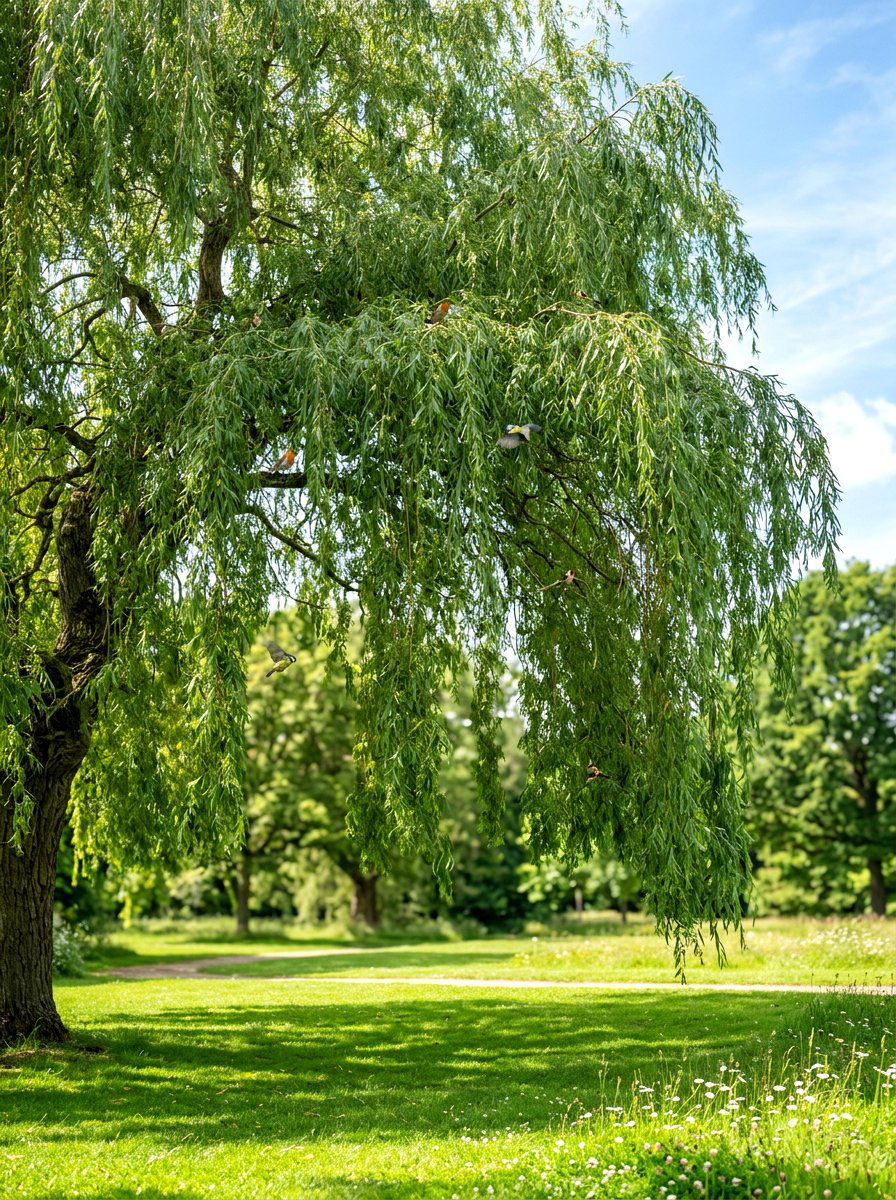
Planting a willow tree creates a sprawling canopy that provides a massive amount of habitat and food for a variety of bird species. Willows are known for hosting a high number of caterpillar species, which are the most important food source for birds during the nesting season. The long, weeping branches offer a secluded and shaded environment where birds can rest and hide from the hot afternoon sun. These trees grow relatively quickly, providing you with a mature habitat in just a few years. Their unique shape and soft green leaves add a romantic and peaceful aesthetic to any backyard landscape. It is a powerhouse plant for anyone serious about creating a bird sanctuary.
26. Gravel Dust Bath
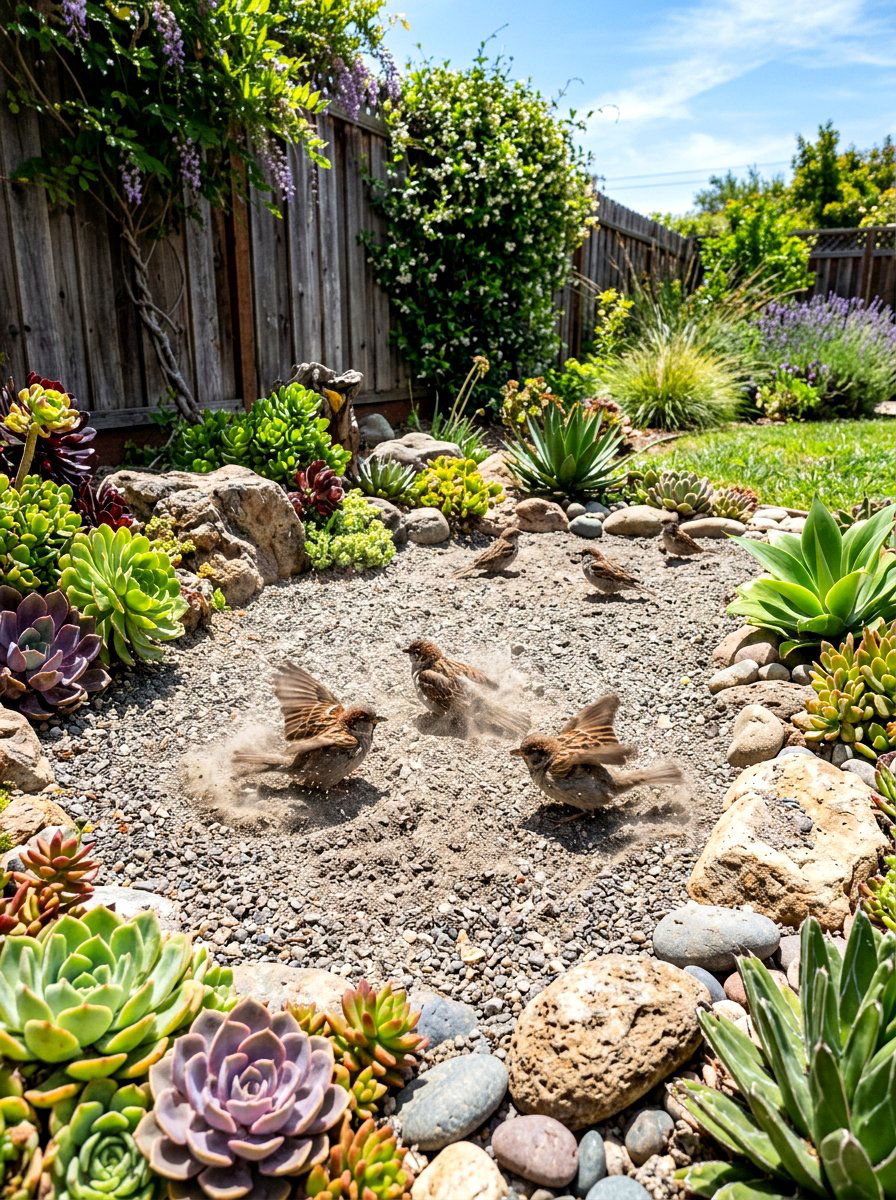
Providing a gravel dust bath area is a unique way to help birds maintain their feather health and manage external parasites. Many birds, like sparrows and quails, enjoy tossing dry, fine dirt or sand over their feathers to absorb excess oils and dislodge tiny pests. You can create a simple dust bath by clearing a small patch of ground and filling it with a mix of fine sand and dry soil. It is best to place this feature in a sunny, open spot where the soil can stay dry even after a light rain. Watching a group of birds take a communal dust bath is a charming and entertaining sight that adds a new dimension to your bird watching.
27. Organic Garden Mulch
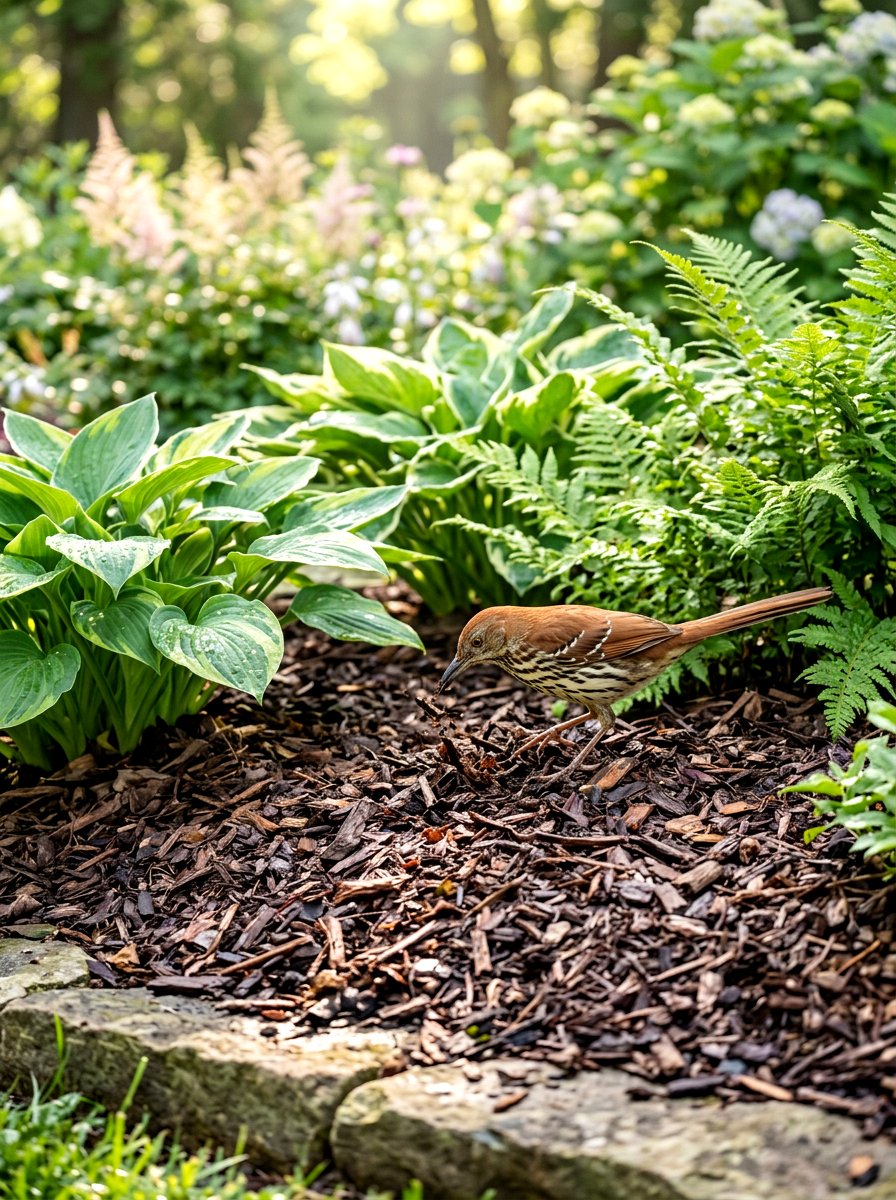
Using organic garden mulch like wood chips or shredded leaves is a simple practice that significantly improves the foraging opportunities for ground-feeding birds. As the mulch slowly decomposes, it creates a rich environment for worms, beetles, and spiders, which are staple foods for many avian species. You will often see birds like thrashers and towhees scratching through the mulch to uncover a hidden snack. Unlike synthetic mulches or landscape fabric, organic materials support the soil's health and maintain the moisture needed for insects to thrive. This creates a natural pantry that stays stocked throughout the year. It is an easy, eco-friendly way to keep your garden beds looking tidy while feeding the local wildlife at the same time.
28. Vertical Planter Wall
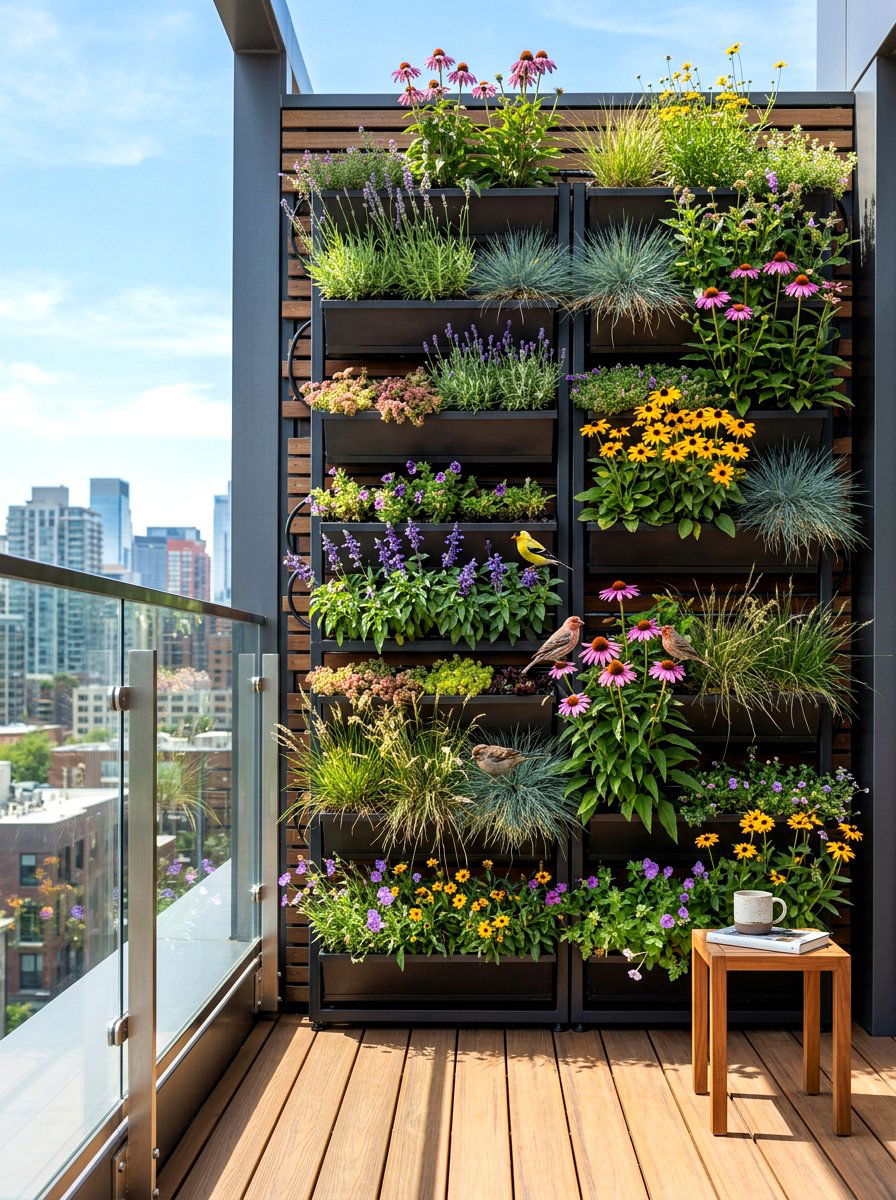
A vertical planter wall is an innovative solution for urban dwellers who want to attract birds to a small patio or balcony. By stacking planters vertically, you can grow a wide variety of bird-friendly plants, such as herbs, small flowers, and grasses, in a very small footprint. This lush wall of greenery provides a soft landing spot and a source of seeds or nectar for passing birds. You can even tuck a small hanging feeder or a tiny nesting pocket among the plants to create a complete habitat. The vertical design adds a modern and stylish look to your outdoor space while providing much-needed greenery in a concrete environment. It proves that you don't need a huge yard to help.
29. Hummingbird Swing Perch
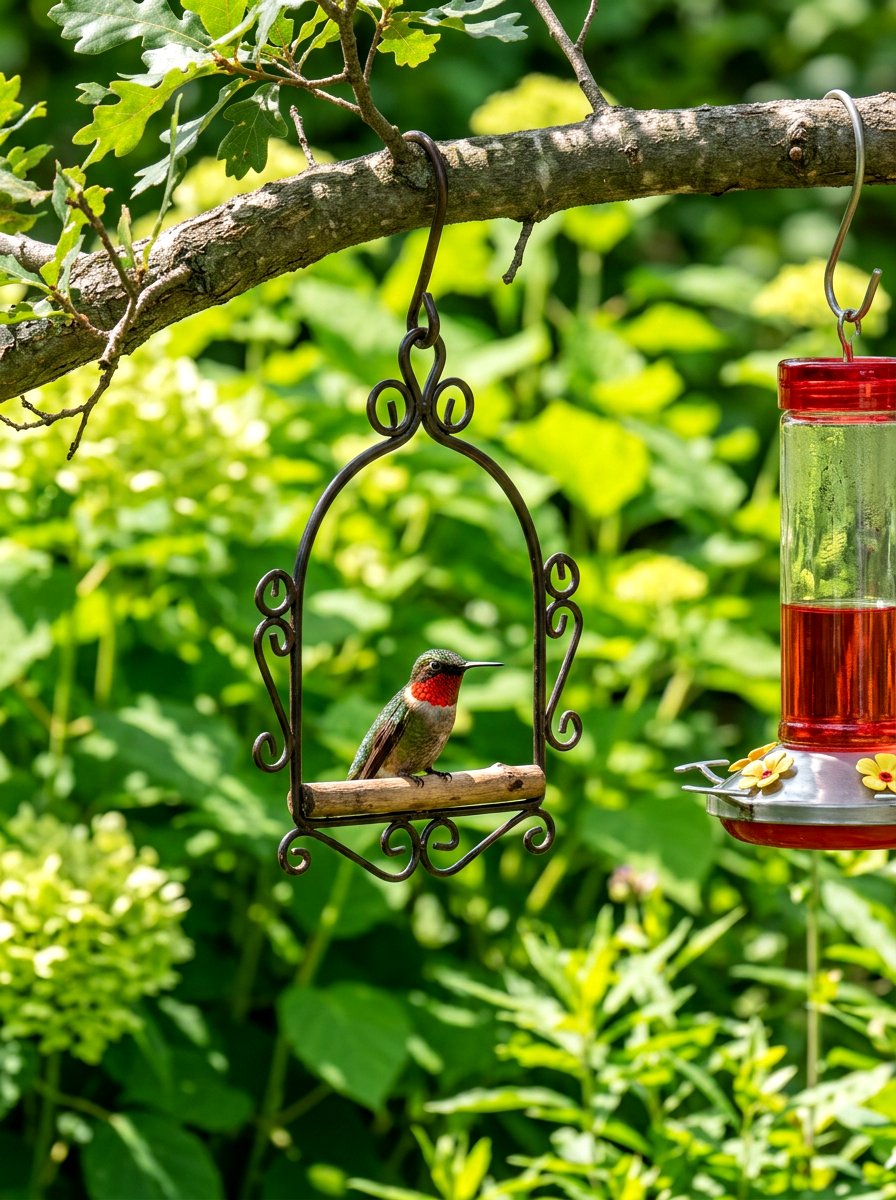
Adding a hummingbird swing perch near your nectar feeders gives these high-energy birds a much-needed place to rest and survey their territory. Hummingbirds are surprisingly territorial and spend a significant amount of their time perched on high branches, watching for intruders. A simple wire swing with a wooden dowel provides a perfect vantage point that mimics the thin twigs they naturally prefer. Placing the swing within a few feet of a feeder or flower patch makes it a convenient spot for them to take a break between feedings. It is a tiny addition that can lead to longer observation times, as the birds are more likely to stay in view when they have a comfortable place to sit.
30. Winter Holly Bush
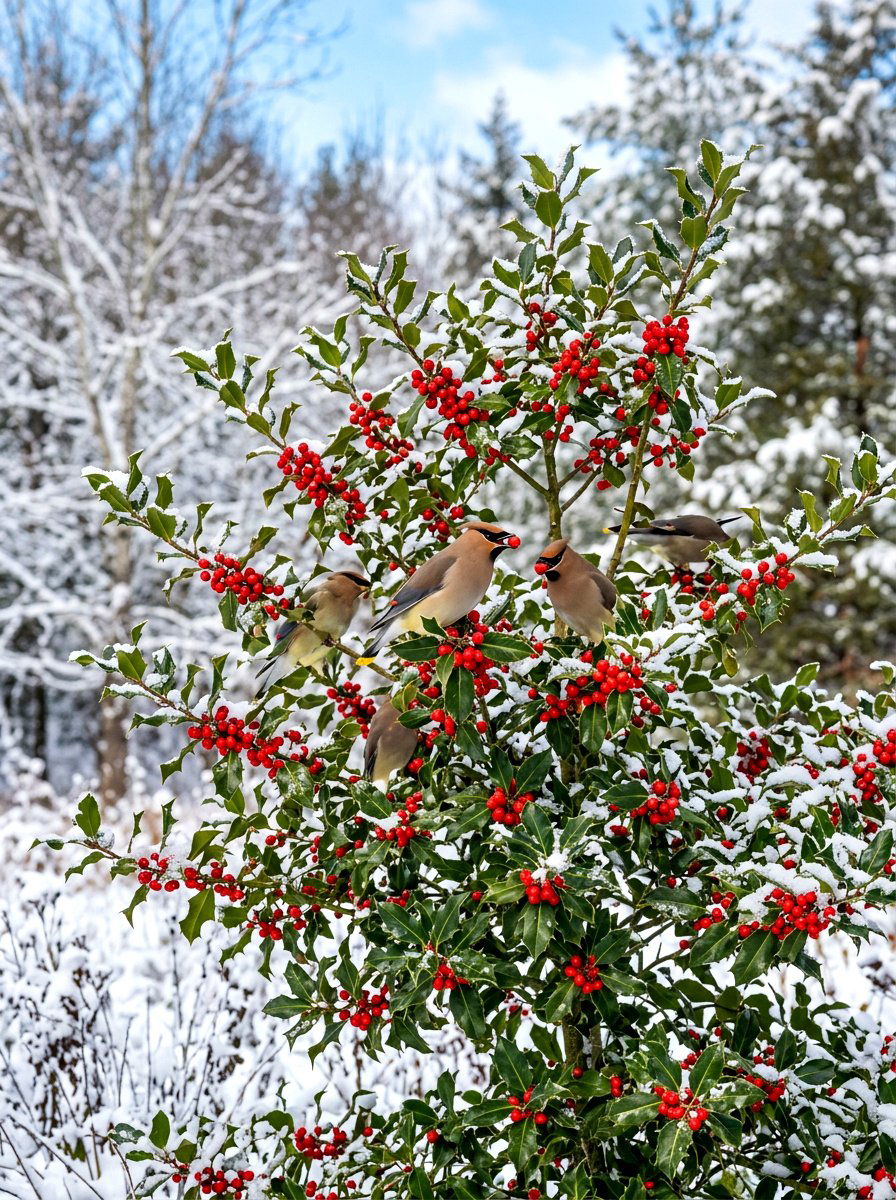
A winter holly bush is a must-have for any bird friendly backyard because it provides critical resources when most other plants are dormant. The evergreen leaves offer a prickly and dense shelter that keeps birds safe from predators and biting winter winds. More importantly, holly bushes produce bright red berries that often ripen just as other food sources are becoming scarce. These berries are a favorite of robins, mockingbirds, and cedar waxwings, who will flock to your yard for a winter feast. The vibrant contrast of red berries against green leaves also adds a beautiful touch of color to a snowy landscape. It is a resilient plant that serves as a beautiful and life-saving anchor for your garden.
Conclusion:
Transforming your outdoor space using these bird friendly backyard ideas is a journey that rewards you with beauty and tranquility every single day. By providing the essential pillars of food, water, and shelter, you create a lasting legacy for the local wildlife in your community. Each small change, from hanging a simple feeder to planting a native tree, contributes to a larger network of habitats that birds rely on for survival. You will find that the more you give to nature, the more it gives back in the form of vibrant colors and peaceful songs. We hope this comprehensive guide inspires you to take the first step toward building your own private bird sanctuary today. Happy birding and enjoy the wonders of your new, thriving ecosystem.

Related posts: