Creating a bird-friendly sanctuary in your own backyard is one of the most rewarding gardening projects you can undertake. It transforms a standard lawn into a vibrant ecosystem filled with song, color, and fascinating wildlife behaviors. When you design for birds, you are doing more than just looking for pretty scenery; you are providing essential resources like food, water, and shelter. This guide will walk you through thirty creative ways to make your outdoor space more inviting for our feathered friends. From choosing the right native plants to installing functional water features, every detail helps support local bird populations and enhances your home’s overall natural beauty.
1. Native shrubs for birds
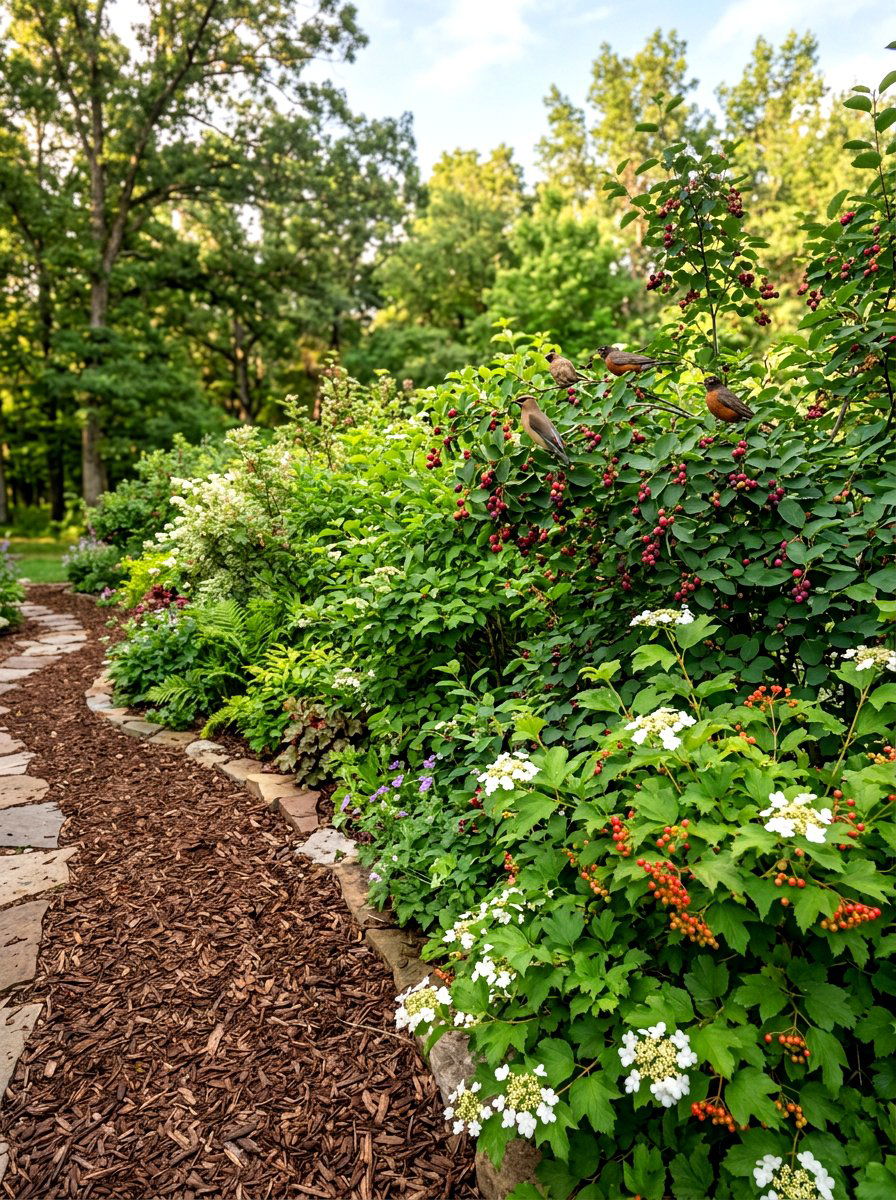
Imagine opening your back door to the sweet chirping of cardinals and blue jays darting through lush greenery. Planting native shrubs is perhaps the most effective way to provide immediate habitat for local bird species. Unlike exotic plants, native varieties have evolved alongside local birds, offering the exact types of berries and insects they need to thrive. These shrubs provide thick cover where birds can hide from predators or build their nests safely. By incorporating a variety of heights and densities, you create a complex environment that appeals to many different species throughout the changing seasons in your very own yard.
2. Tiered bird bath fountain
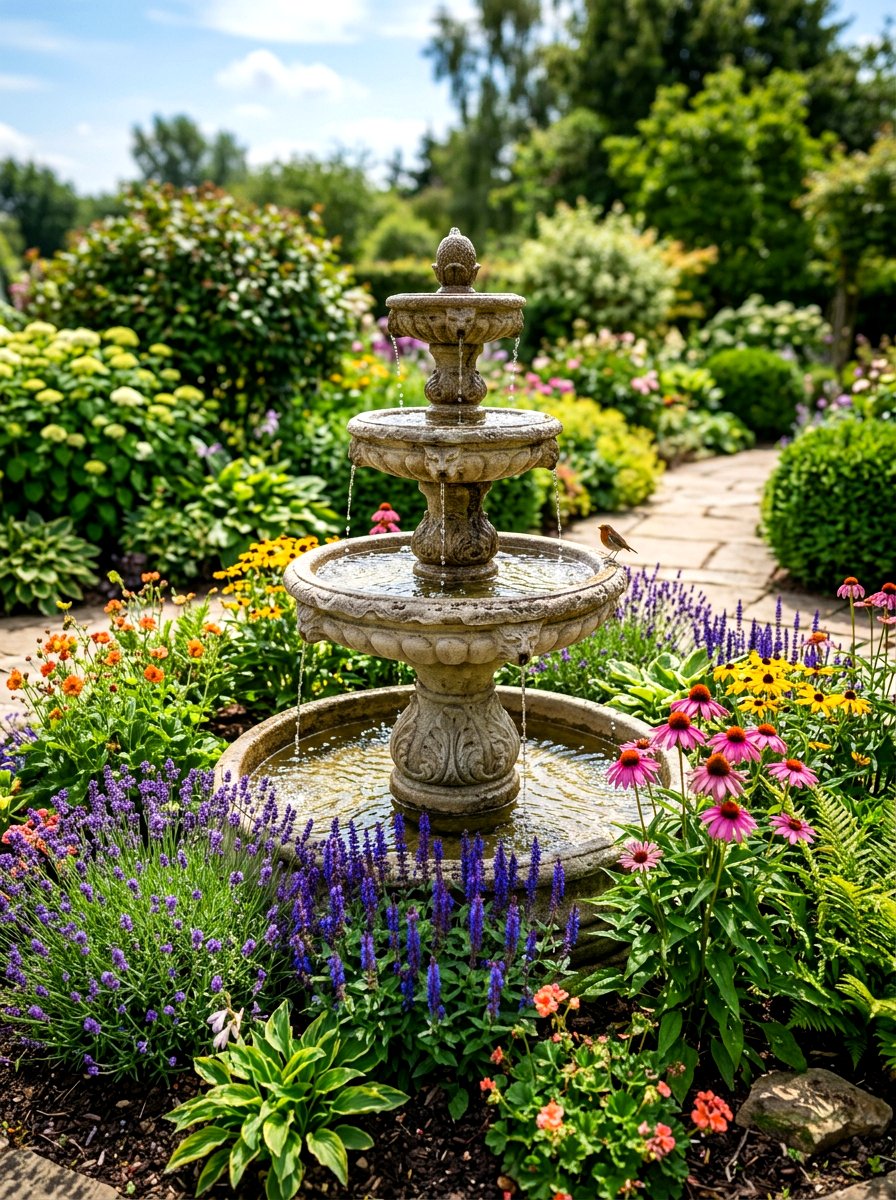
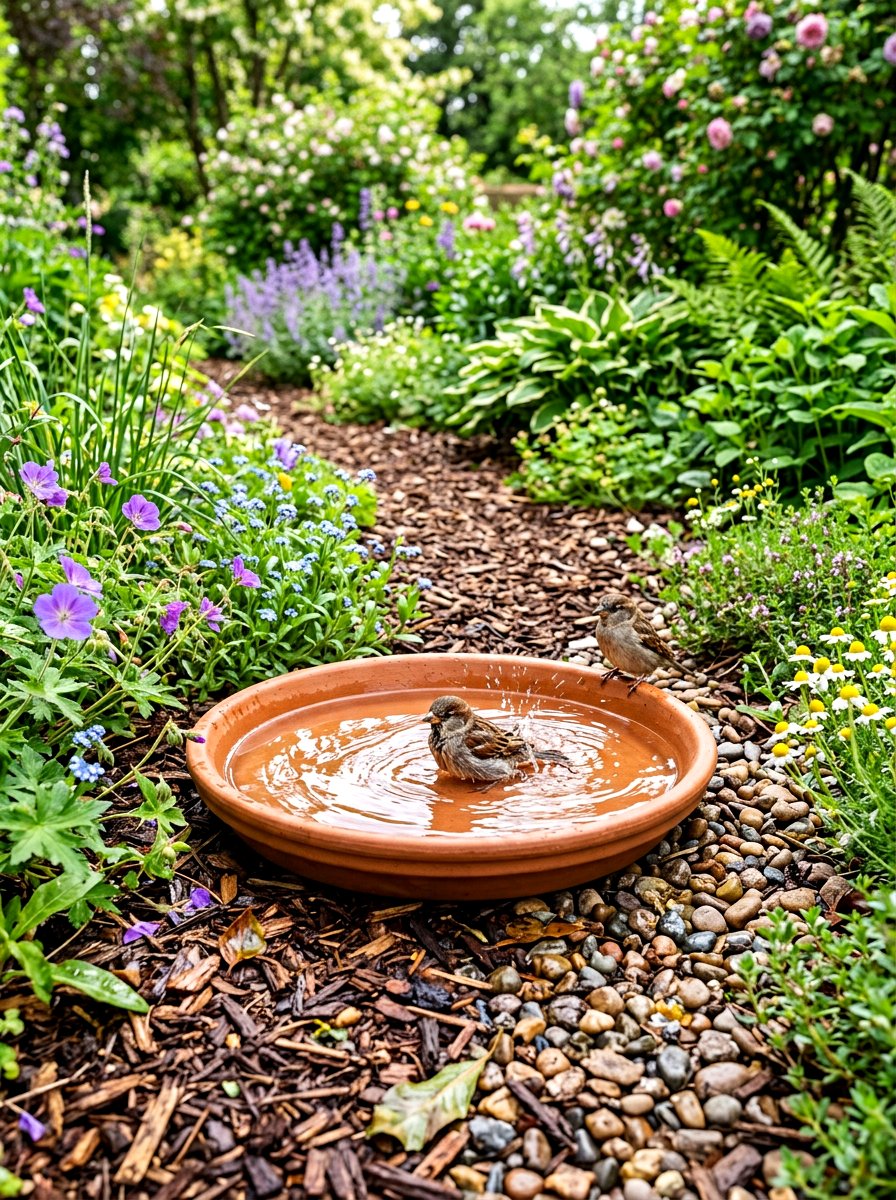
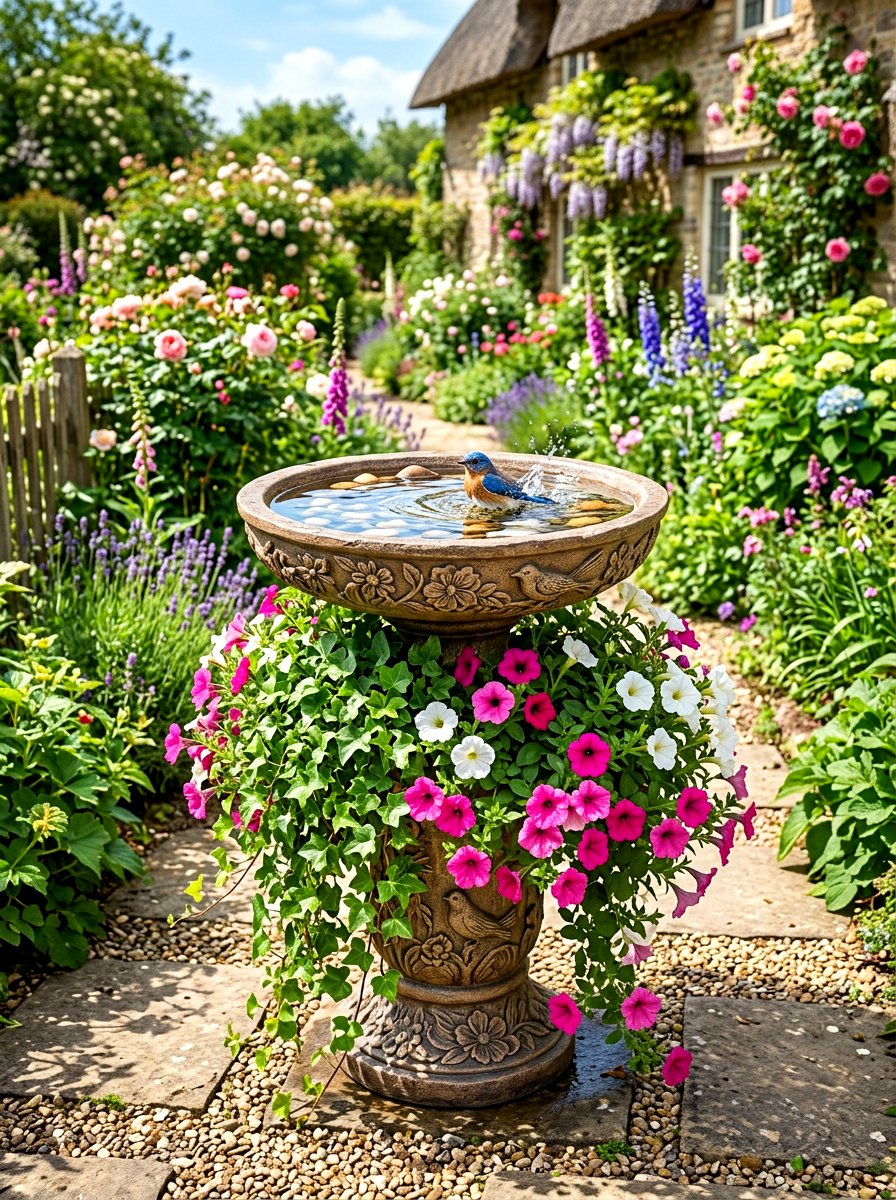
Water is a magnet for birds, especially during the hot summer months when natural sources might dry up completely. A tiered bird bath fountain offers different depths, making it accessible for both small songbirds and larger species like robins. The sound of trickling water is particularly effective at attracting birds from a distance, as it signals a fresh and reliable hydration source. Placing this feature near some protective cover ensures that birds feel safe while they bathe and drink. You will find that a well-maintained water station becomes the busiest hub in your entire landscape, providing endless entertainment and vital support.
3. Native wildflower meadow
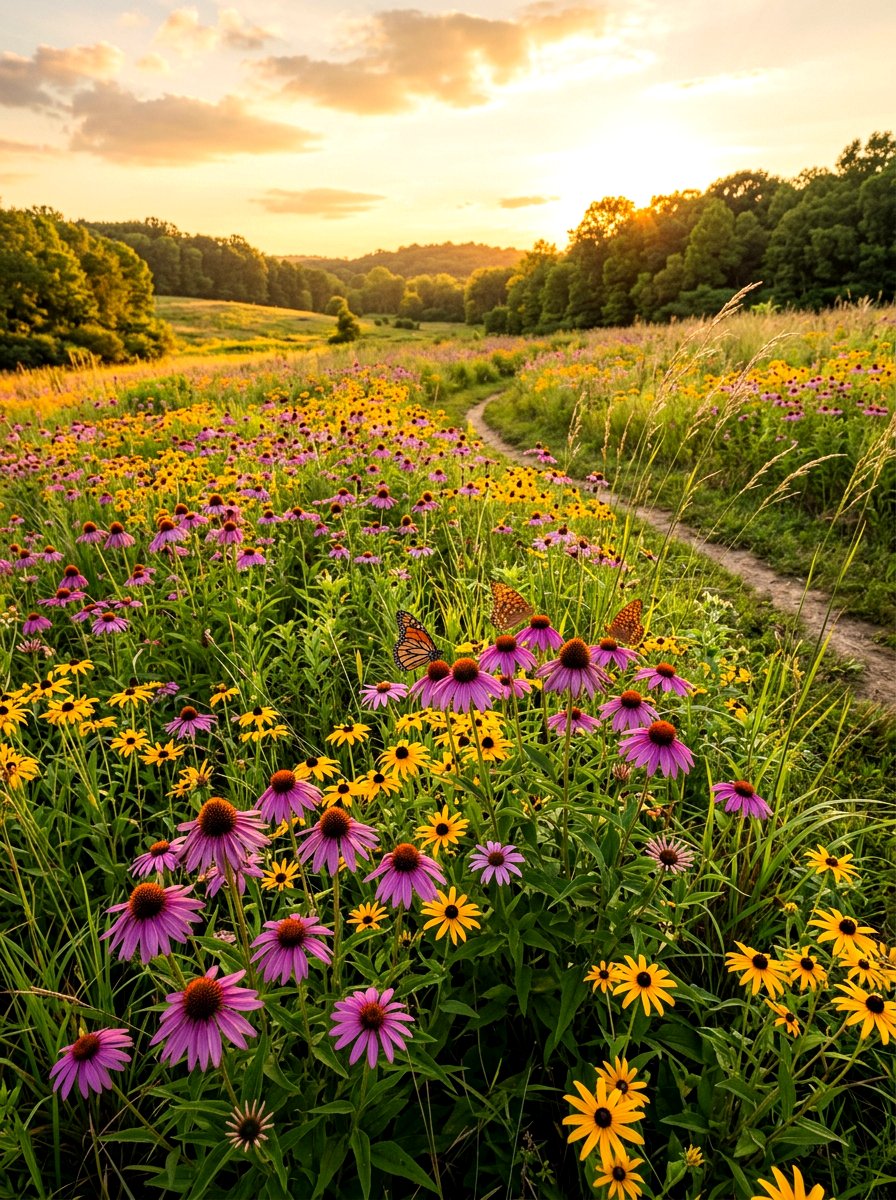
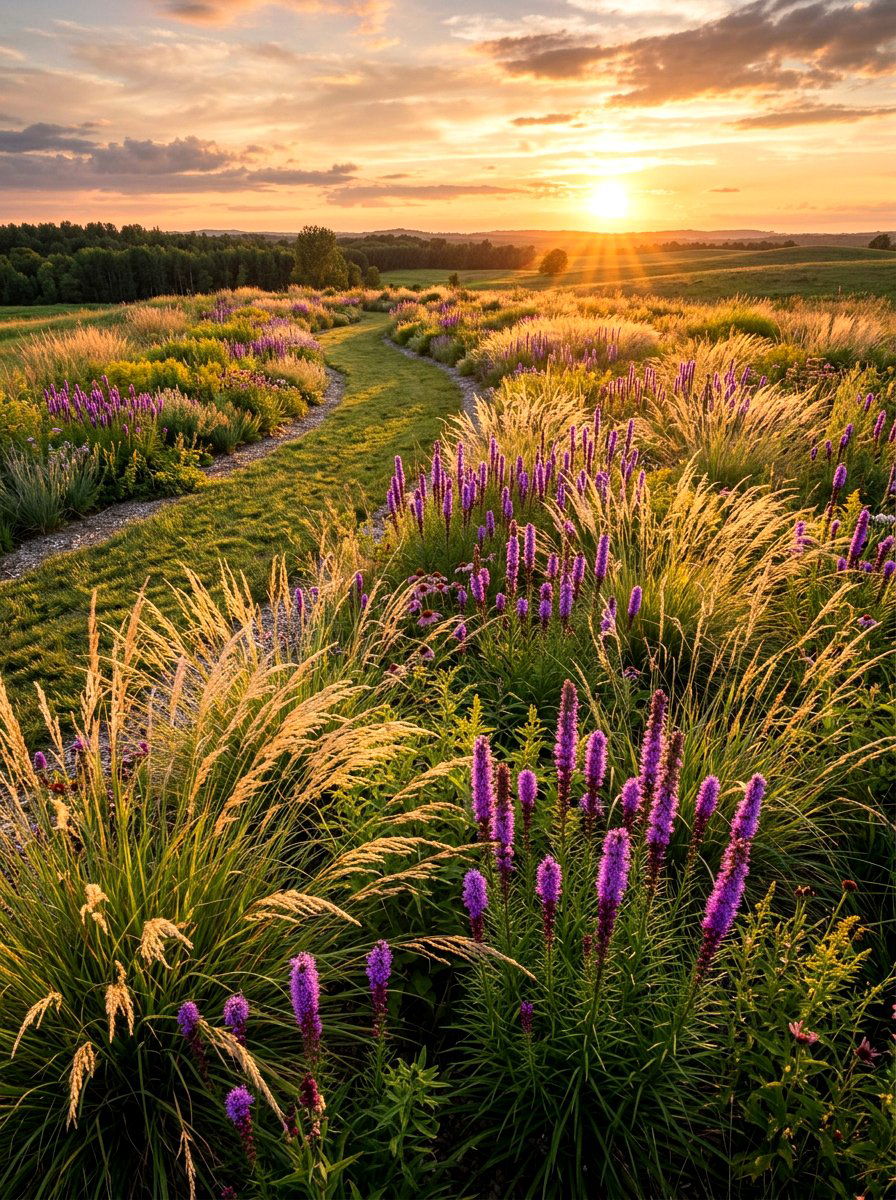
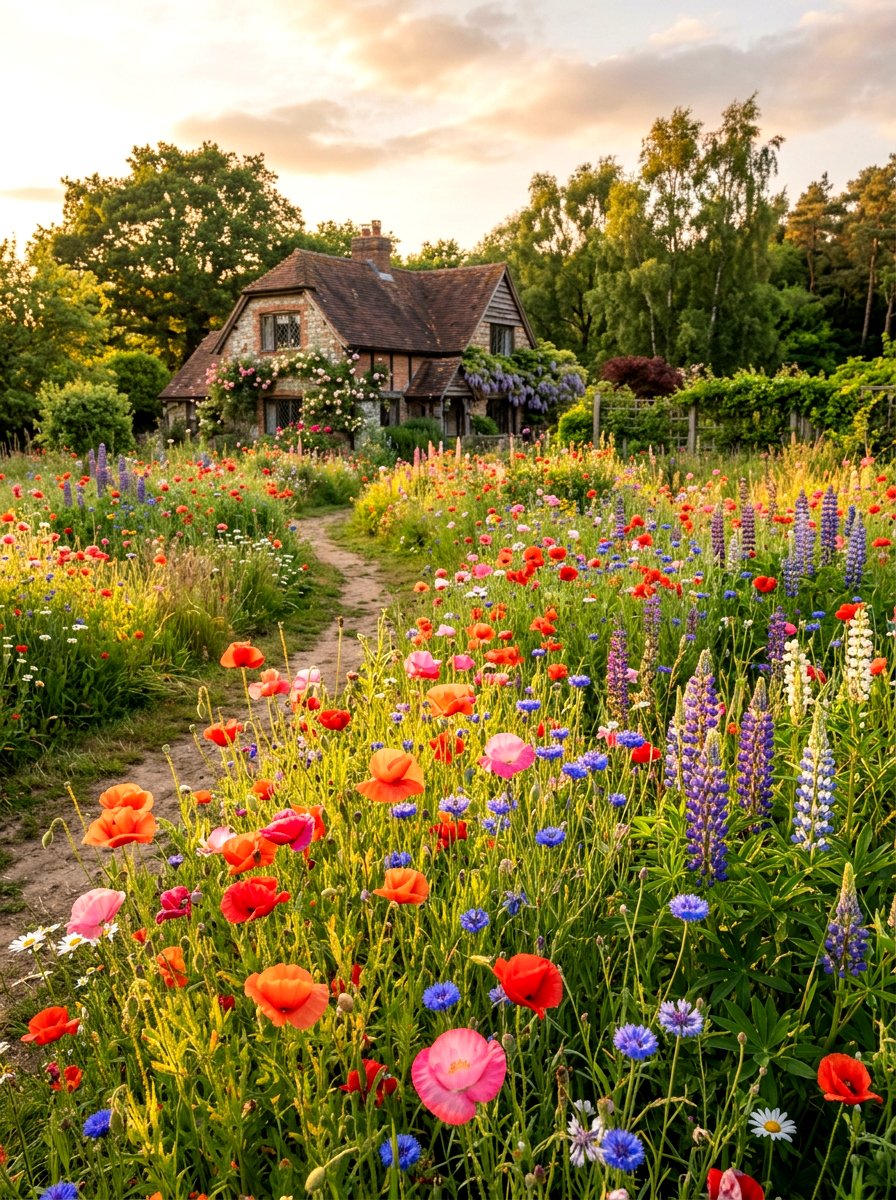
Replacing a portion of your traditional grass lawn with a native wildflower meadow creates a buffet for local birds. These meadows are packed with flowers that produce abundant seeds and attract a wide variety of protein-rich insects. Goldfinches and sparrows are particularly drawn to the seed heads of plants like coneflowers and black-eyed Susans once the blooms fade. Beyond the food source, the tall, swaying stems of a meadow provide excellent camouflage for ground-nesting or foraging birds. This natural approach to landscaping requires much less water and maintenance than a manicured lawn while offering significantly more ecological value.
4. Berry producing bushes
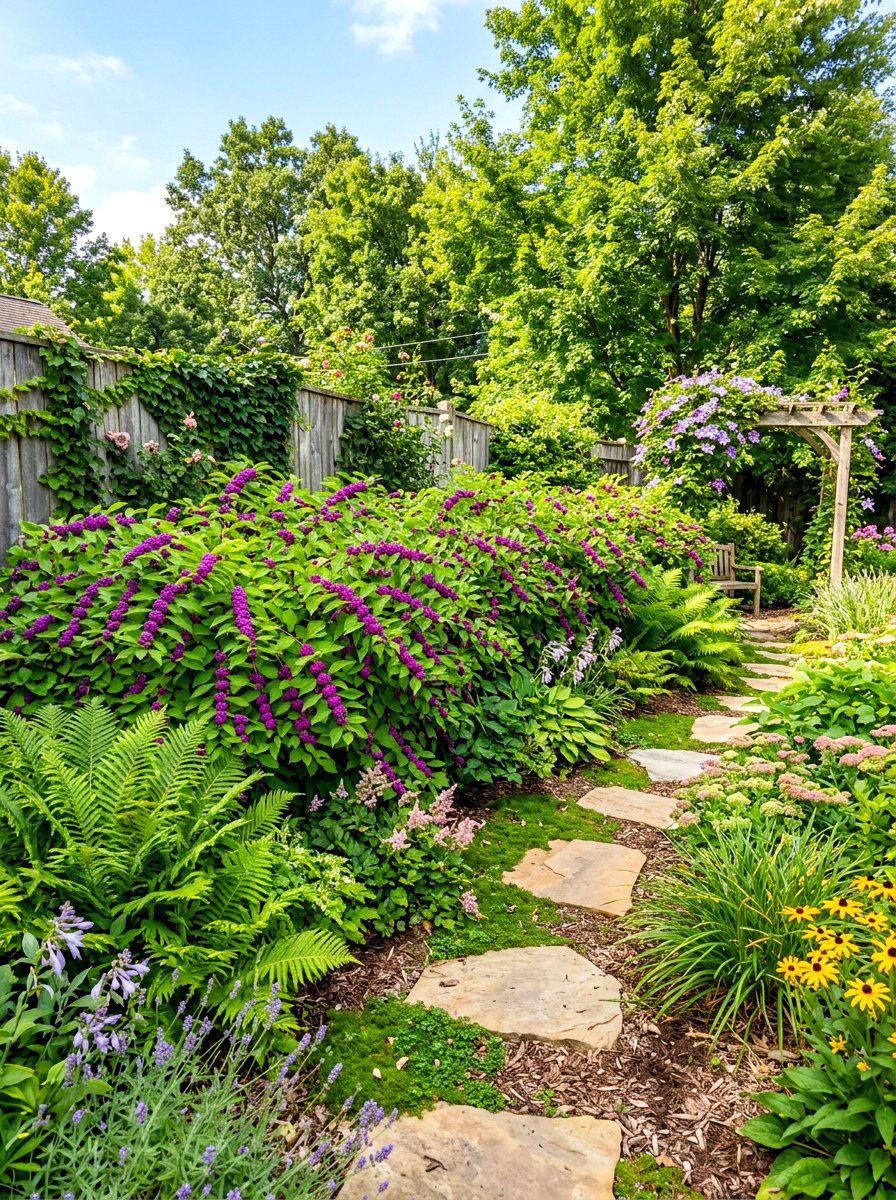
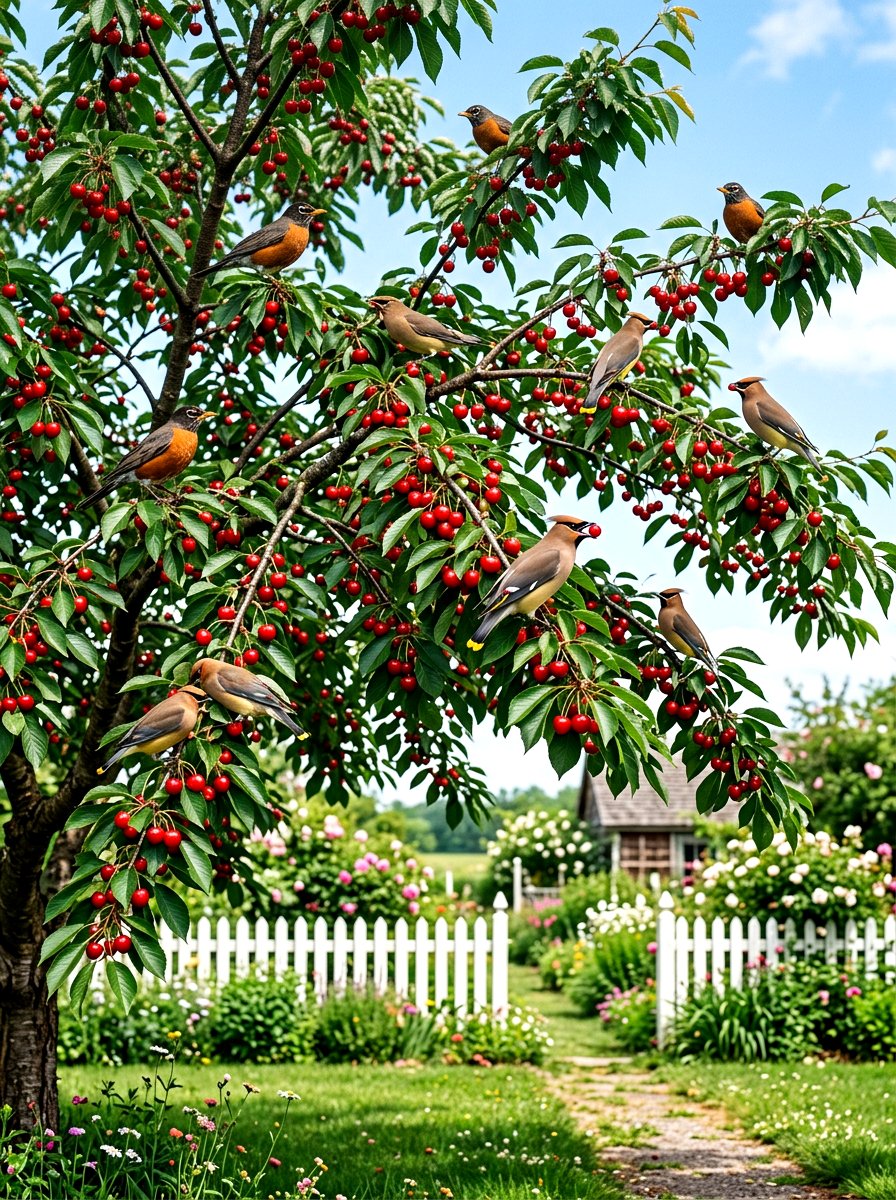
Strategically planting bushes that produce nutrient-dense berries ensures your backyard visitors have a steady food supply during critical migration and winter periods. Varieties like serviceberry, elderberry, and viburnum are favorites because their fruits ripen at different times throughout the year. These plants do double duty by offering beautiful spring blossoms for you and essential sugars or fats for the birds. When you group these bushes together, you create a dense "fruiting hedge" that provides both a communal dining area and a safe corridor for movement. Observing waxwings or mockingbirds feasting on these colorful berries is a true highlight of bird-friendly gardening.
5. Nesting box installation
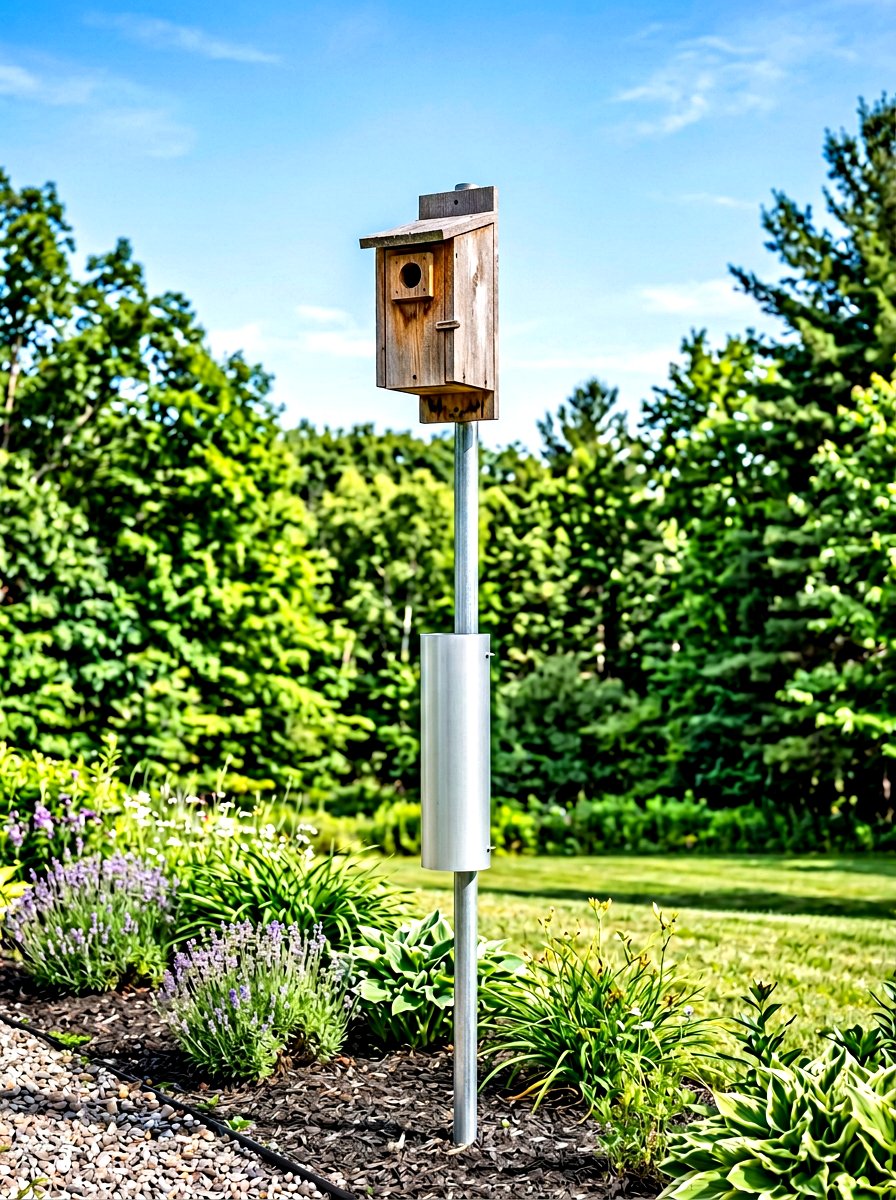
While natural cavities in trees are ideal, many modern backyards lack the mature wood necessary for cavity-nesting birds like bluebirds or chickadees. Installing high-quality nesting boxes provides these birds with a safe place to raise their young away from the elements and predators. It is important to choose boxes designed for specific species, ensuring the entrance hole is the correct size to keep out larger birds or squirrels. Mounting them on poles with predator guards in open areas will increase the chances of successful nesting. Watching a pair of birds build a nest and eventually seeing fledglings emerge is an unforgettable experience.
6. Evergreen privacy screen
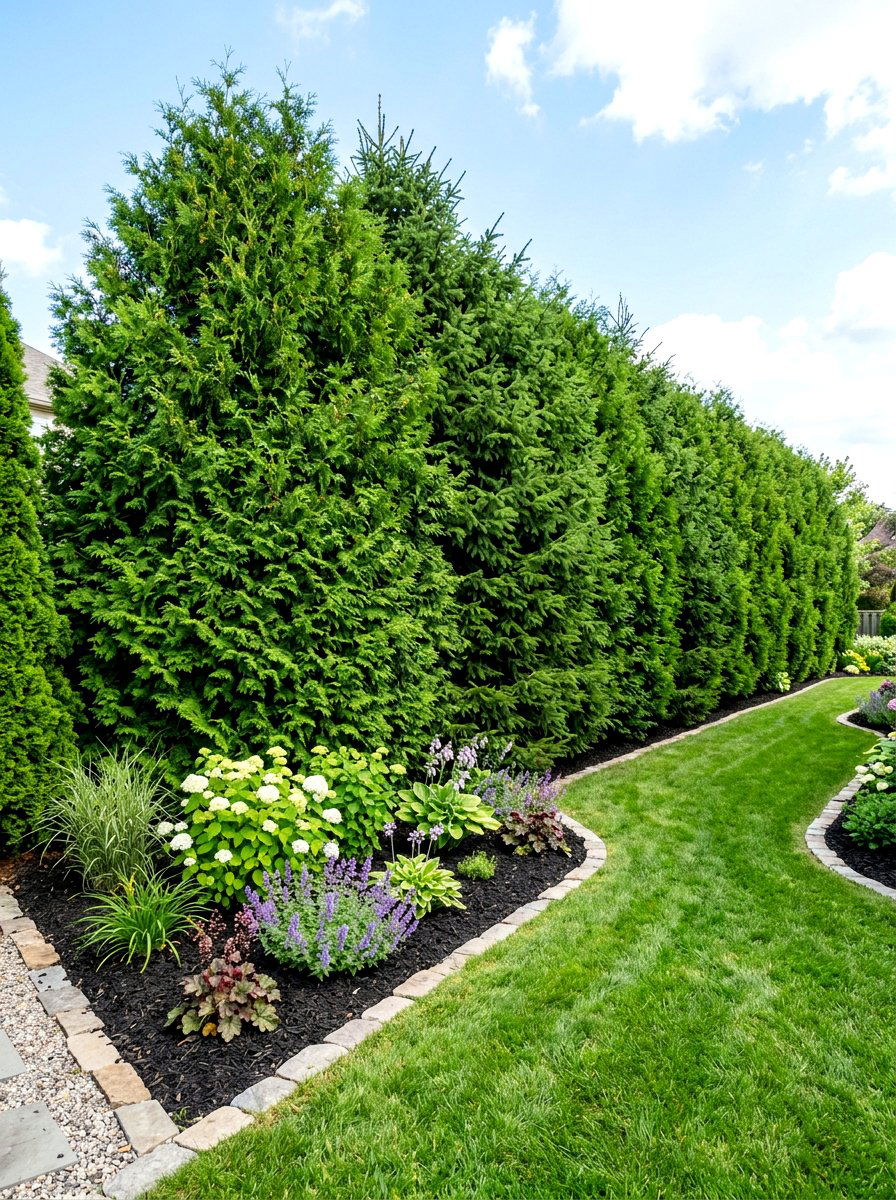
Evergreen trees and shrubs are the unsung heroes of a bird-friendly backyard, particularly during the harsh winter months. They provide a permanent green backdrop for your landscape while offering critical protection from freezing winds, snow, and ice. Birds like owls and hawks often use the dense foliage of cedars or pines for roosting and hiding during the day. During the nesting season, these thick branches offer some of the most secure spots for building nests away from prying eyes. By planting a row of evergreens along your property line, you create a functional windbreak that doubles as a year-round avian sanctuary.
7. Seed bearing flowers
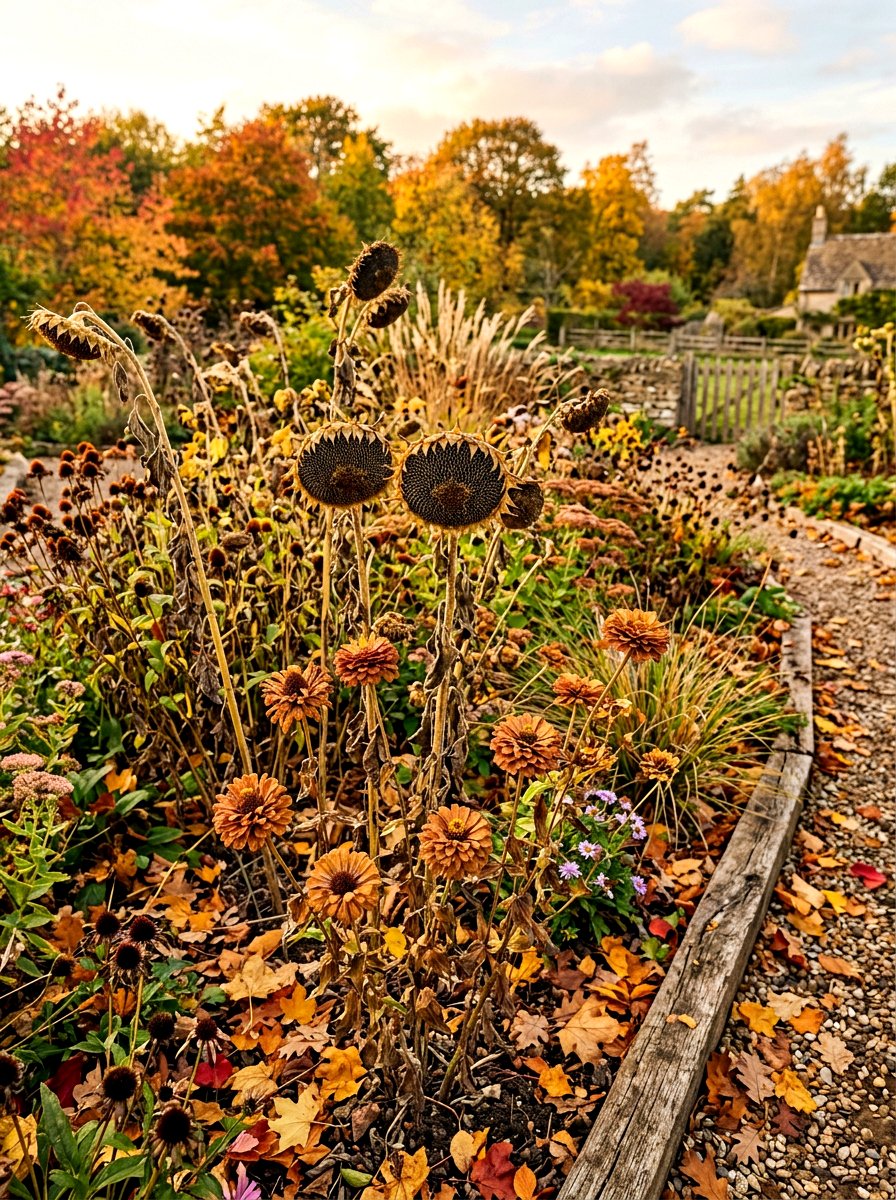
Many gardeners are quick to deadhead their flowers as soon as they fade, but leaving the spent blooms is a gift to birds. Flowers such as sunflowers, zinnias, and marigolds develop heavy seed heads that are a primary food source for finches and chickadees. By allowing these plants to go to seed, you provide a natural bird feeder that lasts well into the autumn and winter. This practice also adds a rustic, organic texture to your garden beds that looks beautiful under a light dusting of frost. It is a simple, cost-free way to supplement the diet of your local feathered residents.
8. Natural garden pond
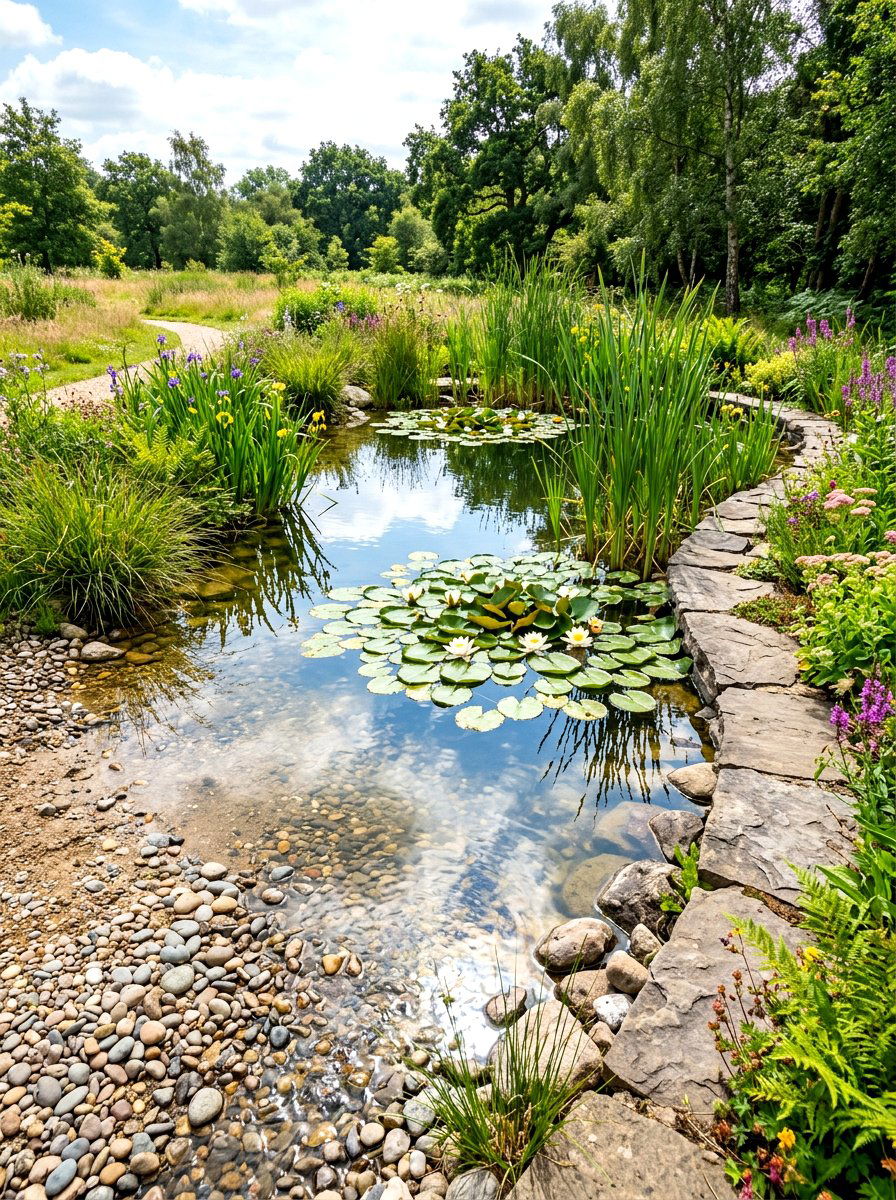
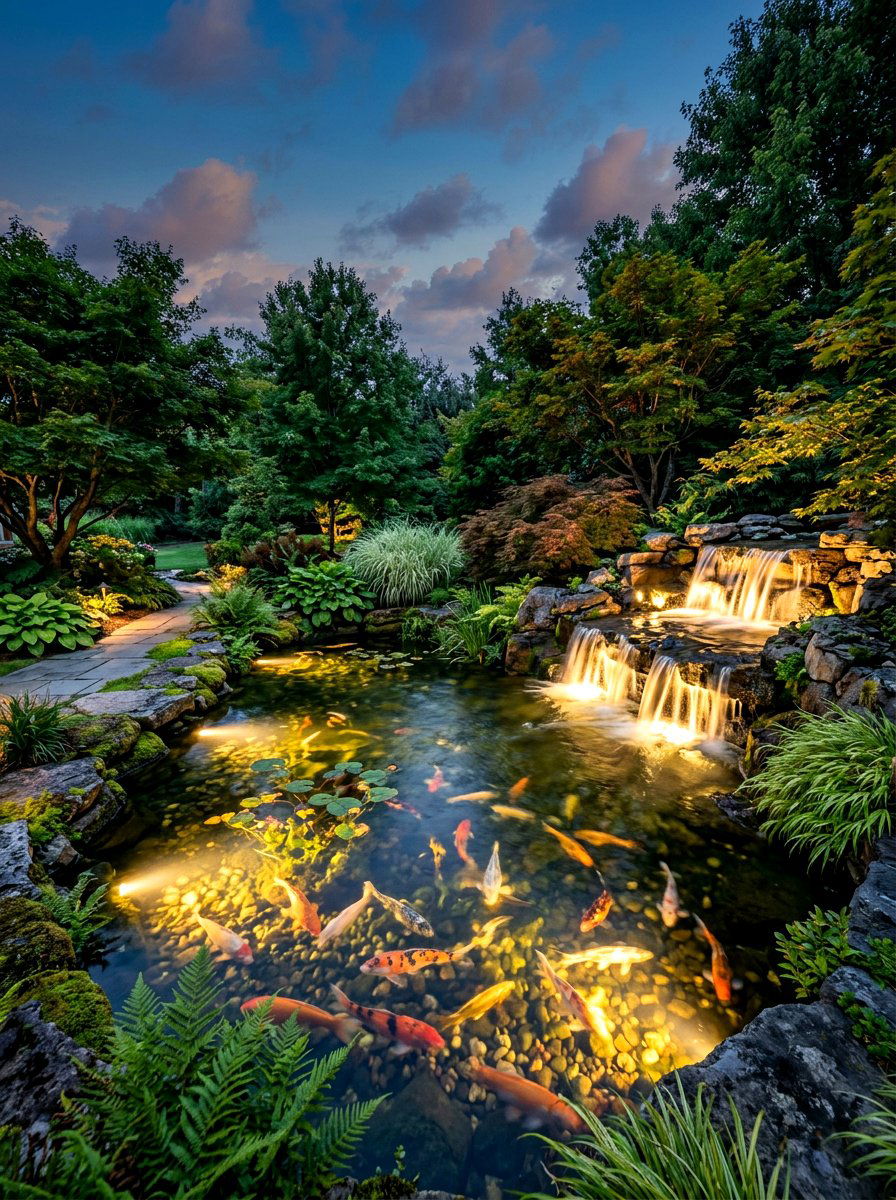
A natural garden pond with gently sloping edges creates a diverse habitat that attracts much more than just birds. The shallow "beach" areas are perfect for birds to wade in and drink without the fear of falling into deep water. Ponds also support a healthy population of aquatic insects and amphibians, which in turn provides a rich hunting ground for larger birds like herons or kingfishers. Surrounding the water with native grasses and rocks helps the feature blend seamlessly into the landscape. The reflection of birds flying over the still water adds a serene and professional touch to your overall backyard aesthetic.
9. Brush pile habitat
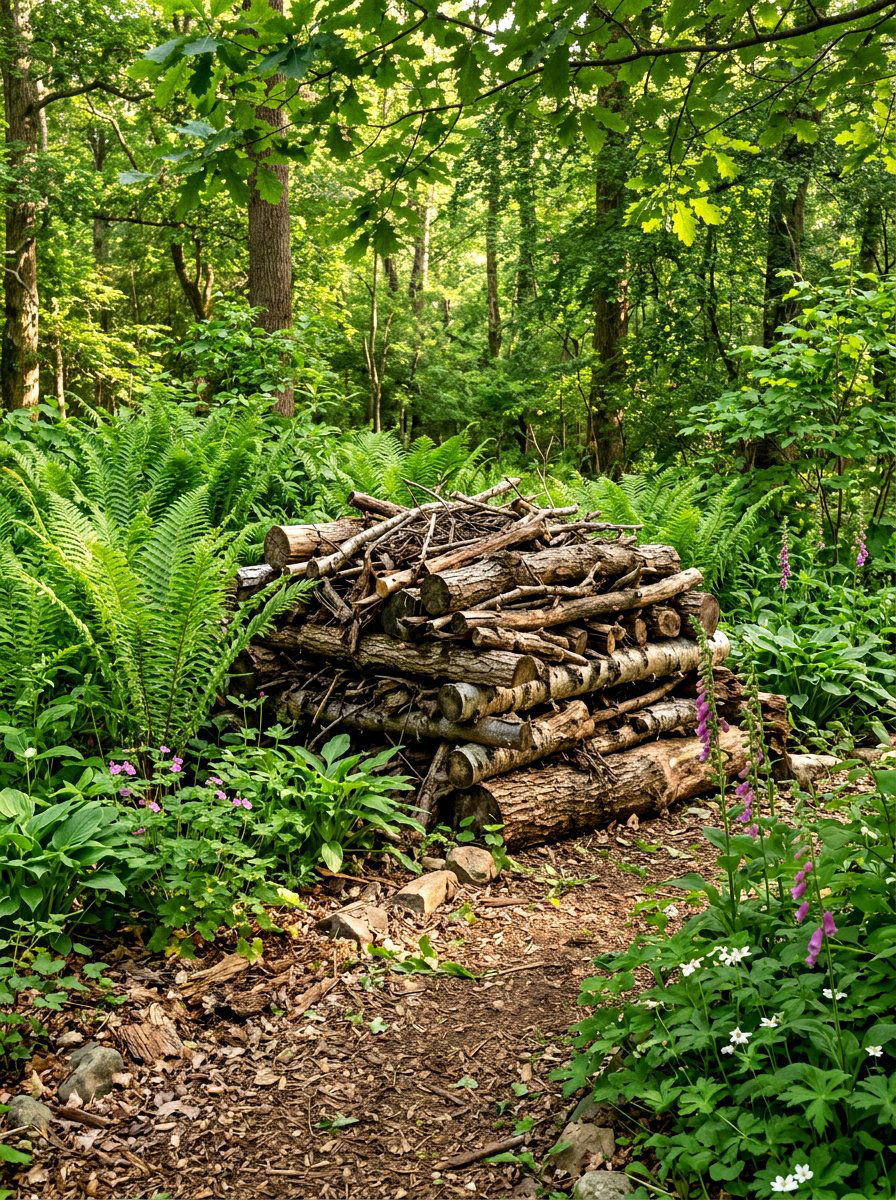
It might seem counterintuitive to leave a pile of sticks and branches in your yard, but a brush pile is a luxury resort for birds. These structures provide instant cover for small birds like wrens and sparrows who prefer to stay close to the ground. They offer a safe retreat from hawks and a warm place to huddle during cold nights where the wind cannot reach them. Over time, the decaying wood also attracts various insects, providing a localized food source right at the birds' doorstep. Tucking a brush pile in a quiet corner of your garden is a wonderful way to recycle yard waste.

10. Hummingbird garden plants
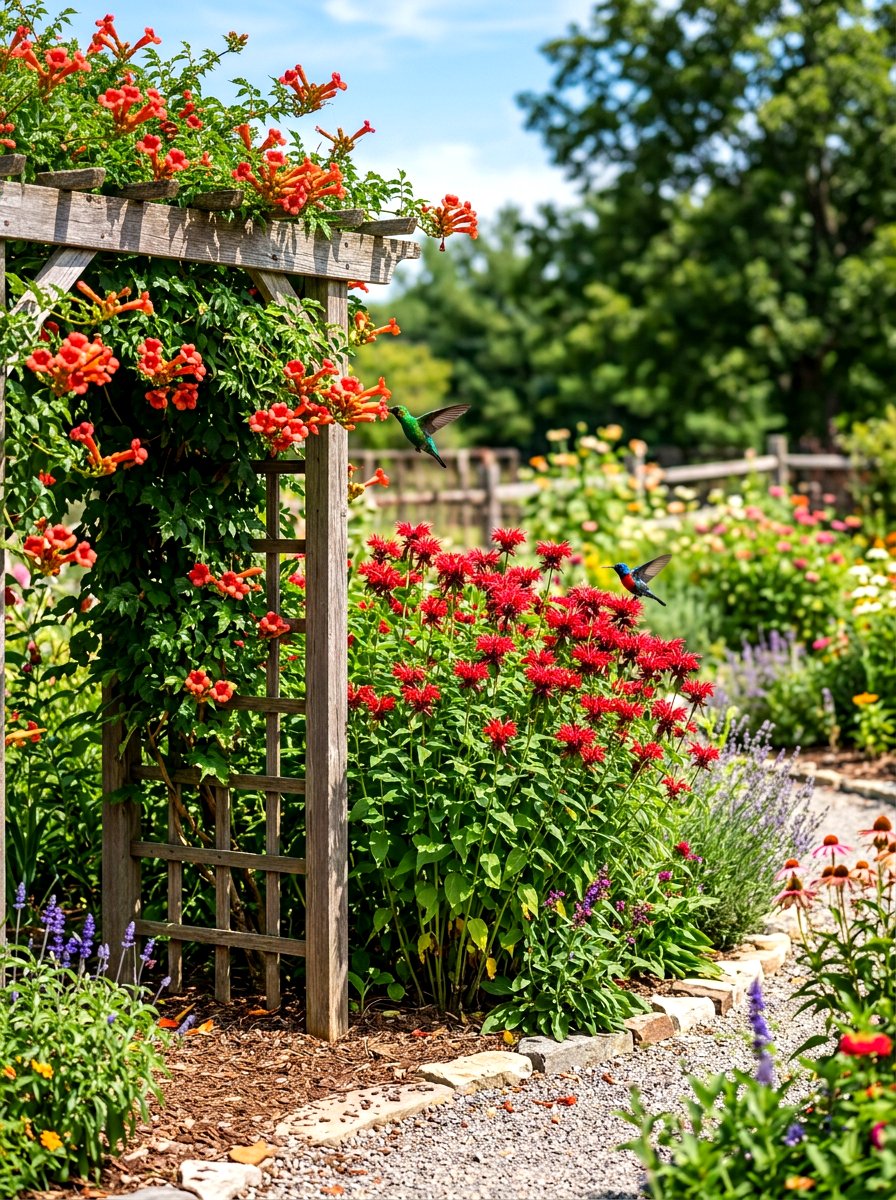
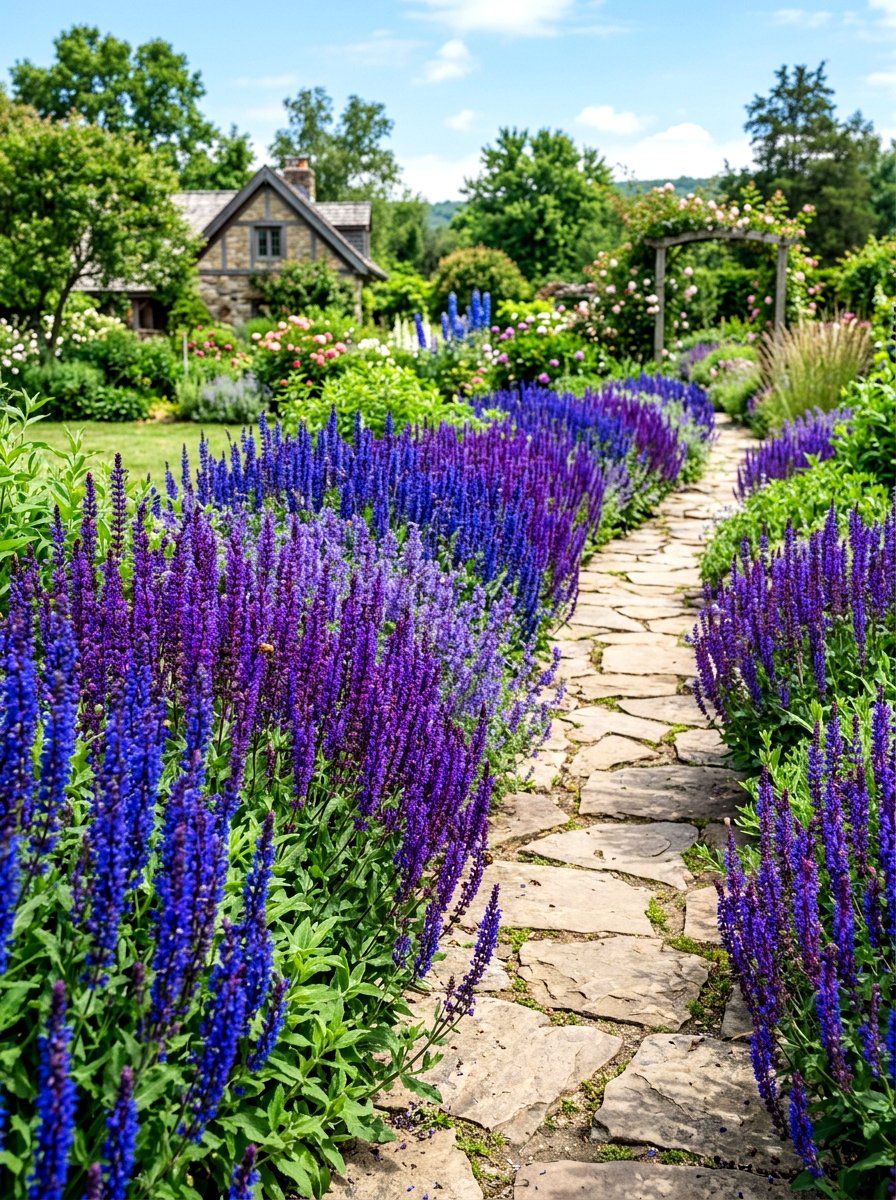
Creating a dedicated space for hummingbirds involves planting tubular, nectar-rich flowers in vibrant colors like red, orange, and deep pink. Trumpet vine, bee balm, and salvia are legendary for attracting these tiny, high-energy fliers who need constant refueling. Hummingbirds are also very territorial, so spacing out these nectar sources across your yard can reduce conflict and allow multiple birds to feed simultaneously. In addition to the flowers, including a small mister or fountain will delight them, as they love to fly through fine sprays of water. This specialized garden area brings a unique sense of magic and movement to your landscape.
11. Dead tree snag
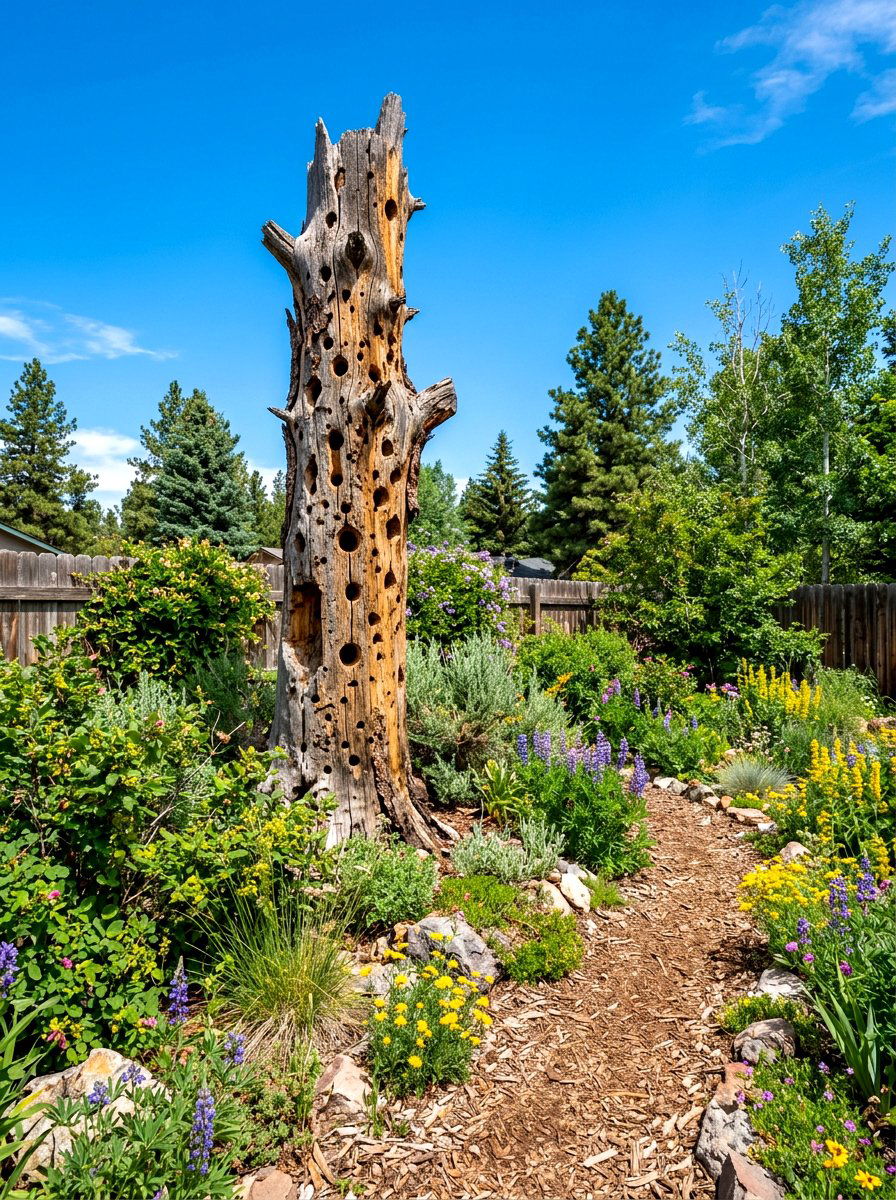
If a tree on your property dies and does not pose a safety risk, consider leaving a portion of it standing as a wildlife snag. Dead wood is an essential component of a forest ecosystem, providing nesting sites for woodpeckers, nuthatches, and owls. These "wildlife trees" are also home to thousands of wood-boring insects, making them a natural buffet for many bird species. You can even drill small holes in the trunk to encourage insect life or attach nesting boxes directly to the wood. A standing snag adds a dramatic, naturalistic element to your backyard that signals a truly mature and ecologically diverse habitat.
12. Fruit tree orchard
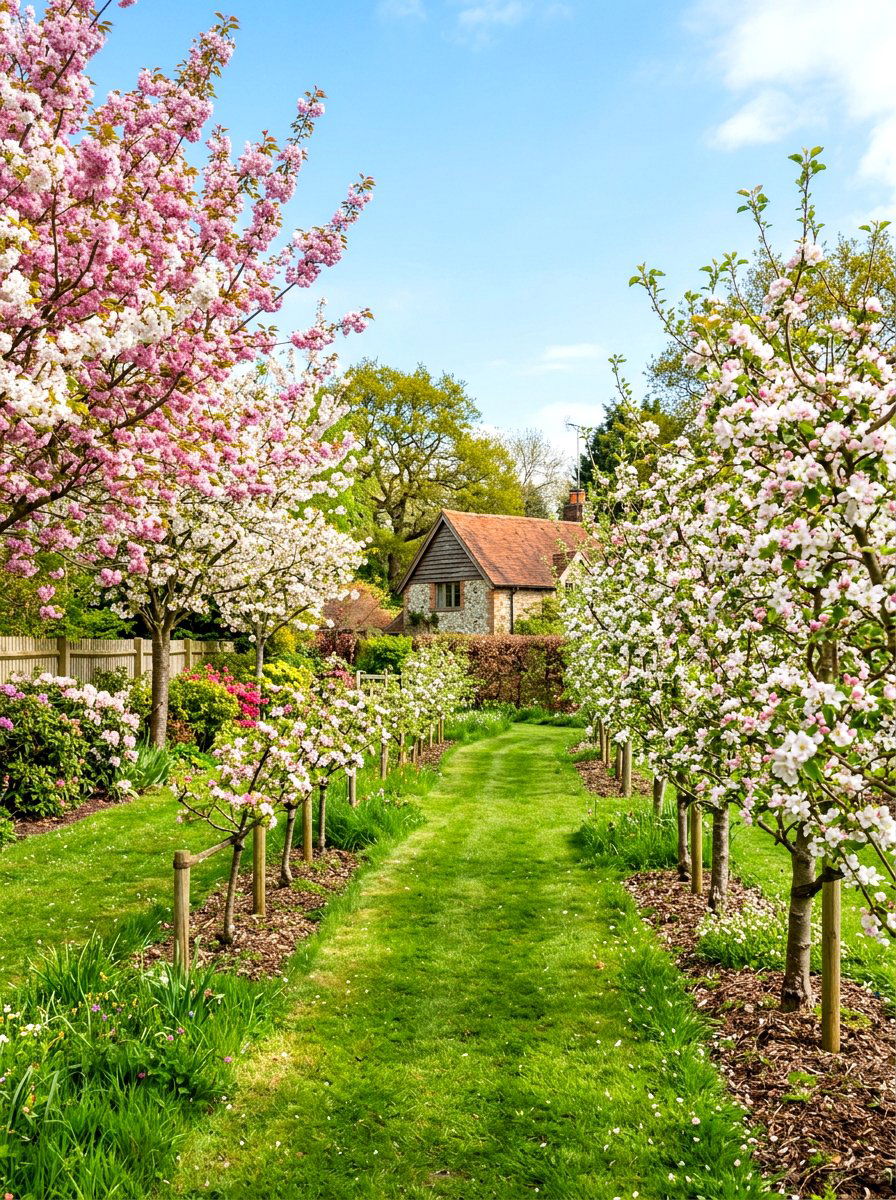
Planting a small backyard orchard provides a bountiful harvest for both you and your local birds. Trees like crabapples, cherries, and plums produce fruit that is highly attractive to a wide variety of songbirds throughout the summer and fall. Even if you plan to eat the majority of the fruit, the blossoms in the spring attract insects that parent birds use to feed their hungry chicks. Any fallen or "seconds" fruit left on the ground will quickly be claimed by ground-feeders like thrushes. An orchard setup adds structural height to your garden and creates a beautiful, fragrant area that feels like a classic countryside.
13. Ground cover plants
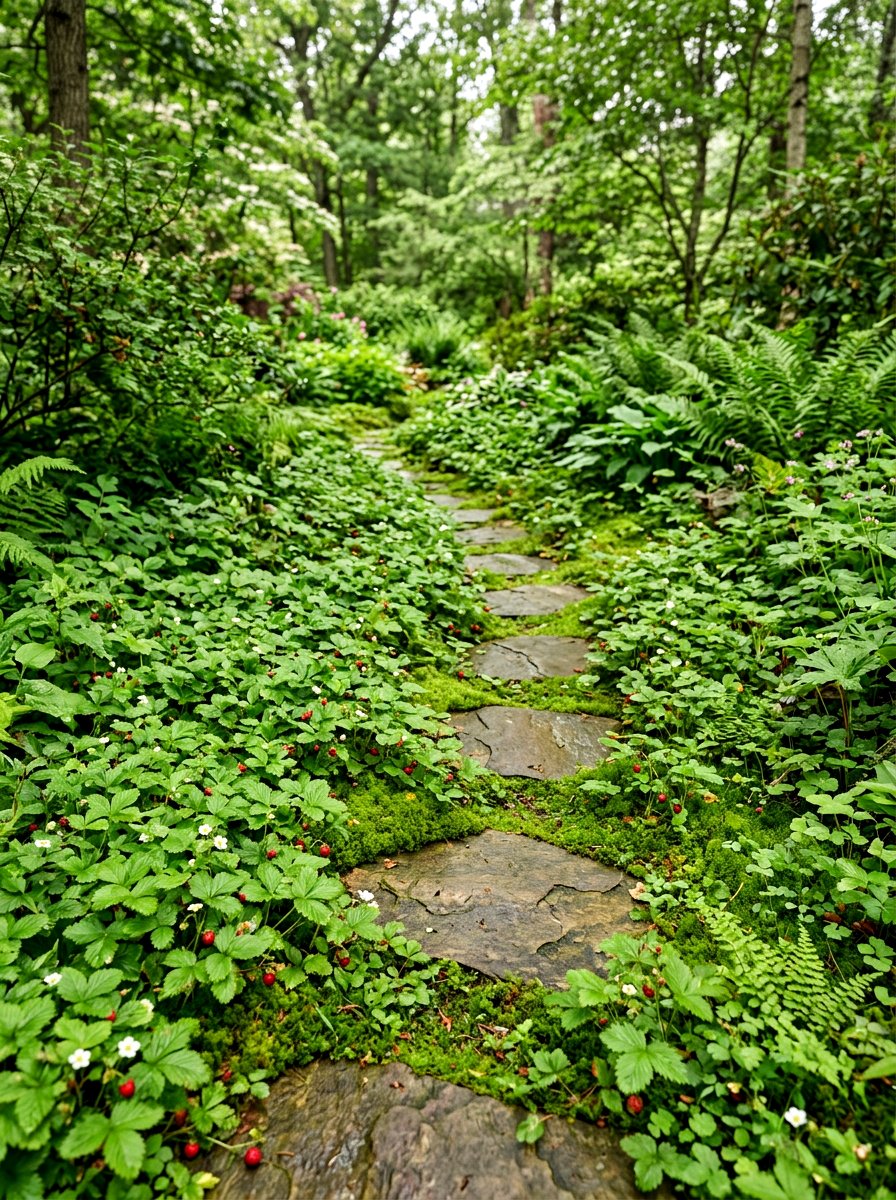
Low-growing ground cover plants create a soft carpet that protects the soil while providing a foraging floor for birds like juncos and towhees. Plants such as wild strawberry or native bunchberry offer small fruits and a hiding place for ground-dwelling insects. This layer of the garden is often overlooked, but it is vital for birds that prefer to find their food by scratching through leaf litter. By choosing native ground covers over mulch or gravel, you are maximizing the usable living space in your yard. These plants also help retain moisture in the soil, which benefits the health of your entire bird-friendly landscape.
14. Vertical garden trellis
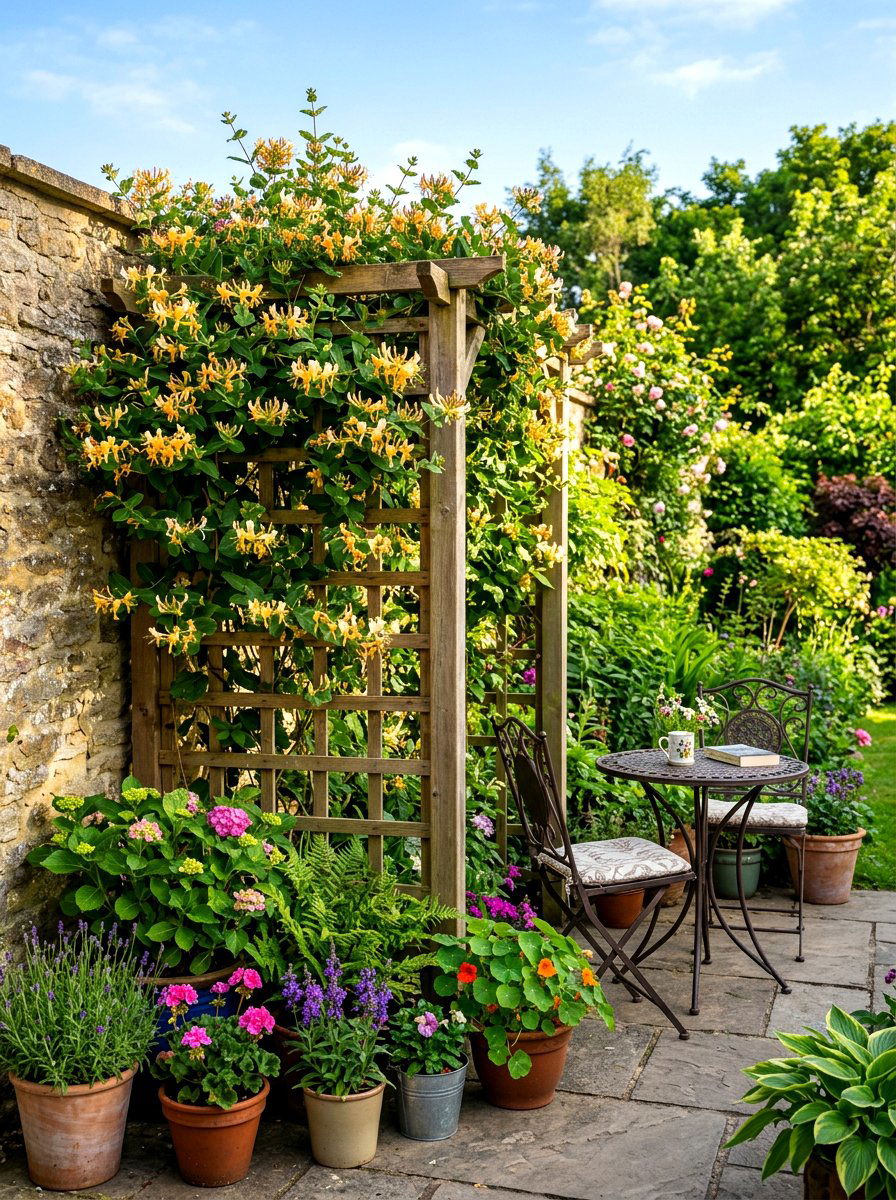
Using vertical space with trellises and climbing vines is an excellent way to provide habitat in smaller backyards. Flowering vines like honeysuckle or clematis offer nectar for hummingbirds and dense foliage for nesting sites. As these vines grow upward, they create "green walls" that offer protection and perching spots at various heights. This verticality is important for birds that like to survey their surroundings from a safe vantage point before descending to a feeder or bath. A well-placed trellis can also screen out neighbors or unsightly views, making your backyard feel like a private, enclosed sanctuary for both you and the birds.

15. Rock garden layout
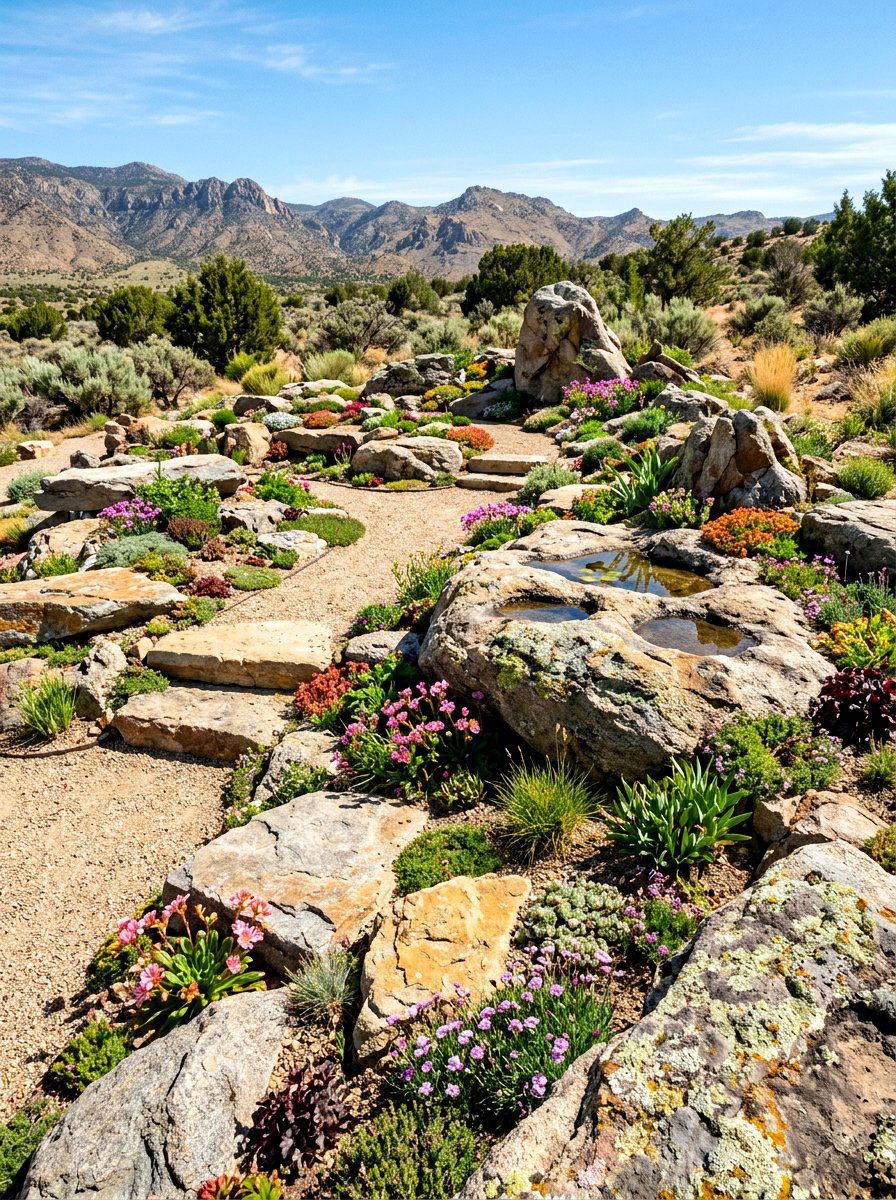
A rock garden provides a unique microhabitat that features heat-retaining stones and drought-tolerant plants. Birds often use the large, flat rocks as "sunning stations" where they can warm themselves on chilly mornings or dry their feathers after a bath. The crevices between the stones provide hiding spots for lizards and insects, adding to the biodiversity of your yard. You can incorporate small, shallow depressions in the rocks that catch rainwater, creating natural, miniature bird baths. This type of landscaping adds a rugged, sculptural beauty to your backyard while requiring very little irrigation once the native rock plants are established and thriving.
16. Shade garden beds
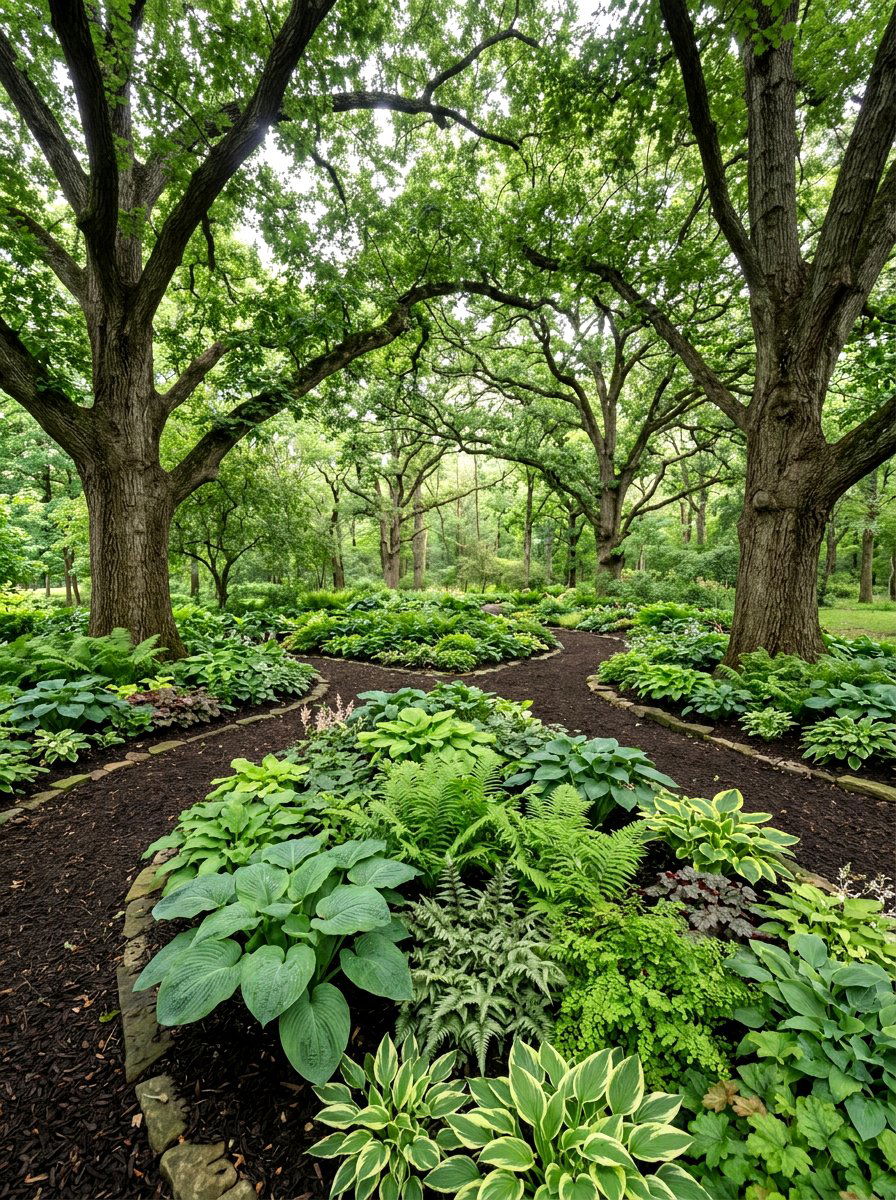
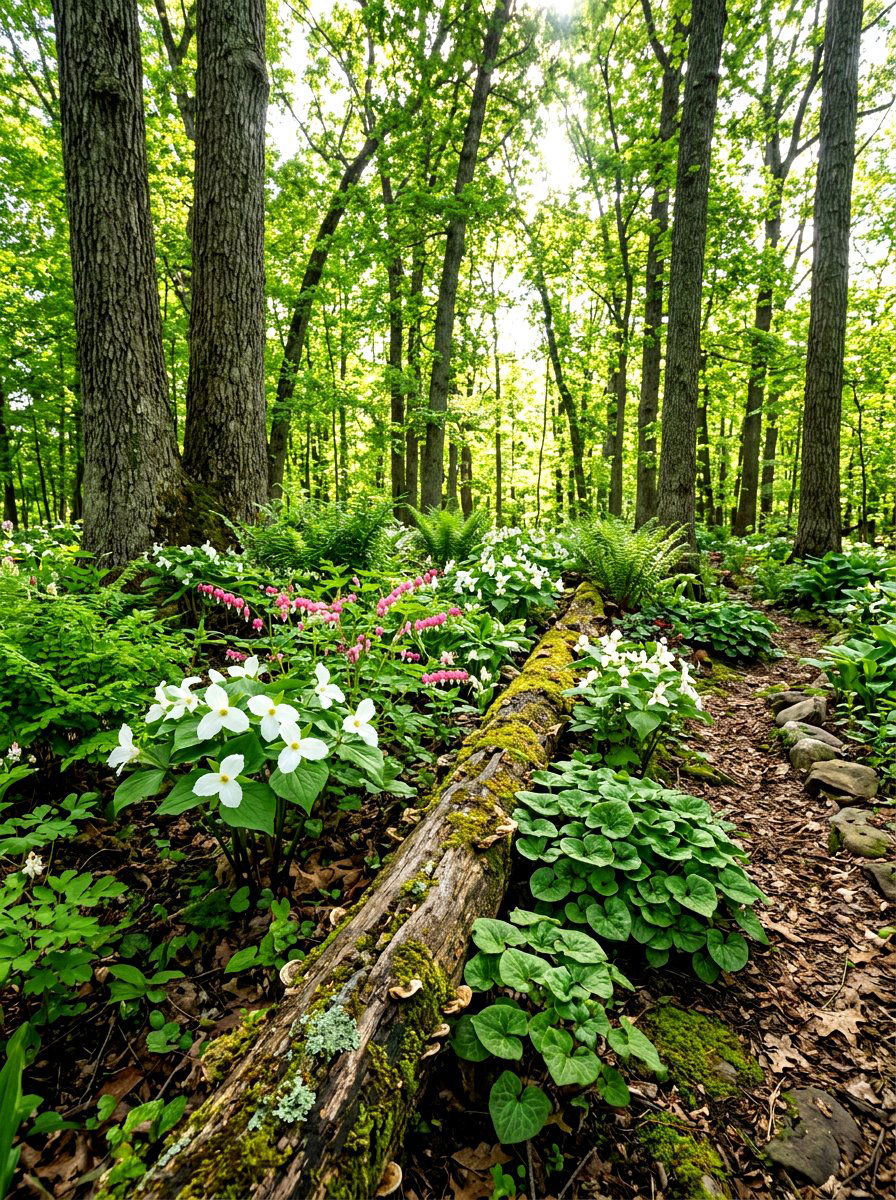
The cool, damp environment of a shade garden is perfect for attracting birds that prefer forest-like settings. By planting ferns, hostas, and shade-loving native perennials, you create a lush understory that remains comfortable even during the peak of summer heat. These areas are often rich in moisture, which attracts slugs and insects that are staple foods for birds like wood thrushes. The dense canopy provided by overhanging trees combined with the layered plants below makes the birds feel incredibly secure. A well-designed shade garden offers a peaceful retreat where you can enjoy the quiet movements of birds in a woodland-inspired setting.
17. Bird feeder station
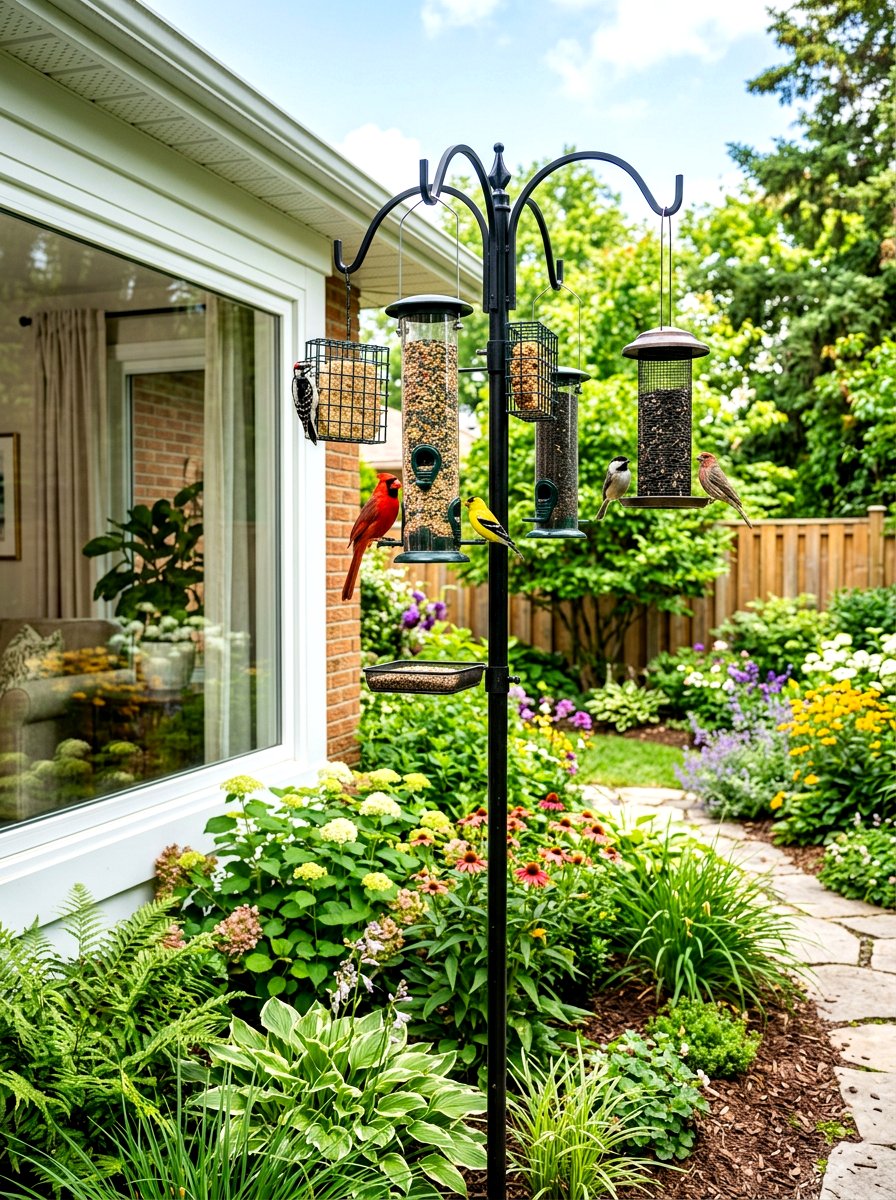
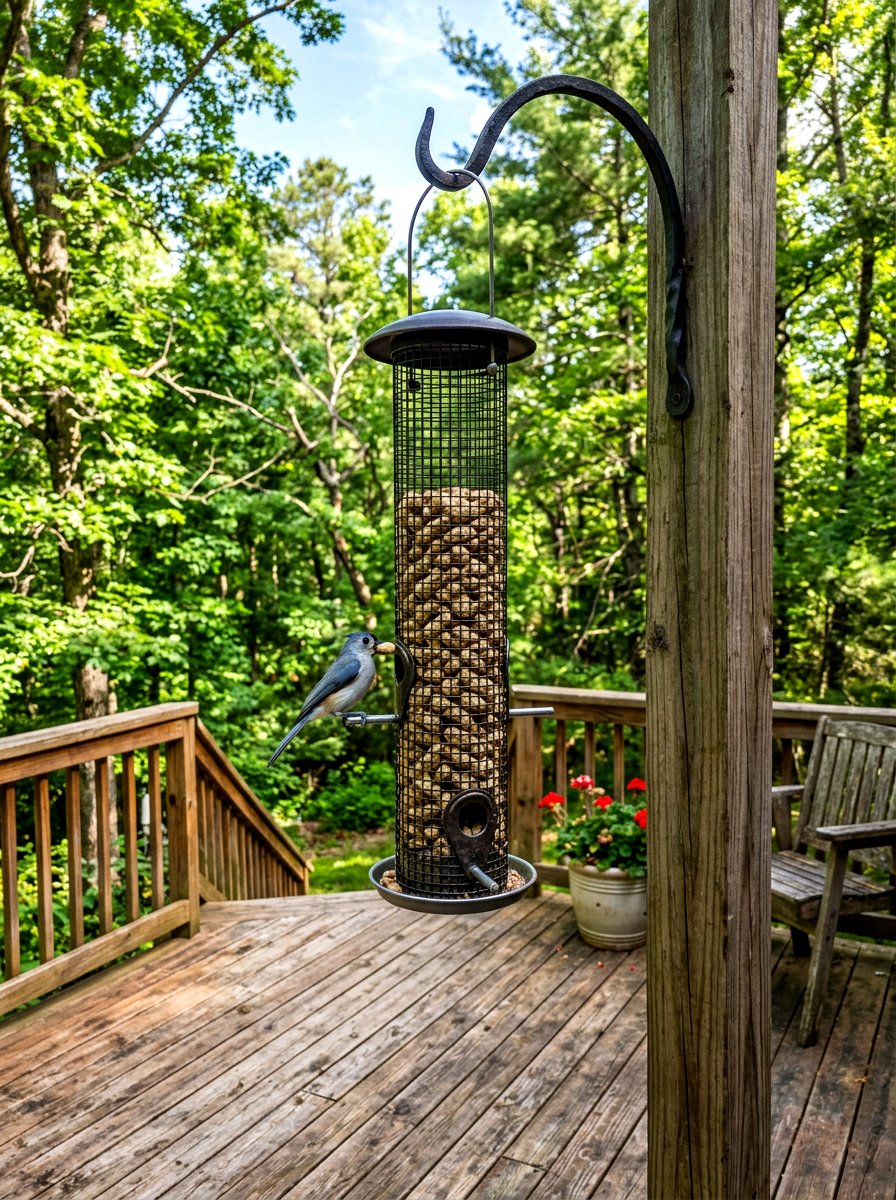
A dedicated bird feeder station serves as the focal point of many bird-friendly backyards, offering a reliable food source throughout the year. To attract a diverse group of birds, it is best to use a variety of feeder types, such as tube feeders for seeds, suet cages for woodpeckers, and platform feeders for ground-dwellers. Placing the station near a window allows you to enjoy close-up views of the birds without disturbing them. It is important to keep the area clean and to position the feeders within ten feet of protective cover so birds can escape quickly if a predator appears. A well-organized station is a joy to observe.
18. Native grass border
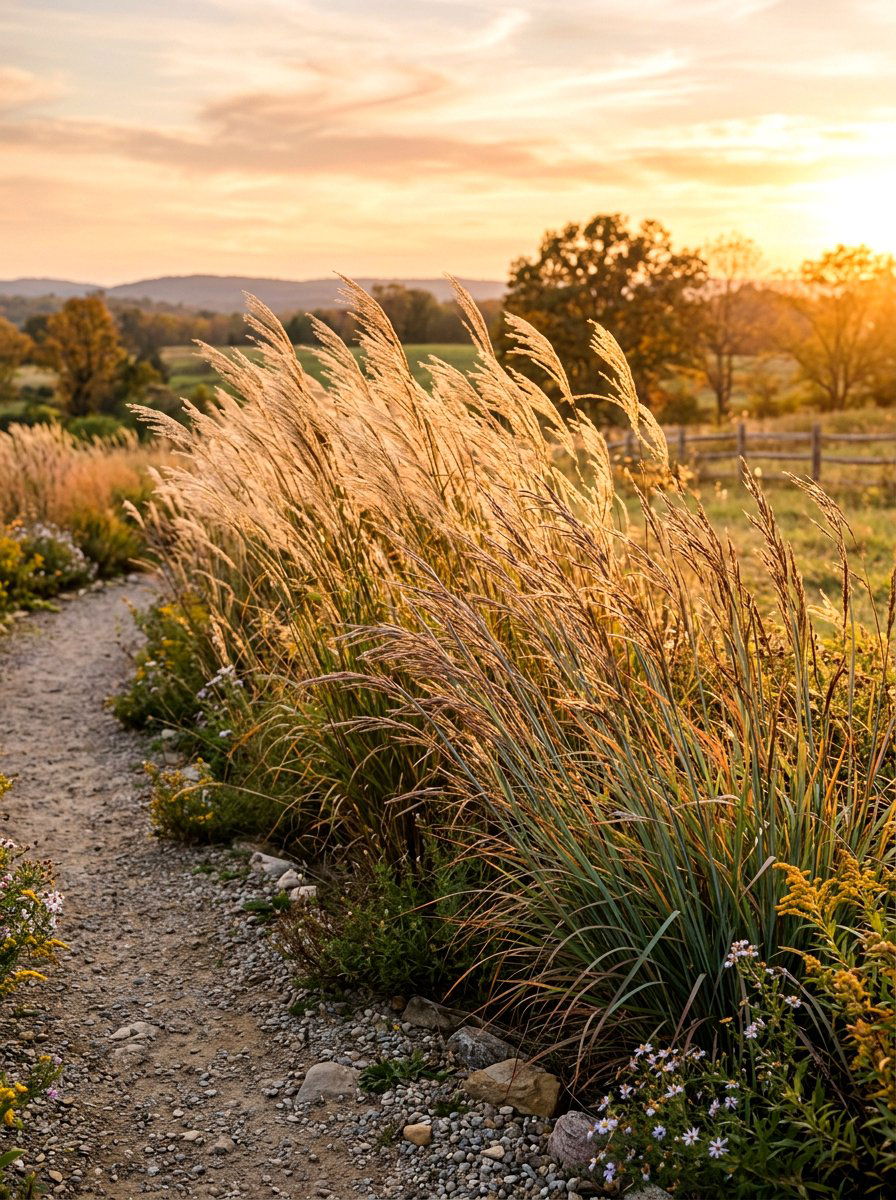
Tall native grasses provide a beautiful, flowing border that adds movement and texture to your landscaping. These grasses are not just for looks; they produce abundant seeds that stay on the stalks throughout the winter, providing a vital food source when other plants are dormant. Many birds also use the dried blades of grass as essential nesting material in the spring. The dense clumps formed by grasses like switchgrass or little bluestem offer excellent winter cover for birds seeking shelter from the wind. A border of native grasses creates a soft, natural transition between your lawn and more structured garden beds or wooded areas.
19. Rain garden landscaping
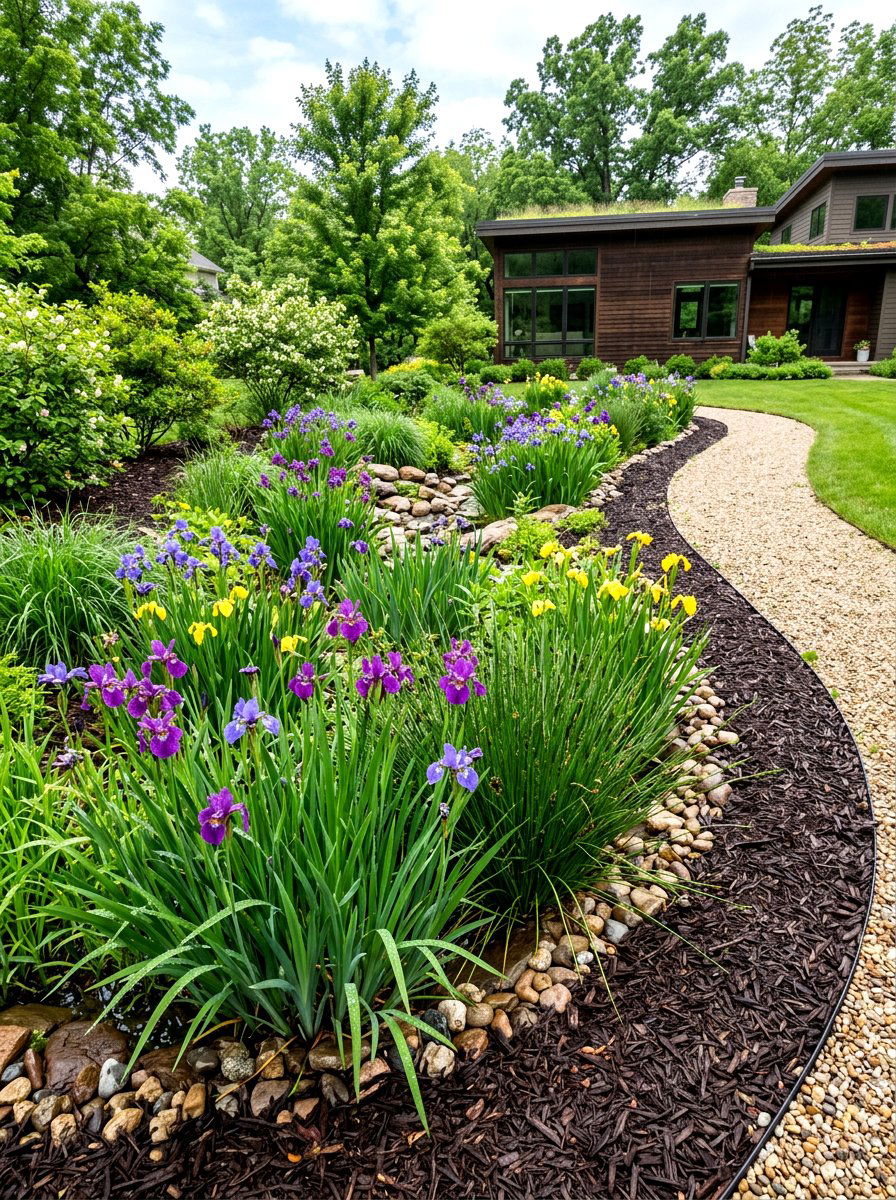
A rain garden is a functional and beautiful way to manage stormwater runoff while creating a specialized habitat for birds. By planting moisture-loving native species in a shallow depression, you create an area that periodically fills with water and then slowly drains. These gardens attract a wide variety of insects and provide a temporary bathing spot after a heavy rain. Birds are naturally drawn to these dynamic spaces, which often feature vibrant flowers and lush foliage. A rain garden turns a potential drainage problem into a stunning landscape feature that supports local biodiversity and helps keep your local watershed clean and healthy.
20. Flowering vine fence
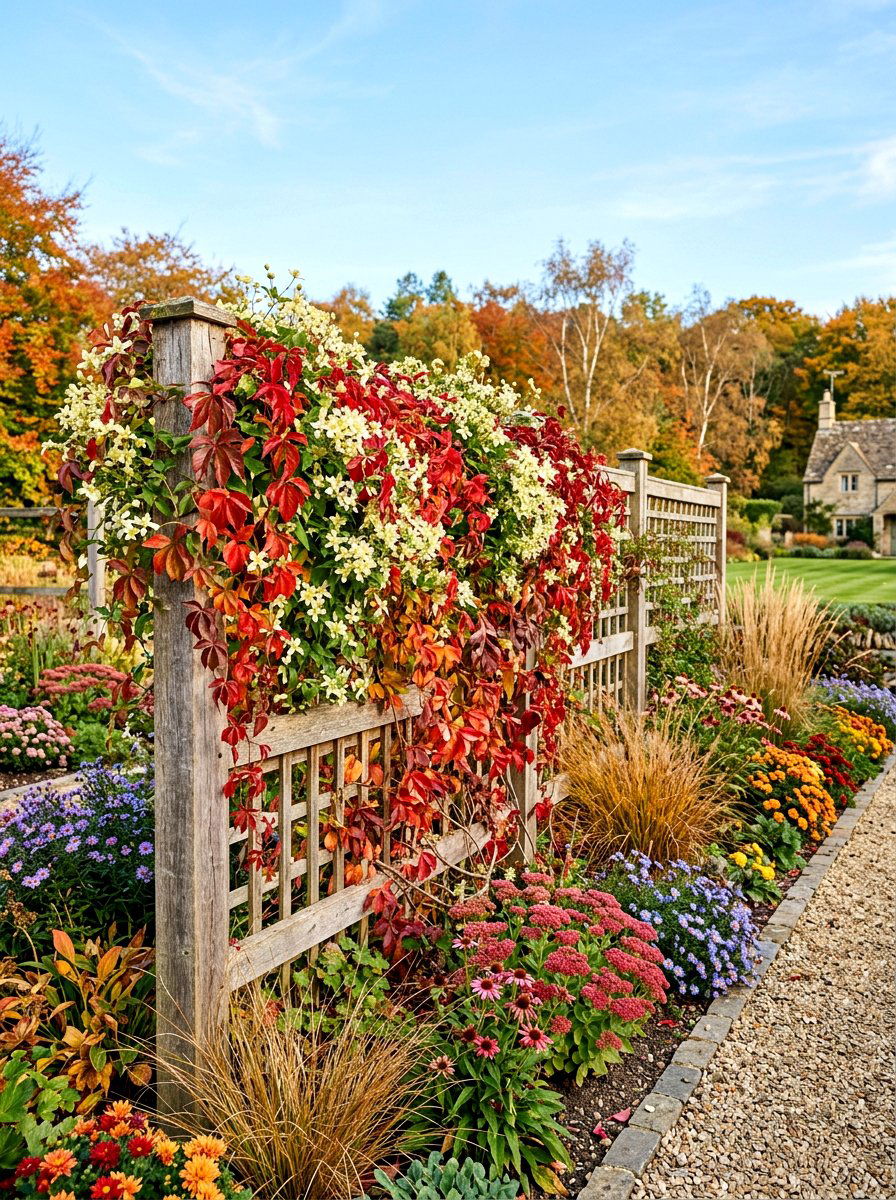
Transforming a standard wooden or chain-link fence into a flowering vine fence creates a living barrier that is full of life. Vines like Virginia creeper or native trumpet honeysuckle provide a dense wall of foliage that birds can use for nesting and hiding. In the fall, many of these vines produce berries that are a favorite for migrating songbirds. The flowers also provide nectar for hummingbirds and attract various pollinators. This approach maximizes your property’s edge habitat, which is often the most active area for birds. A vine-covered fence softens the hard lines of your yard and creates a lush, green perimeter.
21. Heated bird bath
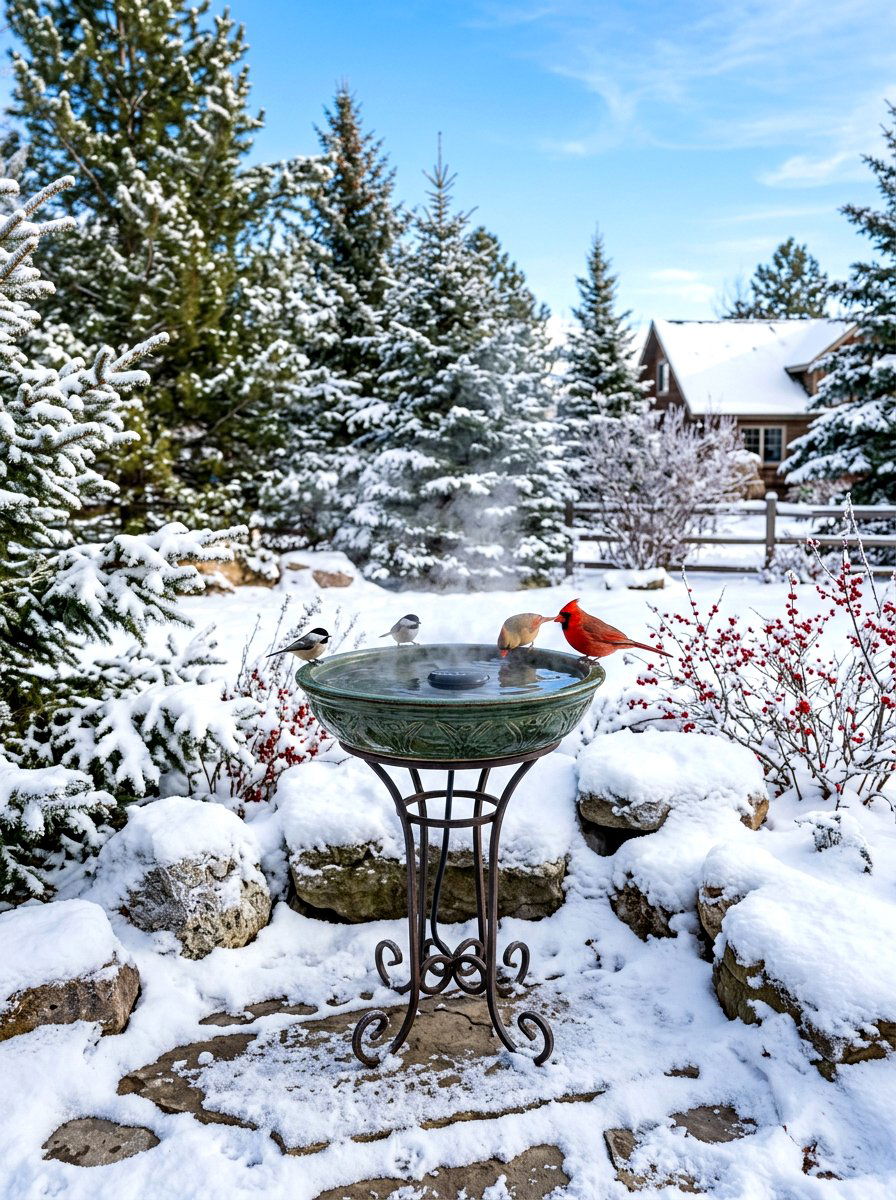
When the temperature drops and natural water sources freeze solid, a heated bird bath becomes a literal lifesaver for local birds. Birds need water year-round not just for drinking, but also for cleaning their feathers to maintain their insulating properties. A simple heater or a built-in heated basin ensures that fresh, liquid water is always available even in the middle of a blizzard. You will likely see an increase in the variety of birds visiting your yard during the winter, as they travel from miles around to find open water. It is a thoughtful addition that makes your backyard a true winter oasis.
22. Deciduous shade trees
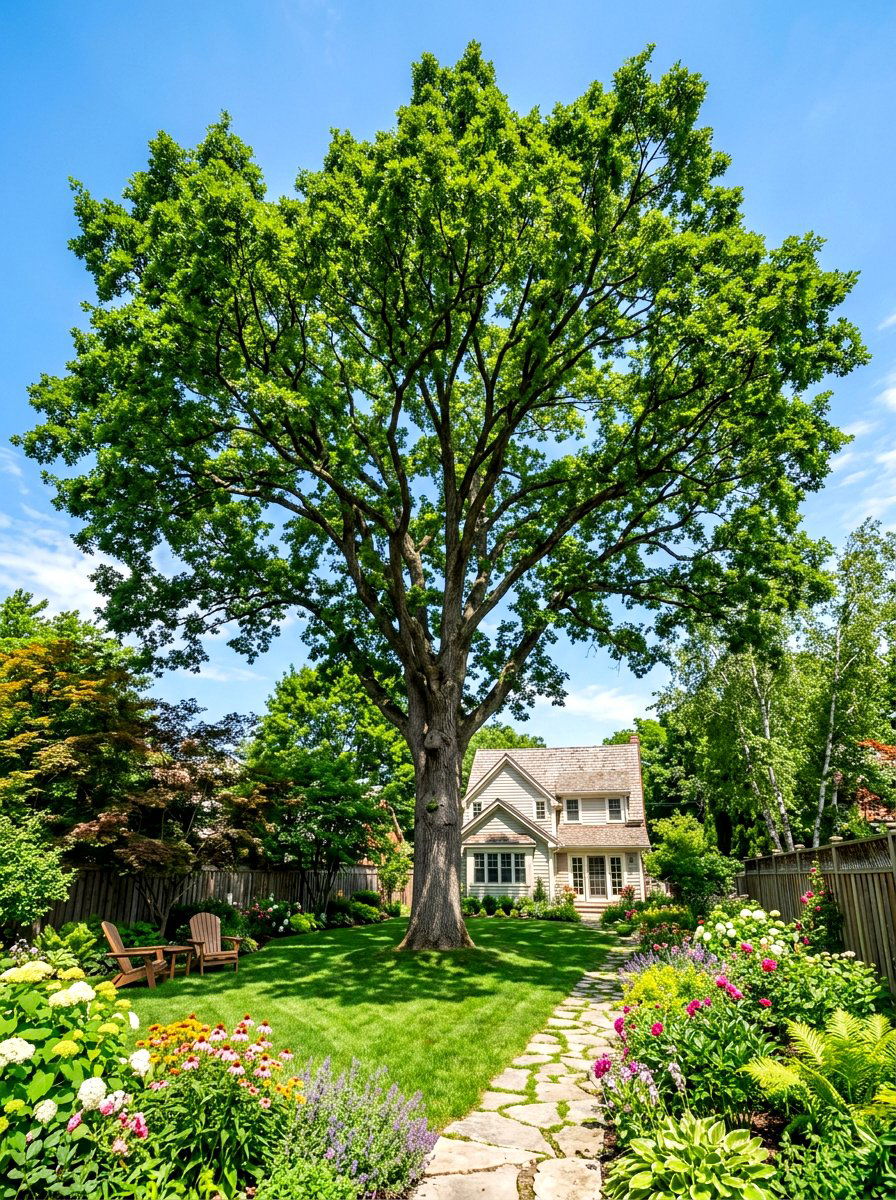
Large deciduous trees like oaks and maples are the backbone of any bird-friendly landscape. They provide a high canopy for nesting and song posts, as well as a massive surface area for birds to forage for insects. Oaks, in particular, are known as "keystone species" because they support hundreds of species of moth and butterfly caterpillars, which are the primary food for nesting birds. The shade provided by these trees keeps your backyard and home cooler in the summer while their fallen leaves create a rich mulch layer on the ground. Planting a native shade tree is a long-term investment in the health of your local bird population.
23. Pollinator garden patch
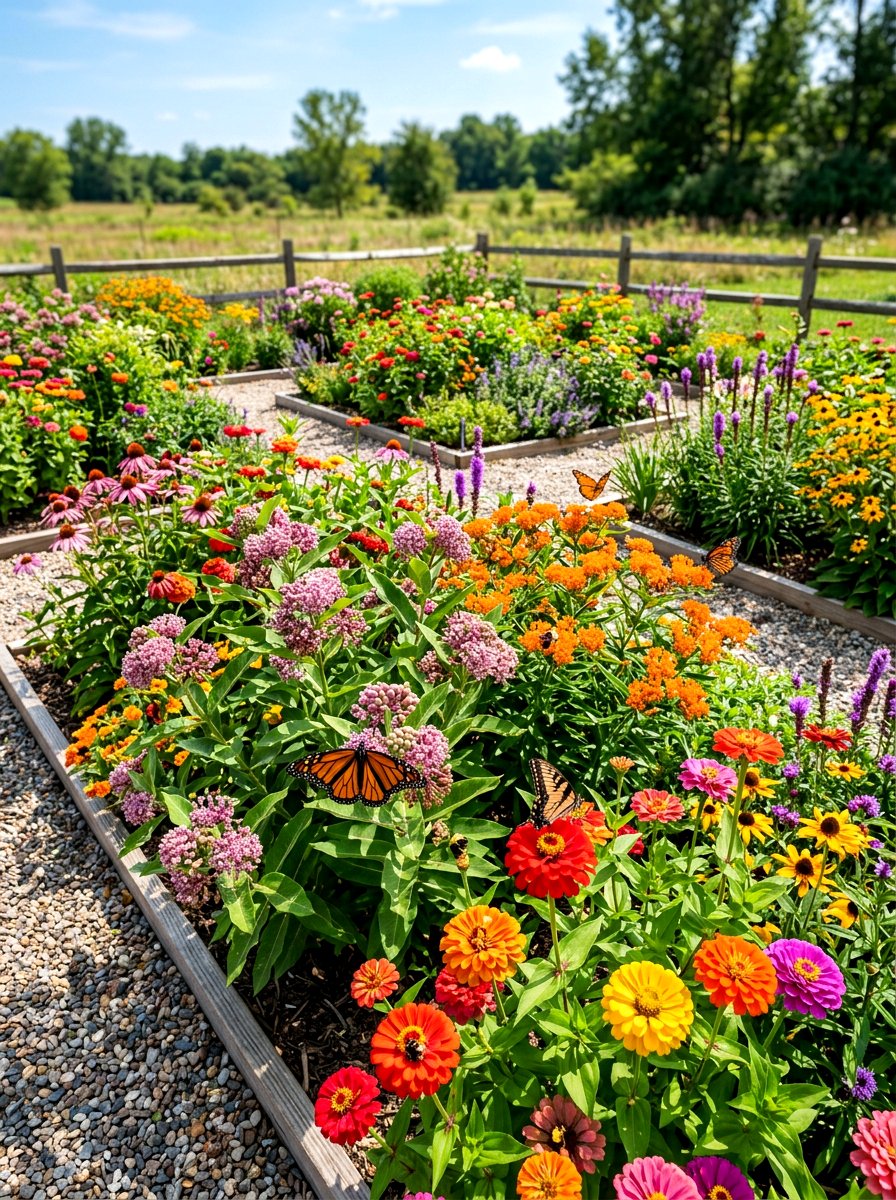
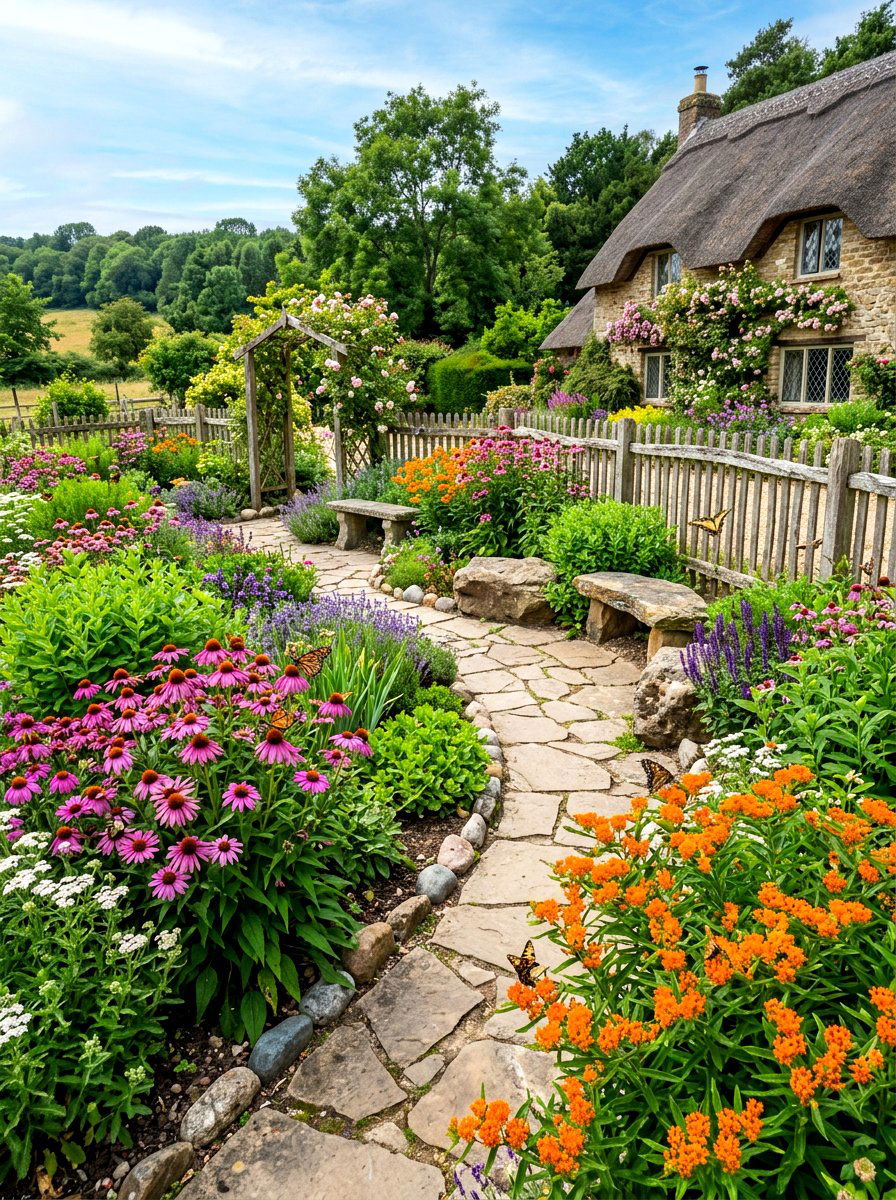
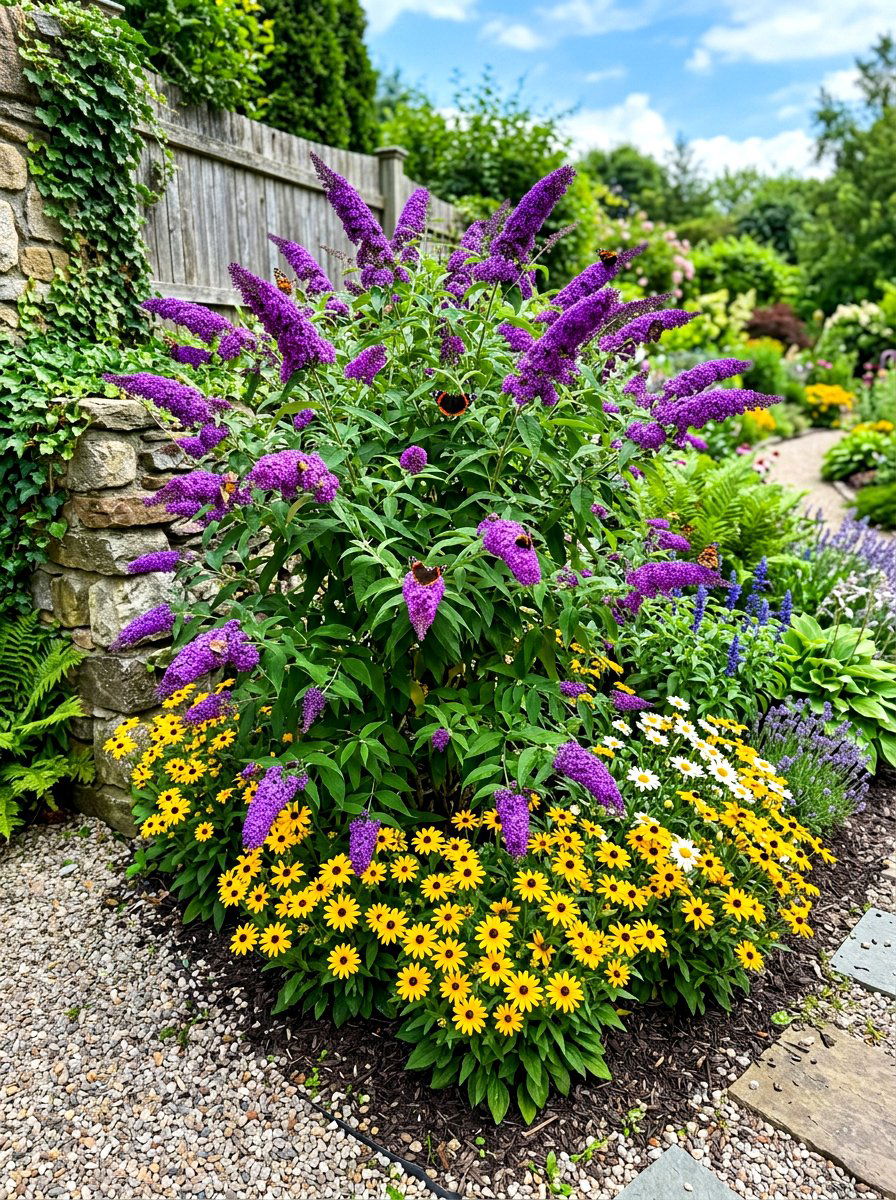
A garden patch specifically designed for pollinators is indirectly a fantastic bird garden. By planting flowers that attract bees, butterflies, and moths, you are ensuring a steady supply of protein-rich insects for birds to eat. Many birds, especially those raising young, rely heavily on caterpillars and other soft-bodied insects as their main food source. A garden filled with nectar-rich blooms like milkweed or zinnia will be buzzing with activity, which in turn attracts flycatchers and other insect-eating birds. This interconnected approach highlights the beauty of a healthy ecosystem where every living thing supports the others in a vibrant, natural cycle.
24. Gravel garden path
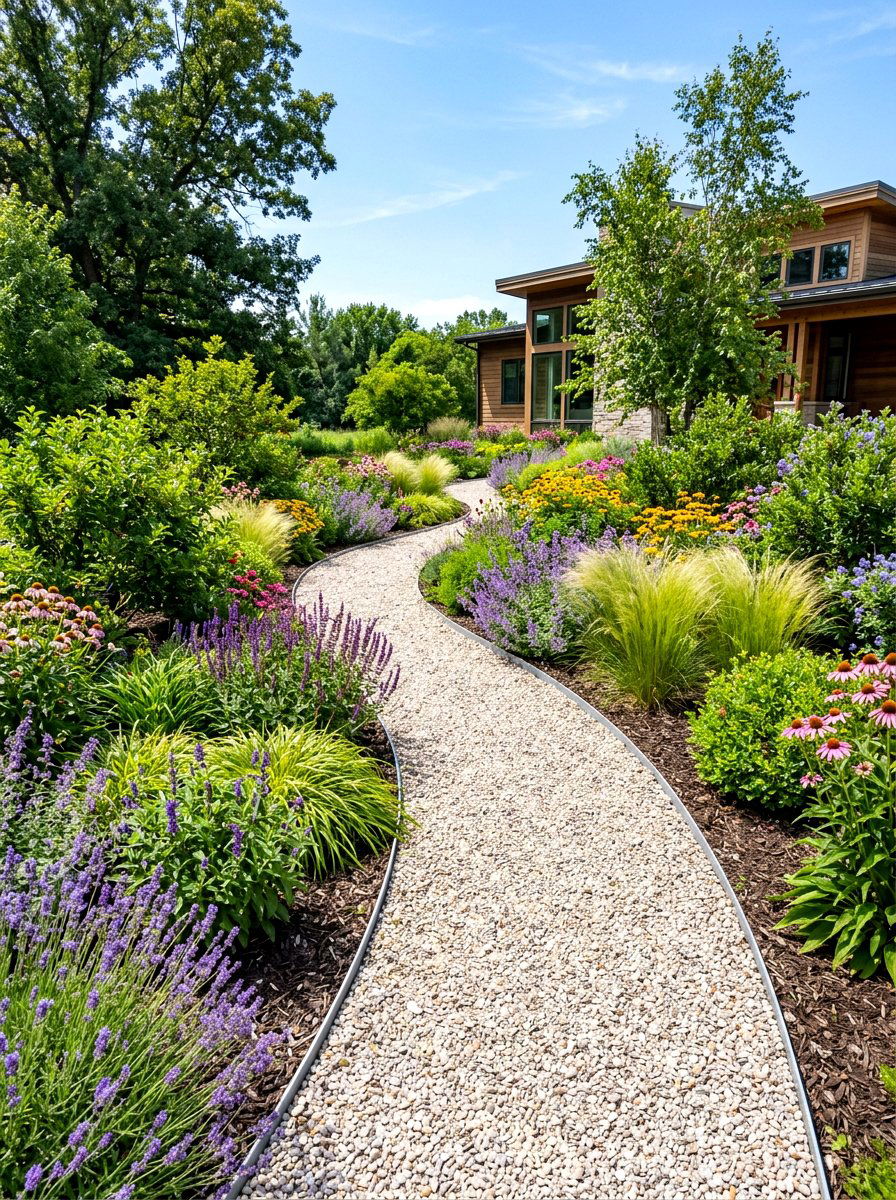
While it might seem simple, a gravel garden path can provide birds with essential grit needed for their digestion. Many birds swallow small bits of stone or sand to help grind up seeds and insects in their gizzards. By using a natural, small-diameter gravel for your paths, you are providing this resource in a safe and accessible way. The clear areas of a path also offer birds a place to forage for spilled seeds or insects that wander onto the open surface. A well-designed path guides visitors through your sanctuary while serving a practical purpose for the feathered residents who call your backyard home.
25. Sunflower garden border
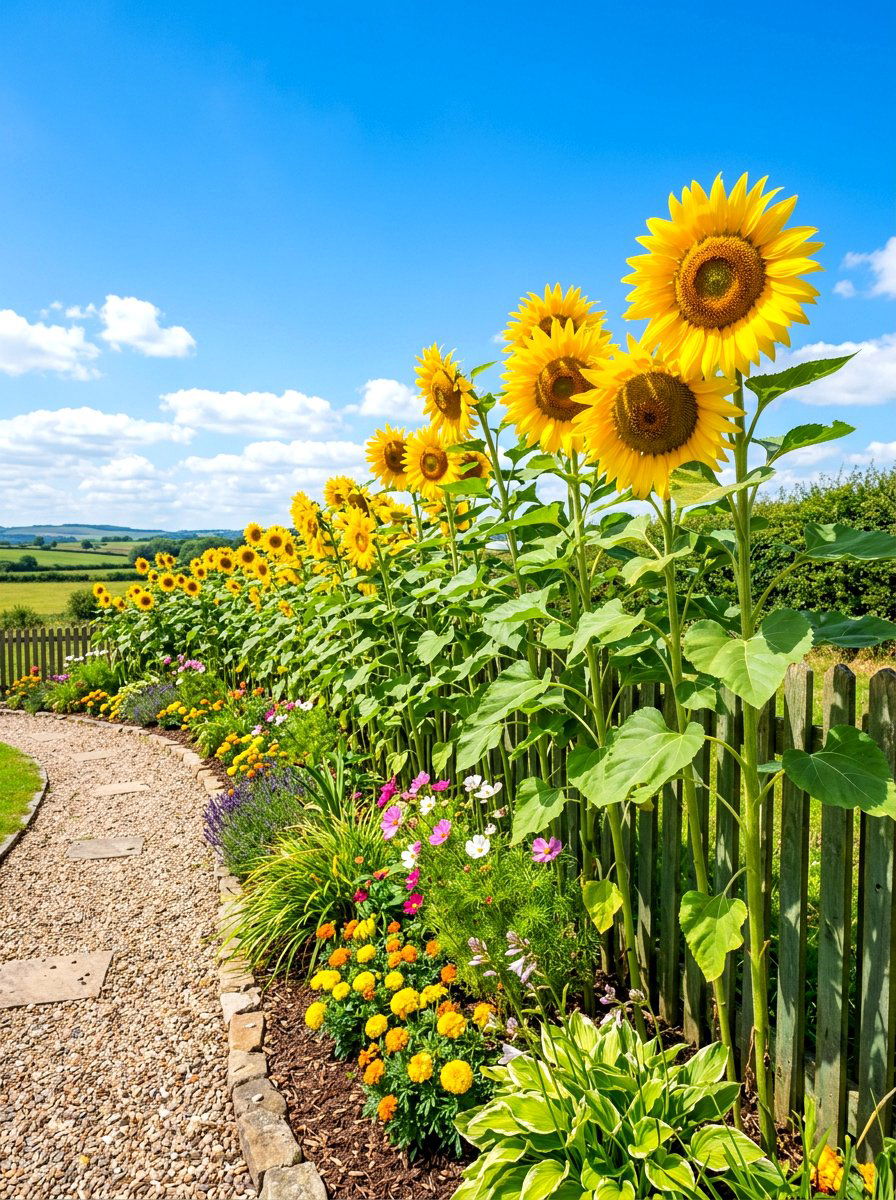
Sunflowers are perhaps the most iconic bird-friendly plant, with their huge, cheerful faces and heavy loads of nutritious seeds. Planting a border of sunflowers along the back of a garden bed creates a dramatic visual impact and a literal wall of food. As the heads begin to droop and dry in the late summer, you will see goldfinches and chickadees clinging to the flowers to extract the seeds. Sunflowers come in many heights and colors, allowing you to customize the look of your border to fit your style. They are easy to grow and provide a classic, nostalgic feel to any sunny backyard.
26. Conifer tree grove
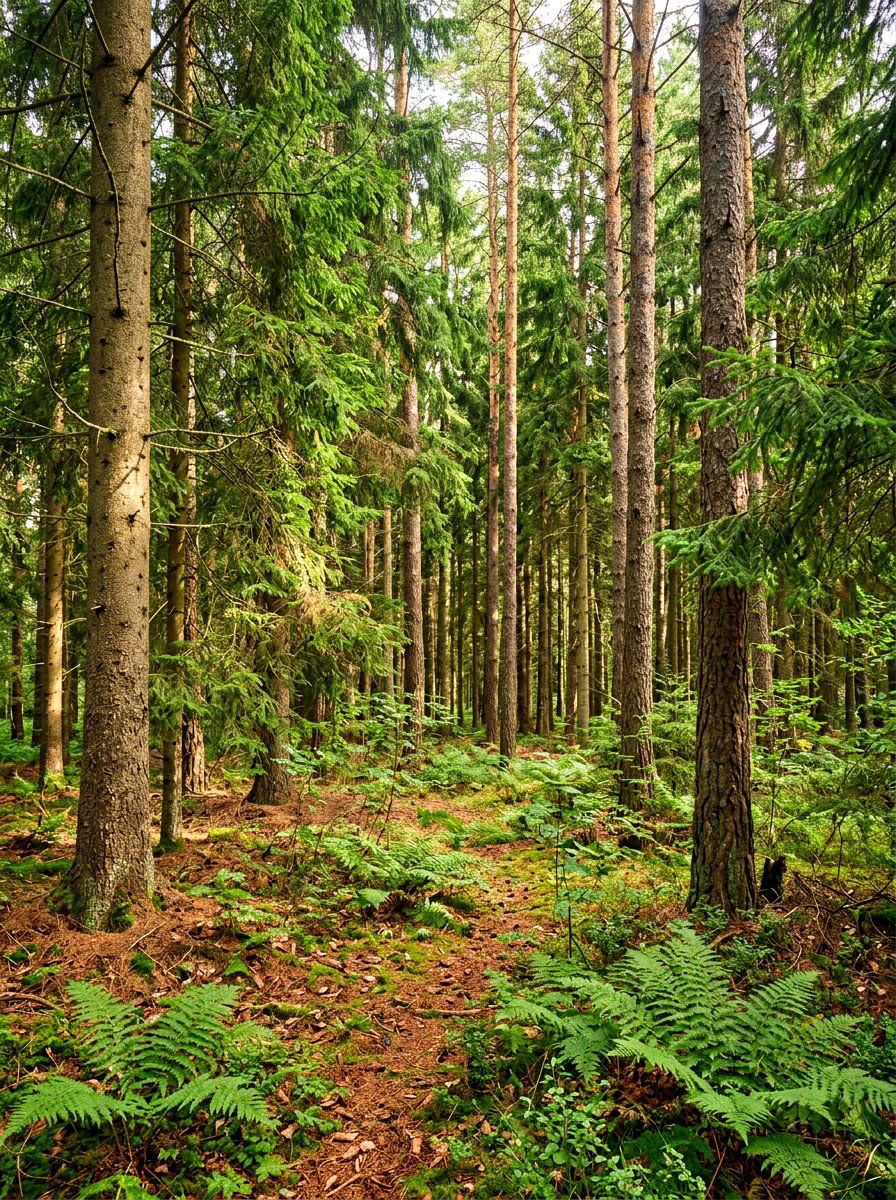
Grouping several conifer trees together, such as spruce or fir, creates a "grove" effect that offers unmatched protection for birds. These dense stands of needles are excellent at blocking wind and provide a safe, dark interior where birds can sleep undisturbed at night. The small cones produced by these trees are a favorite food source for crossbills and nuthatches. In a larger yard, a grove of conifers can serve as a majestic focal point that stays green and beautiful even when every other plant has lost its leaves. This structural element provides a sense of scale and permanence to your bird-friendly landscape design.
27. Multi layered planting
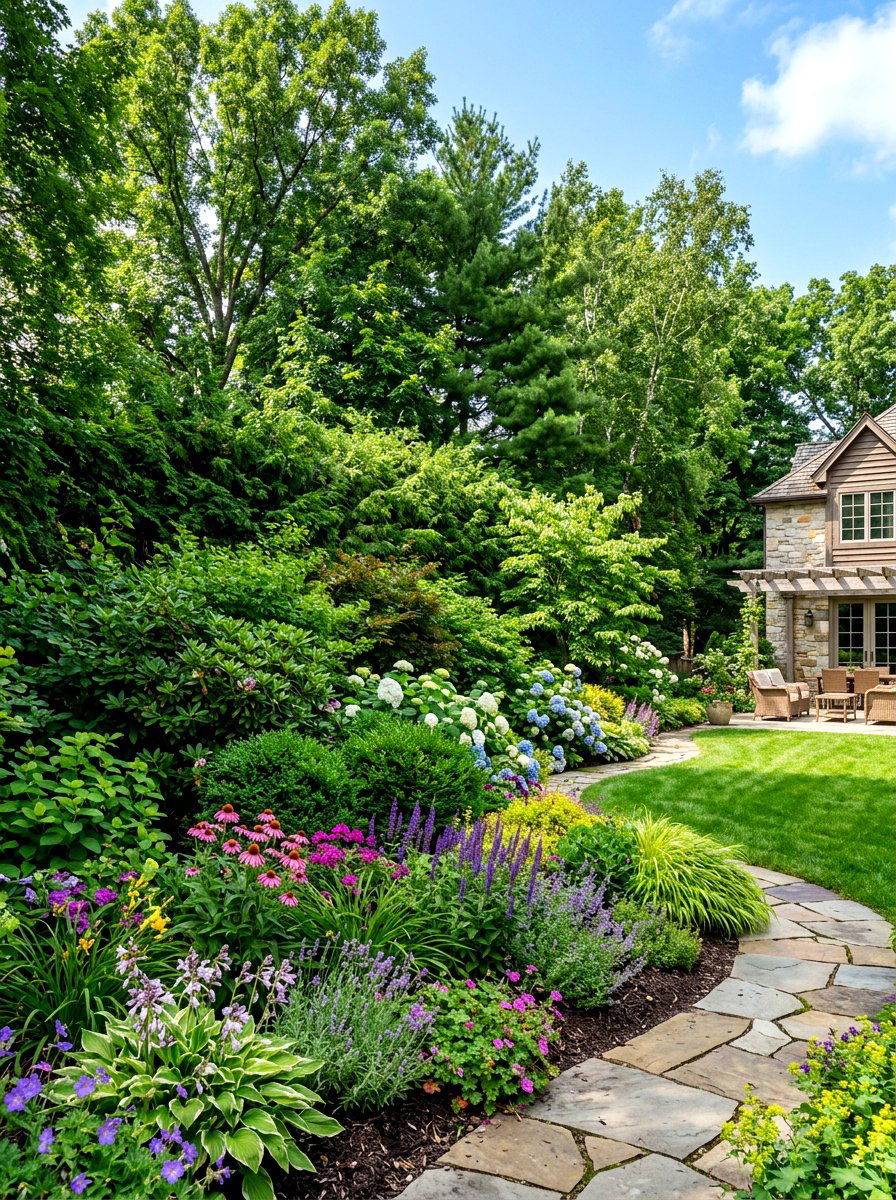
The most successful bird habitats mimic the structure of a natural forest by using multi-layered planting techniques. This involves having a tall canopy of large trees, a middle layer of smaller understory trees, a shrub layer, and finally a ground layer of perennials and grasses. Each of these layers appeals to different species of birds, ensuring that you attract the widest possible variety of visitors. For example, some birds only nest in the high canopy, while others prefer the safety of low shrubs. By filling every vertical niche in your garden, you are creating a complex and highly efficient environment for wildlife to thrive.
28. Winter berry garden
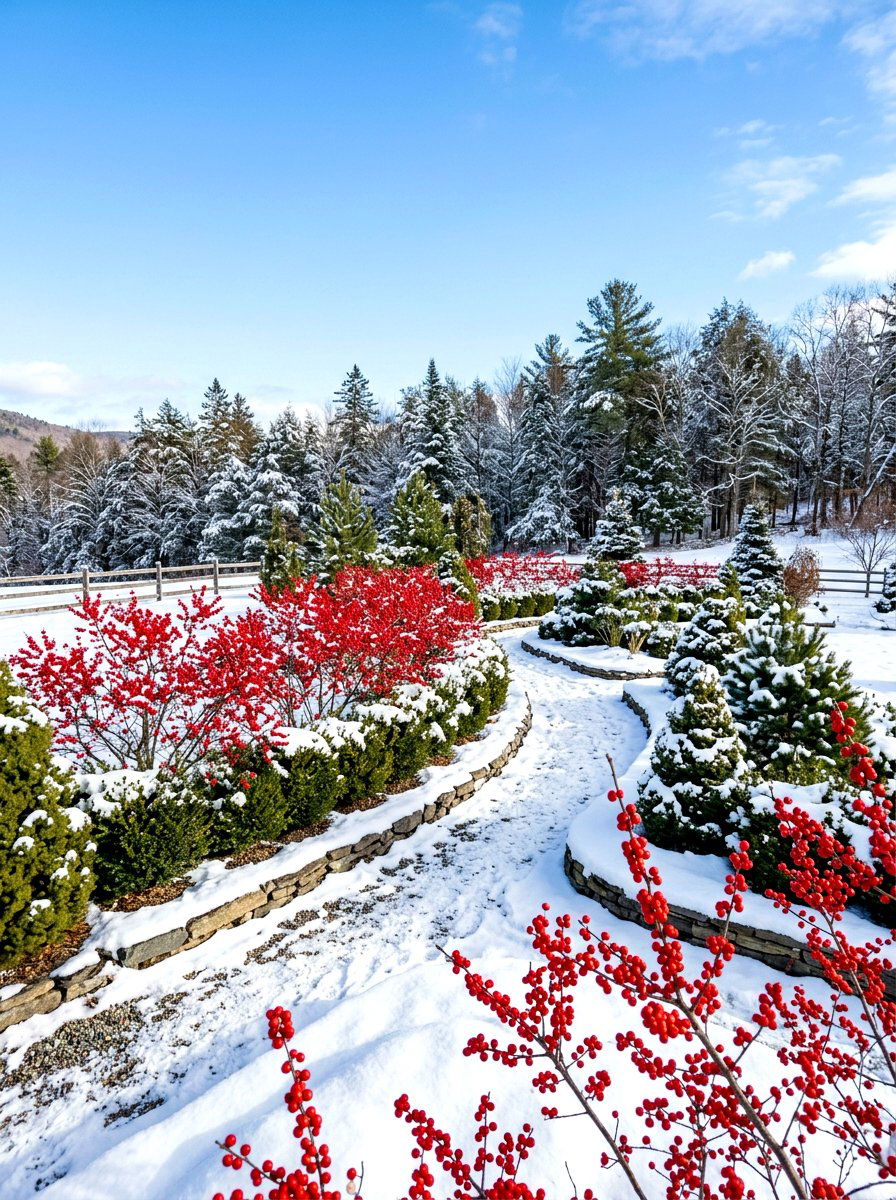
A garden bed specifically planned for winter interest can provide a crucial late-season food source for birds. Plants like winterberry holly and crabapples hold onto their fruit long after the first frost, providing a colorful display in the snow and a buffet for hungry birds. These berries often become more palatable after they have frozen and thawed several times, making them the perfect "emergency food" for late winter. Combining these plants with some evergreen boughs creates a striking visual contrast that brightens up the bleakest winter days. A winter-focused garden ensures that your backyard remains a sanctuary for birds all twelve months of the year.
29. Water dripper feature
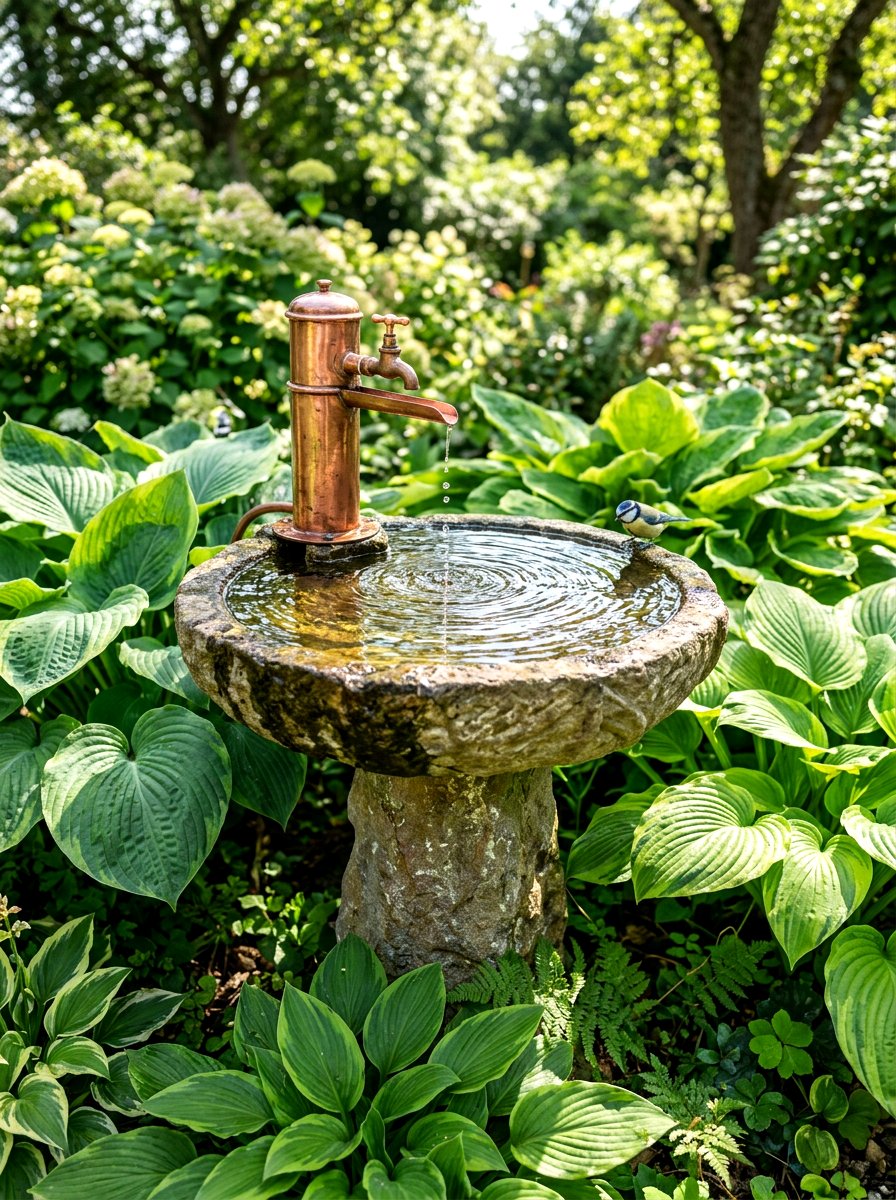
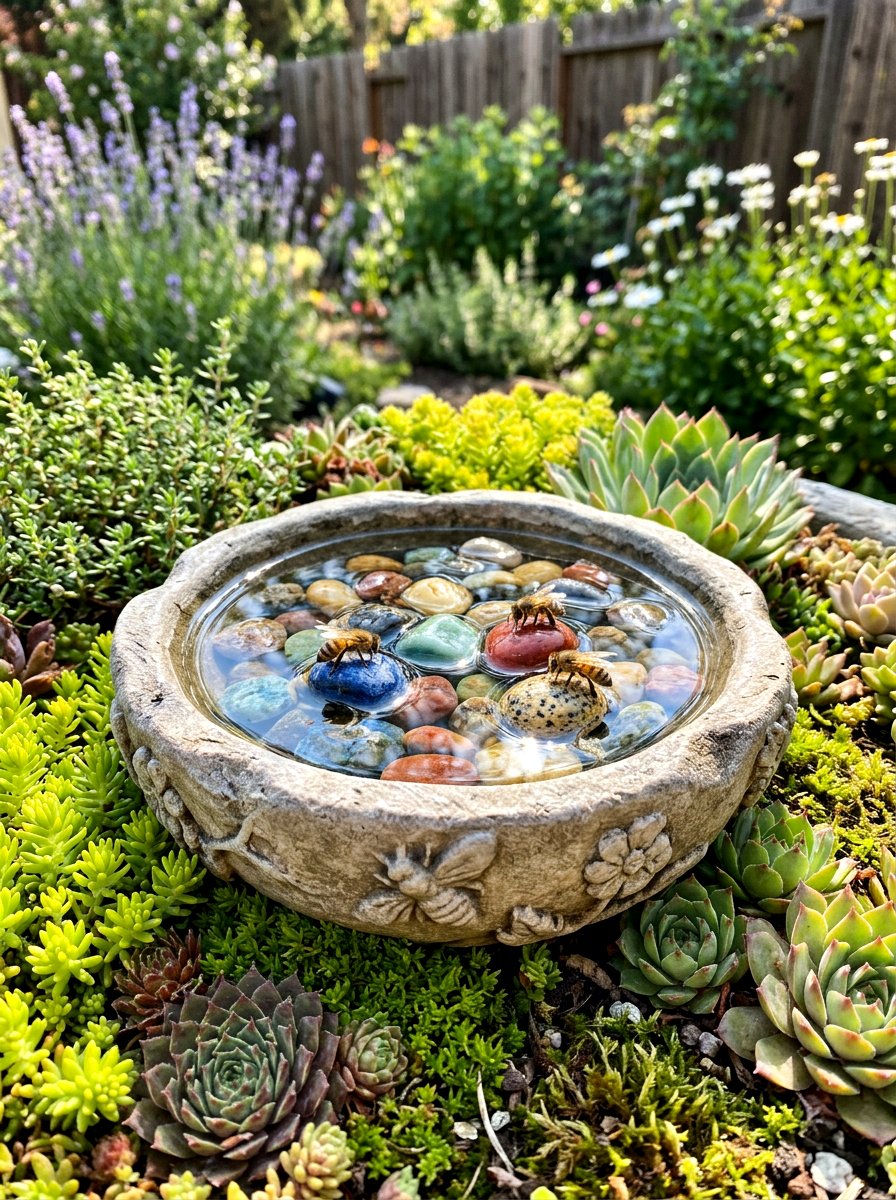
If you already have a bird bath, adding a simple water dripper can significantly increase its attractiveness to birds. The sound of a steady "drip-drip-drip" into the basin is an irresistible signal to birds that fresh water is available. Misters are also popular, as they create a fine cloud of water that hummingbirds love to fly through to clean themselves. These small additions are relatively inexpensive and easy to install, but they make a big difference in how many birds visit your yard. The movement and sound of water add a dynamic and professional layer to your backyard’s sensory experience.
30. No mow lawn
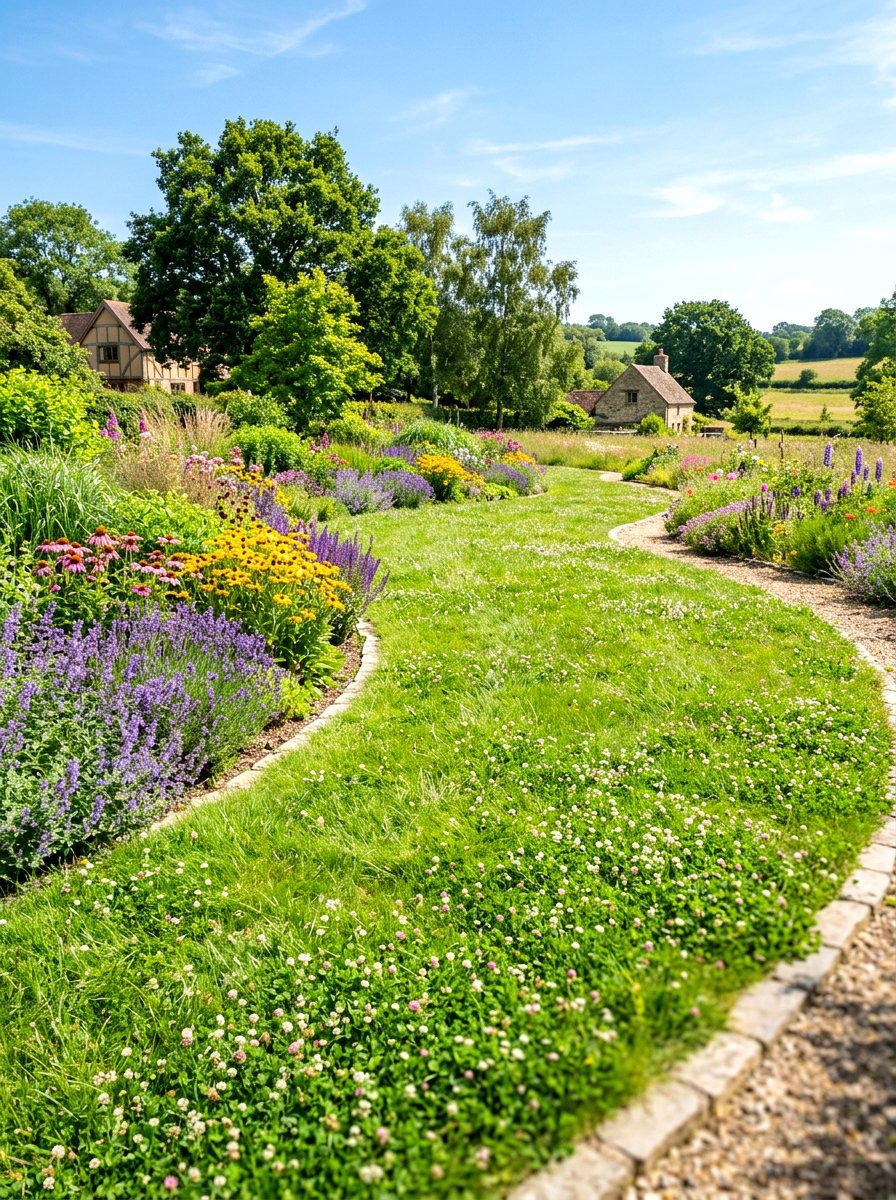
Transitioning your traditional lawn into a "no-mow" or low-maintenance grass area is a growing trend that benefits birds immensely. By allowing your grass to grow a bit longer or replacing it with low-growing fescues, you encourage a more diverse population of insects and allow some plants to go to seed. This softer, more natural look is much more inviting for birds that forage on the ground. It also reduces the need for noisy mowers and chemical fertilizers, creating a quieter and safer environment for wildlife. A no-mow lawn feels more like a natural meadow and blends perfectly with a relaxed, bird-friendly landscaping style.
Conclusion:
In conclusion, creating a bird-friendly backyard is a journey that brings immense joy and a deeper connection to the natural world. By focusing on the four essential pillars of habitat — food, water, shelter, and nesting sites — you can transform any outdoor space into a thriving avian sanctuary. Each of the thirty ideas discussed offers a unique way to support local biodiversity while enhancing the beauty and tranquility of your home. Whether you start small with a bird bath or embark on a large-scale native planting project, every effort counts. Your backyard will soon become a vibrant hub of life, filled with the songs and colors of nature.

Related posts: