Creating a vibrant outdoor sanctuary that supports local wildlife is a rewarding journey for any homeowner looking to enhance their backyard 's ecological value. By focusing on pollinator-friendly plants and habitats, you can transform a quiet lawn into a buzzing ecosystem filled with colorful butterflies, busy bees, and graceful hummingbirds. This approach not only aids in global conservation efforts but also ensures your garden remains lush and productive through natural pollination. Whether you have a sprawling estate or a small patio, integrating diverse floral sources and nesting sites creates a beautiful, sustainable environment. This guide explores thirty unique ways to build a thriving haven that celebrates nature' s hardest workers while providing endless visual delight throughout every season of the year.
1. Native wildflower meadow
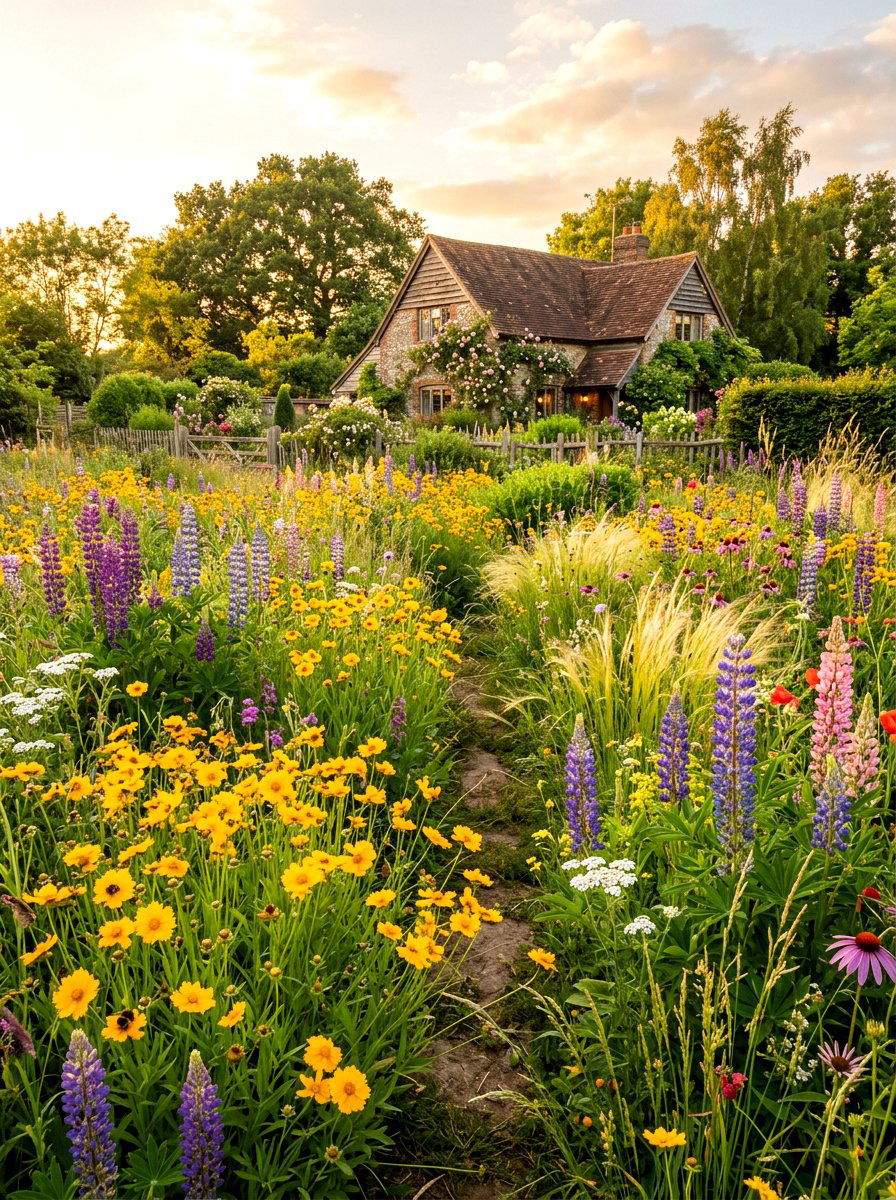
Imagine stepping out into a sea of swaying colors where local grasses and blooms thrive without constant mowing. A native wildflower meadow serves as a cornerstone for any pollinator-friendly landscape because it mimics the natural environment where local insects already flourish. By replacing traditional turf with a mix of indigenous seeds, you provide a high-protein food source and essential cover for diverse species. These meadows require significantly less water and chemical maintenance once established, making them an eco-friendly choice for busy gardeners. The dense growth protects the soil while offering a chaotic, beautiful aesthetic that changes every week as different species take their turn to bloom in the warm sunlight.
2. Butterfly milkweed patch
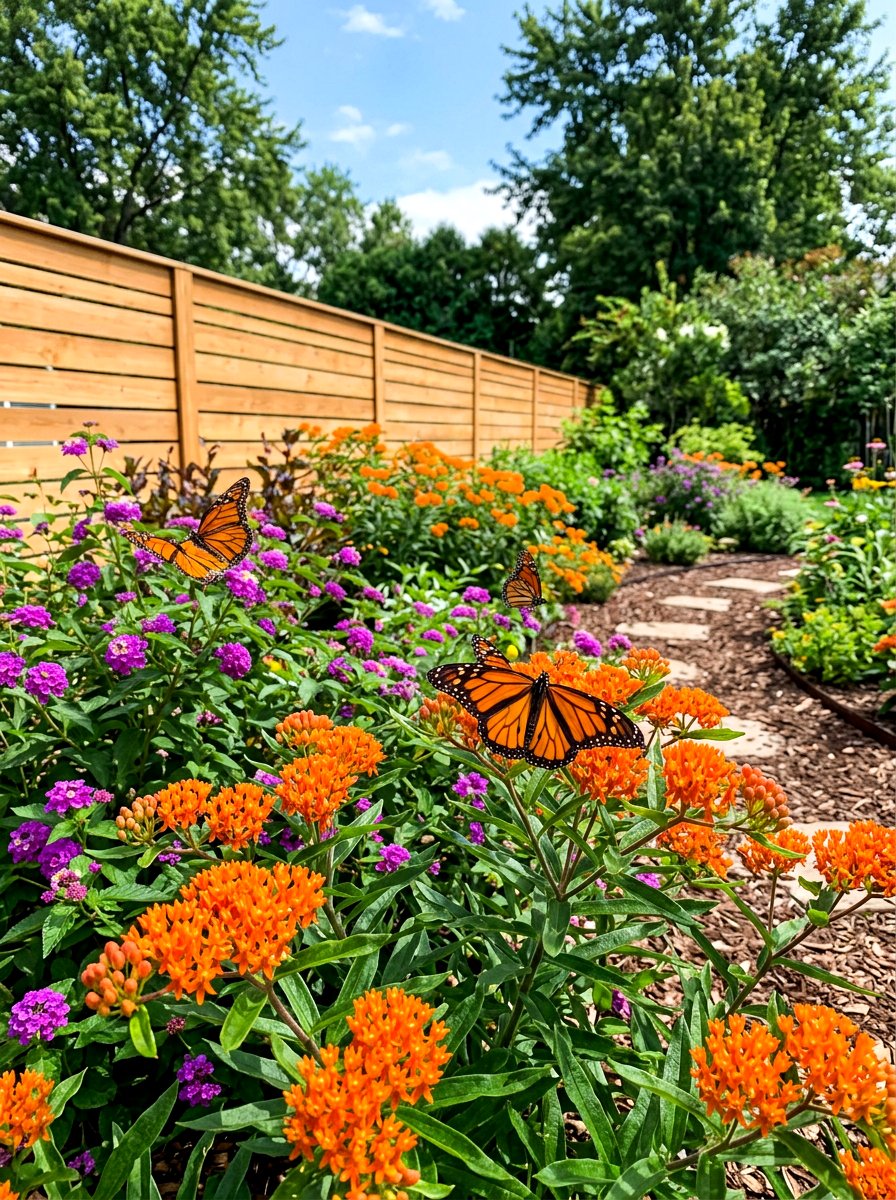
Have you ever witnessed the incredible life cycle of a monarch butterfly right in your own backyard? Planting milkweed is the single most effective way to support these iconic travelers, as it is the only food source for their hungry larvae. A dedicated butterfly sanctuary should include several varieties of milkweed alongside nectar-rich flowers like zinnia and lantana to feed the adults. Positioning these plants in a sunny, sheltered spot allows butterflies to warm their wings before flight. Watching the delicate caterpillars transform into vibrant orange and black beauties adds a sense of wonder to your outdoor space while directly contributing to the survival of a threatened species.
3. Bee friendly lavender
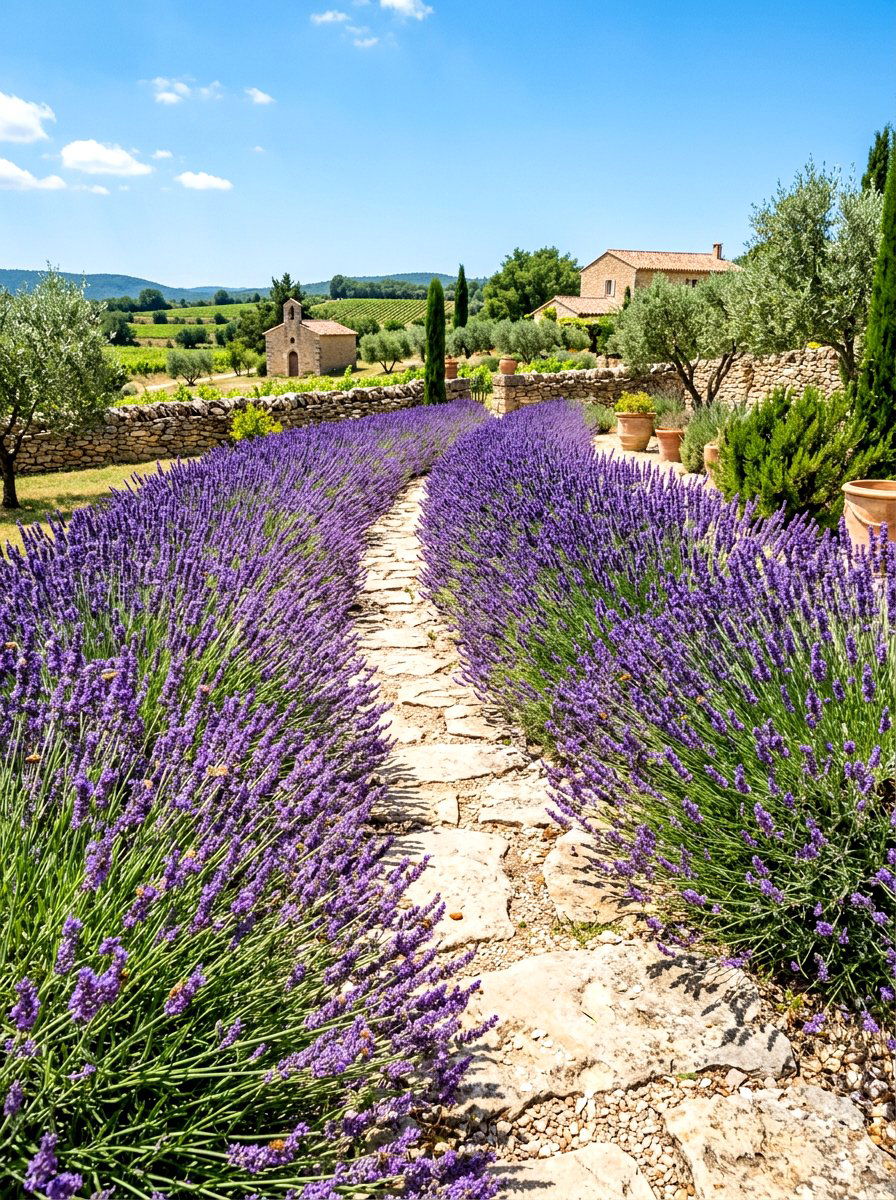
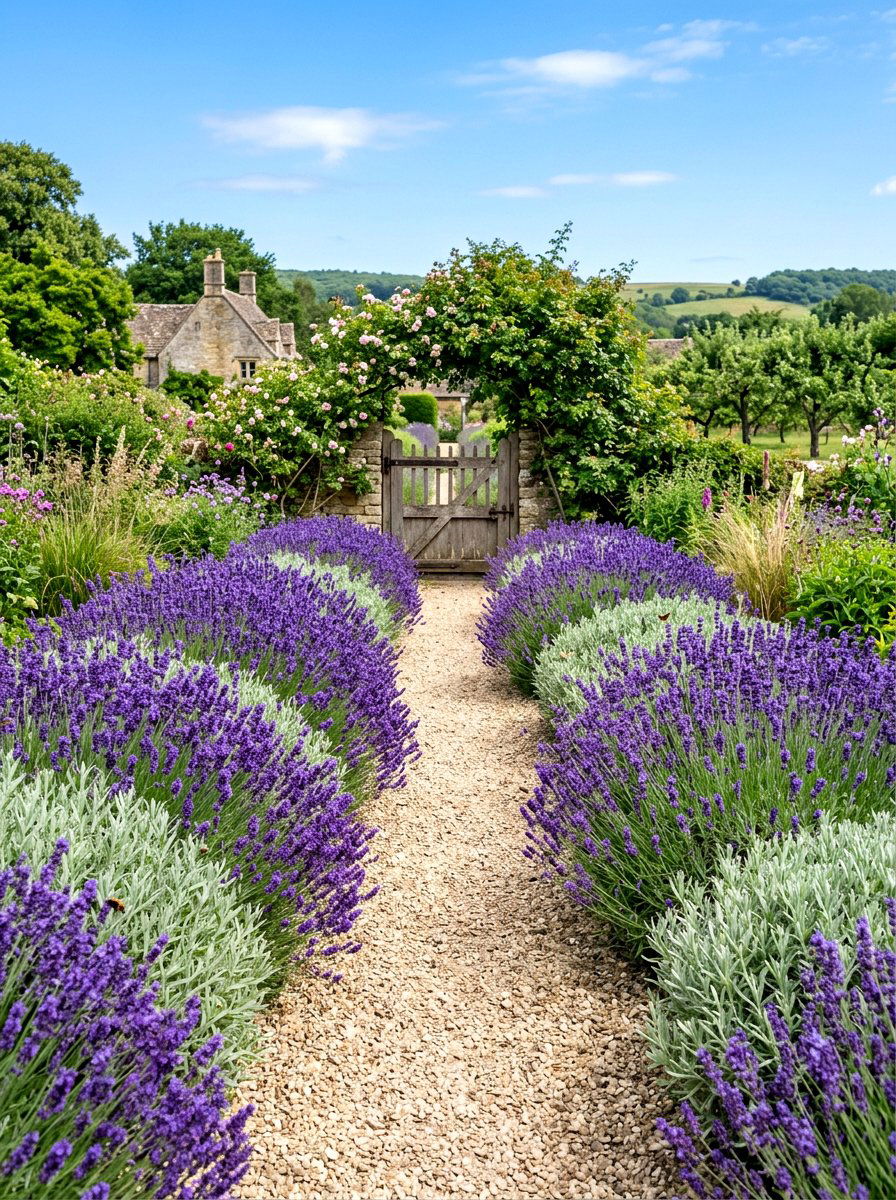
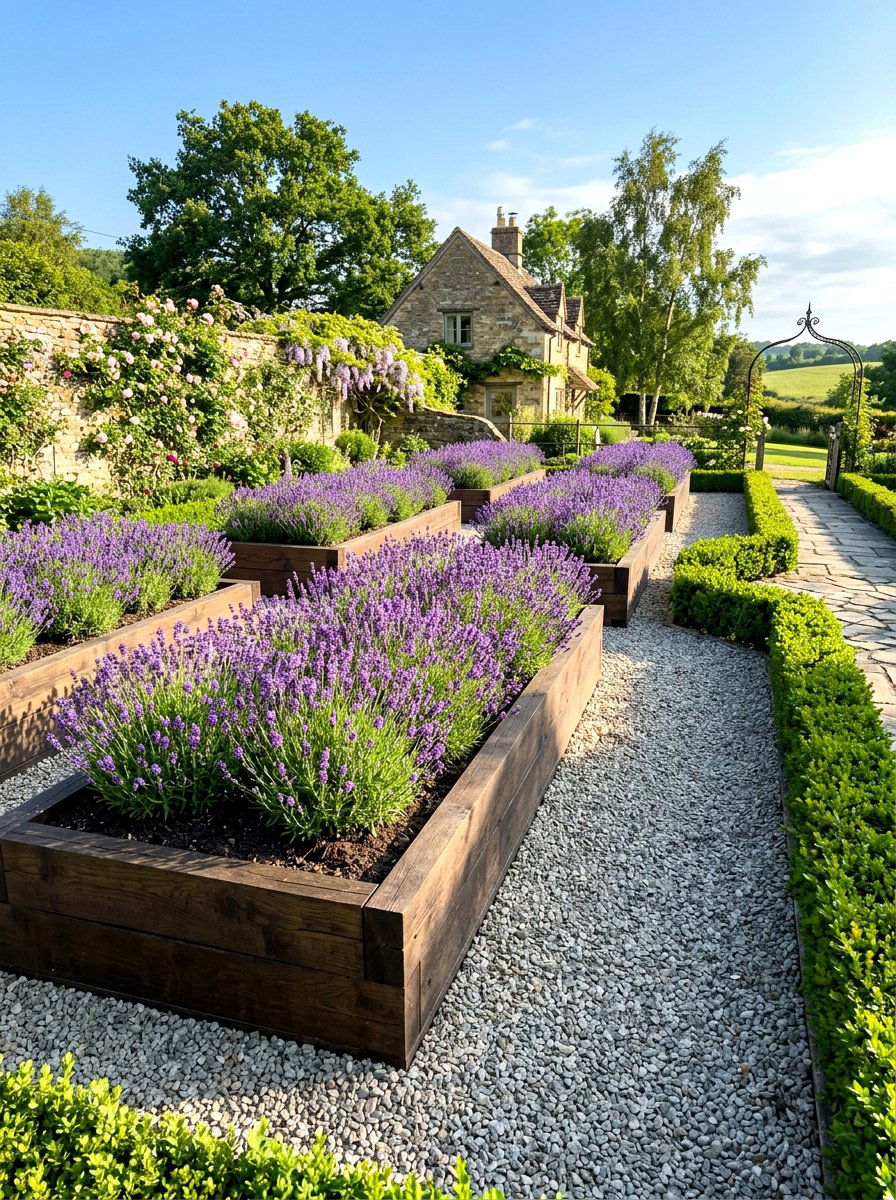
Are you looking for a plant that combines intoxicating fragrance with immense ecological benefits? Lavender is a magnet for bumblebees and honeybees, offering abundant nectar throughout the warm summer months. When planted in large drifts, lavender creates a visual and sensory feast that anchors the entire garden design. These hardy perennials thrive in sunny, well-drained spots and require very little intervention once they take root. Beyond attracting pollinators, lavender provides a soothing aroma that enhances your outdoor relaxation areas. Pairing different varieties, such as English and French lavender, can extend the blooming period, ensuring that your local bee population has a reliable food source for a longer duration.
4. Hummingbird feeder station
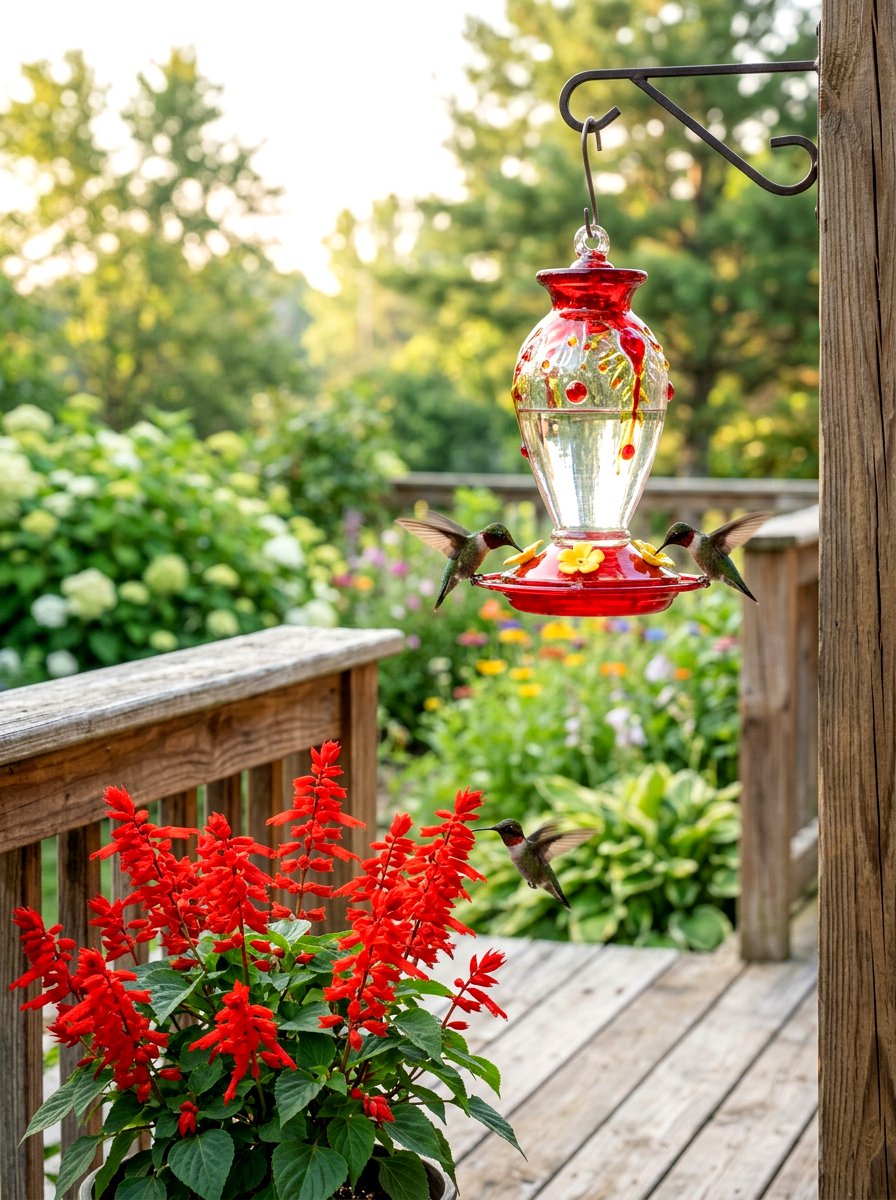
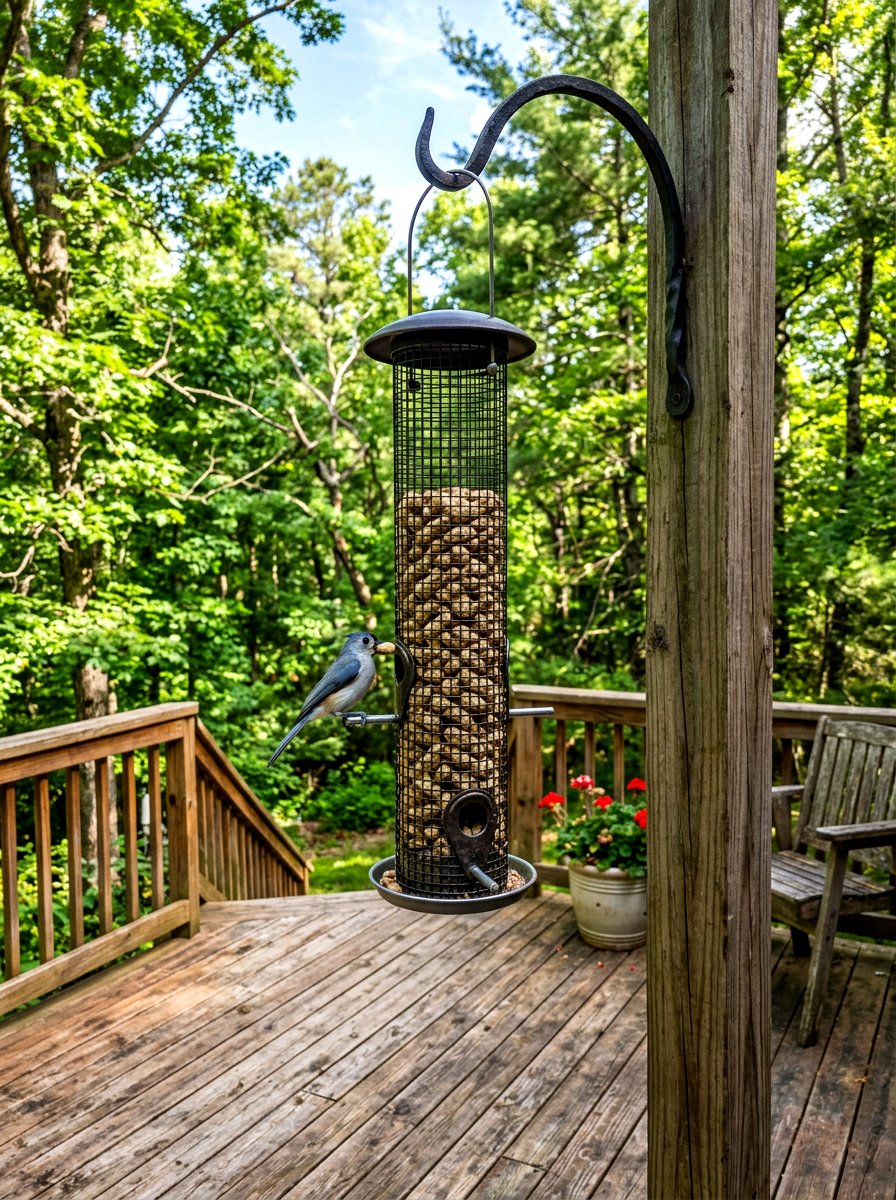
What could be more enchanting than the rapid blur of wings as a hummingbird visits your garden for a mid-day meal? Setting up a dedicated feeder station surrounded by tubular red and orange flowers like tubular salvia or trumpet vine creates an irresistible destination. To truly support these high-energy birds, maintain a clean environment and provide a consistent supply of simple sugar water. Placing the station near a window allows you to observe their fascinating aerial maneuvers from the comfort of your home. By combining artificial feeders with natural nectar sources, you ensure that these tiny avian jewels have everything they need to thrive and return to your backyard annually.
5. Mason bee house
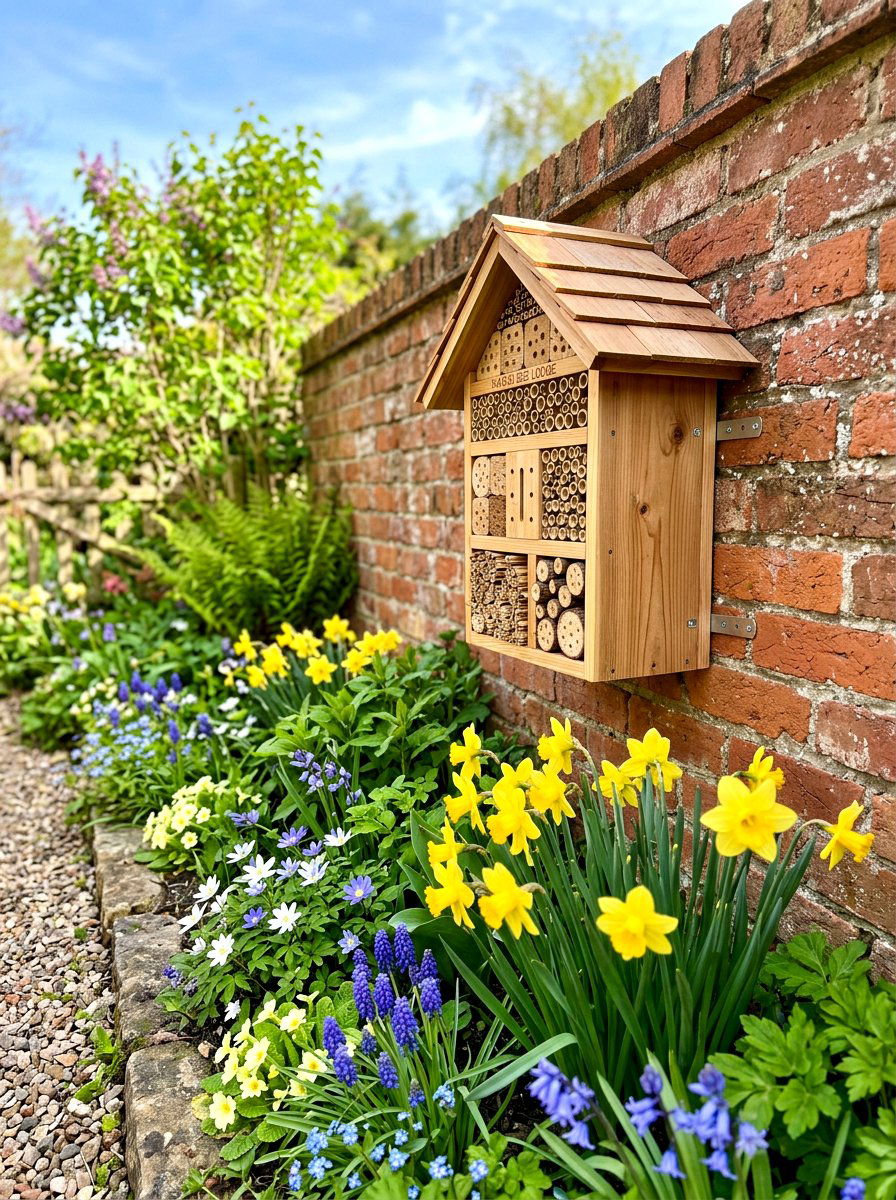
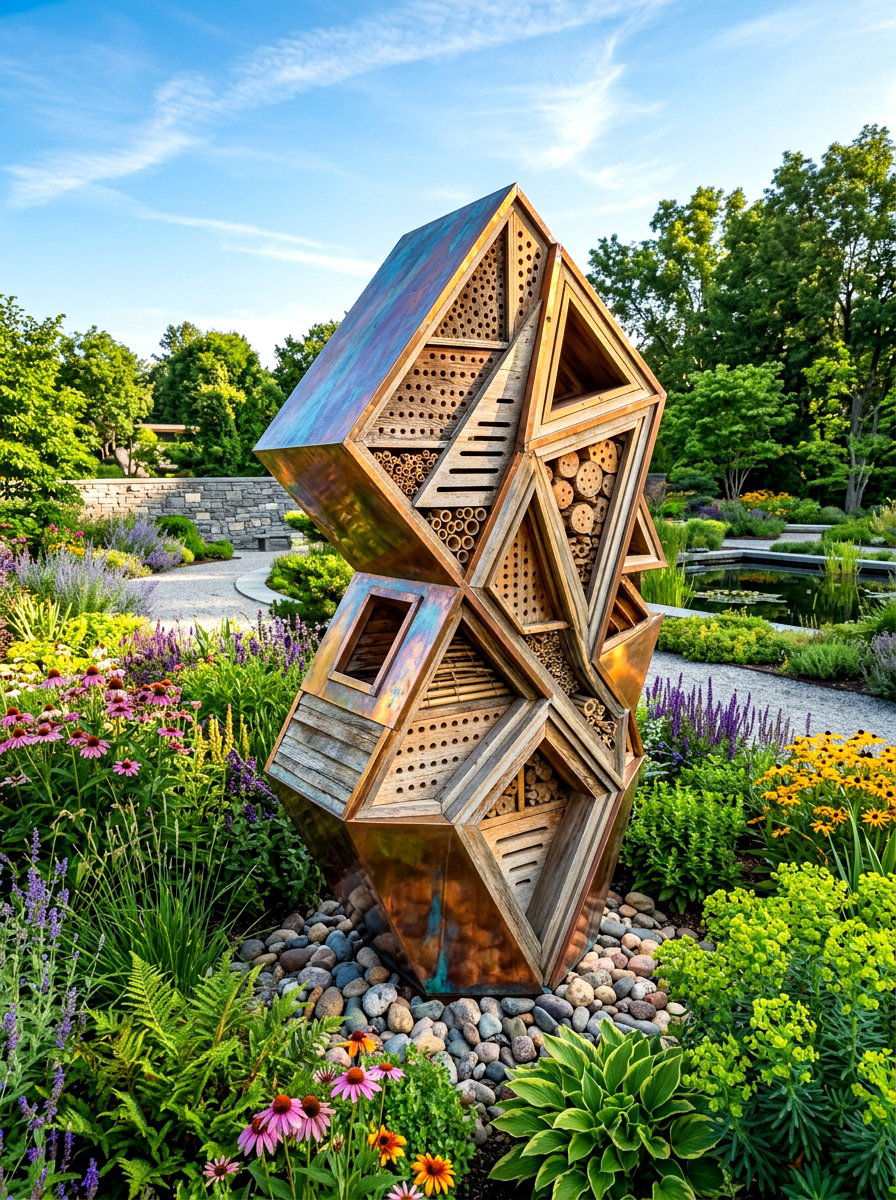
How can you provide a safe harbor for the solitary bees that perform the bulk of your garden's pollination? Installing a mason bee house is a simple yet profound way to support these gentle, non-aggressive insects that do not live in hives. These structures typically feature small tubes or drilled holes where female bees can lay their eggs and provide food for the next generation. Placing the house on a south-facing wall or fence ensures it stays warm and dry during the critical spring months. This architectural addition not only helps the environment but also serves as a charming educational focal point for children and guests interested in backyard ecology.
6. Pollinator watering station
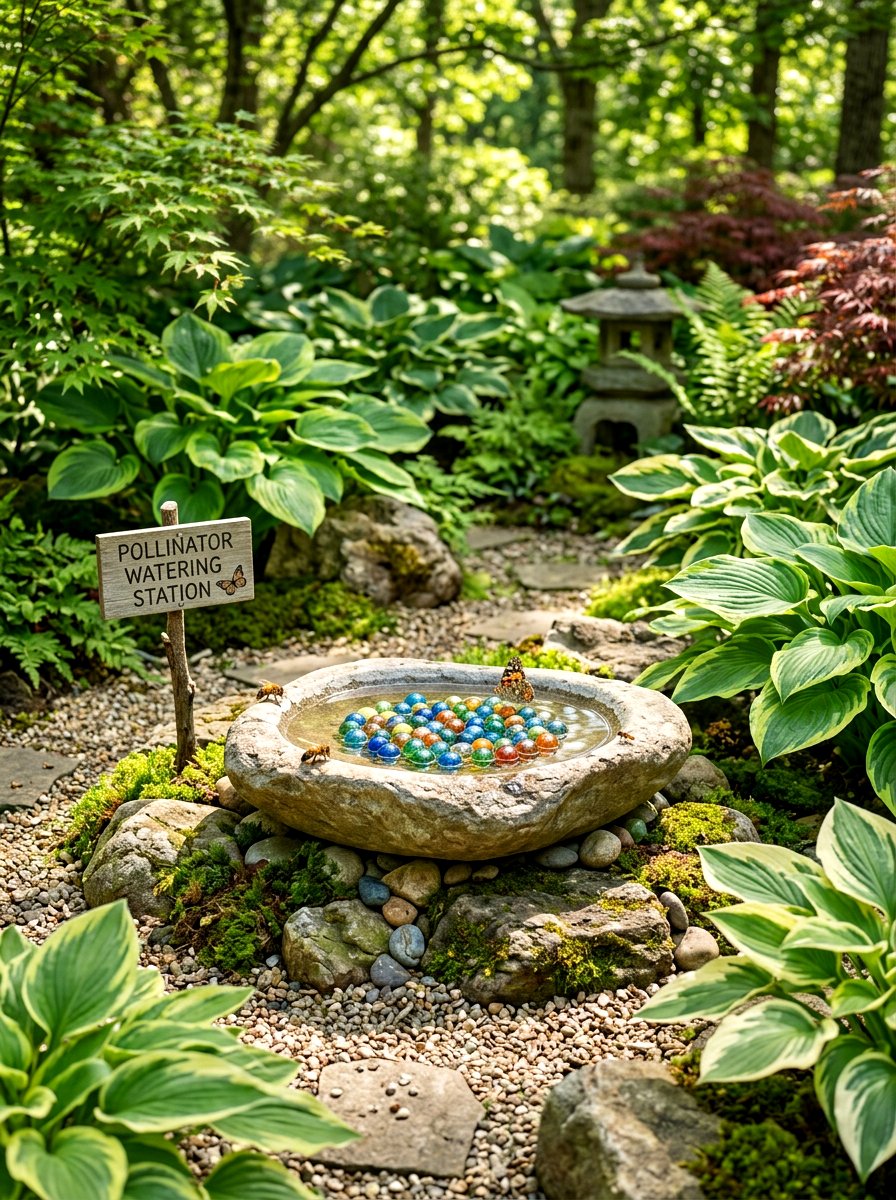
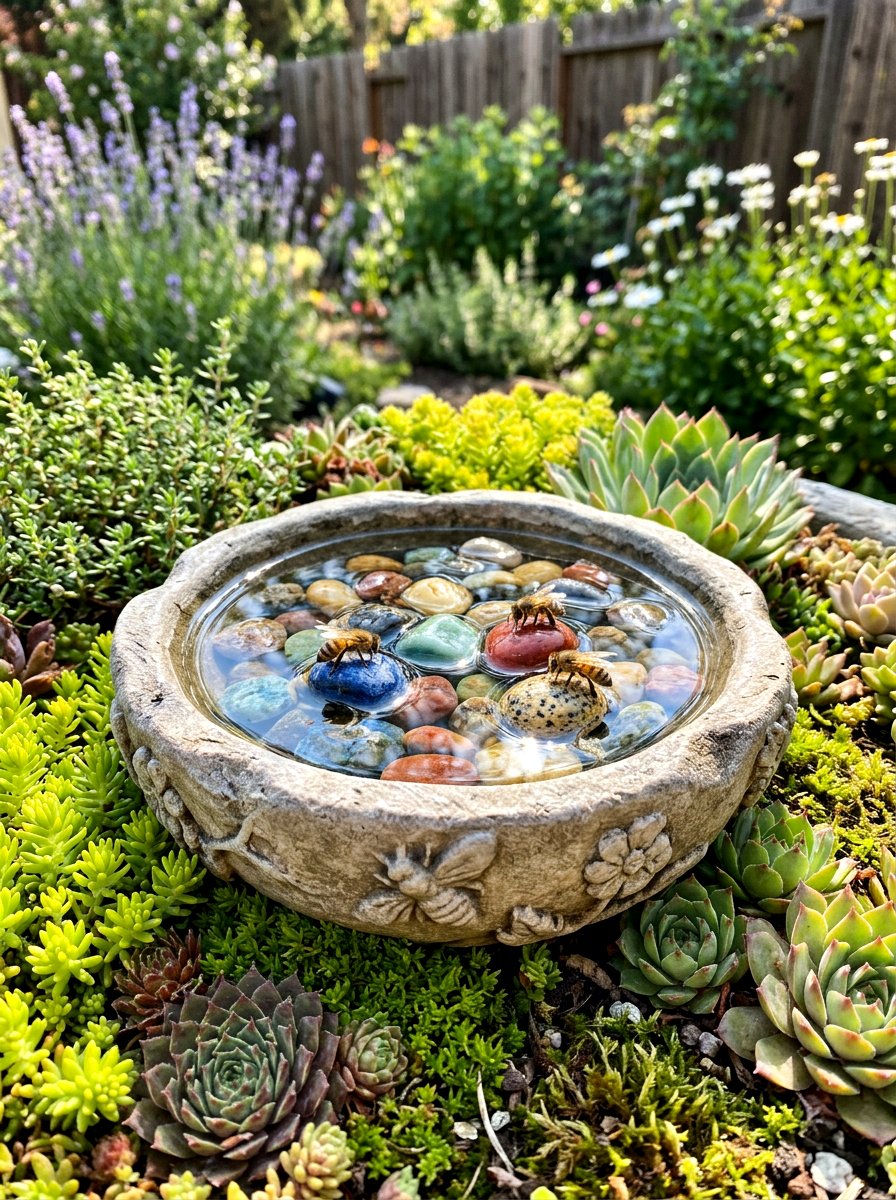
Did you know that bees and butterflies need more than just nectar to stay hydrated and healthy? A pollinator watering station is a vital addition that provides a safe place for insects to drink without the risk of drowning. By filling a shallow decorative basin with river stones or colorful marbles, you create landing pads that sit just above the water's surface. Adding a pinch of sea salt to the water can provide essential minerals that butterflies crave during the heat of summer. This small feature can be integrated into a flower bed or placed on a pedestal, acting as both a functional utility and a beautiful, shimmering garden accent.
7. Cottage garden perennials
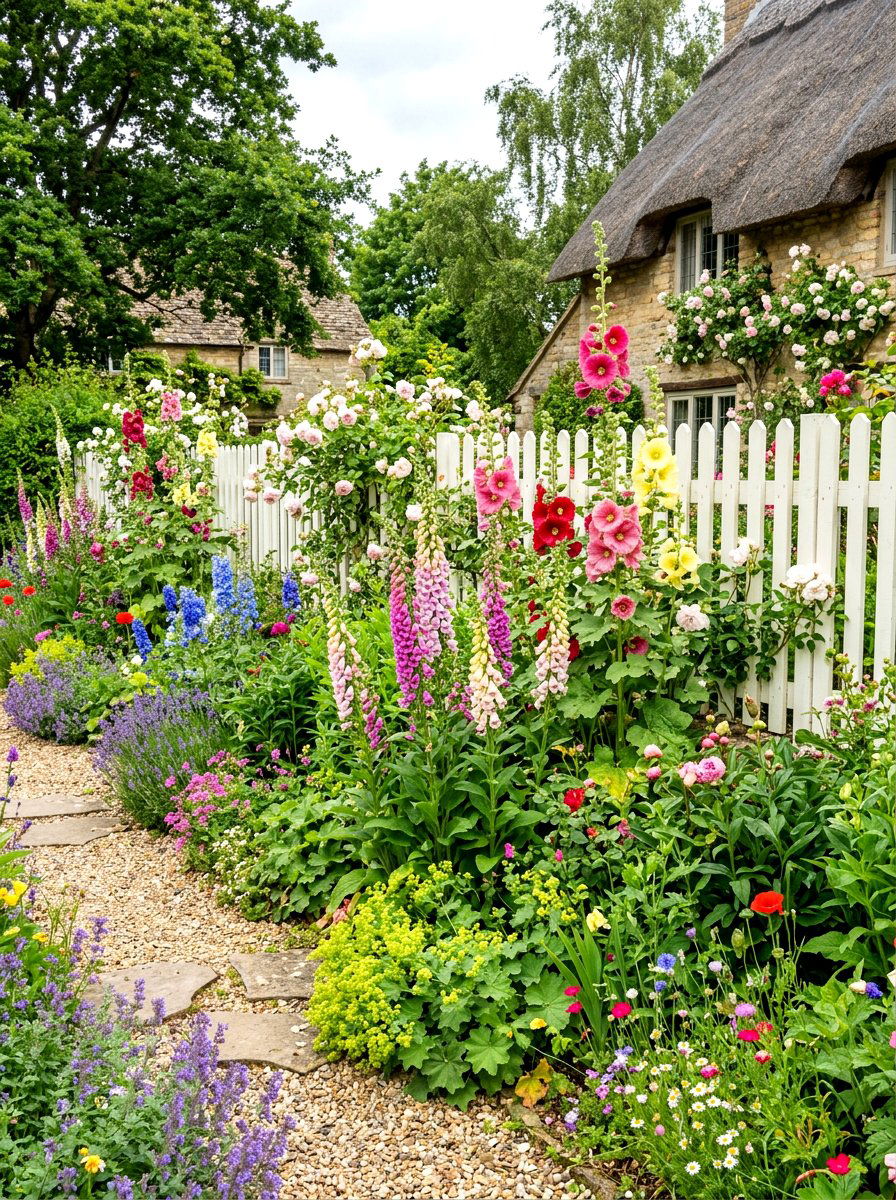
Can a garden be both romantically beautiful and ecologically significant at the same time? A classic cottage garden filled with layered perennials like foxgloves, hollyhocks, and delphiniums offers a diverse buffet for a wide range of pollinating species. This design style emphasizes dense planting and a mix of flower shapes, which is perfect for attracting various insects with different feeding habits. The informal, overflowing look of a cottage border creates hidden nooks for nesting and protection from predators. By selecting a palette of soft pastels and bold jewel tones, you can create a picturesque landscape that feels like a living painting while supporting the local butterfly and bee populations.
8. Culinary herb garden
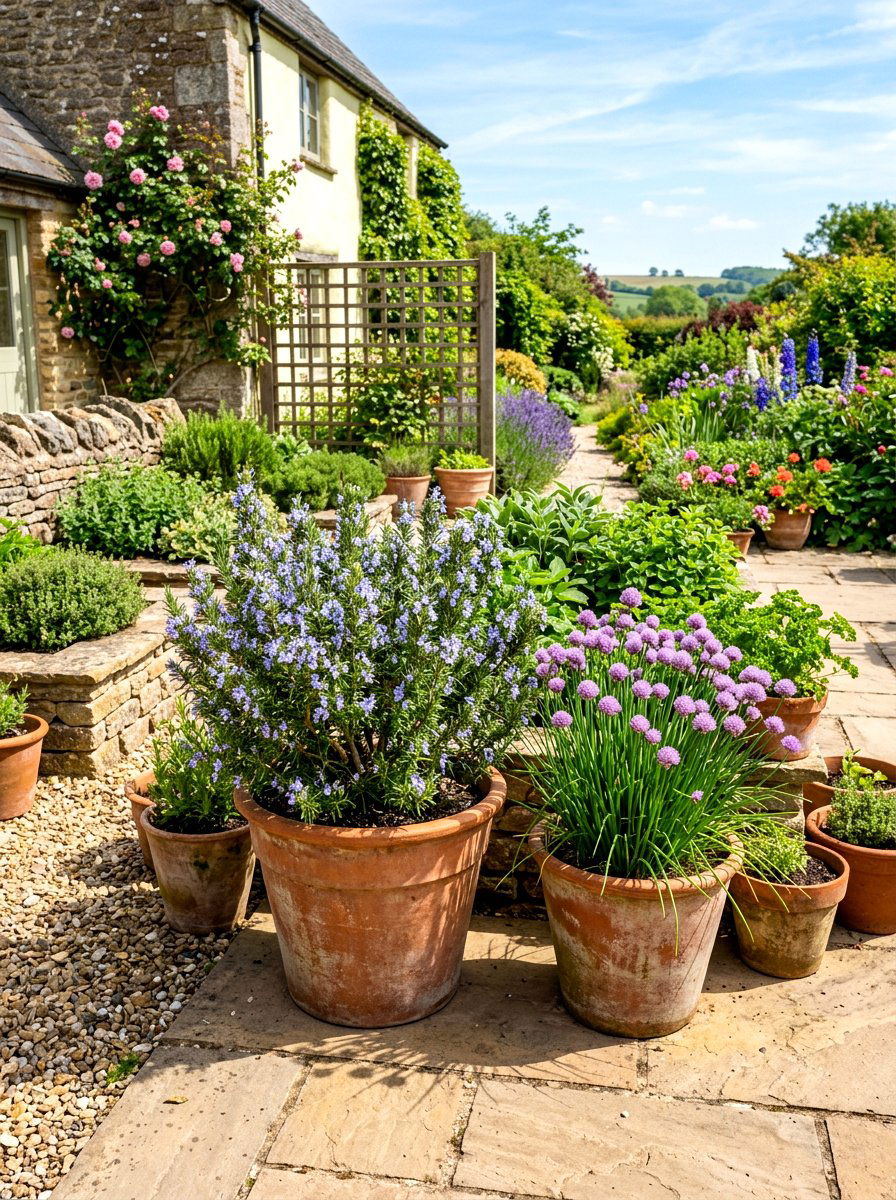
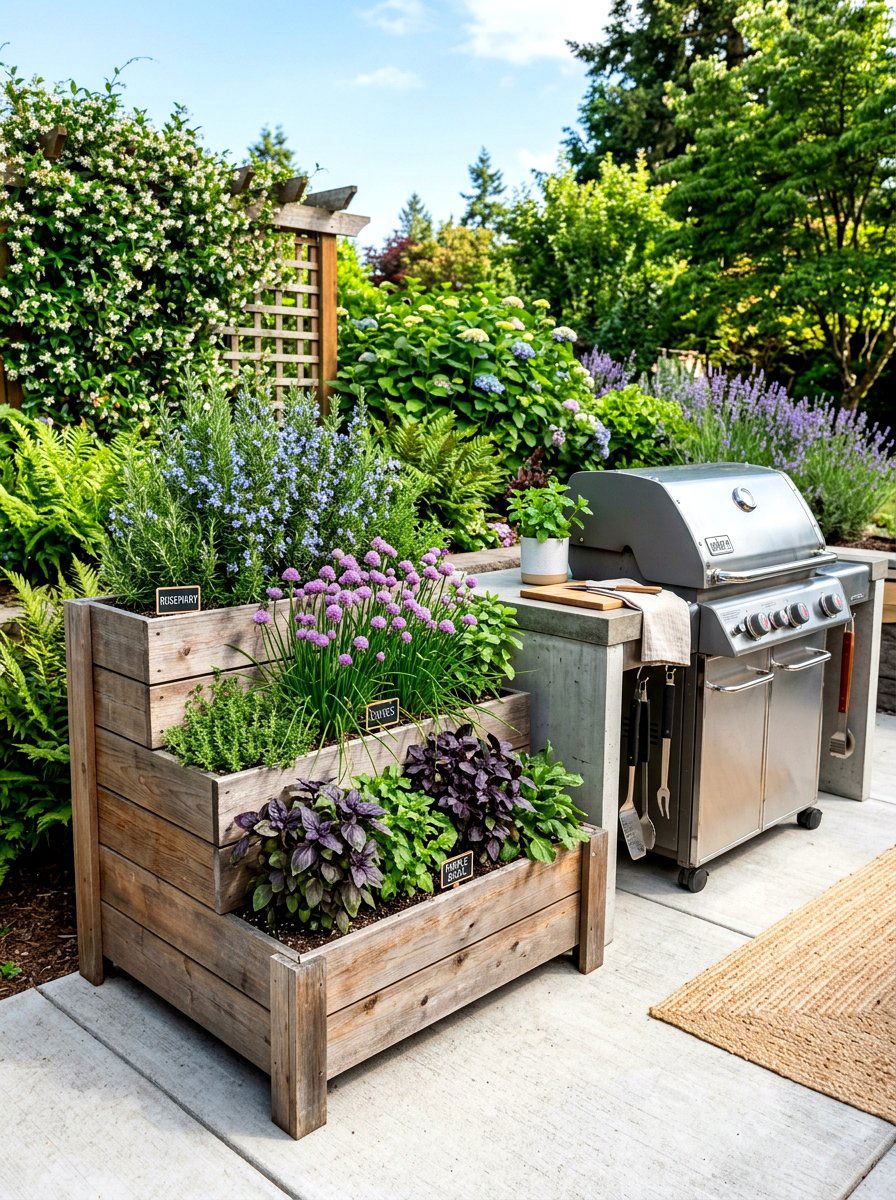
Why not grow a garden that feeds both your family and the local pollinators simultaneously? Many popular culinary herbs, such as rosemary, thyme, oregano, and chives, produce beautiful flowers that are incredibly attractive to honeybees and hoverflies. When you allow a portion of your herbs to bolt and flower, you transform a functional kitchen resource into a thriving wildlife habitat. These plants are often drought-tolerant and easy to maintain, making them ideal for sunny borders or raised beds near the back door. The combination of aromatic foliage and delicate blossoms creates a multi-sensory experience that enhances your cooking while providing vital nutrients for the smallest garden visitors.
9. Shady woodland garden
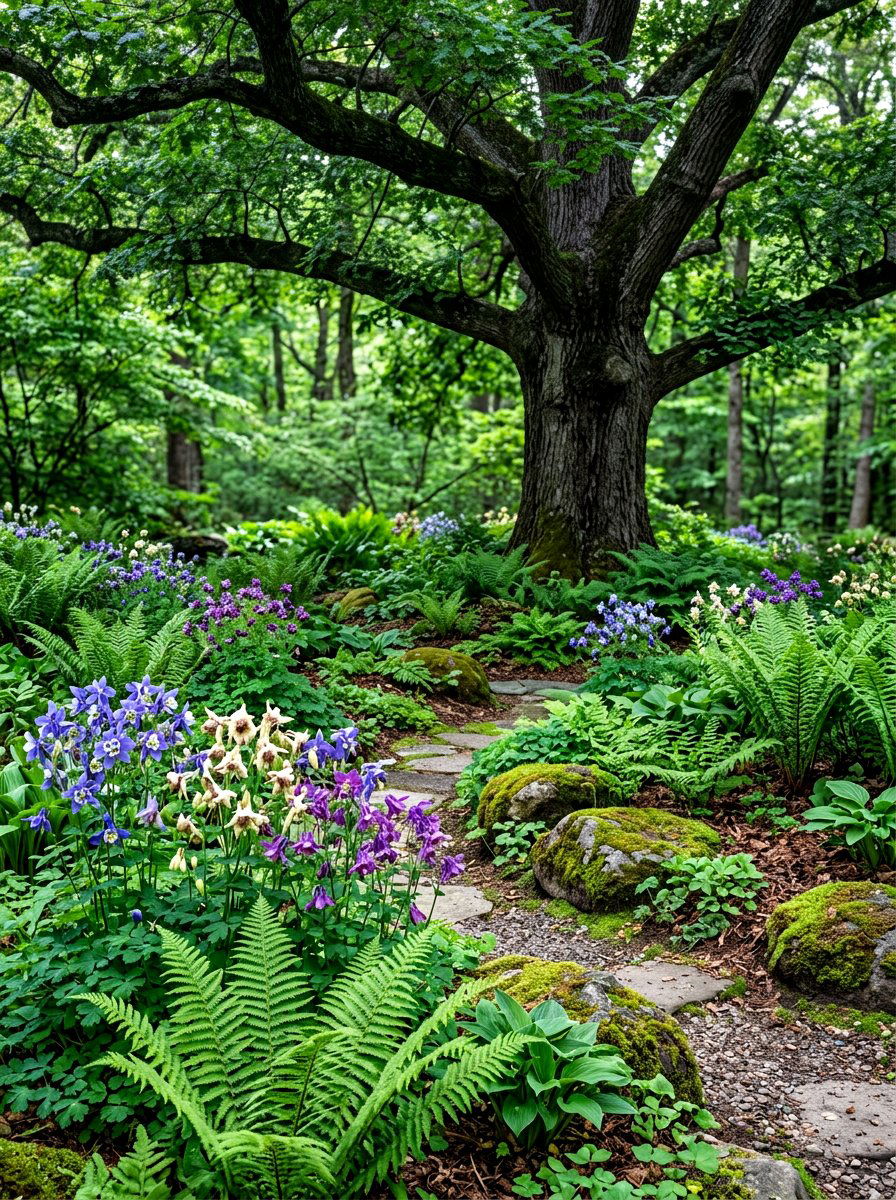
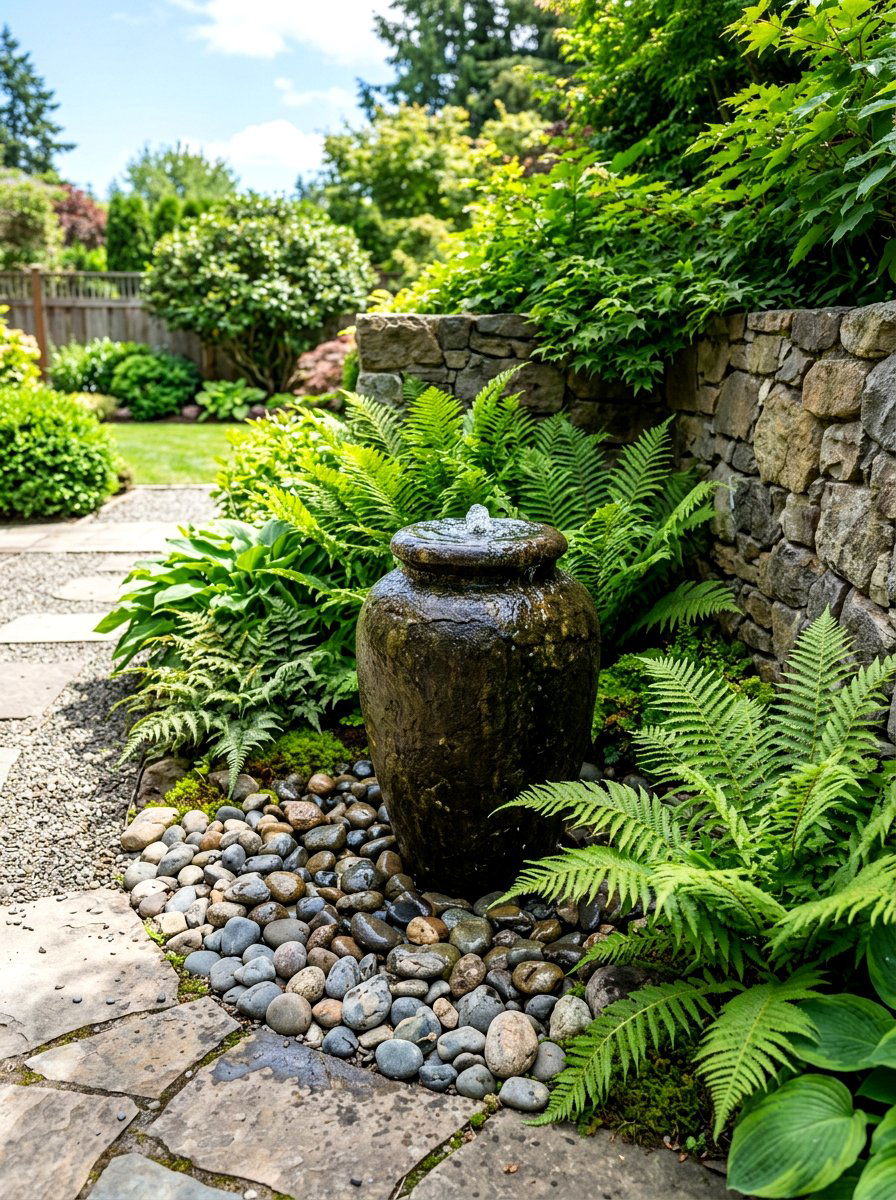
Is it possible to attract pollinators even if your backyard is mostly covered in deep shade? A woodland-style garden utilizing native shade-loving plants like columbine, bleeding hearts, and wild geraniums can be a sanctuary for forest-dwelling insects. These plants have evolved to bloom in the dappled light of the forest floor, providing early spring nectar when food sources are otherwise scarce. Incorporating ferns and mossy logs adds texture and moisture, creating a cool microclimate that supports beetles and moths. This tranquil design approach turns a difficult gardening spot into a lush, green retreat that buzzes with life, proving that every corner of your yard has potential for conservation.
10. Xeriscape rock garden
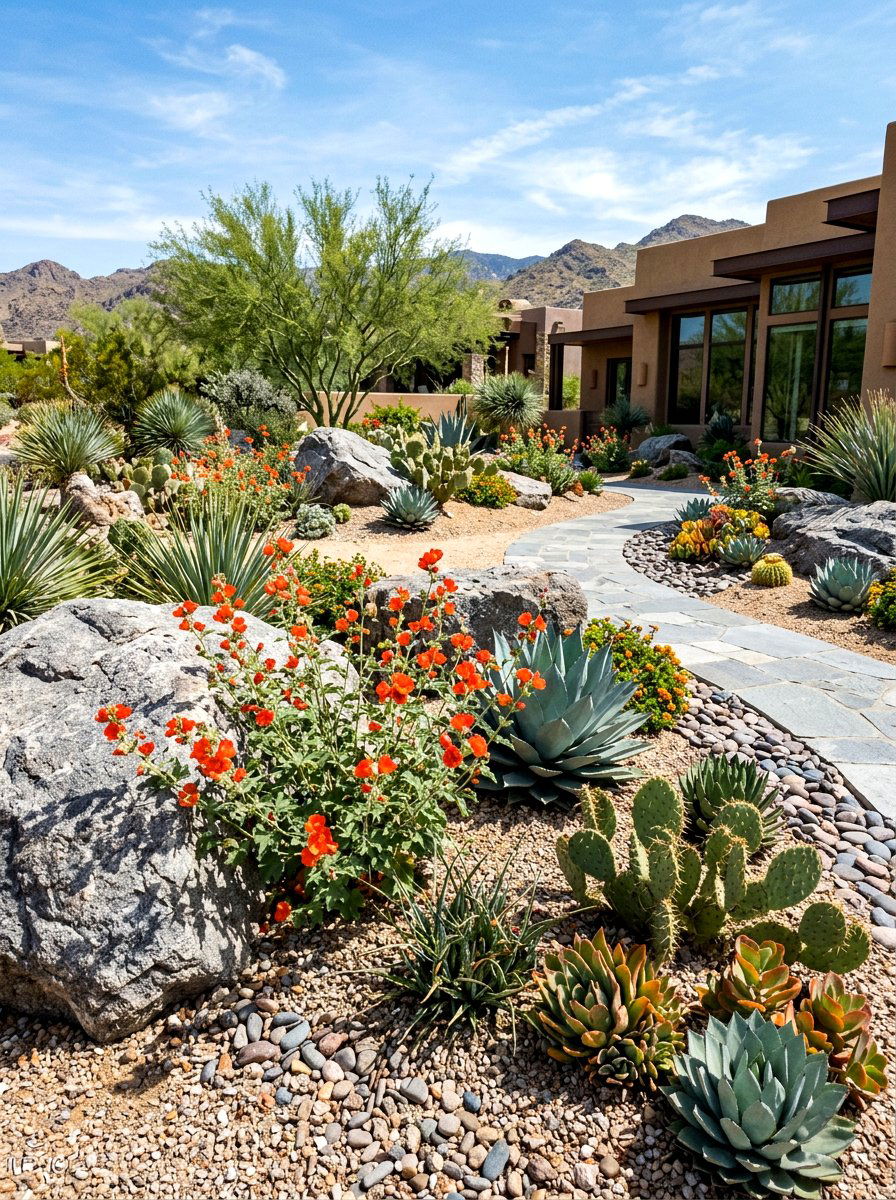
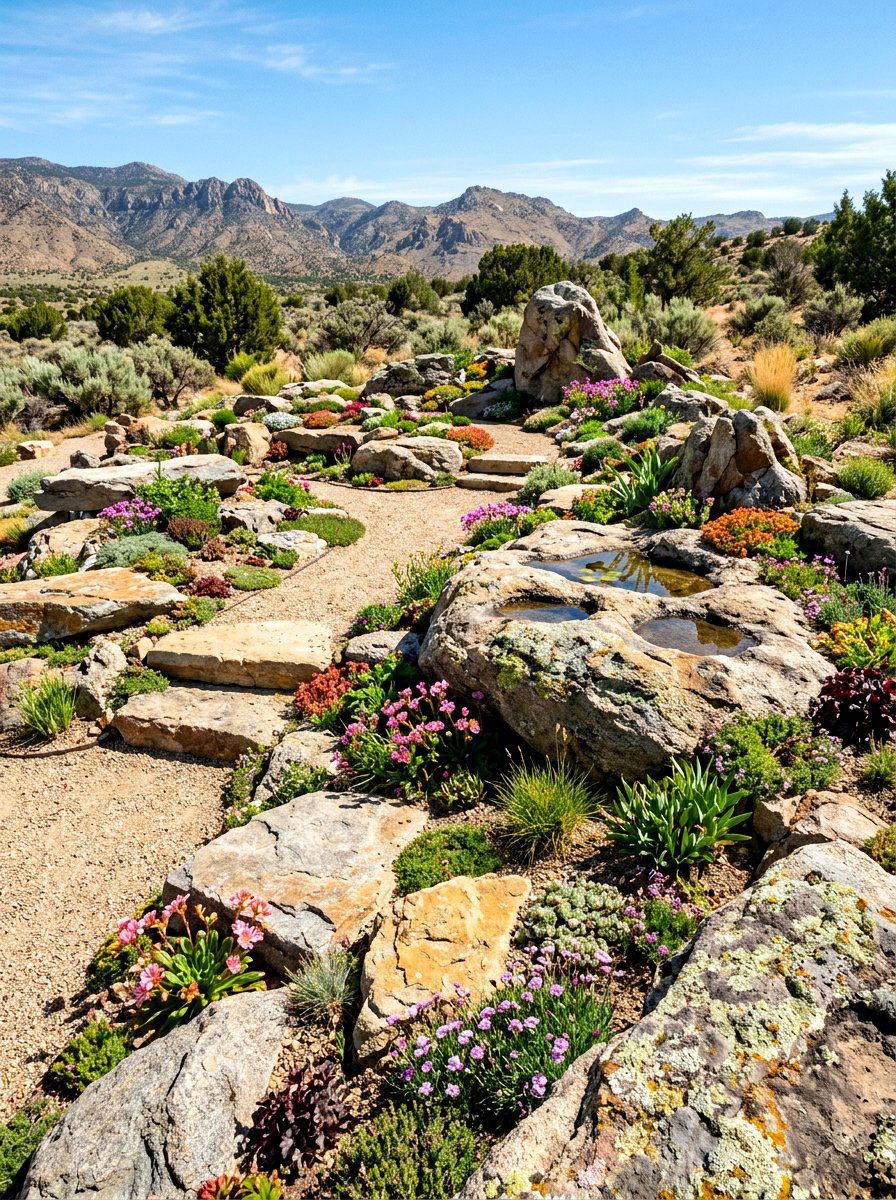
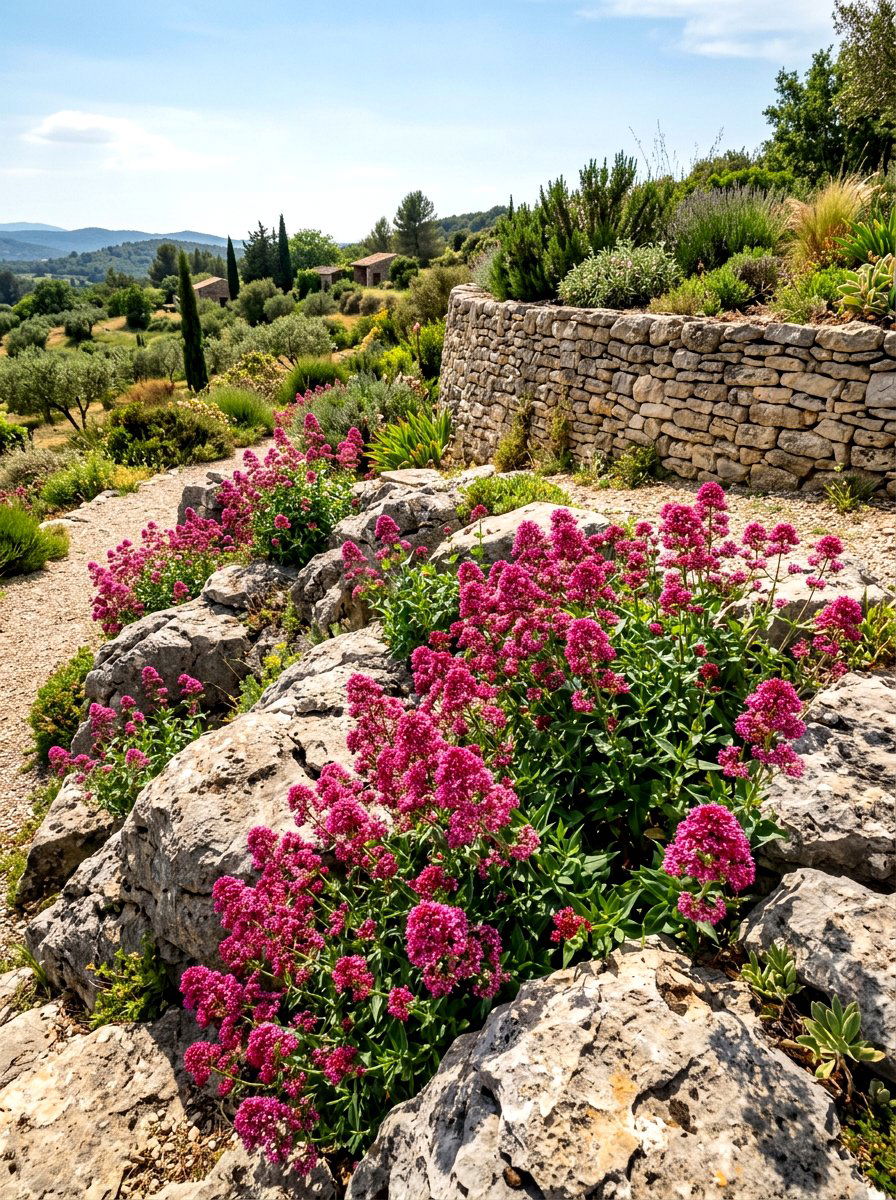
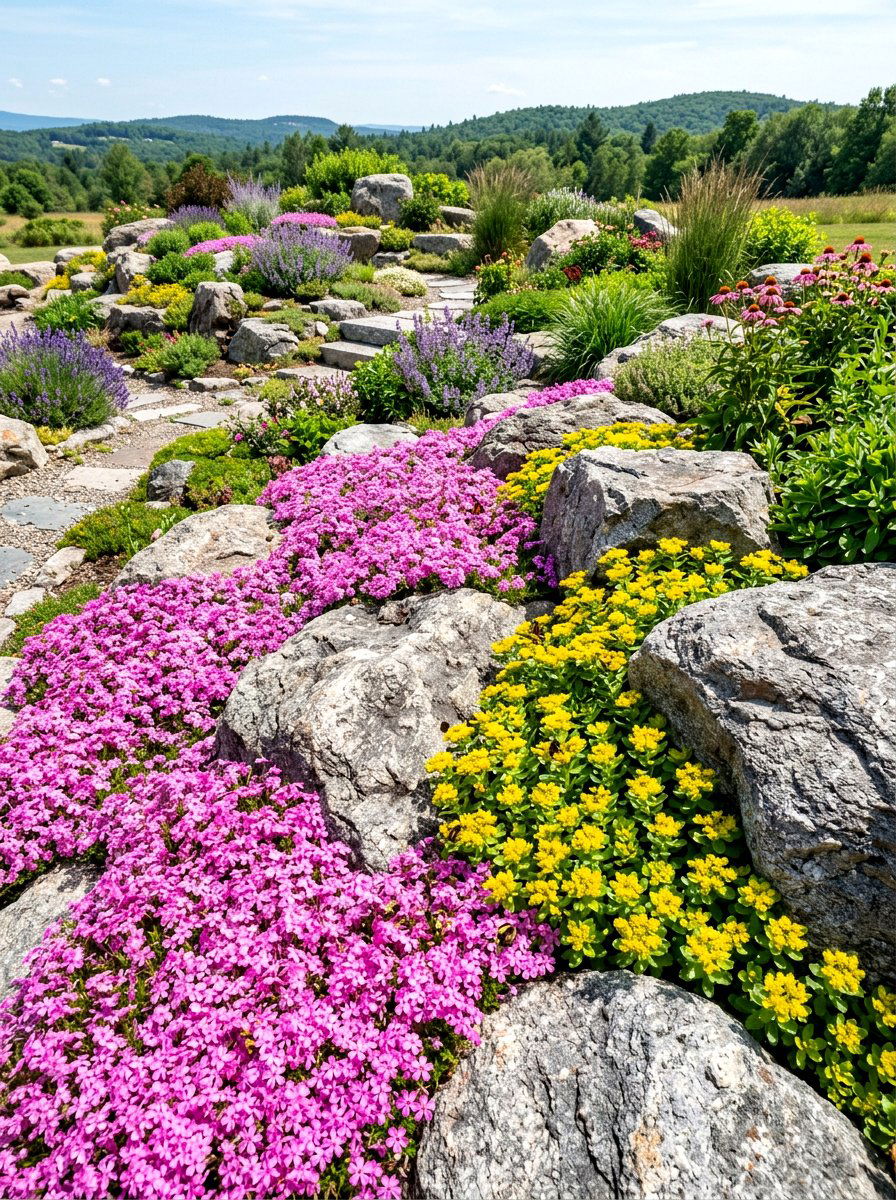
How do you create a pollinator haven in a region with limited rainfall or poor soil conditions? A xeriscape rock garden utilizes drought-resistant plants like sedum, agave, and desert mallow to provide food for insects while conserving precious water resources. By arranging large boulders and gravel paths, you create heat-reflecting surfaces that butterflies love to use for basking in the morning sun. These rugged landscapes are surprisingly low-maintenance and offer a unique, modern aesthetic that stands out from traditional green lawns. Choosing plants with varied bloom times ensures that even in the harshest heat, your garden remains a reliable and beautiful pitstop for resilient local pollinators and wildlife.
11. Fruit tree orchard
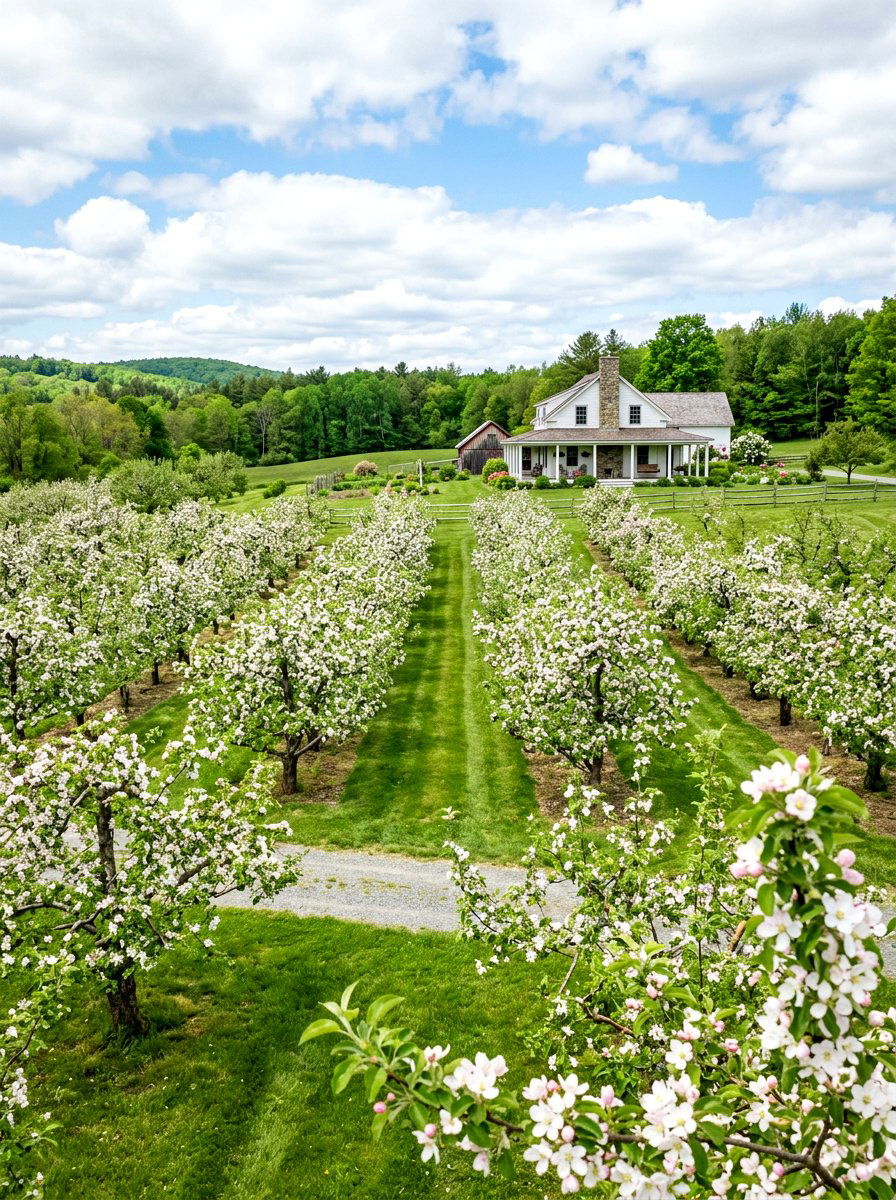
Imagine the sweet scent of apple or cherry blossoms filling the air as your backyard becomes a hub of spring activity. Planting a small orchard of fruit trees provides a massive burst of pollen and nectar during the early season, which is critical for queen bees emerging from hibernation. Once the blossoms are pollinated, you are rewarded with a bountiful harvest of fresh fruit for your kitchen. Trees also provide essential vertical structure and nesting sites for birds and beneficial insects. Whether you have space for a single dwarf peach tree or a row of pears, these living anchors provide long-term value and a stunning seasonal display of white and pink flowers.
12. Container garden patio
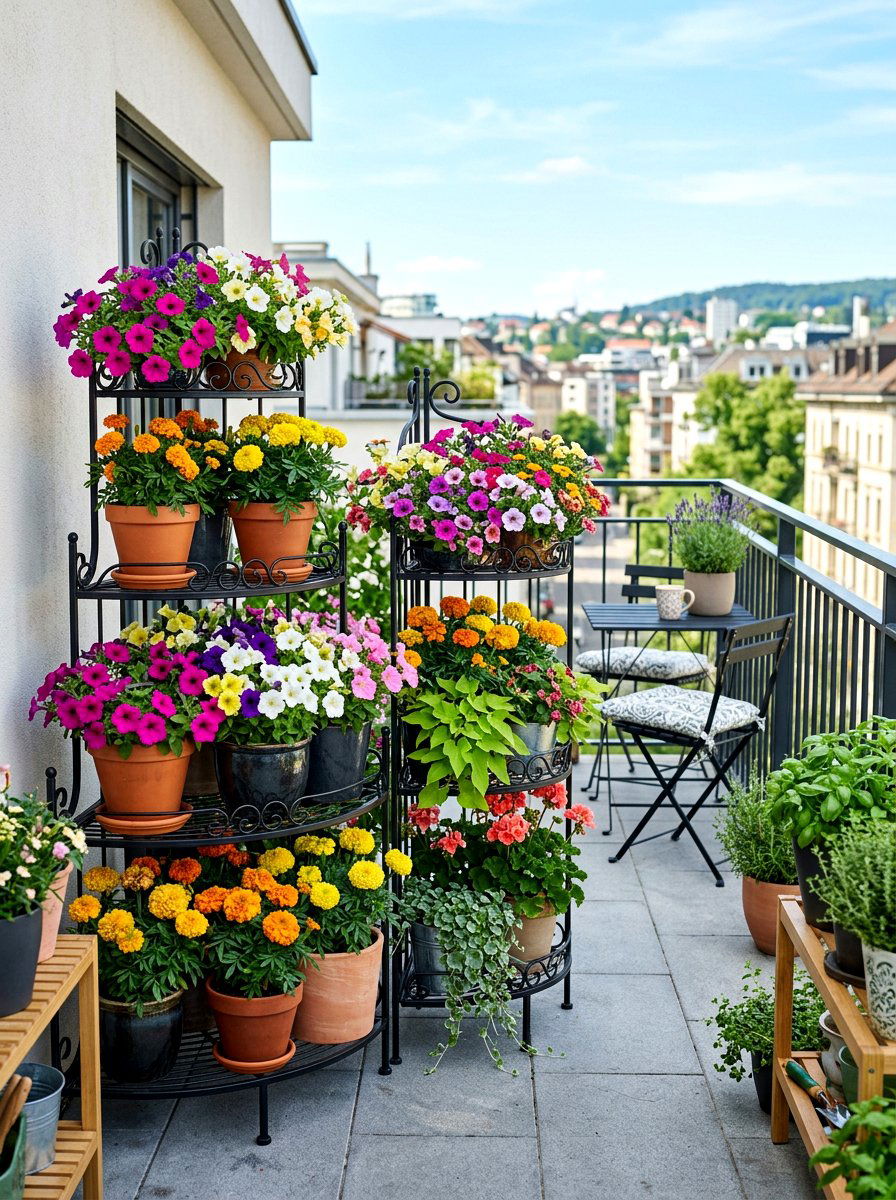
Can you contribute to pollinator conservation if you only have a small balcony or a paved patio? A container garden allows you to pack a high density of flowering plants into a compact footprint, creating a concentrated nectar source for urban insects. By using pots of varying heights and sizes, you can create a lush, tiered look that maximizes your available space. Focus on long-blooming annuals like petunias and marigolds paired with perennial salvias to provide a steady food supply. This mobile garden approach gives you the flexibility to move plants into the sun or shelter as needed, ensuring your mini-ecosystem remains healthy and inviting throughout the entire growing season.
13. Night blooming garden
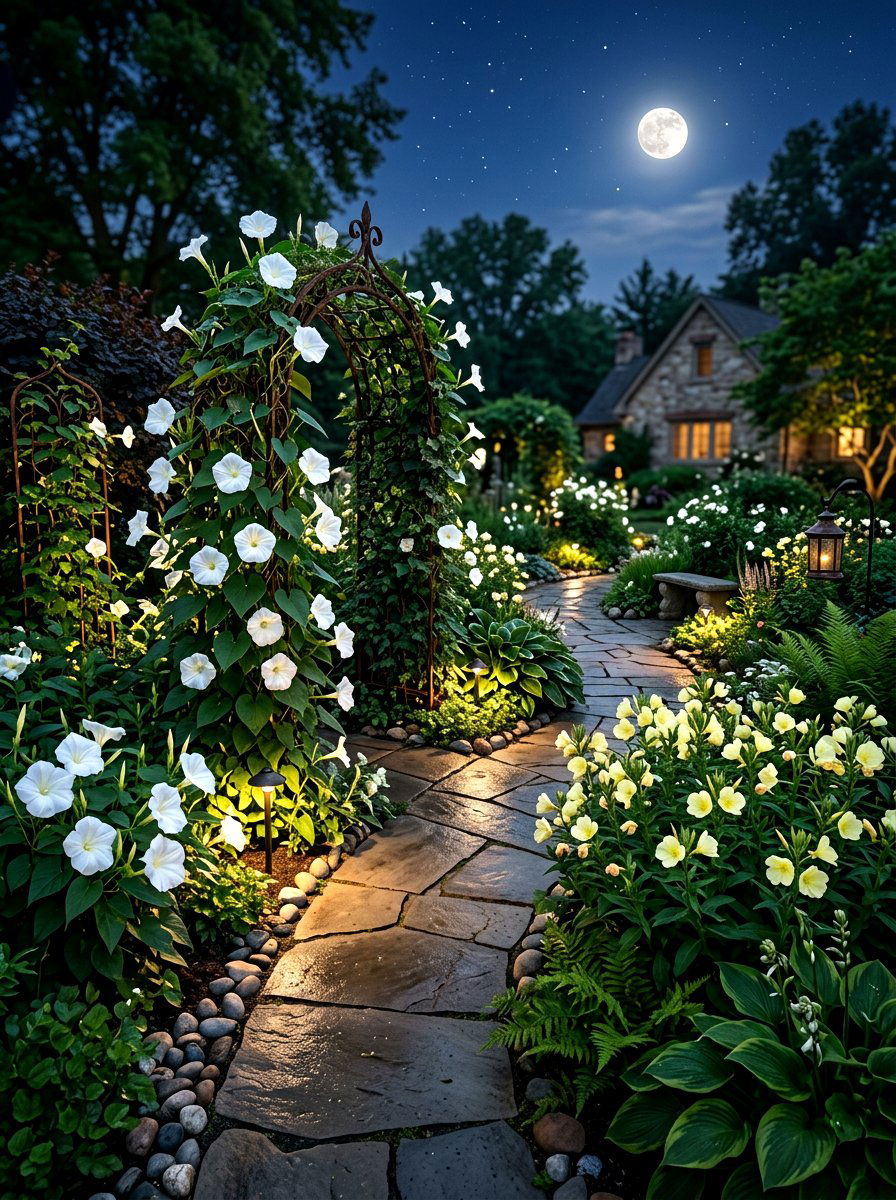
Have you ever considered that pollination continues long after the sun goes down in your backyard? A night-blooming garden specifically targets moths and bats by featuring pale, fragrant flowers that glow in the moonlight. Plants like evening primrose, moonflower, and night-scented stock release their intense perfumes as evening falls, guiding nocturnal visitors to their nectar. This unique garden theme adds a layer of mystery and elegance to your outdoor space, making it a perfect spot for evening relaxation. By supporting these often-overlooked pollinators, you broaden the biodiversity of your yard and enjoy a sensory experience that differs beautifully from the bright, busy activity of the daylight hours.
14. Prairie style grass
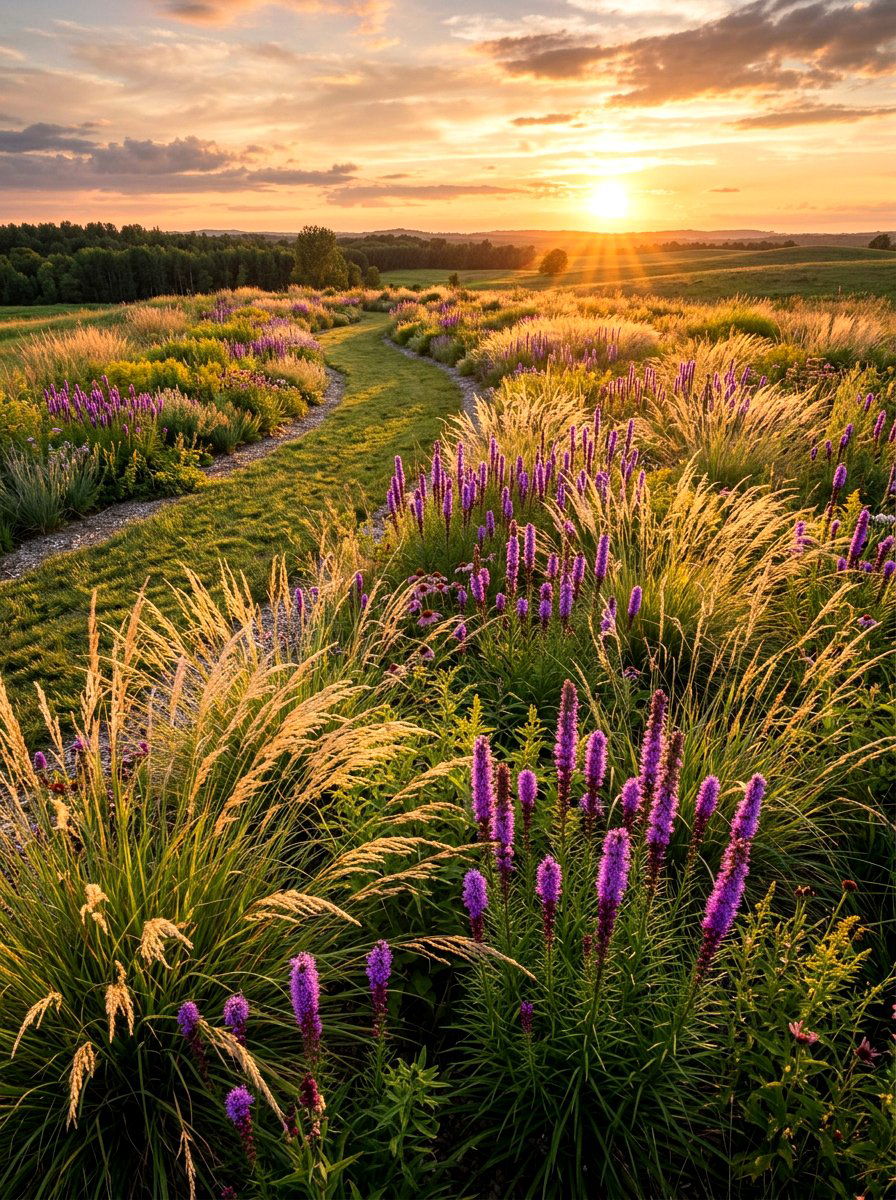
Do you want a garden that feels deeply connected to the wild heritage of the American landscape? A prairie-style garden combines tall native grasses like switchgrass or little bluestem with hardy wildflowers like blazing star and aster. The architectural seed heads of the grasses provide essential winter cover and nesting materials for bees, while the vibrant flowers offer late-season fuel. This design is highly resilient to extreme weather and offers a sense of movement as the tall stalks sway in the breeze. The deep root systems of prairie plants also improve soil health and water filtration, making this a functional and aesthetically striking choice for large open backyard spaces.
15. Vertical pollinator wall
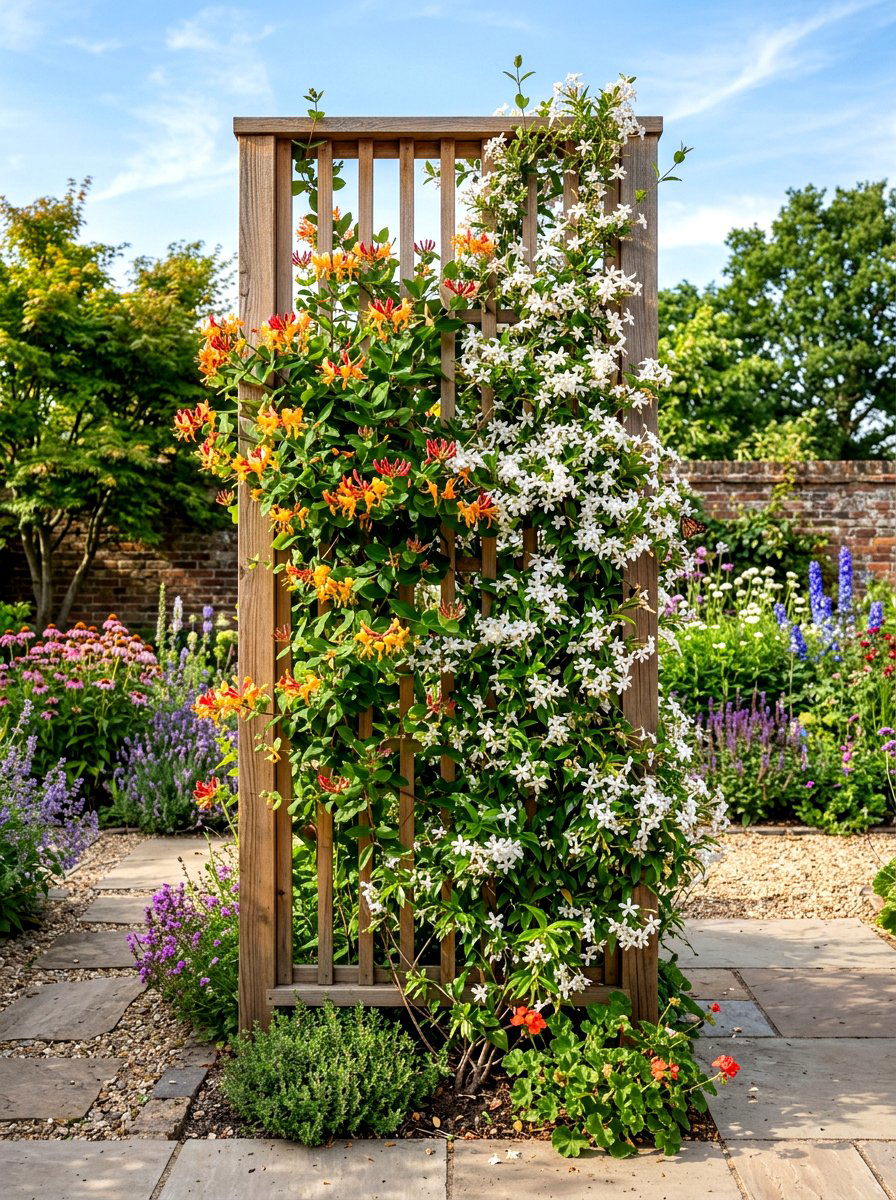
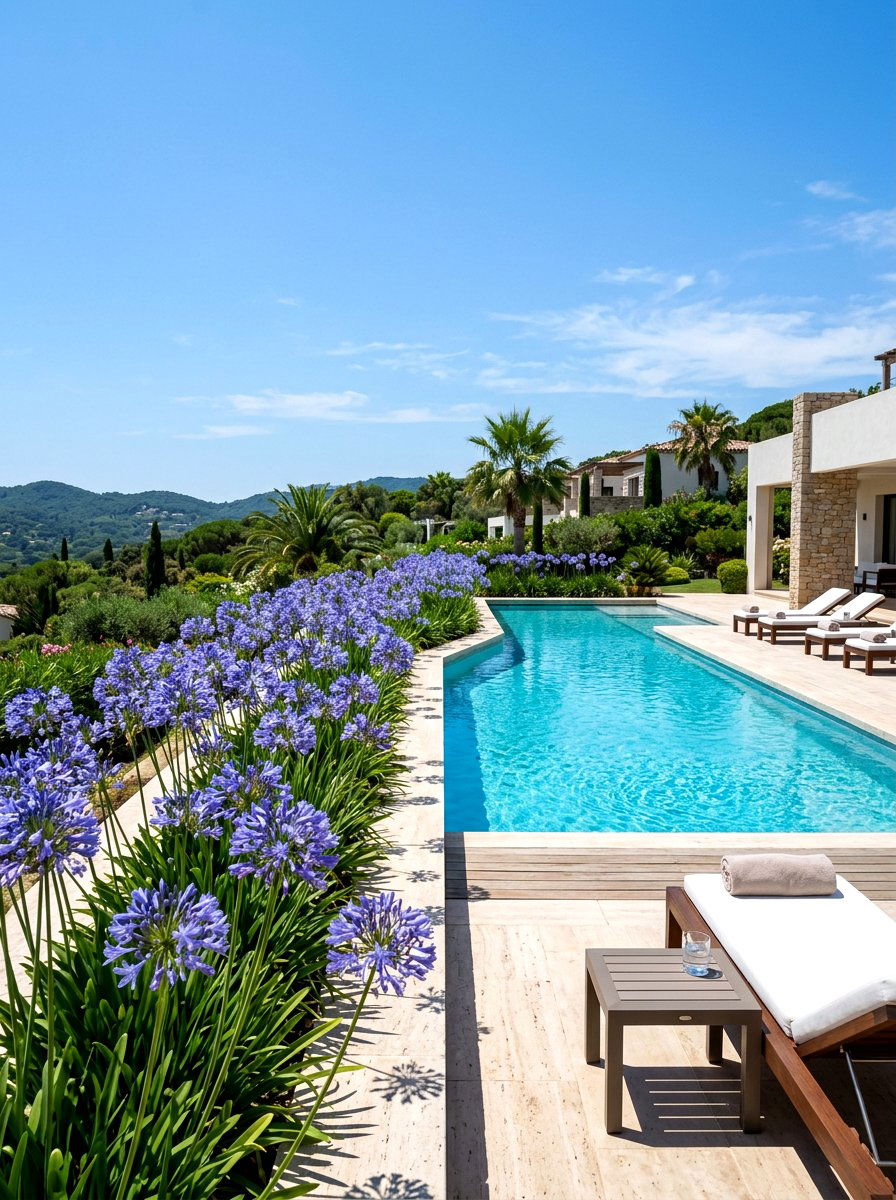
How can you maximize your garden's footprint by growing upward instead of outward on your property? A vertical pollinator wall uses trellises, hanging planters, or specialized living wall systems to house a variety of climbing vines and cascading flowers. Flowering vines like honeysuckle, clematis, and jasmine provide dense clusters of blooms that attract hummingbirds and long-tongued bees. This approach is ideal for disguising unsightly fences or adding privacy to a seating area while simultaneously increasing the nectar density of your yard. By layering plants vertically, you create a multi-dimensional habitat that feels incredibly lush and immersive, even in the most restricted urban environments or small residential backyards.
16. Native rain garden
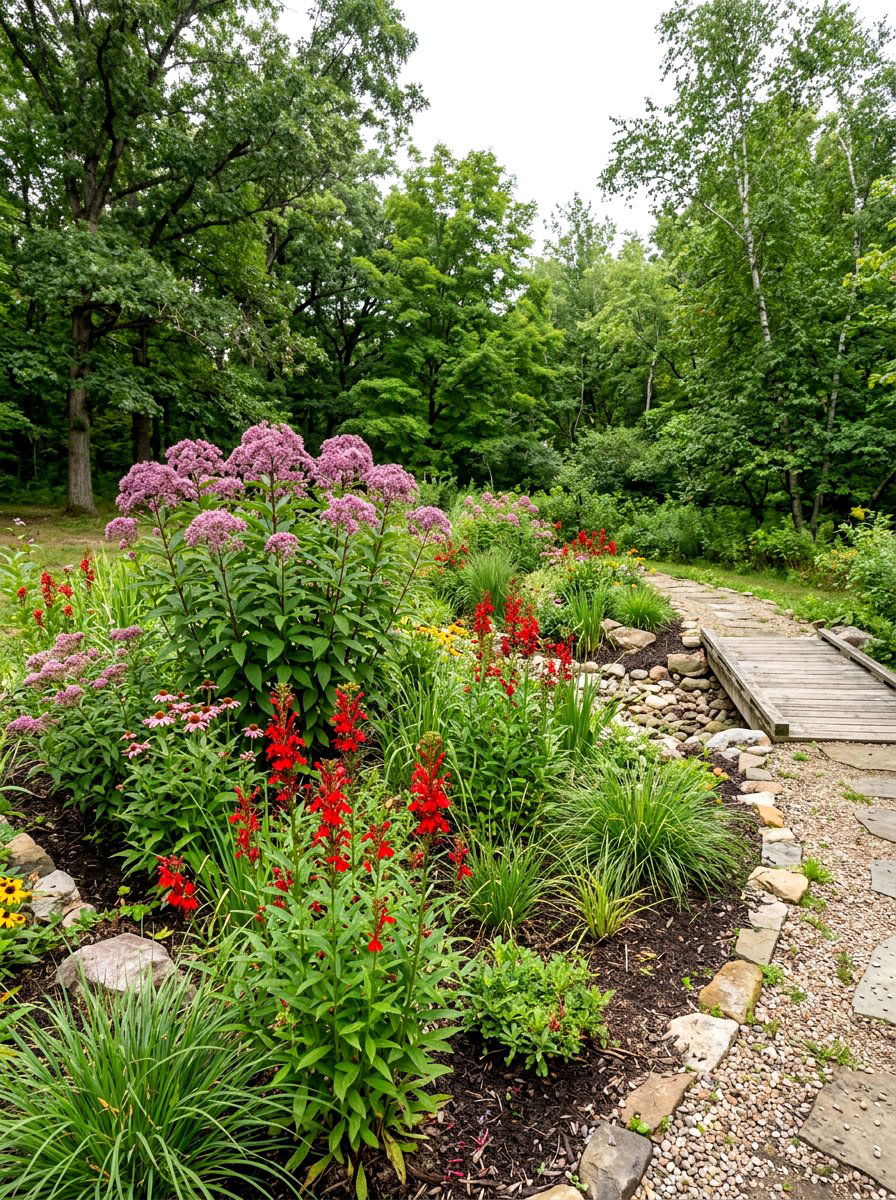
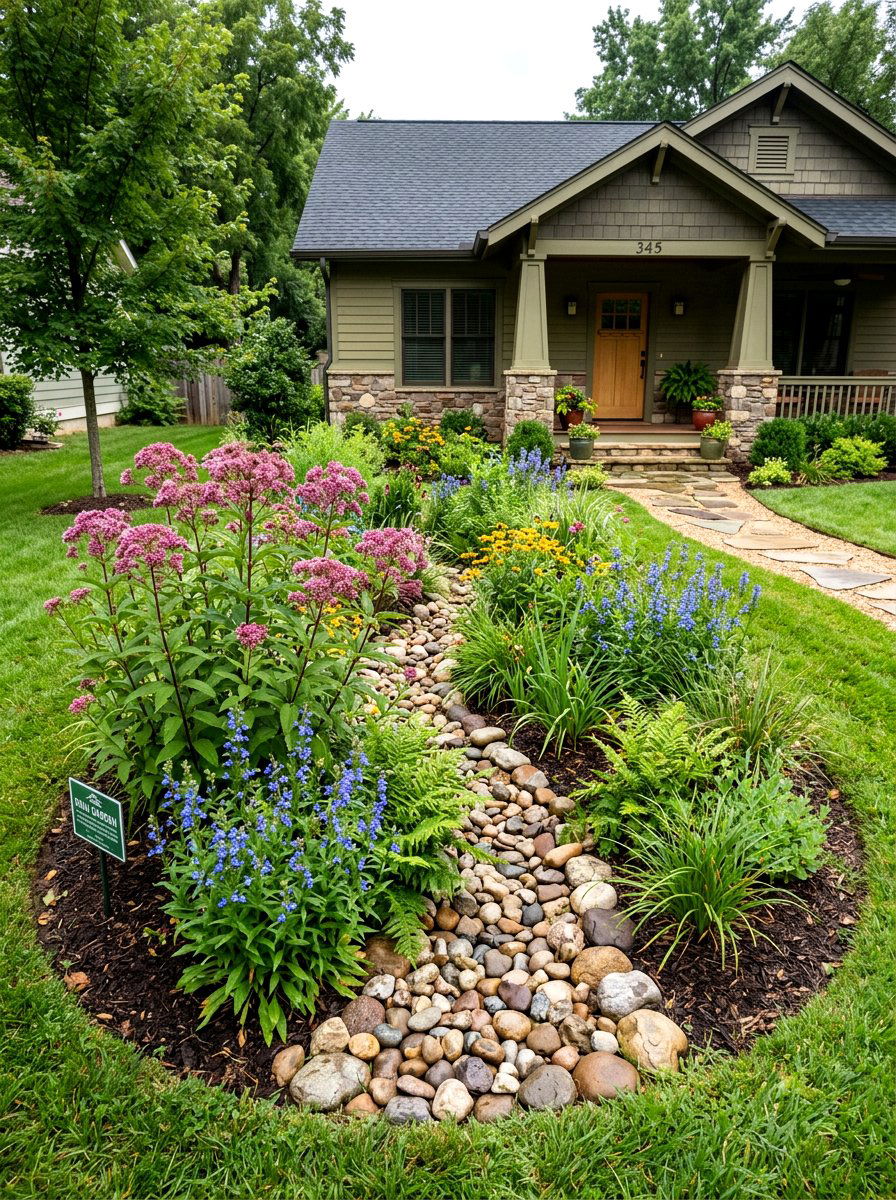
Are you looking for a way to manage backyard drainage while supporting your local ecosystem? A native rain garden is a shallow depression planted with moisture-loving species like joe-pye weed, swamp milkweed, and cardinal flower. These gardens are designed to capture and filter rainwater runoff, preventing it from entering storm drains while providing a lush habitat for moisture-dependent pollinators. The vibrant colors and tall structures of these plants create a dramatic focal point that thrives in occasionally wet soil. By turning a soggy area of your yard into a functional rain garden, you solve a practical landscaping problem while creating a beautiful, biodiversity-boosting feature that attracts butterflies and dragonflies.
17. Giant sunflower patch
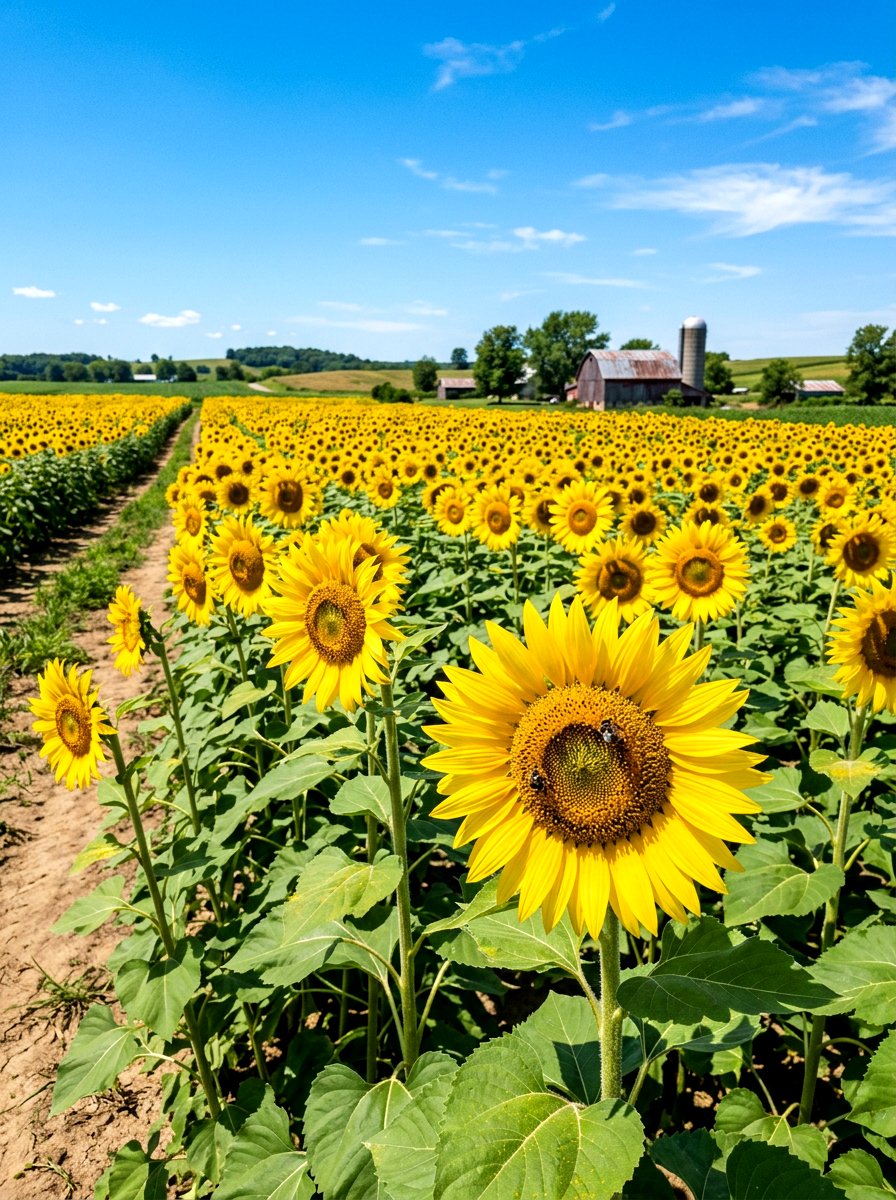
What brings more joy than a row of giant sunflowers reaching toward the sky in late summer? A sunflower patch is a powerhouse for pollinators, with each large flower head containing hundreds of tiny individual florets rich in nectar and pollen. These iconic plants are incredibly easy to grow from seed, making them a perfect project for families and beginner gardeners. Beyond their beauty, sunflowers provide a massive amount of food for bees and later offer nutritious seeds for local birds. Planting them in a dense cluster along a sunny border creates a cheerful living screen that provides height and a sense of abundance to your backyard garden design.
18. Salvia and sage
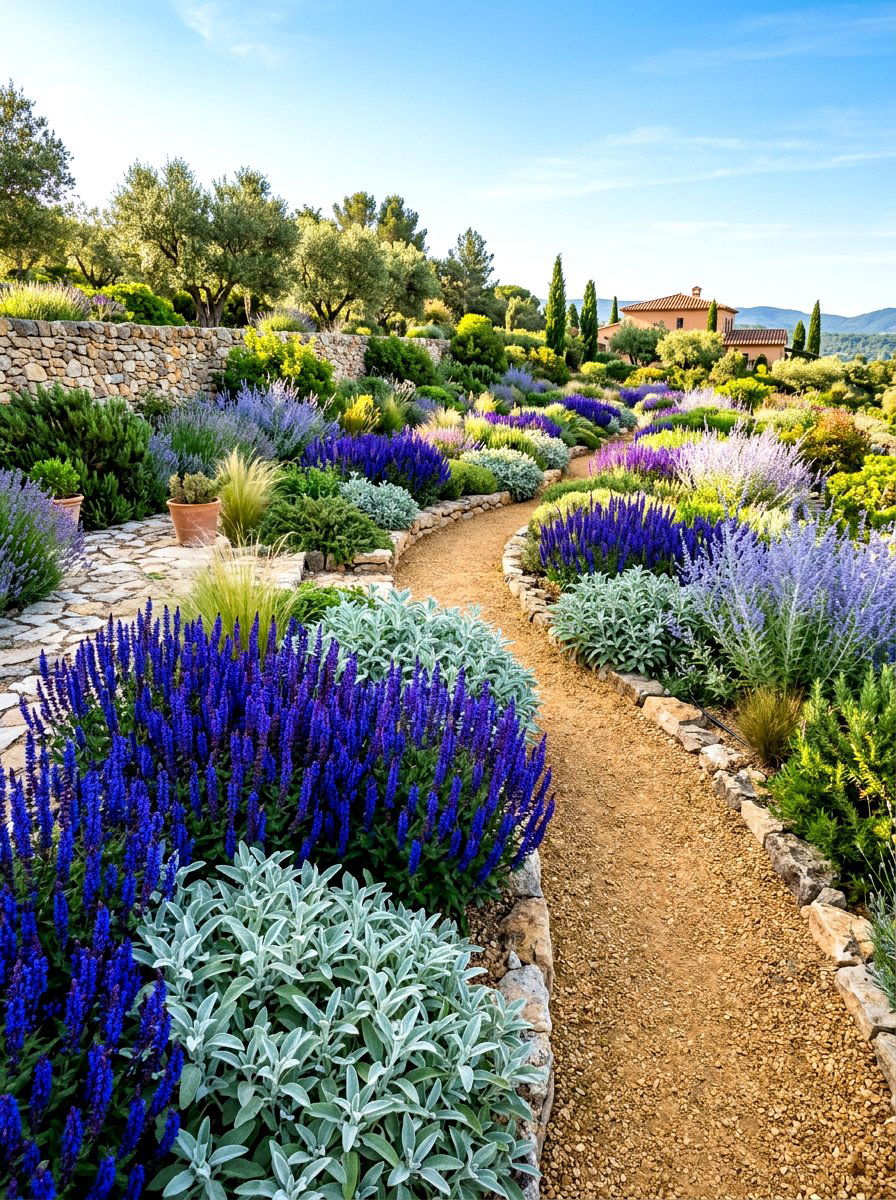
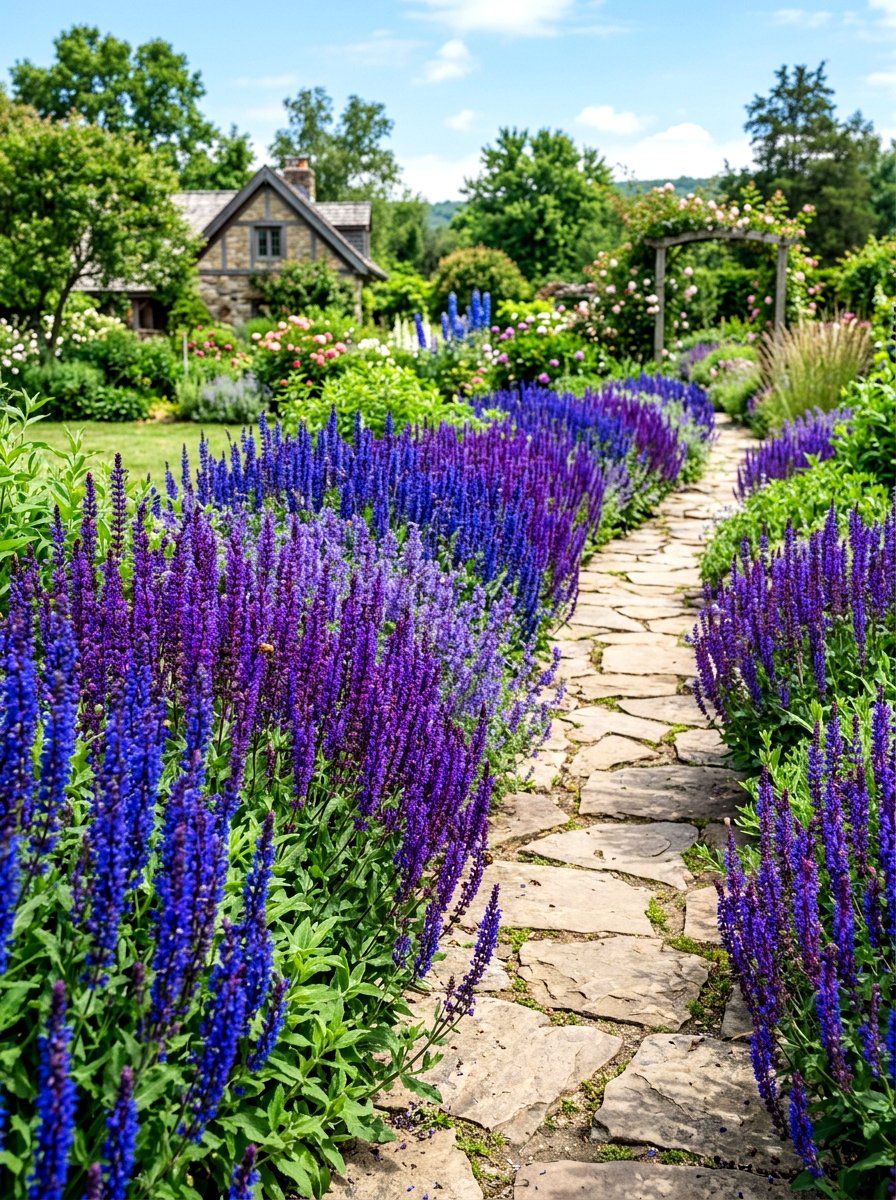
Can a single group of plants offer enough diversity to support an entire range of garden visitors? The salvia family, including many ornamental and culinary sages, is renowned for its long-lasting, tubular flowers that are irresistible to bees, butterflies, and hummingbirds. These plants come in a stunning array of colors, from deep electric blues and purples to vibrant reds and soft pinks. Most salvias are heat-tolerant and require minimal watering once established, making them a reliable choice for the middle of a sunny border. Their aromatic foliage also acts as a natural deterrent for deer and rabbits, ensuring your pollinator buffet remains untouched by hungry browsing mammals throughout the season.
19. Purple coneflower border
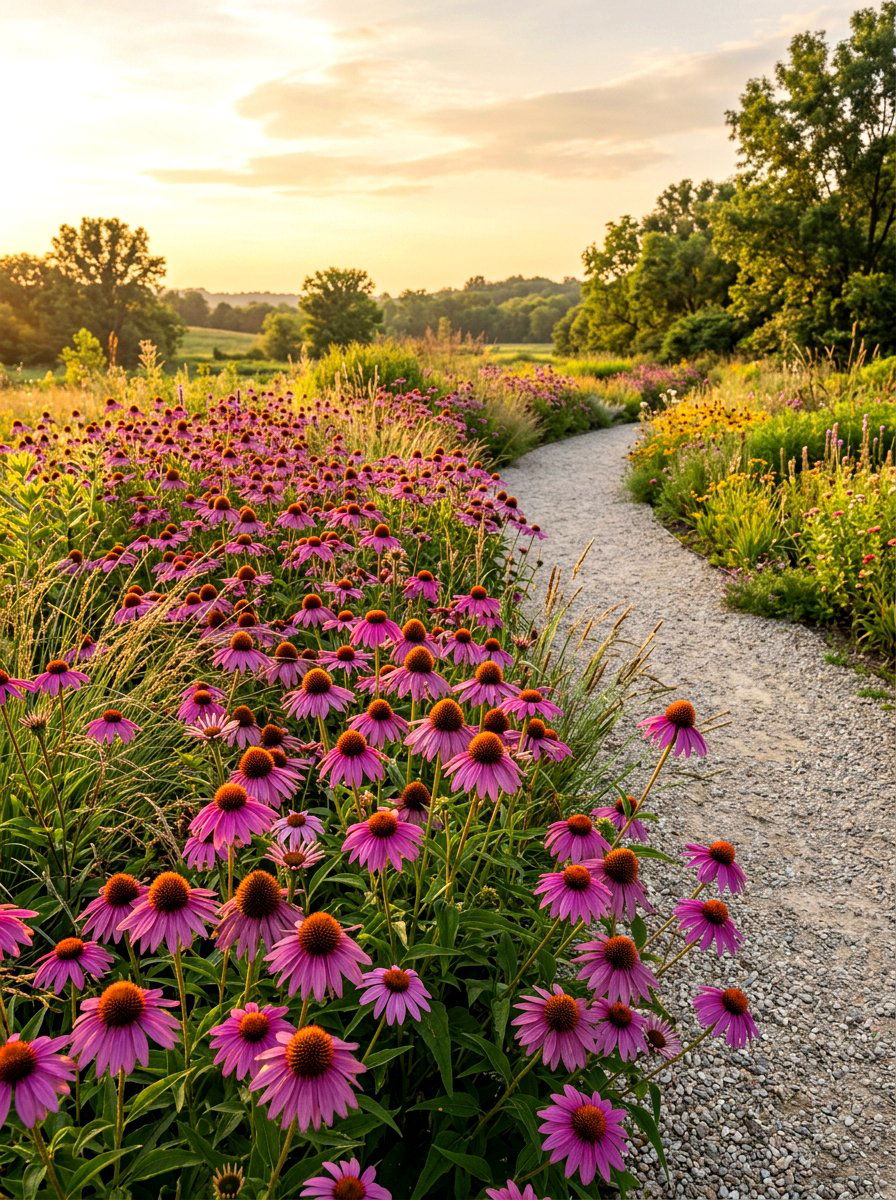
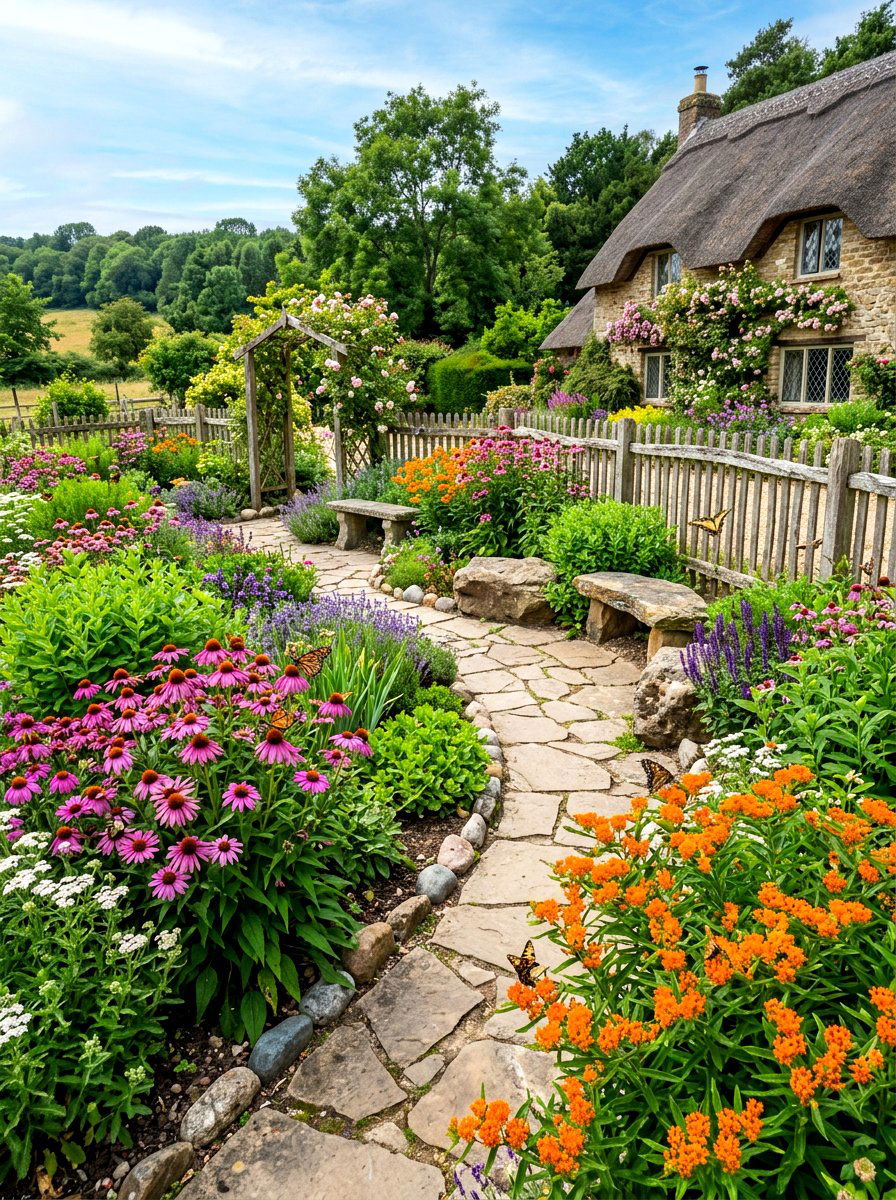
Are you searching for a hardy perennial that provides consistent color and serves as a reliable landing pad? Echinacea, or purple coneflower, is a quintessential pollinator plant that features a prominent central cone and sturdy petals. These flowers are exceptionally attractive to butterflies and bees, who can easily rest on the flat surface while feeding. Once the blooms fade, the dried seed heads provide a valuable food source for goldfinches and other small birds during the autumn months. Planting coneflowers in large groups along a walkway or border creates a classic, meadow-like feel that requires very little maintenance while offering high ecological value for many years.
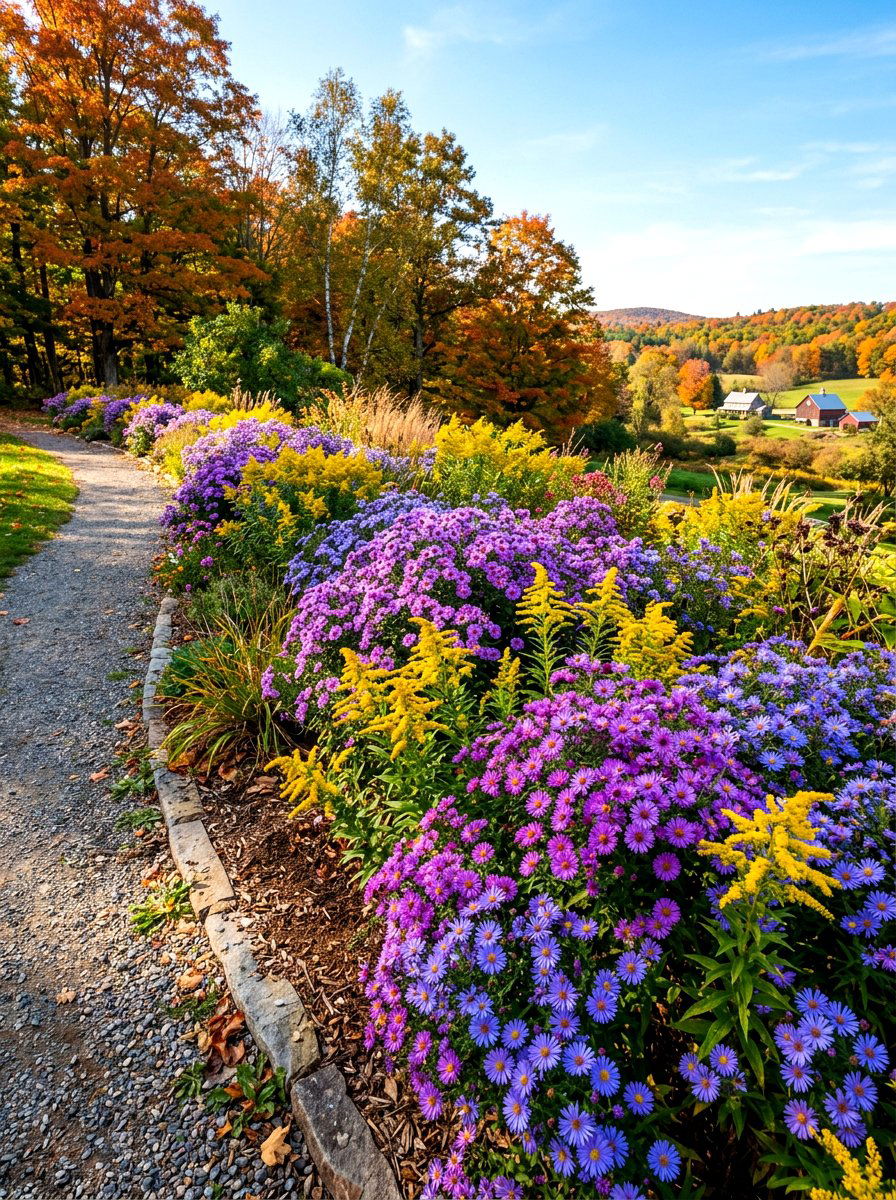
20. No mow lawn
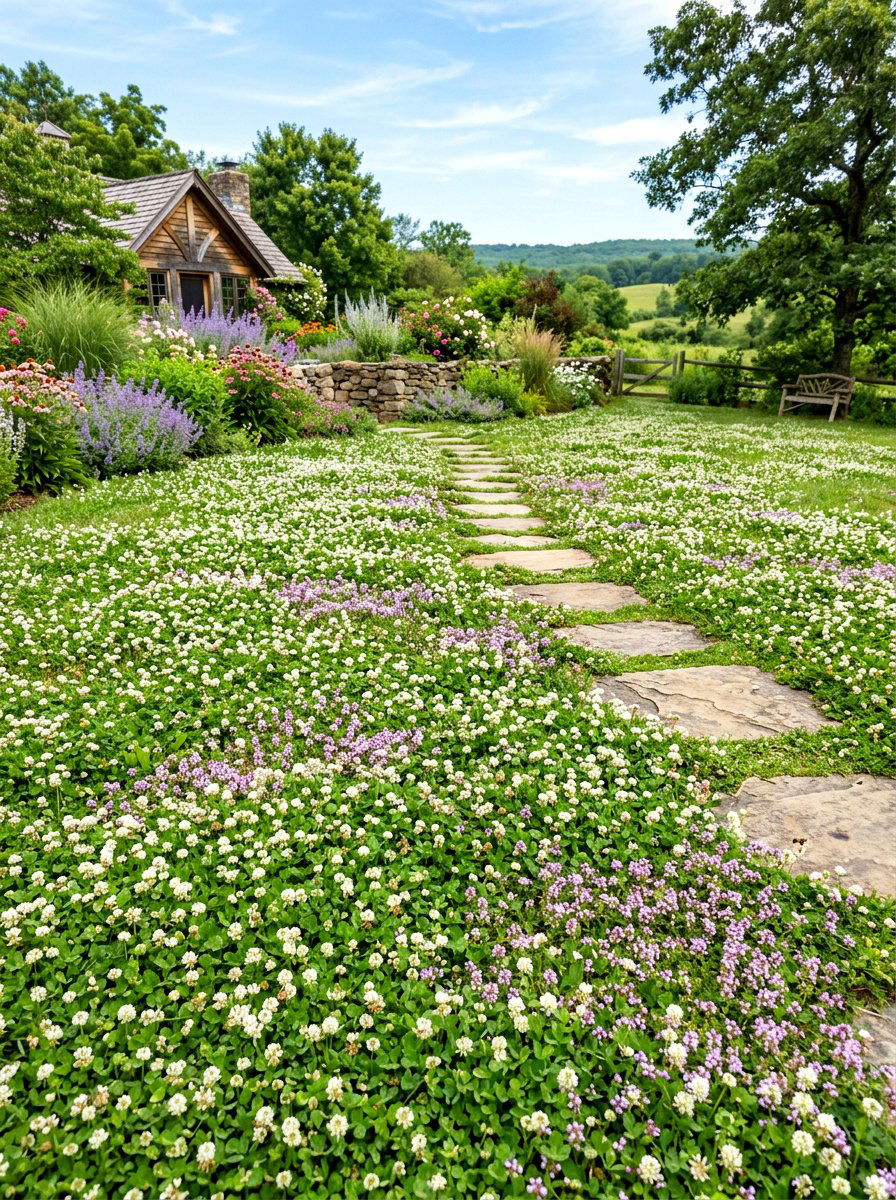
Have you ever considered trading your high-maintenance grass for a living carpet that actually helps the environment? A no-mow lawn alternative uses low-growing flowering groundcovers like white clover, creeping thyme, or self-heal to replace traditional turf. These plants stay short and require far less water and zero fertilizer, while their constant blossoms provide a steady food source for honeybees. This shift not only saves you hours of weekend labor but also creates a soft, fragrant surface that is pleasant to walk on. Transforming your lawn into a flowering meadow-lite is a bold step toward sustainability that significantly increases the carrying capacity of your backyard for local beneficial insects.
21. Wildlife habitat pile
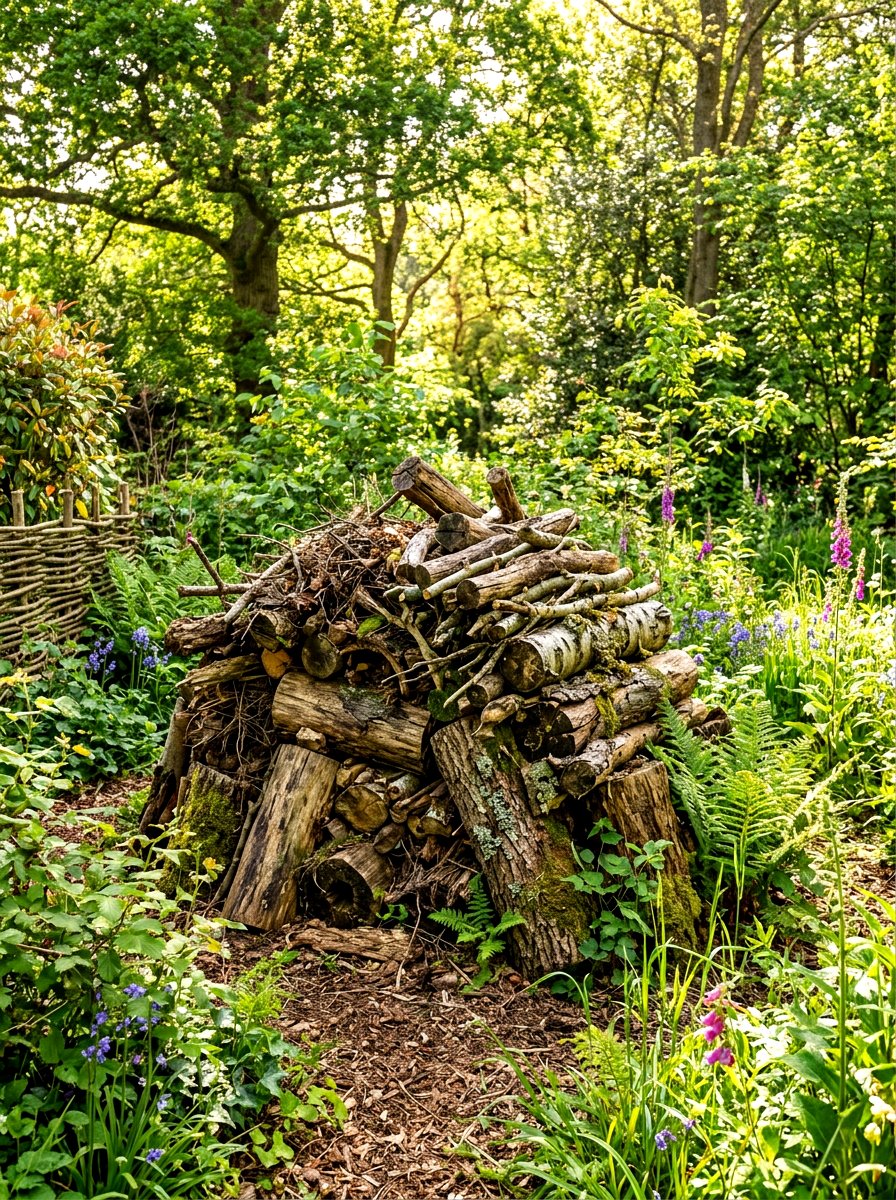
Is there a place in your garden where nature can simply take its course without interference? Creating a designated wildlife habitat pile using fallen logs, branches, and leaf litter provides essential nesting and overwintering sites for many pollinators. Solitary bees often nest in the hollow stems of dead plants or in the crevices of old wood, while some butterflies hibernate as chrysalises tucked away in the brush. Tucking this feature into a quiet corner or behind some shrubs keeps your garden looking tidy while providing a critical sanctuary for the smaller residents of your ecosystem. This "messy" approach is one of the most effective ways to ensure year-round insect survival.
22. Flowering shrub hedge
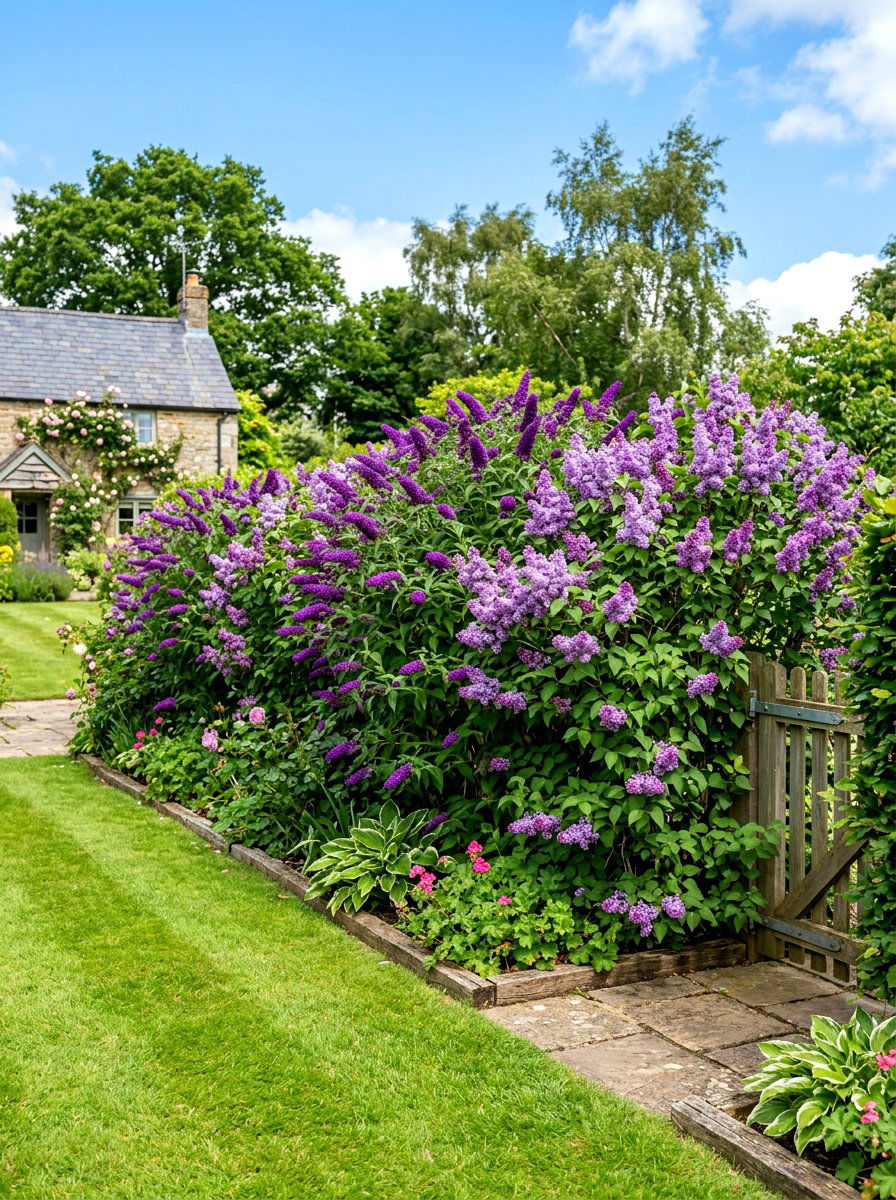
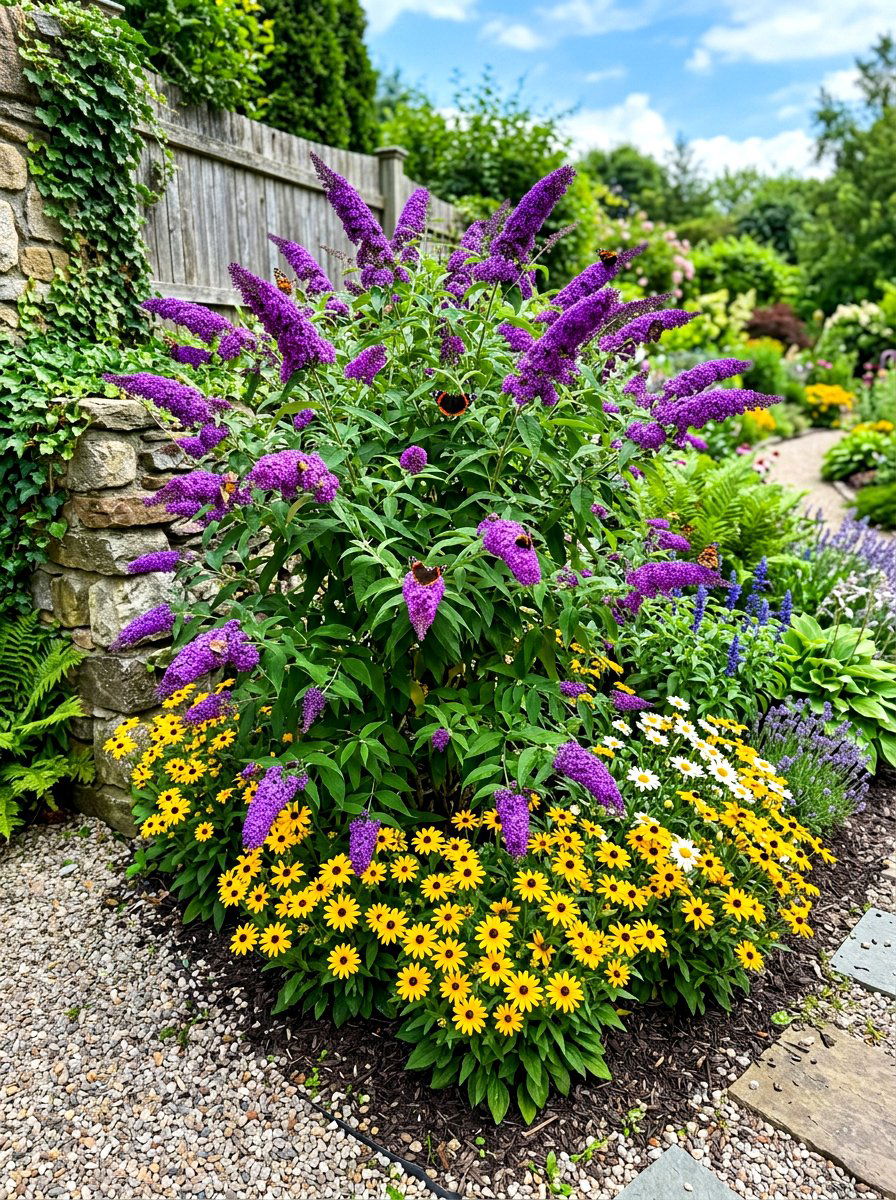
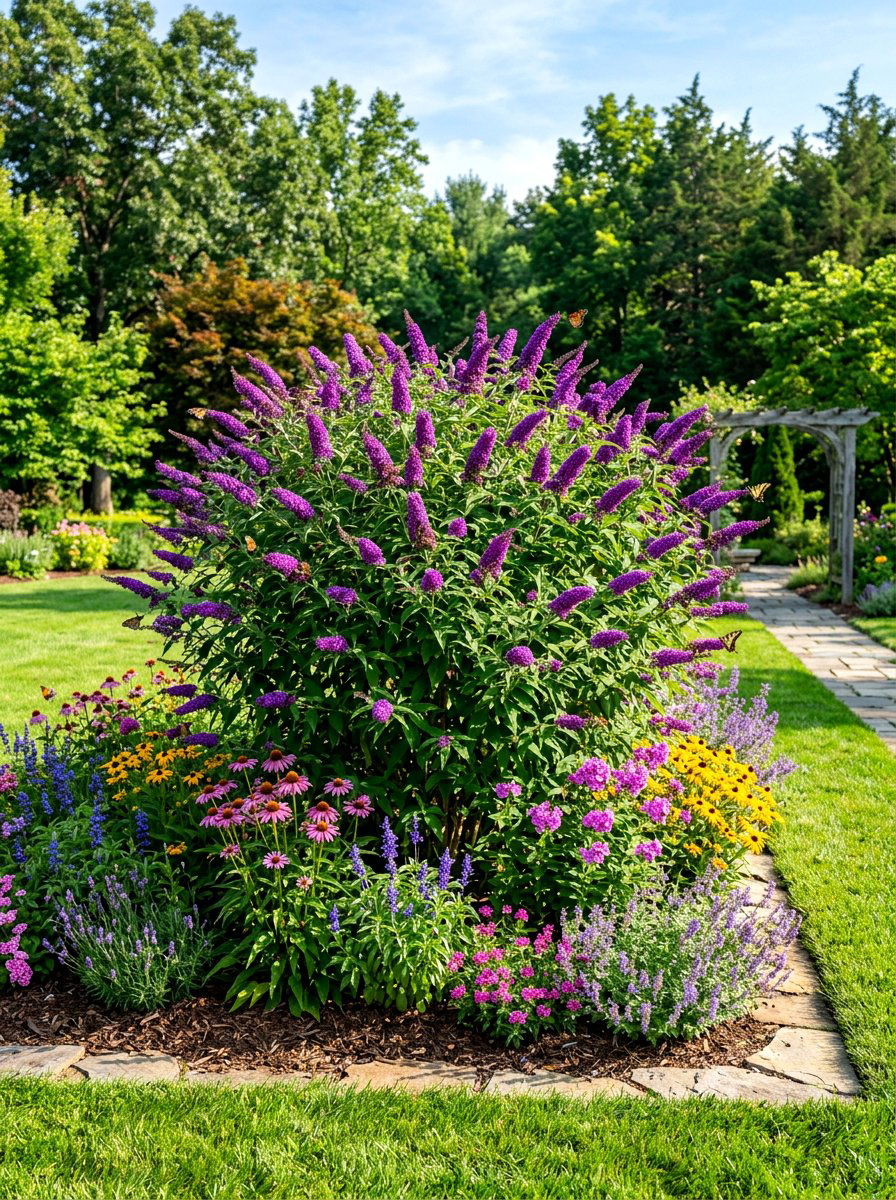
How can you define your property boundaries while providing massive amounts of food for local wildlife? Replacing a sterile fence with a flowering shrub hedge featuring plants like lilacs, viburnum, or butterfly bush creates a multi-functional barrier. These shrubs offer dense cover for nesting birds and a high volume of nectar-rich blossoms for bees and butterflies. Many varieties also produce berries in the fall, extending their value into the cooler months. A well-chosen hedge provides privacy, reduces noise, and acts as a massive "gas station" for pollinators traveling through your neighborhood. The structural beauty of flowering shrubs adds permanent architecture to your backyard while changing dynamically with each passing season.
23. Single petal roses
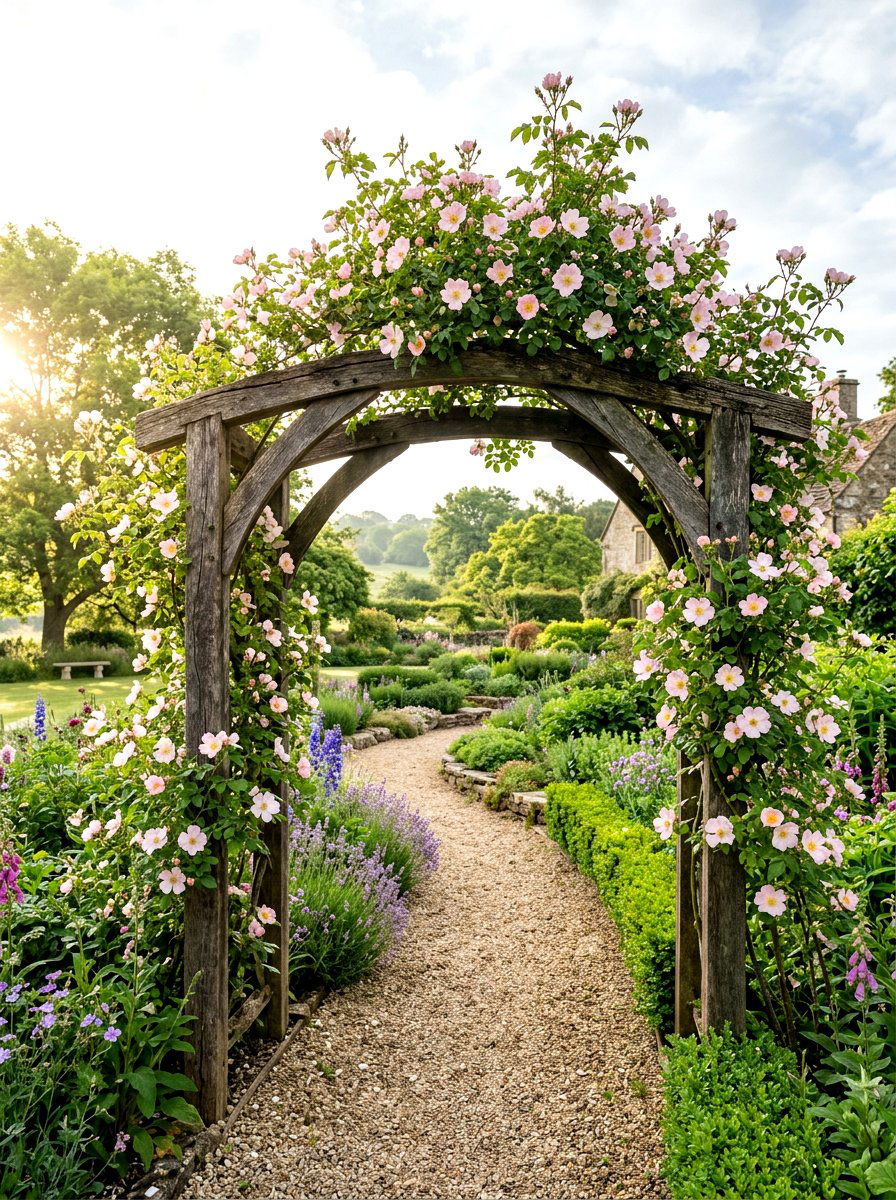
Did you know that many modern, highly-bred roses are actually difficult for pollinators to access? Choosing single-petal or heritage roses ensures that the central pollen-bearing parts of the flower are exposed and easy for bees to reach. These varieties often have a more natural, wild appearance and are frequently more fragrant than their double-petaled cousins. Integrating these "open" roses into your garden allows you to enjoy the timeless beauty and scent of roses while fulfilling your goal of supporting local wildlife. These roses look stunning when climbing over an arbor or mixed into a perennial border, proving that you don't have to sacrifice classic garden elegance for environmental health and ecological responsibility.
24. Companion vegetable garden
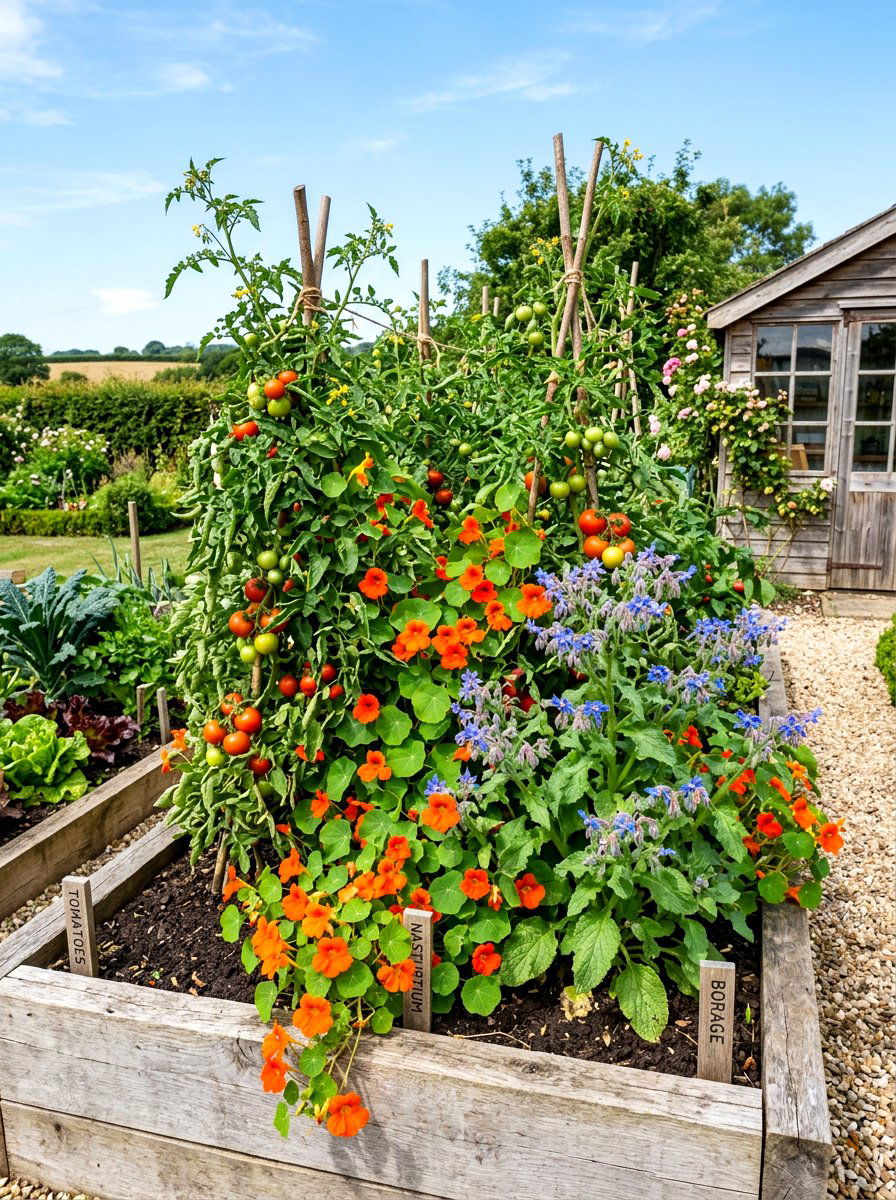
Can your food-producing garden benefit from a design that intentionally invites more insects to the party? Integrating pollinator-friendly flowers like marigolds, nasturtiums, and borage directly into your vegetable beds is a practice known as companion planting. These flowers attract bees that will then cross-pollinate your tomatoes, squash, and beans, leading to higher yields and better-quality produce. Additionally, some of these plants attract predatory insects that eat common garden pests, reducing your need for chemical interventions. This holistic approach creates a balanced mini-ecosystem where your food crops and local pollinators thrive together in a mutually beneficial relationship, resulting in a more productive and healthy backyard harvest for your family.
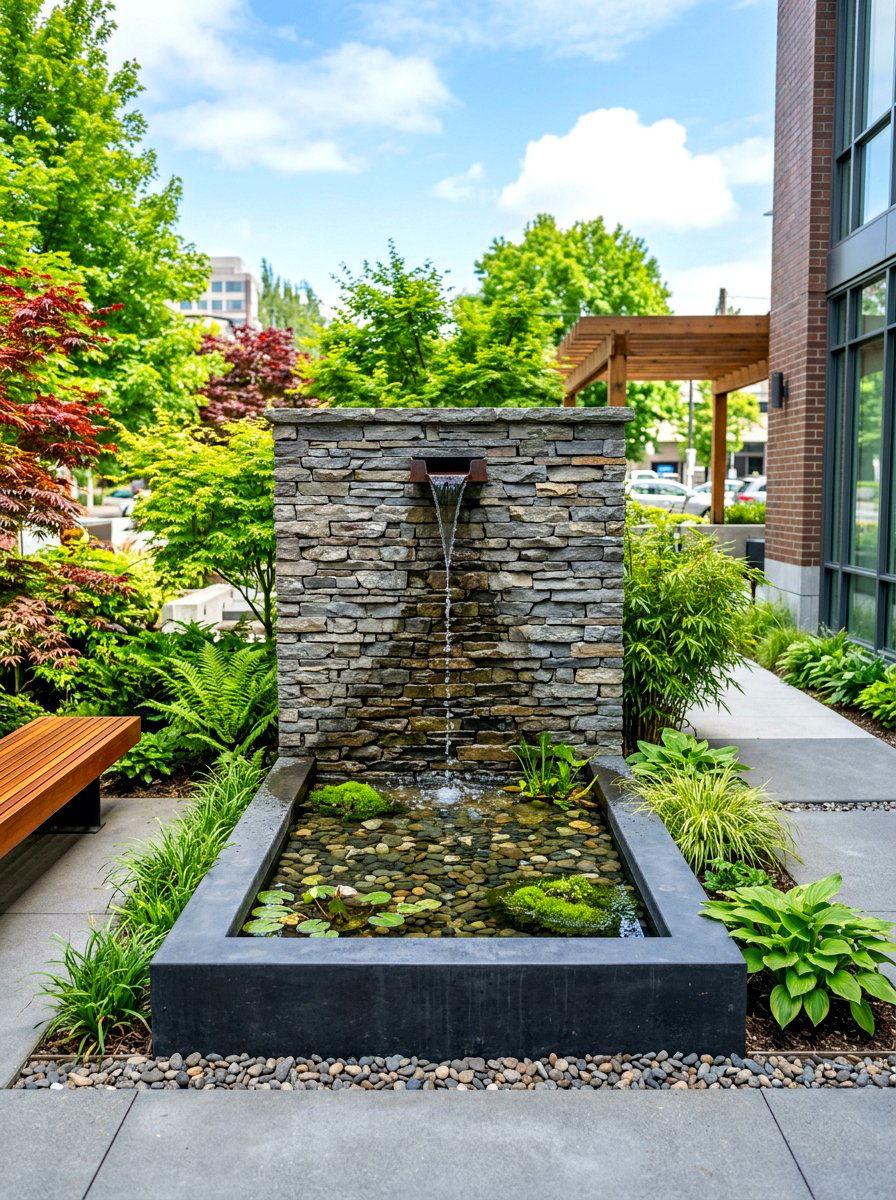
25. Wildflower fence line
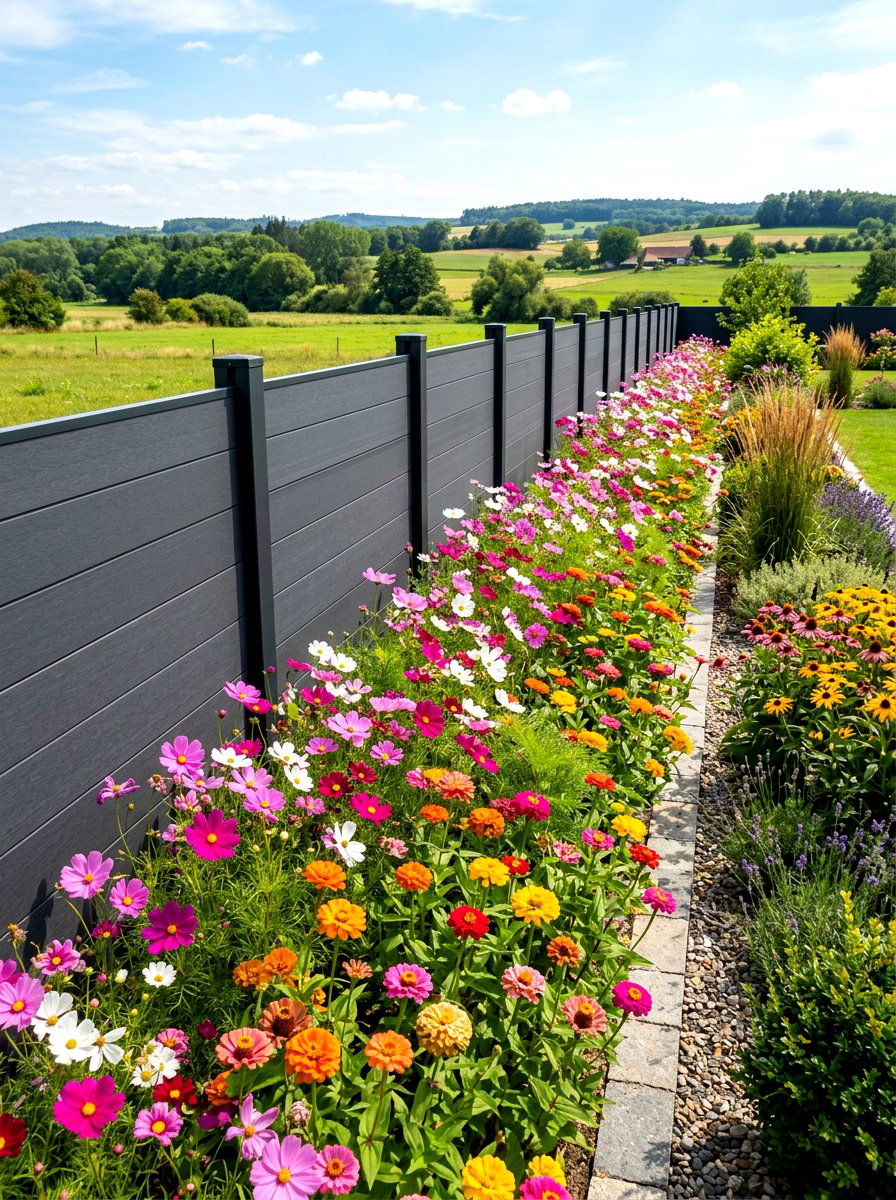
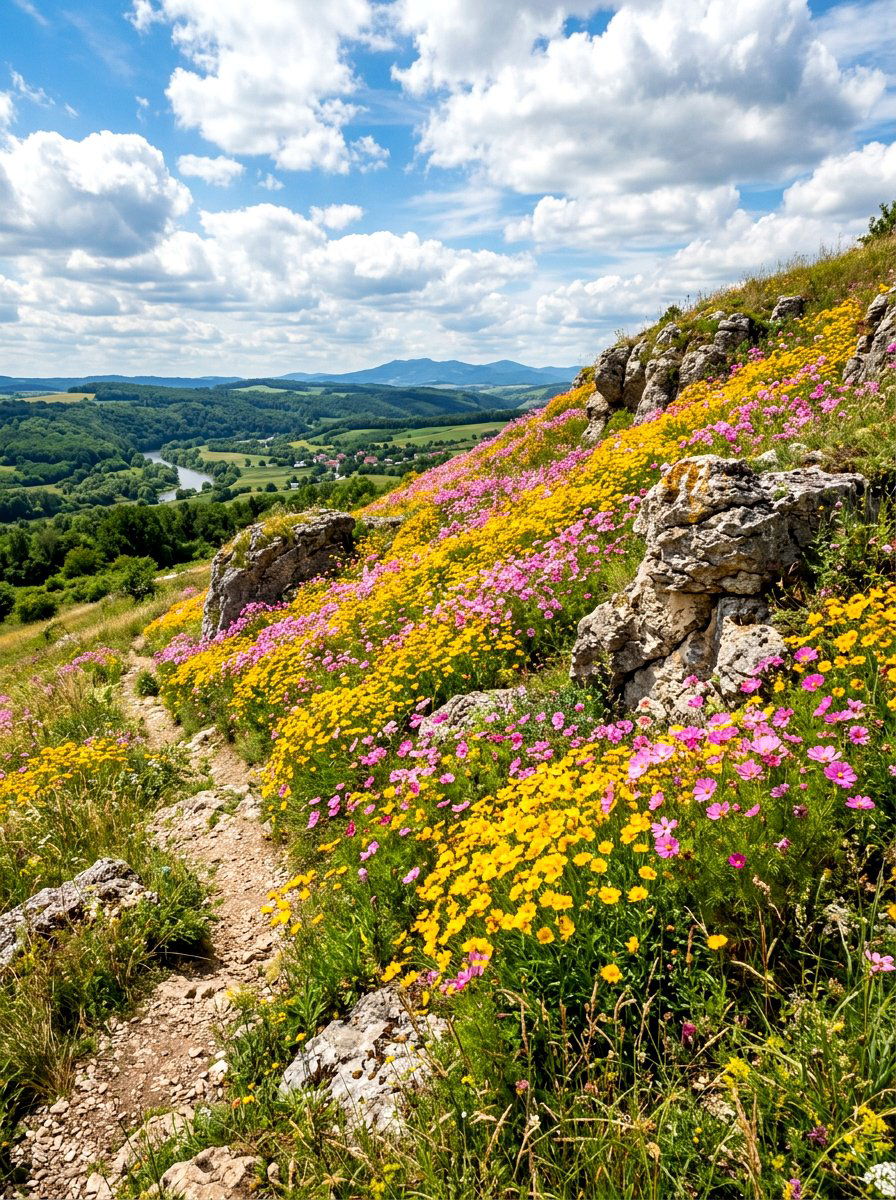
What if the perimeter of your property could be a thriving highway for butterflies and bees? Planting a dense strip of native wildflowers along your fence line transforms an often-overlooked space into a high-value habitat. This linear garden design acts as a corridor, allowing pollinators to move safely through suburban landscapes while finding consistent food sources. You can use a seed mix specifically tailored to your region to ensure the plants are well-adapted to the local soil and climate. This colorful border adds a whimsical, natural feel to your backyard and hides the base of your fencing, creating a seamless transition between your manicured spaces and the wilder elements of your garden.
26. Formal garden layout
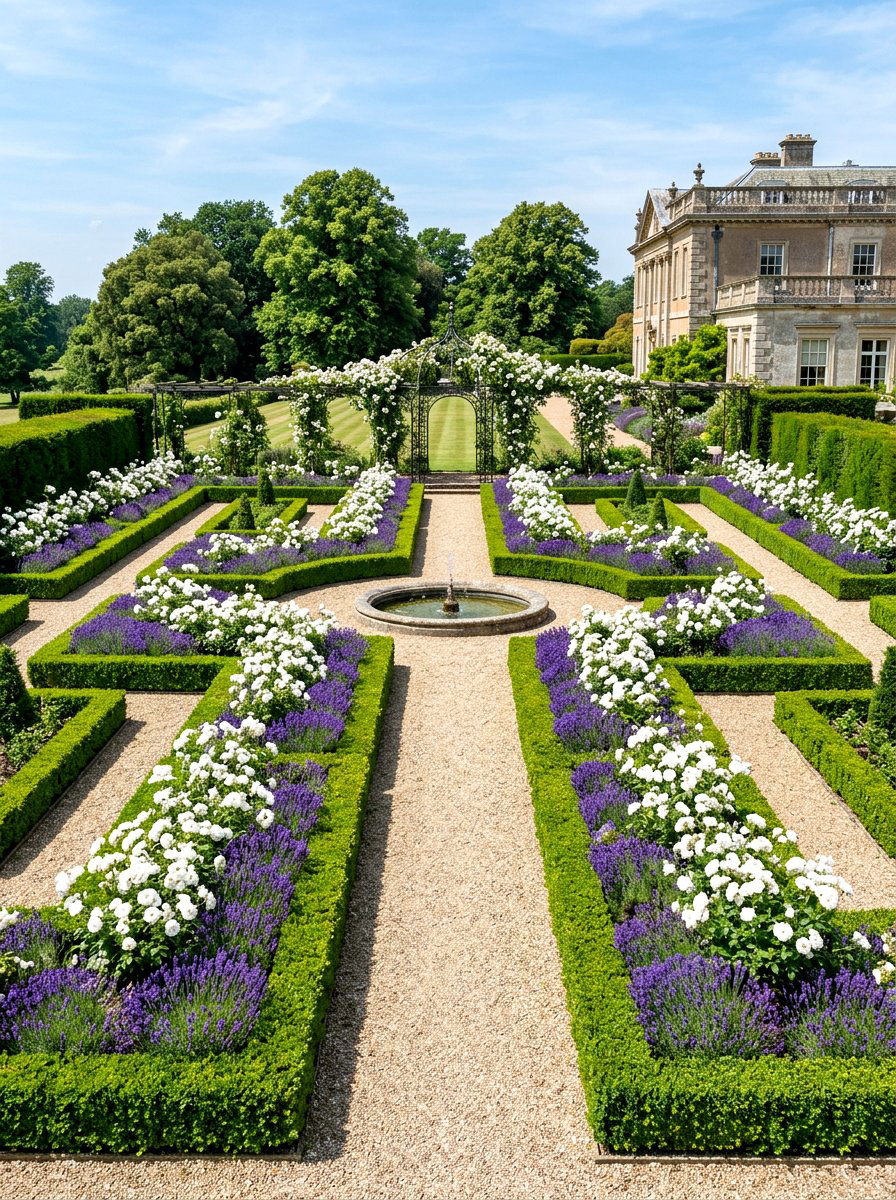
Is it possible to maintain a structured, symmetrical garden while still being a champion for local pollinators? A formal garden layout can support wildlife by using clipped boxwood or privet hedges to frame beds filled with high-value flowering plants. By choosing species with upright habits and long bloom times, you can maintain the clean lines and organized feel of a traditional garden without sacrificing ecological benefits. Using a limited color palette of whites, purples, and blues can create a sophisticated look that feels intentional and elegant. This approach proves that sustainable gardening doesn't have to be wild or messy; it can be integrated into even the most polished and traditional landscaping styles.
27. Groundcover for bees
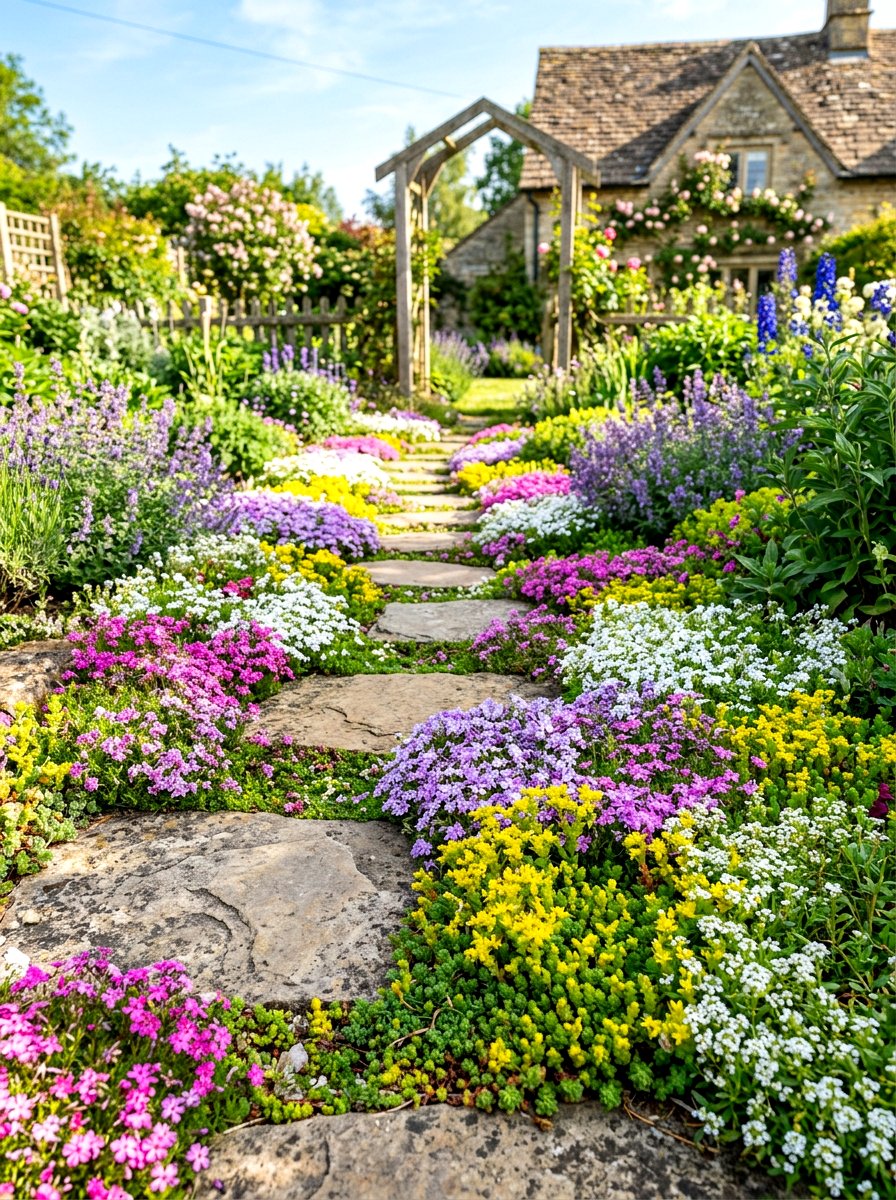
How can you fill the gaps between your larger plants with something that benefits the local insect population? Utilizing flowering groundcovers like creeping phlox, stonecrop, or sweet alyssum creates a living mulch that suppresses weeds while providing a low-level nectar source. These "step-able" plants are perfect for filling in the spaces between paving stones or at the front of a garden bed. Their dense mats of tiny flowers are particularly attractive to small native bees and hoverflies that might overlook larger blossoms. This layered approach ensures that every inch of your garden is working to support the environment, creating a carpet of color and life that looks beautiful and stays functional.
28. Raised garden bed
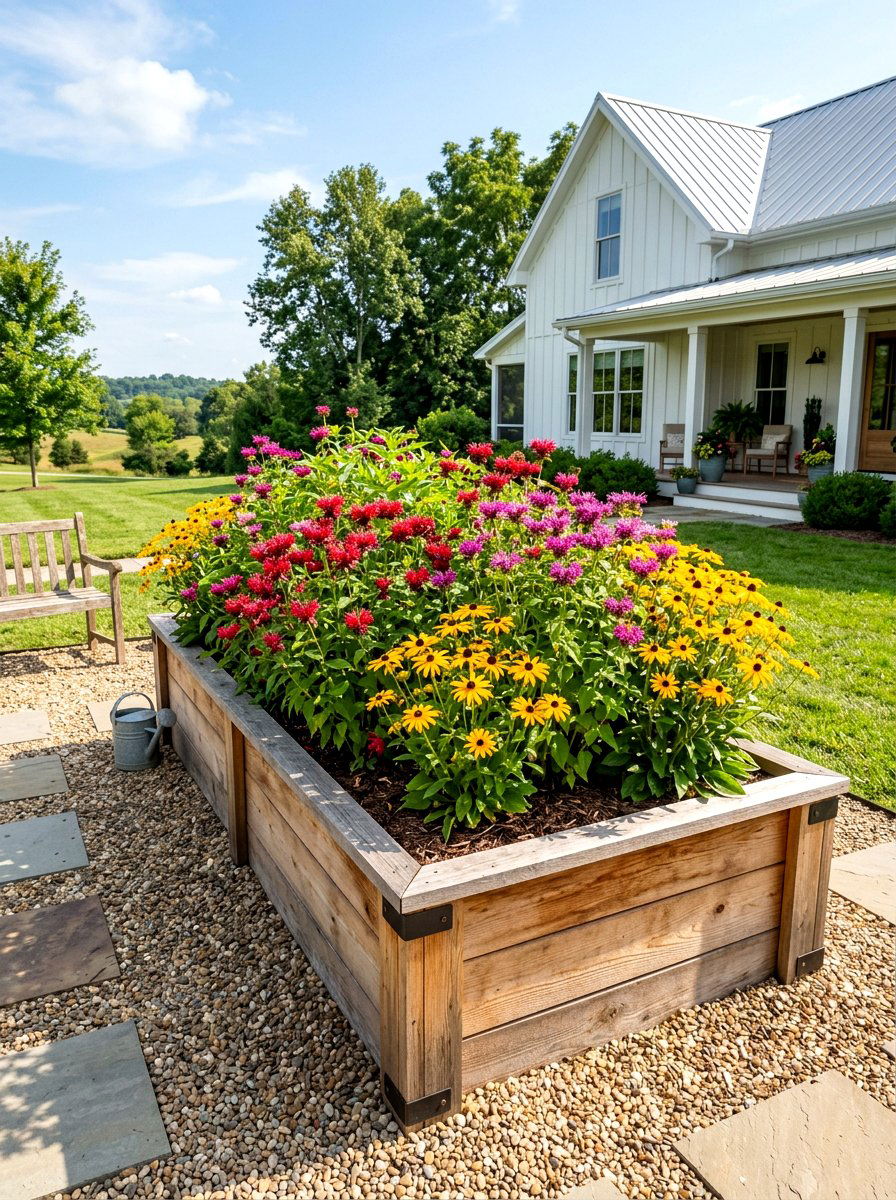
Do you have poor soil or physical limitations that make traditional in-ground gardening difficult for your backyard? Raised garden beds offer a perfect solution for creating a controlled, high-quality environment for pollinator plants. By filling these beds with a nutrient-rich soil mix, you can grow a dense variety of flowers and herbs that might not survive in your native dirt. The extra height makes it easier to tend to the plants and brings the buzzing activity of bees and butterflies closer to eye level. You can design these beds with built-in seating or decorative caps, turning your pollinator project into a comfortable and stylish focal point that defines the structure of your outdoor living space.
29. Winter interest shrubs
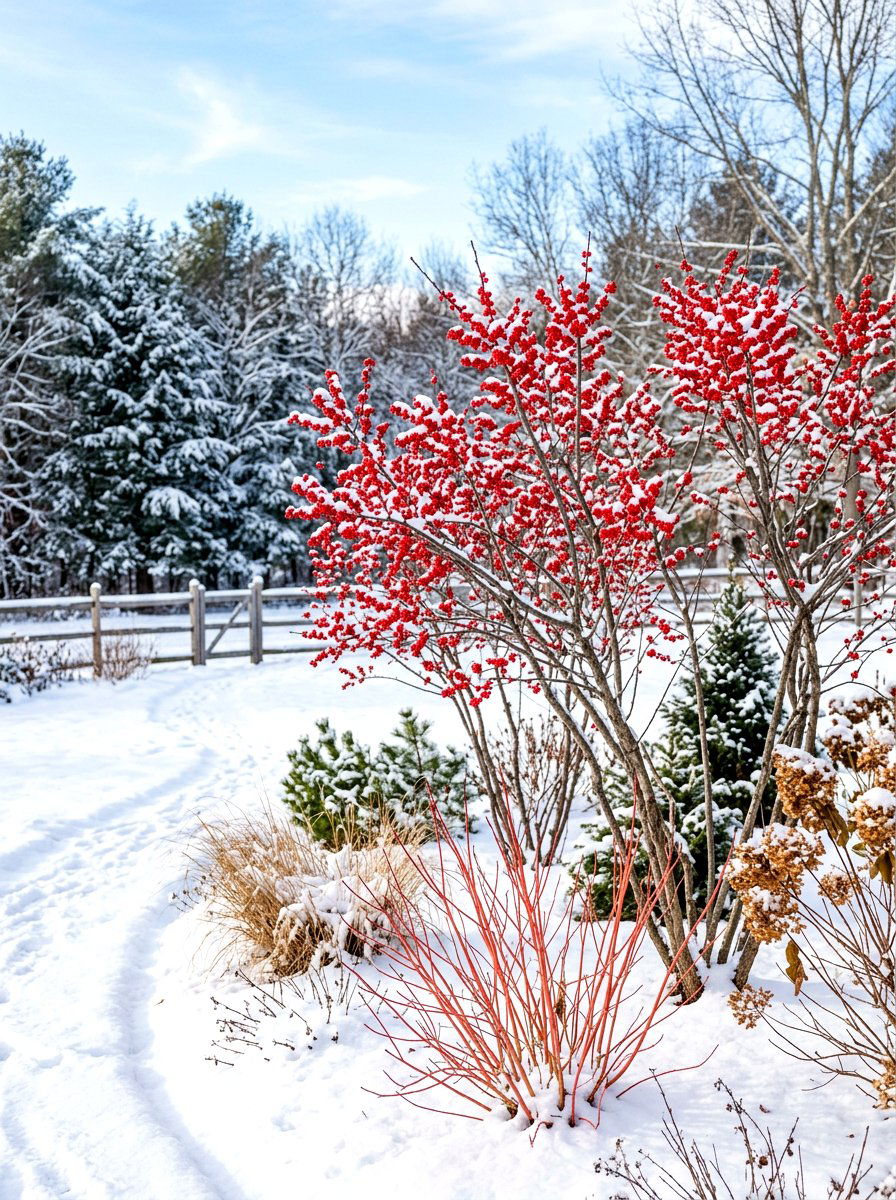
What happens to your pollinator garden when the temperatures drop and the flowers begin to fade away? Including shrubs with winter interest, such as winterberry holly or mahonia, ensures that your backyard continues to provide resources during the coldest months. While they may not offer nectar in mid-winter, these plants provide essential shelter and late-season berries for birds and beneficial insects that remain active. Their architectural branches and colorful berries also provide visual beauty in a dormant landscape, keeping your garden attractive throughout the year. Planning for year-round interest ensures that your backyard remains a valuable part of the local ecosystem even when the primary pollinating season has ended for the year.
30. Small space micro-garden
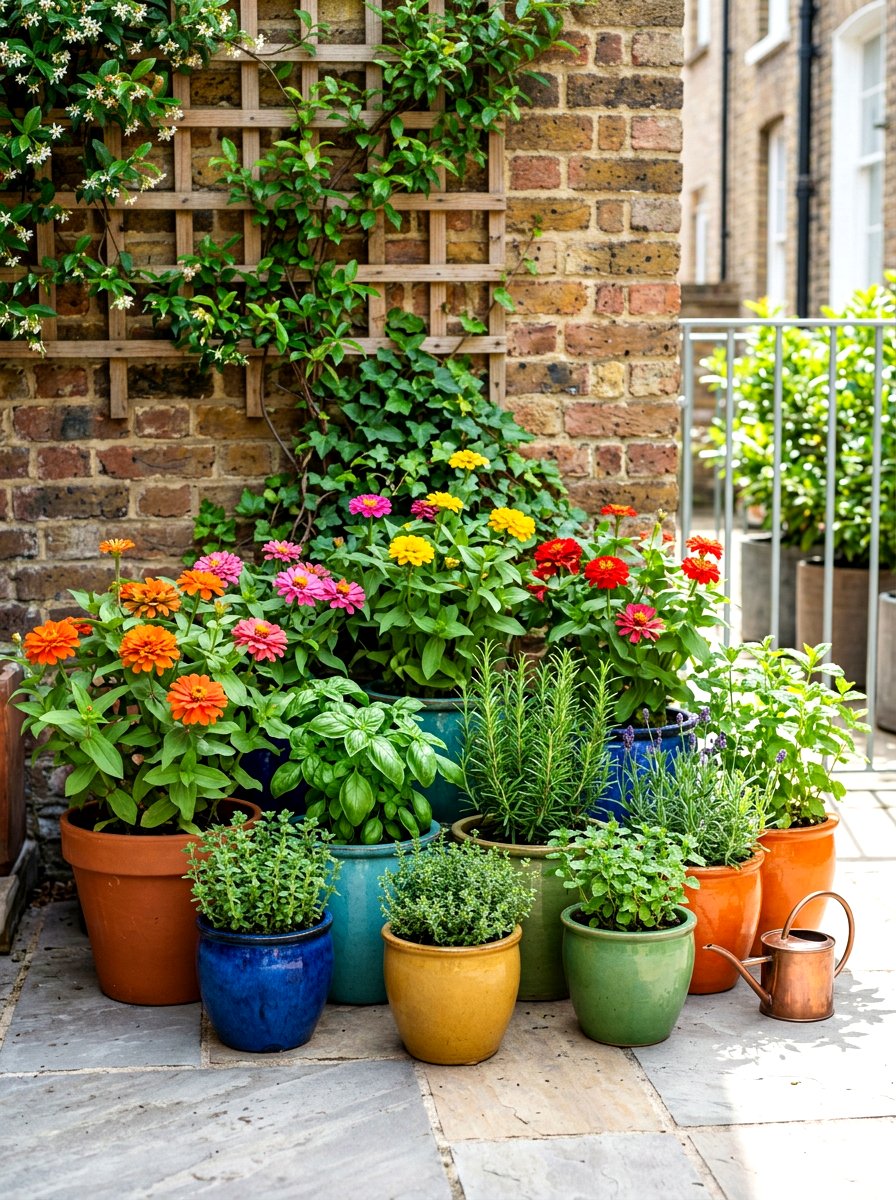
Can you still make a difference if your outdoor space is limited to a tiny alleyway or a small side yard? A micro-garden focuses on high-impact, nectar-dense plants arranged in a strategic way to provide a localized boost for passing pollinators. By using tiered shelving or hanging baskets, you can create a concentrated "pitstop" that insects can easily find. Even a single large pot filled with a mix of zinnia and lavender can support dozens of bees and butterflies over the course of a week. This "every little bit helps" philosophy is the heart of modern conservation, showing that anyone with a patch of sunlight can contribute to the health of our planet's hardest workers.
Conclusion:
Building a pollinator-friendly backyard is a transformative experience that brings a sense of life, color, and purpose to your home landscape. By choosing diverse native plants, providing essential water sources, and creating safe nesting habitats, you are taking active steps to protect the delicate balance of our natural world. These thirty ideas demonstrate that whether your style is wild and free or formal and structured, there is always room to invite nature in. As you watch the first monarch arrive or hear the steady hum of bees in your lavender, you will find that the greatest reward of a garden is the life it sustains.

Related posts: