Creating a butterfly puddling station is one of the most rewarding ways to support local pollinators while adding a touch of magic to your outdoor space. These small, damp areas provide essential minerals and hydration that butterflies cannot get from nectar alone. By setting up a dedicated spot for male butterflies to gather, you invite a vibrant display of colors and movement into your backyard garden. Whether you are using simple household items or building a permanent landscape feature, the goal is to keep the soil or sand consistently moist. This guide explores thirty creative ways to build these vital sanctuaries, ensuring your garden becomes a preferred stop for migrating species.
1. Terracotta Saucer
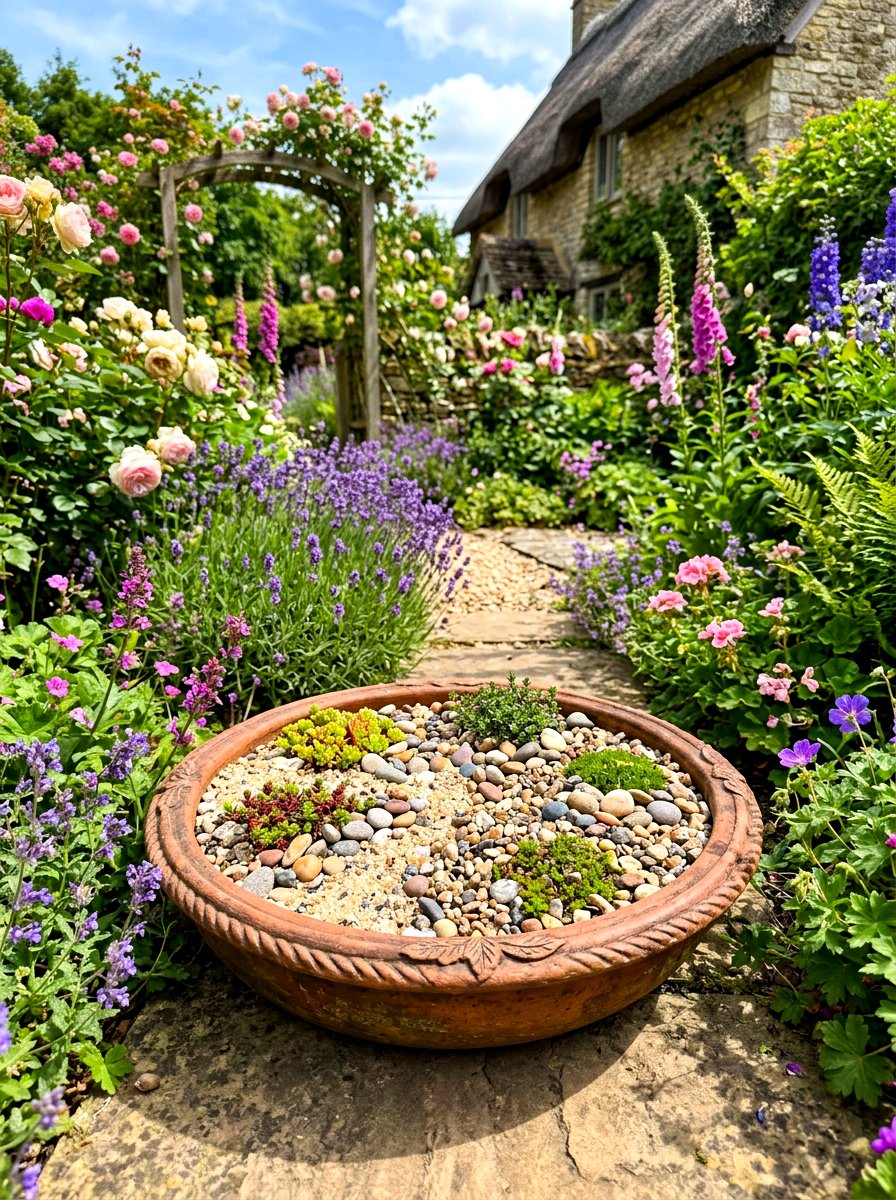
A shallow terracotta saucer is perhaps the easiest way to start your butterfly conservation journey. These clay dishes are naturally porous, which helps regulate moisture levels for a perfect puddling environment. You should fill the saucer with a mixture of coarse sand and small pebbles to provide a stable landing platform. Pour in just enough water to keep the sand damp without creating a deep pool. Butterflies prefer to stand on a moist surface rather than floating in open water. Placing the saucer in a sunny, wind-protected area will encourage butterflies like Swallowtails and Monarchs to land and replenish their mineral supplies throughout the day.
2. Garden Birdbath
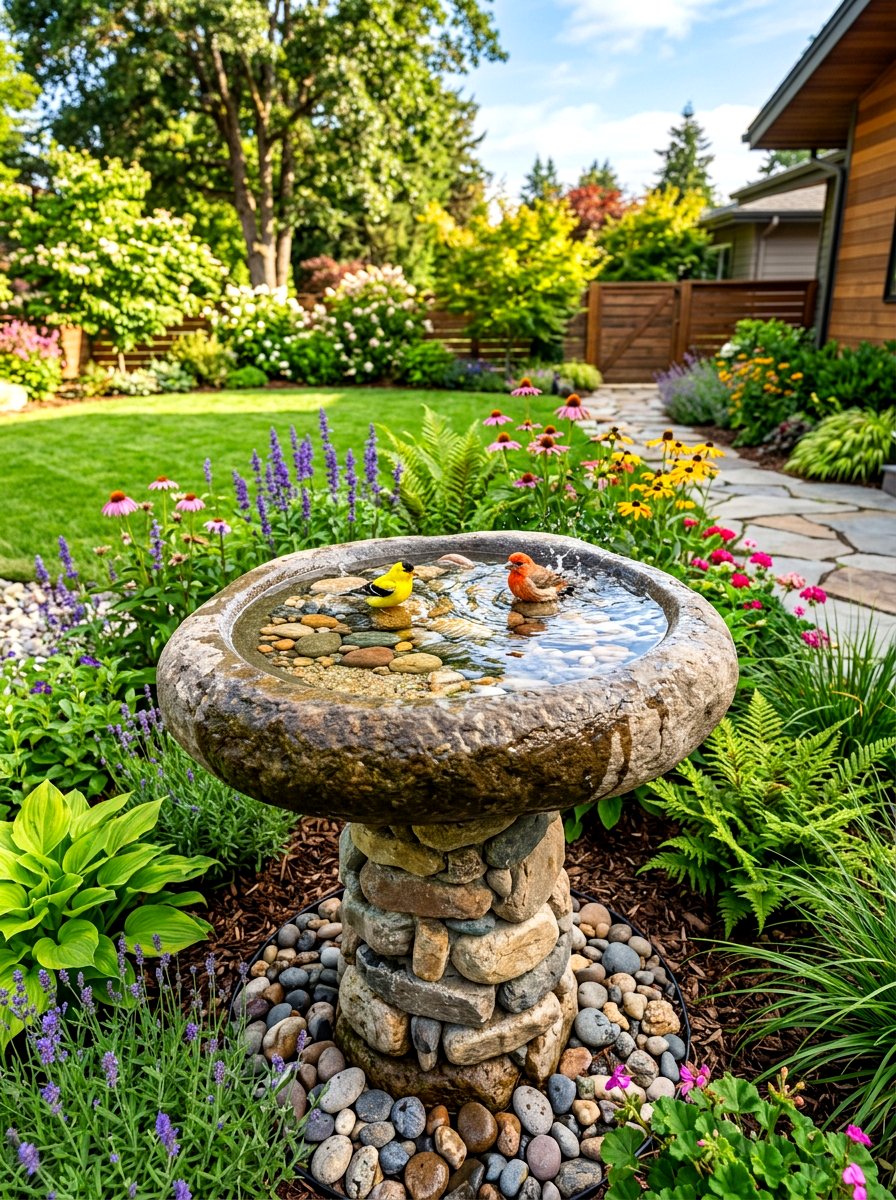
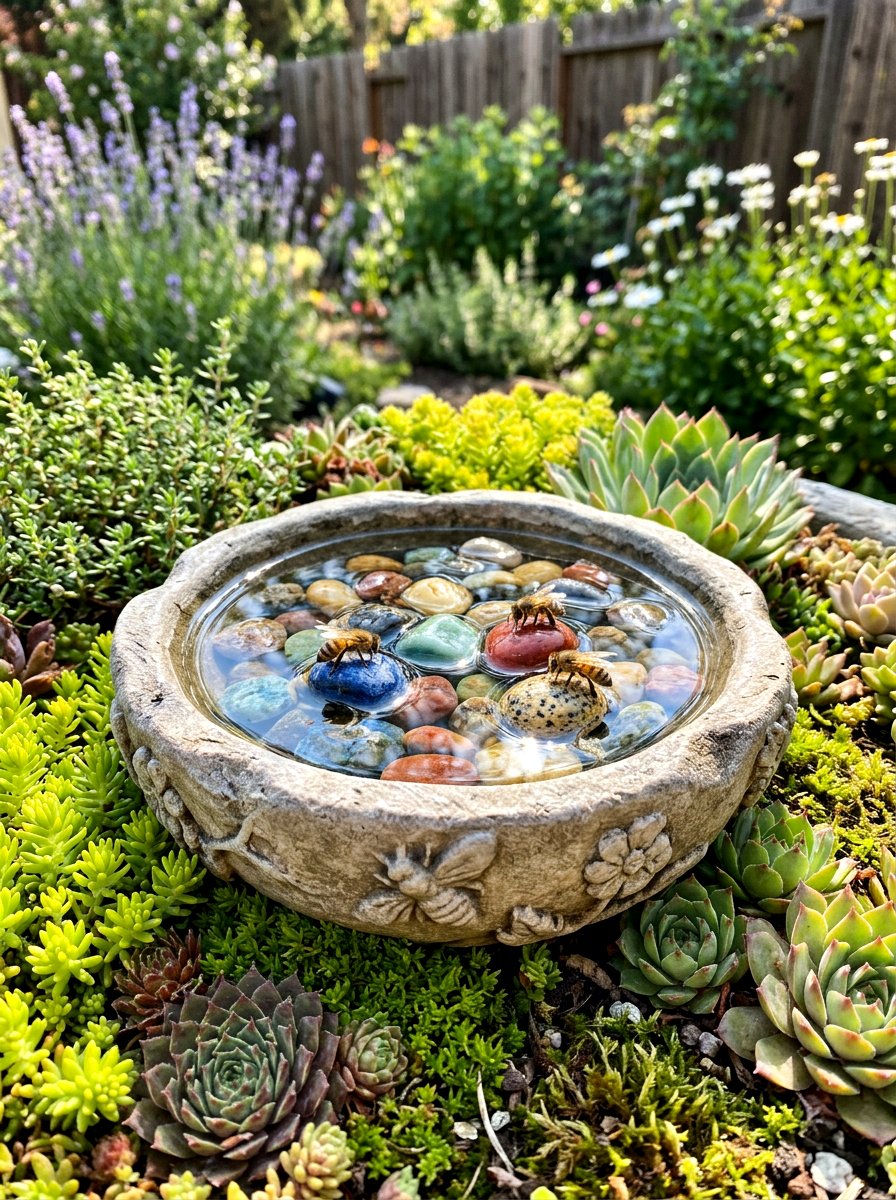
Converting an existing birdbath into a butterfly puddling station is a smart way to repurpose garden decor. Traditional birdbaths are often too deep for butterflies, so you must modify the center. Add a thick layer of river rocks or decorative gravel to the basin to bring the surface level up. Fill the gaps between the rocks with sand and a pinch of sea salt for extra minerals. Keep the water level just below the top of the stones so the butterflies can perch comfortably while sipping from the damp crevices. This elevated position keeps the butterflies safe from ground predators like cats while they rest and hydrate.
3. Natural Rock
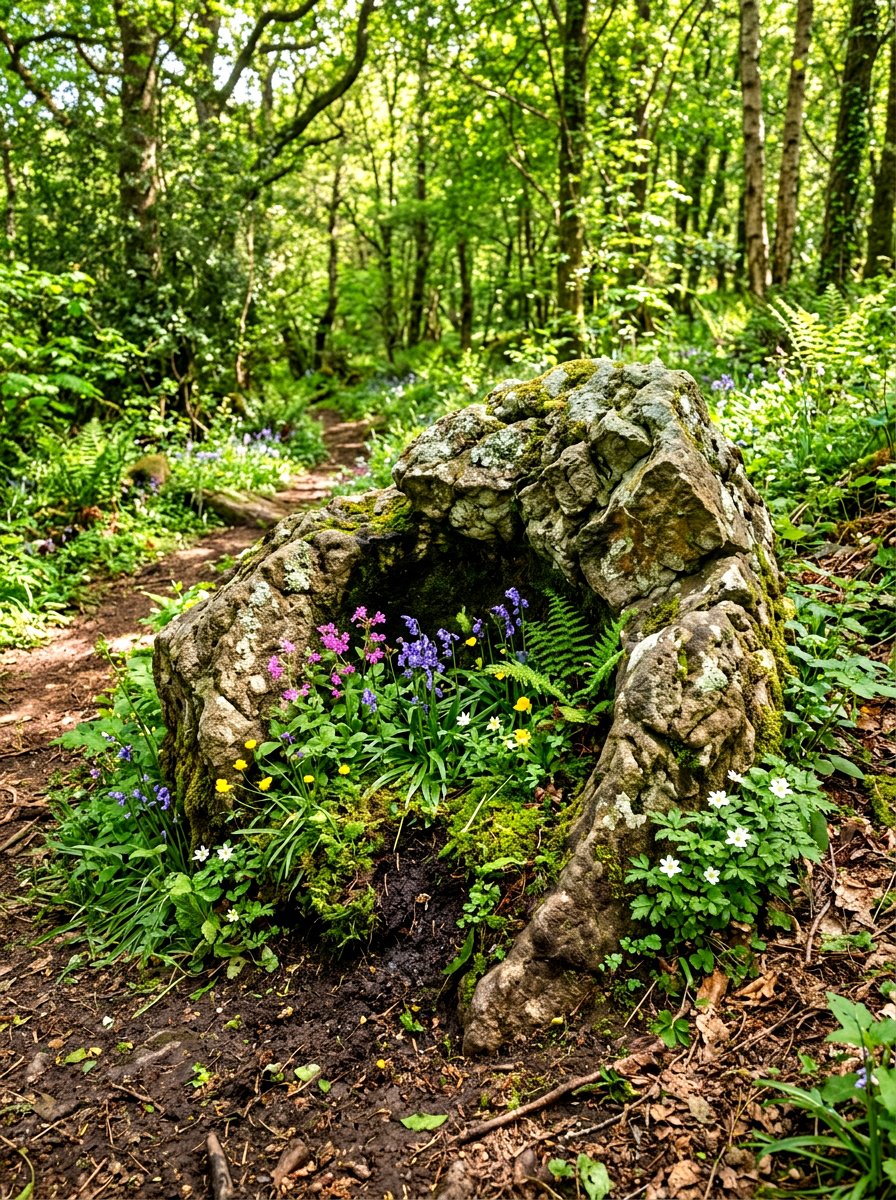
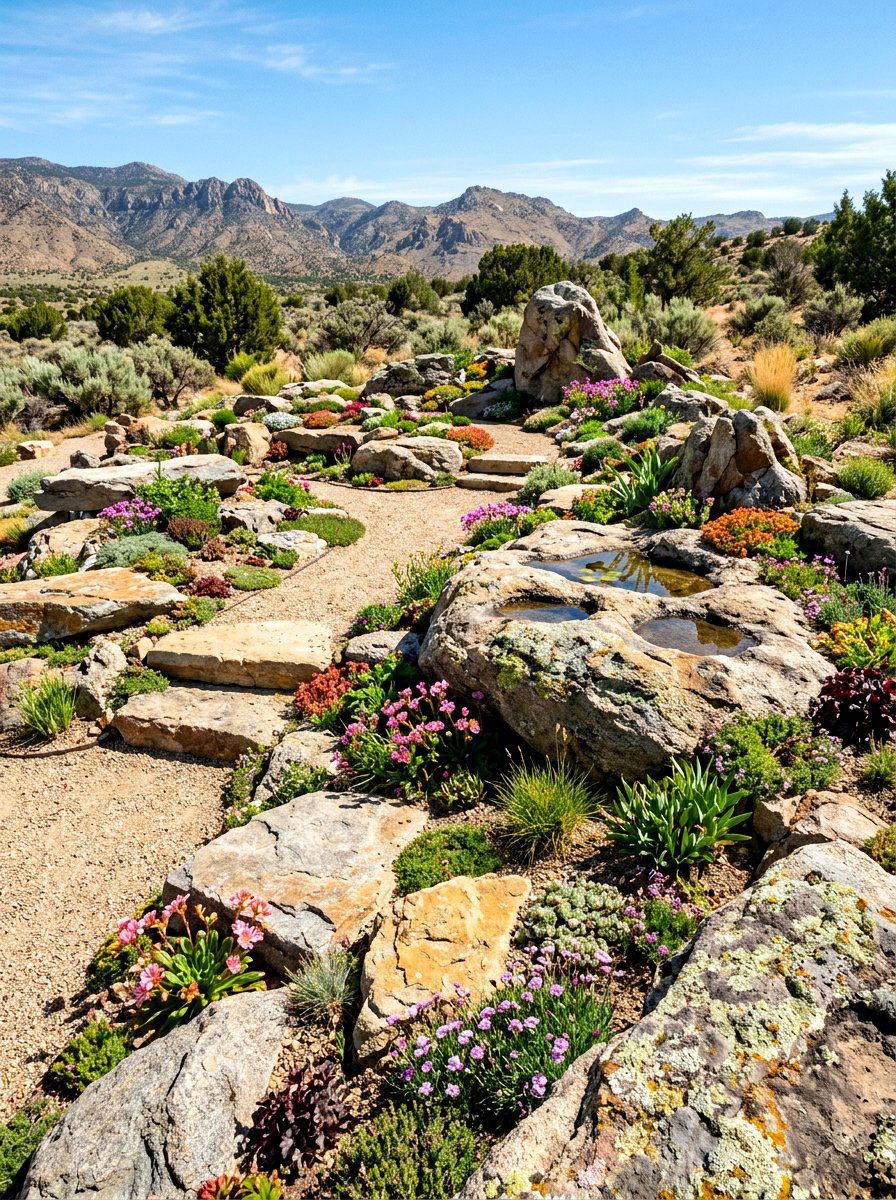
Finding a natural rock with a deep indentation can create a seamless and organic puddling spot in your flower bed. Look for a large, flat boulder that has a natural bowl-like dip in its center. Fill this small depression with a mix of garden soil and compost to provide necessary salts and nutrients. During your regular watering routine, simply spray the rock to keep the center muddy and inviting. This setup mimics the natural mud puddles butterflies find in the wild. It blends perfectly with a cottage-style garden and provides a sturdy, sun-warmed surface where butterflies can easily regulate their body temperature while feeding.
4. Sand Pit
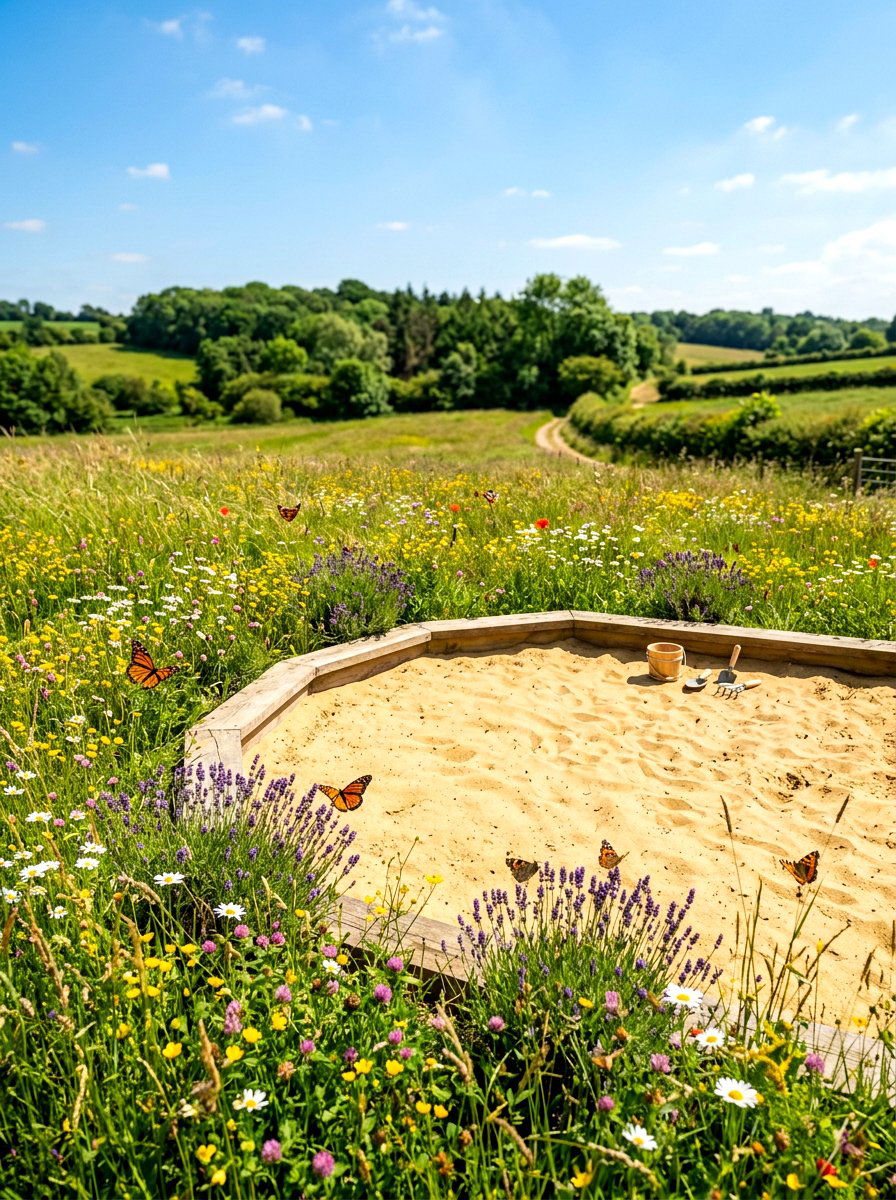
Creating a dedicated sand pit in a sunny corner of your yard is an effective way to attract large groups of butterflies. Dig a small, shallow hole and line it with a plastic tray or pond liner to prevent the water from draining away too quickly. Fill the lined area with clean play sand and mix in a bit of organic compost or manure. Keep the sand saturated so it looks like a damp beach. This type of station is particularly attractive to Tiger Swallowtails, which often gather in large numbers to "puddle" together. The expansive surface area allows many butterflies to feed simultaneously without crowding each other.
5. Stone Pile
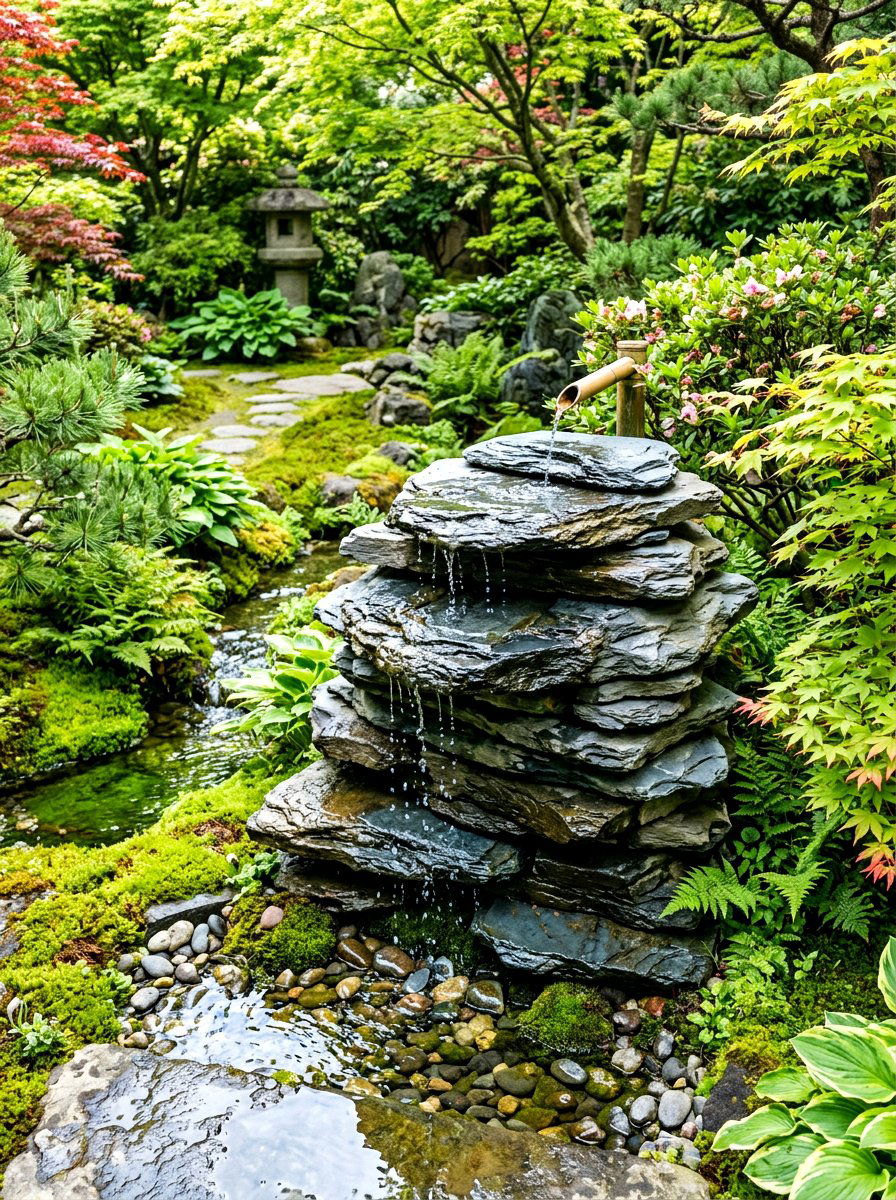
A rustic stone pile provides a multi-level puddling station that looks beautiful in a woodland or native plant garden. Stack several flat slate or flagstone pieces in a tiered arrangement, leaving small gaps and crevices between them. Fill these gaps with a mixture of mud and leaf litter to provide a rich source of minerals. Use a drip irrigation line or a slow-running hose to keep the stones constantly wet. The different heights of the stones create various microclimates, allowing butterflies to find the perfect spot that is shielded from the wind. It looks like a natural spring emerging from your garden soil.
6. Soil Patch
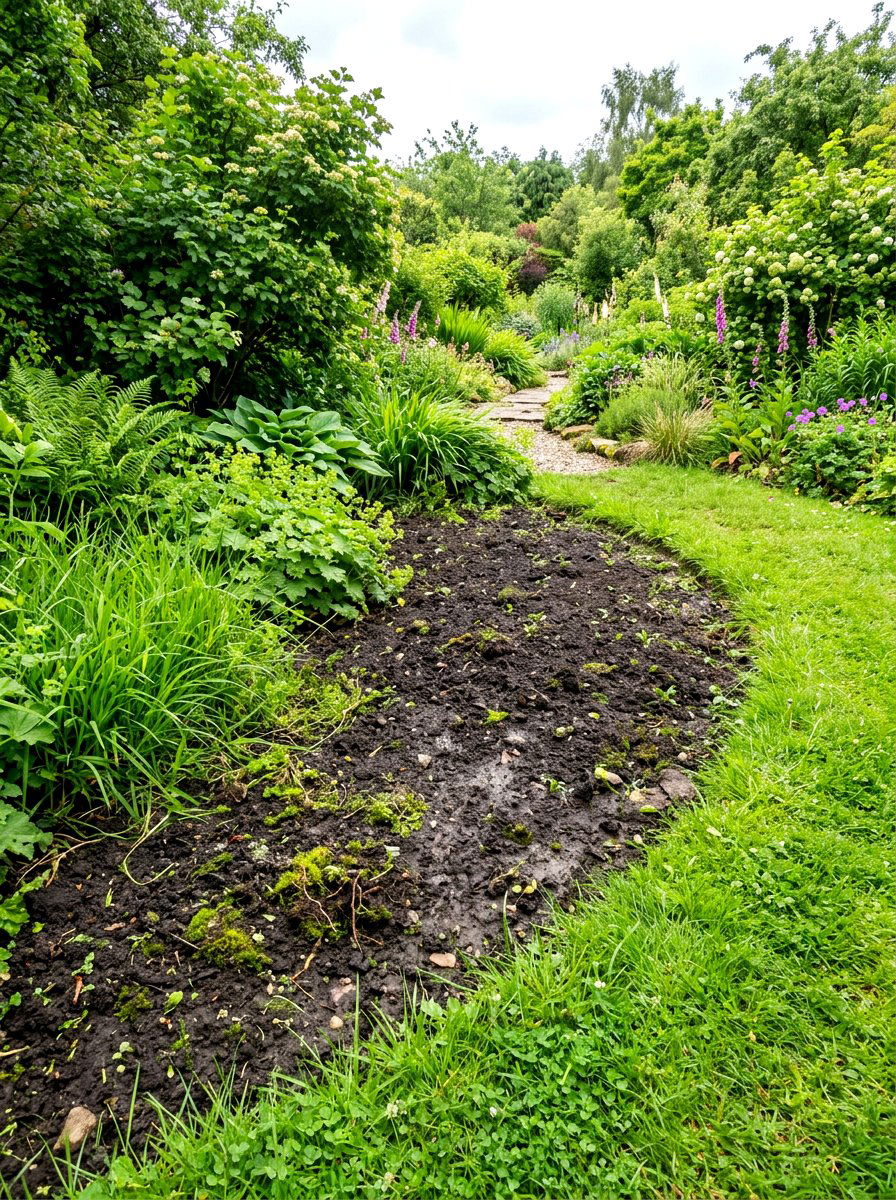
Sometimes the simplest approach is the most effective, such as maintaining a dedicated damp soil patch in your garden. Choose a spot that stays naturally moist, perhaps near a leaky outdoor faucet or at the base of a rain barrel. Clear away any tall grass or thick mulch to expose the bare earth. Mix in a little bit of sea salt or well-rotted compost to enrich the soil with minerals that male butterflies crave. By keeping this area consistently muddy, you provide a reliable resource for local species. This method is incredibly low-maintenance and fits perfectly into a wild, naturalistic garden design.
7. River Rock
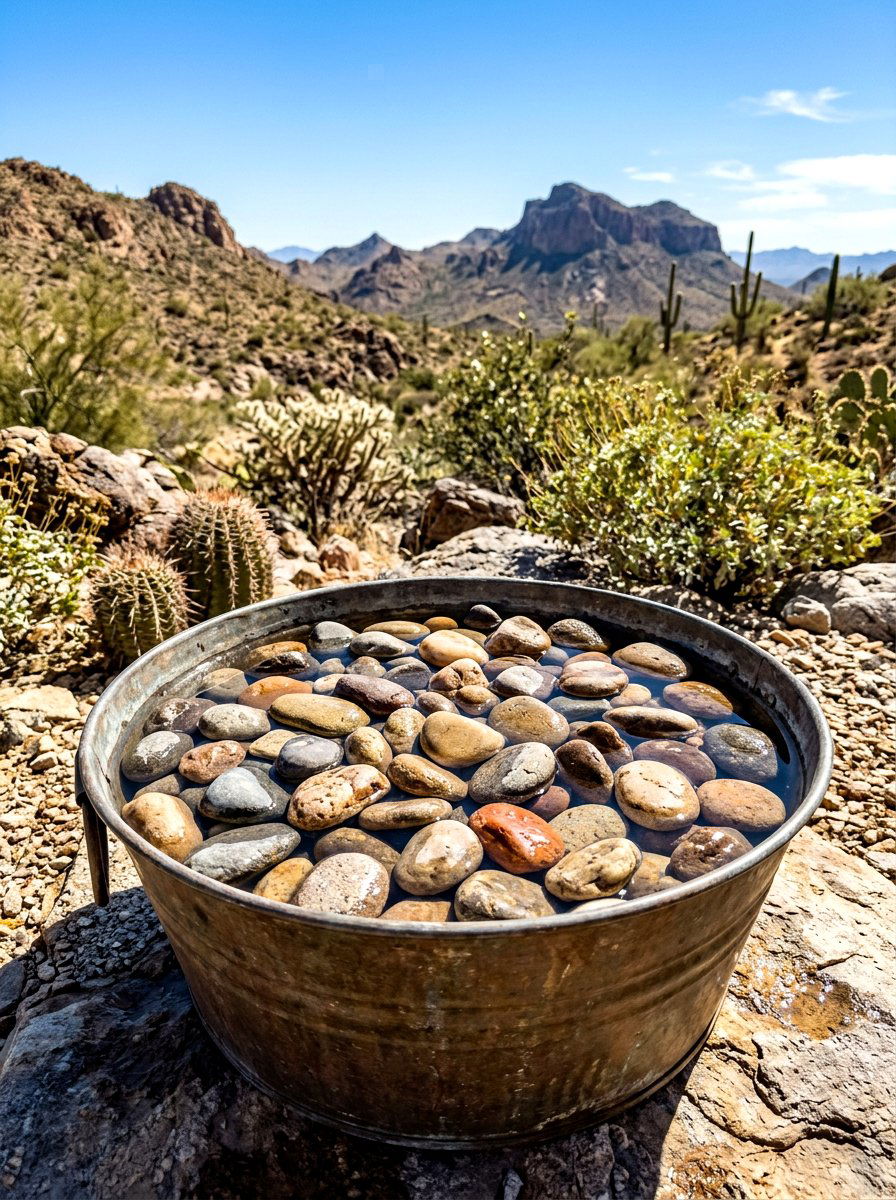
Using smooth river rocks in a shallow tray creates a visually appealing and functional puddling station for any patio. Select rocks of various sizes and colors to create an interesting texture that butterflies will love to navigate. Fill a low-profile basin with these stones and add water until it just reaches the base of the top layer. The rocks absorb heat from the sun, providing a warm place for butterflies to sit while they drink. Because the rocks are smooth, they won't damage delicate wings. This setup is easy to clean and can be refreshed daily with clean water to prevent mosquito breeding.
8. Mossy Bowl
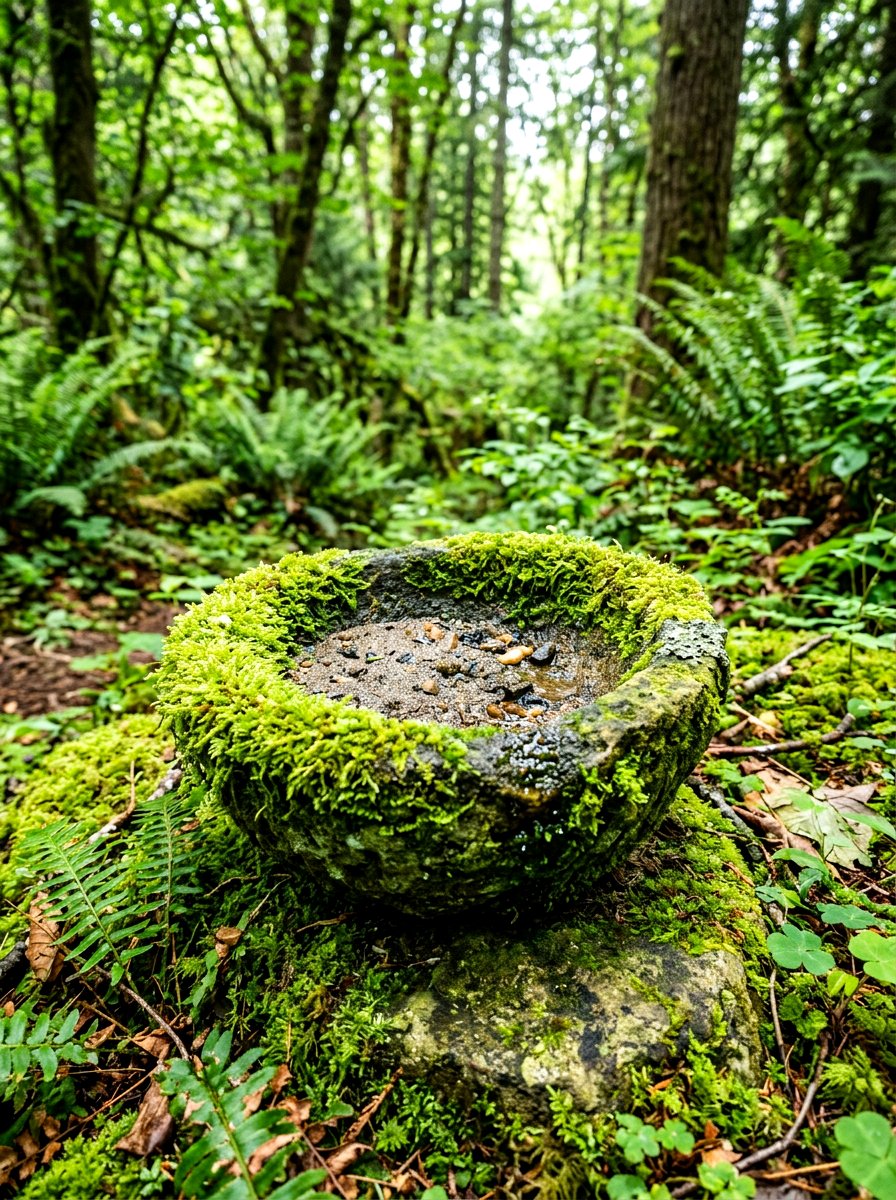
A mossy bowl puddling station adds a touch of enchantment and lush greenery to a shaded garden area. Start with a wide, shallow ceramic bowl and line the bottom with a layer of moisture-retaining pebbles. Place clumps of live moss over the stones, leaving a few small patches of sand exposed in between. The moss acts like a natural sponge, holding onto water for long periods and keeping the environment humid. Butterflies can land on the soft moss to drink from the damp sand below. This setup is ideal for forest-dwelling butterfly species that prefer cooler, more humid environments over direct, intense midday sun.
9. Ceramic Plate
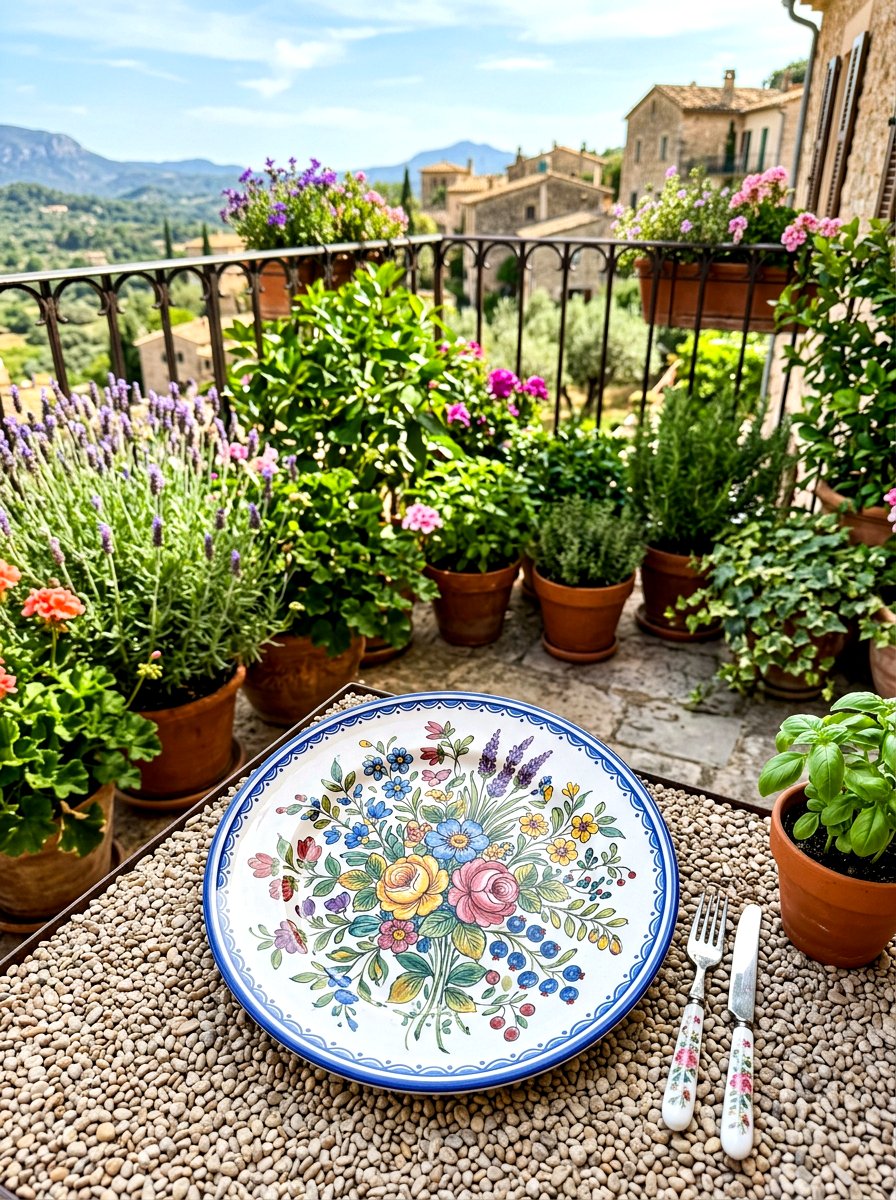
An old ceramic plate can be transformed into a stylish and modern puddling station with very little effort. Choose a plate with a slightly raised rim to hold a thin layer of sand and fine gravel. Decorative plates with floral patterns can even help attract butterflies by mimicking the look of real blooms from a distance. Place the plate on a garden pedestal or a flat tree stump to give it some height. Keep the sand mixture damp by misting it every morning. This is a great project for small balconies or urban gardens where space is limited but you still want to support local wildlife.
10. Plastic Lid
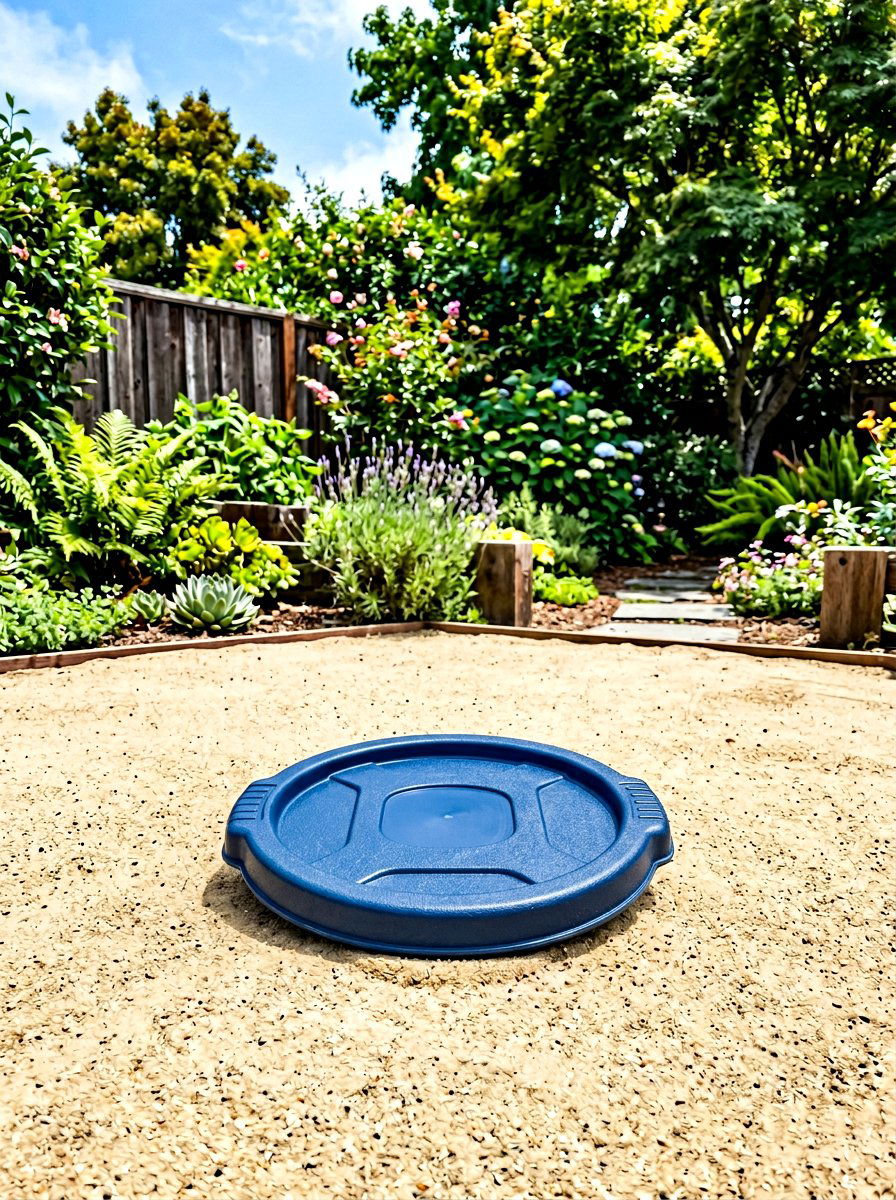
Repurposing a large plastic lid from a storage bin or a bucket is a budget-friendly way to create a puddler. These lids are usually lightweight and easy to move around the garden as sun patterns change throughout the seasons. Drill a few tiny holes near the rim to prevent the lid from flooding during heavy rainstorms. Fill the center with a mix of coarse sand, dirt, and a few flat pebbles for perching. The wide, flat surface is perfect for butterflies that prefer open spaces. Because it is plastic, it is very easy to scrub clean and sanitize whenever the sand becomes too dry.
11. Fruit Station
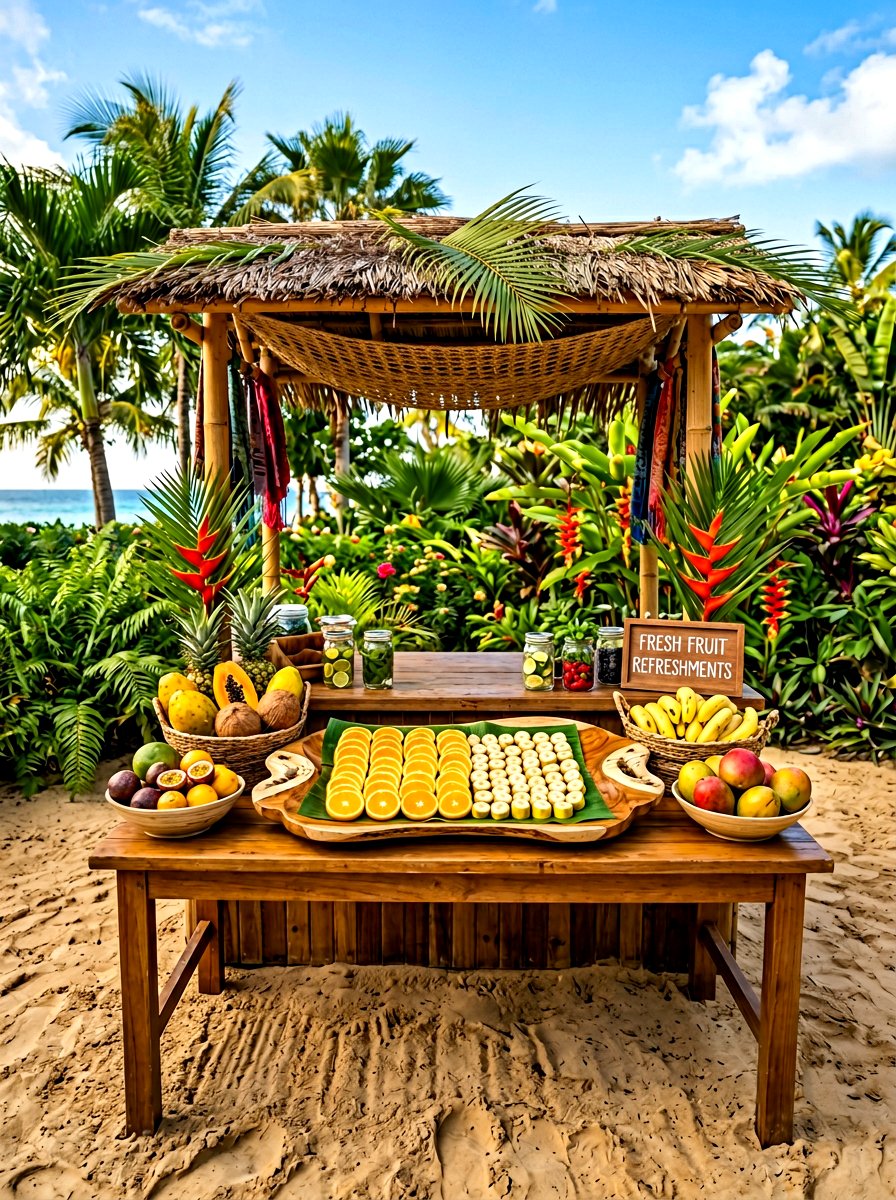
A fruit station is a unique way to provide both moisture and a high-energy sugar source for butterflies. Some species, like the Red-spotted Purple or the Question Mark butterfly, prefer fermenting fruit over flower nectar. Place slices of overripe bananas, oranges, or peaches on a flat tray filled with damp sand. As the fruit breaks down, the juices soak into the sand, creating a nutrient-rich puddle. Ensure the sand stays moist so the butterflies can easily sip the sugary liquid. This type of station should be placed slightly away from the house to avoid attracting unwanted insects like wasps or ants.
12. Tree Stump
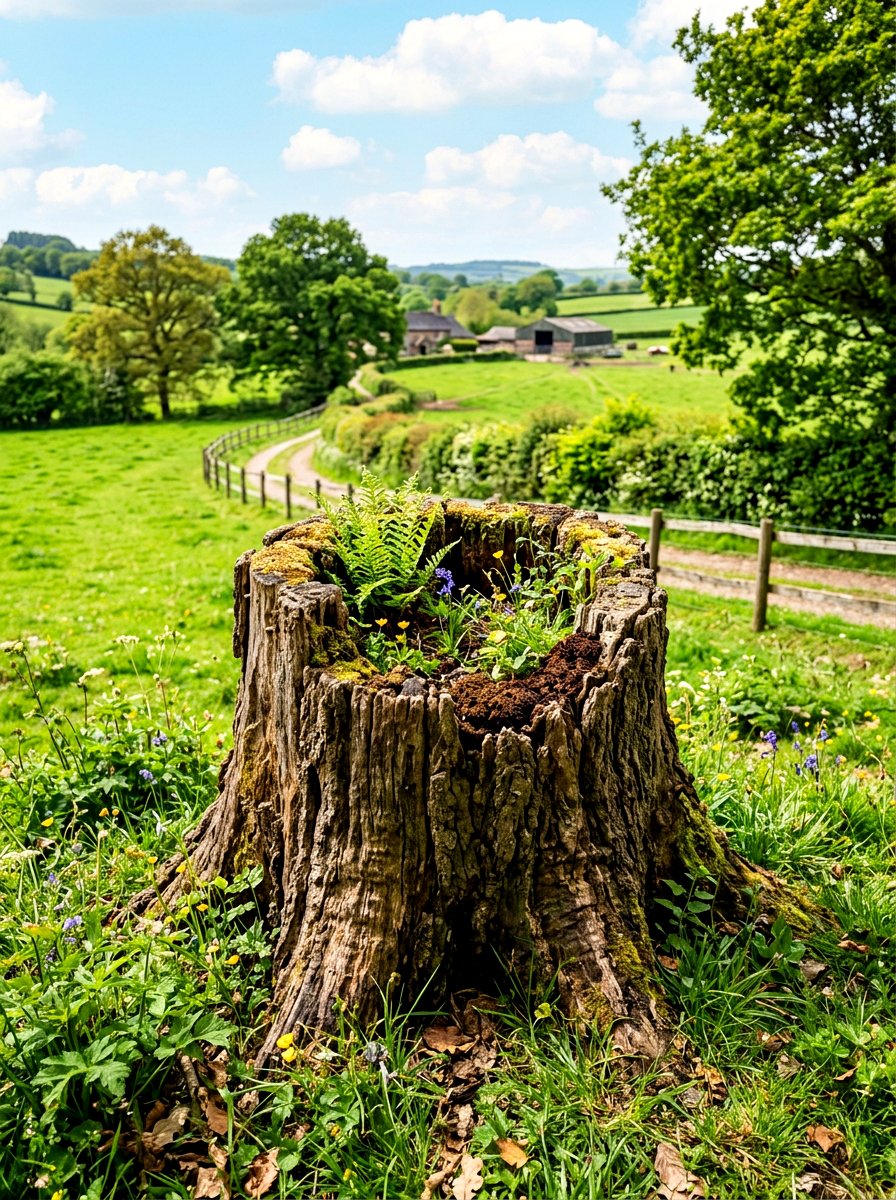
A decaying tree stump can be hollowed out slightly to create a naturalistic and rustic puddling station. If you have an old stump in your yard, use a chisel to create a shallow depression in the top surface. Fill this basin with a mixture of peat moss and sand, which will hold moisture effectively. The natural tannins in the wood provide additional nutrients that butterflies find attractive. Over time, the stump may even grow some moss or lichen, further enhancing the organic look. This station becomes a permanent part of the landscape, providing a reliable water source for generations of butterflies each year.
13. Bark Tray
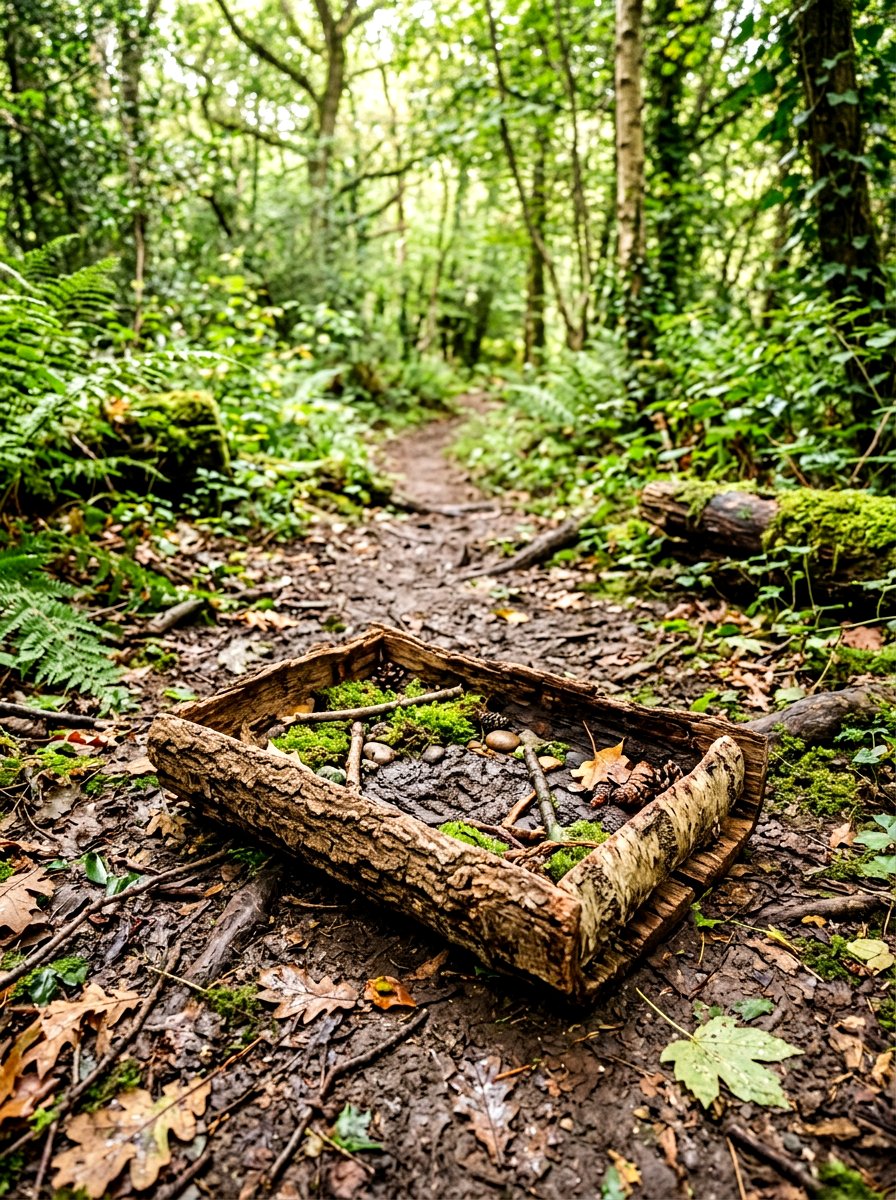
Constructing a bark tray puddling station is an excellent way to use natural materials found in your backyard. Use a large, curved piece of fallen tree bark as a natural container for a damp sand and mud mixture. Secure the bark on a flat surface or nestle it into a garden bed to keep it stable. The rough texture of the bark provides plenty of grip for butterflies to land safely. This setup works particularly well in woodland gardens where a plastic or ceramic dish might look out of place. It is a subtle addition that prioritizes the needs of the butterflies while blending into nature.
14. Glass Bowl
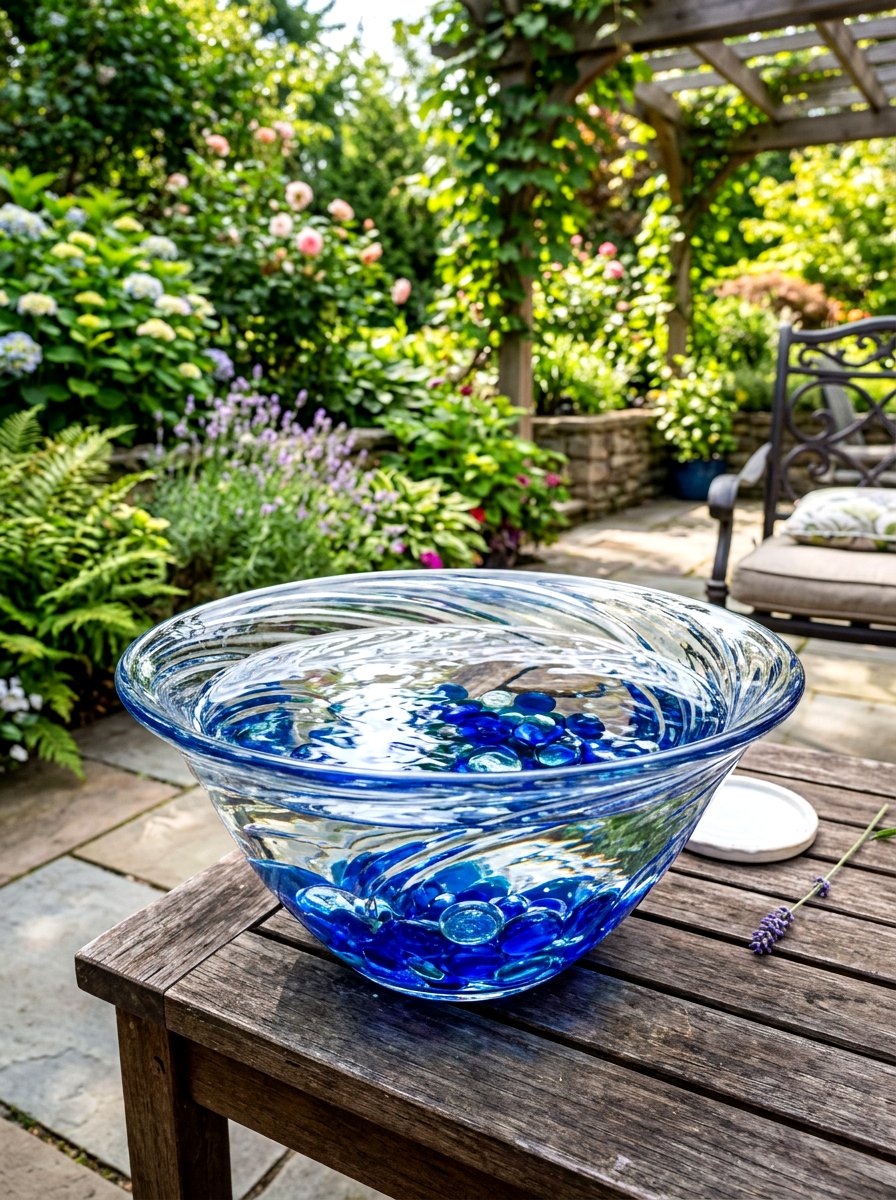
A decorative glass bowl can add a sparkling focal point to your garden while serving as a functional puddling spot. Choose a bowl with a wide opening and fill it with colorful glass gems or polished river stones. Add just enough water to keep the tops of the gems dry, providing a safe landing zone. The glass reflects sunlight, which can help butterflies locate the water source from the air. This type of station is very easy to maintain and looks beautiful when placed near a sunny perennial border. It combines the elegance of a garden ornament with the purpose of a wildlife habitat.
15. Metal Tray
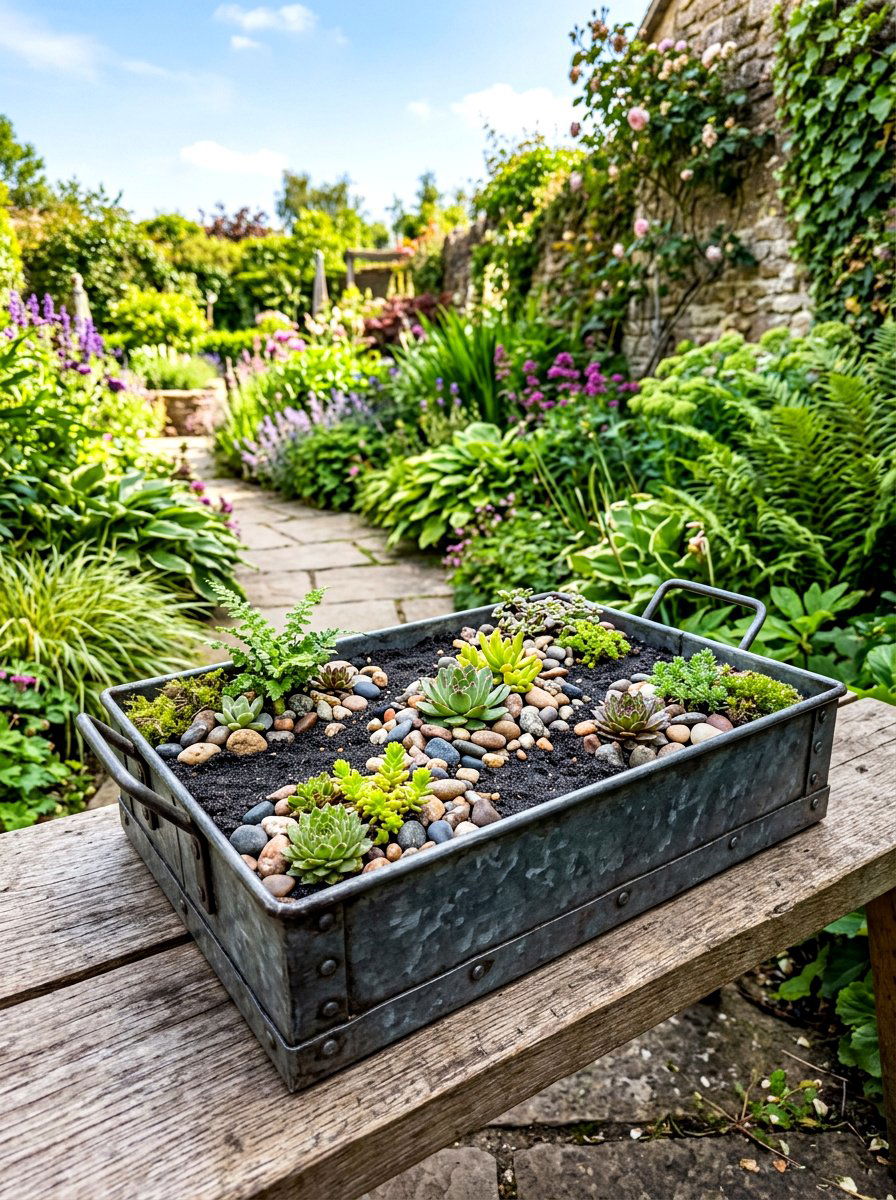
A vintage metal tray or a simple baking sheet can be repurposed into a sleek puddling station for a modern garden. Fill the tray with a thin layer of dark sand, which will absorb heat and stay warm under the sun. Add a few larger stones around the edges to give the butterflies different perching options. Metal trays are durable and can withstand the elements, though you should ensure they don't get too hot in extreme summer heat. Placing the tray in partial shade during the hottest part of the day can help keep the water from evaporating too quickly and protect the butterflies.
16. Concrete Dish
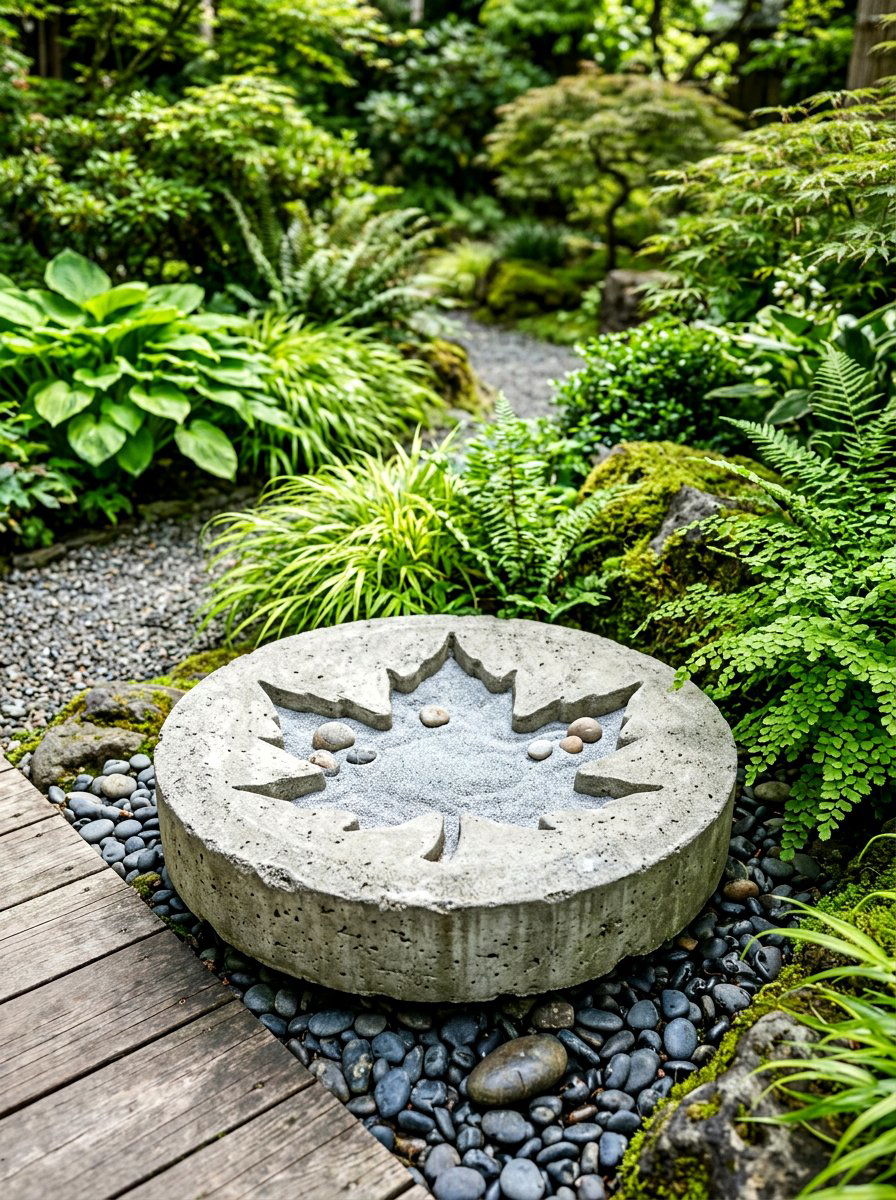
A handmade concrete dish offers a permanent and minimalist solution for a modern backyard landscape. You can easily cast a shallow concrete bowl using a large leaf as a mold to create a natural, textured look. Once the concrete has cured, fill the center with a mixture of sand and a small amount of sea salt. The heavy weight of the concrete ensures the station won't tip over in high winds. The gray tones of the concrete provide a neutral backdrop that makes the vibrant colors of the butterflies stand out. This durable feature will last for many years with minimal maintenance required.
17. Clay Pot
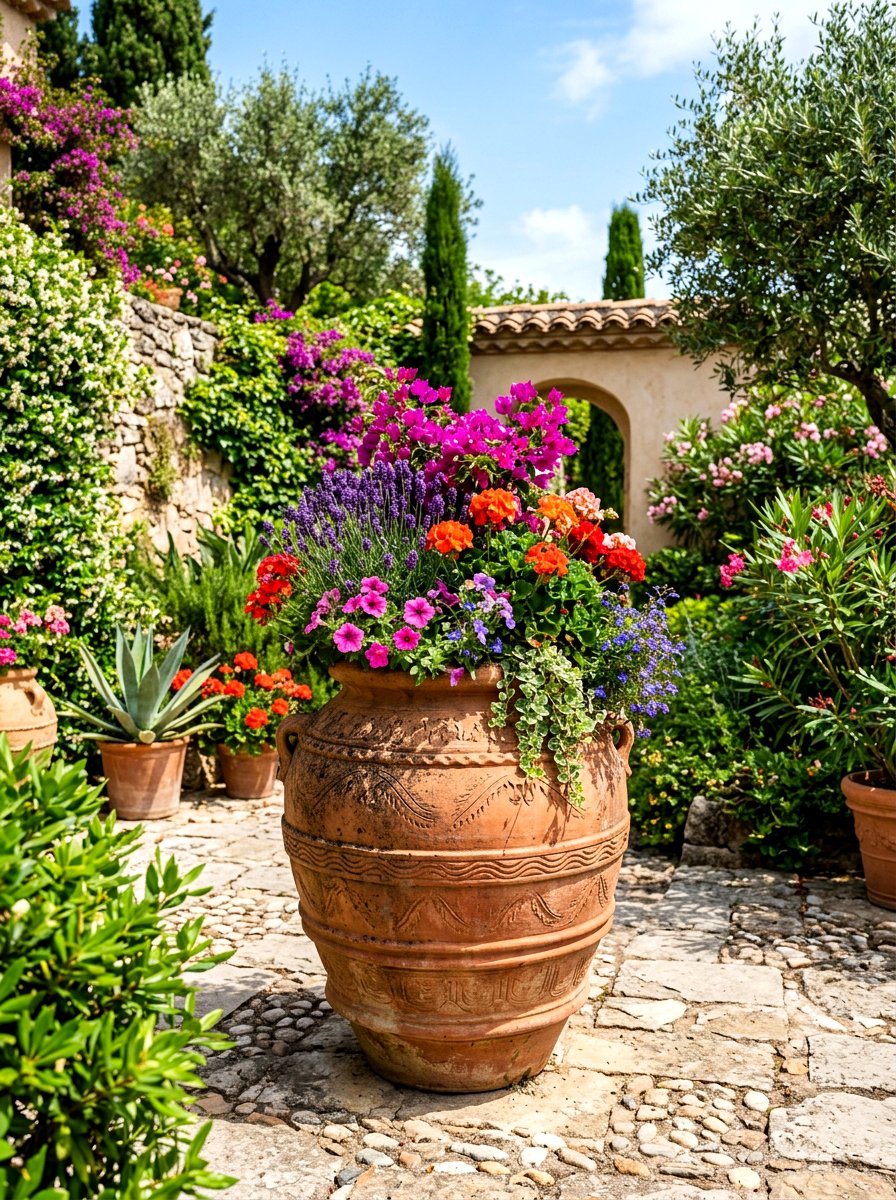
Stacking clay pots can create an interesting vertical puddling station that saves space in small gardens. Use a large base pot filled with soil and nestle a smaller, shallow terracotta saucer on top. Fill the saucer with damp sand and stones to create the puddling area. You can even plant butterfly-friendly flowers like lantana or pentas in the larger pot below to attract visitors. This multi-functional design provides both food and water in one convenient location. The vertical height keeps the puddling surface away from ground-dwelling pests and makes it easier for you to observe the butterflies as they feed and rest.
18. Paver Stone
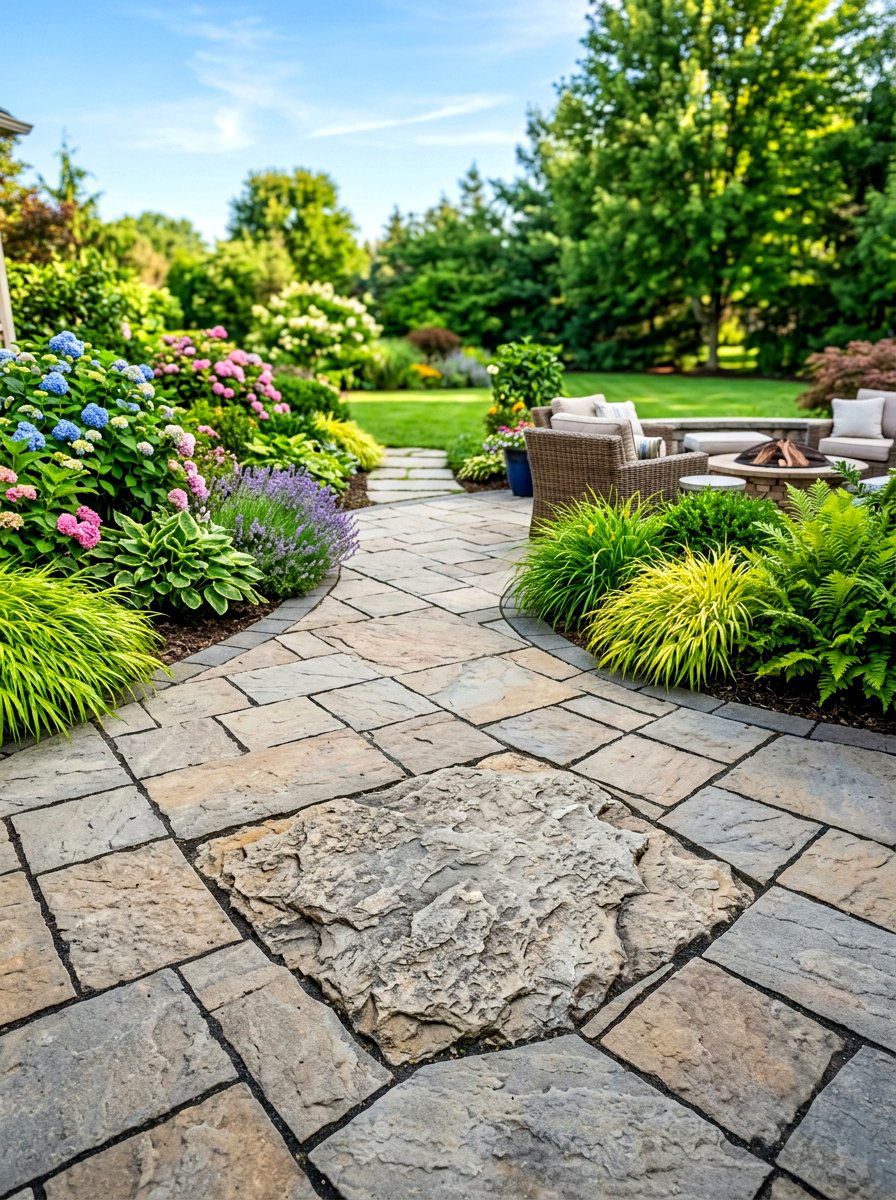
Using a single paver stone with a slight center dip is an architectural way to incorporate a puddling station into a patio. Many natural stone pavers have unique textures and small hollows that can hold a thin layer of moisture. Place the paver in a sunny spot where it will be regularly hit by your sprinkler system or rain. You can also manually add a small amount of sand to any natural depressions to help hold the water longer. This integration makes the wildlife habitat feel like a deliberate part of your home’s hardscape design, proving that conservation can be both functional and very stylish.
19. Bamboo Tray
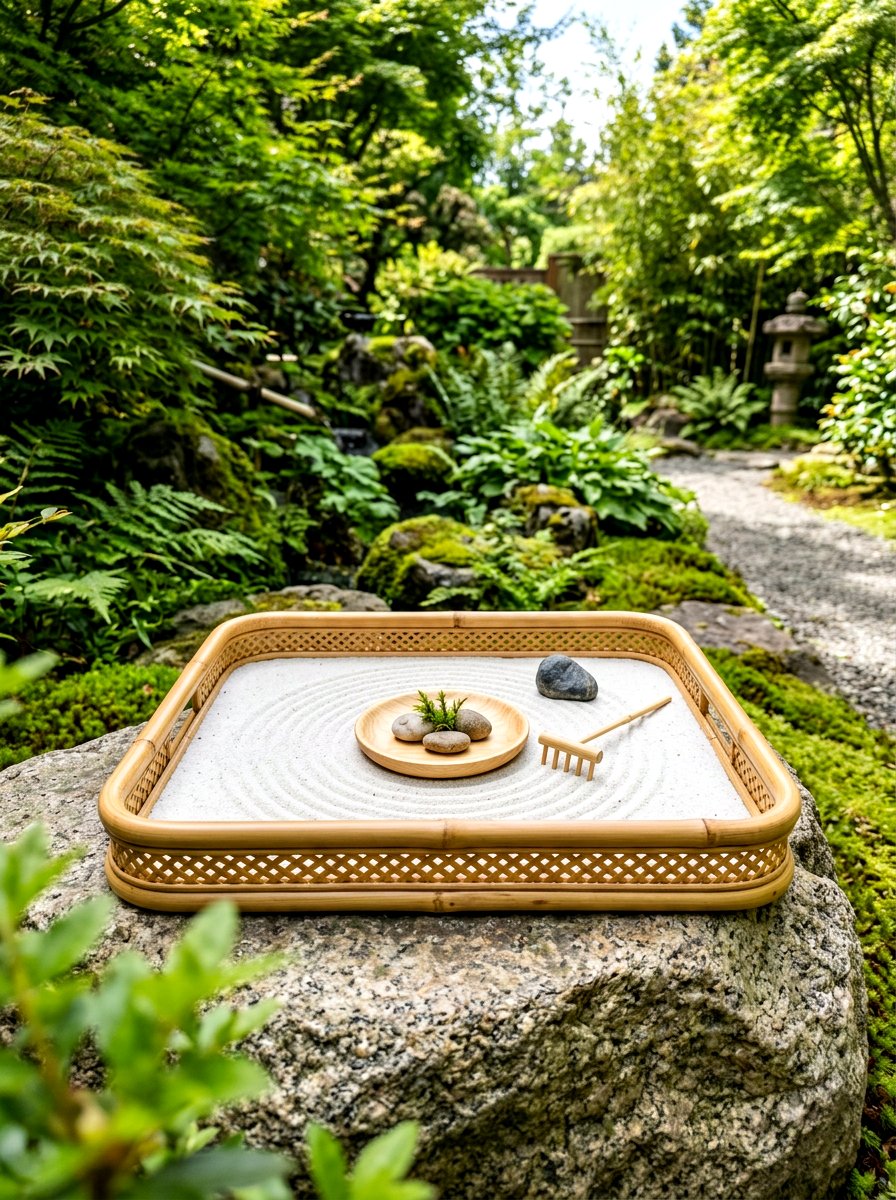
A bamboo tray puddling station brings a zen-like, tropical vibe to your outdoor sanctuary or patio area. Bamboo is a sustainable material that holds up well to moisture and provides a warm, natural surface for butterflies. Fill a shallow bamboo dish with fine sand and a few pieces of bamboo charcoal to help keep the environment clean. The light color of the bamboo doesn't get as hot as metal or dark stone, making it a comfortable spot for butterflies during the peak of summer. It looks beautiful when paired with ornamental grasses or tropical plants like hibiscus and cannas in your garden.
20. Mud Patch
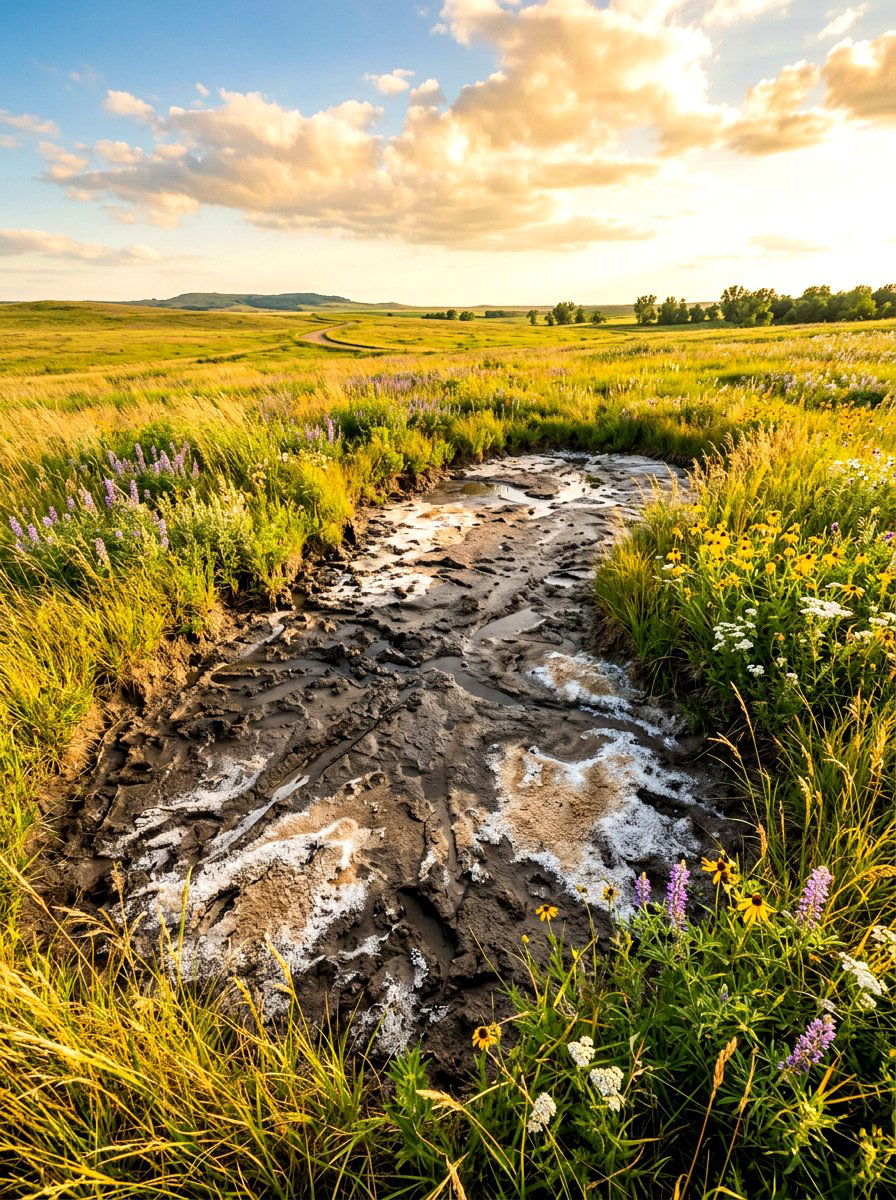
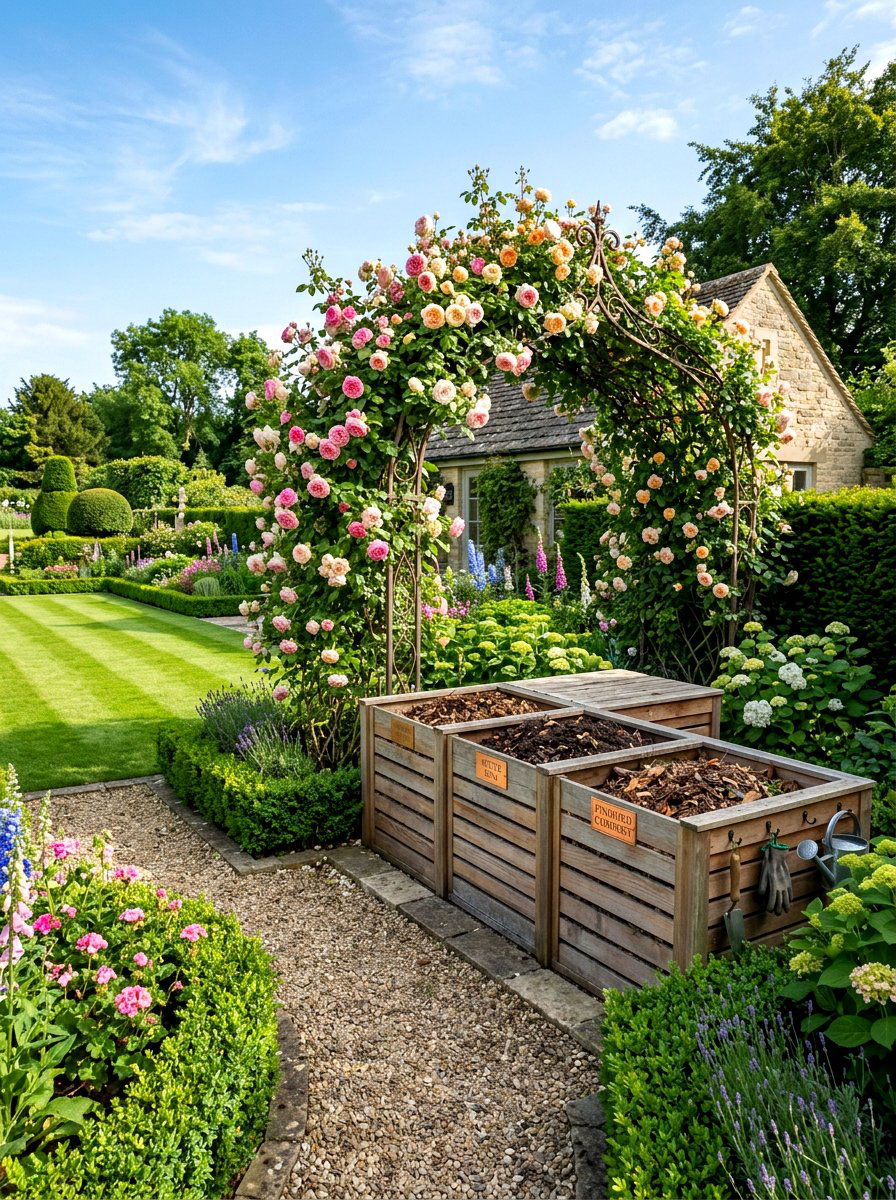
Maintaining a salt-enriched mud patch is the most authentic way to provide minerals to visiting male butterflies. Butterflies need sodium and other minerals found in the soil to improve their reproductive success. Choose a secluded corner of your garden and mix plain unscented Epsom salts or sea salt into the top layer of dirt. Keep the area consistently saturated with water so it remains a soft, muddy consistency. This station might not be the most "decorative" option, but it is often the most popular among butterflies. It mimics the natural riverbanks and mudflats where they congregate in the wild for mineral intake.
21. Flower Pot Base
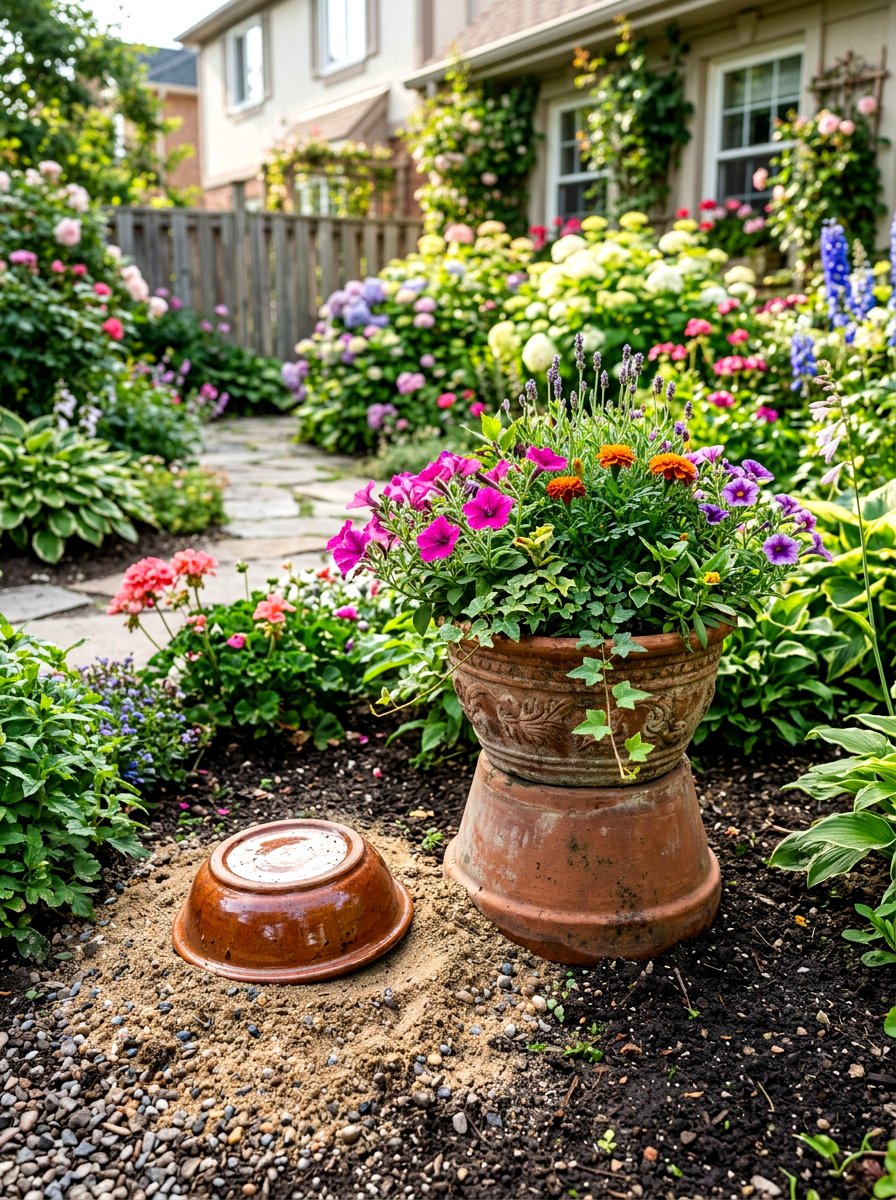
An overturned flower pot base provides a sturdy and elevated platform for a simple DIY puddling station. Use the bottom of a large ceramic or plastic pot as the reservoir for your sand and water mix. Because these bases are designed to hold water, they are perfect for maintaining a damp environment without leaking. You can paint the outside of the pot base to match your garden’s color scheme or leave it natural for a more subtle look. This setup is highly portable, allowing you to move it to different parts of the yard to find where the butterflies are most active.
22. Log Slice
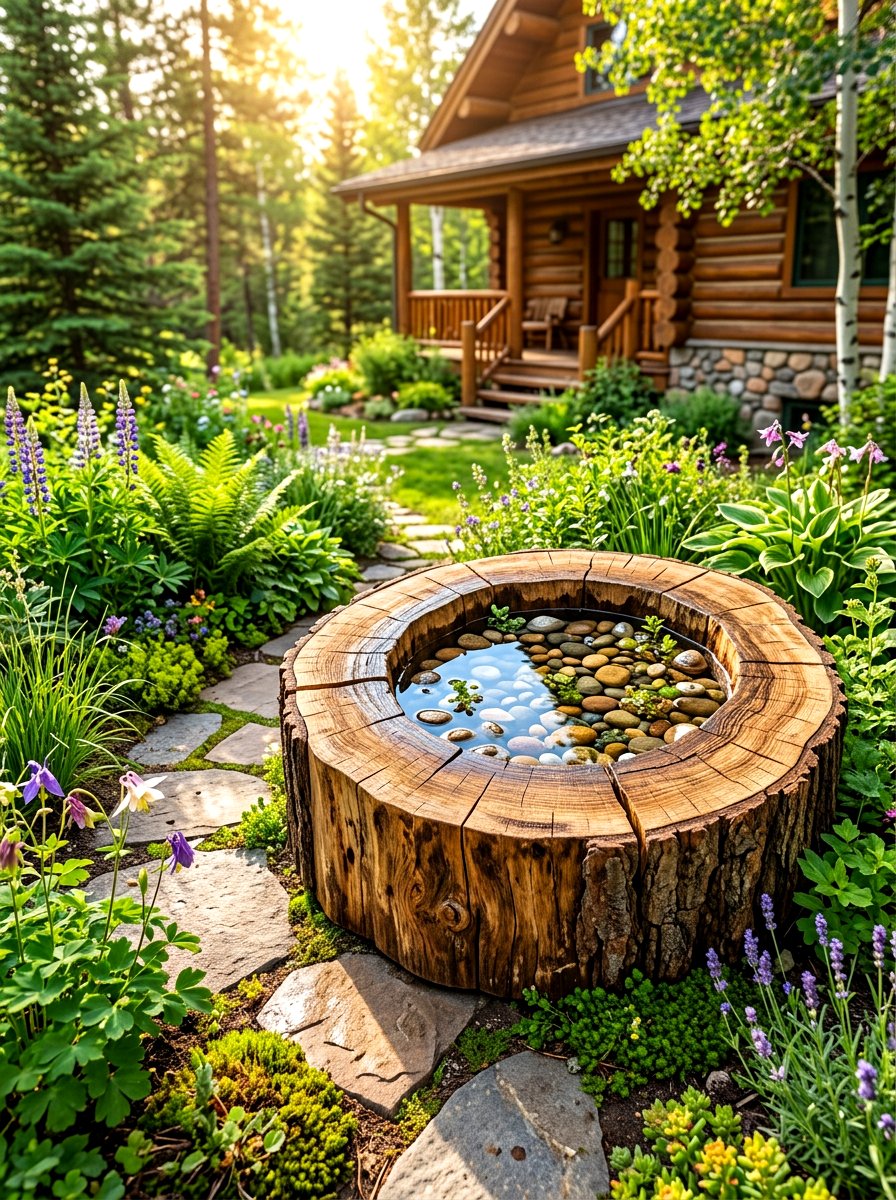
A thick log slice or "cookie" can be converted into a beautiful and naturalistic butterfly puddling station. Drill out a shallow basin in the center of the wood and line it with a small piece of plastic to prevent the water from soaking into the log too fast. Fill the center with sand, mud, and a few small pebbles. The natural wood surrounding the puddle provides a warm and grippy surface for butterflies to land on. As the wood ages, it adds a rustic charm to your garden. This station is perfect for a naturalistic or "wild" garden design where you want to avoid synthetic materials.
23. Stepping Stone
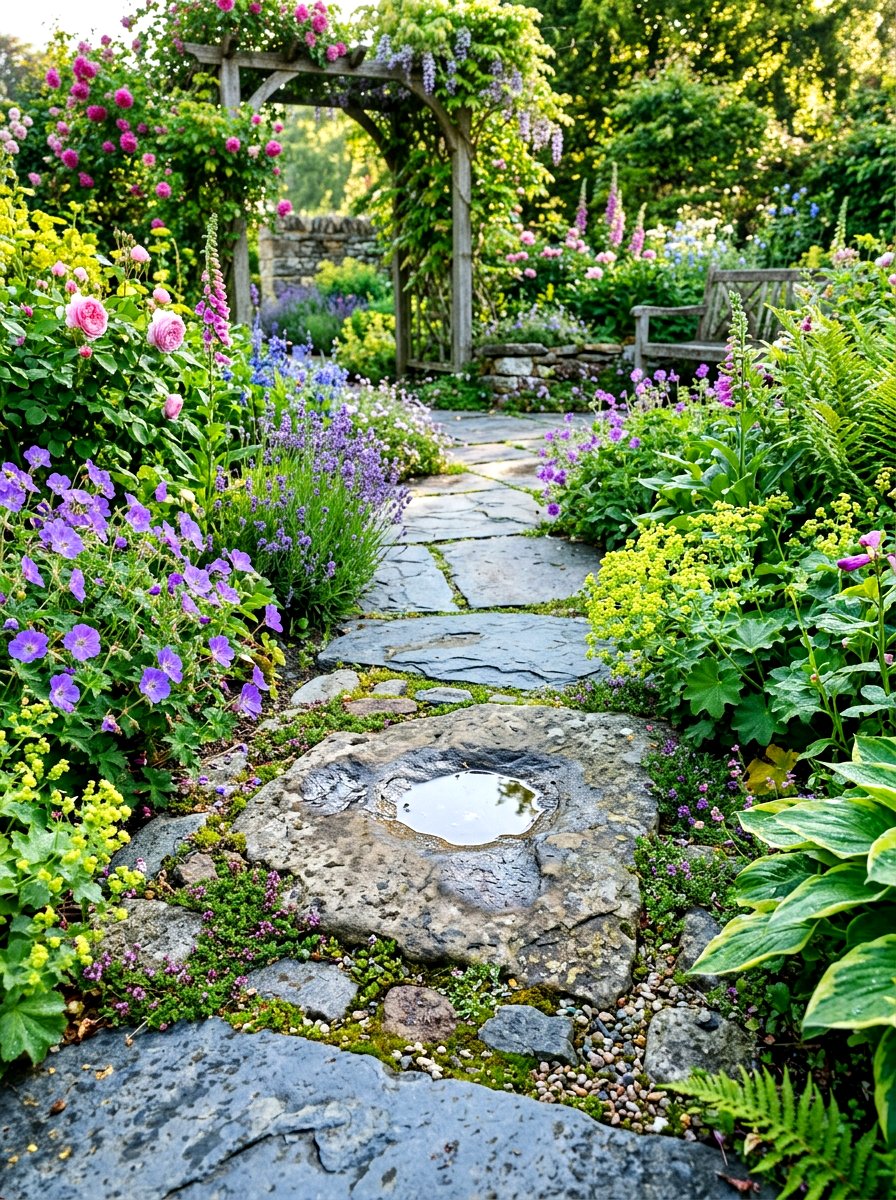
Incorporating a puddling feature into a garden path using a custom stepping stone is a clever design trick. You can buy or make stepping stones that have a built-in shallow bowl in the center. Fill these bowls with sand and keep them damp during your morning garden walk. This allows you to view the butterflies up close as you move through your flower beds. It creates an interactive experience where the path itself becomes a living part of the ecosystem. Ensure the stone is placed in a sunny spot, as butterflies are cold-blooded and need the sun’s warmth to stay active and fly.
24. Garden Bench
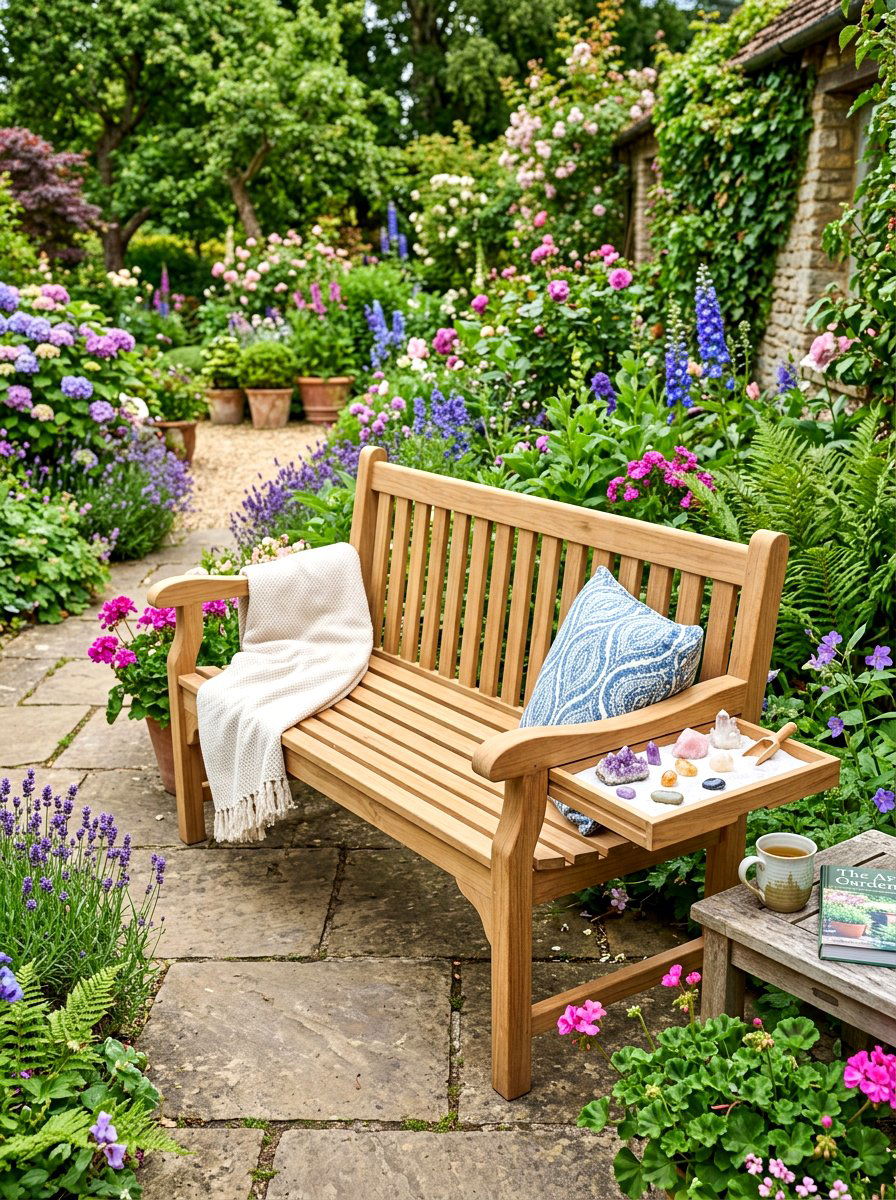
Adding a small puddling tray to the side of a garden bench allows you to enjoy butterfly watching comfortably. You can mount a small, shallow dish to the armrest or place it on a side table next to your favorite outdoor seat. Fill the dish with sand and a few decorative crystals to catch the light and attract curious pollinators. This setup brings the beauty of nature right to your fingertips, providing a peaceful and meditative focal point. It is a wonderful way to connect with the local wildlife while you enjoy a morning coffee or a quiet afternoon of reading outdoors.
25. Window Box
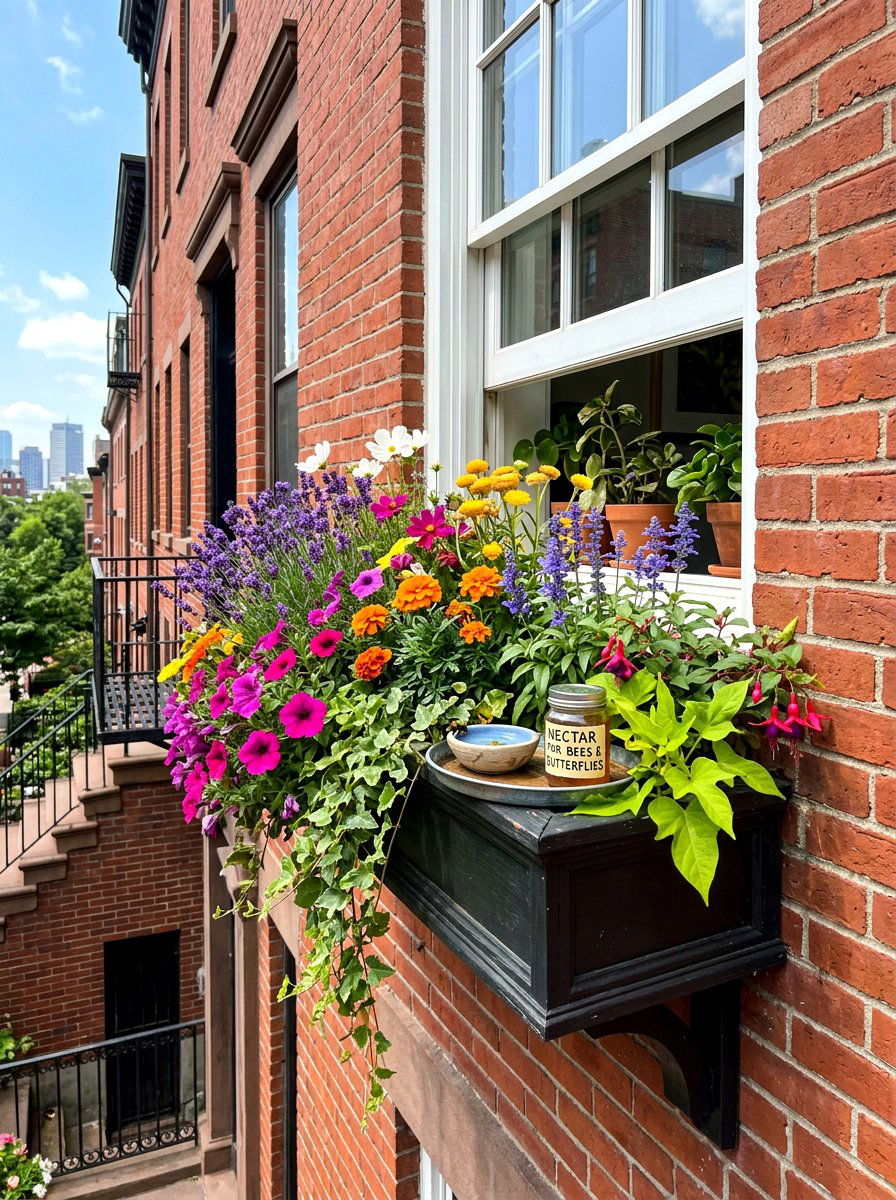
A window box puddling station is perfect for apartment dwellers or those with limited yard space to help pollinators. Instead of filling the entire box with plants, leave one end of the container for a shallow tray filled with damp sand. You can surround the tray with nectar-rich flowers like marigolds or zinnias to draw butterflies in from a distance. The elevated height of the window box protects the butterflies from pets and provides a clear view from inside your home. It is a fantastic way to bring the joy of butterfly conservation to an urban environment where natural puddles are often very scarce.
26. Fairy Garden
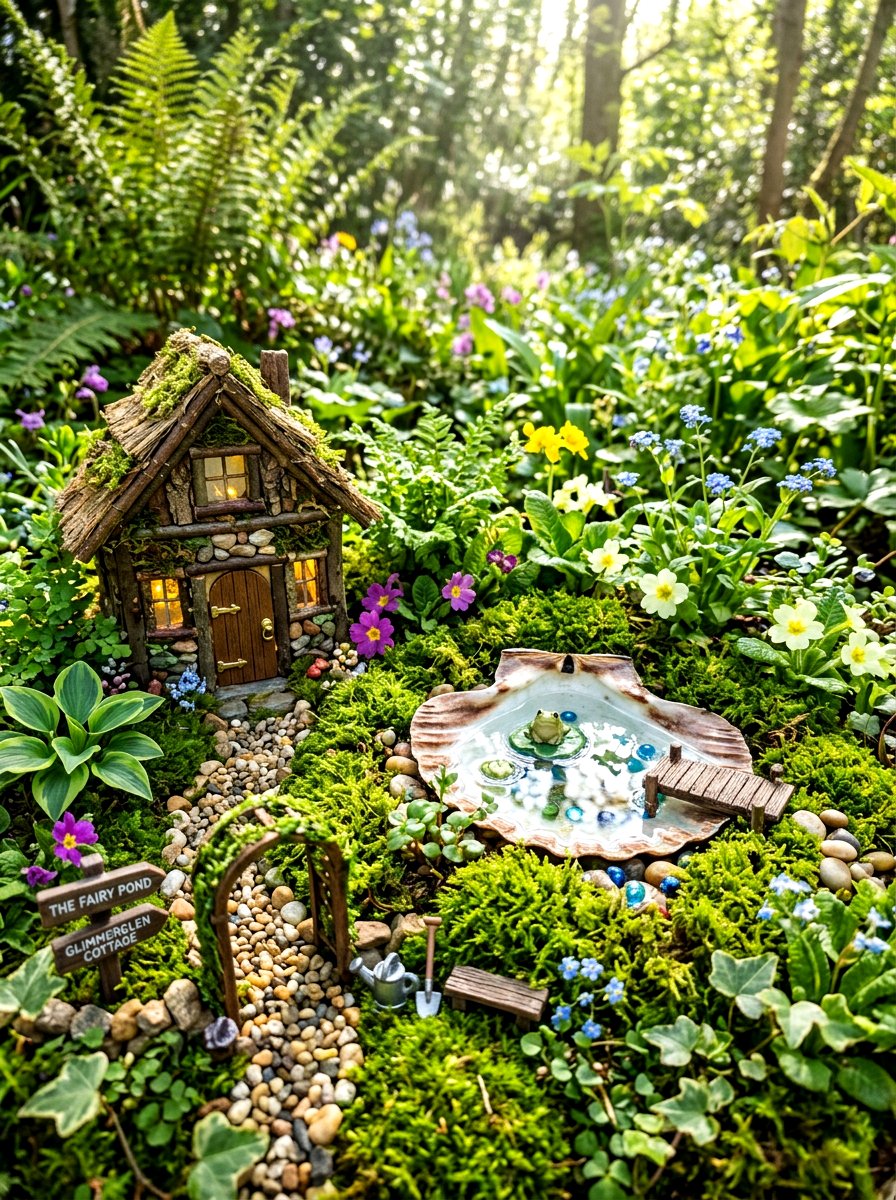
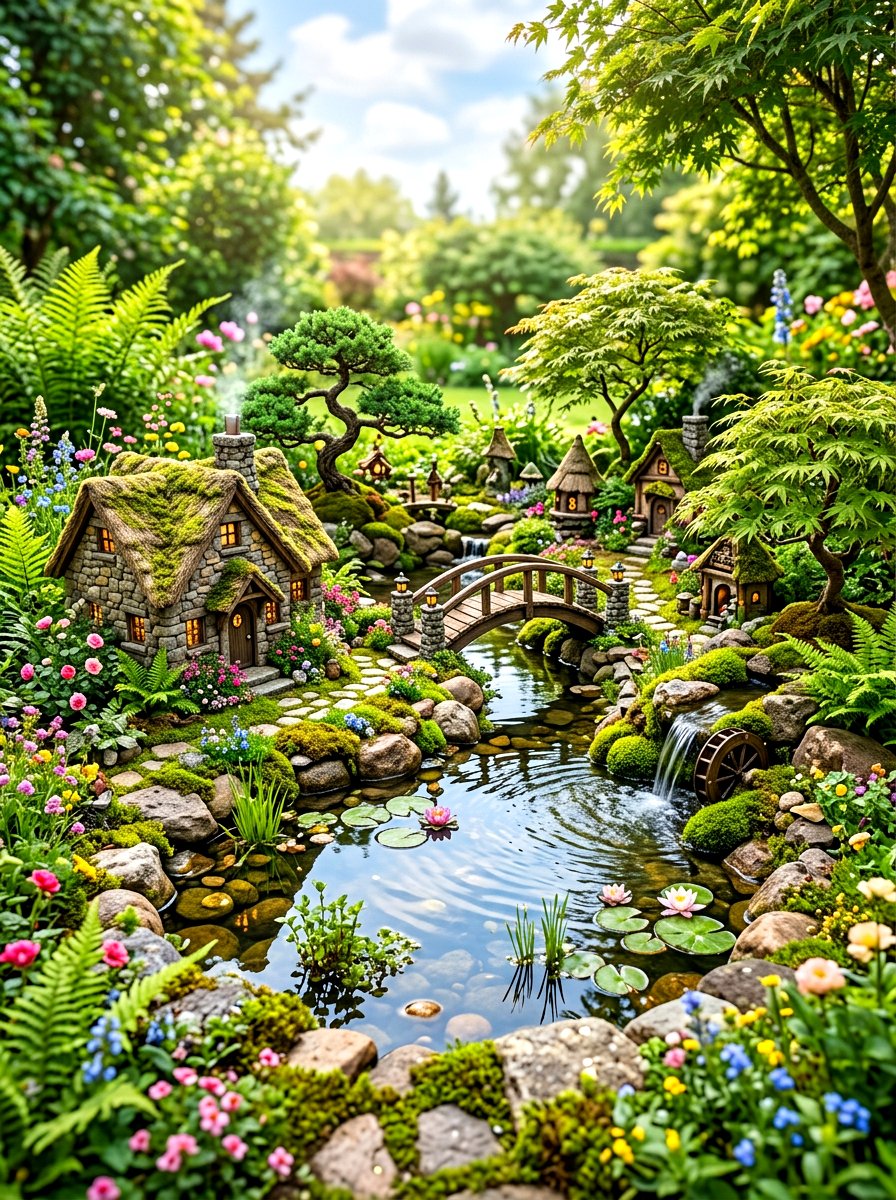
Integrating a puddling station into a fairy garden adds a functional element to your miniature landscape. Use a tiny ceramic dollhouse dish or a small seashell as the "pond" for your fairy butterflies. Fill the tiny container with fine sand and keep it moist with a spray bottle. The small scale of a fairy garden is actually perfect for butterflies, as they only need a tiny amount of damp space to feed. This project is a great way to involve children in gardening and teach them about the importance of protecting insects. It combines imaginative play with real-world conservation efforts in a charming way.
27. Driftwood Basin
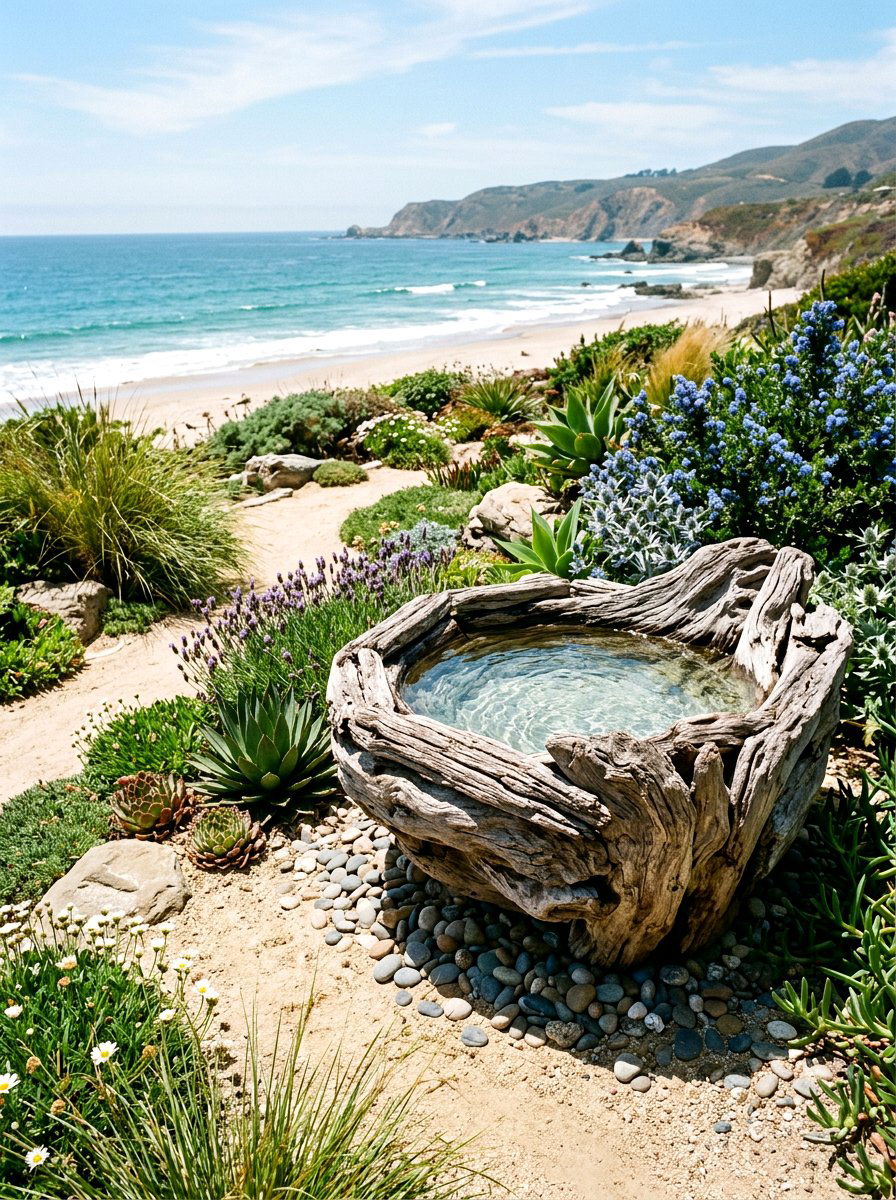
A piece of weathered driftwood with a natural hollow can serve as a stunning and unique puddling station. The salt-bleached wood often has interesting textures and curves that create small pockets for water and sand to collect. Secure the driftwood in a sunny flower bed and fill the natural basins with a mineral-rich mud mixture. Driftwood is particularly effective because it stays warm in the sun and provides many different angles for butterflies to land. This station looks incredible in a coastal-themed garden or as a centerpiece in a xeriscape. It is a piece of natural art that serves a vital ecological purpose.
28. Tiered Fountain
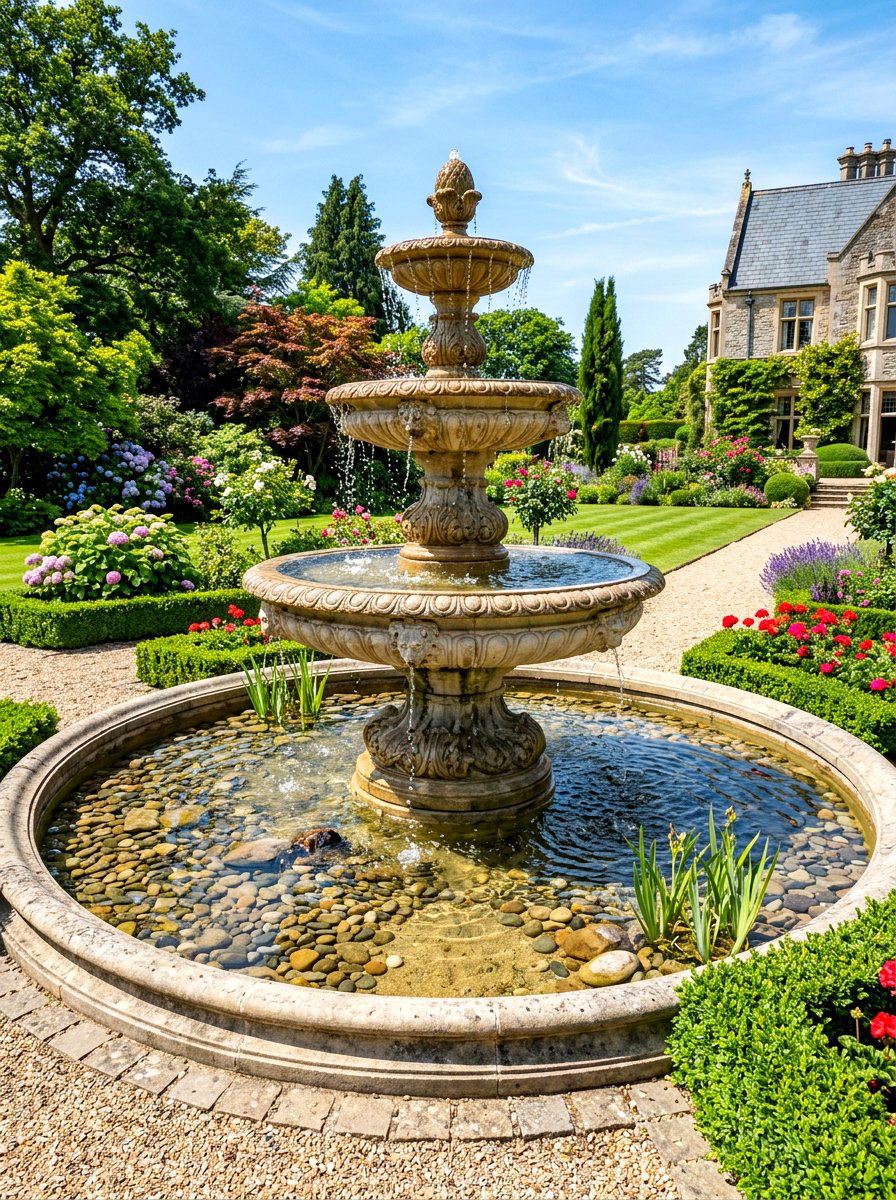
Repurposing a broken tiered fountain into a butterfly sanctuary is a creative way to use large garden features. Instead of running water through the pump, fill each tier with different materials like sand, pebbles, and compost. Keep the layers damp so butterflies can choose their favorite spot to puddle. The different levels offer various sun exposures and wind protection, making it a versatile station for different species. This large-scale setup can accommodate dozens of butterflies at once, creating a spectacular "butterfly tree" effect in your garden. It turns an old, non-functional item into a thriving hub for local wildlife and beauty.
29. Seashell Display
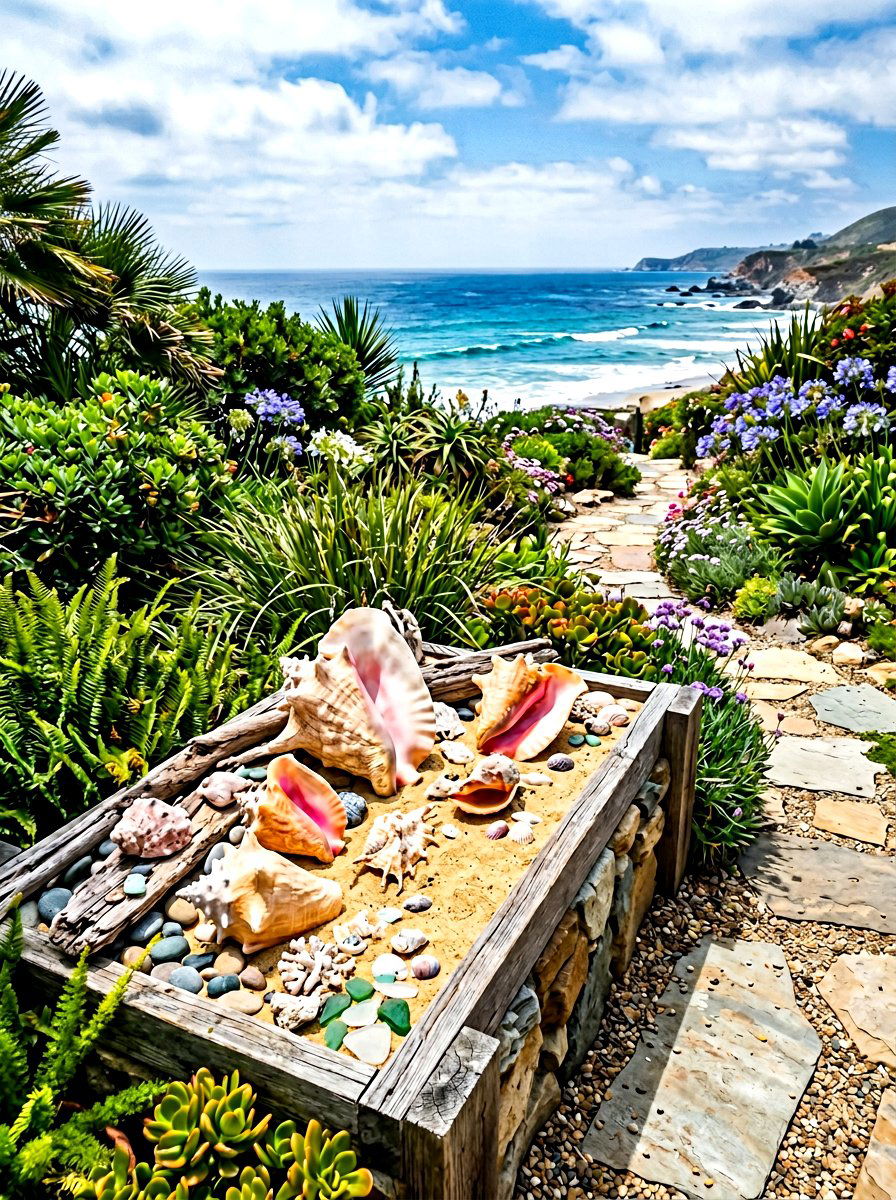
Large seashells like conchs or scallops can be used as individual puddling dishes scattered throughout a garden bed. The natural minerals in the shells can slowly leach into the water, providing extra nutrients for the butterflies. Fill the shells with sand and place them in sunny spots among your flowers. They add a whimsical, beachy feel to the landscape while providing many small "oases" for pollinators to find. Seashells are easy to move and clean, making them a flexible option for any gardener. This is a simple way to recycle vacation souvenirs while helping your local butterfly population thrive during the summer.
30. Wine Barrel
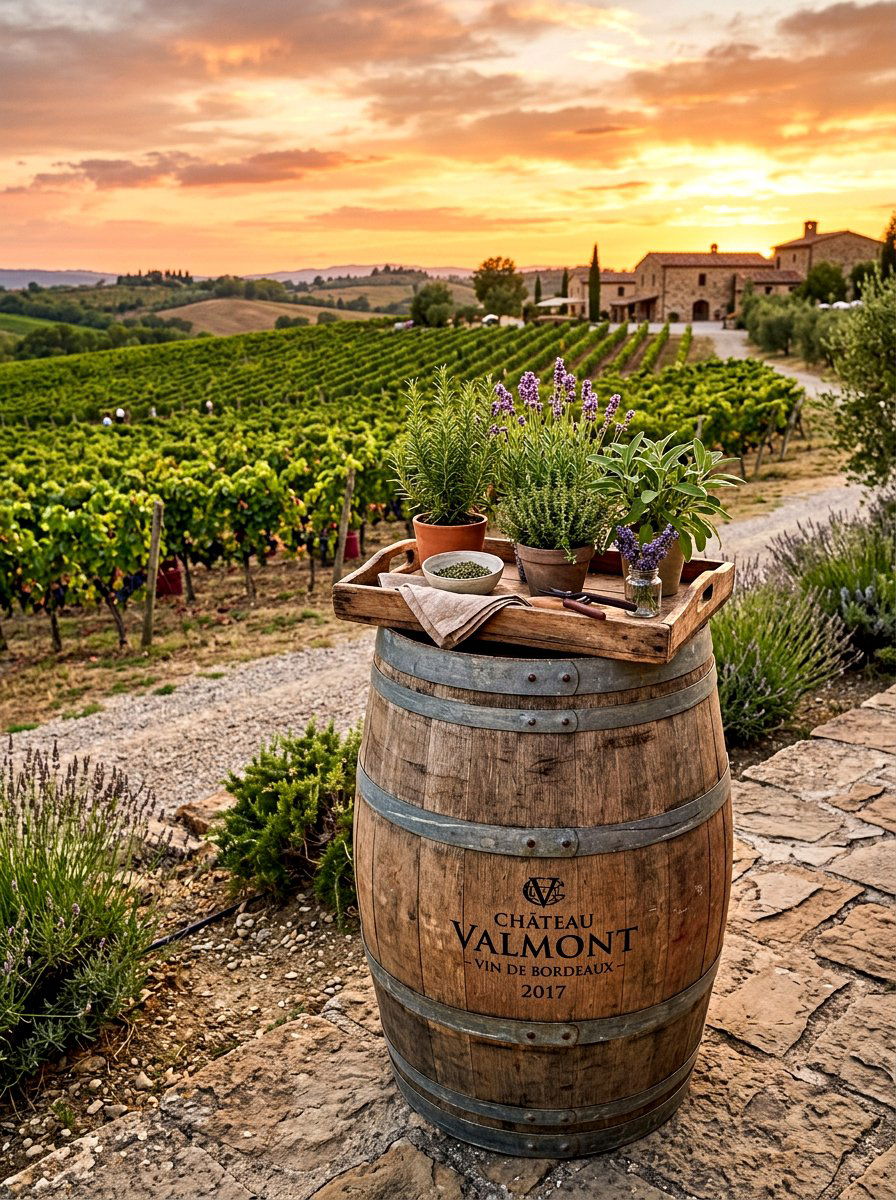
An old wine barrel planter can be adapted to include a large-scale puddling area on its top surface. If the barrel is filled with soil, you can place a large, shallow tray on top of the dirt. Surround the tray with low-growing, butterfly-friendly herbs like thyme or oregano. This setup provides a large, stable area for butterflies to congregate. The height of the barrel makes it a prominent feature in the garden, drawing the eye and the butterflies. It is a rustic and charming addition that provides a significant amount of damp surface area, which is ideal for attracting large colonies of puddling butterflies.
Conclusion:
Building a butterfly puddling station is a simple yet profound way to enhance the biodiversity of your backyard. By providing these essential minerals and moisture, you are directly contributing to the health and reproductive success of local butterfly populations. Each of these thirty ideas offers a unique way to integrate wildlife support into your personal garden style, from rustic wood setups to modern ceramic designs. Remember that the key to a successful station is consistency; keeping the sand or soil damp is the most important task. As you watch the vibrant wings fluttering around your new station, you will feel a deeper connection to nature.

Related posts: