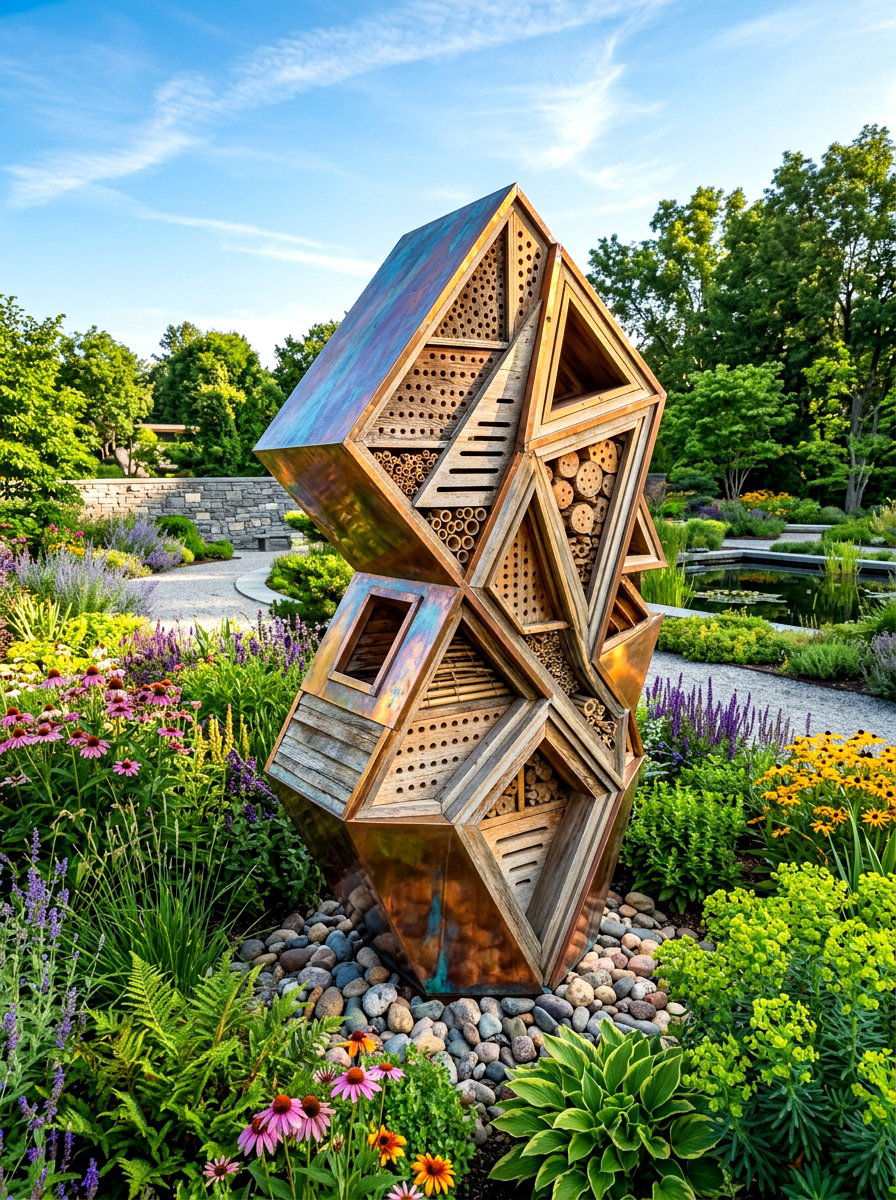
Creating a hummingbird oasis in your own backyard is one of the most rewarding gardening projects you can undertake. These tiny, vibrant birds bring an incredible amount of energy and movement to any outdoor space with their rapid wingbeats and iridescent feathers. To successfully attract these flying jewels, you need to think beyond a simple plastic feeder hanging from a tree branch. A true sanctuary provides a reliable mix of nectar-rich flowers, clean water sources for bathing, safe nesting sites, and plenty of places to perch and rest. By understanding their specific needs and behaviors, you can transform a plain lawn into a thriving, humming ecosystem that provides year-round delight for both you and the birds.
1. Red tubular flowers
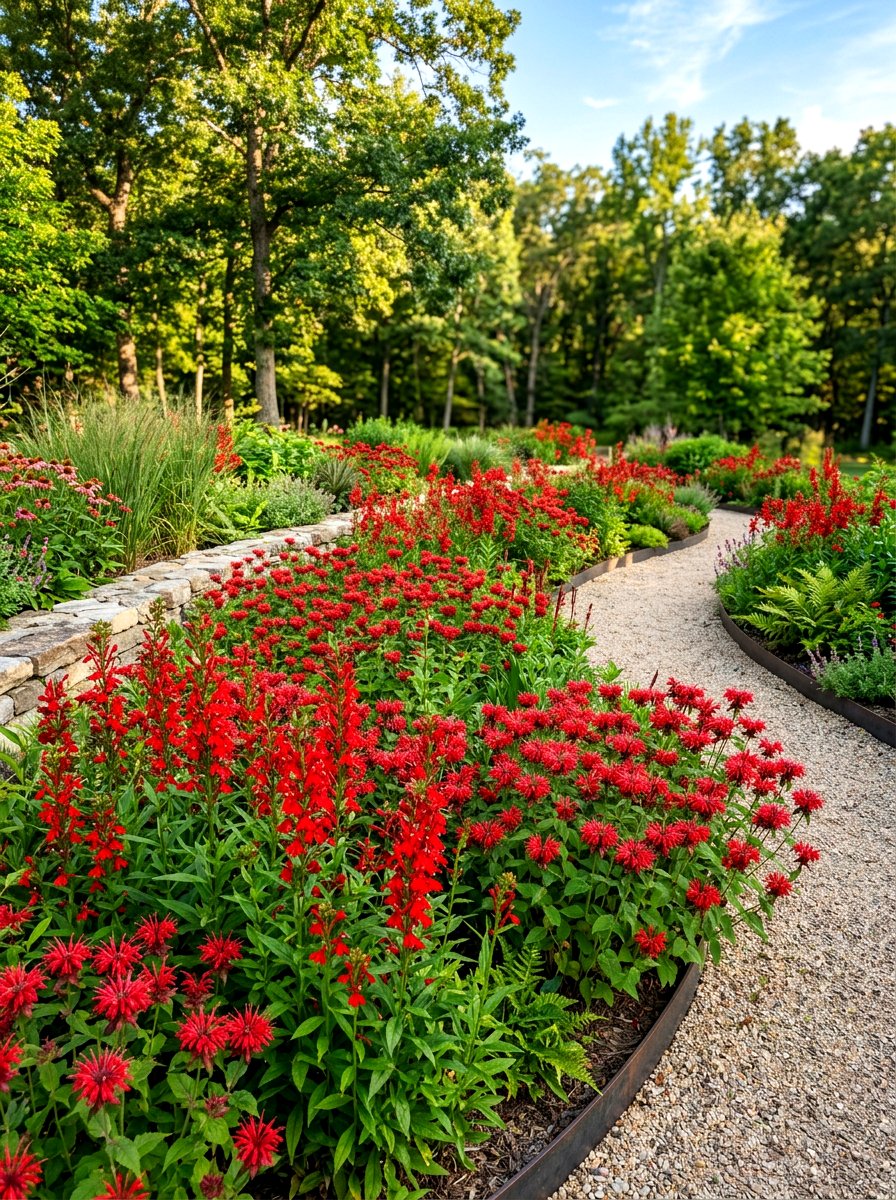
Hummingbirds are naturally drawn to the color red because their eyes are highly sensitive to long-wavelength colors. Planting a garden filled with red tubular flowers is the most effective way to signal to passing birds that your backyard is a high-energy food source. These specific flower shapes evolved alongside hummingbird beaks, allowing the birds to reach deep nectar reserves that bees cannot easily access. You might consider adding plants like cardinal flowers, bee balm, or native honeysuckle to create a visual beacon. Ensuring these plants are clustered together makes it easier for the birds to spot them from a great distance as they migrate through your neighborhood each season.
2. Tiered perennial garden
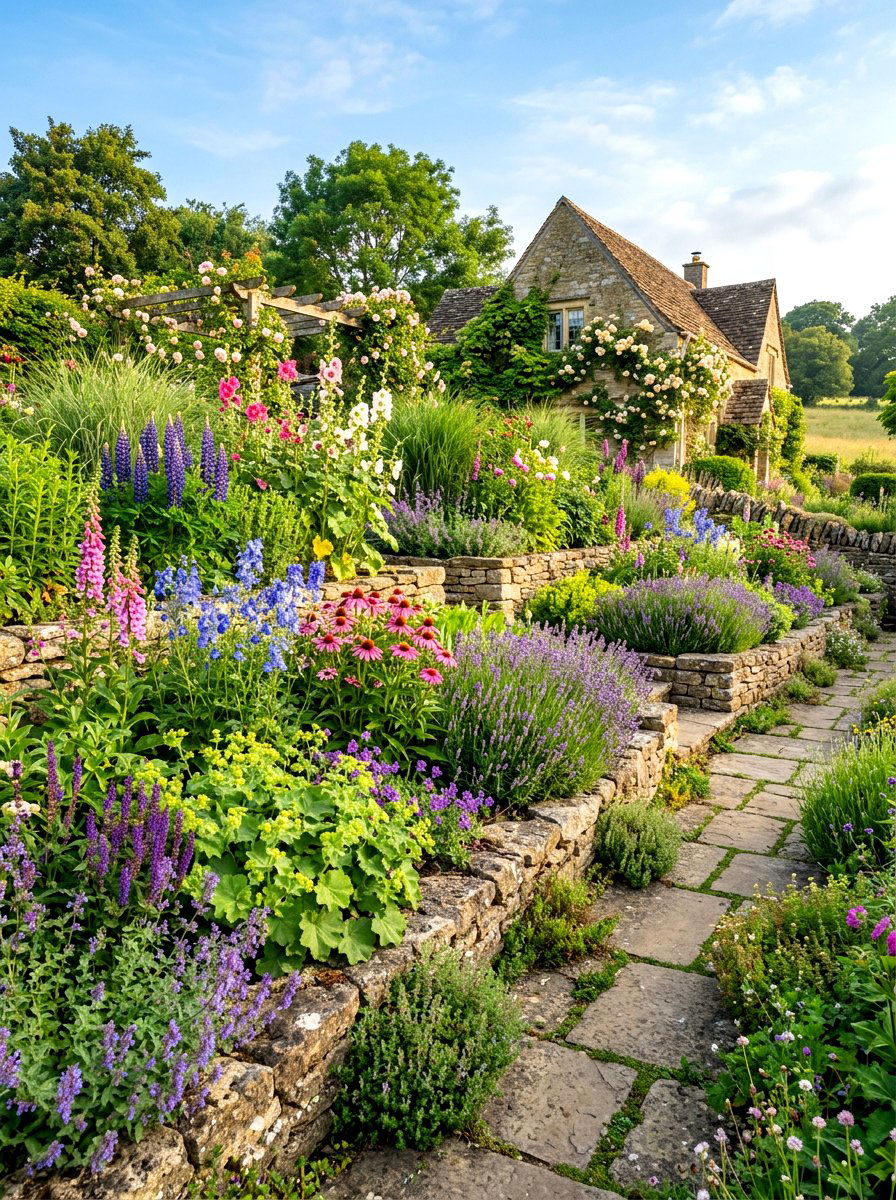
Hummingbirds appreciate a garden with multiple vertical levels because it mimics the natural structure of a forest edge. By designing a tiered perennial flower bed, you create various height zones where birds can feed, rest, and observe their territory. Start with low-growing groundcovers near the front, transition to mid-sized salvias and penstemons, and finish with tall flowering shrubs or small trees at the back. This layered approach maximizes the number of blooms in a small footprint while providing essential safety from ground-level predators. A dense, multi-story garden also creates microclimates that keep the air cooler and the nectar fresher during the hottest parts of the summer afternoons.
3. Solar bird bath
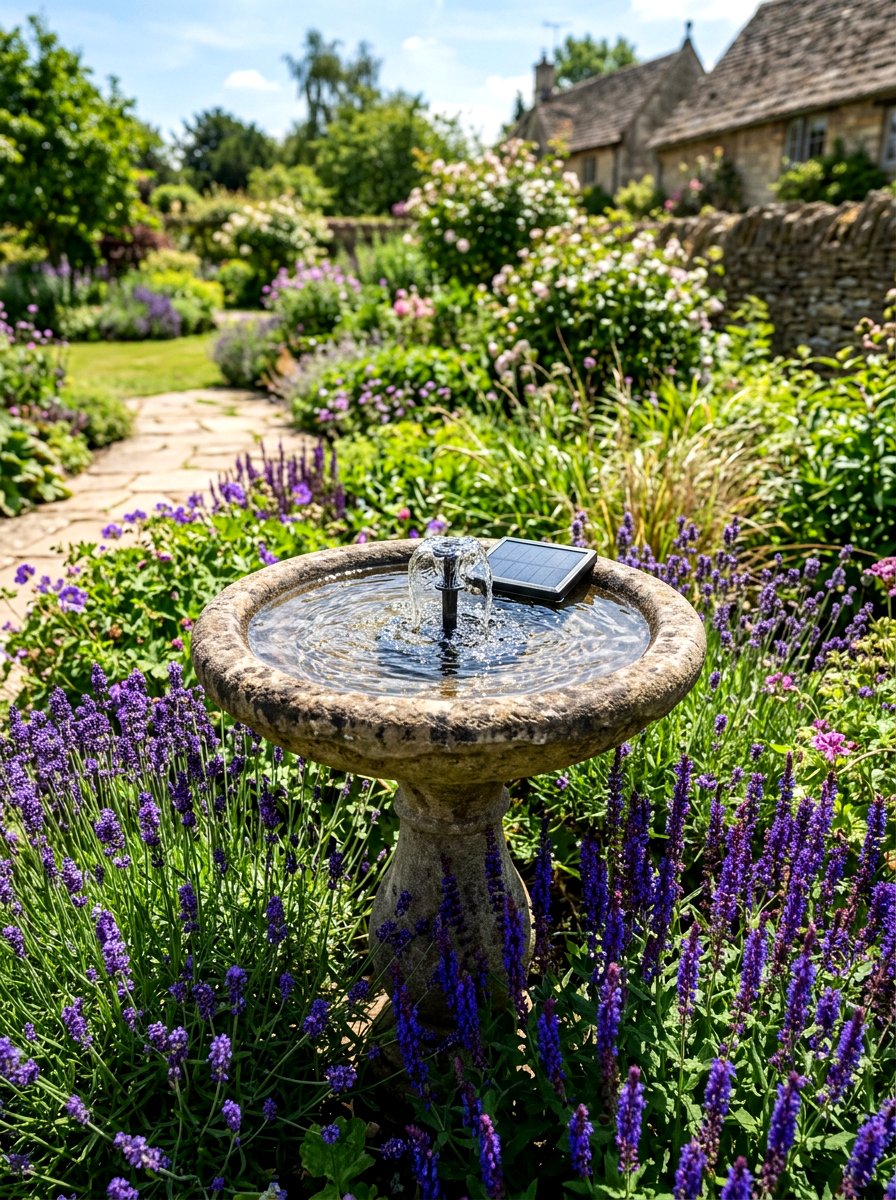
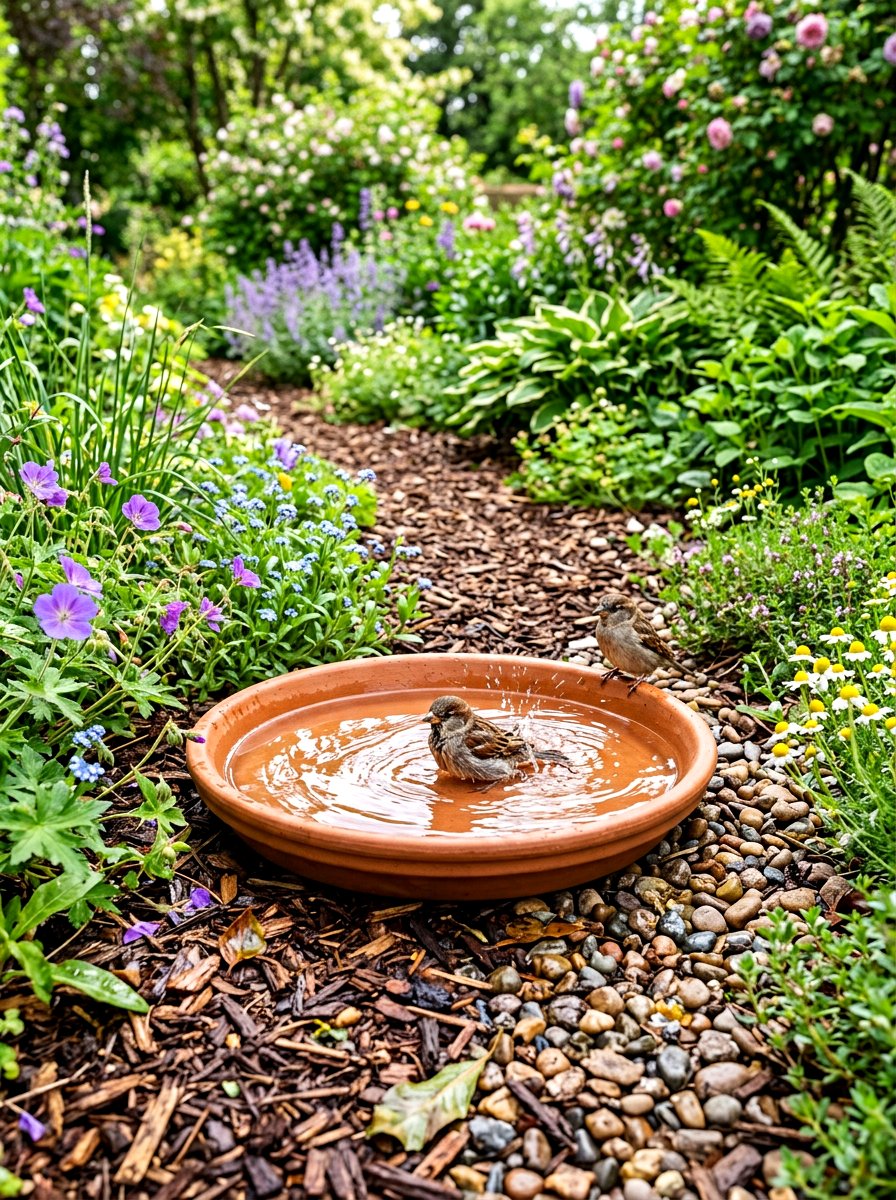
Water is just as important as nectar for maintaining a healthy hummingbird population in your yard. A solar fountain bird bath is an excellent choice because these birds are specifically attracted to the sound and sight of moving water. Unlike larger birds that prefer deep basins, hummingbirds need very shallow water or a gentle mist to bathe safely. A solar-powered pump keeps the water circulating, preventing stagnation and the buildup of mosquito larvae. Positioning the fountain in a sunny spot ensures it runs consistently throughout the day. Watching a tiny bird dart through the sparkling droplets is a magical experience that many backyard birders find truly captivating.
4. Hummingbird feeder pole
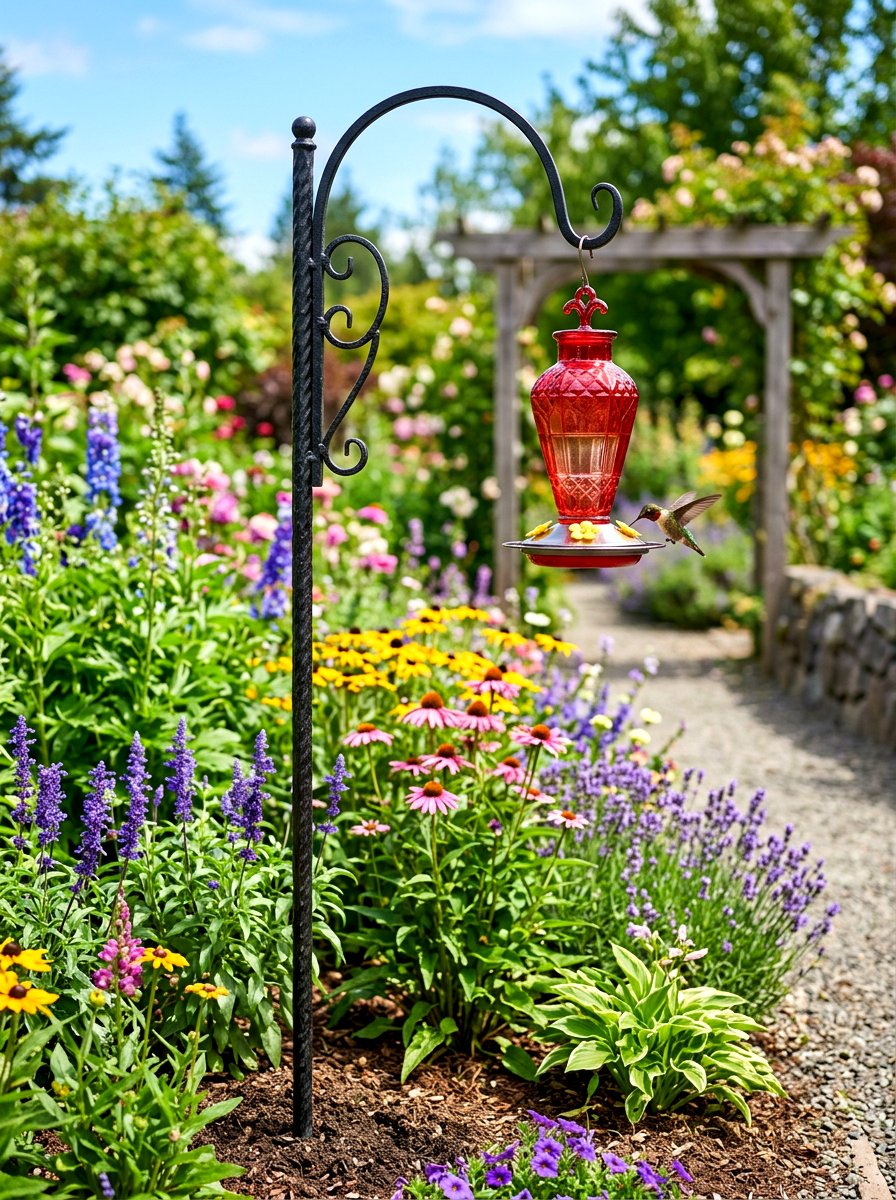
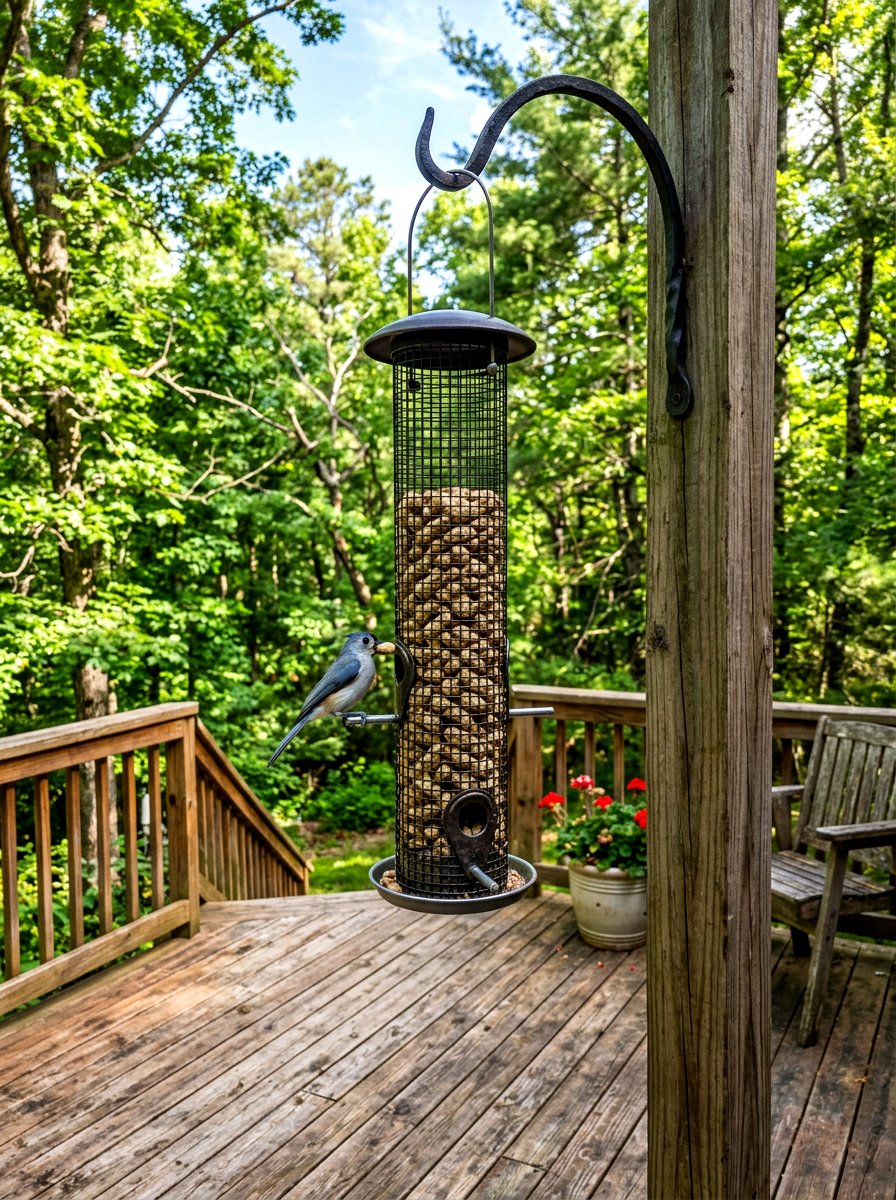
While natural flowers are best, a hanging nectar feeder pole provides a reliable backup food source when blooms are scarce. To keep the birds coming back, place your feeders in a shaded or semi-shaded area to prevent the sugar water from fermenting too quickly in the heat. Using a dedicated pole allows you to position the feeder away from trees where cats might hide. Make sure to choose a feeder with red accents to catch their attention without using harmful red dyes in the liquid itself. Cleaning the feeder regularly with hot water is vital to prevent mold growth that can be fatal to these delicate, high-energy visitors.
5. Climbing vine trellis
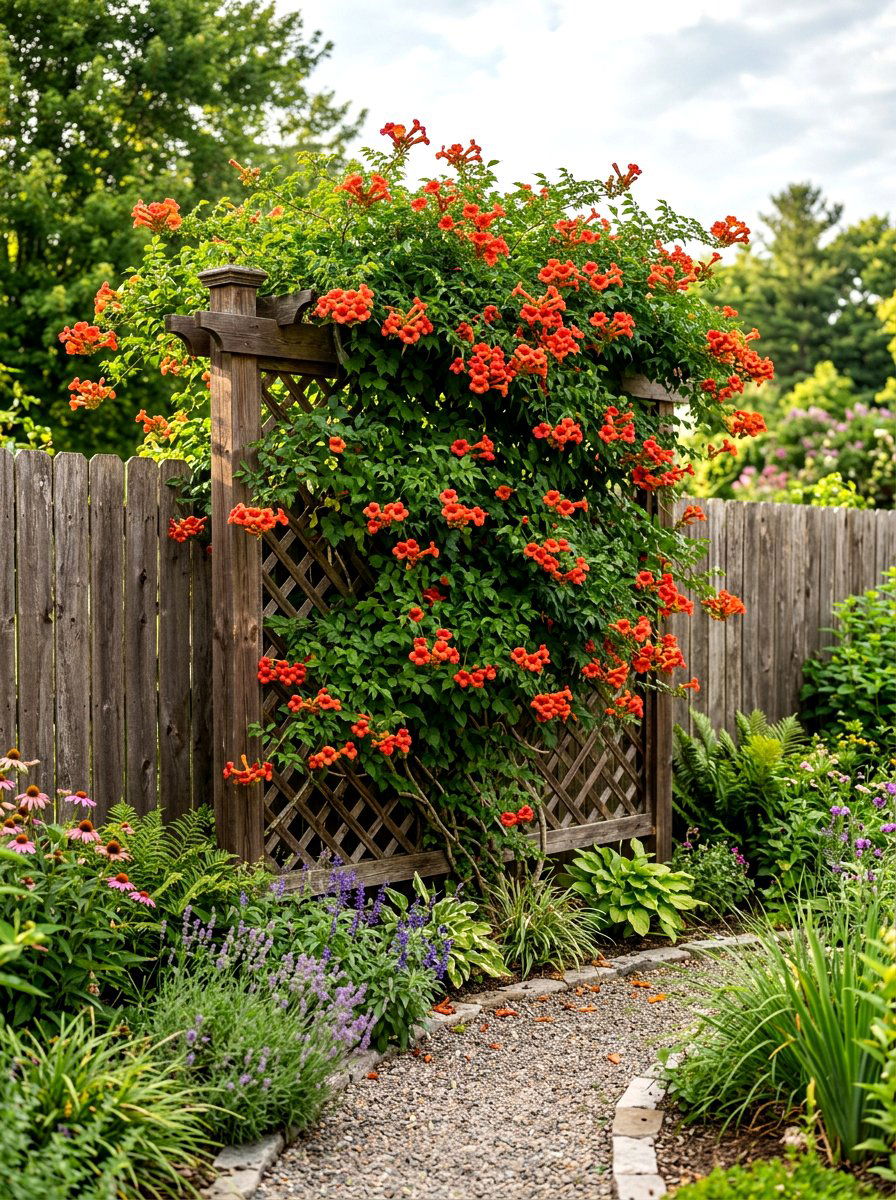
Utilizing vertical space is a smart way to attract more birds if you have a smaller backyard or patio area. A vertical climbing vine trellis featuring plants like trumpet creeper or coral honeysuckle offers a massive amount of nectar in a very narrow footprint. These vines naturally grow upward, creating a colorful wall of flowers that hummingbirds can easily navigate. The trellis also provides a sturdy structure for the birds to perch on between feeding sessions. Choosing a native vine variety ensures that the plant is well-adapted to your local climate and provides the highest quality nectar possible for the specific hummingbird species native to your region.
6. Native wildflower patch
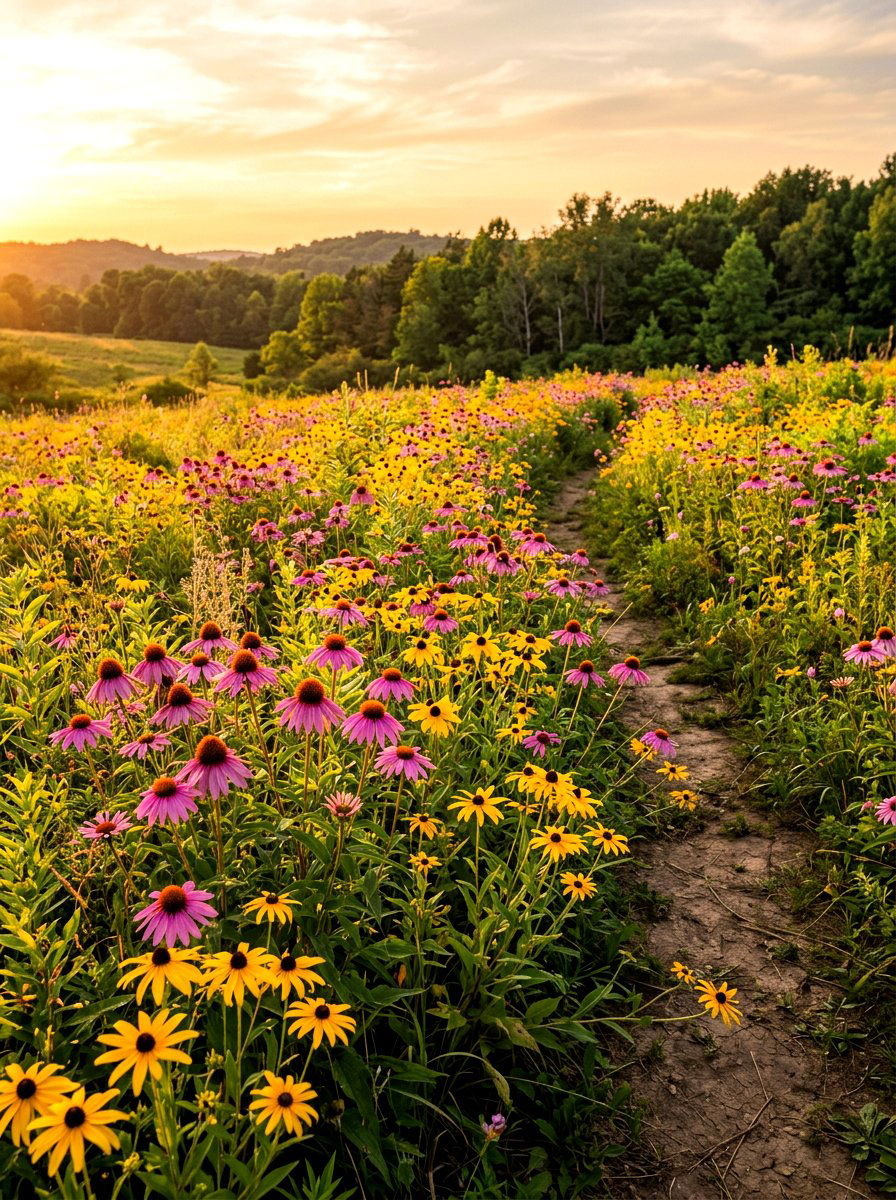
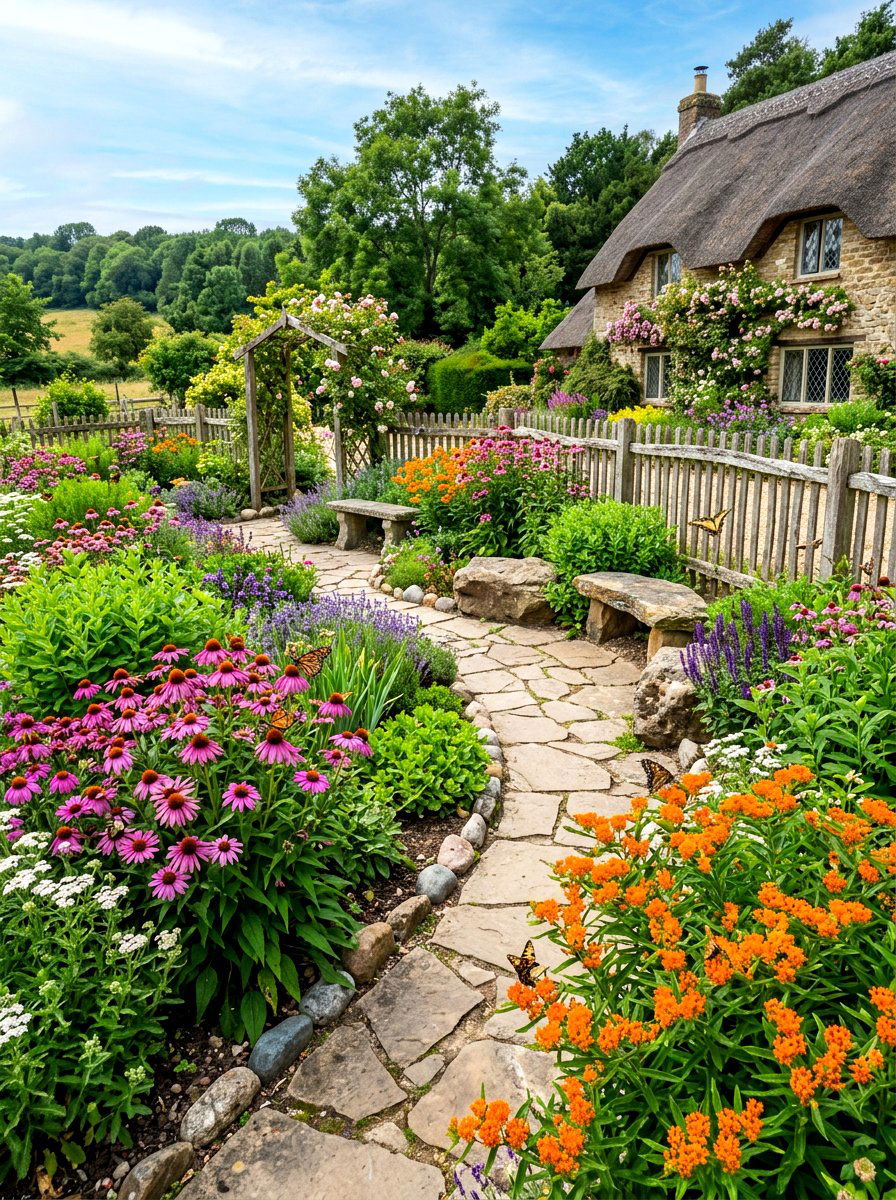
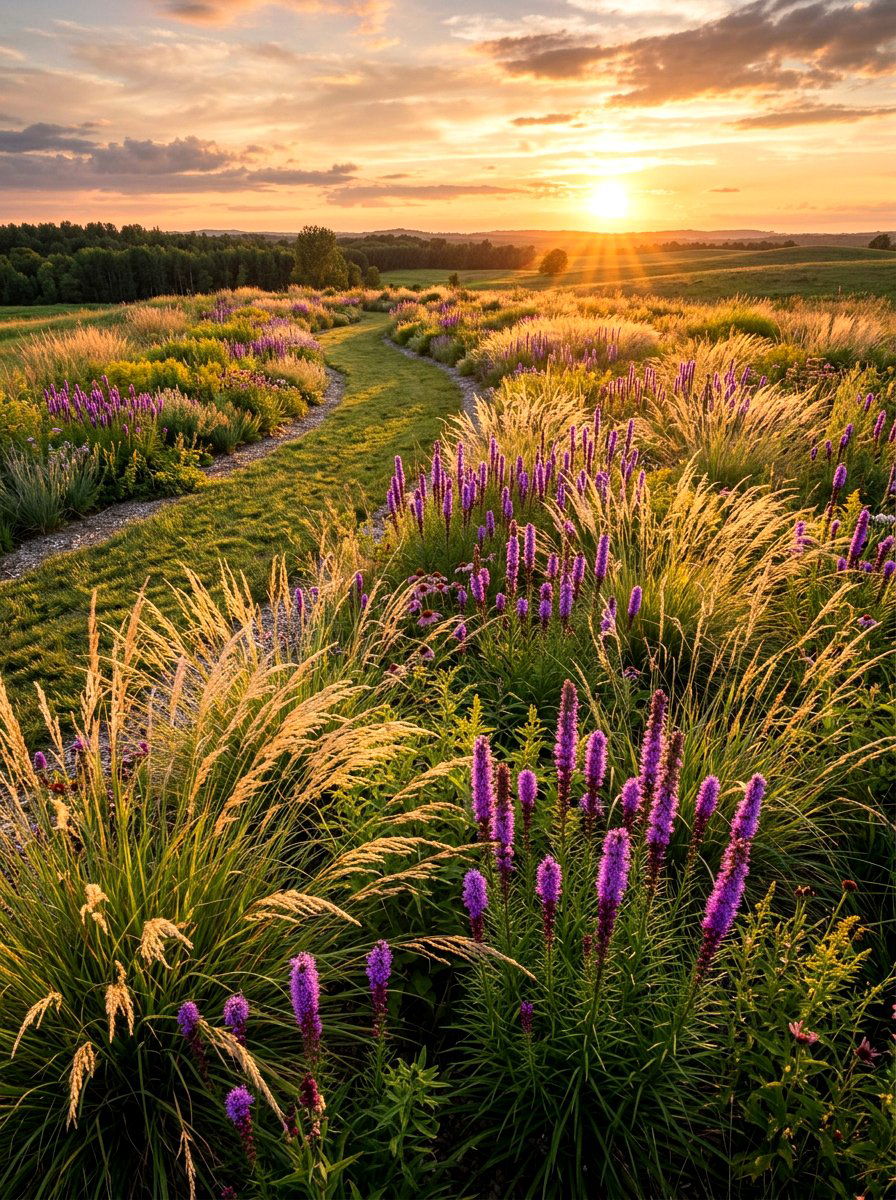
Establishing a native wildflower patch is a low-maintenance way to provide a diverse diet for your local hummingbirds. Native plants have a long evolutionary history with local bird species, meaning they produce exactly the type of nectar and pollen these birds need to thrive. Beyond nectar, these patches attract small insects and spiders, which are a crucial source of protein for hummingbirds, especially during the nesting season. Wildflowers like columbine, lupine, and milkweed offer a variety of colors and textures that enhance the beauty of your backyard. This naturalistic approach supports the broader ecosystem while creating a colorful, buzzing sanctuary for these energetic, tiny fliers.
7. Hummingbird mister station
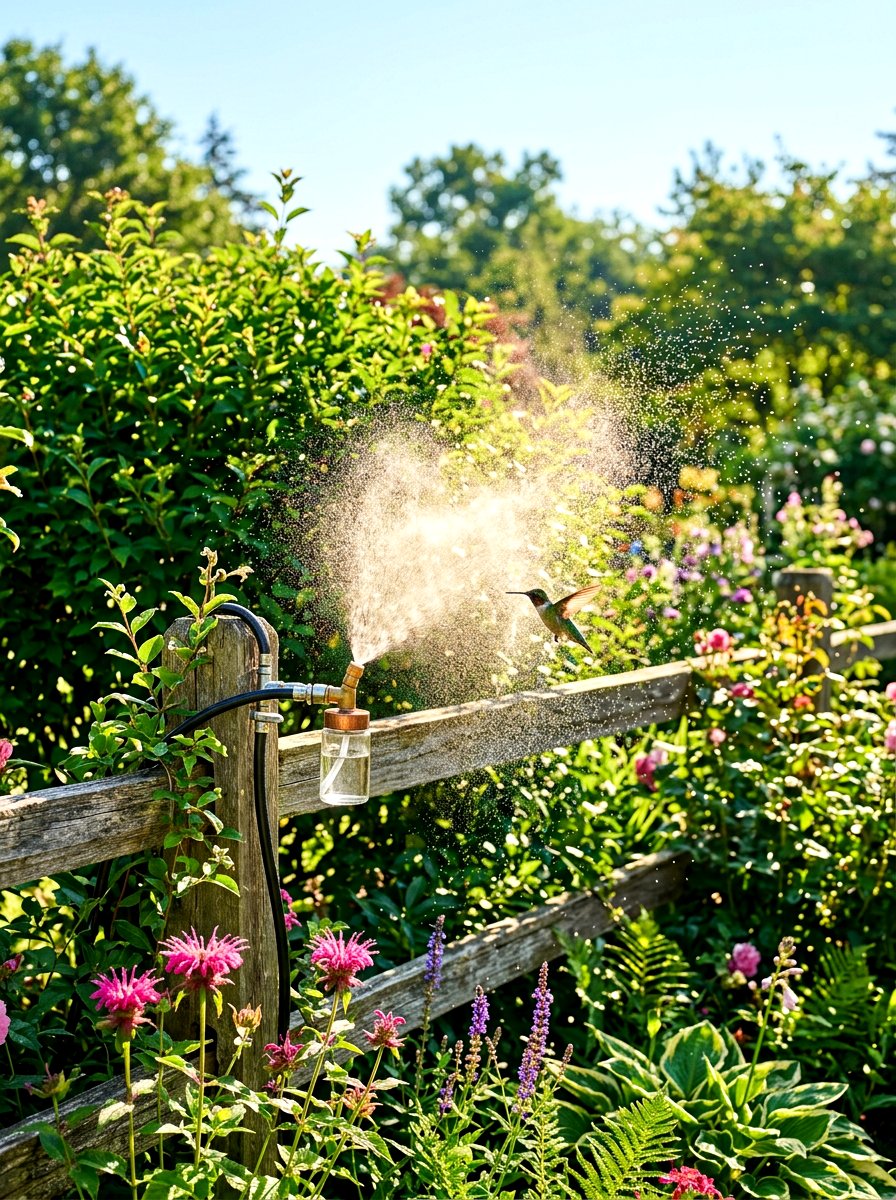
Most birds prefer traditional baths, but hummingbirds are unique because they love to fly through a fine mist to clean their feathers. Installing a hummingbird mister station near a favorite perching spot can turn your yard into the most popular destination in the neighborhood. These devices attach to a standard garden hose and release a very fine spray that the birds can dart through repeatedly. This helps them remove sticky nectar residue and dust from their wings, ensuring they can fly with maximum efficiency. Placing the mister near large, flat leaves allows the water to collect, providing additional opportunities for them to rub against wet foliage.
8. Hummingbird perch swing
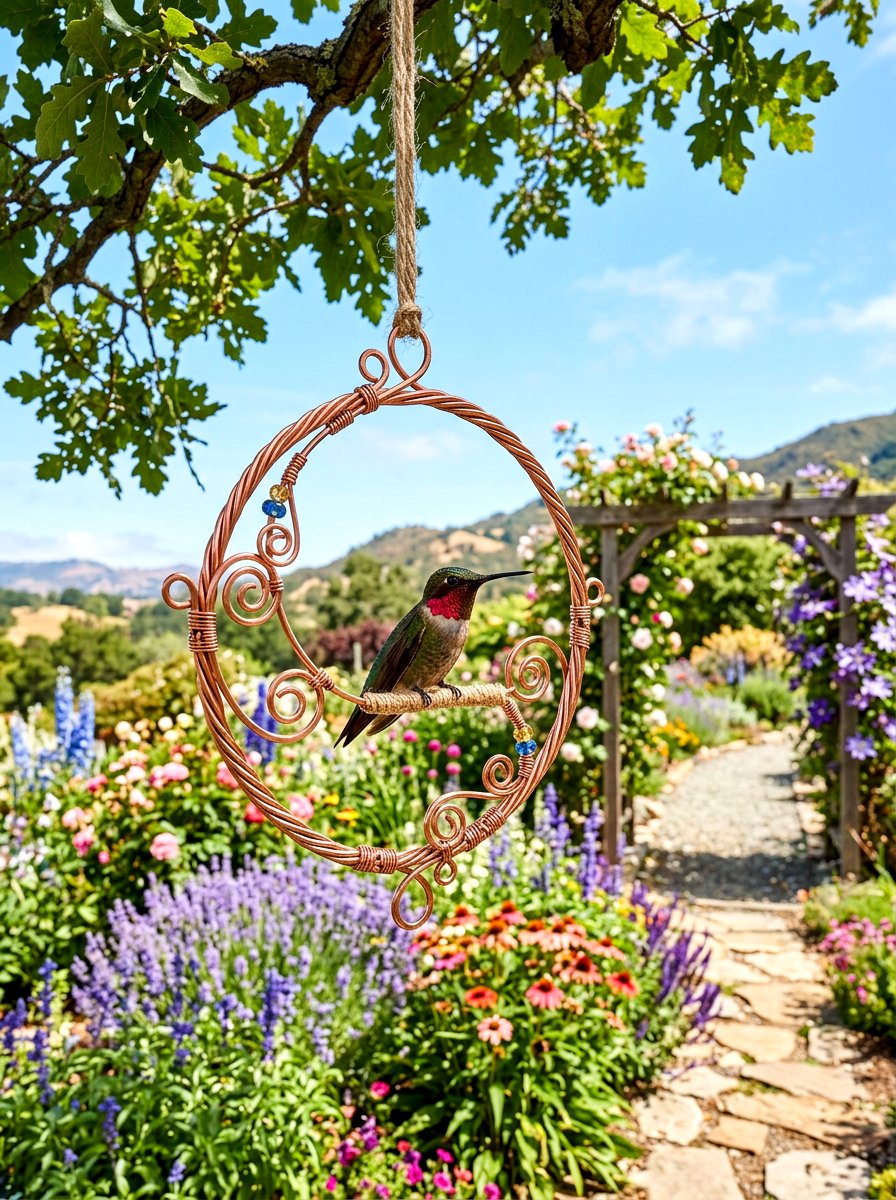
Even the most energetic hummingbirds spend a significant portion of their day resting and surveying their territory for intruders. Adding a specialized hummingbird perch swing near your nectar sources gives them a perfect place to land and keep watch. These tiny swings are often made of thin wire or wood, designed specifically for their small feet to grip easily. By providing a dedicated perch, you encourage the birds to stay in your yard longer rather than flying off to a distant tree. Position the swing in a spot with a clear view of the flowers and feeders to maximize its appeal to these highly territorial birds.
9. Shady nesting shrubs
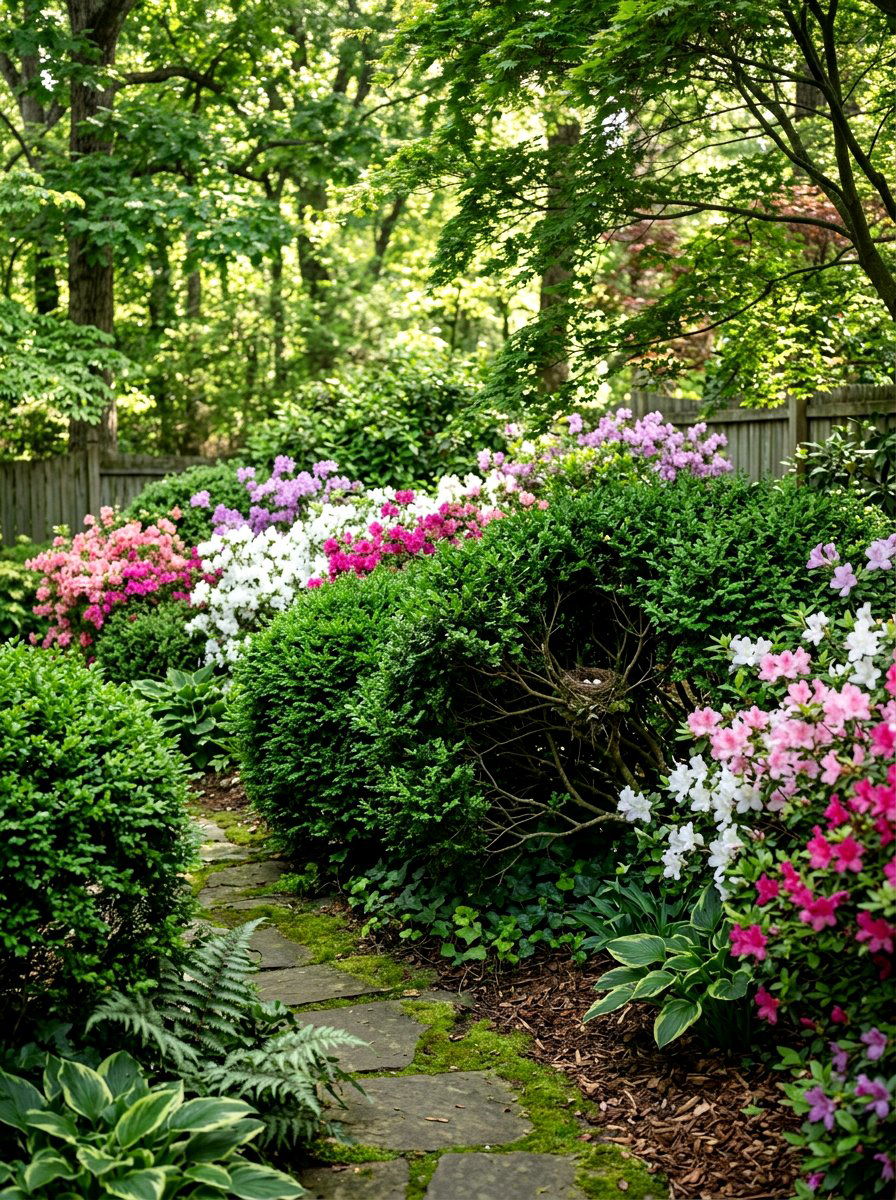
Creating a safe environment for raising young is essential for a long-term hummingbird oasis in your backyard. Shady nesting shrubs like azaleas, boxwoods, or privets provide the dense foliage and protection from wind that mother birds look for when building nests. These shrubs offer a cool retreat from the summer sun and a hidden location away from the prying eyes of hawks or crows. When choosing where to plant, look for areas that remain relatively undisturbed by foot traffic or pets. Providing a mix of deciduous and evergreen shrubs ensures that the birds have varied options for shelter throughout the entire nesting and migration season.
10. Window box flowers
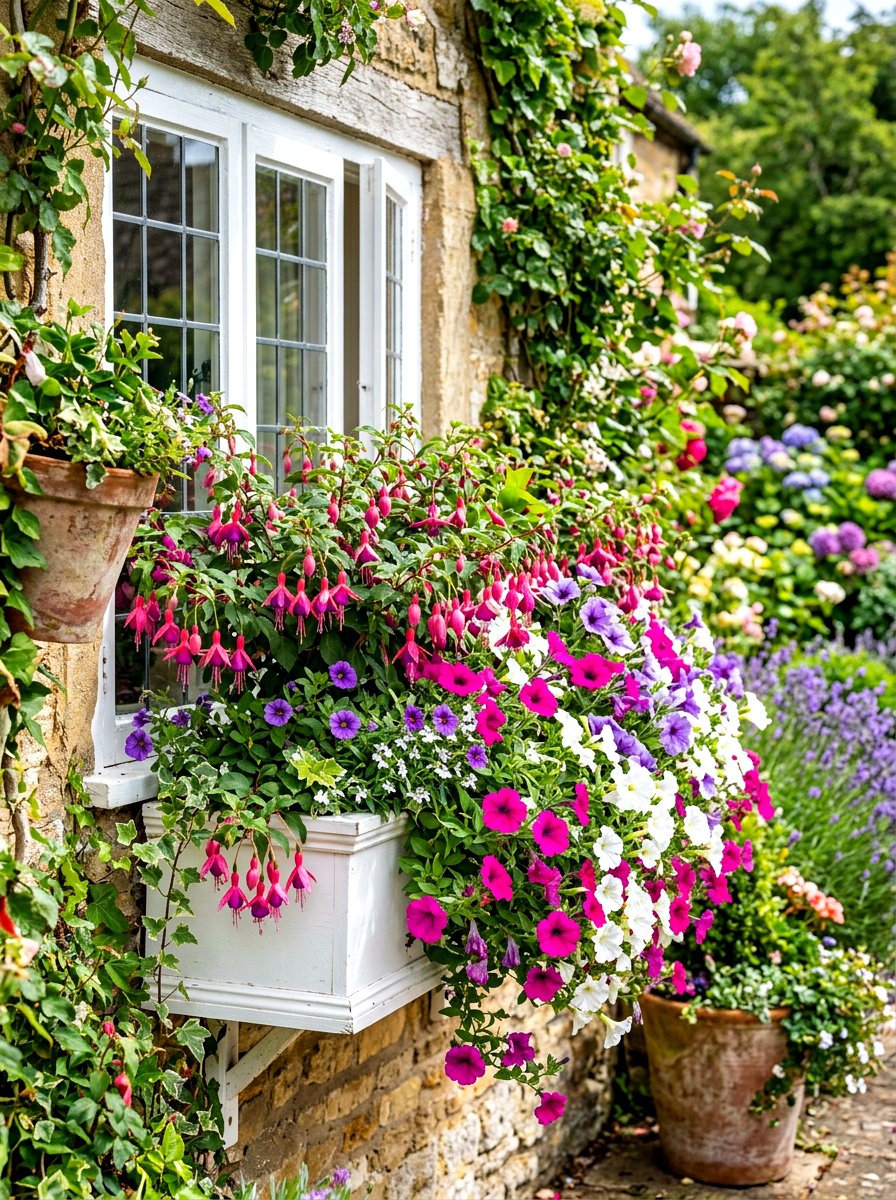
If you live in an apartment or have limited garden space, window box flowers can still attract plenty of hummingbirds to your home. Selecting long-blooming annuals like fuchsia, petunias, or lantana allows you to bring the action right to your window pane. These boxes create a concentrated splash of color that is hard for the birds to miss as they fly past. The proximity to the glass provides an incredible up-close view of their feeding behavior and hovering techniques. Make sure to choose varieties that spill over the edges to create a lush, inviting look that maximizes the available nectar in a very compact, manageable area.
11. Pesticide free garden
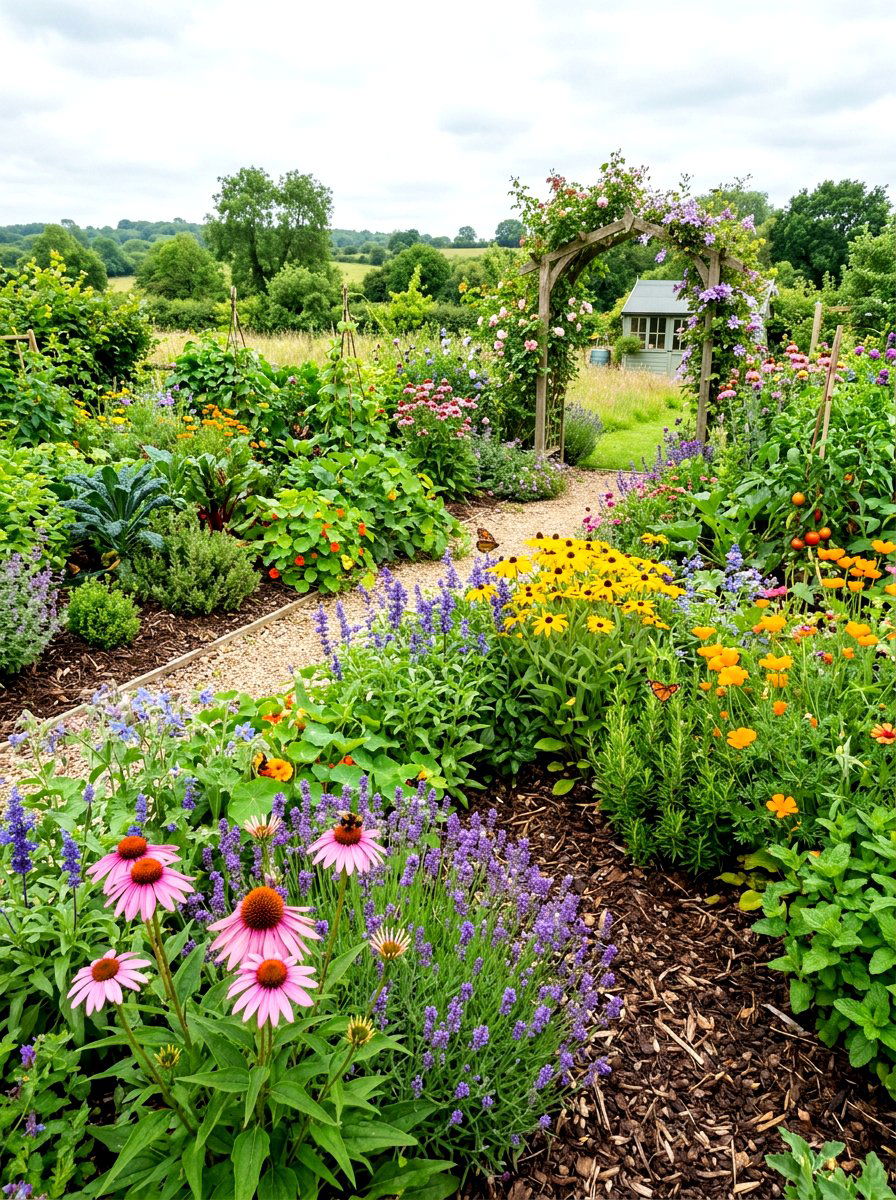
Maintaining an organic, pesticide-free garden is one of the most critical steps in protecting the health of your hummingbird visitors. These birds have incredibly fast metabolisms, making them highly sensitive to even small amounts of chemicals found in traditional lawn and garden treatments. Furthermore, hummingbirds rely heavily on eating small insects like gnats and aphids to get the protein they need for muscle growth and repair. By eliminating toxic sprays, you ensure a healthy supply of natural food and a safe environment for the birds to forage. Using natural compost and mulch instead of chemical fertilizers will help your plants thrive while keeping the entire ecosystem safe.
12. Butterfly bush planting
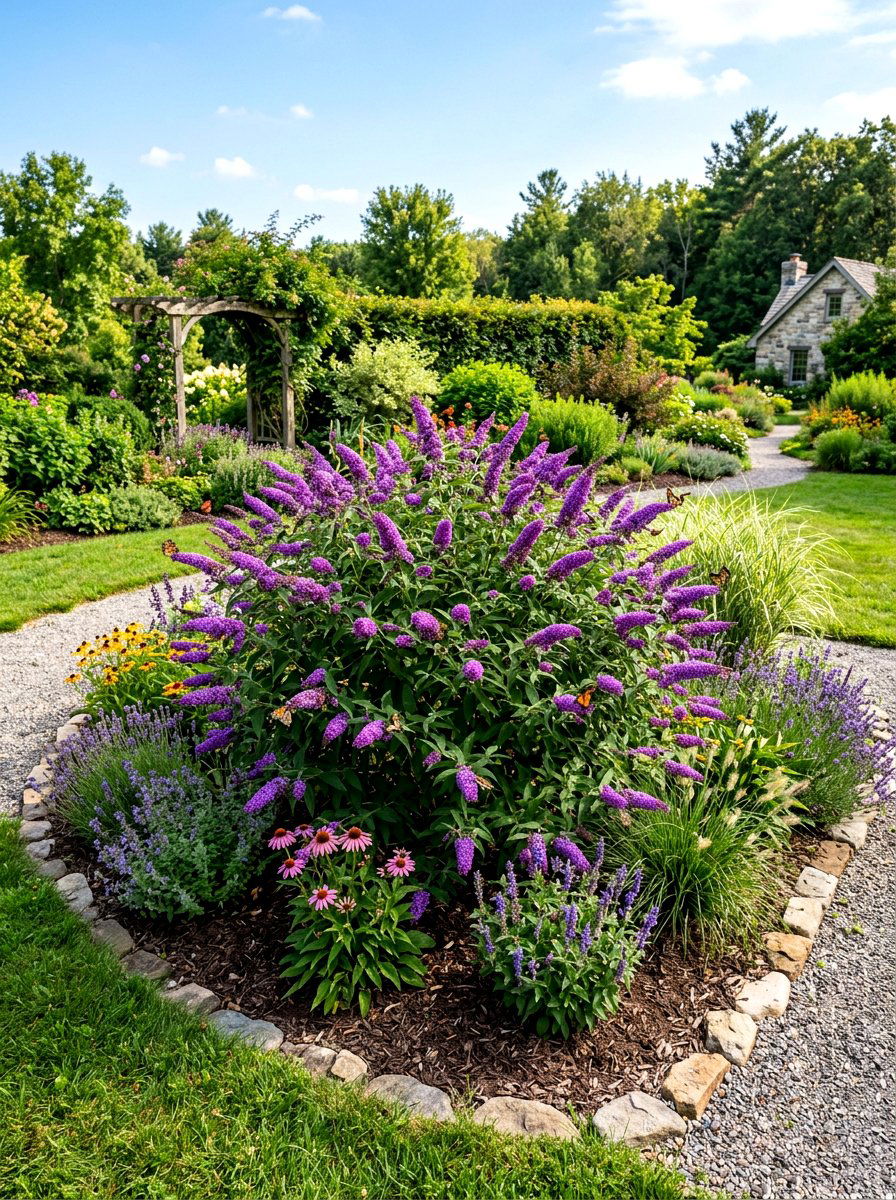
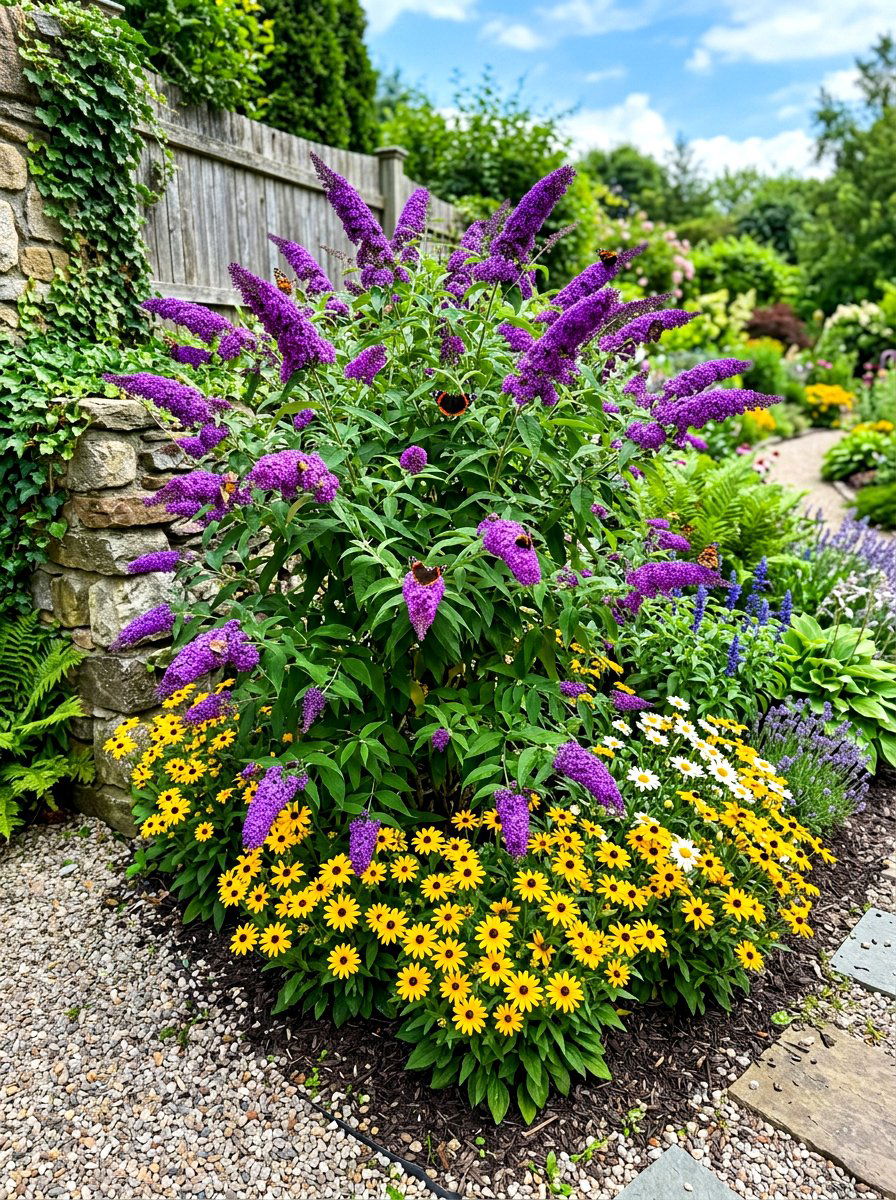
A butterfly bush is often considered a staple in any pollinator garden because its long, conical flower clusters are irresistible to many species. While the name highlights butterflies, the nectar-rich blooms are equally attractive to hummingbirds who appreciate the easy access to food. These shrubs can grow quite large, making them an excellent focal point for the back of a garden bed or along a fence line. They come in various shades of purple, pink, and white, providing a long blooming season that stretches from mid-summer into the fall. Regular deadheading of the spent flowers will encourage the plant to produce even more nectar-filled blooms for your visitors.
13. Hummingbird container garden
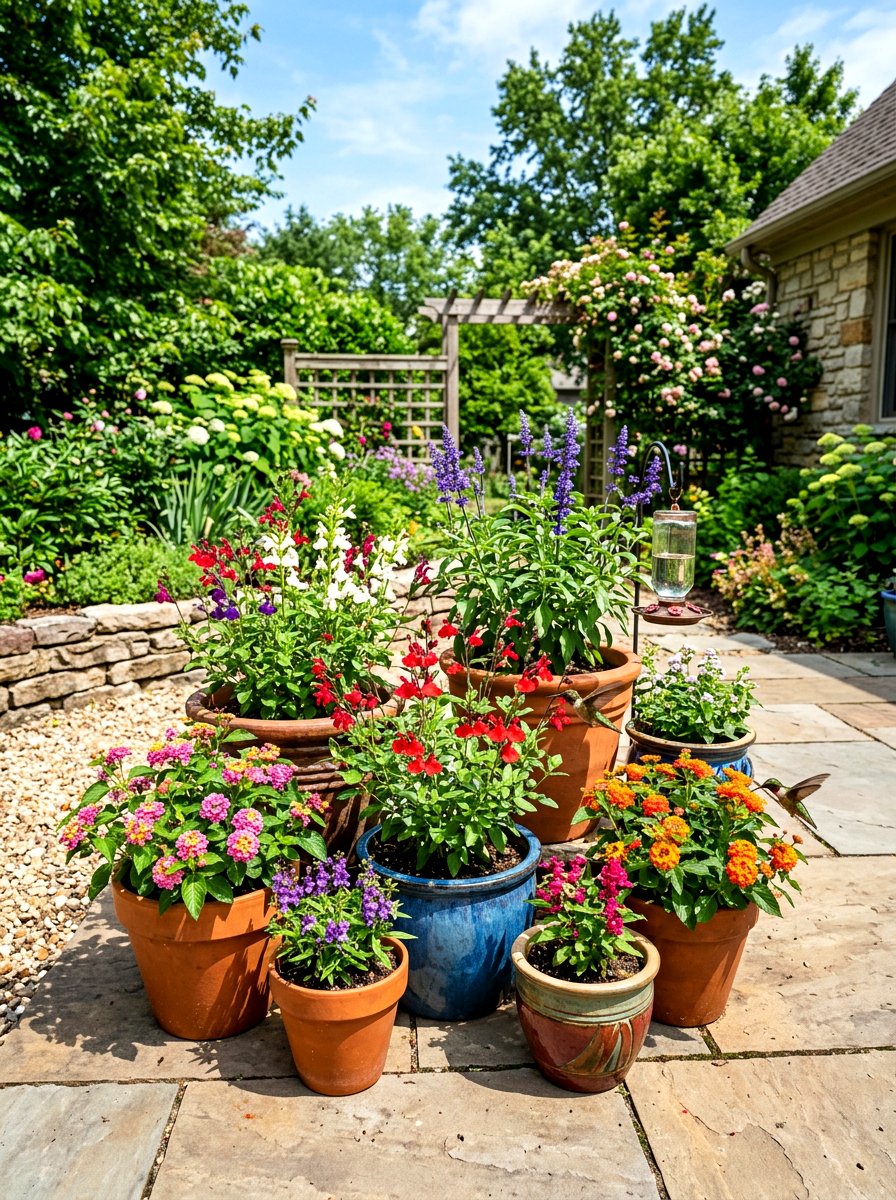
Creating a hummingbird container garden is an excellent way to add flexible, moveable nectar stations to your patio or deck. Large ceramic or resin pots can be filled with a mix of upright plants, fillers, and trailing varieties to create a miniature oasis. Using containers allows you to control the soil quality and move the plants into the sun or shade as needed throughout the growing season. You can even bring certain tender perennials indoors during the winter to give your birds an early start the following spring. Grouping several pots together creates a dense mass of color that is much easier for the birds to locate.
14. Stone water feature
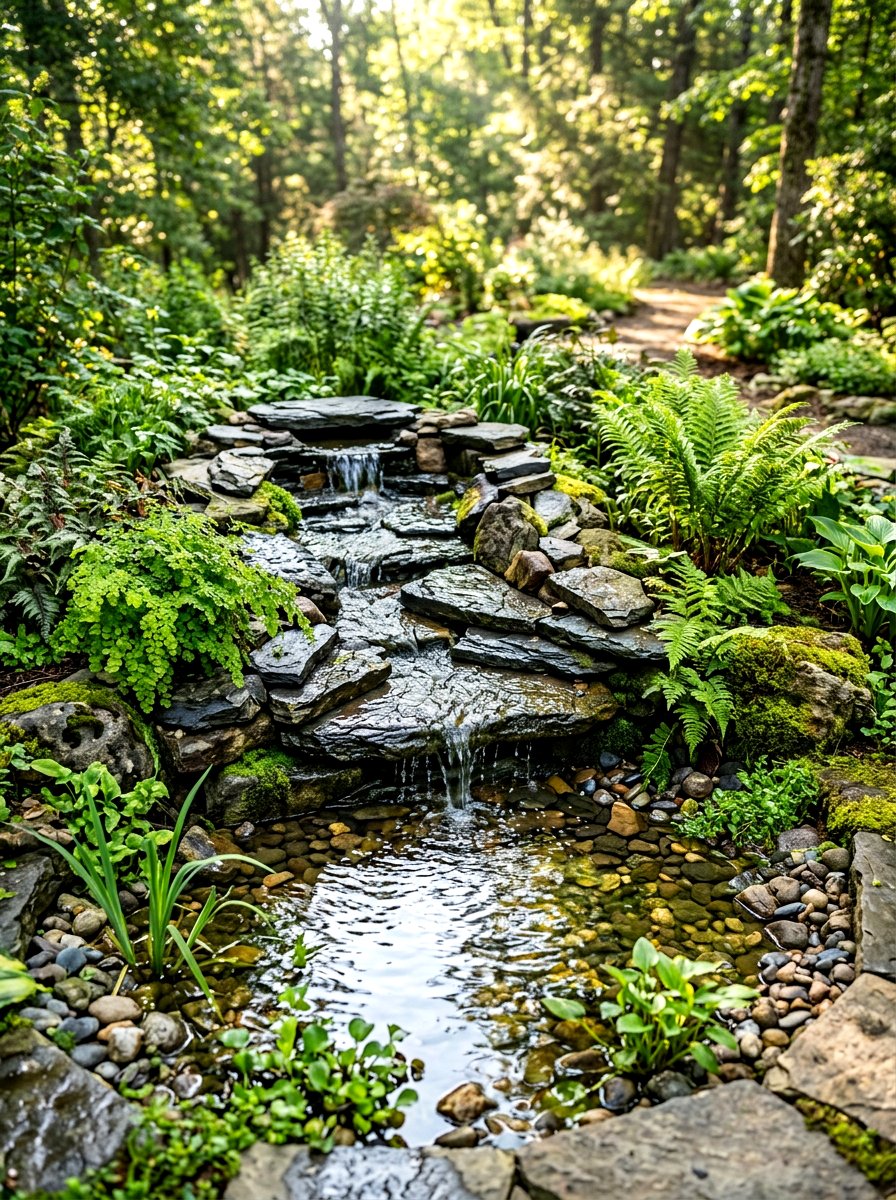
Integrating a natural stone water feature adds a touch of rustic elegance to your backyard while serving a vital functional purpose. Large, flat stones with natural depressions can catch rainwater or water from a slow-dripping hose, creating the shallow pools that hummingbirds prefer. These birds are hesitant to use deep water where they might struggle to stay afloat, so a rough stone surface provides the perfect grip. The sound of water trickling over rocks acts as a natural magnet, drawing birds in from surrounding areas. Over time, moss may grow on the stones, providing additional nesting material and a soft, natural aesthetic for your garden sanctuary.
15. Layered backyard trees
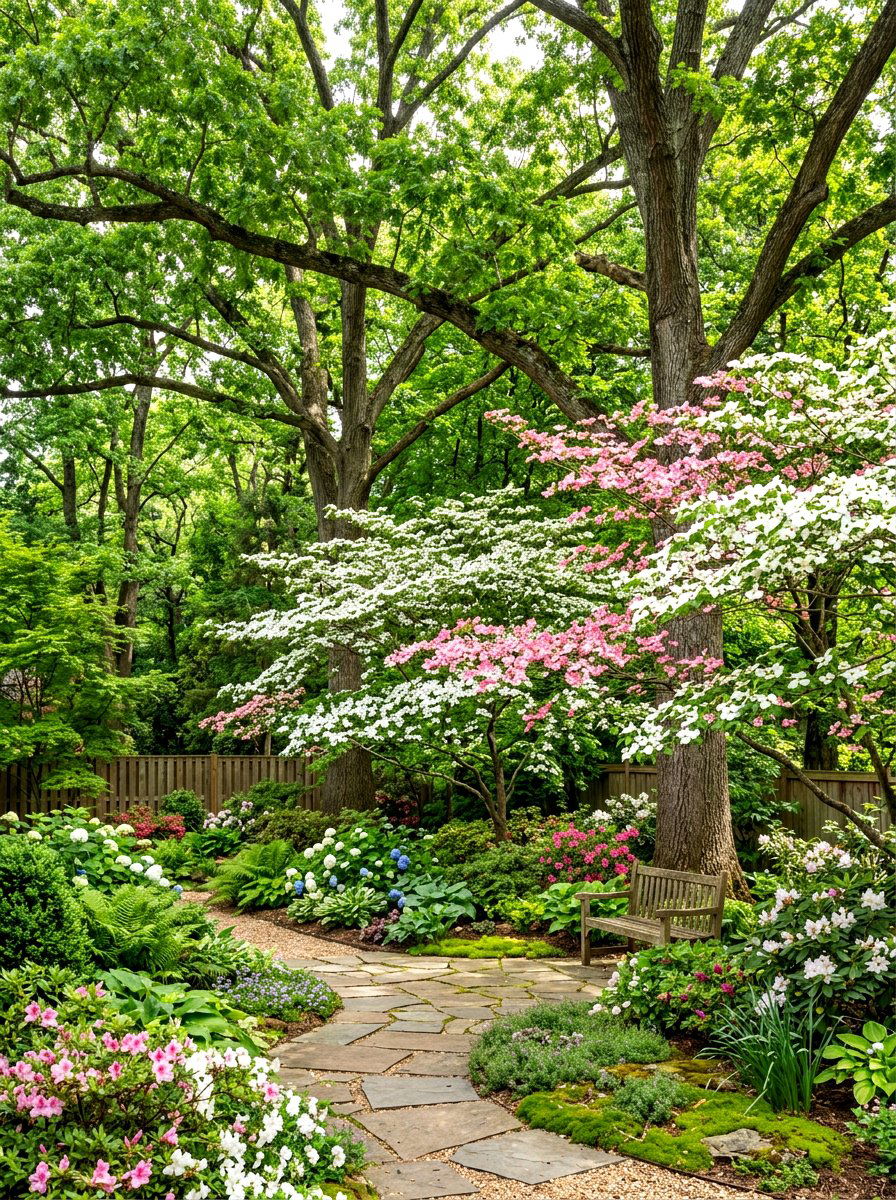
A successful bird habitat requires more than just flowers; it needs the structural diversity provided by layered backyard trees. Small ornamental trees like crabapple, dogwood, or serviceberry offer high-altitude perches where males can guard their territory and sing. These trees also provide the necessary height for birds to escape ground-predators and find shade during the peak heat of the day. The branches serve as the primary foundation for their tiny, walnut-sized nests, which are often built high up for safety. By including trees of varying heights, you create a complex environment that supports the full lifecycle of the hummingbirds, from nesting to their final migration south.
16. Bee balm patch
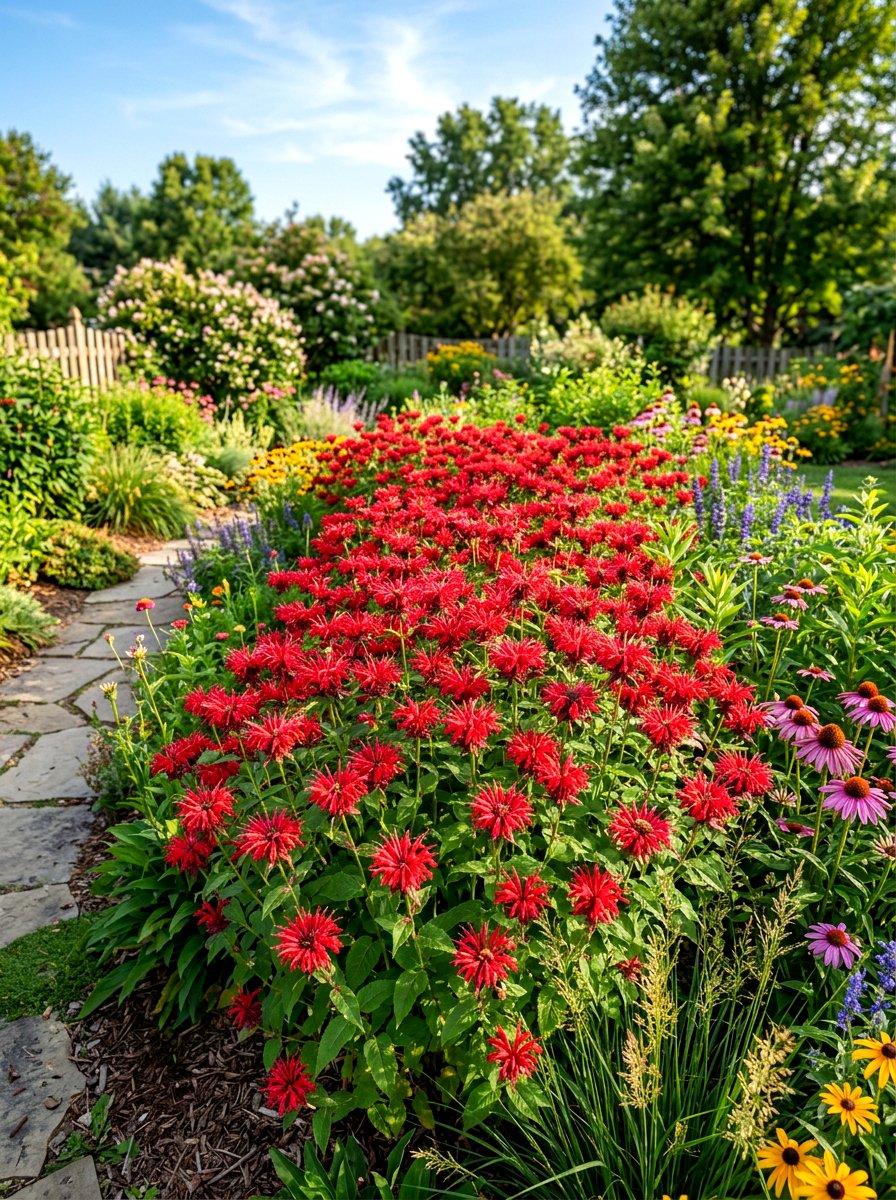
Bee balm, also known as Monarda, is perhaps the most iconic plant for any dedicated hummingbird enthusiast. Its unique, shaggy flowers are packed with sweet nectar that is easily accessible to birds but difficult for many insects to reach. Planting a large patch of bee balm creates a high-visibility target that will bring birds back to your yard year after year. This perennial is hardy and spreads relatively easily, filling in gaps in your garden with vibrant shades of red, pink, and purple. Its fragrant foliage also adds a pleasant scent to the air, making your backyard a sensory delight for both humans and the wildlife.
17. Salvia flower border
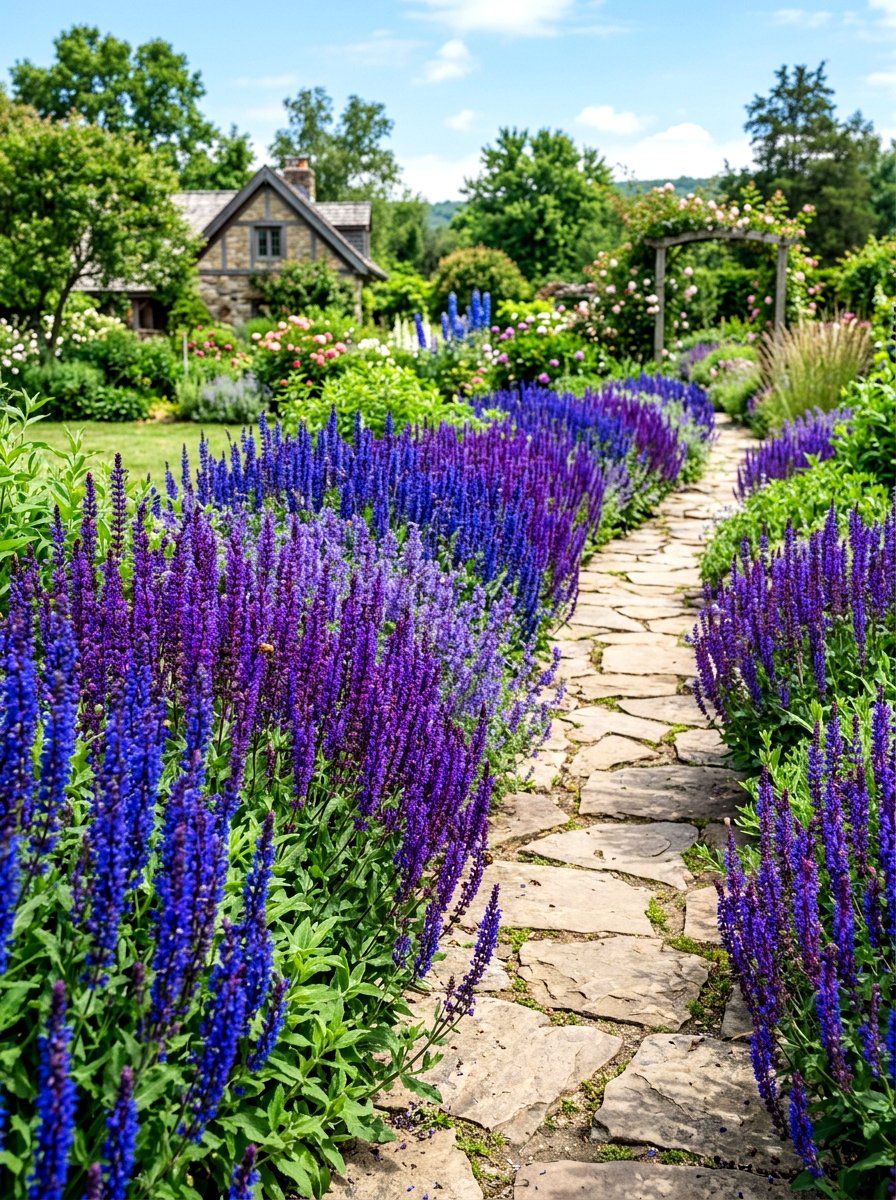
Salvia is a versatile and incredibly popular choice for creating a hummingbird border because it offers a nearly endless supply of blooms. Many varieties, such as Black and Blue or Hot Lips, are specifically bred for their high nectar content and long flowering periods. These plants are generally drought-tolerant and thrive in full sun, making them perfect for lining walkways or the edges of garden beds. Their upright growth habit and vibrant colors create a clean, organized look that complements more traditional landscaping. Because they bloom continuously from early summer until the first frost, they provide a reliable food source for the entire time the birds are present.
18. Hummingbird nesting material station
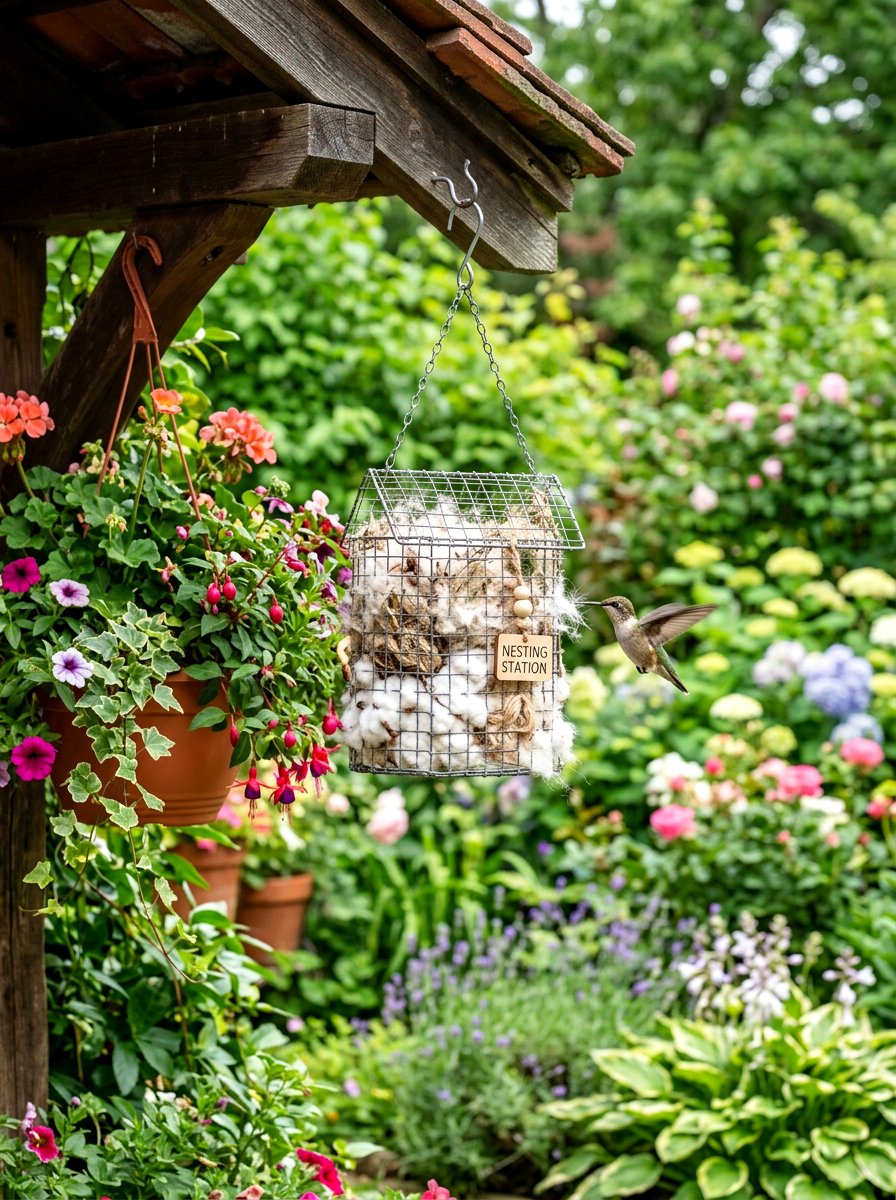
Helping hummingbirds build their nests can be as simple as providing a dedicated nesting material station in a dry, sheltered area. These birds use soft fibers like cotton, milkweed down, and even spider webs to create their expandable, cup-shaped homes. You can purchase specialized cages or simply use a clean suet feeder to hold these natural materials where the birds can easily grab them. Providing these supplies saves the female birds valuable time and energy during the exhausting nesting process. Watching a mother bird fly off with a beak full of fluffy material is a rewarding sign that your backyard has become a true home for the next generation.
19. Winter flowering plant corner
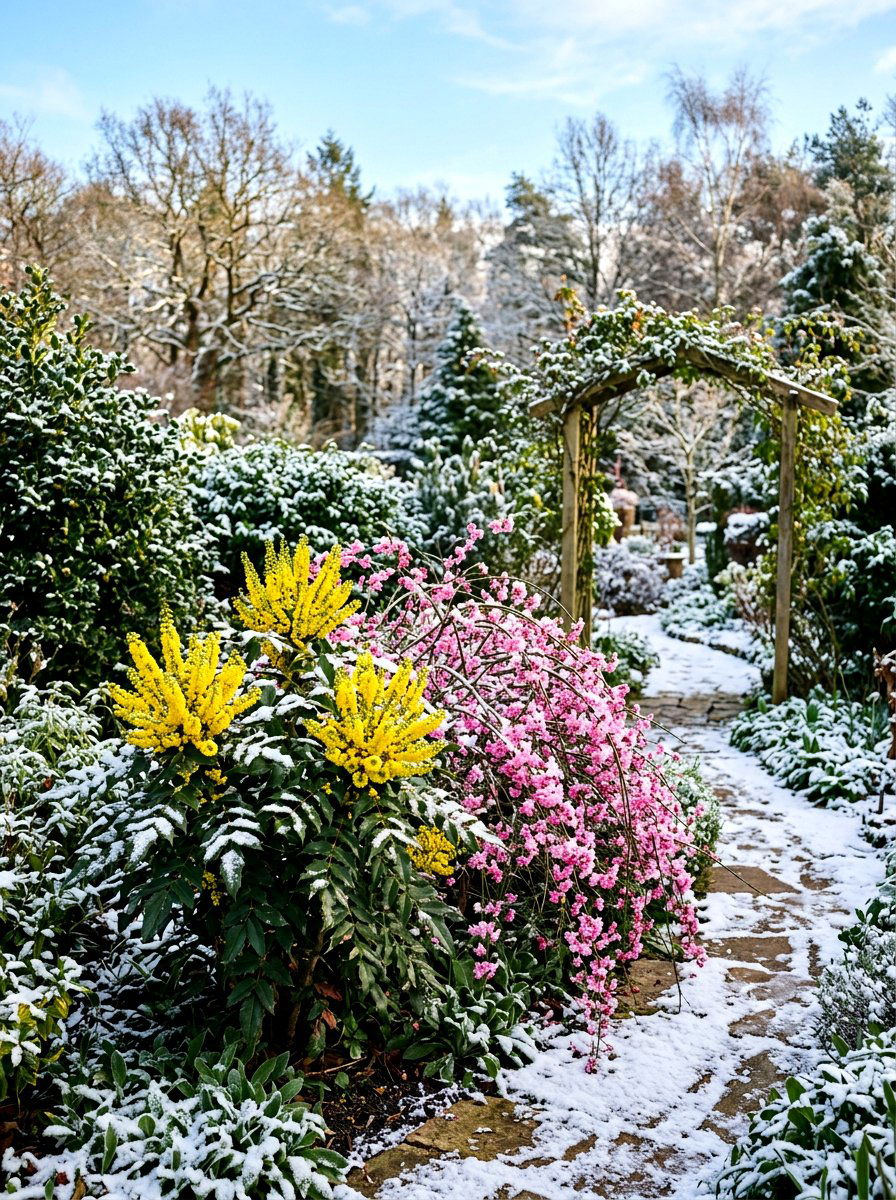
In milder climates, some hummingbirds may stick around all year, making a winter flowering plant corner a life-saving addition to your landscape. Plants like winter-blooming jasmine, mahonia, or certain species of eucalyptus provide nectar when almost nothing else is available. These hardy plants can withstand colder temperatures while still producing the high-energy food required by active birds. Even if you live in a colder region, late-season bloomers can provide the final boost of energy needed for the long migration journey. Selecting plants that offer evergreen foliage also provides much-needed shelter from cold winds and snow, keeping the birds warm and protected during the harshest months of the year.

20. Fruit fly protein feeder
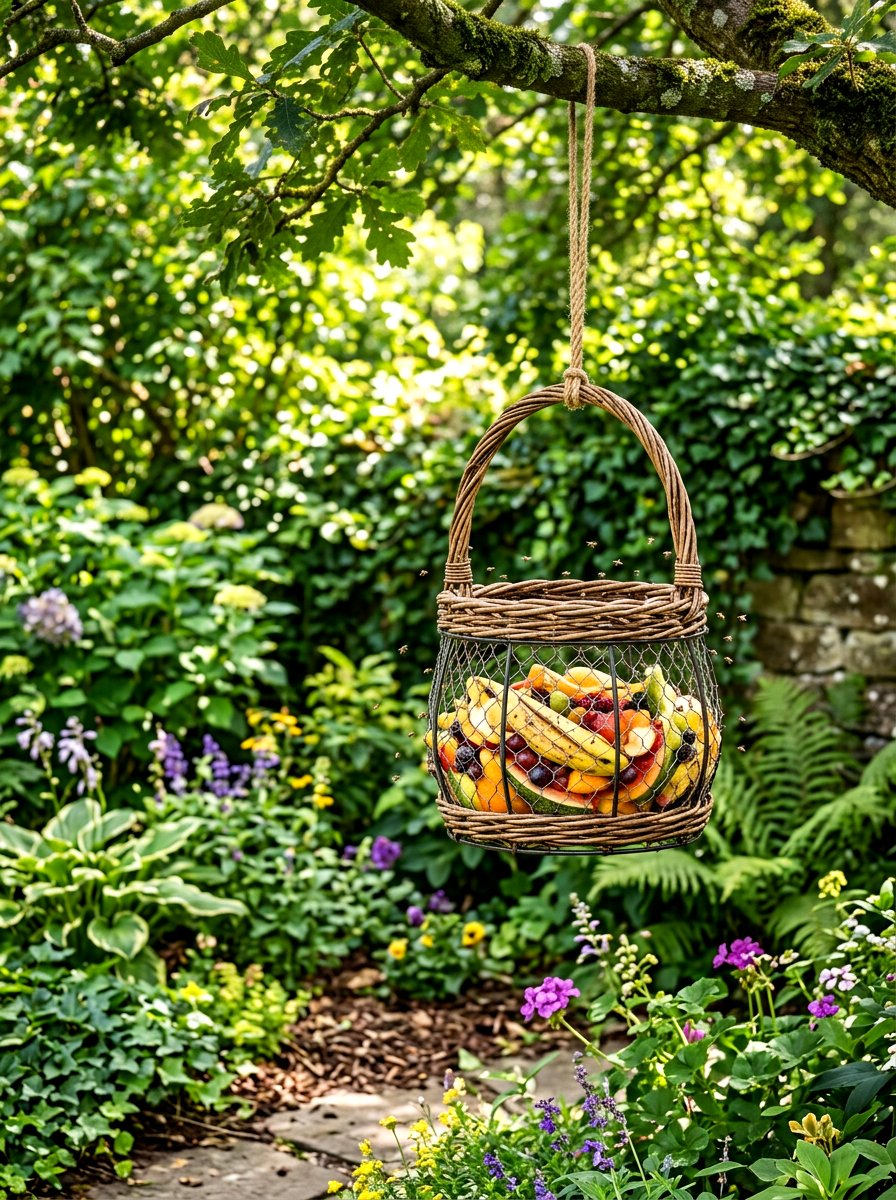
Many people forget that hummingbirds cannot survive on sugar water alone; they also require a significant amount of protein from small insects. You can create a natural fruit fly protein feeder by placing a basket of overripe fruit or banana peels in a discreet corner of your garden. As the fruit begins to ferment, it attracts tiny fruit flies and gnats, which are the perfect bite-sized snack for a hungry hummingbird. This provides a sustainable and chemical-free way to supplement their diet with the nutrients they need for feather growth and muscle repair. Keeping the feeder away from your house will prevent the insects from becoming a nuisance to you.
21. Copper bird bath
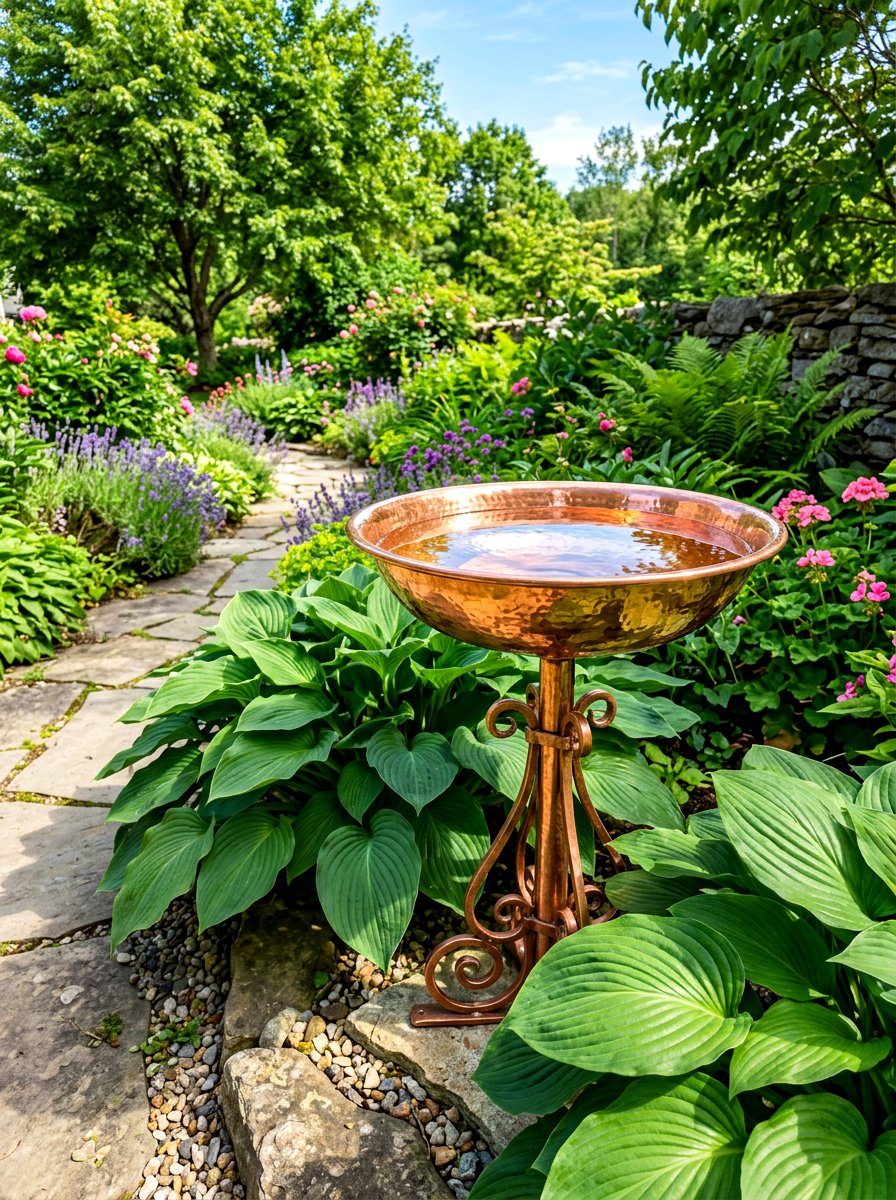
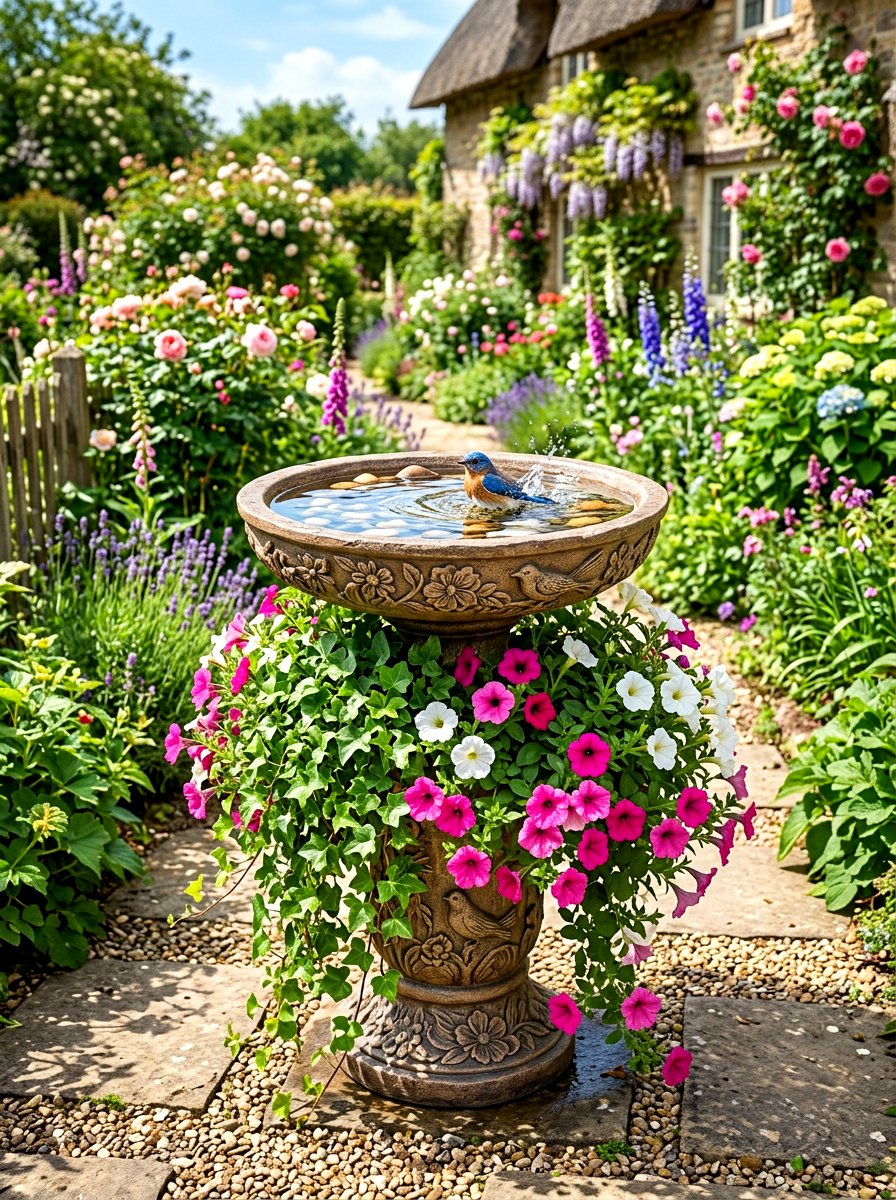
A decorative copper bird bath is not only a stunning visual addition to your landscaping but also offers unique benefits for bird health. Copper has natural antimicrobial properties that can help keep the water cleaner for longer periods between manual scrubbings. These baths often feature wide, shallow basins that are perfect for smaller birds to stand in without feeling submerged. Over time, the copper will develop a beautiful green patina that blends perfectly with the natural greens of your garden. Placing a few flat river stones in the center of the bath provides even more landing spots, allowing multiple birds to enjoy the water simultaneously without feeling crowded or threatened.
22. Sunny garden spot
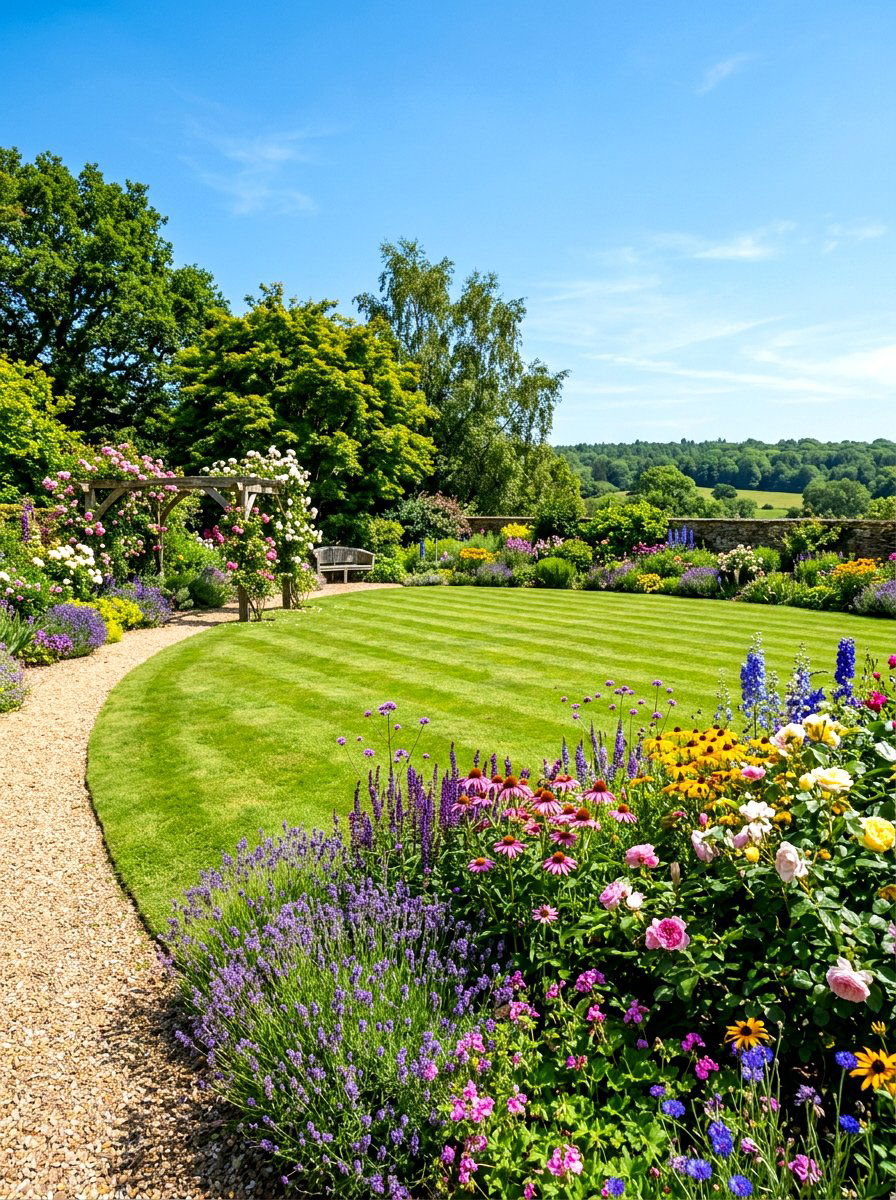
When planning your hummingbird sanctuary, choosing a sunny garden spot is essential for both the plants and the birds. Most nectar-rich flowers, such as salvias and zinnias, require at least six hours of direct sunlight to produce the maximum amount of sugar in their nectar. Additionally, hummingbirds are cold-blooded in a sense and rely on the sun's warmth to get their muscles moving in the early morning hours. A sunny location also makes the iridescent feathers of the birds sparkle, providing the best possible viewing experience for you and your guests. Ensure there is a nearby shaded area so the birds can retreat if the afternoon heat becomes too intense.
23. Trumpet vine arch
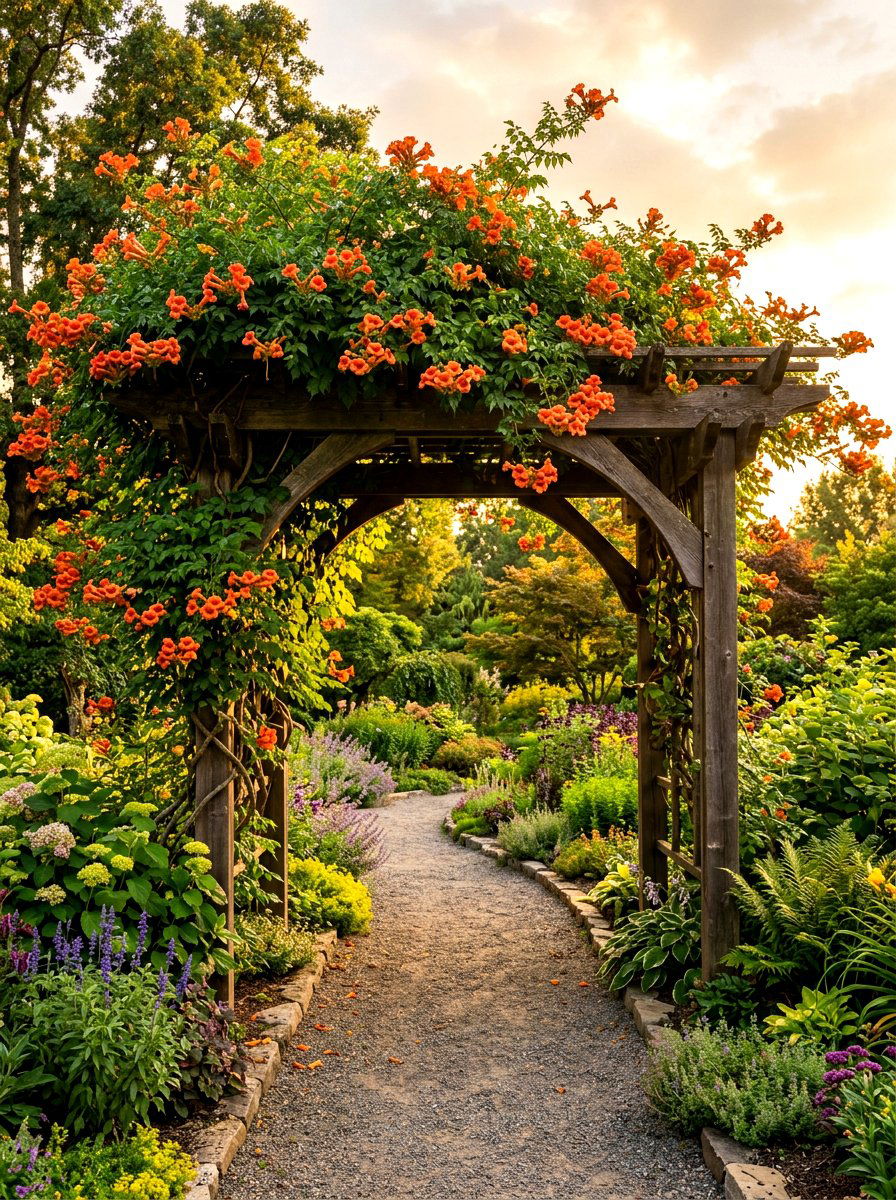
Creating a trumpet vine arch over a garden gate or walkway is a dramatic way to invite hummingbirds into your backyard. This vigorous climbing plant produces large, orange-red tubular flowers that are a favorite for various hummingbird species across the country. The arch provides a vertical feeding station that the birds can easily spot from above while they are scouting for food. Because trumpet vine can grow quite aggressively, providing a sturdy metal or wooden structure is necessary to keep it contained and looking its best. The hanging clusters of flowers create a magical tunnel effect, making every entrance into your garden feel like a trip into a tropical paradise.
24. Rock garden plants
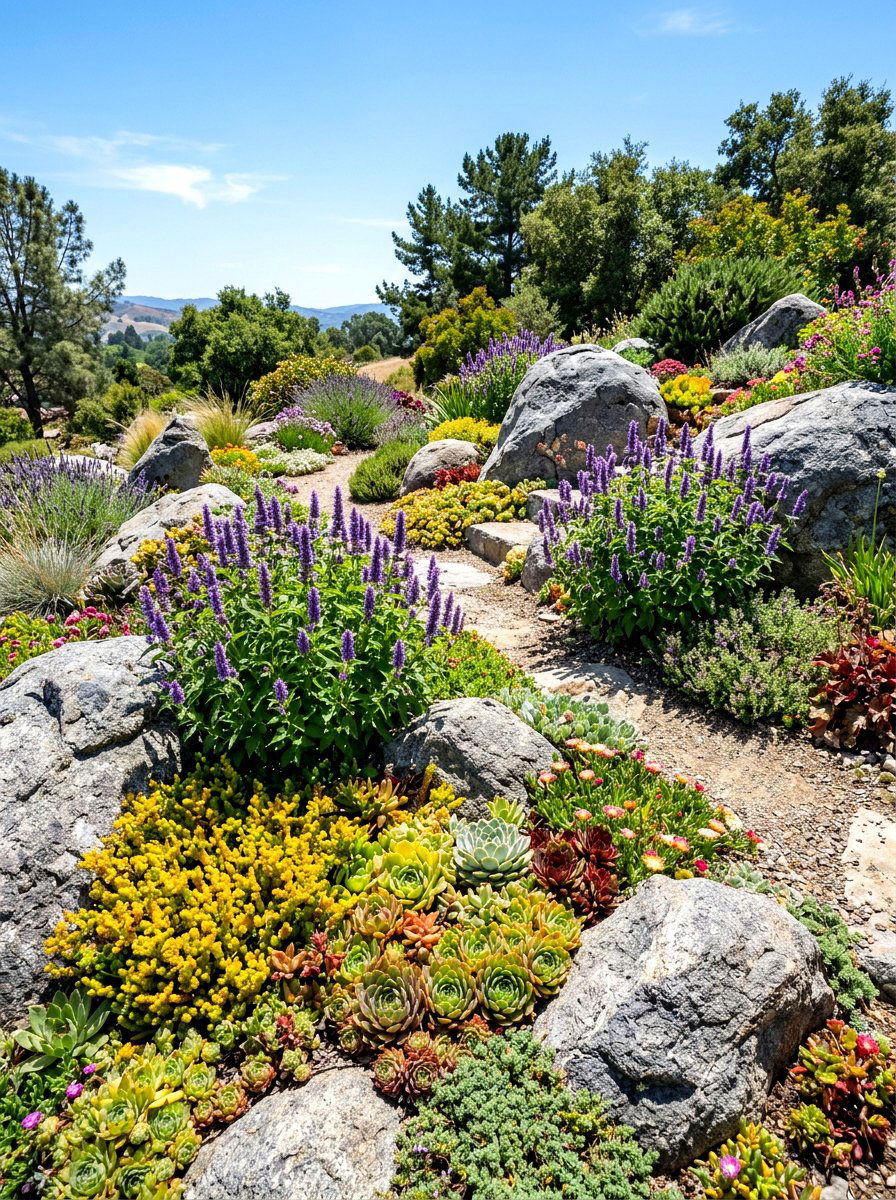
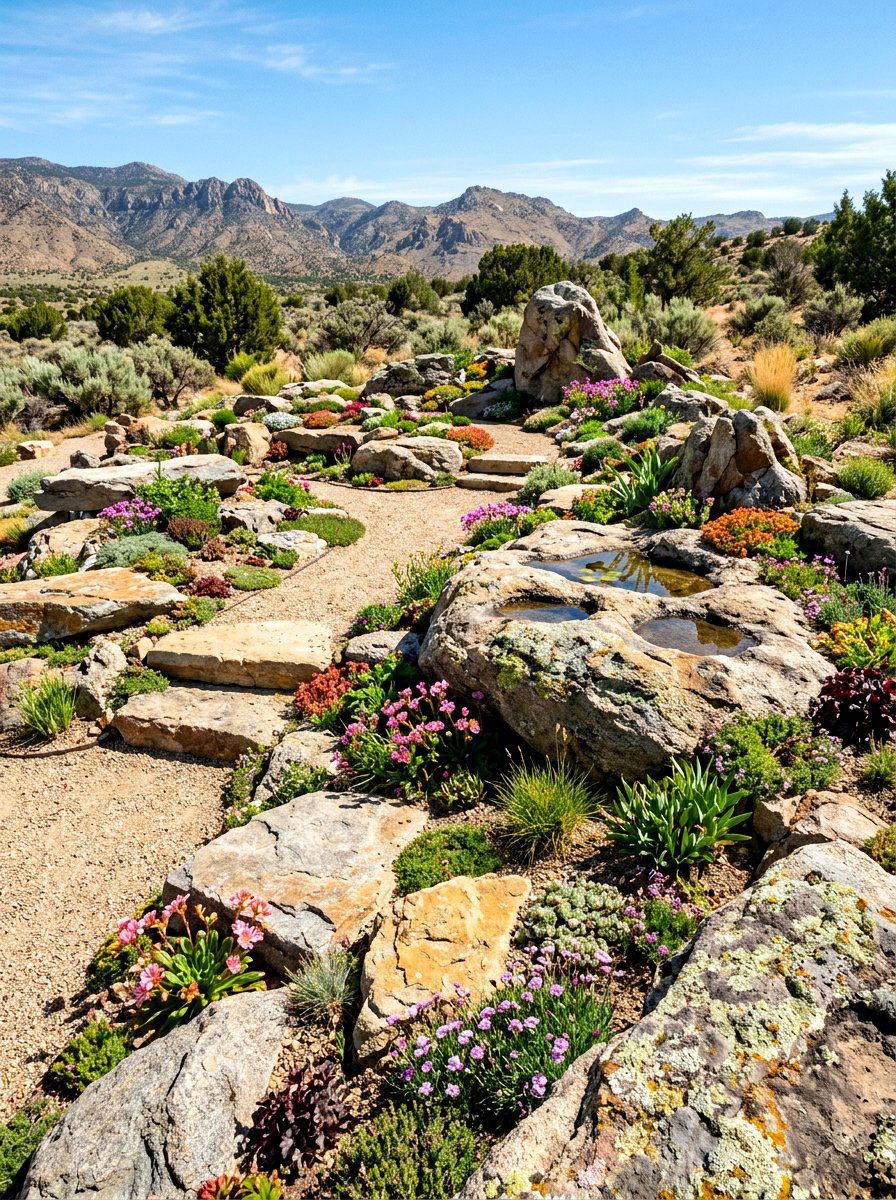
Rock gardens offer a unique environment for specialized hummingbird plants like succulents, agastache, and various alpine flowers. These areas typically have excellent drainage and reflect heat, which many nectar-producing plants prefer. Low-growing species tucked between large boulders create a rugged, natural look that mimics the high-altitude habitats of some hummingbird varieties. These birds enjoy perching on the warm stones to regulate their body temperature after a cold night or a long flight. The combination of colorful blooms against the grey and brown tones of the rocks provides a sophisticated aesthetic that adds texture and interest to any corner of your backyard, regardless of its overall size or design.
25. Backyard birdwatching chair
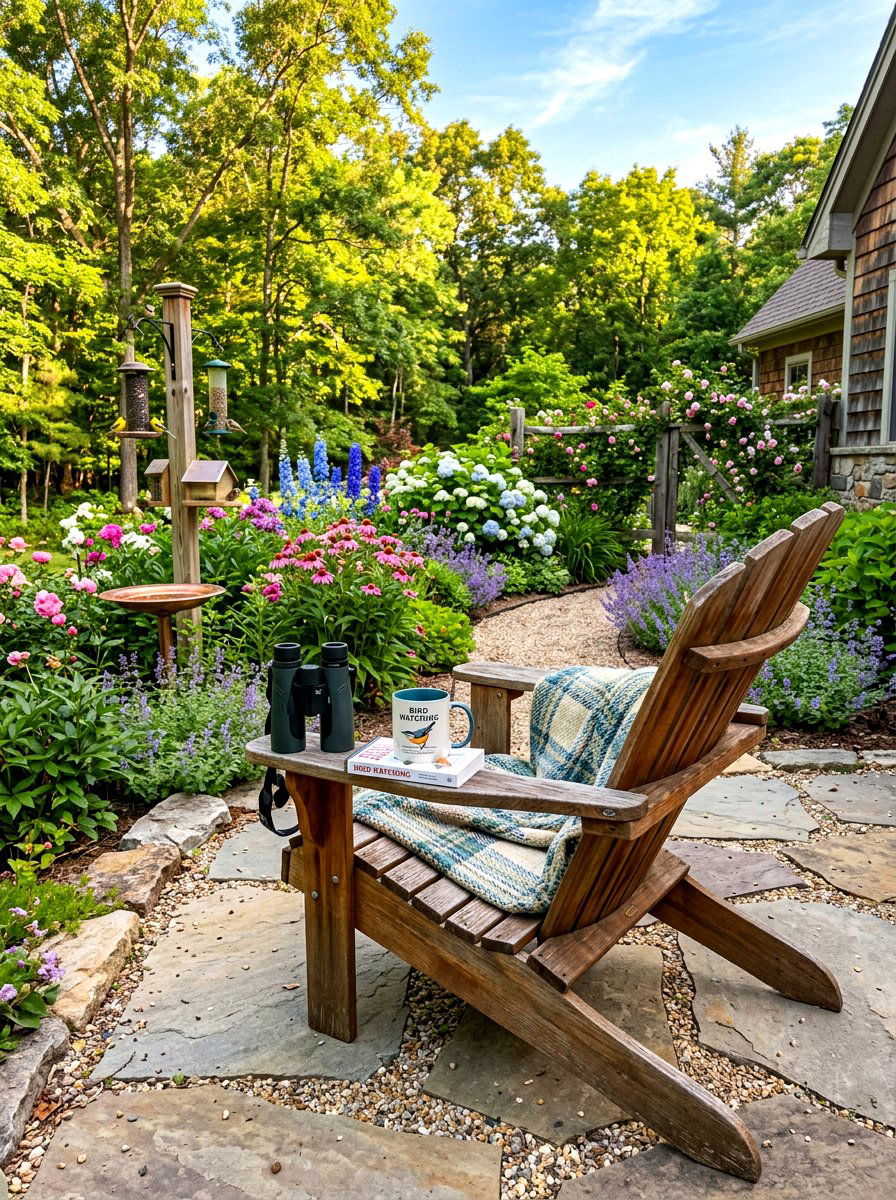
No hummingbird oasis is complete without a comfortable backyard birdwatching chair positioned in a prime viewing location. To see these birds up close, you need to sit quietly and stay still for long periods, so choosing a spot near your favorite feeders or flower beds is key. A chair with a side table for your binoculars and field guide makes the experience even more enjoyable. By placing your seating area slightly tucked away or partially screened by plants, you can observe the birds' natural behaviors without making them feel nervous or threatened. This quiet connection with nature is one of the most peaceful ways to spend a sunny summer afternoon.
26. Garden wind chimes
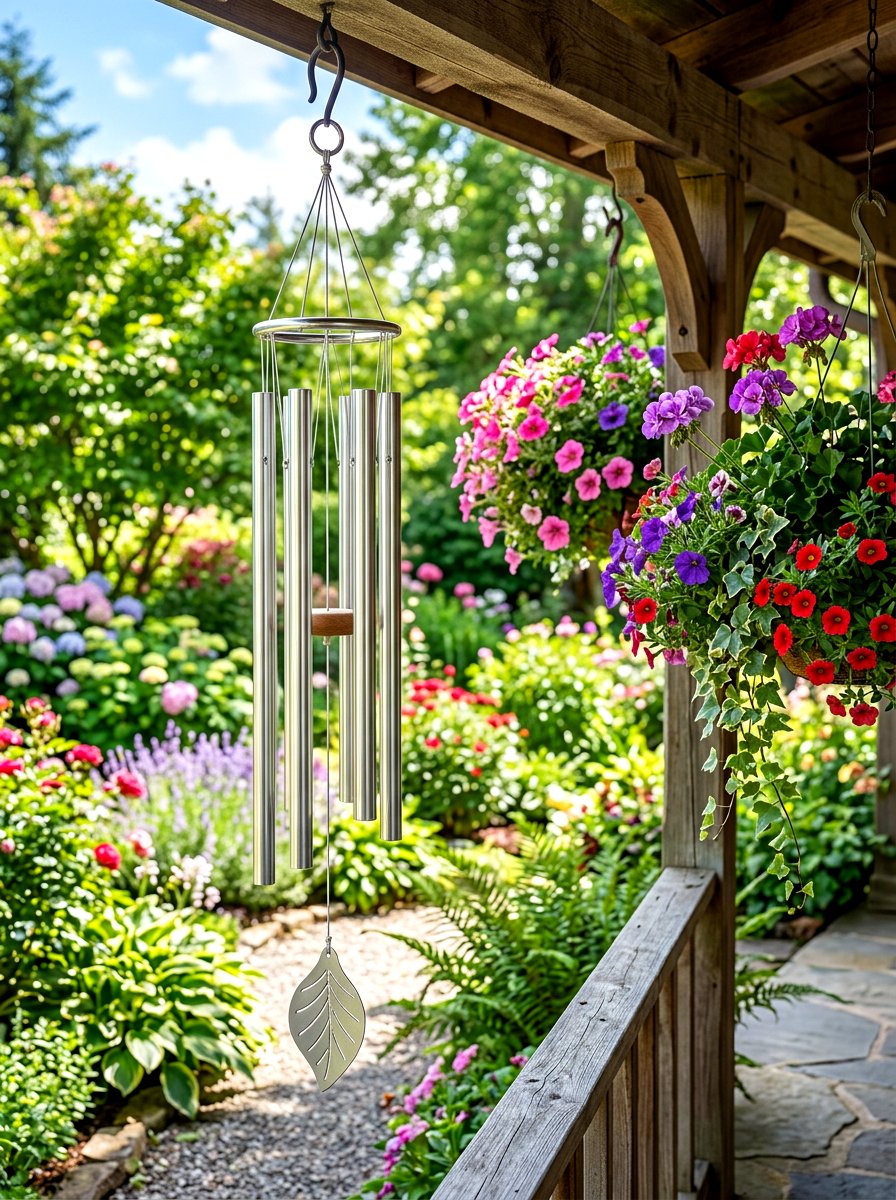
While it might seem counterintuitive, garden wind chimes can actually enhance the atmosphere of your hummingbird sanctuary. Gentle, melodic sounds can help mask neighborhood noise, creating a more peaceful environment for you to enjoy. Some bird enthusiasts believe that the subtle movement and reflections from metal chimes can help catch the attention of passing birds, drawing them toward your garden. Make sure to choose chimes with a soft, lower pitch that isn't jarring or overly loud, as hummingbirds have sensitive hearing. Hanging them near a porch or patio provides a relaxing soundtrack that complements the visual beauty of the darting birds and the swaying, nectar-filled flowers in the breeze.
27. Privacy hedge shelter
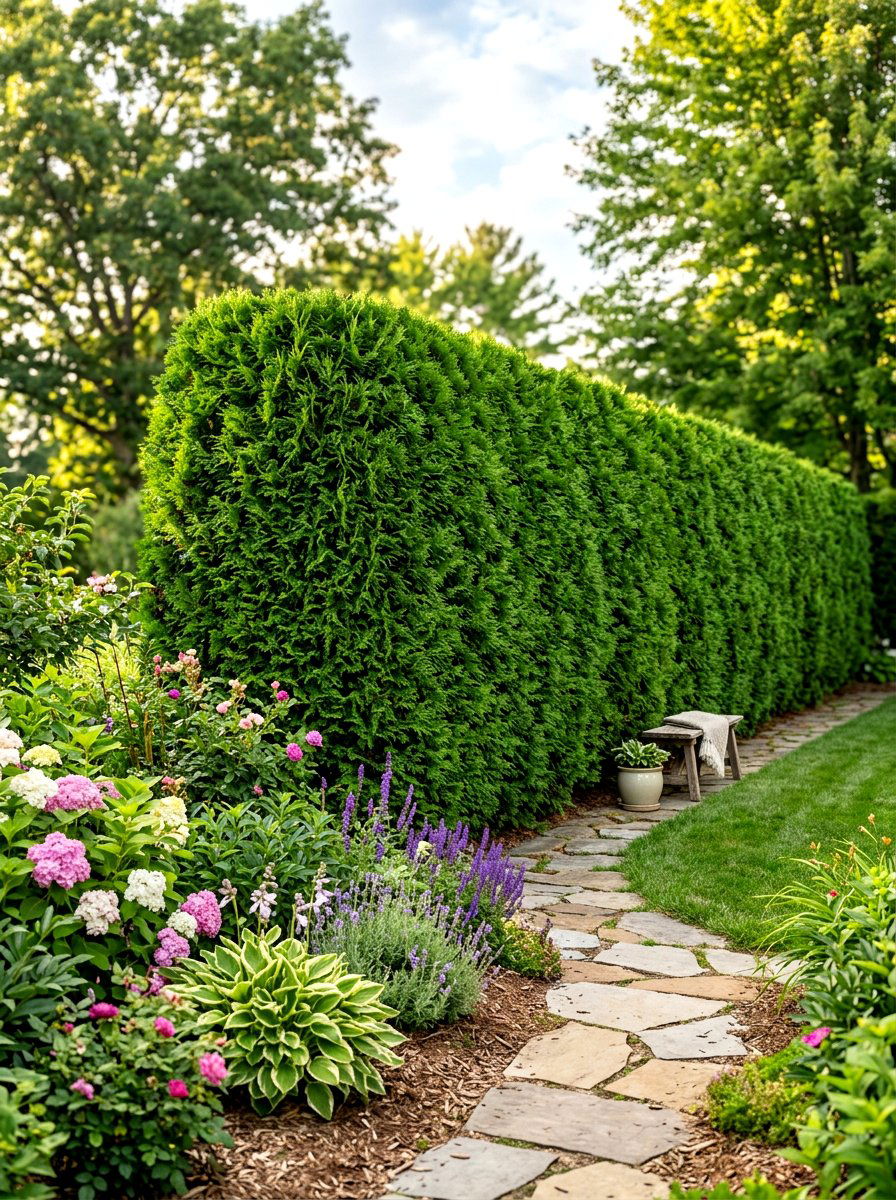
A well-placed privacy hedge shelter serves as both a beautiful border for your property and a vital safety feature for your bird visitors. Thick, evergreen hedges provide a year-round barrier against wind and rain, offering a warm microclimate where birds can huddle during storms. These dense walls of foliage also act as a buffer against street noise and domestic pets, making the birds feel much more secure in your backyard. Choosing varieties like arborvitae or yew ensures that the shelter remains effective even in the dead of winter. A tall hedge also provides a high vantage point for male hummingbirds to watch over their territory and guard their favorite flowers.
28. Companion plant garden
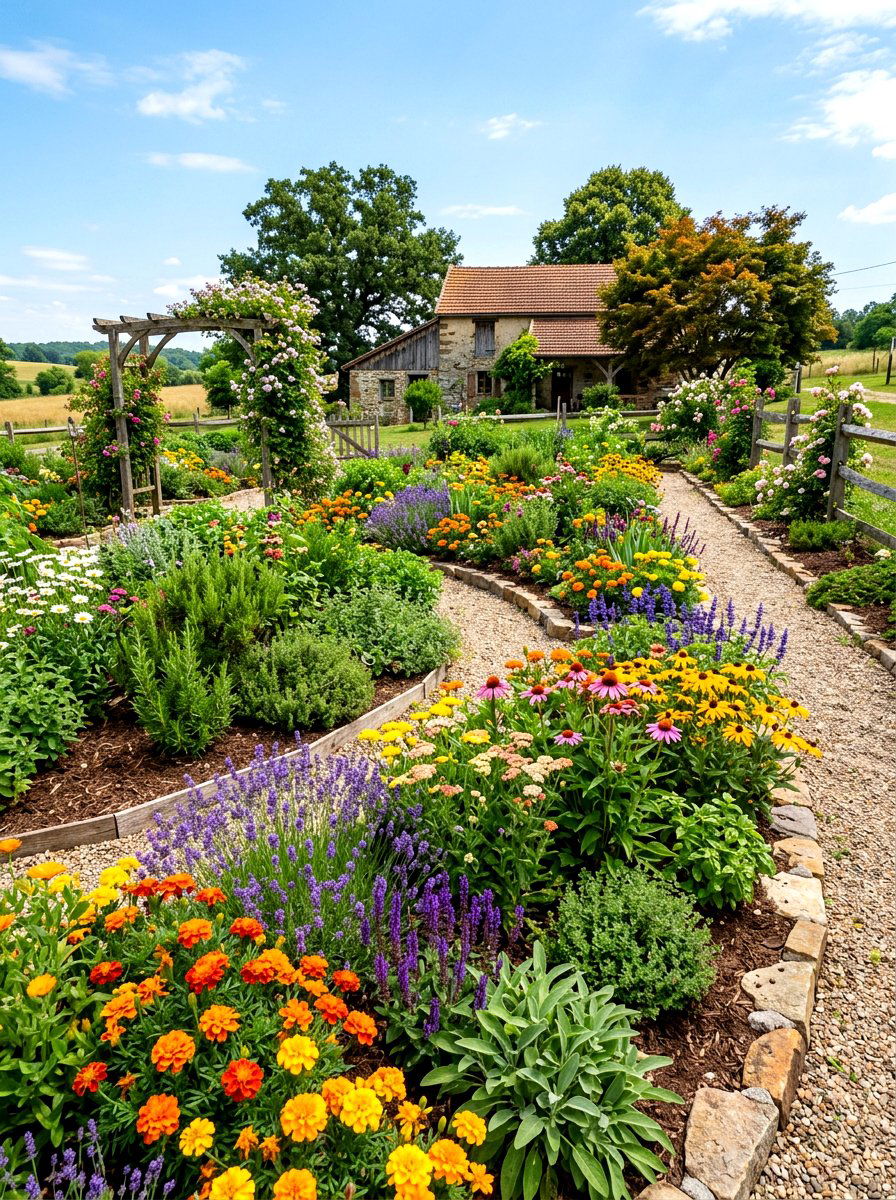
Designing a companion plant garden involves grouping different species together to enhance each other’s growth and attract a wider variety of pollinators. For example, planting marigolds or herbs like rosemary alongside your hummingbird flowers can help deter unwanted pests while adding fragrance and color. This holistic approach to gardening creates a more resilient and balanced ecosystem that requires fewer interventions from you. Hummingbirds benefit from the increased insect diversity and the variety of bloom shapes that different companion plants provide. By thinking about how your plants interact, you can create a thriving, self-sustaining backyard habitat that looks beautiful and supports a vast range of local wildlife throughout the entire season.
29. Night blooming jasmine garden
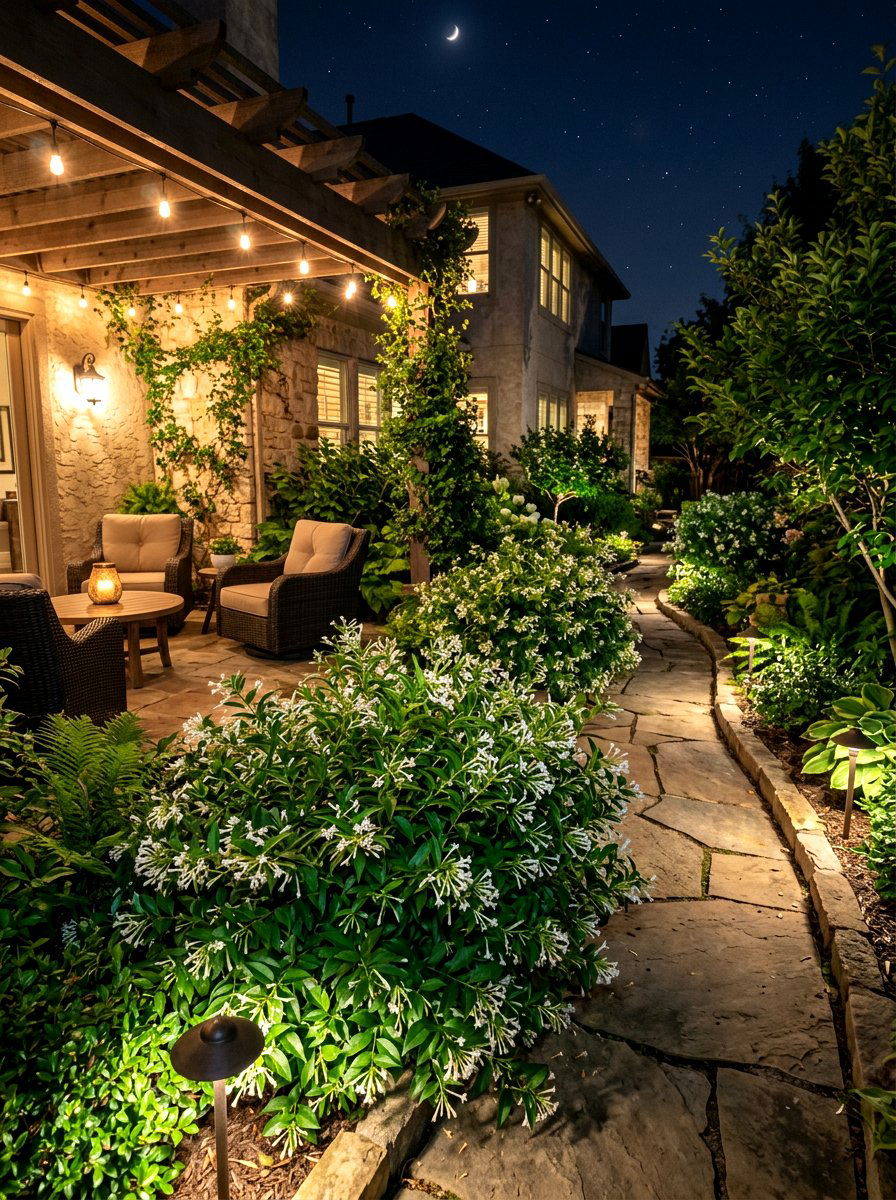
Including night blooming jasmine or other evening-scented plants in your garden design adds a whole new dimension to your backyard experience. While hummingbirds are active during the day, these fragrant plants attract various moths and other nocturnal insects that are an important part of the local food web. Many of these plants also have beautiful foliage that provides a lush backdrop for your daytime hummingbird flowers. The sweet, heady scent of jasmine drifting through the air makes your garden an inviting place for you to relax in the evening after the birds have gone to sleep. It creates a complete sensory experience that transitions beautifully from the high-energy daytime to the peaceful night.
30. Antique glass feeder display
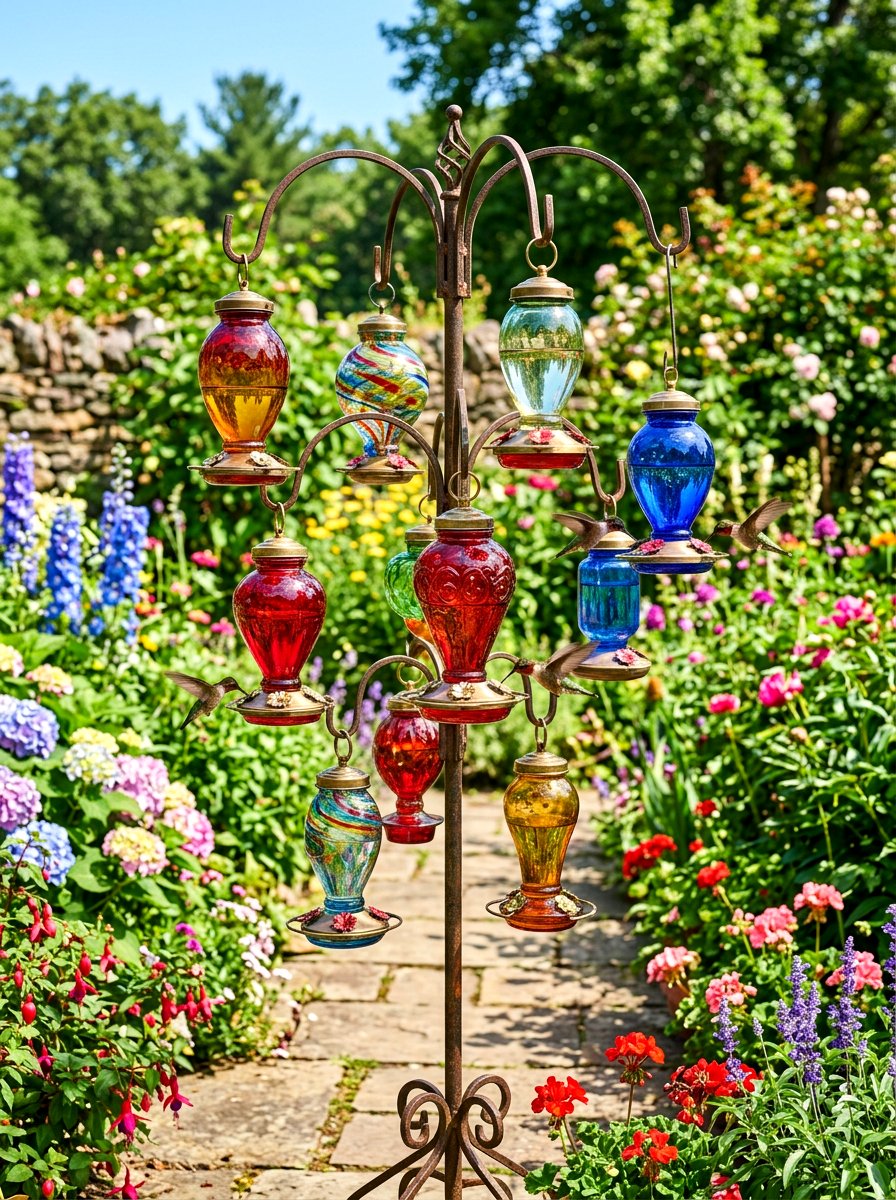
Incorporating an antique glass feeder display adds a touch of vintage charm and elegance to your hummingbird oasis. These feeders often feature beautiful hand-blown glass or decorative metalwork that turns a functional item into a piece of garden art. While modern plastic feeders are practical, glass options are much easier to keep clean and do not leach chemicals into the nectar over time. Hanging a collection of different glass feeders at varying heights creates a stunning focal point that catches the sunlight and glimmers in the breeze. This combination of functionality and style ensures that your backyard is as beautiful to look at as it is welcoming to the birds.
Conclusion:
Transforming your backyard into a hummingbird oasis is a journey that rewards you with daily moments of wonder and beauty. By focusing on a combination of native plants, clean water sources, and safe nesting sites, you create more than just a garden; you build a vital sanctuary for one of nature's most extraordinary creatures. These small changes to your landscape help support the local ecosystem while providing you with a front-row seat to the fascinating lives of these energetic birds. Whether you have a vast lawn or a small balcony, any space can become a haven that brings joy and peace to your home for many years.

Related posts: