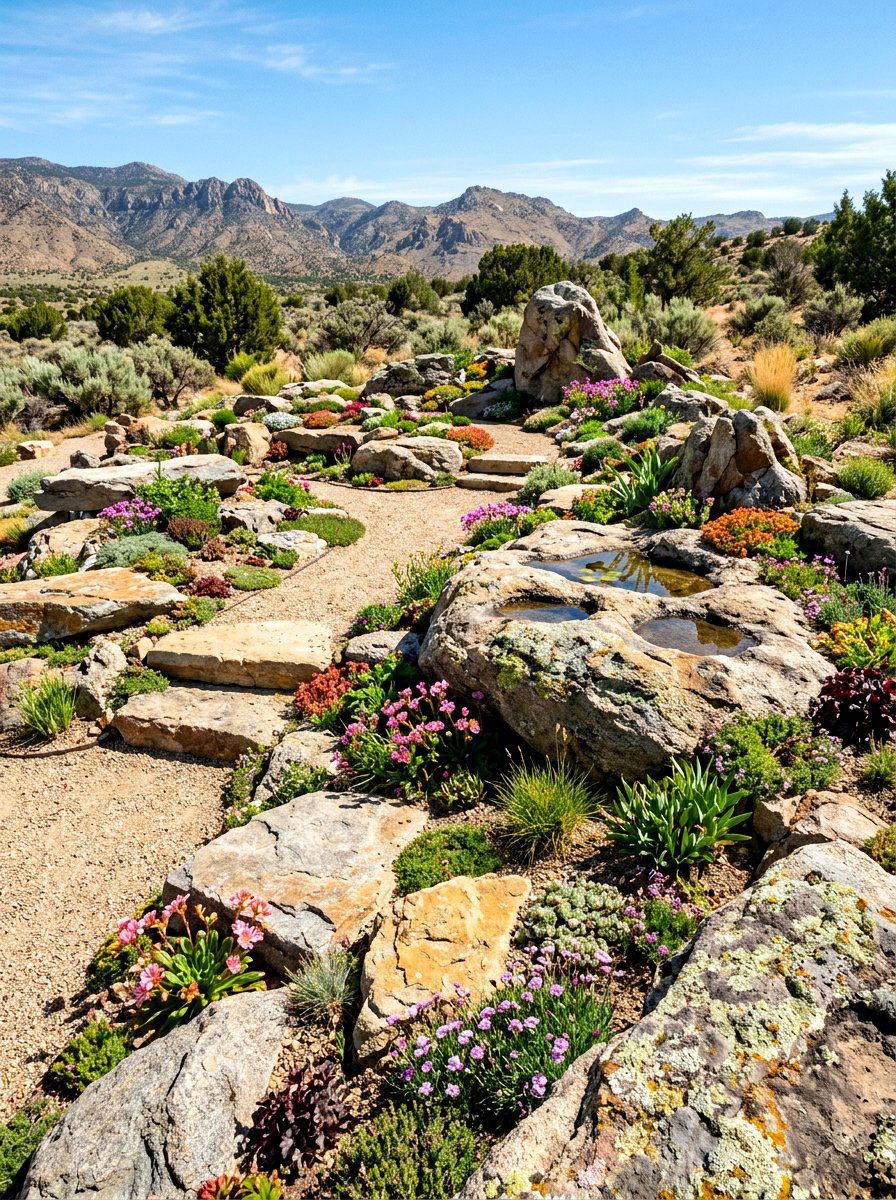
Creating a vibrant sanctuary for hummingbirds is a rewarding way to enhance your outdoor living space while supporting local wildlife populations. These tiny, high-energy birds are attracted to specific colors and shapes that provide high-quality nectar to fuel their rapid metabolisms. By carefully planning your landscape with a mix of native plants, reliable water sources, and safe nesting areas, you can transform a simple backyard into a bustling hub of activity. This guide explores various design concepts that cater to the unique needs of these mesmerizing avian visitors. From vertical trellises to lush container gardens, each idea is crafted to maximize sightings and provide a healthy environment for your feathered friends.
1. Red Salvia
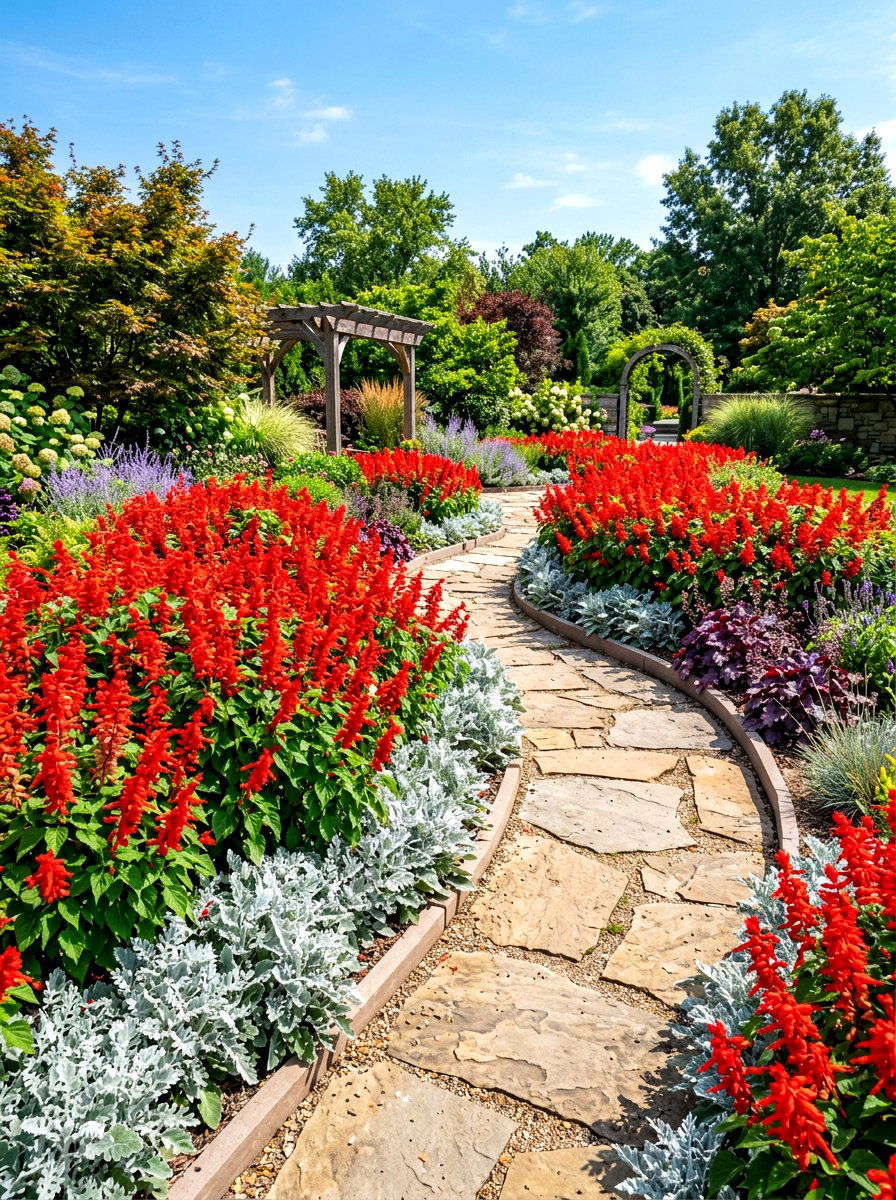
Red salvia serves as a stunning focal point in any sun-drenched garden designed specifically to attract migrating hummingbirds. This design features large, dense clusters of brilliant scarlet blooms arranged in a tiered layout to ensure visibility from great distances. You should plant these in the sunniest part of your yard to encourage the most prolific flowering throughout the long summer months. Complement the vibrant red petals with silver-leafed groundcovers or dark green shrubs to create a striking visual contrast that highlights the flower's unique tubular shape. This setup provides an accessible nectar source that keeps hungry birds returning daily to your beautiful and lively outdoor sanctuary.
2. Bee Balm
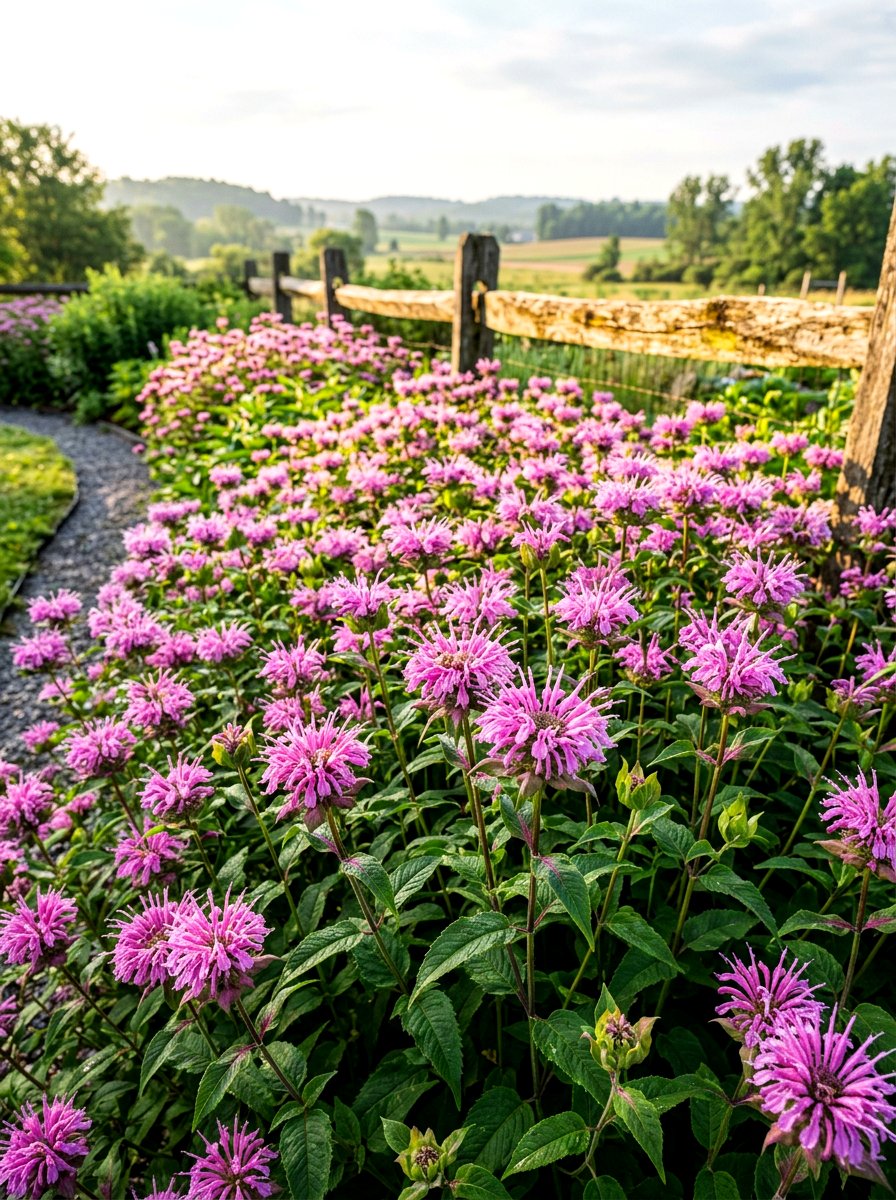
A bee balm patch creates a wild, textured look that is irresistible to hummingbirds and other beneficial pollinators. These shaggy, crown-shaped flowers thrive in moist soil and full sun, making them perfect for low-lying areas of your property. By planting different varieties in shades of pink, purple, and red, you can extend the blooming season and provide a diverse nectar buffet. The fragrant foliage also adds a pleasant scent to the air every time a bird flutters nearby. Grouping these plants together in a large, dedicated bed ensures that the birds can find and defend their favorite food source with total ease.
3. Trumpet Vine
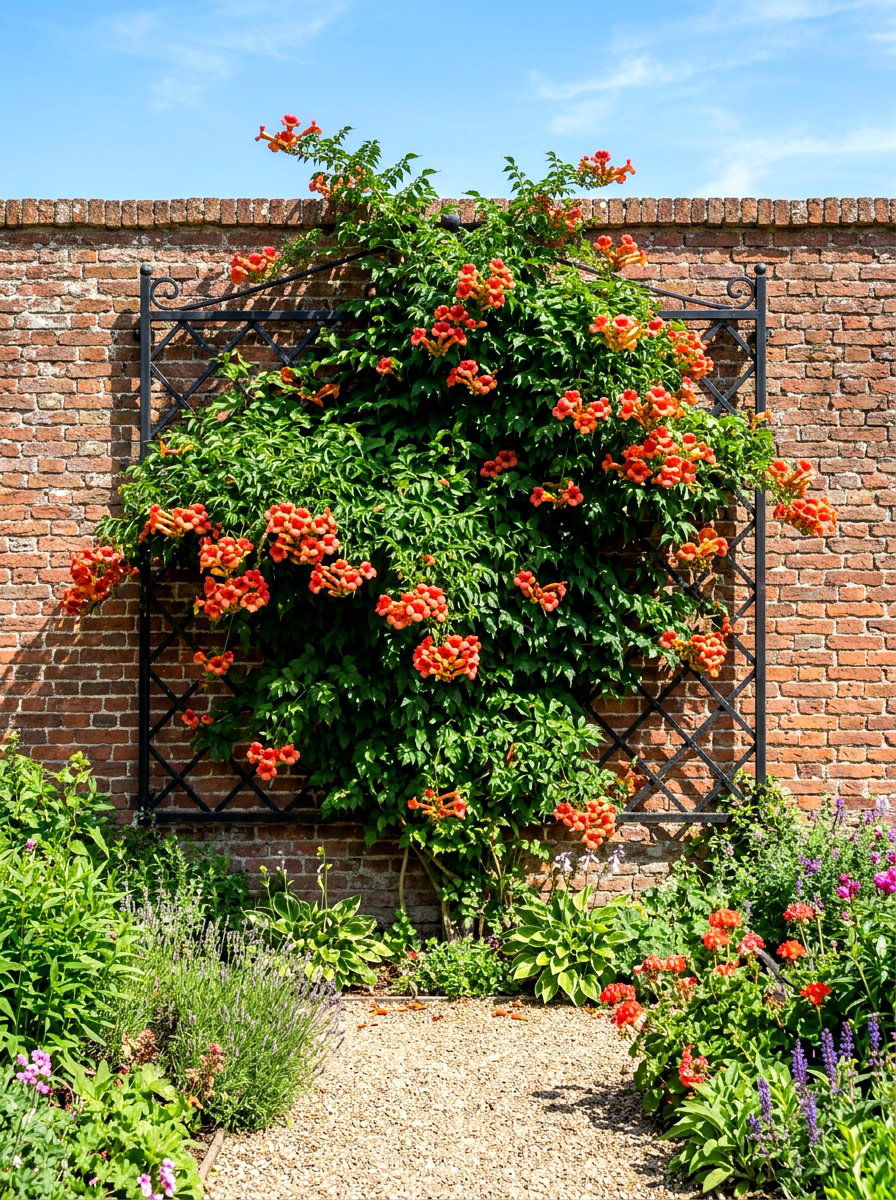
Installing a trumpet vine on a sturdy trellis or fence adds a dramatic vertical dimension to your landscape design. These vigorous climbers produce large, orange, funnel-shaped flowers that are perfectly shaped for a hummingbird’s long beak and tongue. This design is ideal for covering unsightly structures or creating a privacy screen that doubles as a high-volume feeding station. Ensure the trellis is positioned near a window so you can watch the birds hover and feed from the comfort of your home. Pruning the vine regularly will keep it manageable while encouraging a massive flush of nectar-rich blooms during the peak summer months.
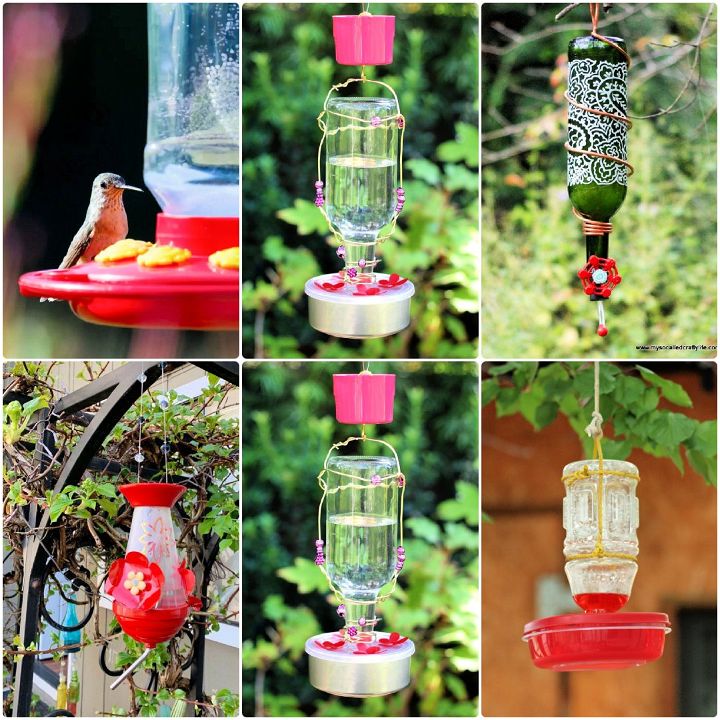
4. Hummingbird Feeder
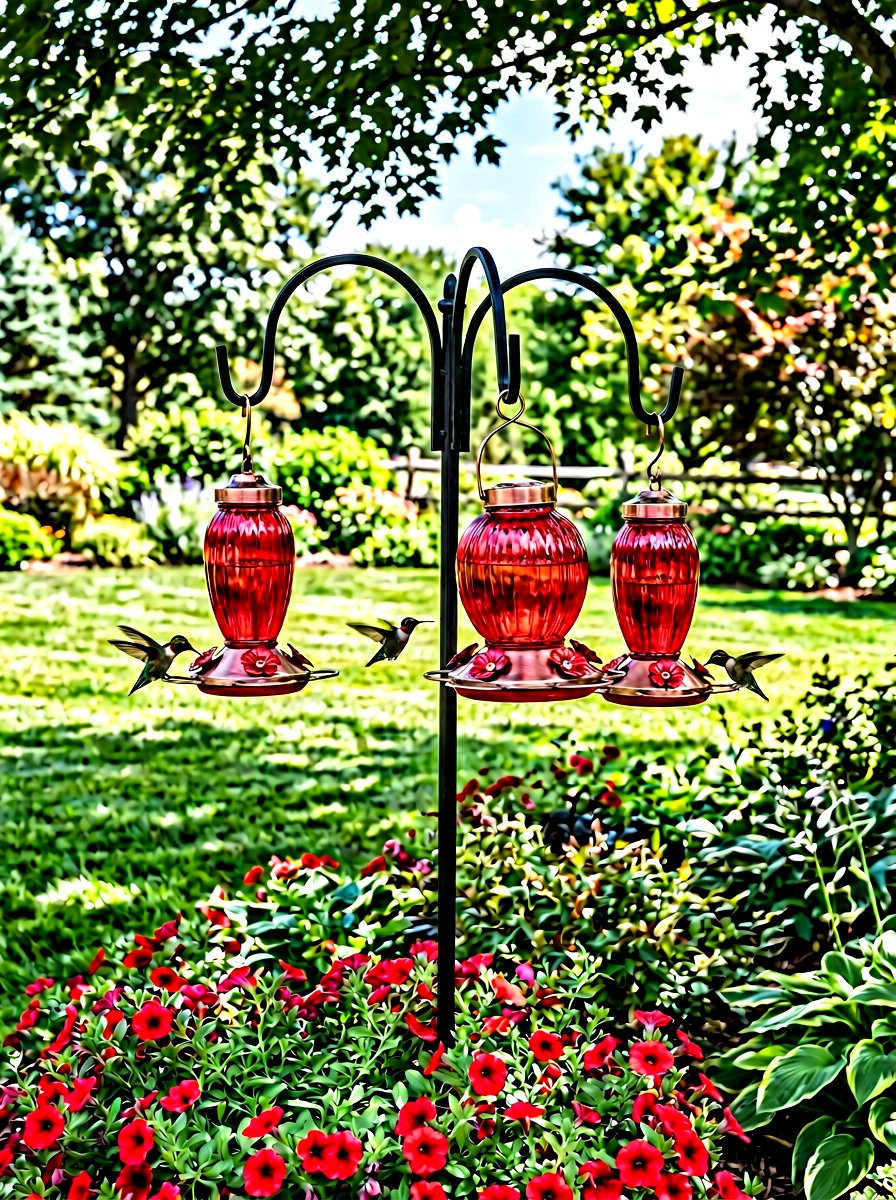
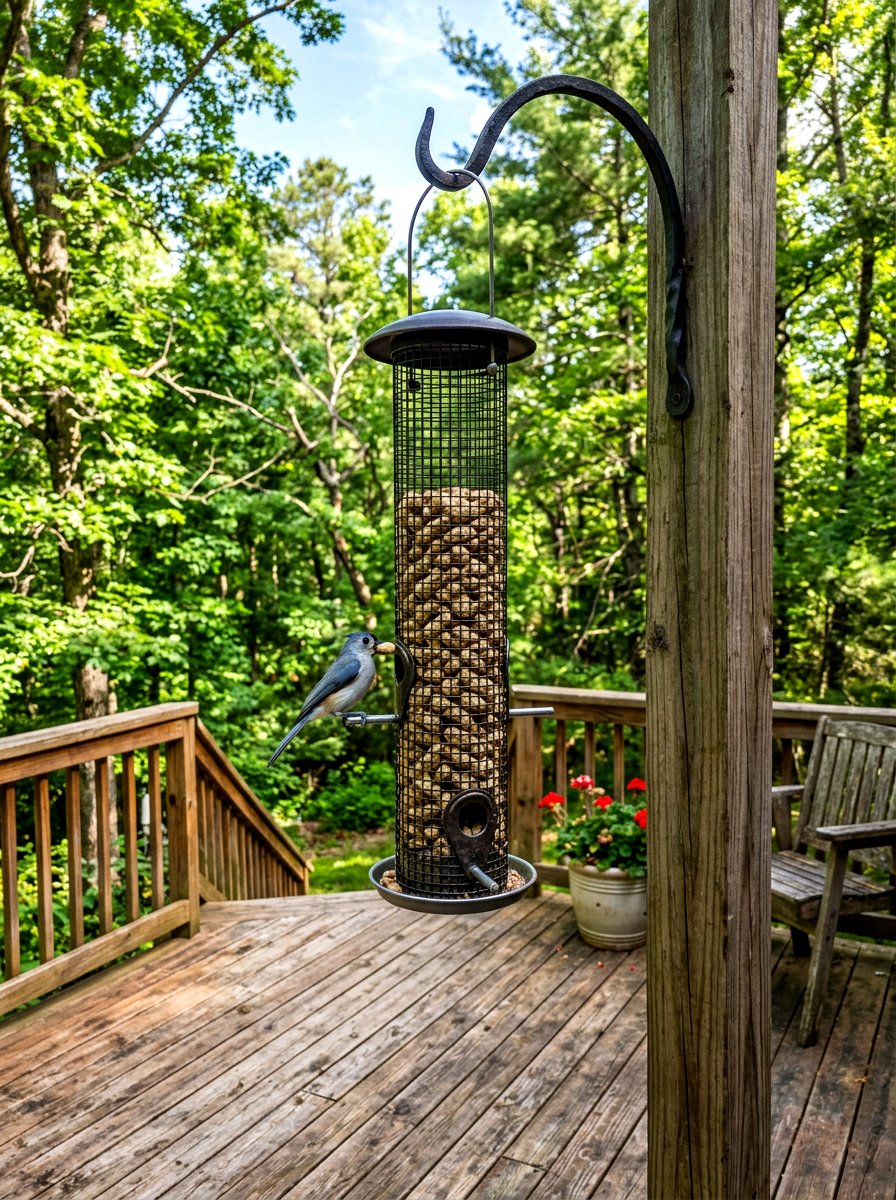
A dedicated feeder station is a must-have element for any serious hummingbird enthusiast looking to supplement natural nectar sources. To create this design, hang multiple bright red feeders at varying heights from a shepherd's hook or a sturdy tree branch. Surrounding the base of the station with low-growing flowers like petunias adds extra visual appeal and attracts birds from a distance. Make sure to place the feeders in a shaded area to keep the sugar water from fermenting too quickly in the heat. Providing a clear line of sight helps the birds spot the station while giving you a perfect viewing spot.
5. Bird Bath Mister
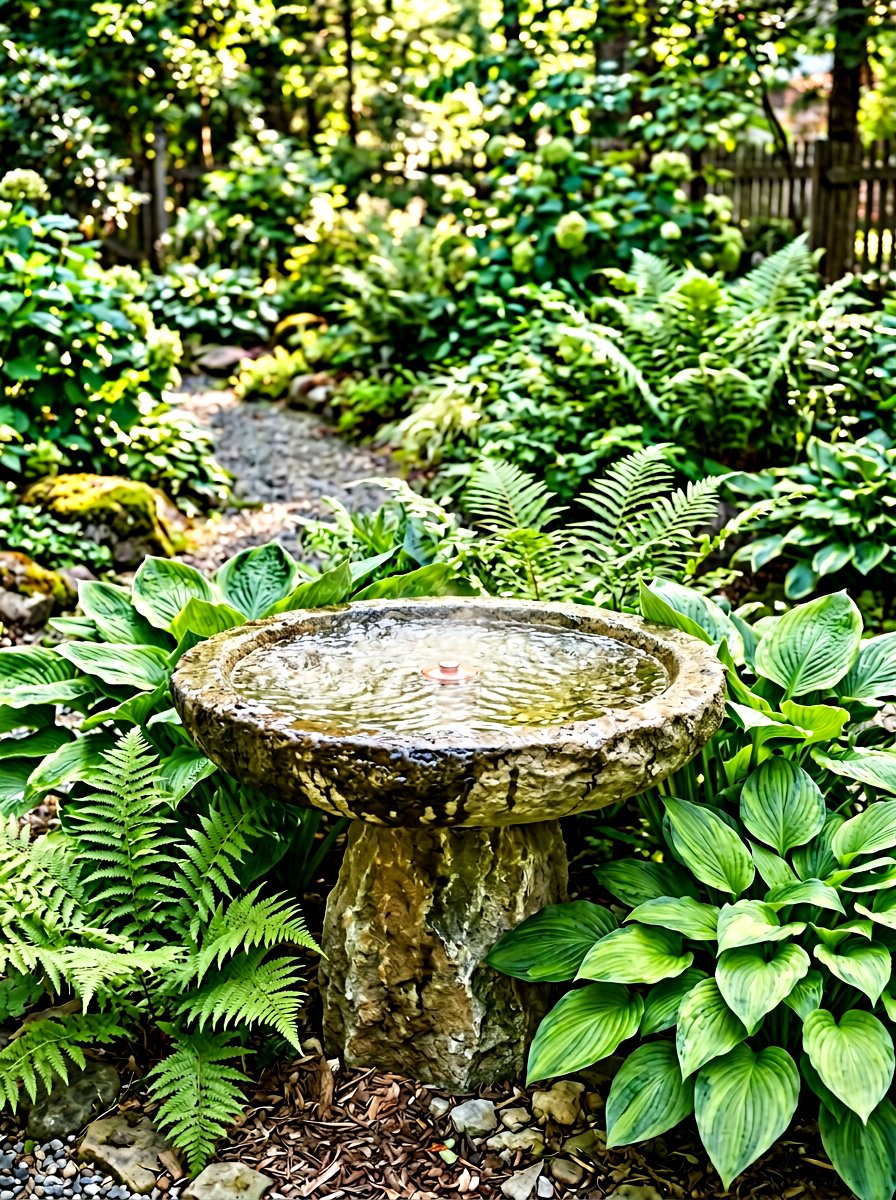
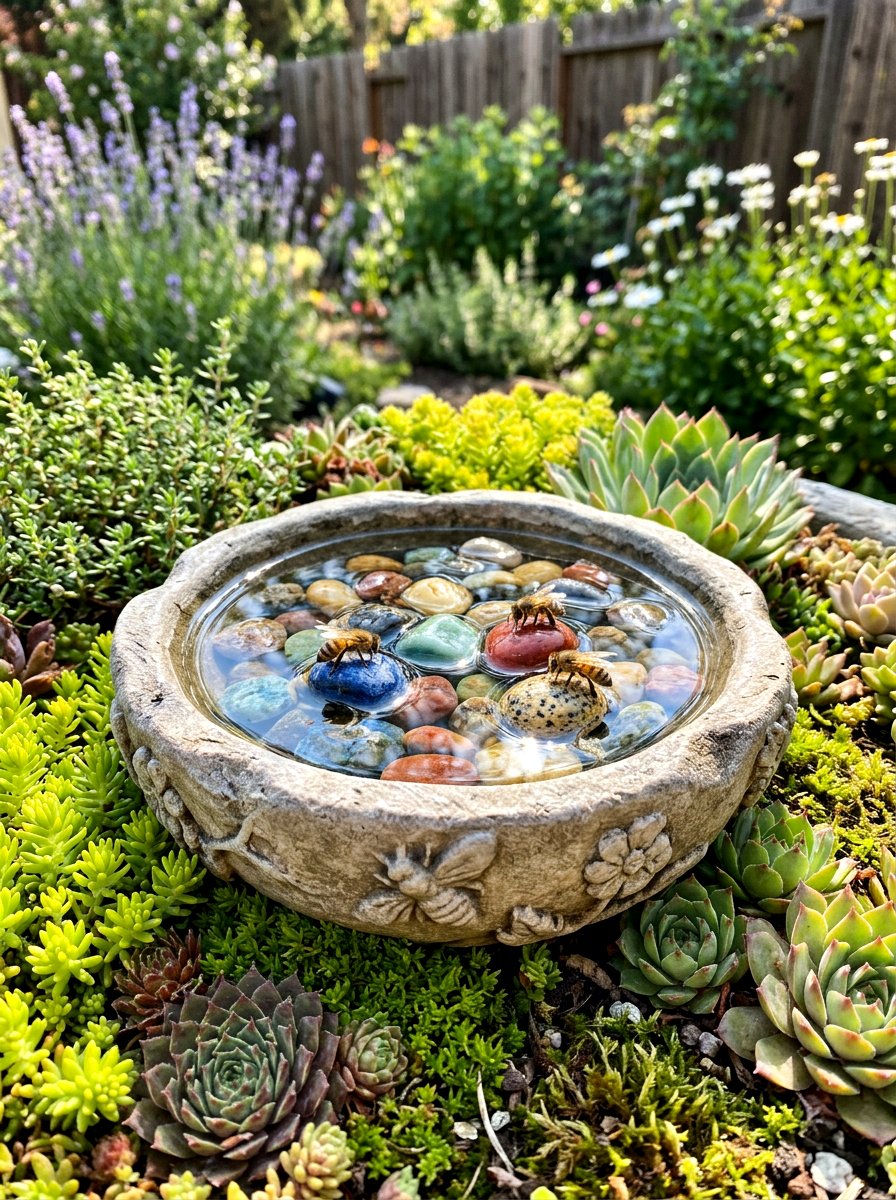
Adding a bird bath with a gentle mister attachment provides a refreshing oasis for hummingbirds to bathe and preen their feathers. Unlike traditional deep bird baths, hummingbirds prefer a light spray or very shallow water that allows them to fly through the droplets. This design works best when placed near dense shrubs where the birds can hide and dry off after their bath. The sound of moving water acts as a natural magnet, drawing birds into your garden from neighboring yards. Keeping the water clean and fresh is essential for maintaining a healthy environment where these small birds feel safe and pampered.
6. Native Wildflower Garden
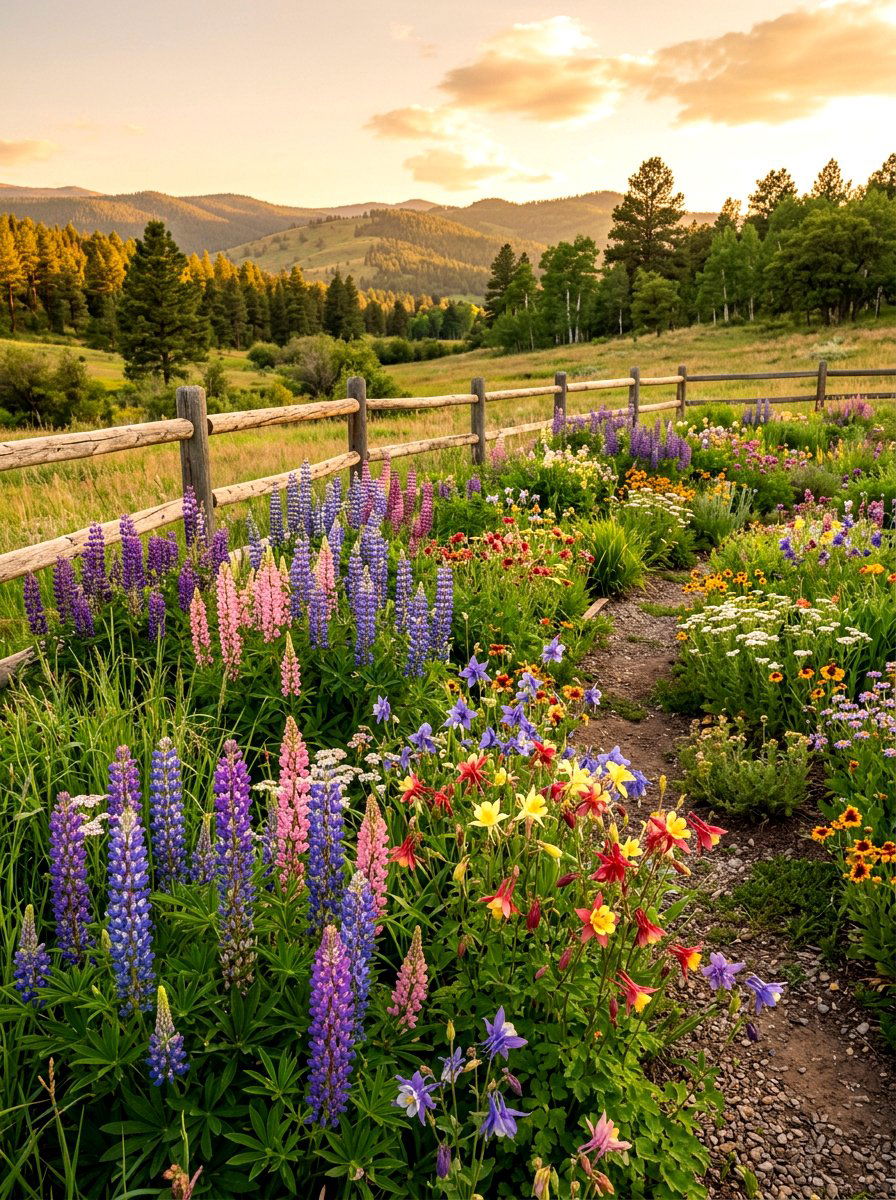
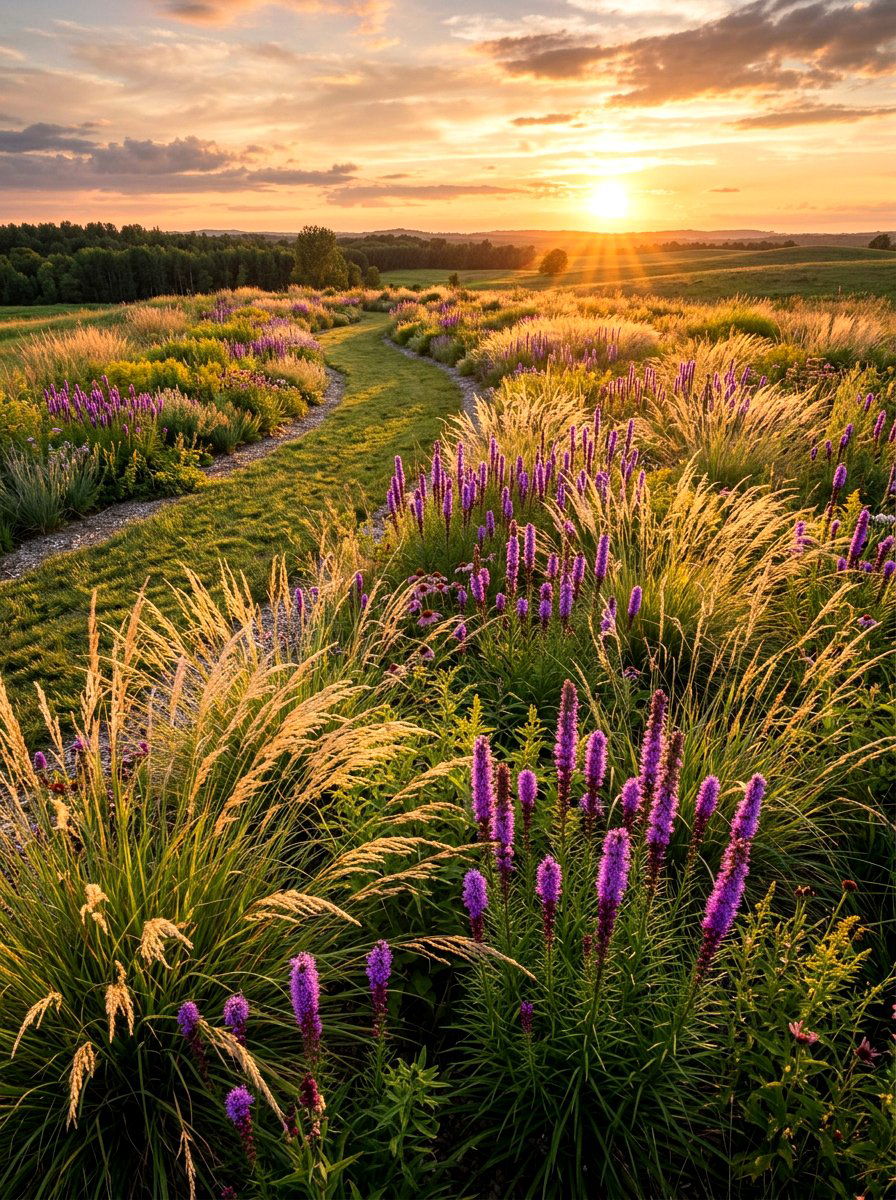
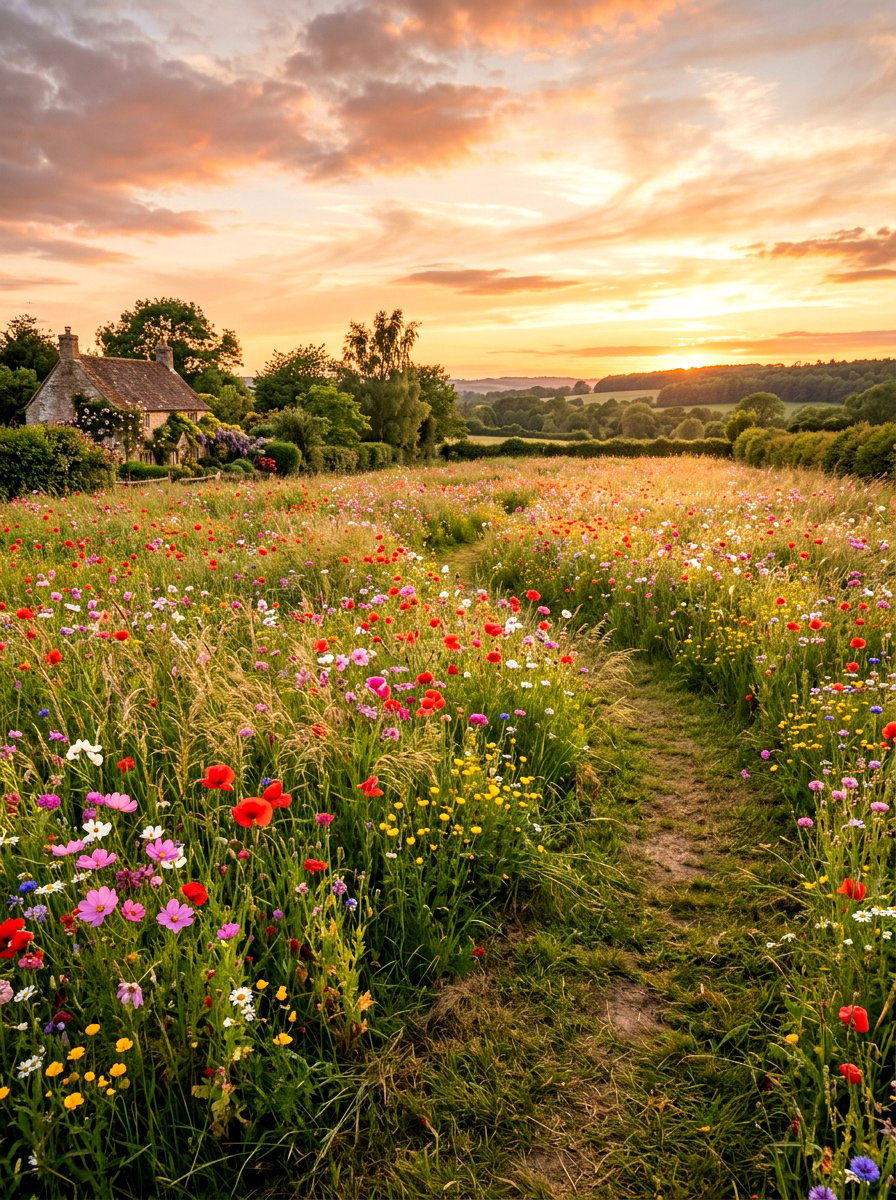
A native wildflower garden is the most sustainable way to provide a natural habitat for local hummingbird species. This design focuses on using plants that are indigenous to your region, as they are perfectly adapted to the local climate and soil conditions. Mix together different heights and colors, such as lupine, columbine, and milkweed, to create a layered effect that mimics a natural meadow. This diverse ecosystem not only provides nectar but also attracts small insects, which are a crucial source of protein for growing hummingbirds. A well-maintained wildflower patch offers a reliable food source that returns year after year.
7. Tiered Flower Bed
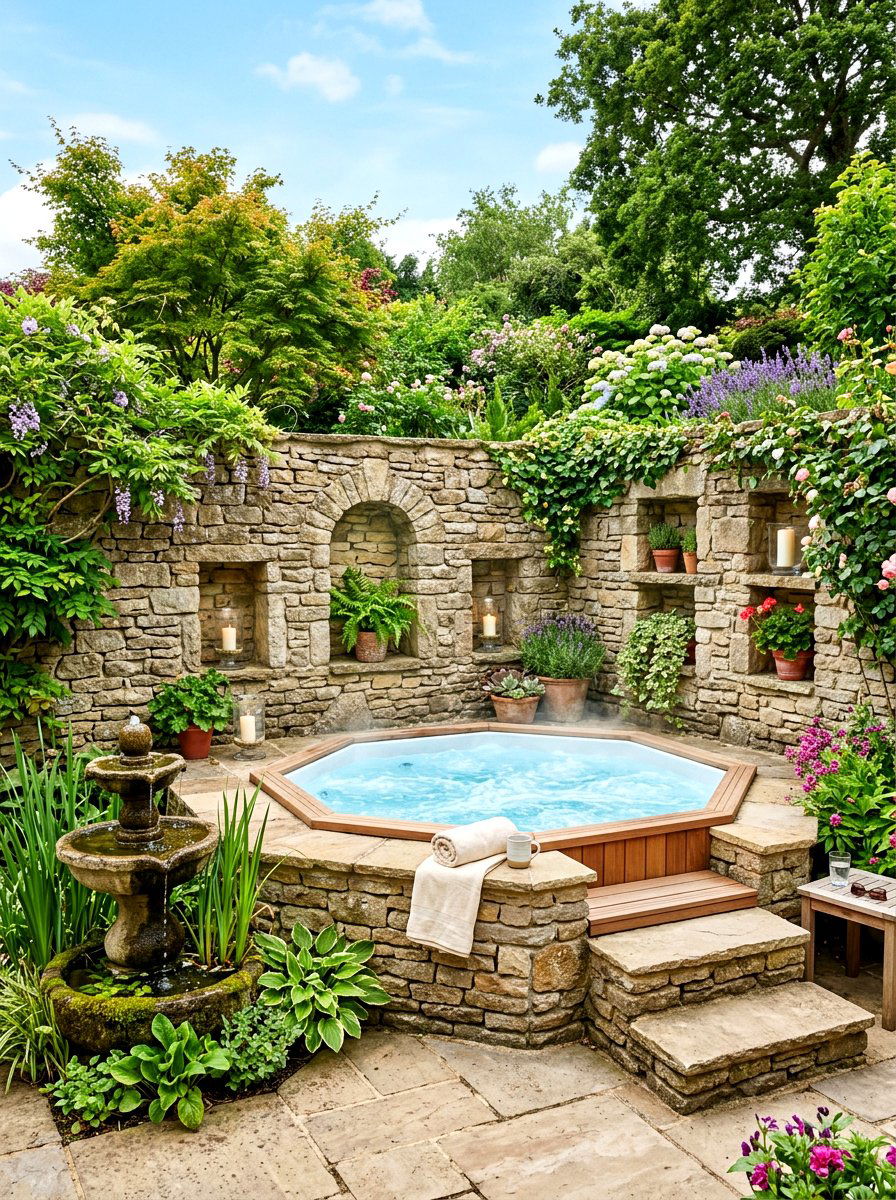
A tiered flower bed allows you to pack a high density of nectar-rich plants into a small footprint. By using raised garden beds of different heights, you create a stadium-like effect that makes every flower accessible to visiting birds. Place taller plants like hollyhocks in the back and shorter ones like impatiens in the front to ensure a clear flight path. This design is particularly effective for small yards or patio spaces where horizontal room is limited. The varied heights provide multiple perching spots, allowing hummingbirds to rest between feedings while keeping a sharp eye out for any territorial rivals.
8. Hanging Basket
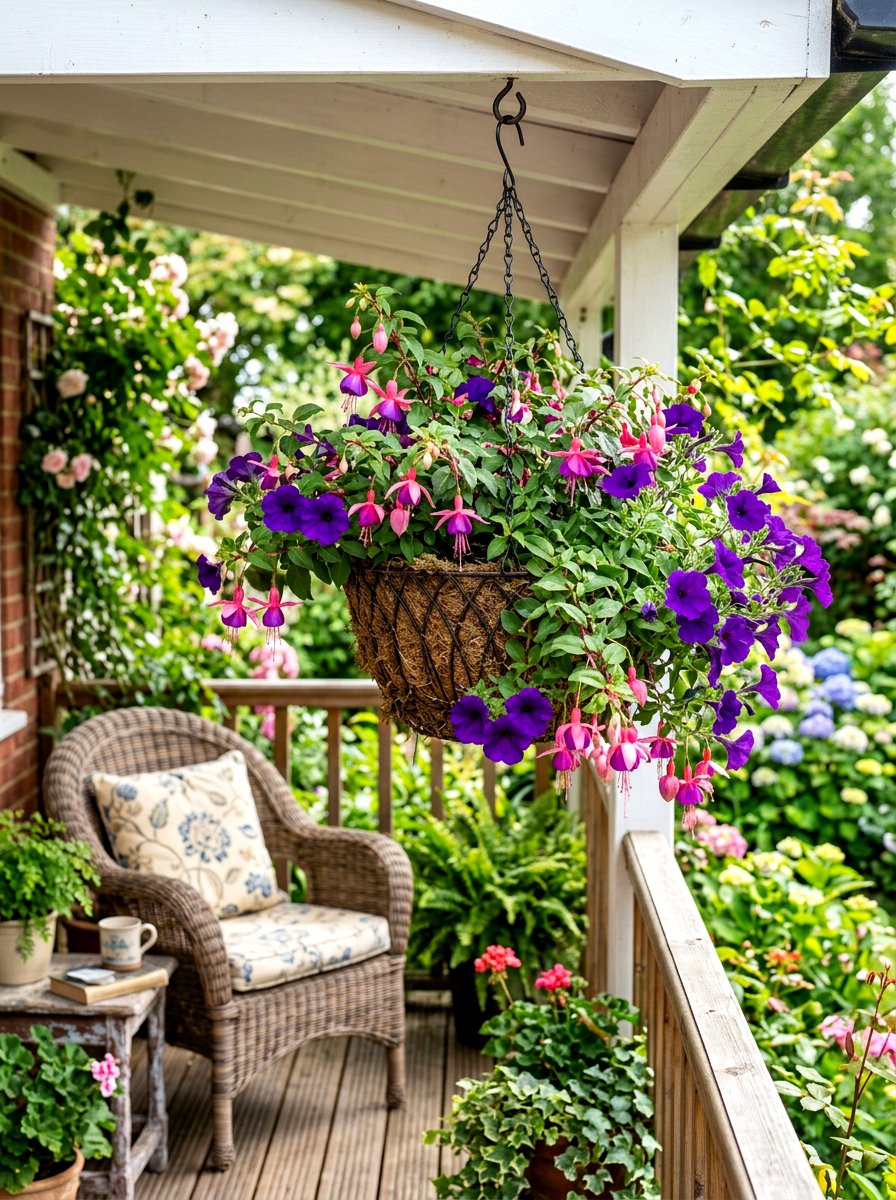
Using hanging baskets filled with trailing flowers is an excellent way to bring hummingbirds directly to your porch or balcony. Fuchsia, million bells, and trailing petunias are perfect choices for these containers because their blooms hang downward, making them easy for birds to reach while hovering. This design adds a pop of color at eye level and can be easily moved to follow the sun throughout the day. For the best results, use a high-quality potting mix that retains moisture, as hanging plants tend to dry out quickly. Frequent watering and fertilizing will keep the flowers blooming all season long.
9. Window Box
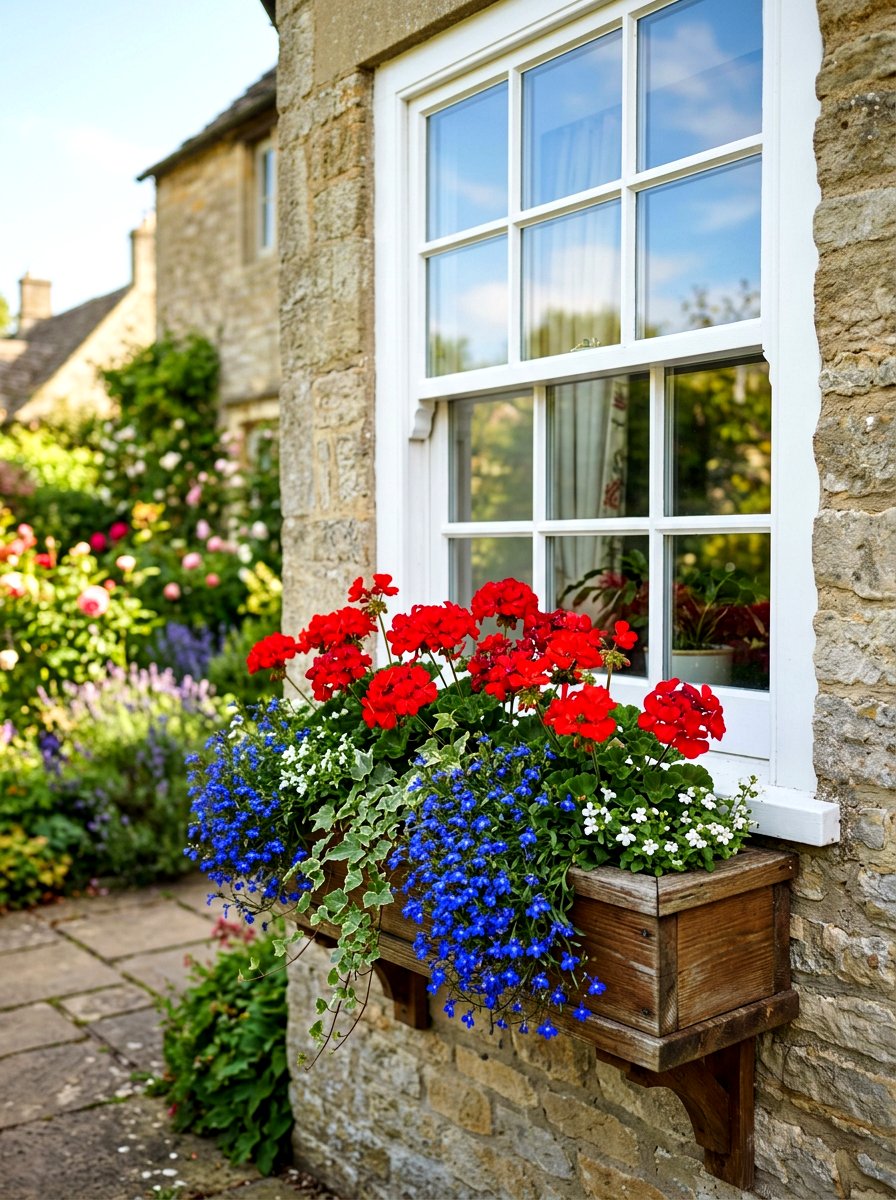
A window box planter creates an intimate viewing experience by bringing hummingbirds right to your glass windowpane. This design typically features a mix of upright and trailing plants, such as red geraniums and blue lobelia, to create a full and lush appearance. When selecting plants for a window box, choose varieties that bloom continuously to provide a steady supply of nectar throughout the summer. The proximity to the house allows you to observe the intricate details of the birds' iridescent feathers and rapid wing movements. This setup is perfect for apartment dwellers or homeowners who want to enjoy nature from indoors.
10. Butterfly Bush
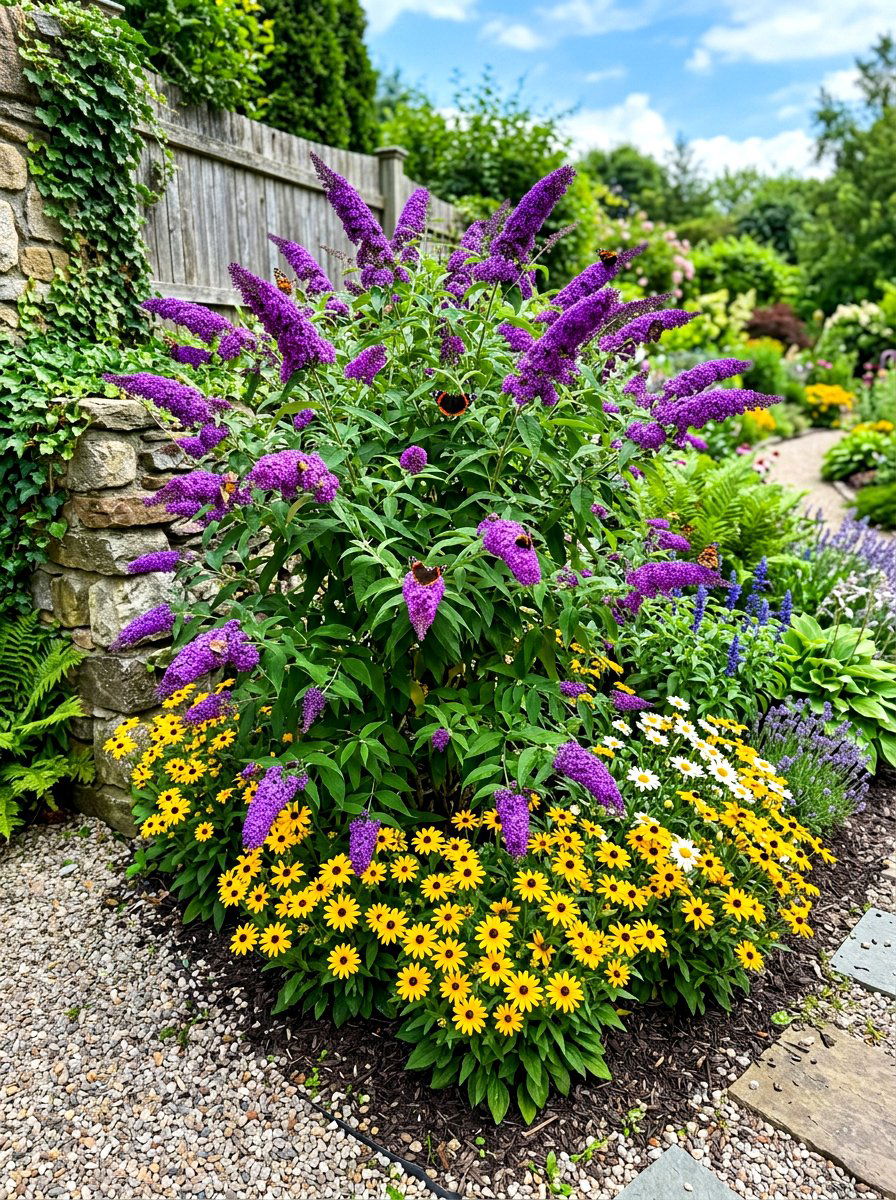
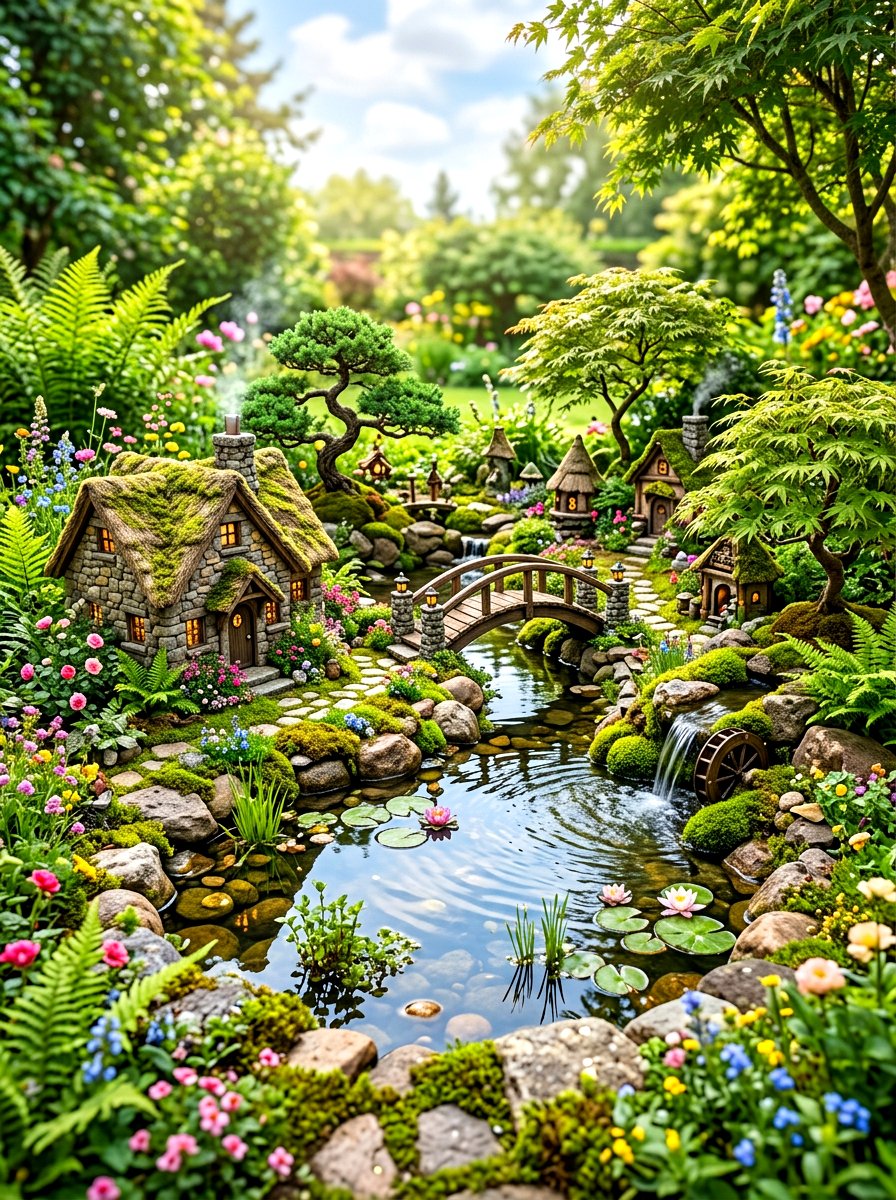
Integrating a butterfly bush into your garden design provides a massive, long-blooming source of nectar that attracts a wide variety of winged visitors. These shrubs produce long, cone-shaped flower spikes in shades of purple, pink, and white that hum with activity from dawn until dusk. Planting a butterfly bush in a corner or as a backdrop for smaller perennials creates a structured and organized look. Because these plants can grow quite large, they also offer excellent shelter and perching spots for hummingbirds. Regularly deadheading the spent blooms will encourage the plant to produce new flowers well into the autumn months.
11. Coral Honeysuckle
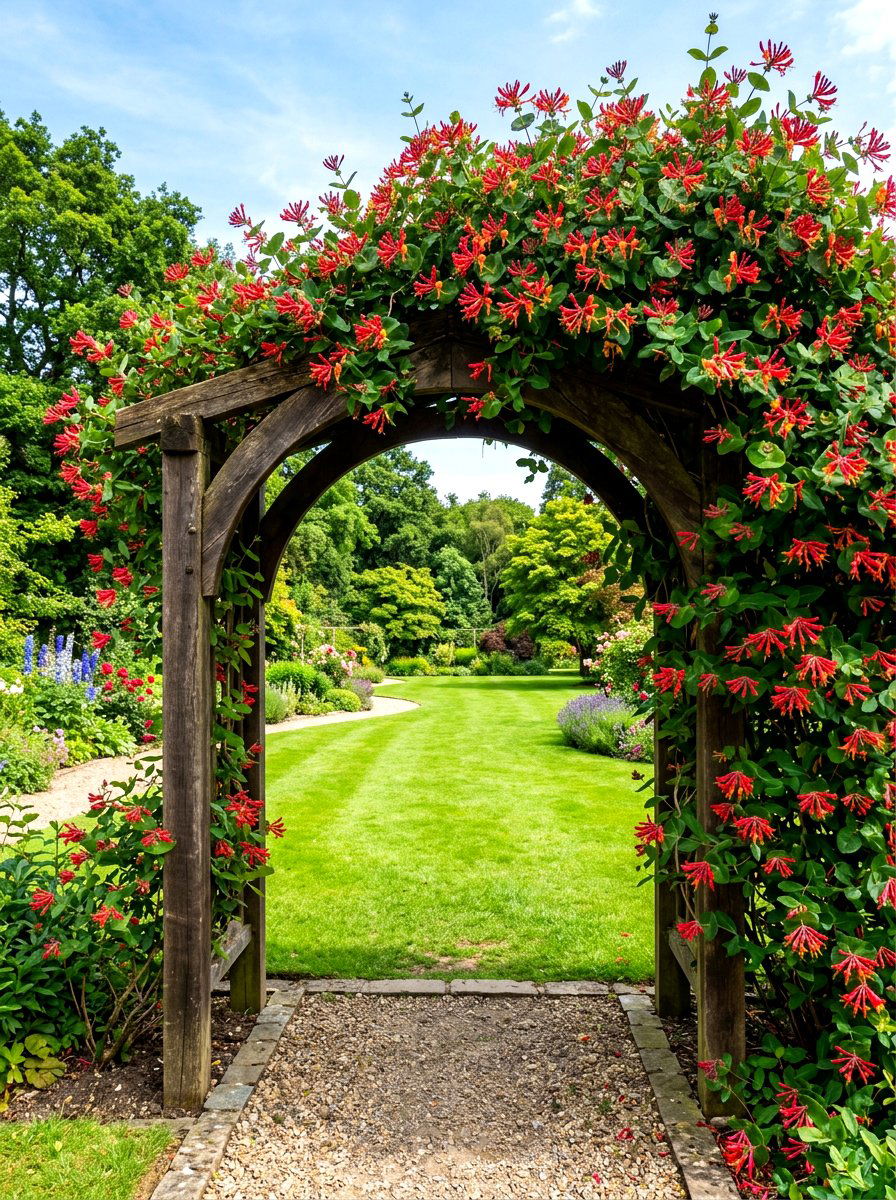
Coral honeysuckle is a non-invasive climbing vine that is famous for its bright red, tubular flowers that hummingbirds find irresistible. This design involves training the vine over a garden arch or arbor to create a beautiful and functional entrance to your outdoor space. Unlike the invasive Japanese variety, coral honeysuckle is easy to manage and provides a high volume of nectar without taking over your entire yard. The vine's dense foliage offers a safe nesting site for birds looking for protection from predators. Pairing this climber with low-growing yellow flowers creates a classic color palette that looks professional and polished.
12. Cardinal Flower
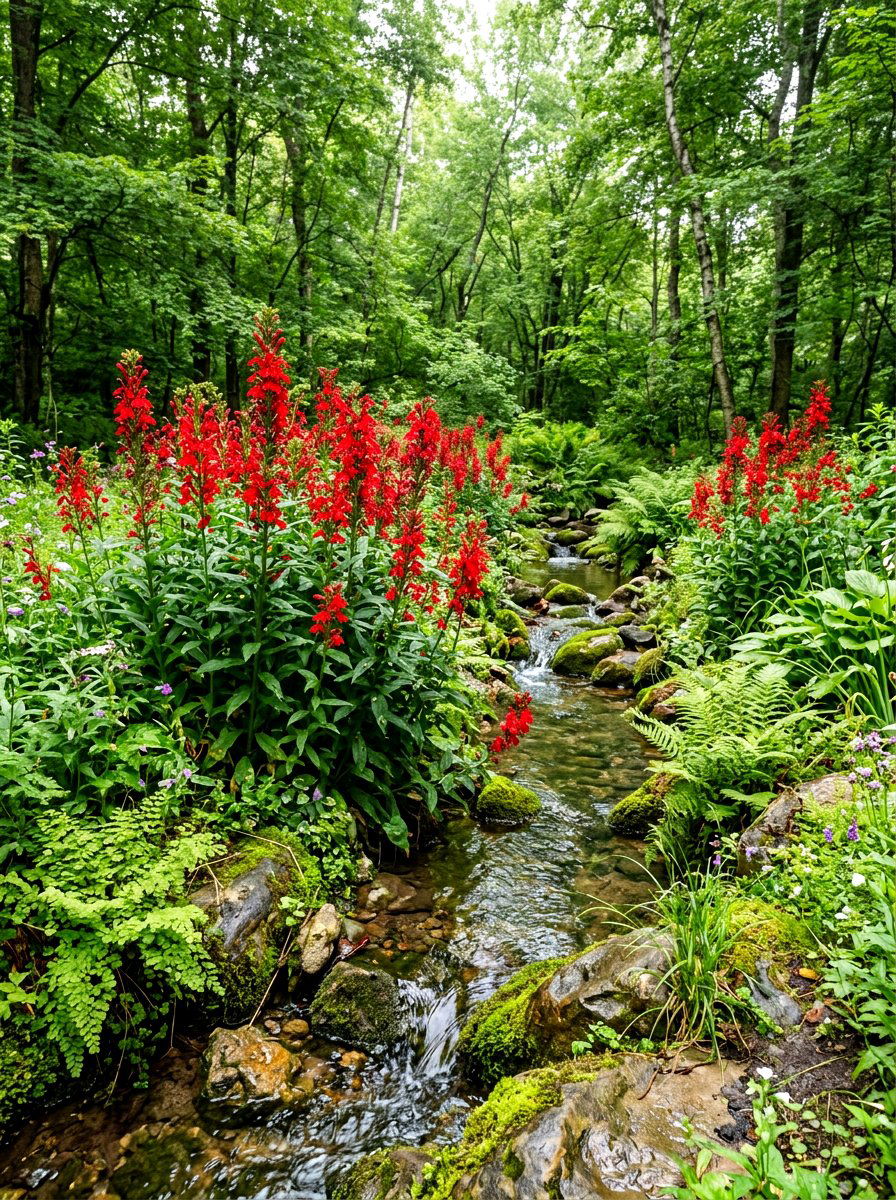
The cardinal flower is a moisture-loving perennial that features tall spikes of intense, true-red blooms that act like a beacon for hummingbirds. This design is perfect for rain gardens, pond edges, or any part of your yard that tends to stay damp. Grouping several of these plants together creates a dramatic vertical statement that stands out against a backdrop of green ferns or ornamental grasses. Because the nectar is hidden deep within the long tubes, only hummingbirds and certain butterflies can reach it, ensuring a dedicated food source for your favorite visitors. These flowers thrive in partial shade and add elegance.
13. Penstemon Garden
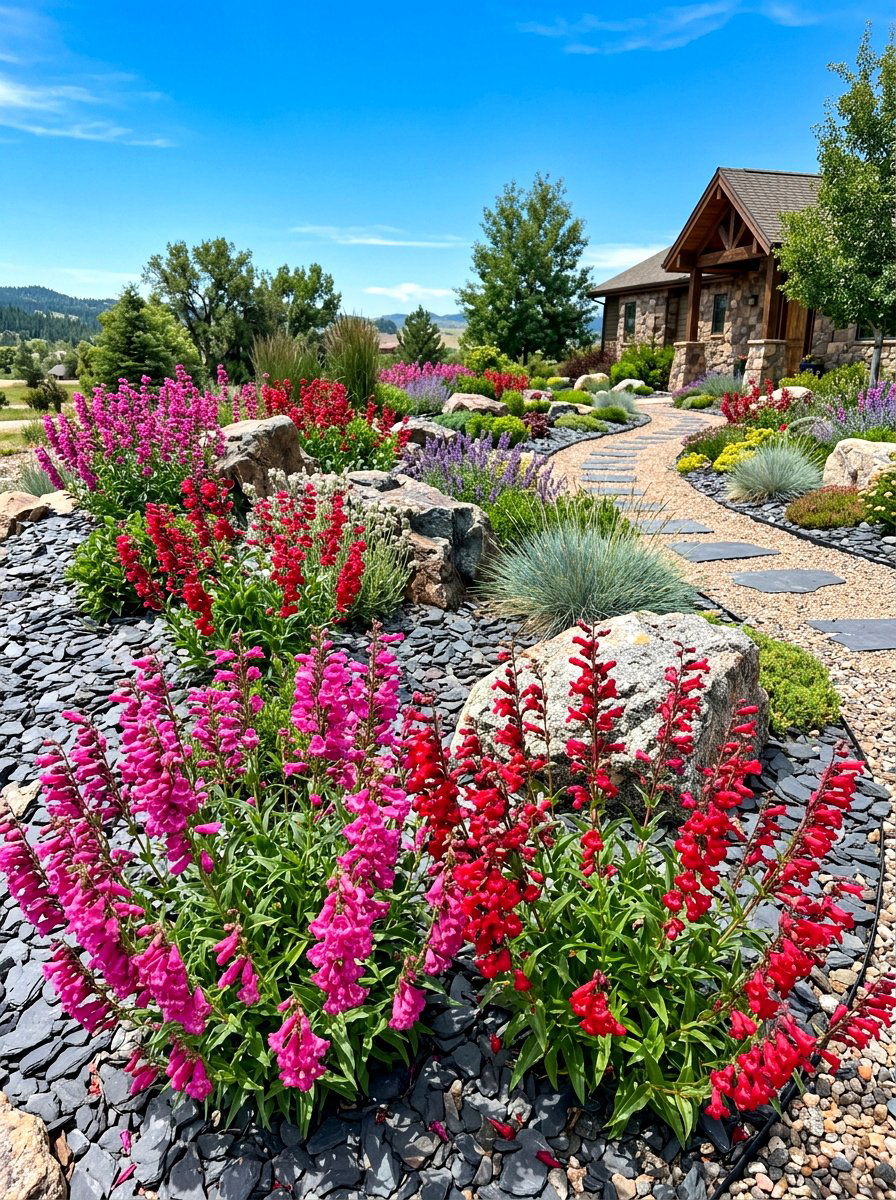
A penstemon garden features hardy, drought-tolerant perennials that produce an abundance of bell-shaped flowers on sturdy stems. This design is ideal for rock gardens or xeriscapes where water conservation is a priority. Choose varieties like 'Husker Red' or 'Firecracker' to provide the vibrant colors that hummingbirds prefer. The upright growth habit of penstemon makes it easy to interplant with low-growing succulents or groundcovers for a low-maintenance yet highly attractive landscape. These plants are exceptionally resilient and will continue to provide nectar even during the hottest parts of the summer, making them a reliable staple for any dry-climate hummingbird sanctuary.
14. Fuchsia Plant
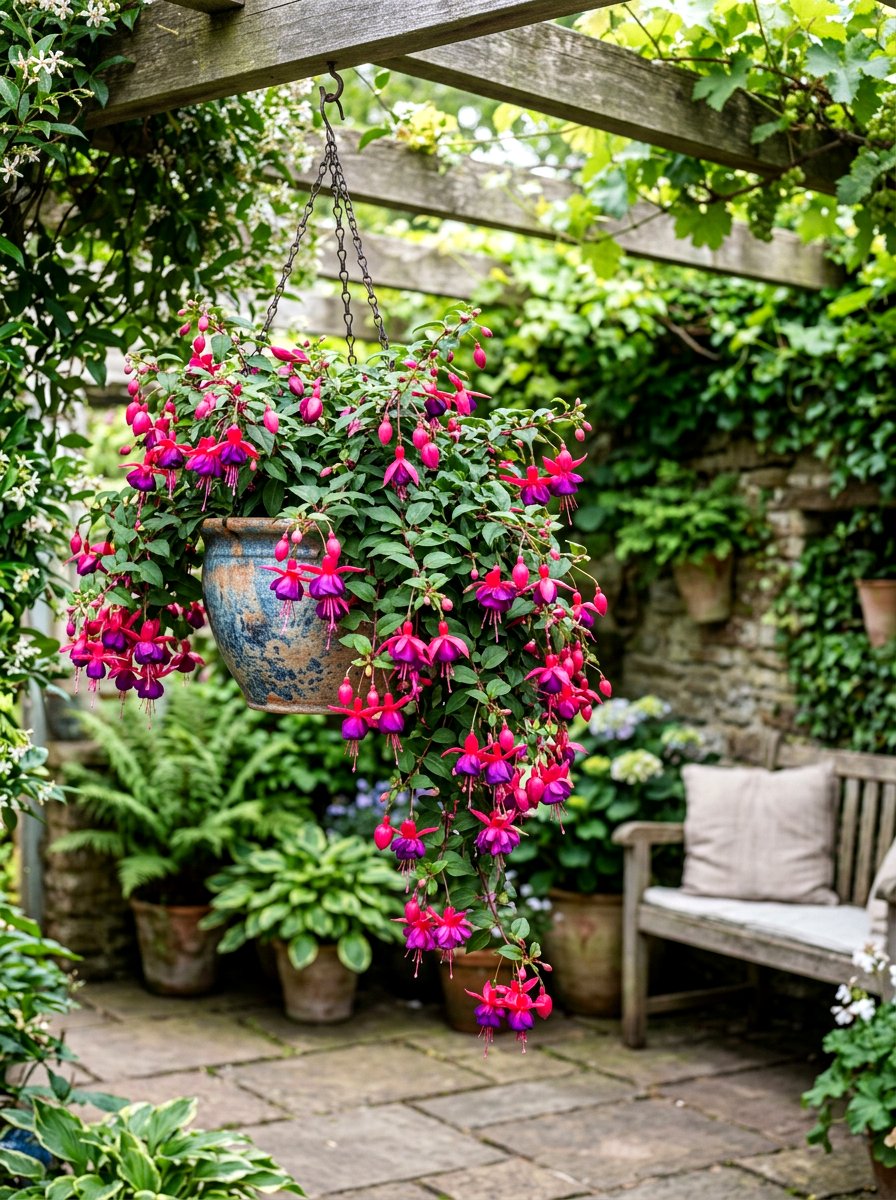
Fuchsia plants are famous for their unique, dangling blooms that look like tiny dancers wearing vibrant tutus. This design focuses on creating a cool, shaded retreat where these moisture-loving plants can thrive under the canopy of larger trees or on a covered patio. Hummingbirds are particularly fond of fuchsias because the nectar is easily accessible from below as they hover. Using large decorative pots allows you to move the plants to the best light conditions as the seasons change. The exotic look of fuchsia adds a tropical flair to your garden while providing a high-energy food source for the local bird population.

15. Zinnia Garden
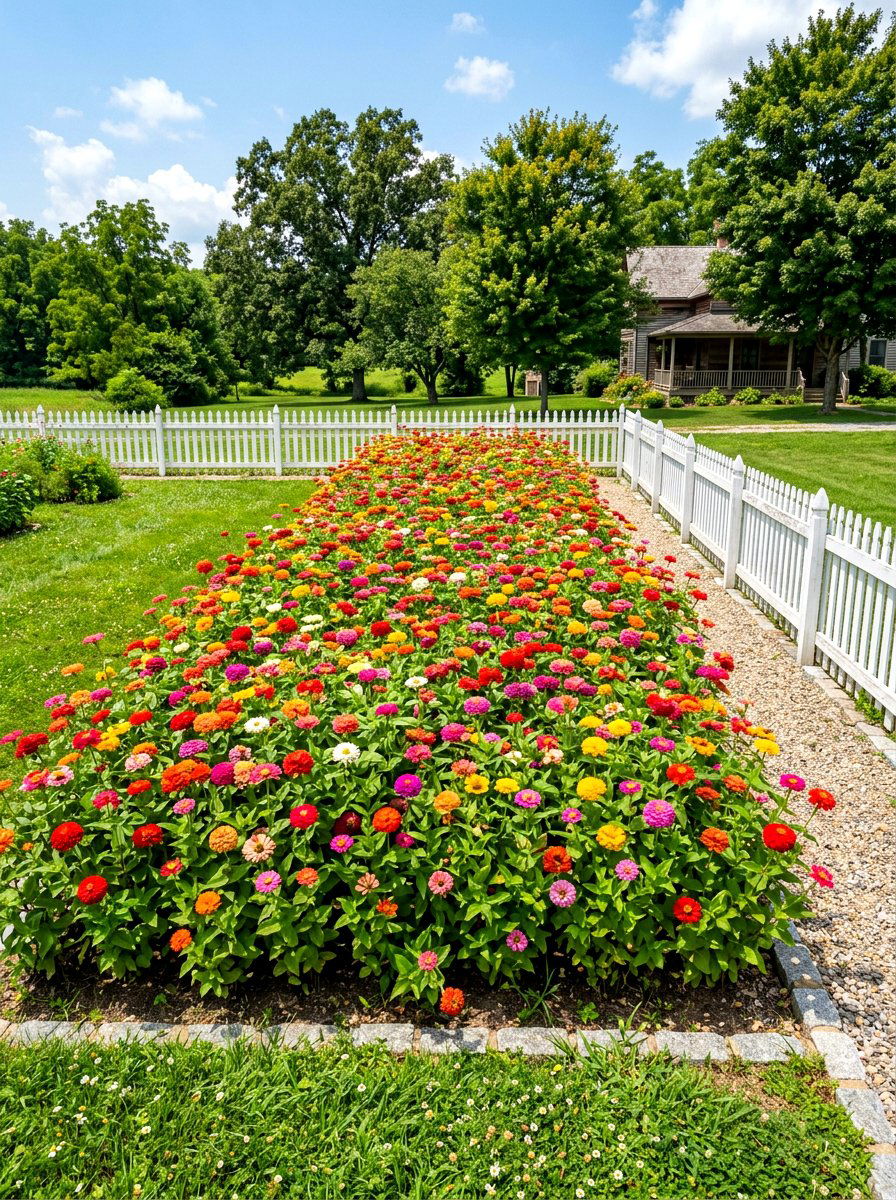
A zinnia garden is one of the easiest and most colorful ways to attract hummingbirds to a sunny backyard. These annuals are simple to grow from seed and produce a continuous supply of flat-topped flowers that provide a stable landing platform for various pollinators. While hummingbirds usually feed while hovering, they will often visit zinnias for a quick snack between trips to more traditional tubular blooms. This design works best when you plant a wide variety of colors in a large, open bed to create a rainbow effect. Zinnias are also excellent for cutting, allowing you to bring beauty inside.
16. Garden Perch
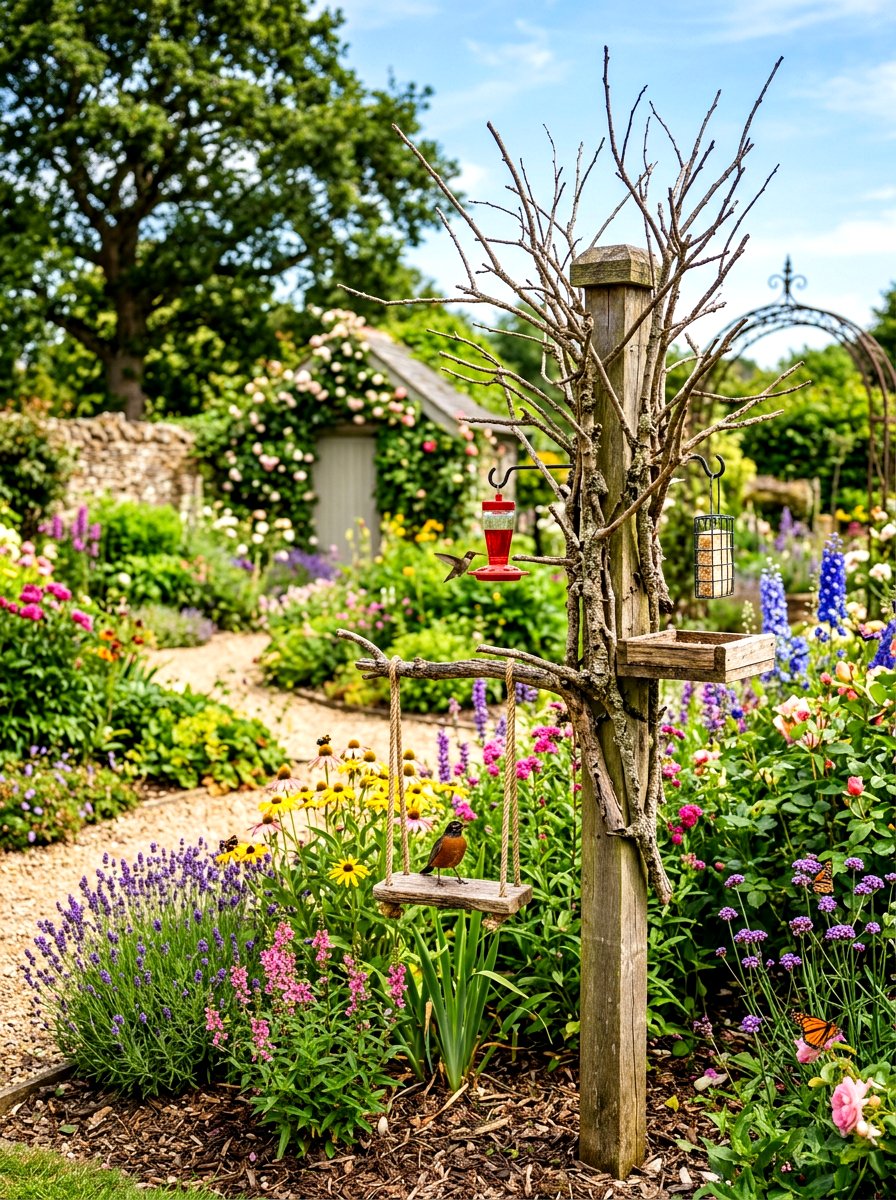
Creating a garden perch station involves strategically placing thin, bare branches or specialized hummingbird swings near your primary feeding areas. Hummingbirds spend a significant portion of their day resting and defending their territory, so providing multiple viewing spots is essential for a successful design. You can use natural twigs found in your yard or purchase decorative metal perches that blend into your landscape. Position these perches about ten feet away from feeders or nectar-rich flowers to give the birds a clear view of their surroundings. This thoughtful addition encourages the birds to stay in your garden longer, providing more viewing opportunities.
17. Evergreen Tree
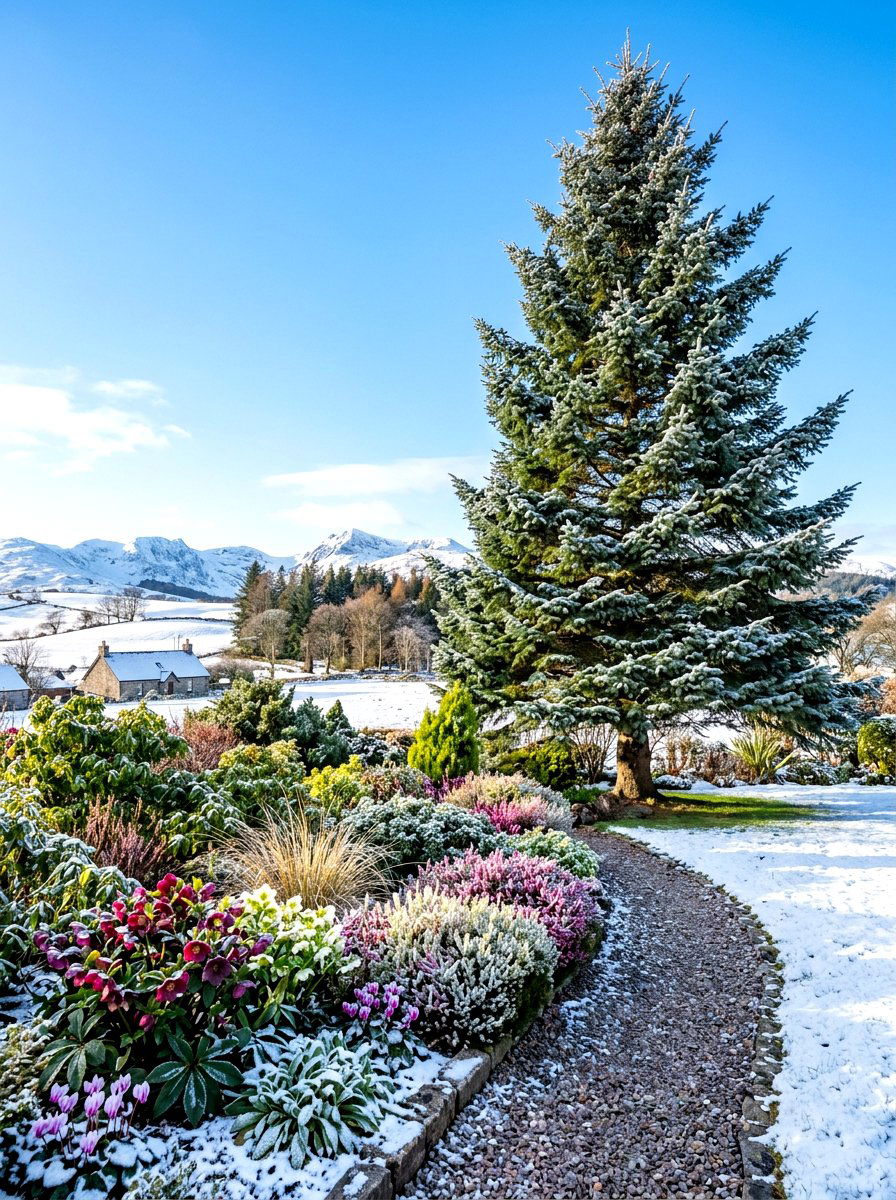
Evergreen trees provide essential year-round shelter and nesting sites for hummingbirds, especially in regions where winters are mild. This design incorporates tall, dense trees like spruce or cedar to create a windbreak that protects smaller birds from the elements and predators. The thick needles offer a secure place for females to build their tiny, camouflaged nests using spider silk and lichen. Planting these trees along the perimeter of your property creates a sense of enclosure and privacy while establishing a permanent habitat for resident birds. The dark green foliage also serves as a beautiful, neutral background for your bright summer flowers.
18. Organic Garden
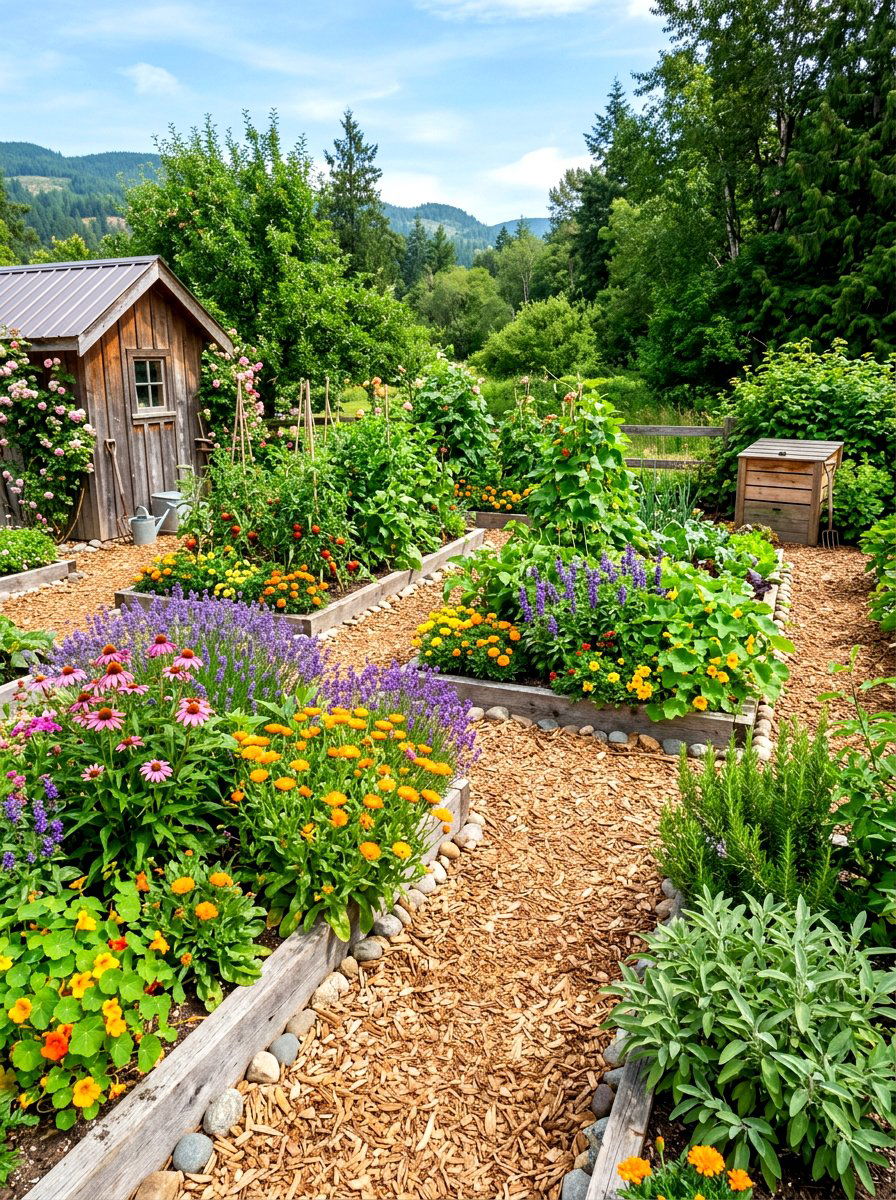
An organic garden design is crucial for the health of hummingbirds, as they are highly sensitive to chemical pesticides and fertilizers. This approach focuses on using natural compost, mulch, and companion planting to maintain a healthy ecosystem without the use of toxic substances. By allowing some "beneficial" insects to thrive, you provide the birds with a vital source of protein needed for their growth and energy. This design often includes a messy corner with some leaf litter where insects can congregate. A chemical-free environment ensures that the nectar and water you provide are safe for the birds to consume daily.
19. Lupine Flower
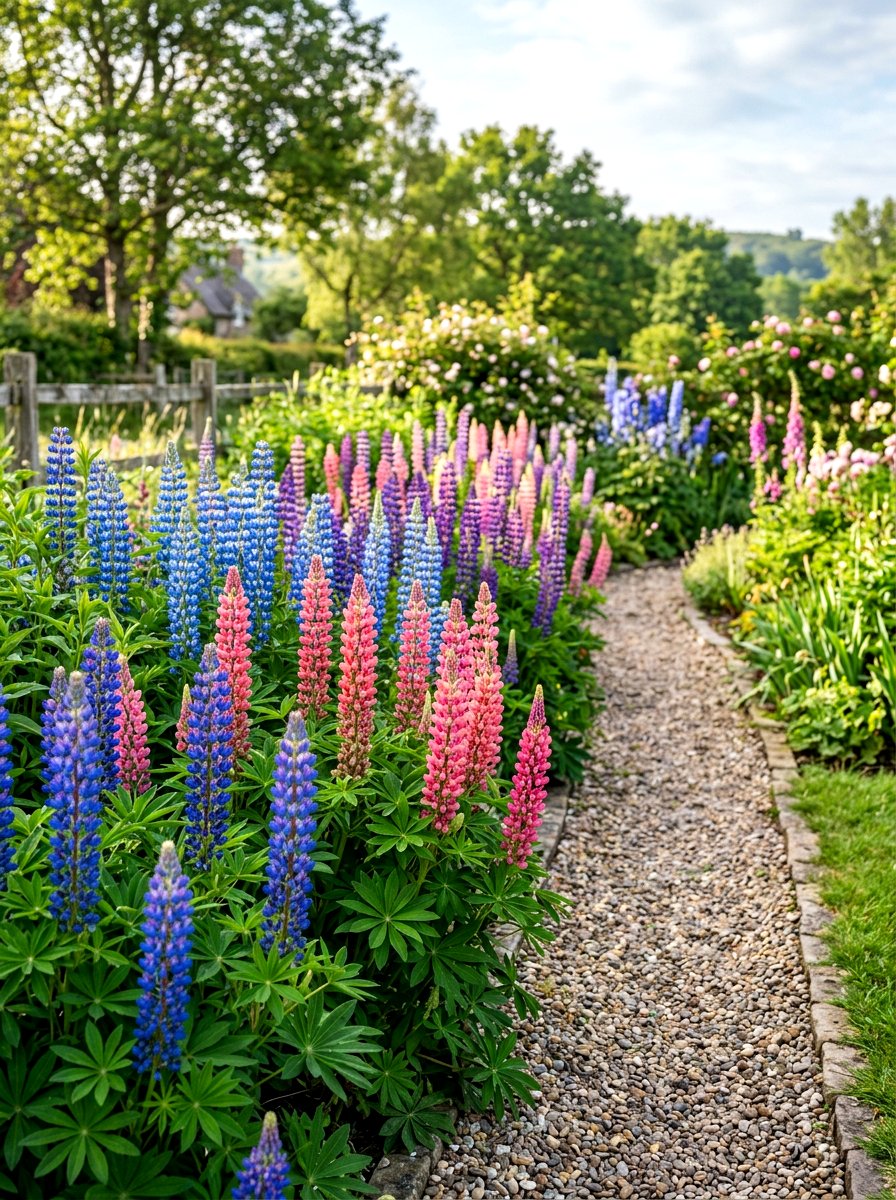
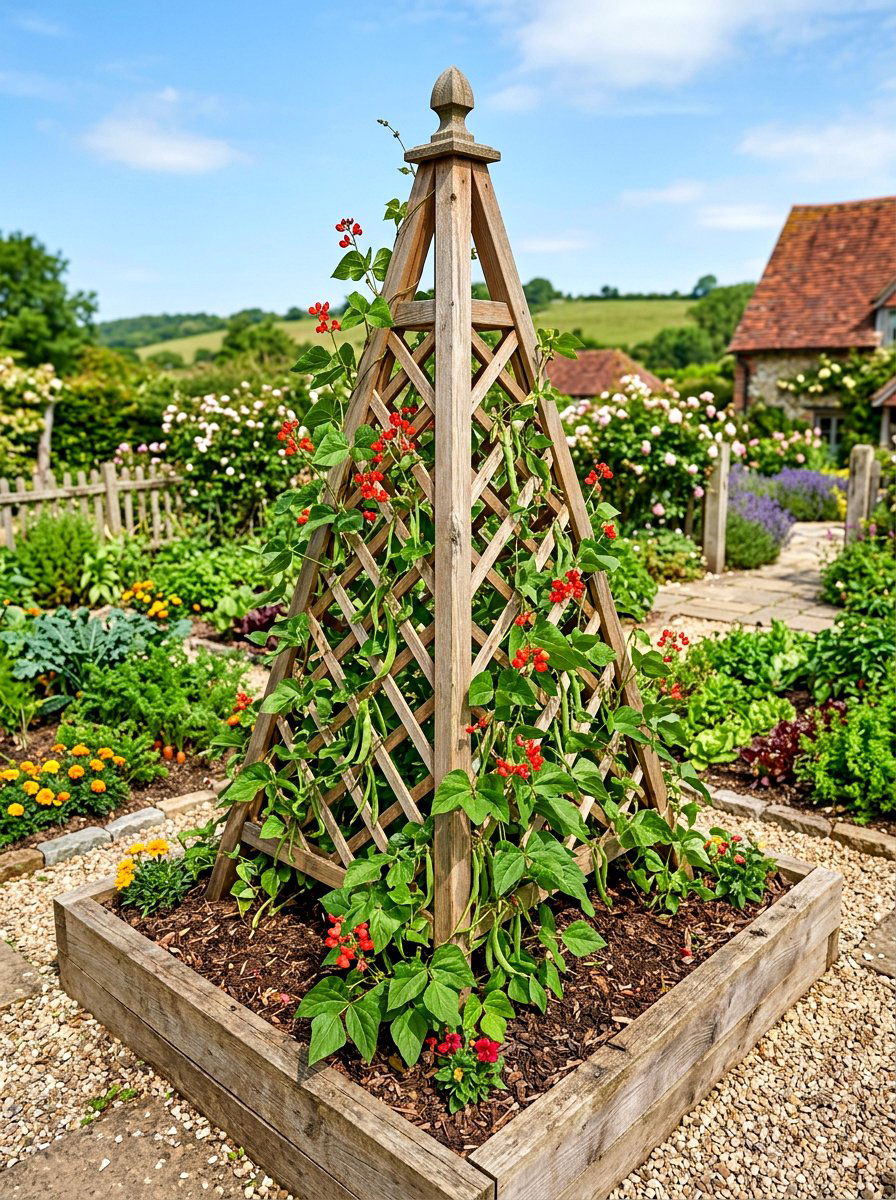
Lupine flowers are a classic choice for a cottage-style hummingbird garden, featuring tall, majestic spikes covered in pea-like blooms. This design uses the varying heights of lupines to create a sense of movement and drama in a sunny border or meadow. Available in a wide range of colors, including stunning bicolors, these perennials bloom in late spring and early summer, filling a critical gap in the nectar supply. Planting them in well-draining soil will ensure they return each year to delight both you and the birds. Their distinctive foliage also adds interesting texture to the garden even when the flowers are not blooming.
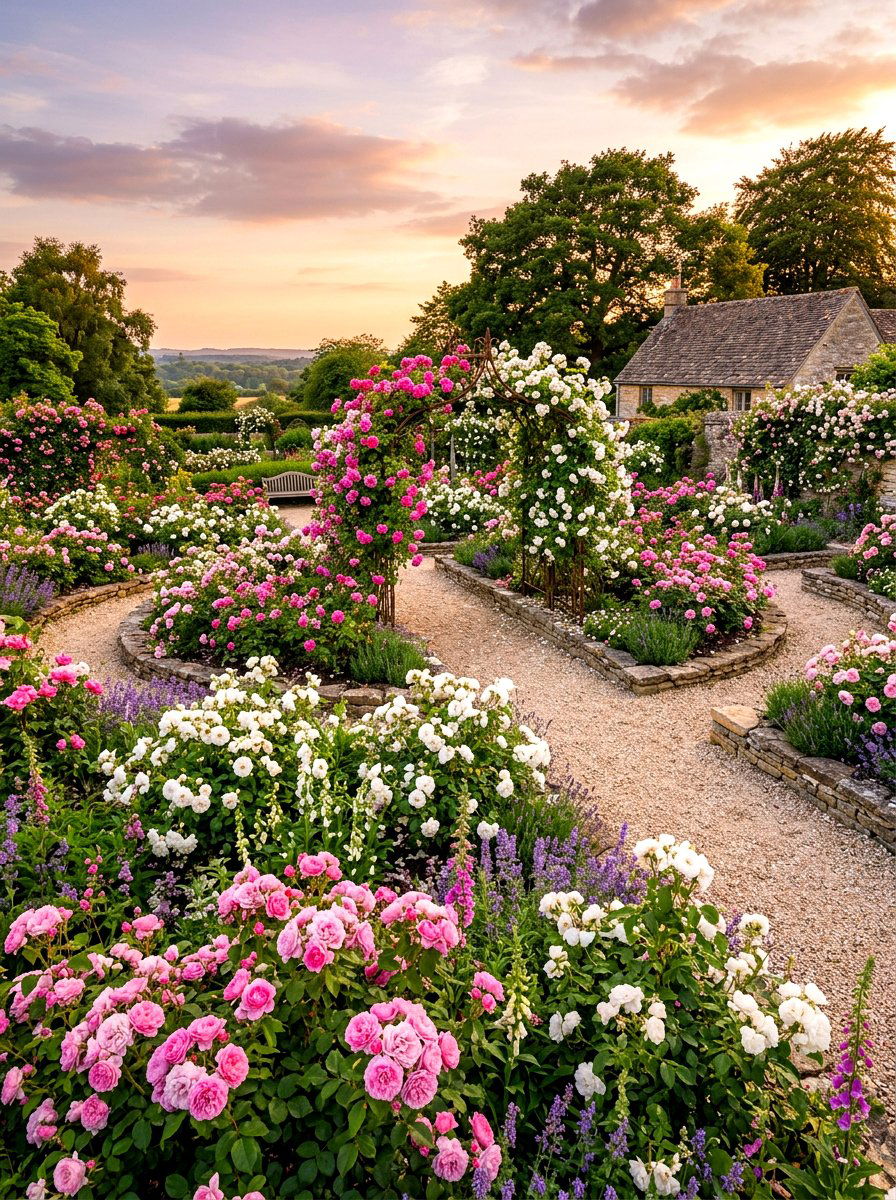
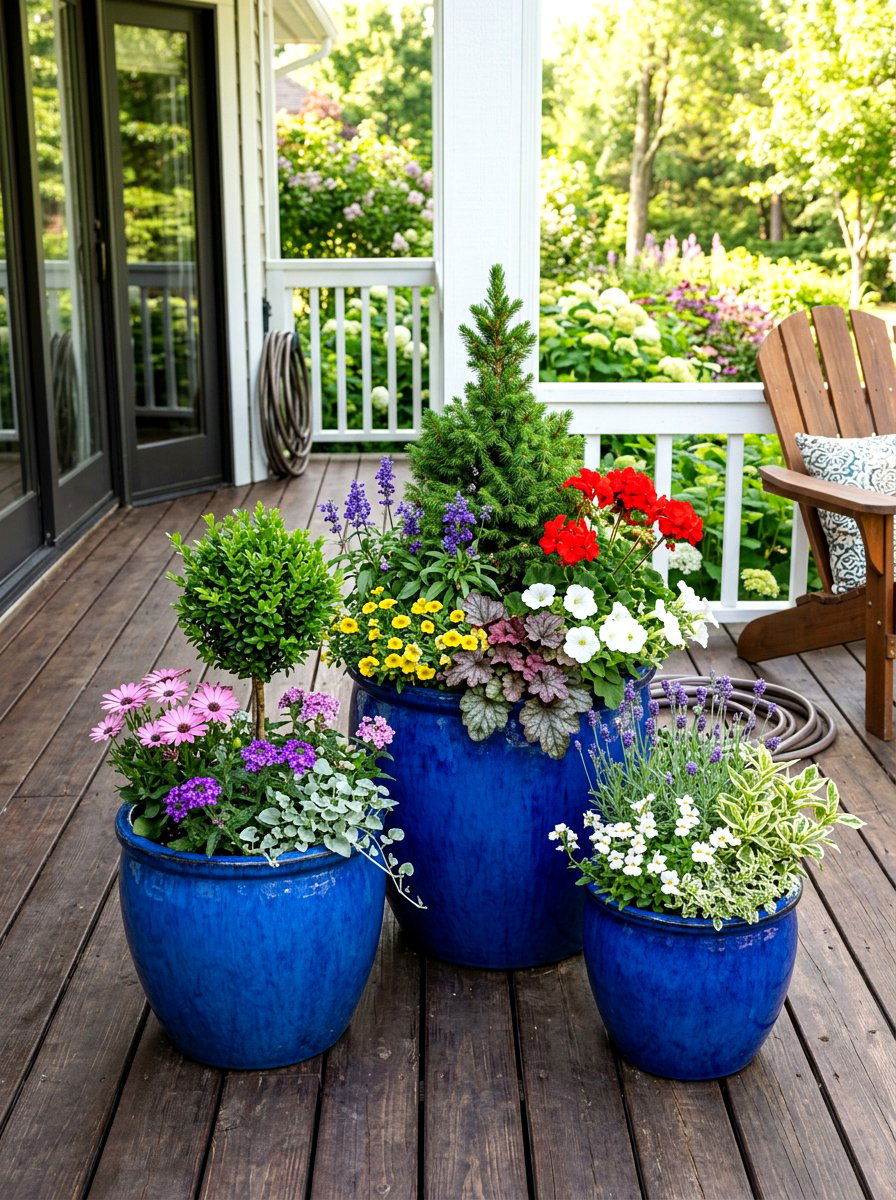
20. Columbine Garden
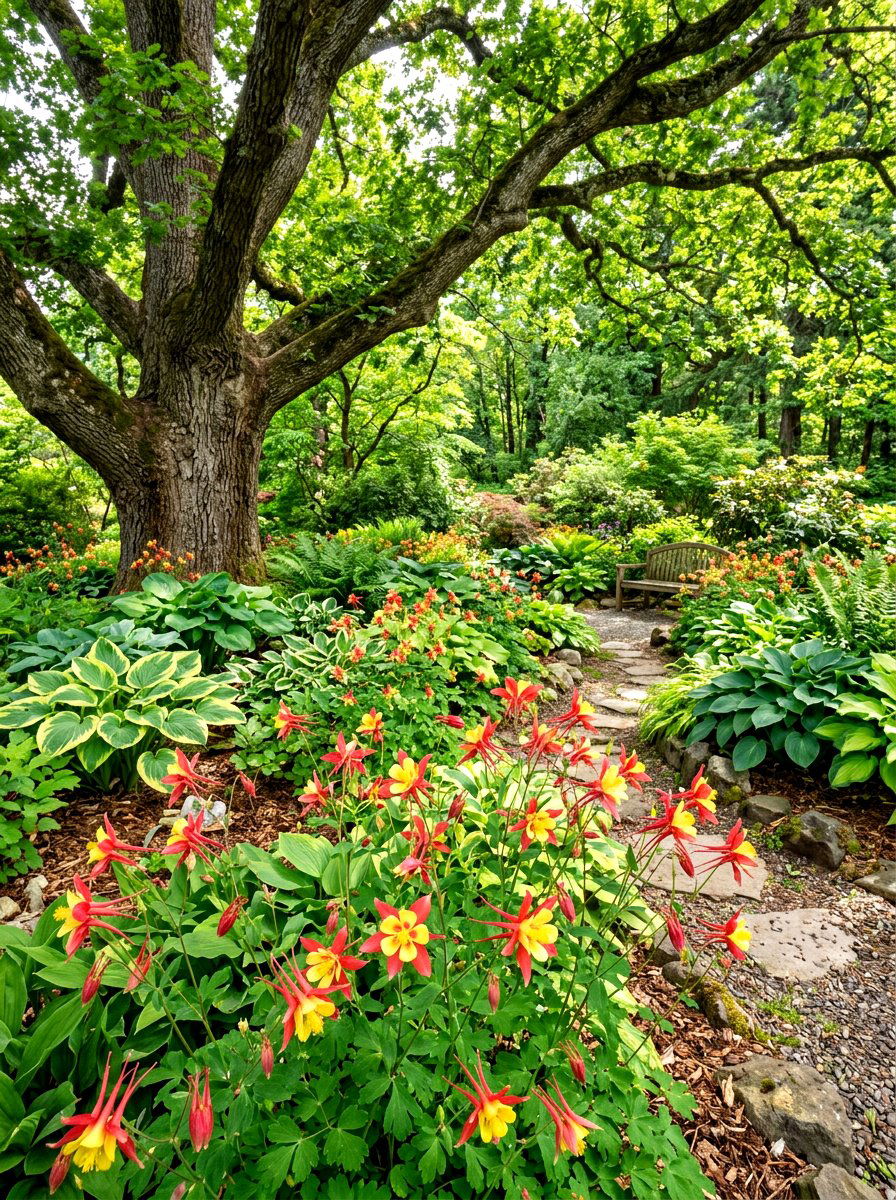
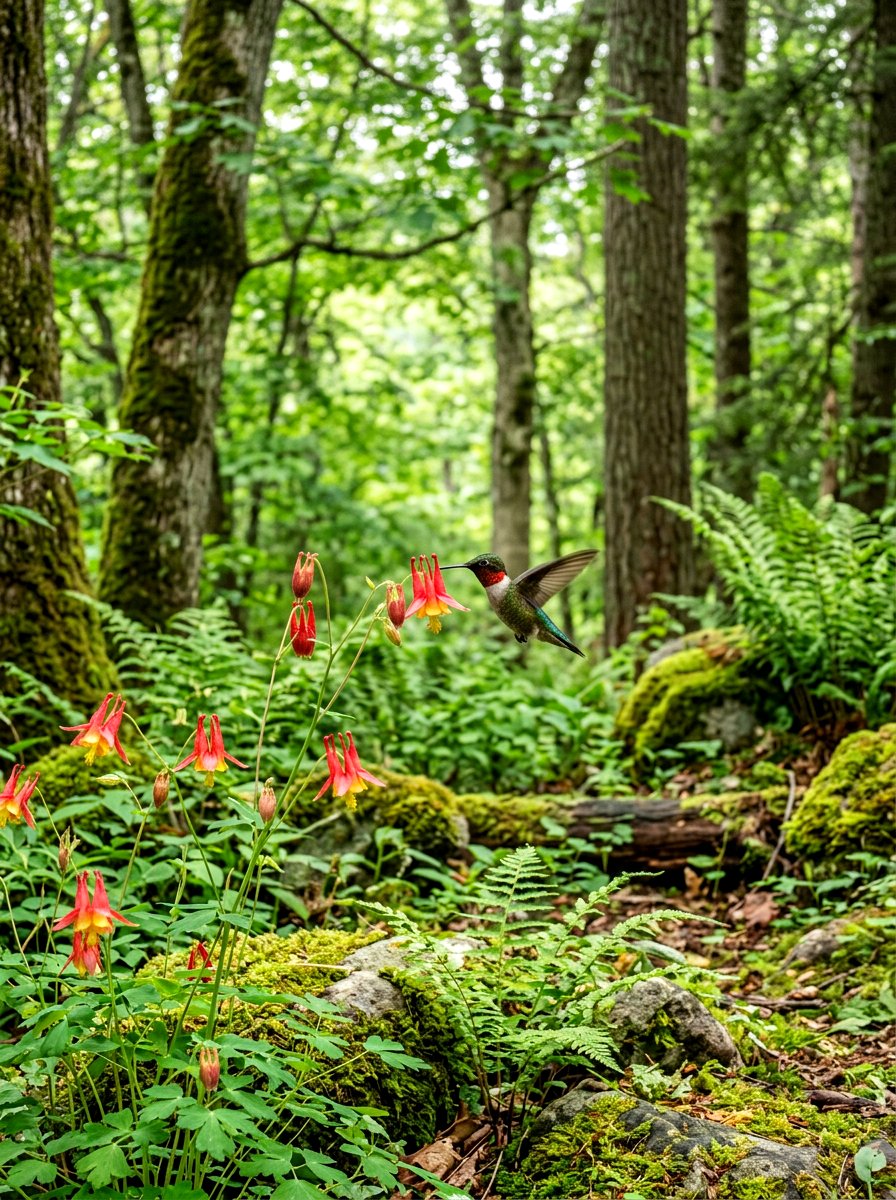
A columbine garden is perfect for adding delicate beauty to the semi-shaded areas of your landscape where other sun-loving plants might struggle. These unique flowers feature backward-projecting spurs that hold a hidden treasure of sweet nectar, specifically designed for a hummingbird's beak. This design involves interplanting columbine with ferns and hostas to create a lush, woodland-inspired retreat. Because columbines are early bloomers, they provide an essential food source for birds returning from their spring migration. Allowing these plants to self-seed will result in a natural, effortless look that expands and changes slightly with each passing year in your garden.
21. Agastache Plant
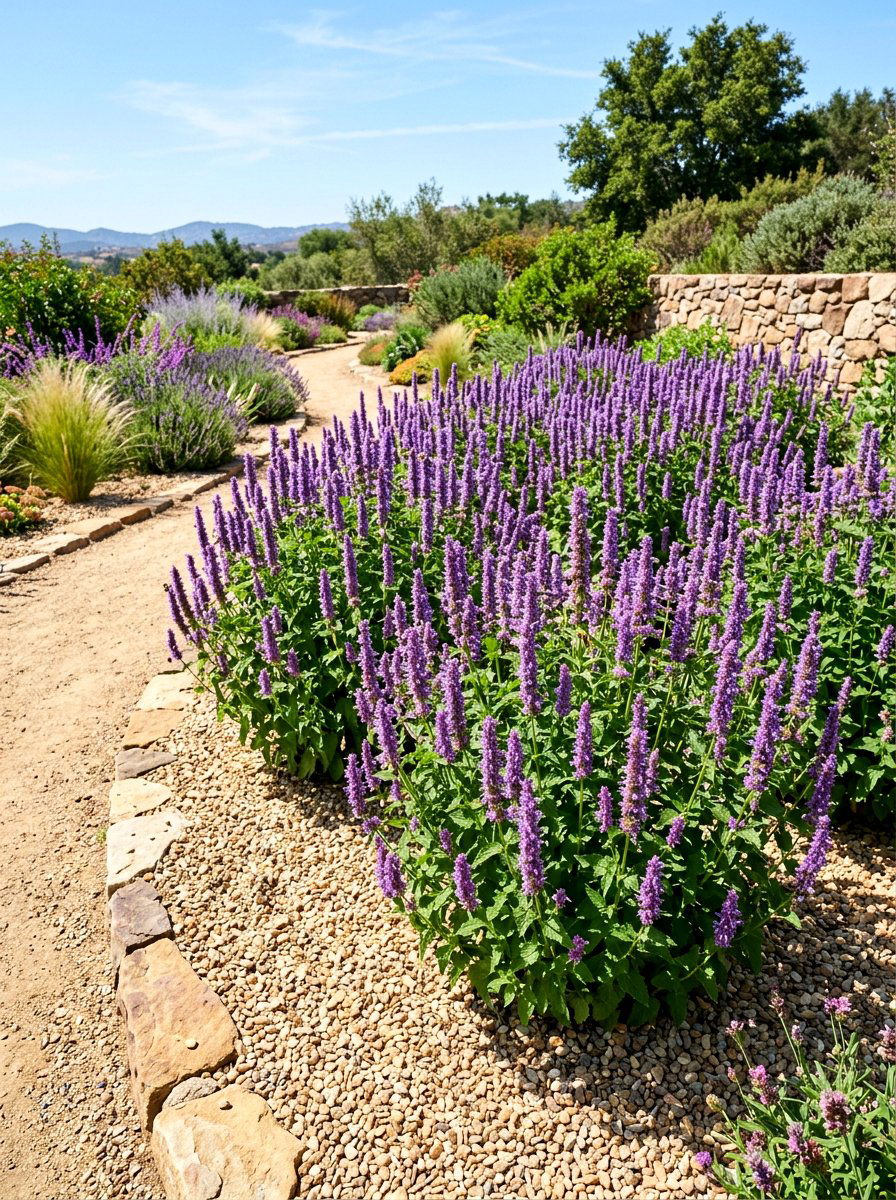
Agastache, also known as hummingbird mint, is a powerhouse perennial that produces fragrant foliage and long-lasting flower spikes. This design utilizes the plant's upright habit and minty scent to create a sensory experience for both humans and birds alike. Agastache thrives in hot, dry conditions and full sun, making it a perfect candidate for a low-water landscape or a sunny street-side garden. The tiny, tubular flowers are packed with nectar and come in shades of orange, purple, and rose. Planting agastache in large drifts creates a high-impact visual that hummingbirds can see from far away, ensuring frequent and long-lasting visits.
22. Foxglove Garden
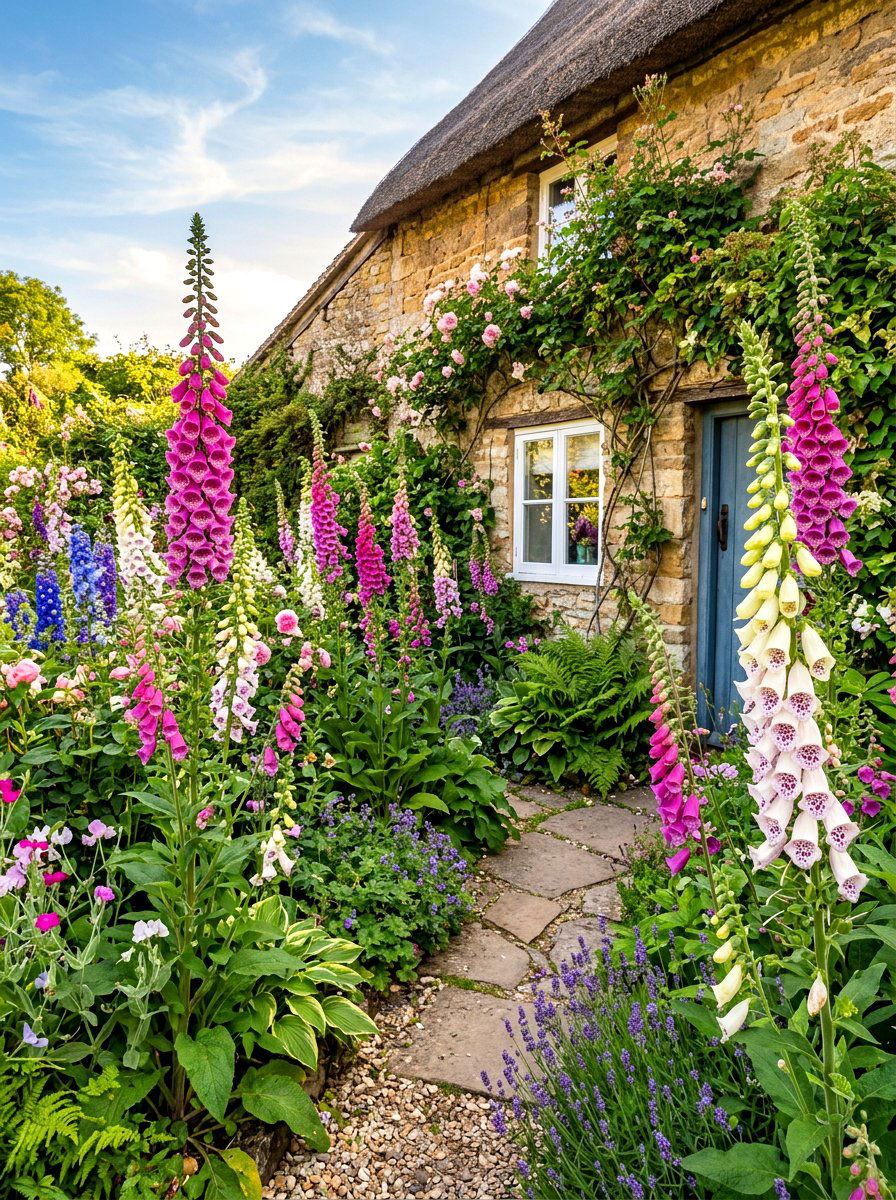
A foxglove garden brings a sense of old-world charm and vertical elegance to your backyard sanctuary for hummingbirds. These tall biennials produce stacks of bell-shaped flowers that open from the bottom up, providing a long-lasting display of color. This design is most effective when planted against a dark fence or a stone wall to highlight the intricate patterns inside each bloom. While foxgloves are stunning, it is important to remember they are toxic, so place them in areas where pets and children do not play. Their height makes them a natural focal point that draws hummingbirds into the higher levels of your garden layout.
23. Petunia Container
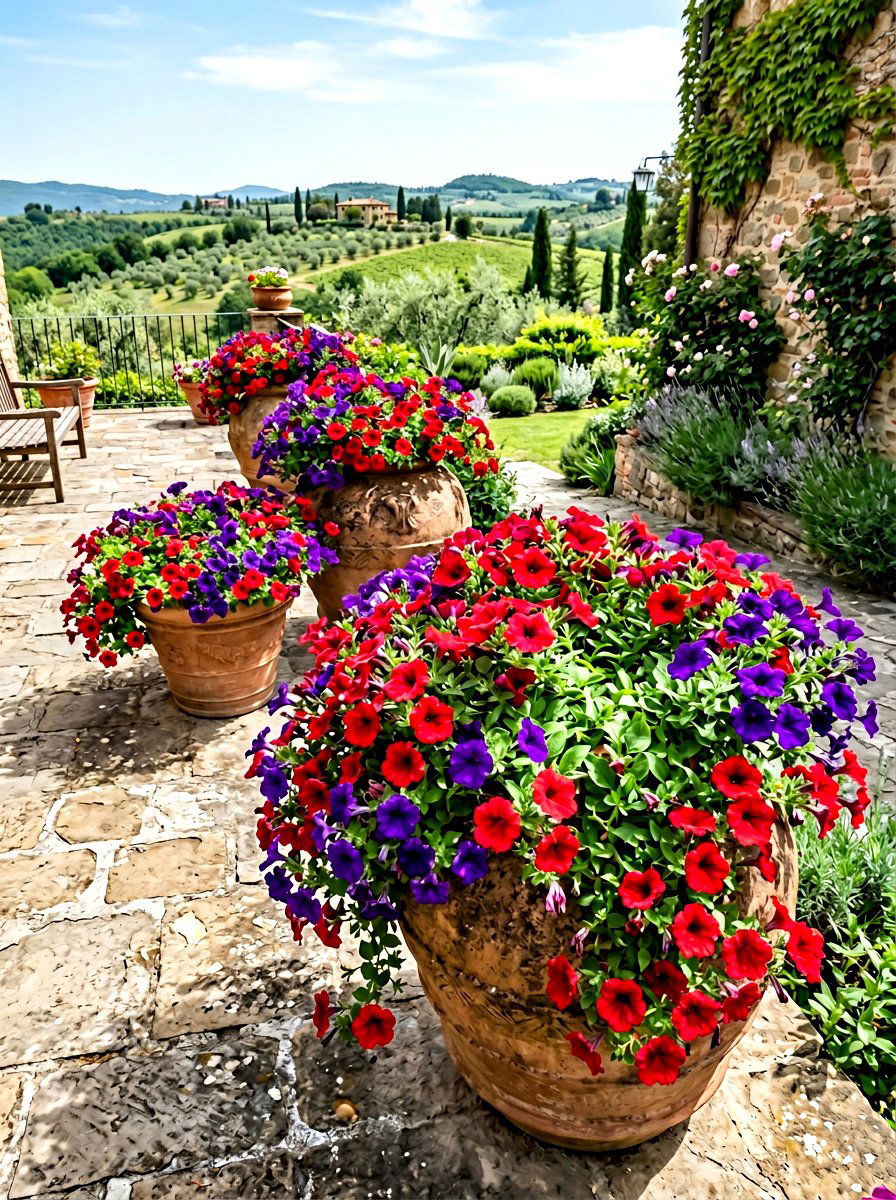
Petunia containers offer a versatile and high-impact way to add splashes of nectar-rich color to any part of your outdoor space. This design uses large, decorative pots filled with modern petunia varieties that are bred for continuous blooming and weather resistance. Bright red and deep purple petunias are particularly effective at catching the eye of a passing hummingbird. Placing these containers on pedestals or stairs creates different levels of feeding opportunities, which is helpful if you have multiple birds competing for territory. Regular deadheading and weekly fertilizing will keep the plants looking lush and vibrant from the early spring until the first frost.
24. Lantana Garden
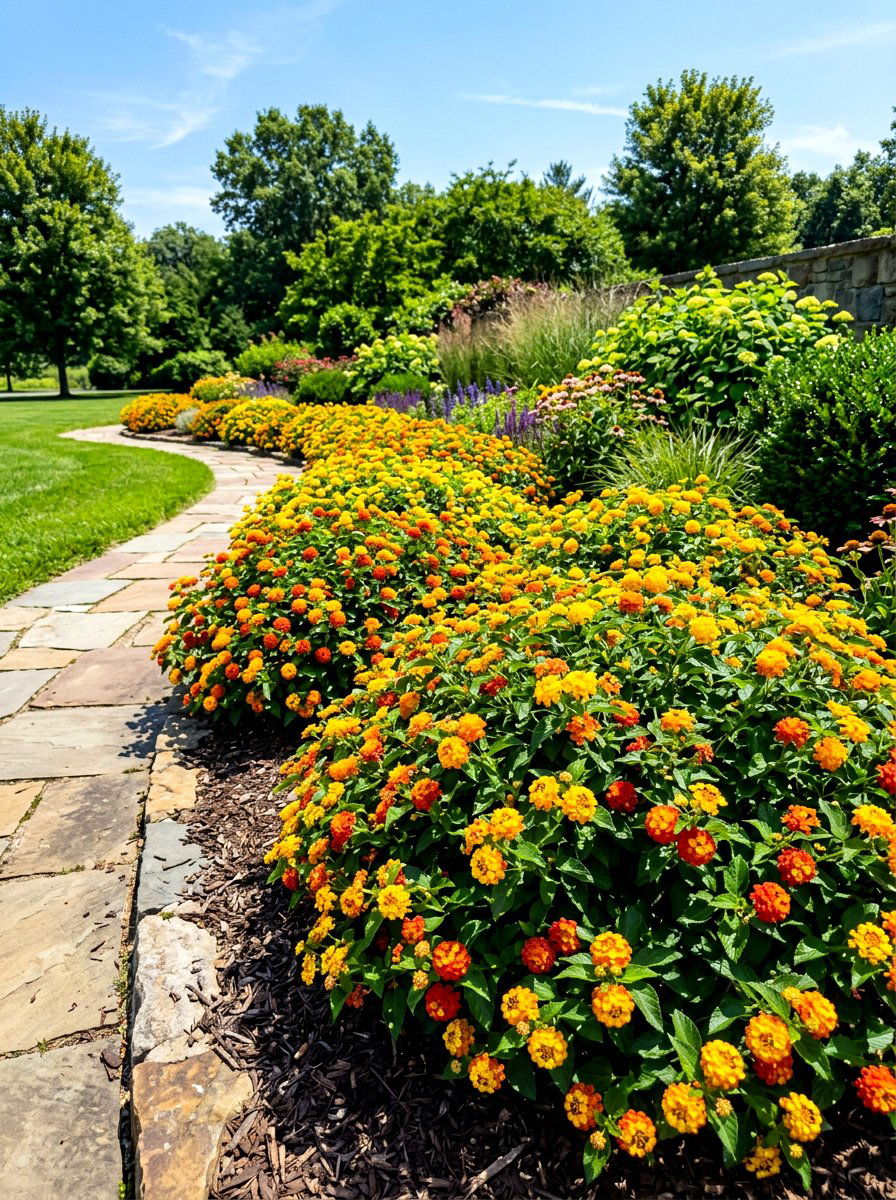
A lantana garden features clusters of tiny, multicolored flowers that bloom profusely in the heat of the summer. This design is perfect for creating a low-maintenance border or a colorful groundcover that attracts hummingbirds, butterflies, and bees. Lantana is exceptionally drought-tolerant and thrives in poor soil, making it a rugged choice for tough spots in your yard. The flowers often change color as they age, creating a beautiful mosaic effect within a single plant. Planting lantana in a sunny, open area ensures that the birds have plenty of room to hover and move between the many nectar-filled florets throughout the day.
25. Bleeding Heart
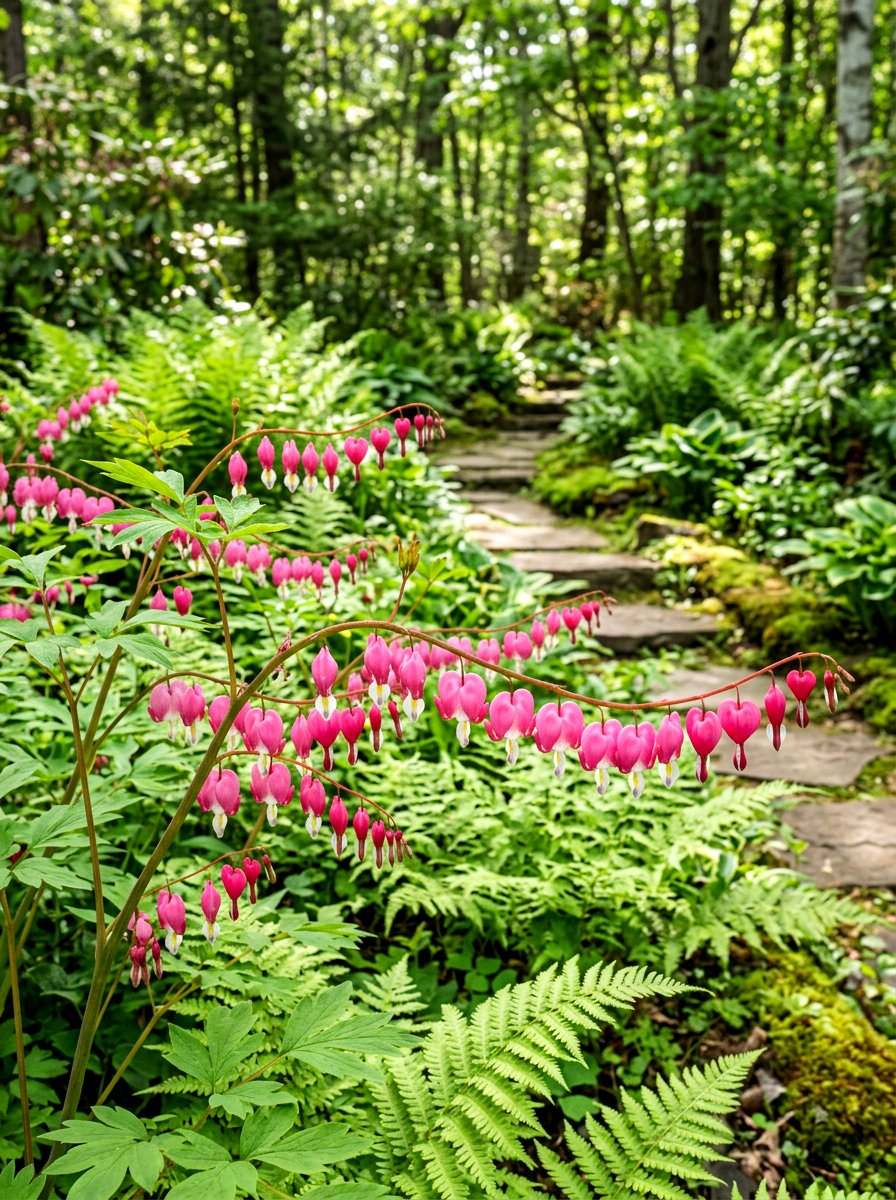
Bleeding heart plants add a touch of romance and whimsy to a shaded hummingbird garden with their iconic heart-shaped blooms. This design focuses on creating a cool, moist environment under a canopy of trees where these spring-blooming perennials can flourish. The delicate flowers hang from arching stems, allowing hummingbirds to easily access the nectar while staying protected from the afternoon sun. Pairing bleeding hearts with other shade-lovers like heuchera or astilbe creates a layered, woodland aesthetic that feels peaceful and secluded. As the plants go dormant in the summer, they leave room for later-blooming shade plants to take center stage in the garden.
26. Vertical Garden
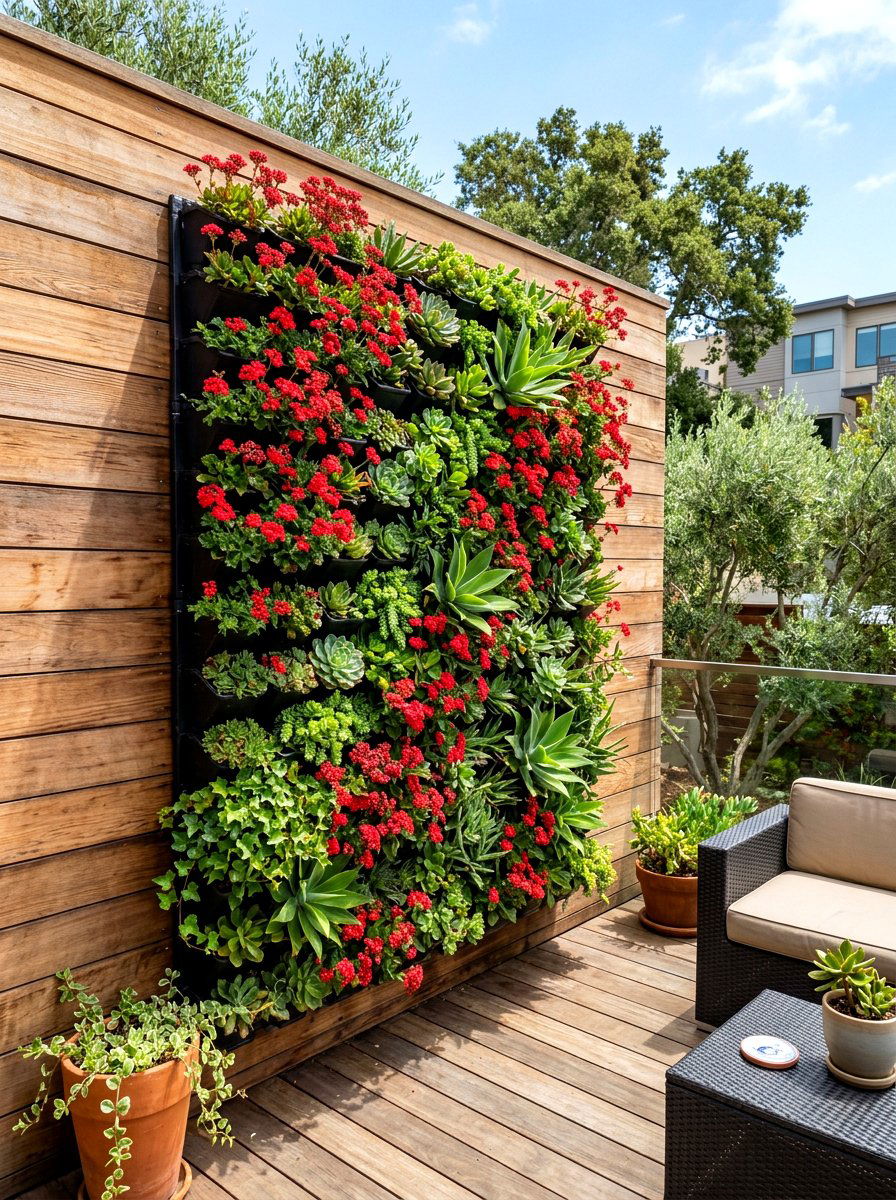
A vertical garden or green wall is a modern and space-saving way to provide a nectar buffet in urban environments. This design uses specialized wall planters or recycled pallets to grow a variety of small, flowering plants in a vertical arrangement. You can mix annuals like nasturtiums with perennials like coral bells to create a lush tapestry of color and texture. This setup is particularly effective on balconies or small patios where ground space is limited. The vertical orientation makes the flowers highly visible to birds flying overhead, turning a bare wall into a living, breathing ecosystem that supports local hummingbird populations.
27. Hosta Garden
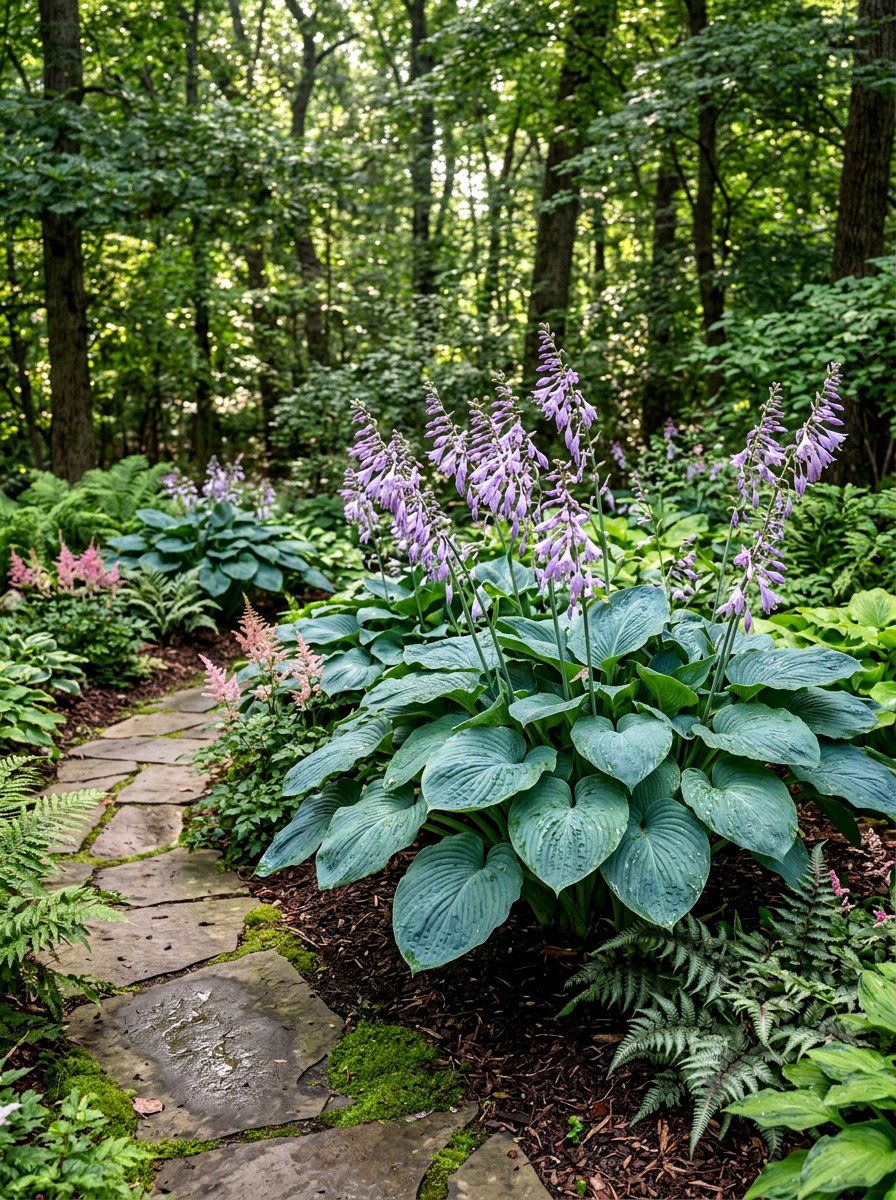
A hosta garden may seem like an unusual choice for hummingbirds, but many varieties produce tall stalks of tubular white or lavender flowers in mid-summer. This design utilizes the large, architectural leaves of hostas to create a lush, green foundation for a shade garden. When the flower stalks appear, they provide an unexpected nectar source that hummingbirds will readily visit, especially in quieter, shaded parts of the yard. This approach is perfect for creating a low-maintenance landscape that remains beautiful even when the flowers are not in bloom. Choosing varieties with fragrant flowers adds another layer of appeal to your quiet garden retreat.
28. Hummingbird Swing
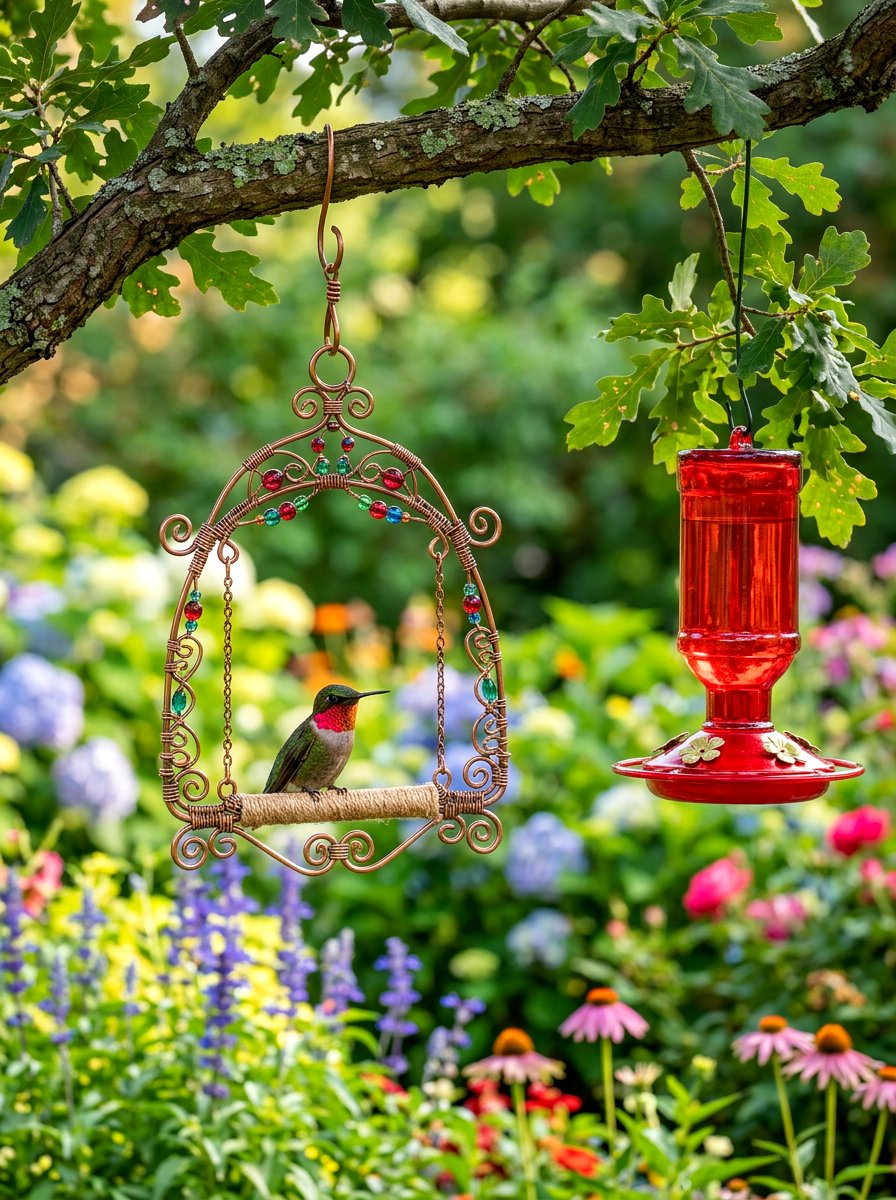
Integrating a hummingbird swing into your garden design provides a playful and functional spot for birds to rest and survey their territory. These small, arched perches are often made of wire and wood, designed to be hung near a primary feeder or a favorite flower patch. The swing should be placed in an open area with a clear view of the surrounding garden so the birds feel safe from predators. This design element encourages hummingbirds to stay in one place for longer periods, allowing you to capture better photographs and enjoy their presence. It is a simple yet effective way to personalize your space.
29. Morning Glory
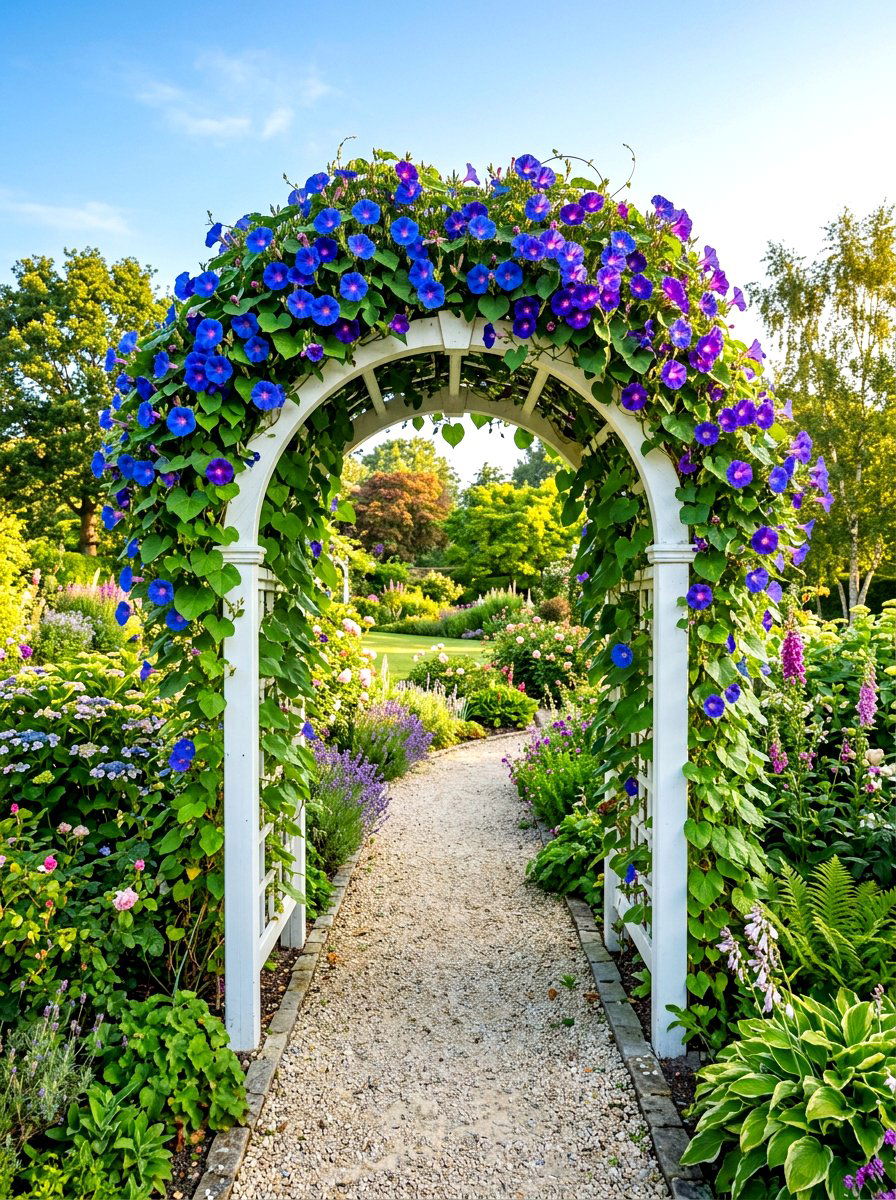
A morning glory arbor creates a stunning, fast-growing entrance to your garden that provides fresh nectar every single morning. These vigorous vines produce large, trumpet-shaped flowers in shades of blue, purple, and pink that open with the rising sun. This design involves training the vines up a sturdy archway or over a garden gate to create a vertical wall of color. Because the flowers fade by the afternoon, they are a perfect primary food source for early-rising hummingbirds. Planting them in a sunny spot with plenty of room to climb will result in a lush, romantic feature that adds charm and beauty.
30. Clematis Vine
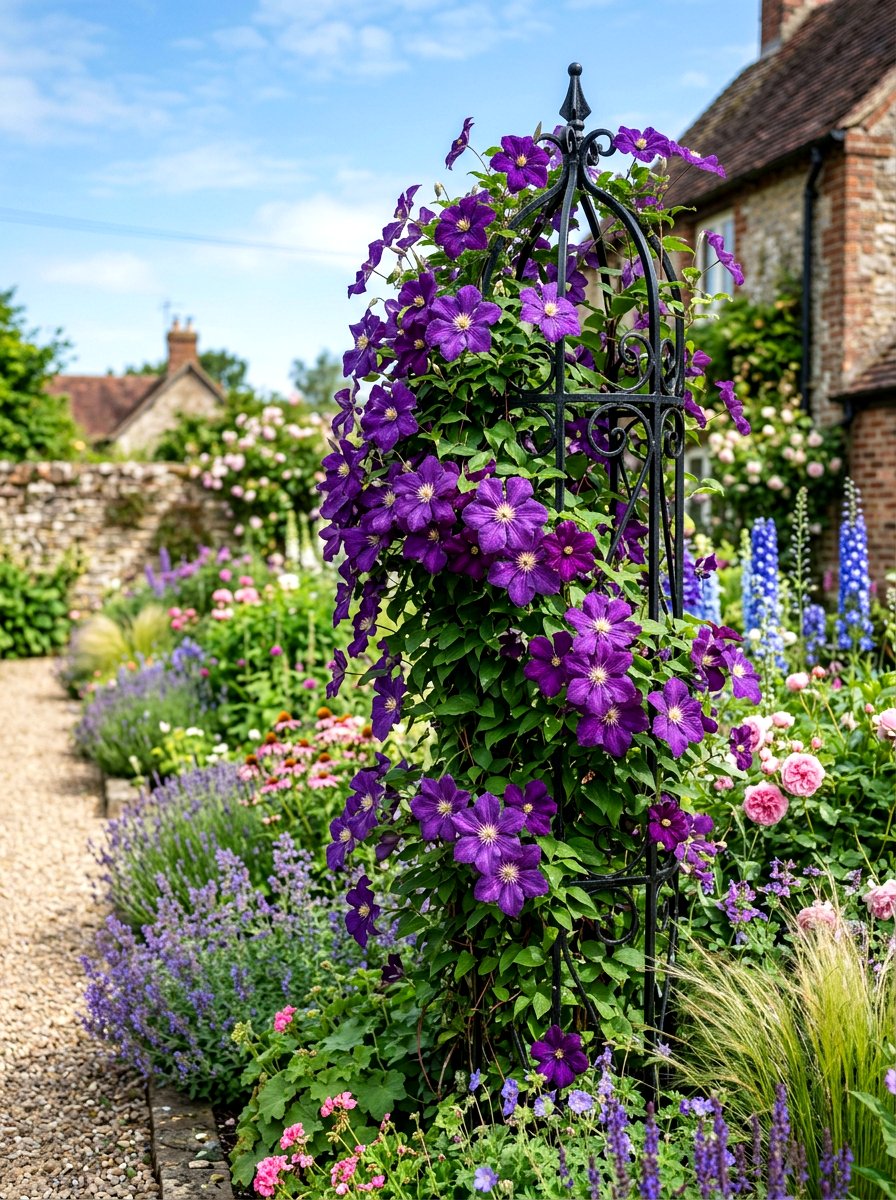
Clematis vines offer a sophisticated and elegant way to add vertical interest and nectar to your hummingbird-friendly landscape design. While not all clematis varieties are high in nectar, many of the smaller-flowered species are surprisingly attractive to these birds. This design involves growing the vine up a decorative obelisk or trellis located in a mixed perennial border. Clematis prefers to have its "feet in the shade and head in the sun, " so planting low-growing perennials around the base of the vine is essential. The large, showy blooms provide a dramatic backdrop for the smaller, more delicate flowers in your garden, creating a balanced look.
Conclusion:
Designing a garden for hummingbirds is a fulfilling journey that connects you with the natural world in a unique and intimate way. By incorporating a diverse range of flowering plants, vertical structures, and reliable water sources, you create a complete habitat that supports these birds throughout their lifecycle. Each design idea, from a simple hanging basket to a complex tiered garden bed, contributes to a larger ecosystem that benefits both the birds and your local environment. As you watch these shimmering creatures visit your yard, you will find that the time and effort spent planning your sanctuary are rewarded with endless beauty and joy.

Related posts: