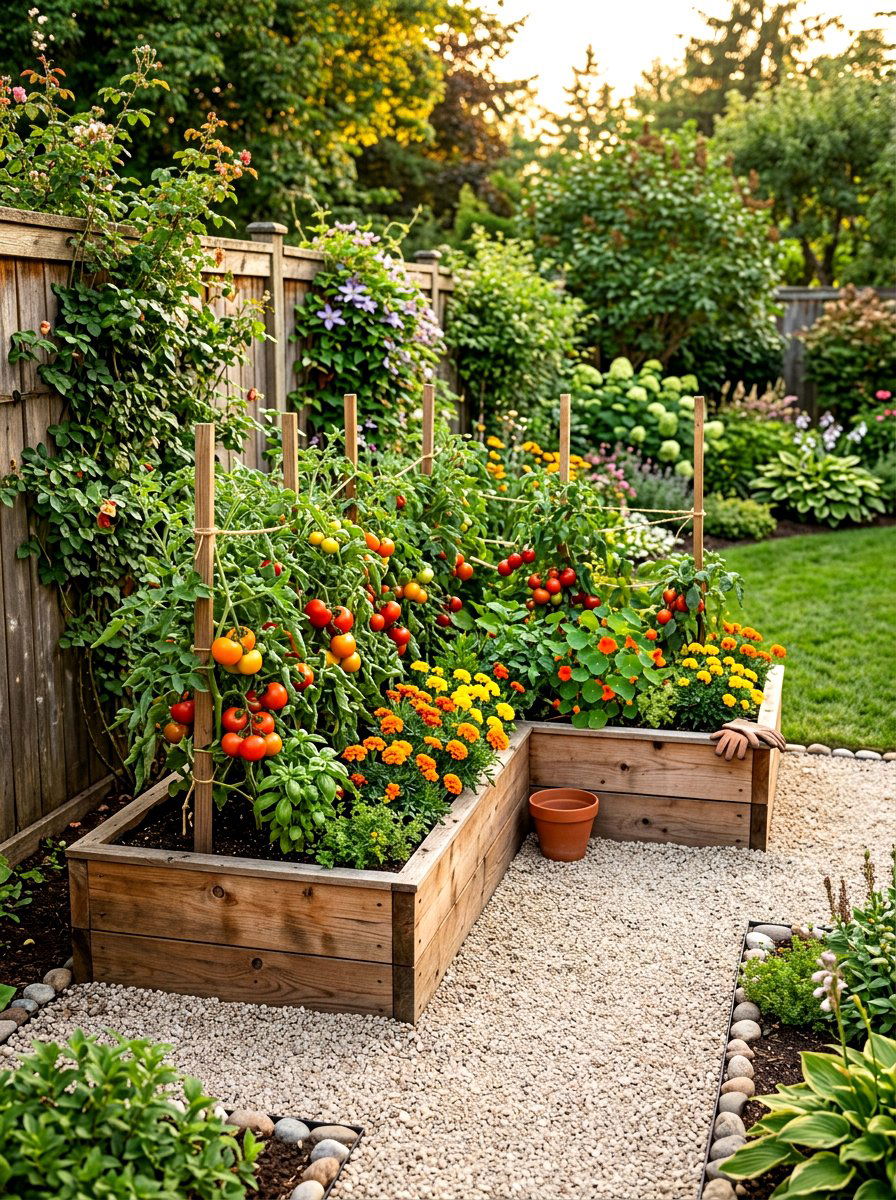
Transforming your outdoor space begins with a thoughtfully planned flower bed that brings color and life to your home. Whether you are dealing with a vast backyard or a small urban patio, the right layout makes a significant difference in how you experience your garden. Planning a flower bed involves more than just picking pretty colors; it requires a balance of height, texture, and blooming seasons to ensure year-round beauty. This guide explores thirty distinct ways to organize your plants for maximum visual impact and plant health. From structured formal rows to whimsical cottage-style arrangements, these layouts offer a helpful roadmap for any gardener looking to improve their curb appeal or create a personal sanctuary.
1. Front yard foundation planting
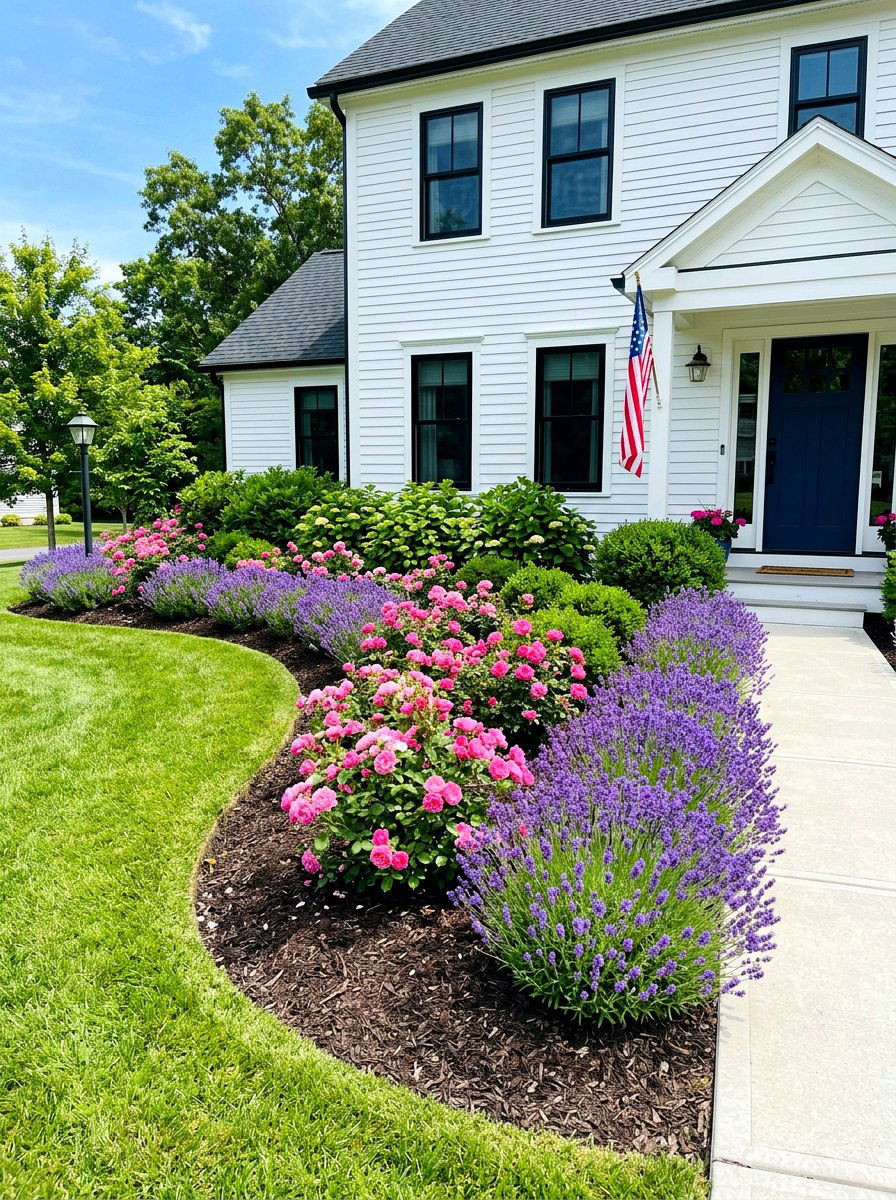
A front yard foundation planting serves as a critical bridge between your home’s architecture and the surrounding lawn. This layout typically follows the perimeter of the house to soften hard corners and hide exposed foundation blocks with lush greenery. You should place taller shrubs in the back row against the siding and shorter perennials or annuals in the front for a layered effect. Using evergreen plants ensures that the house remains attractive even during the cold winter months when other flowers go dormant. Layering different textures and foliage colors adds immediate depth, making the entry of your home appear more balanced and welcoming to guests. It is a classic way to boost property value quickly.
2. Raised vegetable and flower bed
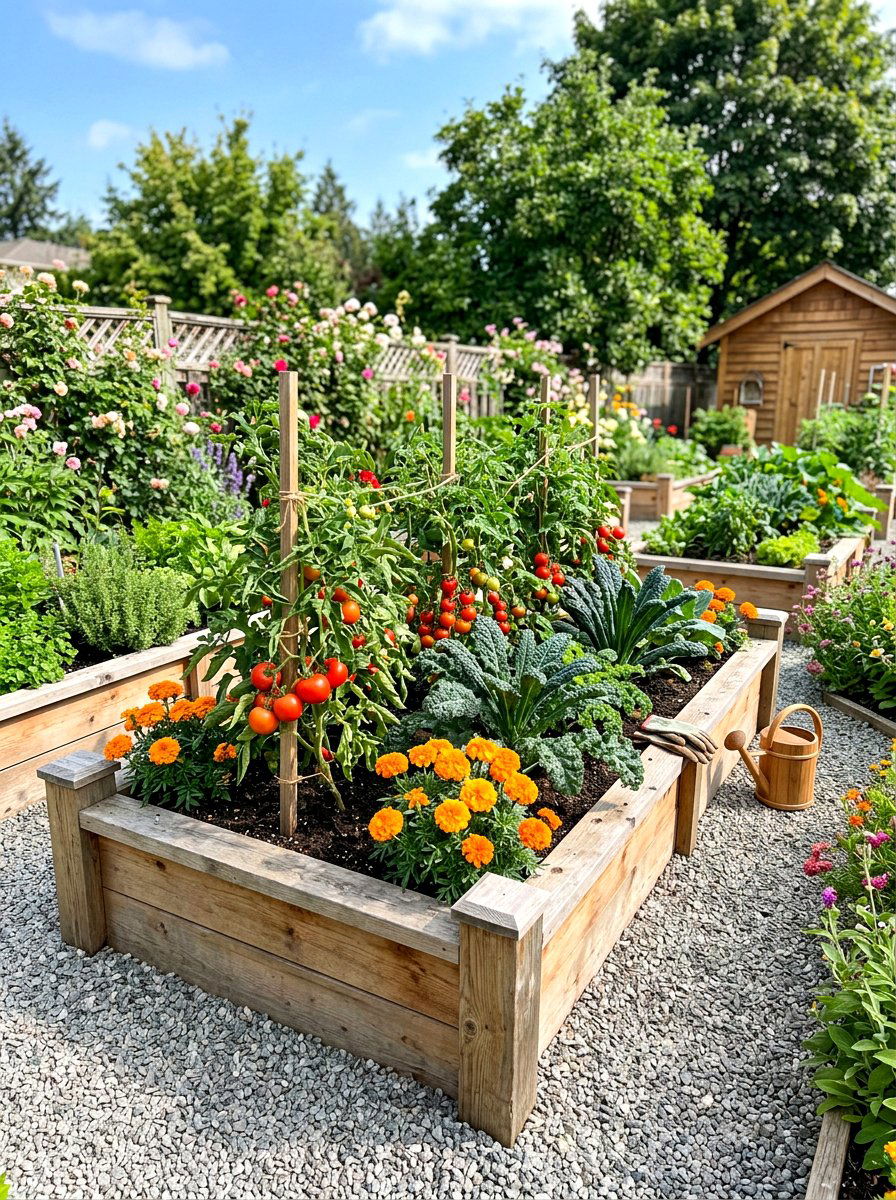
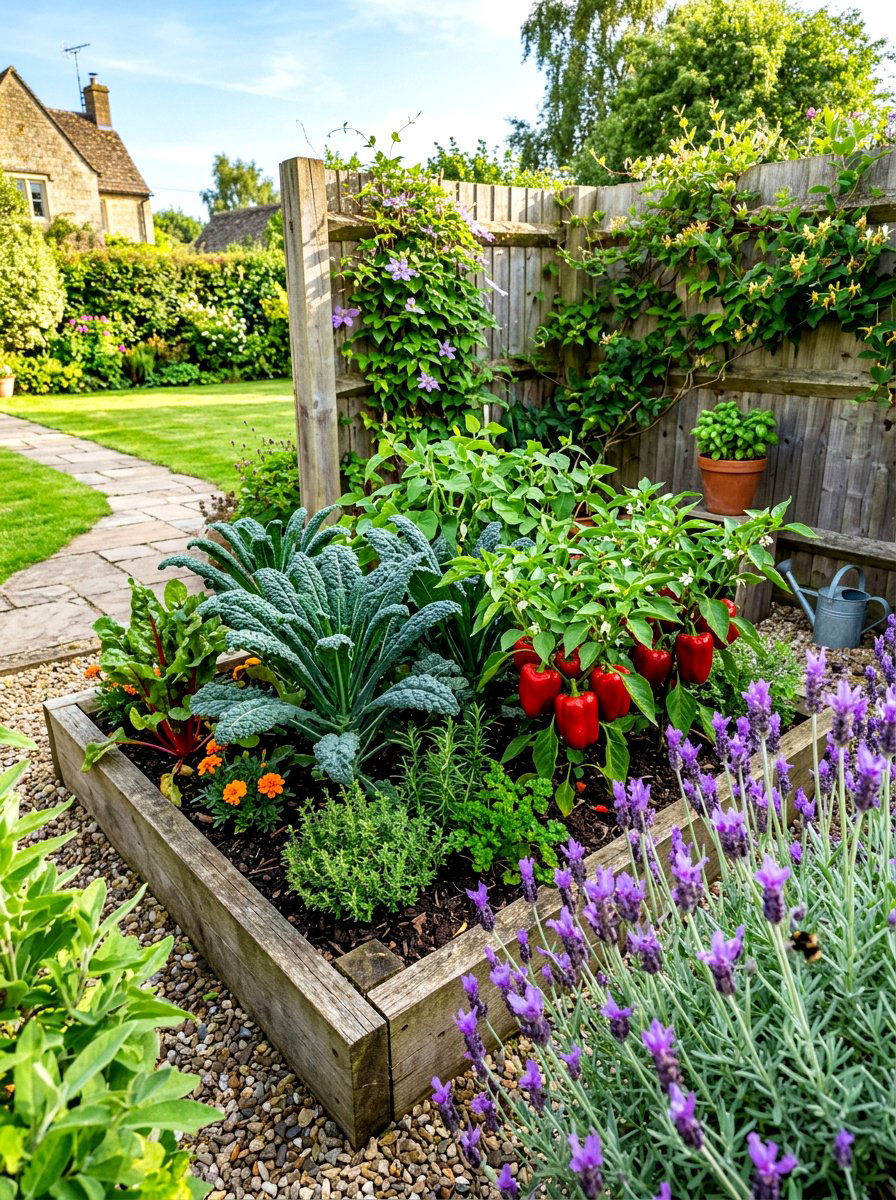
Creating a raised vegetable and flower bed is a practical way to manage soil quality while adding structure to your yard. These elevated boxes prevent soil compaction and provide excellent drainage, which is essential for healthy root growth. You can mix colorful annuals like marigolds with your vegetables to deter pests and attract helpful pollinators to the garden. Using materials like cedar, brick, or stone for the frame adds a decorative element that matches your home’s exterior style. The defined edges keep the garden looking neat and prevent grass from creeping into your planting area. This layout is especially helpful for those who want to avoid heavy bending while gardening throughout the season.
3. Curved garden walkway border
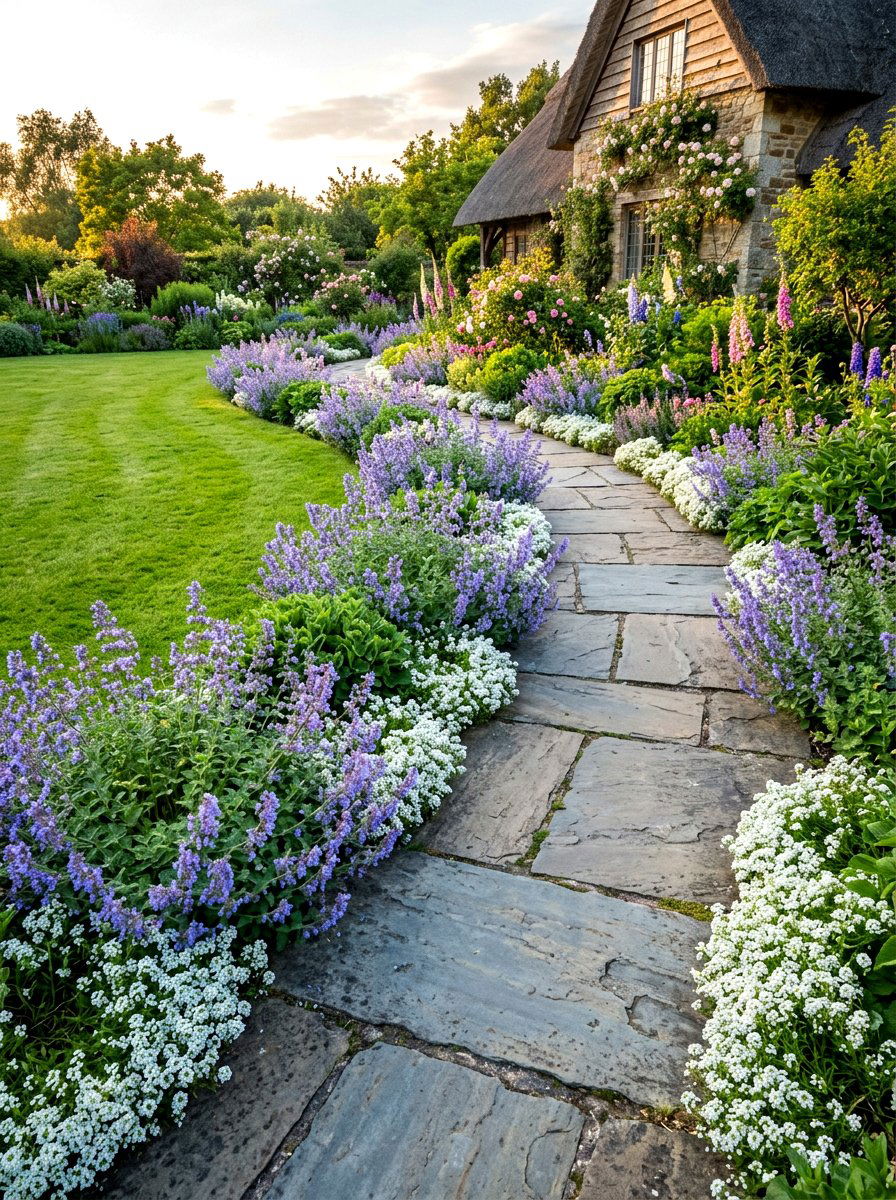
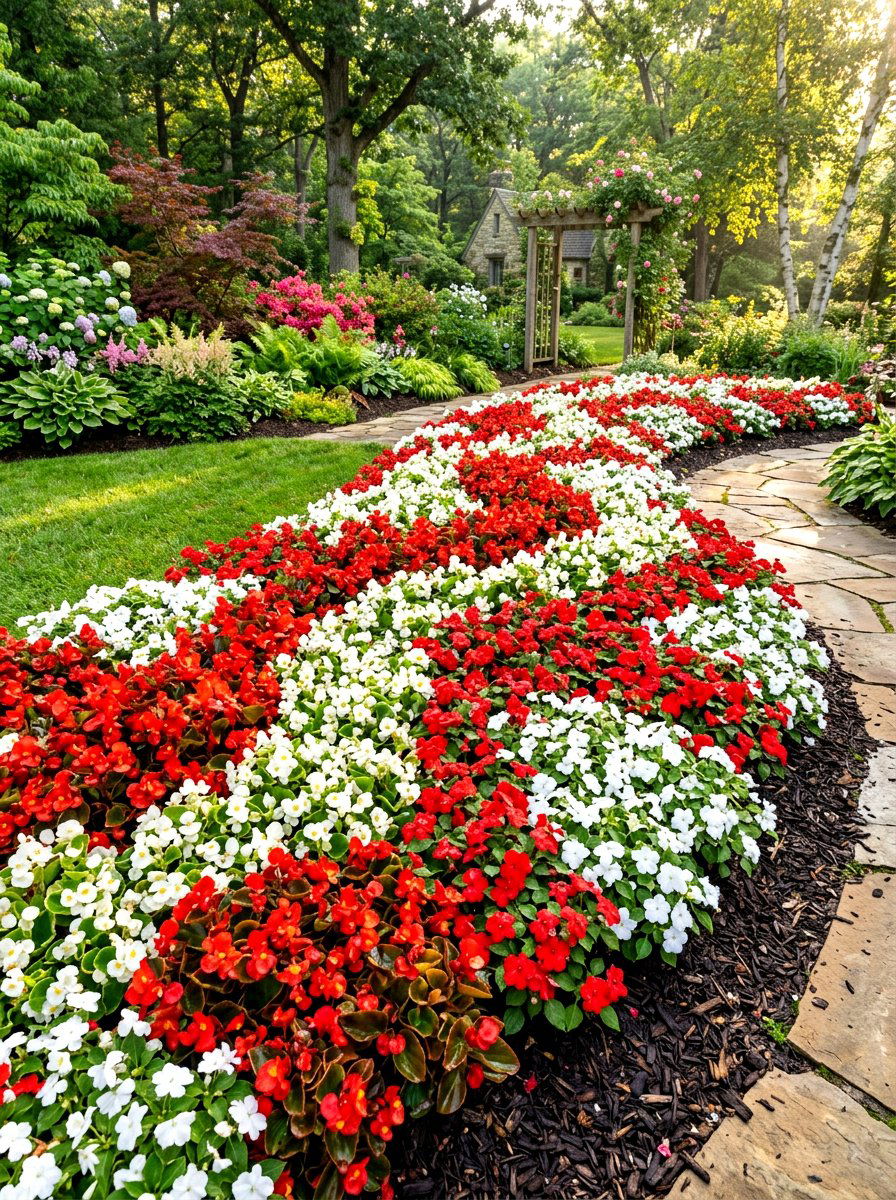
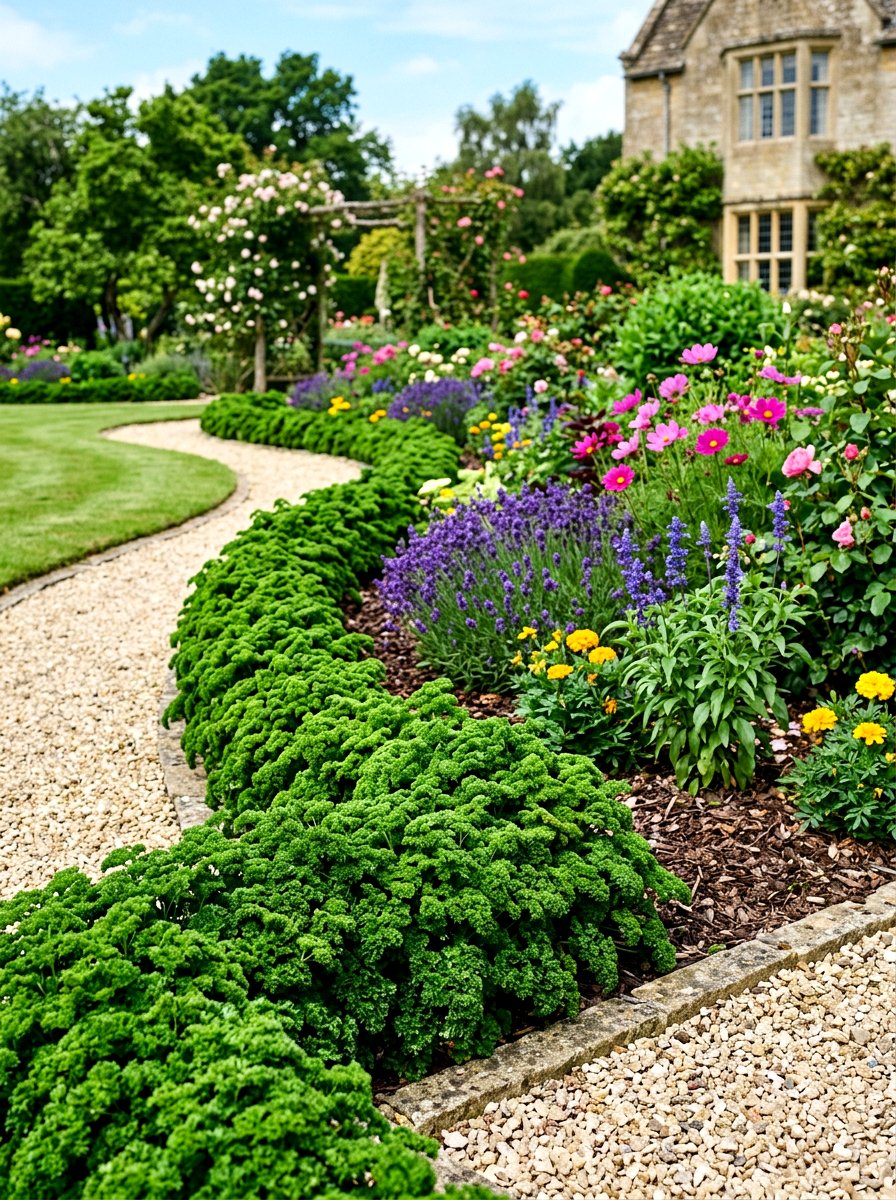
A curved garden walkway border adds a sense of flow and movement to your landscape, guiding visitors toward your front door or backyard. Unlike straight lines, a gentle curve feels more organic and mimics the natural shapes found in nature. You can plant low-growing groundcovers near the edge of the path to prevent them from overgrowing the walking space. Behind the groundcovers, adding mid-sized flowers like salvia or lavender provides a lovely fragrance as people walk by. This layout works best when you repeat certain colors or plant varieties along the curve to create a sense of rhythm. It turns a simple path into a beautiful and immersive sensory experience.
4. Backyard island flower bed
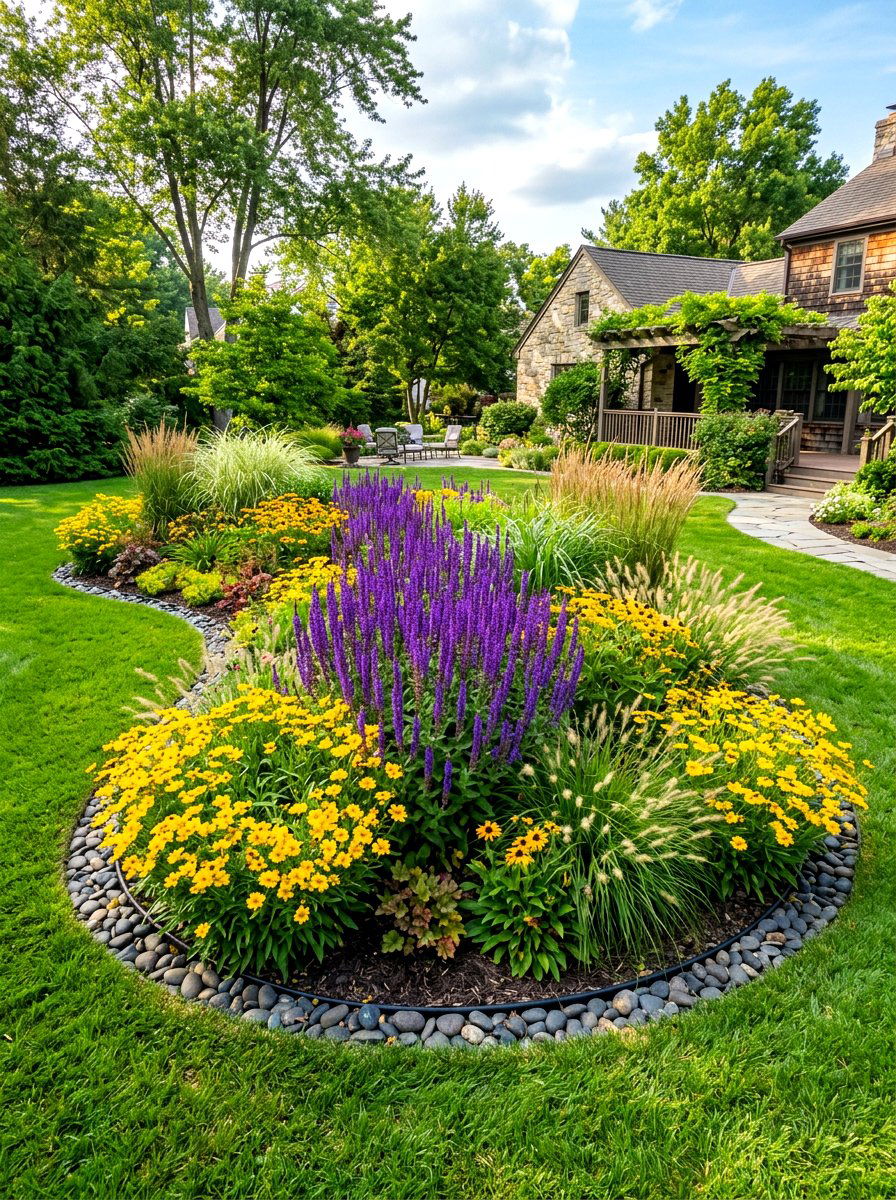
A backyard island flower bed is a standalone feature situated in the middle of a lawn, designed to be viewed from all sides. Because there is no wall or fence to lean against, you must place the tallest plants in the center of the bed and gradually decrease the height toward the edges. This 360-degree layout creates a striking focal point that breaks up a large expanse of grass. You can use a mix of ornamental grasses and flowering perennials to provide movement when the wind blows. Choosing a kidney or oval shape often looks more natural than a perfect circle. It is a fantastic way to add interest to an otherwise empty yard.
5. Modern minimalist flower bed
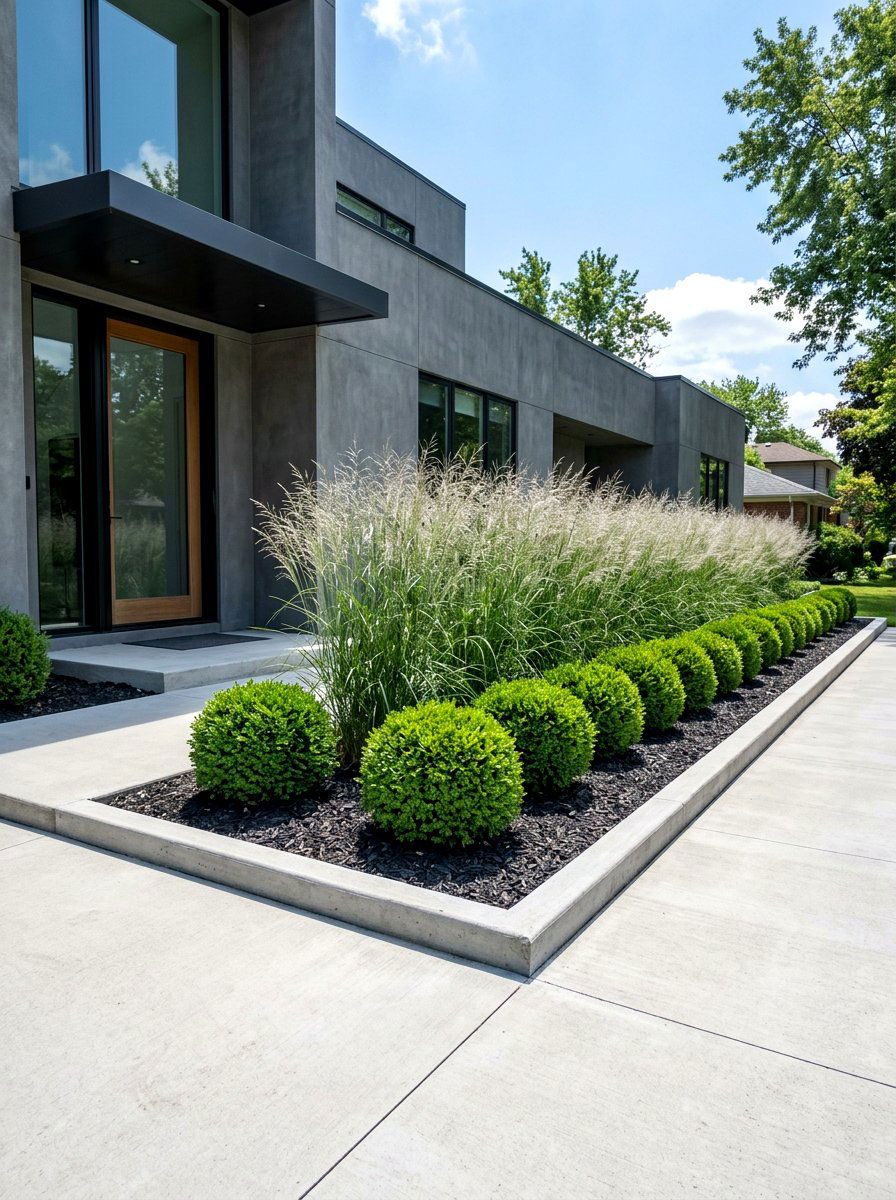
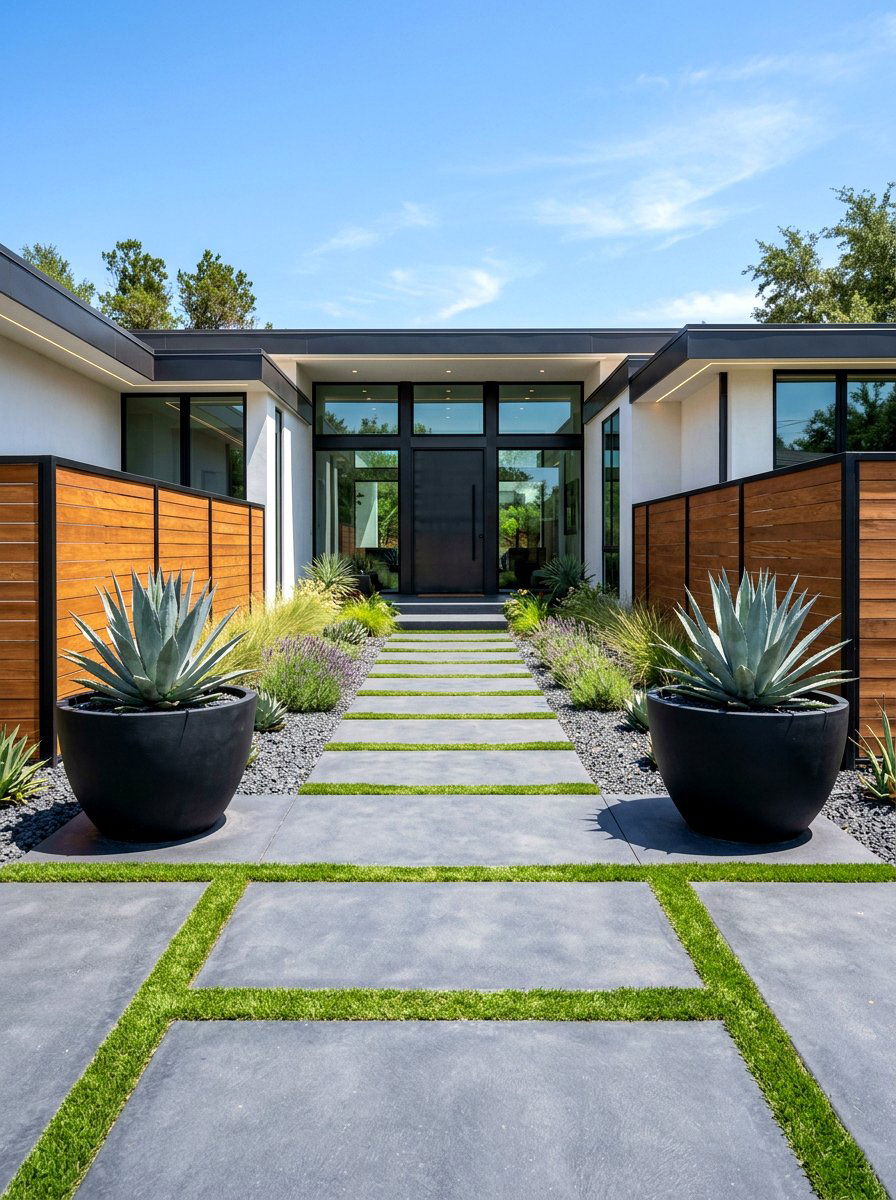
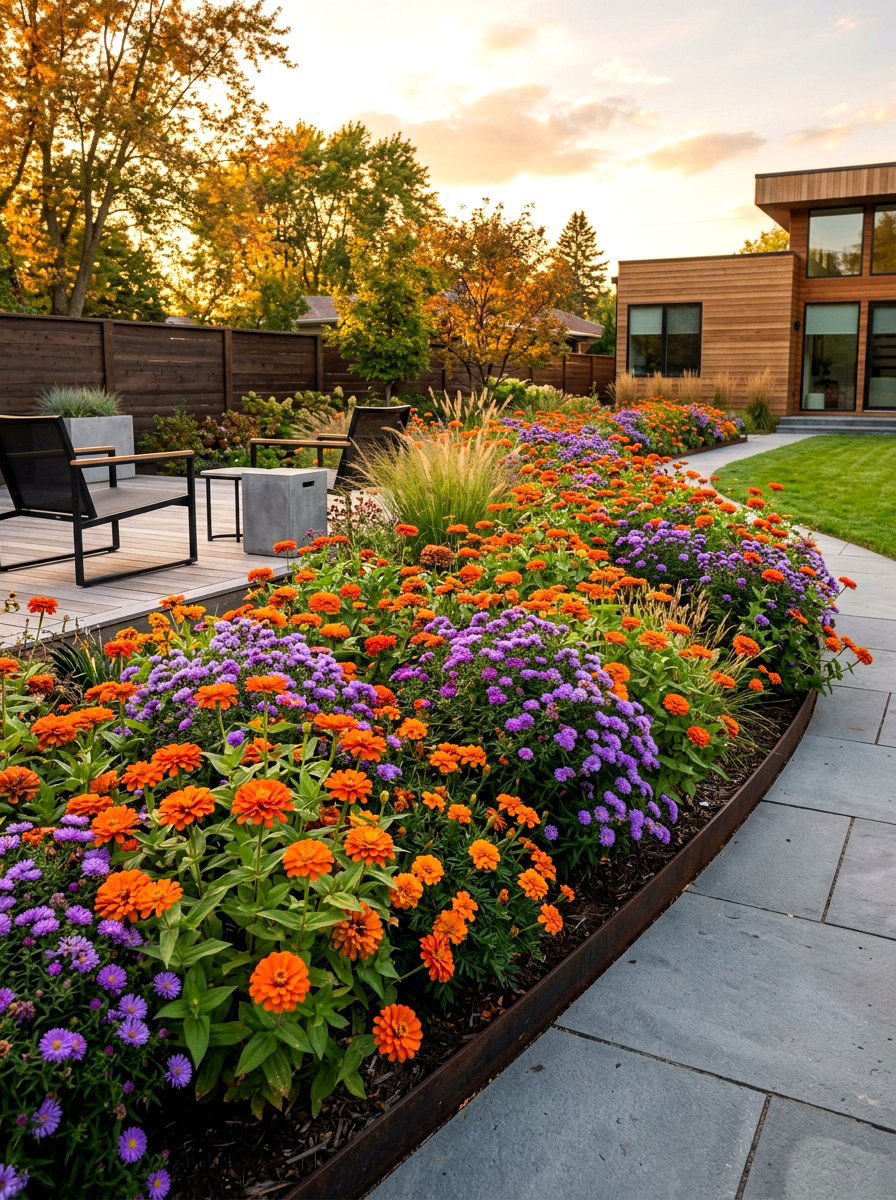
The modern minimalist flower bed focuses on clean lines, simple shapes, and a restricted color palette to create a sophisticated look. Instead of a crowded mix of different flowers, this layout often uses a few high-impact plants repeated in a structured grid or row. Architectural plants like succulents, boxwoods, or ornamental grasses are perfect for this style because of their strong silhouettes. Using neutral-colored mulch or decorative stones helps to highlight the unique shapes of the greenery. This design is ideal for homeowners who prefer a low-maintenance garden that looks polished and intentional year-round. The simplicity of the layout brings a sense of calm and order to the modern outdoor living space.
6. Low maintenance rock garden
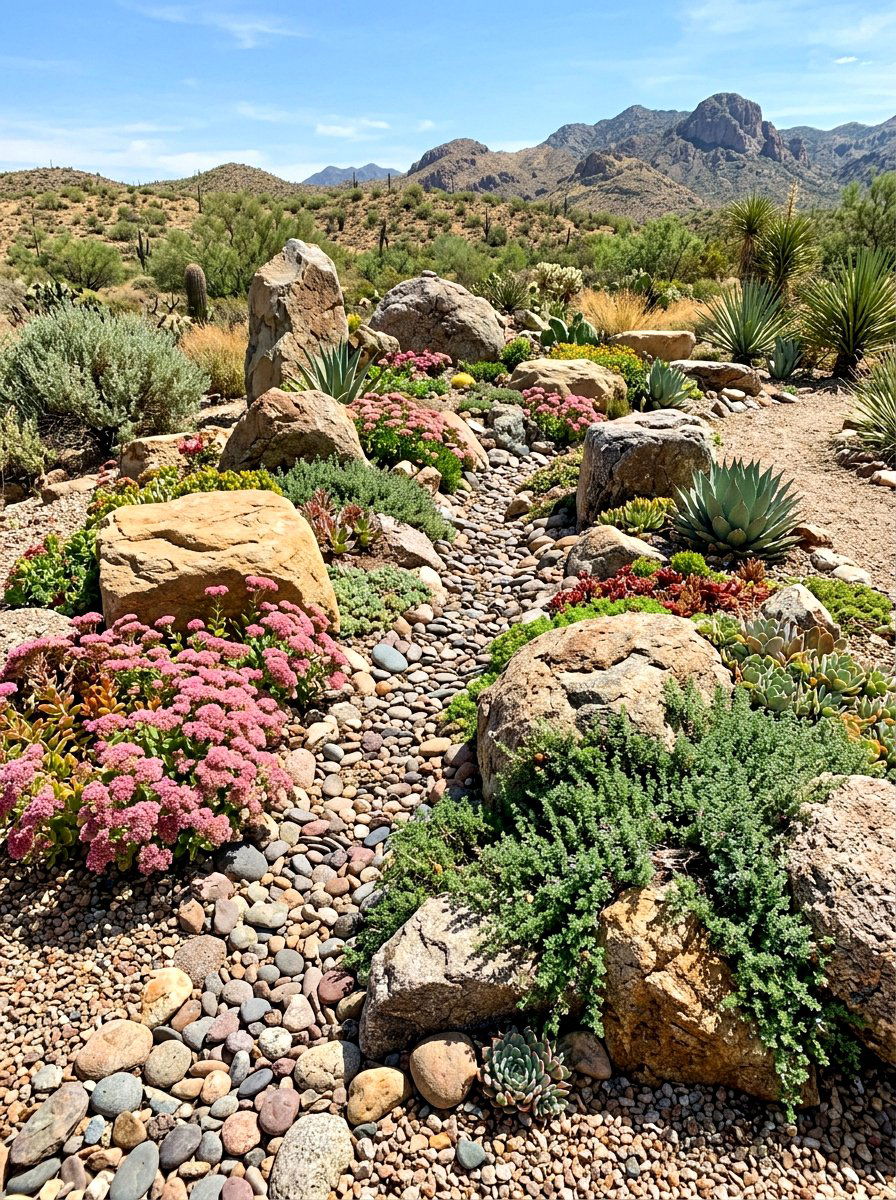
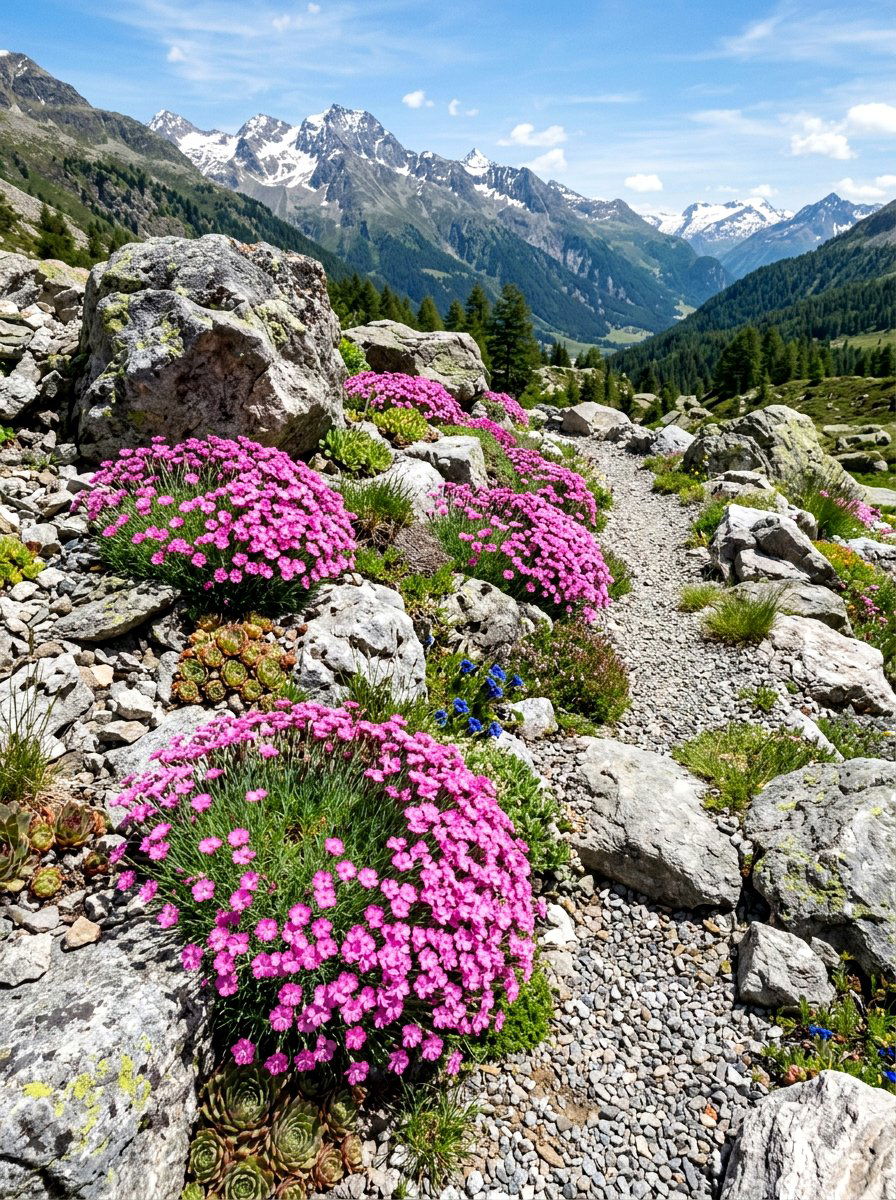
A low maintenance rock garden is an excellent choice for areas with poor soil or steep slopes where traditional gardening is difficult. This layout incorporates various sizes of stones and boulders to create a rugged, naturalistic appearance that requires very little water. Drought-tolerant plants like creeping thyme, sedum, and small alpine flowers thrive in the crevices between the rocks. The stones help to retain moisture in the soil and suppress weed growth, reducing the need for constant upkeep. You can arrange the rocks to look like a natural outcrop, giving your yard a unique and earthy texture. This layout is perfect for busy homeowners who want a beautiful garden without the daily chore of intensive maintenance.
7. Shade garden under trees
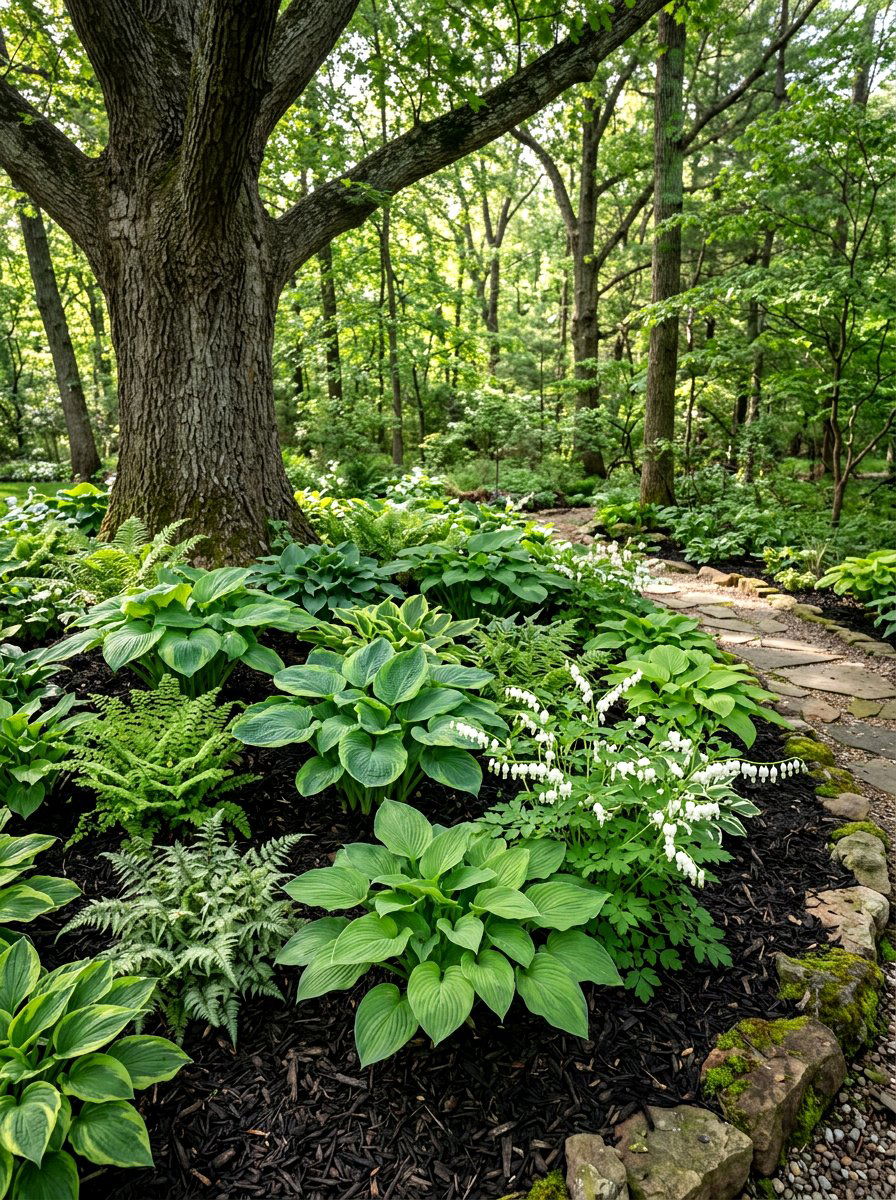
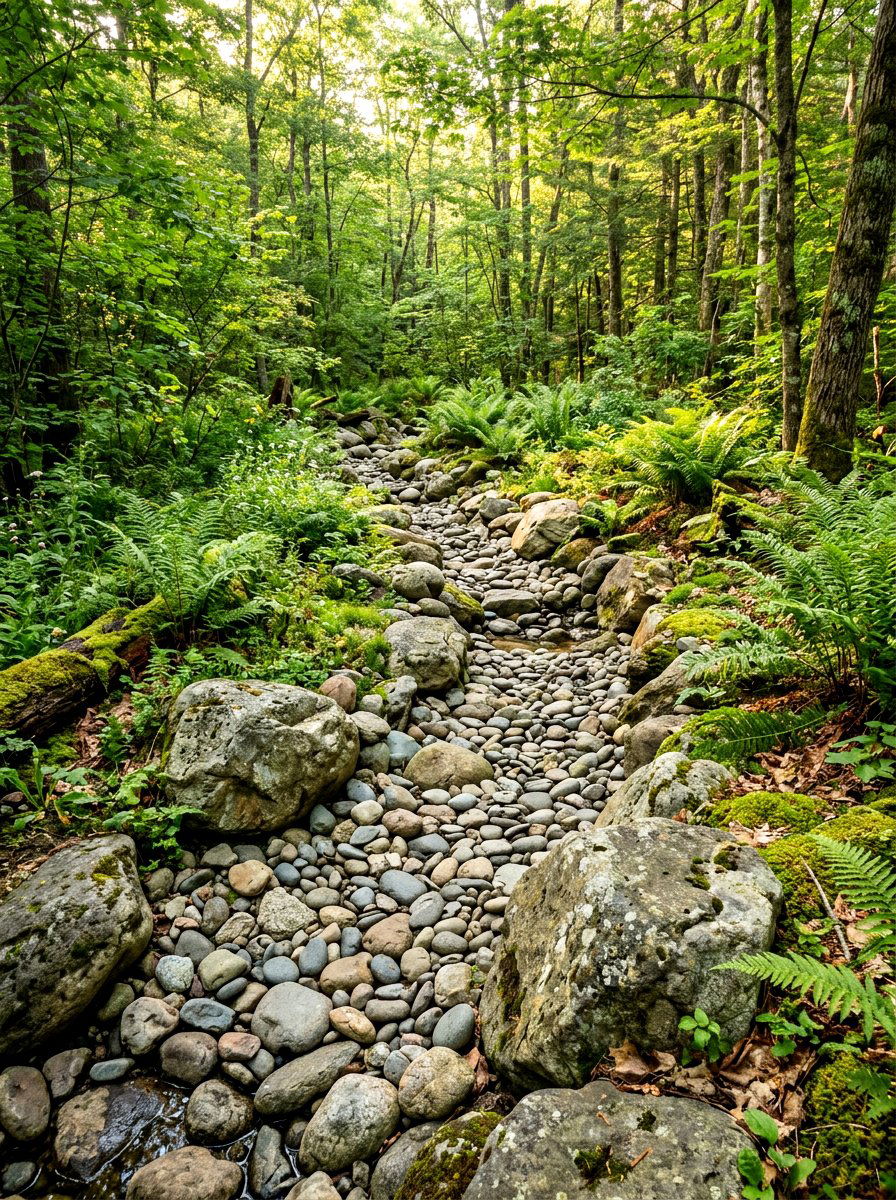
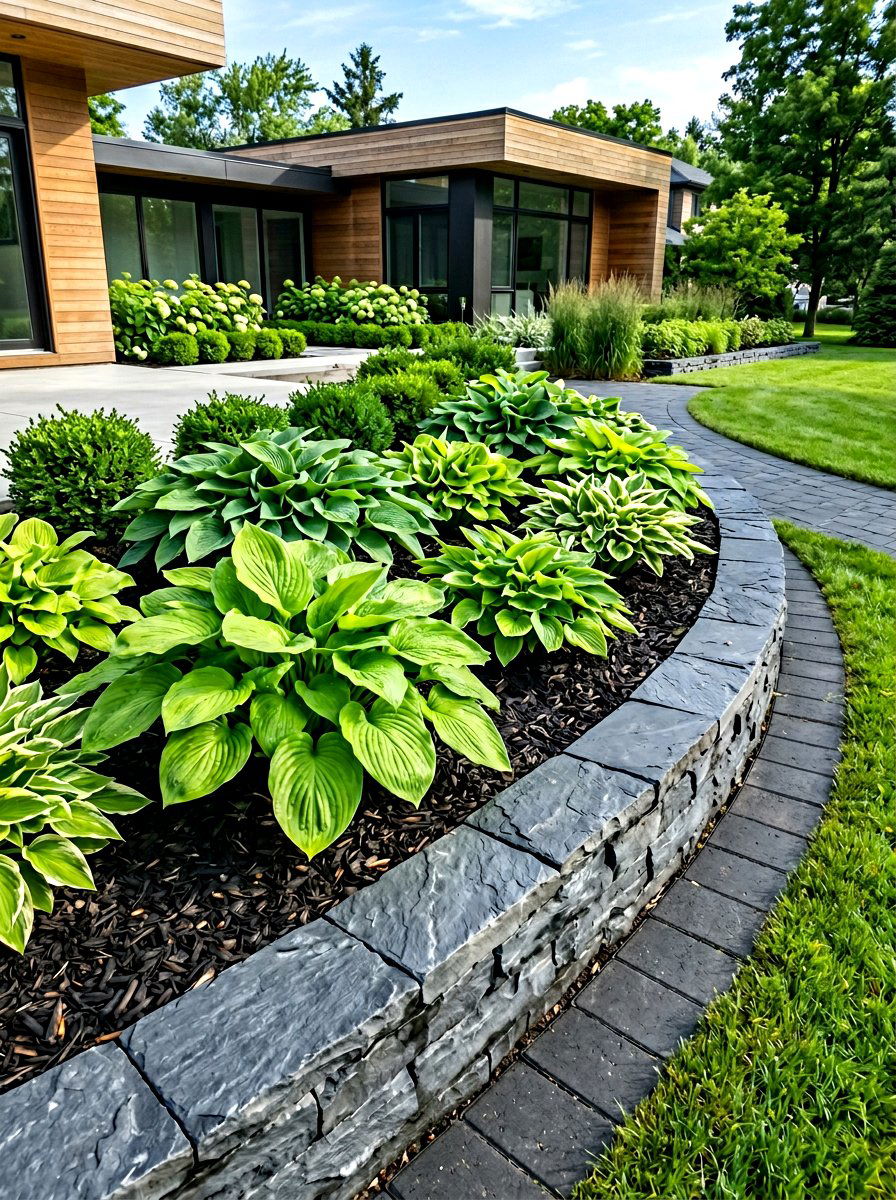
Designing a shade garden under trees allows you to beautify the often-bare areas beneath large canopies where grass struggles to grow. This layout focuses on plants that thrive in low-light conditions, such as hostas, ferns, and bleeding hearts. Because these plants are often grown for their foliage, you can play with different shades of green, variegated patterns, and large leaf textures to create visual interest. It is important to choose shallow-rooted plants that won’t compete with the tree’s roots for nutrients and water. Adding a layer of organic mulch helps to protect the roots and gives the bed a finished look. This layout transforms a dark corner into a lush and peaceful woodland retreat.
8. Pollinator friendly garden bed
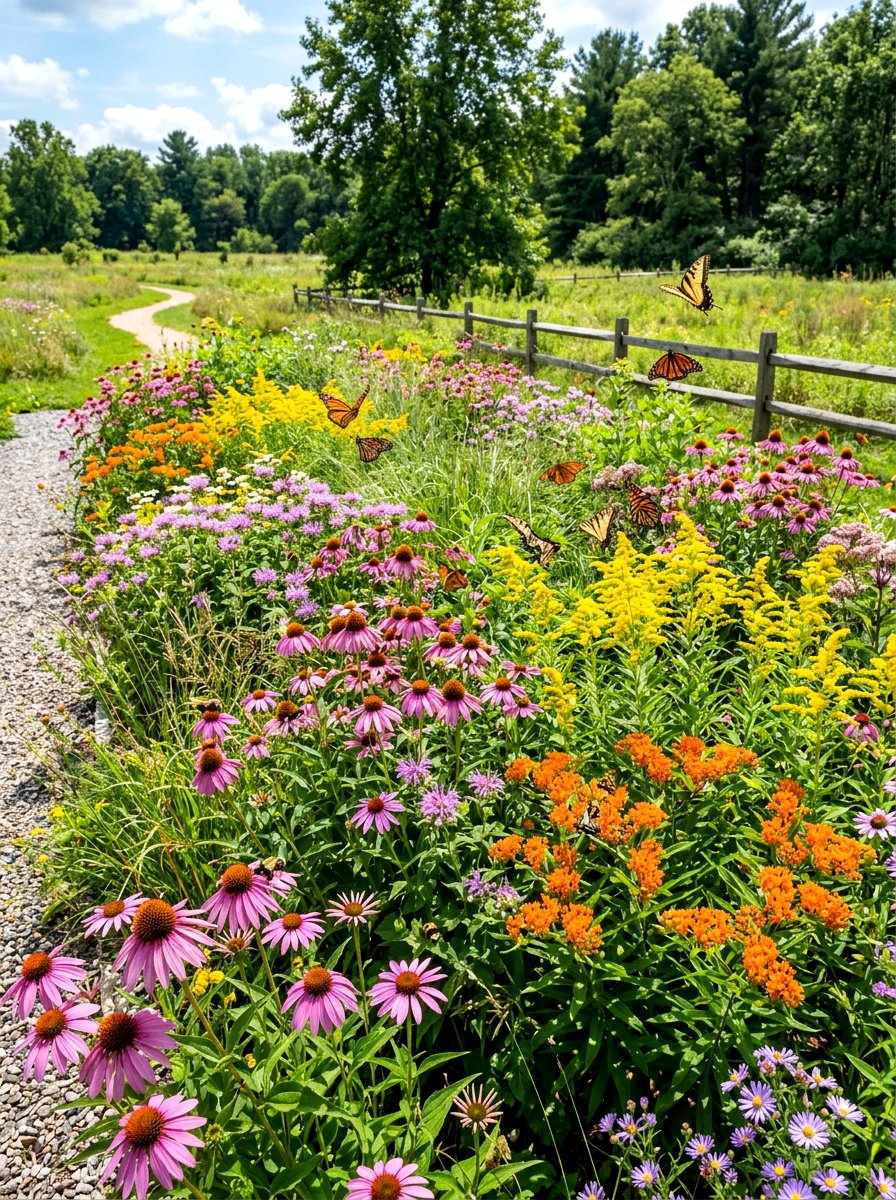
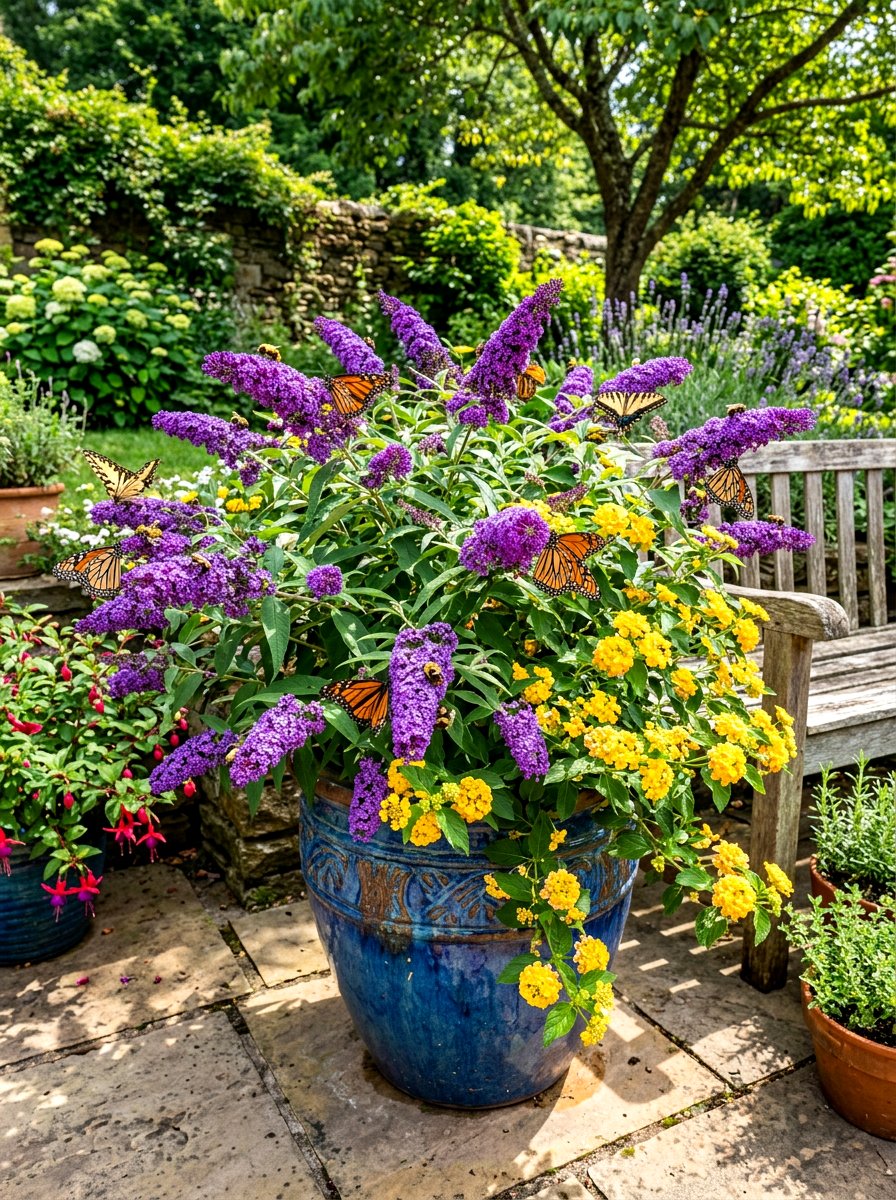
A pollinator friendly garden bed is designed specifically to attract and support bees, butterflies, and hummingbirds in your local environment. This layout features a diverse mix of native flowering plants that provide nectar and pollen throughout the entire growing season. You should group similar plants together in large drifts to make it easier for pollinators to spot them from a distance. Including a variety of flower shapes, such as flat-topped milkweed or tubular honeysuckle, caters to the needs of different species. Avoid using pesticides in this area to keep the visitors safe. This garden not only looks vibrant and lively but also plays a vital role in supporting the local ecosystem and biodiversity.
9. Corner flower bed for small yards
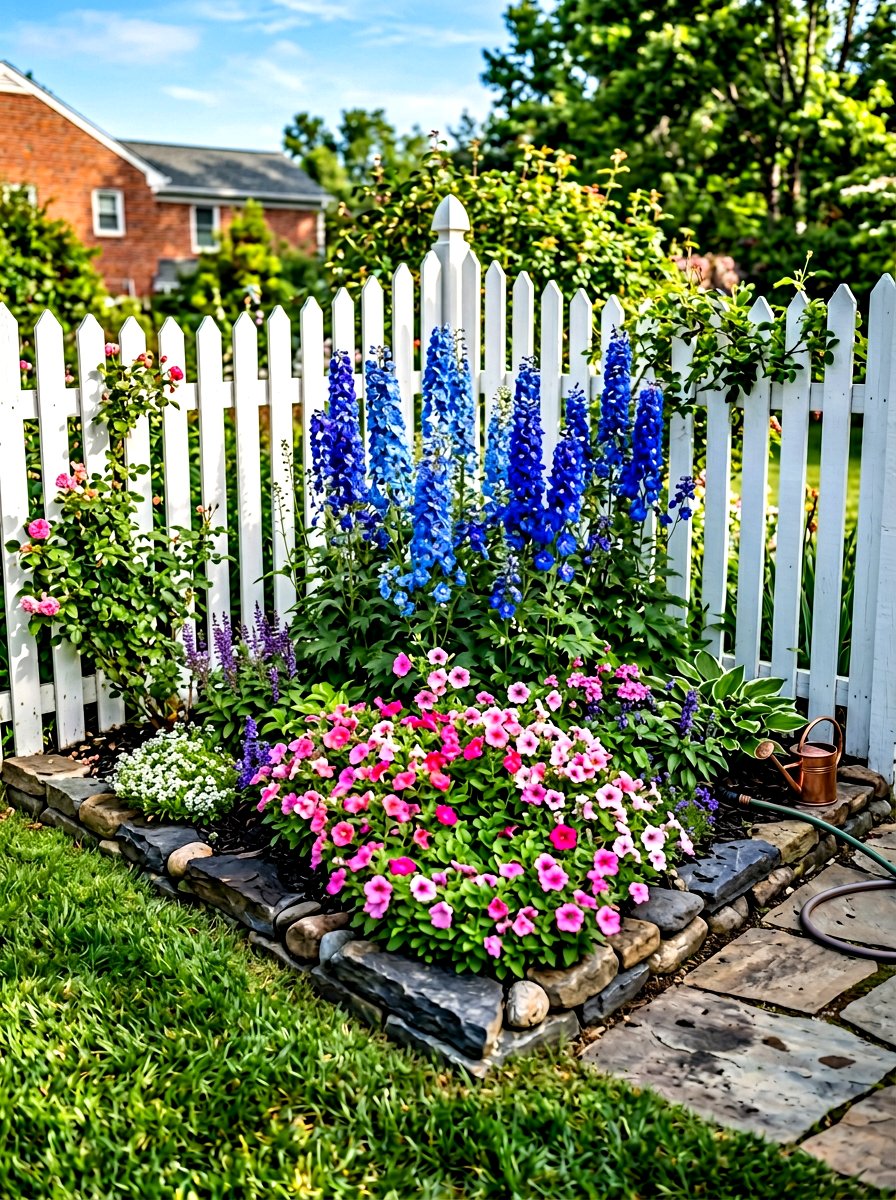
A corner flower bed for small yards is a clever way to maximize limited space without making the area feel cluttered. By tucking the garden into the intersection of a fence or wall, you open up the central lawn for other activities. This layout usually follows a triangular or fan shape, with the tallest plants placed in the very back corner to provide a vertical backdrop. You can use bright, warm colors like yellow and orange to make the corner feel more prominent and sunny. Adding a small garden ornament or a birdbath in the center of the bed provides a nice finishing touch. It is an effective method for adding character to a compact backyard space.
10. Tiered retaining wall flower bed
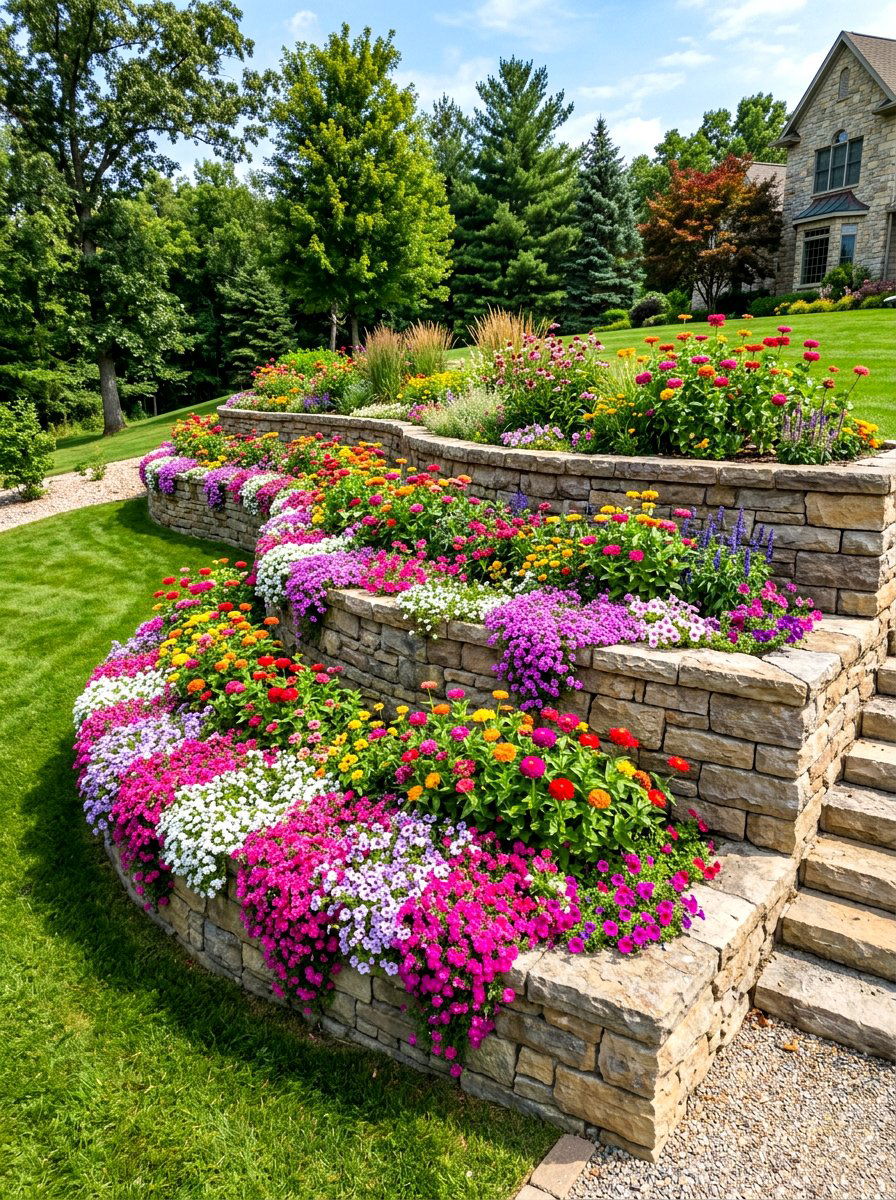
A tiered retaining wall flower bed is the perfect solution for managing a sloped yard while creating multiple levels of planting space. These steps allow you to separate different plant varieties based on their needs or height, creating a grand, theatrical effect. You can use stone blocks or heavy timber to build the tiers, which also helps to prevent soil erosion on the hillside. Planting cascading flowers like trailing lobelia or creeping phlox at the edges allows the blooms to spill over the walls, softening the hard lines of the structure. This layout provides a lot of depth and makes a hilly landscape much more functional and visually appealing for any homeowner.
11. Cottage garden perennial bed
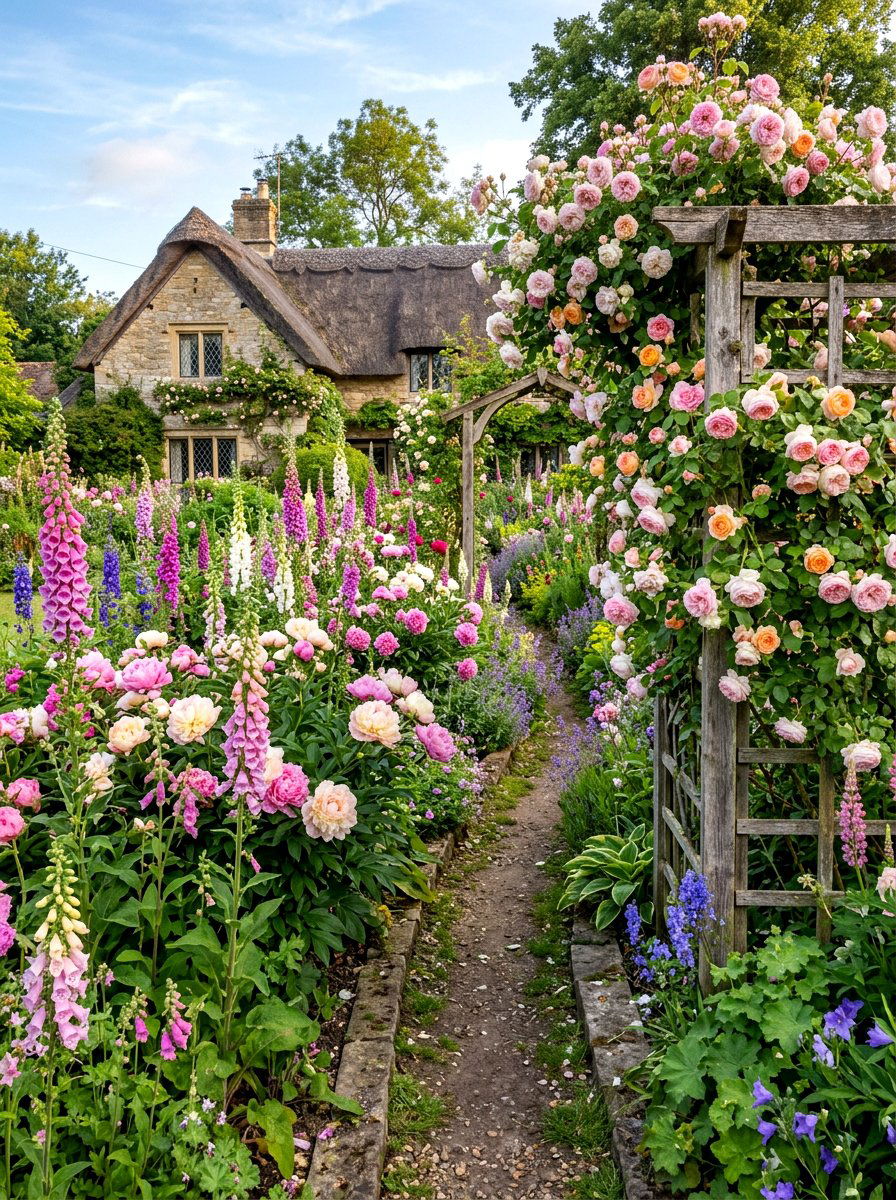
A cottage garden perennial bed captures the essence of whimsical, old-fashioned charm with its dense and informal planting style. This layout ignores strict rows in favor of a lush, overflowing look where flowers like peonies, foxgloves, and delphiniums mingle together. The key to this design is variety and abundance, using a mix of heights and colors that create a romantic atmosphere. You can include edible herbs and climbing roses on trellises to add height and fragrance to the space. Paths through a cottage garden are often narrow and winding, encouraging a slow and appreciative stroll. It is a wonderful way to create a personal sanctuary that feels timeless and deeply connected to nature.
12. Native plant garden bed
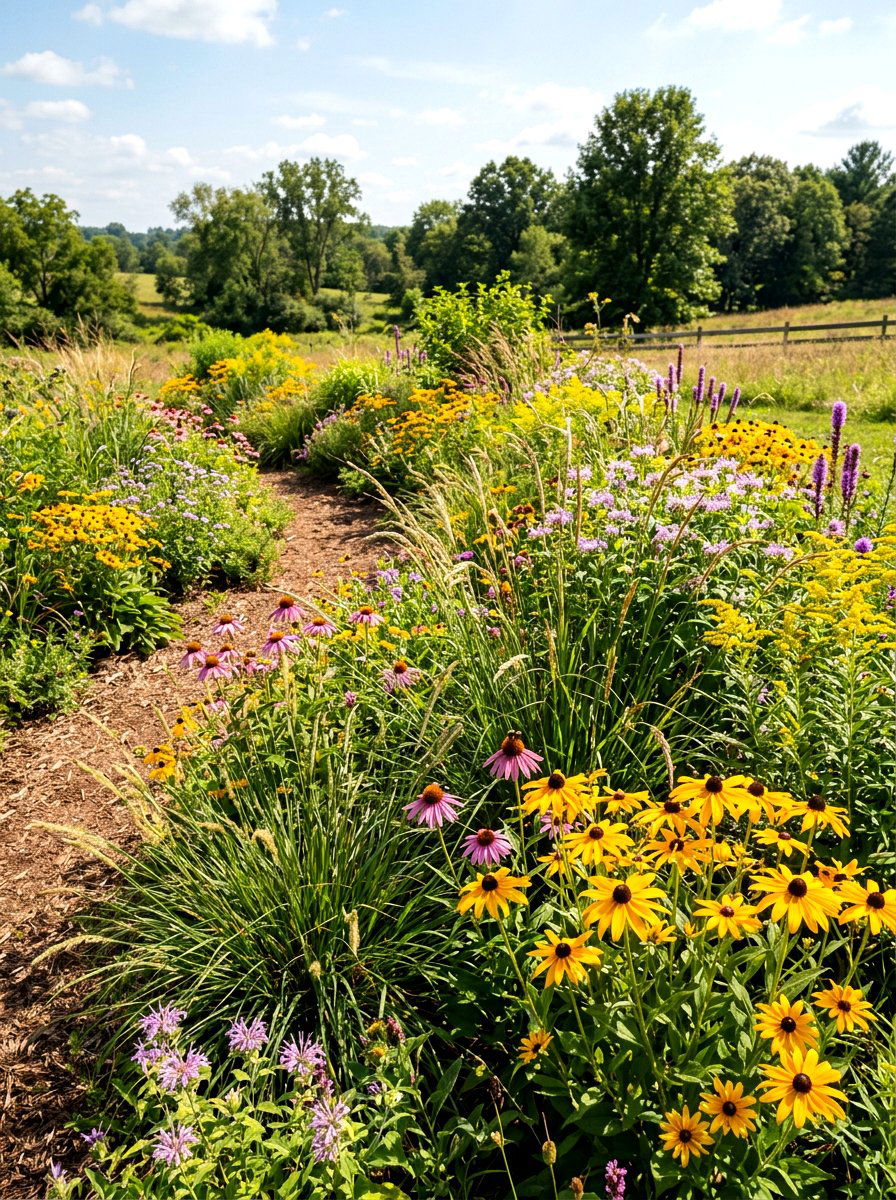
Choosing a native plant garden bed ensures that your landscape is perfectly adapted to your local climate and soil conditions. These plants require less water, fertilizer, and general maintenance than non-native species because they have evolved to thrive in your specific region. The layout often mimics the natural environment, such as a local meadow or forest edge, using a mix of grasses and wildflowers. Native gardens provide essential habitats for local wildlife and help to restore the natural balance of your neighborhood. You can arrange them in structured beds or more naturalistic groups depending on your home’s style. This eco-friendly approach results in a resilient and sustainable garden that looks beautiful with minimal human intervention.
13. Symmetrical formal flower bed
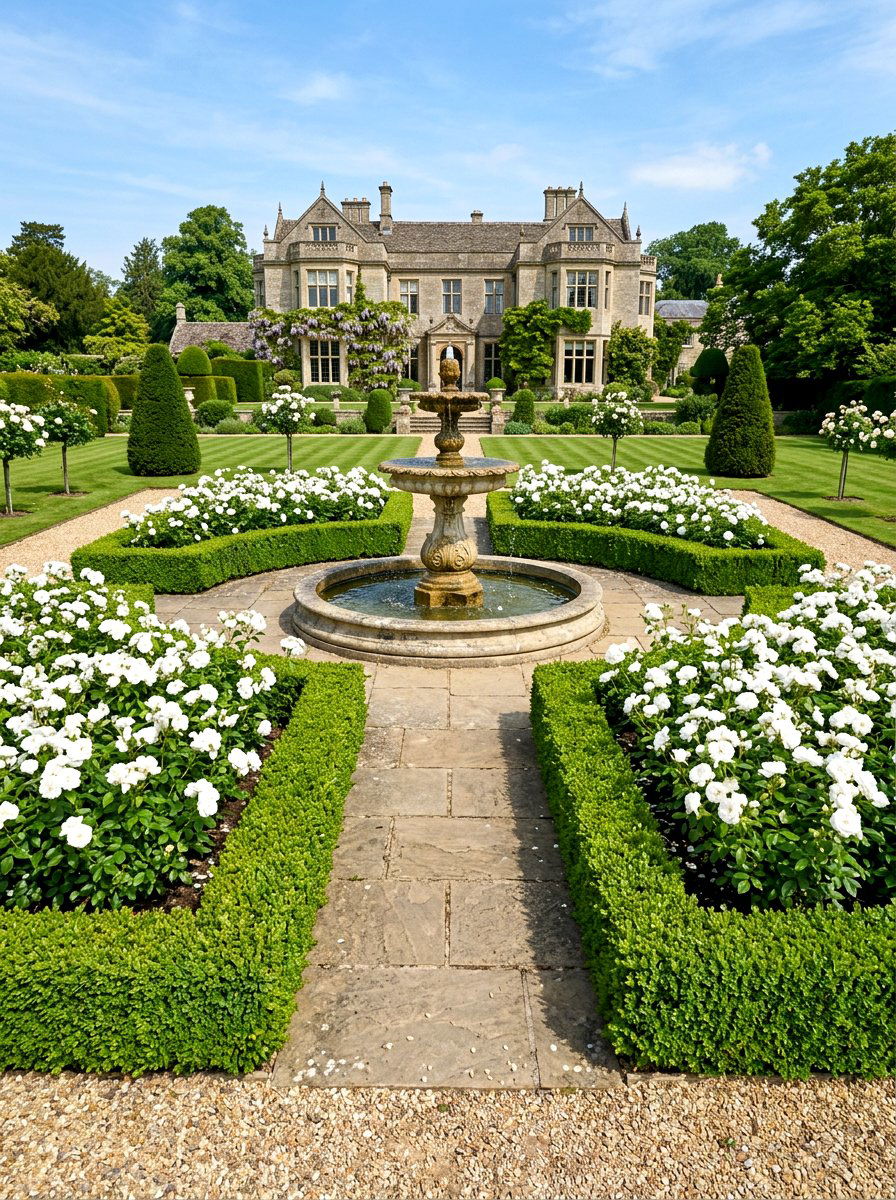
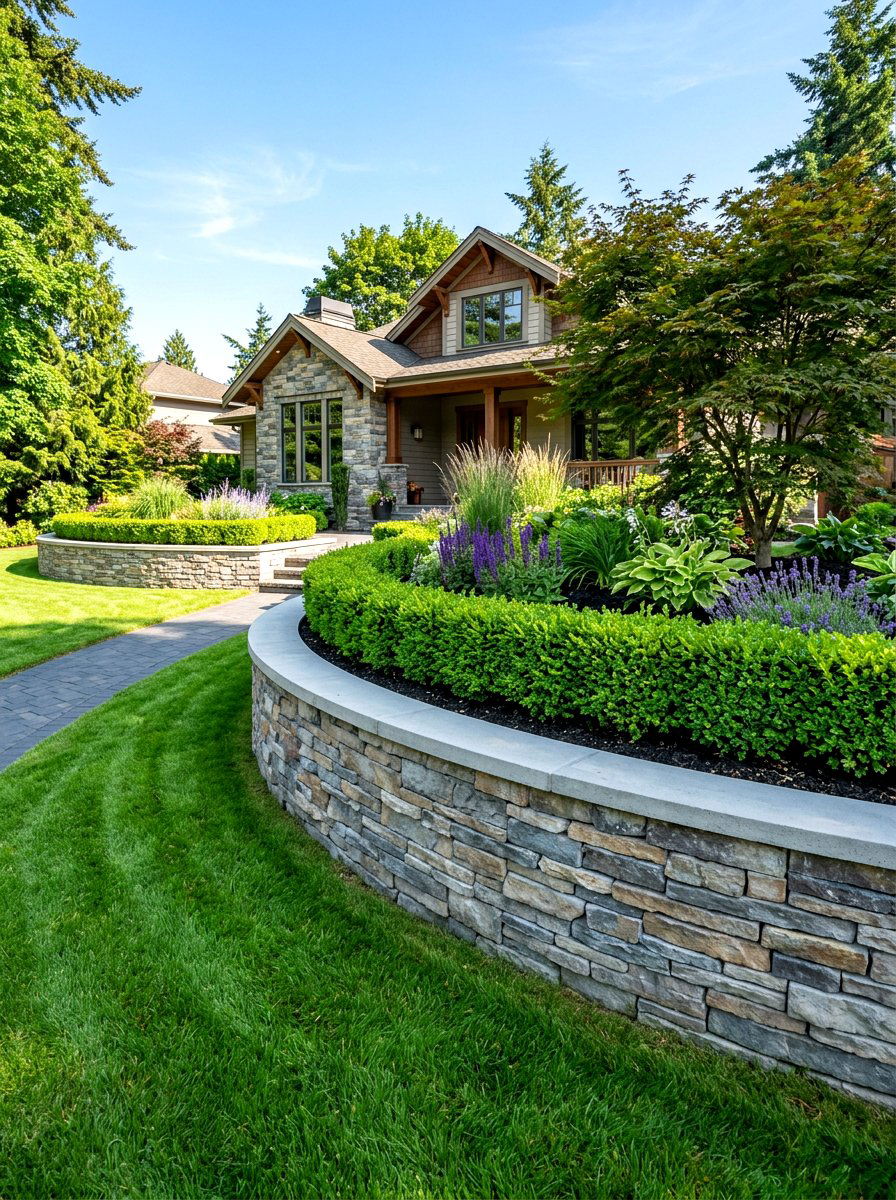
A symmetrical formal flower bed relies on perfect balance and geometric shapes to create a sense of order and elegance. This layout often features a central focal point, like a fountain or a large urn, with identical planting schemes on either side. You should use clipped hedges like boxwood to define the borders and keep the inner flowers neatly contained within the shape. Traditional choices like roses or lavender are often used to maintain a classic and sophisticated appearance. This design style works best in front yards or courtyards where it can complement the formal architecture of a home. The repetitive patterns and clean edges provide a very polished and high-end look for any property.
14. Drought tolerant xeriscape bed
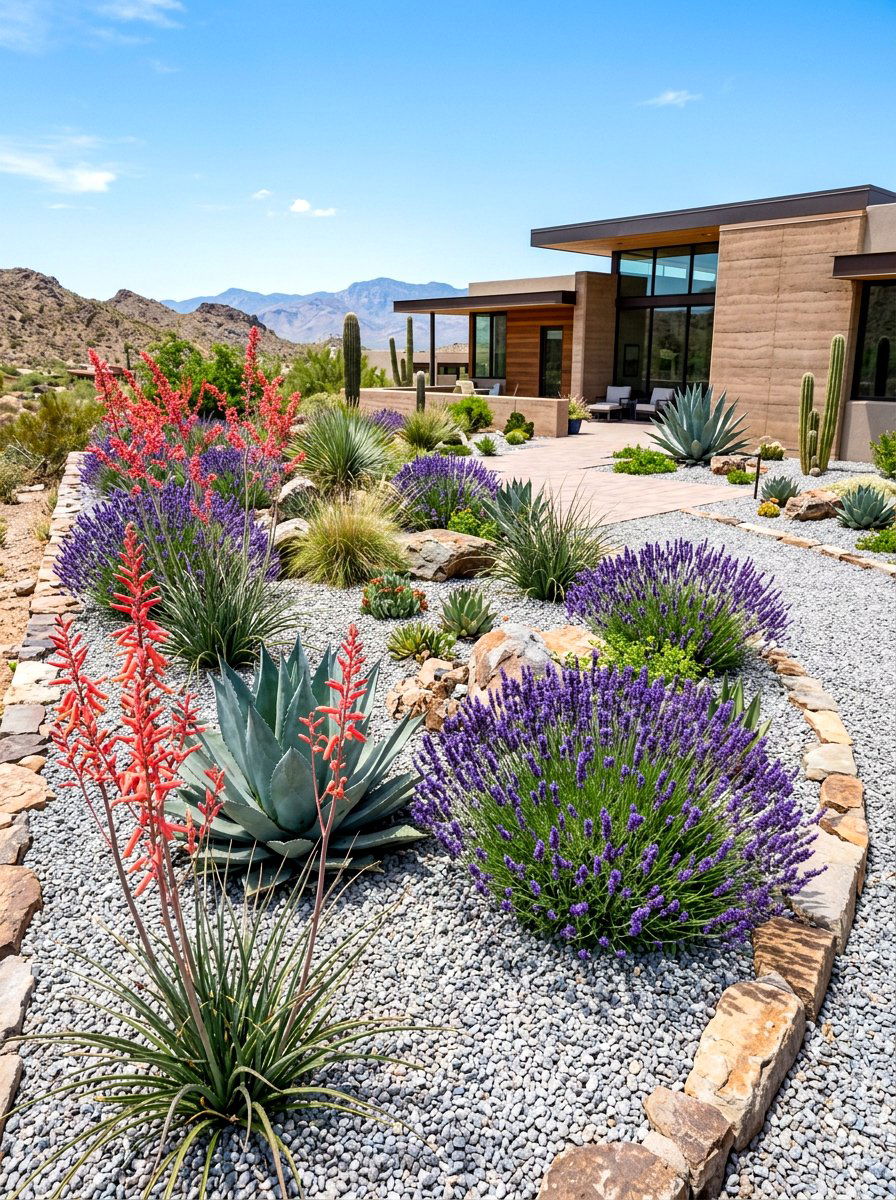
A drought tolerant xeriscape bed is an ideal layout for homeowners living in dry climates or those looking to conserve water. This design uses a variety of hardy plants like agave, yuccas, and lavender that can survive with very little irrigation. Instead of traditional grass, the ground is often covered with pea gravel or river rocks to prevent evaporation and keep the soil cool. The plants are usually spaced further apart to highlight their unique shapes and textures, creating a clean and modern aesthetic. This layout is not only environmentally responsible but also significantly reduces your monthly water bill. It proves that a beautiful, vibrant garden does not always require a lot of water to thrive.
15. Vertical flower bed wall
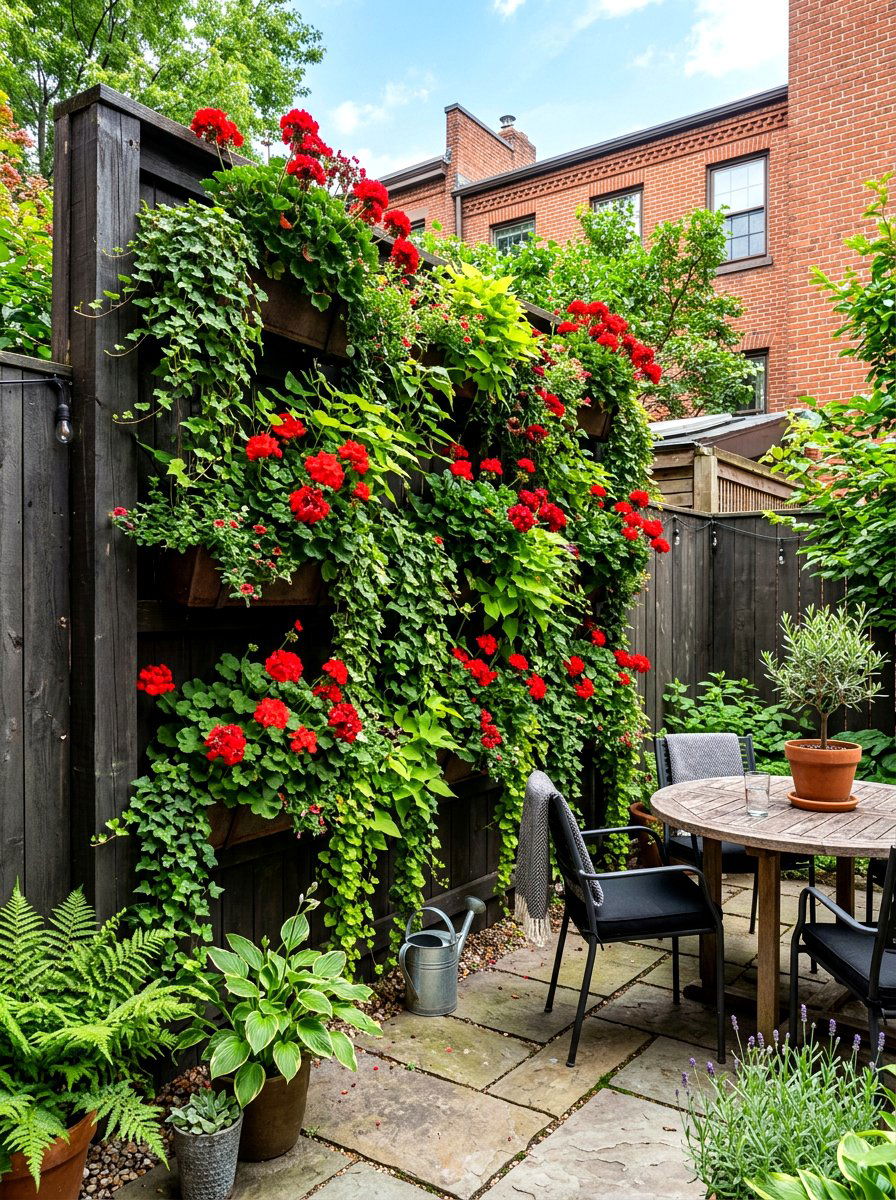
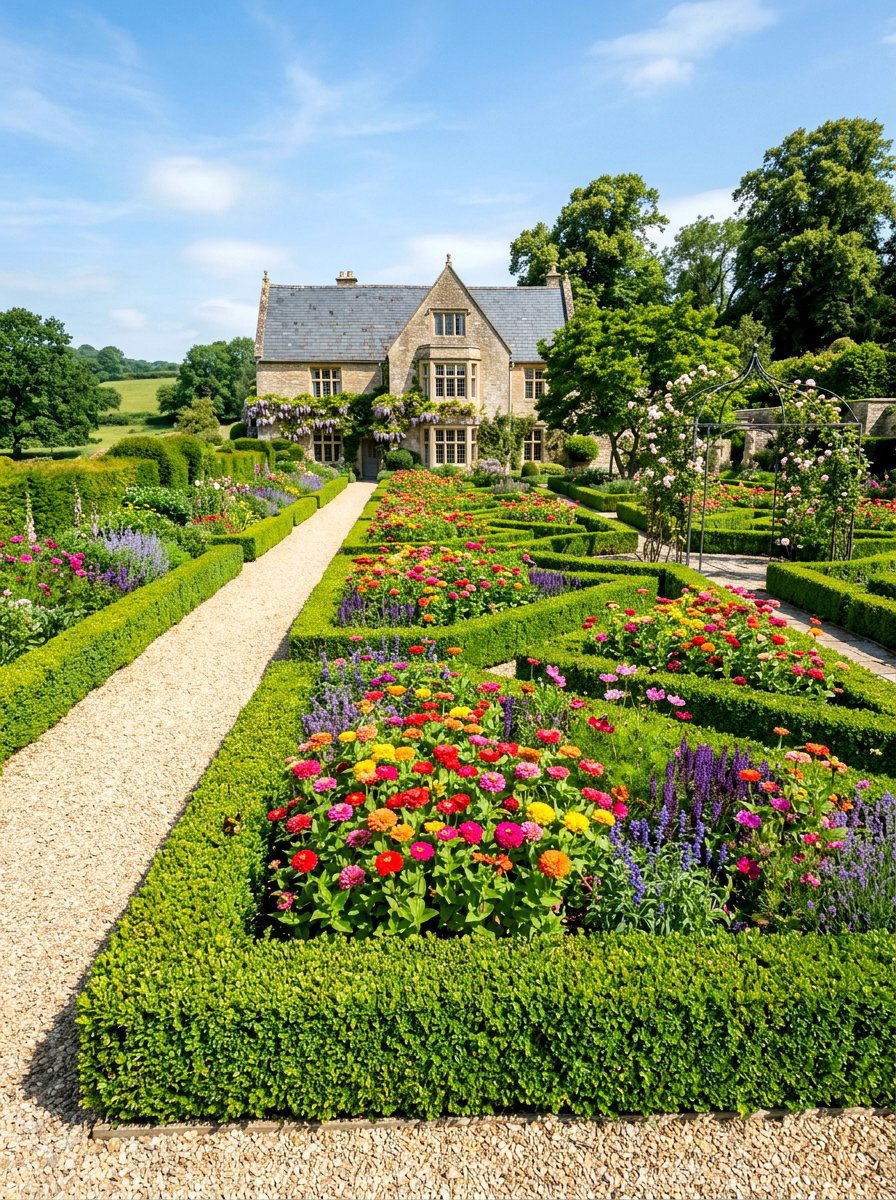
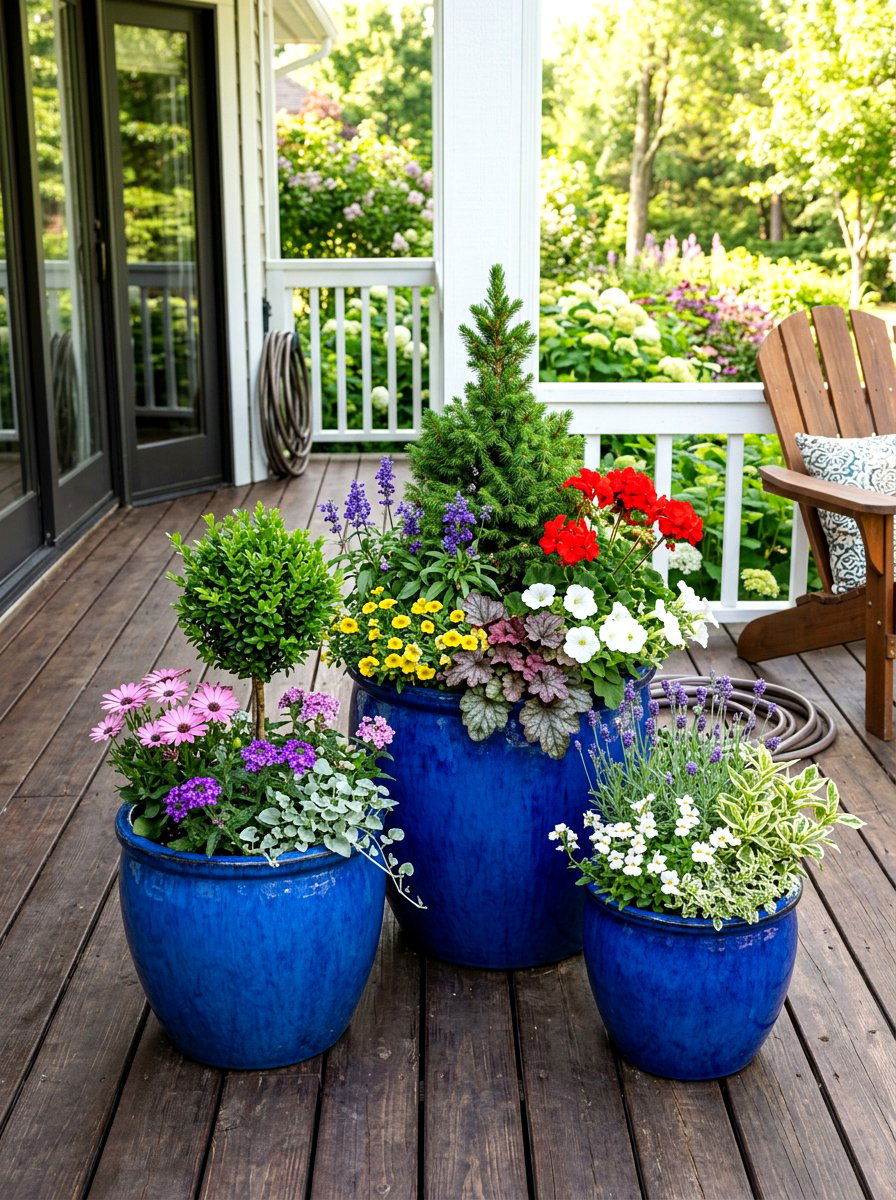
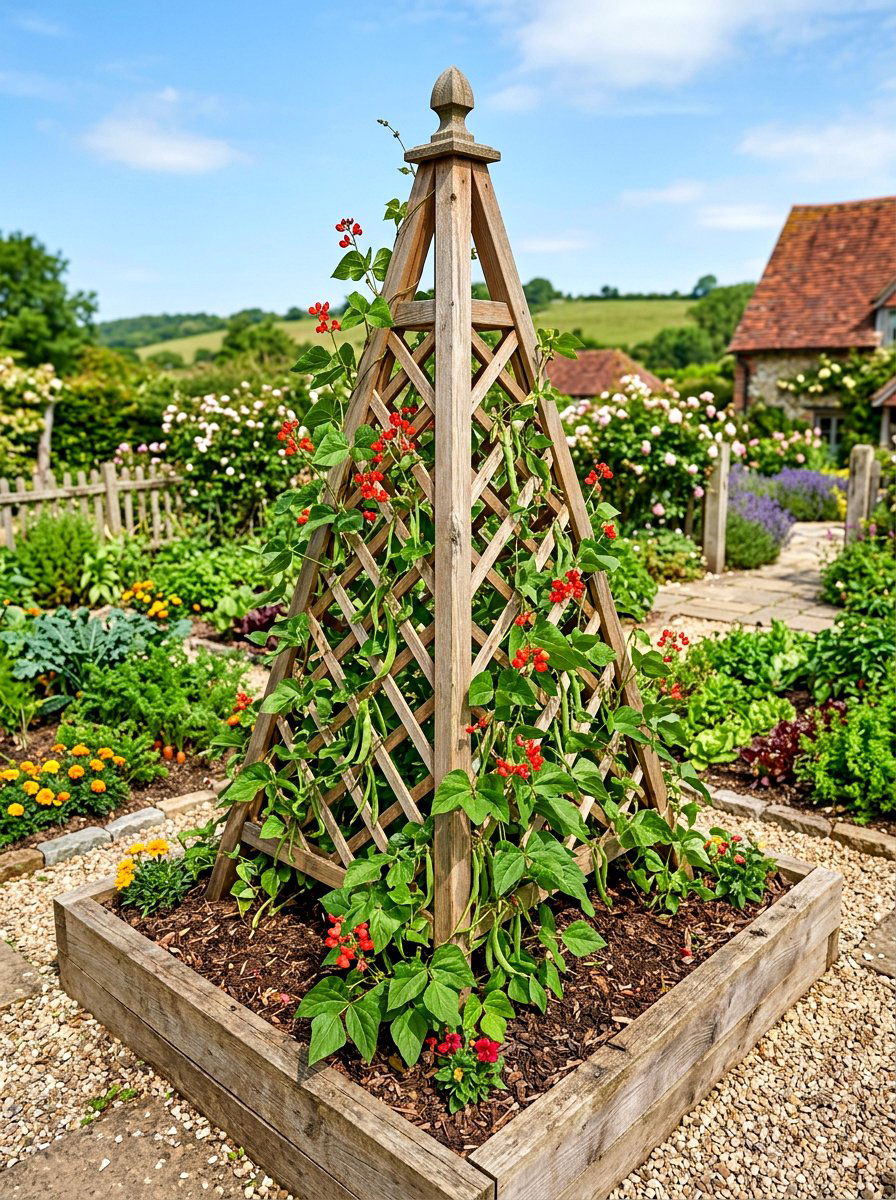
A vertical flower bed wall is a fantastic way to add greenery to small spaces like balconies, patios, or narrow side yards. This layout utilizes walls or fences to grow plants upward instead of outward, maximizing every inch of available space. You can use hanging pockets, stacked wooden crates, or trellis systems to support a variety of small flowers and trailing vines. This design creates a living tapestry of color that can hide an ugly fence or provide a lush backdrop for an outdoor seating area. Choosing lightweight plants and a reliable watering system is key to keeping a vertical garden healthy. It is a creative solution for urban gardeners who want to enjoy nature.
16. Circular center flower bed
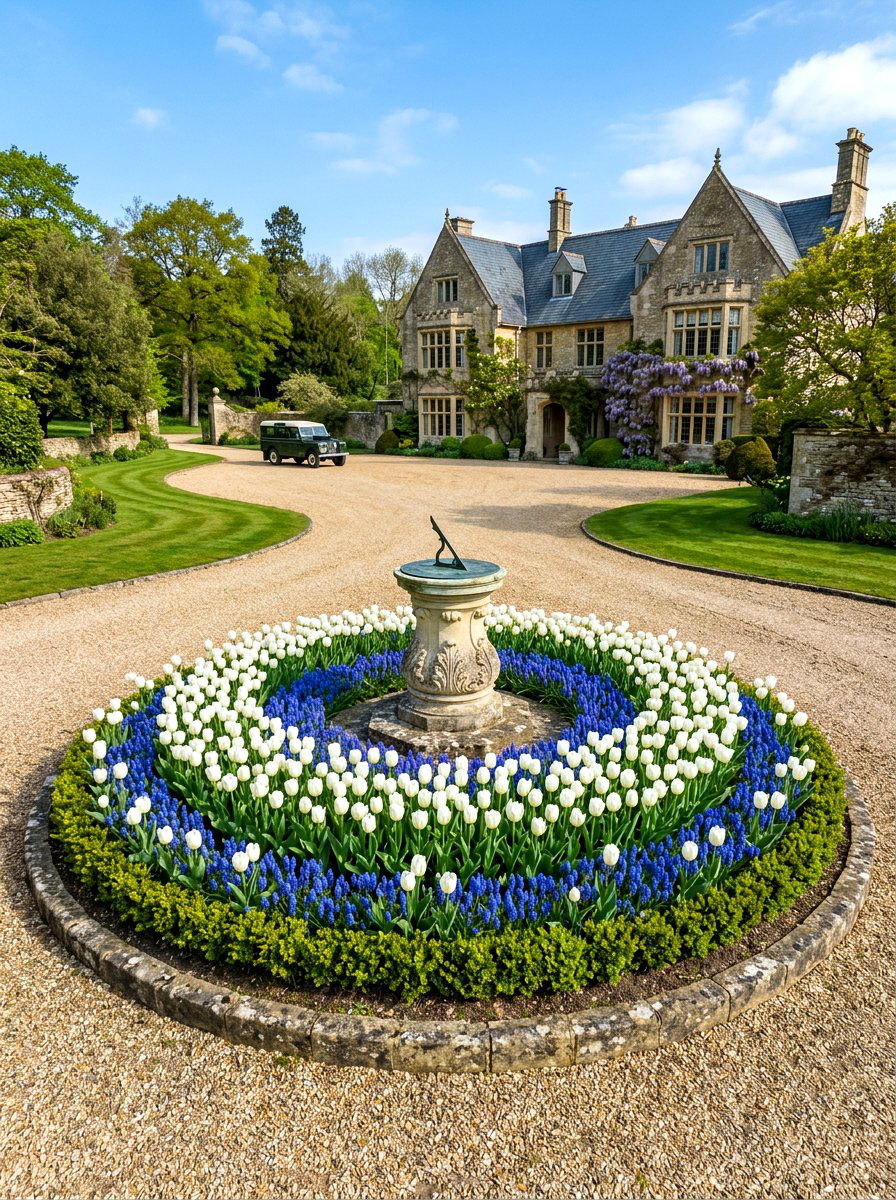
A circular center flower bed is a classic design element that brings focus and symmetry to a large open lawn or driveway. Because the bed is round, it can be admired from every angle, making it a perfect spot for your most showy blooms. You should place a tall focal point in the middle, such as a decorative tree, a sundial, or a statue, to anchor the design. Around this center, you can plant concentric rings of different flowers, graduating from tall to short at the edges. Using a crisp brick or stone border helps to define the circle and makes it easier to mow around. This layout adds a touch of traditional grandeur to any landscape.
17. Tropical backyard garden bed
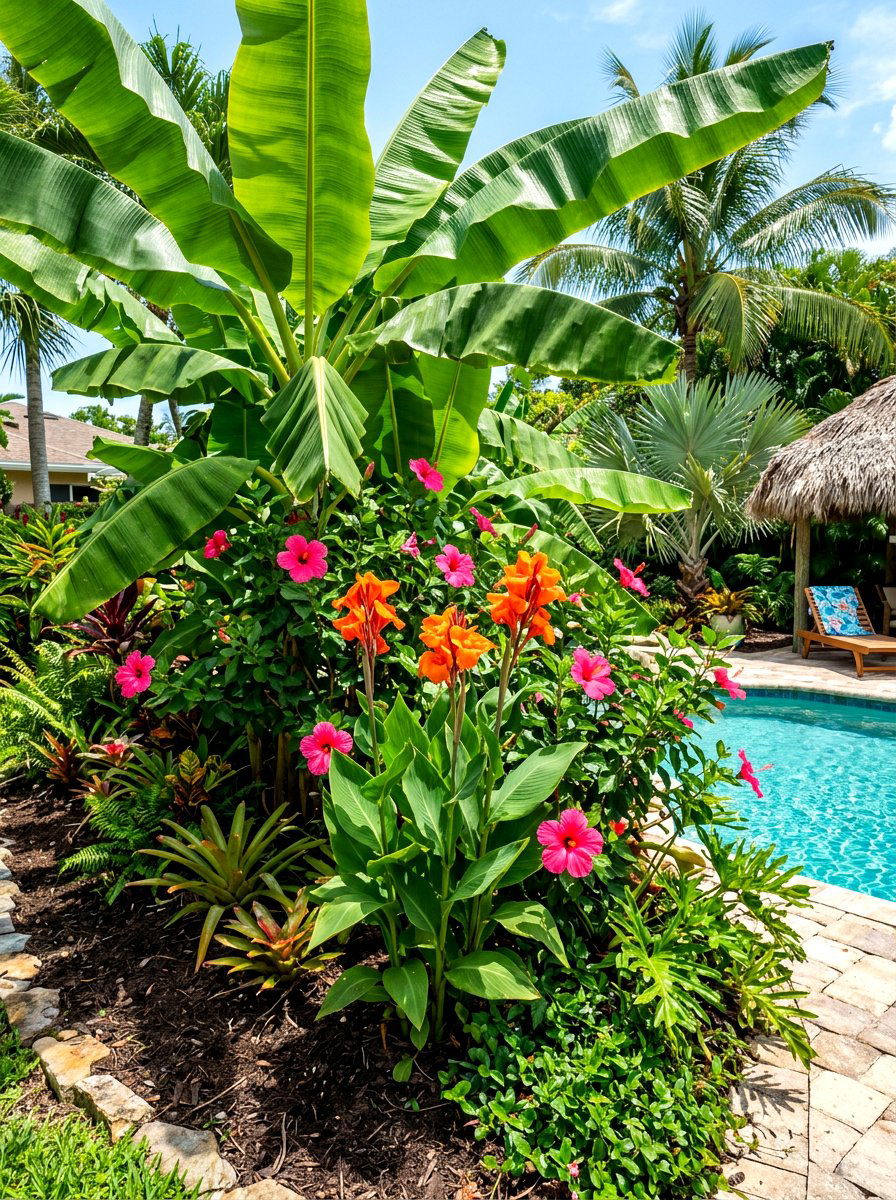
Creating a tropical backyard garden bed allows you to enjoy a lush, exotic atmosphere right at home, even in non-tropical climates. This layout features plants with oversized, dramatic foliage such as canna lilies, hibiscus, and hardy palms. The goal is to create a dense, jungle-like feel by layering plants closely together and using bold, vibrant colors like hot pink, orange, and deep red. You can use various textures of leaves, from glossy and broad to feathery and light, to build a rich visual experience. Adding a water feature like a small pond or fountain further enhances the tropical mood. This layout turns your backyard into a private vacation spot that feels lush and incredibly relaxing.
18. Edible flower and herb bed
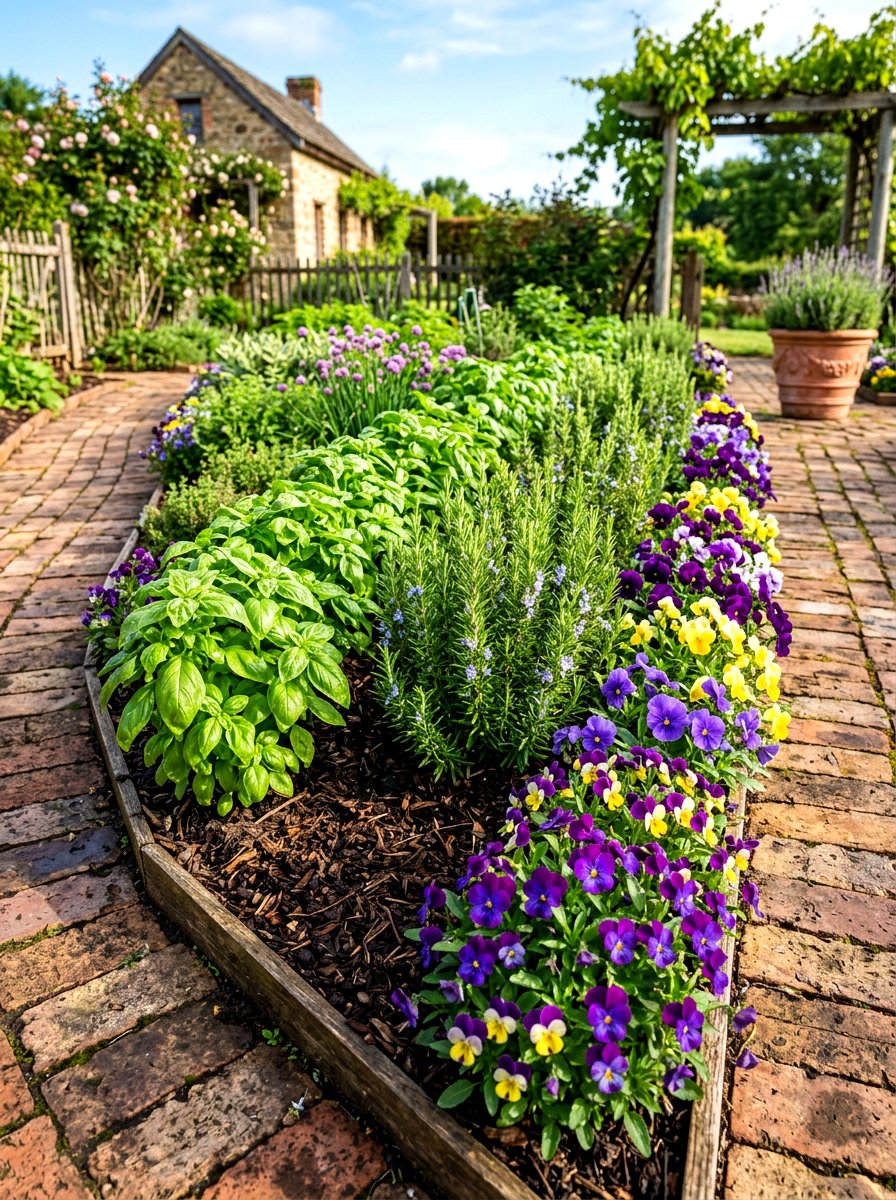
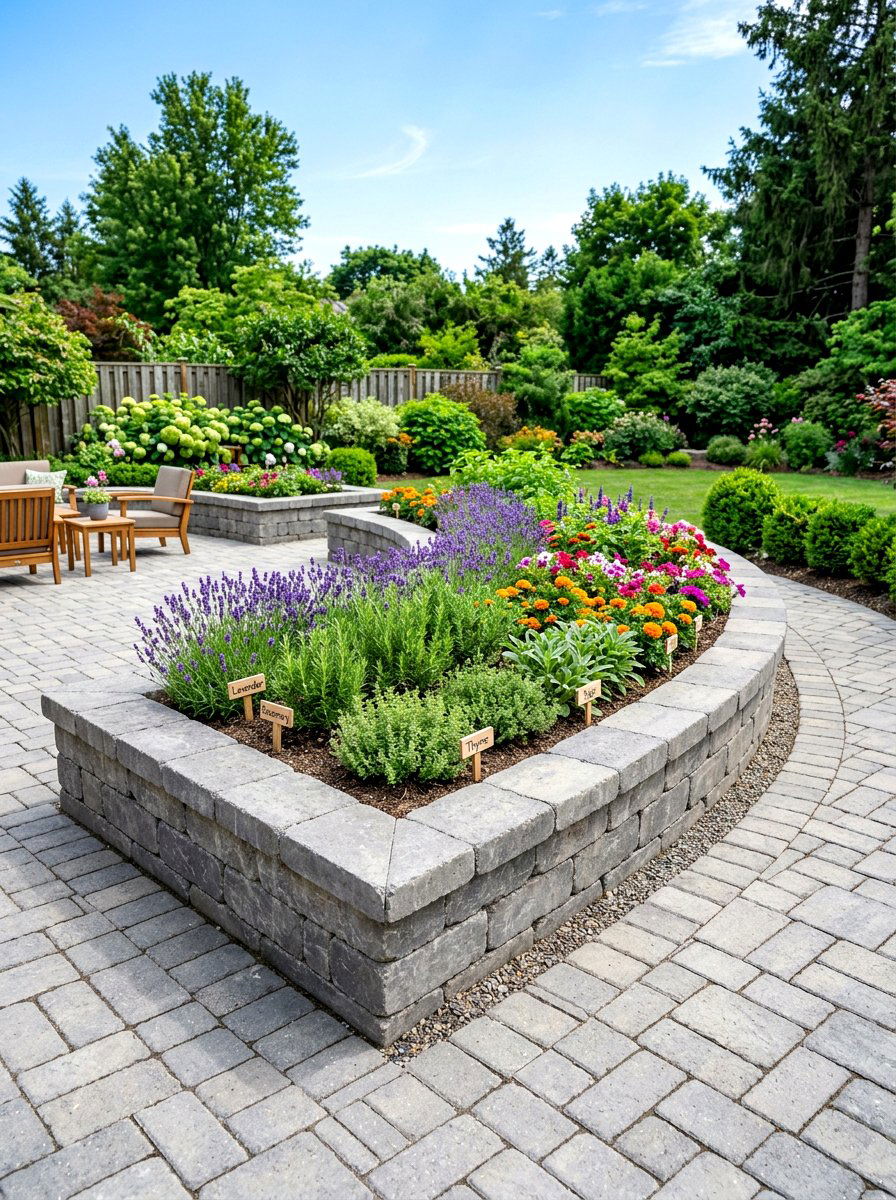
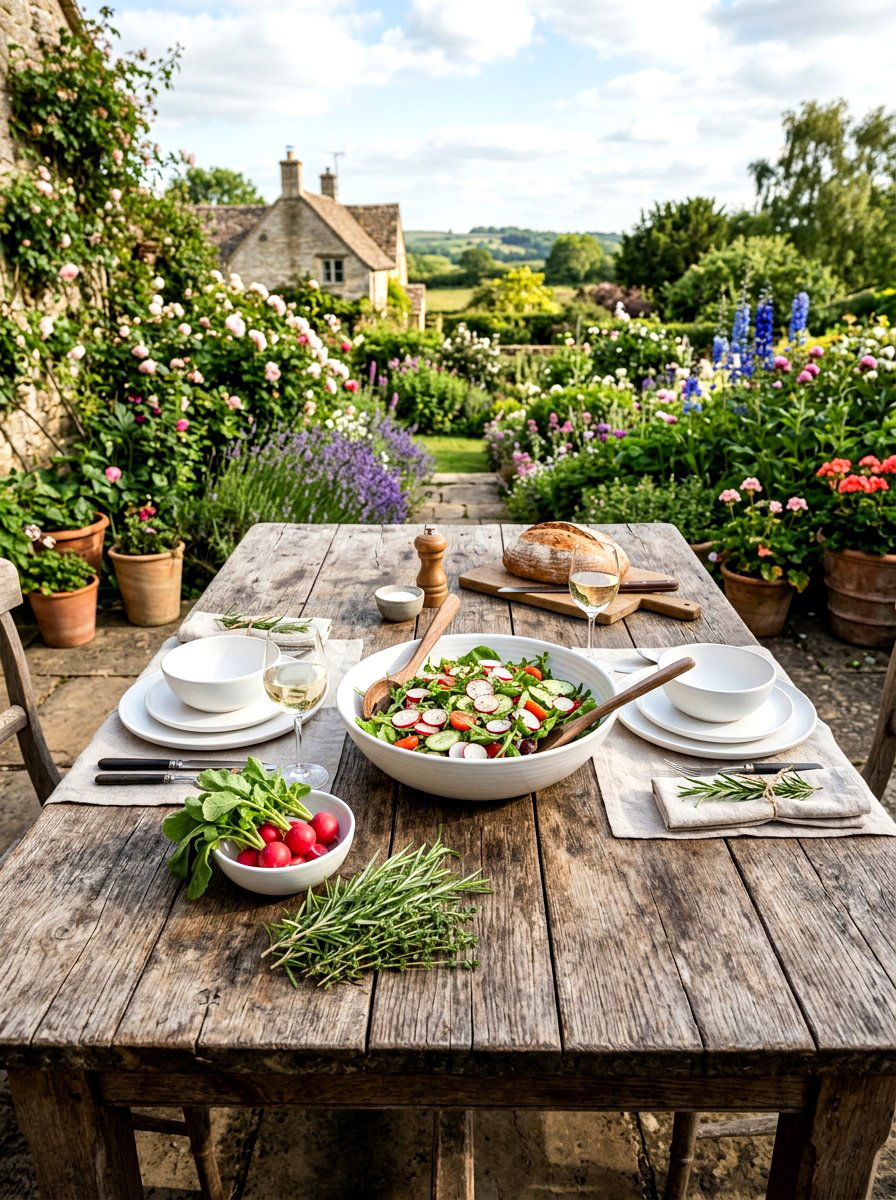
An edible flower and herb bed combines beauty with functionality, providing a harvest for your kitchen while looking stunning in the yard. This layout organizes plants like rosemary, sage, and basil alongside colorful edible blooms such as nasturtiums, pansies, and calendula. You can arrange the herbs in neat rows or decorative patterns, similar to a traditional French potager garden. Placing this bed near the kitchen door makes it easy to snip fresh ingredients for your meals while you cook. Not only do these plants smell wonderful, but they also attract beneficial insects to your property. It is a rewarding way to garden that appeals to both the eyes and the taste buds throughout the year.
19. Multi level wooden flower bed
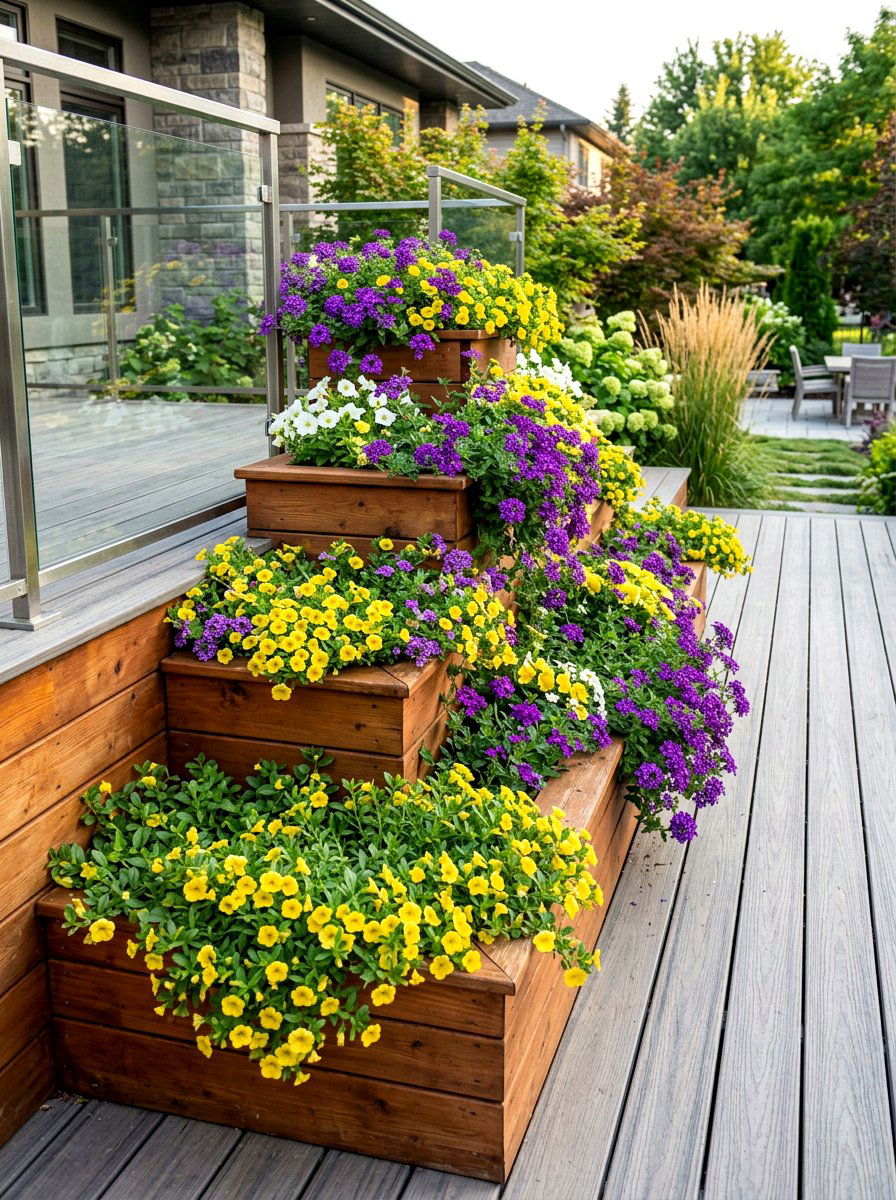
A multi level wooden flower bed uses varying heights of planters to create a dynamic and three-dimensional gardening space. This layout is often built with durable woods like cedar or redwood, arranged in a stepped or cascading fashion. By lifting the plants off the ground, you can create a dramatic vertical display that is much easier to maintain and harvest. This design is particularly effective for small patios or decks where you want to grow a lot of different plants in a compact footprint. You can use the different levels to separate plants by their sunlight needs or to create a waterfall of colors. It is a modern and stylish way to organize your garden.
20. Rose garden flower bed layout
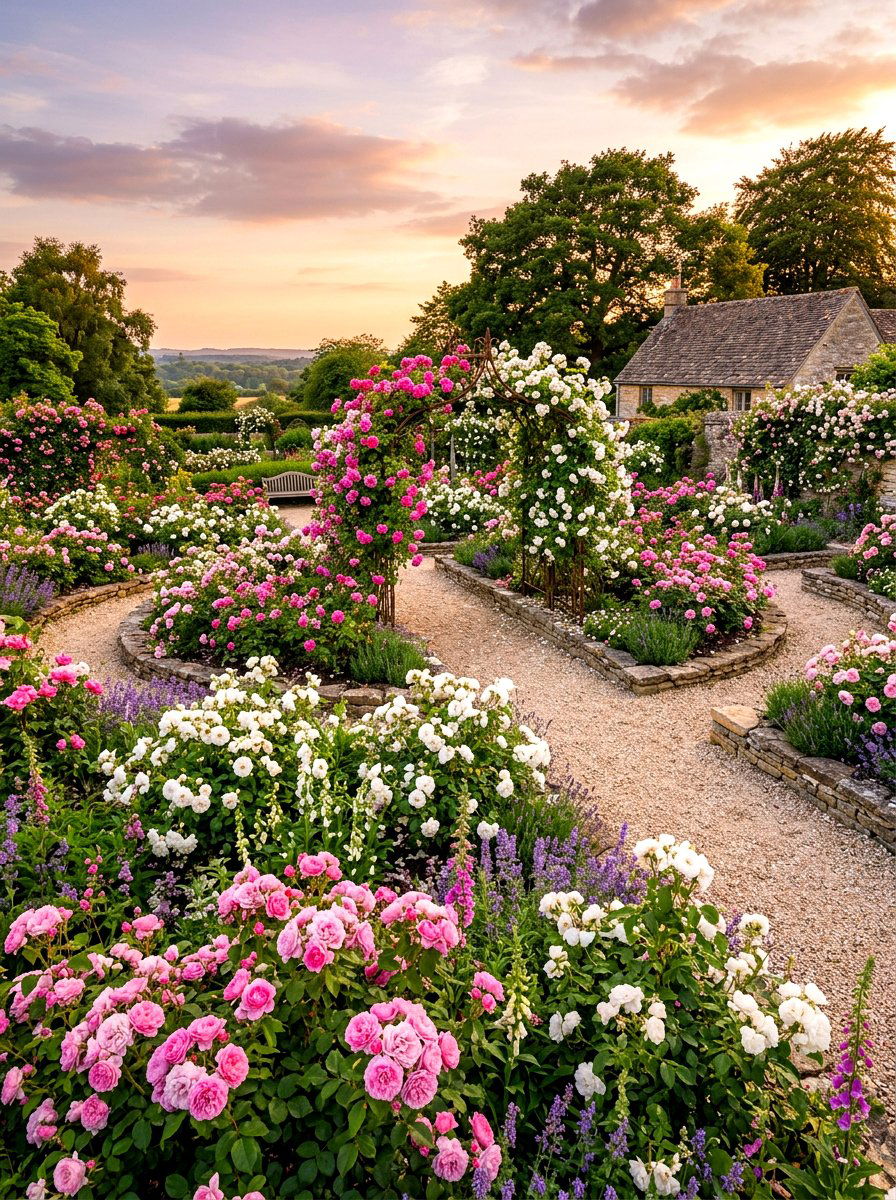
A rose garden flower bed layout is a timeless choice that focuses on the romantic beauty and intoxicating scent of these classic blooms. You can arrange roses in structured beds with paths in between to allow for easy pruning and enjoyment of the fragrance. Mixing different types of roses, such as climbing varieties on a trellis and bush roses in the center, provides a variety of heights and forms. To keep the bed looking full when the roses aren't in bloom, you can underplant them with low-growing perennials like catmint or lavender. This layout creates a dedicated space for one of the world’s most beloved flowers, resulting in a sophisticated and highly fragrant garden area.
21. Window box flower bed
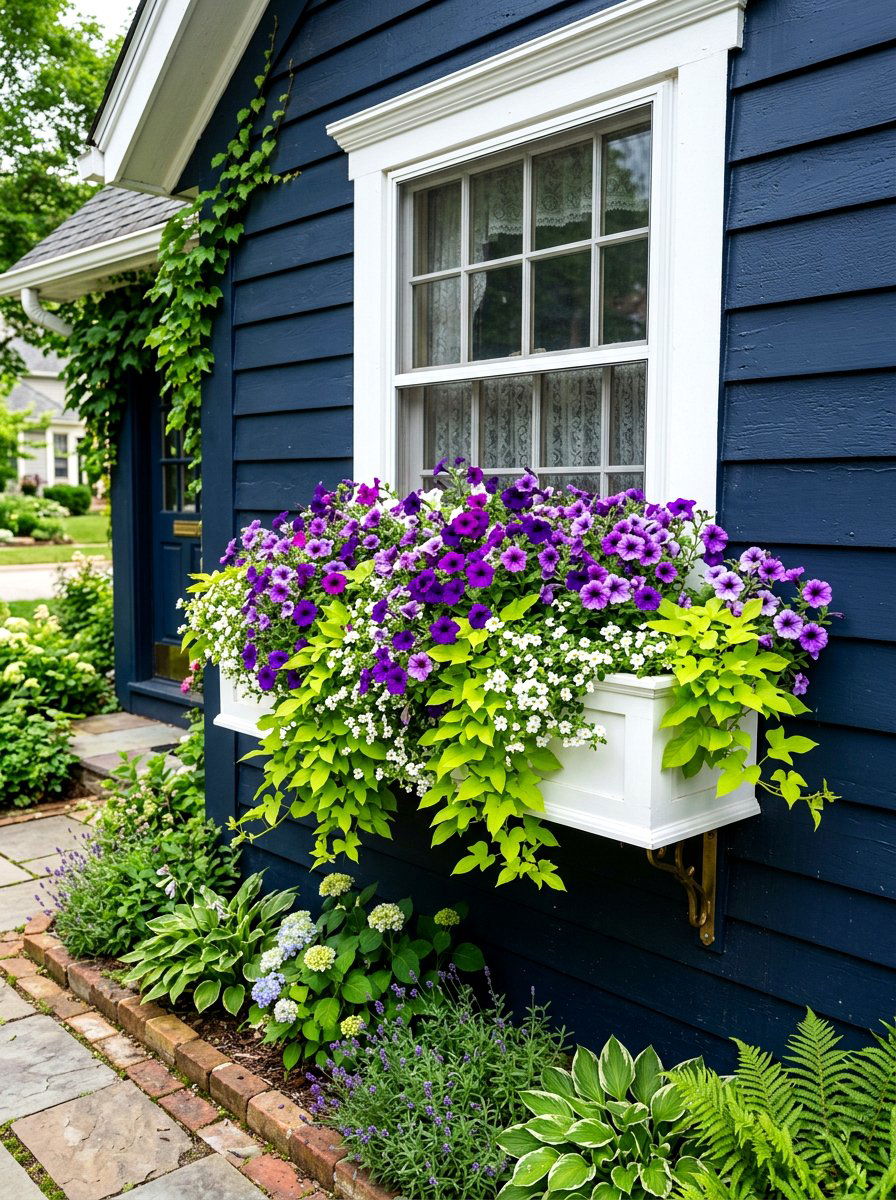
A window box flower bed is a charming way to bring the garden right up to your home, adding color and life to the exterior. This compact layout is attached directly to the windowsill or a porch railing, making it visible from both inside and outside the house. You should use a "thriller, filler, and spiller" technique, where you place a tall plant in the center, medium plants around it, and trailing vines to hang over the edges. This creates a full and lush look that instantly improves your home's curb appeal. Because they are easy to reach, window boxes are perfect for rotating seasonal annuals to keep your home looking fresh and festive.
22. Decorative driveway flower bed border
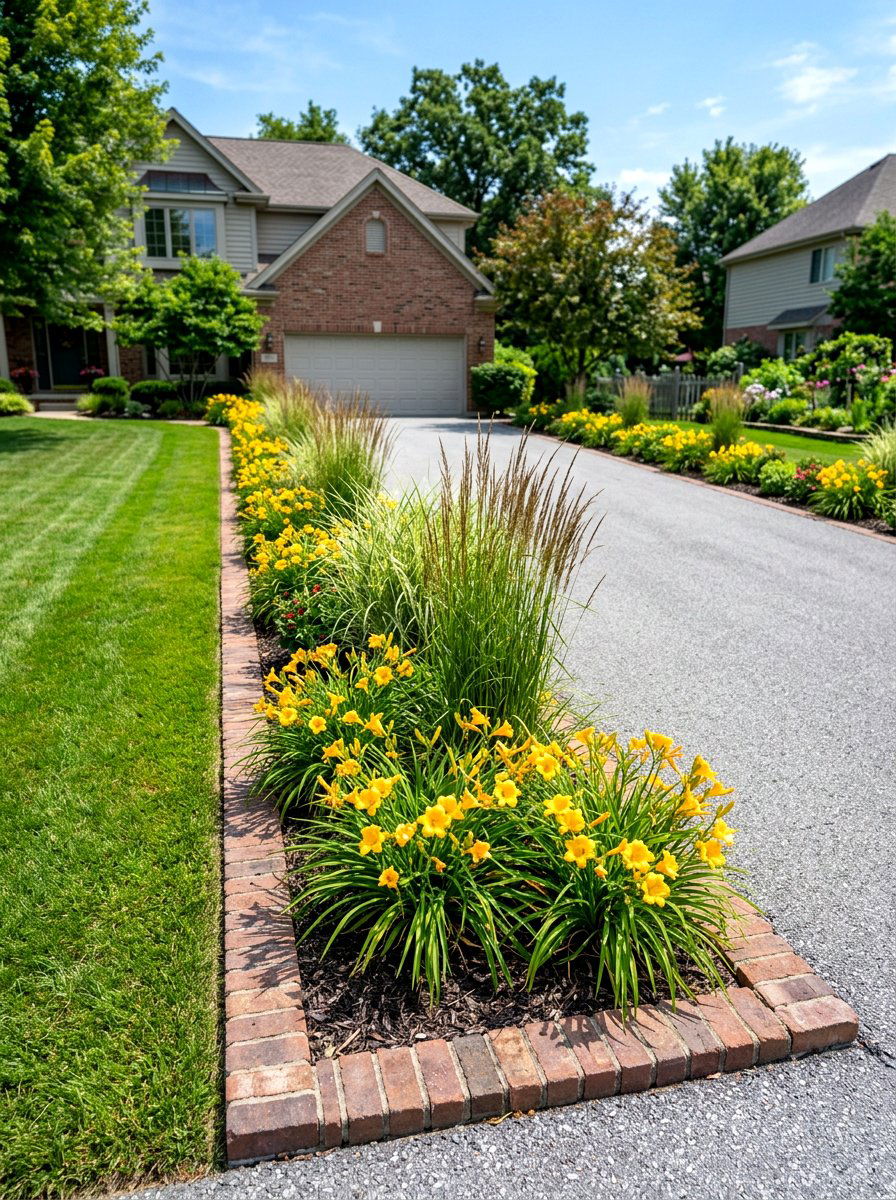
A decorative driveway flower bed border helps to define the edges of your property while softening the look of a long expanse of concrete or asphalt. This layout usually consists of a long, narrow strip of land running parallel to the driveway, filled with hardy and salt-tolerant plants. You should choose low-profile plants that won't block the view of drivers or hang over the edge of the path. Using a mix of evergreen shrubs and colorful perennials ensures the border looks great in every season. This design adds a polished and finished look to the front of your property, making the transition from the street to your home feel much more intentional and inviting.
23. Woodland shade flower bed
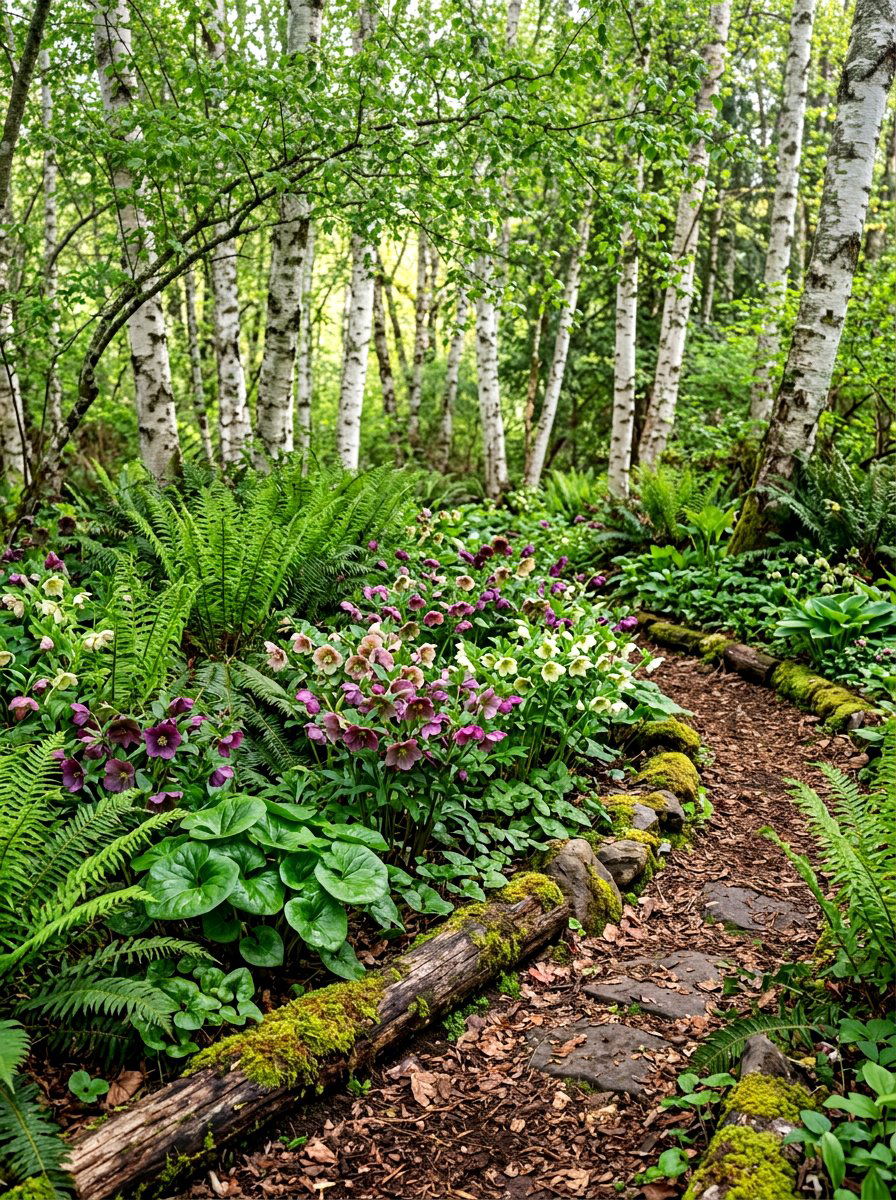
A woodland shade flower bed mimics the natural floor of a forest, using a layered approach with various shade-loving species. This layout often includes a mix of small flowering trees, shrubs like azaleas, and groundcovers like wild ginger or ferns. The goal is to create a cool, dappled light environment that feels quiet and secluded from the rest of the world. Using natural materials like wood chips or leaf mold for mulch enhances the earthy aesthetic and enriches the soil. This garden style is perfect for those with a lot of mature trees on their property who want to embrace the natural beauty of the shade. It provides a peaceful and low-stress area for relaxation.
24. Zen garden flower bed
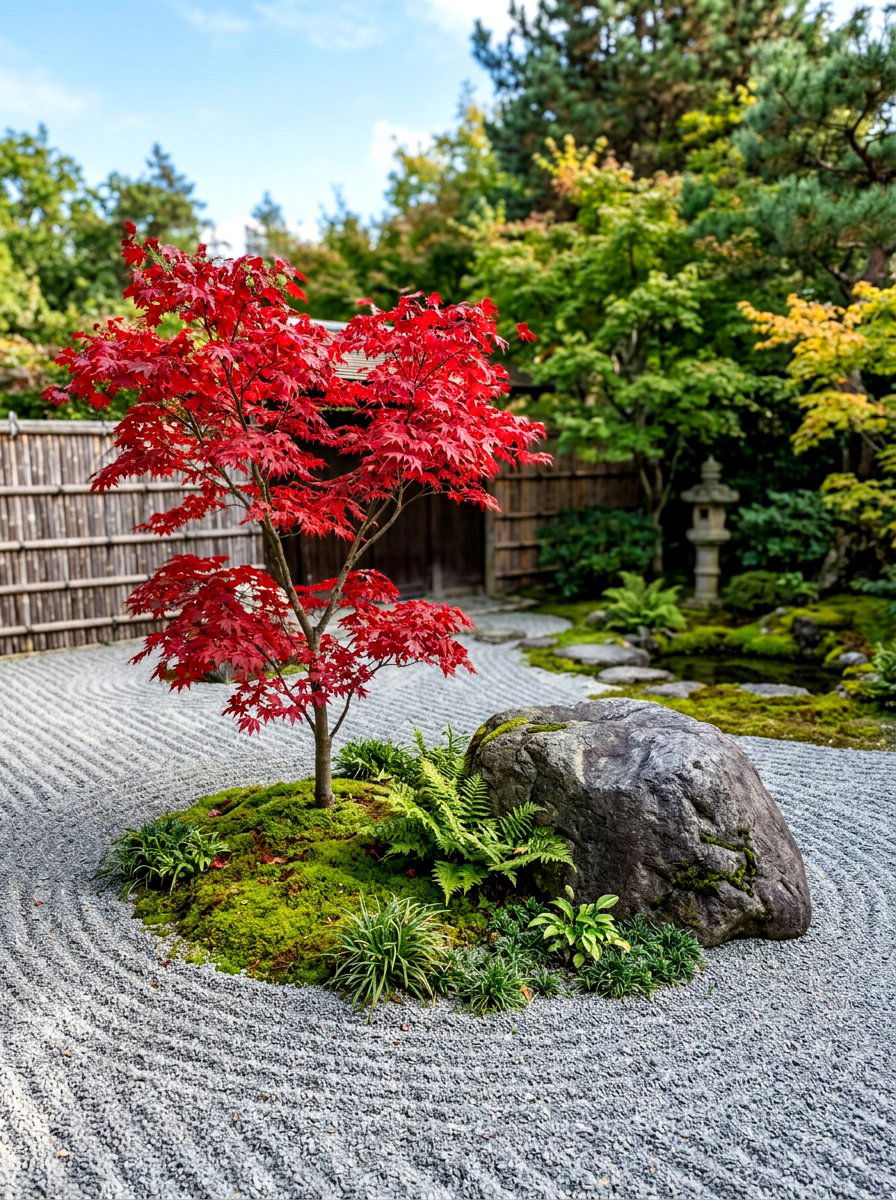
A Zen garden flower bed focuses on simplicity, balance, and tranquility, drawing inspiration from traditional Japanese landscape design. This layout often features a few carefully chosen plants, such as a single Japanese maple or clumps of moss, set against a background of raked gravel or sand. The use of large, weathered stones placed in odd numbers creates a sense of stability and natural harmony within the space. Flowers are used sparingly, often in calm tones like white or pale pink, so as not to overwhelm the meditative atmosphere. This garden is designed to be a place of quiet reflection where the mind can rest and enjoy the subtle beauty of nature’s most simple elements.
25. Wildflower meadow garden bed
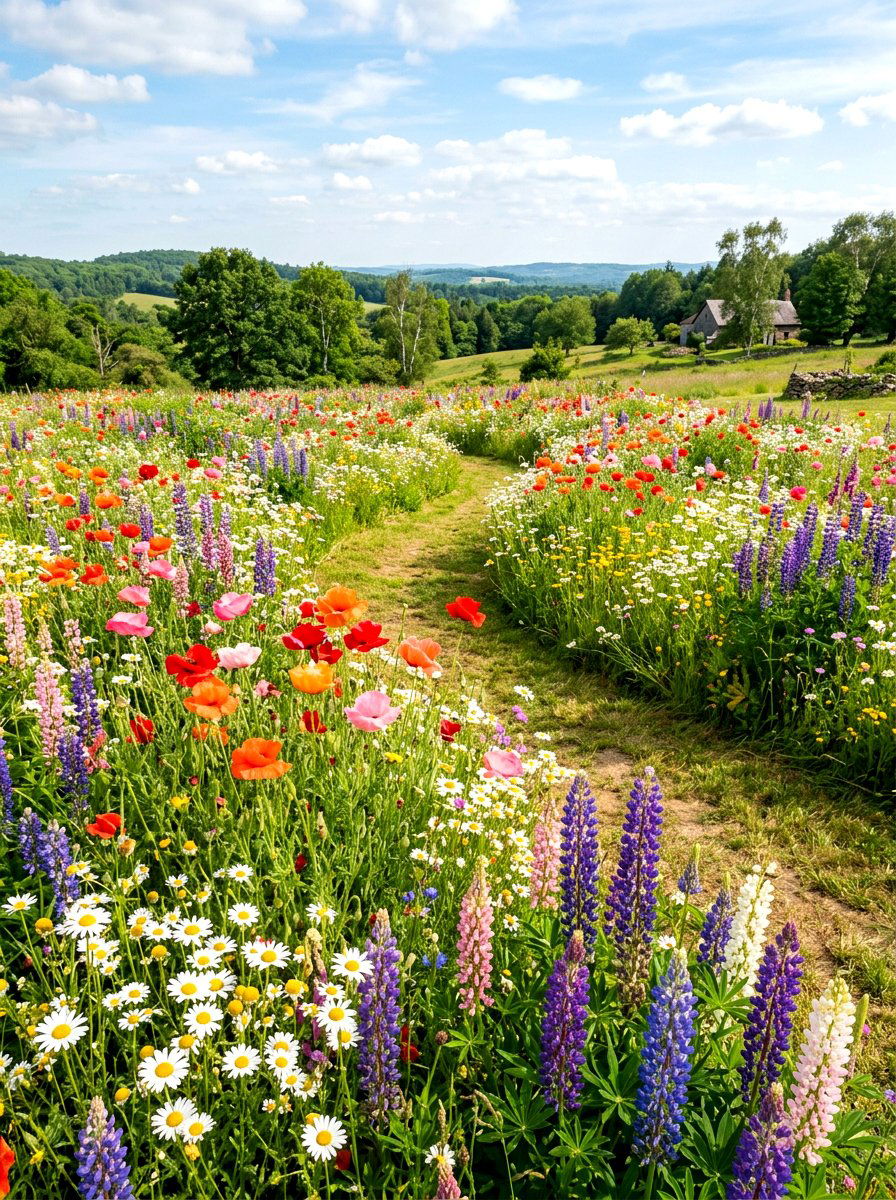
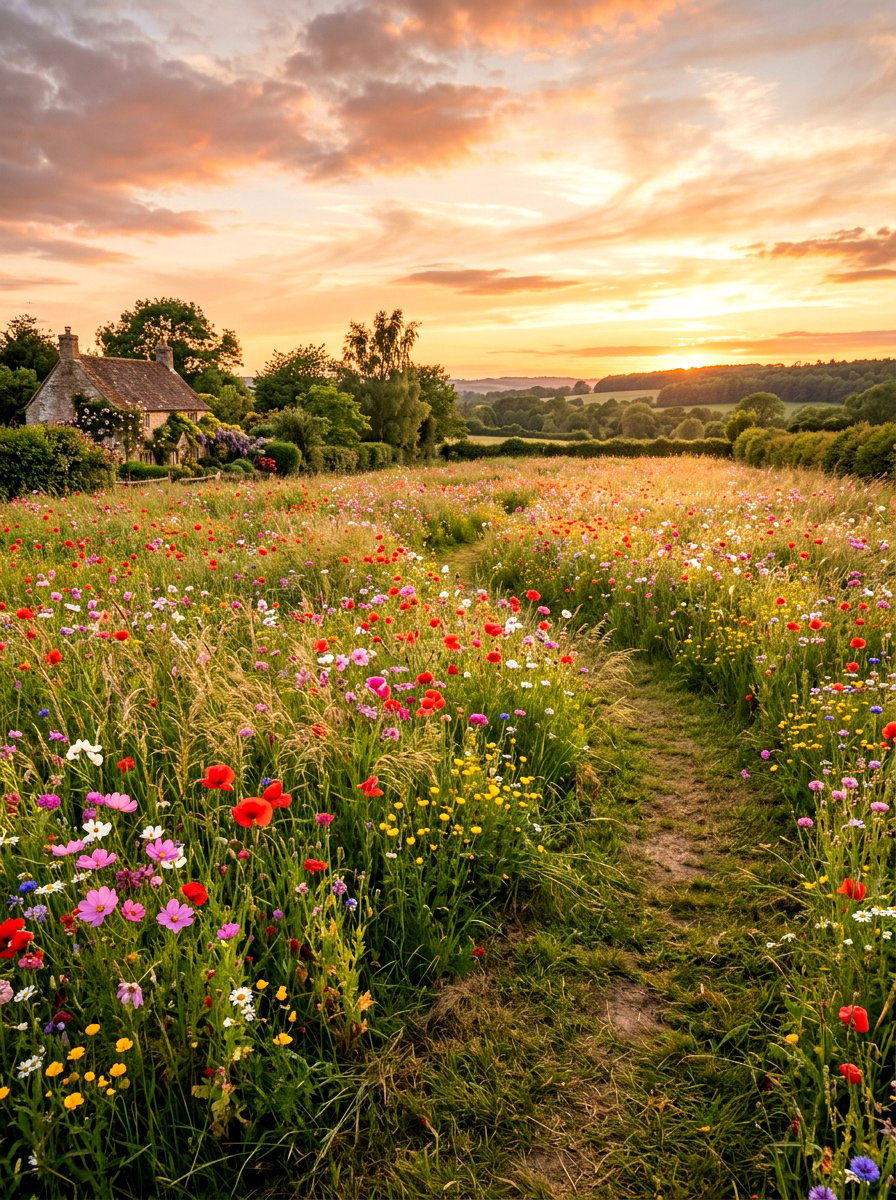
A wildflower meadow garden bed offers a naturalistic and vibrant alternative to the traditional manicured lawn. This layout involves sowing a mix of native wildflower seeds across a large area, allowing them to grow freely and create a tapestry of ever-changing colors. Meadows are fantastic for biodiversity, providing food and shelter for a wide range of birds and beneficial insects throughout the year. Once established, they require very little maintenance other than a single mow at the end of the season. The informal look of a meadow garden brings a sense of wild beauty and joy to any backyard, making it feel like a piece of the countryside. It is an excellent choice for a sustainable landscape.
26. Privacy screen flower bed
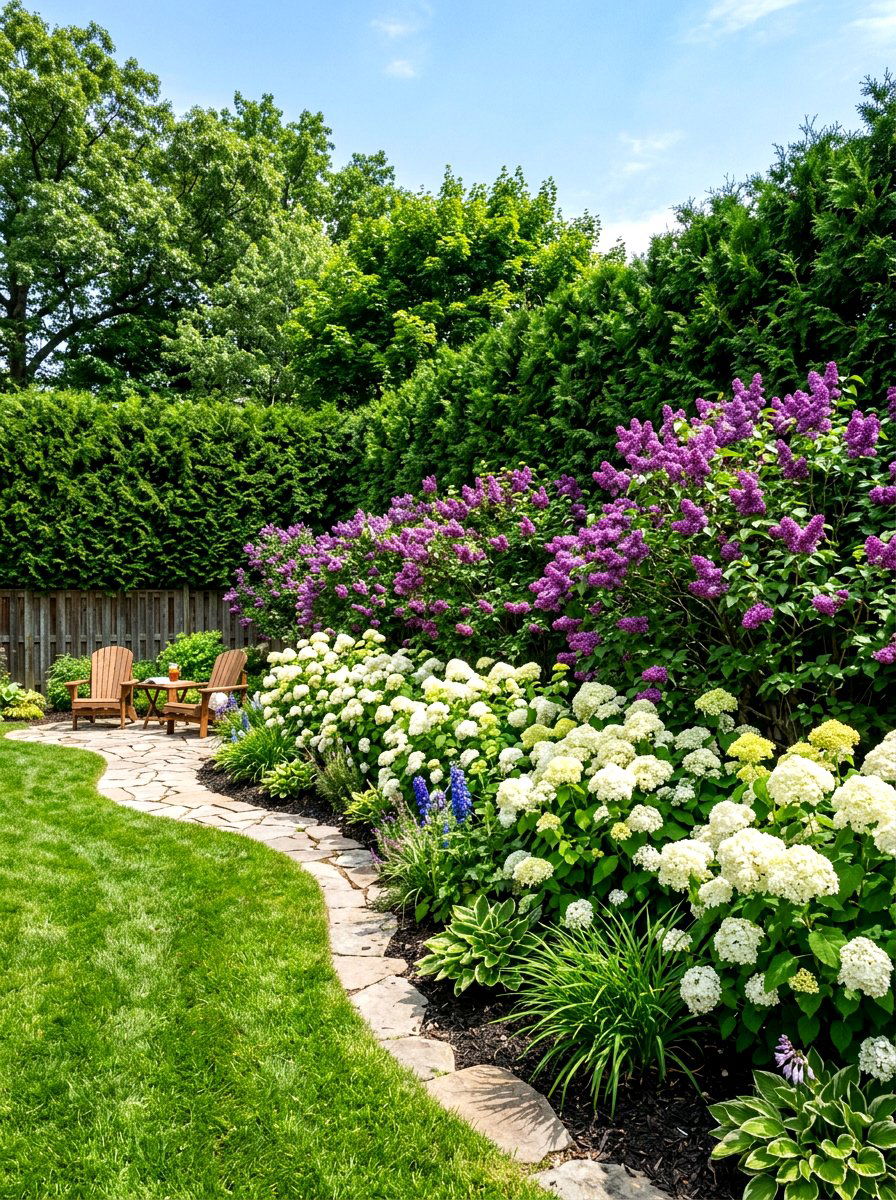
A privacy screen flower bed uses tall, dense plants to create a natural living wall that blocks unwanted views and noise from neighbors or the street. This layout features a mix of upright evergreens like arborvitae and tall flowering shrubs like lilacs or hydrangeas. By layering these plants, you create a thick barrier that provides year-round privacy while still looking beautiful and soft. You can plant shorter flowers at the base of the tall screen to add color and texture at eye level. This is a much more attractive and eco-friendly alternative to a standard wooden or chain-link fence. It turns the perimeter of your yard into a lush, secluded sanctuary where you can truly relax.
27. Mailbox flower bed layout
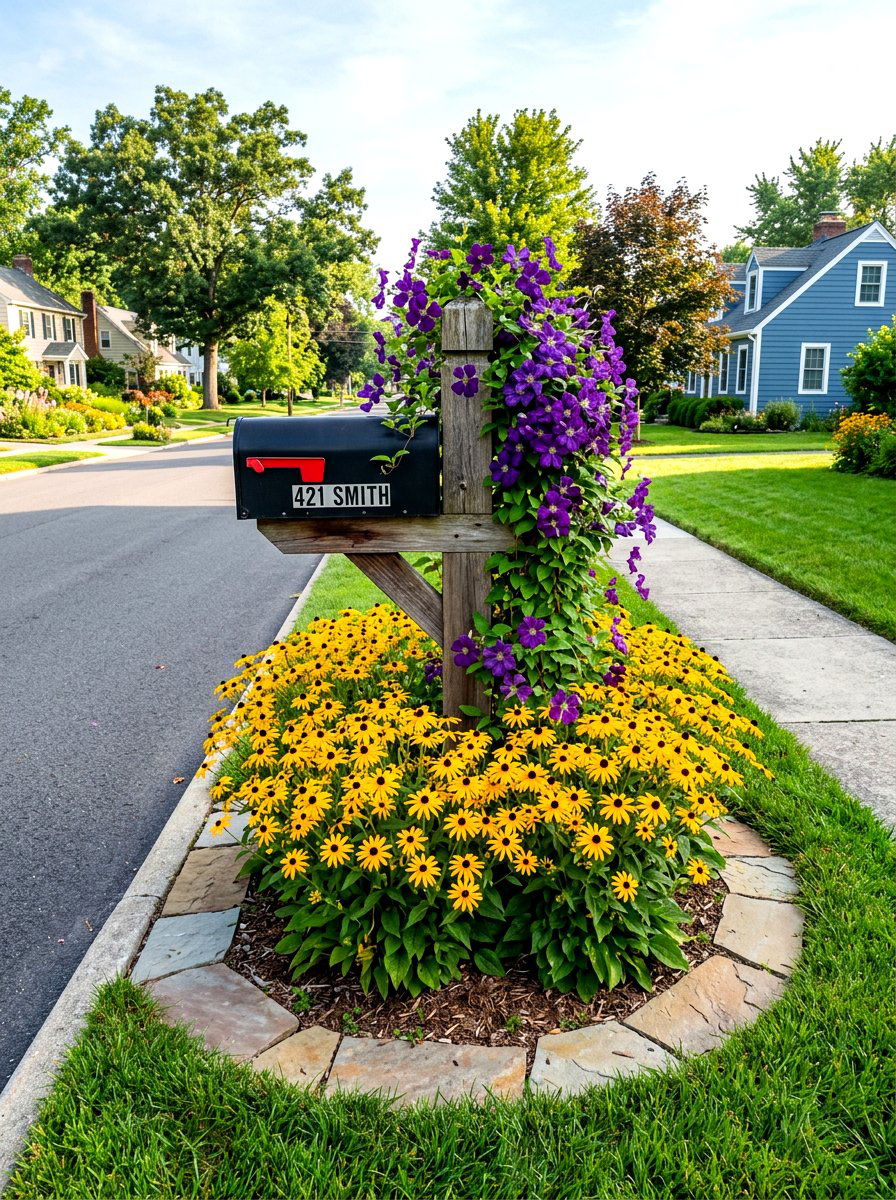
A mailbox flower bed layout is a small but high-impact project that can significantly improve your home’s street-side appearance. This compact garden encircles the mailbox post, turning a functional object into a decorative focal point for your neighborhood. You should choose tough, drought-tolerant plants like daylilies or black-eyed Susans that can handle the heat of the street and occasional car exhaust. Adding a small trellis for a climbing vine like clematis can add vertical interest without taking up much space. This simple layout is a great way to welcome people to your property and show off your personal style from the very edge of your lot. It is an easy weekend gardening project.
28. Pastel color palette flower bed
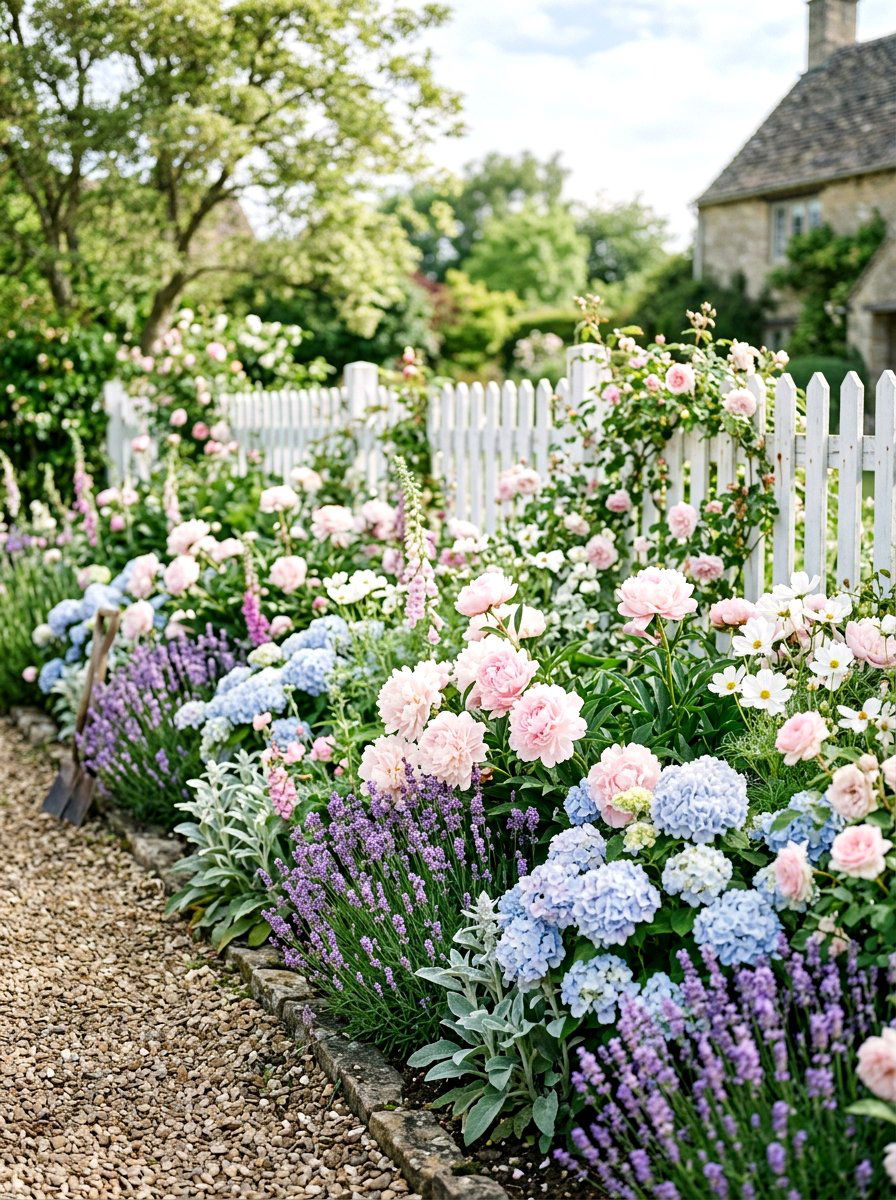
A pastel color palette flower bed uses soft hues of pink, lavender, light blue, and pale yellow to create a serene and dreamy atmosphere. This layout focuses on color theory to ensure all the plants harmonize perfectly, avoiding any harsh or clashing tones. Flowers like hydrangeas, lavender, and peonies are perfect for achieving this romantic and gentle look in your landscape. Using white-flowering plants as accents helps to brighten the pastel colors and makes the garden feel more luminous, especially during the twilight hours. This design is ideal for creating a peaceful retreat where you can unwind after a busy day. The soft colors are naturally soothing to the eyes and the mind.
29. Mixed shrub and perennial bed
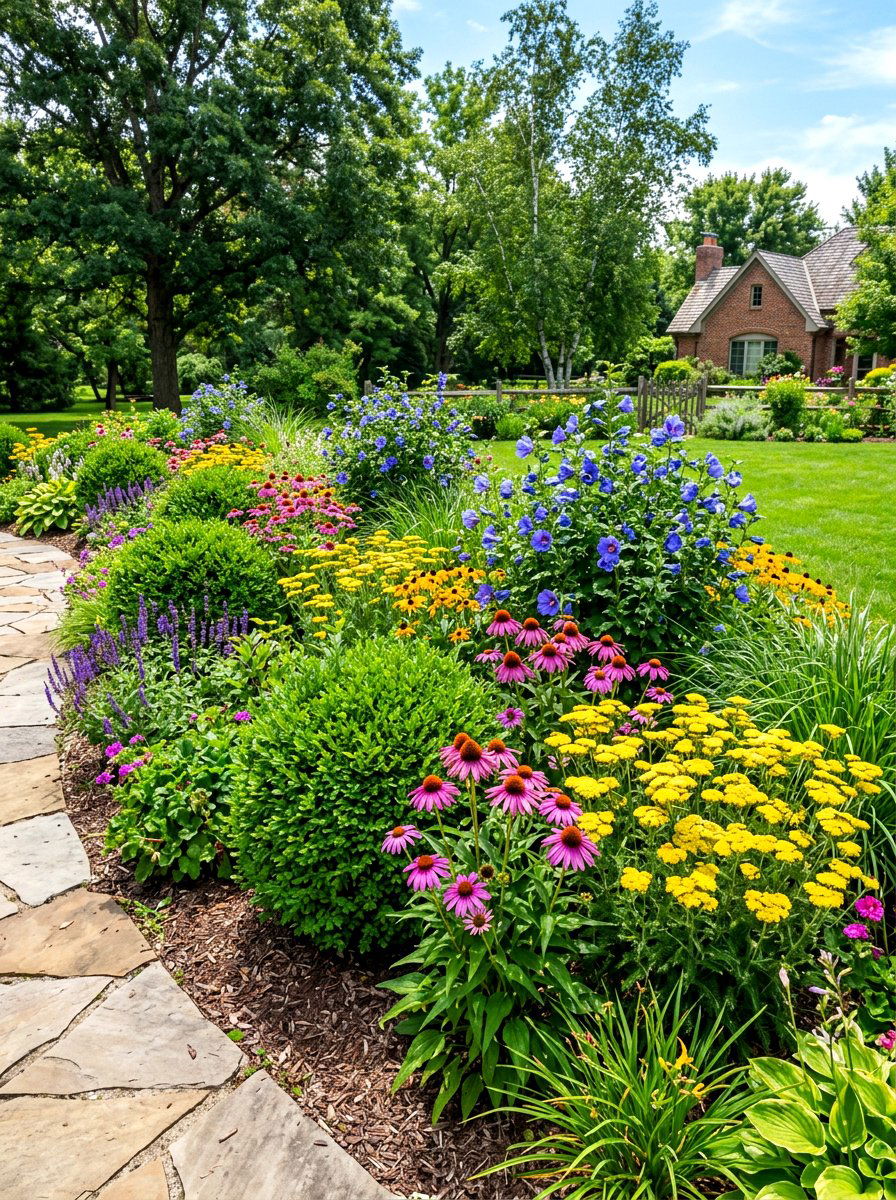
A mixed shrub and perennial bed provides the perfect balance of year-round structure and seasonal color in one cohesive layout. The shrubs act as the "bones" of the garden, providing green foliage and height even in the winter, while the perennials offer bursts of flowers during the growing months. You can arrange the shrubs in a loose zigzag pattern and fill the gaps in between with flowering plants of various heights and textures. This diversity makes the garden more resilient to pests and diseases while providing a long season of visual interest. It is a very practical and popular layout for large borders because it requires less frequent replanting than a bed filled only with annual flowers.
30. Winter interest flower bed
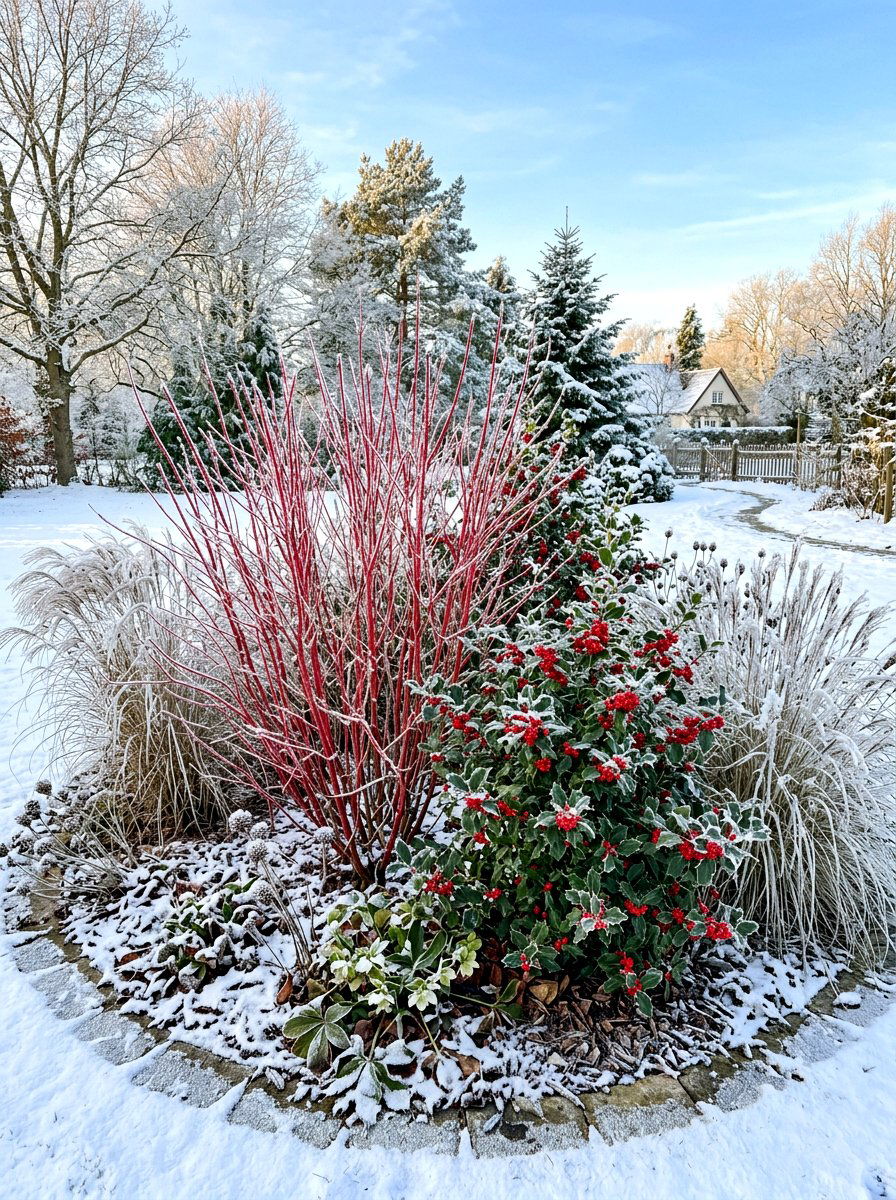
A winter interest flower bed is specifically designed to look beautiful during the coldest months when most other plants have gone dormant. This layout features plants with interesting bark, evergreen foliage, and persistent berries that provide color against the snow or gray skies. Plants like red-twig dogwood, winterberry holly, and hellebores are essential for this design because they offer unique textures and colors in the middle of winter. You can also include ornamental grasses that maintain their structure and move gracefully in the wind even when they have turned brown. This layout ensures that your garden remains a source of joy and beauty for all twelve months of the year, not just in summer.
Conclusion:
Designing a flower bed is an exciting way to express your personal style while improving the health and value of your home’s landscape. By exploring different layouts, from formal symmetry to wild meadows, you can find the perfect fit for your yard’s unique conditions and your own lifestyle needs. Remember that a successful garden is a living project that evolves over time, so do not be afraid to experiment with new plant combinations and shapes as you learn. Whether you want to attract butterflies, grow your own food, or simply enjoy a beautiful view from your window, these layout ideas provide the foundation for a thriving outdoor space. Happy gardening as you transform your yard into a vibrant sanctuary.

Related posts: