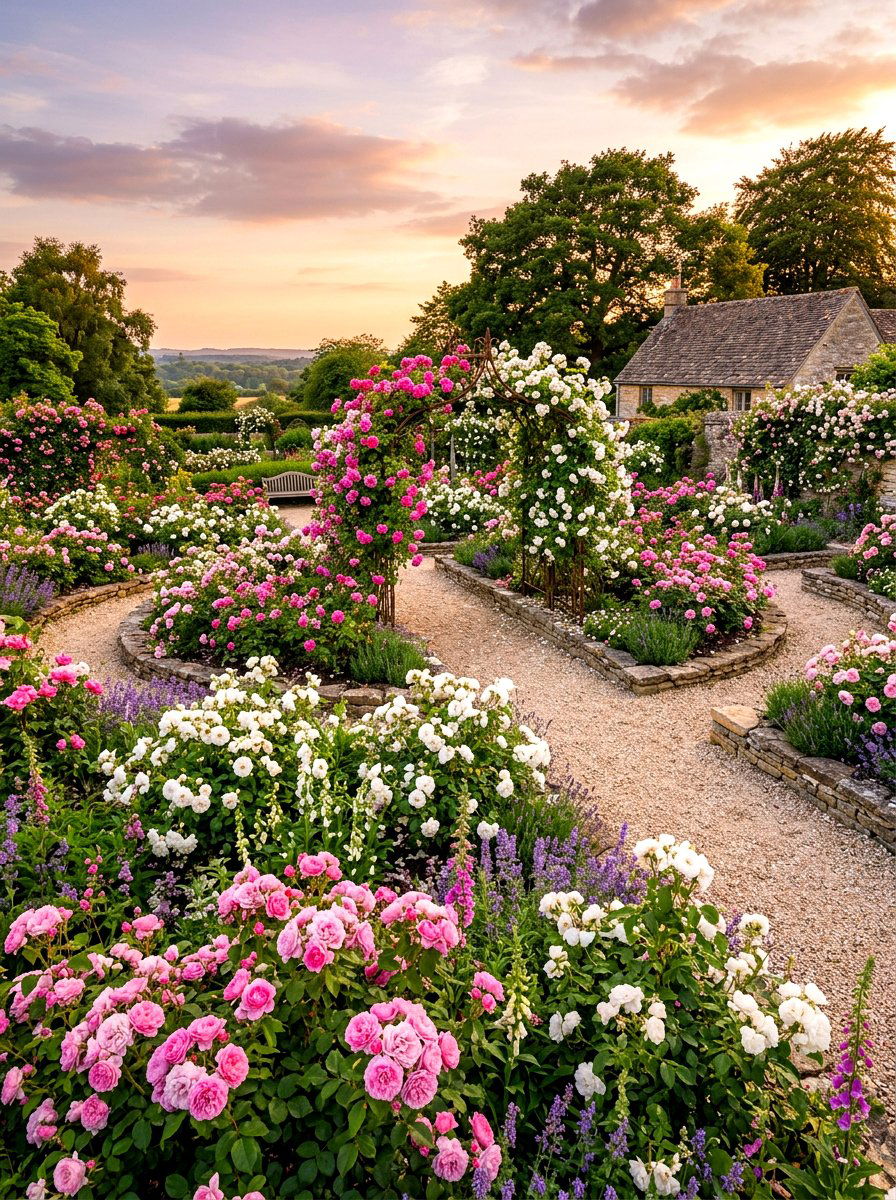
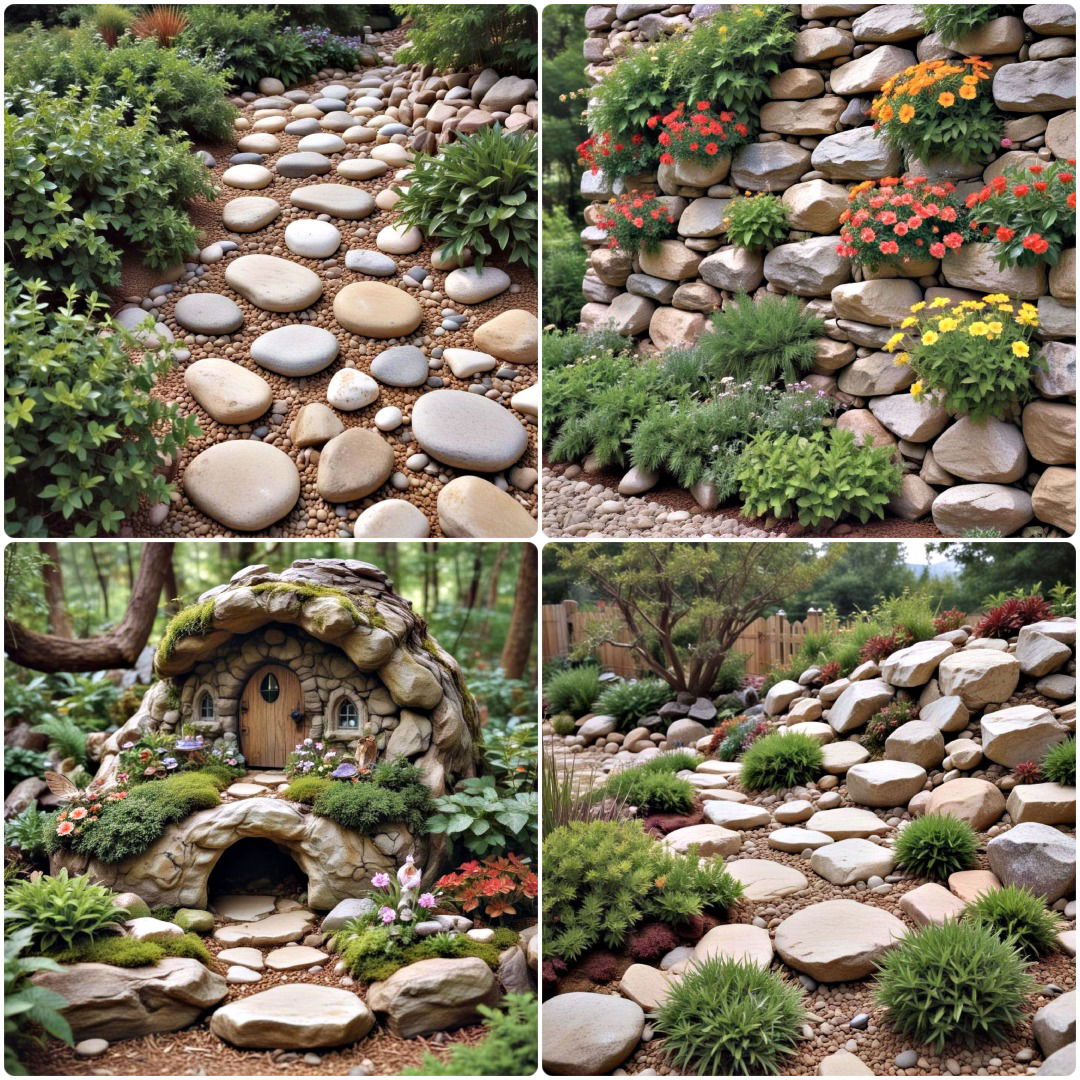
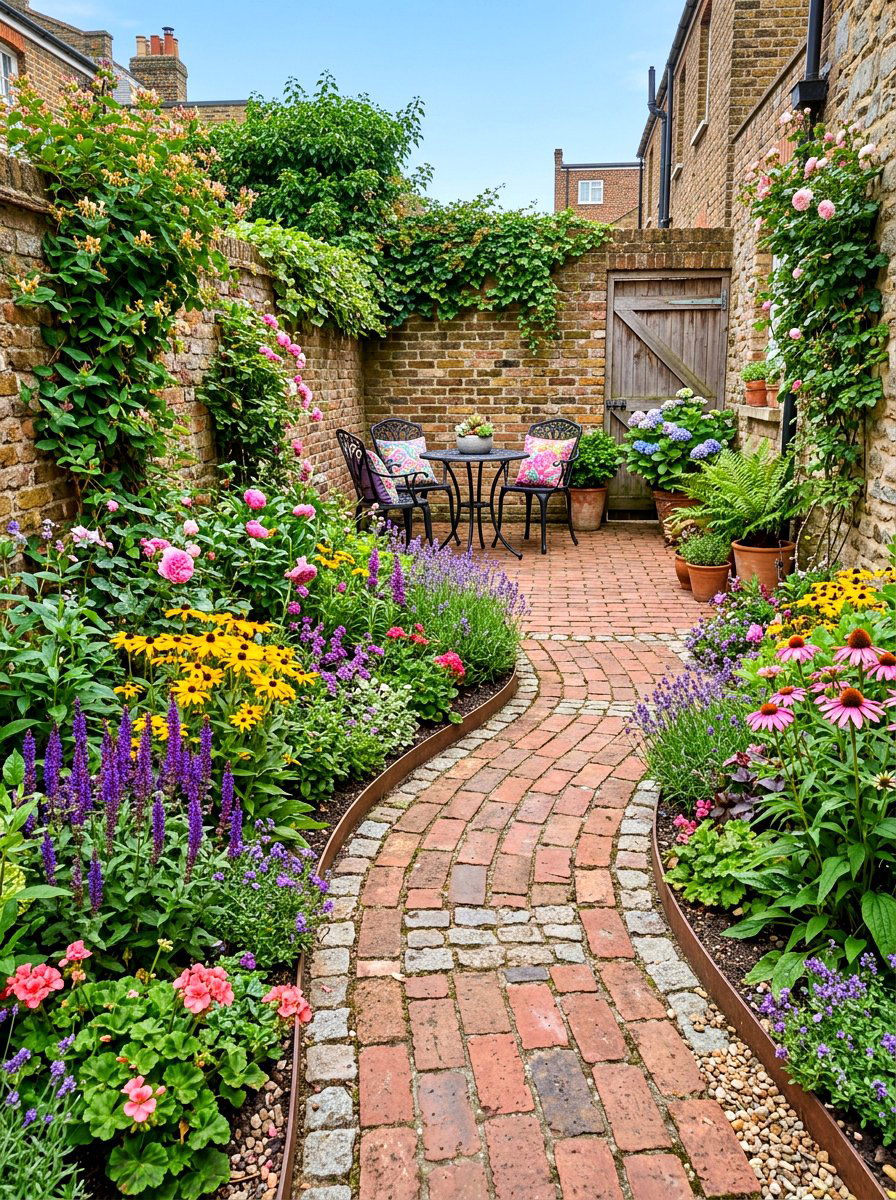
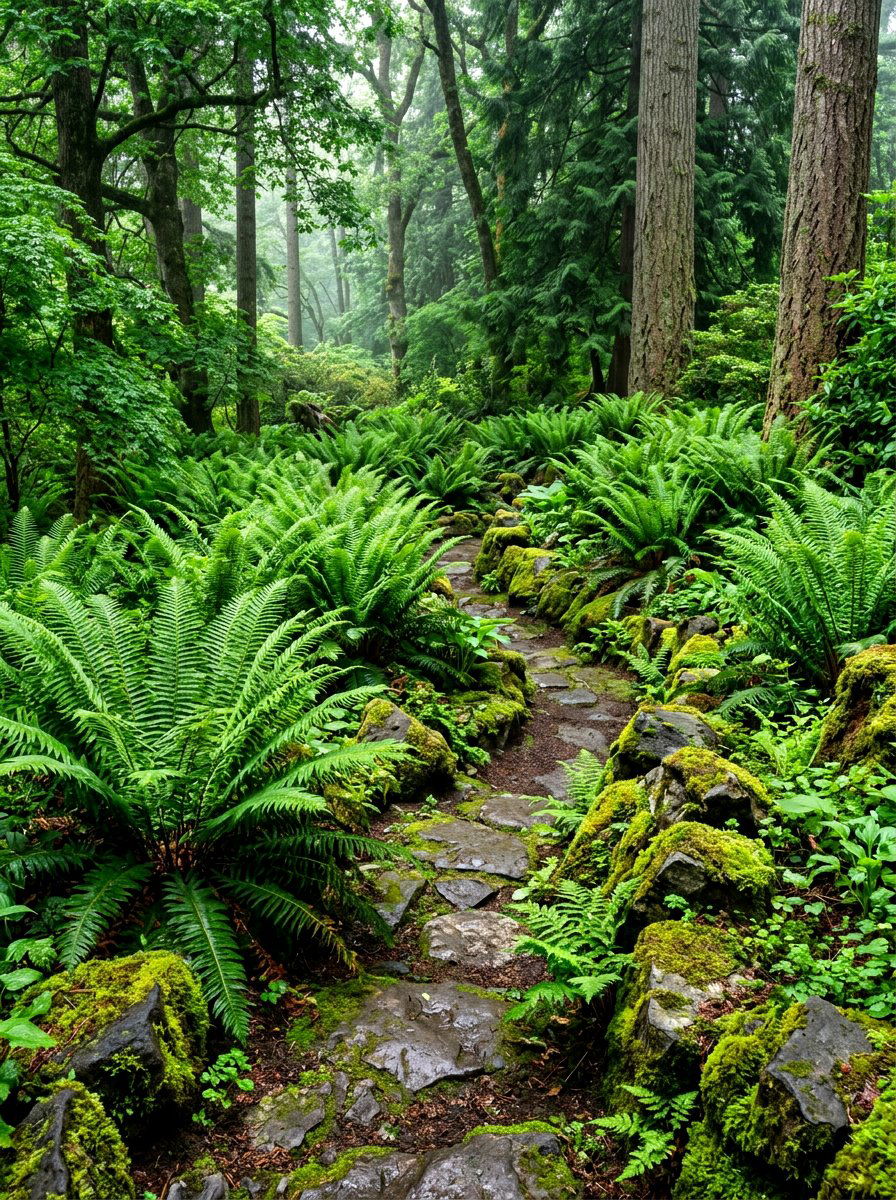
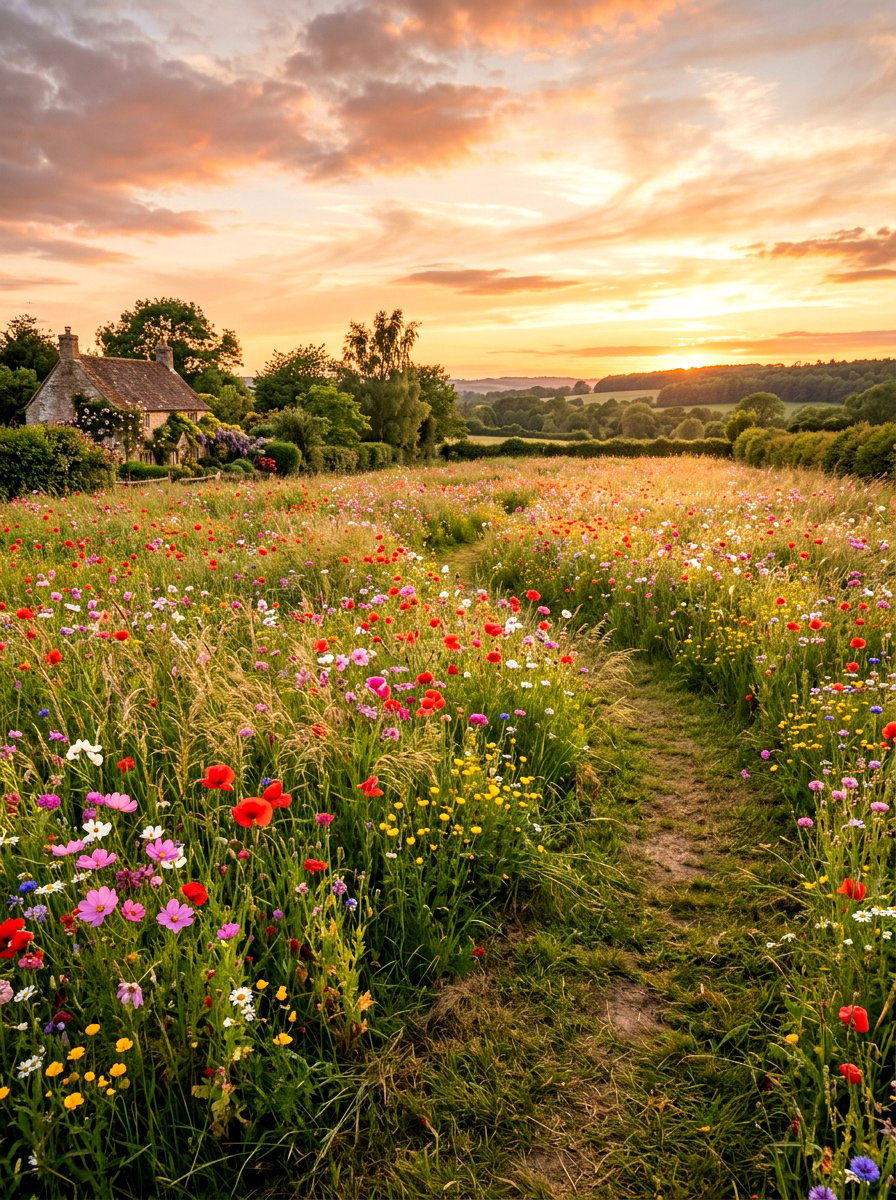
Adding a vibrant flower bed around the base of a tree is one of the most effective ways to elevate your yard's curb appeal while solving the common problem of patchy grass in shaded areas. Many homeowners struggle with thin turf under large canopies, but a well-planned garden bed transforms these awkward spots into stunning focal points. Beyond the aesthetic benefits, a properly designed tree ring protects the trunk from mower damage and helps retain essential moisture for the roots. Whether you prefer the structured look of stacked stones or the wild beauty of a woodland-inspired shade garden, these ideas offer creative solutions that prioritize both visual impact and the long-term health of your favorite trees.
1. Stacked stone tree ring garden
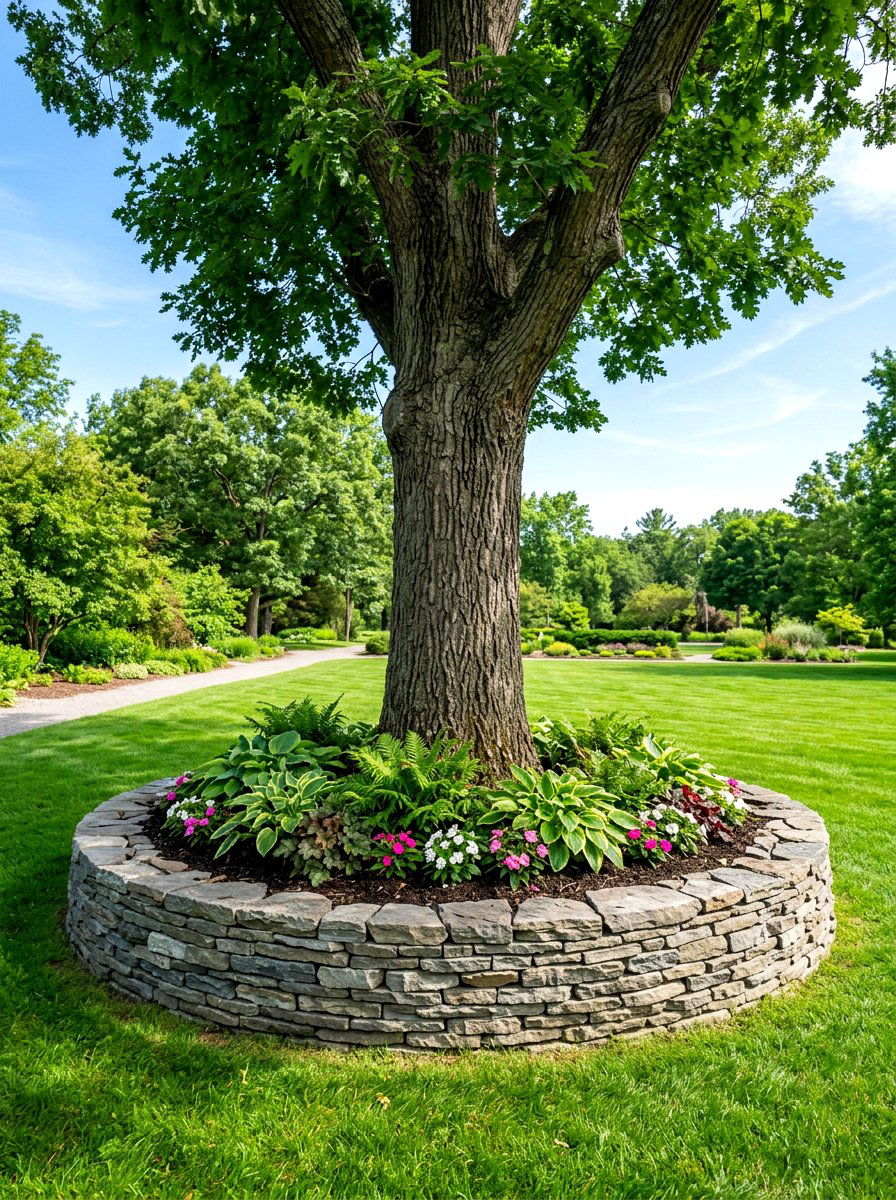
Building a stacked stone tree ring garden is a timeless way to add structure and a touch of elegance to your landscape. This design uses natural, flat stones layered carefully to create a sturdy, low-profile wall that contains premium soil and mulch. By choosing stones that complement your home’s exterior, you create a cohesive look that feels like a permanent part of the property. It is important to keep the stones a few inches away from the trunk to ensure the tree flare remains exposed. This setup is particularly effective for large oaks or maples where grass refuses to grow, providing a clean, maintenance-free zone that looks professional and polished year-round.
2. Hosta and fern shade sanctuary
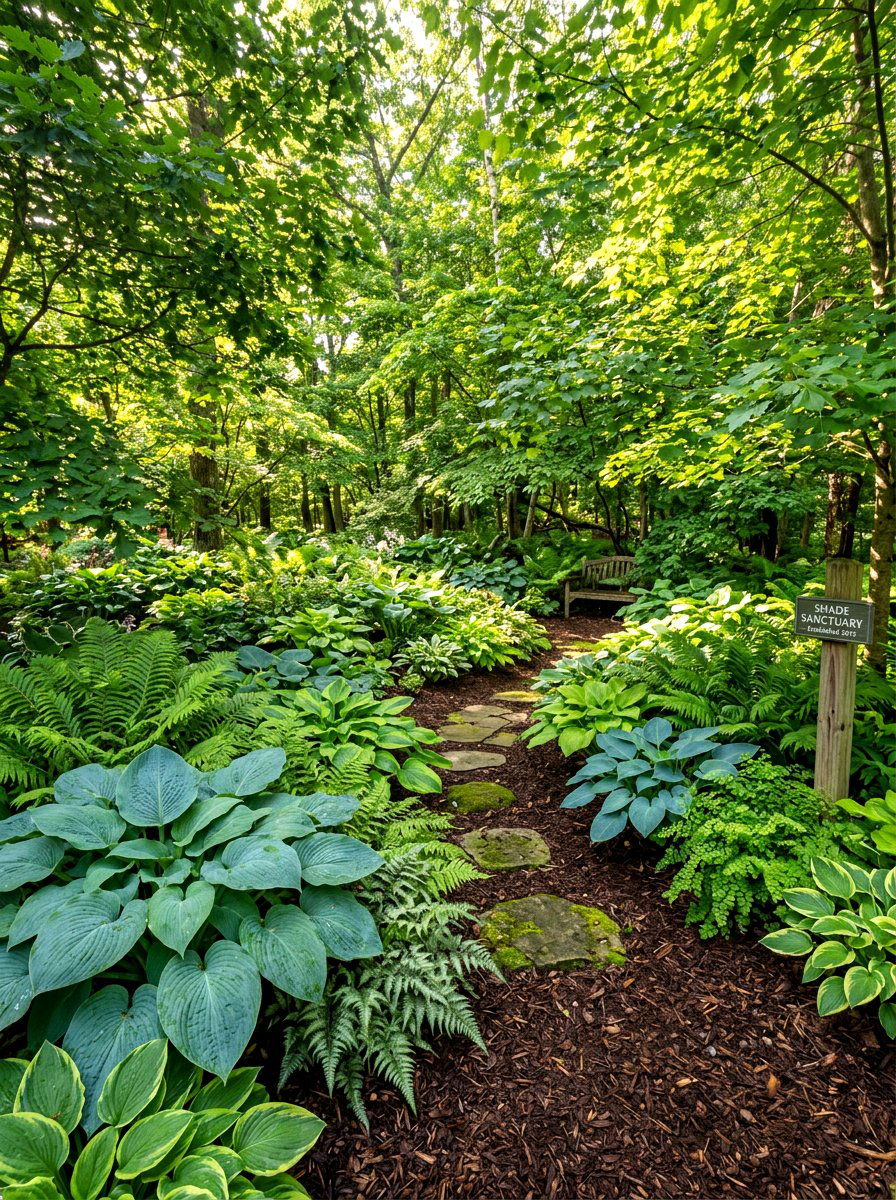
Creating a hosta and fern shade sanctuary is an ideal solution for those deep-shade areas where colorful flowers might struggle to thrive. This design relies on the rich textures and varied greens of different hosta varieties, such as blue-toned "Halcyon" or variegated "Patriot. " Interspersing these with delicate ostrich ferns or painted ferns adds height and a lacy, woodland feel to the space. The result is a lush, cooling oasis that feels incredibly refreshing during the hot summer months. To keep this bed looking its best, ensure you use a thick layer of organic mulch to keep the roots cool and provide the consistent moisture these shade-lovers crave.
3. Circular brick border flower bed
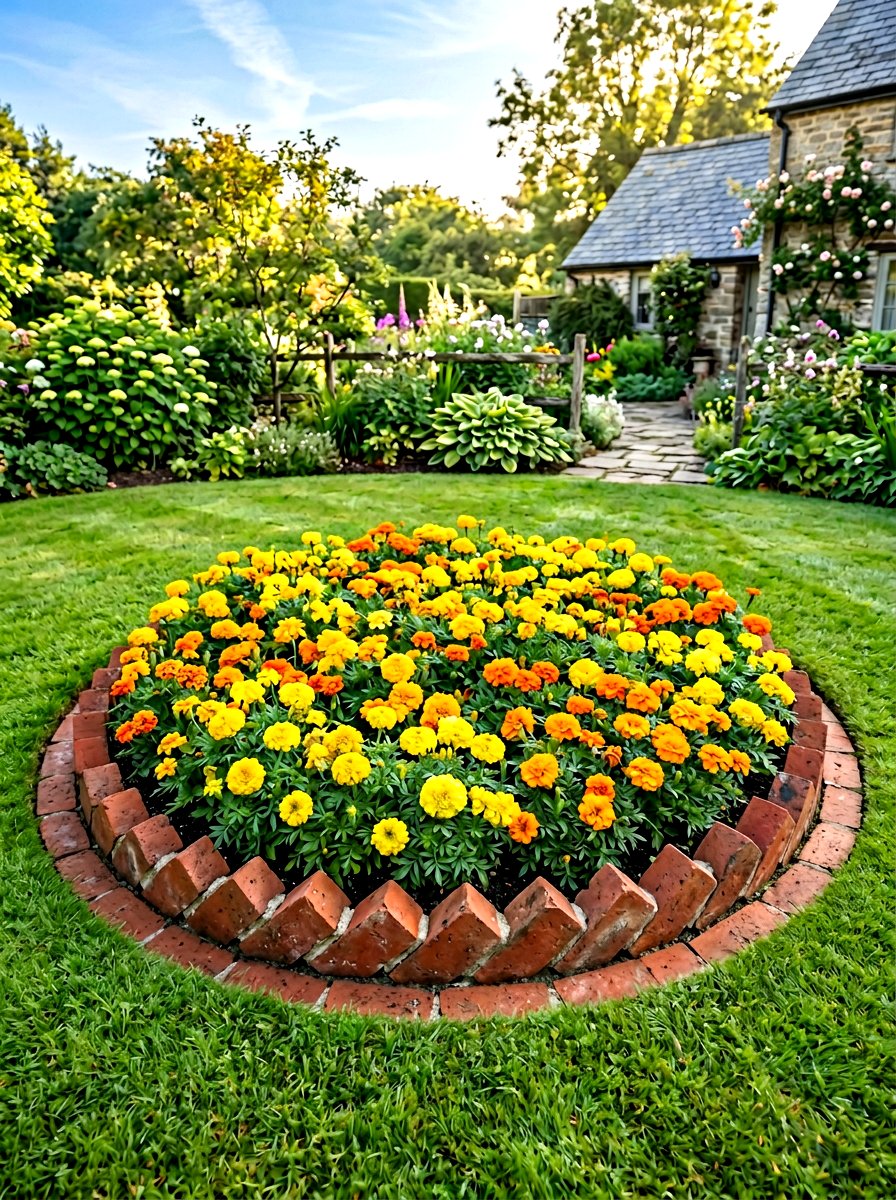
A circular brick border flower bed offers a classic, traditional aesthetic that works beautifully with brick-front homes or colonial-style architecture. You can lay the bricks flat for a subtle edge or stand them on an angle to create a decorative "sawtooth" pattern. Inside the ring, a mix of vibrant annuals like pansies or marigolds provides pops of color that contrast sharply against the deep red of the brick. This design is highly functional as it provides a firm edge for lawn edgers and mowers to follow, preventing grass from encroaching into the bed. It’s a budget-friendly project that delivers a high-end, manicured look with very little effort.
4. Naturalistic woodland mulch garden
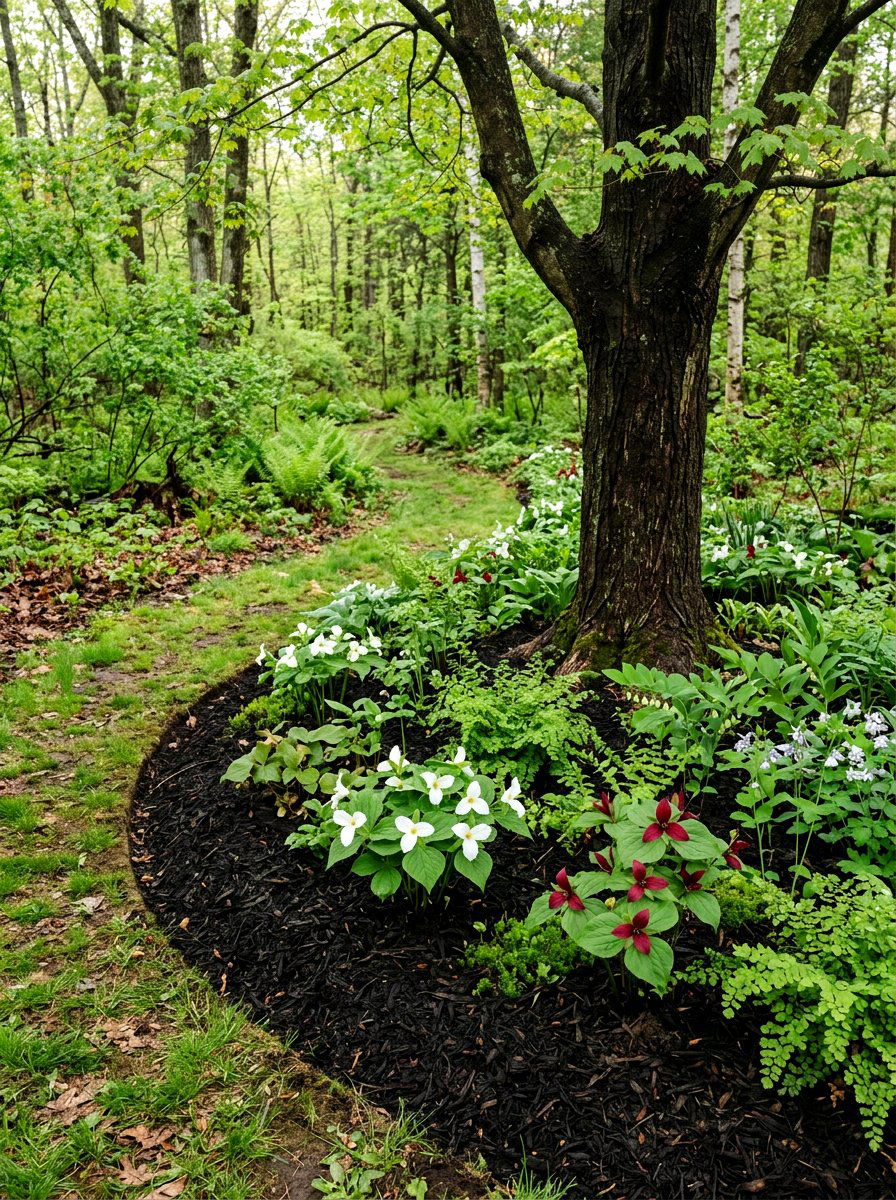
Embracing a naturalistic woodland mulch garden is a fantastic low-maintenance approach that mimics the organic beauty of a forest floor. Instead of rigid stone borders, this design uses a soft, spade-cut edge to separate the bed from the lawn. Fill the space with a rich, dark brown or hemlock mulch and plant native woodland species like wild ginger, trillium, or foamflowers. This concept is perfect for large, established trees with sprawling root systems, as it doesn't require heavy digging or heavy hardscaping. The focus here is on subtle textures and a relaxed vibe that encourages local wildlife and pollinators to visit your backyard while keeping the tree healthy.
5. Raised stone retaining wall bed
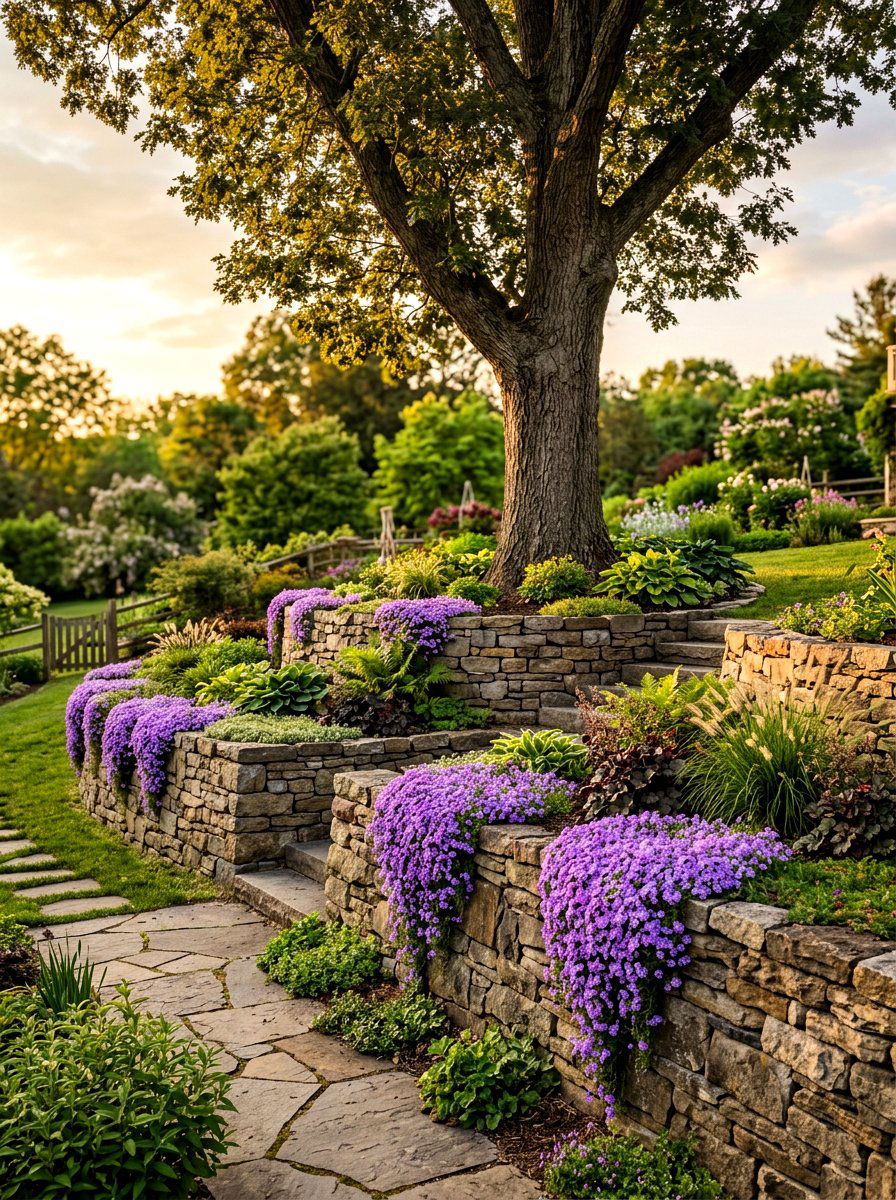
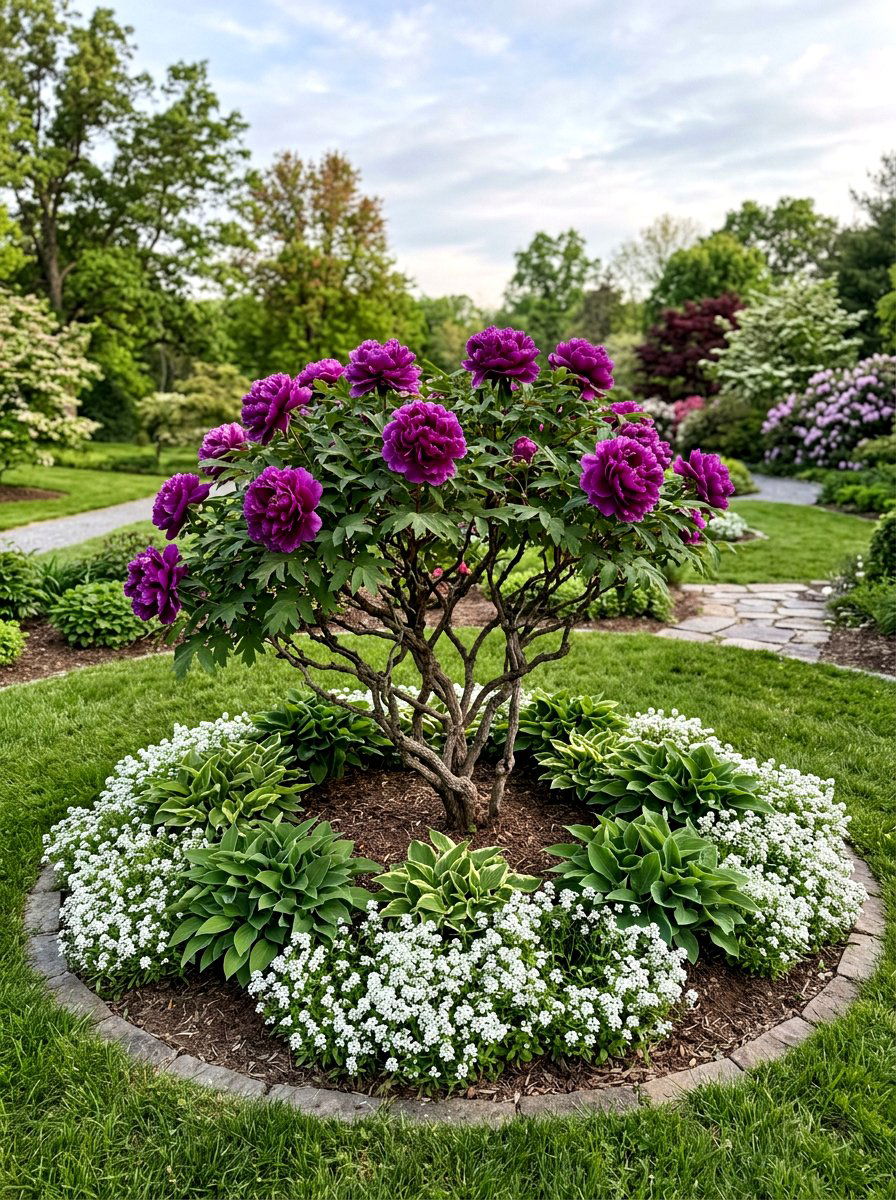
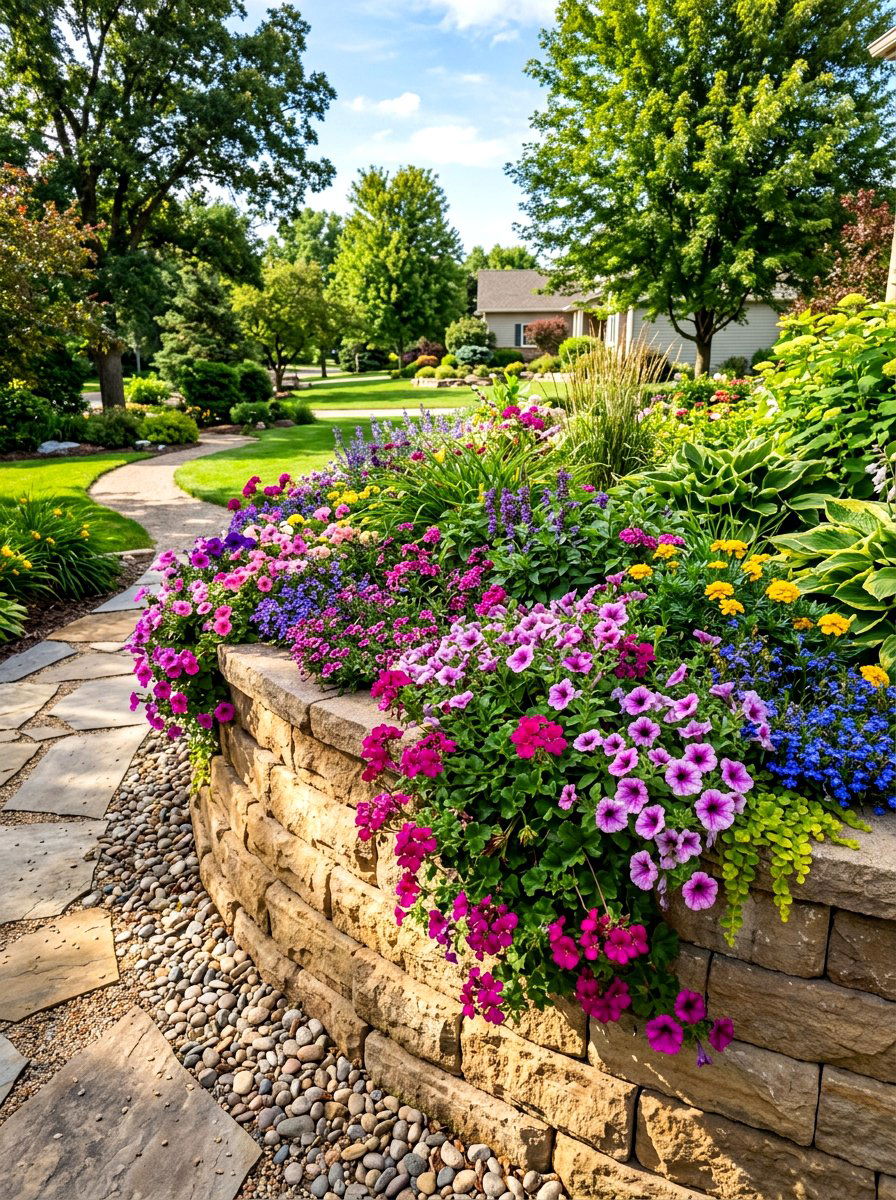
A raised stone retaining wall bed is a bold architectural choice that works exceptionally well on sloped yards where soil erosion might be a concern. By building a slightly higher wall on the downhill side, you can create a level planting surface around the tree base. This extra height allows you to plant cascading flowers like trailing lobelia or creeping phlox that will spill over the edges beautifully. However, you must be careful not to pile too much soil against the actual tree trunk, as this can cause rot. When done correctly, this design provides a striking, multi-dimensional look that adds significant value and visual interest to your front lawn.
6. Modern concrete paver tree ring
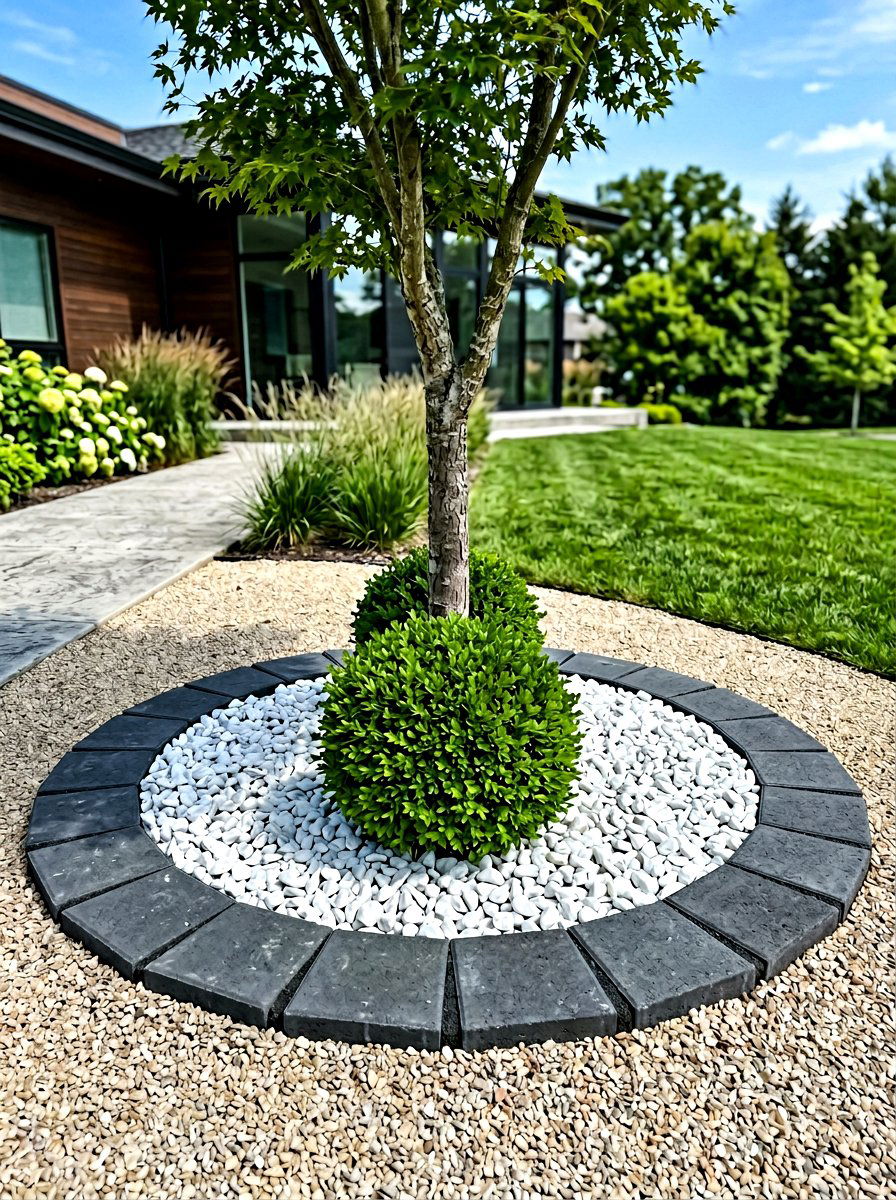
For a clean and contemporary look, a modern concrete paver tree ring is a top choice that fits perfectly with minimalist or industrial home designs. Using uniform, grey or charcoal pavers creates a sharp geometric circle that feels very intentional and organized. Inside the pavers, you can use a high-contrast white marble chip or dark lava rock instead of traditional mulch for a sleek finish. Plant low-profile, structured greenery like dwarf boxwoods or Japanese forest grass to maintain the modern aesthetic. This design is incredibly durable and holds up well against the elements, making it a great long-term investment for a modern suburban garden.
7. Low maintenance ground cover oasis
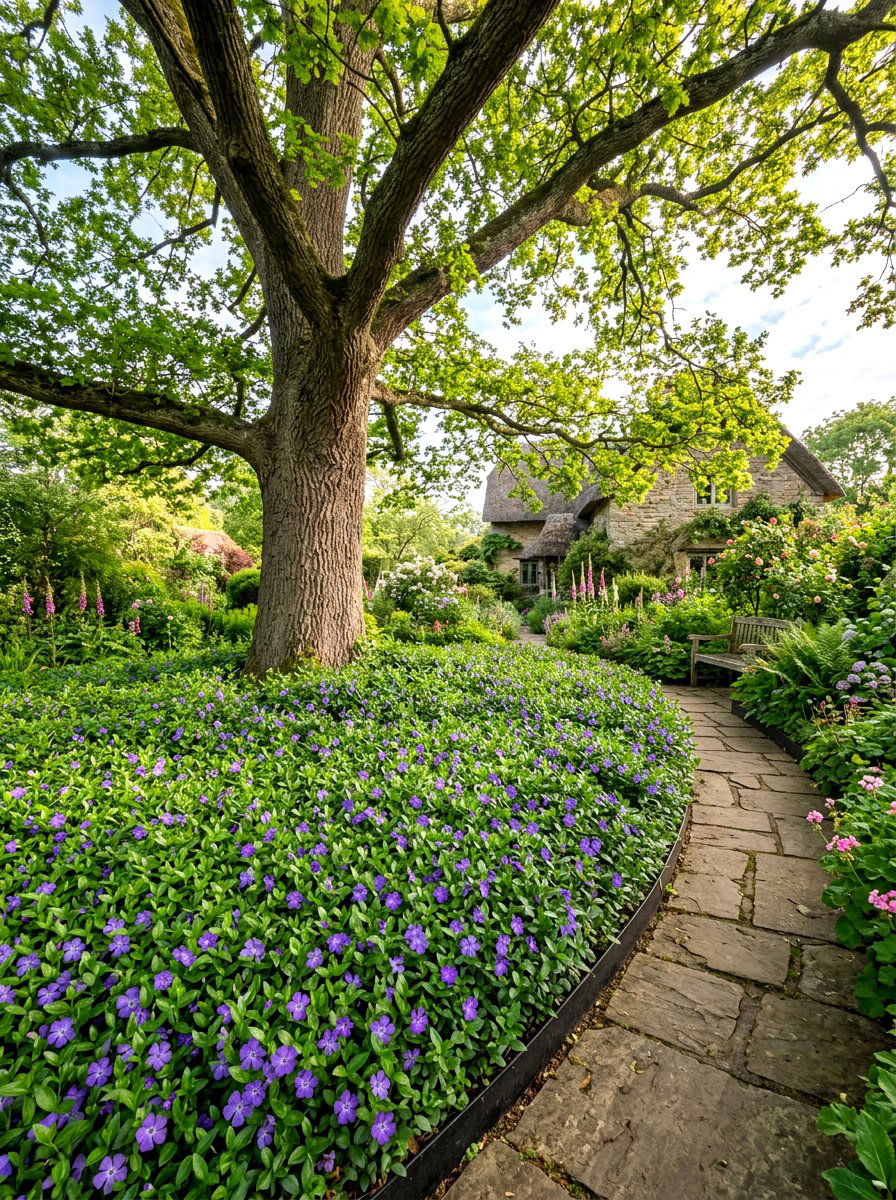
Designing a low maintenance ground cover oasis is the ultimate "set it and forget it" strategy for busy homeowners. This idea involves planting vigorous, shade-tolerant ground covers like vinca minor, pachysandra, or sweet woodruff that will eventually knit together into a dense green carpet. These plants effectively suppress weeds and thrive in the root-filled soil where other plants might fail. To give the bed some initial structure, you can add a simple plastic or metal edging. Over a couple of seasons, the greenery will hide the edges, creating a soft, natural island of life around your tree that requires almost no pruning or replanting.
8. Colorful annual floral ring
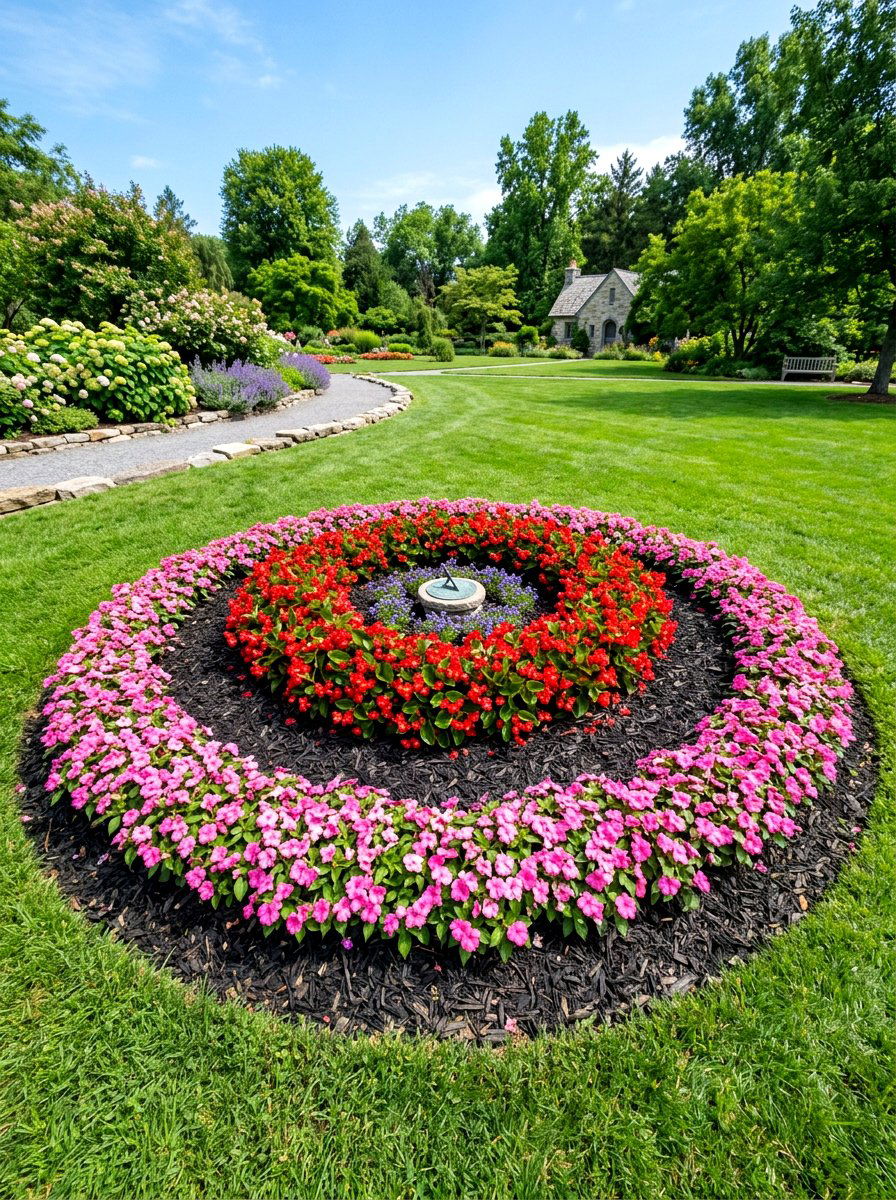
A colorful annual floral ring is the best way to inject a massive boost of seasonal energy into your landscape. By choosing a mix of shade-tolerant annuals like impatiens, begonias, and coleus, you can create a vibrant tapestry of color that lasts from spring until the first frost. This design allows for complete creative freedom, as you can change the color scheme every single year to match your mood or current trends. For a professional look, plant in concentric circles or grouped clusters rather than a random mix. This approach ensures a high-impact visual that draws the eye and makes the tree a true garden centerpiece.
9. Rustic log border cottage garden
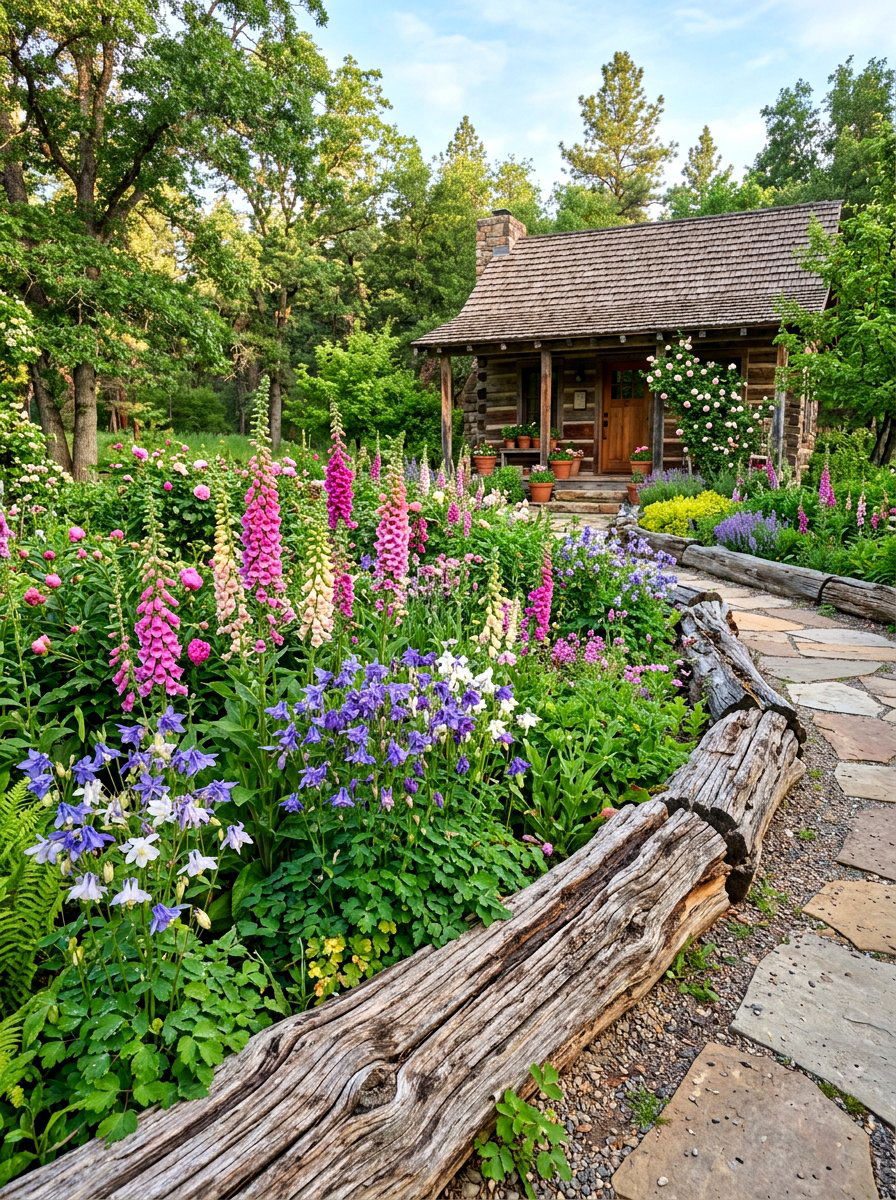
The rustic log border cottage garden is a charming, eco-friendly design that brings a touch of the countryside to your yard. You can use reclaimed cedar logs or sturdy branches to create a natural, irregular border around the tree base. Inside, plant a mix of traditional cottage favorites like foxgloves, columbines, and bleeding hearts. These plants often self-seed, adding to the delightful, slightly wild look of the garden over time. This design is particularly cost-effective if you have access to fallen timber on your property. It provides a warm, organic feel that is perfect for informal gardens and homes with a farmhouse or rustic aesthetic.
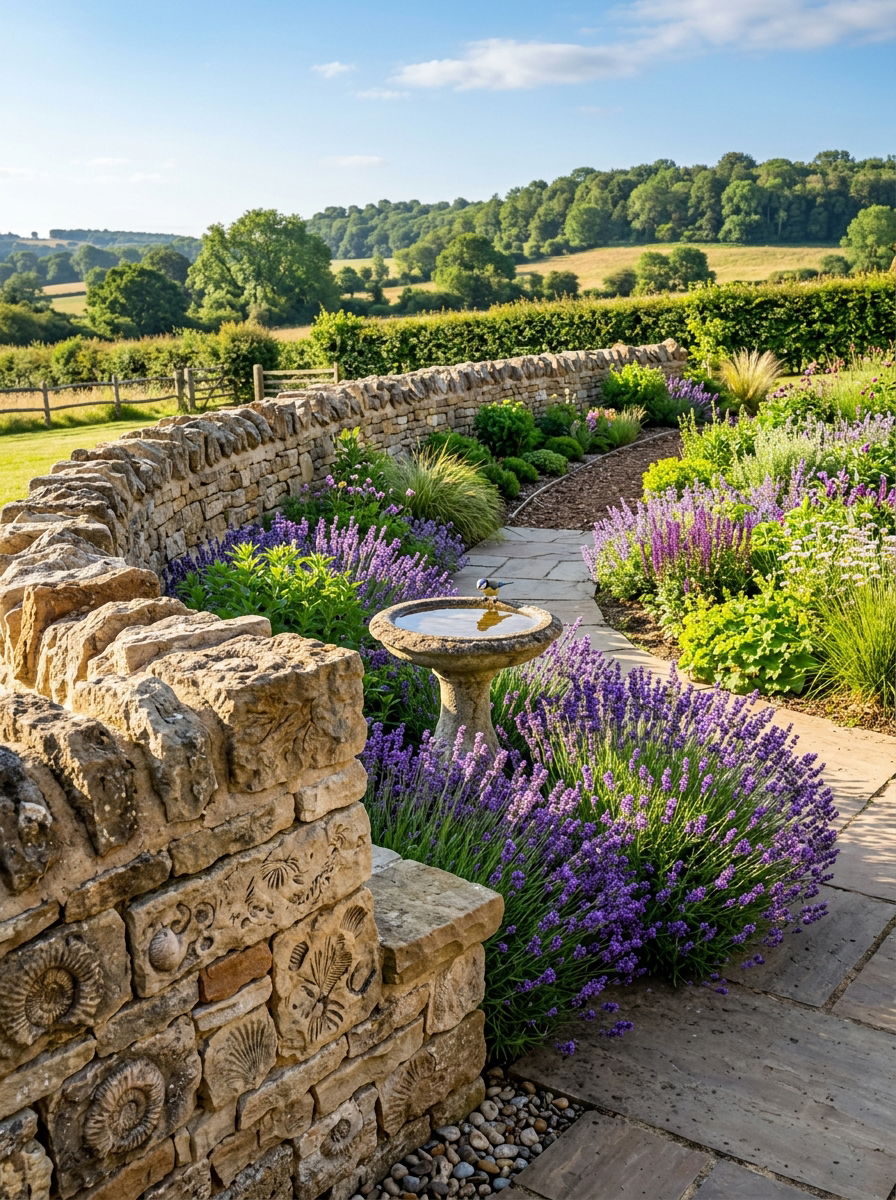
10. Tropical foliage understory bed
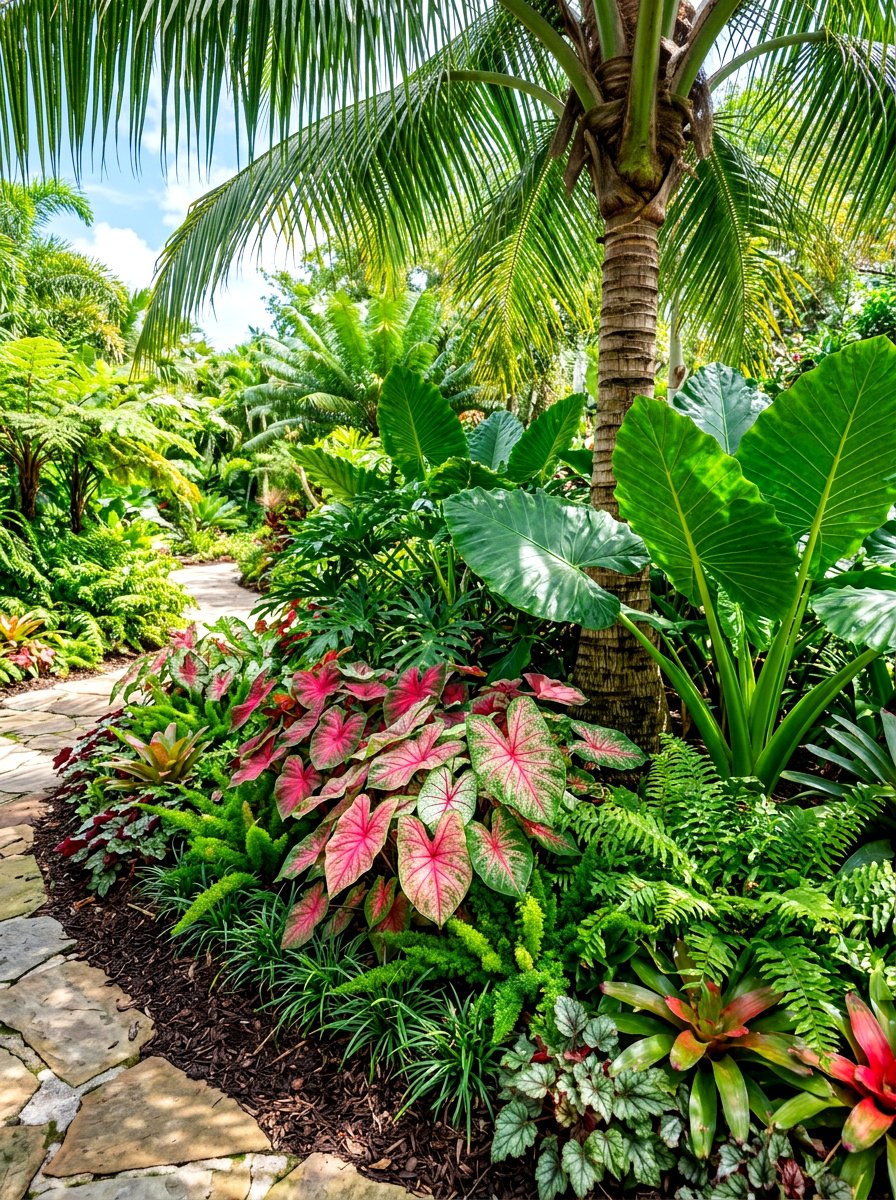
Transform your backyard into a vacation destination with a tropical foliage understory bed. This design focuses on large, dramatic leaves and bold textures rather than just flowers. Use plants like caladiums with their heart-shaped pink and white leaves, or the giant foliage of elephant ears to create a lush, jungle-like atmosphere around the tree. Even in cooler climates, many of these can be grown as annuals or brought indoors for winter. The key to this look is layering; place taller foliage near the trunk and smaller, brightly colored crotons at the edge. This provides a high-energy, exotic look that feels lush and luxurious.
11. White pebble and succulent garden
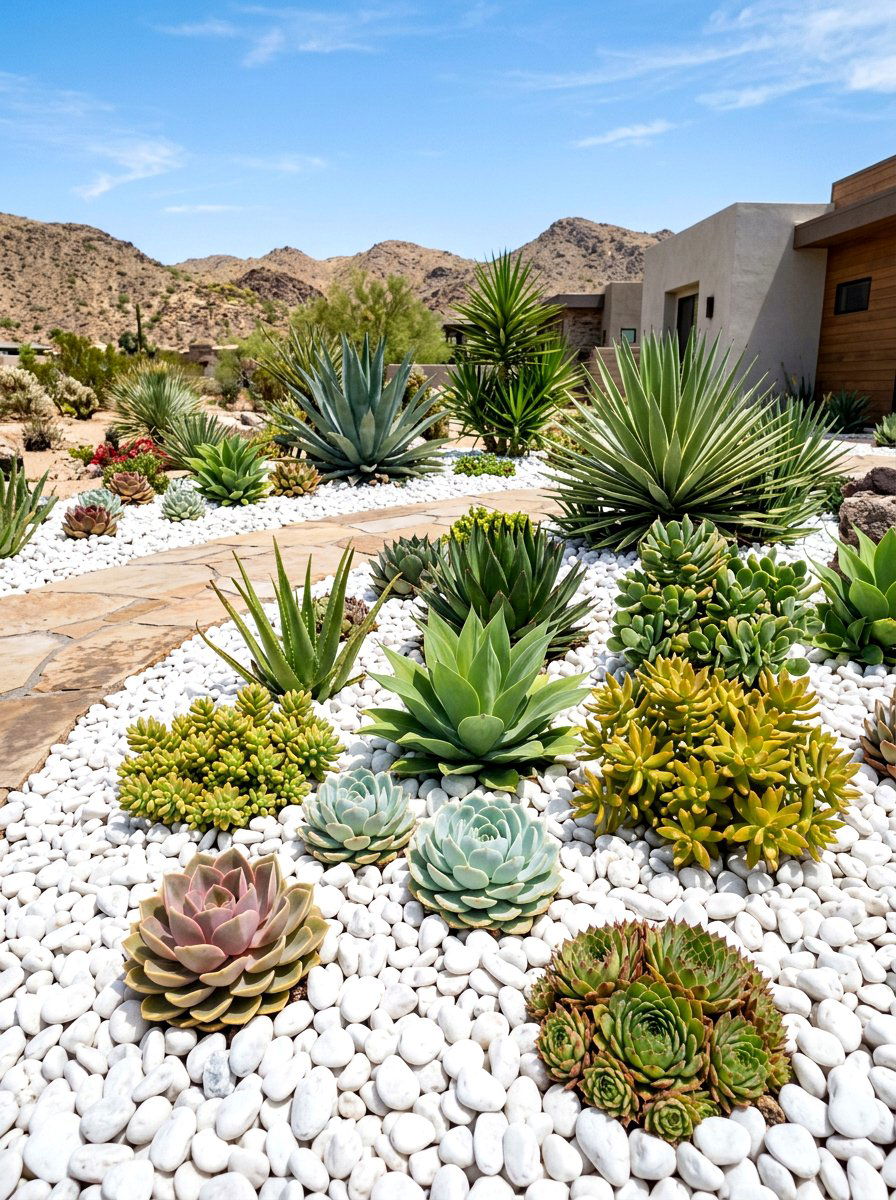
A white pebble and succulent garden is an excellent choice for trees in sunny locations or for homeowners who live in drier climates. By using bright white decorative stones as a base, you reflect light and create a clean, high-contrast backdrop for the unique shapes of succulents. Plant hardy varieties like hens and chicks or stonecrop that can handle a bit of shade from the tree canopy. This design is extremely water-efficient and requires very little maintenance once established. The combination of the smooth, white stones and the architectural forms of the succulents creates a sophisticated, modern look that stands out brilliantly.
12. Native wildflower meadow ring
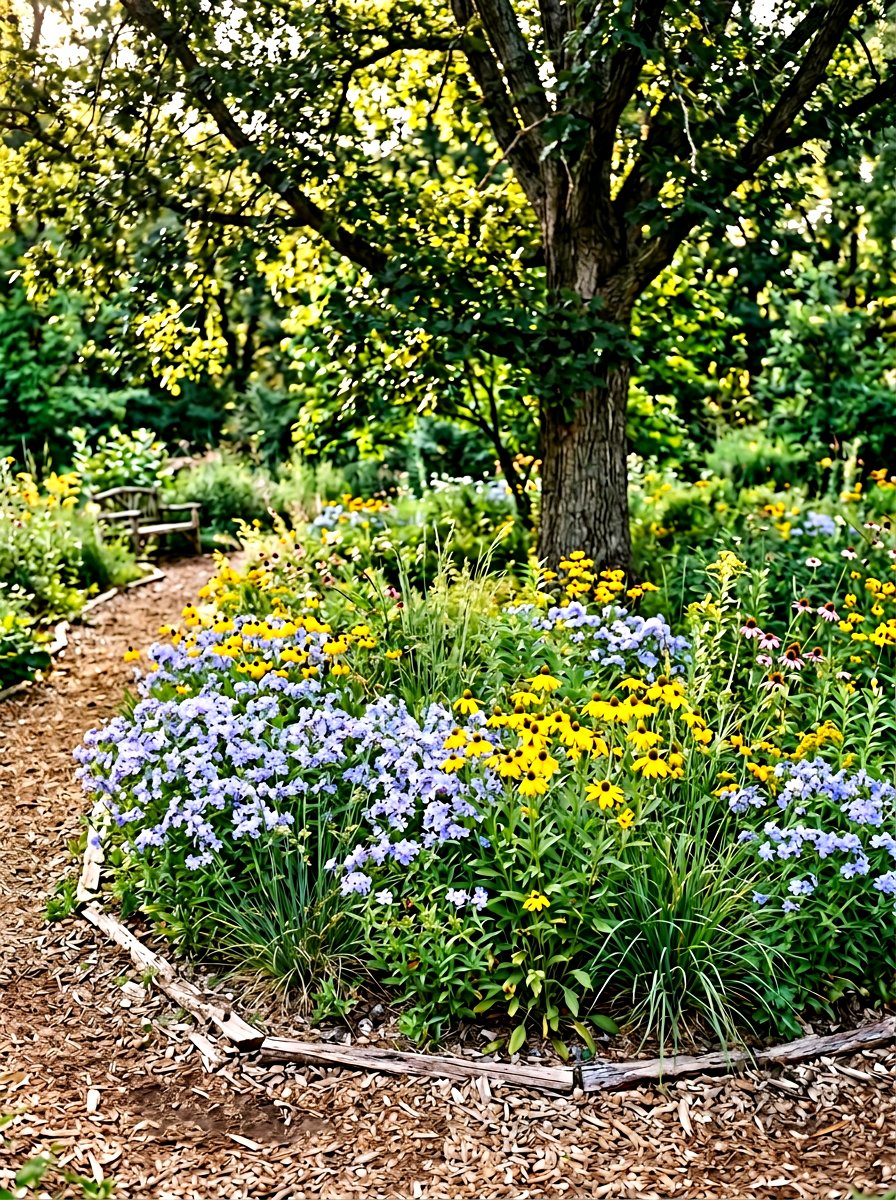
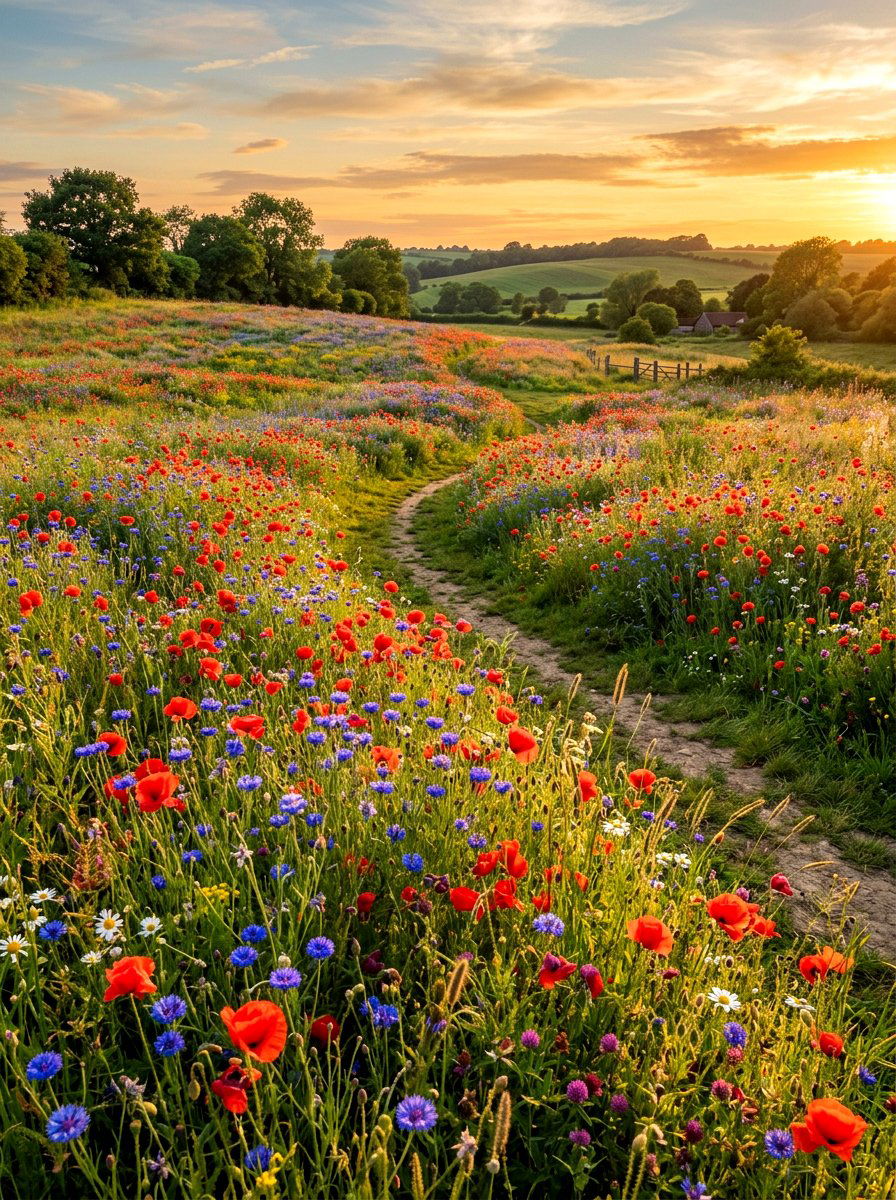
Supporting local biodiversity is easy with a native wildflower meadow ring around your favorite tree. This design involves selecting a seed mix or young plants that are indigenous to your specific region. Native plants like wild columbine, violets, or woodland phlox are already adapted to the local soil and climate, making them very resilient. This type of bed provides essential habitat and food for native bees and butterflies. The look is soft, breezy, and constantly changing as different species bloom throughout the seasons. It’s a wonderful way to bring a piece of the natural prairie or woodland into your managed suburban landscape.
13. Tiered flower bed around tree
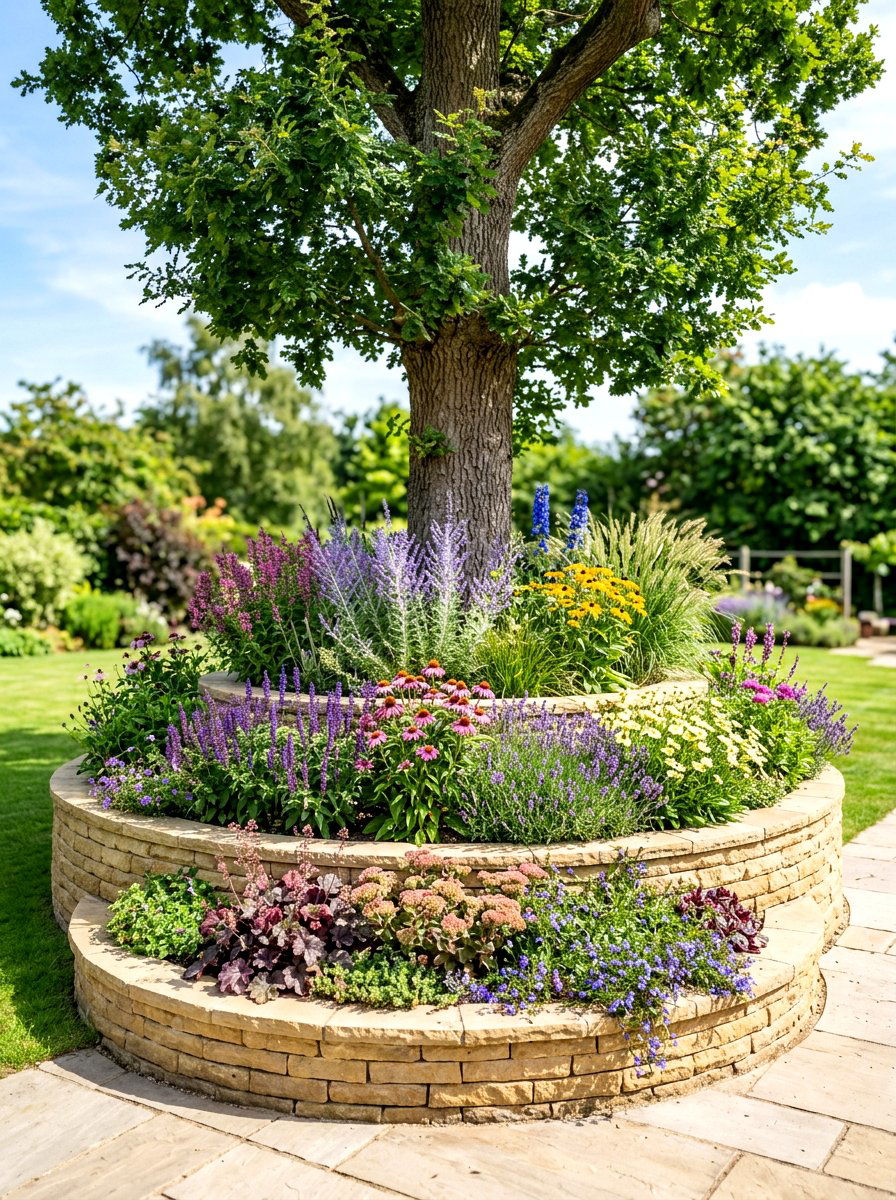
A tiered flower bed around a tree is a fantastic way to add vertical interest and depth to a flat yard. By using two or three levels of stone or timber walls, you create different "steps" for planting. This allows you to position taller perennials in the back and smaller, trailing plants in the front tiers, ensuring every plant is visible. The tiered structure also provides better drainage and can help manage soil moisture more effectively. This is a more complex DIY project, but the architectural results are spectacular, turning a simple tree base into a sophisticated, multi-level garden feature that looks professionally designed.
14. Edible herb and flower bed
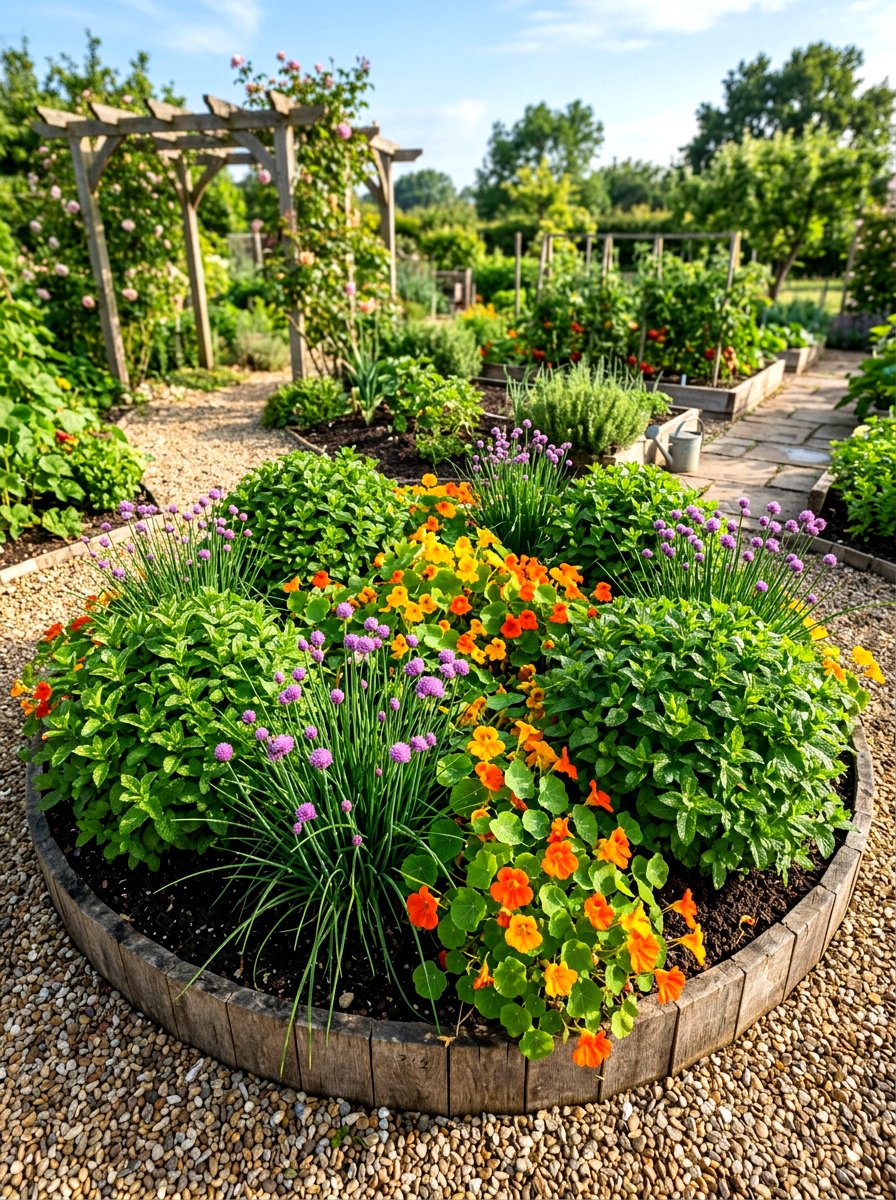
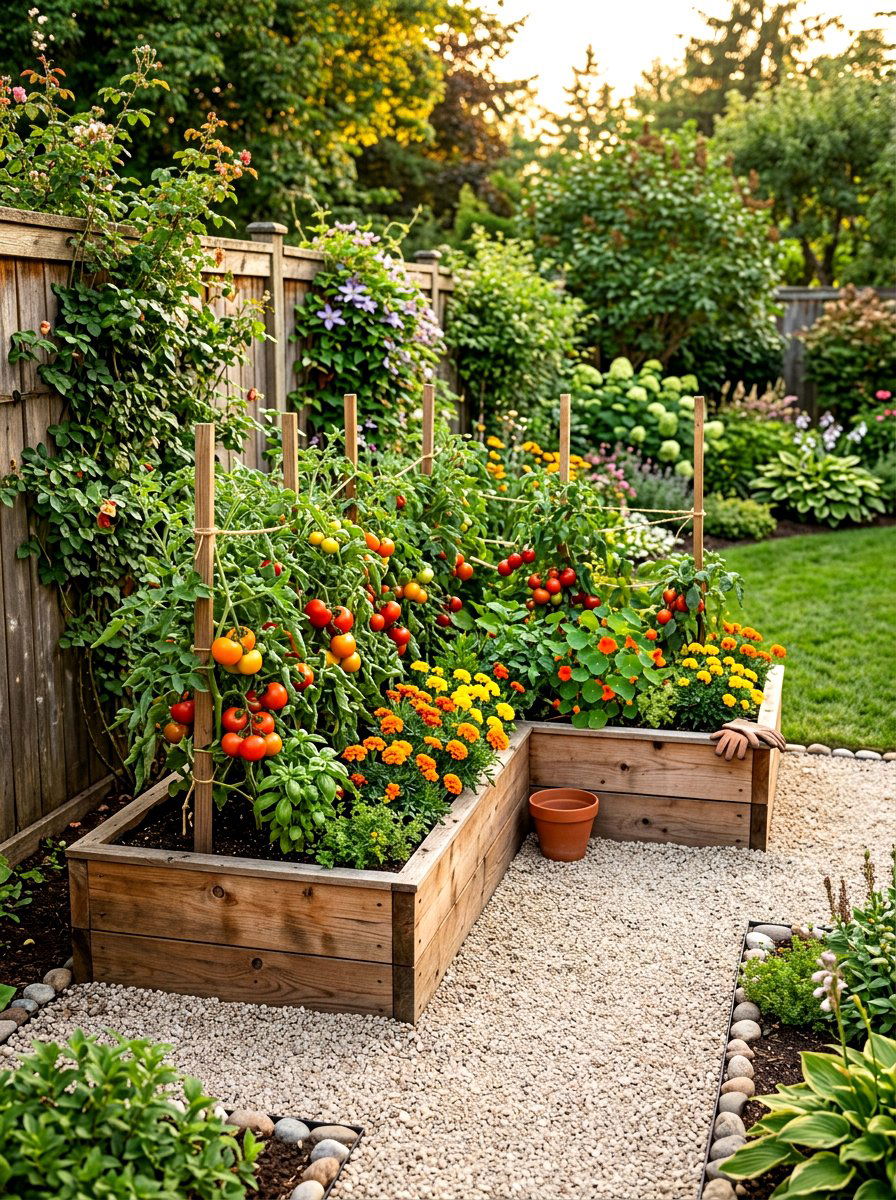
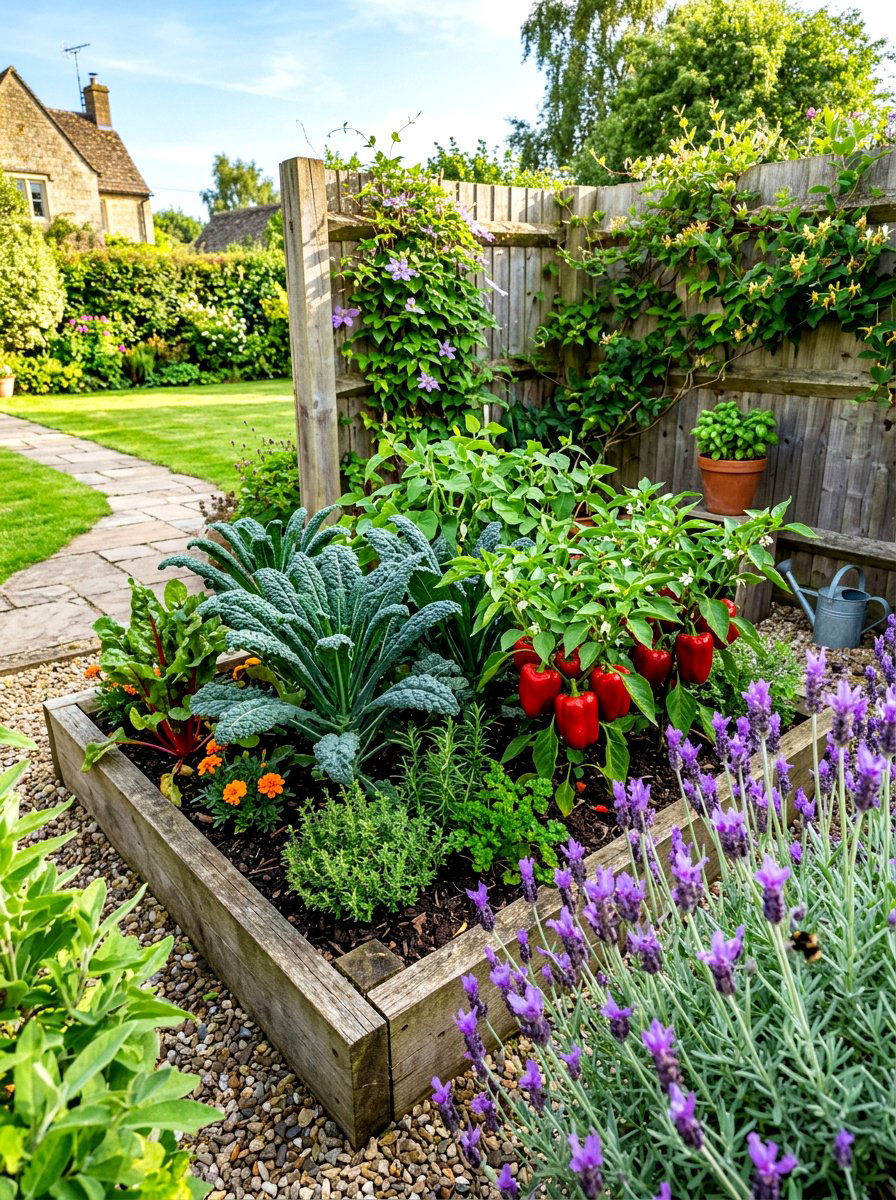
Combining beauty with utility, an edible herb and flower bed turns the area around your tree into a mini kitchen garden. Shade-tolerant herbs like mint, chives, parsley, and cilantro can thrive under the dappled light of many deciduous trees. Interspersing these with edible flowers like nasturtiums or violets adds color and makes the bed even more functional. This design is perfect for smaller yards where every inch of space counts. Just be sure to use organic soil and avoid chemical fertilizers if you plan on harvesting the herbs. It’s a delightful way to enjoy fresh scents and flavors while beautifying your outdoor living space.
15. Minimalist zen gravel garden
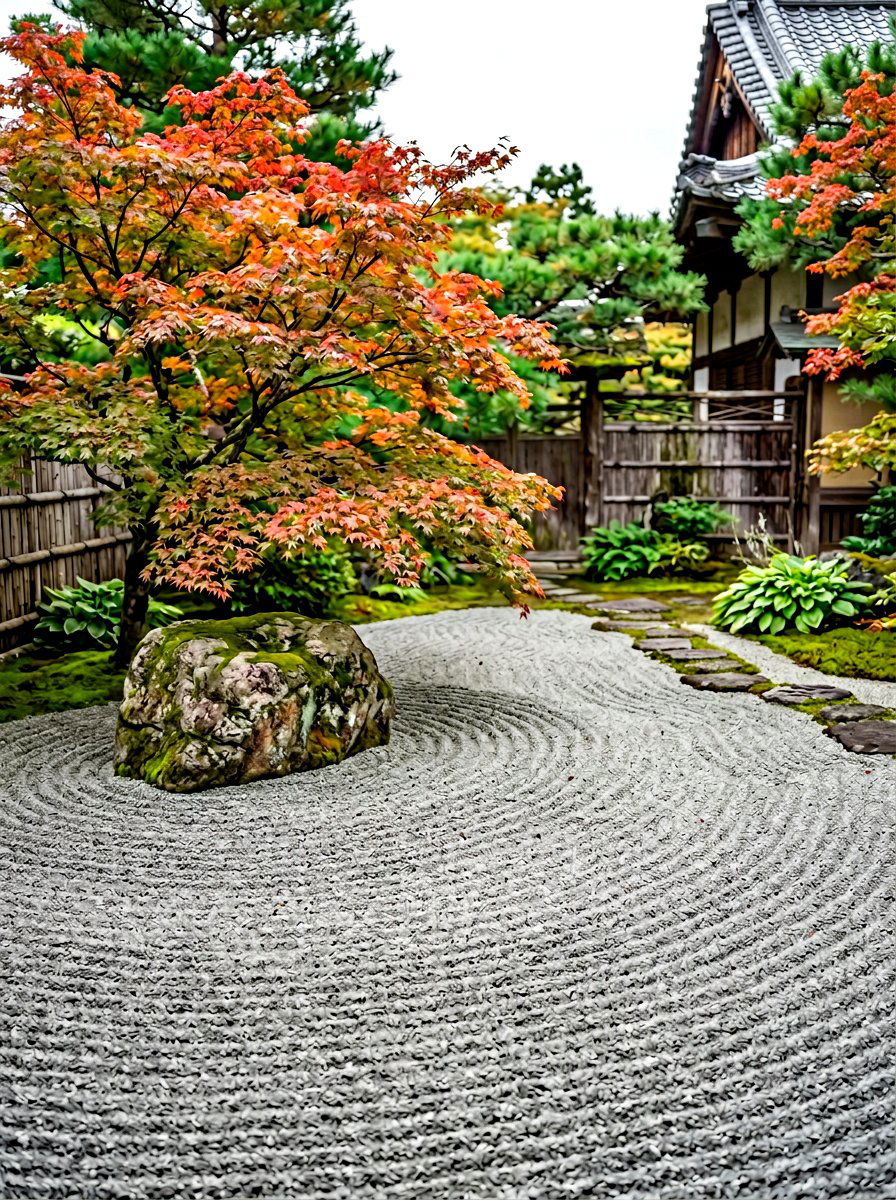
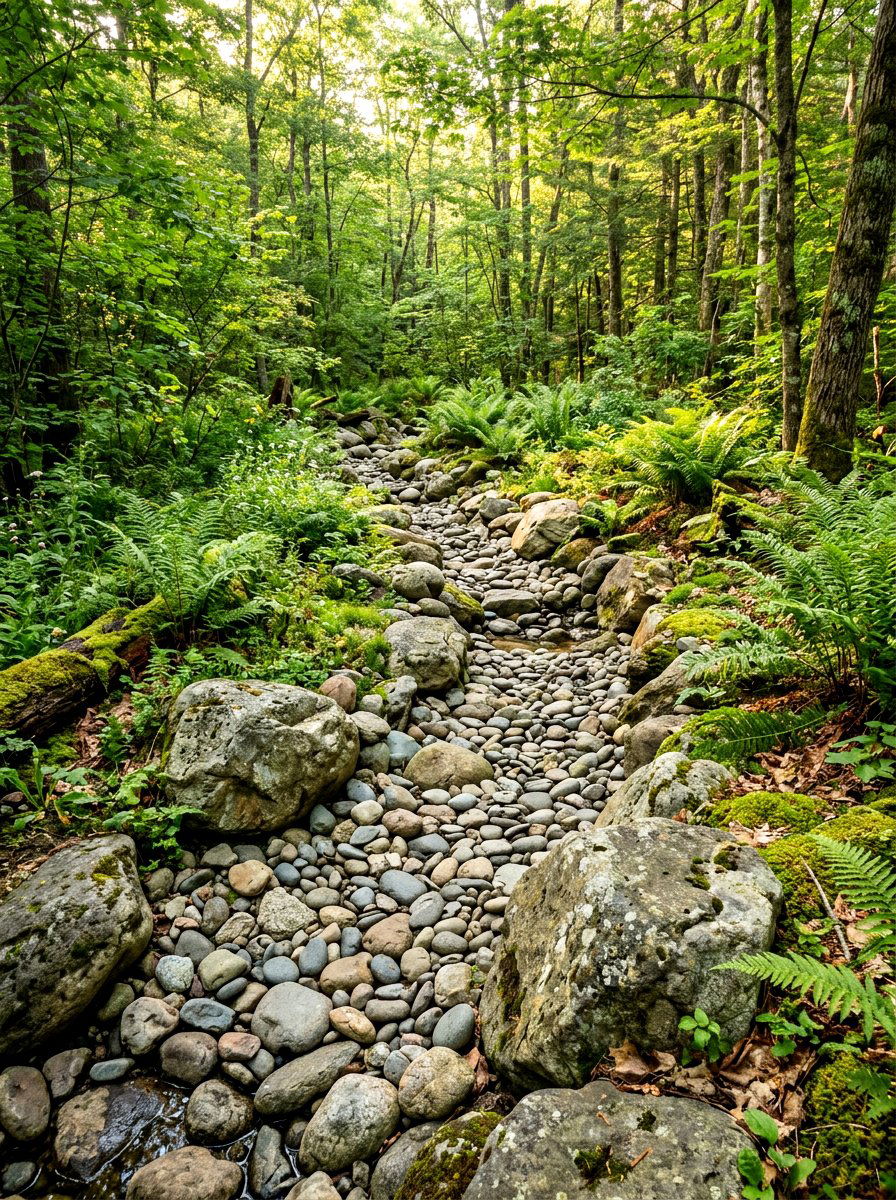
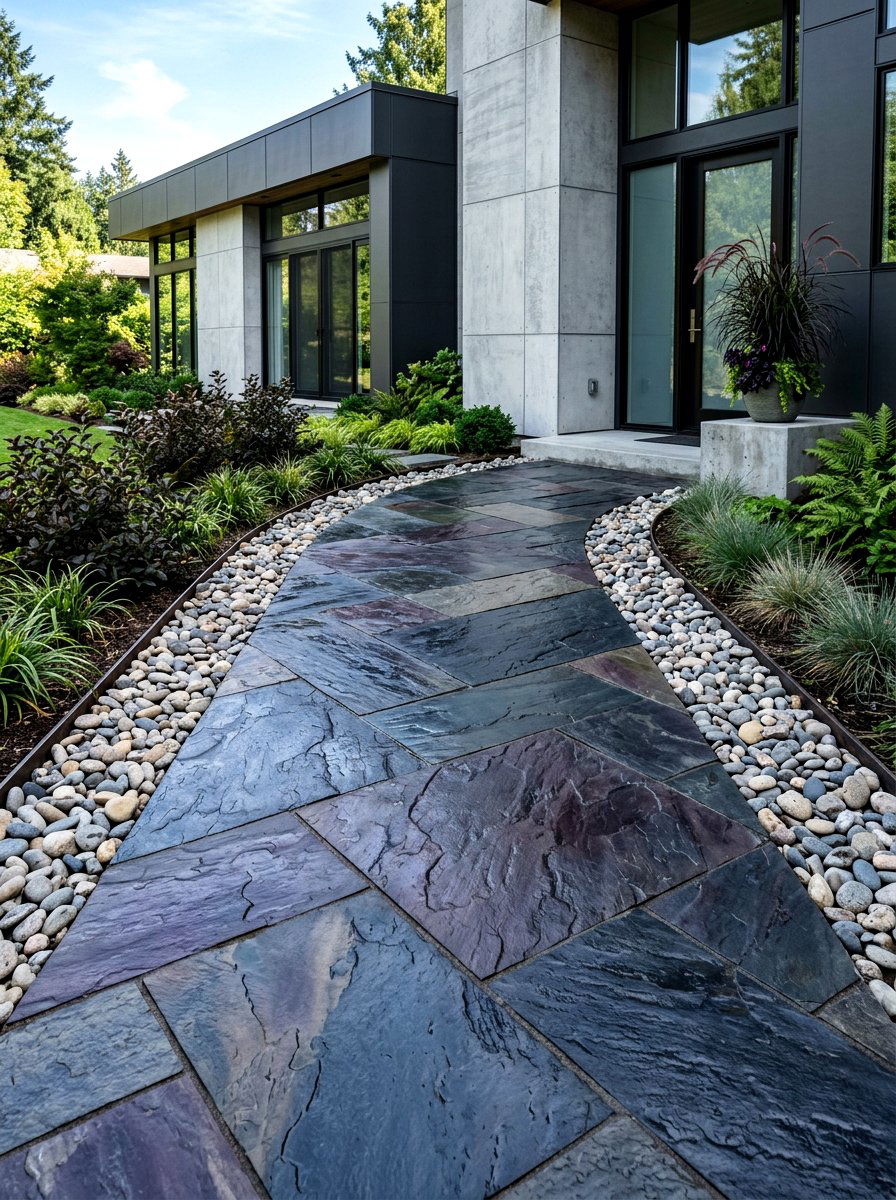
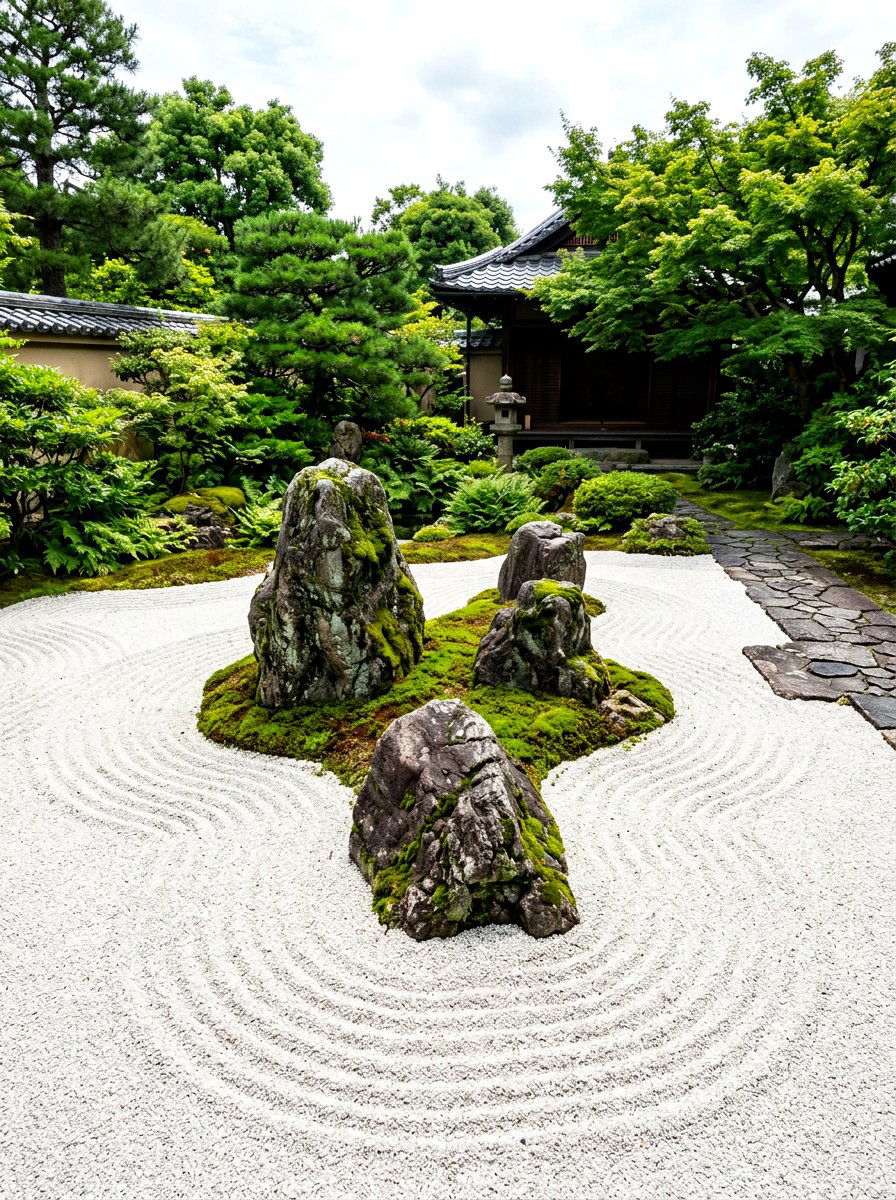
For those who appreciate calm and simplicity, a minimalist zen gravel garden is the perfect tree-base design. This style uses fine, raked gravel or small river stones to create a smooth, peaceful surface around the trunk. You might add a few large, moss-covered boulders or a single specimen plant like a Japanese maple or a clump of black mondo grass for a focal point. The lack of clutter and the focus on clean lines promote a sense of tranquility in the yard. This design is also highly effective at preventing weeds and requires almost no water, making it an eco-conscious and stylish choice for any home.
16. Hydrangea and hosta classic bed
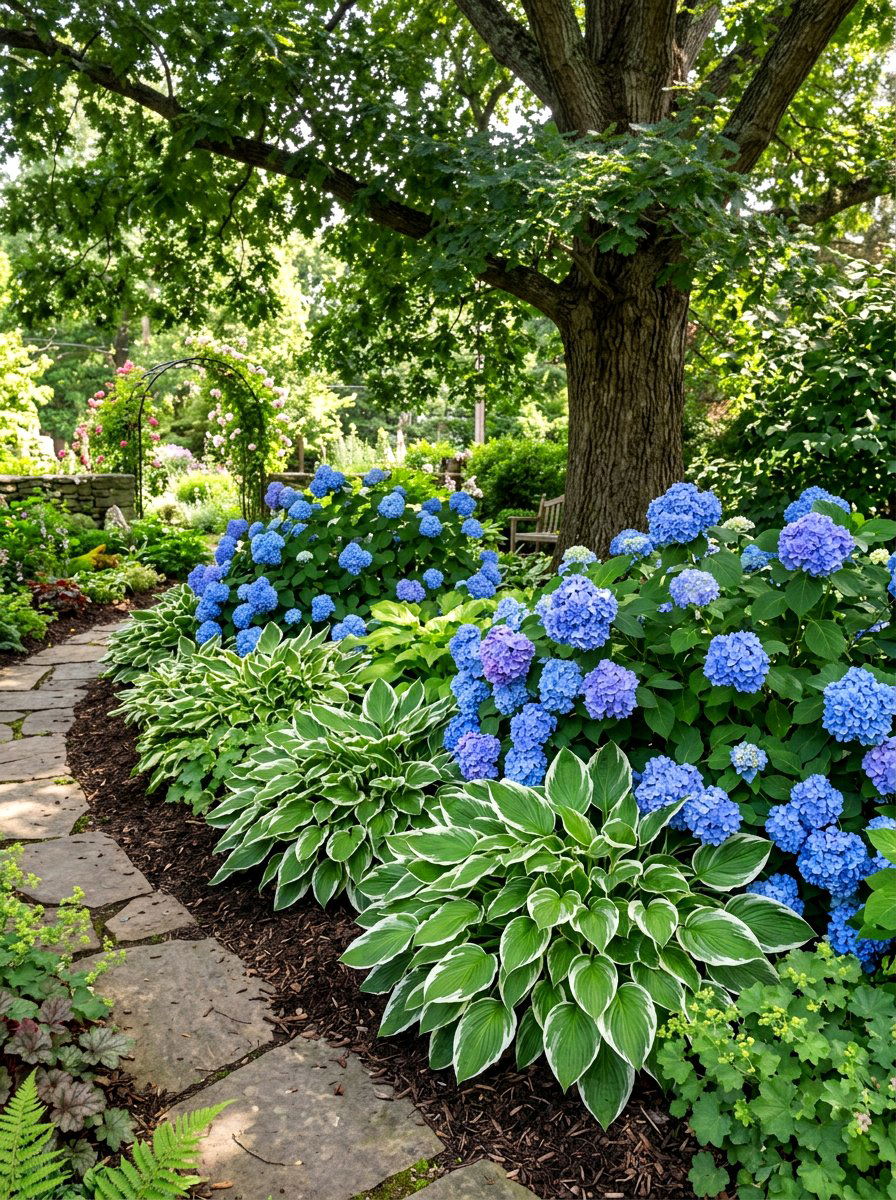
The hydrangea and hosta classic bed is a staple of traditional landscaping for a very good reason: it looks absolutely stunning. This design pairs the large, showy blooms of mophead or lacecap hydrangeas with the bold, dependable foliage of hostas. Because hydrangeas love the afternoon shade provided by a large tree, they often bloom more reliably in these locations. Choose varieties with blue or purple flowers to create a cool, serene color palette that feels very upscale. This combination offers a perfect balance of height, color, and texture that remains attractive from the first leaves of spring through the late summer blooms and beyond.
17. Spring bulb and primrose garden
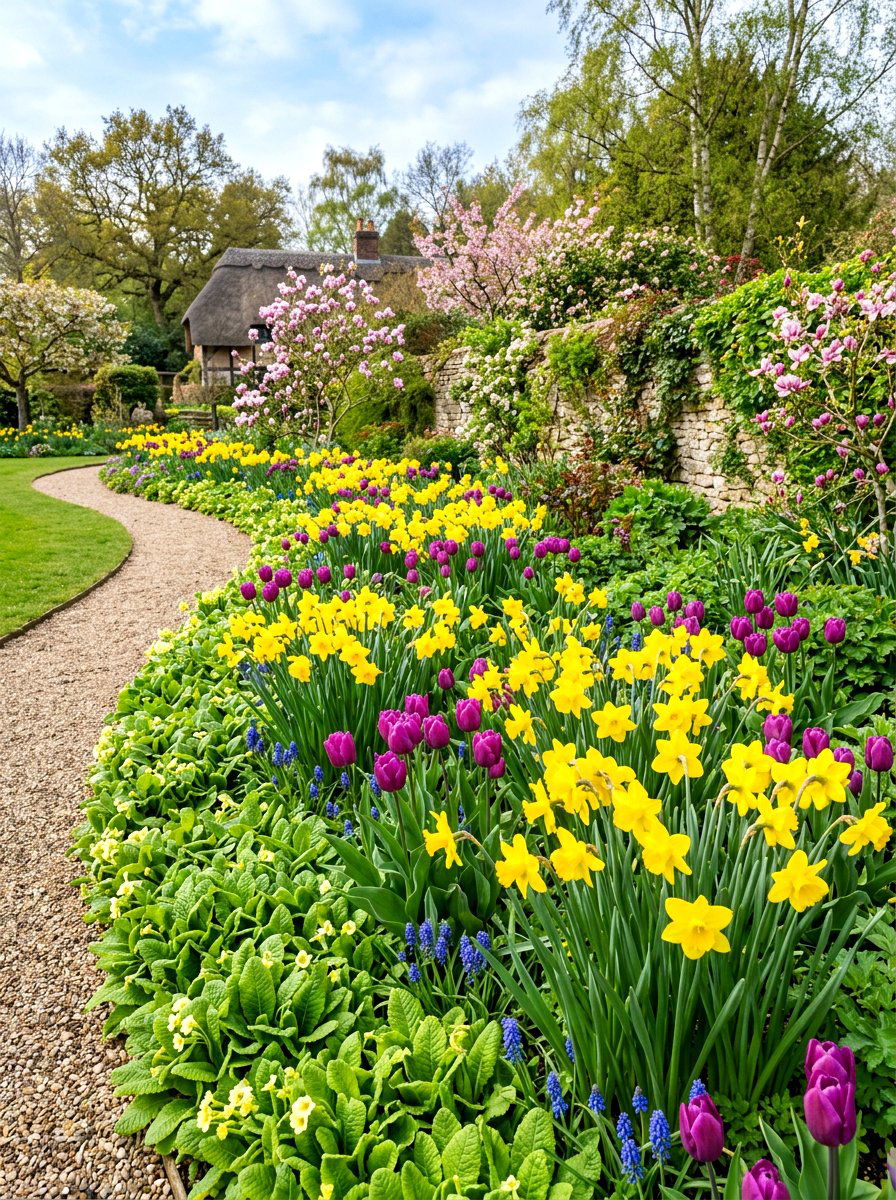
A spring bulb and primrose garden is a joyful way to celebrate the end of winter and the arrival of warmer weather. By planting hundreds of bulbs like daffodils, tulips, and crocuses around the tree base in the fall, you ensure a spectacular burst of early color. Interspersing these with hardy primroses provides low-growing foliage and flowers that bloom alongside the bulbs. This design is particularly effective under deciduous trees because the bulbs get plenty of sunlight before the tree leaves fully unfailingly. Once the spring show is over, the dying foliage can be hidden by later-emerging hostas or summer annuals, ensuring year-round beauty.
18. Ornamental grass and stone bed
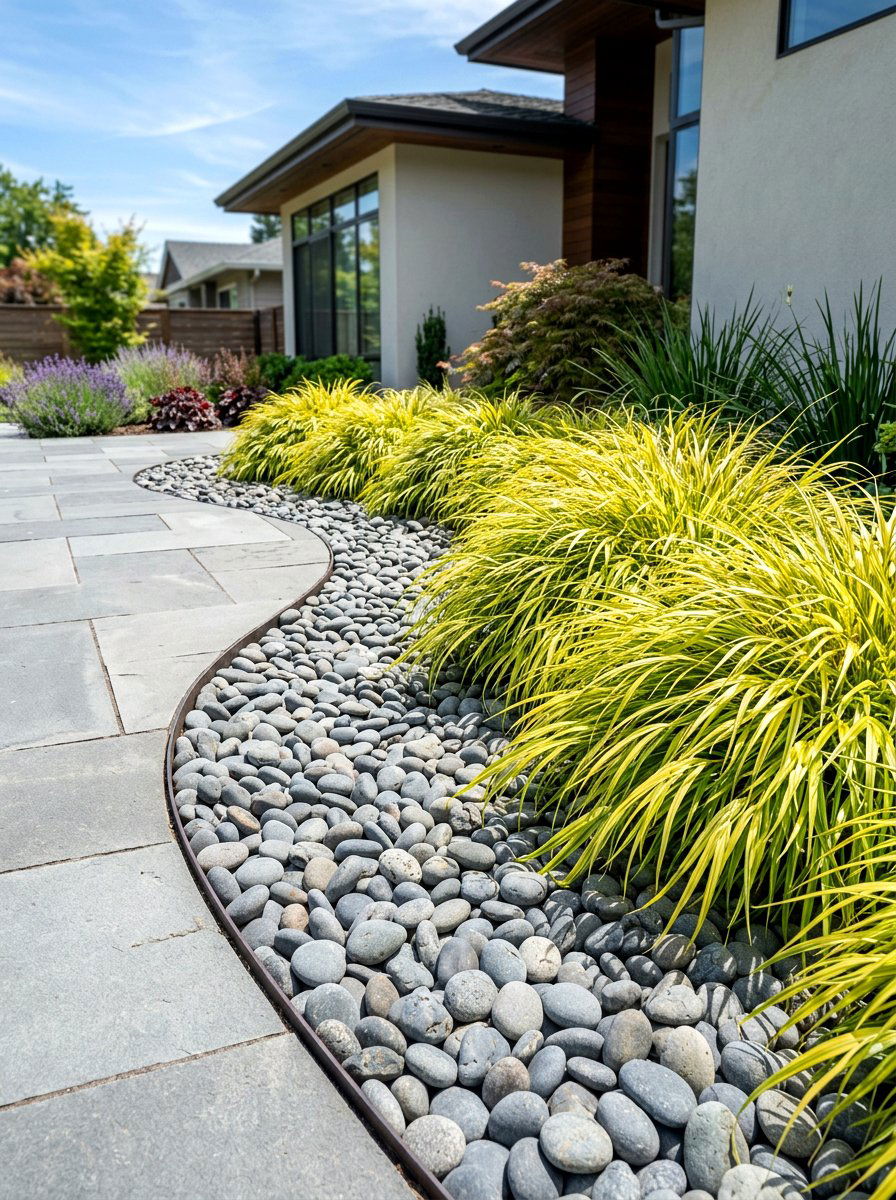
An ornamental grass and stone bed offers a modern, textural look that provides year-round interest and movement. Choose shade-tolerant grasses like Hakone grass (Japanese forest grass) or certain sedges that thrive in the dappled light beneath a canopy. The soft, flowing blades of the grass contrast beautifully with a border of large river rocks or smooth cobbles. When the wind blows, the grasses sway gently, adding a dynamic element to your garden that static plants cannot provide. This design is also very low-maintenance, requiring only a quick cut-back once a year in late winter to make room for fresh, new growth.
19. Bench seating with flower surround
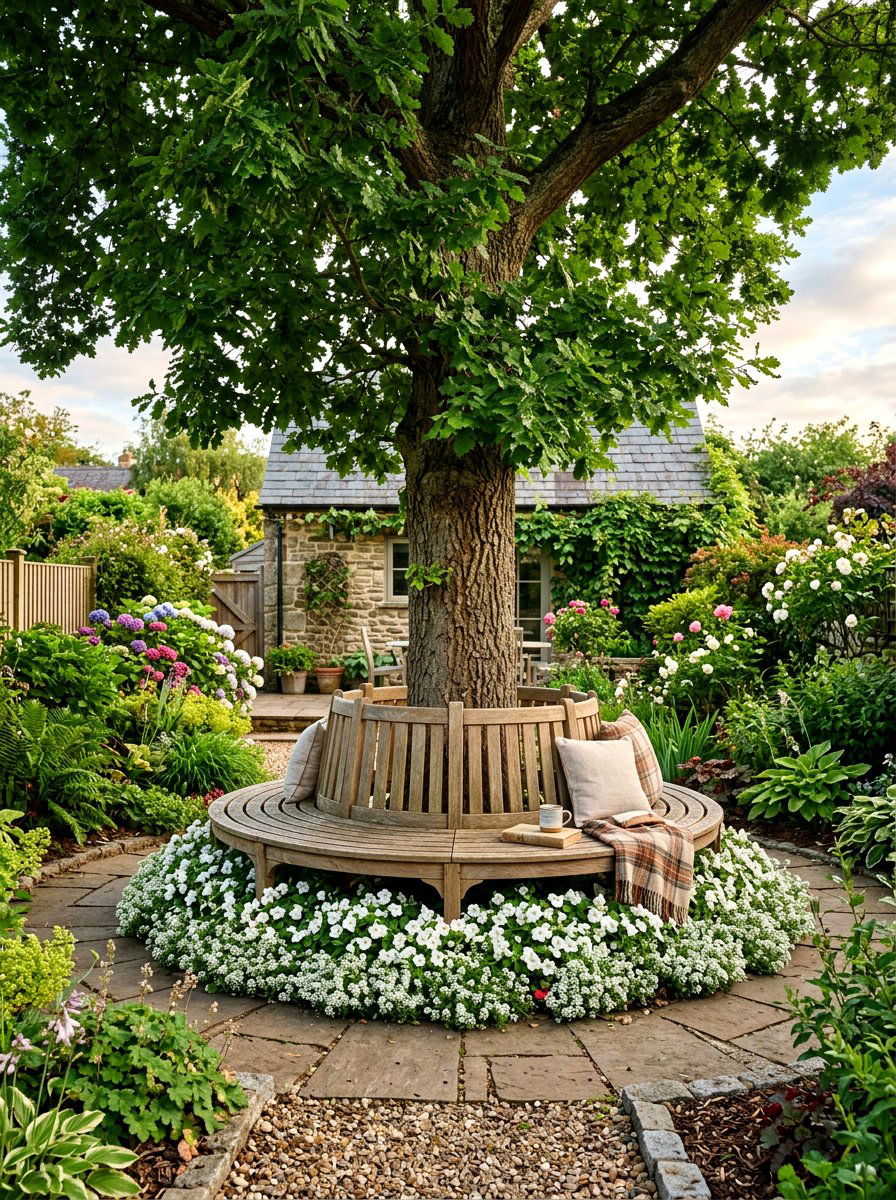
Creating a bench seating with flower surround design turns your tree into a functional destination for relaxation. A wraparound tree bench provides a cool, shaded place to sit, while a narrow flower bed at the base of the bench adds fragrance and beauty. Plant aromatic species like lavender (if there's enough sun) or sweet alyssum to enhance the experience. This concept is perfect for large shade trees in the backyard where you might want to read a book or watch the kids play. It effectively integrates hardscaping with softscaping, making the tree feel like an integral part of your outdoor living room.
20. Begonia and impatiens color burst
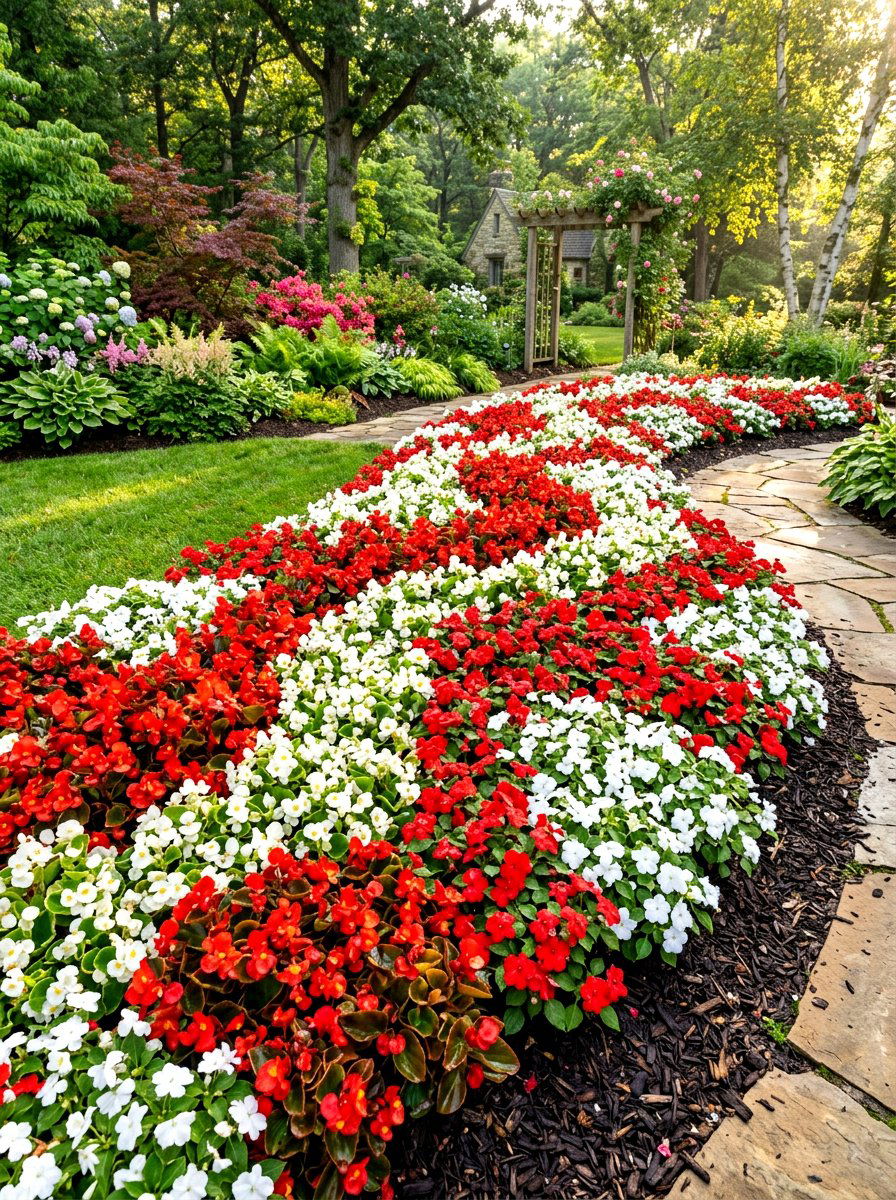
For the brightest colors in the deepest shade, a begonia and impatiens color burst is hard to beat. These two plant types are the workhorses of the shade garden, providing consistent, heavy blooming all summer long with minimal effort. You can mix different colors for a festive, multicolored look or stick to a single shade like white or pink for a more sophisticated, monochromatic effect. Because these plants have relatively shallow root systems, they won 't compete heavily with the tree' s roots for nutrients. This makes them an excellent choice for planting directly into a mulched area around even the most sensitive trees.
21. Red mulch and evergreen border
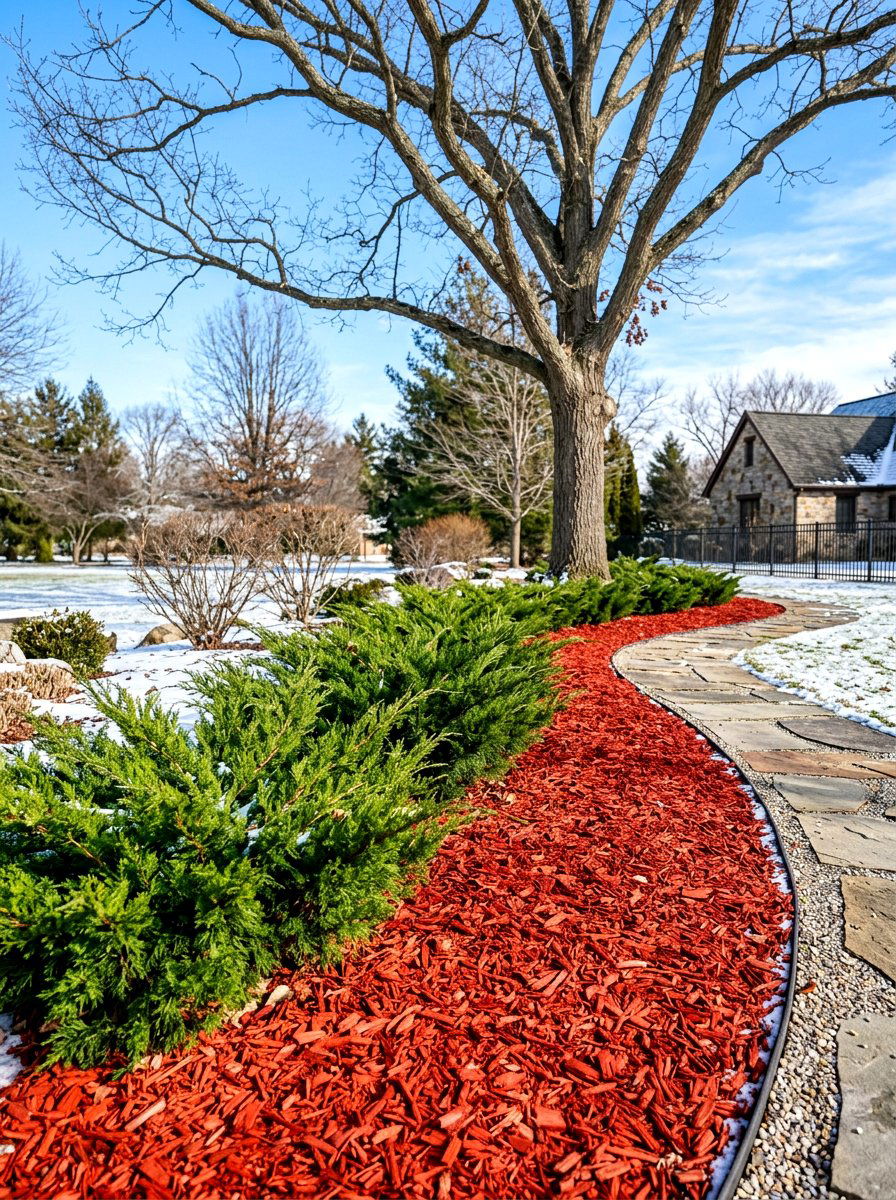
A red mulch and evergreen border is a high-contrast design that looks particularly striking during the winter months. The bright, warm tones of the red mulch make the deep greens of evergreen shrubs like low-growing junipers or dwarf yews pop. This setup provides a very clean, structured look that requires minimal maintenance throughout the year. The evergreen plants ensure the area doesn't look barren once the deciduous tree loses its leaves in the fall. This is a very popular choice for front yard landscaping as it provides consistent curb appeal and a professional finish that lasts through every single season.
22. Layered perennial shade garden
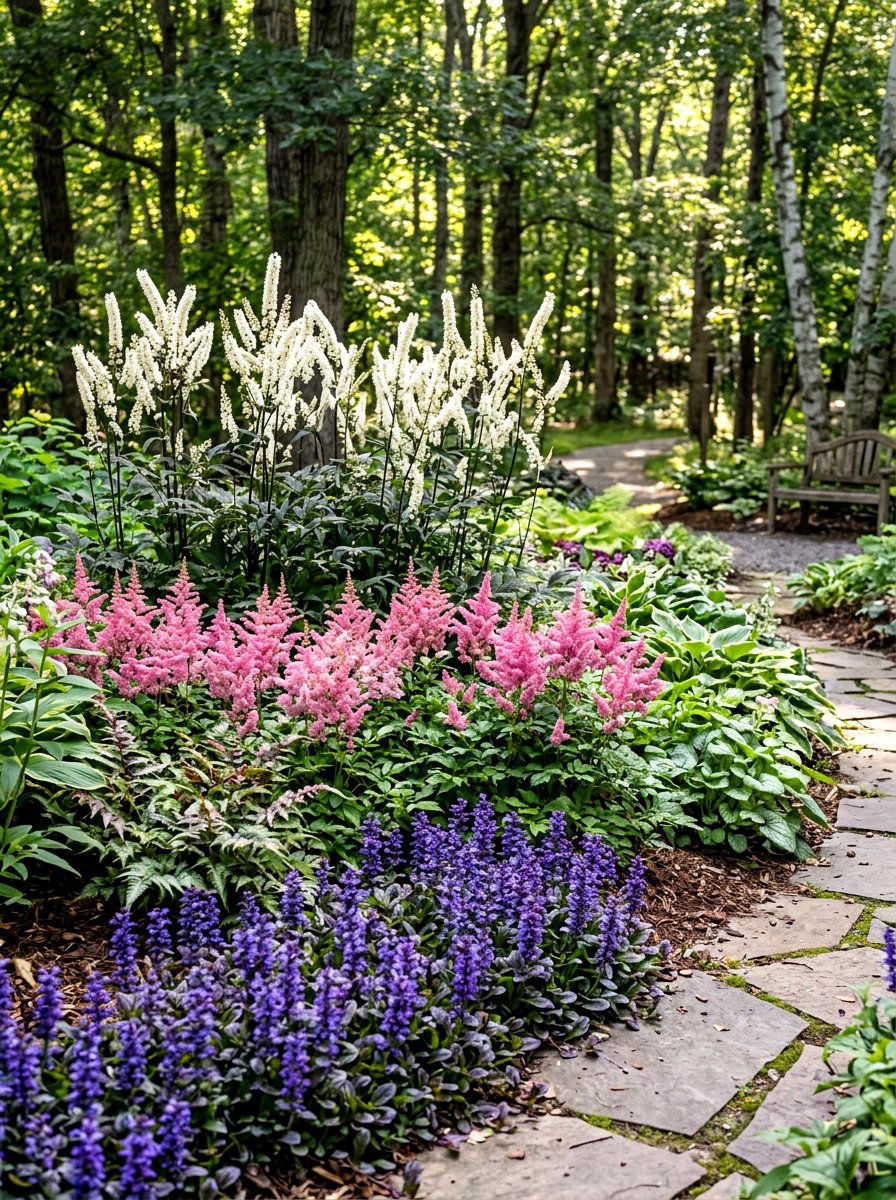
A layered perennial shade garden is a sophisticated design that uses plants of varying heights to create a rich, tiered look. Start with taller plants like goatsbeard or bugbane closer to the tree trunk, then move to mid-sized plants like astilbe and coral bells, and finish with low-growing ground covers like bugleweed at the very edge. This layering mimics how plants grow in nature and ensures that the bed looks full and lush from every angle. Because perennials return year after year, this is a sustainable and cost-effective design that only gets more beautiful as the plants mature and fill in the space.
23. River rock and hosta landscape
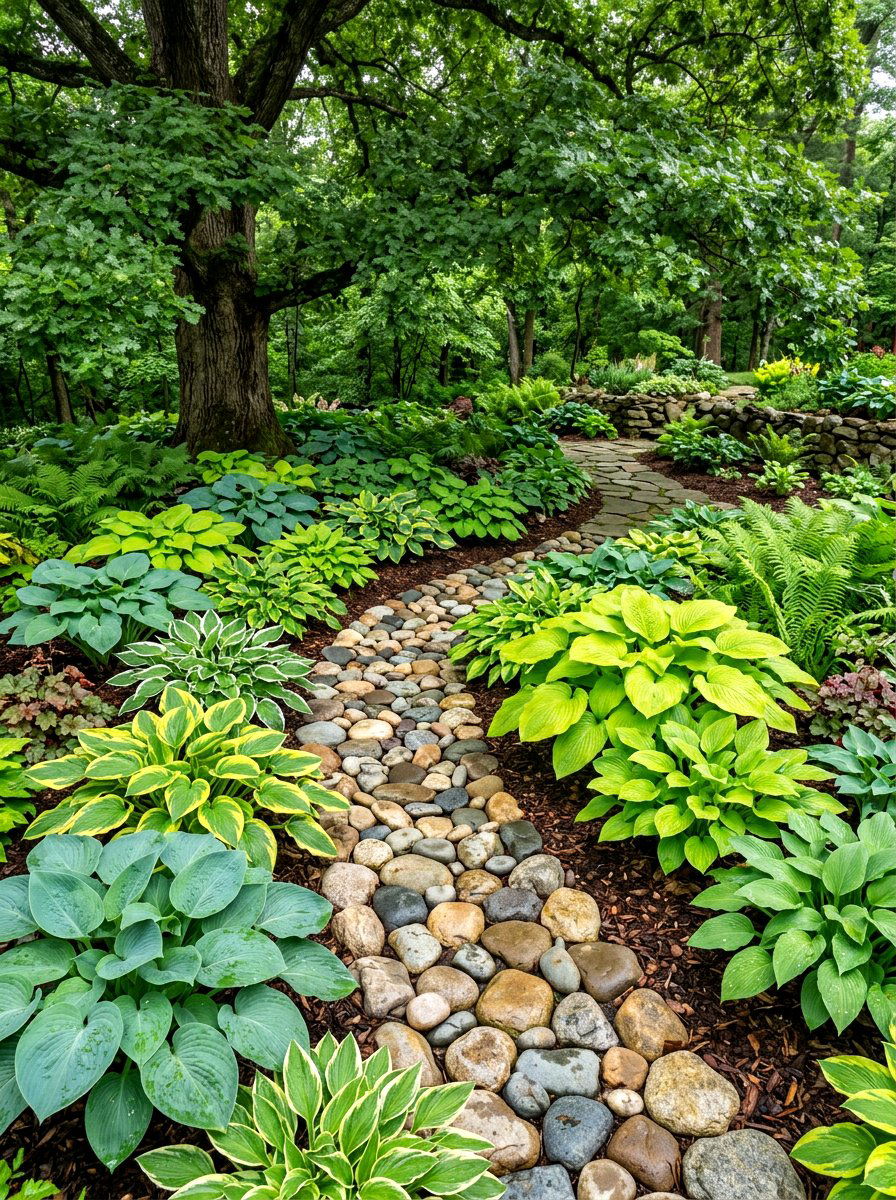
The river rock and hosta landscape is a classic pairing that blends the rugged look of natural stone with the soft, broad leaves of the garden's most popular shade plant. Using smooth, rounded river rocks as a "mulch" layer provides excellent drainage and prevents soil erosion around the tree base. The hostas can be planted in gaps between the rocks, where they will thrive in the cool, moist environment the stones provide. This design is particularly useful for trees that have large, exposed surface roots, as the rocks can be placed carefully around them without causing damage or requiring deep digging.
24. Lavender and boxwood formal ring
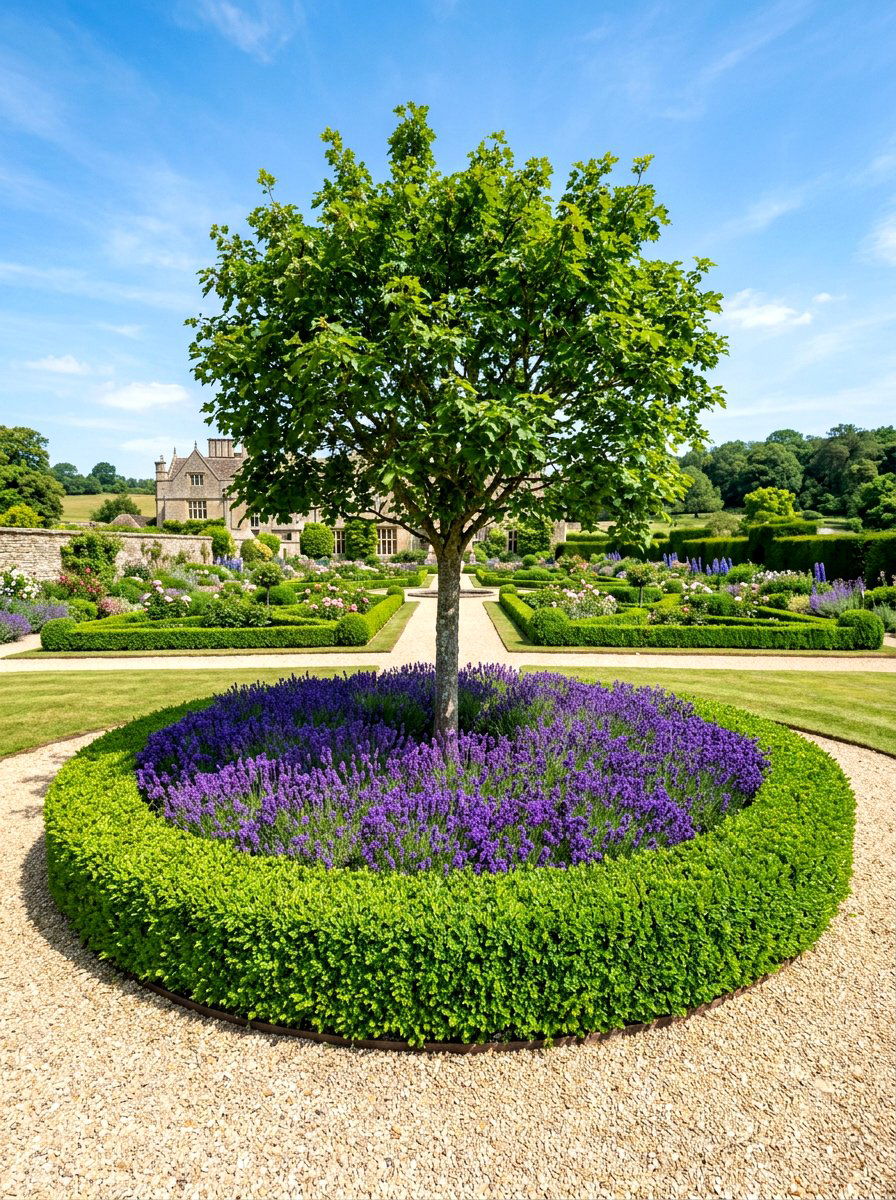
A lavender and boxwood formal ring brings a touch of European elegance to your garden. This design uses a low, clipped boxwood hedge to create a perfect circle around the tree, providing a permanent green structure. Inside the hedge, planting lavender (if the tree provides light shade) or blue-flowered salvia creates a beautiful, fragrant center. This formal style works exceptionally well with symmetric home designs and manicured lawns. The contrast between the rigid, dark green boxwoods and the soft, purple flowers creates a high-end look that feels very intentional and disciplined, adding a sense of luxury to your property.
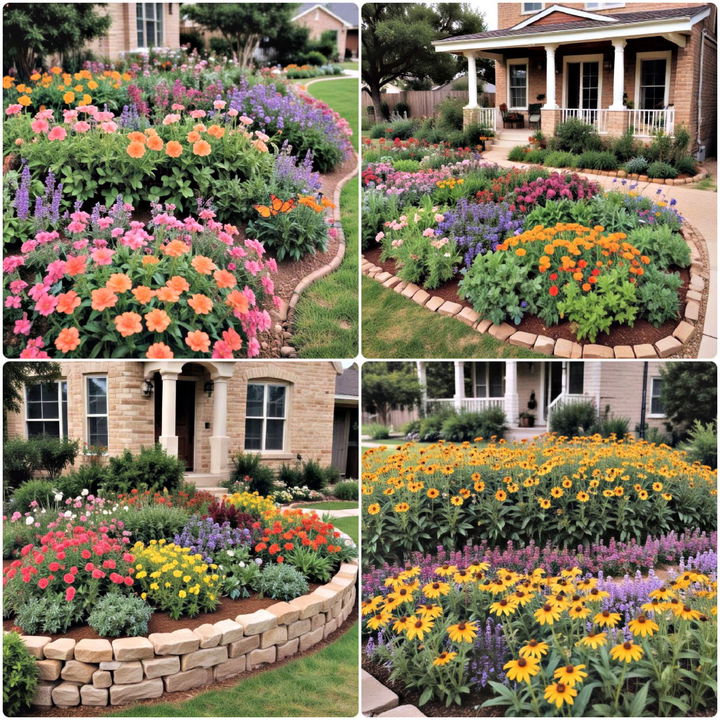
25. Cottage style picket fence bed
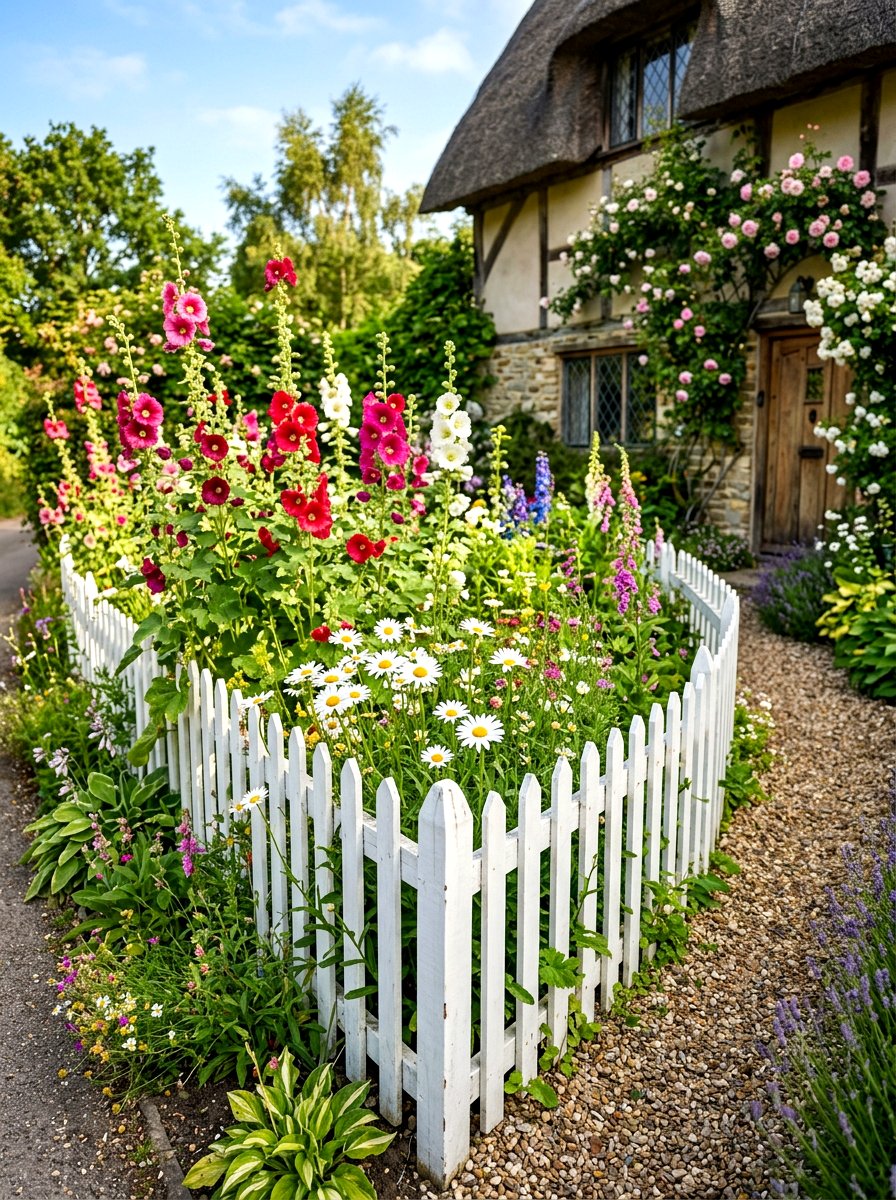
The cottage style picket fence bed is a whimsical and nostalgic design that adds instant charm to any tree. By installing a small, decorative white picket fence around the garden bed, you create a clear boundary that protects your flowers from pets and mowers. Inside the fence, plant a chaotic and beautiful mix of traditional favorites like hollyhocks, daisies, and lavender. This design is perfect for front yards where you want to create a welcoming, friendly atmosphere. The fence provides a beautiful backdrop for the flowers to lean against, making the entire tree area feel like a miniature, self-contained secret garden.
26. Geometric paver and mulch design
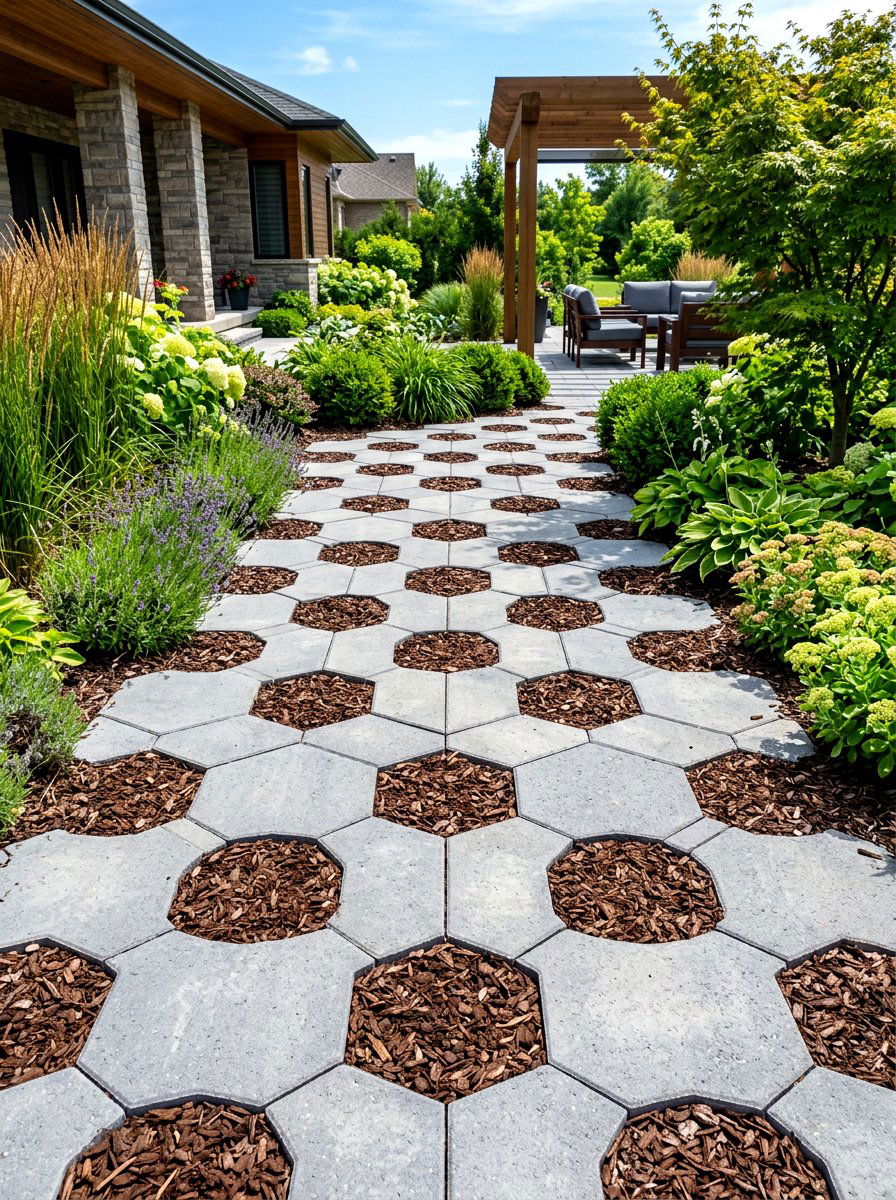
A geometric paver and mulch design is a creative way to use hardscaping to define your tree bed. Instead of a simple circle, you might use square or hexagonal pavers to create a more unique and modern shape. Alternating sections of pavers with sections of dark mulch or low-growing moss adds a decorative, quilt-like pattern to the ground. This design is very effective at drawing the eye and can be used to lead visitors' gaze toward other features in your yard. It offers a very high level of customization, allowing you to play with different stone colors and textures to match your style.
27. Fairy garden under tree canopy
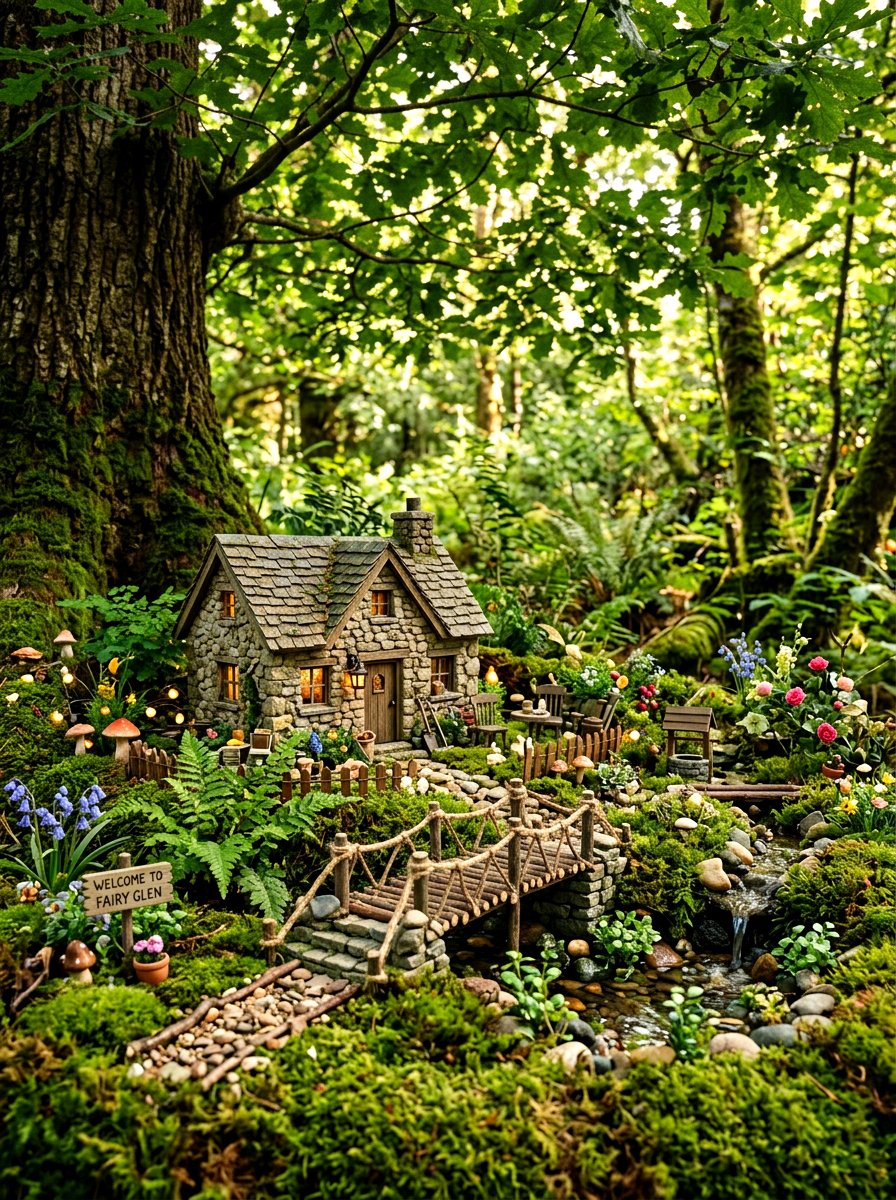
Creating a fairy garden under a tree canopy is a magical idea that the whole family can enjoy. This design focuses on miniature details, such as tiny stone pathways, small birdhouses, and delicate, small-leaved plants like Irish moss or baby's tears. You can add miniature figurines, tiny benches, and even battery-operated fairy lights to create an enchanting scene that comes alive at dusk. This project is a great way to use a small space creatively and provides a fun, ongoing activity for children. It turns a simple tree base into a world of imagination and wonder that adds a unique personality to your backyard.
28. Drought tolerant xeriscape bed
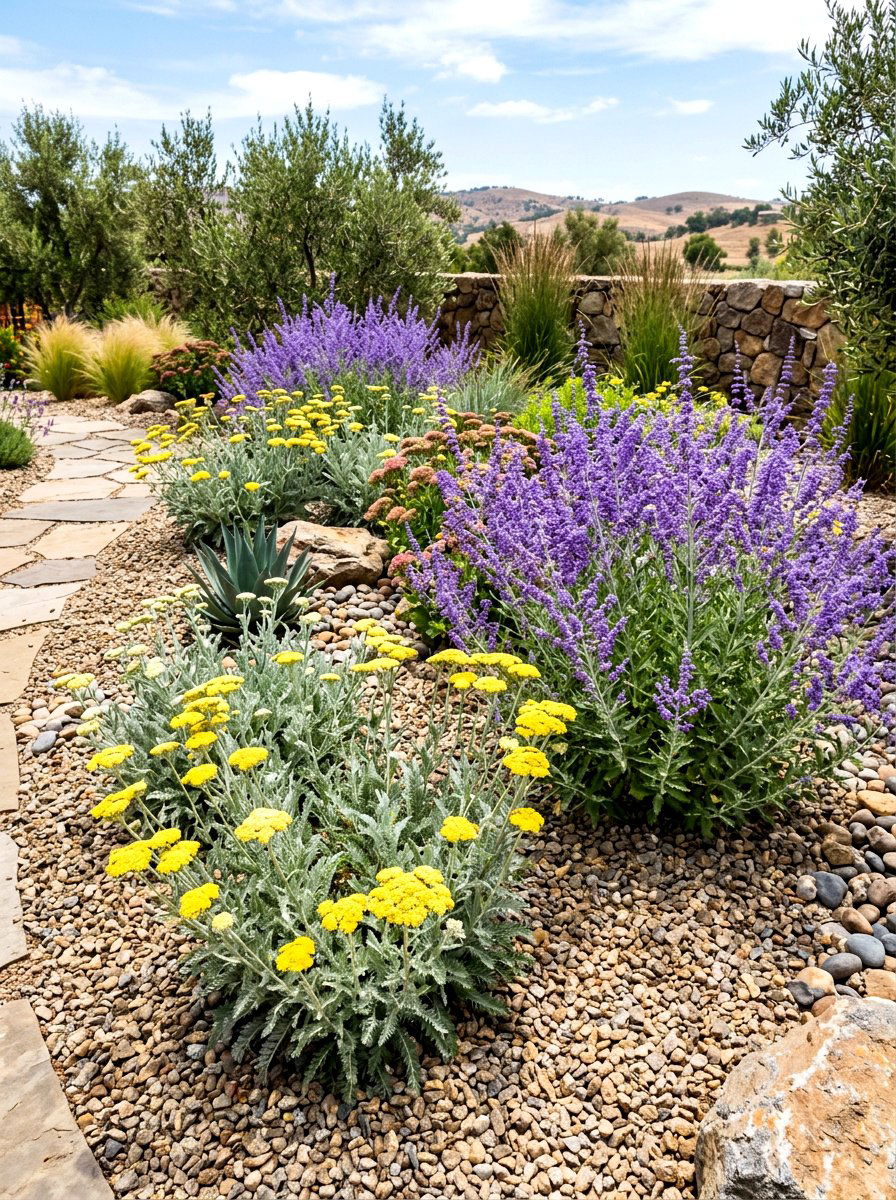
A drought tolerant xeriscape bed is the perfect solution for homeowners in dry regions or those looking to save on their water bill. This design uses tough, resilient plants that require very little supplemental irrigation once they are established. Think of plants like yarrow, Russian sage, or ornamental grasses that can handle the dry soil often found under large tree canopies. Using a thick layer of inorganic mulch, like crushed gravel or decomposed granite, helps to further conserve moisture and suppress weeds. This eco-friendly approach results in a rugged, beautiful garden that thrives even in the toughest summer conditions without constant watering.
29. Sensory herb and flower garden
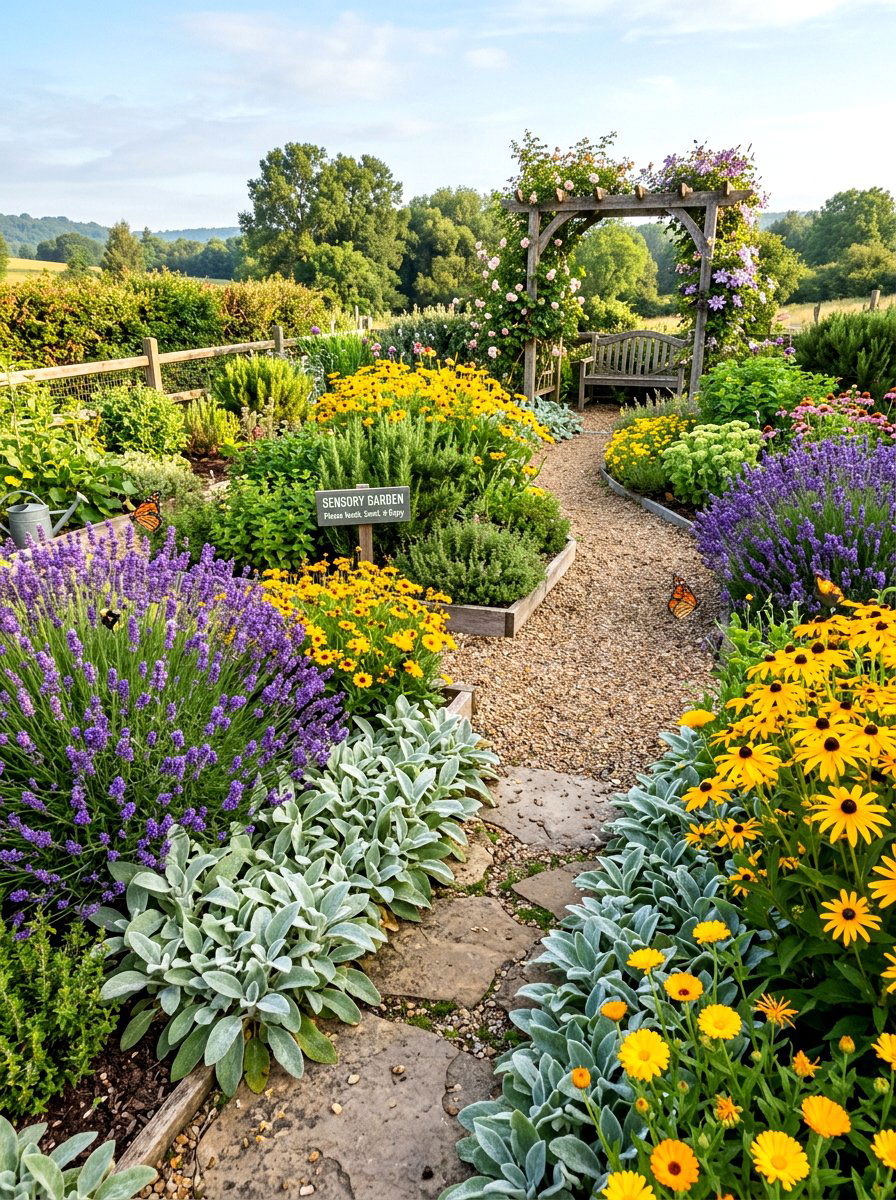
A sensory herb and flower garden is designed to appeal to all the senses, making the area around your tree a truly immersive experience. Plant fragrant species like lemon balm, mint, and jasmine to delight the nose, while fuzzy-leaved plants like lamb's ear provide an interesting tactile experience. Use bright, contrasting colors like yellow marigolds and purple salvia for visual impact, and perhaps add a small wind chime to the tree branches for sound. This design is therapeutic and relaxing, encouraging you to slow down and appreciate the small details of nature while you enjoy the shade and beauty of your tree.
30. Night lit architectural tree bed
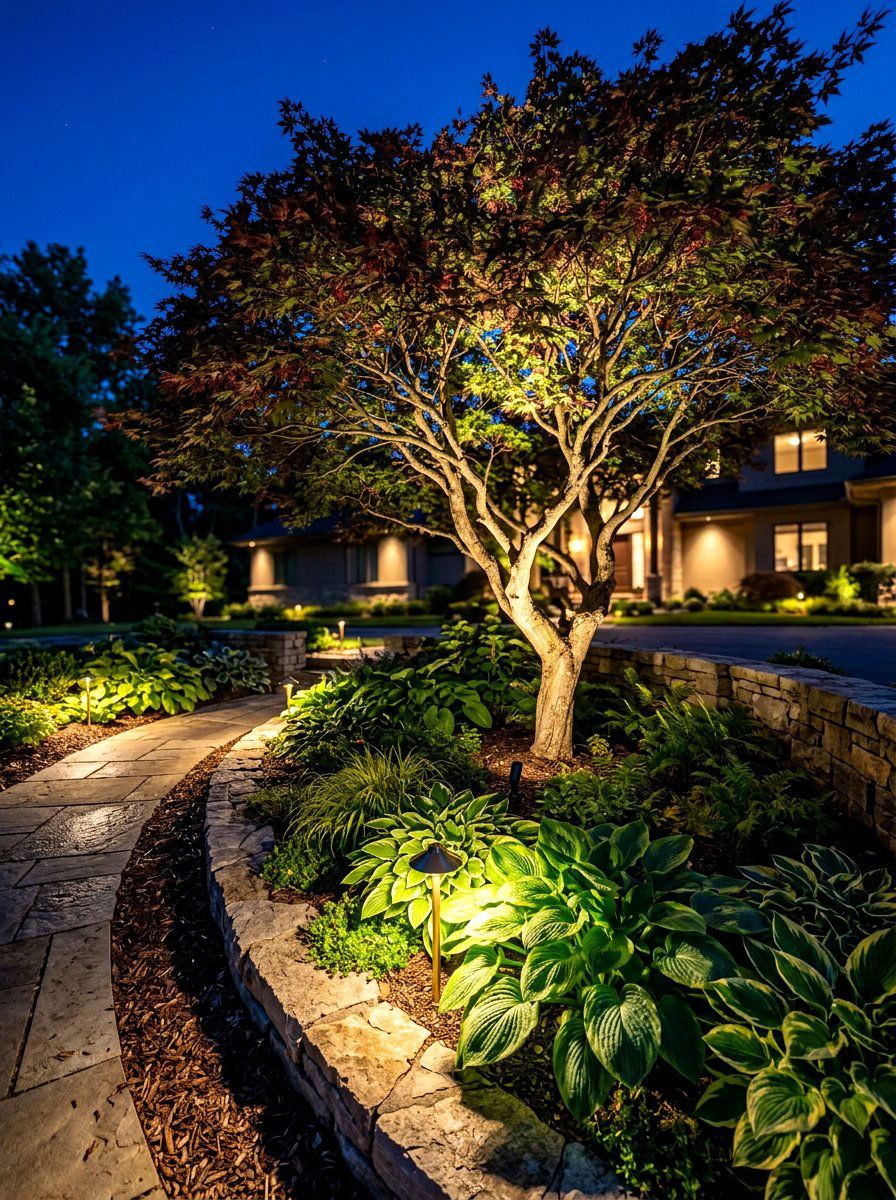
A night lit architectural tree bed ensures your landscape looks just as stunning after the sun goes down. This design focuses on the placement of low-voltage LED lights among the plants at the base of the tree. Use uplights to highlight the texture of the tree's bark and the shape of its branches, while small path lights can illuminate the flower bed below. This creates a dramatic, high-end look that significantly increases the safety and security of your property. The combination of shadows and light transforms the tree into a living sculpture, providing a beautiful view from your windows even during the dark winter months.
Conclusion:
Designing a flower bed around a tree is a rewarding project that blends art with horticulture to enhance your outdoor living space. By carefully selecting plants and materials that suit your home’s style and the specific needs of your tree, you create a harmonious landscape that thrives for years. Whether you choose a formal stone ring or a wild native meadow, the key is to prioritize the tree’s health by avoiding "mulch volcanoes" and protecting the delicate root flare. With these thirty diverse ideas, you have the inspiration needed to turn any plain trunk into a breathtaking garden feature that defines your yard’s unique character.

Related posts: