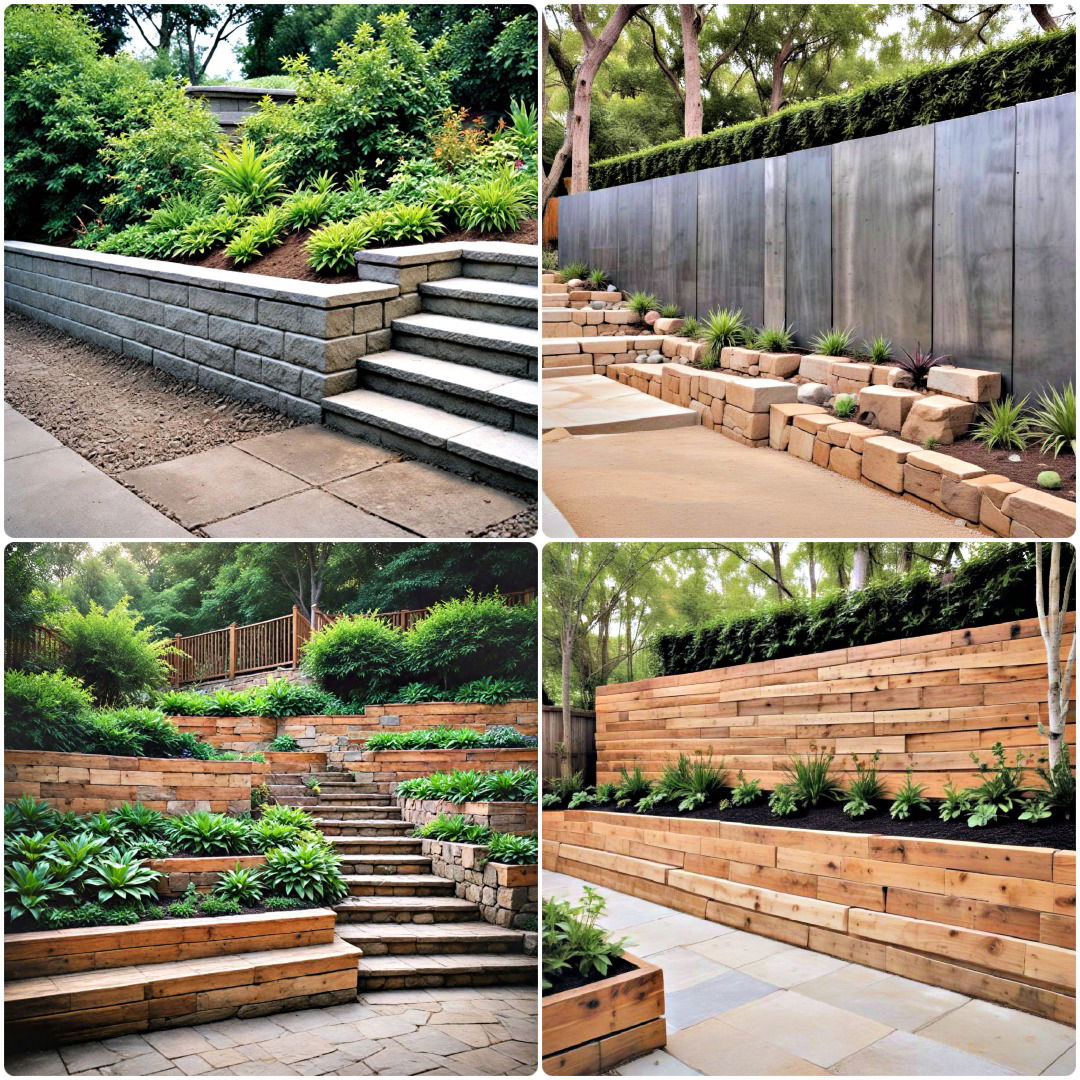
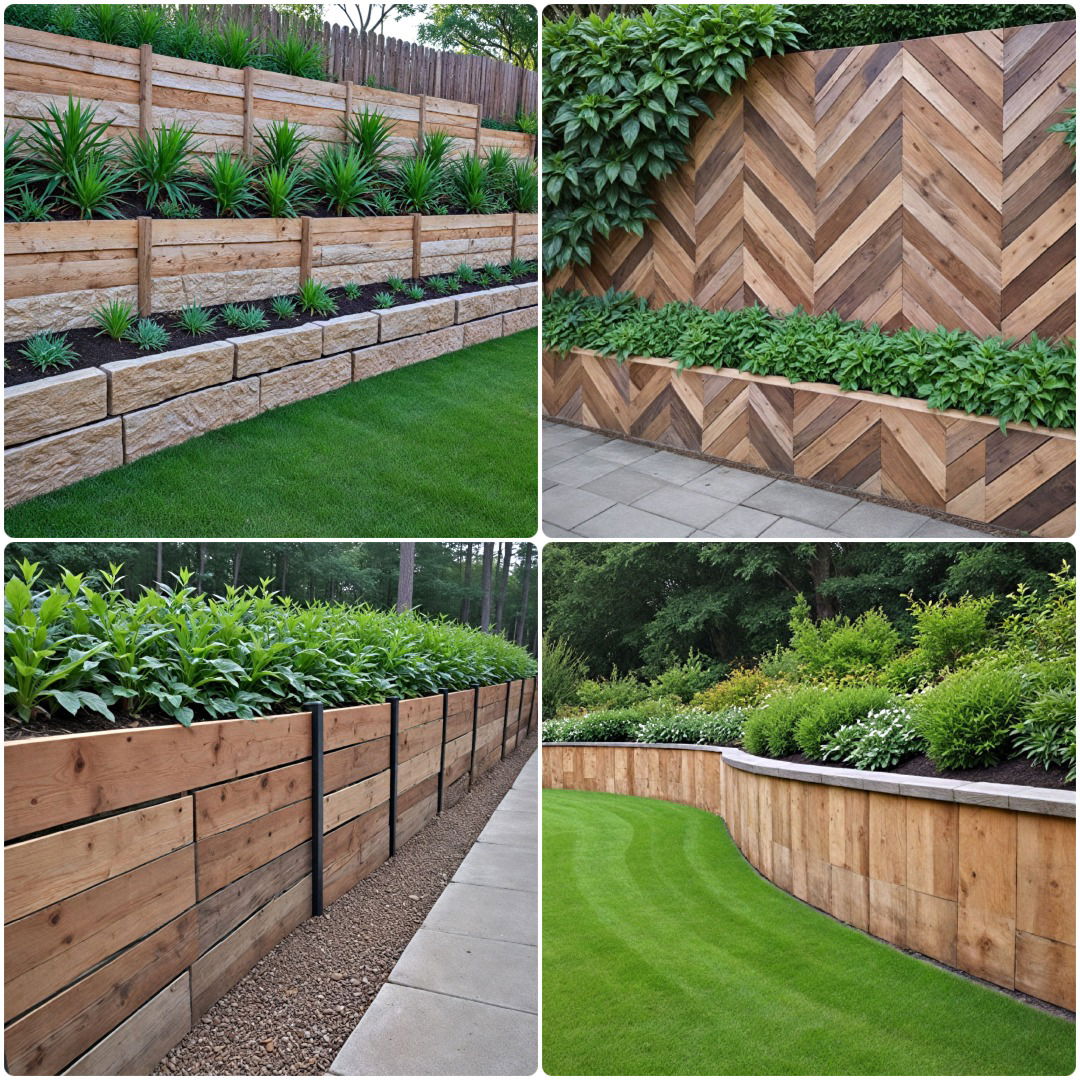
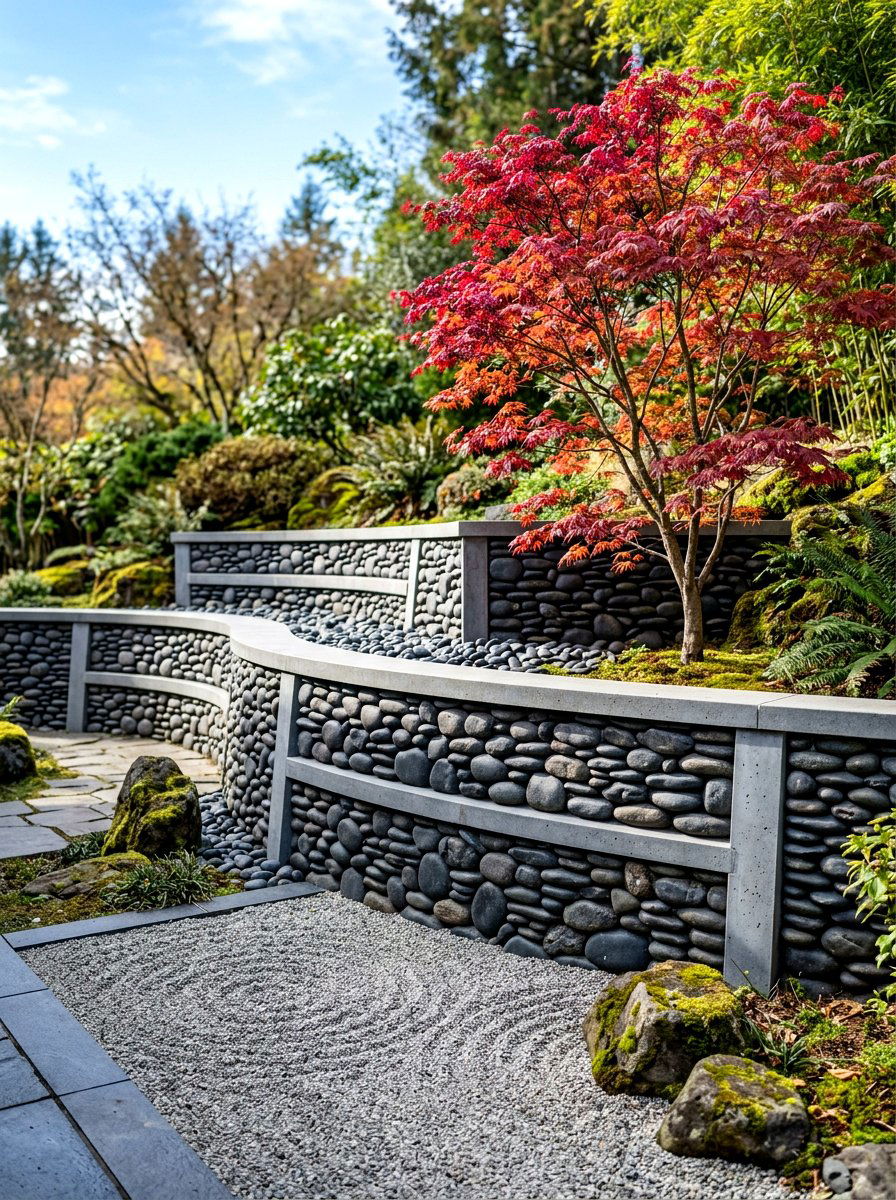
Transforming a sloped or uneven yard into a functional and beautiful outdoor living space often starts with a well-designed stone structure. Stone retaining walls provide the essential structural support needed to prevent soil erosion while adding an incredible layer of texture and timeless elegance to your property. Whether you are looking to create level garden beds, define a patio area, or simply add curb appeal, the versatility of natural stone makes it a premier choice for any landscape project. From the rugged charm of fieldstone to the sleek, clean lines of modern limestone, these walls serve as the sturdy backbone of a sophisticated garden design that lasts for generations.
1. Natural Fieldstone Retaining Wall
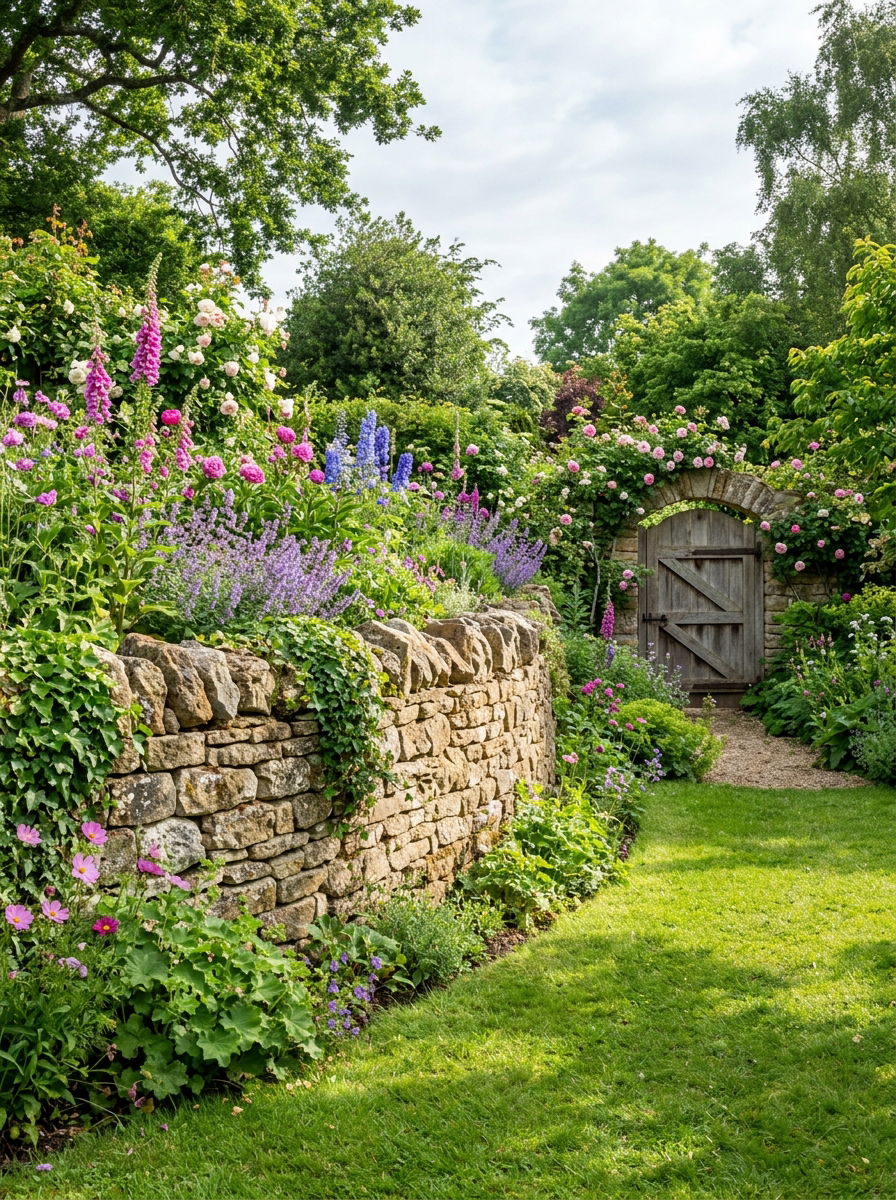
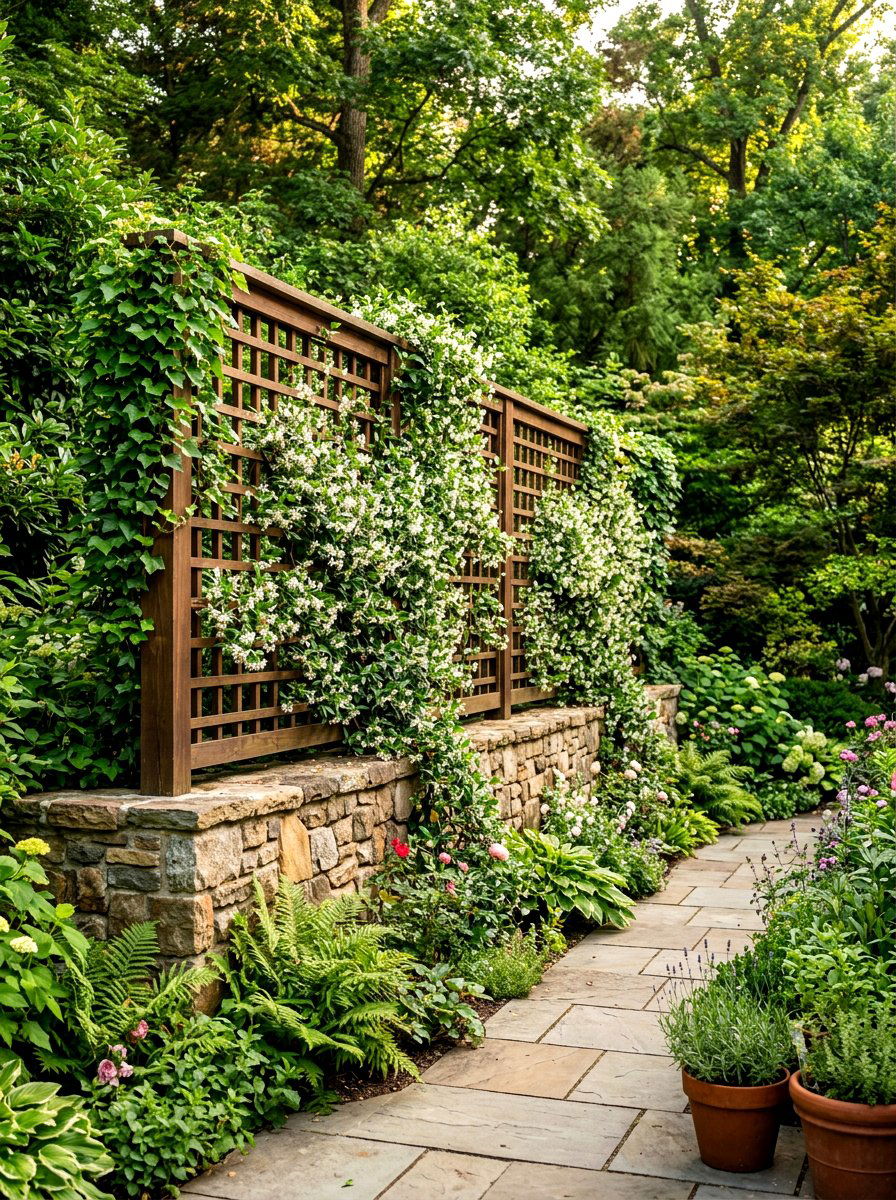
Have you ever noticed how a landscape feels instantly more established when it features the rugged, irregular edges of local fieldstone? Natural fieldstone is perhaps the most classic choice for a retaining wall because it mimics the look of ancient boundaries found in the countryside. These stones are typically collected from the surface of the earth, meaning they retain their weathered textures and organic shapes. Using fieldstone allows for a beautiful, informal aesthetic that blends perfectly with wildflower gardens and cottage-style homes. The variation in size and color creates a visual tapestry that looks better as it ages and develops a light patina of moss or lichen over time.
2. Stacked Flagstone Retaining Wall
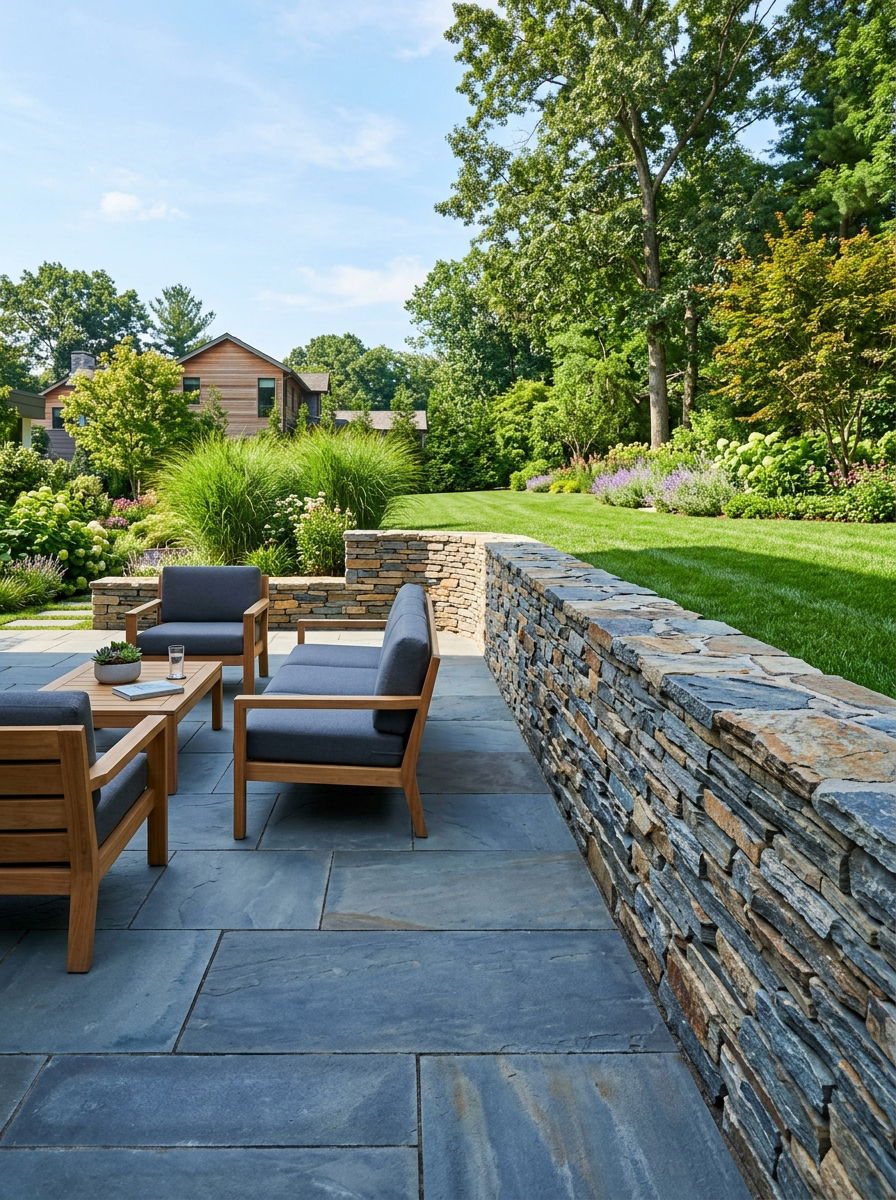
Is there anything more satisfying than the precise look of flat stones layered carefully to create a sturdy and elegant boundary? Stacked flagstone walls are prized for their relatively thin, uniform thickness, which makes them much easier to stack than rounded boulders. This style offers a slightly more refined appearance than fieldstone while still maintaining a strong connection to the natural world. You can choose to have the joints mortared for a permanent, structural look or leave them dry-stacked for a more rustic feel. Flagstone comes in a stunning array of colors, including deep blues, earthy tans, and warm reds, allowing you to match your home’s exterior.
3. Modern Limestone Retaining Wall
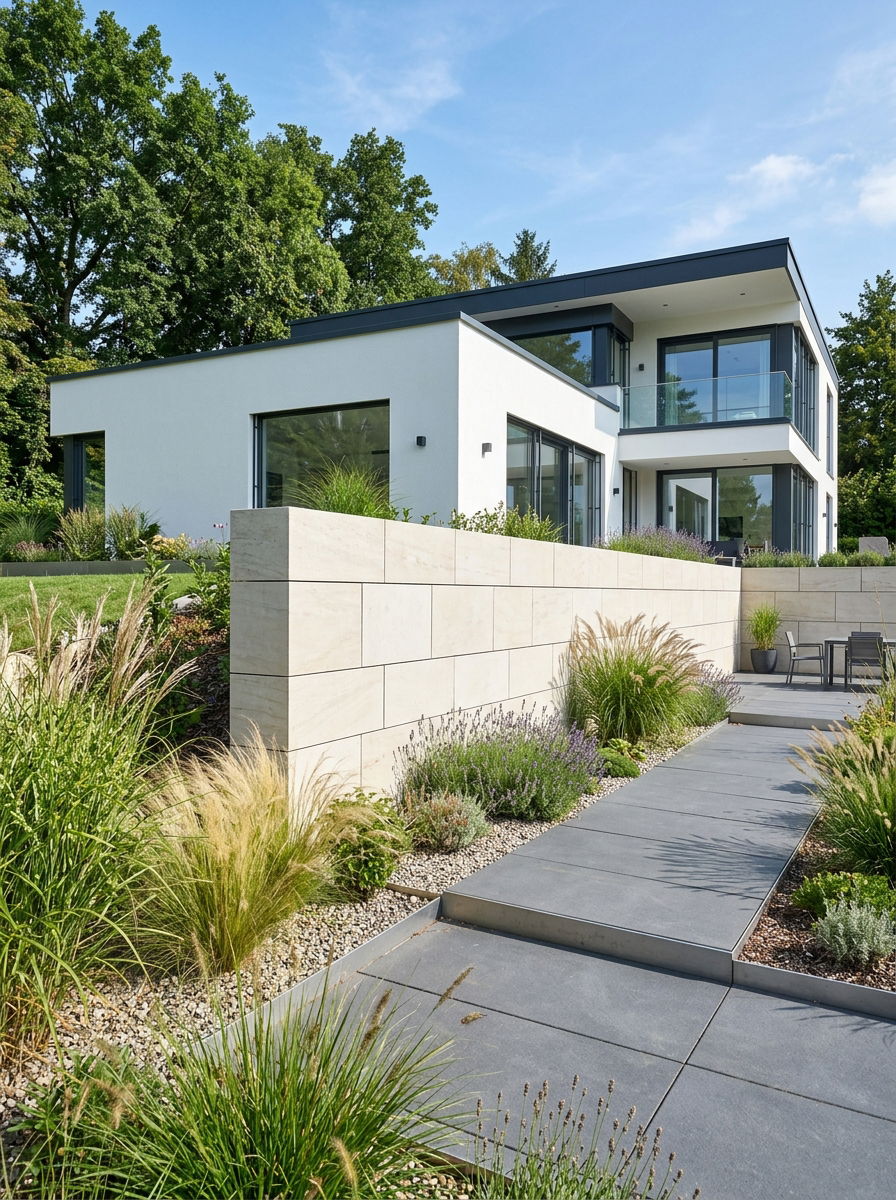
Clean lines and a bright, neutral palette are the hallmarks of a contemporary outdoor space featuring smooth-cut limestone blocks. Limestone is a popular choice for modern architecture because it can be precisely cut into large, rectangular slabs that exude a sense of luxury and order. The light grey or cream tones of the stone reflect sunlight, making small backyards feel much larger and more open. This type of wall works exceptionally well when paired with minimalist plantings like ornamental grasses or structural boxwoods. Its sophisticated finish provides a high-end look that complements sleek patio furniture and modern outdoor kitchens while providing incredible durability against the elements.
4. Tiered Stone Retaining Wall
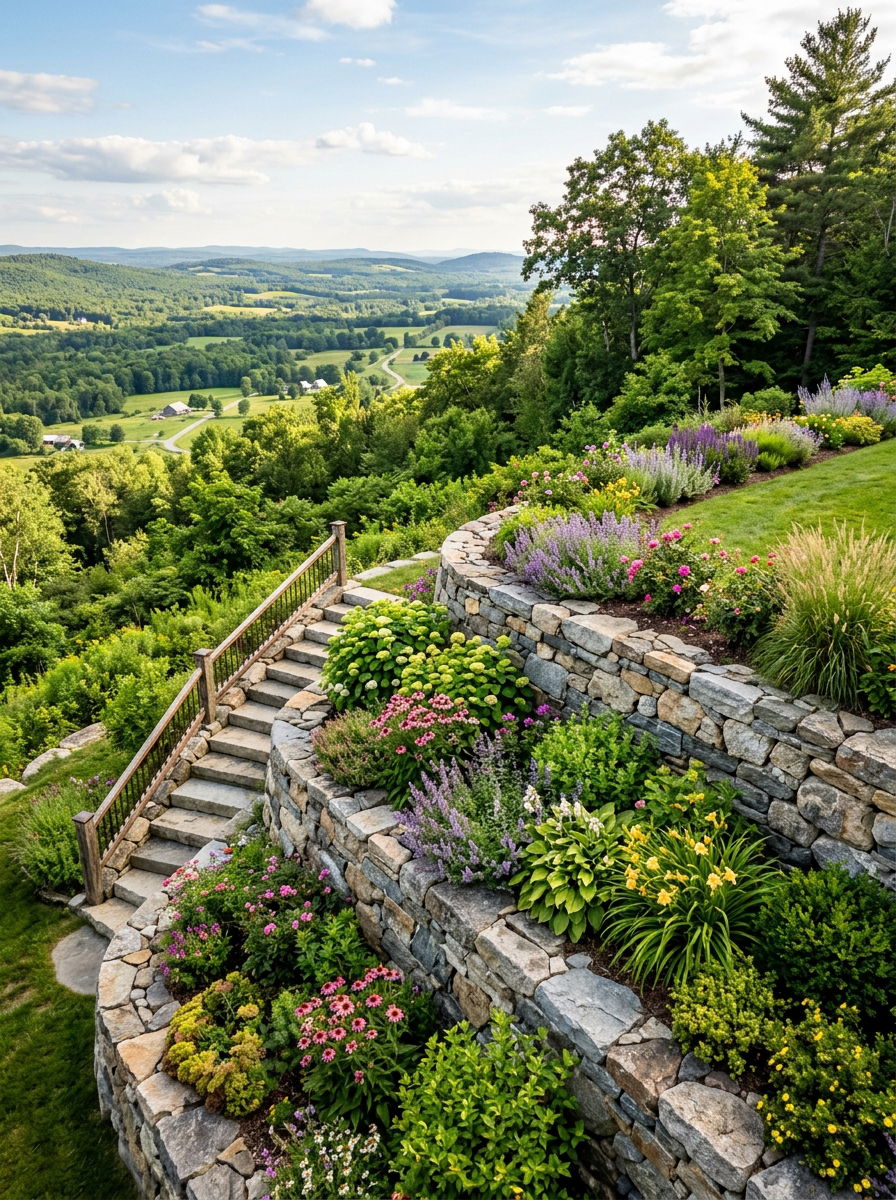
What do you do when your backyard is a steep hillside that seems impossible to landscape or use for entertaining? Tiered stone walls are the ultimate solution for extreme slopes, breaking up a single tall barrier into several smaller, manageable levels. This approach creates multiple flat terraces that can be used for lush garden beds, seating areas, or even a series of small lawns. By staggering the walls, you reduce the visual weight of the stone and prevent the space from feeling closed in. It also allows for more creative planting opportunities, as each level can feature different colors, textures, and heights of greenery.
5. Gabion Stone Retaining Wall
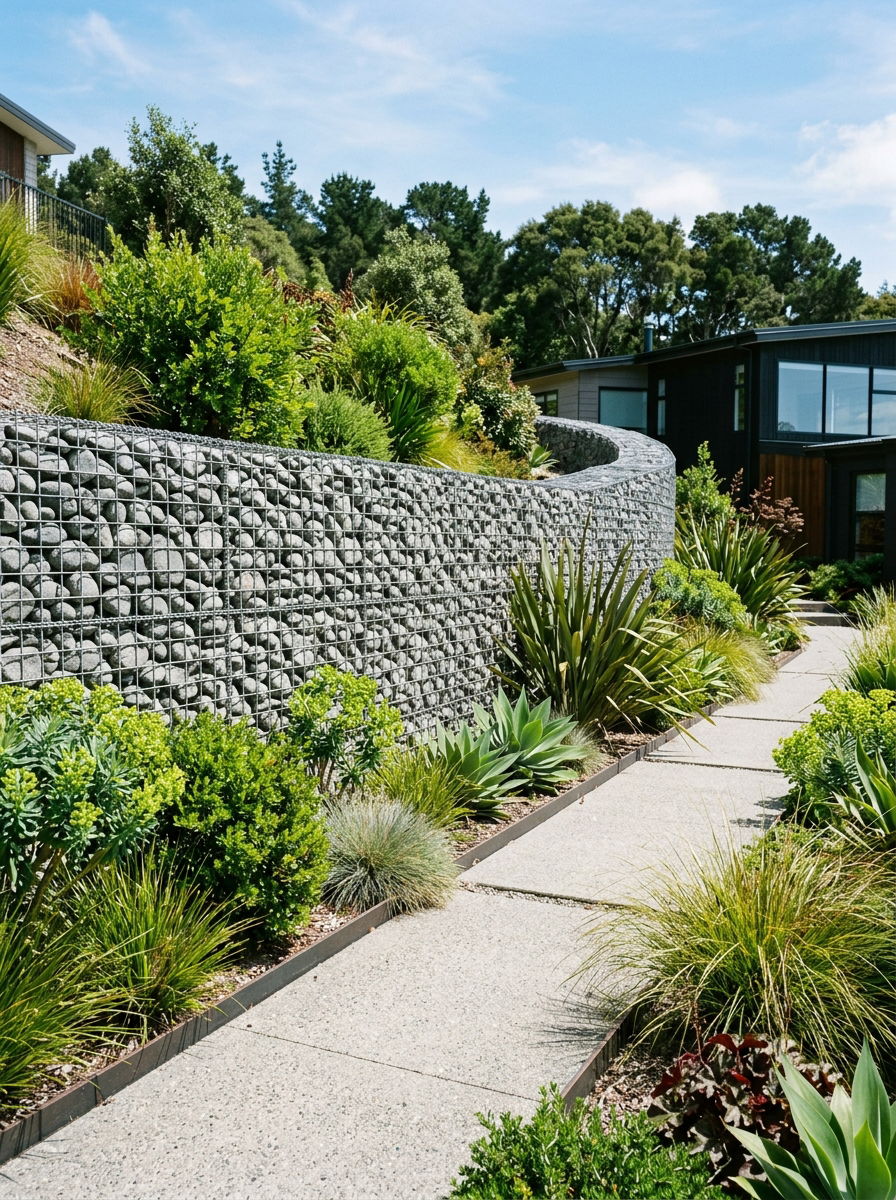
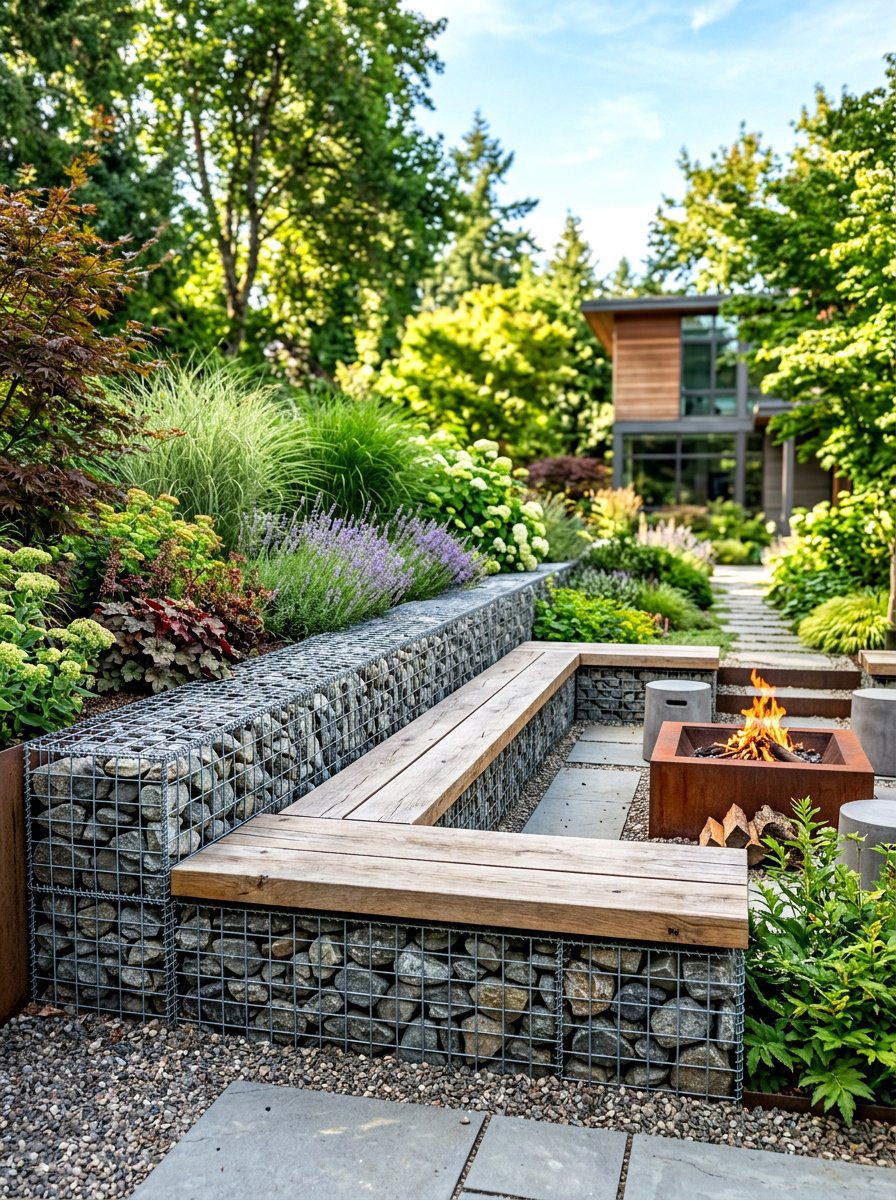
Imagine a modern, industrial-inspired garden where wire cages filled with raw stones serve as a striking and highly functional focal point. Gabion walls have moved from civil engineering projects into residential landscapes because of their unique look and incredible drainage capabilities. These walls consist of galvanized steel baskets filled with anything from river rocks to crushed granite or even recycled bricks. Because the stones are loose inside the mesh, water can pass through freely, making them one of the best choices for areas with heavy rainfall. They offer a bold, textural contrast against soft green foliage and are surprisingly easy to install for a DIY project.
6. Boulder Retaining Wall
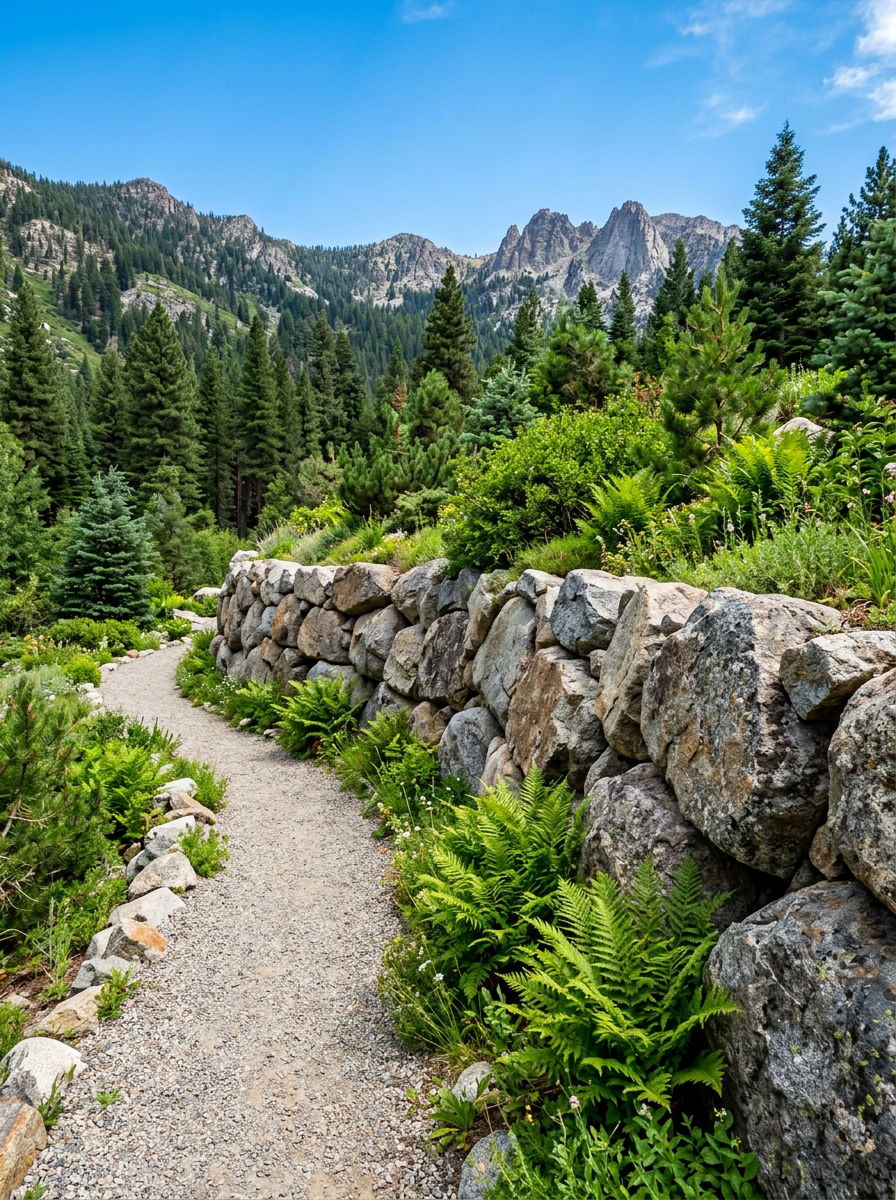
Do you want your backyard to look like a piece of the grand mountain wilderness was transported directly to your property? Boulder walls use massive, heavy rocks to create a dramatic and structural barrier that feels completely permanent and immovable. Because of the sheer size of the stones, these walls are often the fastest to build but require heavy machinery for proper placement. Boulders work best in large, open landscapes where they can serve as a majestic backdrop for shrubs and trees. The gaps between the large rocks provide the perfect environment for planting alpine flowers or succulents, which helps soften the transition between the stone and the ground.
7. River Rock Retaining Wall
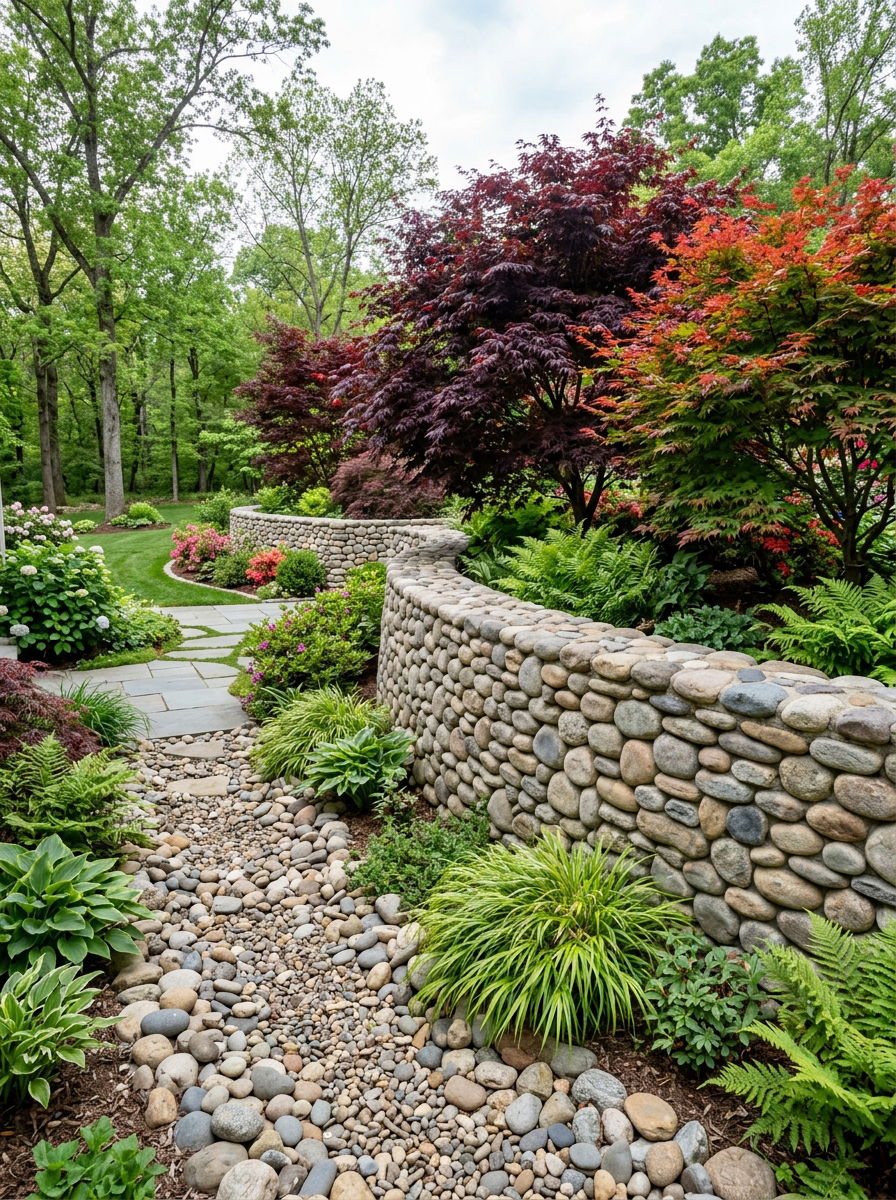
Soft, rounded edges and a smooth, water-worn finish give river rock walls a gentle and tranquil appearance that is perfect for water-wise gardens. These stones are typically smaller and more uniform in shape than fieldstones, creating a textured surface that feels very tactile and approachable. While they can be more challenging to stack without mortar due to their roundness, a mortared river rock wall is incredibly strong and beautiful. These walls look especially appropriate near pool areas, dry creek beds, or naturalistic ponds. The variety of colors — ranging from slate grey to warm ochre — ensures that the wall feels dynamic and integrated with the surrounding earth.
8. Dry Stack Stone Retaining Wall
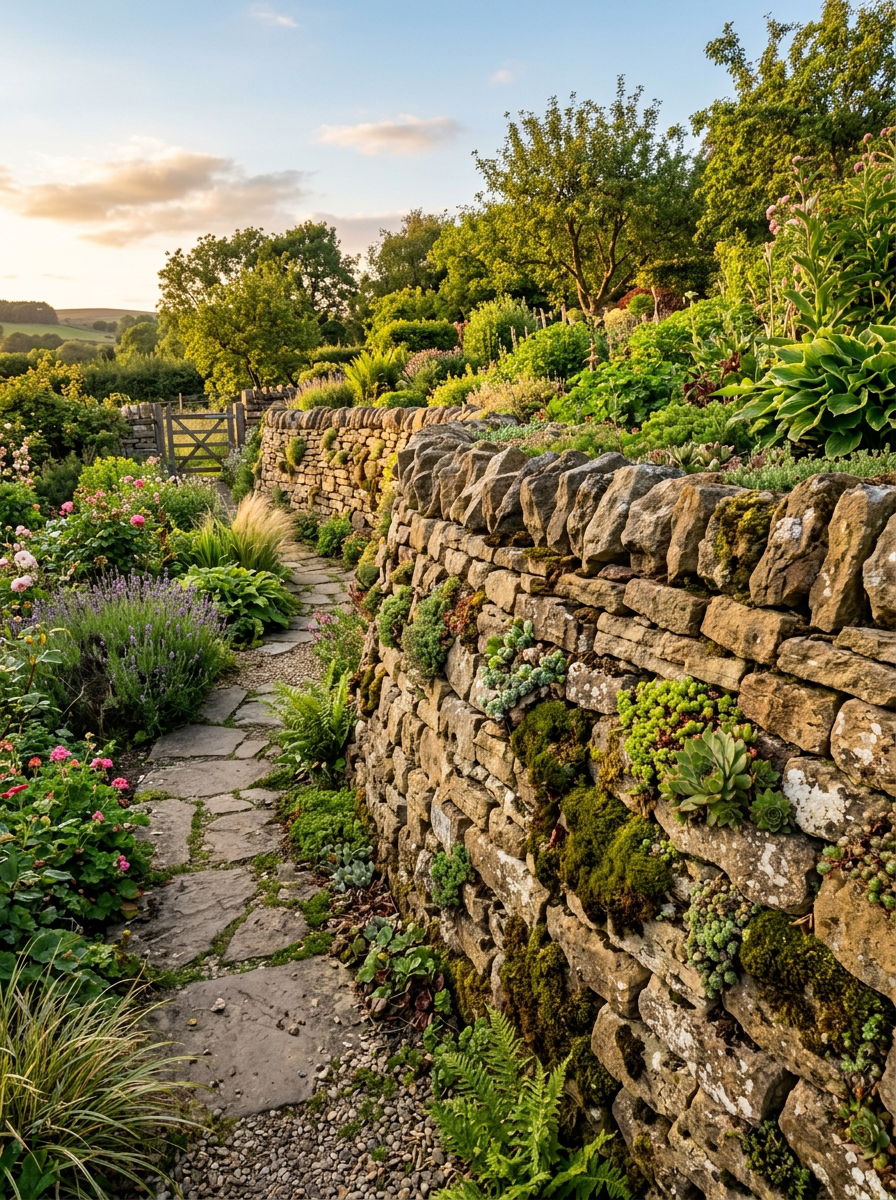
There is a timeless artistry involved in building a wall that relies solely on gravity and the careful placement of stones. Dry stack walls are constructed without any mortar or cement, allowing the structure to flex naturally with the movement of the earth and the change of seasons. This method provides excellent natural drainage, as water can easily seep through the small cracks between the rocks instead of building up pressure behind the wall. Homeowners often love this style because it allows for "living" walls where tiny succulents and creeping thyme can be planted directly into the crevices, creating a soft, aged look.
9. Curved Stone Retaining Wall
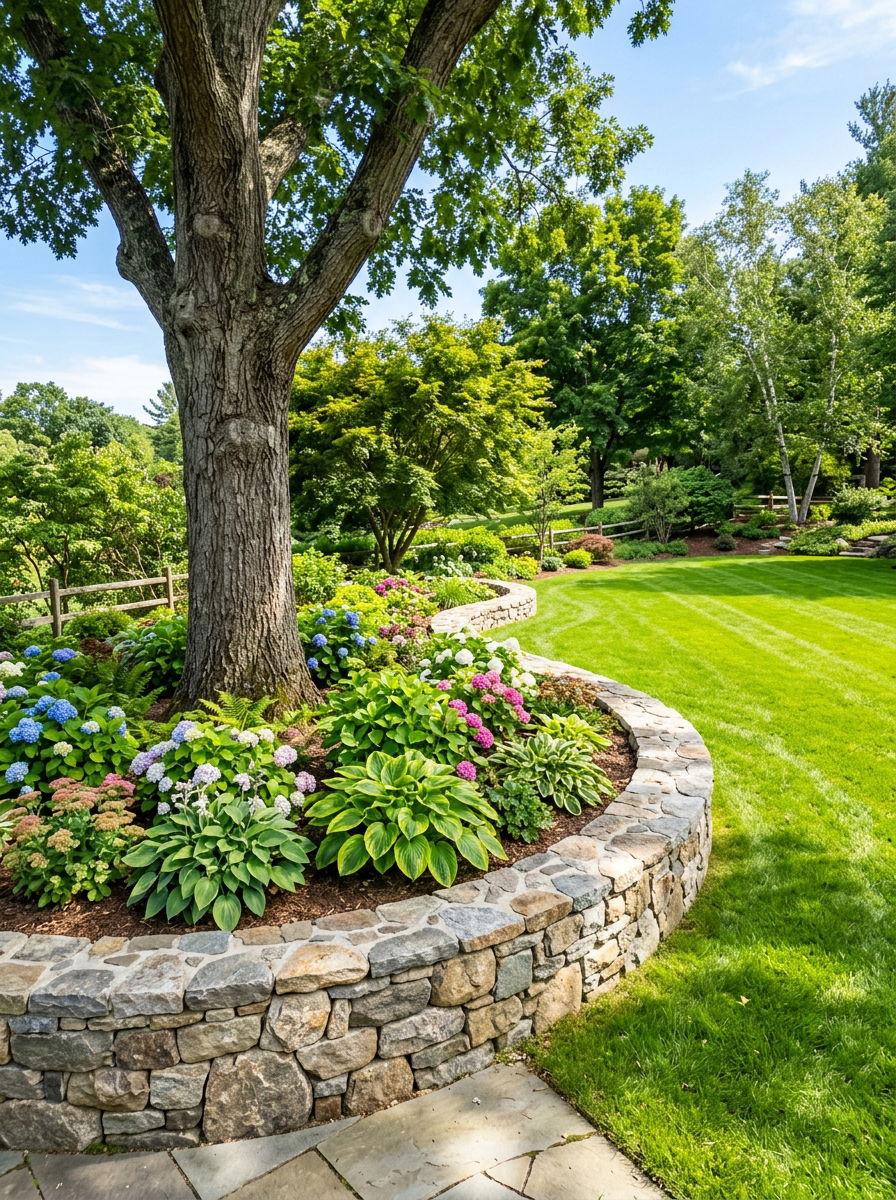
Why settle for a rigid, straight line when you can follow the organic flow of your garden with a graceful curve? Curved stone walls are excellent for softening the hard edges of a landscape and creating a sense of movement throughout the yard. They are particularly effective for wrapping around a large specimen tree or defining the edge of a circular patio. Building a curve with stone requires a bit more skill to ensure the blocks fit together snugly, but the visual payoff is a much more natural and inviting space. These walls guide the eye through the garden, making the entire outdoor area feel cohesive and thoughtfully designed.
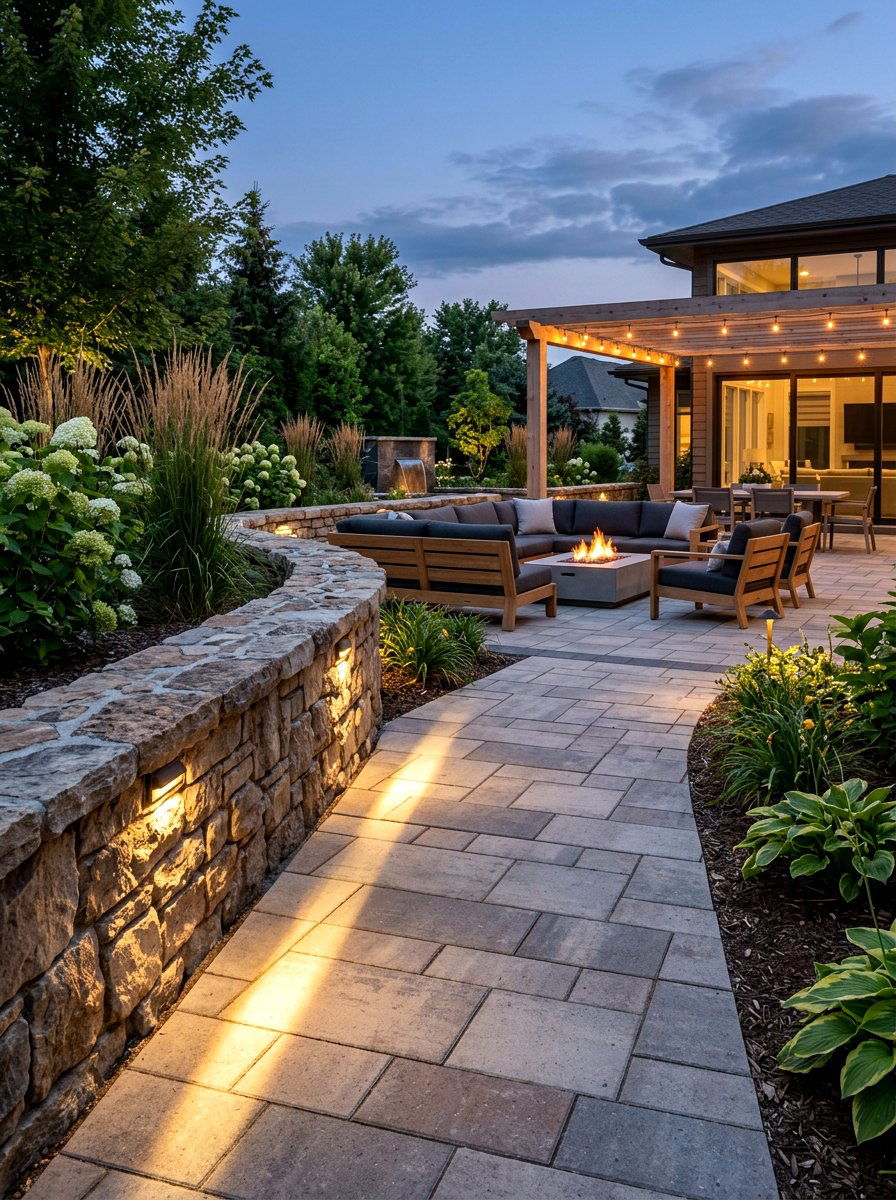
10. Granite Retaining Wall
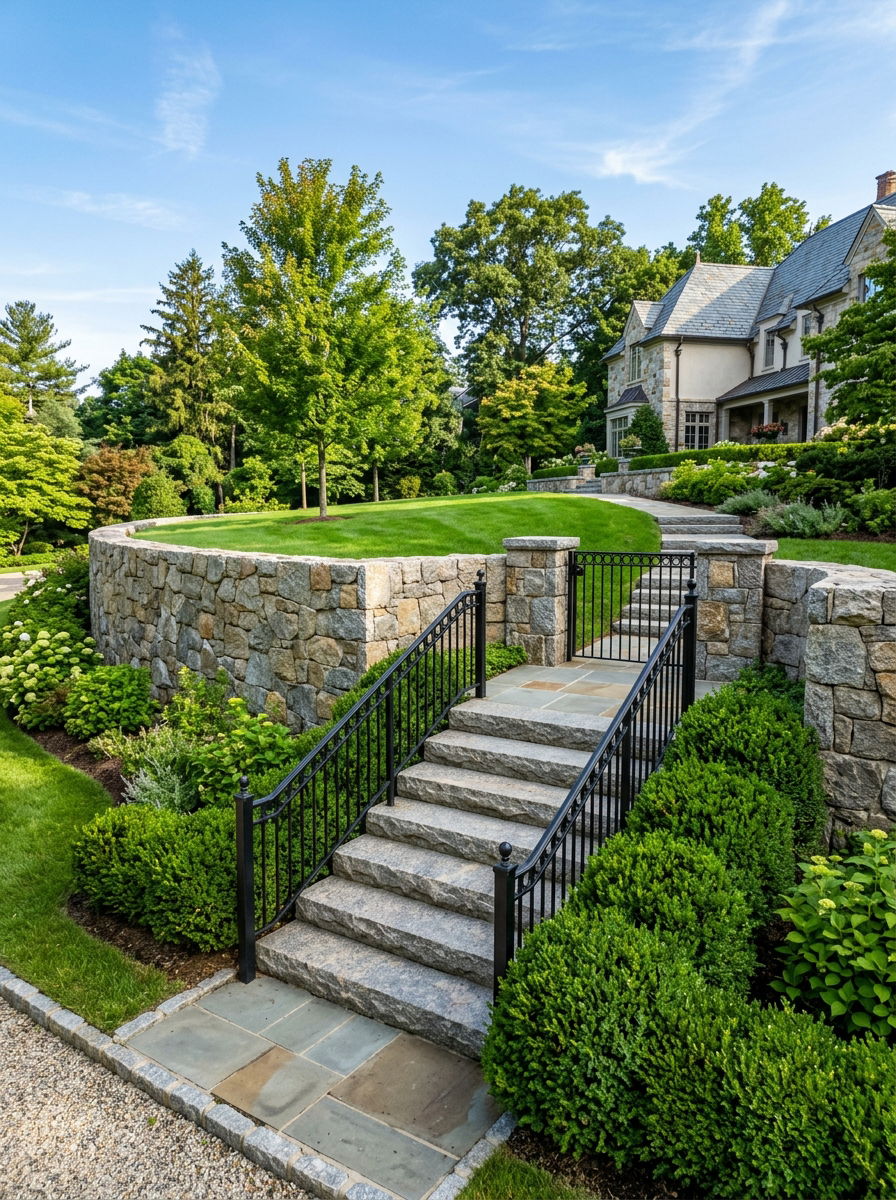
Strength and sophistication come together in a granite wall, offering one of the most durable and weather-resistant materials available for landscaping. Granite is known for its speckled texture and incredible hardness, ensuring that your retaining wall will look exactly the same decades from now as it does today. It can be used in its raw, split-face form for a rugged look or sawn into blocks for a more formal and architectural finish. Because granite is so dense, it resists staining and moisture absorption, making it an ideal choice for regions with harsh winters. Its cool grey and salt-and-pepper tones provide a neutral backdrop for vibrant flowers.
11. Sandstone Retaining Wall
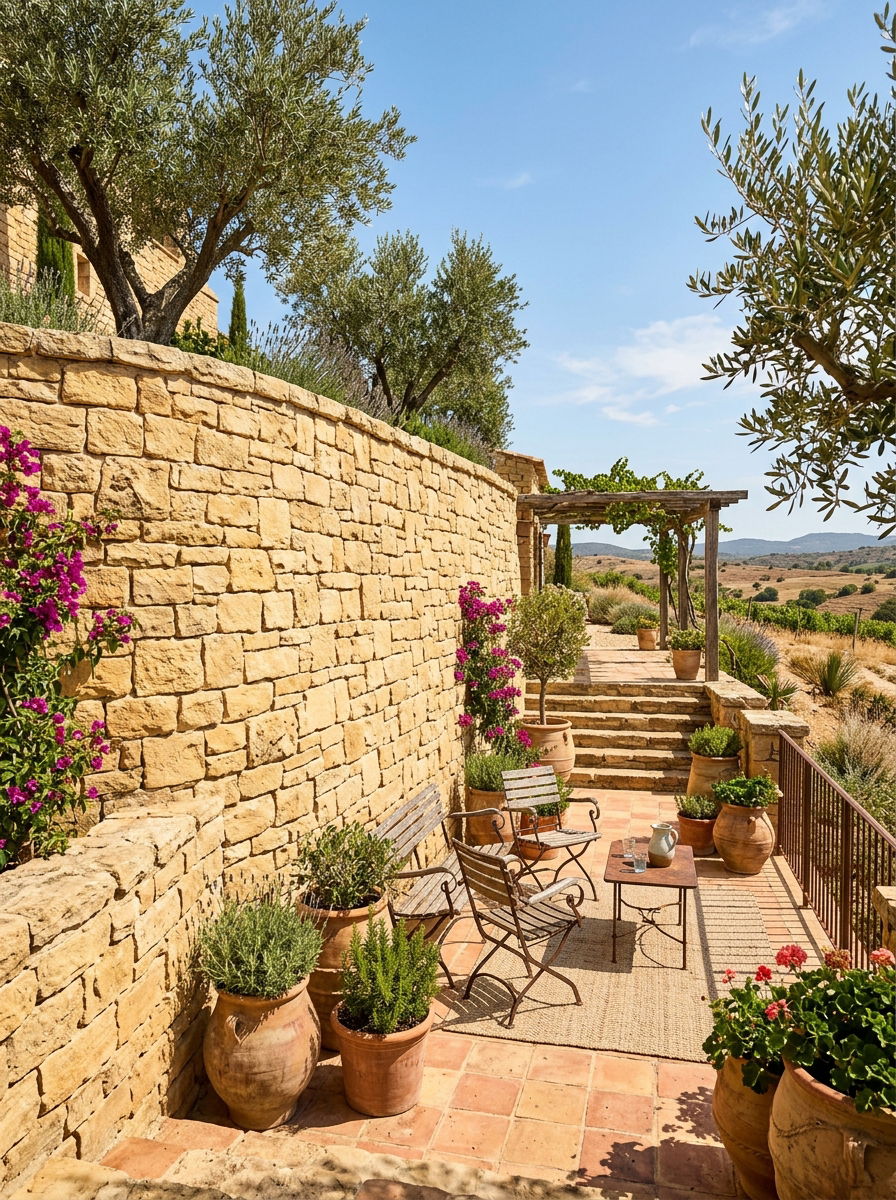
Soft, warm hues of gold, tan, and burnt orange make sandstone a favorite for creating a sun-drenched, Mediterranean or desert-inspired backyard atmosphere. Sandstone is a sedimentary rock that often features beautiful layering and swirling patterns, giving each block a unique and artistic personality. It is relatively easy to carve and shape, which allows for very tight joints and a very clean, professional finish on the wall face. While it is softer than granite, high-quality sandstone is still very durable and develops a lovely character as it weathers. It pairs beautifully with terracotta pots, olive trees, and gravel paths for a cohesive, warm-toned outdoor retreat.
12. Stacked Slate Retaining Wall
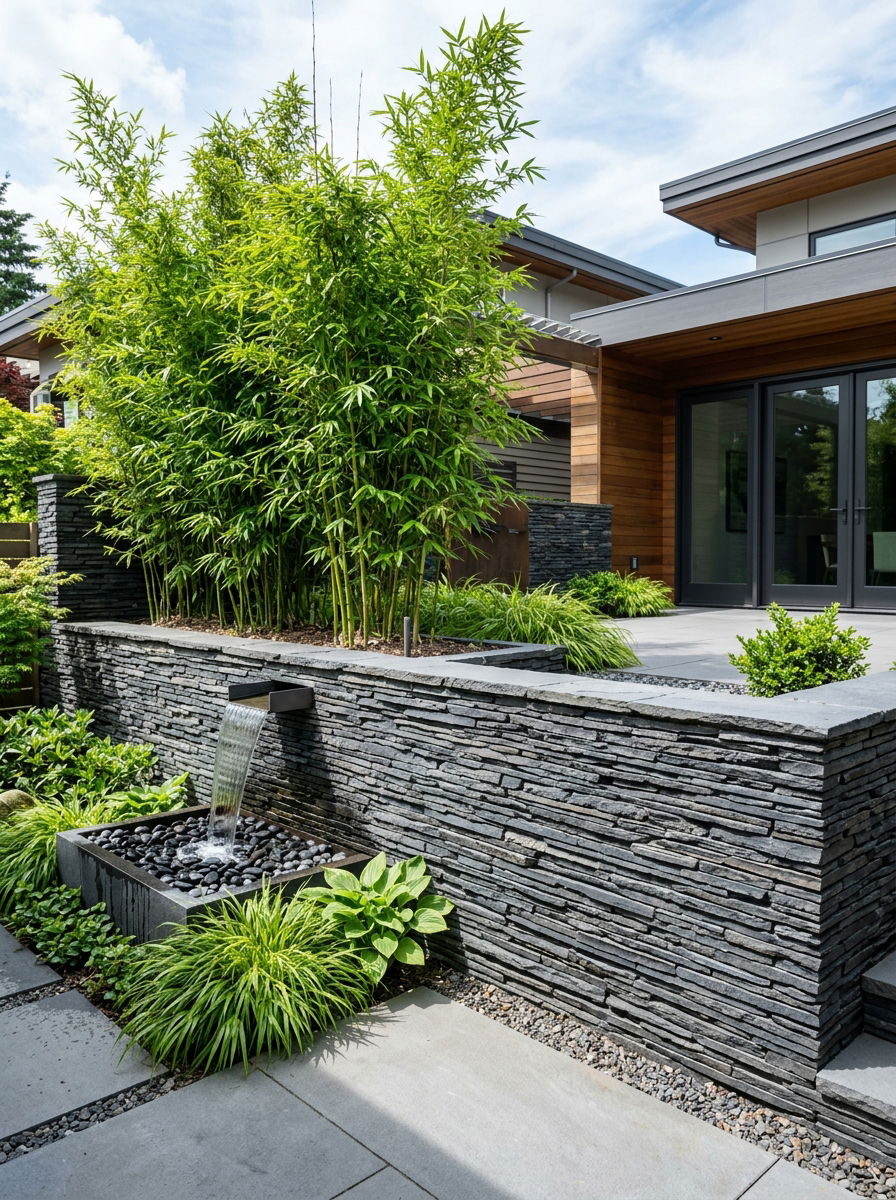
Achieving a sleek, contemporary look is simple when you use the thin, sharp-edged profiles of horizontally stacked slate pieces. Slate is a metamorphic rock that naturally splits into flat layers, which makes it perfect for creating a wall with a lot of horizontal visual interest. The deep charcoals, purples, and greens found in slate provide a moody and sophisticated color palette that looks stunning when wet. Because the pieces are typically thin, the resulting wall has a very detailed, "busy" texture that contrasts beautifully with large-leafed plants like hostas or ferns. It is a high-impact design choice that feels both modern and deeply rooted in geological history.
13. Geometric Cut Stone Retaining Wall
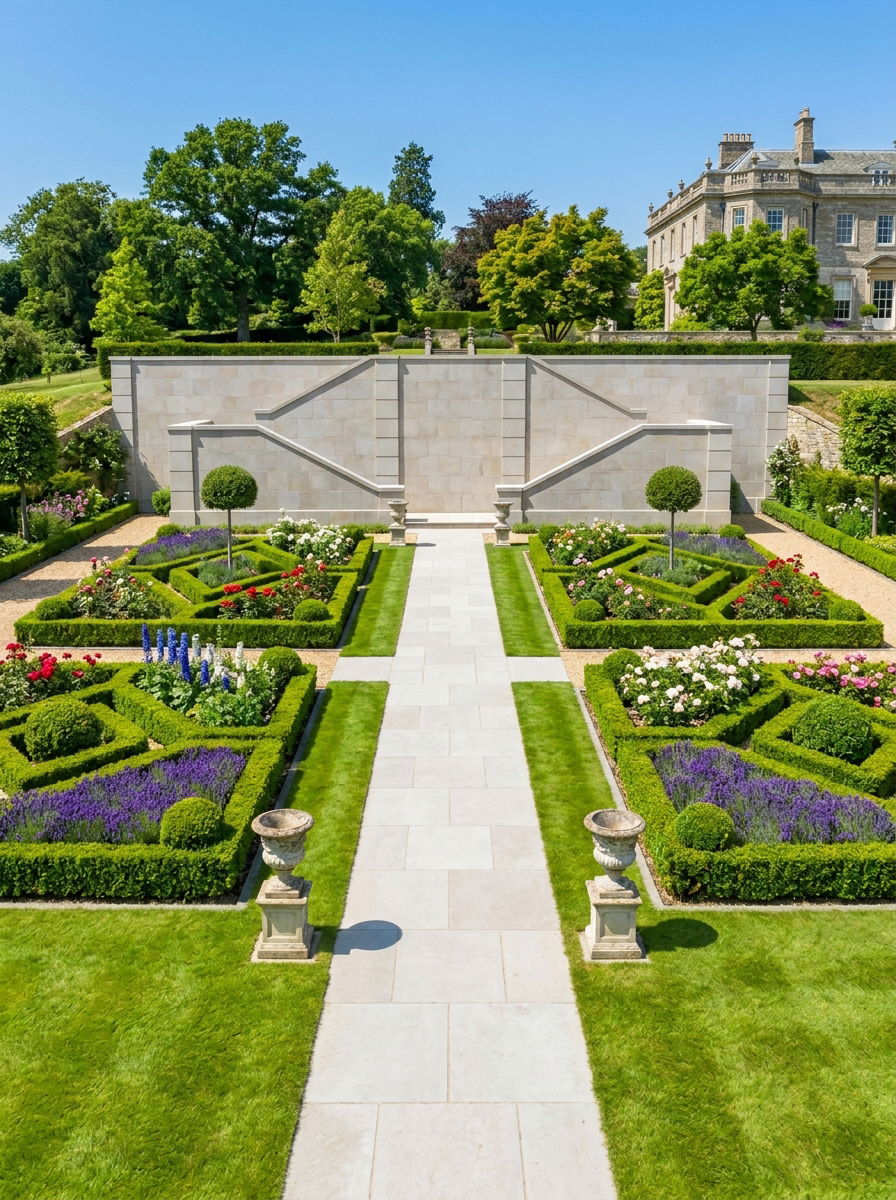
For the homeowner who craves precision and architectural order, a geometric cut stone wall provides a level of crispness that is truly unmatched. These stones are mechanically sawn on all sides to ensure they are perfectly rectangular or square, allowing them to be stacked with almost invisible seams. This creates a very flat, smooth wall face that acts as a canvas for the play of light and shadow throughout the day. This style is often used in high-end urban gardens or to flank formal entryways where a tidy appearance is paramount. The structured look of the stone provides a wonderful contrast to the wild, unrestrained growth of a perennial border.
14. Large Block Stone Retaining Wall
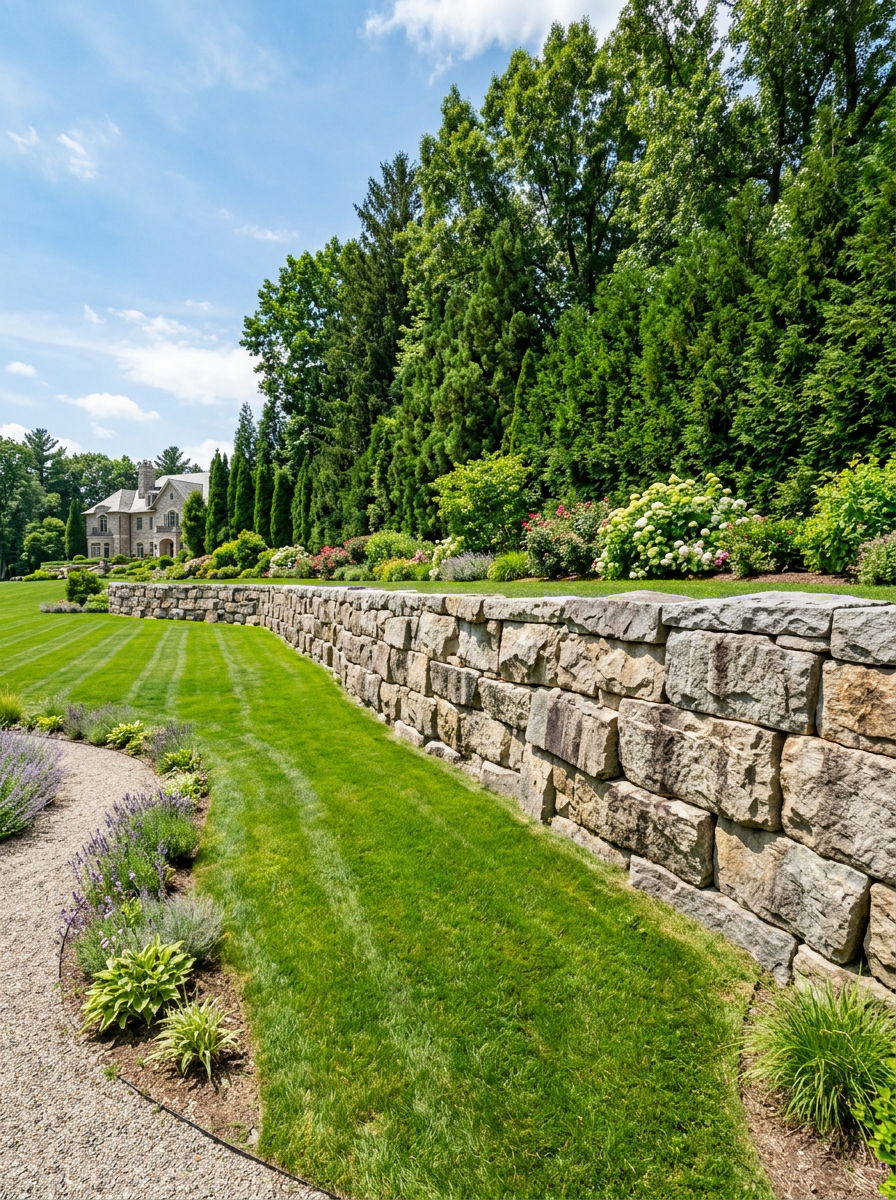
When you need to hold back a significant amount of earth, large block stones provide the necessary weight and structural integrity for the job. These massive units, often measuring several feet in length, create a sense of scale and power that smaller stones simply cannot match. While they require professional installation and heavy equipment, the result is a wall that feels like an ancient fortress. You can find large blocks in various finishes, from rough-hewn natural stone to textured concrete mimics. These walls are perfect for large estates or commercial properties where the landscape requires a bold statement and a permanent, high-strength solution for erosion control.
15. Stone Retaining Wall With Stairs
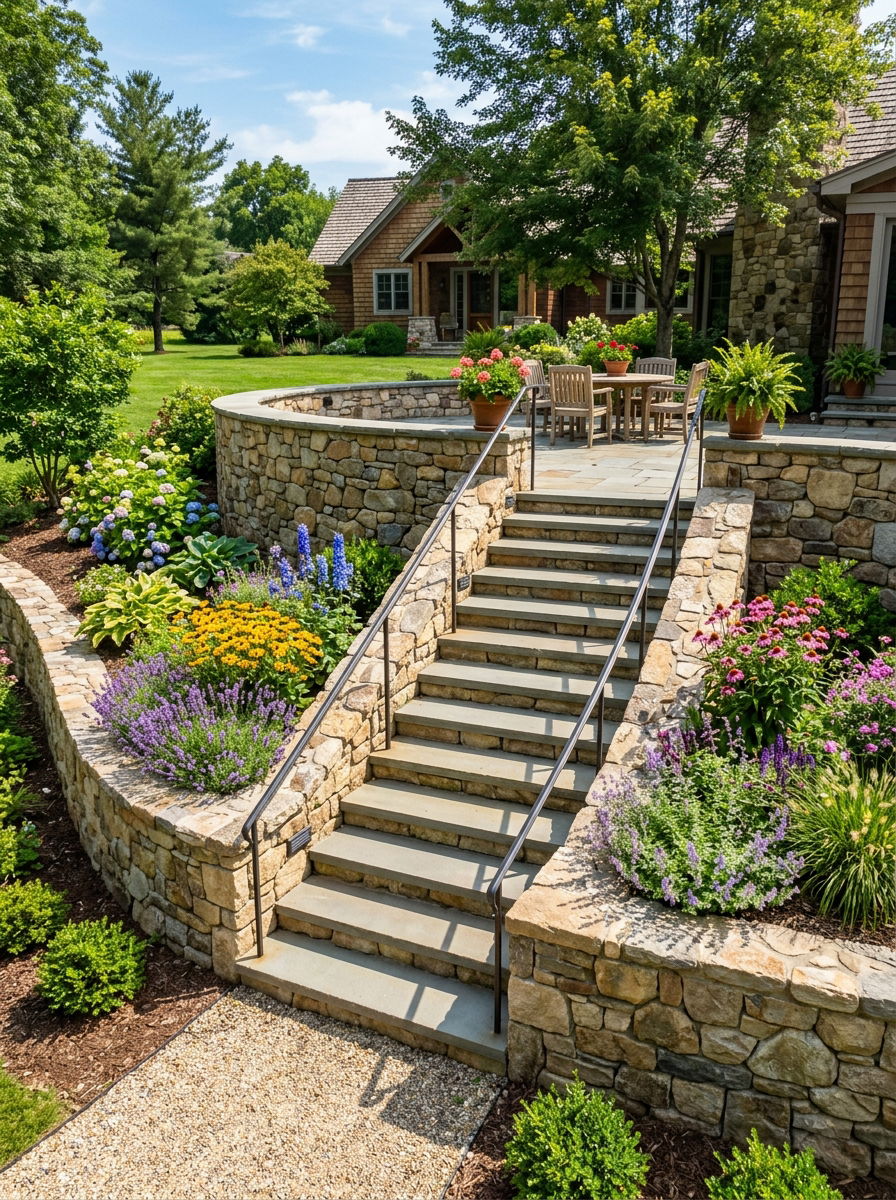
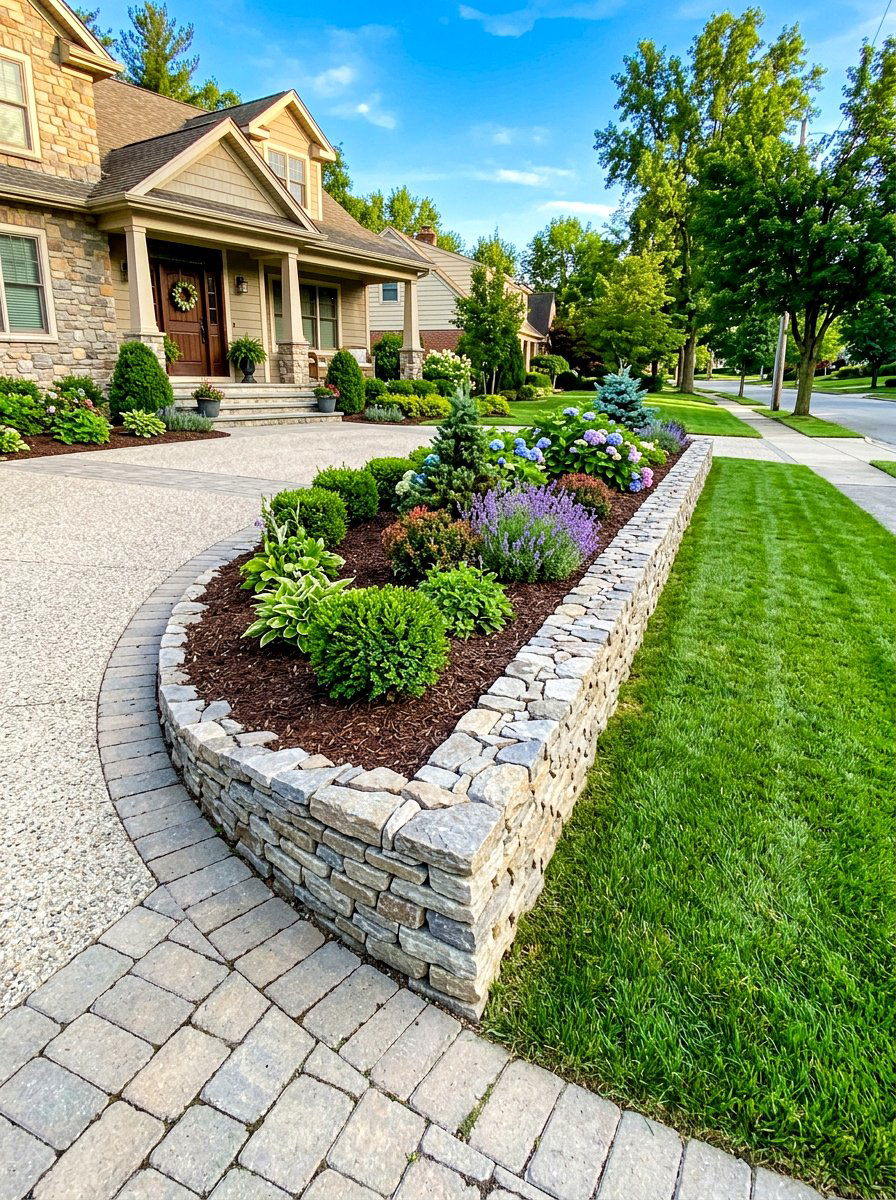
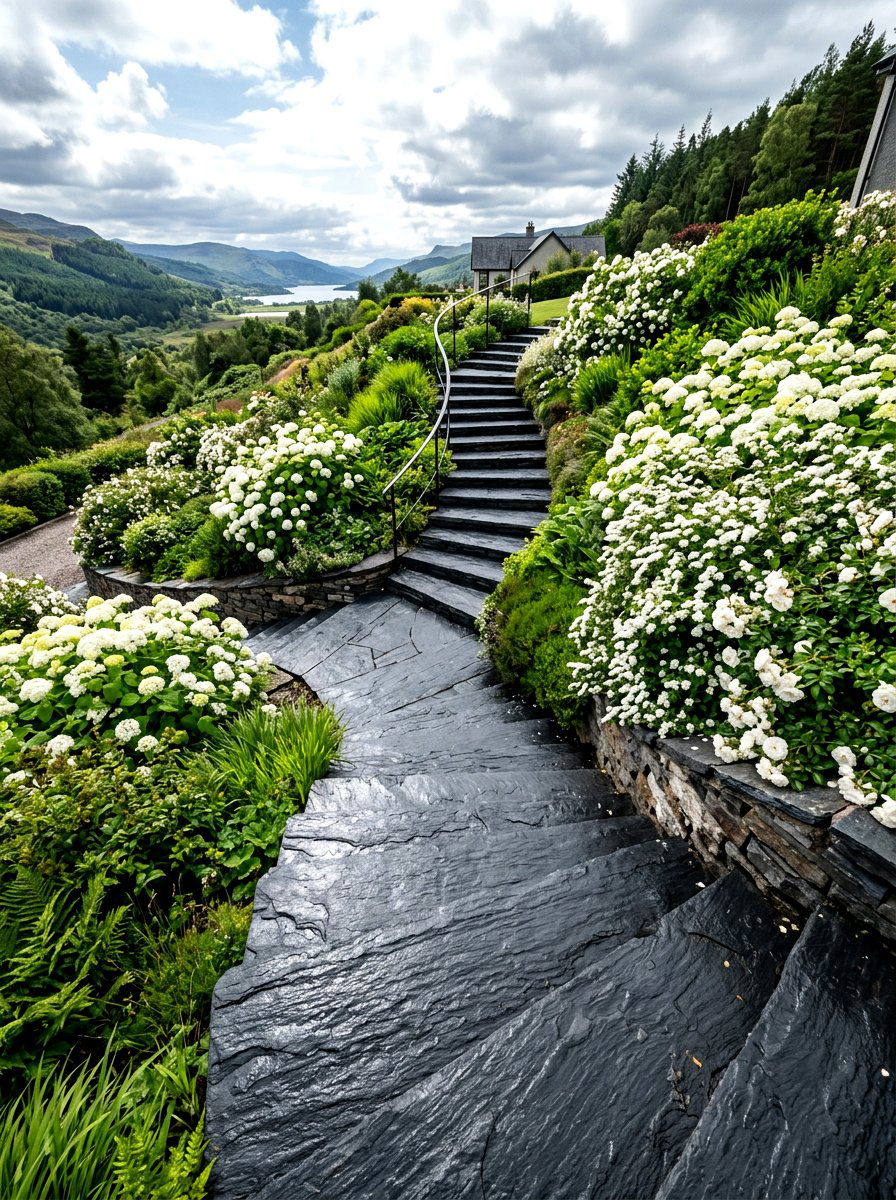
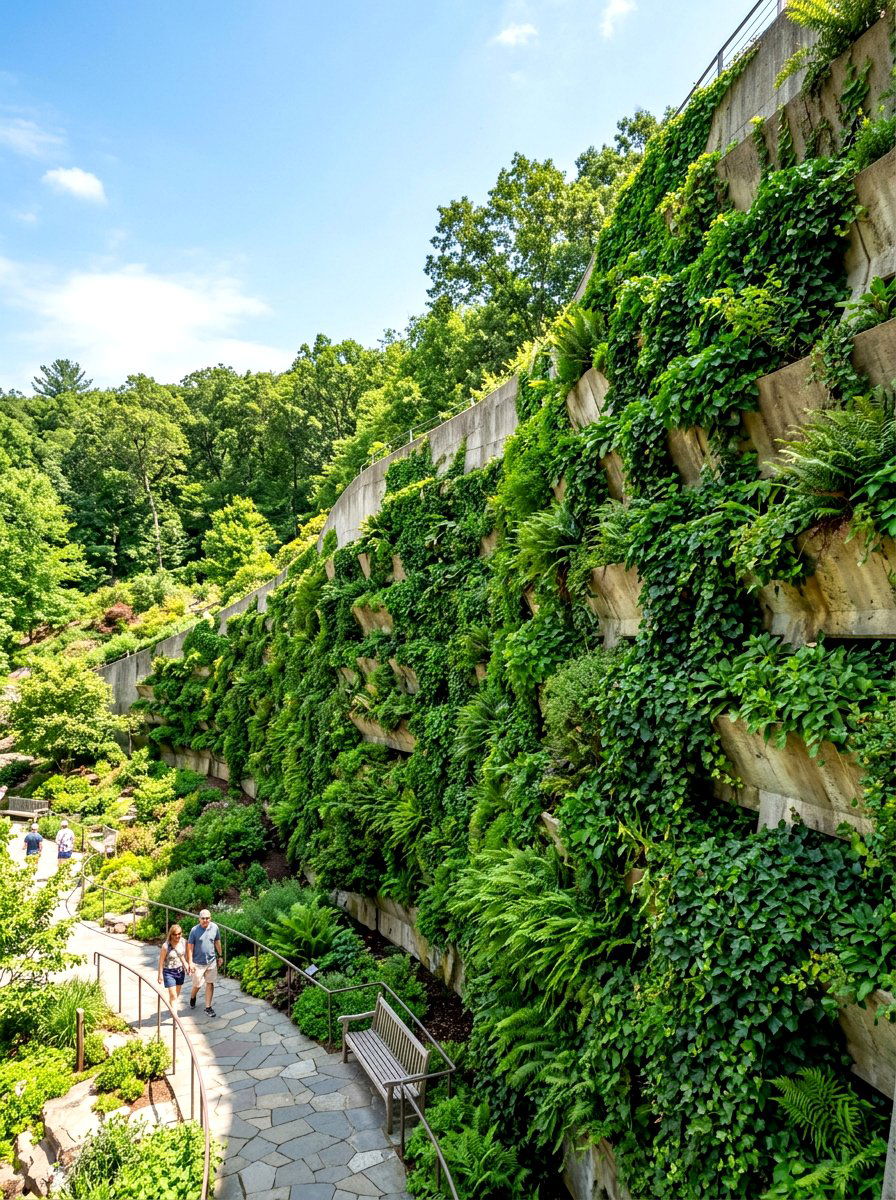
Integrating a set of wide, stone steps directly into your retaining wall design is a brilliant way to connect different levels of your yard. Instead of the stairs being a separate element, they become a seamless part of the wall structure, creating a more unified and professional appearance. You can use large, flat slabs of the same stone as the wall for the treads to ensure a perfect match. This design choice invites exploration and makes every part of a sloped yard accessible for maintenance or enjoyment. Flanking the stairs with low stone walls also provides a sense of enclosure and safety as you move through the garden.
16. Stone Retaining Wall With Built In Seating
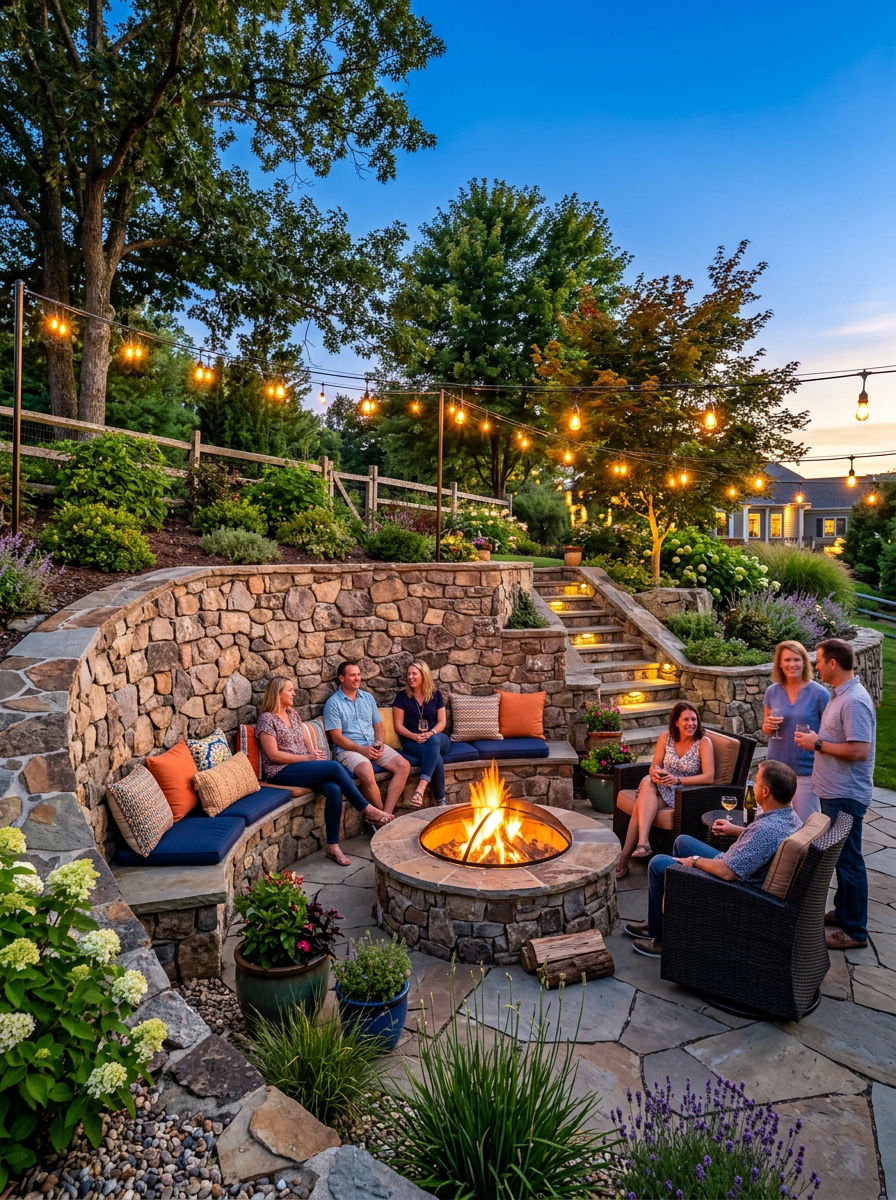
Why use up valuable patio space with bulky furniture when your retaining wall can double as a permanent and beautiful seating area? By building the wall to a height of about eighteen inches and finishing it with a smooth, flat capstone, you create a functional bench for guests. This is a fantastic solution for fire pit areas or outdoor dining spaces where extra seating is always welcome. The stone naturally stays cool in the summer and can be softened with a few weather-resistant outdoor cushions. It turns a purely structural element into a social hub, making your landscape work harder for your lifestyle and entertaining needs.
17. Stone Retaining Wall With Lighting
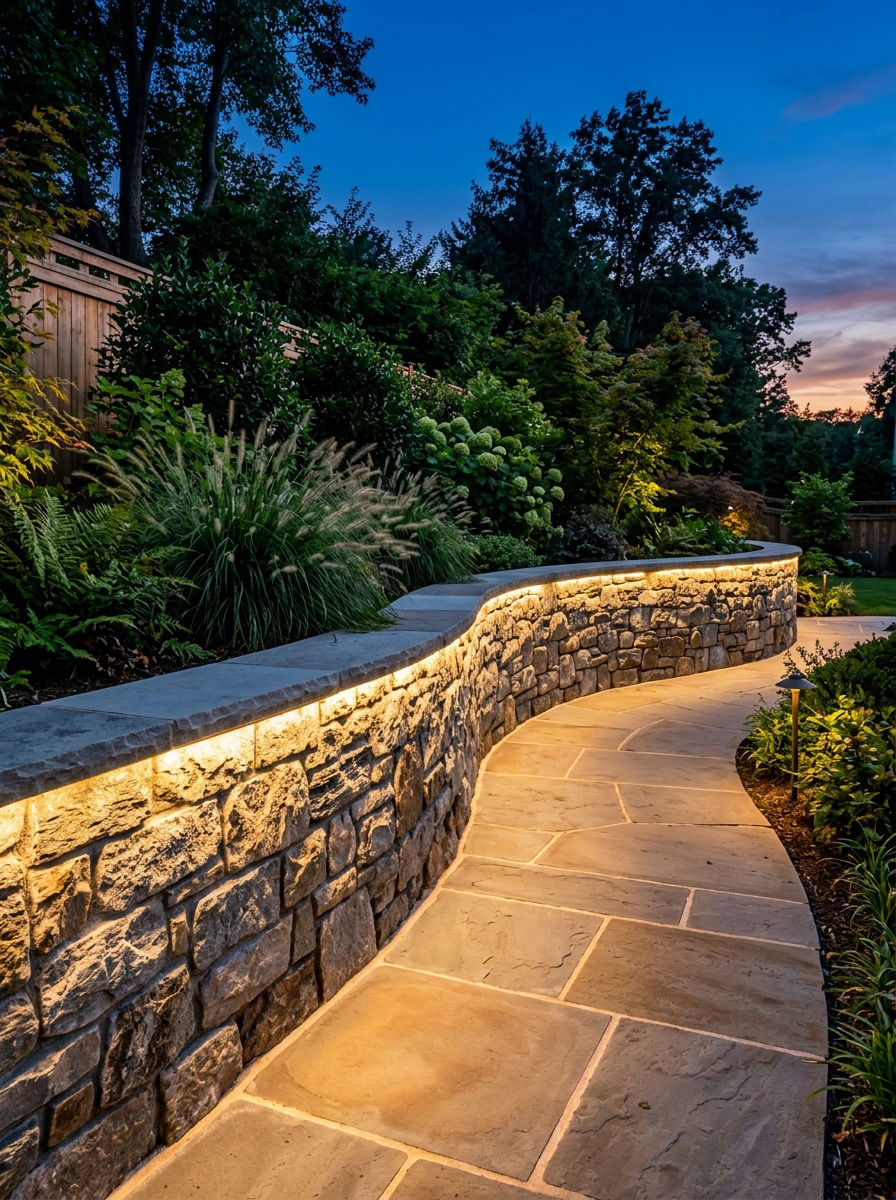
Imagine your garden transforming into a glowing sanctuary as the sun sets, with soft light catching the textures of your stone wall. Integrating lighting into the structure of a retaining wall is a sophisticated way to enhance both safety and nighttime aesthetics. You can install small LED fixtures directly under the lip of the capstones to cast a gentle downward wash of light, highlighting the depth and character of the stones. This "wall washing" technique creates a dramatic visual effect while illuminating pathways and preventing trips in the dark. It ensures that your hardscaping investment remains a beautiful focal point long after the daylight has faded away.
18. Stone Retaining Wall Rock Garden
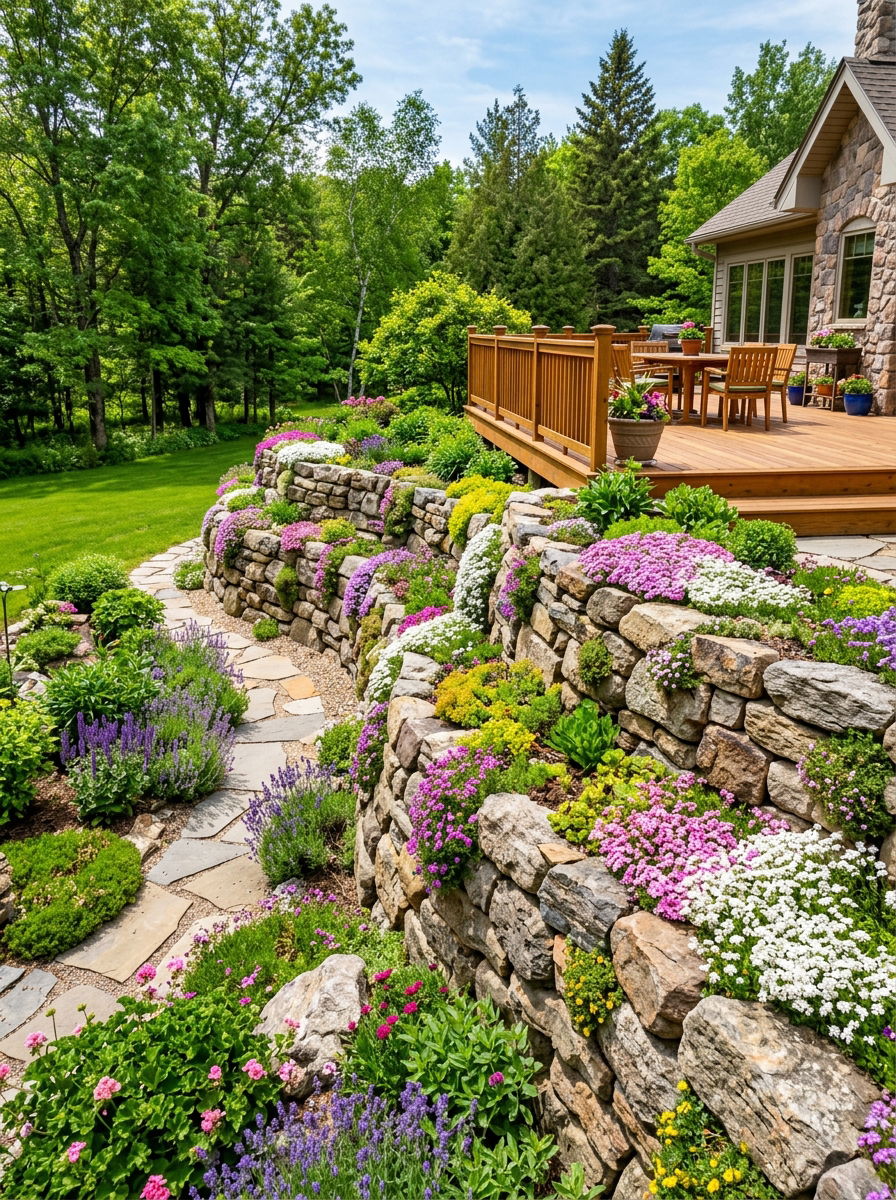
A retaining wall does not have to be a solid mass of stone; it can be a thriving, vertical ecosystem when designed as a rock garden. By leaving larger gaps between the stones and filling those pockets with specialized soil, you can grow a variety of alpine plants, succulents, and cascading flowers. This approach softens the harsh appearance of the rock and allows the wall to blend seamlessly into the surrounding greenery. Over time, the plants will spill over the edges, creating a living tapestry of color and texture. It is a perfect choice for gardeners who want to maximize their planting space in a unique and creative way.
19. Mossy Stone Retaining Wall
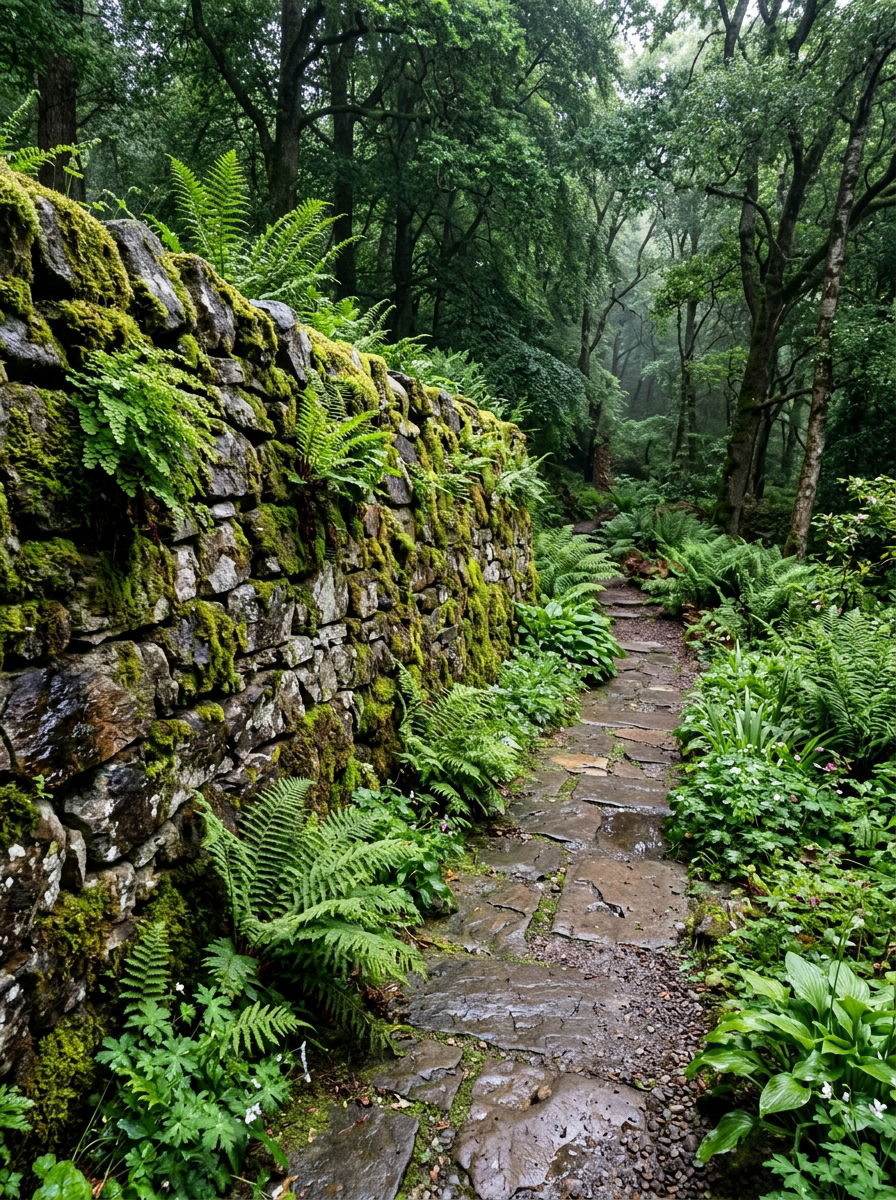
In shady, damp areas of the garden, a stone wall can take on a magical, ancient quality as soft green moss begins to carpet the surface. Choosing porous stones like limestone or sandstone encourages moss growth, which helps to ground the wall in its environment. A mossy wall feels like it has been part of the landscape for centuries, adding a sense of history and quiet tranquility to a backyard retreat. If you are impatient, you can even "paint" a mixture of moss and buttermilk onto the stones to jumpstart the process. This look is ideal for woodland gardens or quiet corners meant for meditation and relaxation.
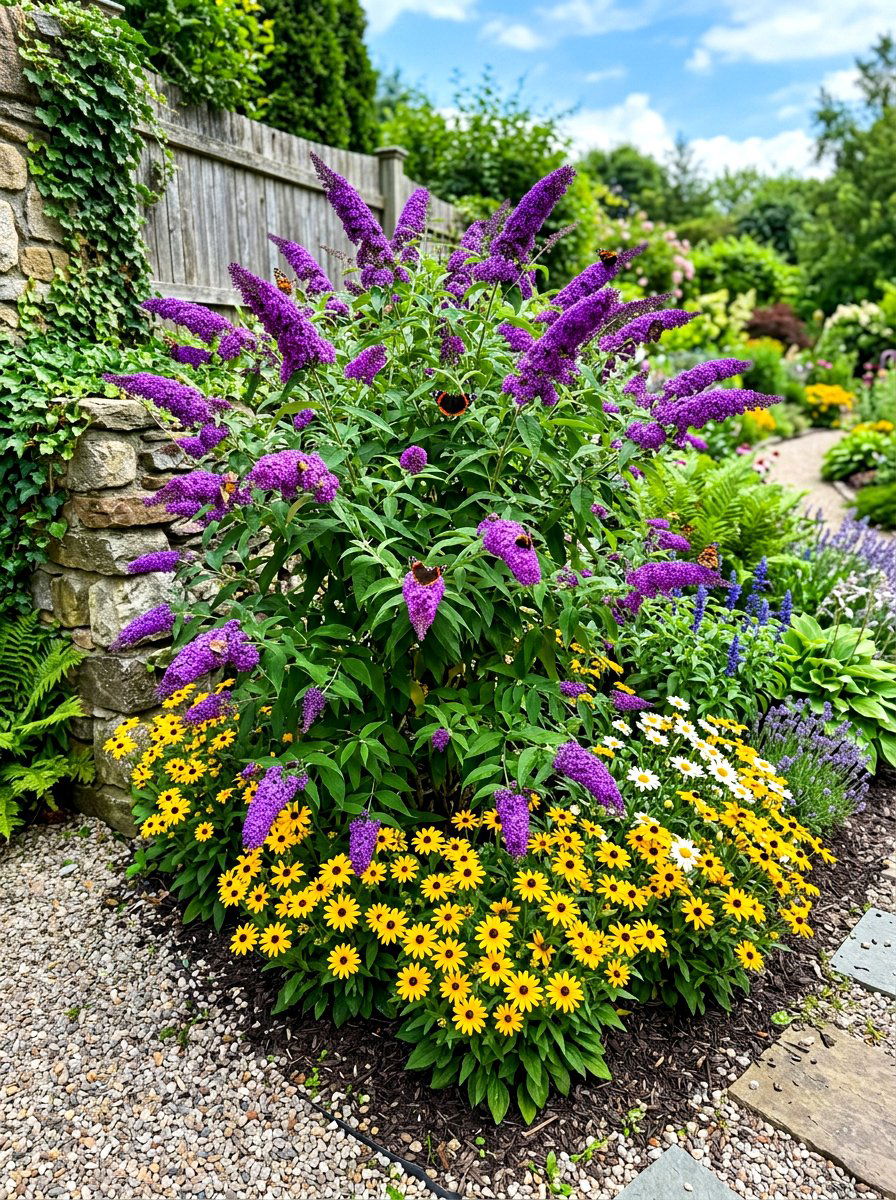
20. Rustic Stone Retaining Wall
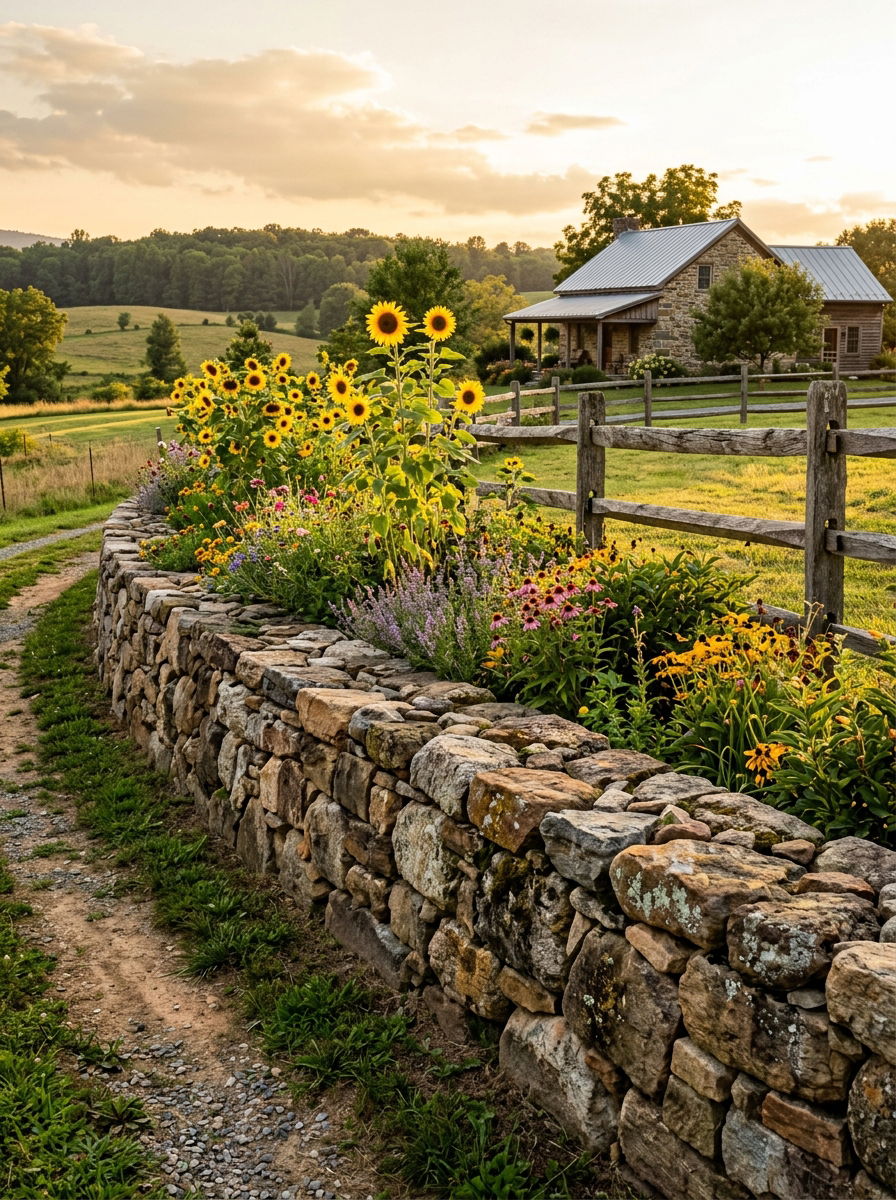
Embrace the beauty of imperfection with a rustic stone wall that celebrates the natural, unrefined state of the materials used. This style often involves using stones of various sizes and shapes, stacked in a way that feels organic and slightly weathered. It is the perfect accompaniment for farmhouse-style homes or properties that border natural forests or fields. The goal is to make the wall look like it was built by hand using materials found directly on the land. By avoiding perfectly straight lines or uniform colors, you create a warm and inviting structure that feels deeply connected to the earth and the passage of time.
21. Multi Level Stone Retaining Wall
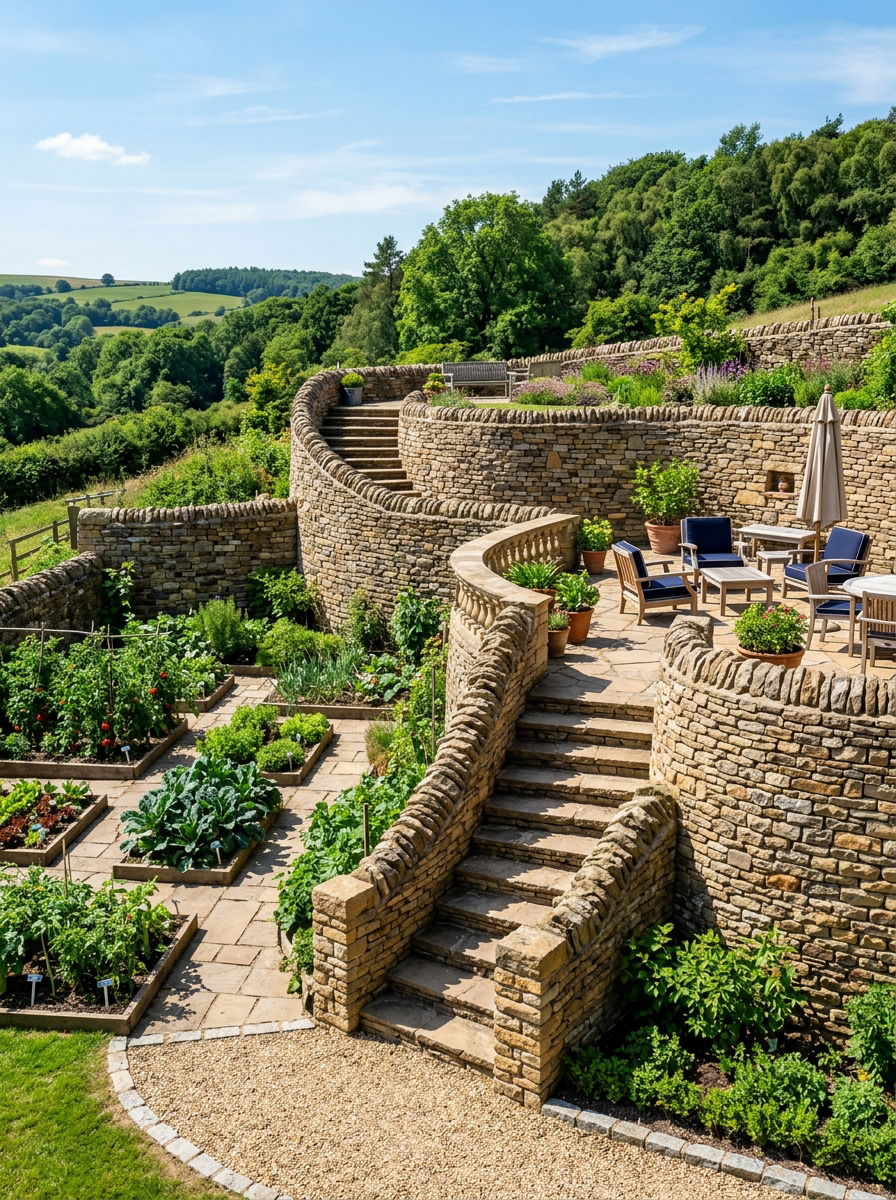
Creating a sense of depth and architectural interest is easy when you design a series of walls at different heights and depths. Multi-level stone walls break up the landscape into distinct "rooms, " providing separate areas for different activities like lounging, gardening, or dining. This approach is visually more interesting than a single, towering wall and allows for a more diverse selection of plants to be showcased at various eye levels. You can use the different levels to experiment with contrasting stone textures or colors, adding a layer of complexity to the overall design. It turns a challenging slope into a dynamic and highly functional outdoor gallery.
22. Decorative Stone Retaining Wall
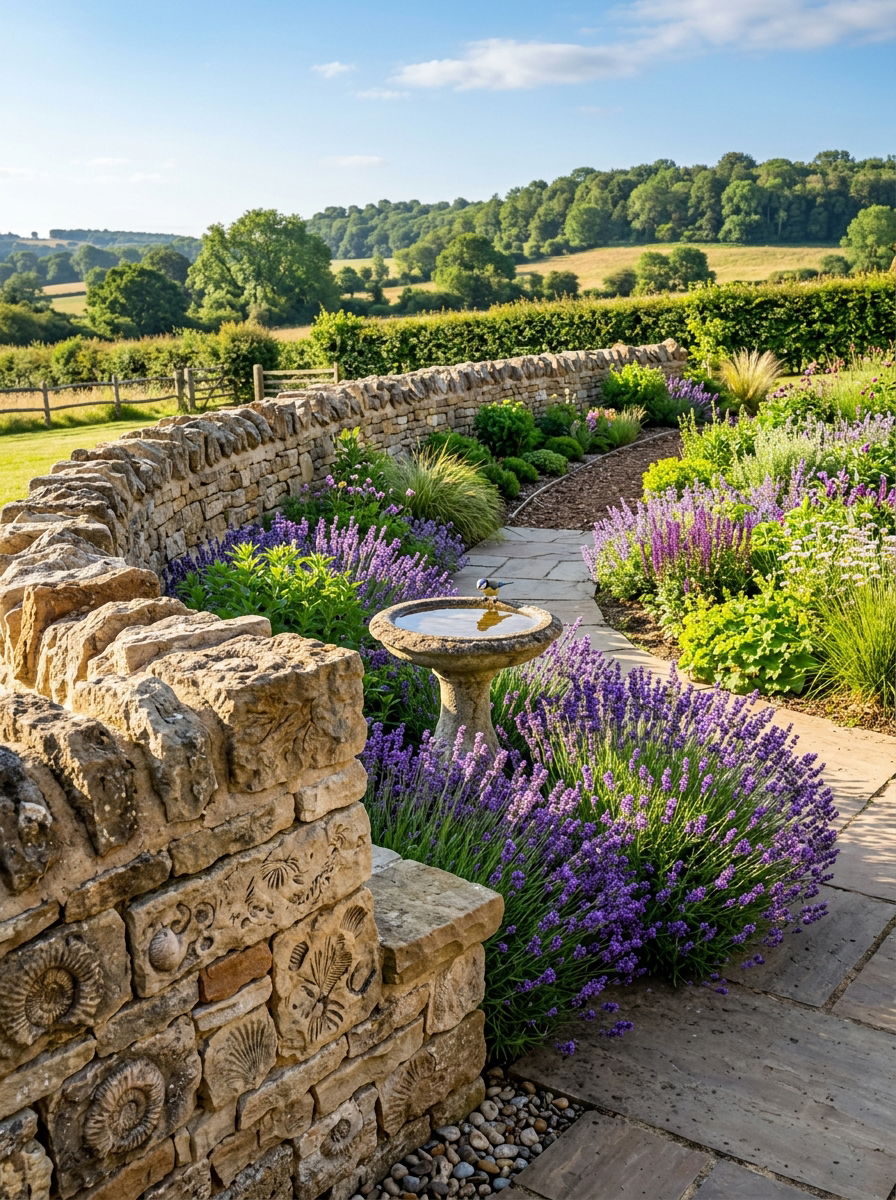
Sometimes a retaining wall is less about holding back the earth and more about adding a touch of ornamental flair to the garden. Decorative walls are typically shorter and used to frame flower beds, highlight a specimen tree, or border a walkway. Because they aren't under intense pressure, you can use more delicate or highly textured stones that might not be suitable for larger structural projects. You might choose stones with interesting fossils, unique mineral veining, or sparkling quartz inclusions. These walls act like jewelry for the landscape, providing the finishing touches that make a garden feel polished, curated, and completely personal to your taste.
23. Low Stone Retaining Wall
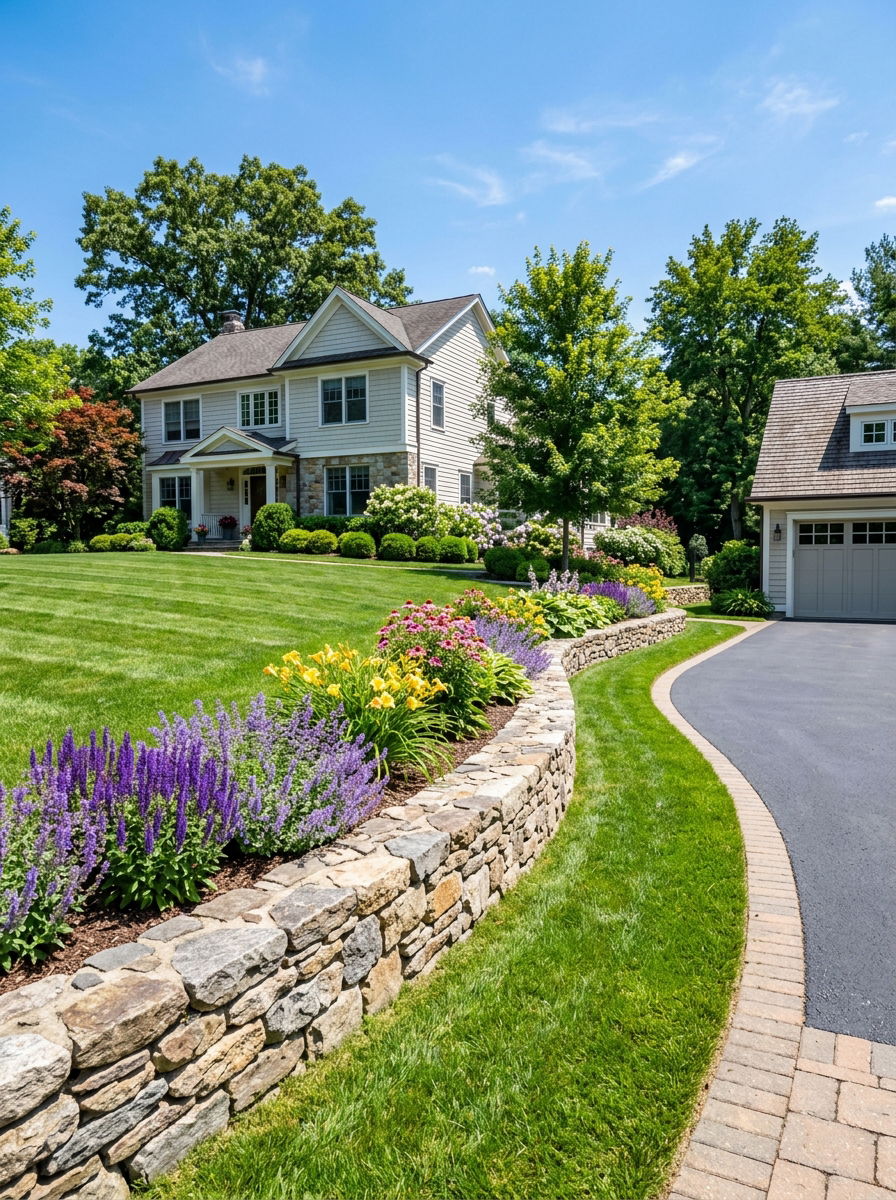
Do you want to define the boundaries of your patio without blocking the view of the rest of your beautiful backyard? A low stone wall, usually under two feet in height, provides a subtle sense of enclosure while maintaining an open and airy feel. These walls are perfect for bordering a lawn or creating a raised edge for a vegetable garden. They provide a convenient place to set down a drink or a garden tool while you are working outdoors. Because they are smaller, they are often a more budget-friendly way to introduce the high-end look of natural stone into your landscape without a massive construction project.
24. High Stone Retaining Wall
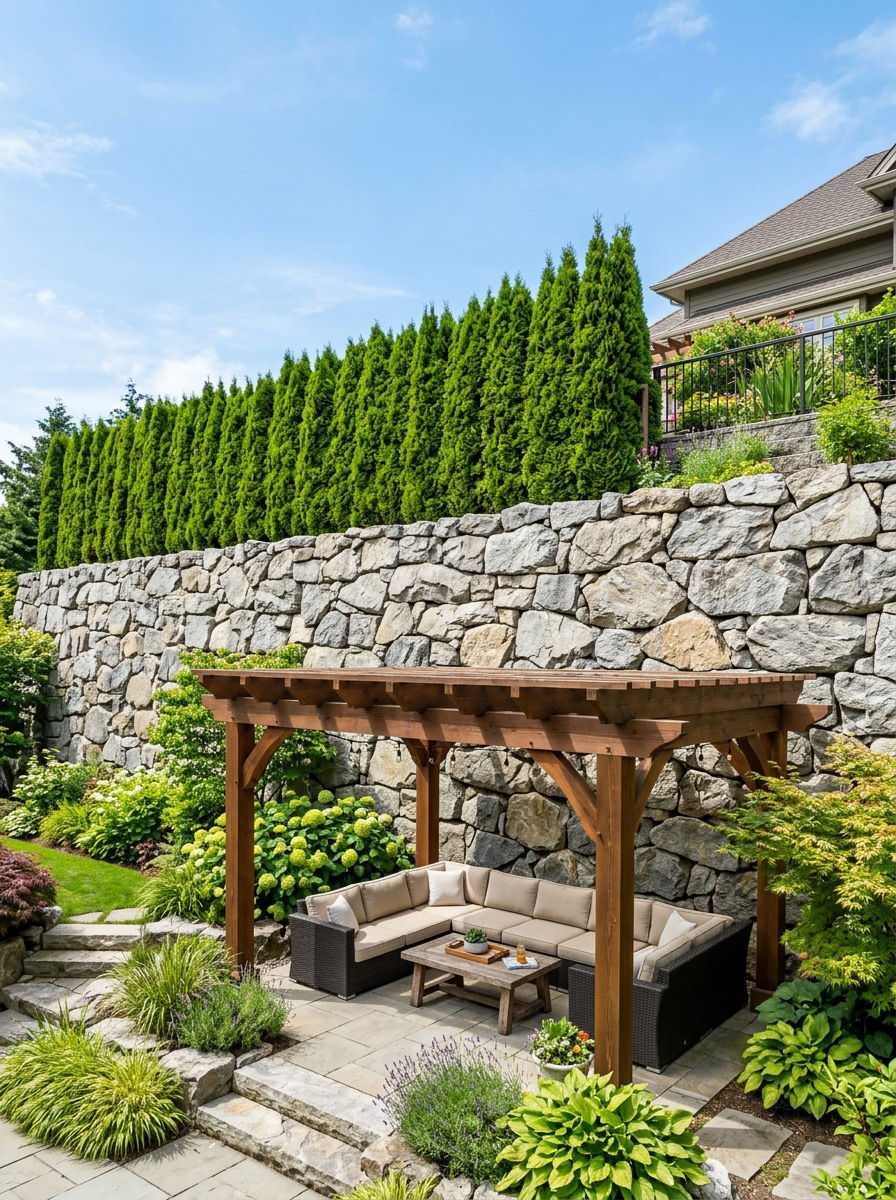
For properties with dramatic elevation changes, a high stone retaining wall provides a grand and impressive architectural statement that commands attention. A tall wall, often requiring professional engineering for stability, creates a massive backdrop that can define the entire character of a backyard. These structures offer incredible privacy by acting as a natural screen against neighbors or street noise. When built with beautiful, large-scale stones, a high wall can feel like a work of art, especially when paired with cascading waterfalls or integrated planting pockets. It provides a sense of security and permanence that makes your outdoor space feel like a private and protected fortress.
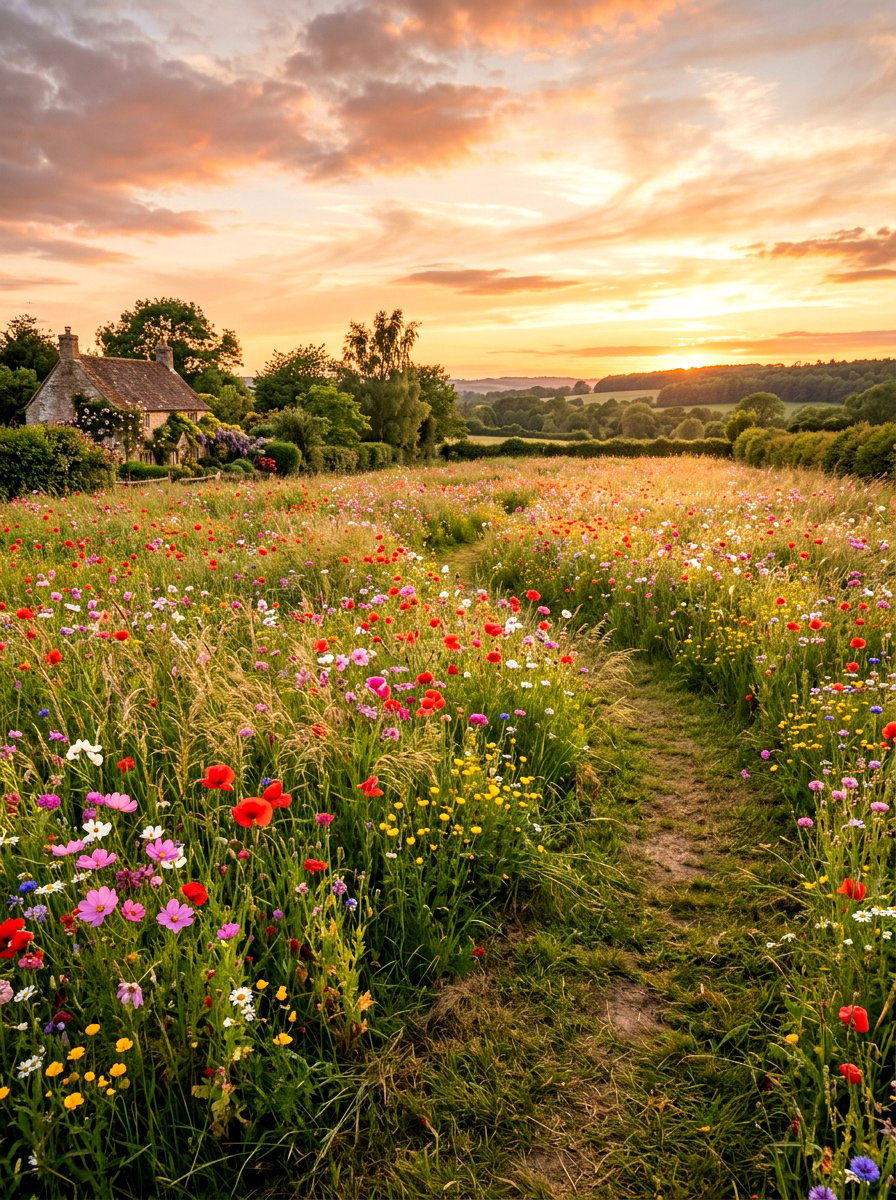
25. Circular Stone Retaining Wall
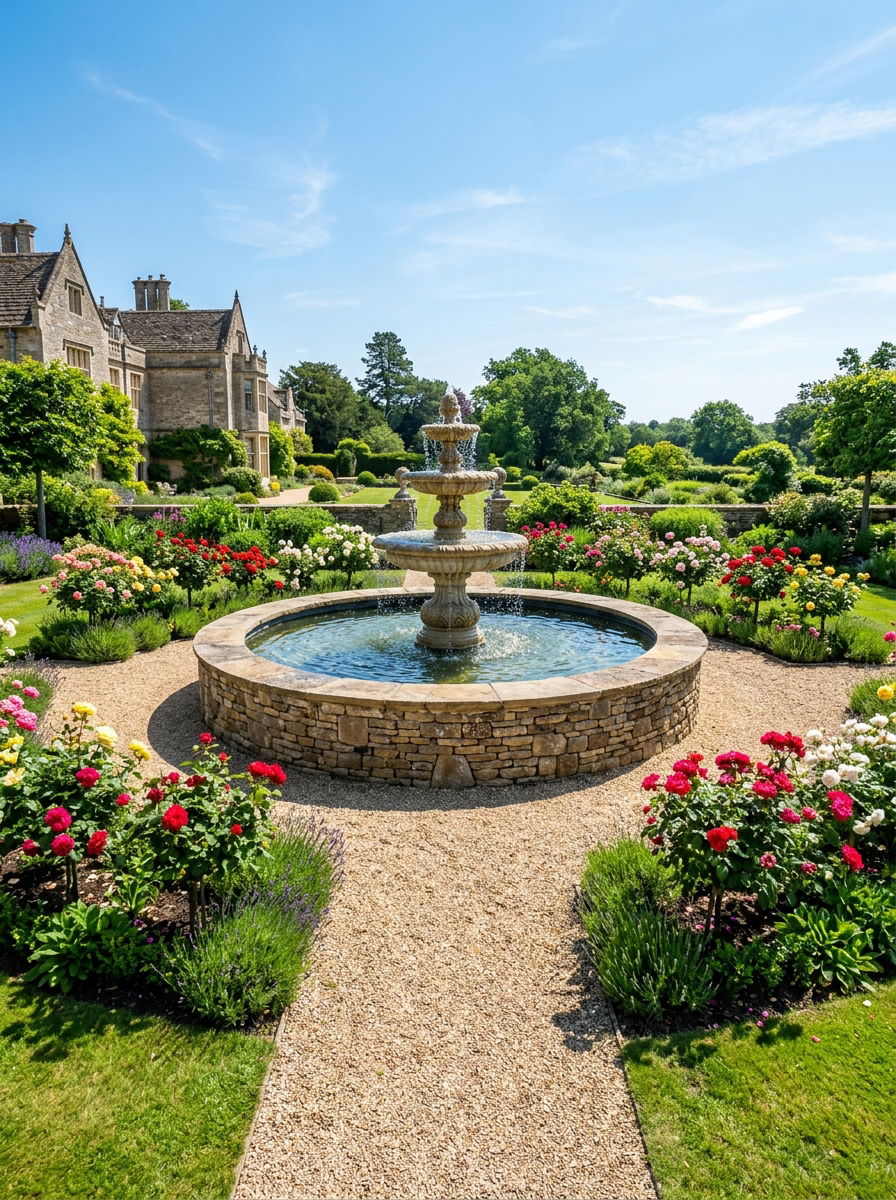
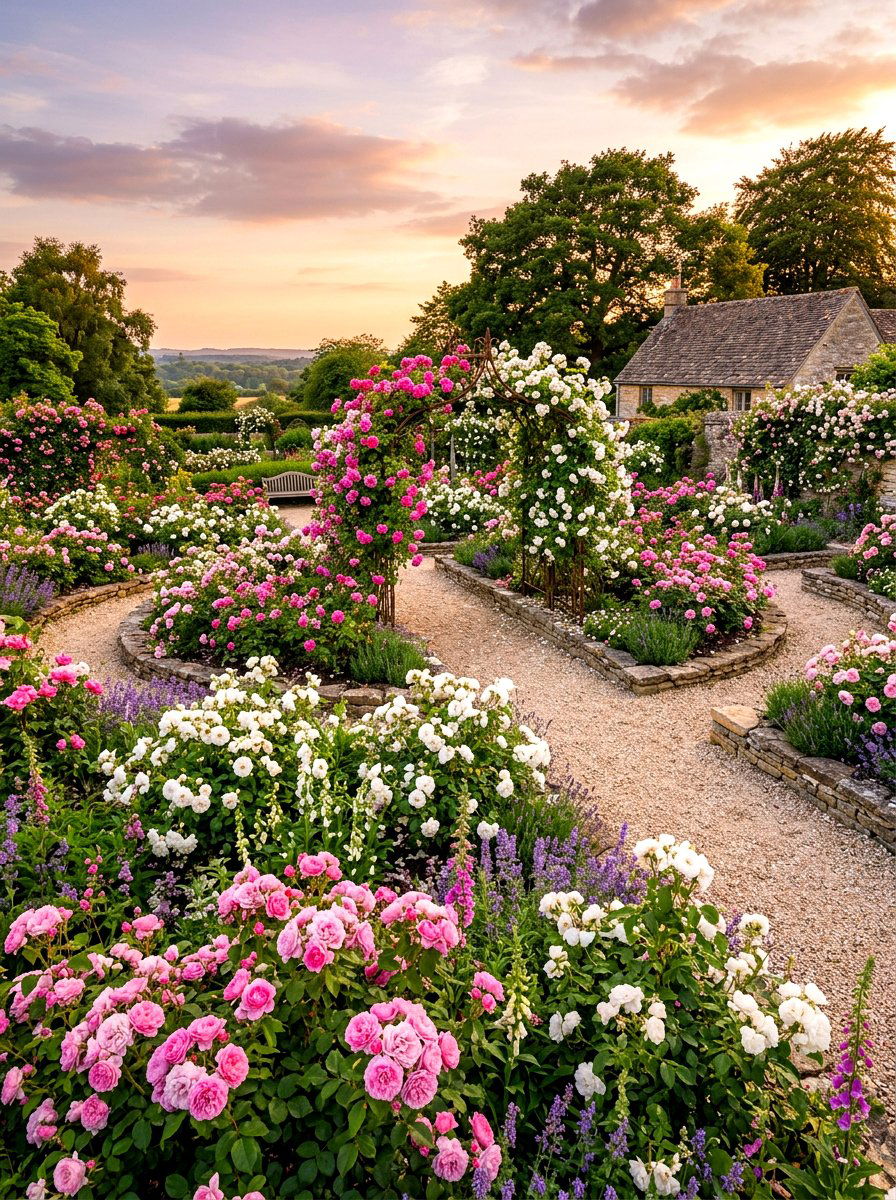
Break away from the traditional square layout by incorporating a circular stone wall to anchor a specific feature in your landscape. A circular wall is the perfect way to surround a central fire pit, create a focal point for a fountain, or frame a large ornamental tree. The curved shape feels more harmonious with nature and provides a cozy, intimate atmosphere for gatherings. Building a circular structure with stone requires careful planning to ensure the radius is consistent, but the result is a sophisticated and high-end look. It draws people toward the center of the space, making it a natural hub for conversation and outdoor relaxation.
26. Stone Retaining Wall Flower Bed
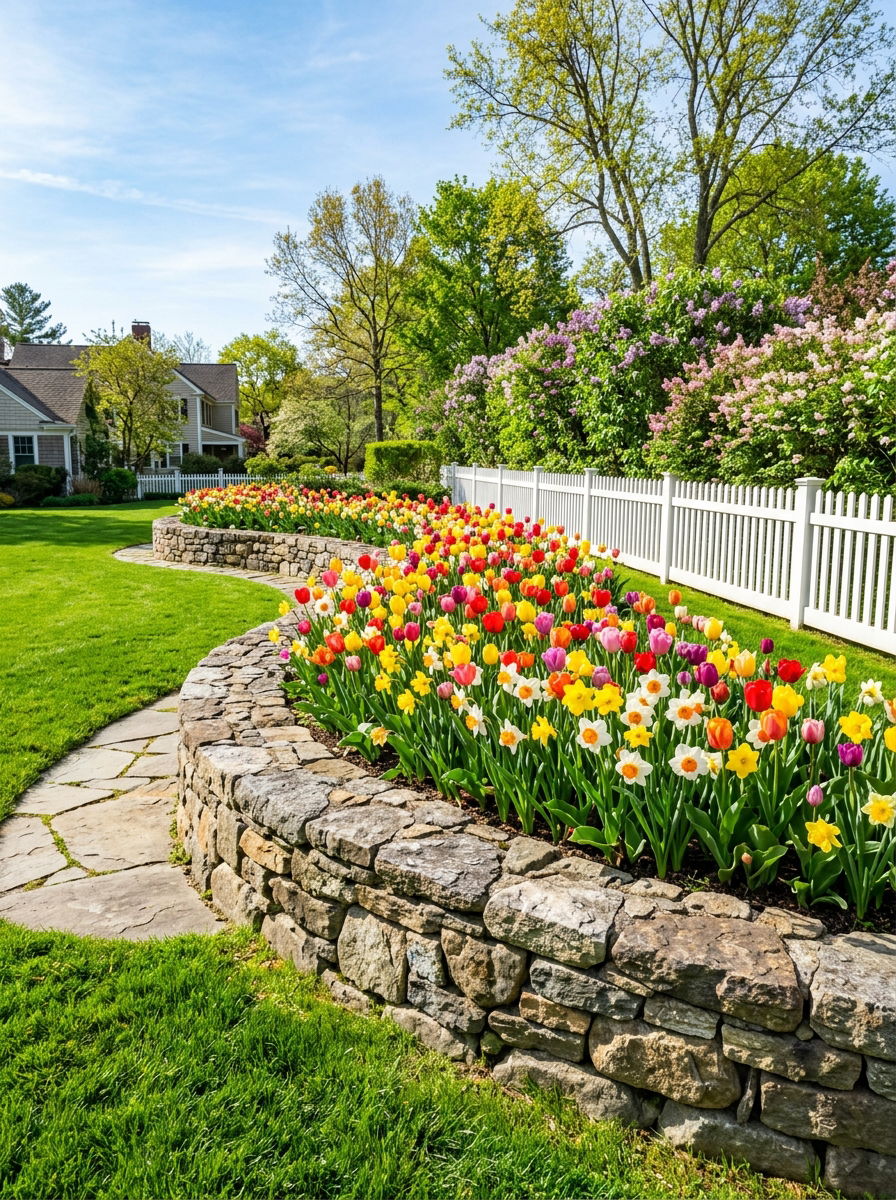
Combining the rugged strength of stone with the delicate beauty of flowers creates a breathtaking contrast that enhances any garden. Using a stone wall to create a raised flower bed not only improves drainage for your plants but also brings them closer to eye level for easier maintenance and enjoyment. The stone acts as a thermal mass, absorbing heat during the day and releasing it at night, which can help extend the growing season for some species. You can choose stones that complement the colors of your favorite blooms, such as grey granite to make bright pink roses pop or warm sandstone to enhance golden black-eyed Susans.
27. Grey Stone Retaining Wall
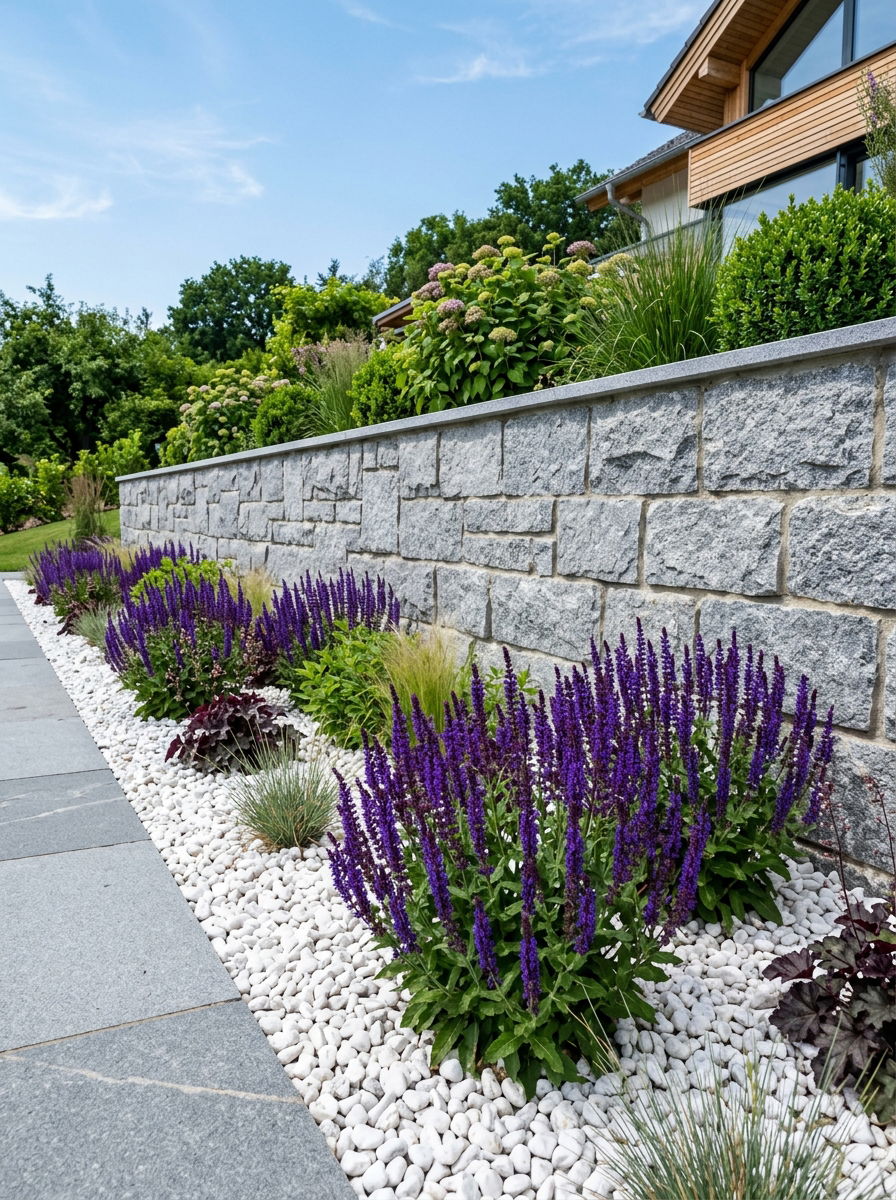
Cool, sophisticated, and incredibly versatile, a grey stone wall provides a neutral foundation that works with almost any home color or garden style. Grey stones, such as slate, granite, or certain types of limestone, offer a timeless look that never goes out of fashion. This color palette is particularly effective at making the vibrant greens of your lawn and the bright colors of your flowers appear more saturated and intense. Whether you choose a rugged, textured finish or a smooth, contemporary cut, grey stone brings a sense of calm and stability to the landscape. it is a "safe" choice that always looks expensive and well-planned.
28. Brown Stone Retaining Wall
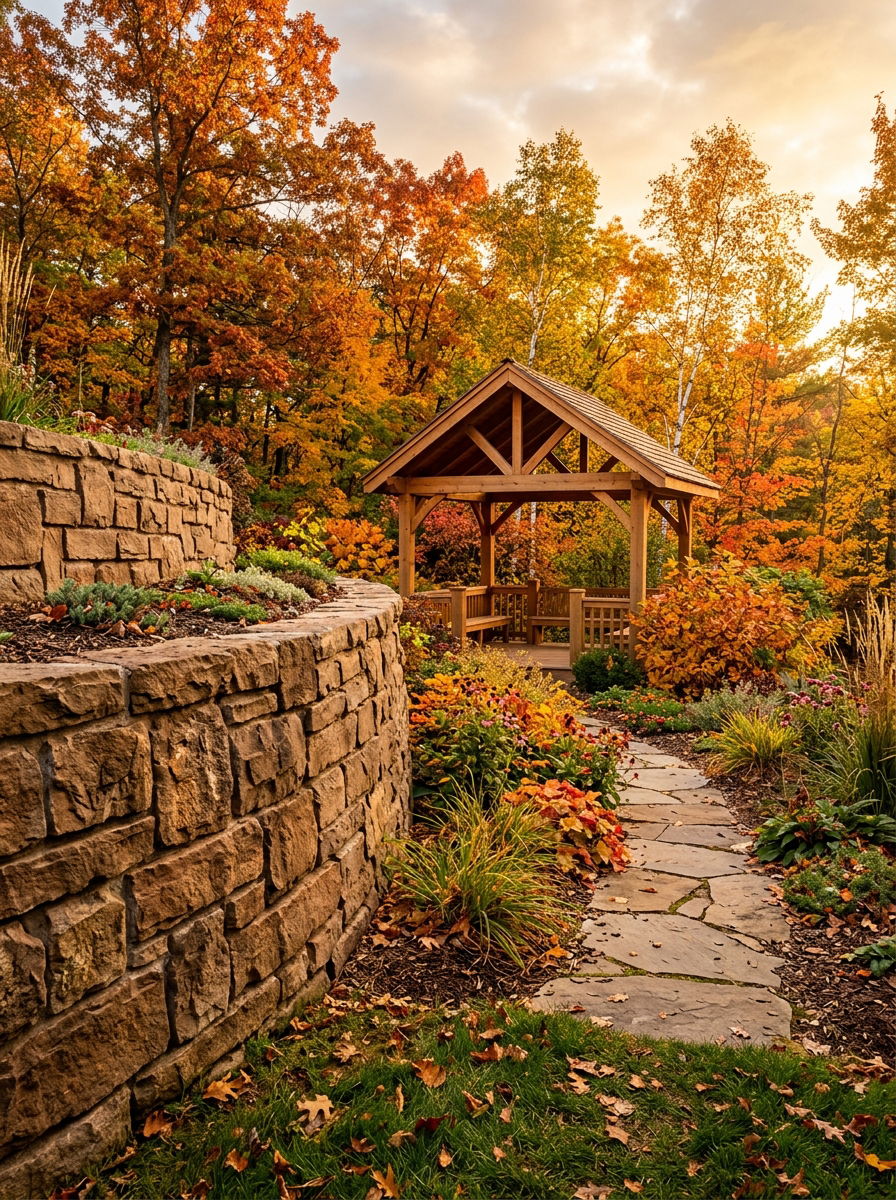
Warm up your outdoor living space with the earthy and inviting tones of a brown stone wall. Stones in shades of tan, chocolate, and burnt umber create a cozy and grounded atmosphere that feels very much like a natural part of the earth. Brown stone is particularly effective for rustic, craftsman, or ranch-style homes where a connection to the environment is key. These warm tones look spectacular during the "golden hour" of sunset, as the light brings out the hidden reds and oranges within the rock. This color choice helps a large structure feel less imposing and more like a gentle extension of the landscape itself.
29. Mixed Natural Stone Retaining Wall
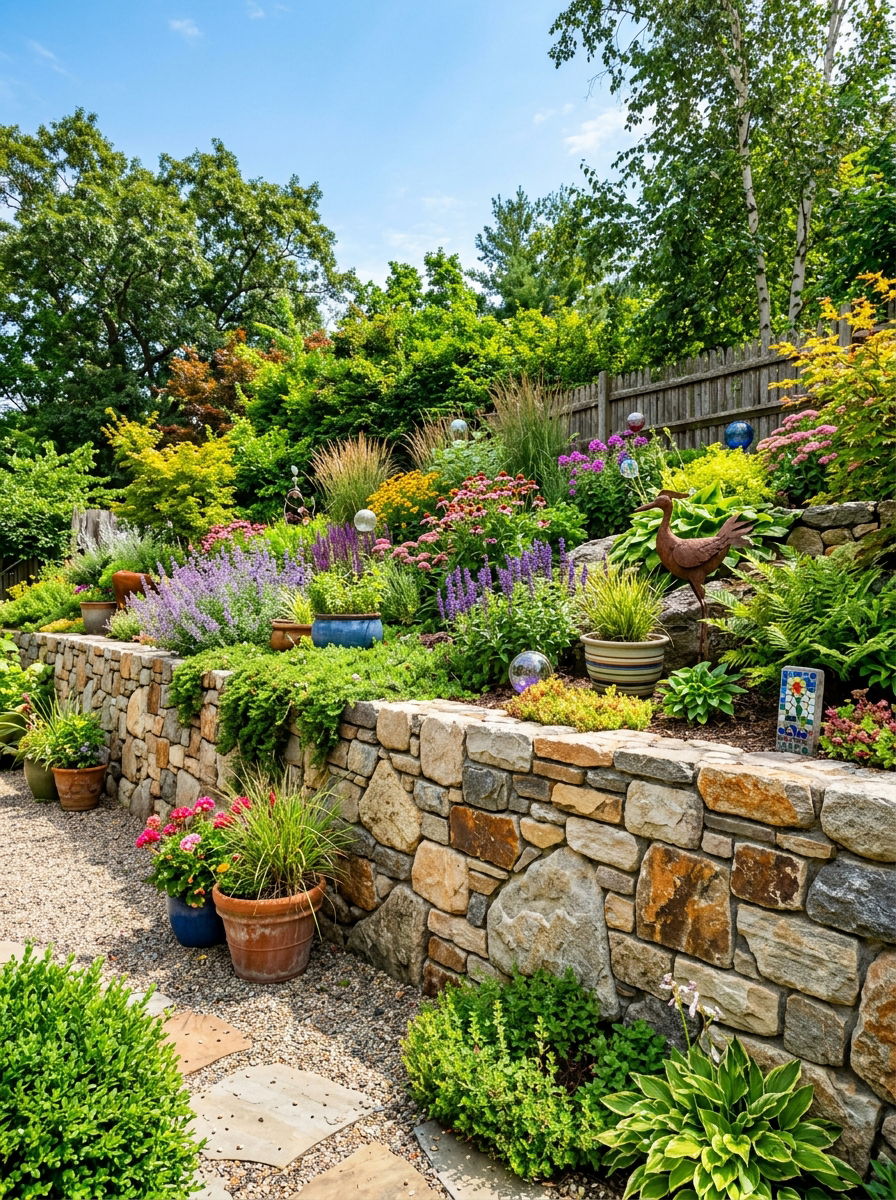
Why limit yourself to just one type of rock when you can create a rich and textured mosaic using a variety of natural stones? A mixed stone wall combines different sizes, shapes, and colors to create a truly one-of-a-kind structure with incredible visual interest. You might mix grey granite with warm sandstone or small river rocks with large, jagged fieldstones. This approach is perfect for a more eclectic or artistic garden where you want the wall itself to be a conversation piece. The variation ensures that the eye never gets bored, as there is always a new detail, texture, or color to discover within the wall's surface.
30. Waterfall Stone Retaining Wall
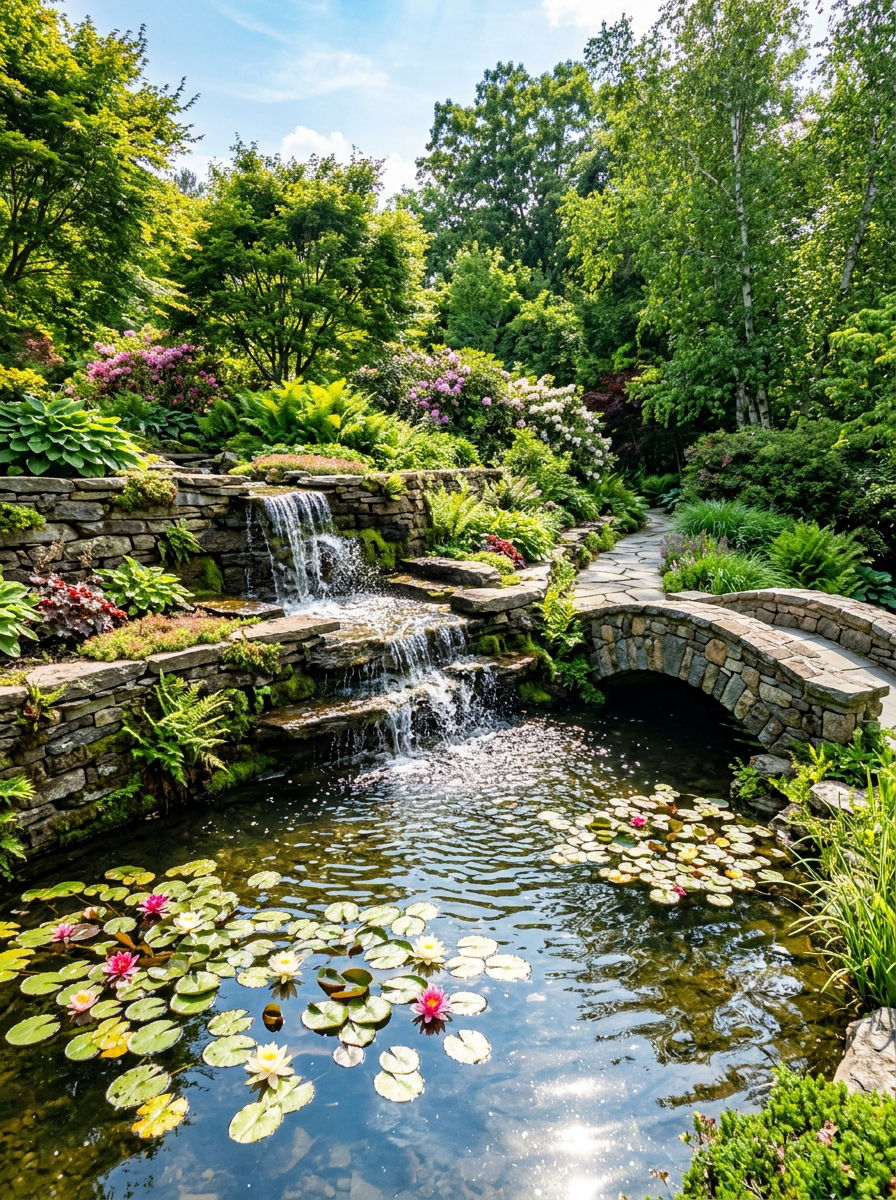
Imagine the soothing sound of cascading water trickling over the face of your stone wall into a hidden pond or basin below. Integrating a waterfall directly into a stone retaining wall is the ultimate luxury for an outdoor space, turning a structural necessity into a tranquil retreat. The stones provide the perfect natural ledges for the water to dance over, creating beautiful visual patterns and a relaxing auditory backdrop. This design also helps to mask unwanted neighborhood noise and provides a cooling effect during hot summer days. It is a stunning way to bring the dynamic energy of nature directly into your own backyard sanctuary.
Conclusion:
Investing in a stone retaining wall is about more than just managing a slope; it is about adding lasting value, function, and artistic beauty to your home. These structures serve as the foundational elements that define our outdoor lives, providing places to sit, paths to walk, and gardens to nurture. Whether you prefer the raw, unrefined look of boulders or the modern precision of cut limestone, there is a stone solution that perfectly matches your personal style and landscape needs. By choosing natural materials, you ensure that your wall will gracefully weather the years, becoming a more integrated and cherished part of your property’s unique story.

Related posts: