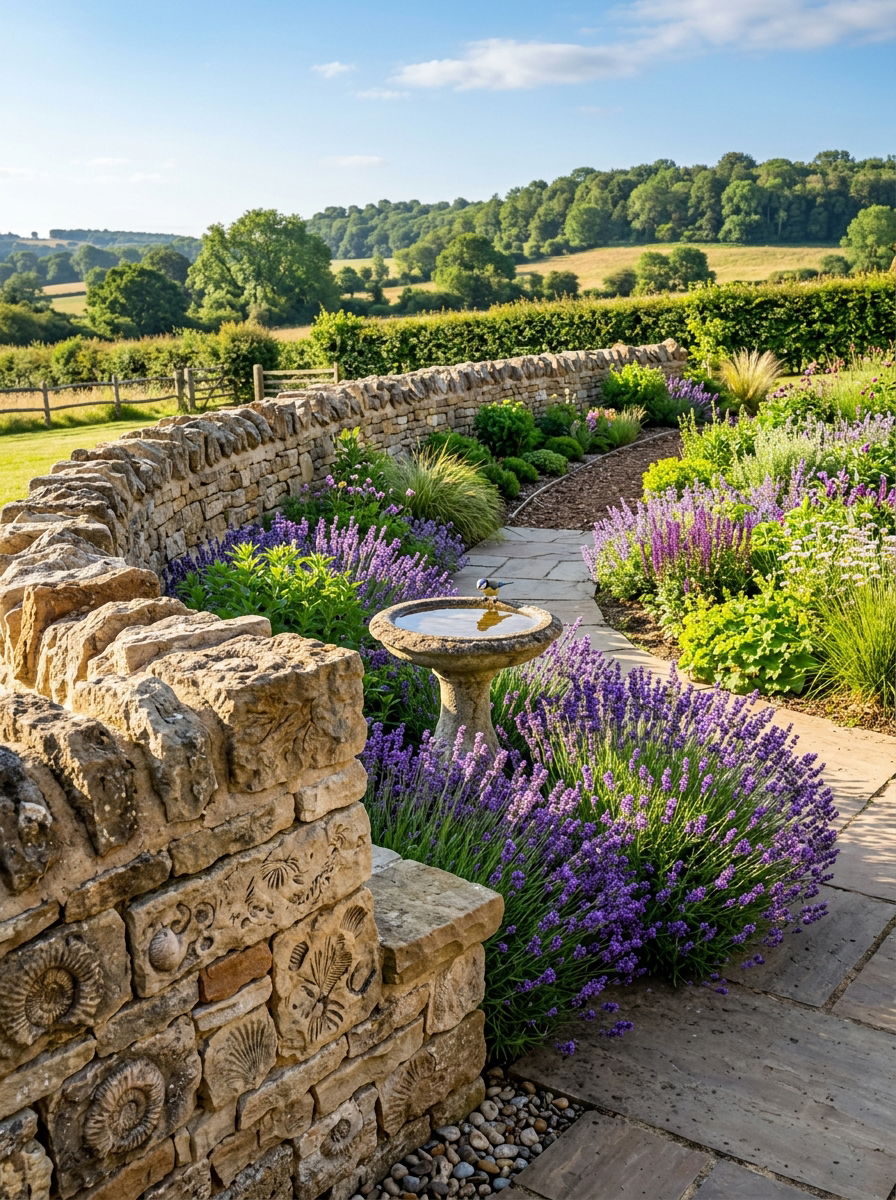
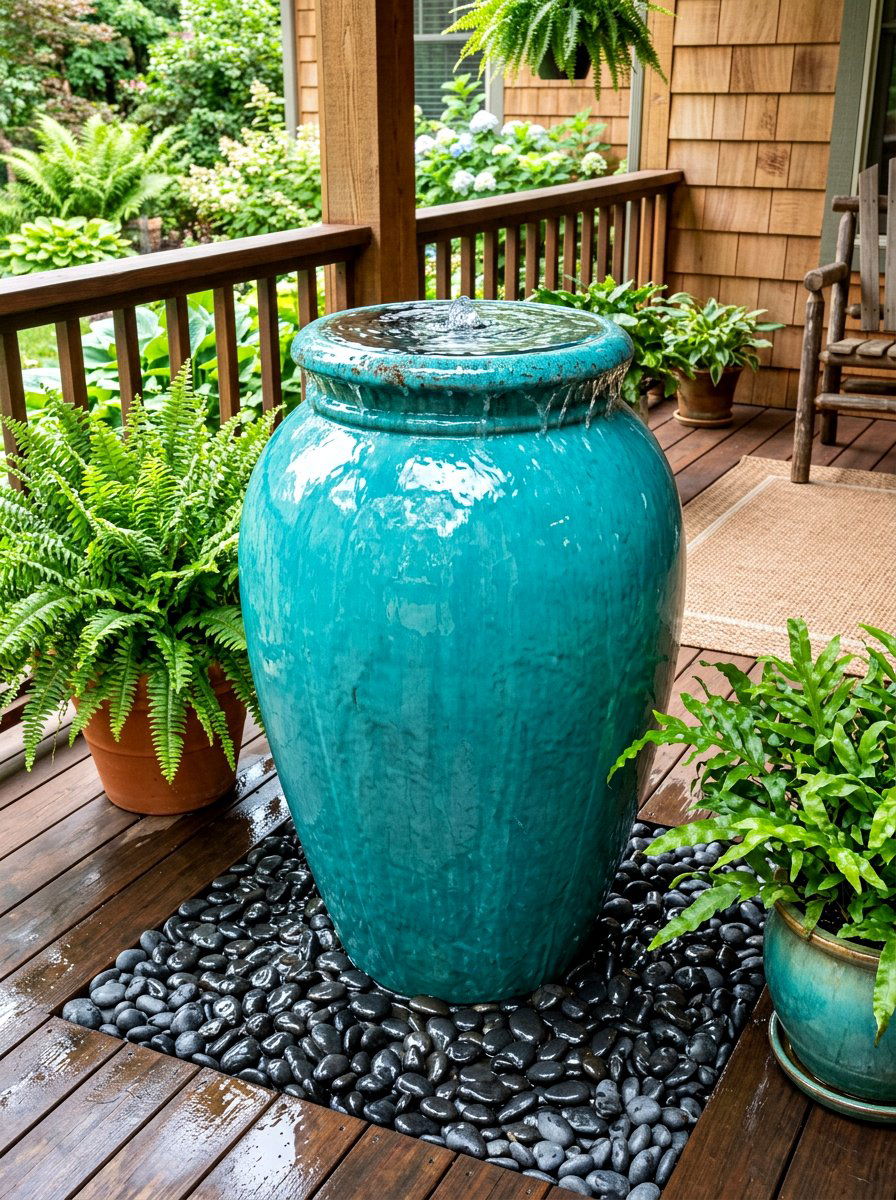
Transforming your outdoor or indoor living space often begins with the natural textures and enduring beauty of earth-born materials. Decorative stones offer a versatile solution for homeowners who want to balance sophisticated aesthetics with practical, low-maintenance longevity. Whether you are looking to define a winding garden path, create a striking focal point in your living room, or establish an eco-friendly drainage system, these natural elements provide endless texture and color. From the smooth, cool touch of river pebbles to the rugged elegance of stacked slate, stones anchor a design while reflecting the unique character of your environment. Choosing the right material can completely shift the mood of your property from a rustic retreat to a modern oasis.
1. River Rock Garden Path
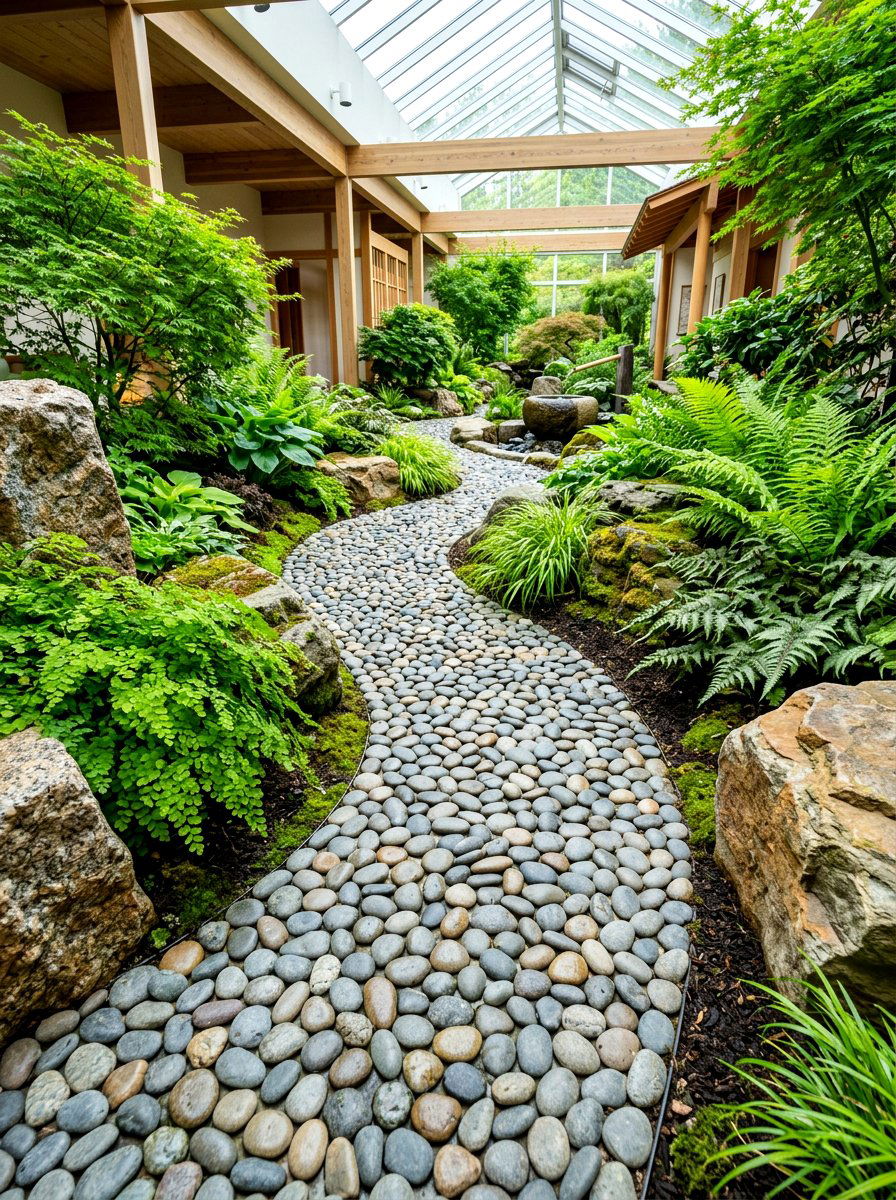
Designing a winding trail through your backyard using smooth river rocks creates a serene and organic flow that mimics natural waterbeds. These rounded stones come in various sizes and earth tones, allowing you to build a sturdy surface that feels comfortable underfoot while providing excellent drainage during rainy seasons. You can edge the walkway with larger boulders or lush greenery to create a distinct boundary that prevents the smaller stones from scattering into your lawn. This approach is perfect for shaded areas where grass struggles to grow, as it offers a clean and permanent solution for high-traffic zones. The subtle shifts in gray and tan hues add a peaceful, meditative quality to your landscape layout.
2. Pea Gravel Patio
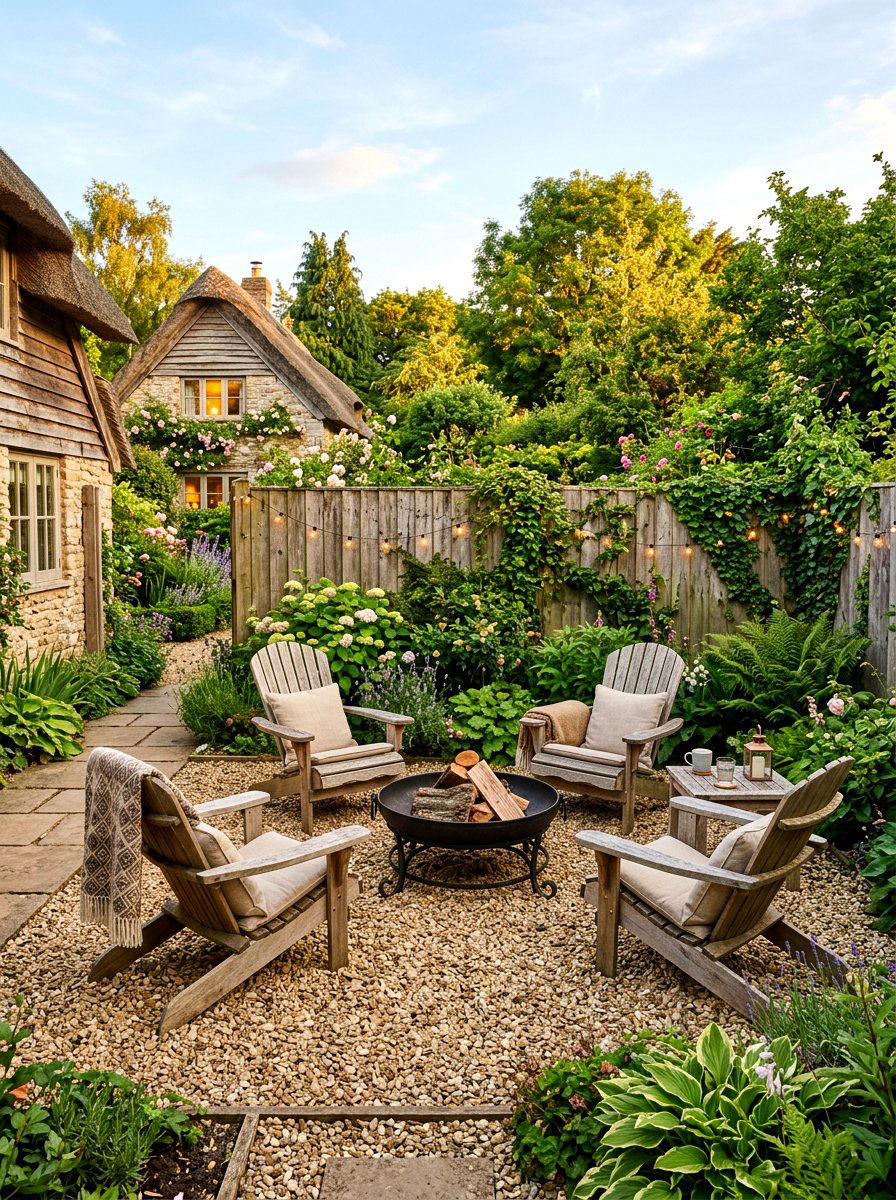
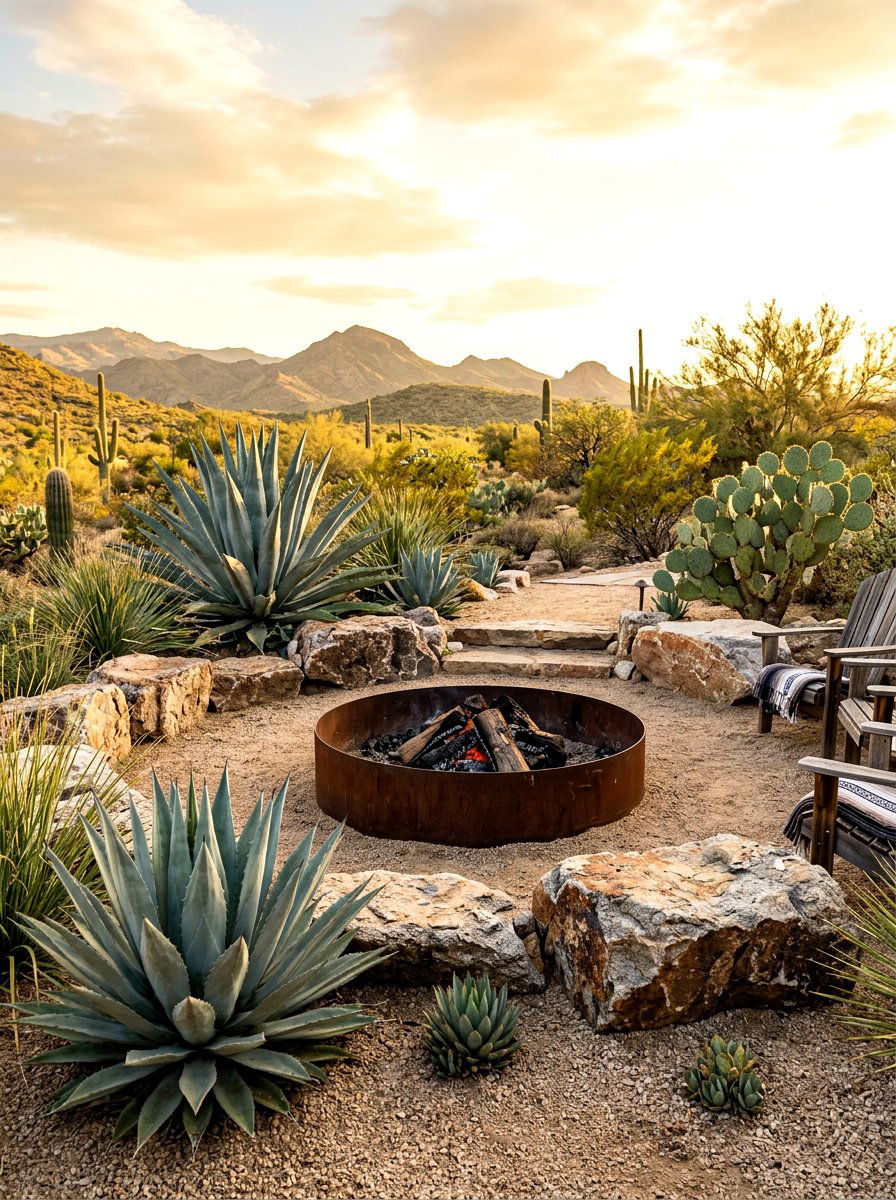
A pea gravel seating area provides a charming and cost-effective alternative to traditional concrete or wooden decks. These small, rounded aggregates create a crunchy, tactile experience that many homeowners find nostalgic and inviting for casual outdoor gatherings. Because the stones are loose, they allow rainwater to permeate directly into the soil, making this a highly sustainable choice for modern eco-conscious landscaping. You can easily level the ground and contain the gravel with metal or wooden edging to maintain a crisp, tidy appearance. Adding a central fire pit or a set of weathered Adirondack chairs on top of the gravel creates a cozy destination for evening relaxation and lively conversation.
3. Flagstone Walkway
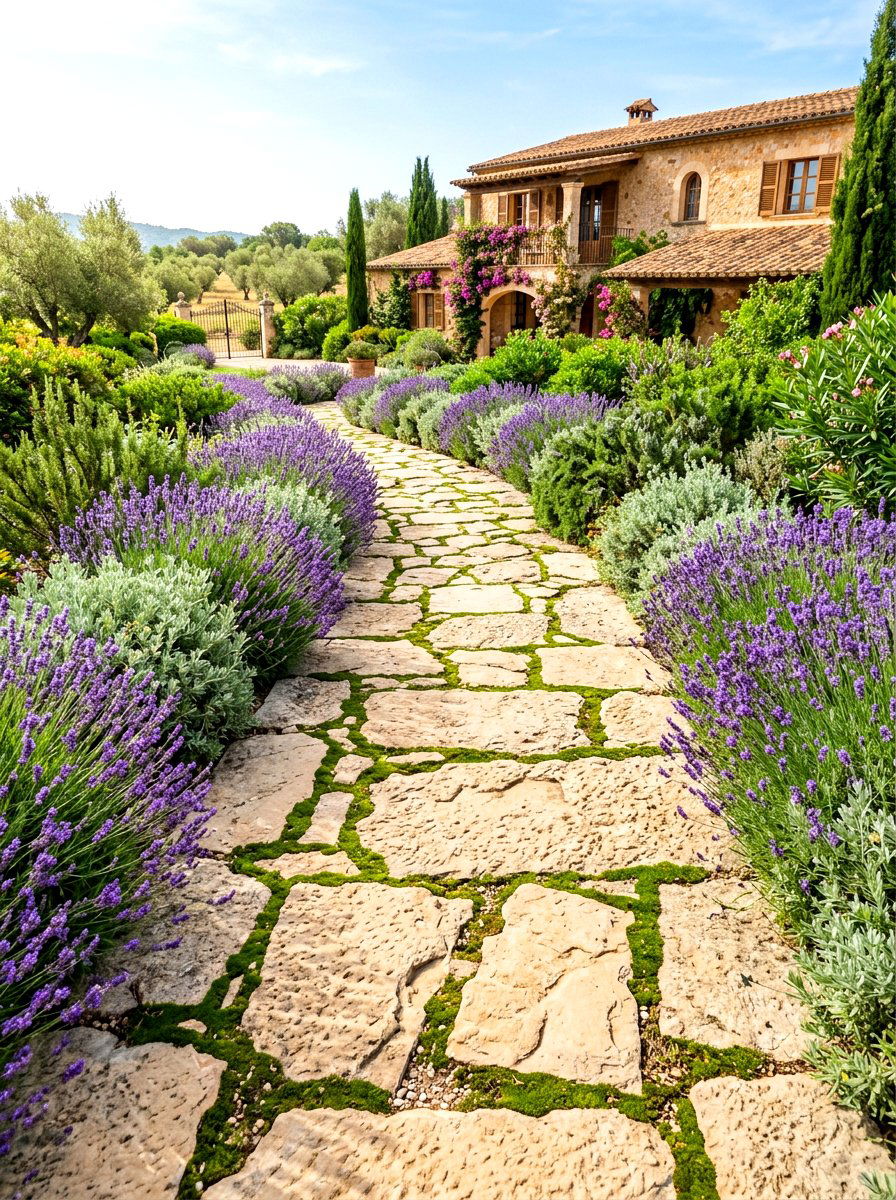
Creating a formal yet natural entry point with large, flat flagstones adds immediate architectural interest to any front yard or garden space. These irregular slabs are prized for their durability and the unique way they fit together like a giant puzzle. You can choose to fill the gaps between the stones with moss, creeping thyme, or fine decorative gravel to soften the look and integrate the path into the surrounding flora. Flagstones come in a wide array of colors, from warm ochre and sandy buff to cool blues and deep charcols. This variety ensures that your walkway perfectly complements your home's exterior siding while providing a very stable and slip-resistant surface for walking.
4. Stacked Stone Fireplace
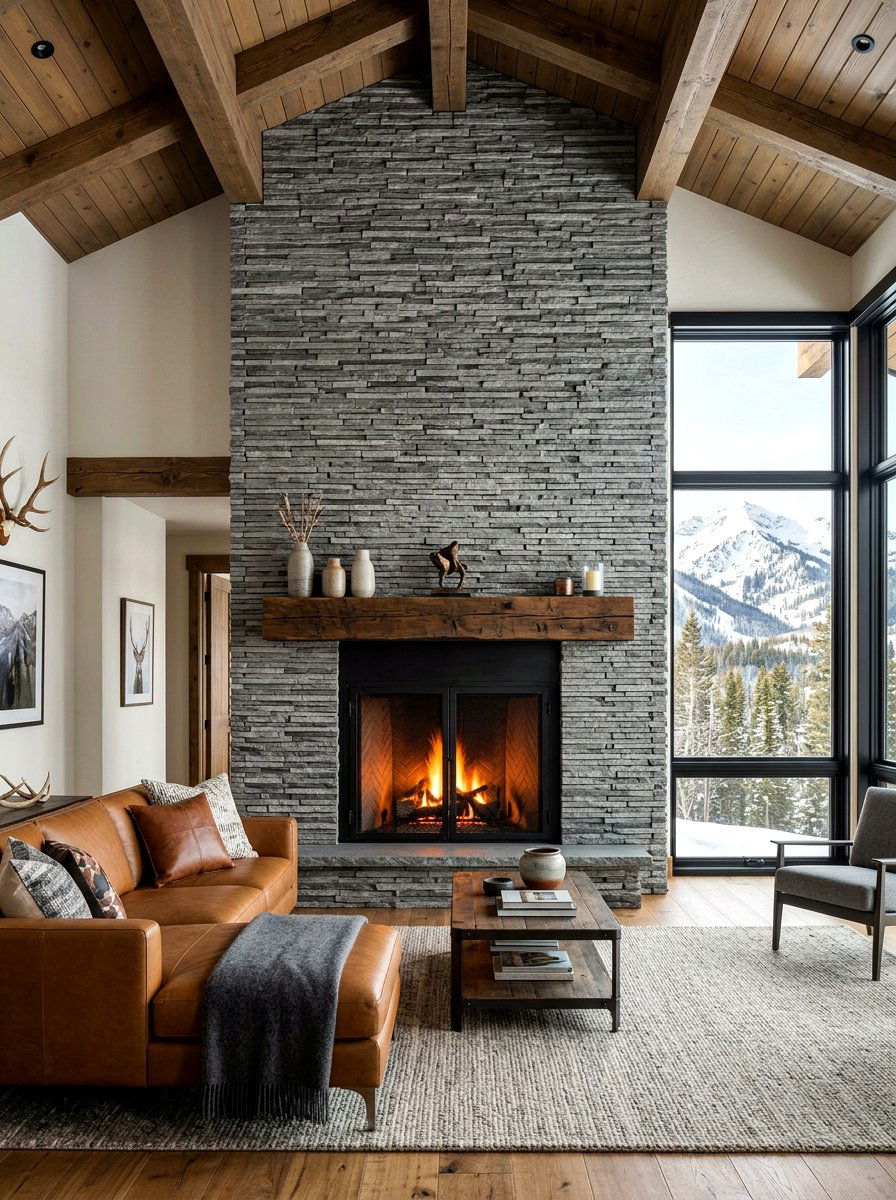
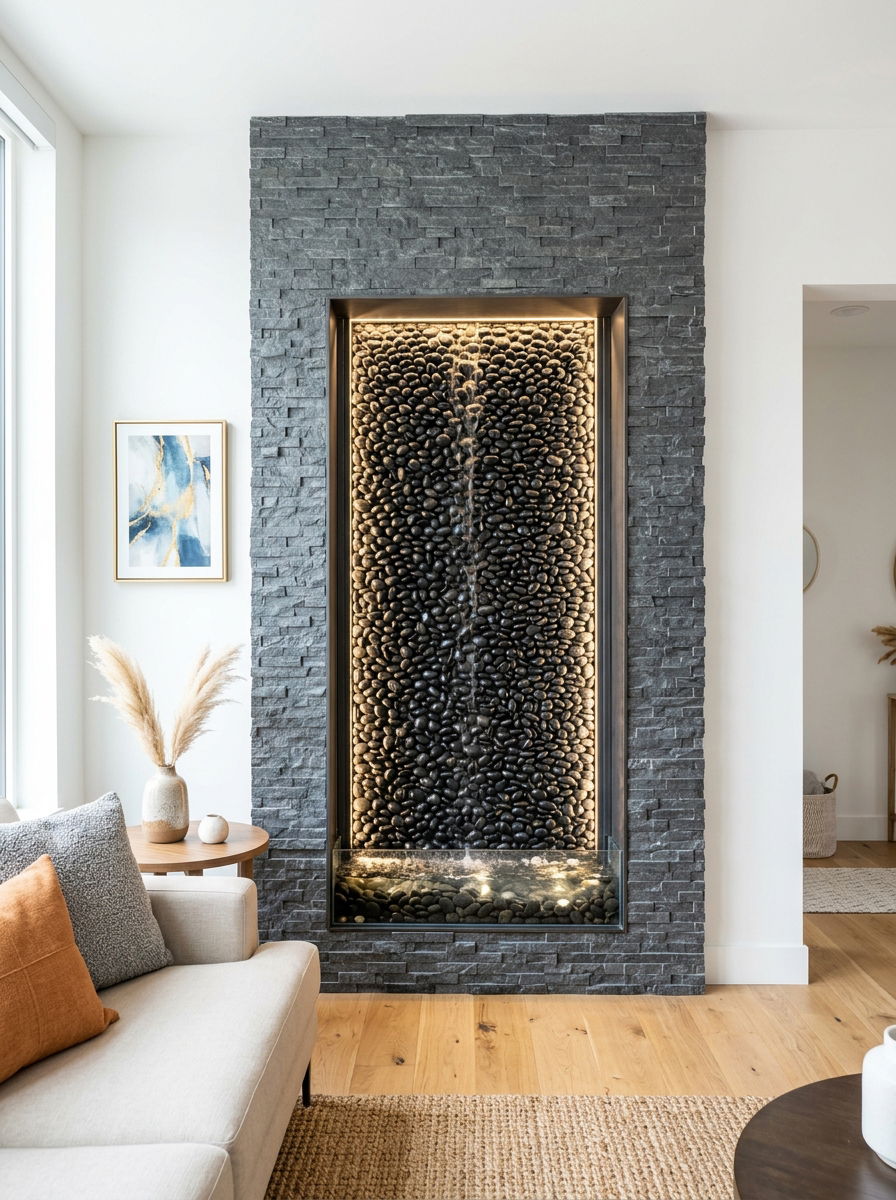
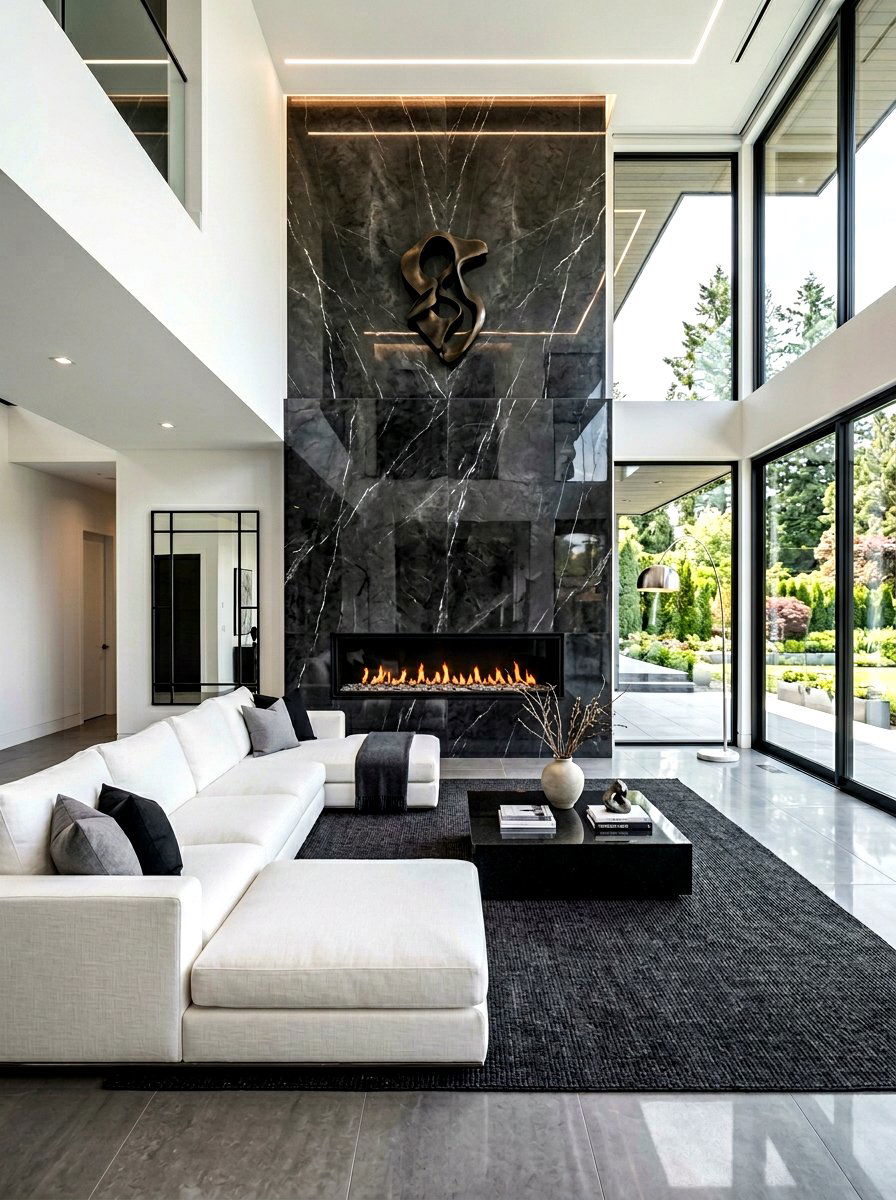
Bringing the rugged texture of natural stone indoors with a floor-to-ceiling fireplace surround creates a powerful focal point that radiates warmth and luxury. Stacked stone features narrow, horizontal strips of rock that add incredible depth and shadow to your living room walls. This design style works beautifully in both rustic mountain cabins and sleek, contemporary urban lofts depending on the color and cut of the stone selected. Using light-colored limestone or quartzite can make a room feel airy and bright, while dark slate or basalt adds a sense of cozy drama. The tactile nature of the stones catches both natural sunlight and the flickering glow of the fire, enhancing the overall ambiance.
5. White Marble Chips Landscaping
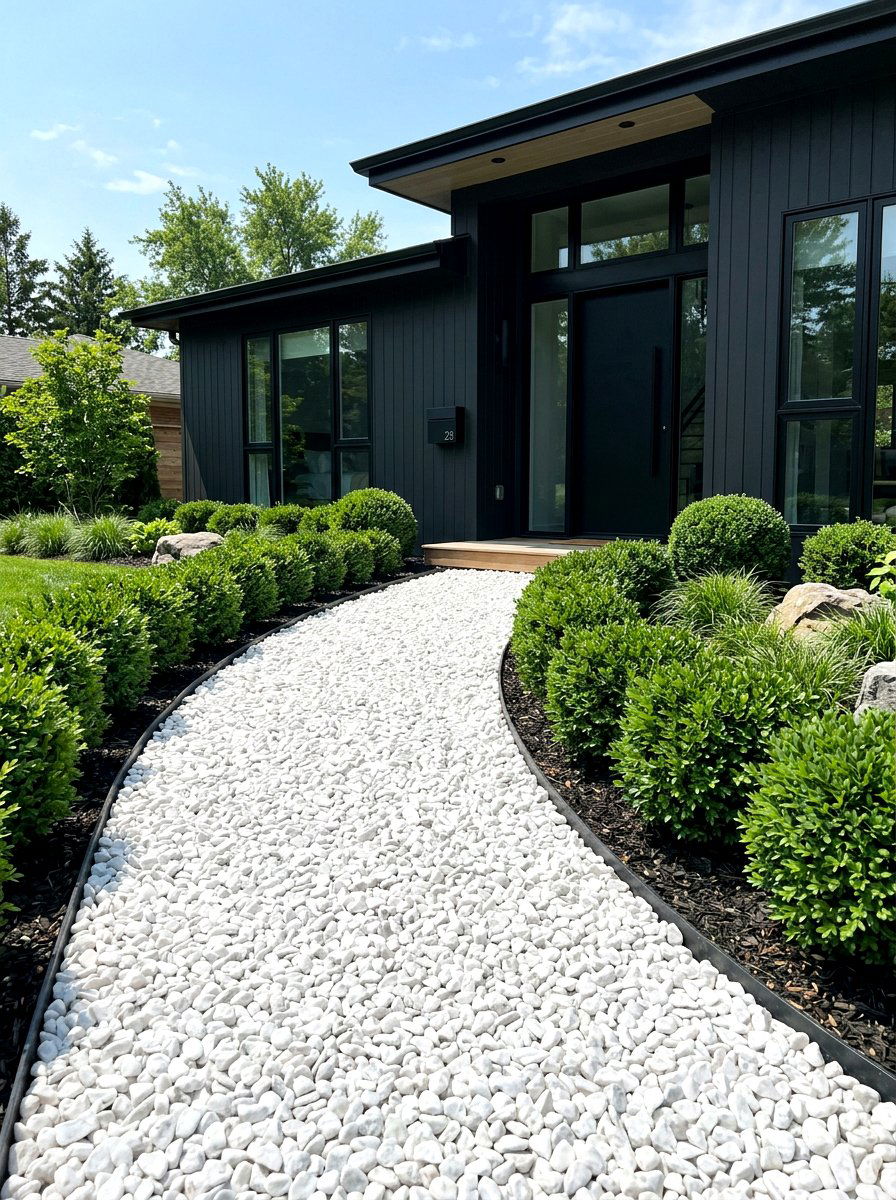
Using crisp white marble chips as a ground cover provides a high-contrast, modern aesthetic that brightens up even the darkest corners of your property. These bright stones reflect sunlight, which can help illuminate shaded garden beds and highlight the deep greens of ornamental shrubs or dark-leaved perennials. Marble chips are particularly effective in minimalist or Mediterranean-style landscapes where clean lines and a pristine appearance are the primary goals. Because they are heavy and durable, they stay in place better than wood mulch and do not decompose over time. This makes them a fantastic long-term investment for homeowners who want a tidy, polished look without the need for constant seasonal refreshing.
6. Polished Pebble Planter Top
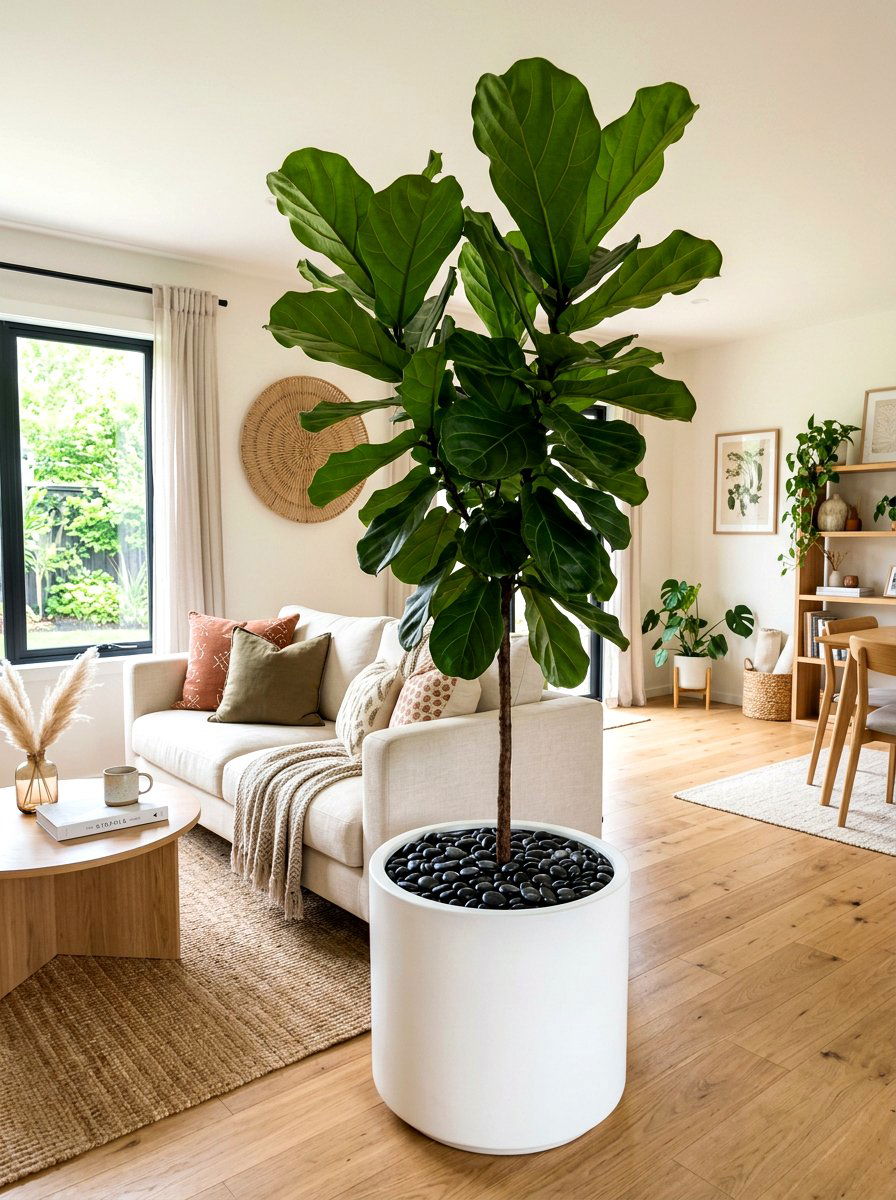
Finishing your indoor or outdoor potted plants with a layer of polished black or white pebbles adds a professional, high-end touch to your greenery. Beyond the visual appeal, these smooth stones serve a practical purpose by helping to retain moisture in the soil and preventing curious pets from digging in the dirt. Polished pebbles have a subtle sheen that looks particularly stunning when wet, making them a great choice for plants located near water features or entryways. You can use monochromatic stones for a sleek, modern look or mix different colors to create a more vibrant, eclectic vibe. This simple decorative step instantly elevates a basic planter into a sophisticated piece of home decor.
7. Slate Stone Accent Wall
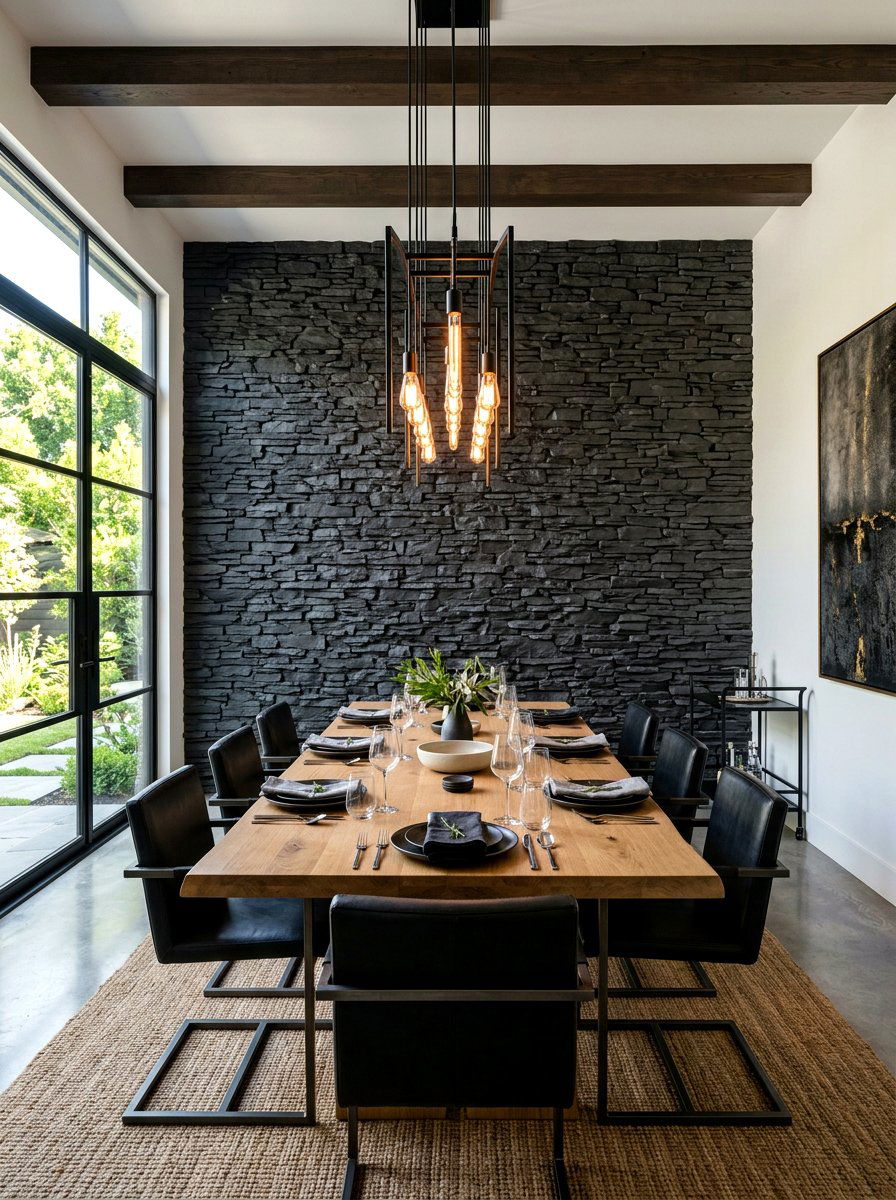
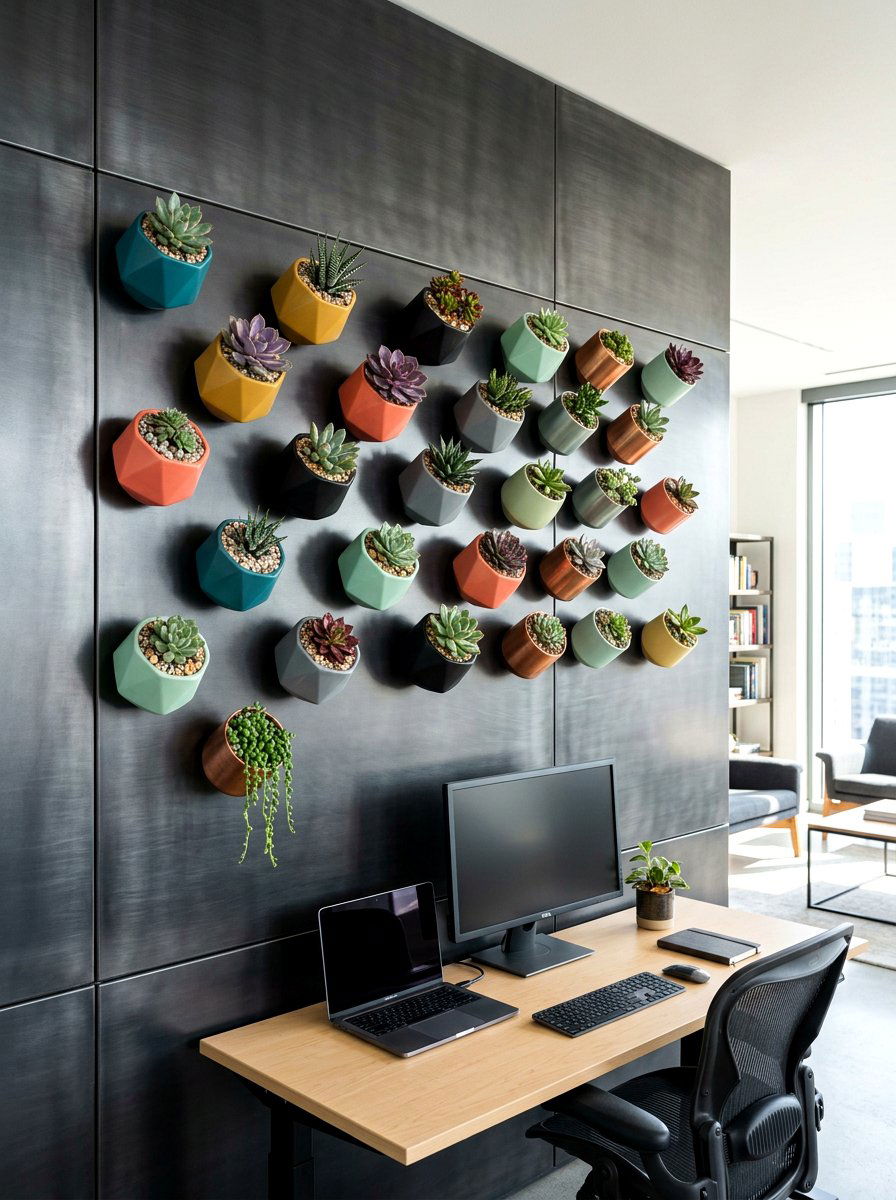
A slate stone accent wall introduces a sophisticated, moody texture to interior spaces like dining rooms, entryways, or home offices. Slate is known for its unique layered appearance and natural cleft surface, which provides a rich tactile experience that flat paint simply cannot replicate. By installing these thin stone veneers, you create a sense of permanence and strength within the home’s architecture. The dark, multi-tonal hues of charcoal, rust, and plum found in slate can anchor a large room and provide a stunning backdrop for artwork or floating wooden shelves. When paired with warm overhead lighting, the natural ridges of the stone create beautiful shadows that change throughout the course of the day.
8. Crushed Granite Driveway
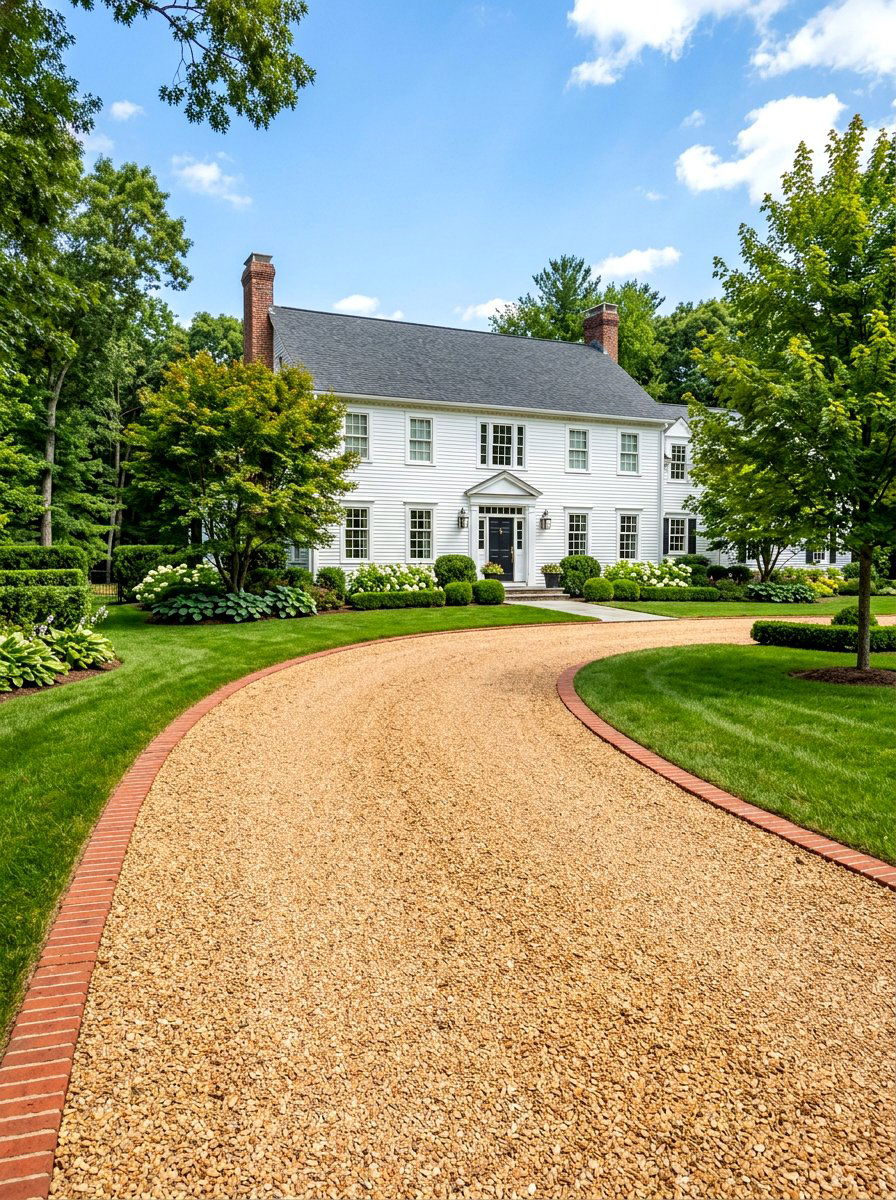
Installing a crushed granite driveway offers a rugged and durable surface that handles heavy vehicle traffic while maintaining a natural, permeable look. Unlike solid asphalt, crushed granite allows water to drain through, reducing runoff and helping to manage local groundwater levels effectively. The angular nature of the crushed stone ensures that the pieces lock together, creating a more stable and less shifty surface than rounded gravel. Granite comes in various shades, including silver-gray, dusty pink, and warm tan, allowing you to match the driveway to your home's primary color palette. The distinct sound of tires on the stone provides an audible signal of arriving guests, adding a classic country estate feel.
9. Lava Rock Flower Bed
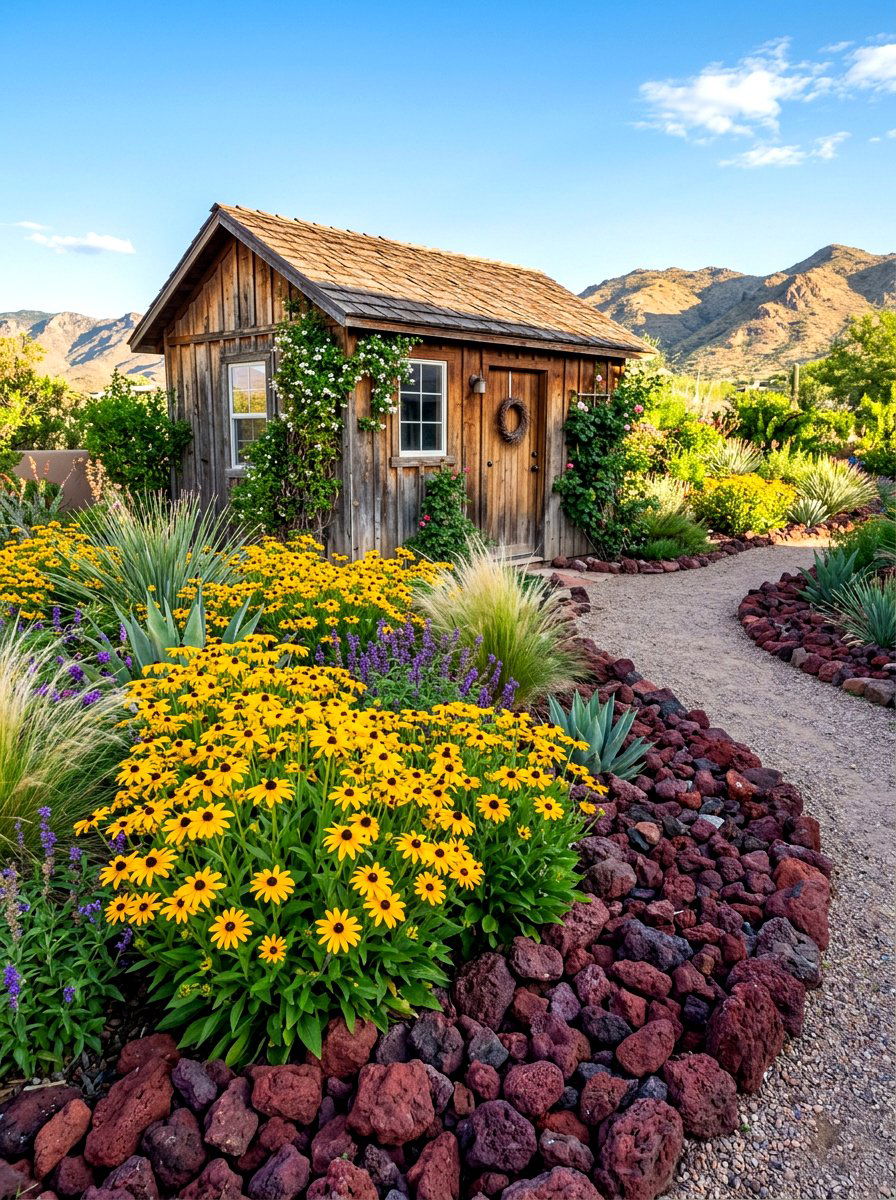
Using volcanic lava rock as a mulch substitute provides a striking, textured look that is especially beneficial for plants requiring excellent drainage. These porous, lightweight stones are typically available in deep red or charcoal black, offering a bold color palette that makes colorful flowers pop. Because lava rock is formed from volcanic activity, it is incredibly durable and won't blow away or wash out during heavy storms. It also acts as a natural insulator, protecting plant roots from extreme temperature fluctuations throughout the year. For homeowners looking to reduce their garden maintenance, lava rock is a permanent solution that prevents weed growth while adding a unique, prehistoric vibe to the landscape.
10. Mexican Beach Pebble Border
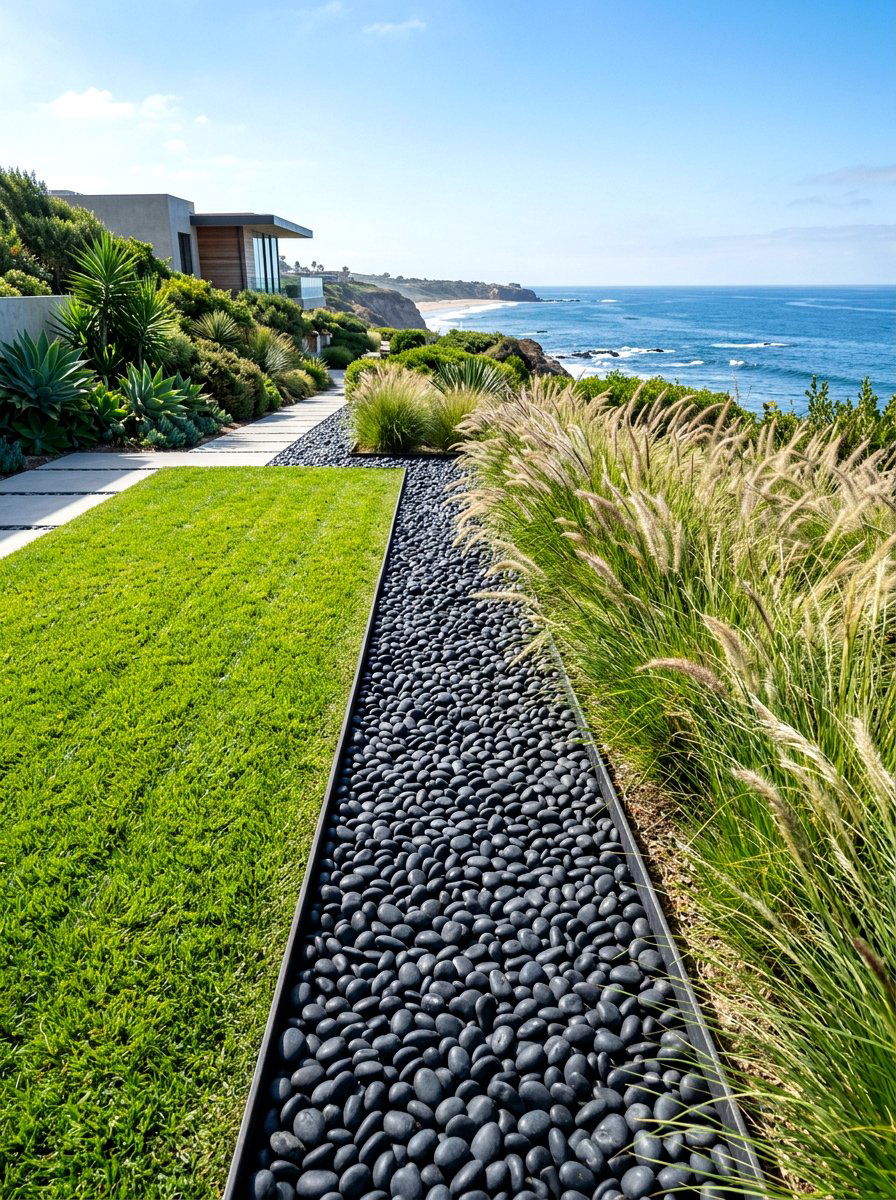
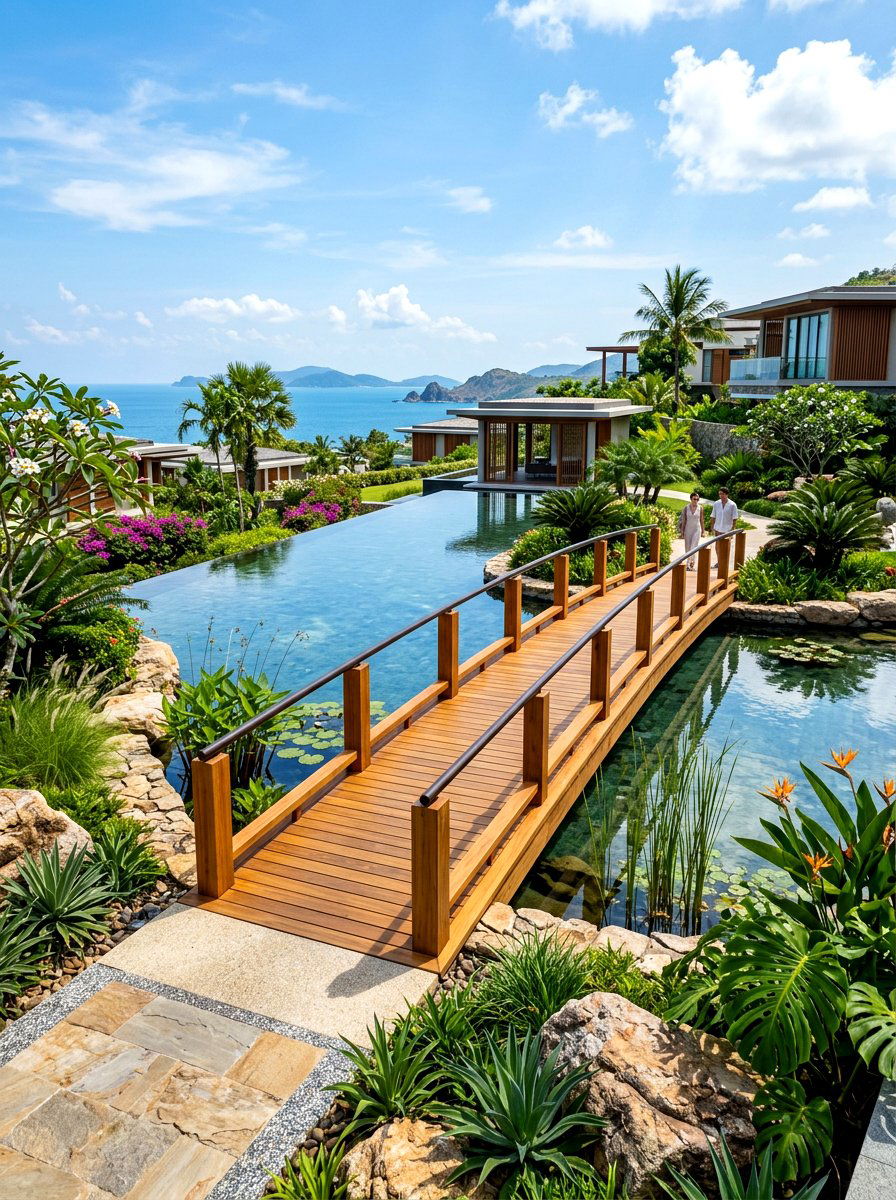
Defining the edges of your garden beds with smooth, charcoal-colored Mexican beach pebbles creates a clean and sophisticated transition between different landscape elements. These stones are naturally tumbled by ocean waves, resulting in a perfectly rounded and matte finish that feels exceptionally high-end. When used as a border, they provide a tidy barrier that keeps mulch or soil from spilling onto walkways or patios. Their dark, uniform color provides a modern contrast against bright green lawns or colorful flowering plants. Many designers use these pebbles to create a "dry stream" effect or to line the perimeter of a house to prevent mud splash-back during rain, combining utility with beauty.
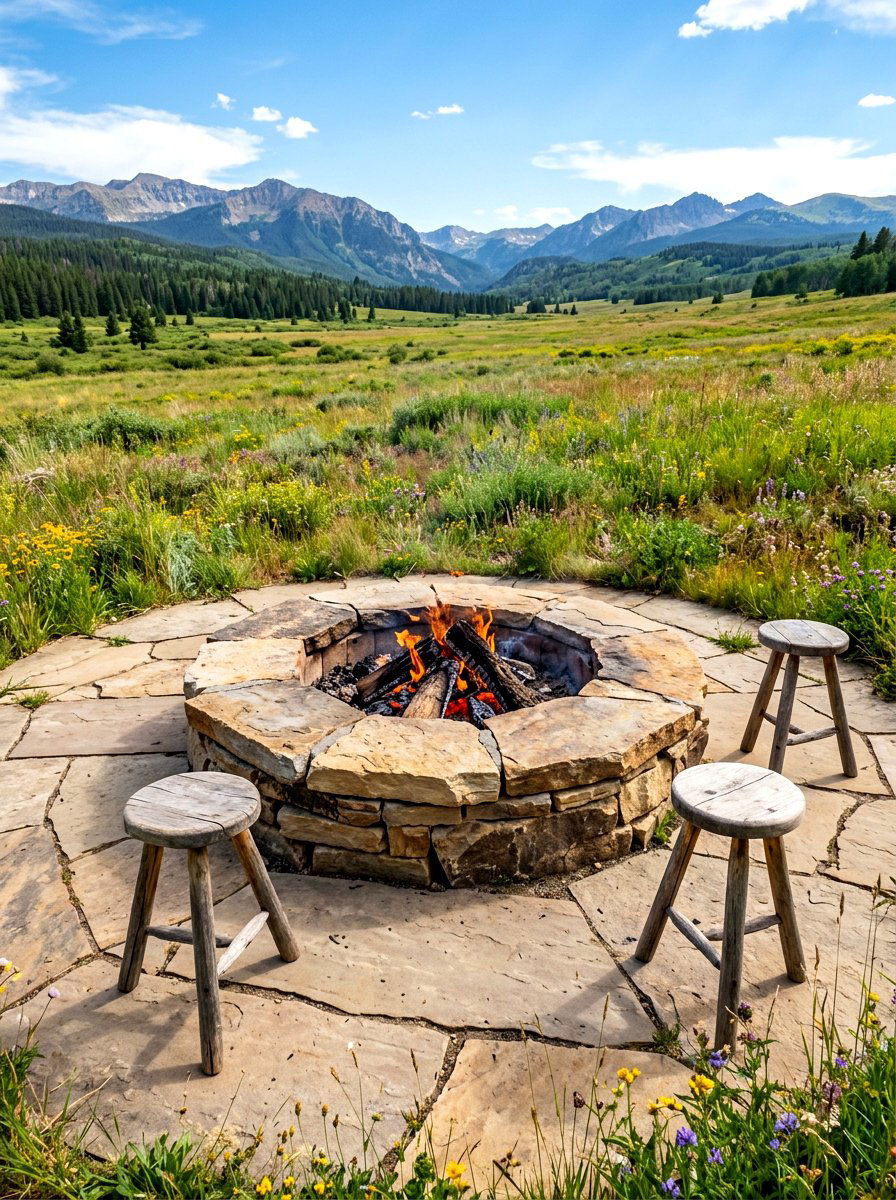
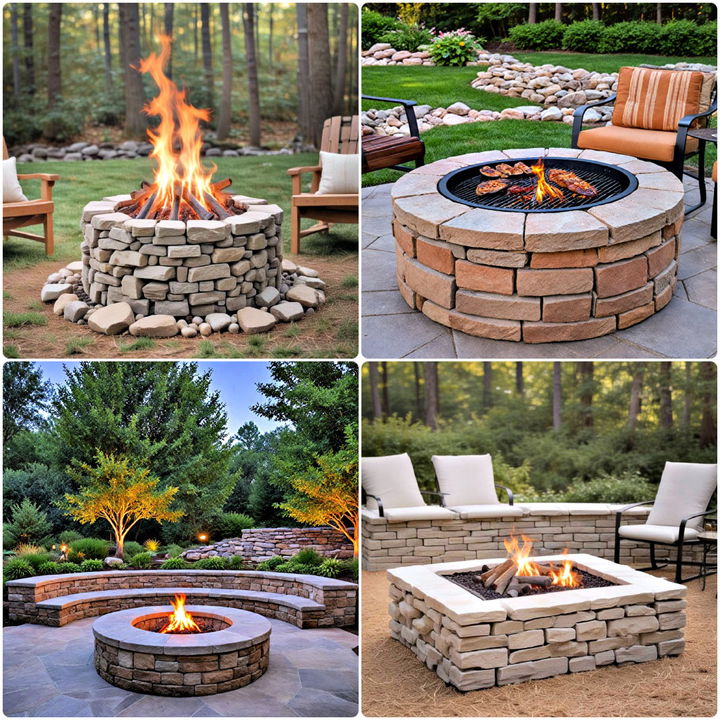
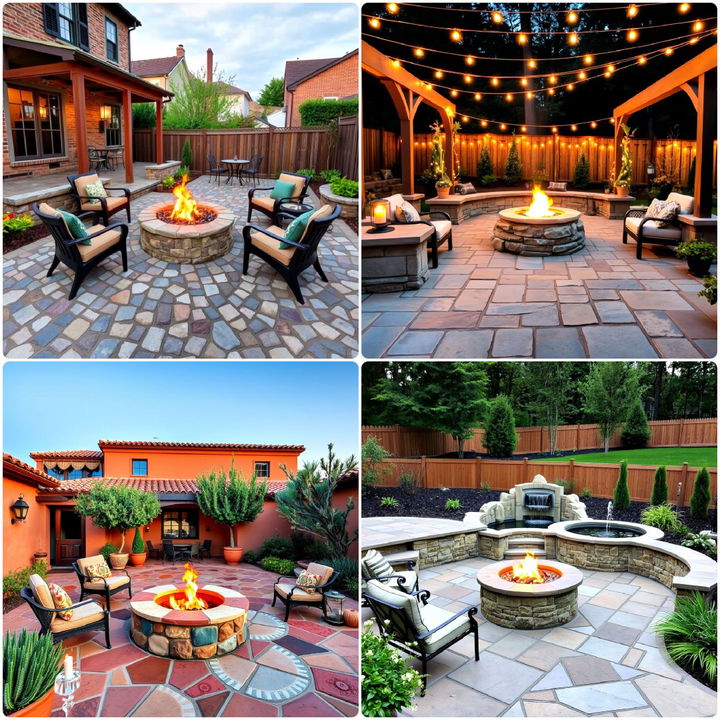
11. Stone Fire Pit Surround
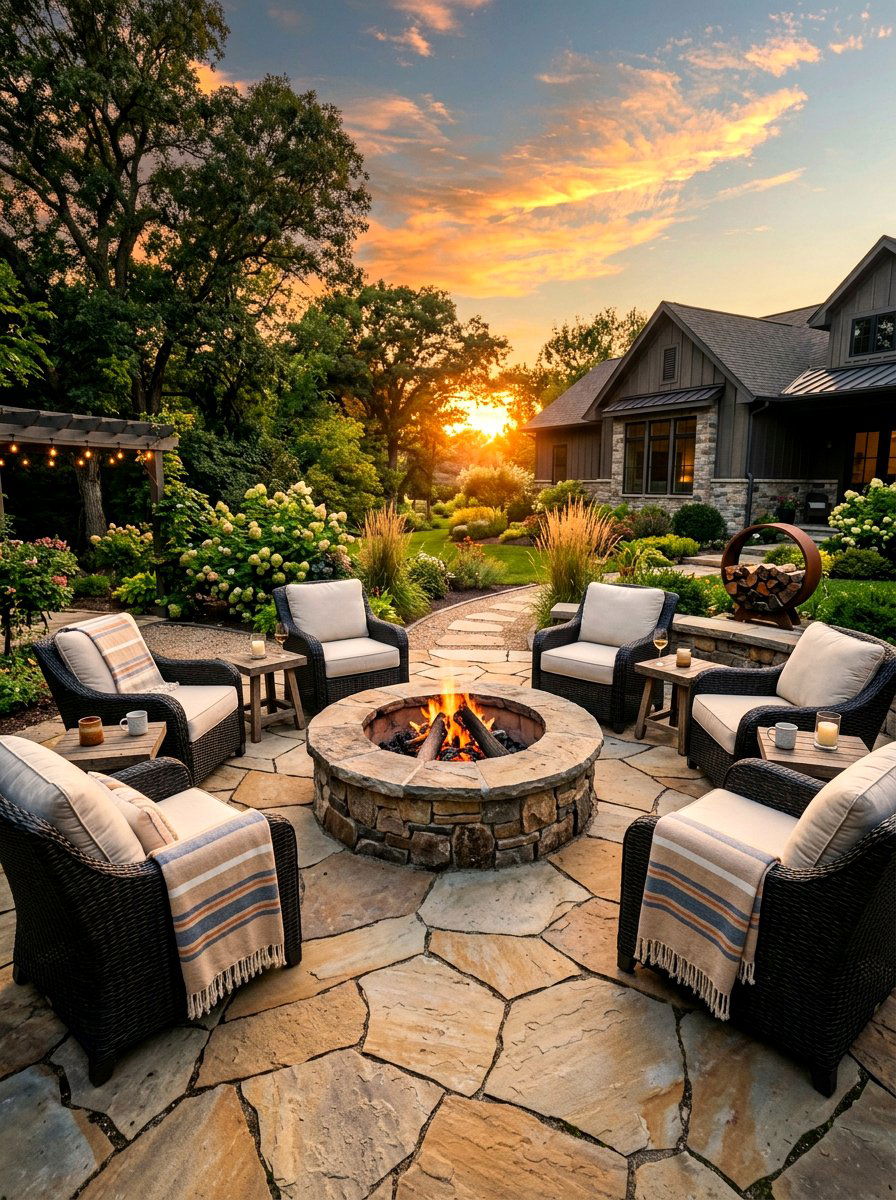
Building a dedicated seating area around an outdoor fire pit using flagstones or heavy pavers creates an inviting destination for social gatherings. The stone surround provides a fire-safe zone that protects your lawn or wooden deck from stray embers while defining the space as a functional room. You can use large, flat stones to create a level surface for chairs and side tables, ensuring comfort for your guests. Integrating the fire pit itself with matching stone masonry creates a cohesive and permanent look that adds significant value to your property. Whether you choose a rustic circular design or a sleek square pit, the natural stone elements will weather beautifully over time, gaining character.
12. Waterfall Stone Feature
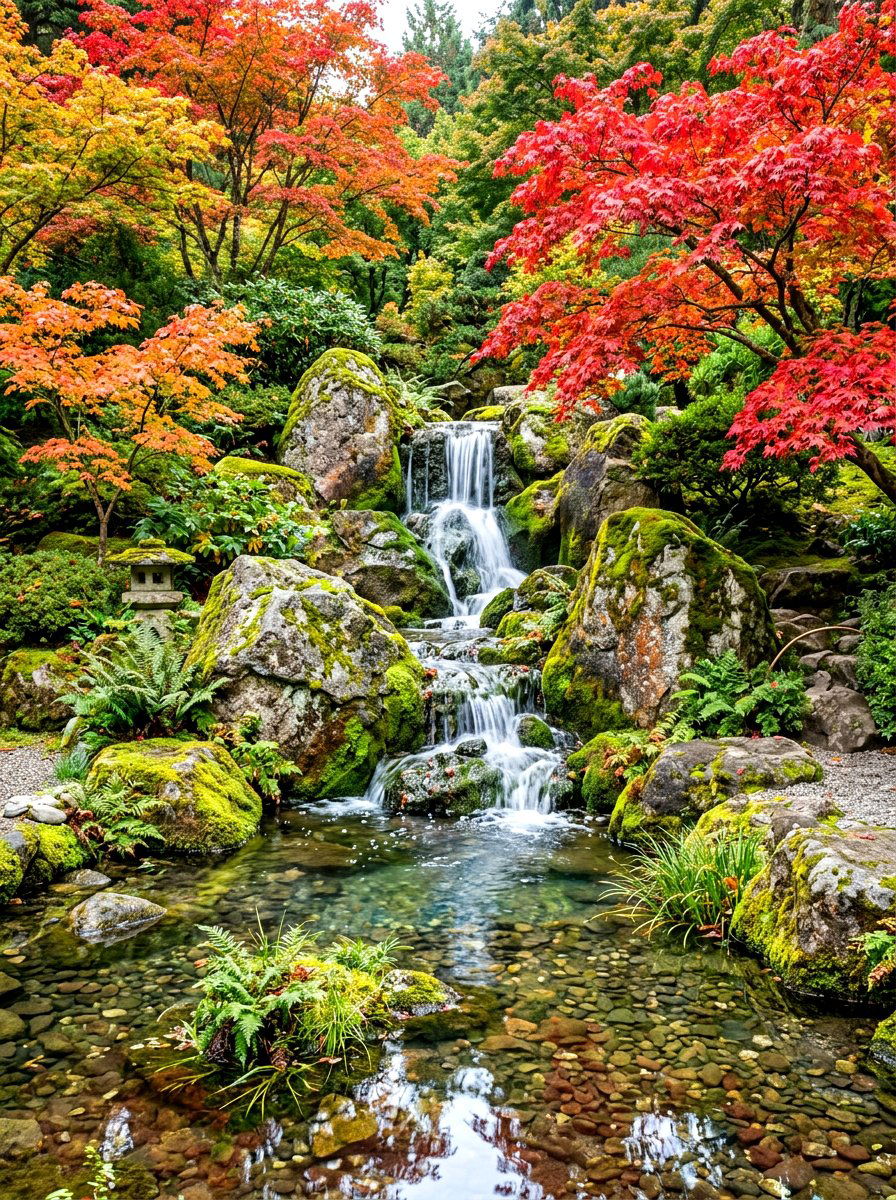
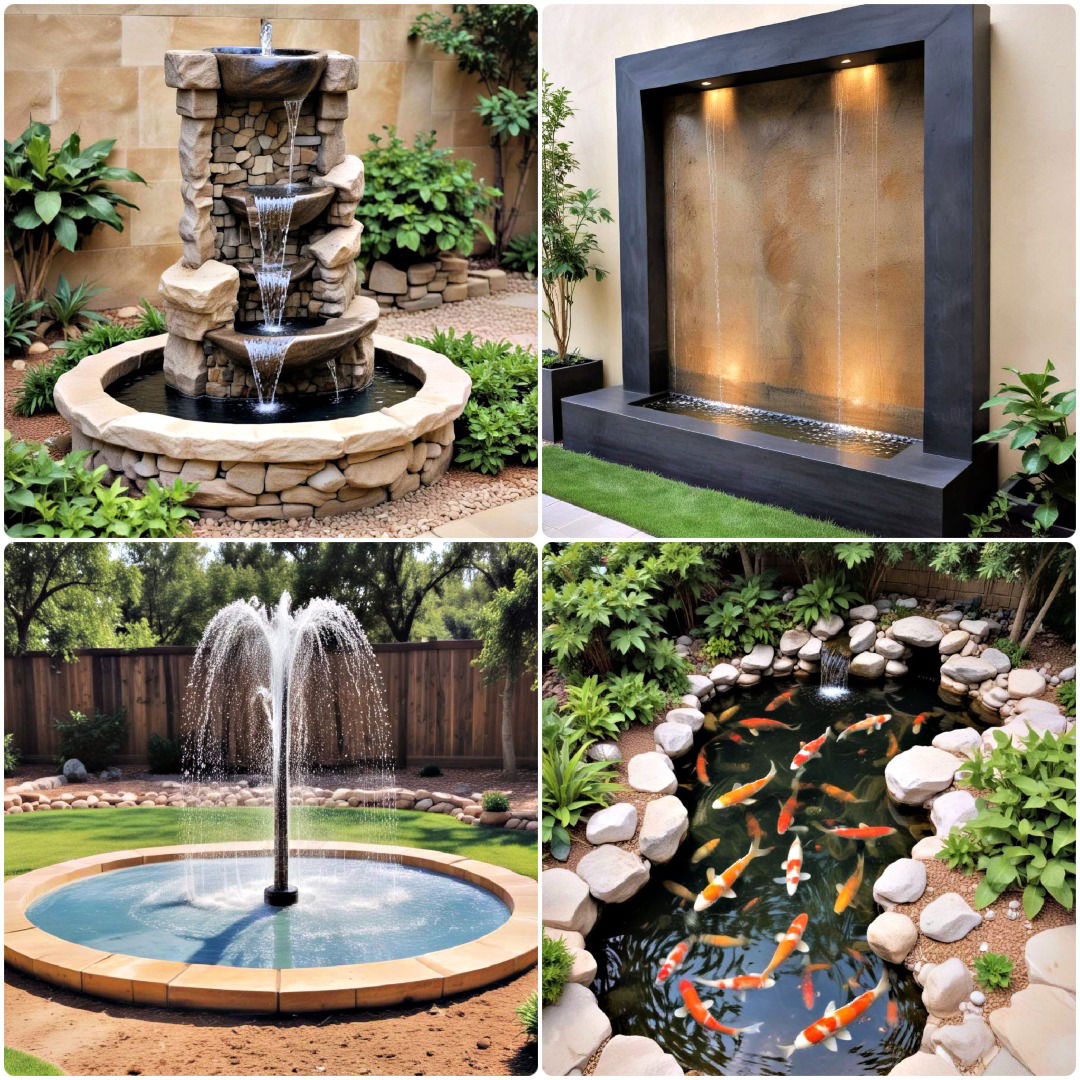
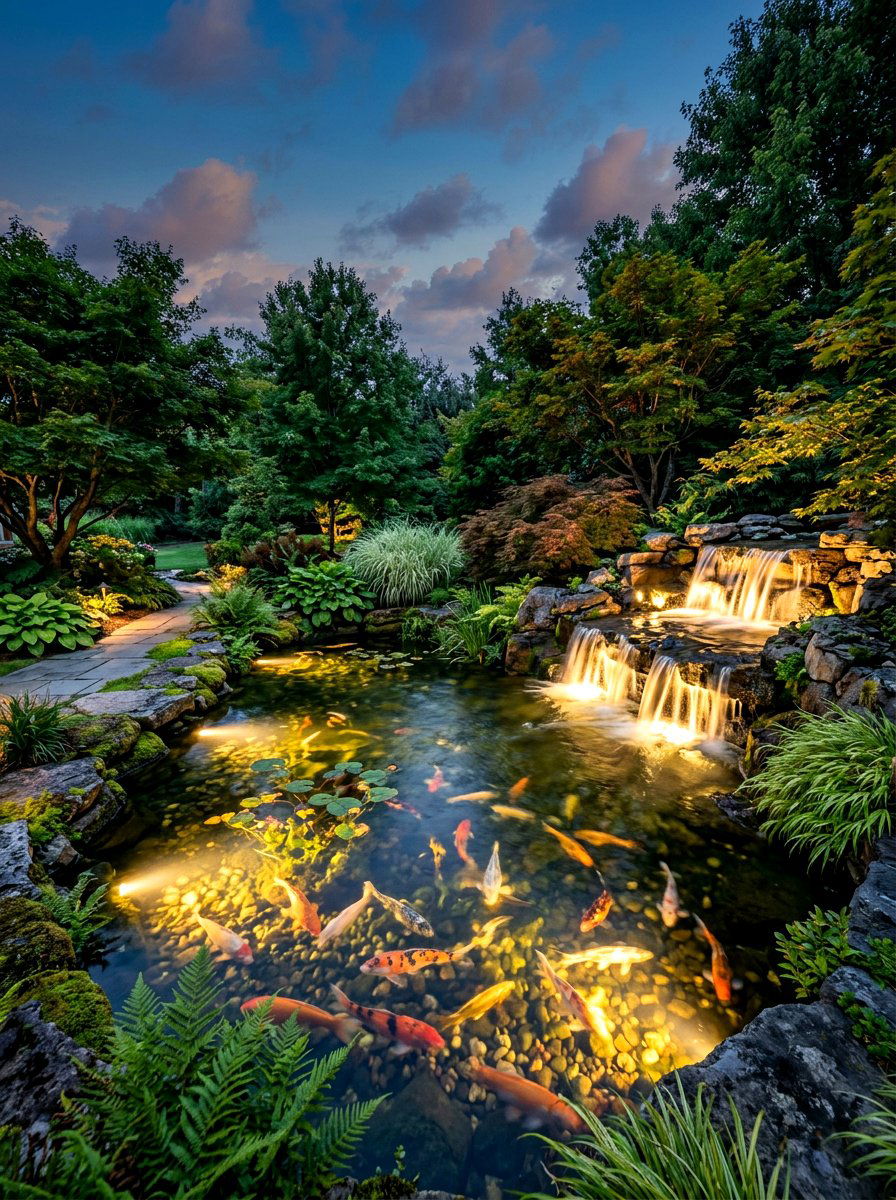
Integrating large, weather-worn boulders and flat river stones into a backyard waterfall creates the soothing sound of moving water and a stunning visual centerpiece. By carefully stacking stones of various sizes, you can control the flow and sound of the water, mimicking a mountain stream or a gentle woodland cascade. The stones provide a natural habitat for moss and ferns, which will eventually grow in the crevices to soften the hard edges of the rock. Using local stone ensures that the feature blends seamlessly with the existing environment, making it look as though it has been there for decades. The interaction of water and stone brings a dynamic, living energy to any outdoor space.
13. Zen Garden Rock Arrangement
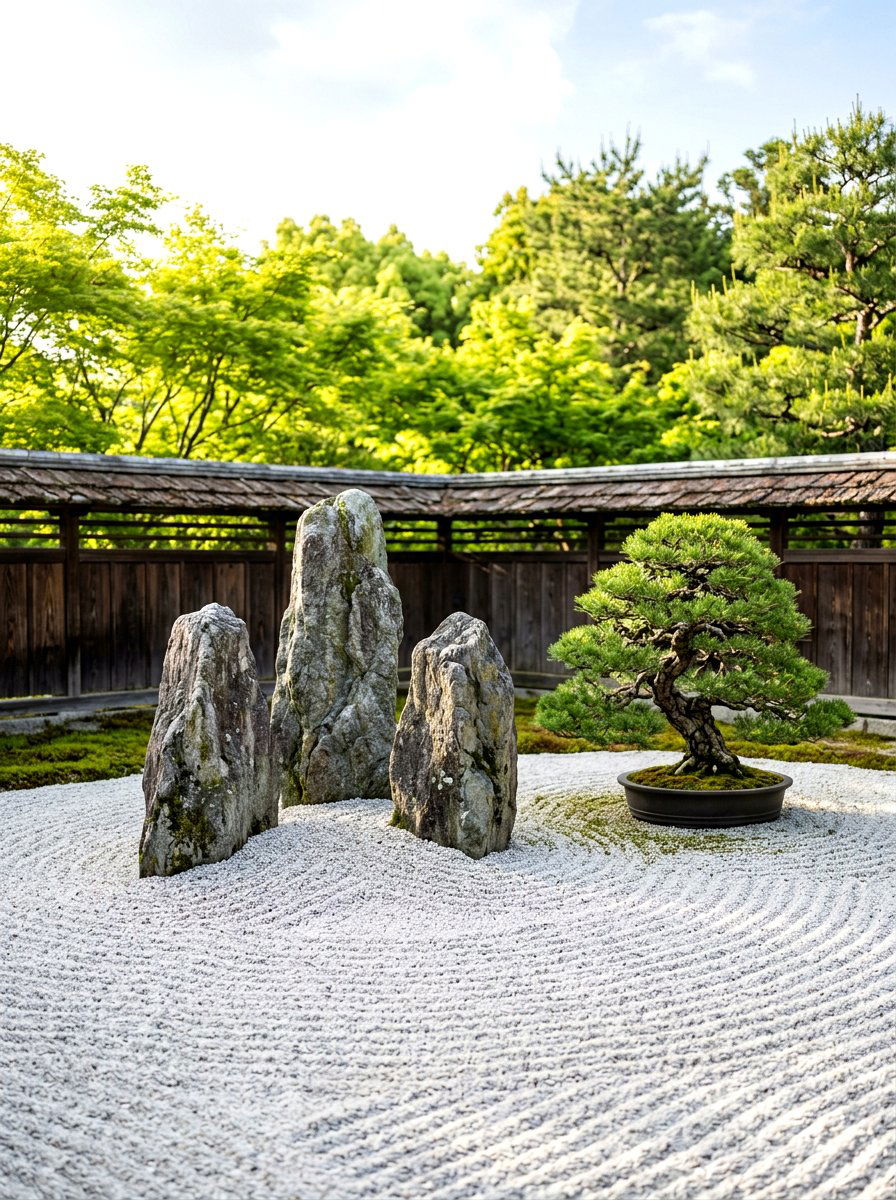
A traditional Zen garden uses carefully placed rocks and raked sand or fine gravel to represent islands and mountains within a sea of tranquility. This minimalist approach to landscaping focuses on balance, negative space, and the raw beauty of individual stone specimens. Selecting unique, sculptural rocks with interesting shapes or moss growth is essential for creating a meaningful focal point. Raking the surrounding fine gravel into circular or linear patterns provides a meditative activity and a visually calming effect. This type of stone garden is ideal for small courtyard spaces or quiet corners where you can sit and reflect away from the busyness of daily life, emphasizing peace and simplicity.
14. Gabion Retaining Wall
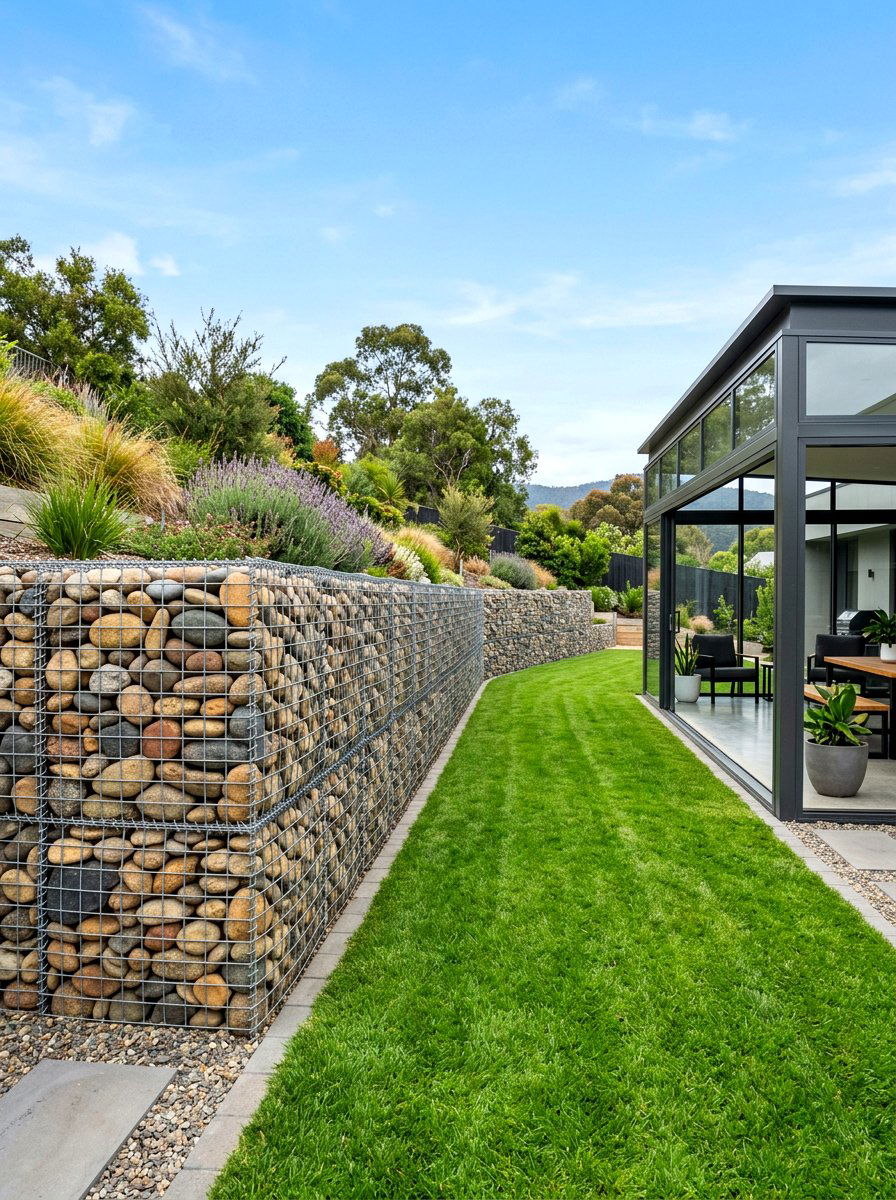
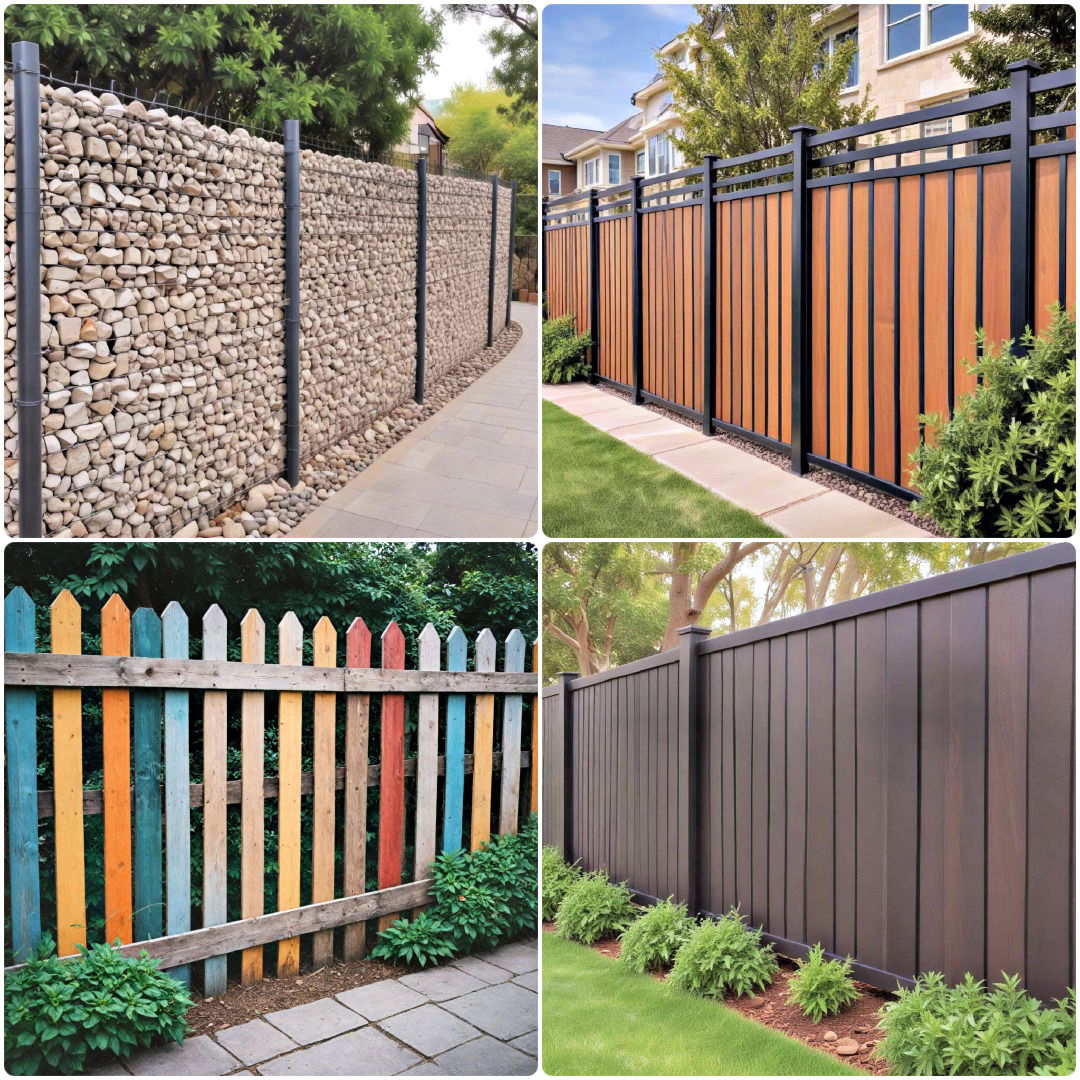
A gabion wall consists of heavy-duty wire cages filled with various types of decorative stone, offering a modern and industrial take on traditional masonry. This structural element is highly effective for managing slopes or creating privacy screens while allowing for excellent natural drainage. You can fill the cages with a single type of stone for a uniform look or layer different colors and textures to create a striking artistic pattern. Because the stones are contained within the wire, you can use smaller or more irregular rocks that might otherwise be difficult to stack. These walls are incredibly durable and require very little maintenance, making them a popular choice for contemporary residential and commercial landscapes.
15. Large Landscape Boulders
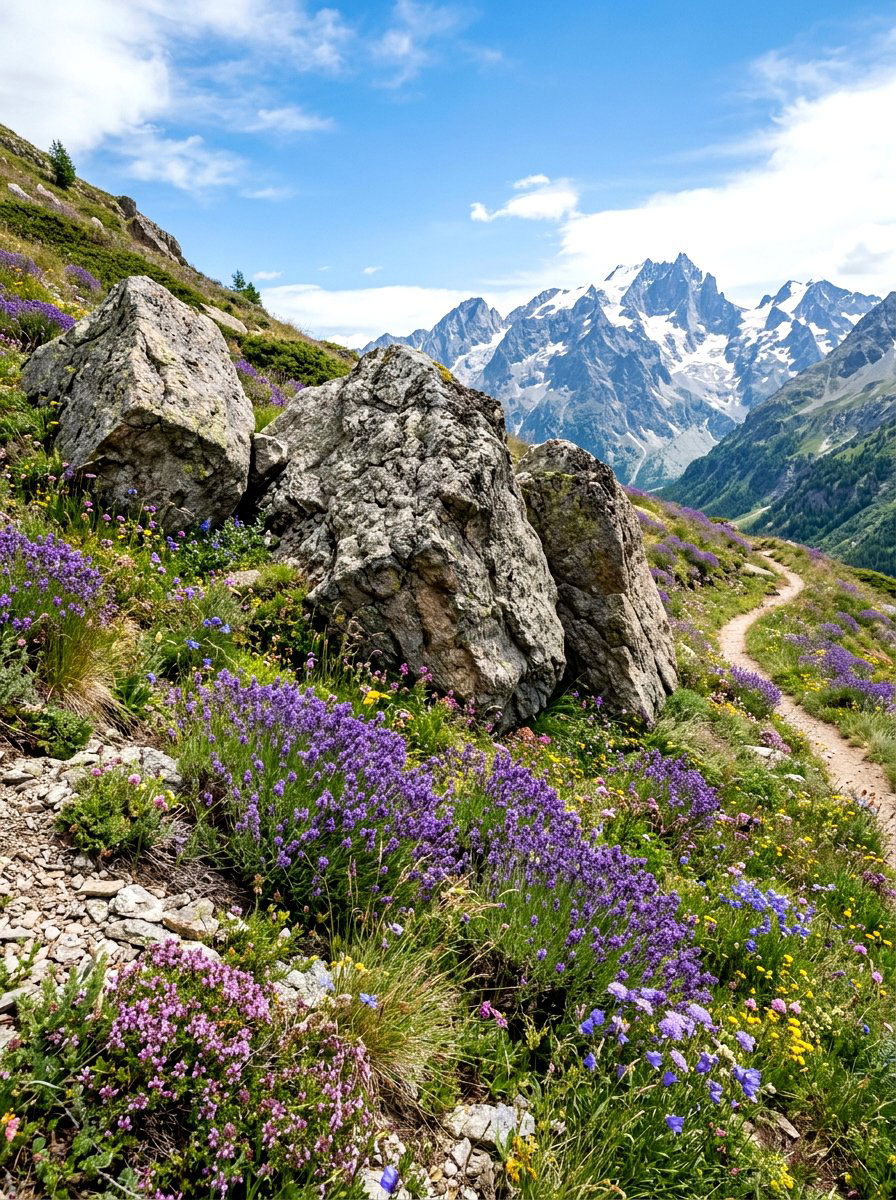
Placing massive, individual boulders throughout your yard serves as a powerful way to ground your landscaping and provide a sense of permanent scale. These "anchor" stones should be partially buried to look like natural outcroppings that have been exposed by the elements over time. Boulders can be used to mark the entrance of a driveway, support a sloping bank, or simply act as a sculptural element in a large garden bed. When selecting boulders, look for pieces with interesting textures, lichen growth, or unique color veining that complements the other stones used on your property. Grouping them in odd numbers often results in a more natural and visually pleasing arrangement for the viewer.
16. River Rock Shower Floor
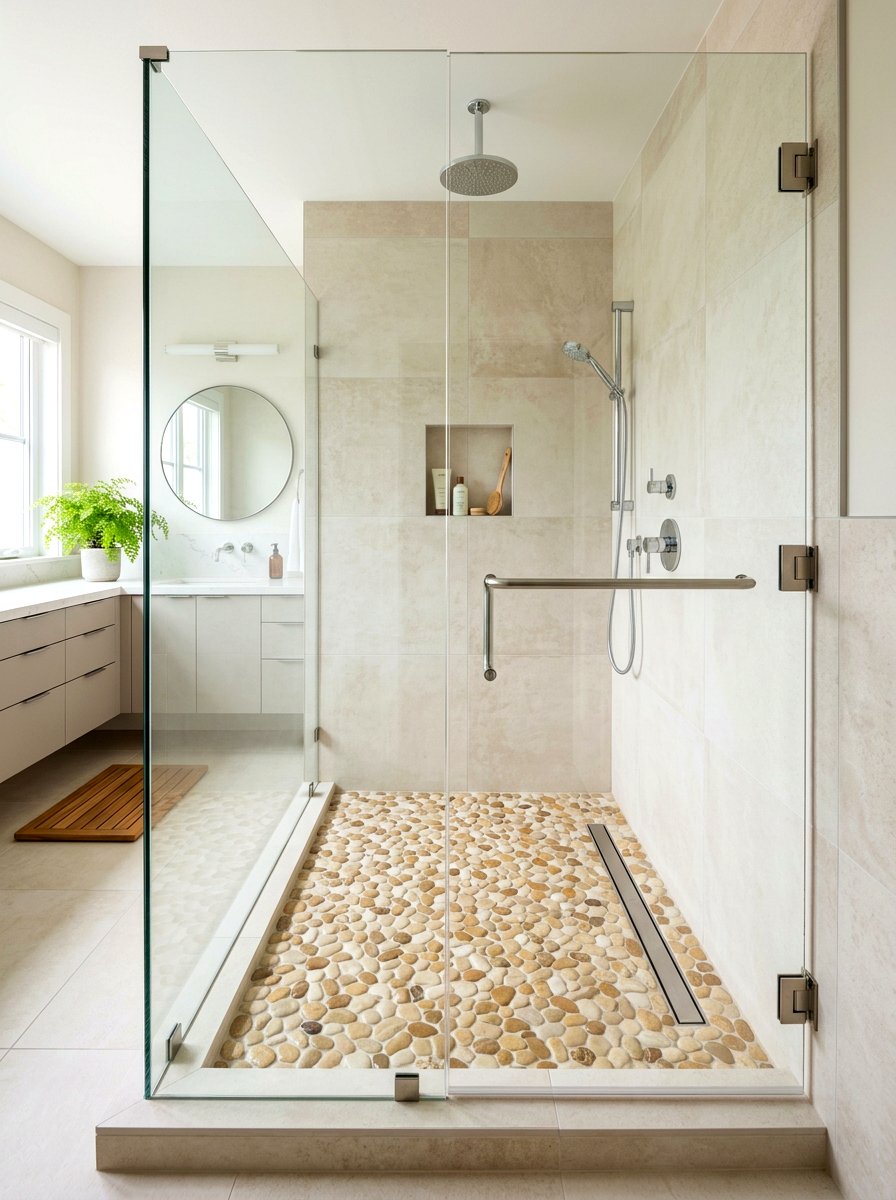
Installing a river rock floor in a walk-in shower brings a spa-like, natural feel to your bathroom while providing a gentle massage for your feet. These smooth, rounded stones are typically sold on mesh backing for easier installation, ensuring a consistent and level surface that remains slip-resistant even when wet. The natural variations in the stones mean that no two shower floors will ever look exactly the same, giving your bathroom a custom, artisanal quality. Using a light-colored grout can highlight the individual shapes of the pebbles, while a darker grout creates a more seamless, monolithic look. This design choice connects your daily routine with the grounding elements of the natural world.
17. Travertine Pool Deck
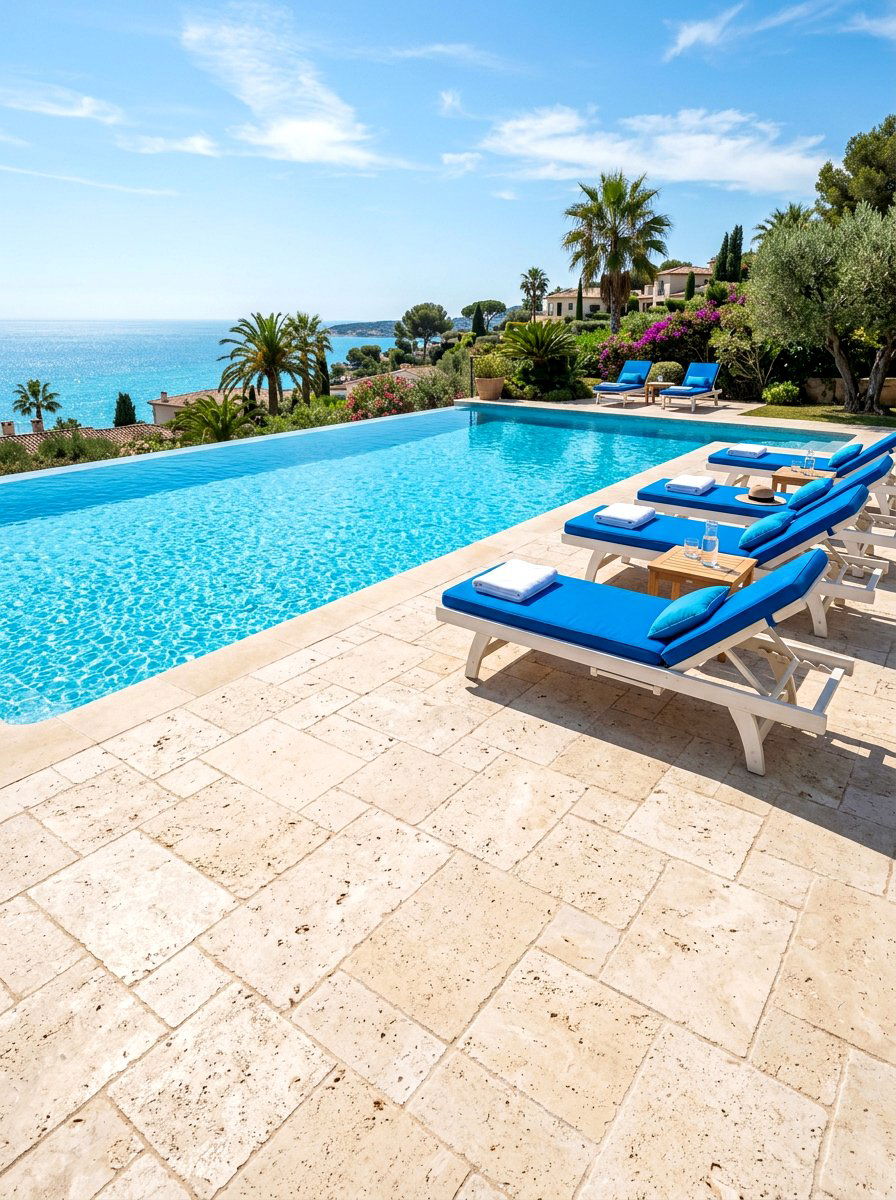
Choosing travertine pavers for a pool deck is a brilliant move because the stone remains naturally cool to the touch even in the heat of a summer afternoon. Travertine is a type of limestone that features small, characteristic pits and a soft, earthy color palette ranging from creamy white to deep walnut. Its porous nature makes it highly slip-resistant, which is a critical safety feature for wet areas around a swimming pool. The stone’s timeless elegance and durability mean it will not fade or crack under intense UV exposure. Whether laid in a classic French pattern or large modern rectangles, travertine elevates the entire backyard into a luxury resort-style environment for your family.
18. Sandstone Garden Edging
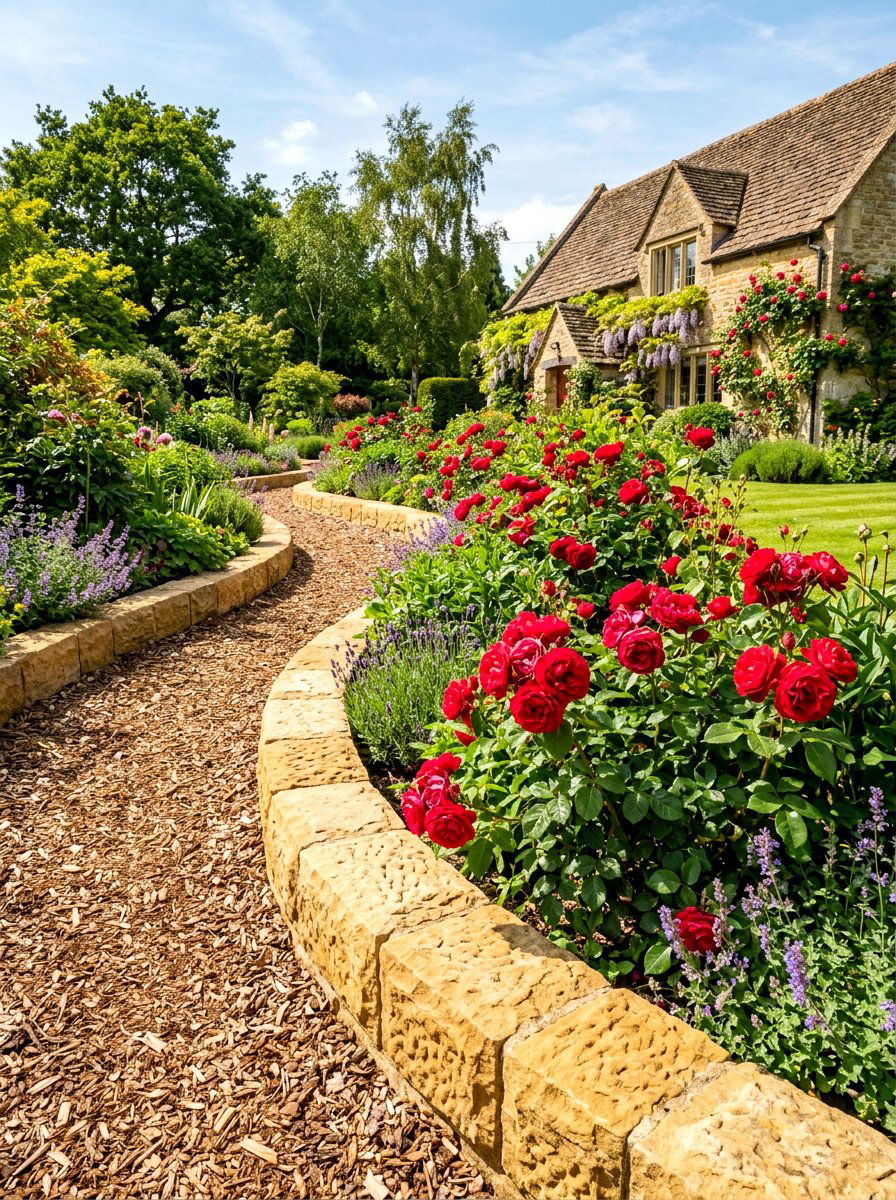
Using chiseled sandstone blocks to edge your flower beds and walkways provides a warm, rustic boundary that keeps your landscape looking neat and organized. Sandstone is prized for its soft, grainy texture and its ability to be easily shaped into uniform bricks or irregular slabs. The natural desert-toned hues of gold, tan, and red bring a sunny, cheerful energy to the garden, especially when paired with vibrant green foliage. Over time, sandstone will develop a beautiful patina, allowing it to blend even more naturally into the earth. This type of edging is heavy enough to stay in place without mortar, allowing you to adjust your garden's shape as your plants grow.
19. Limestone Exterior Stairs
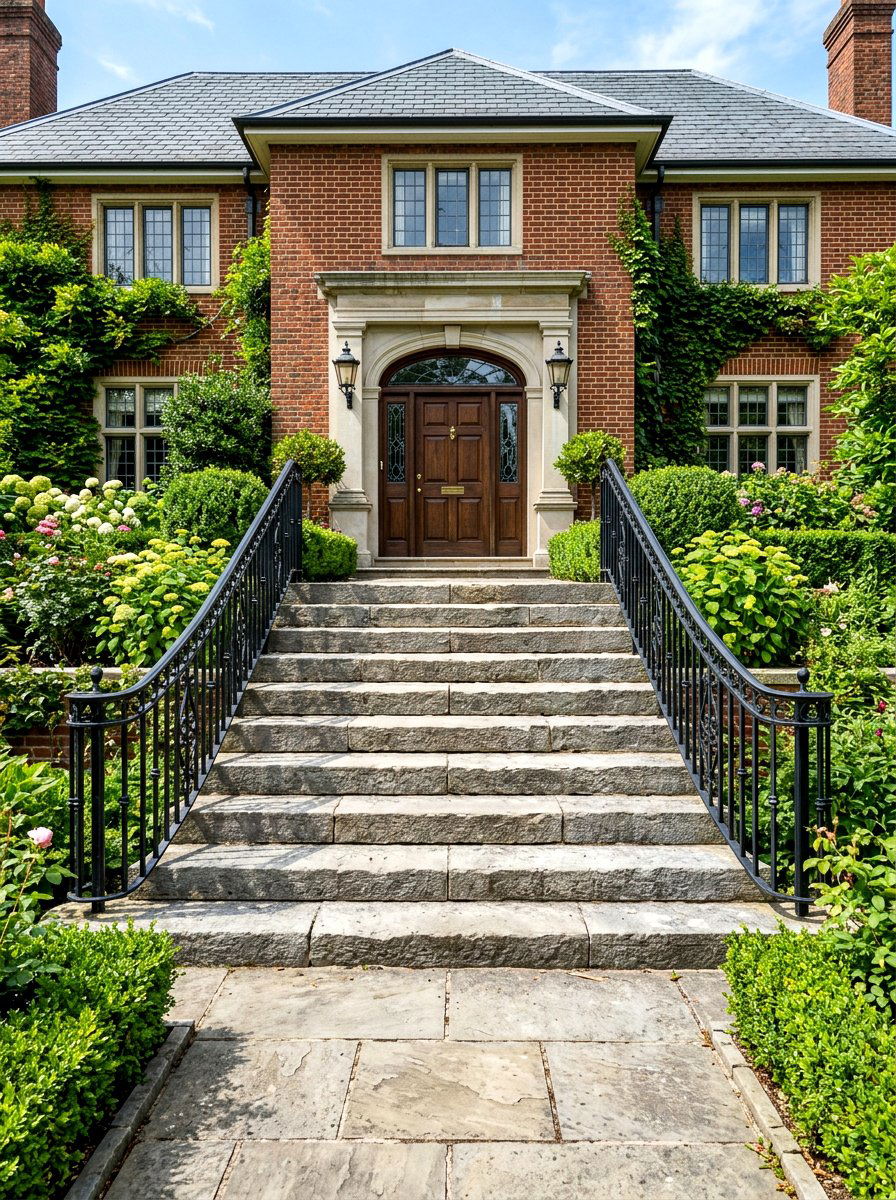
Building outdoor staircases from solid limestone slabs provides a grand and durable transition between different levels of your property. Limestone is a dense, heavy stone that can withstand heavy foot traffic and harsh weather conditions without losing its refined appearance. Its light, neutral tones of soft gray and ivory make it an excellent choice for modern or traditional architecture, providing a clean and bright look for entryways. You can choose a honed finish for a smooth, contemporary feel or a tumbled edge for a more historic, weathered aesthetic. These stone steps feel solid and secure underfoot, providing a sense of permanence that wooden or concrete stairs simply cannot match for long-term luxury.
20. Glow In The Dark Garden Pebbles
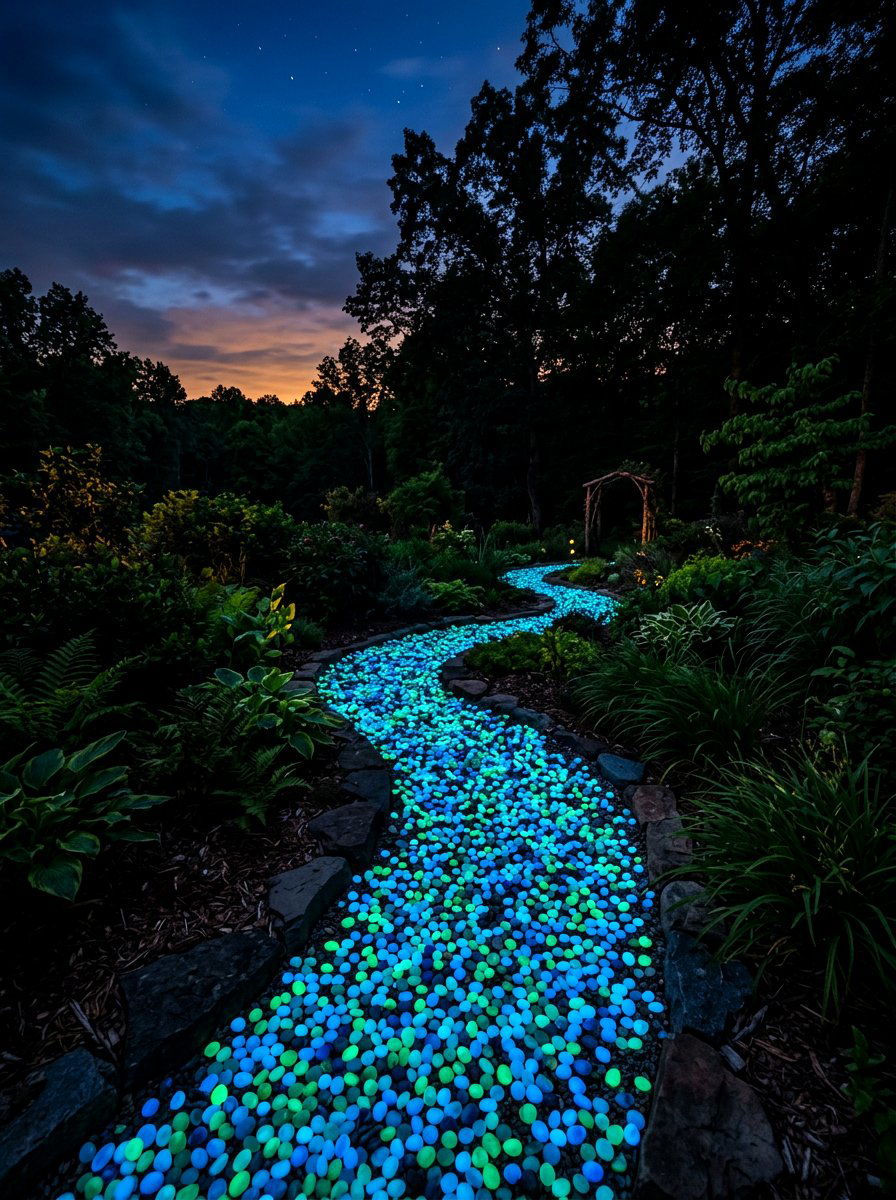
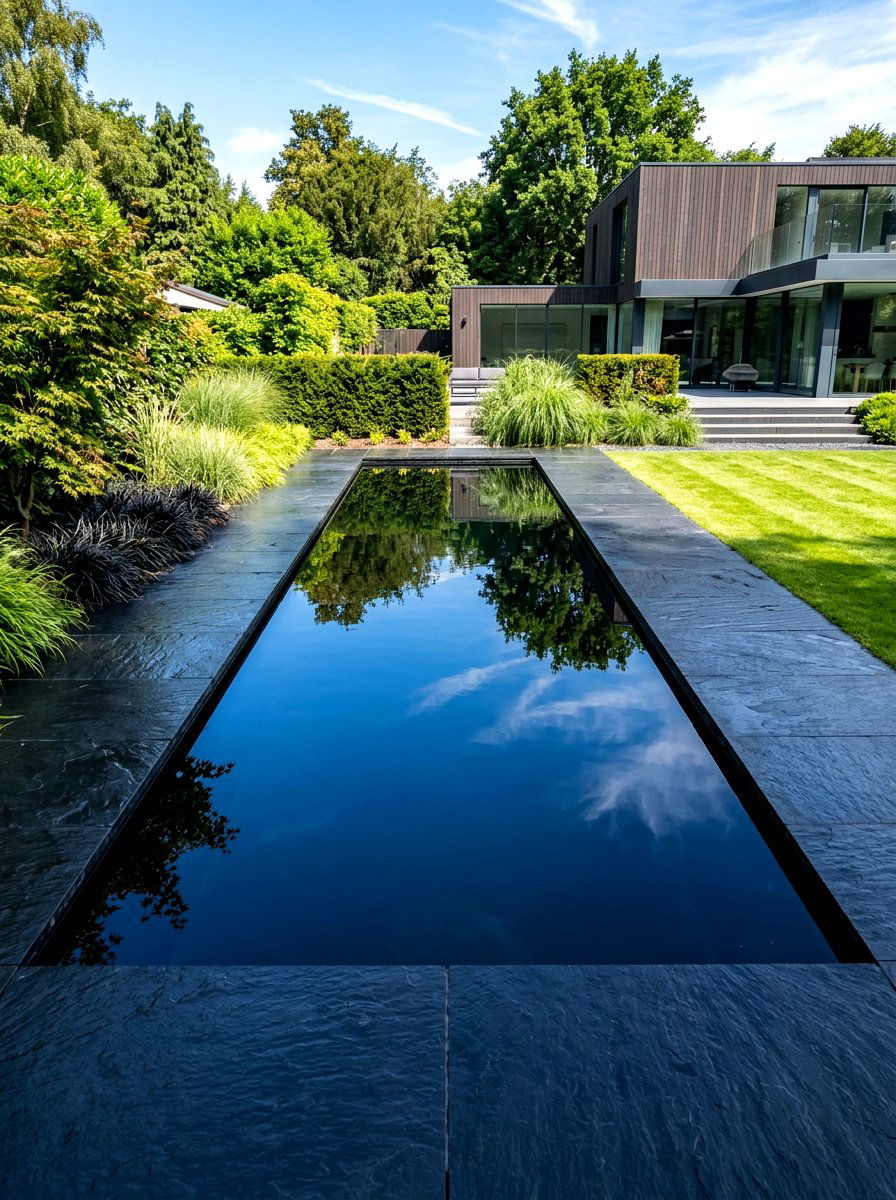
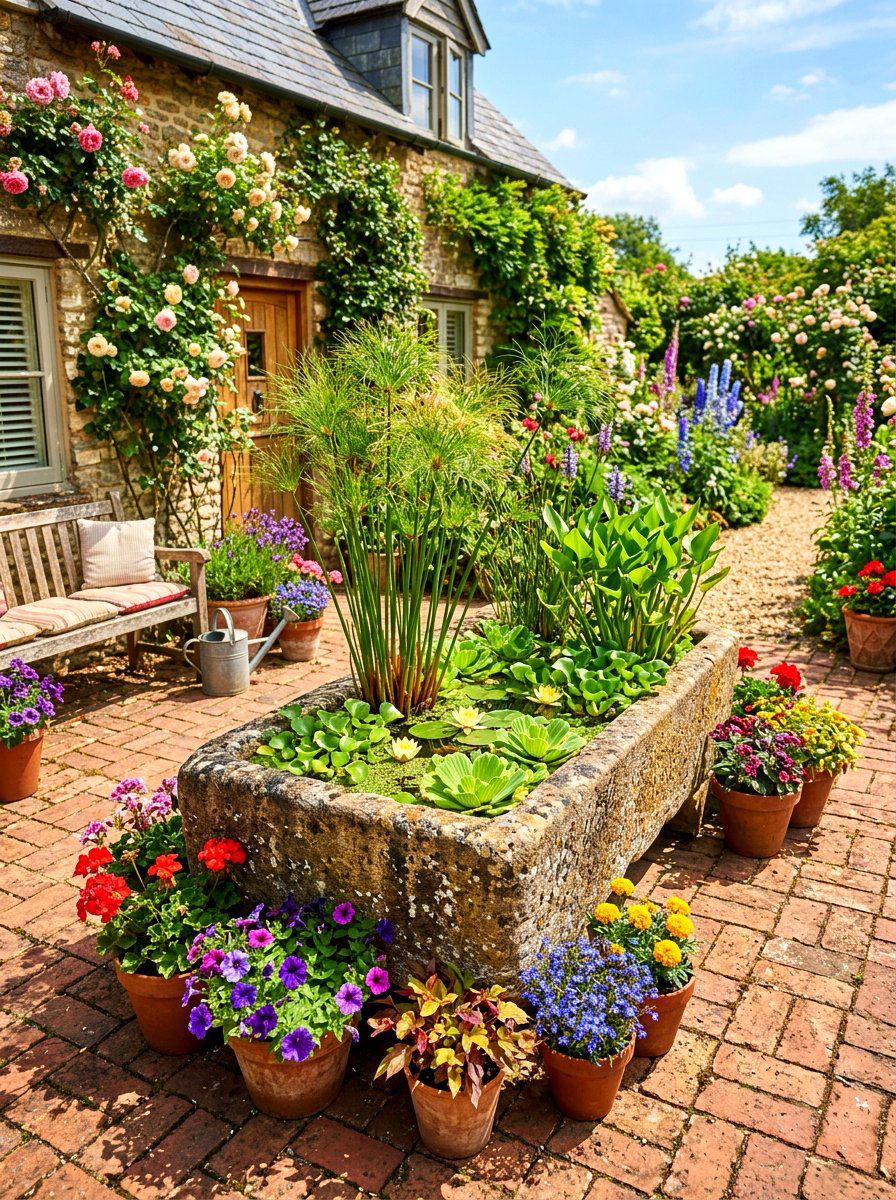
Incorporating glow-in-the-dark pebbles into your walkways or planters adds a whimsical and practical element to your nighttime landscape. These synthetic stones absorb sunlight during the day and emit a soft, ethereal glow after the sun goes down, marking paths without the need for electric lighting. They are perfect for lining the edges of a garden trail or highlighting the base of a focal-point tree. While they appear like ordinary white or green pebbles during the daylight hours, they transform your yard into an enchanted space at night. This is a fun and low-maintenance way to improve visibility in dark areas while adding a touch of magic to your outdoor evening experience.
21. Cobblestone Driveway Apron
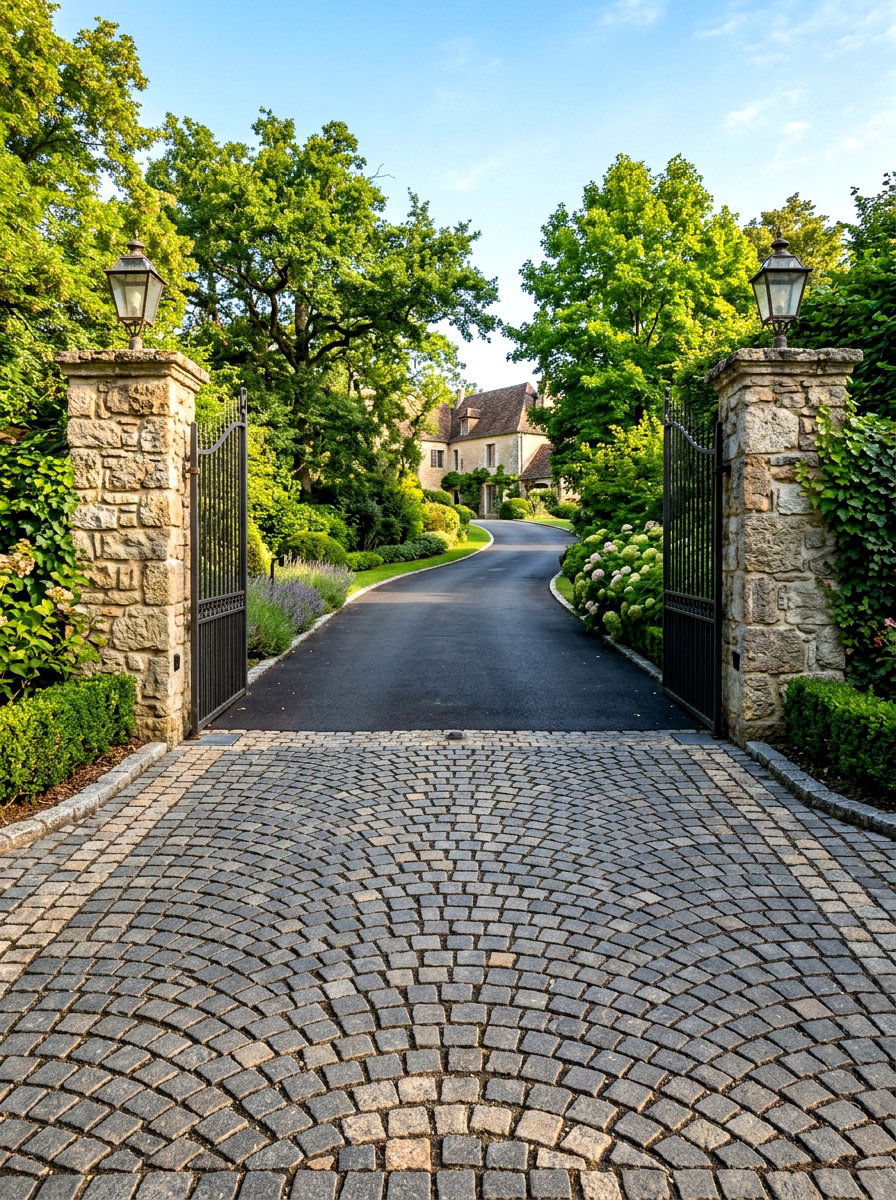
Adding a cobblestone apron at the entrance of your driveway provides an immediate sense of old-world charm and high-end curb appeal. These small, rounded granite or basalt blocks are incredibly tough and can handle the weight of heavy vehicles without shifting or cracking. The repetitive pattern of the stones creates a beautiful textured transition from the public street to your private property. Cobblestones are often used in historic European cities, and bringing that aesthetic to your home adds a timeless, established feel to the architecture. You can also use cobblestones to edge the entire driveway or to create decorative bands that break up large expanses of asphalt or concrete for a more custom look.
22. Quartzite Stone Backsplash
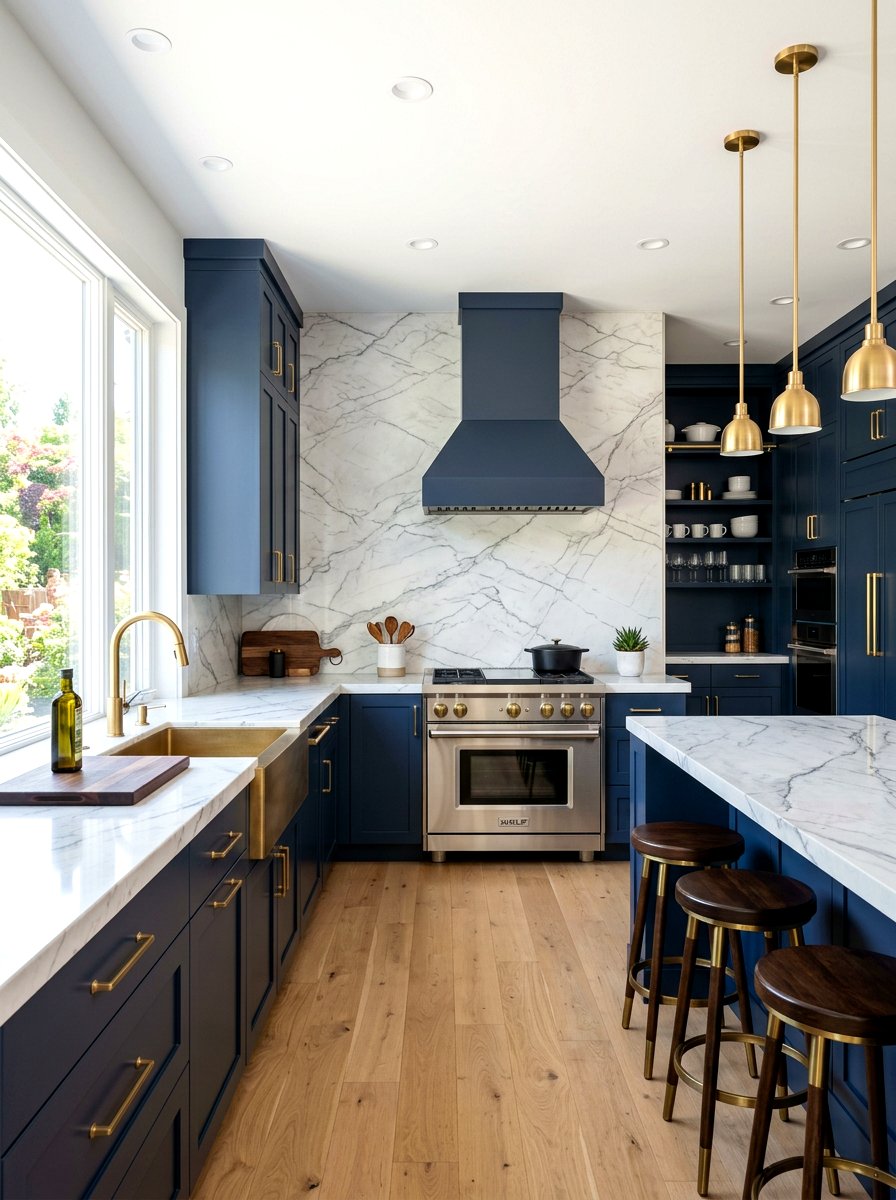
Using quartzite stone tiles for a kitchen backsplash introduces a luminous, durable surface that bridges the gap between the beauty of marble and the strength of granite. Quartzite is a natural stone known for its crystalline structure, which often sparkles subtly under kitchen task lighting. It is highly resistant to heat and staining, making it an ideal choice for the busy area behind a stove or sink. The soft veining and wide range of colors — from snowy white to sea-foam green — can complement almost any cabinetry style. Choosing a large-format slab for the backsplash creates a seamless, high-end look, while smaller mosaic tiles can add intricate detail and texture to the heart of your home.
23. Basalt Rock Fountain
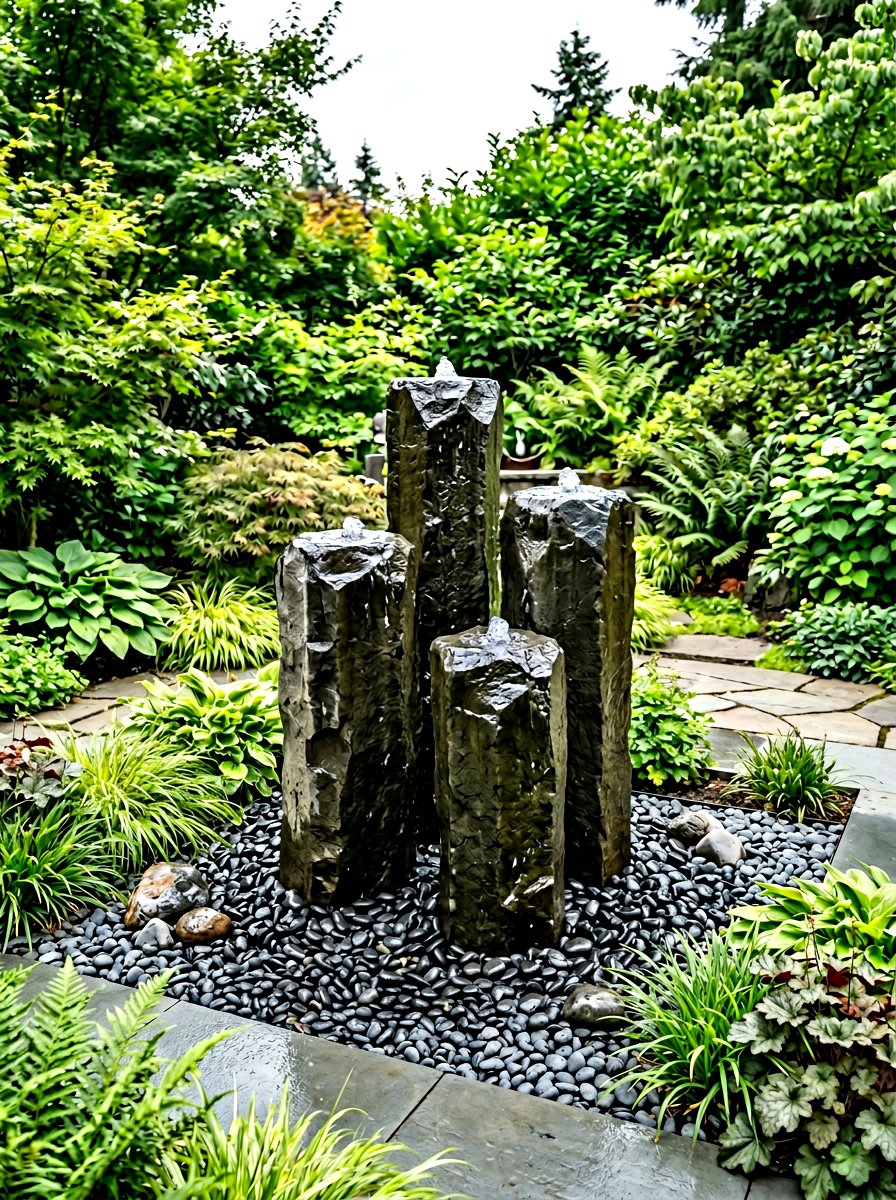
A basalt column fountain serves as a dramatic and modern water feature that brings the raw, dark beauty of volcanic rock to your garden. Basalt is a dense, heavy stone that is often found in striking hexagonal columns formed by cooling lava. When these columns are drilled and turned into fountains, the water cascades over the dark, textured surface, making the stone appear almost black and glossy. This minimalist design works perfectly in contemporary landscapes or small courtyard gardens where a quiet, bubbling sound is desired. The weight and stability of basalt ensure the fountain remains a permanent fixture, while its simple silhouette provides a sophisticated focal point for year-round visual interest.
24. Flagstone Stepping Stones
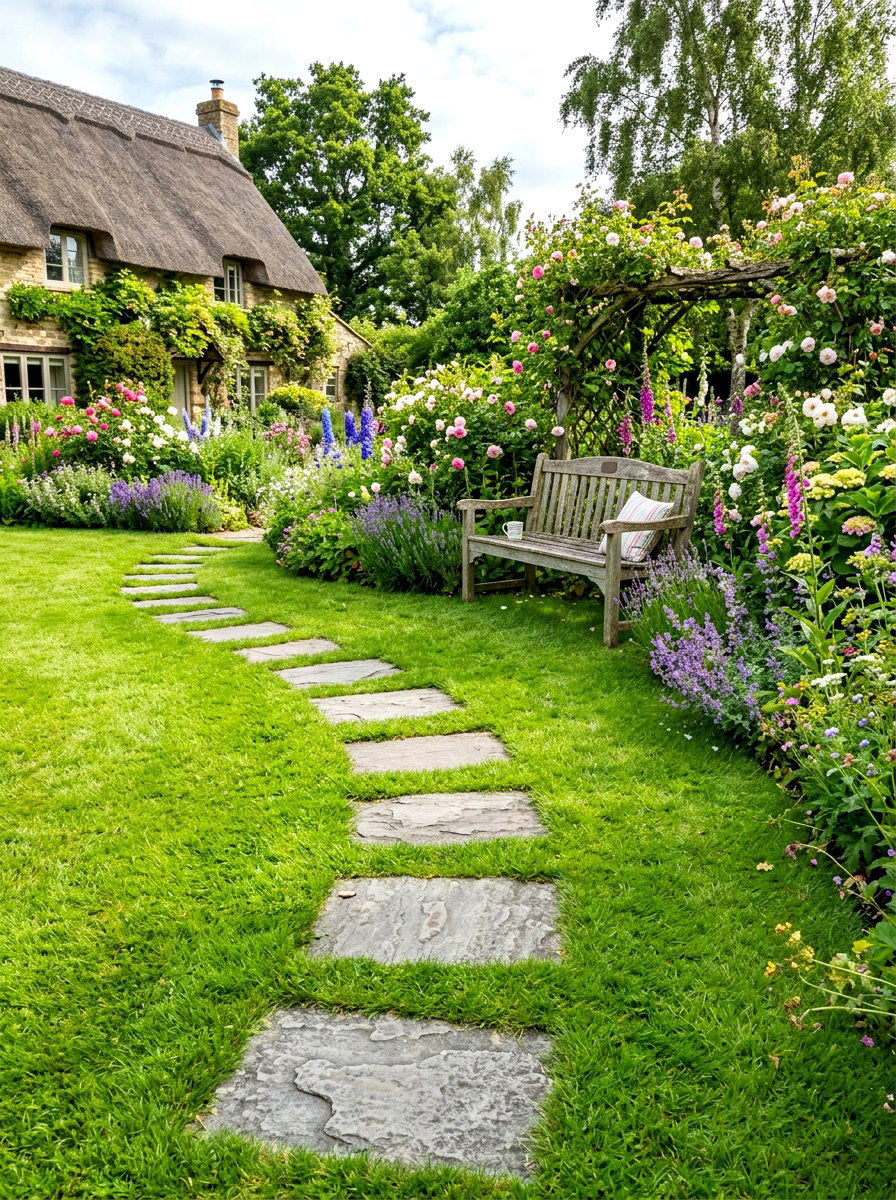
Creating a casual path through a lawn or flower bed using individual flagstone stepping stones allows you to navigate your garden without disturbing the grass. This "floating" path style feels more relaxed and informal than a solid walkway, making it perfect for side yards or paths leading to a hidden bench. By leaving space between the stones, you allow the surrounding greenery or groundcover to grow around the edges, softening the look of the hardscape. Each stone becomes a unique platform, and the irregular shapes add a whimsical, cottage-like feel to the space. It is an easy weekend project that provides immediate functionality and aesthetic charm to any home landscape.
25. Decomposed Granite Seating Area
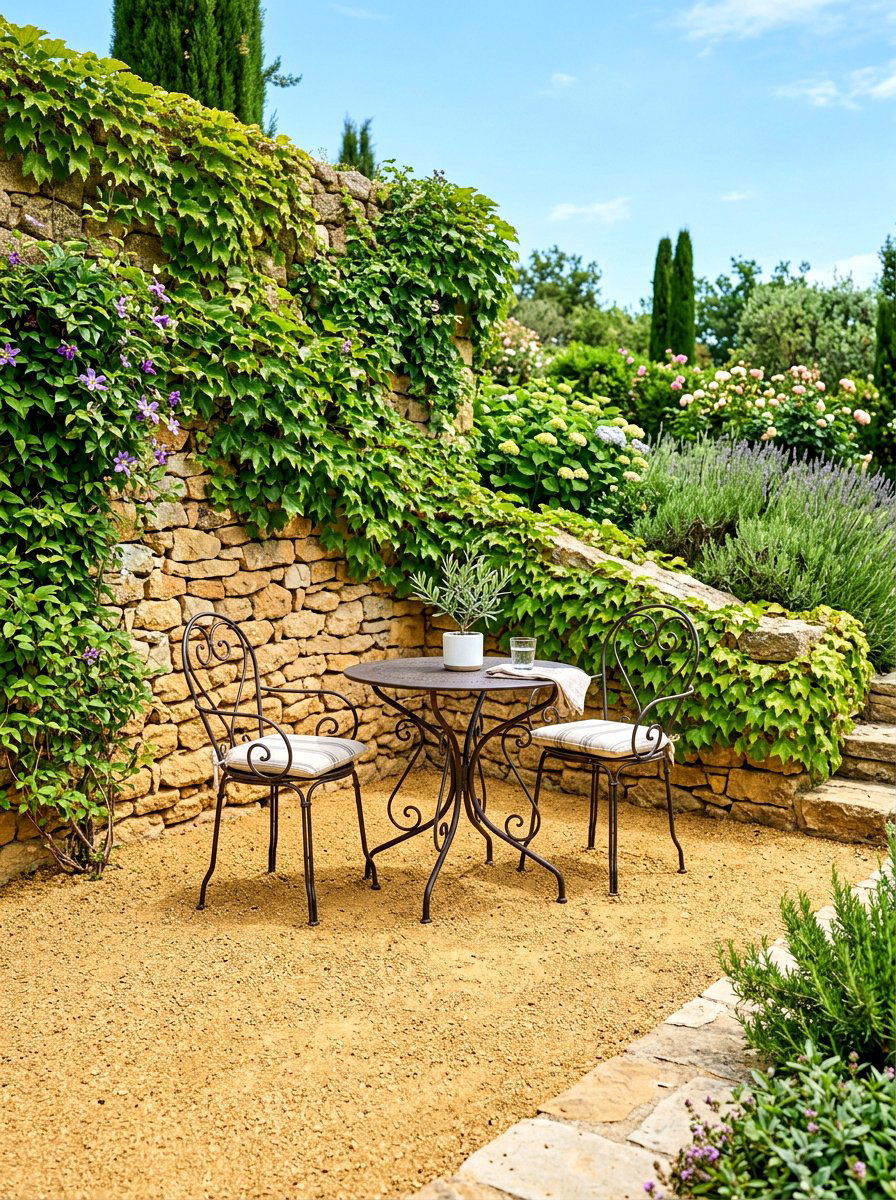
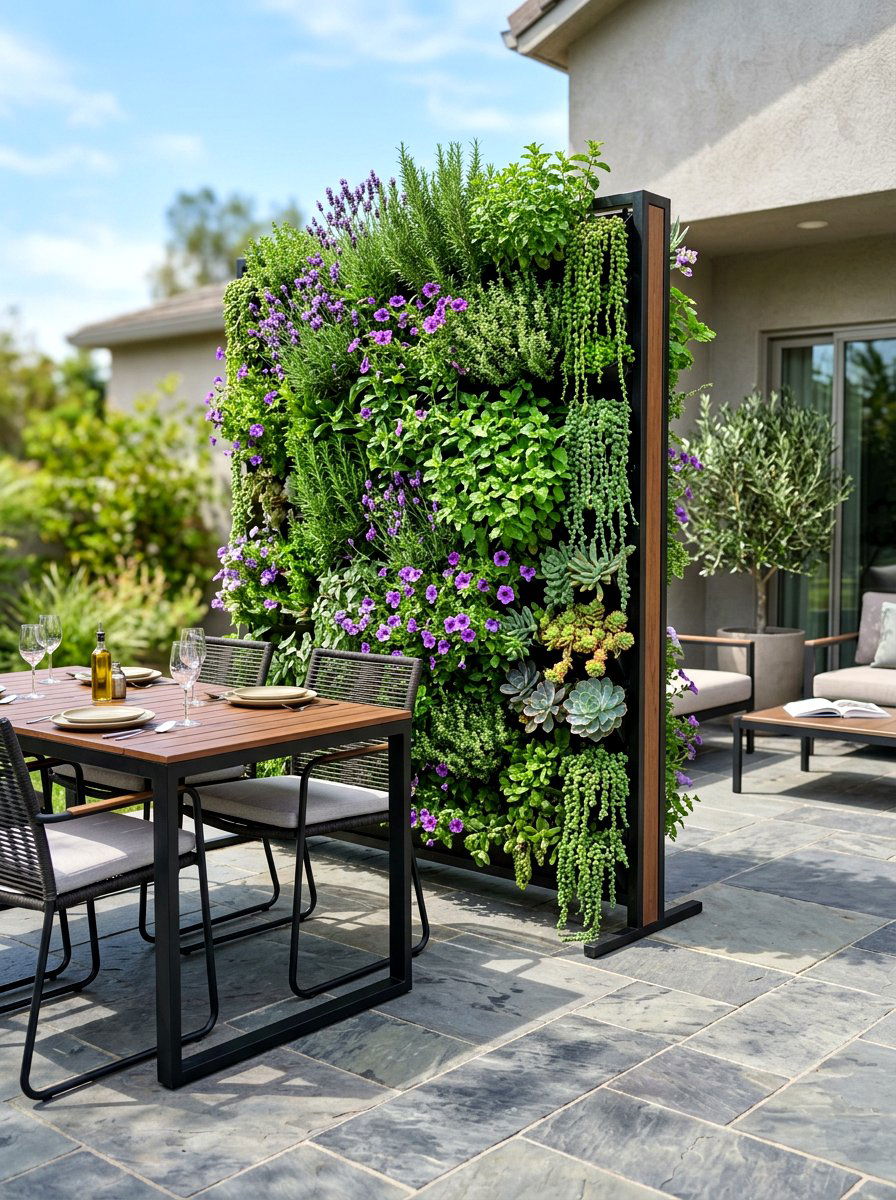
Decomposed granite, often referred to as DG, is a fine, sandy material made from weathered granite that packs down into a very stable and permeable surface. It is an excellent choice for creating affordable and attractive patio spaces or garden paths that have a soft, natural appearance. Because it is so fine, it feels comfortable underfoot and provides a smooth surface for outdoor furniture like bistro sets or benches. DG is available in several warm colors, including gold, tan, and brown, which blend beautifully with almost any garden style. Using a stabilizer with the granite can prevent it from tracking into the house, ensuring your outdoor living area remains clean and functional year-round.
26. Pebble Mosaic Walkway
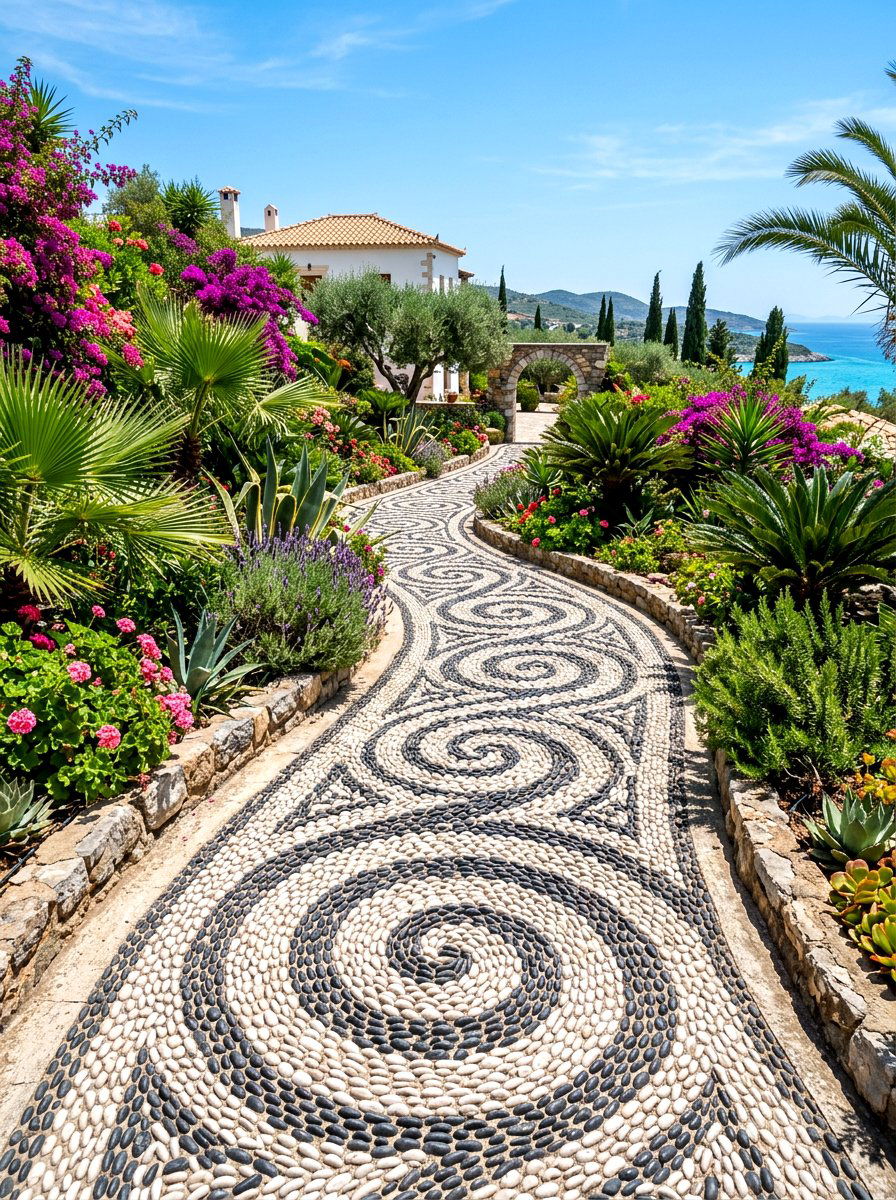
Creating an intricate mosaic pattern using small, hand-sorted pebbles allows you to turn a simple garden path into a stunning work of art. By embedding stones of different colors and sizes into a mortar bed, you can design swirling patterns, floral motifs, or geometric shapes that are completely unique to your home. This technique has been used for centuries in Mediterranean gardens to create durable and decorative surfaces. While it requires patience and a creative eye, the result is a highly textured and visually captivating feature that will impress every visitor. A pebble mosaic is particularly effective in small entryways or courtyard spaces where the fine details can be appreciated up close.
27. Stone Cladding Bathroom Wall
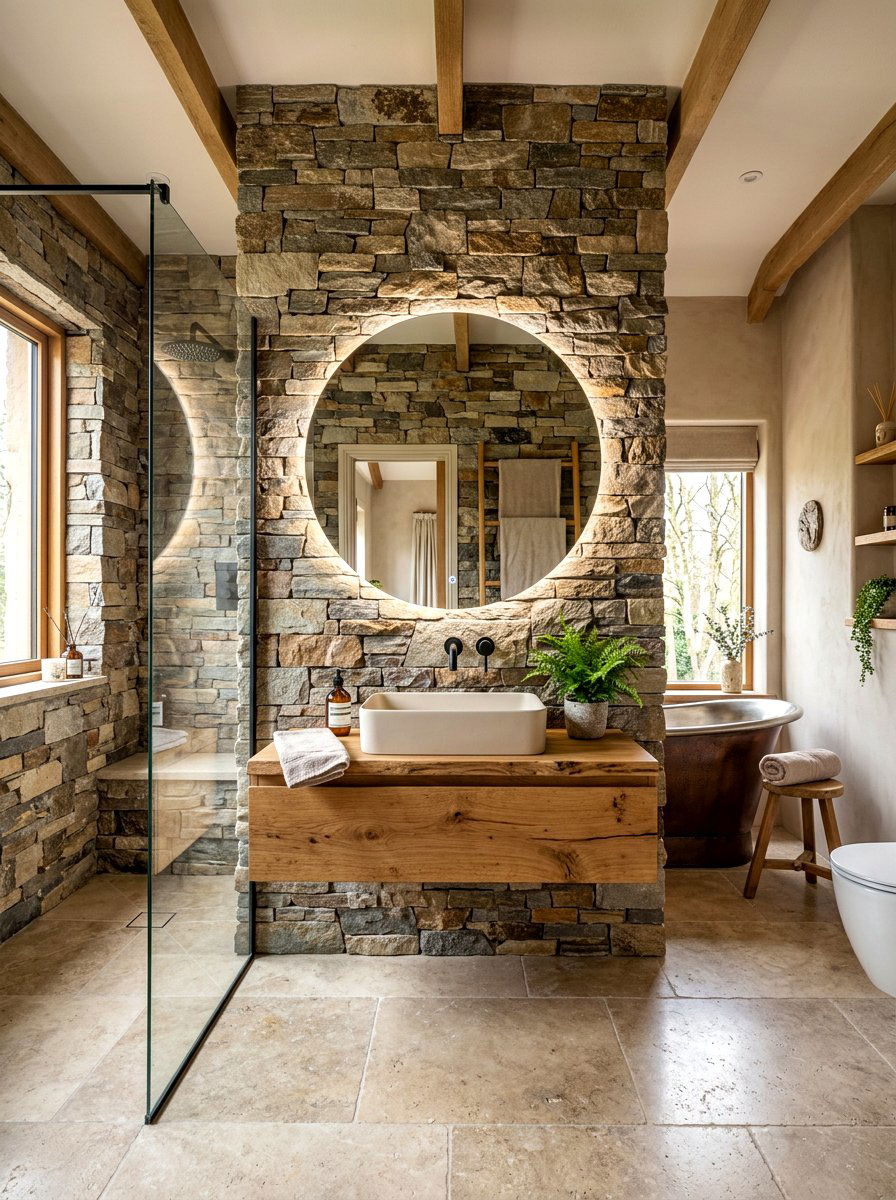
Applying stone cladding to a bathroom wall creates a dramatic, textured backdrop that turns a standard washroom into a high-end personal sanctuary. Stone veneer panels are designed to be lightweight and easy to install over existing walls, providing the look of solid masonry without the structural requirements. The natural variation in the stone helps to hide water spots and adds a sense of organic warmth to a space often filled with cold porcelain and chrome. Whether you choose a rugged ledger stone or a smooth, honed limestone, the addition of stone brings a sense of the outdoors inside. This tactile element pairs beautifully with wooden vanities and soft, warm lighting for a balanced design.
28. Crushed Stone Ground Cover
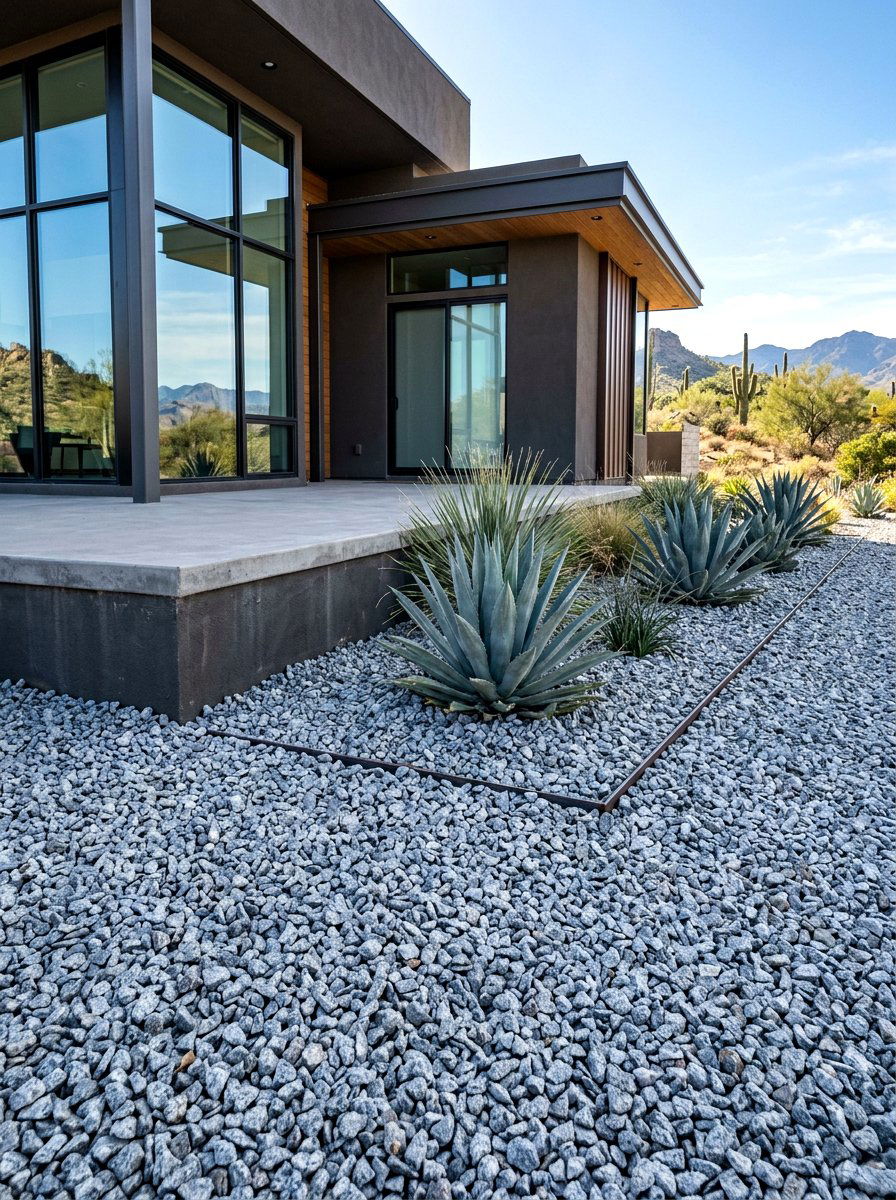
Using various types of crushed stone as a primary ground cover is a smart, low-maintenance strategy for large areas where grass is difficult to maintain. Unlike organic mulches, crushed stone does not need to be replaced every year, making it a very cost-effective long-term solution for busy homeowners. It provides a clean, consistent look that can be used to suppress weeds and improve drainage around the perimeter of the house. You can mix different types of crushed stone, such as limestone and granite, to create subtle color variations that add depth to the landscape. This approach is particularly popular in desert or coastal regions where water conservation is a high priority for the community.
29. Rock Garden Terrace
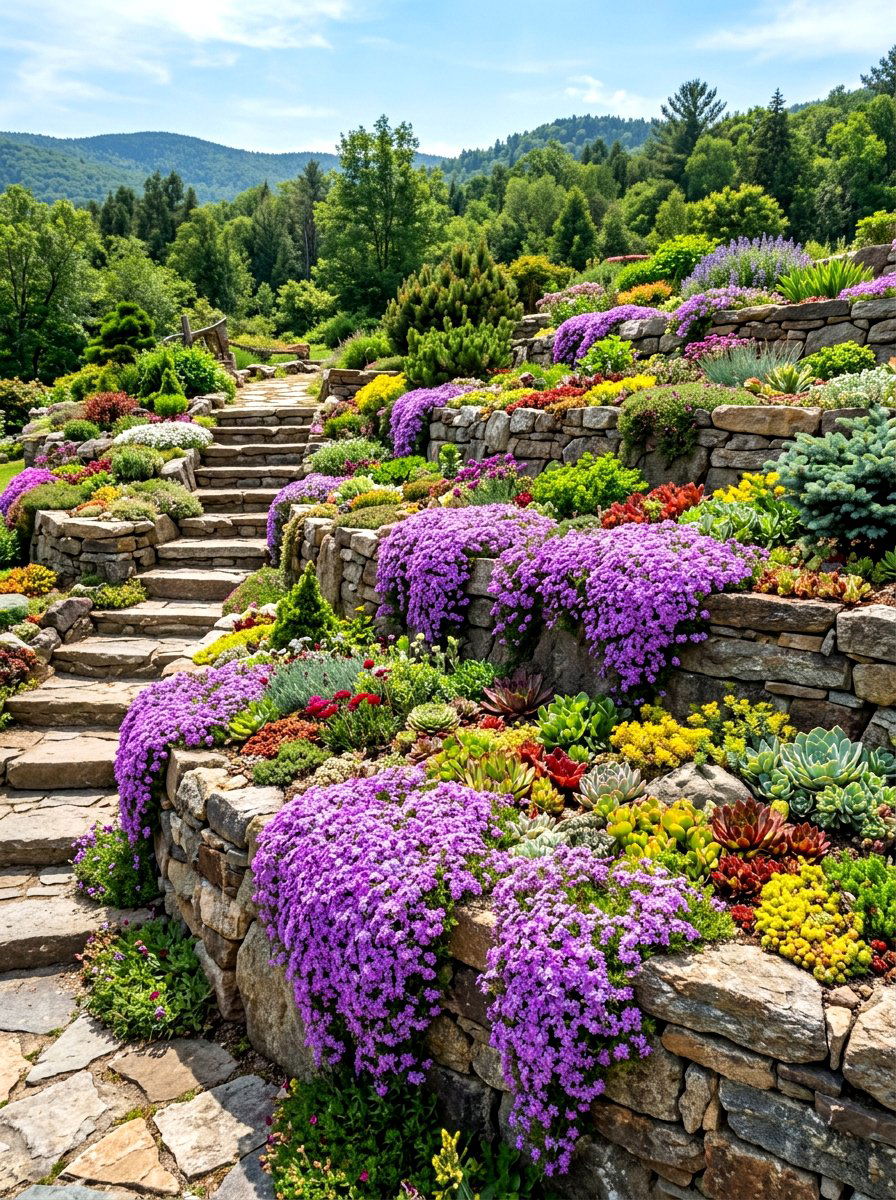
Building a terraced rock garden on a sloped yard is a beautiful way to manage erosion while creating multiple levels of planting space. By using large, flat stones to create small retaining walls, you can build "pockets" of soil where alpine plants, succulents, and ornamental grasses can thrive. The stones absorb heat during the day and release it at night, creating a favorable microclimate for many hardy plant species. A well-designed rock terrace turns a difficult, unusable hillside into a stunning vertical landscape that draws the eye upward. The combination of structural stone and cascading greenery creates a dynamic and lush environment that looks like a natural mountain outcropping in your own backyard.
30. Dry Creek Bed Drainage
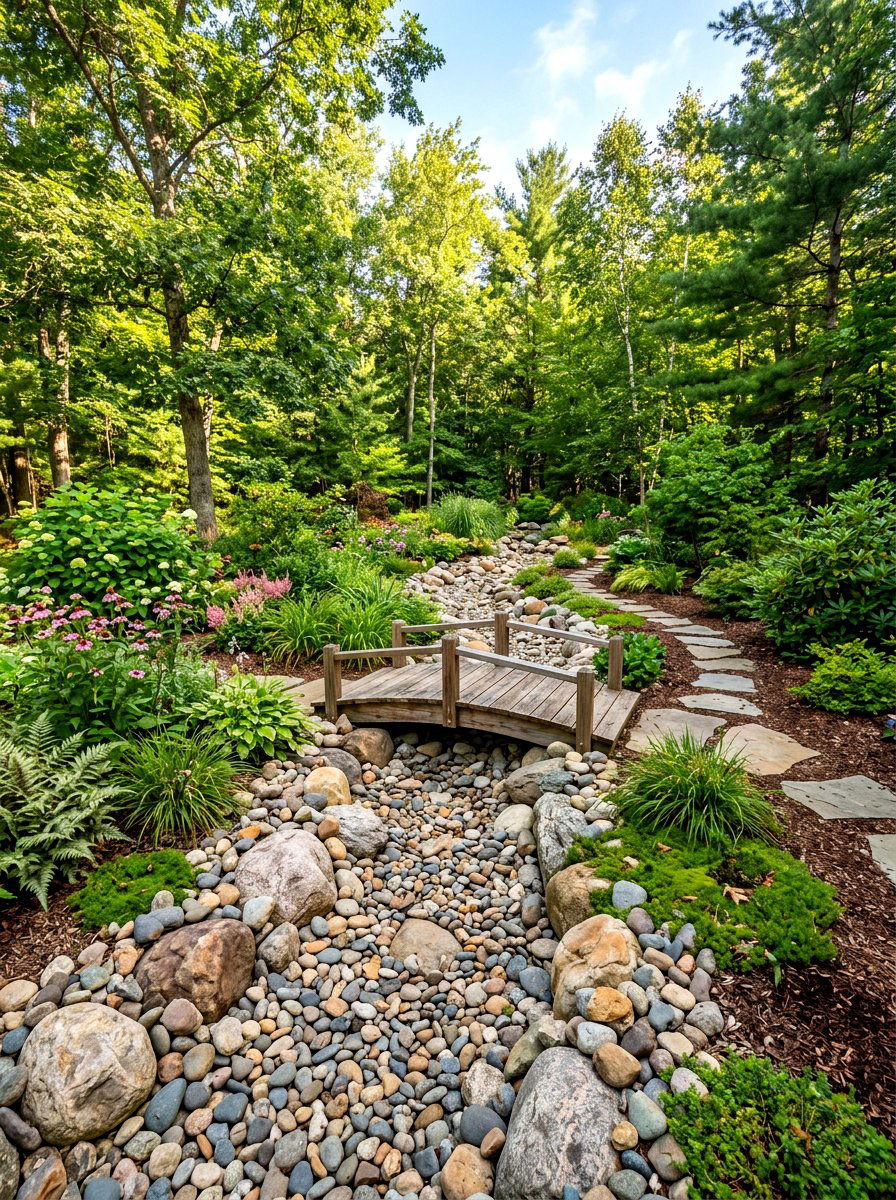
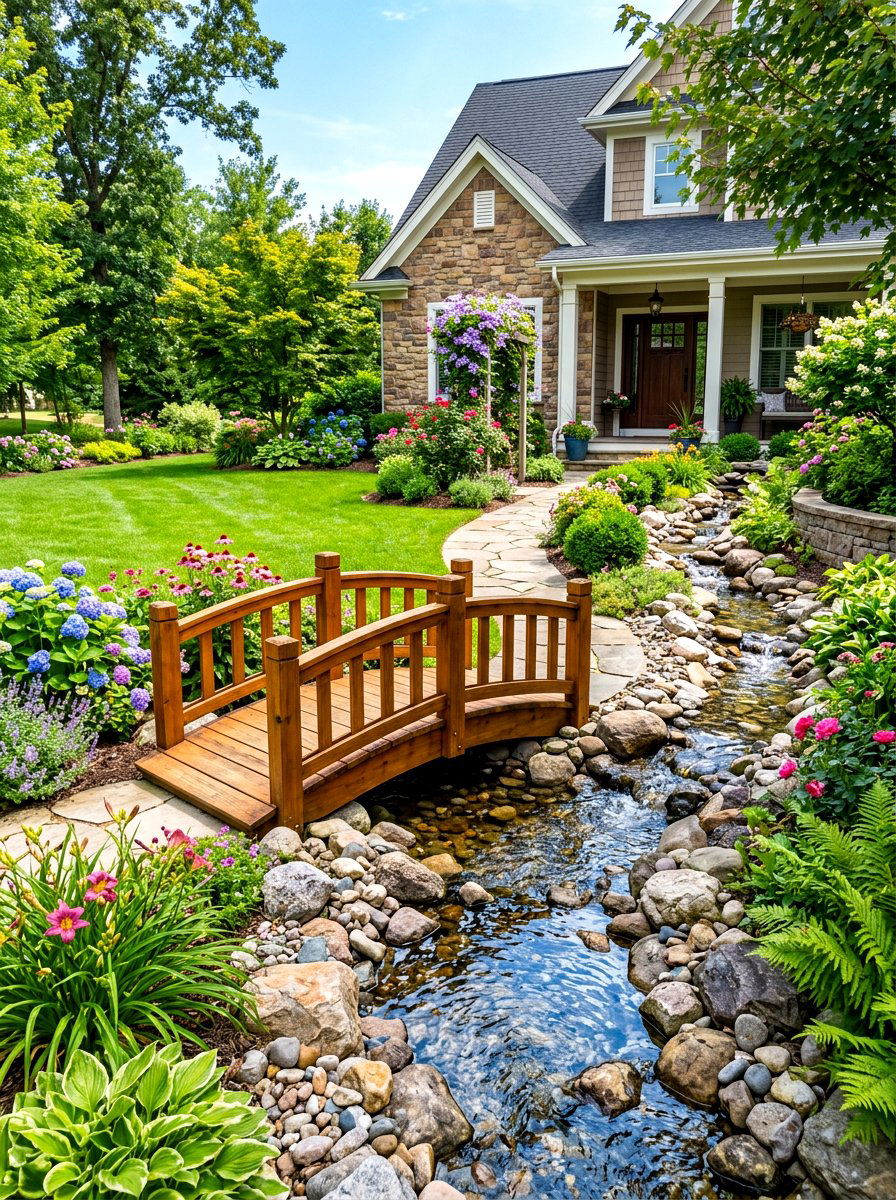
Constructing a dry creek bed using a mix of large boulders and smaller river stones is a functional and attractive way to manage excess rainwater runoff on your property. This landscape feature mimics the look of a natural streambed, providing a clear path for water to flow during heavy storms while remaining a beautiful rock garden during dry periods. By varying the size and placement of the stones, you can create a realistic and organic appearance that enhances the curb appeal of your home. A dry creek bed also provides an opportunity to bridge the gap between different areas of your yard with a wooden footbridge, adding another layer of architectural interest to your landscape.
Conclusion:
Incorporating decorative stones into your home and garden is a timeless way to enhance both the beauty and functionality of your living environment. These natural materials provide a sense of permanence and a connection to the earth that few other design elements can match. From the practical benefits of improved drainage and low maintenance to the aesthetic appeal of rich textures and varied colors, stones offer a versatile solution for every style of architecture. Whether you are embarking on a major landscape renovation or simply looking to add a few polished accents to your interior decor, the thoughtful use of stone will elevate your space. By choosing the right materials, you can create a lasting legacy of style and durability that will continue to inspire for years to come.

Related posts: