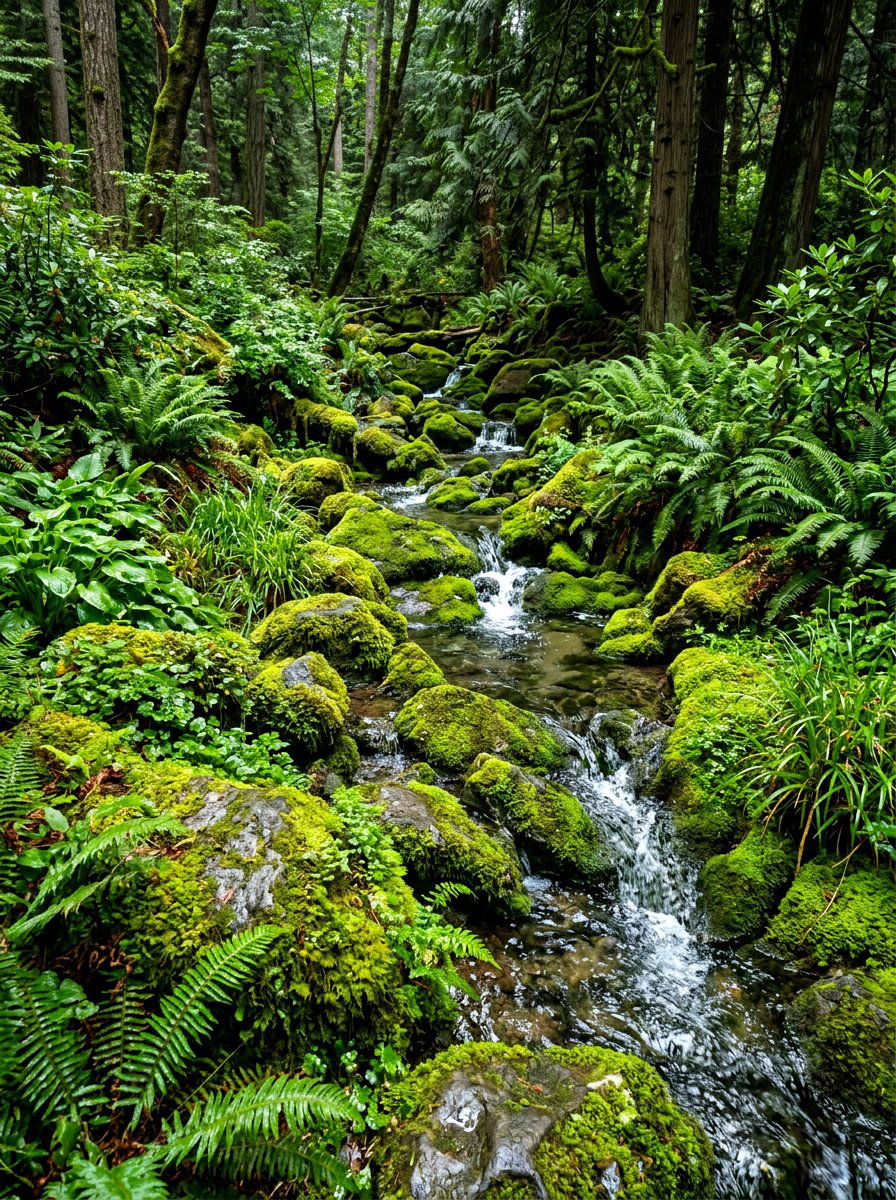
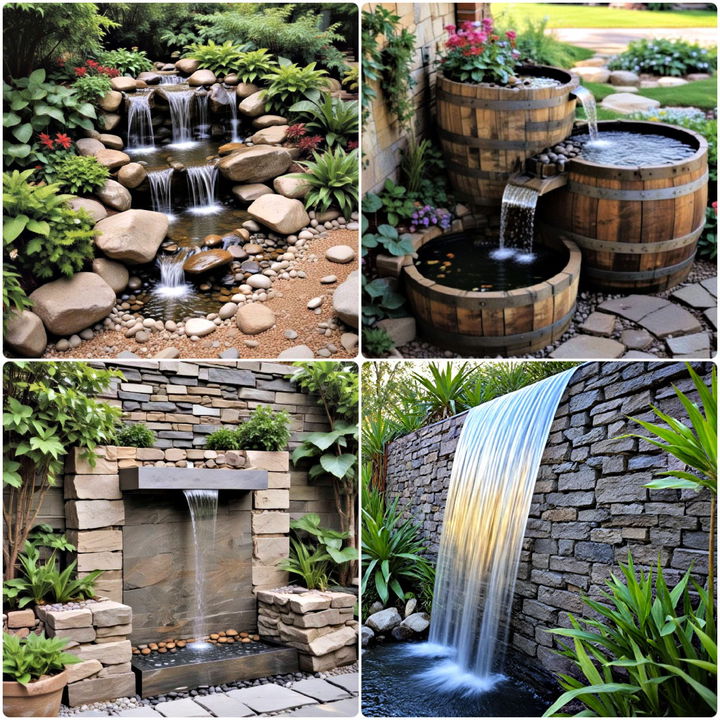
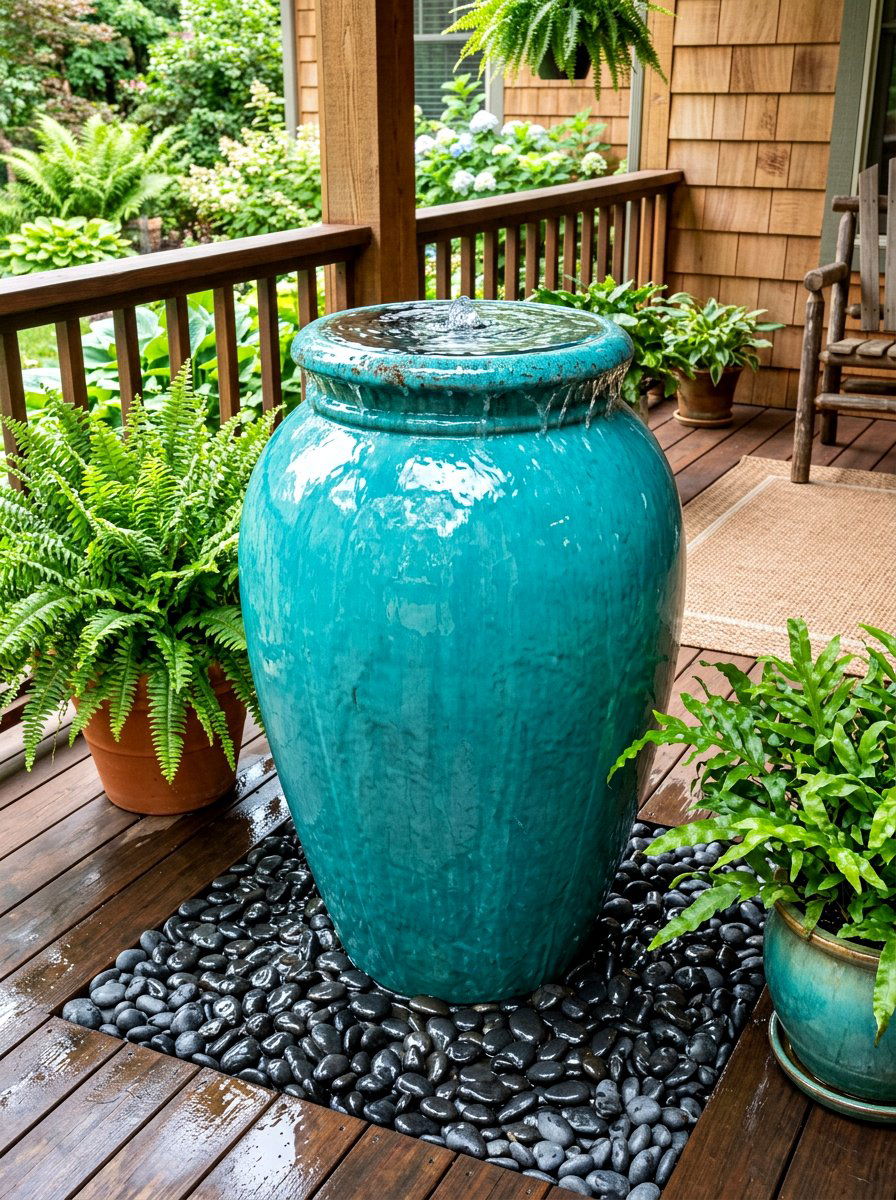
Imagine the soothing sound of water trickling through your private outdoor sanctuary every single morning. Creating a backyard stream is more than just a landscaping project; it is an investment in your mental well-being and the overall aesthetic value of your property. Whether you have a sprawling estate or a compact urban patch, the inclusion of moving water transforms the environment into a dynamic ecosystem. This guide explores thirty unique ways to integrate water features into your landscape, focusing on texture, sound, and visual harmony. You will discover how to balance natural stones, aquatic plants, and clever engineering to craft a peaceful retreat that invites local wildlife and provides a focal point for relaxation and entertaining.
1. Natural stone stream
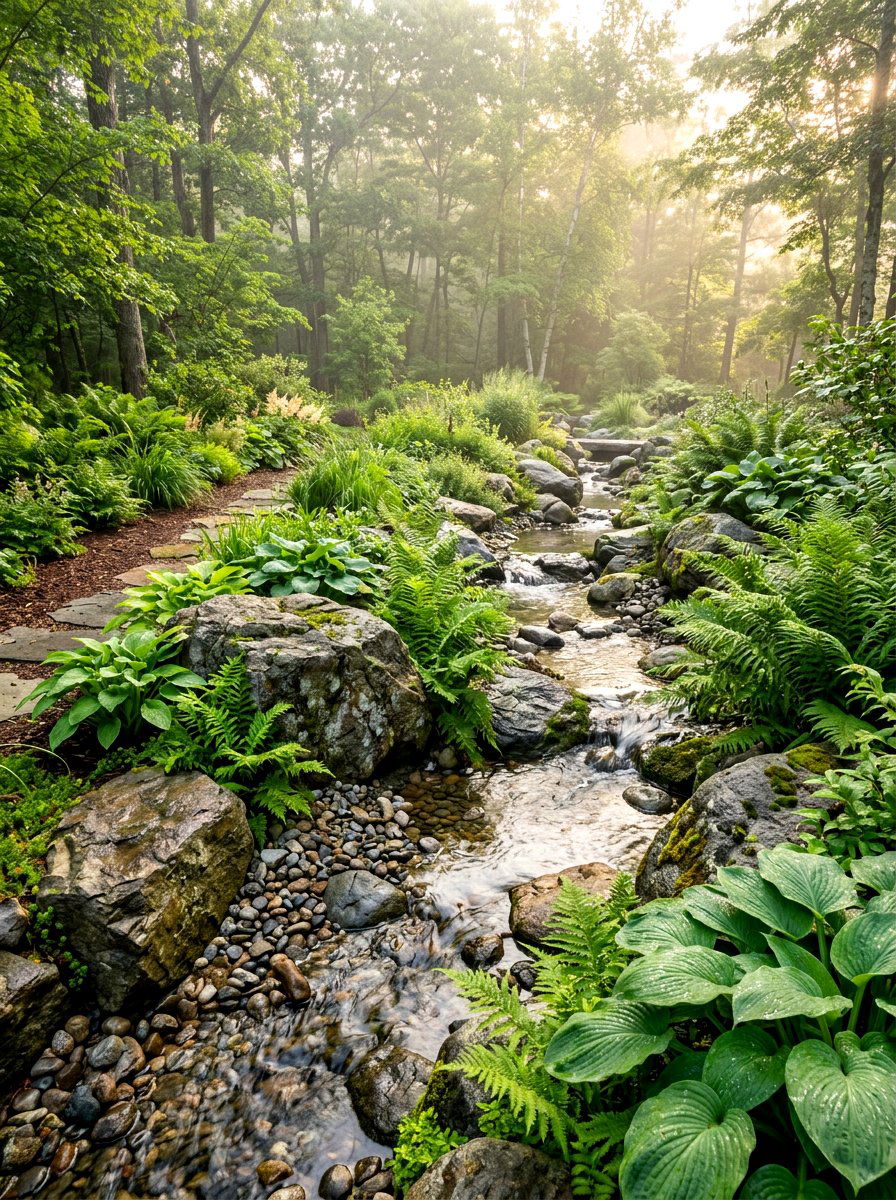
A natural stone stream is a timeless addition to any outdoor space, offering an organic look that mimics a wild mountain brook. To achieve this aesthetic, you should use a variety of rock sizes ranging from large boulders to small gravel. This mix creates a realistic texture that helps the water dance and splash naturally as it flows downhill. Position larger stones at the bends of the stream to act as natural anchors and prevent erosion over time. Selecting local rocks ensures that your new water feature blends seamlessly with the existing environment. Adding native ferns and groundcovers along the edges will further soften the hardscape for a lush finish.
2. Modern water runnel
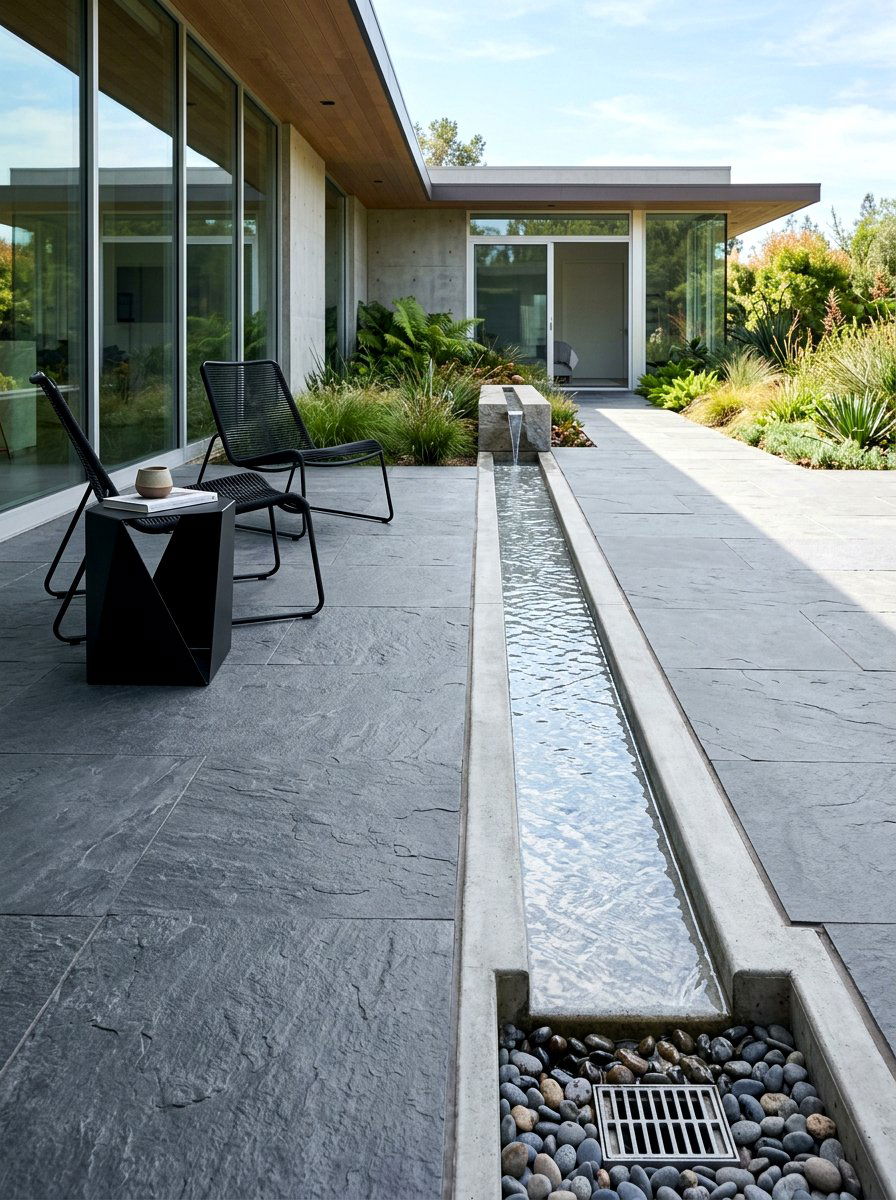
Modern water runnels provide a sleek and sophisticated way to introduce movement into a contemporary landscape design. Unlike traditional meandering creeks, these features often follow straight lines or sharp geometric angles that complement modern architecture. You can use materials like poured concrete, steel, or smooth slate to create a clean and industrial aesthetic. The water usually flows in a shallow, steady sheet, creating a mesmerizing visual effect and a gentle, consistent sound. Integrating a runnel into a paved patio or along a walkway adds a sense of luxury and intentionality to the outdoor area. It is a perfect solution for homeowners who prefer minimalist and architectural garden styles.
3. Dry creek bed
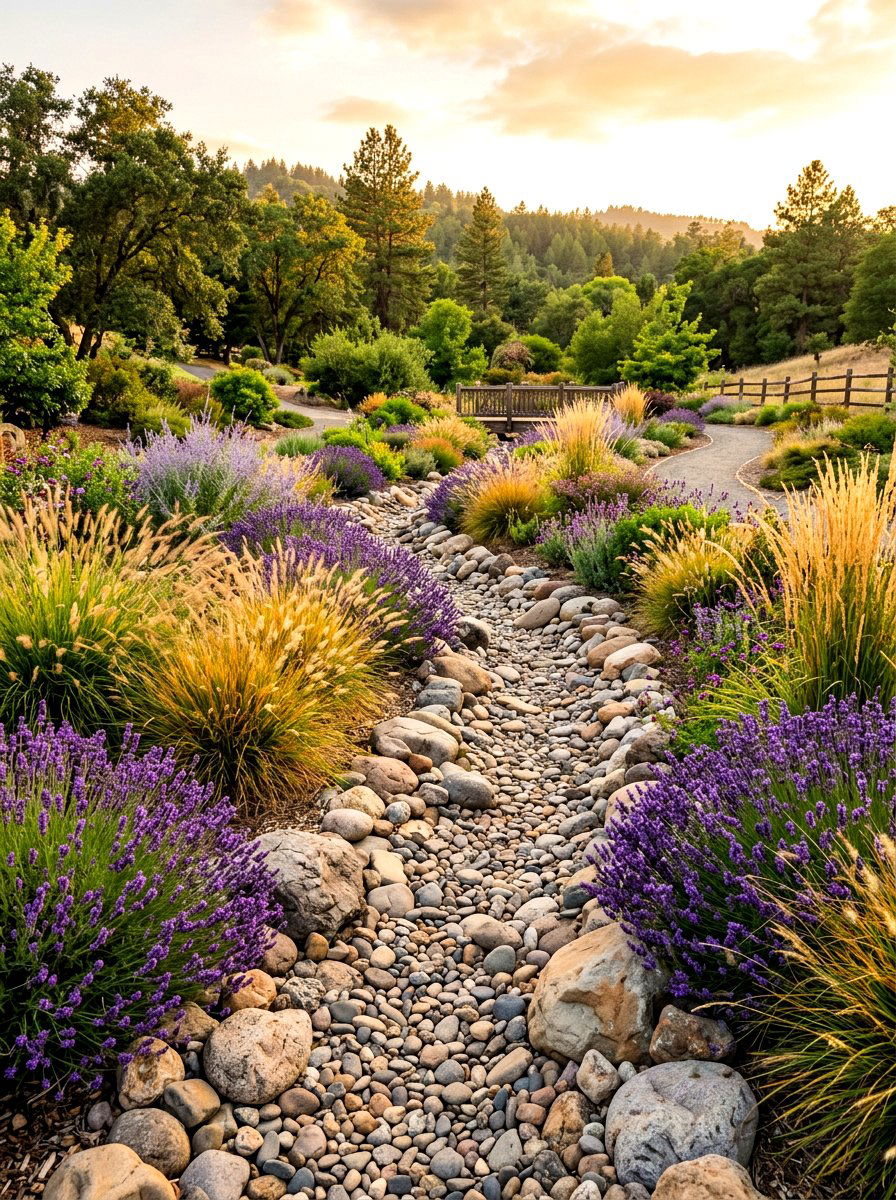
A dry creek bed is an excellent functional and aesthetic choice for homeowners who want the look of a stream without the constant water flow. These features are often designed to manage drainage during heavy rainfall, preventing erosion while adding visual interest to the garden. You can build one by lining a shallow trench with river rocks, boulders, and pebbles of varying sizes. While it remains dry most of the time, the arrangement of stones gives the illusion of a sleeping brook. Surrounding the edges with drought-tolerant grasses and perennial flowers helps the feature feel integrated and natural, providing year-round beauty with very little maintenance.
4. Small backyard waterfall
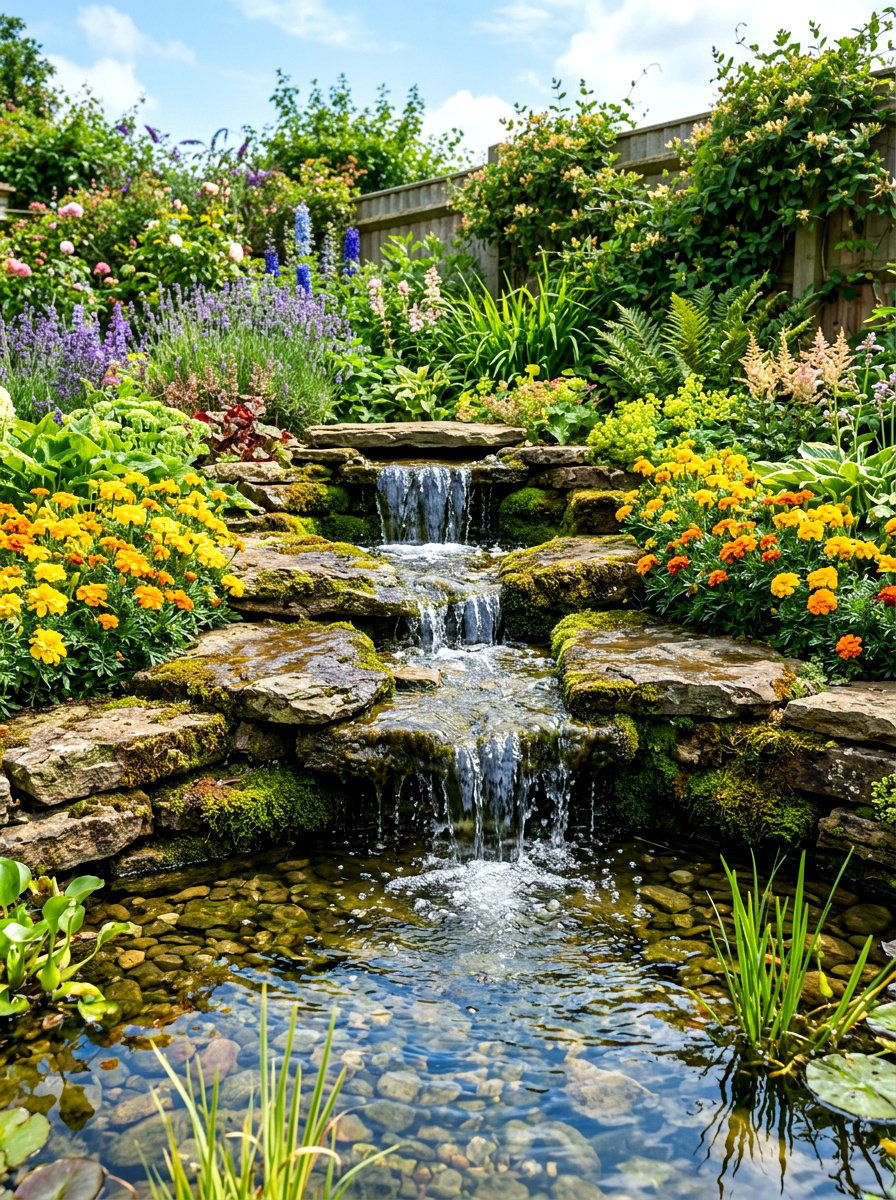
Adding a small backyard waterfall to your stream design creates a dramatic focal point and enhances the relaxing auditory experience of your garden. By creating even a minor change in elevation, you allow the water to tumble over flat stones, which oxygenates the water and produces a delightful splashing sound. You do not need a massive hill to make this work; a series of low, tiered drops can be just as effective as a single tall plunge. Using pond foam to seal the gaps between the waterfall rocks ensures that the water stays on top of the stones rather than disappearing underneath them for maximum visual impact.
5. Koi pond stream
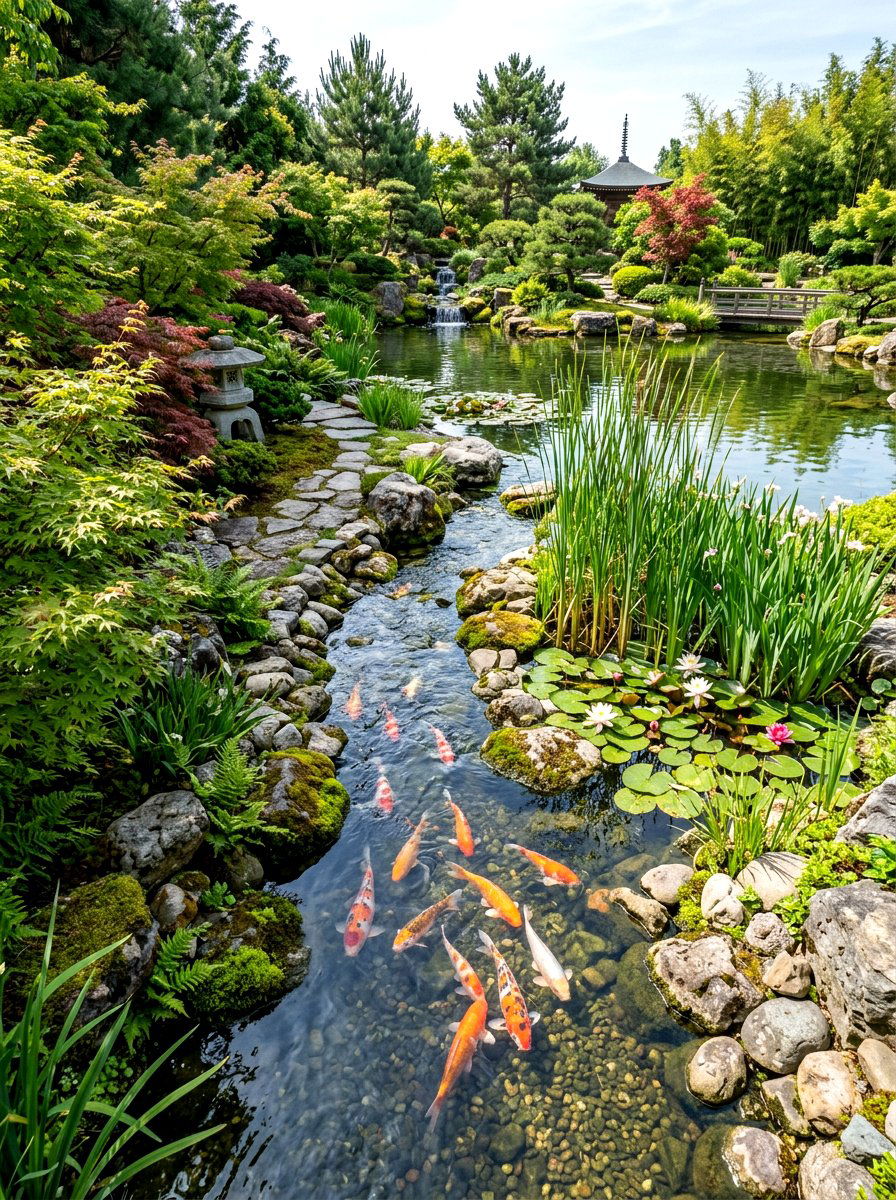
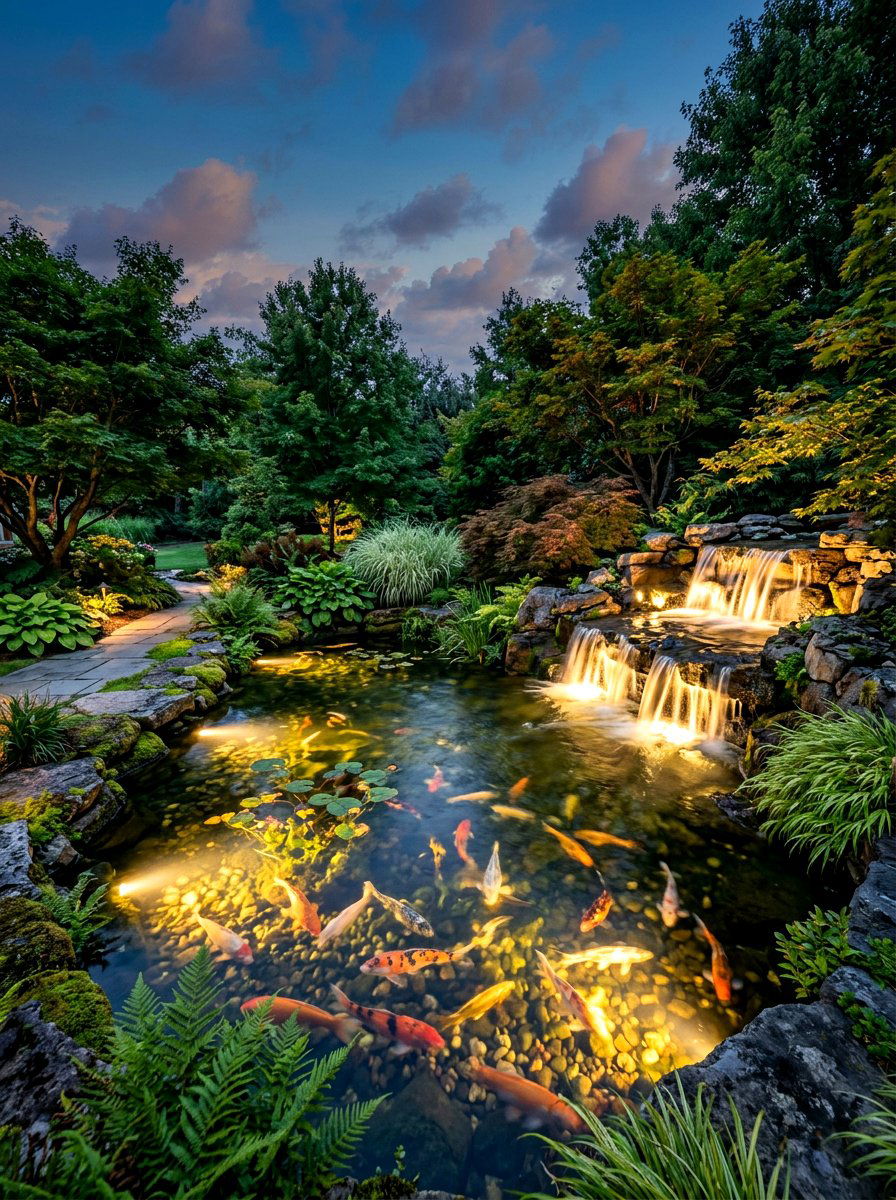
A koi pond stream combines the beauty of colorful fish with the dynamic energy of moving water. This setup typically involves a stream that feeds into a larger, deeper pond where the fish reside. The stream serves as a natural filtration system, as the water moving over rocks and plants helps remove impurities and adds vital oxygen for the koi. When designing this feature, ensure the stream is shallow enough to see the fish if they venture into it, but deep enough to keep them safe from predators. Lush aquatic plants like water lilies and marginal grasses will provide shade and cover for your aquatic pets.
6. Tiered garden stream
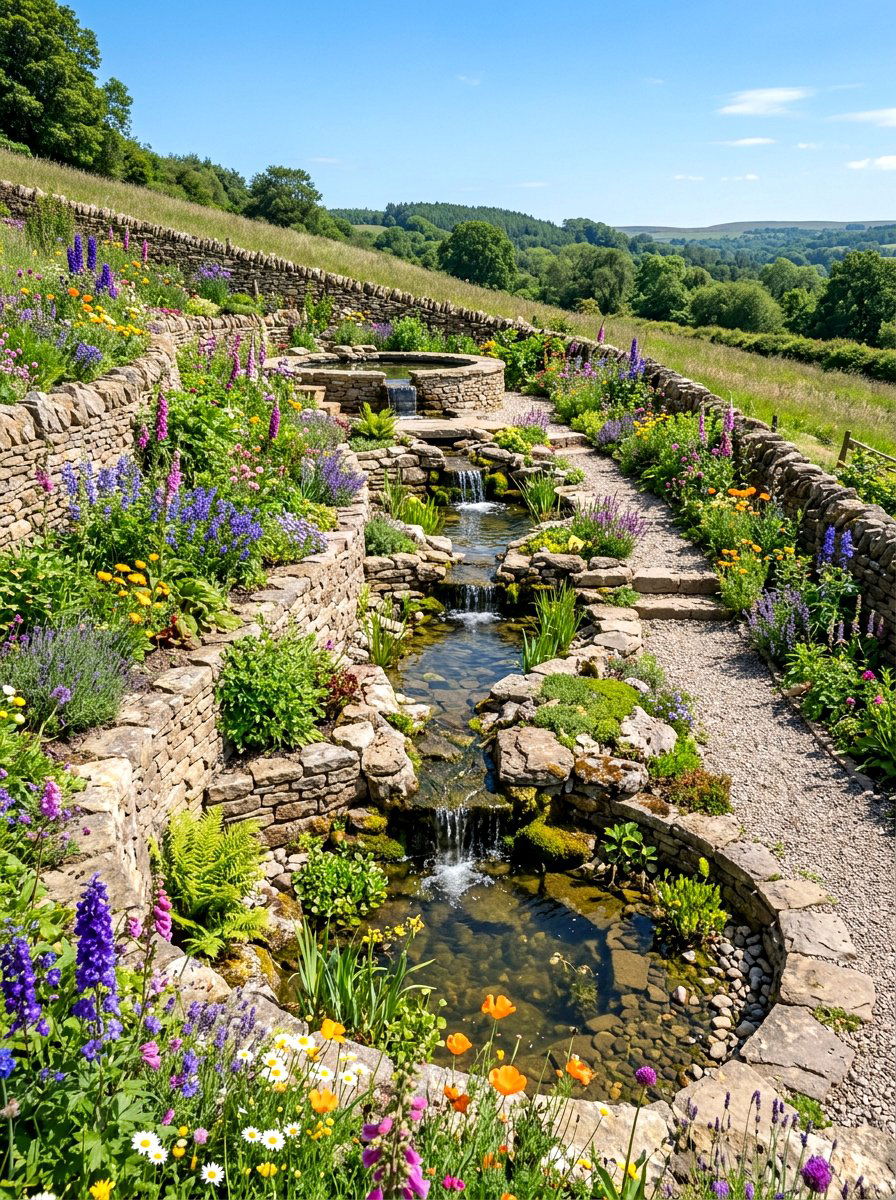
Tiered garden streams are ideal for properties with significant slopes, as they turn a challenging landscape into a stunning multi-level water feature. This design uses the natural grade of the land to create a sequence of small pools connected by short, splashing falls. Each level provides a new opportunity for unique plantings and stone arrangements, making the entire journey of the water visually engaging. This approach helps to slow down the water flow, which prevents splashing and reduces evaporation in hot climates. By incorporating different heights, you can create a complex soundscape that ranges from deep murmurs to bright, high-pitched tinkling sounds throughout your garden.
7. Pebble brook
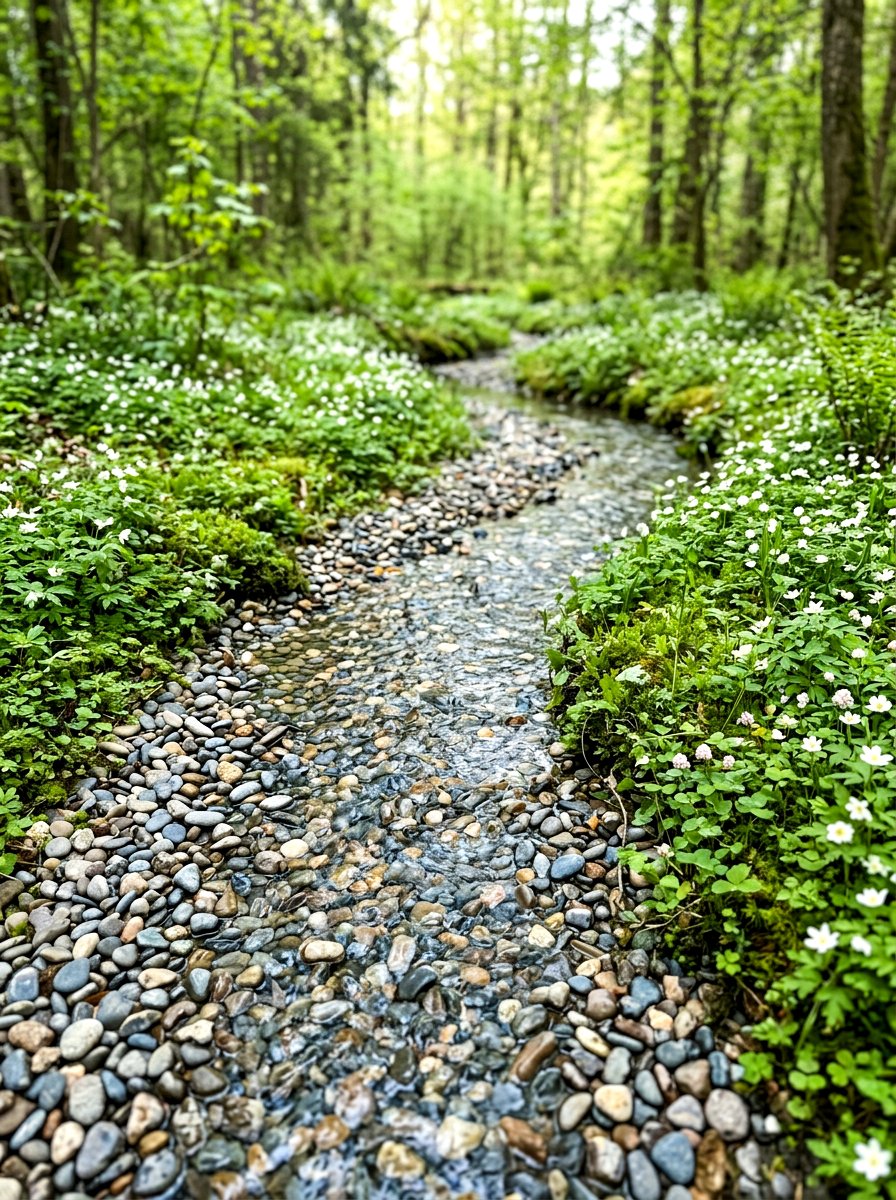
A pebble brook focuses on the delicate beauty of smaller stones to create a soft, shimmering water feature that feels incredibly serene. Instead of using large, heavy boulders, this design relies on smooth river pebbles and fine gravel to line the streambed. The water moves gently over these surfaces, creating a subtle gurgling sound that is perfect for a small meditation corner or a quiet seating area. This type of stream is often easier to install because the materials are lighter and more manageable. It looks particularly beautiful when the pebbles are wet, as their colors become more vibrant and reflective under the sunlight or outdoor lighting.
8. Rustic woodland stream
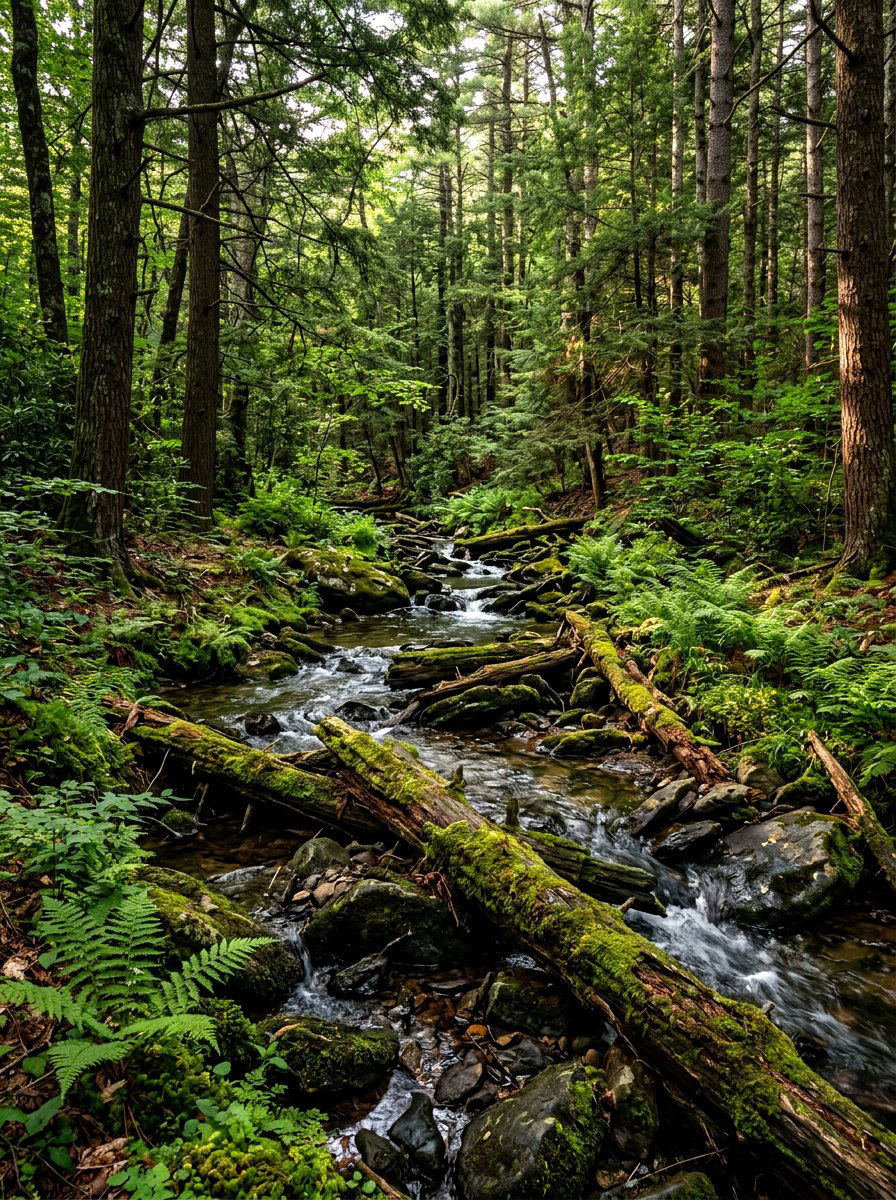
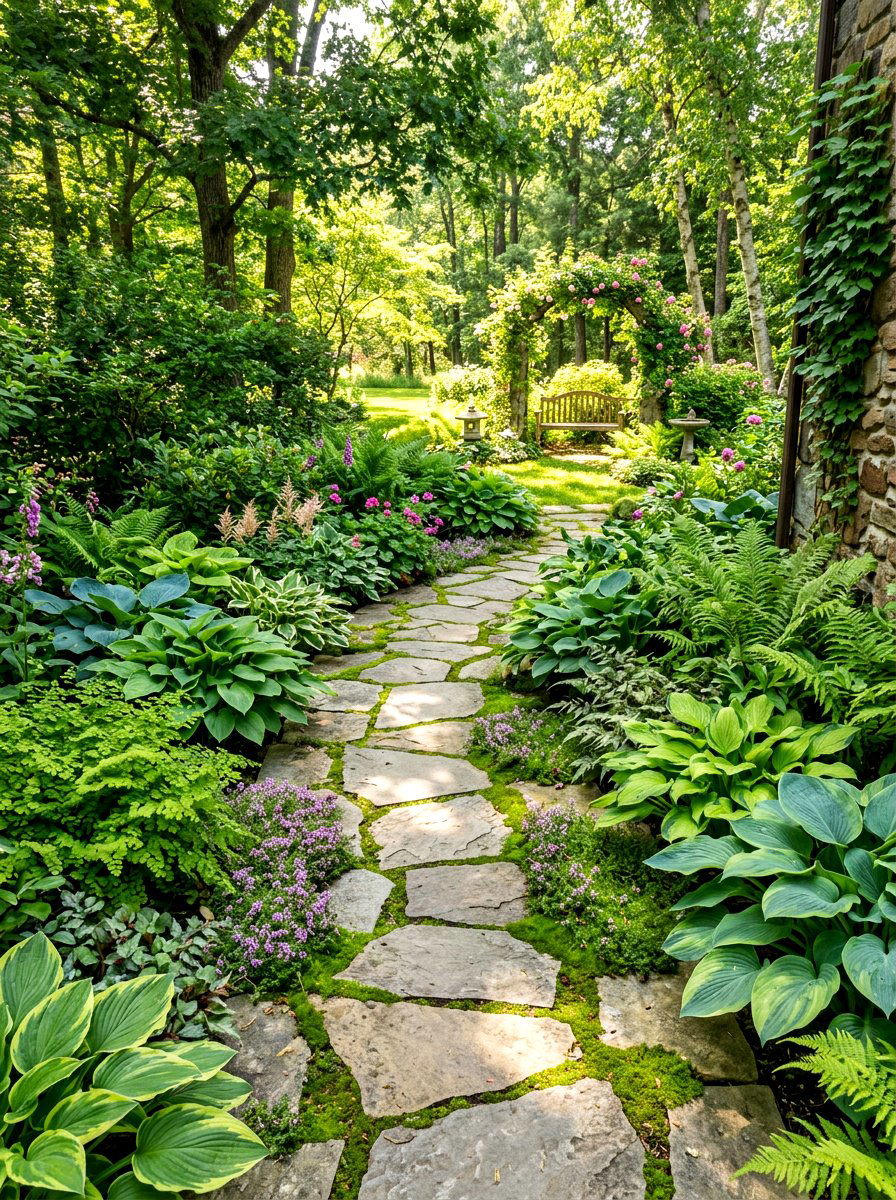
The rustic woodland stream is designed to look as though it has existed in your yard for decades, blending perfectly with trees and shade-loving plants. To achieve this look, incorporate moss-covered rocks, fallen logs, and a winding path that disappears into thick foliage. The planting scheme should focus on forest-dwelling species like hostas, ferns, and wild gingers that thrive in damp, low-light environments. This type of stream creates a cool microclimate during the summer months, making it a favorite spot for both people and local birds. It is all about capturing the wild, untamed essence of nature and bringing it right to your back door.
9. Backyard stream bridge
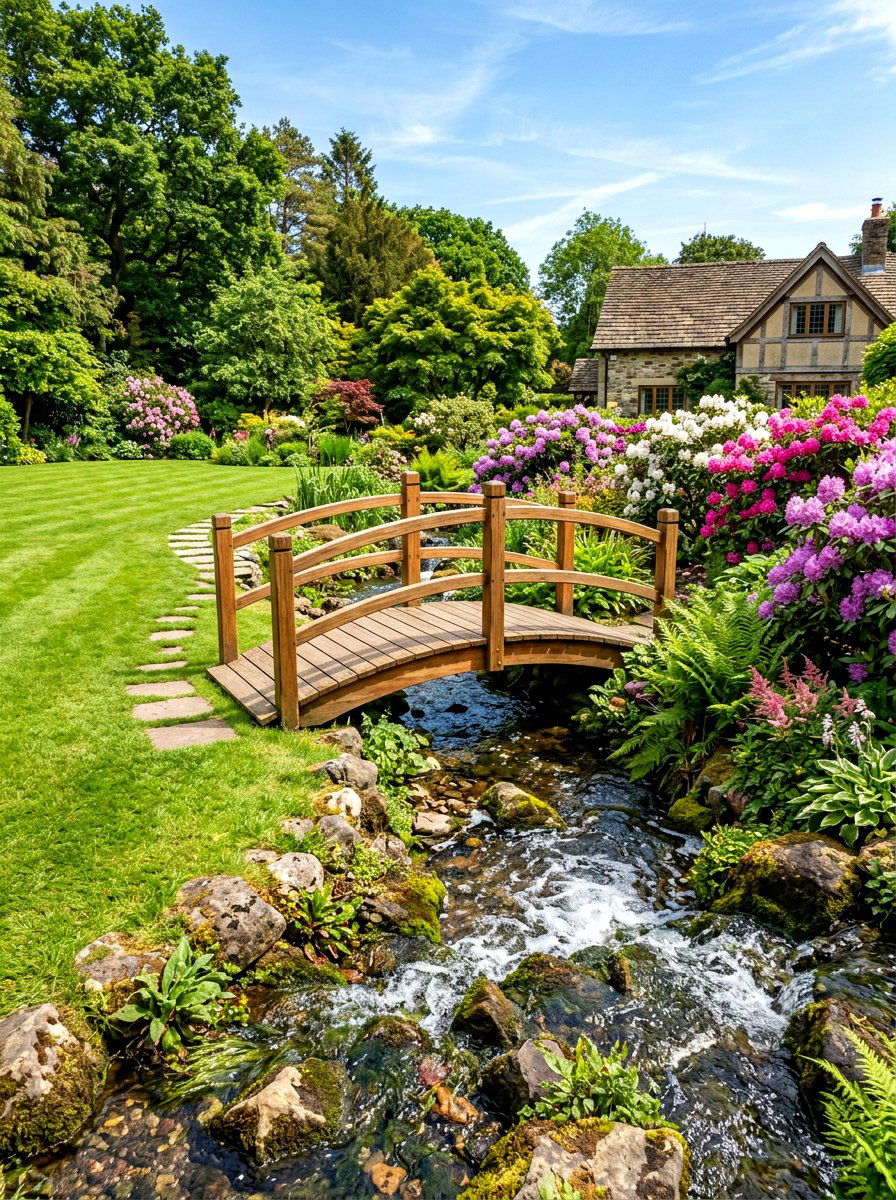
Installing a backyard stream bridge adds a charming and functional architectural element to your water feature. Whether it is a simple arched wooden structure or a flat stone slab, a bridge invites people to interact with the water from a new perspective. It provides a perfect vantage point to watch the water flow or observe fish and insects living in the stream. Beyond its visual appeal, a bridge connects different parts of your garden, making the space feel more cohesive and expansive. You can style the bridge with climbing vines or nearby lanterns to create a magical, fairytale-like atmosphere that enhances the overall garden experience.
10. Flagstone stream edging
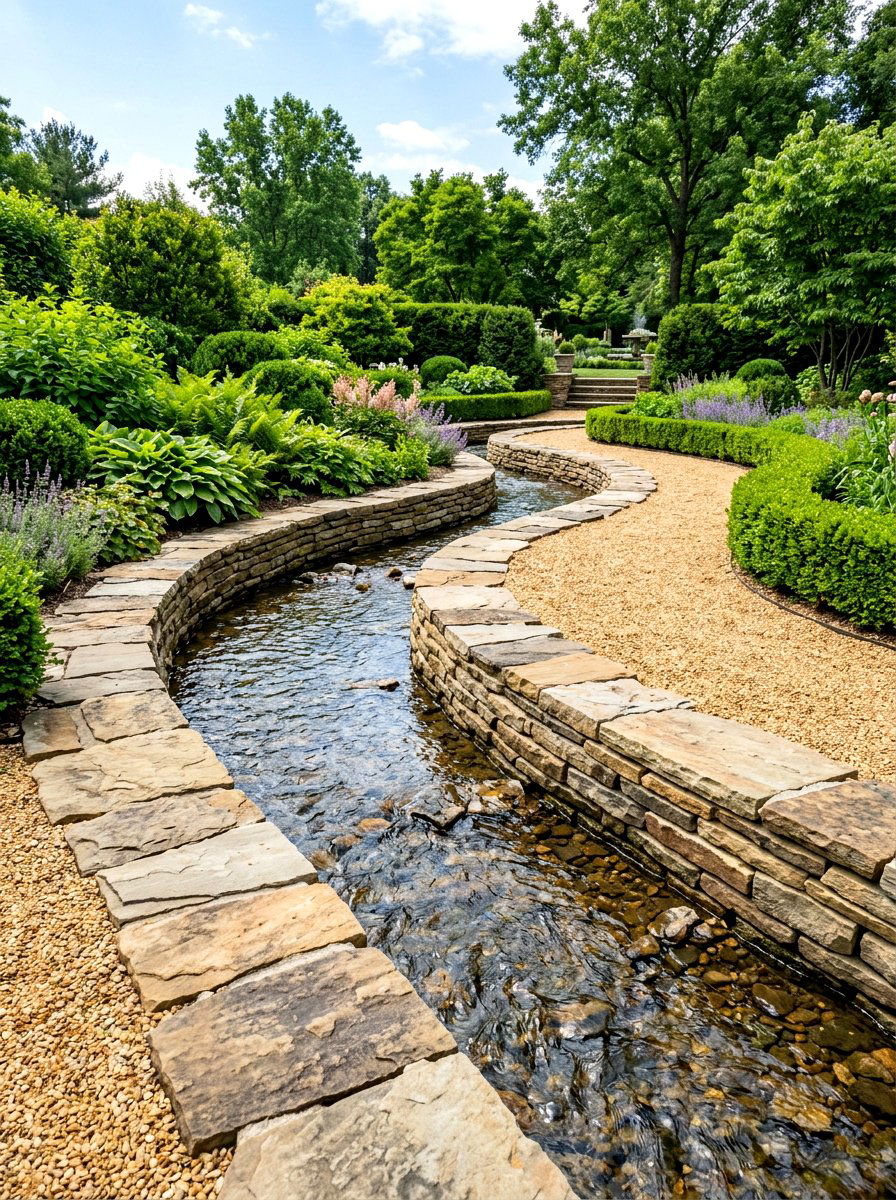
Flagstone stream edging provides a clean yet natural way to define the borders of your water feature while providing stability. Large, flat pieces of flagstone can be stacked along the banks to create a structured look that prevents soil from washing into the water. This method is particularly useful if you want to create a path alongside the stream where people can walk or sit comfortably. The neutral tones of the flagstone complement most garden styles and provide a beautiful contrast to the dark water and green plants. By varying the thickness and length of the stones, you can maintain a hand-crafted, artisanal feel.
11. Native plant stream
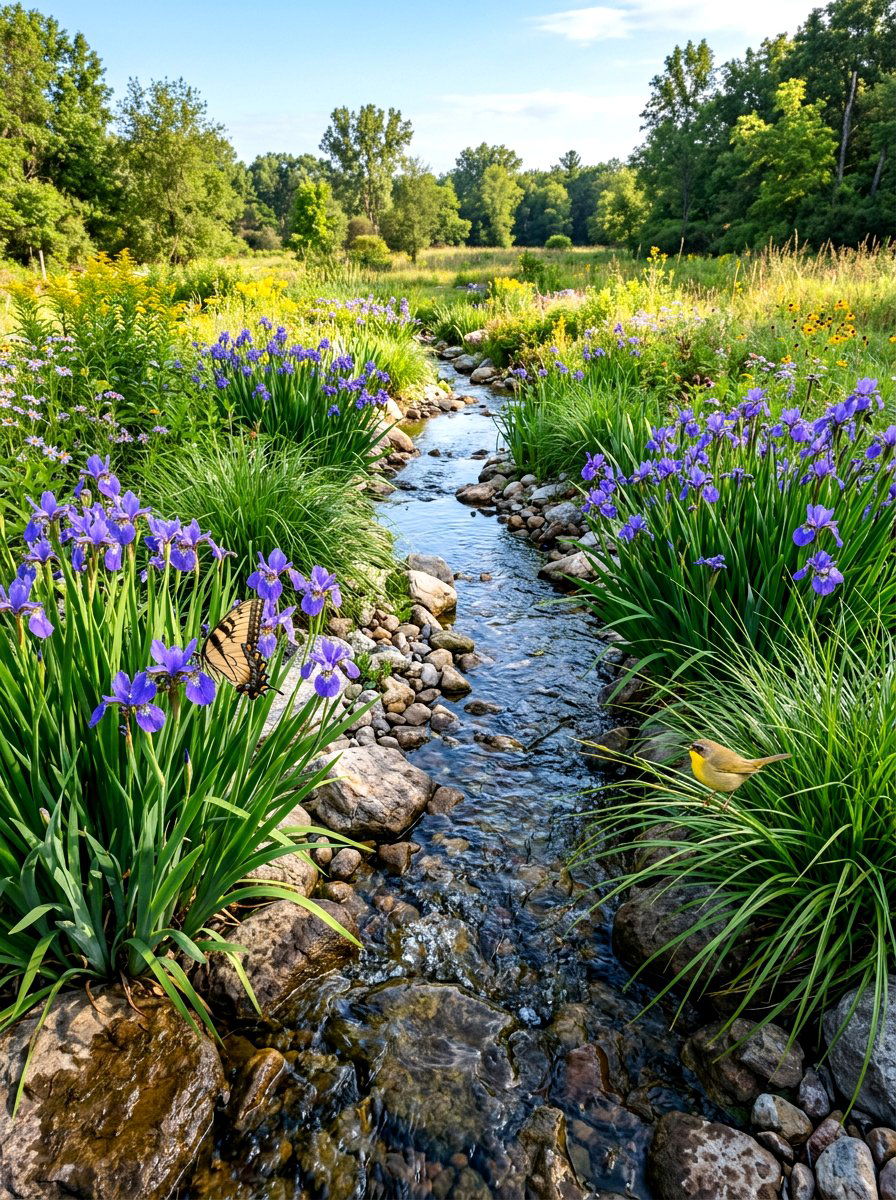
A native plant stream focuses on using flora that naturally occurs in your region to create a sustainable and hardy ecosystem. These plants are already adapted to your local climate and soil conditions, which means they require less water and maintenance once established. Along the stream edges, you might plant species like swamp milkweed, blue flag iris, or native sedges that love wet "feet. " This approach not only looks beautiful and authentic but also provides essential food and habitat for local pollinators and birds. A native stream reflects the true character of your local landscape, making your garden feel like a genuine piece of the wild.
12. Recirculating stream system
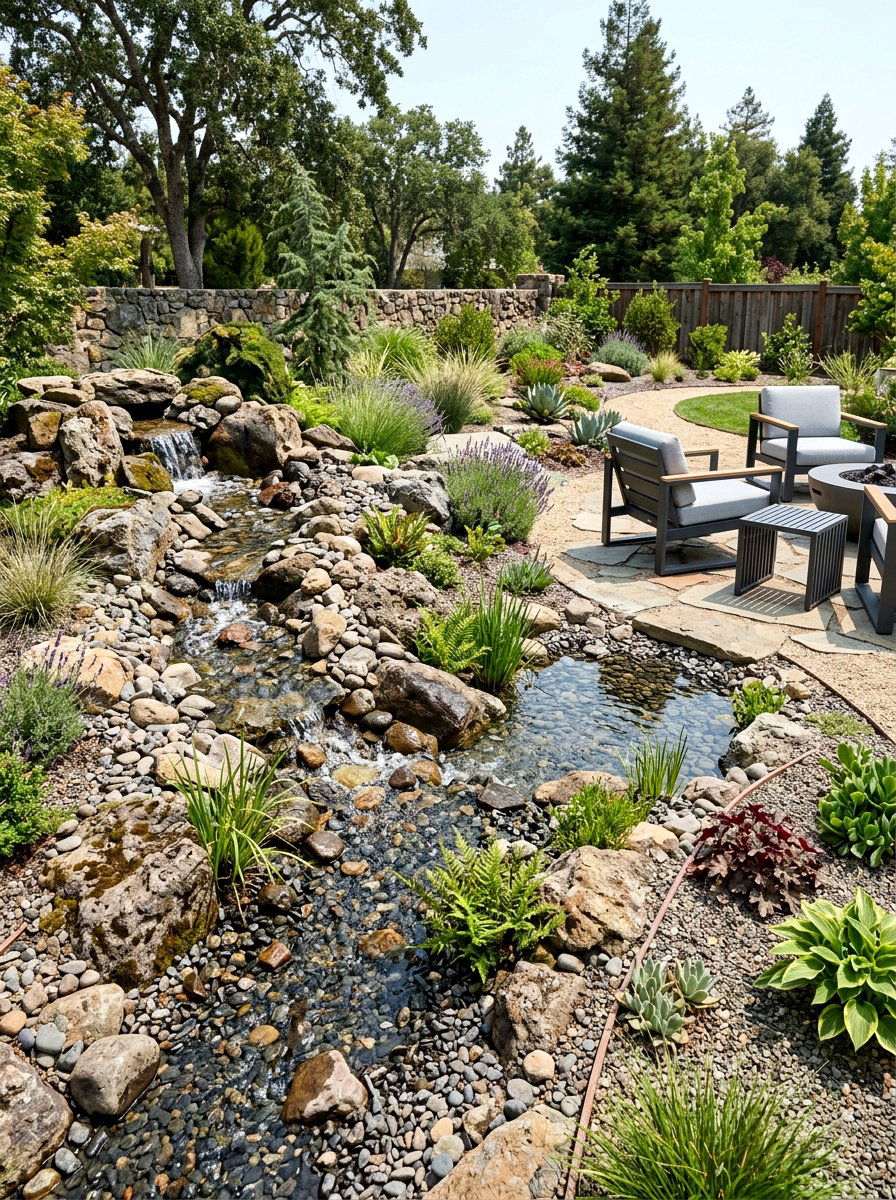
A recirculating stream system is a smart, eco-friendly way to enjoy moving water without wasting a drop. These systems use a hidden reservoir and a submersible pump to move water from the bottom of the stream back up to the top in a continuous loop. This eliminates the need for a constant external water source and helps keep the water clean and aerated. Modern recirculating kits are relatively easy to install and can be customized to fit any size or shape of yard. Because the water is contained within a liner, you don't have to worry about it soaking into the ground or causing unexpected soggy spots.
13. Mossy stream bank
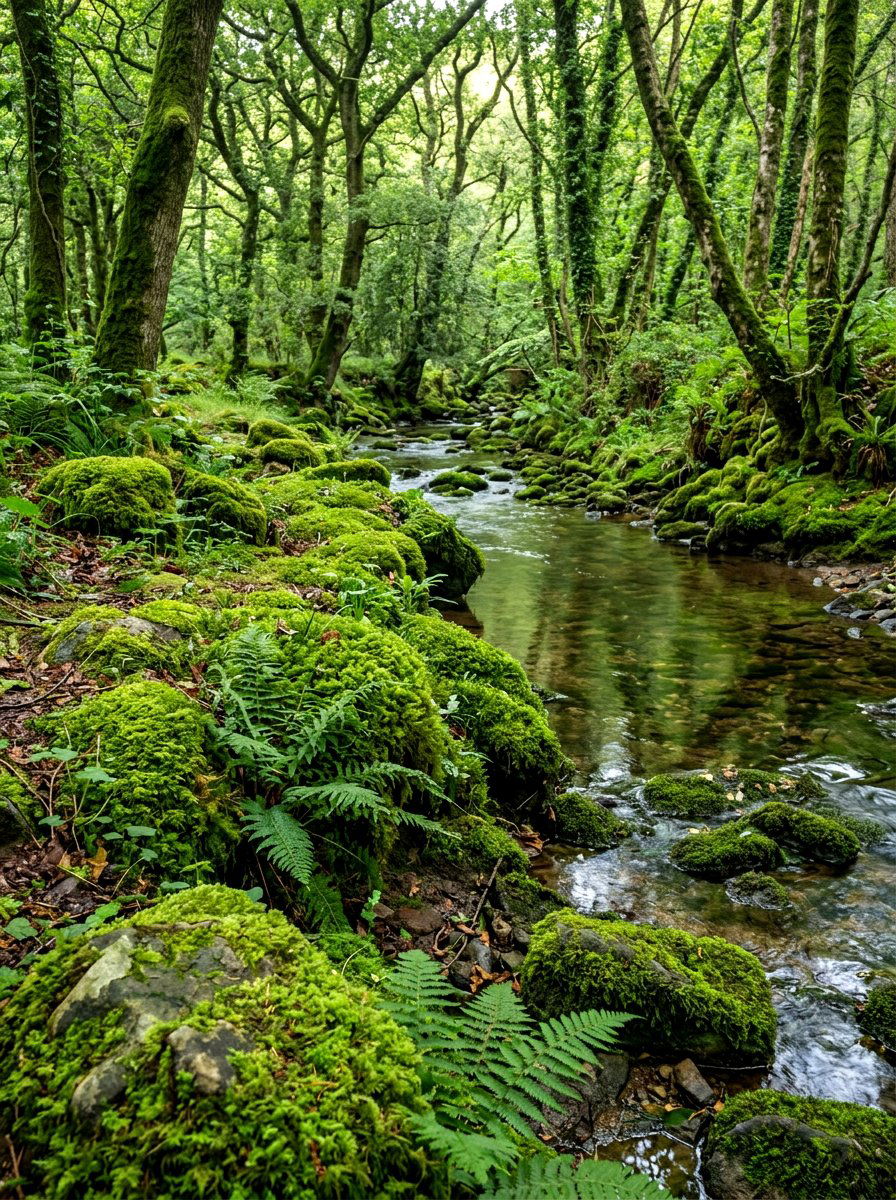
Creating a mossy stream bank adds a sense of ancient, lush tranquility to your backyard that is hard to replicate with other materials. Moss thrives in the humid, shaded environment provided by a flowing stream, quickly covering rocks and soil in a soft green carpet. You can encourage moss growth by using buttermilk mixtures or by simply transplanting small patches from other parts of your garden. This velvety texture softens the harsh lines of the stones and helps the water feature blend seamlessly into its surroundings. It creates a prehistoric, magical look that feels incredibly peaceful and cool, even during the hottest days of the year.
14. Sloped yard stream
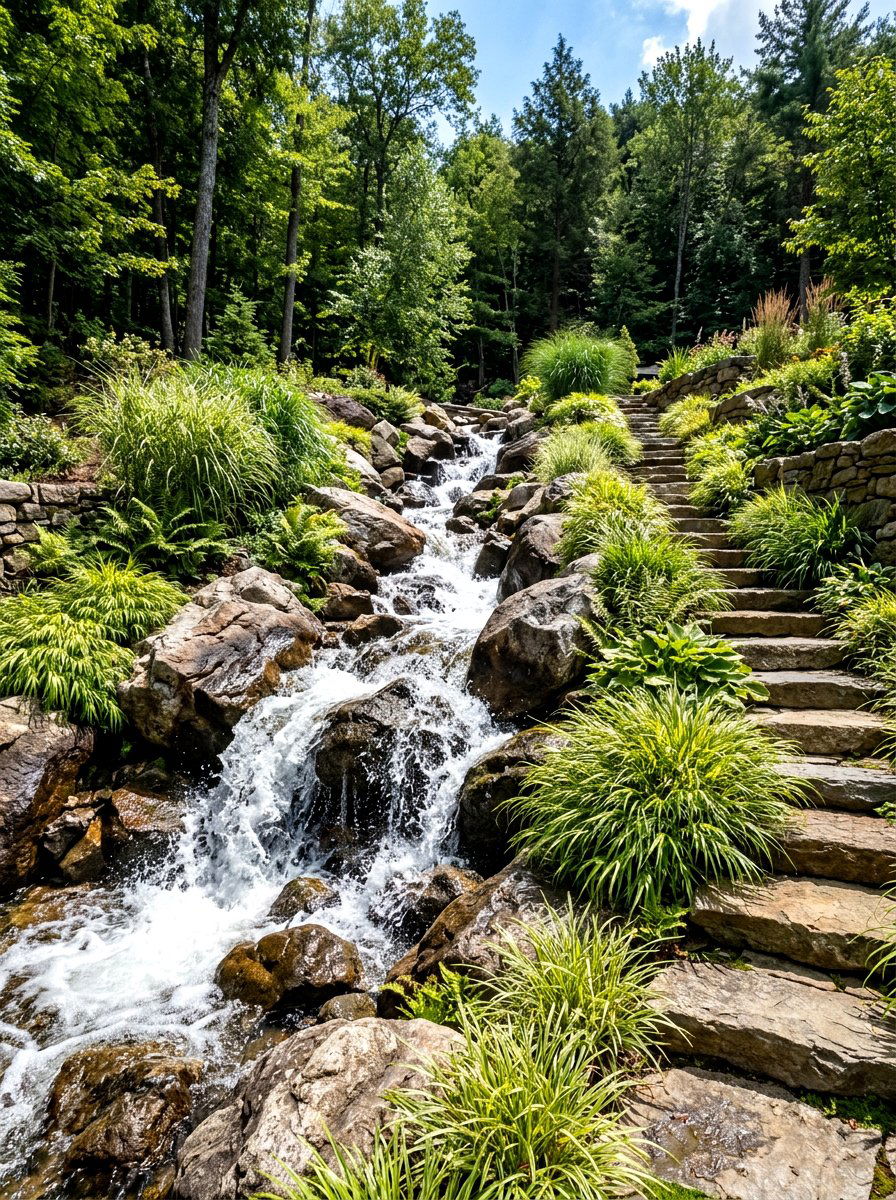
A sloped yard stream takes advantage of uneven terrain to create a dynamic and energetic water feature that moves with purpose. Gravity does most of the work here, allowing you to design a series of rapid-fire cascades and deep, swirling pools. To manage the speed of the water, you can place large "weir" stones across the channel to create small dams that back up the water before it spills over. This prevents the stream from looking like a simple drainage ditch and turns it into a sophisticated piece of landscape art. The result is a high-energy feature that provides both visual drama and wonderful white noise.
15. Tropical garden stream
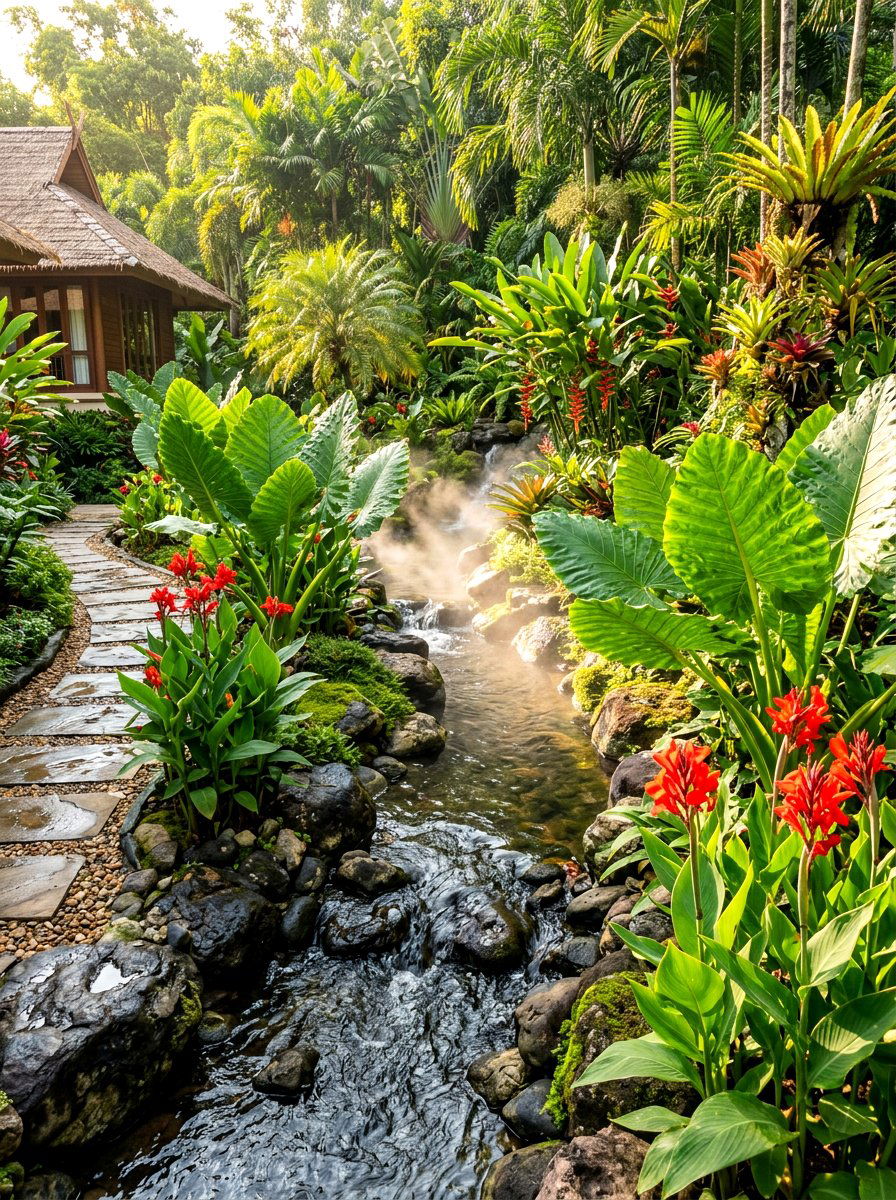
A tropical garden stream brings the lush, exotic feel of a rainforest to your backyard by using bold plants and dark, dramatic stones. Focus on incorporating large-leafed species like canna lilies, elephant ears, and various types of palms to frame the water. The stream itself can be lined with dark volcanic rock or smooth black pebbles to make the water appear deeper and more mysterious. Adding a few strategically placed misters can create a light fog over the water’s surface, enhancing the tropical atmosphere. This style works best in humid climates or can be treated as a seasonal display in more temperate regions for a vacation-like vibe.
16. Zen garden stream
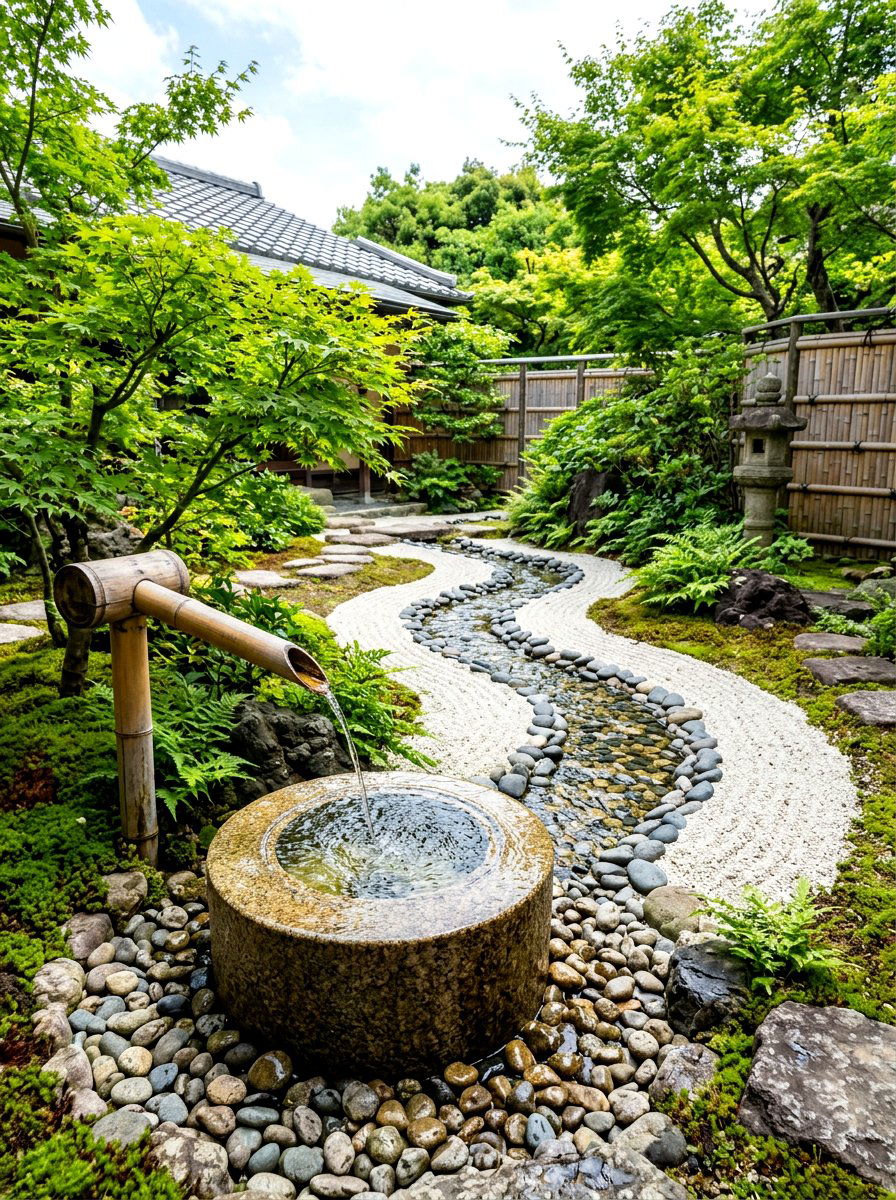
A zen garden stream is all about simplicity, balance, and quiet contemplation. This design often features very clear water flowing over a meticulously arranged bed of sand or smooth gravel. Large, singular boulders are placed as focal points, representing islands or mountains within the landscape. The movement of the water is slow and deliberate, designed to encourage a state of mindfulness and relaxation. You might include a traditional bamboo water spout, known as a shishi-odoshi, which adds a rhythmic clicking sound to the garden. This type of stream is perfect for small, enclosed courtyards where every detail can be appreciated in silence and peace.
17. Wildlife habitat stream
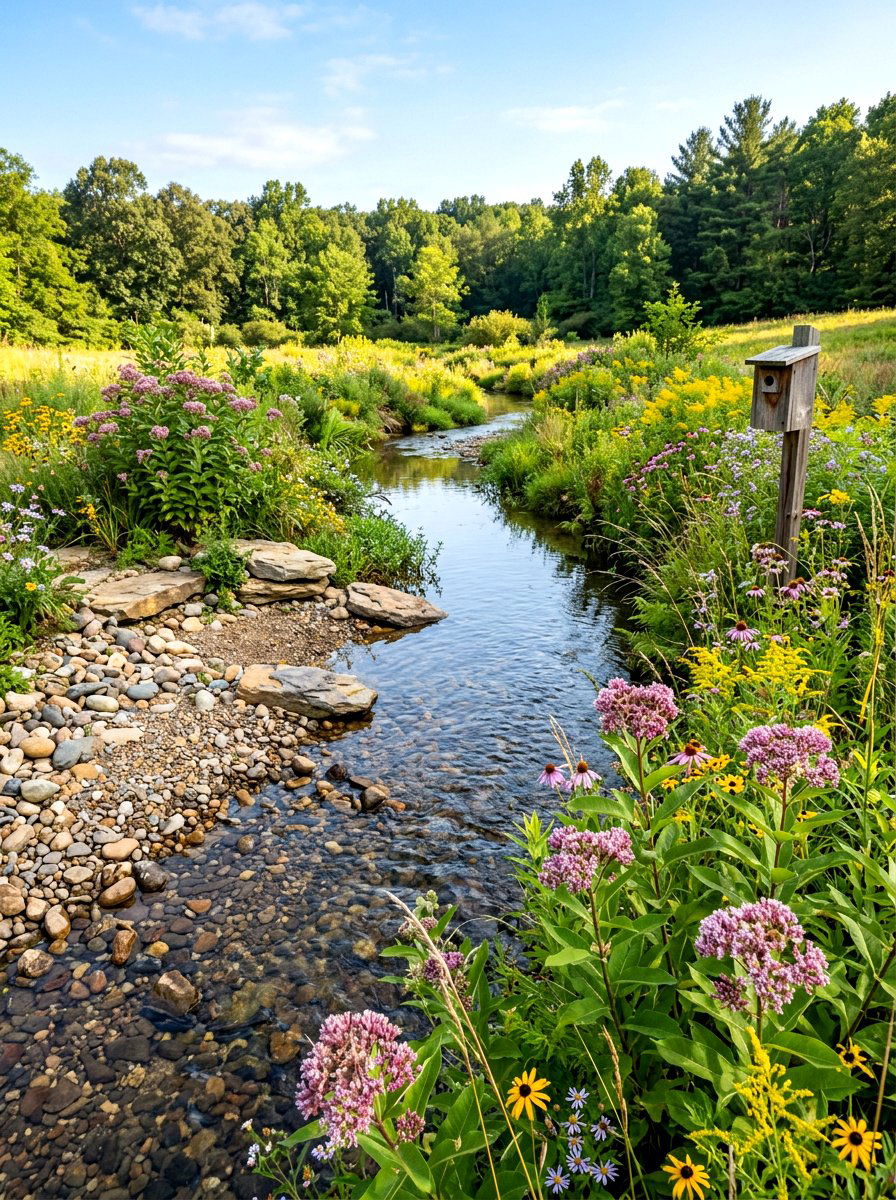
A wildlife habitat stream is specifically designed to attract and support local creatures like frogs, birds, and beneficial insects. To make the stream wildlife-friendly, ensure there are shallow areas where birds can bathe and rocks that emerge from the water for dragonflies to perch on. Avoid using harsh chemicals or algaecides that could harm sensitive amphibians. Instead, rely on a balance of aquatic plants to keep the water clear and healthy. Providing varied depths and plenty of hiding spots among the rocks and plants will encourage a diverse range of visitors to call your garden home, turning your backyard into a bustling, living sanctuary.
18. Paver patio stream
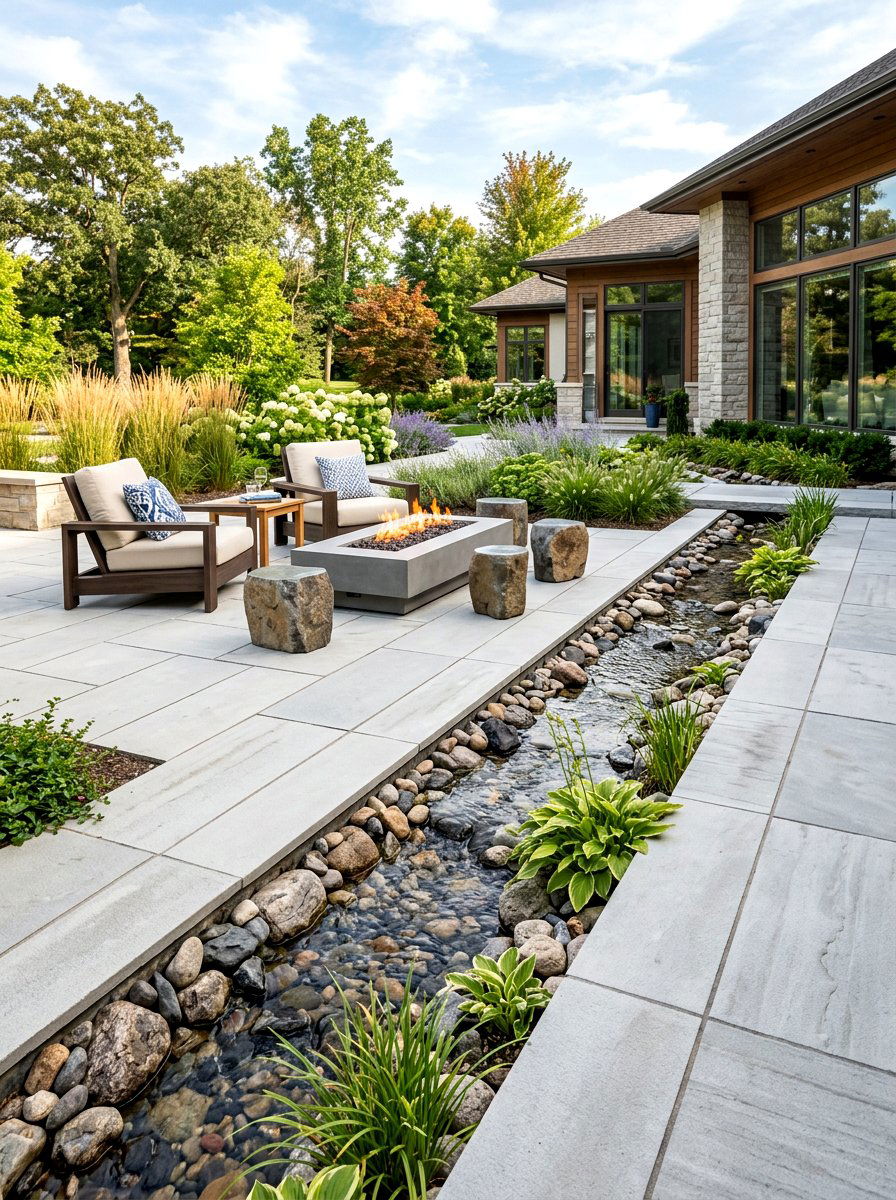
Integrating a paver patio stream allows you to enjoy the sights and sounds of water right where you spend your time relaxing and entertaining. The stream can be designed to run directly alongside the edge of the patio or even underneath a section of it via a decorative grate. This close proximity creates an immersive experience, as the cool moisture from the water can actually lower the temperature of the seating area. Using the same stone for the stream's edge as you do for the patio pavers creates a cohesive and professionally designed look. It turns a standard backyard deck into a luxurious, resort-style outdoor living room.
19. Stepping stones stream
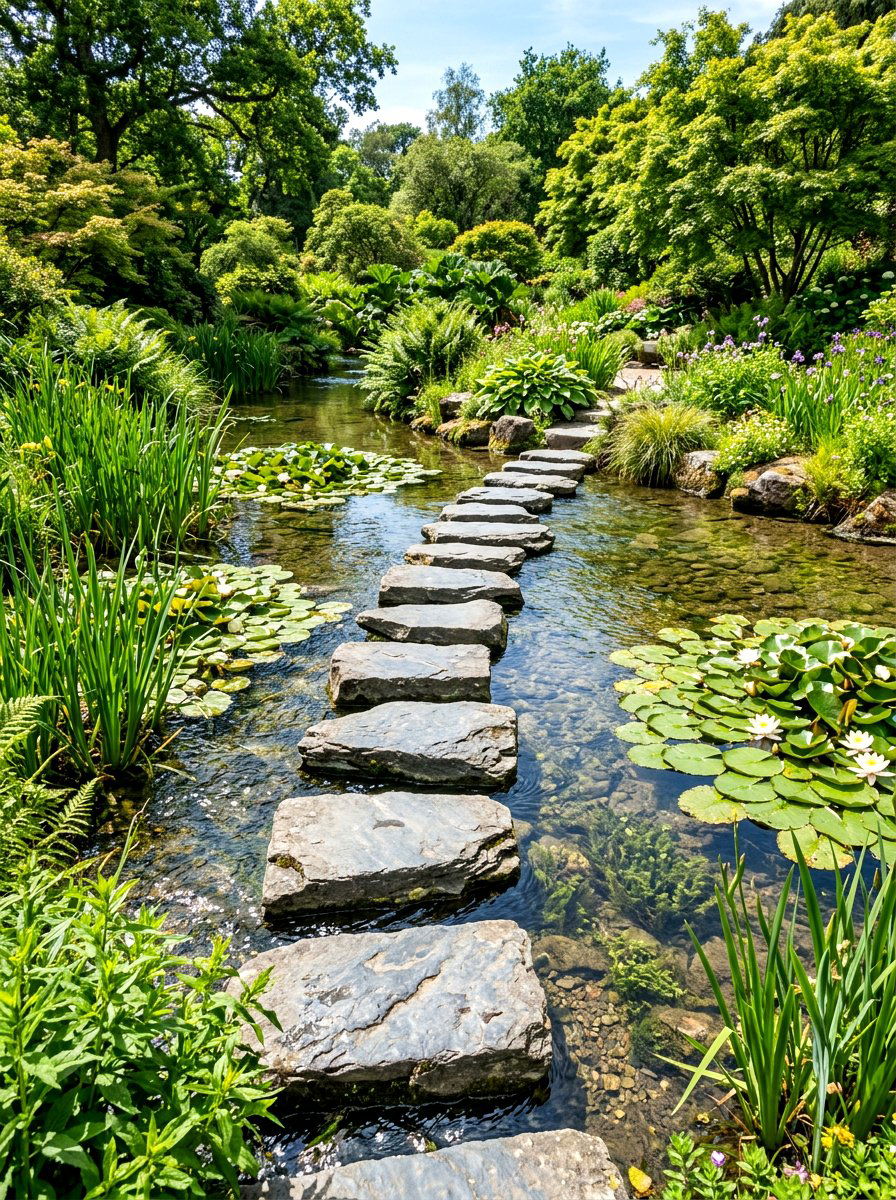
A stepping stones stream is a fun and interactive way to cross a water feature without needing a full-sized bridge. Large, flat rocks are placed firmly in the streambed, rising just above the water's surface to provide a stable path for walking. This encourages visitors to slow down and focus on the water as they carefully step across. It is a particularly popular feature for children, who love the adventure of navigating the "river. " To ensure safety, make sure the stones are large enough to stand on comfortably and are set in a bed of mortar or heavy gravel so they do not wobble or shift over time.

20. Stream landscape lighting
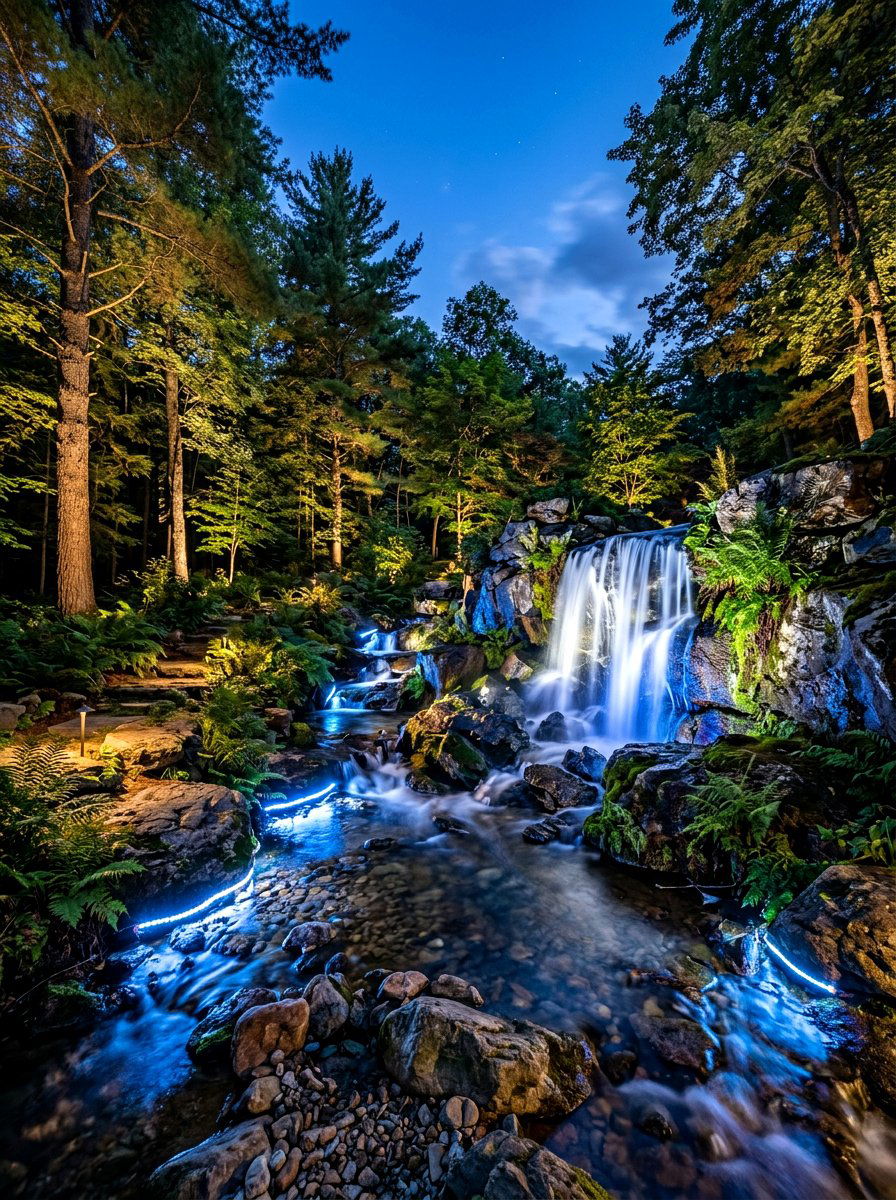
Stream landscape lighting extends the enjoyment of your water feature into the evening hours, creating a magical and dramatic atmosphere after dark. Submersible LED lights can be placed behind waterfalls to make the moving water glow from within, or tucked under the edges of rocks to highlight the stream's path. Warm white lights provide a classic, cozy feel, while colored LEDs can be used for a more festive or modern look. Highlighting nearby trees or tall grasses also adds depth and dimension to the entire scene. Proper lighting not only enhances the beauty of the stream but also provides safety for anyone walking near the water at night.
21. Narrow side yard stream
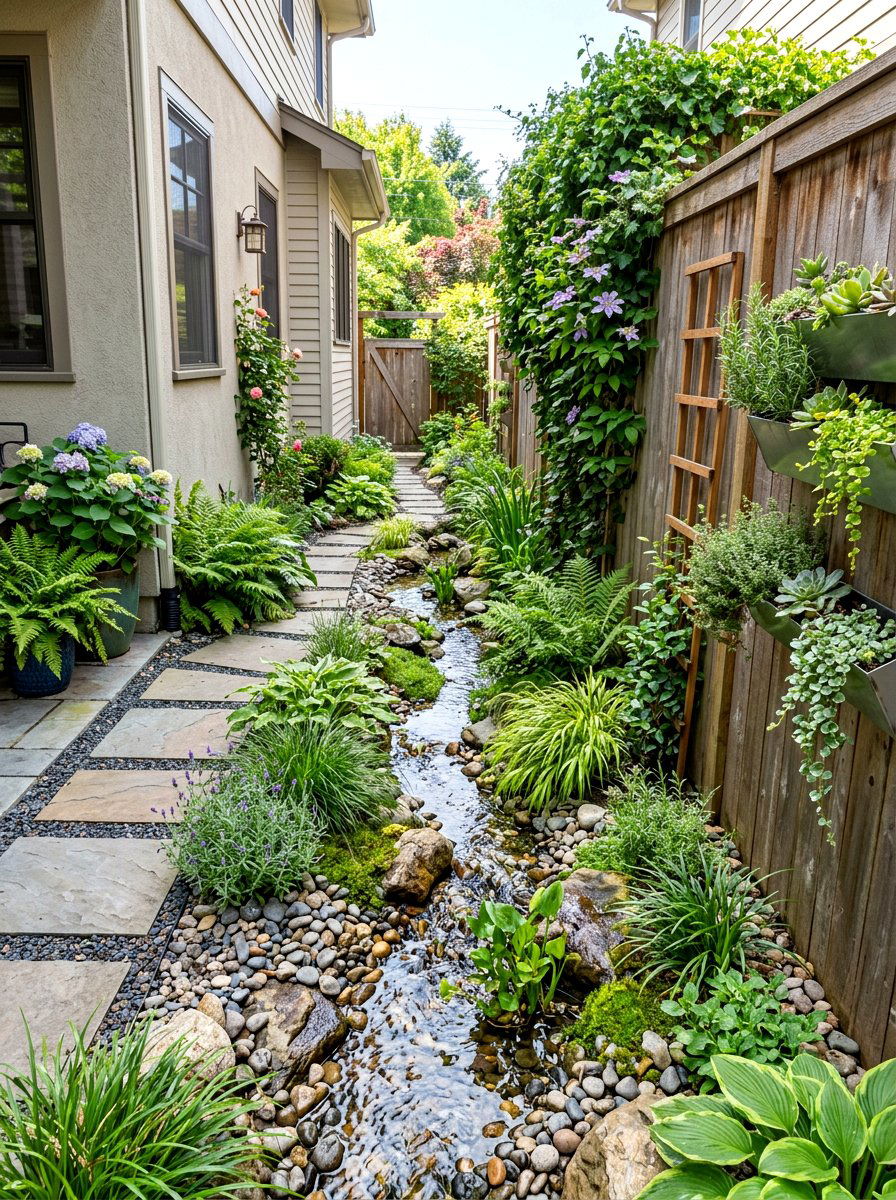
A narrow side yard stream is the perfect solution for those often-neglected strips of land between the house and the fence. By installing a slender, winding watercourse, you can turn a boring passage into a beautiful destination. Because space is limited, this design usually relies on vertical elements like wall-mounted fountains or tall, thin plants to add interest without taking up too much floor space. The sound of the water in such a confined area will echo slightly, creating a more pronounced and immersive auditory effect. It is a brilliant way to maximize every square inch of your property and add unexpected charm to a small space.
22. Boulder waterfall stream
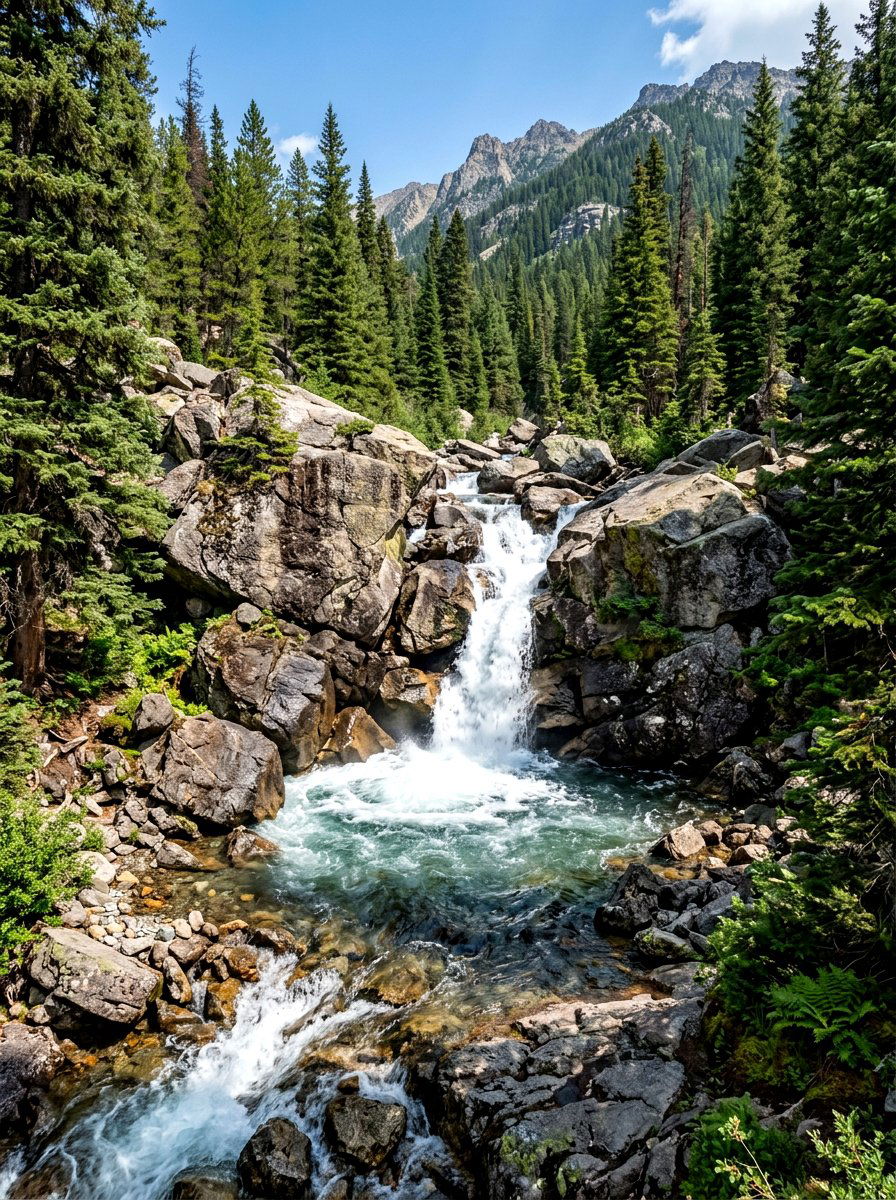
A boulder waterfall stream uses massive, imposing stones to create a rugged and powerful landscape feature that makes a bold statement. This design requires heavy machinery to move the large rocks into place, but the result is a highly impactful and authentic-looking cascade. The water crashes over the edges of the boulders, creating plenty of spray and a thunderous sound that can drown out unwanted neighborhood noise. It is important to scale the size of the boulders to the size of your yard so the feature doesn't feel overwhelming. When done correctly, it looks like a natural outcropping that was discovered right in your own backyard.
23. Shallow water riffle
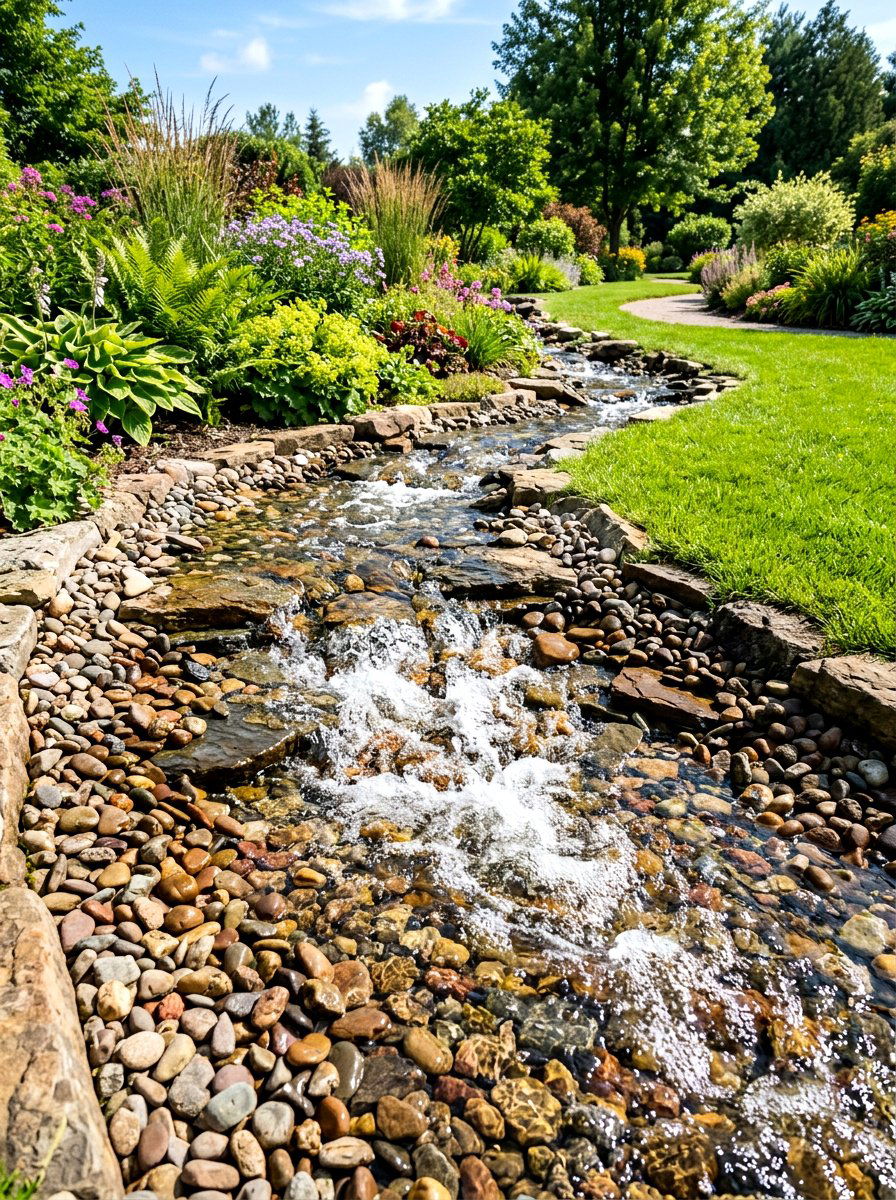
A shallow water riffle mimics the fast-moving, bubbly sections of a natural river where water flows over a bed of small rocks. This creates a high-pitched, cheerful sound and plenty of visual movement as the water breaks into white foam. Riffles are excellent for oxygenating the water, which helps keep the entire stream system healthy and clear. You can create this effect by narrowing the stream channel and increasing the slope slightly in specific areas. Covering the bottom with unevenly sized gravel and small stones will force the water to churn and tumble, providing a lively and energetic contrast to deeper, calmer pools.
24. Aquatic plant stream
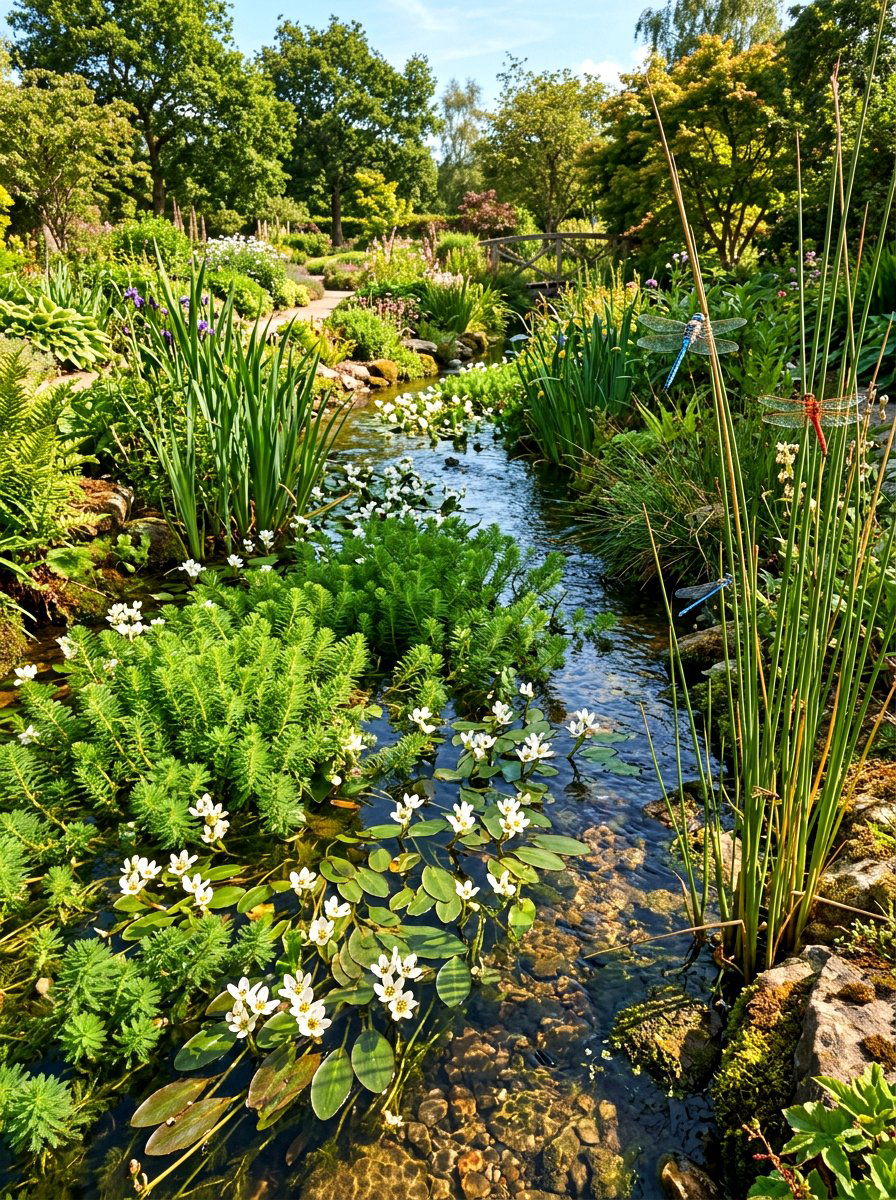
An aquatic plant stream turns your water feature into a floating garden, filled with a variety of textures and colors from water-loving flora. You can use planting pockets built directly into the streambed to hold species like parrot's feather, water hawthorn, or creeping jenny. These plants not only look beautiful as they sway in the current but also help filter the water and provide shade to prevent algae growth. Varying the height and form of the plants — using some that float, some that emerge from the water, and some that trail over the edges — will create a rich and layered look that feels incredibly lush and vibrant.
25. Concrete stream channel
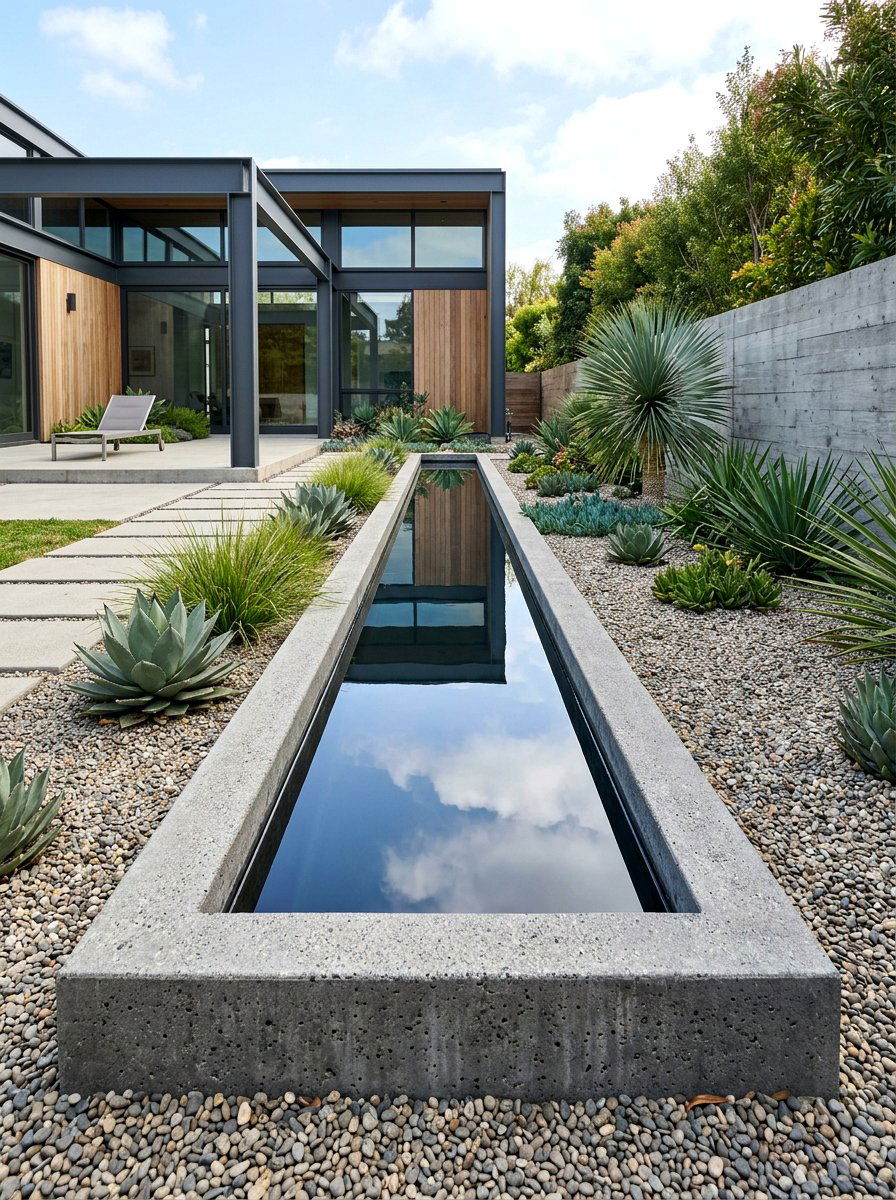
A concrete stream channel offers a crisp, architectural look that is perfect for ultra-modern or industrial garden designs. By using formed concrete, you can create perfect geometric shapes, sharp angles, and smooth surfaces that contrast beautifully with soft garden greenery. The grey tones of the concrete provide a neutral backdrop that makes the blue and silver reflections of the water pop. This type of construction is incredibly durable and easy to clean, making it a low-maintenance option for busy homeowners. You can even tint the concrete or add smooth river stones into the wet surface for a more customized and textured finish that feels unique.
26. Japanese maple stream
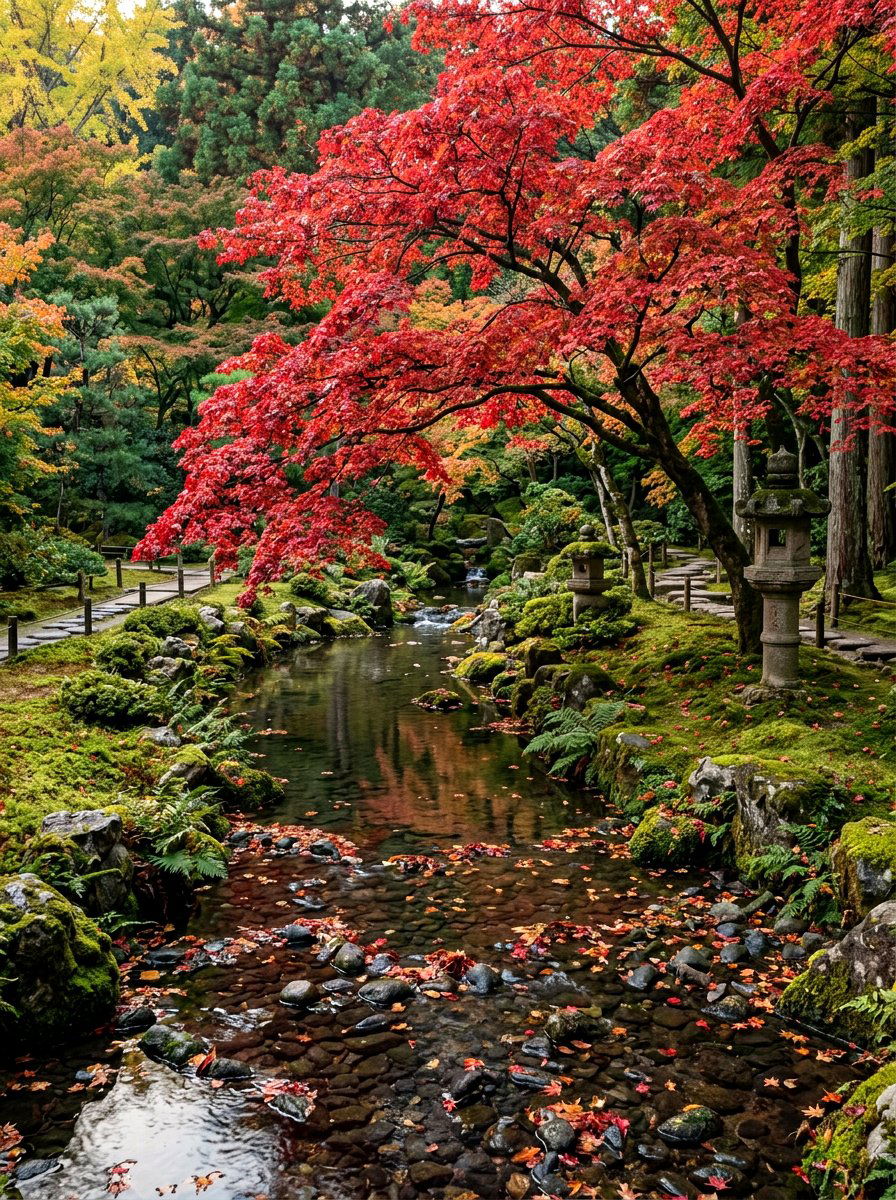
A Japanese maple stream focuses on the exquisite pairing of delicate, colorful foliage with the movement of water. Japanese maples are known for their graceful branching and stunning seasonal color changes, ranging from bright spring greens to deep autumn reds. Planting these trees along the banks of a slow-moving stream creates a picturesque, Zen-like scene that feels like a living painting. As the leaves fall into the water and float downstream, they add an extra layer of motion and charm to the garden. This combination is a staple of traditional East Asian landscapes and brings a sense of refined elegance and peace to any backyard setting.
27. Multi level stream
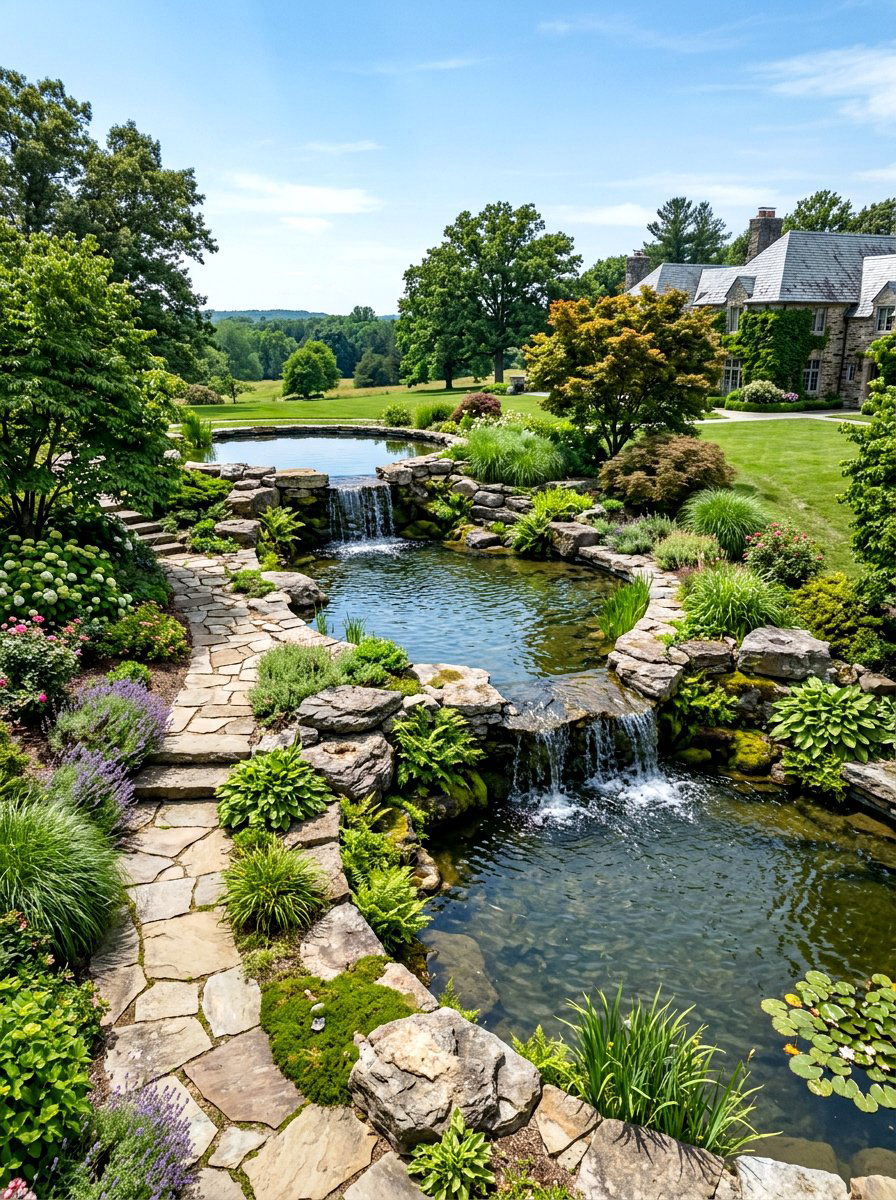
A multi level stream is a complex and engaging design that uses a series of interconnected pools at different heights to move water through the landscape. This approach is perfect for large yards or areas with varying elevations, as it allows the water to travel a long distance while creating multiple points of interest. Each level can have its own personality, with some featuring quiet, reflective pools and others showcasing lively, splashing cascades. This variety keeps the eye moving and provides a rich sensory experience as you walk along the path of the water, discovering new details and sounds at every single turn.
28. Low maintenance stream
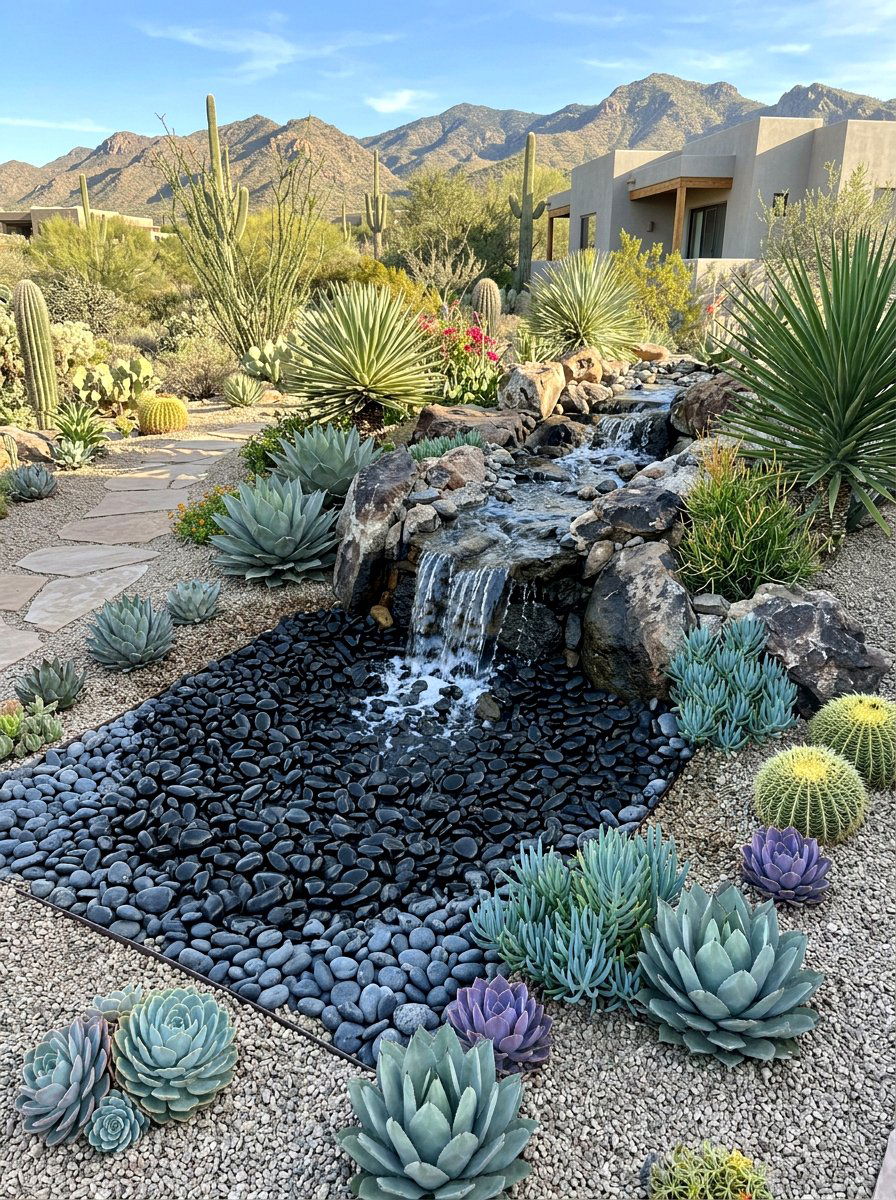
A low maintenance stream is designed for homeowners who want to enjoy the benefits of water without spending every weekend cleaning and fixing the system. This often involves using a pondless design, where the water disappears into a gravel-filled basin rather than a standing pool. This eliminates the risk of algae blooms and mosquito breeding, and there are no fish to feed or care for. Using high-quality pumps and filtration systems ensures the water stays clear with minimal intervention. By choosing hardy, slow-growing plants and durable stone materials, you can create a beautiful feature that looks great year-round with only a few simple tasks.
29. River rock stream
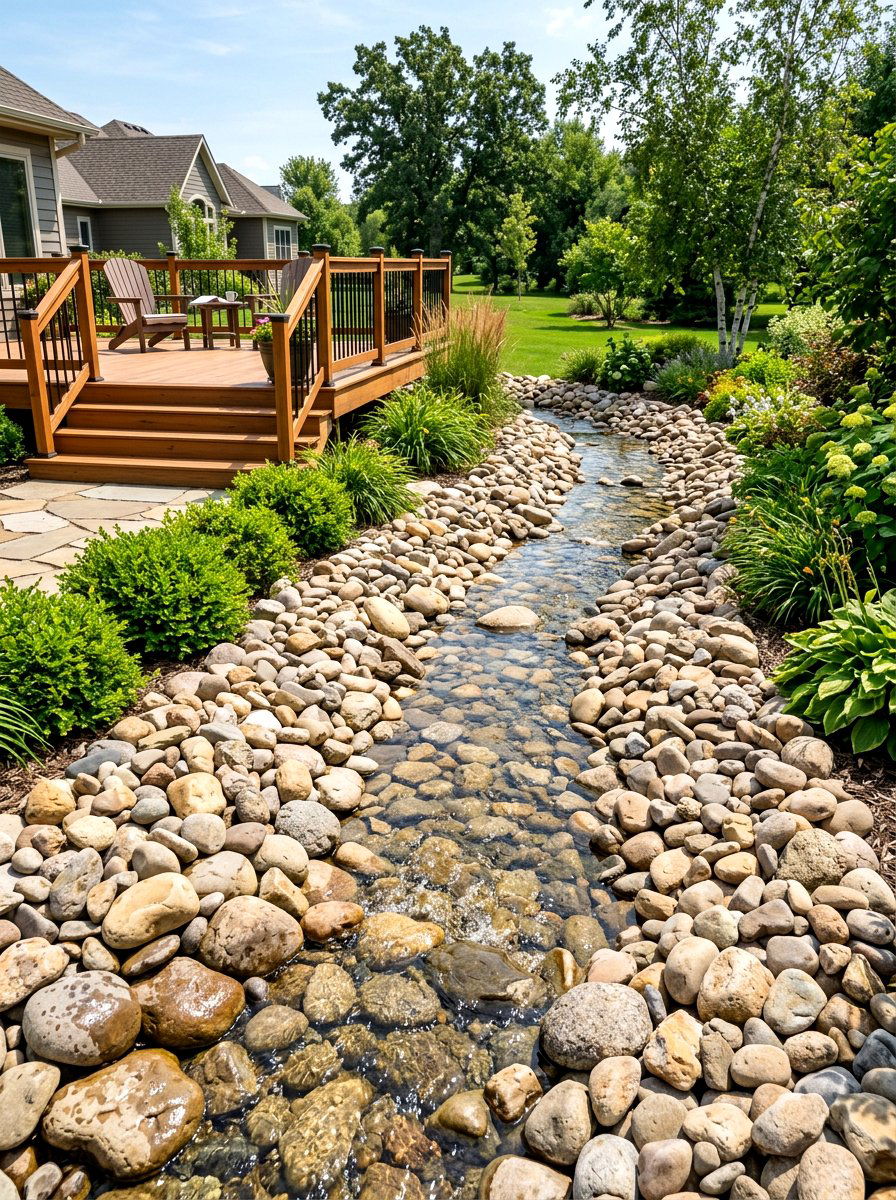
A river rock stream uses the smooth, rounded shapes of stones that have been worn down by water over centuries to create a soft and inviting landscape. These rocks come in a beautiful array of earth tones, including greys, tans, and blues, which look stunning when submerged. You can create a "river" effect by using larger rocks for the banks and smaller cobbles and pebbles for the center of the channel. This design feels very approachable and safe, making it a great choice for families with pets or young children. The smooth surfaces of the rocks are also less likely to catch debris, keeping the stream looking tidy.
30. Formal garden stream
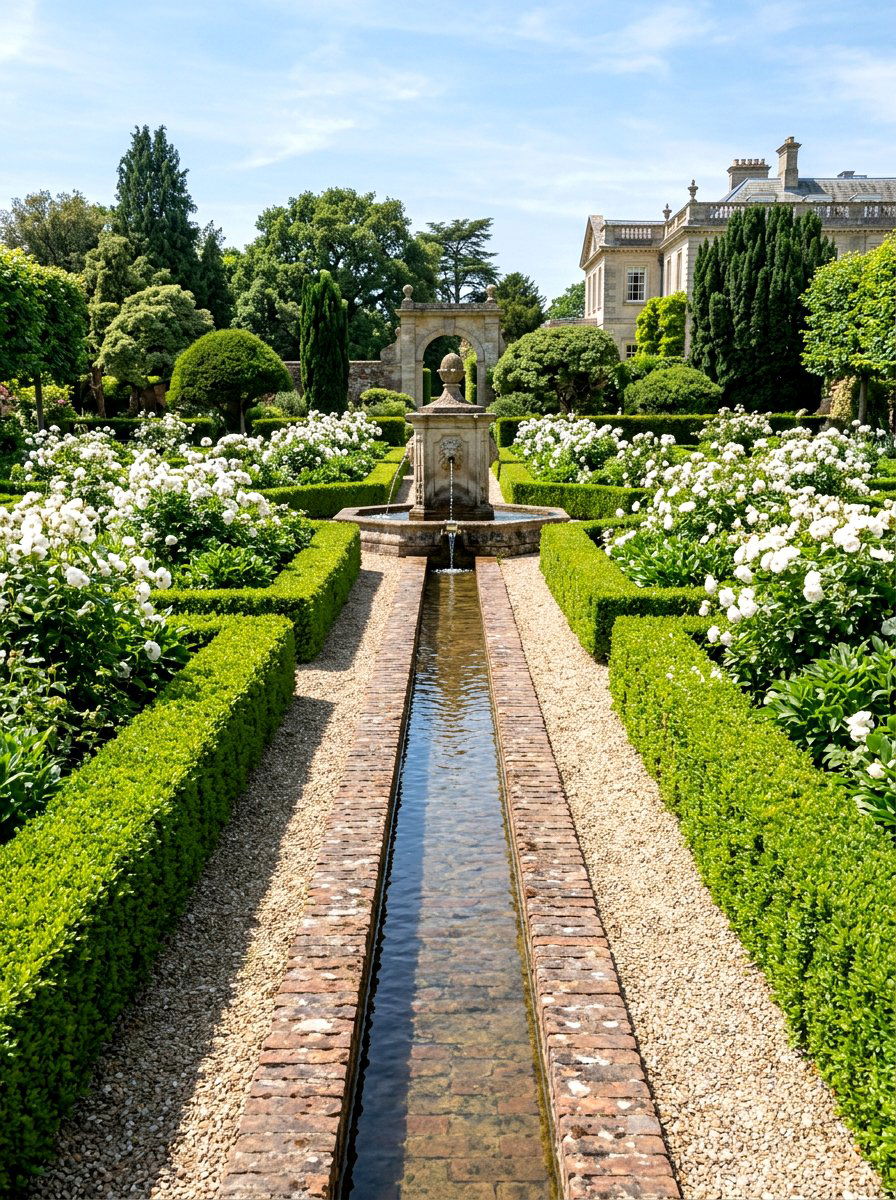
A formal garden stream emphasizes symmetry, clean lines, and classical elegance to create a structured and sophisticated water feature. This might involve a perfectly straight channel lined with cut stone or brick, leading to a central fountain or a decorative statue. The water flow is usually calm and steady, acting as a reflective mirror for the surrounding pruned hedges and organized flower beds. This style of stream is often found in grand estates and public gardens, but it can be scaled down for a smaller residential backyard to add a touch of timeless luxury and order. It is a beautiful way to anchor a traditional landscape design.
Conclusion:
Investing in a backyard stream is a transformative way to enhance your outdoor living experience while adding significant value to your home. Throughout this guide, we have explored a wide range of styles, from the rugged charm of natural stone to the sleek precision of modern runnels. Each idea offers a unique way to bring the soothing presence of water into your daily life, whether you seek a place for quiet meditation or a vibrant habitat for local wildlife. By carefully considering your yard's terrain, your personal style, and the amount of maintenance you are willing to perform, you can create a custom water feature that will provide joy and relaxation for many years.

Related posts: