Creating a sensory garden is a transformative way to experience your outdoor space by engaging all five senses. Unlike traditional landscapes that focus primarily on visual appeal, these interactive environments invite you to touch, smell, taste, and listen to nature’s rhythms. Whether you have a sprawling backyard or a tiny balcony, incorporating sensory elements can reduce stress and promote mindfulness. From the soothing sound of trickling water to the velvety feel of fuzzy leaves, every detail serves a purpose in enhancing your well-being. This guide explores thirty creative ways to build a sanctuary that nurtures the soul and delights the body. Let’s dive into these inspiring ideas to turn your yard into a truly immersive and healing outdoor retreat.
1. Lavender garden
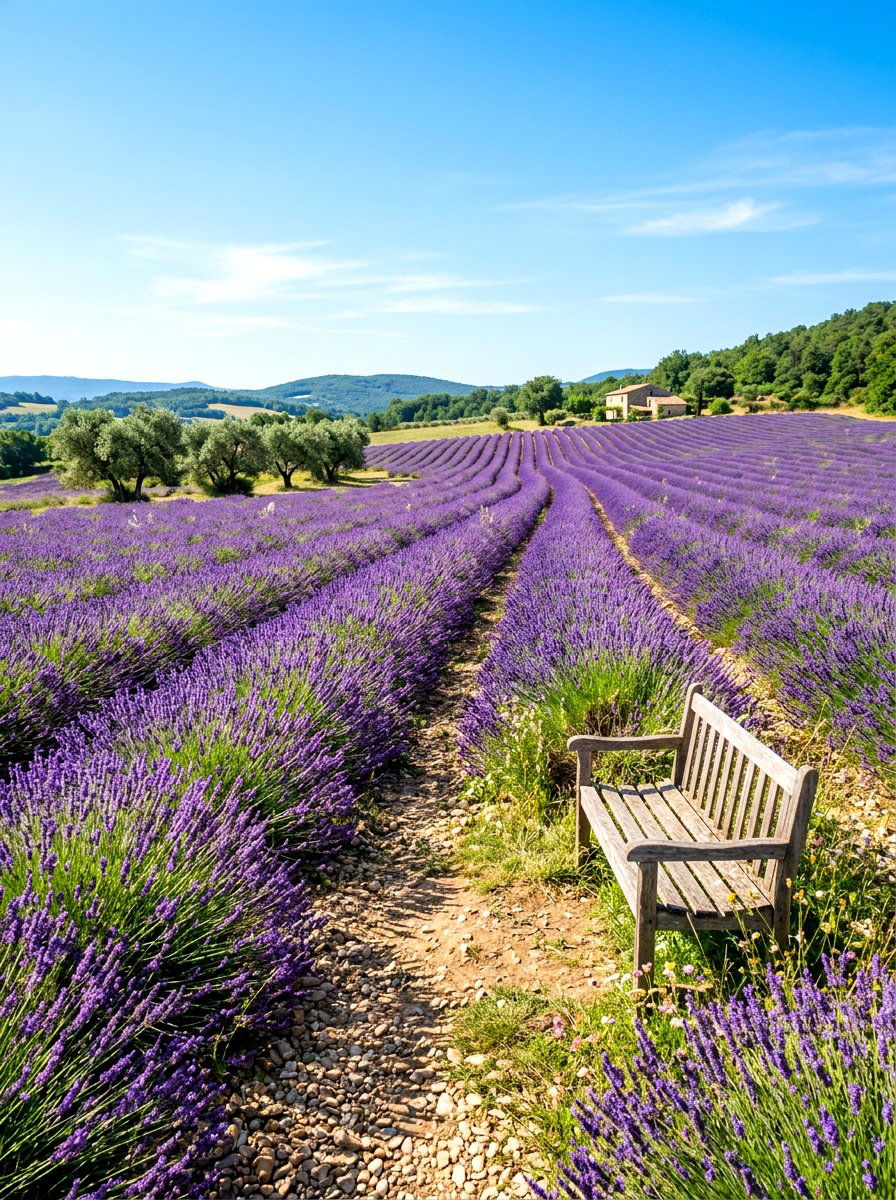
Growing a lavender garden is a timeless way to introduce both calming scents and vibrant purple hues to your landscape. These hardy perennials are beloved for their essential oils, which release a soothing fragrance whenever the wind blows or a visitor brushes against them. Lavender thrives in sunny spots with well-draining soil, making it a perfect choice for pathways where its scent can be easily enjoyed. Beyond its olfactory benefits, the striking spikes of flowers attract vital pollinators like bees and butterflies, adding delightful movement to your yard. You can plant them in dense rows for a hedge effect or in decorative pots to anchor a relaxing seating area.
2. Ornamental grass border
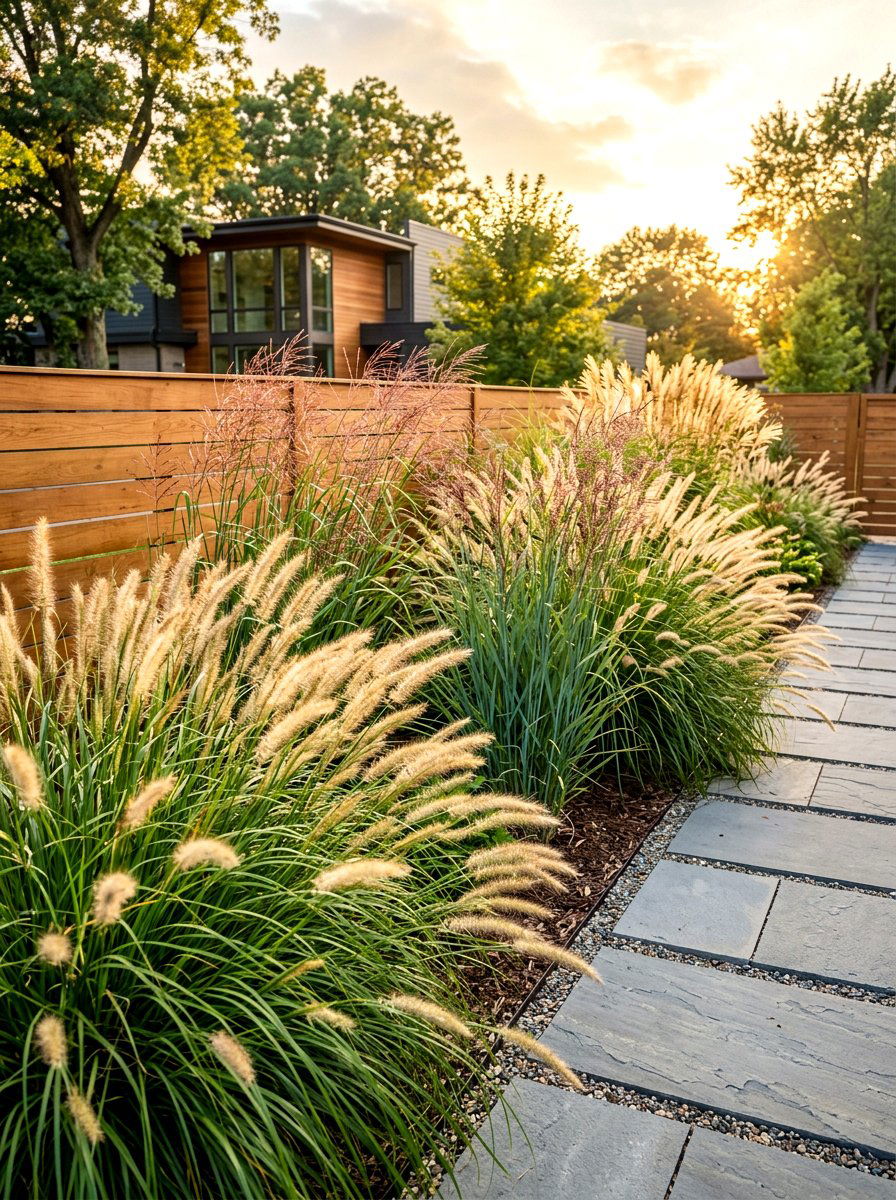
Adding an ornamental grass border creates a dynamic sense of movement and sound in your garden. These wispy plants catch even the slightest breeze, producing a gentle rustling noise that mimics the sound of a distant ocean. Many varieties, such as fountain grass or switchgrass, offer feathery plumes that are visually stunning and highly tactile. In the autumn, their colors often shift to golden or bronze tones, providing year-round visual interest even in colder months. Planting these grasses along a fence or walkway helps define the space while softening hard edges. They are low-maintenance and drought-tolerant, making them a practical yet beautiful addition to any sensory-focused outdoor design.
3. Water fountain feature
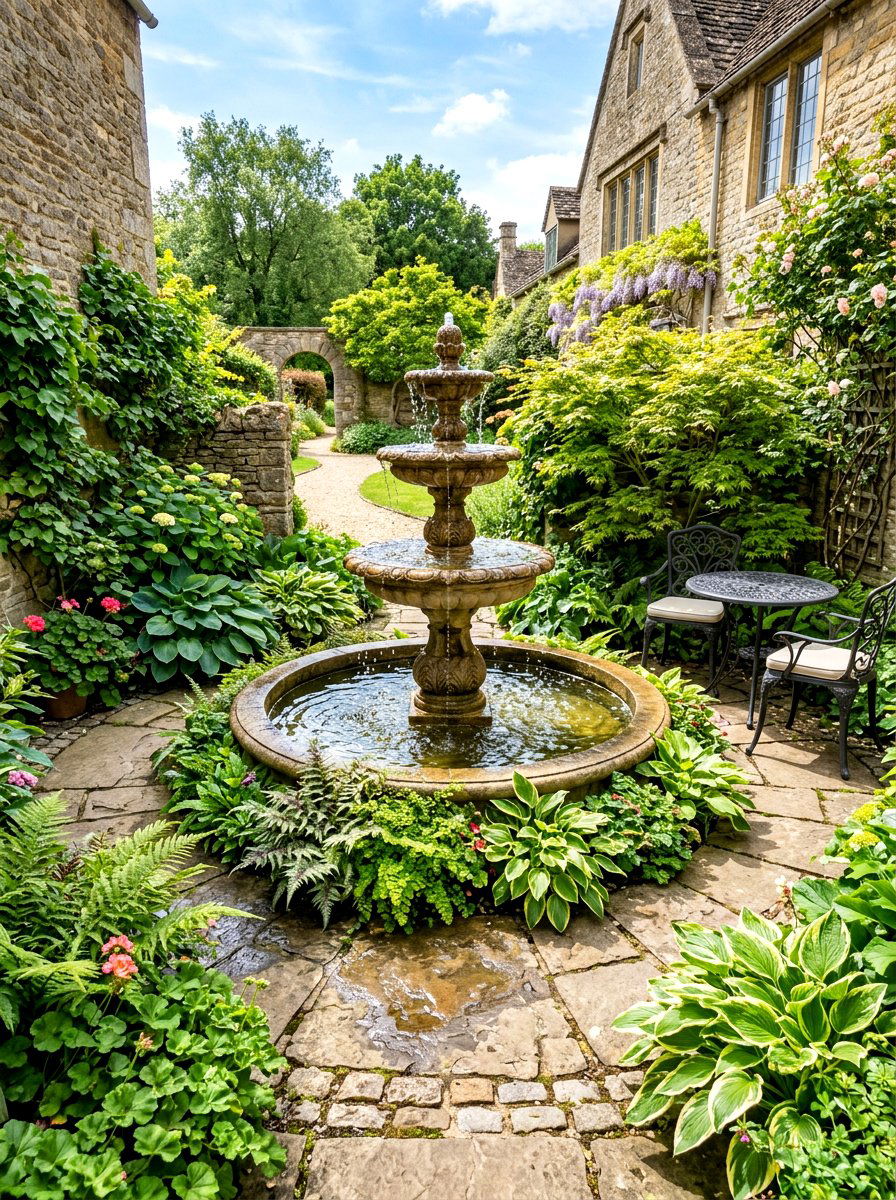
A water fountain feature is often the heart of a sensory garden because it provides a constant, soothing soundtrack. The rhythmic sound of bubbling or cascading water naturally masks unwanted neighborhood noise, creating a private oasis for reflection. Visually, the movement of water catches the light, adding a shimmering quality to the environment that changes throughout the day. You can choose a large stone tiered fountain for a classic look or a sleek modern wall feature for smaller spaces. Beyond the human benefits, water features attract thirsty birds and beneficial insects, bringing more life and activity to your garden. It is a powerful tool for promoting deep relaxation and mental clarity.
4. Lambs ear plants
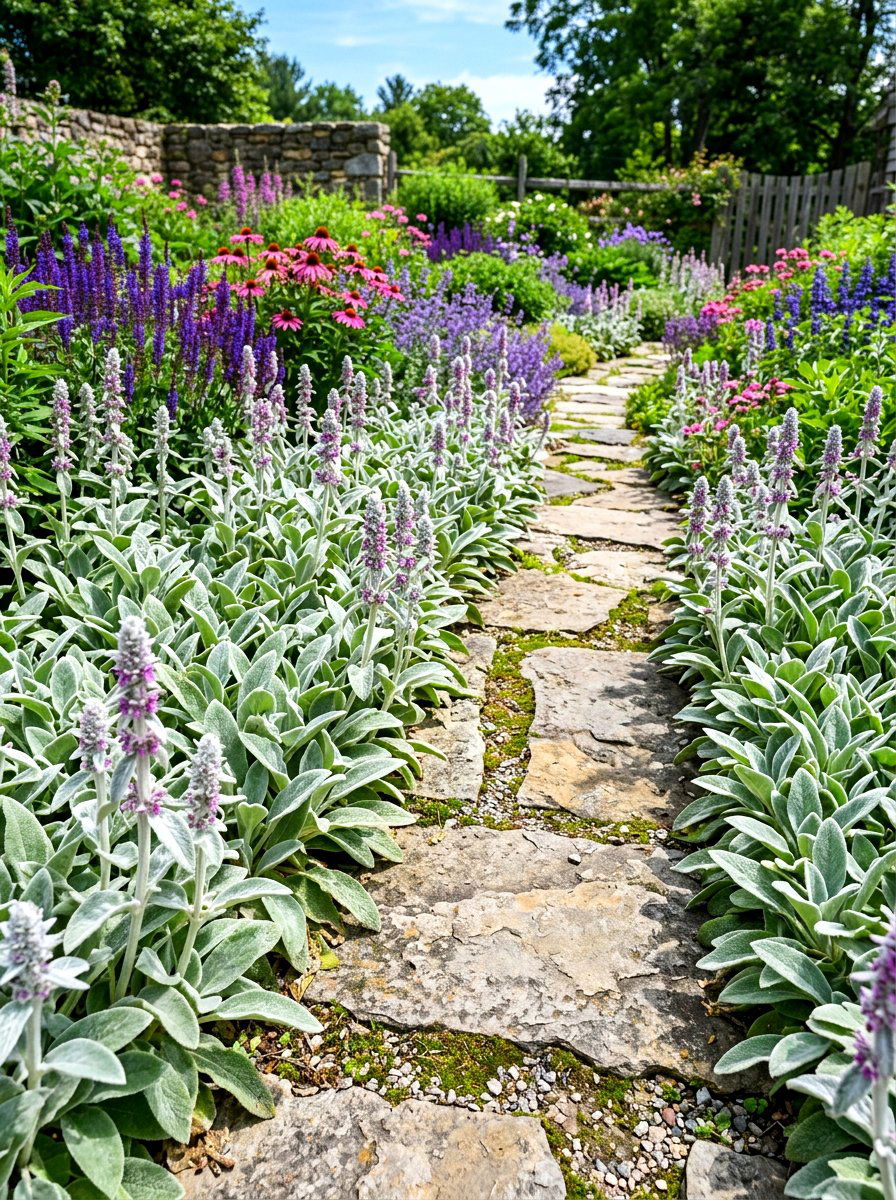
Lambs ear plants are famous for their incredibly soft, fuzzy silver leaves that feel just like a real lamb’s ear. This plant is a favorite for children’s sensory gardens because it practically begs to be touched and petted. The thick, velvety texture provides a unique tactile experience that contrasts beautifully with smoother or spikier foliage. These low-growing perennials work excellently as ground cover or as a softening border for stone garden paths. They are very resilient and can handle poor soil conditions, provided they receive plenty of sunlight. Their muted silvery-green color also helps to brighten up darker corners of the yard, acting as a gentle visual highlight.
5. Edible herb garden
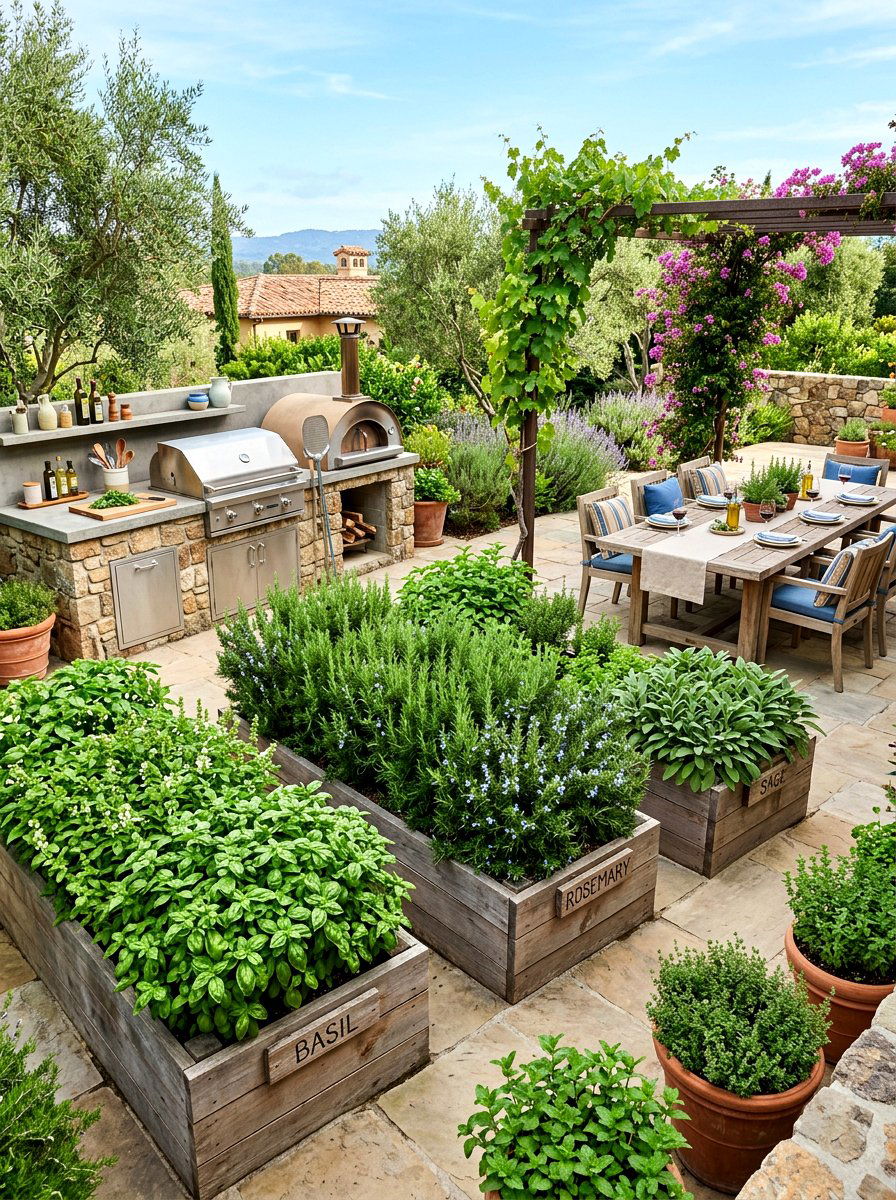
Designing an edible herb garden allows you to engage the sense of taste while enjoying incredible aromas. Planting staples like basil, rosemary, thyme, and cilantro near your kitchen or outdoor dining area makes harvesting fresh flavors easy and fun. Many herbs release their scent when you rub their leaves, offering an instant aromatherapy session while you garden. The diverse textures and shades of green — from the needle-like leaves of rosemary to the soft, broad leaves of sage — add deep visual complexity. You can grow them in raised beds for accessibility or in a vertical planter to save space. It is a rewarding way to bring the garden’s bounty directly to your dinner table.
6. Wind chimes display
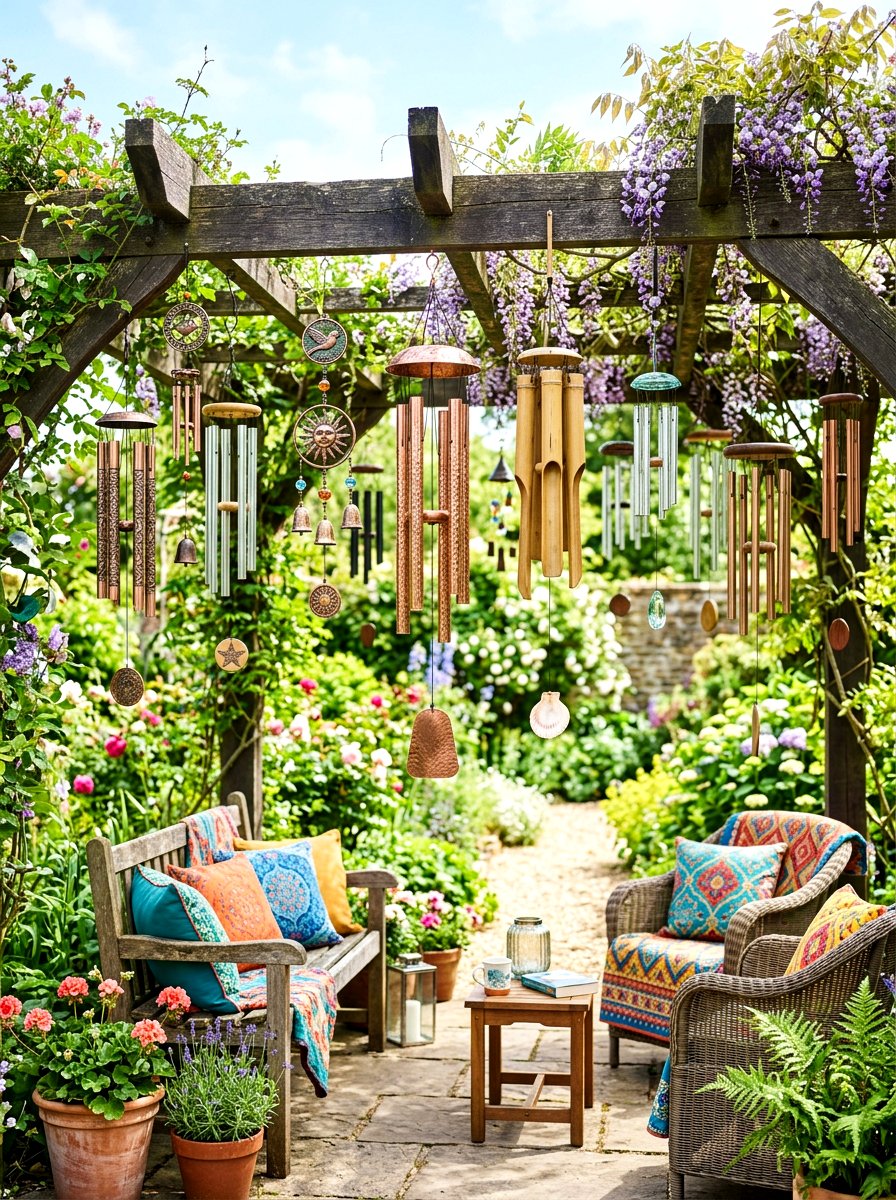
A wind chimes display introduces melodic sounds that can shift the energy of your entire outdoor living area. Depending on the material, chimes can produce deep, resonant tones from wood or light, tinkling sounds from metal and glass. Hanging several chimes of different sizes and materials creates a rich soundscape that responds to the natural environment. Position them in areas where they will catch a gentle cross-breeze, such as under a porch roof or from a sturdy tree branch. These decorative elements also provide visual interest as they sway and catch the sun. They serve as a constant reminder to pause, listen, and appreciate the invisible movements of the air.
7. Butterfly garden plants
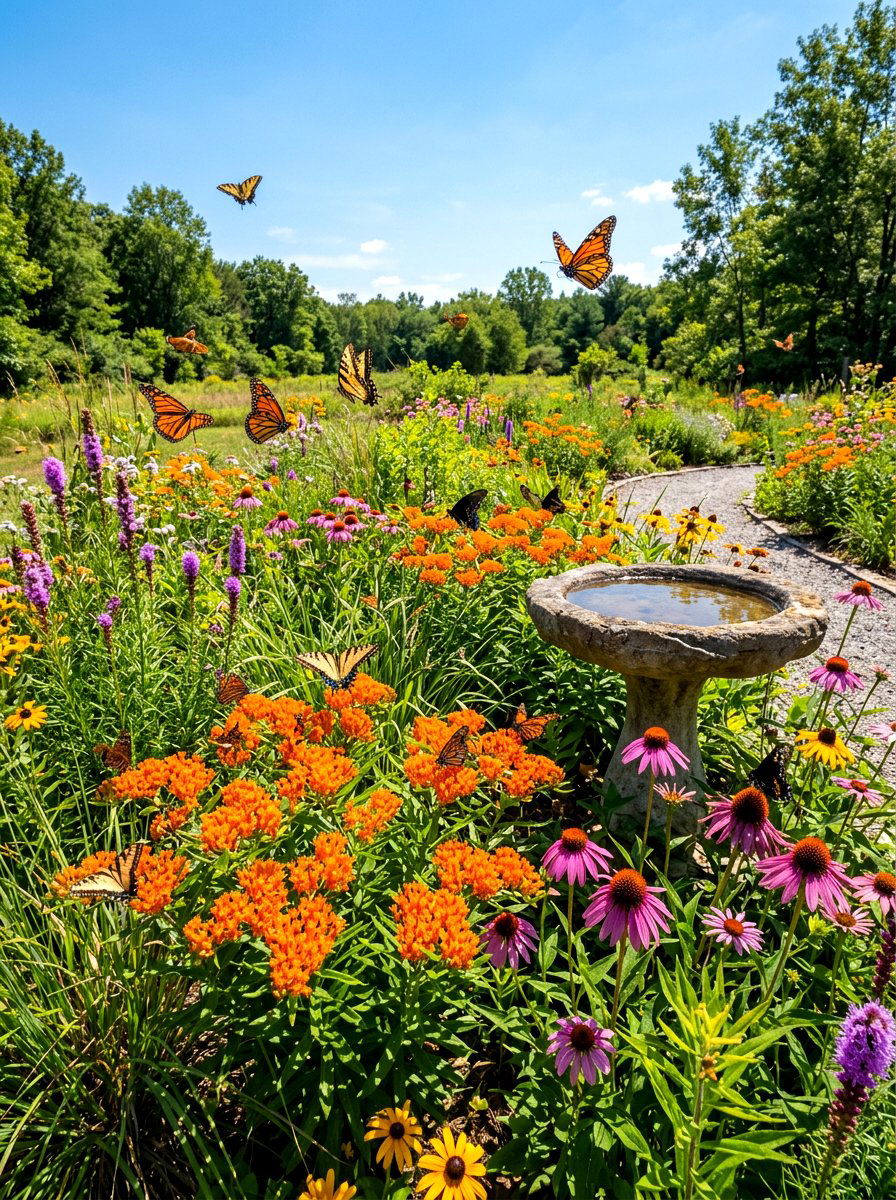
Planting a butterfly garden is a brilliant way to bring vibrant color and lively movement to your backyard sanctuary. Focus on nectar-rich flowers like milkweed, coneflowers, and butterfly bush to attract these delicate insects. The sight of colorful wings fluttering from bloom to bloom creates a peaceful and engaging visual experience for observers of all ages. Many of these plants also feature bold, saturated colors like bright orange, deep purple, and sunny yellow, which stimulate the sense of sight. By providing a habitat for pollinators, you are also supporting the local ecosystem and promoting biodiversity. This type of garden encourages you to slow down and watch the intricate details of nature.
8. Tactile garden path
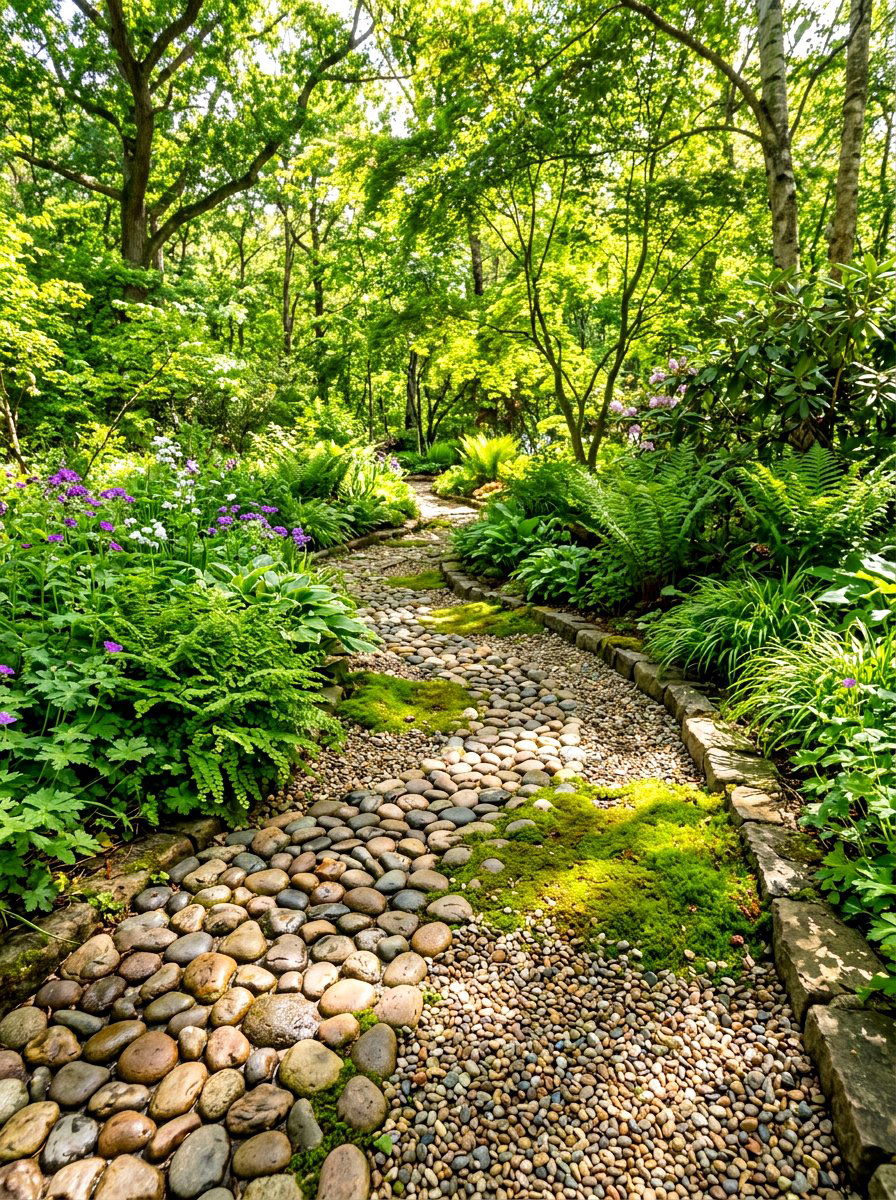
Creating a tactile garden path invites you to experience the ground beneath your feet in a more mindful way. Using a variety of materials like smooth river stones, crunchy gravel, soft moss, or textured wood slices makes every step a sensory discovery. For those who enjoy walking barefoot, a "reflexology path" with rounded pebbles can provide a gentle foot massage that grounds the body. The sounds produced by walking on different surfaces, like the sharp crunch of pea shingle, add an auditory layer to your journey. Lining the path with low-growing, scented plants like creeping thyme ensures that every step also releases a pleasant fragrance into the warm summer air.
9. Fragrant jasmine vine
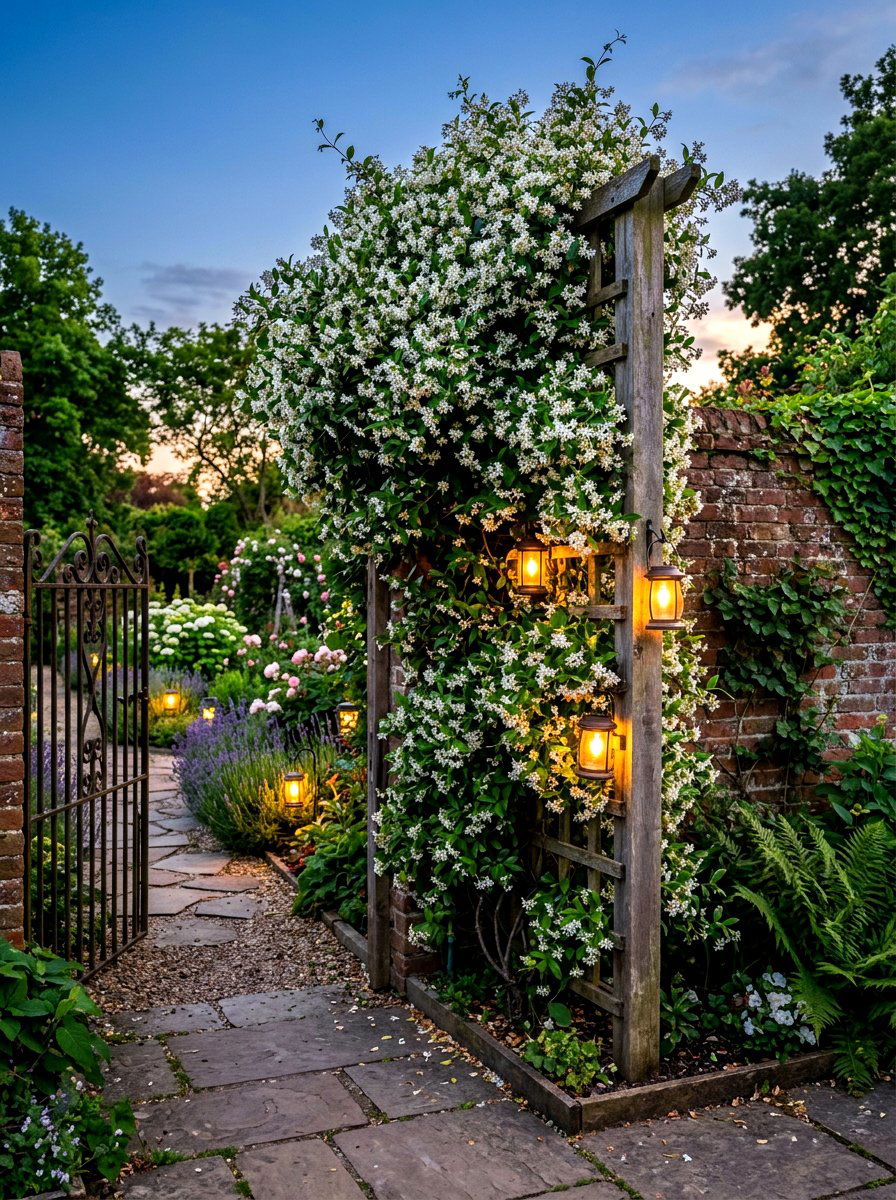
Training a fragrant jasmine vine over a trellis or fence creates a stunning vertical element that fills the air with a heady, sweet perfume. Jasmine is particularly famous for its intense scent, which often becomes more pronounced during the evening hours. This makes it a perfect addition for those who enjoy spending time in their garden after sunset. The delicate white or yellow star-shaped flowers offer a soft visual contrast against dark green foliage. Because it climbs, it is an excellent choice for adding privacy to a patio or balcony while maximizing sensory impact in a small footprint. Its rapid growth ensures that you will have a lush, aromatic screen in no time.

10. Bird feeder station
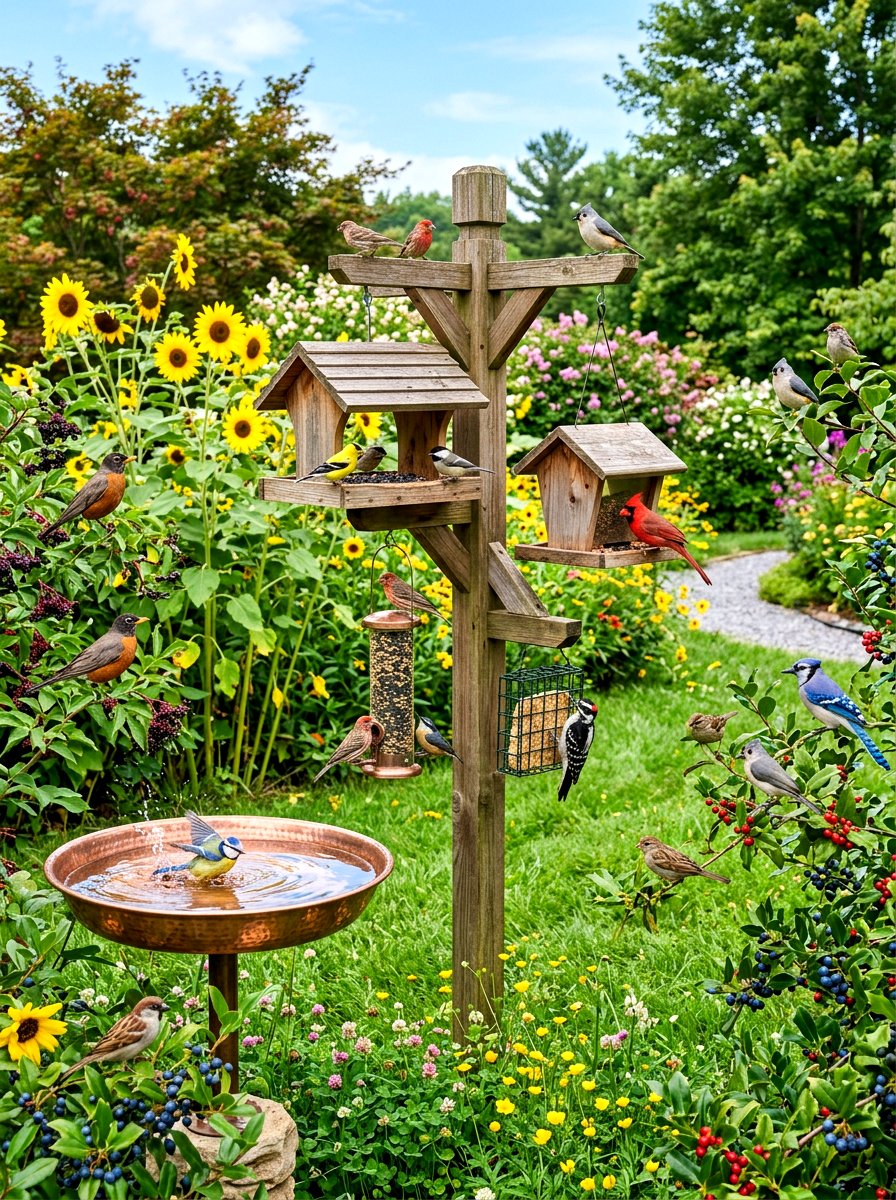
Setting up a bird feeder station adds layers of sound and life that keep the garden feeling dynamic throughout the seasons. The cheerful chirping and singing of different bird species provide a natural soundtrack that is both uplifting and relaxing. Watching various birds interact, feed, and bathe offers endless visual entertainment and a deeper connection to local wildlife. You can use different types of feeders to attract specific species, such as hummingbirds or finches, adding even more variety to the sights and sounds. Placing a birdbath nearby further enhances the experience, as the sound of splashing water combines with the birds' songs to create a peaceful, harmonious outdoor environment.
11. Succulent garden display
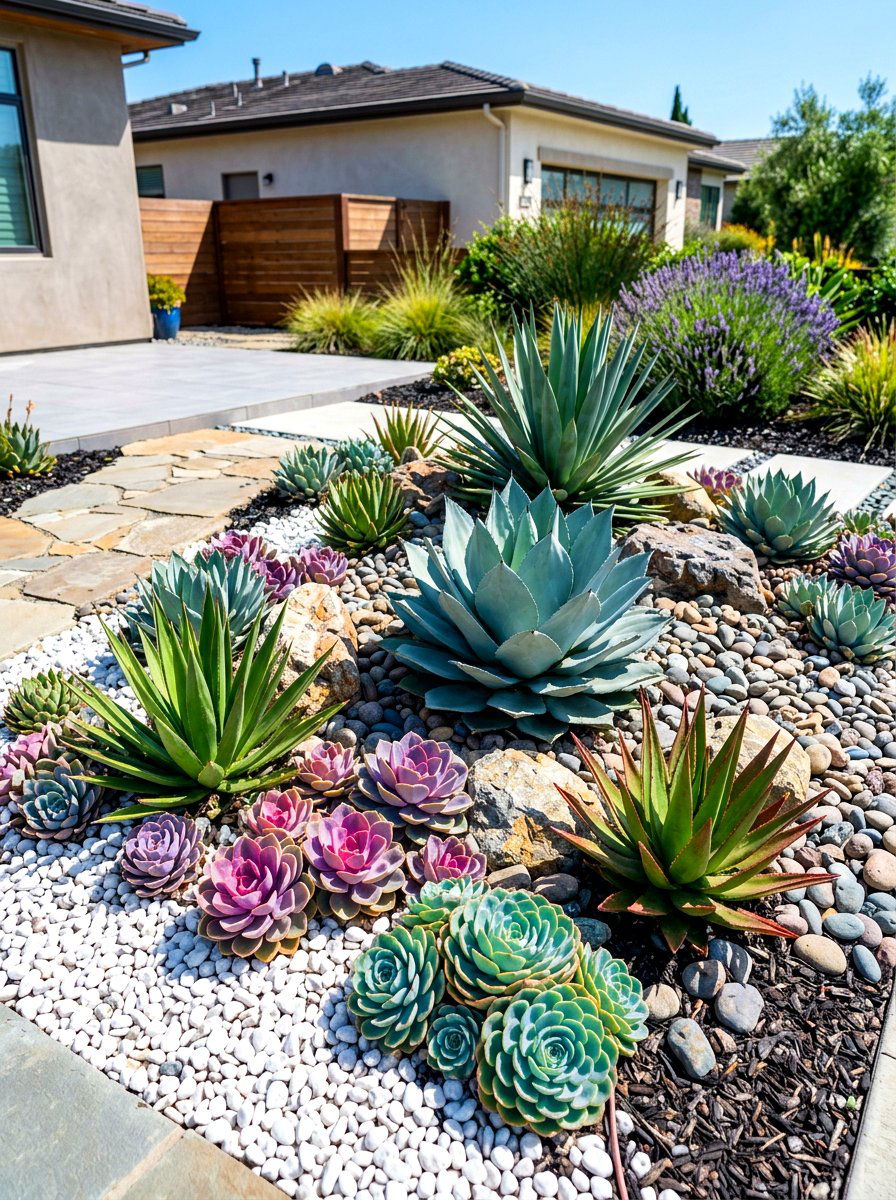
A succulent garden display offers a modern aesthetic focused on intriguing shapes and fleshy, tactile textures. These plants come in an incredible array of forms, from the spiky rosettes of agave to the soft, bead-like strings of pearls. Their thick leaves are fascinating to touch, and many varieties feature surprising colors like dusty blue, deep burgundy, or neon pink. Succulents are extremely low-maintenance and thrive in rocky or sandy soil, making them ideal for xeriscaping or container gardening. Arranging them in a shallow bowl or a dedicated rock bed creates a miniature landscape that invites close-up inspection. Their geometric patterns provide a sense of order and calm in a busy sensory space.
12. Vertical wall garden
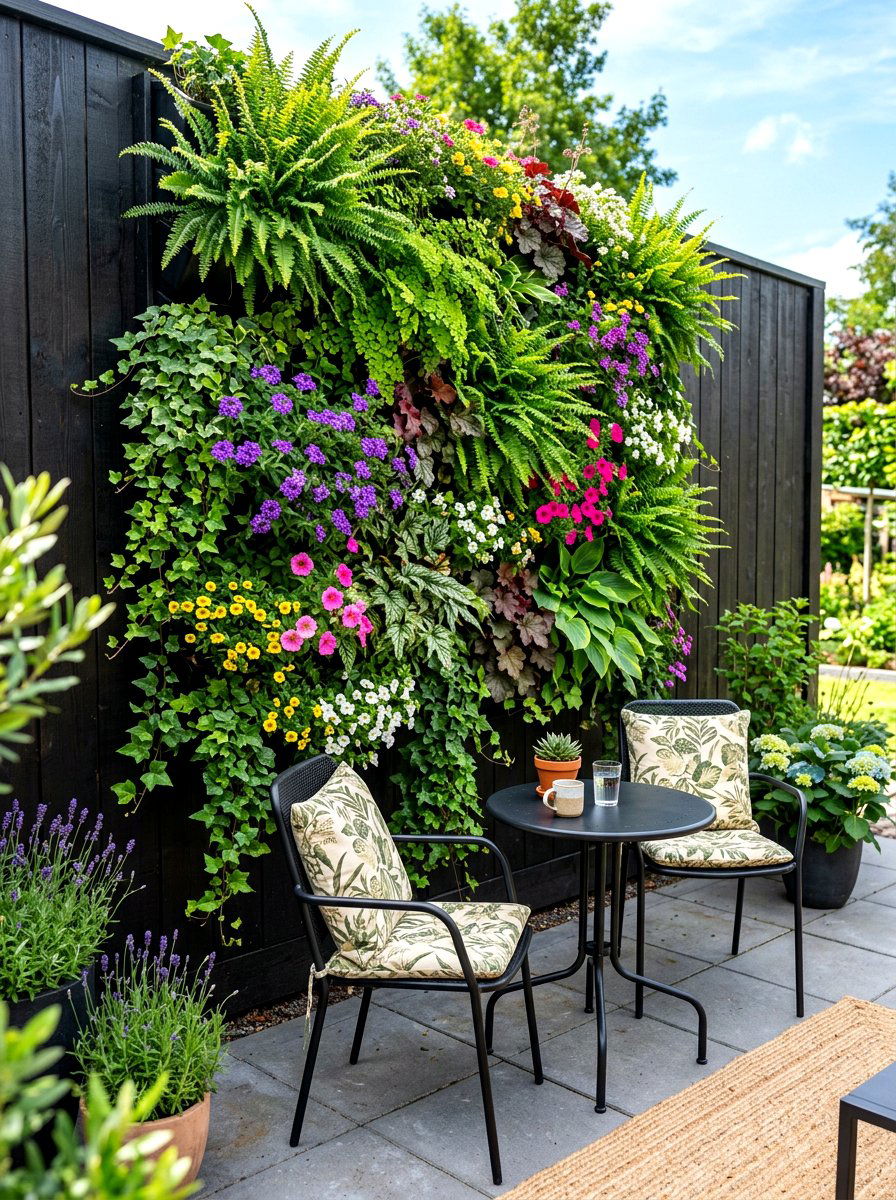
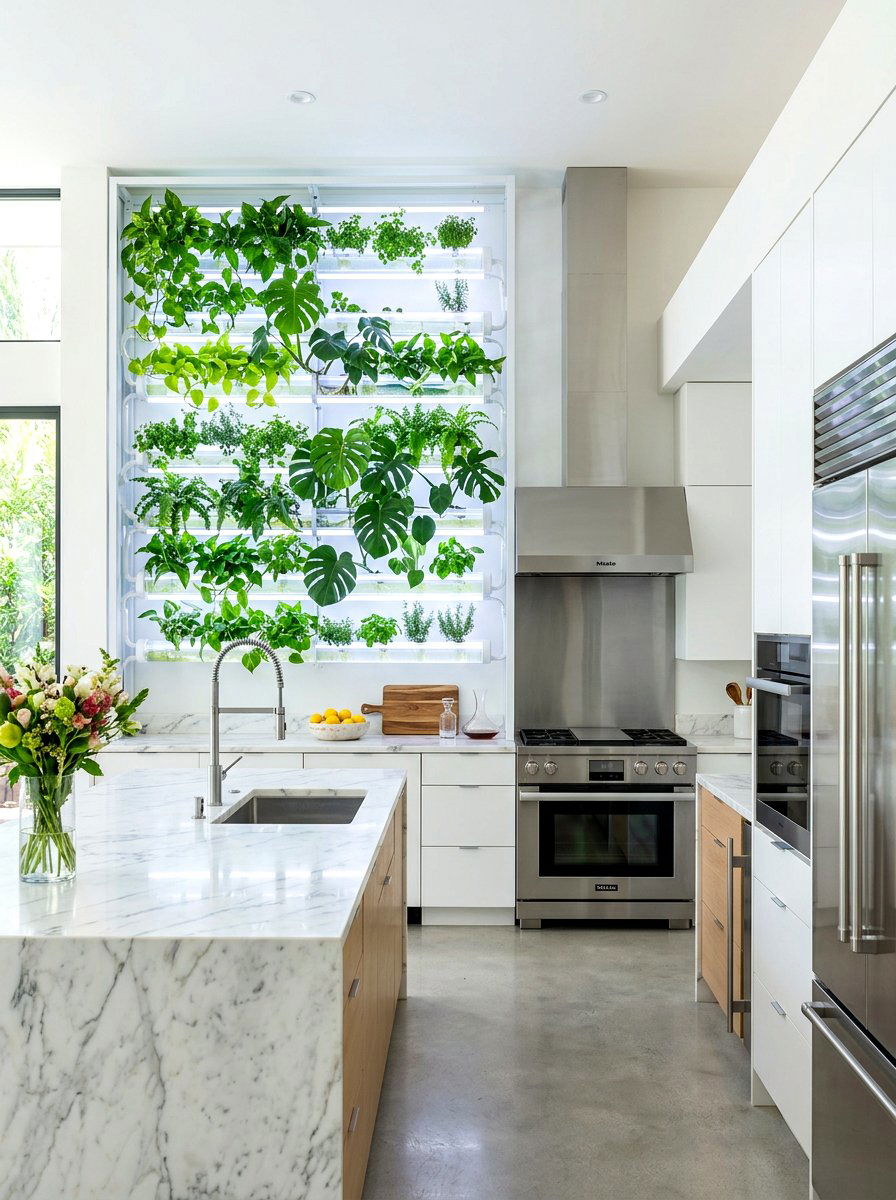
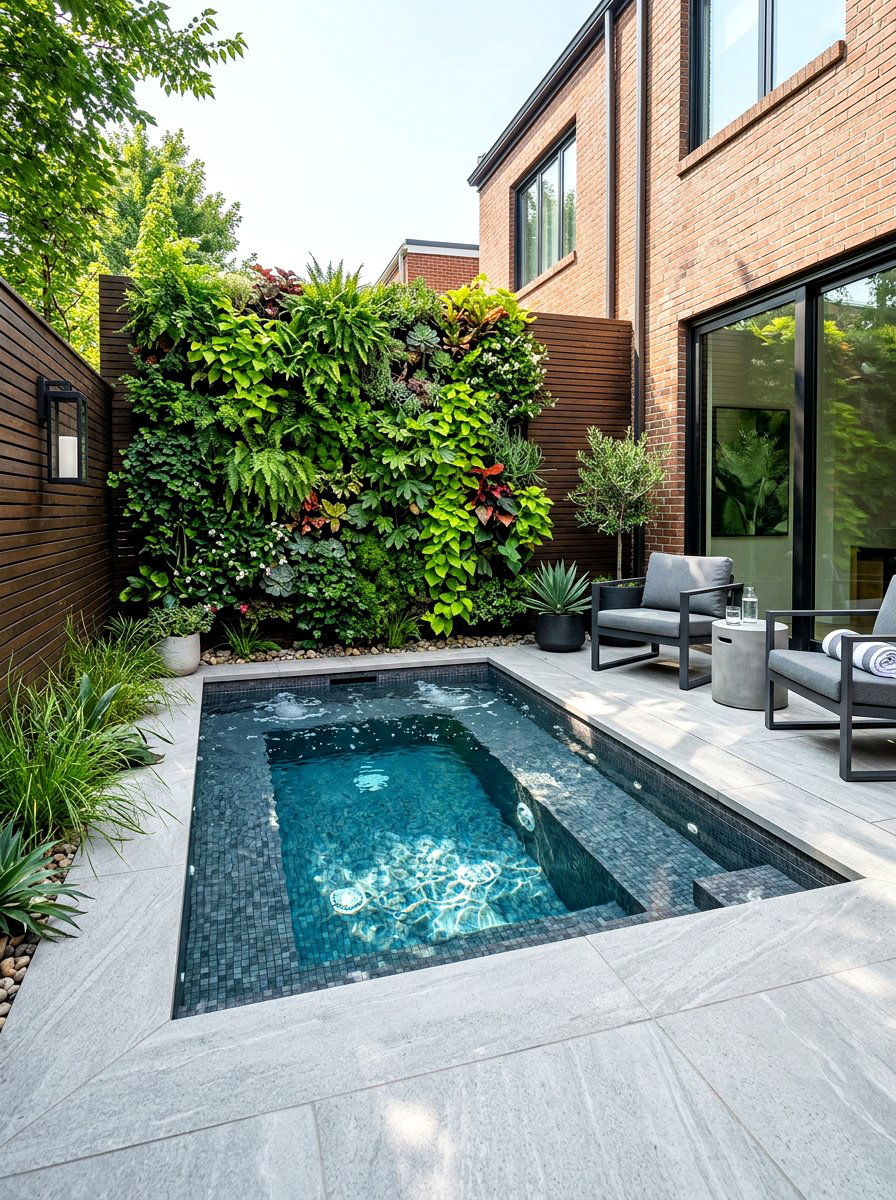
A vertical wall garden is a clever way to maximize sensory impact when floor space is limited. By mounting planters or pockets on a wall or fence, you can create a lush tapestry of textures and scents at eye level. This arrangement makes it easier to touch and smell the plants without having to bend down, which is great for accessibility. You can mix trailing vines, soft ferns, and aromatic herbs to create a diverse living mural. The vertical green space also helps to dampen noise and cool the air through transpiration, improving the microclimate of your patio. It transforms a plain structural element into a vibrant, breathing focal point of your garden design.
13. Zen rock garden
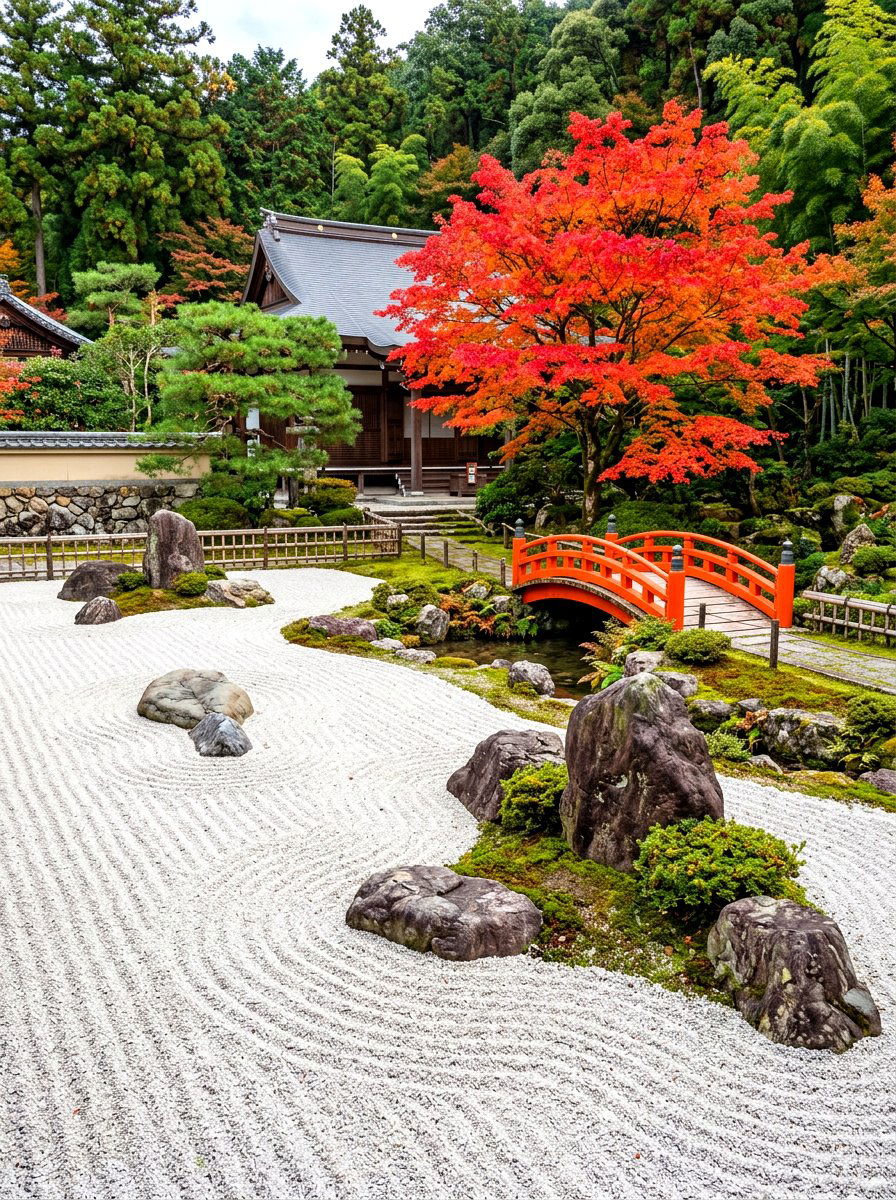
A Zen rock garden focuses on simplicity and mindfulness, engaging the senses through texture and visual balance. Typically featuring raked sand or fine gravel, these spaces invite you to participate in the meditative act of creating patterns in the ground. The contrast between the smooth sand and large, jagged boulders provides a powerful tactile and visual experience. These gardens are designed to be tranquil and uncluttered, offering a mental break from the sensory overload of daily life. Adding a single stone basin or a small wooden bridge can enhance the peaceful atmosphere. The neutral color palette and clean lines promote a sense of inner peace, making it an ideal spot for morning meditation.
14. Solar garden lights
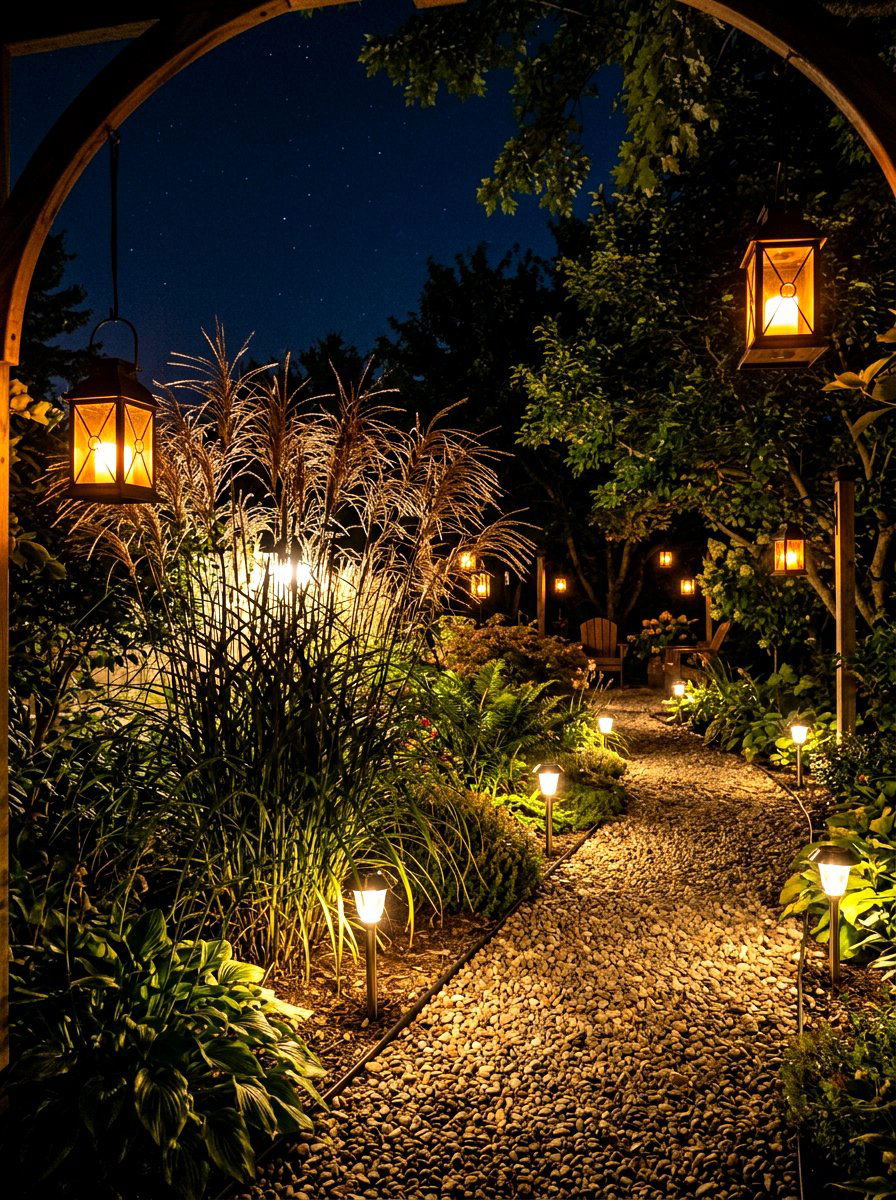
Integrating solar garden lights allows you to enjoy the sensory experience of your outdoor space long after the sun has set. These lights can be used to highlight specific architectural plants, cast dramatic shadows, or guide you along a dark path. The soft, warm glow creates a magical ambiance that feels entirely different from the daytime garden. Some solar lights even feature flickering flame effects or color-changing modes to add a playful visual element. Using lanterns or string lights can make a seating area feel cozy and inviting. By illuminating the garden at night, you extend the hours of enjoyment and discover new textures and silhouettes that are hidden during the day.

15. Mint garden bed
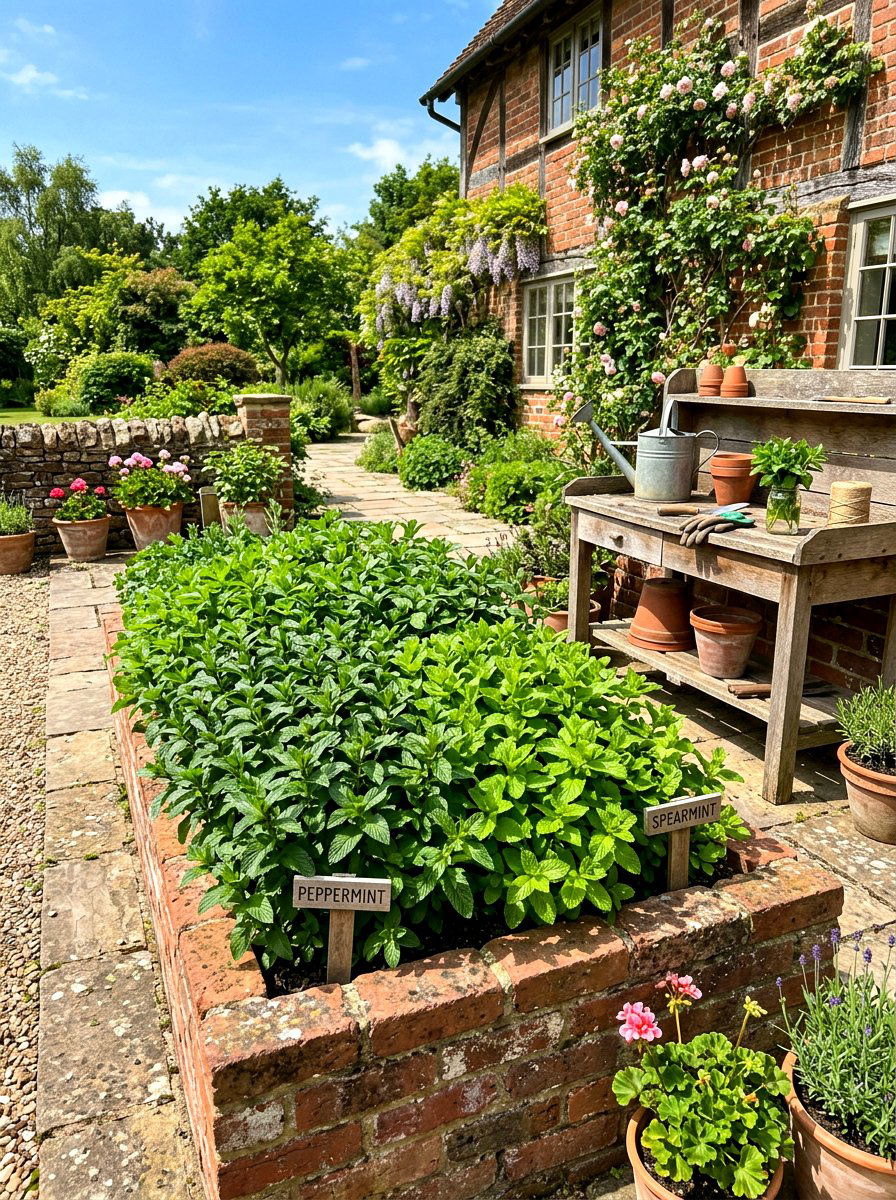
A dedicated mint garden bed is a treat for both the nose and the palate, offering an explosion of fresh scent. Because mint grows aggressively, it is often best to plant it in a contained bed or large pots to prevent it from taking over. There are many surprising varieties available, such as chocolate mint, pineapple mint, and ginger mint, each with its own unique fragrance and flavor profile. Brushing your hand over the leaves releases an instant cooling aroma that can be incredibly refreshing on a hot day. You can use the fresh leaves for teas, cocktails, or cooking, making this a highly functional and interactive part of your sensory landscape.
16. Bamboo water spout
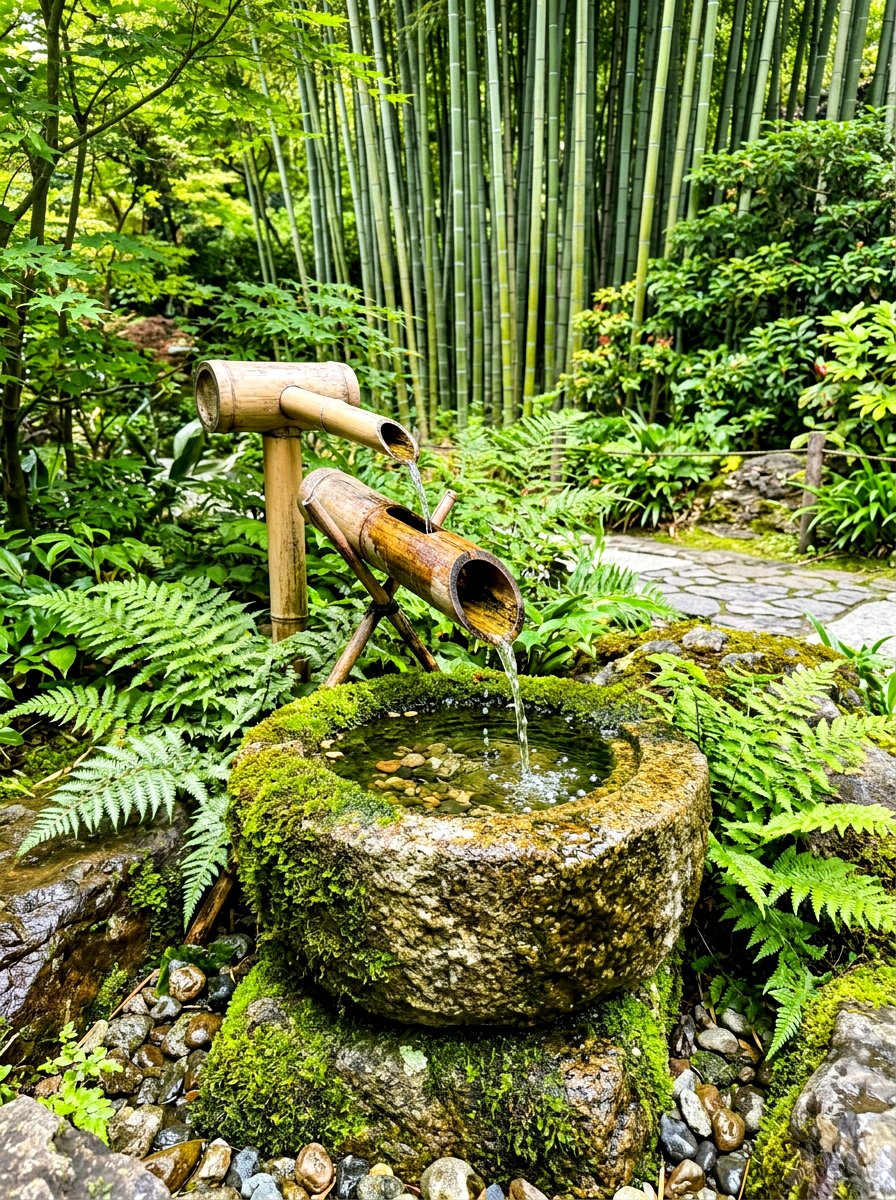
A bamboo water spout, often called a "shishi-odoshi" or deer scarer, adds a unique rhythmic sound to your garden. As water fills the hollow bamboo tube, it eventually tips over, spilling the water and creating a sharp, echoing "clack" as it hits a stone. This traditional Japanese feature provides a sense of time and rhythm, breaking the silence in a peaceful way. Visually, the natural bamboo material blends seamlessly into a garden setting, offering a rustic and organic look. The combination of flowing water and the mechanical movement of the wood creates a fascinating focal point. It is an excellent way to introduce an ancient, meditative auditory element into a modern sensory-focused backyard.
17. Bright sunflower patch

Planting a bright sunflower patch creates a massive visual impact that brings instant cheer to any outdoor space. These towering giants are famous for their large, sunny yellow faces that actually track the movement of the sun throughout the day. Their height makes them feel like a living wall, providing a sense of enclosure and privacy. Beyond their beauty, the center of the flower is filled with interesting textures as the seeds develop, which can be harvested for eating or left for local birds. Growing sunflowers is a fun project for families, as the rapid growth is exciting to watch. They symbolize joy and energy, making them a perfect centerpiece for a visual-heavy sensory garden area.
18. Woodland moss garden

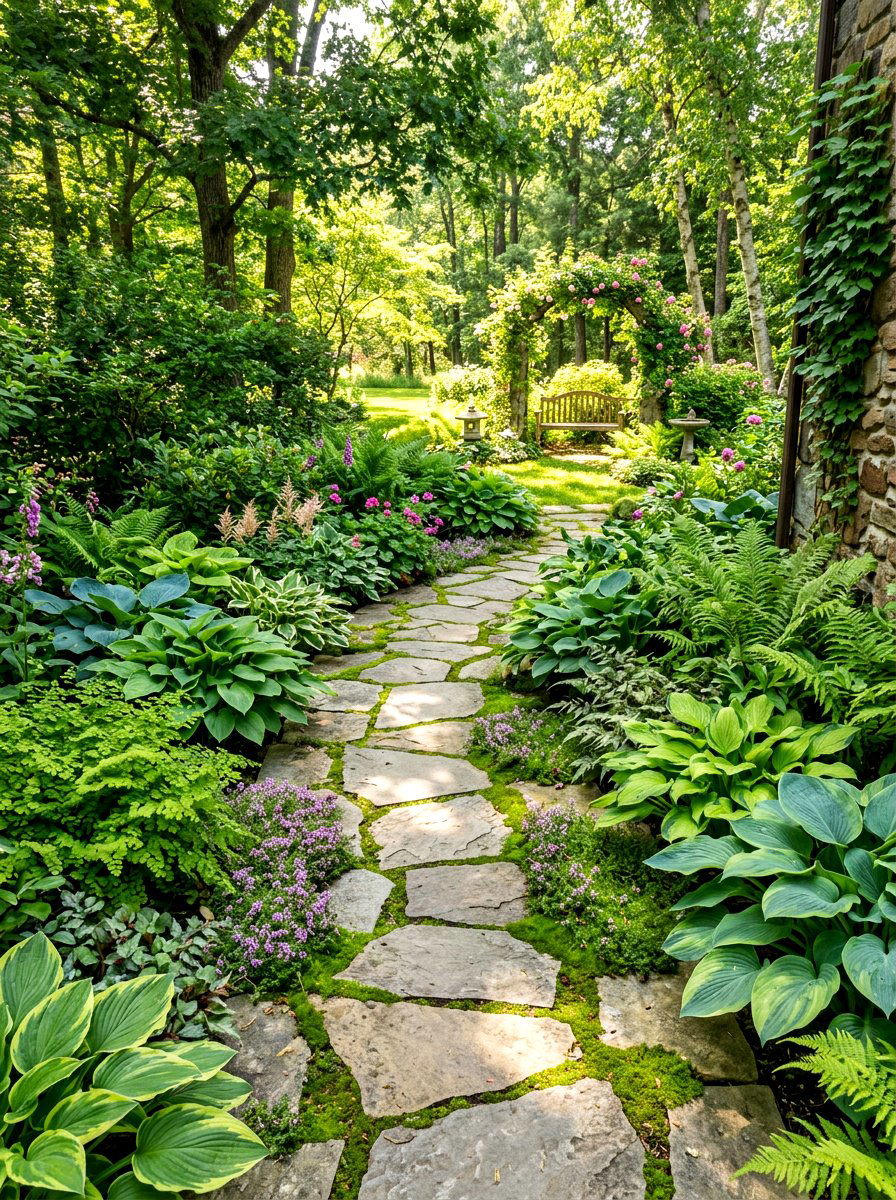
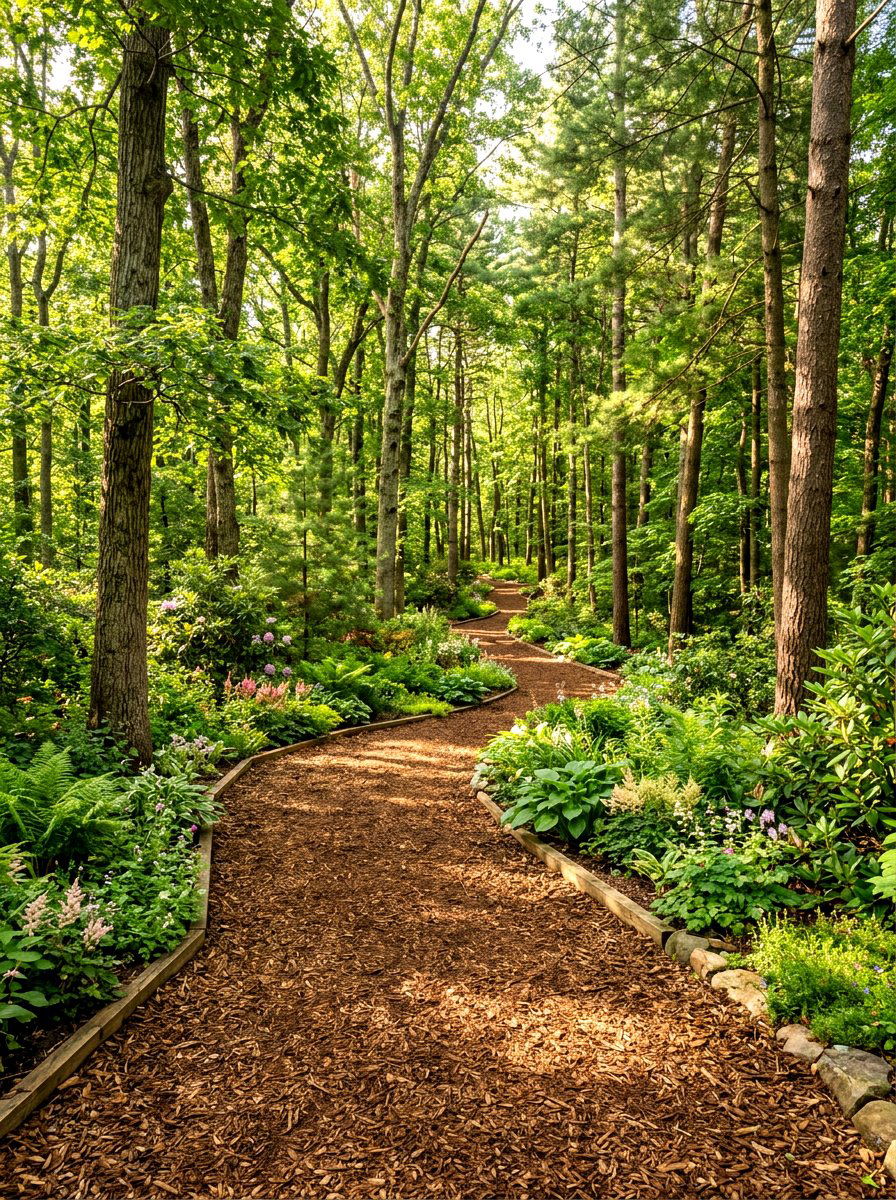
A woodland moss garden offers a lush, velvety experience that thrives in shady, damp areas of the yard. Moss is incredibly soft to the touch and stays vibrant green throughout most of the year, providing a cooling visual effect. It creates a prehistoric, fairy-tale atmosphere that feels quiet and grounded. Walking on a moss carpet or touching a moss-covered rock provides a unique tactile sensation that is quite different from typical garden plants. Moss also helps to retain moisture and can act as a natural air purifier for your immediate surroundings. This low-growing plant requires very little maintenance once established, making it a peaceful and enduring addition to a quiet, shaded sensory nook or corner.
19. Reflective garden mirror
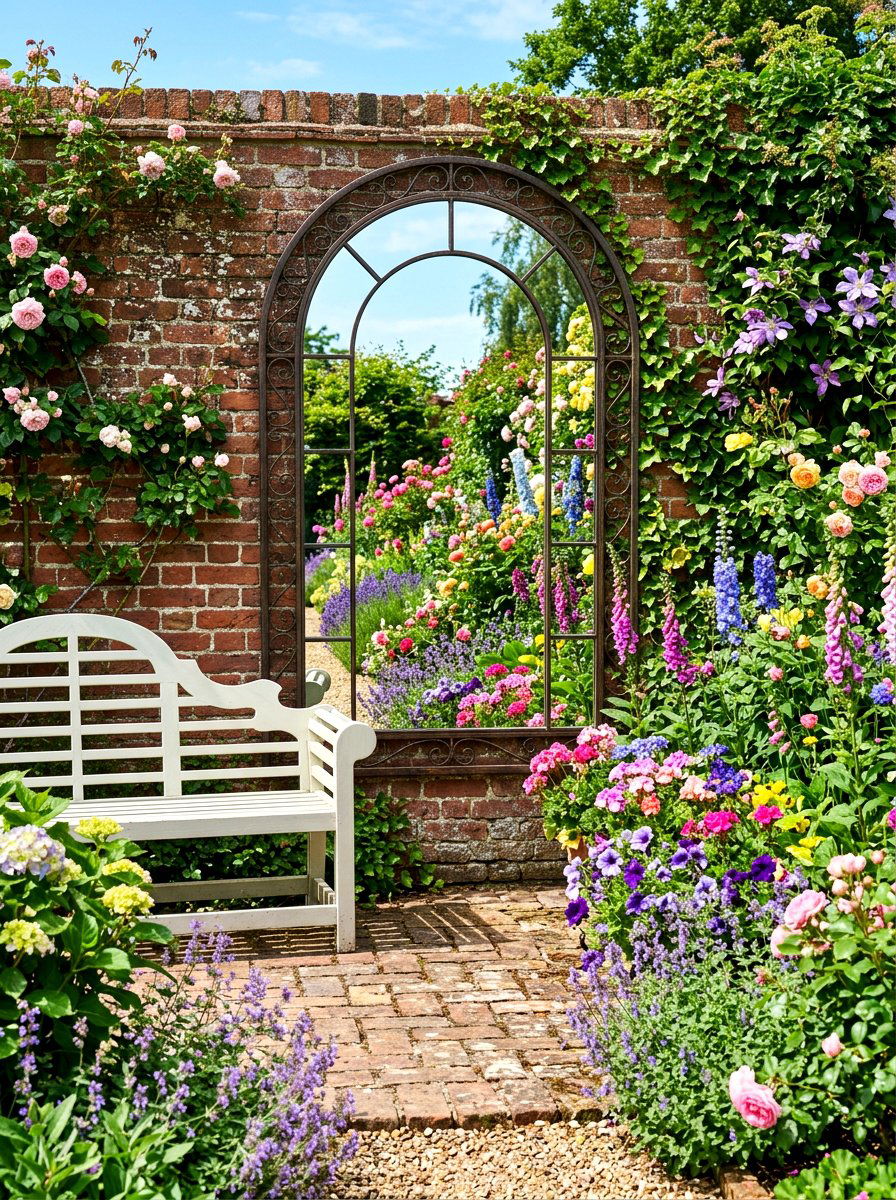
Installing a reflective garden mirror is a clever trick to enhance the visual depth and light in a sensory space. By strategically placing a mirror on a fence or wall, you can create the illusion of a larger, hidden garden beyond the glass. It reflects the colors of the flowers and the movement of the trees, doubling the visual impact of your hard work. During the golden hour, the mirror catches the warm light, casting a beautiful glow back into the shaded areas of the yard. It also provides a unique perspective on the sky and clouds, bringing more of the natural world into your direct line of sight. It is a simple yet effective way to add magic.
20. Seating area fire pit
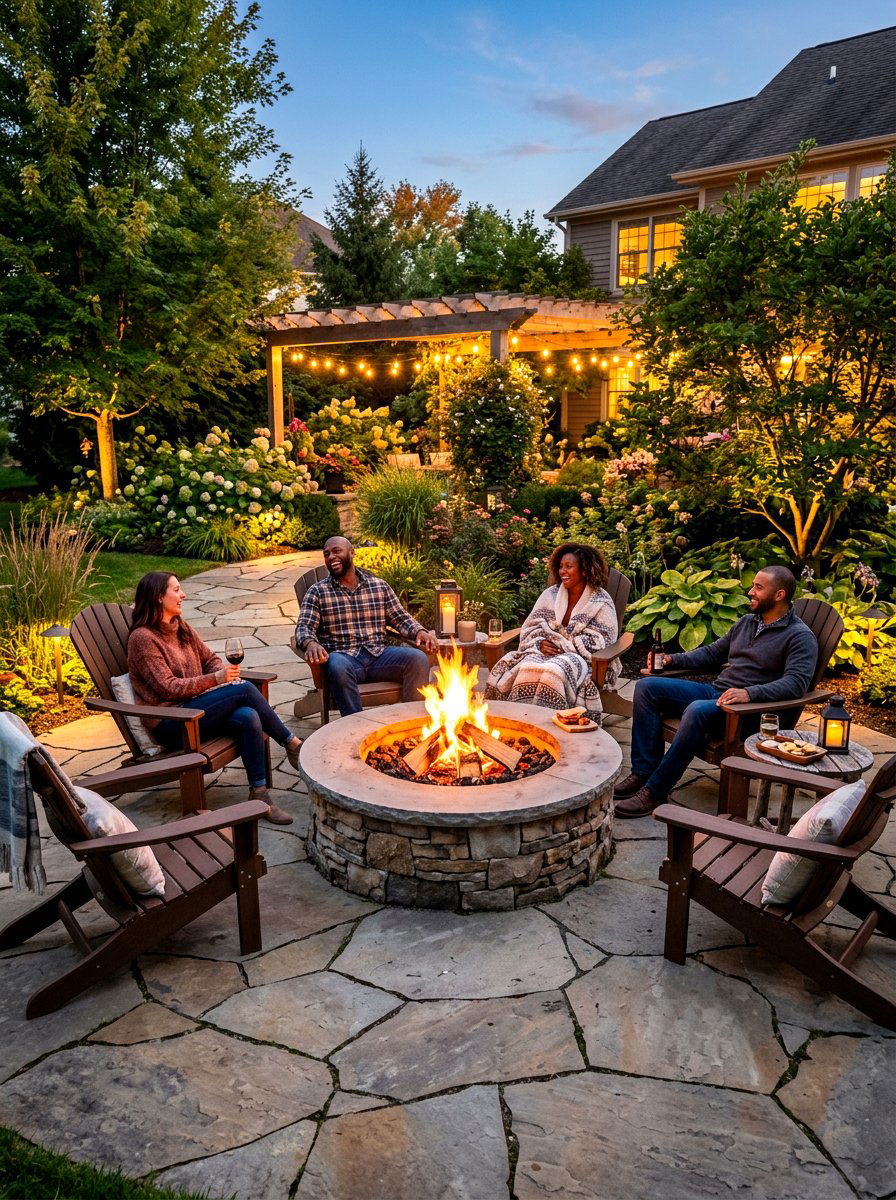
Adding a seating area fire pit introduces the primal sensory elements of warmth, dancing light, and the comforting scent of woodsmoke. Gathering around a crackling fire provides a powerful focal point for social interaction or quiet contemplation during cool evenings. The orange and red glow of the embers creates a cozy atmosphere that stimulates the sense of sight and provides physical comfort. You can even use the fire for tasting experiences, like roasting marshmallows or making simple outdoor snacks. The sound of logs popping and hissing adds to the auditory layer of the garden. A fire pit turns your backyard into a year-round destination that feels intimate, grounding, and deeply connected to the elements of nature.
21. Fruit tree orchard
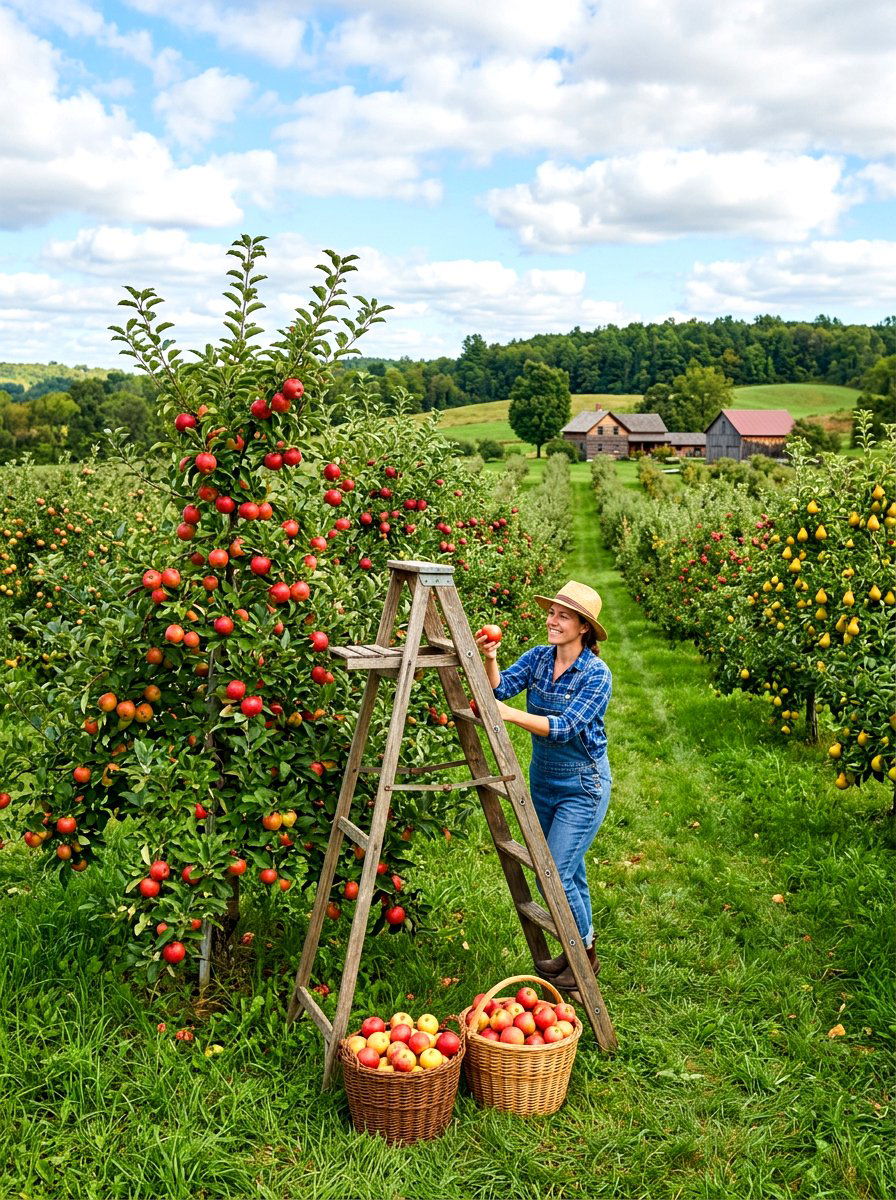
A fruit tree orchard, even if it only consists of a few dwarf trees, provides an incredible sensory journey through the seasons. In the spring, the trees are covered in delicate, fragrant blossoms that attract a symphony of buzzing bees. As summer progresses, the developing fruit offers a changing visual display of colors, from green to deep reds or oranges. The ultimate reward is the taste of a sun-ripened apple, pear, or peach picked directly from the branch. The texture of the tree bark and the rustle of the leaves in the canopy add further sensory layers. This edible landscape encourages a deep appreciation for the cycles of growth and the sweetness of nature’s bounty.
22. Hanging flower baskets
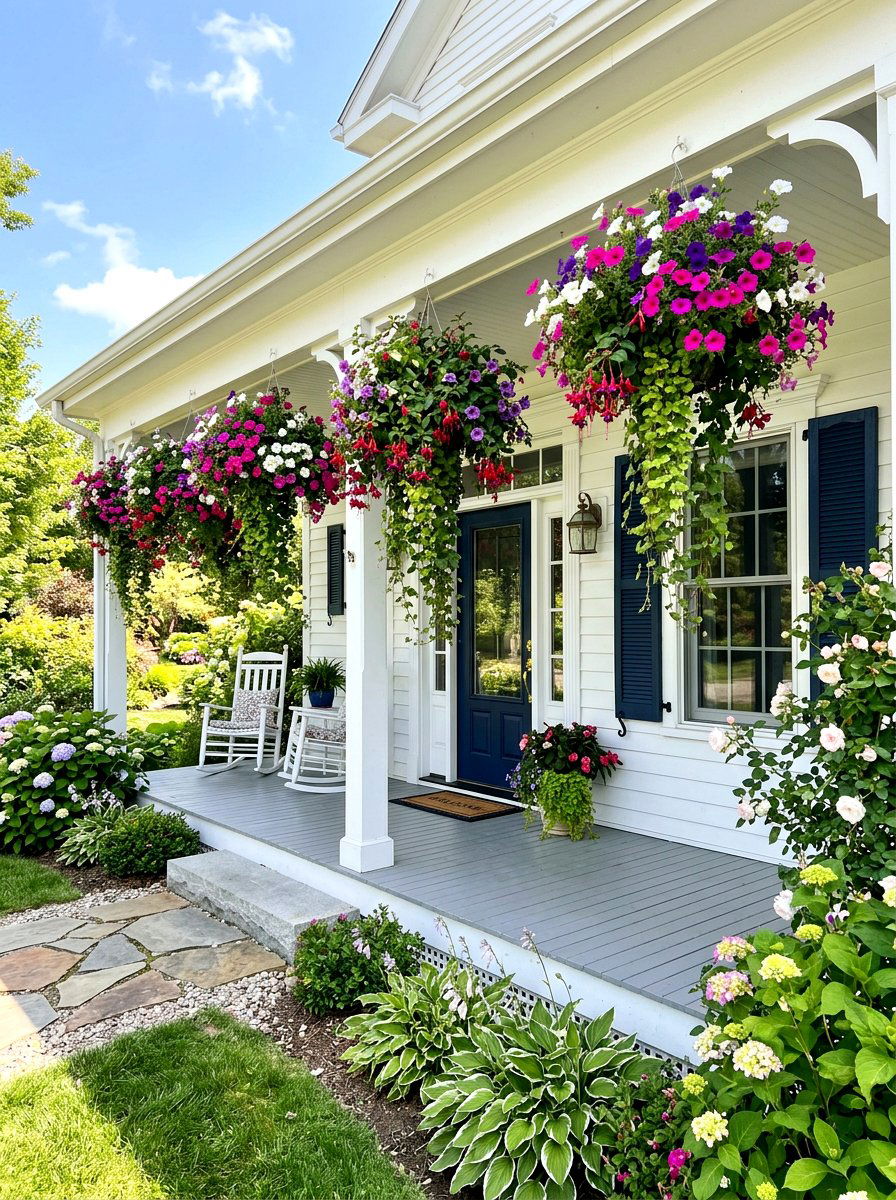
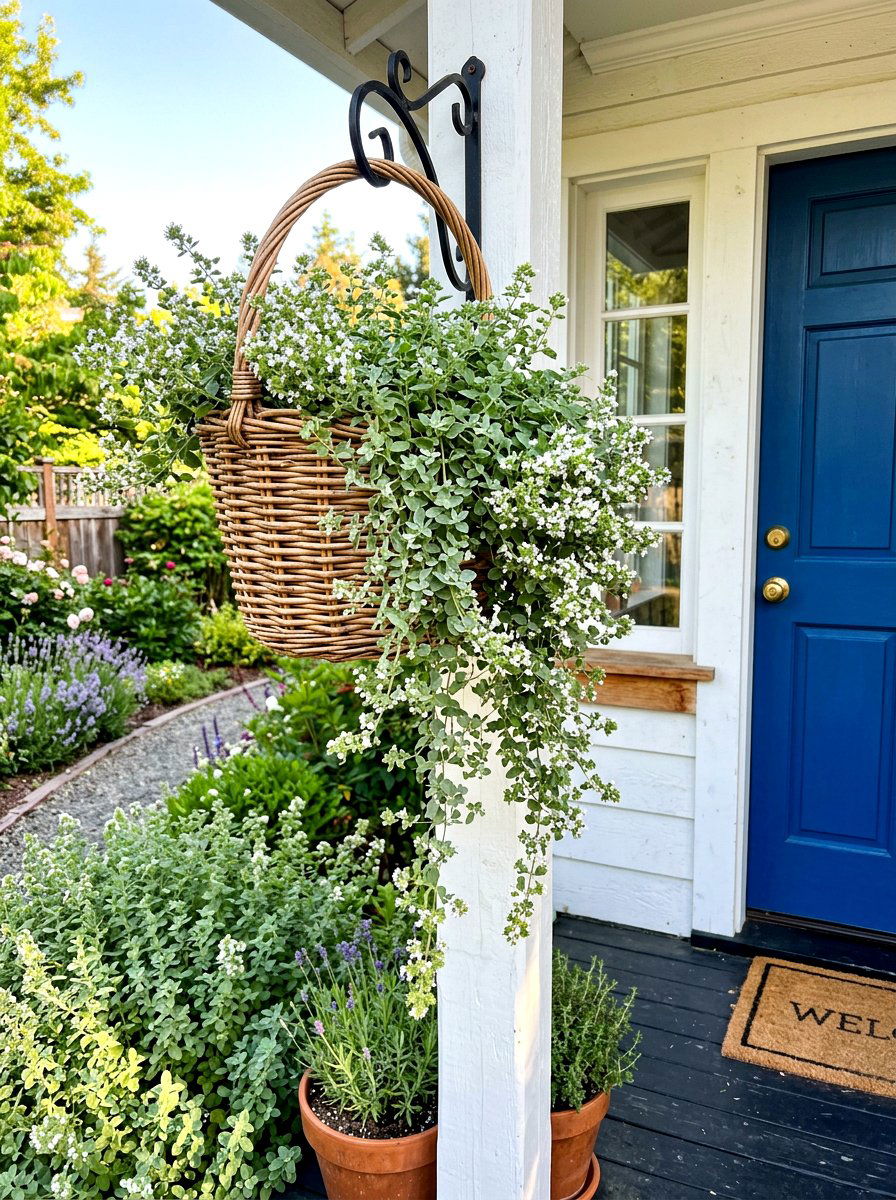
Hanging flower baskets bring pops of color and fragrance to eye level, making them an essential part of a multi-dimensional sensory garden. By elevating plants like trailing petunias, fuchsias, or lobelia, you create a sense of being surrounded by nature from above. This vertical interest is especially effective on porches, balconies, or near doorways where you can enjoy the scent every time you pass through. The sight of overflowing blooms and trailing foliage adds a soft, romantic feel to the architecture of your home. You can easily rotate the plants to match the seasons, ensuring that your garden always has something fresh and vibrant to look at. They are a versatile tool for adding immediate impact and charm.
23. Wildflower meadow area
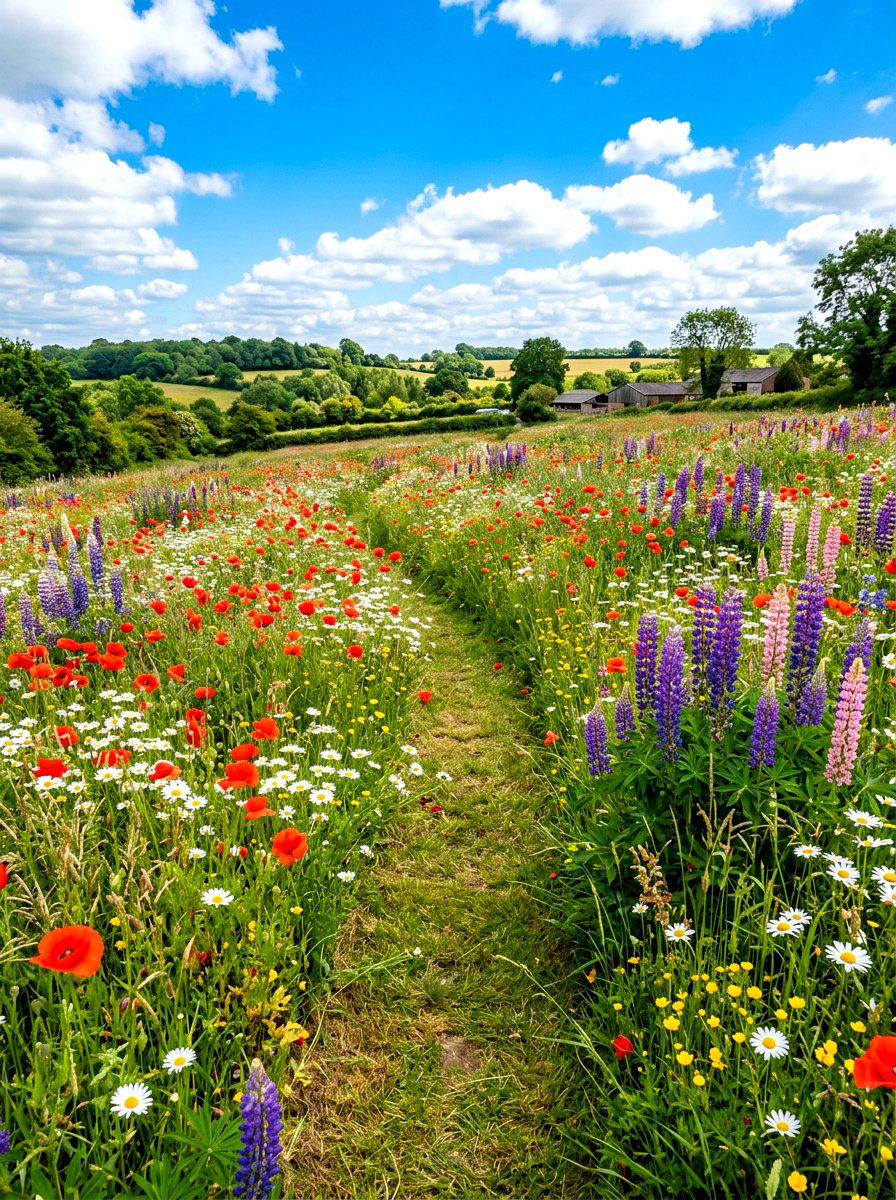
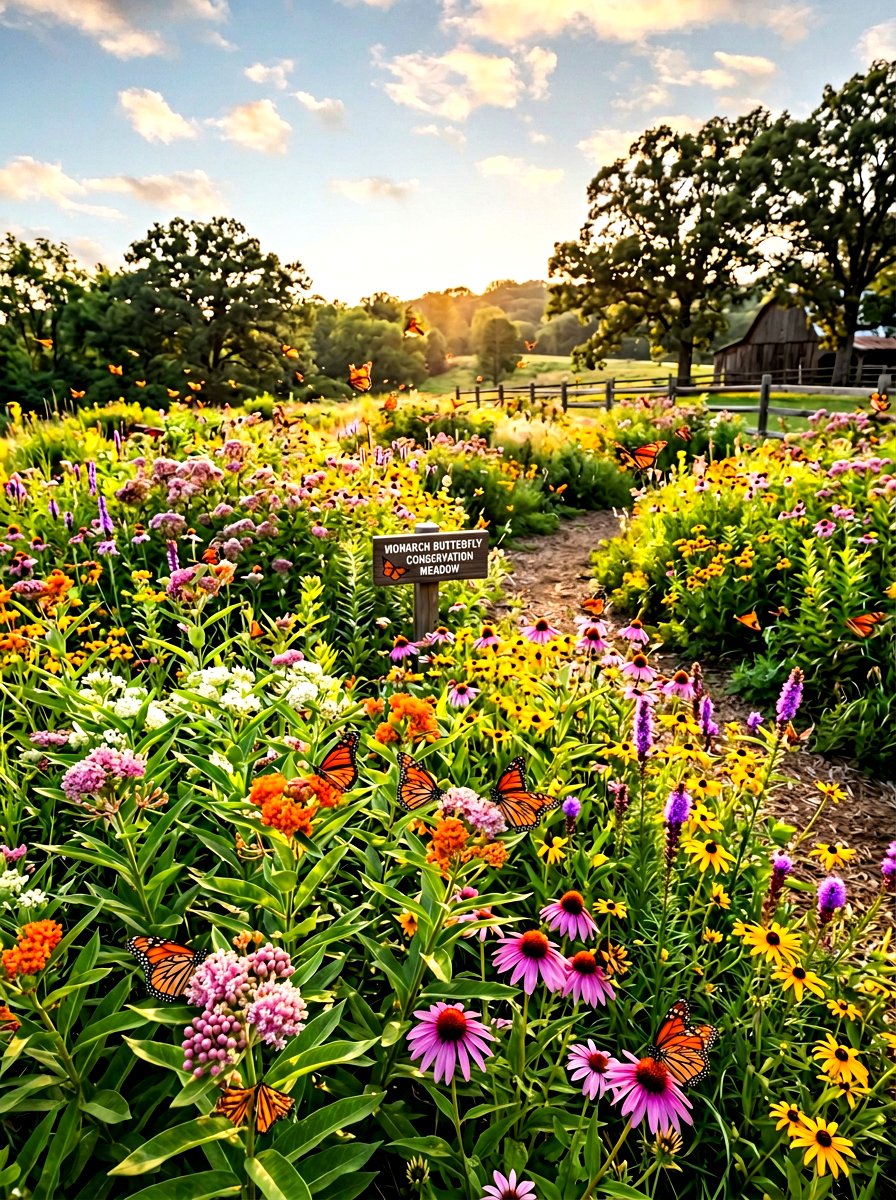
Creating a wildflower meadow area is a wonderful way to embrace the untamed beauty and sounds of a natural ecosystem. Instead of a manicured lawn, a patch of wildflowers offers a riot of colors, shapes, and heights that change constantly. This environment becomes a buzzing hub for insects, providing a rich auditory experience filled with the sounds of crickets and bees. The movement of the tall stems in the wind is visually hypnotic and creates a sense of peaceful isolation from the outside world. Wildflowers are generally very easy to care for and support local biodiversity by providing food for native wildlife. It is a low-stress way to bring a slice of the countryside into your own backyard.
24. Arched trellis walkway
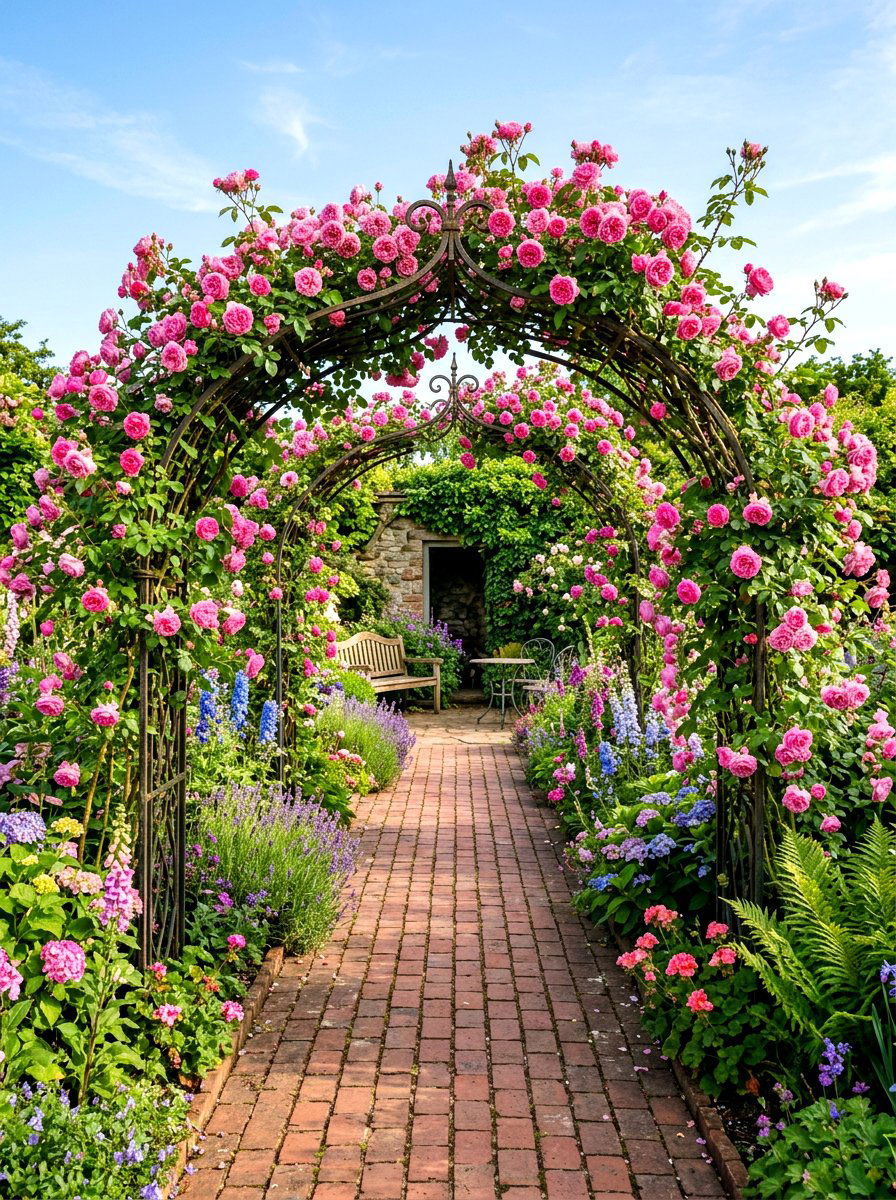
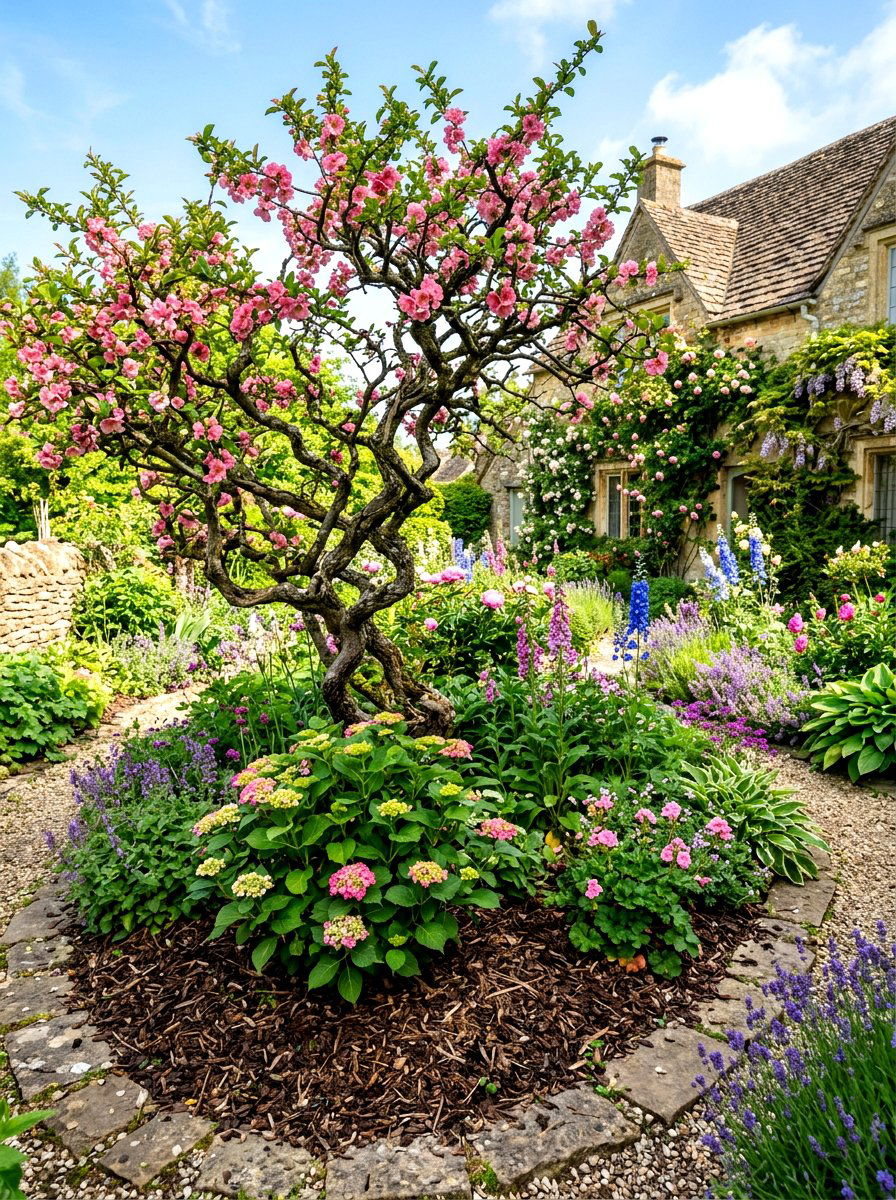
An arched trellis walkway covered in climbing plants creates an immersive tunnel of greenery that feels like stepping into another world. Whether you use climbing roses for their scent or leafy vines like ivy for their texture, the structure provides a sense of enclosure and protection. Walking through a living archway stimulates the senses by surrounding you with overhead foliage and dangling flowers. It also creates beautiful patterns of light and shadow on the ground as the sun filters through the leaves. This architectural feature can be used to connect different areas of the garden, making the act of moving through the space a sensory event in itself. It adds a grand, magical feeling to any landscape.

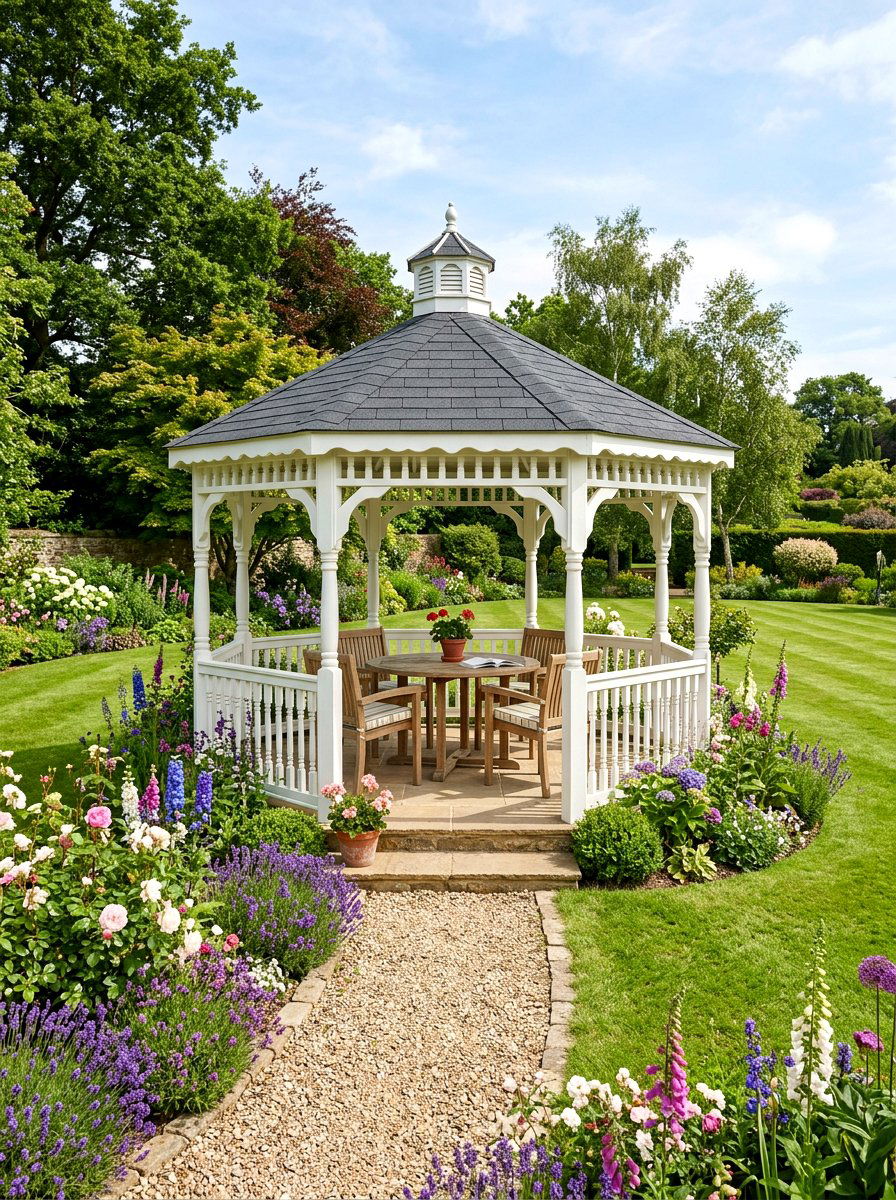


25. Soft lawn area
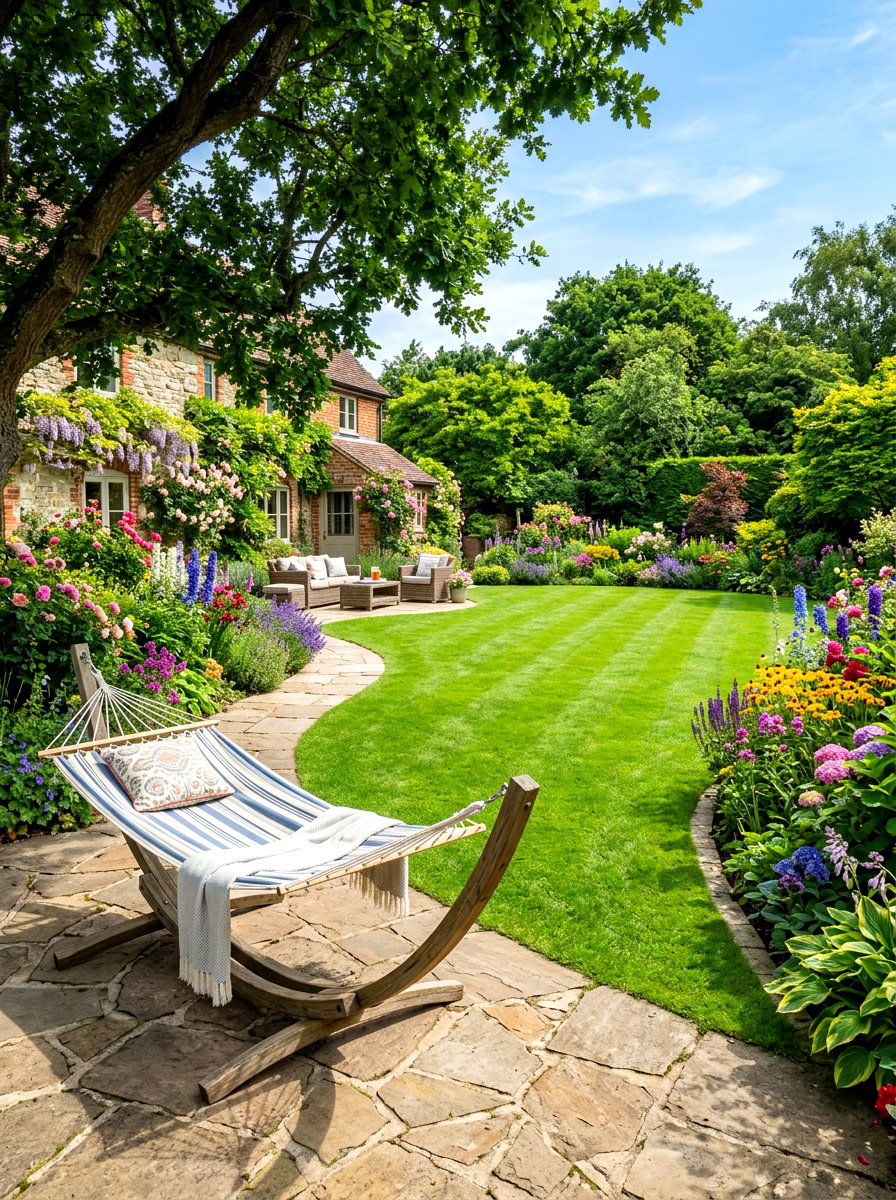
A soft lawn area serves as a tactile rug for the outdoors, inviting you to kick off your shoes and feel the grass between your toes. Using fine-bladed grass varieties or even clover can create a lush, cool surface that is perfect for picnics or lounging. The scent of freshly cut grass is one of the most iconic and beloved garden aromas, often triggering happy summer memories. A well-maintained lawn also provides a calm, neutral visual break from the more busy and colorful flower beds. It offers a safe and comfortable space for children and pets to play, making the garden an active part of daily life. This simple feature grounds the entire sensory experience.
26. Colored glass mulch
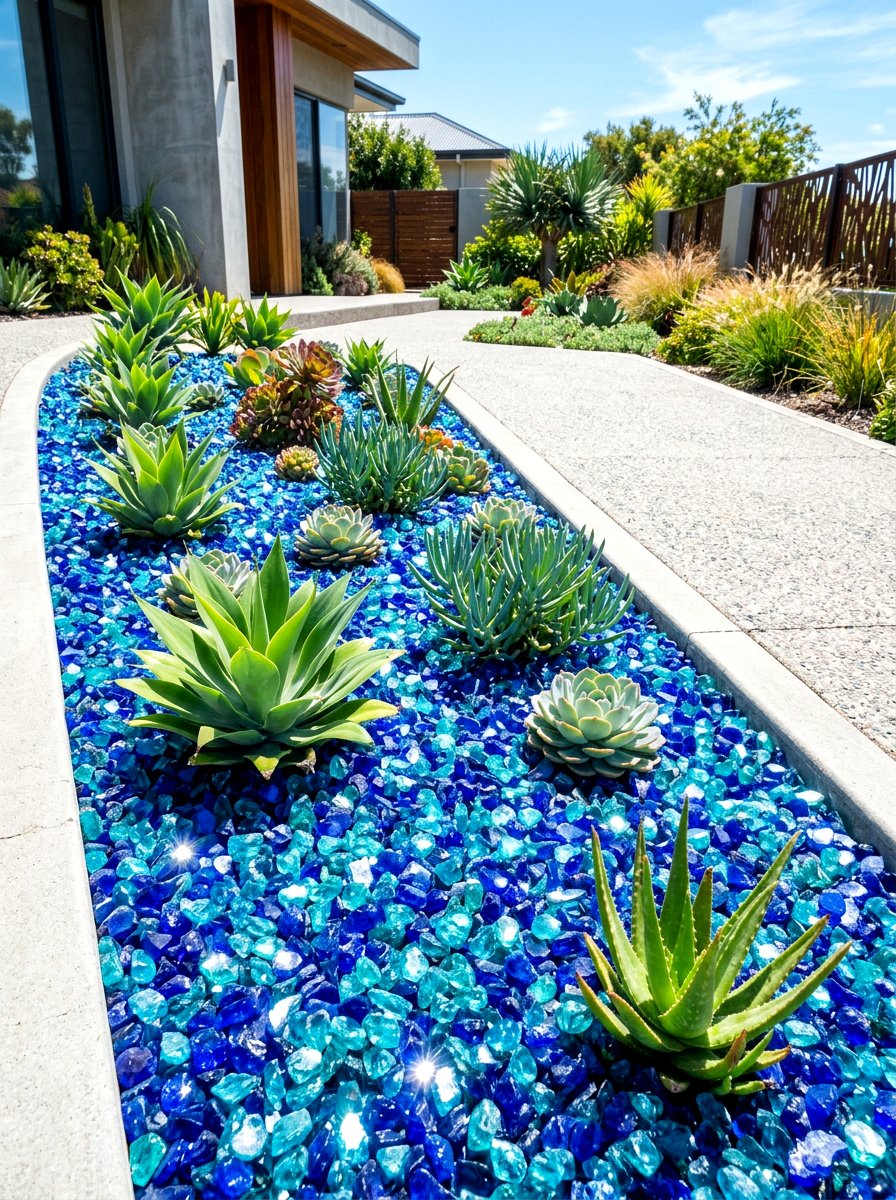
Using colored glass mulch is a creative way to add permanent, vibrant color and light-reflective qualities to your garden beds. Made from recycled glass with smoothed edges, this material is safe to handle and provides a unique tactile crunch when touched. Unlike traditional wood mulch, it won't fade or decompose, keeping your garden looking bright year-round. When the sun hits the glass, it sparkles and creates beautiful shimmering effects that draw the eye. You can use different colors to mimic water, fire, or lush green fields, adding an artistic and modern flair to your design. It is an excellent way to suppress weeds while introducing a playful and unexpected visual element to your sensory-focused landscape.
27. Vegetable garden patch
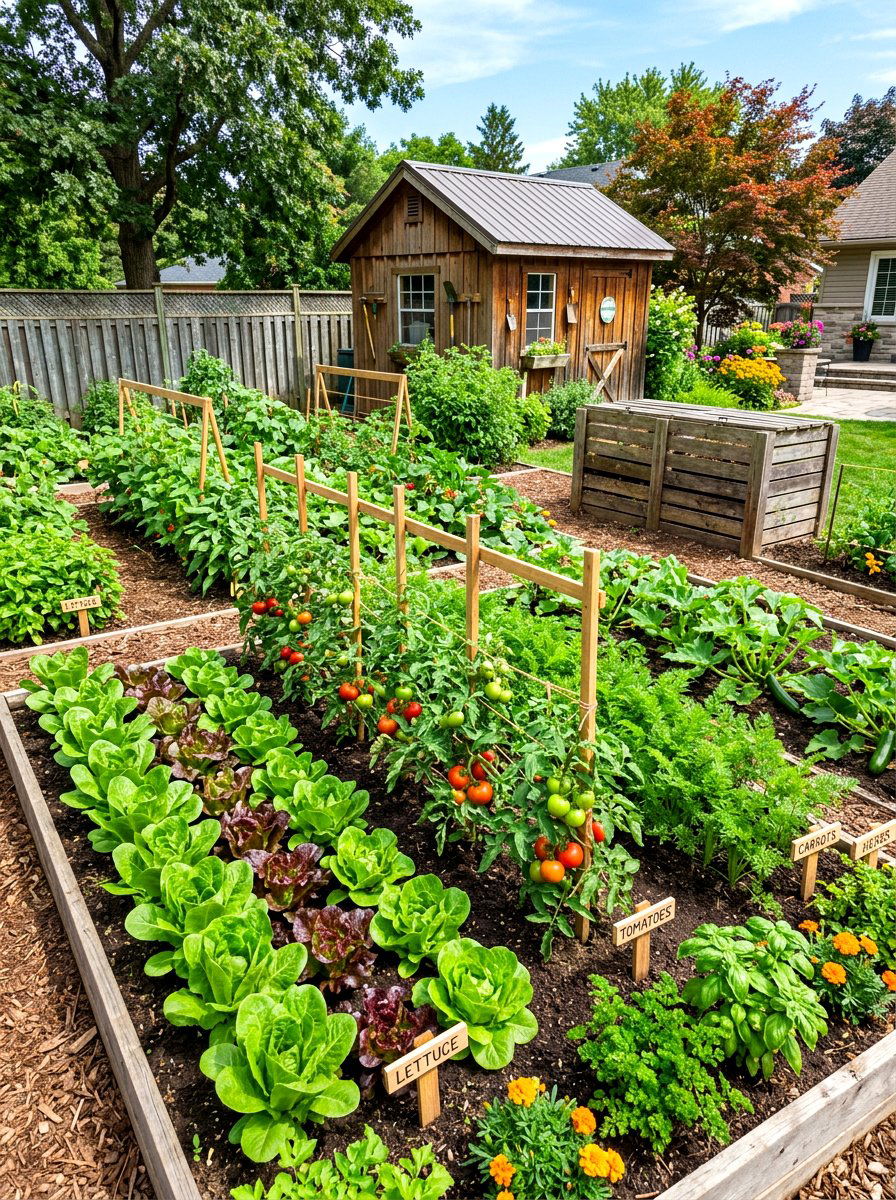
A vegetable garden patch is the ultimate way to engage the sense of taste while learning about the origins of your food. Planting a variety of vegetables like crunchy carrots, juicy tomatoes, and crisp snap peas provides a diverse range of flavors and textures to explore. The process of digging in the soil and feeling the different leaf surfaces — from the rough leaves of cucumbers to the feathery tops of carrots — is highly tactile. Watching a tiny seed transform into a massive pumpkin or a tall corn stalk is a rewarding visual experience. Sharing the harvest with friends and family adds a social and emotional dimension to the garden, making it a place of nourishment and deep connection.
28. Rose garden walkway
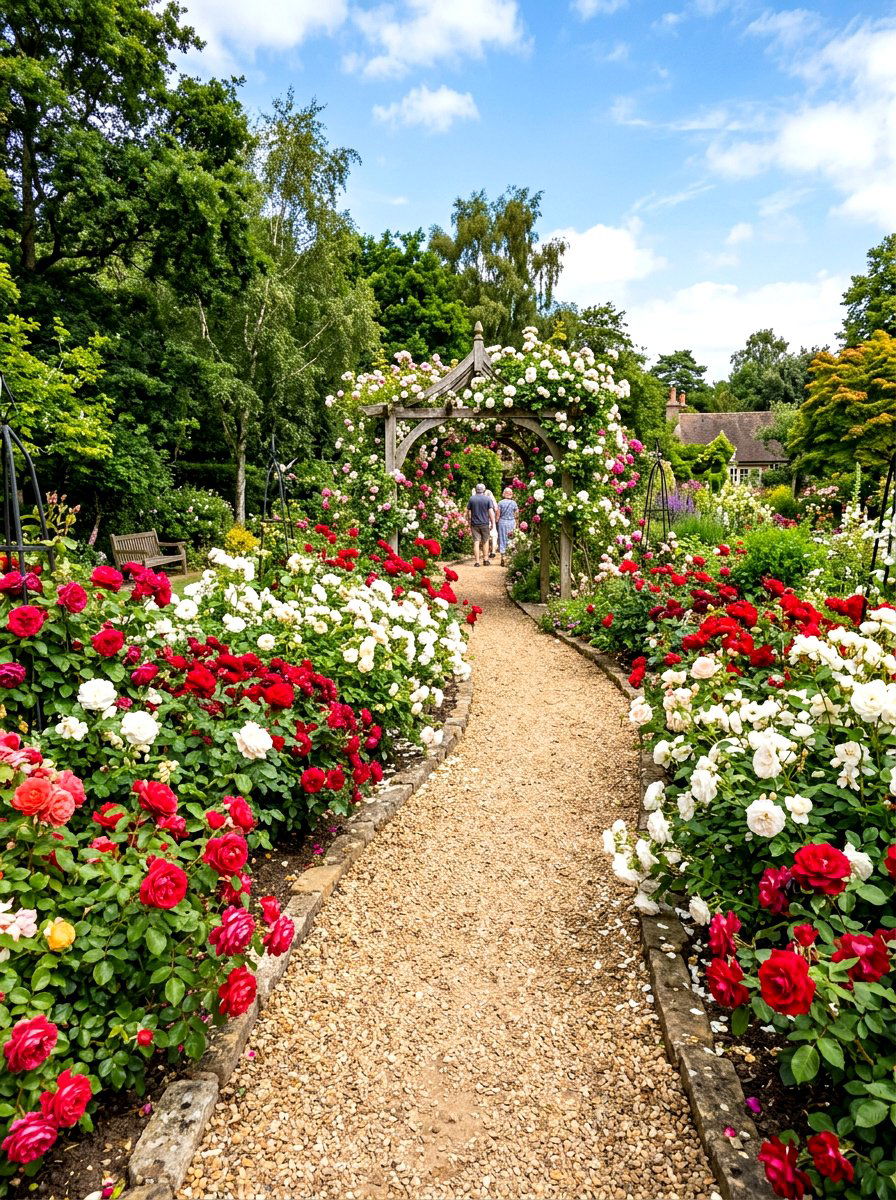
Designing a rose garden walkway offers a classic sensory experience centered on incredible fragrances and stunning floral beauty. Roses come in an endless variety of scents, from spicy and fruity to deep and musky, allowing you to curate a unique aromatic journey. Lining a path with repeat-blooming shrubs ensures that the scent and color remain consistent throughout the growing season. The delicate petals are soft to the touch, though the stems provide a cautionary tactile reminder with their thorns. Visually, the dense clusters of petals in shades of crimson, pink, and apricot create a luxurious and romantic atmosphere. This type of garden encourages you to stop and literally "smell the roses" as you move through your day.
29. Chattering bamboo forest

Planting a small grove of bamboo creates a "chattering bamboo forest" that is world-renowned for its unique auditory qualities. When the wind blows, the tall, hollow canes knock against one another, producing a hollow, percussive sound that is incredibly soothing and exotic. The dense foliage also creates a loud rustling noise, perfect for blocking out the sounds of nearby traffic or neighbors. Visually, the vertical lines of the bamboo stalks create a sense of height and tropical elegance. Bamboo is a fast-growing plant that can quickly provide privacy and shade. Using clumping varieties ensures that the forest stays in its designated spot, offering a permanent and rhythmic soundscape that makes your garden feel like a far-off retreat.
30. Scented geranium pots
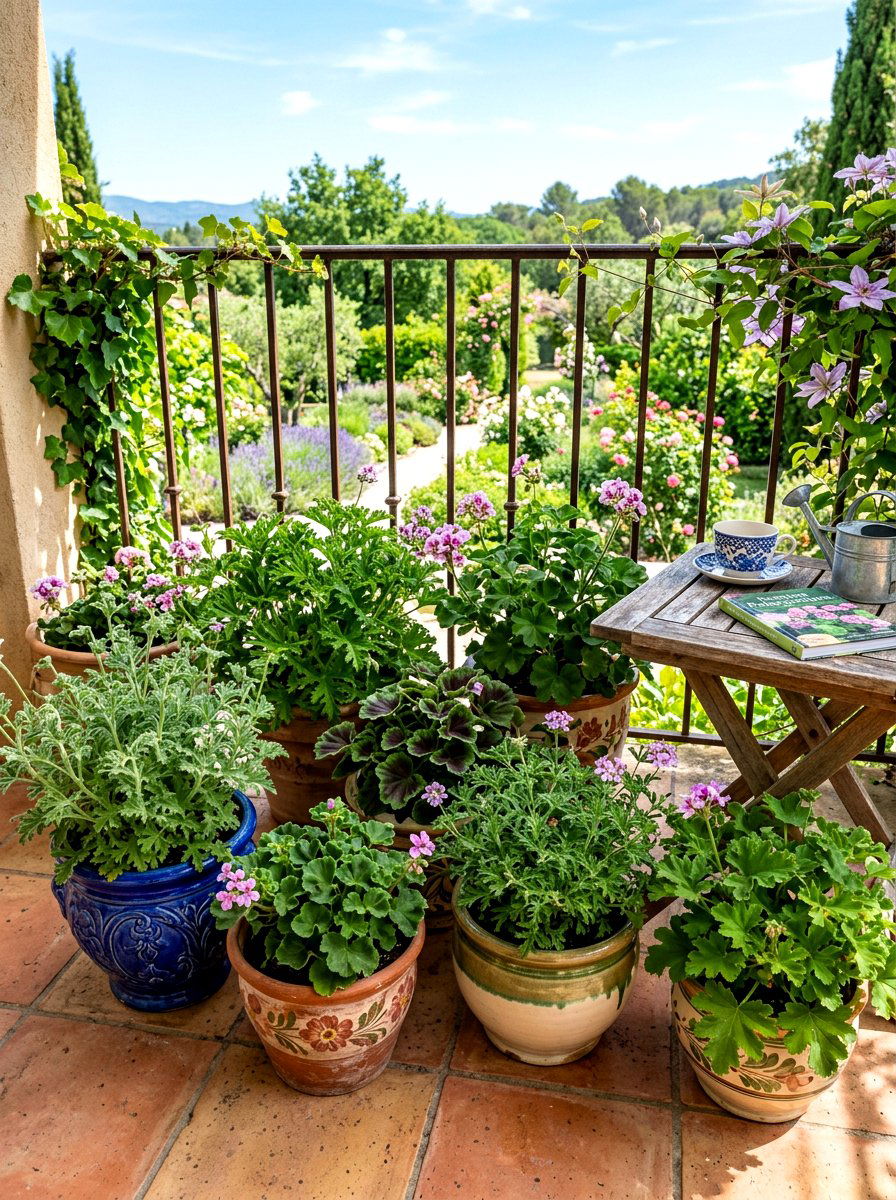
Scented geranium pots are a delightful addition to porches and patios because their leaves offer a surprising range of concentrated aromas. Unlike most plants, the scent of a geranium is held in the leaves and is released whenever they are touched or crushed. You can find varieties that smell exactly like lemon, rose, peppermint, or even chocolate and nutmeg. This makes them highly interactive, as visitors are encouraged to rub the leaves and guess the scent. The plants often have beautiful, intricately shaped foliage that is interesting to look at and touch. Keeping them in pots allows you to move them around, ensuring that these "scent stations" are always exactly where you want them to be.
Conclusion:
A sensory garden is much more than just a collection of plants; it is a living sanctuary that invites you to reconnect with the natural world. By thoughtfully incorporating elements that appeal to sight, sound, smell, touch, and taste, you create a space that promotes healing and joy. Whether it is the sound of a bamboo spout or the scent of lavender in the breeze, these details transform a simple yard into a deeply personal retreat. We hope these thirty ideas inspire you to start your own sensory journey at home. Engaging your senses in the garden can lower blood pressure, improve mood, and provide a much-needed escape from the digital world. Take the first step today and watch as your outdoor space becomes a vibrant haven for the soul, providing endless moments of peace and discovery for everyone who enters.

Related posts: