Designing a sand-toned patio is one of the most effective ways to transform your backyard into a serene and sophisticated sanctuary. These warm, neutral hues mimic the calming essence of a luxury beach resort or a sun-drenched European villa. By choosing a palette of beige, tan, cream, and buff, you create a timeless backdrop that feels both expansive and inviting. This aesthetic relies on organic textures and natural materials to bring a sense of tranquility to your outdoor living space. Whether you prefer a sleek modern look or a rustic Mediterranean vibe, sand tones provide a versatile foundation that beautifully complements lush greenery and vibrant architectural features.
1. Mediterranean Sand Toned Patio
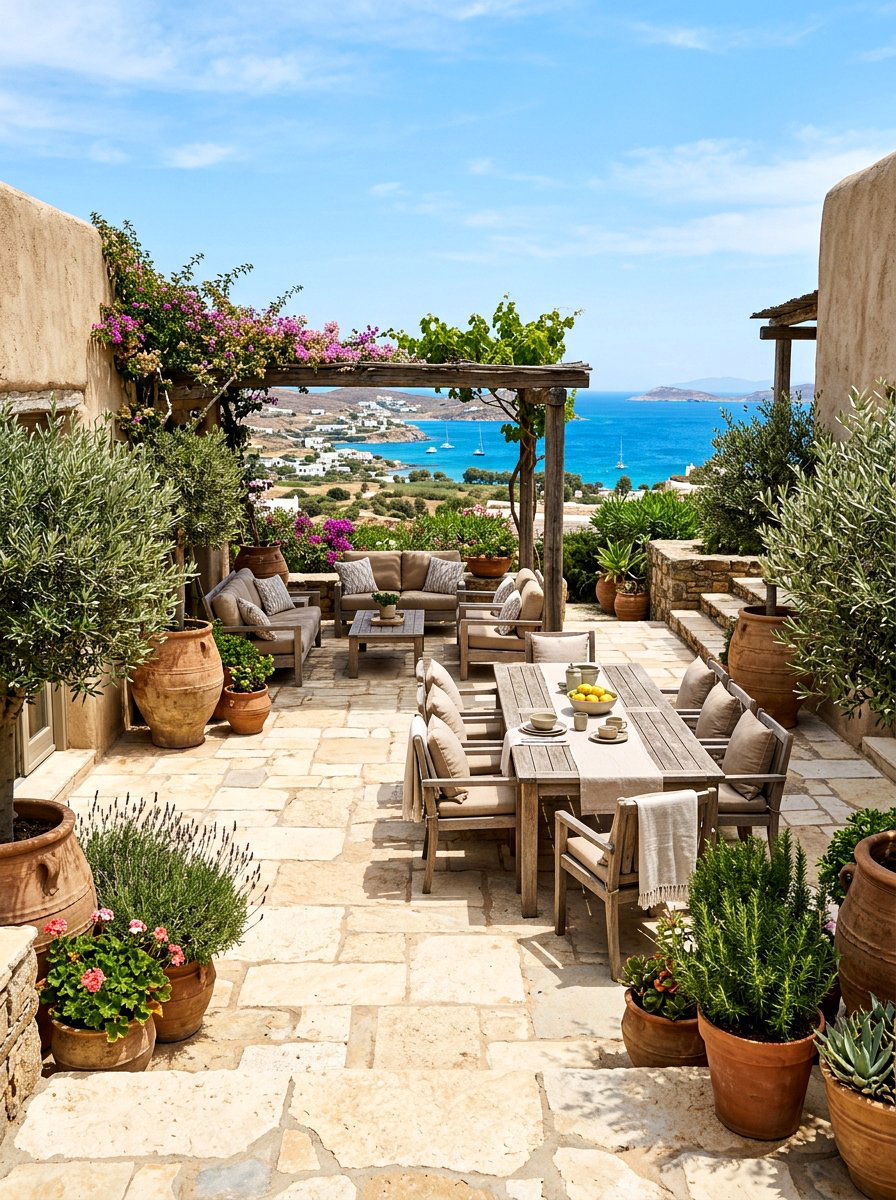
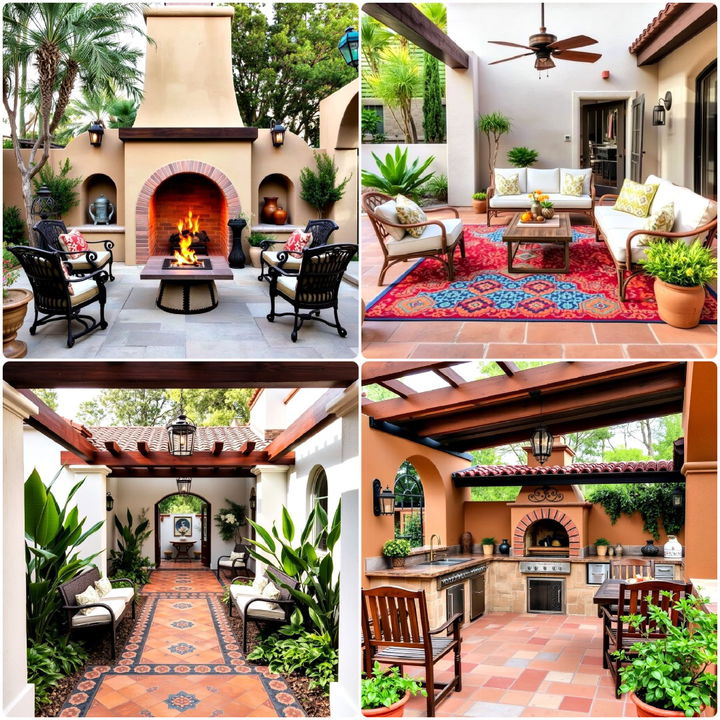
Imagine stepping out onto a sun-drenched terrace that feels like a villa in the heart of Italy. This specific design theme uses large, irregular limestone slabs in a soft cream color to set a warm foundation. You can pair these light stones with weathered wooden furniture and oversized terracotta pots filled with lavender or olive trees. The overall look is meant to feel ancient yet timeless, providing a relaxing atmosphere for afternoon gatherings. Soft beige cushions on a built-in stone bench can add extra comfort while maintaining the monochrome palette. Natural light reflects beautifully off the pale surfaces, making the entire backyard feel much brighter and more expansive throughout the day.
2. Desert Chic Sand Toned Patio
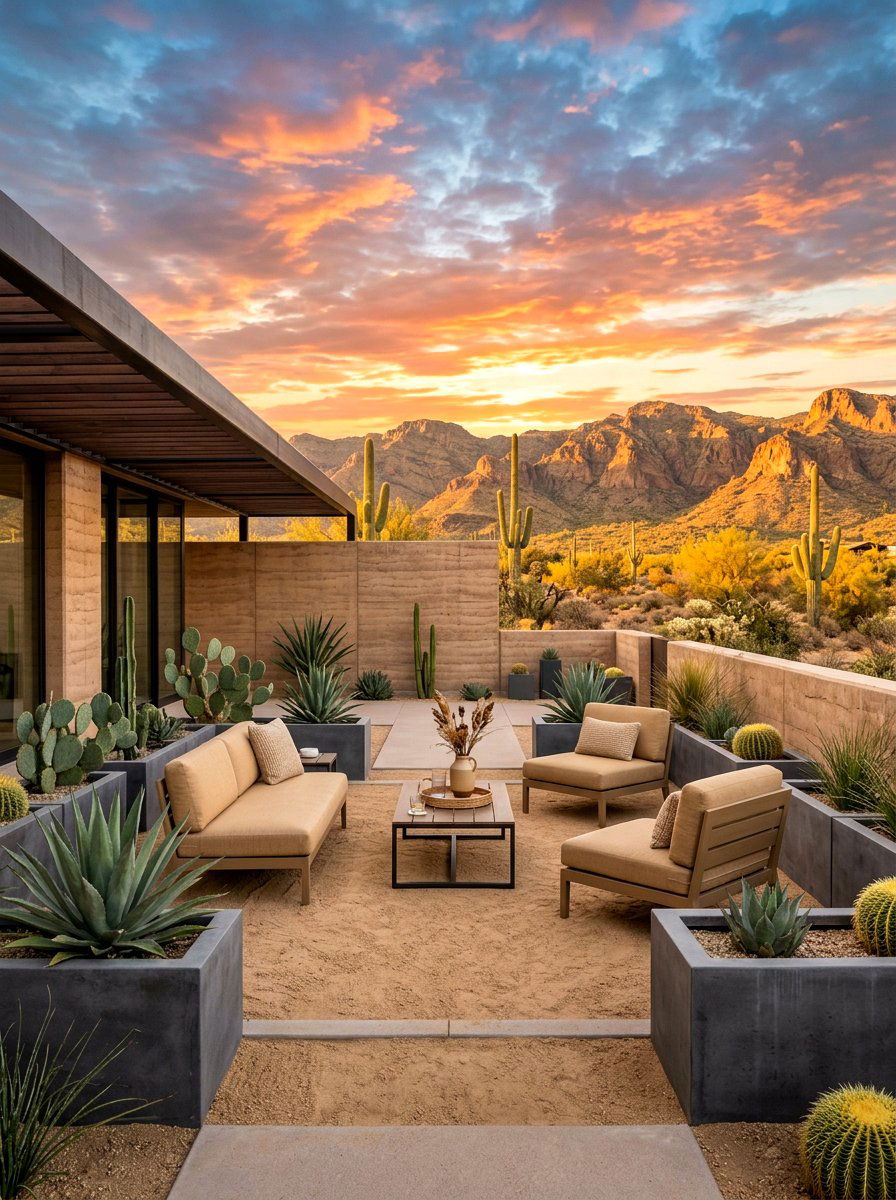
This desert-inspired look focuses on clean architectural lines and a minimalist approach to outdoor living. Using fine, compacted sand as a floor material creates a soft, tactile experience that mimics the floor of a high-end desert retreat. Surround this area with native desert plants like agaves, yuccas, and cacti placed in sleek, geometric planters. The color scheme stays strictly within the wheat and oatmeal spectrum, ensuring that the furniture blends seamlessly with the ground. A central fire pit made of smooth, light-colored concrete serves as the focal point for evening relaxation. This layout feels incredibly grounded and quiet, allowing the natural beauty of the landscape to take center stage.
3. Travertine Sand Toned Patio
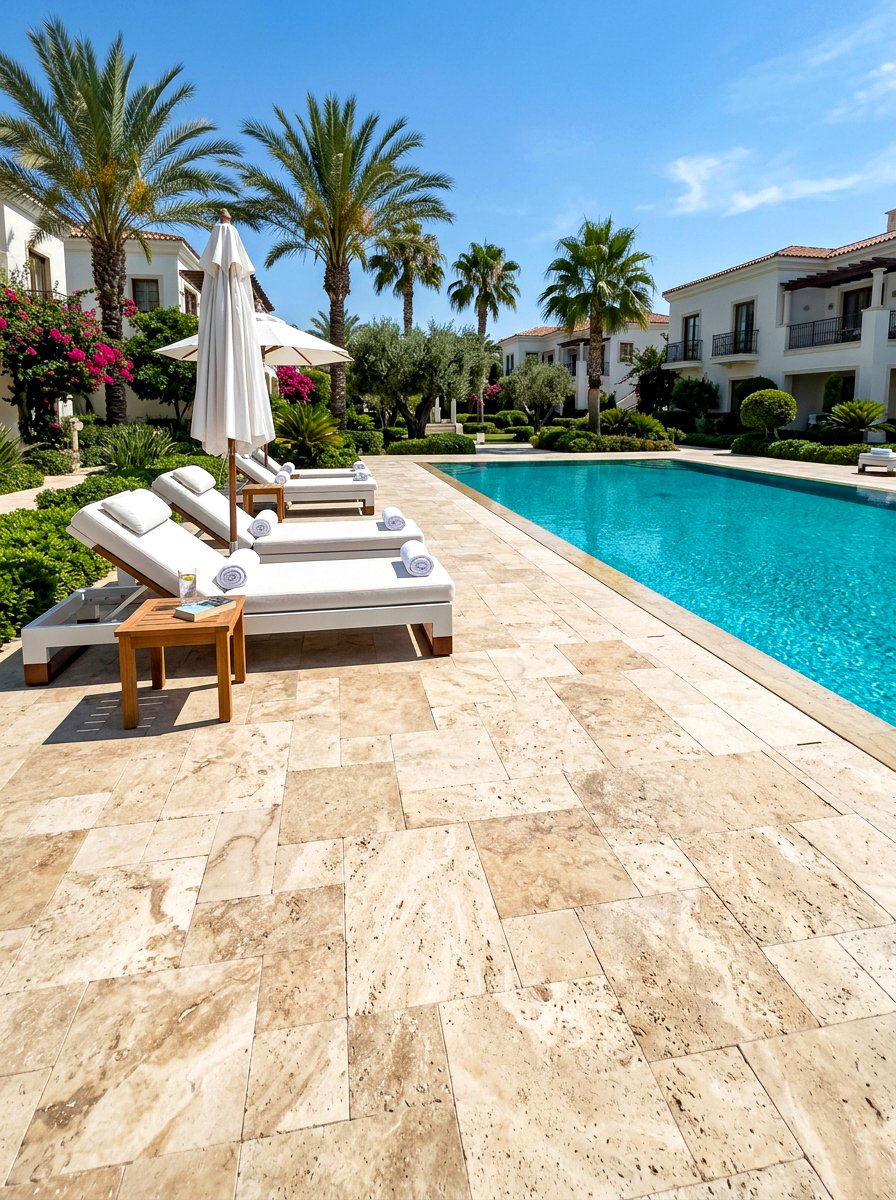
Travertine is a premium choice for homeowners who want a luxury aesthetic that stays cool under the hot summer sun. These natural stone pavers feature unique veining and a porous texture that adds depth to a large patio area. By choosing a light ivory or "Noce" shade, you create a sophisticated surface that looks stunning next to a turquoise swimming pool. The material is naturally slip-resistant, making it a practical option for families with children or pets. To enhance the upscale feel, use matching travertine for steps and low garden walls. This creates a cohesive, high-end environment that feels like an extension of a five-star hotel’s outdoor lounge area.
4. Coastal Sand Toned Patio
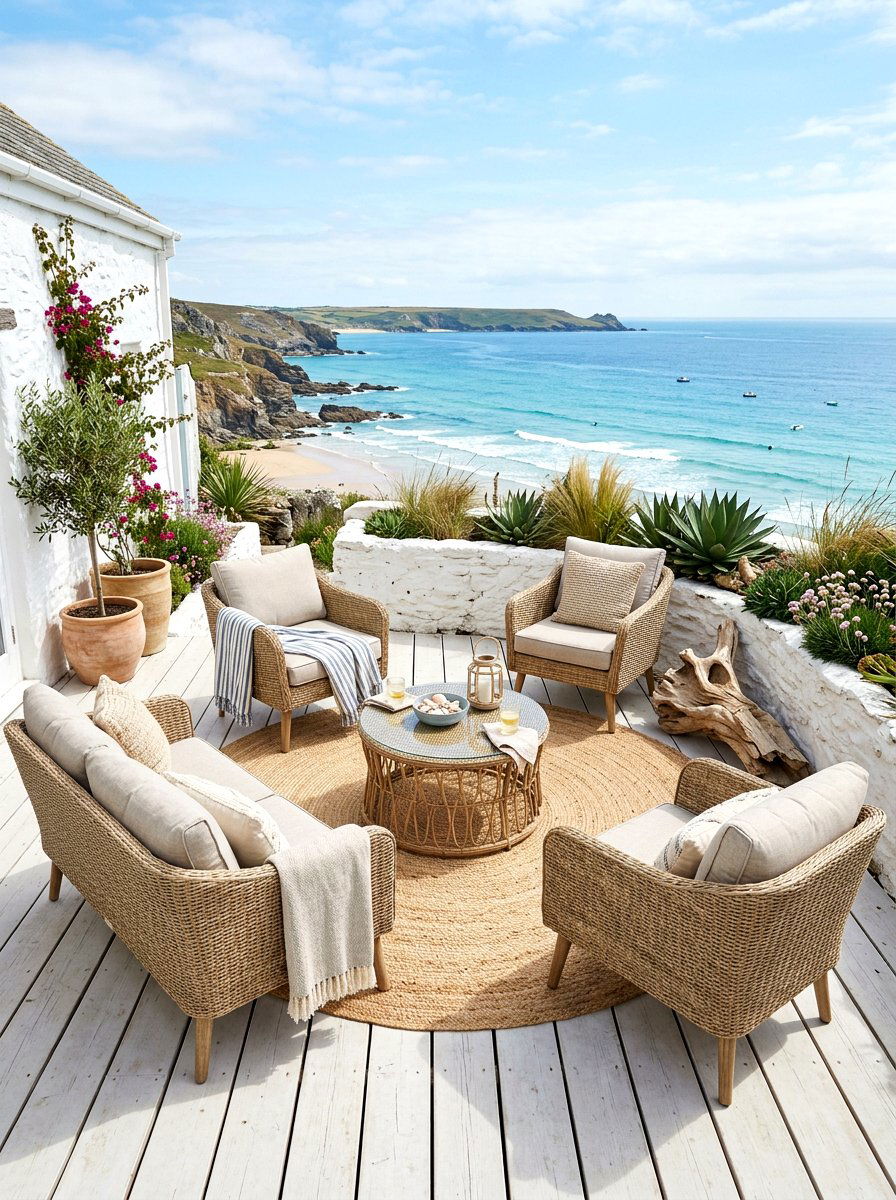
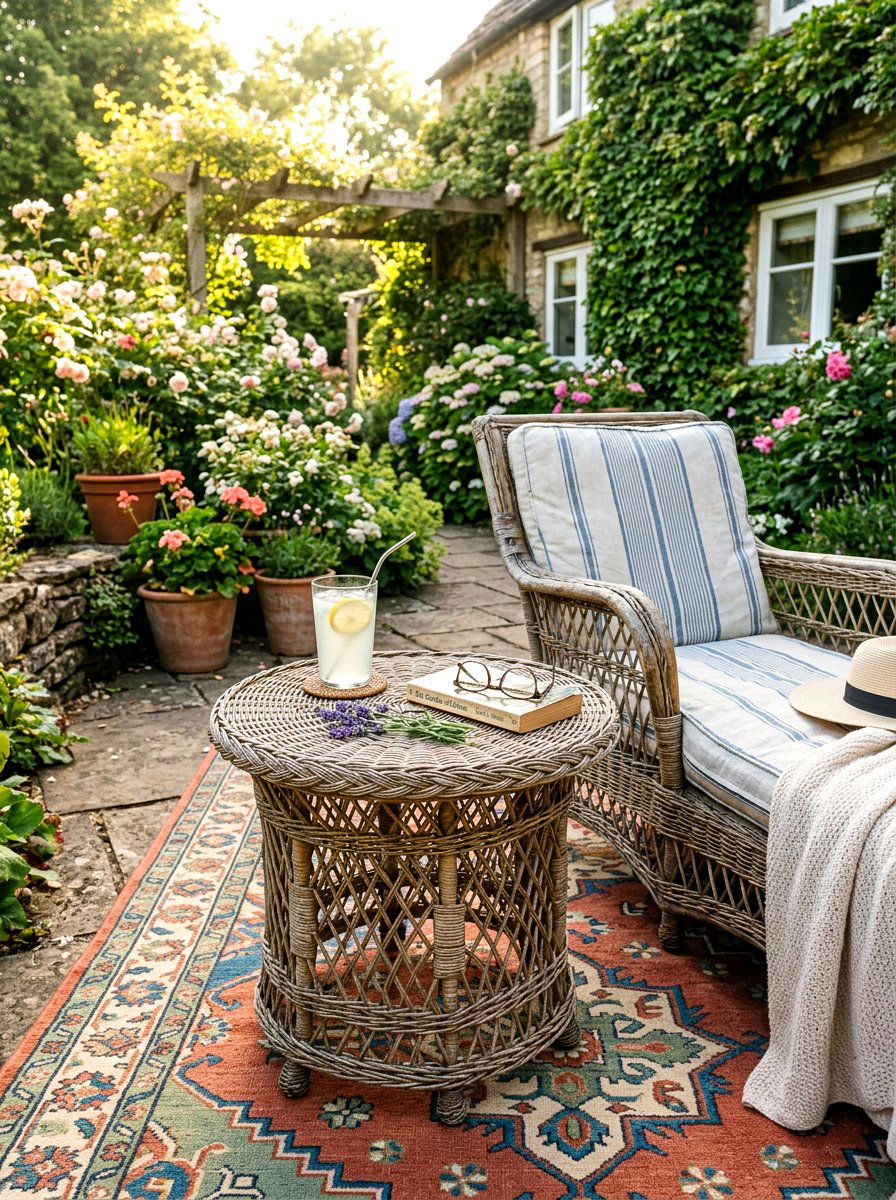
A coastal-themed patio is all about capturing the breezy, relaxed energy of the seaside using light textures and airy colors. Start with a foundation of sand-colored porcelain pavers or whitewashed wooden decking to reflect the brightness of the coast. Incorporate woven rattan or wicker furniture with neutral beige upholstery to keep the vibe light and approachable. Subtle nautical accents, such as driftwood sculptures or seagrass baskets, can be used to add personality without feeling too themed. Layering a jute rug under the seating area provides a soft, sandy texture underfoot that grounds the entire design. This style works perfectly for small balconies or sprawling backyards near the water.
5. Boho Sand Toned Patio
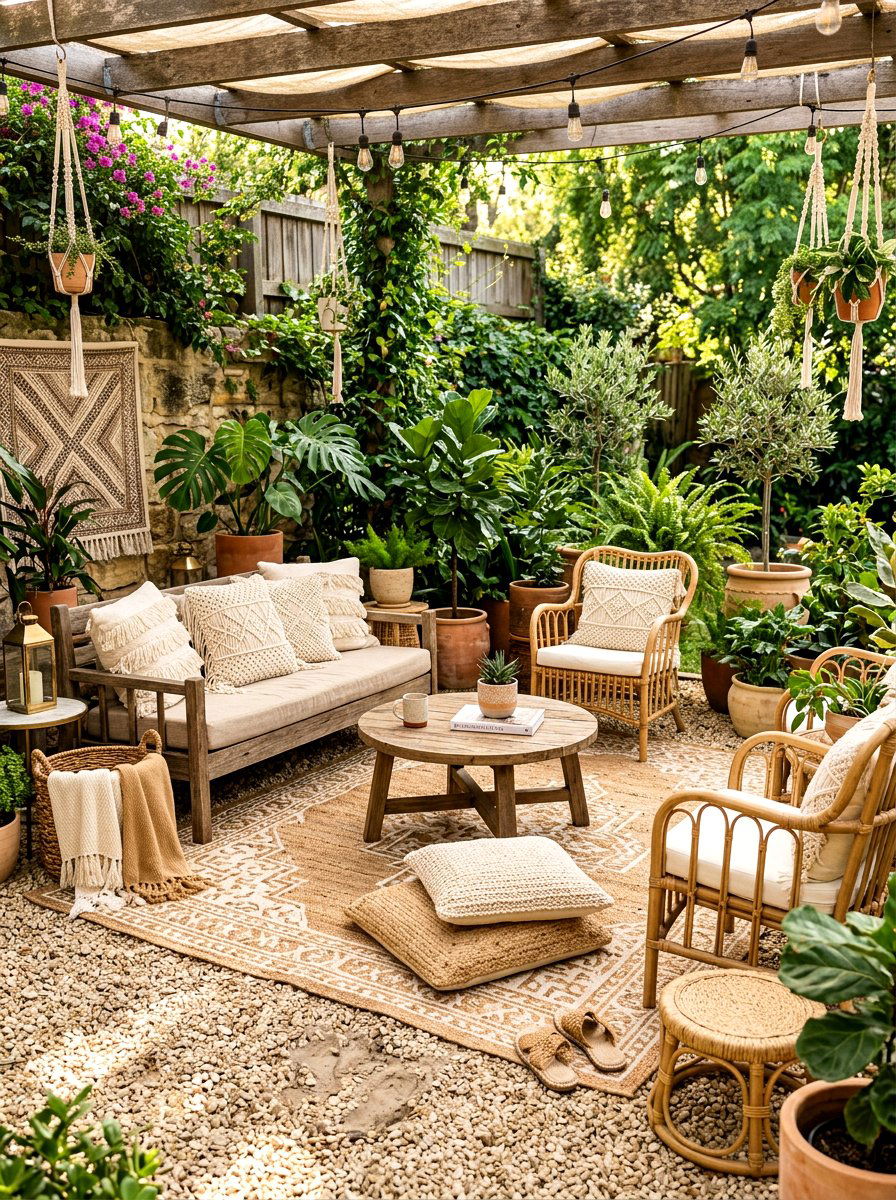
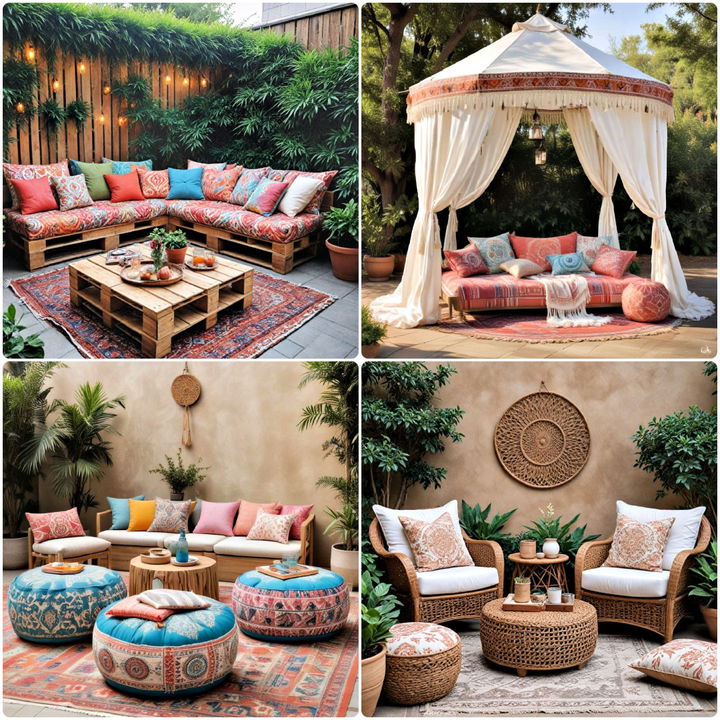
The Bohemian style thrives on a mix of textures and a relaxed, lived-in feel that prioritizes comfort above all else. For a sand-toned version, use a base of light-colored gravel or natural sandstone flags to create an organic ground cover. Decorate the space with low-profile seating, plenty of floor cushions, and macramé accents in various shades of cream and tan. A large, patterned outdoor rug in a sandy hue can tie the different furniture pieces together effectively. Adding a variety of potted plants in ceramic vessels creates a lush, private oasis that feels intimate and cozy. This design is ideal for those who enjoy entertaining in a casual, creative environment.
6. Modern Sand Toned Patio
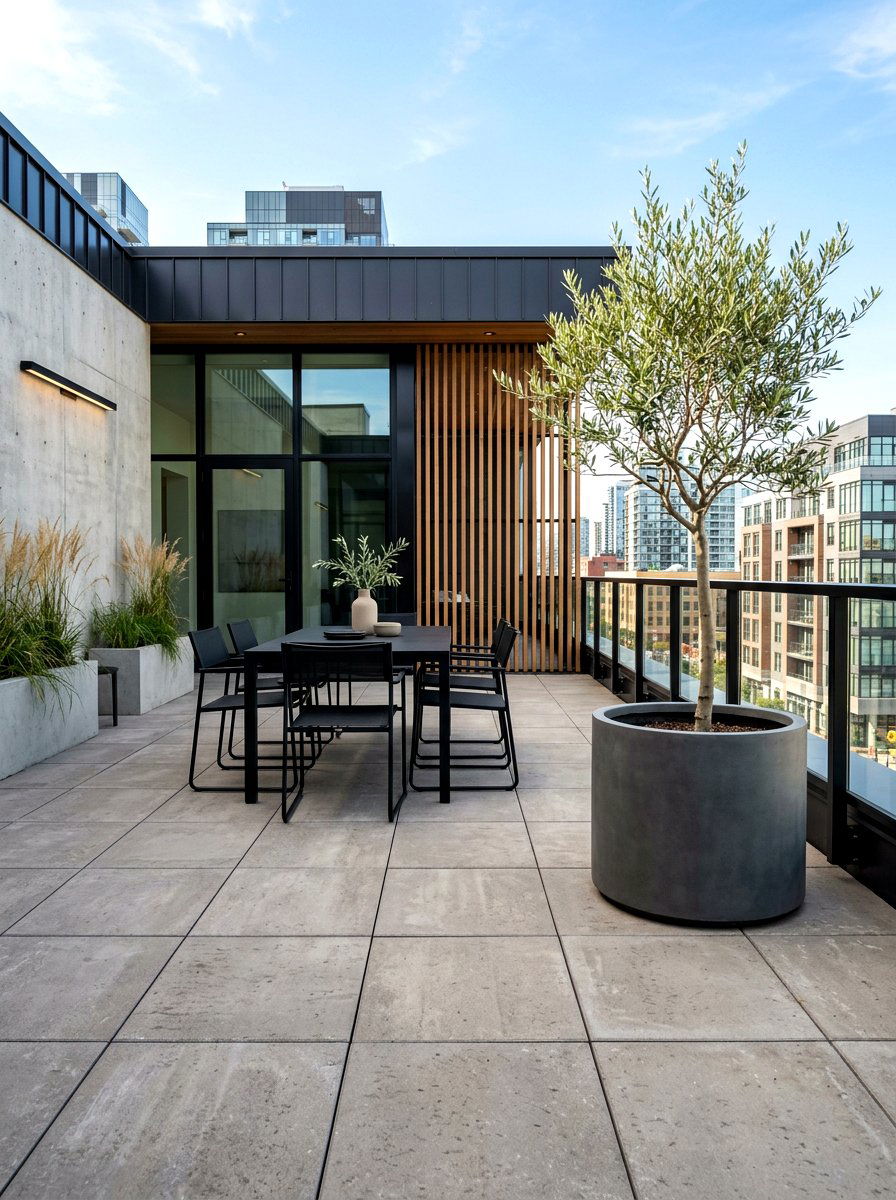
A modern patio focuses on sleek finishes and a restricted color palette to achieve a high-impact, sophisticated look. Large-format concrete pavers in a soft "greige" or sandy tone provide a smooth, uniform surface that feels contemporary and clean. Pair this flooring with black or charcoal metal furniture to create a striking contrast against the warm neutral background. Minimalist landscaping, such as a single sculptural tree or a row of ornamental grasses, adds life without cluttering the visual field. The result is a space that feels architectural and organized, making it the perfect spot for morning coffee or hosting a formal outdoor dinner party for friends.
7. Limestone Sand Toned Patio
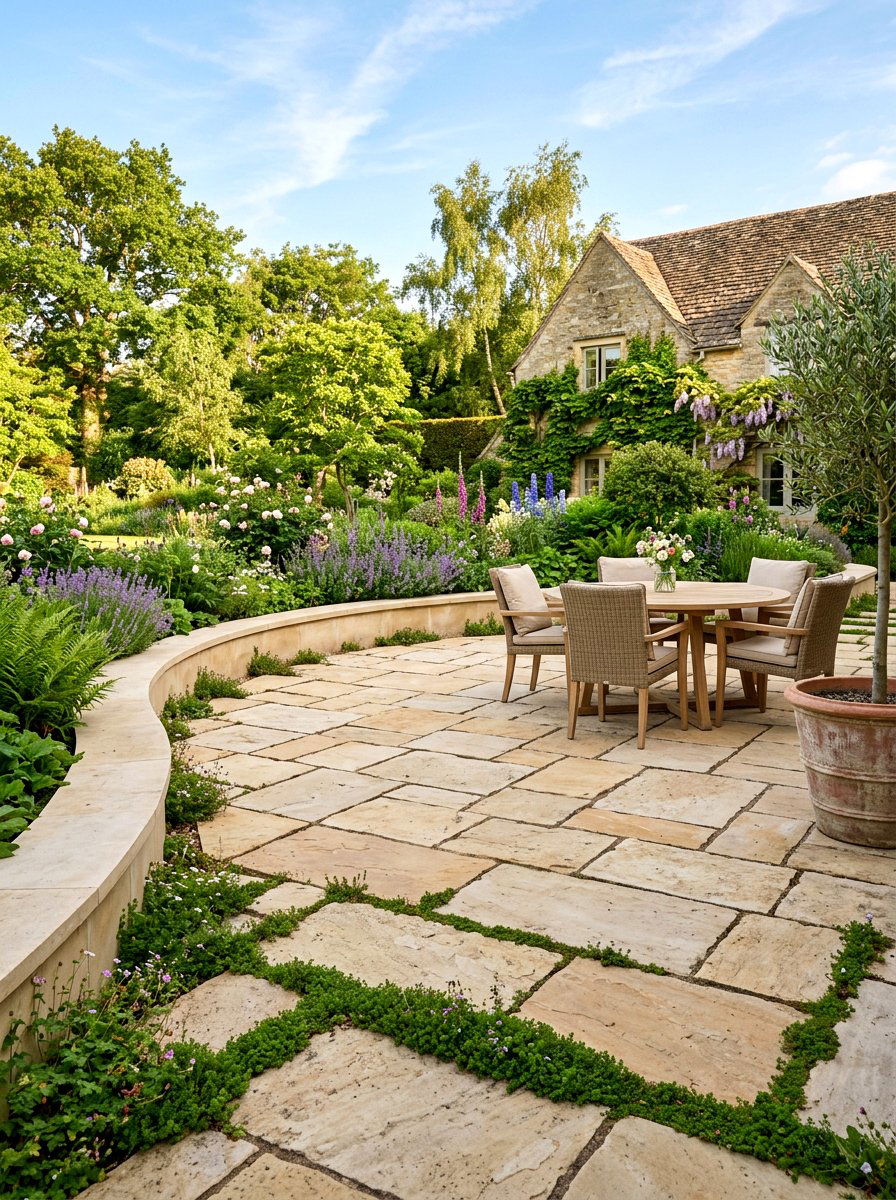
Limestone is a classic material that offers a soft, matte finish and a variety of subtle color variations. For a sand-toned patio, choose stones with a tumbled finish to give the area a slightly aged, historic feel. This material is incredibly durable and works well in both traditional and contemporary garden settings. You can enhance the natural beauty of the stone by leaving wide joints between the slabs and filling them with fine tan gravel or creeping thyme. This creates a softer, more integrated look that blends the hardscape with the surrounding greenery. It is a fantastic choice for creating a quiet, elegant courtyard that feels secluded and private.
8. Sandstone Sand Toned Patio
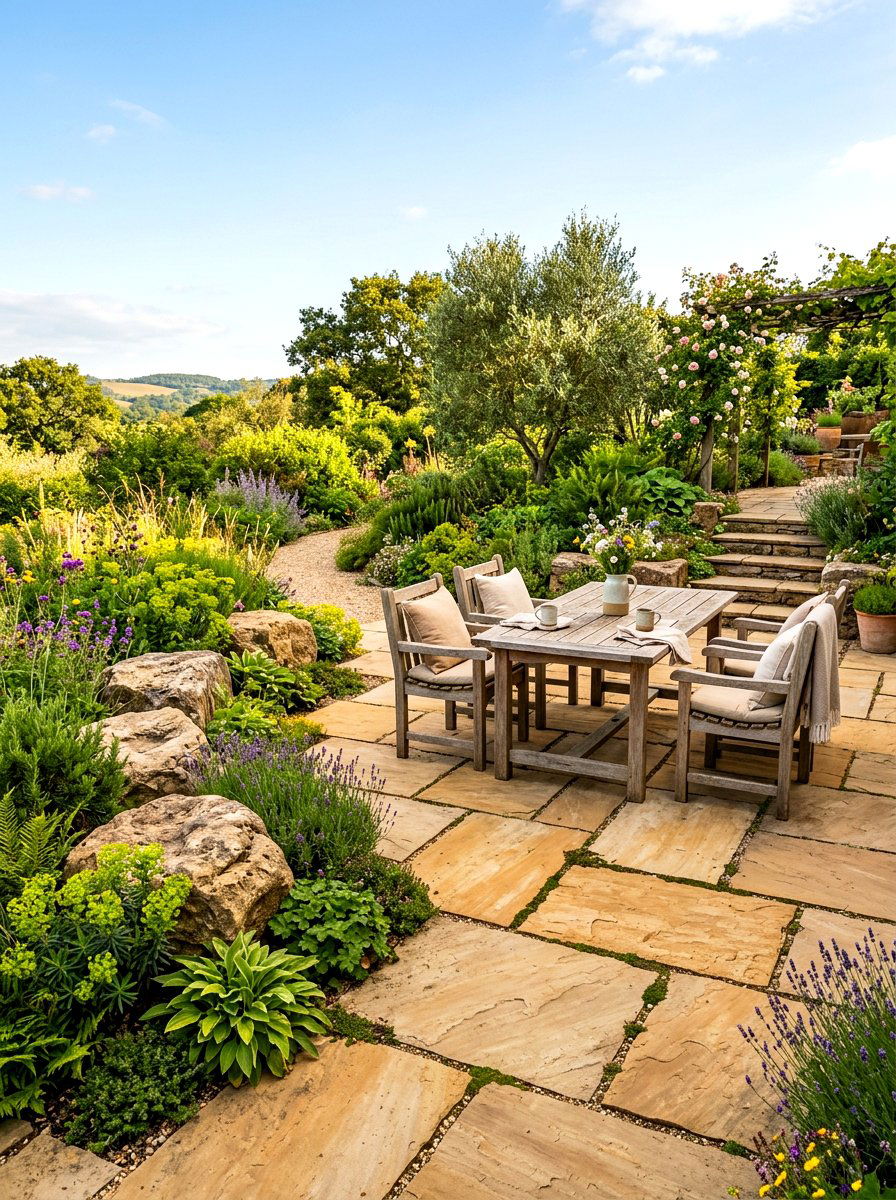
Sandstone is prized for its warm, earthy tones and the natural ripple patterns found within the stone’s surface. This material is perfect for creating a rustic, multi-level patio that follows the natural contours of your backyard landscape. The golden and tan hues of the stone provide a glowing, sun-kissed appearance even on overcast days. Use irregular, riven-edge slabs to emphasize the stone’s organic origin and create a more casual, inviting seating area. Adding a few large boulders in similar shades can help anchor the patio into the garden beds. This design feels very natural and is an excellent way to transition from a manicured lawn to a wilder space.
9. Minimalist Sand Toned Patio
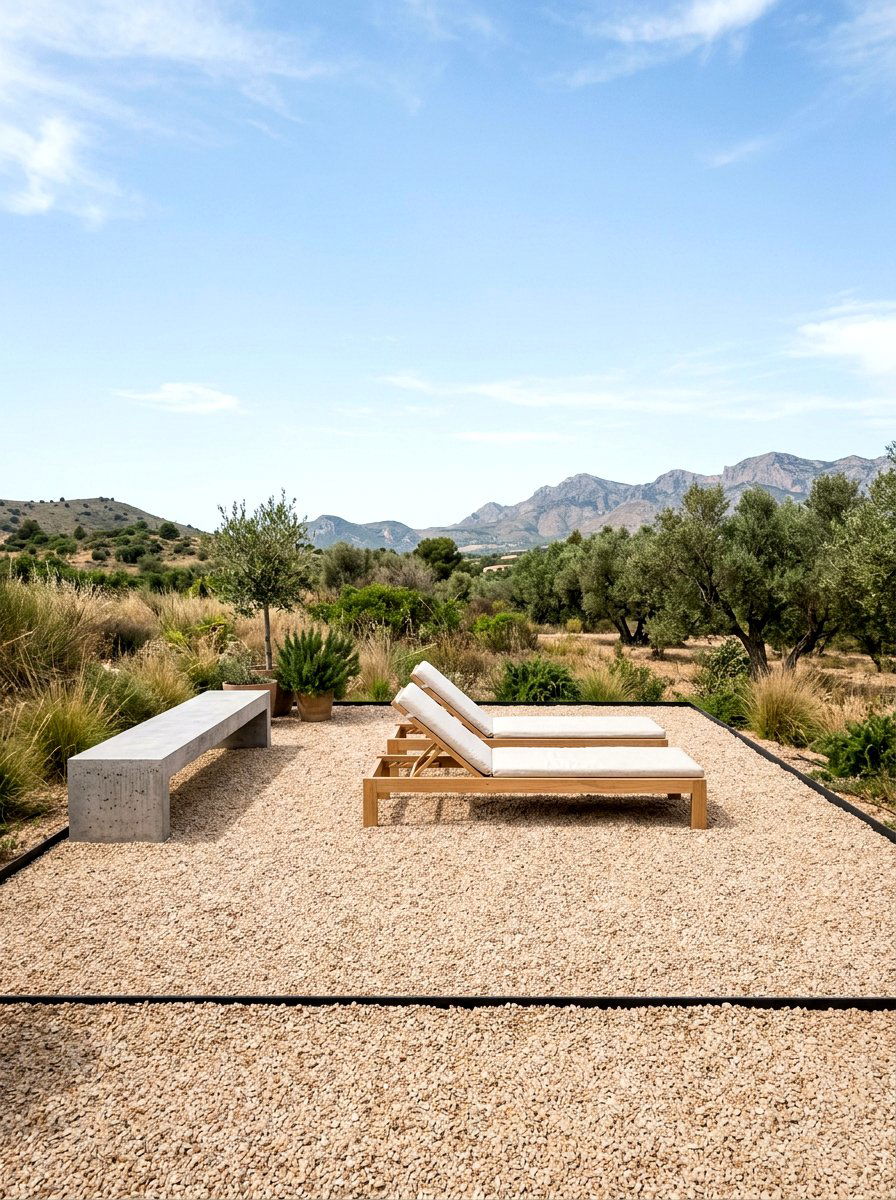
Minimalism is about removing the unnecessary to focus on the essential beauty of a space and its materials. A minimalist sand-toned patio might feature a single, large plane of light-colored pea gravel bordered by a thin metal edge. The furniture should be simple and functional, such as a pair of low wooden loungers or a sleek concrete bench. By sticking to a monochromatic palette of beige and tan, you create a visual "quiet" that is incredibly soothing to the mind. This type of design requires very little maintenance and works exceptionally well in urban settings where space is at a premium. It prioritizes the feeling of openness and light.
10. Rustic Sand Toned Patio
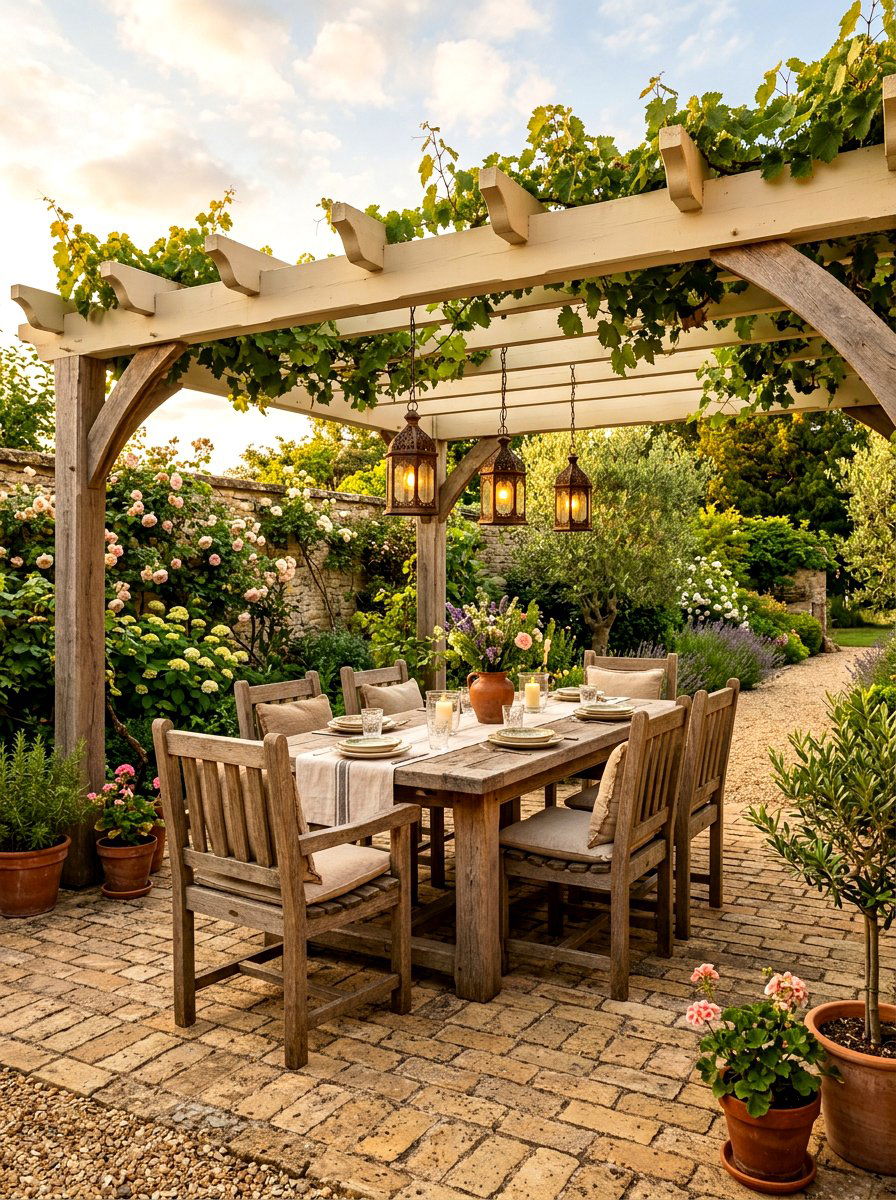
Creating a rustic patio involves using reclaimed materials and textures that feel like they have a history. For a sand-toned theme, look for salvaged bricks in a buff color or old flagstones that have a naturally weathered patina. Combine these heavy materials with chunky timber furniture and wrought iron accents to create a space that feels sturdy and permanent. A large wooden pergola painted in a soft cream shade can provide shade while adding a vertical element to the design. This style is perfect for those who want a garden that feels established and full of character, rather than brand new and overly polished.
11. Tropical Sand Toned Patio
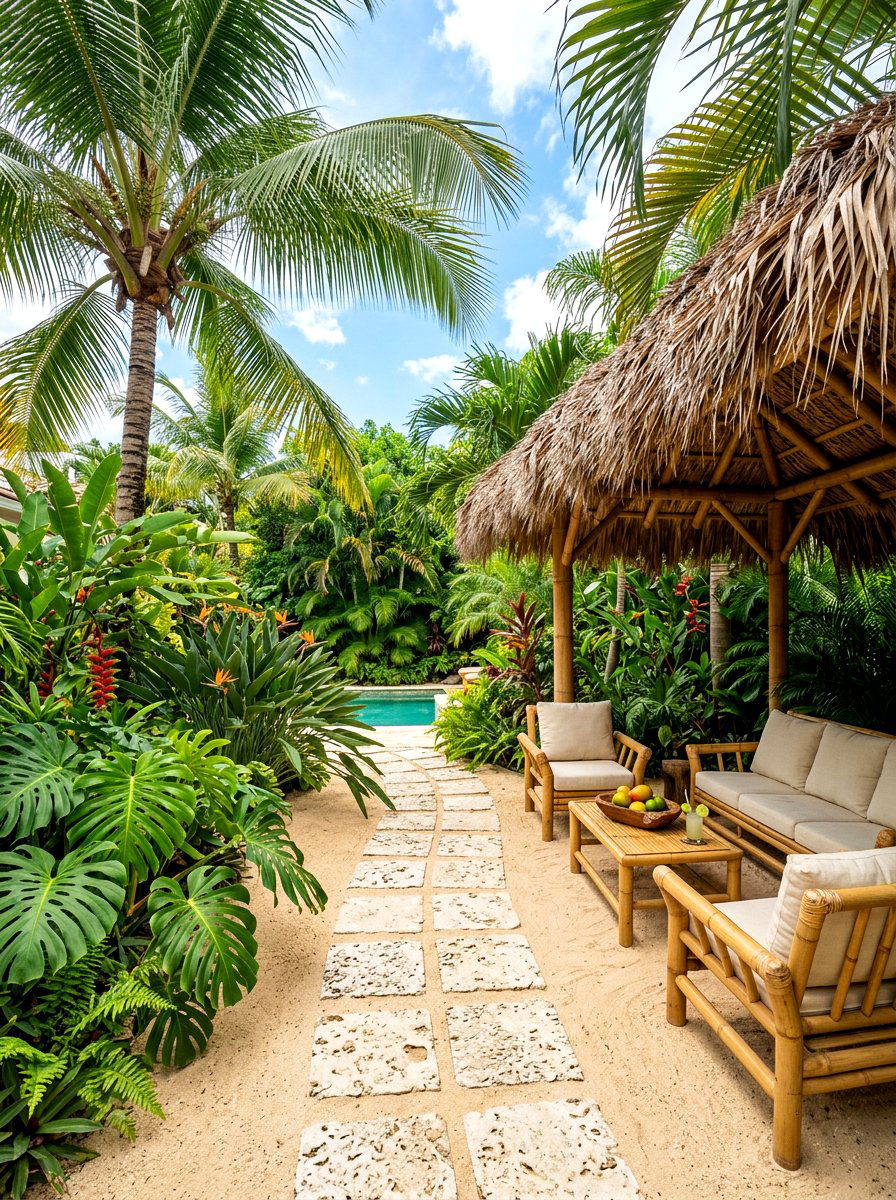
A tropical-inspired patio uses lush greenery and warm neutrals to create a vacation-like atmosphere right at home. Use light-colored coral stone or pale pavers to keep the ground surface from getting too hot in direct sunlight. Surround the seating area with large-leafed plants like palms, bird of paradise, or monstera to provide natural privacy and shade. The sand tones of the patio act as a neutral canvas that allows the vibrant greens of the foliage to pop. Incorporate bamboo furniture or a thatched-roof structure to complete the exotic vibe. This design theme is all about escapism and creating a private sanctuary where you can truly relax.
12. Zen Sand Toned Patio
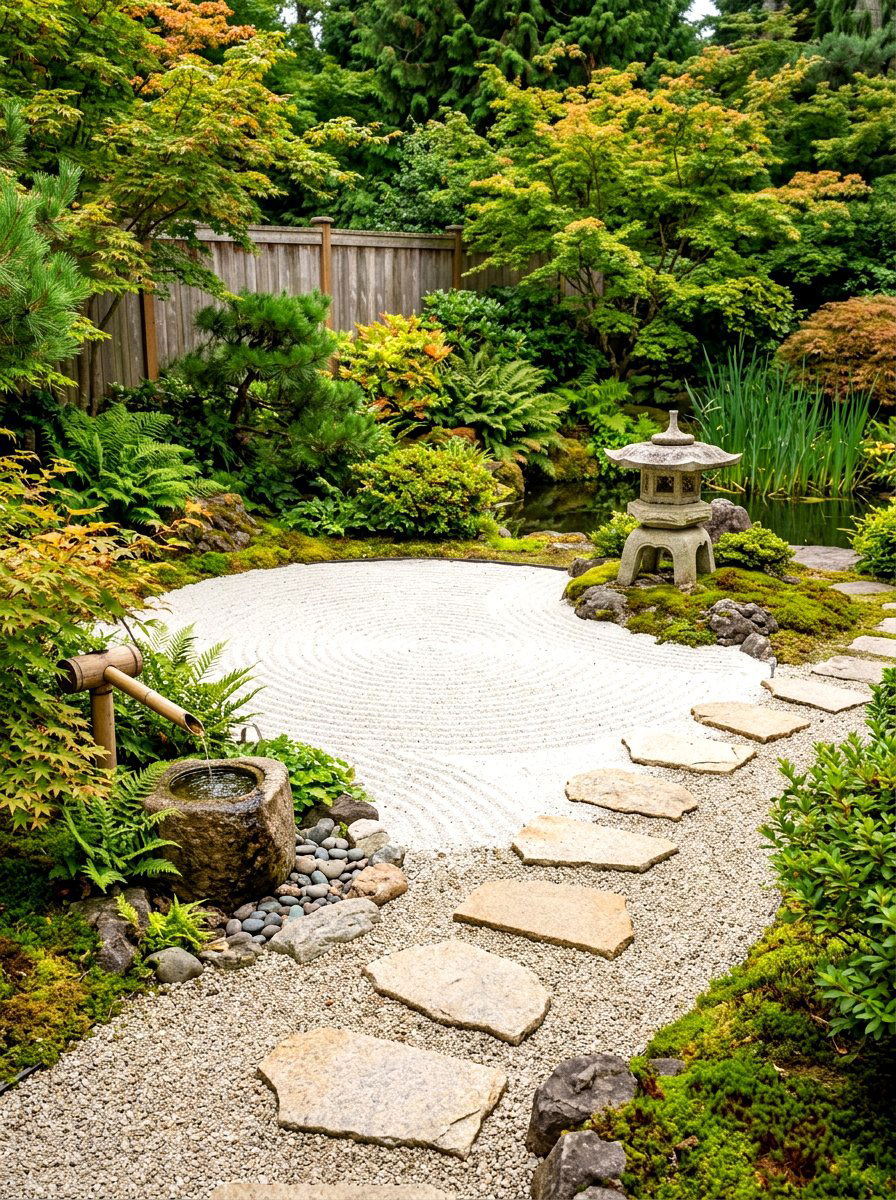
Zen gardens are famous for their use of raked sand and stones to represent water and mountains. For a functional patio version, create a circular area of fine, light-colored sand that can be raked into calming patterns. Surround this meditative zone with flat stepping stones in a matching beige color to provide a stable path to a small seating nook. A single, well-placed stone lantern or a small water feature can add a sense of movement and sound to the space. This design encourages mindfulness and provides a quiet place for reflection. It is best suited for a small, tucked-away corner of the yard where noise is minimal.
13. Scandi Sand Toned Patio
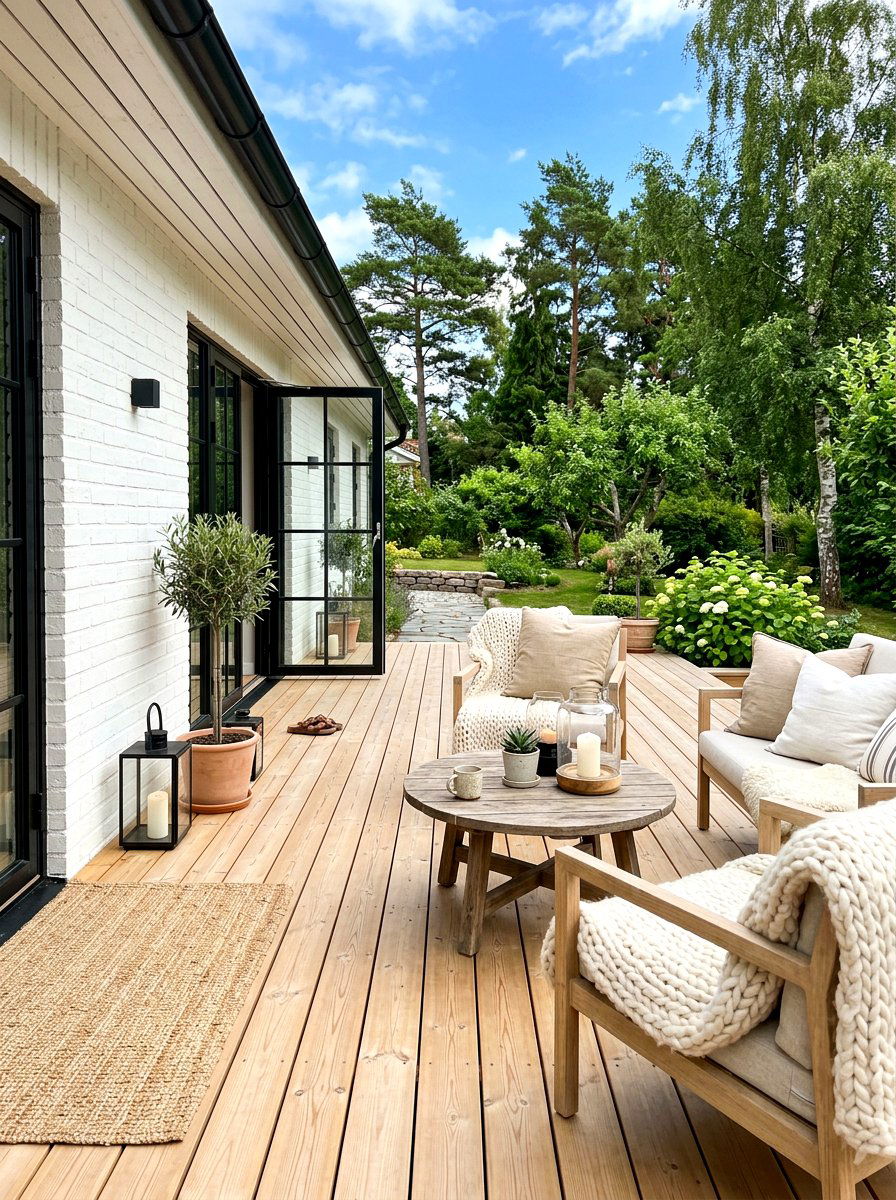
Scandinavian design is known for its focus on light, functionality, and natural materials, making it a perfect match for sand tones. Use light-colored wooden decking, such as cedar or larch, paired with white-painted brick walls for a bright and airy foundation. The furniture should be simple, with clean lines and plenty of soft, neutral textiles like wool throws and linen pillows. To keep the space feeling warm during cooler evenings, add a minimalist fire bowl or several large glass lanterns. This aesthetic is clean and cozy, often referred to as "hygge, " and it creates a welcoming environment that feels very organized and intentional throughout the entire year.
14. Luxury Sand Toned Patio
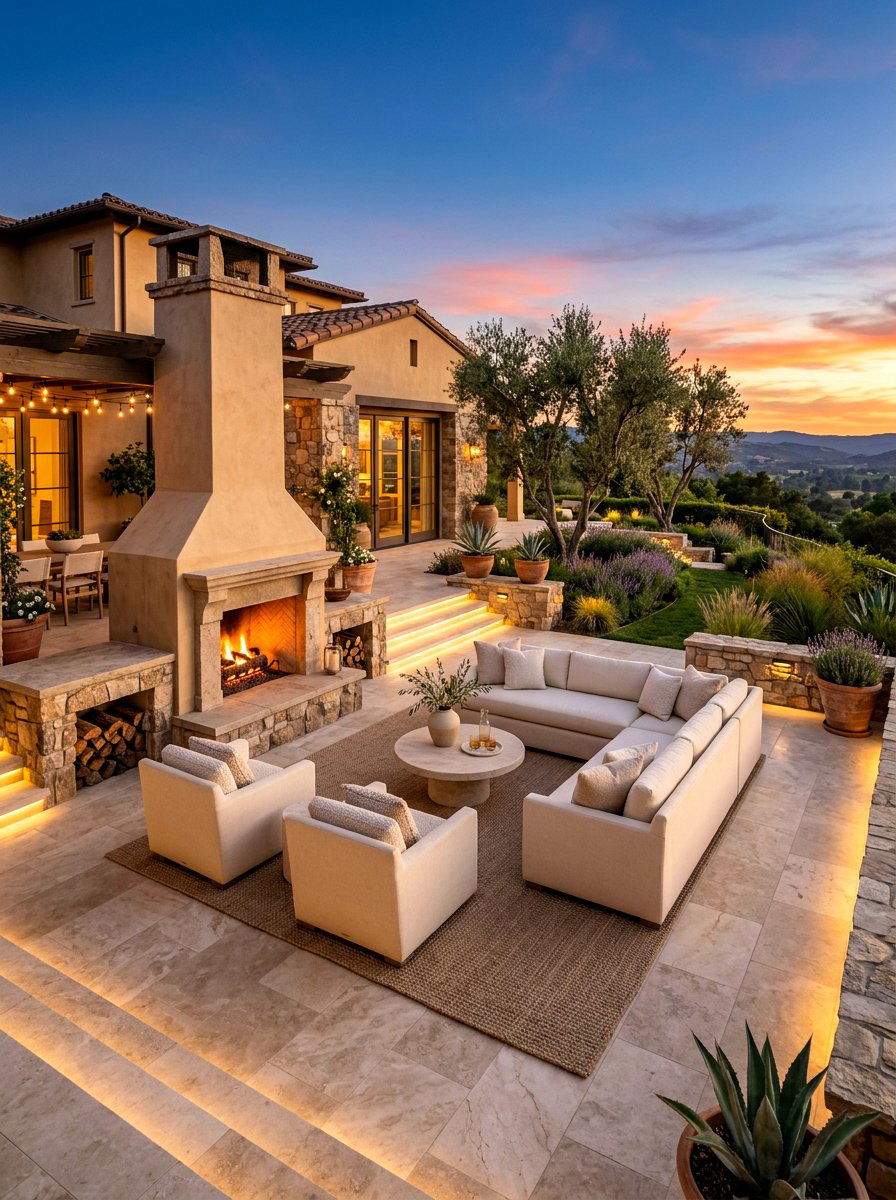
To achieve a truly luxurious patio, focus on high-end materials and integrated architectural features that feel custom-made. Use oversized marble or travertine slabs with minimal grout lines to create a seamless, expansive floor that looks like a high-end interior. Incorporate a built-in outdoor fireplace or a sleek water wall as a major focal point to anchor the space. High-quality outdoor furniture with thick, cream-colored cushions and designer lighting can elevate the entire experience. This type of patio is often designed as an extension of the indoor living room, using similar colors and styles to blur the boundary between the inside and the outside of the home.
15. Terracotta Sand Toned Patio
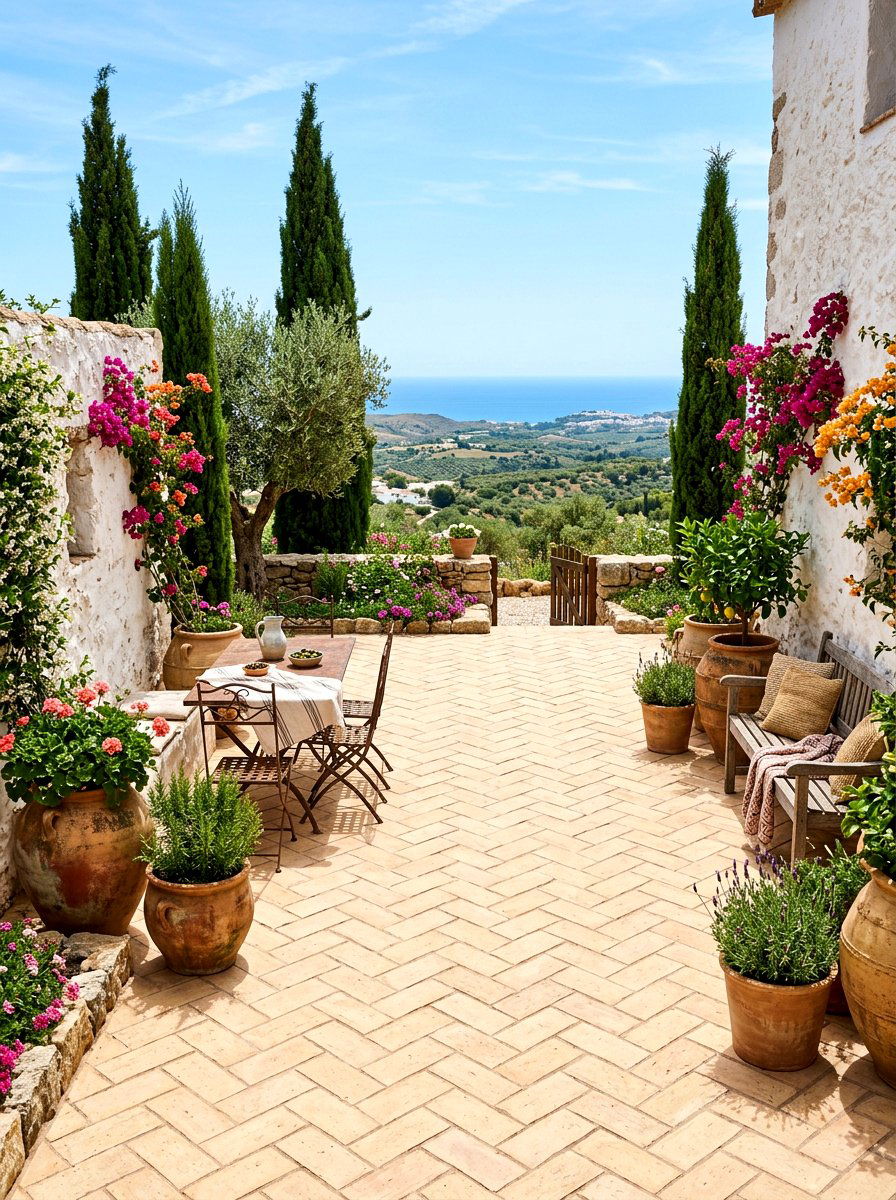
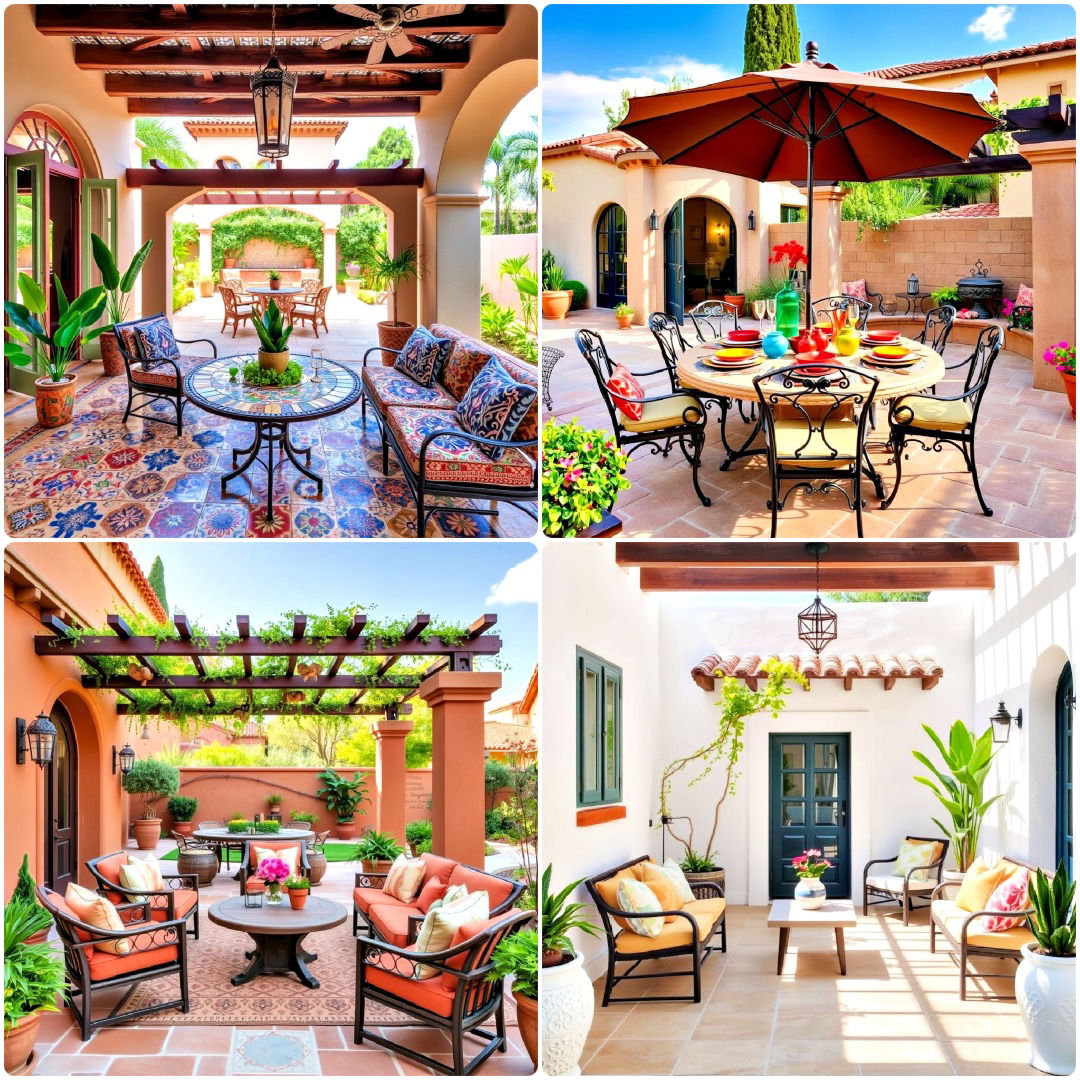
While terracotta is often associated with deep orange, many varieties come in lighter, sandier shades that feel more modern. Using these pale terracotta tiles in a herringbone or basketweave pattern adds a beautiful geometric interest to the ground surface. You can pair these tiles with whitewashed walls and dark green foliage to create a striking contrast that feels very Mediterranean. This design is particularly effective in warm climates where the tile feels cool underfoot. Adding a few oversized terracotta pots in various heights can help define the edges of the patio and provide a place for fragrant herbs like rosemary or thyme to grow.
16. Wood Sand Toned Patio
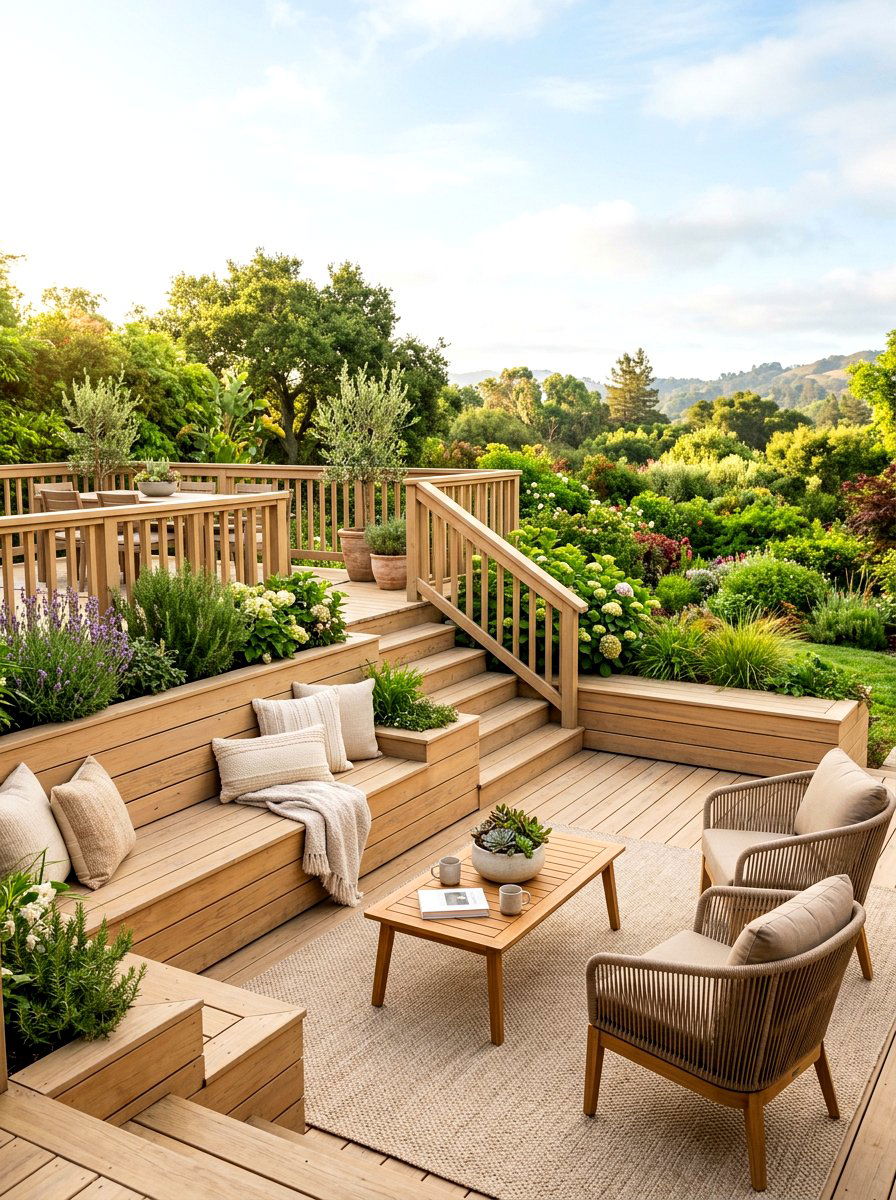
Natural wood is an excellent material for bringing warmth and texture to a sand-toned design theme. Look for light-colored woods or use a semi-transparent stain in a "sand" or "driftwood" shade to protect the deck while showing the grain. A wooden deck feels softer and more organic than stone, making it a great choice for a multi-level patio that connects to the house. You can build integrated planters or benches using the same wood to create a cohesive and custom-built look. Pair the wood with beige outdoor rugs and neutral furniture to maintain the monochromatic theme. This style is timeless and works well with almost any architectural house style.
17. Textured Sand Toned Patio
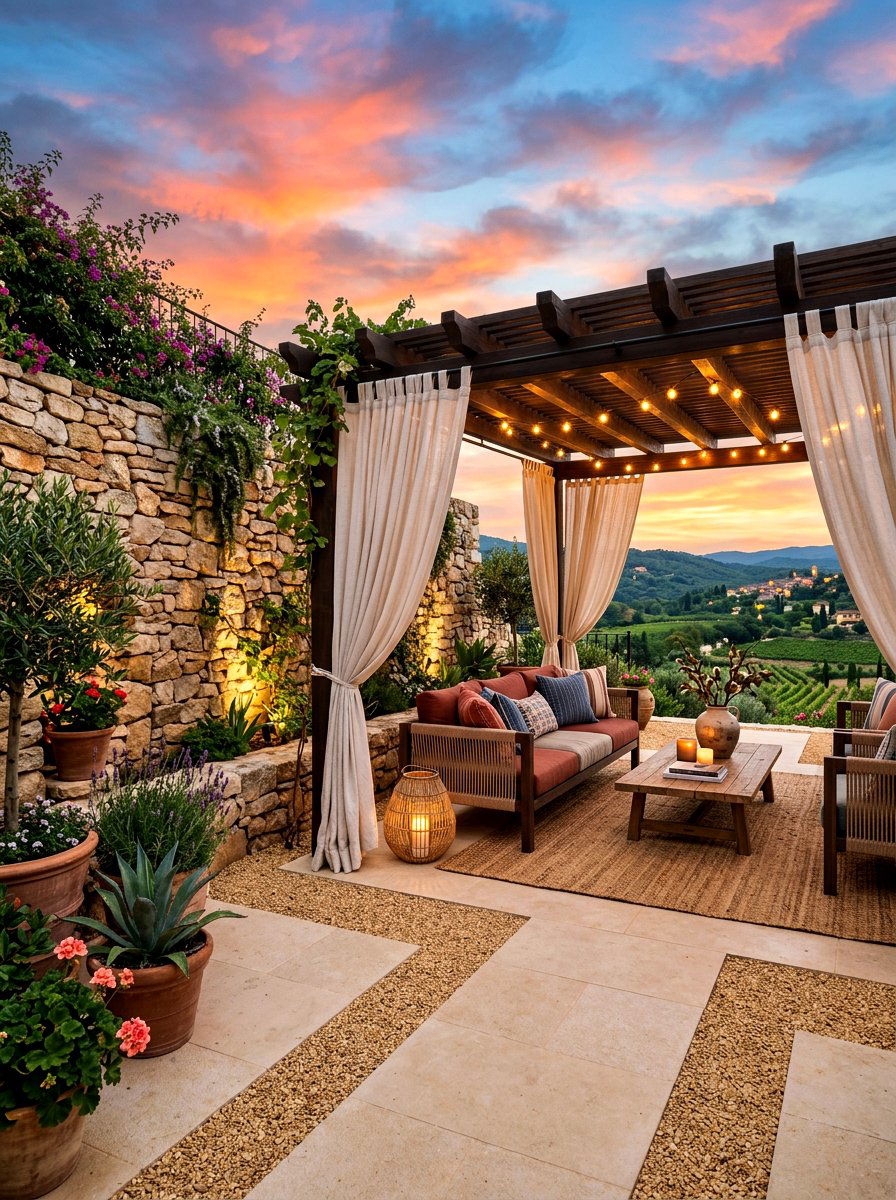
Texture is the secret to making a neutral color palette feel interesting and layered rather than flat. A textured sand-toned patio might combine several different materials, such as smooth limestone pavers, rough-cut stone walls, and fine pea gravel. By using different scales of the same color, you create visual depth that draws the eye around the entire space. You can also introduce texture through fabrics, such as woven outdoor pillows, braided rugs, and linen curtains. This approach makes the patio feel very high-end and designer-curated. It is particularly effective in small spaces where you want to add detail without using a lot of different colors.
18. Oasis Sand Toned Patio
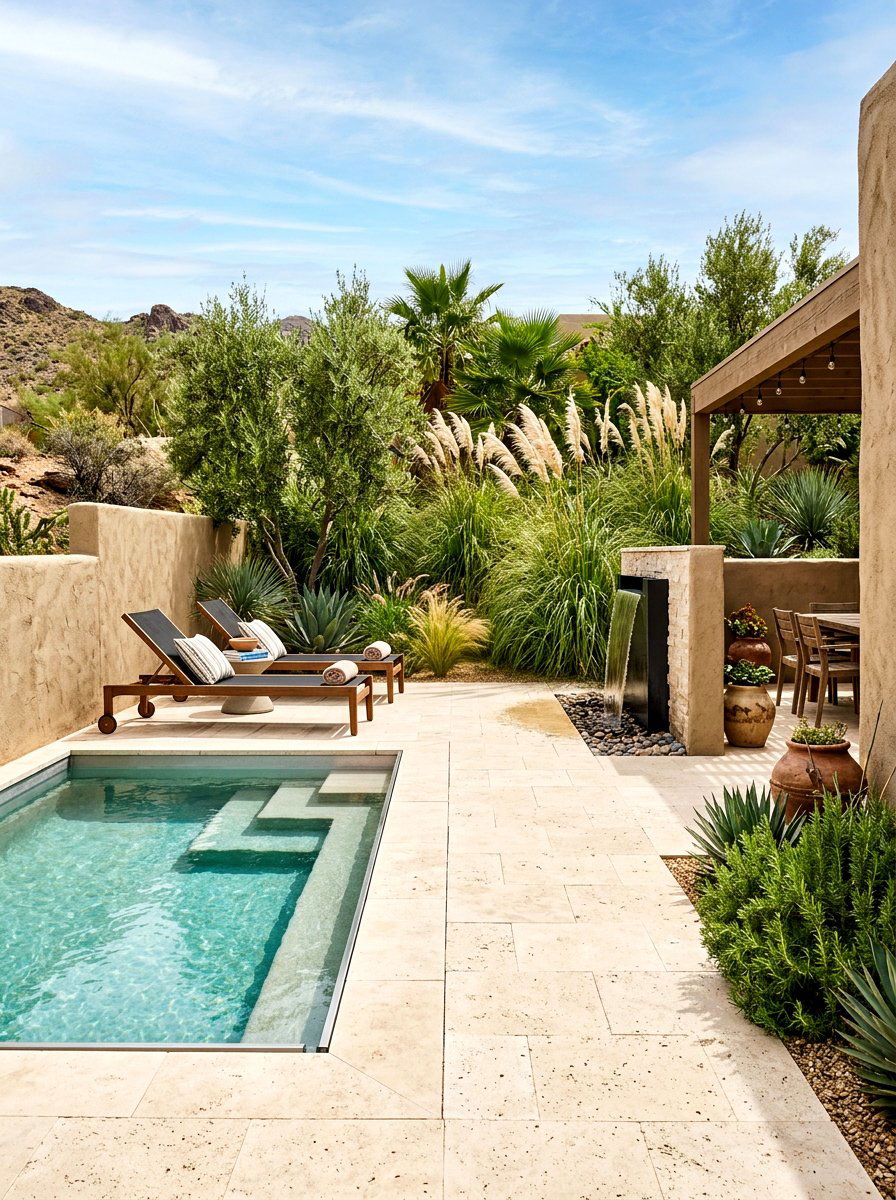
The oasis concept is about creating a lush, cool retreat in a dry or sunny environment using water and plants. Use pale, heat-reflective stones for the patio floor and center the layout around a small plunge pool or a modern fountain. The sound of running water adds a layer of tranquility that blocks out neighborhood noise. Surround the area with tall, waving grasses and leafy shrubs to create a sense of enclosure and privacy. The sand-toned surfaces will reflect the light from the water, making the entire area glow during the golden hour. This design is perfect for homeowners who want to maximize their relaxation time outdoors.
19. Gravel Sand Toned Patio
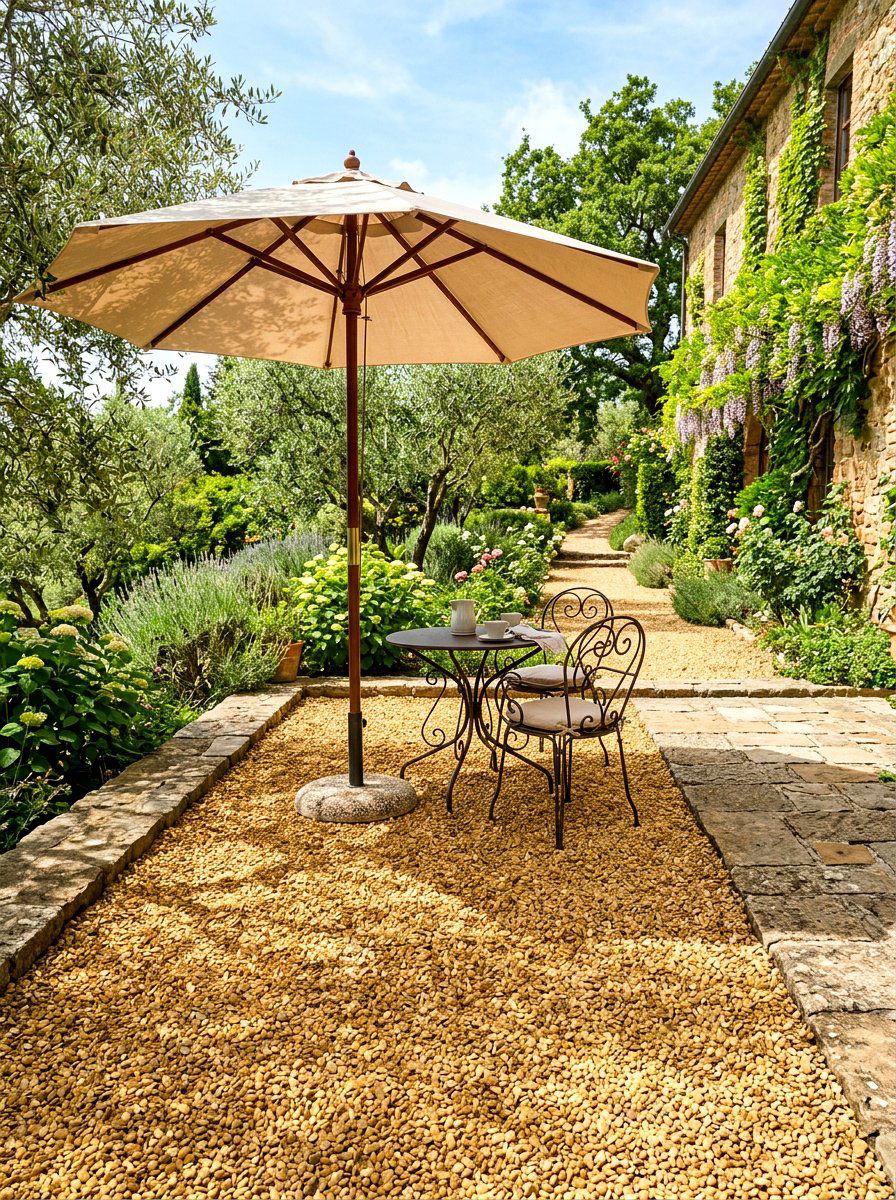
Gravel is one of the most affordable and versatile materials for creating a stylish outdoor seating area. Use a high-quality "golden pea" or "buff" gravel to create a soft, permeable floor that drains well and feels great underfoot. To keep the gravel in place, use a hidden plastic grid system or a solid stone border. This type of patio has a very relaxed, European feel that works beautifully in cottage gardens or modern backyards. Pair the gravel with simple bistro furniture and a large, neutral sun umbrella to create a casual spot for dining. It is also an eco-friendly choice as it allows rainwater to soak into the ground.
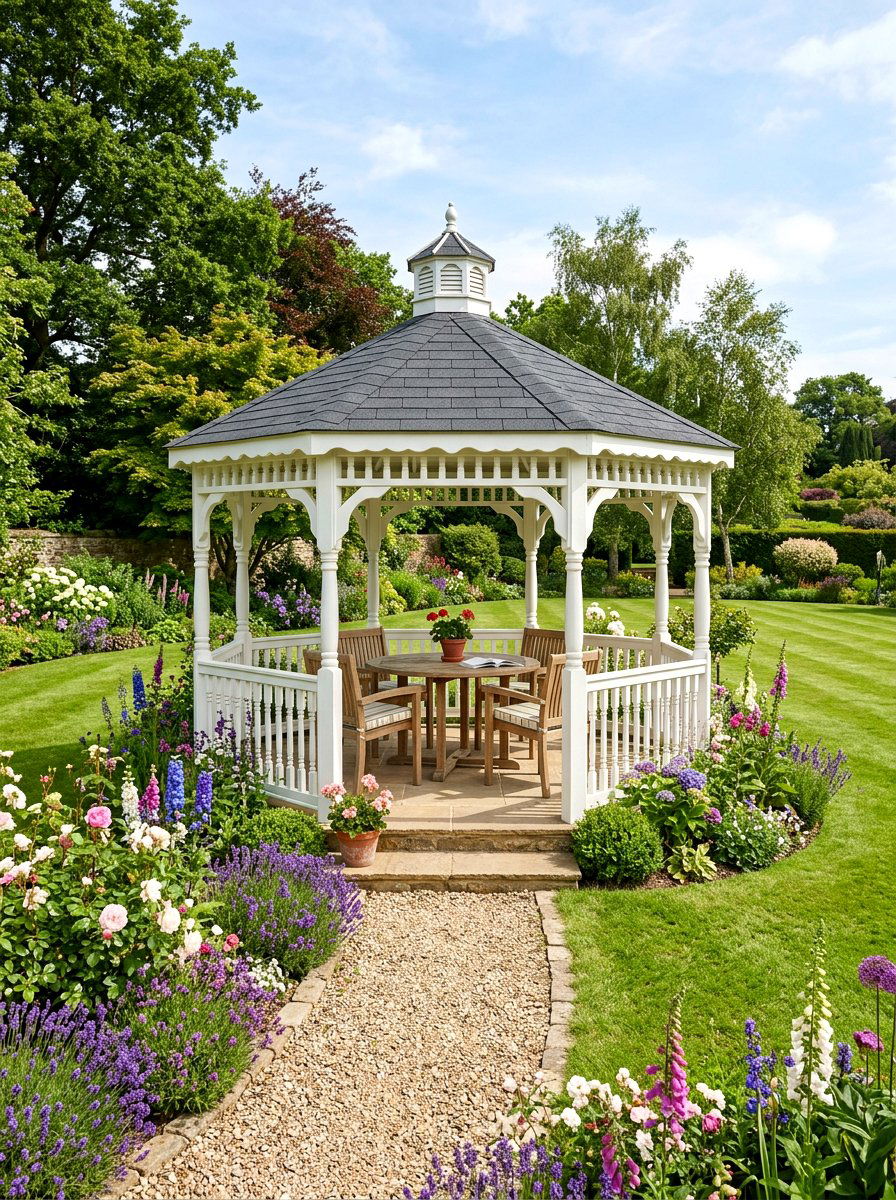
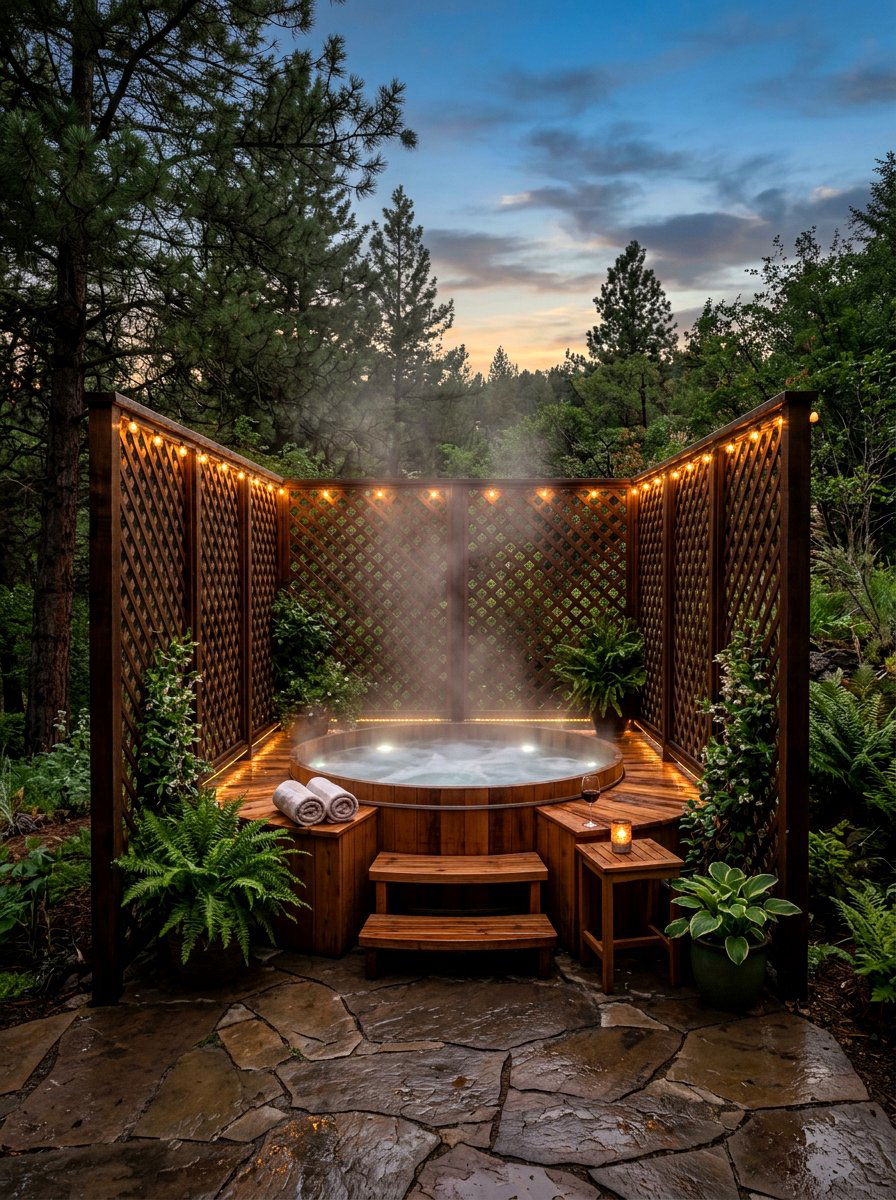
20. Kitchen Sand Toned Patio
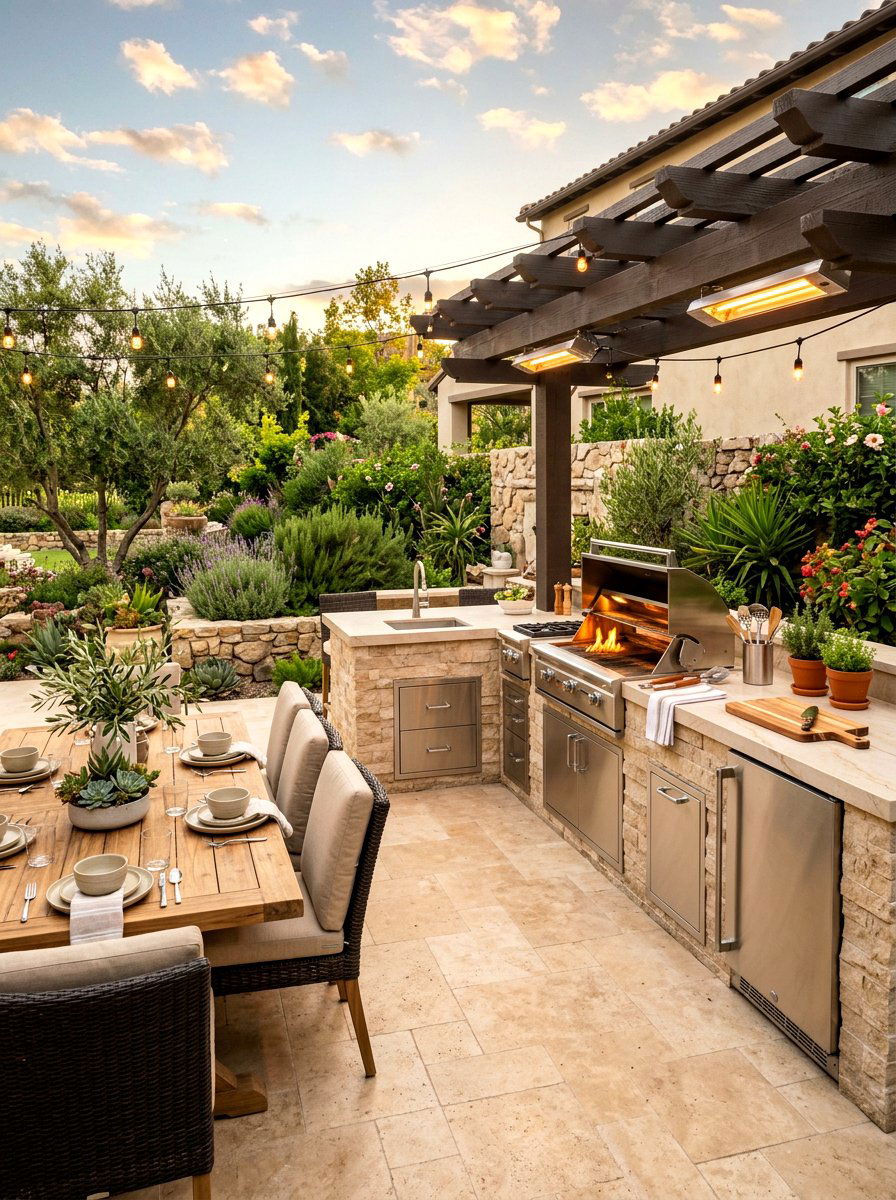
An outdoor kitchen can be a major focal point of a patio, and using sand tones ensures it feels like a sophisticated part of the home. Use light-colored stone veneers for the kitchen island and matching quartz or granite for the countertops. This creates a clean, professional look that blends into the surrounding landscape rather than standing out as a bulky appliance. Integrate the kitchen with a nearby dining area using the same sand-colored flooring to create a seamless flow for entertaining. Adding built-in lighting under the counters can make the space functional and beautiful after the sun goes down. This design is perfect for those who love to cook.
21. Whitewashed Sand Toned Patio
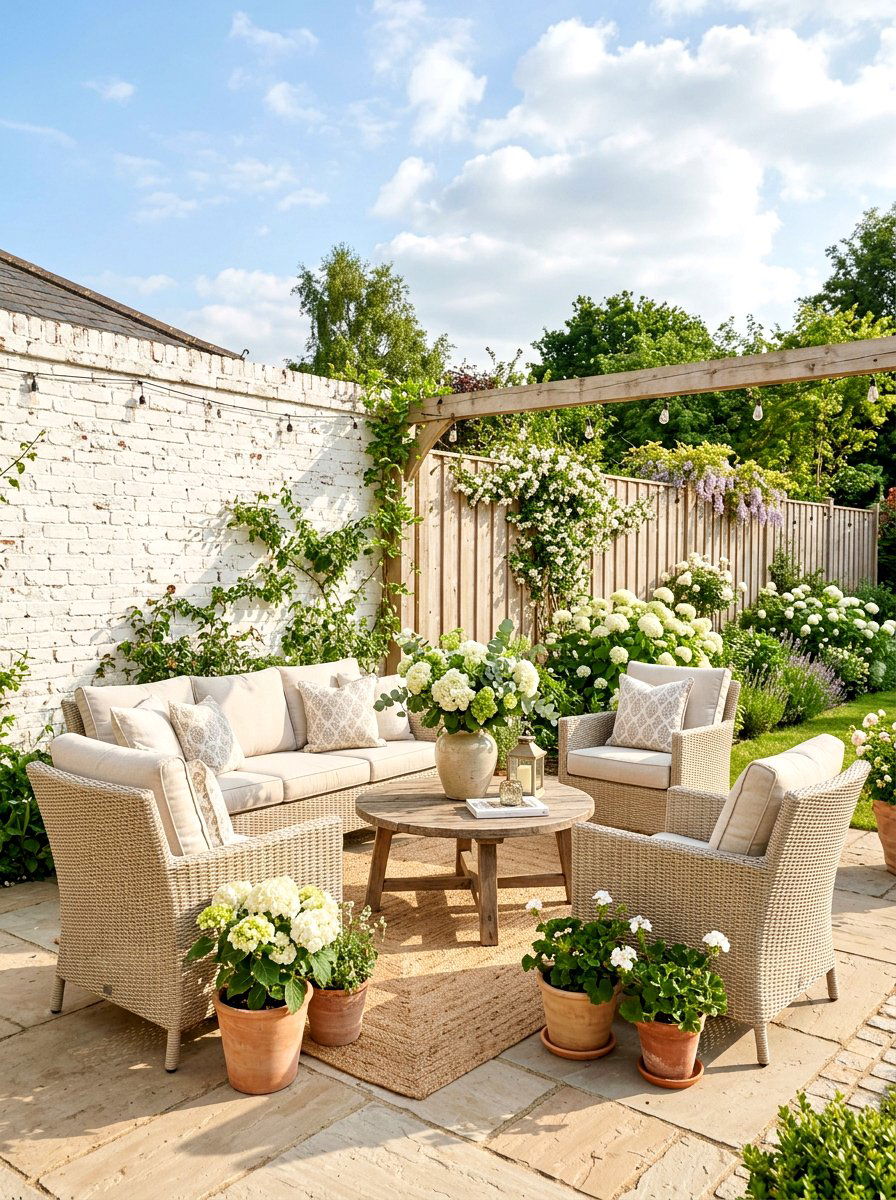
Whitewashing is a technique that softens the appearance of wood or masonry while allowing the original texture to show through. A whitewashed sand-toned patio might feature a pale brick wall or a lightly stained wooden fence that acts as a bright backdrop for the seating area. This technique is excellent for refreshing an older patio without a full renovation. Combine the whitewashed elements with light beige furniture and plenty of white flowers like hydrangeas or roses. The overall effect is very romantic and airy, making the backyard feel like a bright, open-air room. It is a particularly popular choice for coastal or farmhouse-style homes.
22. Adobe Sand Toned Patio
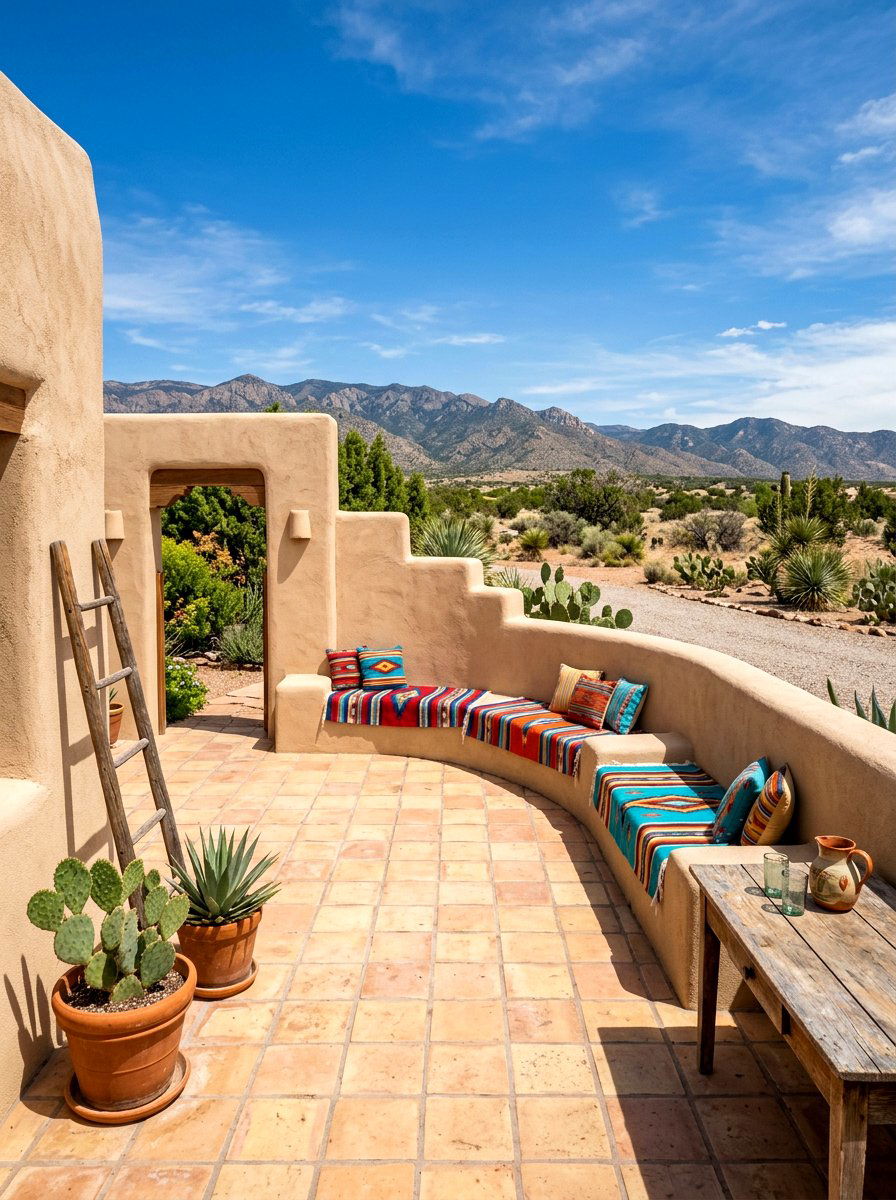
The adobe style takes inspiration from Southwestern architecture, using thick, rounded walls and earthy materials to create a grounded feel. For a sand-toned patio, use a light tan stucco finish on built-in benches and walls to mimic the look of traditional sun-dried mud bricks. The floor can be finished with large, sandy-colored tiles or compacted earth for a truly authentic vibe. This style provides excellent privacy and can create a cozy, sheltered feel in a large, open backyard. Add a few colorful woven textiles in desert hues like ochre or terracotta to provide just a hint of color without breaking the neutral theme.
23. Dune Sand Toned Patio
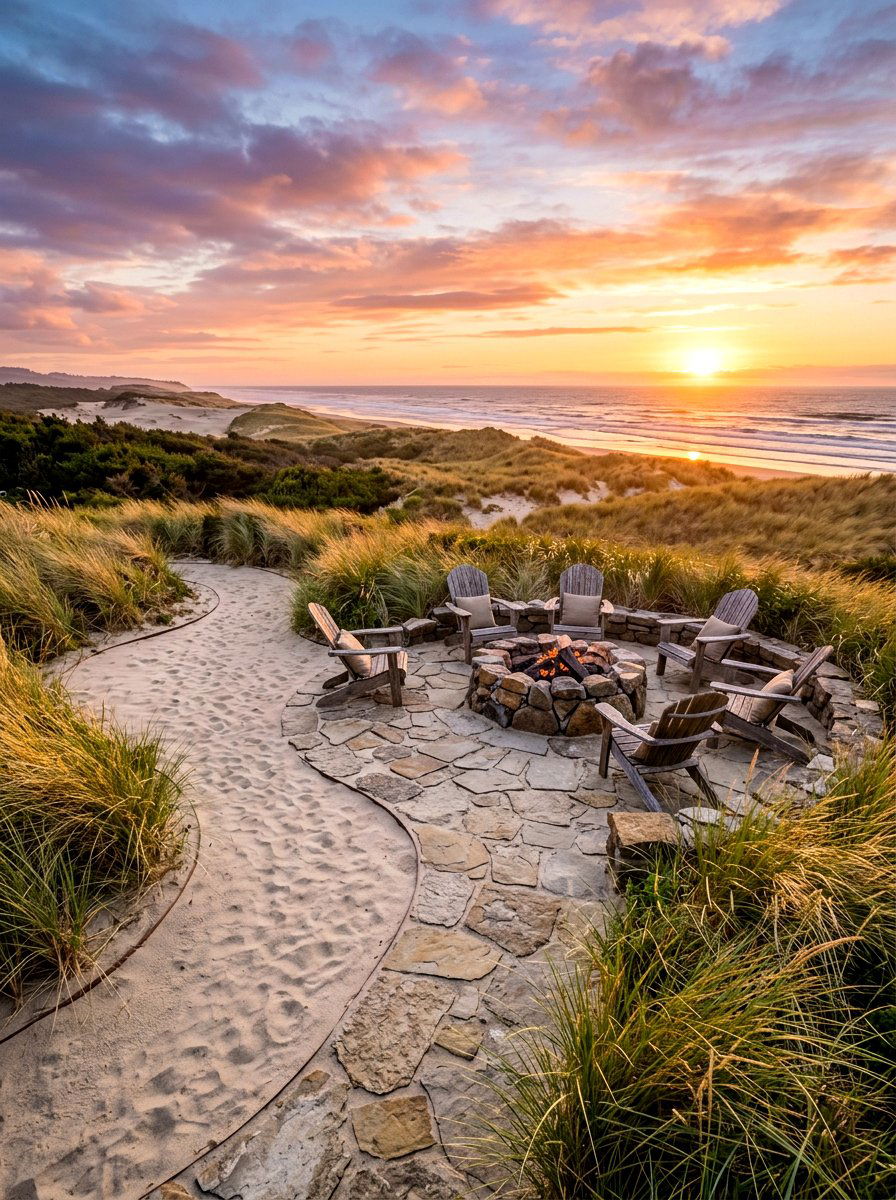
This concept is inspired by the natural beauty of sand dunes and coastal landscapes. It uses long, sweeping curves rather than straight lines to define the edges of the patio and garden beds. Fine, light-colored sand can be used in certain "pockets" of the design to serve as a barefoot walking path or a base for a fire pit. Surround these sandy areas with ornamental grasses that sway in the breeze, mimicking the vegetation found on a beach. This layout feels very dynamic and soft, providing a beautiful contrast to the rigid lines of a typical house. It is a fantastic way to bring a touch of the wild coast home.
24. Contemporary Sand Toned Patio
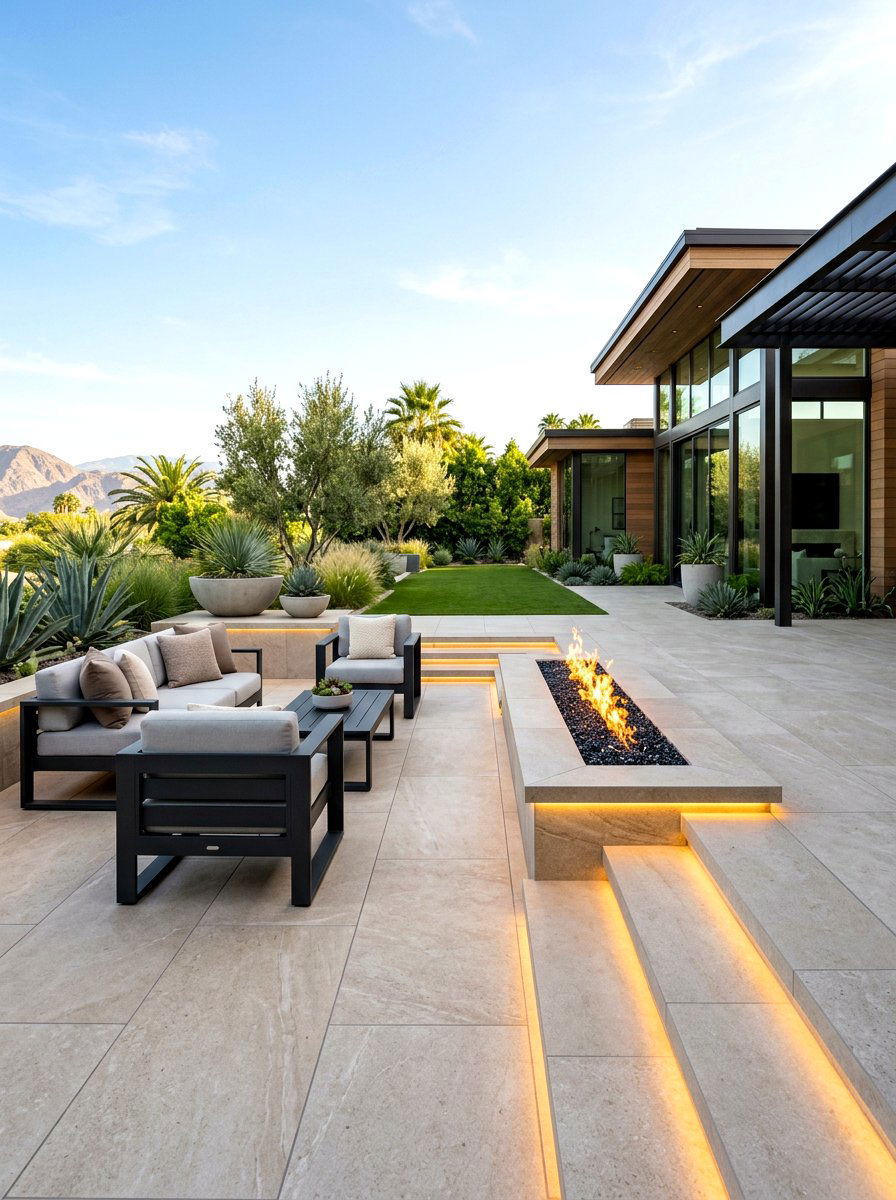
Contemporary design focuses on current trends and innovative materials to create a fresh, high-impact look. A contemporary sand-toned patio might feature porcelain tiles that perfectly mimic the look of natural stone but with a much higher level of durability. Use a monochromatic color scheme for everything from the flooring to the planters and the furniture frames. This creates a very intentional, high-fashion look that feels extremely sophisticated. Adding a sleek, linear fire feature or a series of glowing LED light strips can make the space feel futuristic and exciting at night. This design is all about precision and a polished finish that feels very professional.
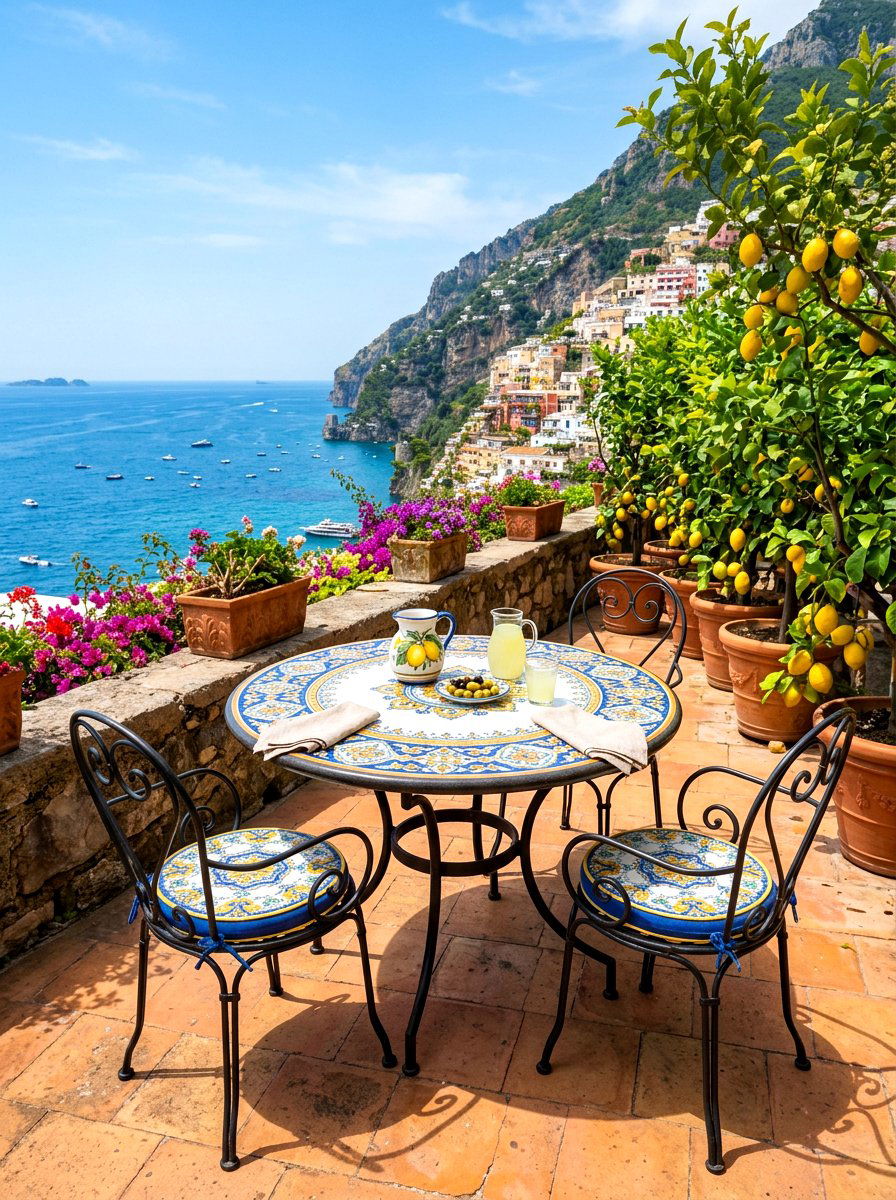
25. Layered Sand Toned Patio
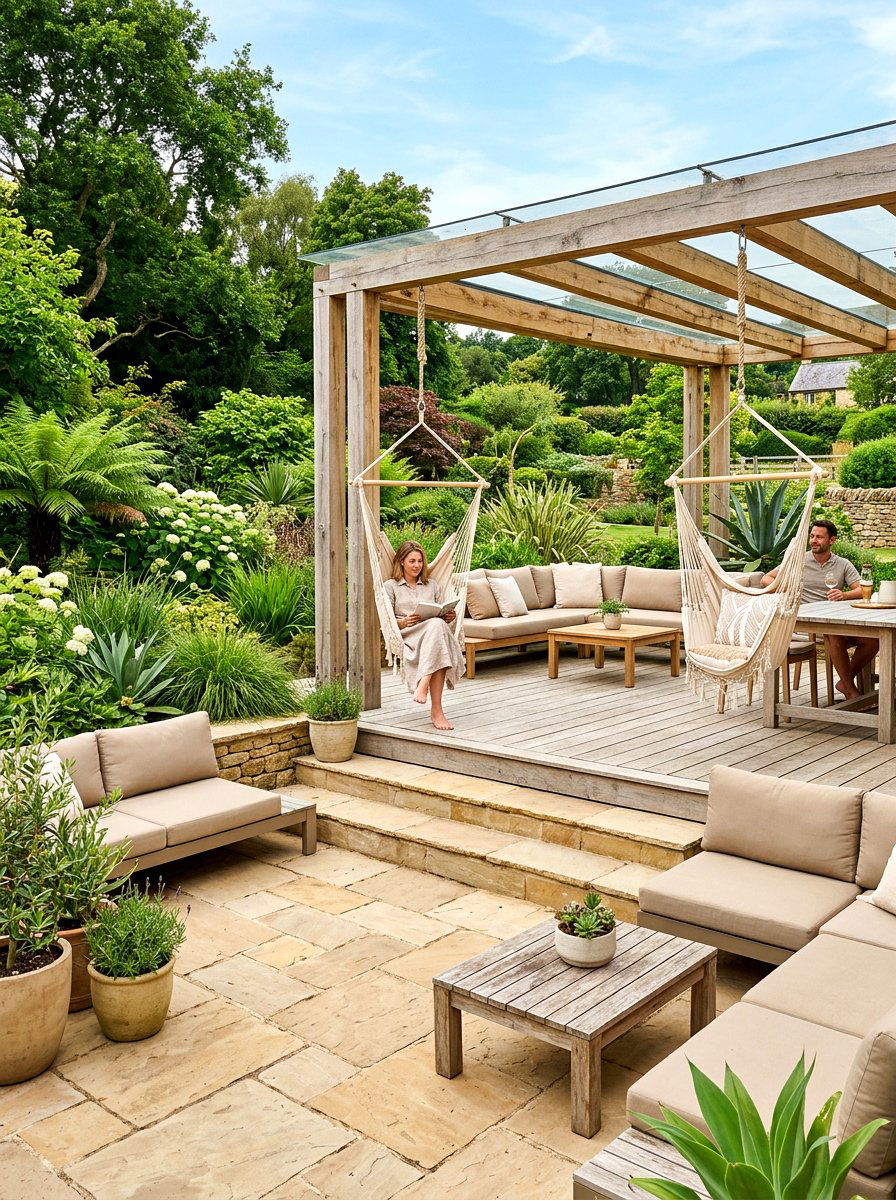
Layering is about using different heights and materials to create a space that feels rich and lived-in. Start with a large area of sand-colored pavers and then add a raised wooden deck in a matching tone for a separate dining zone. Use different types of seating, such as a built-in stone bench, a pair of lounge chairs, and a hanging swing, to create multiple ways to enjoy the space. By keeping all the materials within the same sand-toned family, you can mix and match styles without the space feeling cluttered. This approach makes a large patio feel more intimate by breaking it down into smaller, functional "rooms. "
26. Pergola Sand Toned Patio
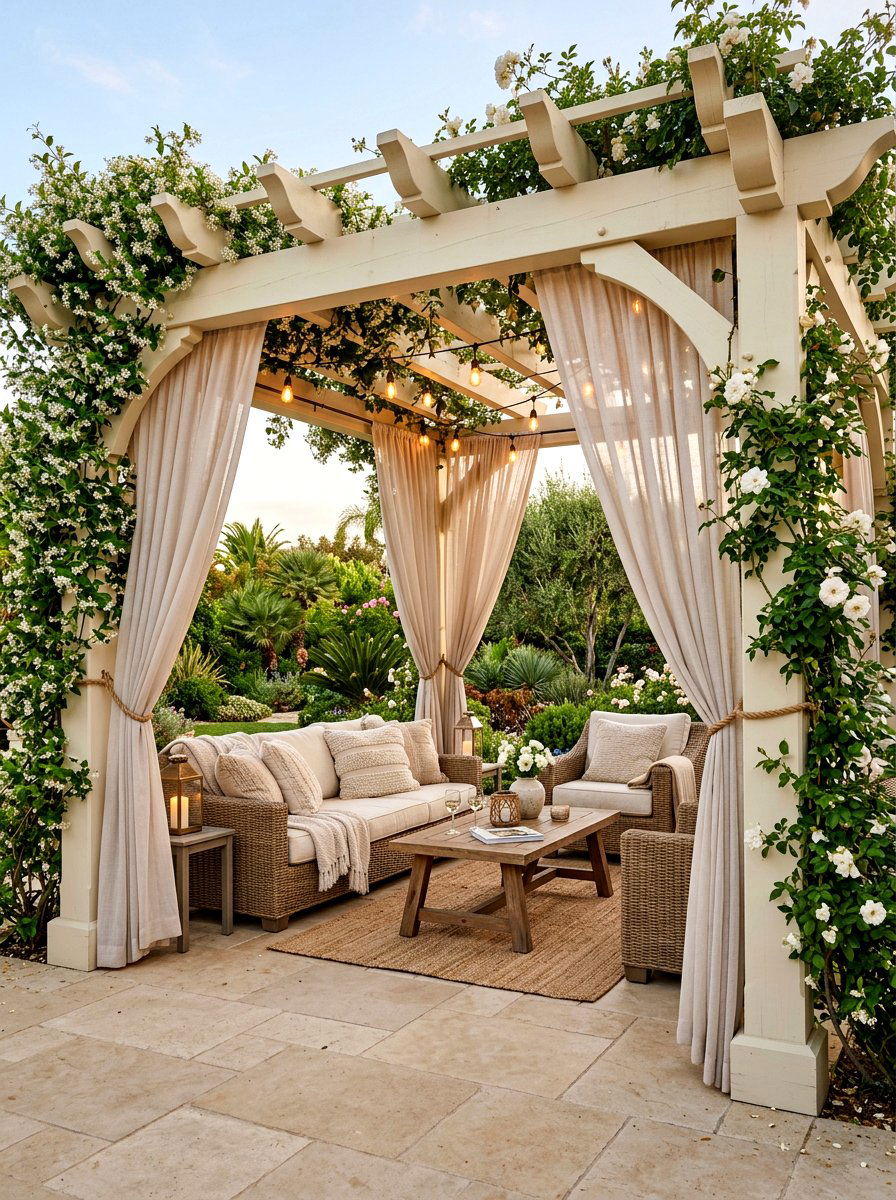
A pergola is a classic architectural element that provides both shade and a sense of structure to an outdoor space. To keep it within the sand-toned theme, paint or stain the wooden structure in a soft cream or light tan color. This prevents the large structure from feeling too heavy or overwhelming in a small backyard. You can grow climbing vines with white flowers or light green leaves to add a natural, living roof. Drape sheer, beige outdoor curtains between the posts to create a private, cabana-like feel that is perfect for hot summer days. This setup adds a beautiful vertical dimension to your patio design.
27. Lighting Sand Toned Patio
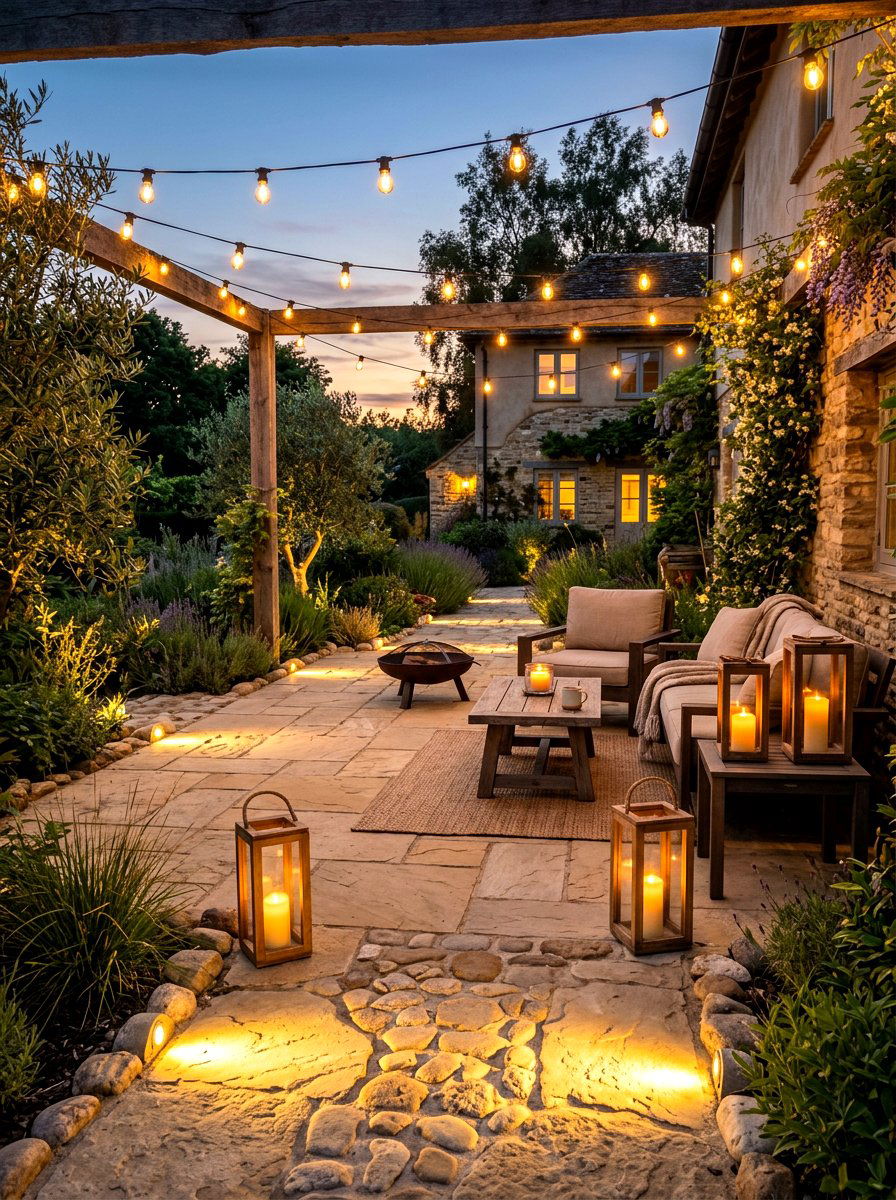
Proper lighting is essential for making a sand-toned patio feel warm and inviting after the sun sets. Because light colors reflect light so well, you can use subtle, low-voltage fixtures to create a beautiful glow across the entire space. Use warm white LED string lights draped overhead or hidden spotlights to highlight the texture of a stone wall. Large, floor-standing lanterns in natural materials like wood or metal can serve as both a light source and a decorative accessory. The goal is to create a soft, ambient light that emphasizes the calming nature of the neutral palette. This makes your patio a perfect spot for evening relaxation.
28. Balcony Sand Toned Patio
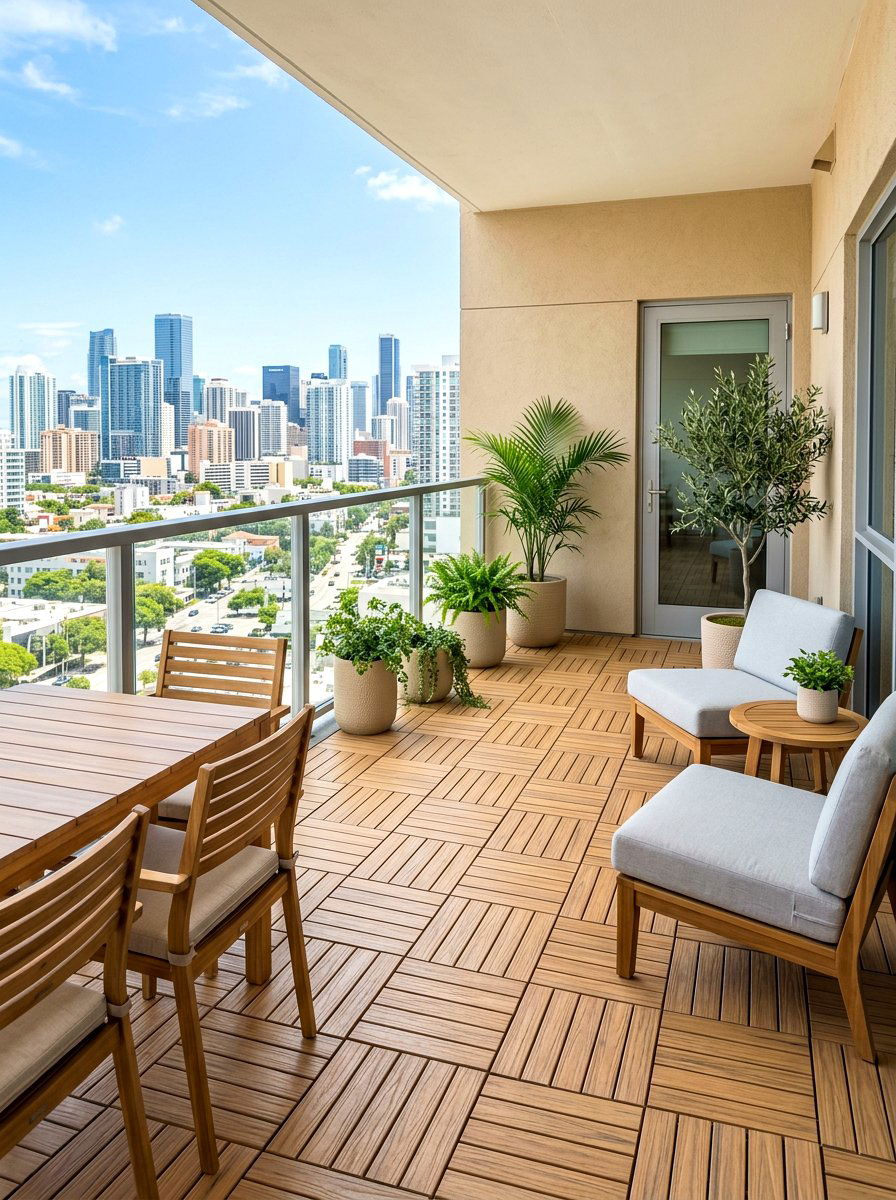
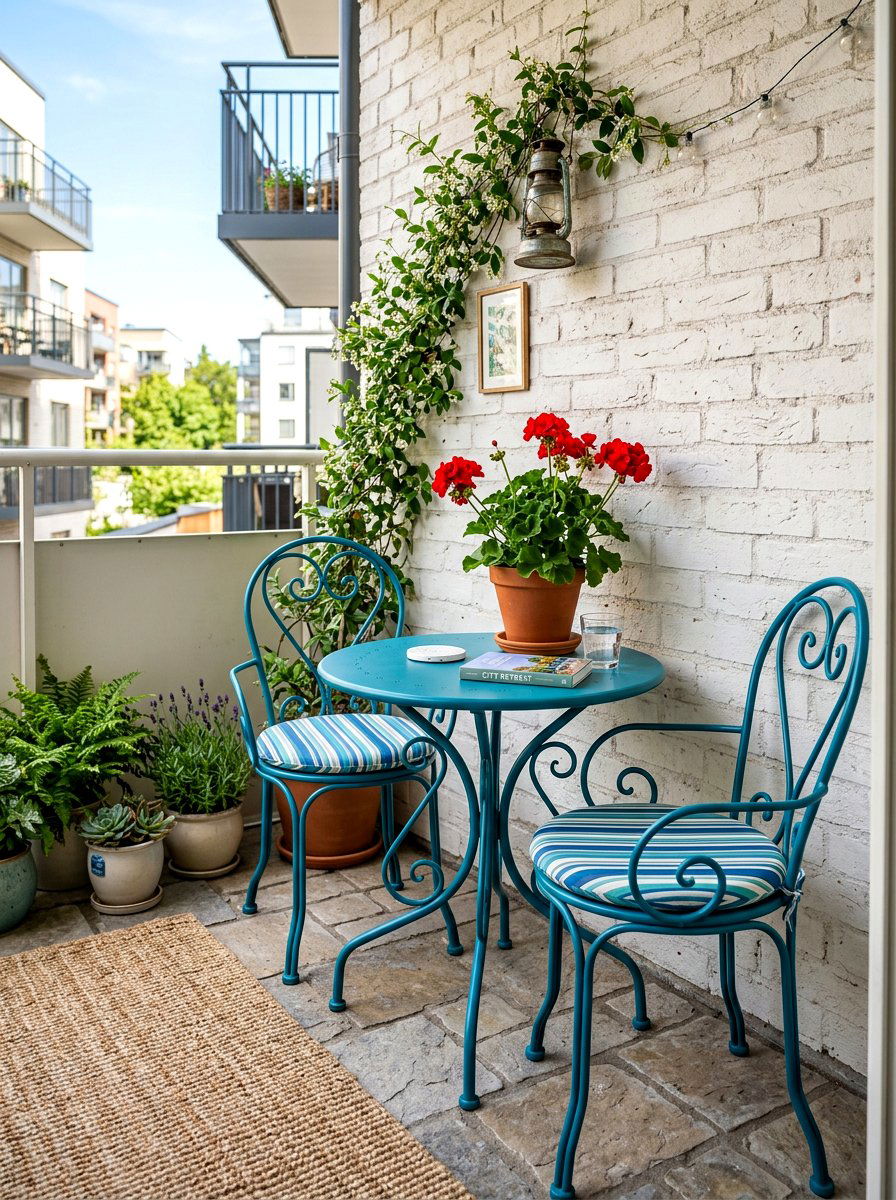
Even a small balcony can benefit from a sand-toned design to make the space feel larger and more open. Use interlocking deck tiles in a light wood or stone finish to quickly transform a concrete floor into a stylish surface. Choose slim, light-colored furniture that doesn't block the view or the light. A few potted plants in beige ceramic pots and a matching outdoor rug can tie the whole look together without taking up much room. This aesthetic is perfect for urban dwellers who want to create a small, peaceful escape from the busy city below. It feels clean, bright, and very intentional.
29. Courtyard Sand Toned Patio
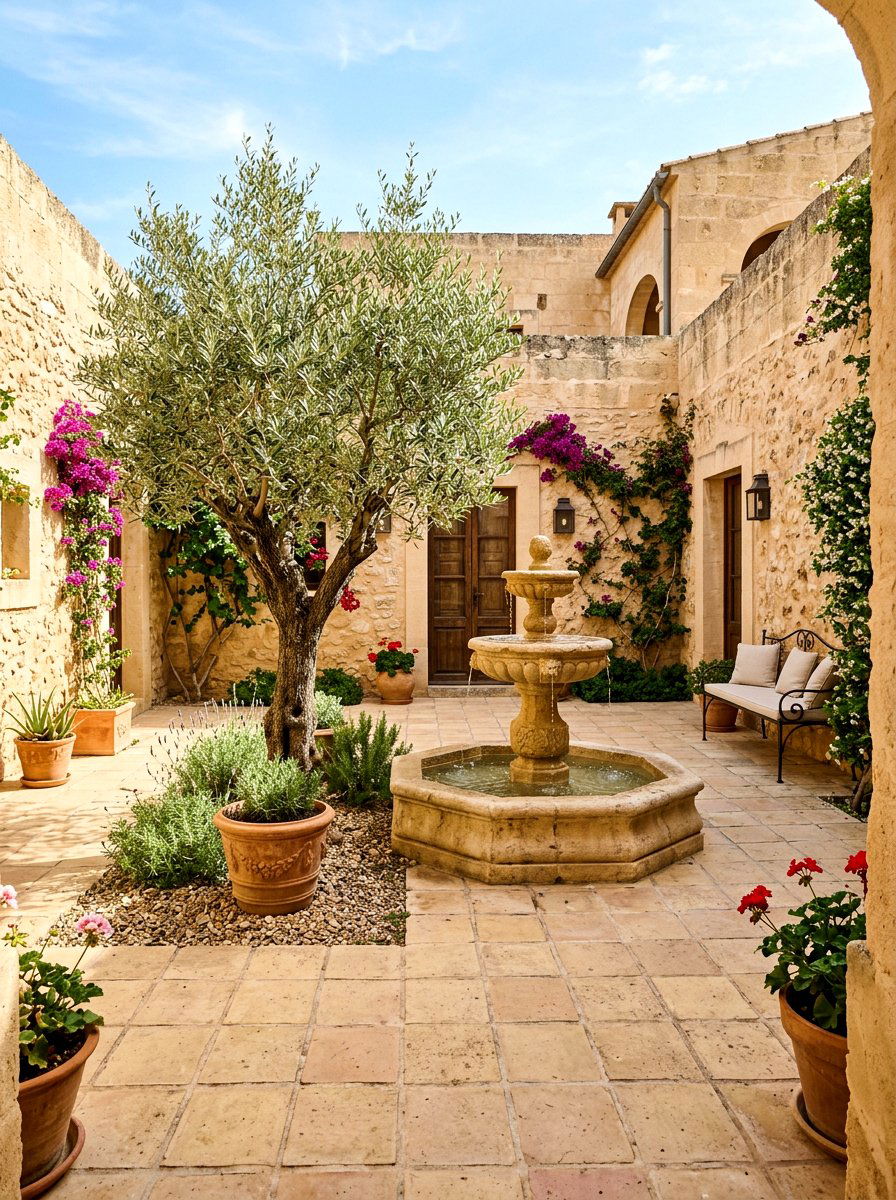
A courtyard is an enclosed space that offers a high level of privacy and a sense of "indoor-outdoor" living. By using sand tones for the walls and the floor, you create a bright, luminous box that captures and amplifies natural light. This is particularly useful in spaces that don't get a lot of direct sun. Use a central feature like a small tree or a classic stone fountain to ground the design. Minimal furniture and a focus on high-quality materials will make the space feel like a high-end art gallery or a private sanctuary. It is a timeless approach that works well in both historic and modern homes.
30. Organic Sand Toned Patio
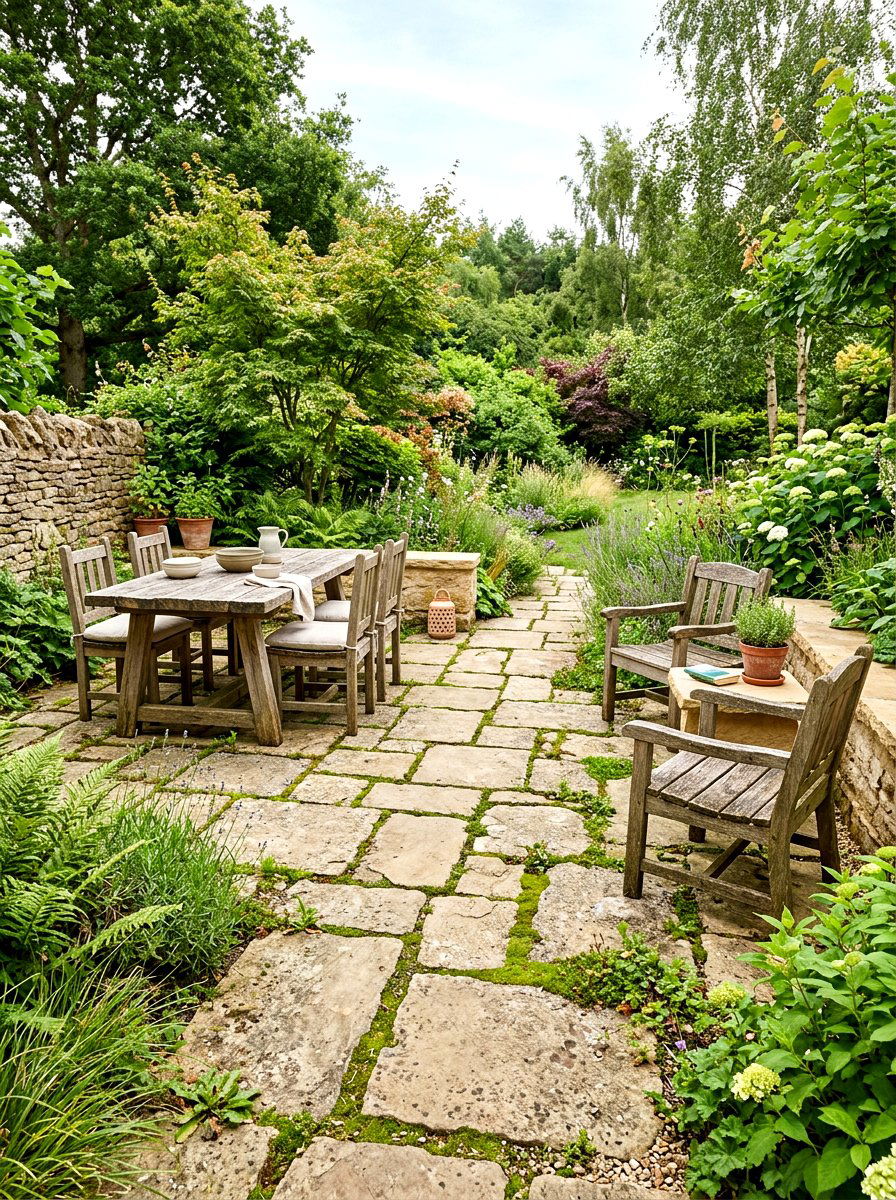
The organic style is about celebrating the natural imperfections and shapes found in the environment. Use flagstones with rough, un-cut edges and allow moss or small groundcover plants to grow in the gaps between the stones. Choose furniture made from reclaimed wood or woven branches that feels like it was crafted by hand. The sand tones in this design should come from natural sources, such as raw sandstone or unpolished limestone. This approach creates a very relaxed, peaceful environment that feels deeply connected to the earth. It is a wonderful choice for those who want their garden to feel like a natural extension of the landscape.
Conclusion:
Investing in a sand-toned patio is a brilliant way to enhance your outdoor living experience while adding value to your property. These warm, neutral tones provide a timeless foundation that adapts easily to changing decor trends over the years. By focusing on high-quality materials like travertine, limestone, or natural wood, you create a durable and beautiful space that feels like a personal retreat. Whether you are aiming for a minimalist modern look or a rustic Mediterranean escape, the versatility of beige and tan ensures a cohesive and calming atmosphere. Your backyard will become a sophisticated sanctuary where you can truly relax and enjoy the beauty of nature.

Related posts: