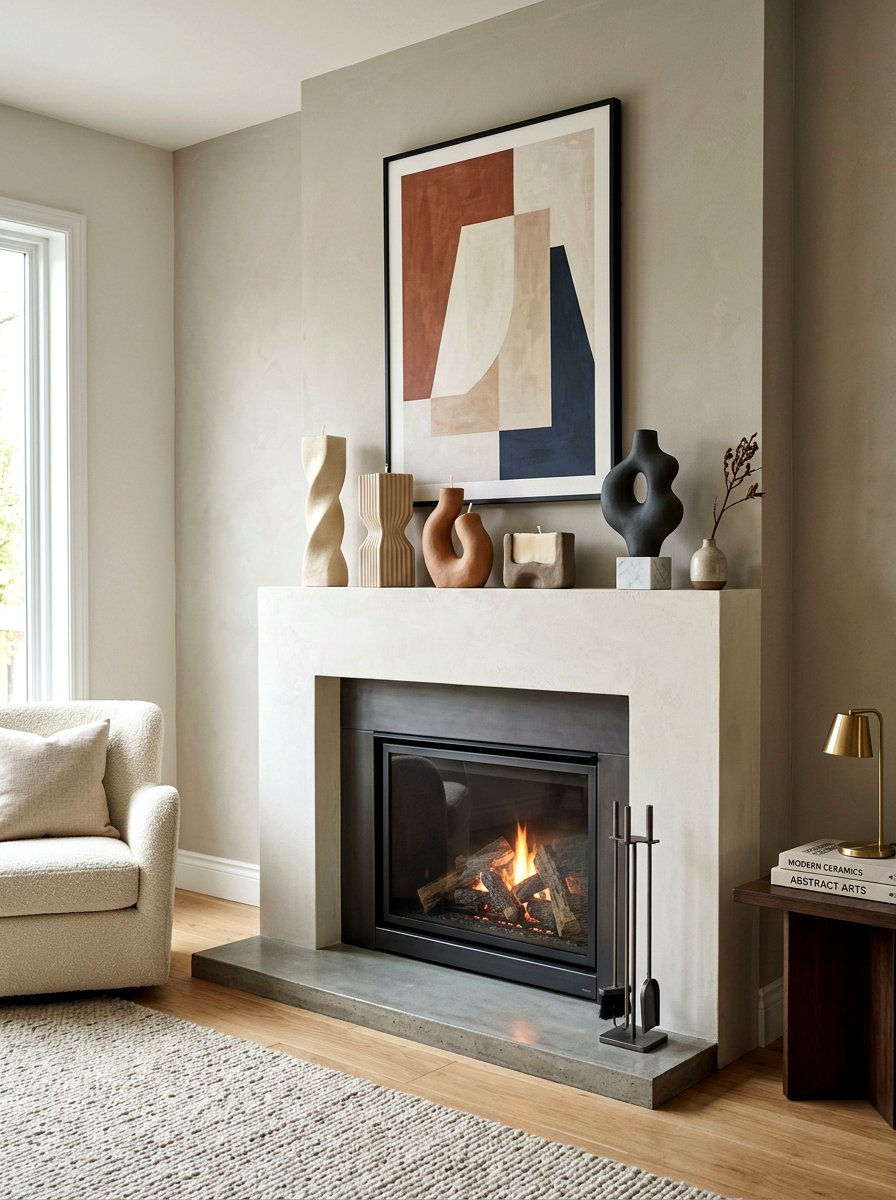
Designing a living room around sand colors has become one of the most significant shifts in interior design as homeowners move away from clinical, cool grays toward warmer, more inviting neutrals. This transition reflects a collective desire for spaces that feel grounded, organic, and peaceful, mimicking the restorative properties of a desert landscape or a quiet beach. Sand tones offer an incredible amount of versatility because they sit perfectly between warm beige and light tan, providing a sophisticated backdrop that works with almost any accent color or architectural style. Whether you are aiming for a high-end luxury look or a cozy bohemian retreat, these earthy hues create a timeless foundation that never goes out of style. By layering different textures and varying shades of sand, you can transform a standard living area into a layered, multidimensional sanctuary that feels both modern and lived-in.

1. Sand color sofa living room
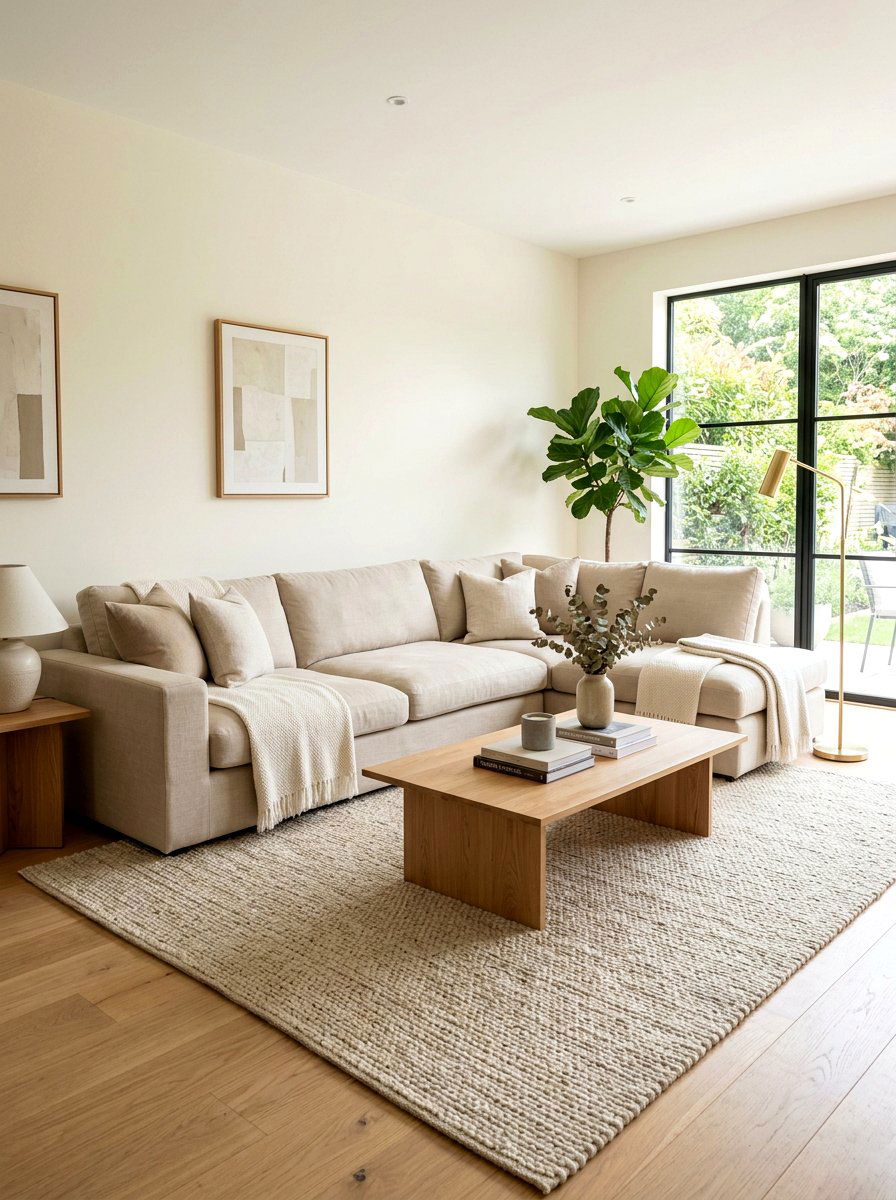
Choosing a sand color sofa as the primary focal point of your living room is a brilliant way to establish a serene and flexible atmosphere. This specific hue provides a much softer alternative to traditional white, making the entire space feel immediately more approachable and less precious. A large, plush sectional in a sandy fabric allows you to play with various seasonal accents, as it serves as a neutral canvas for vibrant throw pillows or heavy winter blankets. When you pair this central piece with light-toned wooden legs and soft linen upholstery, the room gains an effortless elegance that suits both modern and traditional homes perfectly.
2. Sand and white living room
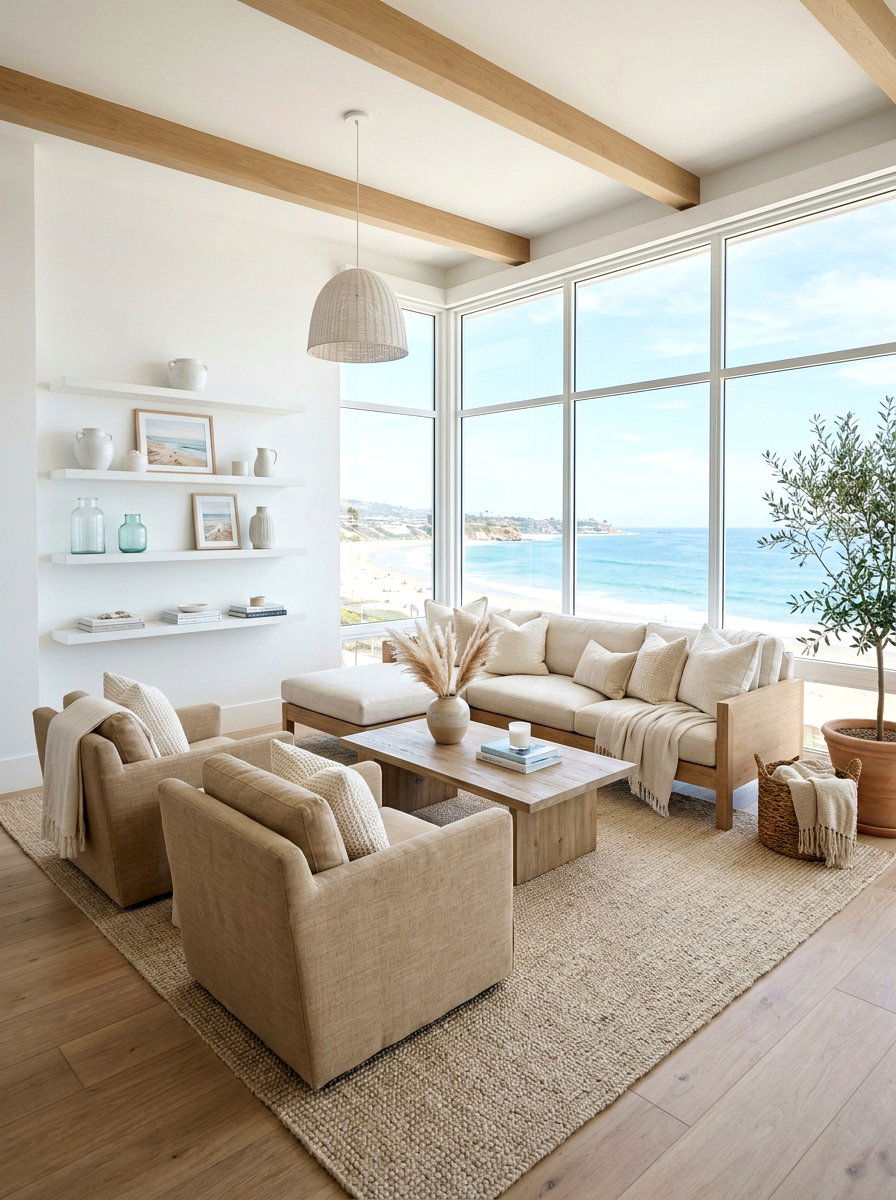
A sand and white living room design is the epitome of classic sophistication, offering a bright and airy feel that maximizes natural light throughout the day. By painting the walls a crisp, clean white and incorporating sandy-toned furniture, you create a subtle contrast that feels incredibly fresh and modern. This combination is particularly effective in smaller spaces because the light color palette helps the room feel significantly larger and more open than it actually is. To keep the look from appearing too flat, you should introduce different white tones like cream or ivory alongside the sand elements to provide a rich, layered aesthetic.
3. Modern sand living room furniture
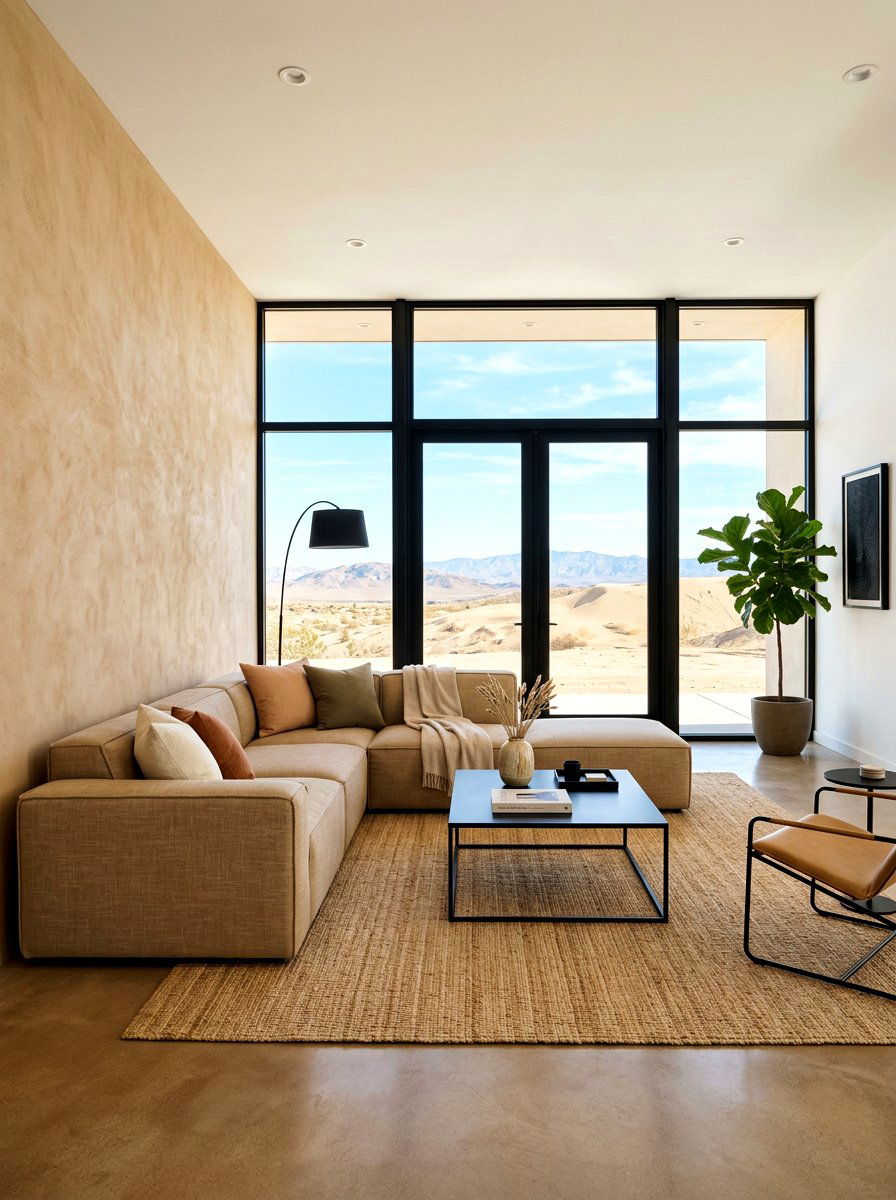
Modern sand living room furniture often features sleek lines and minimalist silhouettes that emphasize the natural beauty of the earthy color palette. Think about incorporating low-profile coffee tables or modular seating units that use sandy upholstery to blend seamlessly with the surrounding environment. This design approach focuses on simplicity and functionality, ensuring that every piece of furniture serves a purpose while contributing to the overall sense of calm. The warmth of the sand color helps to soften the sharp angles often found in modern architecture, creating a balanced and harmonious space that feels cutting-edge yet surprisingly comfortable for everyday family life.
4. Coastal sand living room decor
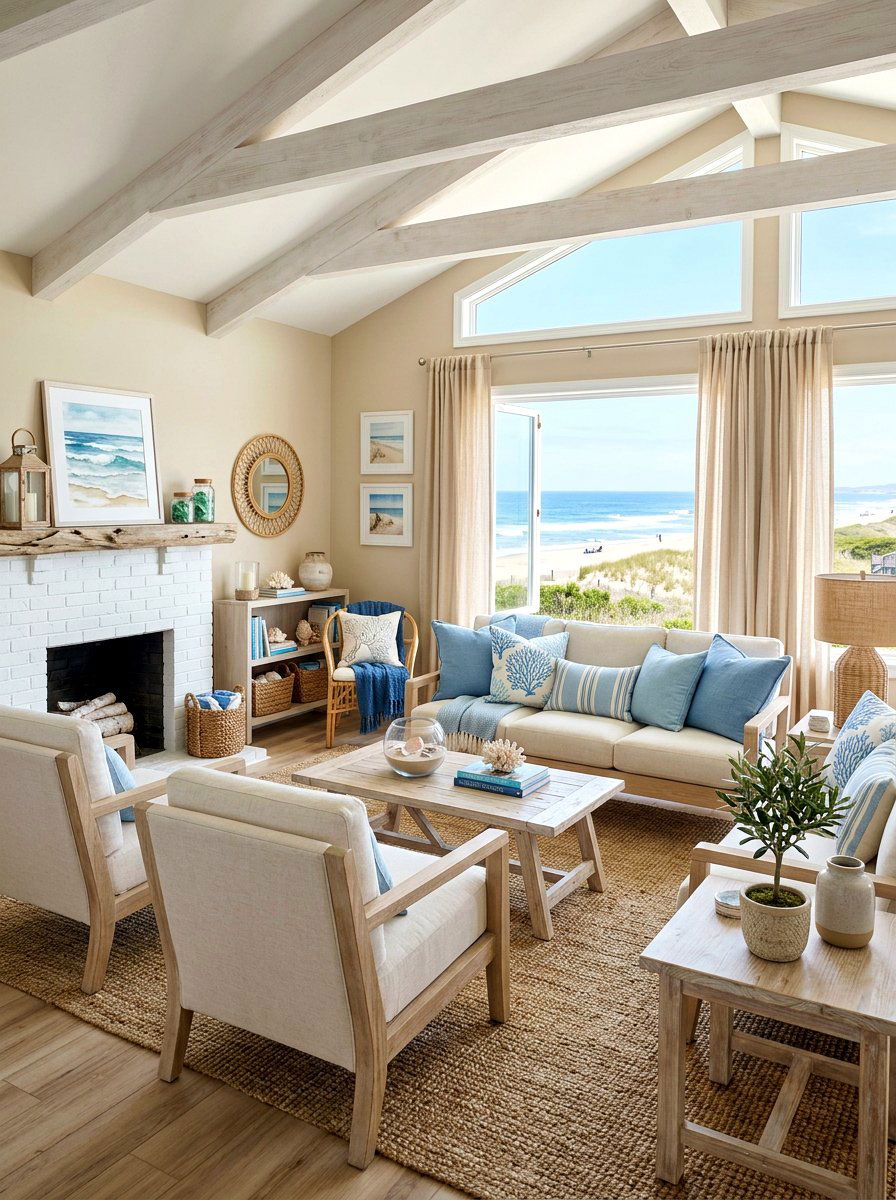
Designing a coastal sand living room allows you to bring the relaxing vibes of the oceanfront directly into your home without relying on literal nautical themes. Instead of anchors and seashells, focus on the textures of the shore by using bleached wood, sea-grass rugs, and light sandy-colored walls that mimic dunes. This style thrives on a light-filled environment, so large windows and sheer curtains are essential for letting the sunshine illuminate the soft beige and tan tones. By adding a few touches of weathered timber and soft linen fabrics, you can create a sophisticated retreat that feels like a perpetual summer vacation.
5. Sand and black living room
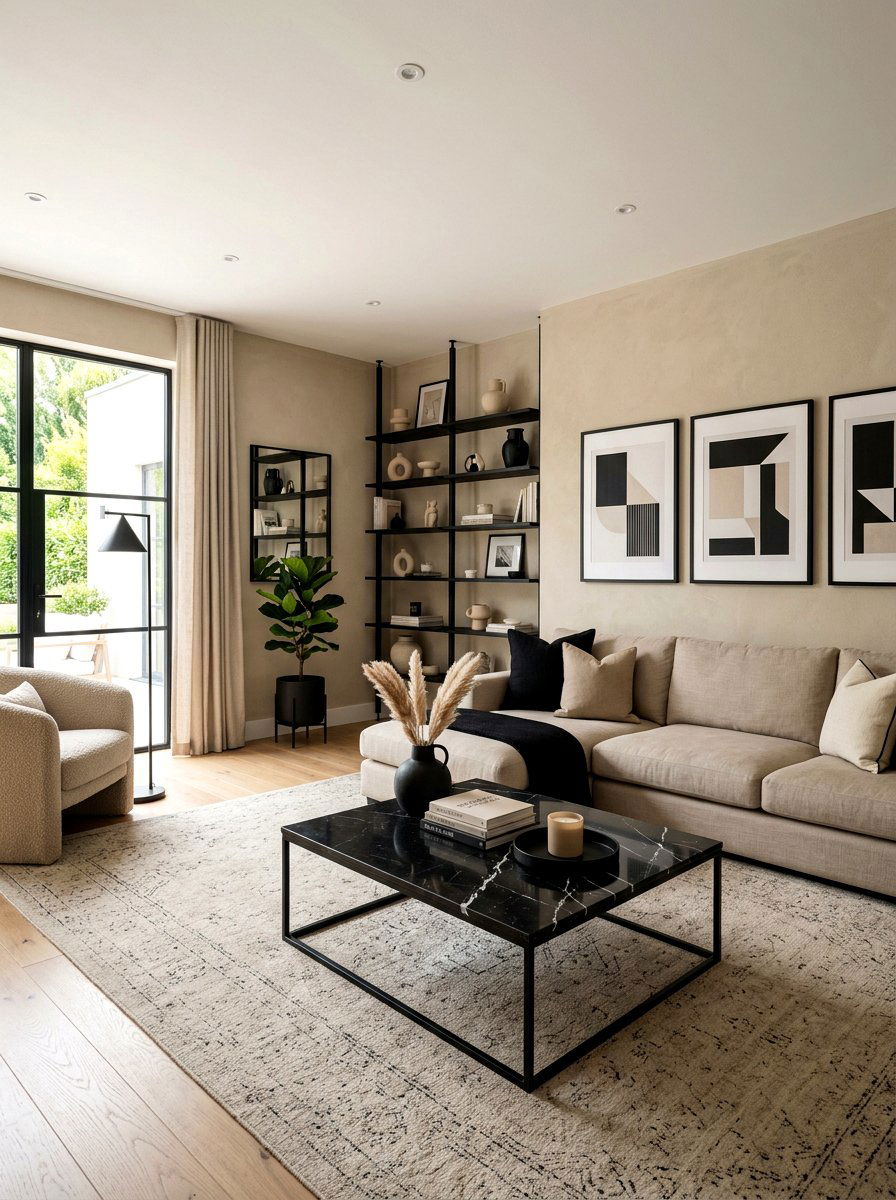
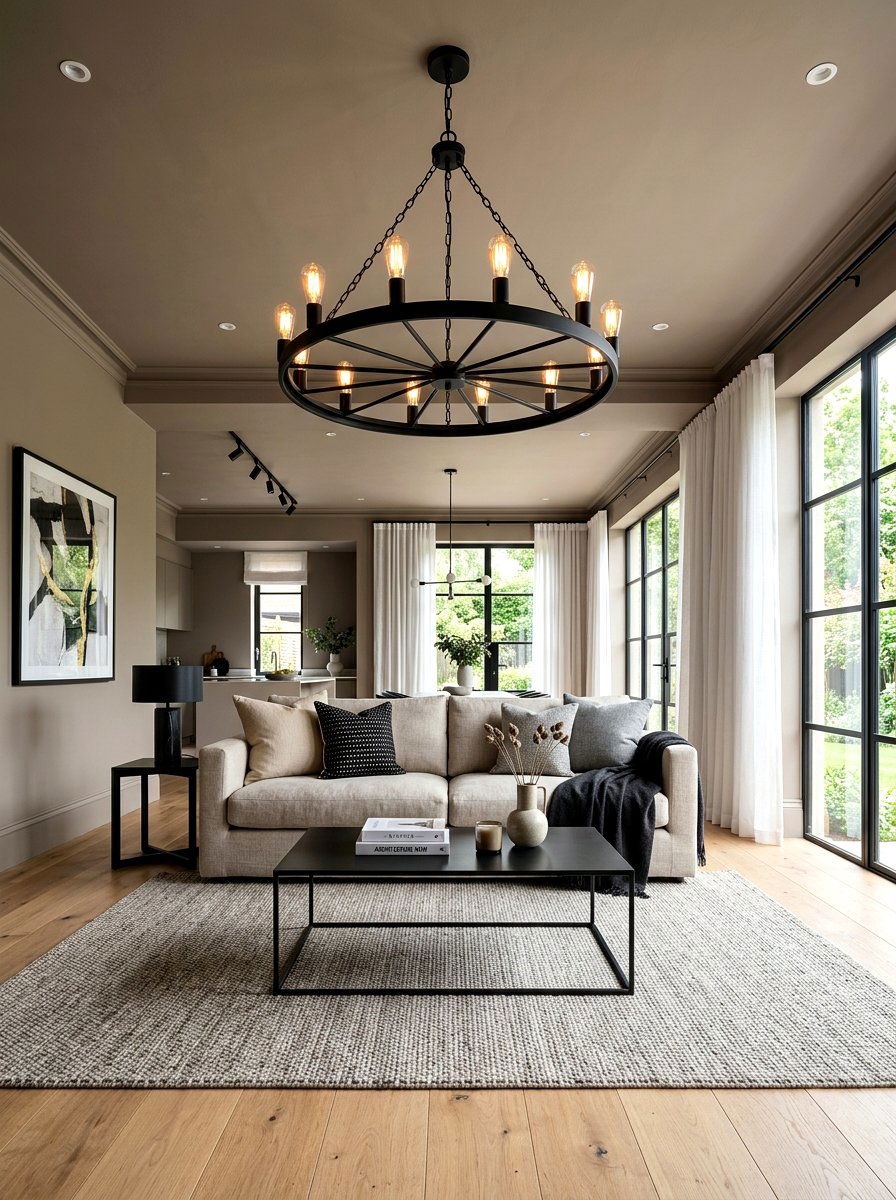
Creating a sand and black living room provides a stunning high-contrast look that feels incredibly sophisticated and grounded. While the sand tones provide the necessary warmth and softness, the black accents offer a sharp, architectural edge that defines the space and prevents it from looking too washed out. You might consider using black metal frames for your shelving units, dark curtain rods, or even a bold black coffee table to anchor the lighter surroundings. This pairing is perfect for those who want a neutral palette but desire a bit more drama and visual weight to make their living area truly stand out.
6. Minimalist sand living room
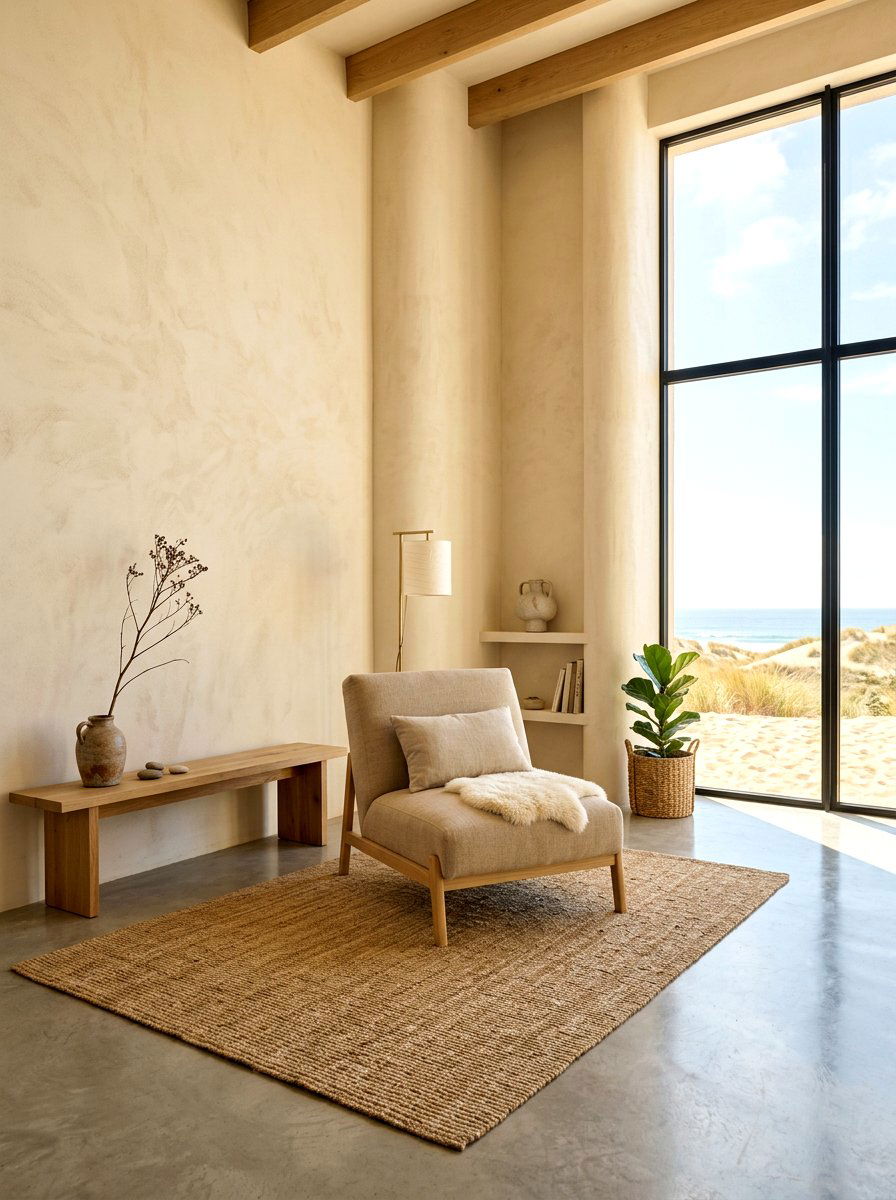
A minimalist sand living room focuses on the philosophy of "less is more" by stripping away excess clutter and letting the warm color palette shine. In this design, the quality of materials becomes paramount, with a heavy emphasis on tactile fabrics like wool, cotton, and light-toned leathers. The absence of bold patterns or bright colors allows the eye to rest, making the living room a true sanctuary for relaxation and mindfulness. By choosing a few high-quality pieces in varying shades of sand, you create a cohesive and tranquil environment that feels curated and intentional rather than empty or cold.
7. Sand and wood living room
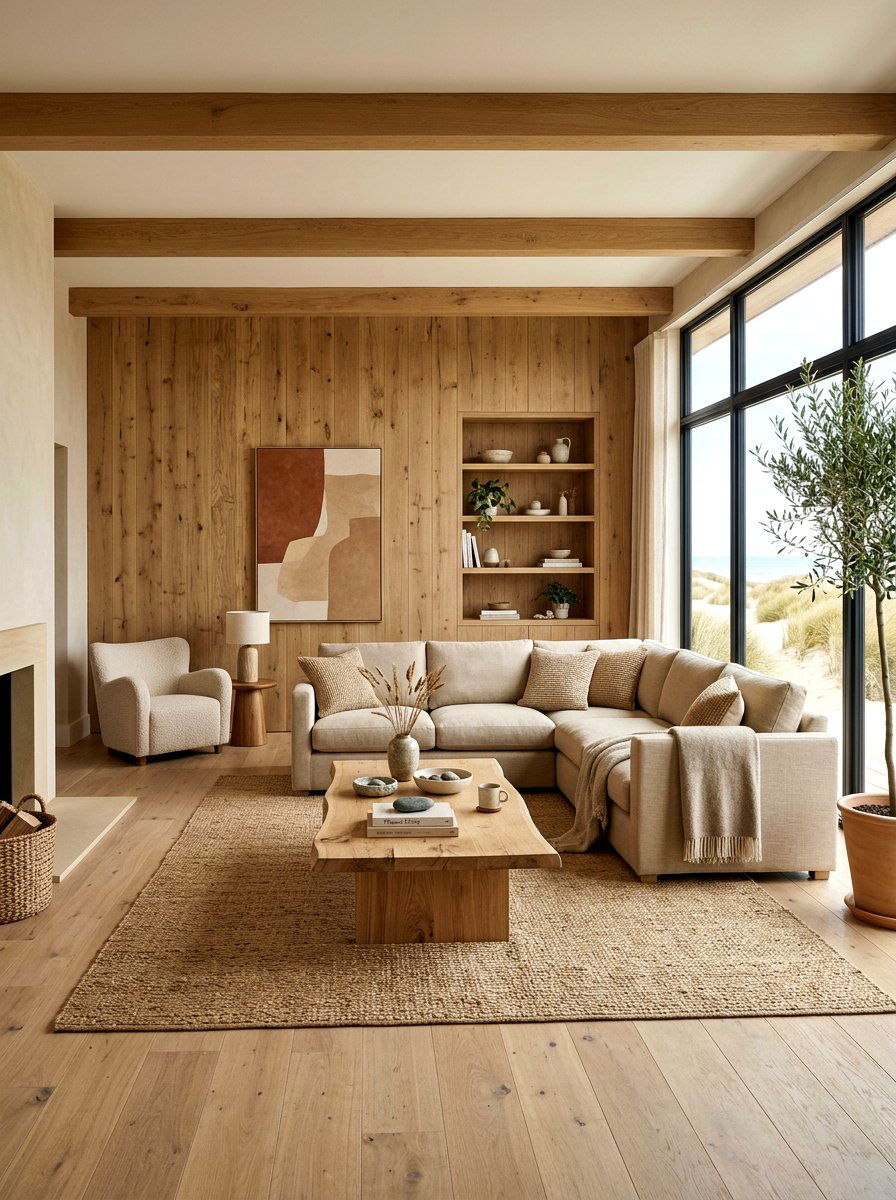
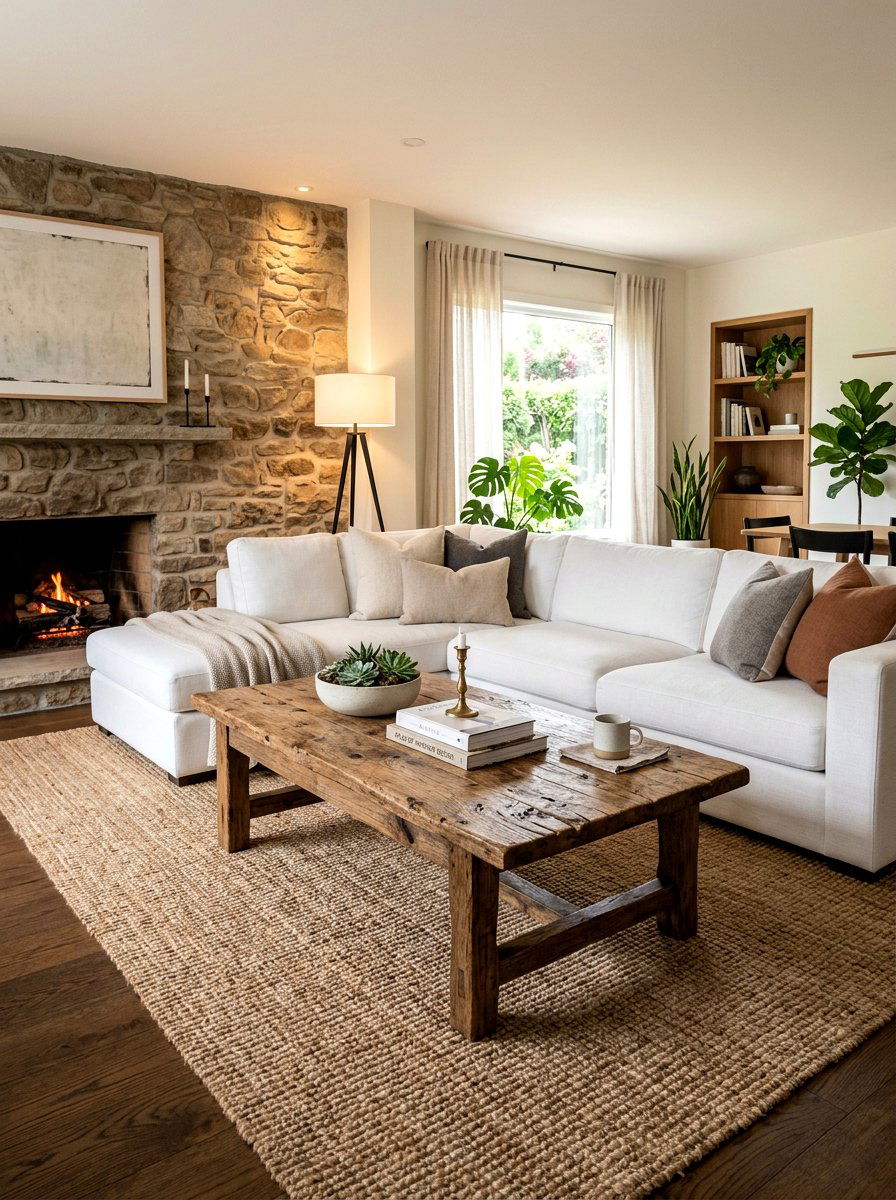
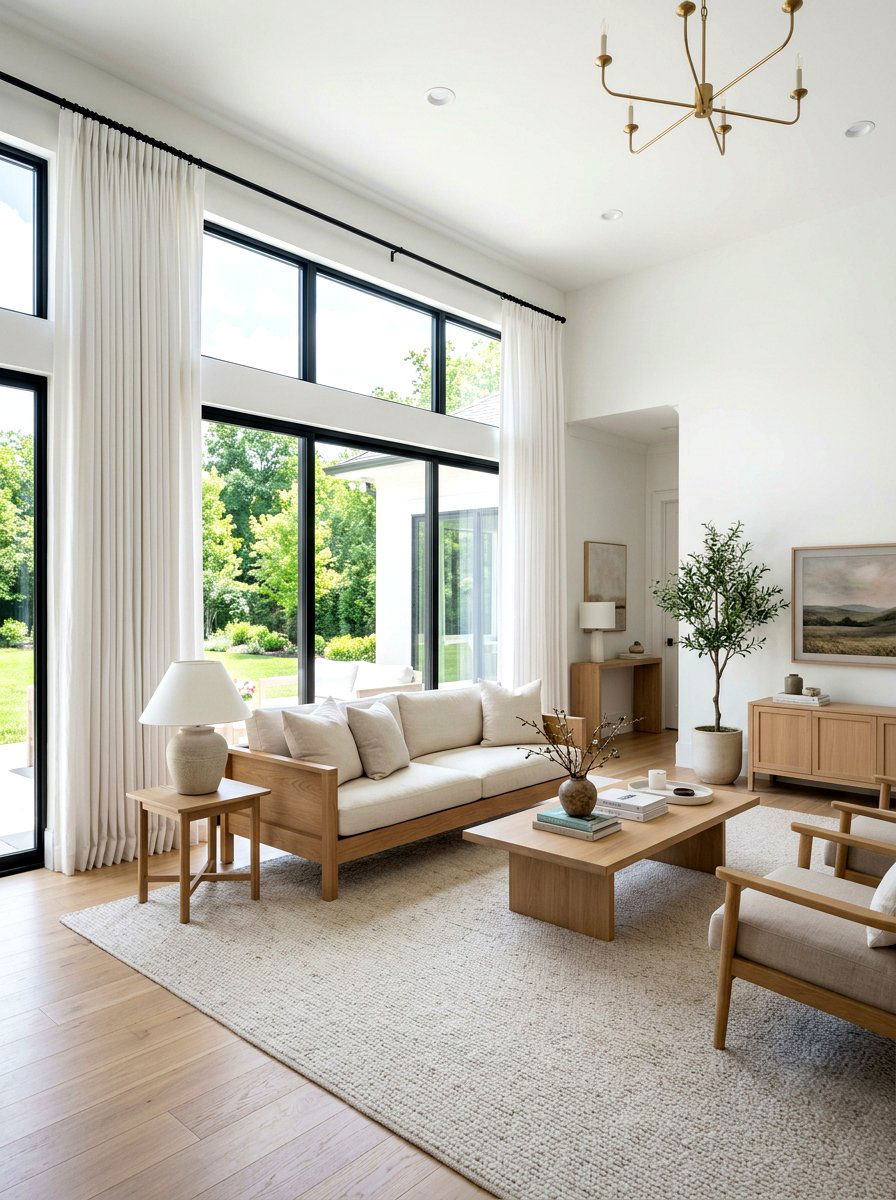
Integrating sand tones with natural wood elements is one of the most effective ways to create an organic, nature-inspired living space. Light woods like oak, ash, or pine complement sandy walls and furniture beautifully, enhancing the warmth of the room without overwhelming it. This combination works exceptionally well when you use a variety of wood grains and finishes to add depth and interest to the design. Imagine a sand-colored rug sitting beneath a raw-edge wooden coffee table, surrounded by sandy upholstered chairs. This look brings an earthy, grounded energy to the home that feels timeless and incredibly welcoming to guests.
8. Sand and sage green living room
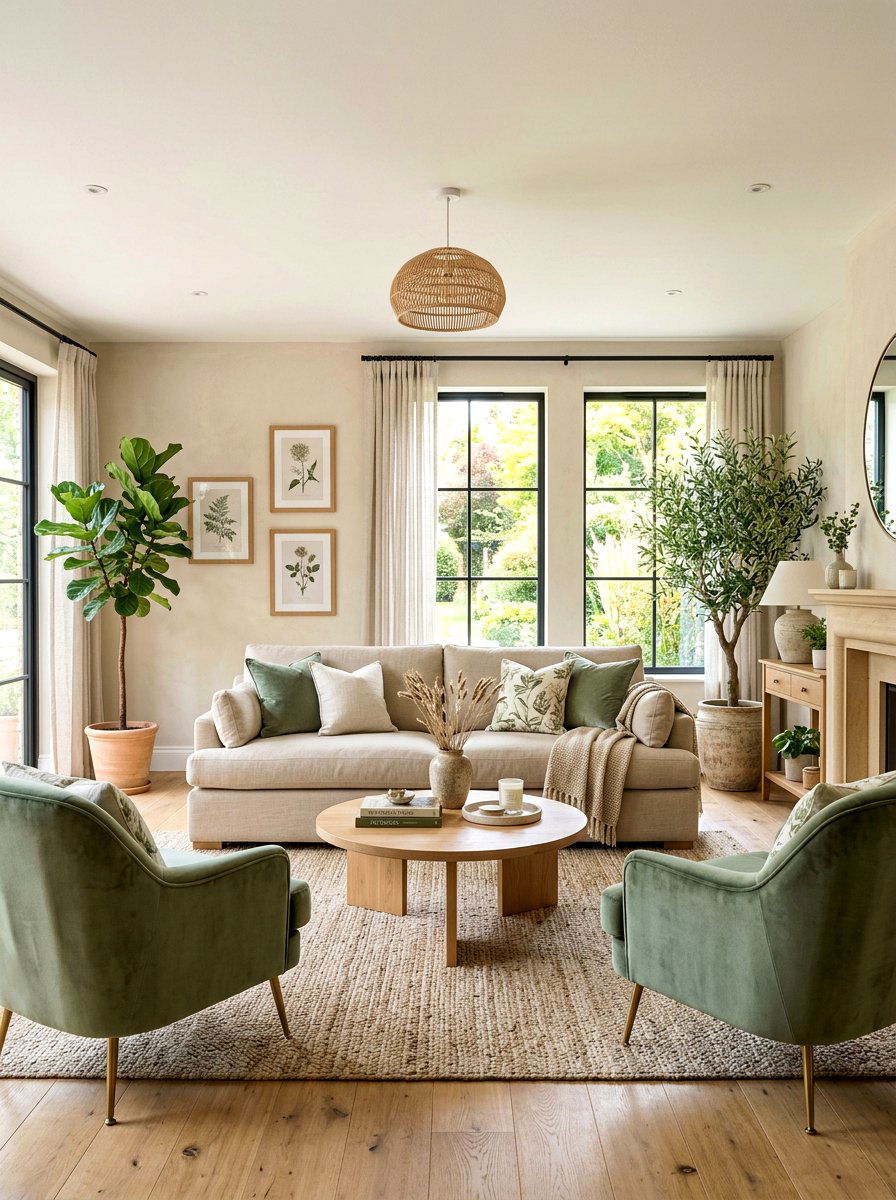
A sand and sage green living room design creates a soft, botanical atmosphere that feels like a breath of fresh air indoors. The muted, earthy green acts as a perfect partner to the sandy neutrals, offering a subtle pop of color that remains incredibly calming and sophisticated. You can incorporate sage green through velvet accent chairs, decorative throw pillows, or even a large area rug to break up the neutral tones. This color duo is inspired by natural landscapes, making it an excellent choice for those who want to incorporate biophilic design principles into their living space for a healthier home.
9. Textured sand living room walls
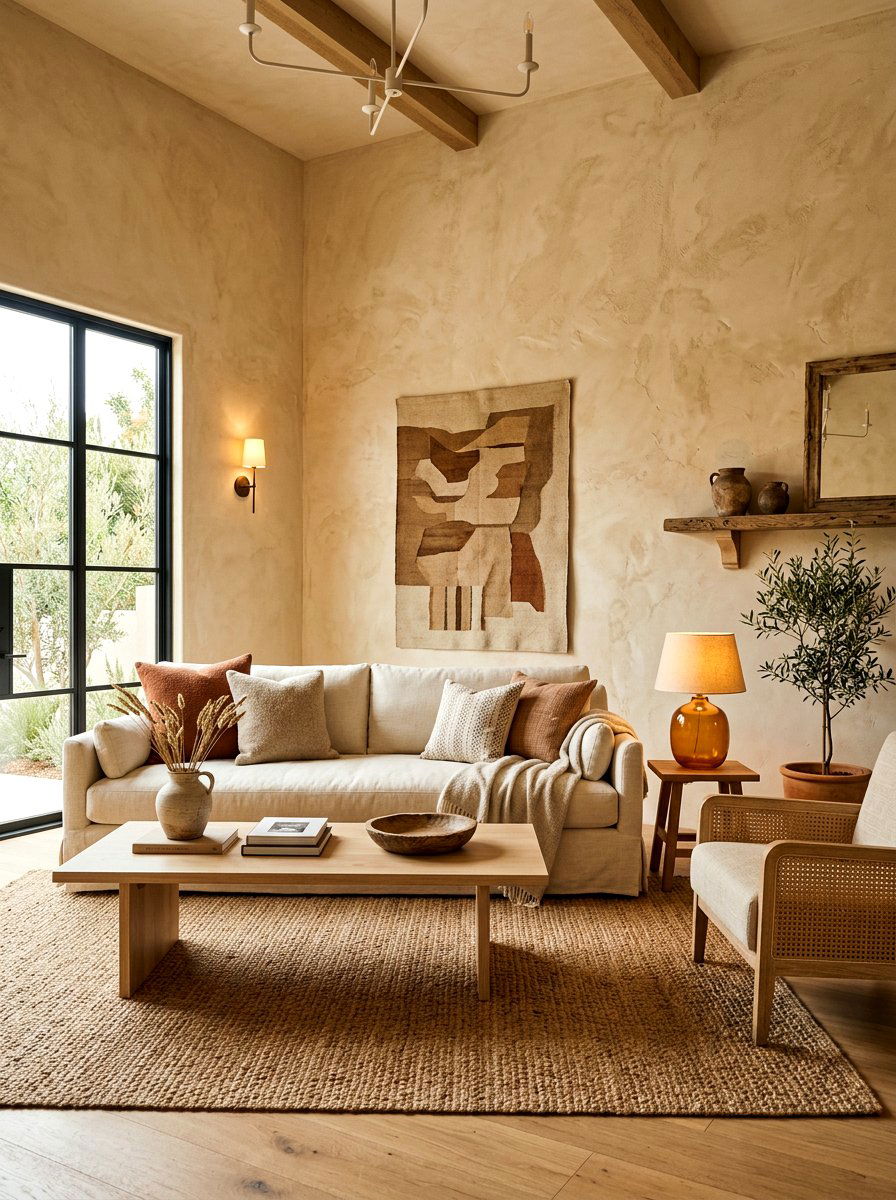
Textured sand living room walls add an incredible amount of depth and character to a space that flat paint simply cannot achieve. Options like lime wash, plaster, or even textured wallpaper can create a subtle movement on the walls that mimics the look of natural stone or shifting desert dunes. These finishes catch the light beautifully at different times of the day, making the room feel dynamic and layered even without a lot of extra decor. When you keep the furniture in similar sandy tones, the textured walls become the star of the show, providing a rich and luxurious backdrop for your life.
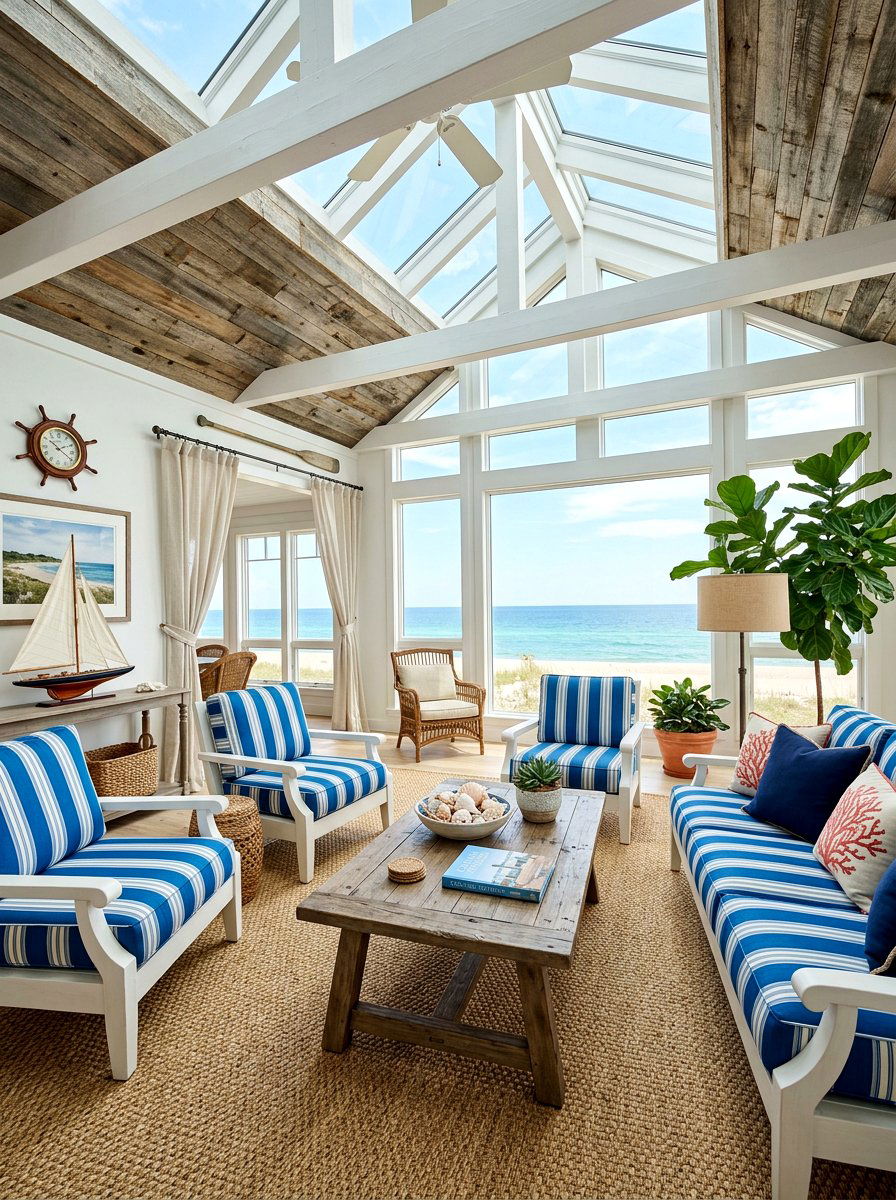
10. Sand and blue living room
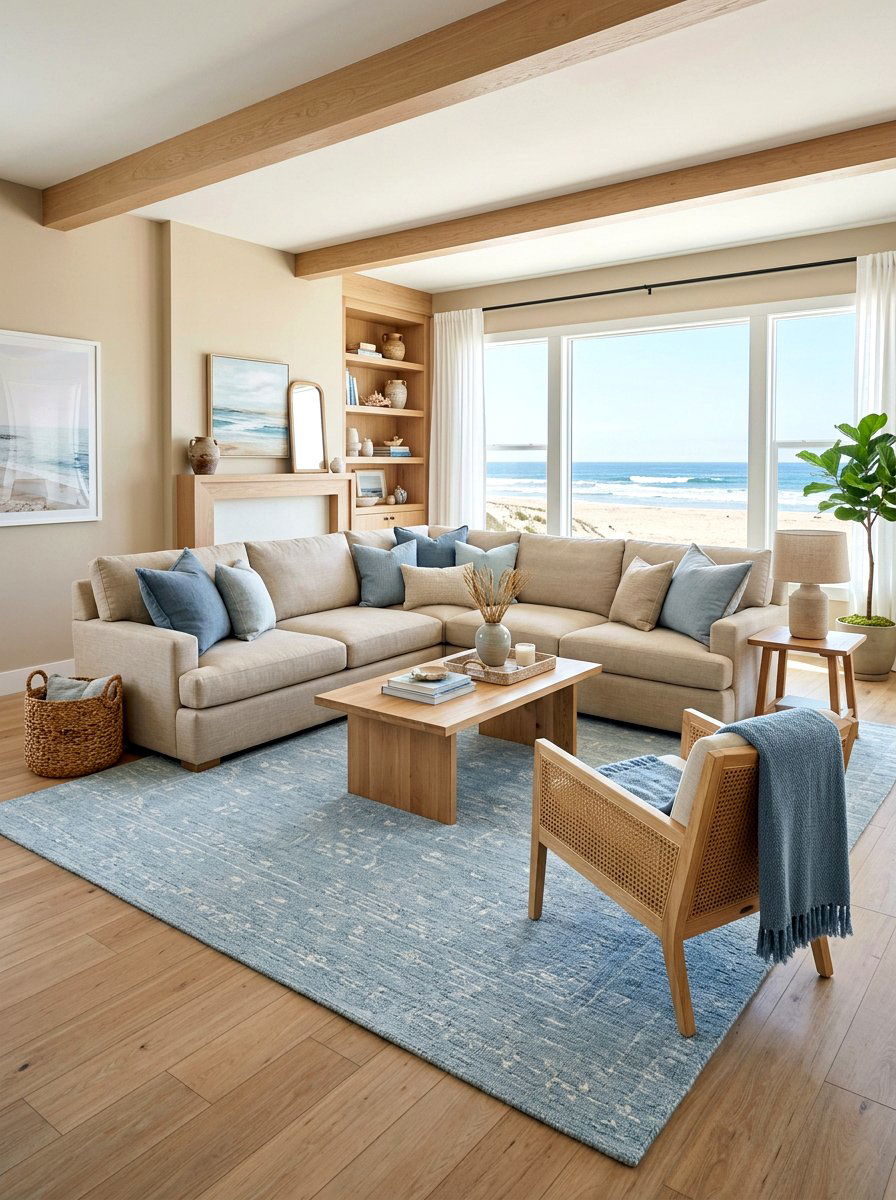
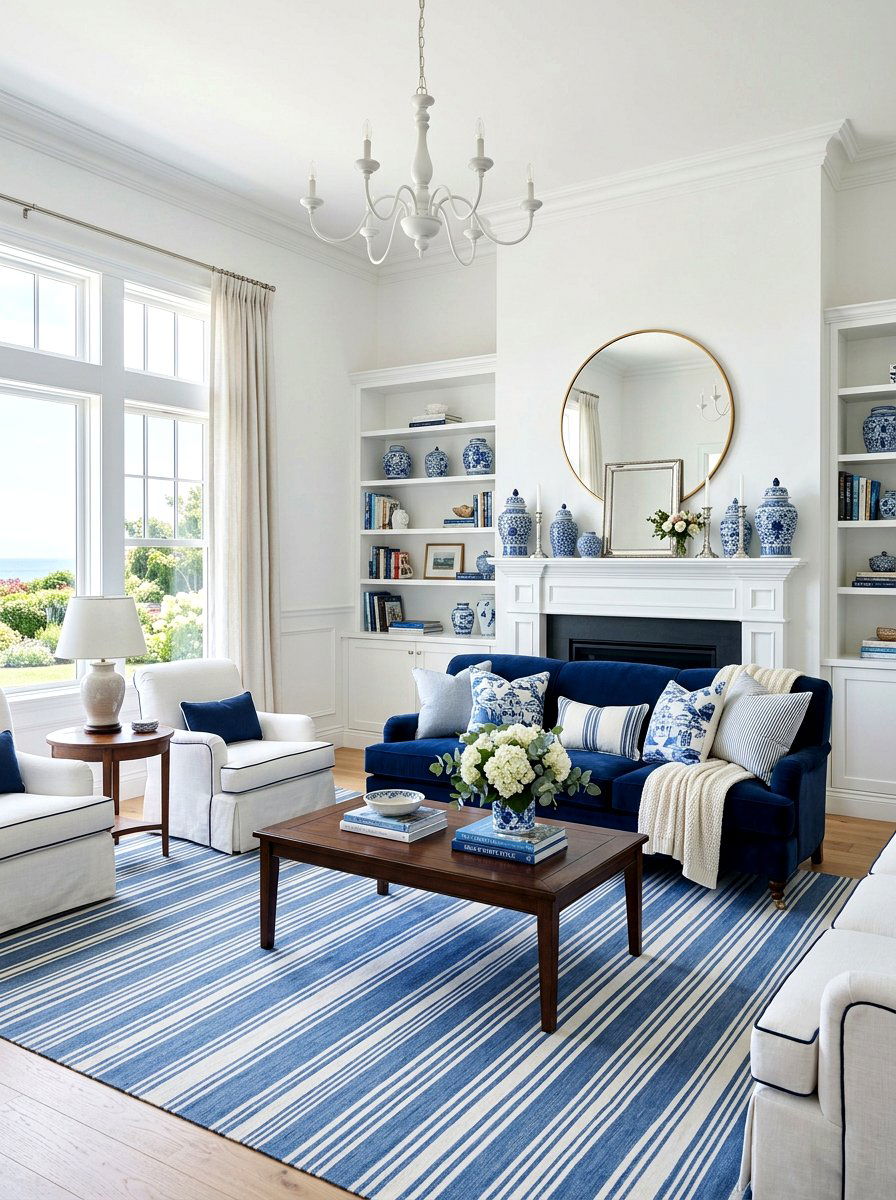
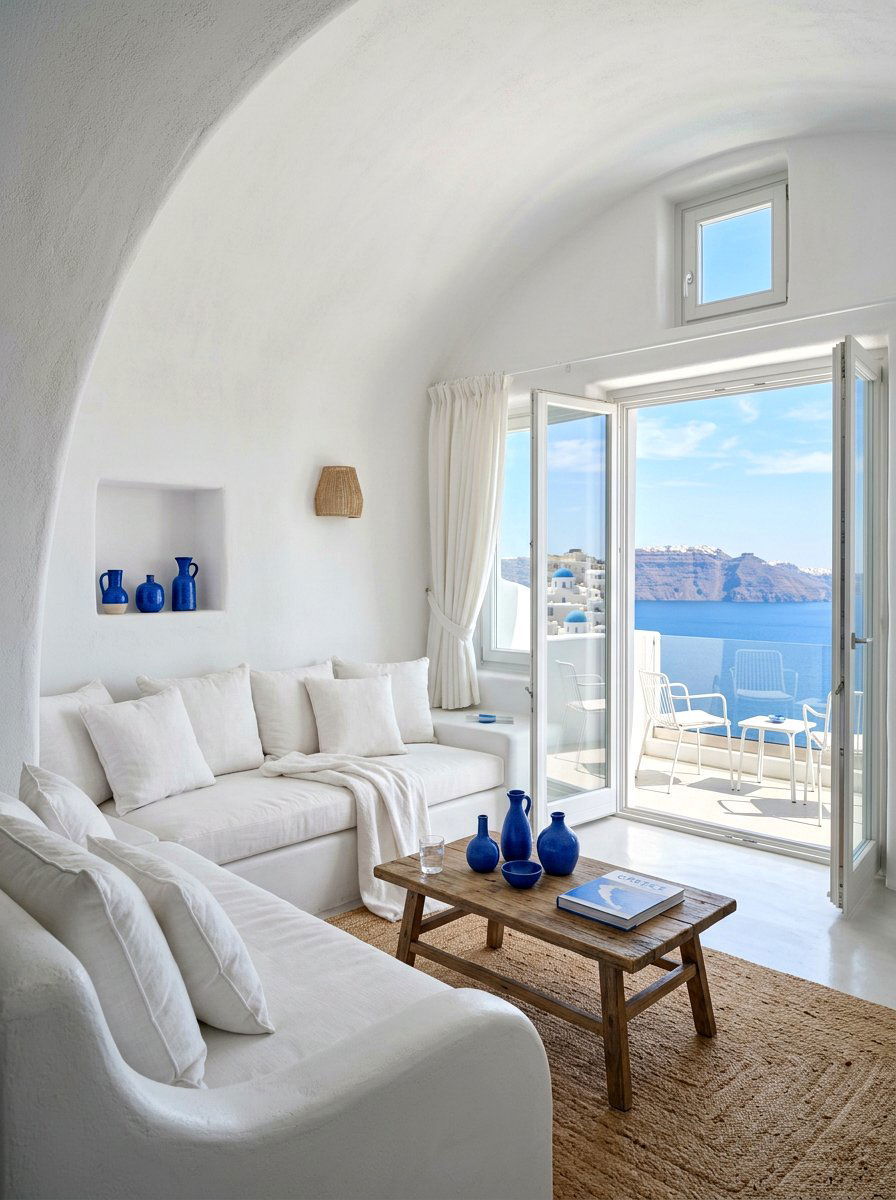
A sand and blue living room offers a serene and balanced environment by mixing the warmth of the earth with the coolness of water. Muted blues, such as dusty slate or pale sky blue, work best with sandy neutrals to maintain a sophisticated and adult aesthetic. This combination is highly effective for creating a tranquil space where you can unwind after a long day at work. You might choose a sand-colored sofa and pair it with soft blue curtains or a patterned blue rug to tie the entire room together. It provides a classic, timeless look that feels incredibly fresh.
11. Scandinavian sand living room
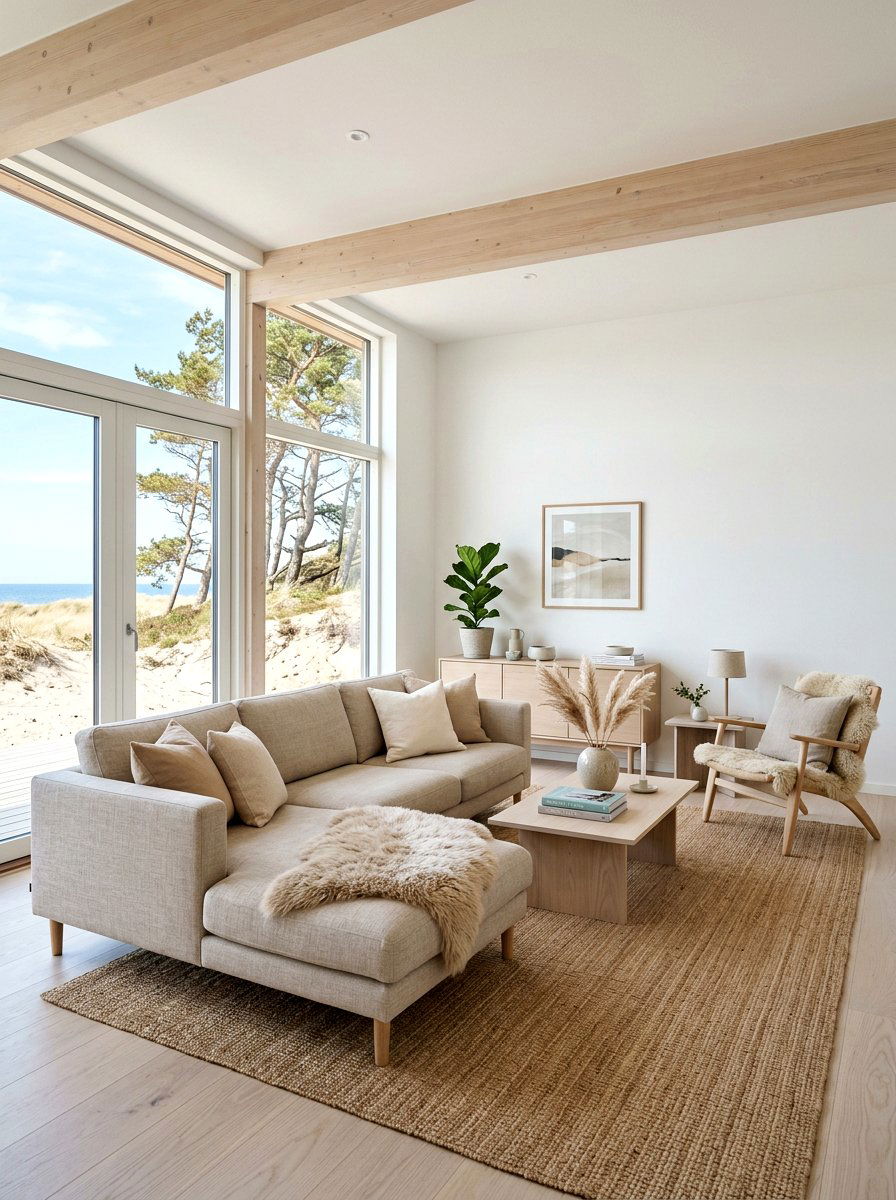
The Scandinavian sand living room aesthetic prioritizes light, functionality, and a strong connection to natural materials. This style often uses a base of very light sand or beige to keep the room feeling bright during the darker winter months. To achieve this look, combine clean-lined furniture with cozy textures like sheepskin rugs, knitted throws, and plenty of natural wood accents. The goal is to create a "hygge" atmosphere that feels warm and inviting despite its minimalist roots. By focusing on a neutral sand palette, you allow the craftsmanship of each furniture piece and the beauty of the light to take center center stage.
12. Sand and gold living room
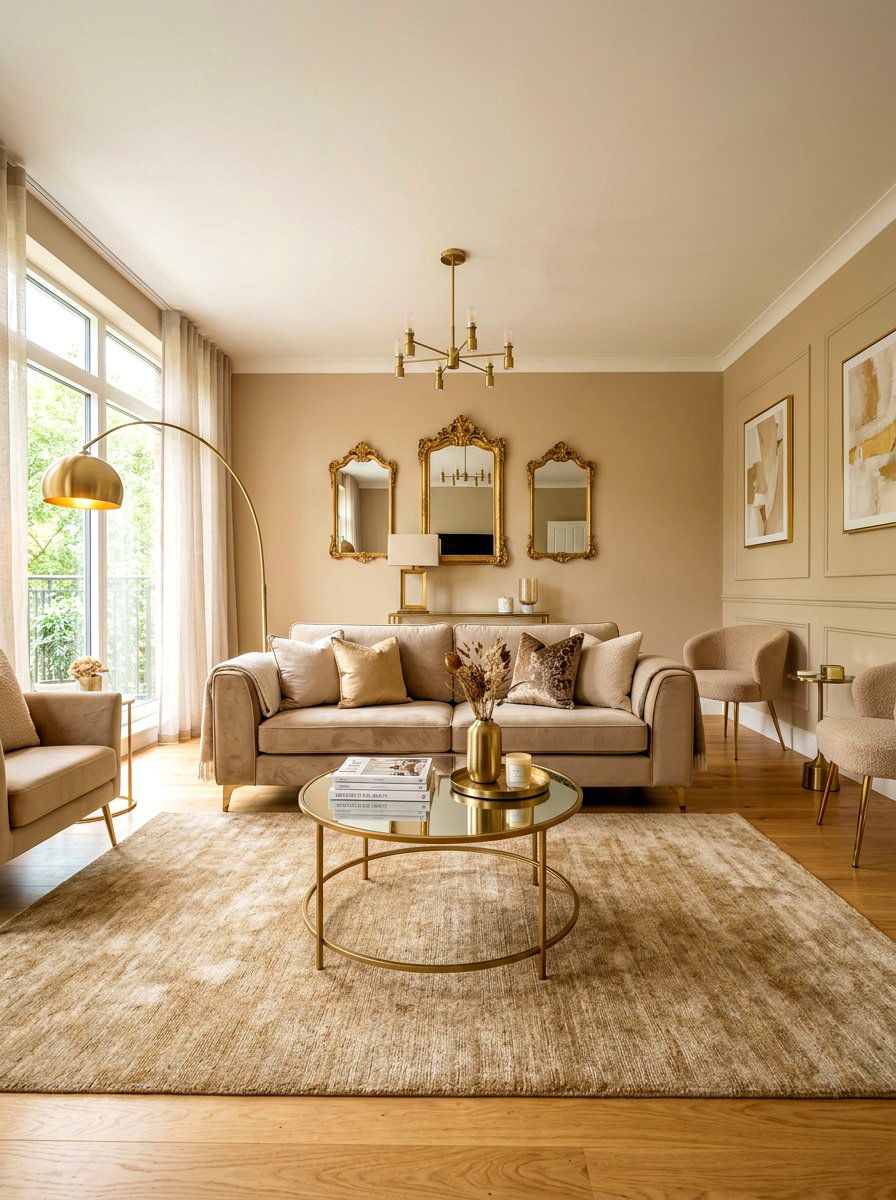
Incorporating gold accents into a sand-colored living room adds an immediate sense of luxury and warmth to the overall design. Gold or brass finishes on light fixtures, picture frames, and furniture legs glint beautifully against a backdrop of soft sandy walls and tan upholstery. This pairing feels much more modern and less formal than traditional white and gold combinations, offering a "quiet luxury" vibe that is very popular right now. The yellow undertones in the gold hardware harmonize perfectly with the warmth of the sand, creating a cohesive and glowing environment that looks especially stunning under soft evening lighting.
13. Boho sand living room
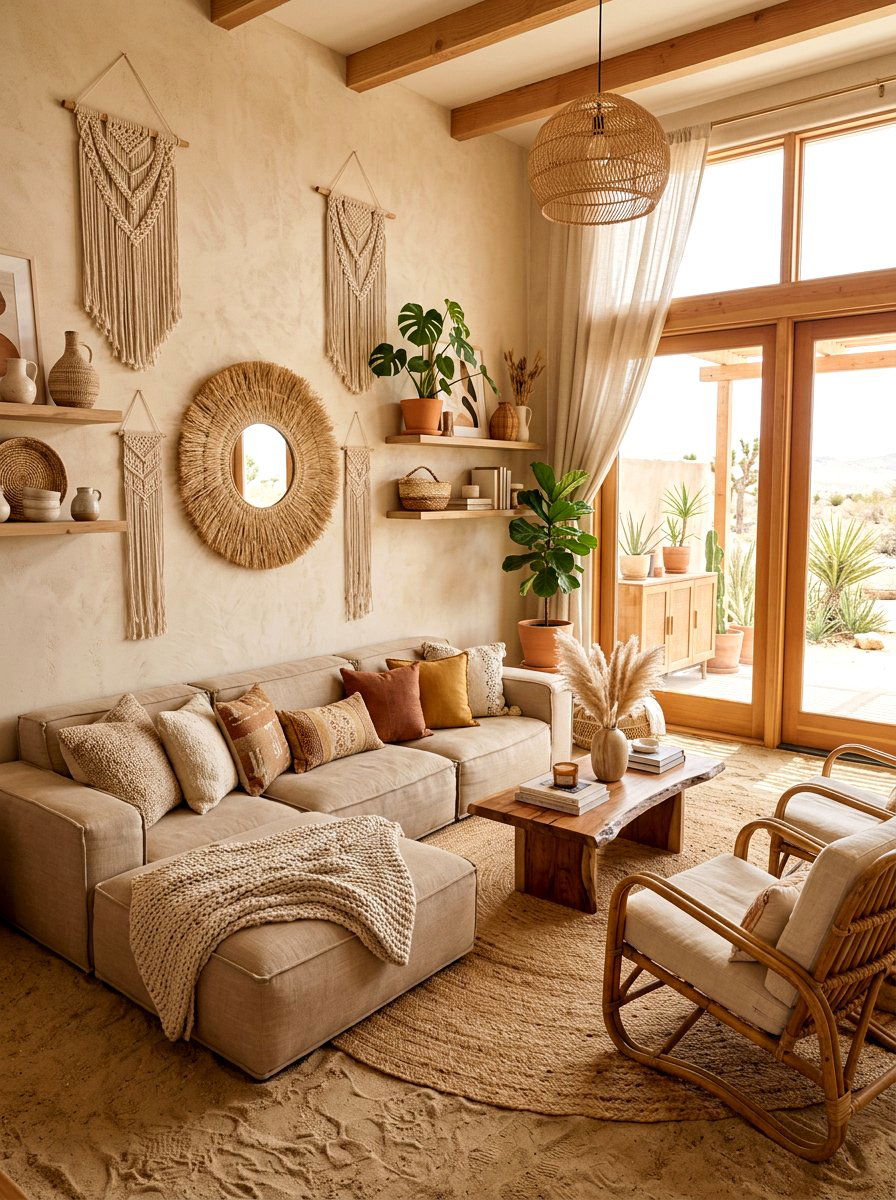
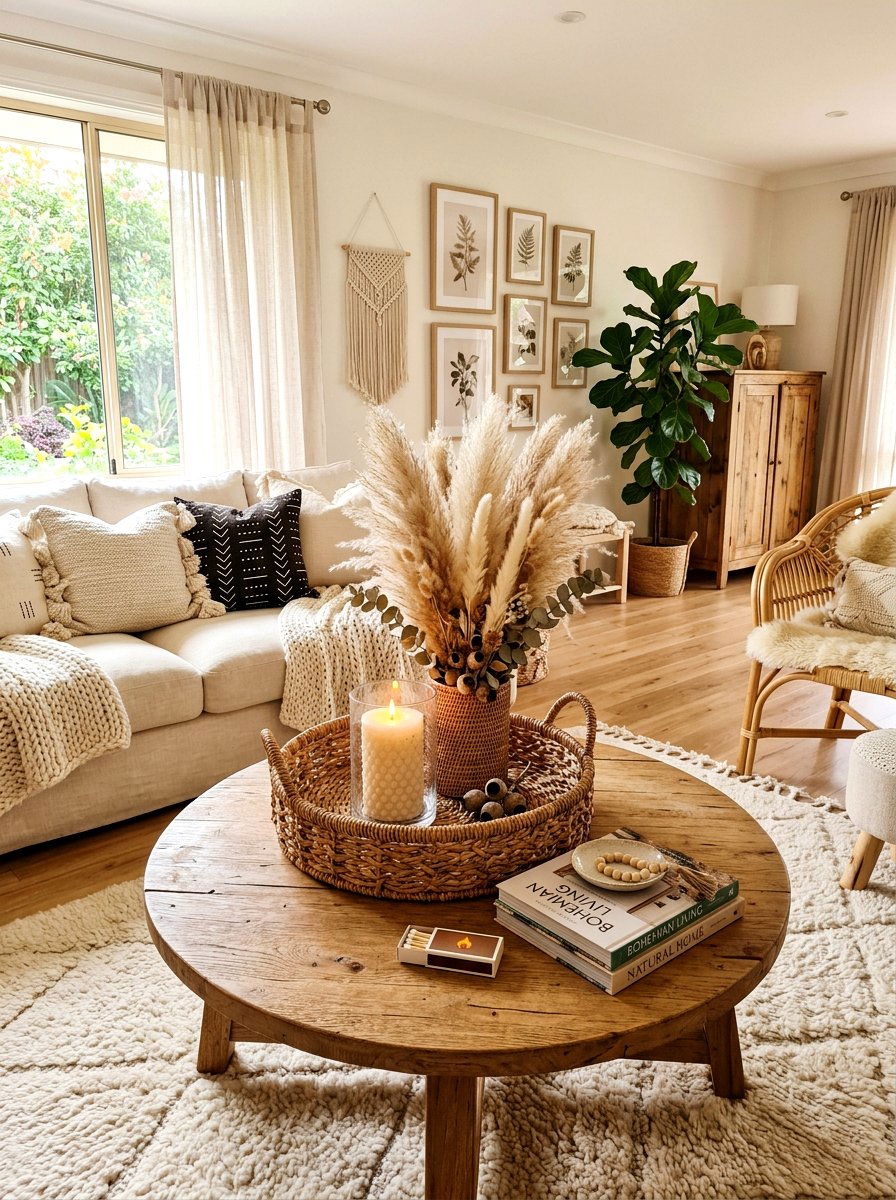
A boho sand living room is all about layering textures and mixing various natural elements to create a relaxed, free-spirited vibe. Start with a sand-colored base on the walls and larger furniture pieces, then layer in rattan chairs, jute rugs, and plenty of woven wall hangings. This style encourages the use of different shades of sand, from pale cream to deep tan, which adds to the eclectic and lived-in feel of the space. Adding plenty of indoor plants and macrame accents will complete the look, transforming your living room into a cozy, artistic sanctuary that reflects your personal journey and style.
14. Sand and terracotta living room
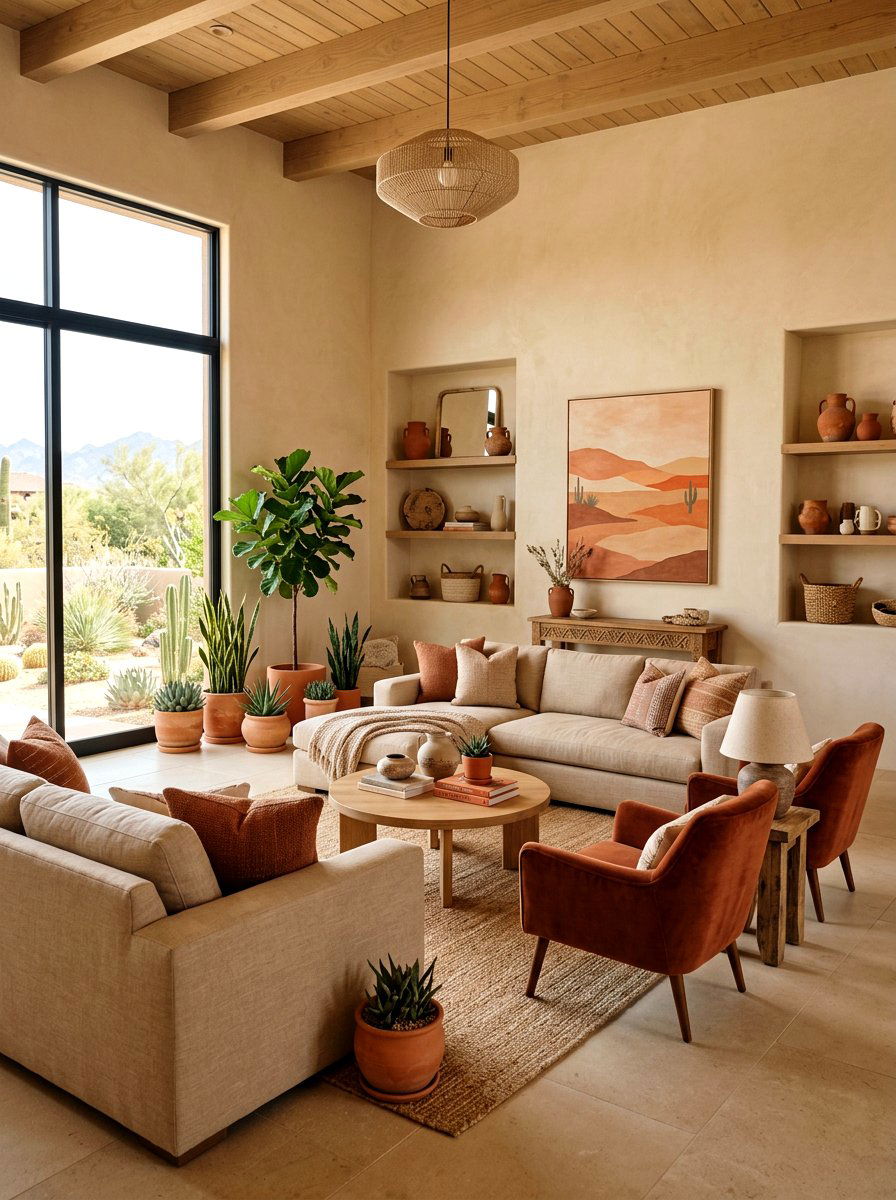
A sand and terracotta living room design brings the warmth of a Mediterranean or southwestern landscape into your home. The rich, clay-toned terracotta provides a beautiful contrast to the lighter sand colors, adding a sense of heat and energy to the space without being too overwhelming. You can use terracotta in small doses, such as ceramic vases and plant pots, or make a bolder statement with a rust-colored leather sofa or a feature wall. This combination feels incredibly grounded and organic, making it a perfect choice for those who want their living room to feel like a warm, sunny retreat.
15. Industrial sand living room
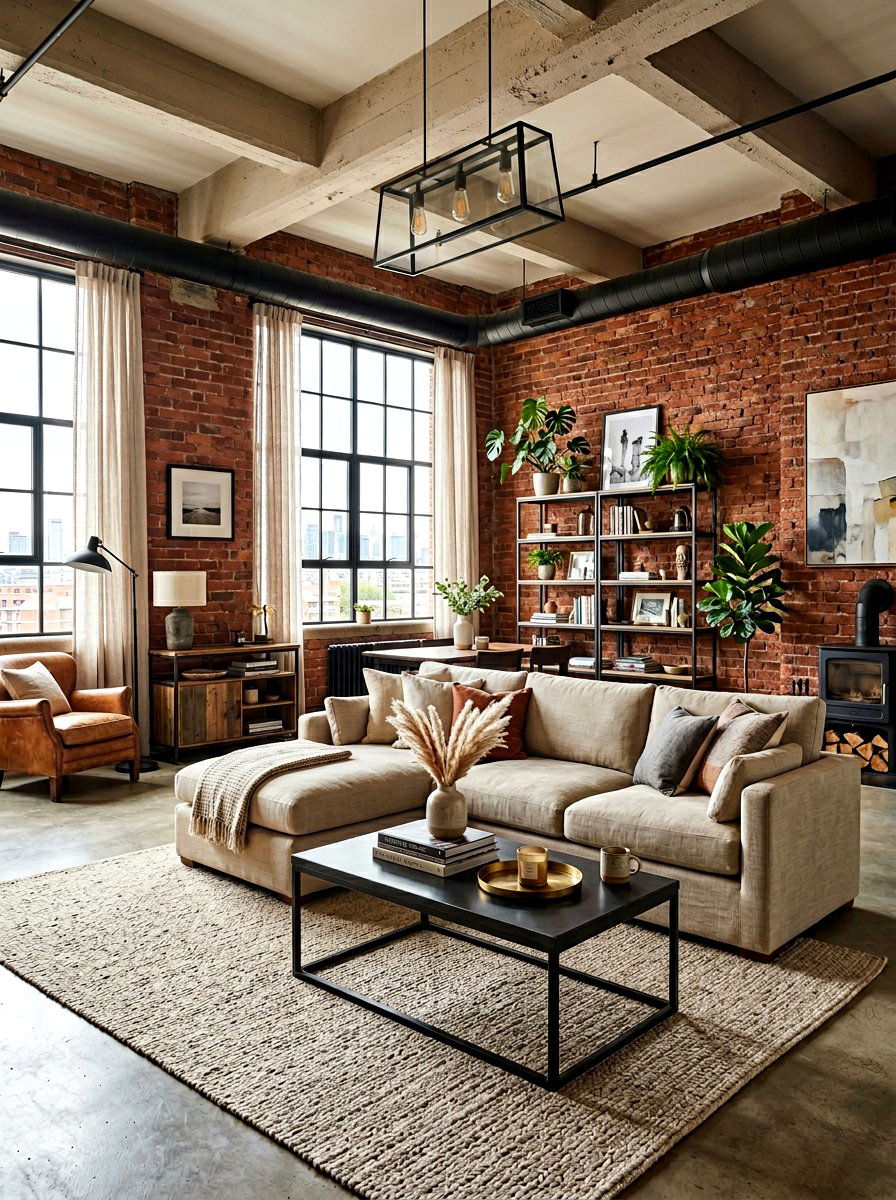
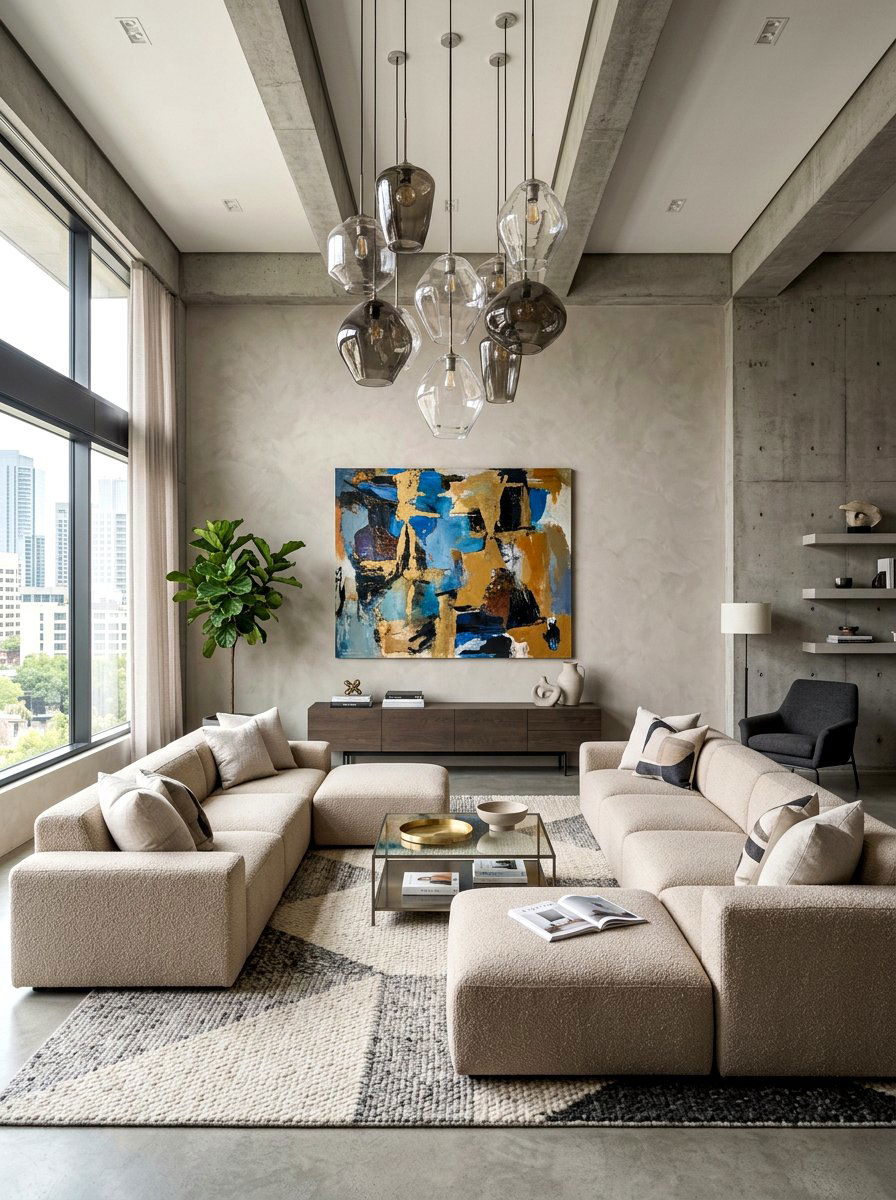
Using sand tones in an industrial living room helps to soften the raw and often cold materials associated with this style, such as concrete and exposed metal. A sandy-colored rug or a large linen sofa can provide a much-needed layer of comfort against a backdrop of brick walls and dark steel beams. This design approach creates a unique "soft industrial" look that is both edgy and livable, making the space feel more like a home and less like an old factory. The neutral sand color allows the architectural features of the building to stand out while ensuring the room remains cozy and inviting.
16. Sand color rug living room
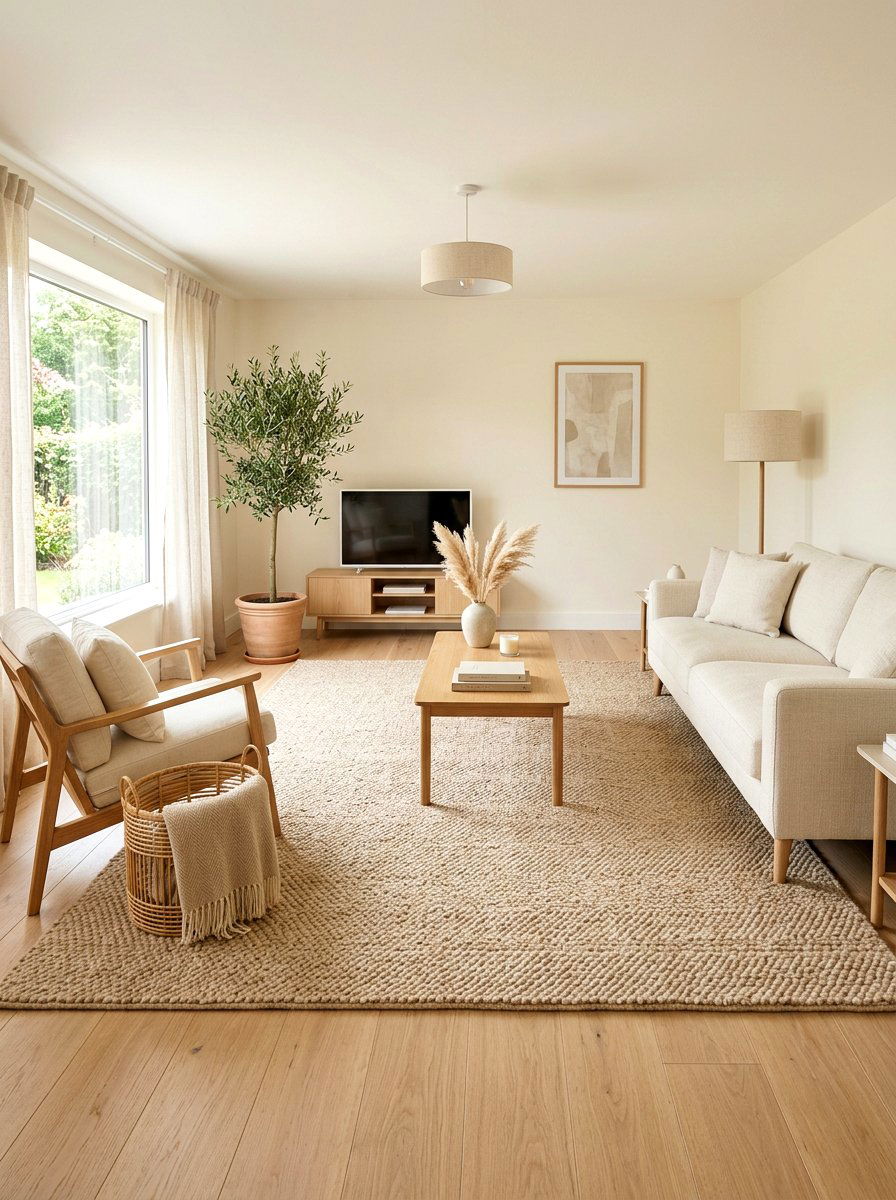
A large sand color rug can serve as the ultimate anchor for your living room, tying all of your furniture pieces together into a cohesive unit. Choosing a rug with a subtle pattern or a high-low pile adds visual interest and texture to the floor without introducing distracting colors. Natural materials like wool, jute, or sisal are excellent choices for a sandy rug, as they offer durability and a pleasant tactile experience underfoot. By keeping the floor light and neutral, you create a solid foundation that allows you to experiment with different furniture styles and wall colors as your tastes evolve over time.
17. Luxury sand living room
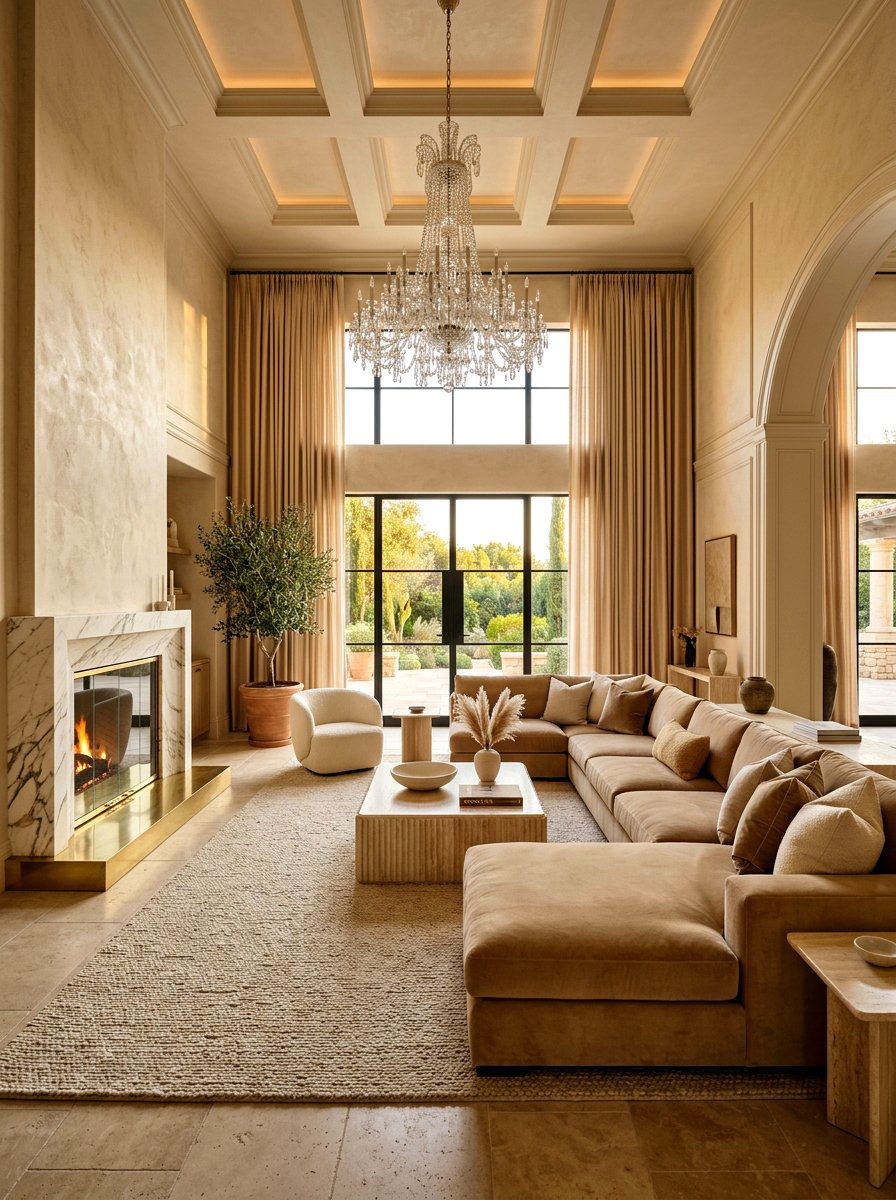
A luxury sand living room relies on the use of high-end materials and a monochromatic color palette to create a sophisticated and expensive-looking space. Think of oversized velvet sofas, marble coffee tables with sandy veining, and floor-to-ceiling silk drapes in a soft beige hue. The key to this look is "tonal layering, " where you use multiple shades of sand and cream to create a sense of richness and depth. This approach creates a calm, hotel-like atmosphere that feels incredibly polished and serene. Fine details like piped upholstery edges and custom cabinetry in matching tones will elevate the entire room to a new level.
18. Sand and grey living room
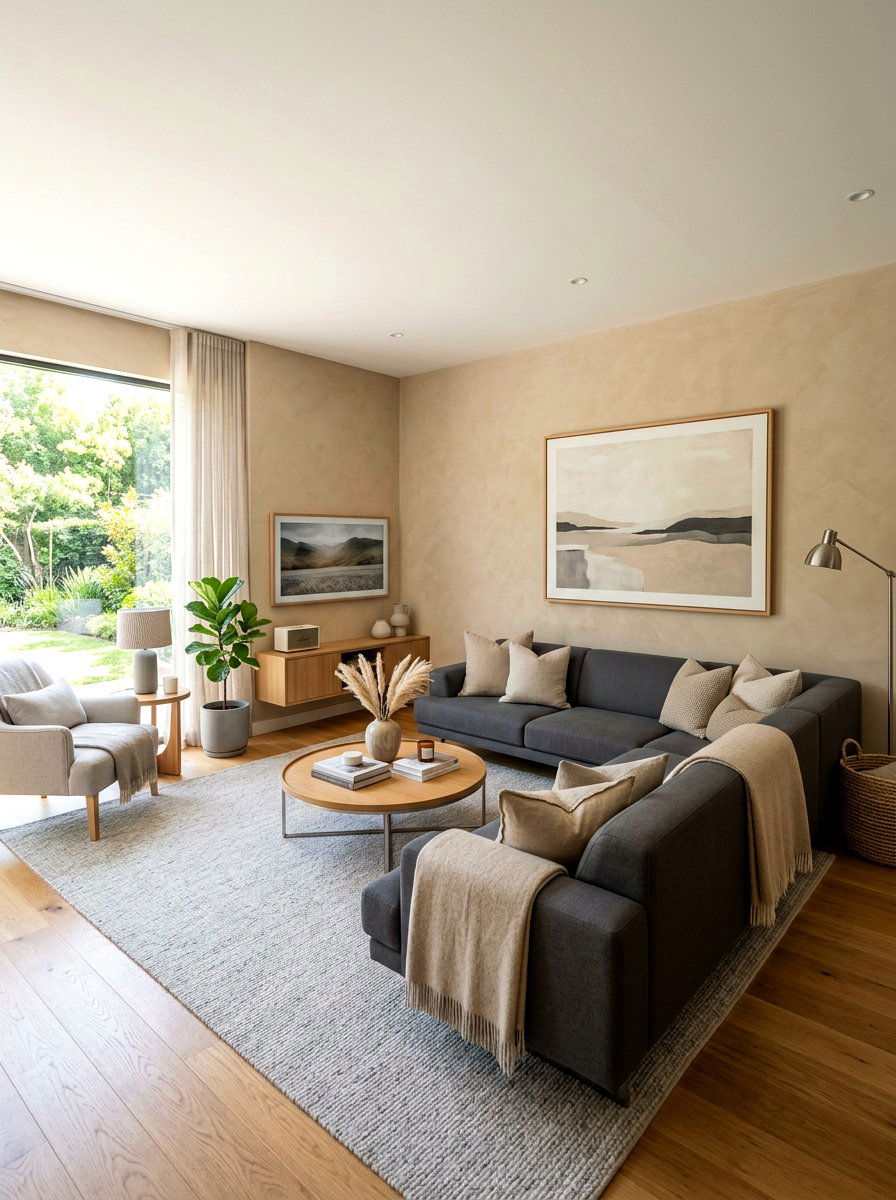
Combining sand and grey creates a "greige" living room that offers the best of both worlds: the coolness of grey and the warmth of beige. This balanced palette is incredibly versatile and works well in both contemporary and traditional settings. You might choose a warm sand-colored wall and pair it with a cool charcoal grey sofa to create a modern, sophisticated contrast. This duo is particularly effective because it feels very stable and grounded, providing a neutral backdrop that can handle almost any style of decor. It is a safe yet stylish choice for those who want a long-lasting and timeless design.
19. Small sand color living room
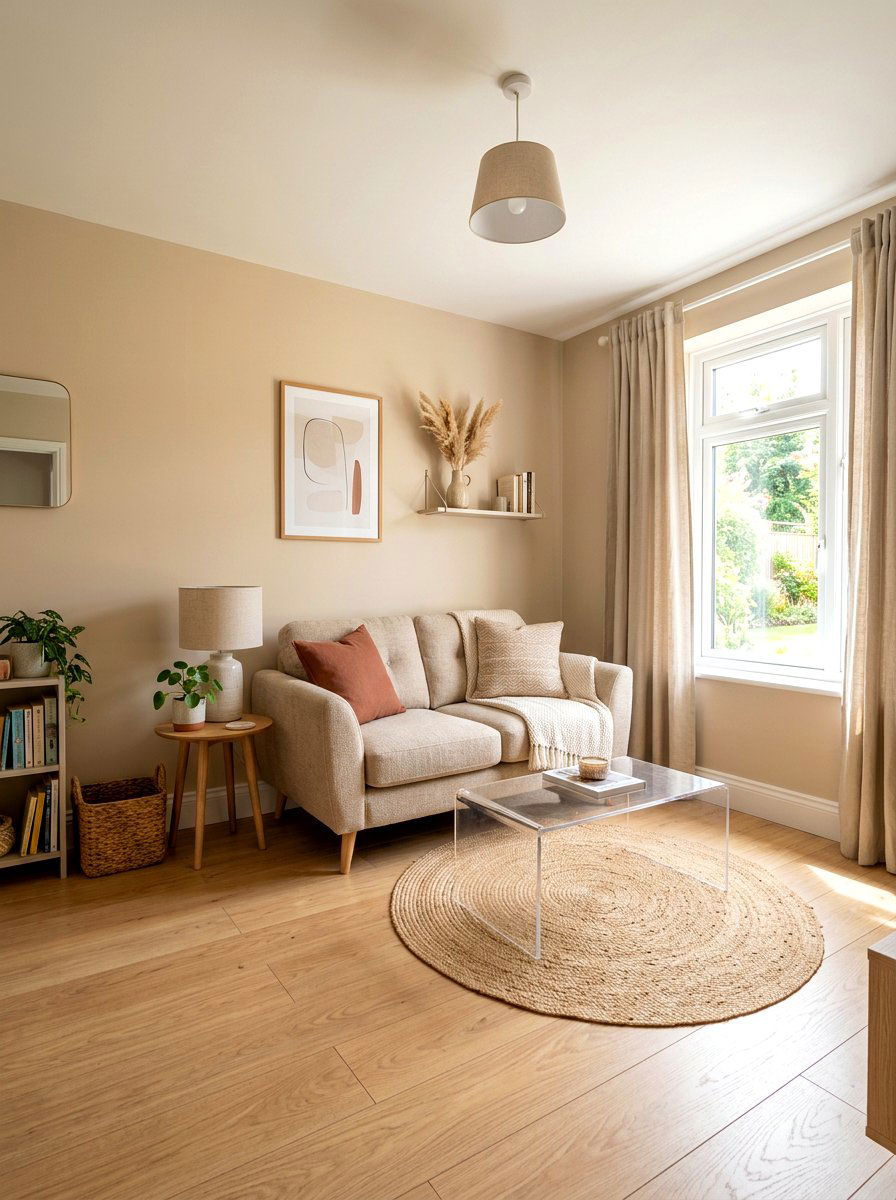
Using sand colors in a small living room is a strategic design choice that helps the space feel significantly brighter and more expansive. Light sand tones reflect both natural and artificial light much better than darker colors, which prevents the room from feeling cramped or cave-like. To maximize the effect, consider using the same shade of sand for the walls, curtains, and larger furniture pieces to create a seamless look that blurs the boundaries of the room. This monochromatic approach tricks the eye into seeing a larger area, resulting in a cozy and functional living space that never feels cluttered or small.
20. Sand and velvet living room
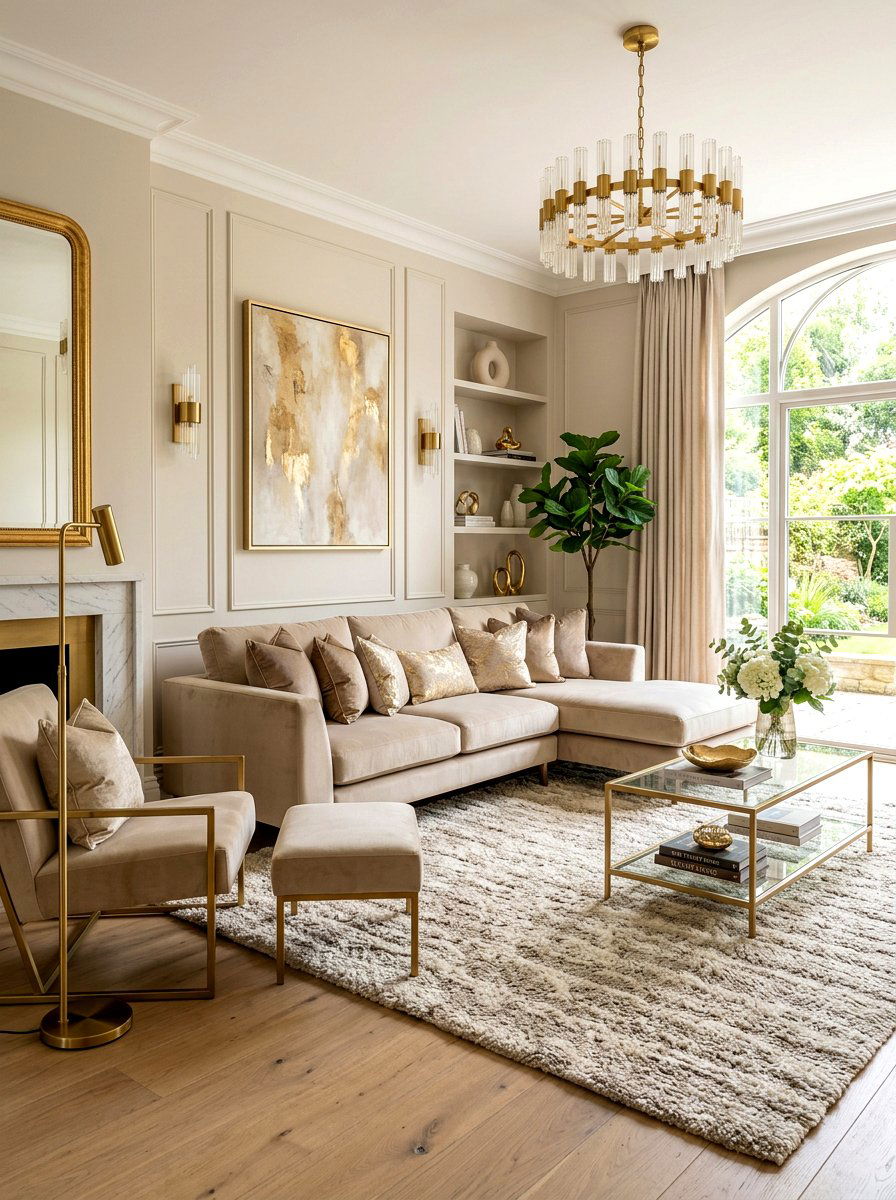
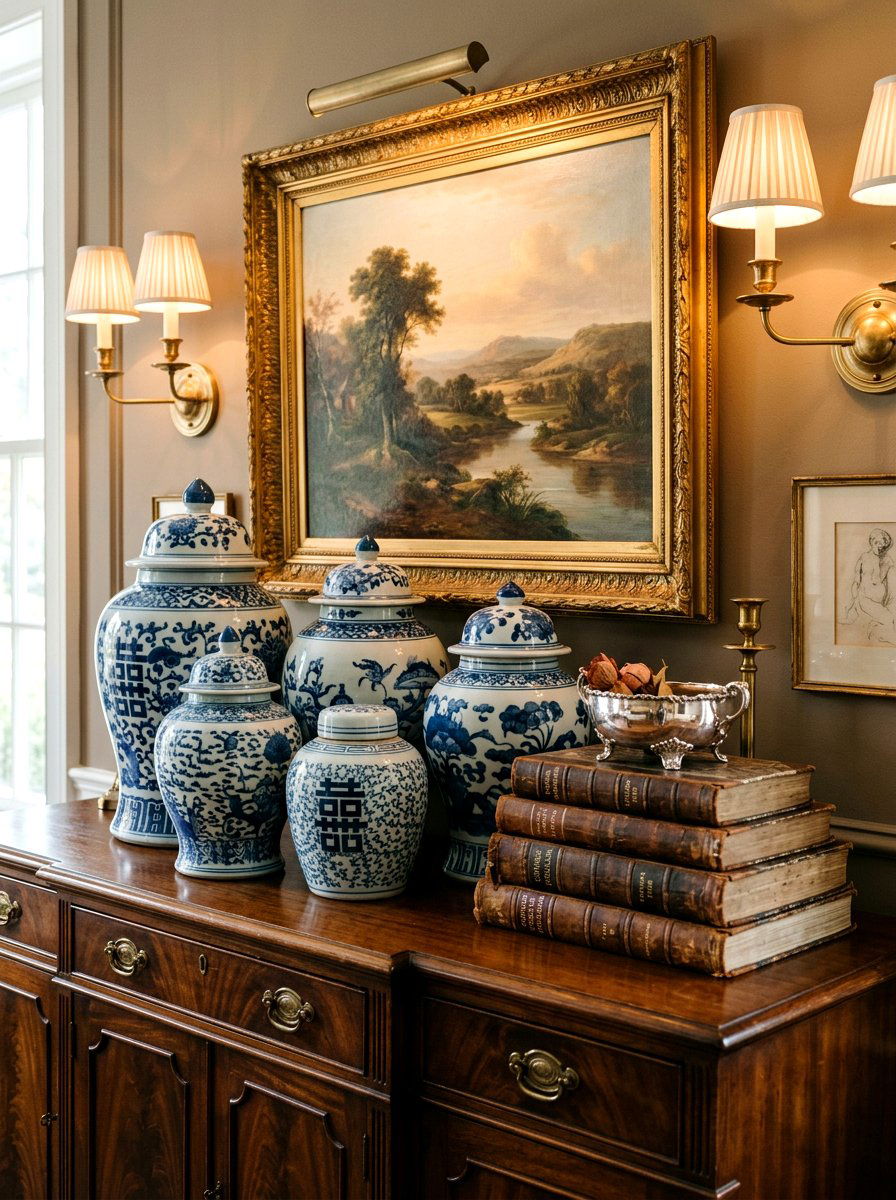
Introducing velvet textures into a sand-colored living room is a fantastic way to add a touch of glamour and tactile comfort. A sand-colored velvet sofa or a pair of beige velvet armchairs will catch the light in a way that regular cotton fabrics simply cannot, giving the room a sense of movement and luxury. The softness of the velvet complements the earthy tones of the sand perfectly, creating an environment that feels incredibly cozy and high-end at the same time. This combination is ideal for those who love a sophisticated, classic look that still feels modern and approachable for daily lounging and entertaining.
21. Rustic sand living room
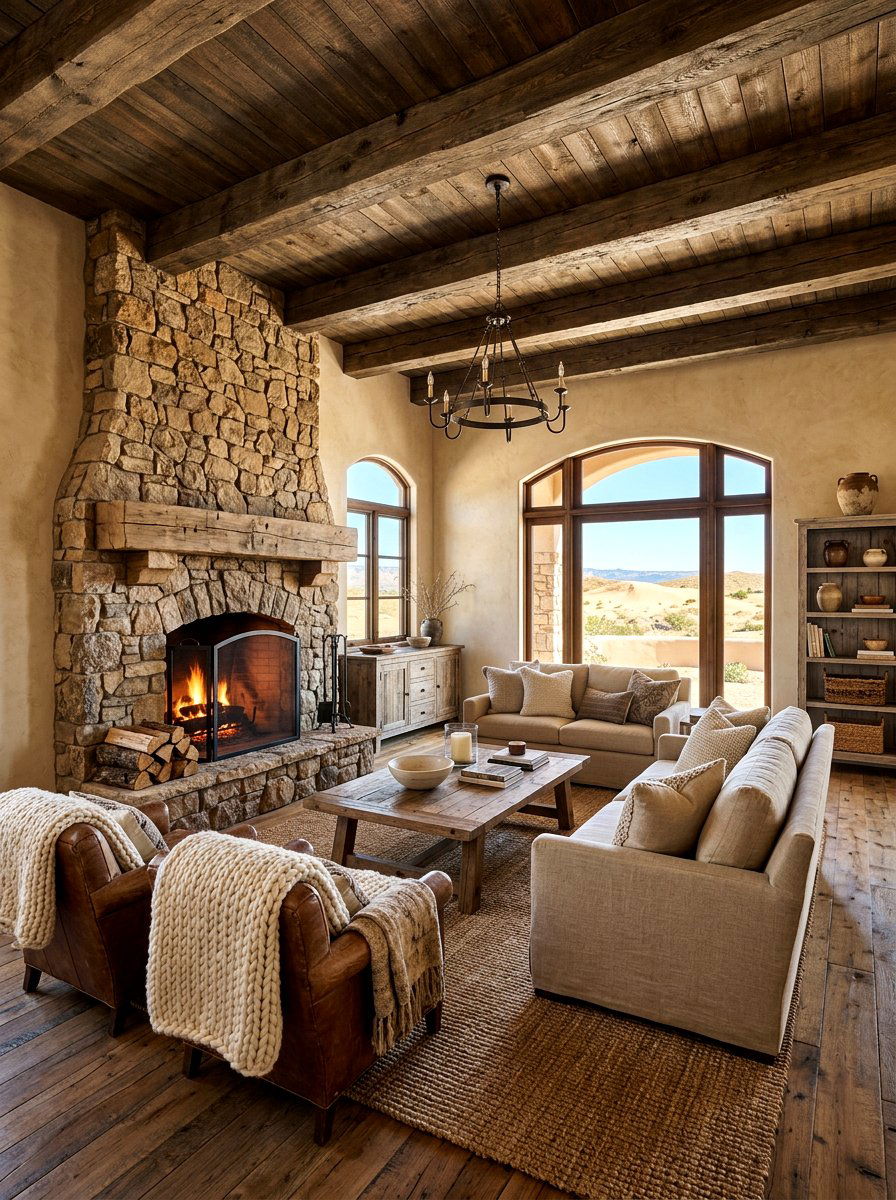
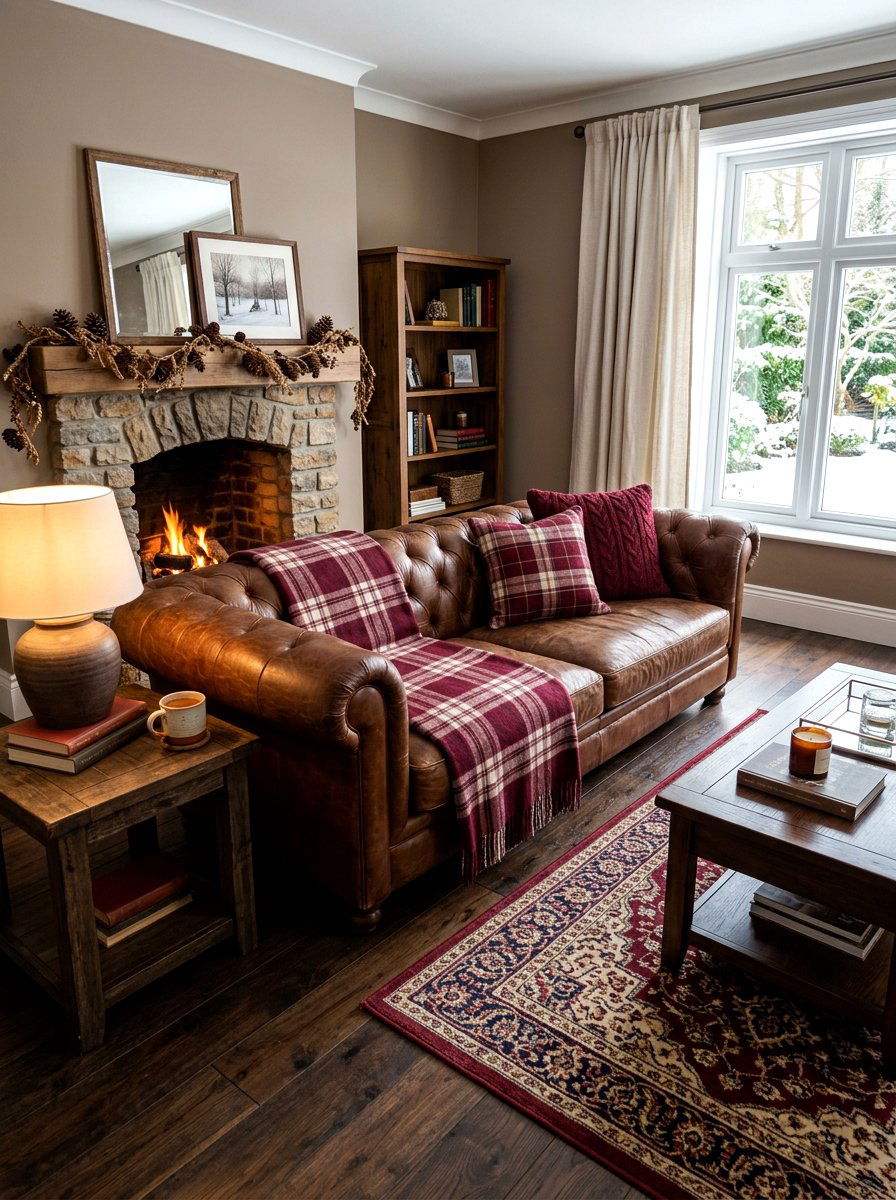
A rustic sand living room design focuses on raw, unrefined materials and a warm, earthy color palette that feels connected to the countryside. Imagine exposed wooden beams, a large stone fireplace, and sand-colored plaster walls that provide a soft and textured backdrop. This style embraces imperfections, so weathered wood furniture and chunky knit blankets in sandy hues fit perfectly into the overall aesthetic. The goal is to create a space that feels incredibly sturdy and timeless, where every piece of furniture has a story to tell and the neutral color scheme keeps the focus on the natural beauty of the materials.
22. Sand and cream living room
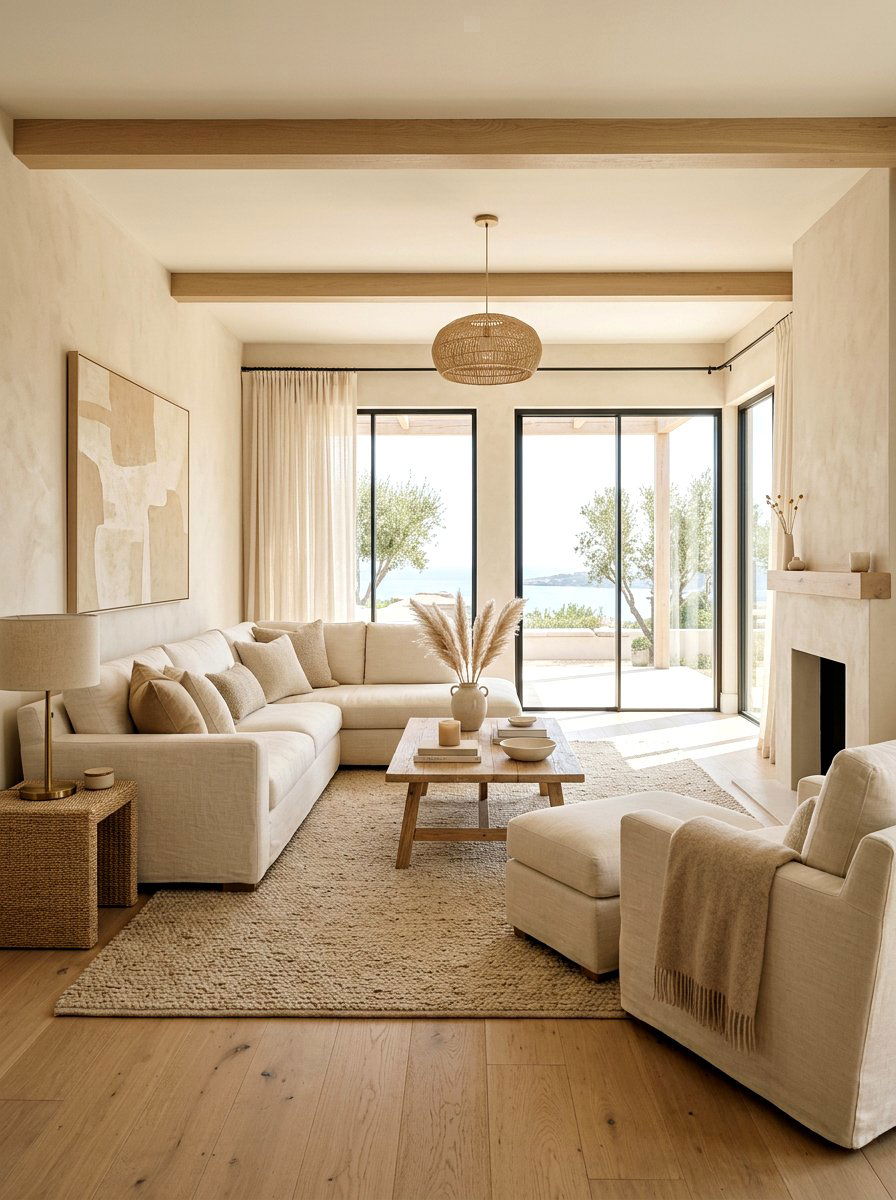
The combination of sand and cream is a match made in heaven for anyone who loves a soft, ethereal, and incredibly feminine living space. While the sand tones provide a slightly more grounded and earthy base, the cream accents add a layer of brightness and purity that feels very light and airy. This color duo is perfect for creating a relaxing "nook" where you can read or spend time with family. You can layer cream-colored pillows on a sand sofa or use a cream rug over sand-toned flooring to create a subtle yet effective contrast that feels sophisticated and eternally classic.
23. Mid century modern sand living room
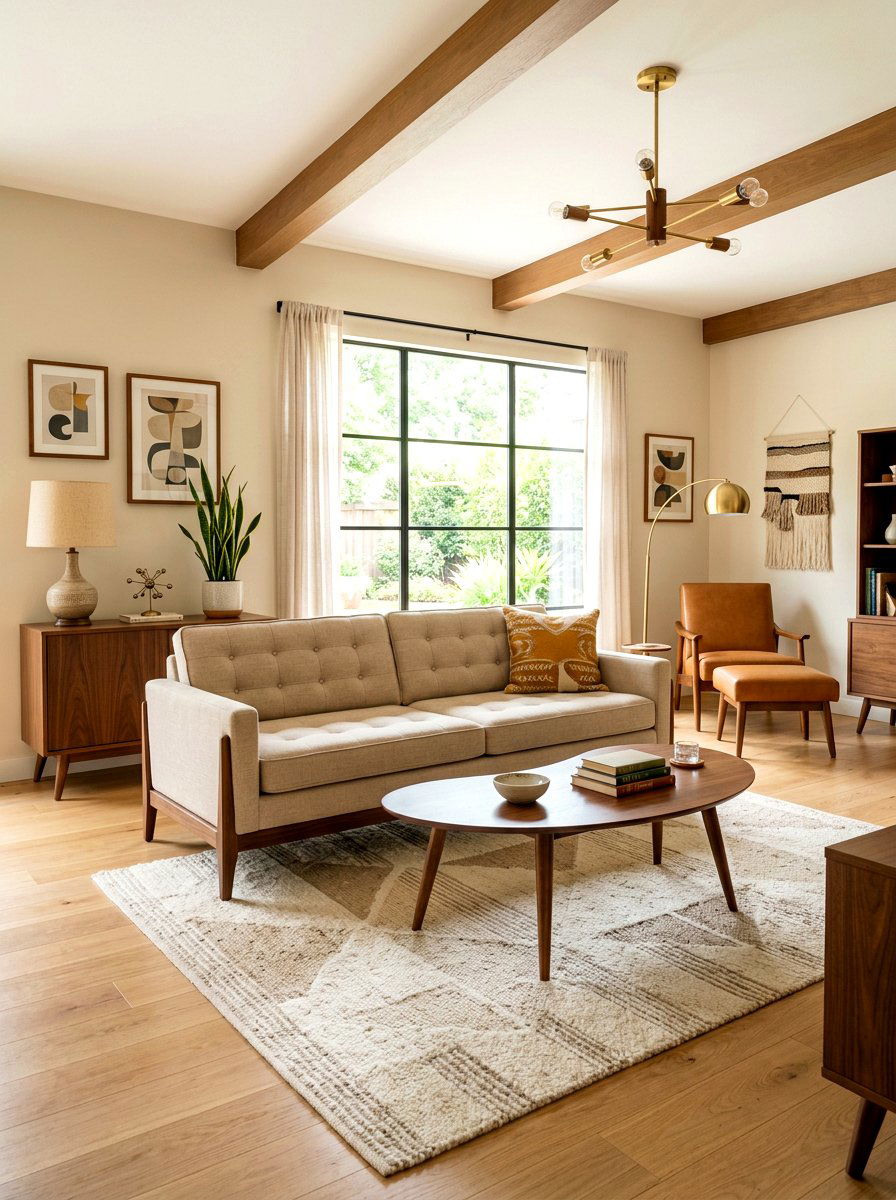
A mid-century modern sand living room uses the iconic shapes of the 1950s and 60s but updates them with a contemporary, earthy color palette. Instead of the bright teals and oranges often associated with this era, using various shades of sand for the upholstery and walls creates a much more modern and subdued look. The warm tones of teak or walnut furniture, which are staples of mid-century design, look absolutely stunning against a soft sandy backdrop. This approach allows the architectural beauty of the furniture to be the main focus, resulting in a room that feels both vintage-inspired and completely current.
24. Sand and stone living room
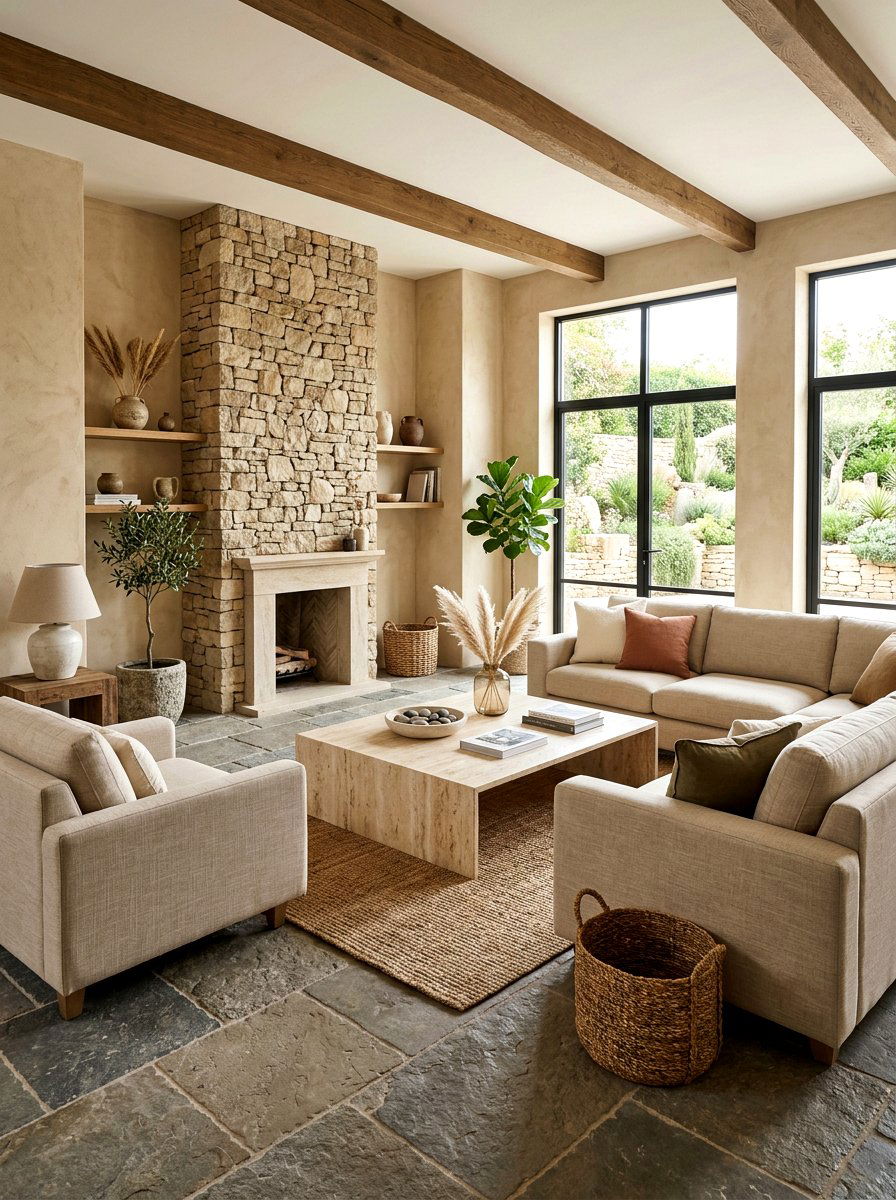
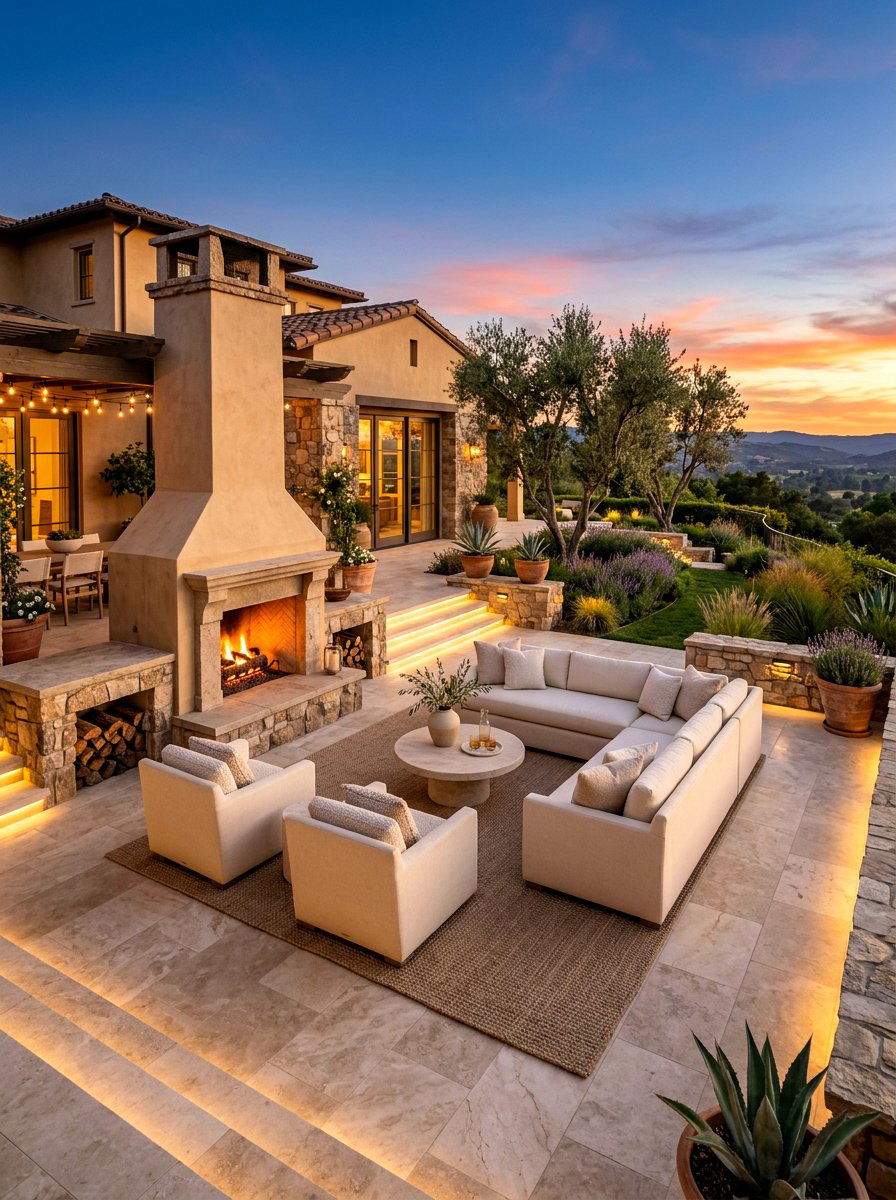
Integrating stone elements into a sand-colored living room reinforces the organic, nature-inspired feel of the entire design. Whether it is a stacked stone feature wall, a travertine coffee table, or slate flooring, the natural textures of the stone pair beautifully with sandy upholstery and walls. The variation in the stone’s colors — ranging from light beige to deep tan — provides a built-in color palette that makes decorating the rest of the room much easier. This combination feels incredibly solid and permanent, offering a high-end architectural look that brings the rugged beauty of the outdoors directly into your primary living area.
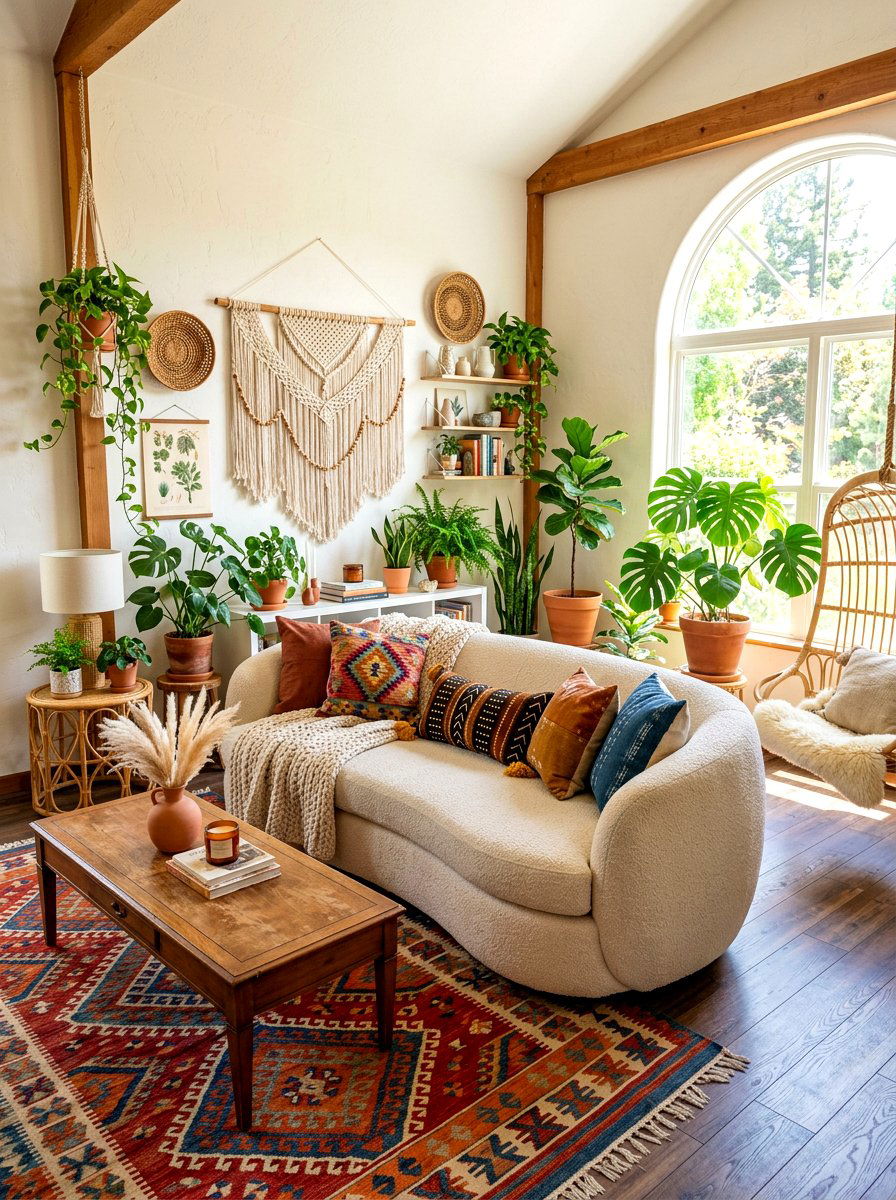
25. Sand and brass living room
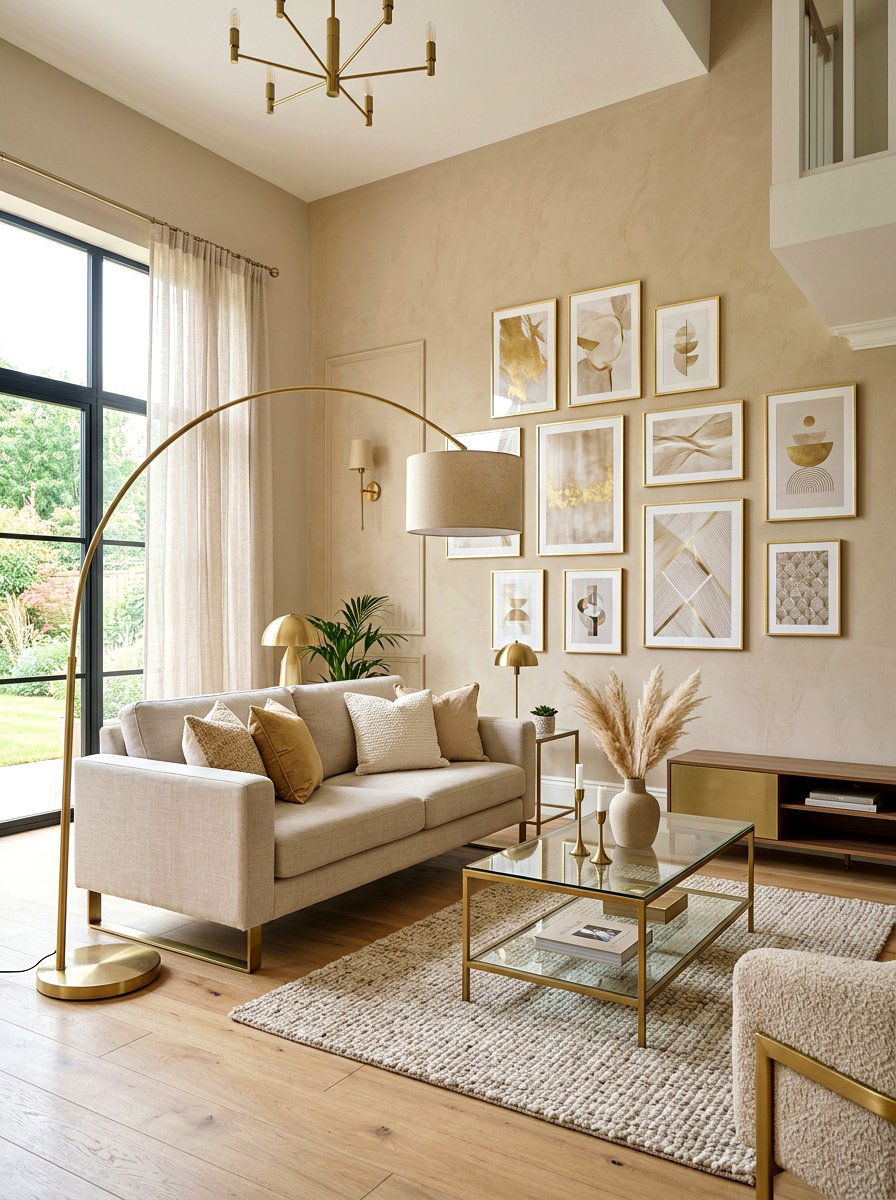
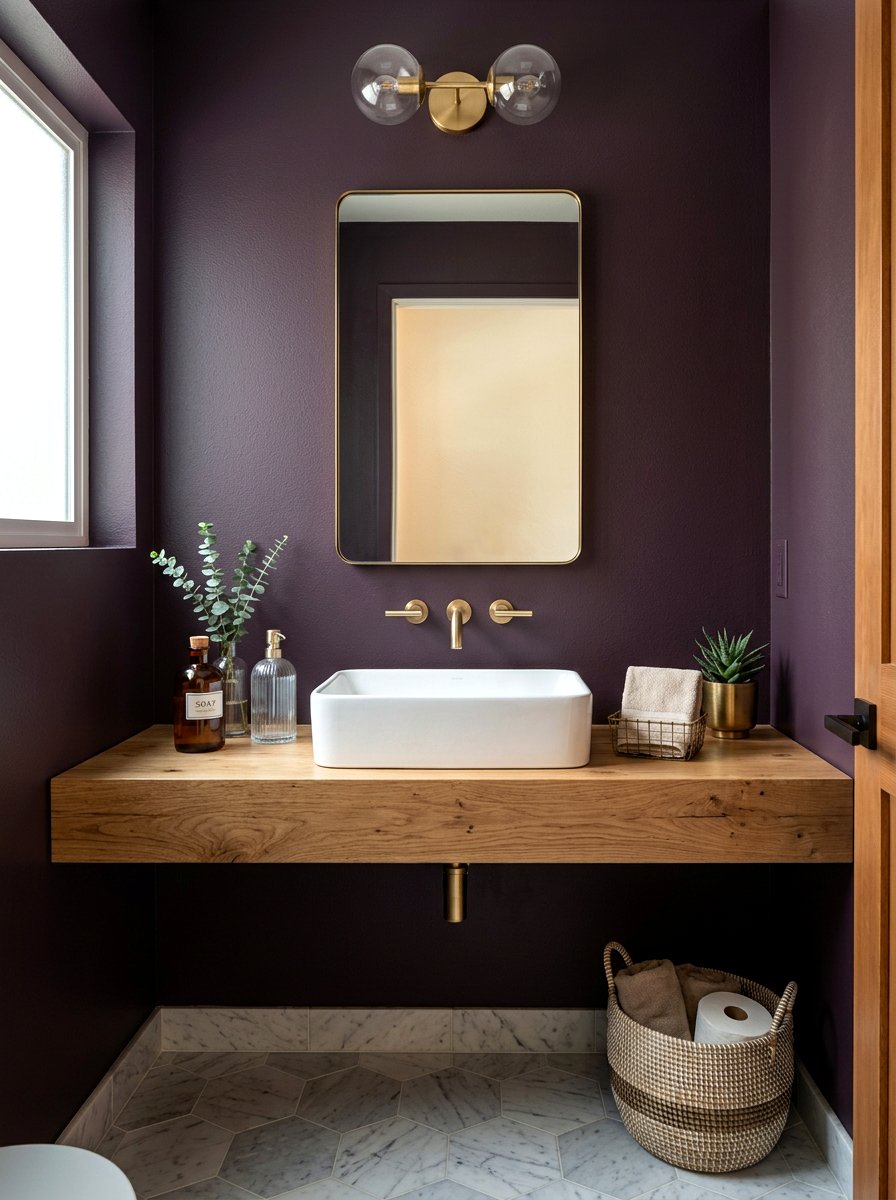
Using brass accents in a sand-colored living room is a wonderful way to introduce a sense of warmth and understated elegance. Unlike shiny chrome, brass has a soft, golden glow that harmonizes perfectly with the yellow and brown undertones found in sand colors. You can incorporate brass through small details like cabinet handles, floor lamps, and mirror frames to add a touch of sophistication without making the room feel too formal. This pairing works particularly well in minimalist or contemporary settings where you want to add a bit of visual interest and metallic sparkle to a neutral environment.
26. Earthy sand living room
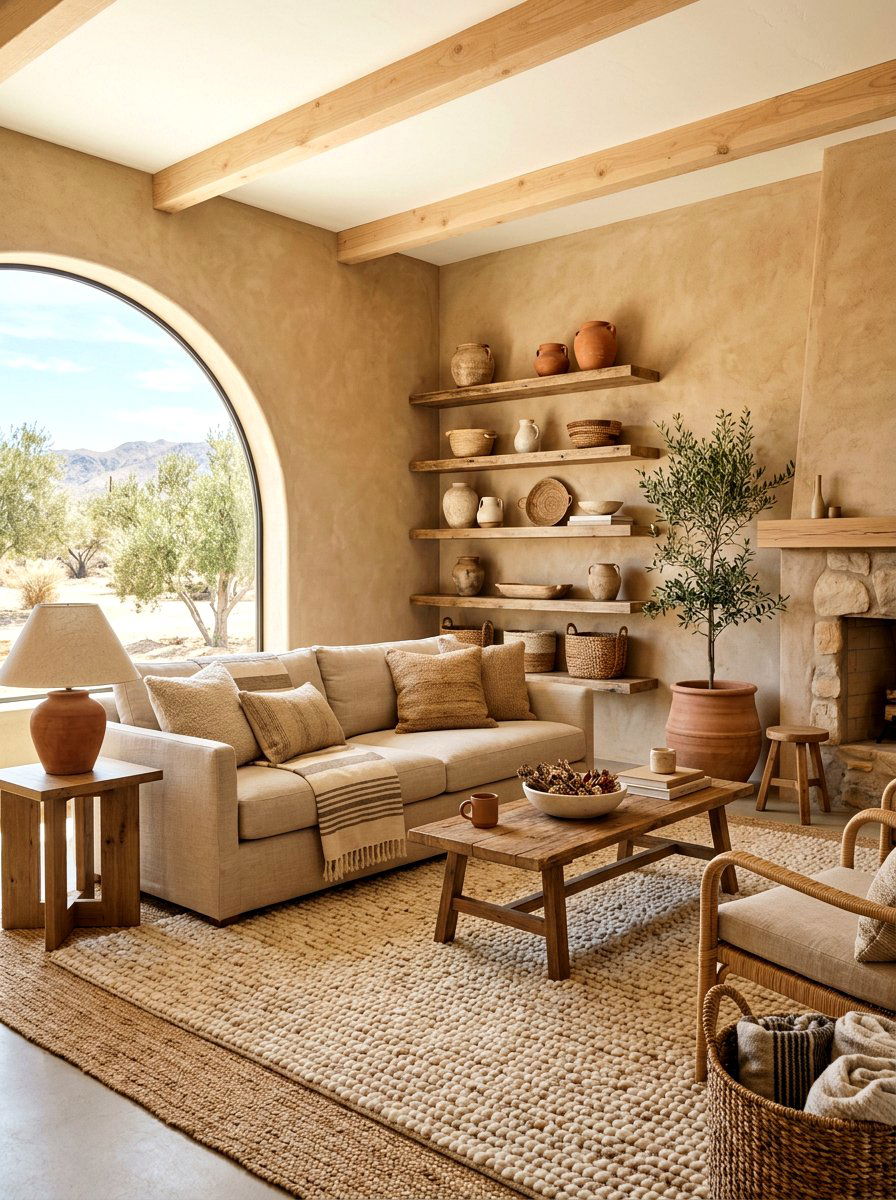
An earthy sand living room design is all about staying true to the colors found in nature, using a range of browns, tans, and muted beiges to create a grounded sanctuary. This style avoids synthetic materials and bright artificial colors, instead opting for linen, wool, clay, and wood. By layering these various textures and tones, you create a space that feels very rich and multidimensional despite the limited color palette. It is a design choice that promotes a sense of peace and stability, making your home feel like a true refuge from the busy and often chaotic outside world.
27. Sand and navy living room
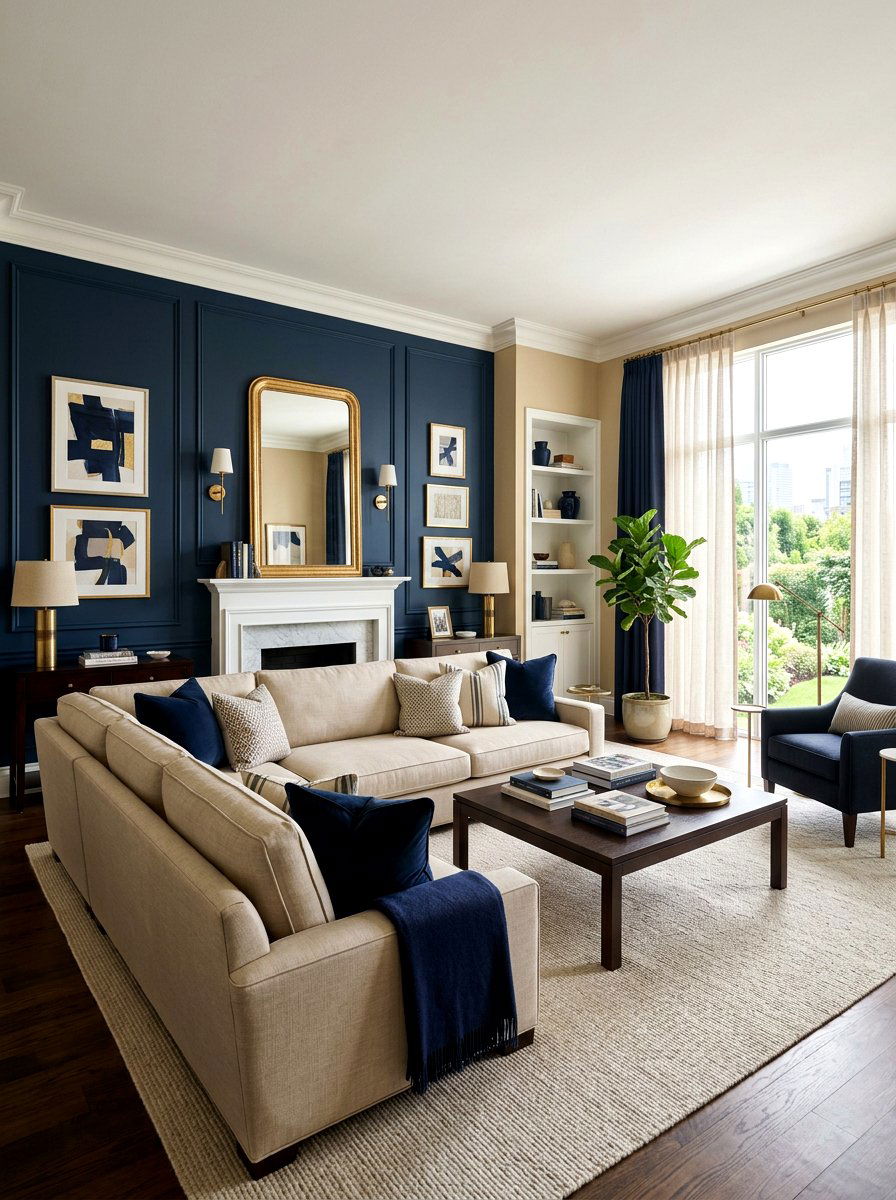
A sand and navy living room provides a classic and masculine look that feels both coastal and sophisticated. The deep, dark navy blue offers a strong anchor for the lighter sand tones, creating a high-contrast environment that is visually stimulating and very balanced. You might choose a navy blue accent wall or a set of navy armchairs to stand out against a backdrop of sandy walls and a light-colored rug. This combination is timeless and works well in large living rooms where you want to create a sense of intimacy and depth through the use of darker, bolder colors.
28. Contemporary sand living room
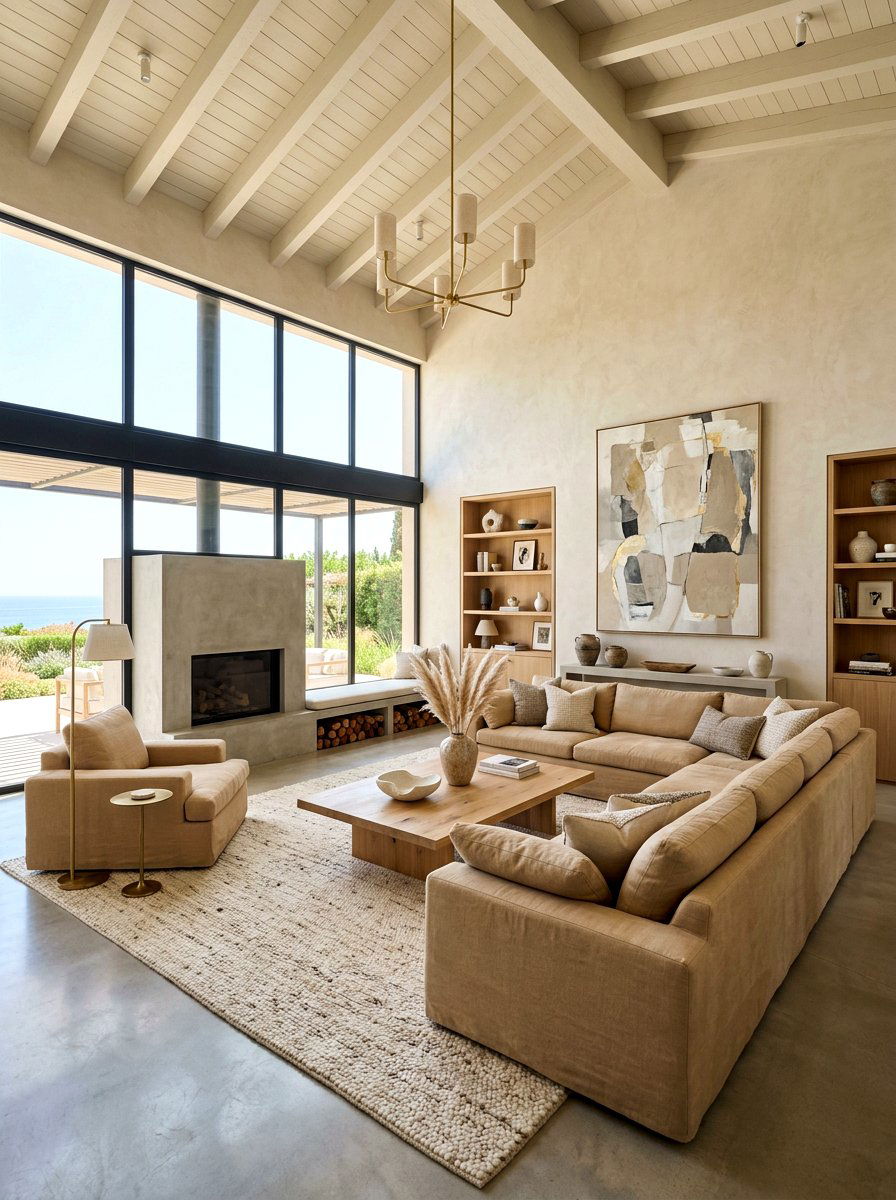
The contemporary sand living room is characterized by clean lines, open spaces, and a focused use of texture over pattern. This design style often features large, oversized furniture pieces in sandy tones that create a sense of comfort and luxury. To keep the look modern, avoid clutter and choose a few statement pieces of art or unique lighting fixtures that add personality to the neutral space. The sand color palette ensures that the room remains warm and inviting, even with the minimalist and sometimes sharp-edged furniture that is often found in contemporary interior design trends today.
29. Sand and olive green living room
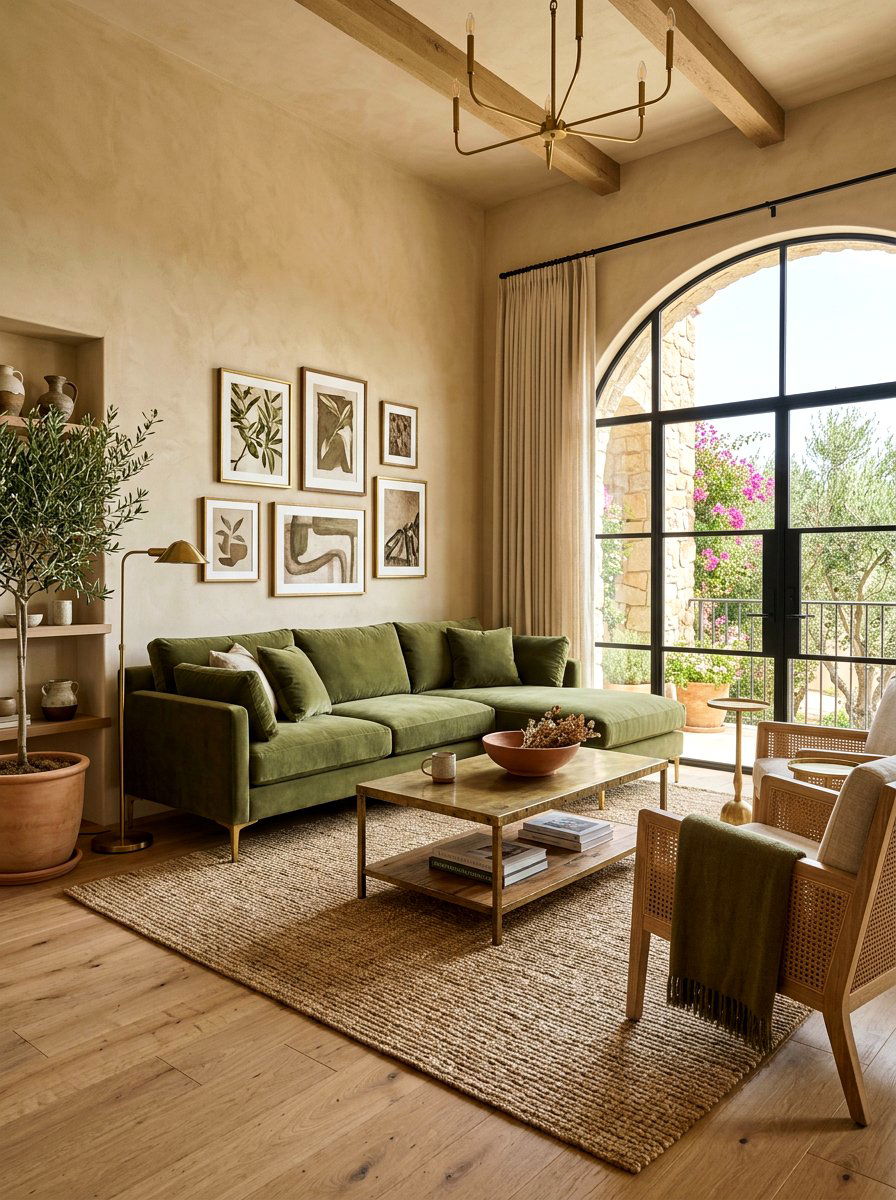
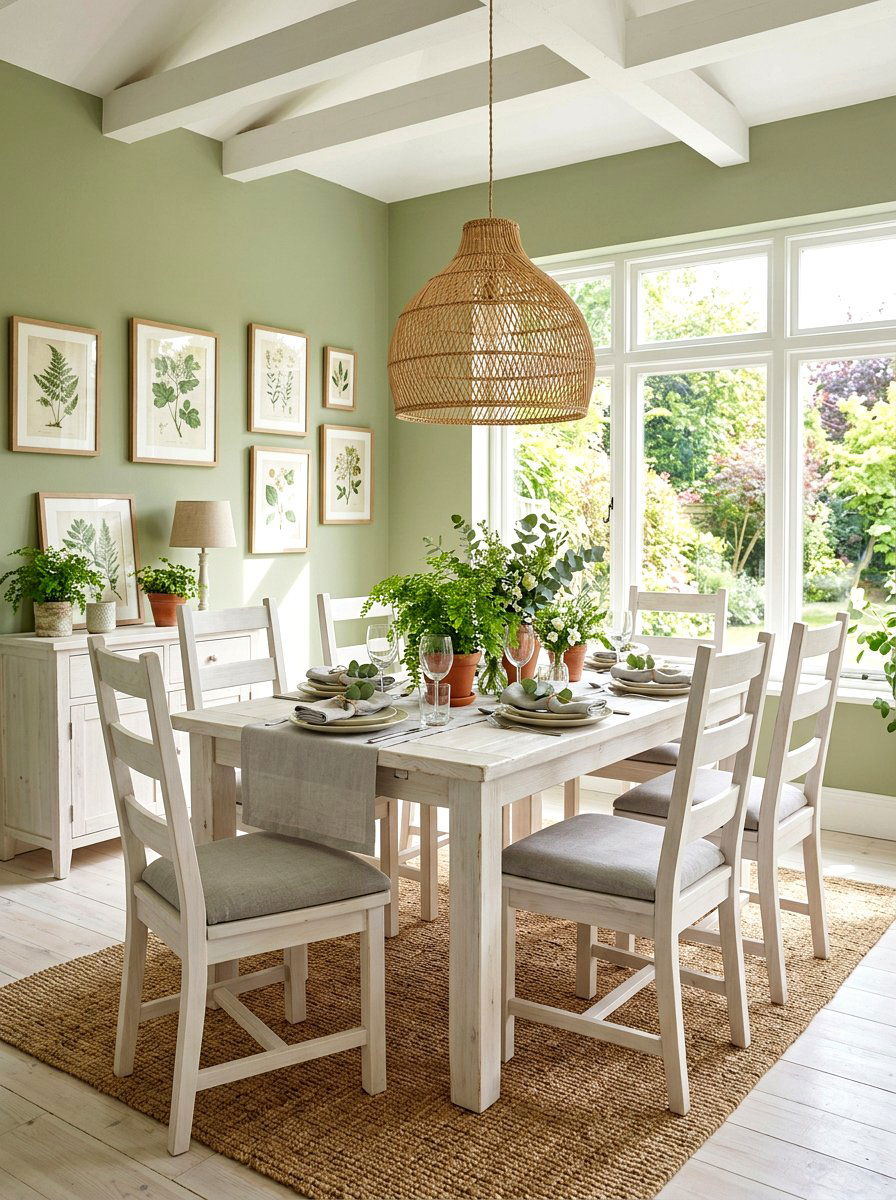
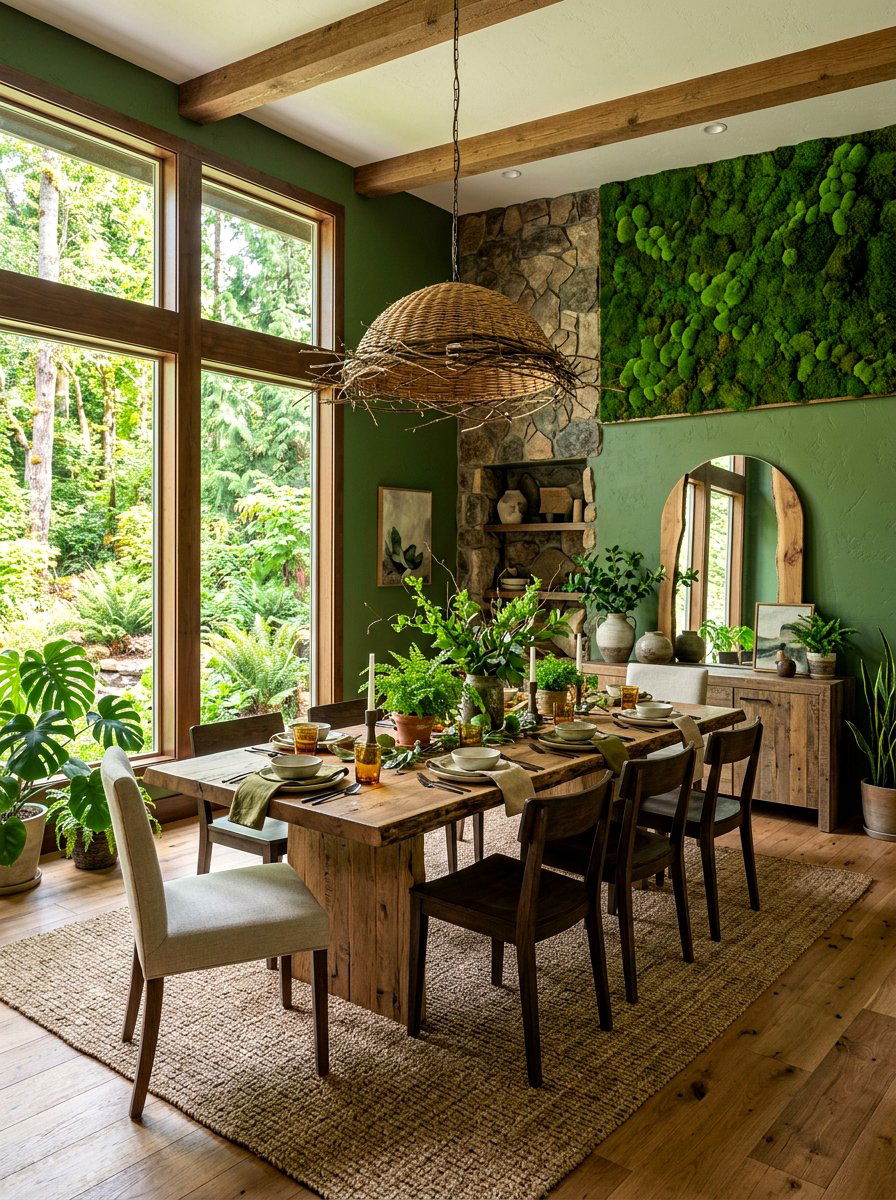
Combining sand with olive green creates a sophisticated, Mediterranean-inspired living room that feels incredibly lush and organic. Olive green is a "muddied" tone that pairs perfectly with the warm undertones of sand, offering a subtle pop of color that still feels like a neutral. This duo is excellent for creating a cozy, cocoon-like atmosphere, especially if you use olive green for larger elements like curtains or a velvet sofa. Adding a few natural wood accents and some brass hardware will complete the look, resulting in a room that feels high-end, stylish, and deeply connected to the natural world.
30. Airy sand living room
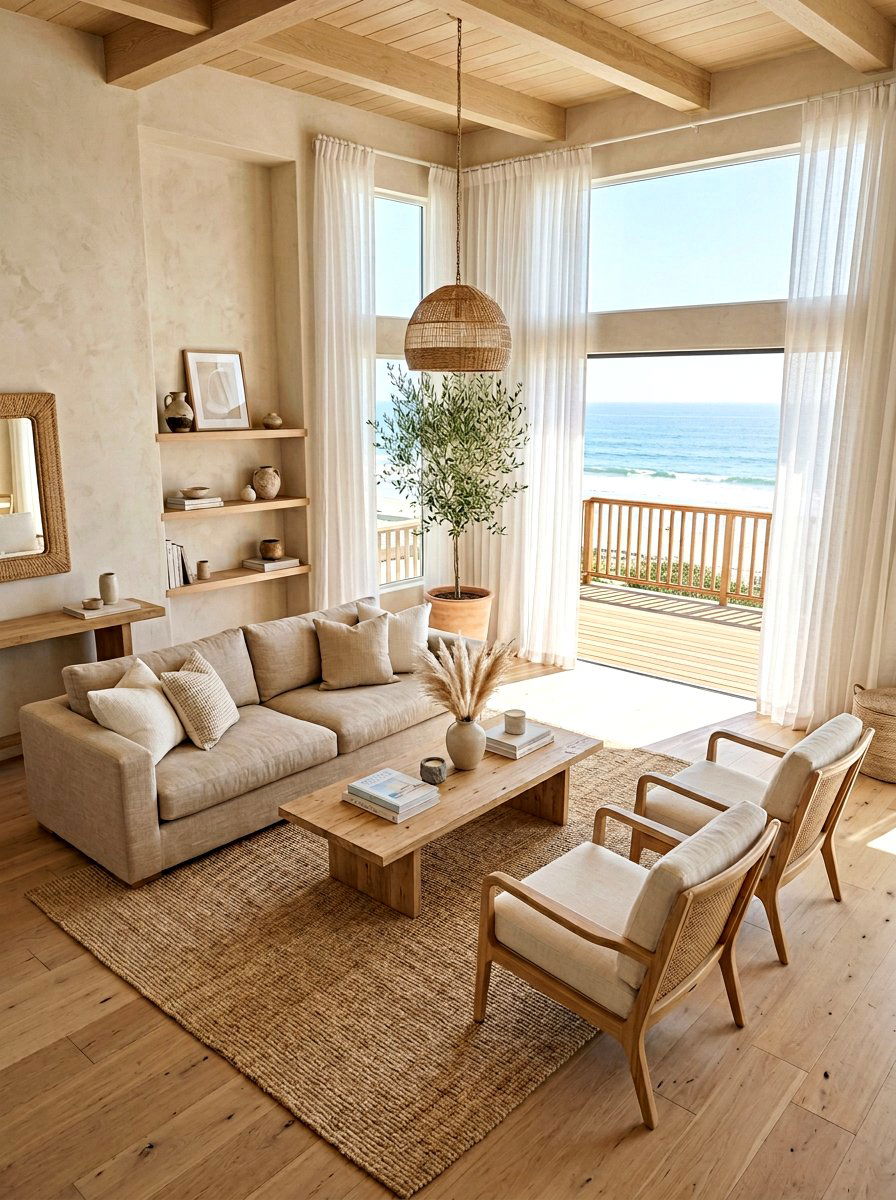
An airy sand living room is all about maximizing light and creating a sense of weightlessness within the space. To achieve this, use the lightest shades of sand and off-white for almost everything in the room, from the walls to the furniture and the floors. Choose leggy furniture that allows light to pass underneath it and use sheer, lightweight fabrics for your window treatments. The result is a room that feels incredibly peaceful and spacious, almost like a sun-drenched beach at dawn. It is the perfect design choice for anyone who wants a bright, uplifting, and completely stress-free living environment.
Conclusion:
Embracing a sand color palette for your living room is a design choice that promises longevity, versatility, and a deep sense of tranquility. These warm neutrals provide the perfect foundation for any style, allowing you to build a space that truly reflects your personality while remaining grounded in natural beauty. Whether you prefer the sharp contrast of sand and black or the soft harmony of sand and cream, the key is to layer different textures to keep the room feeling dynamic and alive. By moving away from cold grays and choosing the warmth of the earth, you create a living room that is not just a place to sit, but a genuine sanctuary for relaxation and connection. As trends continue to favor organic materials and biophilic designs, sand colors will undoubtedly remain at the forefront of sophisticated interior styling for many years to come.

Related posts: