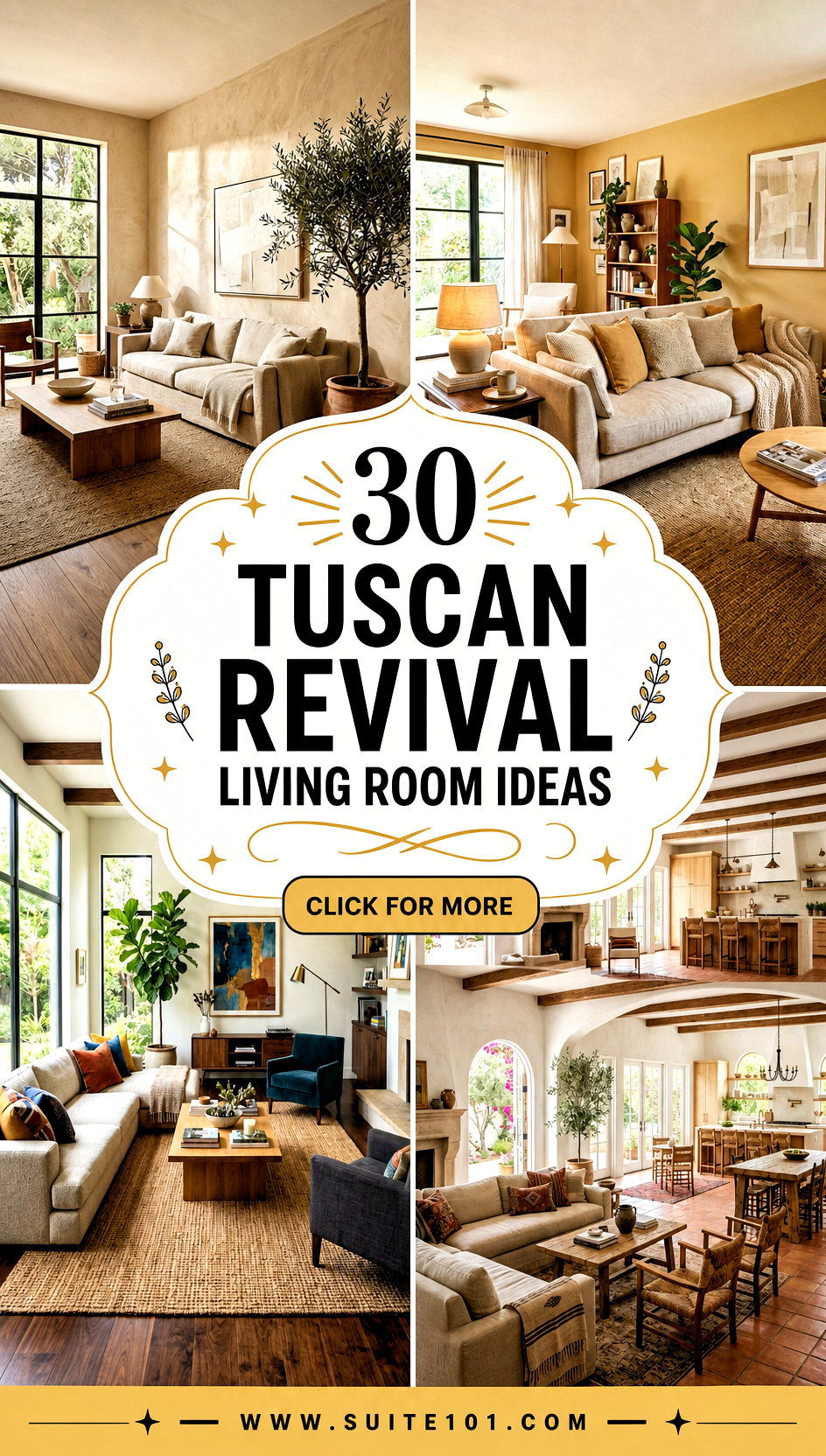
The Tuscan revival style is making a major comeback in modern homes, offering a sophisticated blend of old-world charm and contemporary minimalism. Unlike the heavy, dark trends of the past, this new era of Mediterranean design focuses on light, texture, and organic materials that feel grounded yet incredibly airy. By incorporating sun-baked palettes, natural stone, and weathered wood, you can create a sanctuary that celebrates slow living and authentic craftsmanship. This aesthetic brings a sense of warmth and history to any space, making it perfect for those who want a home that feels lived-in and timeless. Whether you are starting a full renovation or looking for small updates, these curated concepts will help you master the art of the modern Tuscan look with ease and elegance.
1. Terracotta floor living room
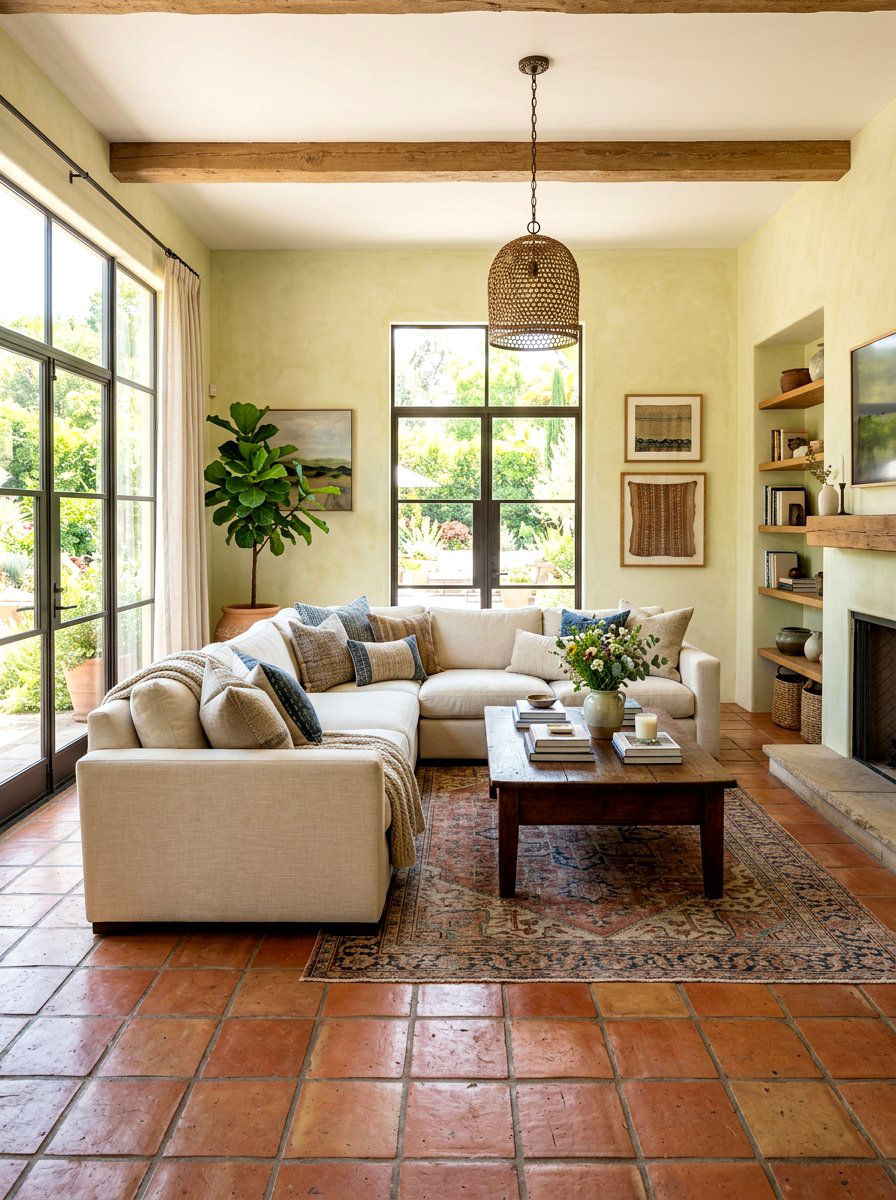
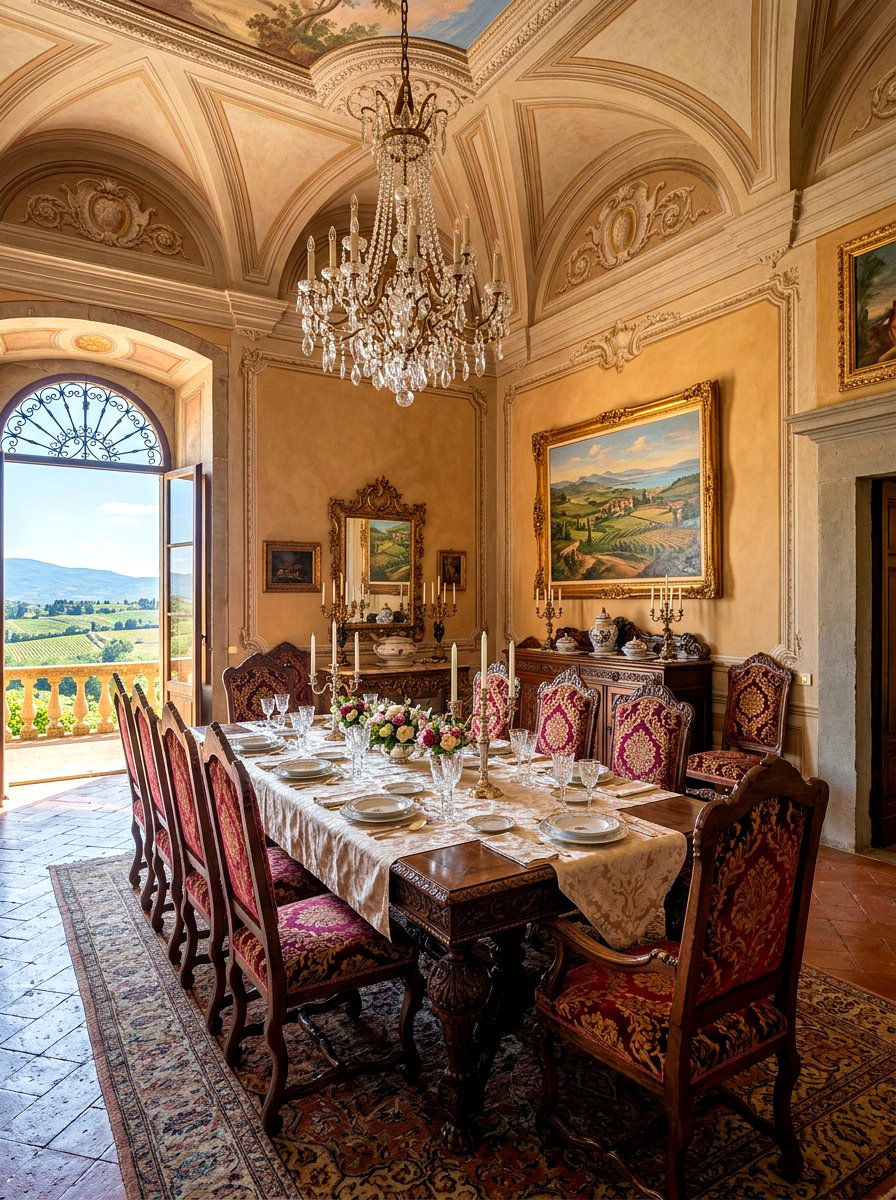
Embracing a terracotta floor is one of the most authentic ways to ground your space in the Mediterranean tradition. These clay tiles offer an instant sense of warmth with their rich, sun-baked orange and red hues. In a revival setting, look for larger tiles or unique hexagonal shapes to keep the look feeling fresh and updated. The natural variation in the clay adds a hand-finished quality that mass-produced flooring simply cannot replicate. Pair these warm floors with crisp white walls and neutral furniture to allow the rich tones of the earth to take center stage. This choice is durable, timeless, and perfectly encapsulates the rustic elegance of a traditional Italian villa.
2. Exposed wood beams living room
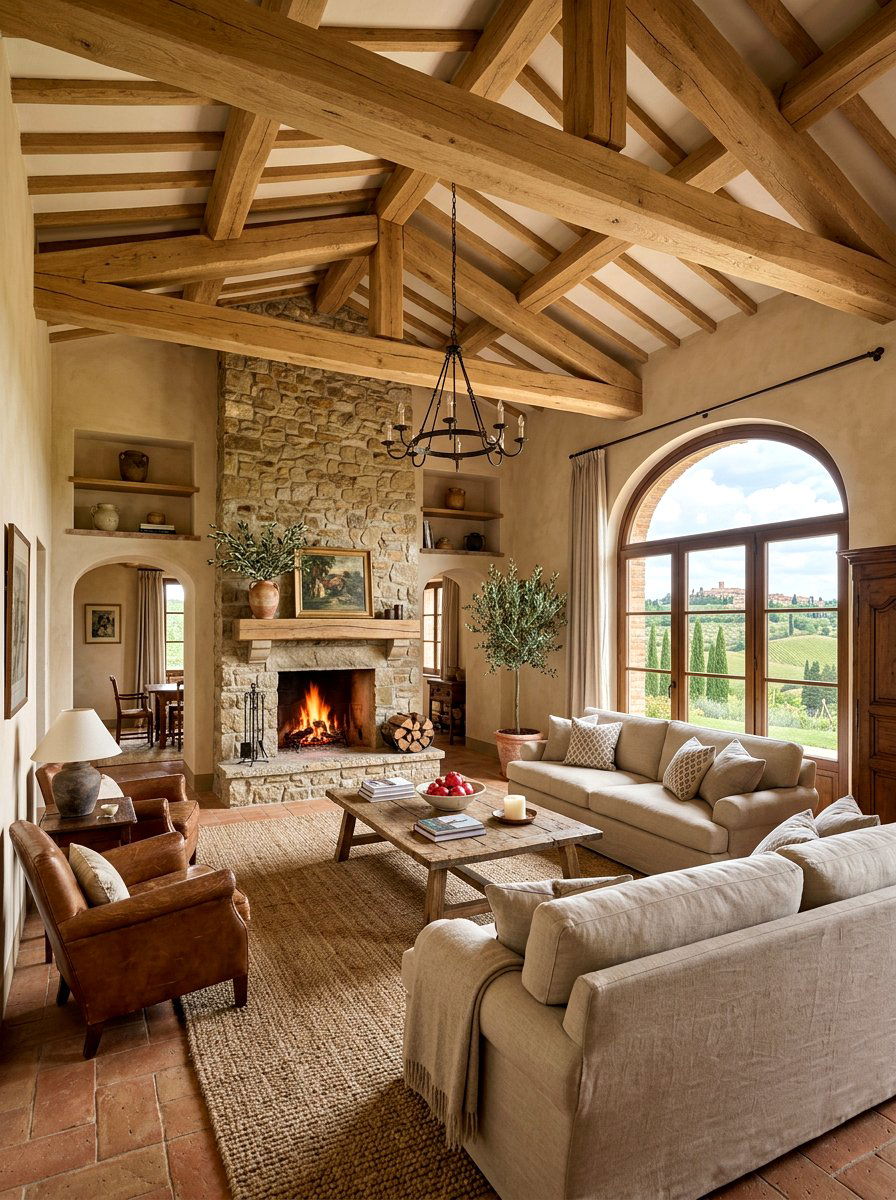
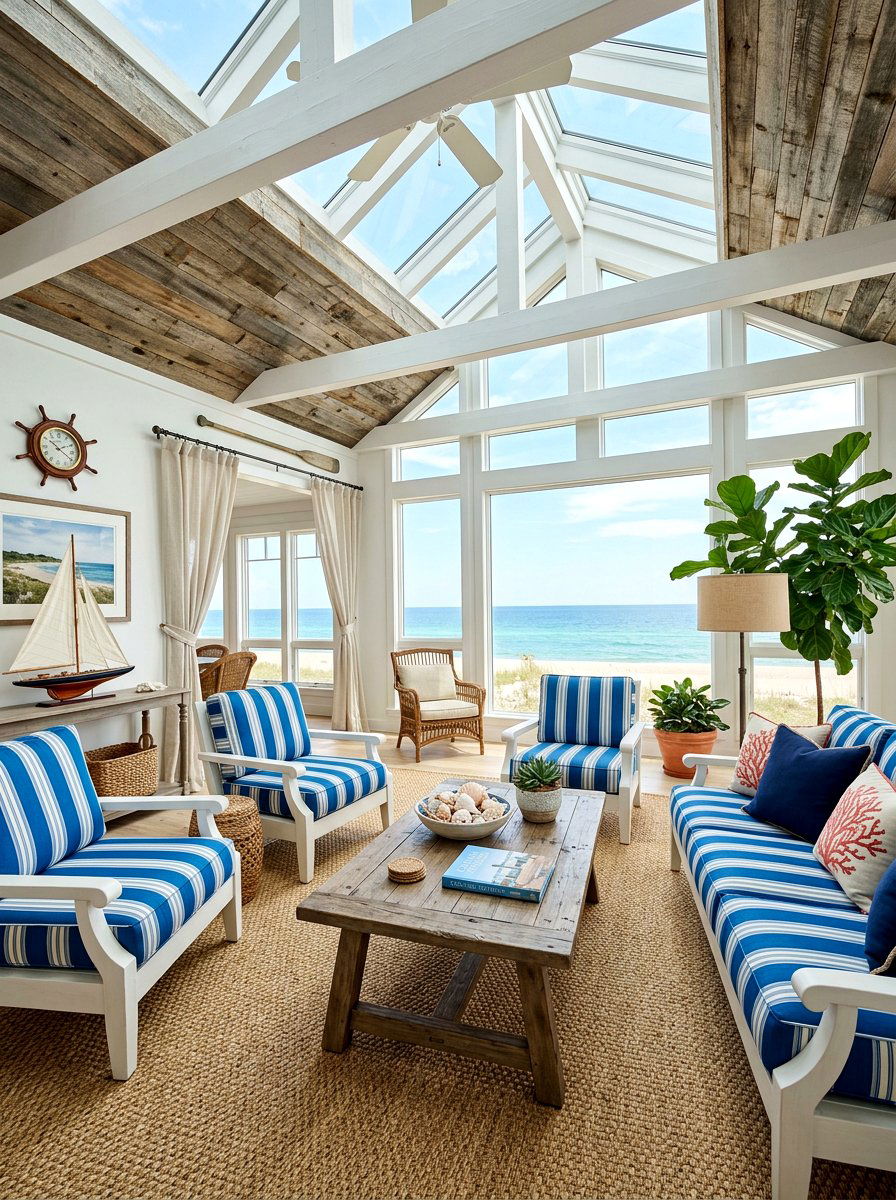
Adding exposed wood beams to your ceiling creates an immediate architectural focal point that screams rustic charm. In a modern revival home, these beams are often left in a lighter, natural finish or reclaimed state rather than the dark, heavy stains of the past. They provide a beautiful sense of scale and height, drawing the eye upward and highlighting the structural beauty of the room. Whether you use solid timber or high-quality box beams, the texture of the wood grain adds an organic layer that softens the overall aesthetic. This feature works exceptionally well in rooms with high ceilings, adding a cozy, protective feel to a large, open-concept living area.
3. Arched doorway living room
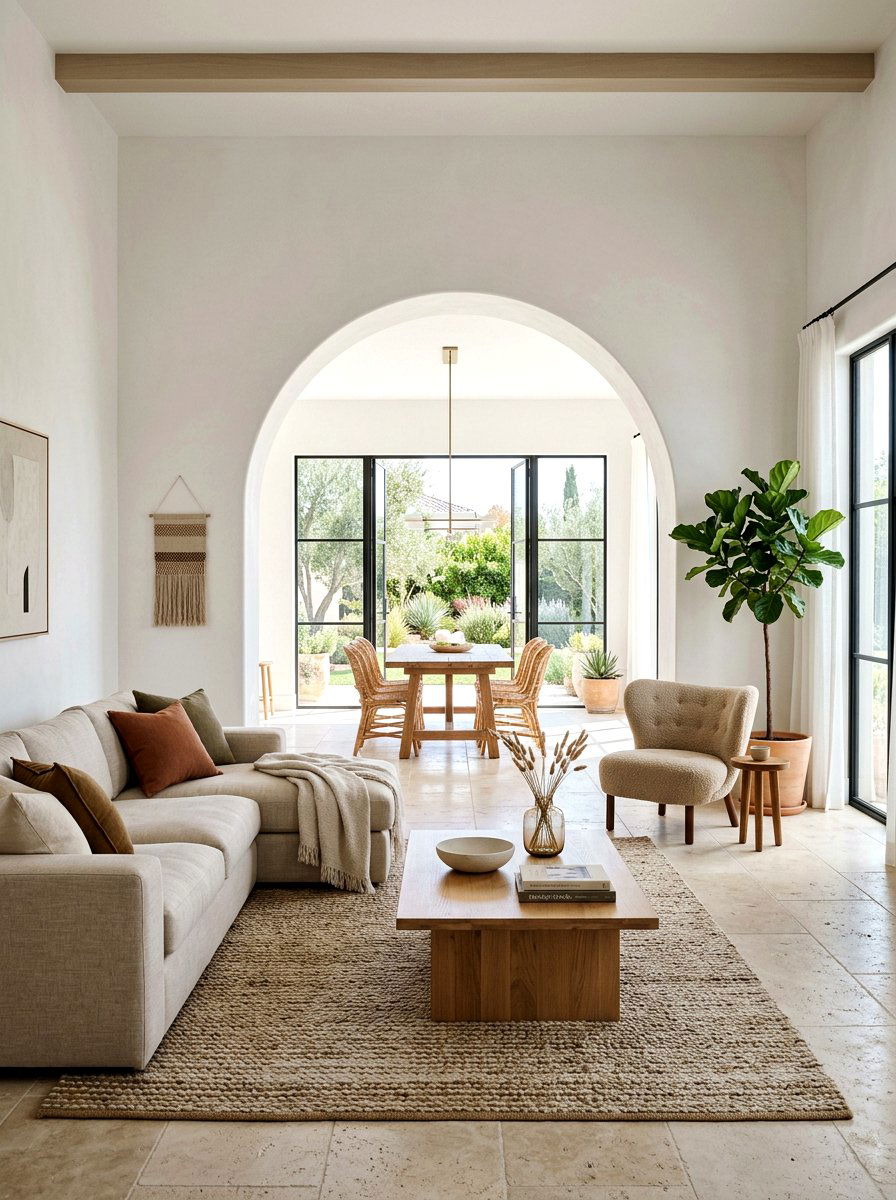
The classic arched doorway is a signature element that defines the graceful flow of Mediterranean architecture. Instead of standard rectangular openings, these soft curves create a more romantic and inviting transition between different living spaces. An arch softens the hard lines of a modern floor plan and adds a touch of historical grandeur without feeling overly formal. You can leave the archway simple and plastered for a minimalist look or accent it with stone or wood casing for extra texture. This design choice helps to frame views of other rooms, making your entire home feel more connected and thoughtfully designed while paying homage to ancient European building styles.
4. Plaster wall finish living room
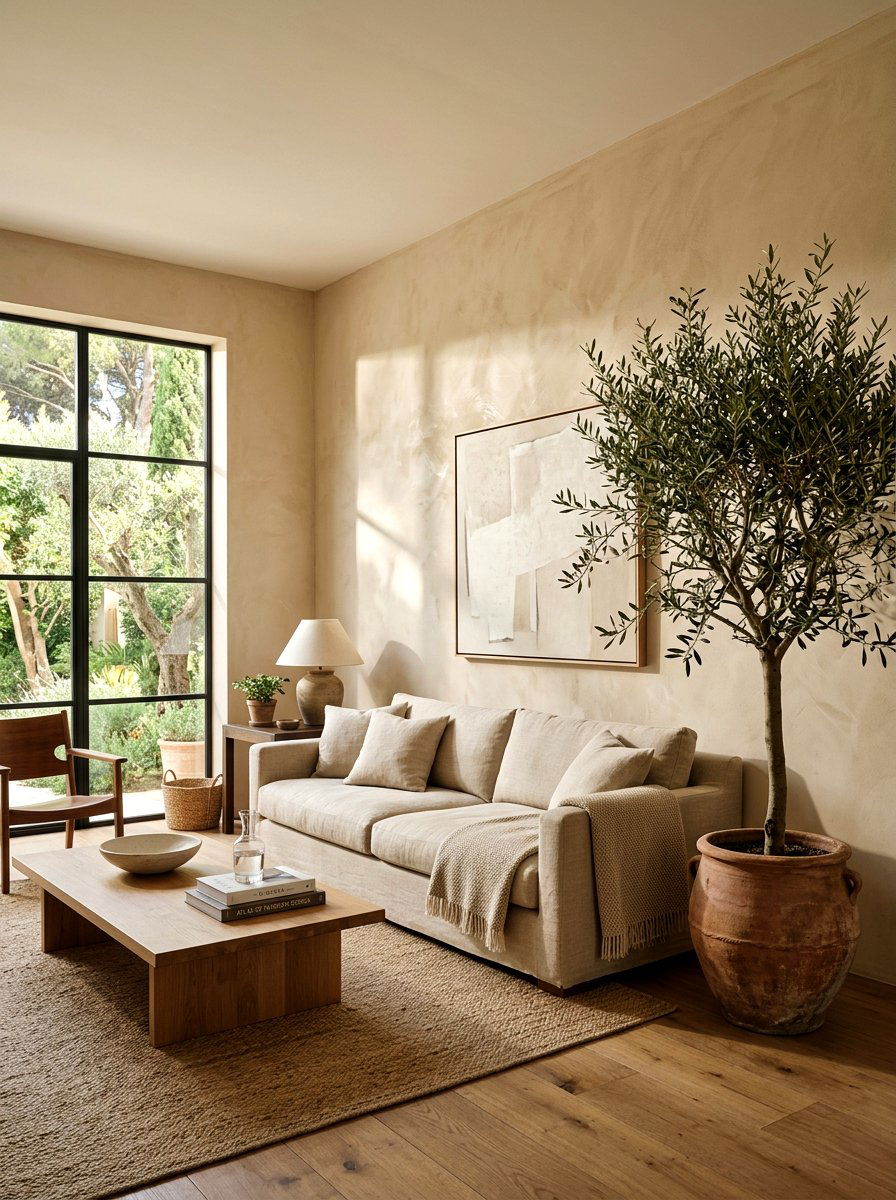
Moving away from flat, standard paint, a plaster wall finish brings an incredible amount of depth and movement to your living room. Materials like Venetian plaster or lime wash create a soft, mottled effect that catches the light beautifully throughout the day. This tactile surface feels much more authentic to the Tuscan region, where walls have traditionally been hand-finished for centuries. Choose soft, sandy neutrals or pale ochre tones to keep the space feeling bright and expansive. The subtle imperfections in the plaster add character and a sense of history, proving that walls can be a work of art themselves while providing a serene, organic backdrop for your furniture.
5. Wrought iron lighting living room
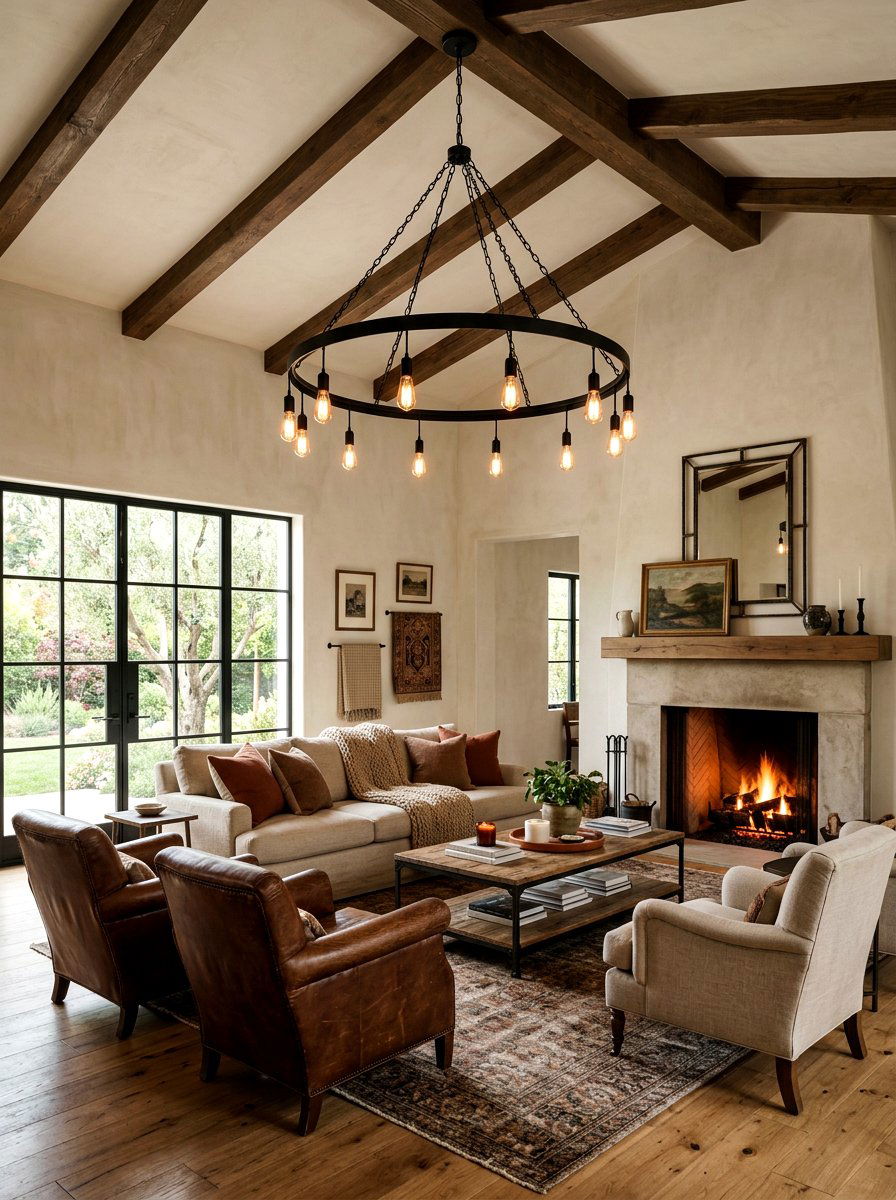
Wrought iron lighting is a staple of Italian design, providing a sharp, elegant contrast against softer textures like linen and plaster. In a revival living room, look for chandeliers and sconces that feature clean, minimalist lines rather than heavy, ornate scrollwork. A matte black finish on a large-scale ring chandelier can act as a modern anchor for the entire room. The dark metal ties in other black accents and prevents the space from feeling too washed out by neutral tones. This material choice is incredibly durable and adds a touch of industrial-leaning heritage that bridges the gap between old-world craftsmanship and the sleek requirements of contemporary interior styling.
6. Stone fireplace living room
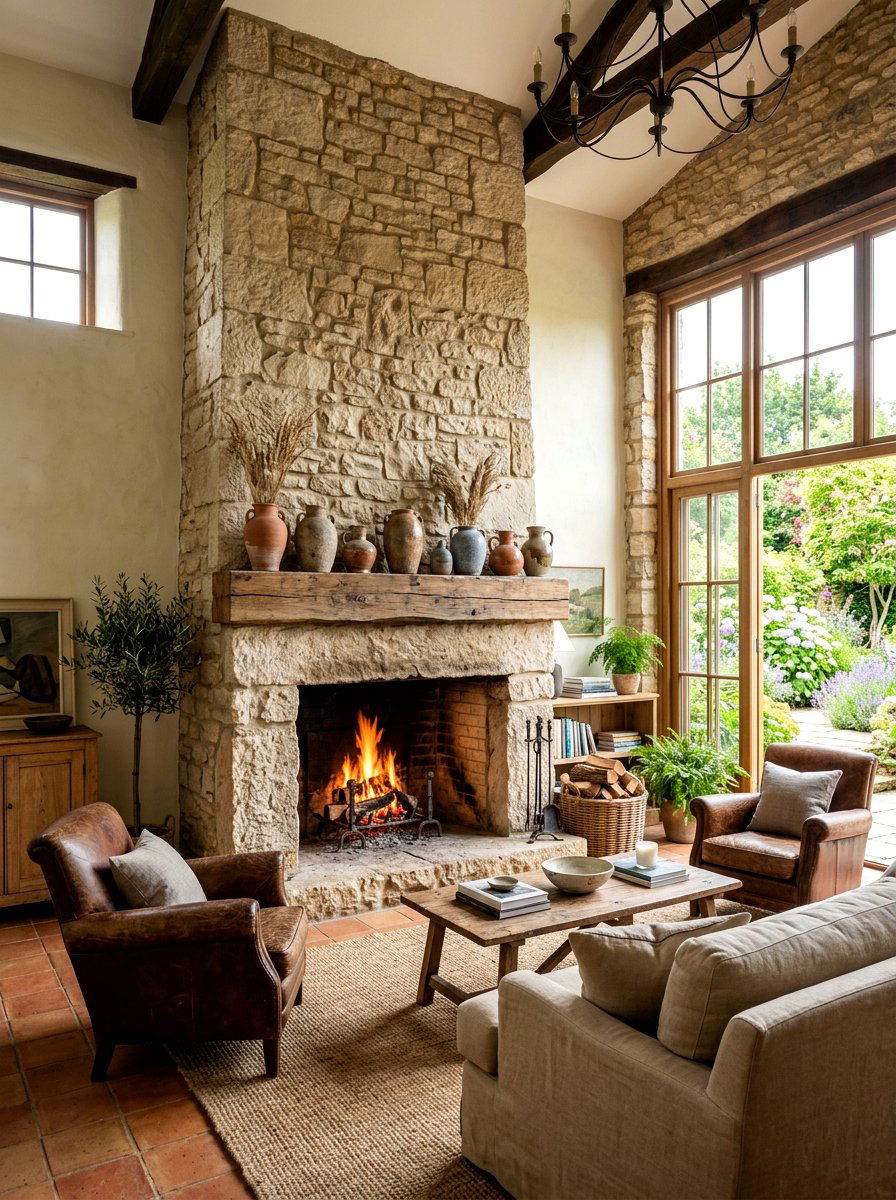
A stone fireplace serves as the heart of the home, providing a massive dose of texture and a natural focal point. For a modern revival look, consider using dry-stack stone or large, irregular slabs of limestone or travertine. Avoid the shiny, polished finishes of the past in favor of matte, raw surfaces that feel like they were pulled directly from the mountainside. A simple, chunky wood mantel made from reclaimed timber can complete the look without adding unnecessary clutter. This feature provides physical warmth and visual weight, grounding the room and creating a cozy gathering spot that feels both ruggedly handsome and refined enough for a luxury estate.
7. Neutral linen sofa living room
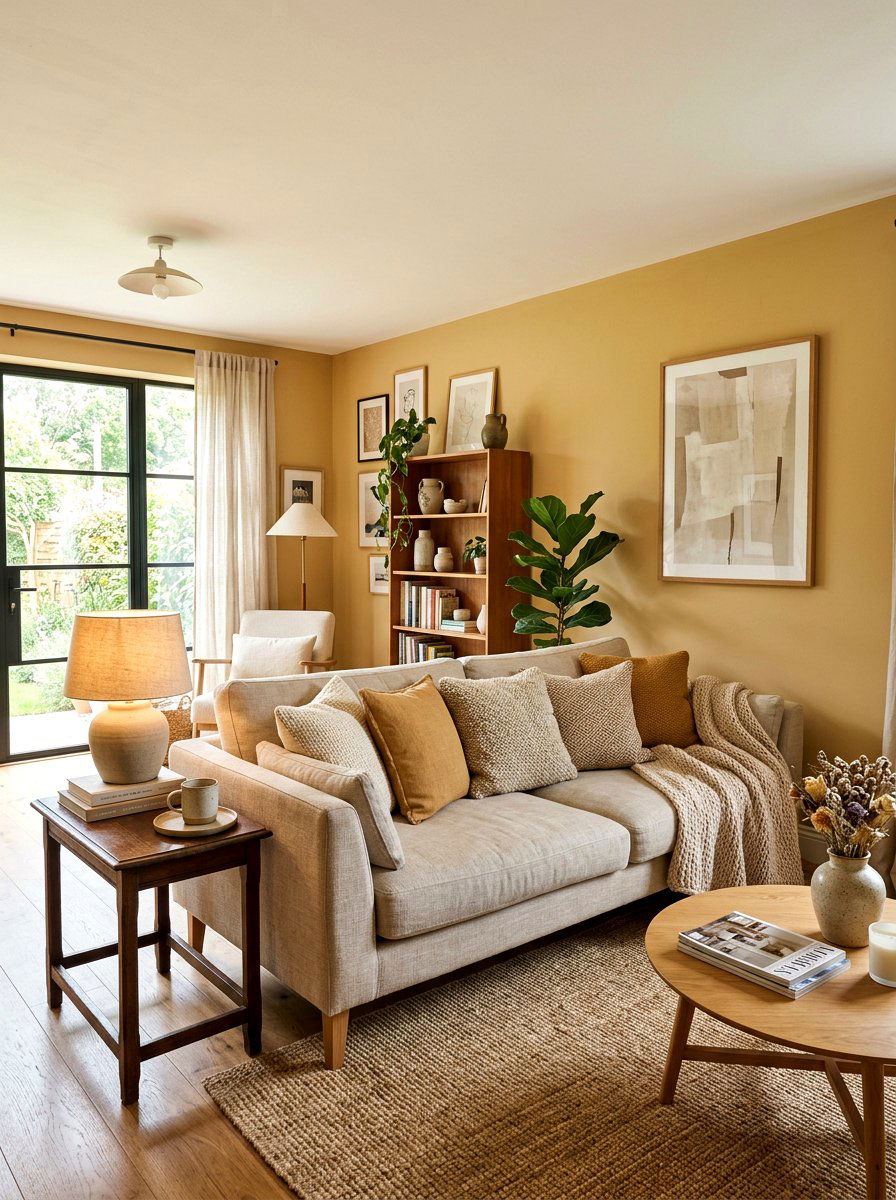
The modern Tuscan look relies heavily on soft, breathable textiles, and a neutral linen sofa is the ultimate choice for this aesthetic. Linen offers a relaxed, slightly rumpled elegance that feels sophisticated yet approachable. Opt for a low-slung, deep-seated silhouette in shades of oatmeal, cream, or soft grey to maintain a light and airy feel. This fabric is natural and sustainable, echoing the organic theme of the entire design. Because linen is highly durable and stays cool, it is perfect for a sun-drenched living room. Layer the sofa with woven pillows and throws to create a cozy, inviting nest that encourages long afternoons of relaxation and conversation.
8. Olive tree indoor plant living room
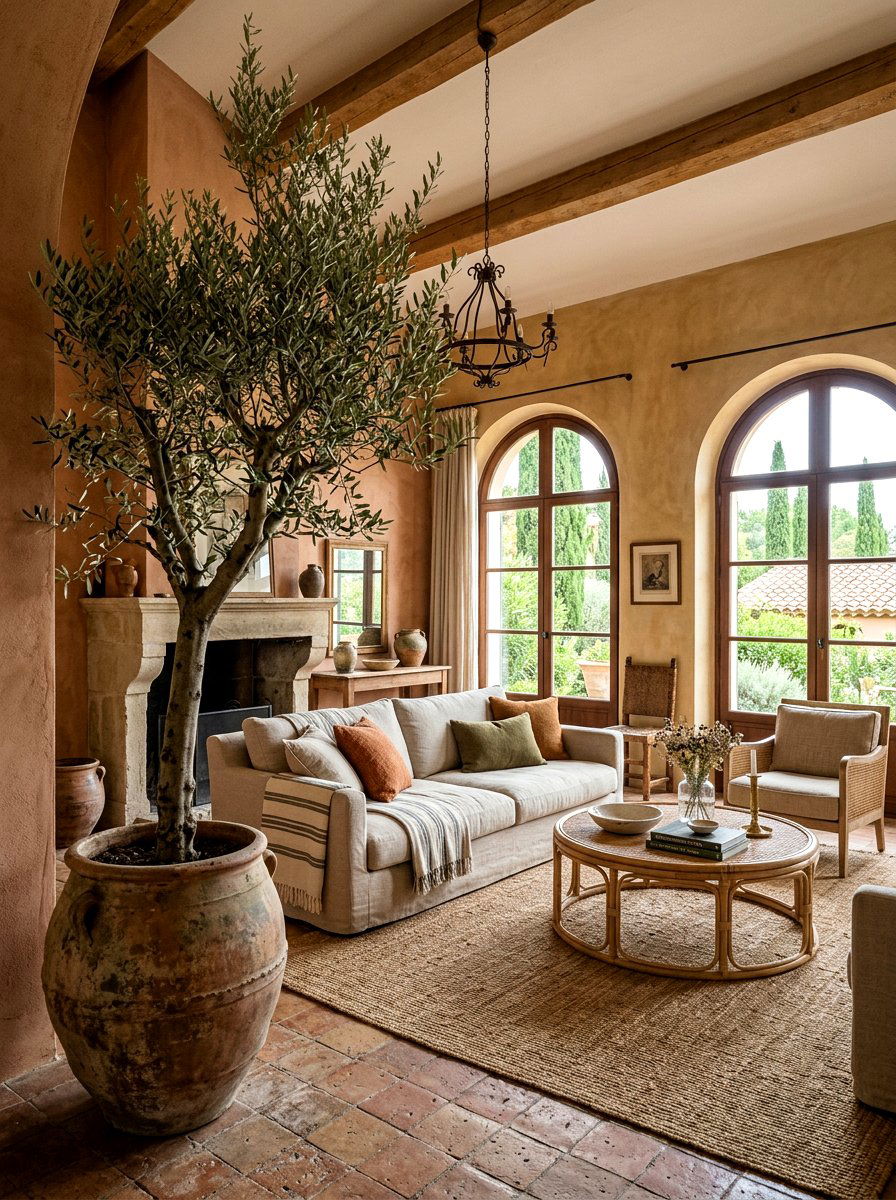
Nothing says Mediterranean living quite like a large, potted olive tree standing in the corner of your room. The silvery-green leaves and thin, sculptural branches add a delicate, organic touch that perfectly complements earthy color palettes. Placing a tree in a large, weathered clay pot or a woven basket brings a bit of the Italian countryside indoors. This natural element adds height and life to the space without overwhelming the decor. If you don't have enough natural light for a real tree, high-quality faux versions can achieve the same aesthetic effect. It is a simple yet powerful way to connect your interior design to the beautiful landscapes of Tuscany.
9. Antique wood coffee table living room
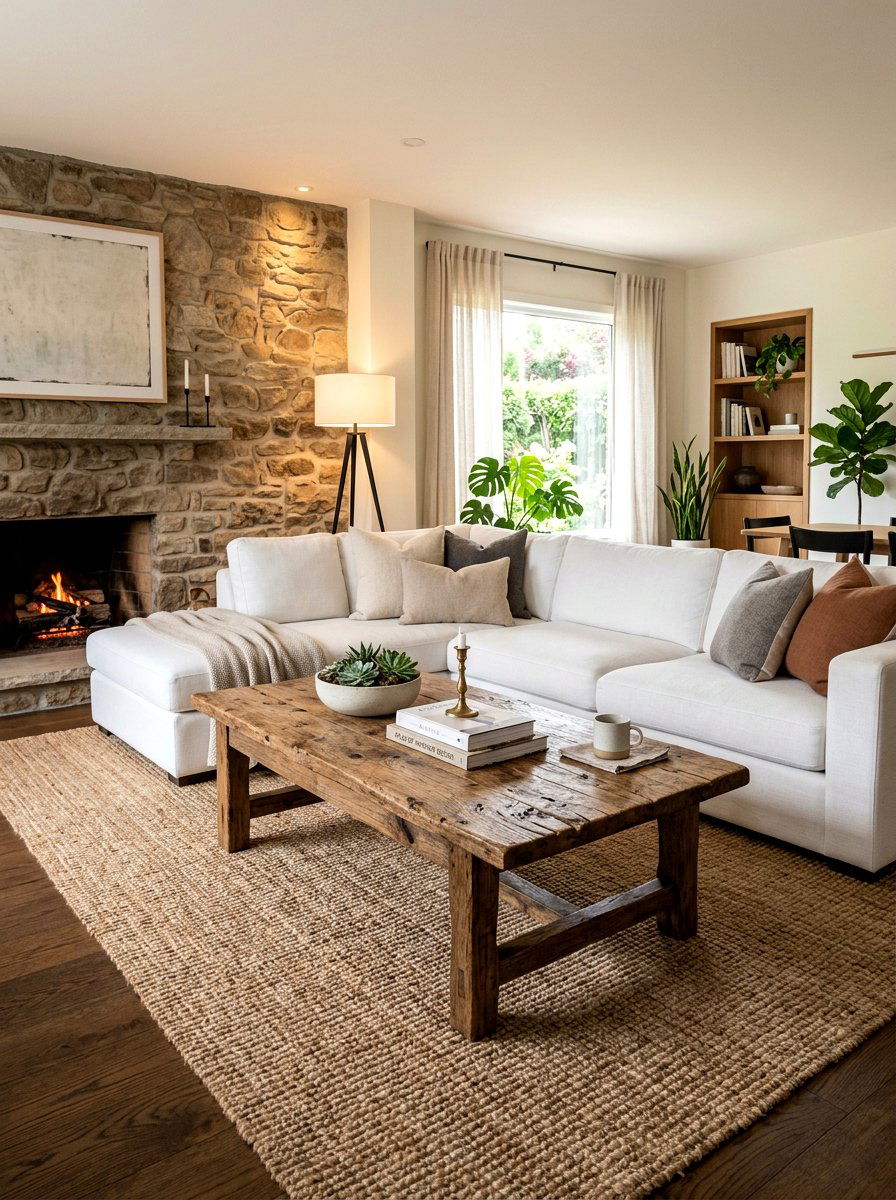
An antique wood coffee table provides a sense of history and "soul" that new furniture often lacks. Look for pieces with a visible grain, knots, and a slightly distressed finish that tells a story. A chunky, low-profile table made from solid walnut or oak adds a rugged, masculine element that balances out softer upholstery. The warmth of the natural wood ties in with ceiling beams and other architectural details. Because these pieces are often handmade and unique, they serve as a conversation starter. This choice emphasizes the revival focus on craftsmanship and the beauty of materials that age gracefully over time, becoming more beautiful with every year of use.
10. Warm earth tone palette living room
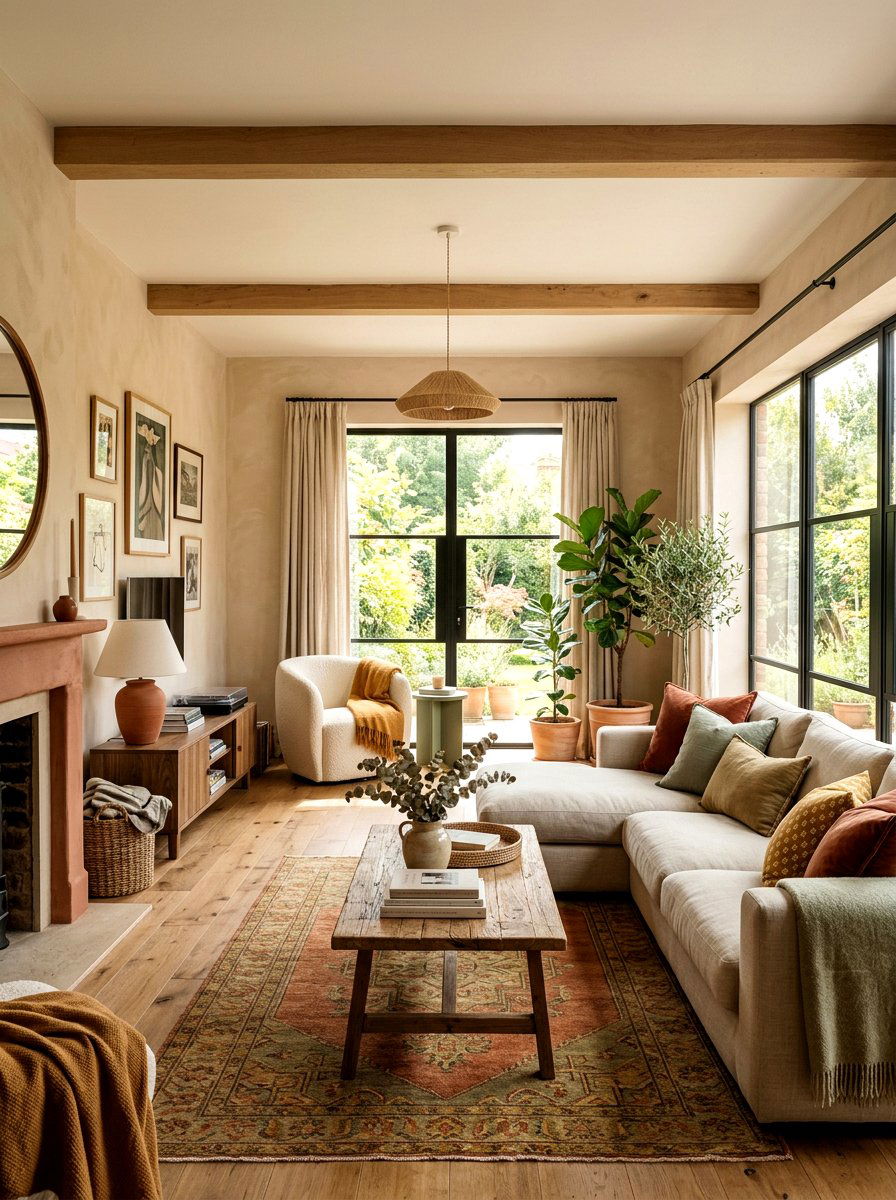
The foundation of any successful Tuscan revival space is a carefully curated palette of warm earth tones. Instead of the muddy browns of the early 2000s, think of sun-faded colors like terracotta, sage green, pale yellow, and sandy beige. These hues mimic the natural colors found in the Italian landscape and create a space that feels sun-drenched and welcoming. You can use these colors on the walls, in your upholstery, or through decorative accents. The goal is to create a harmonious environment that feels cohesive and calm. This color strategy allows you to play with different textures without the room feeling busy, ensuring a serene atmosphere throughout the day.
11. Woven basket decor living room
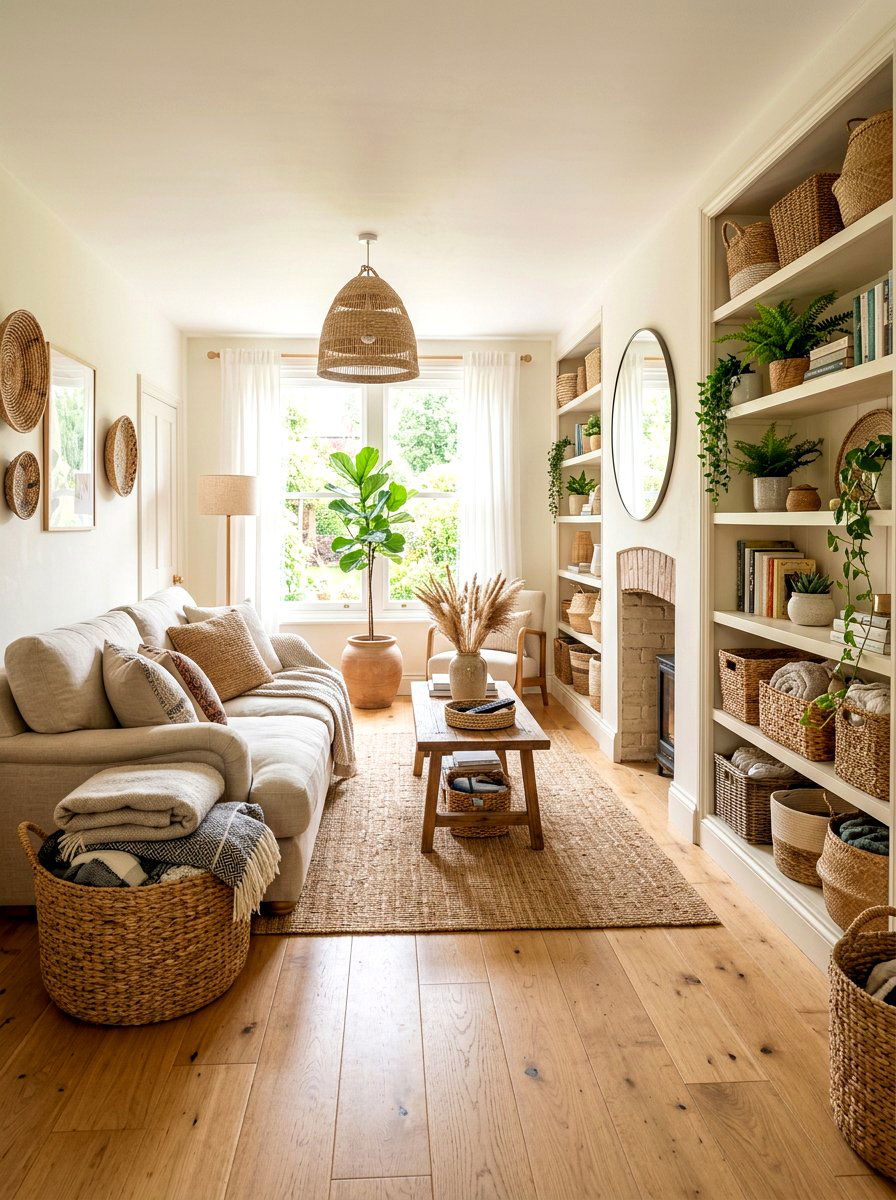
Incorporating woven baskets is an easy and affordable way to add texture and functional storage to your living space. From large floor baskets used to hold extra blankets to smaller trays on a coffee table, seagrass and wicker bring a rustic, handmade vibe to the room. These organic materials soften the harder surfaces of stone floors or plaster walls. Baskets also help to keep the space clutter-free, which is essential for achieving a modern, minimalist take on the Tuscan style. Their natural golden tones provide a subtle contrast to neutral fabrics, adding layers of visual interest that make the room feel much more curated and thoughtfully put together.
12. Arched window living room
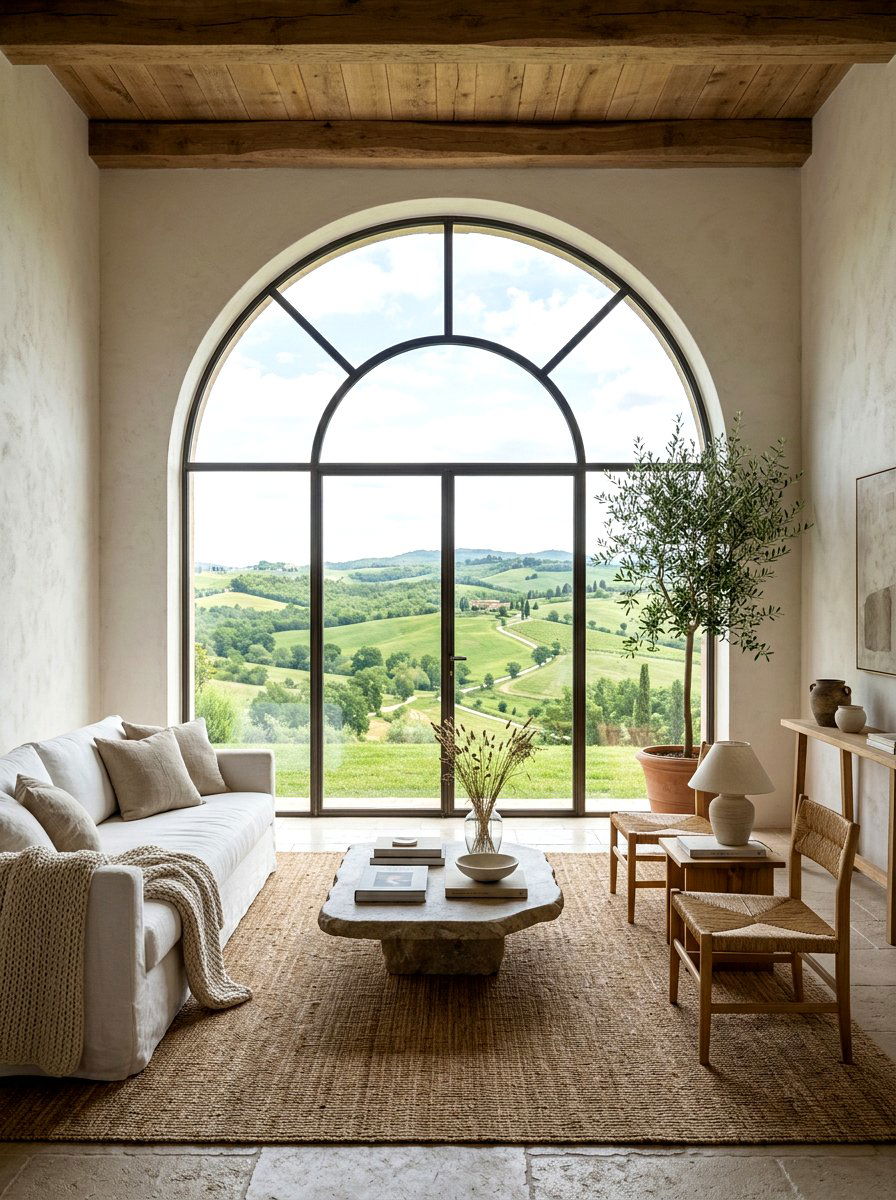
If you are lucky enough to have arched windows, they should be the star of your living room design. These windows frame the outdoor view like a piece of art and flood the interior with natural light. To keep the look modern, avoid heavy, dark drapes and instead opt for simple linen panels or even leave them completely bare. The curve of the window echo the arched doorways and niches found throughout the home, creating a consistent architectural language. This feature emphasizes the height of the room and adds an air of elegance and light that is central to the refreshed Mediterranean aesthetic, making the indoors feel grand.
13. Hand painted ceramic living room
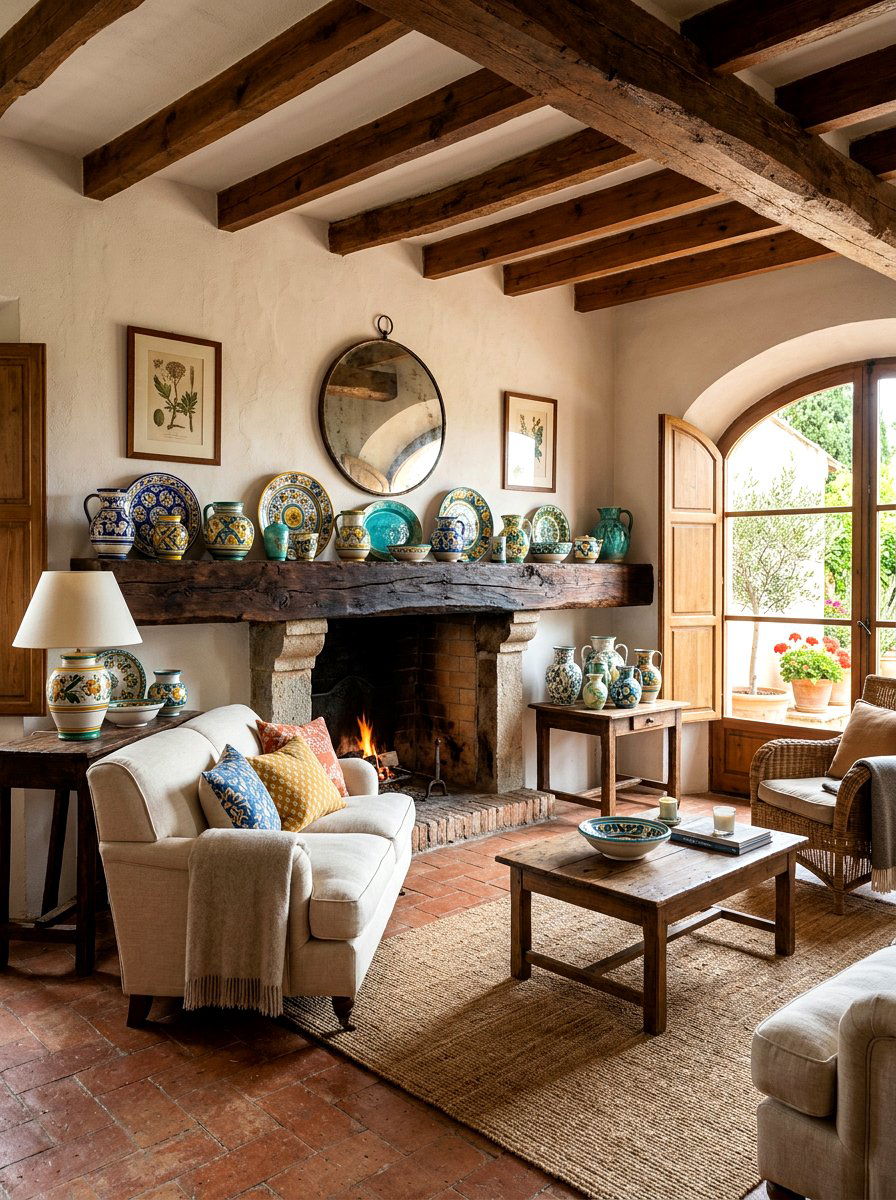
Hand-painted ceramics are a hallmark of Italian artistry and provide the perfect opportunity to introduce subtle patterns and colors. Look for large-scale vases, decorative plates, or even a tiled side table featuring traditional Mediterranean motifs in cobalt blue, yellow, and green. These pieces add a touch of personality and cultural heritage to a neutral room. Because they are often handmade, each piece carries unique imperfections that celebrate the human touch. Placing a large ceramic jar on a mantel or a cluster of pots on a console table creates a beautiful focal point that bridges the gap between rustic farmhouse style and sophisticated, high-end interior design.
14. Reclaimed wood mantel living room
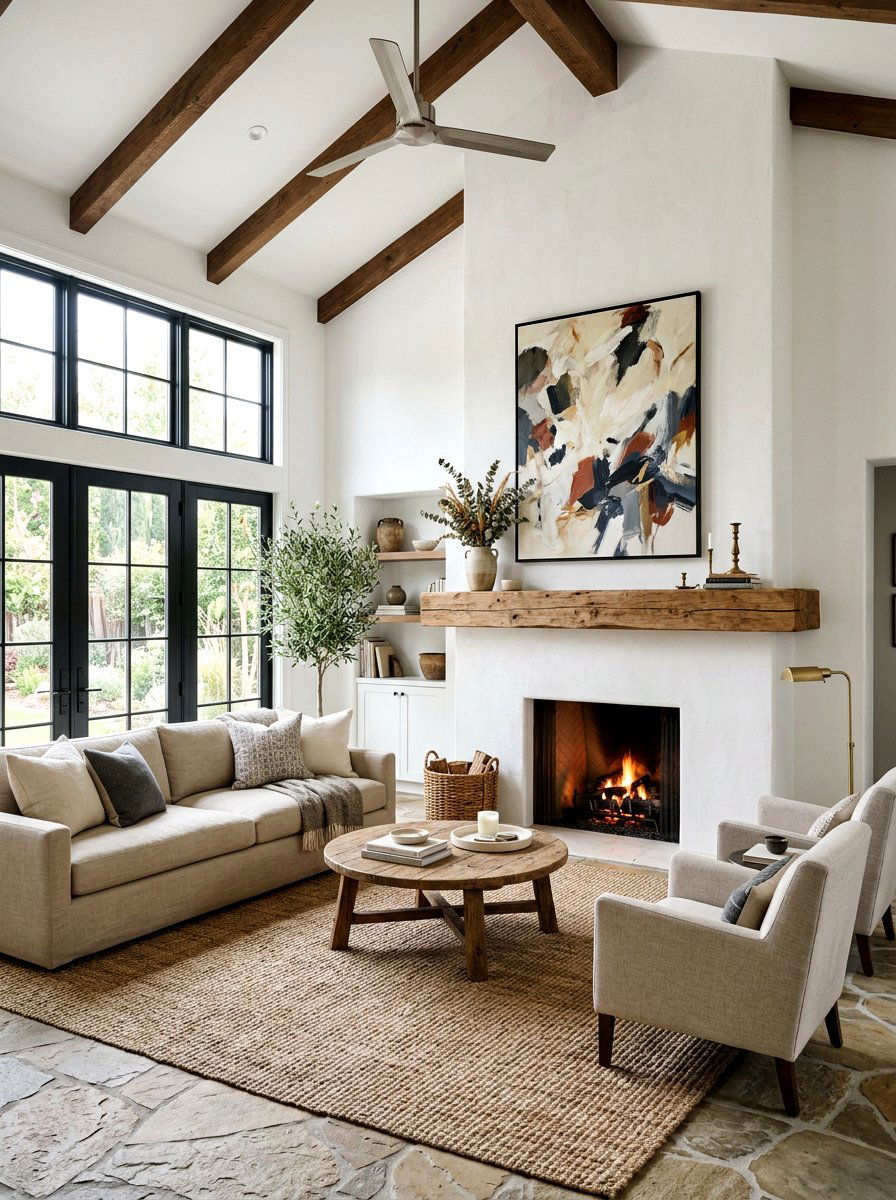
A reclaimed wood mantel adds an instant sense of age and character to a fireplace. Using timber salvaged from old barns or historic buildings provides a beautiful, weathered texture that cannot be faked. The deep grooves and natural silvering of the wood offer a rustic contrast to smooth plaster or stone surrounds. This simple addition helps to break up a large wall of stone and provides a dedicated space for displaying curated art or greenery. It serves as a reminder of the revival's focus on sustainable materials and honest craftsmanship, ensuring that your living room feels grounded in the past while looking firmly toward a modern future.
15. Jute area rug living room
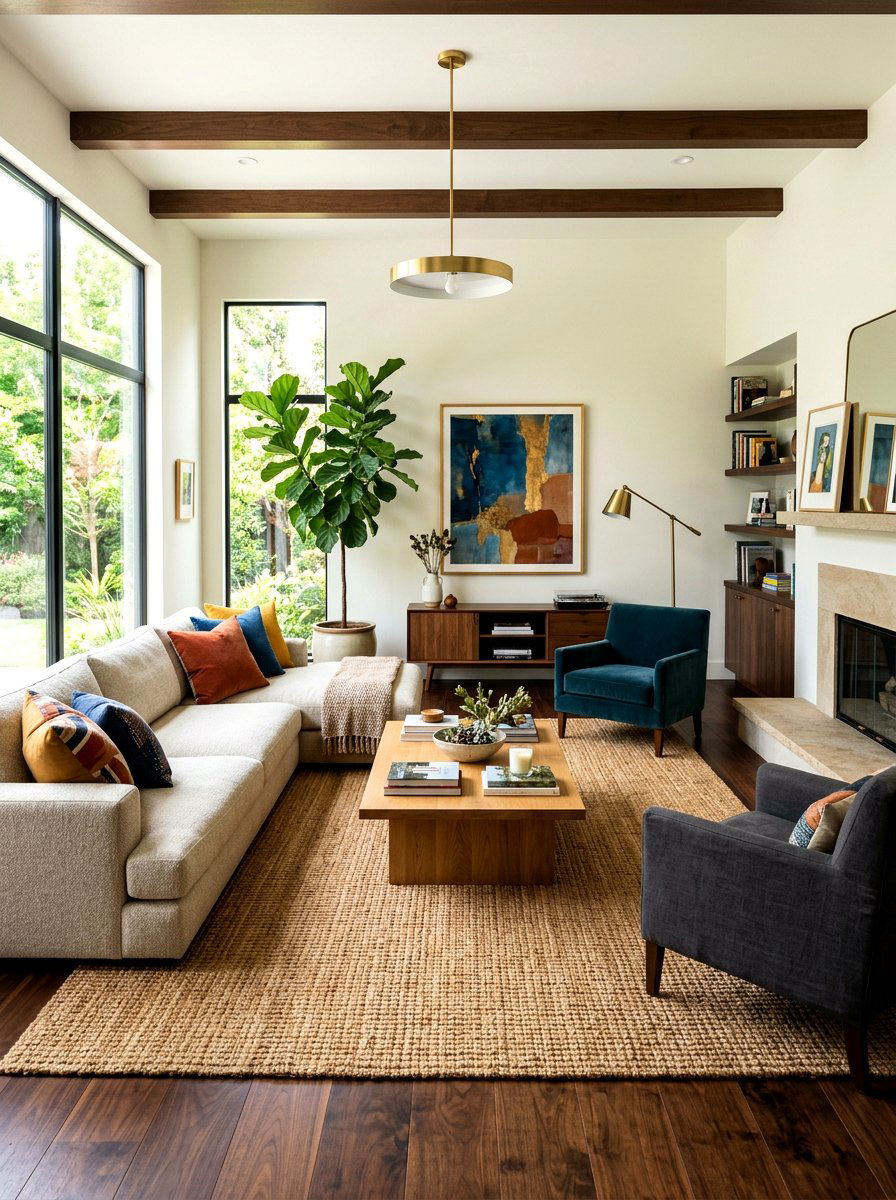
Grounding your furniture with a large jute area rug is a great way to introduce a rugged, natural texture underfoot. Jute is incredibly durable and features a beautiful golden-brown color that complements terracotta floors and neutral upholstery perfectly. It provides a casual, coastal-inspired foundation that keeps the room from feeling too formal or stuffy. You can also layer a smaller, patterned rug on top of the jute for added comfort and visual depth. This material is eco-friendly and adds a tactile quality to the floor, making the living room feel much more cozy and inviting while standing up to heavy foot traffic in a busy home.
16. Copper accent living room
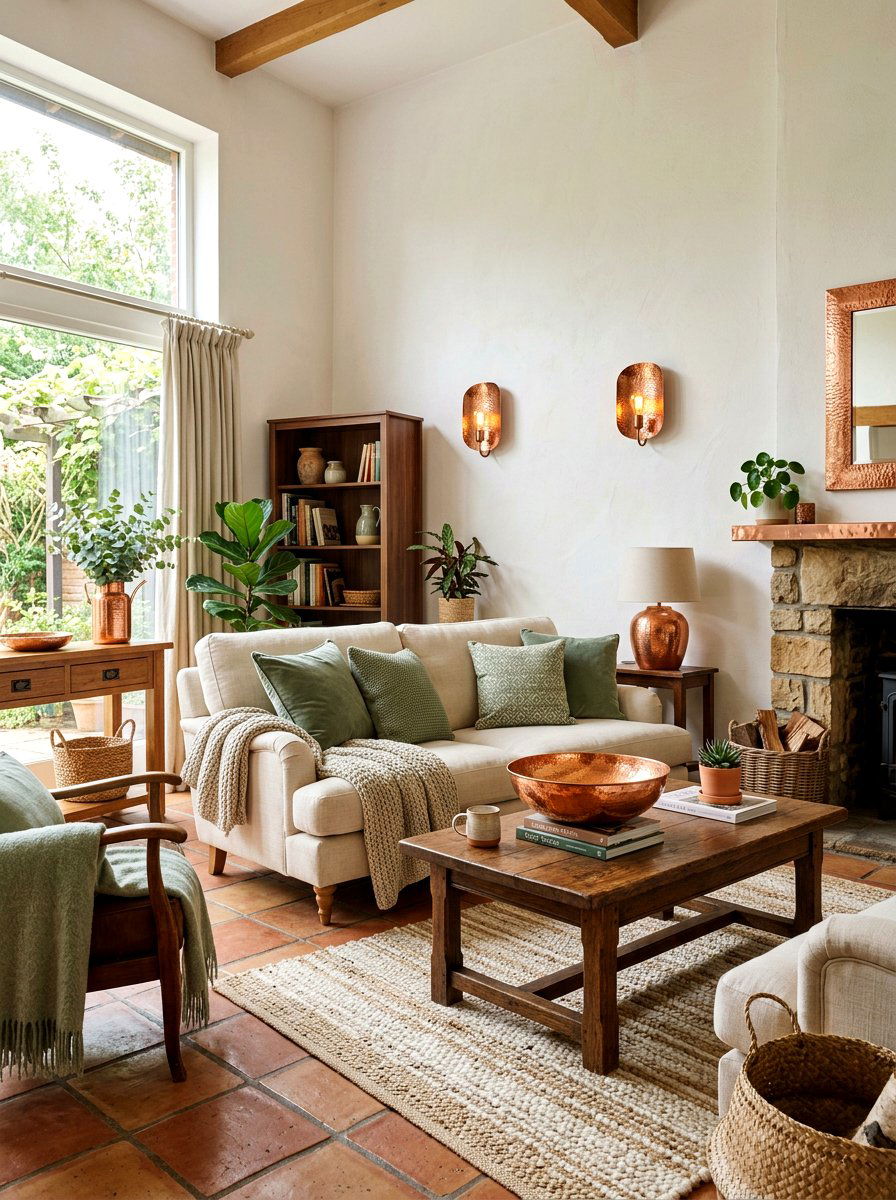
Copper accents bring a warm, metallic glow to a Tuscan-inspired room that feels much more authentic than shiny chrome or silver. Whether it’s through a large hammered copper bowl, vintage-inspired candle holders, or even a subtle fireplace screen, this metal develops a beautiful patina over time. The reddish-orange undertones of copper harmonize perfectly with terracotta tiles and warm wood finishes. It adds a touch of understated luxury without being flashy. Integrating small doses of copper throughout the room helps to tie different design elements together, creating a sense of refined polish that elevates the rustic foundations of the space into something truly special and unique.
17. Open concept Mediterranean living room
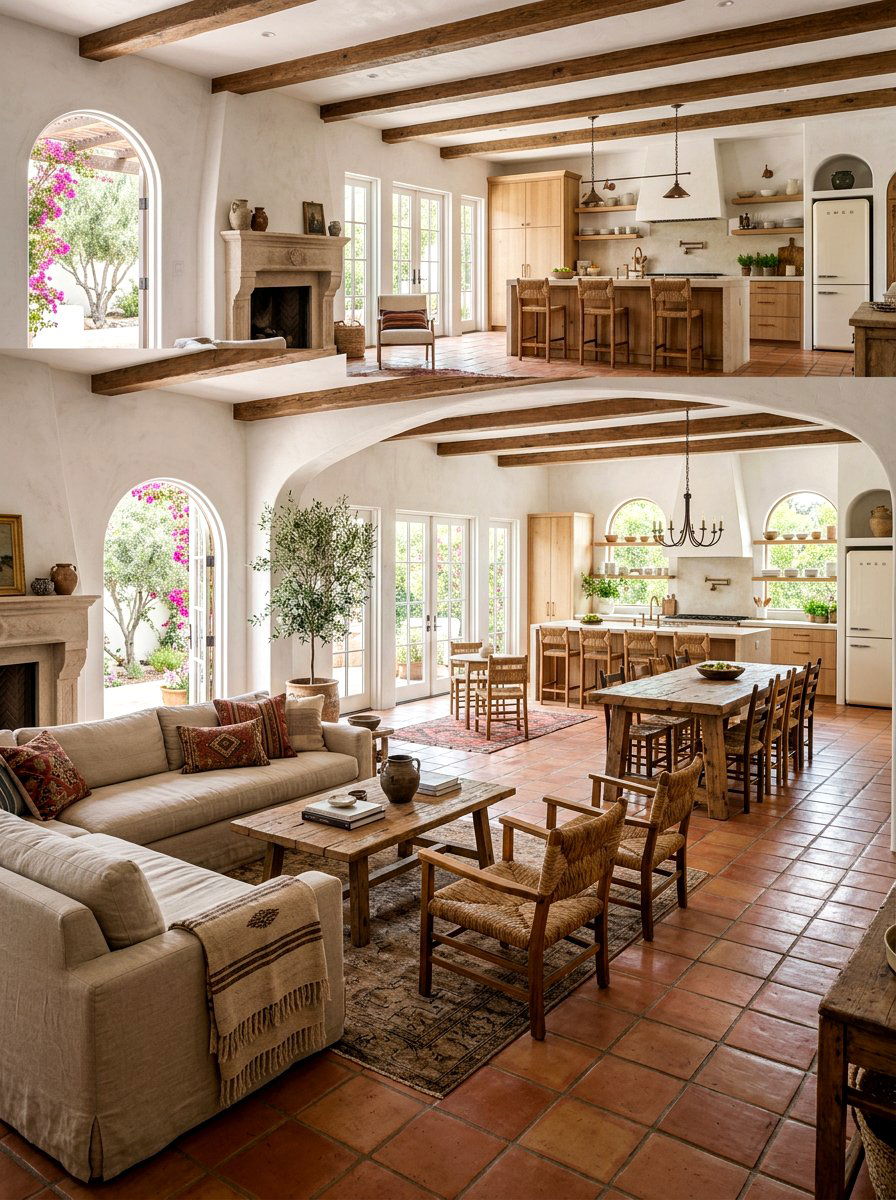
The modern Tuscan revival shines best in an open-concept layout that allows light and air to move freely through the home. By removing unnecessary walls, you can create a seamless transition between the living, dining, and kitchen areas, mimicking the communal feel of an Italian villa. Large openings and shared materials, like consistent stone flooring, help the entire space feel cohesive and expansive. This layout is perfect for entertaining and family life, ensuring that the living room feels like a vibrant, social hub. Natural light can reach deeper into the home, highlighting the beautiful textures and architectural details that make this style so captivating and inviting.
18. Dark wood furniture living room
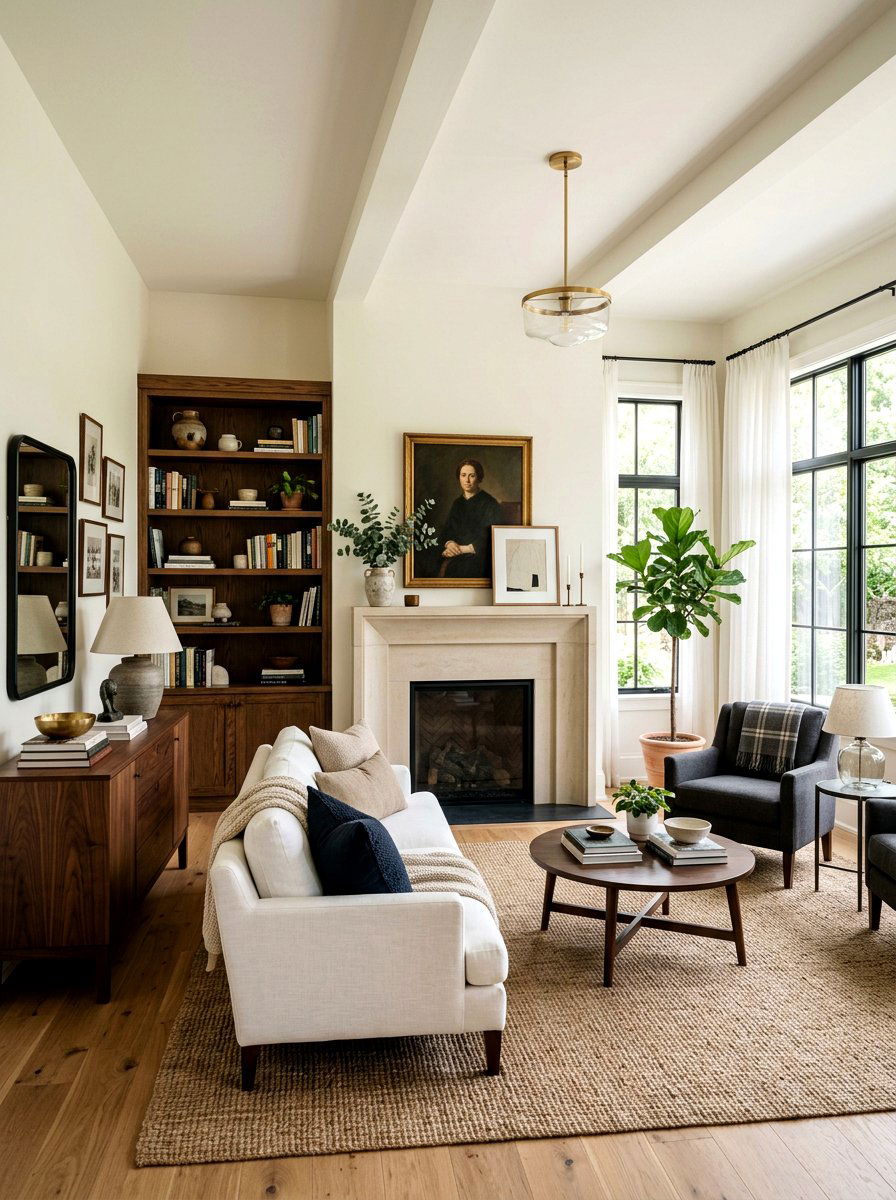
While the modern revival favors lighter walls, incorporating a few pieces of dark wood furniture provides necessary contrast and a sense of gravity. A walnut sideboard or a dark oak bookshelf can act as a sophisticated anchor in a room filled with light linens and pale stones. The key is to choose furniture with clean, simple lines rather than the heavy, ornate carvings of traditional styles. This balance prevents the room from feeling too one-dimensional and adds a layer of formal elegance. The rich, deep tones of the wood bring out the warmth in the surrounding earth-toned decor, creating a space that feels balanced and mature.
19. Layered textile living room
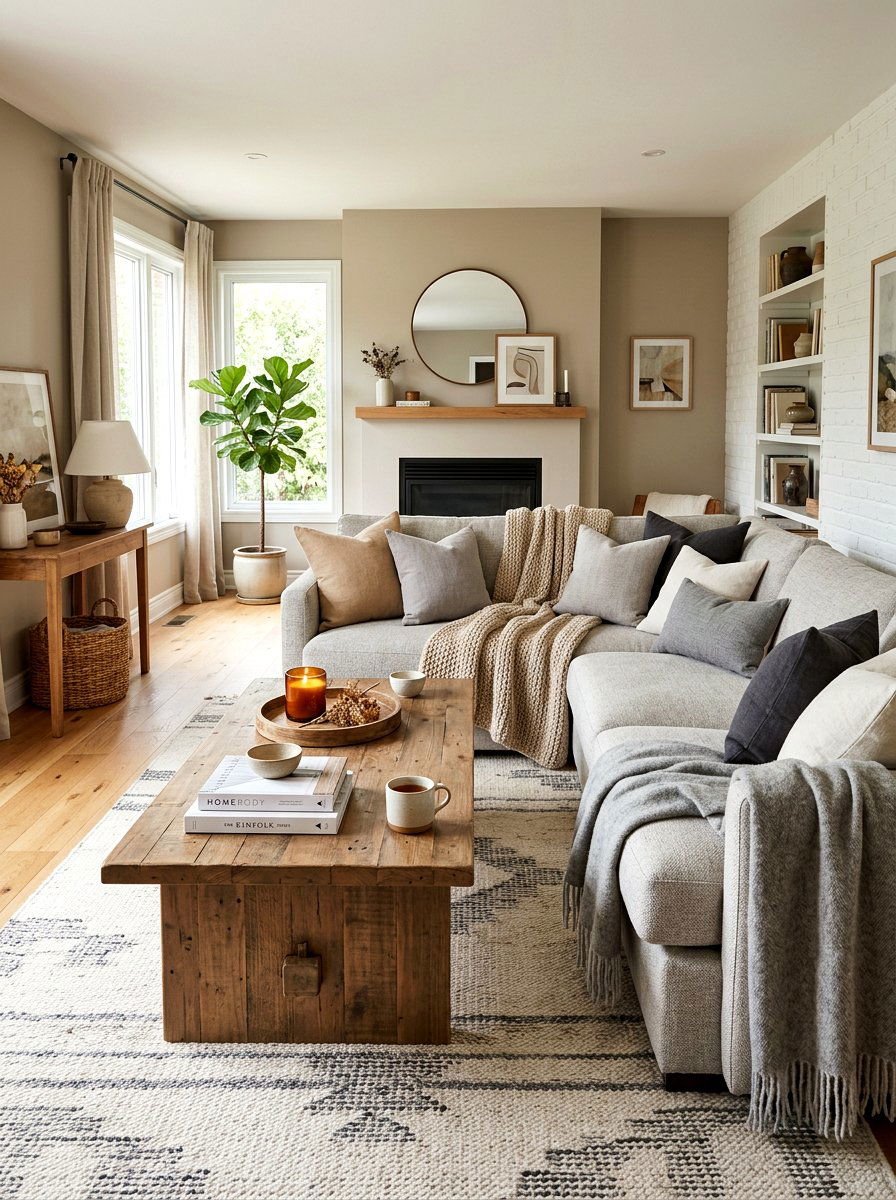
Achieving a cozy, lived-in feel requires layering different textiles throughout the room. Mix and match materials like wool, cotton, and linen to create a rich, tactile experience. Think about draping a chunky knit throw over the back of a sofa and adding a variety of pillows in different sizes and textures. Stick to a tight color palette of neutrals and earth tones to keep the look from becoming cluttered. These soft layers absorb sound and make a large room feel much more intimate and comfortable. It is this attention to sensory detail that transforms a house into a home, inviting you to curl up and stay a while.

20. Mediterranean art wall living room
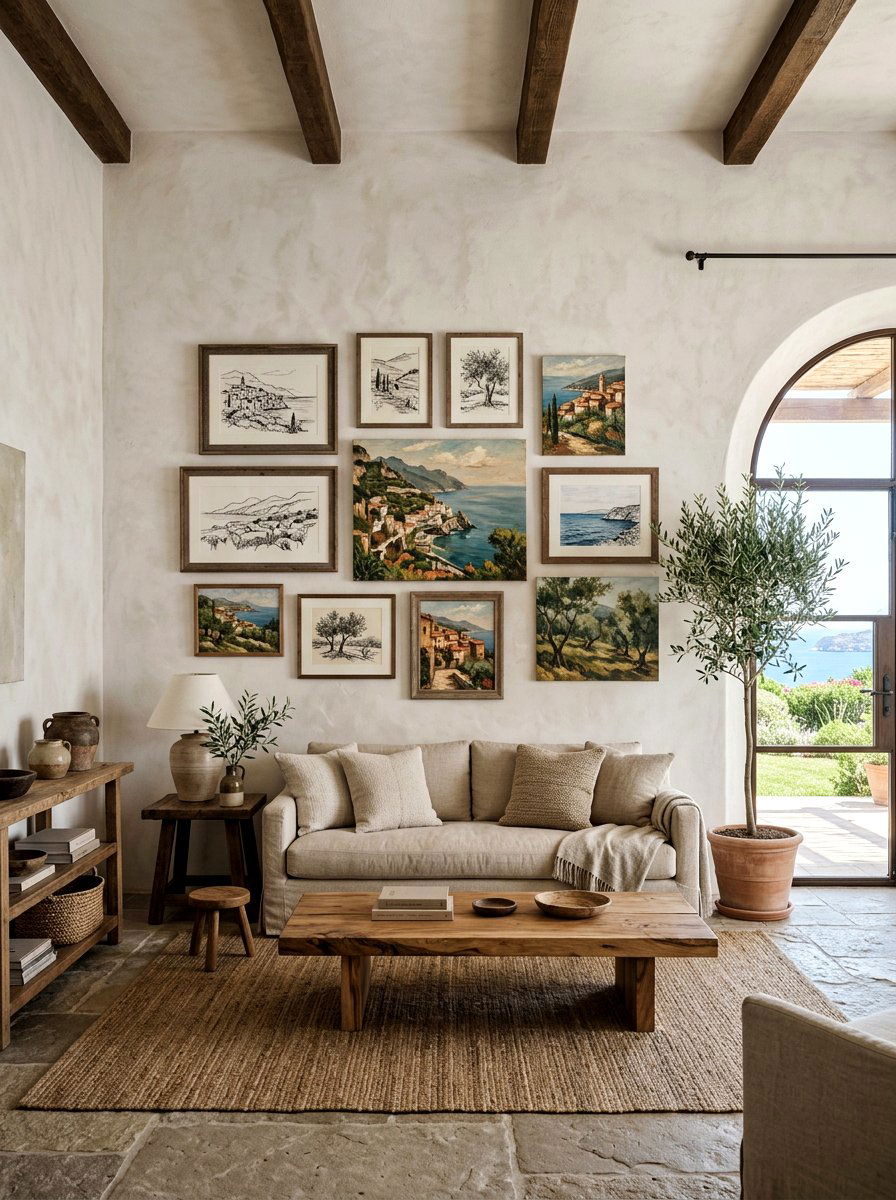
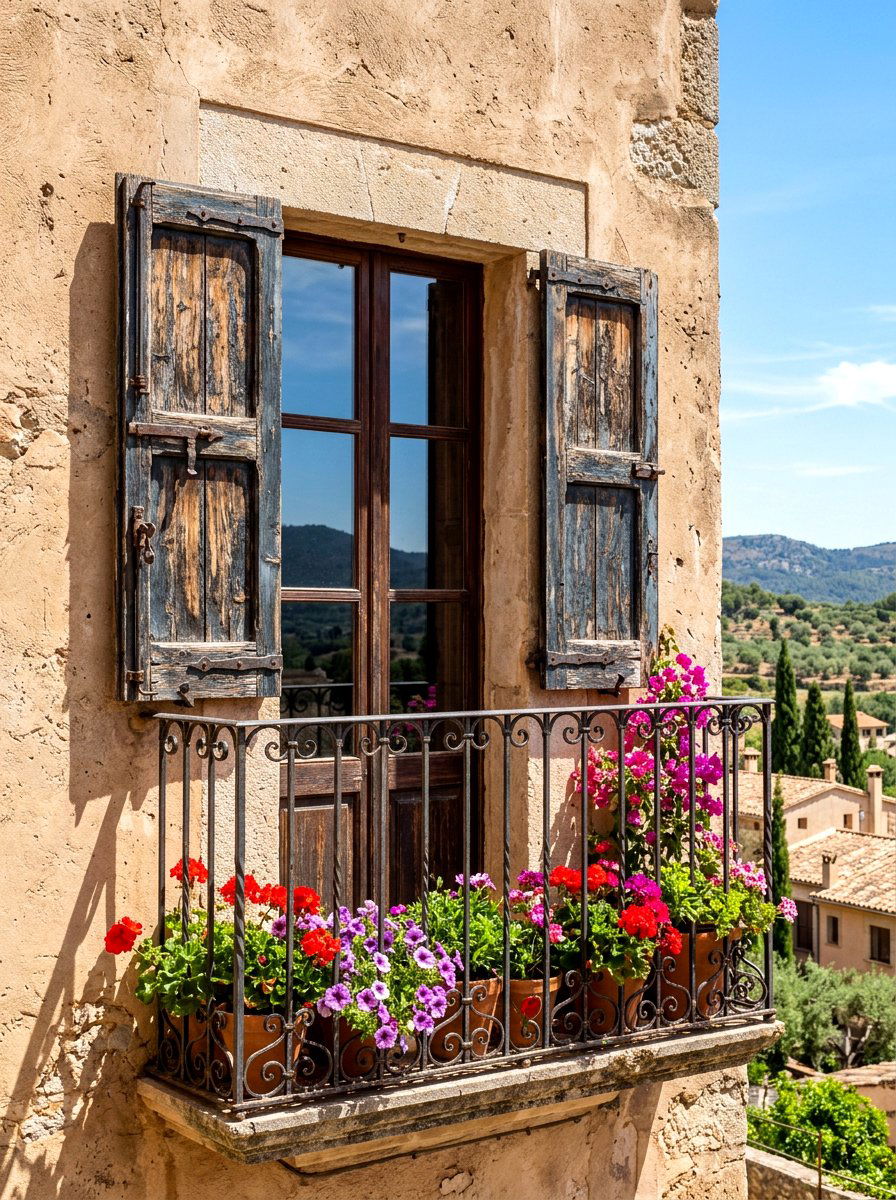
A curated art wall featuring Mediterranean landscapes, abstract sketches, or even framed textiles can bring a splash of personality to your living room. Instead of mass-produced prints, look for local artists or vintage finds that evoke the feeling of the Italian countryside. Use simple, high-quality frames in natural wood or black metal to keep the focus on the artwork. You could even incorporate a small fresco-style mural on a section of the wall for a more dramatic, historical touch. This personal gallery adds color and a narrative to the space, making the room feel more intentional and deeply connected to the cultural roots of the design.
21. Tumbled marble floor living room
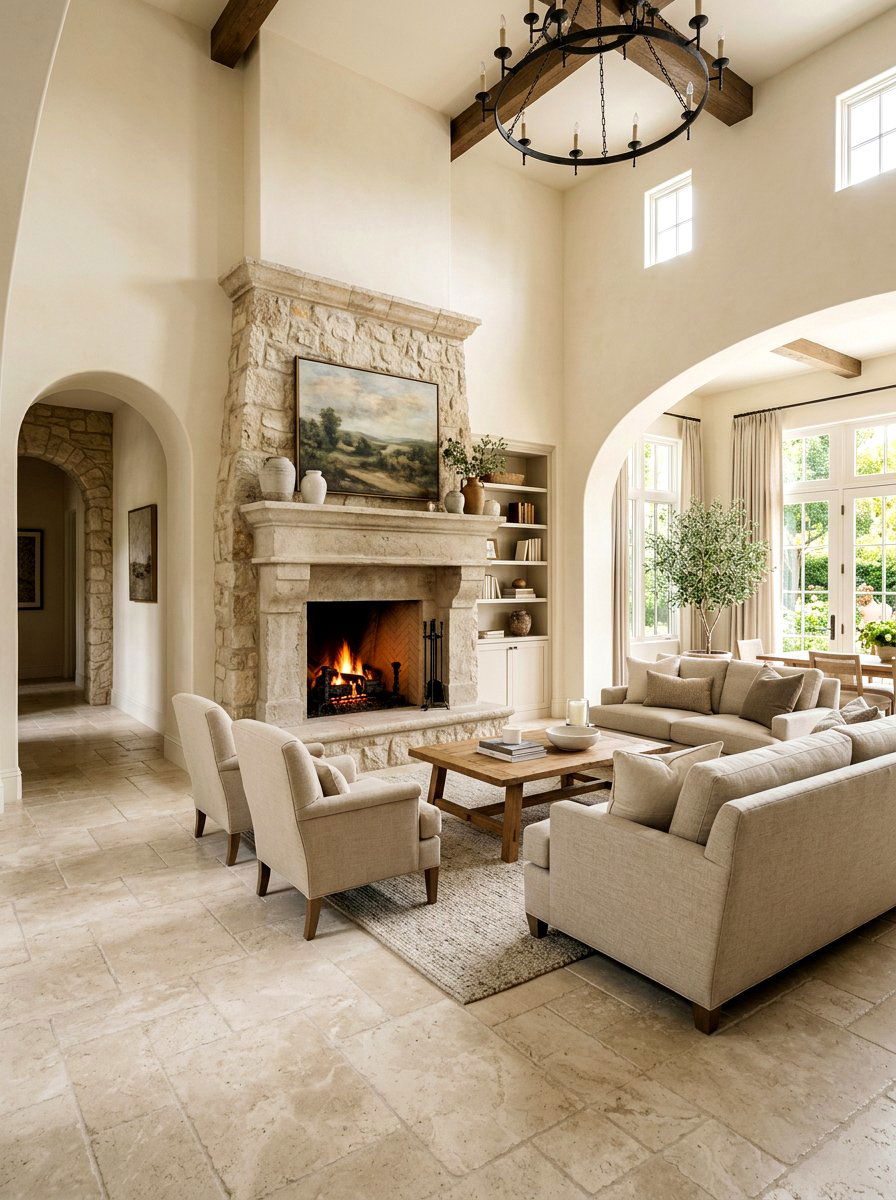
Tumbled marble flooring offers a more luxurious alternative to terracotta while still maintaining a rustic, aged appearance. The "tumbled" process rounds off the edges and creates a soft, matte surface that feels wonderful underfoot. In shades of cream, beige, or light grey, marble provides a cool, sophisticated foundation that reflects natural light beautifully. This material is incredibly durable and only looks better as it wears in over time. It brings a sense of ancient Roman grandeur to a modern living room, especially when laid in a classic pattern like Versailles or a simple brick layout. It is a timeless choice that exudes quiet, understated wealth.
22. Ocher yellow wall living room
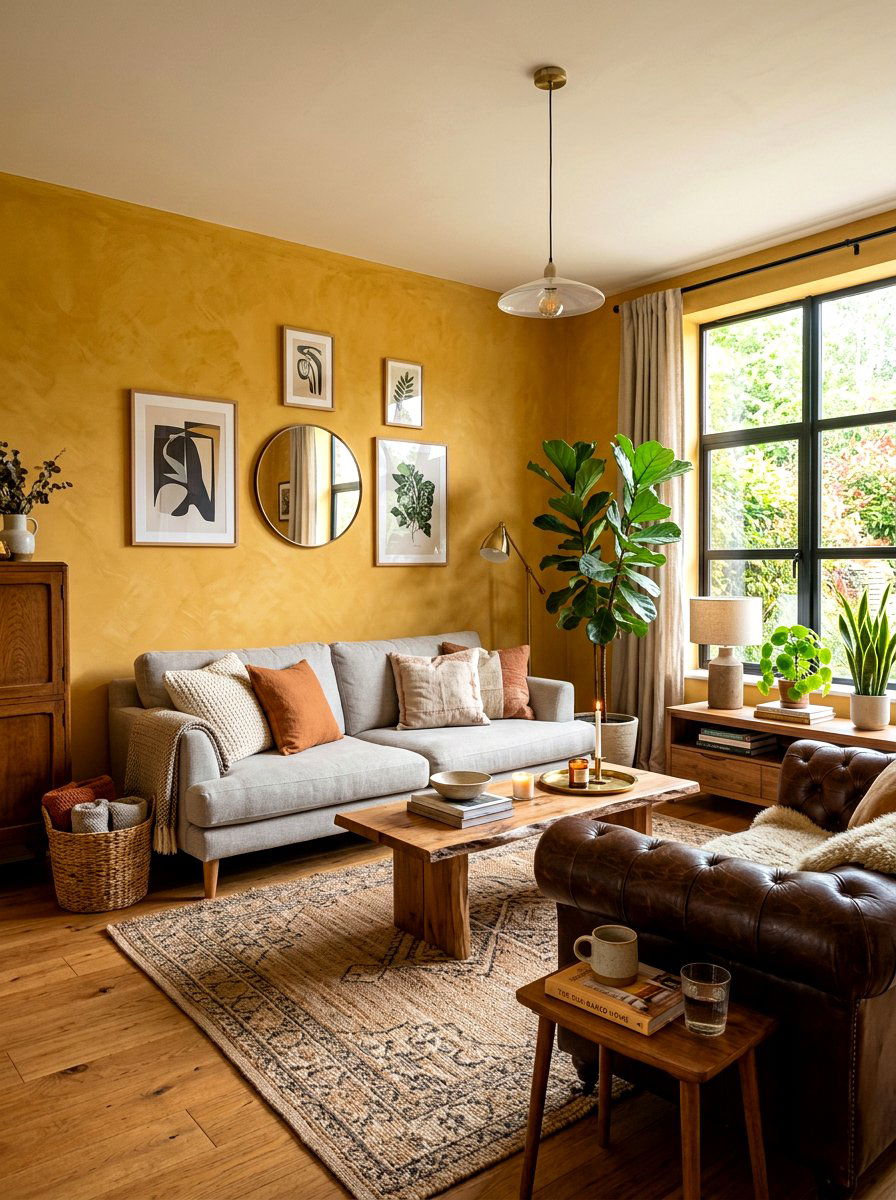
If you want to introduce more color, an ocher yellow wall can provide a warm, sun-drenched glow that mimics the golden hour in Tuscany. This earthy yellow feels sophisticated rather than bright, especially when applied using a lime wash or textured paint technique. It pairs beautifully with dark wood furniture, green plants, and terracotta accents. Using this color on a single accent wall or throughout the entire room can make a space feel incredibly cozy and inviting. It is a bold move that pays off by creating an atmosphere of eternal summer, making your living room feel like a warm embrace even on the gloomiest of days.
23. Built in arched shelf living room
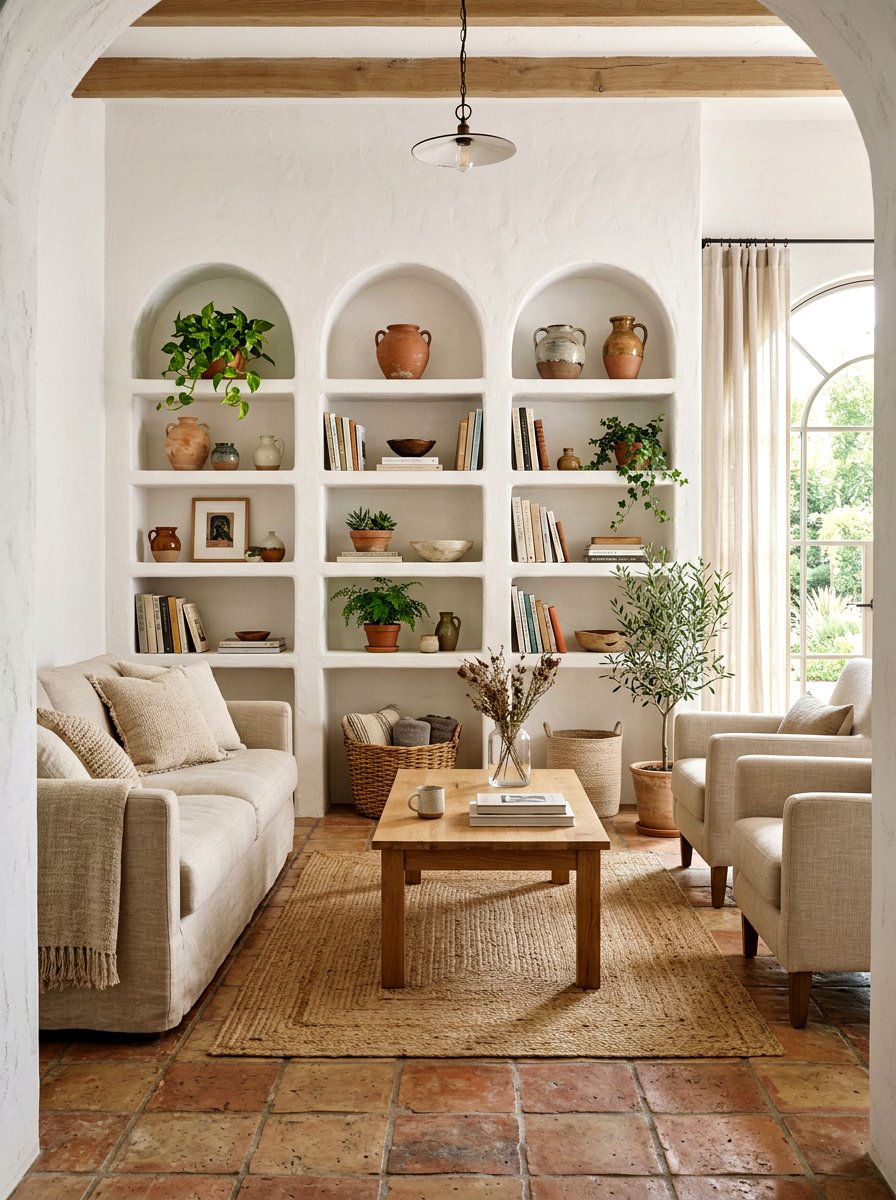
Built-in arched shelving is a fantastic way to add both architectural interest and functional storage to your living room. These niches are often carved directly into the plaster walls, creating a seamless, integrated look that feels like it has always been part of the house. Use these shelves to display a curated collection of ceramics, antique books, and unique travel finds. The soft curves of the arches provide a beautiful contrast to the horizontal lines of the shelves. This design detail adds a sense of custom craftsmanship and luxury, turning a plain wall into a sophisticated focal point that showcases your personal style in a very elegant way.
24. Leather armchair living room
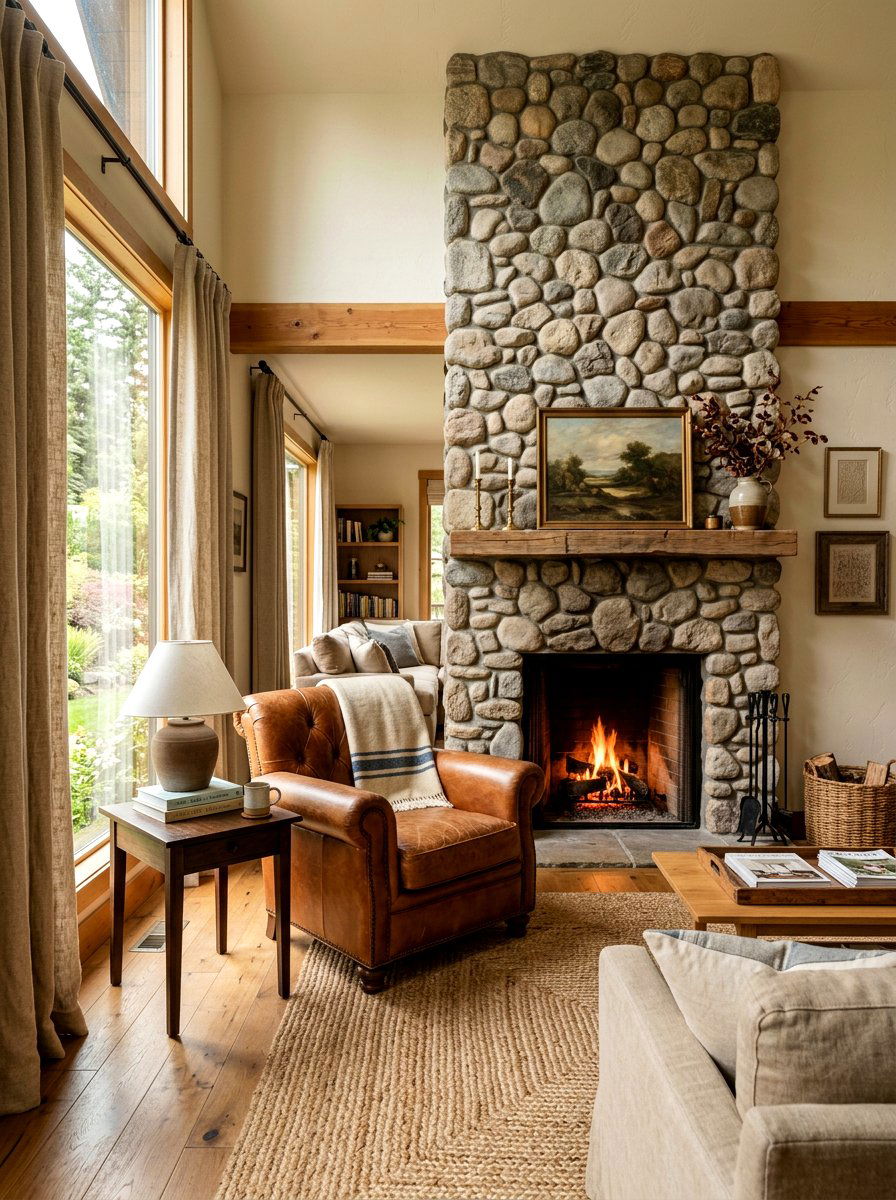
A high-quality leather armchair adds a touch of rugged sophistication and timeless appeal to any Tuscan-inspired space. Choose a chair in a rich cognac or deep tobacco shade with a natural, distressed finish. Leather is a durable material that develops a beautiful patina over the years, making it the perfect choice for a high-use living room. The smooth texture of the leather provides a nice contrast to soft fabric sofas and rough stone walls. Whether you choose a classic club chair or a more modern, streamlined silhouette, this piece adds a layer of comfort and masculinity that rounds out the overall aesthetic of the room perfectly.
25. Exposed brick living room
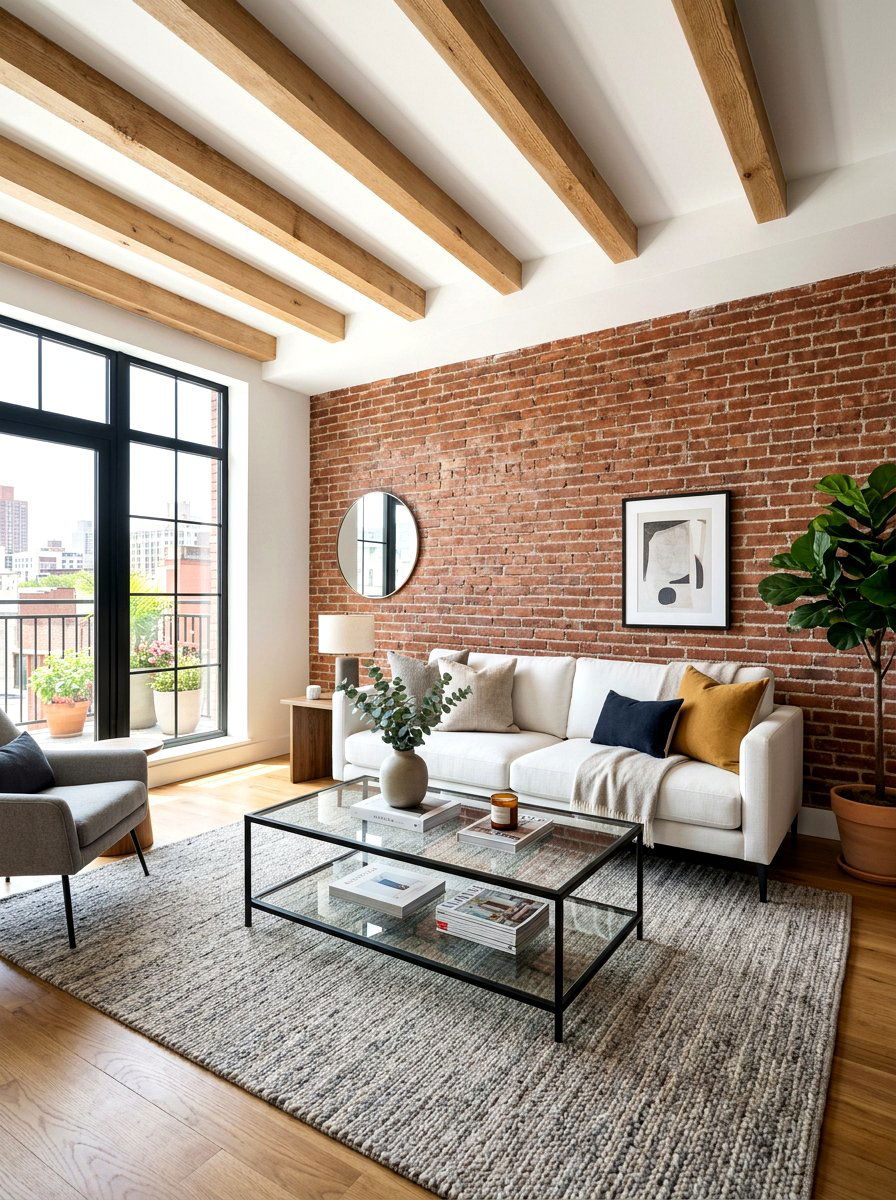
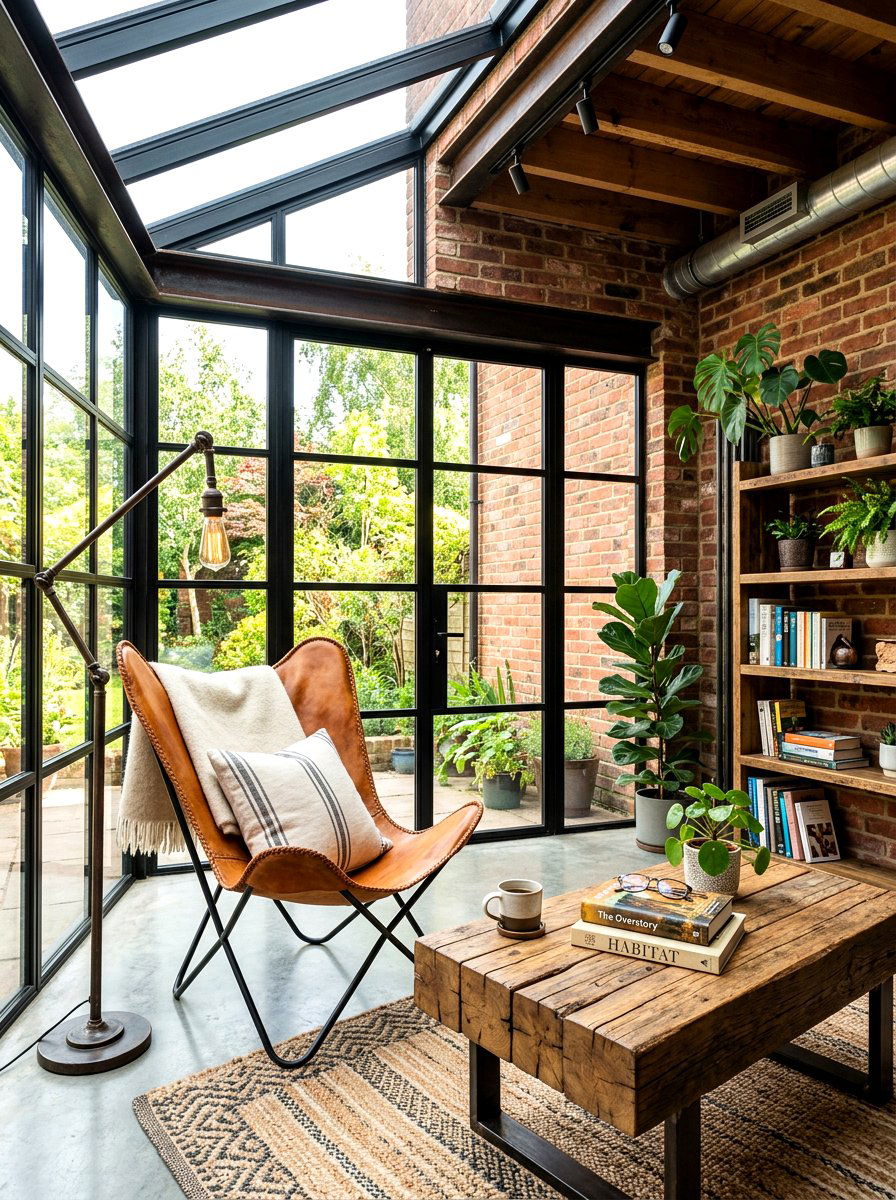
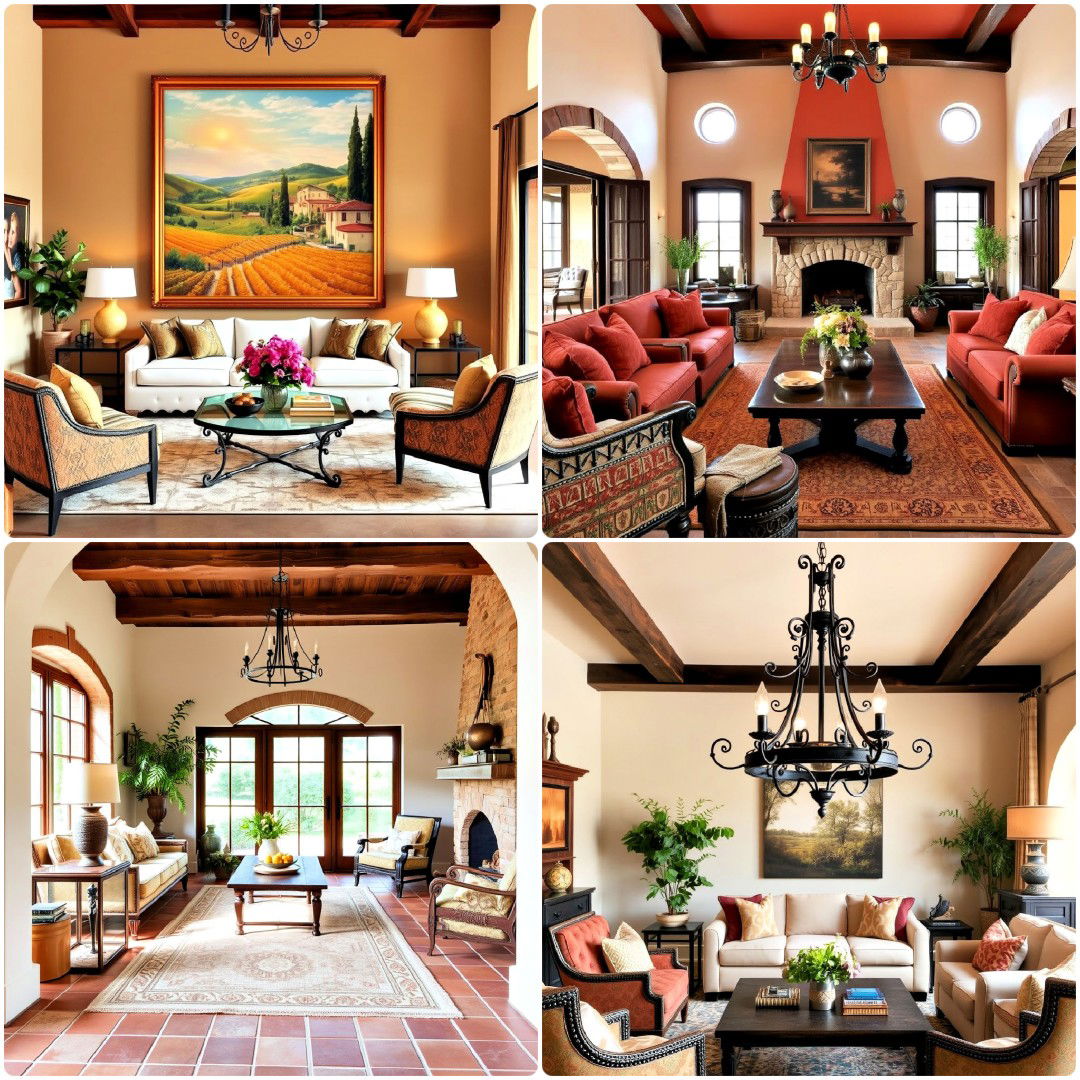
Exposed brick brings an industrial-rustic edge to the Tuscan revival style, especially when it features warm, red, or sandy tones. Leaving a brick wall in its natural state adds a raw, textural element that feels incredibly authentic and grounded. You can also apply a thin layer of plaster or "German smear" to the brick to soften the look and blend it more seamlessly with the rest of the room. This feature works particularly well behind a fireplace or as a backdrop for a large piece of art. The repetitive pattern and varying colors of the brick add visual depth and a sense of architectural history to your home.
26. Sage green living room
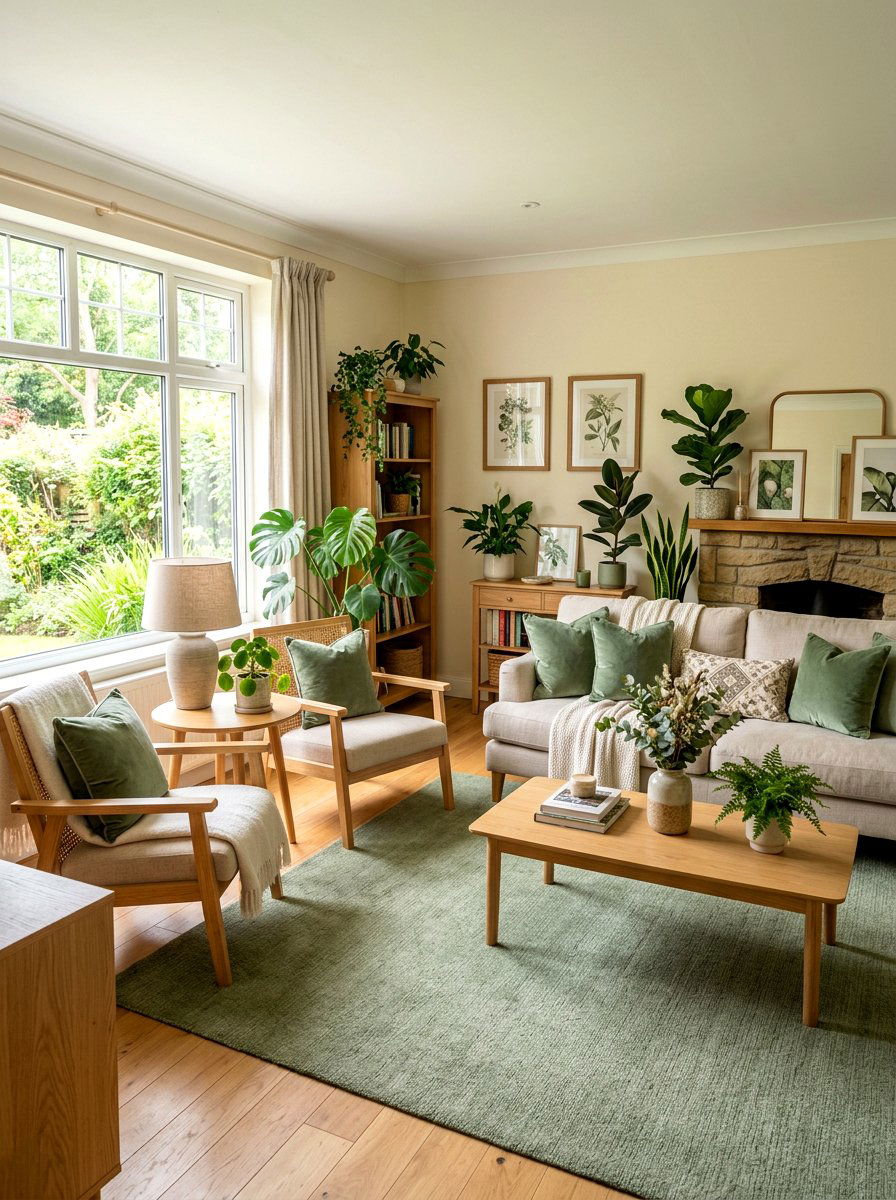
Sage green is the perfect accent color for a Mediterranean-themed room, as it directly references the dusty leaves of the olive and eucalyptus trees found in the region. This soft, muted green acts almost as a neutral, providing a calm and refreshing energy. Use it for throw pillows, a large area rug, or even as a paint color for a set of built-in cabinets. Sage green pairs exceptionally well with terracotta and warm wood, creating a balanced and harmonious color scheme. It brings a bit of the natural world indoors, helping to create a serene environment that feels connected to the outdoor landscape and garden.
27. Gold accent living room
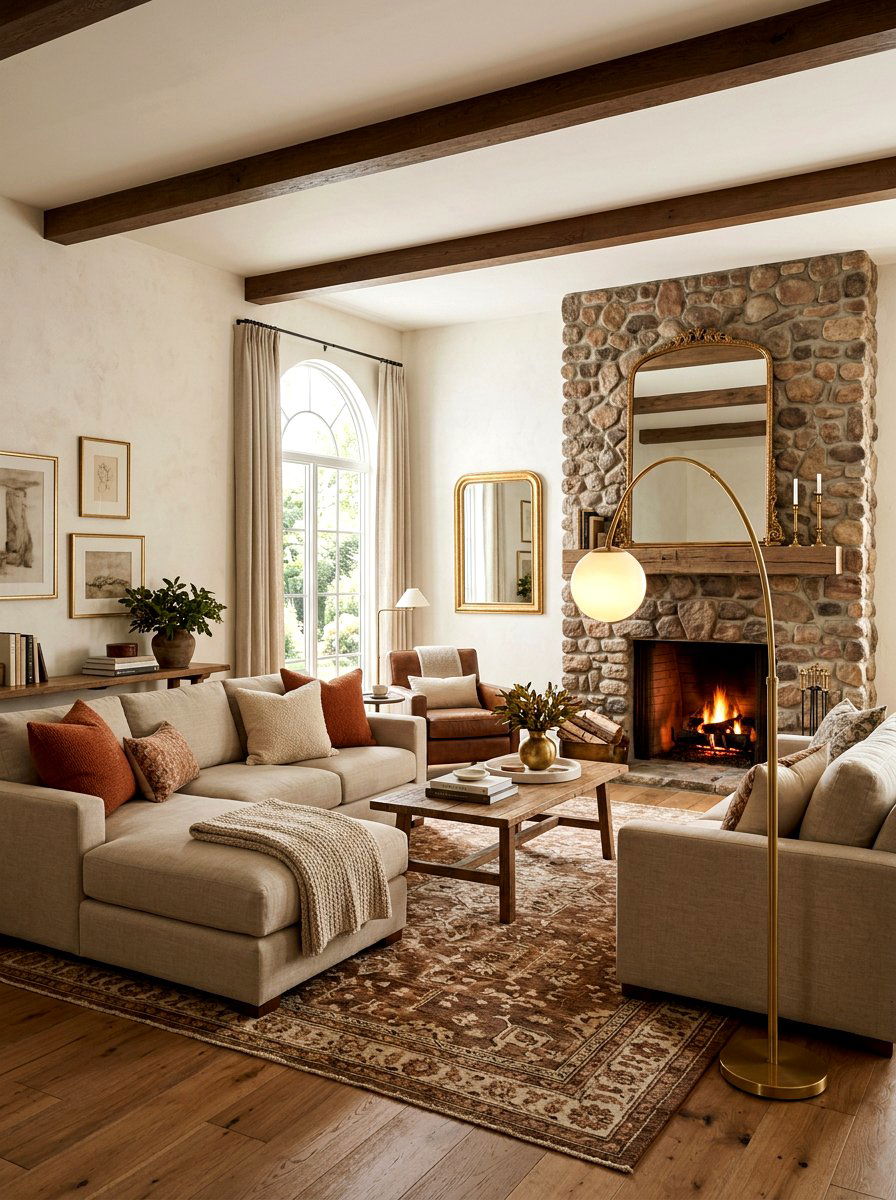
Introducing subtle gold accents can elevate a rustic Tuscan room into the realm of high-end luxury. Instead of bright, shiny gold, look for antique or brushed brass finishes that feel more subdued and timeless. You could use gold in the frames of your mirrors, the hardware on a sideboard, or even in a sophisticated floor lamp. These metallic touches catch the light and add a warm, shimmering quality that complements the earthy palette. Small doses of gold act like jewelry for the room, providing a sense of polish and refinement that makes the space feel complete and carefully designed without being overly formal.
28. Indoor outdoor flow living room
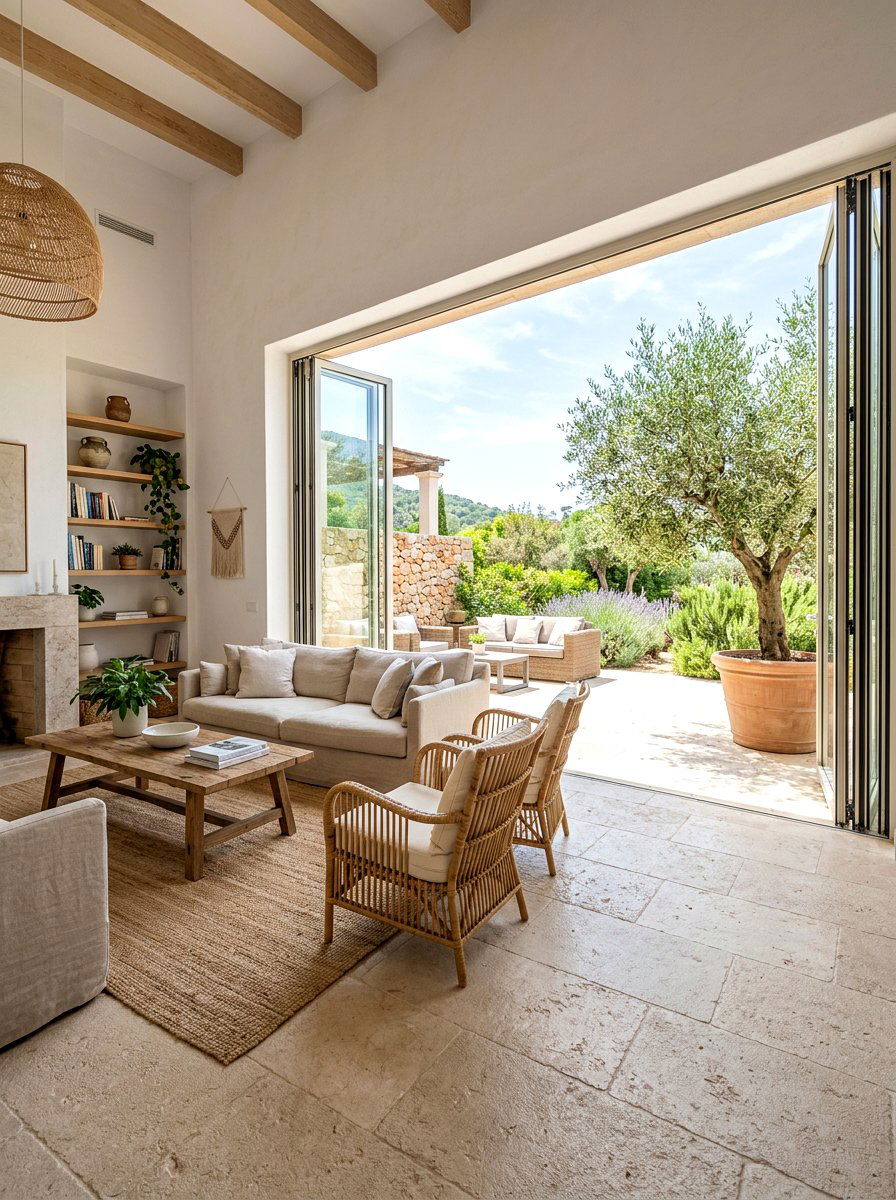
A key principle of Mediterranean living is the seamless connection between the interior of the home and the beauty of the outdoors. Large sliding or folding glass doors can open up an entire wall of your living room to a patio or garden, effectively doubling your living space. Using consistent flooring materials inside and out helps to blur the boundaries between the two. This design choice encourages an "alfresco" lifestyle, allowing fresh air and natural light to flood the room. It makes the living room feel much larger and more connected to nature, which is a luxury that is highly valued in the modern Tuscan revival.
29. Minimalist rustic living room
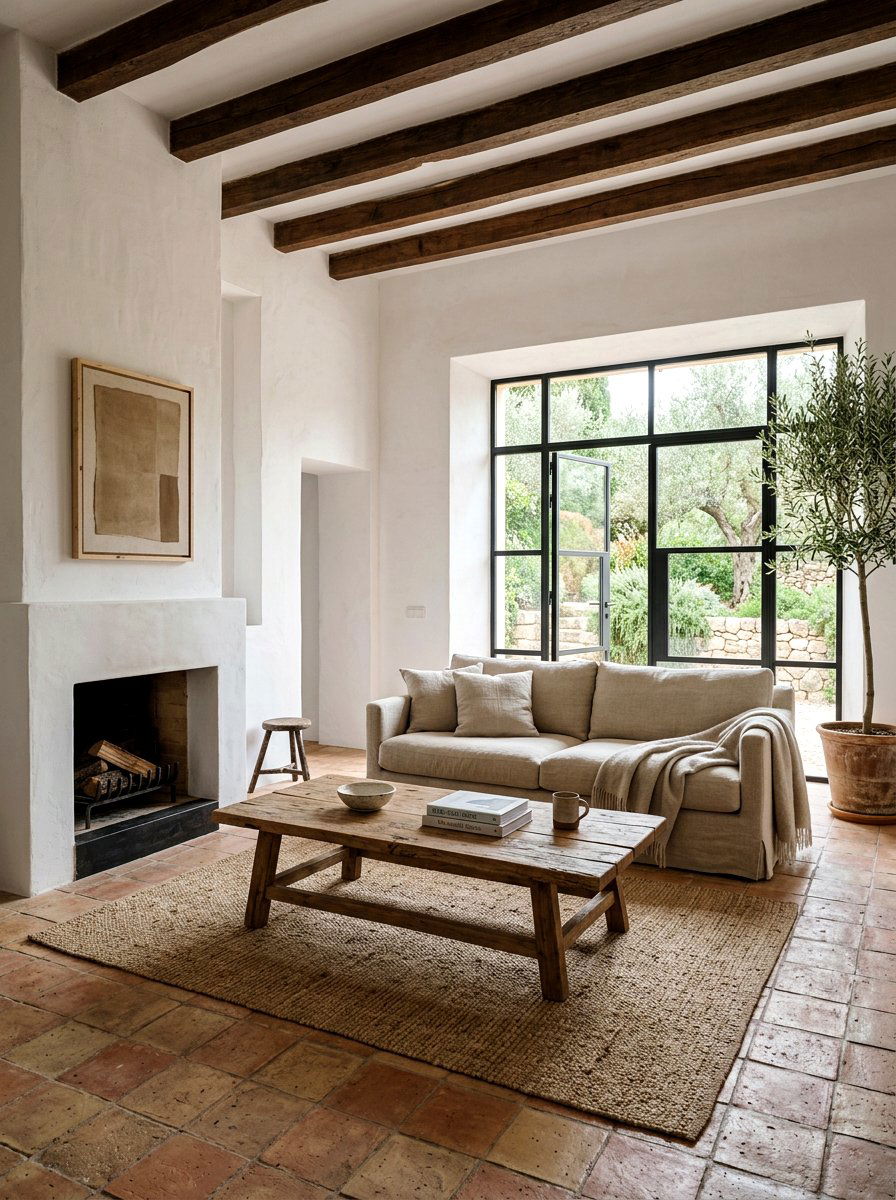
The "minimalist rustic" approach is the essence of the modern Tuscan revival, focusing on "less but better. " This means choosing a few high-quality, impactful pieces of furniture rather than crowding the room with unnecessary decor. Every item should have a purpose and feel intentional. By keeping the color palette tight and the surfaces clean, you allow the beautiful architectural details — like arched windows or plaster walls — to speak for themselves. This style is about creating a sense of "curated silence" and calm. It results in a space that feels uncluttered and peaceful, perfect for modern life where we often seek a retreat from the busy world outside.
30. High ceiling living room
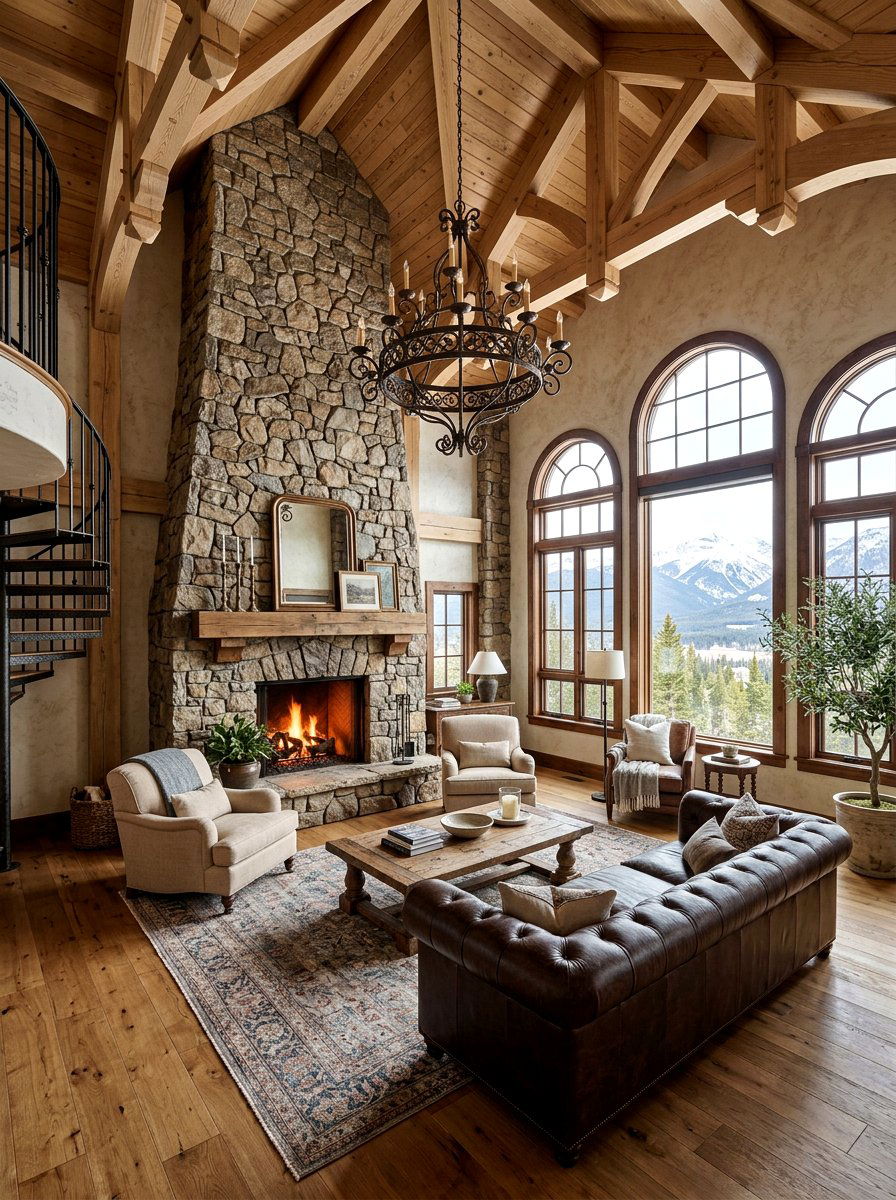
High ceilings provide the perfect canvas for the grander elements of Tuscan design, such as massive chandeliers and soaring stone fireplaces. They create a sense of drama and airiness that makes even a moderately sized living room feel like a palace. You can emphasize the height of the room by using vertical elements like floor-to-ceiling drapes or tall, arched windows. Adding a series of wood beams across the ceiling can help to ground the space and make it feel more intimate despite its scale. This architectural feature is a true luxury, providing the breathing room needed to fully appreciate the rich textures and natural materials of the style.
Conclusion:
The Tuscan revival living room is a beautiful testament to the enduring appeal of Mediterranean design, reimagined for the modern homeowner. By focusing on authentic materials like stone, wood, and terracotta, and softening them with a light, neutral palette, you can create a space that feels both historic and incredibly fresh. This style is not about following rigid rules, but about capturing a feeling of warmth, comfort, and timeless elegance. Whether you are drawn to the rugged charm of exposed beams or the refined polish of tumbled marble, these ideas provide a versatile foundation for a home that celebrates the beauty of natural imperfections and the joy of a slower, more intentional pace of life.

Related posts: