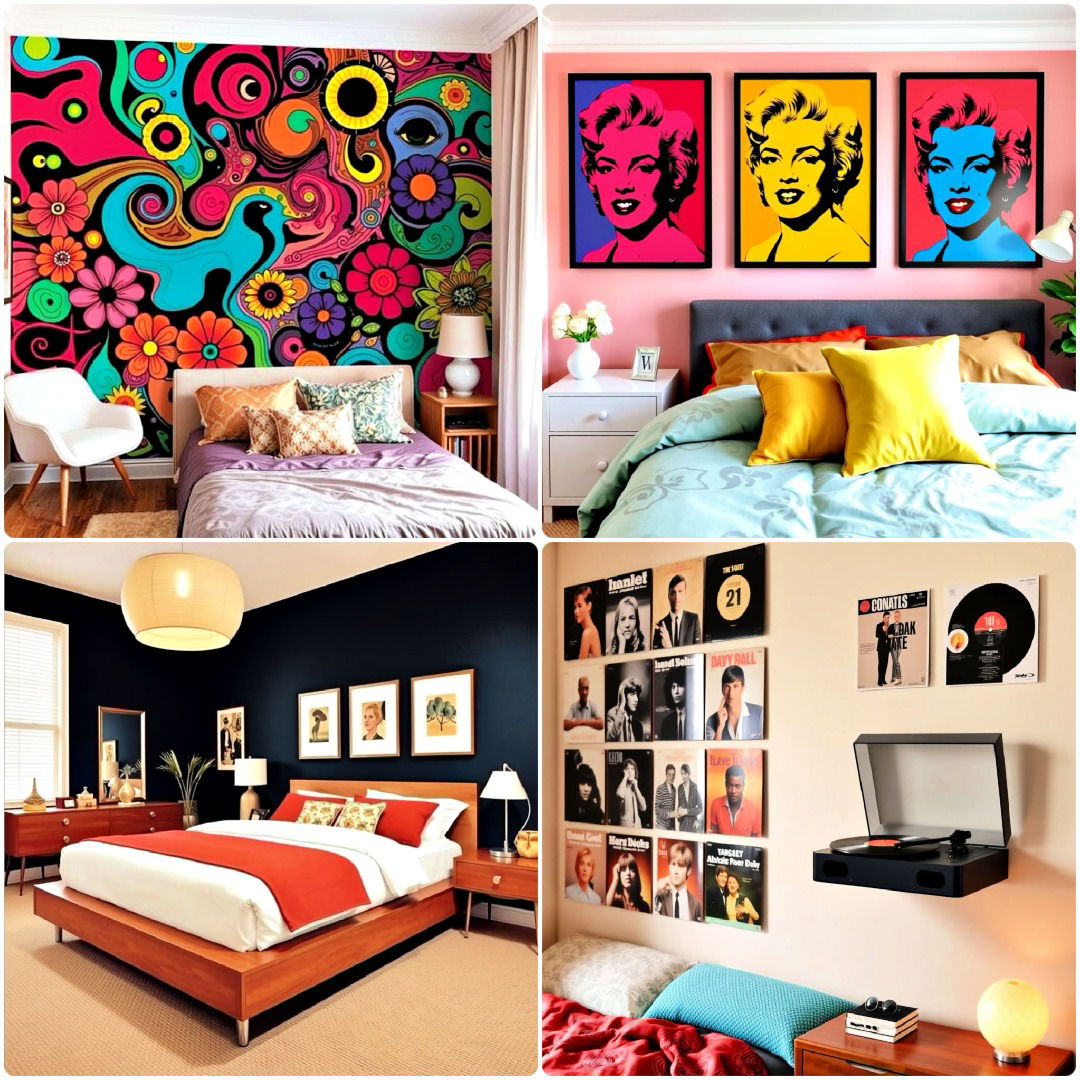
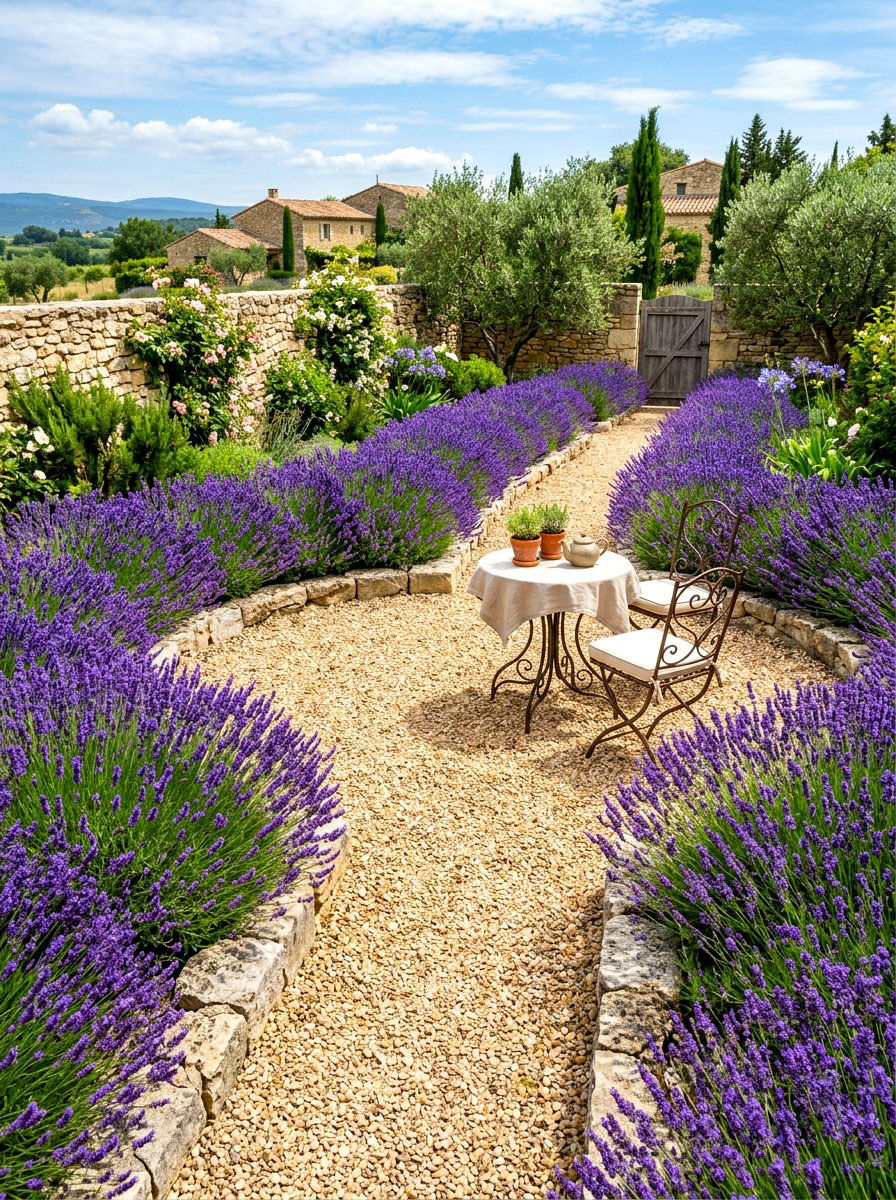
The nineties are officially back in the world of interior design, bringing a wave of nostalgia that is both comforting and surprisingly fresh. After years of sterile minimalism and sad beige aesthetics, homeowners are craving the personality and warmth that defined the final decade of the twentieth century. From the quirky charm of inflatable furniture to the sophisticated moodiness of hunter green walls, these revival trends allow us to reconnect with our past while creating spaces that feel entirely modern. This resurgence isn 't just about copying the past; it' s about reinterpreting those bold, playful elements through a contemporary lens that prioritizes comfort, texture, and individual expression for every single room in the home today. Homeowners find that these retro details provide unique fun.
1. Nineties inflatable furniture
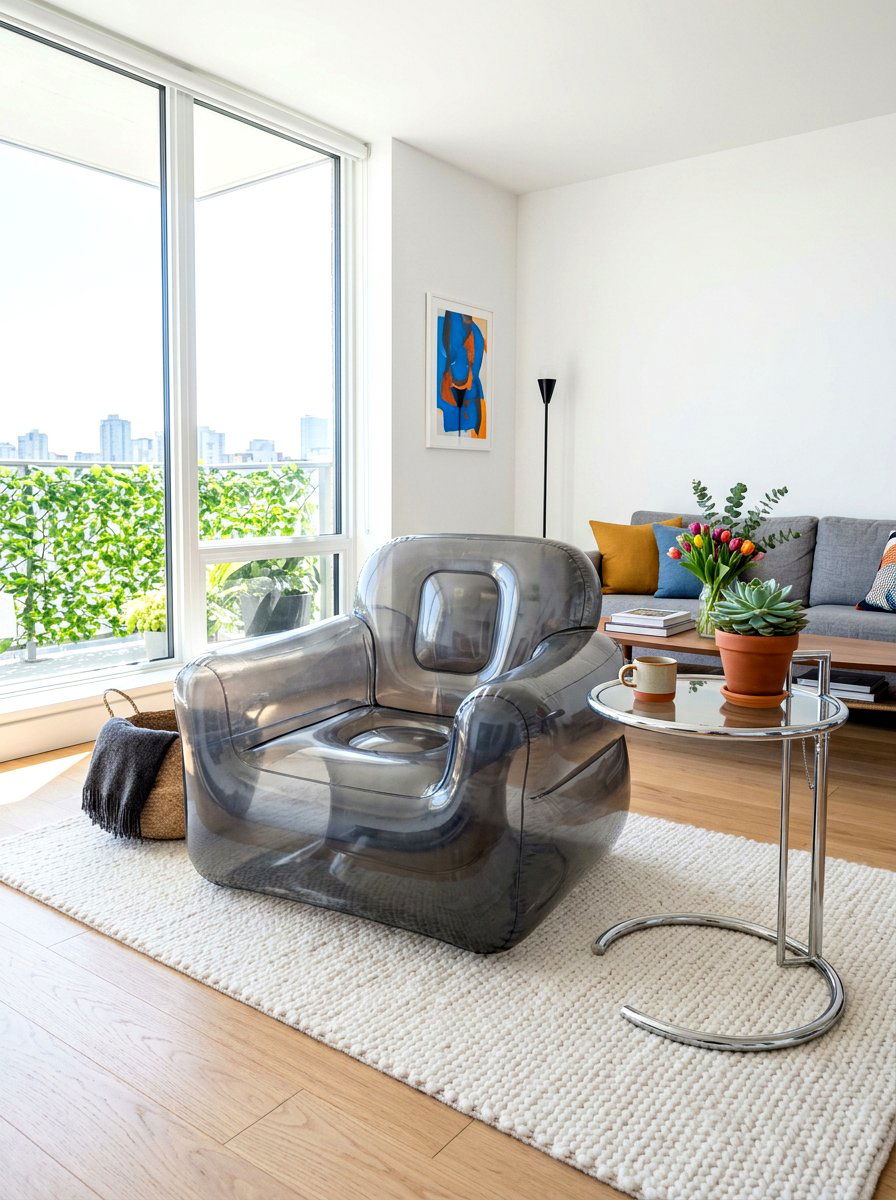
Do you remember the clear plastic seating that once dominated bedroom floors across the country? The modern revival of inflatable furniture takes that playful concept and elevates it with premium materials and sophisticated color palettes. No longer just for teenagers, these translucent chairs and stools now feature matte finishes and elegant tints like charcoal or champagne. They serve as exceptional sculptural accents in a minimalist living room, offering a lightweight seating solution that feels both artistic and nostalgic. By pairing an inflatable armchair with a high-end wool rug or a sleek metal side table, you create a visual contrast that celebrates the playful experimentation of the nineties era in a sophisticated way.
2. Nineties glass block wall
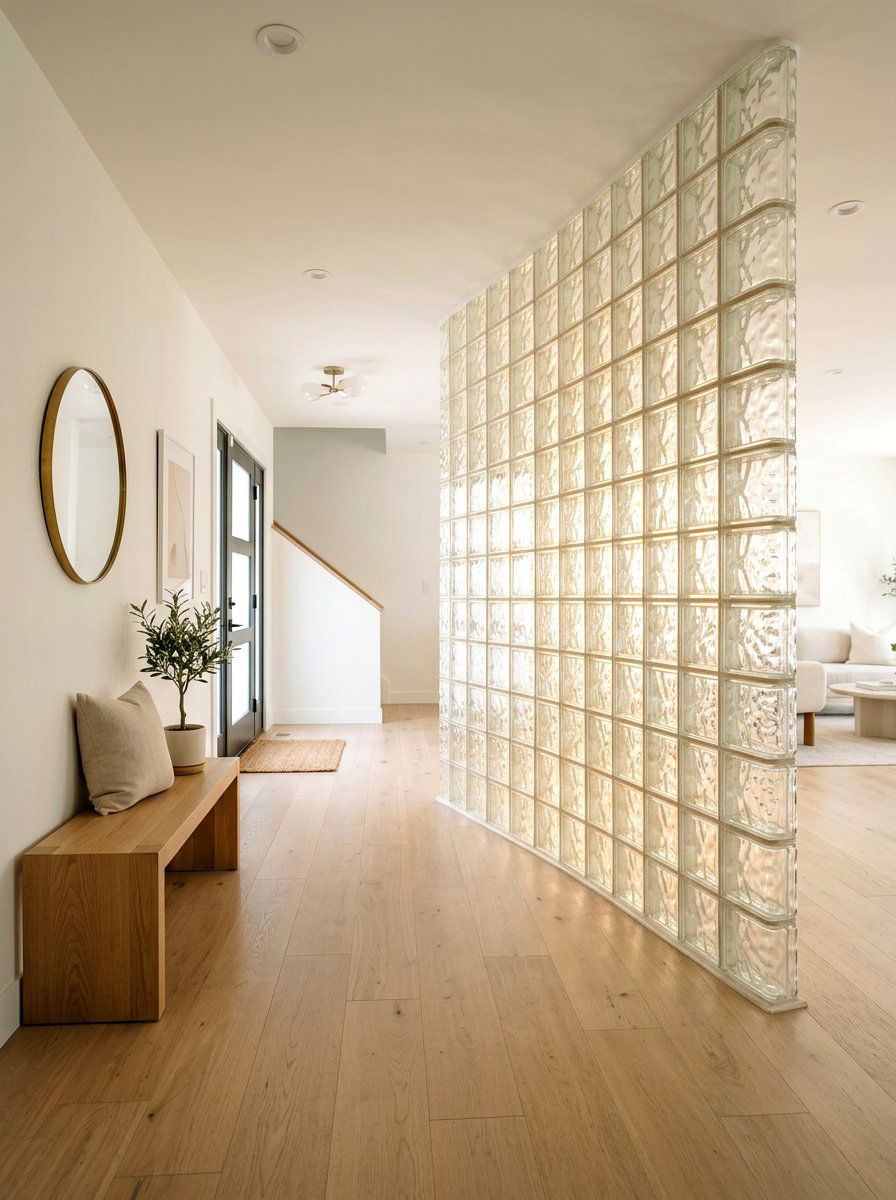
Have you noticed how structural glass blocks are reappearing as stylish partitions in contemporary home designs? Once a staple of nineties bathrooms and entryways, these thick blocks are being used today to create luminous room dividers that maintain privacy while allowing light to flow freely. Designers are incorporating them into walk-in showers or kitchen islands to introduce a rhythmic, geometric texture that feels fresh and industrial. The soft, blurred light they cast creates a serene atmosphere that complements modern, clean-lined furniture perfectly. This architectural element offers a unique way to define separate zones within an open-concept living space without sacrificing the airy, bright feeling of the room.
3. Nineties wicker sunroom
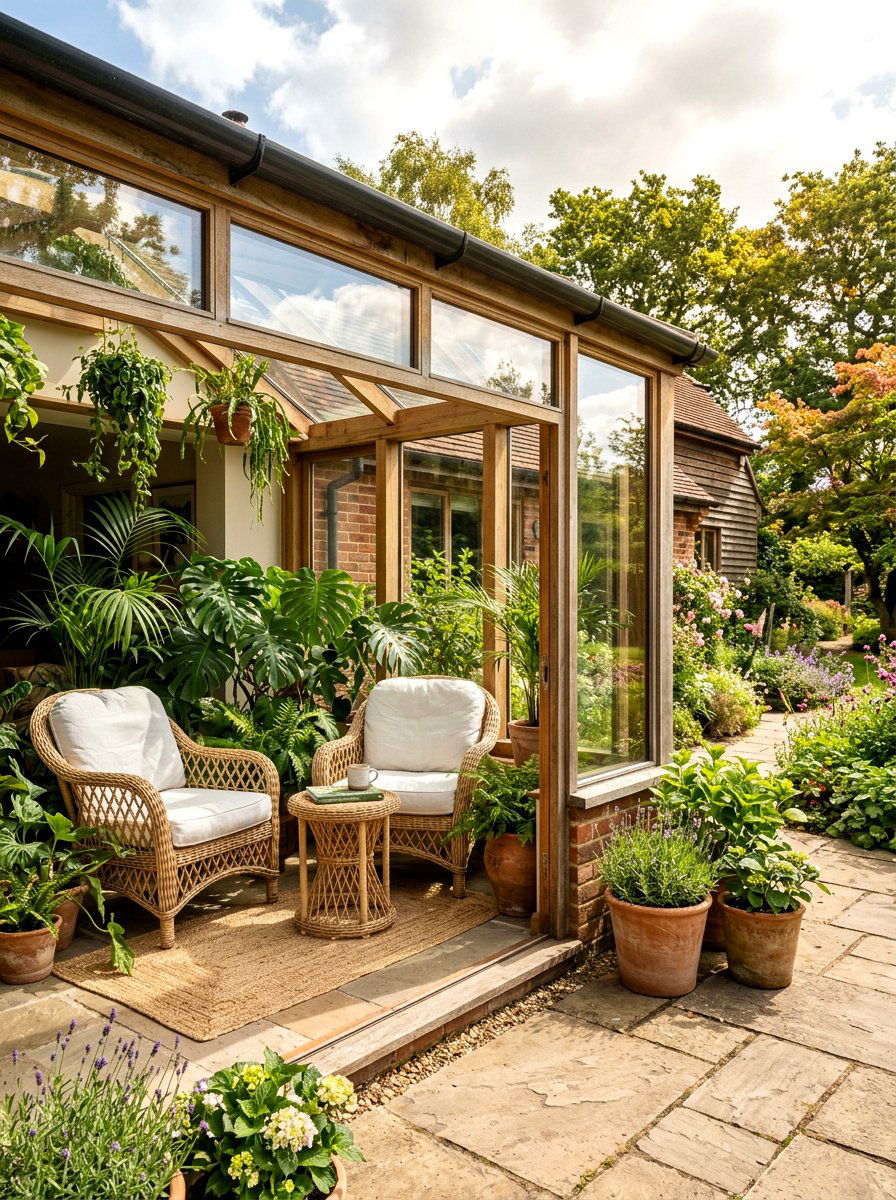
Wicker and rattan furniture were ubiquitous in the nineties, often used to create a relaxed, indoor-outdoor lifestyle. The current revival moves away from the honey-toned sets of the past and embraces a more curated, bohemian aesthetic. Imagine a sunroom filled with sculptural wicker armchairs, abundant greenery, and natural linen upholstery. This design approach focuses on organic textures and earthy materials to create a sanctuary that feels grounded and tranquil. By mixing vintage wicker pieces with modern architectural lighting and minimalist ceramics, you can achieve a look that is both nostalgic and fashion-forward. It is an ideal way to bring the warmth of nature into your daily living environment.
4. Nineties neon sign
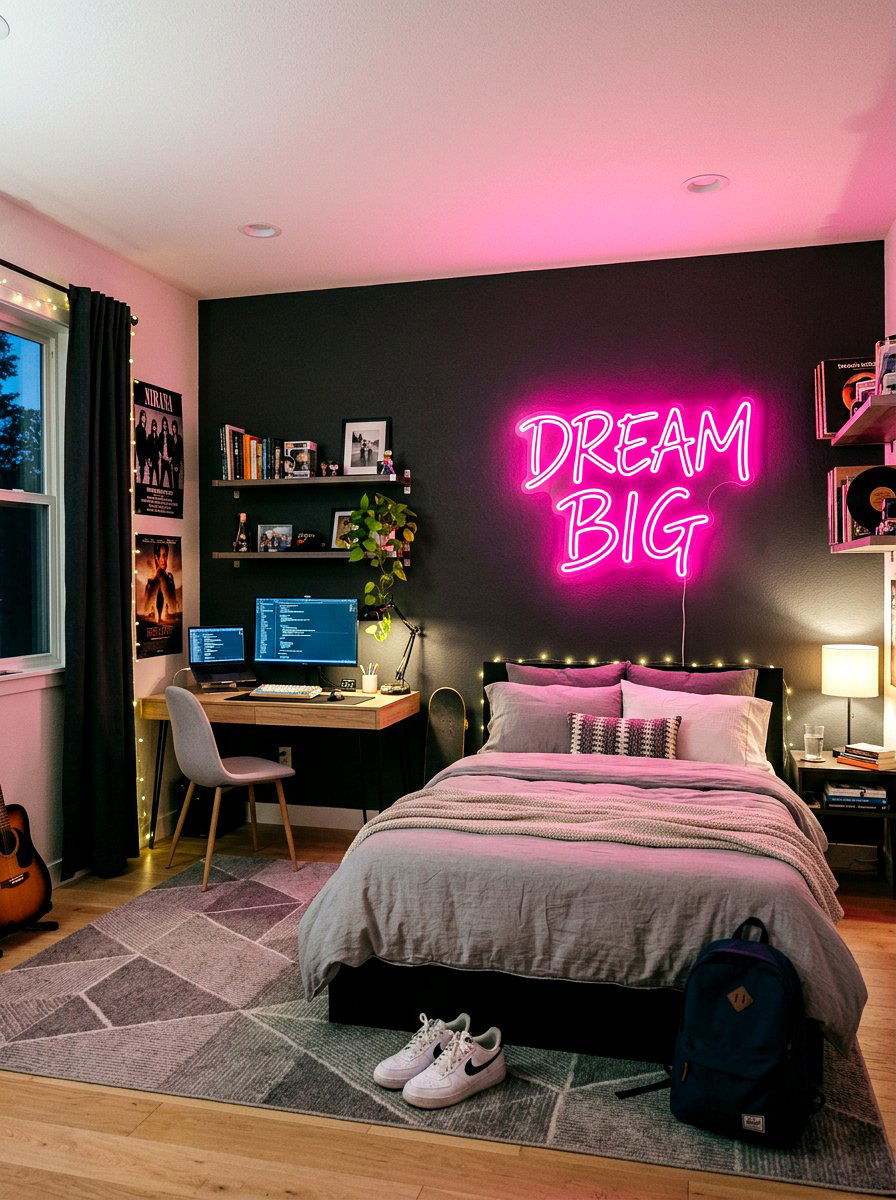
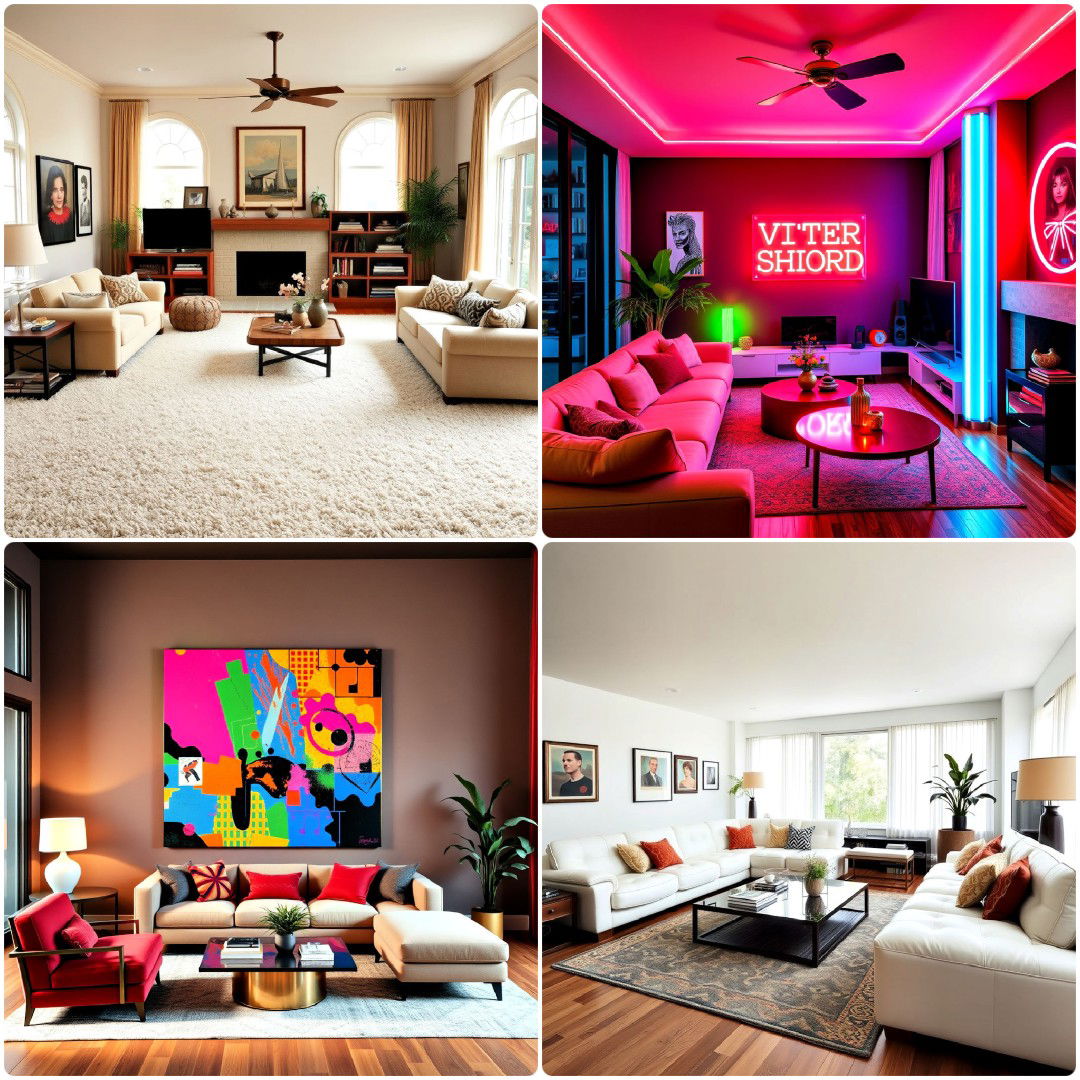
Neon lighting has escaped the confines of commercial spaces to become a beloved focal point in modern home interiors. In the nineties, neon was a bold statement of urban cool, and today it is used to inject personality and a vibrant glow into bedrooms and home offices. Whether it is a custom script or a geometric shape, a neon sign adds a layer of curated light that transforms the mood of a room instantly. Placing a neon light against a dark, moody wall or a clean white backdrop creates a stunning visual impact that celebrates the electric energy of the nineties while serving as a unique piece of modern art.
5. Nineties checkered floor
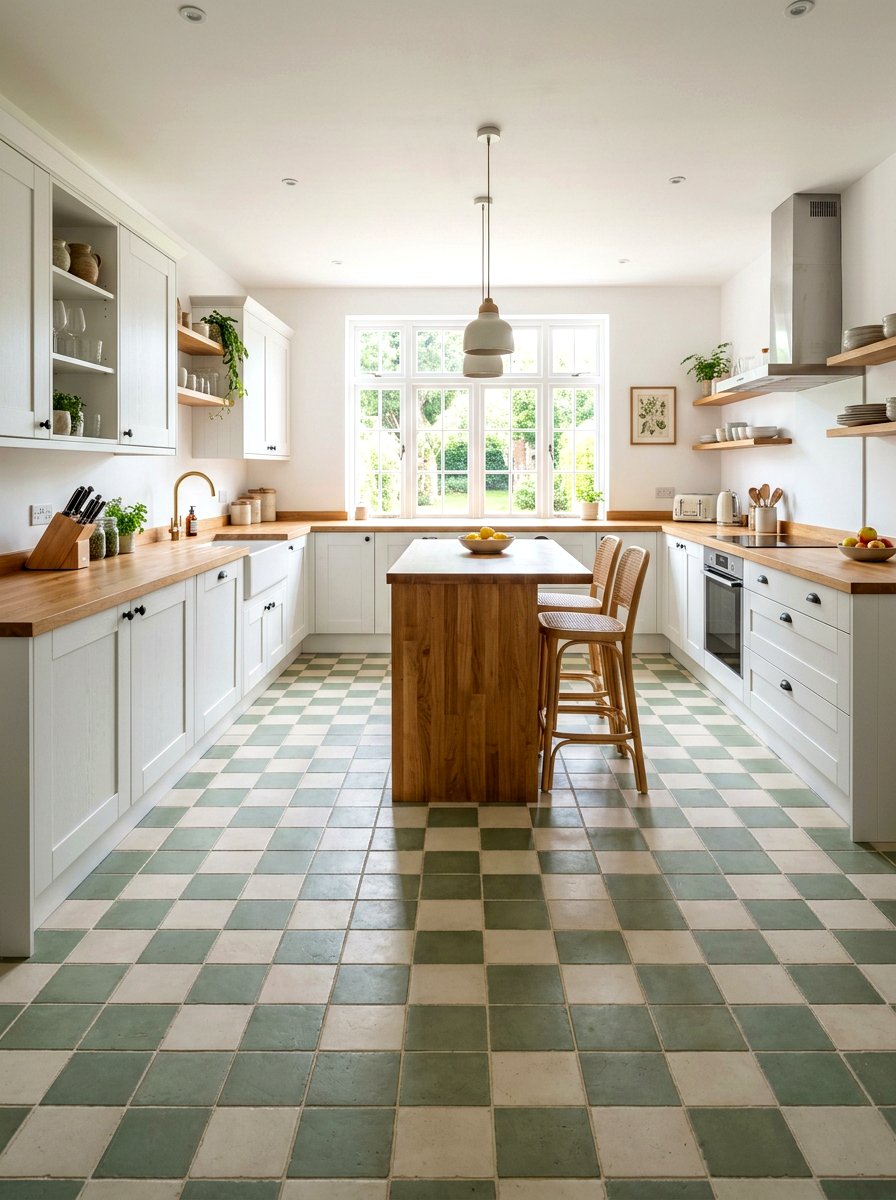
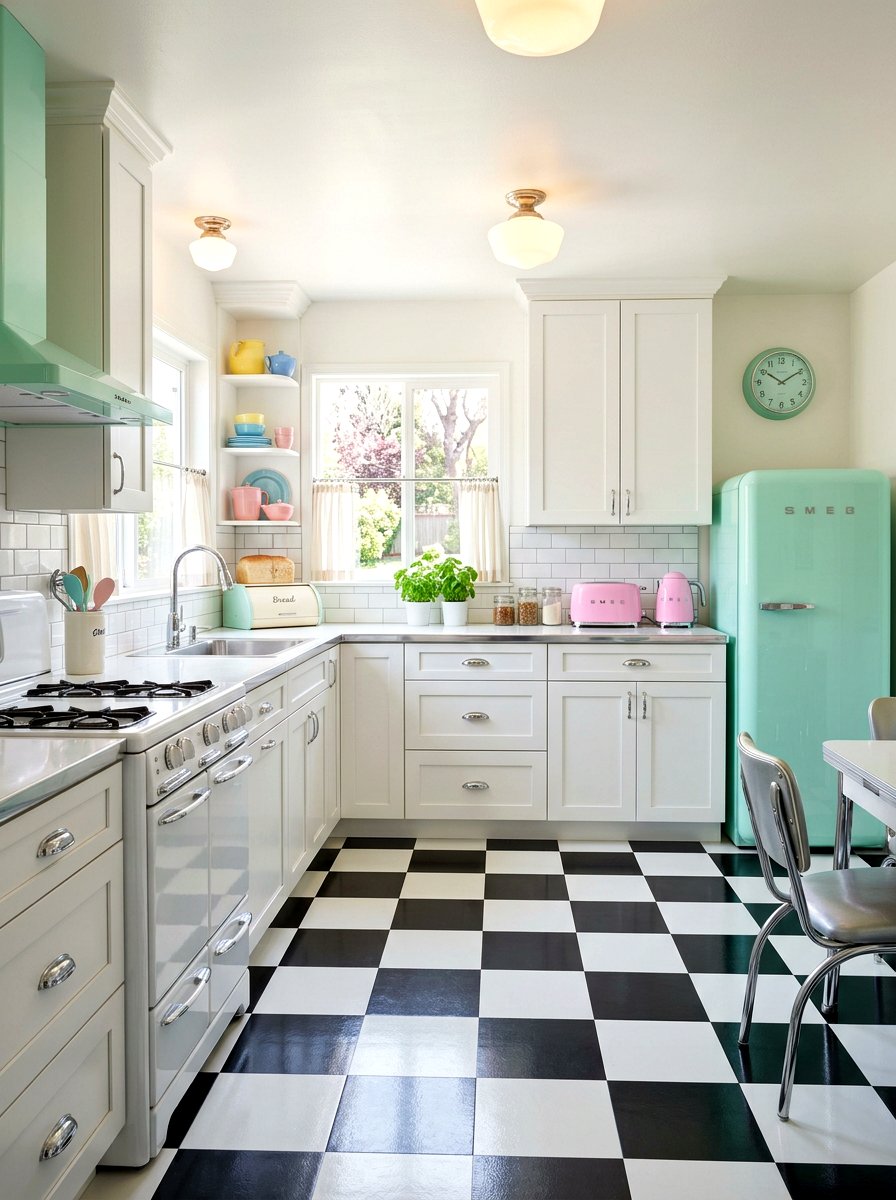
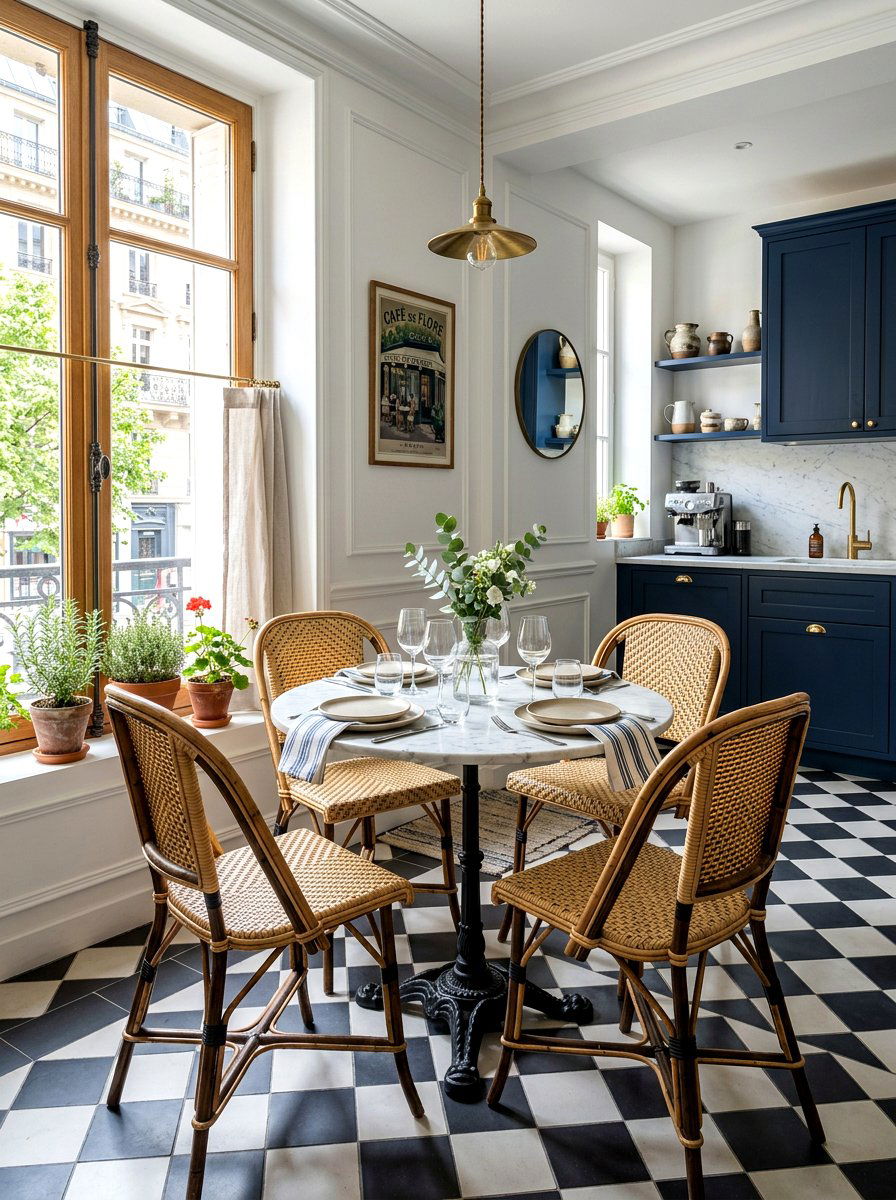
Classic checkered flooring is experiencing a major resurgence, especially in kitchens and entryways where bold patterns can truly shine. While the traditional black-and-white combination remains a favorite, modern interpretations often use softer tones like sage green and cream or terracotta and beige. This pattern adds an immediate sense of rhythm and structure to a room, grounding the space with a timeless yet graphic appeal. When paired with sleek, modern cabinetry and natural wood accents, a checkered floor creates a balanced aesthetic that feels both nostalgic and incredibly current. It is an excellent way to introduce a sense of heritage and playful design into a functional space.
6. Nineties canopy bed
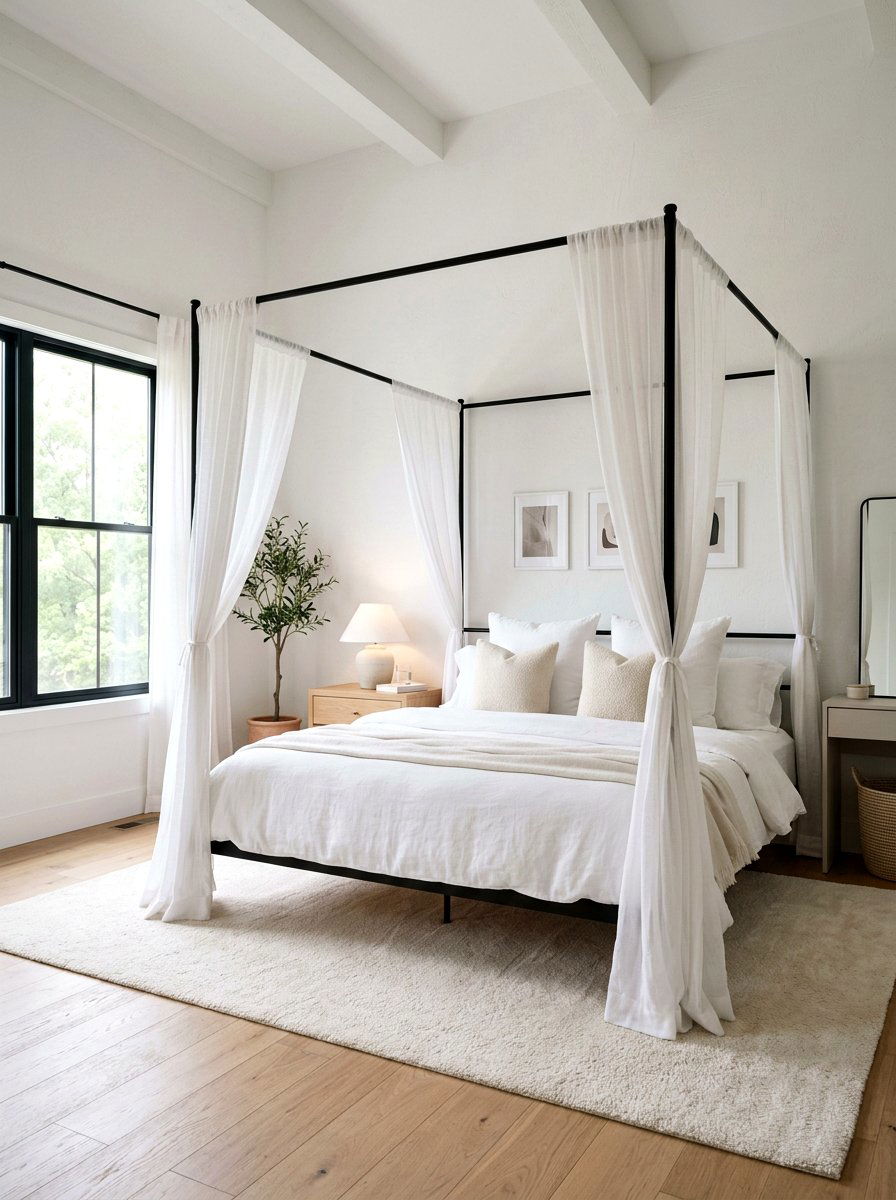
Canopy beds are making a comeback as homeowners seek to create a sense of romance and sanctuary in their sleeping quarters. The nineties version often featured heavy fabrics and ornate frames, but the modern revival focuses on sleek, minimalist lines and light, airy textiles. A four-poster frame draped with sheer linen or soft cotton creates a beautiful focal point that defines the sleeping area without overwhelming the room. This design idea emphasizes comfort and privacy, turning a standard bedroom into a luxurious retreat. By keeping the surrounding decor simple and modern, the canopy bed becomes a sophisticated statement piece that bridges the gap between eras.
7. Nineties pastel bedroom
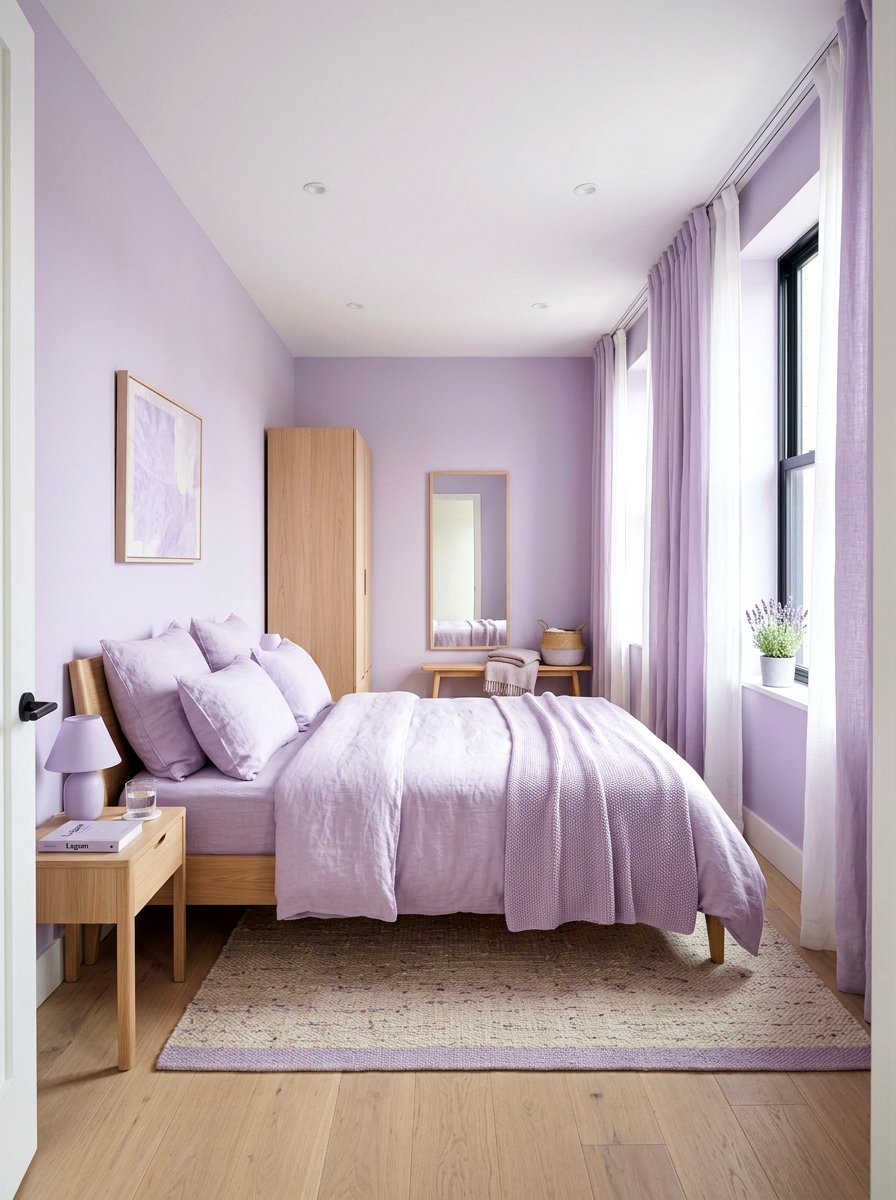
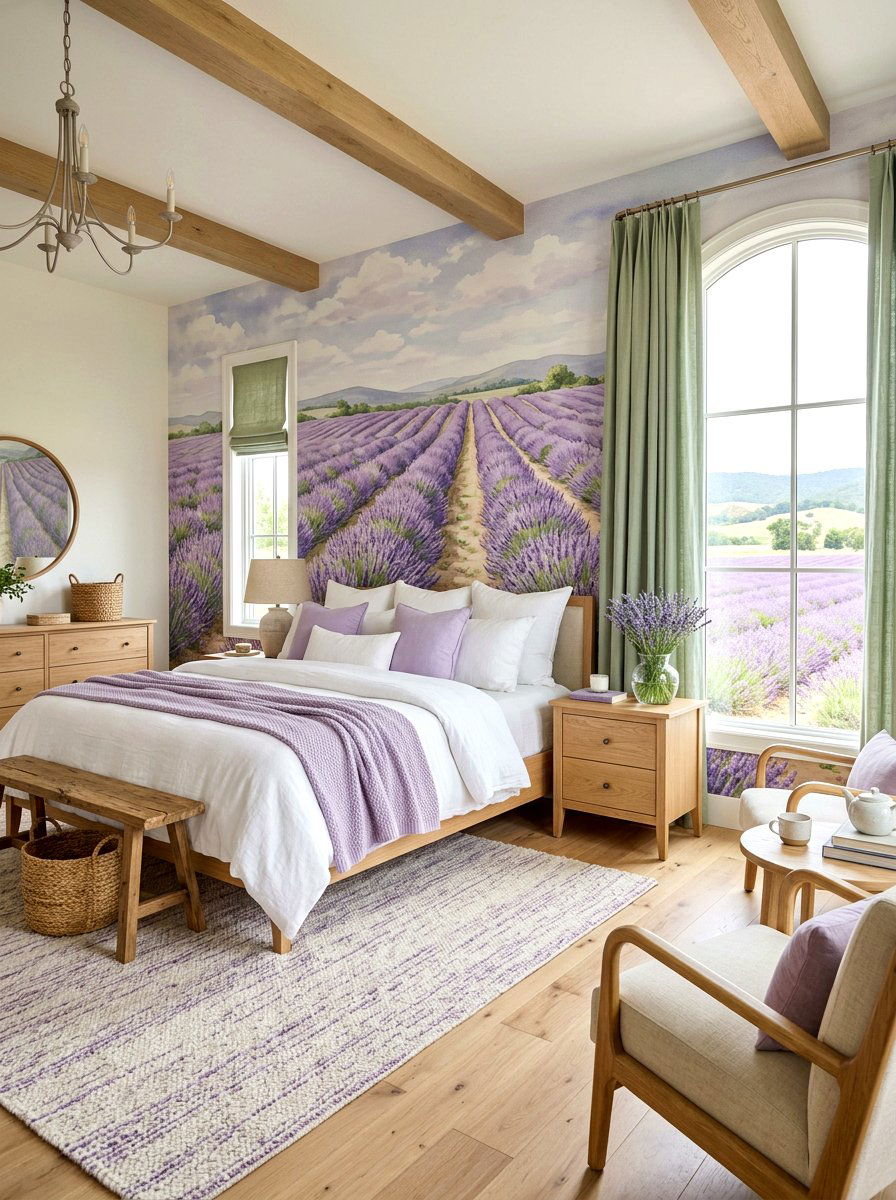
Soft pastels like lavender, mint, and peach are replacing the stark whites of recent years, bringing a gentle and optimistic energy to modern bedrooms. The nineties were famous for these soothing hues, and today they are being used in more monochromatic and sophisticated ways. Imagine a room where the walls, bedding, and curtains all share a similar dusty rose or pale blue tint, creating a cohesive and calming environment. These colors work beautifully with light wood furniture and gold accents to provide a space that feels fresh, youthful, and incredibly inviting. It is a perfect palette for those who want to embrace color without losing a sense of tranquility.
8. Nineties primary colors
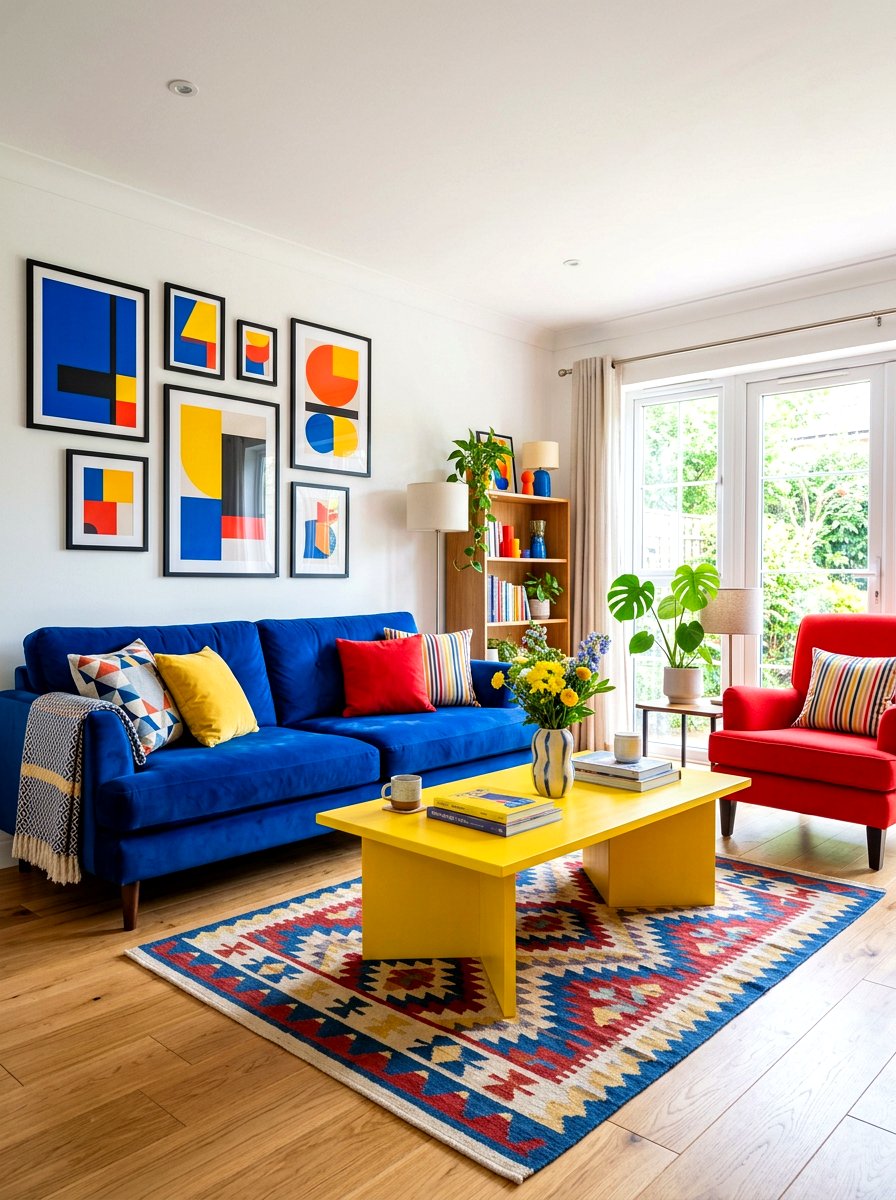
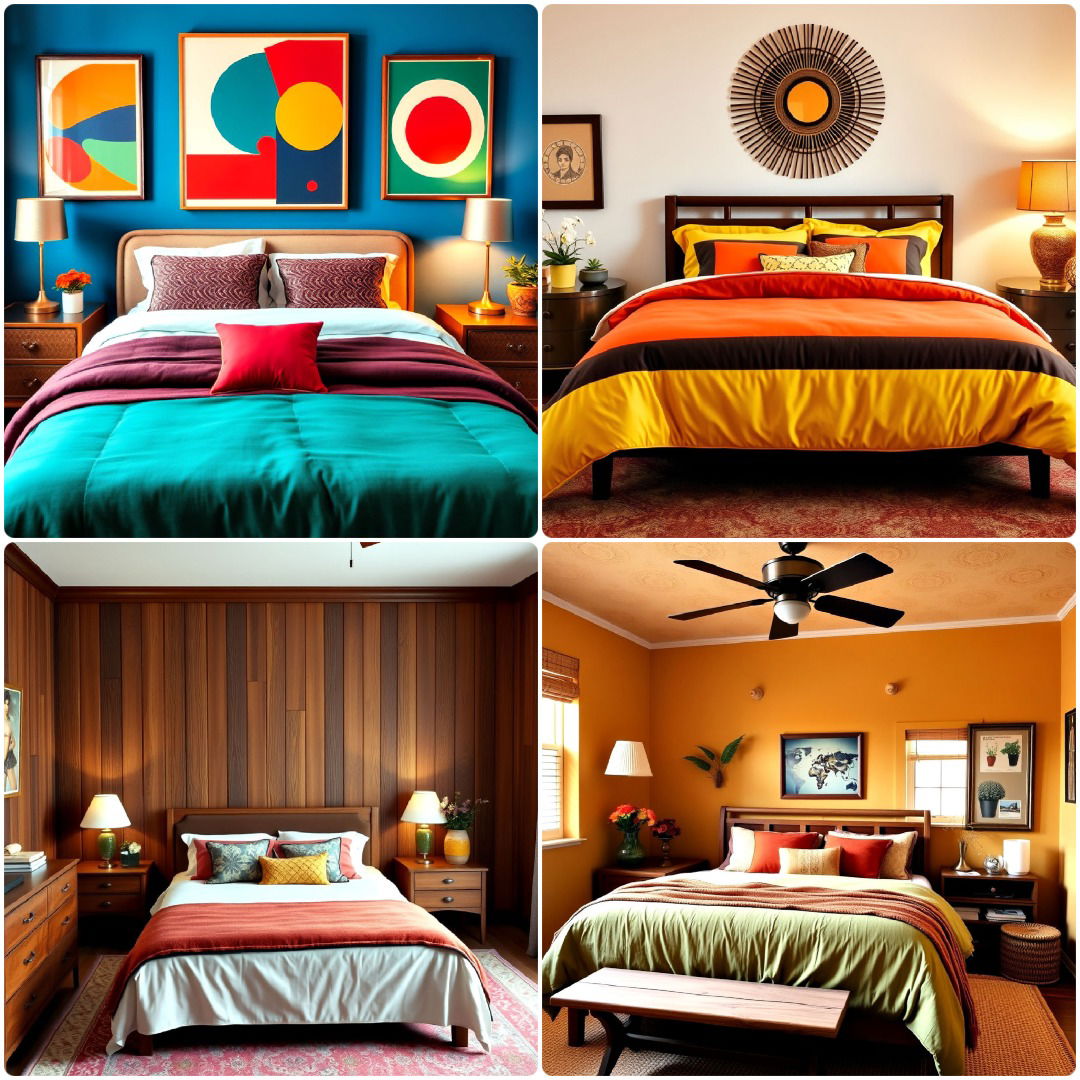
Bold primary colors like cobalt blue, fire engine red, and bright yellow are returning to living rooms and play areas with a confident, artistic flair. This trend takes inspiration from the late-nineties fascination with the Bauhaus aesthetic and playful modernism. Instead of overwhelming a space, these colors are used as strategic pops through statement furniture, rugs, or wall art. A bright blue velvet sofa or a set of yellow dining chairs can instantly energize a neutral room, providing a sense of joyful experimentation. This approach to color is about being fearless and expressive, creating a home that feels vibrant, energetic, and full of life for everyone.
9. Nineties celestial decor
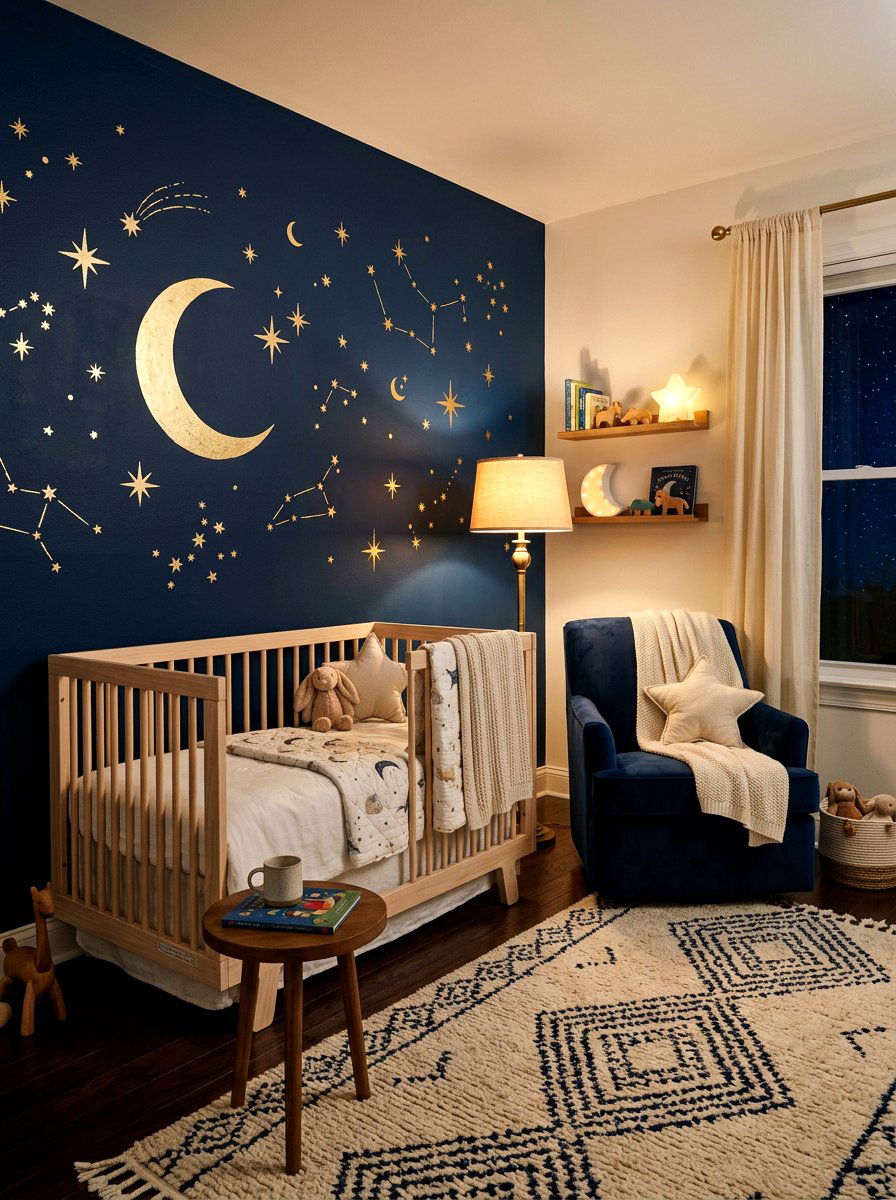
The nineties had a deep obsession with sun, moon, and star motifs, often seen in wall hangings and textiles. Today, celestial decor has been refined into a more elegant and mystical aesthetic that works perfectly in cozy dens or nurseries. Think of deep navy walls adorned with gold-leaf constellations or subtle moon-phase mirrors that catch the light. This theme brings a sense of wonder and cosmic beauty into the home, focusing on high-quality materials like brass, velvet, and glass. By moving away from the kitschy prints of the past and toward artisanal and sculptural pieces, you can create a space that feels magical, sophisticated, and deeply personal.
10. Nineties hunter green
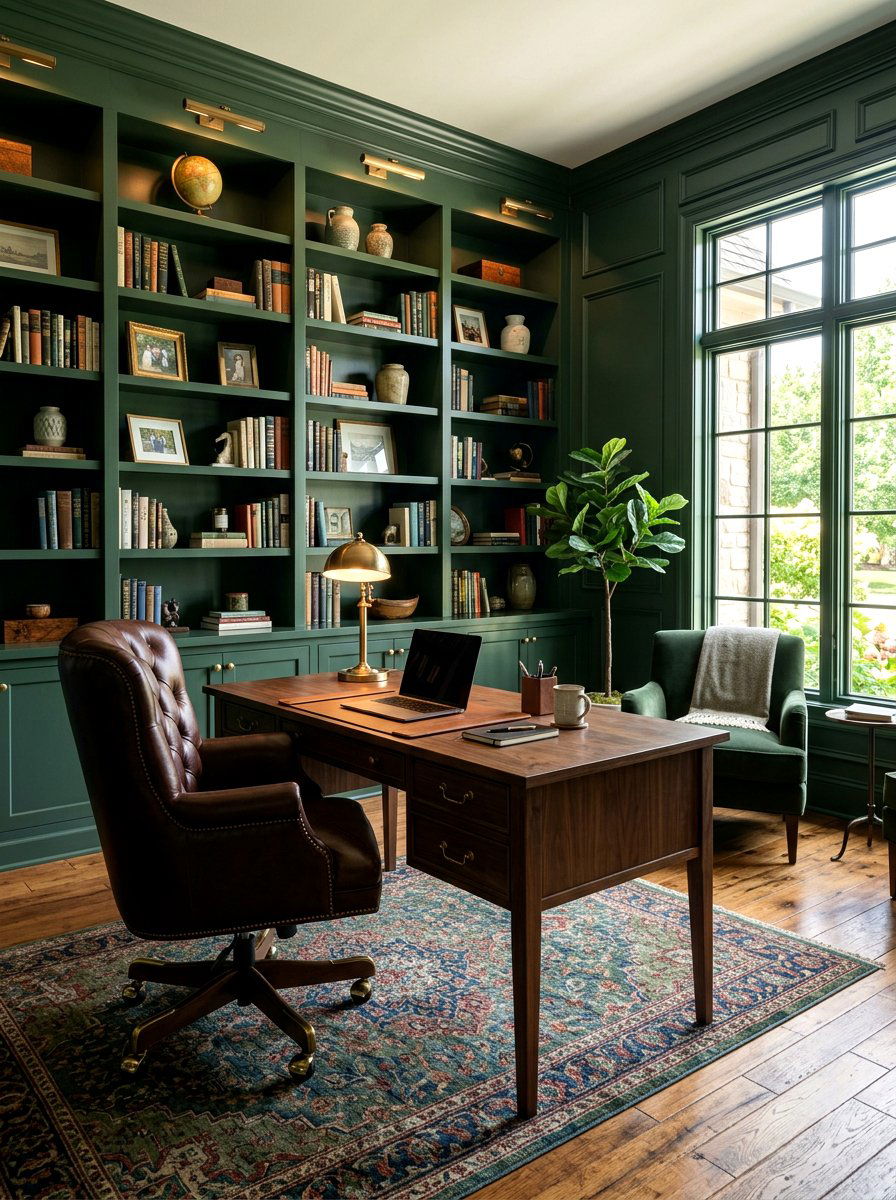
Hunter green was the definitive color of the nineties, and its return brings a sense of luxury and depth to modern interiors. This rich, moody shade works exceptionally well on kitchen cabinets, built-in bookshelves, or as a dramatic wall color in a study. Unlike the brighter greens of the mid-century modern era, hunter green offers a more traditional and established feeling that pairs beautifully with brass hardware and warm leather furniture. It creates a cocoon-like atmosphere that feels incredibly cozy and sophisticated. Incorporating this deep forest hue is an easy way to add architectural weight and a timeless, scholarly vibe to any room in the house.
11. Nineties floral wallpaper
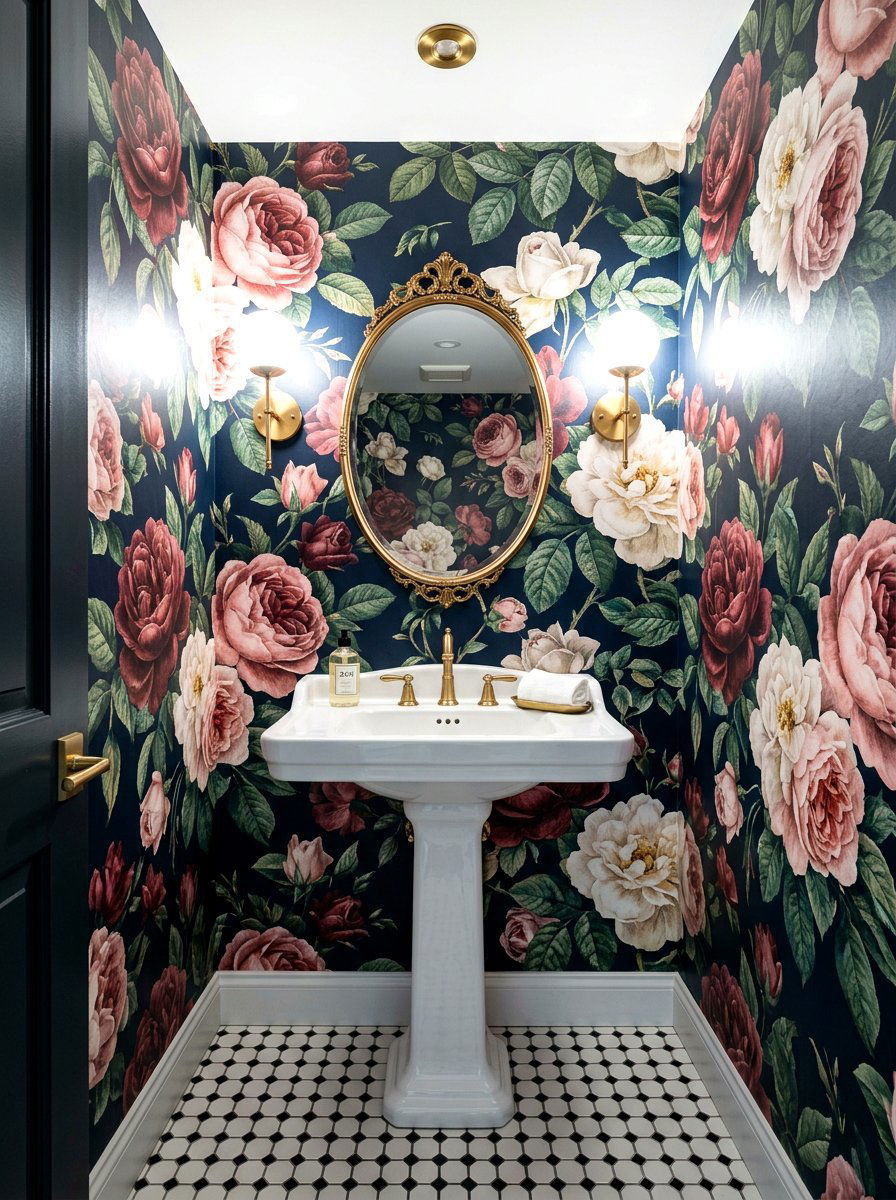
Floral wallpaper is no longer reserved for grandmother's house; it is a major trend for accent walls and powder rooms. The nineties were all about chintz and cabbage roses, but today’s floral patterns are more graphic, oversized, and artistic. Large-scale botanical prints in moody palettes can transform a simple bedroom into a lush, garden-like oasis. This design choice adds immediate texture and visual interest, making it easy to pull a room together by picking out colors from the wallpaper for your accessories. By pairing these bold patterns with modern, streamlined furniture, you ensure the space feels updated and intentional rather than cluttered or dated.
12. Nineties Memphis furniture
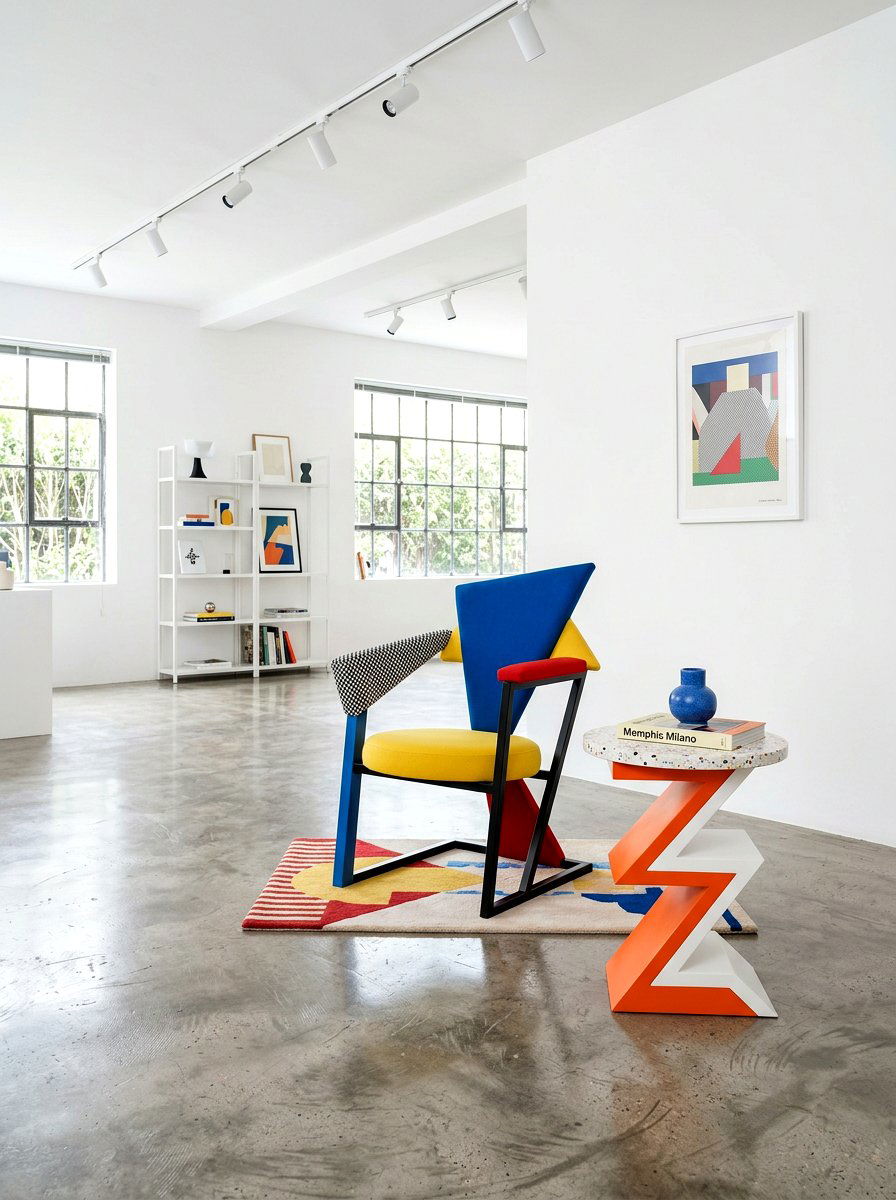
The Memphis Milano design movement of the late eighties and early nineties is influencing a new generation of sculptural furniture and decor. Characterized by asymmetrical shapes, bold patterns, and a playful mix of materials, this style is perfect for those who want a home that feels like a modern art gallery. A zig-zag side table or a lamp with a spherical base adds a sense of whimsy and avant-garde style to a living room. This trend is all about breaking the rules of traditional design and embracing the "ugly-cool" aesthetic. It works best in minimalist spaces where a few key pieces can act as striking, colorful conversation starters.
13. Nineties beaded curtain
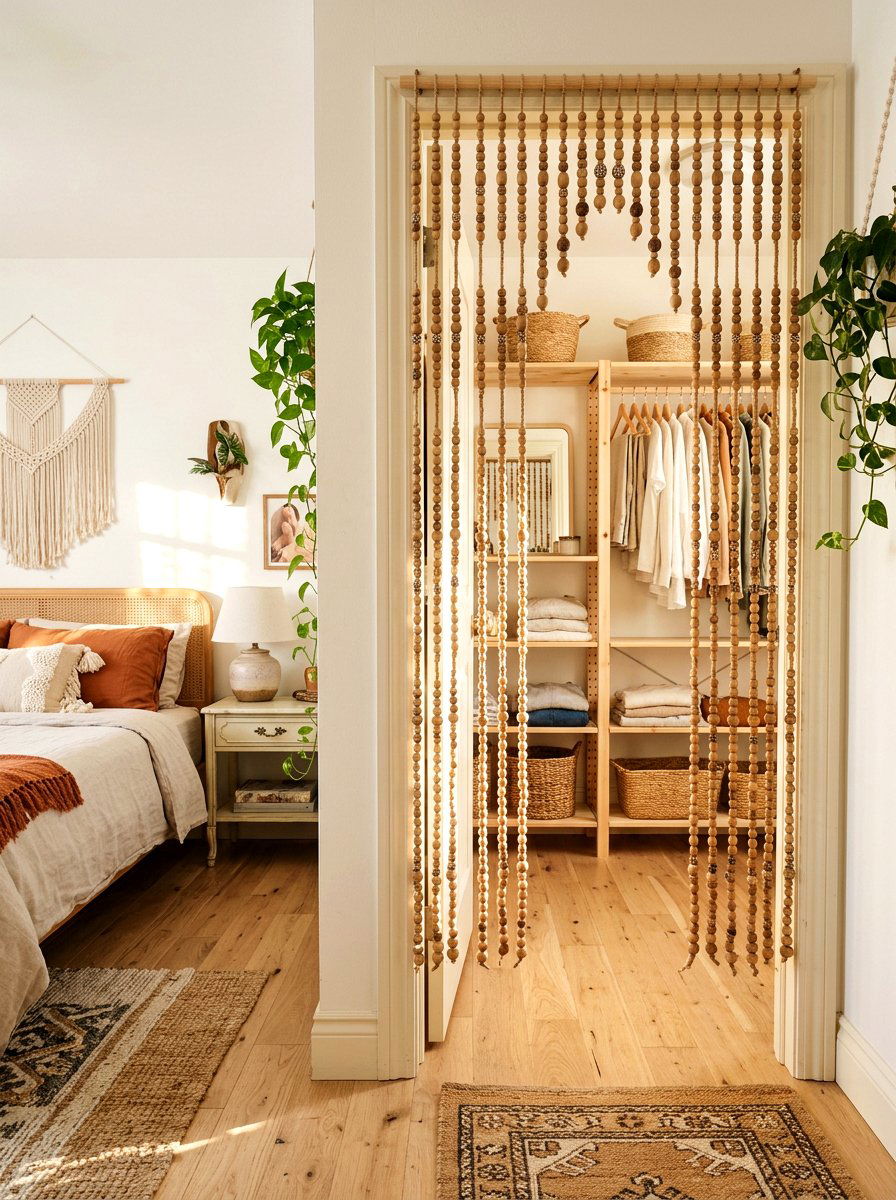
Beaded curtains are returning as a playful way to define spaces without the permanence of a door. In the nineties, they were a staple of bohemian bedrooms, and today they are used to add texture and movement to doorways or walk-in closets. Modern versions often feature natural wood beads, glass crystals, or even recycled materials for a more sophisticated and eco-friendly look. The gentle sound they make and the way they filter light create a unique sensory experience in the home. They are an excellent tool for adding a layer of visual interest and a relaxed, artistic vibe to any transitional space or studio apartment.
14. Nineties geometric rug
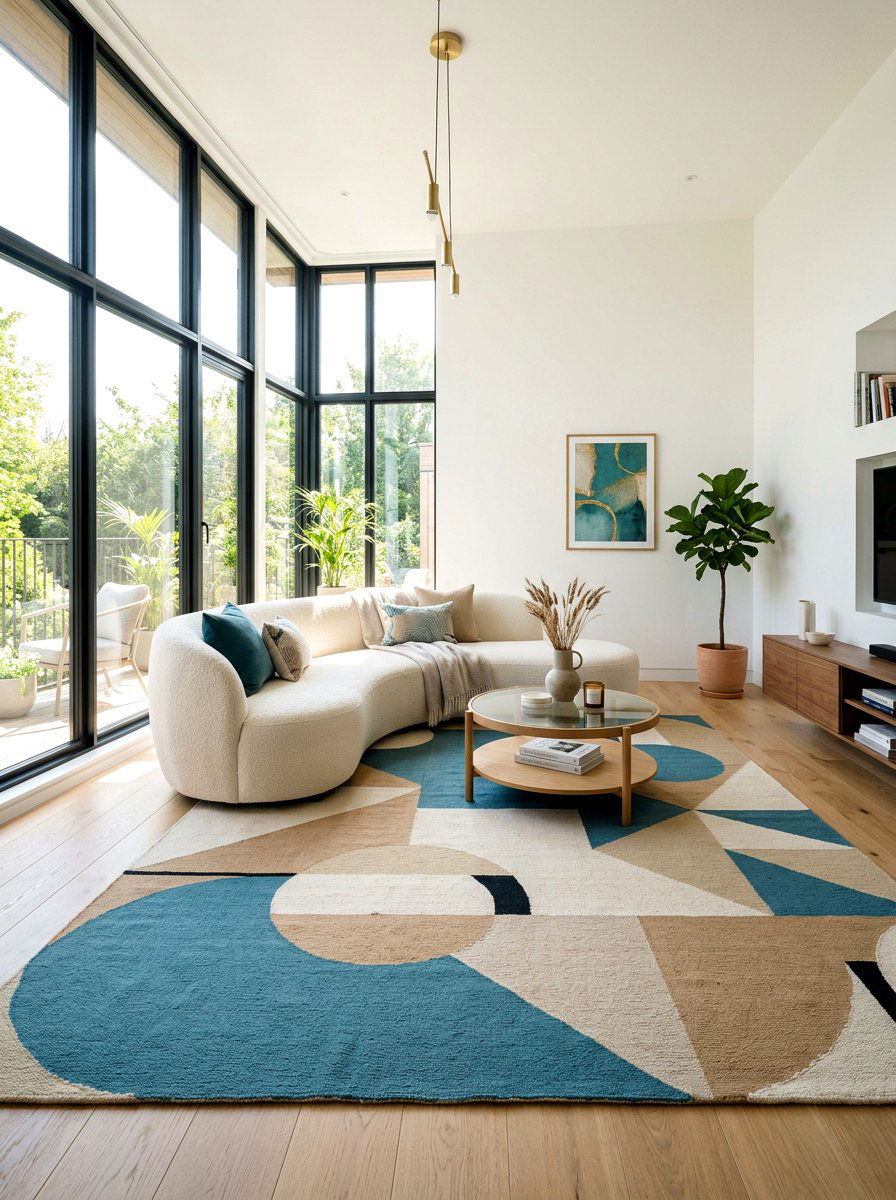
Large-scale geometric rugs with bold blocks of color were a hallmark of nineties living rooms. This trend is back, providing a strong foundation for modern furniture and helping to anchor open-concept spaces. These rugs often feature contrasting shapes like circles and squares in a mix of neutral and vibrant tones. By choosing a rug with a geometric pattern, you can introduce a sense of movement and energy to a room without needing much other decor. This design element works particularly well with the current trend of rounded, curvy furniture, as the sharp lines of the rug provide a necessary and stylish visual contrast.
15. Nineties white minimalist room
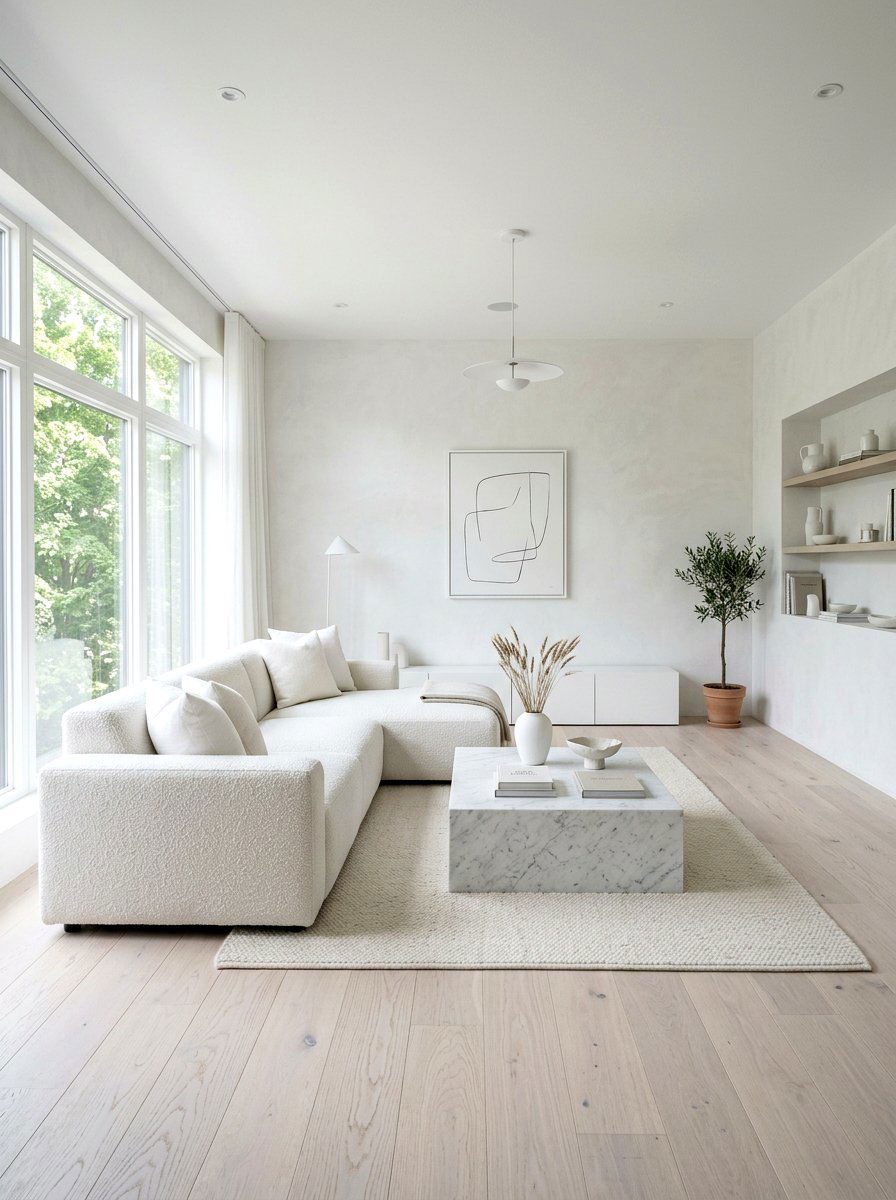
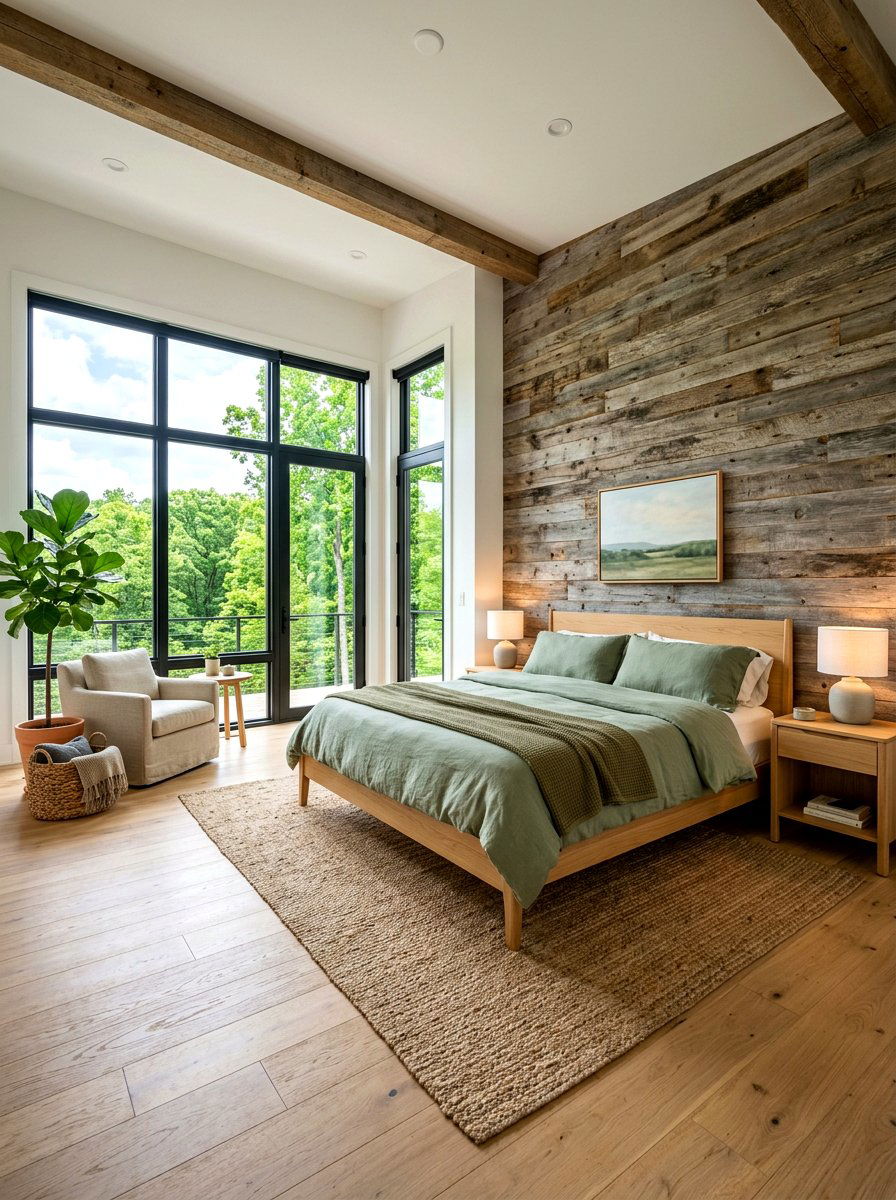
The late nineties saw a move toward "The Gallery Look, " where everything was stark white, clean, and uncluttered. This minimalist aesthetic is being revived with a focus on high-quality textures to prevent it from feeling cold. Imagine a living room with white plaster walls, a cream bouclé sofa, and bleached wood floors. This monochromatic approach creates a serene and expansive feeling that is perfect for small spaces or those who crave a sense of order. By layering different shades of white and off-white through textiles and materials, you can create a sophisticated, airy environment that feels both modern and incredibly peaceful to inhabit.
16. Nineties lava lamp
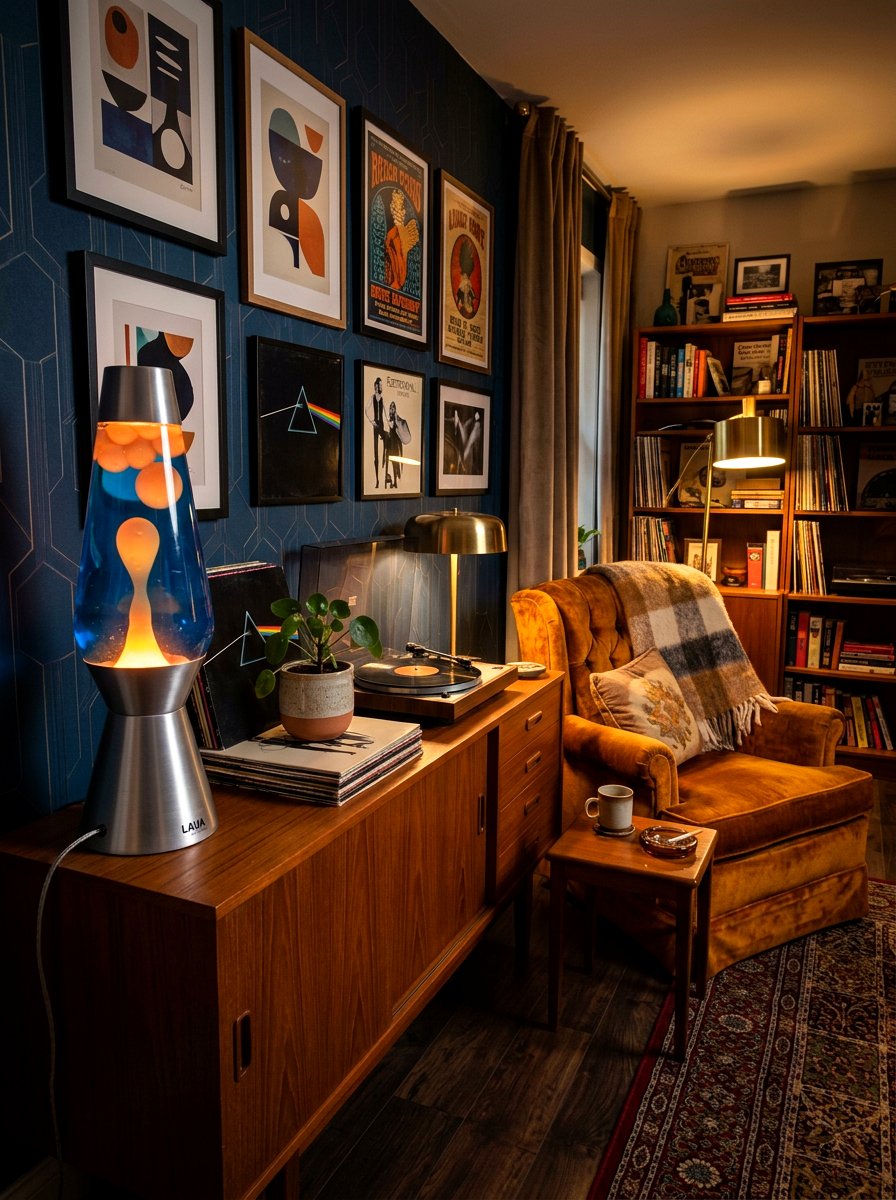
Lava lamps have moved beyond novelty items to become curated pieces of retro-futuristic lighting. In the nineties, they were essential for creating a "chill" atmosphere, and today they are being used to add a warm, liquid glow to sideboards and desks. The slow, rhythmic movement of the wax is naturally calming and serves as a perfect antidote to our fast-paced, digital lives. Modern designs often feature sleeker metal finishes and more sophisticated color combinations, allowing them to blend seamlessly with contemporary decor. Placing a lava lamp in a dimly lit corner adds a nostalgic and mesmerizing element that enhances the overall mood of the room.
17. Nineties rattan bedroom
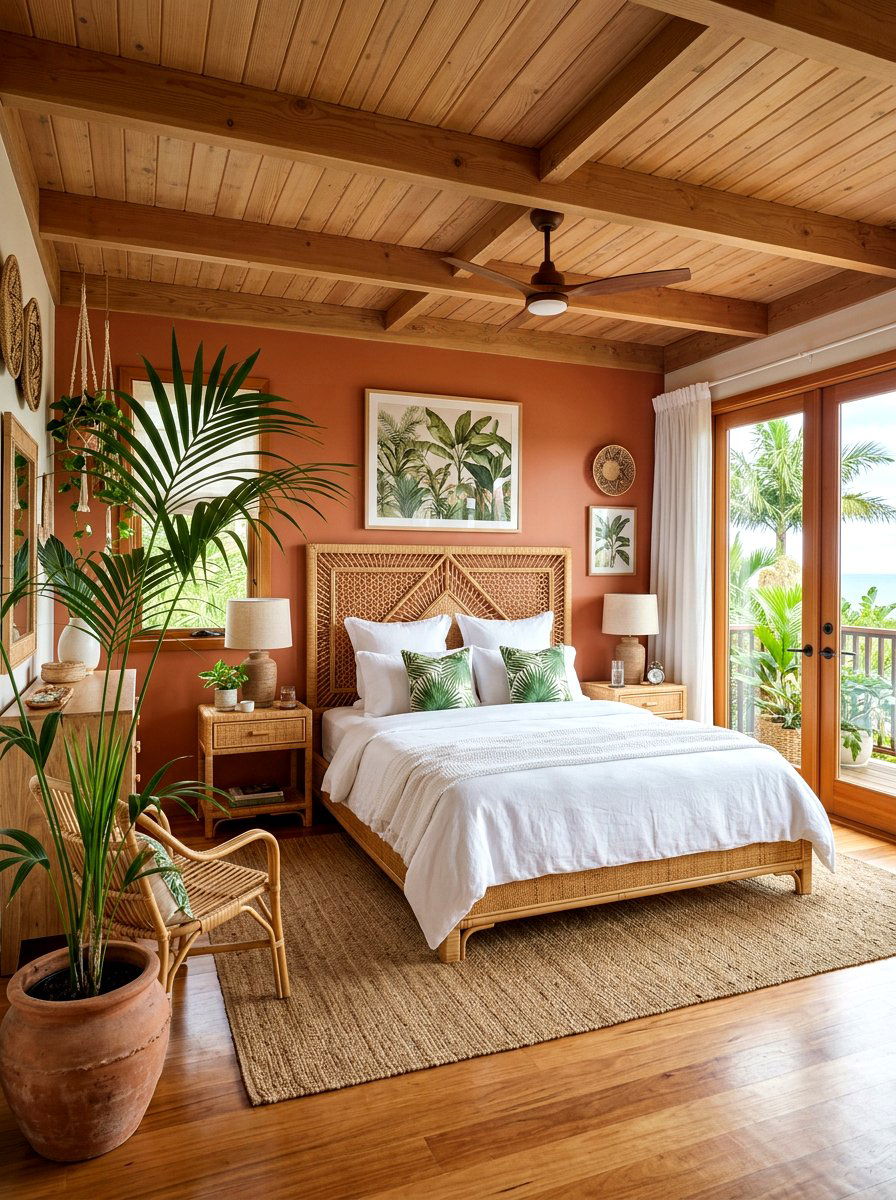
Rattan bedroom furniture offers a light and airy alternative to heavy dark woods, capturing the relaxed essence of nineties tropical style. A rattan headboard or a set of woven nightstands adds immediate texture and warmth to a sleeping space, making it feel like a permanent vacation retreat. This material is particularly popular today because of its sustainable nature and artisanal quality. When styled with crisp white linens, terracotta accents, and plenty of indoor plants, a rattan-filled bedroom feels fresh, organic, and incredibly inviting. It is a wonderful way to bring a touch of the natural world and a breezy, nostalgic charm into your home.
18. Nineties country kitchen
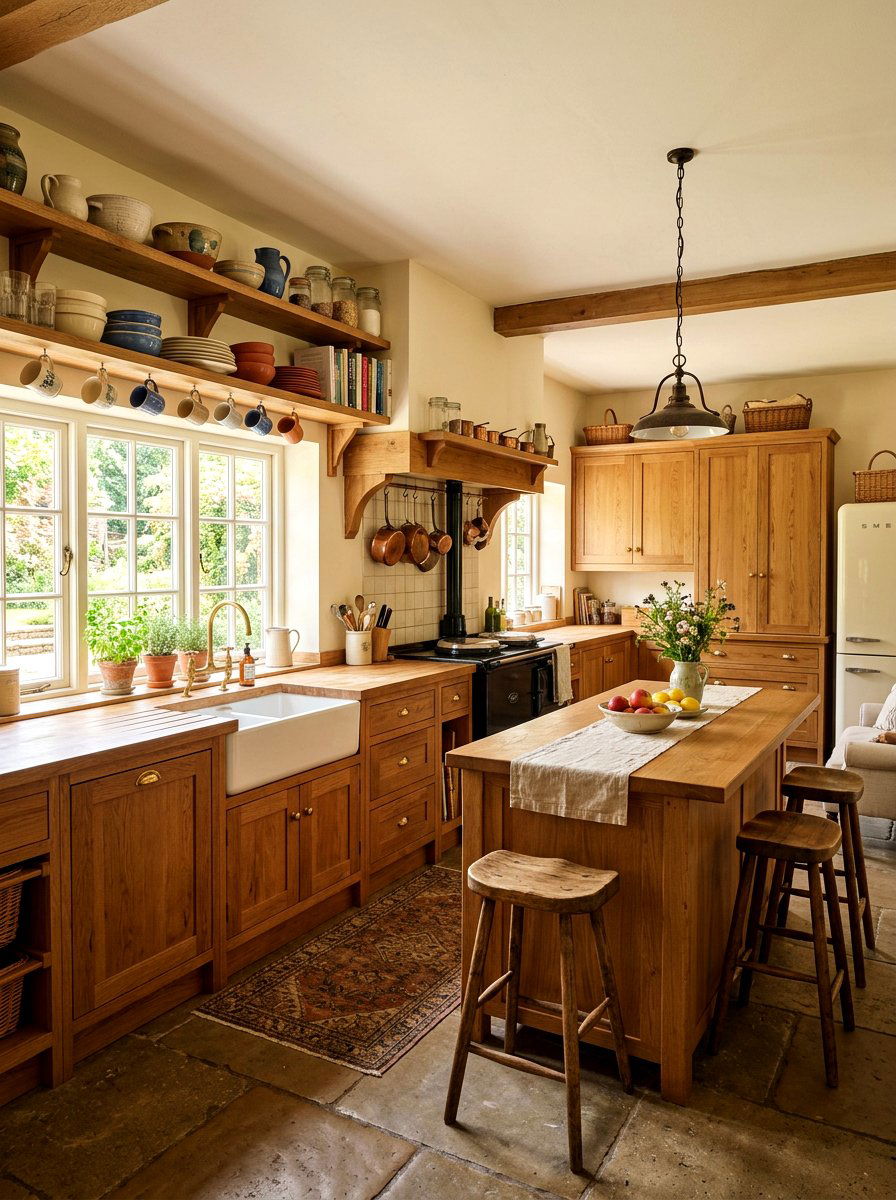
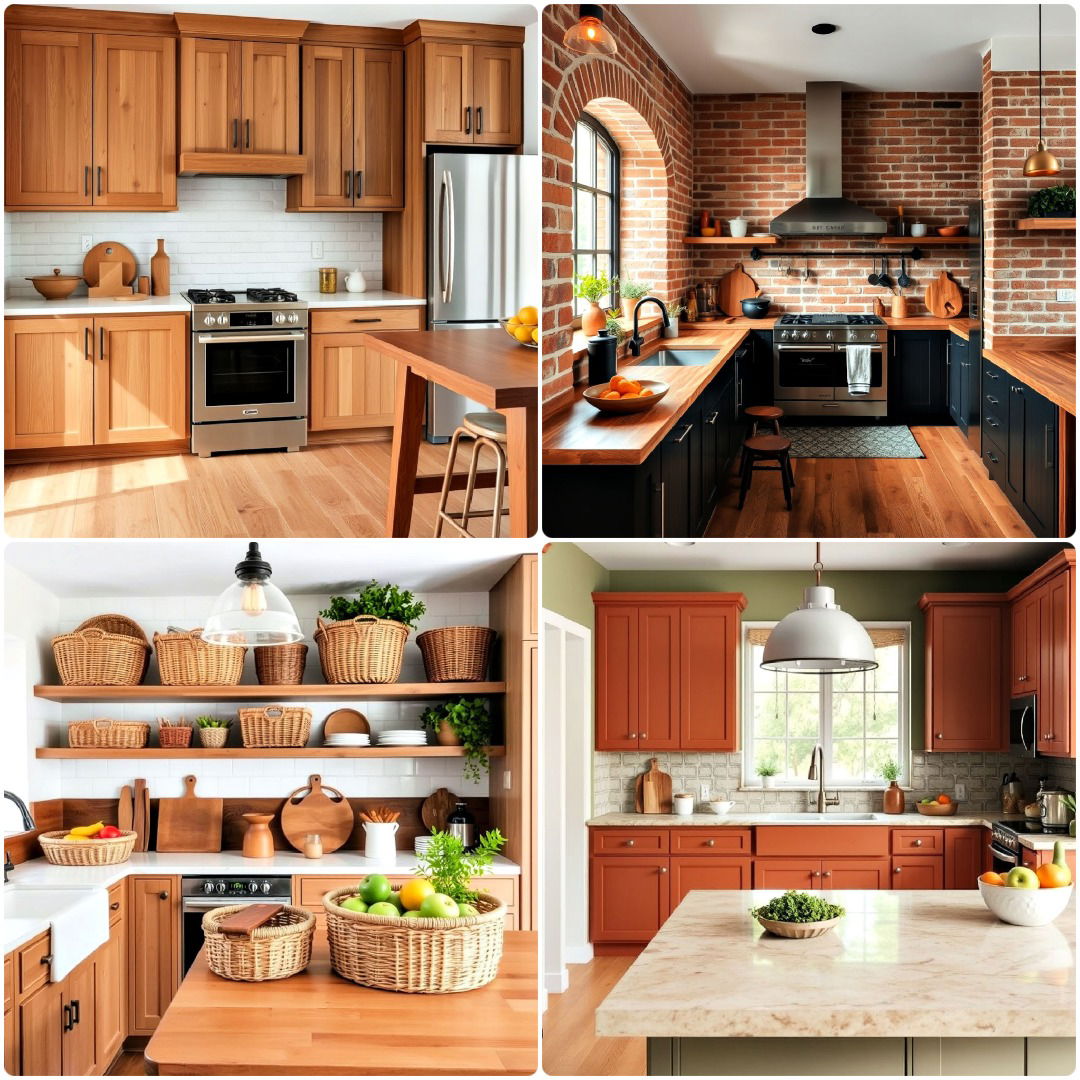
The cozy, lived-in feel of a nineties country kitchen is making a comeback as a reaction to overly sleek and industrial designs. This revival focuses on warm wood tones, open shelving, and traditional shaker-style cabinets that feel sturdy and timeless. Decorative details like pot racks, farmhouse sinks, and ceramic tile backsplashes add a layer of charm and personality to the heart of the home. This design style prioritizes functionality and comfort, creating a space where family and friends naturally want to gather. By mixing these traditional elements with modern appliances and updated lighting, you can achieve a kitchen that feels nostalgic, warm, and perfectly suited for modern life.
19. Nineties overstuffed sofa
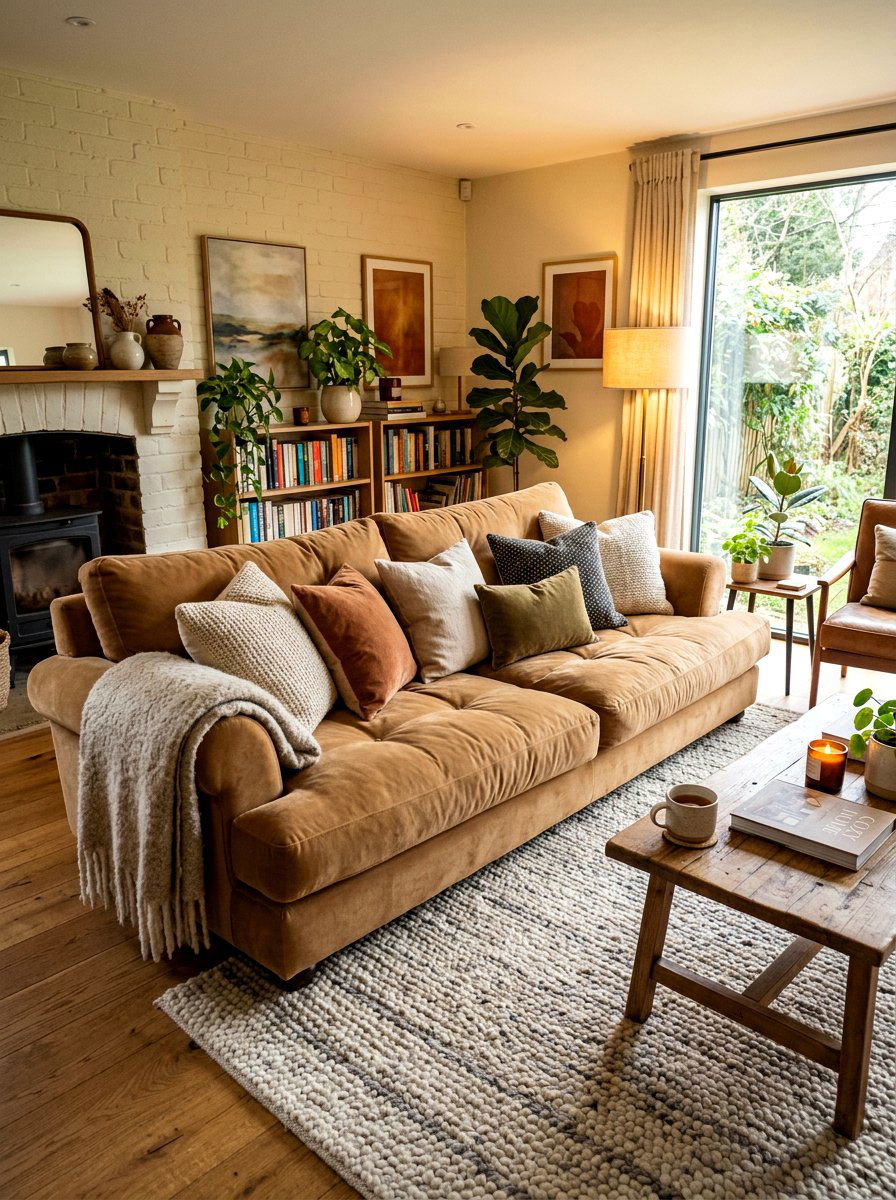
Comfort is king in the current nineties revival, leading to the return of the overstuffed, deep-seated sofa. These large, plush pieces are designed for lounging and relaxation, offering a soft alternative to the stiff silhouettes of minimalist design. Often upholstered in cozy fabrics like velvet or chenille, an overstuffed sofa becomes the ultimate anchor for a comfortable living room. The focus is on generous proportions and rounded arms that invite you to sink in and stay for a while. This design choice reflects a broader shift toward making our homes feel like a warm hug, prioritizing physical comfort and a relaxed, unpretentious atmosphere for everyday living.
20. Nineties track lighting
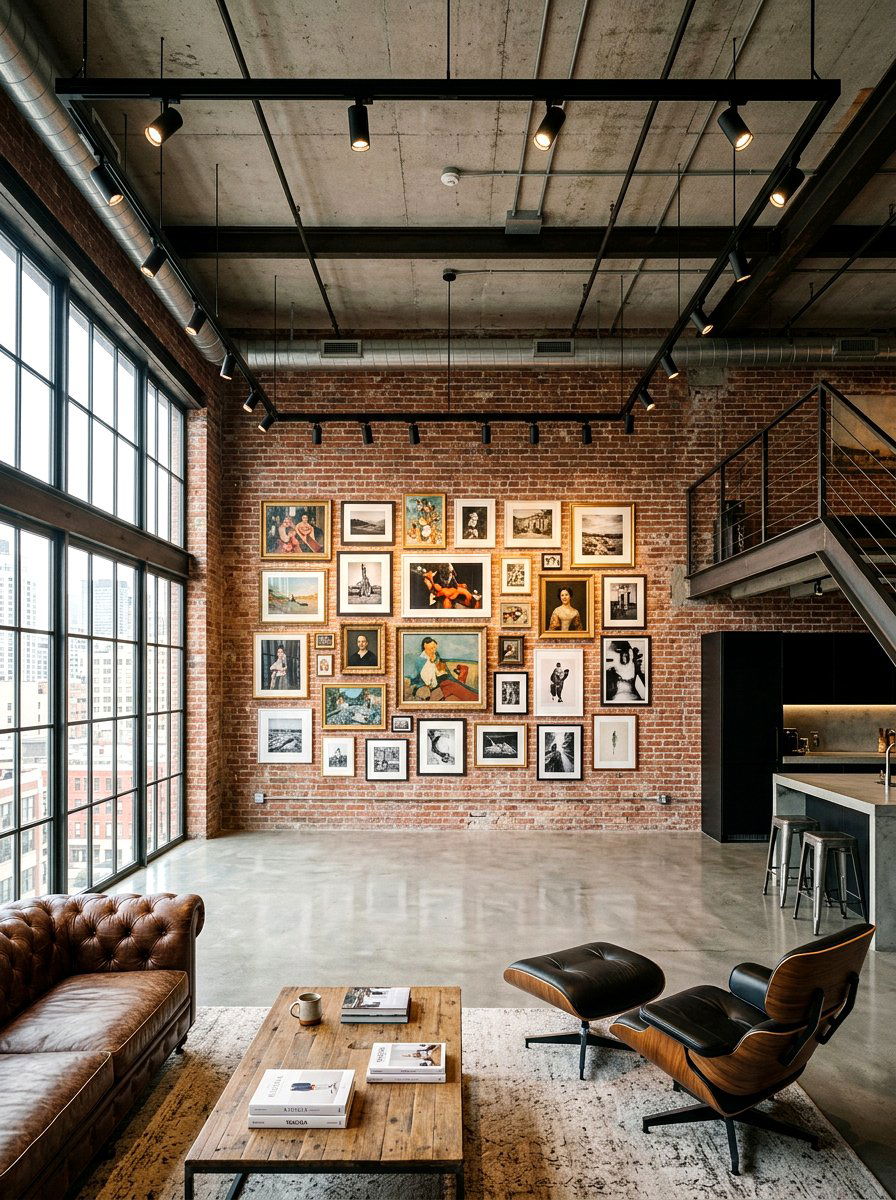
Track lighting was the definitive lighting solution of the nineties, and it is being reimagined today with a much sleeker and more industrial aesthetic. No longer the clunky white fixtures of the past, modern track lights feature slim profiles and finishes like matte black, brass, or chrome. This system is incredibly functional, allowing you to direct light exactly where it is needed — whether it is highlighting artwork or illuminating a kitchen workspace. It adds an architectural element to the ceiling and works perfectly in modern lofts or homes with high ceilings. This revival celebrates the versatility and honest, functional beauty of a well-designed lighting system.
21. Nineties four poster bed
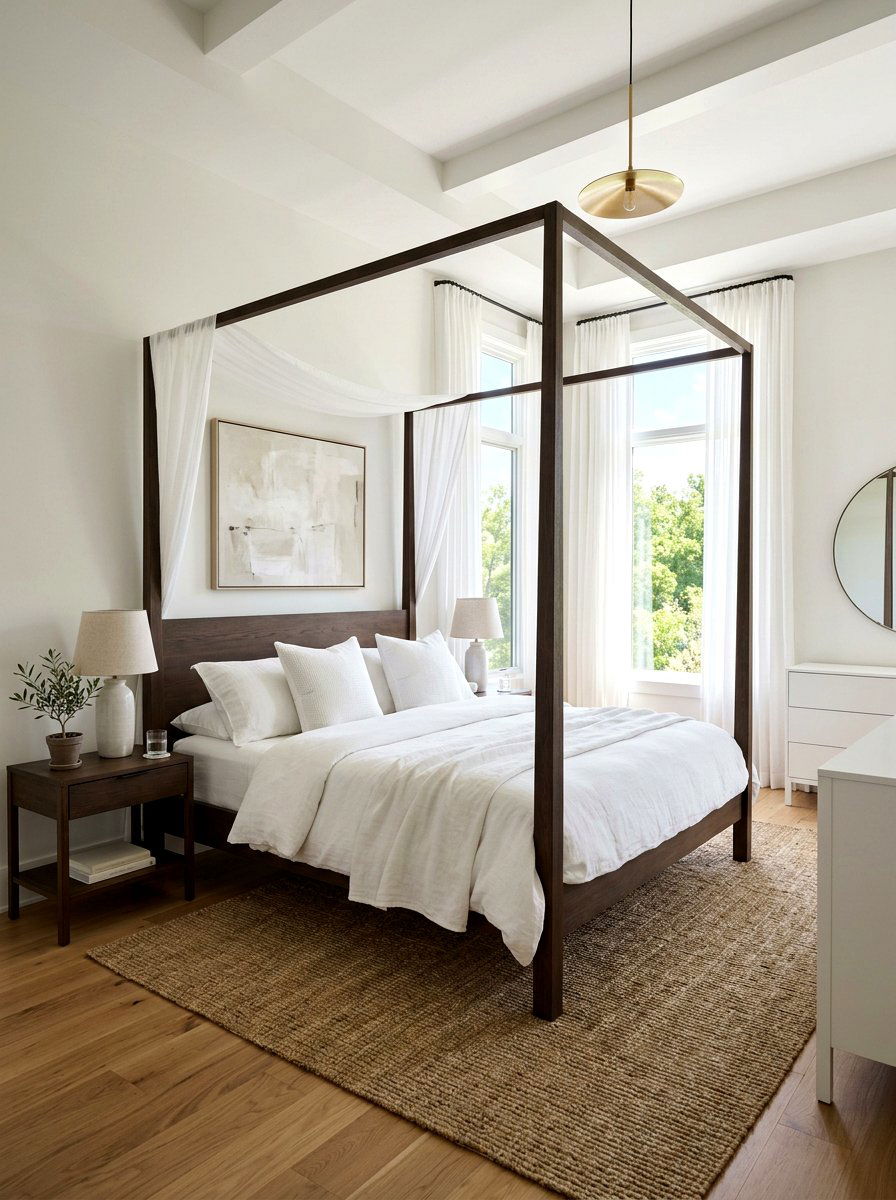
A four-poster bed adds architectural height and a sense of grandeur to any bedroom, echoing the traditional values often seen in nineties interiors. While the past decade favored low-profile platform beds, the return of the four-poster frame offers a more established and permanent feeling. Modern versions are often made of slim metal or light oak, keeping the look clean rather than heavy. This design element defines the sleeping zone and provides a sense of security and enclosure. It is a powerful statement piece that requires very little extra decor to make a room feel complete, sophisticated, and intentionally designed for rest and luxury.
22. Nineties velvet armchair
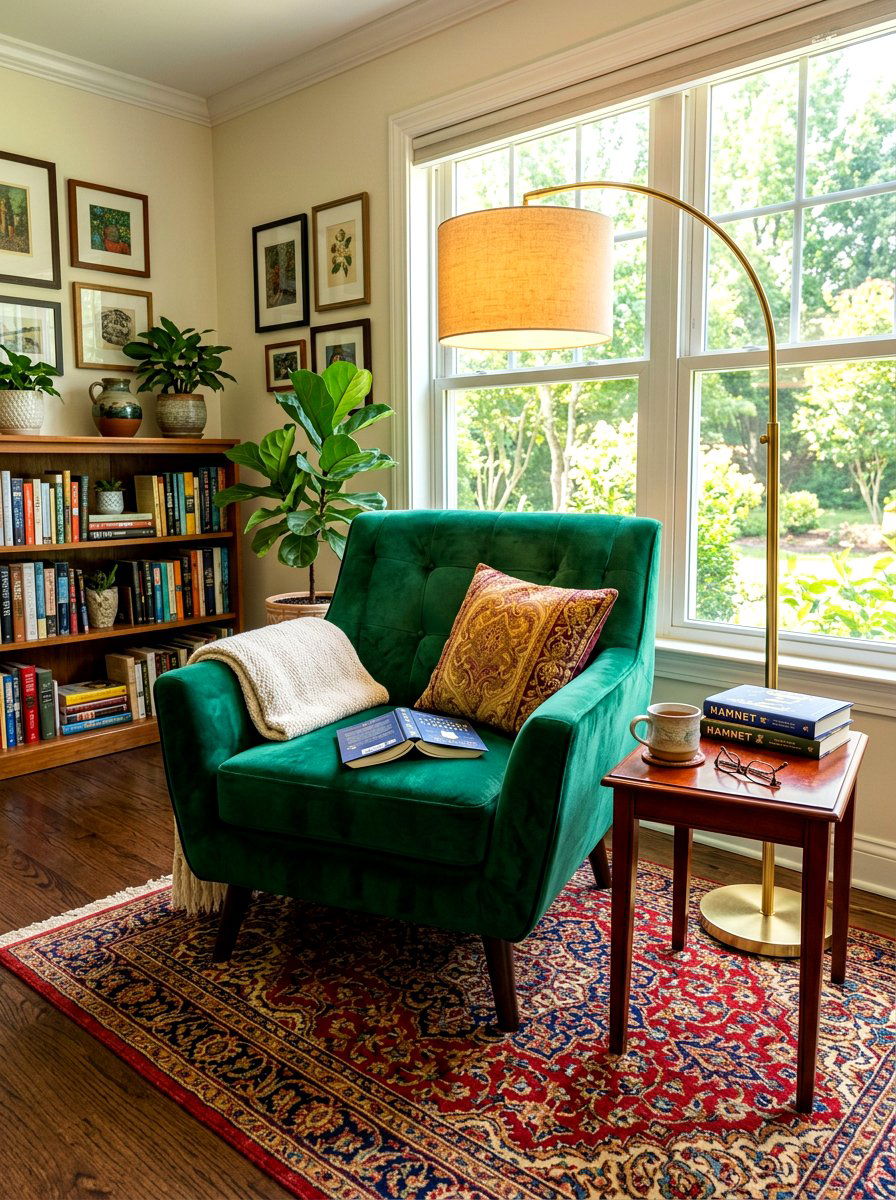
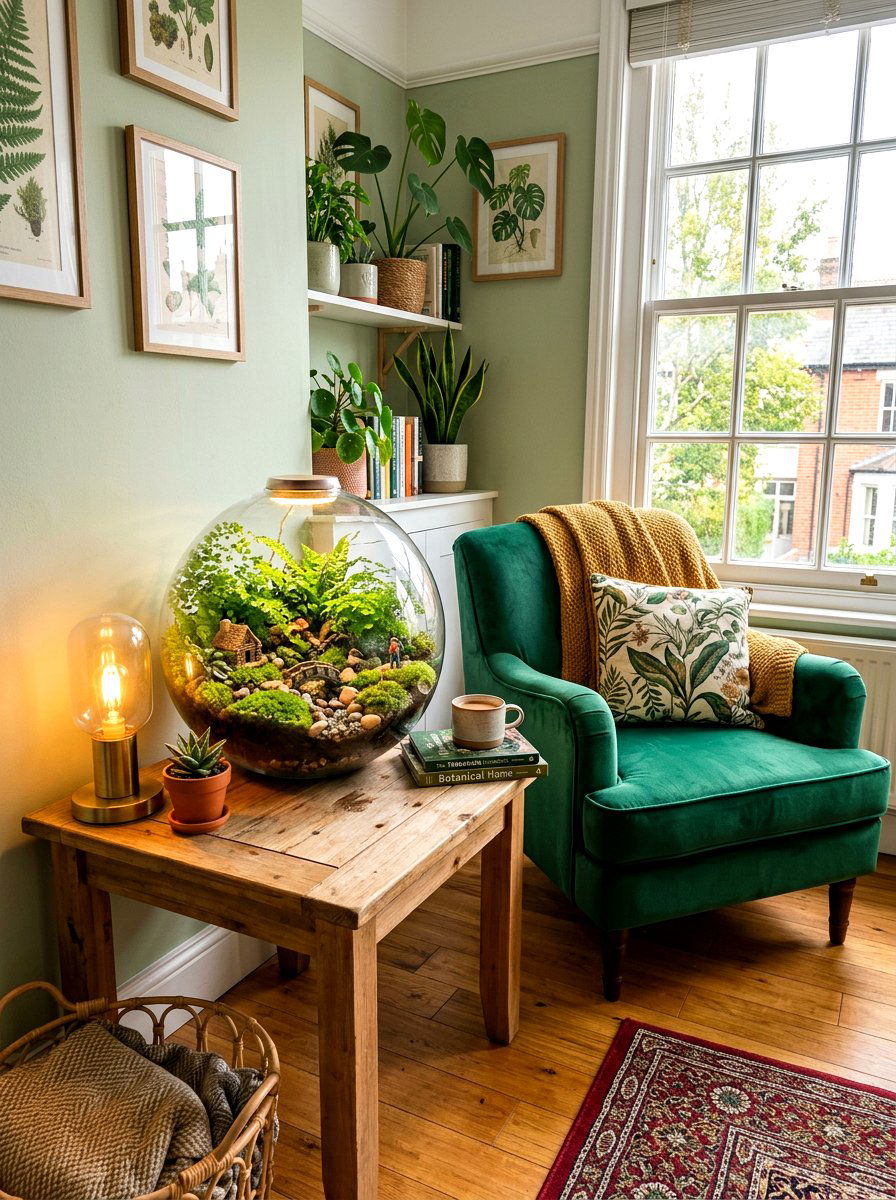
Rich velvet armchairs were a staple of nineties luxury, and they are back to add a touch of drama and softness to modern seating areas. A jewel-toned velvet chair in emerald, sapphire, or deep plum provides a stunning contrast to neutral walls and hard flooring. The tactile nature of the fabric adds a layer of sophistication and warmth that is hard to achieve with other materials. Whether placed in a reading nook or as a pair in a living room, these chairs act as comfortable focal points that celebrate the era's love for opulence. They bring a refined, vintage-inspired elegance to any contemporary interior space.
23. Nineties oak kitchen cabinet
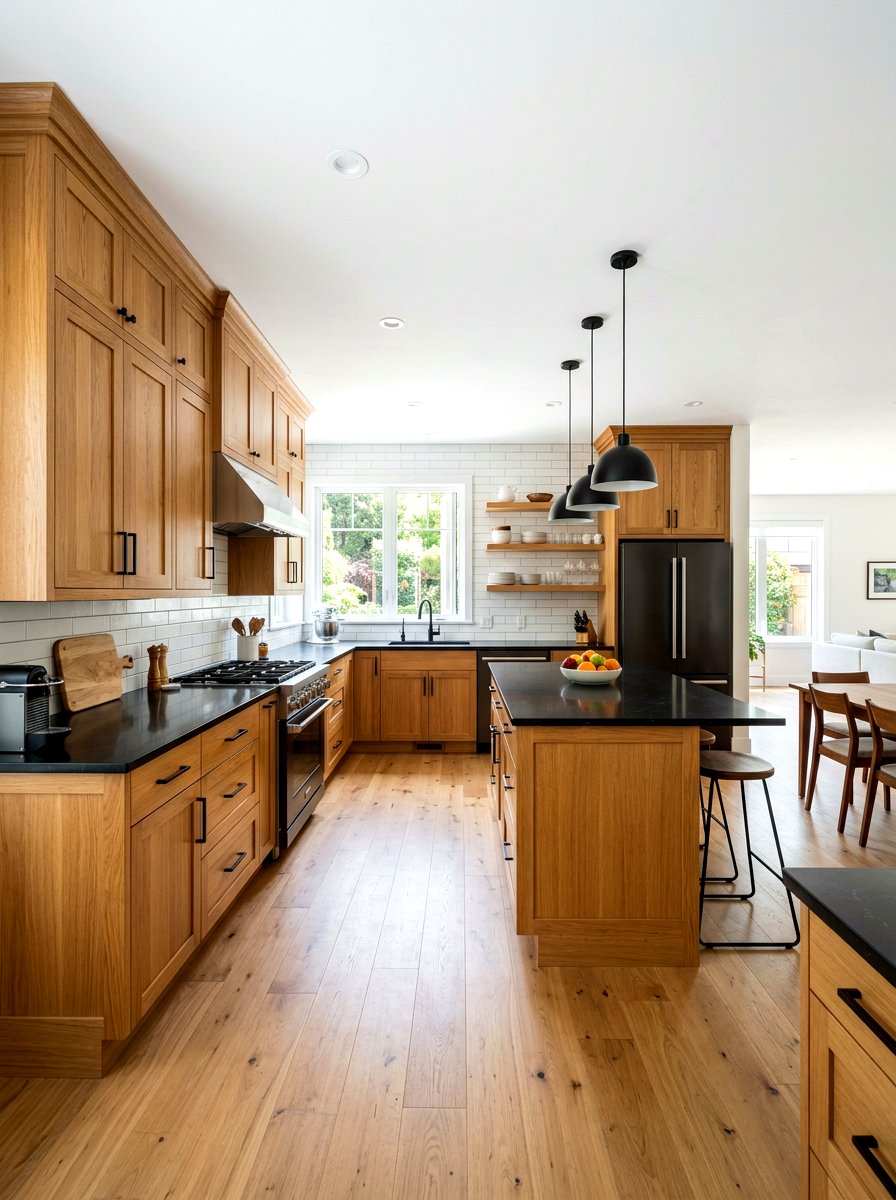
Honey-toned oak cabinets are being rediscovered by designers who want to move away from the coldness of gray and white kitchens. In the nineties, oak was everywhere, and today it is being used in more minimalist and modern ways. The natural grain of the wood adds warmth and texture, creating a kitchen that feels grounded and organic. Pairing light oak cabinetry with modern stone countertops and sleek black hardware ensures the look is updated and sophisticated. This trend celebrates the beauty of natural materials and provides a durable, timeless foundation that will age gracefully alongside the evolving styles of a modern, busy home.
24. Nineties tile countertop
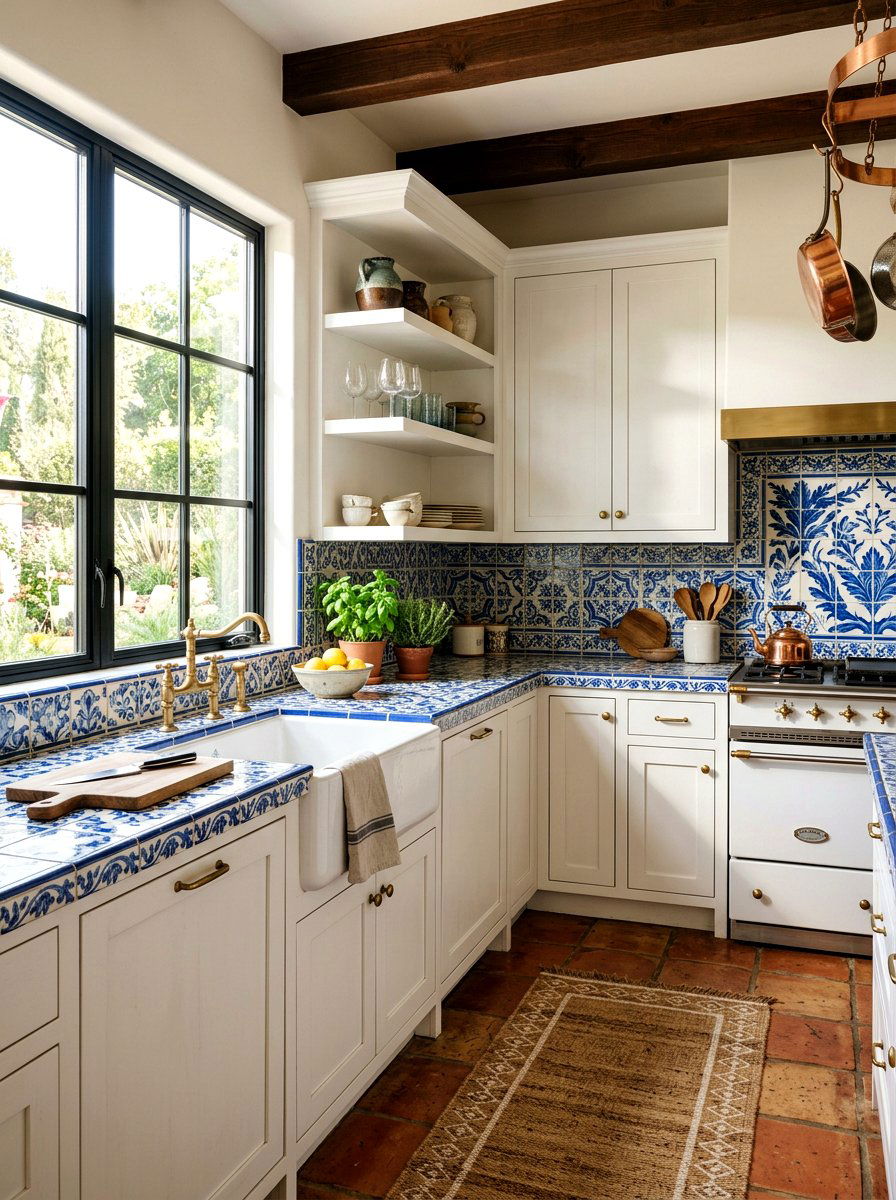
Square tile countertops, once a hallmark of the nineties kitchen, are returning as a playful and textured alternative to large stone slabs. This revival often uses vibrant colors or hand-painted artisanal tiles to create a surface that is full of character and visual interest. While grout maintenance was a concern in the past, modern sealants make this a much more practical choice for today’s homes. A tiled countertop adds a sense of craft and history to a kitchen or bathroom, making the space feel unique and personalized. It is an excellent way to introduce a touch of Mediterranean or country charm into a modern setting.
25. Nineties ficus tree
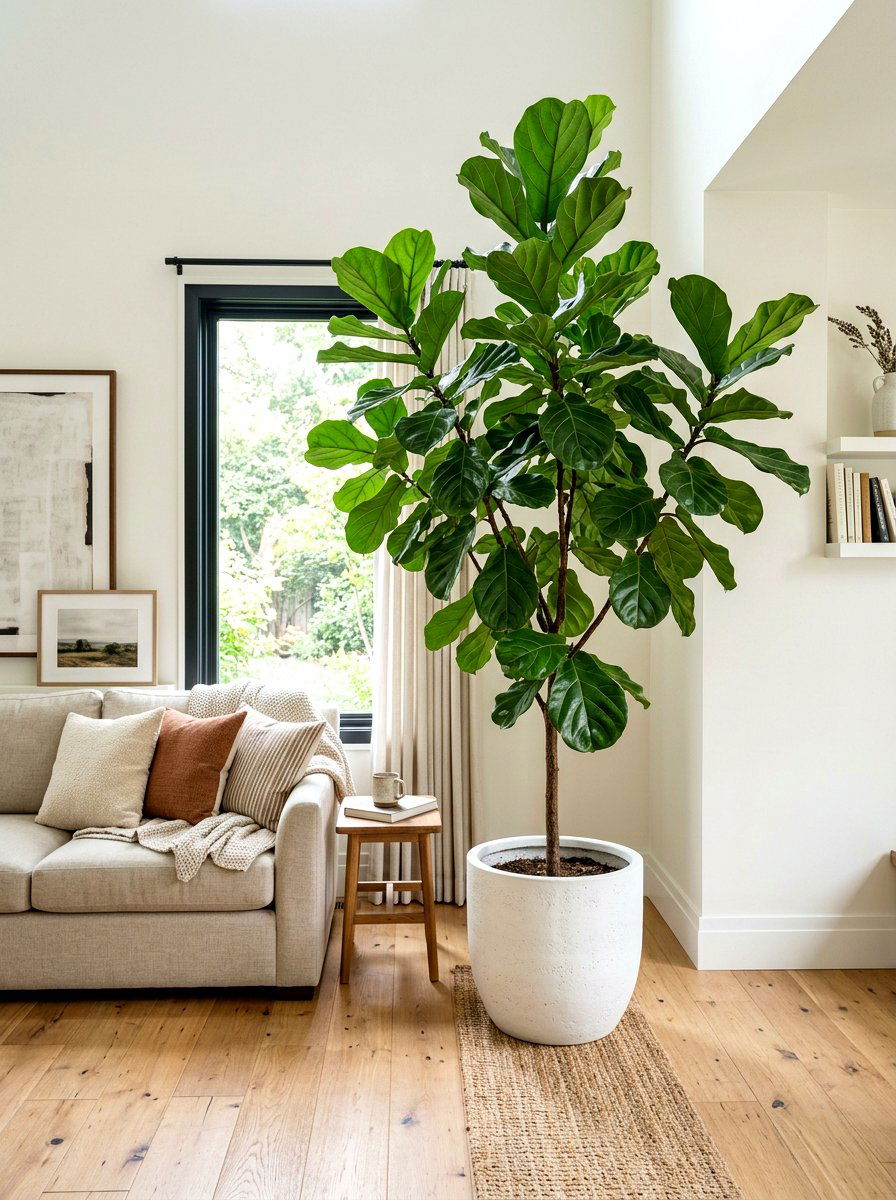
The ficus tree was the "it" plant of the nineties, found in almost every stylish living room corner. Today, it is making a comeback as a classic indoor tree that provides height, structure, and a lush green canopy. Its small, glossy leaves filter light beautifully and add a soft, organic element to any room. Unlike the more sculptural fiddle-leaf fig, the ficus offers a more delicate and airy look that complements a wide range of interior styles. Placing a large ficus in a simple terracotta or ceramic pot is an easy way to breathe life into a space while paying homage to nineties greenery.
26. Nineties denim furniture
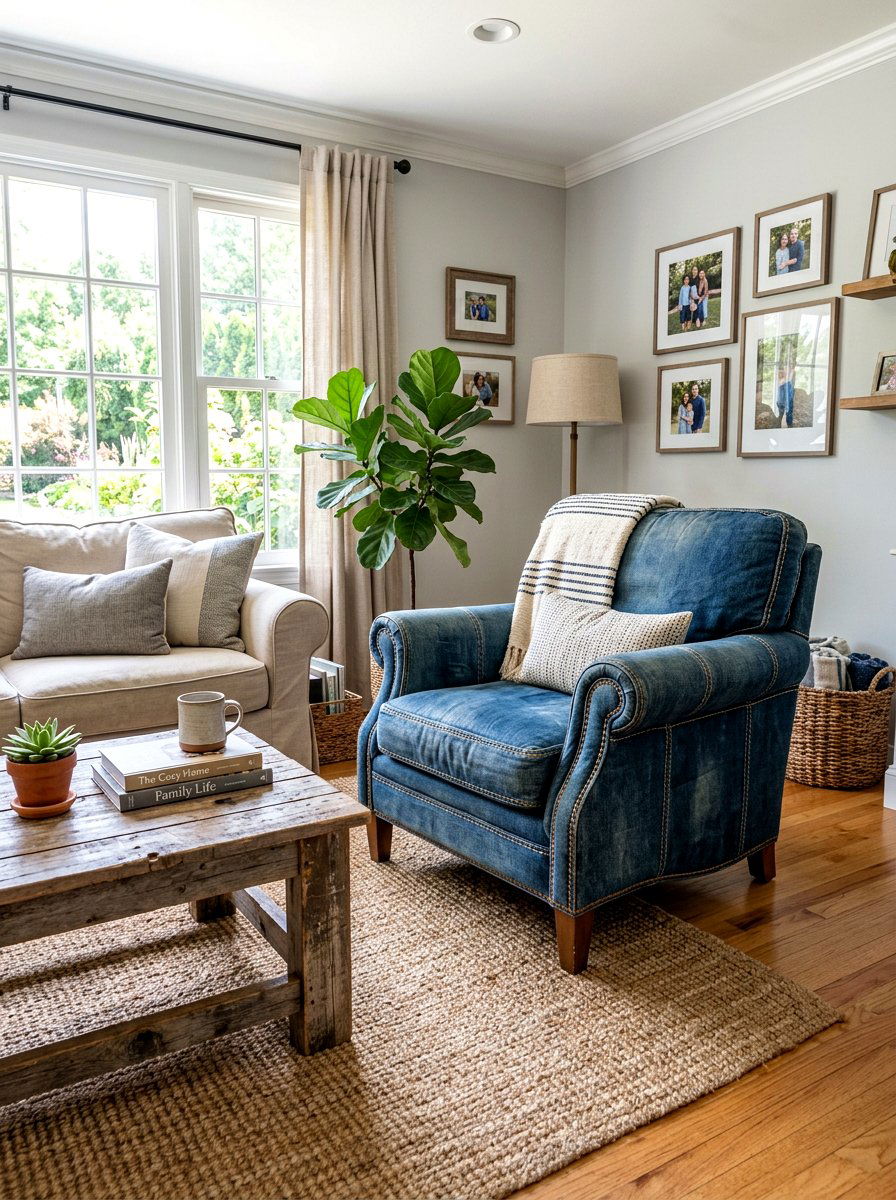
Denim upholstery is a rugged and casual trend that perfectly captures the "grunge" side of nineties style. A denim-covered armchair or a set of dining chairs adds a relaxed, unpretentious vibe to a room, working much like a favorite pair of jeans. This fabric is incredibly durable and becomes even more beautiful as it fades and wears over time. It pairs exceptionally well with natural wood, leather, and industrial metal accents. Using denim in home decor is a bold move that signals a love for comfort and a lived-in aesthetic, creating a space that feels cool, youthful, and ready for everyday life.
27. Nineties sheer curtains
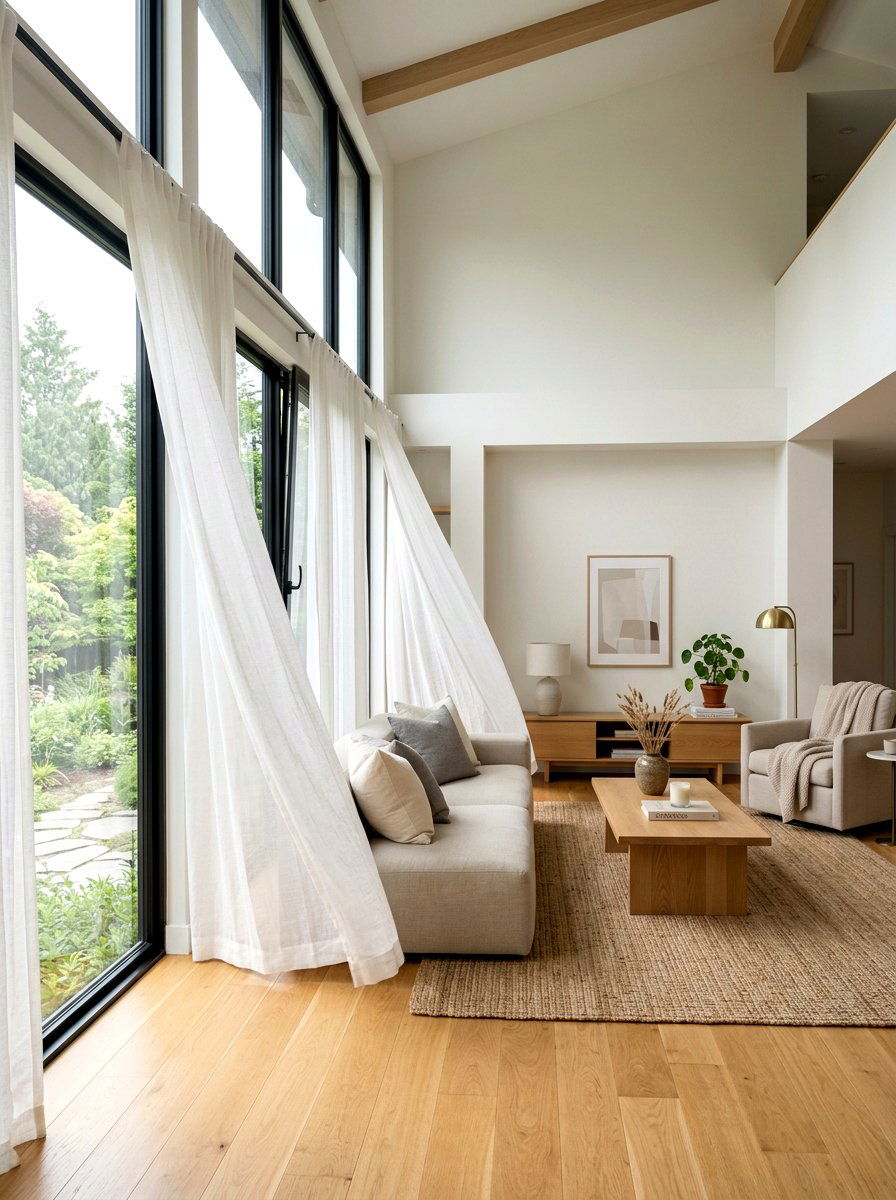
Light and airy sheer curtains are being used to create soft, diffused light in modern living spaces, reminiscent of the romantic nineties aesthetic. These window treatments add a layer of privacy without blocking the sun, making a room feel bright and ethereal. Often layered over blinds or used on their own, sheer linens and cottons add movement and a touch of softness to a room's architecture. They are an affordable and effective way to change the atmosphere of a space, making it feel more tranquil and inviting. This trend is about embracing simplicity and the beauty of natural light throughout the home.
28. Nineties brass hardware
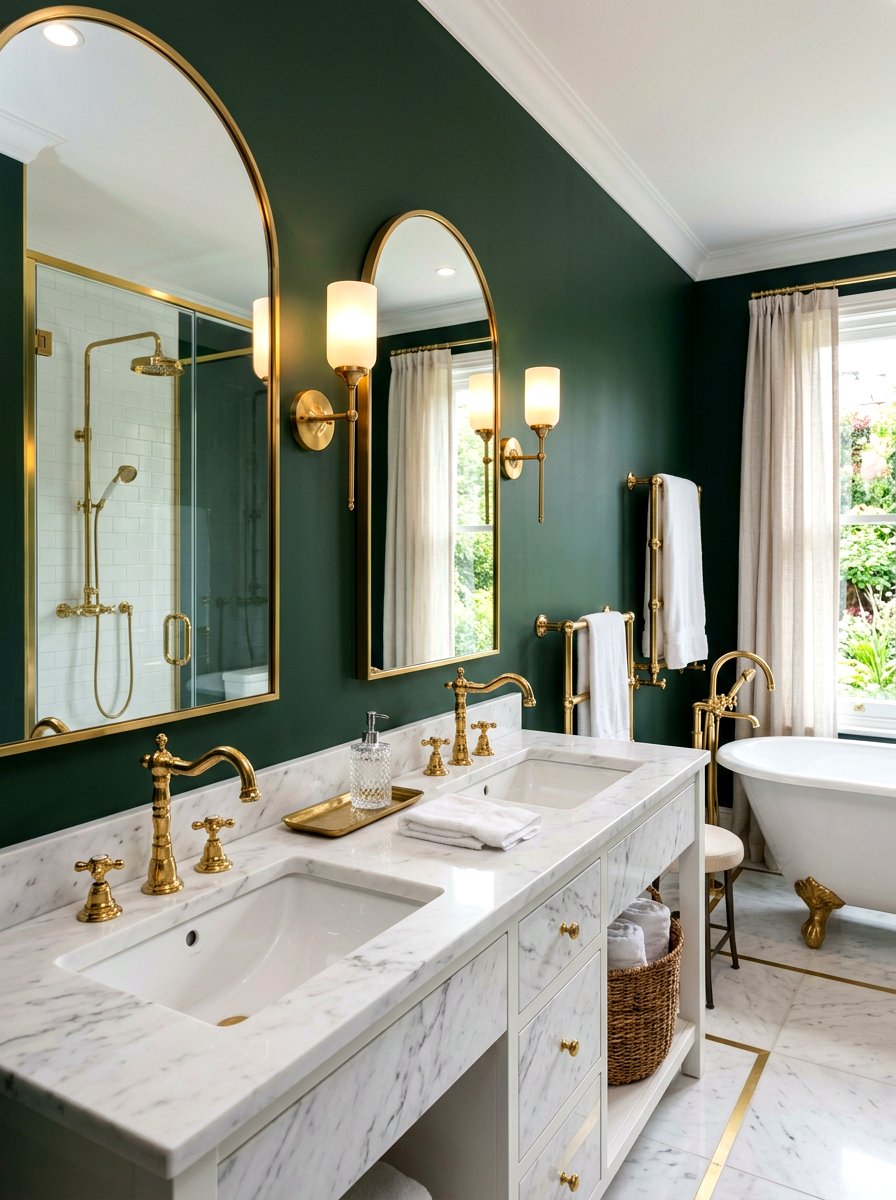
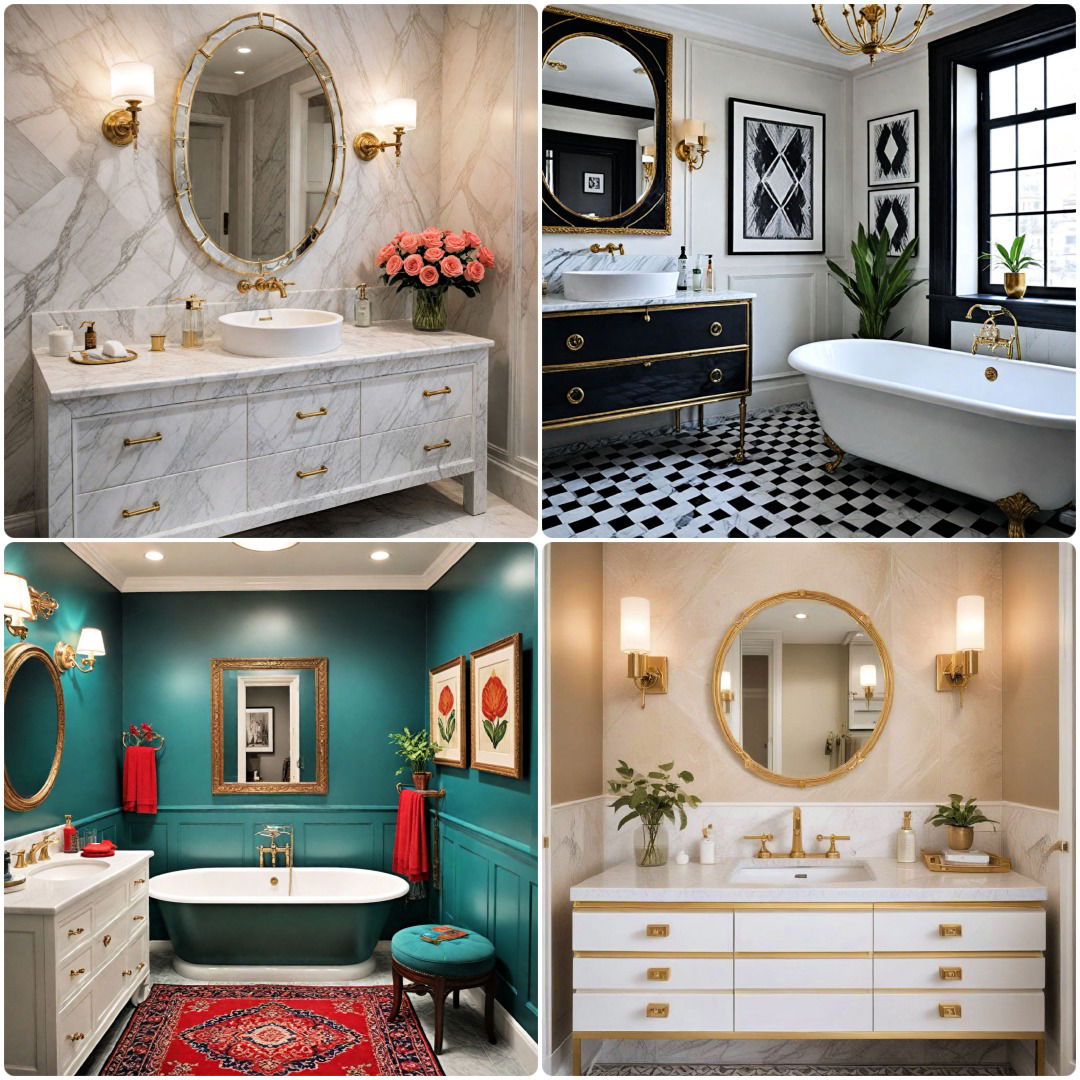
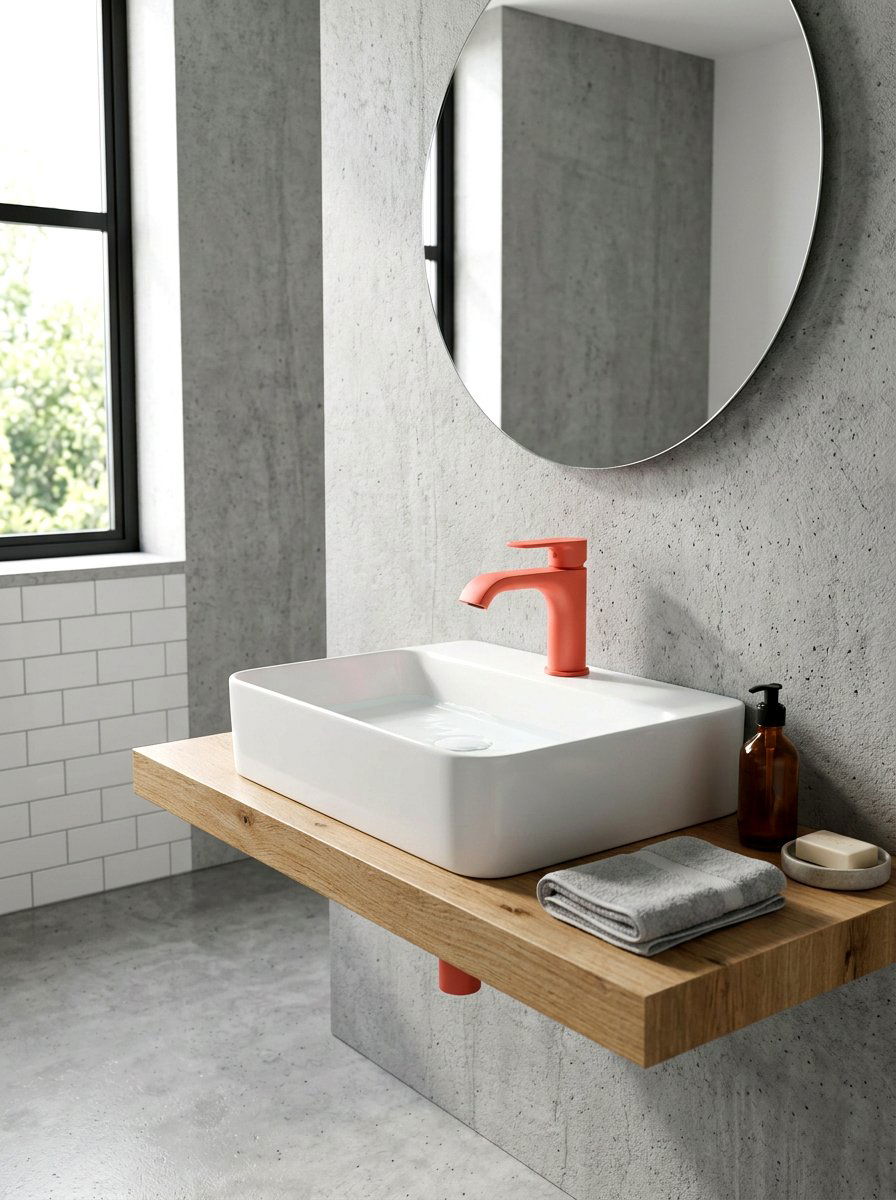
Polished brass hardware was a defining feature of nineties kitchens and bathrooms, and its return brings a sense of warmth and vintage glamour. Unlike the brushed gold of recent years, this revival embraces the high-shine, traditional look of polished brass for faucets, handles, and light fixtures. It provides a beautiful contrast against dark cabinets or colorful tiles, acting like jewelry for the room. This material develops a unique patina over time, adding a sense of history and character to your home. Incorporating brass is a simple way to elevate a space and introduce a touch of classic, timeless luxury to your daily routine.
29. Nineties plaid bedding
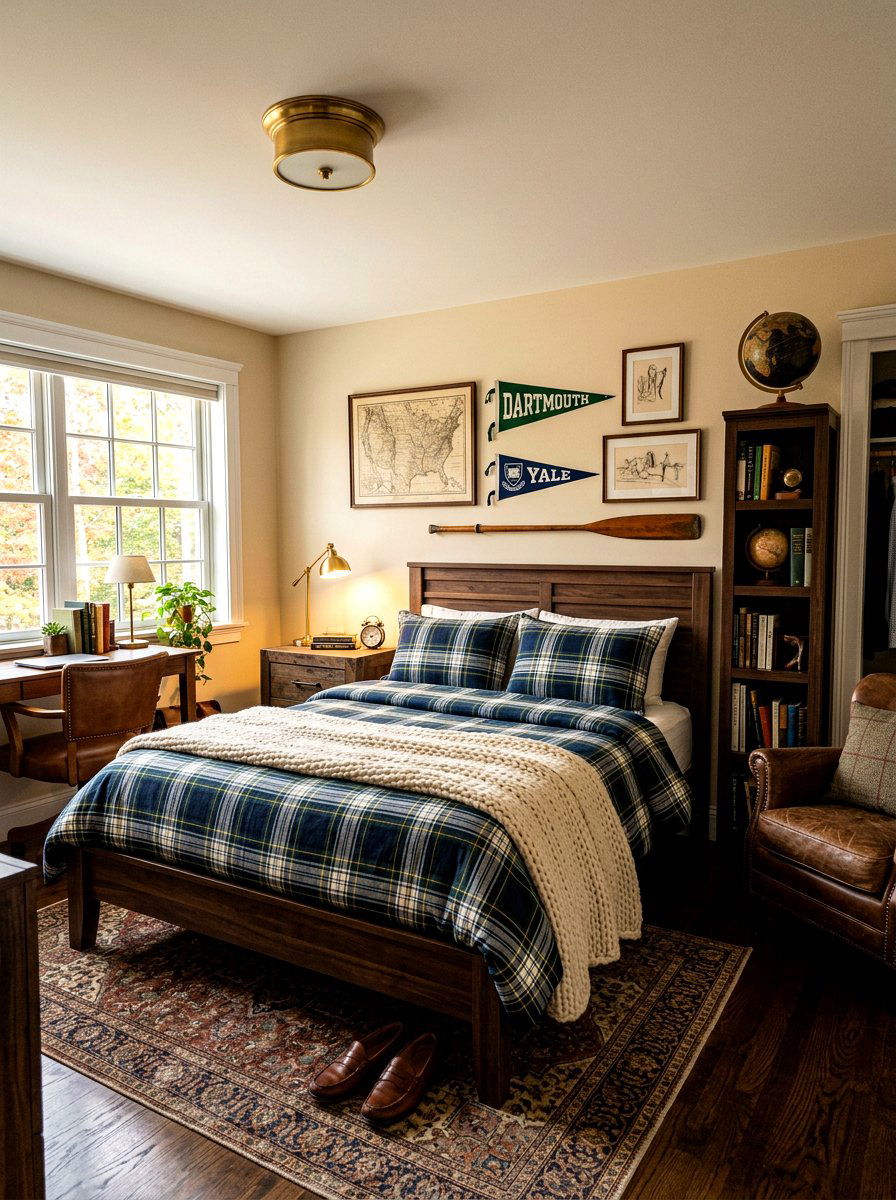
Plaid and tartan patterns were essential for the nineties "prep" and "grunge" looks, and they are returning to bedrooms with a cozy, traditional feel. A plaid duvet cover or a set of checkered shams adds immediate visual interest and a sense of sturdiness to a sleeping space. This pattern works well in a variety of colors, from classic red and green to modern neutrals like charcoal and beige. It creates a library-like, academic atmosphere that feels very grounded and comforting. By mixing plaid with solid colors and textured knits, you can create a layered and inviting bed that feels both nostalgic and perfectly stylish.
30. Nineties fern plant
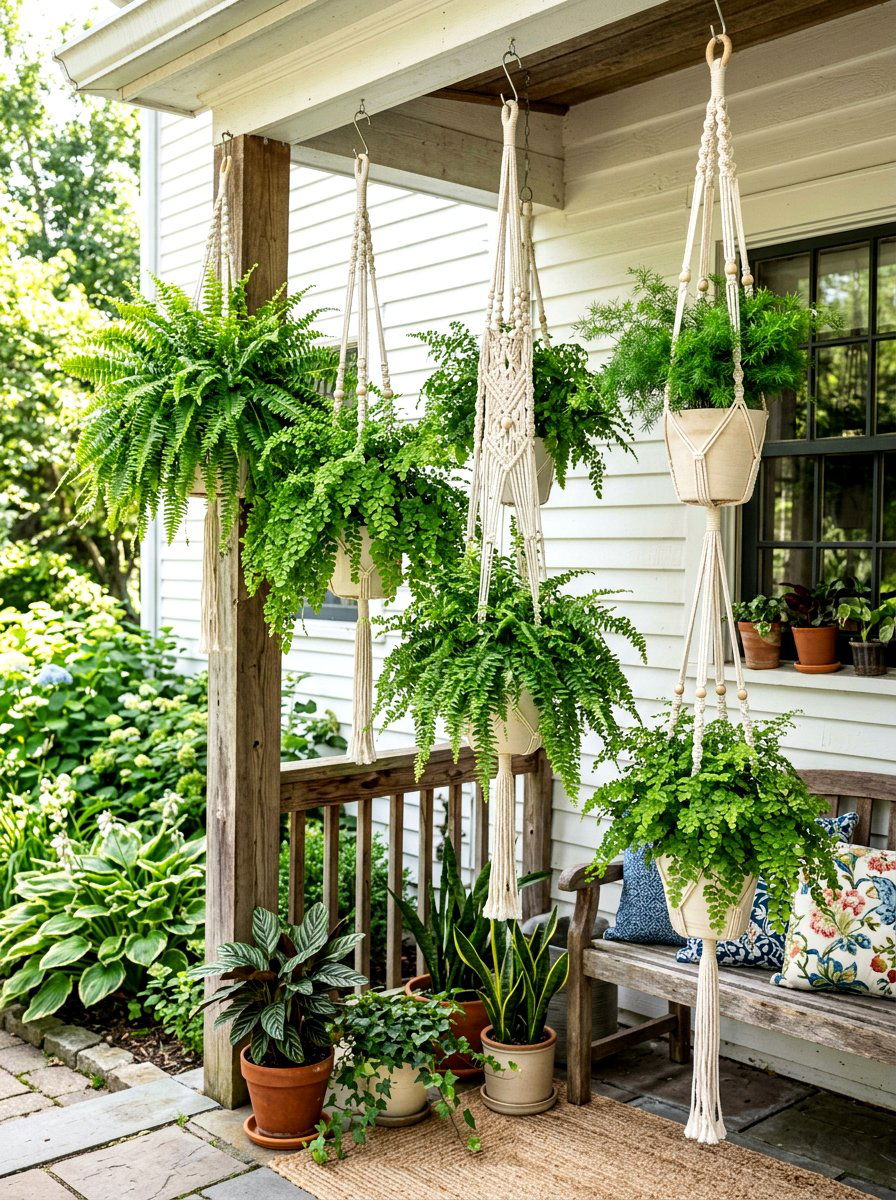
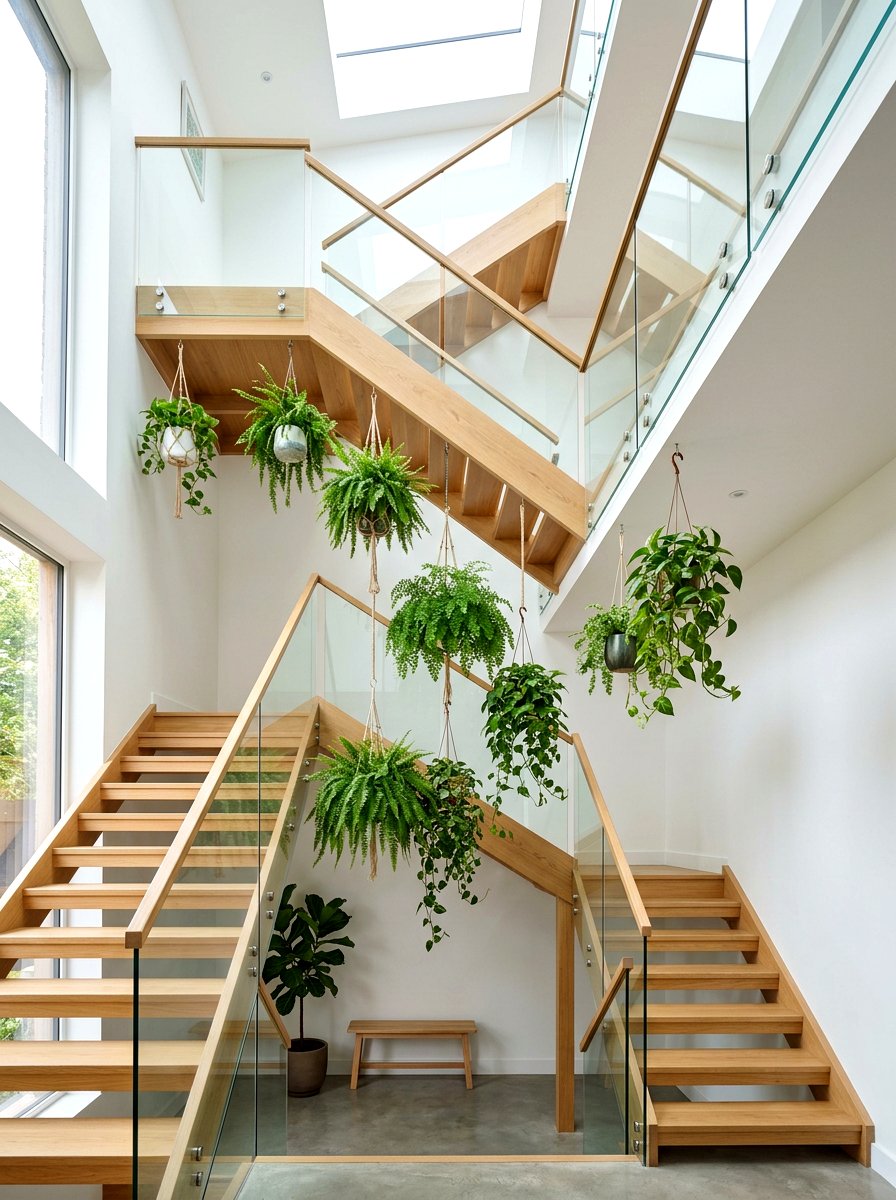
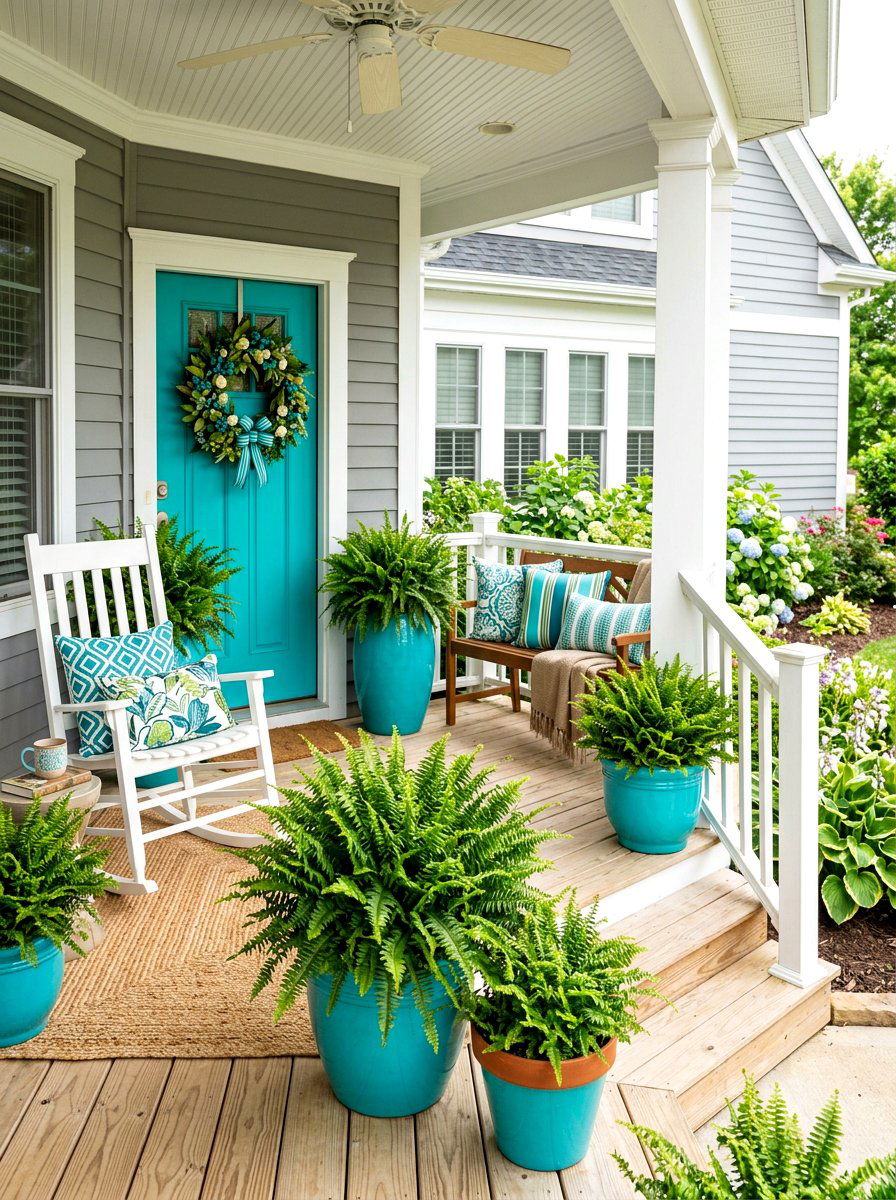
Hanging ferns were a staple of the nineties bohemian home, and they are back to add a lush, jungle-like feel to modern interiors. With their delicate, feathery fronds, ferns bring a sense of softness and movement to corners and windowsills. They are particularly effective in bathrooms or kitchens where humidity is higher, echoing the "indoor-outdoor" trend of the era. A row of hanging ferns can transform a plain wall into a living curtain of greenery. This plant choice is all about abundance and vitality, helping to create a home that feels fresh, vibrant, and deeply connected to the natural world.
Conclusion:
The revival of nineties decor is more than just a fleeting trend; it is a celebration of a decade that prioritized personality, comfort, and a playful approach to design. By integrating these iconic elements — from the bold colors of Memphis furniture to the cozy textures of overstuffed sofas — we are creating homes that feel more human and less like a staged showroom. This era offers a wealth of inspiration for anyone looking to break away from the minimalist mold and inject some soul back into their living spaces. Whether you choose to go all-in with a checkered floor or simply add a nostalgic lava lamp to your desk, these ideas provide a perfect balance of old and new. Embracing the nineties spirit allows us to build environments that are as unique and diverse as our own personal histories.

Related posts: