Biophilic design is more than just adding a few plants to your windowsill; it is a holistic approach that bridges the gap between modern architecture and the natural world. This design philosophy focuses on our innate human connection to nature, aiming to improve mental well-being, productivity, and overall health within our living spaces. By integrating elements like natural light, organic materials, and lush greenery, you can transform a standard house into a serene sanctuary. Whether you live in a bustling city apartment or a sprawling suburban home, these concepts help you breathe easier and feel more grounded in your daily environment. This guide explores creative ways to bring nature inside for a healthier life.
1. Living Wall Living Room
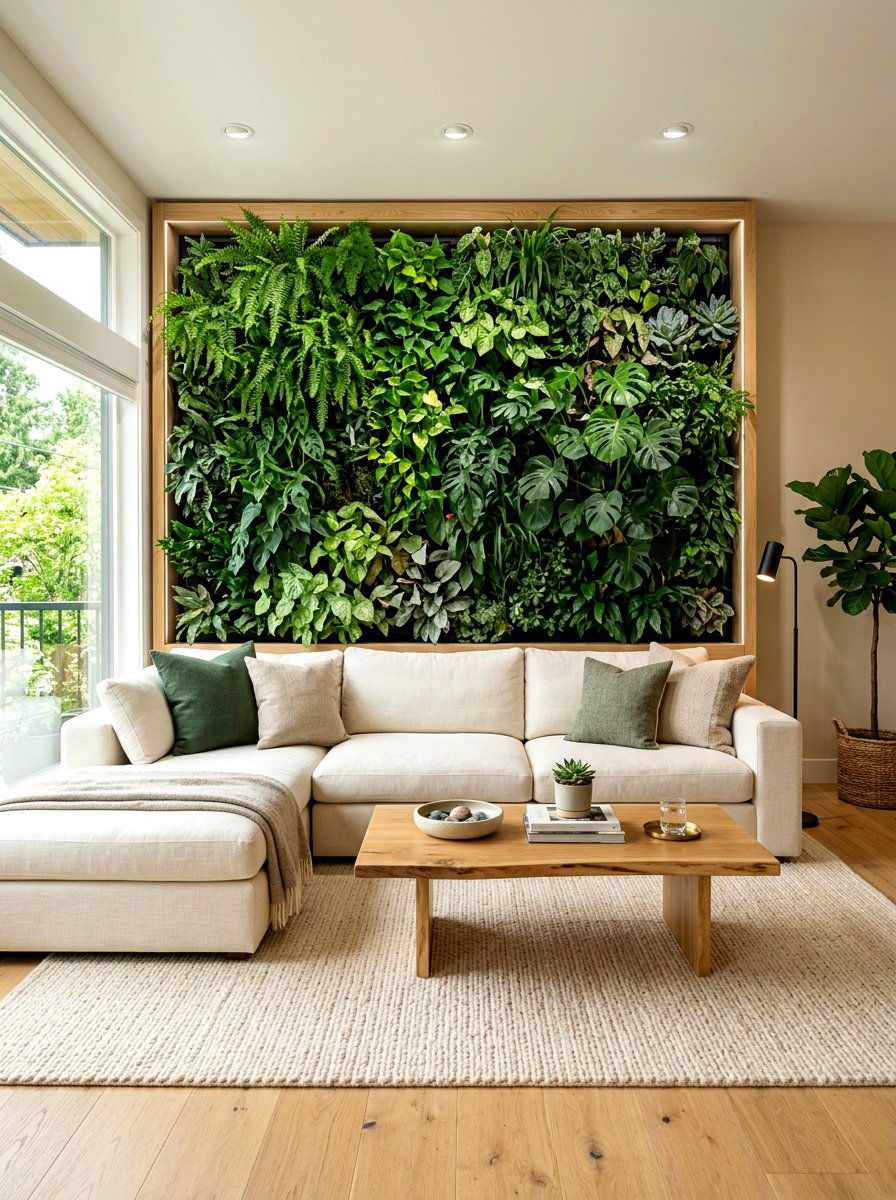
A living wall serves as a breathtaking focal point that brings vibrant energy into your main social space. This vertical garden is not just a decorative piece; it acts as a natural air purifier that filters toxins and releases fresh oxygen throughout the day. When you install a full-scale green wall behind a neutral-toned sofa, it creates a lush backdrop that feels incredibly immersive. You can mix different types of ferns, pothos, and philodendrons to achieve varying textures and shades of green. This setup works beautifully with large windows that provide the necessary sunlight for the plants to thrive and grow, making the room feel like a hidden forest retreat.
2. Indoor Tree Dining Area
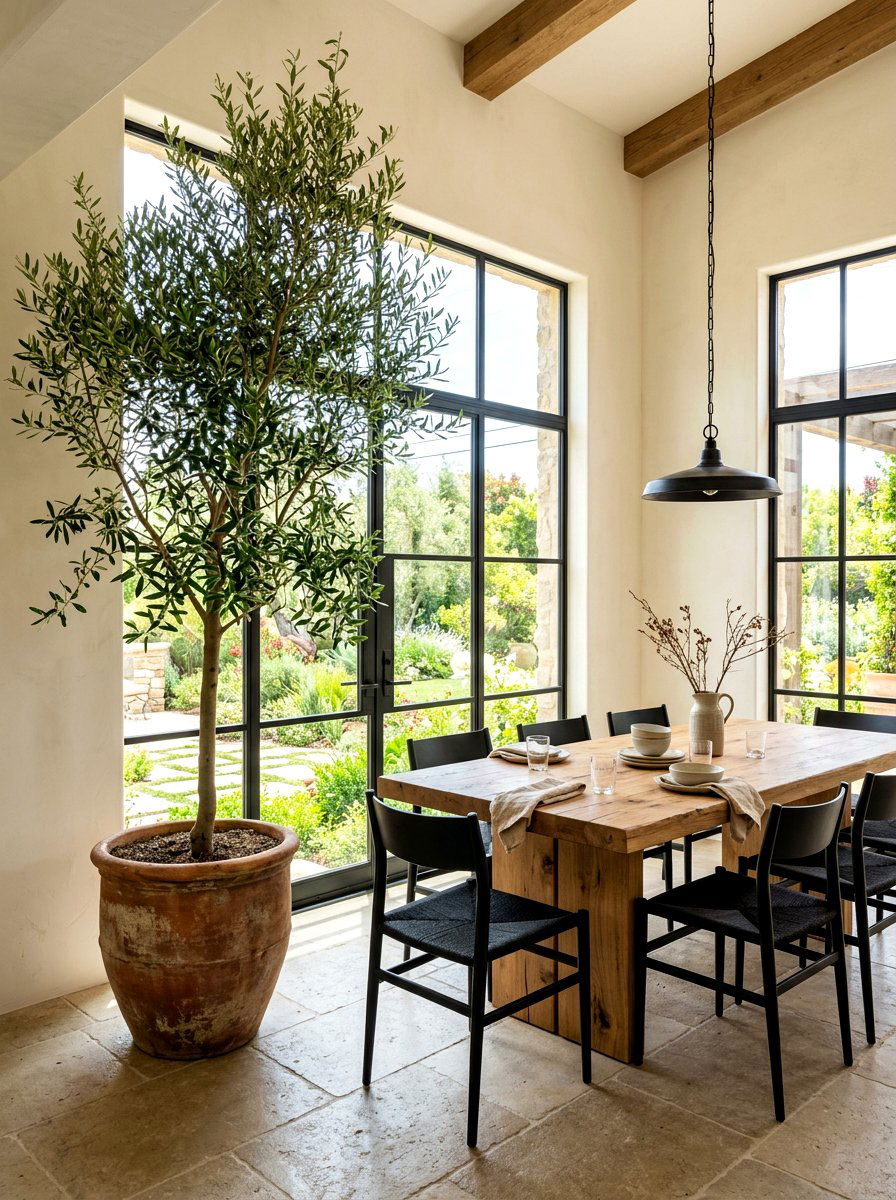
Placing a large indoor tree in your dining area instantly elevates the room’s atmosphere by adding height and organic structure. Imagine sitting down for a meal under the canopy of a tall fiddle leaf fig or a graceful olive tree. This element connects the indoors with the outdoor landscape, making the room feel more expansive and airy. To complement the tree, use a solid wood dining table and soft, ambient lighting that mimics the dappled sun through leaves. The presence of a living tree encourages a slower, more mindful eating experience while providing a stunning conversational piece for your guests to admire during dinner parties.
3. Skylight Bathroom
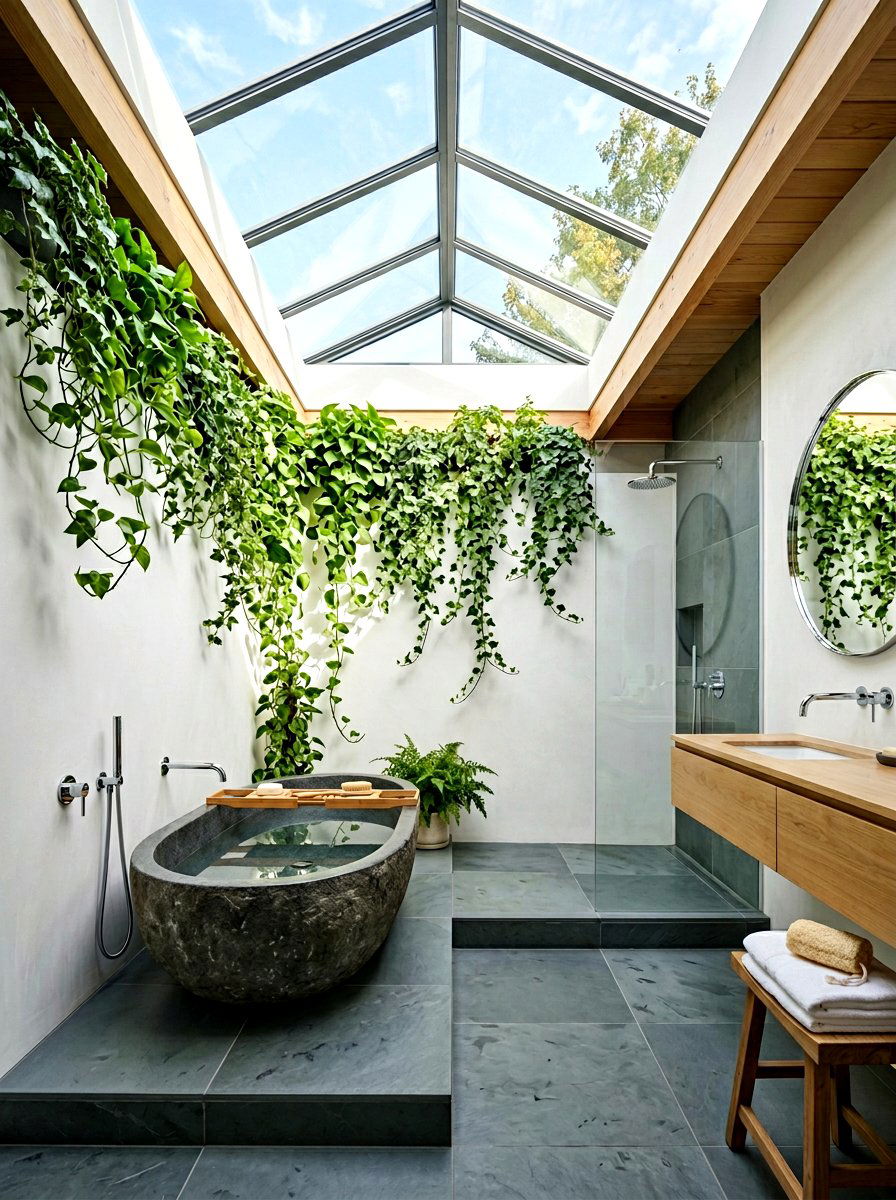
A bathroom with a large skylight allows you to bathe under the open sky while maintaining your privacy. This architectural feature floods the space with natural light during the day and offers a view of the stars at night. The constant connection to the changing sky helps regulate your circadian rhythm and boosts your mood every morning. Pair the skylight with natural stone tiles and a freestanding tub to create a spa-like retreat. Adding a few moisture-loving plants like orchids or ferns near the light source completes the look. You will feel like you are at a high-end forest resort every time you step inside.
4. Natural Wood Master Bedroom
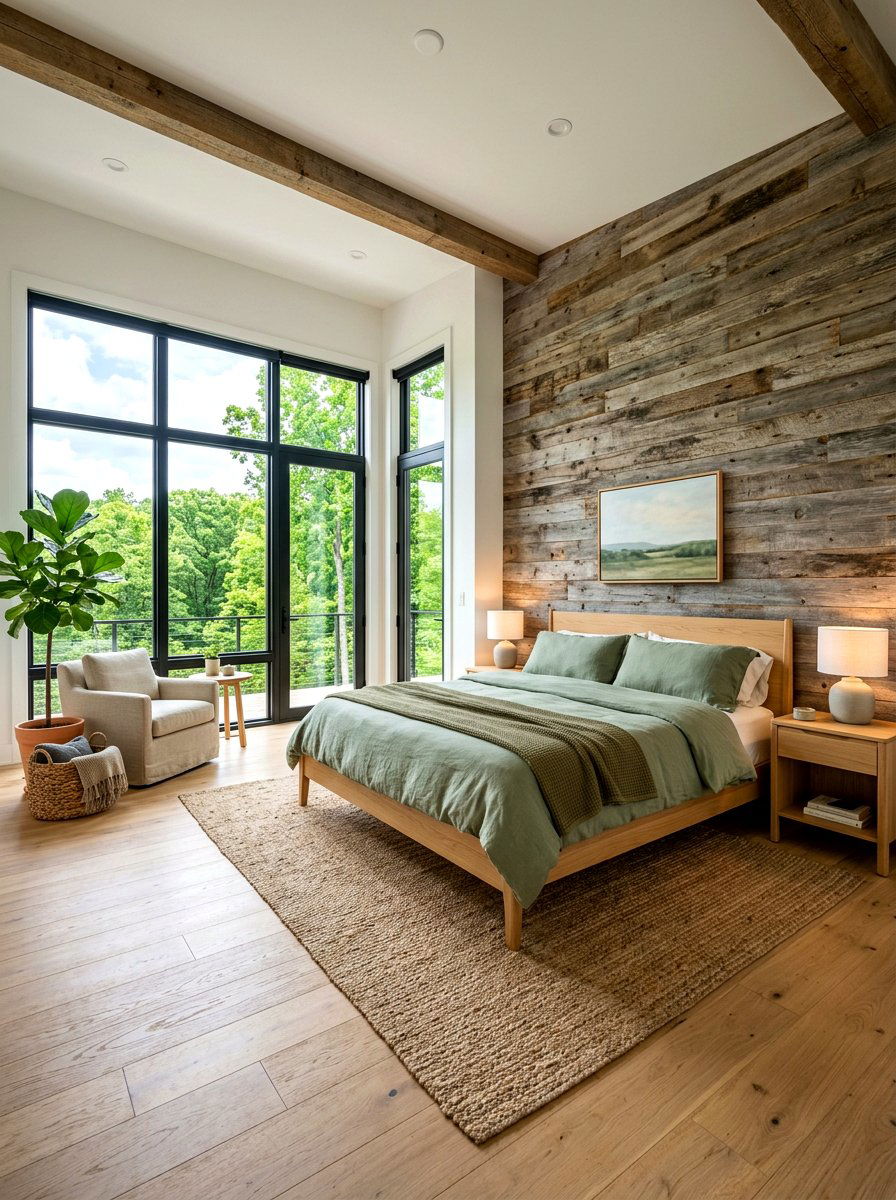
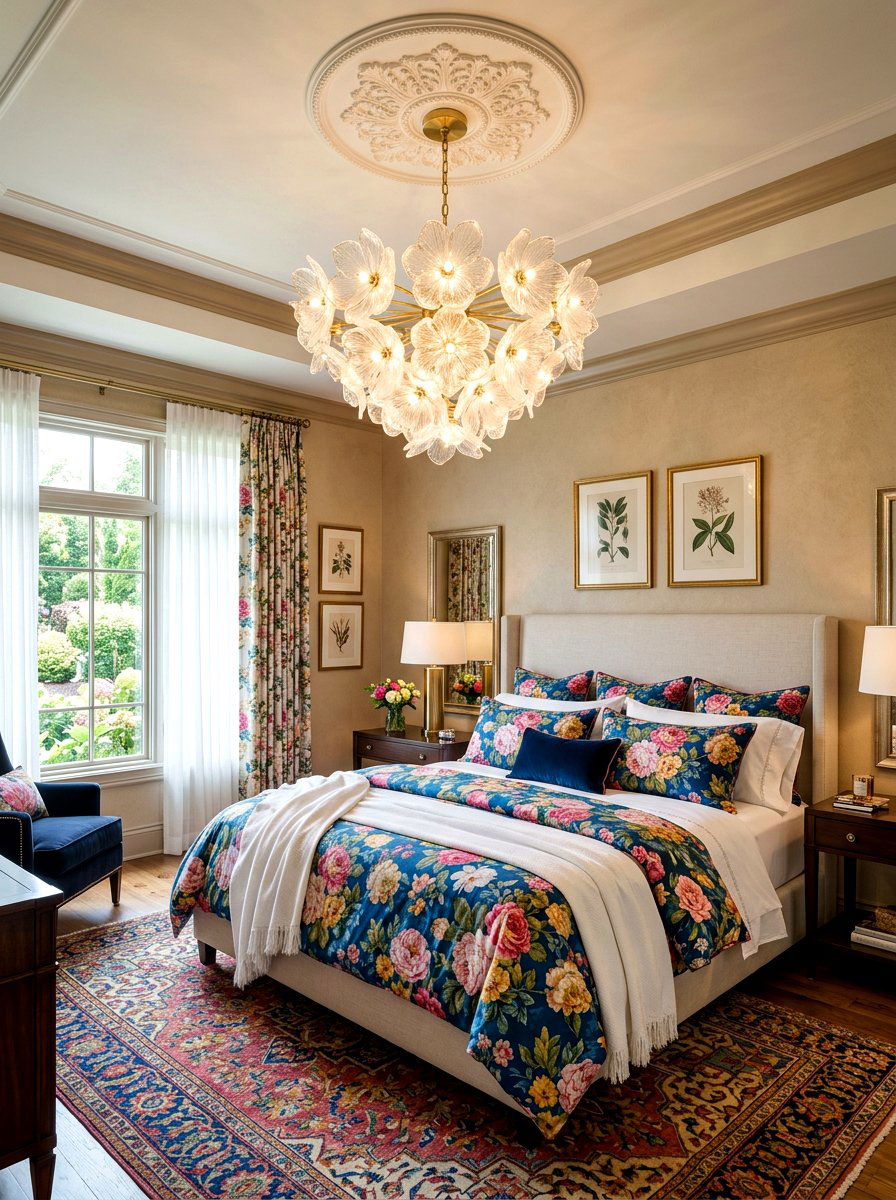
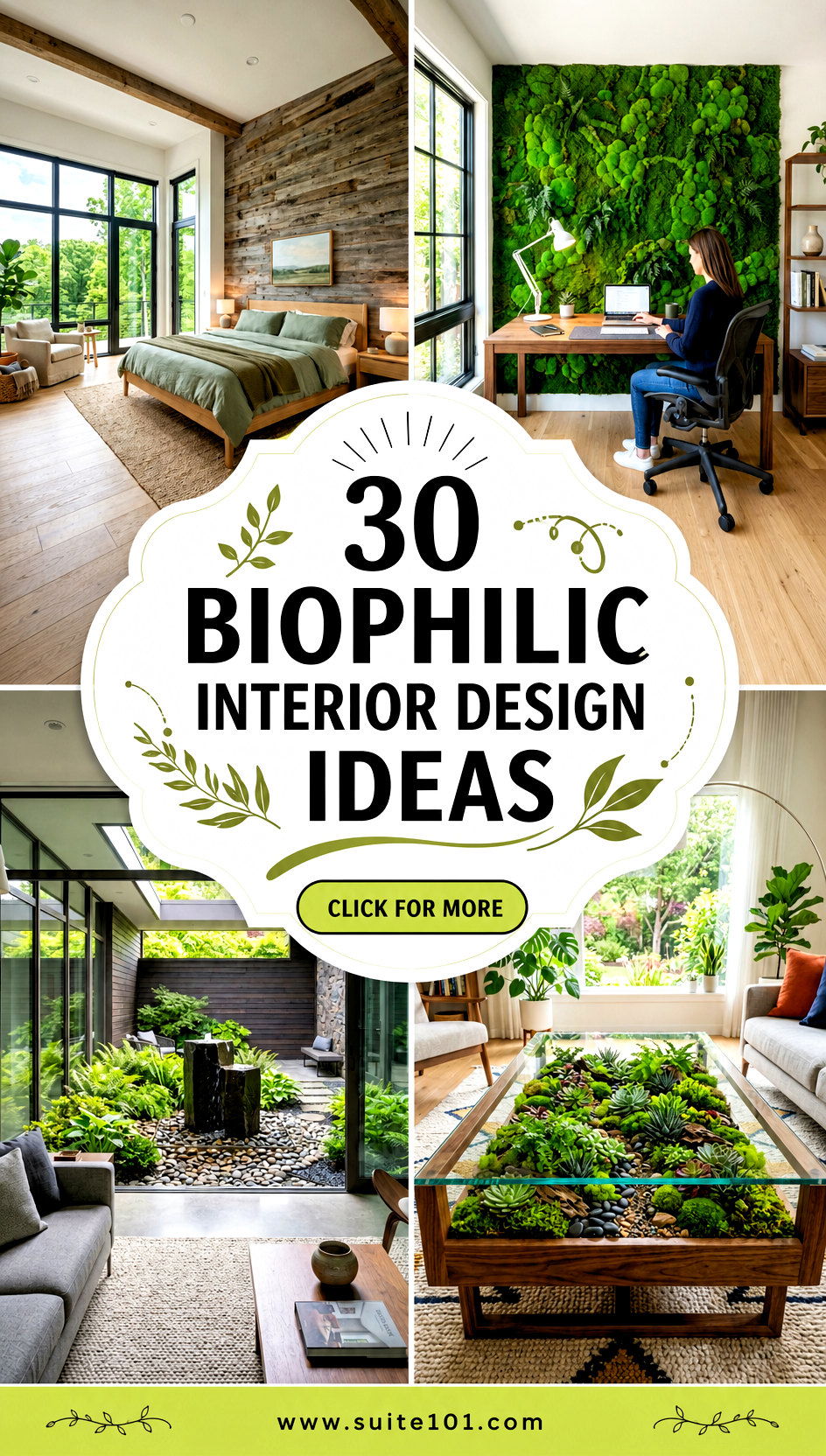
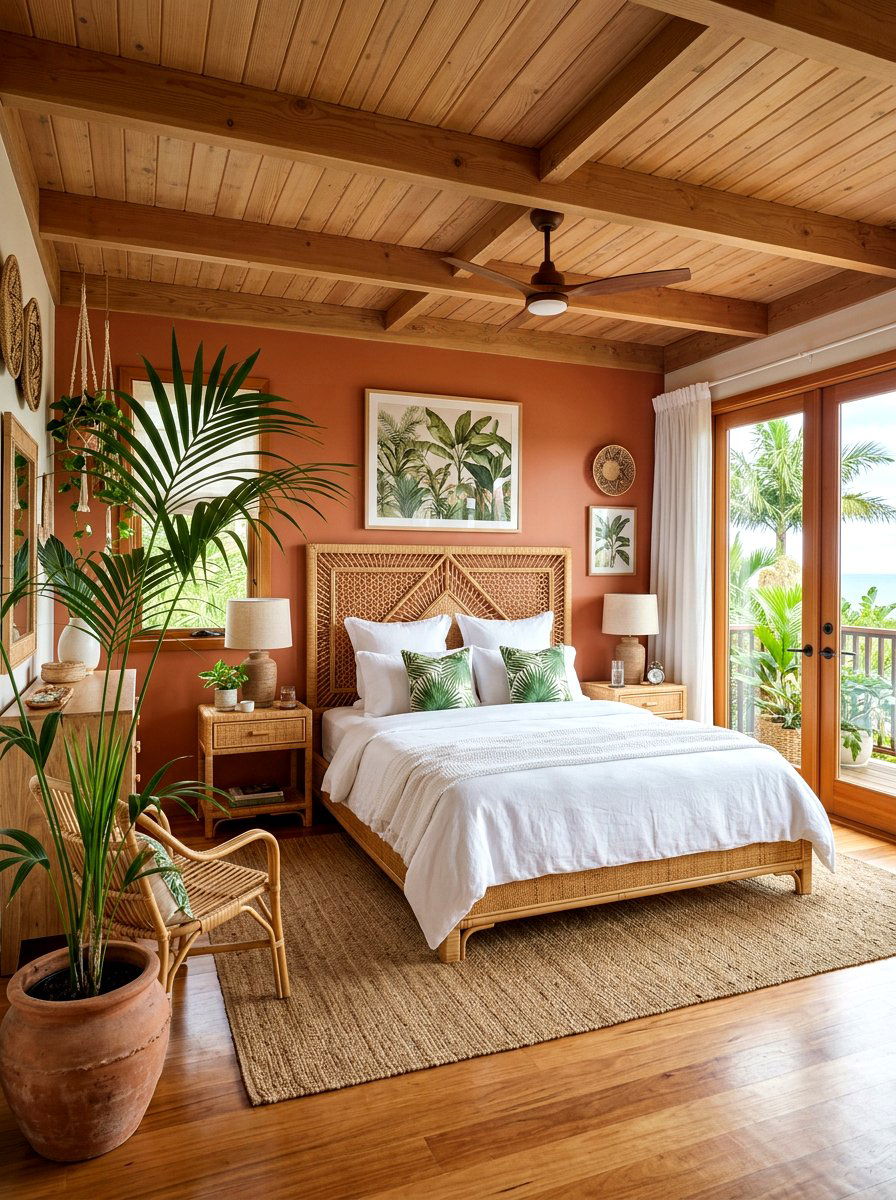
Integrating natural wood into your master bedroom creates a warm and grounding atmosphere that promotes restful sleep and relaxation. You can achieve this by using reclaimed wood for a statement headboard or installing light oak panels across the main wall. The organic grain patterns and earthy scent of the wood bring a tactile sense of nature into your private sanctuary. Combine these wooden elements with soft cotton bedding in muted tones like sage or sand to maintain a cohesive look. Large floor-to-ceiling windows that offer views of trees or a garden will further enhance the biophilic feel and connect you to the outdoors every morning.
5. Stone Feature Wall Entryway
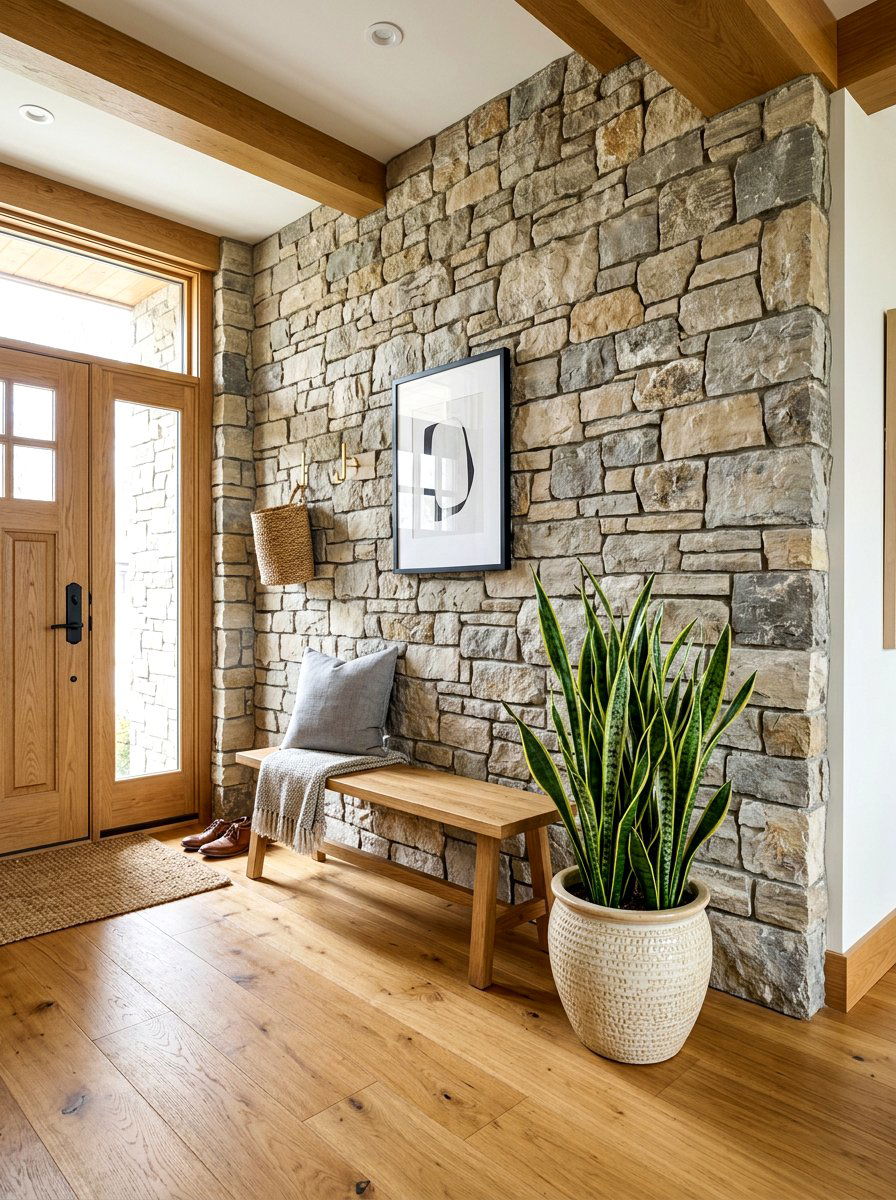
A stone feature wall in the entryway makes a powerful first impression by introducing raw, natural textures immediately upon entering the home. Using slate, limestone, or fieldstone creates a rugged yet sophisticated look that anchors the space and provides a sense of permanence. This architectural detail mimics the feel of a natural canyon or mountain retreat, bridging the gap between the exterior and interior worlds. To soften the hardness of the stone, add a simple wooden bench and a tall potted plant nearby. Soft, warm lighting can highlight the irregular surfaces of the stone, creating beautiful shadows and adding visual depth to the narrow hallway space.
6. Rattan Furniture Sunroom
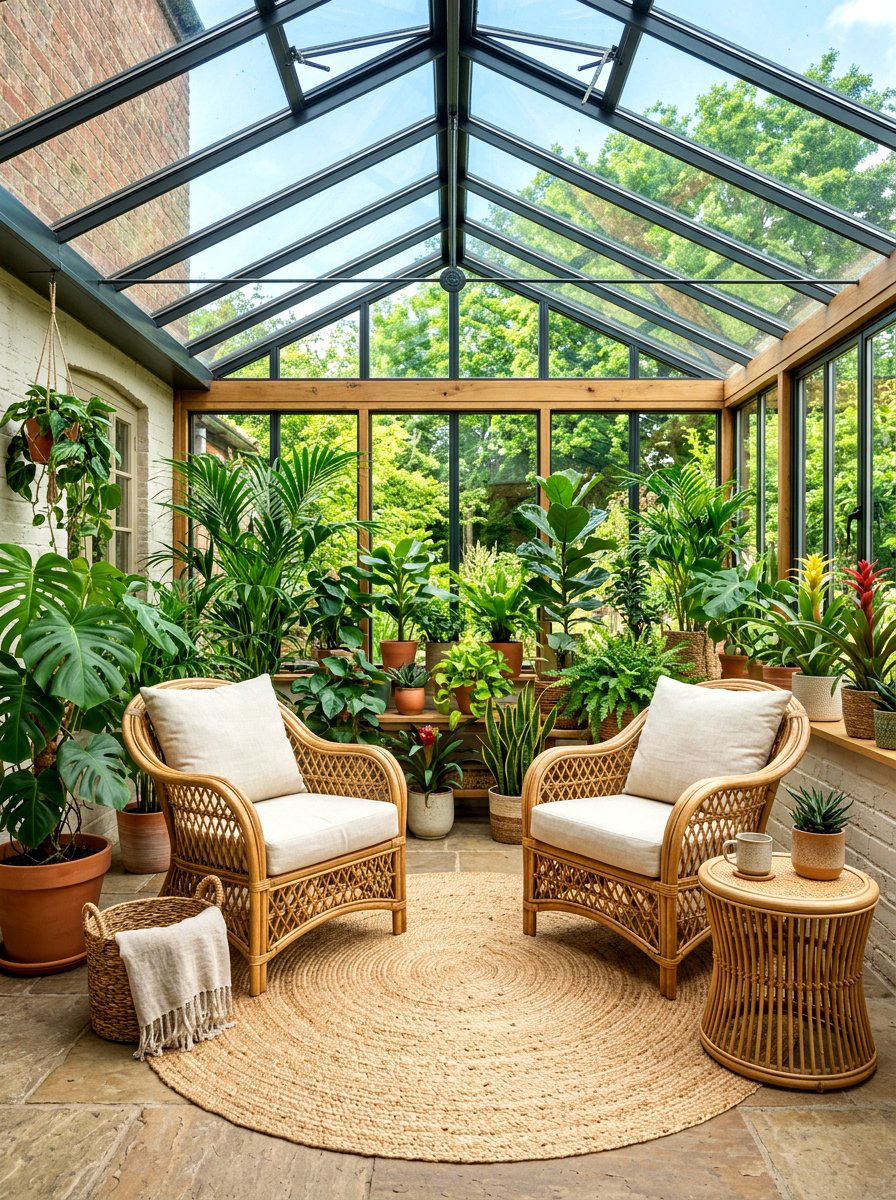
Designing a sunroom with rattan furniture is an excellent way to celebrate natural fibers and lightweight, airy aesthetics in your home. Rattan is a sustainable material that offers a beautiful woven texture, perfectly complementing a space filled with sunlight and indoor plants. Arrange a set of rattan armchairs around a circular jute rug to create an inviting conversation area that feels like an outdoor patio. The golden tones of the wicker material harmonize with the bright light, creating a cheerful and relaxed environment. This setup encourages you to spend more time enjoying the natural daylight and the surrounding views of your garden or backyard landscape.
7. Large Window Reading Nook
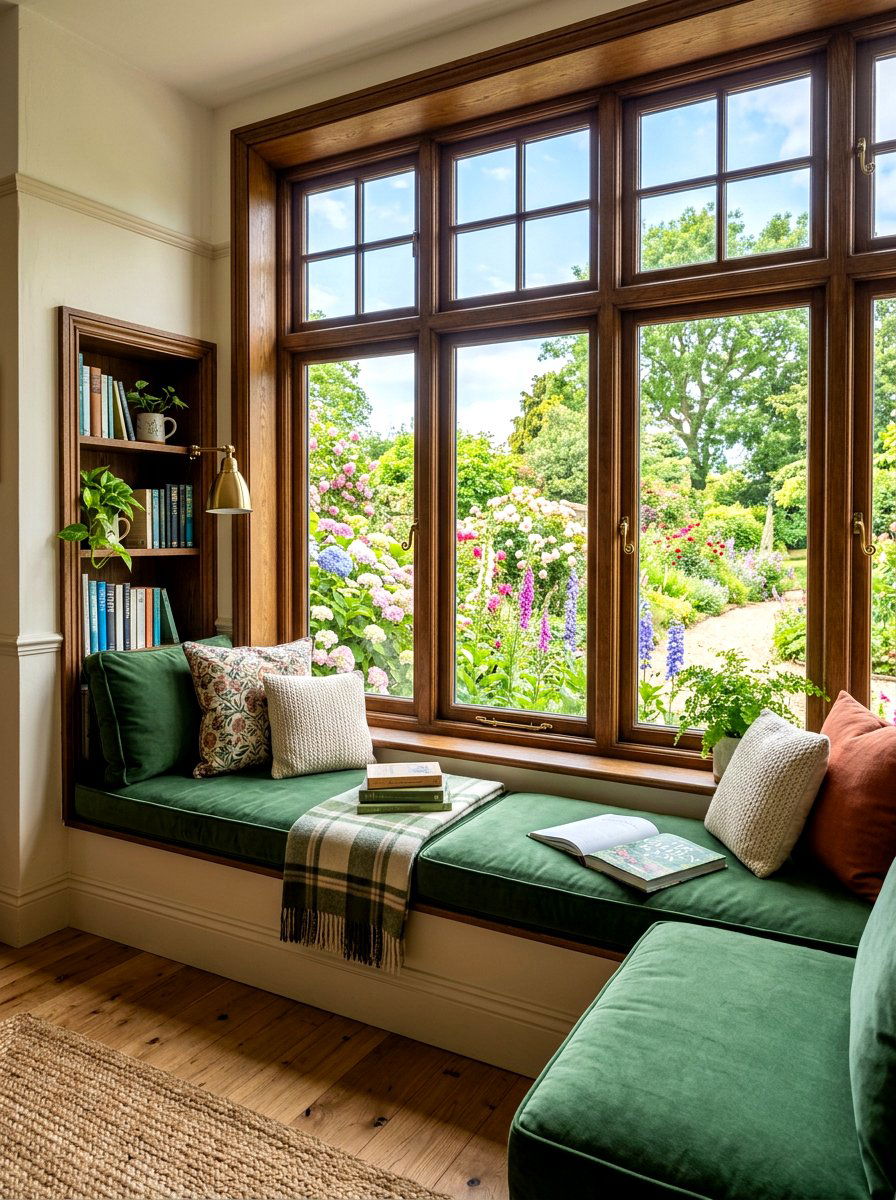
A reading nook built around a large window serves as a peaceful escape that prioritizes your connection to the outside world. By positioning a comfortable built-in bench directly under a wide pane of glass, you can enjoy natural light while getting lost in a book. This setup allows you to watch the changing weather and seasons, which provides a soothing visual rhythm to your day. Use soft cushions in forest green or sky blue to echo the colors found outdoors. Adding a small bookshelf made of light wood and a cozy throw blanket makes the space feel complete and incredibly inviting for a long afternoon of relaxation.
8. Moss Wall Home Office
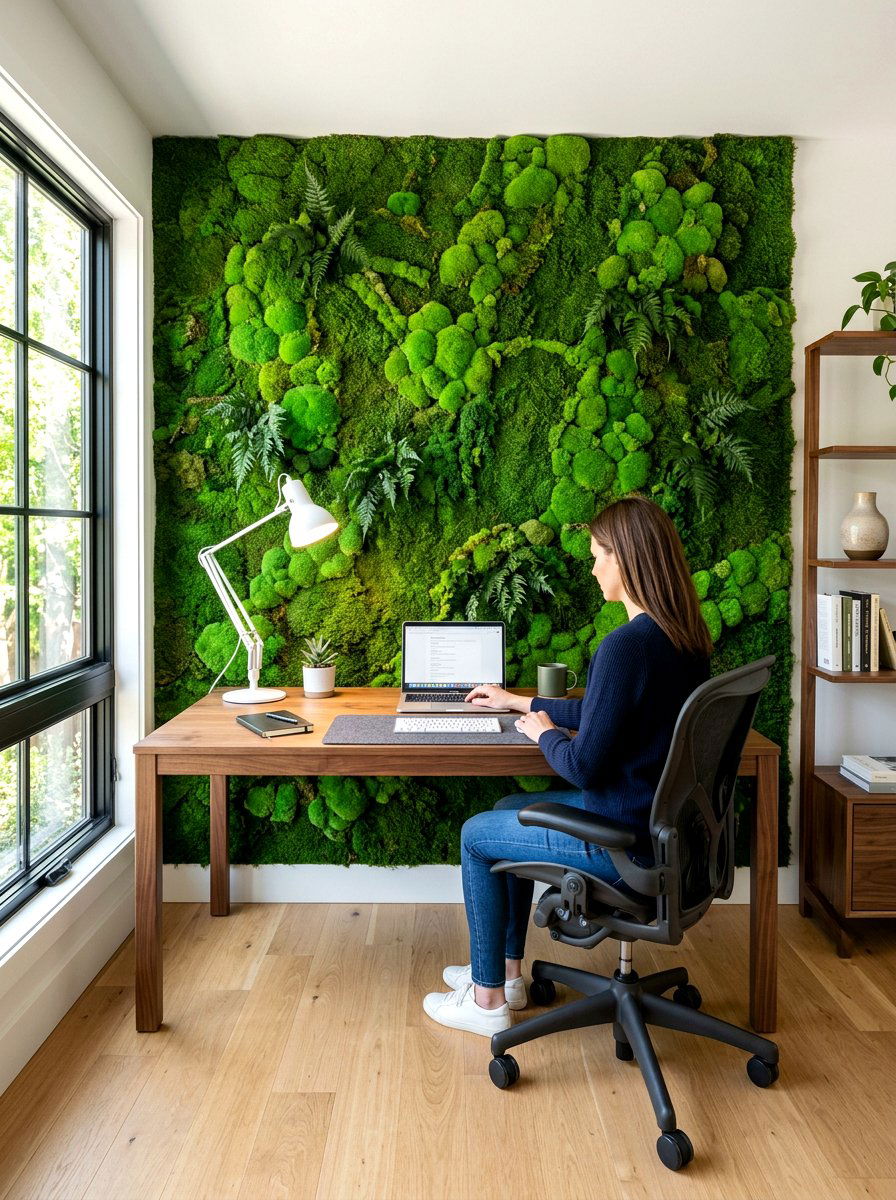
Installing a preserved moss wall in your home office is a brilliant way to bring greenery into a workspace without any maintenance. Moss walls offer a unique, soft texture that absorbs sound, making your office quieter and more conducive to deep focus and productivity. Unlike traditional indoor plants, preserved moss requires no watering or sunlight, making it perfect for windowless rooms or busy professionals. The vibrant green color provides a refreshing visual break from computer screens, reducing eye strain and mental fatigue. Surrounding your desk with these natural textures creates a calming environment that helps manage stress throughout your busy work day and boosts your creative flow.
9. Potted Plant Staircase
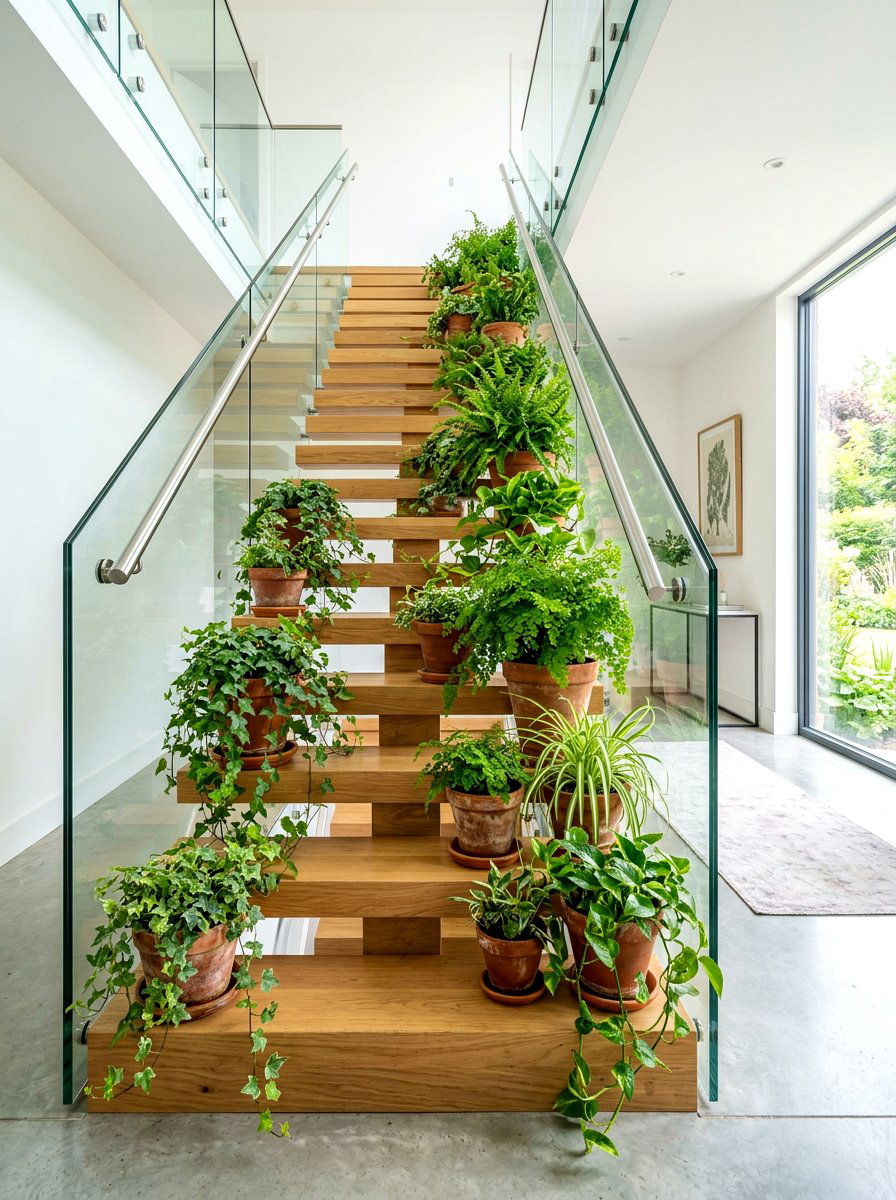
Utilizing your staircase to display a variety of potted plants creates a flowing transition of greenery between different levels of your home. By placing cascading vines like ivy or architectural plants like snake plants on the steps, you turn a functional area into a vertical garden. This arrangement draws the eye upward and makes the entire home feel more interconnected and alive with natural energy. Ensure the pots are made of natural materials like terracotta or ceramic to maintain the biophilic theme. The greenery softens the hard lines of the stairs, making the journey between floors a more pleasant and visually engaging experience for everyone in the house.
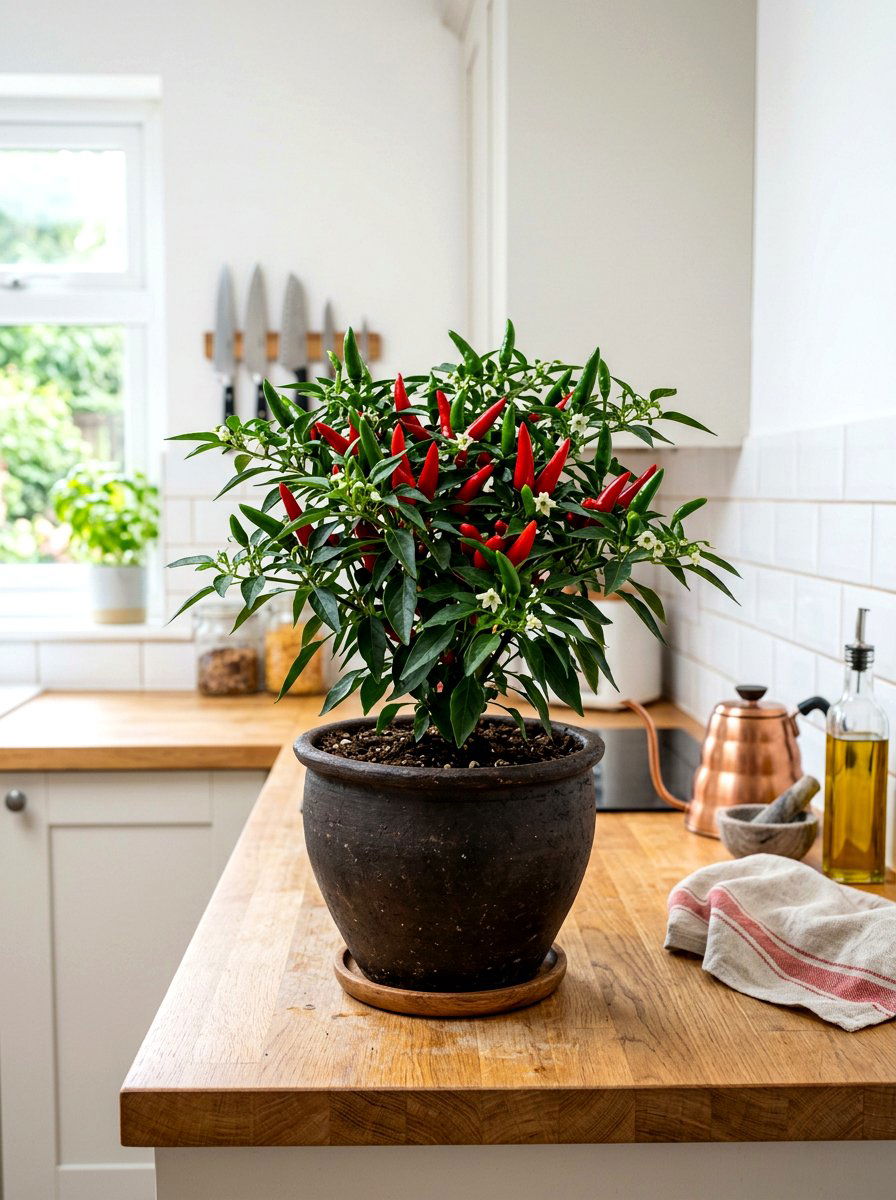
10. Bamboo Flooring Hallway
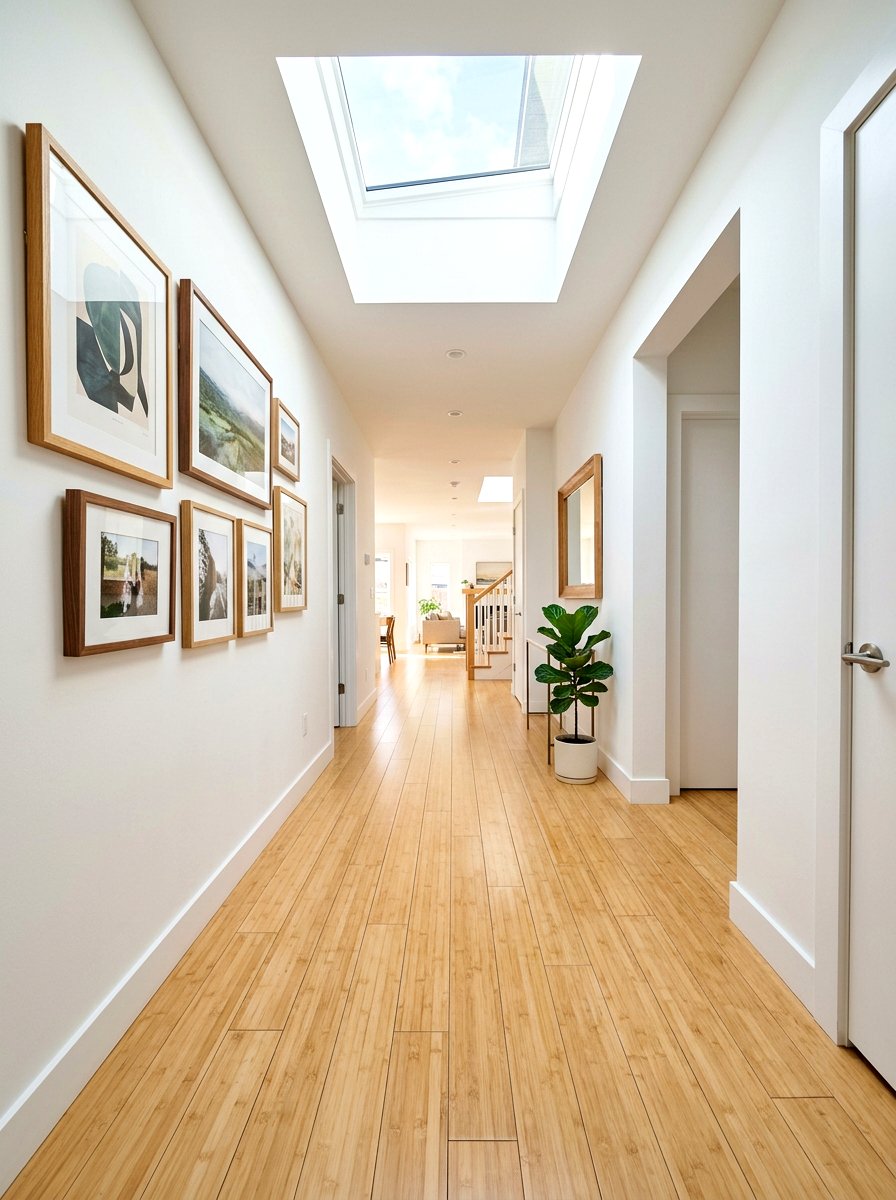
Choosing bamboo flooring for your hallway is an eco-friendly decision that brings a clean, natural look to the high-traffic areas of your home. Bamboo is a rapidly renewable resource that offers incredible durability and a unique grain pattern that differs from traditional hardwoods. The light, warm tones of bamboo help brighten narrow hallways, making them feel more spacious and welcoming to guests. Pair the flooring with white walls and minimalist wooden frames for art to keep the focus on the natural materials. This design choice provides a smooth, tactile connection to nature underfoot every time you walk through your living space during the day.
11. Water Feature Courtyard
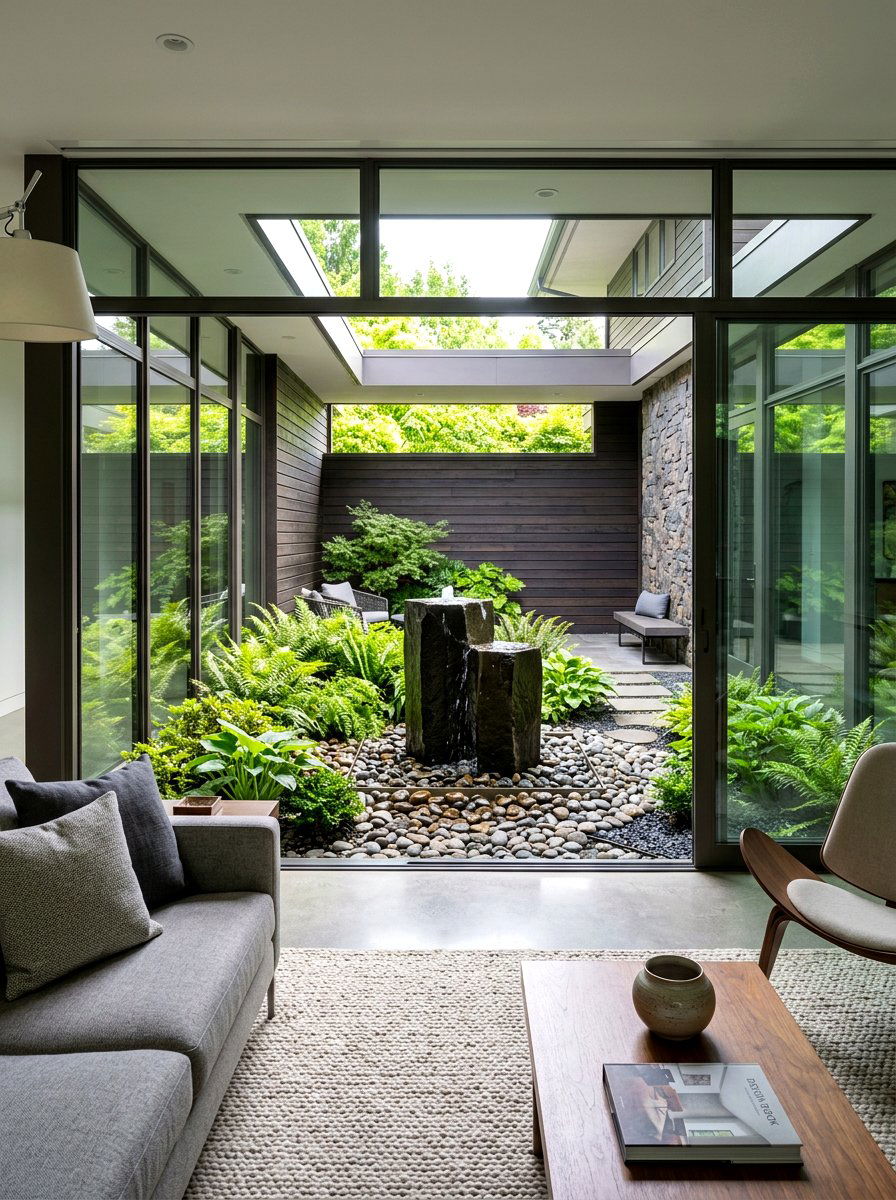
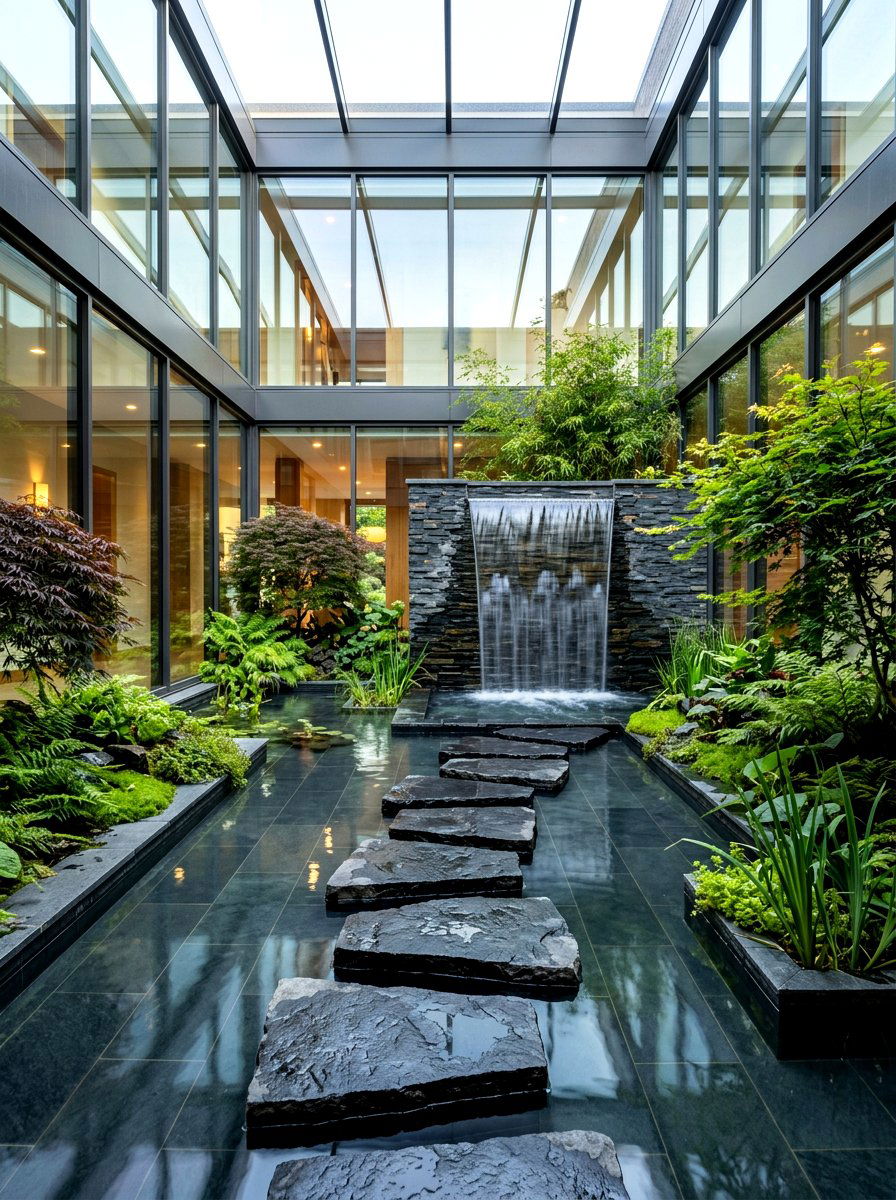
Integrating a small water feature into a central courtyard provides a soothing auditory experience that mimics the sound of a mountain stream. The gentle trickle of water creates a peaceful atmosphere, masking city noise and promoting a sense of deep tranquility within the home. Surround the water feature with smooth river stones and moisture-loving ferns to create a complete mini-ecosystem that feels tucked away from the world. A courtyard with glass walls allows you to enjoy the visual beauty and movement of the water from multiple rooms. This central anchor brings life and movement into the very heart of your modern architectural design and floor plan.
12. Earthy Tone Guest Room
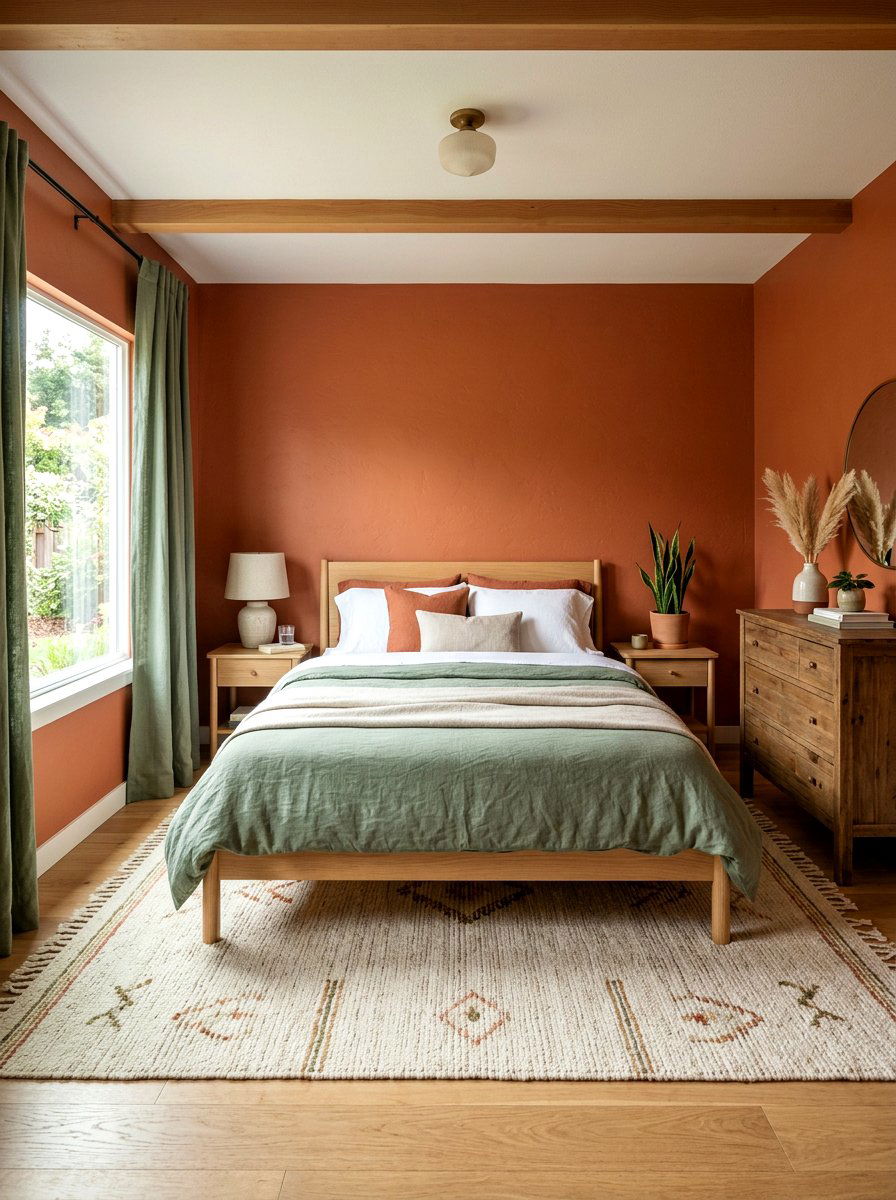
Designing a guest room around an earthy color palette helps visitors feel immediately grounded and comfortable in your home. Use shades like terracotta, sage green, and warm ochre on the walls and linens to reflect the natural colors of the landscape. These hues are known for their calming effects, helping to create a cozy and restorative environment for travelers. Complement the colors with natural textures like linen curtains and a wool rug to enhance the tactile experience. Adding a small vase of fresh wildflowers or a single potted plant on the nightstand brings a literal piece of nature into the room, making guests feel truly welcome.
13. Hanging Plant Kitchen
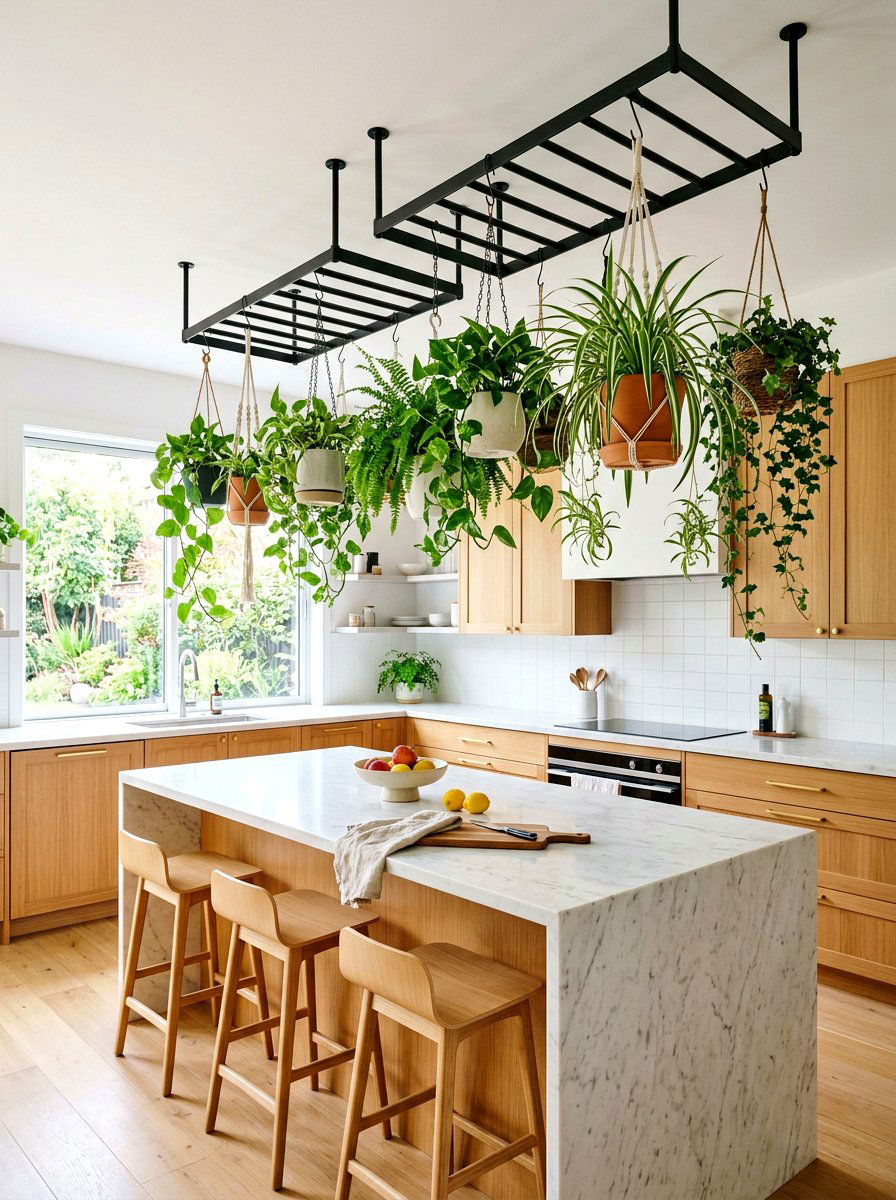
A kitchen filled with hanging plants transforms a functional cooking area into a lush, vibrant space that feels fresh and full of life. By suspending plants like spider plants or trailing herbs from the ceiling or high shelves, you maximize floor space while adding visual interest. The greenery contrasts beautifully with modern appliances and stone countertops, softening the overall look of the room. This design also improves the air quality in a space that can often become humid or smoky during meal preparation. Watching the vines grow over time adds a dynamic and evolving element to your daily kitchen routine and makes the heart of the home feel brighter.
14. Cork Wall Studio
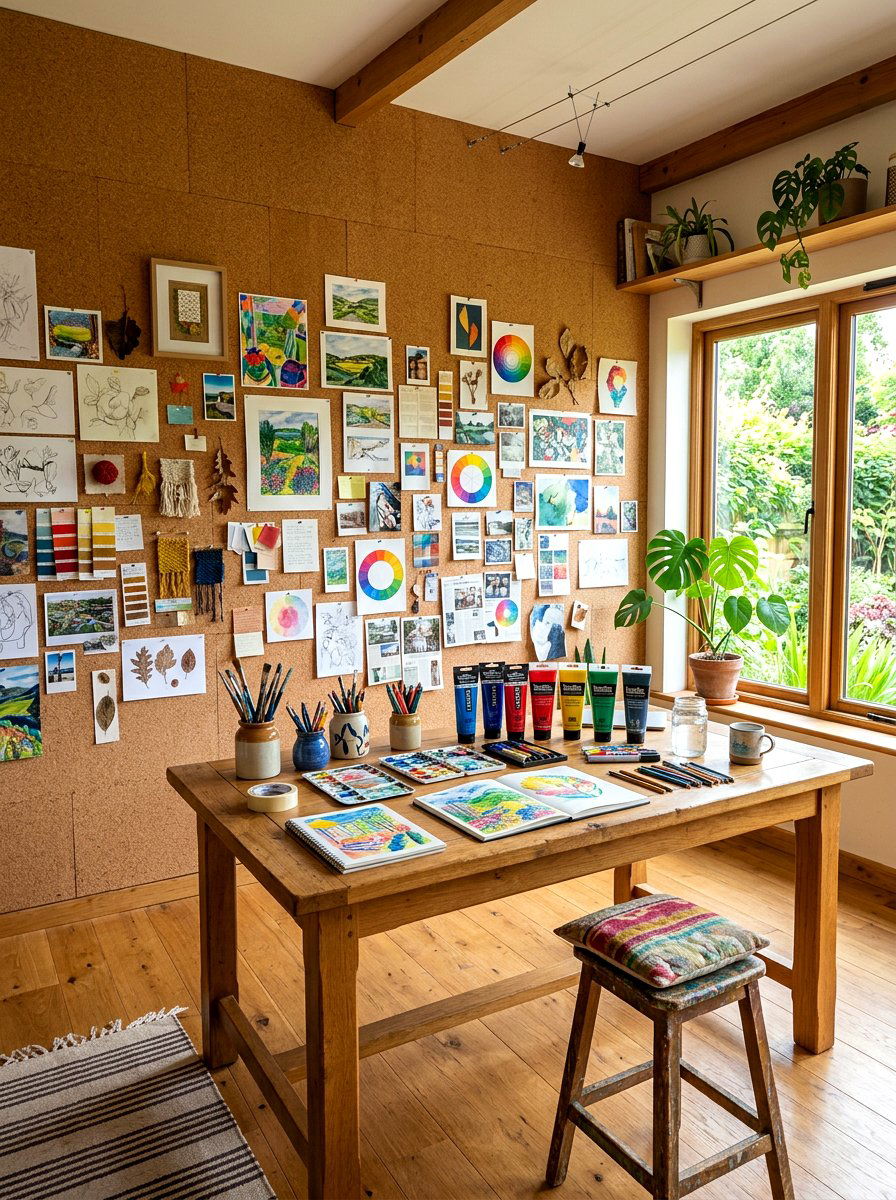
Using cork as a wall covering in a creative studio or craft room offers both aesthetic beauty and practical biophilic benefits. Cork is a natural, renewable material that provides excellent acoustic insulation and a warm, textured appearance that inspires creativity and focus. It also serves as a giant pinboard, allowing you to display sketches, photos, and natural inspiration directly on the surface without any damage. The earthy brown tones of the cork pair perfectly with wooden furniture and natural light, creating a workspace that feels connected to the forest. This sustainable choice makes your creative environment feel cozy, quiet, and highly functional for all your projects.
15. Jute Rug Mudroom
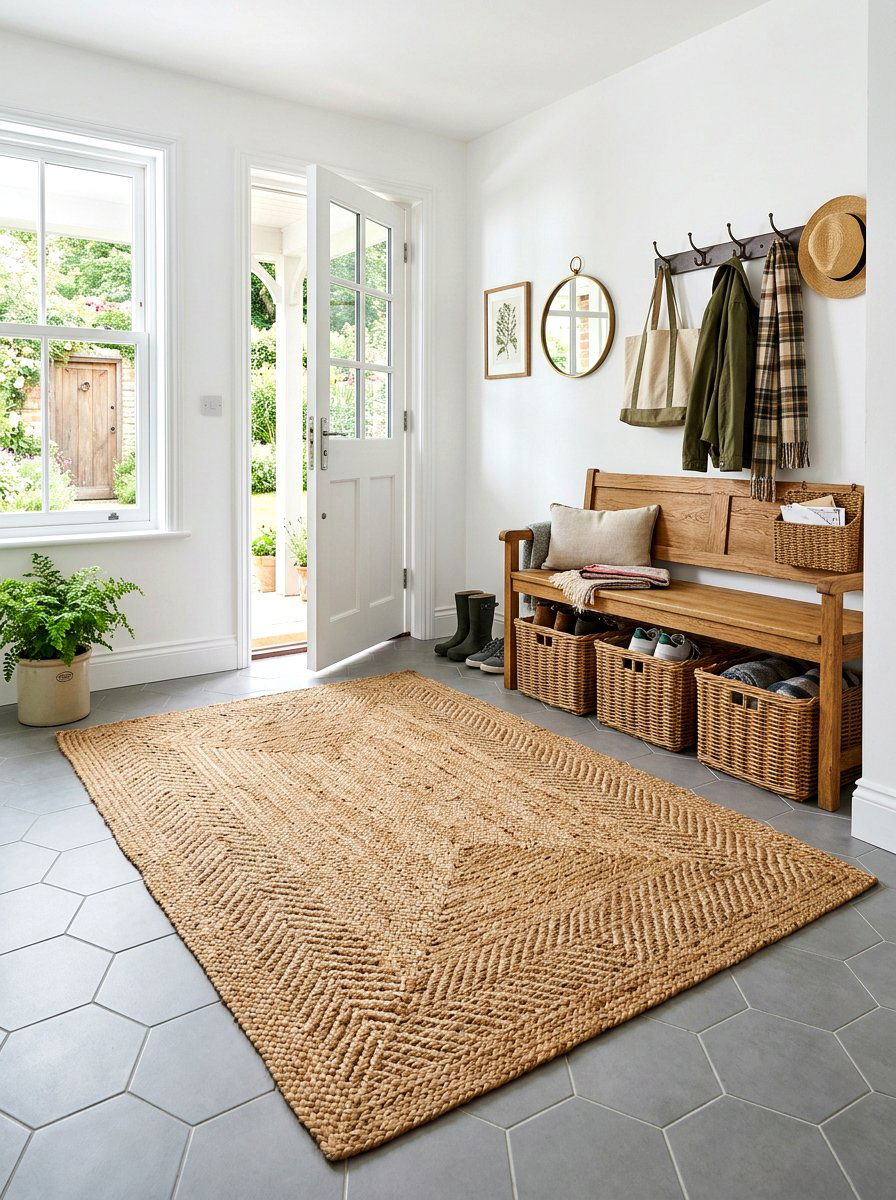
A jute rug in the mudroom is a practical and stylish way to introduce natural fibers into one of the busiest parts of your home. Jute is a incredibly durable and eco-friendly material that handles heavy foot traffic while providing a coarse, organic texture underfoot. Its neutral, sandy color hides dirt well and complements other natural elements like wooden benches or wicker storage baskets. Placing a large jute rug in your entryway creates an immediate transition from the outdoors, signaling a return to a grounded and natural living space. This simple addition adds warmth and a rustic charm that feels both humble and sophisticated in a utility space.
16. Clay Plaster Nursery
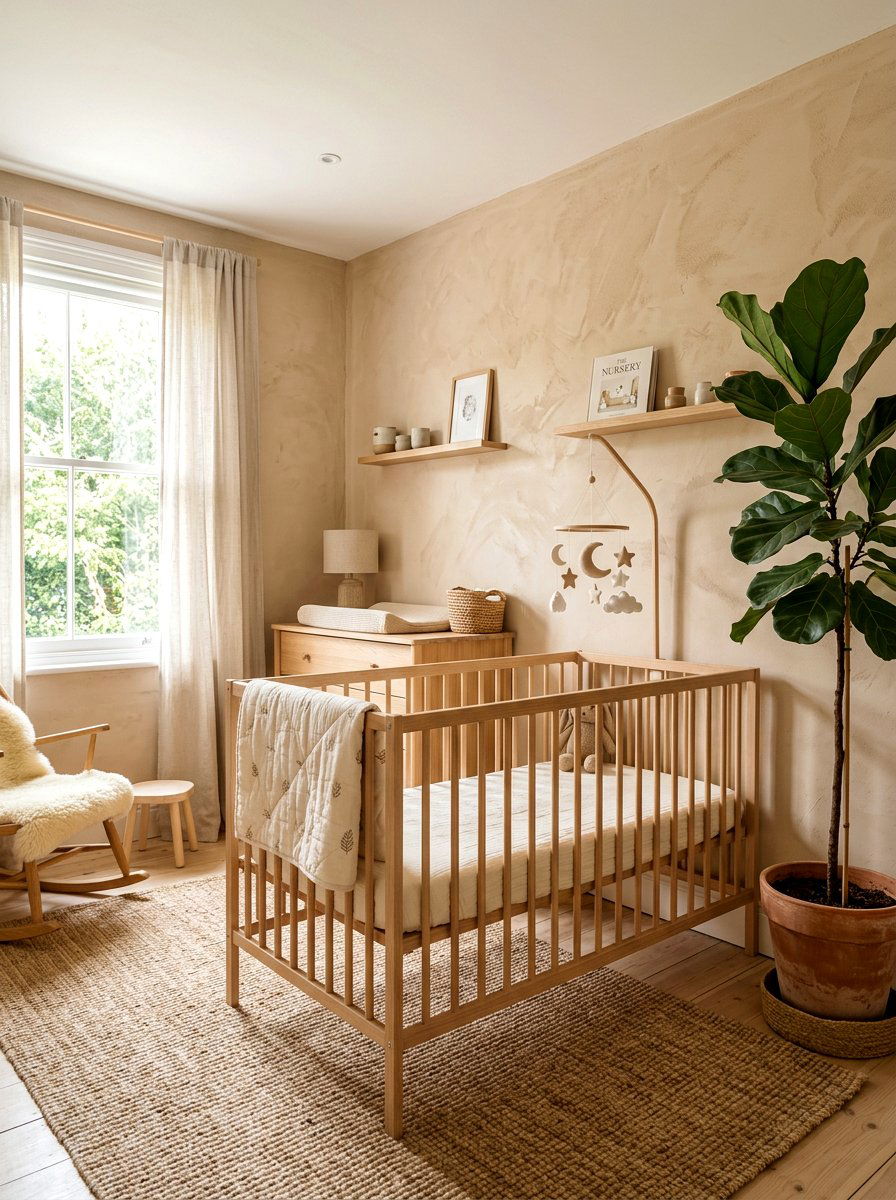
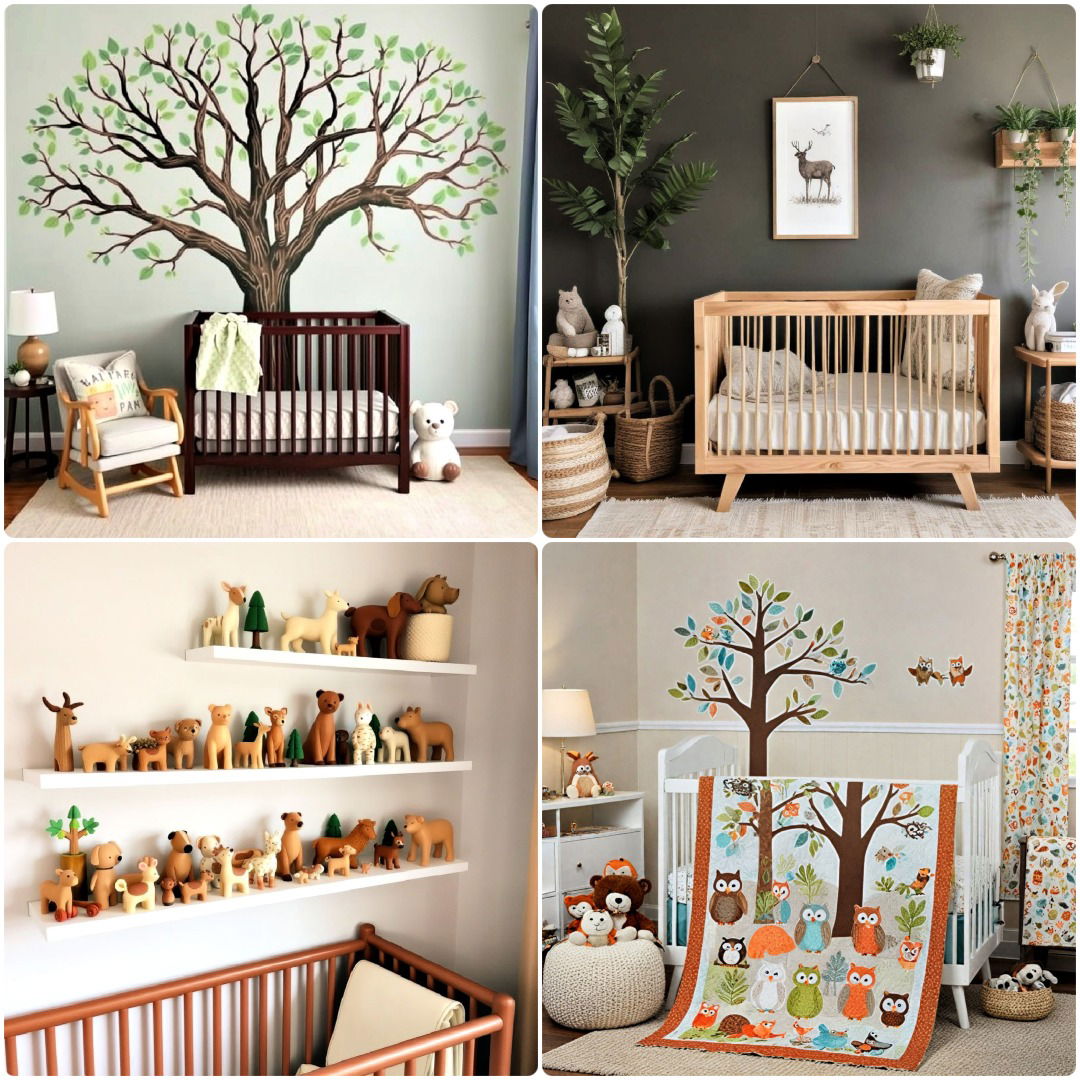
Using natural clay plaster on the walls of a nursery creates a healthy, breathable environment for your baby to grow and play. Clay is a non-toxic material that naturally regulates humidity and absorbs odors, ensuring the air remains fresh and comfortable. The soft, matte finish of clay plaster has a beautiful depth and movement that feels much more organic than standard synthetic paint. Choose a warm, neutral shade like soft clay or pale sand to create a soothing backdrop for wooden toys and organic cotton bedding. This design choice prioritizes health and wellness while bringing a gentle, earthy aesthetic into your child’s very first bedroom.
17. Terrace Garden Balcony
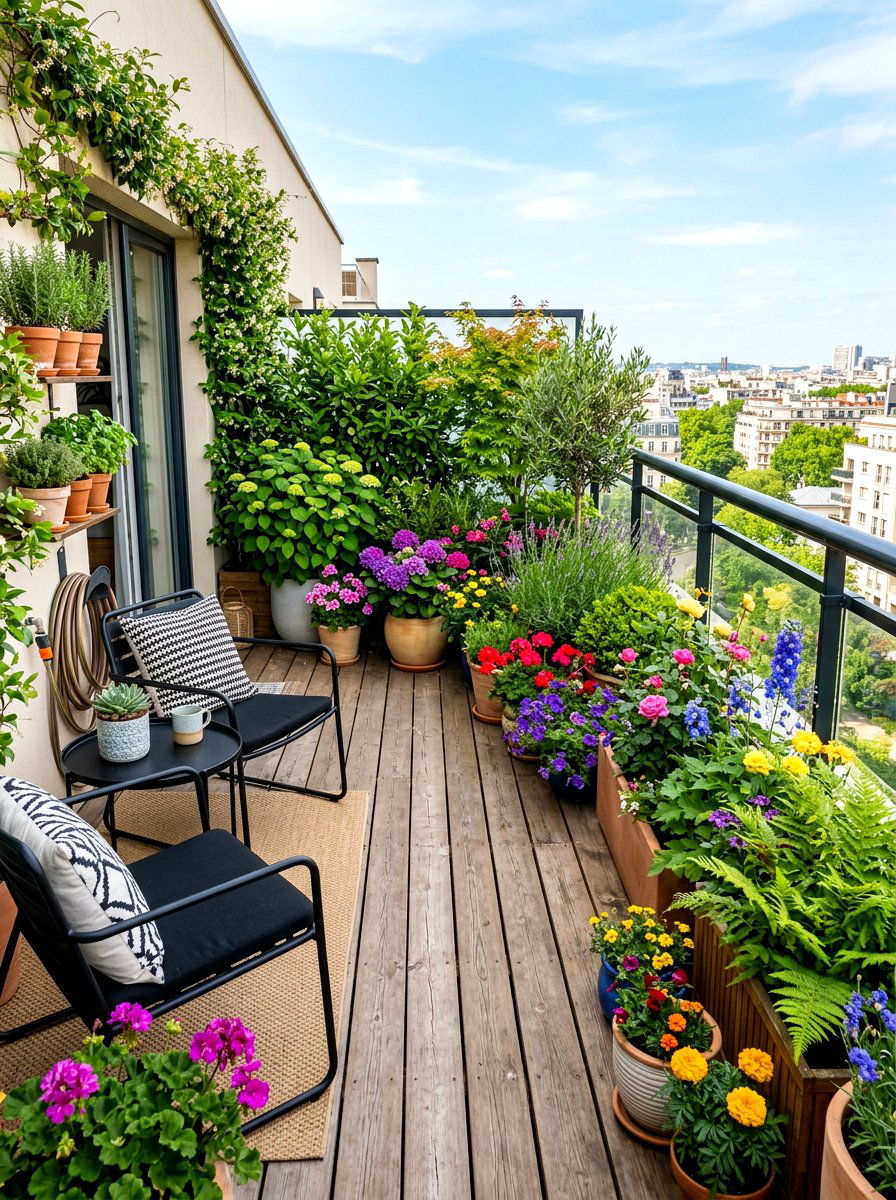
A terrace garden on your balcony extends your living space into the outdoors and provides a private green escape in an urban setting. By filling the area with a mix of tall shrubs, flowering perennials, and edible herbs, you create a lush screen that offers privacy and fresh air. Use wooden decking and comfortable outdoor seating to turn the balcony into a true extension of your interior lounge. The presence of plants attracts birds and butterflies, bringing the sights and sounds of nature directly to your doorstep. This small outdoor oasis becomes a vital spot for morning coffee or evening relaxation under the open sky.
18. Wood Beam Ceiling Family Room
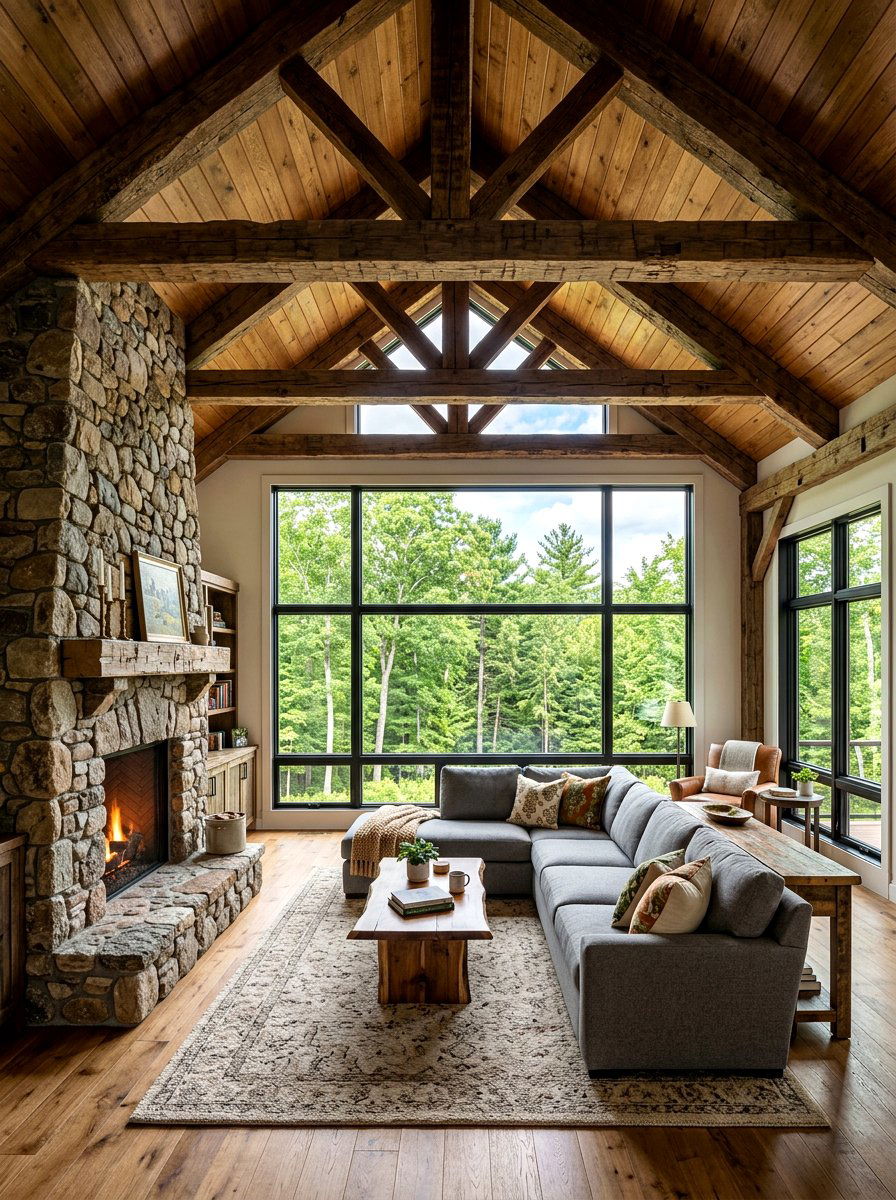
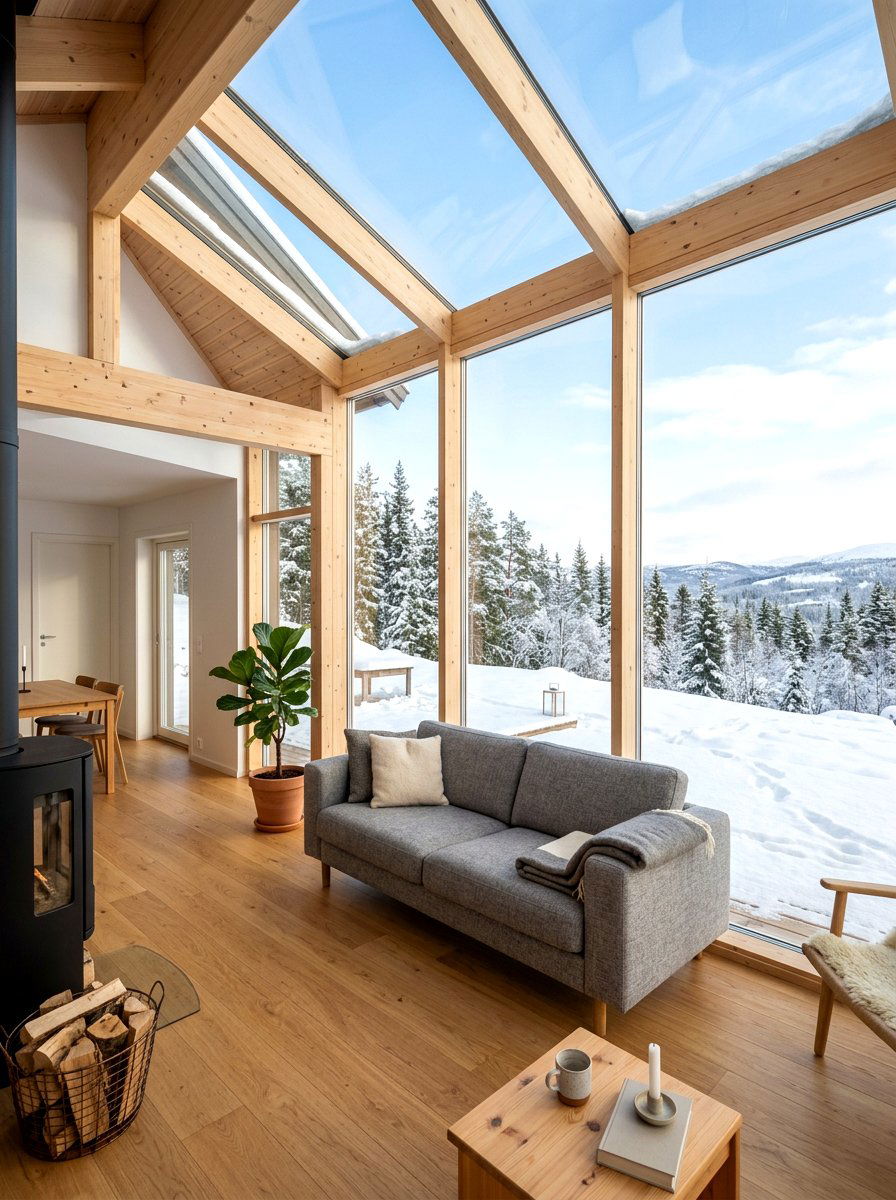
Exposed wood beams on the ceiling of a family room add architectural character and a sense of history and warmth. These structural elements draw the eye upward, highlighting the height of the room while bringing the rugged beauty of the forest indoors. Whether you choose dark, rustic beams or light, modern timber, the wood adds a layer of texture that makes the space feel more cozy and secure. Pair the beams with a large stone fireplace and oversized windows to create a classic biophilic retreat where the whole family can gather. The natural wood grain creates a timeless look that never goes out of style for any home.
19. Linen Textile Guest Suite
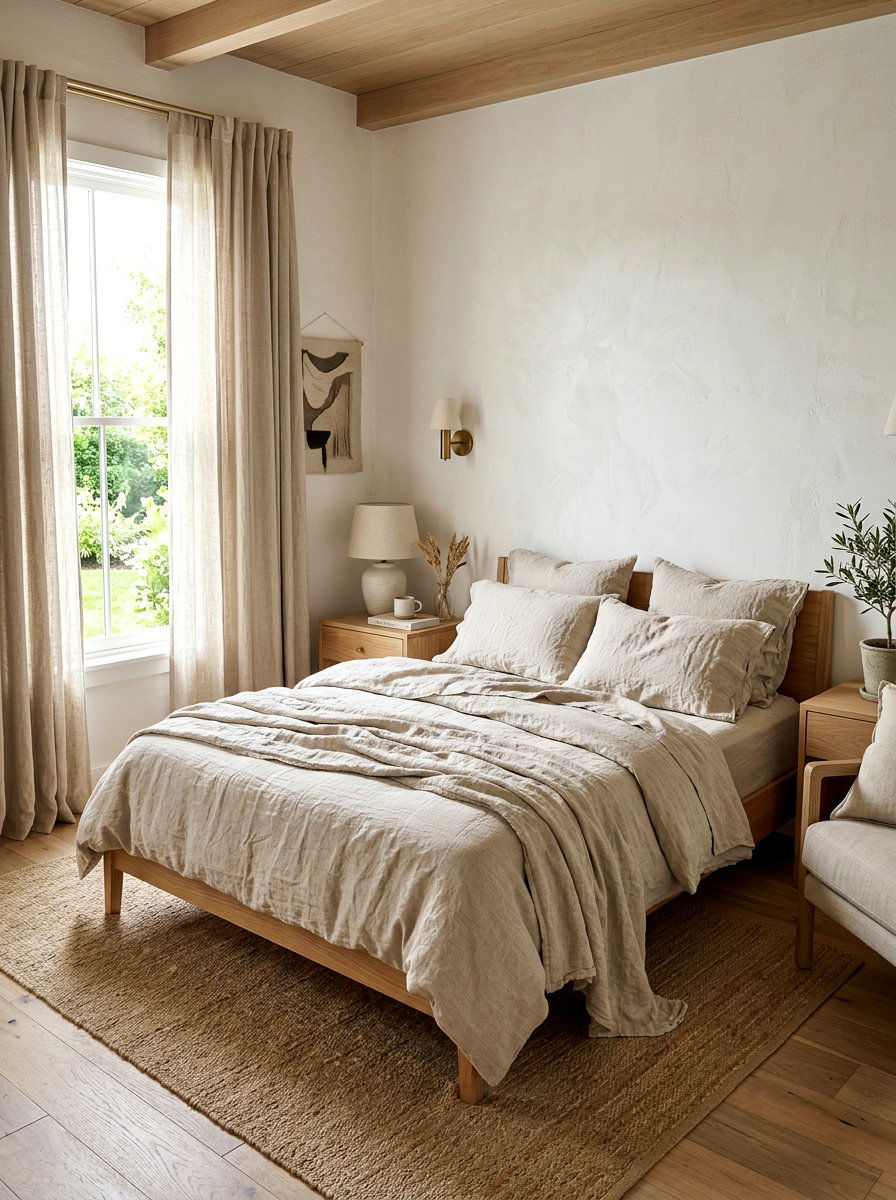
Outfitting a guest suite with linen textiles provides a luxurious yet natural experience that emphasizes comfort and breathability for your visitors. Linen is made from flax fibers and has a unique, slightly wrinkled texture that feels relaxed and sophisticated without being too formal. Using linen for bedding, curtains, and even upholstery creates a cohesive look that honors natural materials and tactile sensations. The fabric’s ability to stay cool in the summer and warm in the winter makes it a practical choice for year-round comfort. When combined with light wooden furniture and soft lighting, linen helps create a serene and welcoming space for any traveler staying over.
20. Herb Garden Windowsill
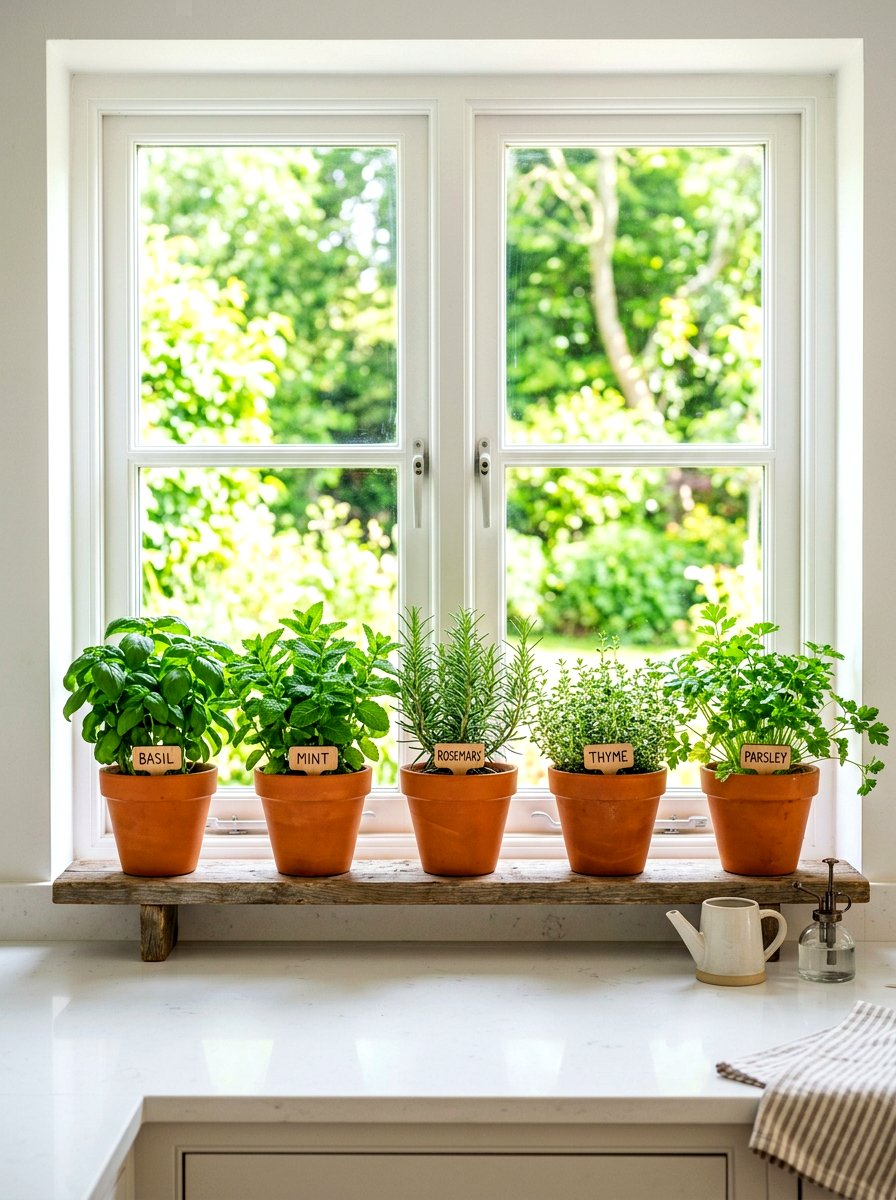
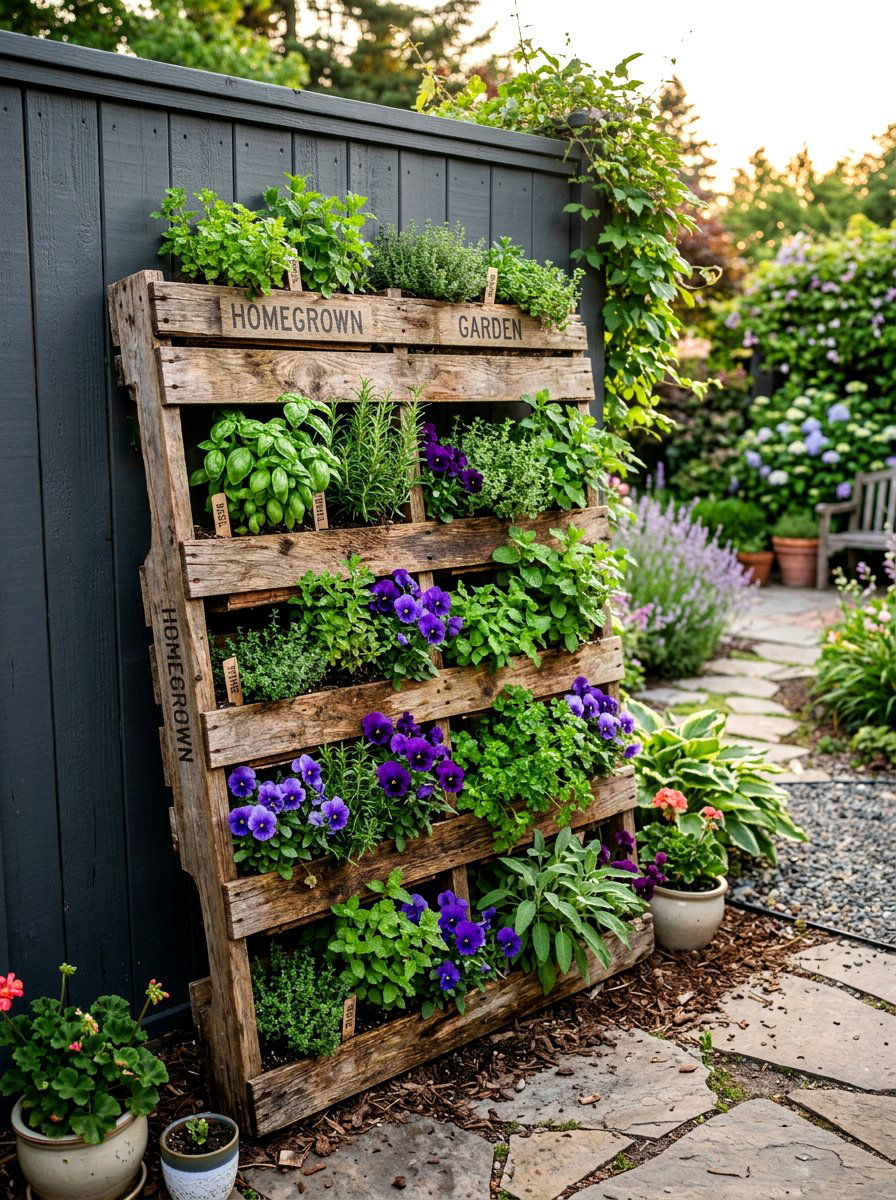
A small herb garden on your kitchen windowsill is a functional and fragrant way to bring nature into your daily cooking routine. Growing fresh basil, mint, and rosemary in small terracotta pots provides a constant source of greenery and a delightful natural aroma. This tiny indoor garden allows you to connect with the growth cycle of plants every time you prepare a meal for your family. The vibrant green leaves against the window glass create a beautiful visual frame for the outdoor view. It is a simple, low-cost biophilic addition that enhances both the aesthetic of your kitchen and the flavor of your favorite home-cooked dishes.
21. Raw Edge Table Dining Room
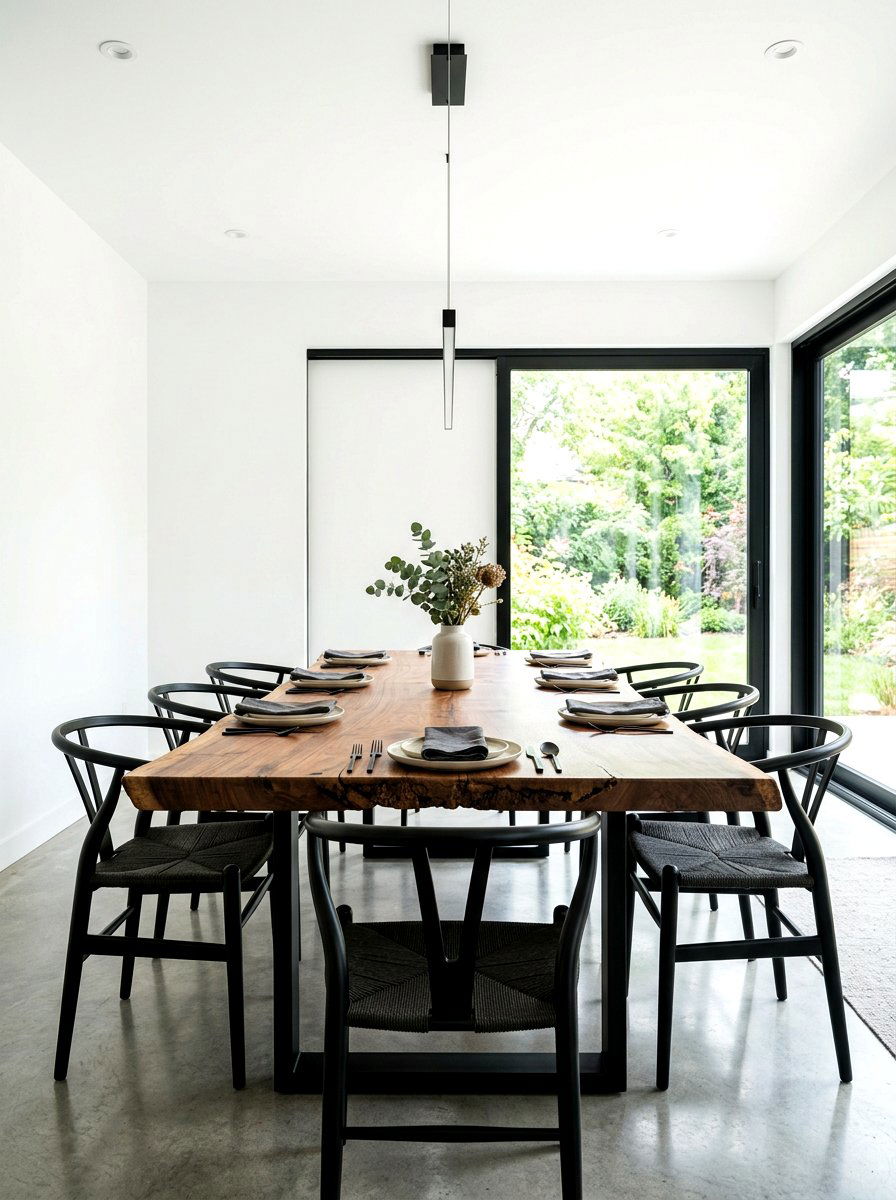
A raw edge or live edge dining table serves as a stunning centerpiece that showcases the true, unaltered beauty of a tree. By keeping the natural curve and bark-like texture of the wood, these tables bring an organic and sculptural element into your dining space. Every piece is unique, telling a story through its knots, cracks, and grain patterns that connect you directly to the forest. Surround the table with minimalist chairs and a simple pendant light to let the wood remain the primary focus of the room. This design choice encourages a deeper appreciation for natural materials during every shared meal and family gathering.
22. Pebbled Floor Shower
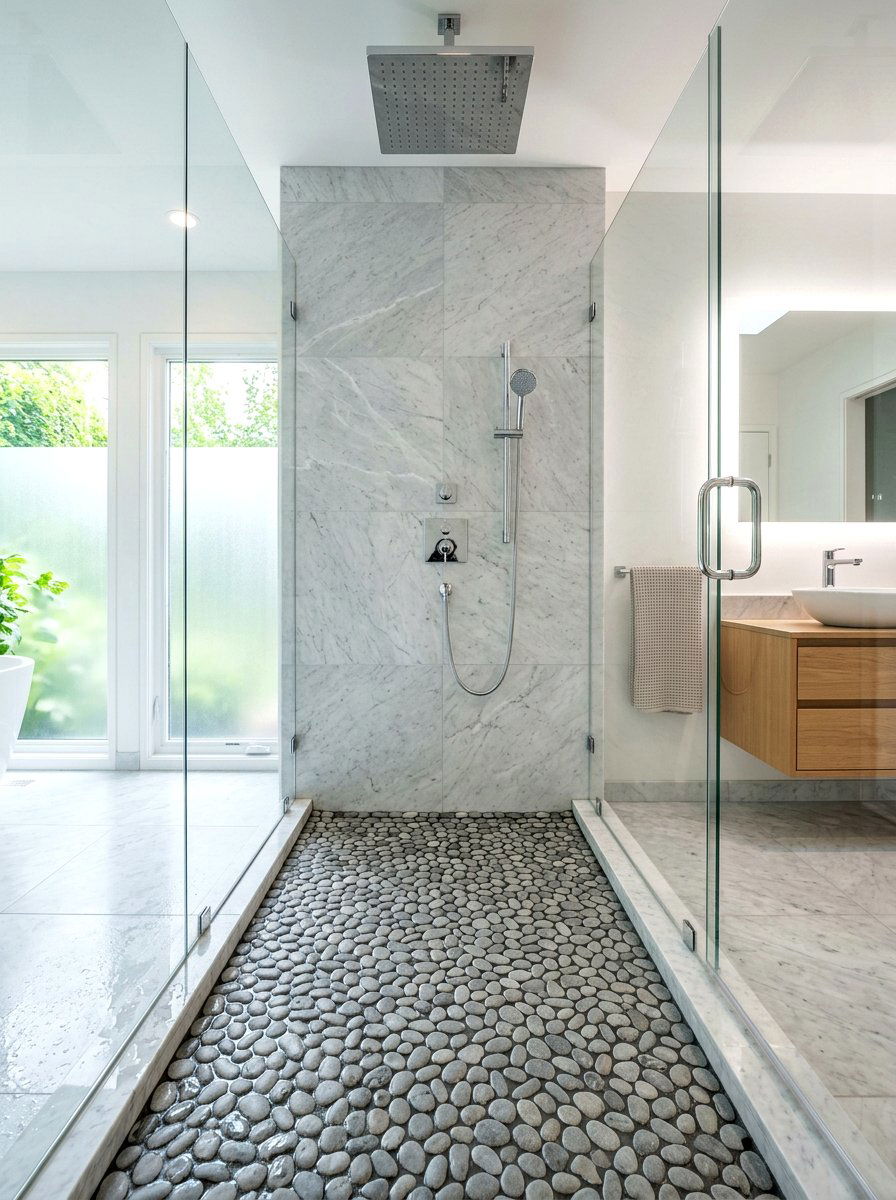
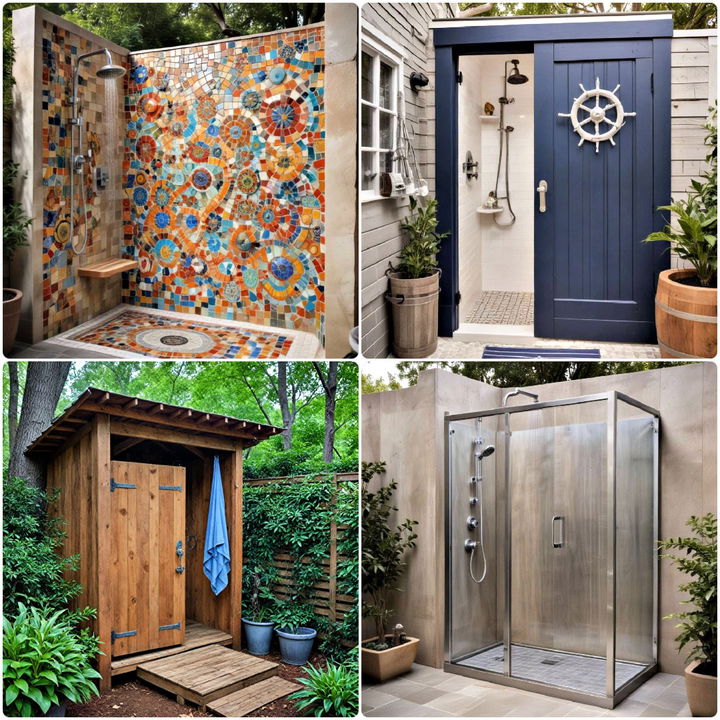
Installing a pebbled floor in your shower provides a therapeutic and sensory experience that feels like walking along a natural riverbed. The smooth, rounded stones massage your feet as you wash, creating a grounding sensation that helps you start or end your day with mindfulness. This texture also provides excellent slip resistance and a beautiful organic look that contrasts with smooth glass or ceramic tiles. Pair the pebble floor with a rain showerhead to further mimic the feeling of being in nature under a gentle downpour. This simple upgrade transforms a routine task into a rejuvenating ritual that connects you to the earth’s natural textures.
23. Woven Basket Storage Room
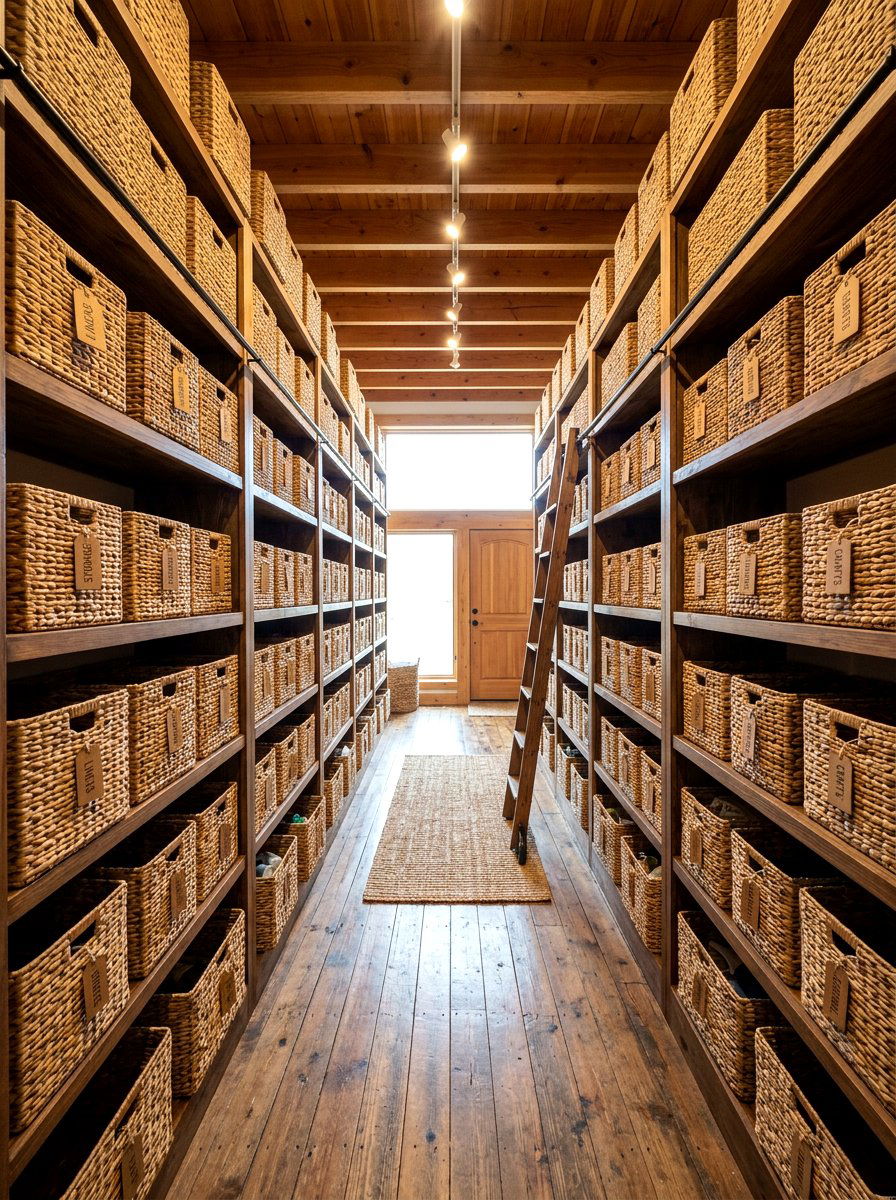
Using woven baskets for organization in a storage room or pantry is a great way to replace plastic bins with natural materials. Baskets made from seagrass, willow, or water hyacinth offer a warm, artisanal look that brings a sense of calm to a typically cluttered area. The varied textures and natural colors of the weave add visual depth and a handmade feel to your shelving units. This biophilic approach to organization makes even the most mundane chores feel more pleasant and connected to the world of natural fibers. It is a sustainable and stylish solution that keeps your home tidy while maintaining a soft aesthetic.
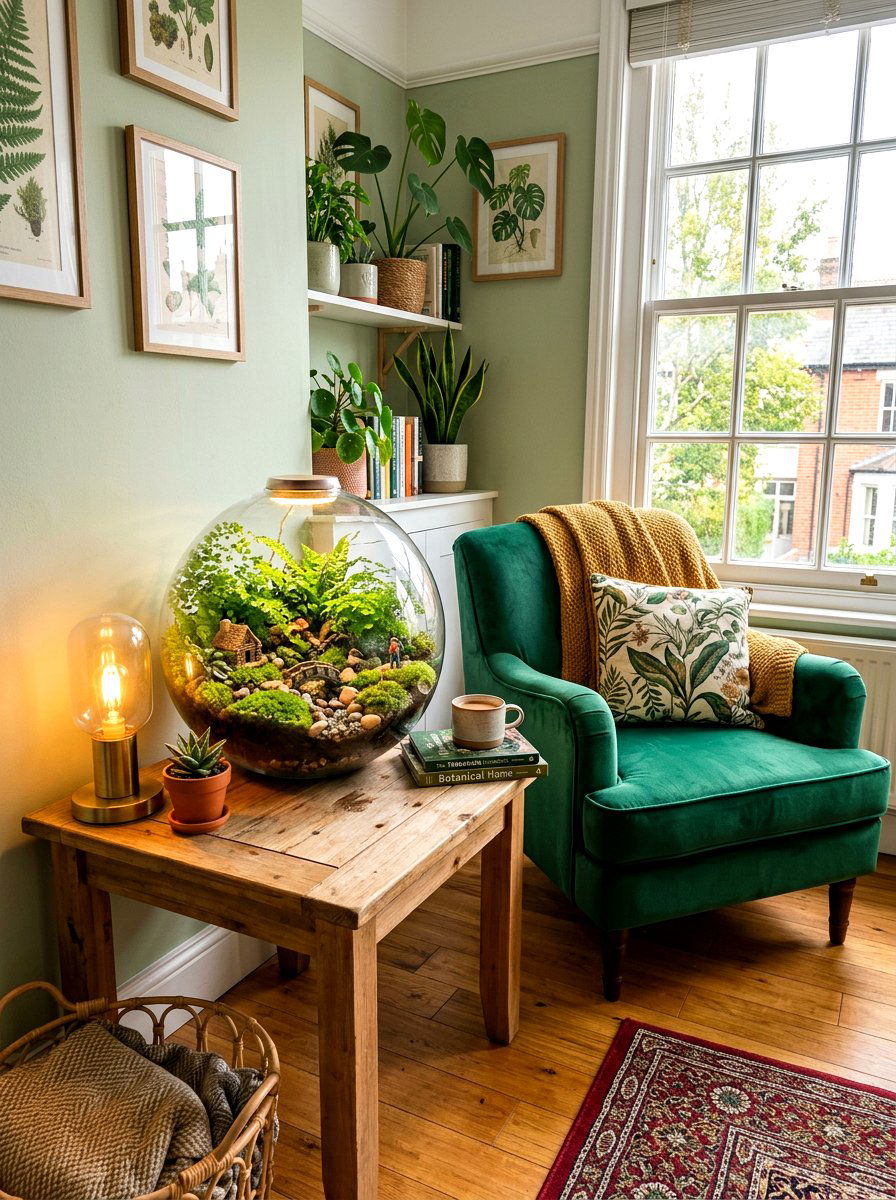
24. Terrarium Glass Coffee Table
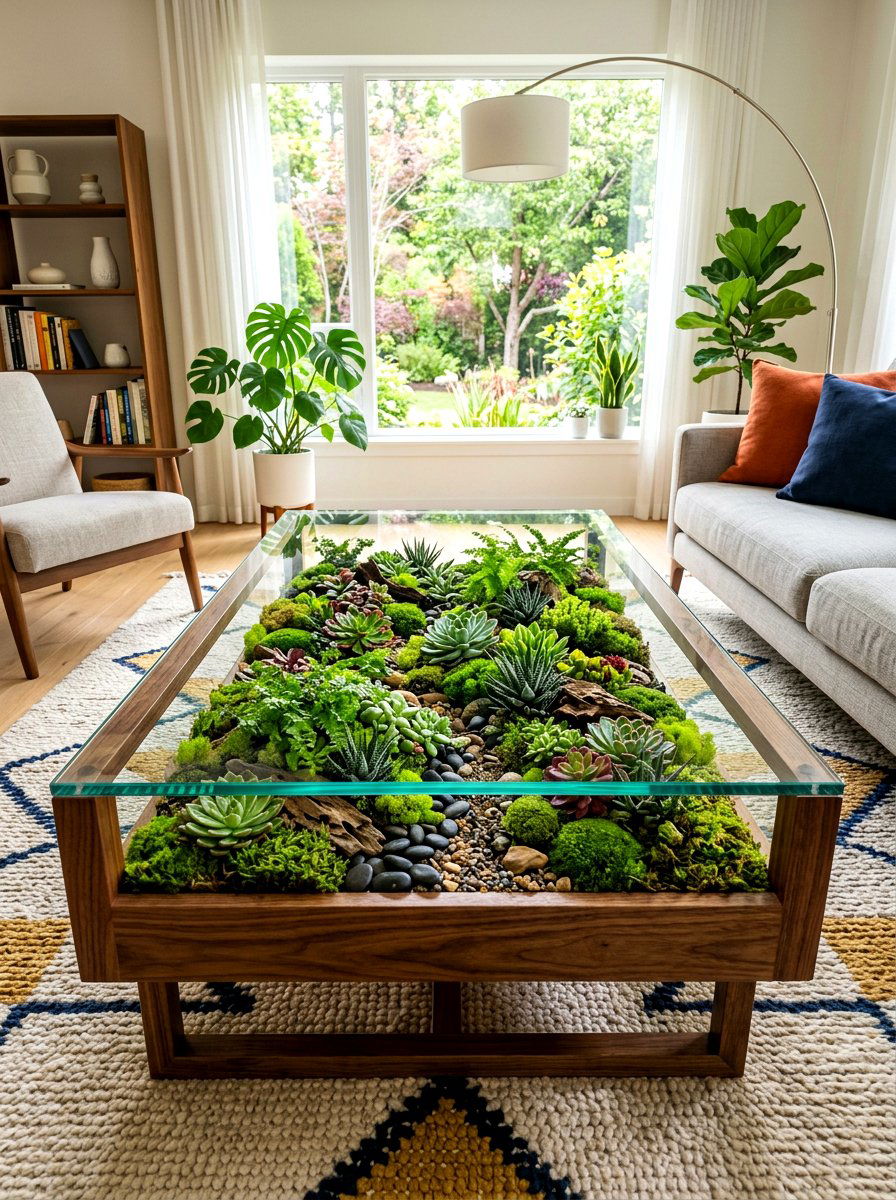
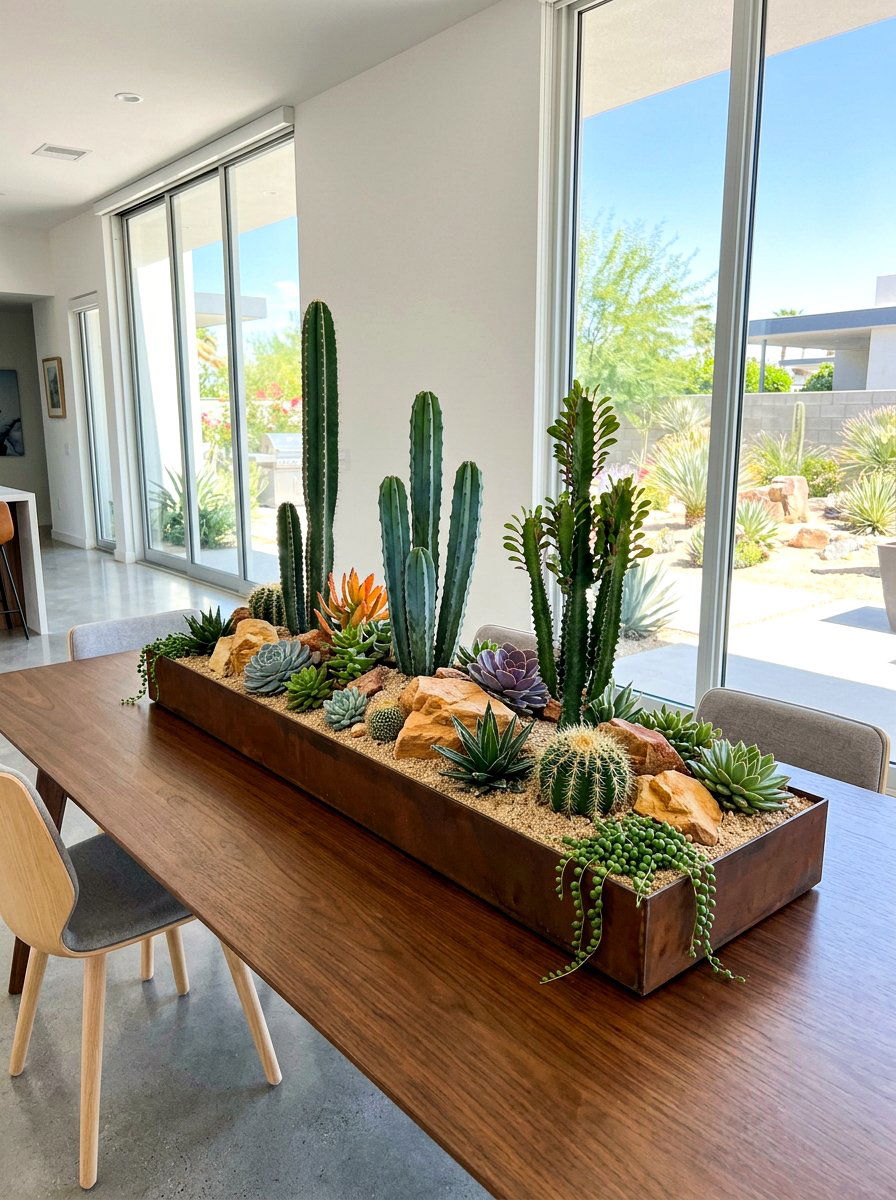
A coffee table with a built-in glass terrarium allows you to keep a miniature world of nature right in the center of your living room. This unique piece of furniture provides a captivating focal point where you can observe moss, succulents, and small ferns growing under the glass. It brings the outdoors inside in a contained and artistic way, sparking curiosity and conversation with guests. The transparency of the glass keeps the room feeling light and airy while the greenery inside provides a constant splash of color. This design is perfect for those who want a garden but have limited space for larger plants or outdoor areas.
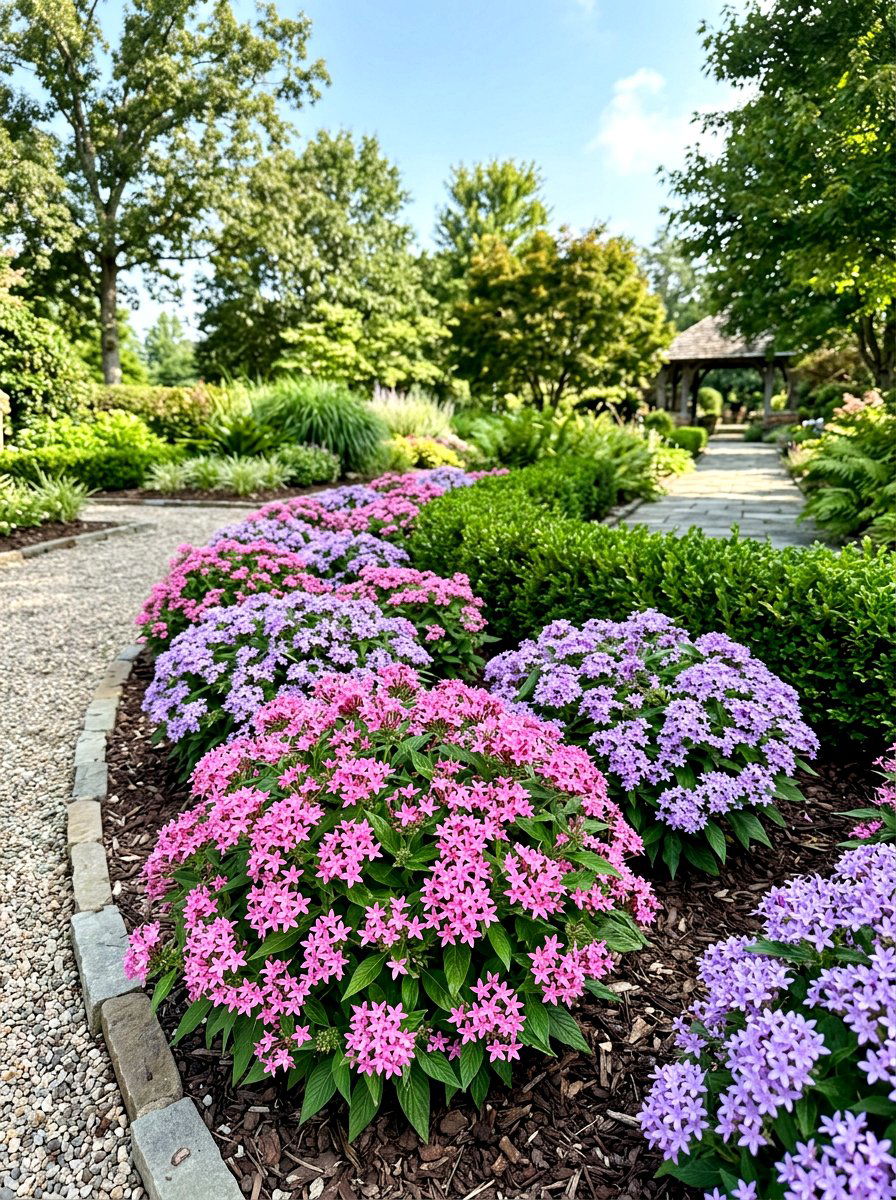
25. Tree Trunk Stool Living Space
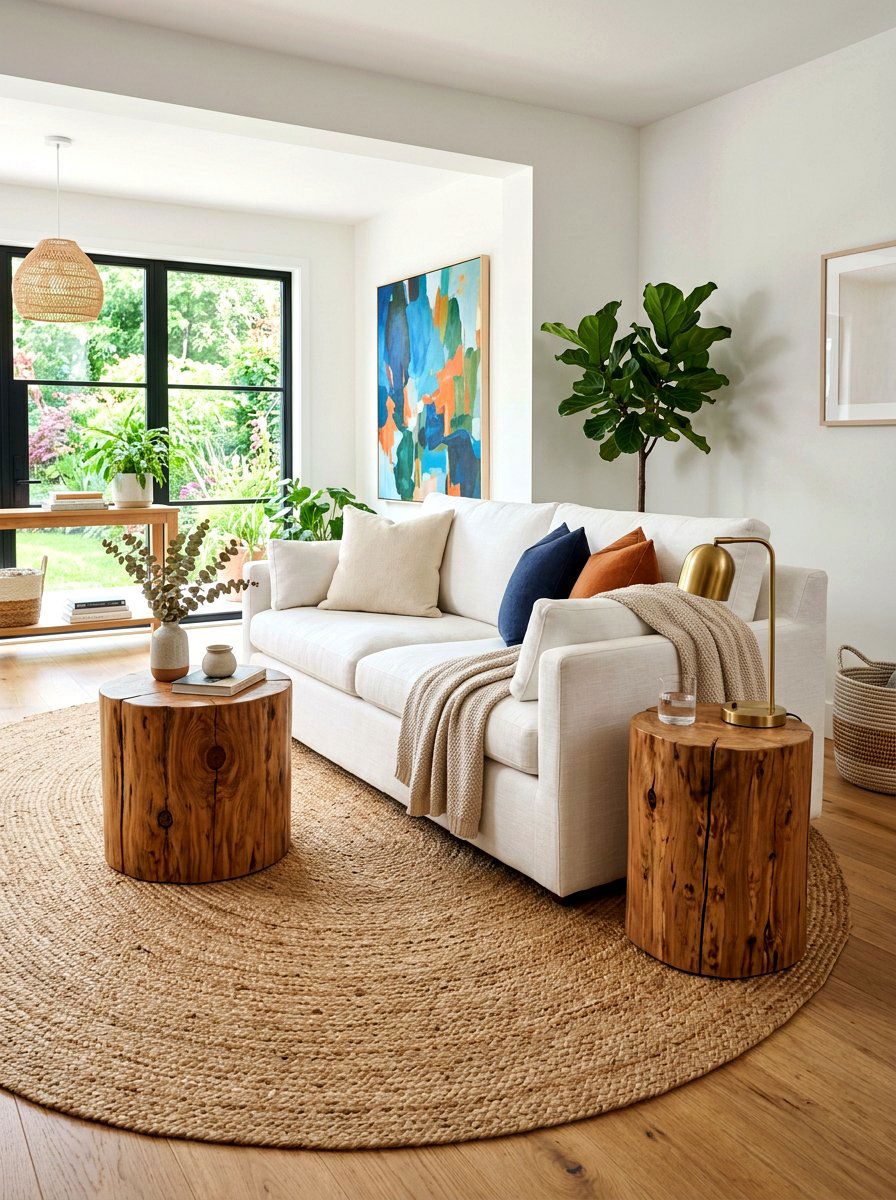
Incorporating a tree trunk stool into your living space adds a rustic and sturdy element that celebrates the raw power of nature. These stools are often made from a single solid piece of timber, showing off the growth rings and natural imperfections of the wood. They can be used as extra seating, side tables, or even decorative pedestals for smaller plants or books. The heavy, grounded presence of the wood brings a sense of stability and warmth to more modern or minimalist interiors. Placing a few of these stools together creates a playful, forest-like arrangement that feels organic and tactile for anyone who enters the room.
26. Vertical Garden Wall Workspace
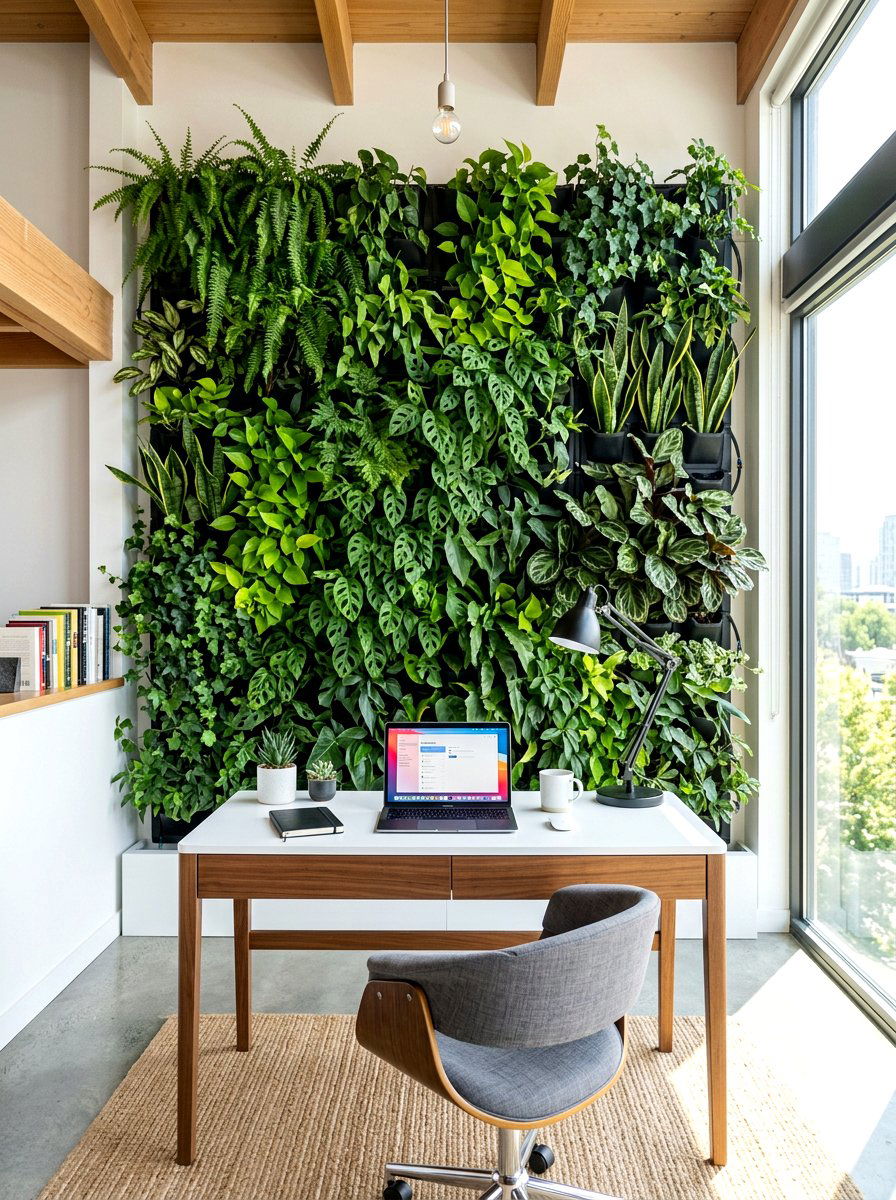
A vertical garden wall in your home workspace provides a refreshing backdrop that can significantly boost your creativity and mental clarity. By covering an entire wall with a variety of living plants, you create a vibrant ecosystem that continuously filters the air and reduces background noise. This immersive experience makes you feel like you are working in a lush outdoor garden rather than a confined indoor office. The presence of so much greenery has been shown to lower stress levels and improve concentration, making it a functional investment in your health. It also serves as an impressive and professional background for video calls and virtual meetings.
27. Sisal Wallpaper Media Room
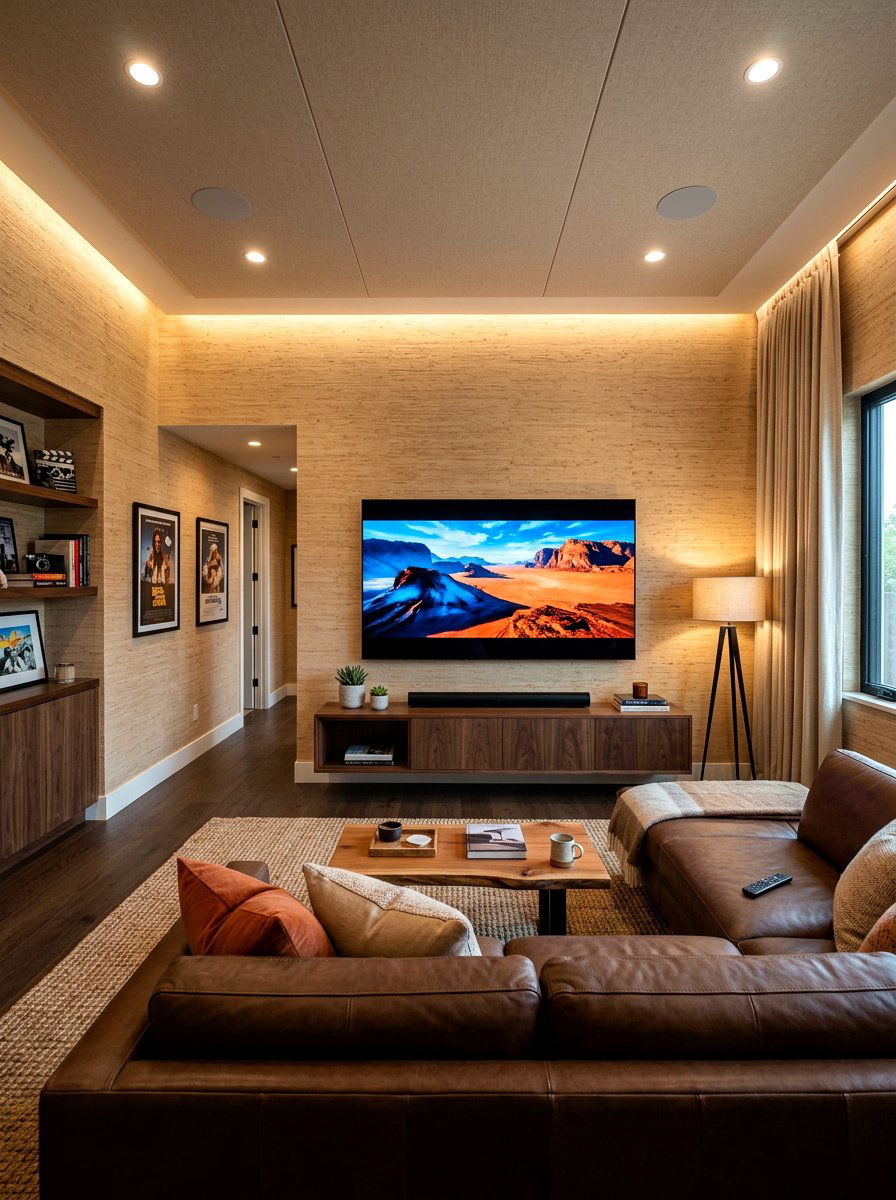
Using sisal wallpaper in a media room or home theater adds a rich, woven texture that feels warm and incredibly sophisticated. Sisal is a natural fiber derived from agave plants, providing a subtle organic pattern that softens the hard surfaces of electronic equipment and screens. This wall covering also offers natural sound-dampening properties, which improves the audio quality for movies and music. The neutral, earthy tones of sisal create a cozy and inviting atmosphere that makes the room feel more like a comfortable lounge than a sterile tech space. It is an excellent way to introduce biophilic elements through subtle, large-scale textures on the walls.
28. Dried Flower Arrangement Console
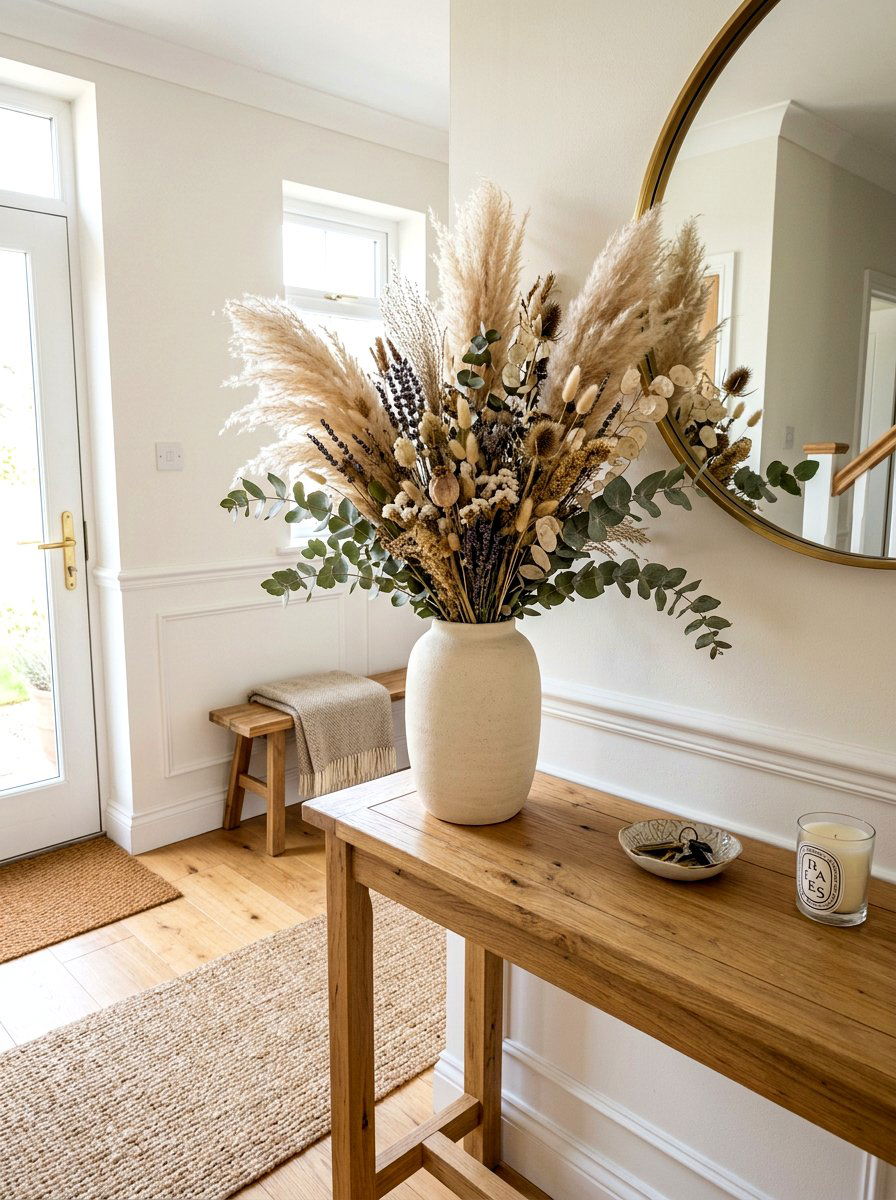
Decorating an entryway console with a large dried flower arrangement is an easy way to bring the delicate beauty of nature indoors without needing water. Dried pampas grass, eucalyptus, and wildflowers offer a soft, muted color palette and interesting architectural shapes that last for many months. This type of arrangement adds a touch of bohemian elegance and a vintage feel to your home’s decor. The tactile quality of the dried petals and stems provides a connection to the cycles of nature and the changing seasons. It is a low-maintenance biophilic detail that brings a sense of grace and organic style to any corner.
29. Open Air Atrium Center
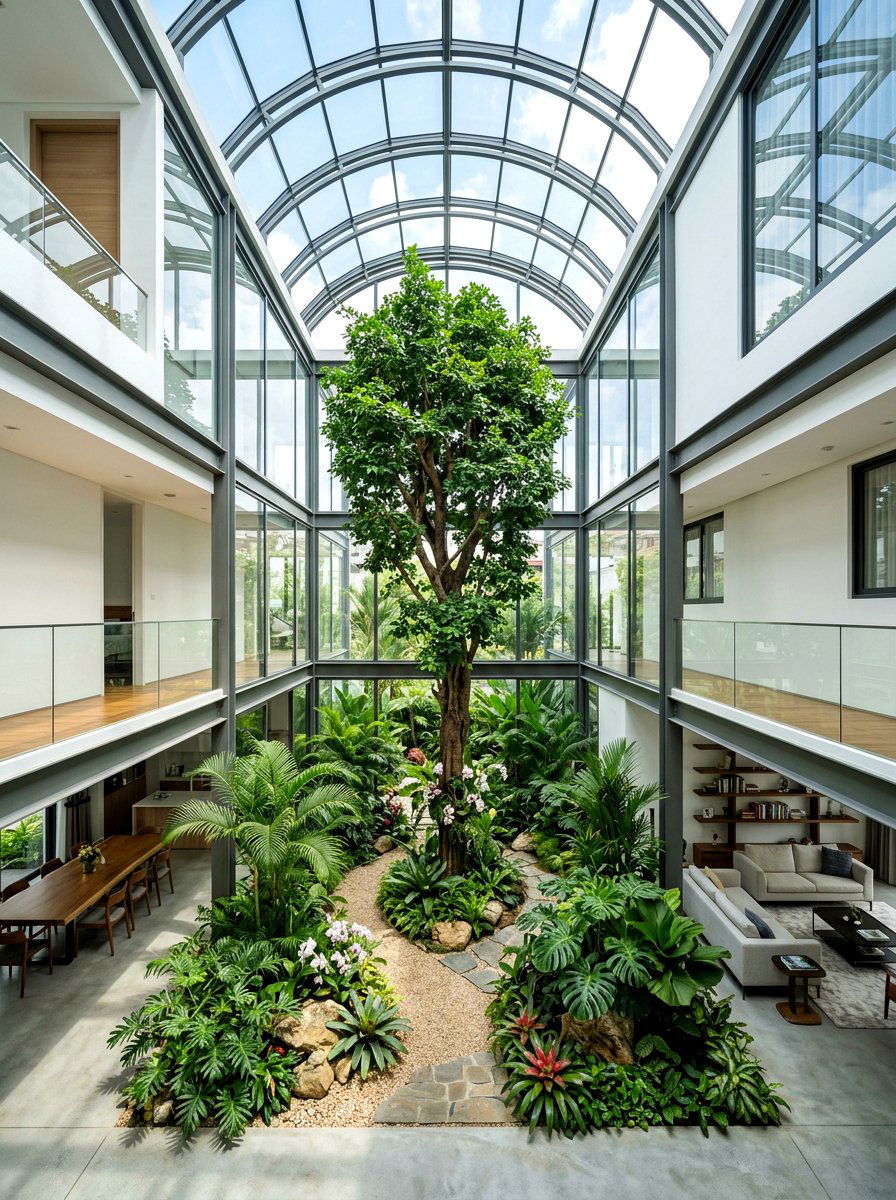
Designing your home around an open-air atrium allows natural light and fresh air to penetrate deep into the center of the building. This architectural feature creates a central hub filled with sunlight, rain, and greenery that can be viewed from almost every room in the house. You can plant a large tree or a collection of tropical plants in the atrium to create a private internal garden. This constant connection to the external environment helps you feel more in tune with the time of day and the local weather. An atrium transforms the entire layout of a home, making it feel more expansive, ventilated, and naturally alive.
30. Organic Shape Sofa Lounge
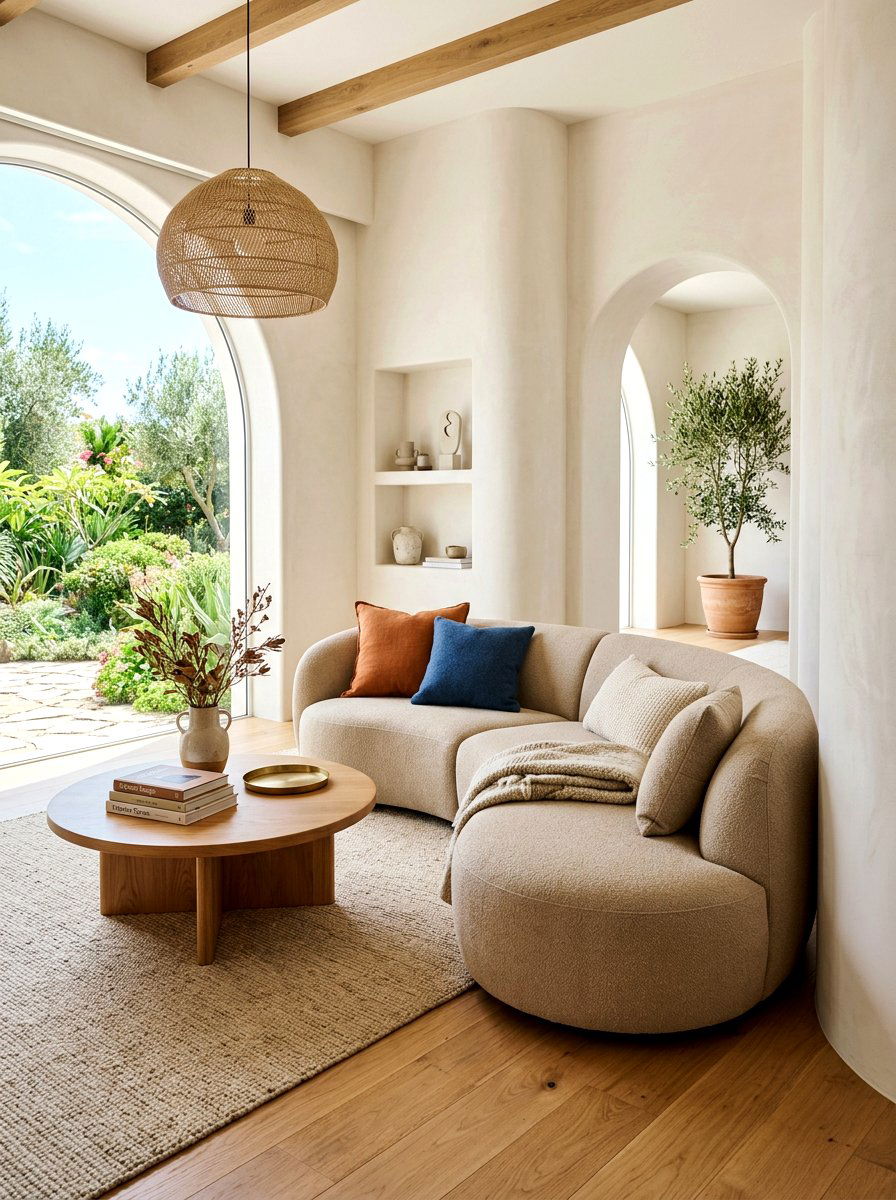
Choosing a sofa with organic, curved shapes instead of sharp angles brings a sense of natural flow and softness to your lounge area. These fluid lines mimic the shapes found in nature, such as river stones or rolling hills, creating a more relaxed and welcoming environment. A curved sofa encourages conversation and provides a comfortable spot to unwind after a long day. Pair the sofa with soft, natural fabrics like wool or cotton in earthy tones to enhance the biophilic effect. This design choice breaks up the rigid geometry of a typical room, making the space feel more harmonious and connected to the softer side of the nature.
Conclusion:
Embracing biophilic interior design is a powerful way to enhance your daily life by fostering a deeper connection with the natural world within your own home. By thoughtfully integrating greenery, natural materials, and abundant light, you create a space that supports your physical health and emotional well-being. These thirty ideas demonstrate that bringing nature indoors can be achieved through both major architectural changes and small, meaningful decor choices. As you begin to implement these concepts, you will likely notice a significant shift in the atmosphere of your home, making it feel more peaceful, vibrant, and truly alive. Your home will finally become the healthy sanctuary you deserve.

Related posts: