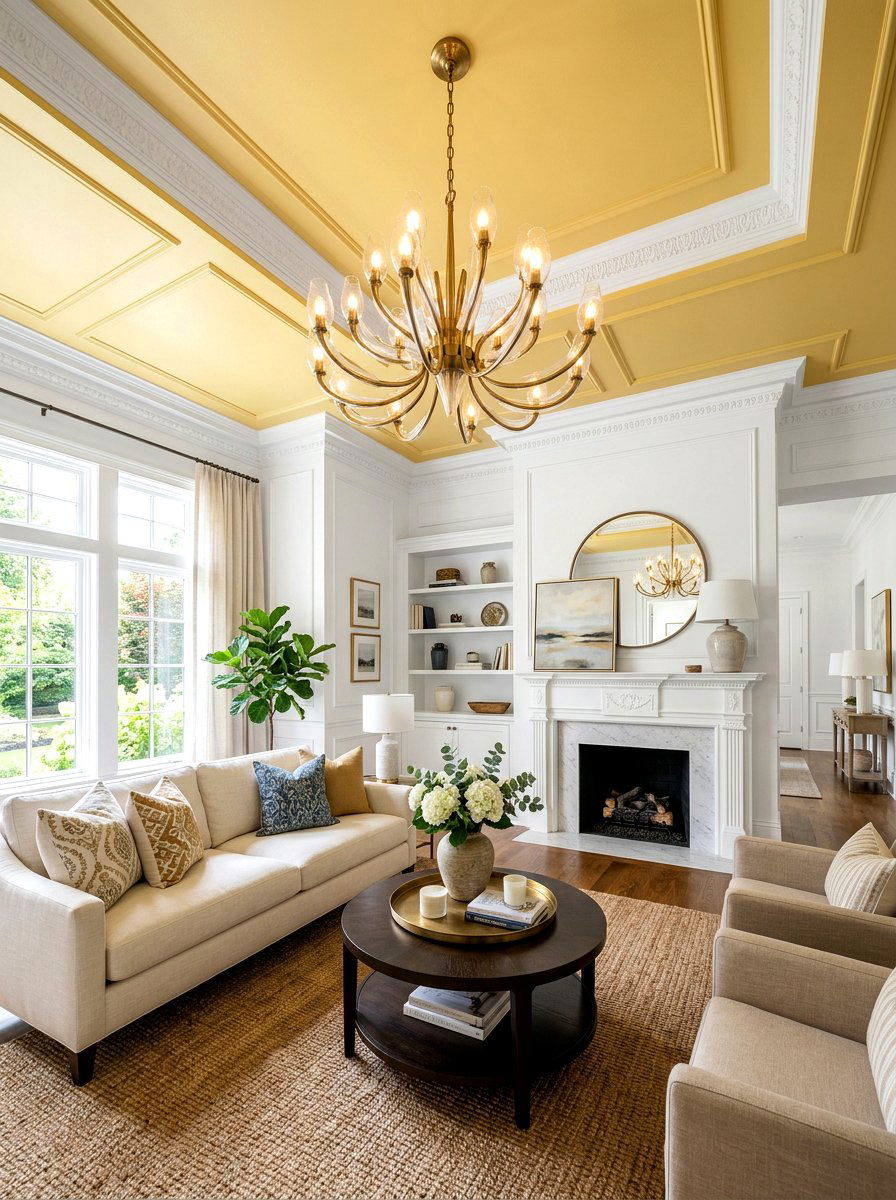
Creating a secluded sanctuary in your backyard or on your balcony often requires a touch of greenery that does more than just look pretty. A living privacy wall offers a natural alternative to traditional wooden fences or cold stone barriers. These vibrant structures use plants, vines, and trees to block unwanted views while providing fresh air and a sense of calm. Whether you have a sprawling estate or a tiny urban patio, adding a green screen can transform your outdoor living space into a private retreat. This guide explores various ways to use nature to protect your home from prying eyes. You will find inspiration for different climates, maintenance levels, and aesthetic styles that fit your lifestyle perfectly today.

1. Tall Boxwood Hedge
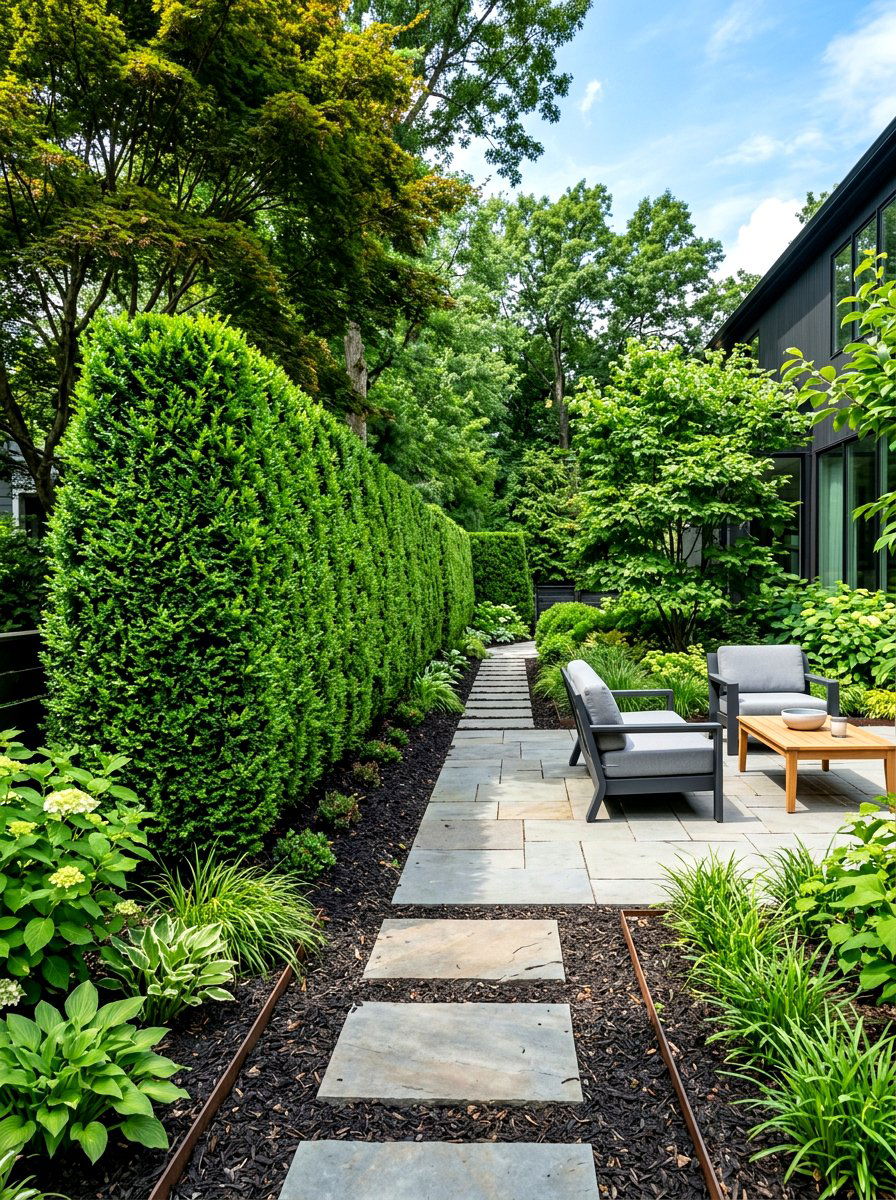
Tall boxwood hedges are a classic choice for homeowners seeking a formal and polished look for their outdoor boundaries. These evergreens provide dense, year-round foliage that effectively blocks sightlines from neighbors or busy streets. Because they grow relatively slowly, they maintain their shape well once they reach the desired height. You can trim them into crisp, rectangular shapes to complement a modern landscape or allow them to grow more naturally for a softer feel. Boxwoods are incredibly versatile and thrive in various soil types and light conditions. Regular pruning ensures the hedge stays thick and healthy, preventing any gaps from forming in your natural green barrier.
2. Vertical Herb Garden
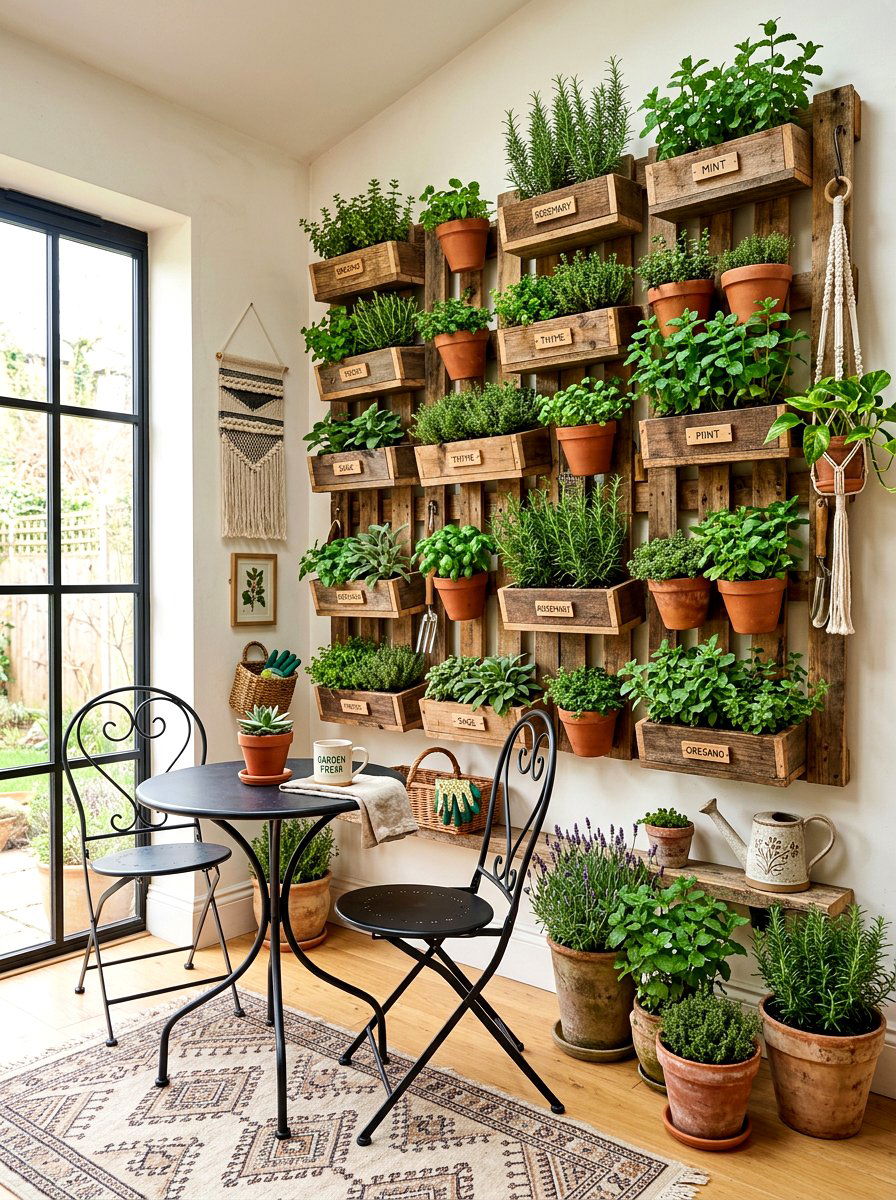
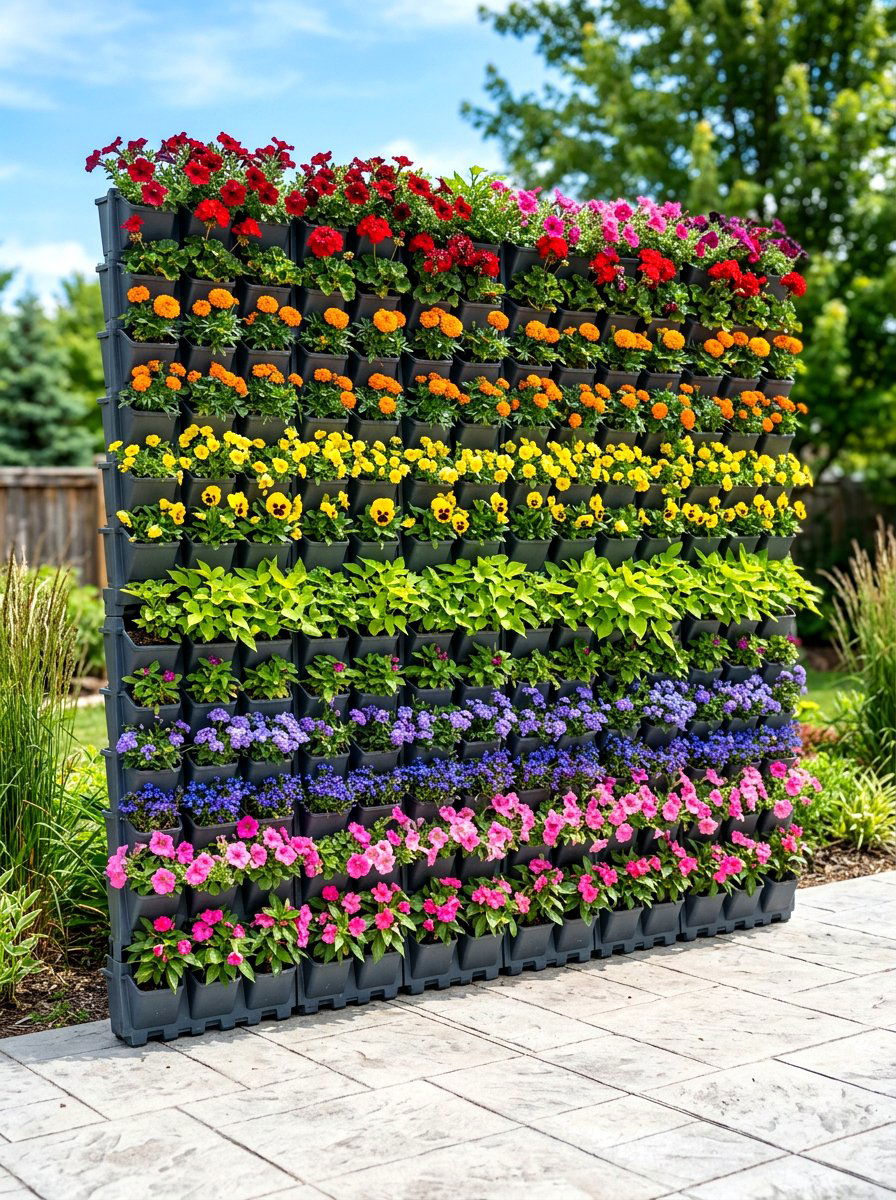
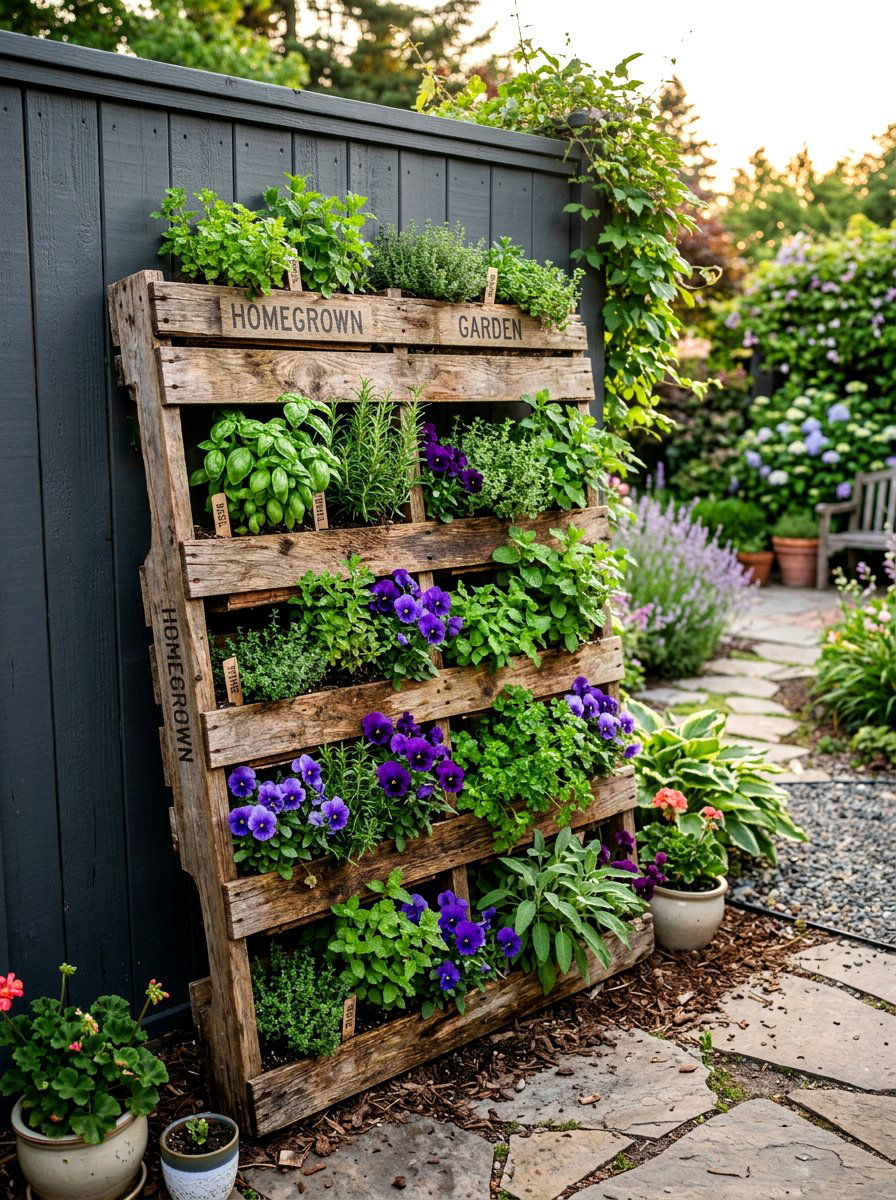
A vertical herb garden is a functional and beautiful way to create a privacy screen on a small patio or balcony. By using tiered planters or a wall-mounted system, you can grow a variety of edible plants like rosemary, mint, and lavender. These herbs grow quickly and can become quite bushy, providing a fragrant and lush barrier between you and the outside world. This design not only offers privacy but also provides fresh ingredients for your kitchen. Positioning this living wall near an outdoor dining area enhances the ambiance. It is an excellent project for urban gardeners who want to maximize their limited planting space.
3. Bamboo Privacy Screen
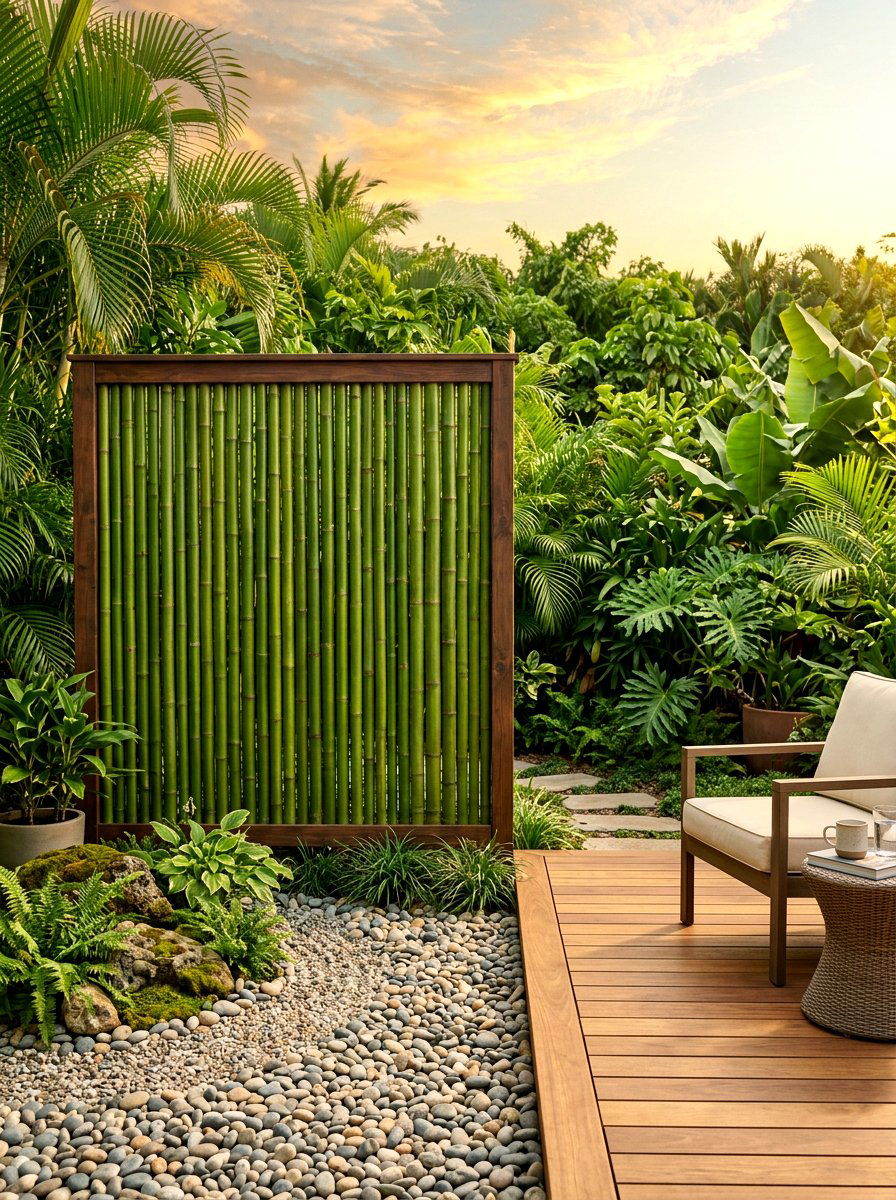
Bamboo is one of the fastest-growing plants available, making it a top choice for creating a quick and effective privacy wall. Its tall, slender stalks grow closely together to form a dense screen that filters light while blocking views. You can plant bamboo in narrow trenches or large containers to control its spread and keep it contained within your design. The rustling sound of bamboo leaves in the wind adds a peaceful, tropical atmosphere to any backyard. It works perfectly for contemporary or Zen-inspired gardens. Choosing clumping varieties instead of running ones will prevent the plant from taking over your entire yard or garden.
4. English Ivy Trellis
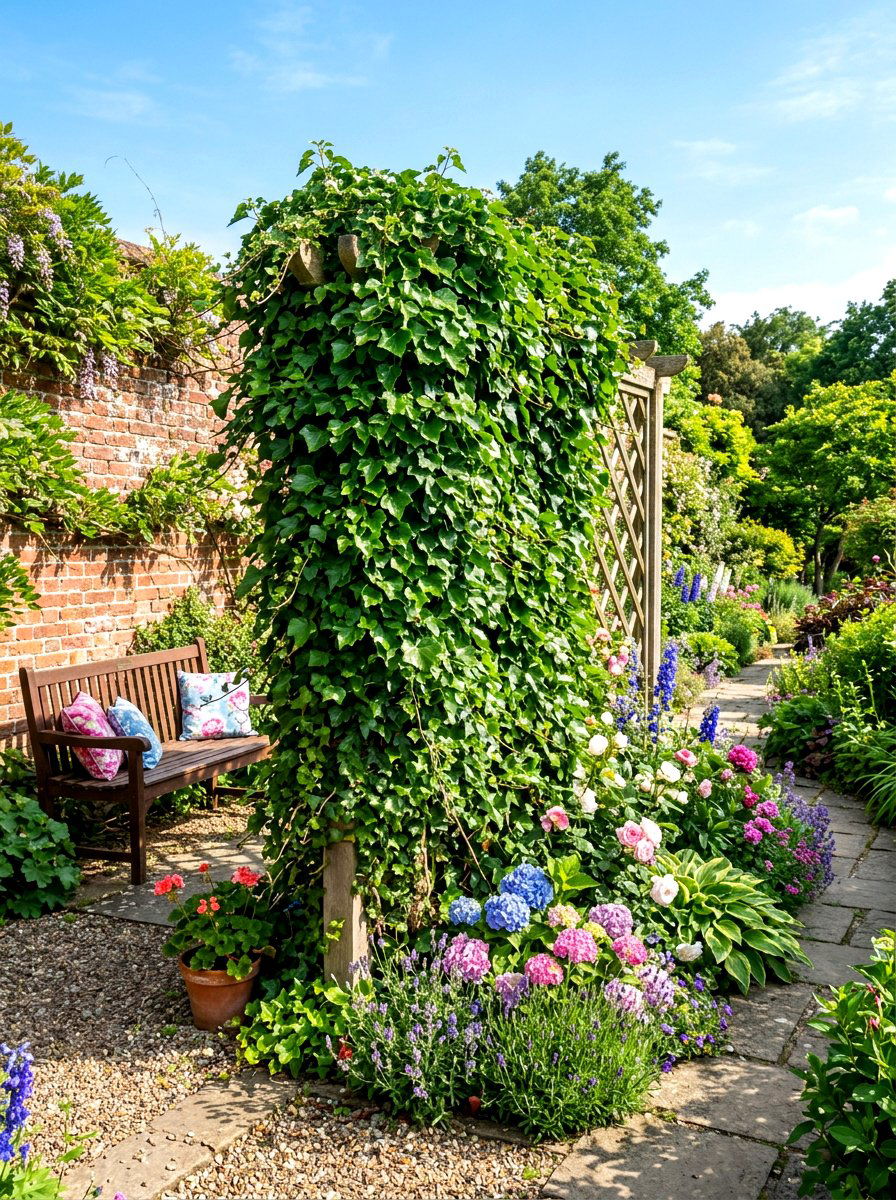
English ivy is a vigorous climber that can quickly cover a wooden or metal trellis to form a solid green wall. This plant is known for its hardy nature and ability to thrive in shaded areas where other plants might struggle. The dark green, glossy leaves provide a classic look that blends well with traditional architecture and stone features. As the ivy grows, it weaves through the trellis, creating a thick mat of foliage that ensures total privacy. You can also mix it with flowering vines for a pop of color. Regular trimming is necessary to keep the ivy from spreading to unwanted areas.
5. Arborvitae Privacy Fence
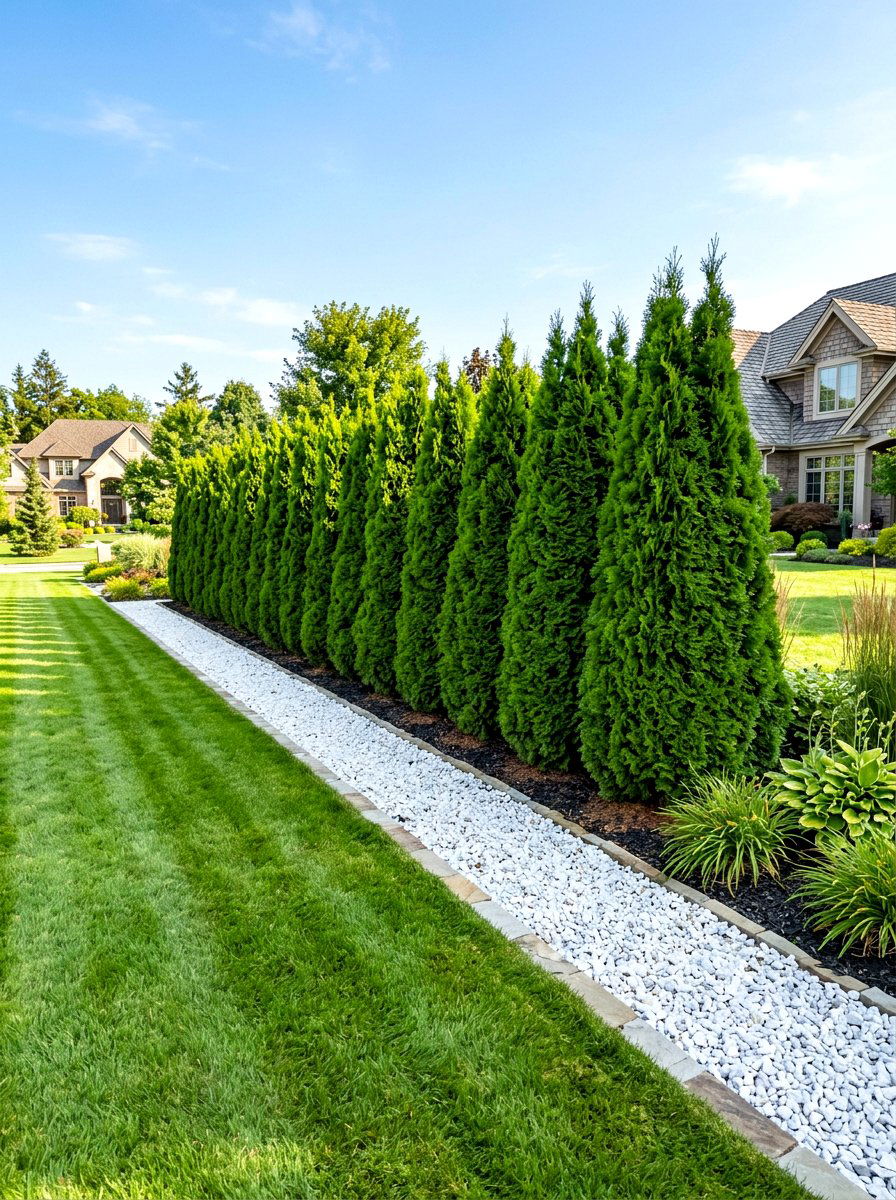
Arborvitae trees are a staple in landscape design because they grow tall and narrow, making them perfect for living fences. These evergreens feature soft, scale-like needles that stay green throughout the winter, providing consistent privacy all year long. When planted in a tight row, their branches overlap to create a seamless wall of greenery. They are particularly effective at muffling noise from nearby roads or loud neighbors. Arborvitae are relatively low-maintenance once established and can adapt to many different climates. They offer a stately, architectural look that increases property value while protecting your personal space from any unwanted prying eyes.
6. Hanging Garden Wall
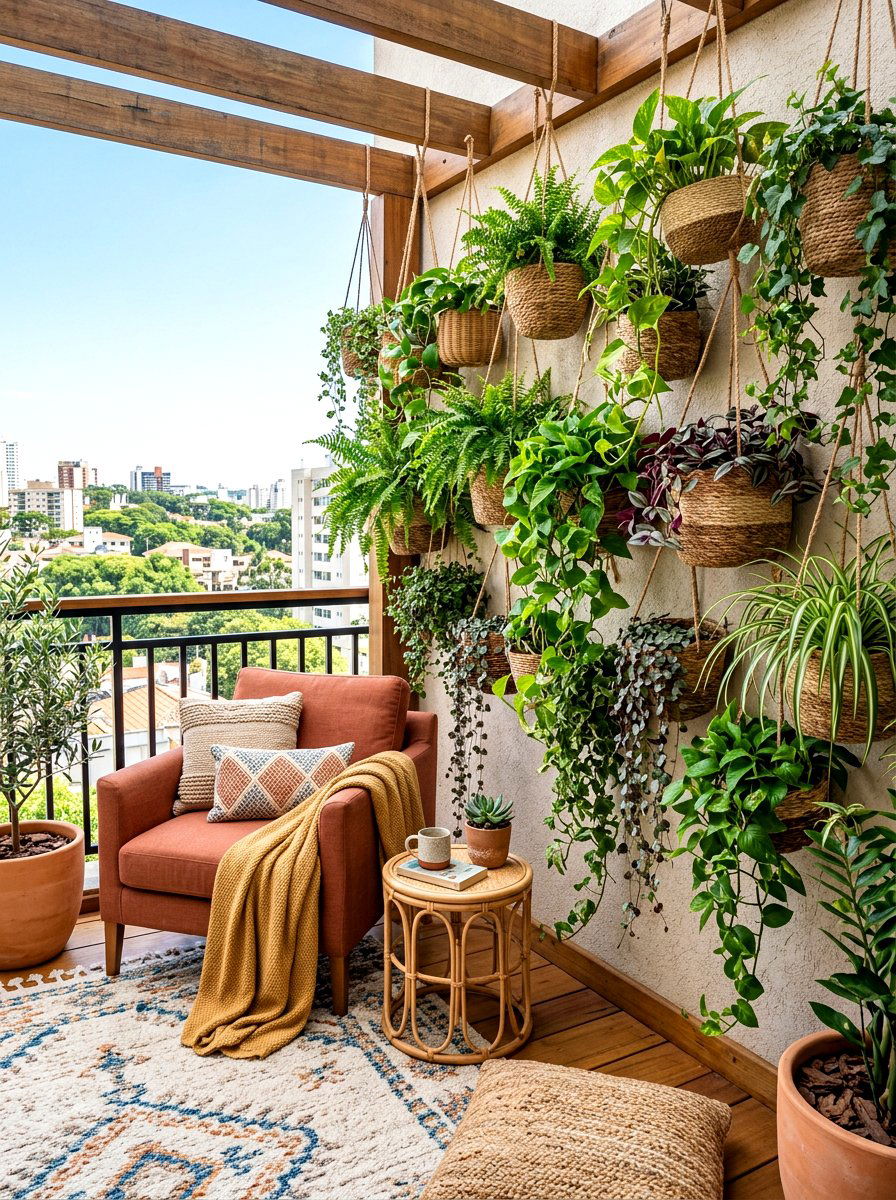
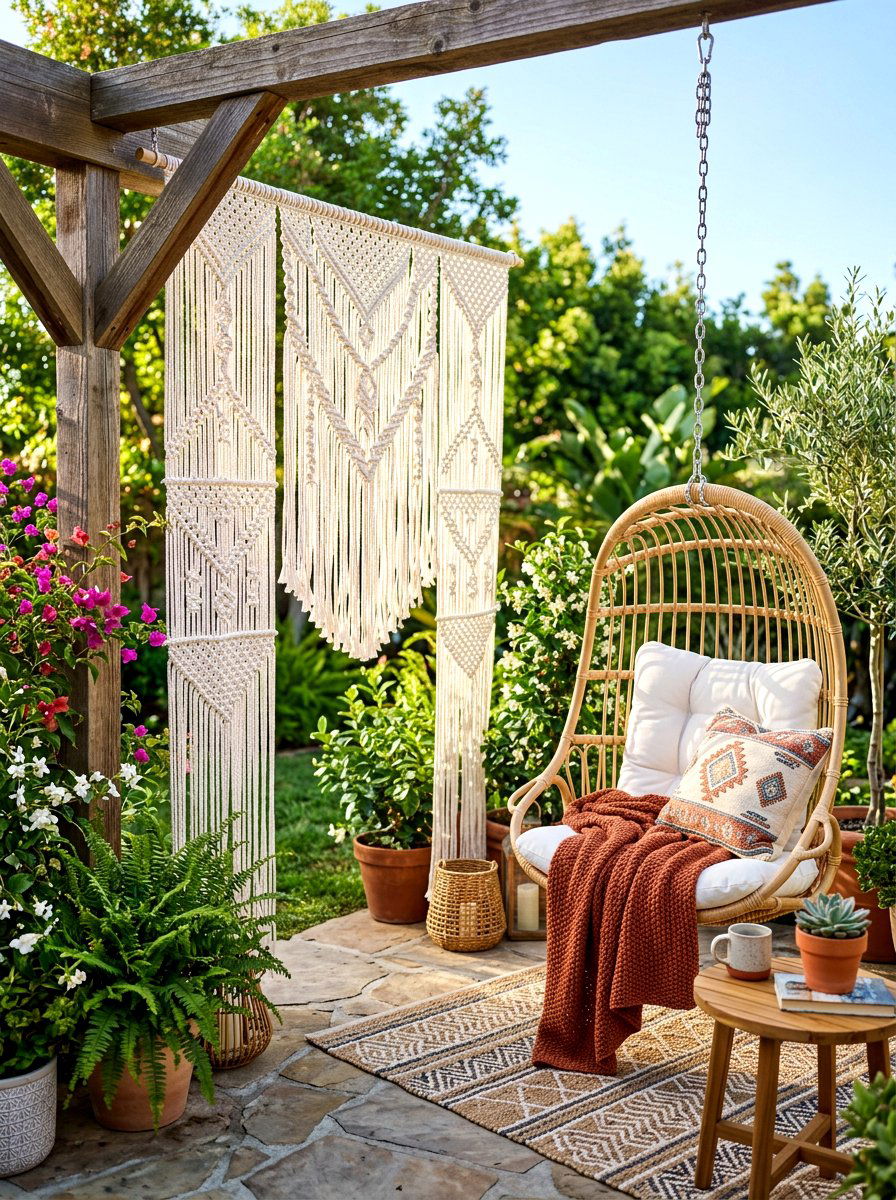
A hanging garden wall utilizes vertical space by suspending various potted plants from a sturdy frame or overhead structure. This approach is ideal for porches or balconies where ground space is limited. You can use trailing plants like ivy, creeping Jenny, or pothos to create a waterfall effect that blocks the view from above or across. The combination of different textures and shades of green creates a dynamic and visually interesting barrier. This type of living wall is easily customizable; you can swap out plants according to the season. It adds a bohemian and cozy feel to any outdoor seating or lounge area.
7. Espalier Fruit Trees
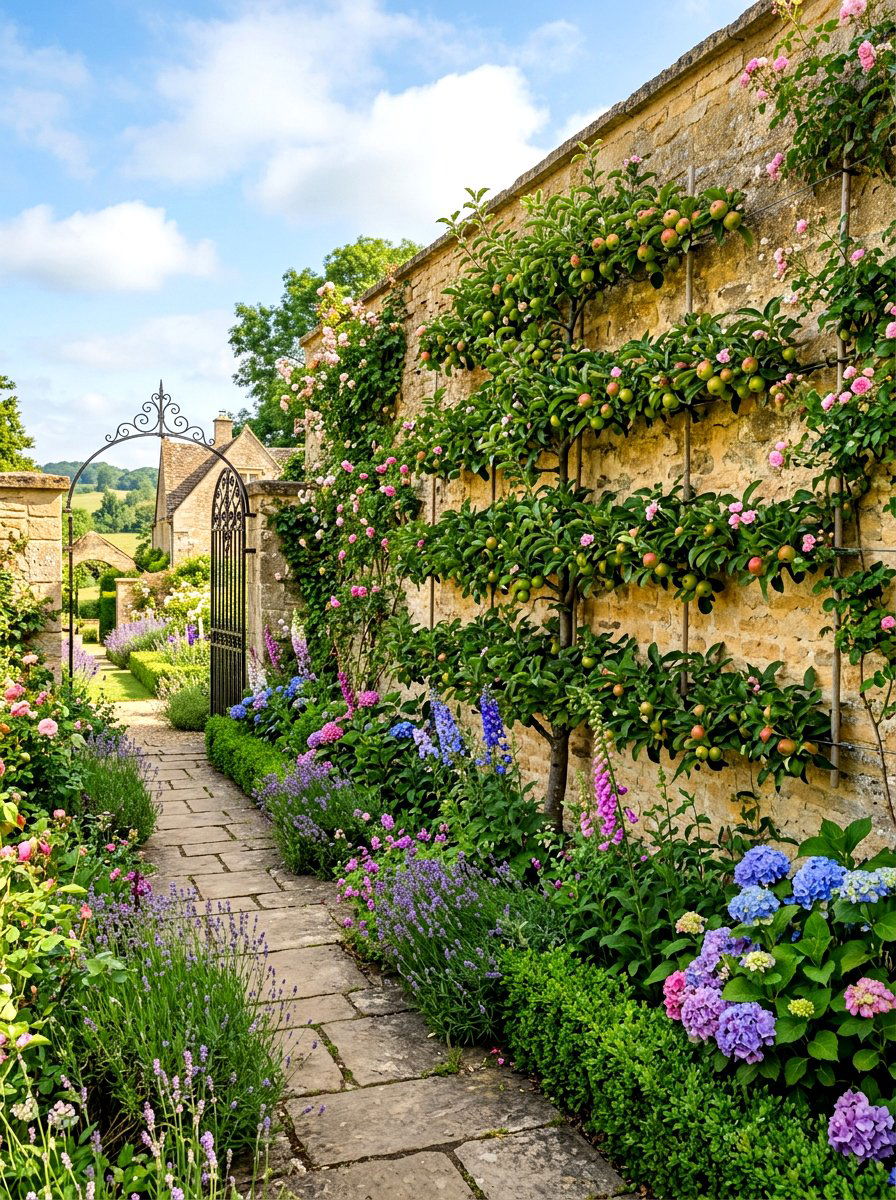
Espalier is an ancient gardening technique where fruit trees are trained to grow flat against a wall or a freestanding trellis. This method allows you to enjoy fresh fruit while creating a sophisticated and space-saving privacy screen. Apple, pear, and plum trees are common choices for this style of living wall. The structured branches create a beautiful pattern that looks like a living piece of art in your garden. During the spring, the trees are covered in blossoms, while the summer brings lush leaves and ripening fruit. It is a productive and elegant way to define the boundaries of your backyard.
8. Tall Ornamental Grasses
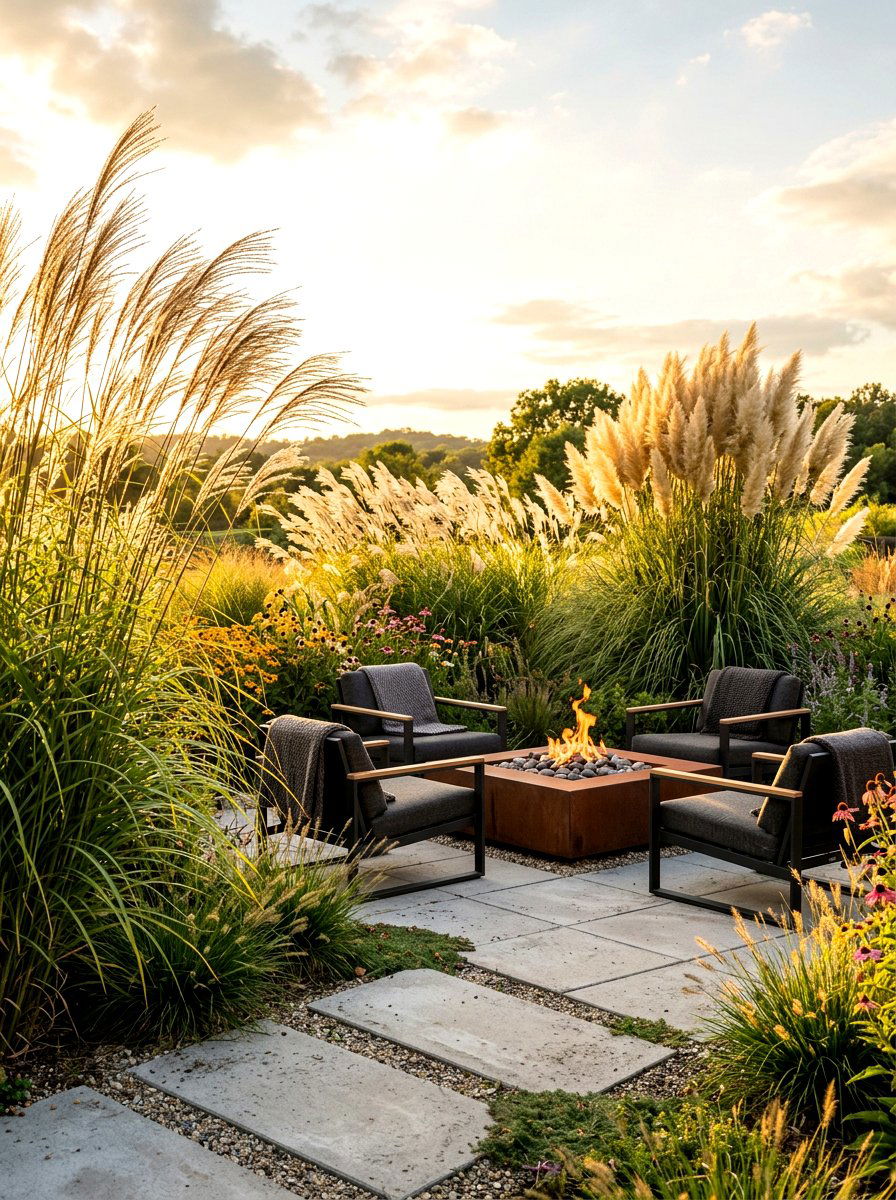
Ornamental grasses like Miscanthus or Feather Reed grass provide a soft, swaying privacy screen that adds movement to your landscape. These plants grow rapidly during the summer and can reach heights of six feet or more. Their feathery plumes and golden stalks offer a rustic and natural look that fits well with farmhouse or coastal designs. Because the blades are thin, they allow a gentle breeze to pass through while still obscuring the view. These grasses are particularly beautiful in the late afternoon sun when they catch the light. They are a low-maintenance option that only requires a quick cut back in the spring.
9. Star Jasmine Lattice
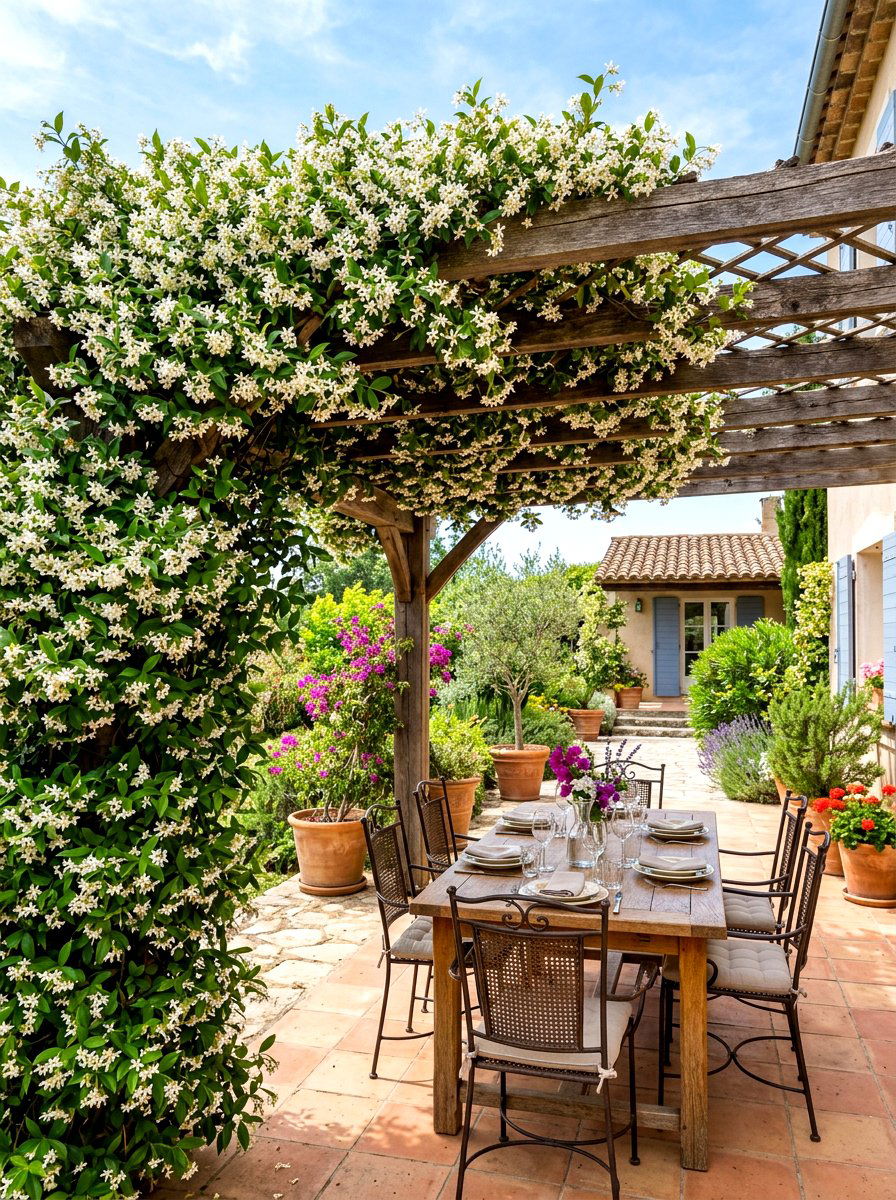
Star jasmine is a popular choice for a living wall because of its intoxicating fragrance and beautiful white flowers. When grown on a lattice or wire grid, this evergreen vine creates a dense and lush screen. The dark green leaves provide a consistent backdrop, while the small, star-shaped blooms fill the air with a sweet scent during the warmer months. This living wall works well for framing a patio or covering an unsightly fence. Jasmine is relatively easy to care for and can handle both sun and partial shade. It brings a touch of romance and elegance to any outdoor living space.
10. Stacked Wooden Planters
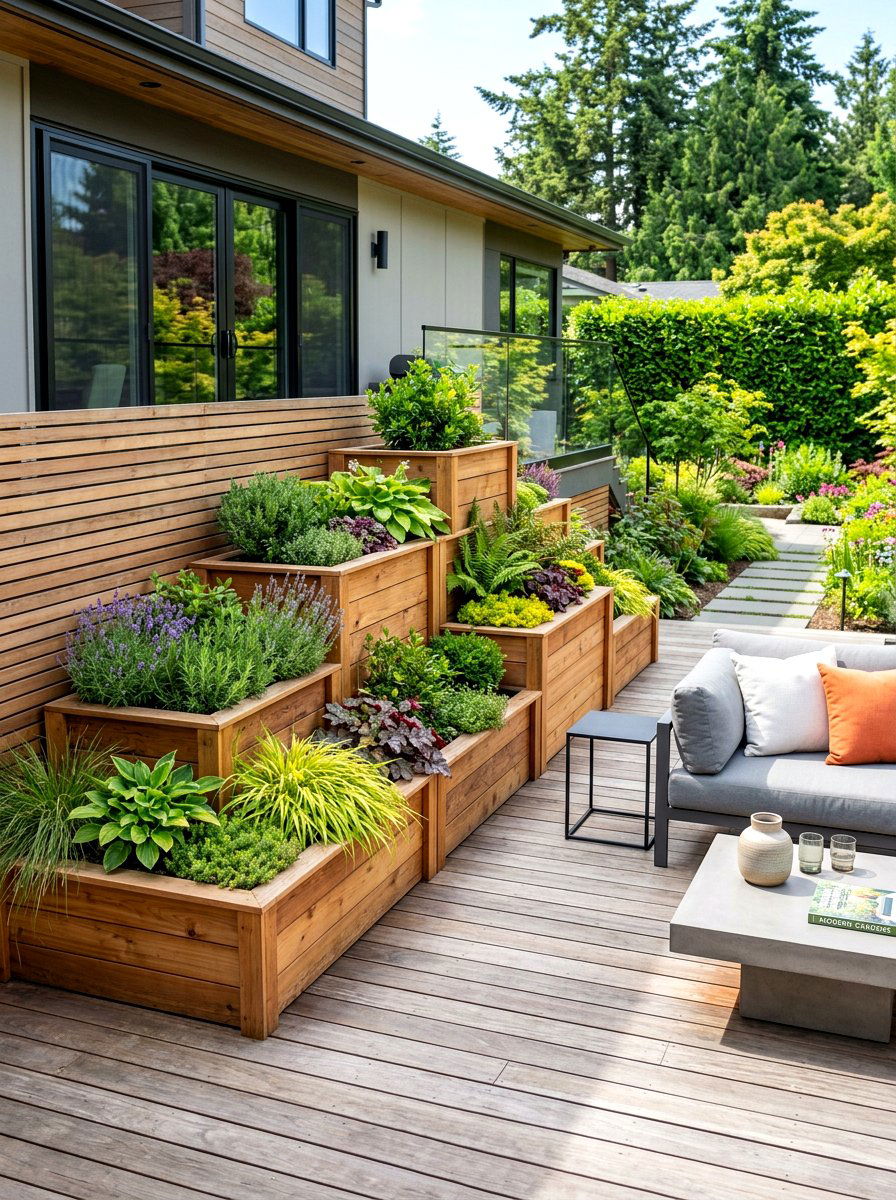
Stacked wooden planters allow you to build a customizable living wall that can accommodate a wide variety of plant species. By layering cedar or pine boxes at different heights, you create a structural barrier that is both modern and organic. You can fill the boxes with tall grasses, trailing vines, or colorful perennials to create a lush and tiered look. This design is perfect for creating a sense of enclosure on a deck or patio. The wood provides a warm, natural texture that complements the greenery. It also offers the flexibility to move individual planters if you want to change the layout.
11. Tropical Palm Screen
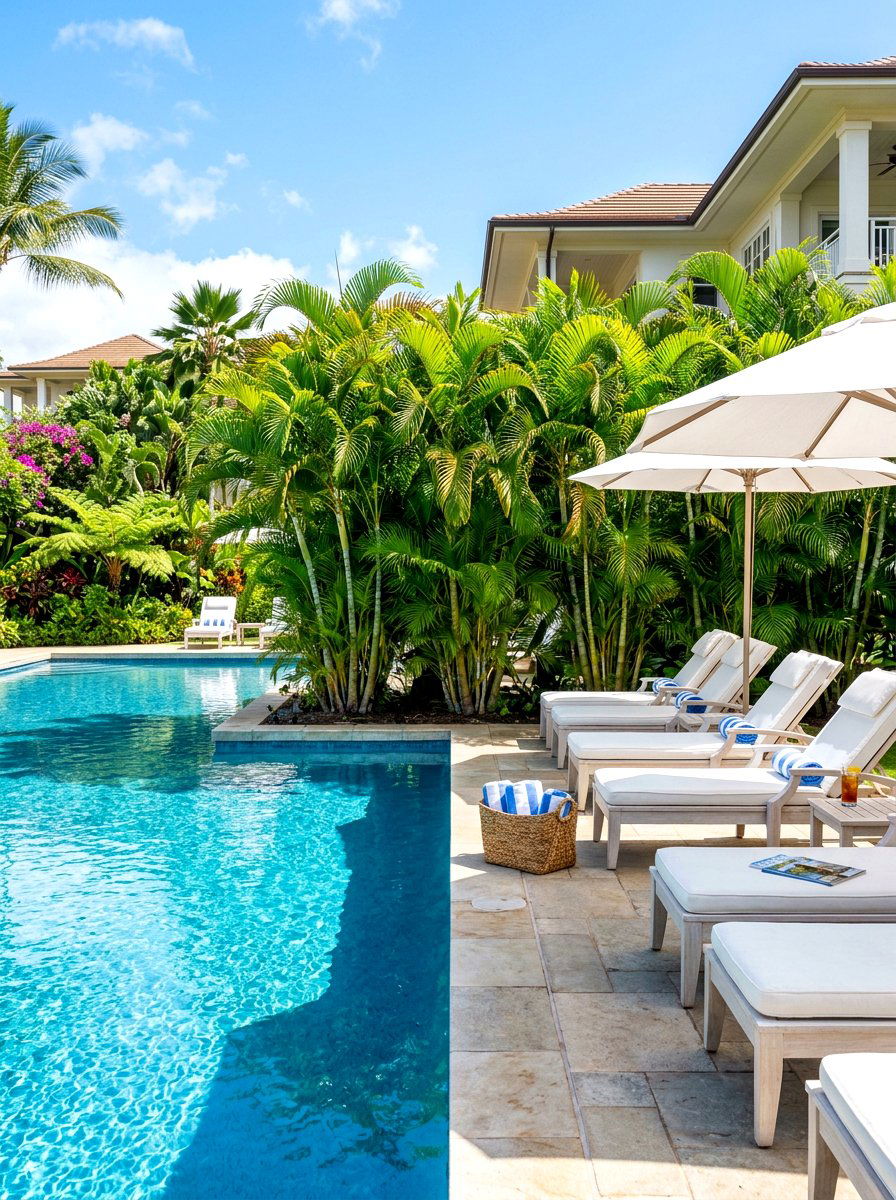
For those living in warmer climates, a row of tall palms can create a stunning tropical privacy screen. Varieties like the Areca palm or Lady palm grow in dense clumps that effectively block views while adding a resort-like vibe to your yard. The large, fan-shaped fronds create deep shadows and a sense of luxury. Planting these palms along a pool area or a sun deck provides both shade and seclusion. They are relatively easy to maintain and offer a lush, green aesthetic that lasts all year. A palm wall is a perfect way to bring a vacation feel right to your own backyard.
12. Faux Boxwood Panels
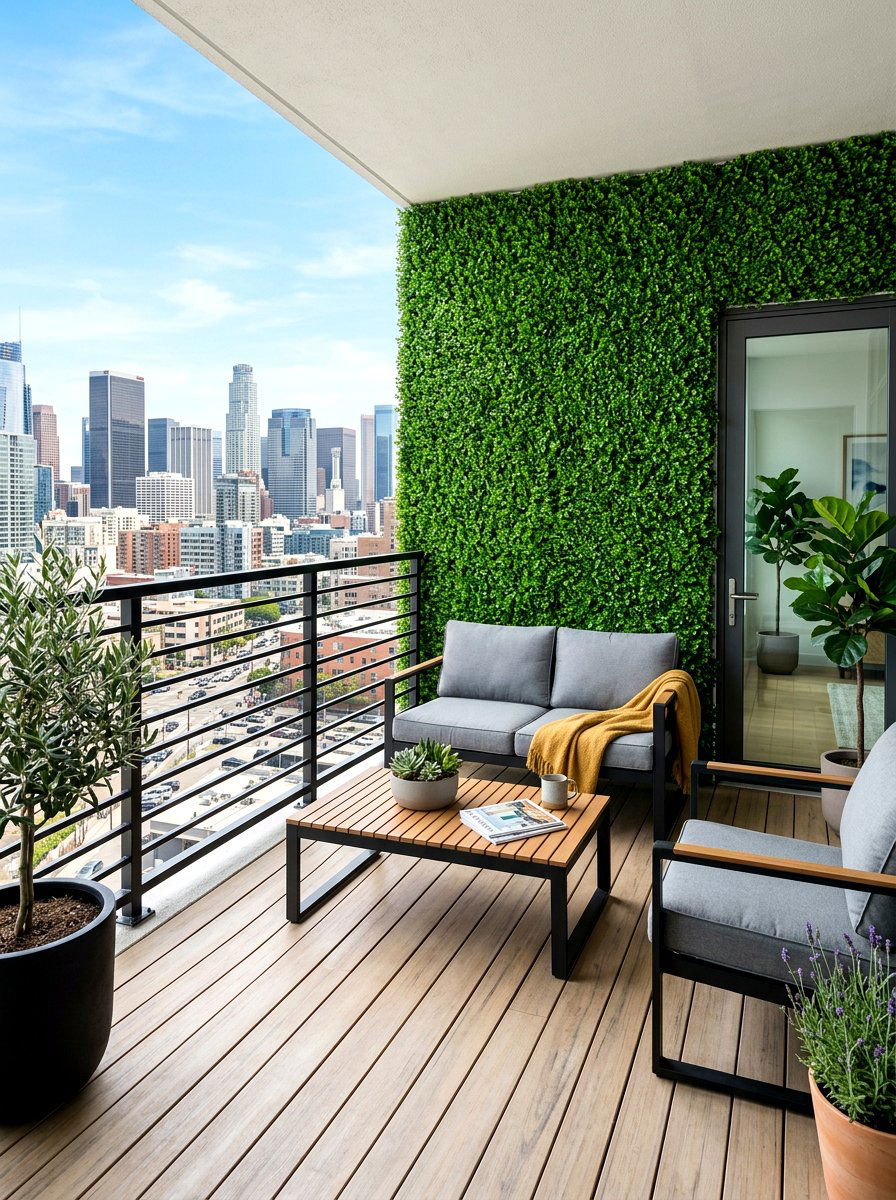
Artificial boxwood panels offer an immediate privacy solution that requires zero maintenance. These panels are made from high-quality, UV-resistant materials that mimic the look of real boxwood perfectly. They are ideal for areas where real plants might struggle to grow, such as deep shade or harsh urban environments. You can easily attach these panels to an existing fence or a freestanding frame to create a solid green wall. They stay perfectly green and manicured regardless of the weather or season. This is a great choice for busy homeowners who want the look of a living wall without the need for watering or pruning.
13. Woven Willow Fence
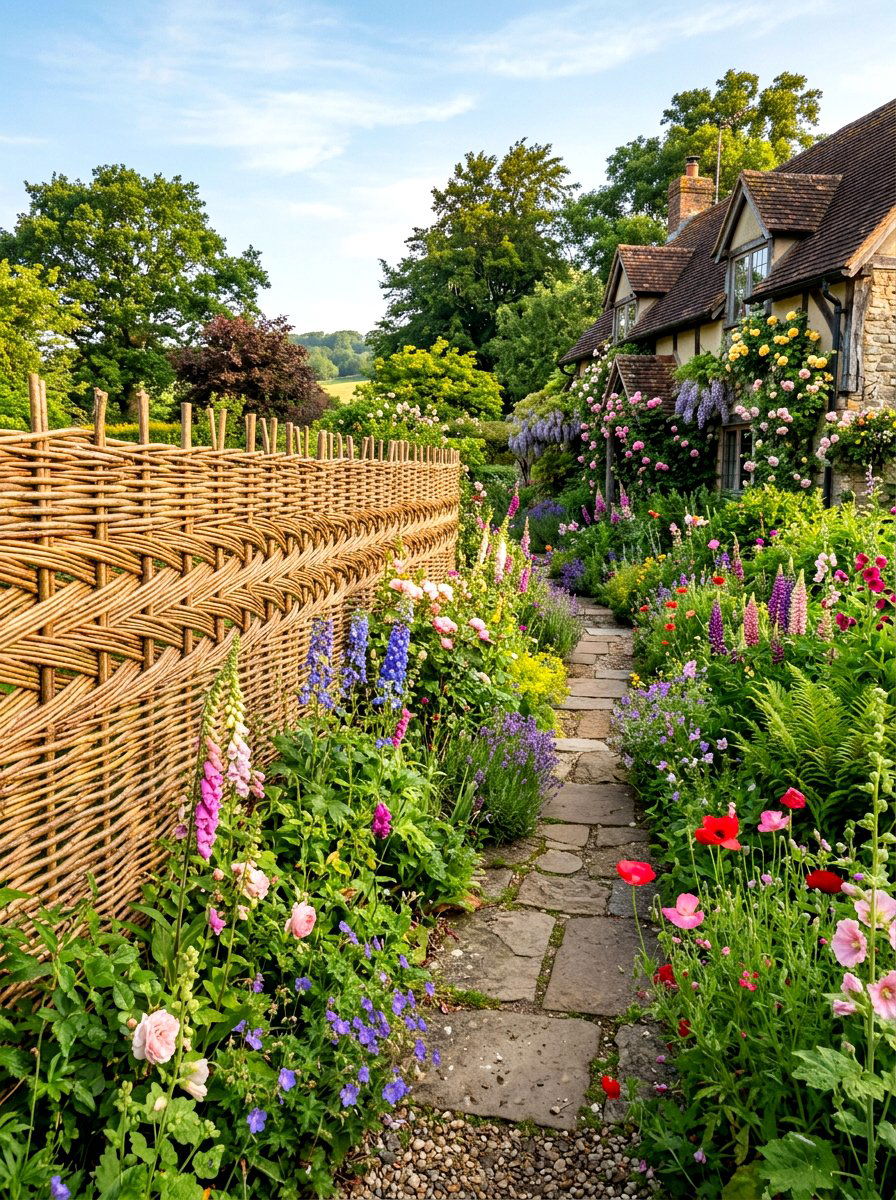
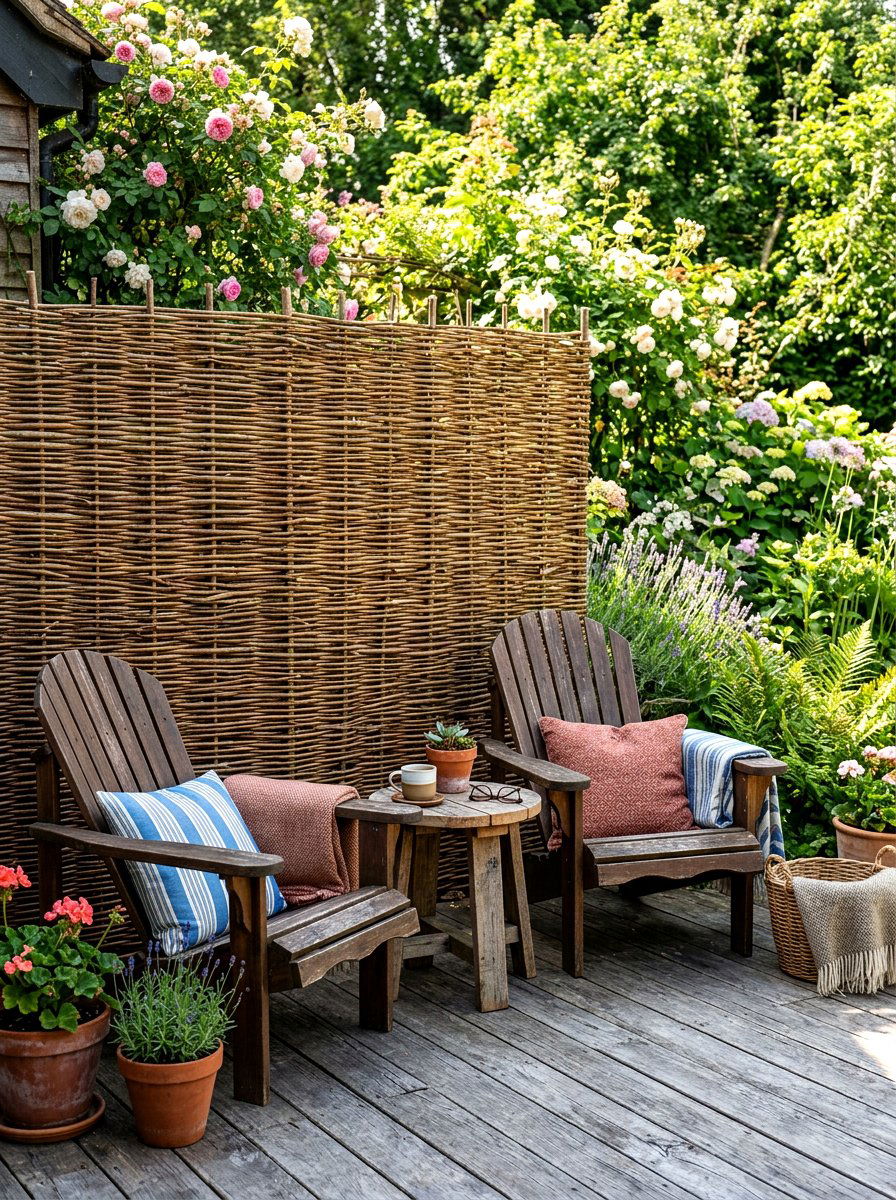
A woven willow fence, also known as a wattle fence, provides a rustic and organic way to gain privacy. This traditional technique involves weaving flexible willow branches between sturdy upright stakes. The result is a textured, breathable wall that blends seamlessly into a woodland or country-style garden. You can encourage climbing plants like clematis or honeysuckle to grow up the willow structure for added density and color. Over time, the willow may even take root and sprout new leaves, making it a truly living structure. It is an eco-friendly and charming alternative to modern fencing that supports local wildlife.
14. Hydrangea Hedge Wall
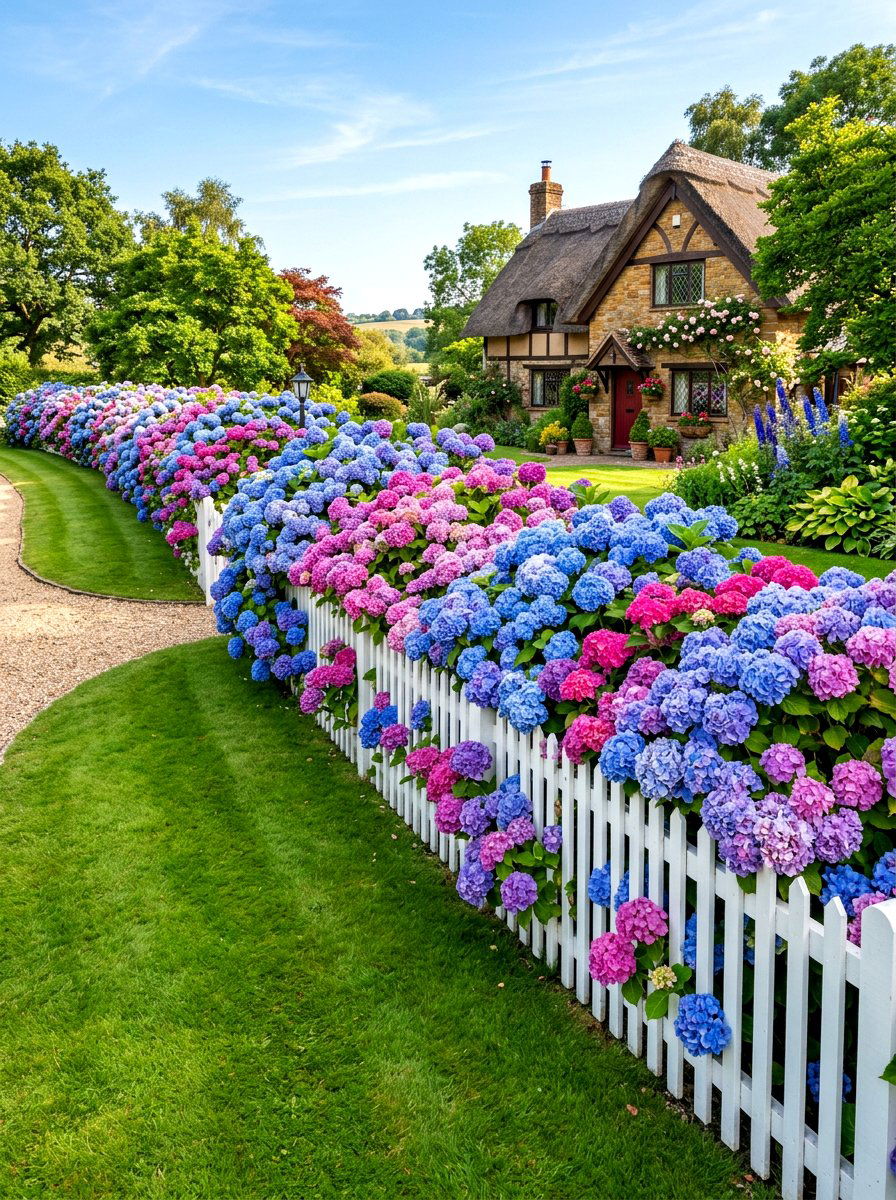
Hydrangeas are famous for their massive, colorful flower heads and large, lush leaves, making them excellent for a seasonal privacy wall. When planted closely together, varieties like the Limelight or Panicle hydrangea form a thick, flowering hedge. These shrubs can grow quite tall and wide, creating a soft and romantic boundary for your garden. The blooms last for several months, changing colors from green to white to pink as the season progresses. Even after the flowers fade, the dense foliage provides a beautiful screen. They are a fantastic choice for adding a touch of cottage-style charm to your outdoor space.
15. Succulent Wall Planter
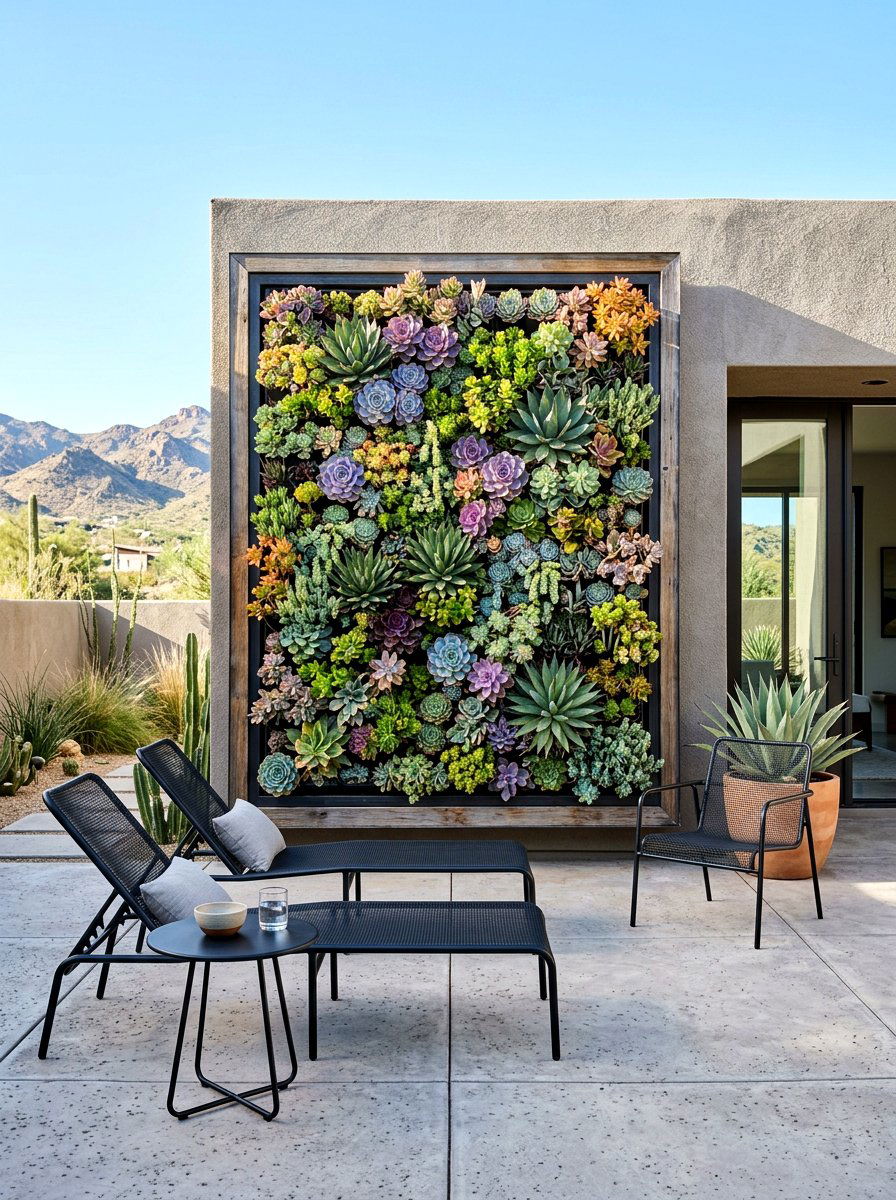
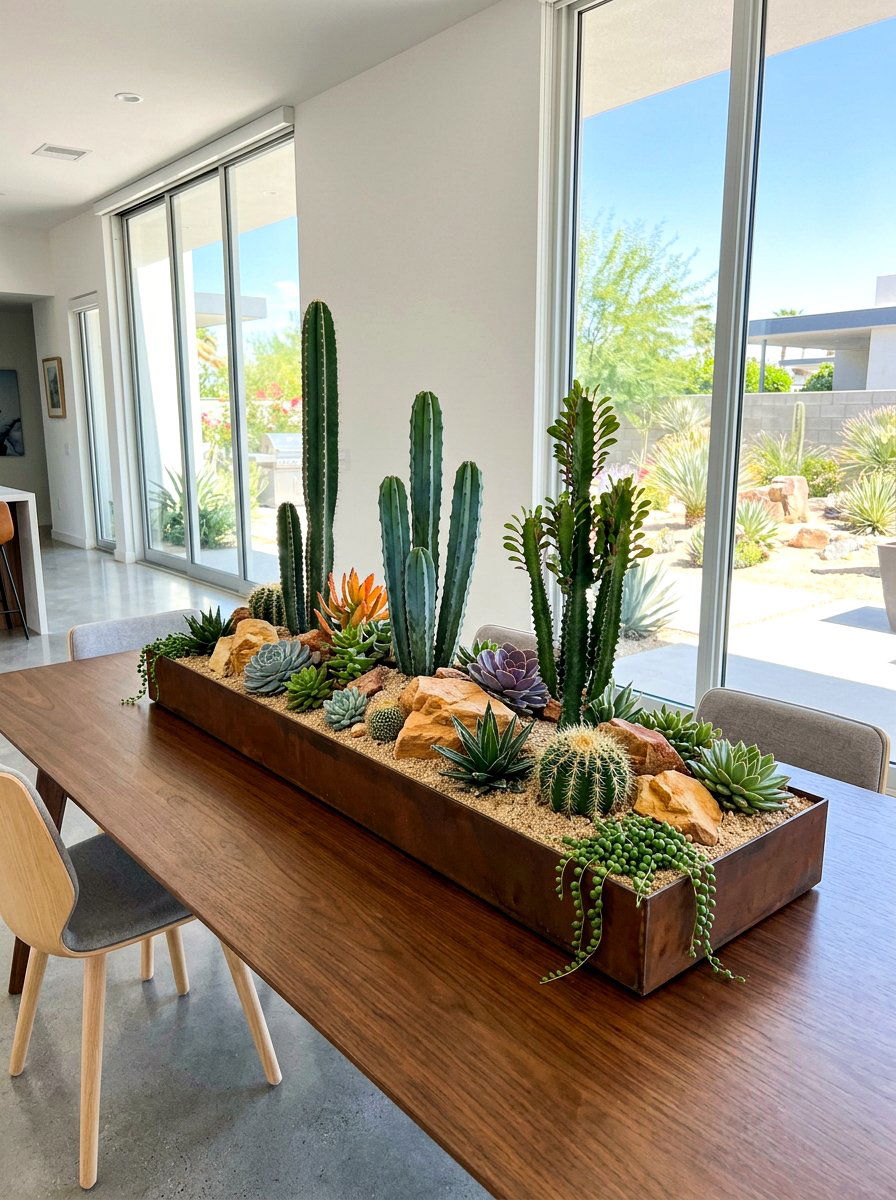
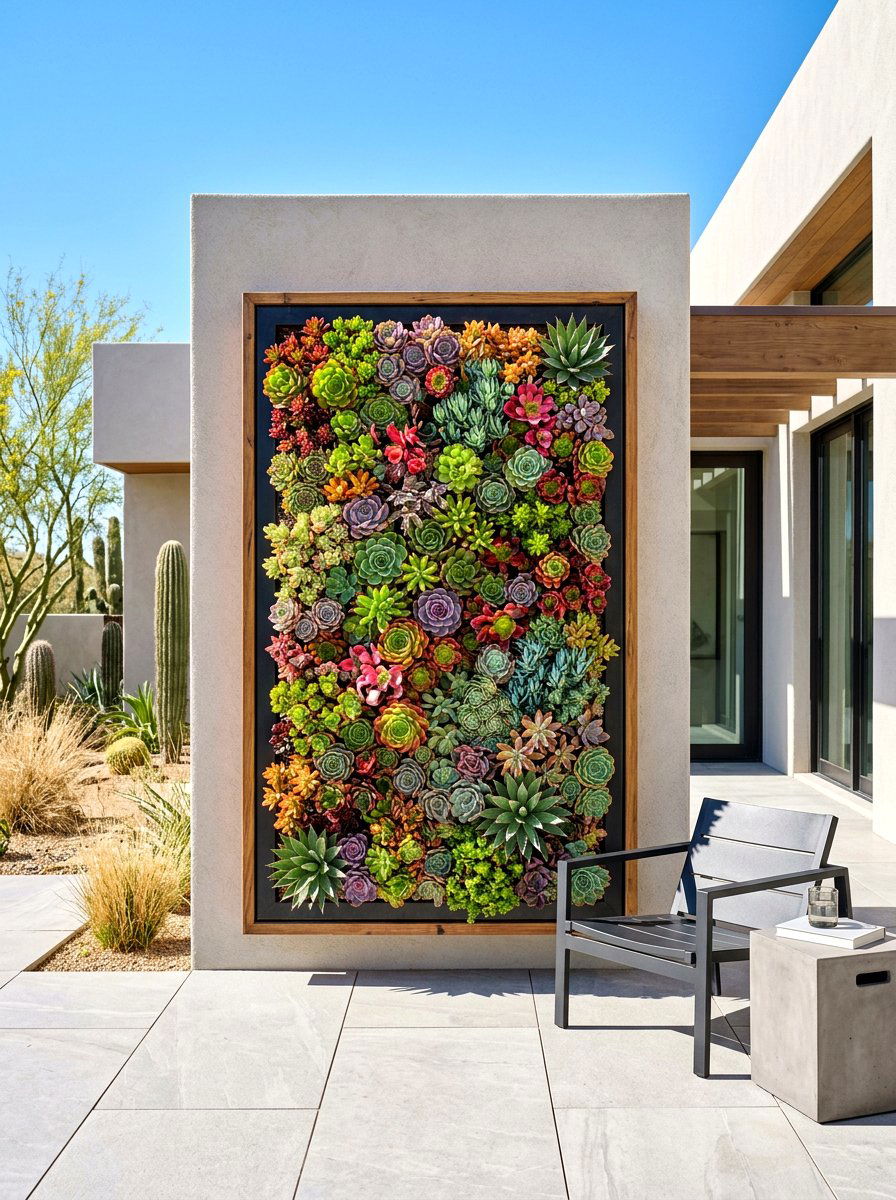
A succulent wall planter is a modern and artistic way to achieve privacy on a small scale. By using a specialized vertical planting system, you can create a mosaic of different colors, shapes, and textures using various succulent species. These plants are drought-tolerant and require very little soil, making them perfect for vertical applications. A succulent wall is best suited for a sunny balcony or as a decorative accent on a patio. The slow-growing nature of succulents means the wall will maintain its intricate design for a long time. It serves as both a private barrier and a stunning conversation piece.
16. Multi Level Garden
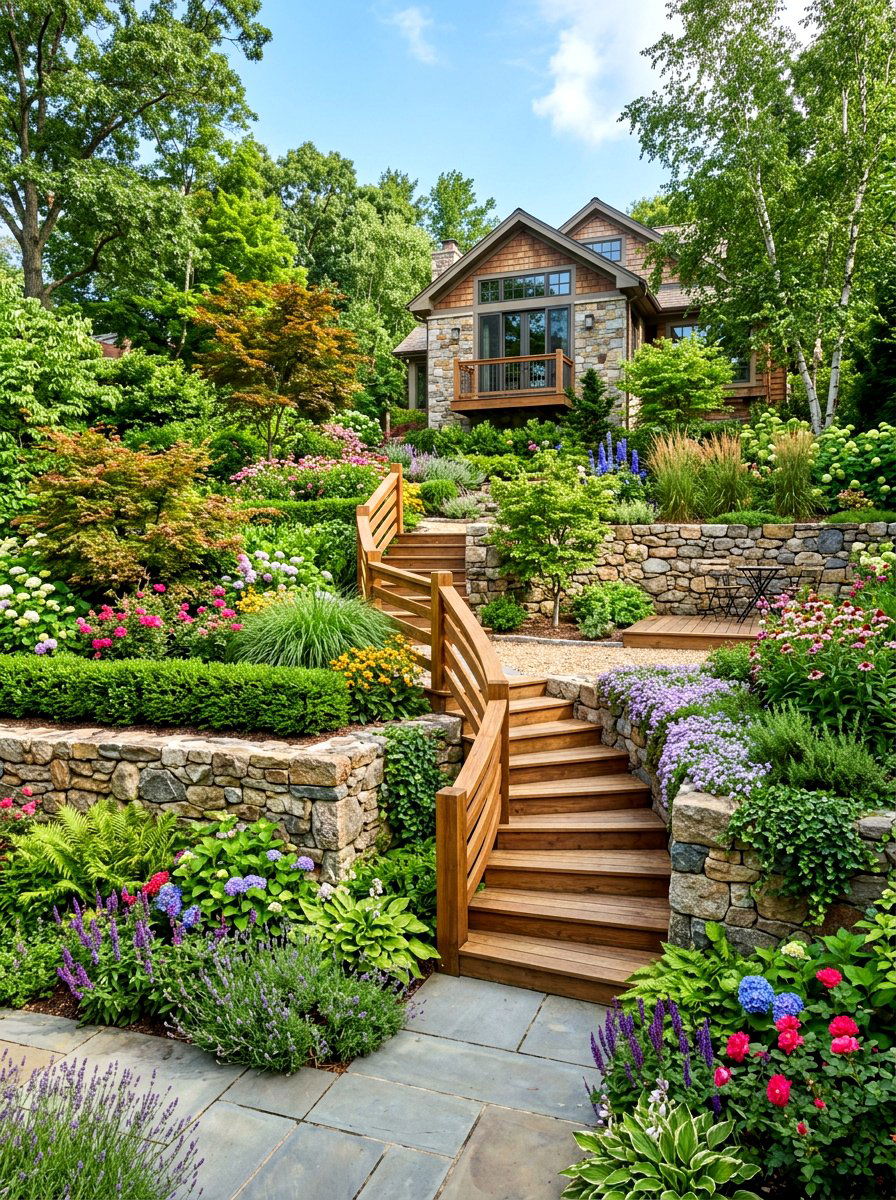
A multi-level garden utilizes raised beds and terraced planting to create height and privacy in a sloped yard. By building stone or timber walls at different elevations, you can plant tall shrubs and trees that block the view from higher vantage points. This approach adds depth and dimension to your landscape while solving privacy issues naturally. You can mix evergreens with flowering plants to ensure the wall looks attractive in every season. The different levels also provide opportunities for creating secluded seating nooks or hidden garden paths. It is a comprehensive landscaping solution that maximizes the functionality of your entire outdoor area.
17. Climbing Rose Wall
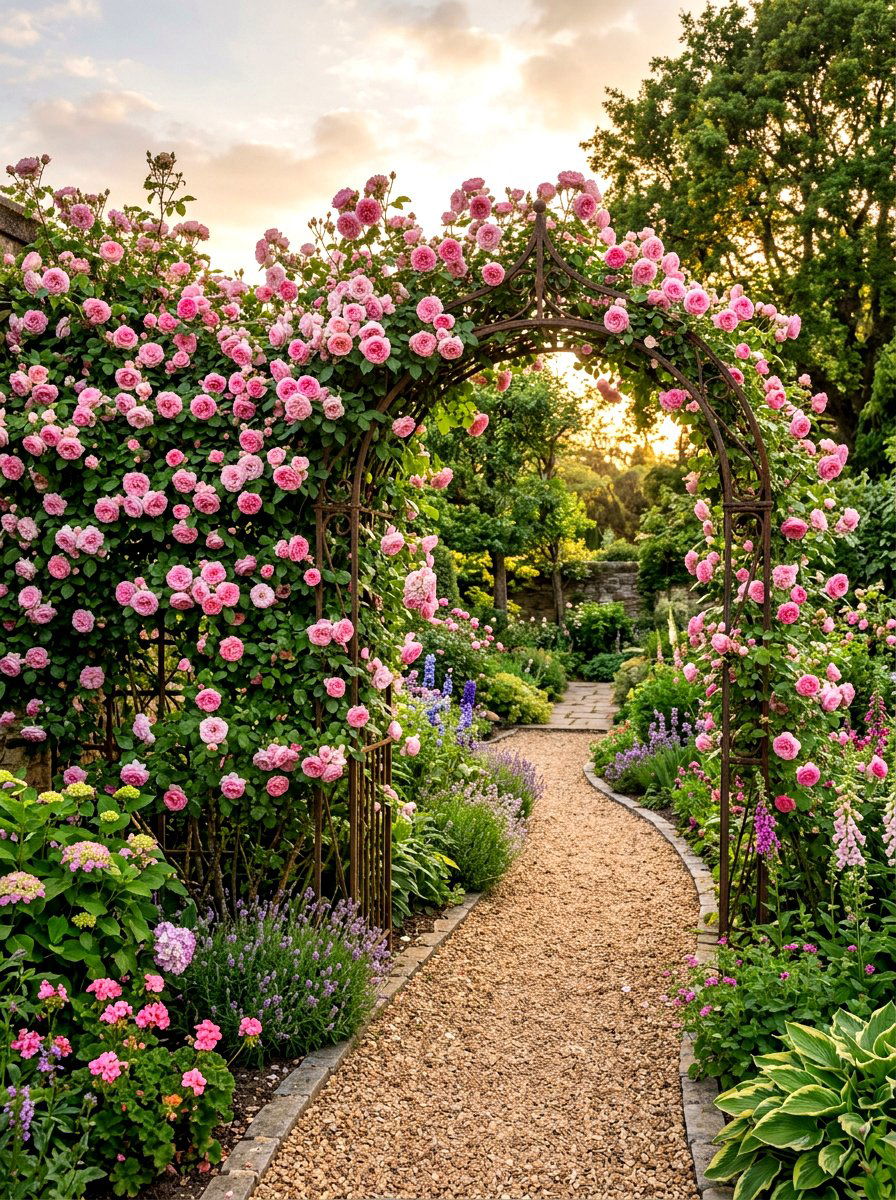
There is nothing quite as classic or beautiful as a wall covered in climbing roses. By installing a sturdy trellis or wire support against a wall, you can train roses to grow upward and outward. The thorny stems provide a natural deterrent, while the abundance of flowers offers a breathtaking visual screen. Climbing roses come in many varieties, from fragrant old-fashioned types to modern, repeat-blooming hybrids. The dense foliage and clusters of blooms create a romantic and fragrant barrier that enhances the beauty of your home. Regular deadheading and pruning will keep the rose wall healthy and blooming all summer long.
18. Live Moss Wall
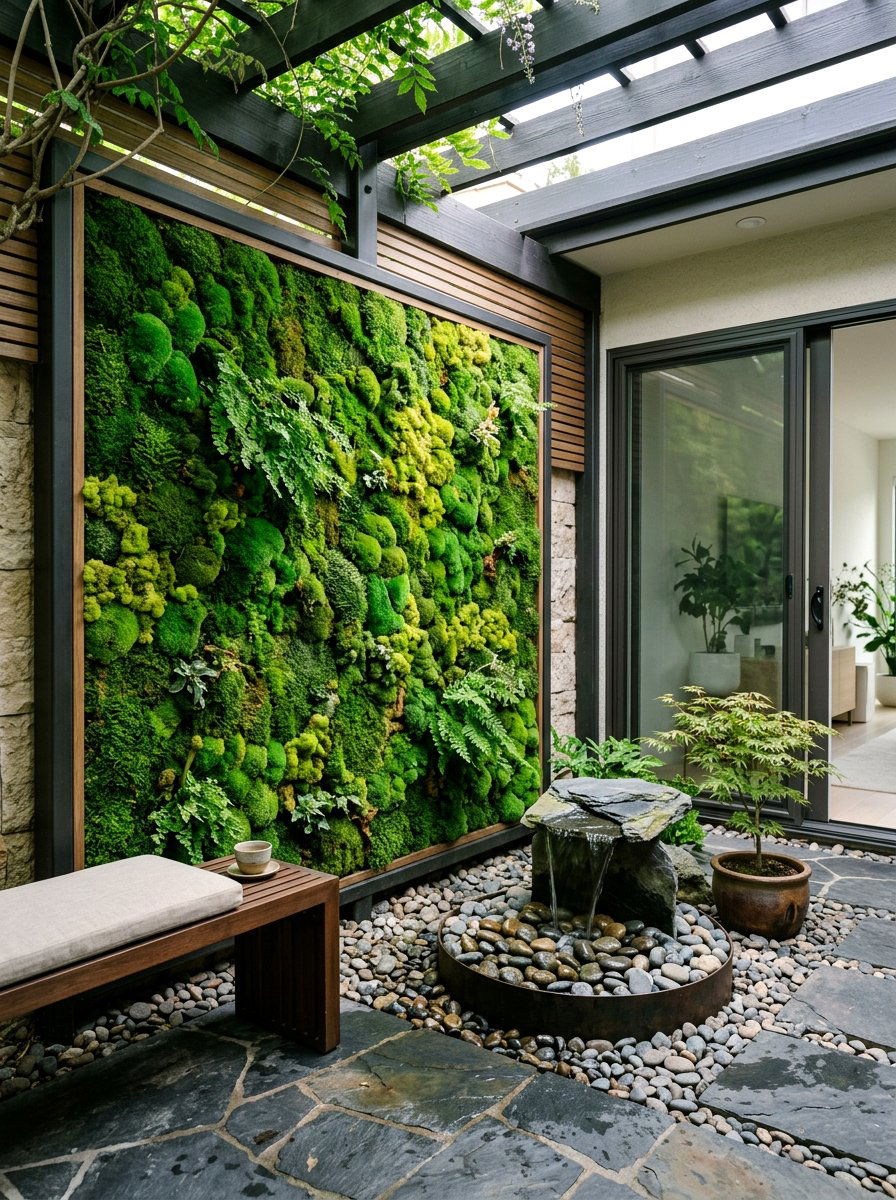
A live moss wall is a unique and eco-friendly privacy solution that thrives in damp, shaded areas. Moss provides a plush, velvety texture that is incredibly calming to look at. This type of living wall is often created using a moisture-retentive backing material that allows the moss to grow vertically. It is an excellent choice for a courtyard or a covered patio where light is limited. Moss walls also act as natural air purifiers and can help dampen noise from the surrounding environment. They require consistent moisture but are otherwise very low-maintenance. A moss wall adds a touch of ancient forest magic to your home.
19. Cedar Privacy Planter
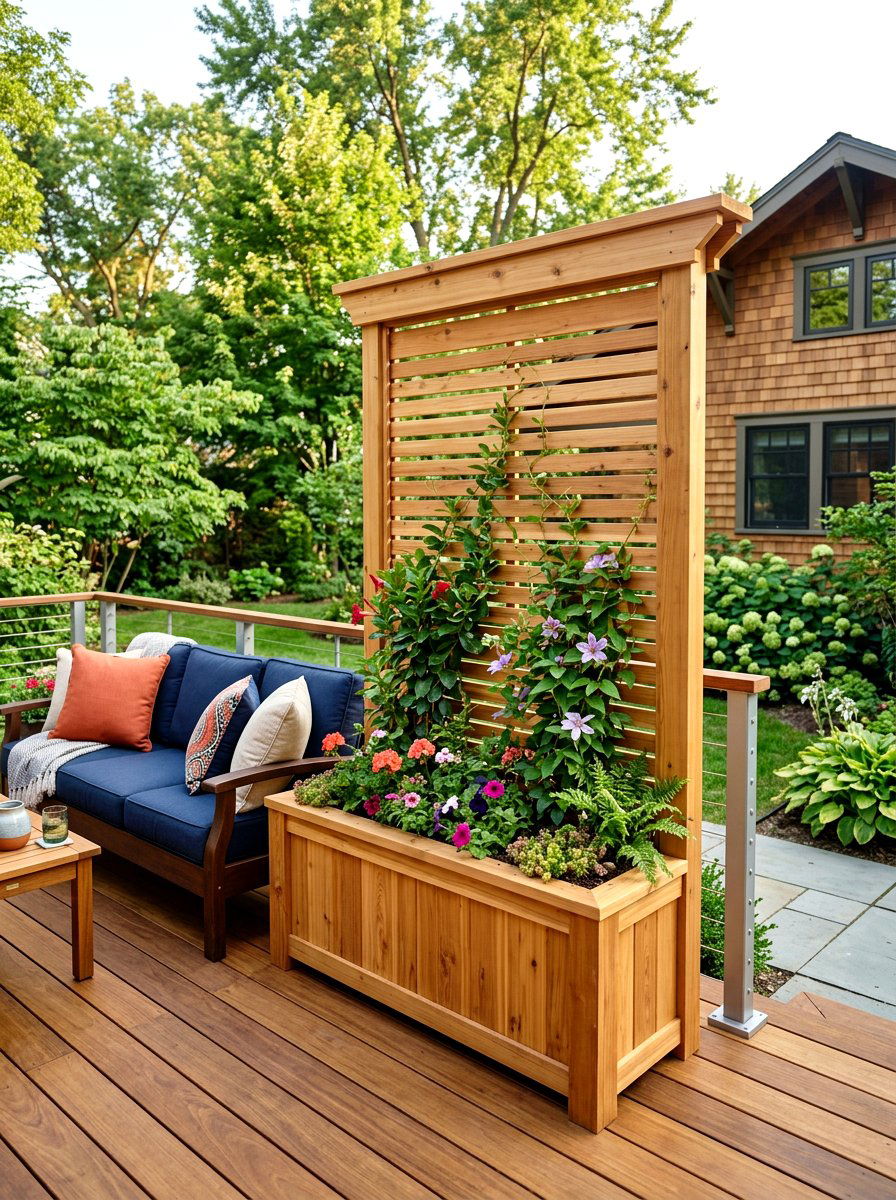
A cedar privacy planter combines a deep planting box with a built-in trellis or slatted screen. This all-in-one unit is perfect for decks or patios where you cannot plant directly into the ground. You can fill the planter with fast-growing climbers like morning glories or black-eyed Susan vines to quickly cover the screen. The natural oils in cedar wood make it resistant to rot and insects, ensuring the structure lasts for many years. This design provides immediate privacy and can be moved if necessary. It is a stylish and practical solution for renters or anyone looking for a portable living wall.
20. Skip Laurel Hedge
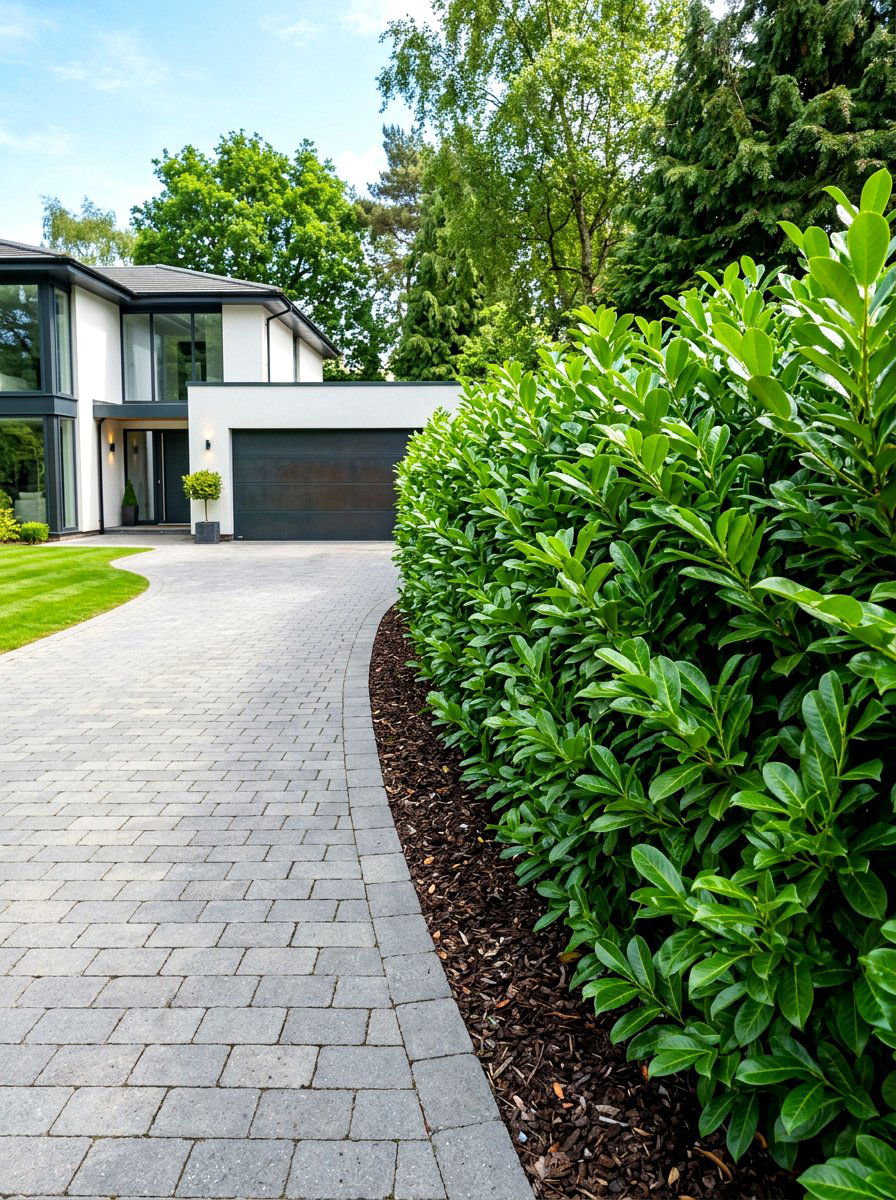
Skip laurel is a popular evergreen shrub known for its large, glossy leaves and upright growth habit. It is an excellent choice for creating a dense and elegant privacy hedge that stays green all year round. In the spring, it produces spikes of fragrant white flowers that attract pollinators to your garden. Skip laurel is very hardy and can tolerate various light conditions, from full sun to deep shade. It grows relatively quickly and can be easily pruned to maintain a specific height or width. This hedge provides a clean, professional look that works well in both traditional and contemporary landscapes.
21. Columnar Juniper Trees
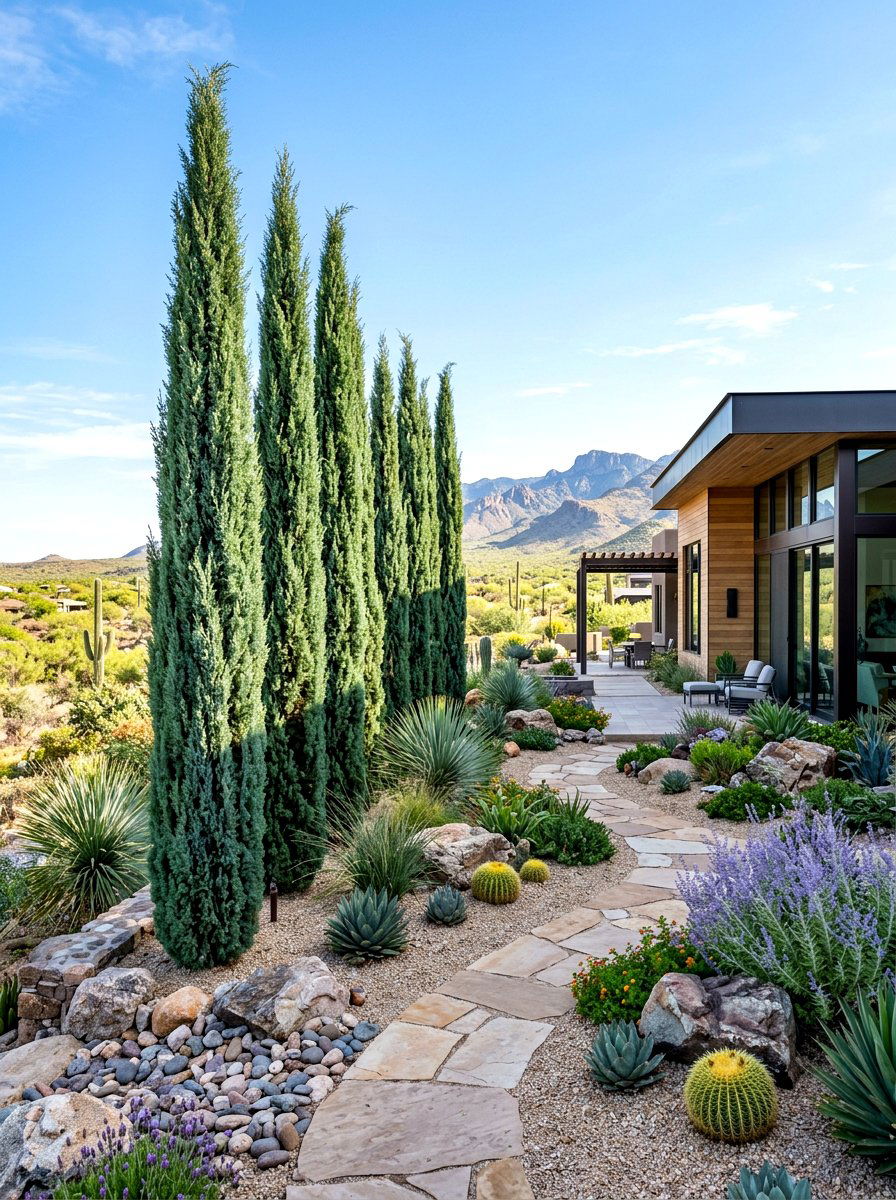
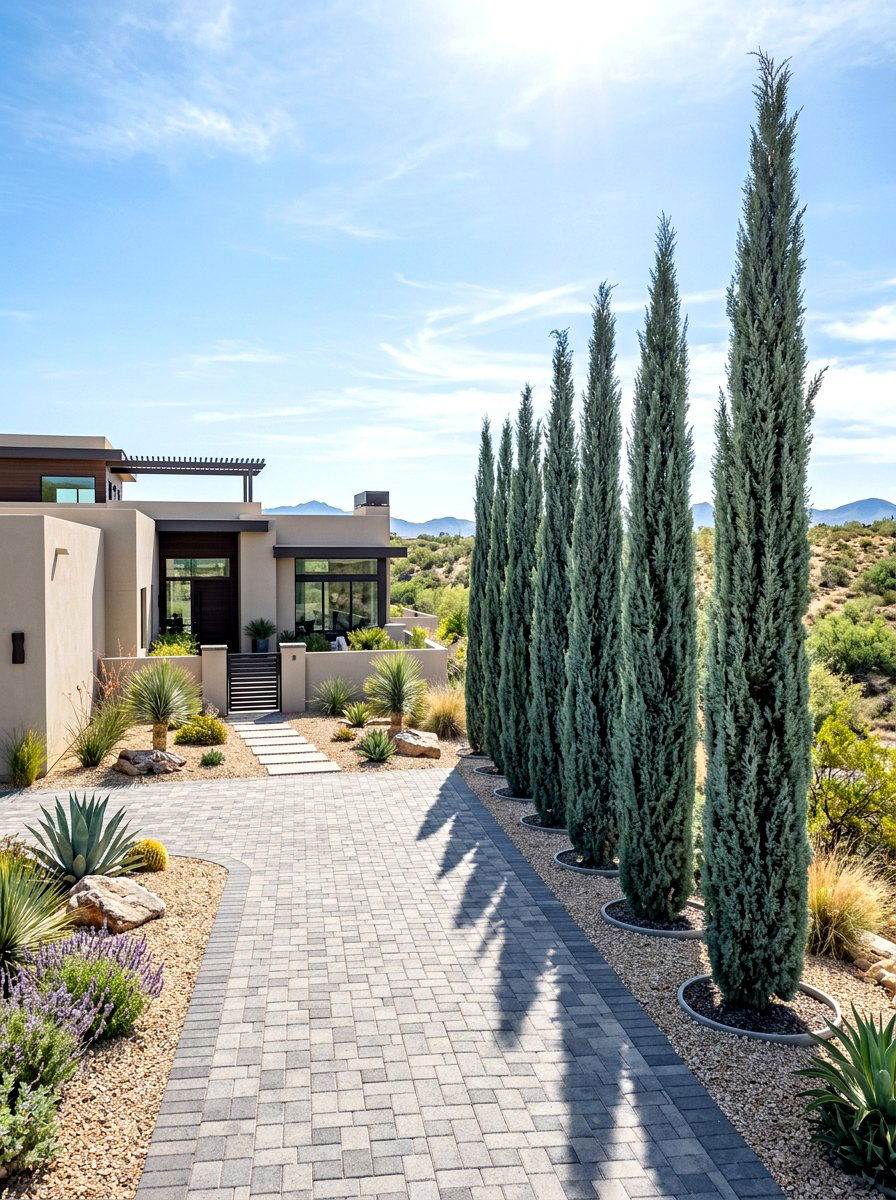
Columnar junipers, such as the Skyrocket or Blue Arrow varieties, offer a sleek and narrow privacy solution. These trees grow tall and thin, resembling living pillars that can be planted close together to form a tight screen. Their silvery-blue or dark green foliage adds a unique color palette to your garden. Junipers are incredibly drought-tolerant and can withstand harsh winds, making them ideal for exposed areas or coastal regions. They require very little pruning to maintain their narrow shape. This type of living wall is perfect for small yards where space is at a premium but vertical privacy is a major priority.
22. Fern Vertical Garden
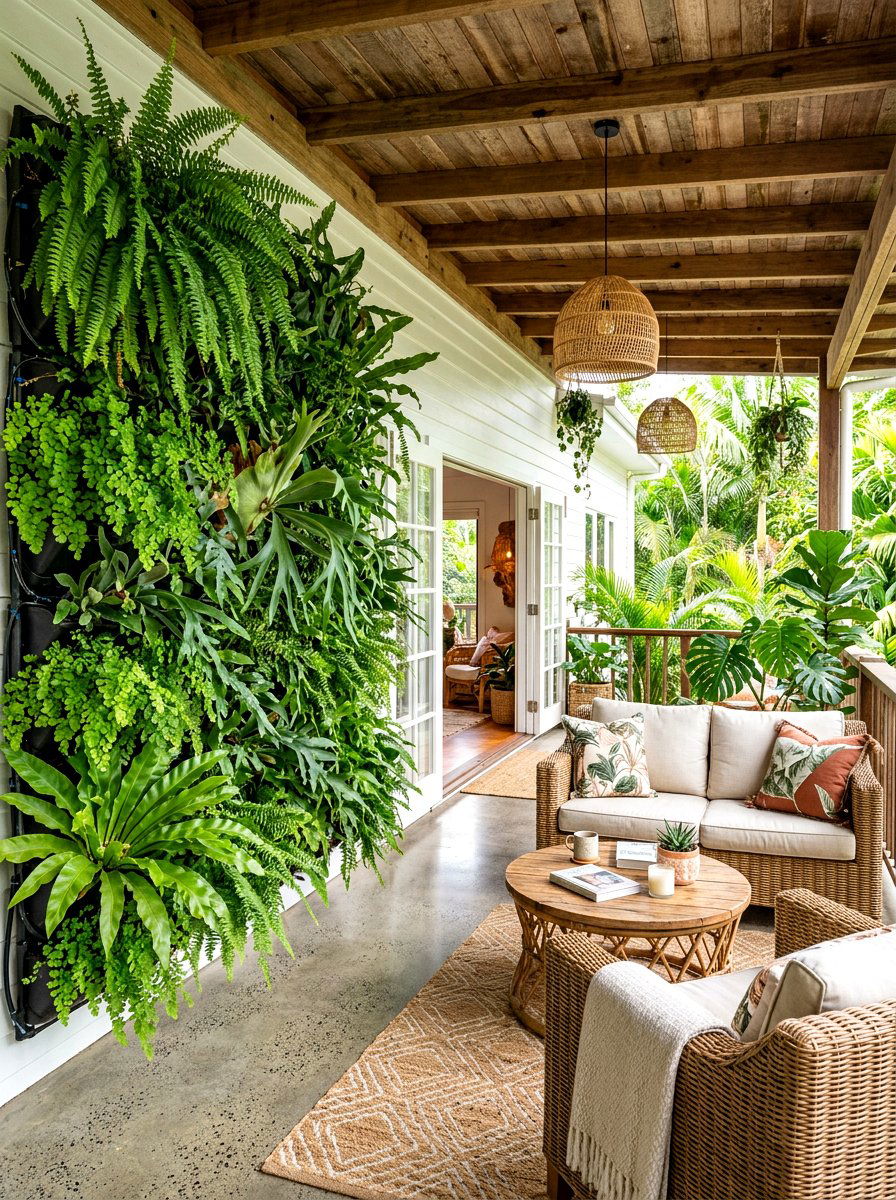
A fern vertical garden is a lush and textural way to create privacy in a shaded outdoor space. Ferns like the Boston fern or Staghorn fern have beautiful, arching fronds that overlap to create a soft, green curtain. This type of living wall is best suited for a porch, balcony, or garden area that stays cool and moist. The variety of fern shapes and sizes allows for a highly customized and organic look. Ferns are known for their air-purifying qualities and their ability to create a tranquil, spa-like atmosphere. They bring a touch of the rainforest to your own personal outdoor retreat.
23. Clematis Trellis Screen
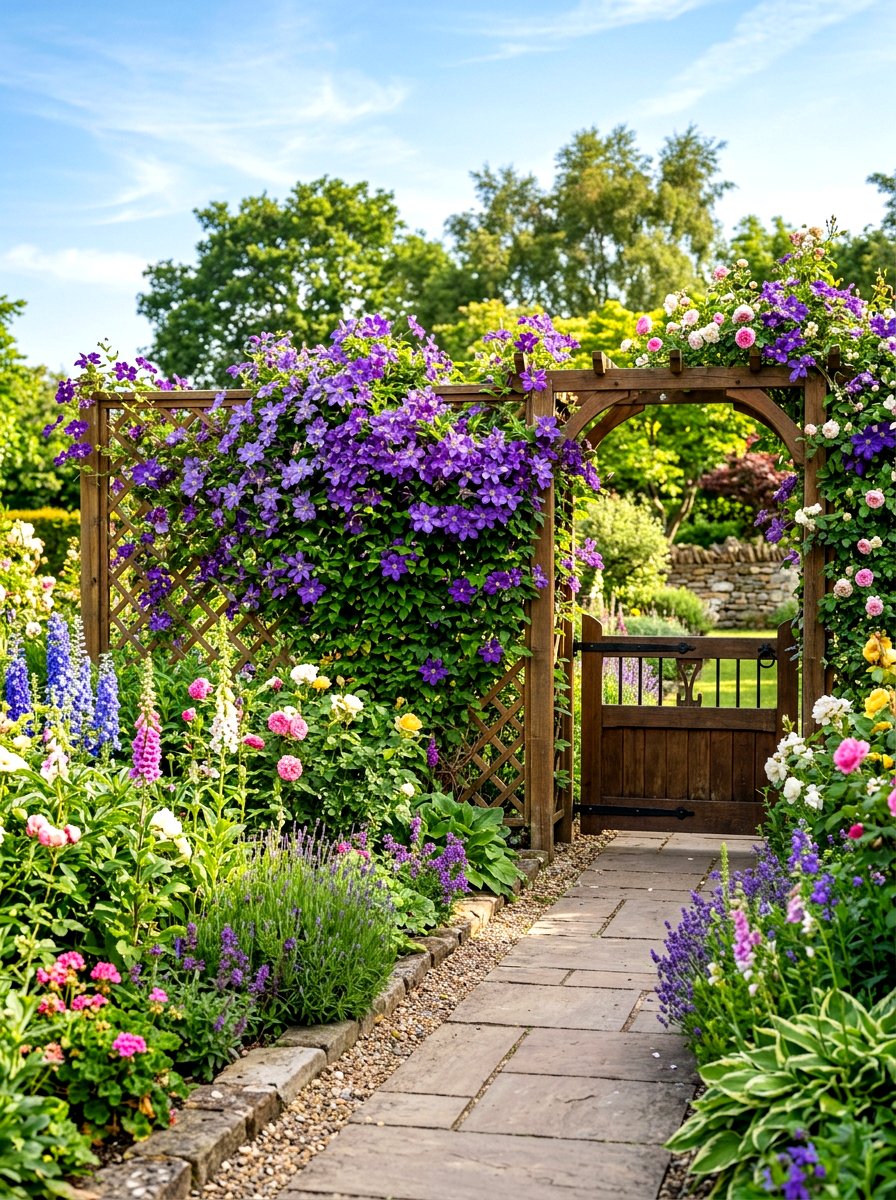
Clematis is often called the "queen of climbers" because of its spectacular and diverse floral displays. By growing clematis on a series of tall trellises, you can create a flowering privacy screen that is second to none. There are hundreds of varieties to choose from, offering blooms in almost every color and shape imaginable. Some clematis bloom in early spring, while others wait until late summer, allowing you to plan for a long season of color. The fine vines and delicate leaves create a light and airy screen that provides privacy without feeling heavy. It is a sophisticated choice for any flower lover's garden.
24. Leyland Cypress Wall
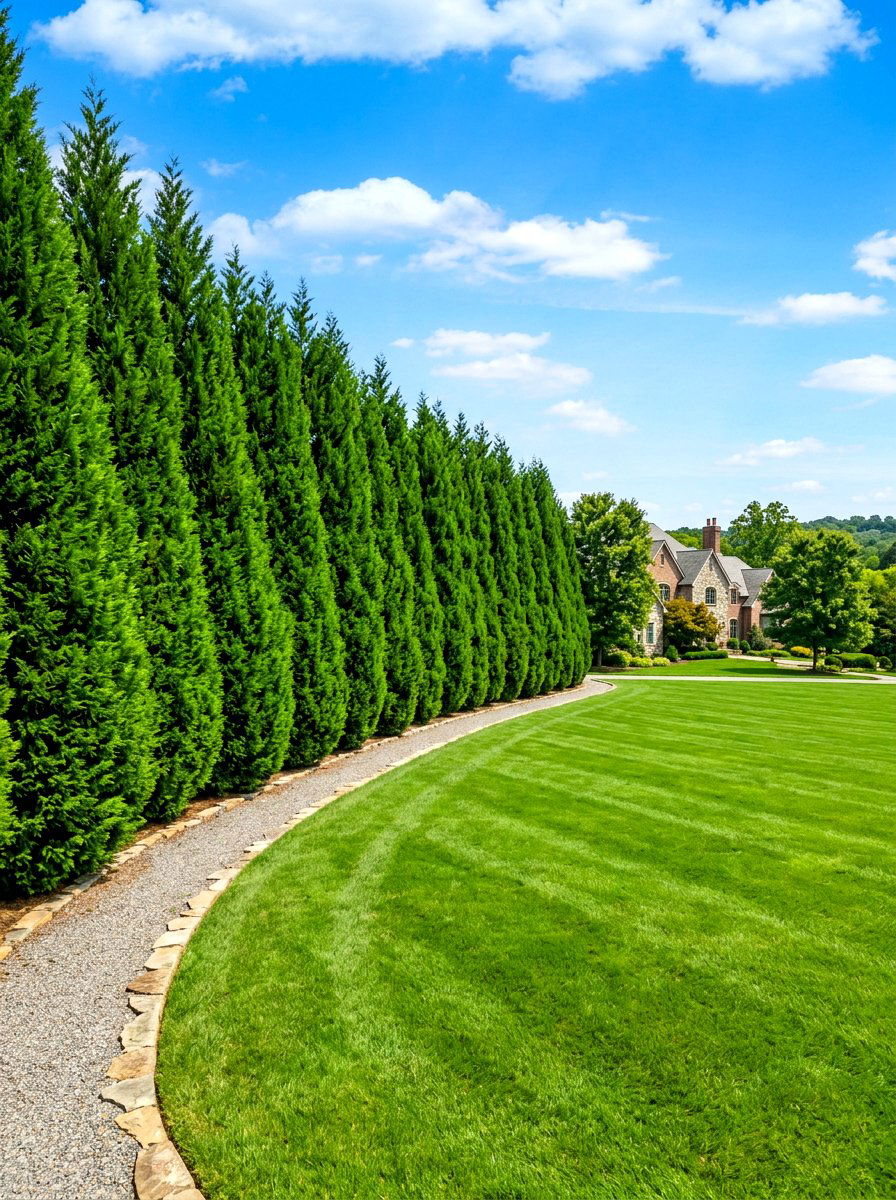
Leyland cypress is a legendary privacy tree because of its incredible growth rate, sometimes reaching three feet per year. This evergreen has a soft, feathery texture and a natural pyramidal shape. When planted in a row, they quickly grow together to form a massive and impenetrable green wall. They are particularly effective for large properties where you need to block out noise or unsightly views from a distance. Because they grow so fast, regular pruning is essential to keep them at a manageable size. They provide a grand and imposing boundary that ensures your backyard remains a private and quiet sanctuary.
25. Potted Bamboo Screen
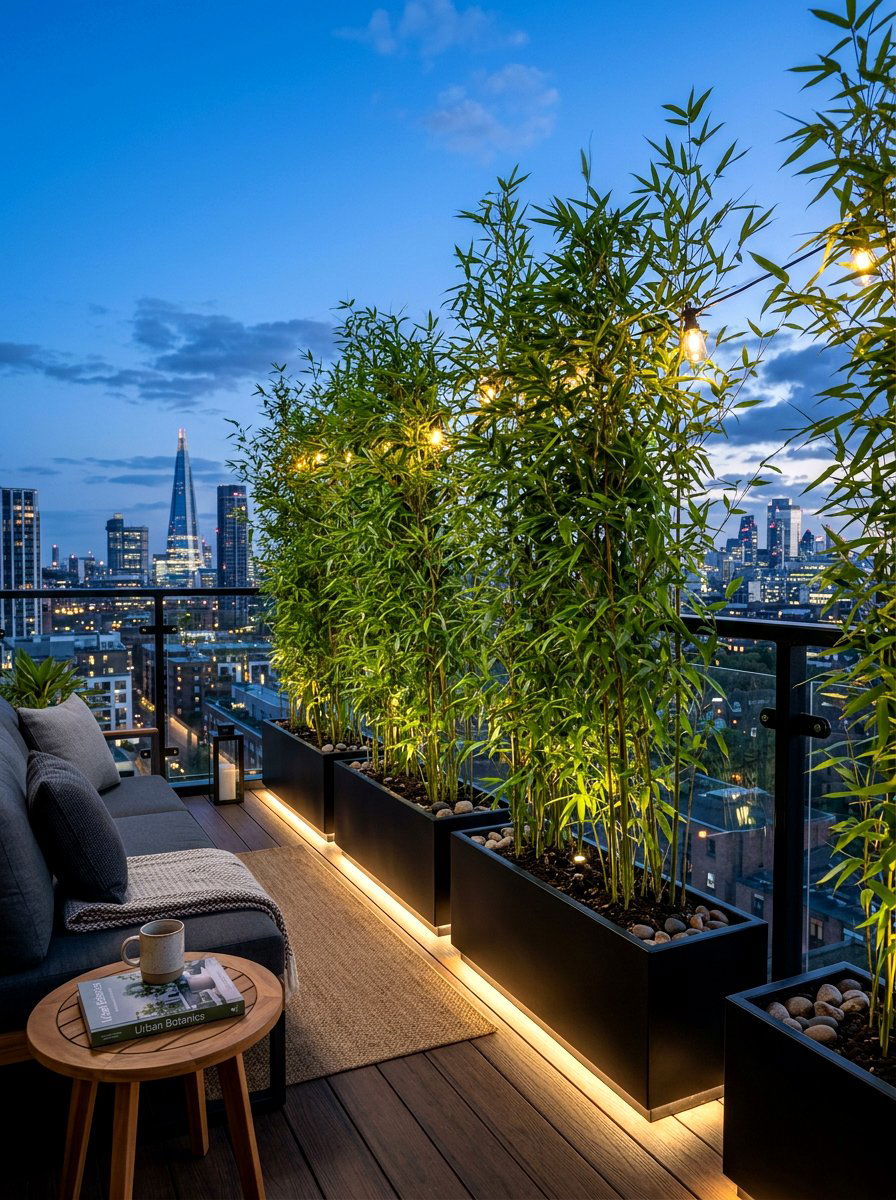
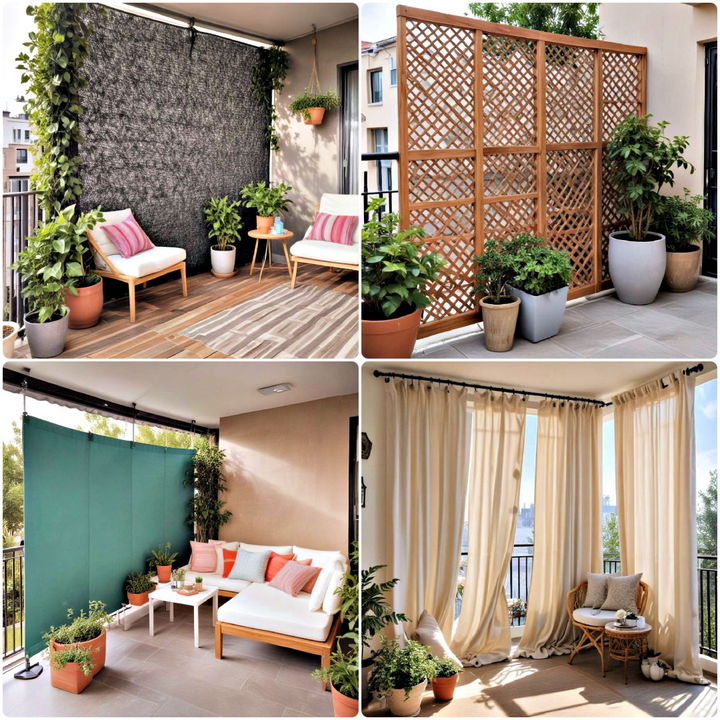
If you want the look of bamboo without the risk of it spreading, a potted bamboo screen is the perfect solution. By planting tall bamboo in large, heavy troughs or individual pots, you can create a mobile privacy wall. This setup allows you to rearrange the plants to suit your needs or move them to different parts of the patio. Potted bamboo still offers the same dense foliage and tropical aesthetic as ground-planted varieties. The containers also add a decorative element to your design, whether you choose modern metal or rustic terra cotta. It is a flexible and stylish approach to urban privacy.
26. Wisteria Pergola Screen
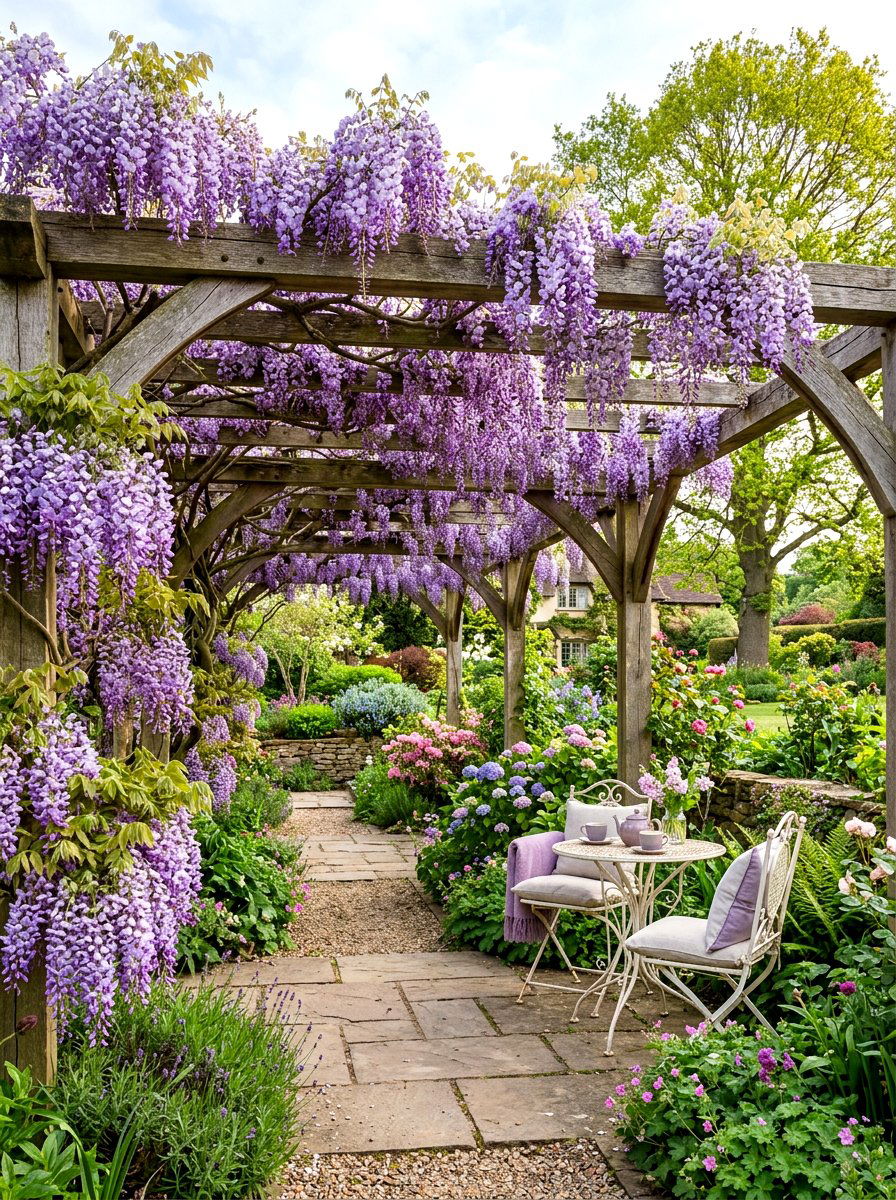
Wisteria is a powerful climber known for its stunning, cascading clusters of purple or white flowers. By training wisteria to grow up the posts and across the top of a pergola, you can create a living screen that provides privacy from above and the sides. During the spring, the blooms create a magical, hanging garden effect that is truly breathtaking. The thick, woody vines and dense summer foliage provide excellent shade and seclusion. Wisteria requires a strong support structure and regular pruning to keep its vigorous growth in check. It is a dramatic and romantic choice for an outdoor dining or lounge area.
27. Boxwood Topiary Fence
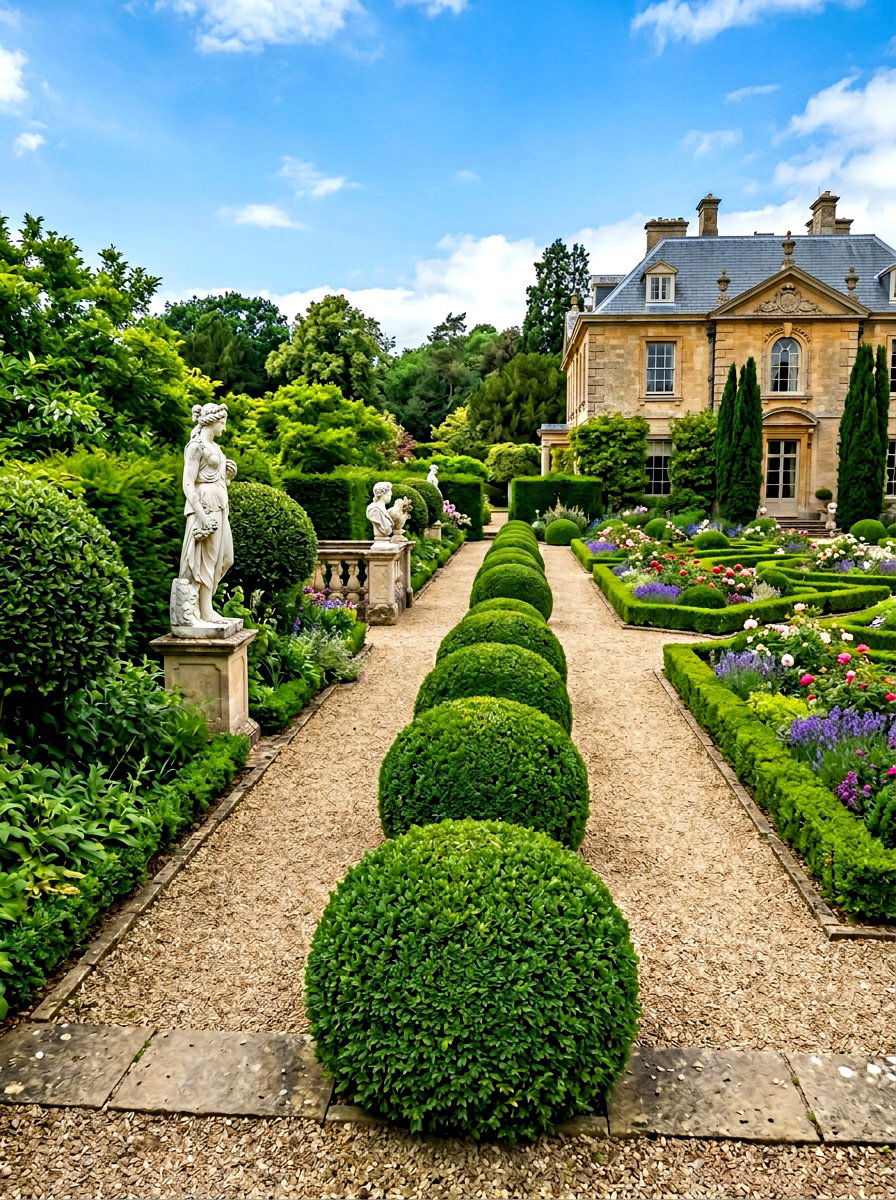
A boxwood topiary fence takes the traditional hedge to a new level of artistry. By pruning boxwood shrubs into spheres, pyramids, or other geometric shapes, you create a living wall that is also a sculptural feature. These shapes can be arranged in a row to provide a whimsical yet structured privacy barrier. This style works exceptionally well in formal gardens or as a border for a patio. The dense evergreen foliage ensures the privacy remains year-round, while the unique shapes add visual interest even in the winter. It is a sophisticated way to show off your gardening skills while protecting your personal space.
28. Skyrocket Juniper Line
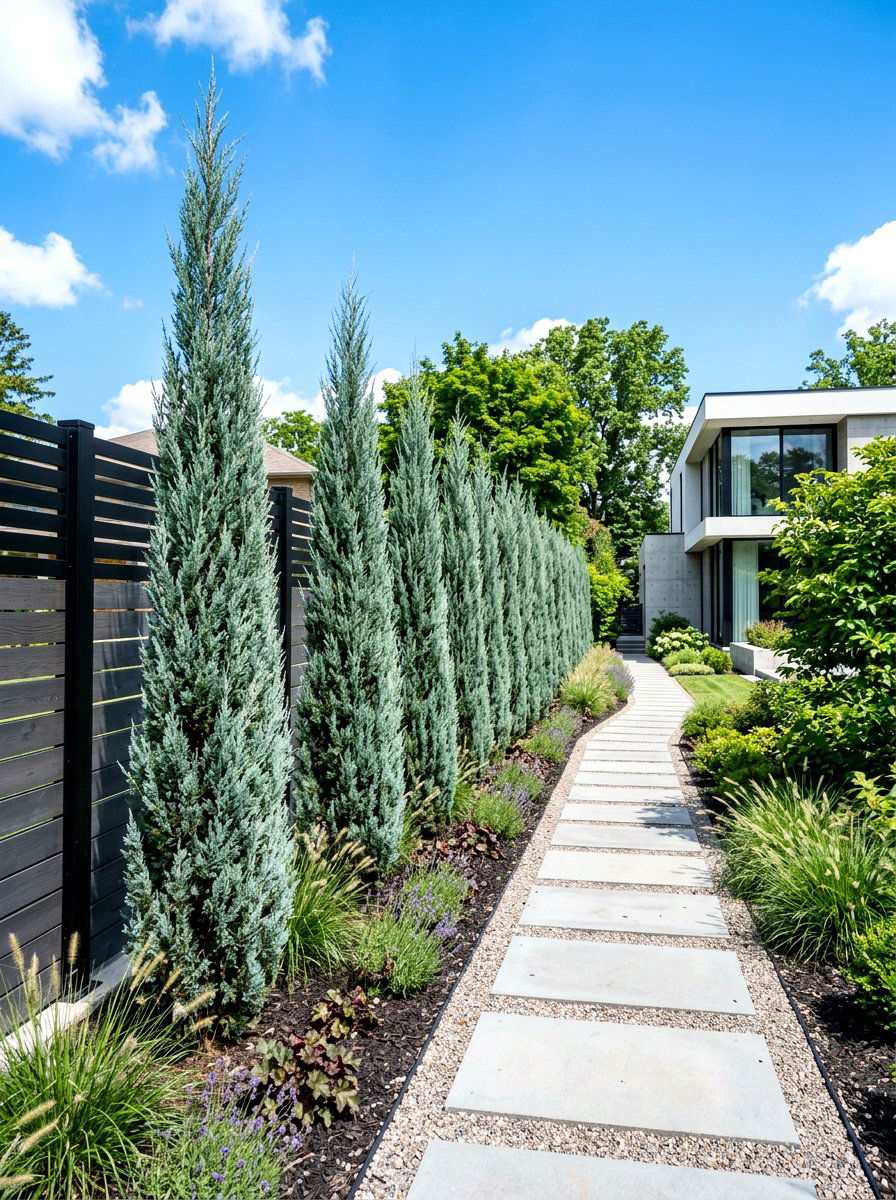
The Skyrocket juniper is specifically bred for its extremely narrow and tall growth habit. This makes it an ideal plant for creating a privacy line in very tight spaces, such as between a house and a sidewalk. The foliage has a beautiful blue-gray tint that stands out against typical green plants. Because they only grow about two feet wide, you can plant them very close together to form a seamless vertical screen. They are highly resistant to pests and diseases and can handle poor soil conditions. This living wall provides a clean, modern look that requires almost no maintenance once the trees are established.
29. Grapevine Wood Lattice
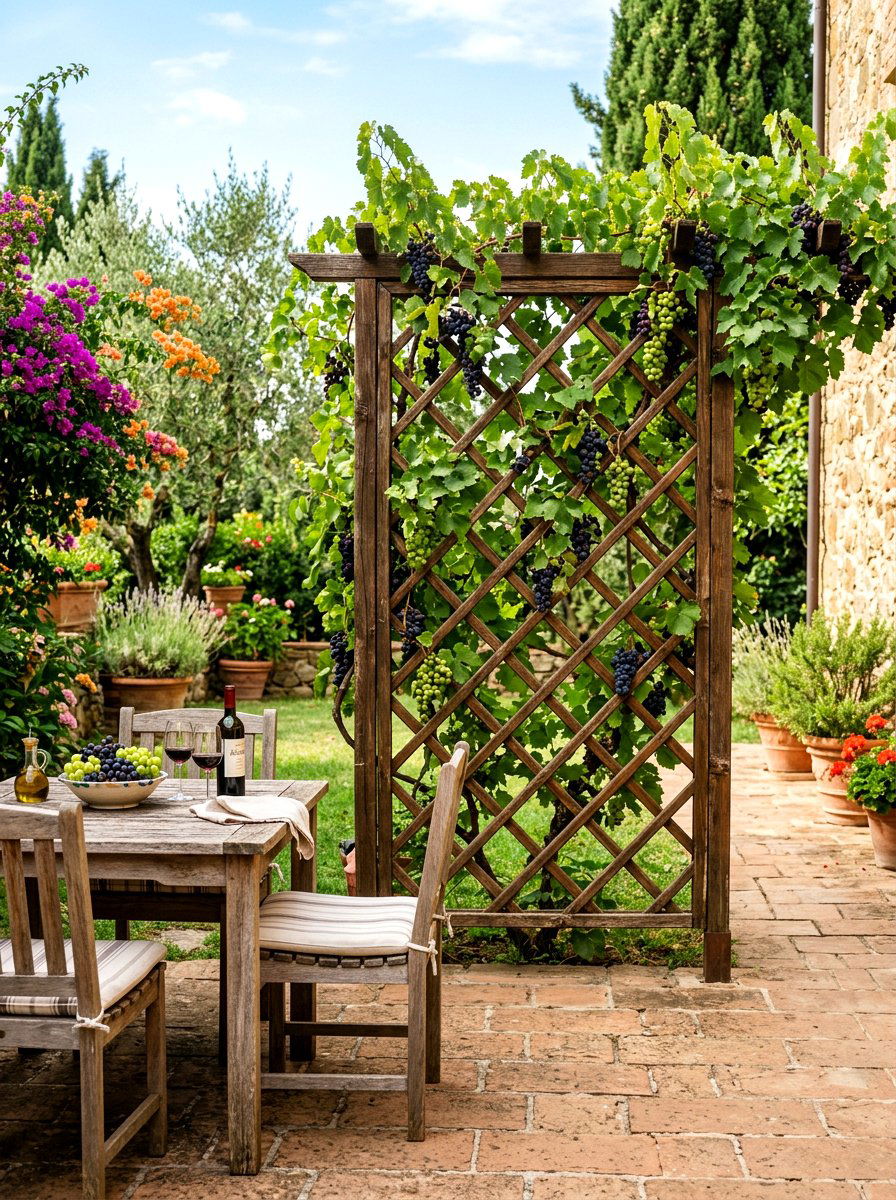
Growing grapevines on a wooden lattice is a productive and charming way to gain privacy. The large, broad leaves of the grapevine create a thick canopy that blocks sunlight and views effectively. In the late summer and fall, you can enjoy the added bonus of harvesting your own home-grown grapes. This type of living wall has a rustic, Mediterranean feel that is perfect for a sunny patio or garden. The gnarled, woody vines add character to the lattice even during the winter months when the leaves have fallen. It is a sustainable and rewarding way to define your outdoor living area boundaries.
30. Grass Hedge Divider
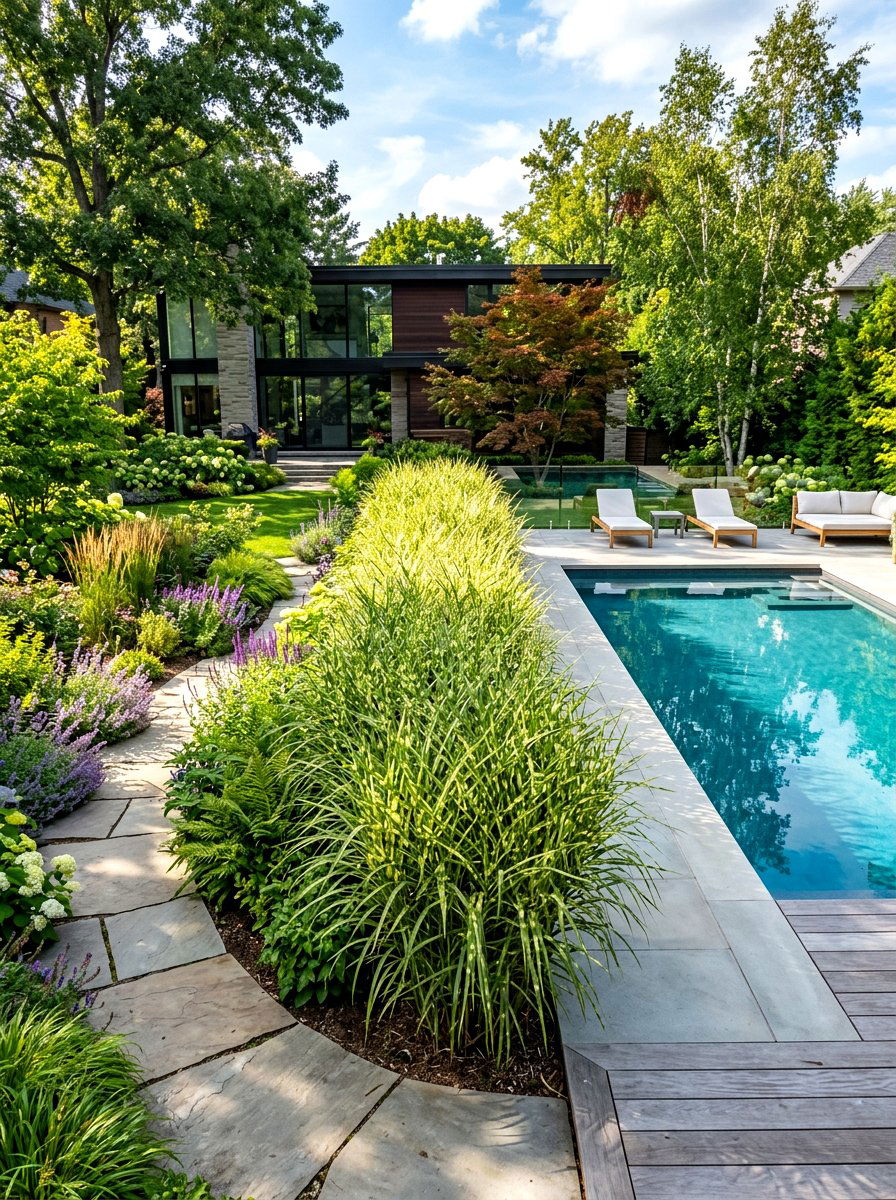
Using a variety of tall grasses as a hedge divider is a modern and low-maintenance privacy solution. Species like Zebra grass or Pampas grass grow in large, dense clumps that can act as a natural wall. These grasses are particularly effective for dividing different zones within a large backyard, such as separating a pool area from a lawn. The tall plumes add vertical interest and a sense of drama to the landscape. They are also very resilient and can thrive in areas with poor soil or limited water. A grass hedge provides a soft, organic boundary that changes beautifully with the passing seasons.
Conclusion:
Choosing the right living privacy wall can completely transform your outdoor experience by providing peace, beauty, and a sense of security. Whether you prefer the formal look of a boxwood hedge or the wild charm of a flowering vine, there is a natural solution for every space. These green barriers do more than just block views; they improve air quality, reduce noise, and support local ecosystems. By investing time in selecting and caring for your plants, you create a sanctuary that grows more beautiful every year. Nature offers the most elegant way to protect your home while enhancing the overall value of your property.

Related posts: