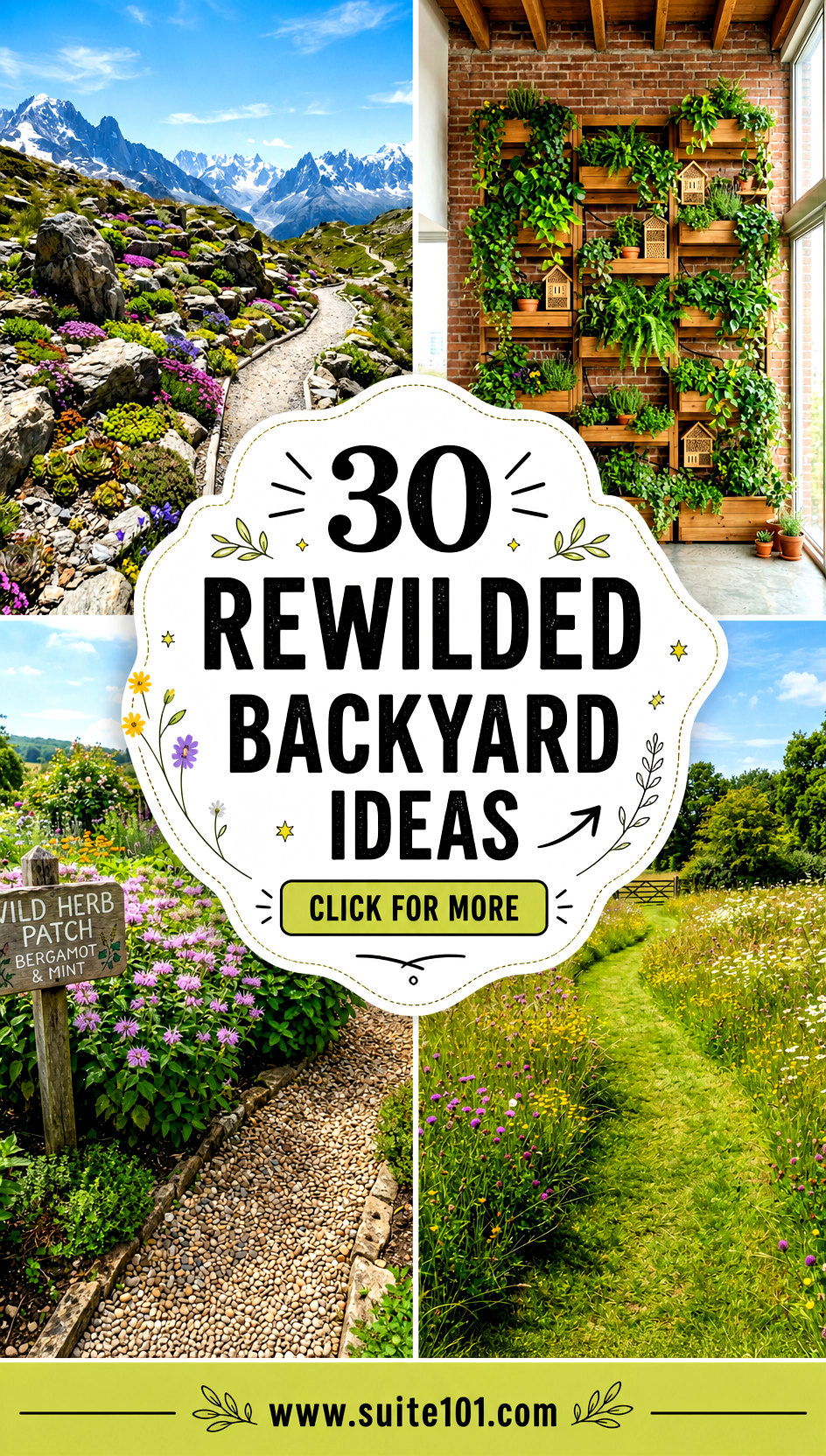
Rewilding your backyard is a beautiful way to restore the natural balance of your local environment while creating a low-maintenance sanctuary. Instead of fighting against nature with chemicals and constant mowing, you can invite native plants and wildlife to flourish in your outdoor space. This sustainable approach transforms a traditional lawn into a vibrant ecosystem filled with birds, bees, and butterflies. By incorporating elements like wildflower meadows, natural ponds, and diverse habitats, you help connect fragmented landscapes for local species. It is a rewarding journey that connects you deeply with the cycles of the seasons. You will soon discover that a wilder yard is not just better for the planet, but also a peaceful retreat for your own mental well-being.
1. Native Wildflower Meadow
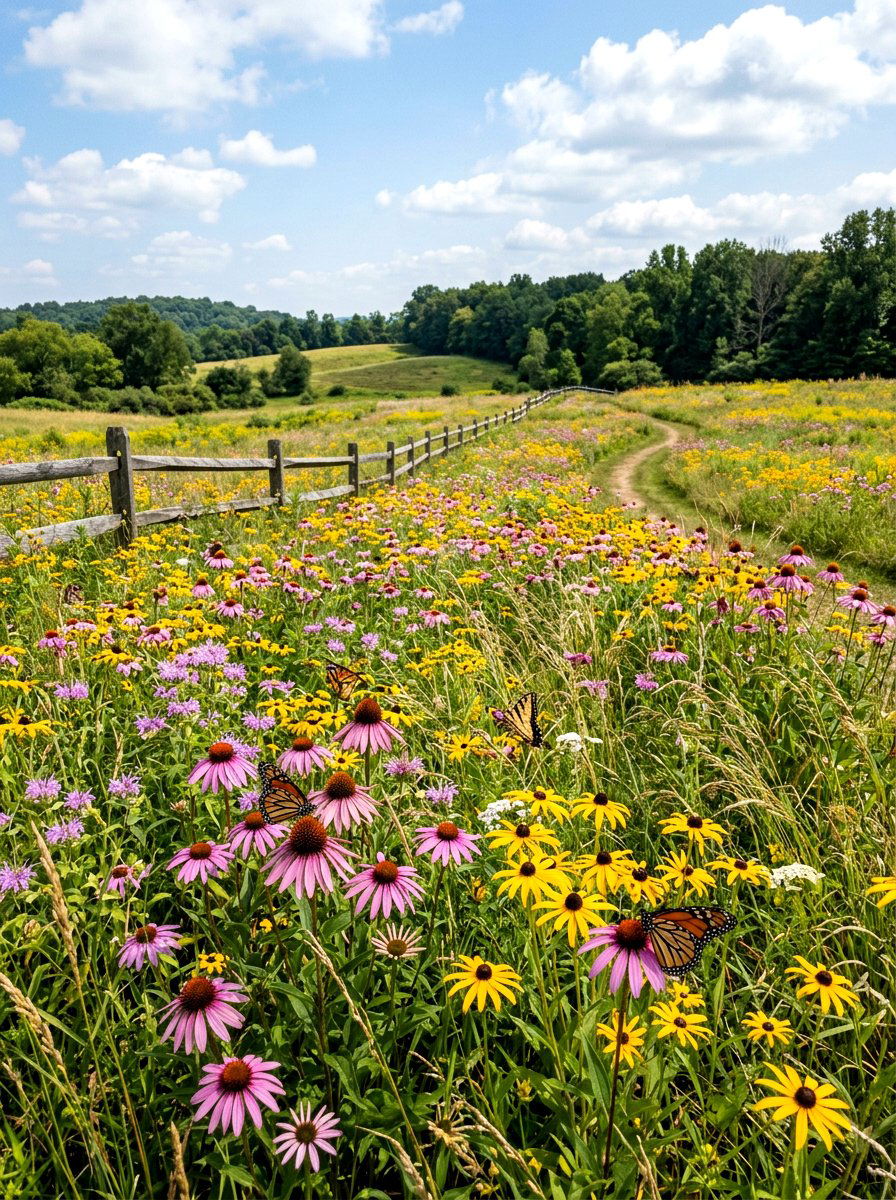
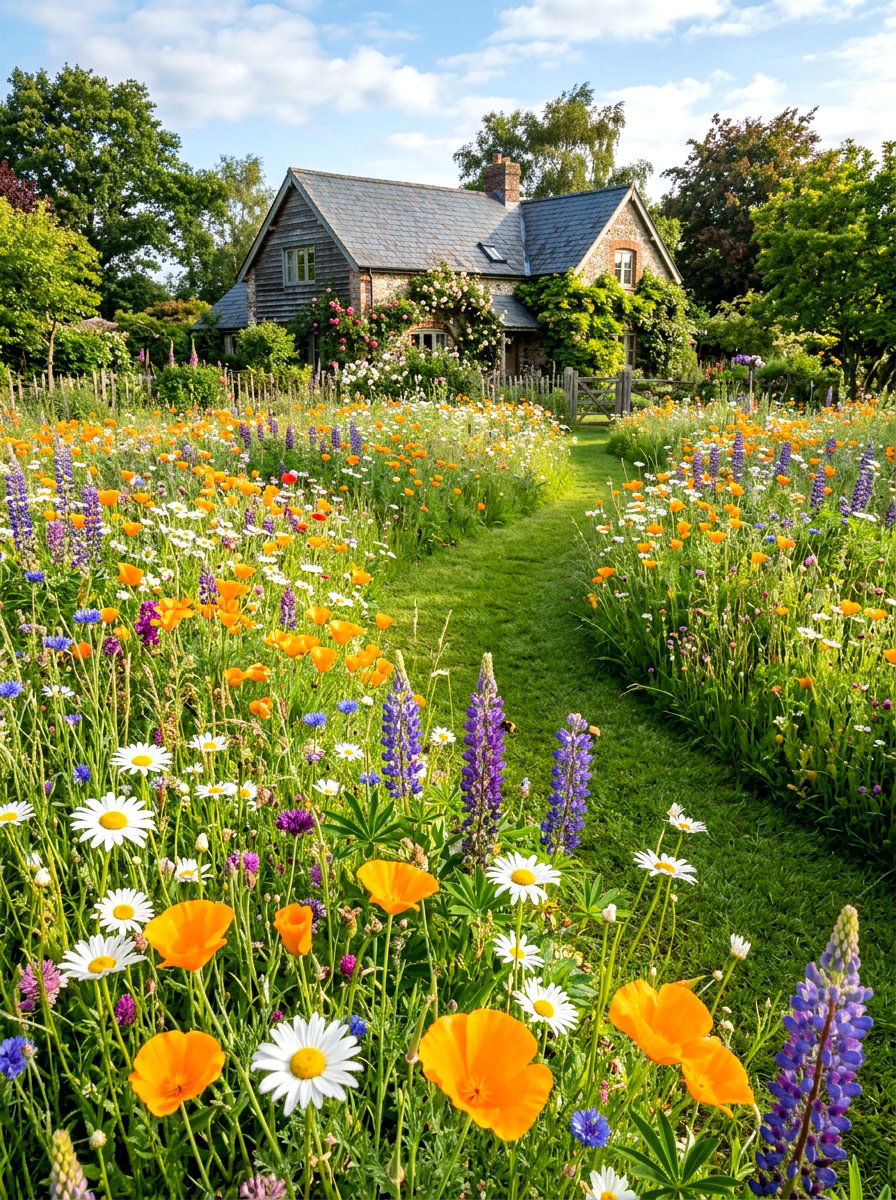
A native wildflower meadow replaces the traditional high-maintenance lawn with a stunning display of color and life. This full-yard transformation focuses on sowing a diverse mix of indigenous seeds that are perfectly adapted to your local soil and climate. You will see a rotating palette of blooms throughout the year, providing essential nectar for pollinators like honeybees and bumblebees. Unlike turf, a meadow does not require frequent watering or synthetic fertilizers to look beautiful. It creates a dense habitat for small insects and ground-nesting birds, significantly boosting your property’s biodiversity. Watching the tall stems sway in the breeze brings a sense of calm and natural movement to your home landscape that no manicured grass could ever provide.
2. Backyard Wildlife Pond
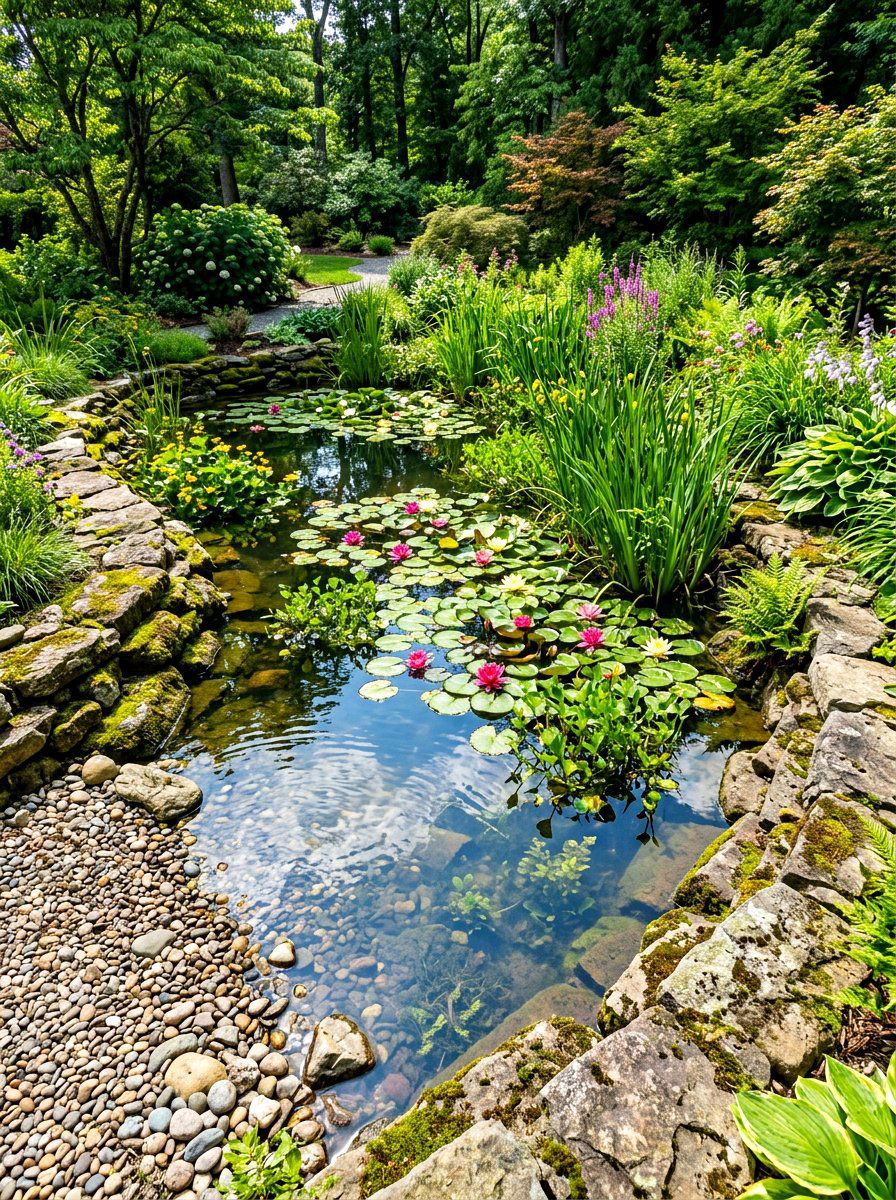
A backyard wildlife pond is a central focal point that brings life-giving water to your outdoor space. To create a successful ecosystem, the pond should feature sloped edges that allow animals like frogs and birds to enter and exit safely. You should surround the water with a mix of native aquatic plants and large, flat stones for basking. This design does not require a complex filtration system because the plants naturally clean the water. Adding a shallow "beach" area made of gravel provides a perfect drinking spot for pollinators. A well-designed pond attracts a huge variety of species, from colorful dragonflies to songbirds, turning your garden into a thriving and peaceful aquatic oasis for nature.
3. Dead Wood Habitat
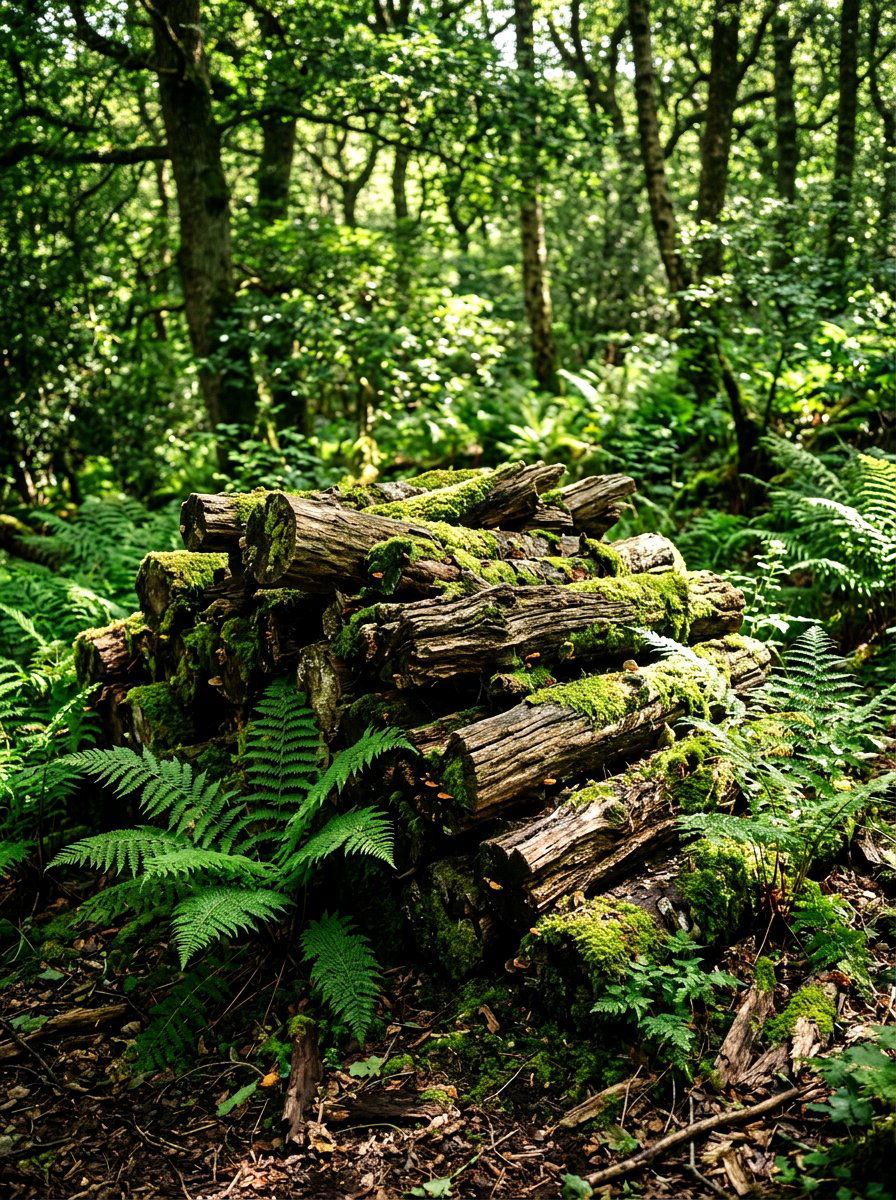
Creating a dead wood habitat involves leaving logs and branches to decay naturally within your garden landscape. This area becomes a vital sanctuary for beetles, fungi, and small mammals that rely on rotting wood for shelter and food. You can stack logs in a designated corner or partially bury them to create a "stumpery" that looks like a natural forest floor. Surrounding the wood with native ferns and mosses adds to the woodland aesthetic while keeping the area moist. This design choice mimics the nutrient cycling found in ancient forests. It provides a fascinating look at the hidden world of decomposers and supports the bottom of the food chain, ultimately attracting more birds to your yard.
4. Pollinator Butterfly Garden
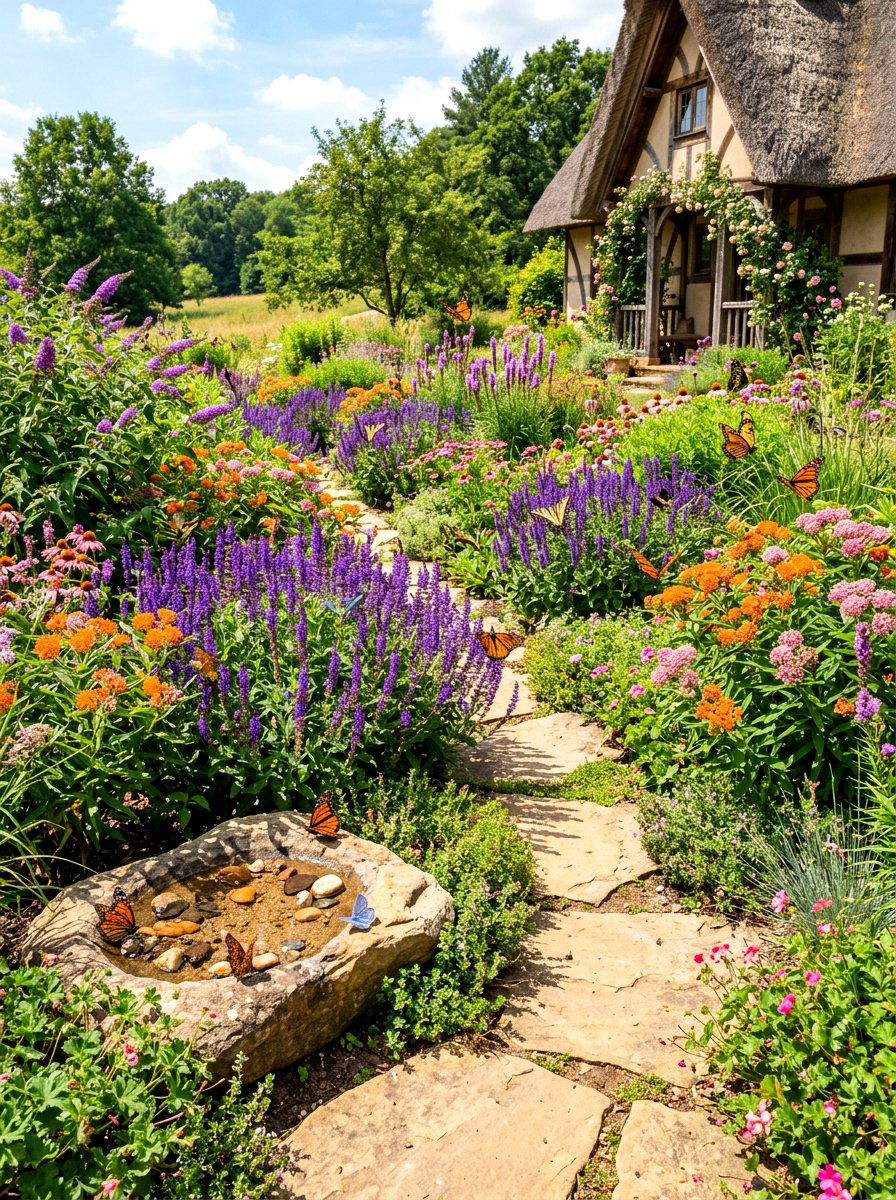
A pollinator butterfly garden is a vibrant area specifically designed to support the entire life cycle of local butterflies and bees. This design incorporates both nectar-rich flowers for adults and host plants for caterpillars. You should group plants in large drifts to make them easier for flying insects to find from a distance. Including a small, muddy "puddling" station allows butterflies to safely drink and gain necessary minerals from the soil. The layout often features sunny, sheltered spots where insects can warm their wings in the morning light. By avoiding pesticides and choosing diverse bloom times, you create a year-round haven. This colorful space becomes a fluttering landscape that is both ecologically essential and visually spectacular.
5. Natural Stone Rockery
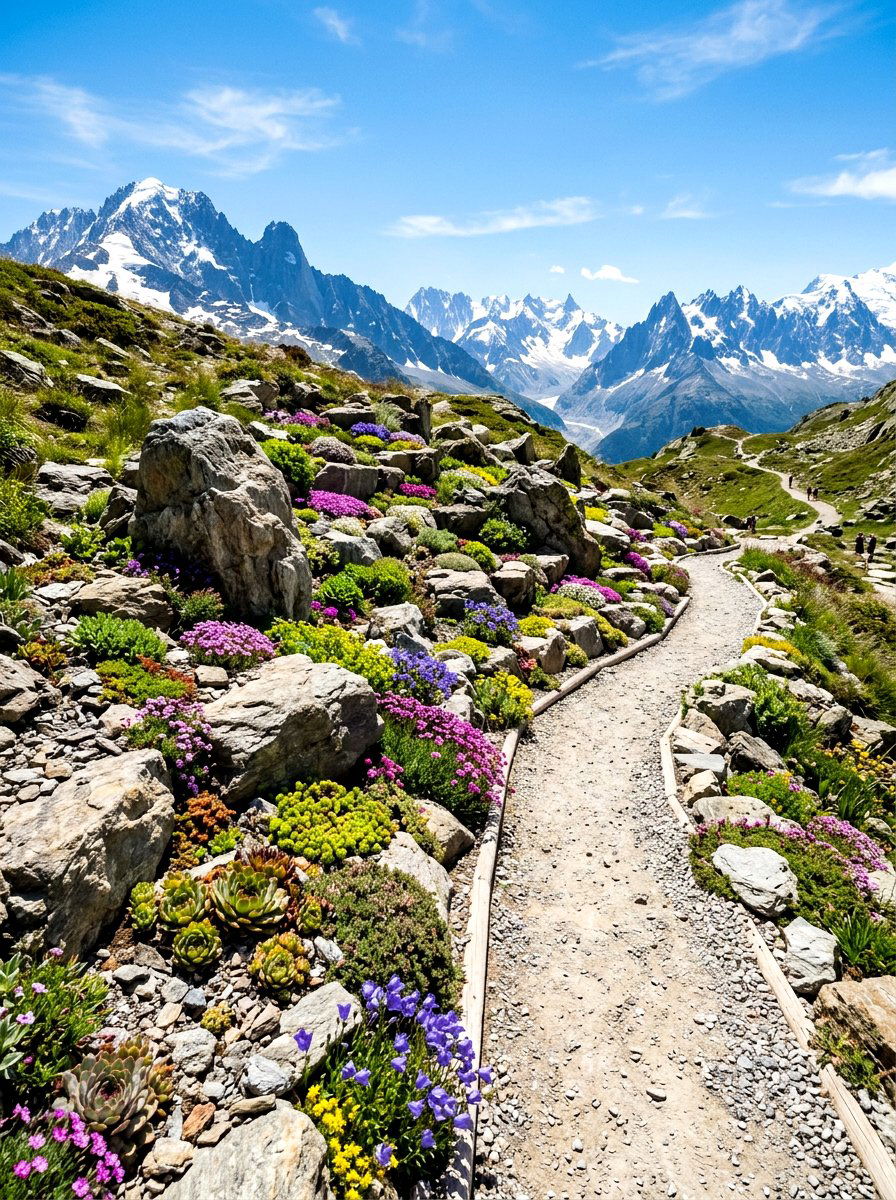
A natural stone rockery uses local boulders and gravel to create a rugged, alpine-inspired landscape that supports specialized native plants. This design is perfect for sunny, well-drained slopes where traditional plants might struggle. You can tuck drought-tolerant wildflowers and succulents into the crevices between the stones, mimicking a natural mountainside. The rocks absorb heat during the day and release it at night, creating a warm microclimate for lizards and beneficial insects. This structure provides essential crevices for hibernating creatures while adding a permanent, architectural element to your backyard. Using stones sourced from your local region ensures the garden blends seamlessly with the surrounding environment. It offers a unique, low-maintenance alternative to traditional flower beds.
6. Native Berry Hedge
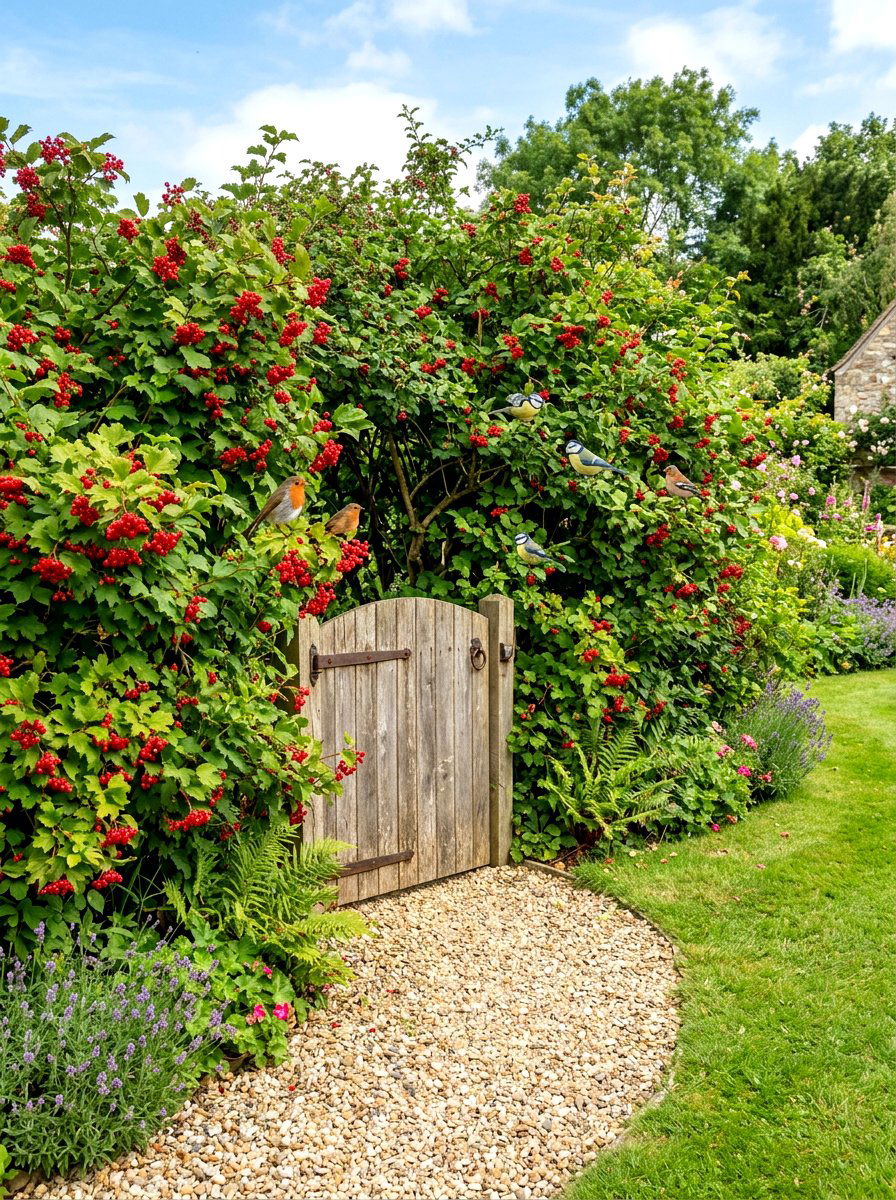
A native berry hedge serves as a living boundary that provides both privacy for you and a feast for local wildlife. Unlike a static fence, this thicket changes with the seasons, offering beautiful blossoms in the spring and colorful berries in the autumn. You should choose a variety of species like serviceberry, viburnum, or elderberry to ensure a long-lasting food supply for migrating birds. The dense growth creates a safe nesting site for small songbirds, protecting them from predators. This design naturally buffers wind and noise, making your entire backyard feel more secluded and peaceful. It is a functional way to rewild your property line while adding vertical interest and delicious edible treats for humans and animals.
7. Tall Grass Prairie
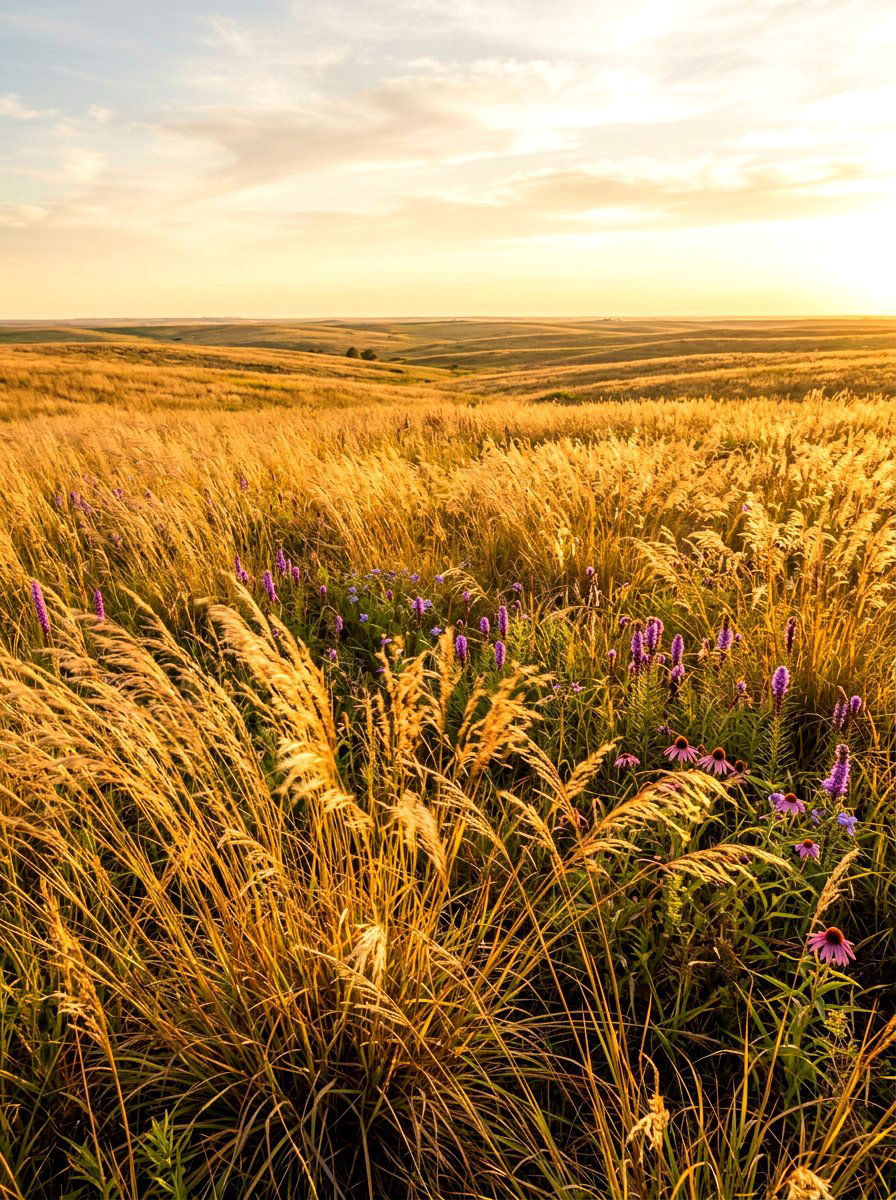
A tall grass prairie patch brings the wild beauty of the plains to your backyard through the use of deep-rooted native grasses. These species, such as Little Bluestem or Switchgrass, provide year-round structure and stunning golden hues during the winter months. The deep root systems help stabilize the soil and sequester carbon much more effectively than a standard lawn. You can interplant these grasses with hardy perennials to create a resilient and textured landscape. This area provides critical cover for small mammals and overwintering insects that hide in the dried stalks. The movement of the tall blades in the wind creates a soothing soundscape. It transforms an empty space into a low-maintenance, ecologically rich prairie habitat.
8. Vertical Habitat Wall
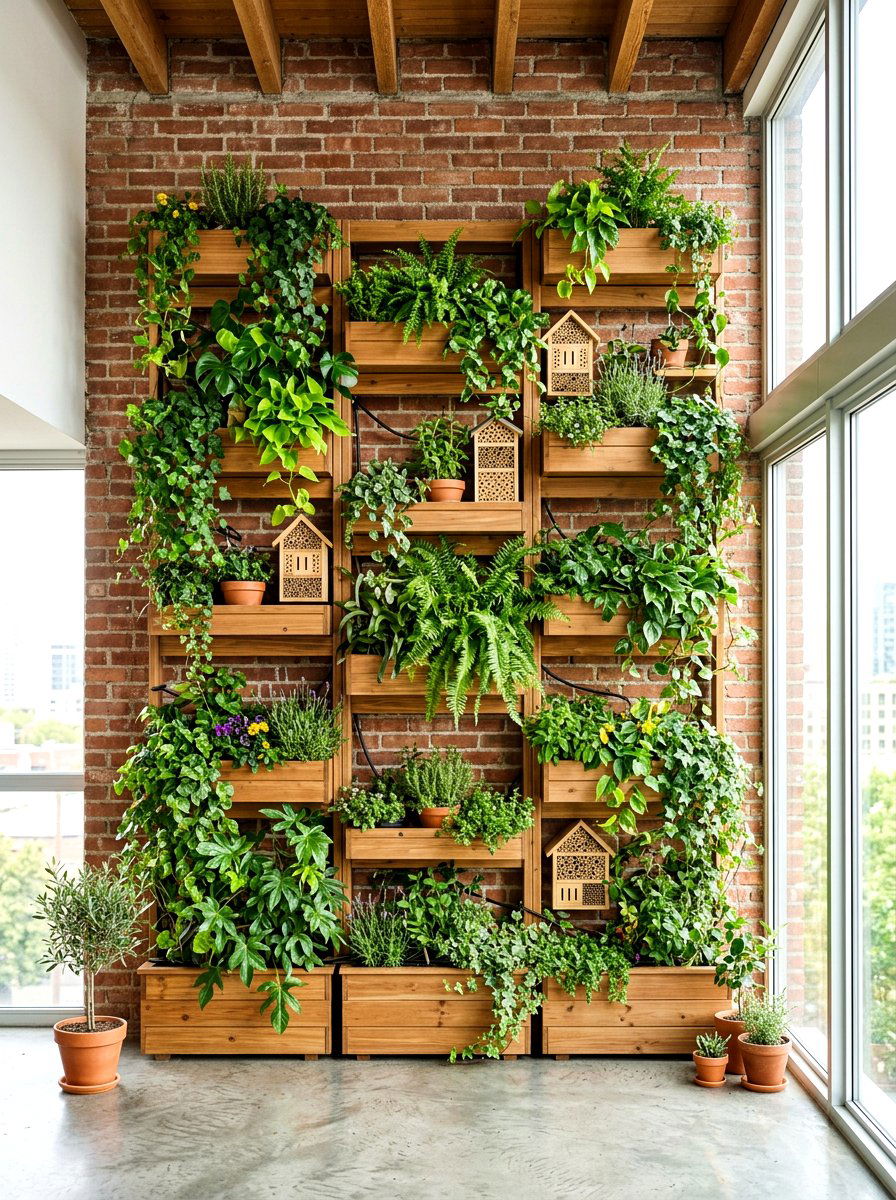
A vertical habitat wall is an innovative way to rewild even the smallest backyard or side alley. This design uses trellis systems, wall-mounted planters, and climbing native vines to turn a flat surface into a lush, green ecosystem. You can incorporate "bee bricks" or small wooden nesting blocks directly into the structure to house solitary bees. The vertical greenery provides a cooling effect for your home and acts as a highway for insects traveling through urban areas. Choosing flowering climbers ensures a vertical buffet for hummingbirds and butterflies. This approach maximizes your growing space while adding a modern, architectural touch to your rewilding project. It proves that you can support biodiversity regardless of your yard’s square footage.
9. Edible Forest Floor
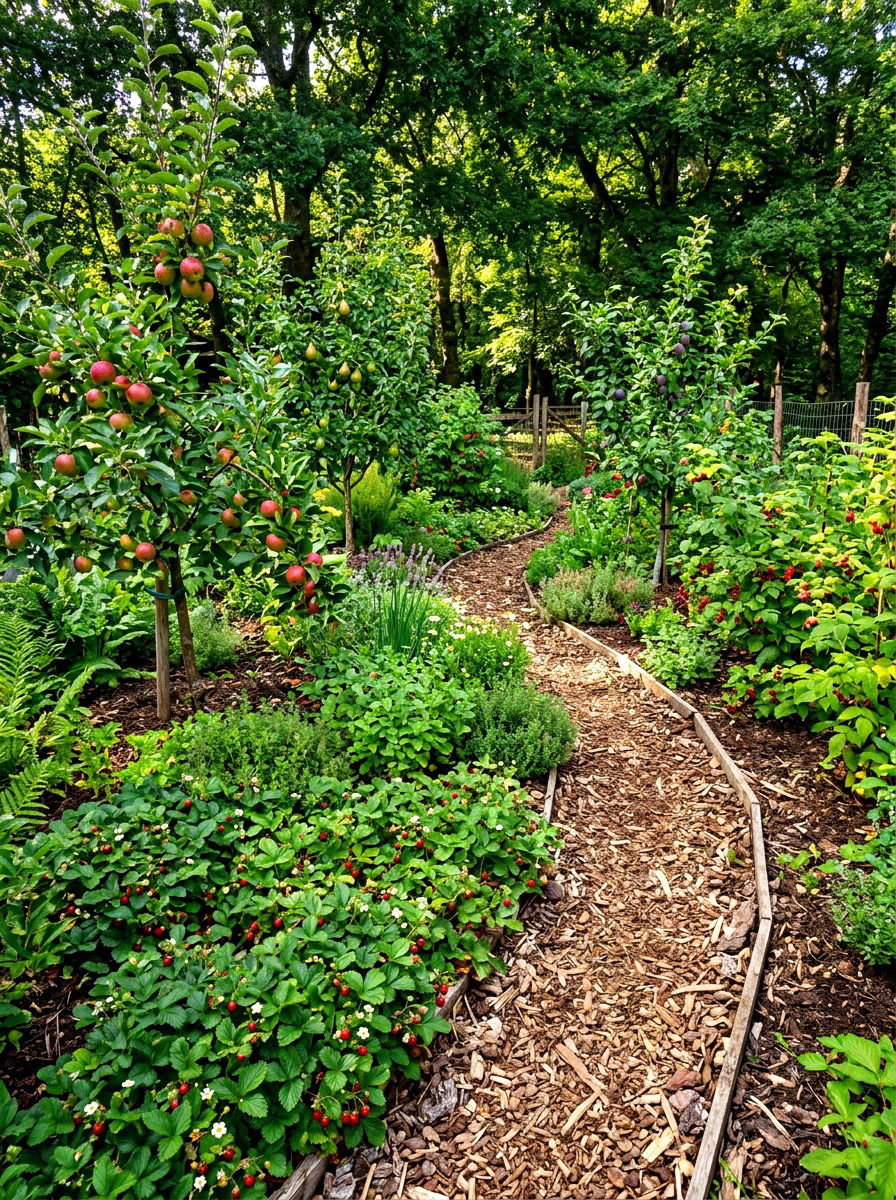
An edible forest floor design mimics the layered structure of a natural woodland to produce food for both people and wildlife. This approach involves planting a canopy of native nut or fruit trees with a lower layer of berry shrubs and perennial herbs. You can cover the ground with edible native plants like wild ginger or strawberries, creating a lush and productive carpet. This "food forest" approach builds healthy soil naturally through fallen leaves and organic mulch. It requires very little digging or weeding once established, as the plants work together to fill every ecological niche. The result is a shaded, cool retreat that provides a bountiful harvest while supporting a diverse community of birds and insects.
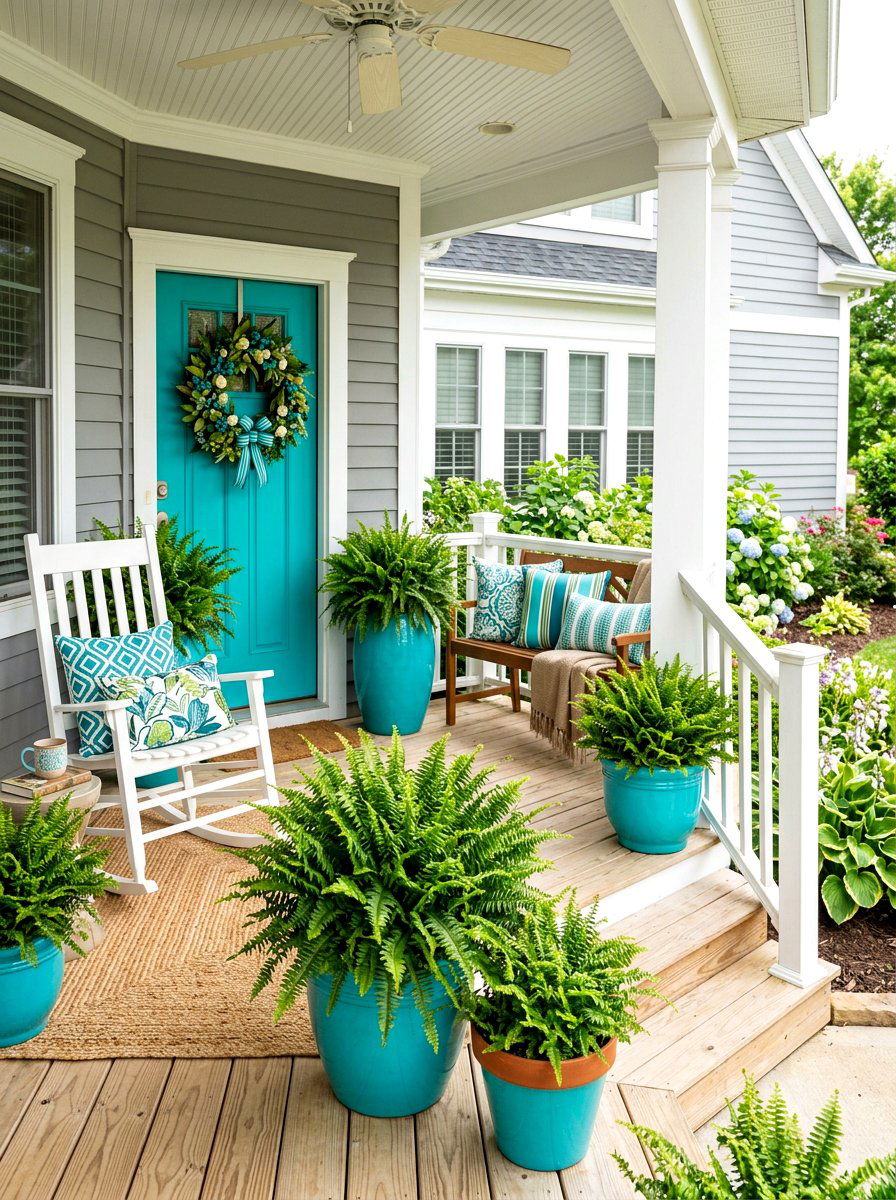
10. Ground Cover Clover Lawn
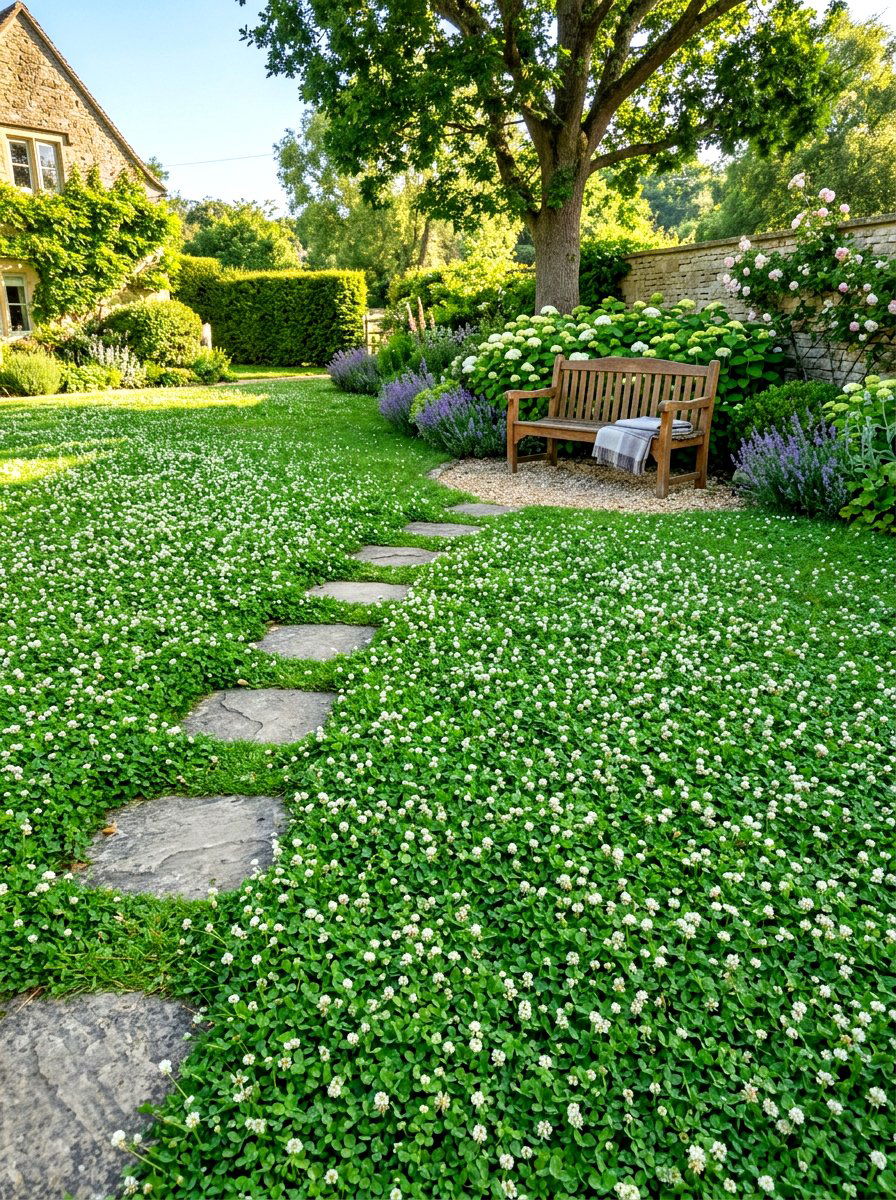
A ground cover clover lawn is a sustainable alternative to traditional grass that stays green with minimal effort. This design uses white or red clover mixed with native fine fescues to create a soft, walkable carpet that feeds the soil. Clover is a nitrogen-fixing plant, meaning it naturally fertilizes the ground and stays green even during dry summer spells. The small, white flowers provide an essential early-season food source for honeybees and other beneficial pollinators. You will find that this type of lawn requires much less mowing and absolutely no chemical herbicides to thrive. It creates a lush, resilient surface that handles foot traffic well while providing a subtle, sweet scent throughout your rewilded backyard space.
11. Permeable Gravel Path
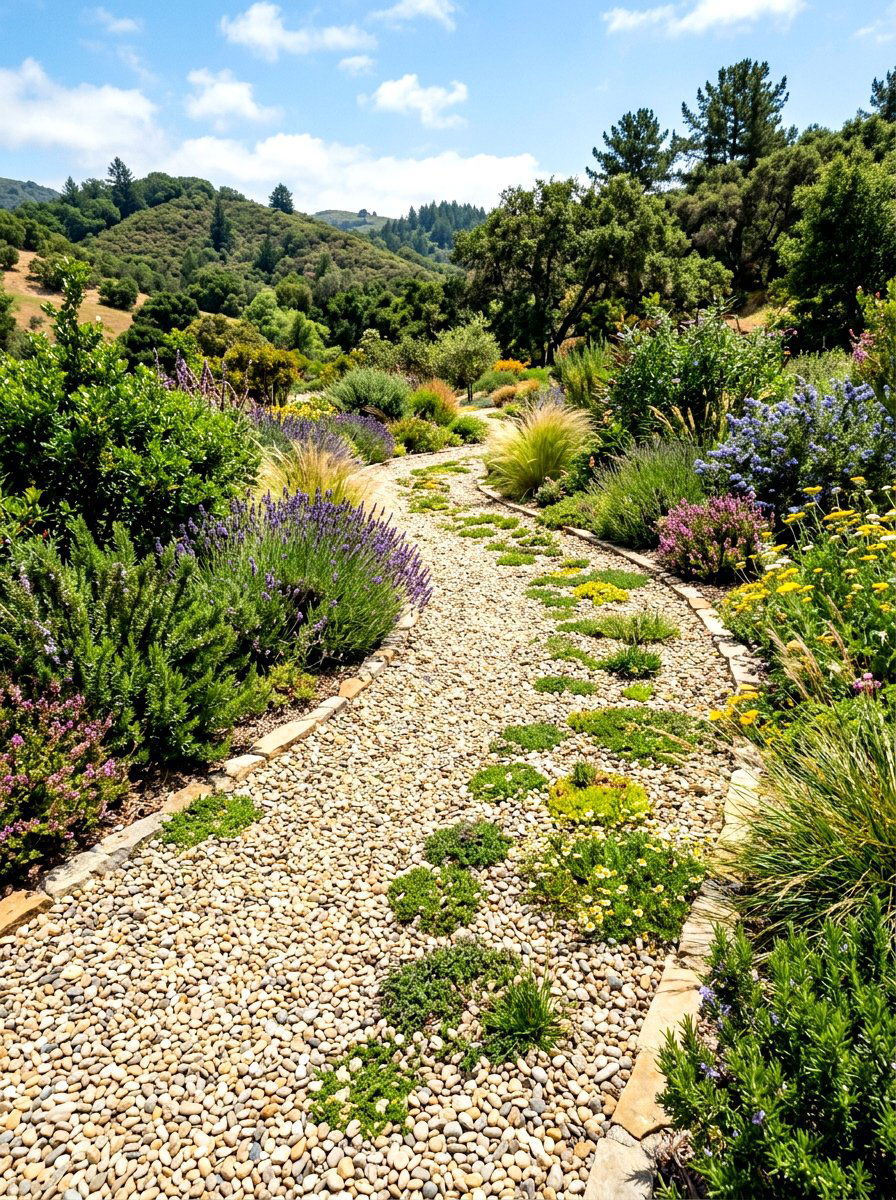
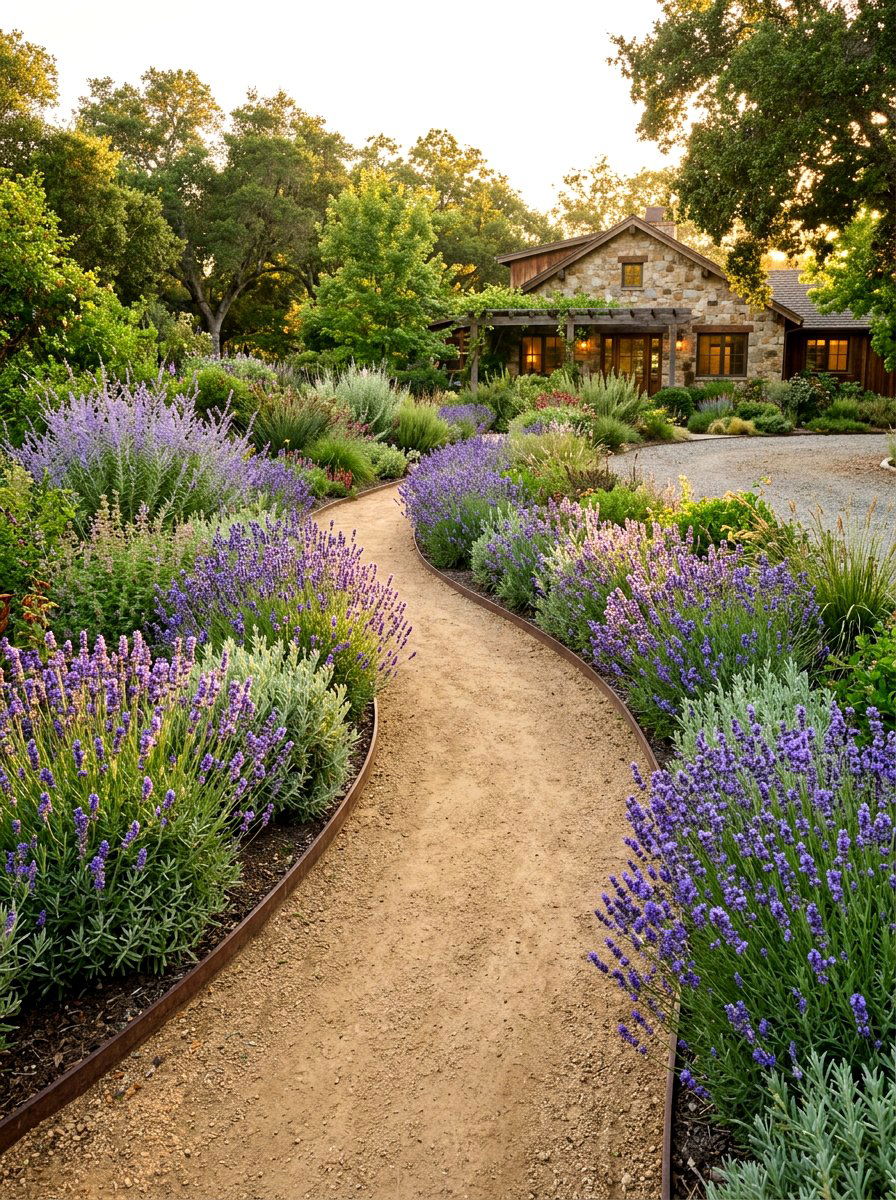
A permeable gravel path allows rainwater to soak directly into the ground instead of running off into storm drains. This design uses local stone and organic shapes to lead visitors through your rewilded landscape without disrupting the water cycle. You can plant low-growing native herbs like thyme or violets between the stones to add fragrance and color to every step. The loose texture of the gravel provides a different type of habitat for ground-dwelling insects that prefer drier conditions. These paths should curve naturally to follow the contours of your land, creating a sense of discovery. It is a practical way to manage drainage while maintaining a soft, natural aesthetic that complements the surrounding wild plantings.
12. Wild Bird Station
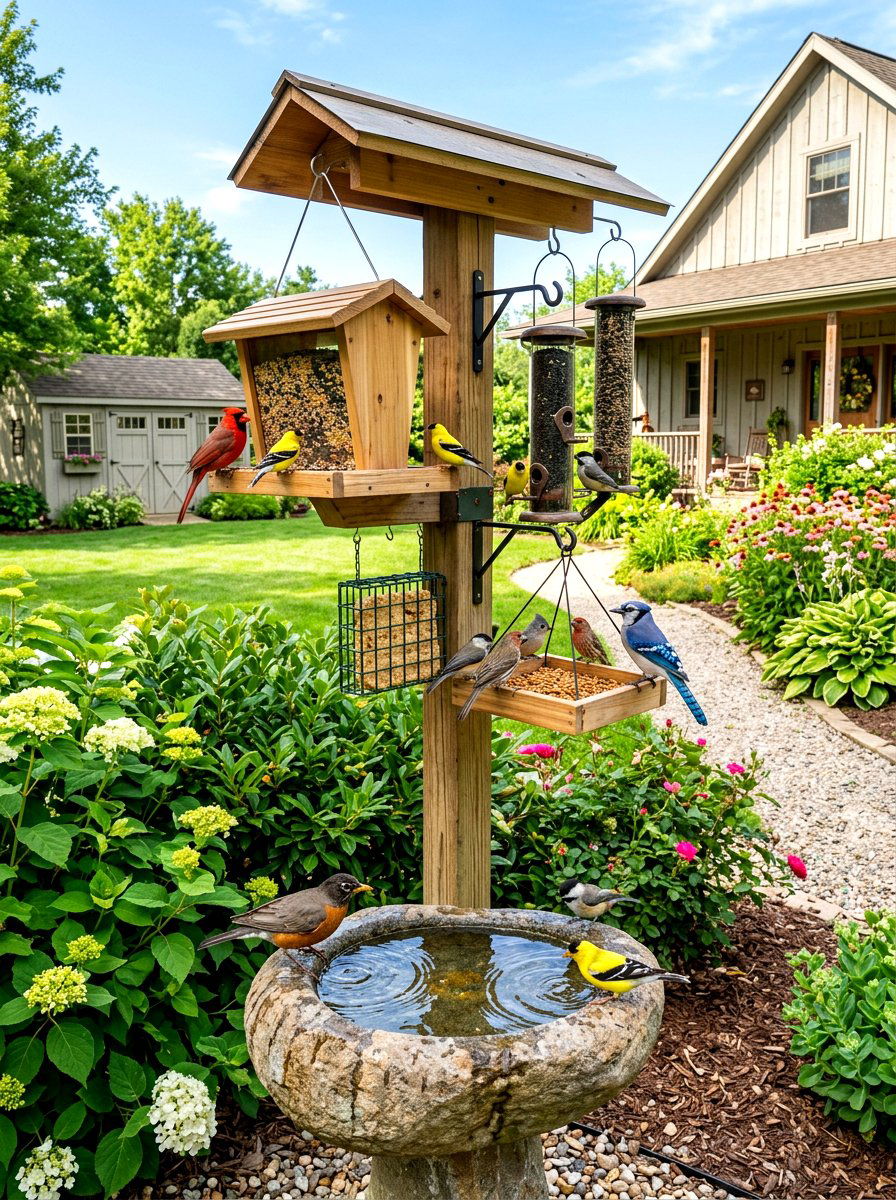
A wild bird station is a dedicated area designed to meet all the survival needs of your local feathered friends. This design includes diverse feeding stations, a clean water source, and nearby "escape" cover like thorny bushes. You should place the station near a window to enjoy the activity, but ensure it is safe from window strikes and predators. Adding a heated birdbath allows birds to drink and clean their feathers during freezing winter months. The area should be surrounded by native plants that provide natural seeds and nesting materials throughout the year. By providing a reliable sanctuary, you will attract a wide variety of species and enjoy their songs and lively behaviors every single day.
13. Backyard Bat Box
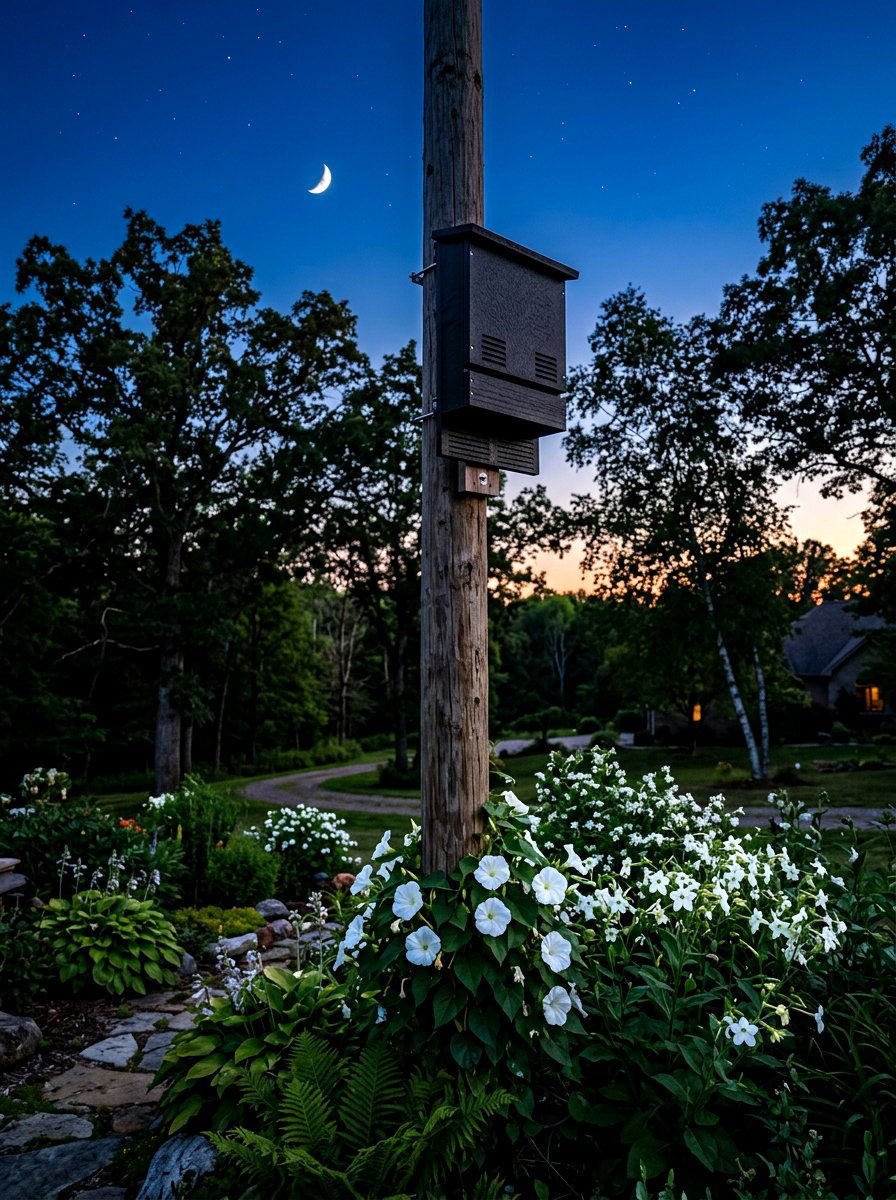
A backyard bat box installation is a fantastic way to support local bat populations while benefiting from natural pest control. You should mount the box high on a pole or the side of a building in a sunny spot to keep the bats warm. The area beneath the box can be planted with night-blooming native flowers like evening primrose to attract the moths that bats eat. This creates a complete nocturnal ecosystem right in your backyard. Bats can eat thousands of mosquitoes in a single night, making your outdoor evenings much more comfortable. Watching them emerge at dusk provides a magical glimpse into the nocturnal world. It is a simple yet high-impact rewilding project for your home.
14. Insect Hotel Structure
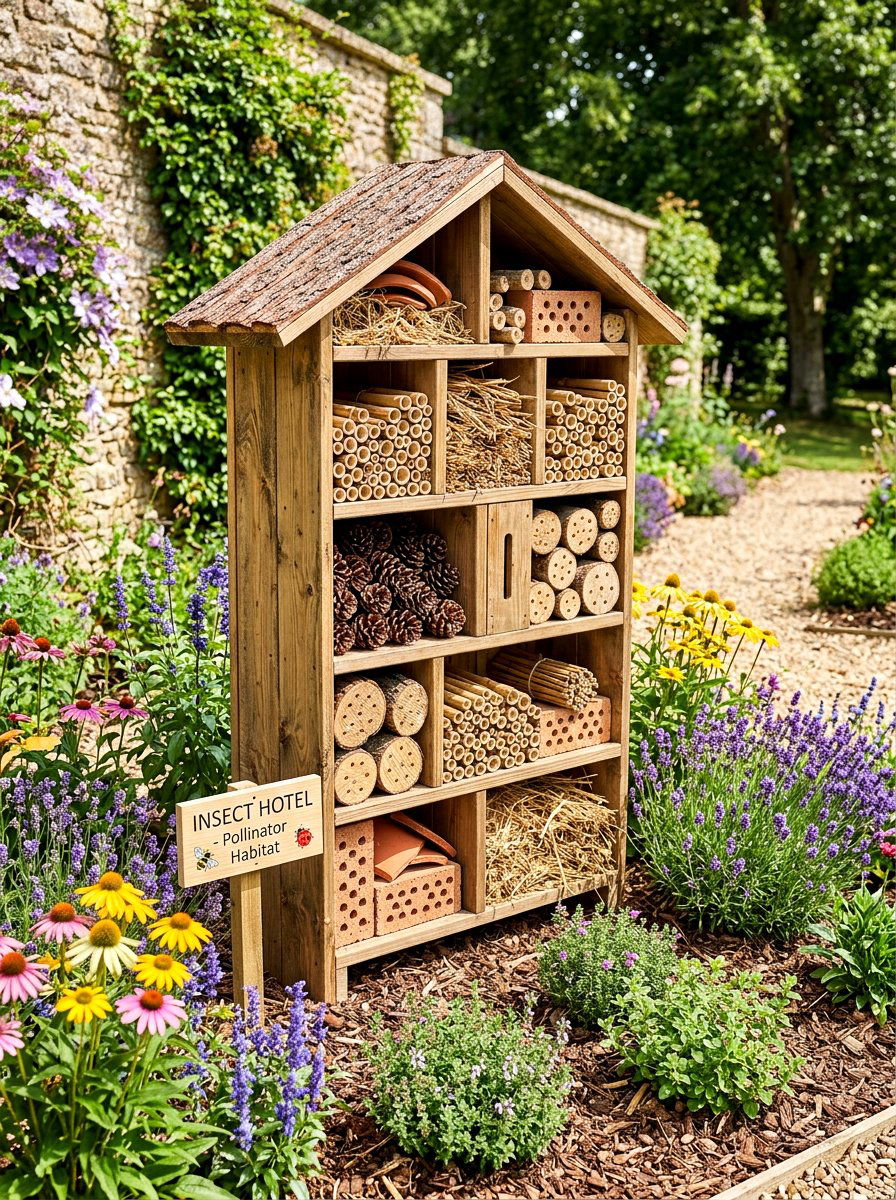
An insect hotel structure is a beautiful and functional art piece that provides essential nesting sites for solitary bees and ladybugs. This design uses a wooden frame filled with various natural materials like hollow bamboo, pinecones, and drilled logs. You should place the hotel in a sunny, sheltered spot near your flowering plants to ensure easy access for the residents. The different textures and hole sizes cater to various species, each playing a role in your garden’s health. This feature serves as an educational focal point, showing visitors the importance of small creatures in our environment. By providing a safe place for beneficial insects to overwinter, you ensure a healthy and balanced ecosystem for the next growing season.
15. Shady Woodland Corner
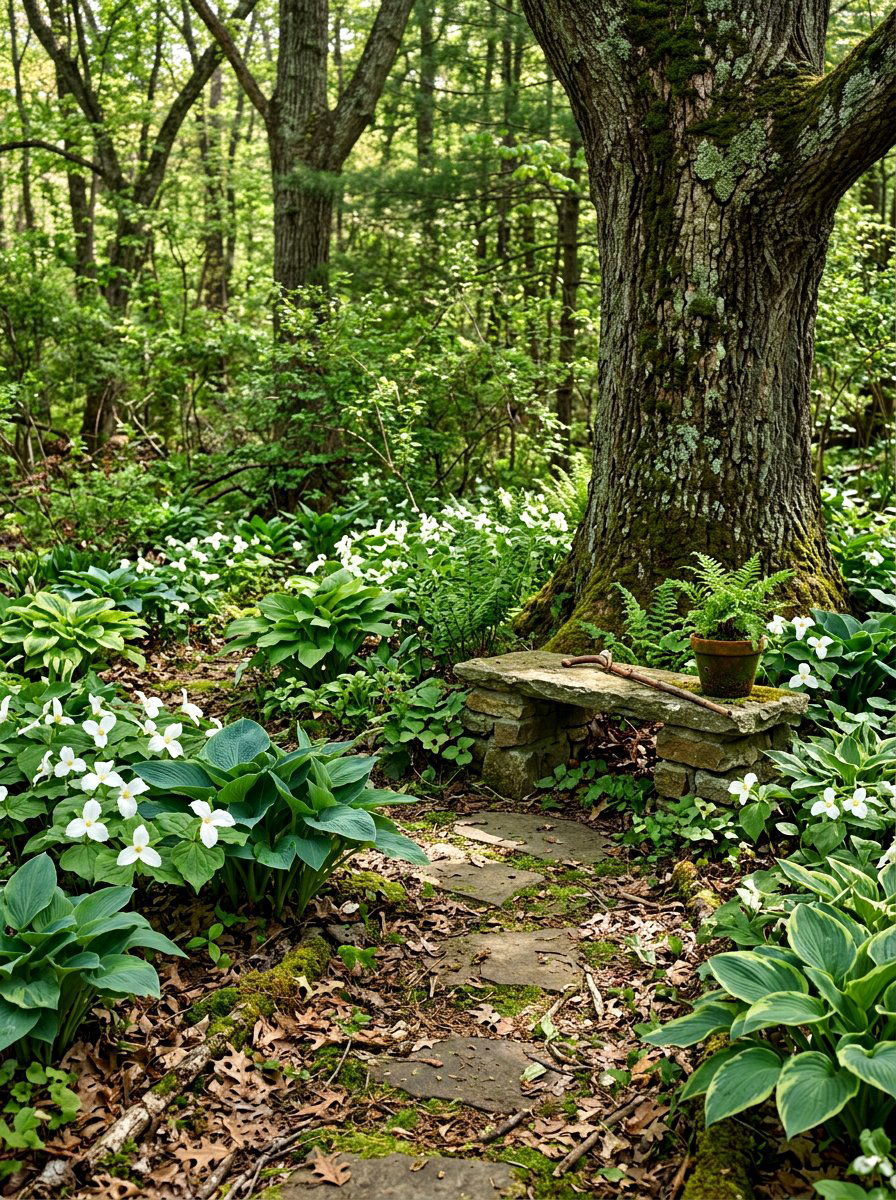
A shady woodland corner transforms the often-neglected areas under large trees into a lush, moisture-loving habitat. This design focuses on native shade plants like trilliums, wild ginger, and Solomon’s seal that thrive in dappled light. You should avoid raking away the fallen leaves in this area, as they provide a natural mulch and home for many insects. The soft, damp environment is perfect for amphibians like toads and salamanders to hide during the heat of the day. Using a rustic log or a small stone bench creates a quiet spot for reflection amidst the greenery. This cooling retreat adds deep textures and a sense of ancient permanence to your rewilded backyard, making every inch of your land productive.
16. Native Grass Border
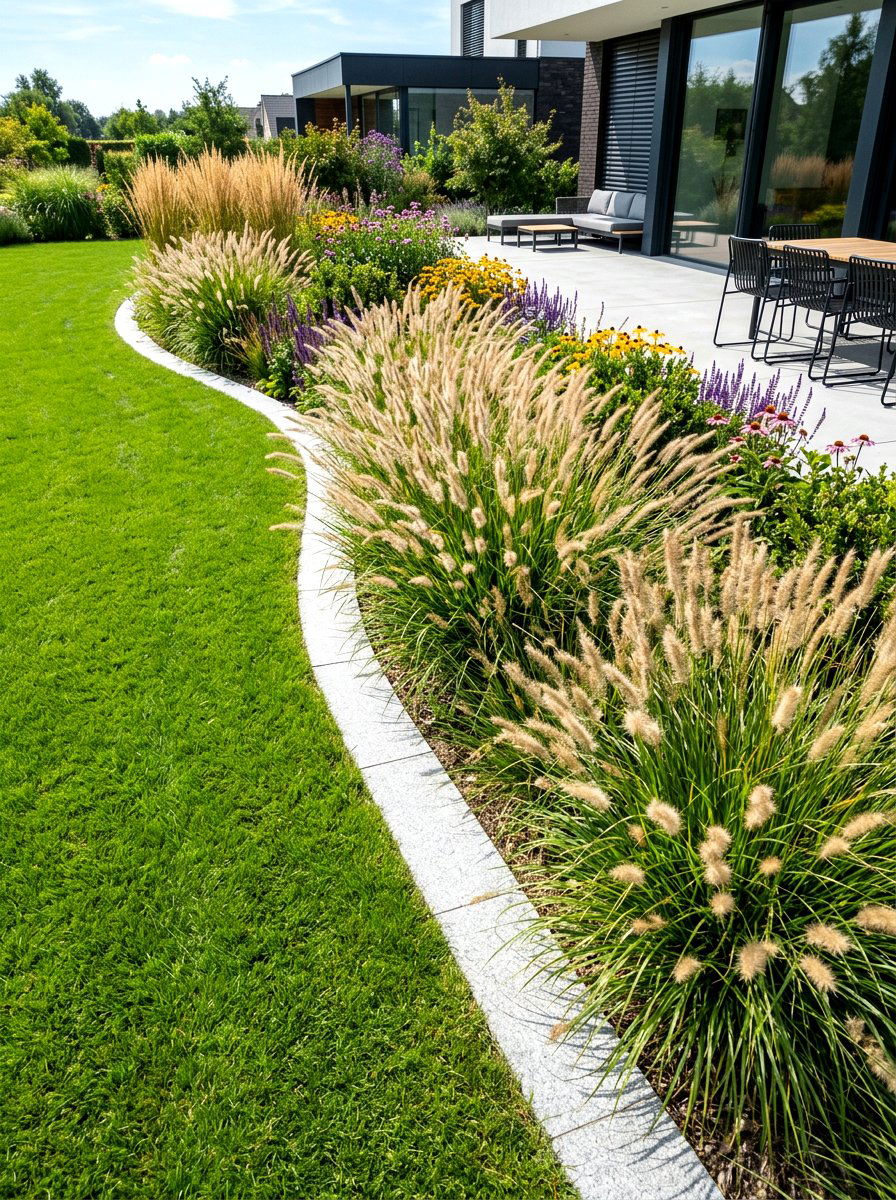
A native grass border uses the elegant forms of ornamental grasses to define the edges of your garden beds or walkways. These grasses provide a soft, swaying transition between more structured areas and the truly wild parts of your yard. Species like Big Bluestem or Indiangrass offer incredible height and dramatic seed heads that persist well into the winter. The dense clumps provide important shelter for ground-dwelling insects and small birds during harsh weather. Unlike non-native grasses, these varieties do not need extra water once their deep roots are established. They turn a simple border into a dynamic, living wall that captures light and wind, adding a sensory layer to your backyard design.
17. Rain Garden Basin
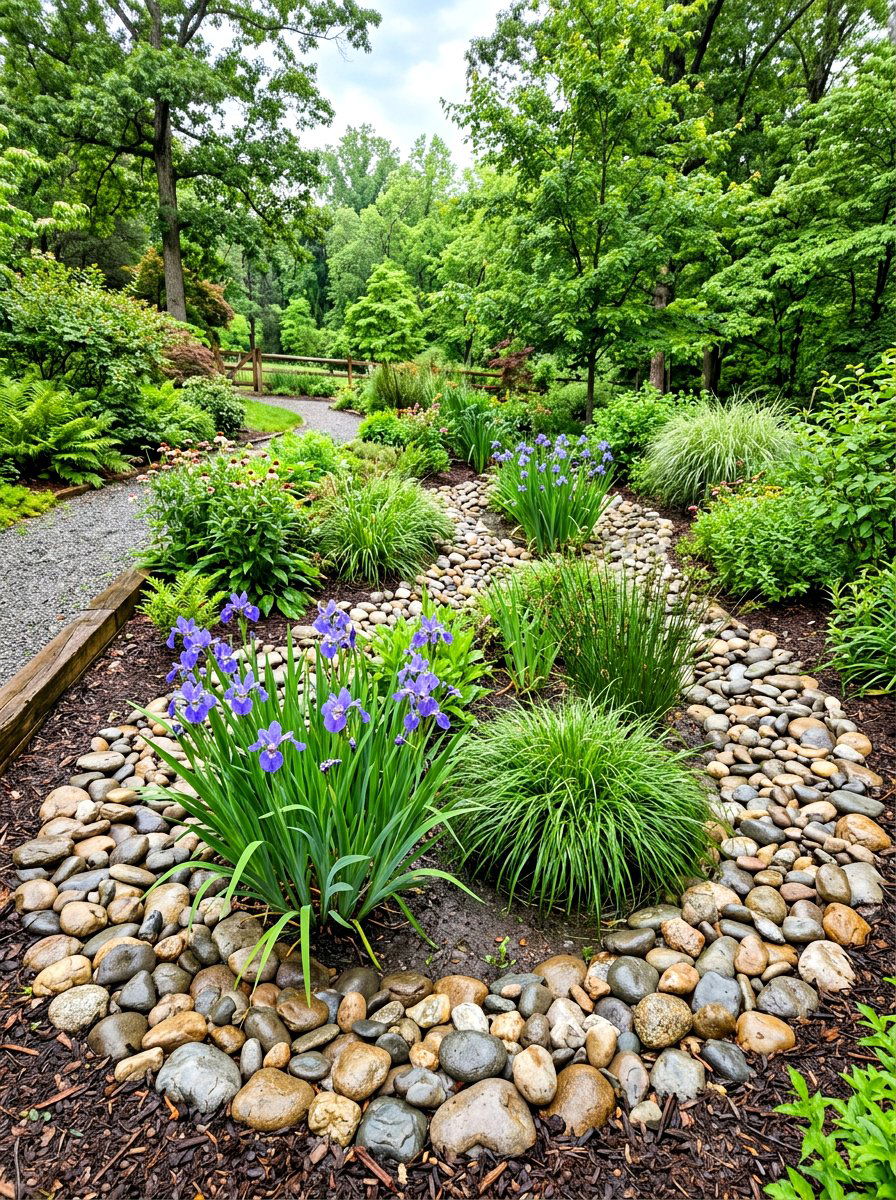
A rain garden basin is a beautiful solution for managing heavy rainfall and protecting local waterways from pollution. This design involves a shallow depression planted with deep-rooted native plants that love "wet feet" but can also handle dry spells. The garden acts like a natural sponge, soaking up runoff from your roof and driveway and filtering it through the soil. You can use attractive river rocks and moisture-loving flowers like Blue Flag Iris or Marsh Milkweed to create a vibrant focal point. This habitat is particularly attractive to frogs and dragonflies that thrive in temporary wetlands. It turns a potential drainage problem into a lush, eco-friendly feature that saves water and supports unique local species.
18. Fruit Tree Orchard
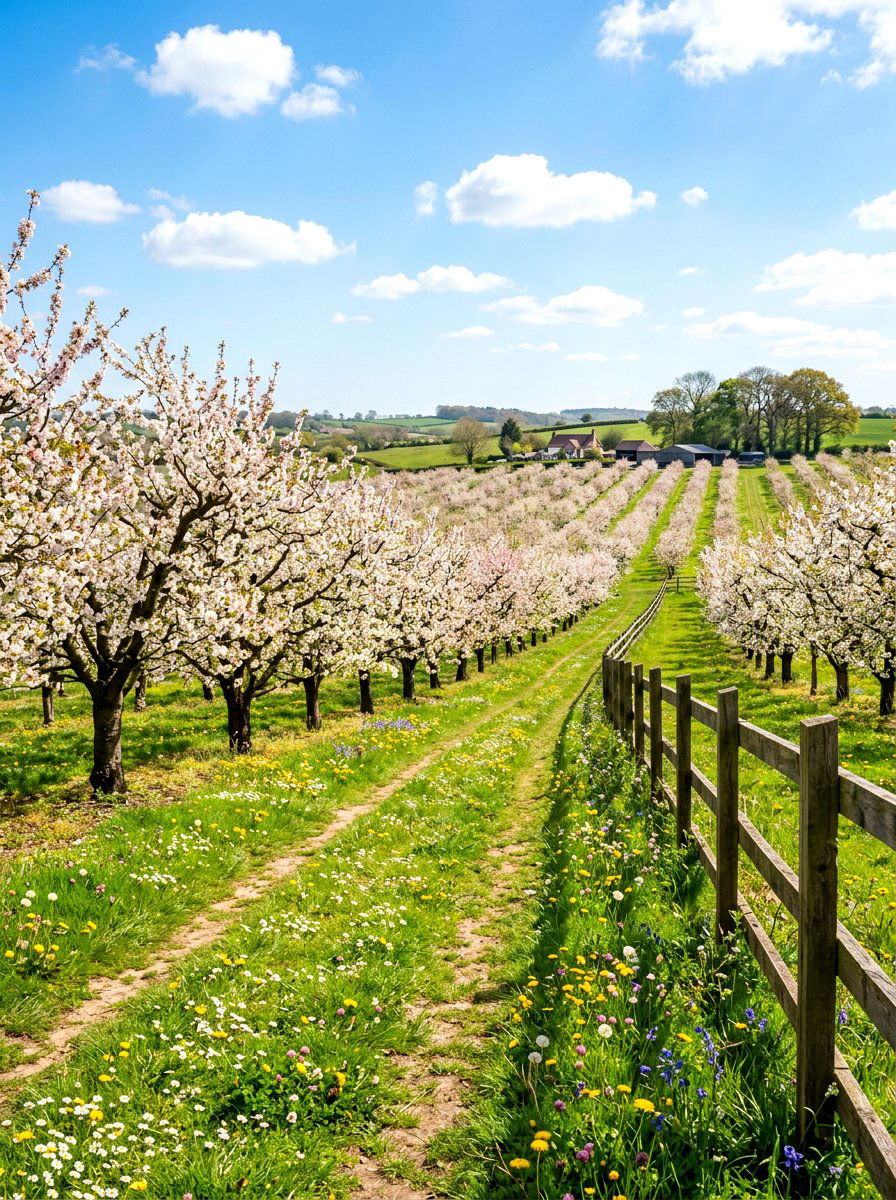
A native fruit tree orchard combines the beauty of spring blossoms with a bountiful harvest for both you and the birds. By choosing indigenous varieties like wild plum, crabapple, or pawpaw, you ensure the trees are resilient to local pests and weather. This design creates a mid-level canopy that offers shade and vertical structure to your backyard. The fallen fruit provides a vital energy source for animals as they prepare for the winter months. You can underplant the trees with native herbs and wildflowers to create a complete guild that naturally manages pests and soil health. This productive space fosters a deep connection to the land and provides a delicious way to enjoy your rewilded landscape.
19. Sand Pit For Bees
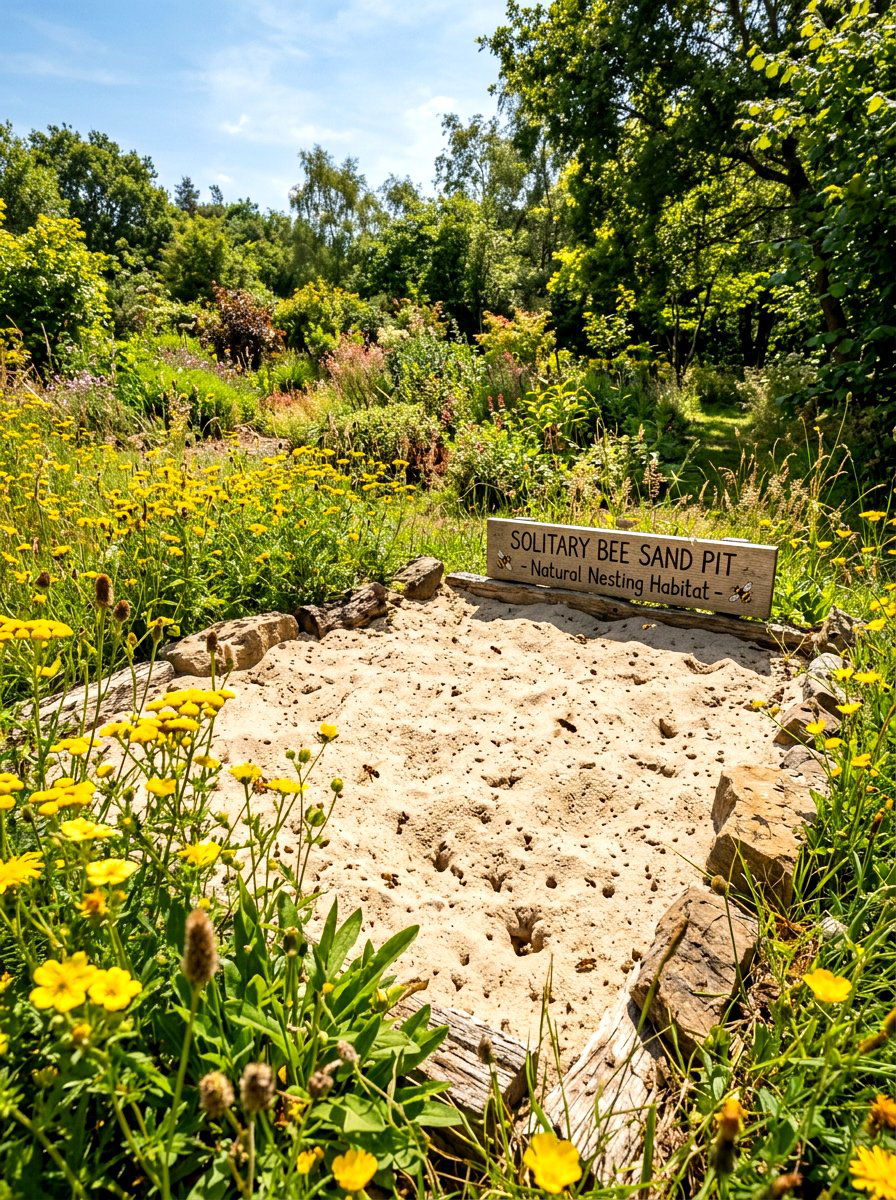
A sand pit for bees is a simple but vital design feature for ground-nesting pollinators, which make up the majority of bee species. Most people focus on hives, but many wild bees need patches of bare, sandy soil to dig their tunnels. You should locate the sand pit in a warm, sunny, and well-drained spot that remains undisturbed throughout the year. Surrounding the area with low-growing, nectar-rich flowers ensures that the bees have food close to their homes. This feature is often overlooked in traditional gardens, but it is essential for a truly biodiverse rewilded space. It is a fascinating area to observe, as you can watch tiny, gentle bees busily working on their subterranean nests.

20. Dry Stone Wall
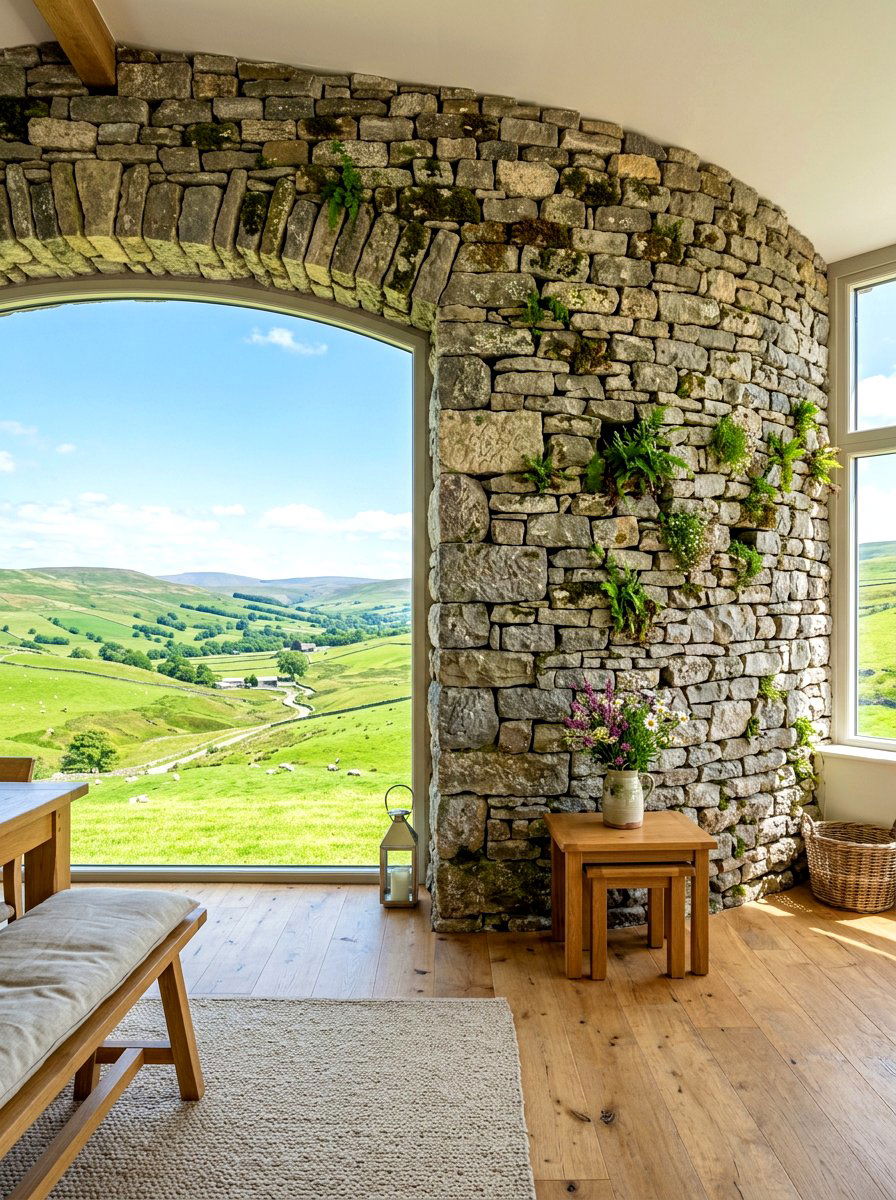
A dry stone wall is a classic landscape feature that provides an incredible amount of habitat for small creatures without using any mortar. The many gaps and crevices between the stones offer perfect hiding spots for spiders, toads, and even small lizards. You can plant native rock-loving species like stonecrop directly into the joints to soften the look and provide nectar. This structure acts as a thermal mass, soaking up the sun's heat and creating a warm microclimate for your plants. It defines the different zones of your rewilded yard while adding a timeless, handcrafted feel. This durable design choice actually becomes more ecologically valuable as it ages and becomes covered in mosses and lichens.
21. Wild Herb Patch
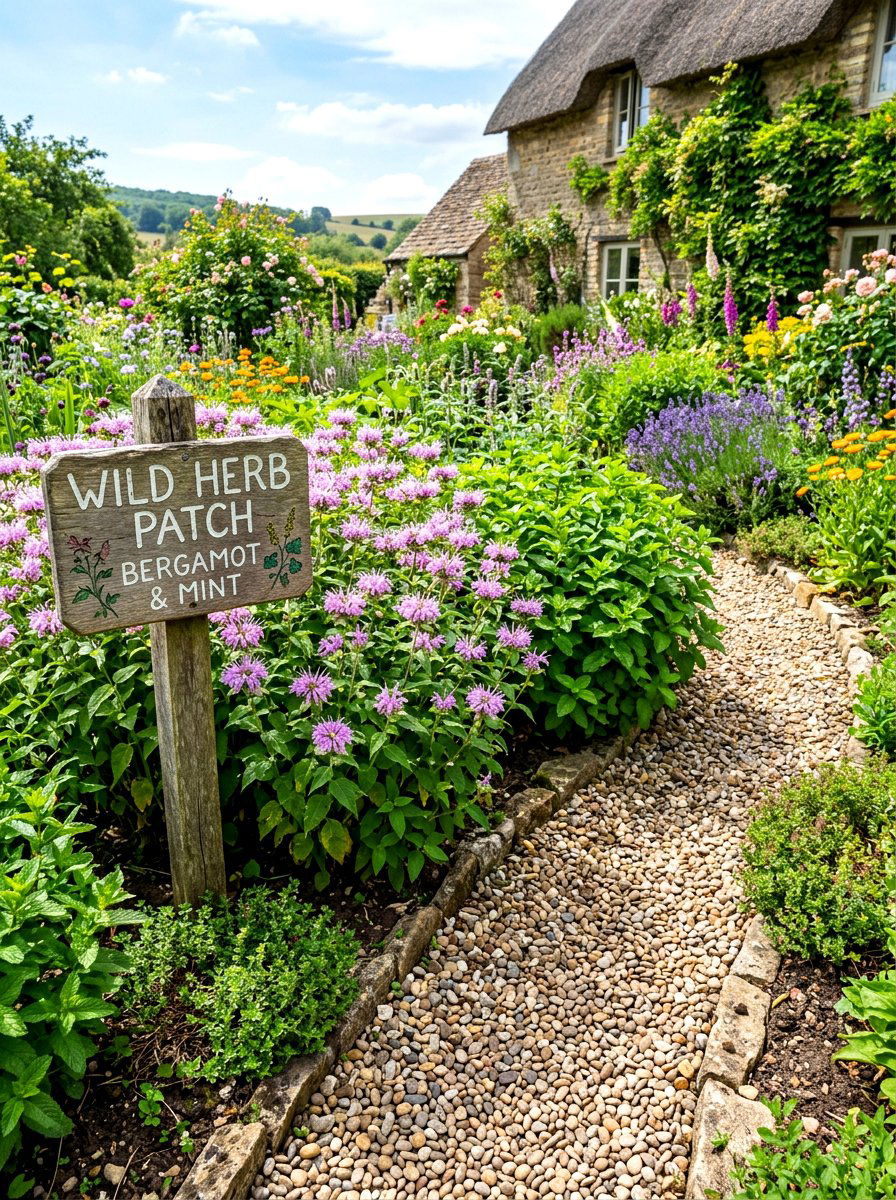
A wild herb patch focuses on native culinary and medicinal plants that offer a unique sensory experience in your backyard. Instead of standard Mediterranean herbs, you can grow indigenous species like bergamot, mountain mint, and wild onions. These plants are often much hardier and attract a wider variety of local pollinators than their non-native cousins. The patch can be designed with a mix of heights and textures, creating a fragrant corner that is both functional and wild. Many of these herbs have beautiful flowers that are a favorite of butterflies and hummingbirds. This area bridges the gap between a traditional garden and a rewilded landscape, allowing you to harvest fresh flavors while supporting your local ecosystem.
22. Fern Shady Nook
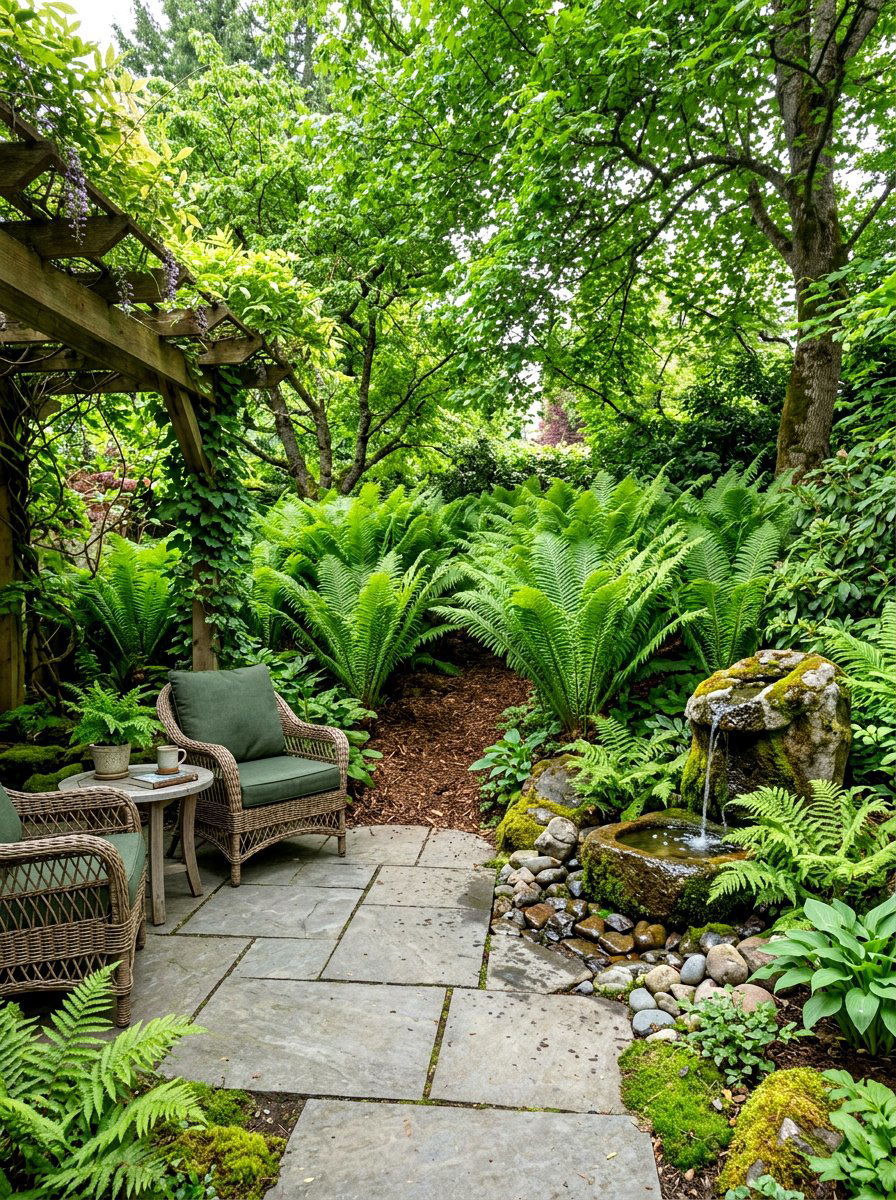
A fern shady nook is the perfect way to bring a prehistoric and serene atmosphere to the dampest corners of your yard. These ancient plants come in a variety of shapes and sizes, from the delicate Maidenhair to the tall, architectural Ostrich fern. You can arrange them around a natural stone feature or a small trickling fountain to enhance the cooling effect. Ferns provide excellent cover for amphibians and ground-dwelling insects that need a moist environment to survive. This design requires very little maintenance, as the thick fronds naturally shade the soil and suppress weeds. It creates a lush, green sanctuary that feels like a hidden forest glen, offering a perfect escape from the summer heat.
23. Naturalized Bulb Drift
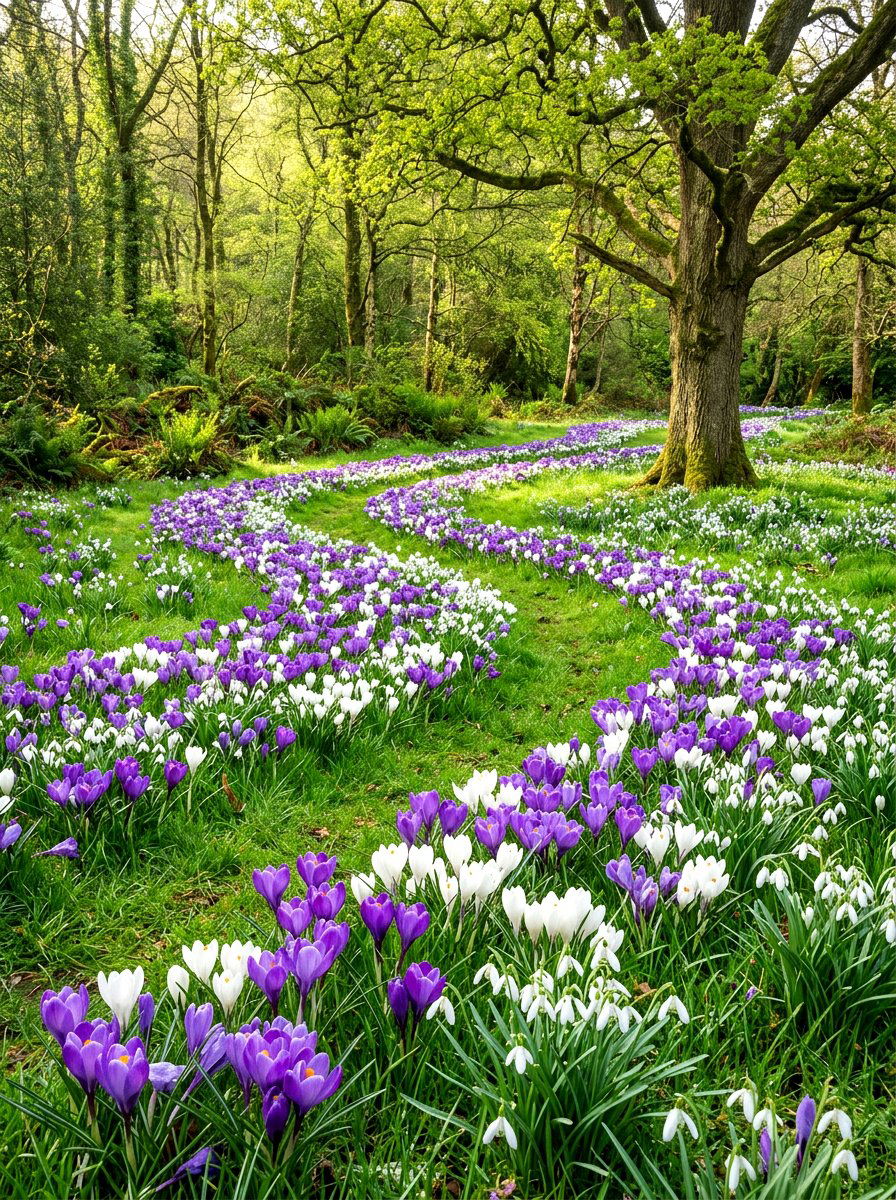
A naturalized bulb drift creates a spectacular wave of early spring color that signals the start of the growing season. By planting native bulbs like Camas, Trout Lily, or Spring Beauty in large, random patterns, you mimic how they would grow in the wild. These early bloomers provide a critical first food source for queen bumblebees as they emerge from hibernation. You should plant them directly into your meadow or grass areas, allowing the foliage to die back naturally after flowering. Over time, these bulbs will spread and multiply, creating a more impressive display each year. This low-effort design choice adds a touch of magic and anticipation to your rewilded backyard during the cooler months.
24. Climbing Native Vine
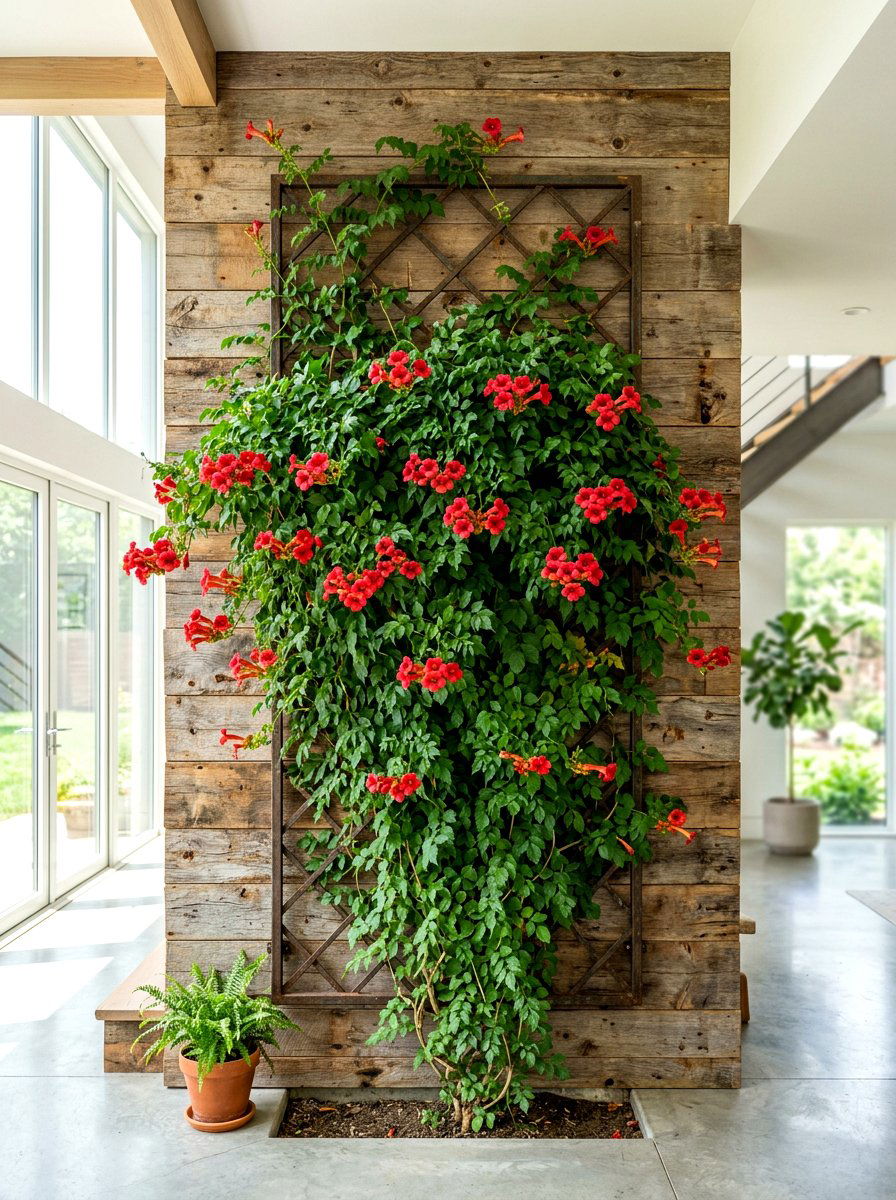
A climbing native vine turns your fences, walls, or old trees into a vertical habitat that supports a huge range of life. Species like Trumpet Honeysuckle or Virgin’s Bower produce beautiful flowers that are irresistible to hummingbirds and long-tongued bees. The dense foliage provides a safe highway for small animals to move around your yard without being seen by predators. These vines can be used to screen out neighbors or hide unsightly structures, providing a living green wall that breathes. In the autumn, many native climbers produce seeds or berries that feed birds during the lean months. It is an easy way to add height and lushness to any rewilding project without taking up much ground space.

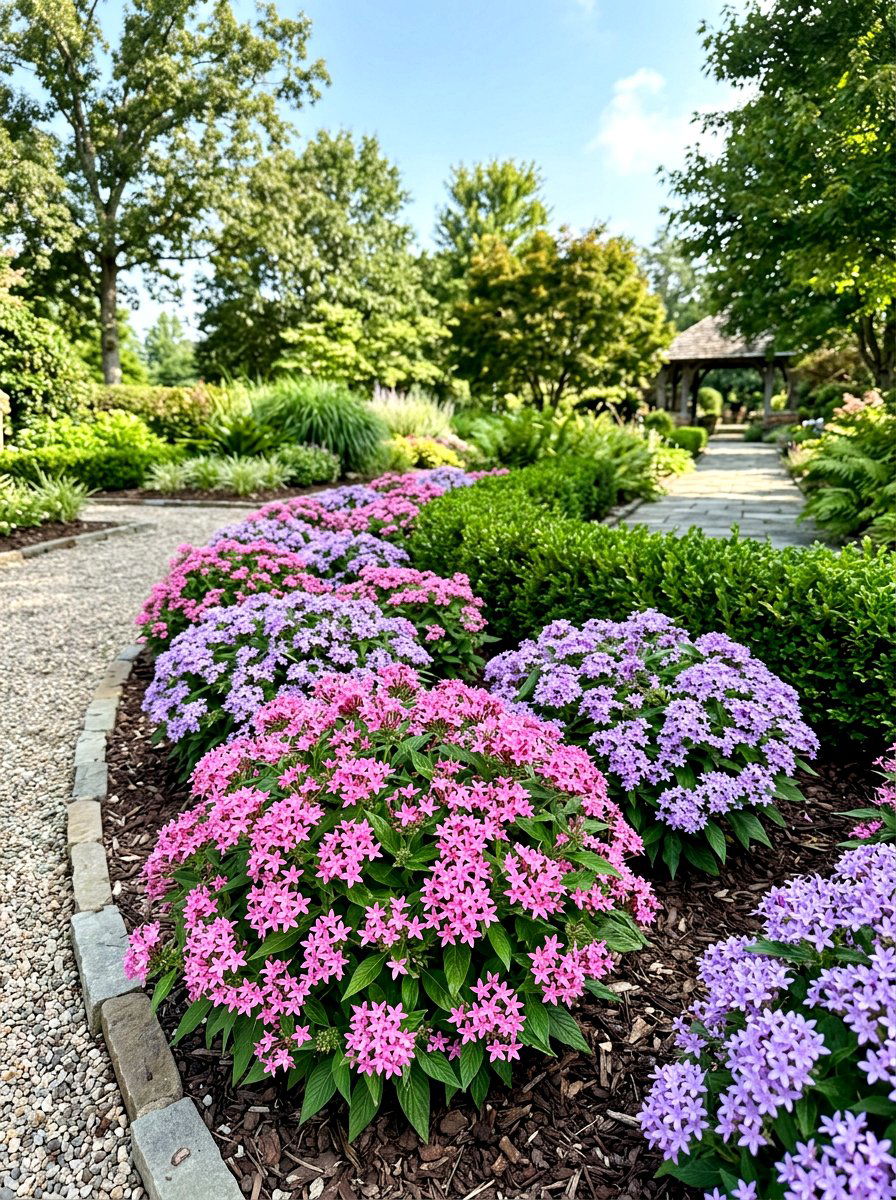
25. Rustic Log Seating
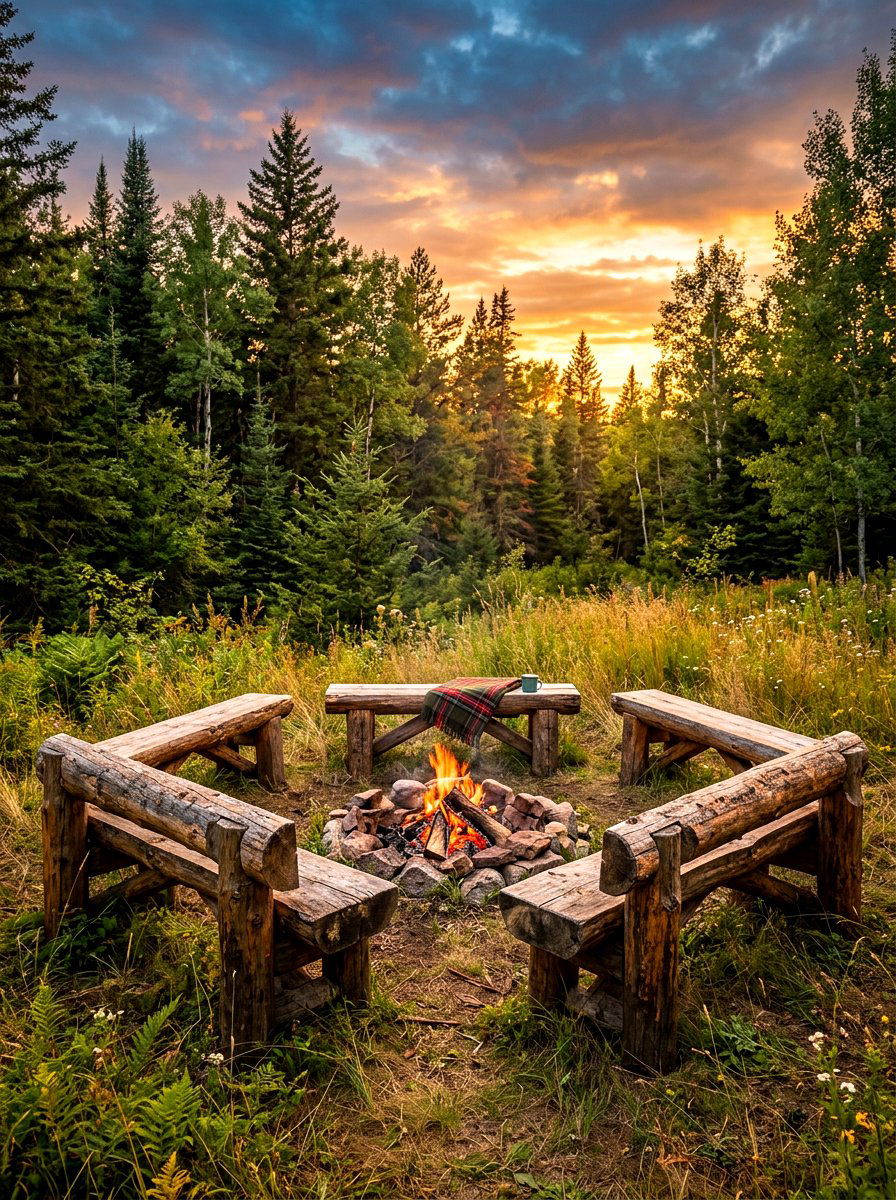
Rustic log seating allows you to sit comfortably and immerse yourself in the natural world you have created. Instead of using plastic or metal furniture, you can use large fallen logs or stump sections to create an organic gathering spot. You should place these seats in a quiet corner where you can observe birds and insects without disturbing them. Over time, the logs themselves will begin to decay and become part of the habitat, supporting fungi and beetles. This design choice keeps your backyard looking wild and unpretentious, emphasizing the connection between humans and nature. It provides a perfect place for morning coffee or evening reflection, helping you slow down and appreciate the details of your ecosystem.
26. Dead Tree Snag
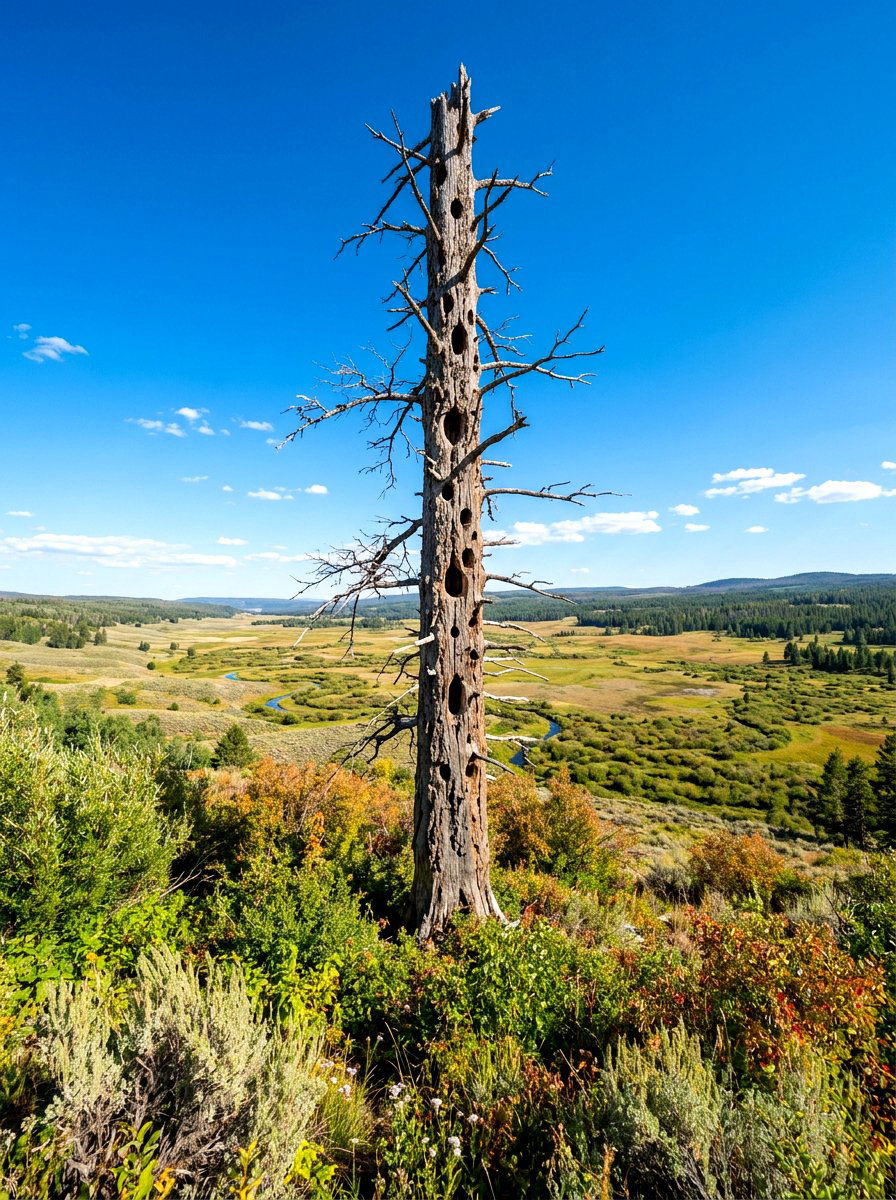
A dead tree snag is a standing dead tree that provides an incredible amount of "real estate" for cavity-nesting birds and bats. While many homeowners remove dead trees immediately, leaving a safe snag can attract woodpeckers and owls to your yard. You can have a professional arborist trim the branches to ensure the main trunk is stable and safe. The decaying wood is a feast for insects, which in turn feeds the birds. As the bark loosens, it creates perfect roosting spots for bats and butterflies. This vertical habitat is a rare and precious resource in urban and suburban areas. It adds a dramatic, sculptural element to your landscape while proving your commitment to supporting the full cycle of life.
27. Backyard Wetland Area
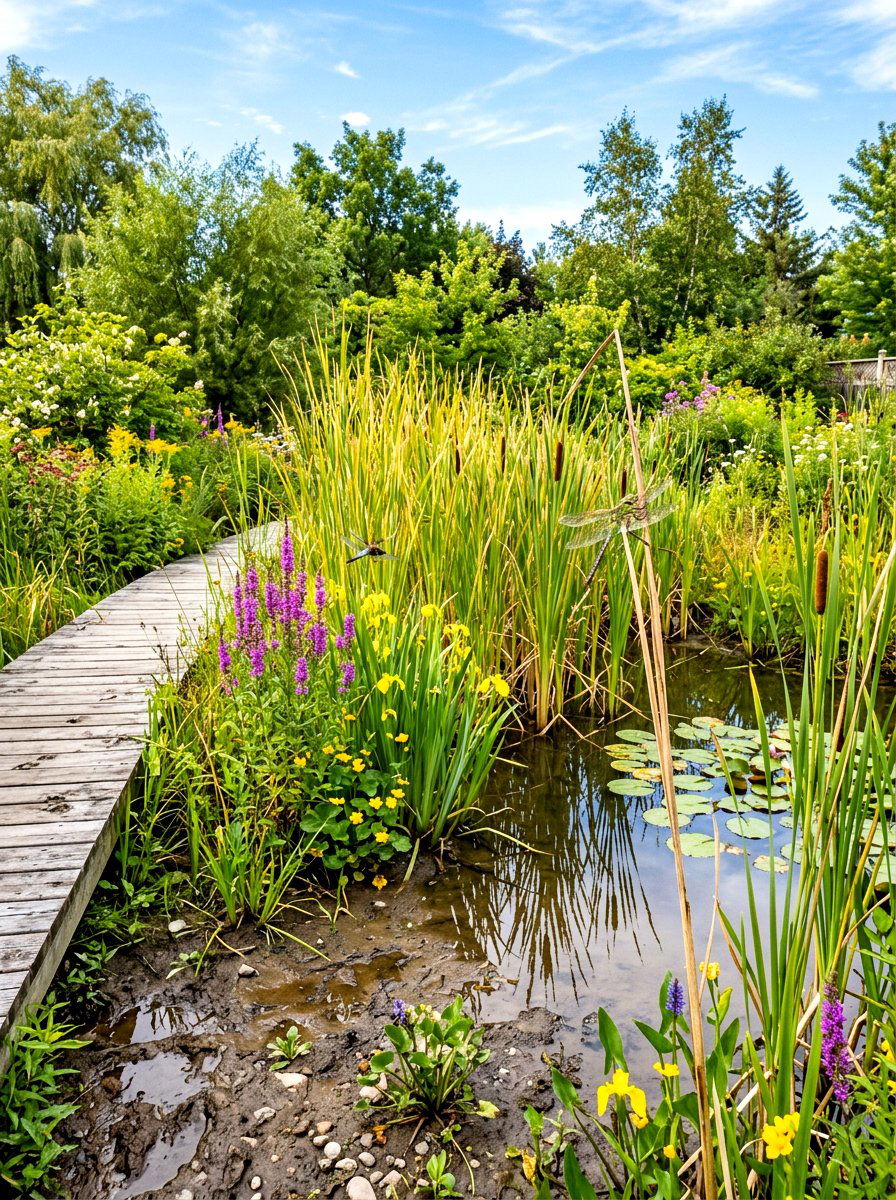
A backyard wetland area is a permanent damp zone that supports unique plants and animals that cannot live in drier soil. This design is perfect for low-lying spots where water naturally collects after a storm. You can plant moisture-loving species like Joe Pye Weed, Boneset, and various sedges to create a dense, sponge-like environment. This area provides a vital breeding ground for frogs and toads, which will help keep your garden’s insect population in check. The wetland acts as a natural filter, cleaning the water before it sinks back into the earth. It brings a completely different texture and set of species to your rewilded yard, making it feel like a complete and diverse ecosystem.
28. Native Meadow Path
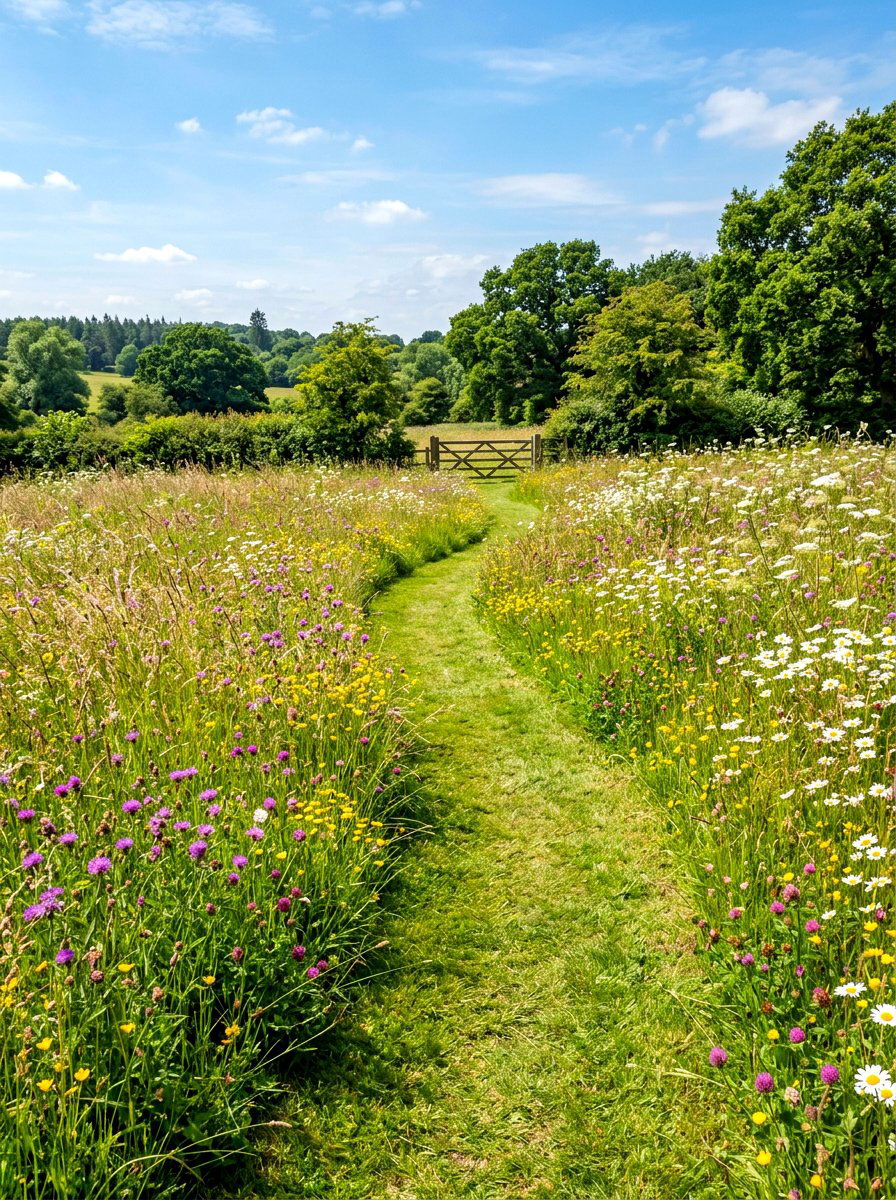
A native meadow path is a simple, mown trail that winds through your tall wildflower and grass areas. This design provides a clear way for you to walk through your wild yard without trampling the delicate habitats you have built. The contrast between the short, mown grass and the tall, swaying meadow creates a beautiful and intentional look. It shows that your wild garden is a planned space rather than a neglected one. These paths invite you to explore the hidden corners of your yard and see the insects up close. They also provide a "soft edge" where different species can interact. This practical addition makes your rewilded landscape feel like a park and a place for human enjoyment.
29. Leaf Litter Mulch Bed
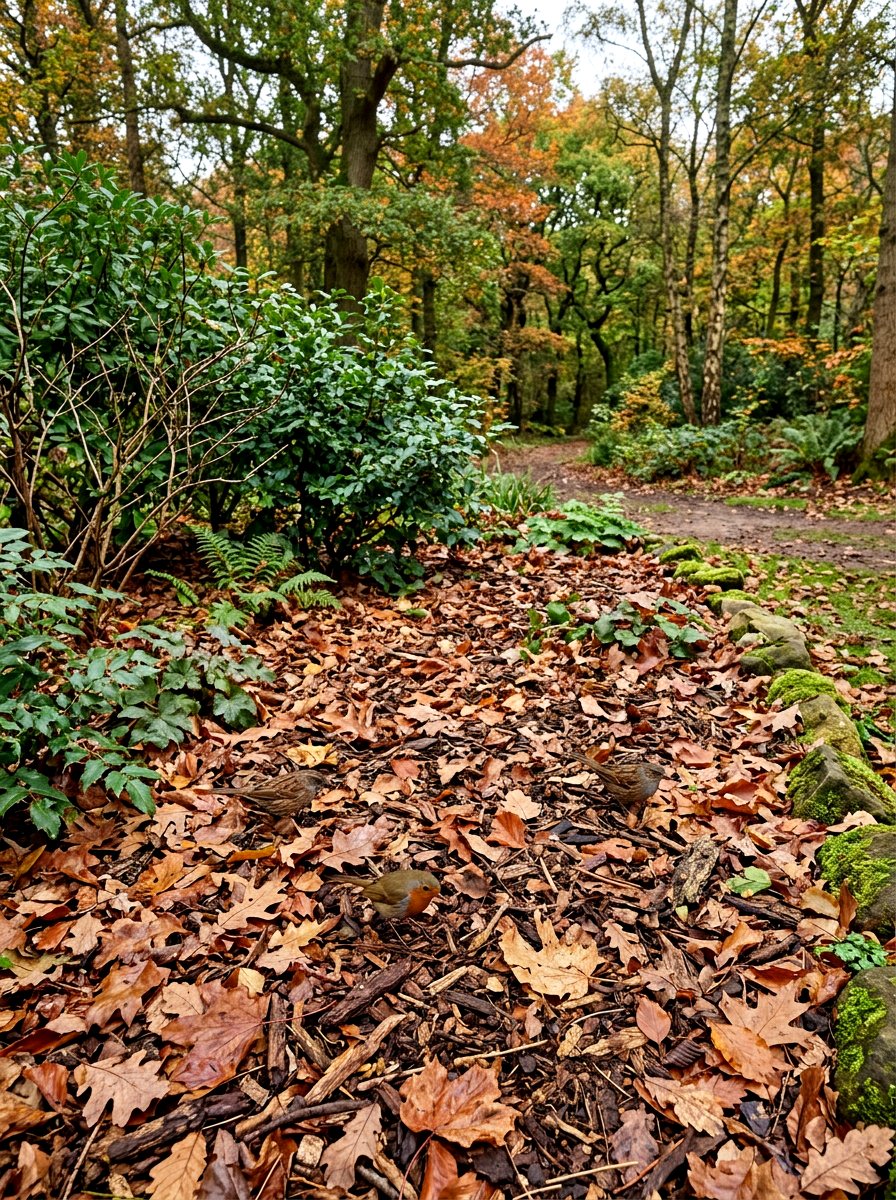
A leaf litter mulch bed is the simplest rewilding step you can take, yet it is one of the most beneficial. Instead of bagging up fallen leaves, you can rake them into your garden beds to create a thick, protective layer. This natural mulch keeps the soil moist, suppresses weeds, and provides essential nutrients as it breaks down. More importantly, it is the overwintering home for countless beneficial insects, including the larvae of lightning bugs and many butterflies. Small birds like thrashers and towhees will spend hours scratching through the leaves to find snacks. By "leaving the leaves, " you support the foundational layers of your backyard’s food web while saving yourself a lot of hard work.
30. No Mow Grass Zone
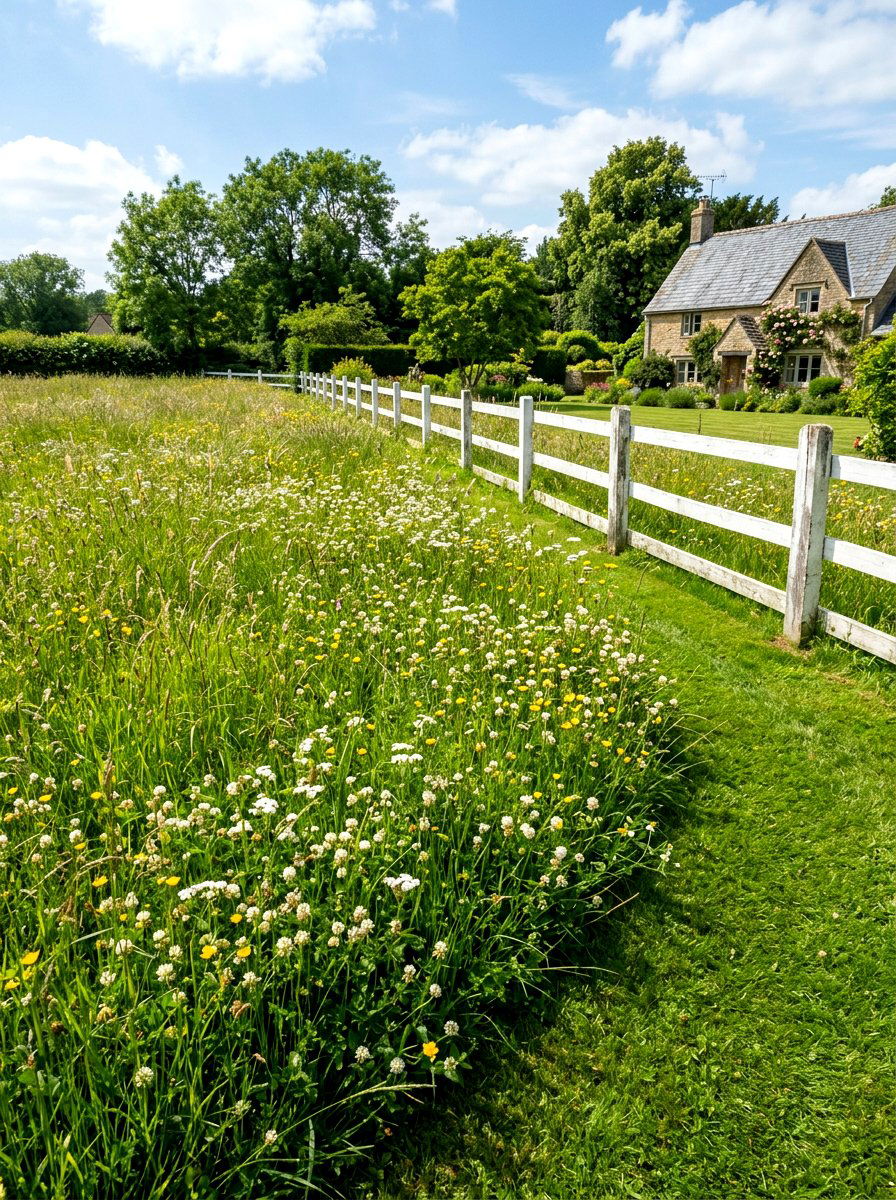
A no mow grass zone is an area where you simply stop cutting the lawn and allow the native plants to reclaim the space. Over time, you will see a variety of native grasses and "weeds" like violets and dandelions emerge, providing food for early pollinators. This design is the most hands-off approach to rewilding and yields surprising results as dormant seeds finally get a chance to grow. You can keep the edges neatly trimmed to maintain a deliberate look while letting the center go wild. This reduces your carbon footprint by eliminating the use of gas-powered mowers. It is a powerful statement of letting go and allowing nature to take the lead in your own private sanctuary.
Conclusion:
Rewilding your backyard is a transformative journey that benefits both the local environment and your personal well-being. By choosing native plants and creating diverse habitats, you turn a static lawn into a dynamic, living ecosystem. Each of these thirty ideas provides a practical way to support biodiversity, conserve water, and reduce your ecological footprint. You do not have to do everything at once; even small changes like leaving a log pile or planting a berry hedge can make a significant difference. As your garden matures, you will be rewarded with the sights and sounds of a thriving natural world right outside your door. Embracing the wild beauty of nature is a gift that keeps on giving for generations to come.

Related posts: